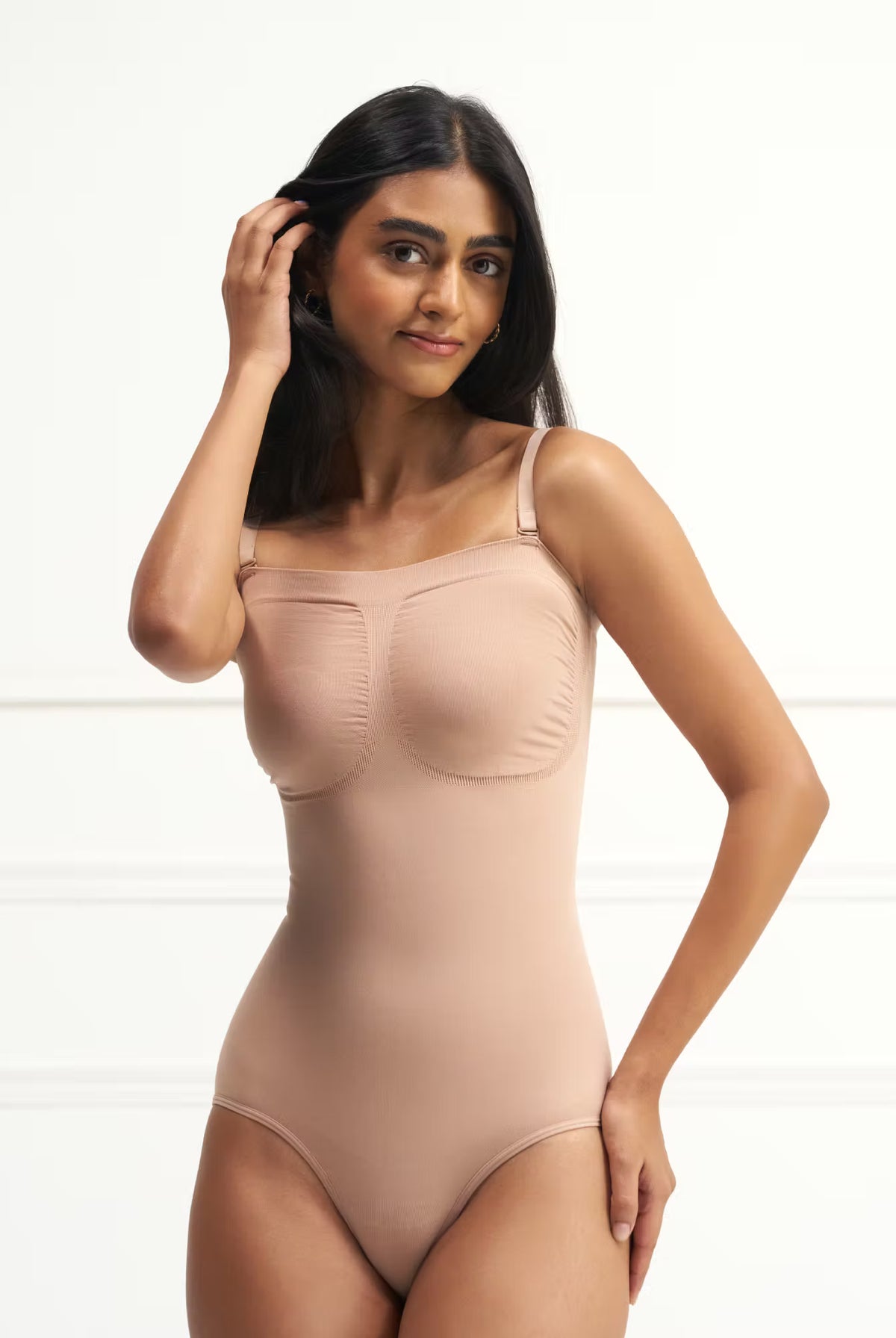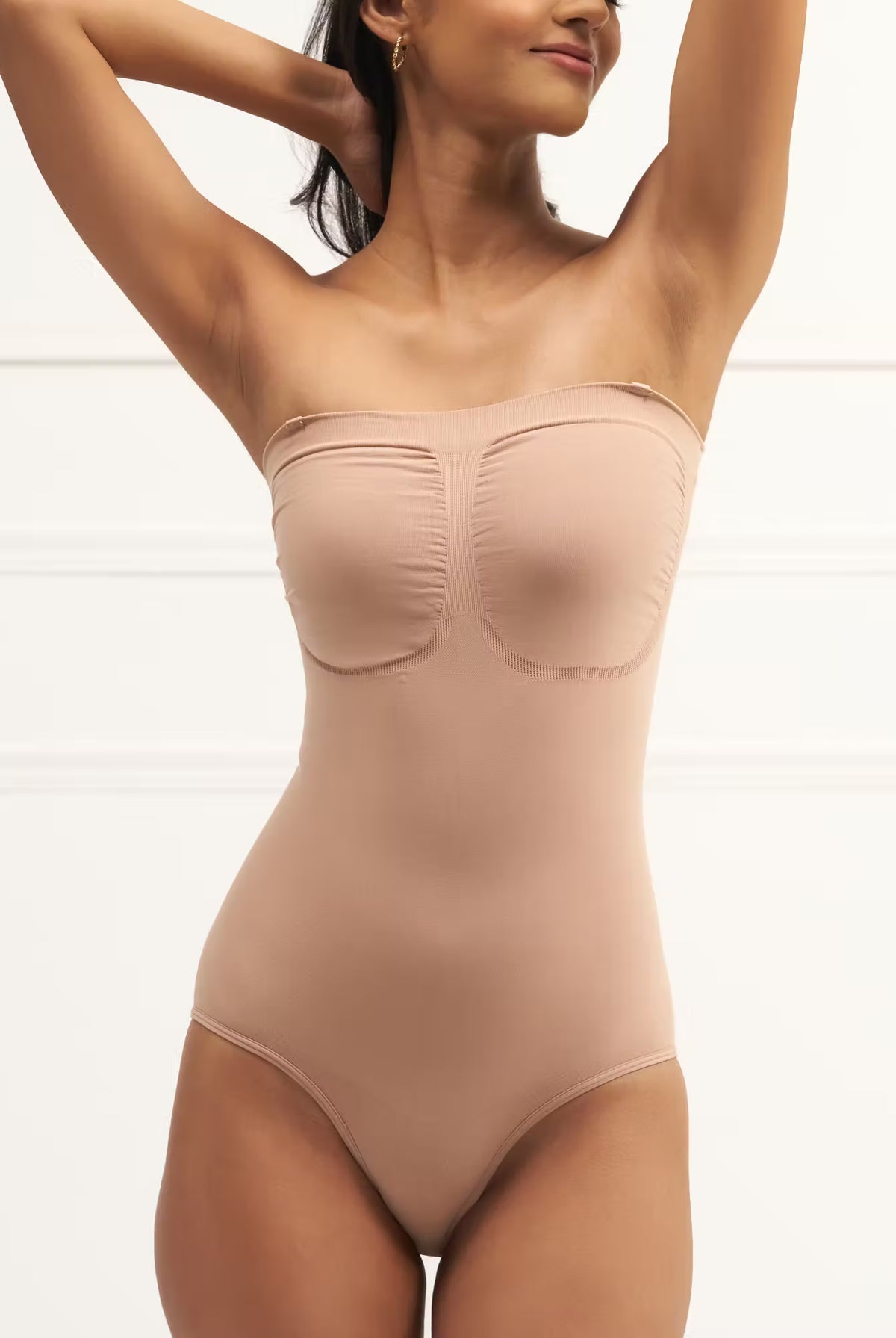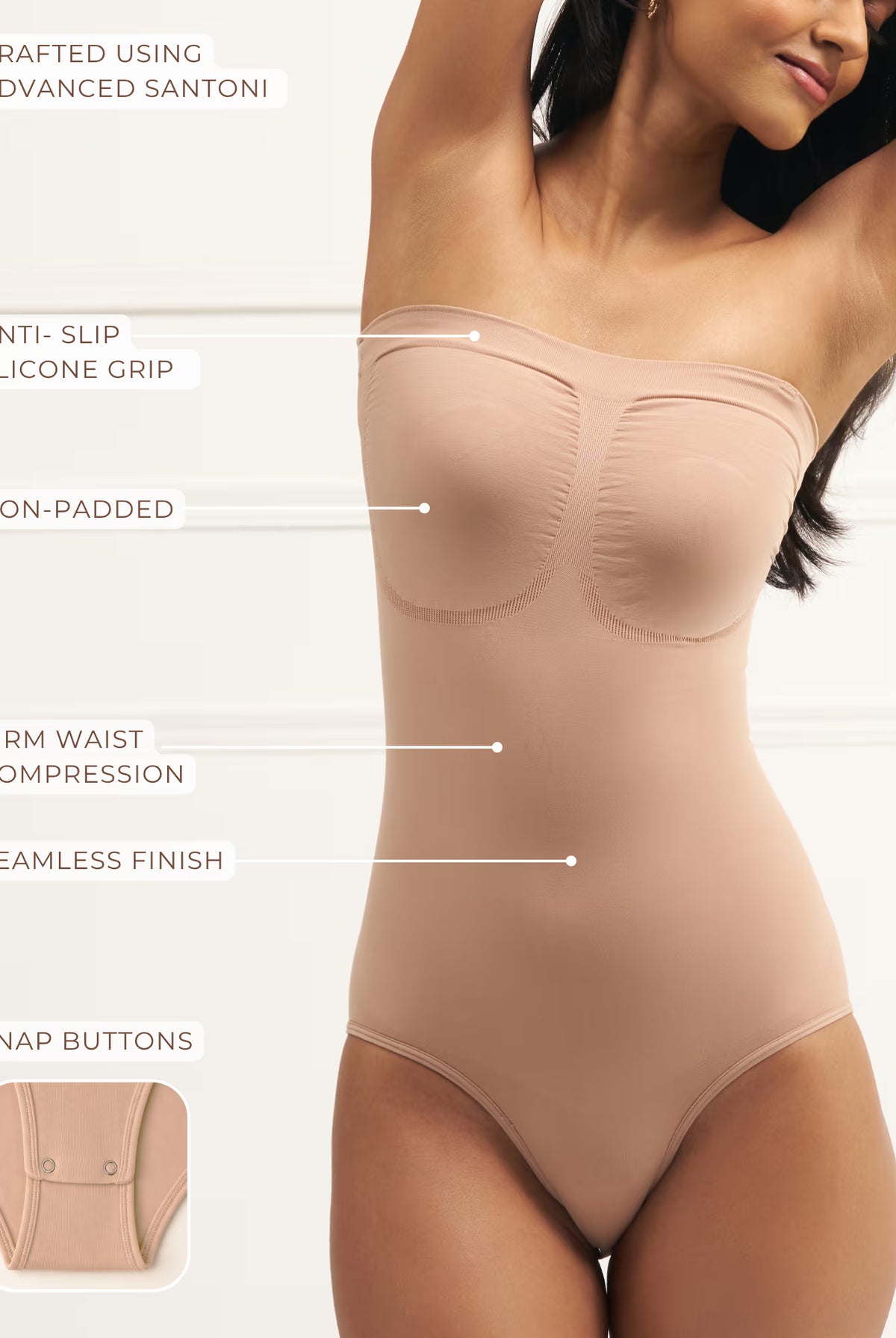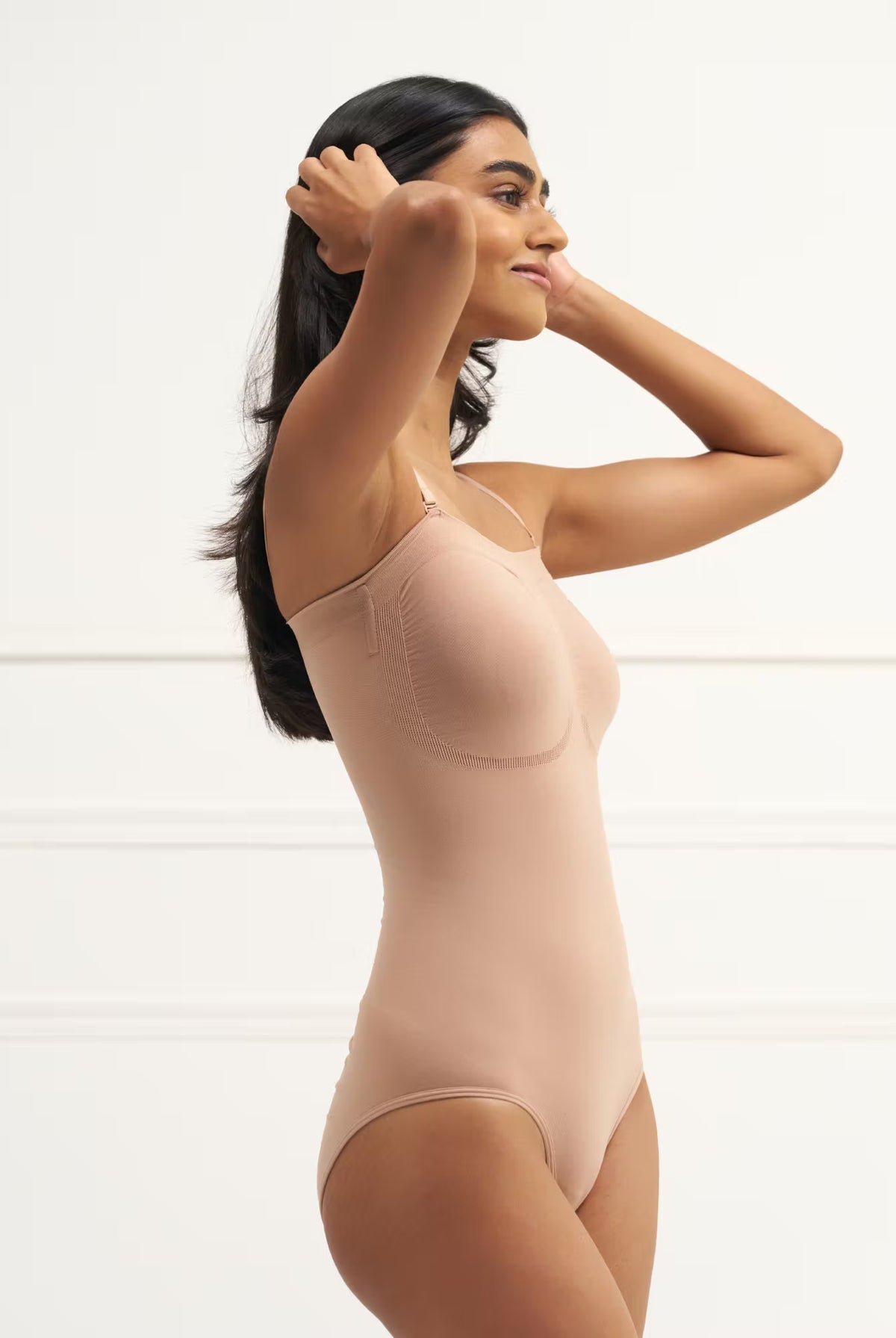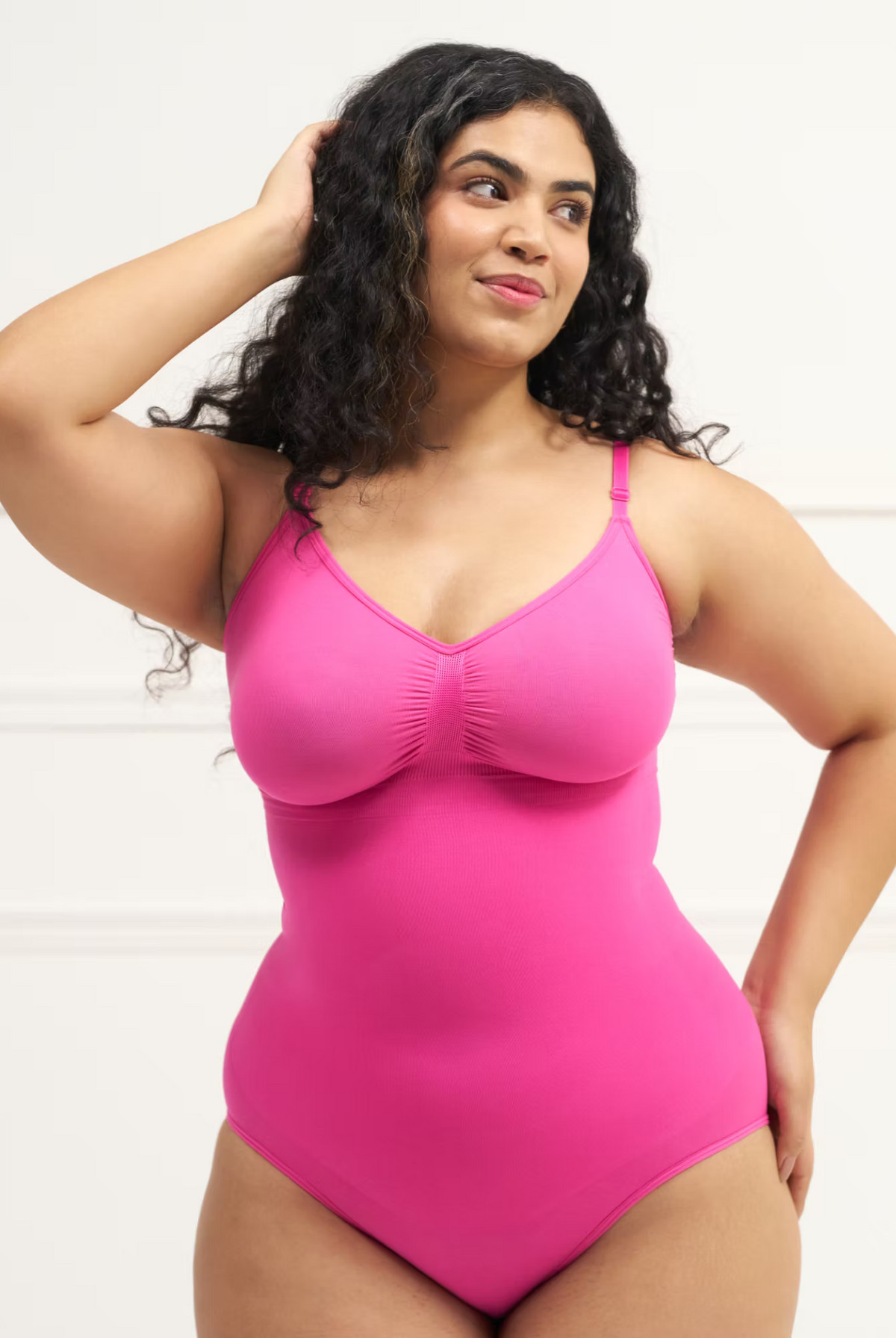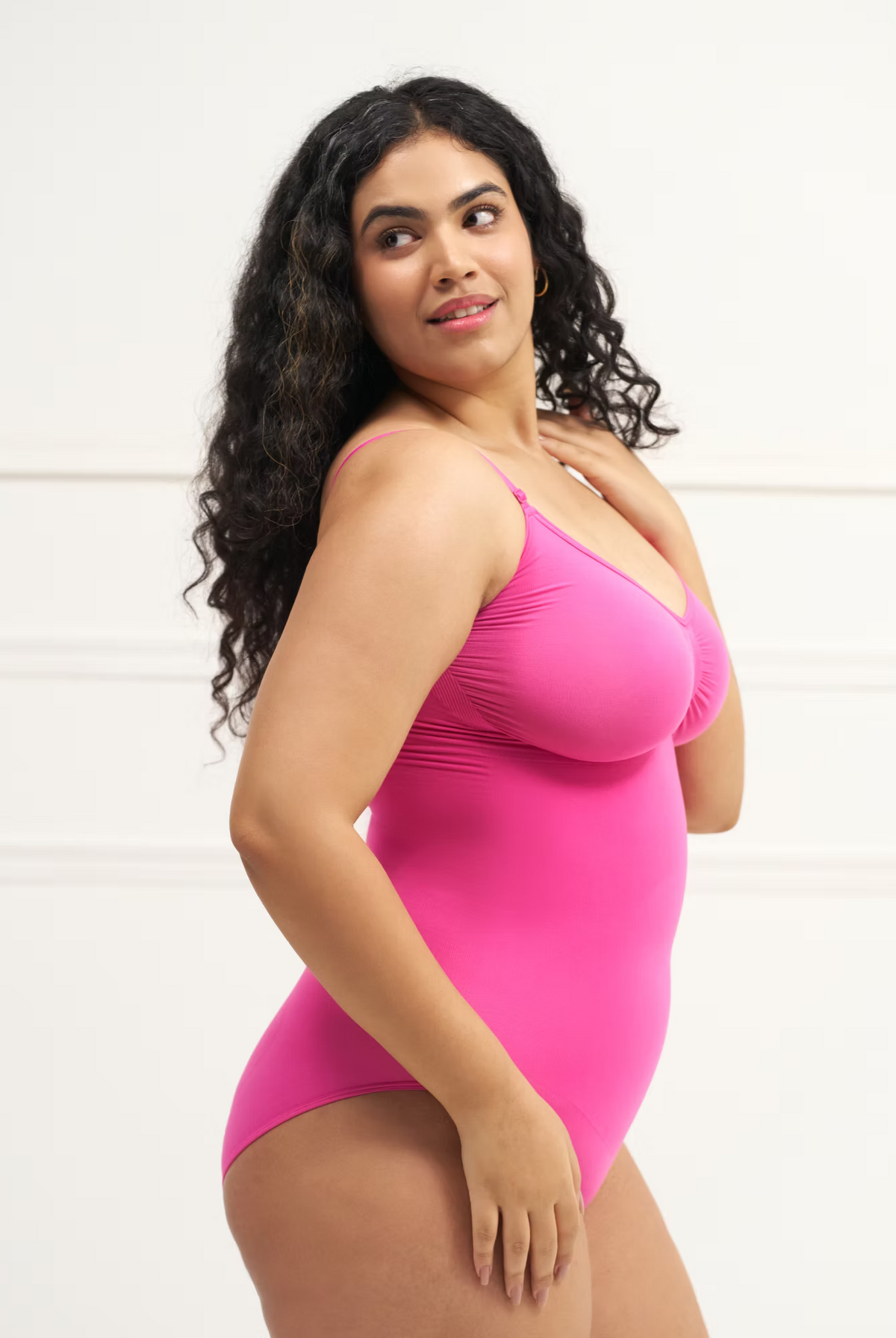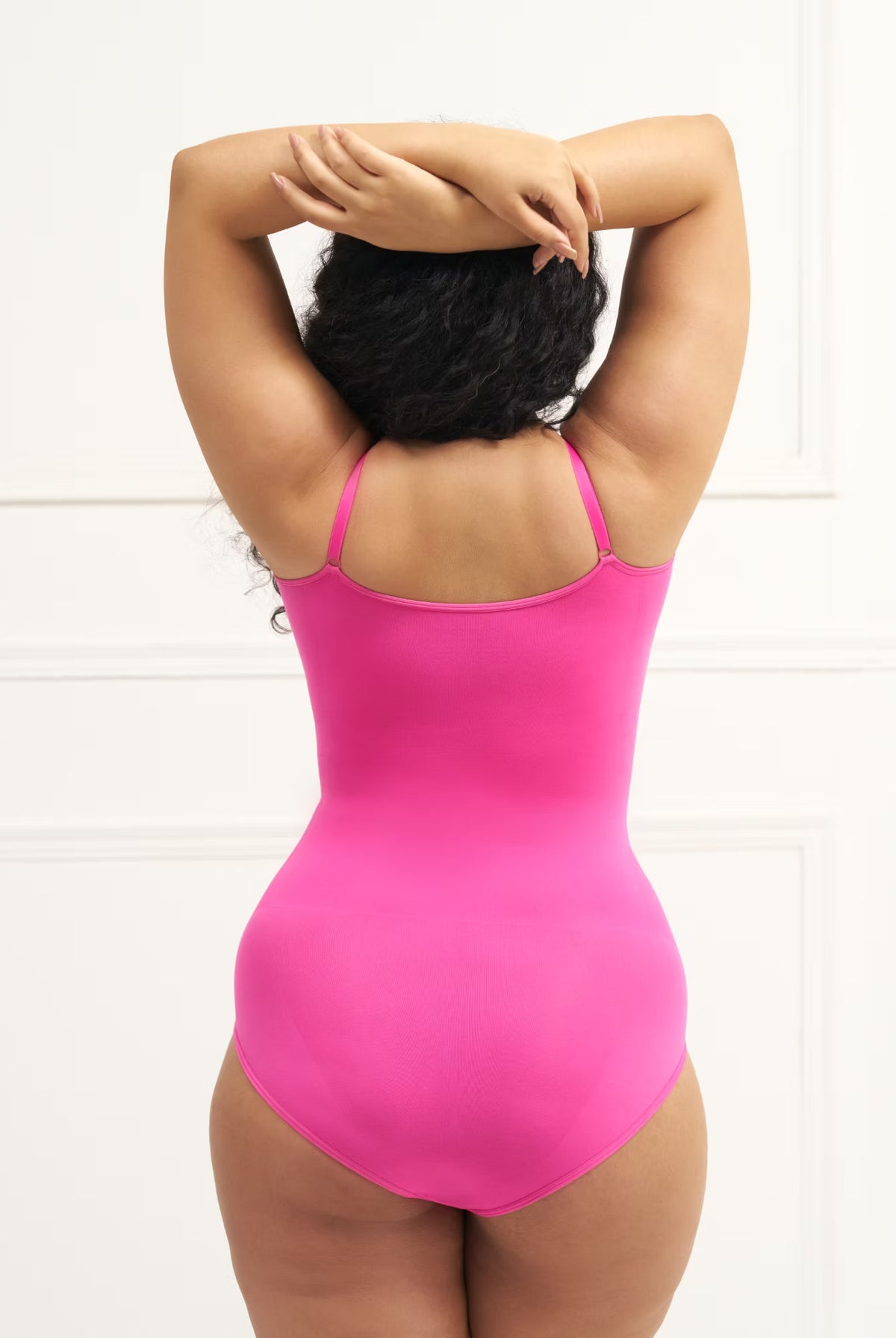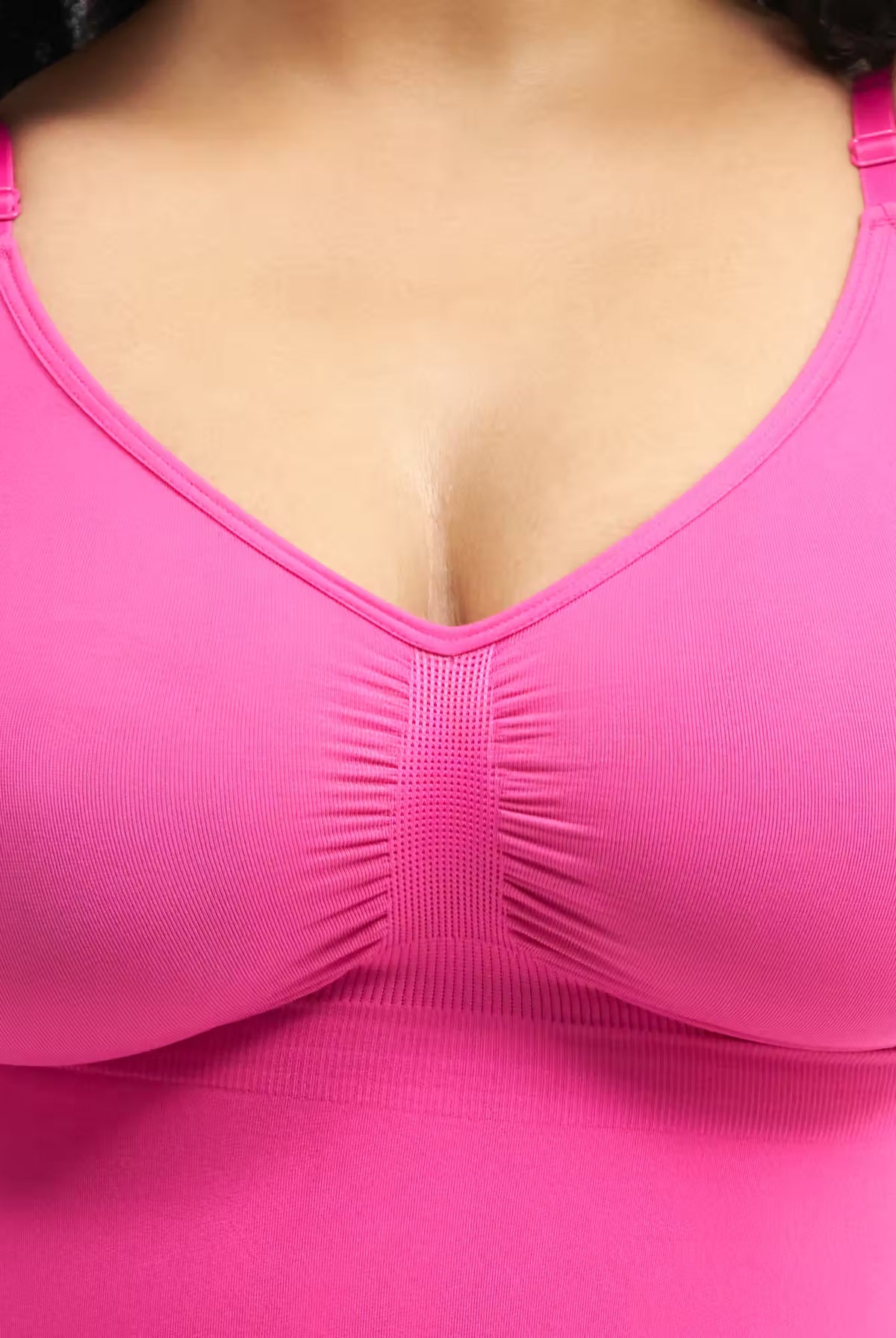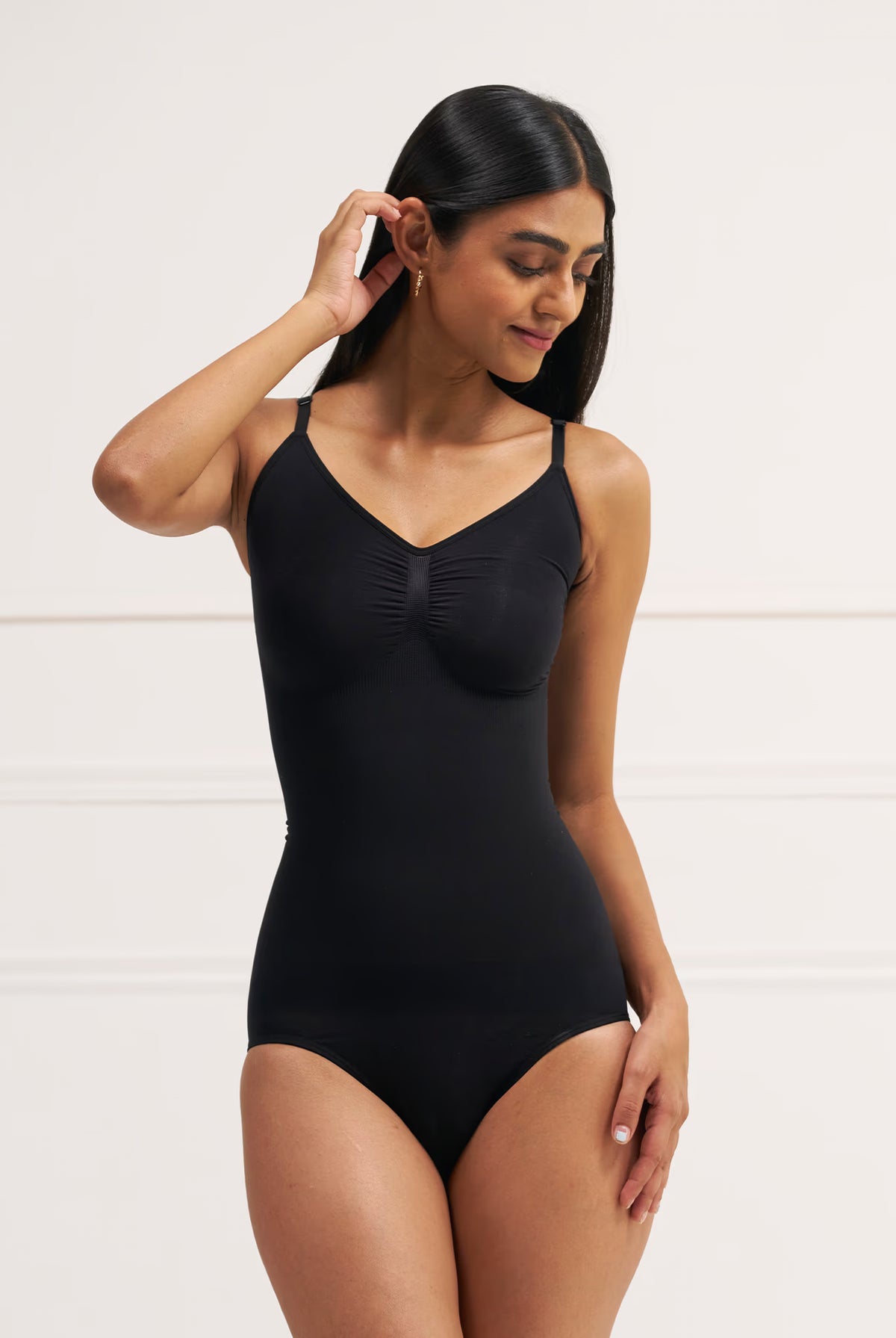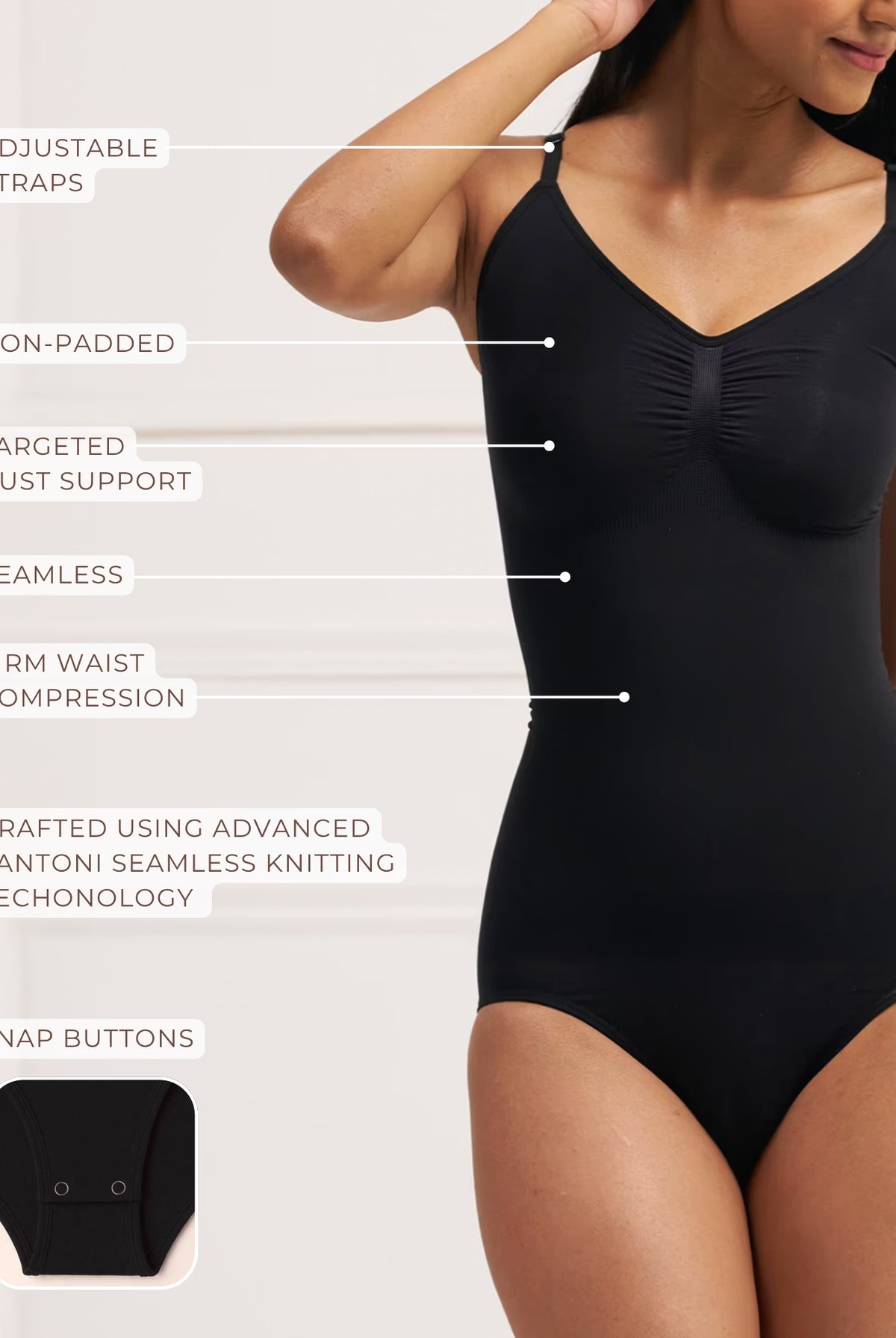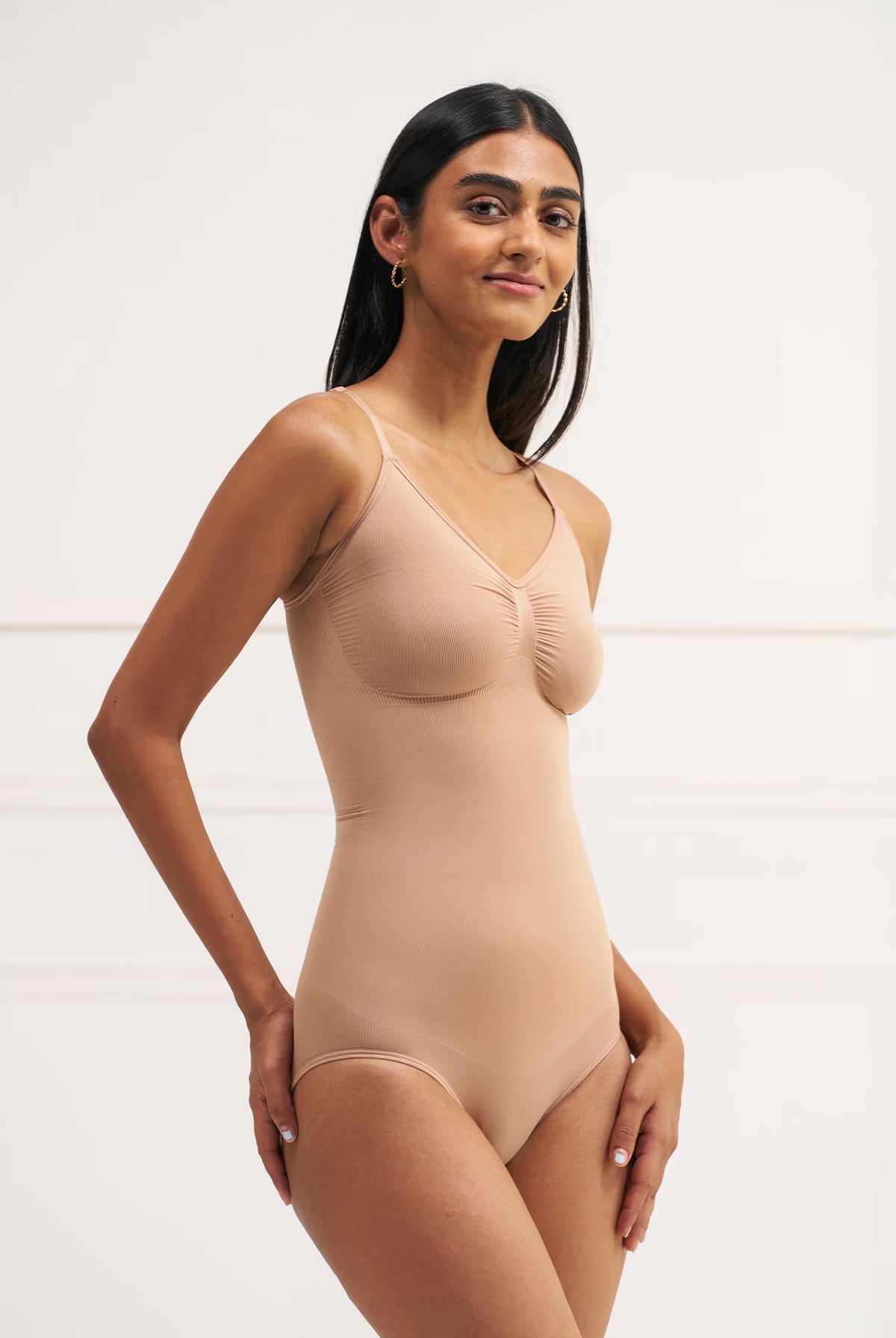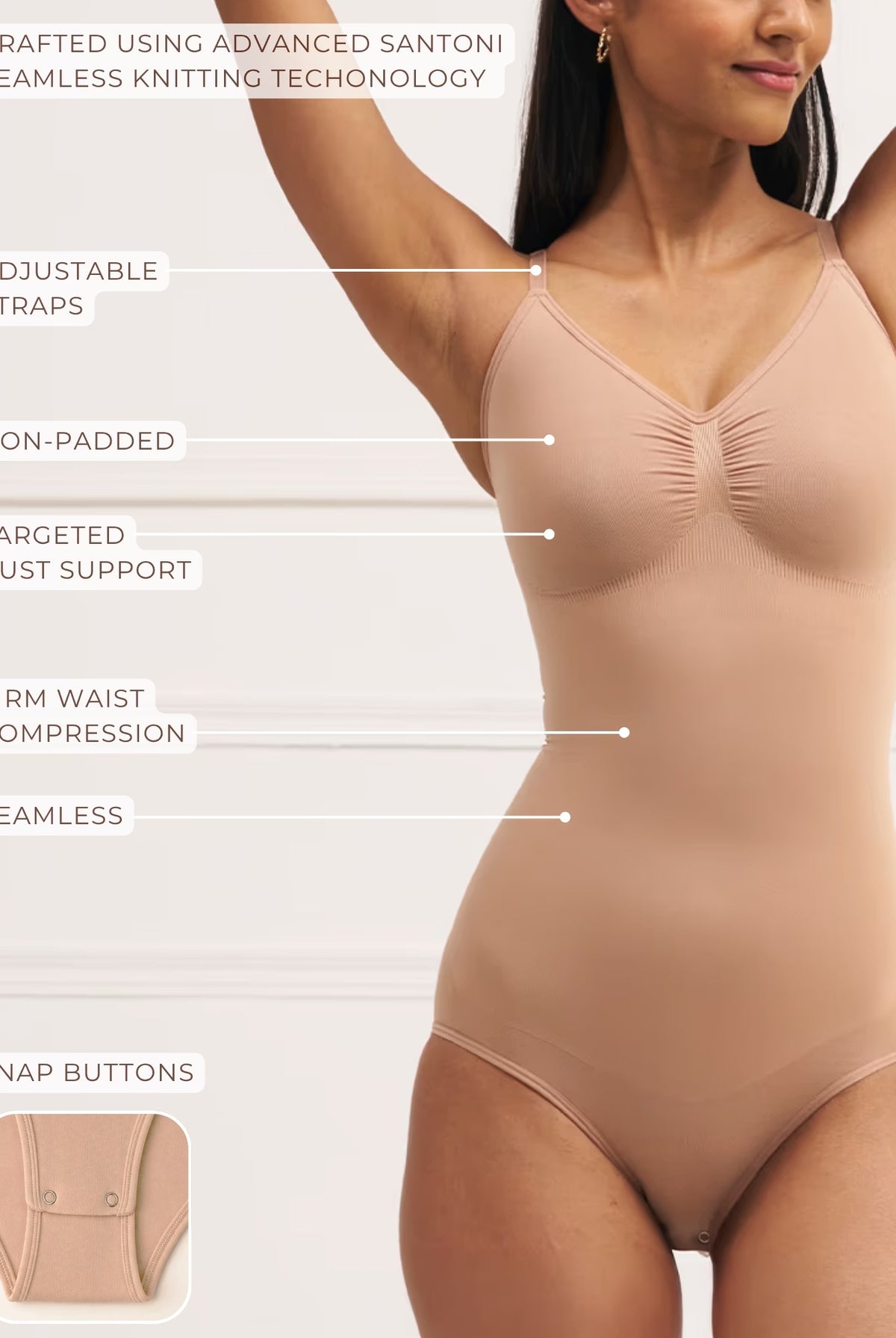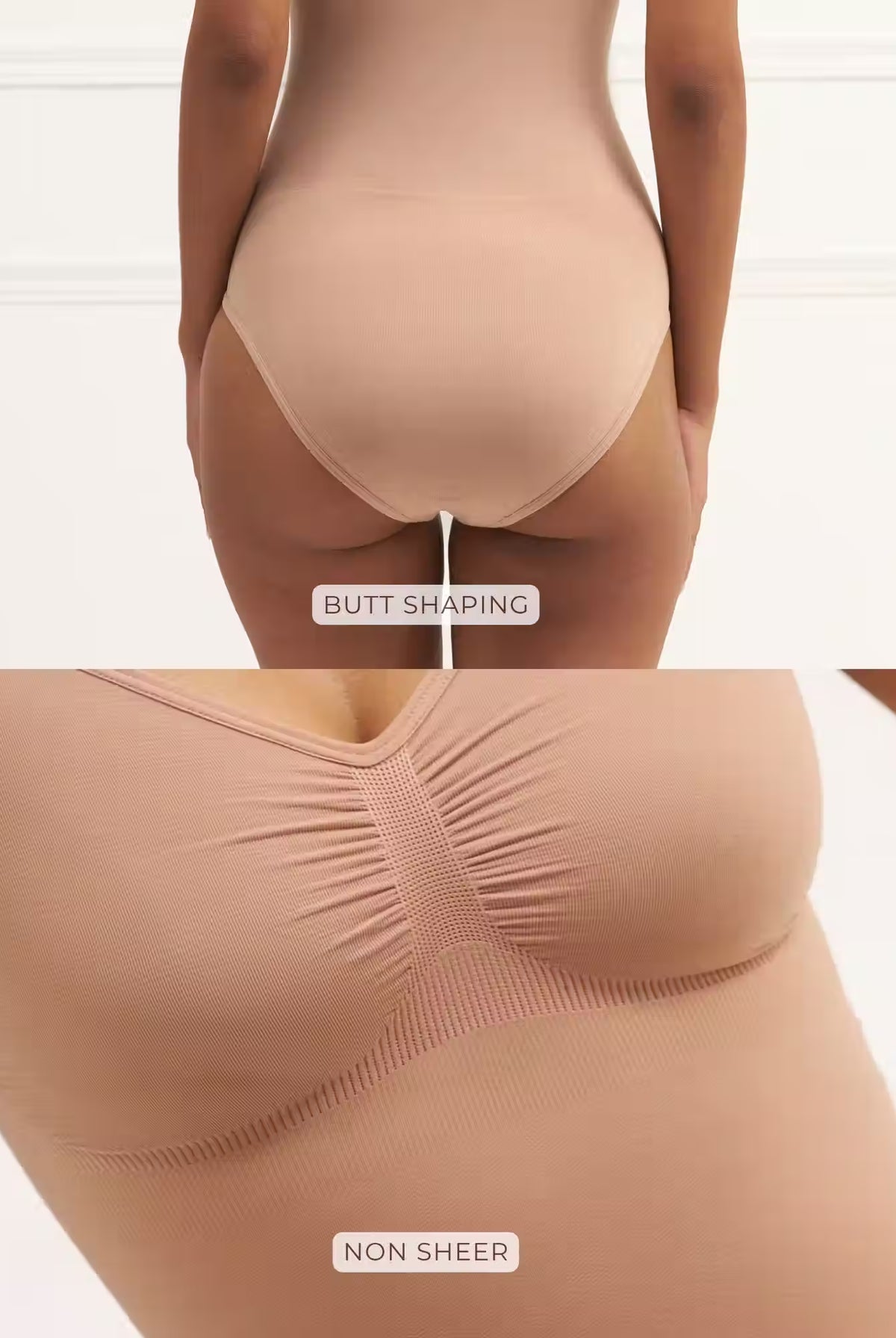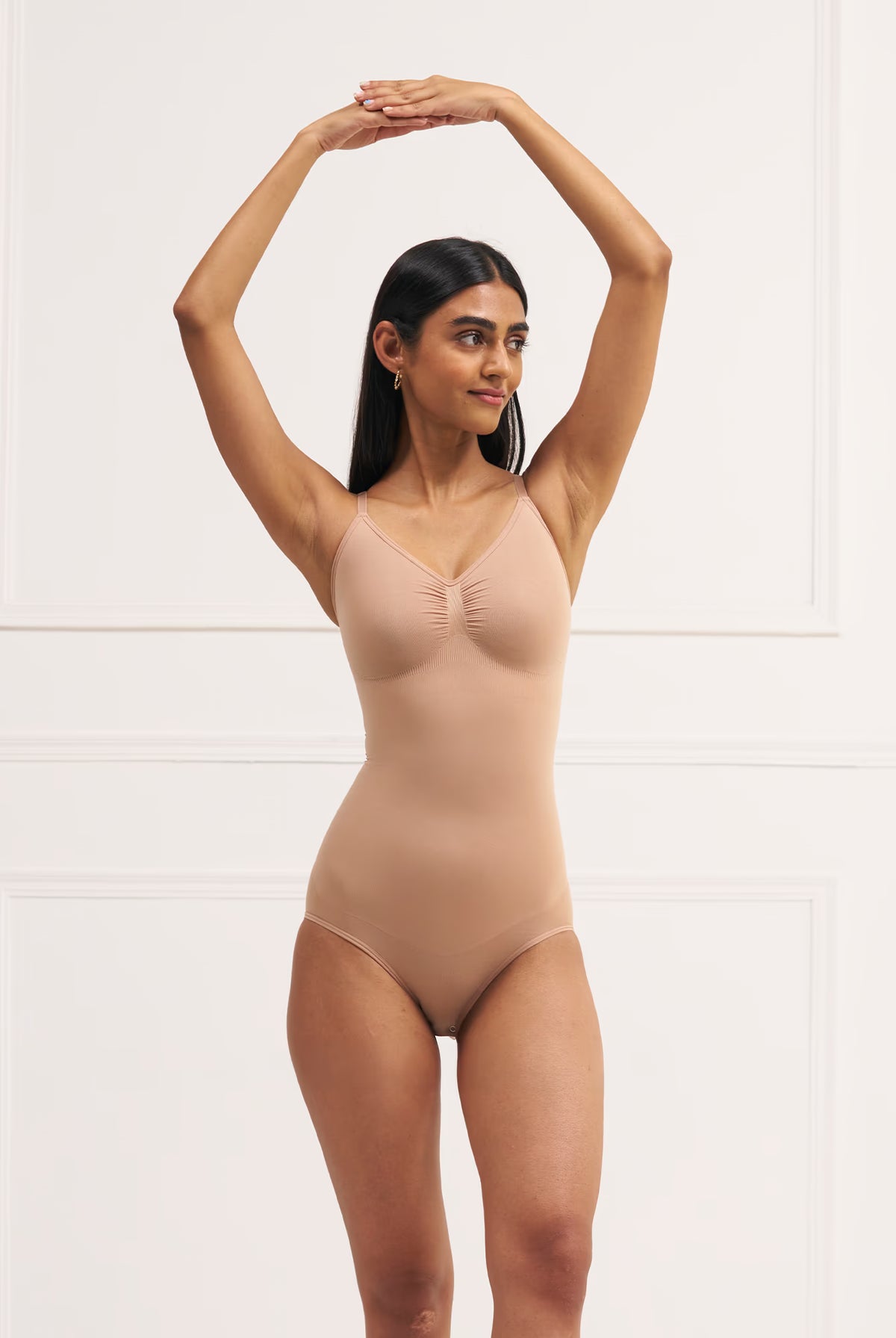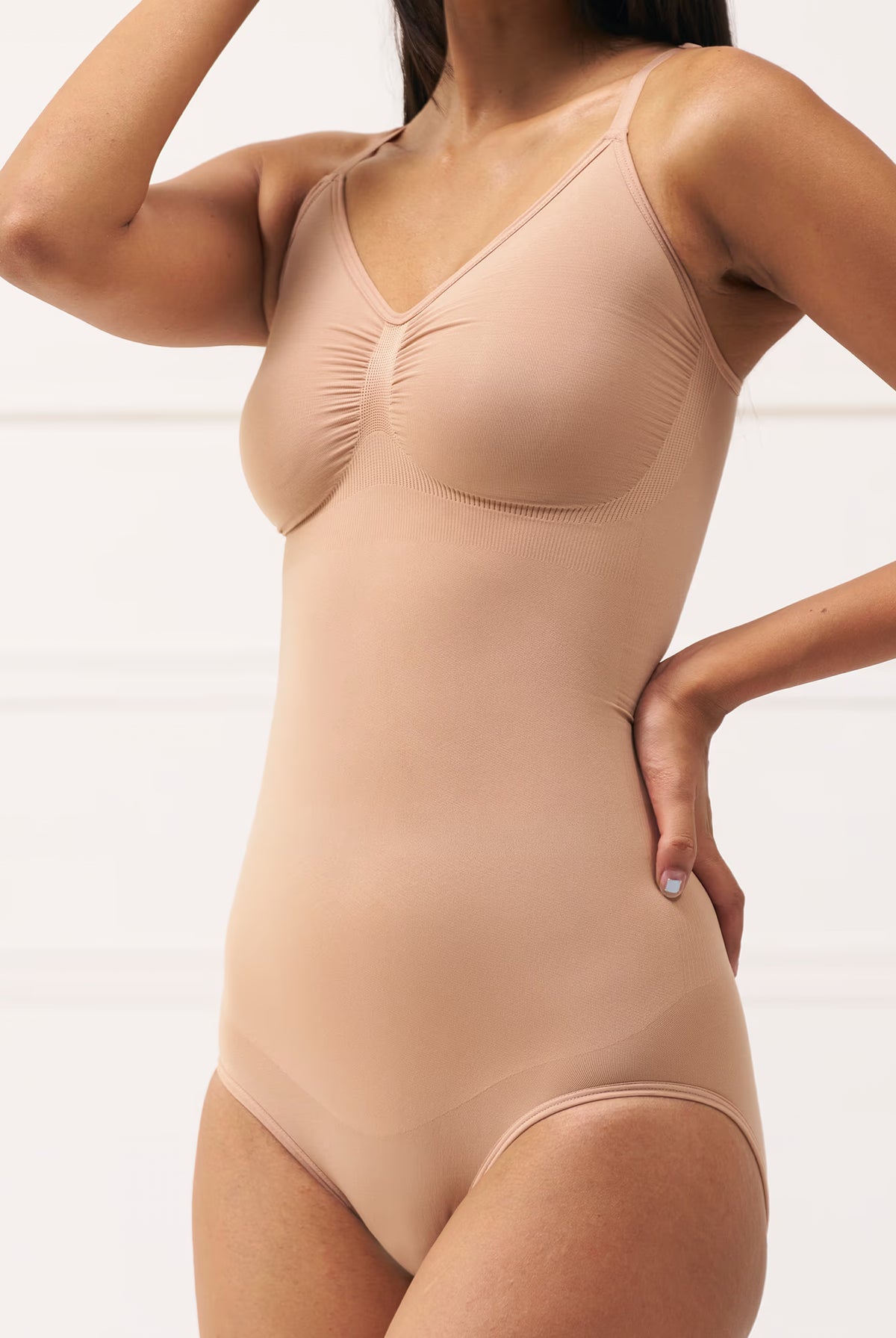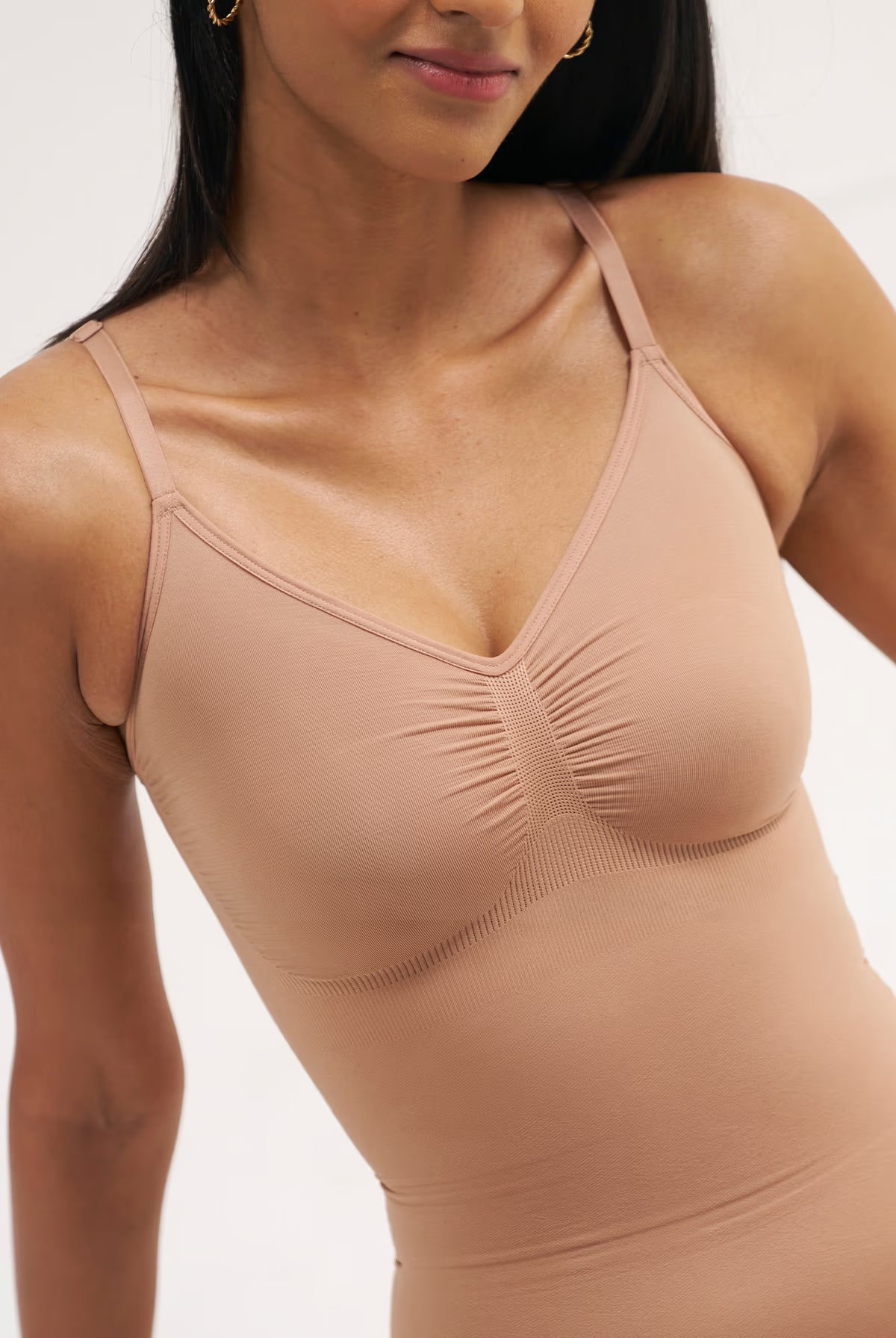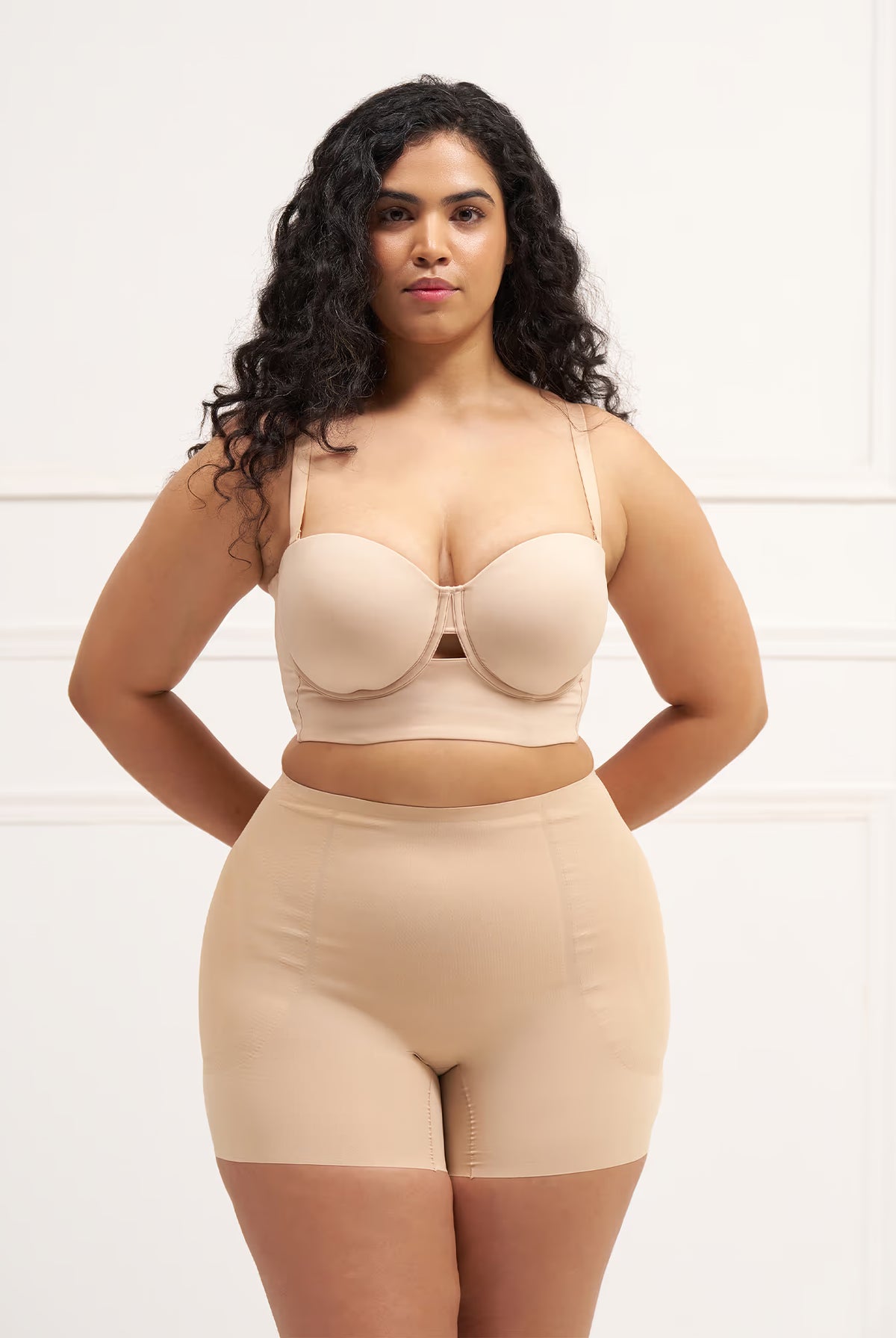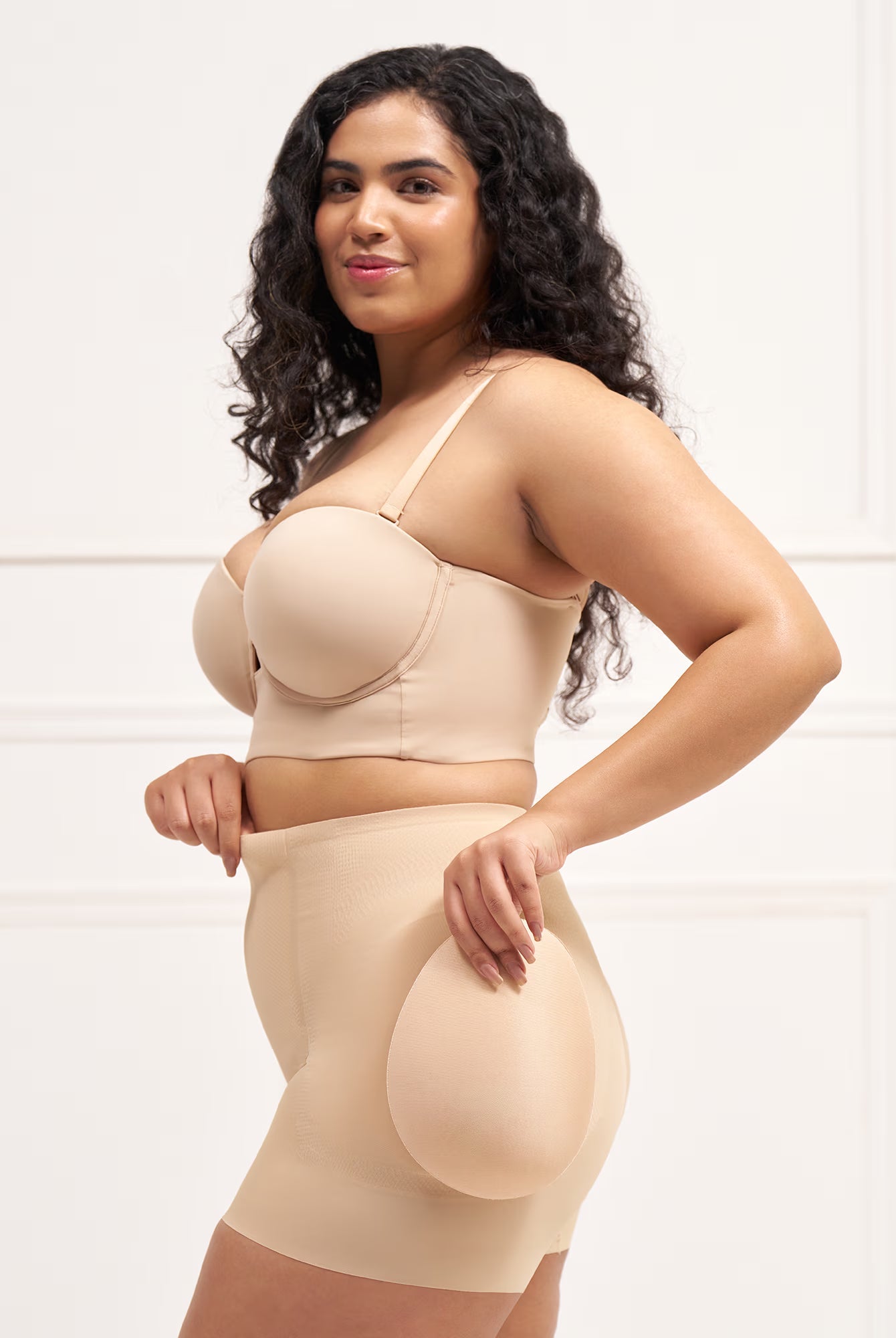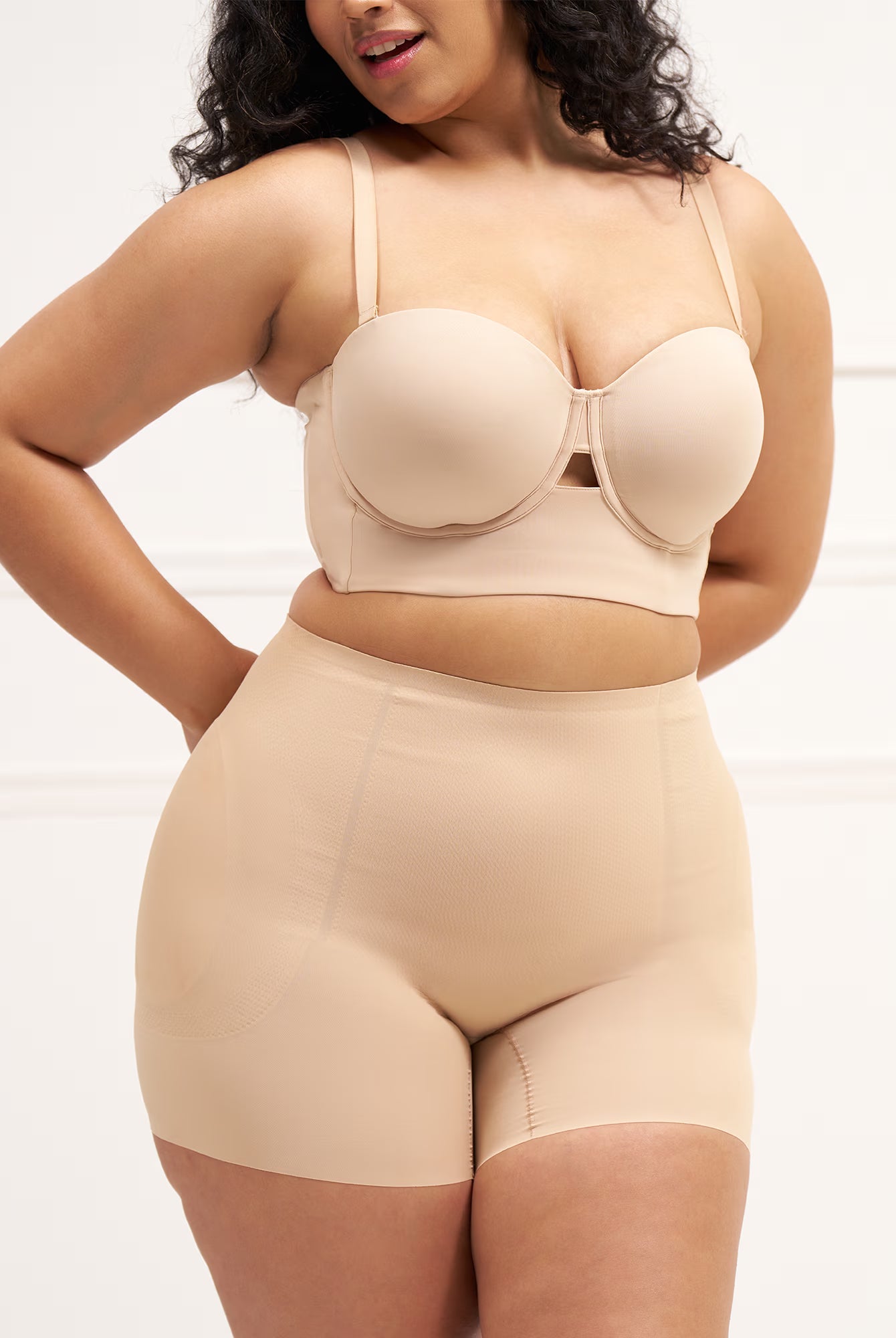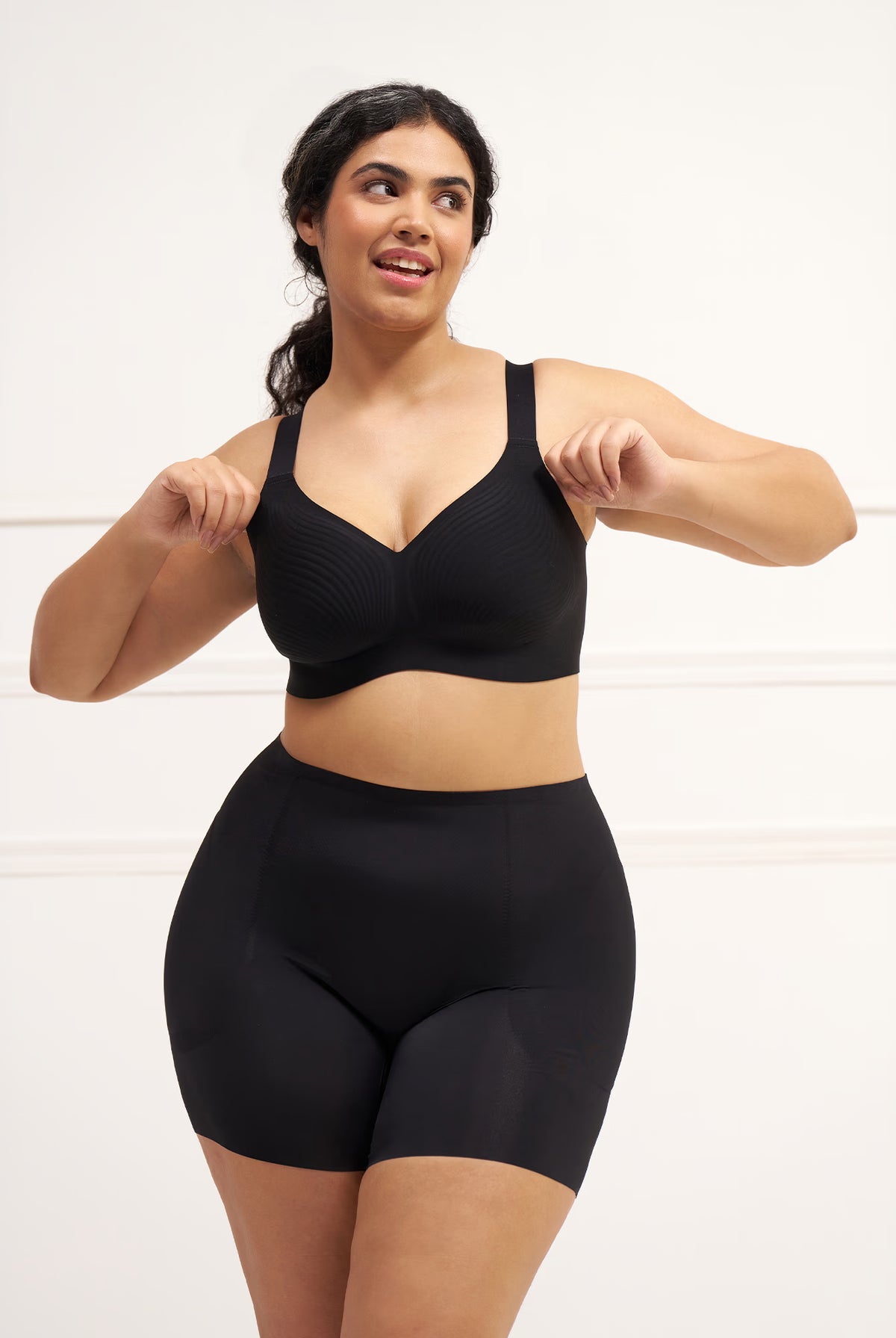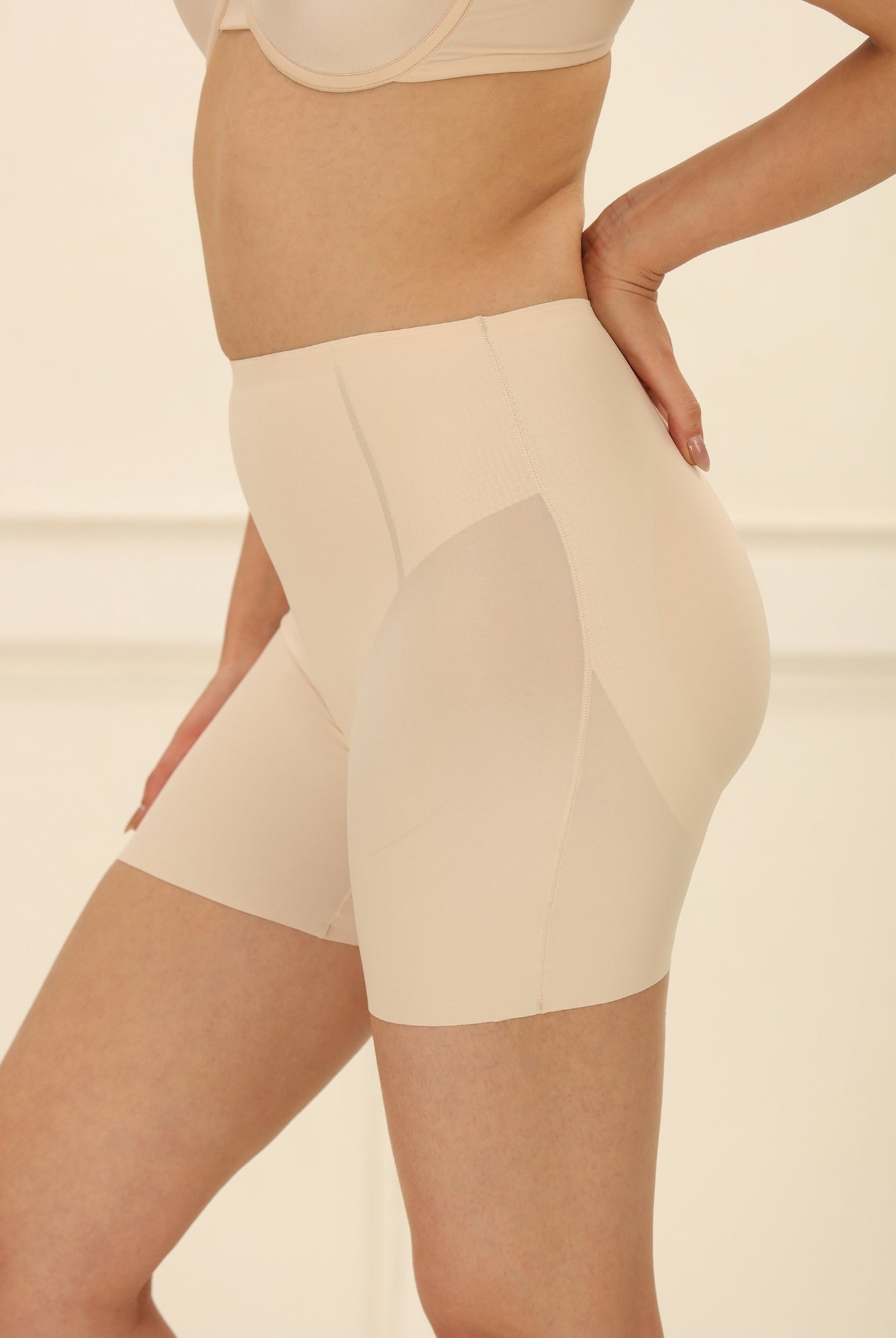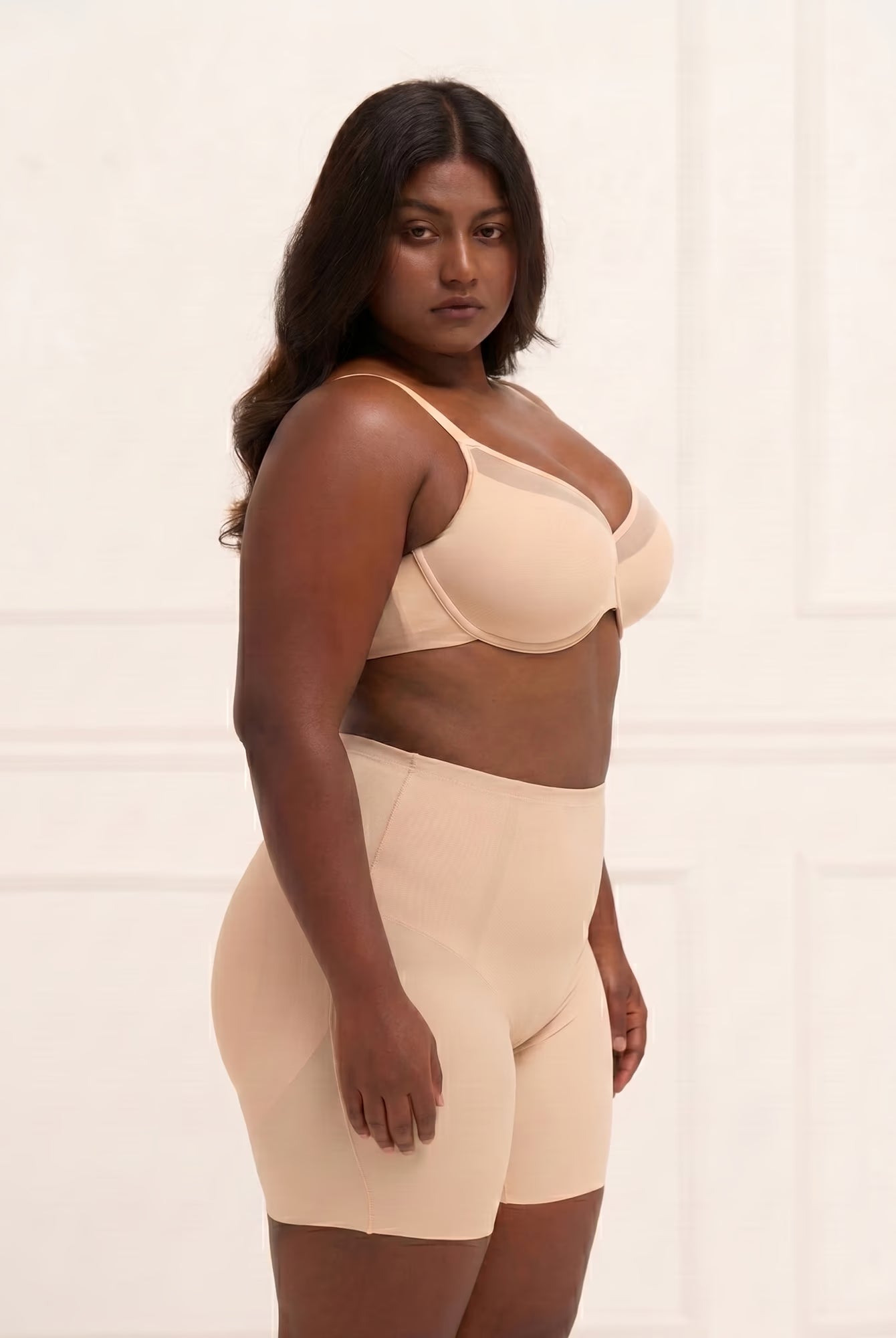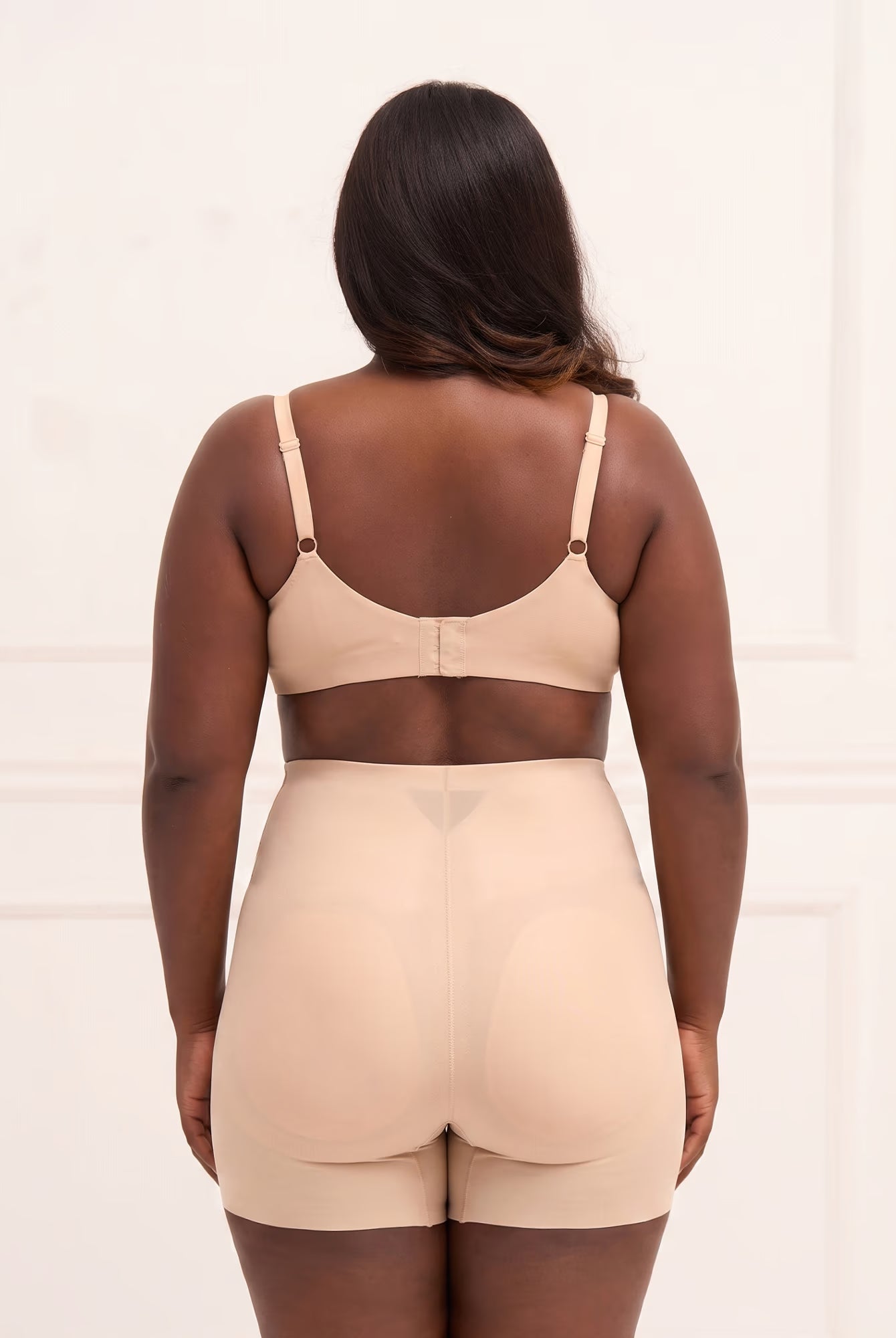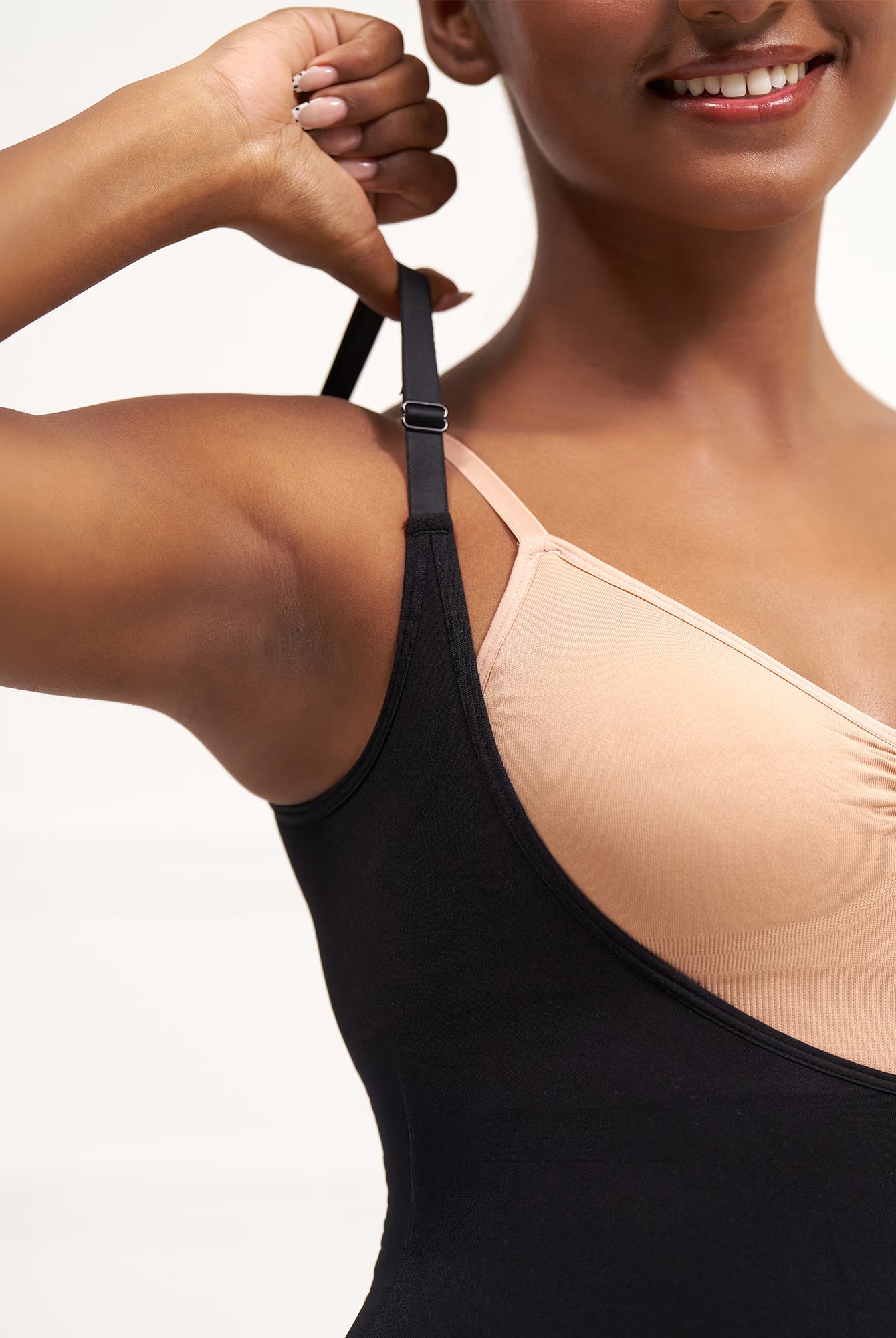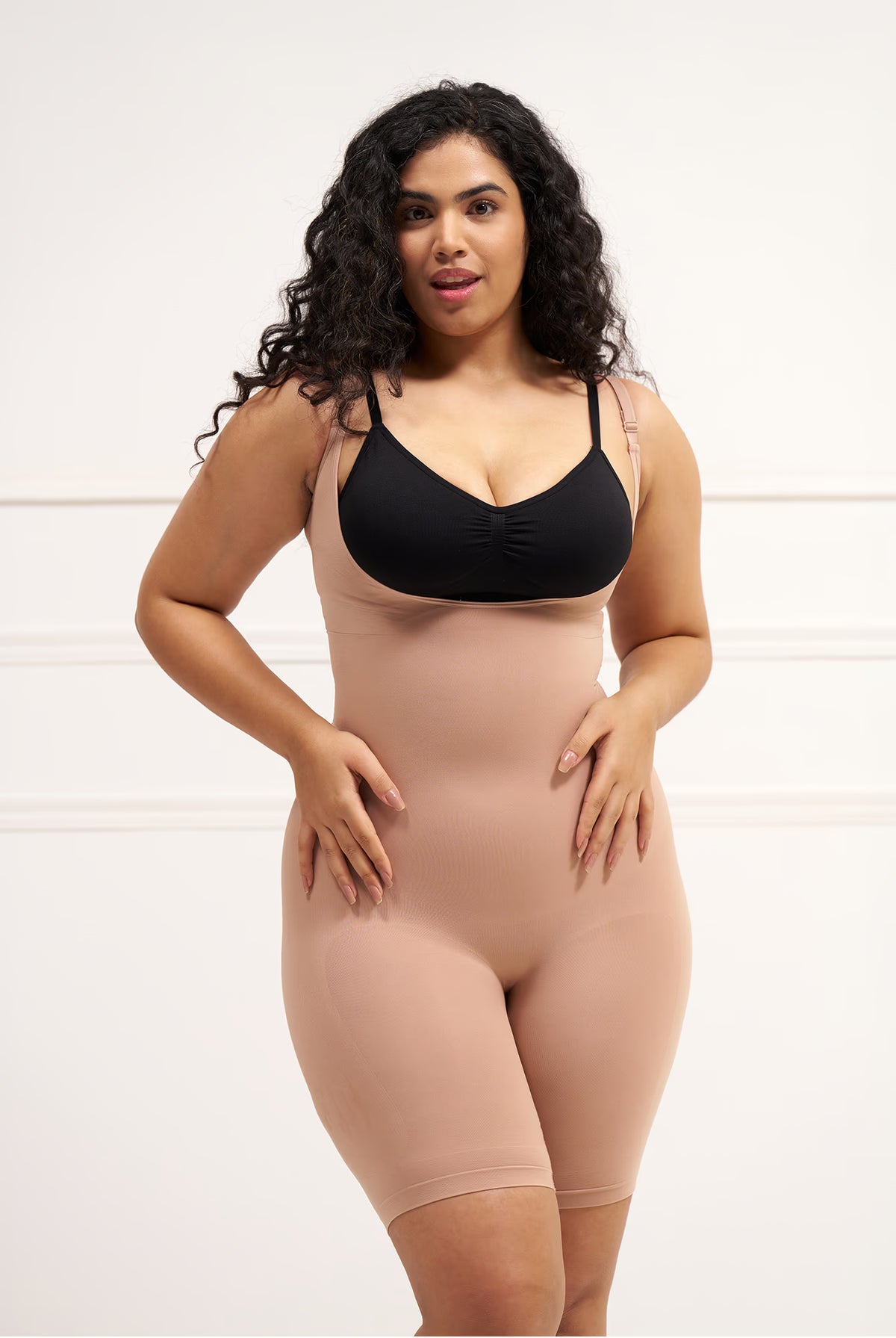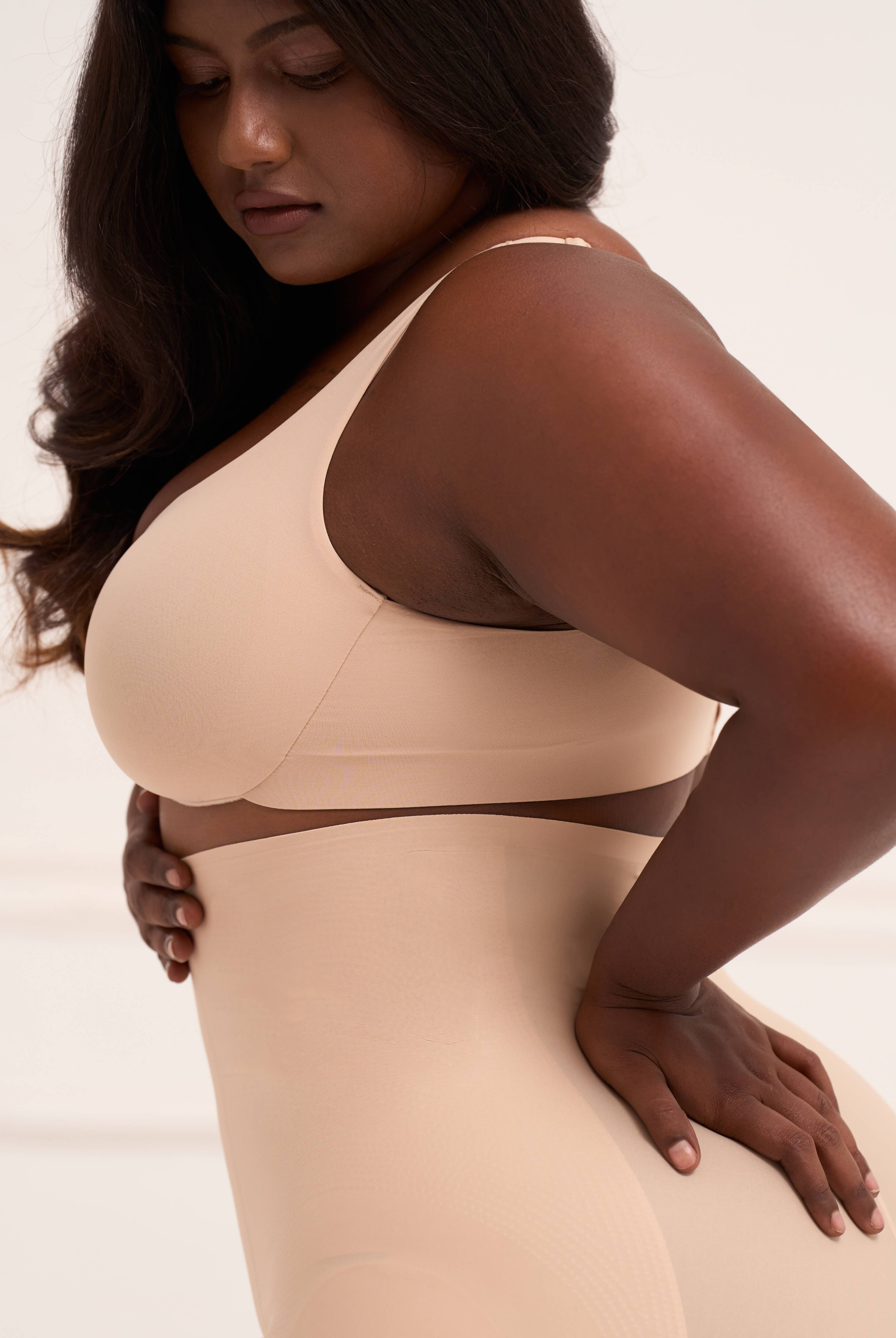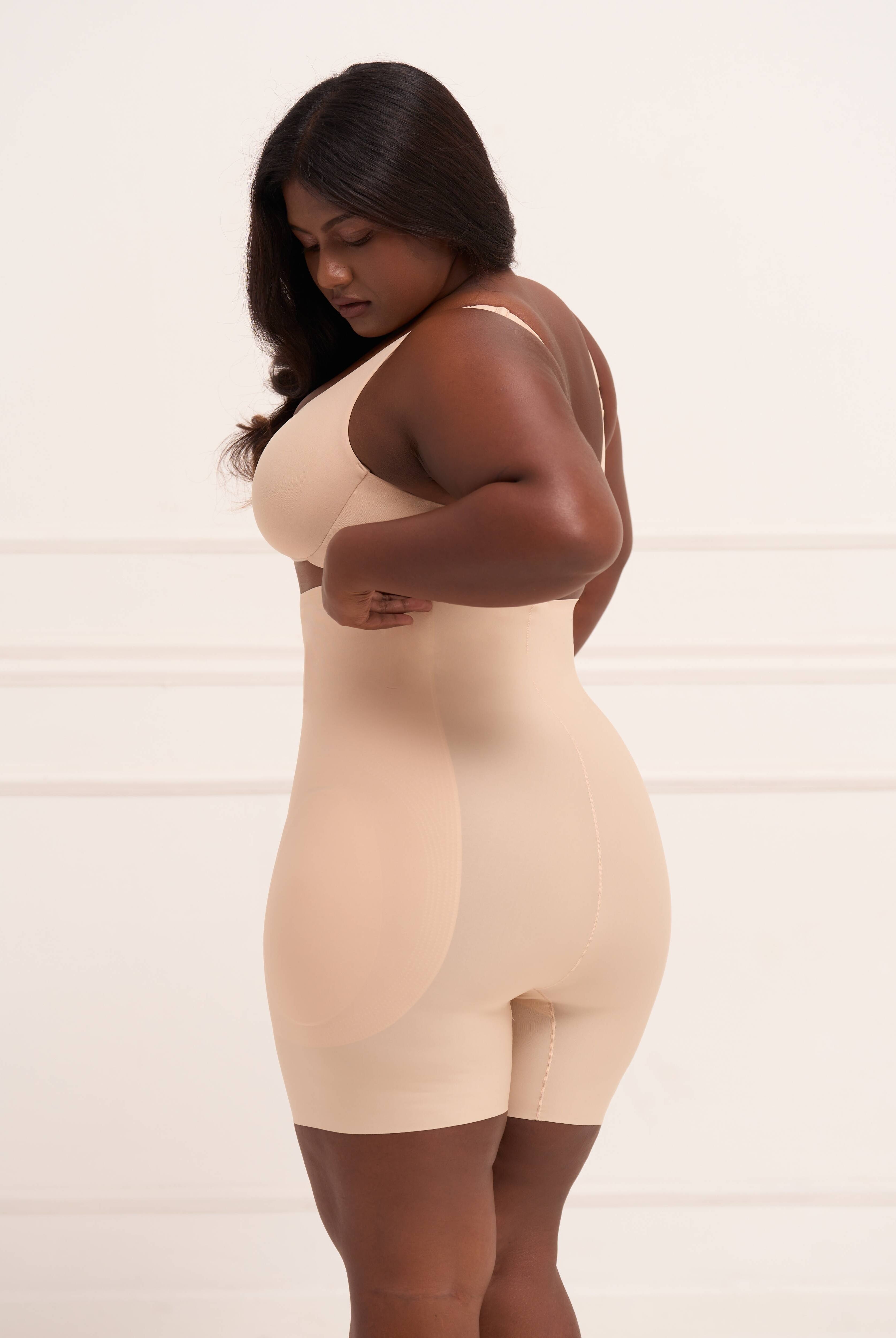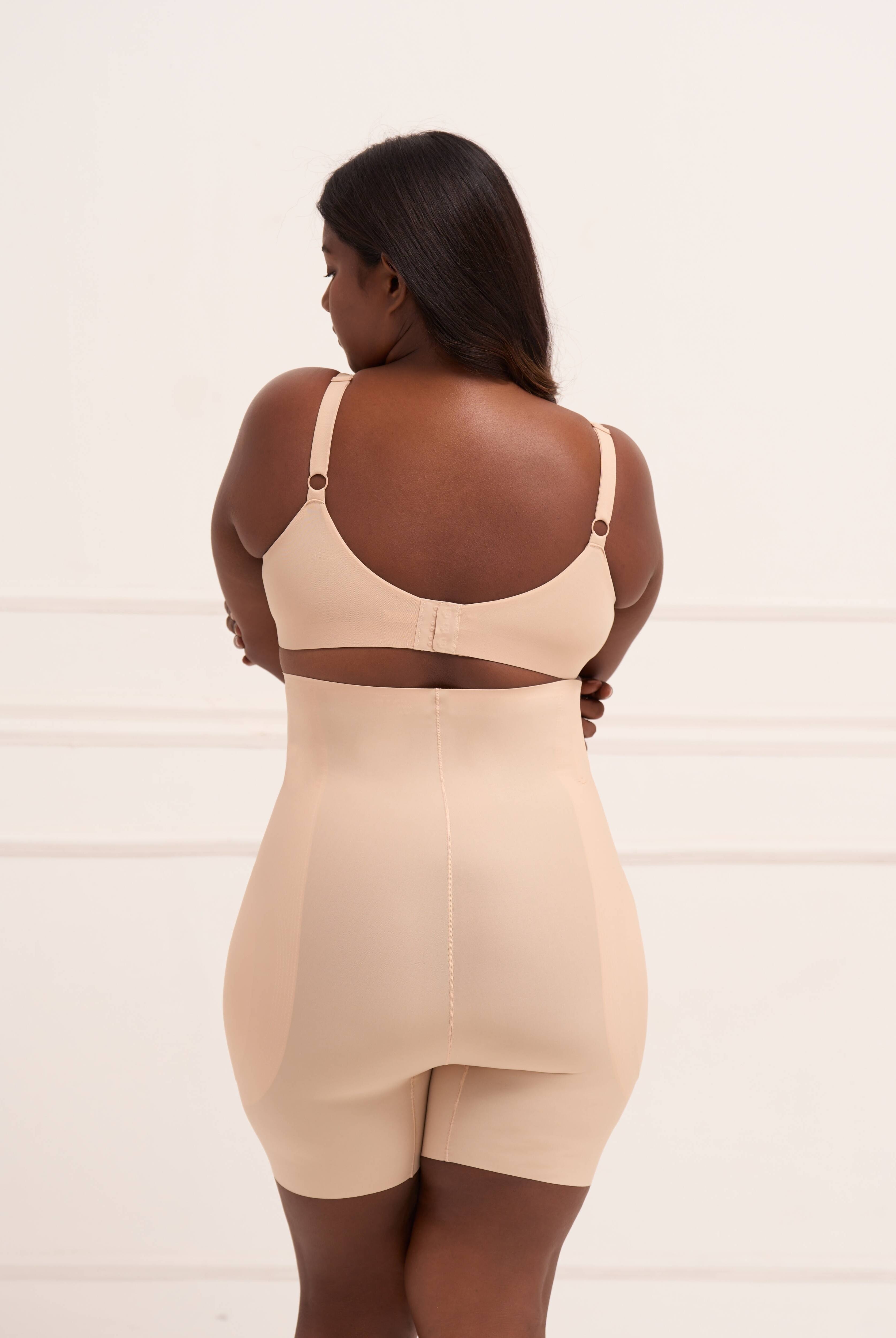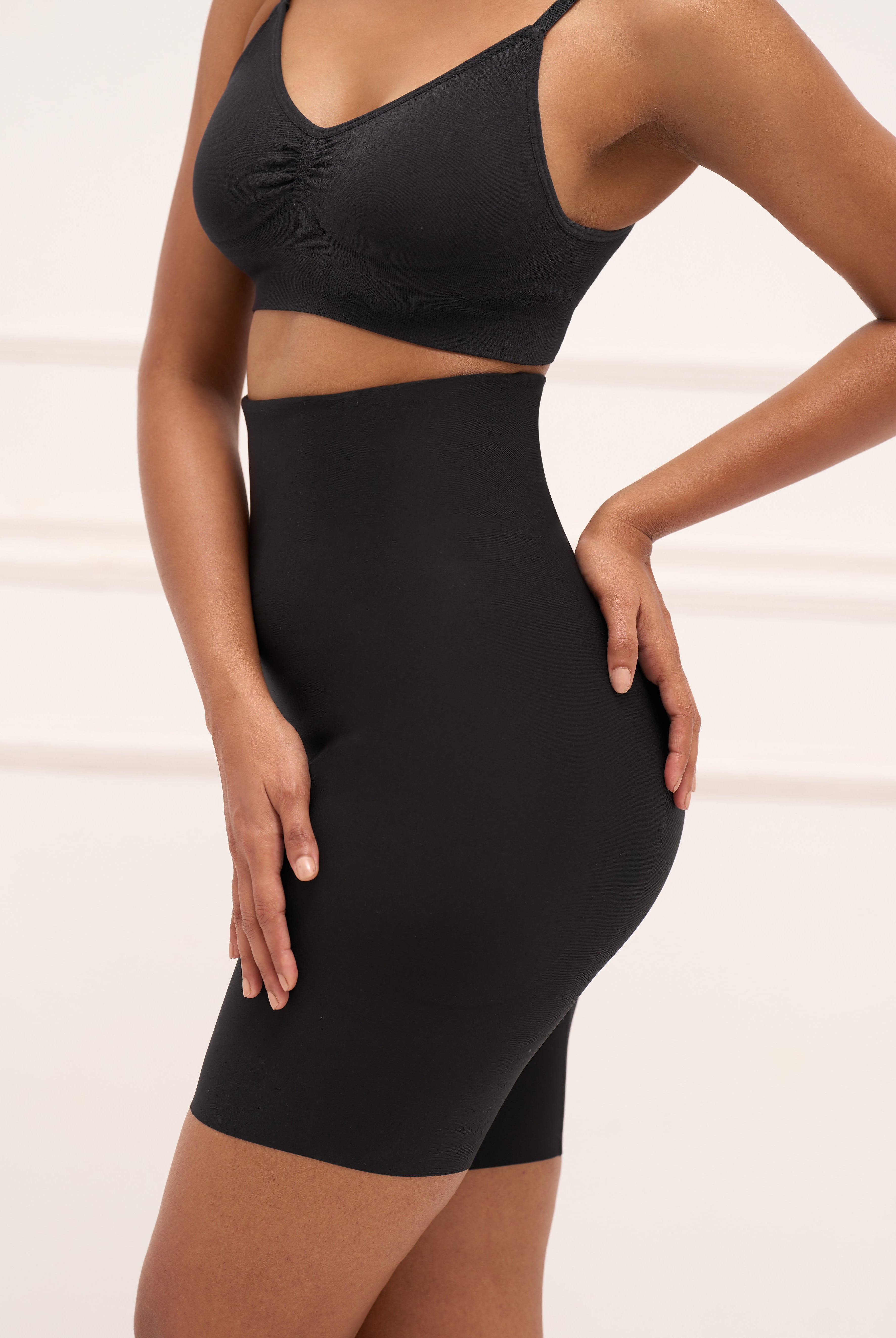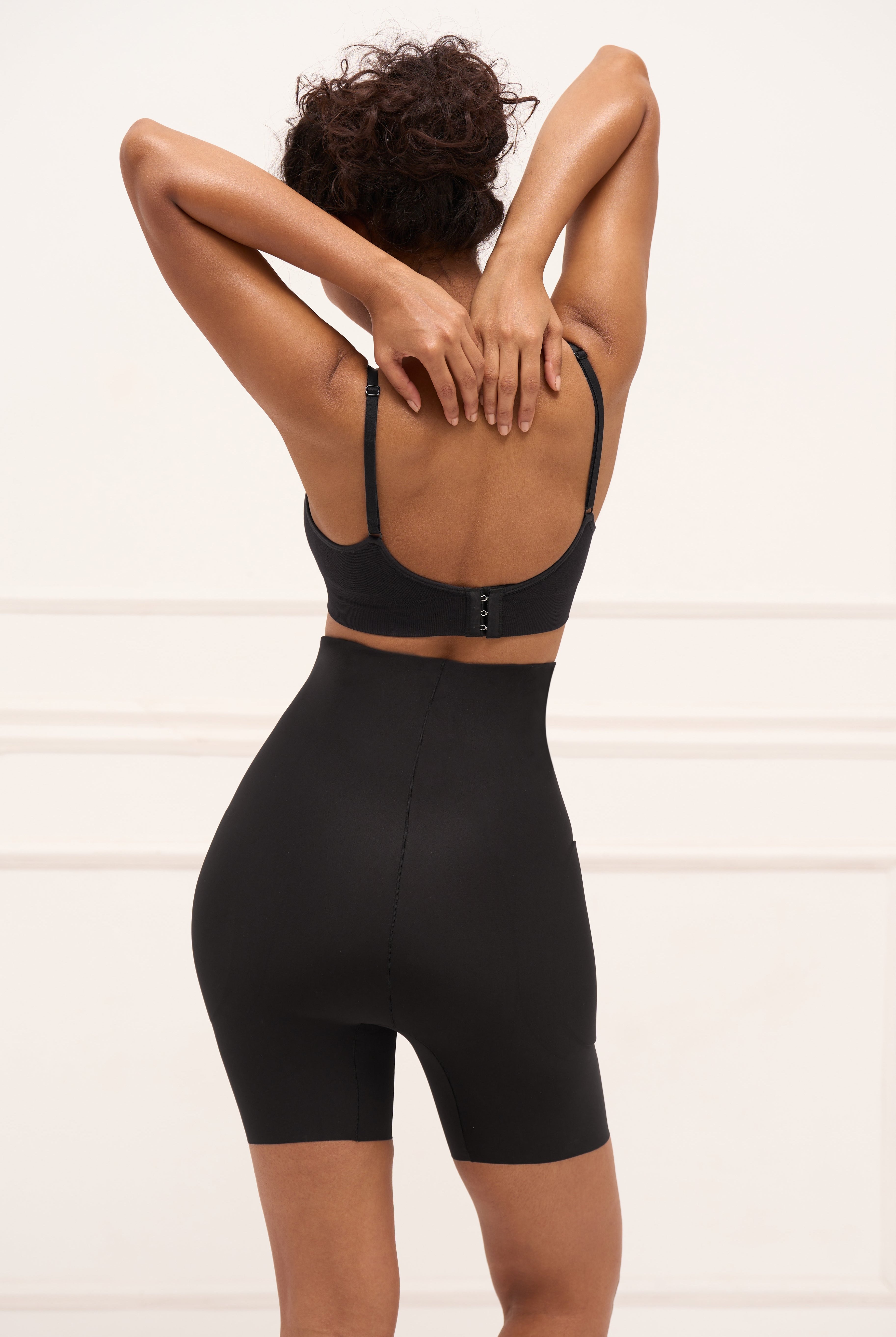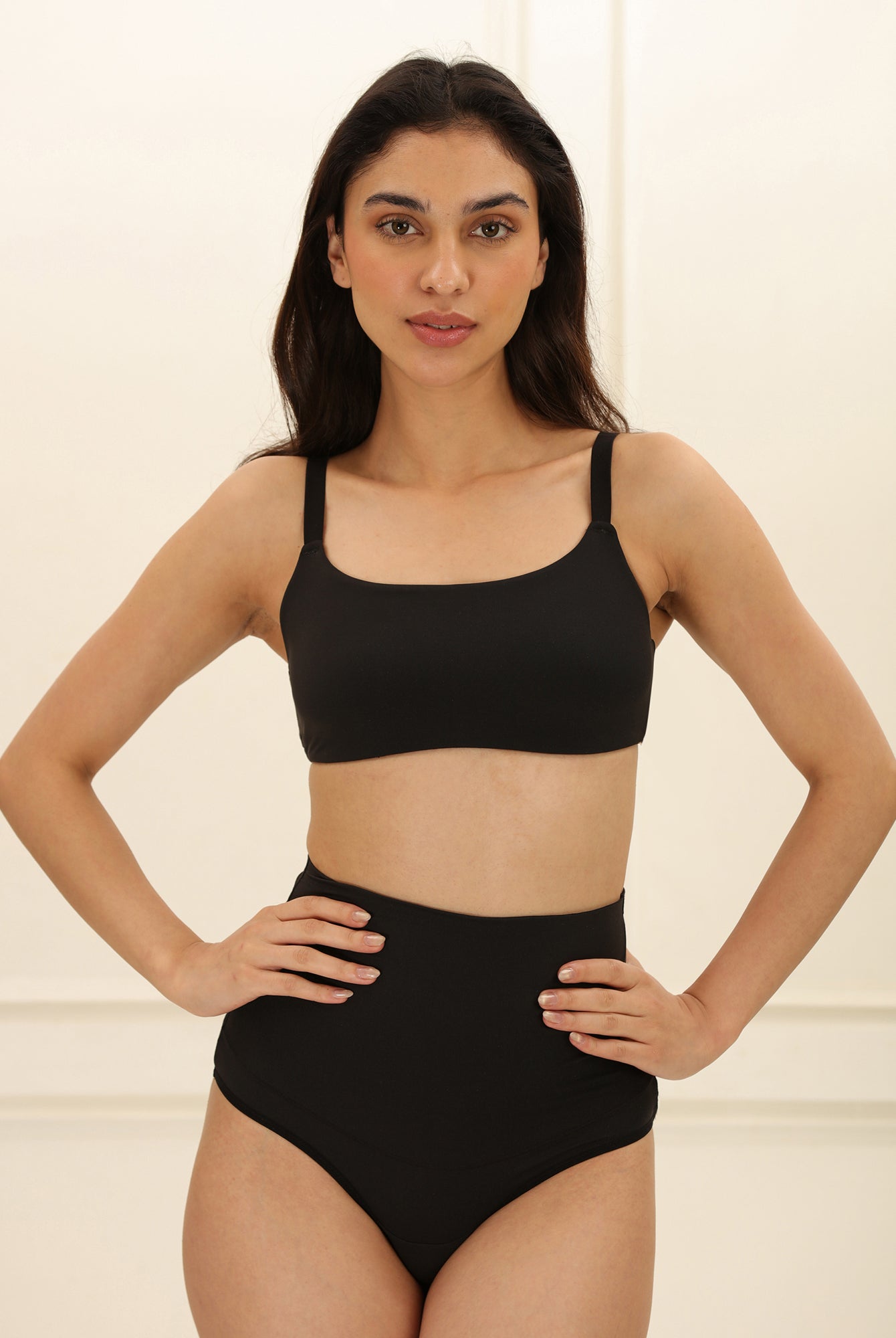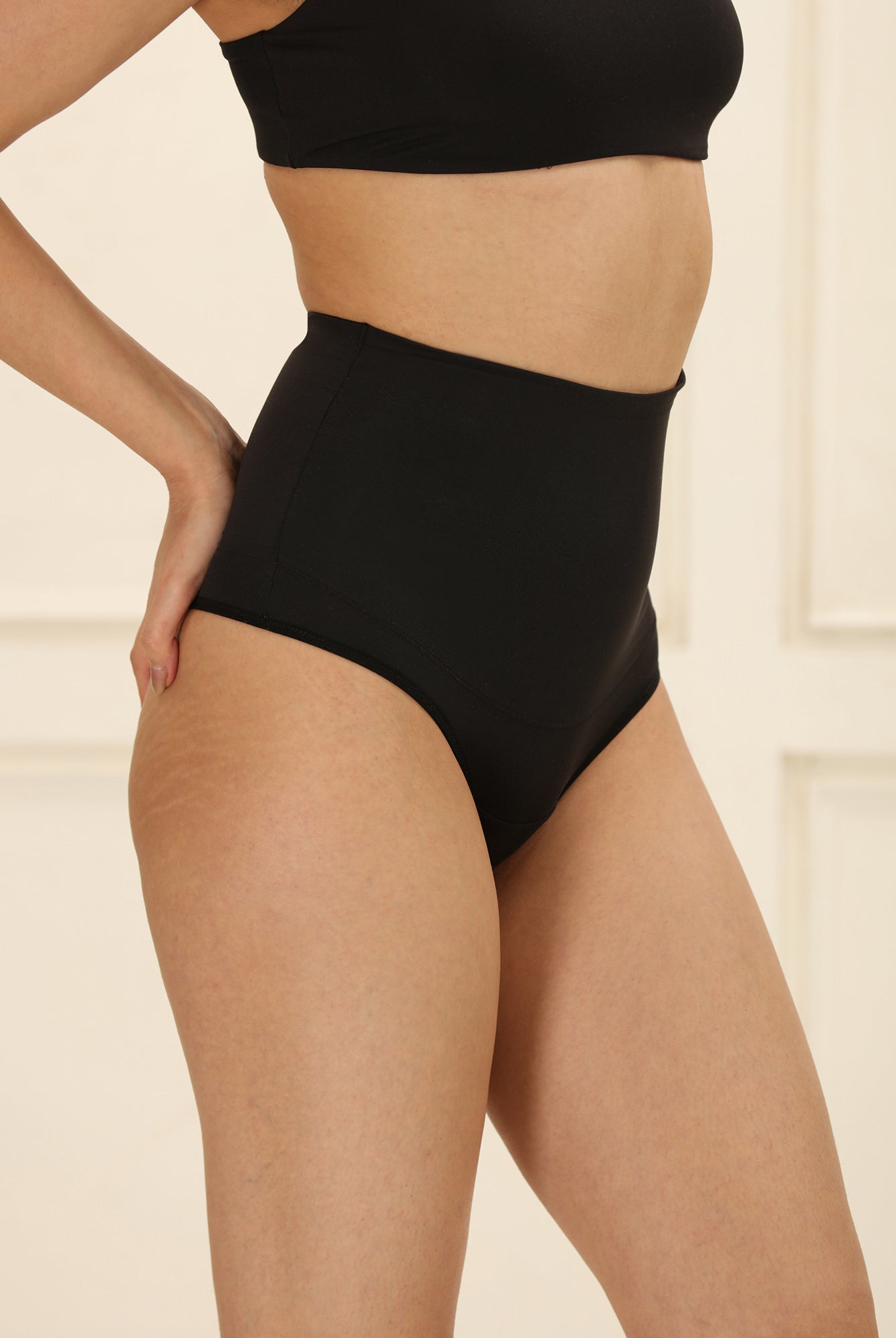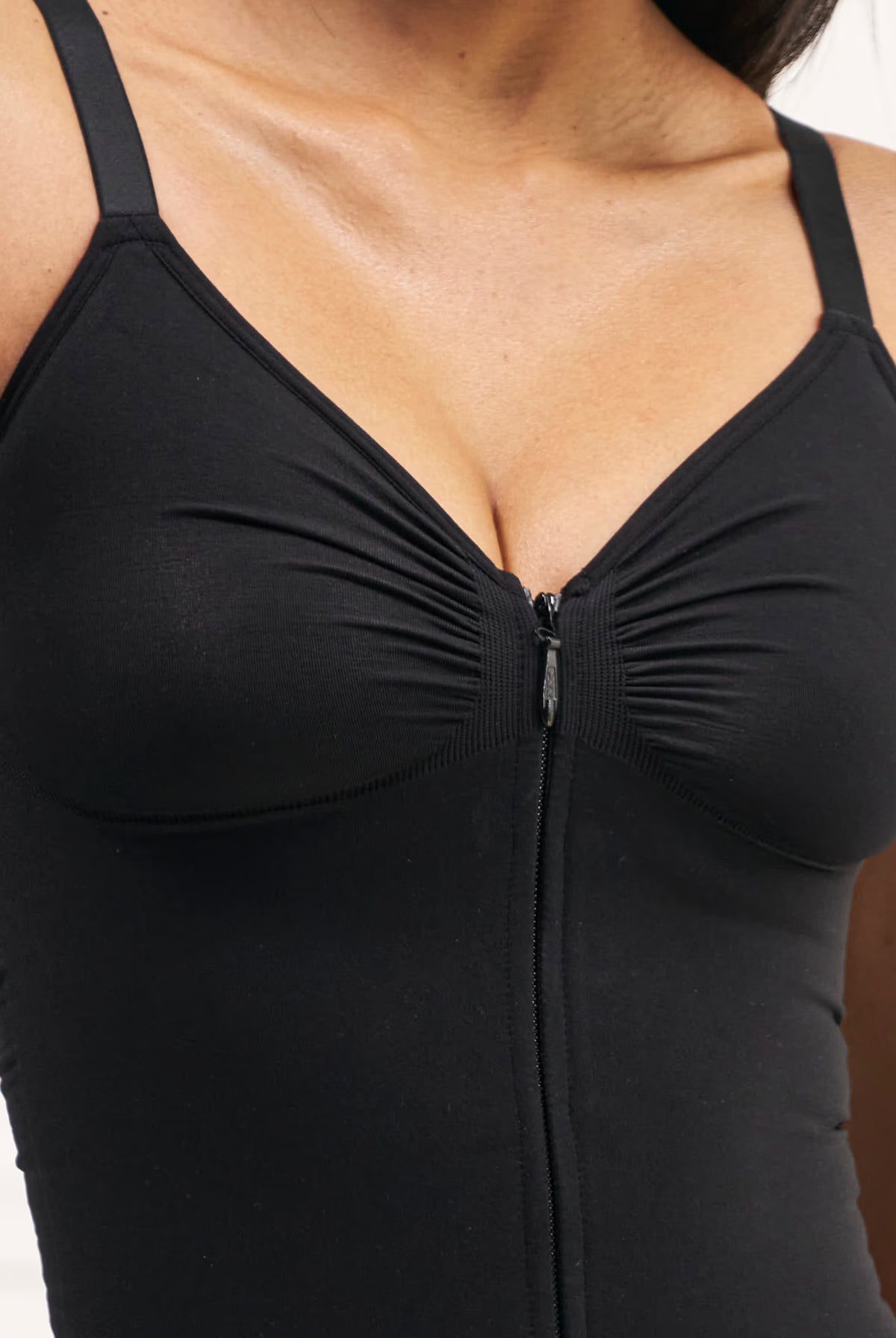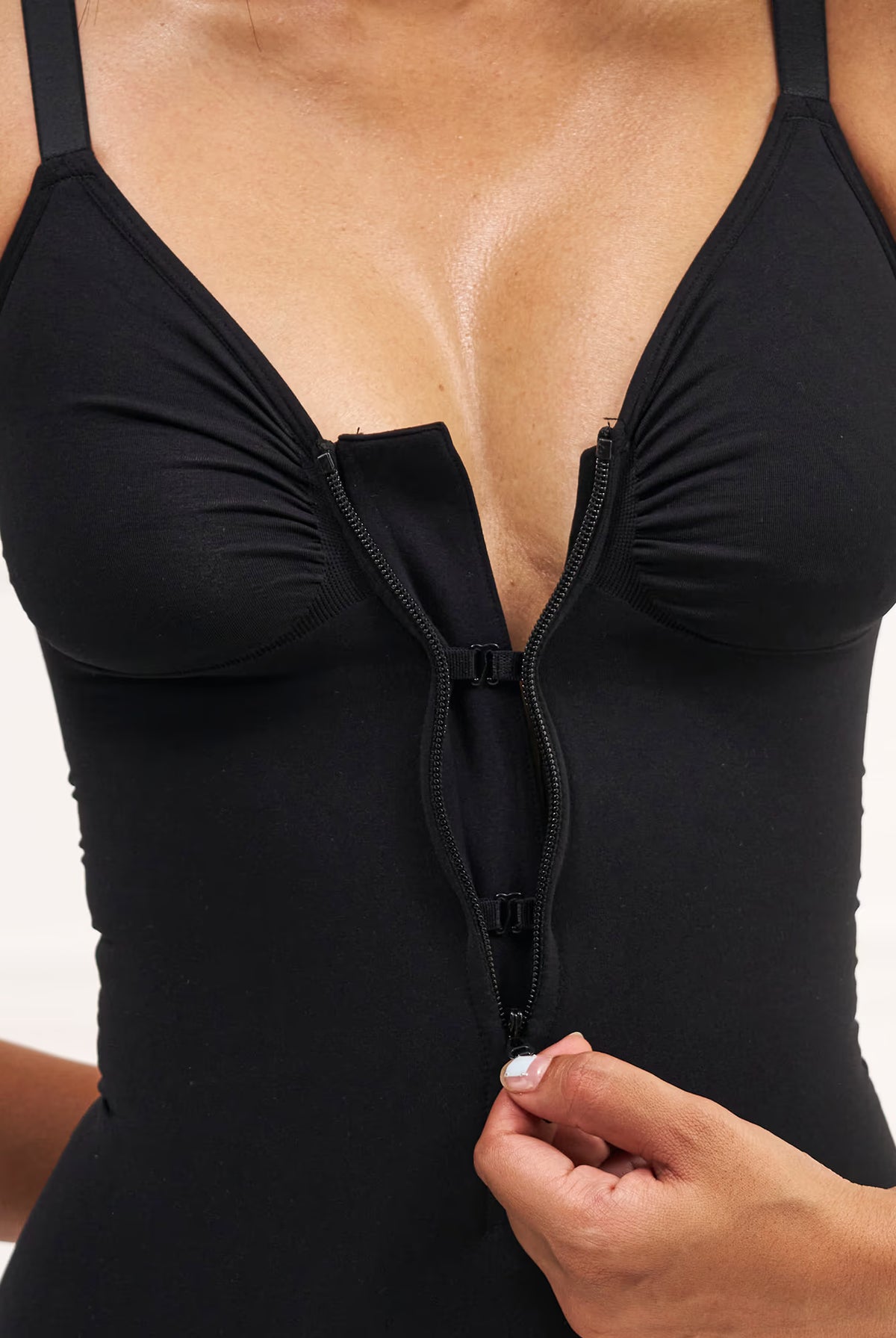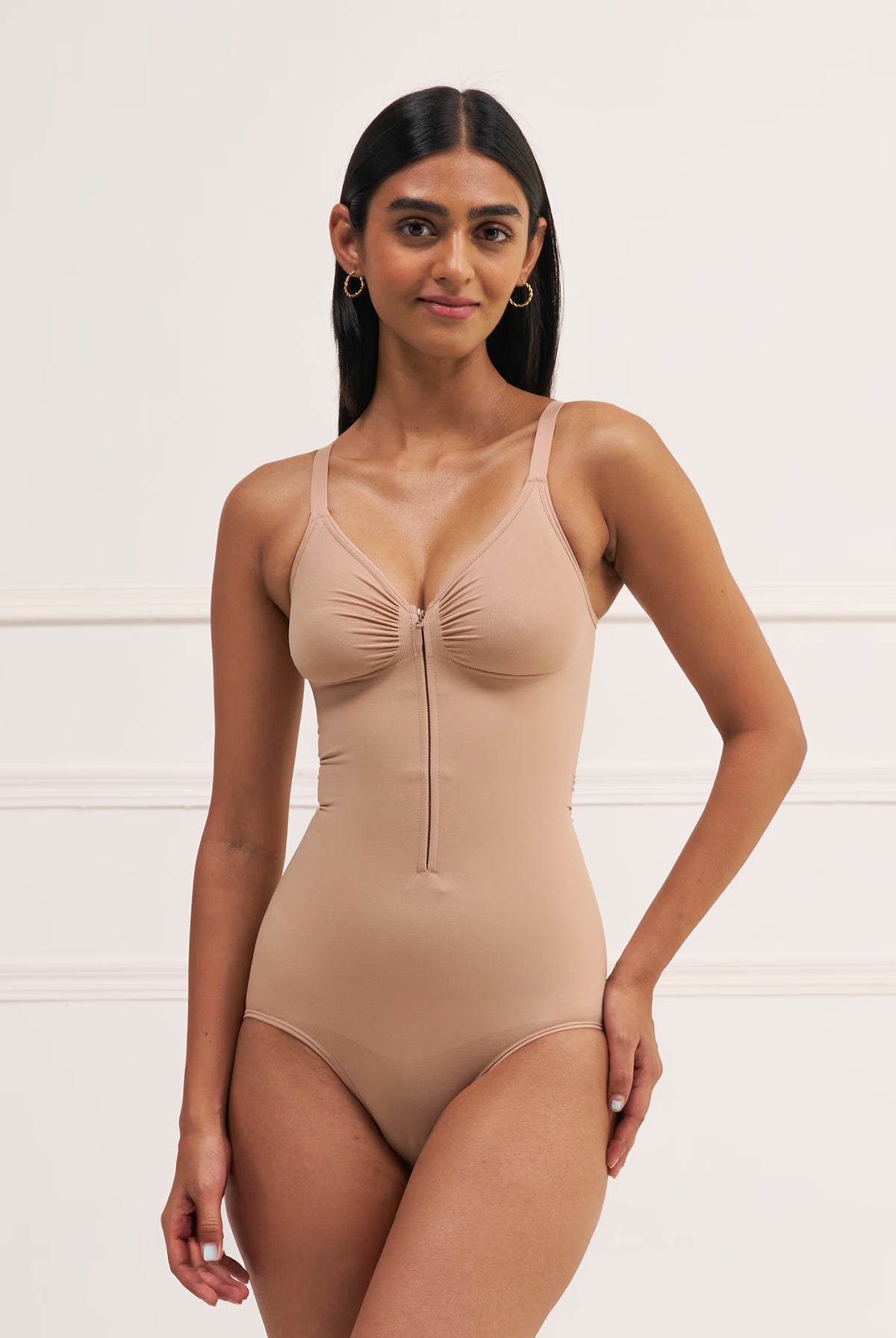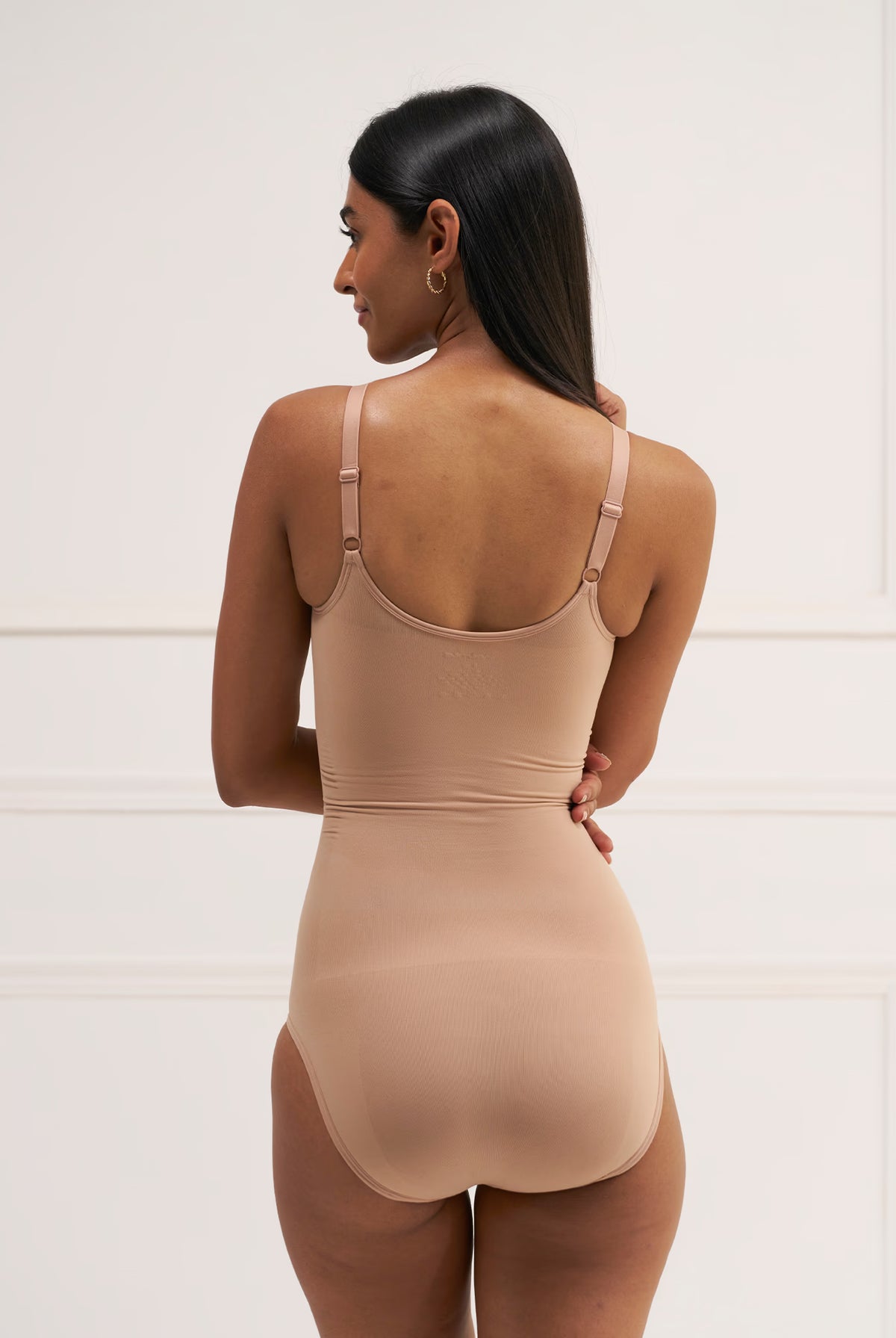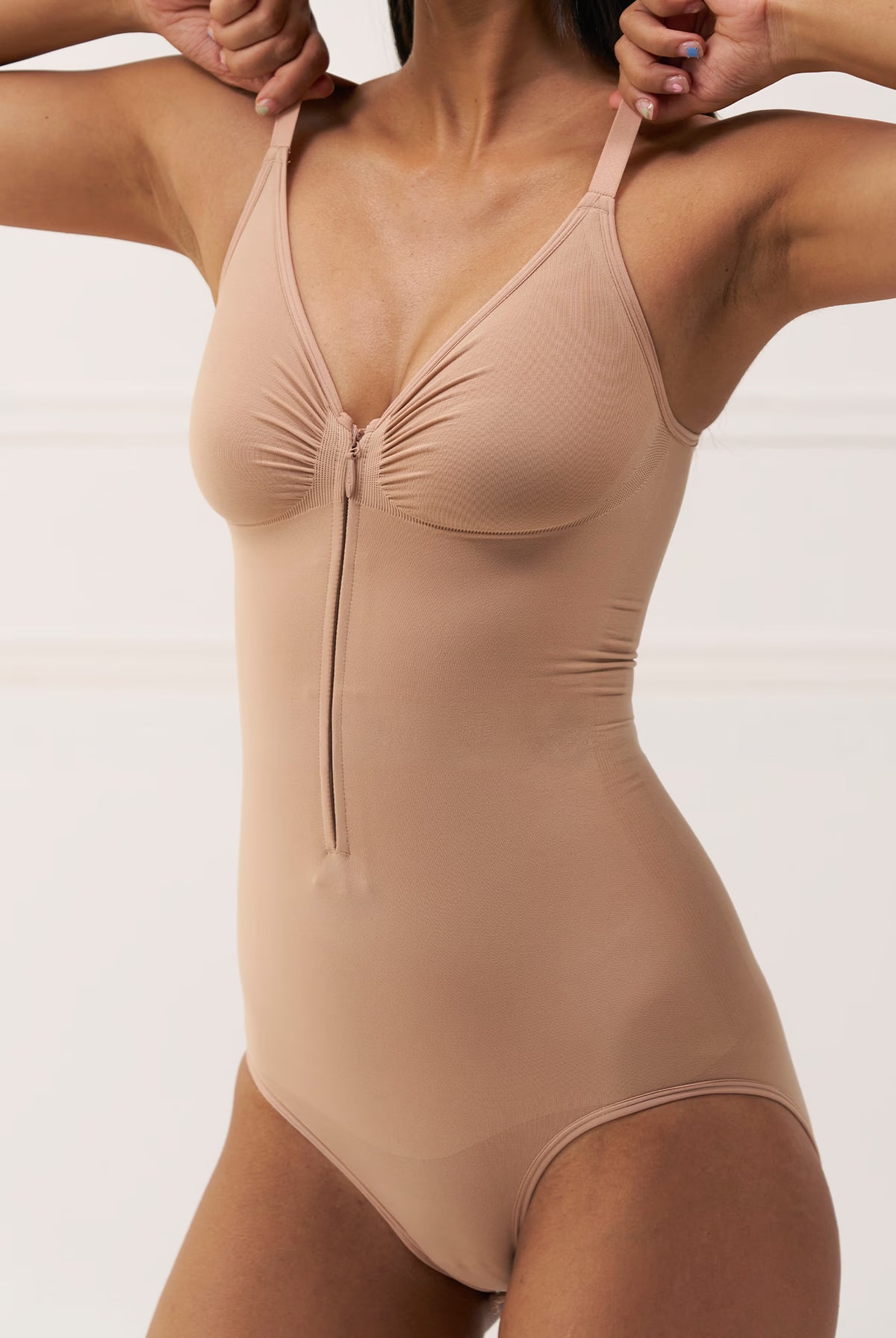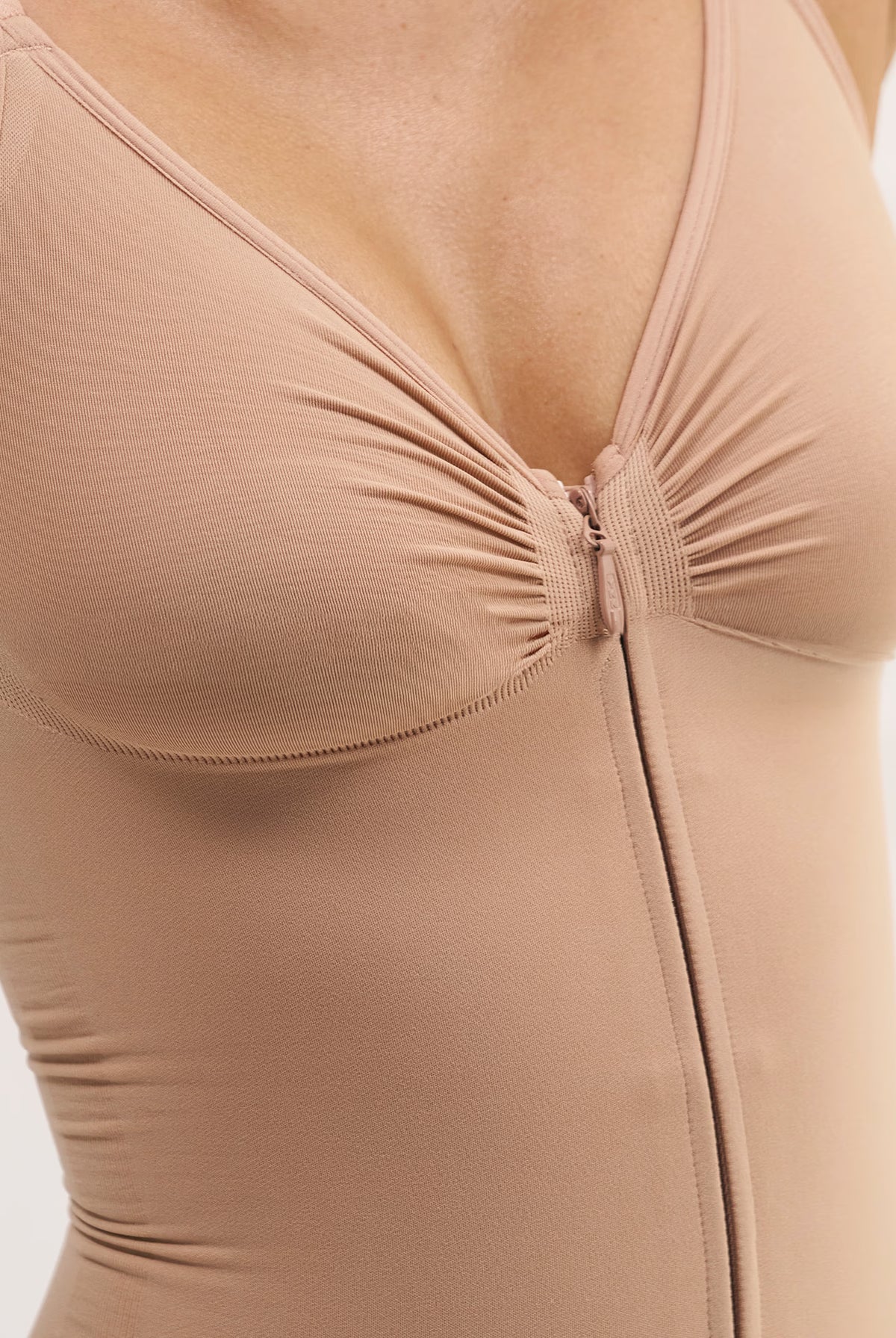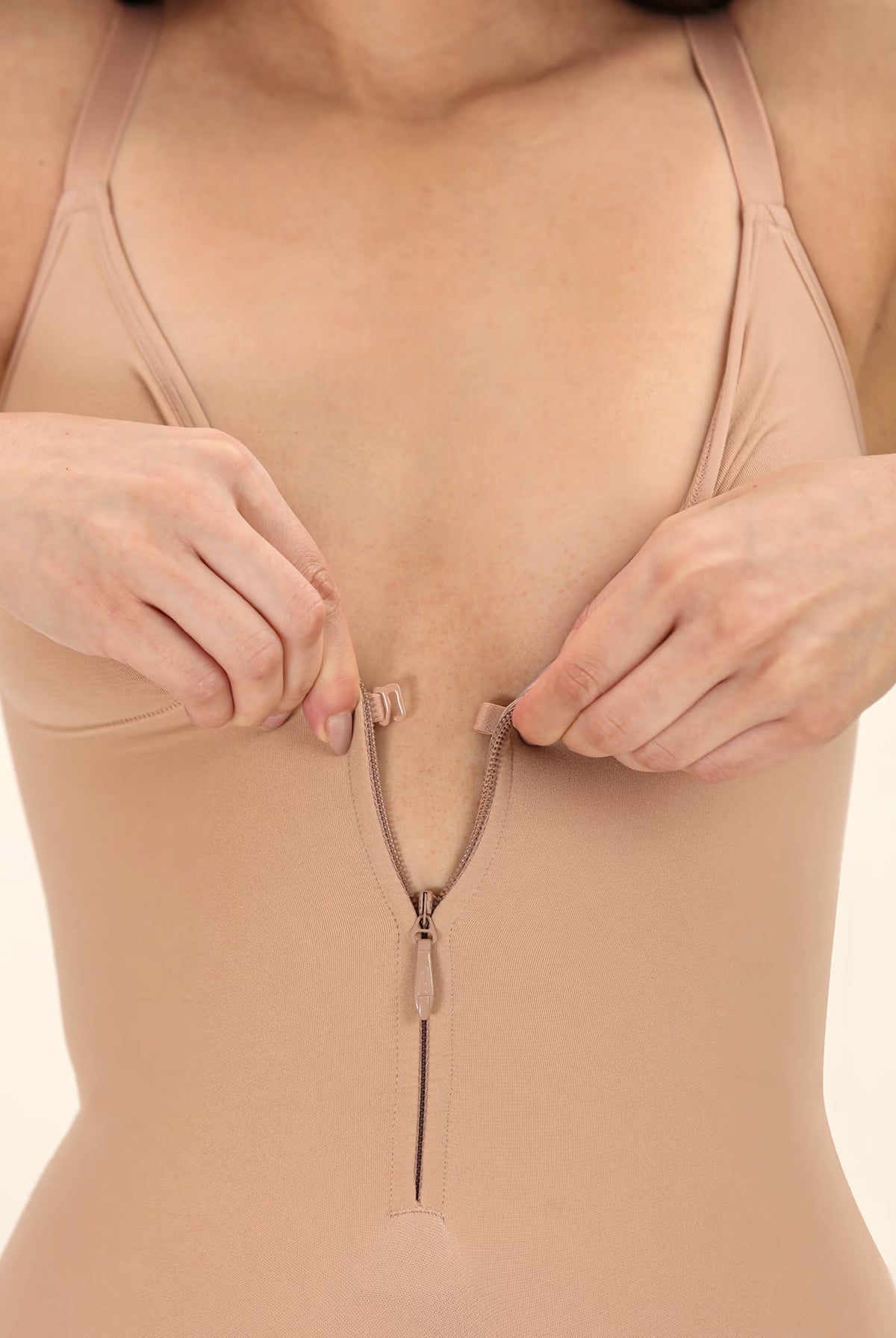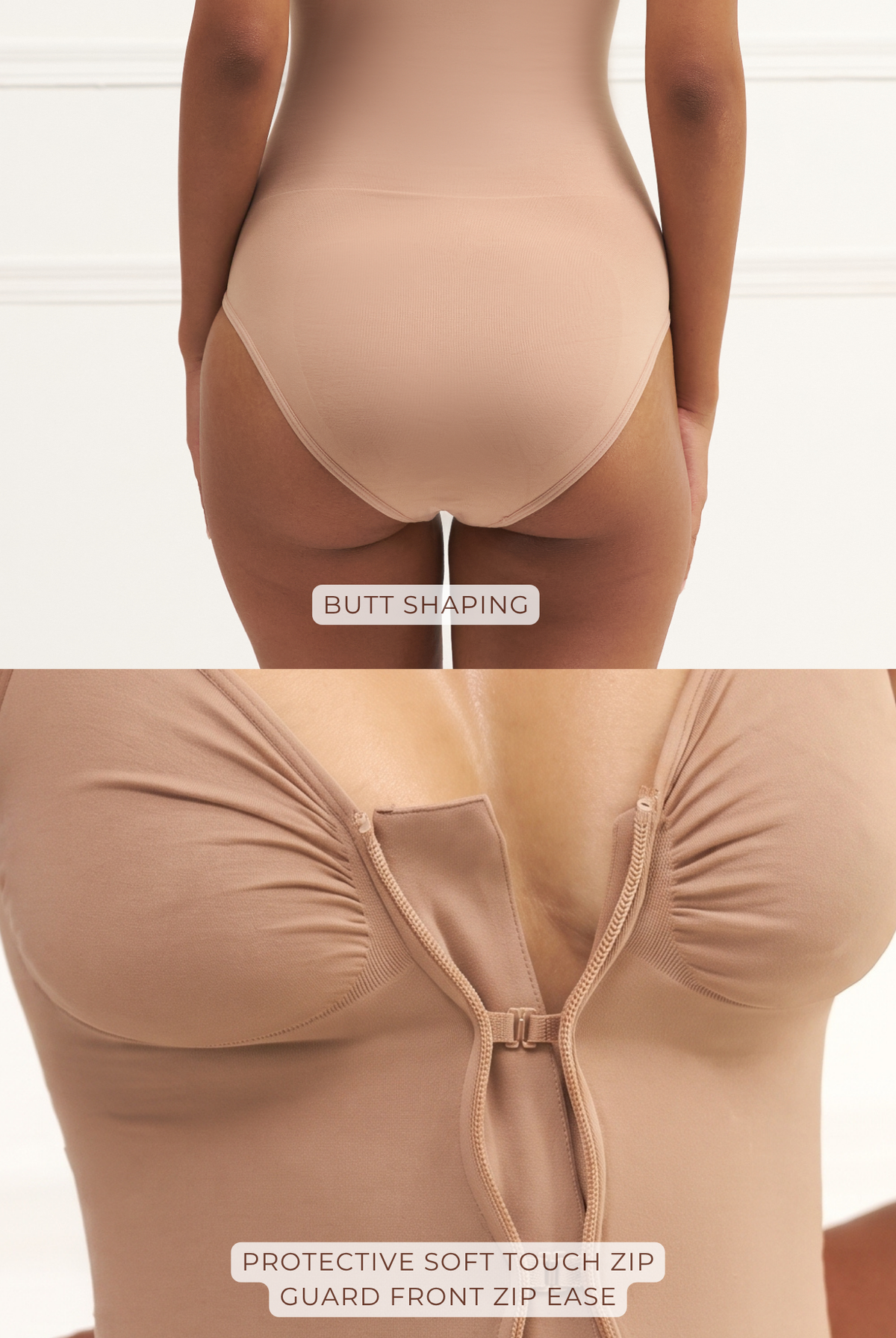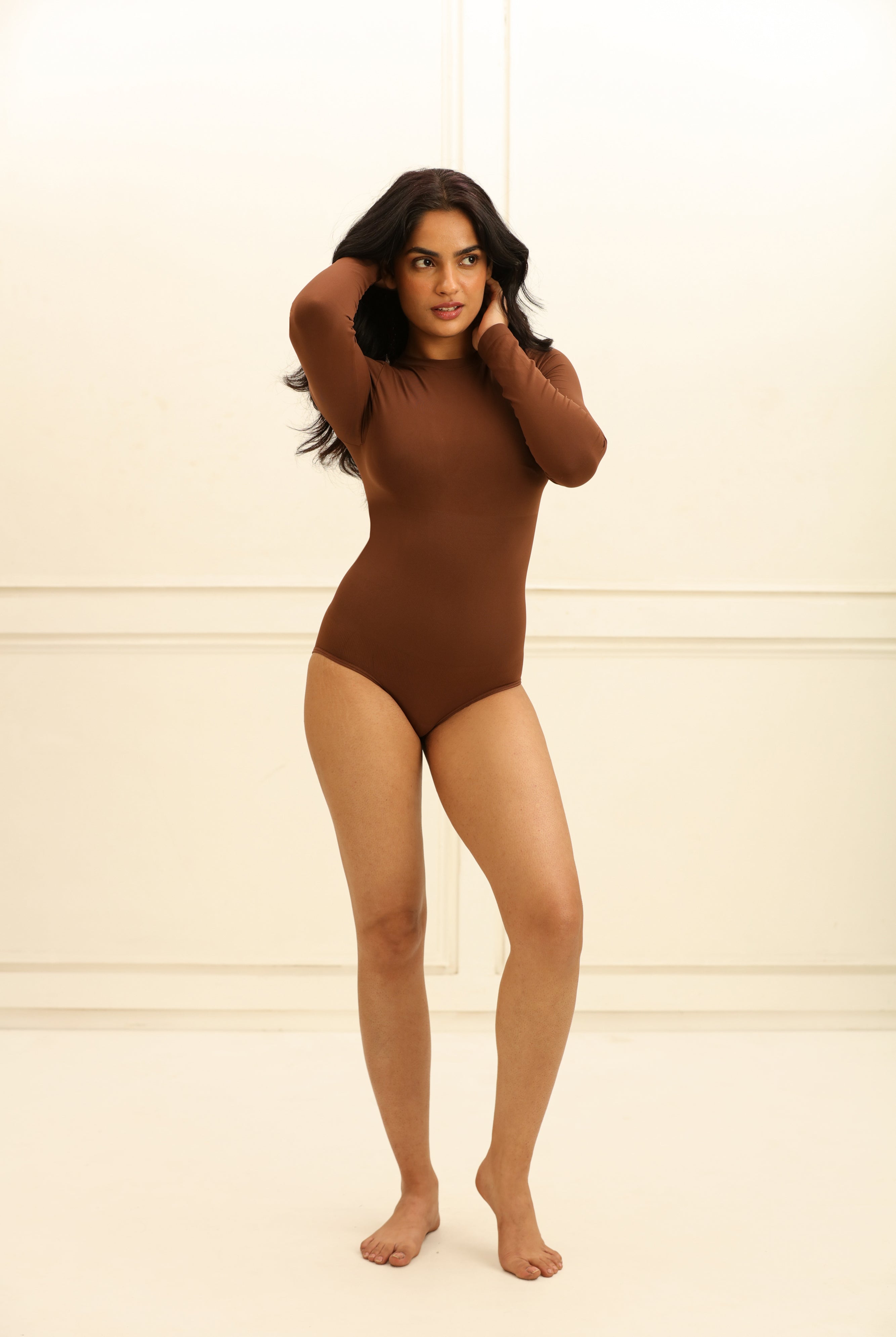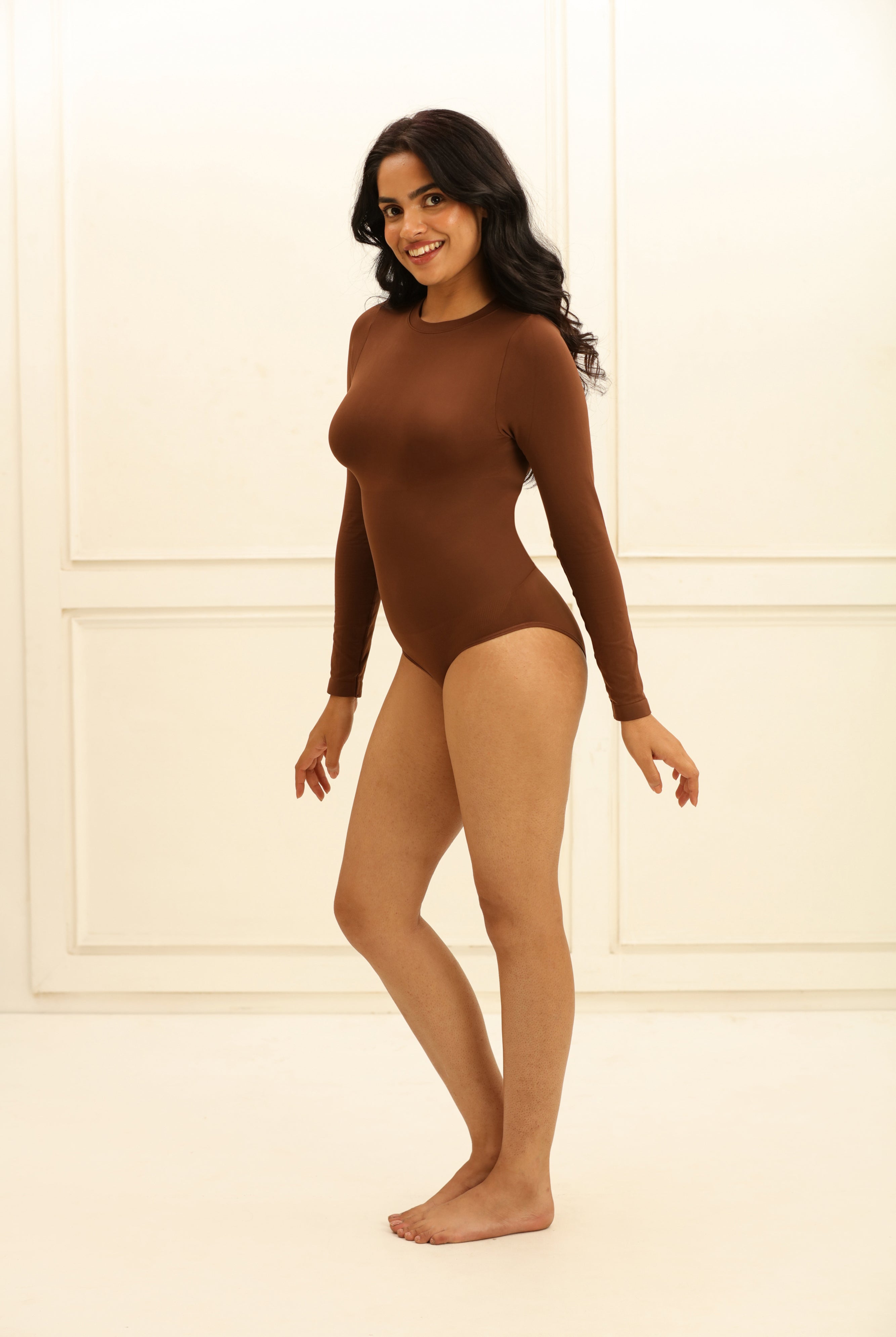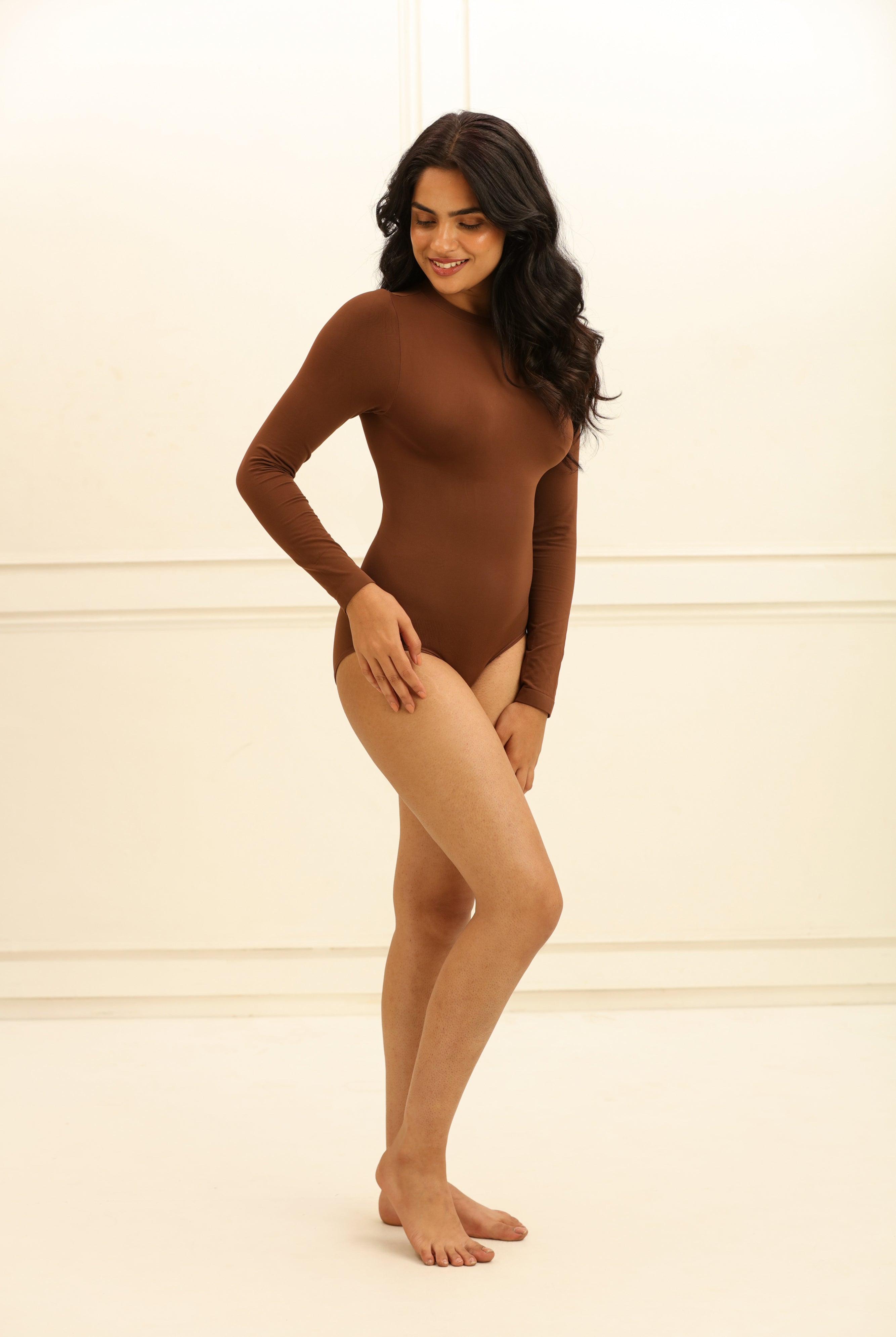








Welcome to a quick, no-judgment session with Underwoman, besties! We have all had that annoying mirror moment: you slip into a sleek top, look in the mirror, and suddenly spot a little side spill near your underarm, ruining the whole vibe.
Before you start blaming your body, stop right there! That bulge does not mean you have gained weight. Most of the time, it is just misplaced tissue crying out for help because your bra is fighting your body instead of supporting it.
So, what causes bra bulge in the first place?
Are your cups way too small, or is your band secretly strangling you?
Grab a seat, because Underwoman is breaking down the real culprits so you can get that seamless fit back!
What is a Bra Bulge?

Simply put, a bra bulge is that bit of skin or tissue that spills out over the top, sides, or back of your bra band and cups. You usually spot it right around the underarm area or along your back under tight-fitting clothes.
Here is what most girls don't realise: your breast tissue doesn't just sit neatly in the front! It actually extends toward your underarms and sides. When your bra fits weirdly, it squeezes that natural tissue and pushes it outward, creating a small roll or spill that sticks out under your clothes.
So, a side bra bulge is not a body flaw or extra fat. It is literally just your body tissue being squished out of place because your bra does not have enough room, support, or coverage to hold everything where it belongs!
Causes of Bra Bulge
Now that we know what it is, let's figure out the different causes of bra bulge in the first place.
Tight Band

If your bra band is way too tight, it digs straight into your ribcage and squeezes your skin. When the elastic pulls too hard, the flesh around your sides and back has nowhere to go except to bulge out over and under the band. Your band should feel secure and supportive, not like a tourniquet. If you cannot wait to rip your bra off the second you get home, your band size is definitely too small!
Small Cups

This is easily one of the biggest reasons for underarm spillage. When the cups in bra for women are too small, your breasts simply cannot fit inside them. Since your tissue cannot compress into thin air, it gets squished sideways toward your armpits. If you notice tissue overflowing at the front or sides, resist the urge to jump up a band size. What you actually need is a larger cup size!
Wrong Cup Shape

Did you know you can wear your exact size and still get a bra bulge? That happens when the cup style does not match your natural bust shape. For instance, if you have full tissue but wear shallow cups, the bra will flatten your bust and force tissue out through the sides. Matching the cup construction to your natural shape is just as important as getting the right measurements.
Low Side Wings

The side wings are the panels that connect the cups to the back band. If these panels are cut too low or narrow, they leave a huge gap around your underarm area with zero support. Bras with higher, wider side wings give you broader side coverage, smoothing out your silhouette and holding side tissue neatly in place.
Worn-Out Elastic

We all have that one holy-grail bra we refuse to throw away! But when a bra gets old, the elastic loses its stretch and recovery. A stretched-out band slides around, rides up your back, and stops holding everything where it belongs, which leads to weird rolls and uneven fitting. If your favourite bra has lost its snap, it is officially time to bid it farewell and grab a fresh one.
How to Prevent Side Bulge?
The good news? You don't have to hide your body or squeeze yourself into uncomfortable innerwear. Here’s how to get rid of a bra bulge:
Know Your Measurements
Start with the basics: measure your bust and underbust correctly. Your measurements give you a useful starting point when choosing a bra for women, especially when shopping online. Don't rely only on the size you've always worn. Your body can change with weight fluctuations, hormonal changes, pregnancy, or simply over time.
Right Cup Size
Once you know your measurements, pay attention to your cup size. The right cup should comfortably contain your bust without cutting into the sides or creating noticeable spillage. When the cup fits properly, your breast tissue has enough room to sit naturally instead of being pushed toward the underarm area.
Choose a Bra with Side Support Panels
If side bulges are a concern, look for bras designed with additional support around the sides. Side support panels can help guide and contain the bust more comfortably. This type of construction can be particularly useful if you prefer a more secure fit or want smoother lines underneath fitted tops and dresses.
Look for Wider Bands and Wings
A wider band can distribute pressure over a larger area instead of concentrating it in one narrow strip. Wider side wings can also provide more coverage around the back and underarm area. The idea isn't to make the bra tighter. It's about spreading the support more evenly so the bra feels secure without digging into your skin.
Check Full-Coverage or Balconette Styles
The right style can make a noticeable difference. Full-coverage bras generally offer more fabric around the cups and sides, which can help contain the bust comfortably. Balconette styles bras can also work well for certain bust shapes because of their structured cup construction. However, the best style ultimately depends on your individual shape and the kind of coverage you prefer.
Replace Old Bras
If your bra has stretched-out elastic, misshapen cups, or a band that keeps riding up, it may simply be time for a replacement. A good bra should return to its original shape after washing and continue to provide consistent support. If it doesn't, no amount of adjusting is going to bring back its original fit.
Adjust Your Straps
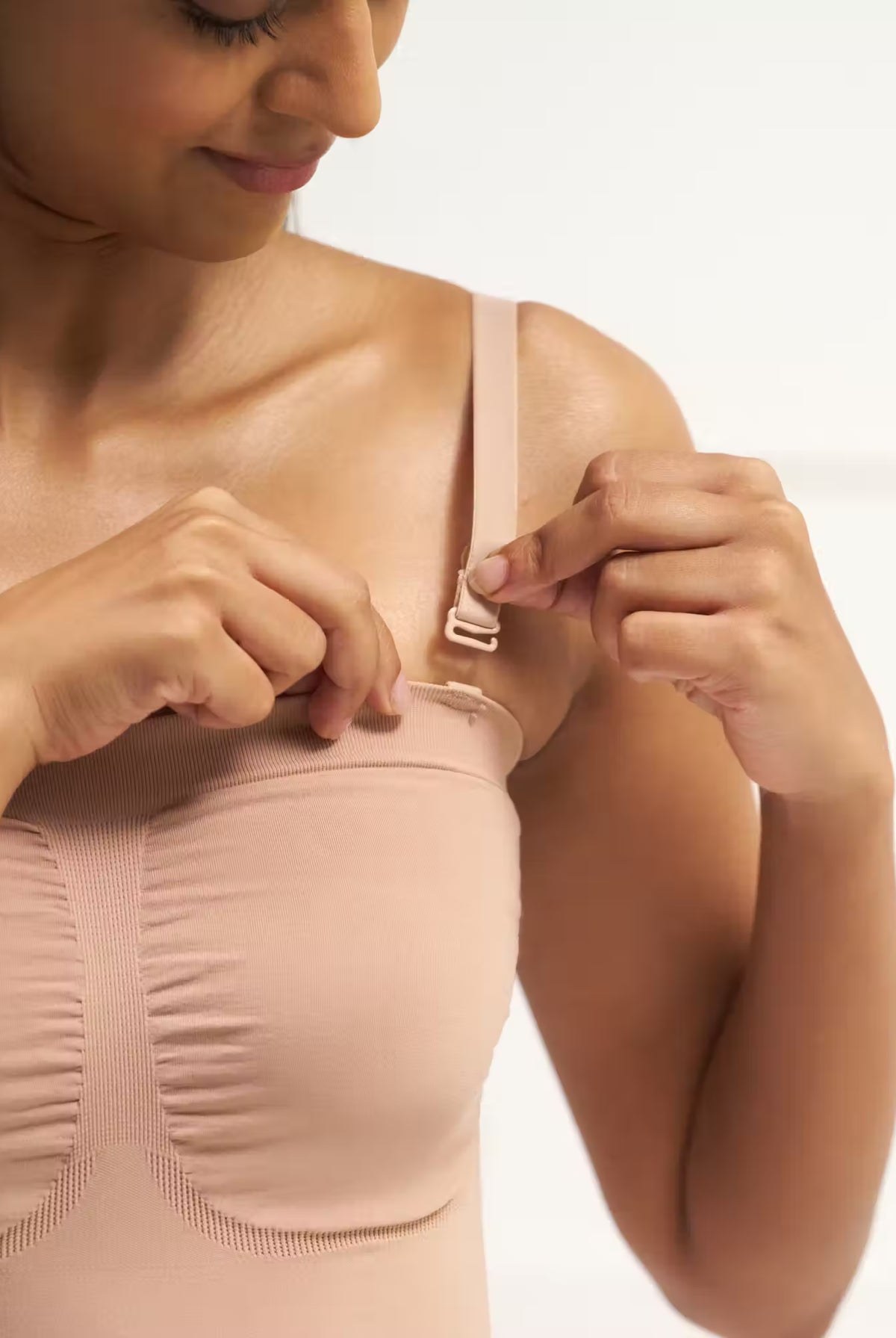
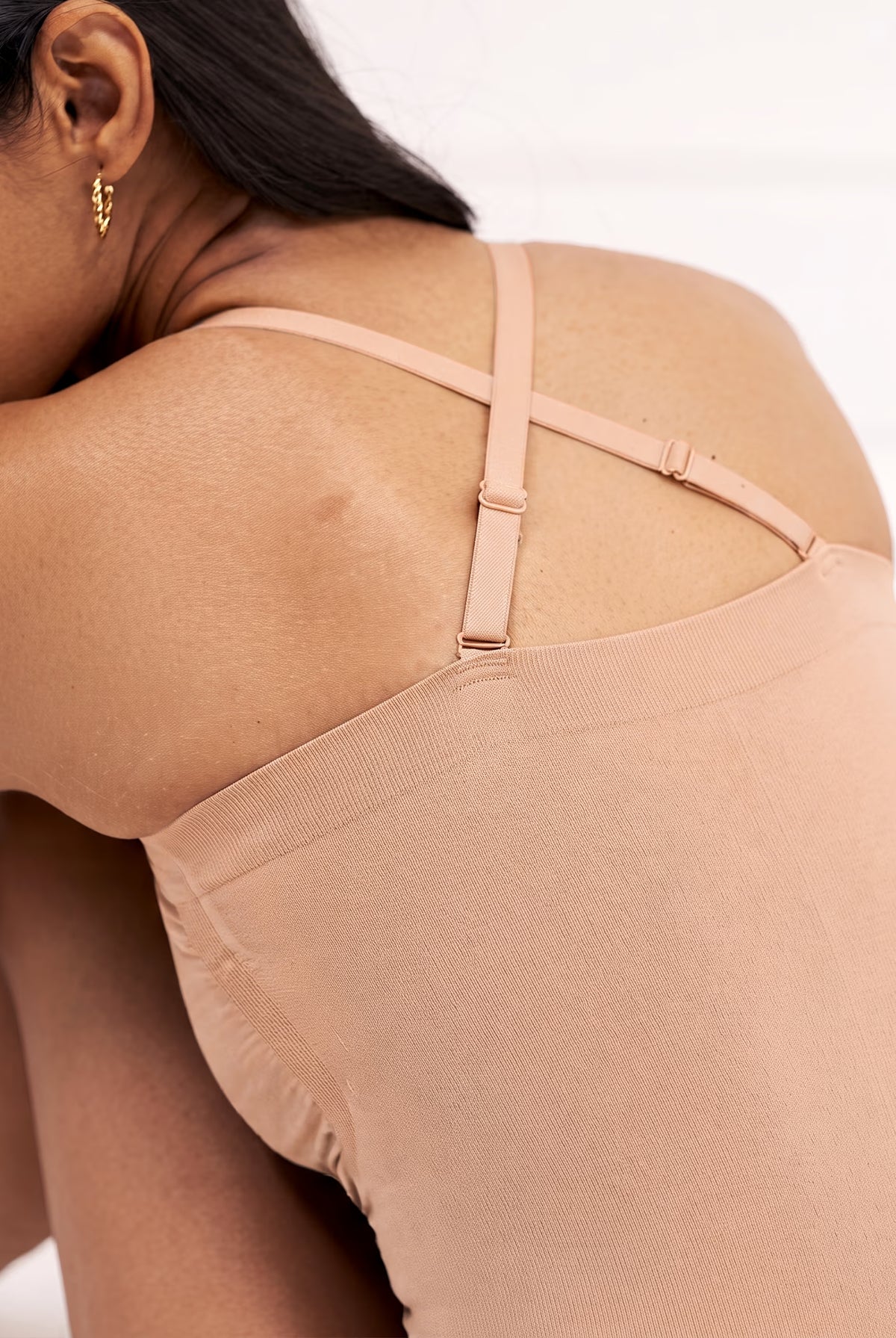
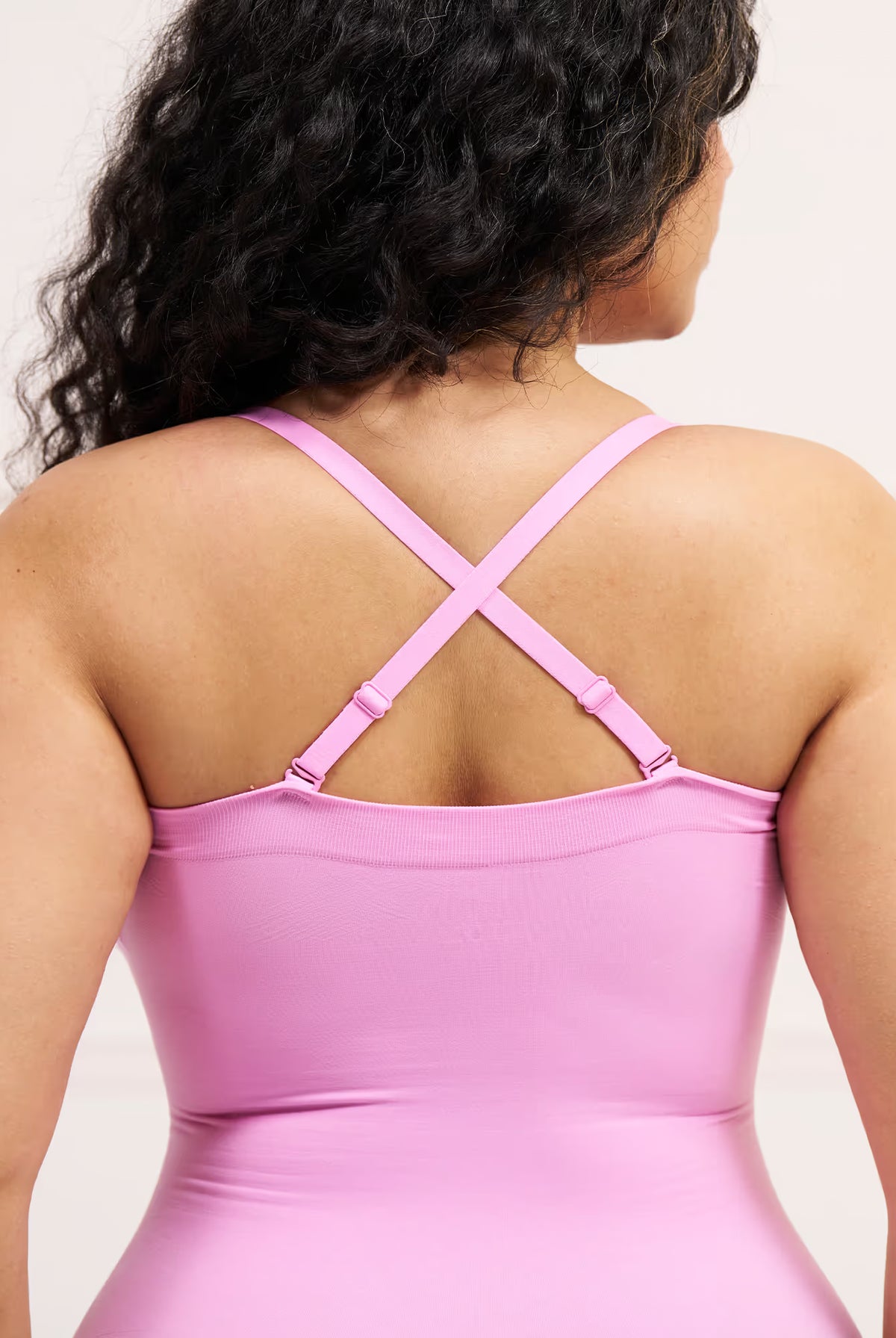
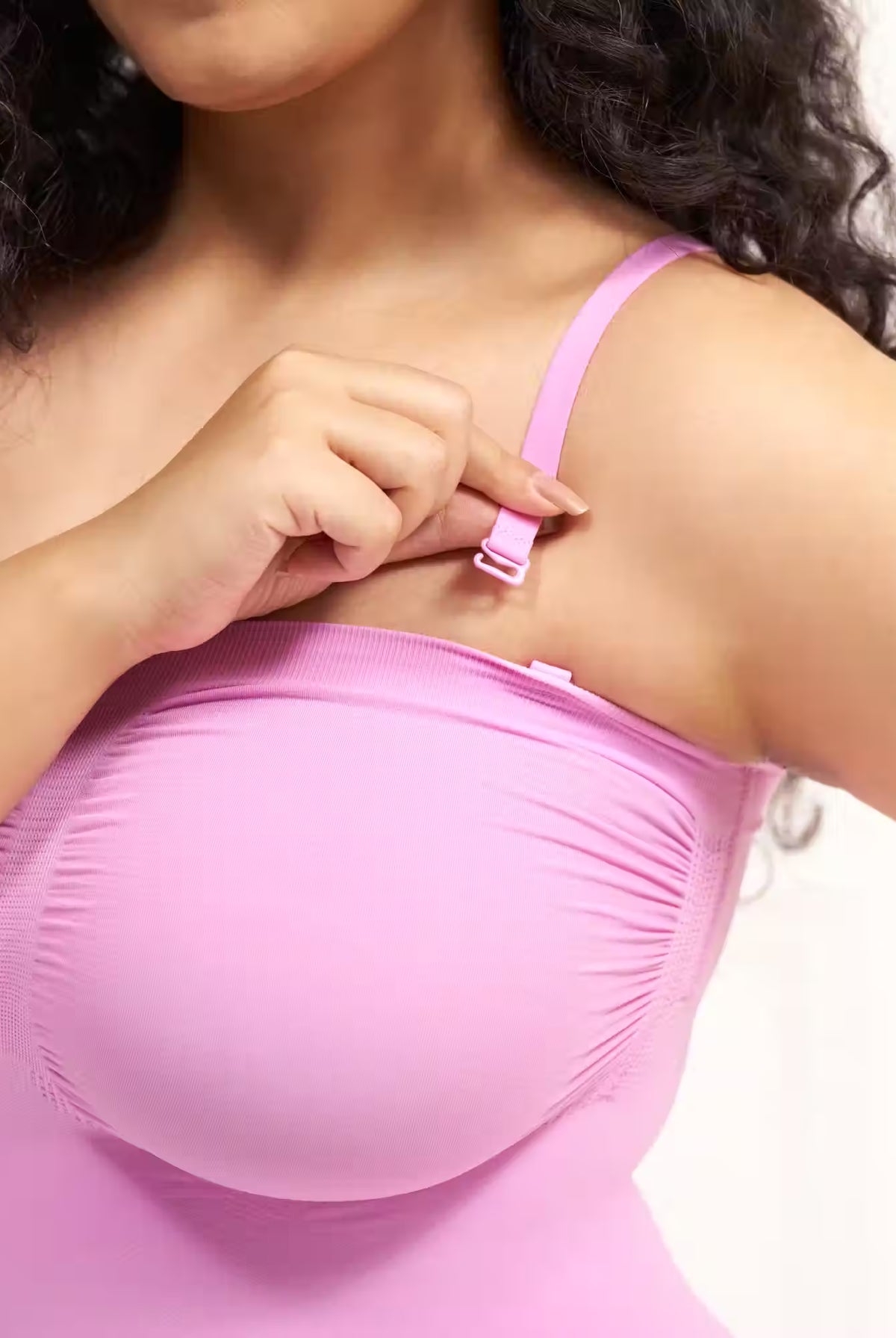
Don't forget the straps! Straps that are too loose can make the cups sit away from your body, while straps that are too tight can pull the bra upward and create unnecessary pressure. Adjust them so they feel secure without digging into your shoulders. Your straps should support the fit, not do all the work themselves.
Conclusion
So, how do you get rid of the bra bulge once and for all? It starts with looking at your bra, not holding a grudge against your body! Whenever you spot that side spill, remember it is your bra throwing a subtle sign saying, "Hey bestie, this fit is really not working for us!"
Take a few minutes to re-measure yourself, check your cup and band sizes, and notice how your bra feels after a long day. If it digs into your ribcage, causes spillage, or needs constant tugging, that is your cue to switch things up.
At the end of the day, innerwear for women is meant to support the natural body, not squeeze or punish it.
And that is a wrap on today's session! Underwoman has always got your back!
FAQs
How do I measure myself correctly to avoid side bulge issues?
Measure your underbust for the band size and the fullest part of your bust for the bust measurement. Keep the tape level and snug without pulling it tightly against your skin. These measurements can help you find a better starting size.
Does band size affect side bulge more than cup size?
Both can affect side bulges. A tight band can press into the skin, while a small cup can push breast tissue toward the sides. It's important to check both measurements rather than changing only the band or cup size.
Do certain bra styles cause more side bulge than others?
Some styles may create more visible side bulges depending on your bust shape and how the bra is constructed. Narrow side wings, shallow cups, or lower-coverage designs may not provide the coverage you prefer.
What kind of bra should I wear to hide or prevent a bulge?
Look for a bra with a comfortable band, sufficient cup coverage, and wider side wings. Full-coverage styles can provide more coverage around the bust and sides, while side-support designs can offer additional containment.
Can side bulges be reduced without buying a new bra?
Sometimes, yes. Start by adjusting the straps and checking whether the cups and band are sitting correctly. If the bra is stretched out, too small, or the wrong shape for your bust, though, replacing it may be the better option.