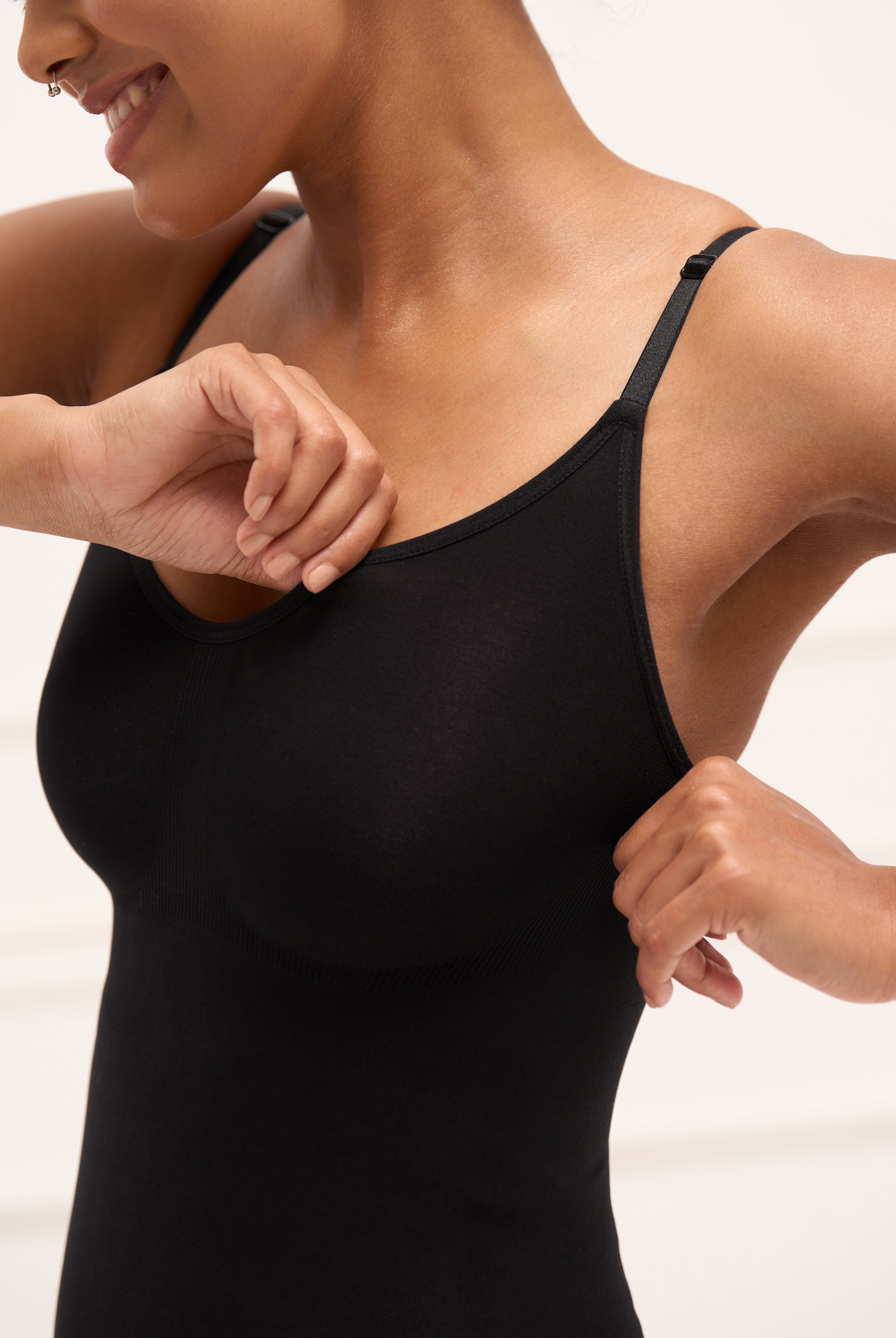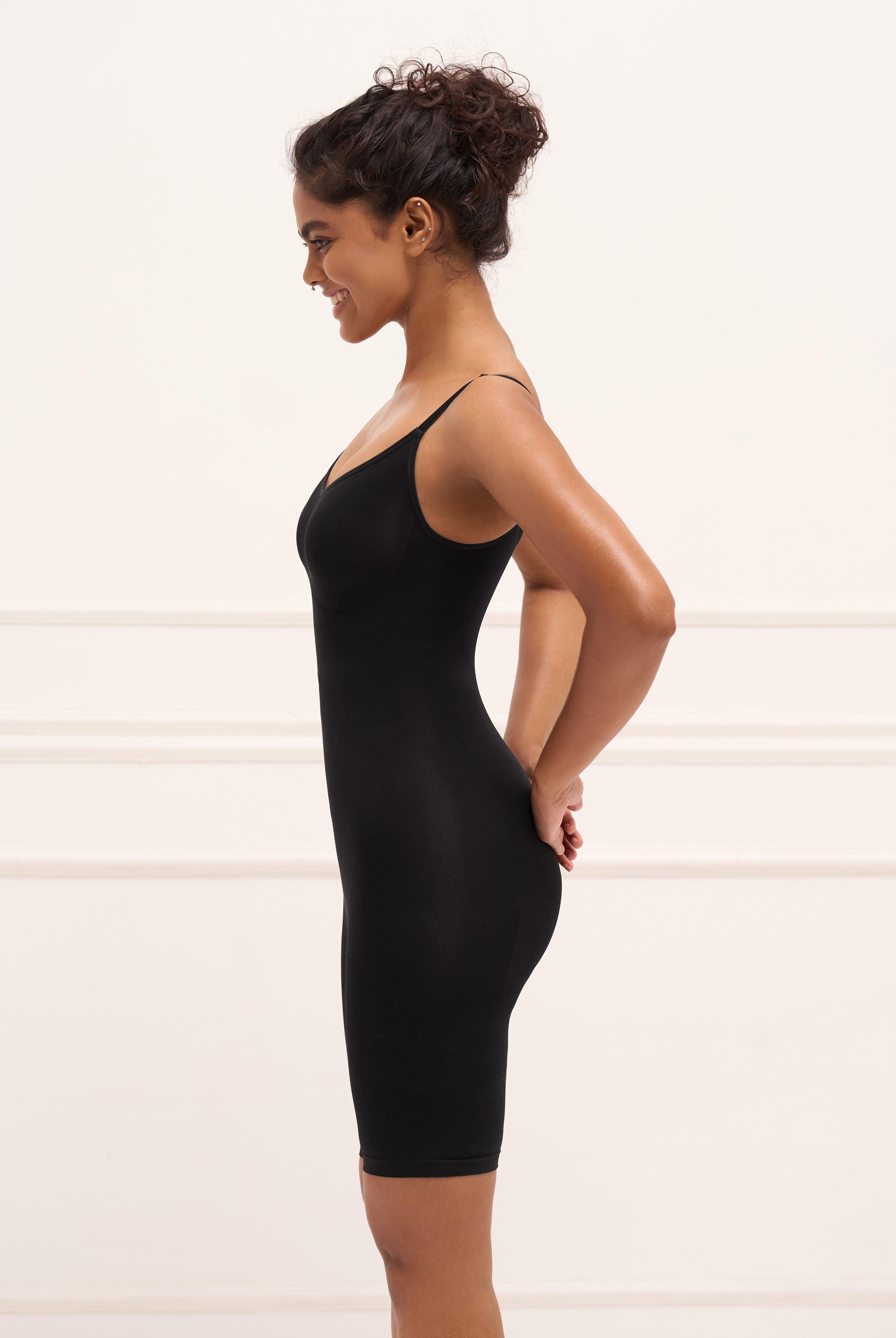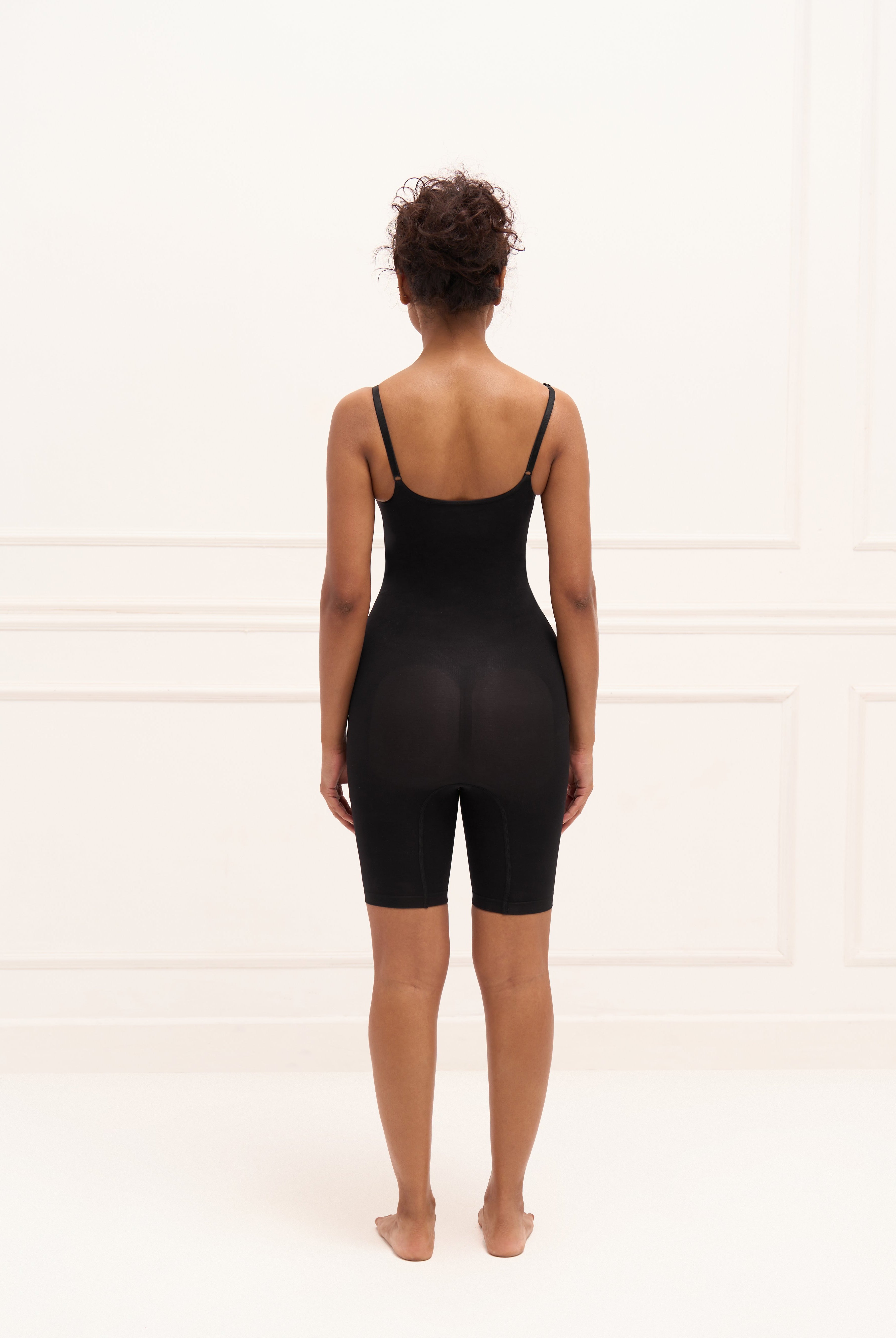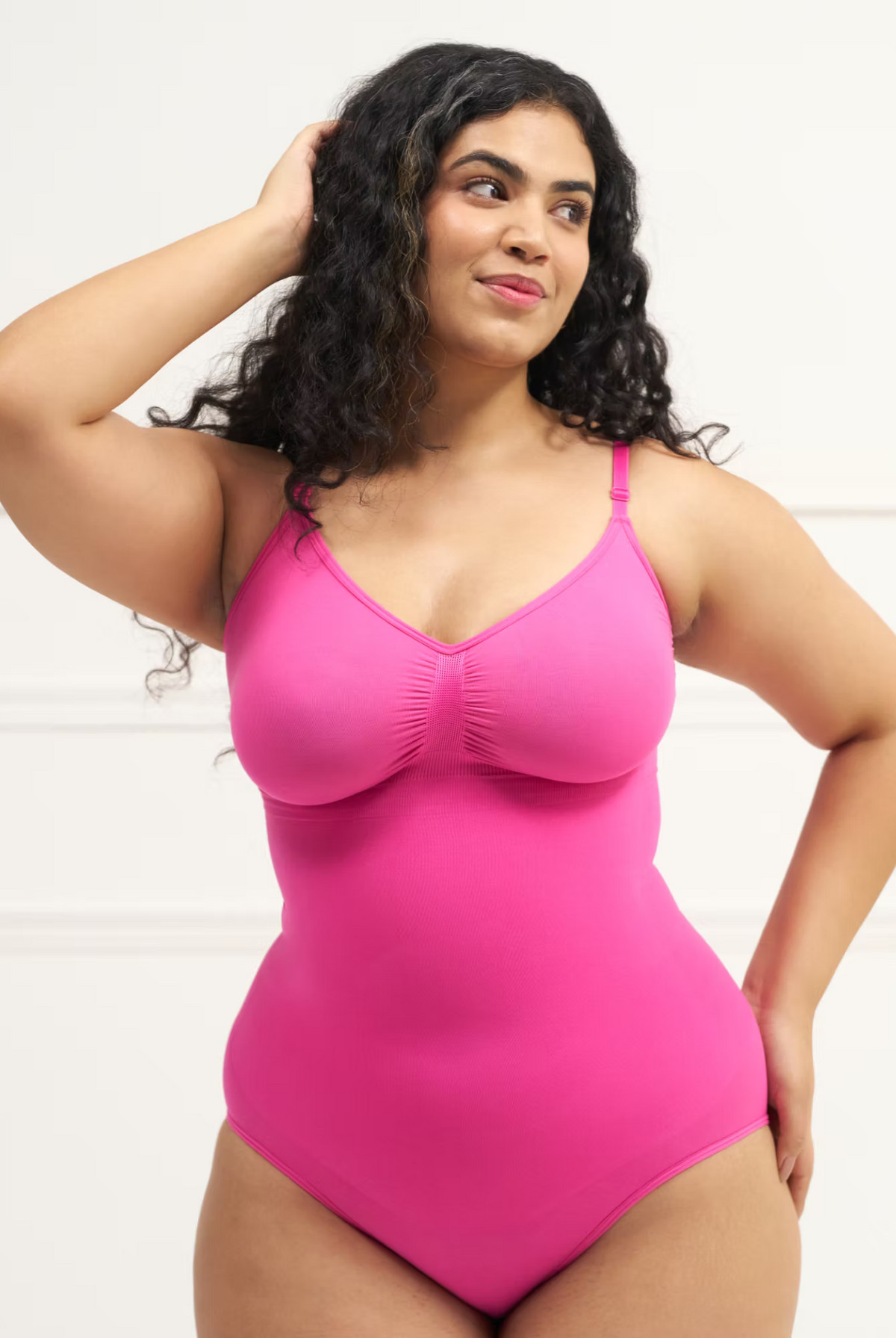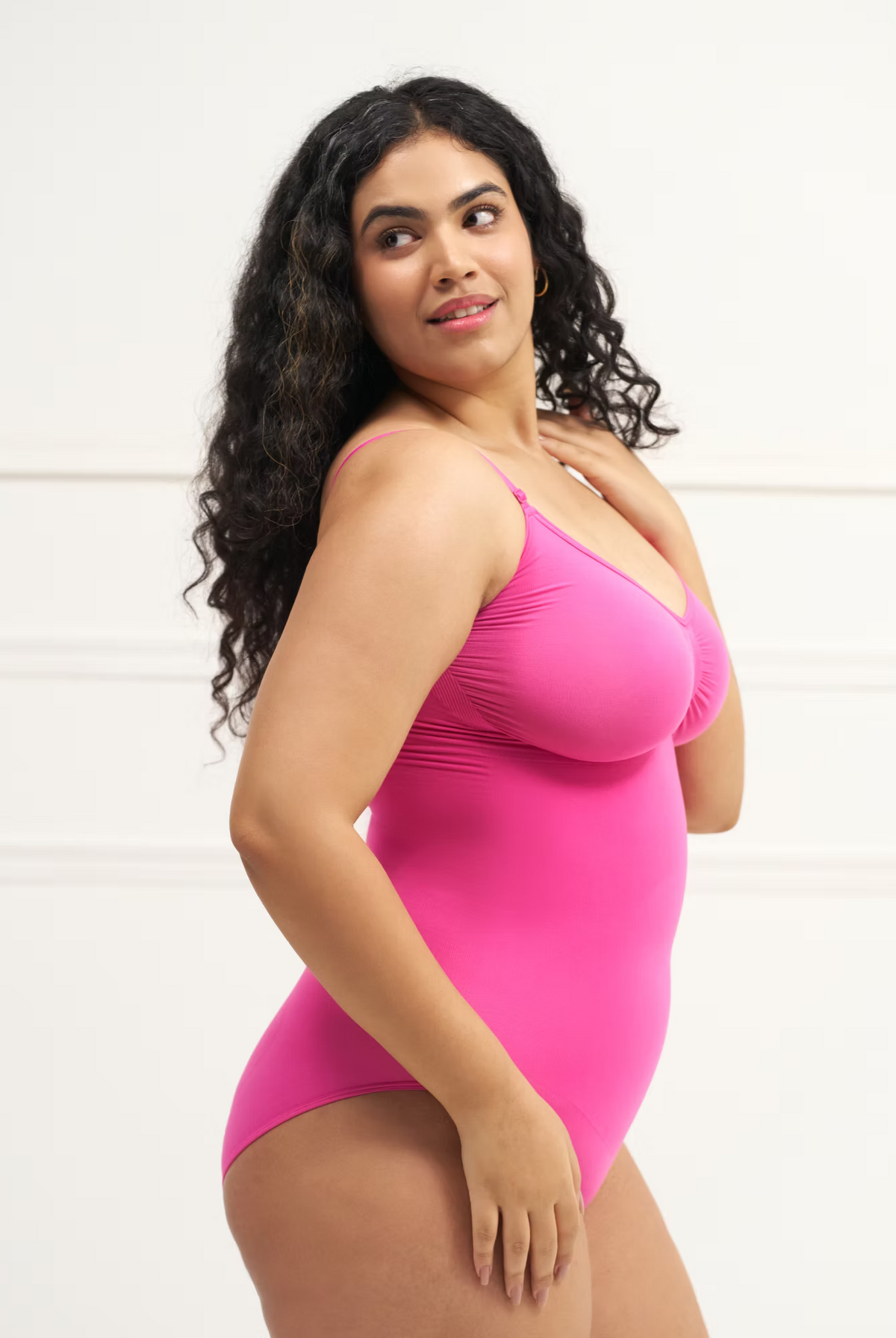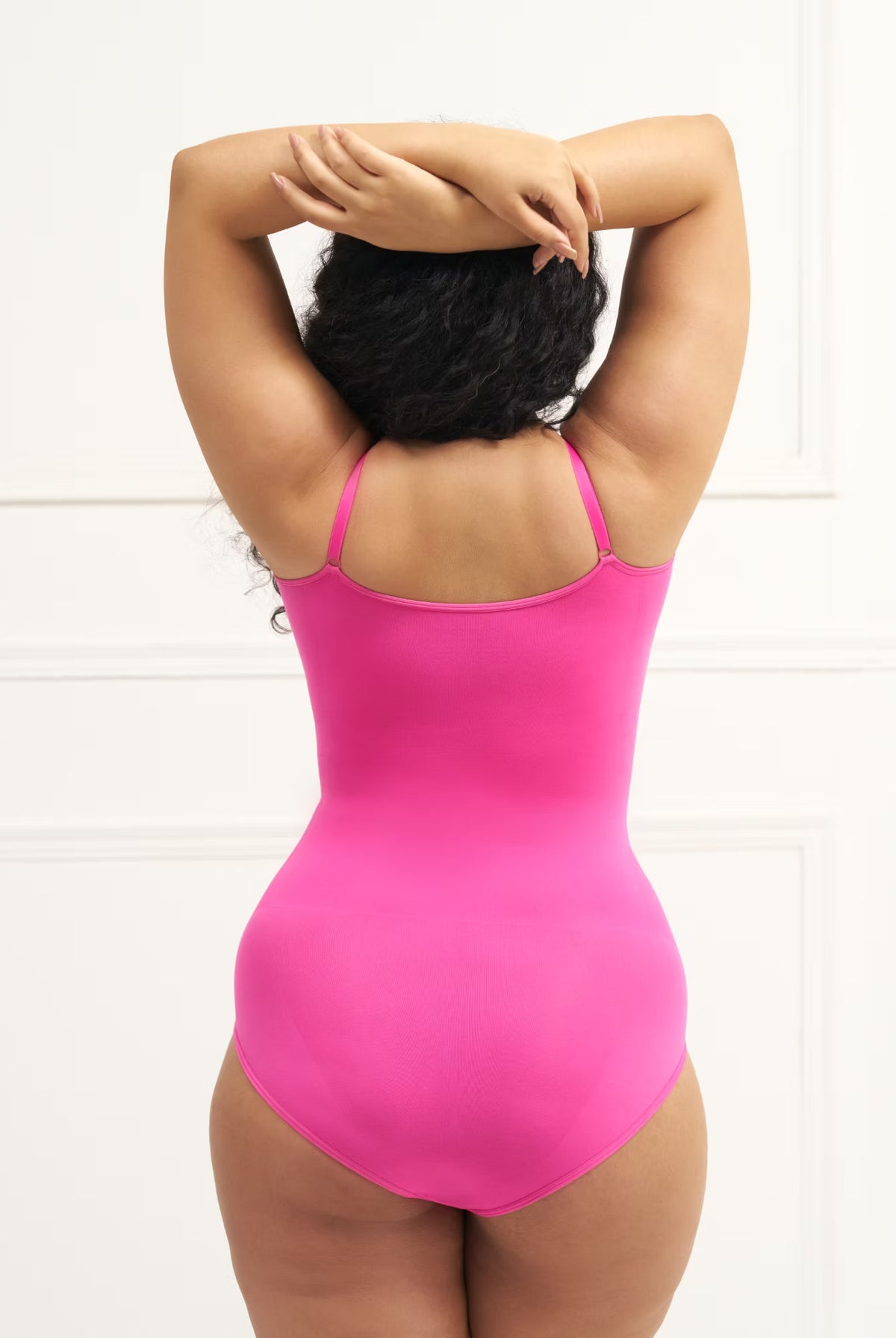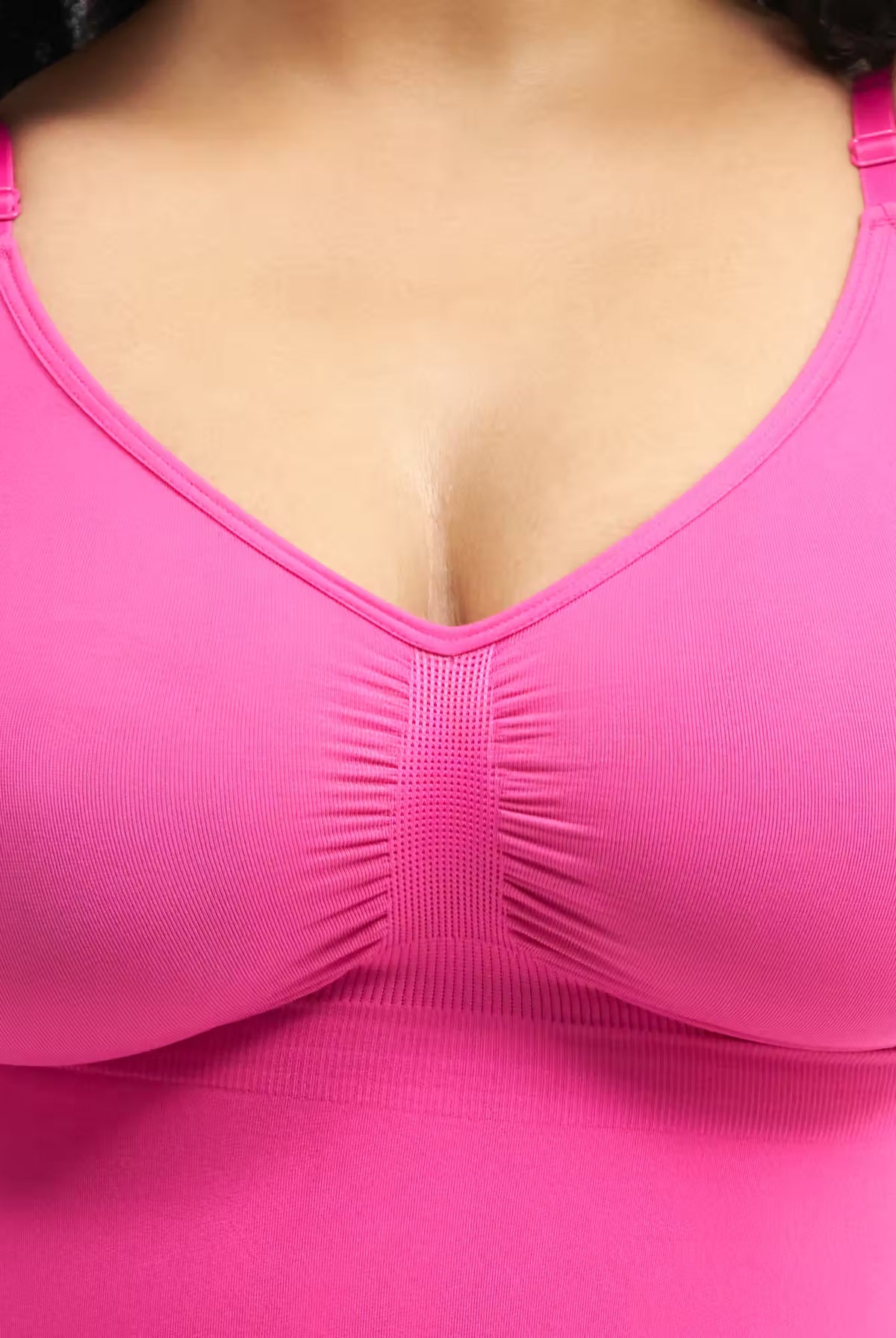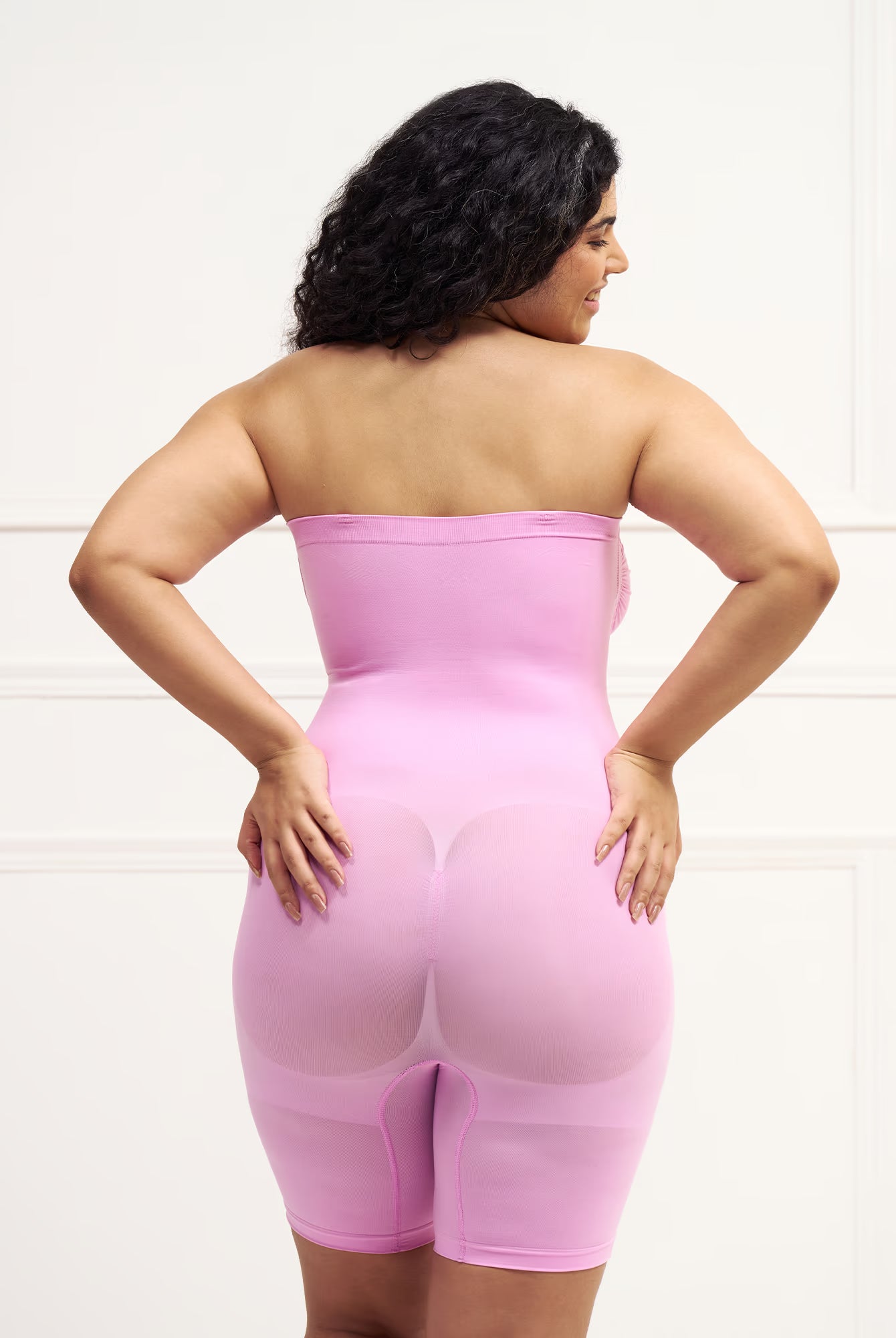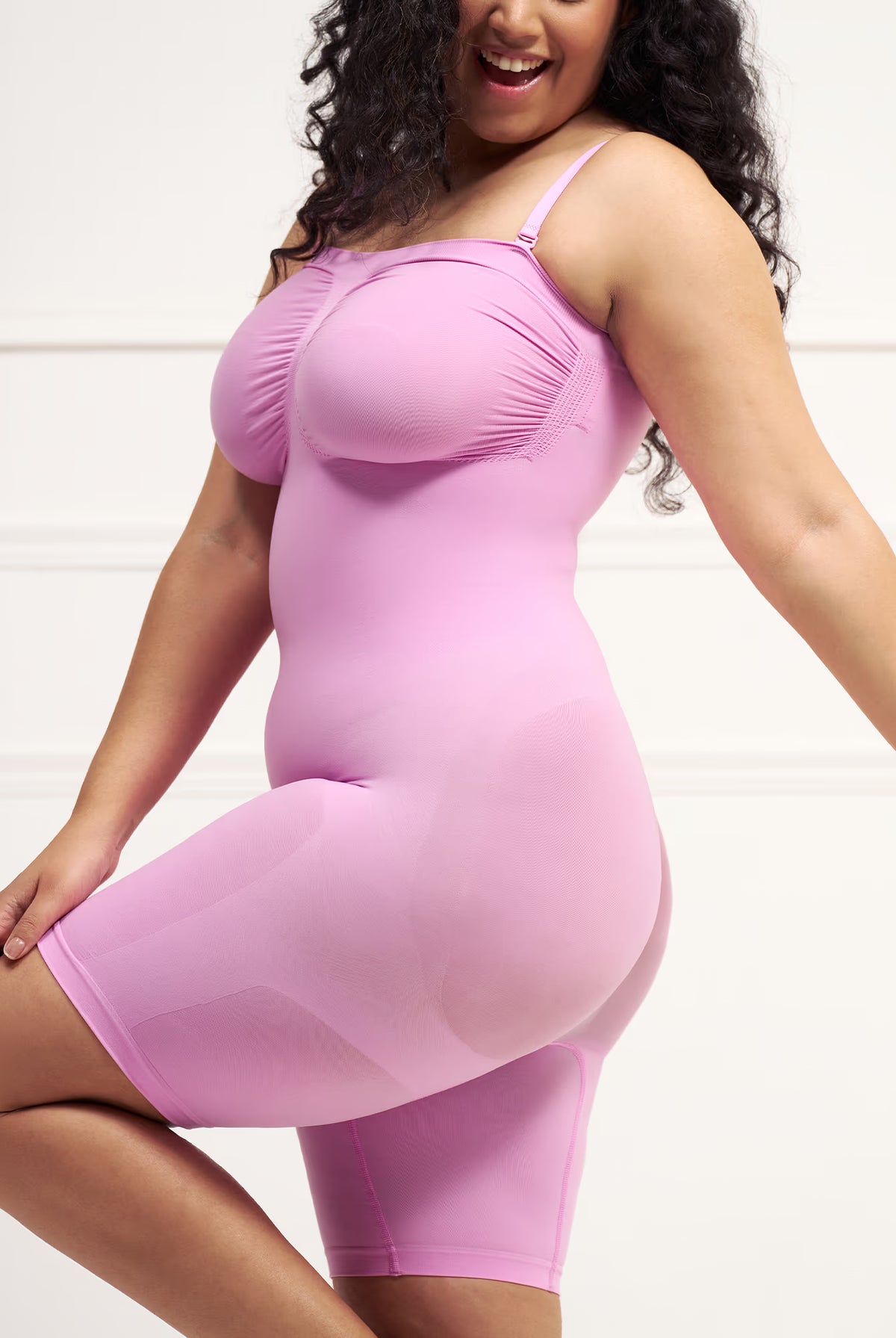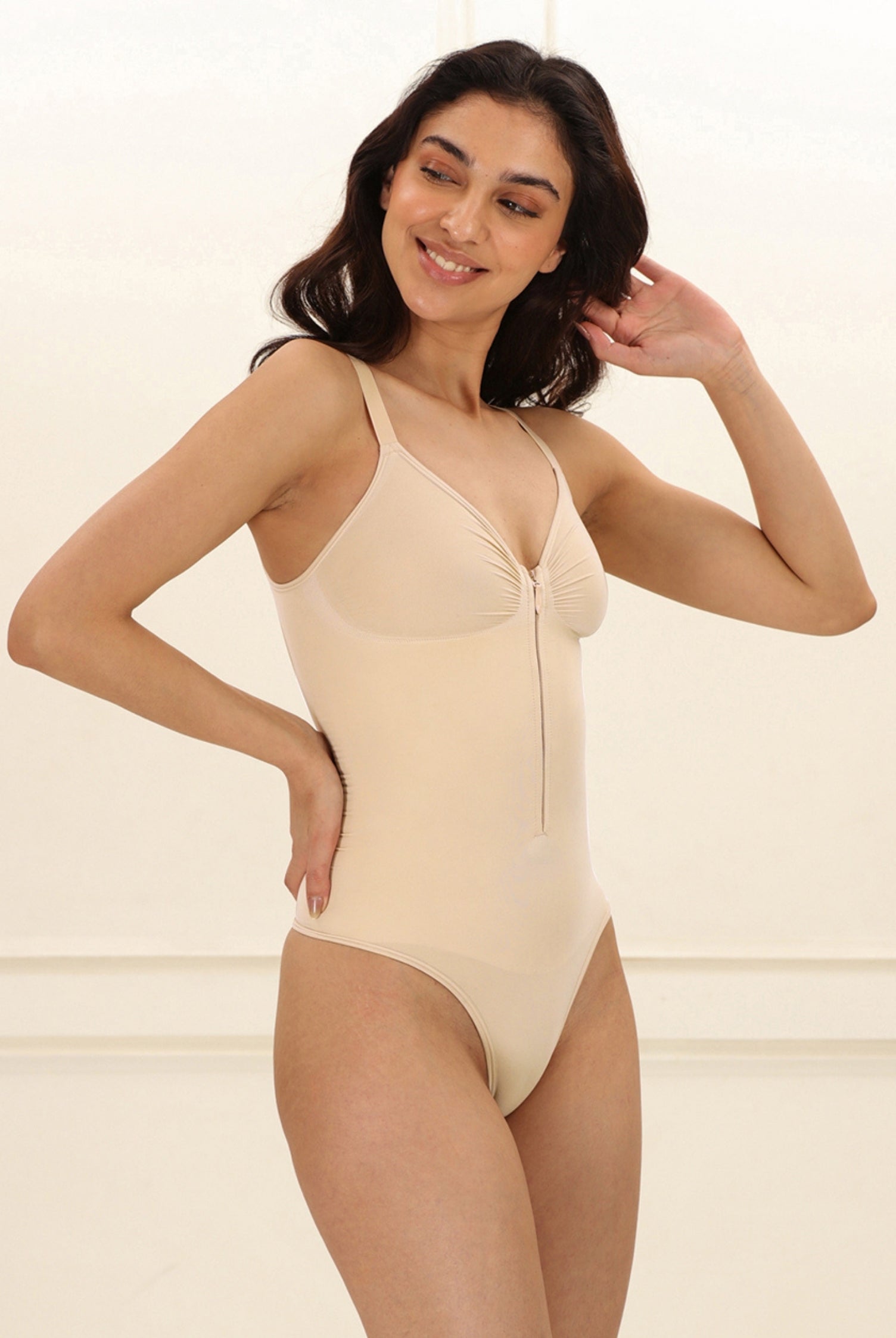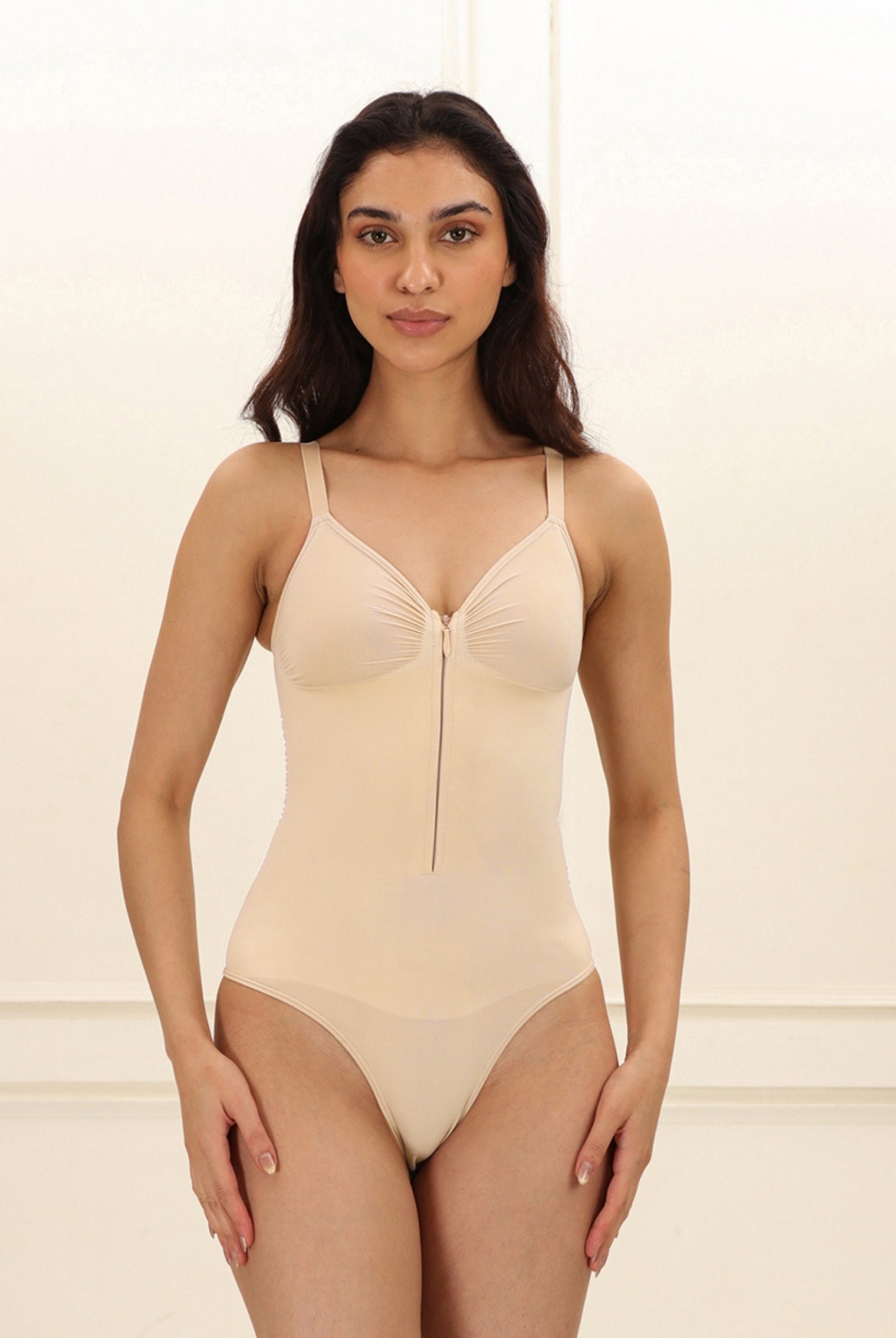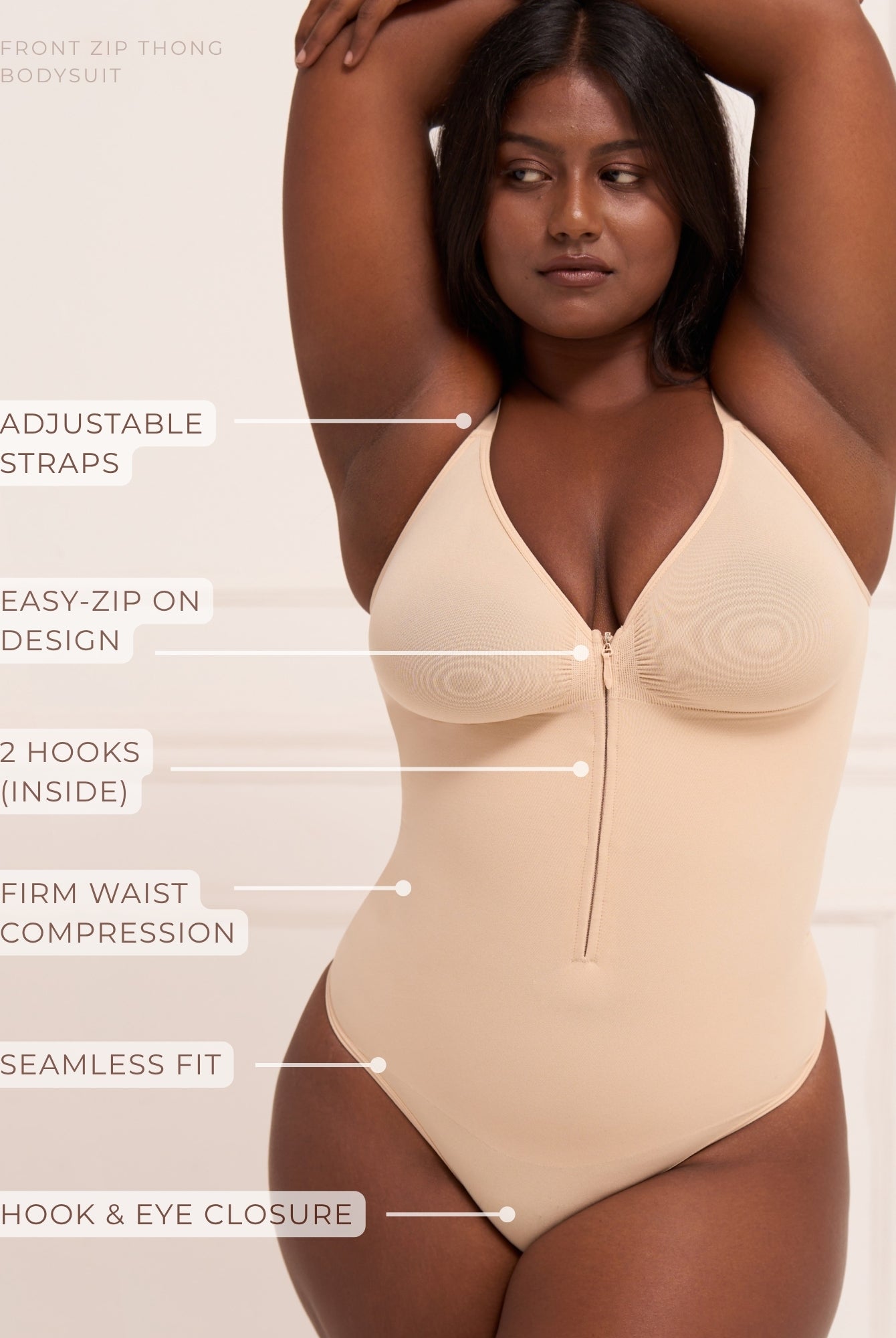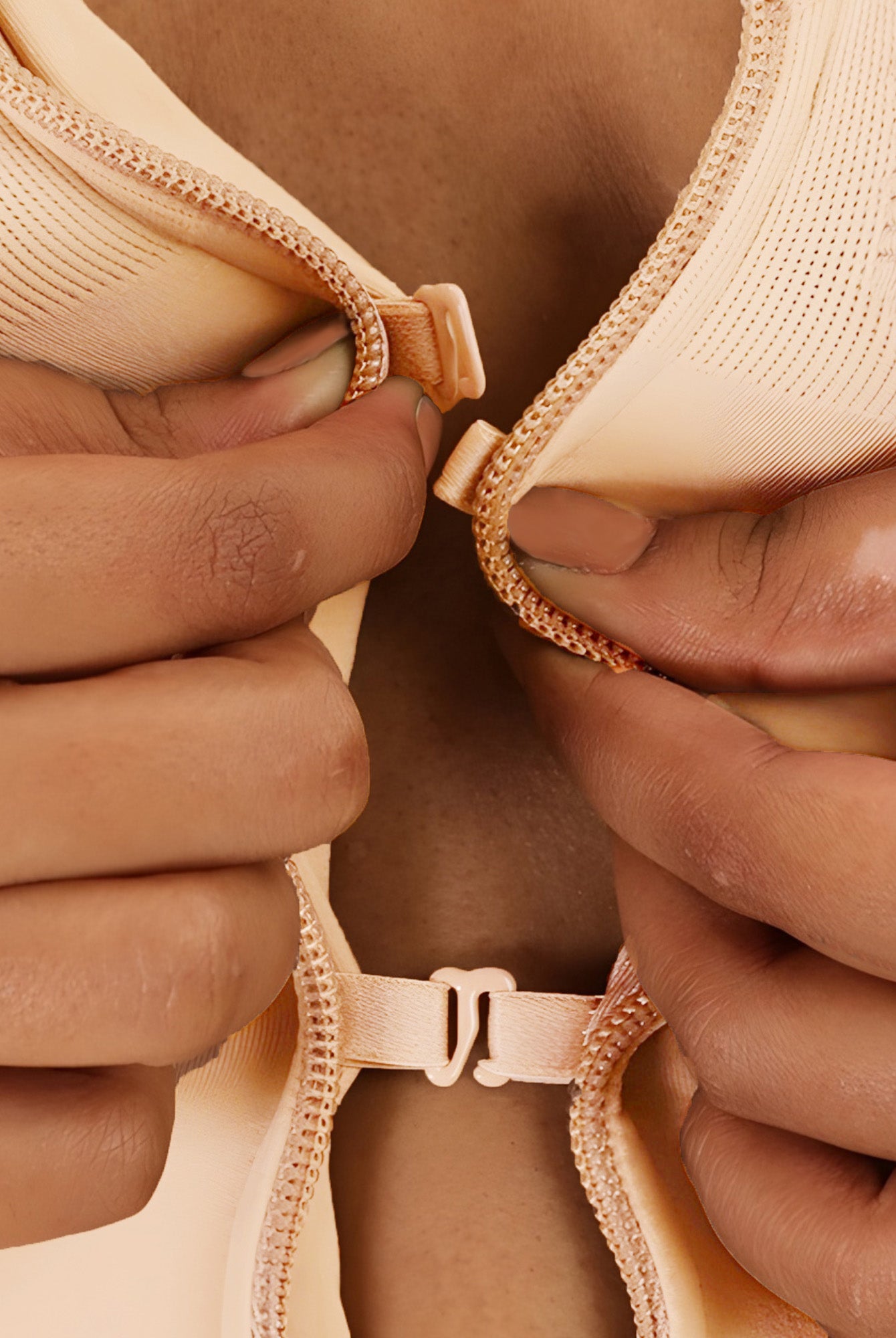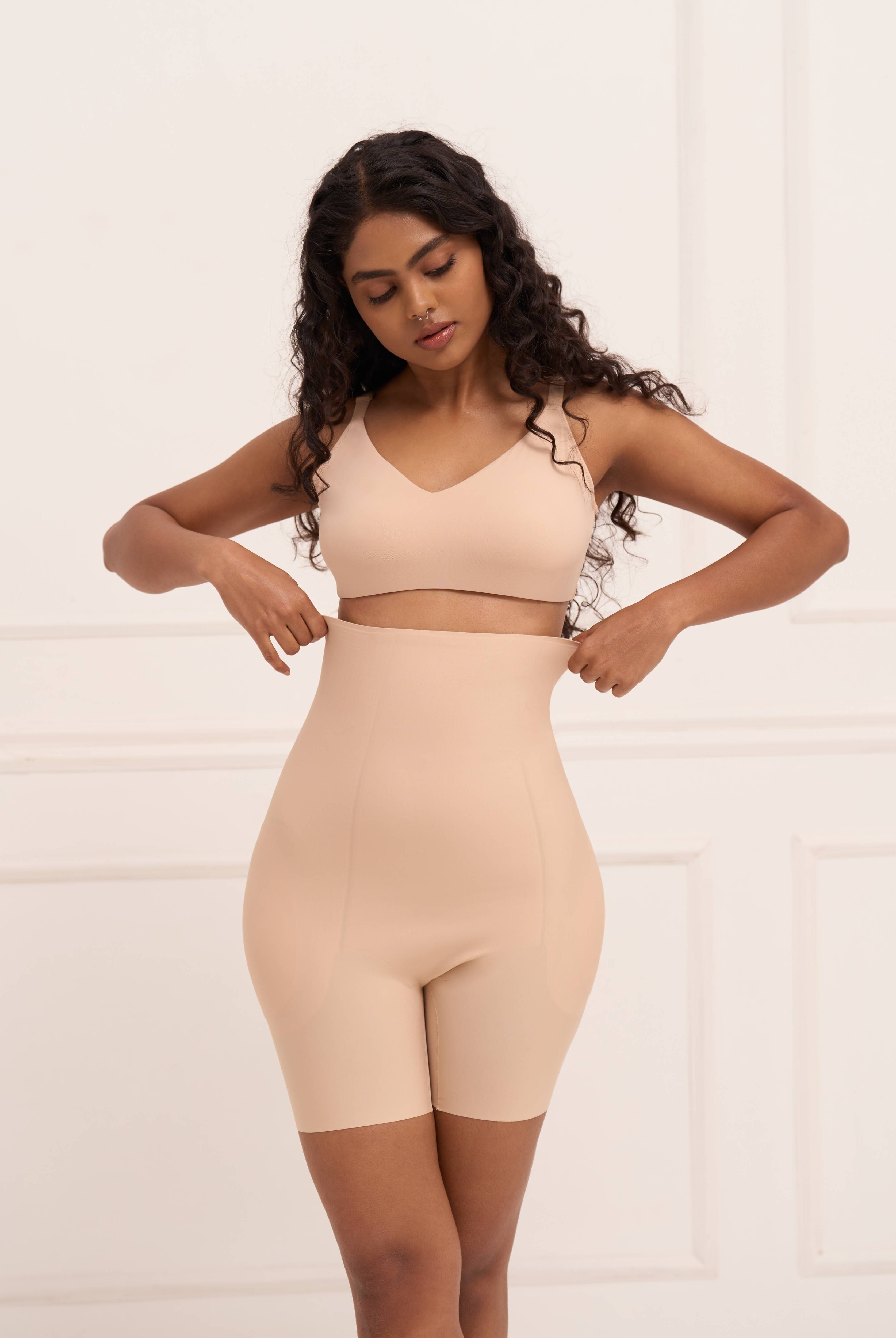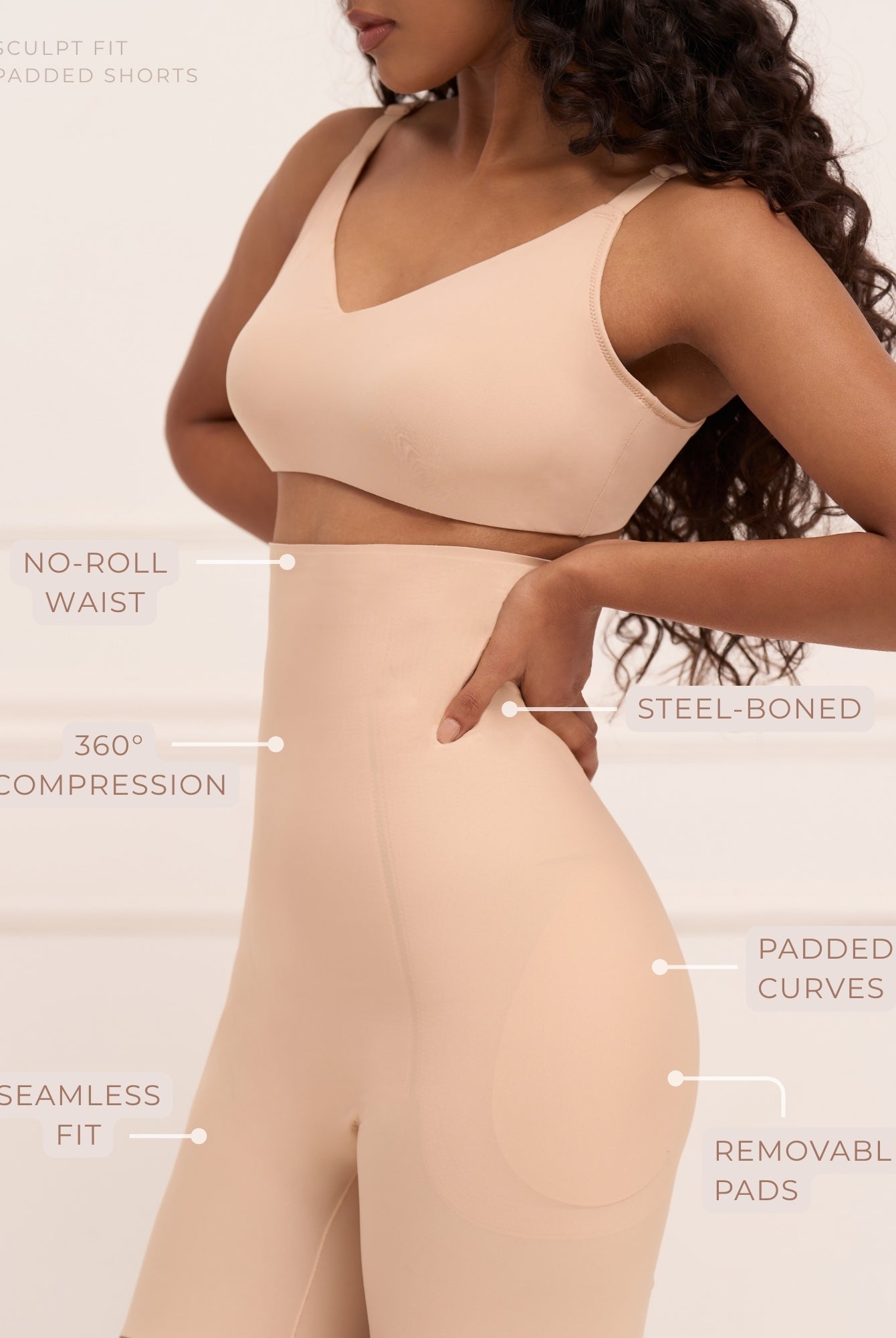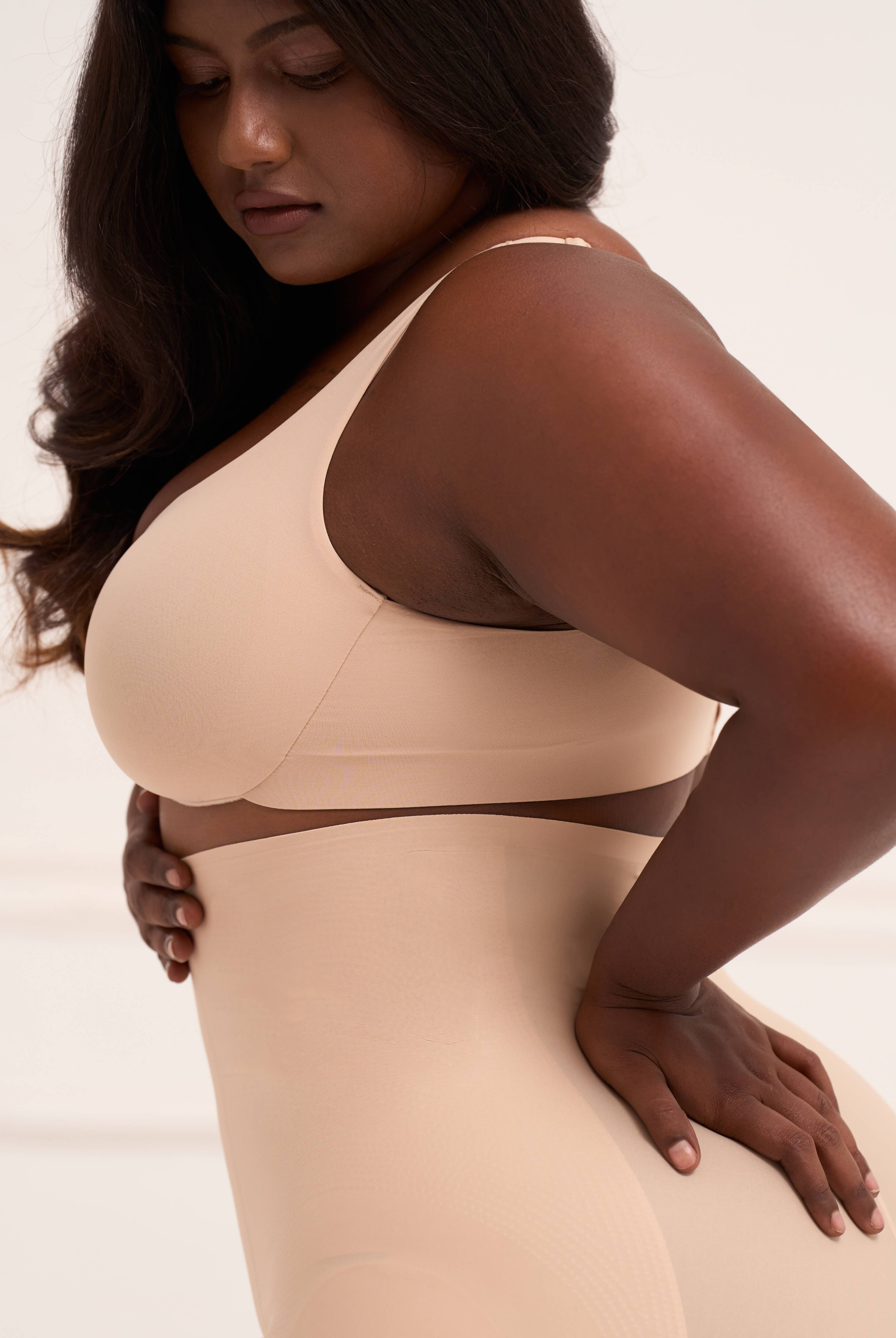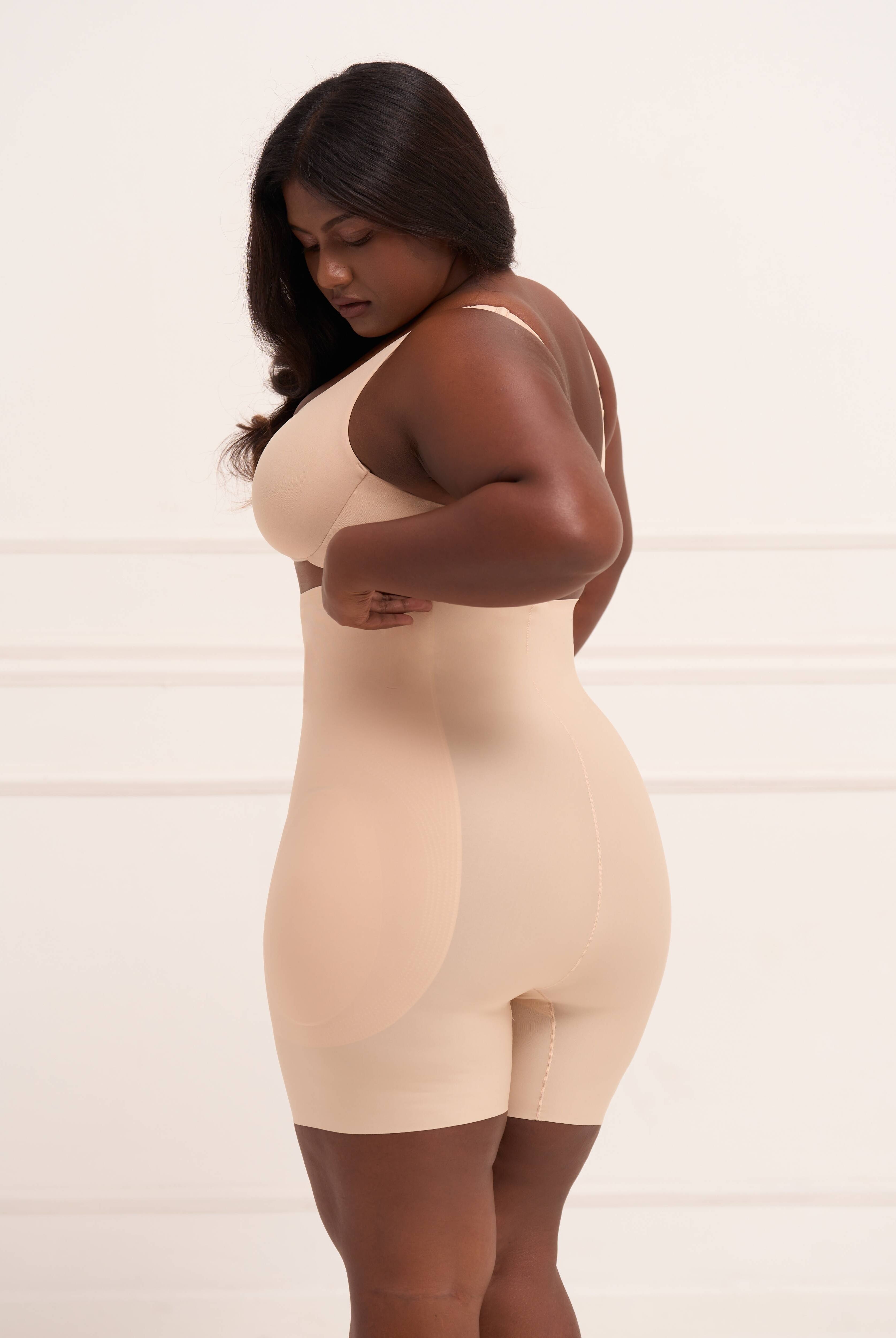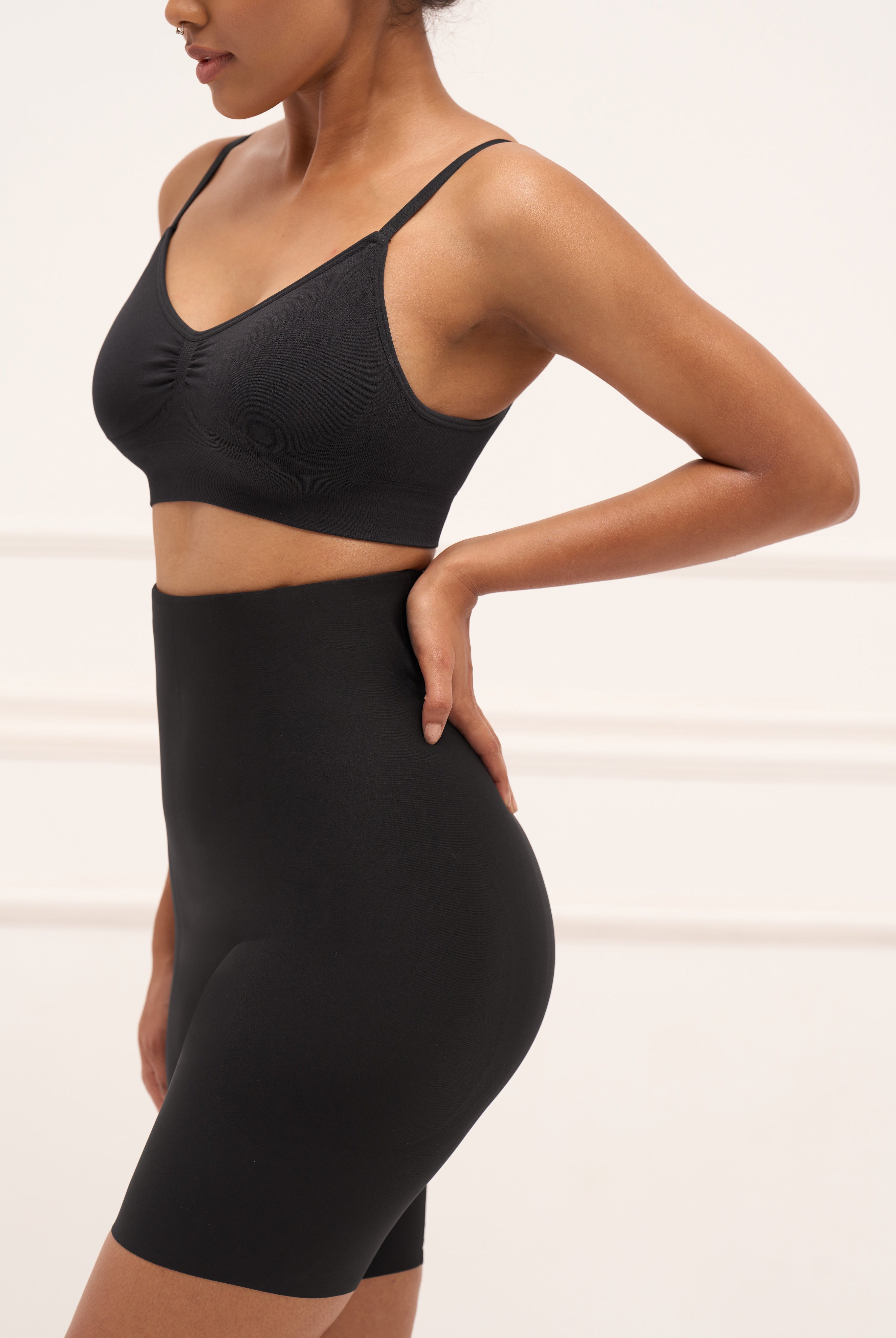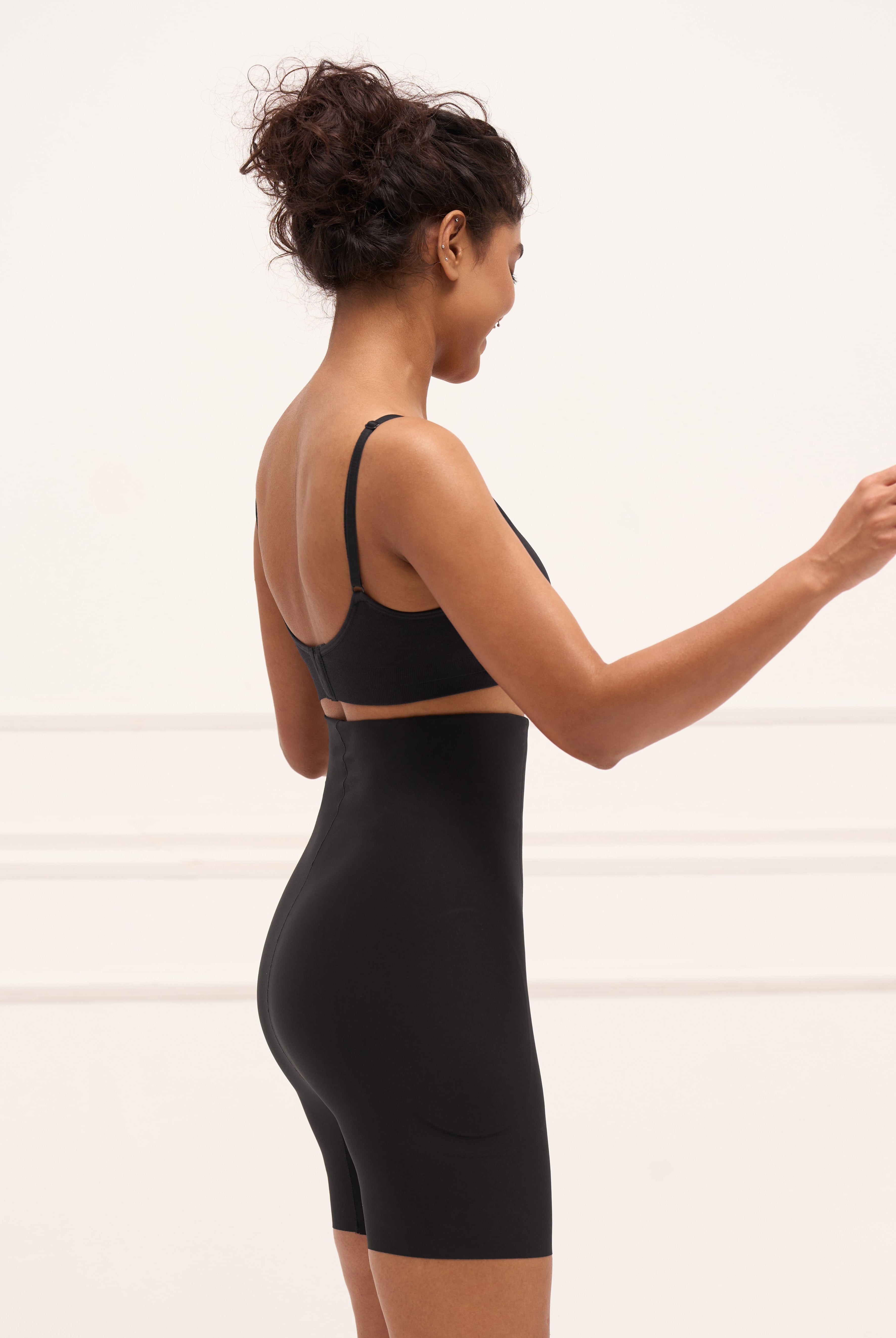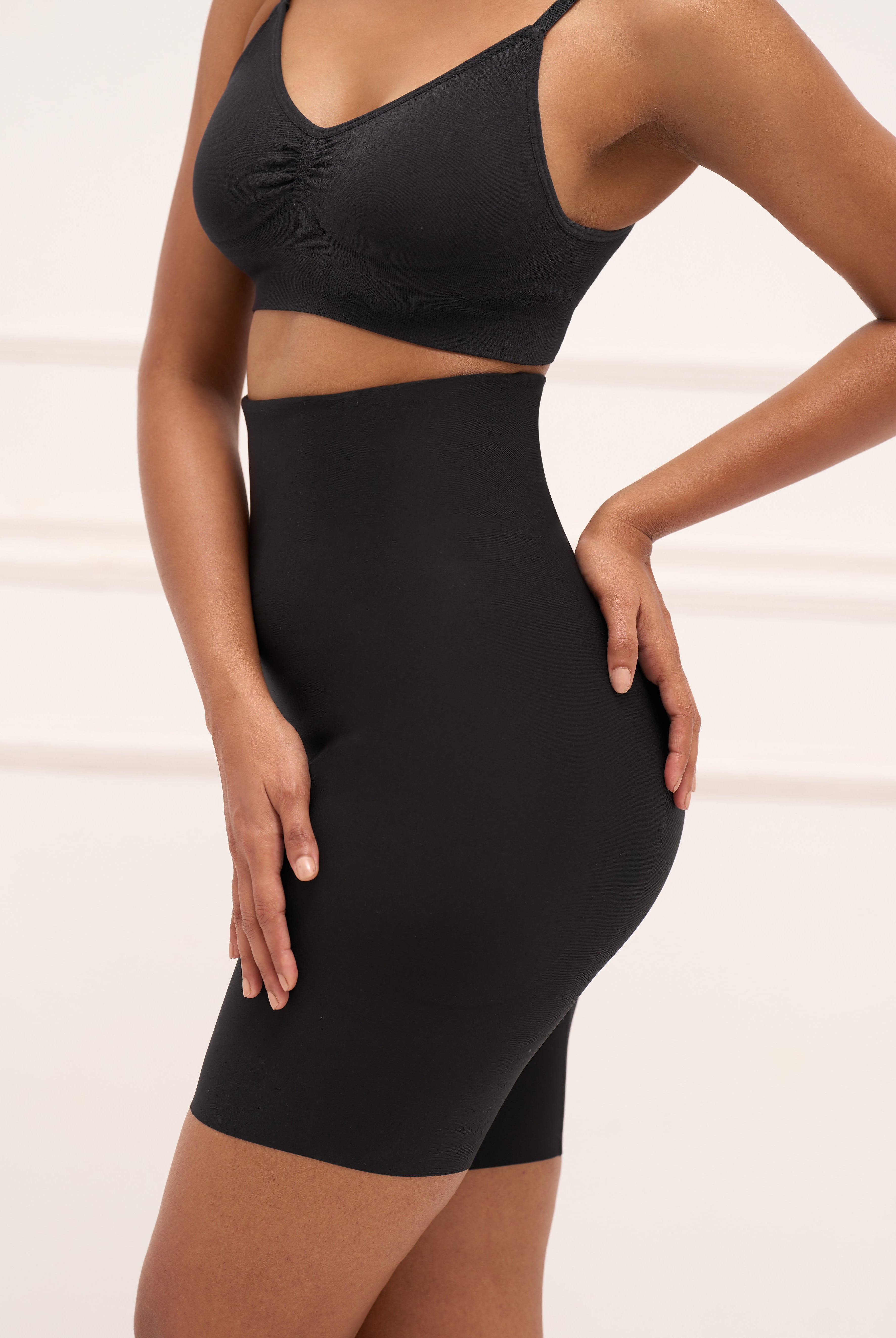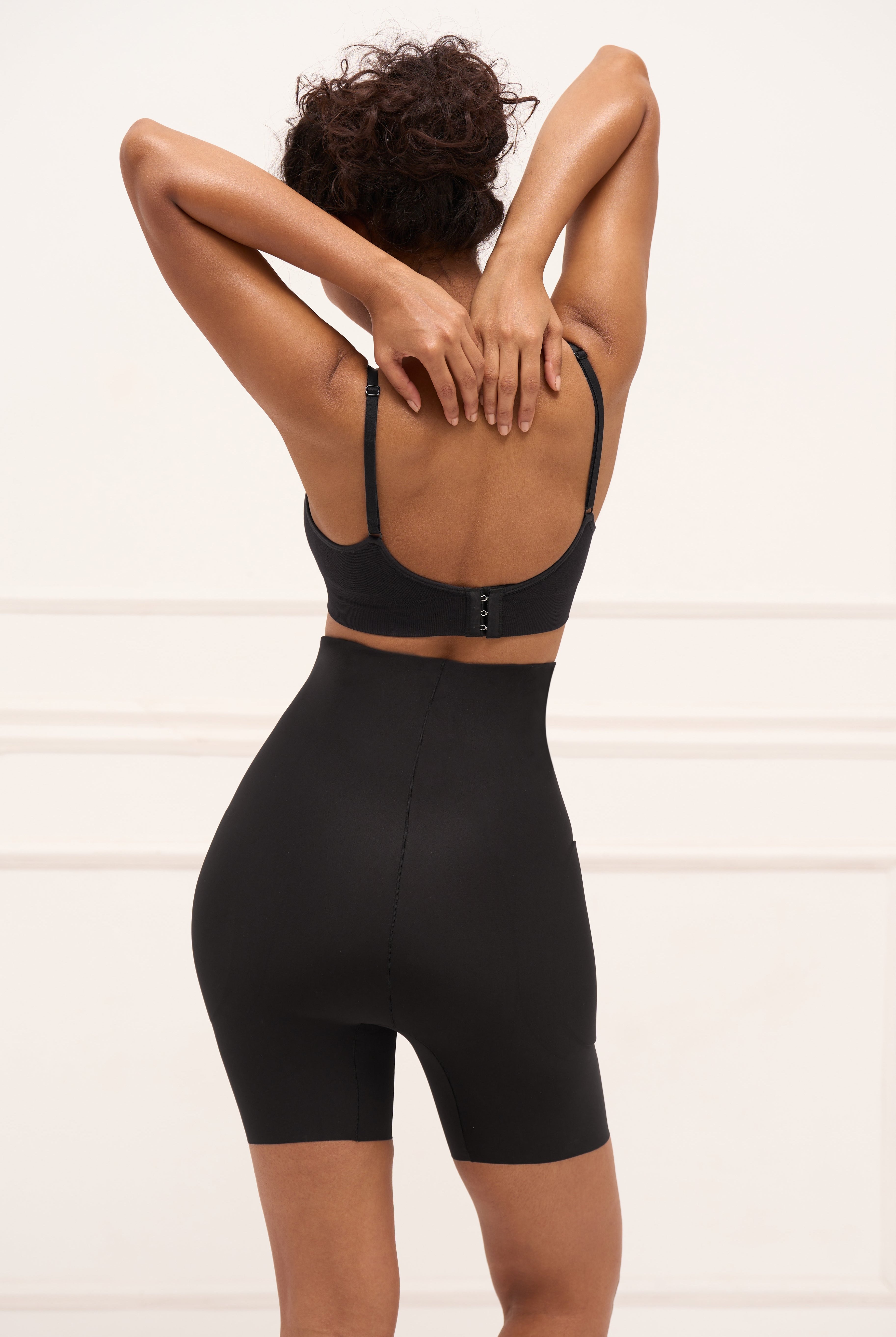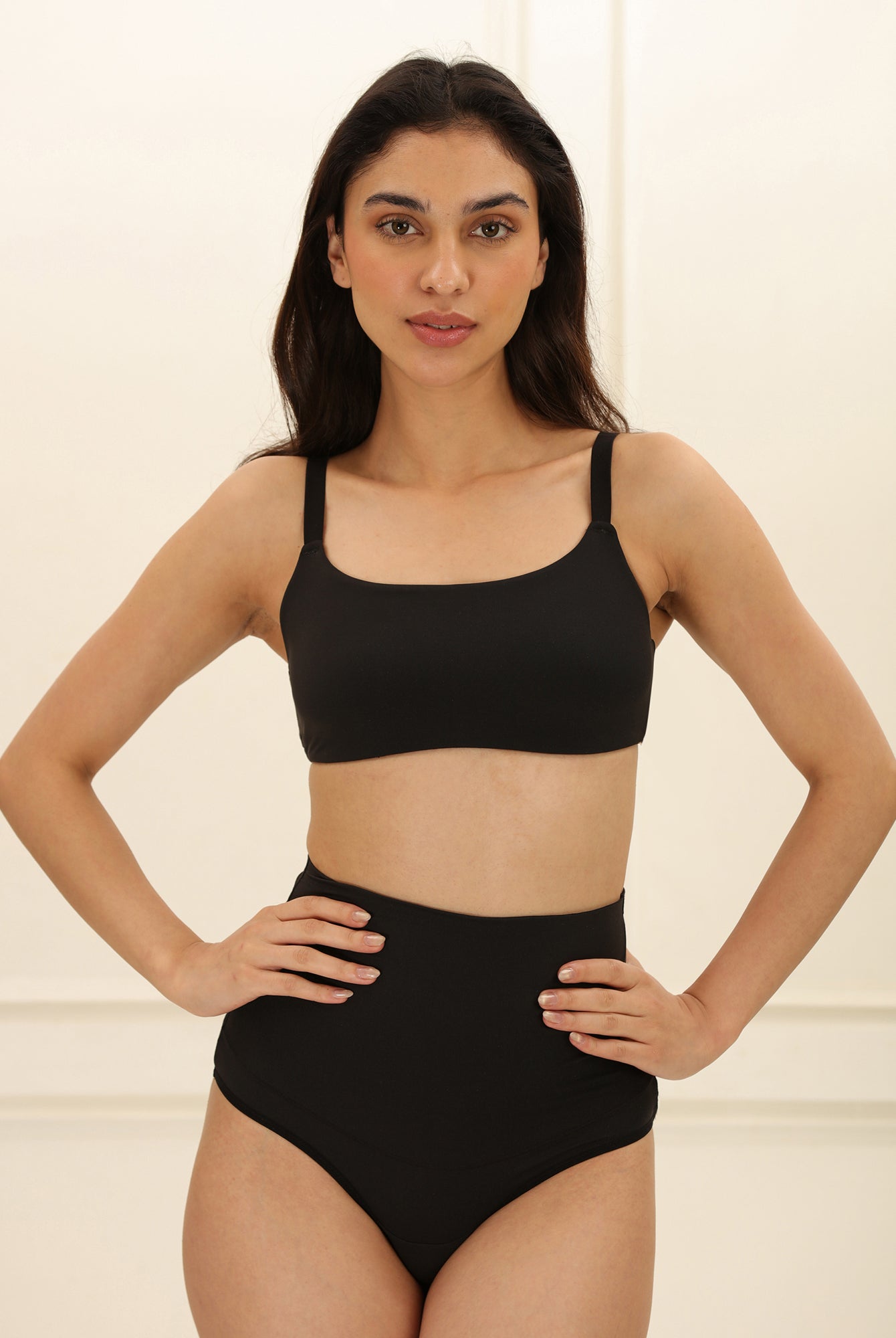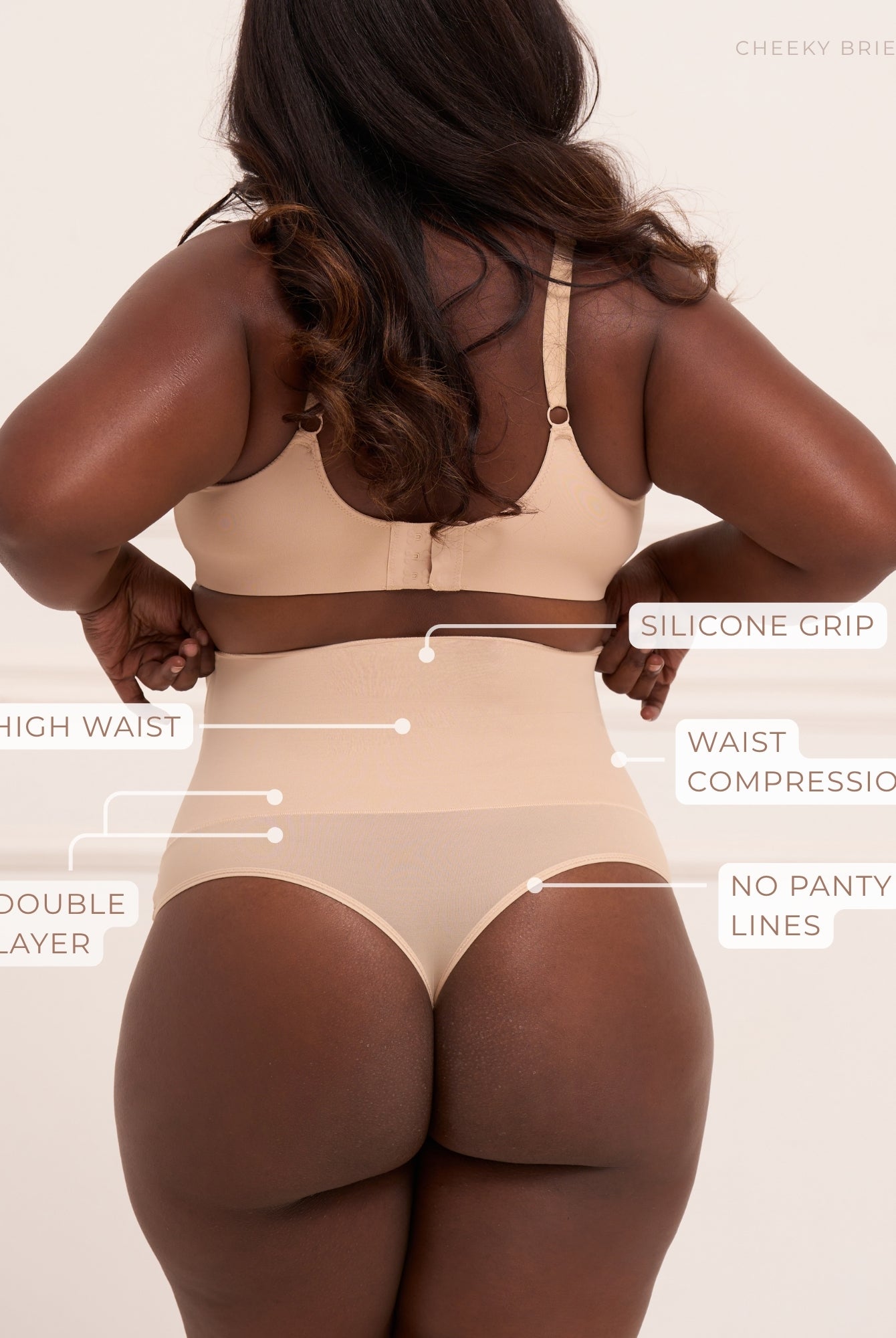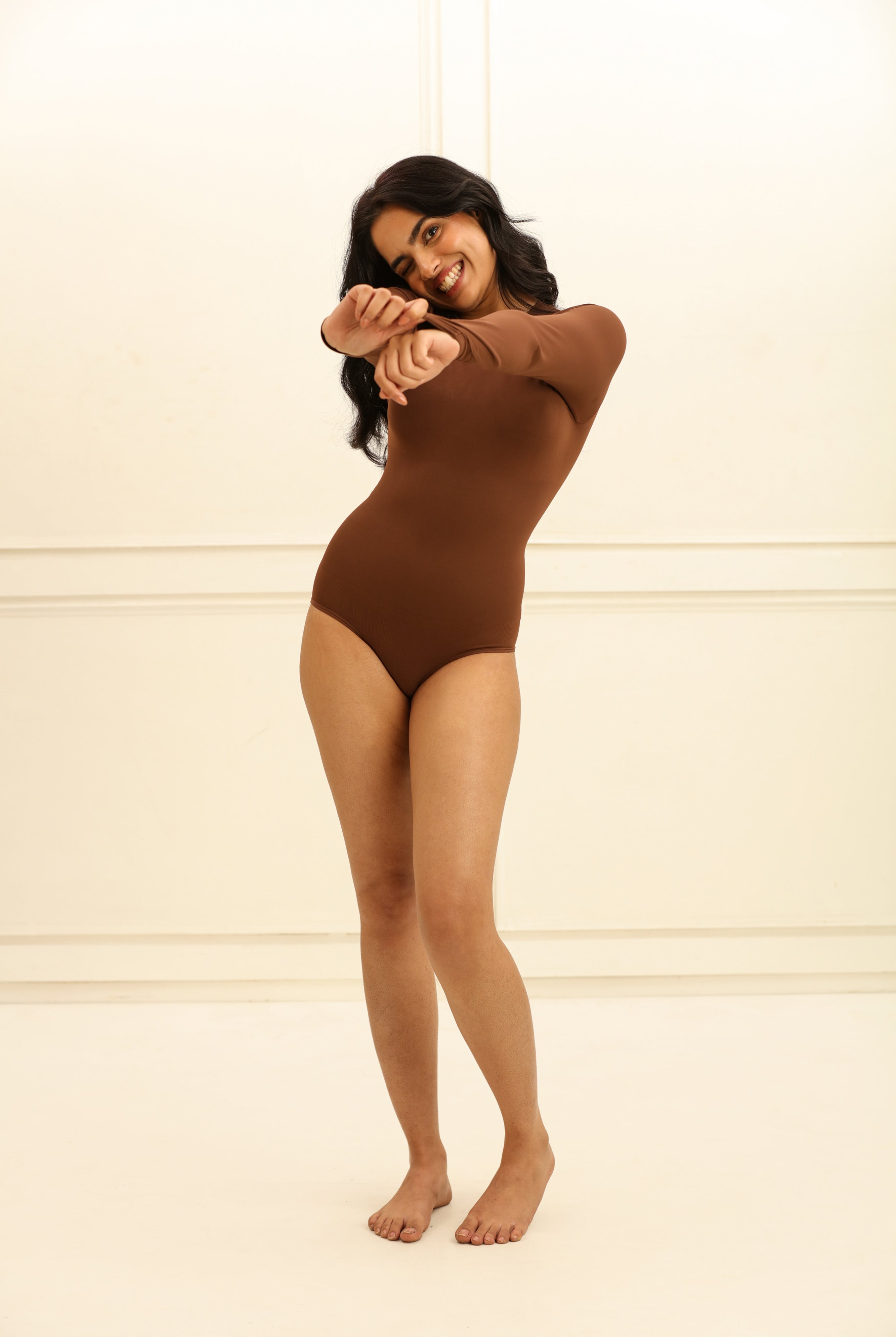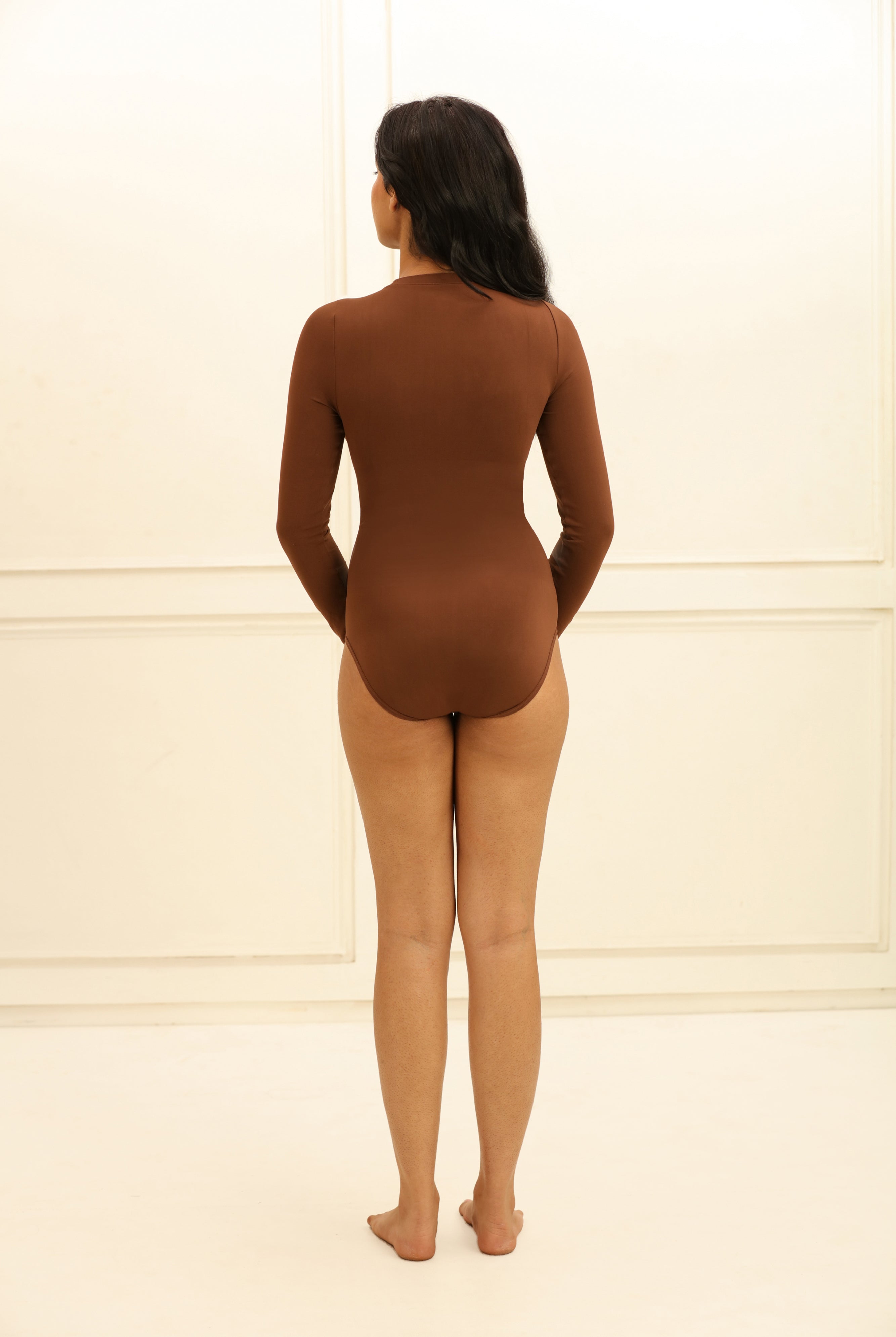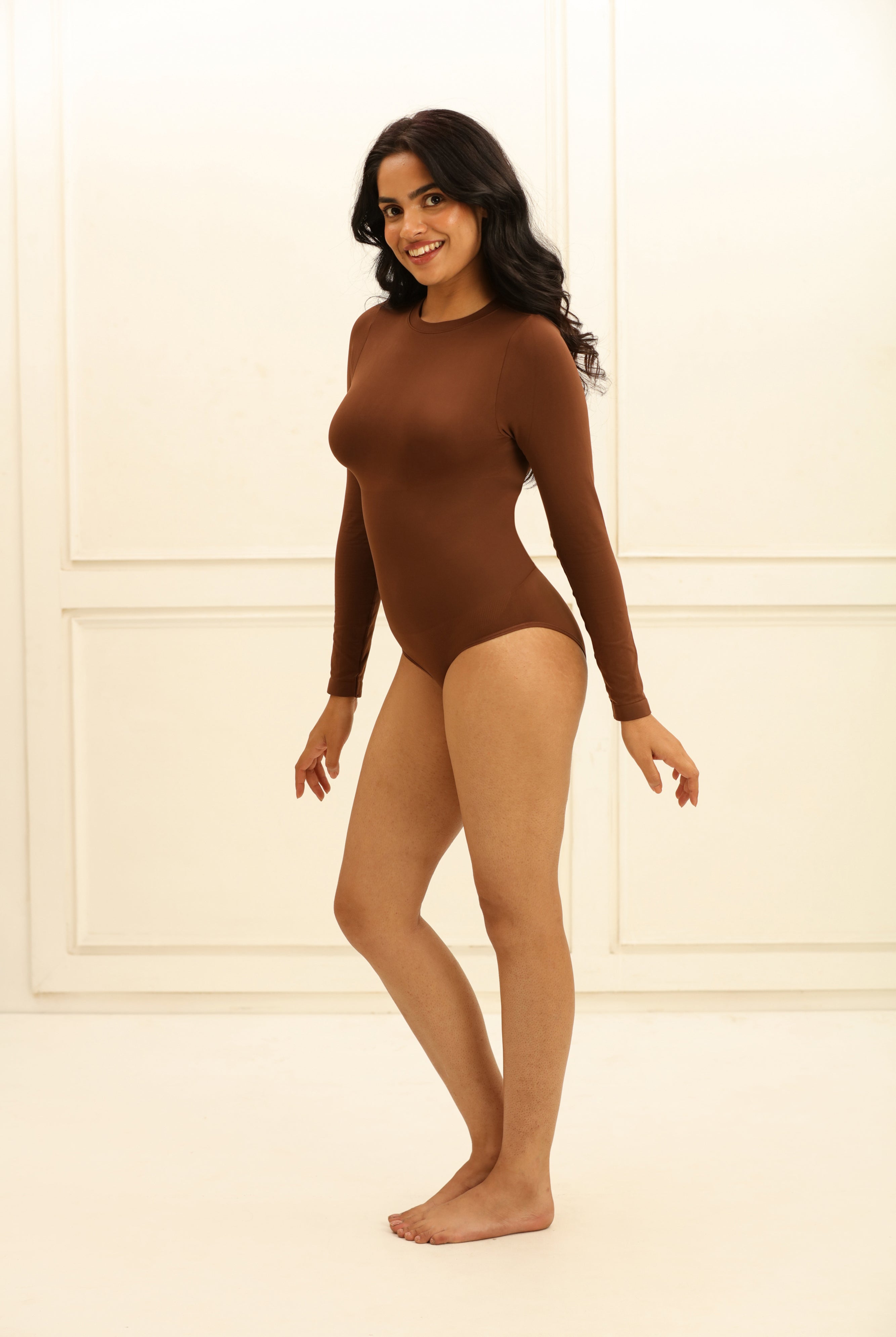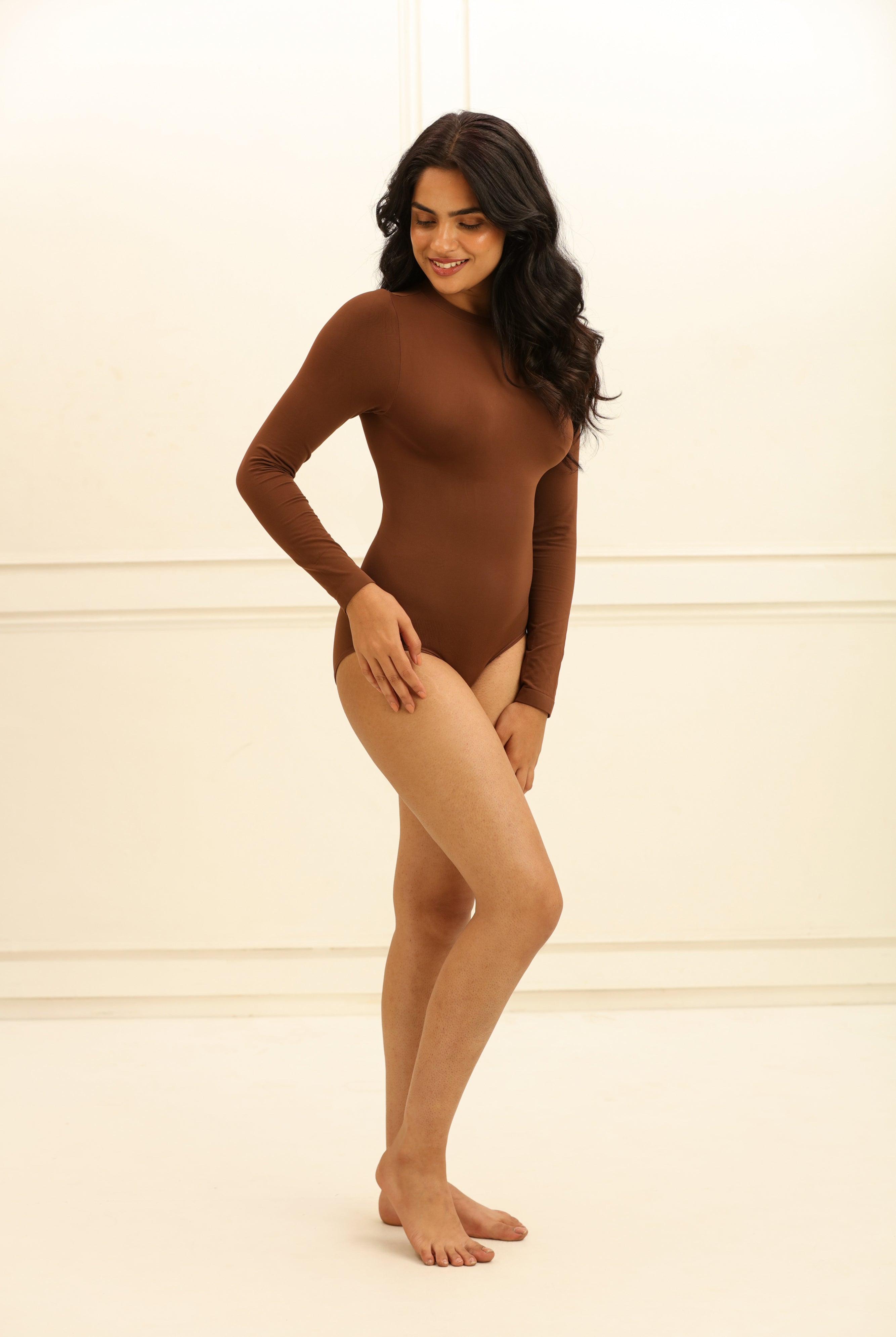








Welcome back to another real-talk session with Underwoman, besties! Have you ever squeezed into a sports bra before hitting the gym and instantly thought, "Okay, why does this feel like a medieval torture device?" Maybe your straps keep sliding off mid-squat, the band keeps riding up your ribs, or you are somehow wrestling yourself into it for ten minutes straight.
Here is the deal: a sports bra is not just regular innerwear for women. It's performance gear designed to hold your bust securely while you move, jump, and sweat. Knowing how to wear a sports bra the right way makes all the difference between a killer workout and a super annoying one.
Let's break down the ultimate step-by-step guide to getting your sports bra working with your body, not against it!
How to Wear a Sports Bra: Step-by-Step Guide

Putting on your workout gear should not feel like an Olympic sport in itself. A few quick adjustments will help you learn how to wear a sports bra easily while getting maximum comfort and zero bounce.
Choose the Right Size
Dekh behen, before you even worry about putting it on, make sure you are starting with the right measurements. Matlab, ye to kafi basic hai! A sports bra that is too small will suffocate your ribcage, while one that is too loose leaves you bouncing around with zero support. Use a tape measure to check your bust and under-bust sizes against the brand's size chart. Keep in mind that activewear sizing can fit differently than your everyday t-shirt bra!
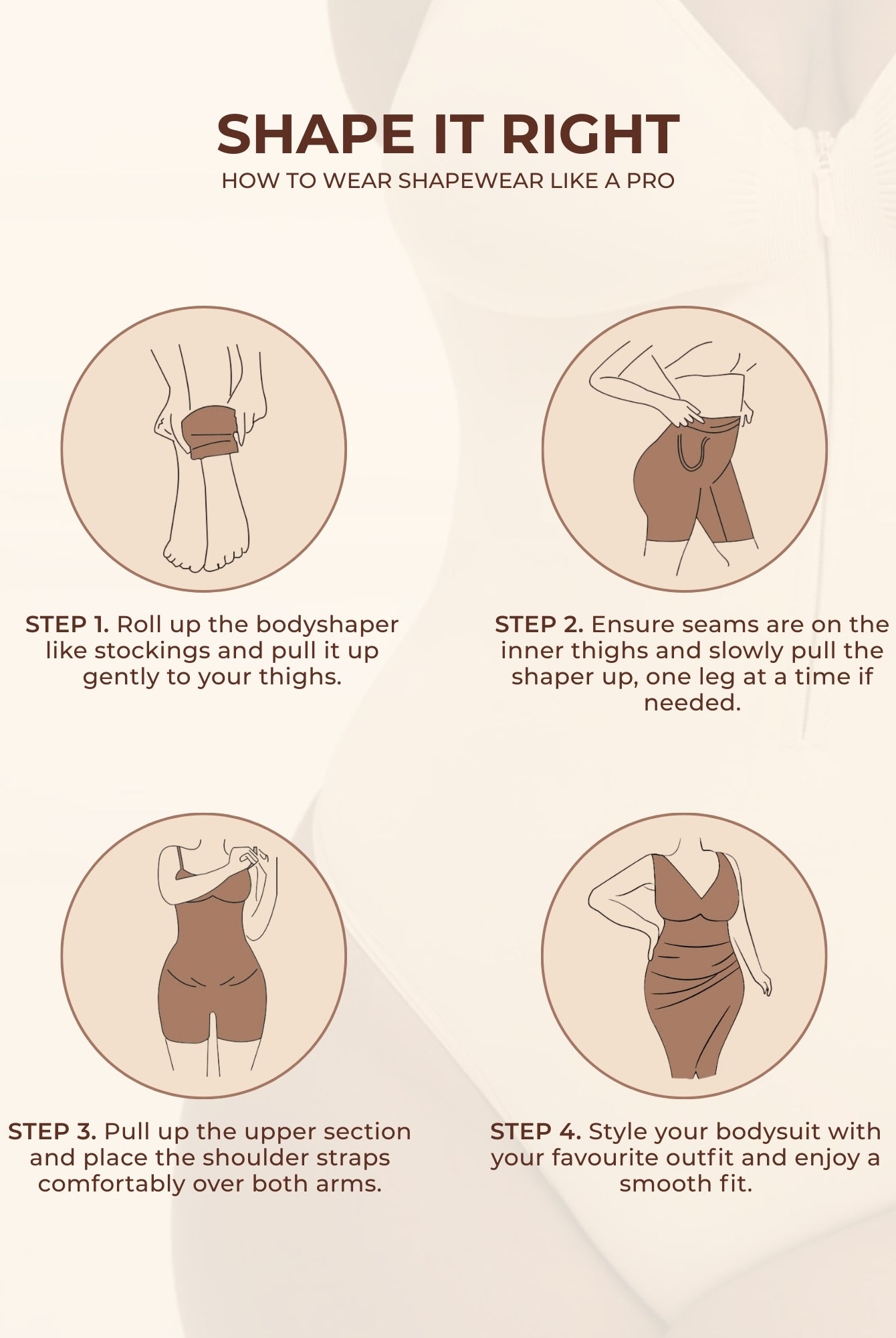
Put the Sports Bra On Correctly
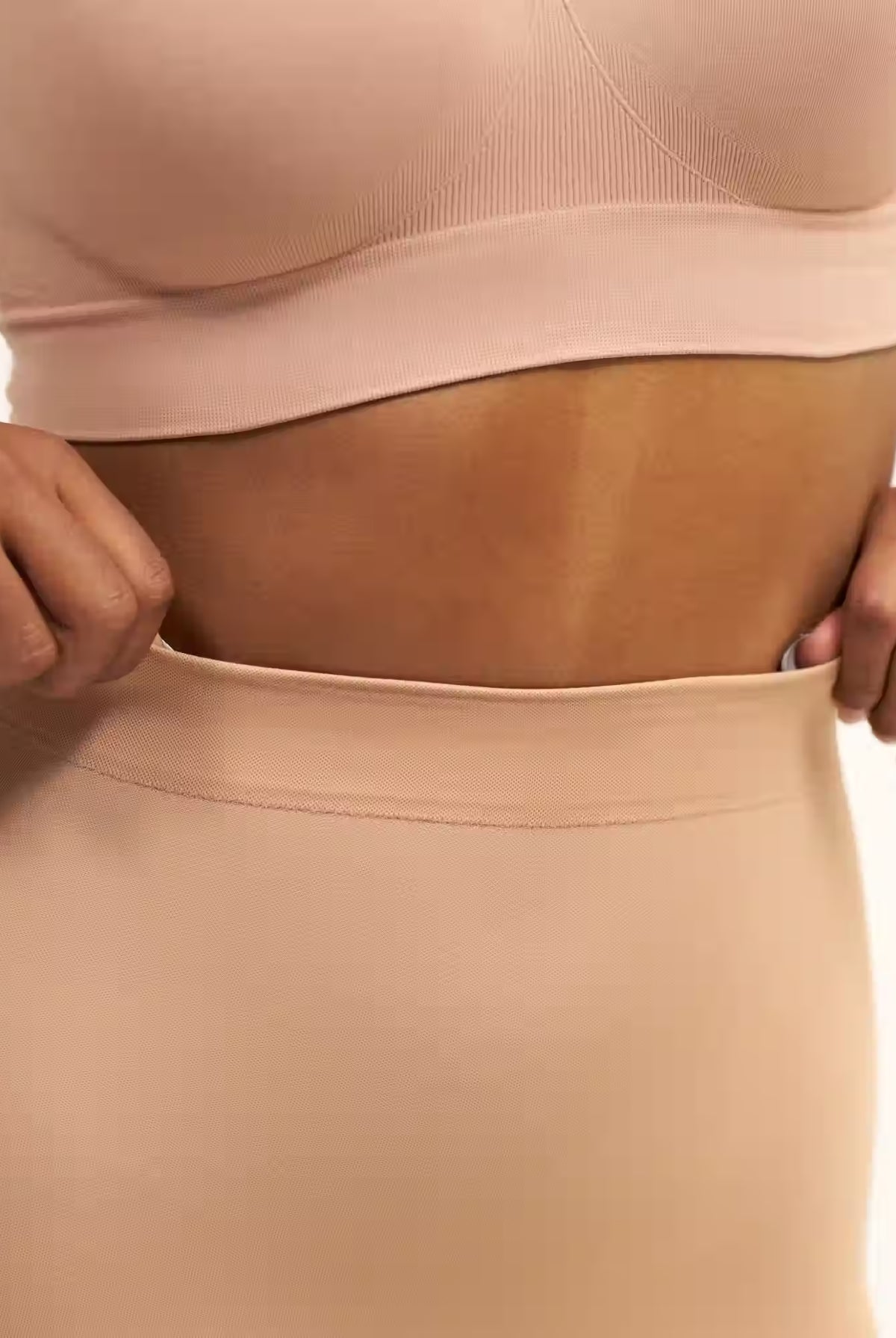
If you are wearing a classic pullover style, step into it or gently pull it over your head while guiding your arms through the armholes. Don't yank or pull aggressively on the straps, because that stretches the elastic over time. Once it is over your torso, pull the bottom band down so it sits flat and even against your ribcage, with no fabric bunching under your bust.
Position Your Breasts Correctly in the Cups
This is the golden step that most girls skip! Once your bra is on, lean forward slightly and use your opposite hand to scoop your breast tissue from the sides into the centre of the cups. Make sure everything sits neatly inside without spilling over the neckline or getting squished under the armpits.
Adjust the Straps
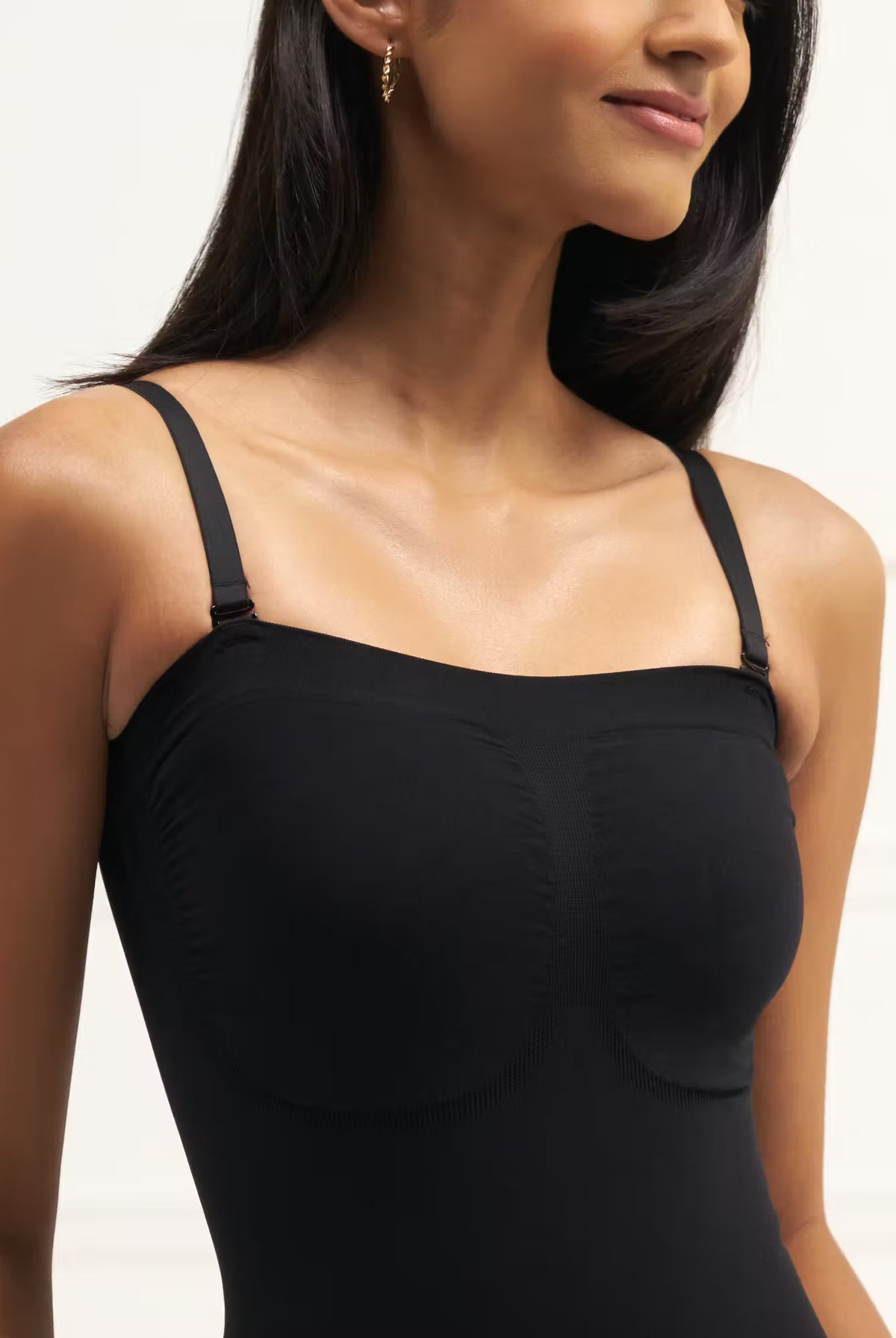
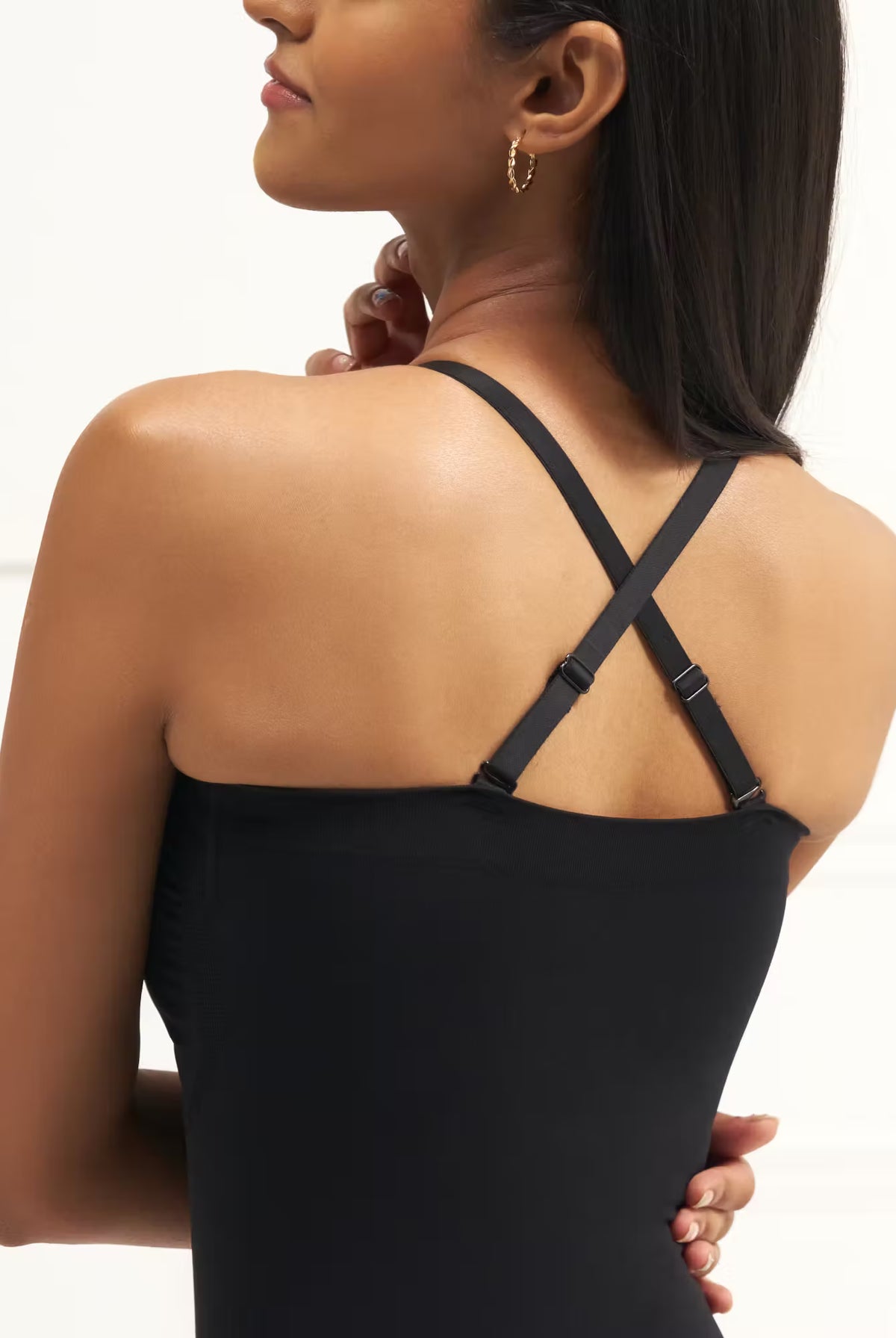
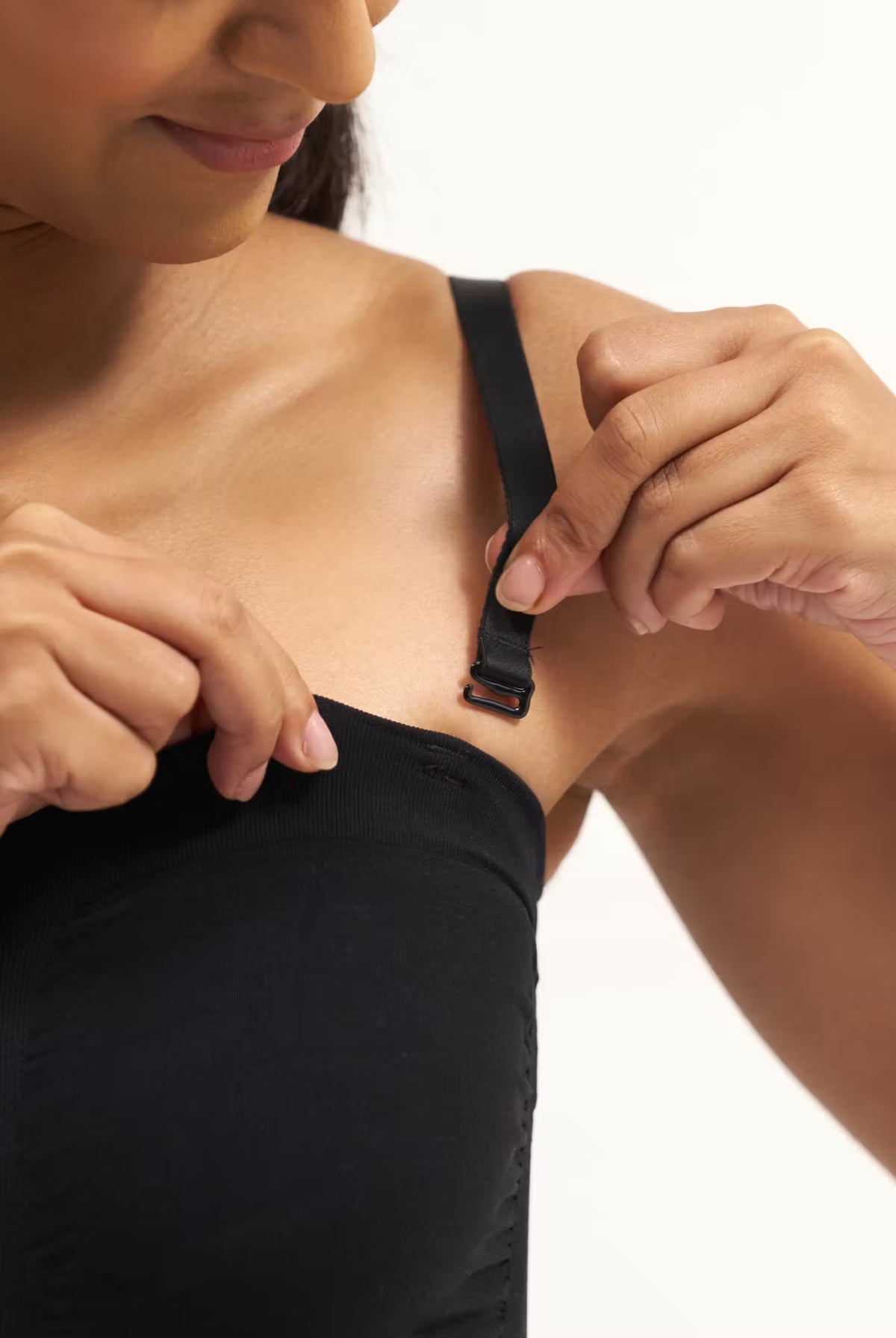
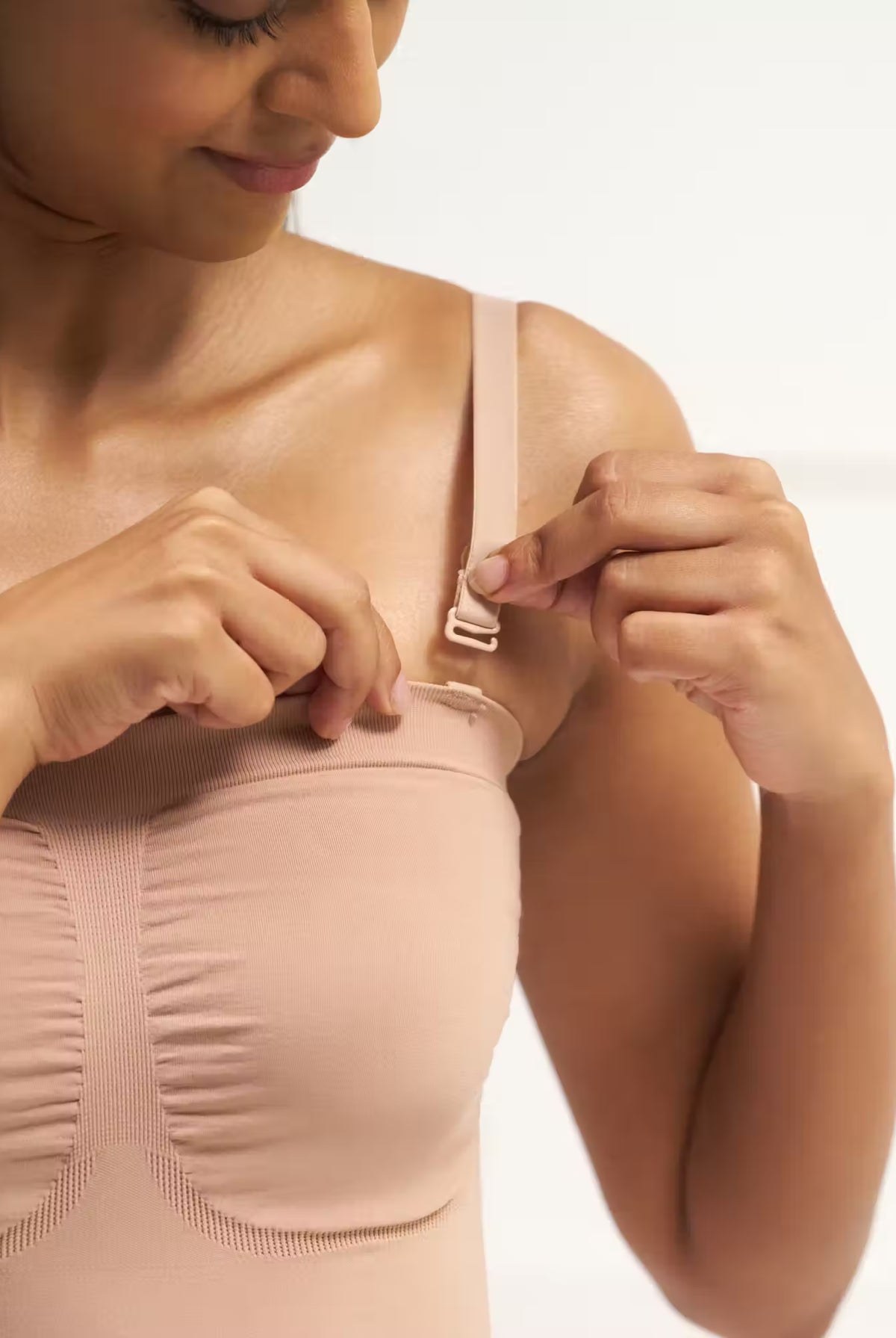
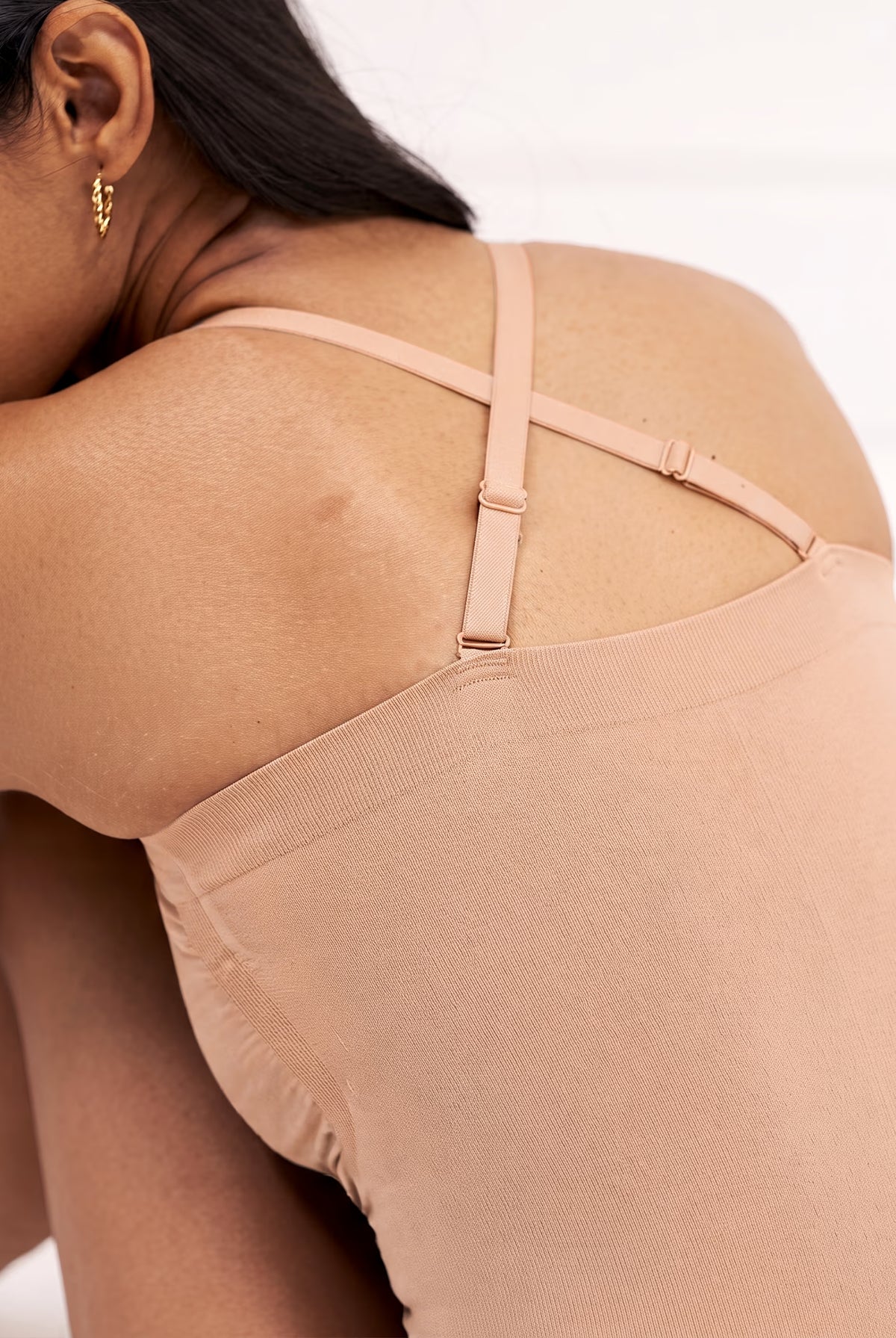
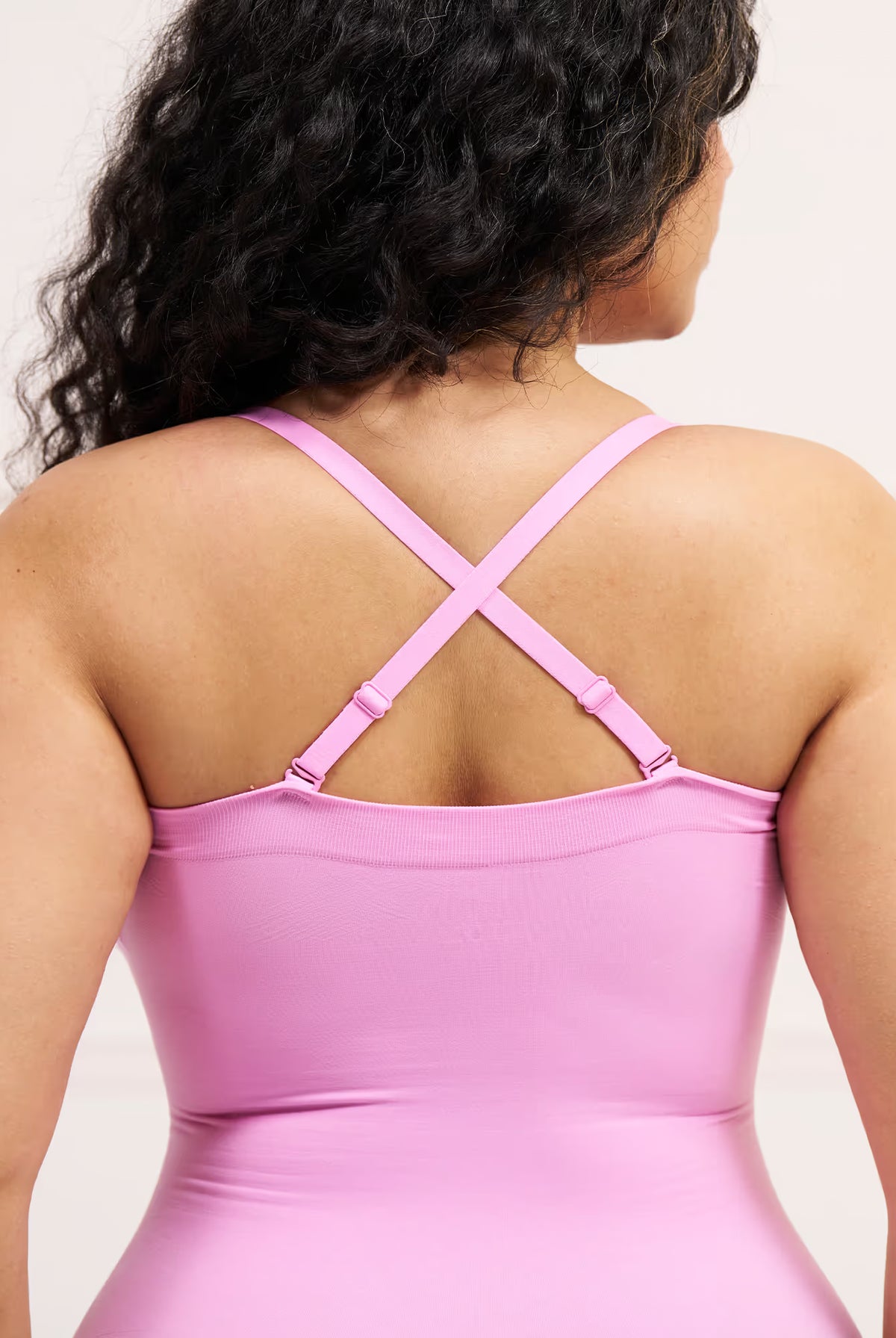
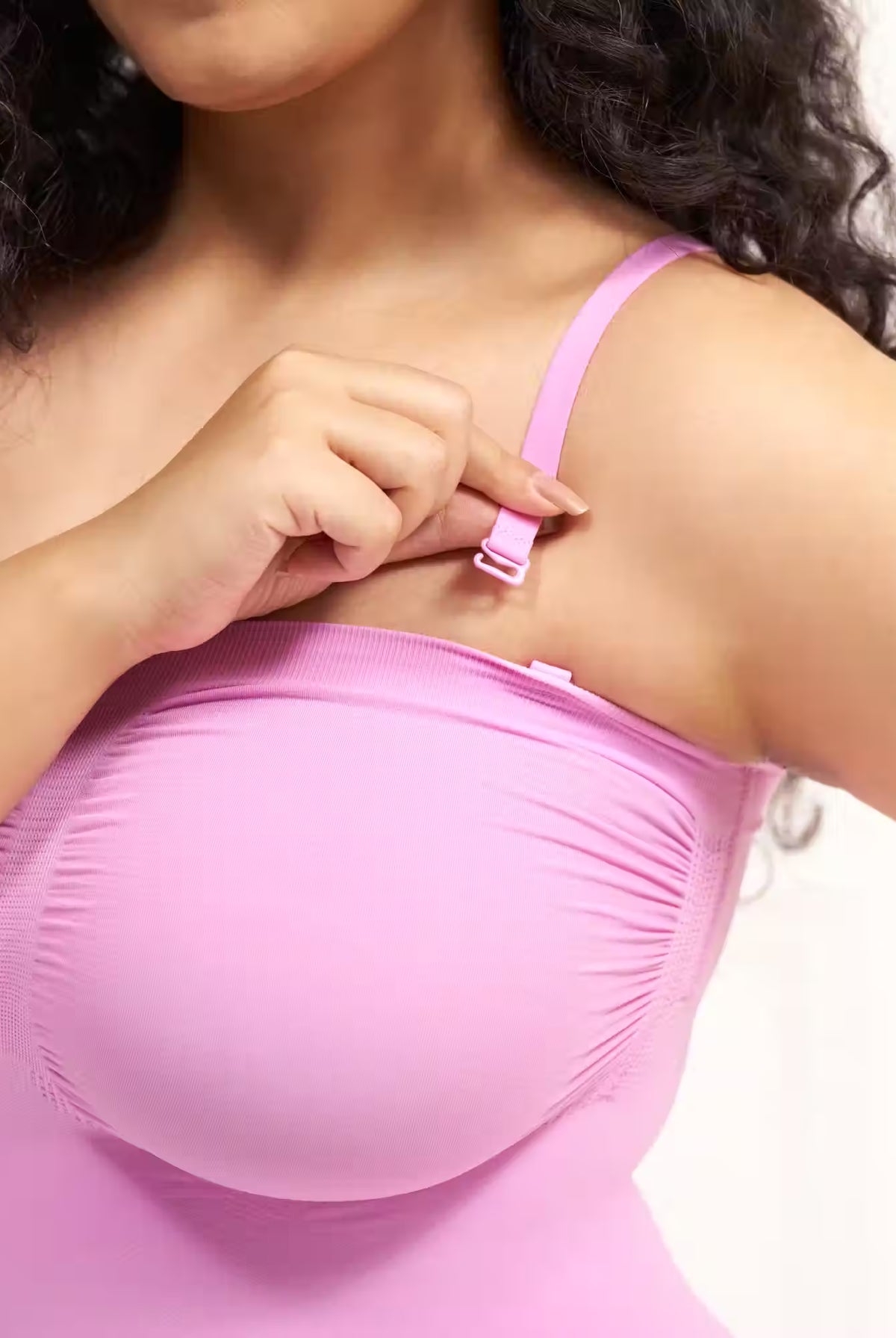
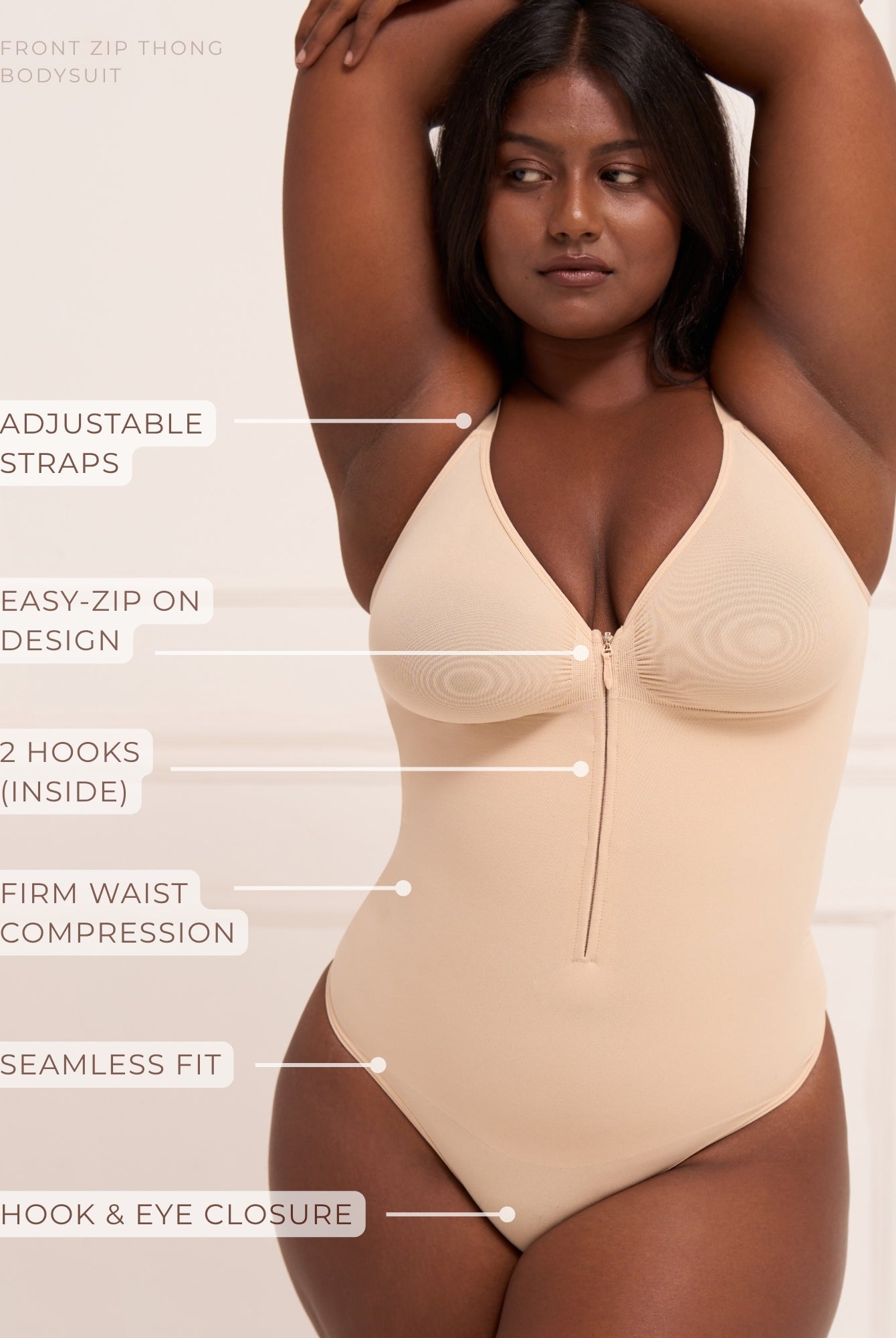
Your shoulder straps should feel snug and secure, never digging into your skin or slipping down your arms. Adjust the sliders until you get a nice lift without feeling shoulder strain. If you have racerback or convertible straps, make sure they sit flat across your upper back without twisting.
Check the Band
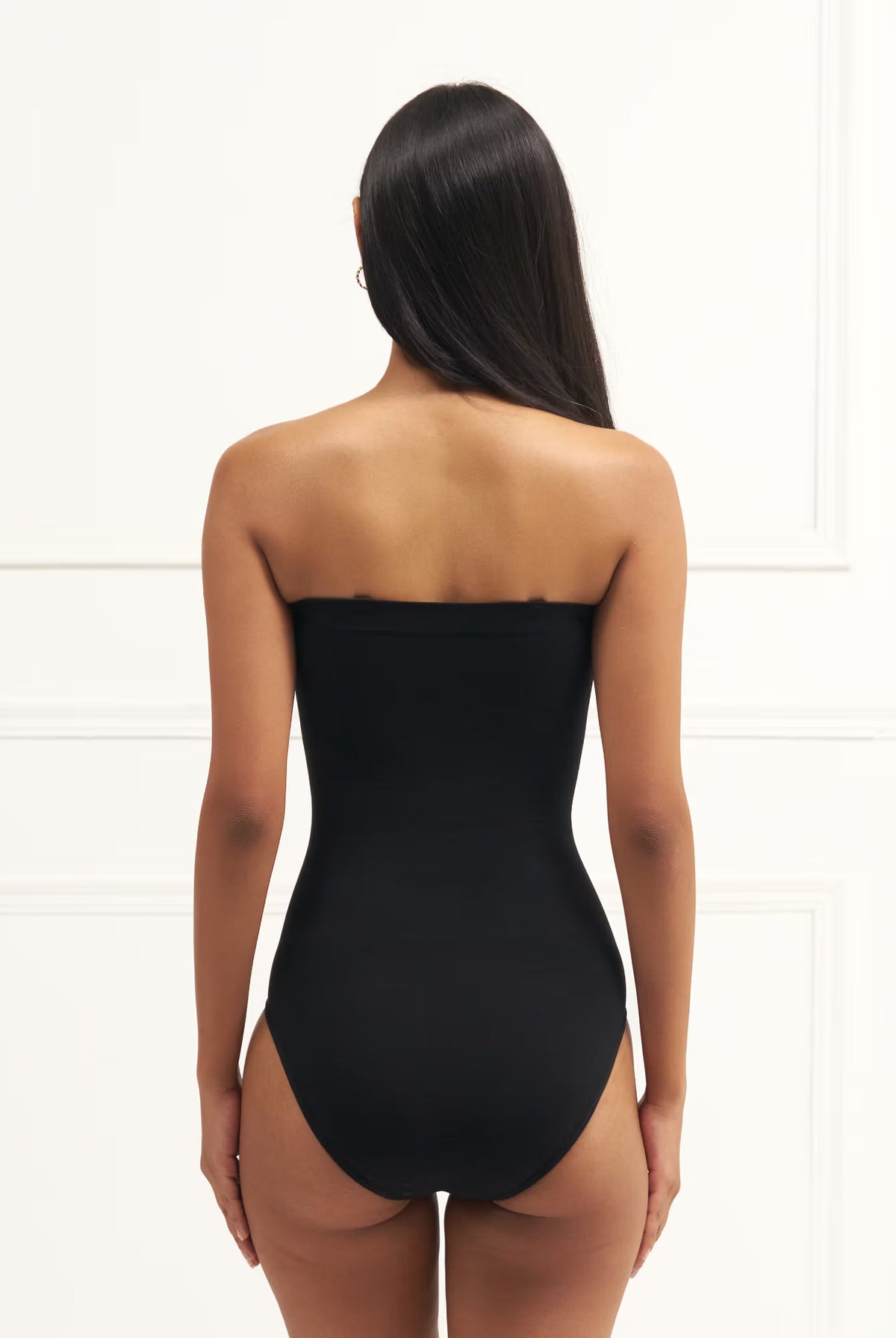
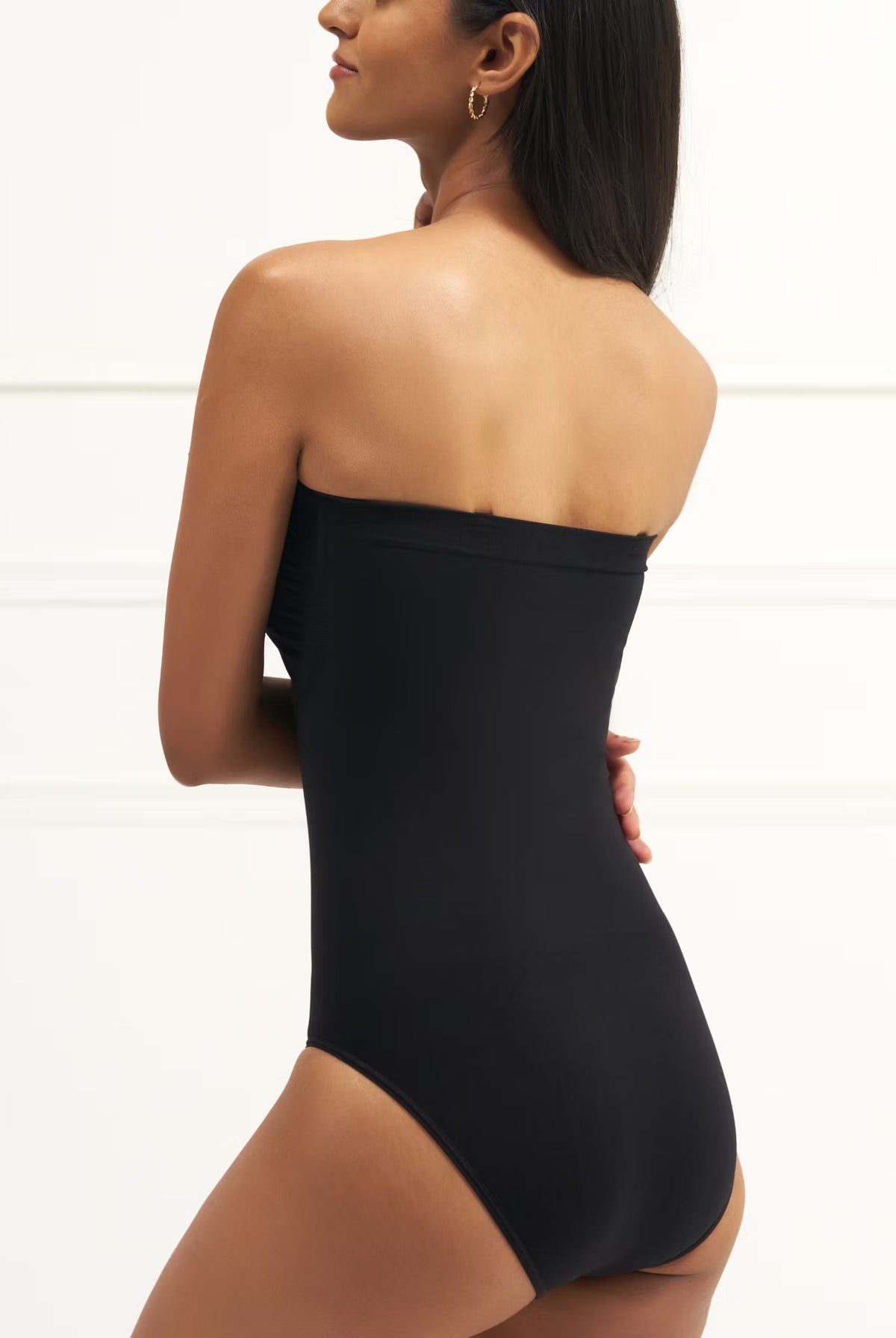
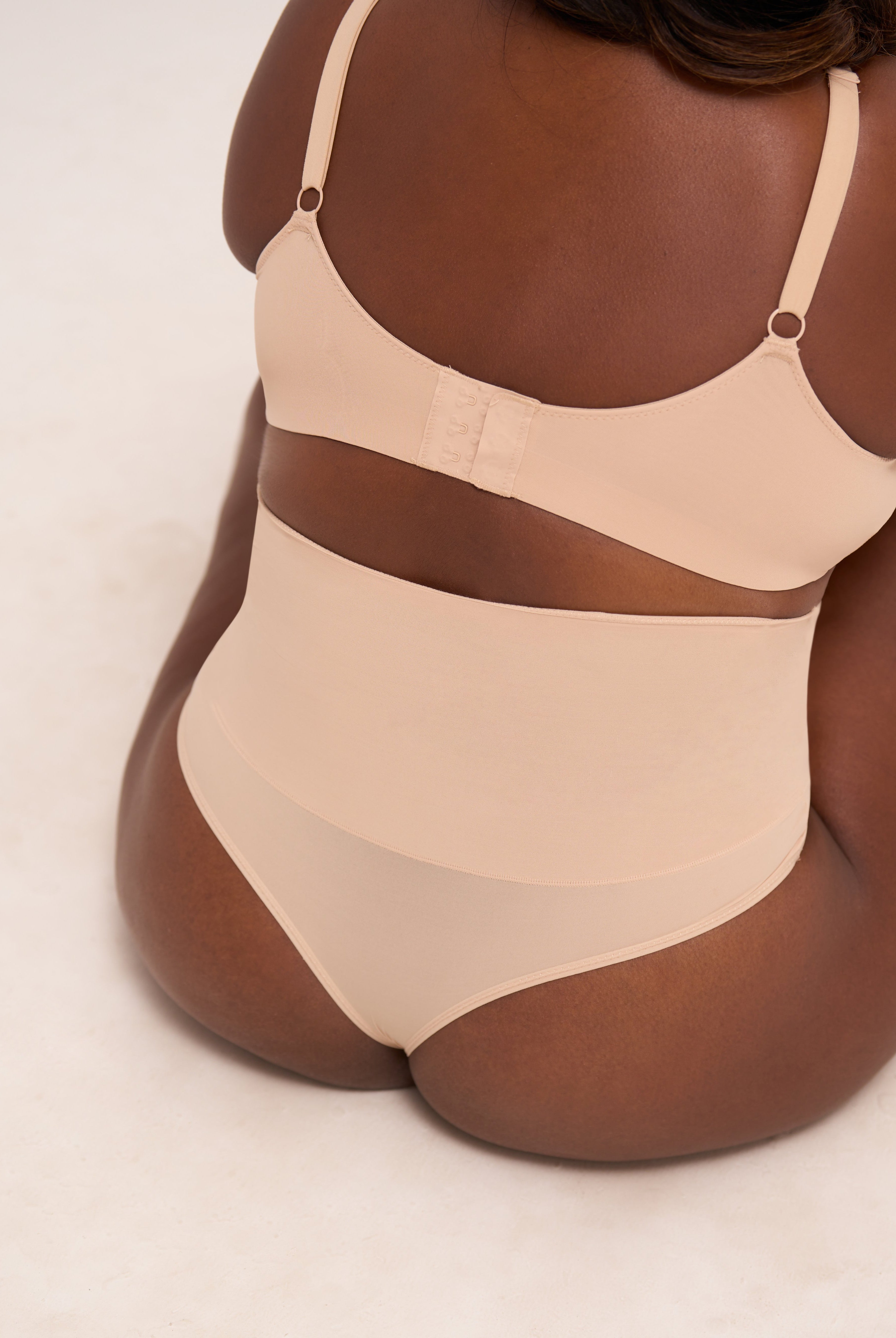
The band does almost 80% of the heavy lifting in any sports bra, so it needs to sit perfectly level around your body. Take a quick glance in the mirror: if the back band is riding up toward your shoulder blades, it is way too loose. It should form a straight, horizontal line all the way around your torso.
Do a Movement Test
Time for a quick vibe check before you step out! Do a couple of jumping jacks, stretch your arms overhead, bend forward, and twist side to side. If your breasts stay comfortably supported and the band does not budge, you are good to go! If you find yourself constantly tugging things back into place during the test, your bra needs an adjustment or a size swap.
How Should a Sports Bra Fit?
Along with knowing how to put on a sports bra, yeh janna bhi zaroori hai ki how it should feel!
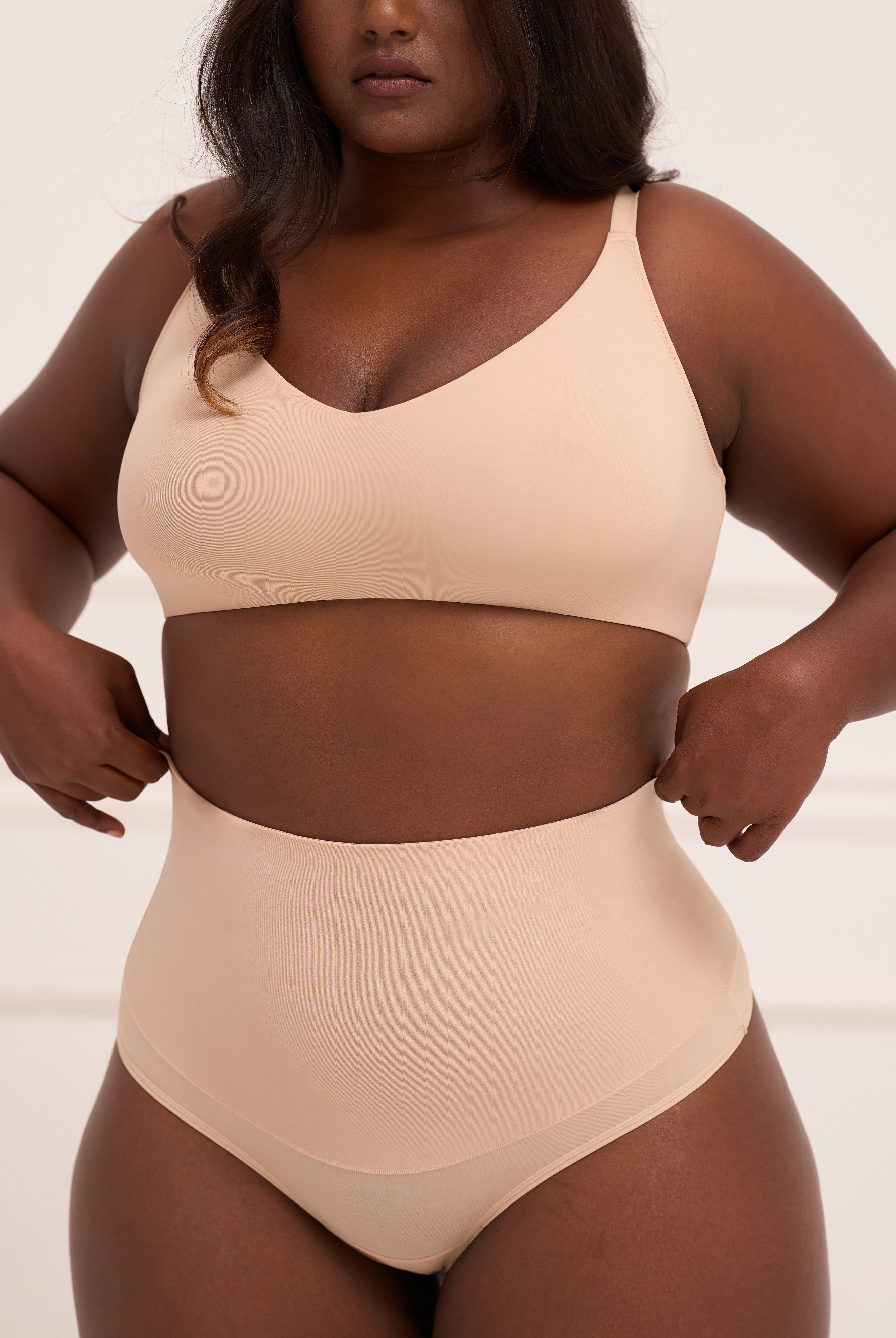
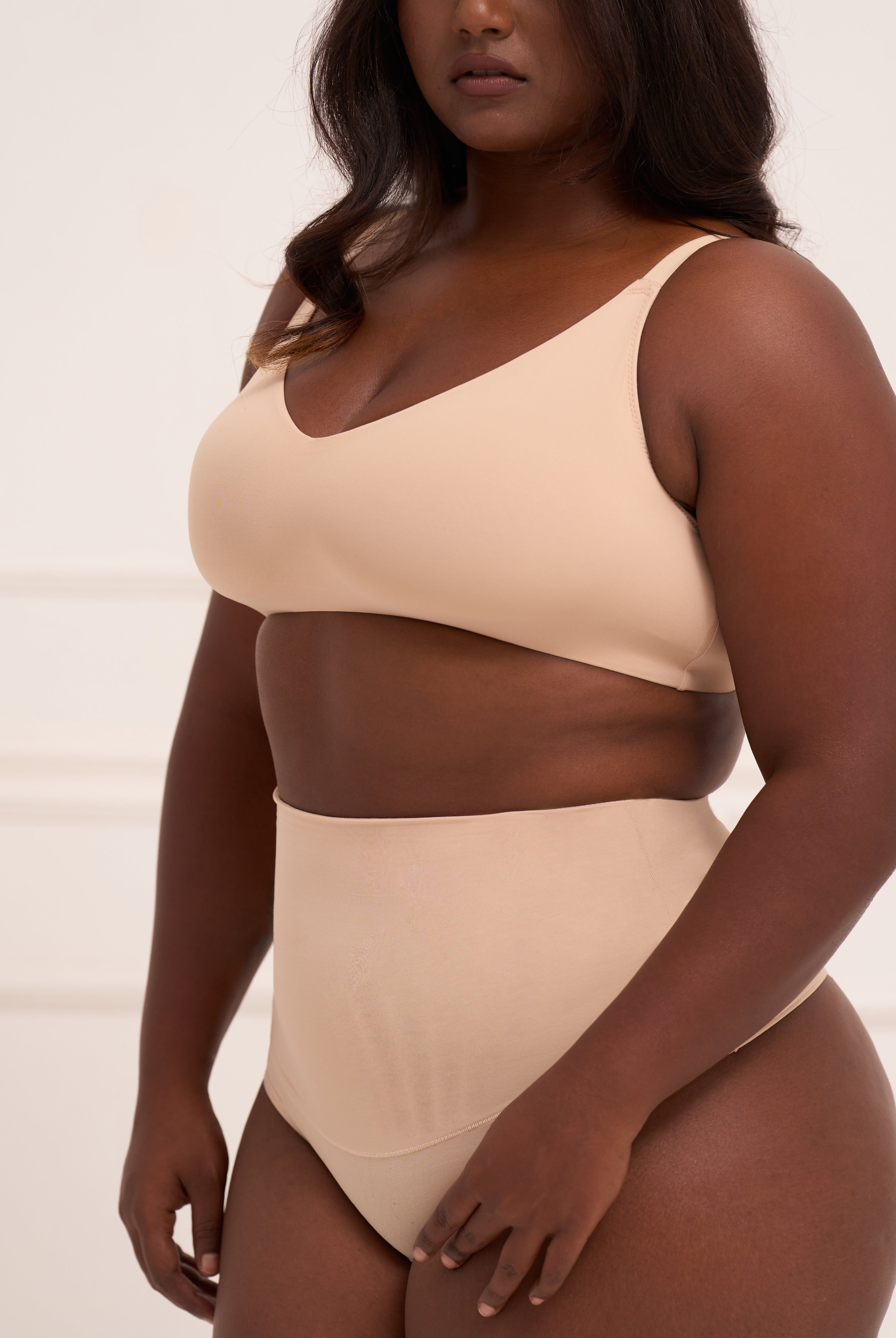
So, a well-fitting and quality sports bra should feel like a cosy, supportive hug around your chest. The cups should hold your bust completely without any side spillage or double-boob effect at the top. Your band should stay locked in place when you raise your hands, and the straps should stay anchored on your shoulders without leaving deep red indentations. Most importantly, it should give you full freedom of movement so you can flex, stretch, and run without feeling restricted.
How Tight Should a Sports Bra Be?
Wondering how snug your sports bra should actually feel? The rule of thumb is snug enough to minimize movement, but loose enough for you to breathe deeply.
Try taking a full, deep breath in and out while wearing it. If your ribs feel squeezed or breathing feels tight, your band is too small! You should always be able to slide two fingers comfortably under the band and straps. If you cannot fit your fingers underneath, the bra is compressing your body way too much.
Choose the Right Sports Bra Based on Your Workout
Matching your bra to your workout intensity is key to staying comfortable. Knowing how to choose a sports bra is a no-cap must! You don't need a high-compression armour bra for a chill yoga flow, and a delicate bralette will not cut it for sprint intervals!
Low-Impact Activities
For chill sessions like yoga, Pilates, walking, or light stretching, pick a low-impact sports bra. These usually feature lighter fabrics, thinner straps, and gentle compression. They allow maximum flexibility and breathability while keeping you comfortable during low-movement routines.
Medium-Impact Activities
If you are heading to a strength training session, cycling class, power walking, or dancing, go for medium-impact support. These bras feature wider straps, stronger bands, and better coverage to absorb moderate movement without feeling overly stiff.
High-Impact Activities
Running, HIIT circuits, aerobics, and rope jumping require high-impact sports bras. These are specifically built to lock down movement through full coverage, encapsulated cups, or firm compression fabrics. Look for wide padded straps, thick under-bands, and adjustable hook closures for maximum security.
Common Mistakes to Avoid When Wearing a Sports Bra

Even with the best bra in your drawer, a few subtle mistakes can completely ruin your comfort:
-
Buying based solely on daily bra size: Sports bras use different compression structures, so always refer to the brand's activewear size guide.
-
Assuming tighter equals better: Over-compressing your chest causes tissue pain, restricts breathing, and can even chafe your skin.
-
Skipping strap and band adjustments: Putting a bra straight out of the package onto your body without adjusting the straps leads to constant slipping or digging.
-
Holding onto stretched-out activewear: If the elastic is short, the fabric is thin, or the band keeps sliding up, that bra has retired. It cannot protect your bust tissue anymore!
Conclusion
And that is a wrap on how to wear a sports bra without spending half your workout tugging at straps or struggling to breathe! The secret formula is simple: pick the right impact level, get your size on point, scoop your tissue into the cups, adjust your straps, and perform a quick jump test before you leave.
Remember, your activewear is meant to empower your workout, not punish your body. The right sports bra lets you run, jump, stretch, and sweat with total confidence while holding everything securely in place.
FAQs
Should you wear a regular bra under a sports bra?
Usually, no! A sports bra is already engineered to compress and support your bust. Wearing a regular daily bra underneath just adds unnecessary layers, digs wires into your chest, traps extra sweat, and causes painful skin friction.
How do I know if my sports bra is too small?
If you notice breast tissue spilling out at the top or underarms, feel deep red marks on your skin after taking it off, or find it hard to take deep breaths, your sports bra is definitely too small. Try sizing up in the band or cup for a healthier fit.
Can I wear a sports bra all day?
You can wear a soft, low-impact sports bra for casual daily activities if it feels comfy. However, wearing high-compression, heavy-duty sports bras all day is not recommended because the firm elastic can restrict lymph flow, compress your ribcage, and irritate your skin over long hours.
How often should you replace a sports bra?
Most sports bras last around 6 to 12 months depending on how often you work out and wash them. Once you notice the band sliding up, the straps losing tension, or extra bounce during your runs, it is time to grab a fresh replacement.
Why does my sports bra ride up at the back?
If your sports bra band keeps creeping up your back during a workout, the band is too large for your ribcage. A proper band should sit level and flat all the way around your torso. Try going down a band size to get a secure fit that stays locked in place!