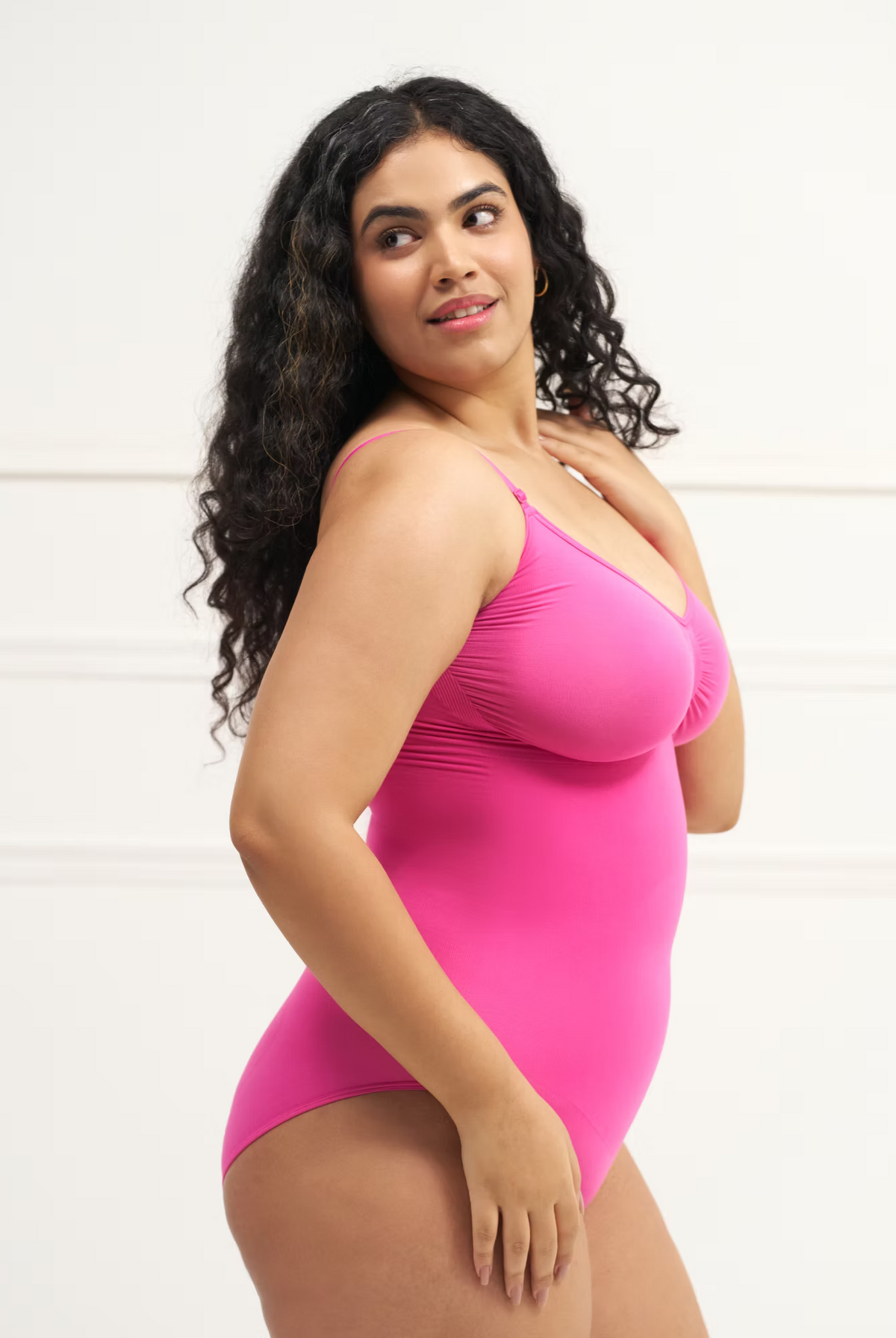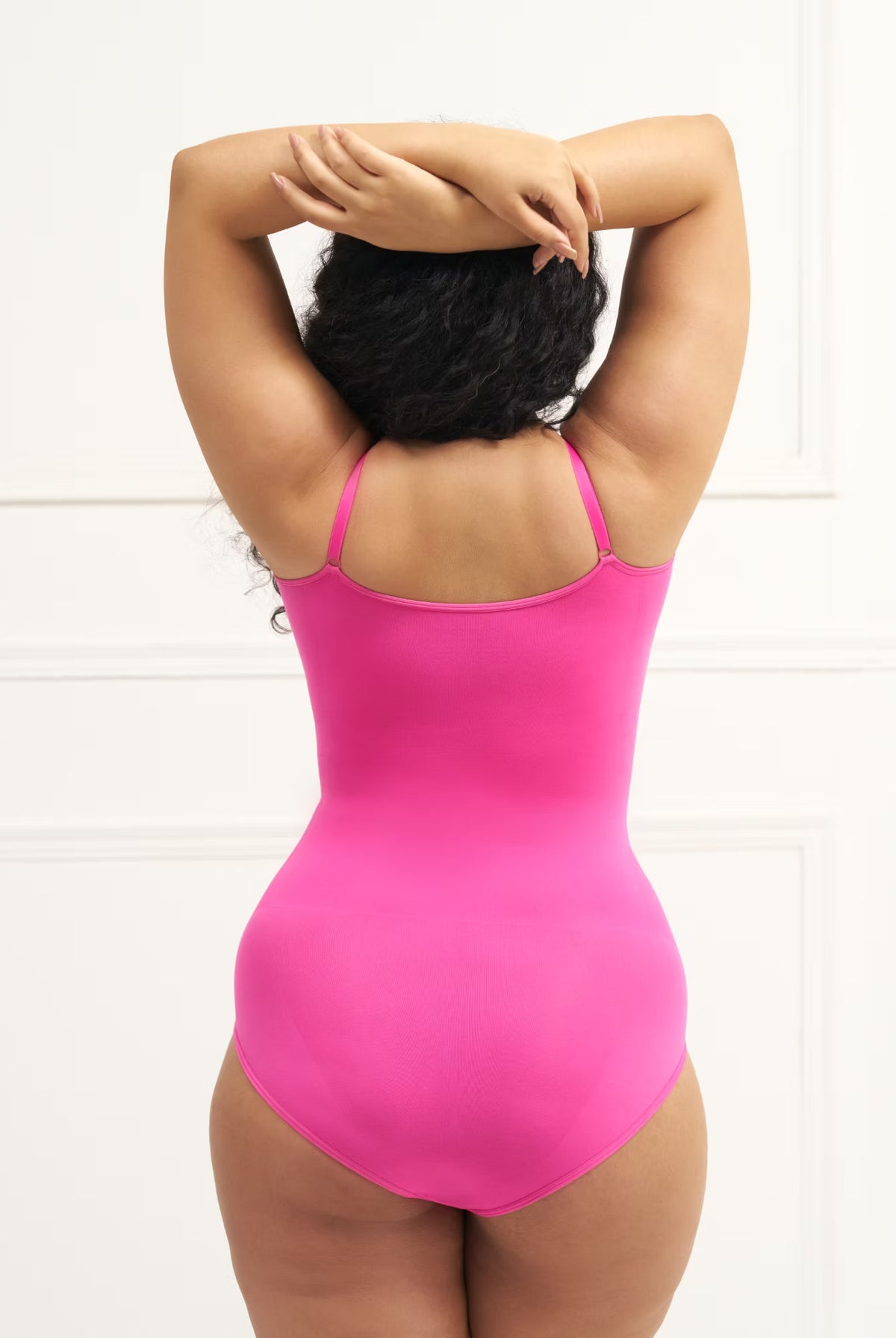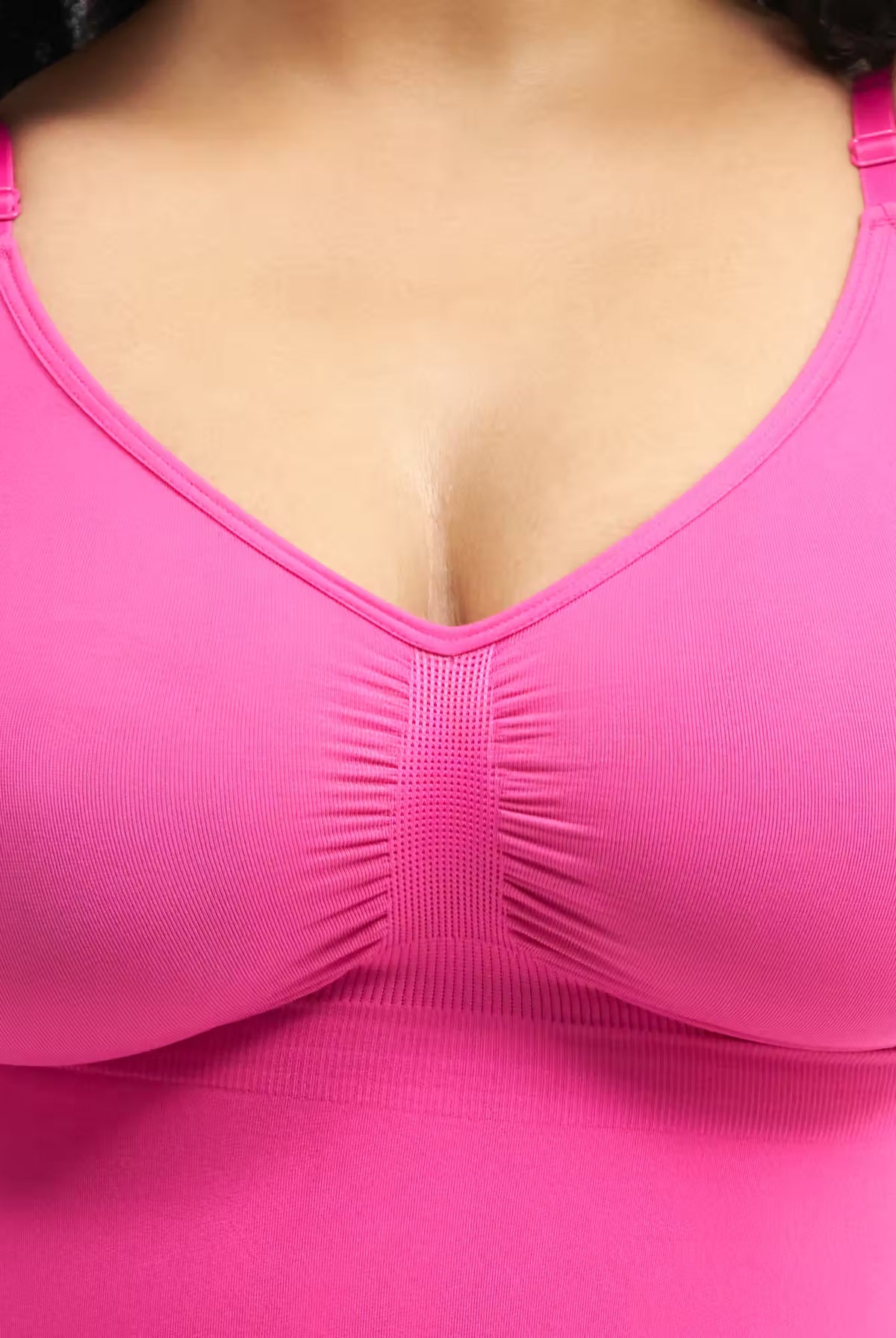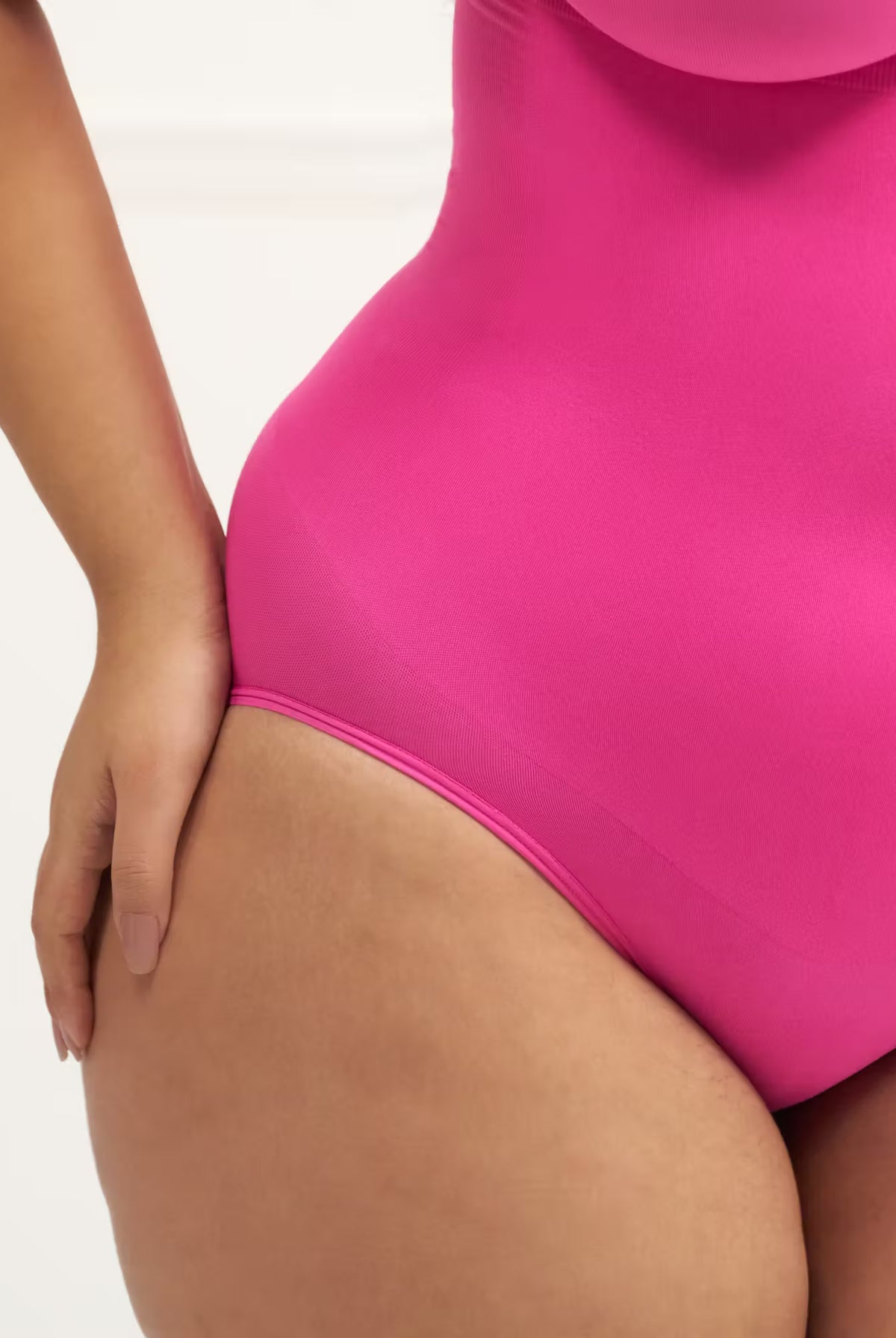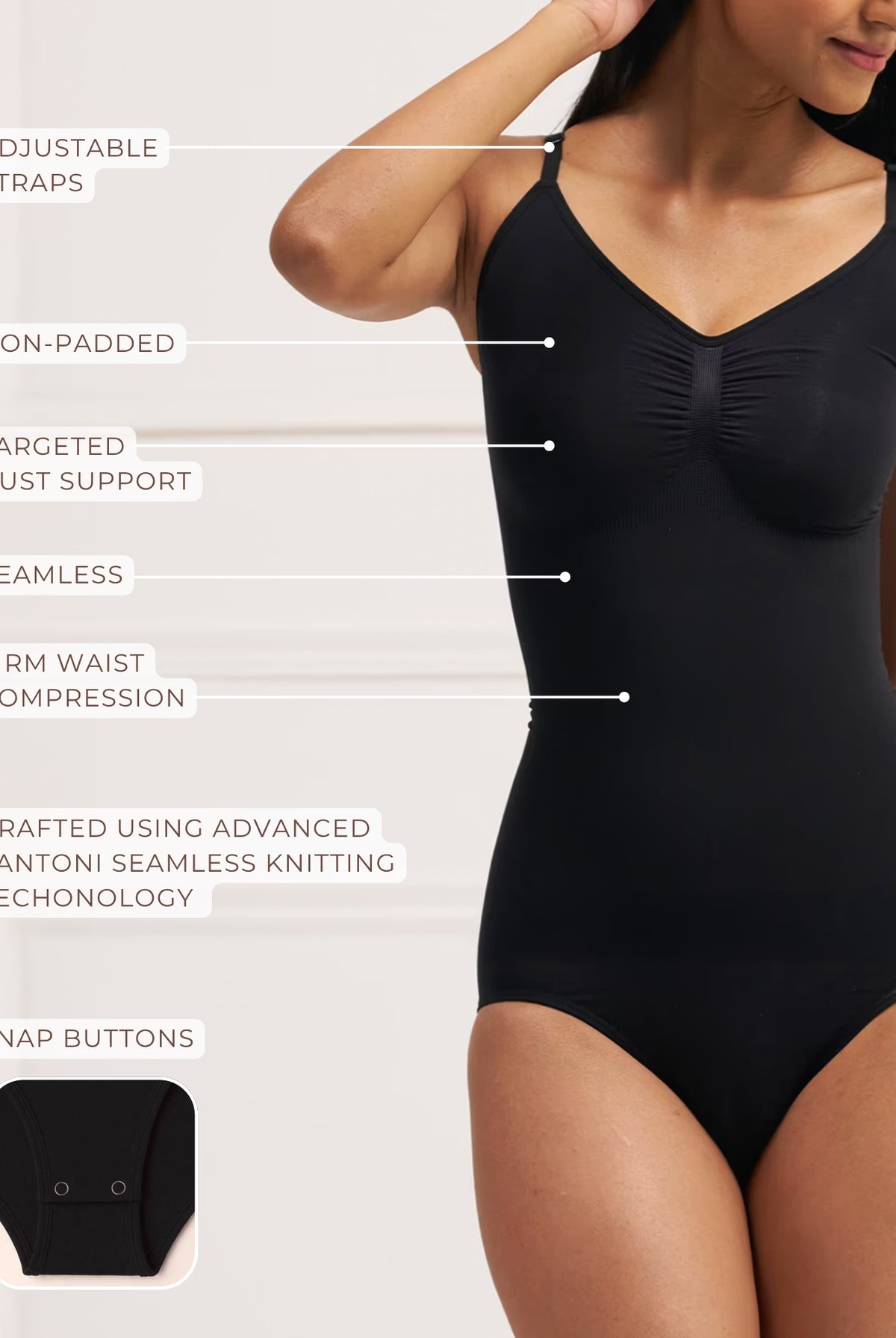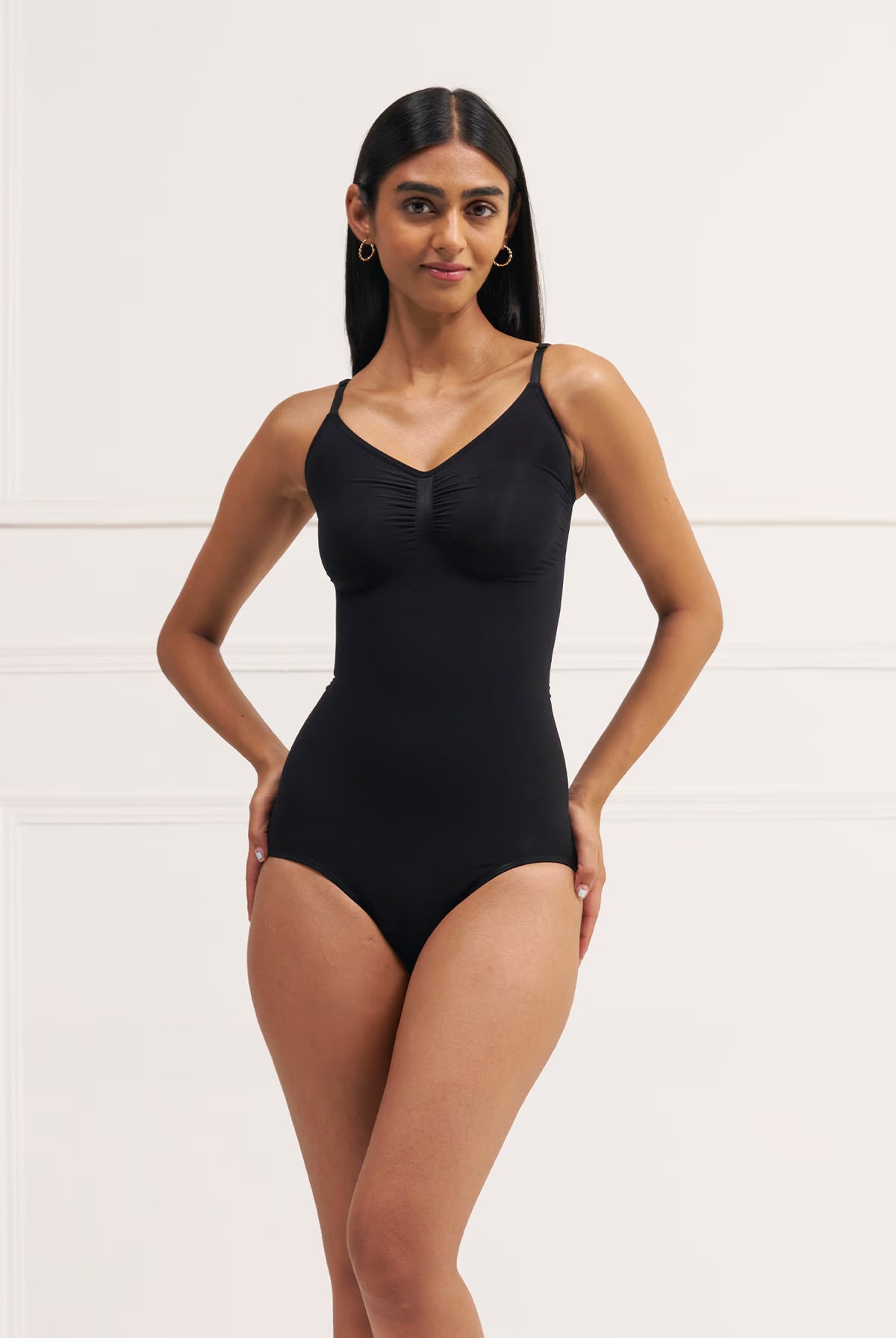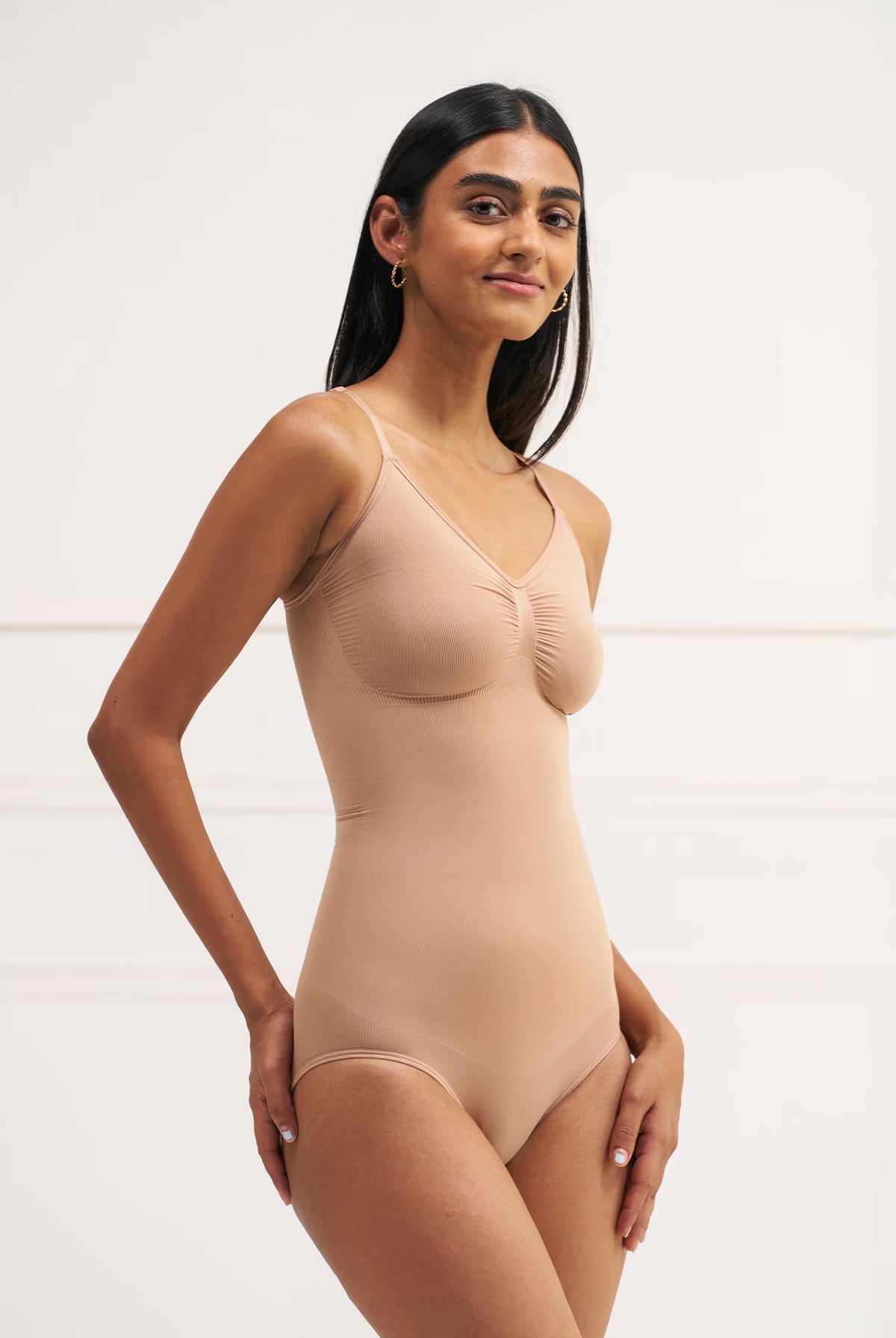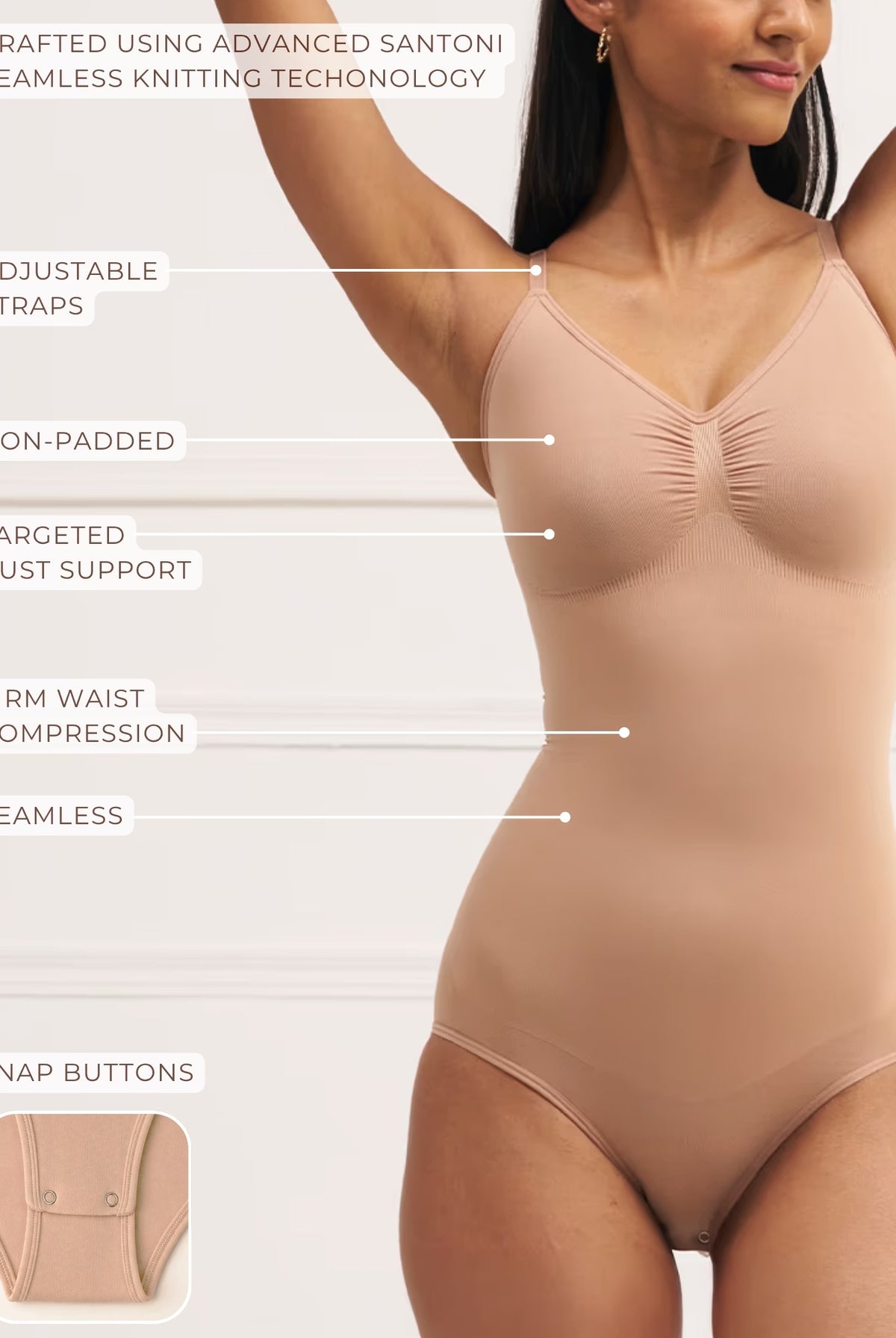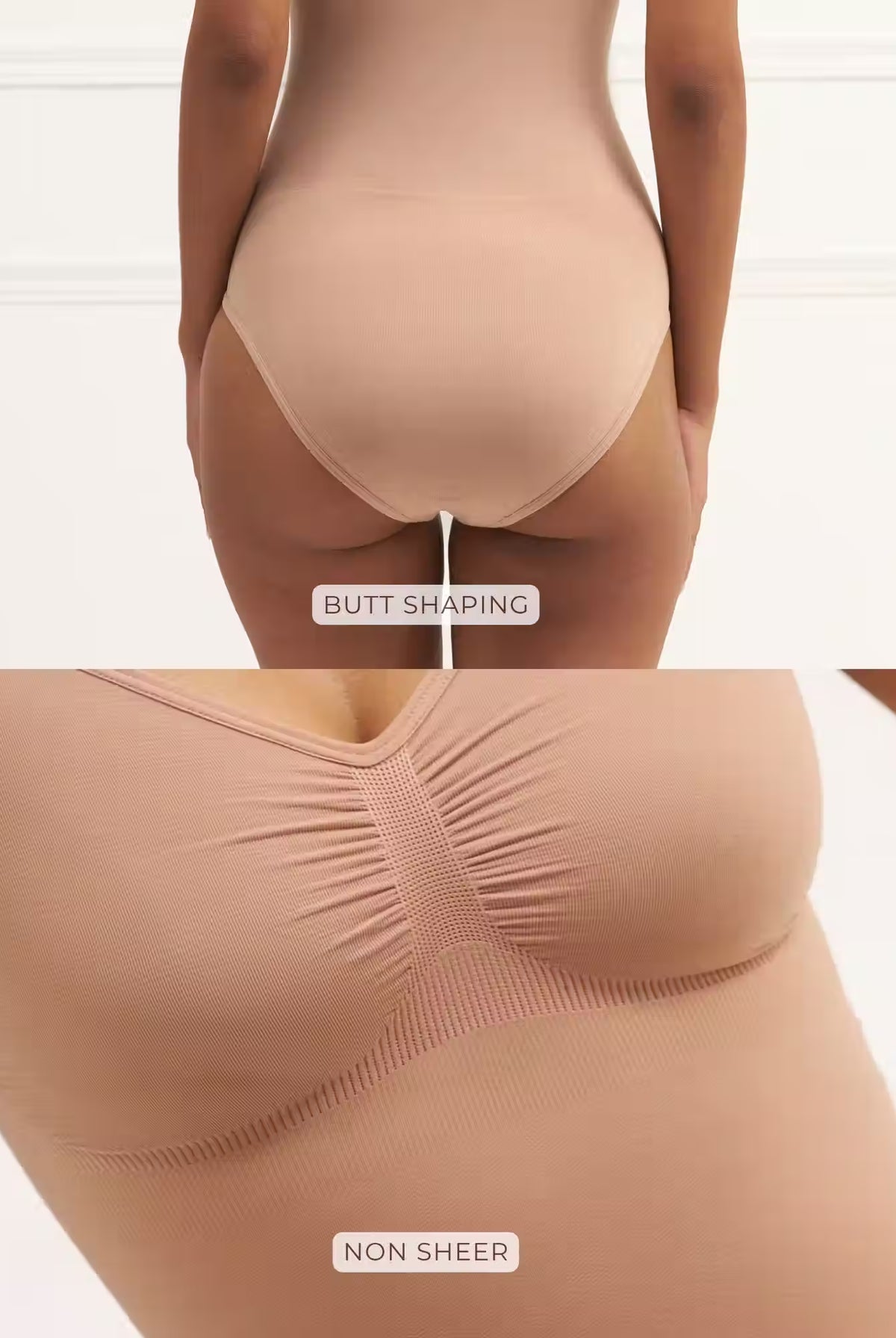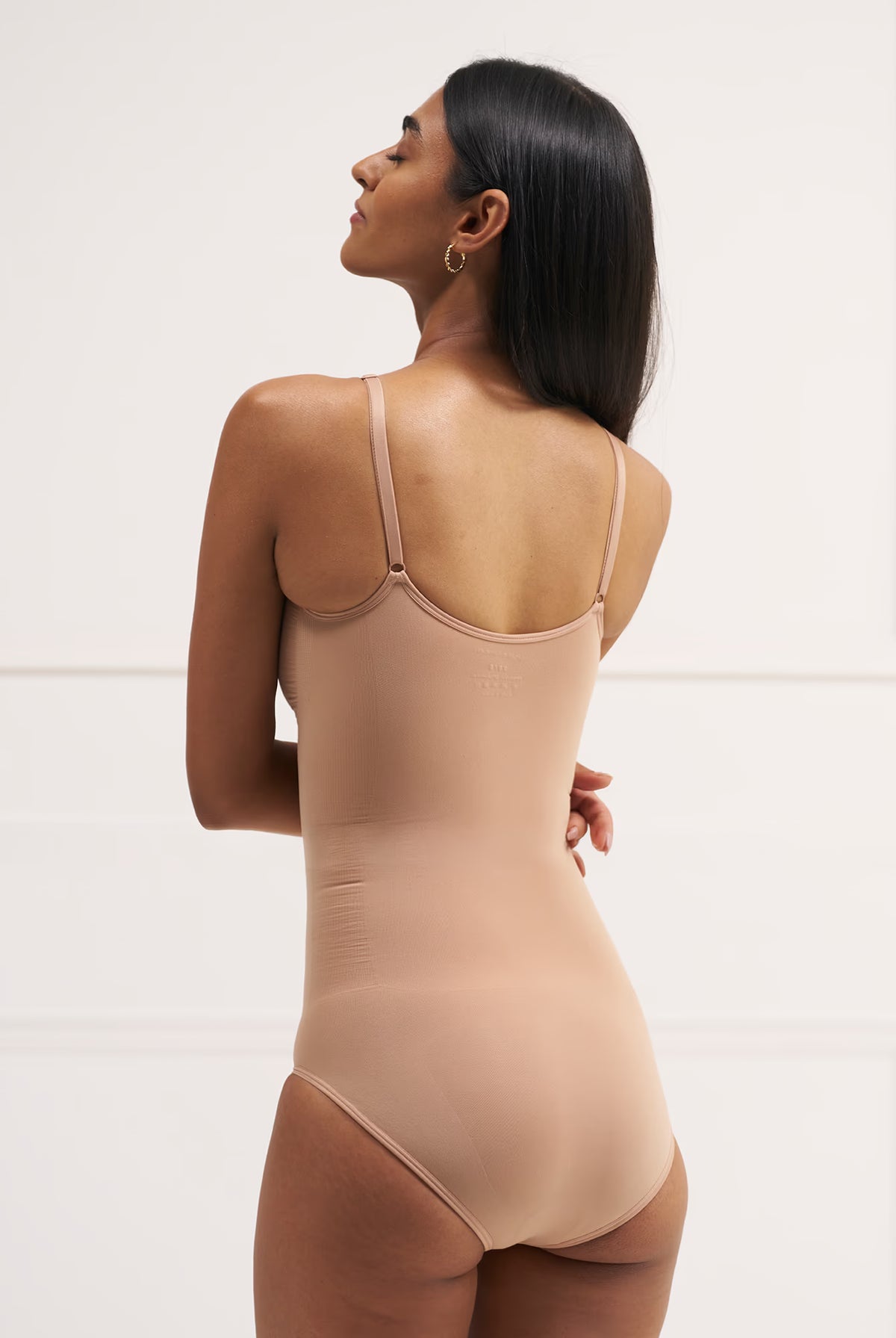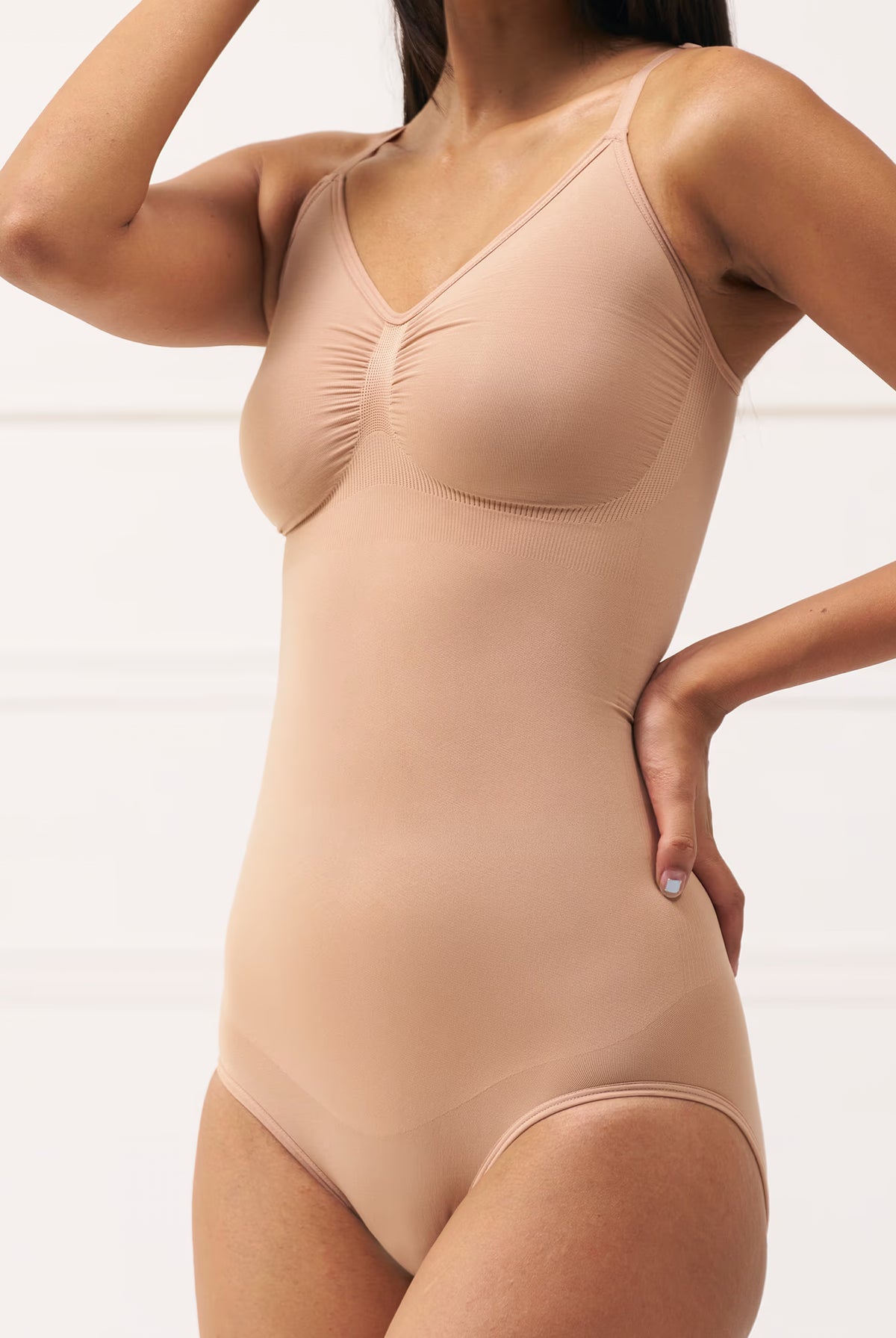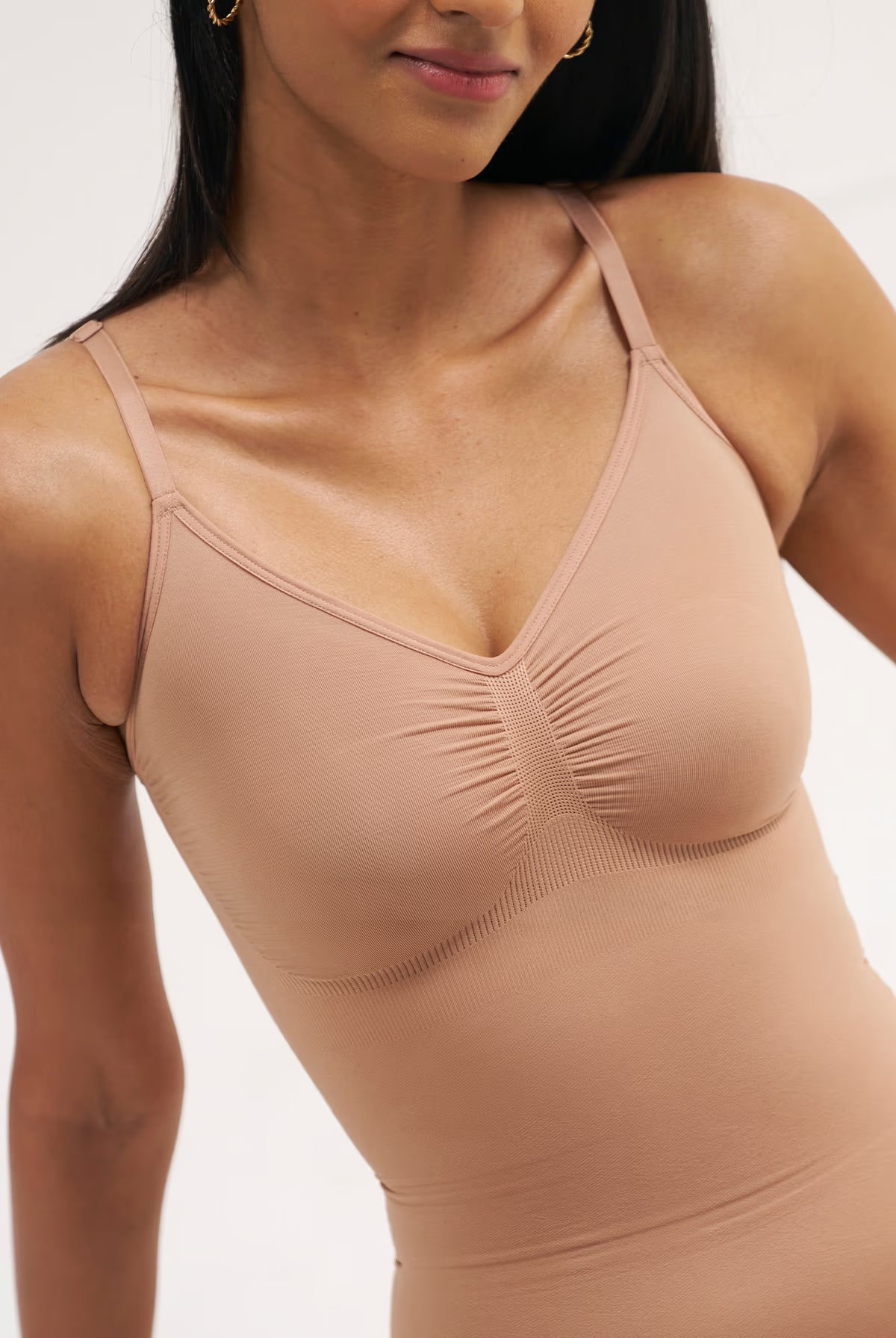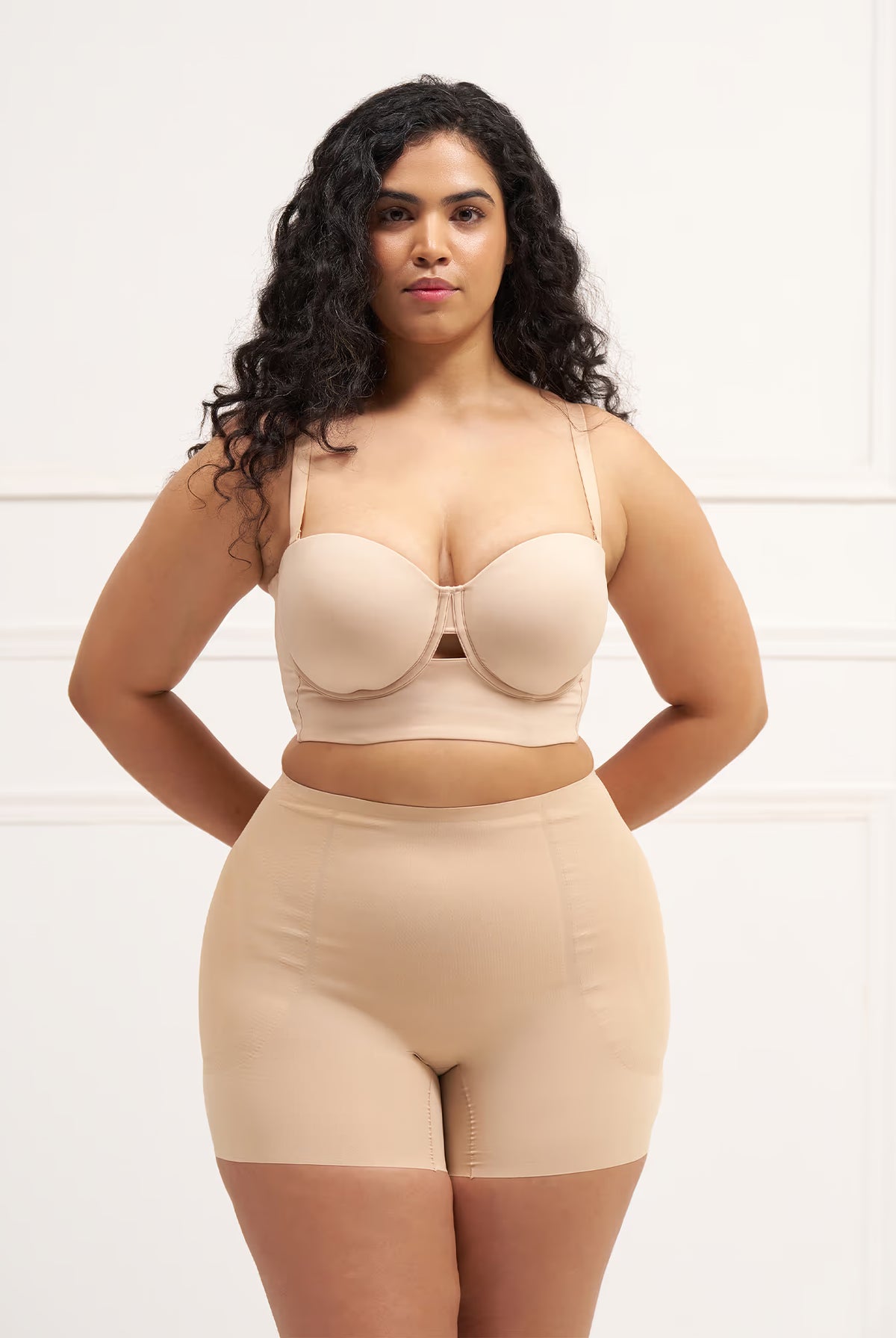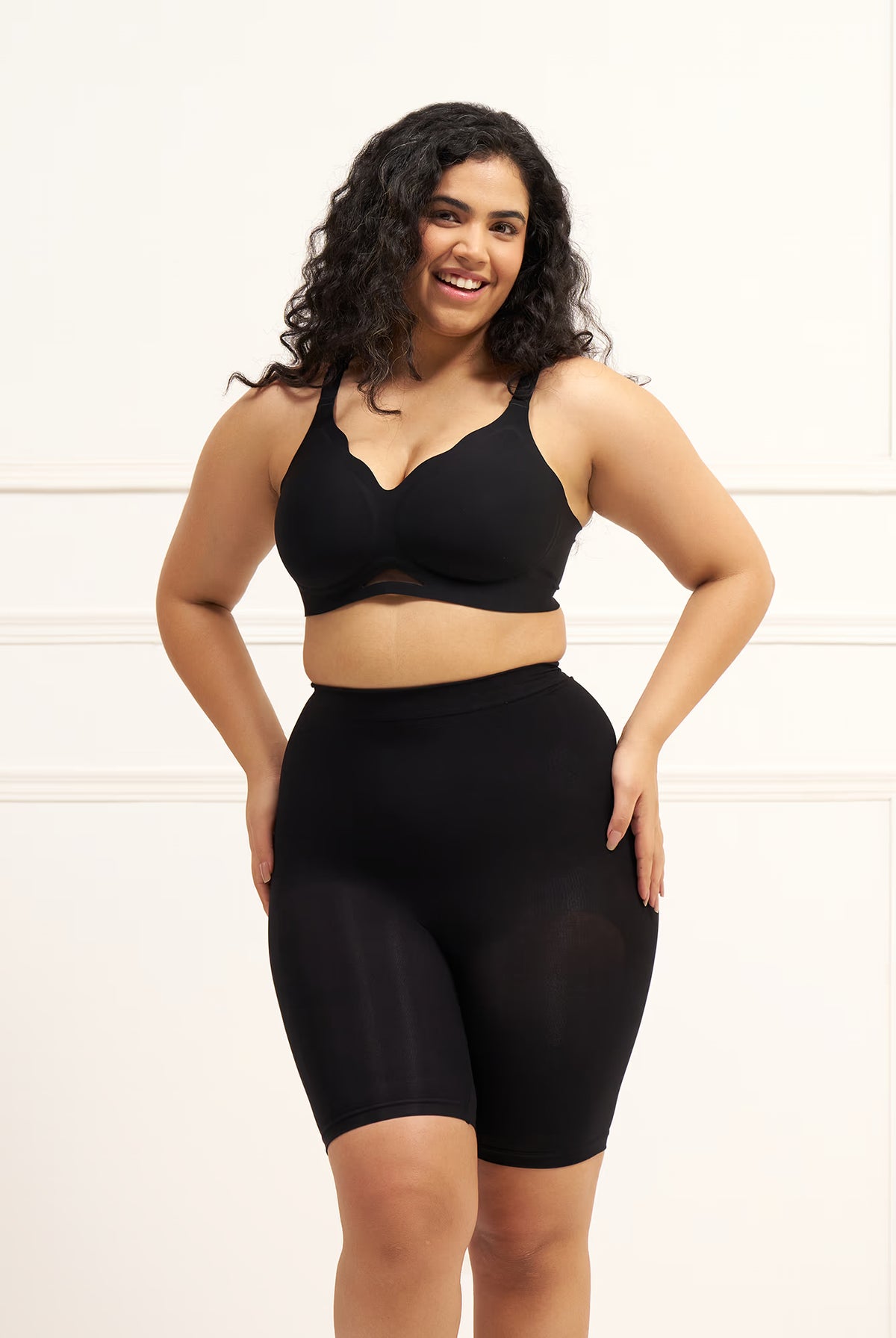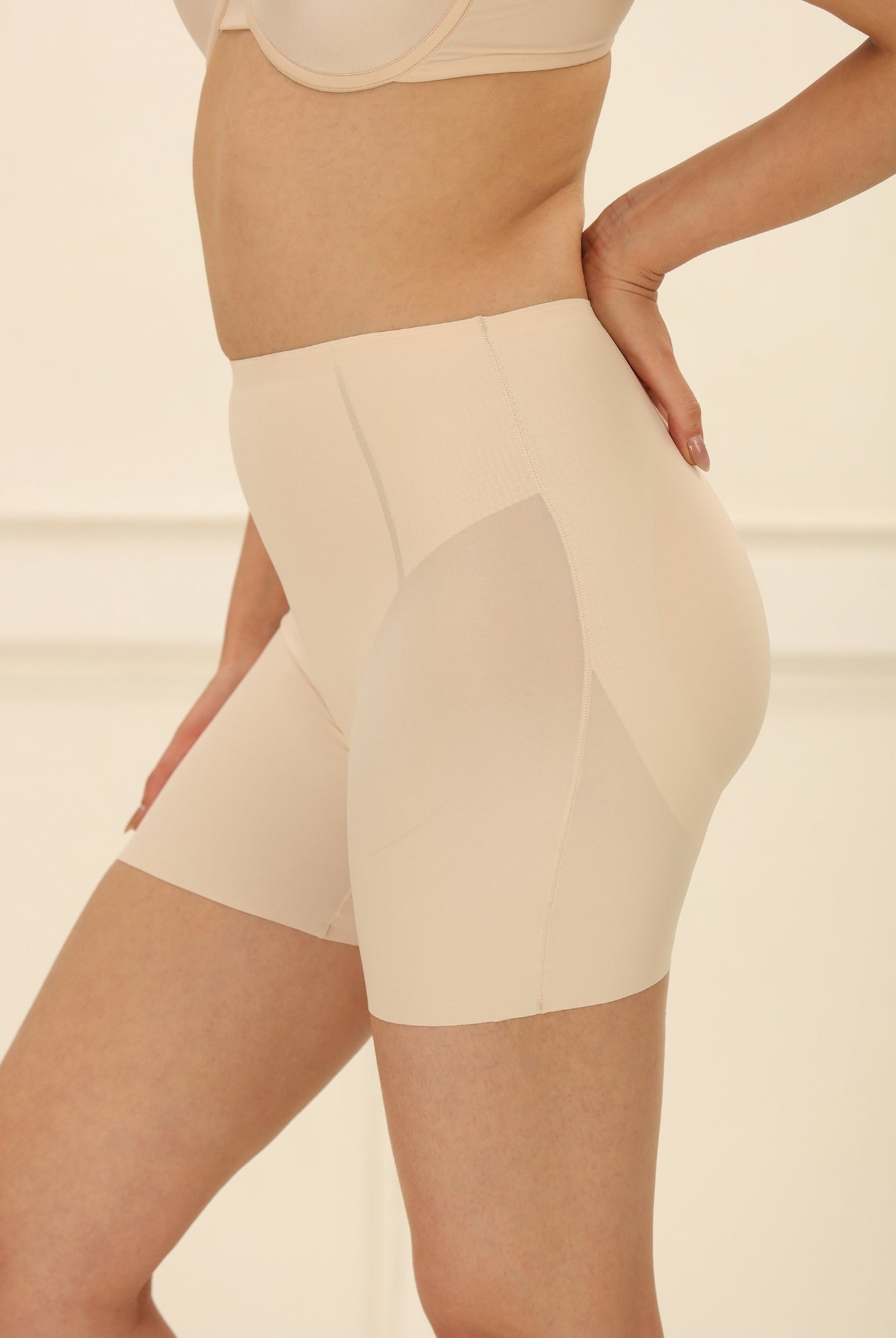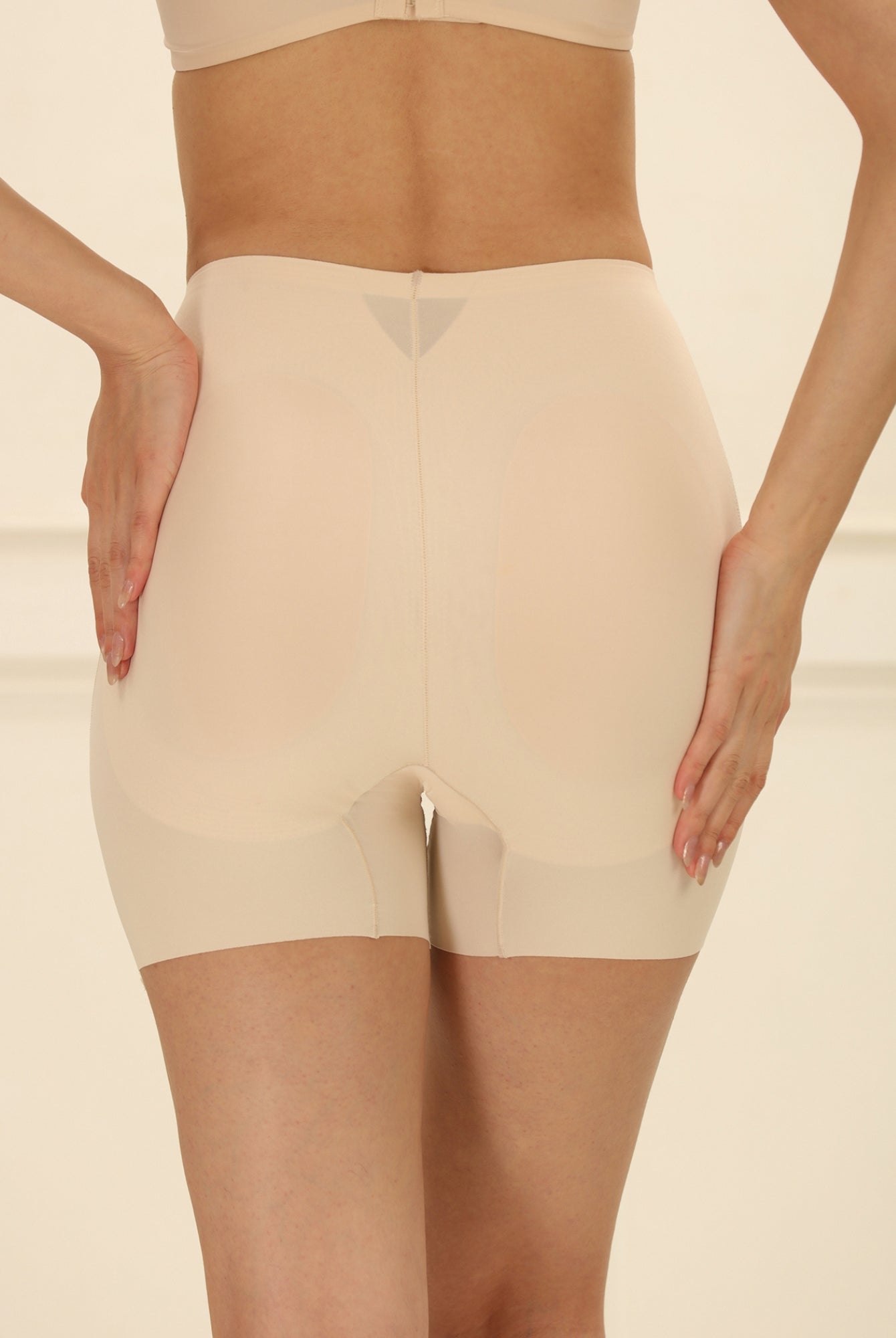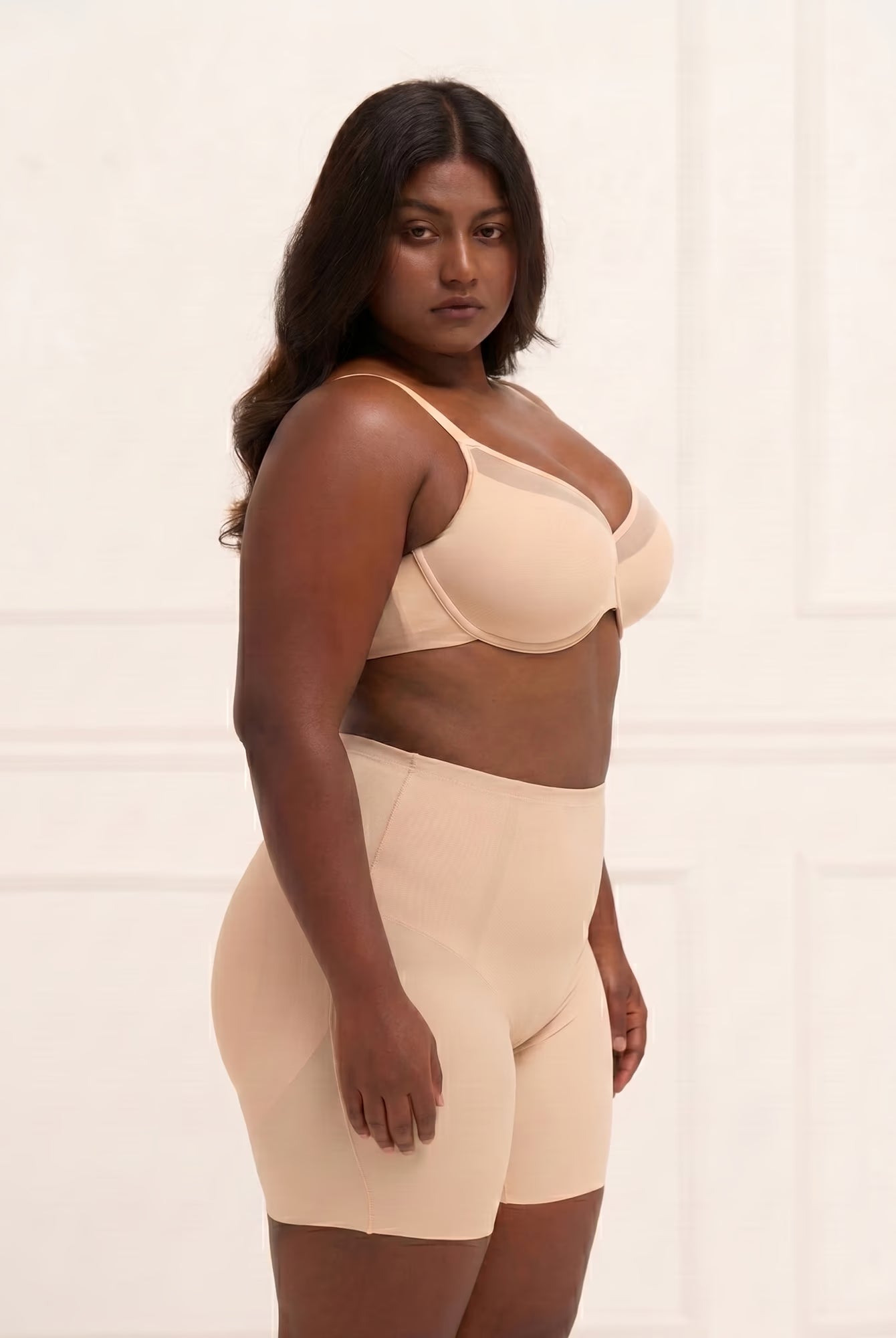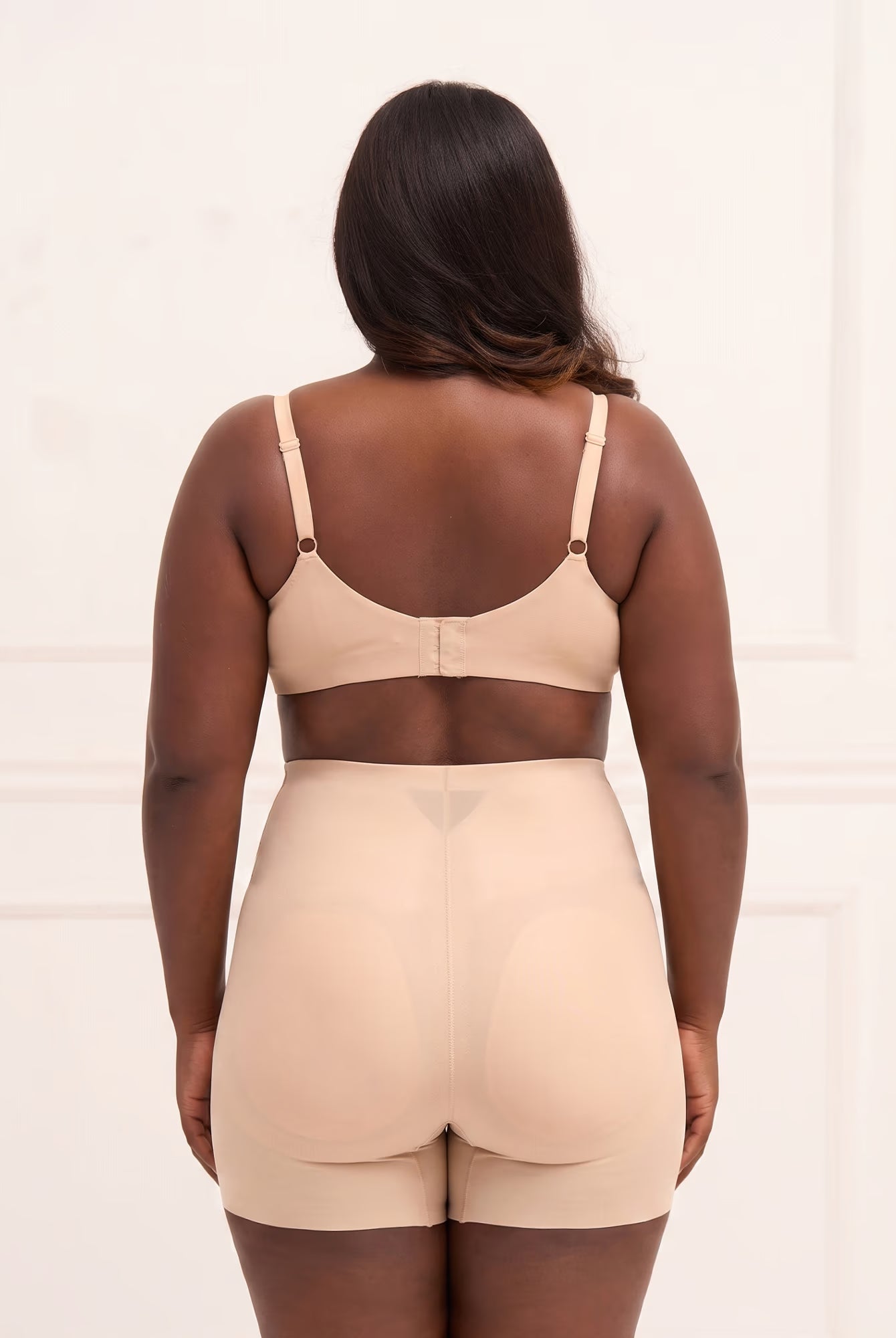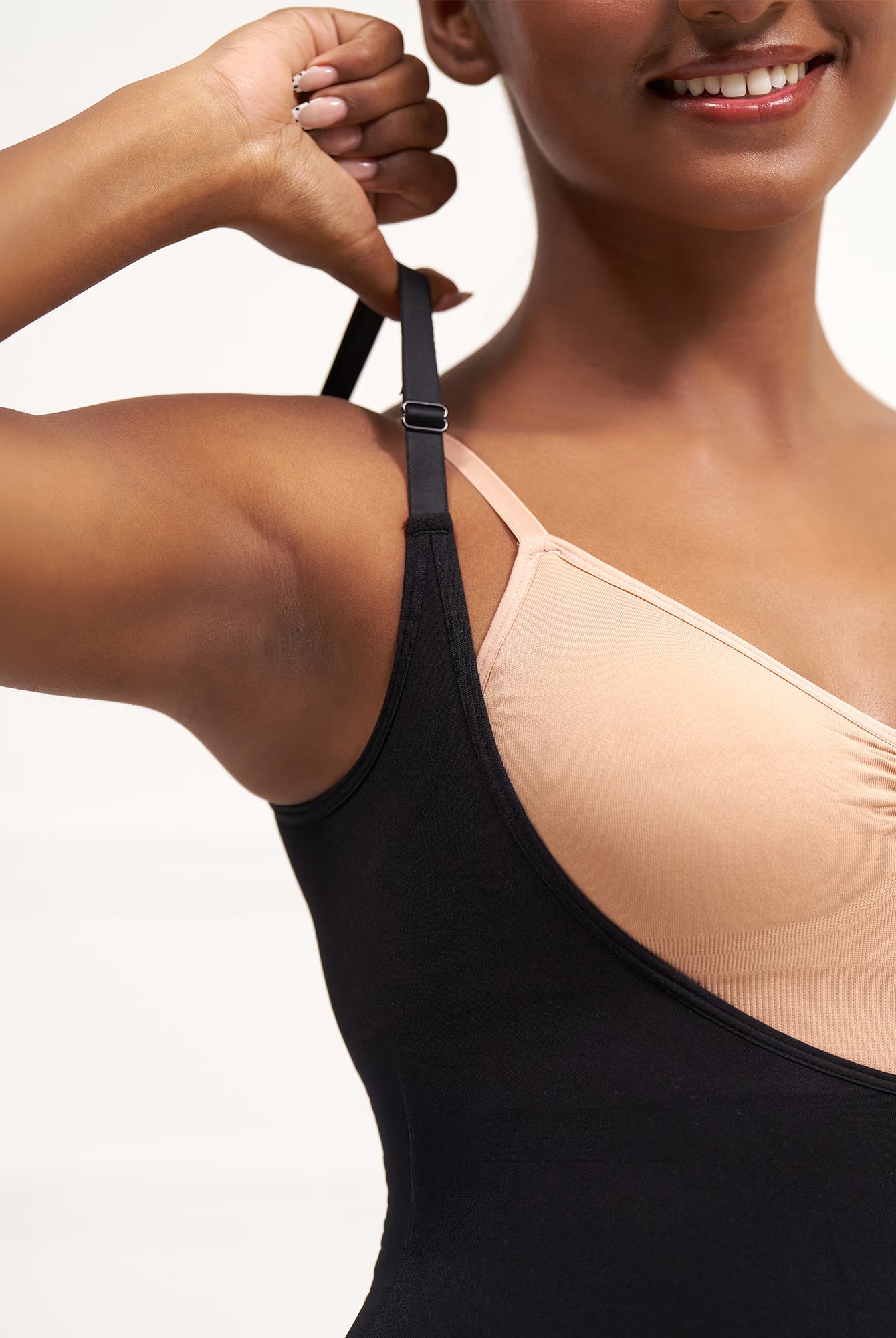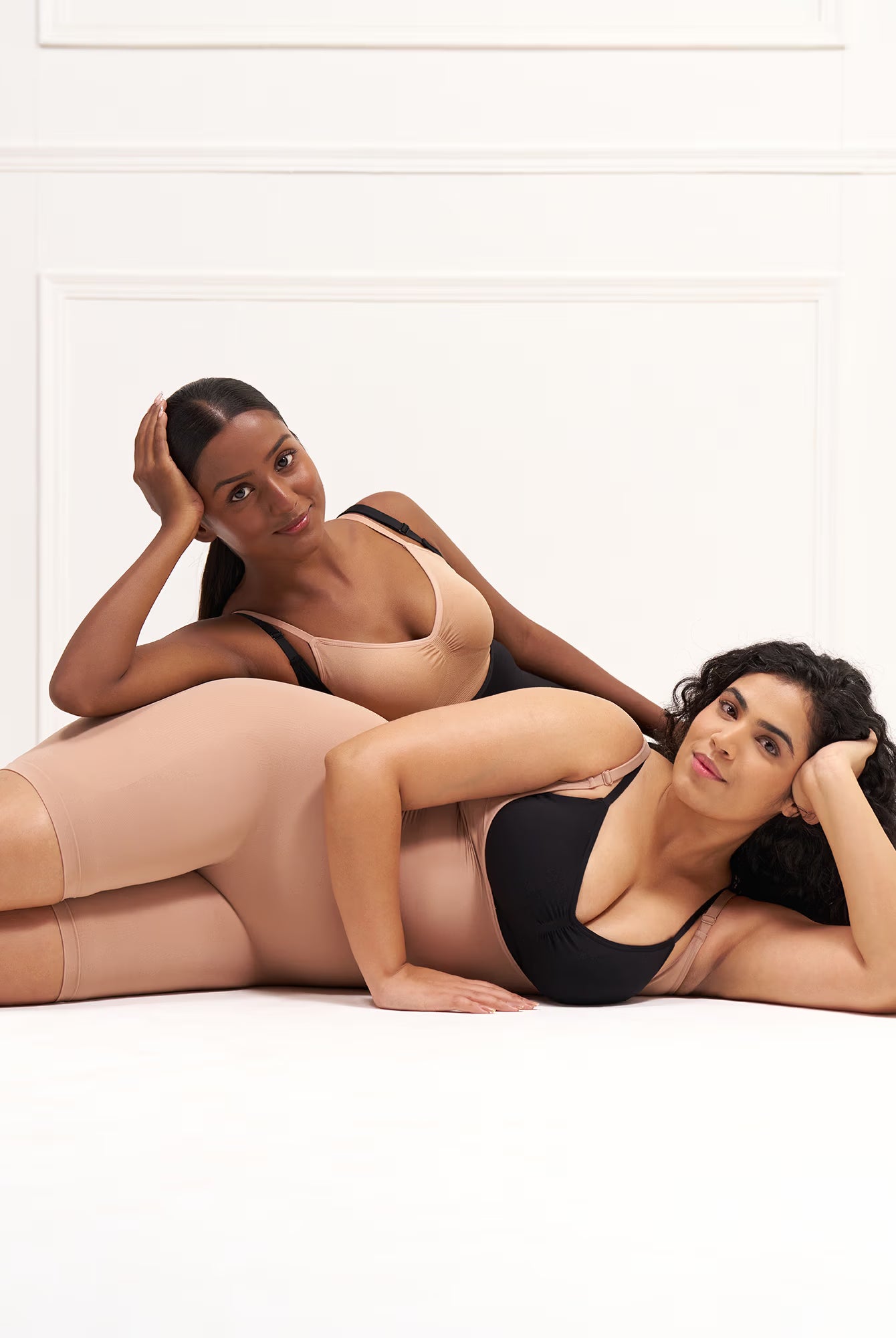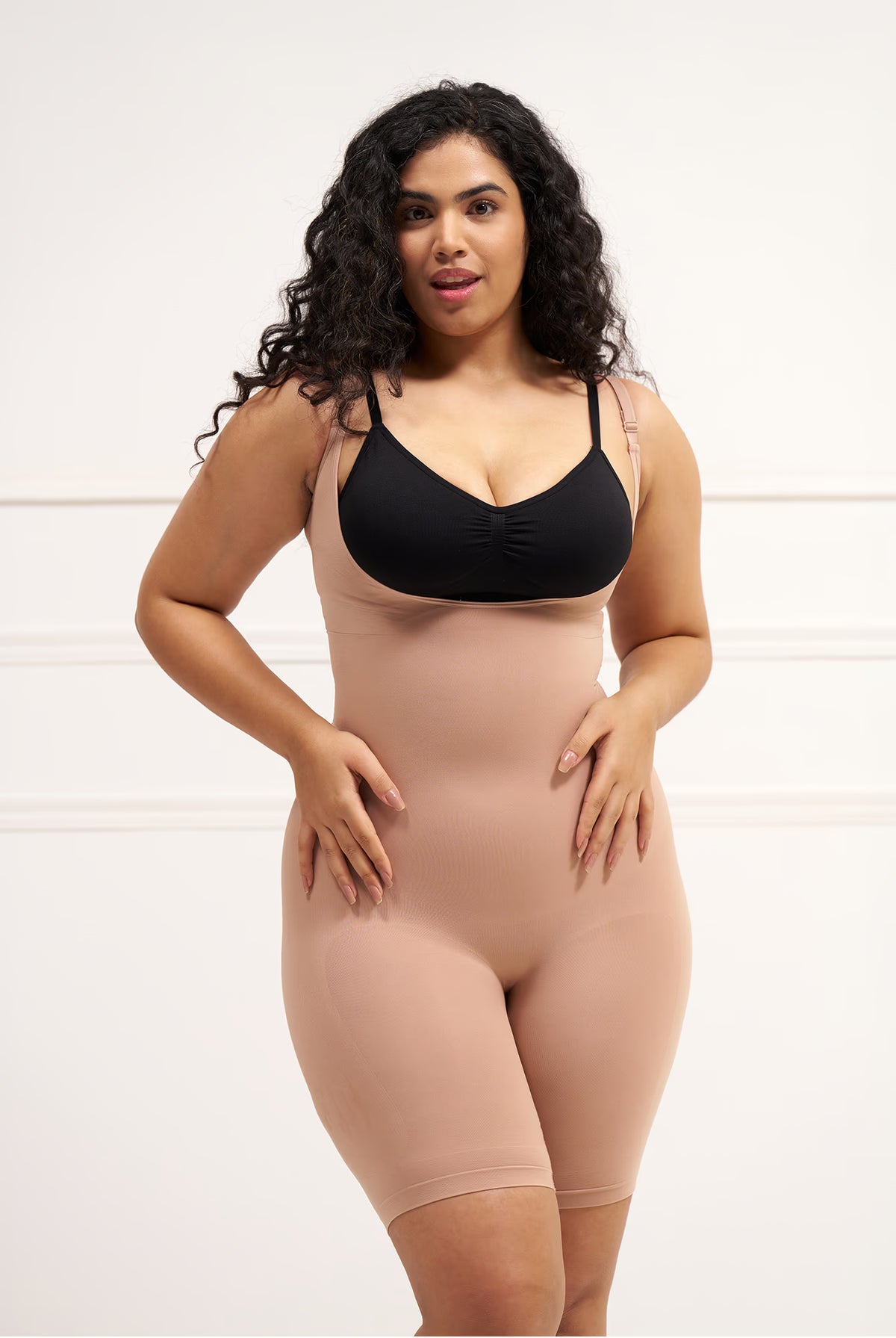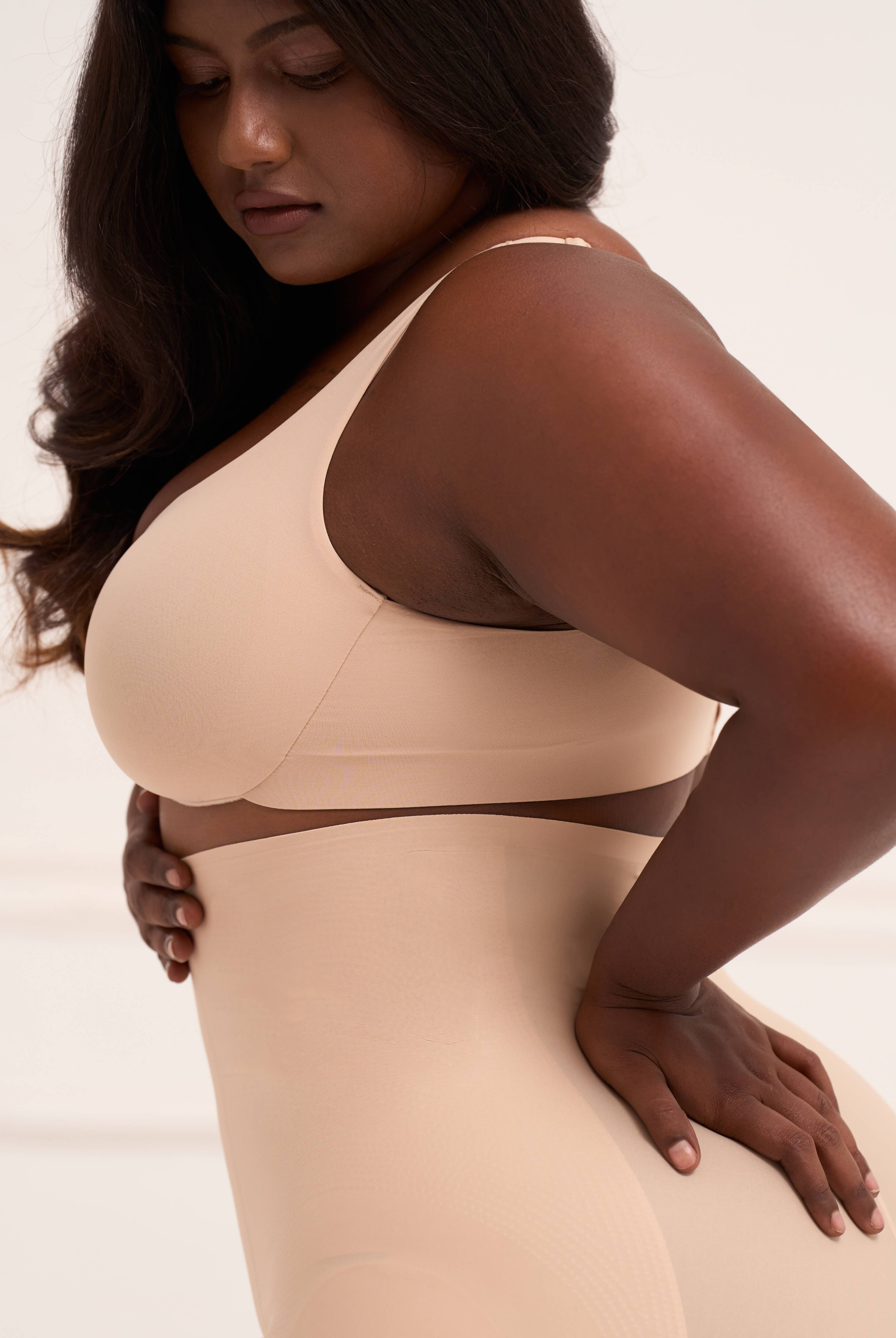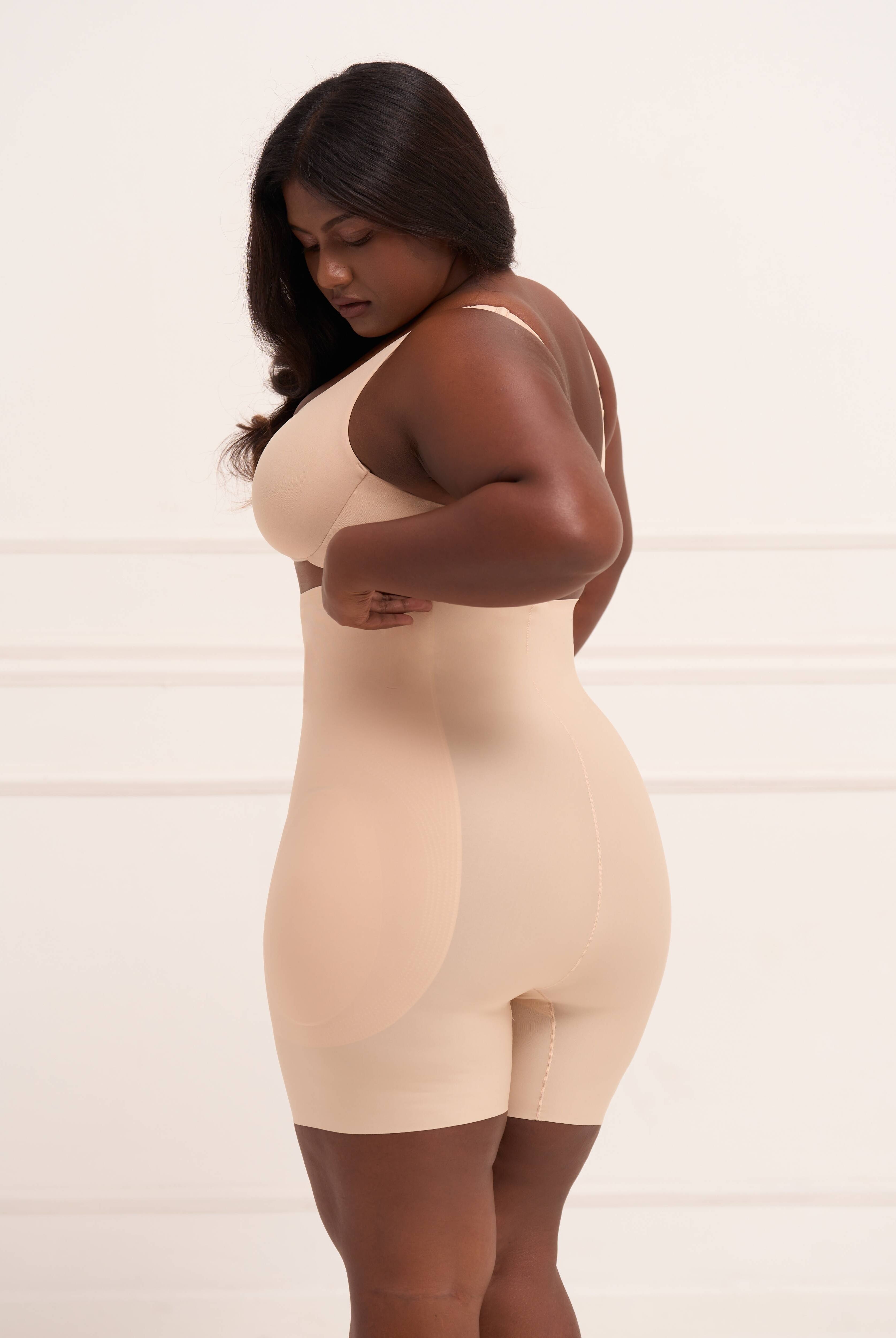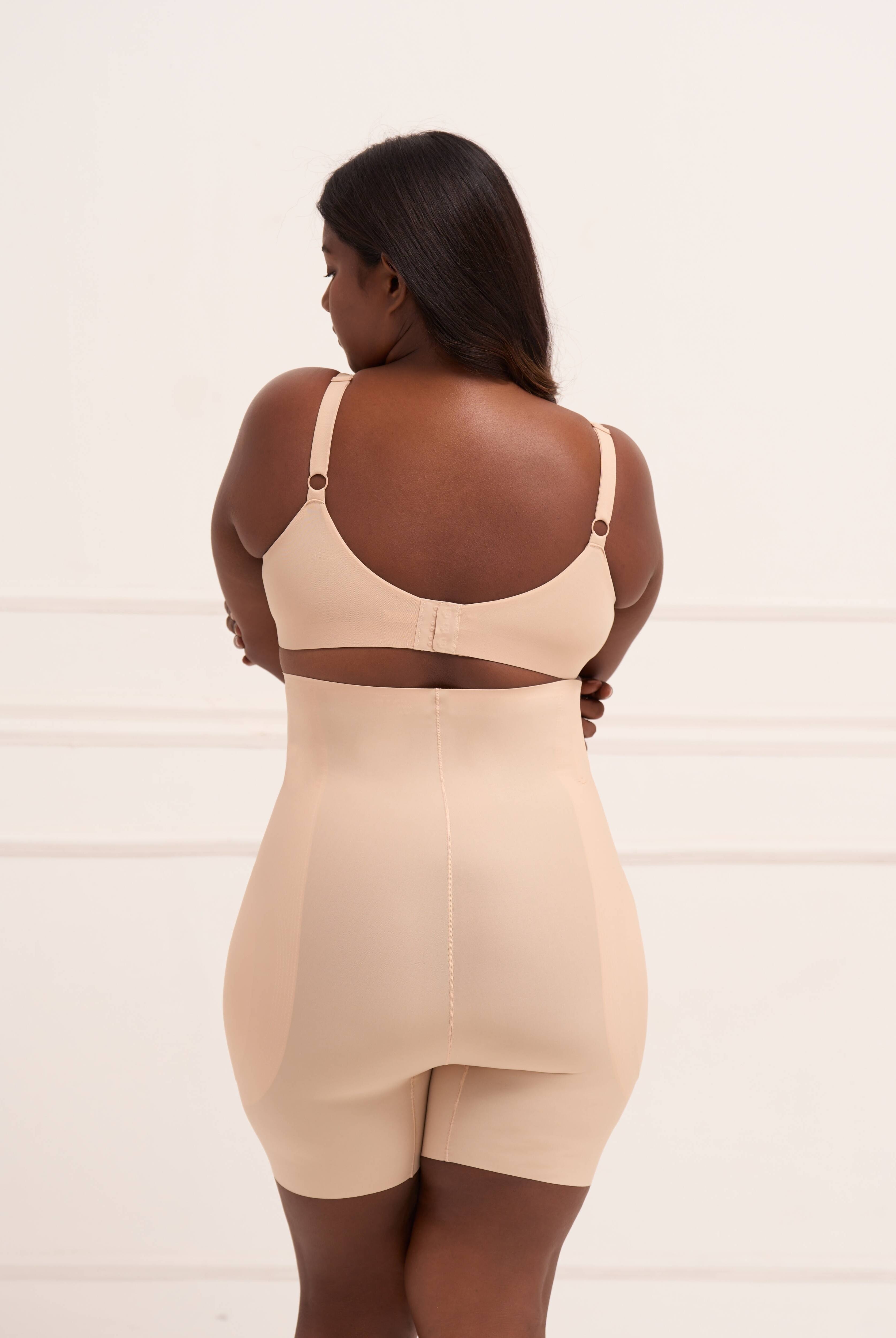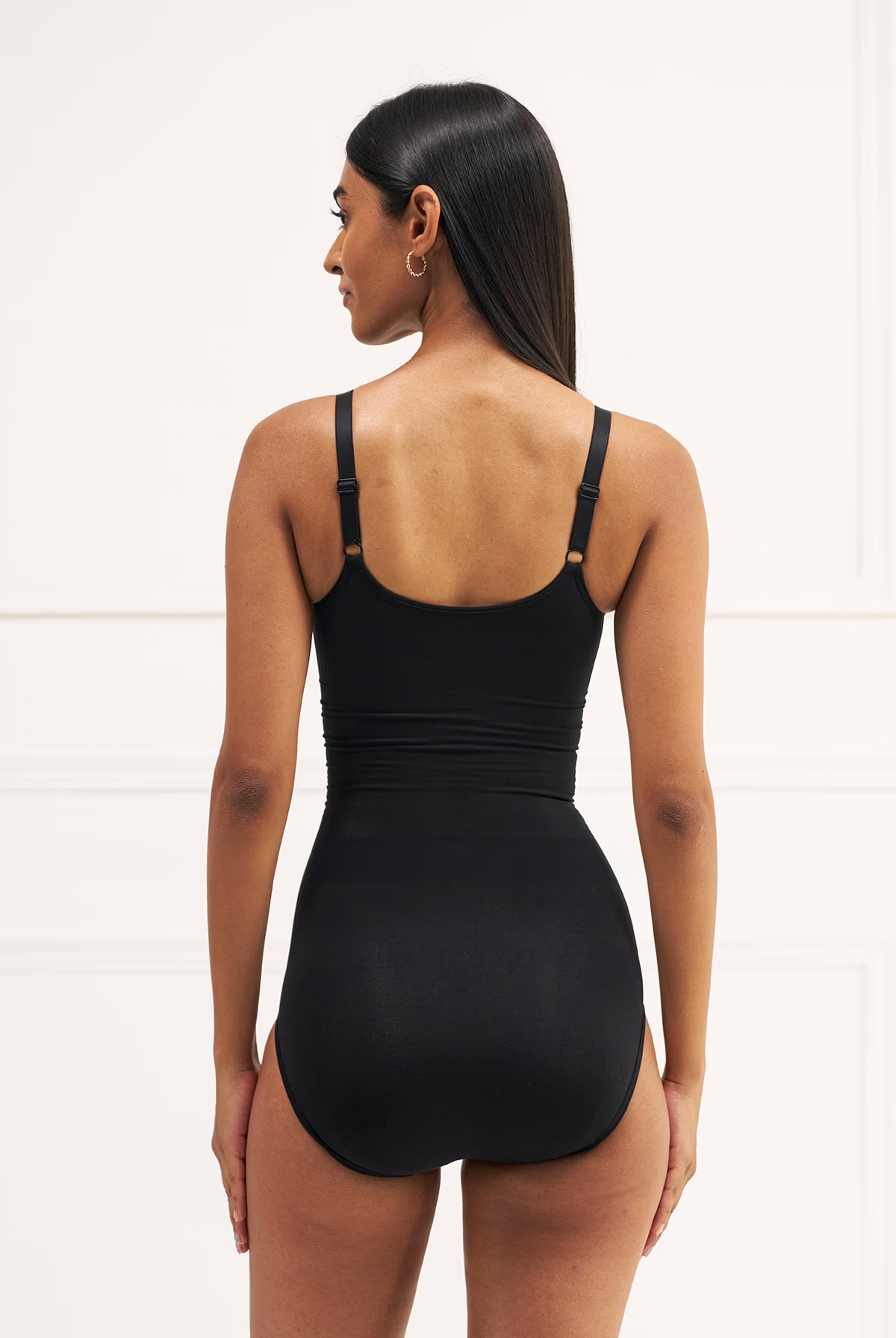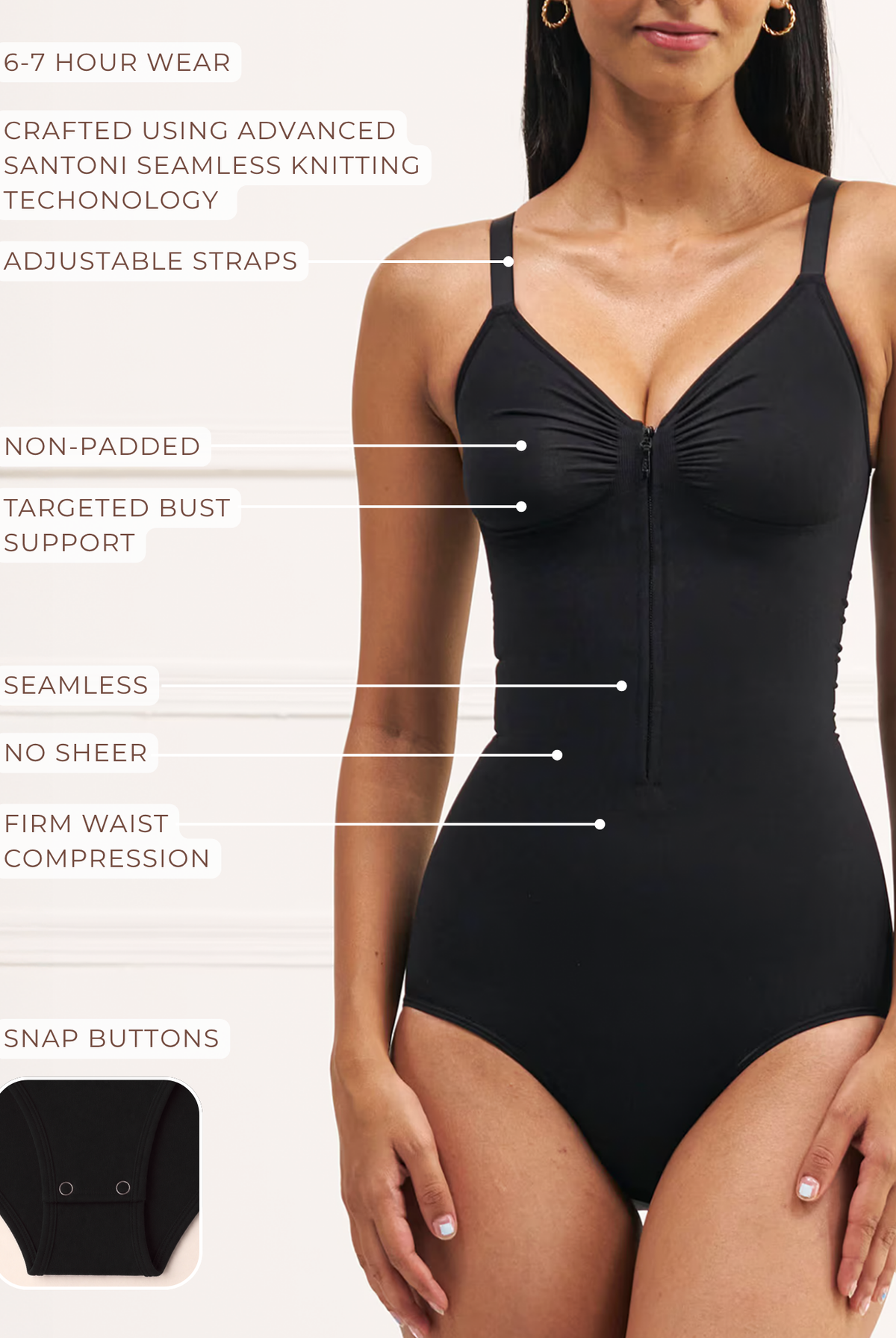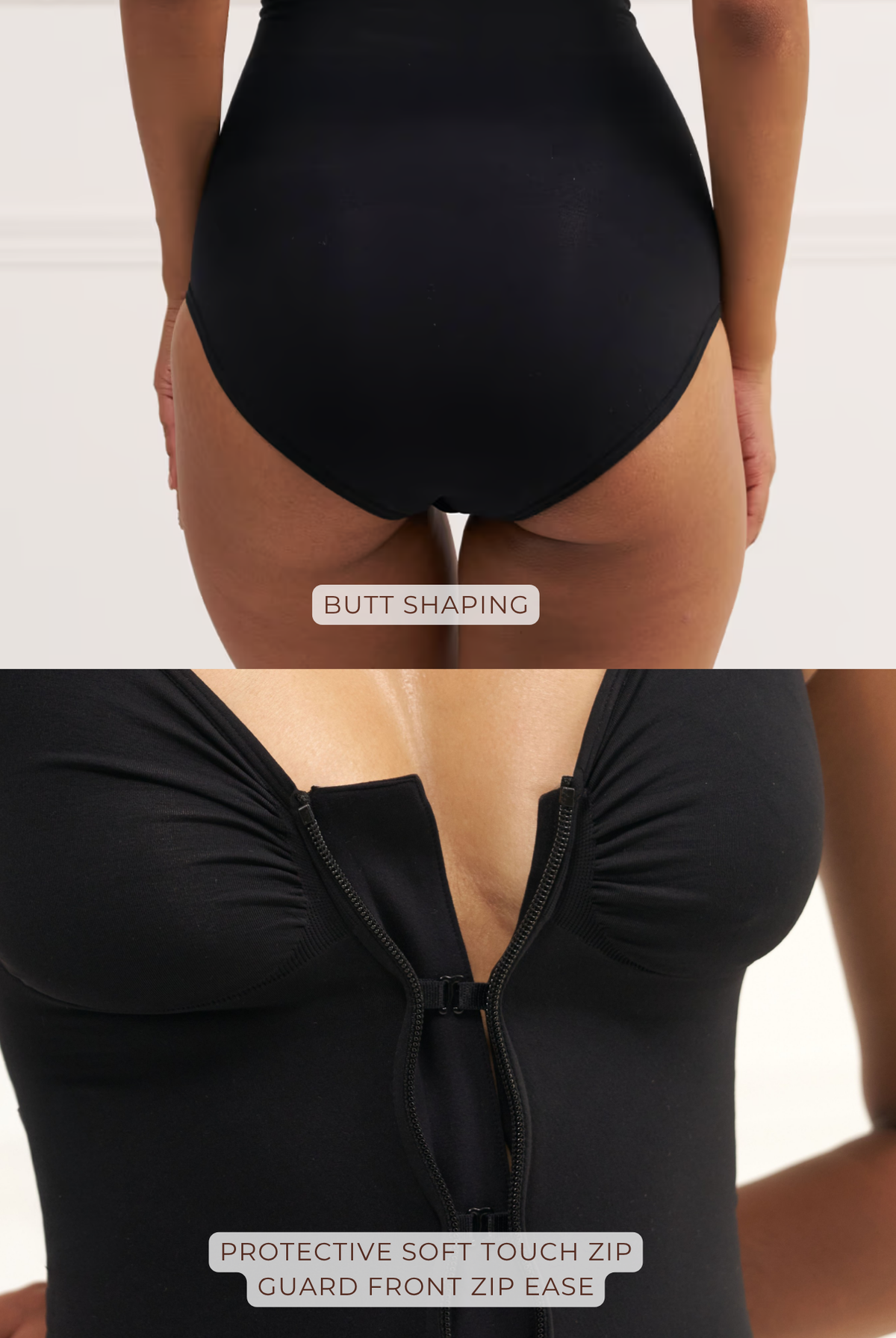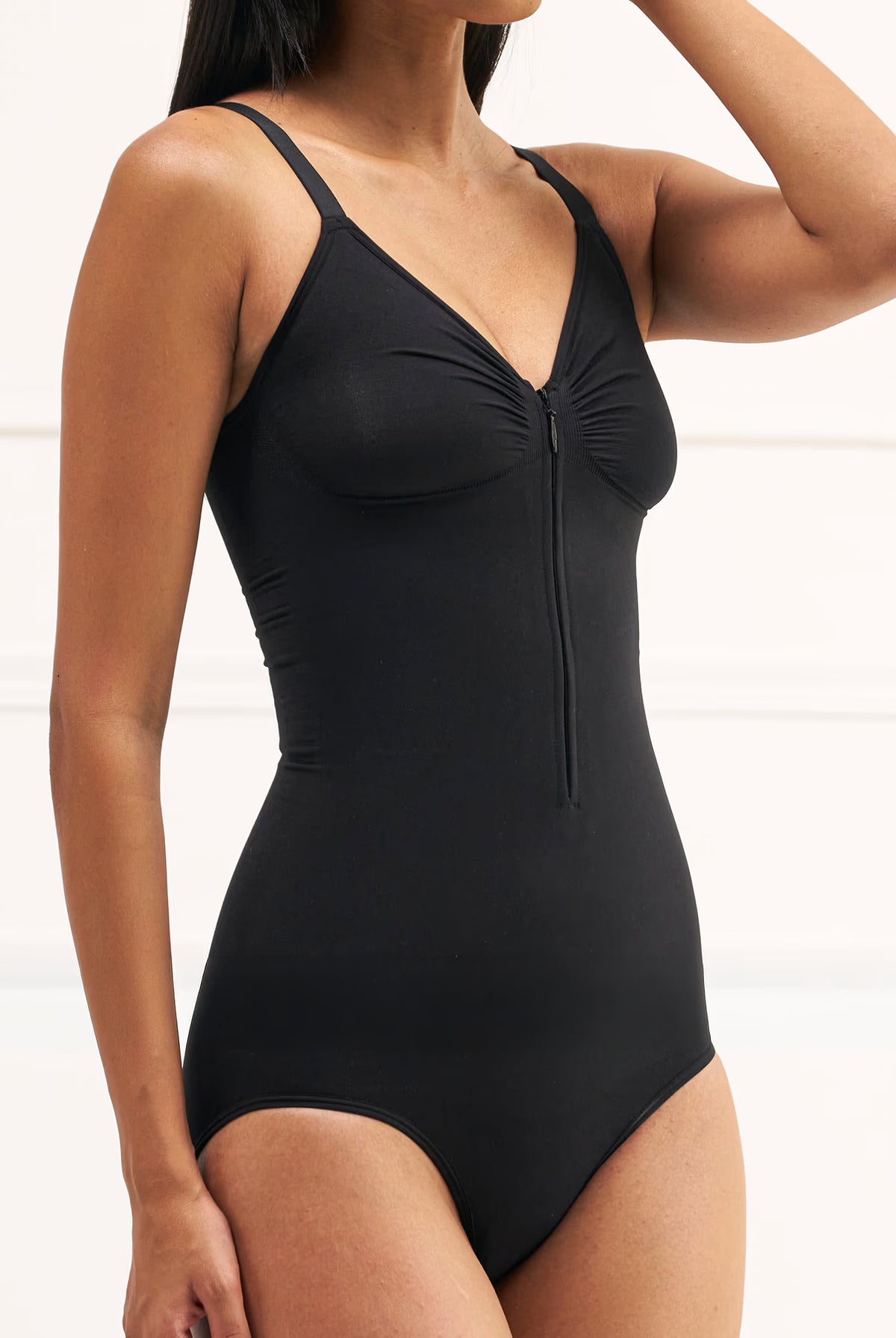








"I don't think I've grown that much, but nothing fits anymore. Is that normal?"
If some version of that thought has crossed your mind recently, yes. Completely normal.
Here's what nobody really warns you about: pregnancy doesn't change your bust in one neat jump from Size A to Size B. It's more like a series of small shifts spread over months. Your ribcage can change over time, along with several other subtle changes you may notice in your body. The bra you loved in month two becomes the thing you're quietly unhooking under your kurta by 4 p.m. in month five.
Somewhere around that point, most women start looking into maternity bras, often without being entirely sure what one is. You've seen the words, you know they exist, but nobody's actually explained the difference. So let's do that properly, no rush, no rules, just what it is and whether you'd actually benefit from one.
What a Maternity Bra Means?

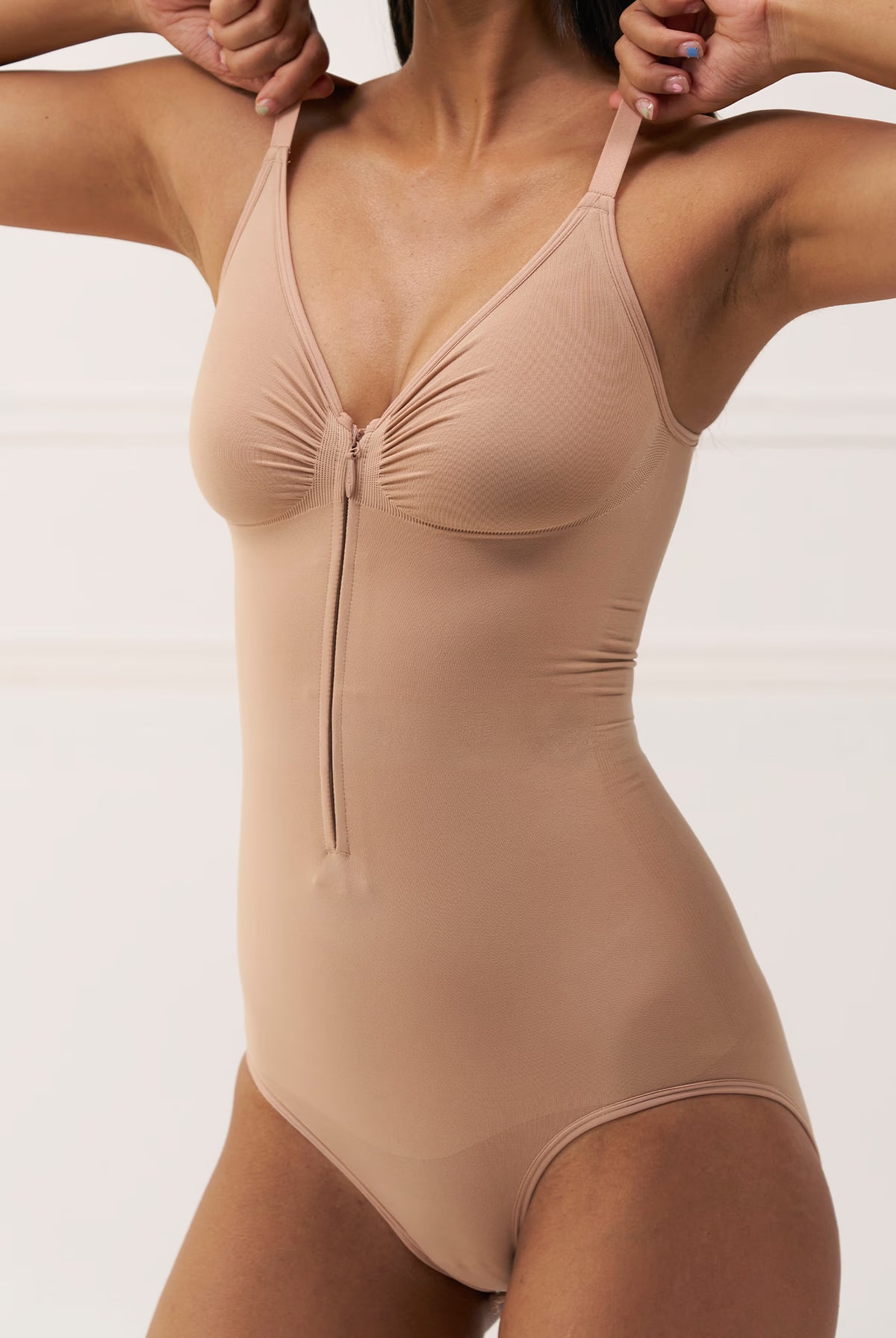
The maternity bra meaning, at its simplest, is a bra built with the expectation that your body is going to keep changing while you're wearing it.
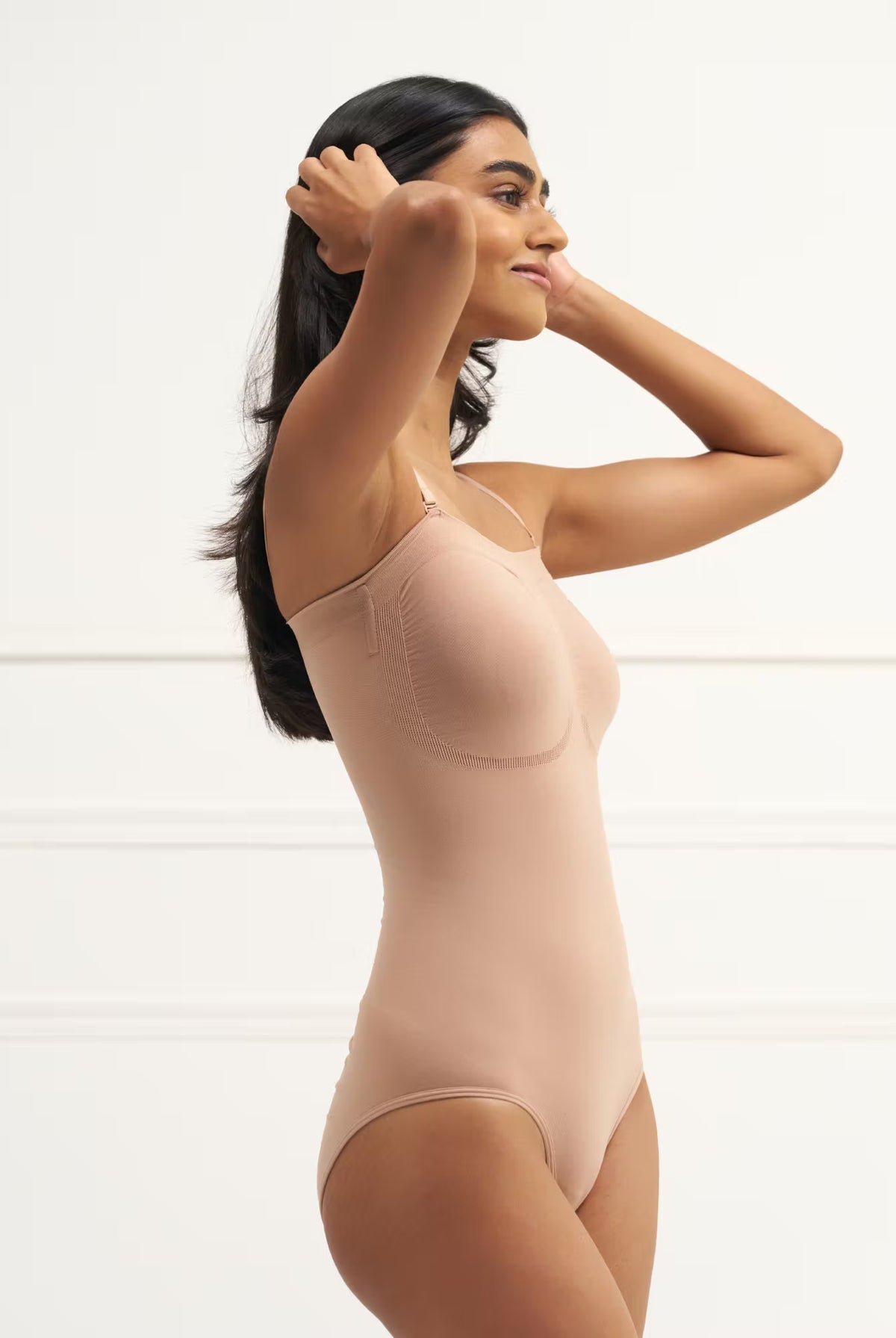
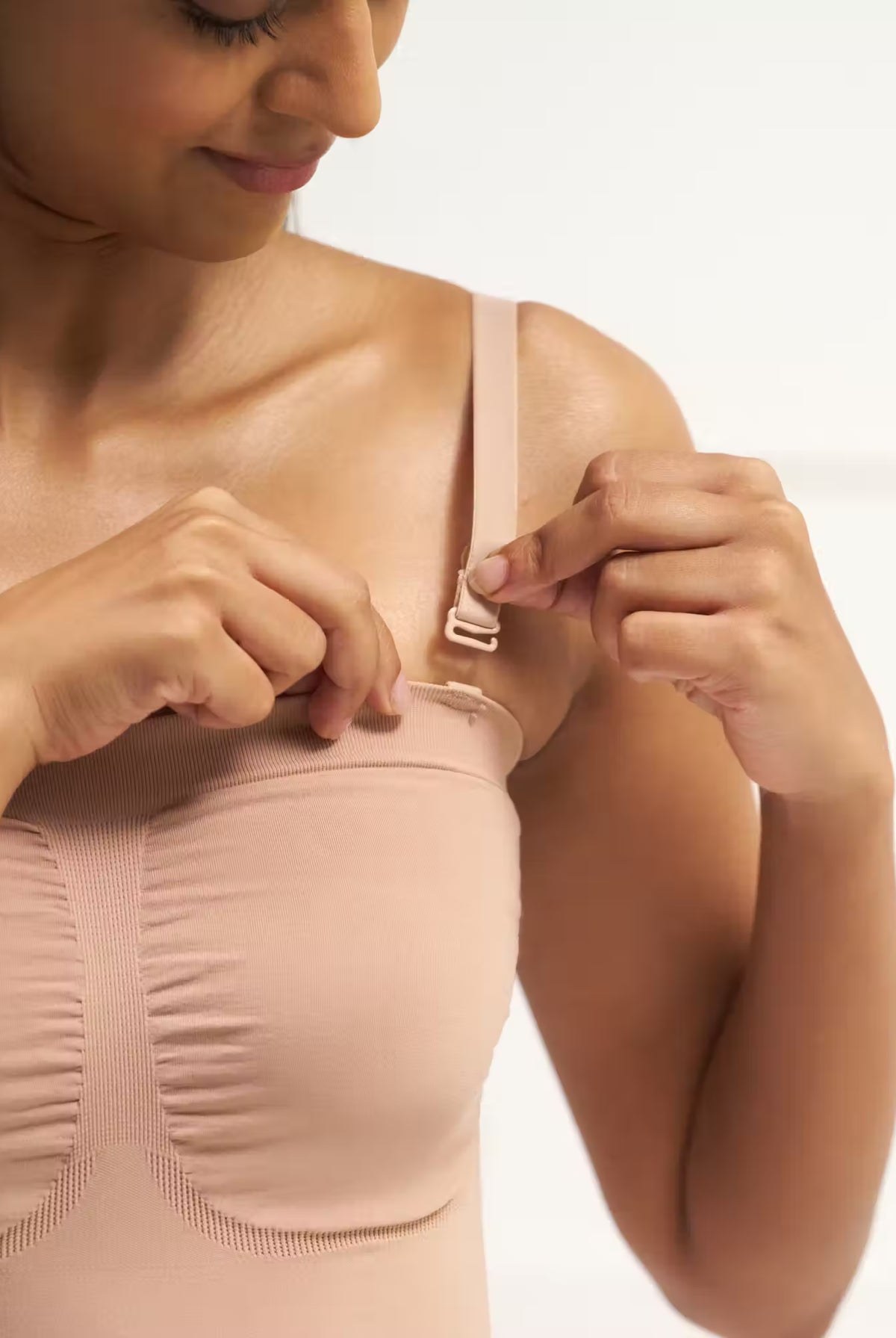
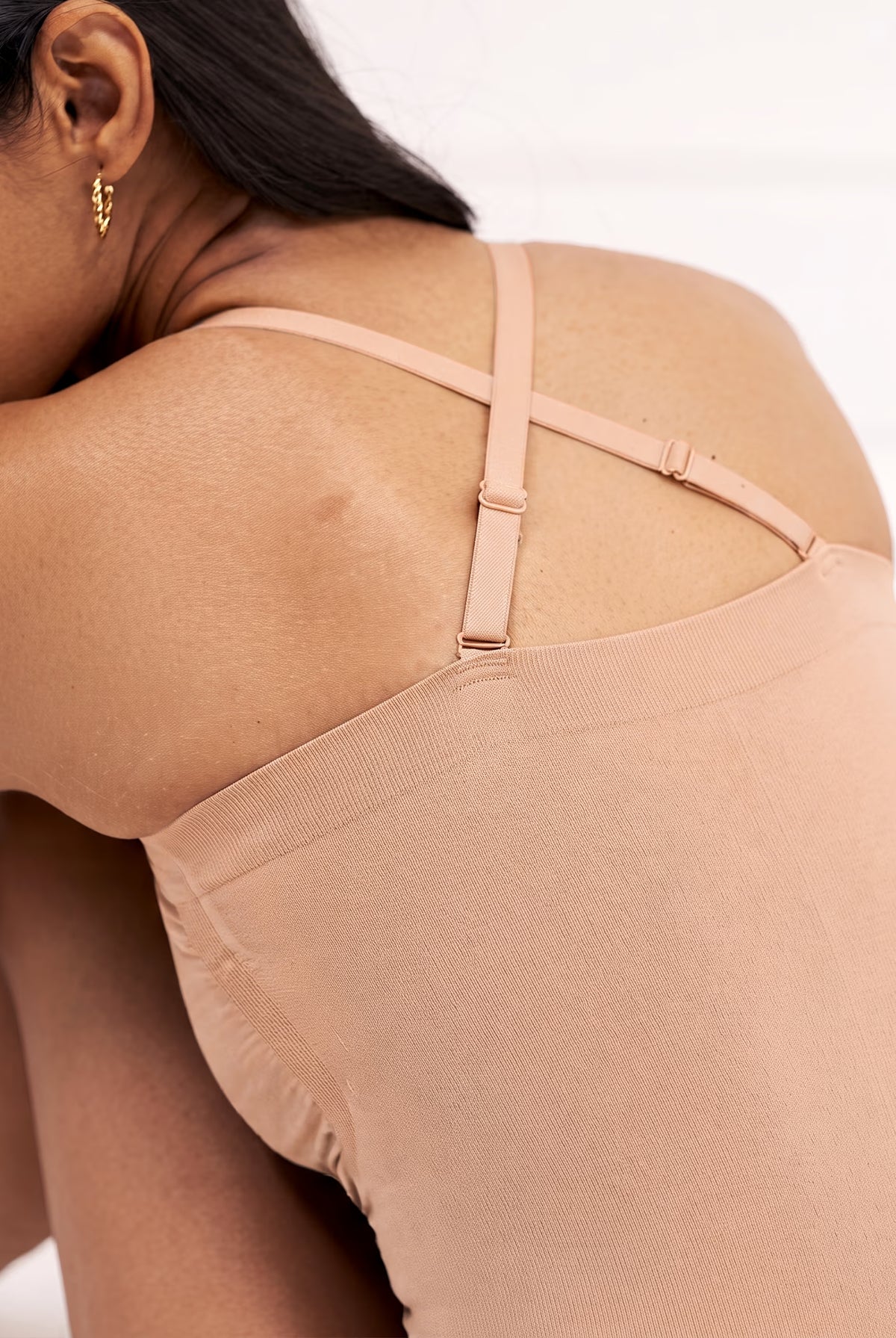
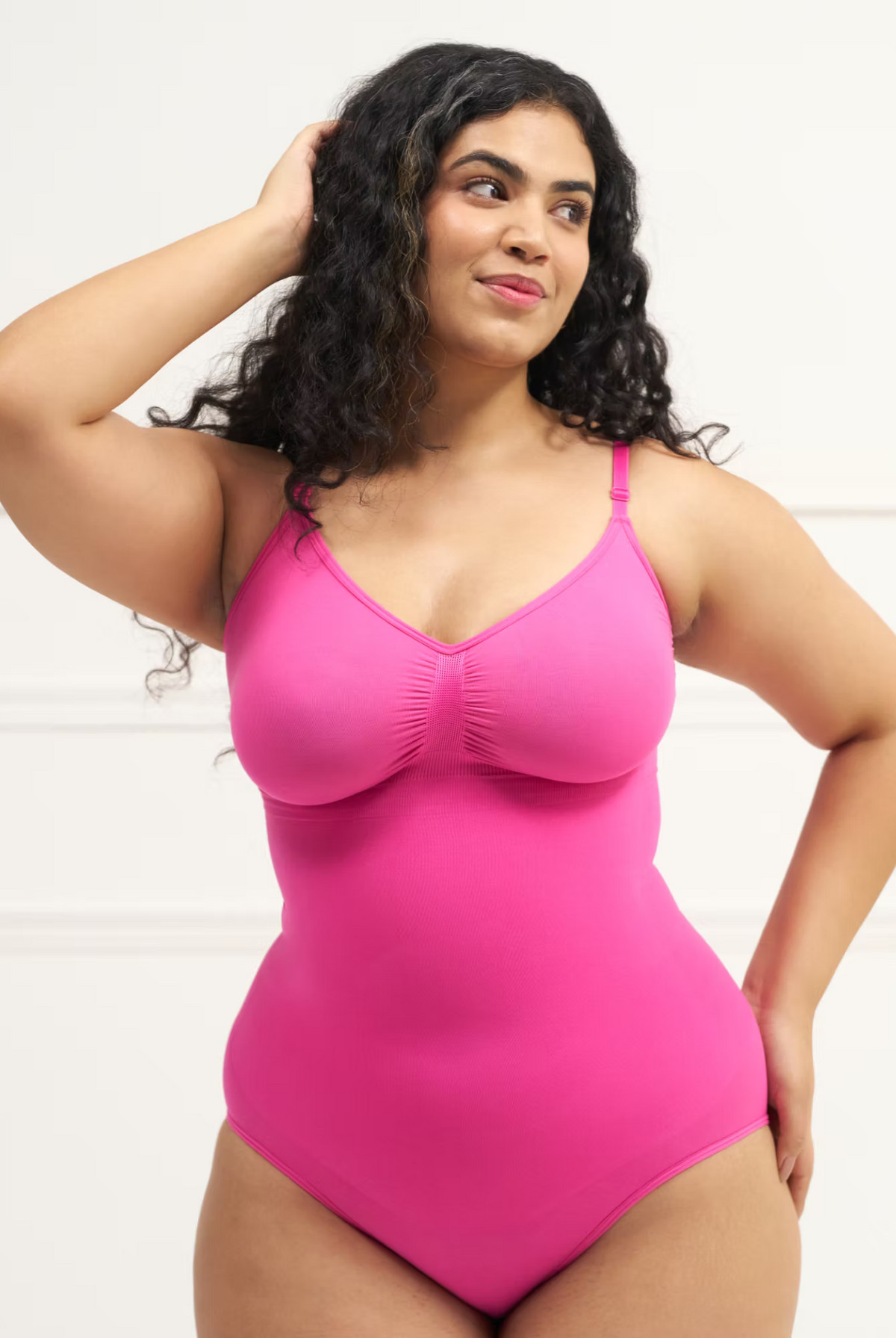
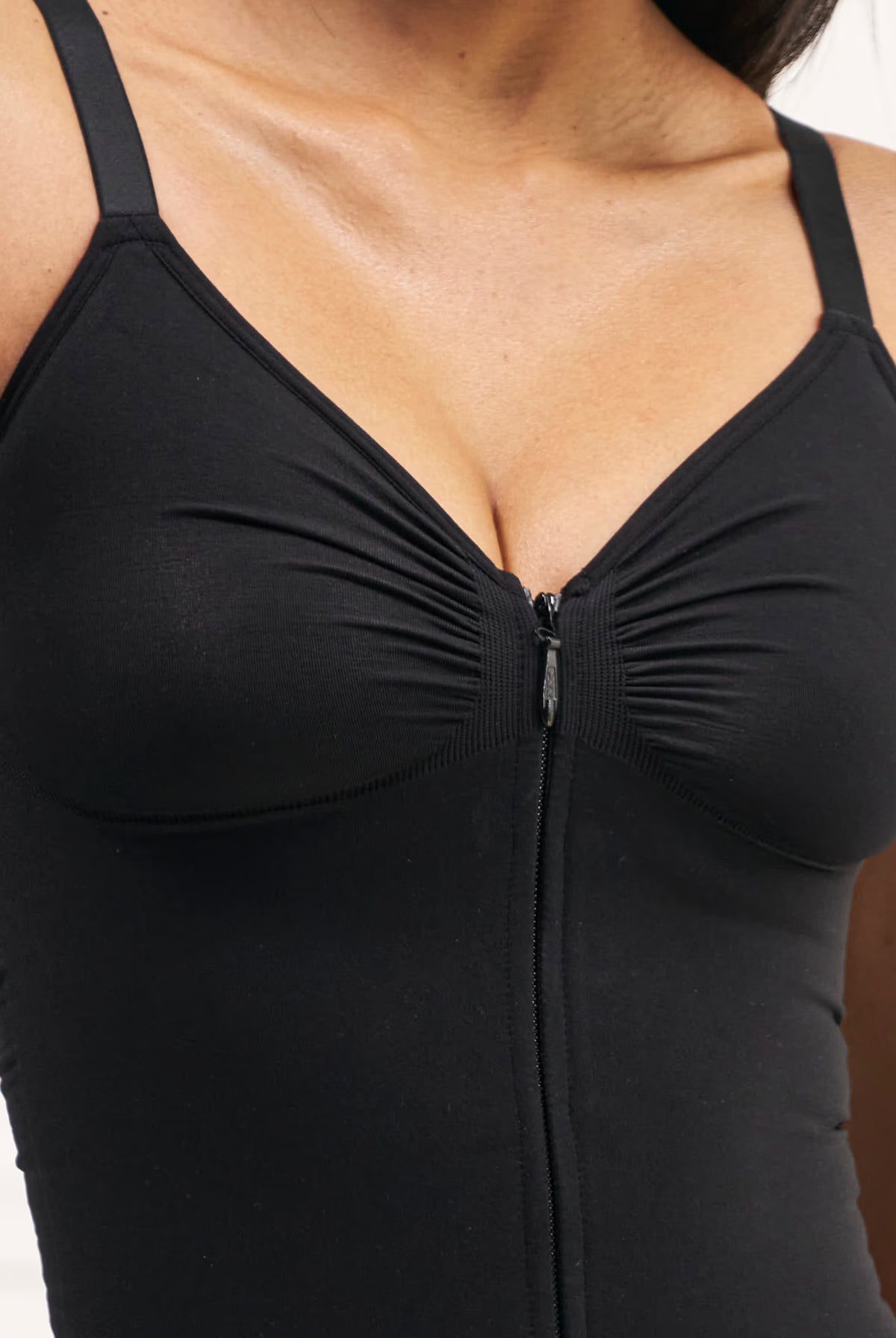
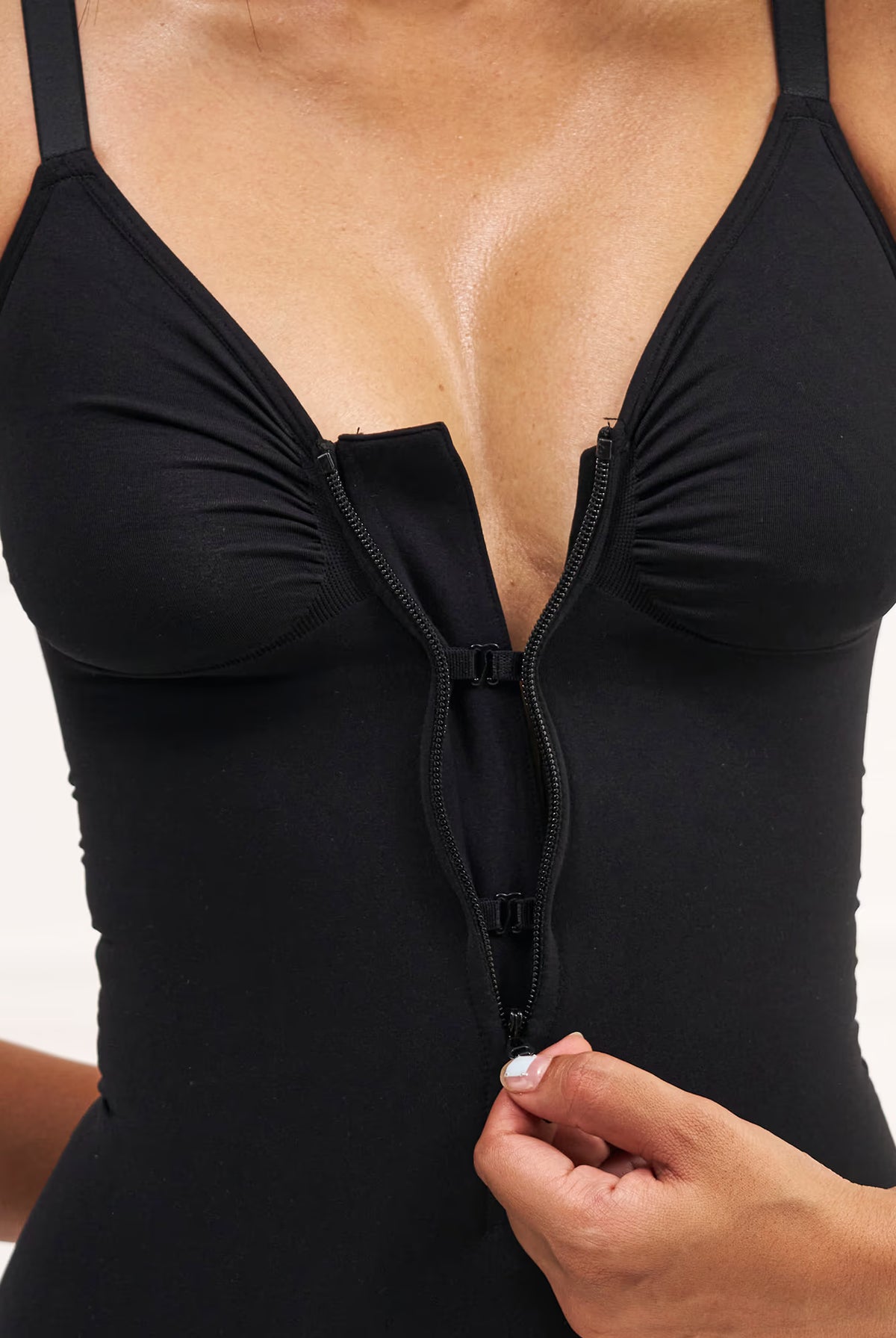
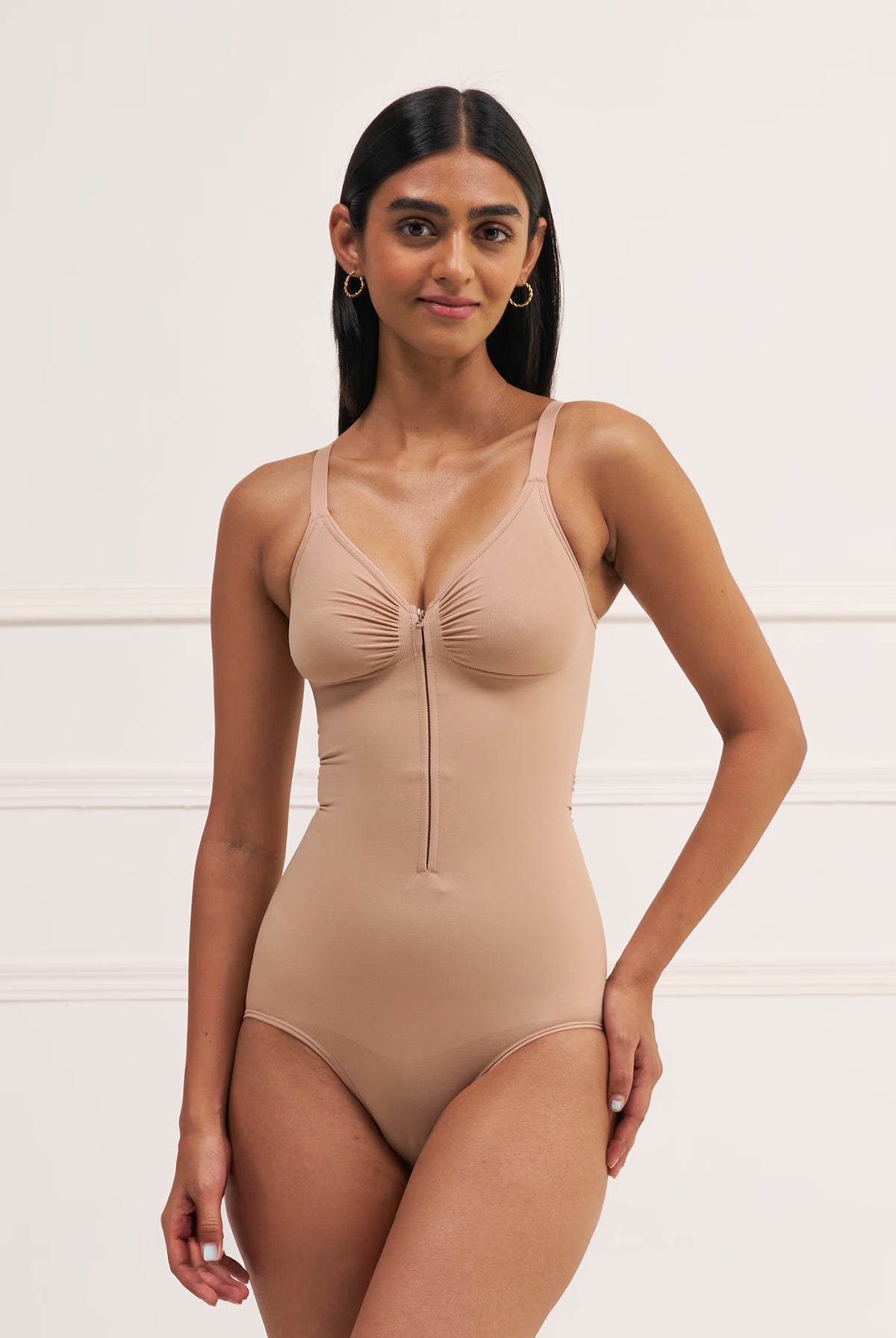
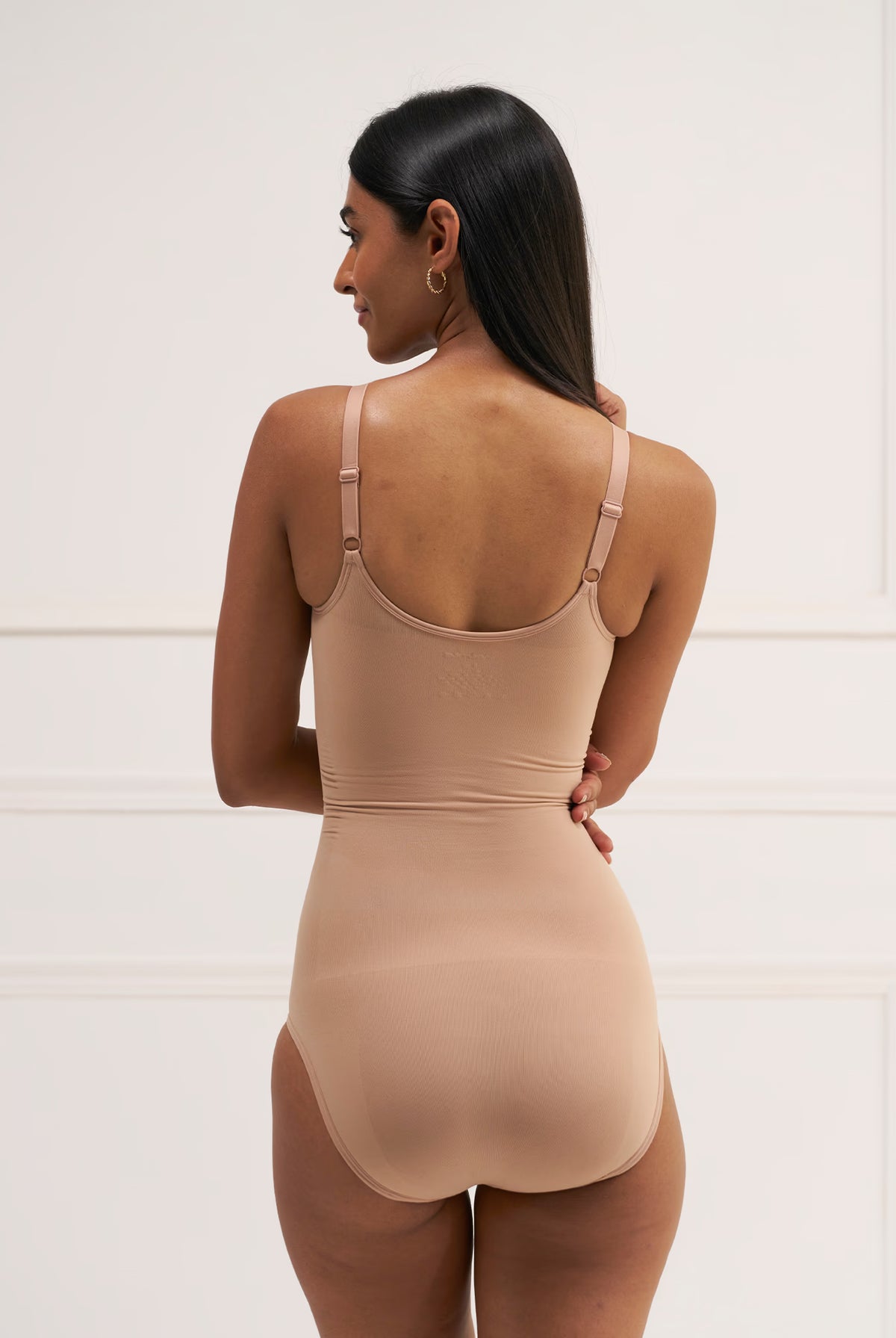
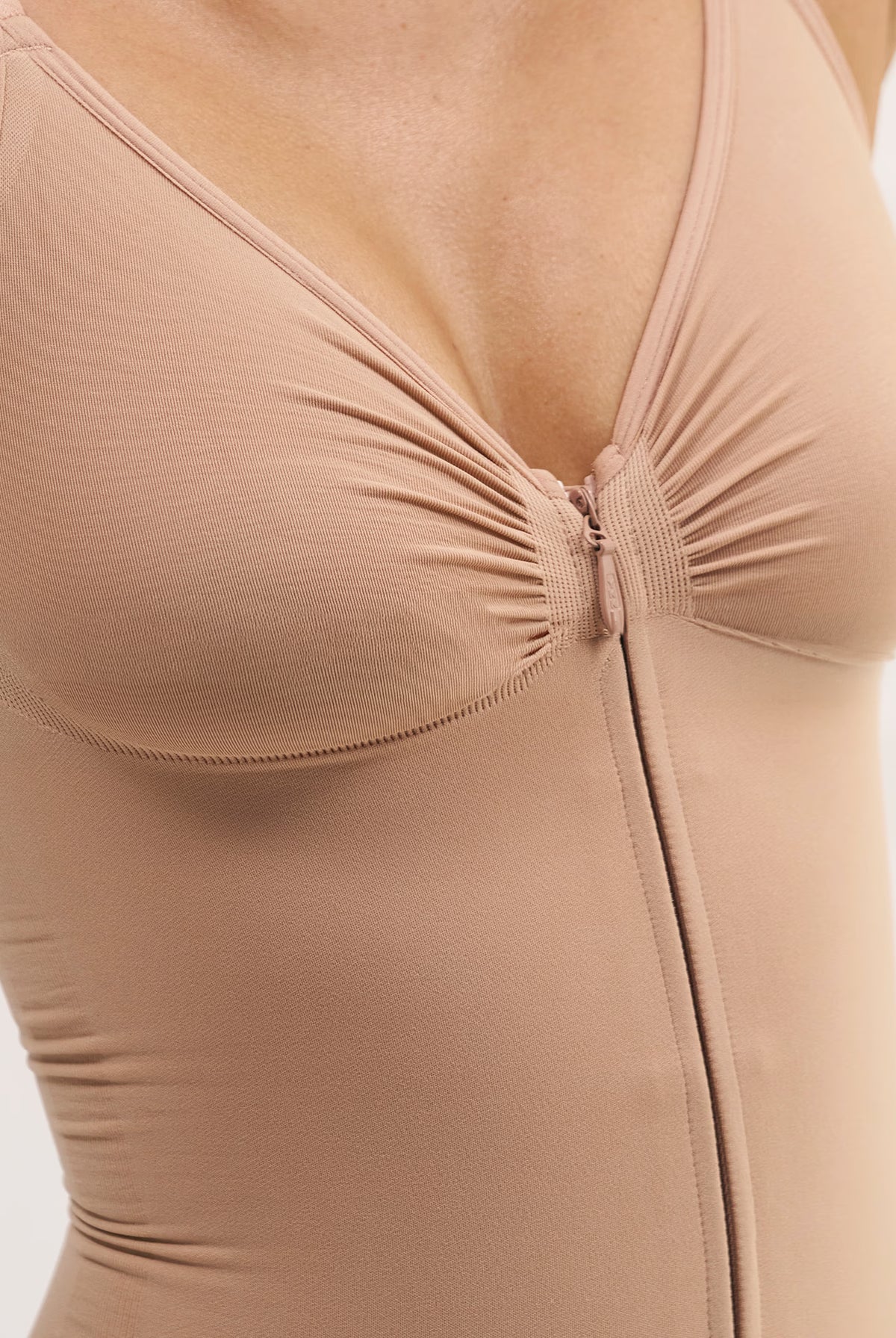
That sounds obvious, but it's genuinely the whole distinction. A regular bra is designed around a size that's assumed to stay put. A maternity bra is designed around movement, so it gets more adjustability on the band, softer and stretchier fabric through the cups, wider straps to spread the weight, and generally a bit more forgiveness built in everywhere. Less "this is your size," more "this will keep working as your size shifts."
The simplest way we've found to put it: a regular bra holds you at a moment in time. A maternity bra is built to move with you.
One clarification we end up making constantly, because the terms get thrown around interchangeably online: maternity bras and nursing bras aren't the same thing. A maternity bra is for the pregnancy itself, for comfort and support while things are changing.
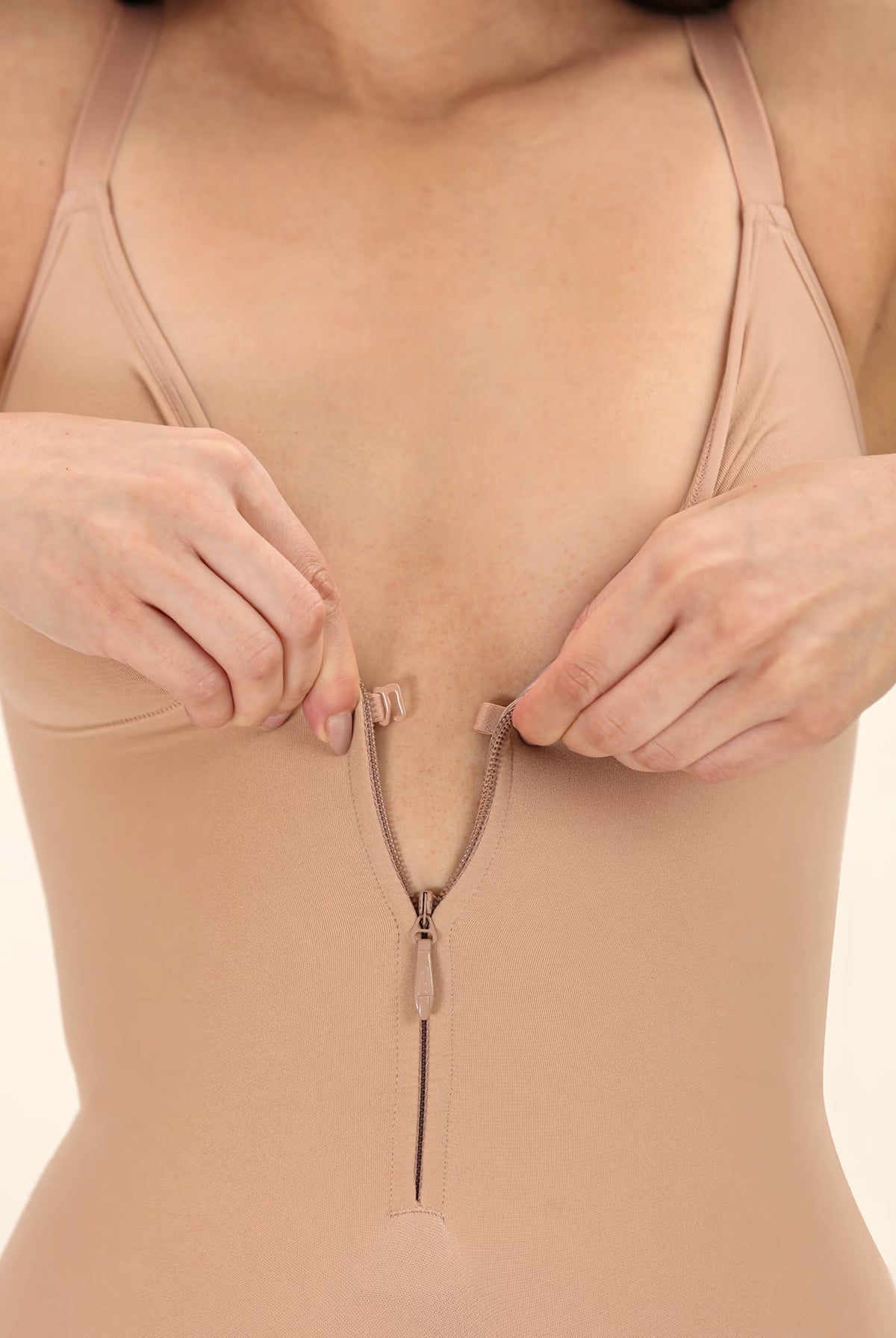
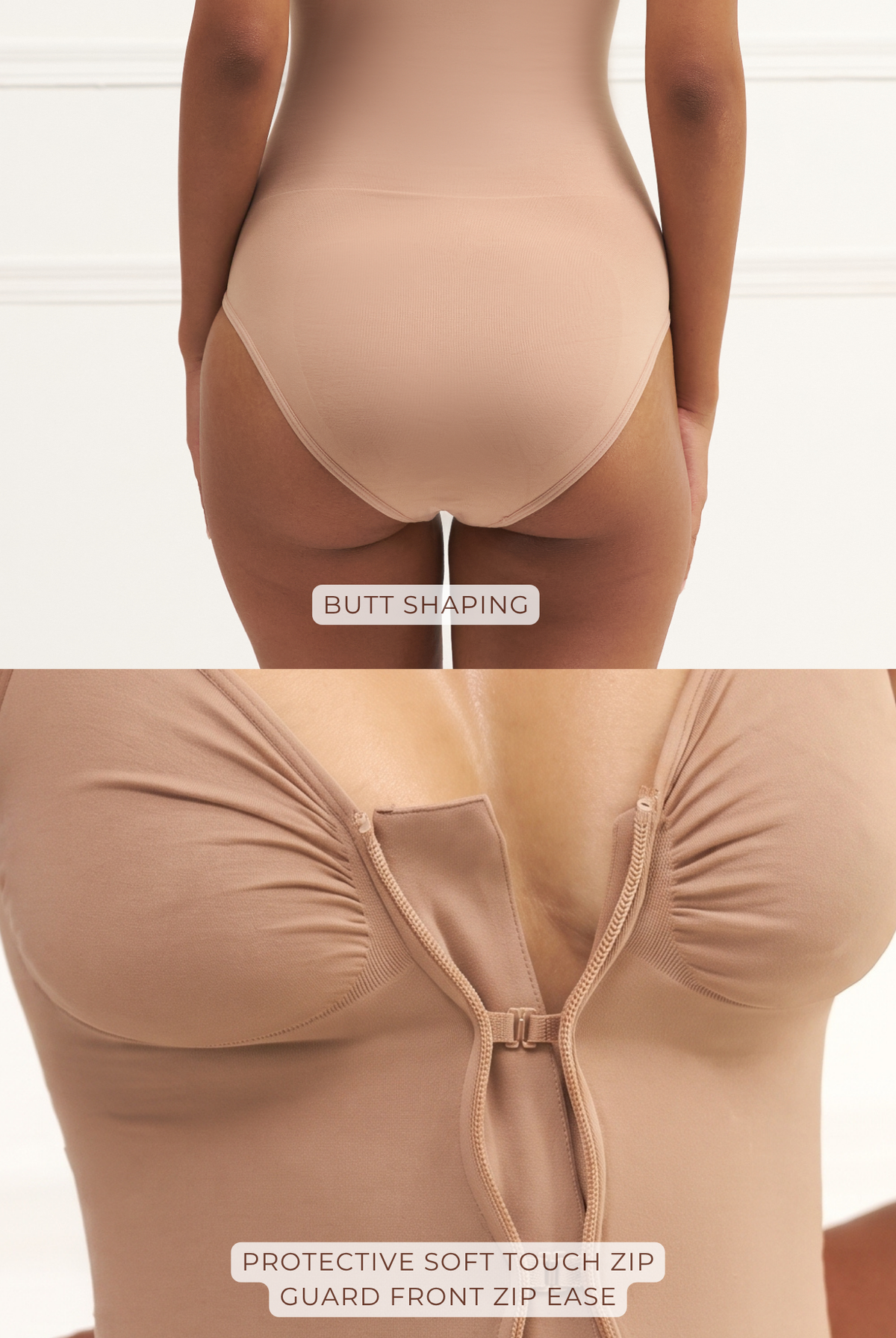
If you've searched for a feeding bra expecting the same answer, it's actually a little different. A nursing or feeding bra has drop-down cups or clips that make breastfeeding easier, especially during those 3 a.m. feeds when being able to open it with one hand can make things a little simpler. Yes, we agree, some styles overlap and do both jobs decently. Plenty don't. Worth knowing before you buy, so you're not disappointed later.
Importance of Choosing the Right Bra during Pregnancy
We'll be blunt about this one.
Pregnancy is not the time to be loyal to a number. It's a surprisingly common thing, sticking with a band that's gone tight for weeks longer than you should, because it's your size and changing it feels like admitting something. And that instinct makes sense. Your body is already doing a dozen unfamiliar things, and your bra size can feel like one of the last stable facts about yourself.
What a well-fitting maternity bra does is stop your underwear from being one more thing on the pile. The band should sit level and secure around your ribcage without leaving deep marks. The cups should hold everything without pressing in or letting anything spill over the top. And crucially, you should be able to take a proper deep breath in it, which matters.
Usage of a Maternity Bra
So what's it actually doing all day?
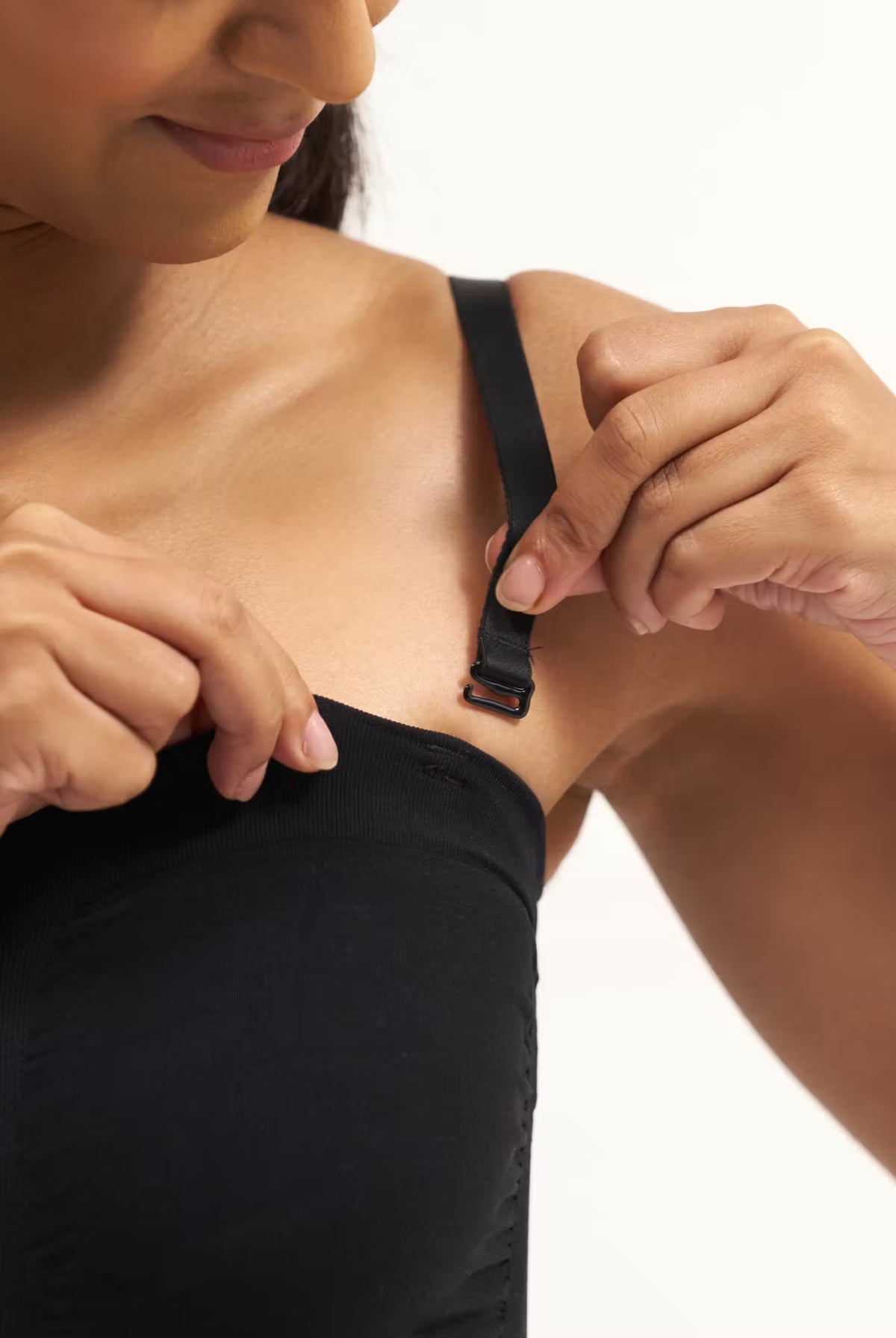
Mostly, it's holding you comfortably while your bust changes, and doing so without needing to be replaced every few weeks. That flexibility is the entire point, the stretch in the cups and the extra rows of hooks mean the bra can keep up with gradual changes instead of going from perfect to unwearable overnight.
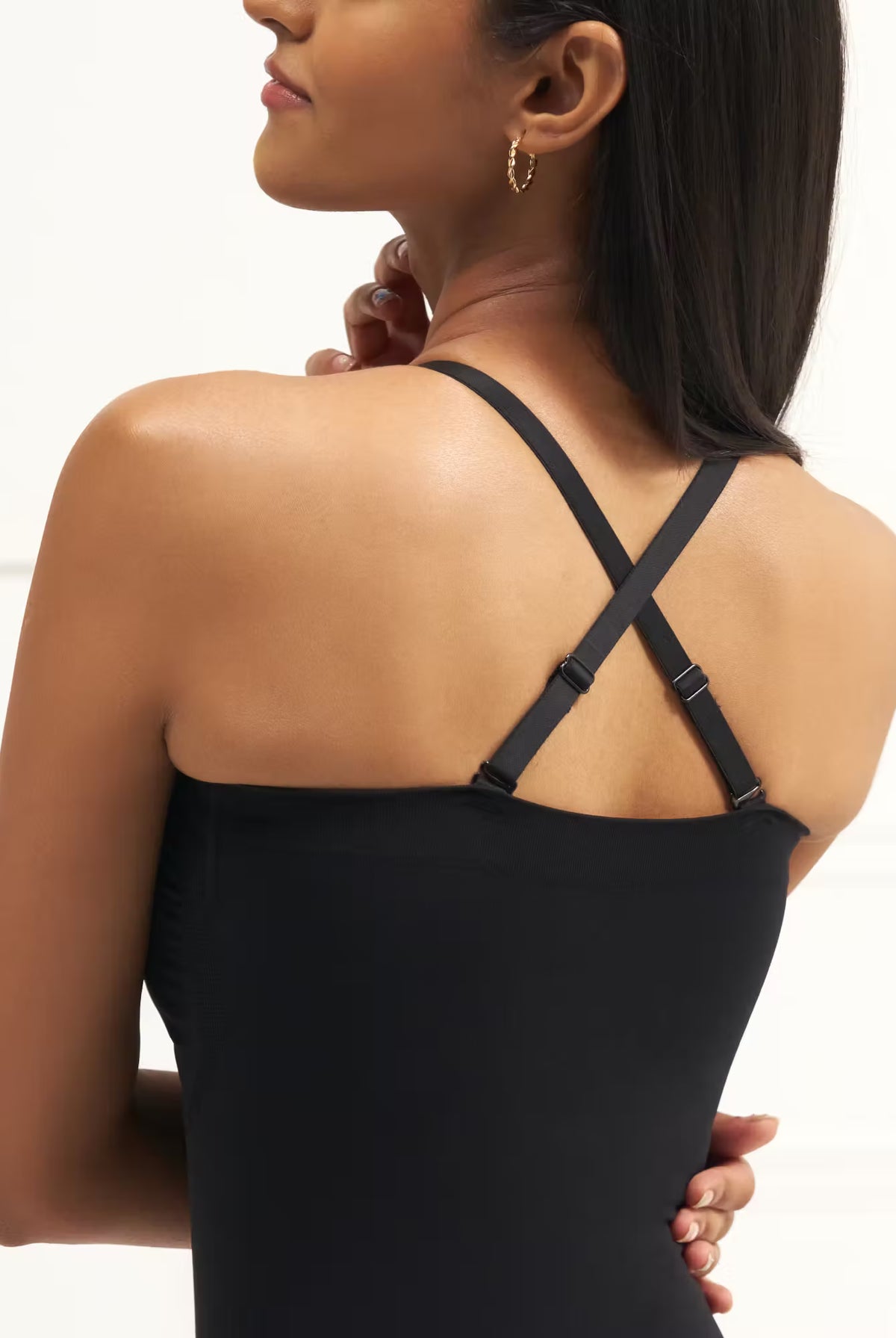
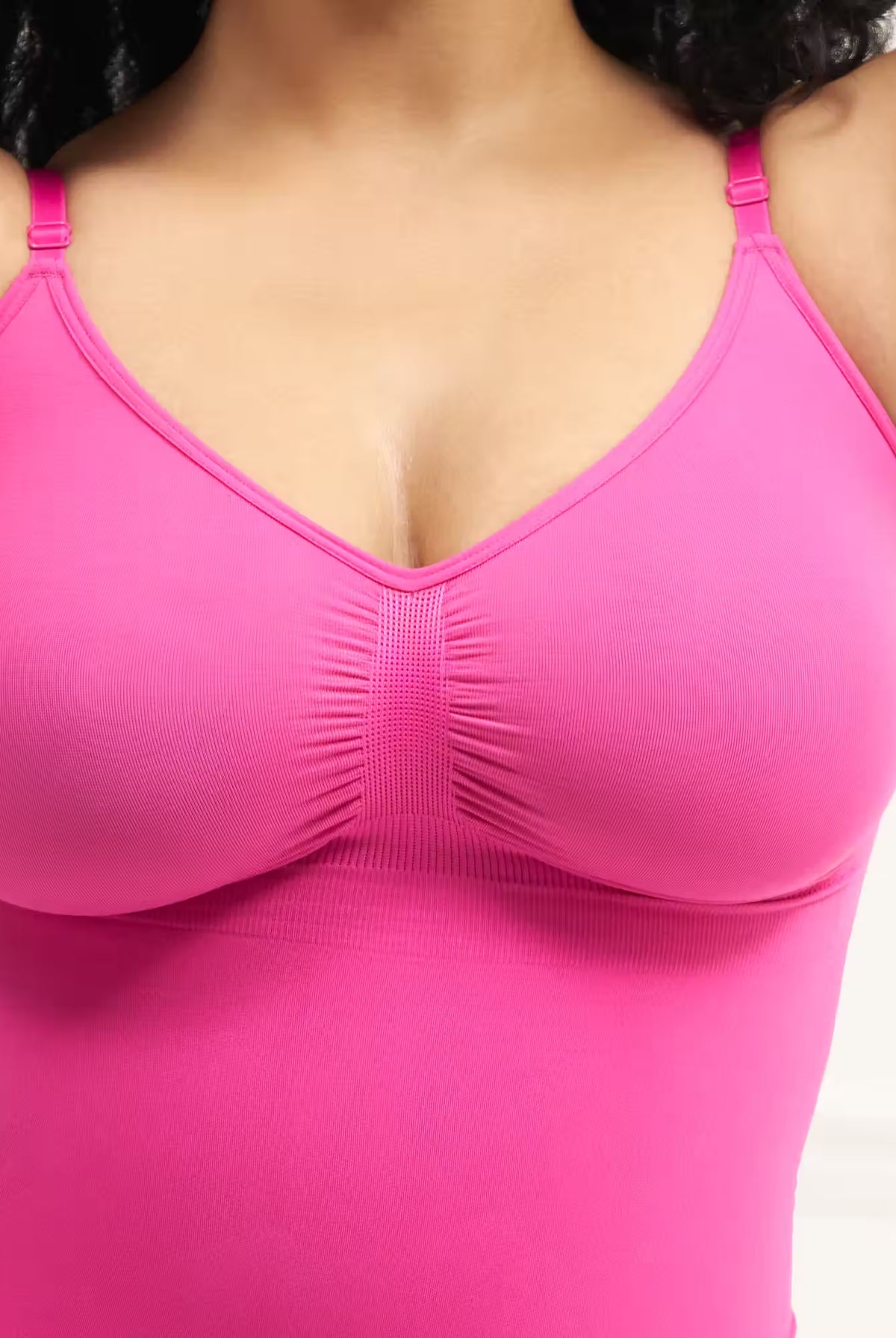
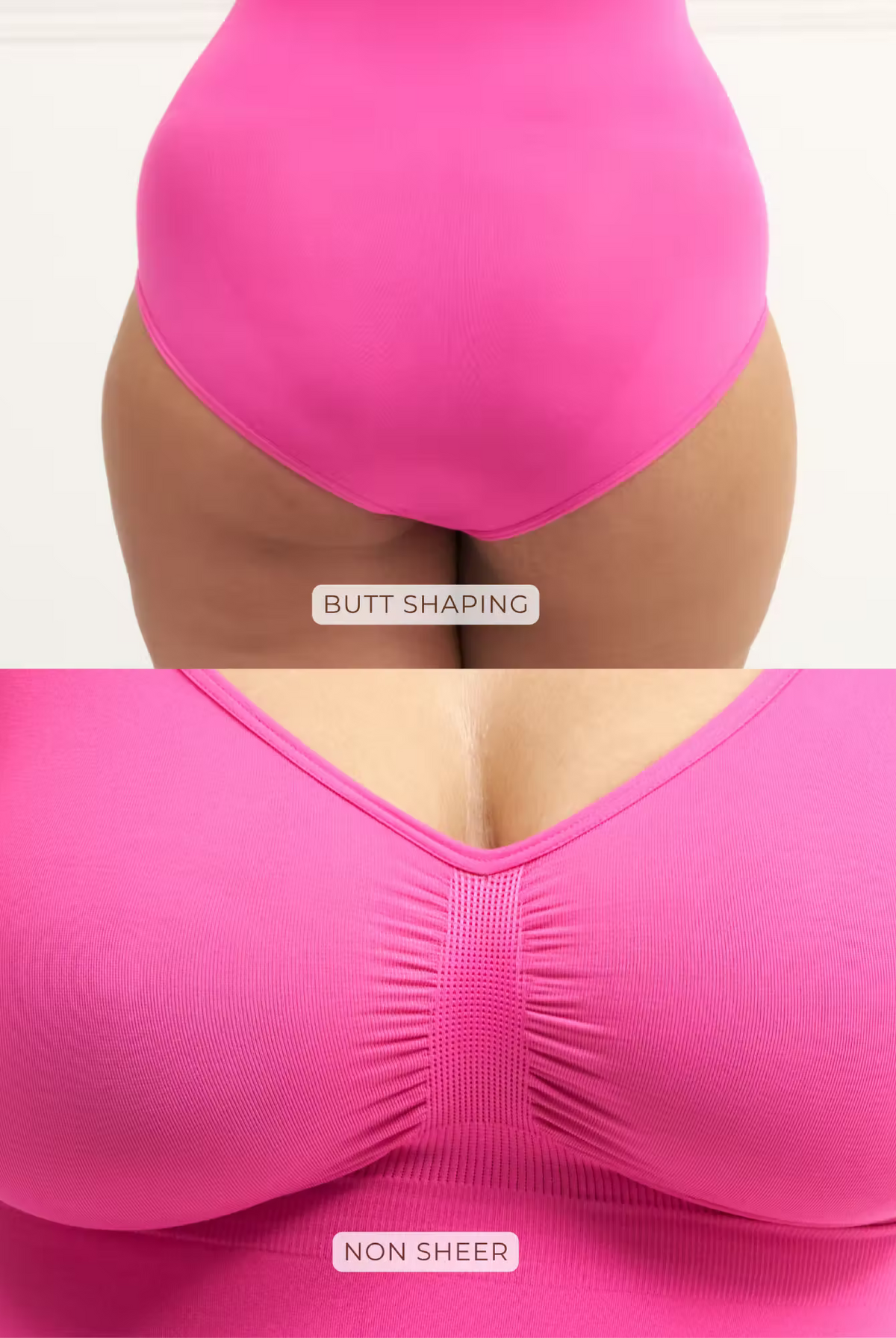
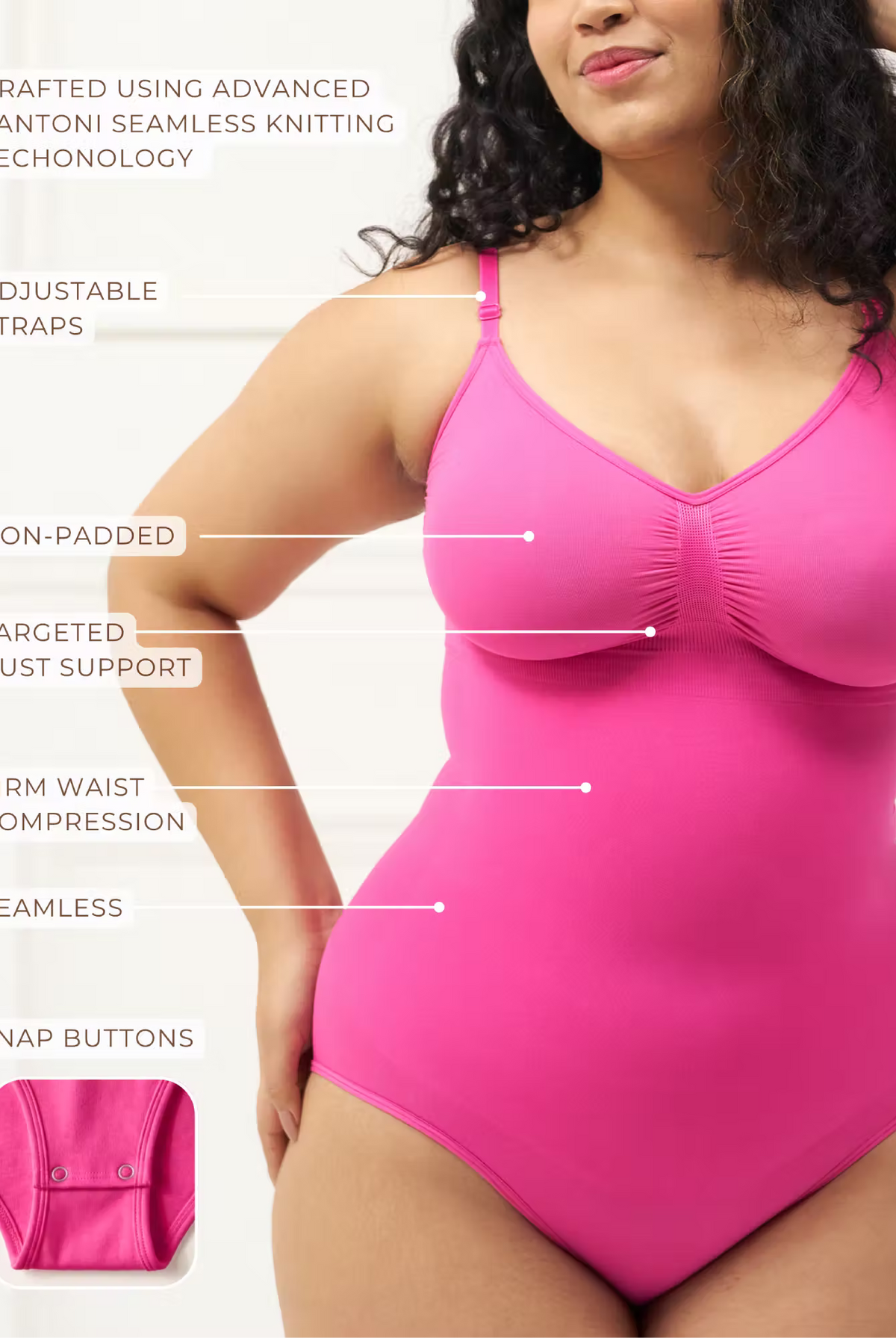
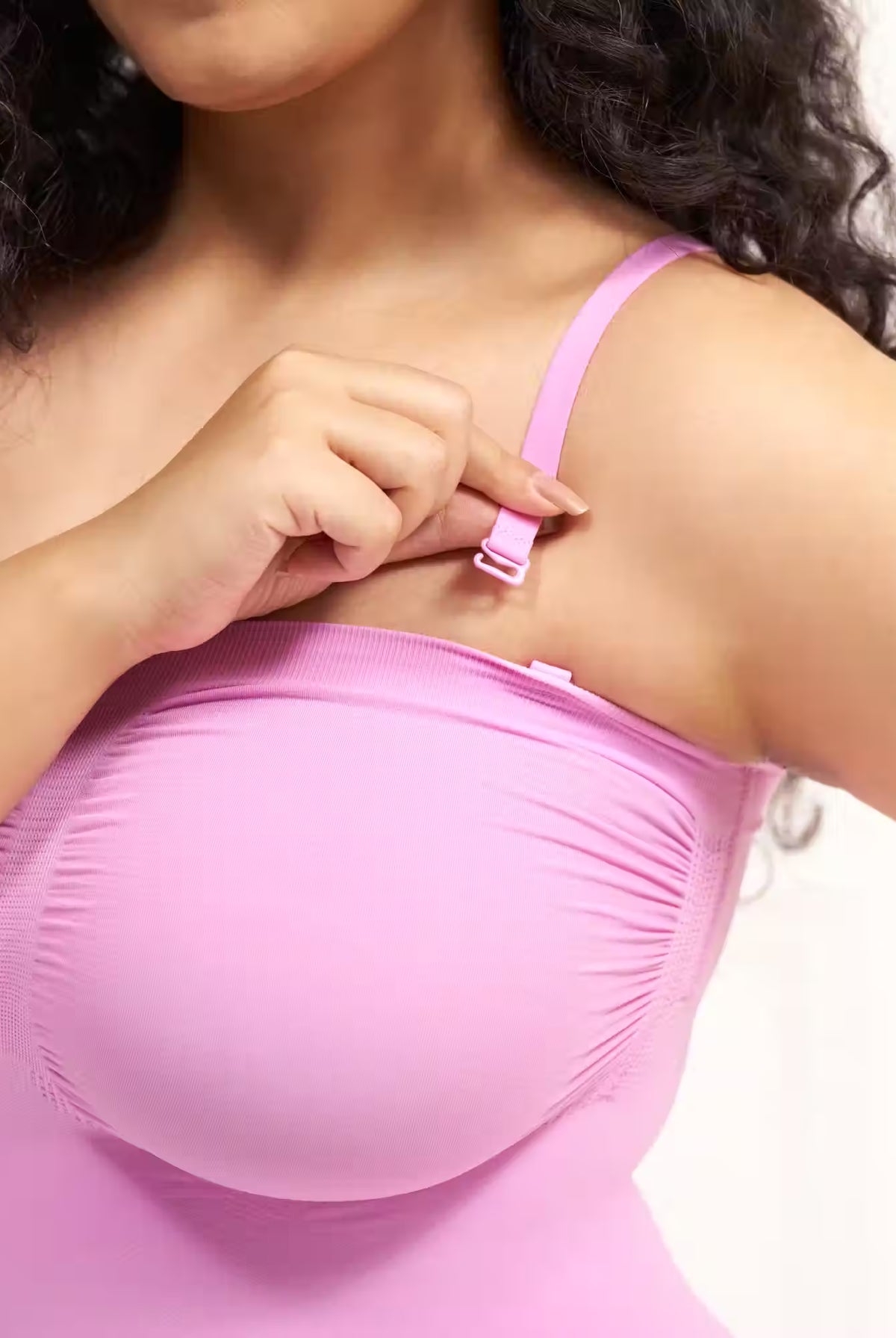
Beyond that, the design details do a lot of work. Wider straps distribute weight better, which your shoulders will thank you for once your bust is heavier than you're used to. Fuller coverage means less rubbing against skin that's more sensitive than usual. Softer fabrics matter more than they ever did before, because during pregnancy, seams and scratchy trims you'd never have noticed suddenly become very noticeable indeed.
A lot of maternity bras carry on being useful after delivery too, especially the soft, flexible ones, your body doesn't snap back to its old shape the moment the baby arrives, and having something forgiving to wear in those early weeks helps. But if easy feeding access is what you need, that's a nursing bra's job specifically. Don't expect a maternity bra to improvise.
When to Start Wearing a Maternity Bra
This is the question everyone wants a clean answer to, and the answer is slightly unsatisfying, because it isn't a number.
There is no week. There's no trimester where a bell rings. Some women switch at nine weeks, some never really need to. Your body is a far better guide here than any calendar, and we'd genuinely encourage you to trust it over anything you read, including this.
That said, there are three signals worth watching for.
When Your Regular Bra Feels Tight
This is usually the first one, and it tends to show up in the band before the cups.
Watch for the specifics: red marks that are still there when you undress at night, straps that have started carving into your shoulders, cups that no longer contain everything, or that particular feeling of relief when you finally unhook at the end of the day.
During the Second or Third Trimester
For most women, this is when the changes stop being subtle. Your ribcage expands to make room, your bust gets fuller and heavier, and the maths of your old bra simply stops working.
So if you're going to need a maternity bra at all, this is typically the window it happens in. Just don't take that as a rule to wait for. Plenty of women are uncomfortable well before the second trimester, and there's no prize for holding out until an "appropriate" week.
When Your Body Needs More Flexibility
Sometimes your size hasn't dramatically changed, but nothing feels right anyway. The band digs in when you sit down, even though it fits standing up. The cups feel too firm against skin that's gotten more tender. You find yourself adjusting constantly without being able to explain exactly what's wrong. That's still a legitimate reason to switch.
How to Find Your Perfect Fit at Home
You don't need a professional fitting for this. A soft measuring tape and five unhurried minutes will get you most of the way there.
Measure Your Band Size
Wrap the tape around your ribcage, directly under your bust, keeping it level all the way around, including at the back where it likes to slide up. Snug, not tight. You should still be able to breathe normally with it on.
Now, brace yourself for this number to be different from what you expect. Ribcage expansion during pregnancy is real, and it catches almost everyone off guard, it's entirely possible to go up a full band size with barely any change in cup. It isn't weight gain and it isn't something going wrong. It's your body making room.
Measure Your Bust Size
Next, measure around the fullest part of your bust, tape straight across your back, no pulling or flattening.
The gap between this number and your band number is what tells you how much room you need in the cups. If you land between sizes, and a lot of women do during pregnancy, check the specific brand's maternity size chart rather than assuming.
Check the Bra Band Fit
Once it's on, ignore the cups for a second and just assess the band, because that's where most of your support actually comes from.
It should sit level around your body, not riding up at the back. You should be able to slide two fingers under it comfortably. Sit down in it, bend forward, take a deep breath.
A band that's fine standing still but digs in the moment you sit is not a band that's going to work for you.
Pro tip: Use the loosest hook when you first buy it. That gives you room to tighten as things change, rather than starting at your tightest setting with nowhere to go.
Try Different Sizes and Styles
Here's the part we'd most like you to take away: let go of what you used to wear.
It's easy to stay fixed on a particular style because it's what you've always bought, only to find it isn't what your body wants anymore. Fifteen years of underwire, and suddenly wire-free feels better. A lifelong preference for minimal coverage, and now something fuller and softer is what you reach for. That's not a step backwards or a compromise, it's just a different body with different needs.
Conclusion
So, what is a maternity bra? Really, it's just support designed for a body that isn't standing still.
You don't have to wait for a specific week or a particular trimester to do something about it. If it's uncomfortable, that's the signal. Measure yourself, try a size you wouldn't normally, and pick whatever lets you get through the day without thinking about it.
And comfort doesn't have to mean giving up on liking what you're wearing. A bra for women going through pregnancy can still feel like you, not just something functional you put up with.
FAQs
Is a maternity bra necessary?
Not for everyone, honestly. If your regular bra still feels comfortable and supportive, there's no reason to replace it for the sake of it. The point at which it becomes worth it is when your existing bras start feeling tight, restrictive, or just wrong, that's your cue, not a calendar date.
What is the point of a maternity bra?
To support you comfortably while your bust is actively changing, without needing to be replaced every few weeks. More room, more flexibility, softer construction, and enough adjustability to keep working as things shift.
What does a maternity bra do?
It holds your changing breasts with a lot more give than a regular bra. Stretchier cups, wider straps that spread the weight, extra hooks on the band, softer fabrics against skin that's more sensitive than usual. All fairly unglamorous features that add up to a much better day.
How Many Maternity Bras Do I Need?
There's no fixed number, but two to four tends to work well in practice. Enough to rotate while others are in the wash, and enough that you're not stuck if one stops fitting. Pro tip: Worth buying a couple at a time rather than stocking up all at once, since your size may well move again.
Can I Wear a Maternity Bra with an Underwire?
You can, and some women are perfectly comfortable in one. Others find they'd much rather go wire-free during pregnancy, and either choice is fine. If you do go with underwire, the wire needs to sit properly around your breast tissue, not on it, no digging, no pressing. If it's making contact where it shouldn't, that's a fit problem worth sorting out rather than putting up with.