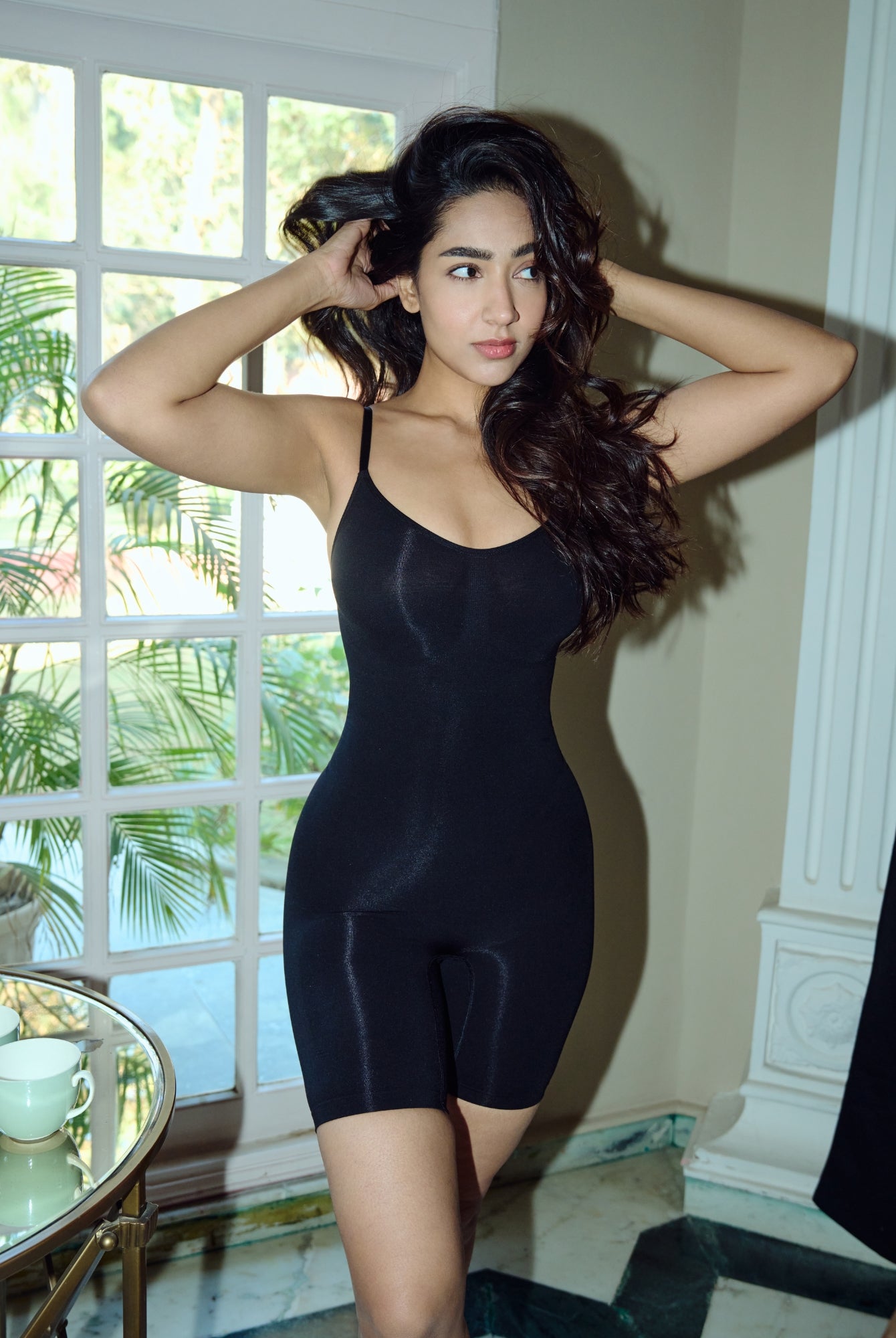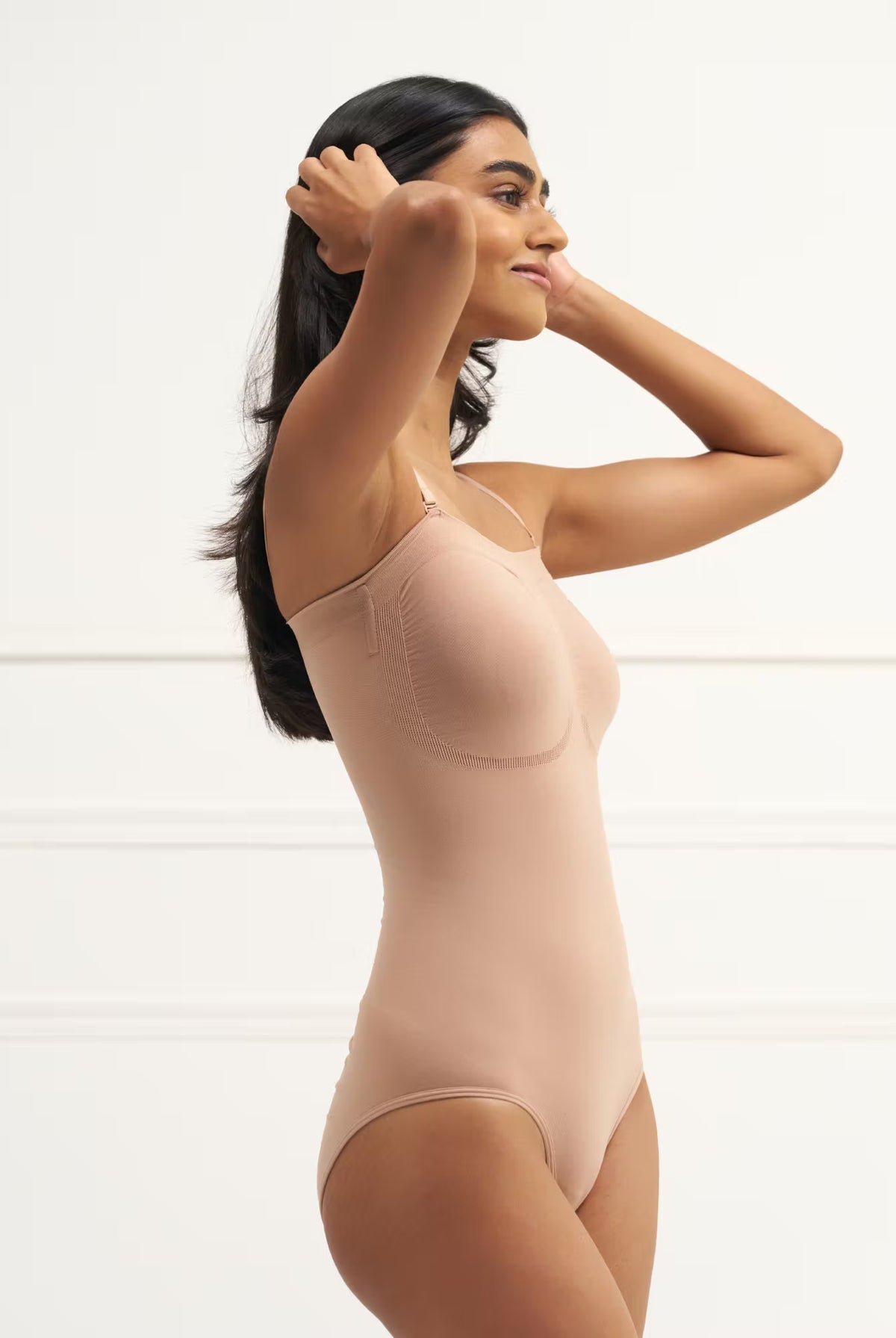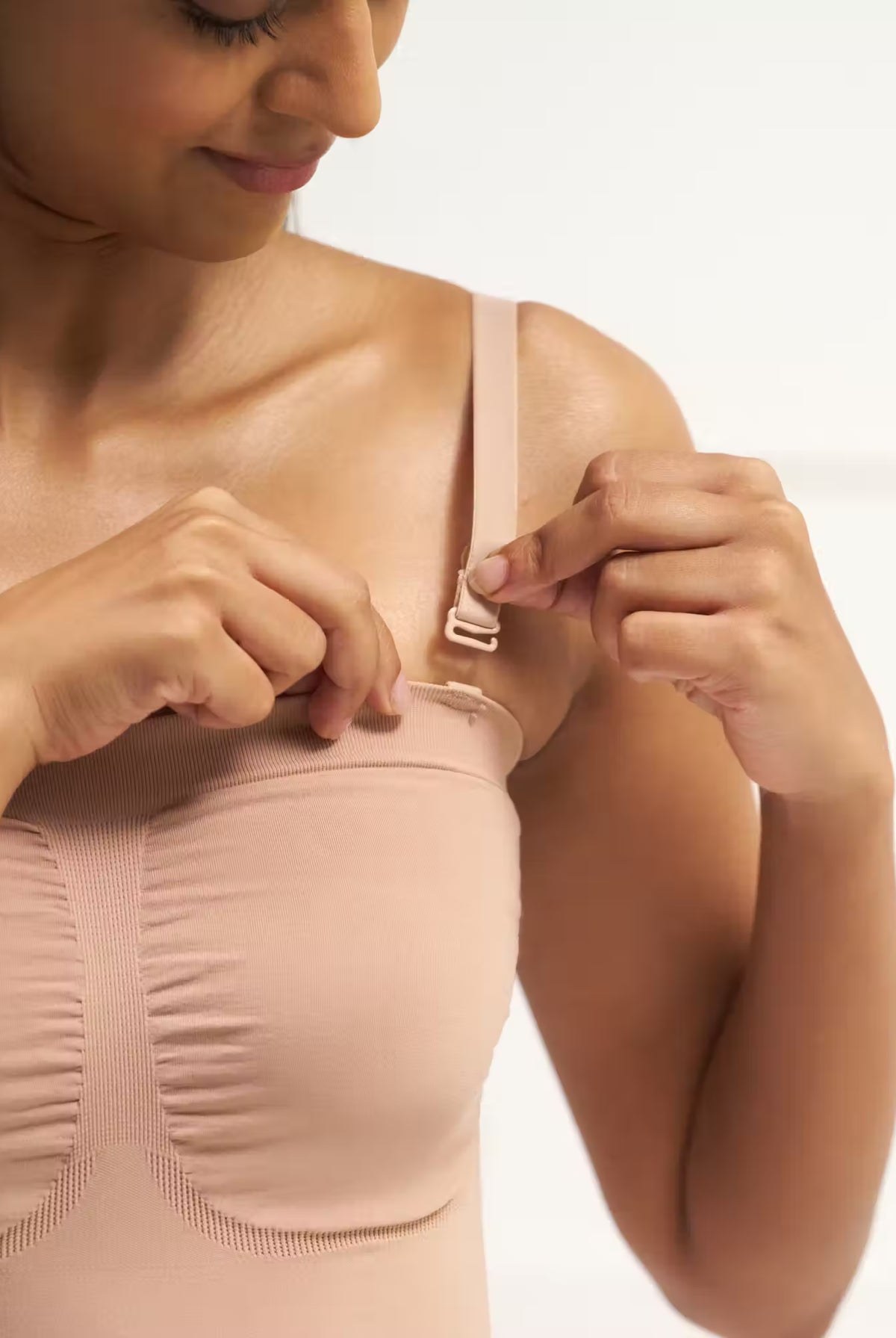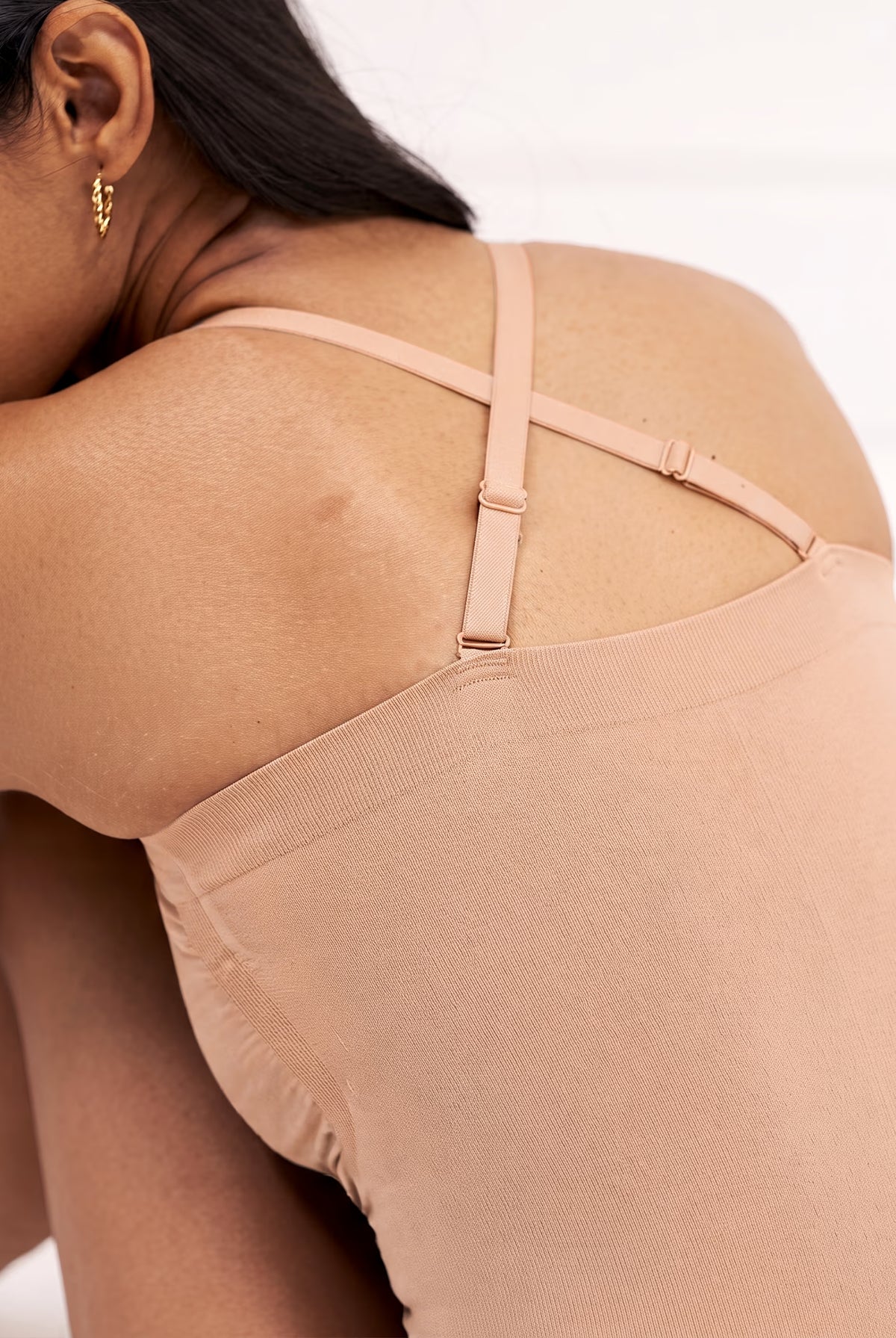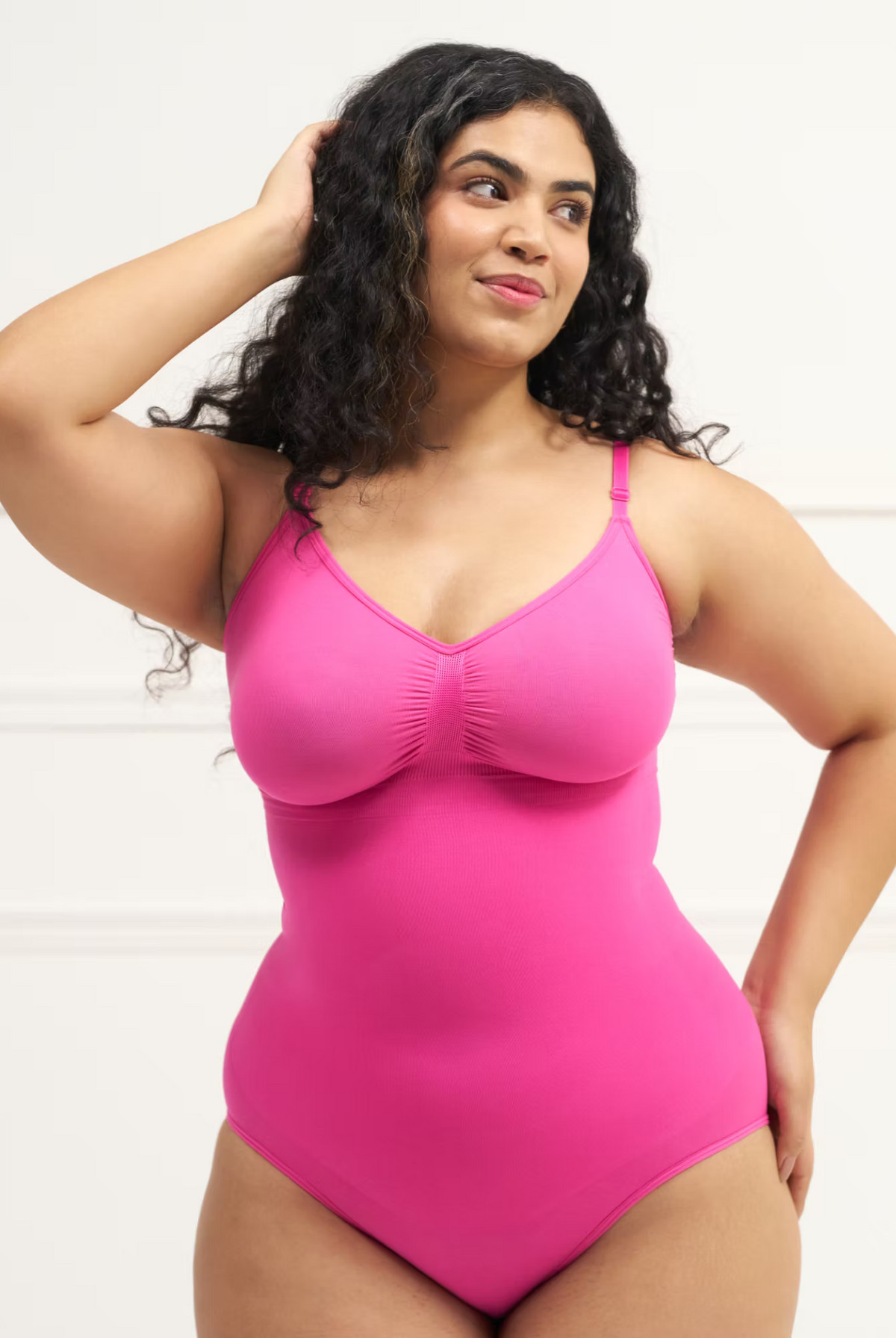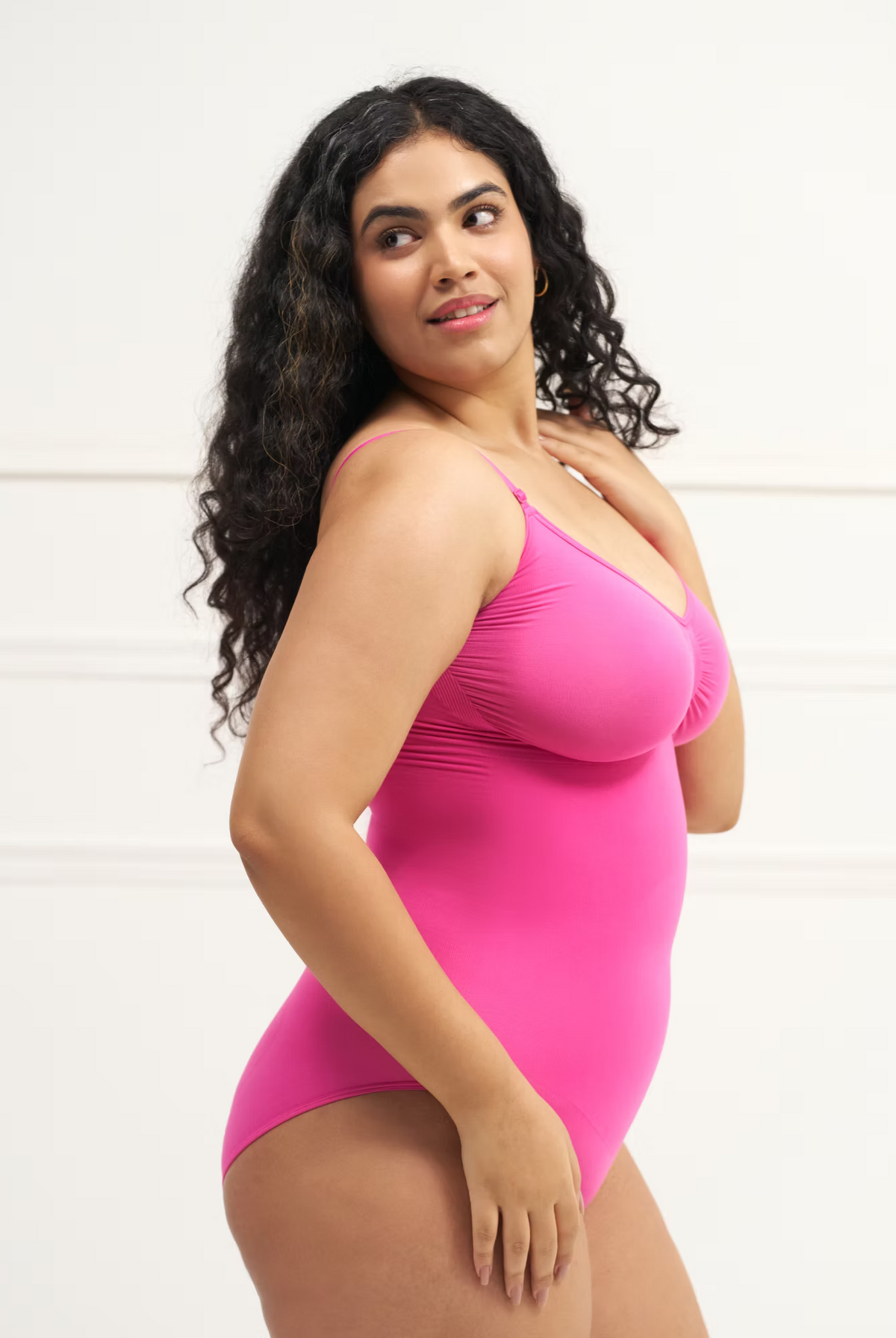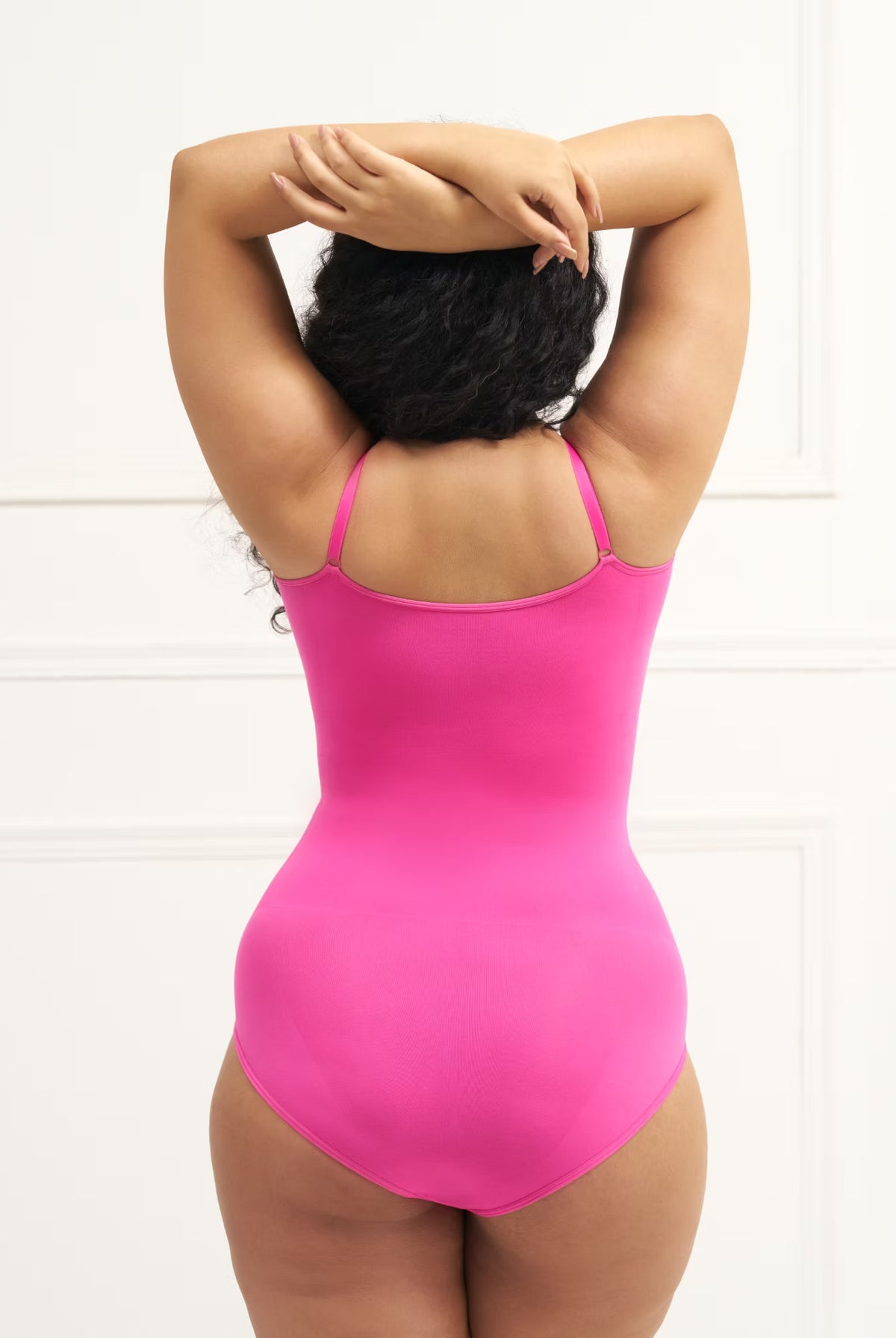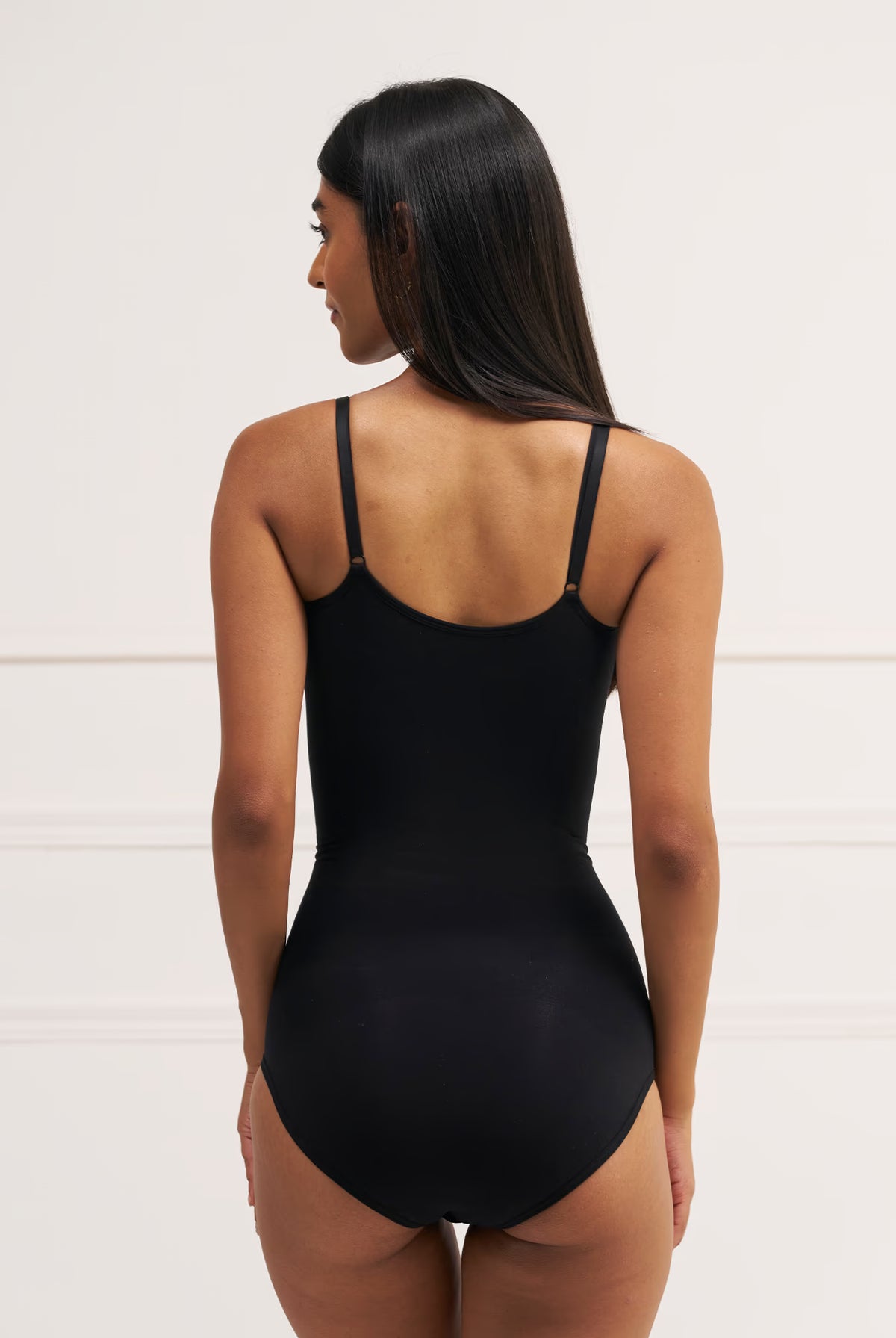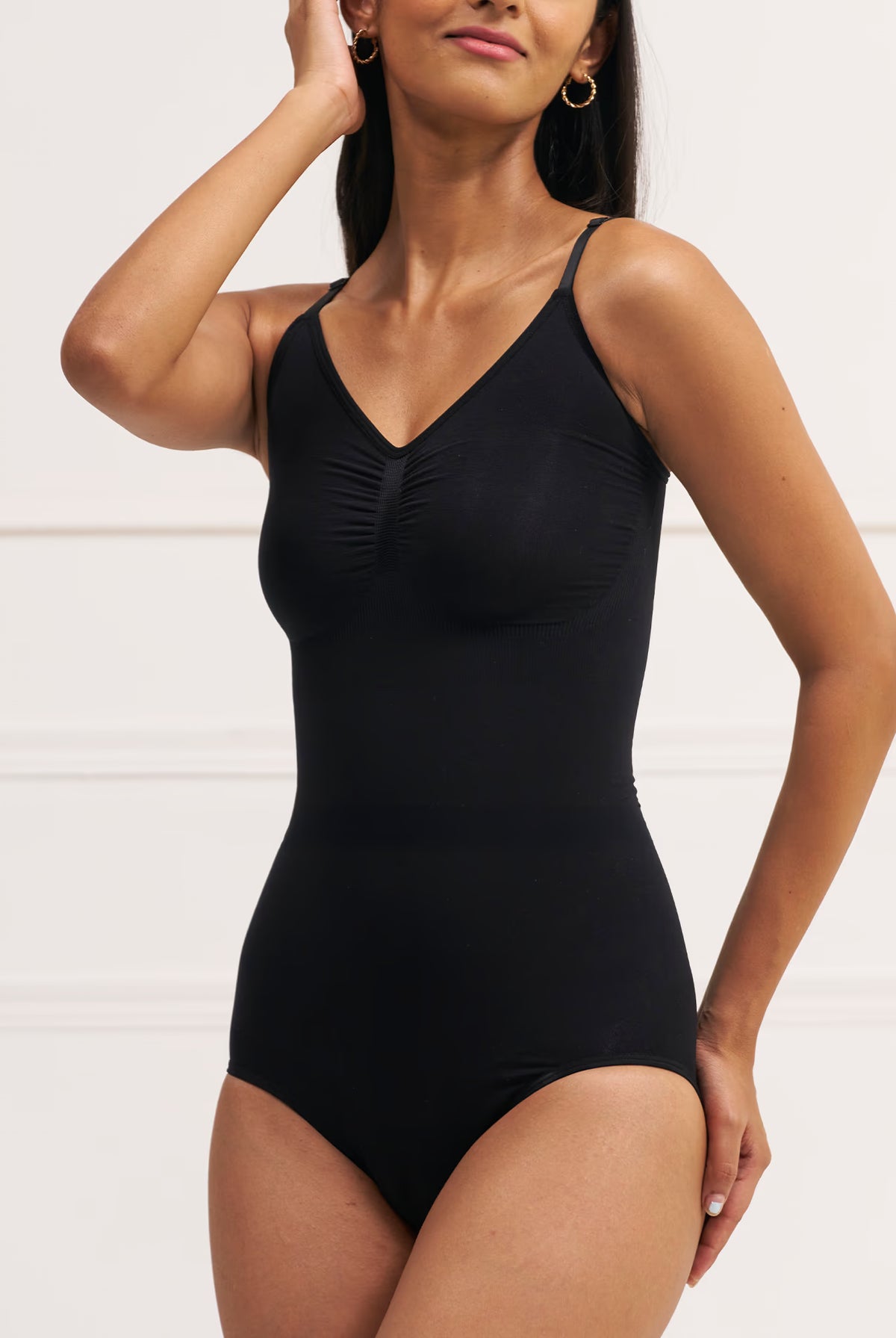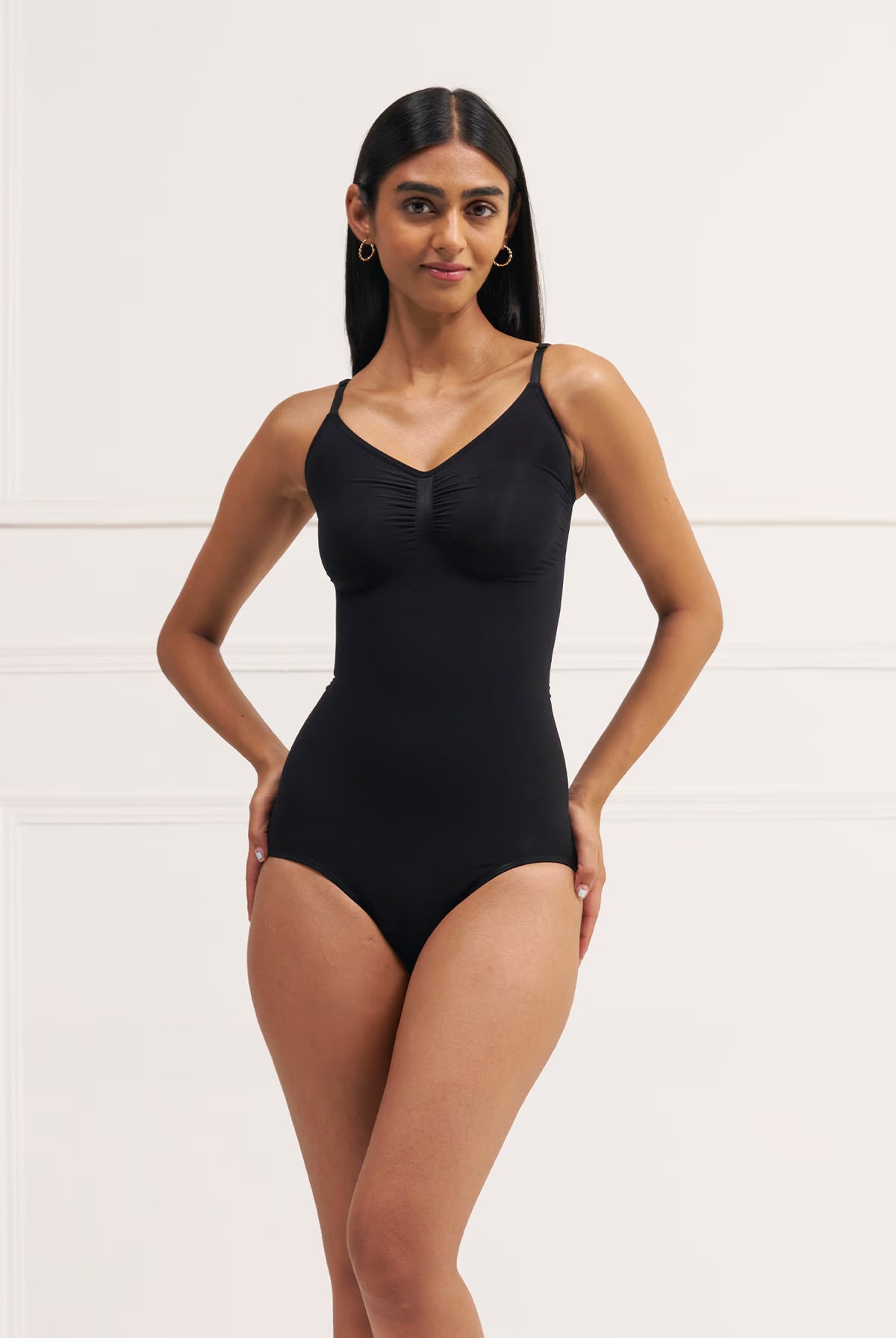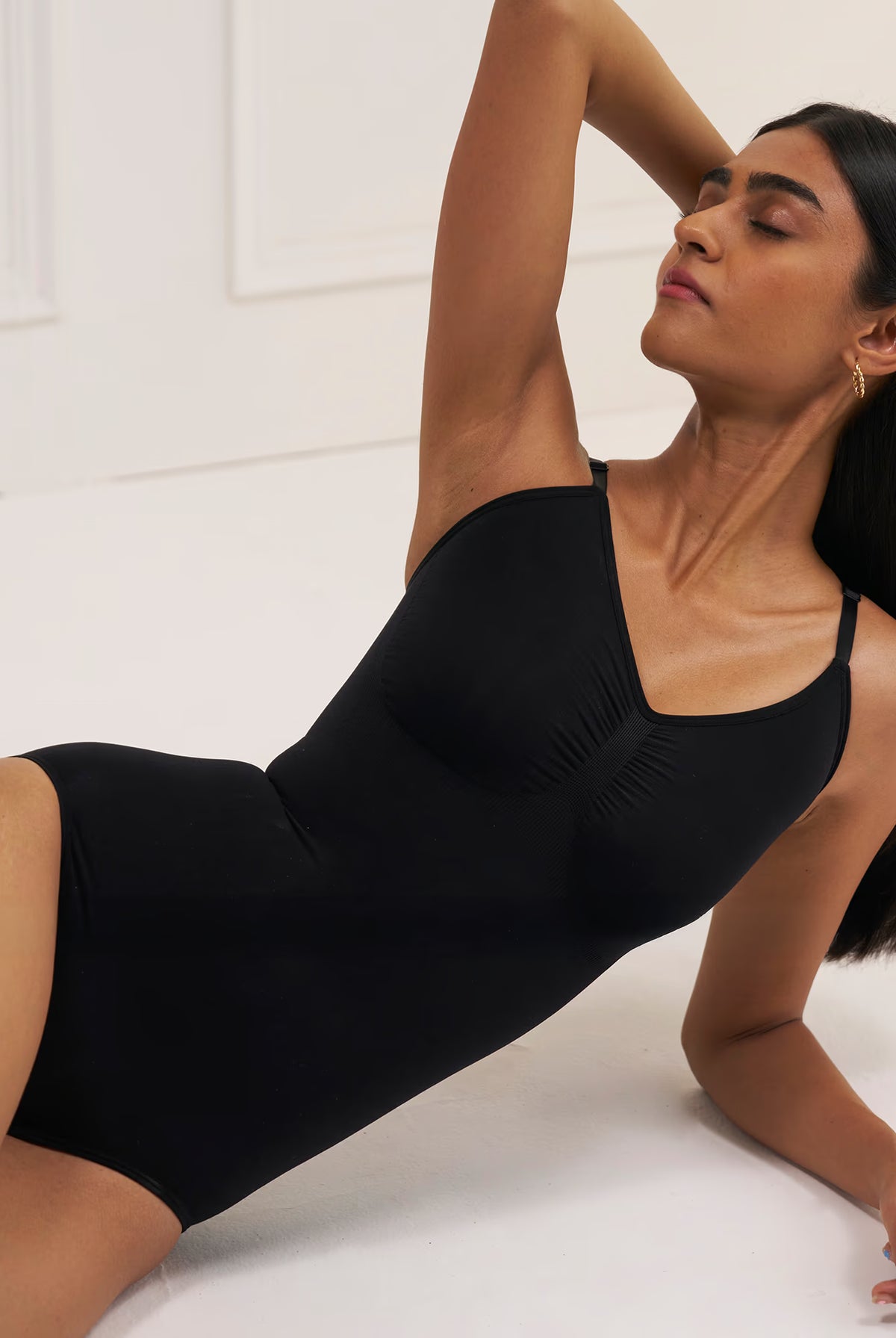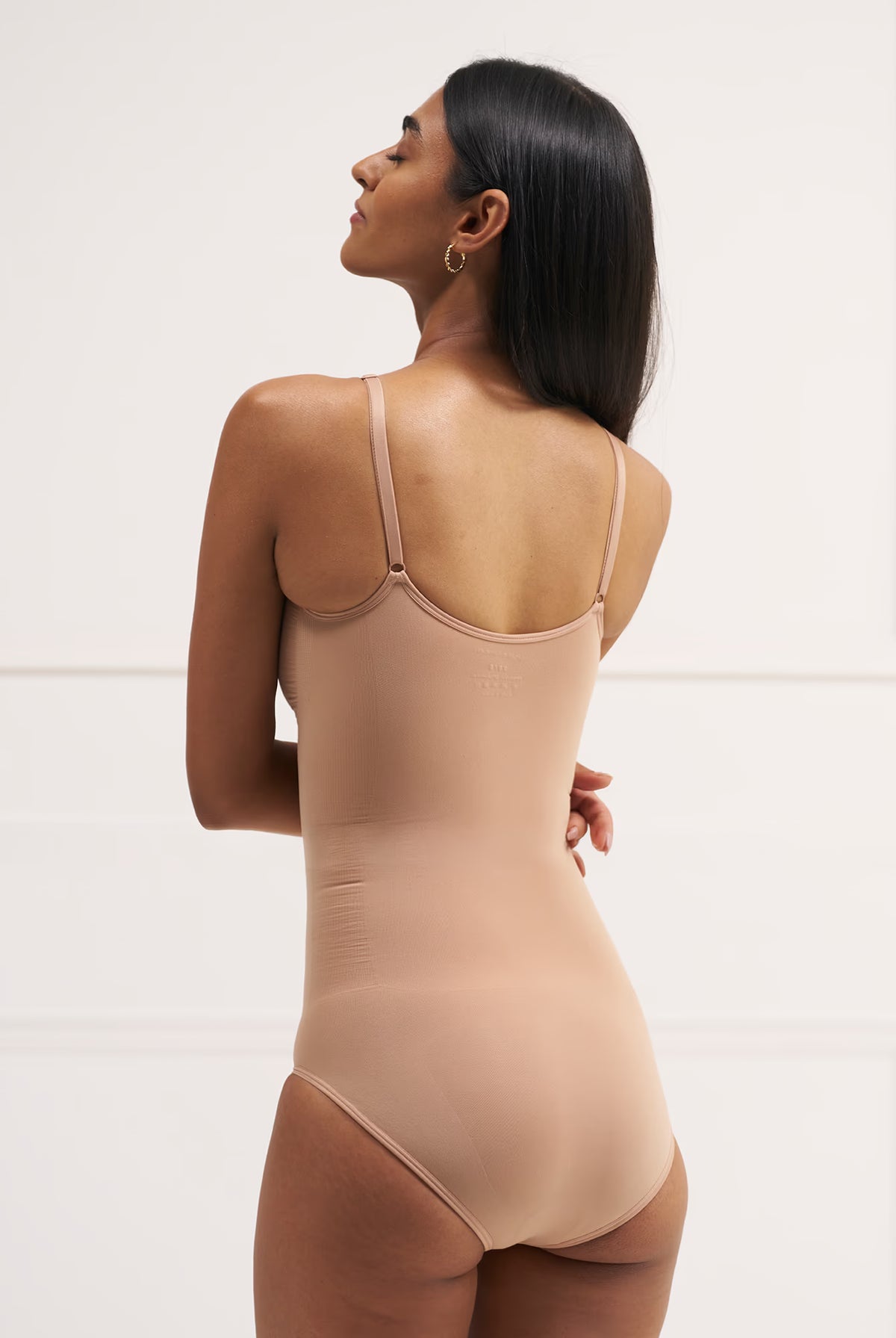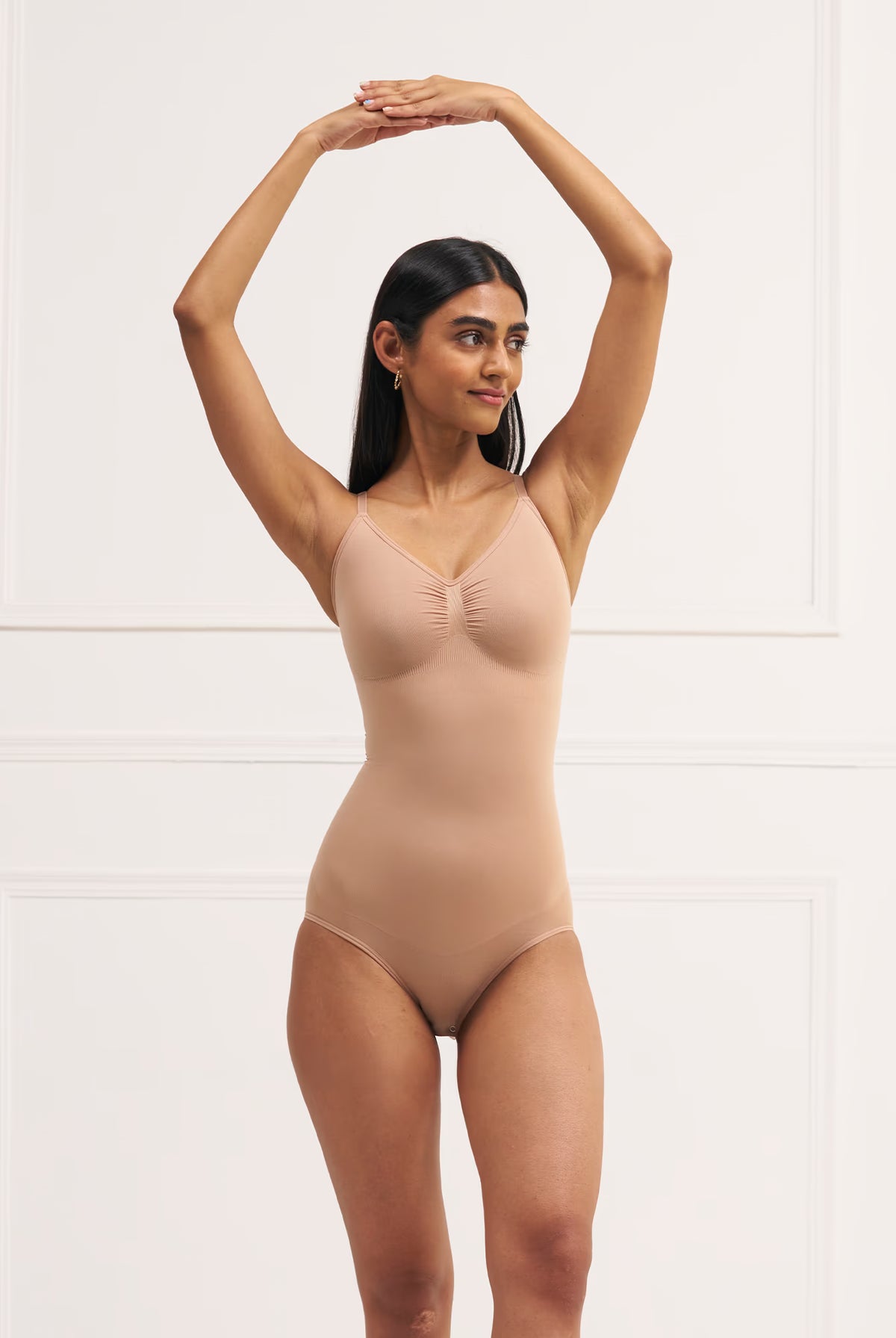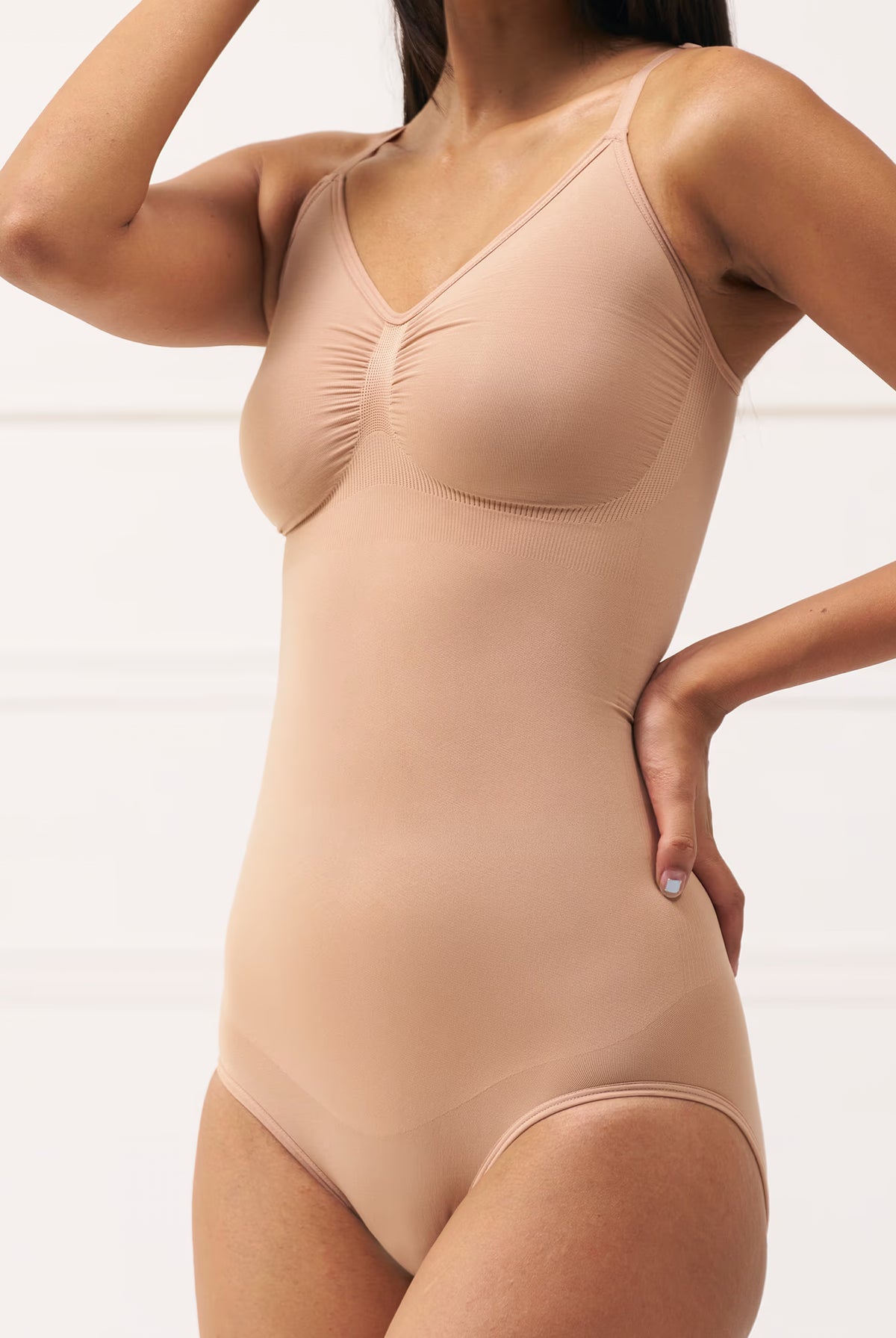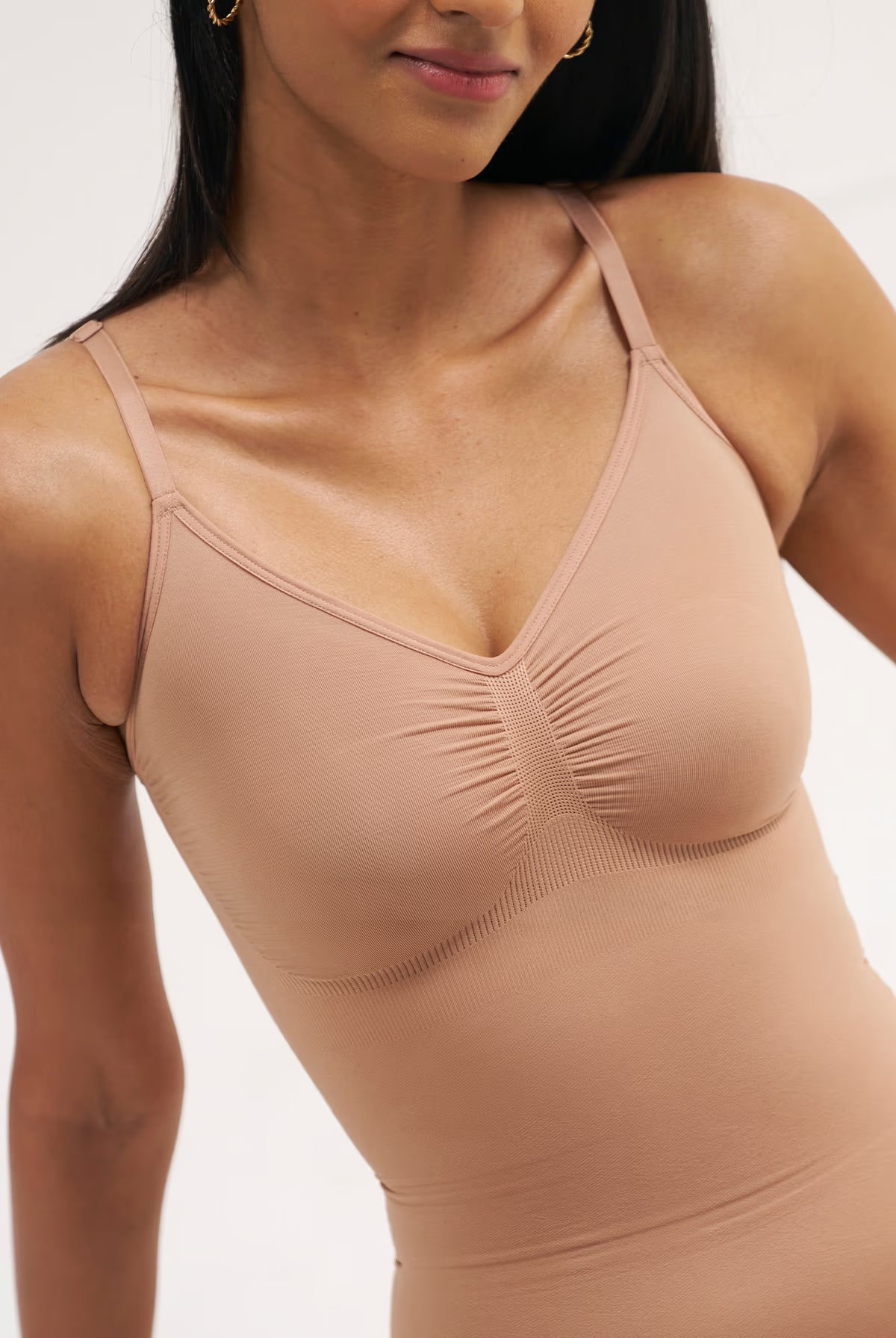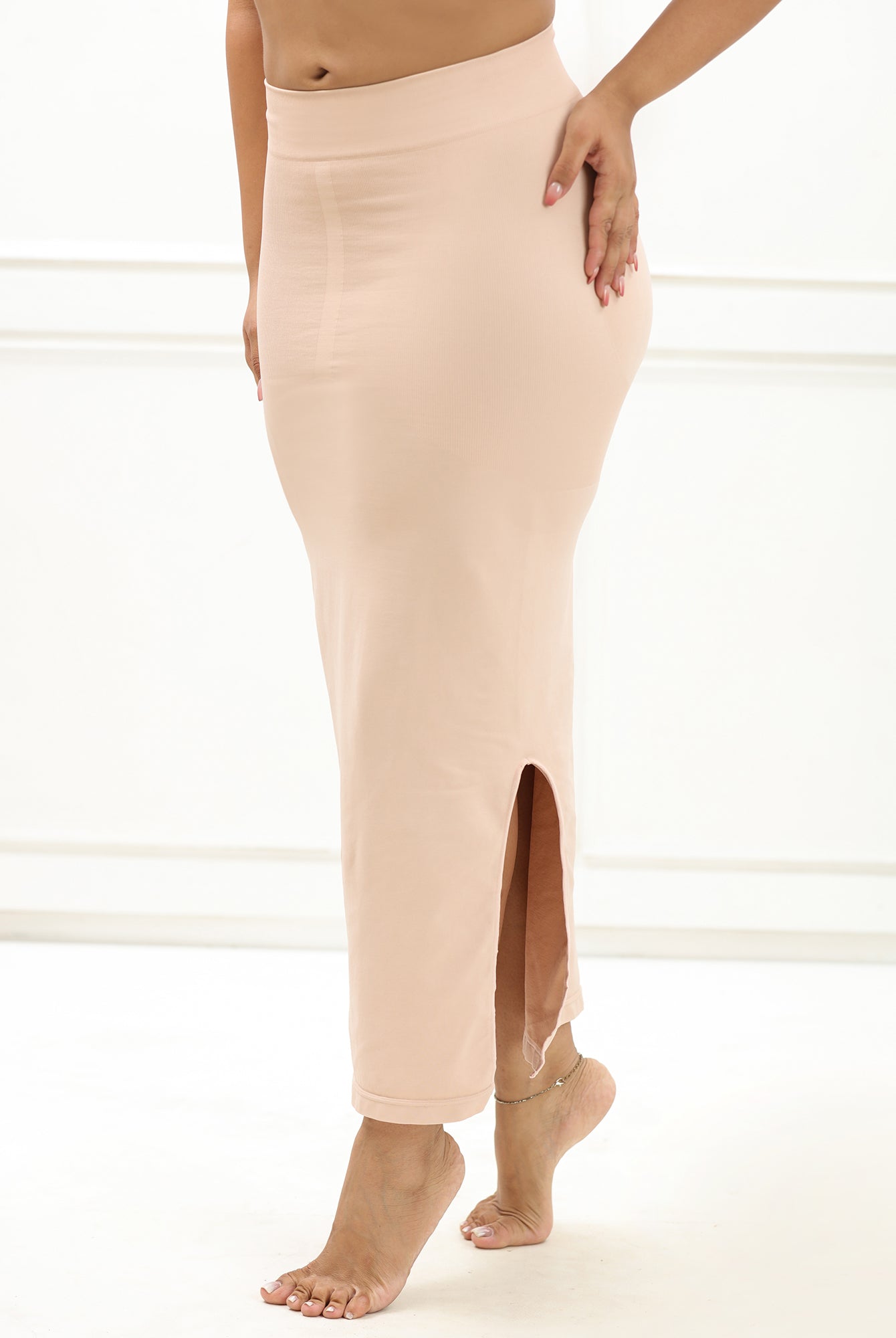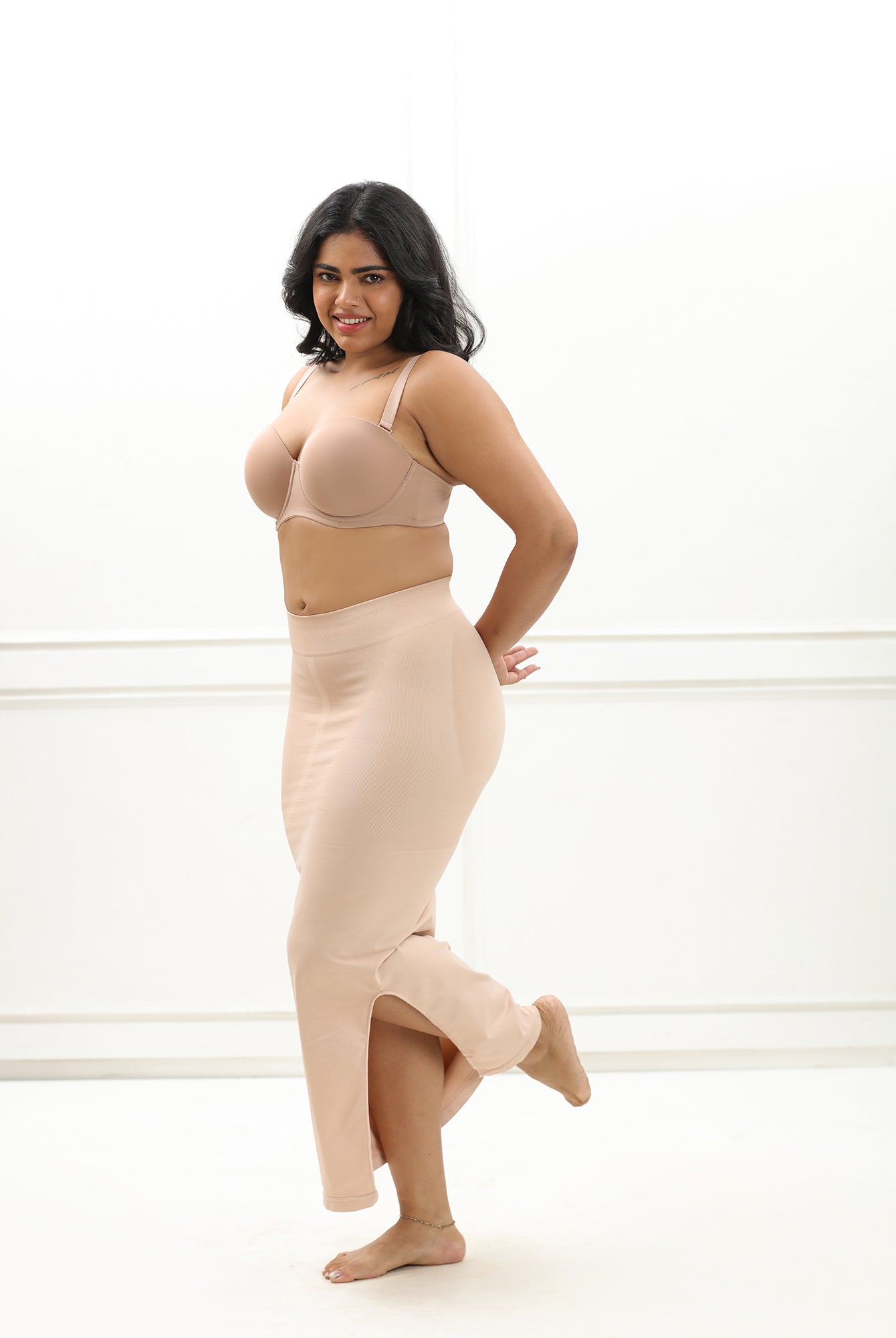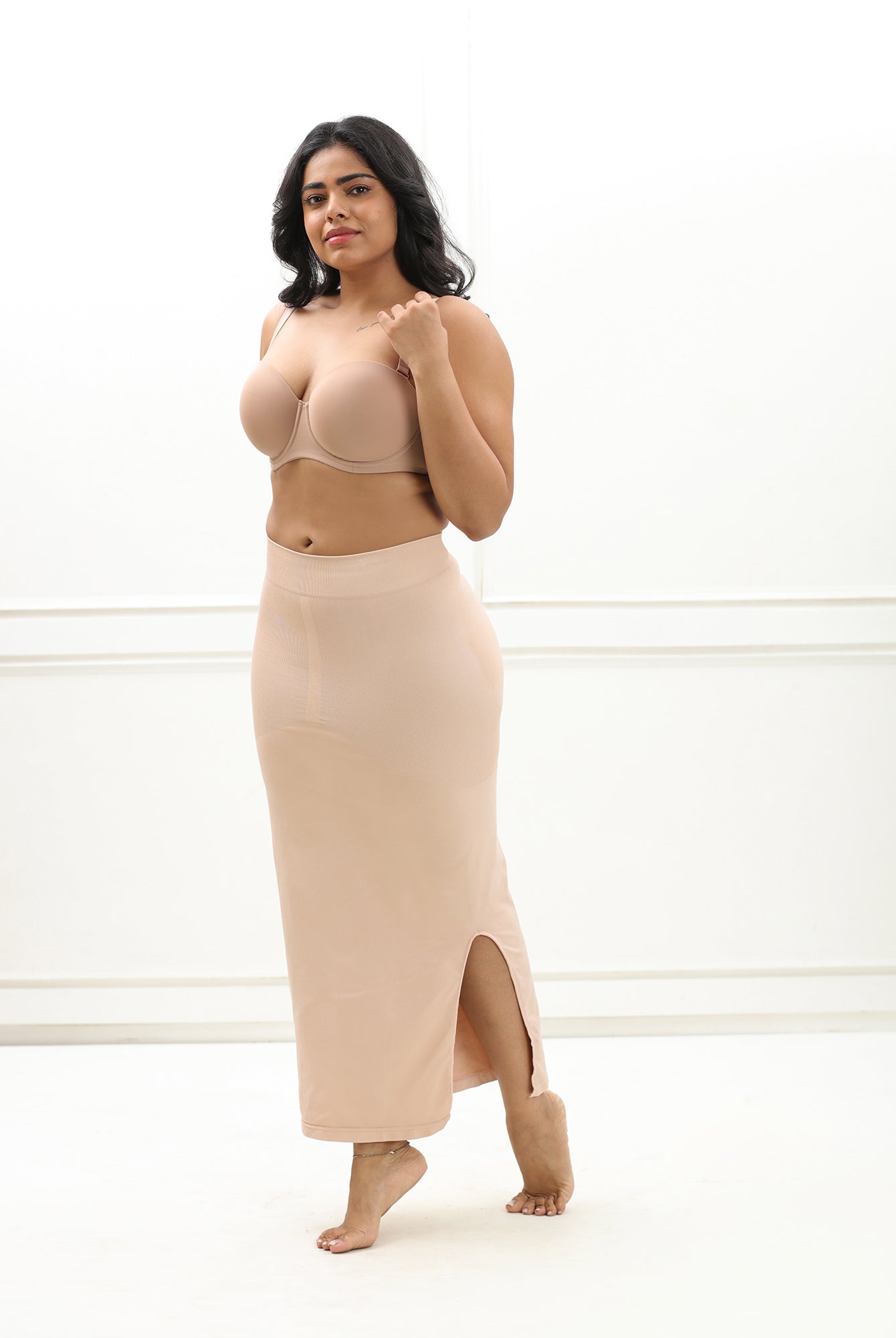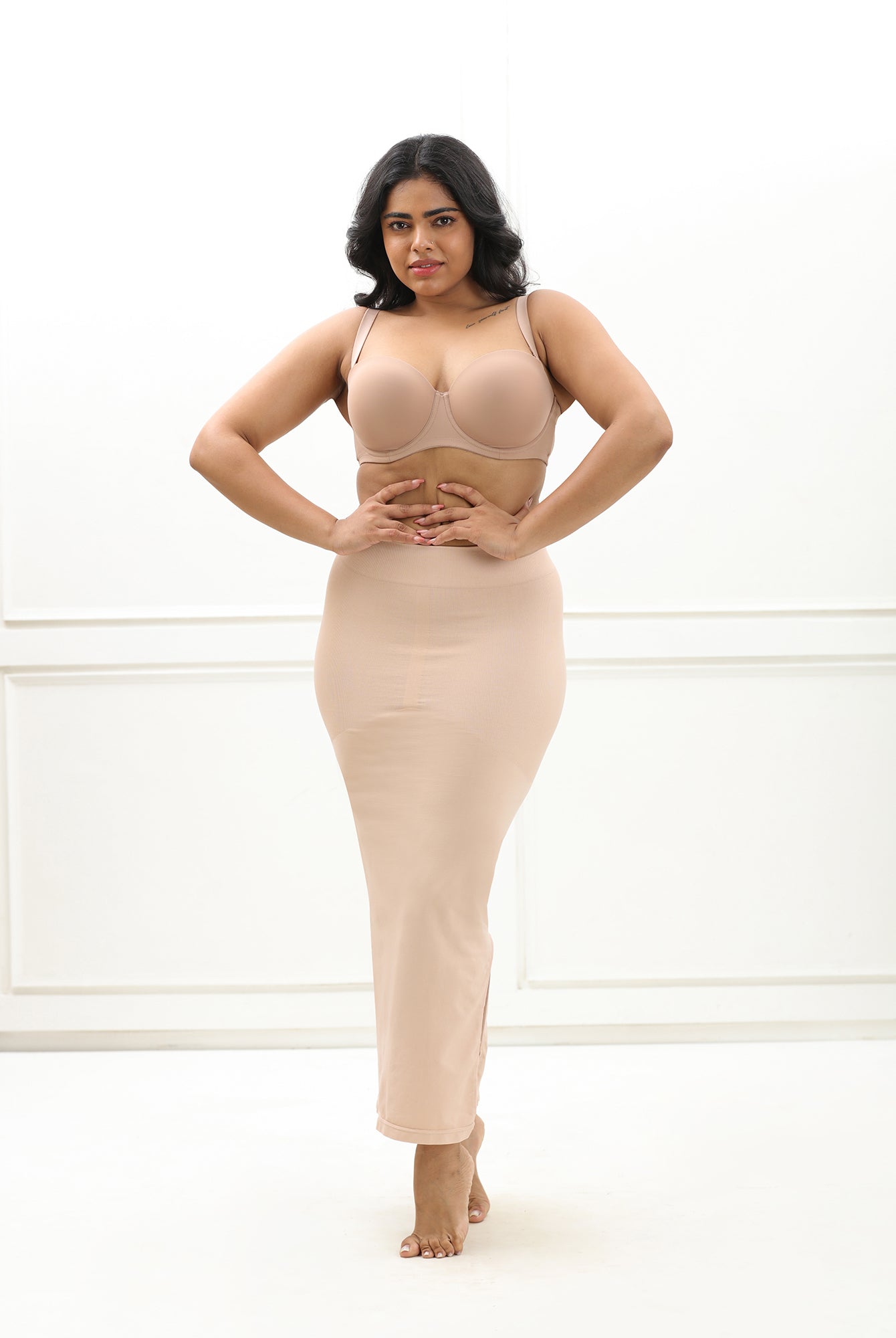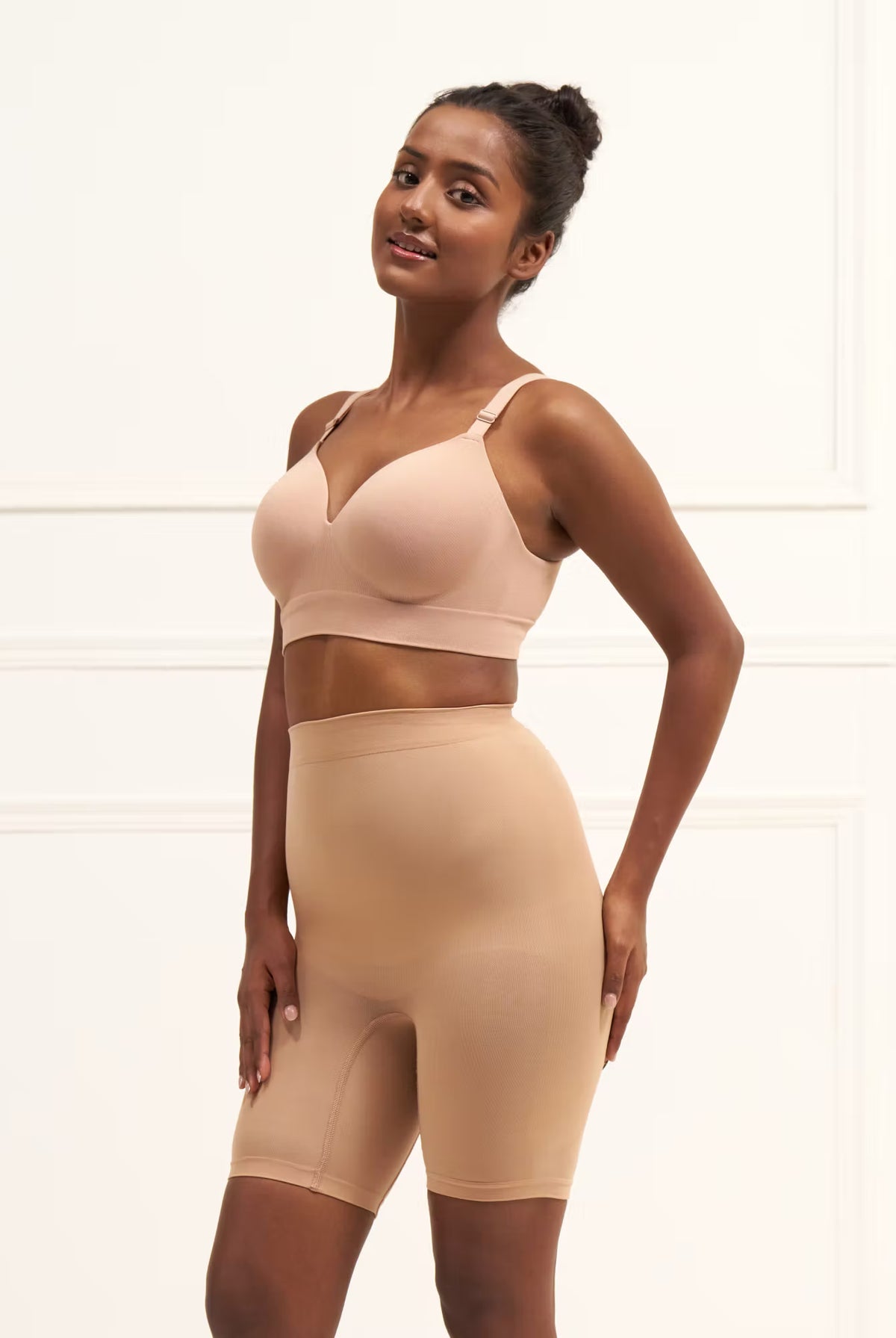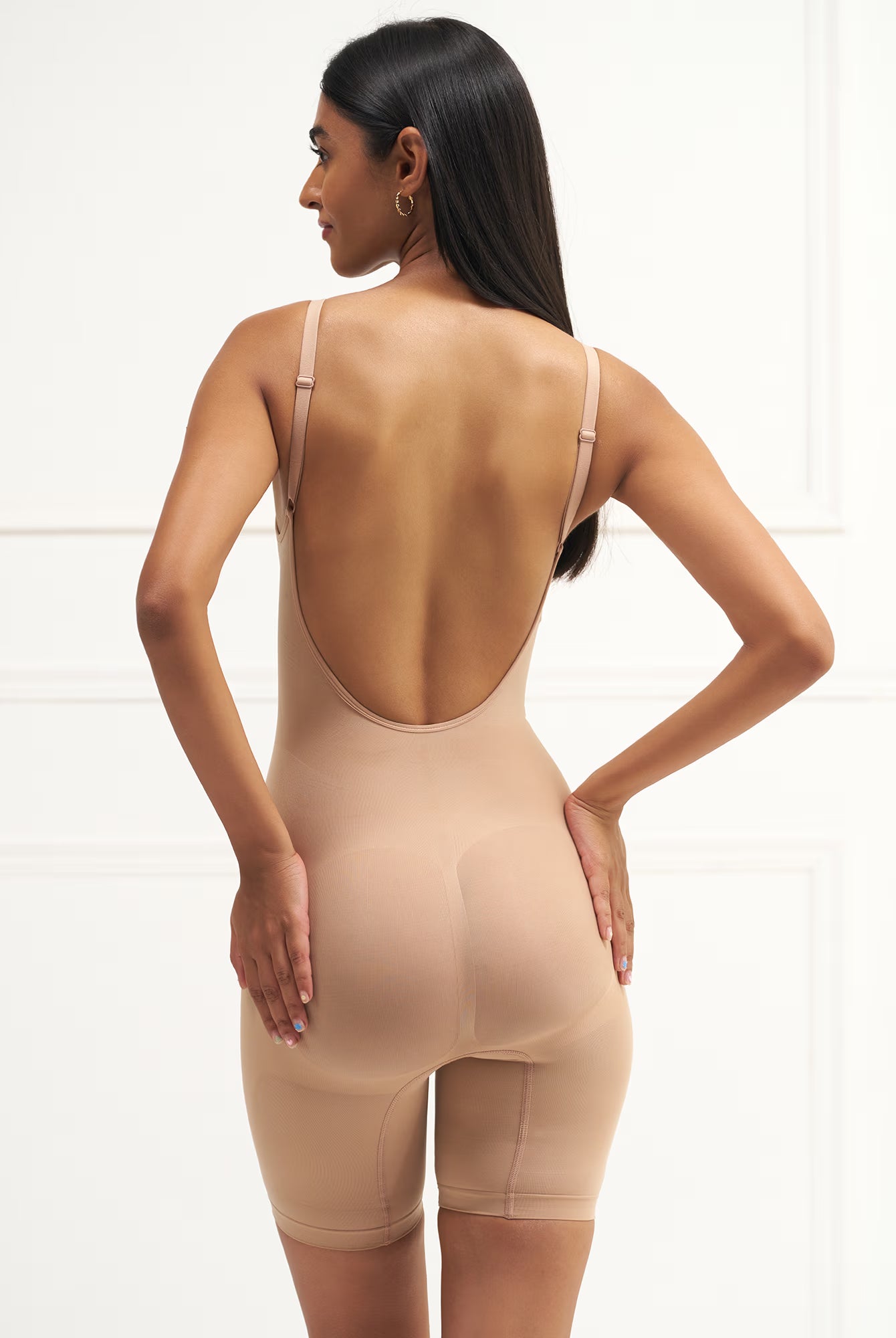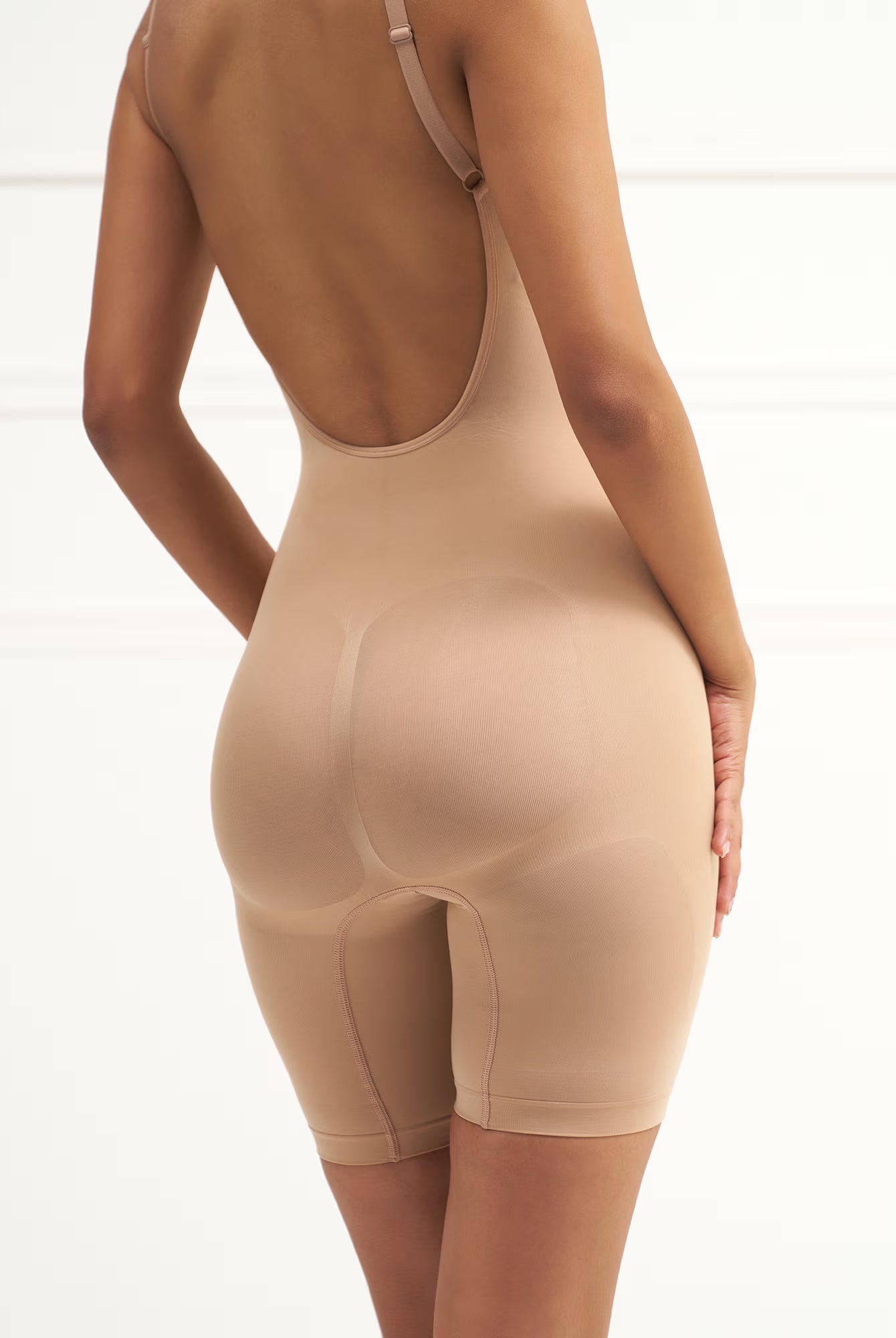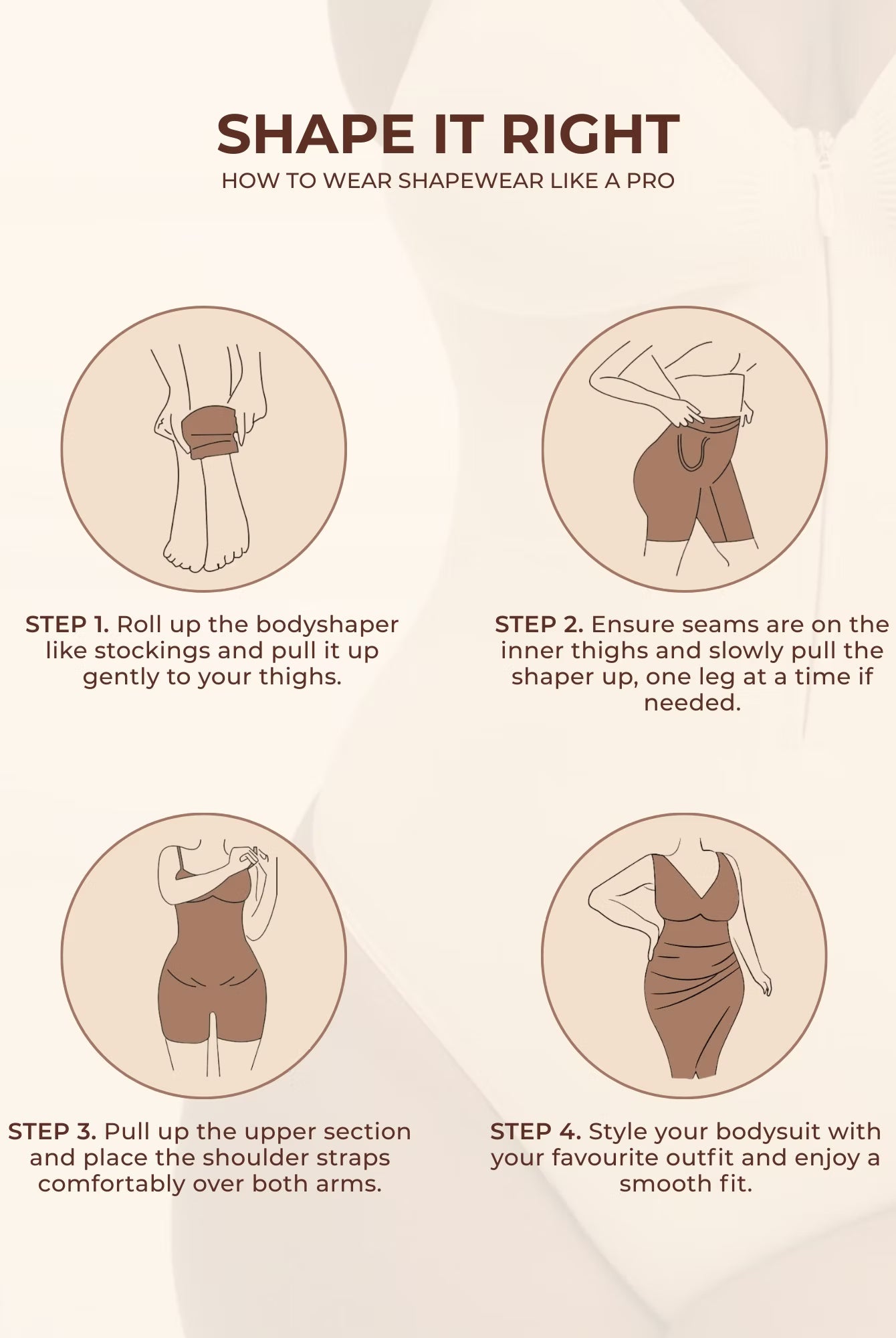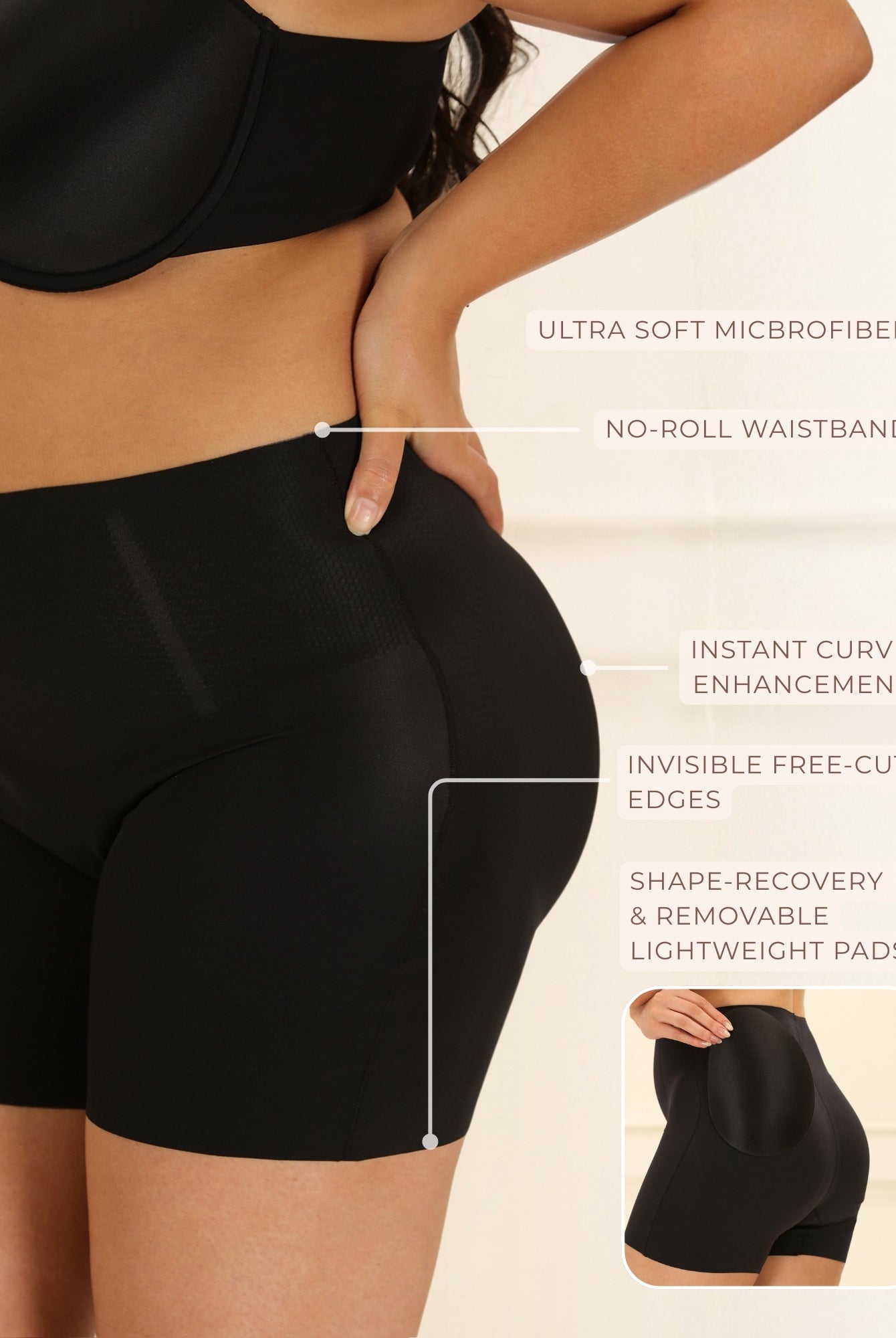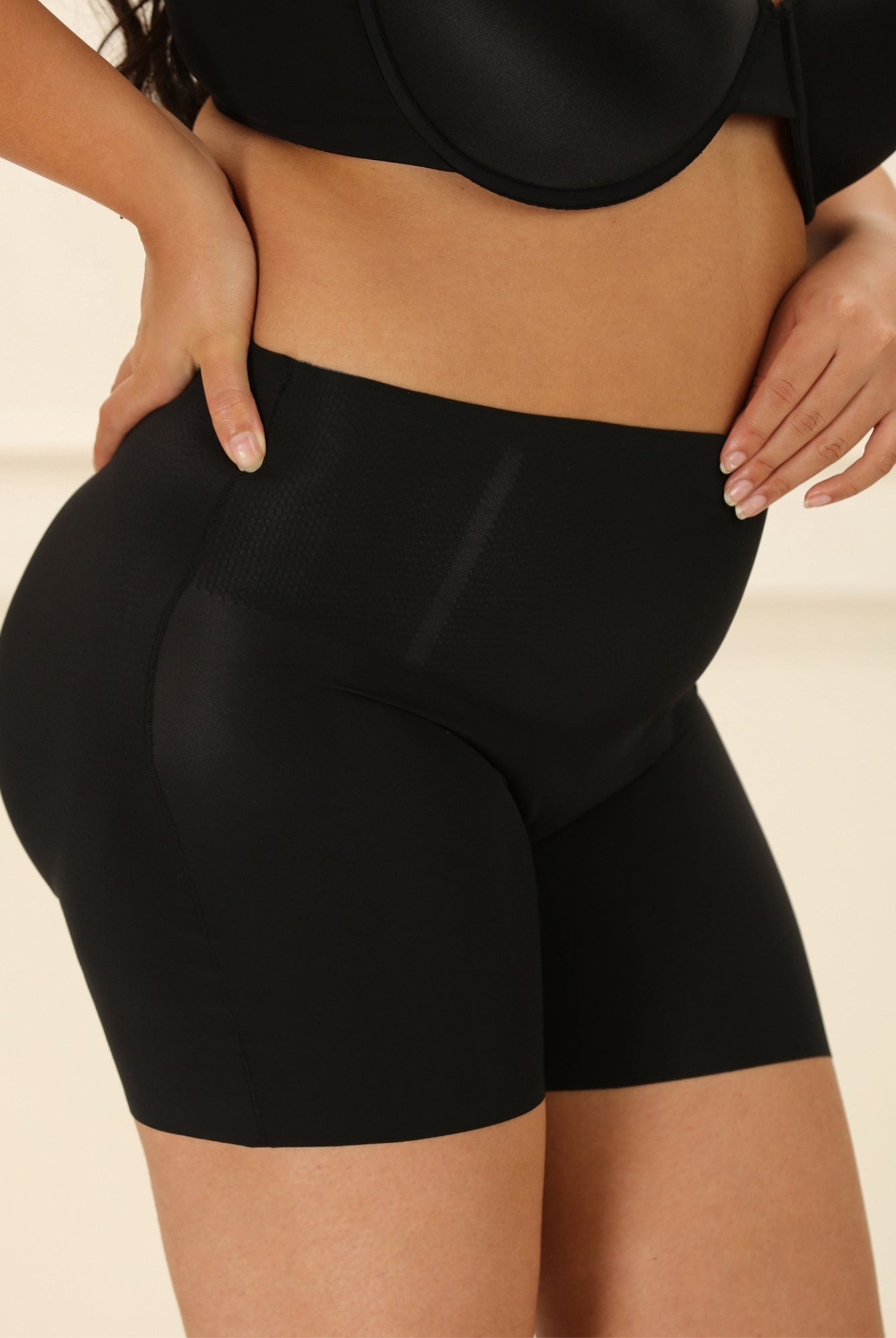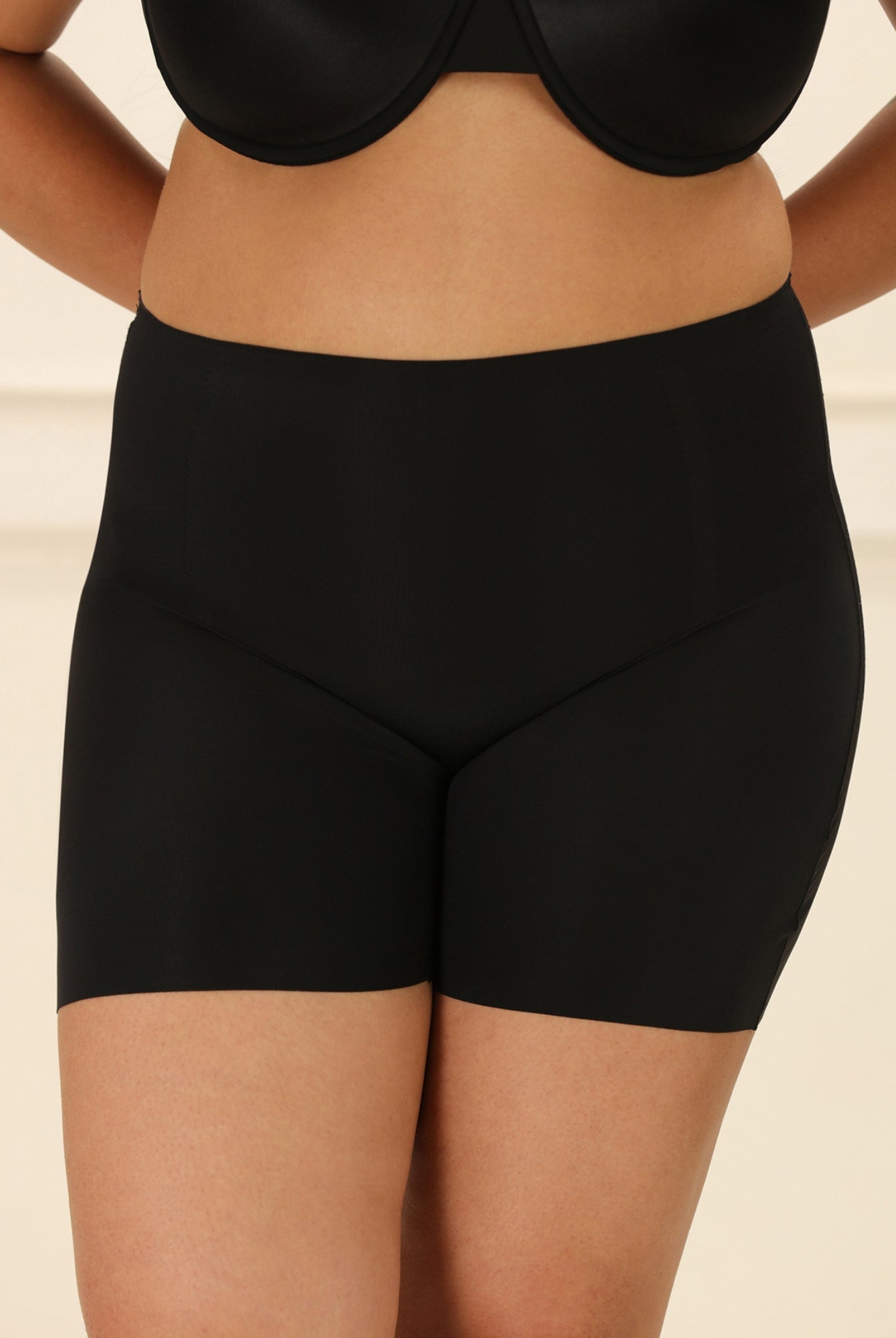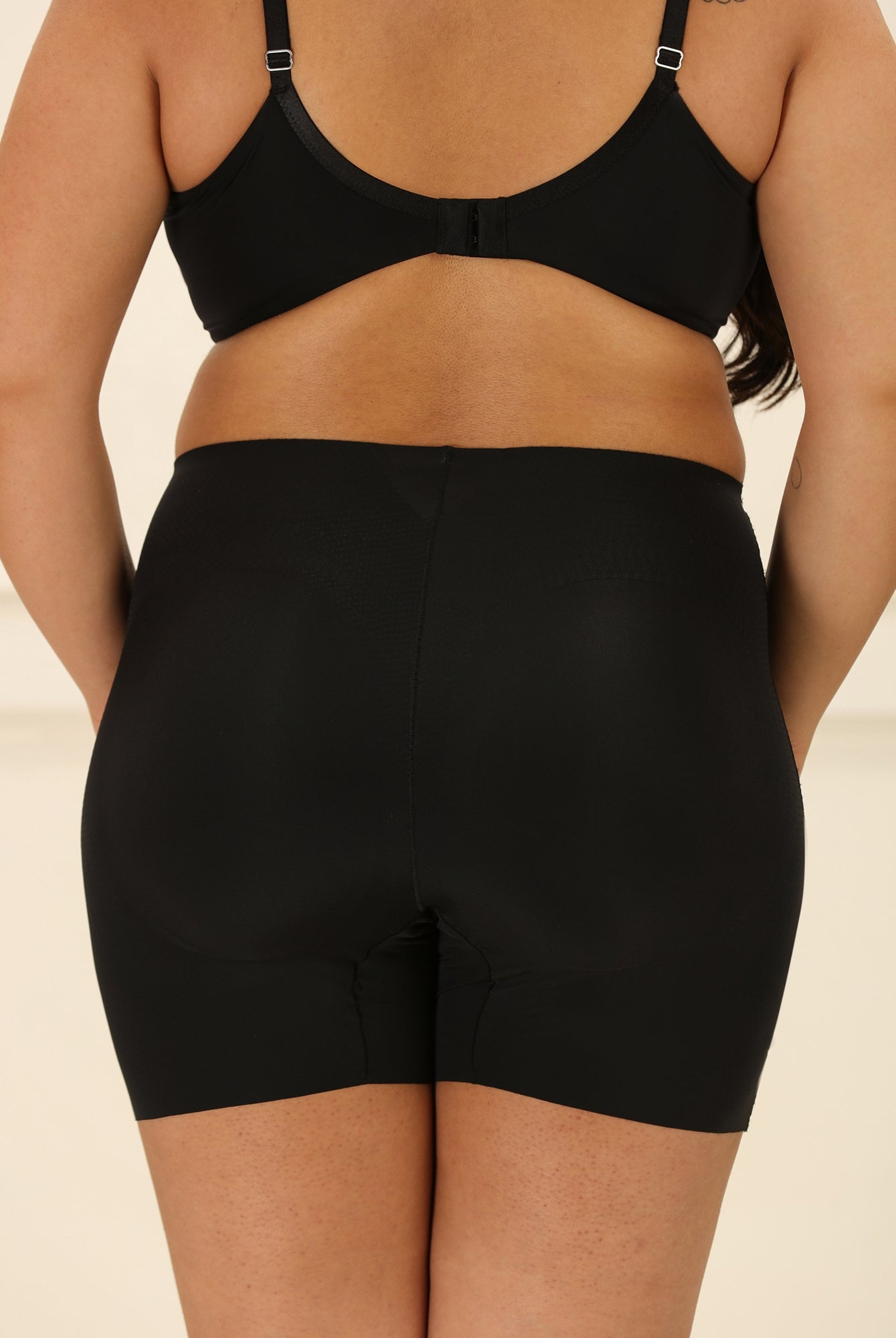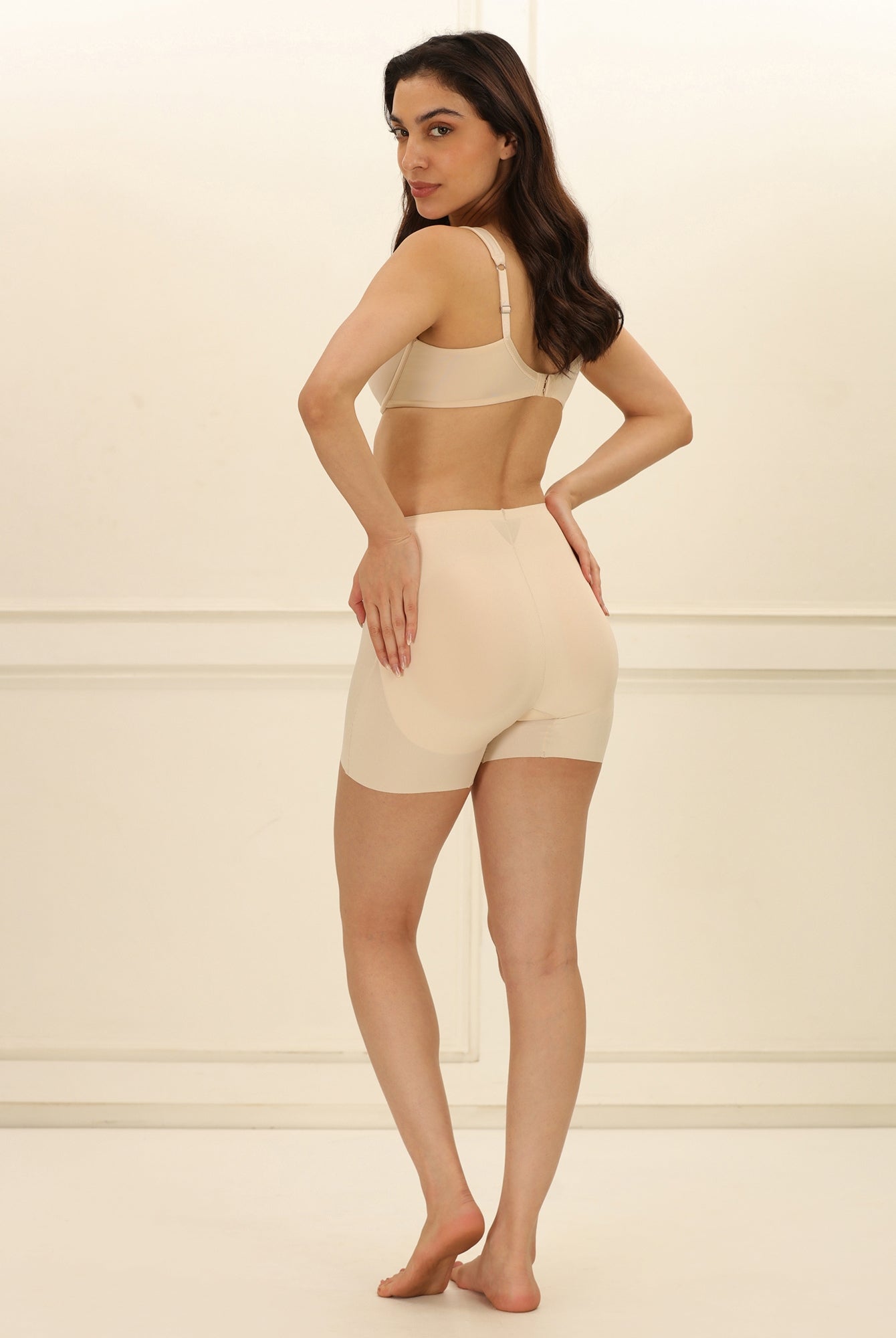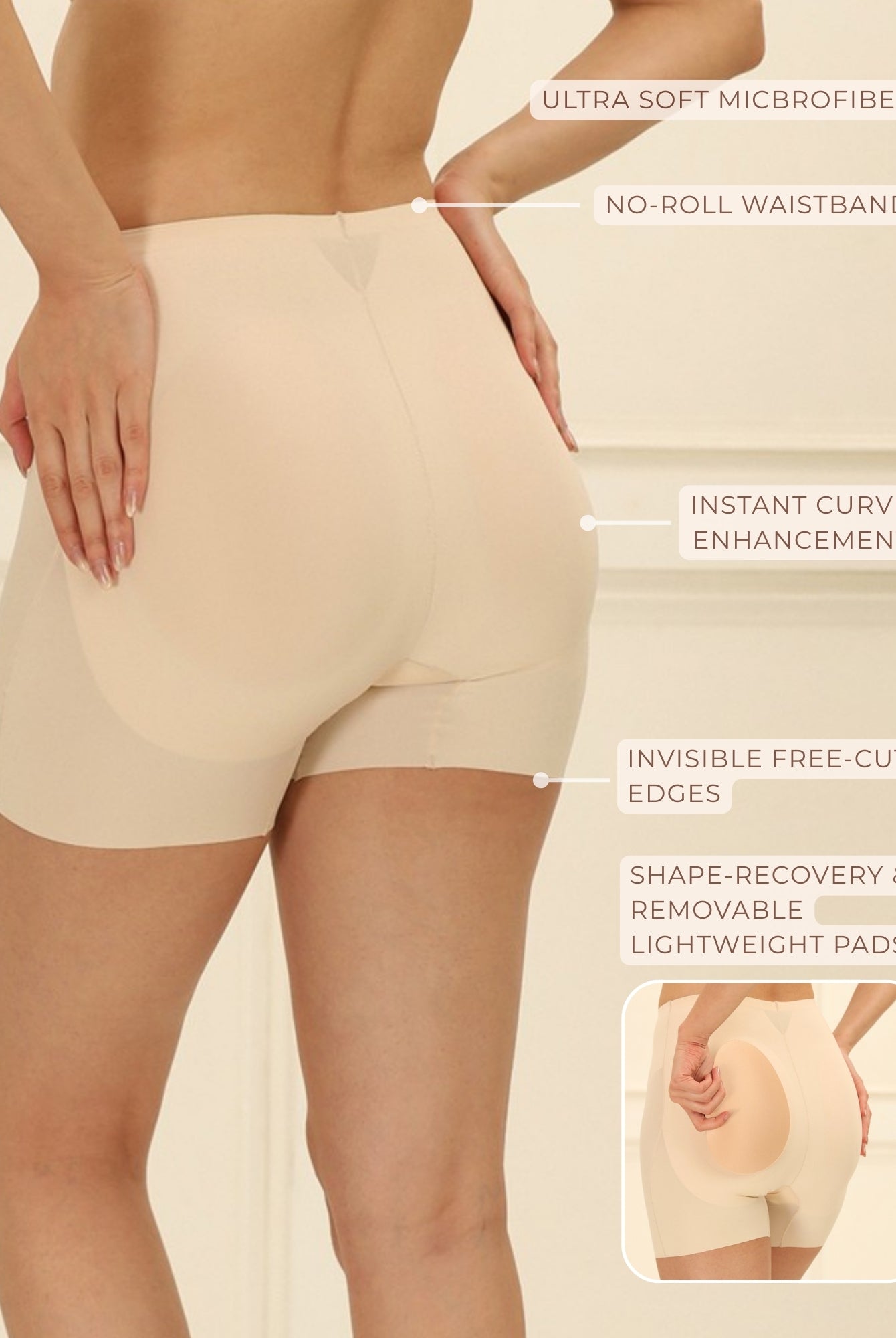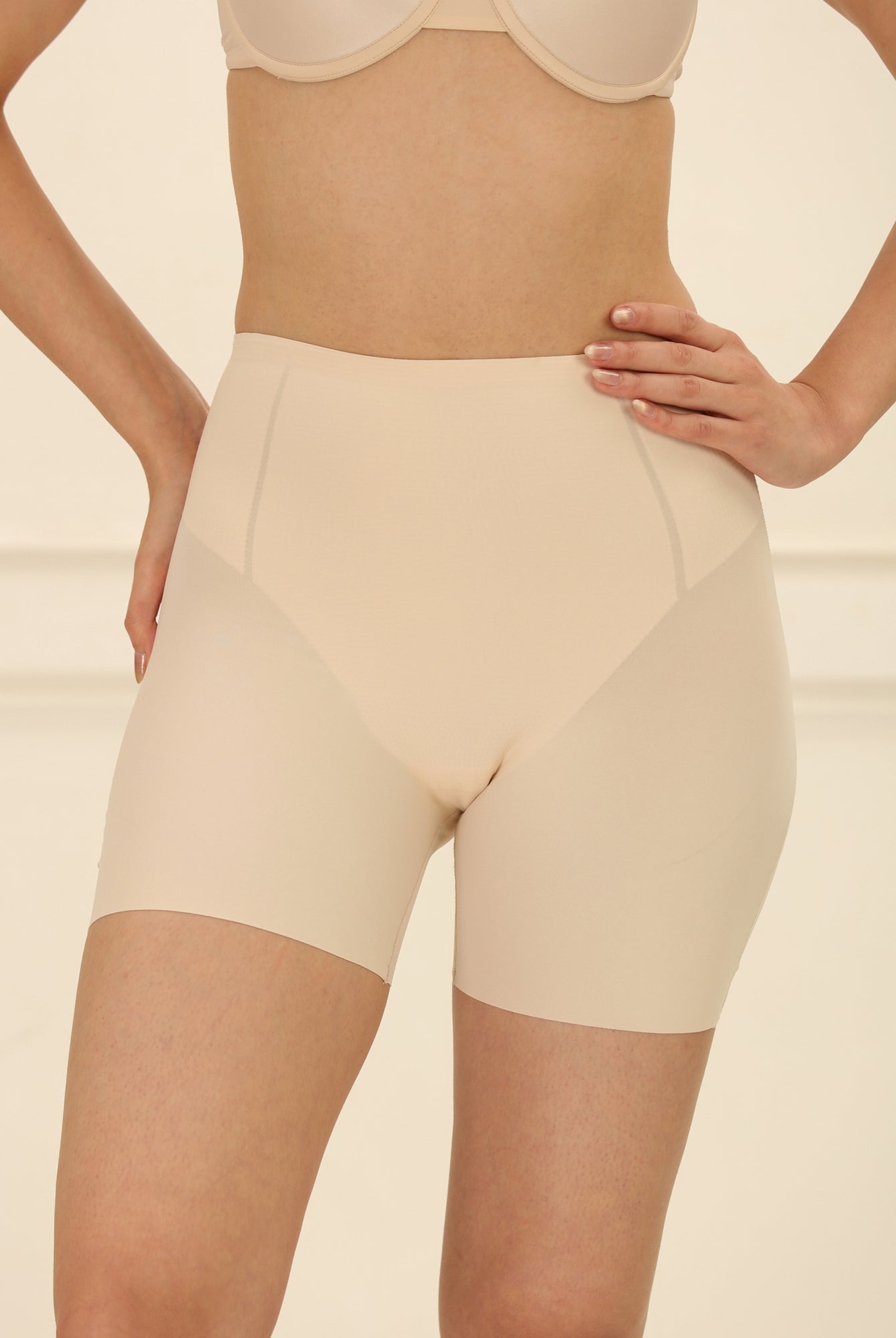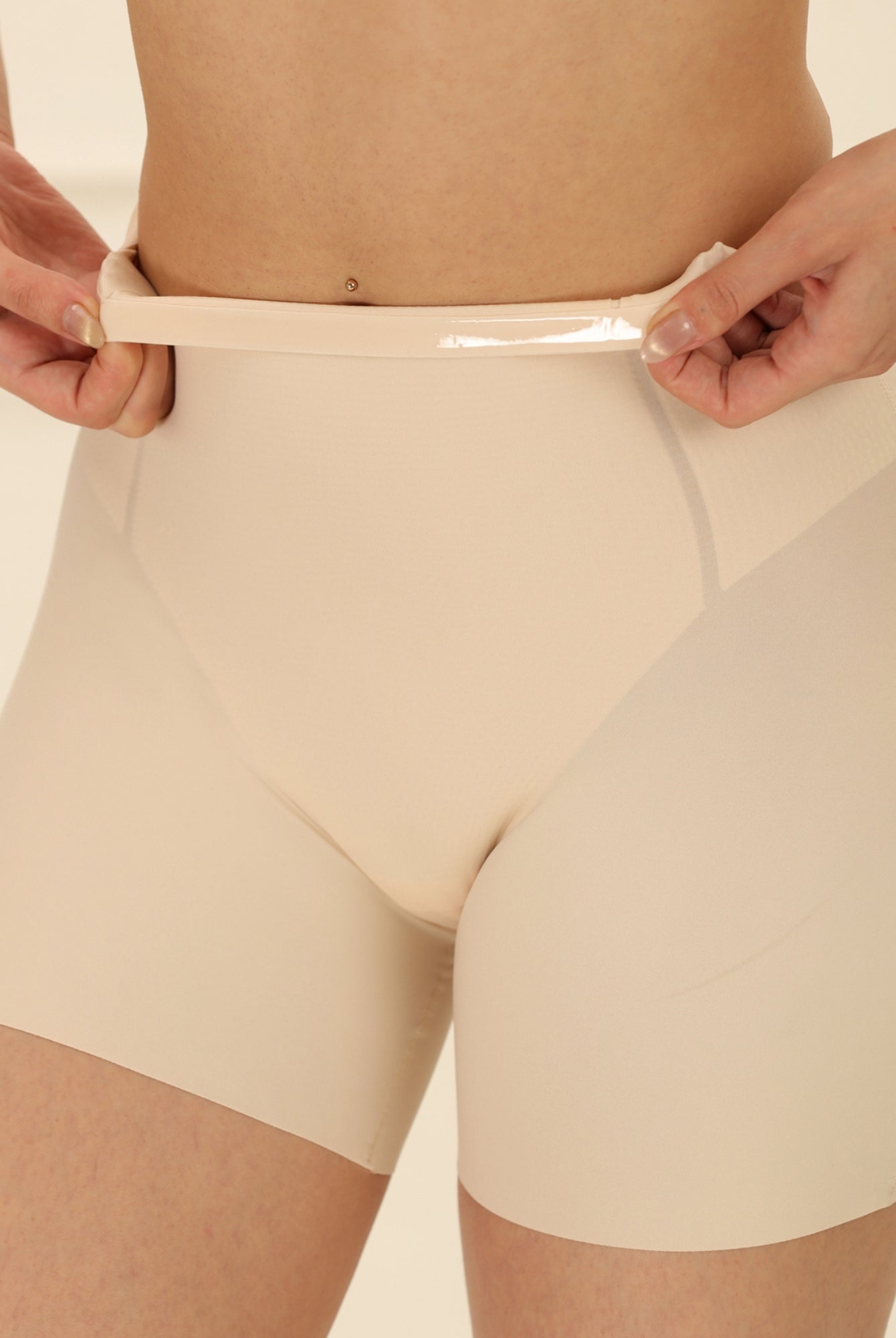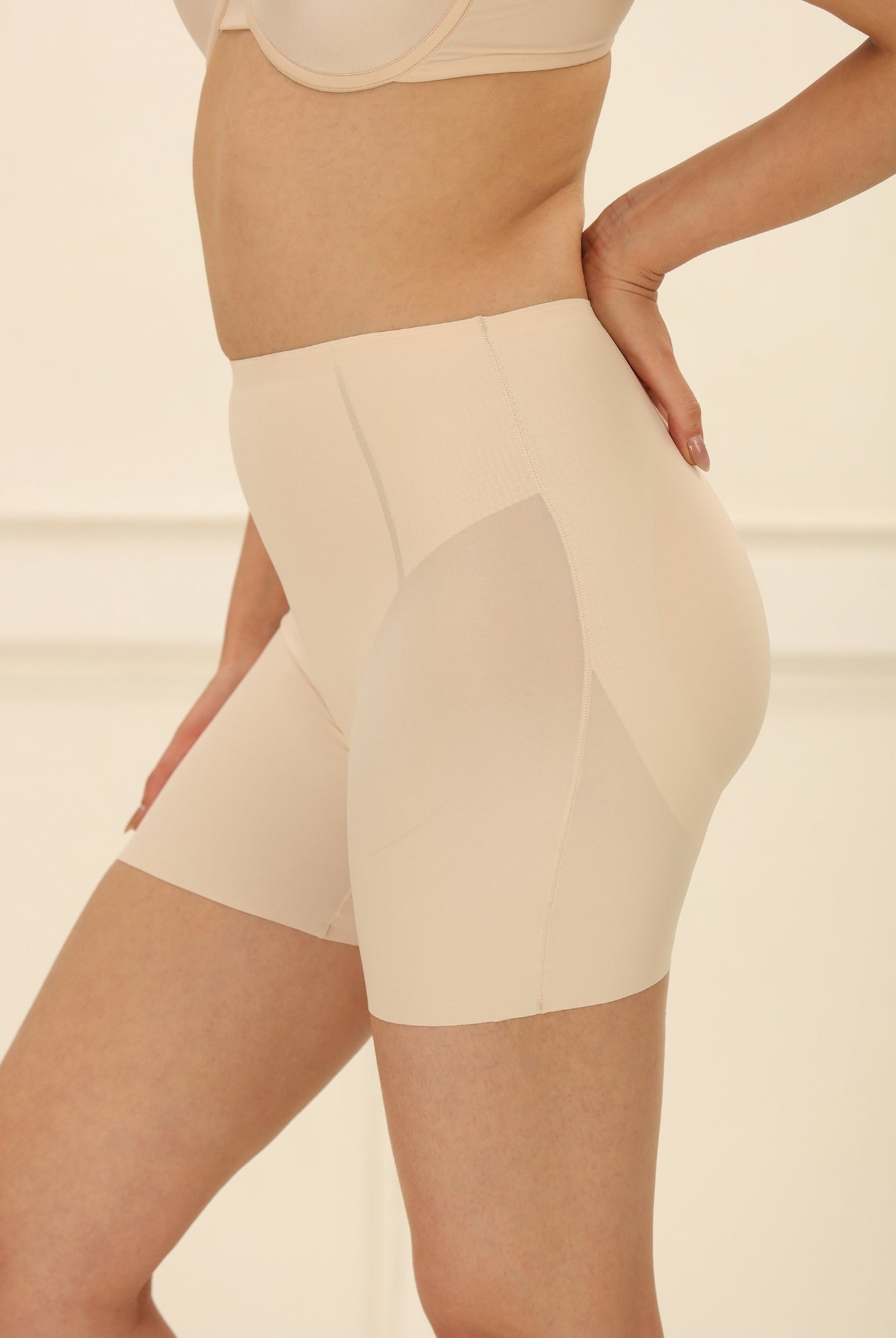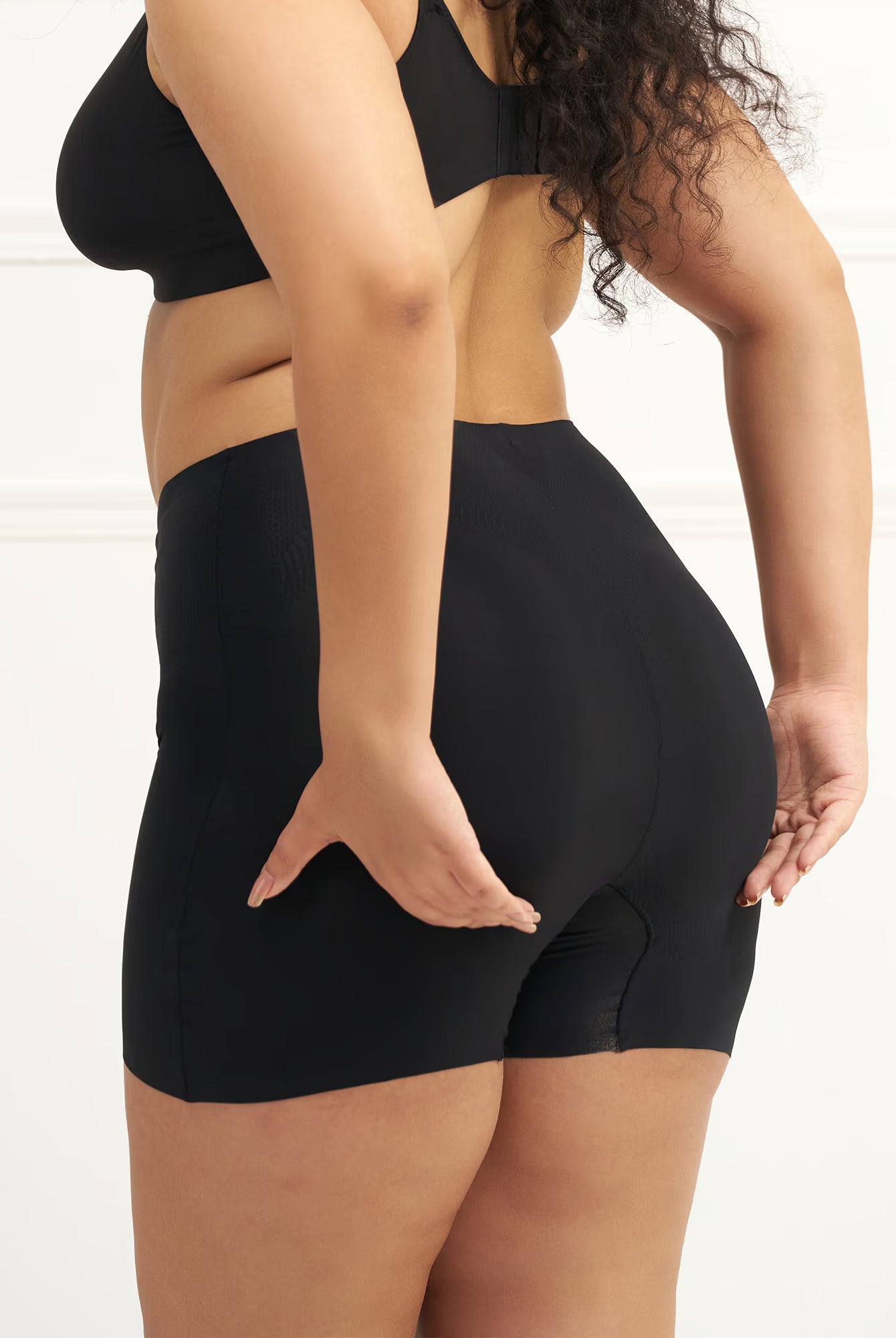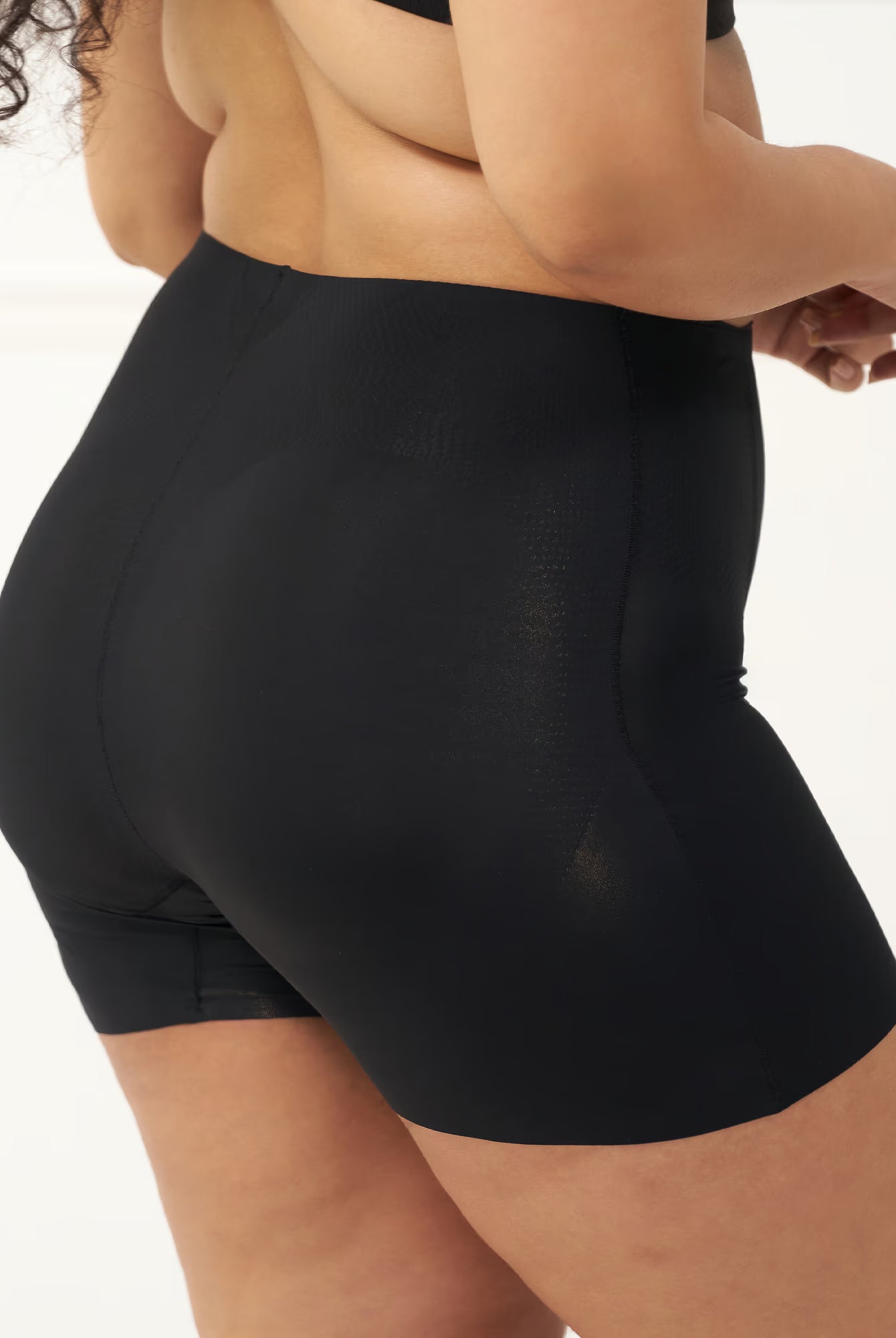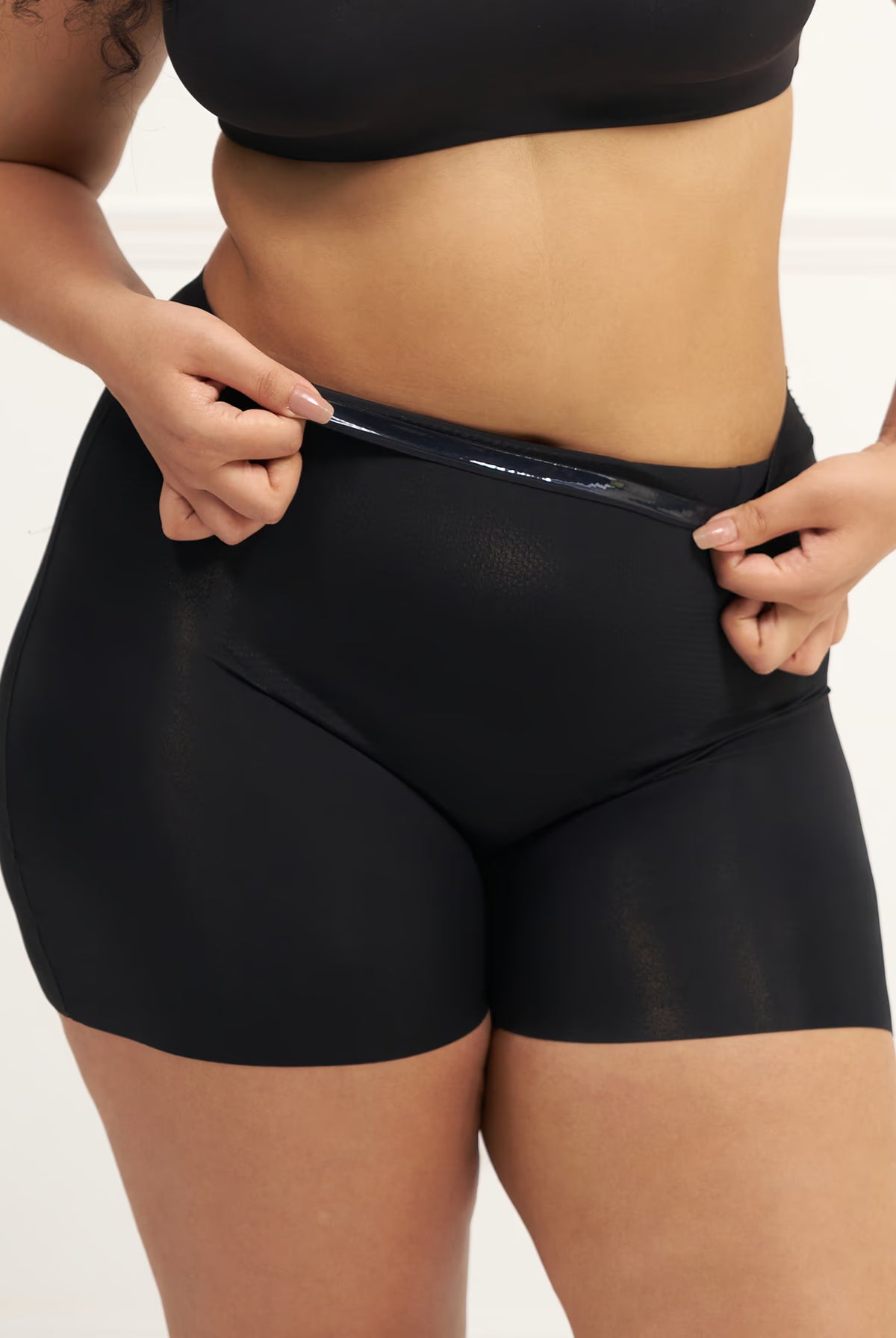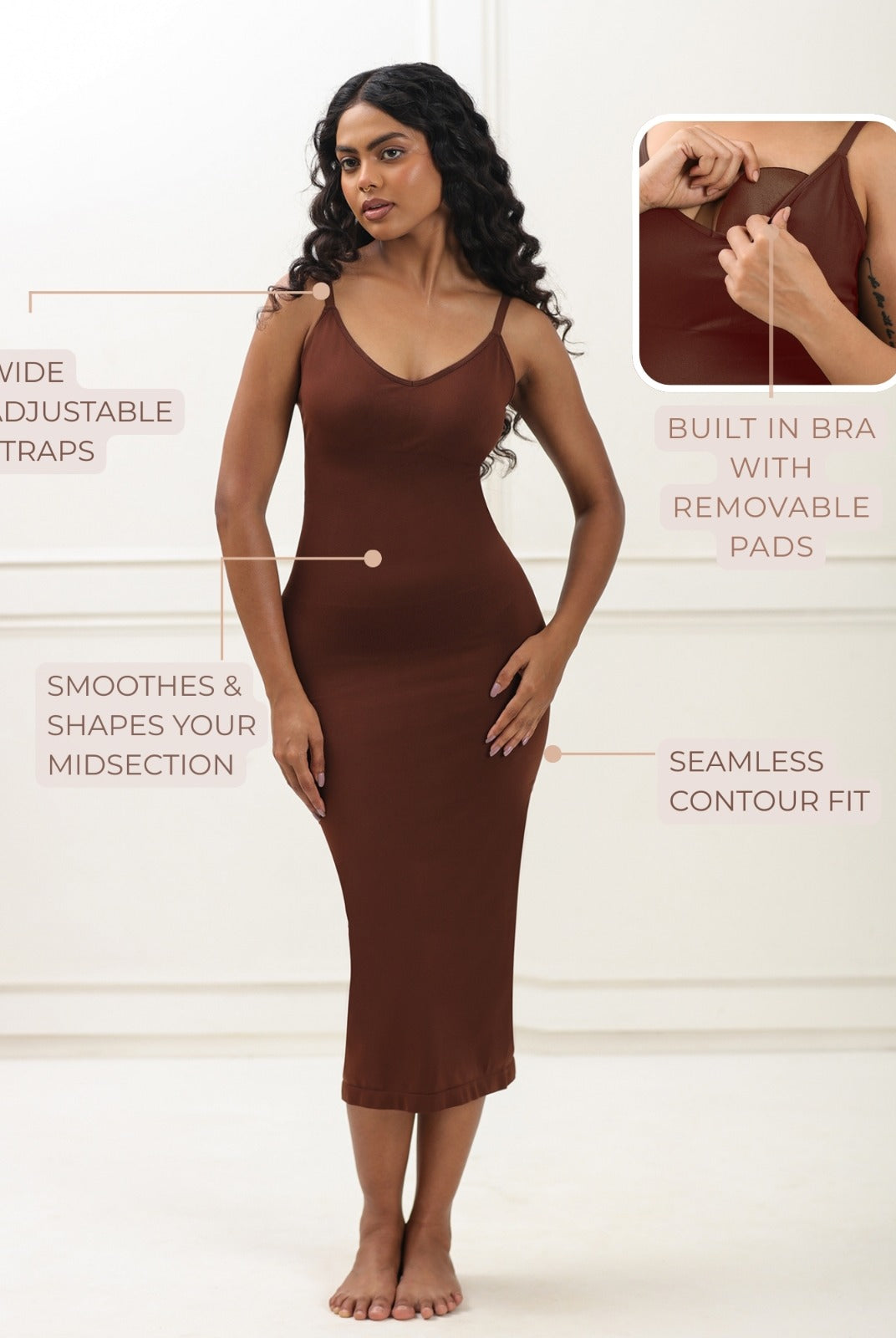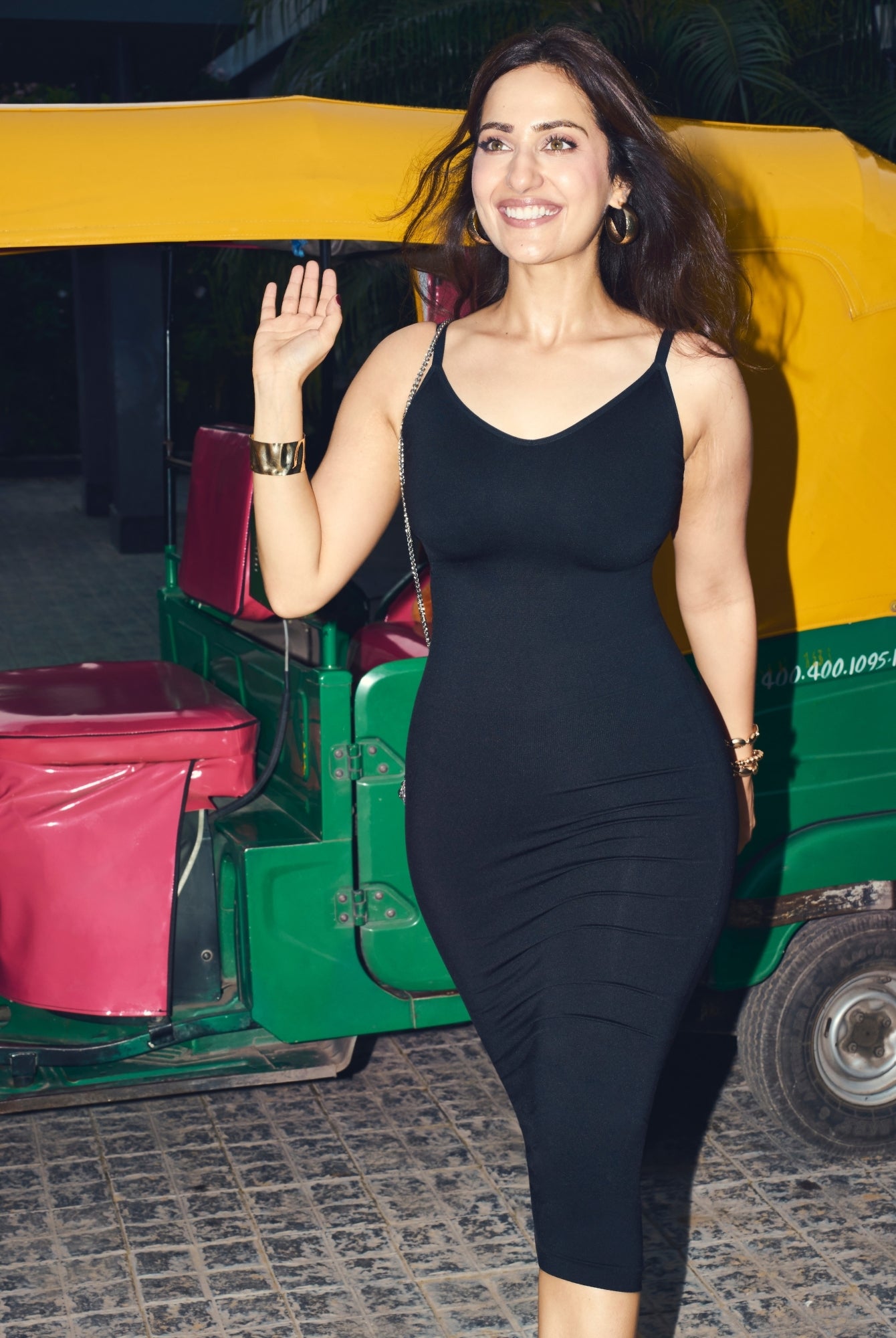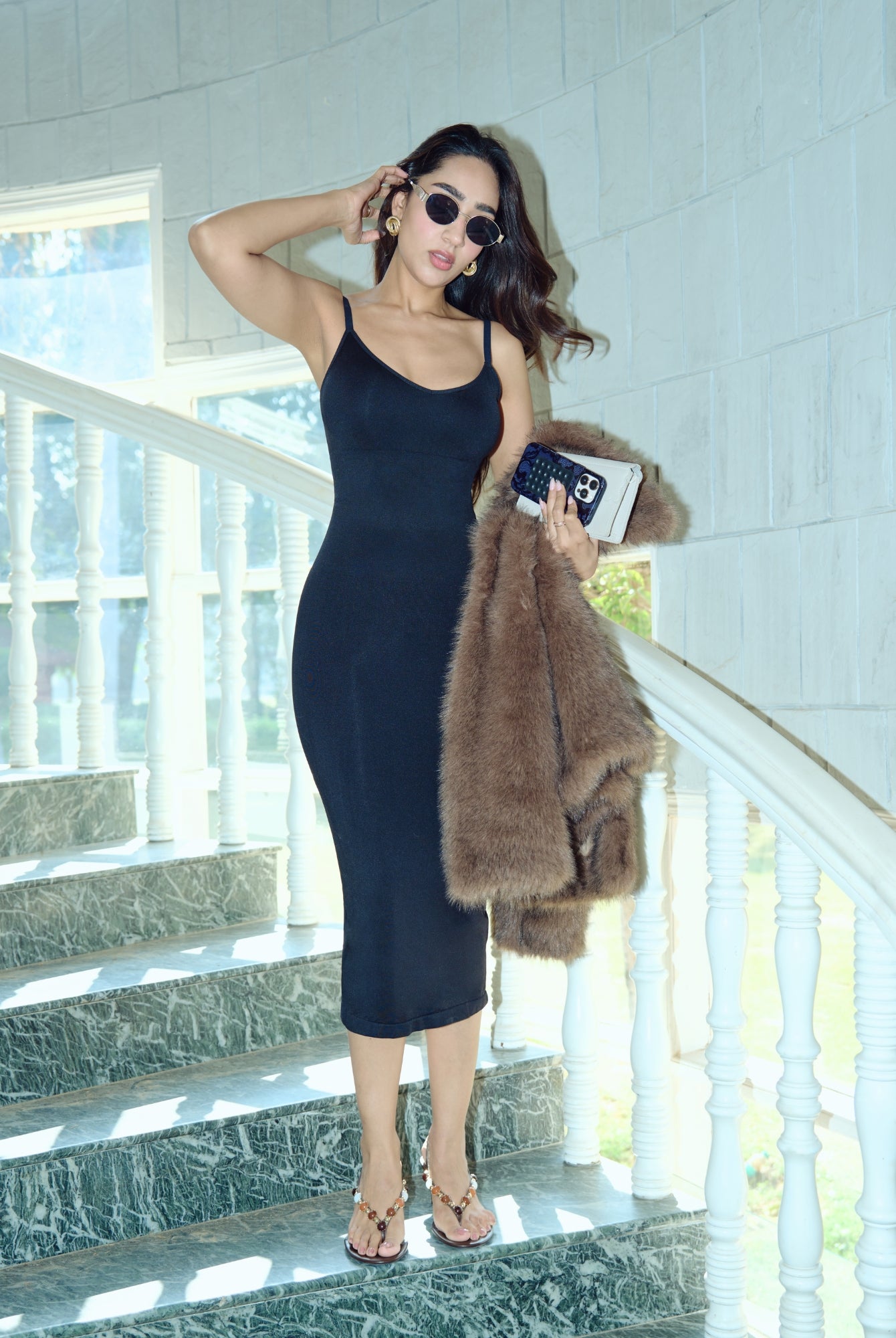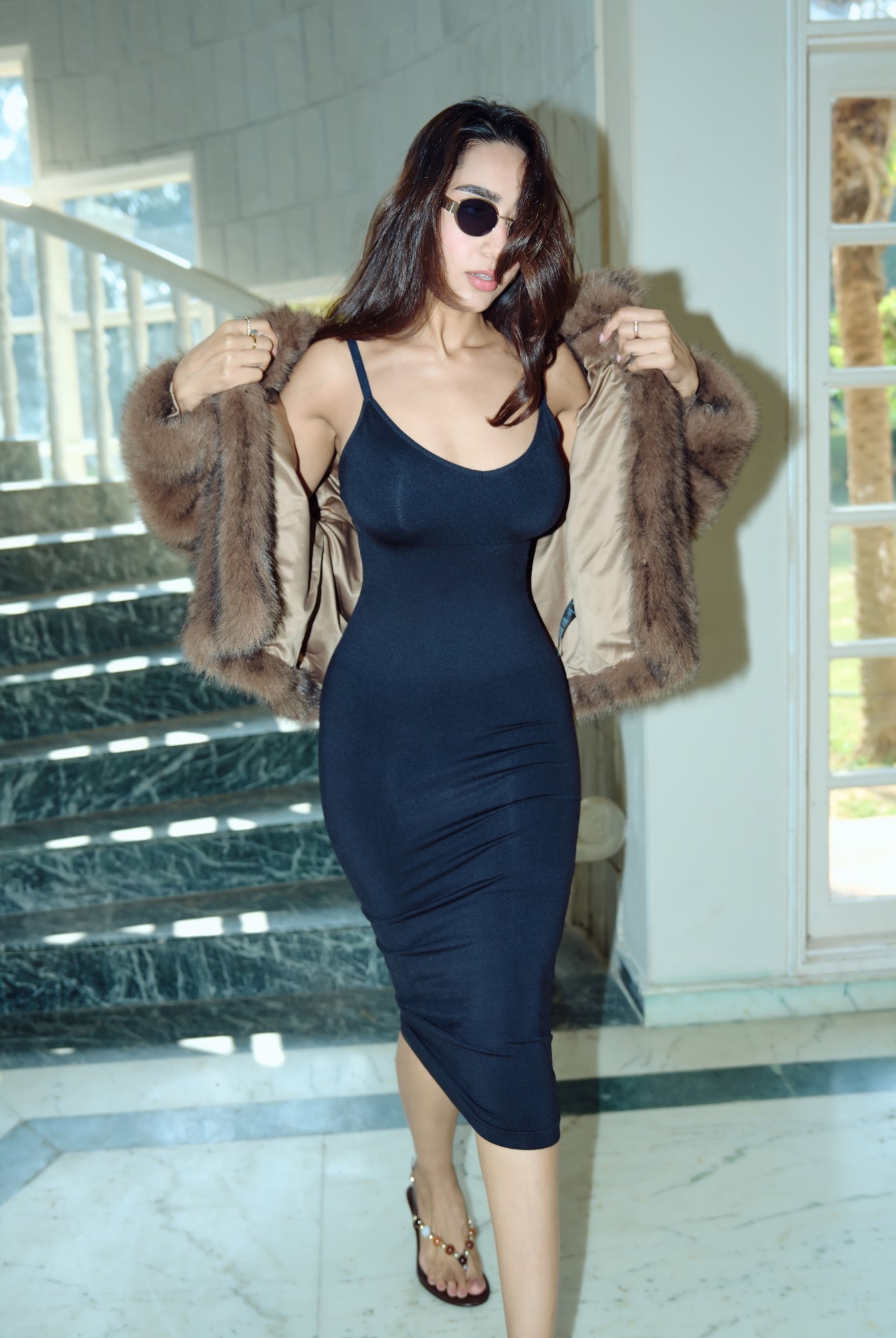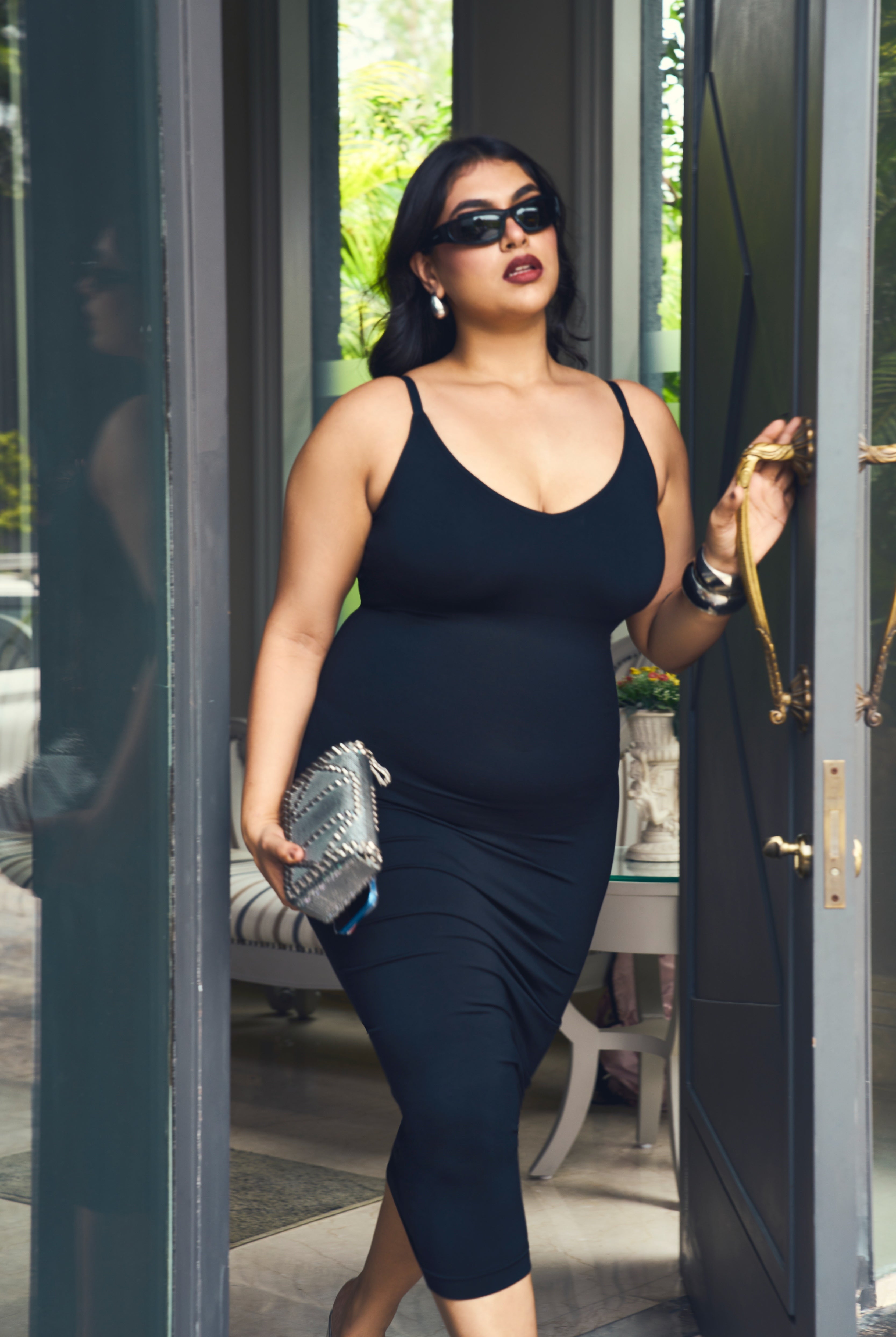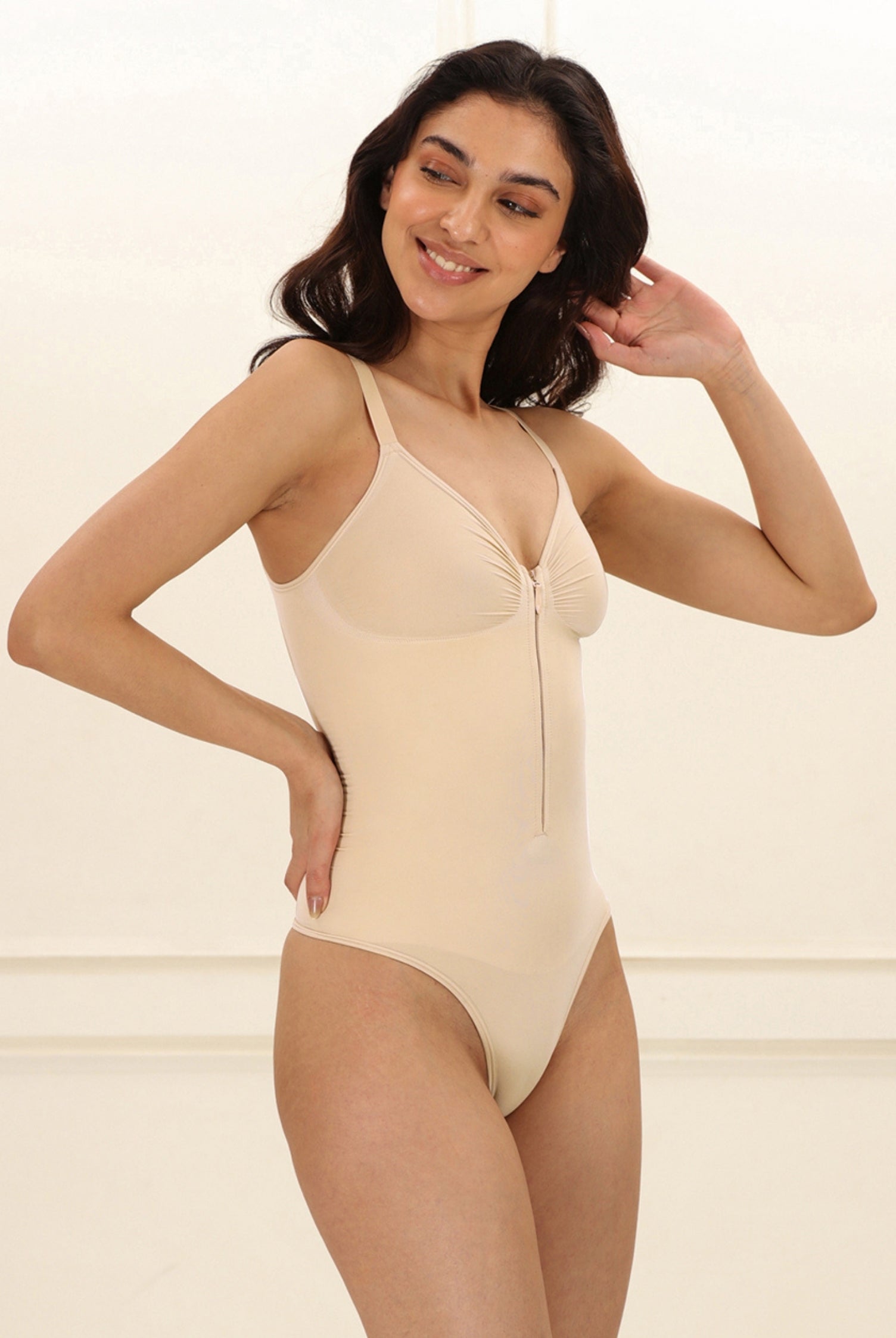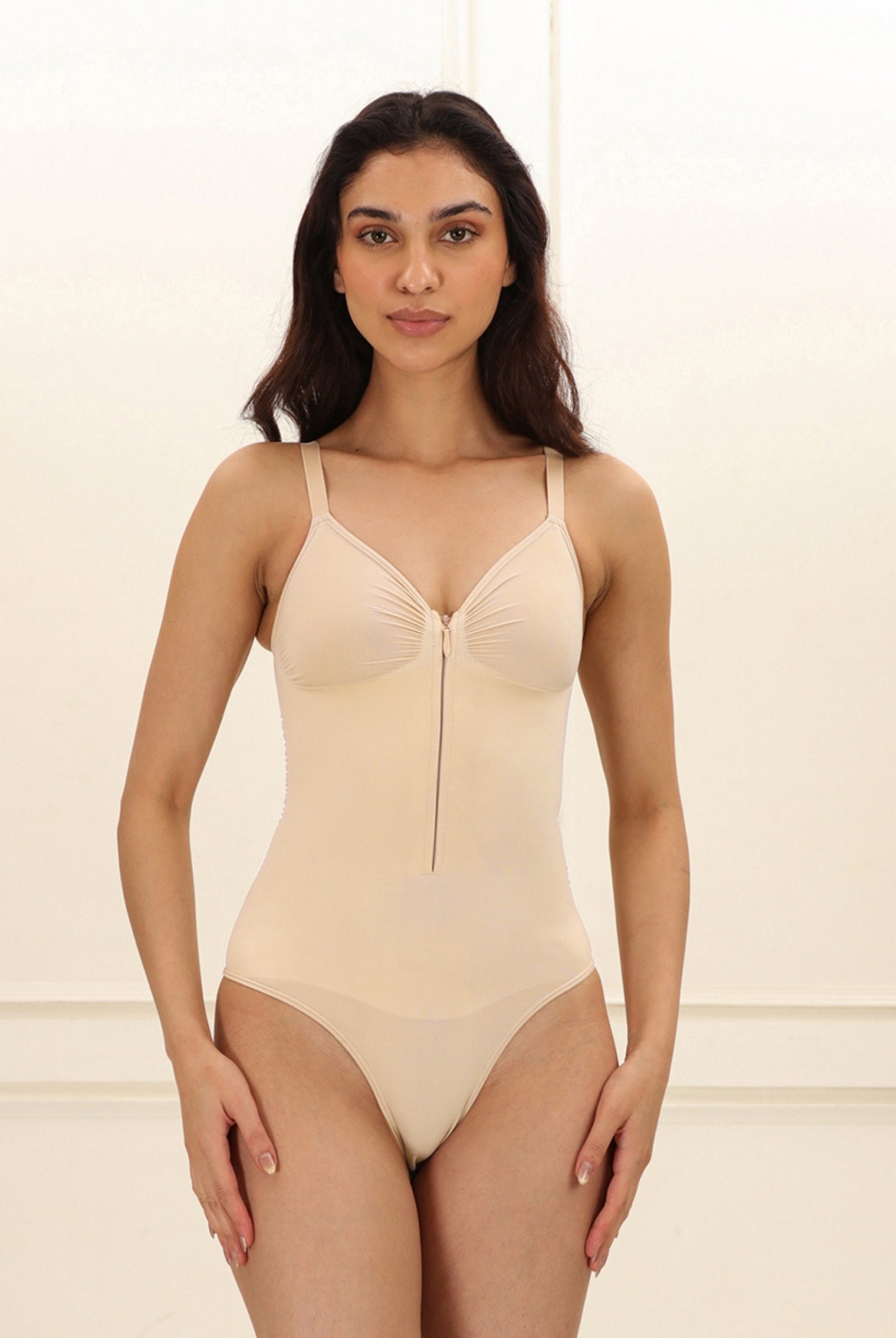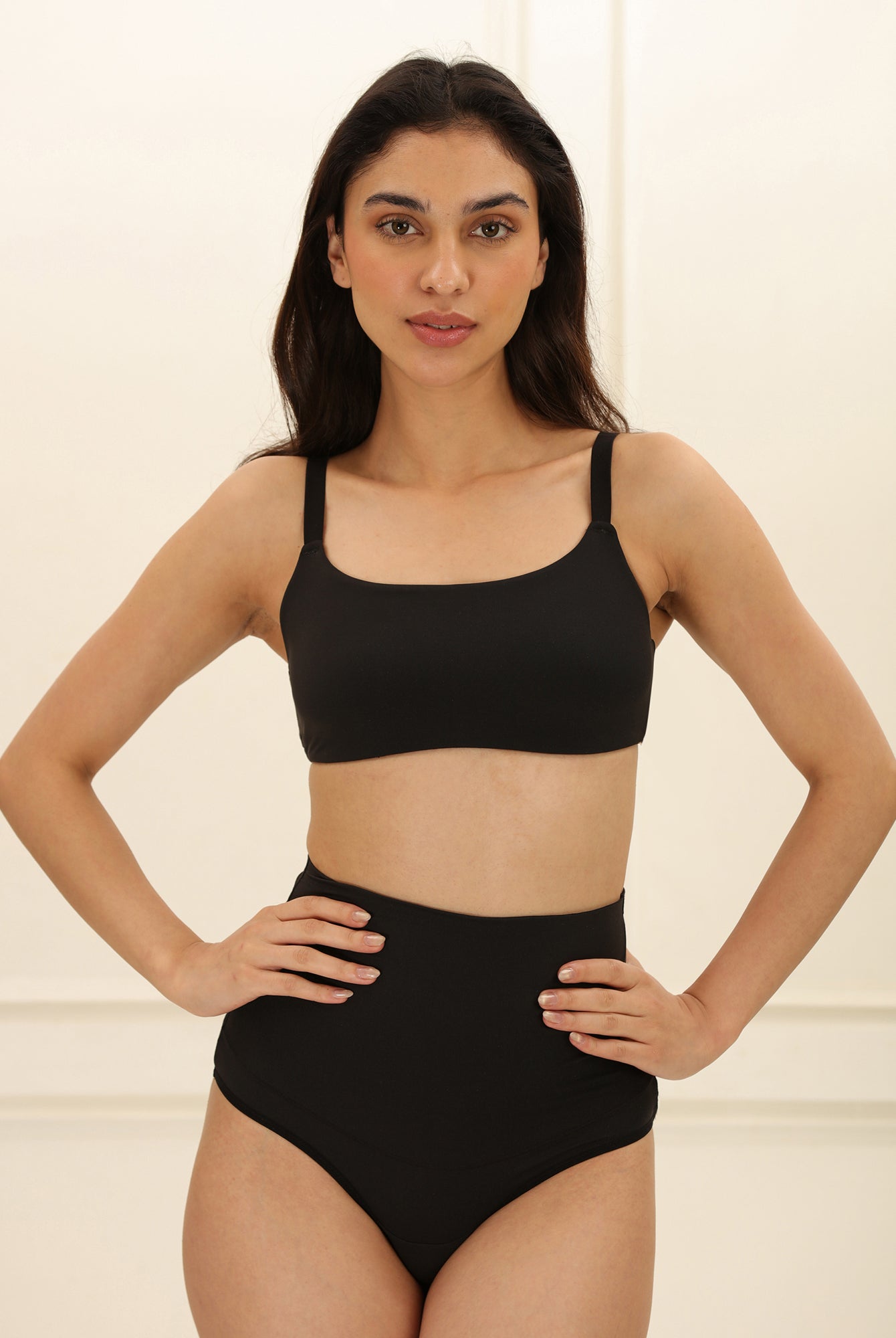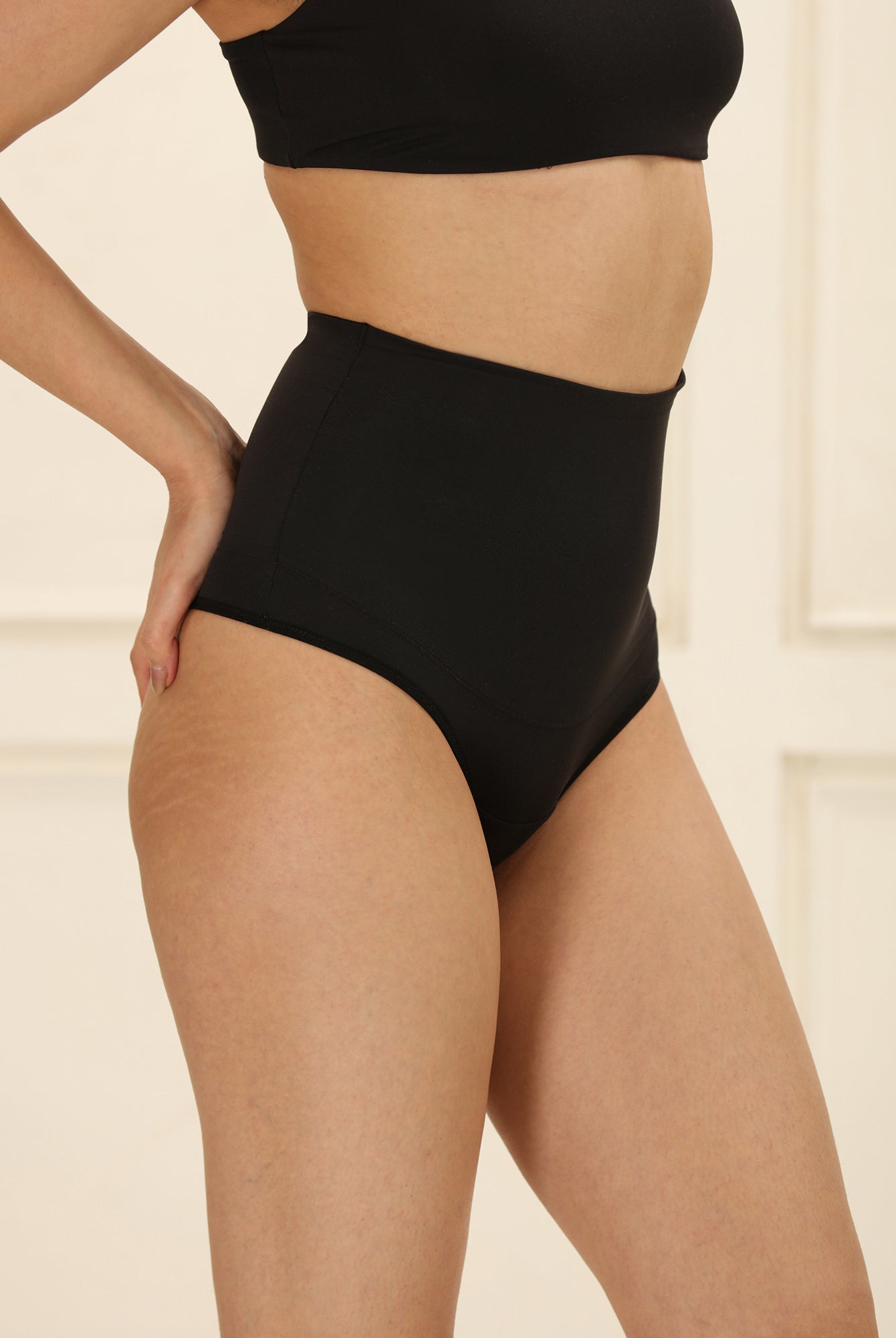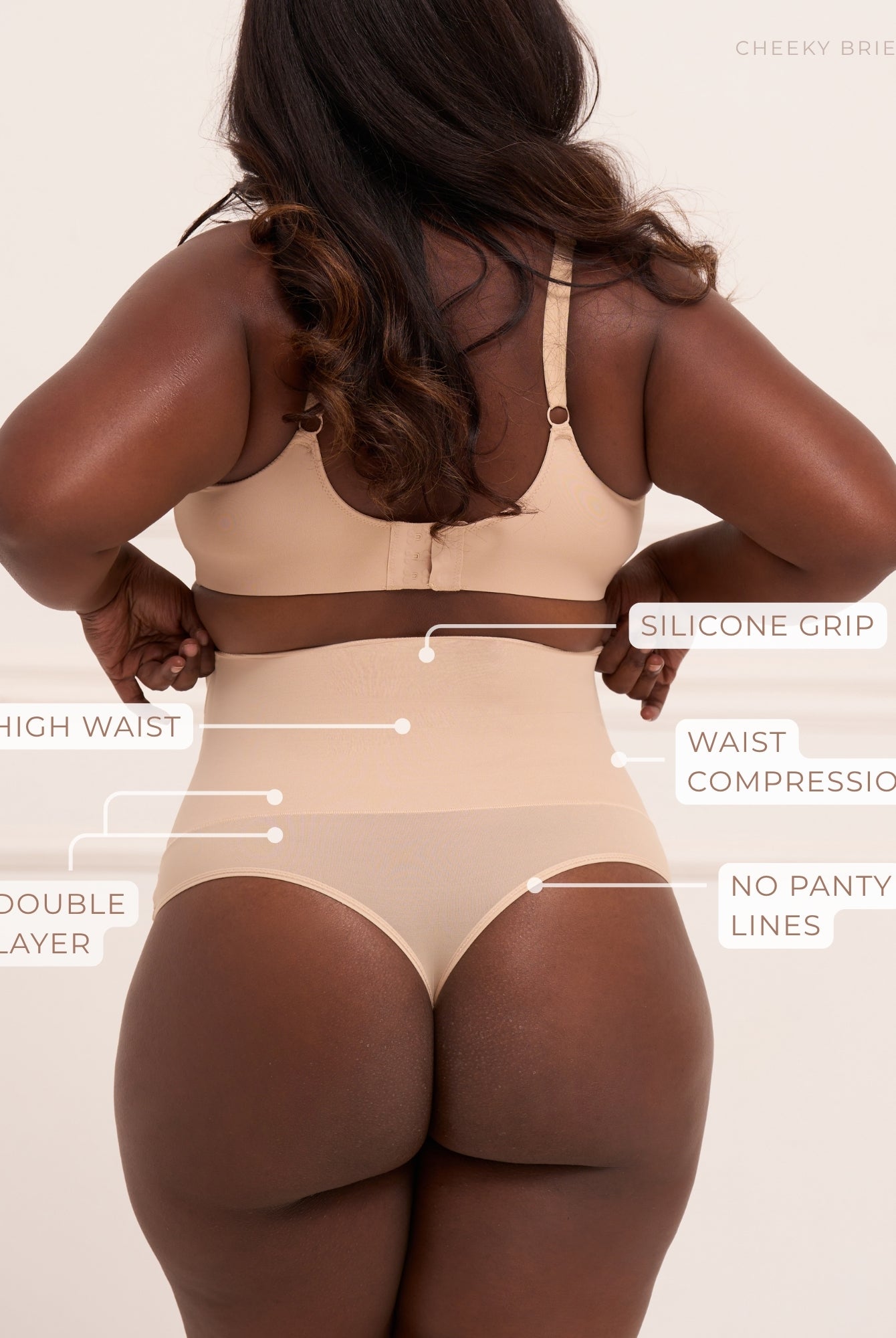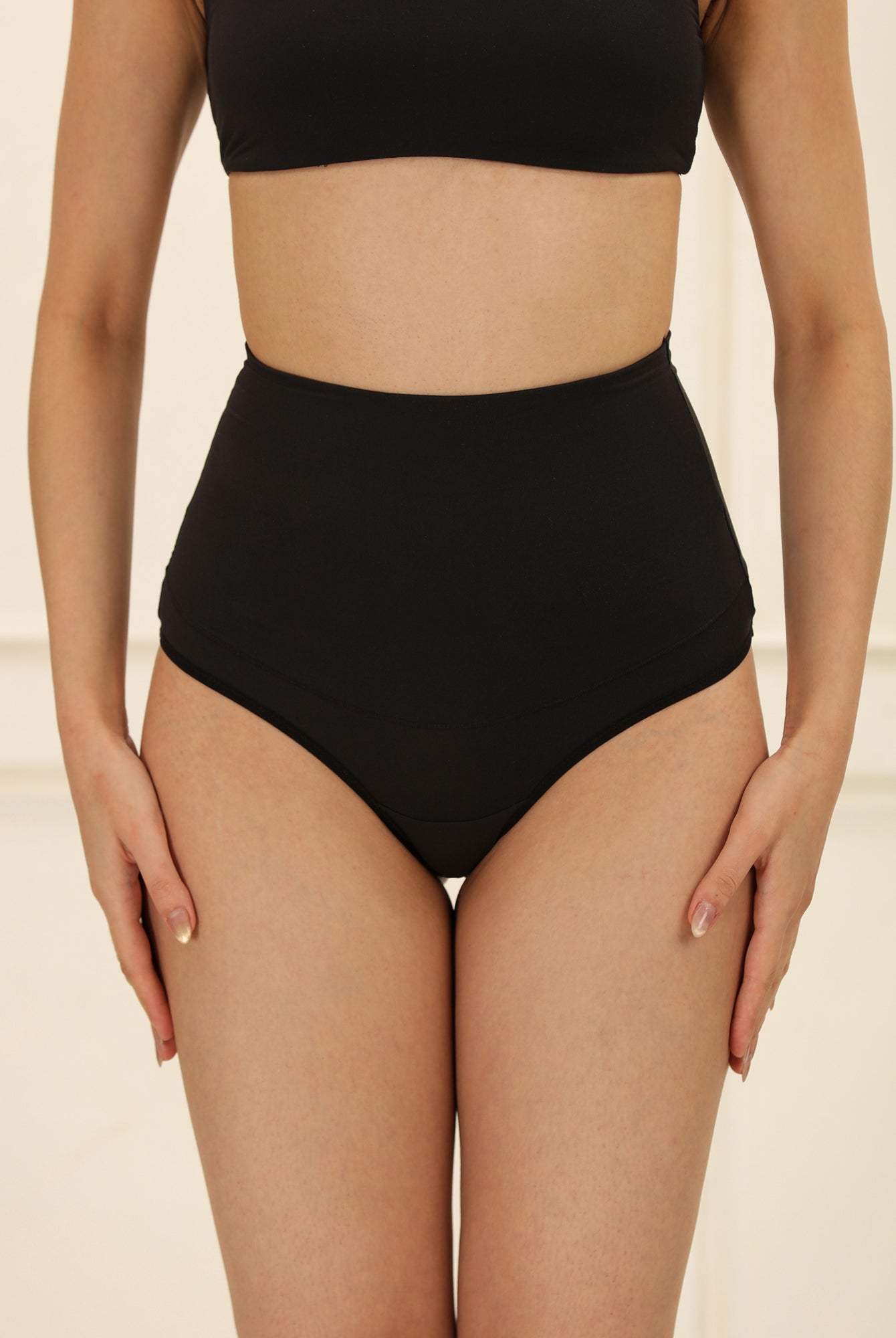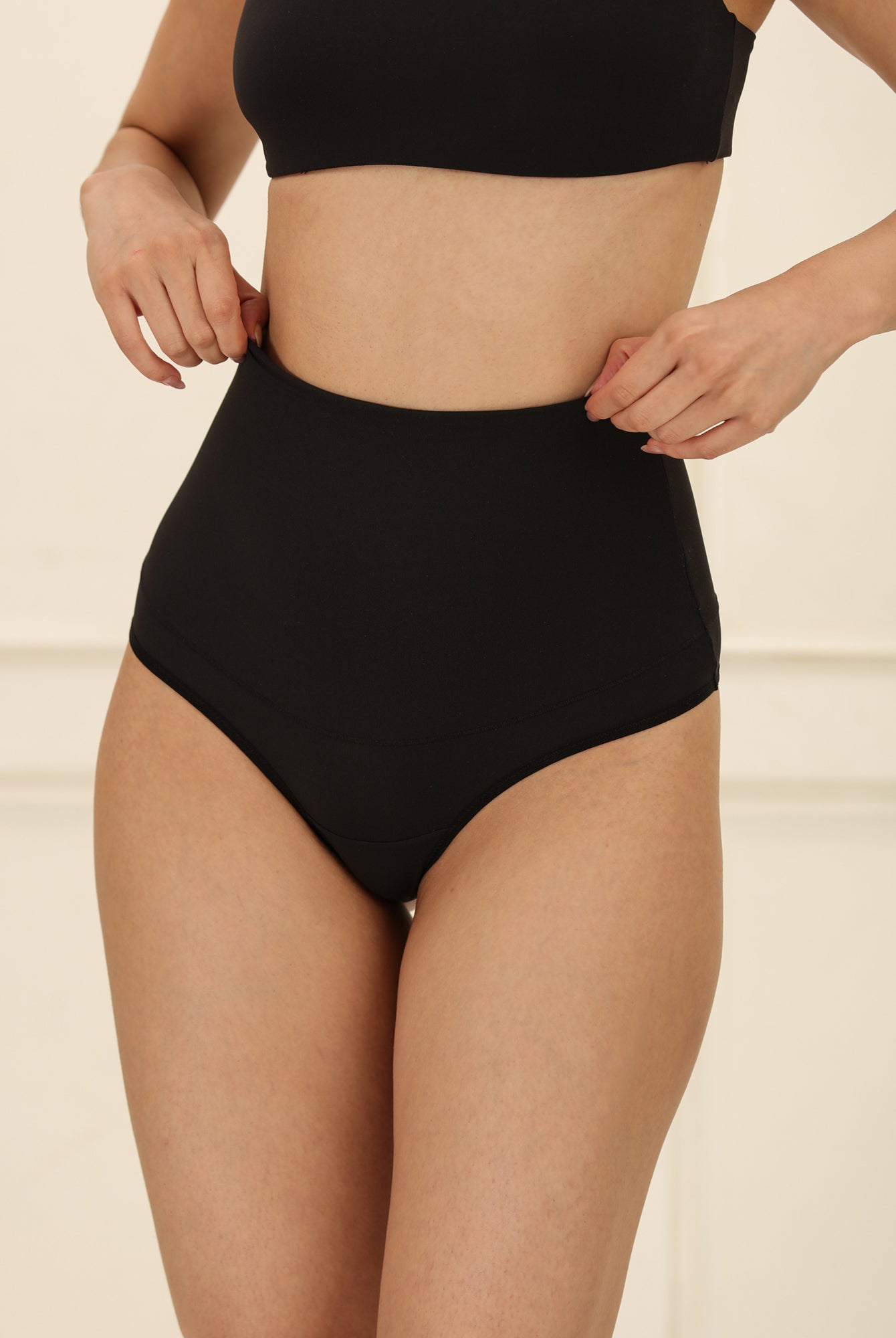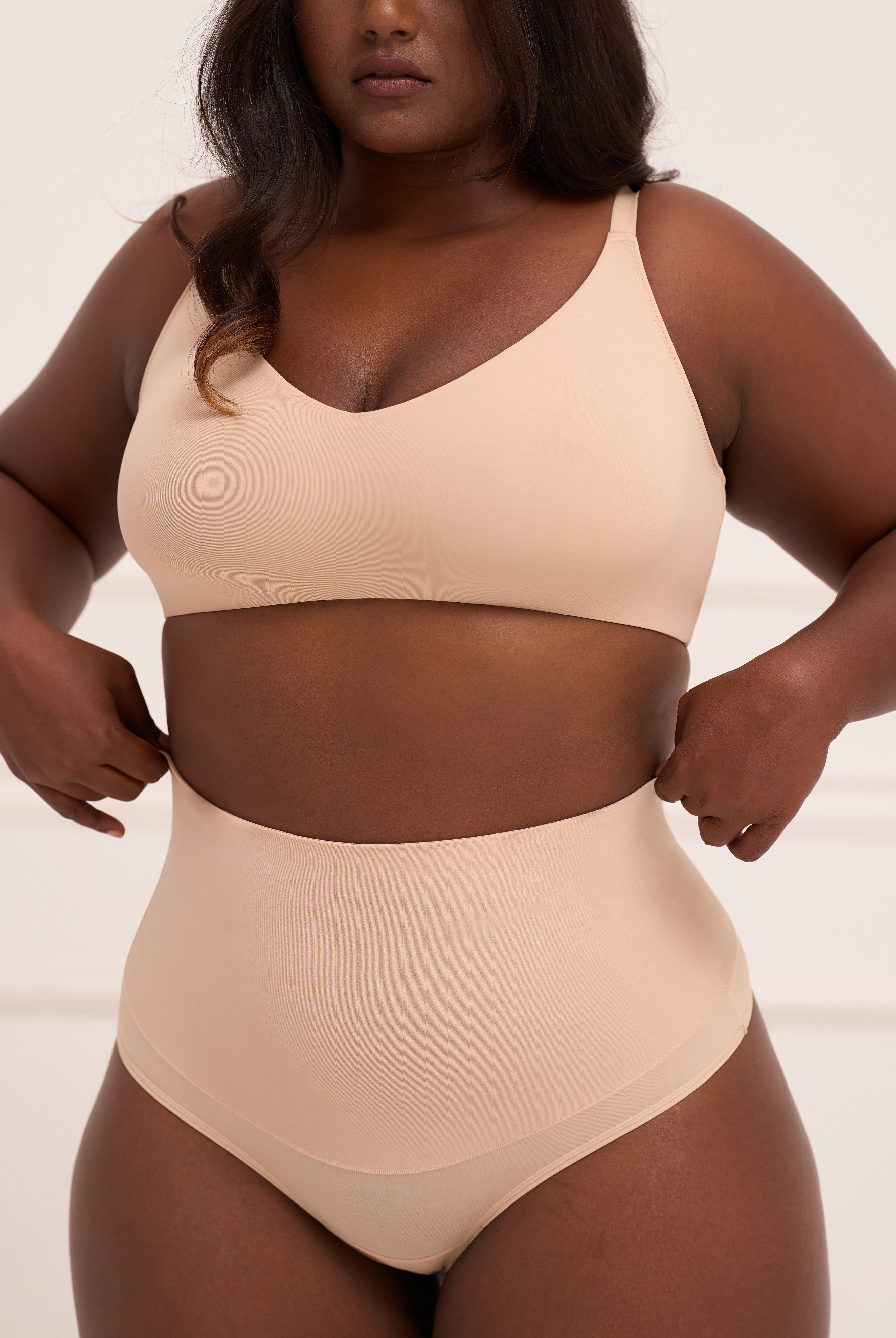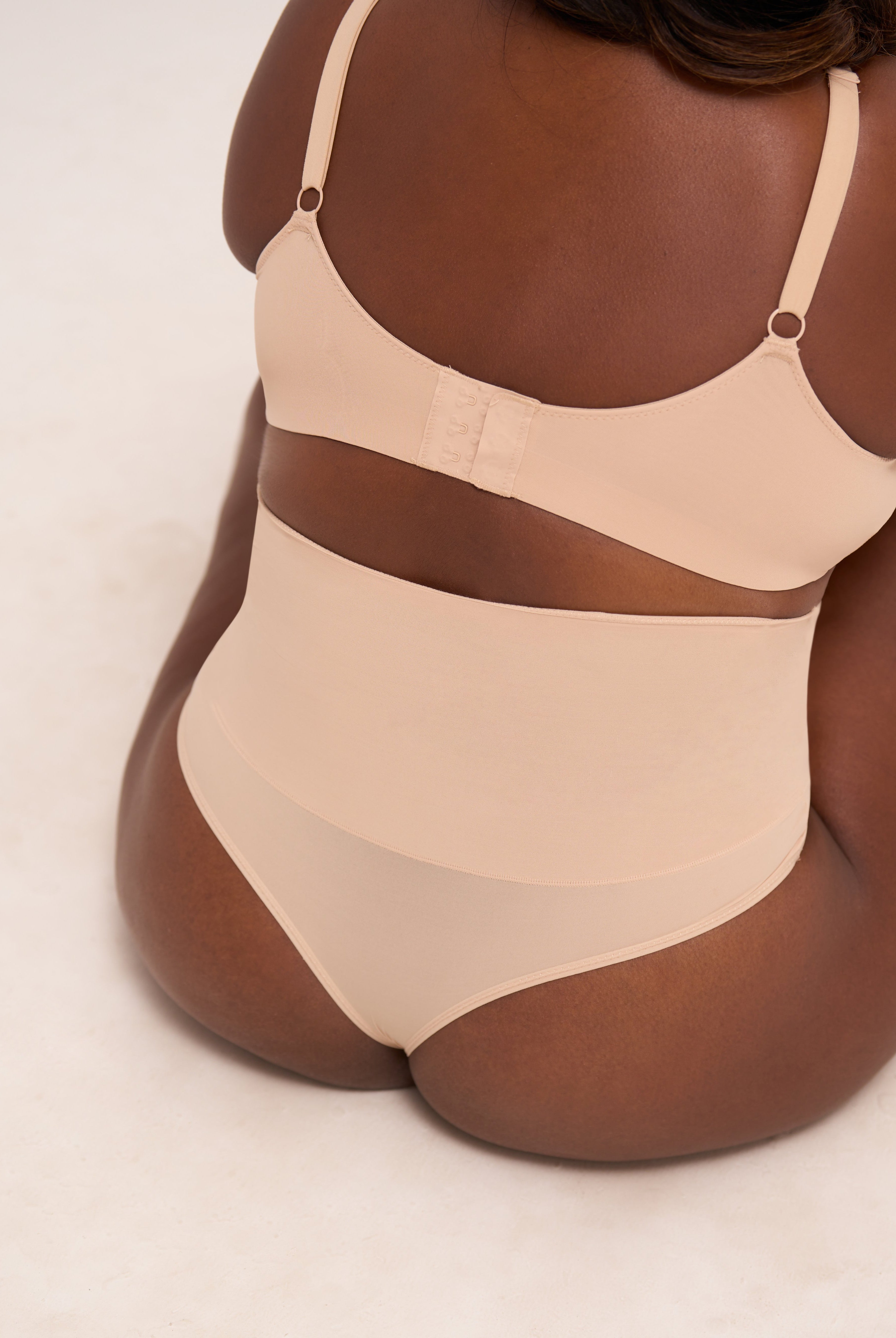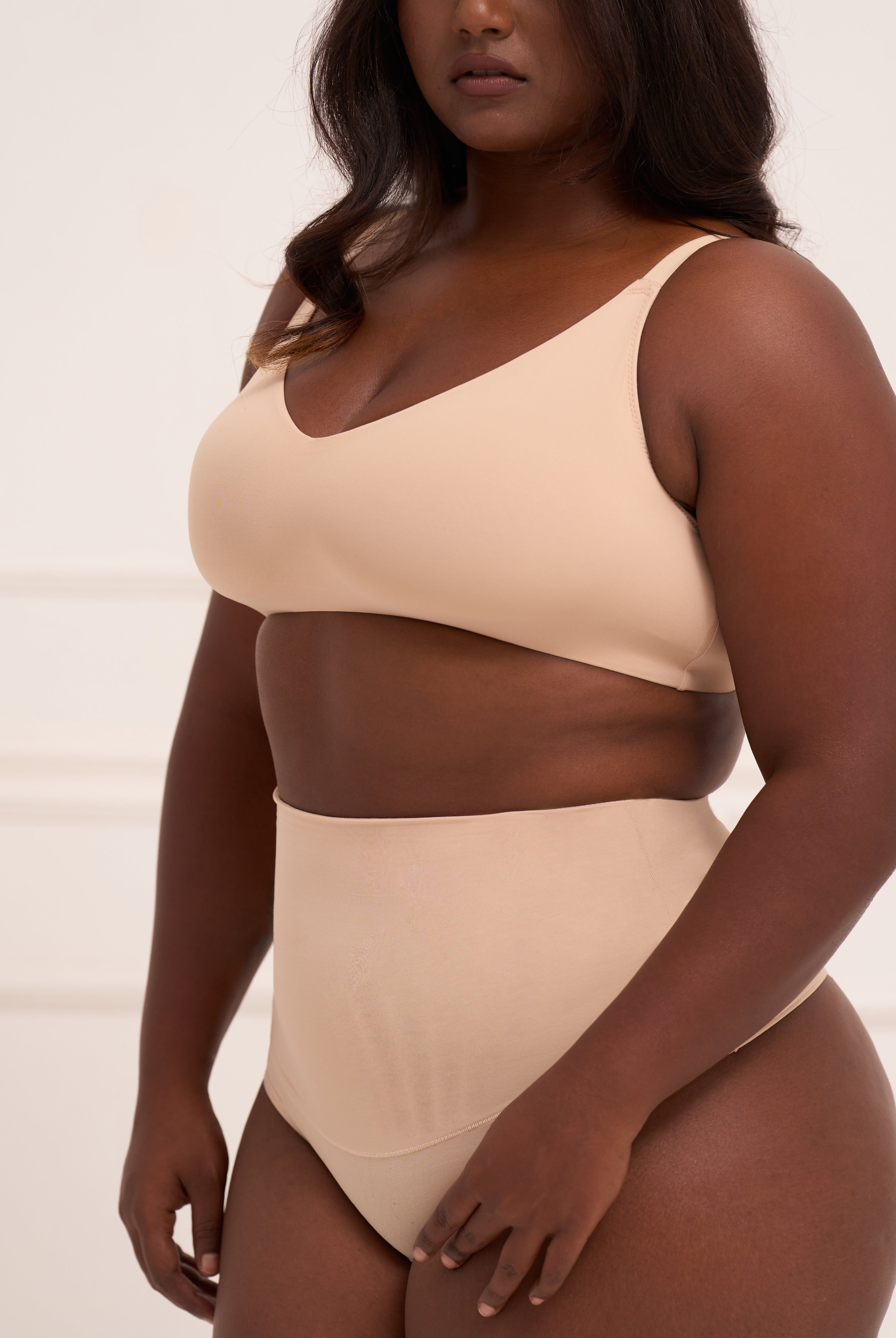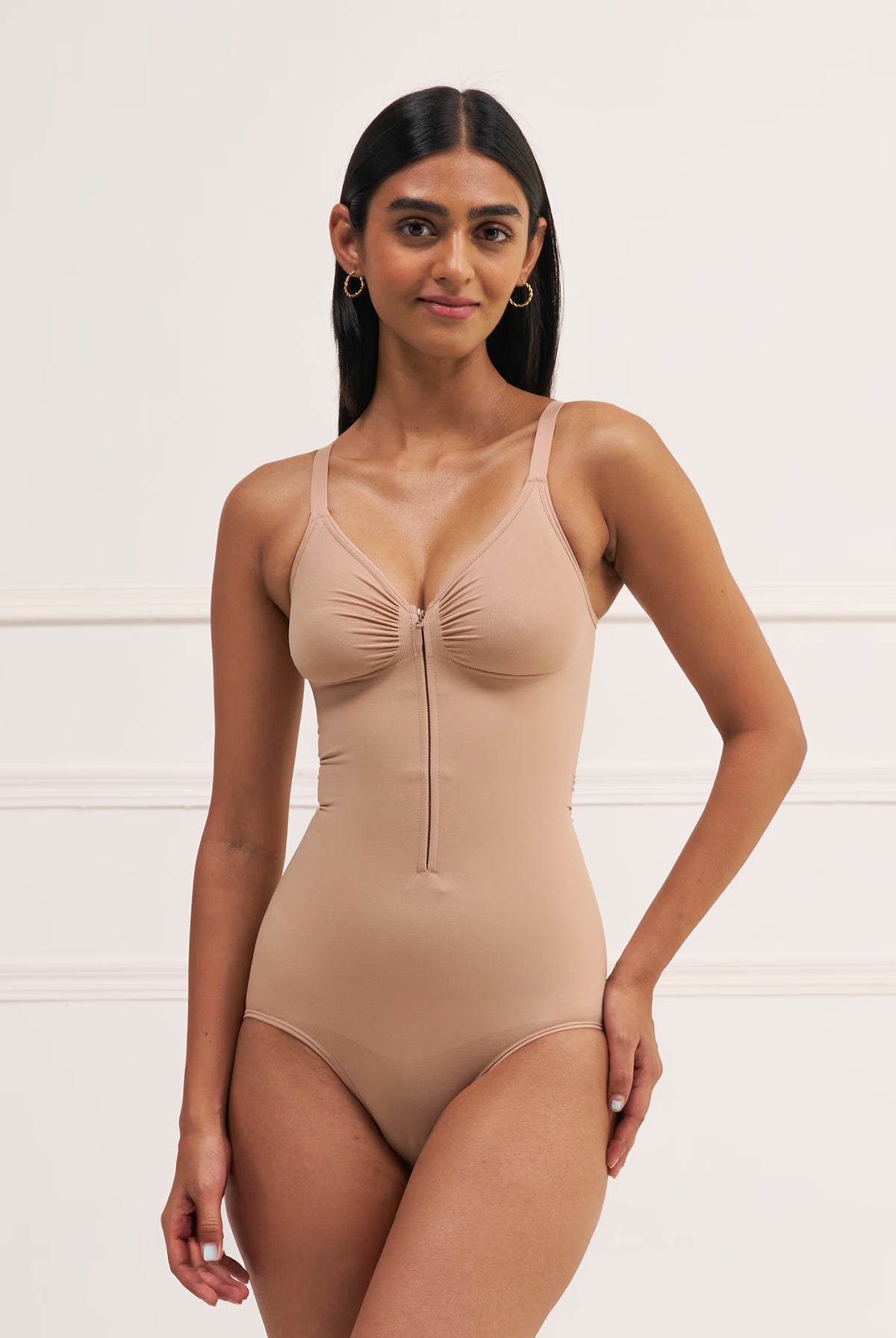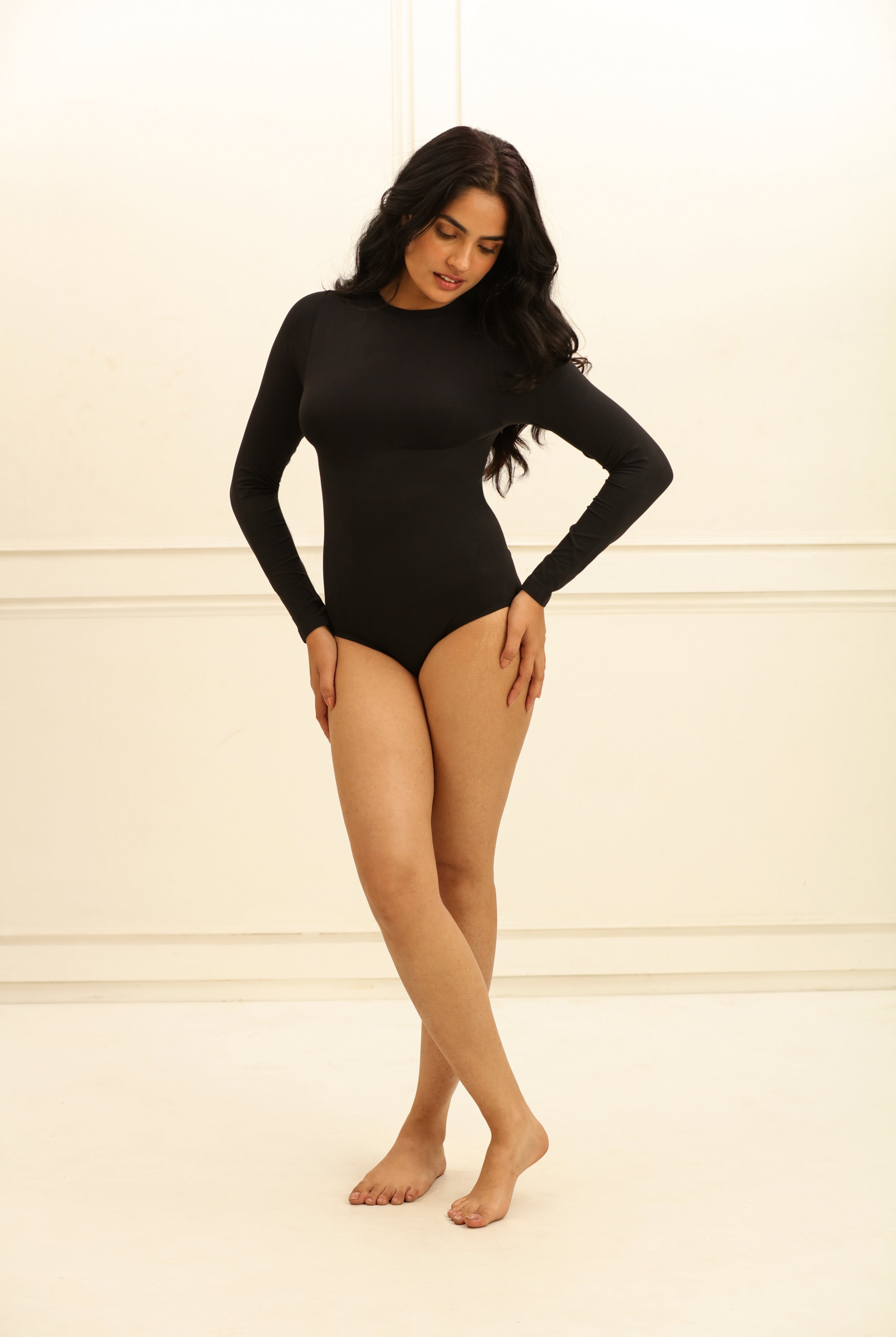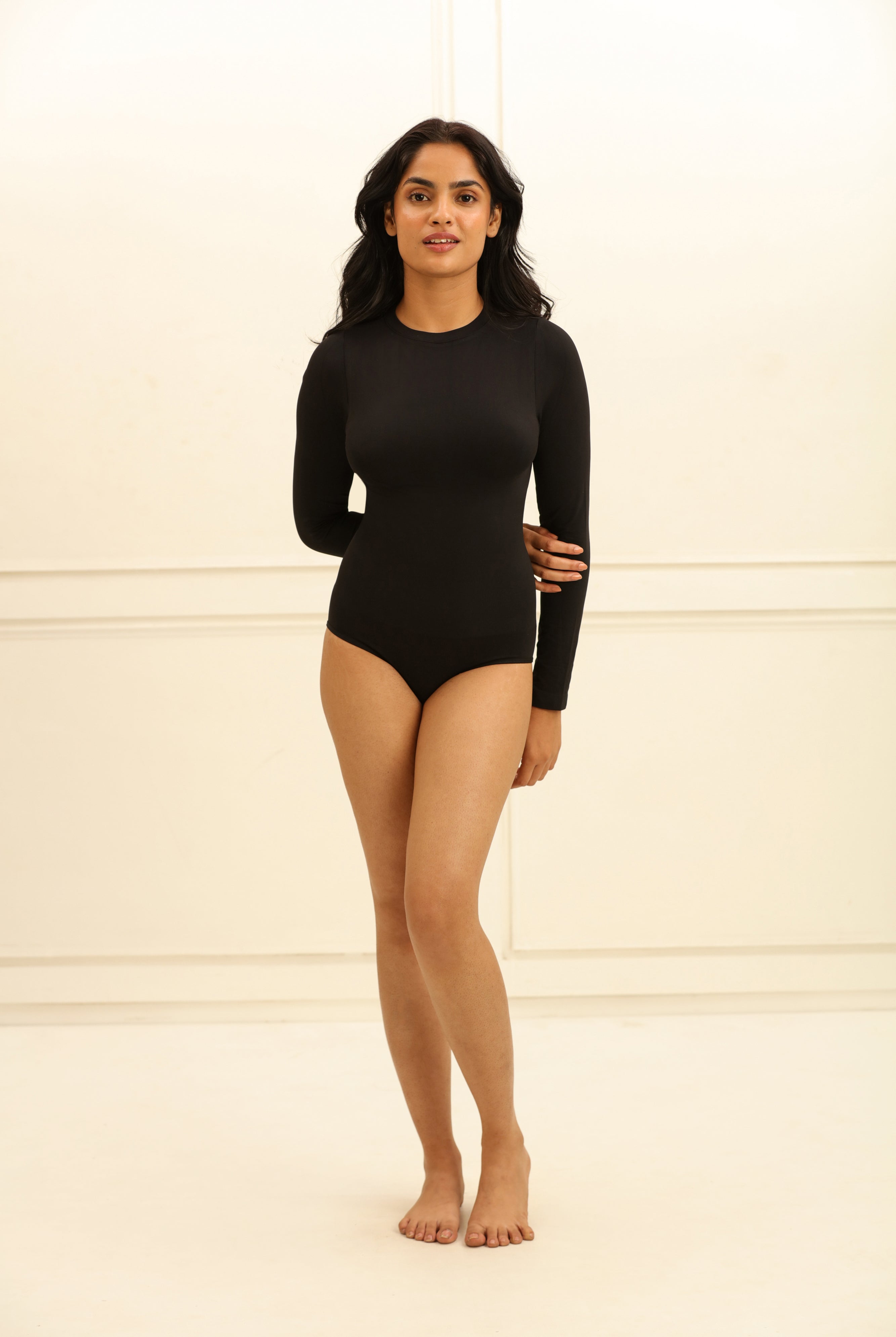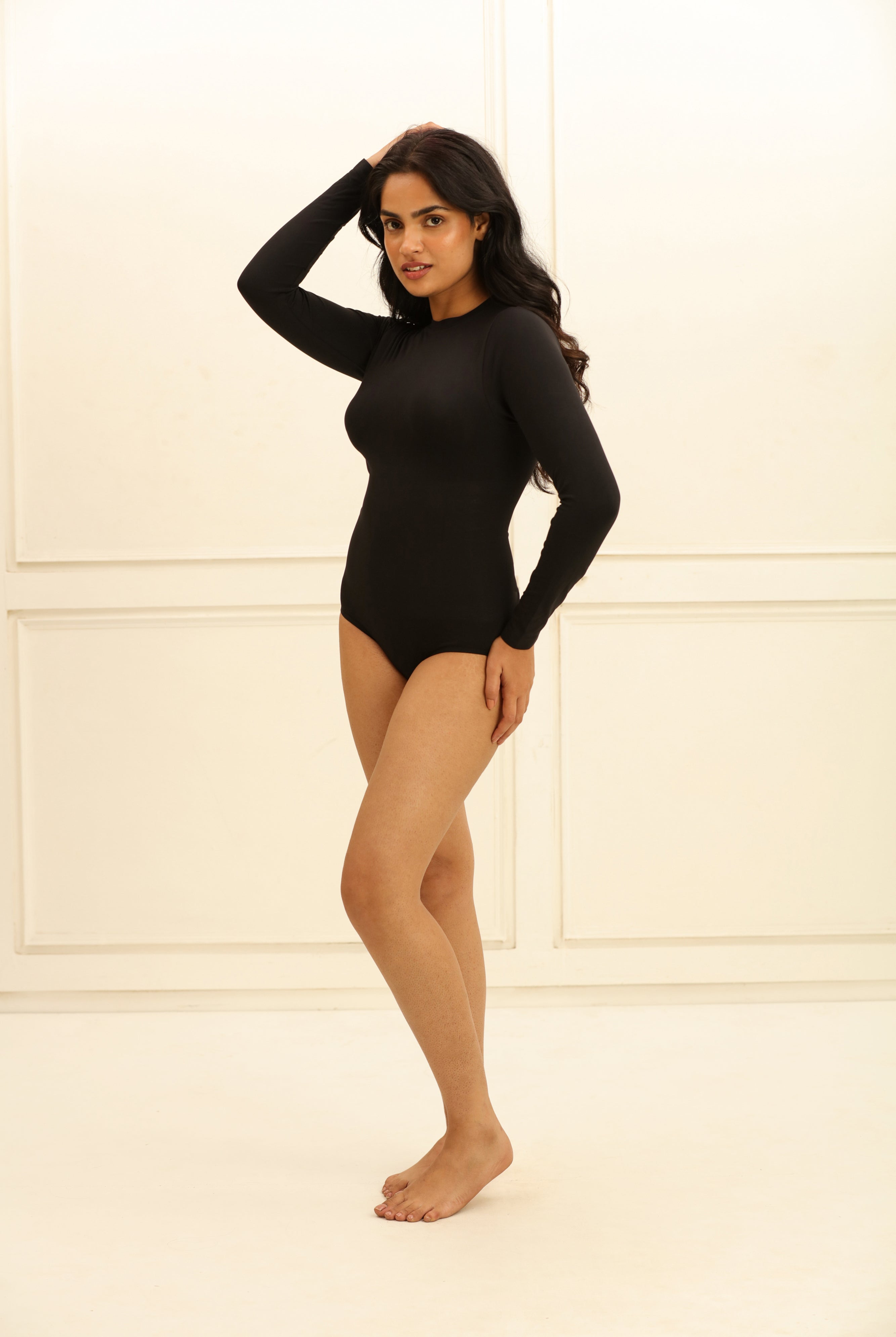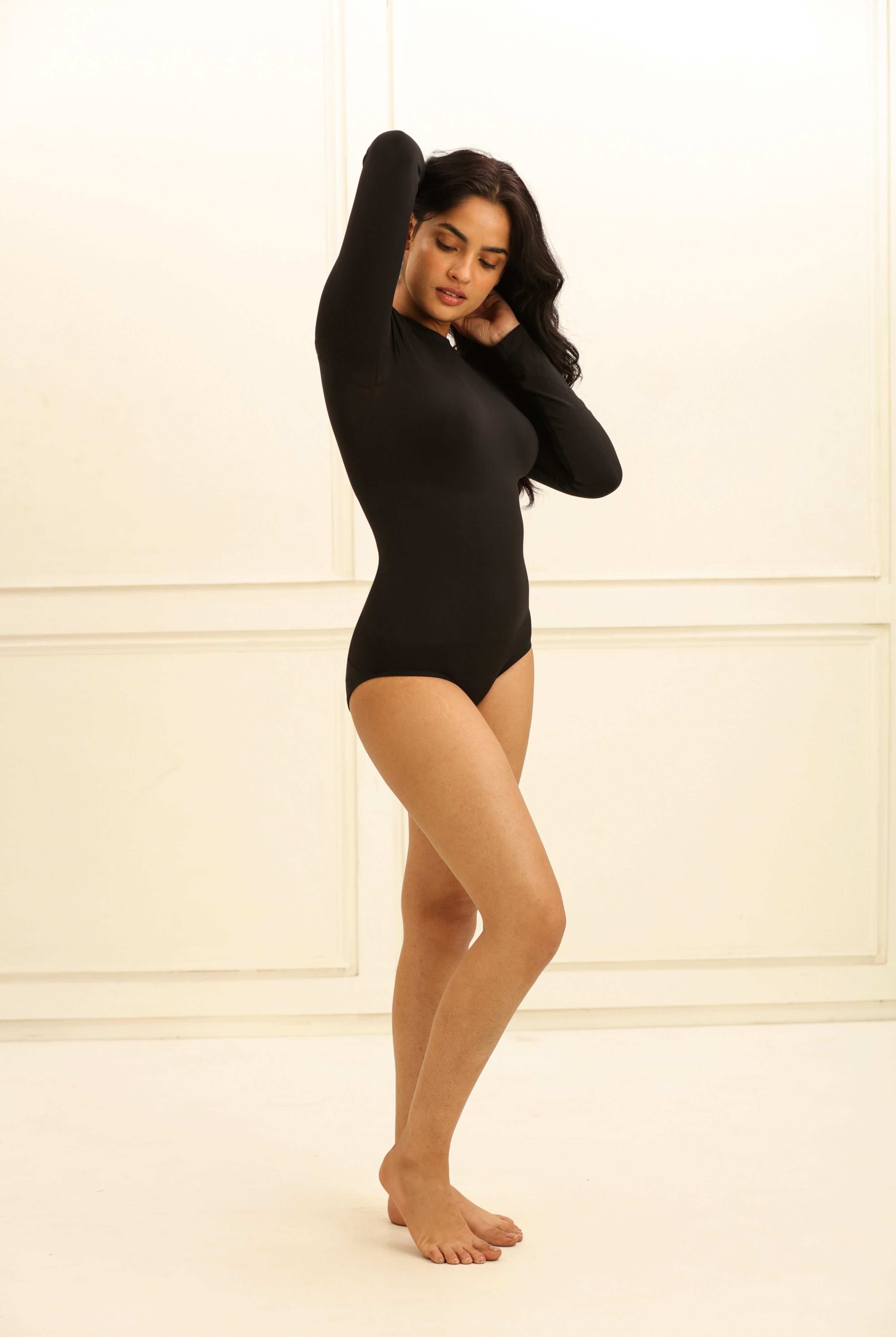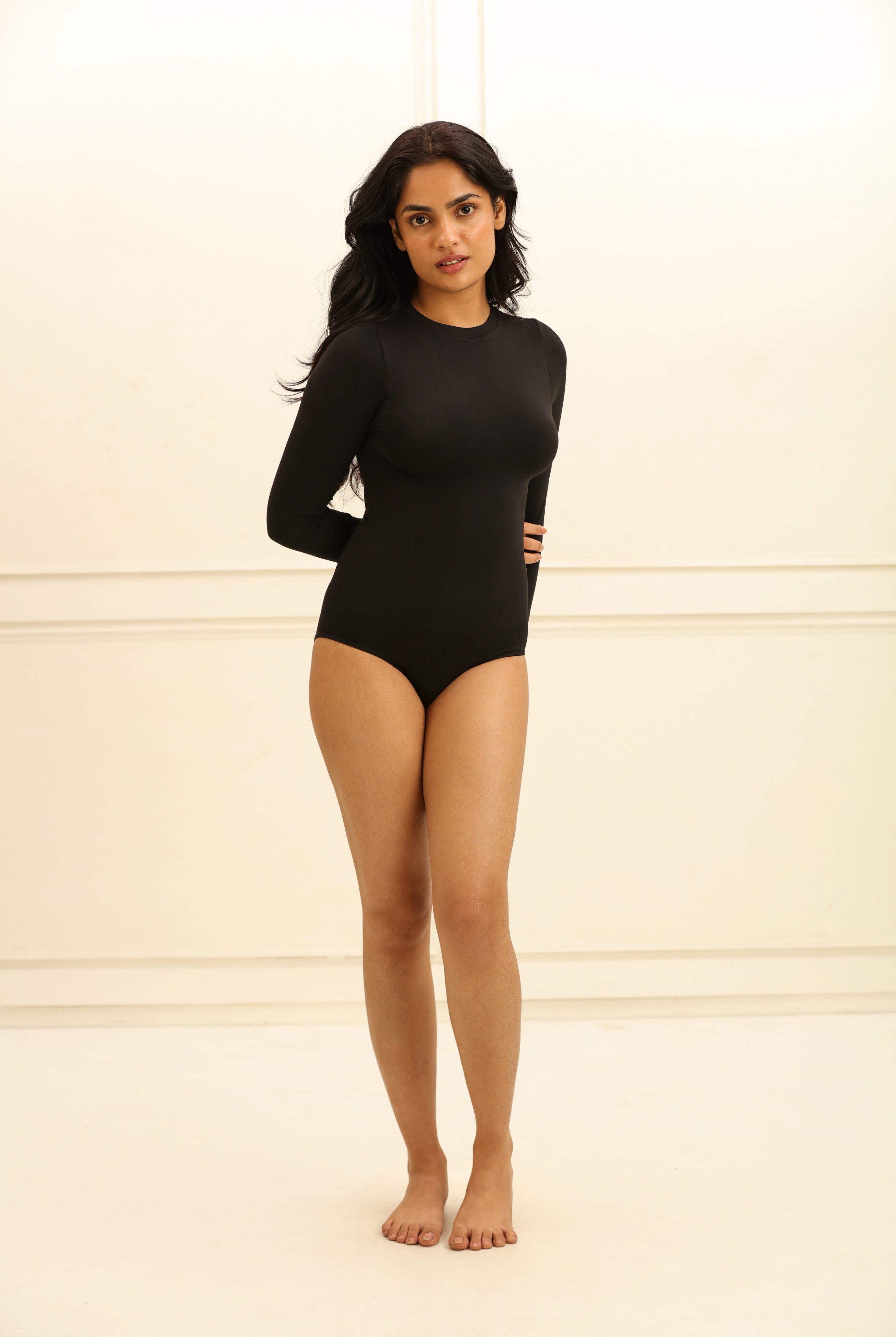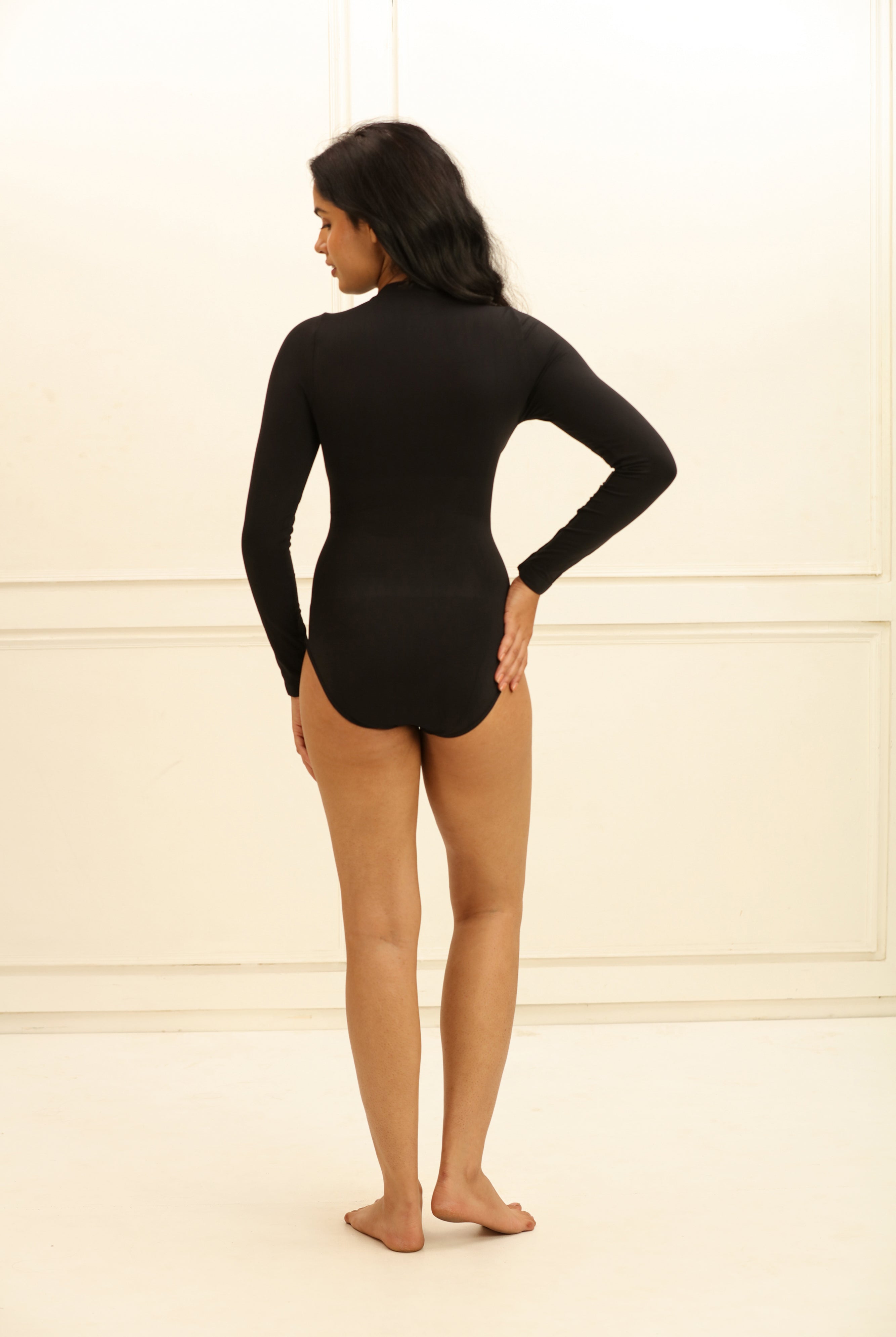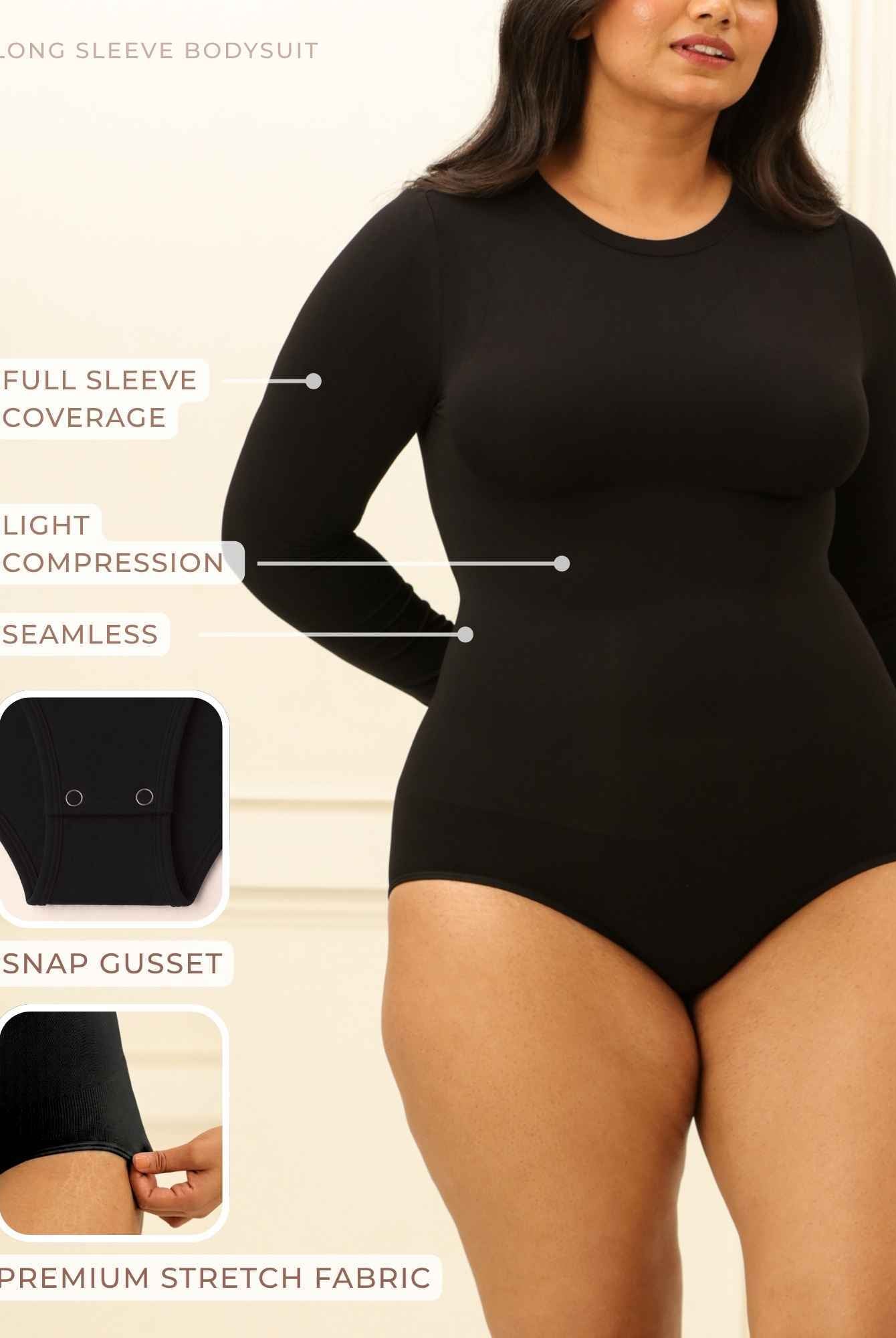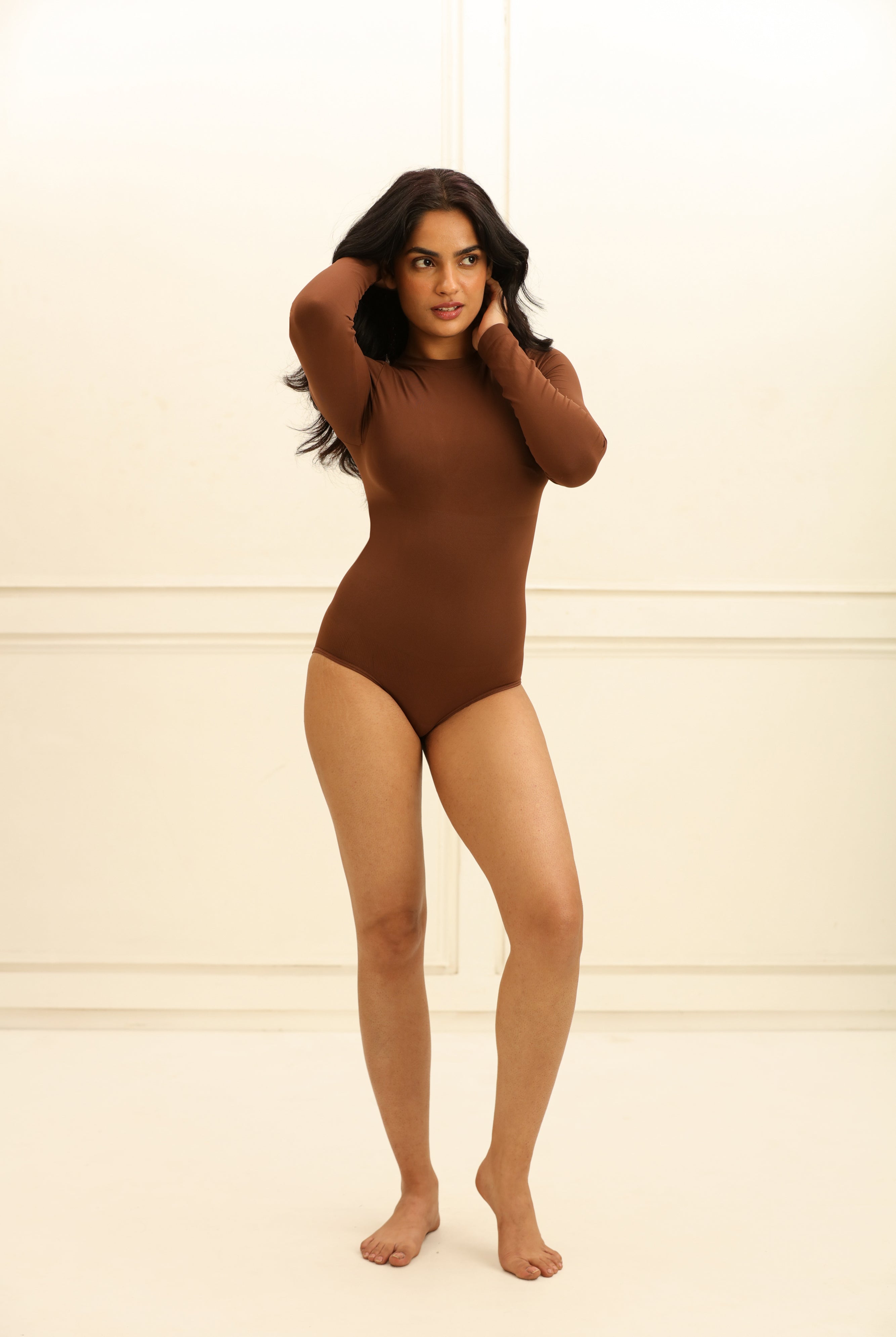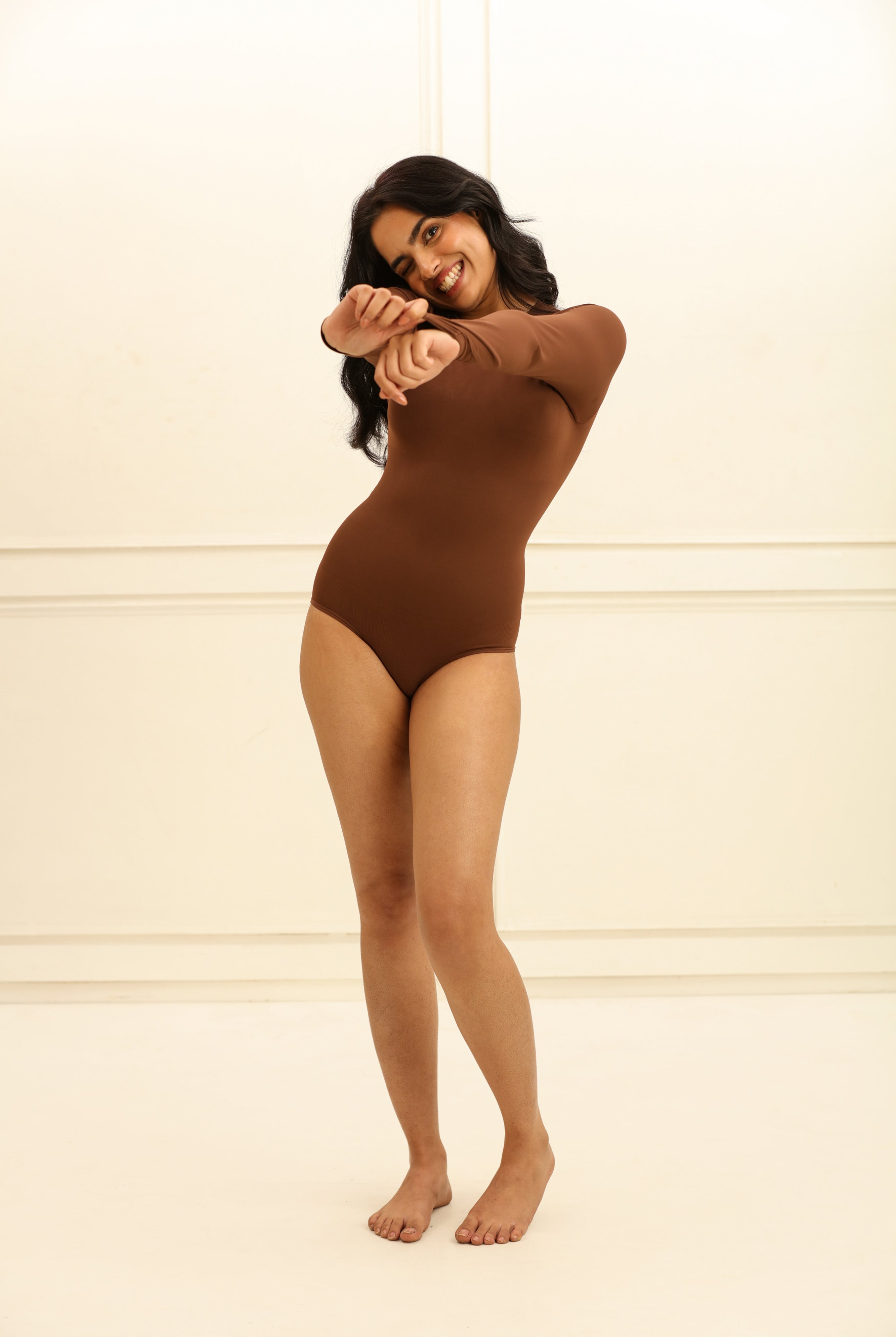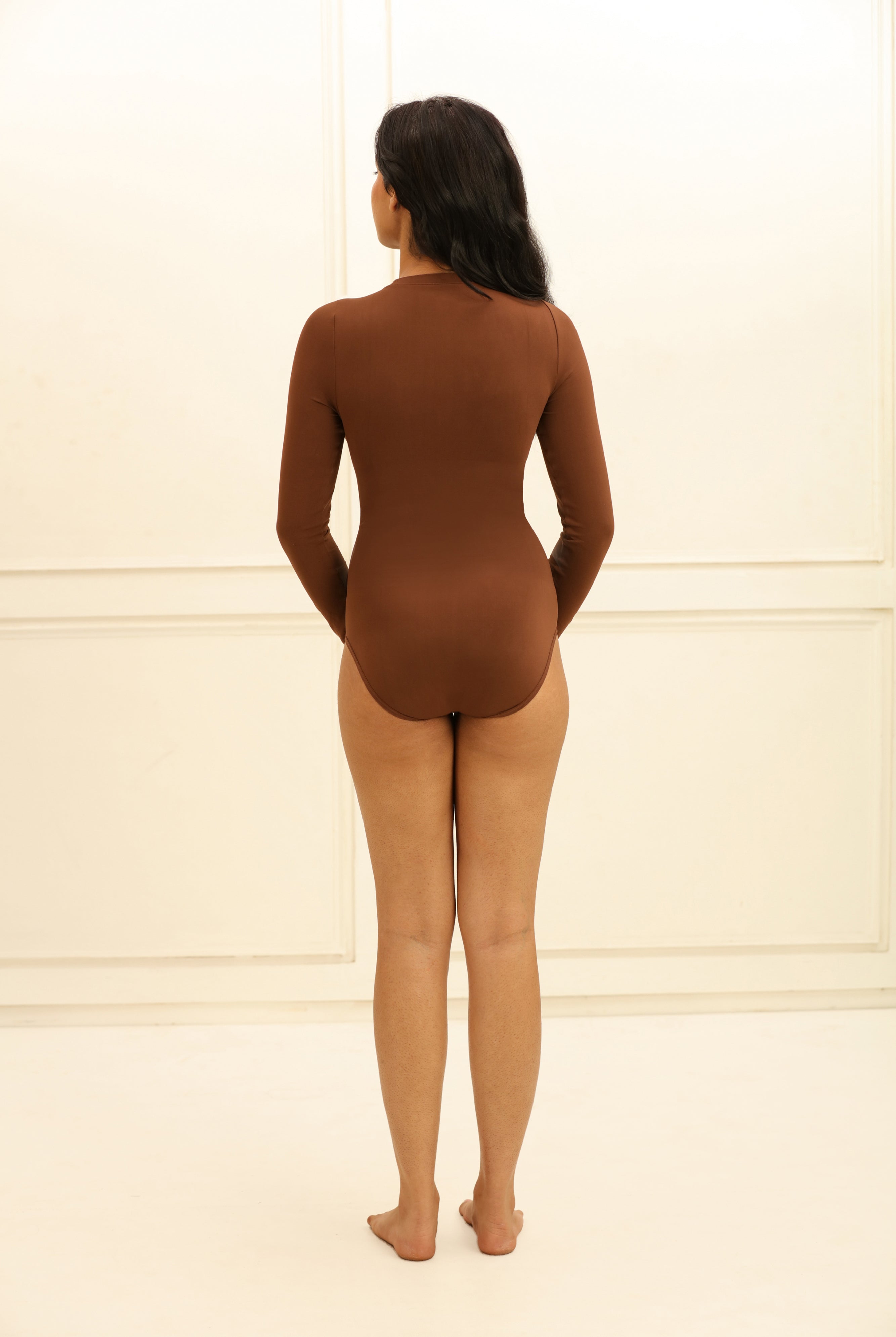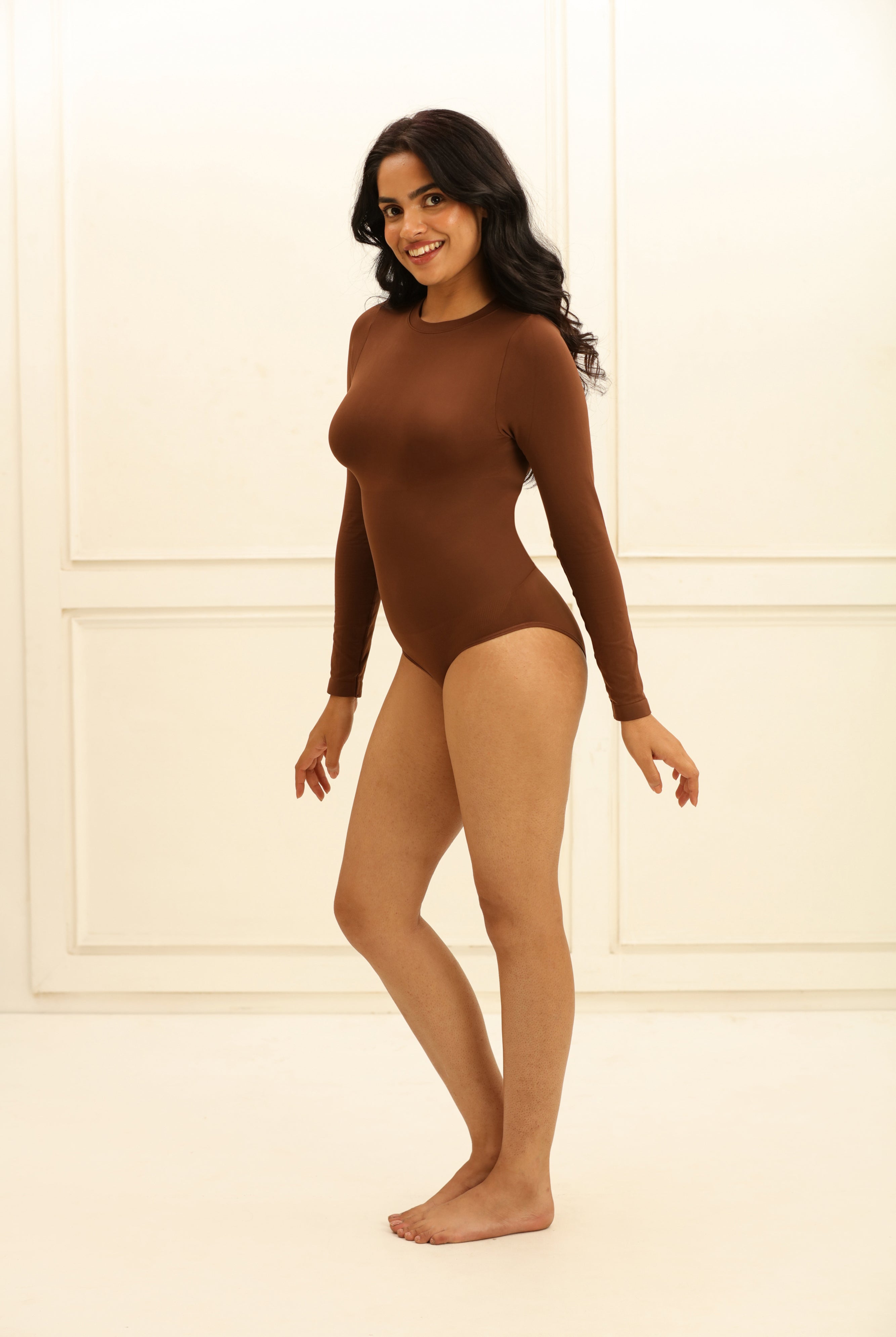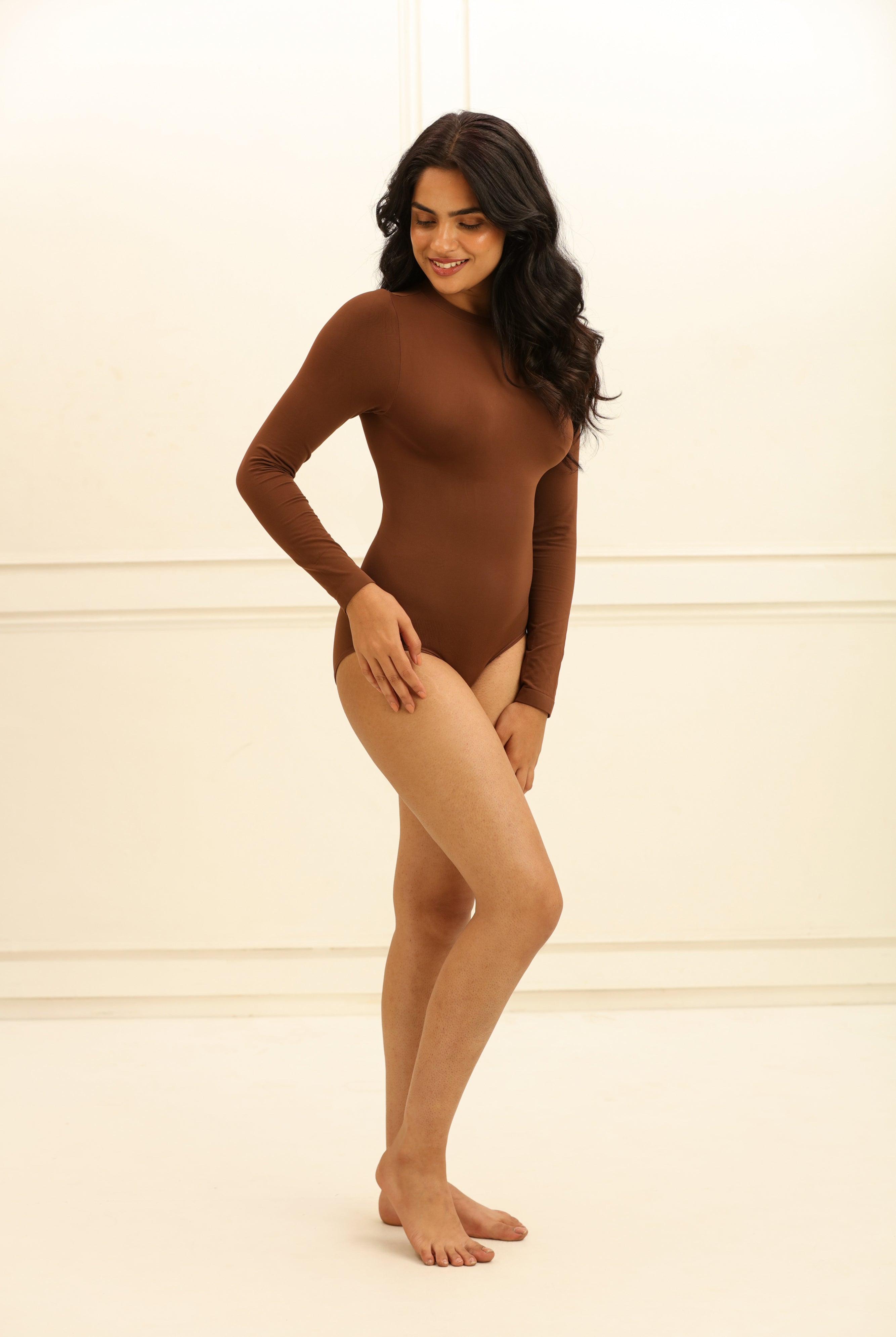







There's a specific kind of underwear frustration most women know well, you put on something cute, and within an hour you're secretly adjusting it under the table because the waistband just isn't sitting right, or you wear a fitted dress and can see exactly where your underwear line is, which is somehow sometimes the one spot you can't fix without going to the bathroom.
That's usually the gap V-shape underwear fills. Most panties have a straight or gently curved waistband. V-shape styles dip lower at the front instead, following the natural line of your waist and hips rather than cutting straight across it.
Is that just a style choice? We will be honest with you. Not entirely. That one small dip changes how the underwear behaves, how it sits, how it works with different outfits, how it feels by hour eight rather than hour one.
We're sure by now you want to understand everything in detail, including the most important part, v shape underwear benefits. This blog carries exactly that, here's what that actually means for you, laid out in full.
What's V-Shape Underwear?

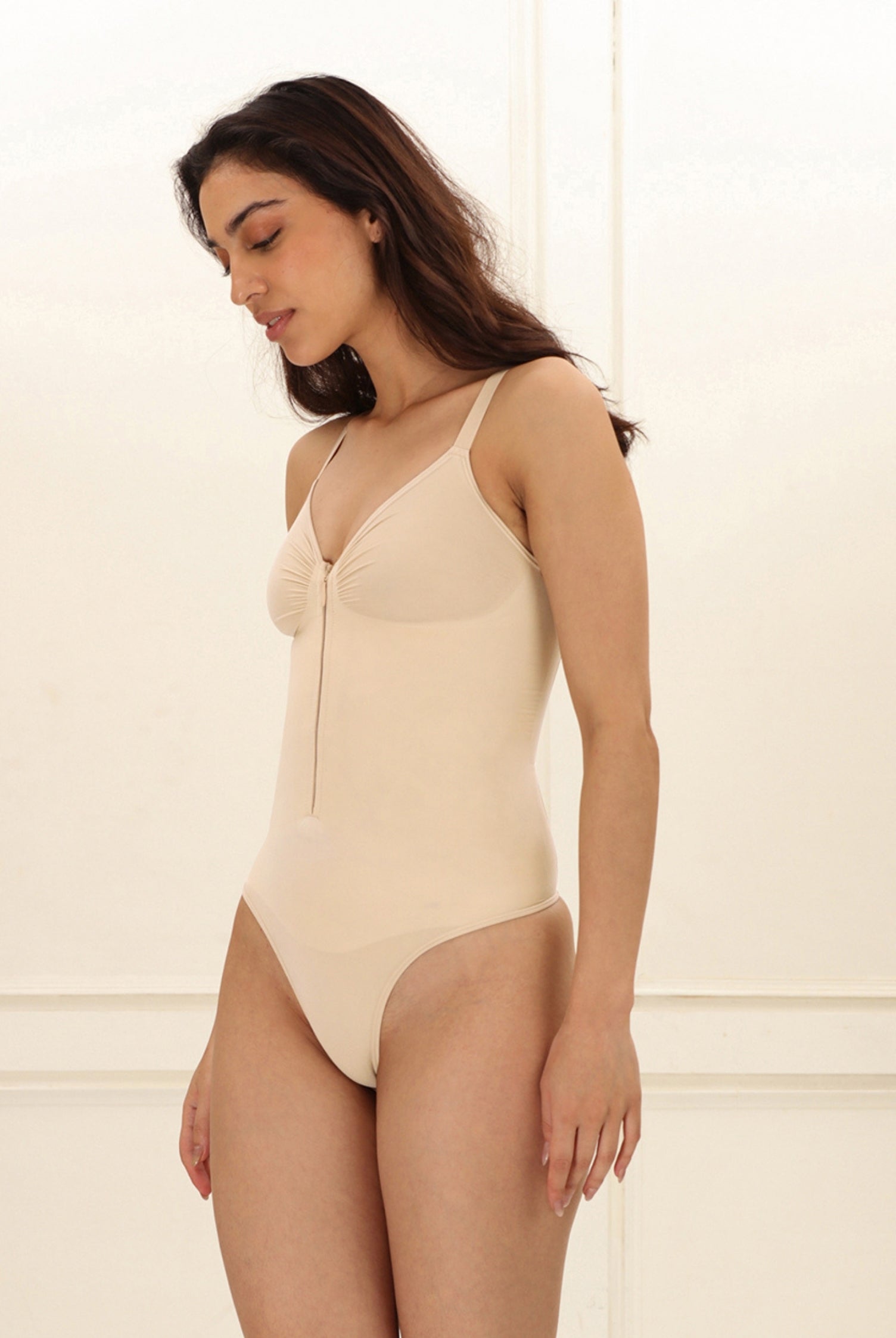
The name gives away most of it. Instead of a straight band across your waist, the front dips slightly lower toward the centre, following the curve of your lower belly and hips rather than sitting flat against it, which, if you think about it, is a little different that more styles don't do this by default.
The back and sides vary a fair bit, anywhere from fuller coverage to something quite minimal, but that dipped front stays constant across versions. It also tends to sit less bulky under clothing. If you ask us, it is particularly useful with low-rise or fitted bottoms, where a straight, higher waistband would otherwise peek out and ruin the line of whatever you're wearing.
Types of V-Shape Panties

The V-front types of panties show up across a few different cuts, depending on how much coverage you actually want that day.
Here are some styles for you to read through.
G-Strings
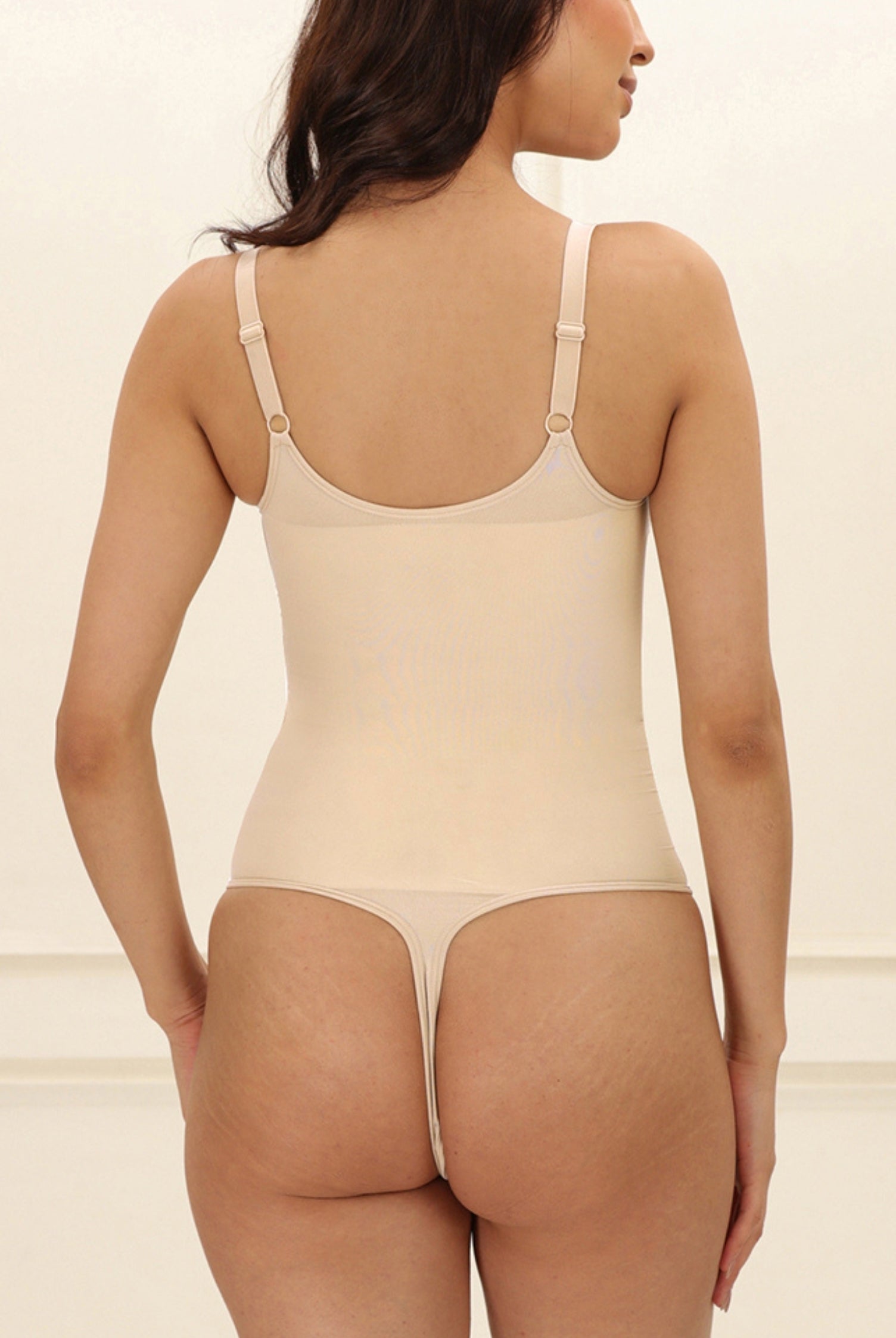
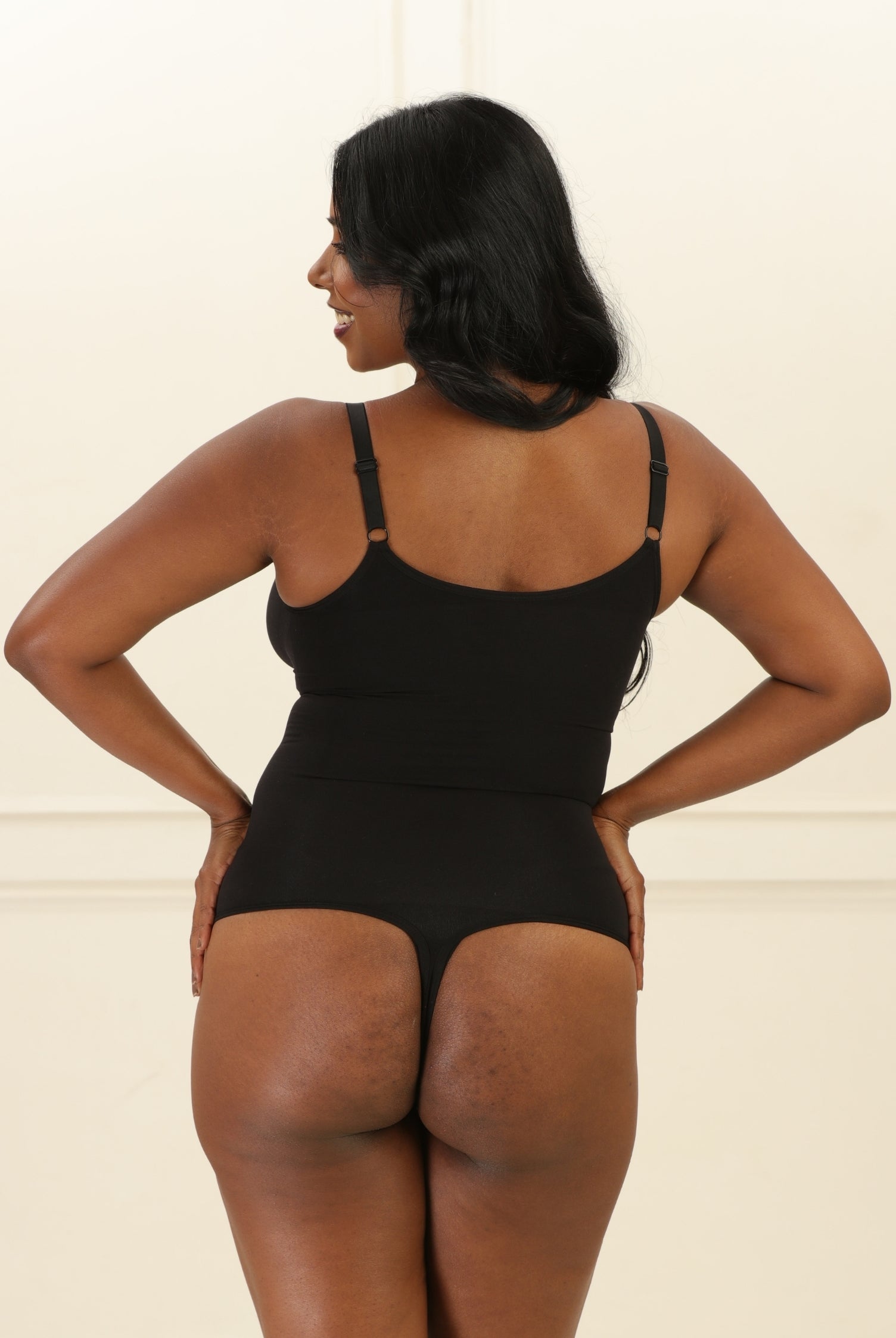
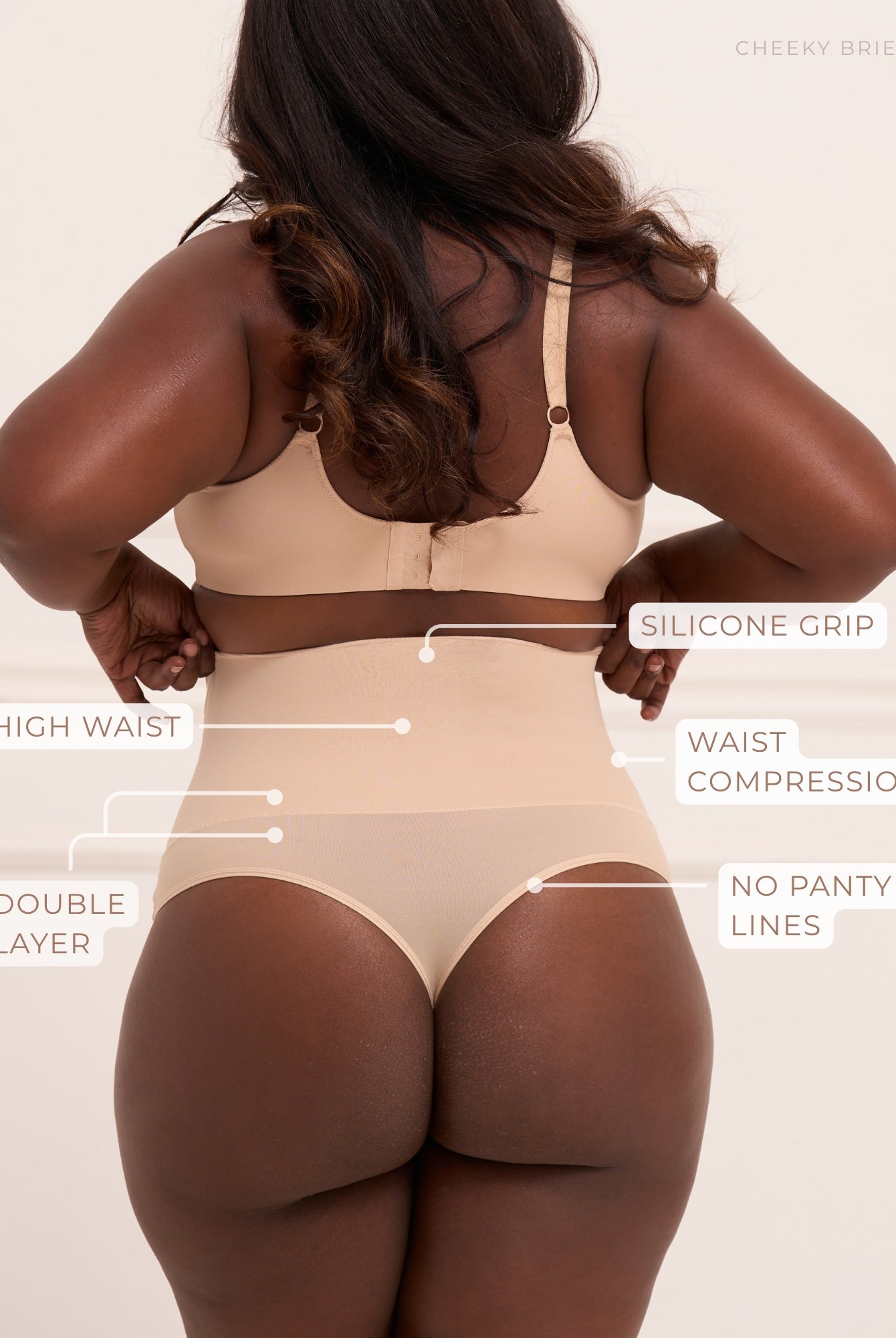
G-strings are one of the more minimal choices out there. The design keeps just a narrow strip of fabric at the back. Add the V-shaped front and it creates a very streamlined look. It tends to work especially well under very fitted clothing, where you'd rather not have any coverage decisions made for you by the outfit itself.
Thongs
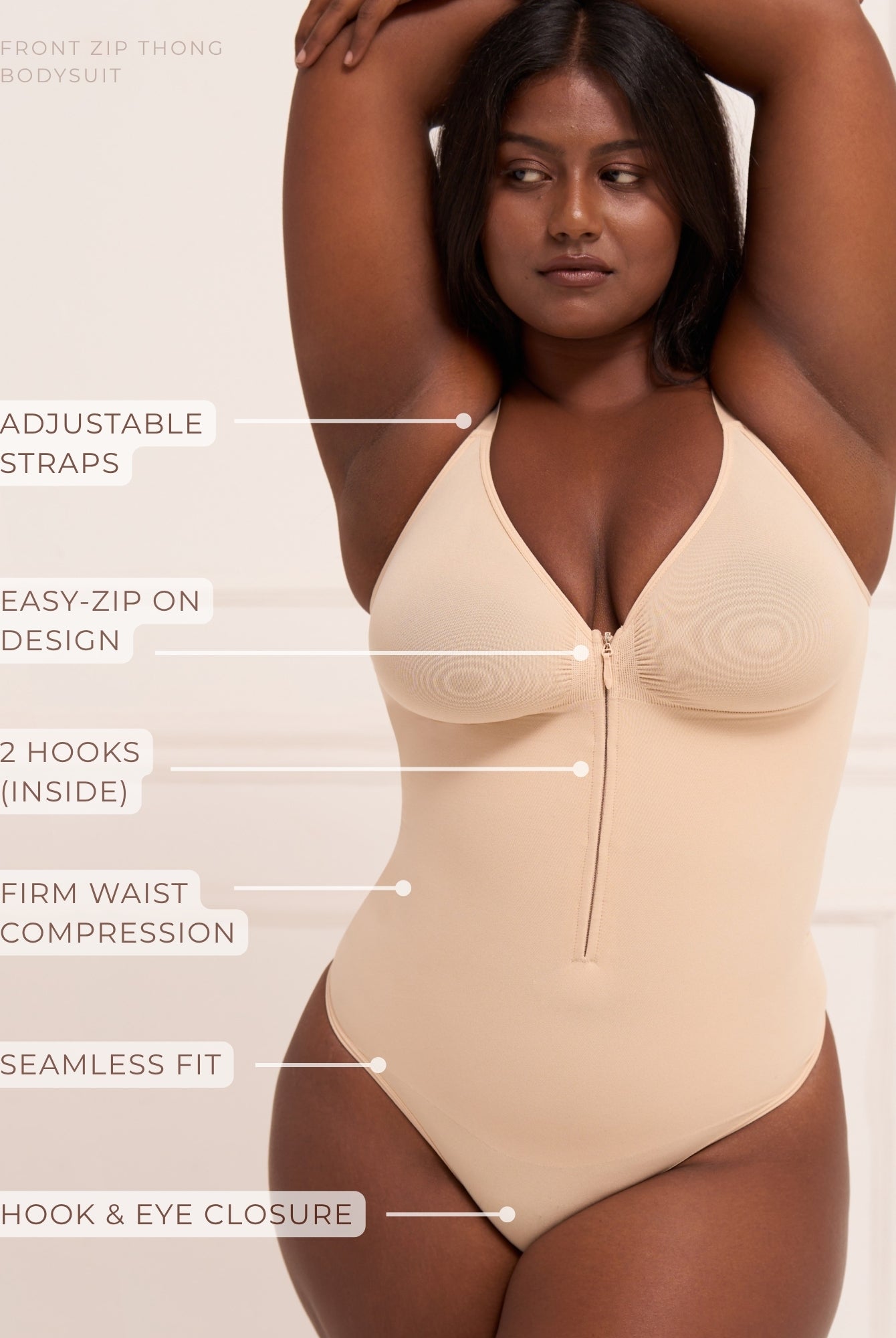
Thongs offer a little more coverage than G-strings, with slightly more fabric at the front while the back stays minimal. It's a middle ground many women find comfortable, less fabric than a regular pair, without going quite as minimal as a G-string, and there's no right or wrong point to land on. Add the V-shaped front, and thongs tend to pair naturally with lower-rise clothing, keeping things looking clean rather than bunched up.
Structural Benefits of V-Shape Underwear
Counting the benefits of v shape underwear? We will take you through!
Here's the thing a straight waistband never quite solves, it doesn't actually follow the shape of most bodies. It just cuts across, regardless of your natural curve. The V-shaped front does the opposite, dipping where your body dips instead of ignoring it entirely.
Practically, that means less fabric bunching at the front, which reads as less bulk under fitted clothes. And because the front dips rather than running straight, V-shaped waistbands tend to pair more naturally with low and mid-rise bottoms, exactly the outfits where a regular waistband would otherwise sit a little above the clothing line.
Functional Benefits of V-Shape Underwear
Now that we spoke about the structural side, let's look at the functional benefits of wearing v shape underwear too.
Practically speaking, V-shape underwear can be a good option when you'd rather it stay out of sight under fitted clothing. Minimal styles like thongs and G-strings use less fabric at the back, which can help reduce the chances of a visible line under trousers, skirts, or a bodycon dress.
That said, not everyone sees a visible underwear line as something to avoid, and there's really no need to. For some, it's simply not a concern at all, and choosing underwear comes down to comfort and personal preference far more than how it looks under clothing. This is just one option, for the days it happens to matter to you.
One honest caveat, and it's worth saying plainly: a V-shaped design isn't automatically more comfortable for everyone. Comfort really comes down to individual fit, how the waistband, leg openings, and fabric actually feel against your specific body, not just how the shape looks in a product photo.
How to Choose the Right Pair

Choosing underwear isn't really about picking whichever pair looks prettiest on the hanger. It should suit your body, your outfit, and, realistically, how many hours you're going to have it on.
Fit and Size Check
The right size is the most important thing!
Always, start with size. It should sit securely without digging in or leaving those marks around your hips and legs by evening. A waistband that rolls, slides down, or feels tight the second you sit, that's your sign the fit's wrong, not something to just push through. Check the brand's own size chart rather than assuming your usual size carries over, sizing shifts more between brands than most people realise.
Fabric for Climate and Skin
When the size is sorted, the next thing to look for is the fabric.
Fabric starts to matter a lot more the longer you're actually wearing something. Soft, breathable materials genuinely help, especially through warm or humid Indian weather. Cotton and cotton blends remain the reliable, slightly boring, everyday choice. Nylon or nylon blends bring more stretch and a smoother finish under clothing. If your skin tends to react to certain materials, let that guide the fabric choice before the style even enters the conversation.
Rise, Waistband and Leg Opening
Pay attention to where things actually sit on your body. V-shaped styles come in low, mid, or higher rise, so match it to whatever you usually wear on the bottom. The waistband should stay put without digging in anywhere, and the leg openings should sit smoothly, no pinching, no pressure point you notice three hours in.
Conclusion
So, are V-shaped panties actually worth it? If you like a waistband that sits a little differently and pairs well with fitted or low-rise outfits, yes, genuinely.
It's not only that the V looks good either, though it does. The cut follows your natural shape, gives you more flexibility across outfits, and creates a cleaner look in minimal styles specifically.
But there's no single "best" underwear shape for everyone, and there probably never will be. We have been telling this forever and we want nobody to convince you otherwise. Comfort, body shape, outfit, fabric, coverage, all of it matters more than any one style being objectively superior. Go with what feels good on you. Lingerie for women should make you feel comfortable and confident, not like something you're quietly adjusting all day.
FAQs
Which shape of underwear is best?
No single shape works best for everyone. It depends on the coverage, rise, fabric, and fit you personally find comfortable. V-shape underwear suits anyone who likes a dipped waistband that pairs well with low-rise or fitted outfits.
Which underwear is better, V or Trunks?
Depends entirely on what you want. V-shape styles have a more contoured waistband with less coverage; trunks offer fuller coverage around the hips and legs. Neither wins outright, they're built for different jobs.
Can V-shape underwear help reduce visible panty lines?
Often, yes, especially with minimal styles like thongs or G-strings, since there's simply less fabric where lines usually show up. That said, fabric and seam quality matter just as much as the style itself.
Does V-shape underwear offer better breathability?
Not inherently, no. Breathability comes down to fabric and construction more than the V-shaped cut. A breathable fabric feels better through long wear regardless of waistband shape.
How does V-shape underwear compare to bikini or hipster styles?
V-shape underwear has that dipped front waistband. Bikini styles sit around the hips with even, moderate coverage. Hipsters run a wider waistband that sits lower on the hips. Comes down to the rise and coverage you actually prefer.