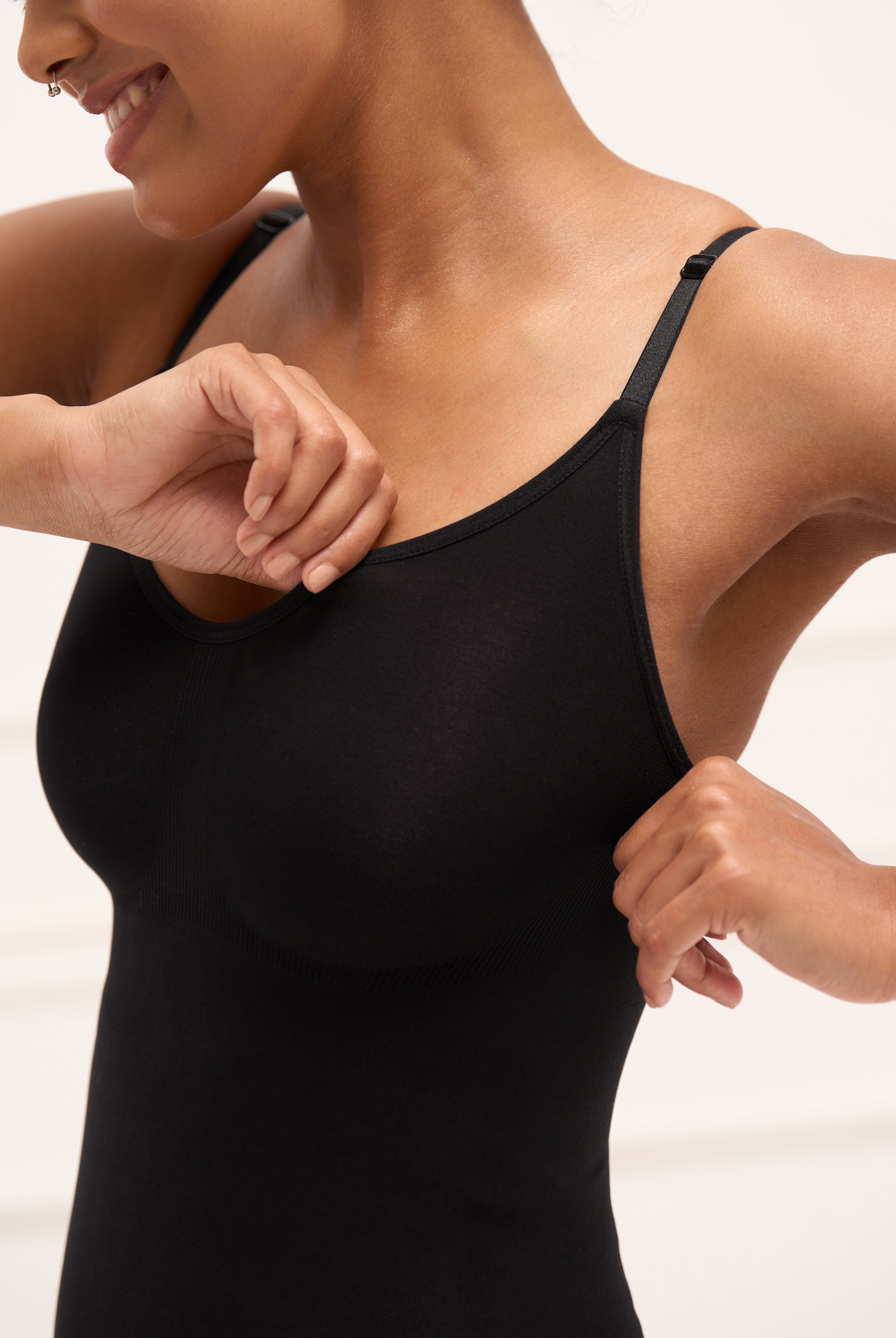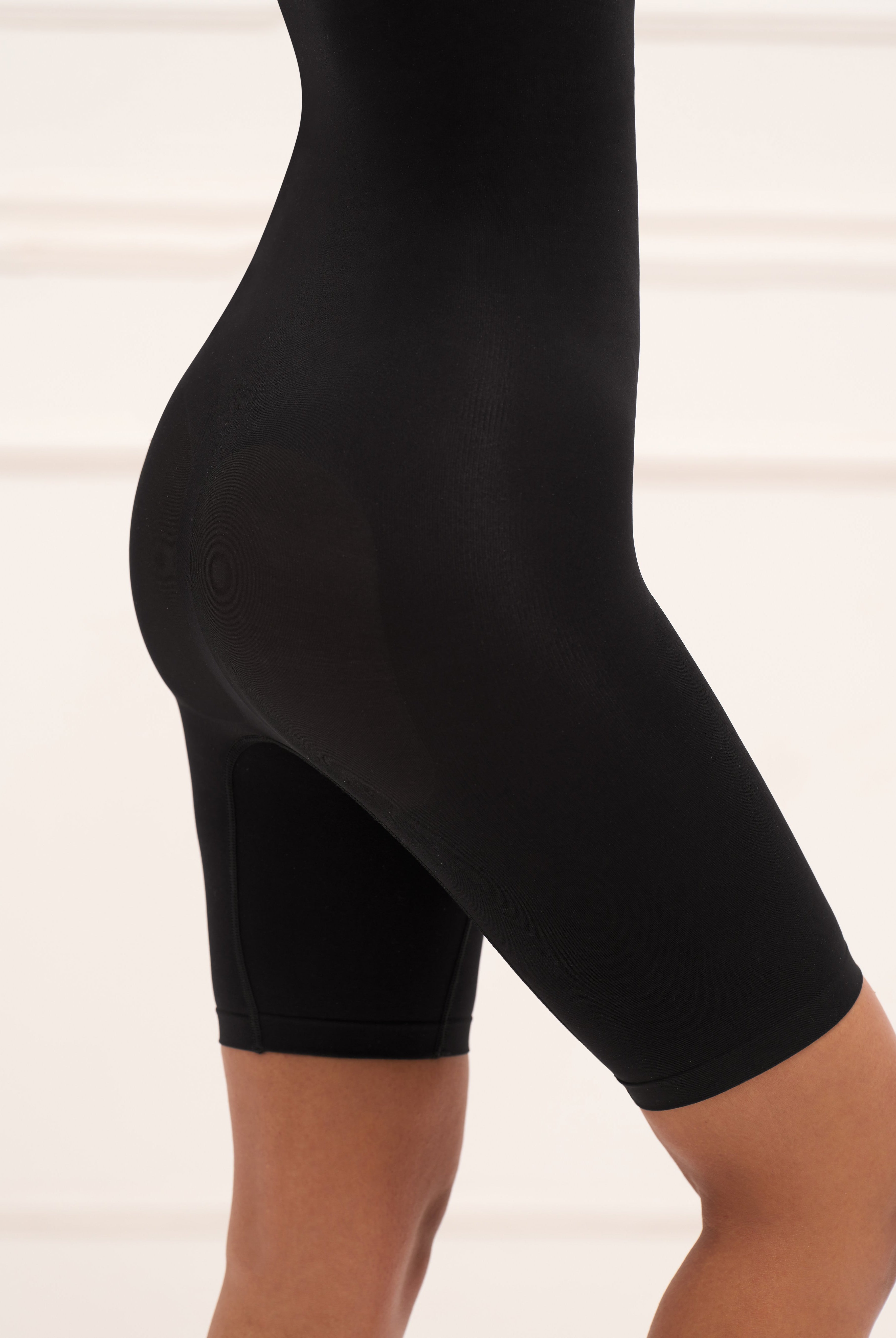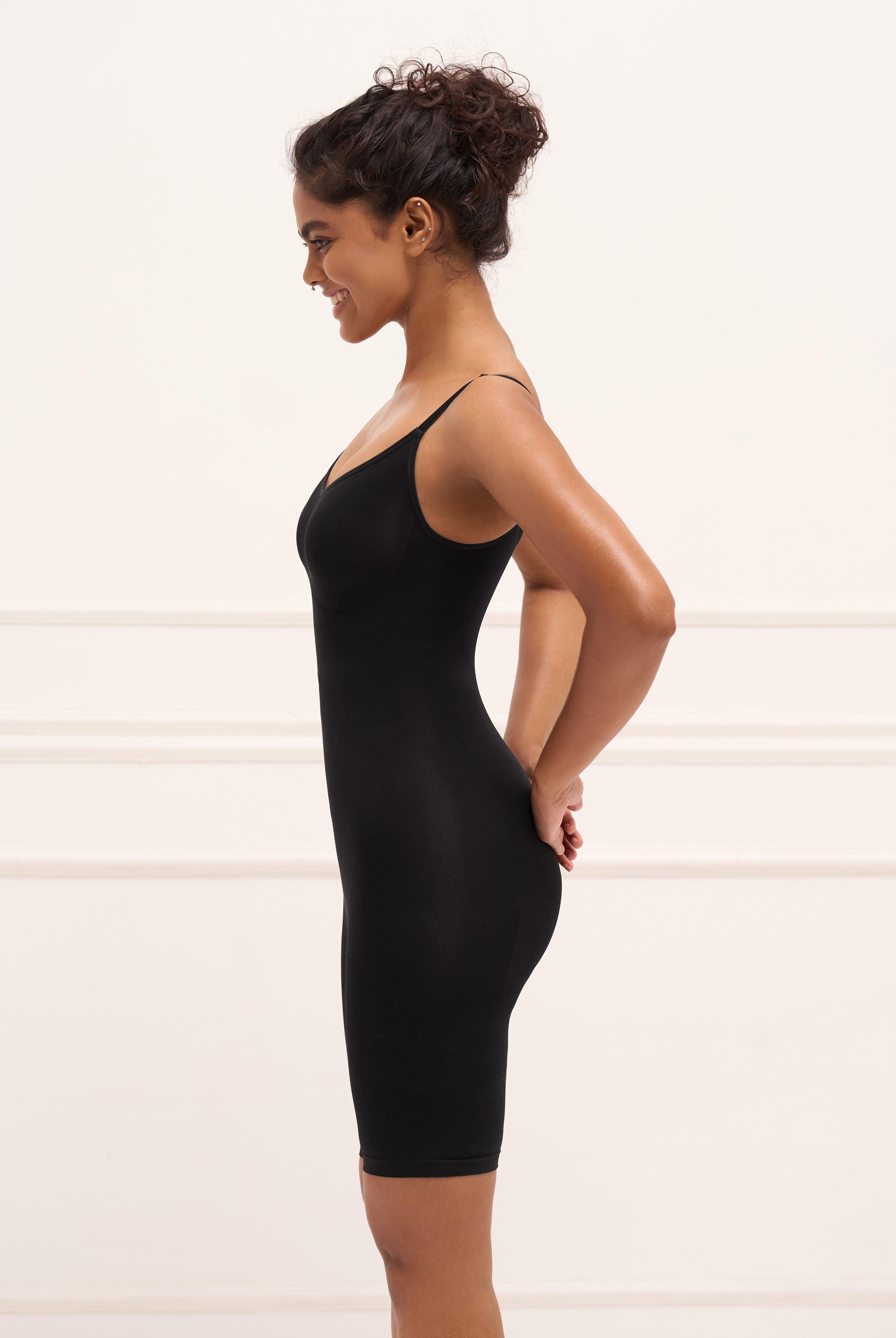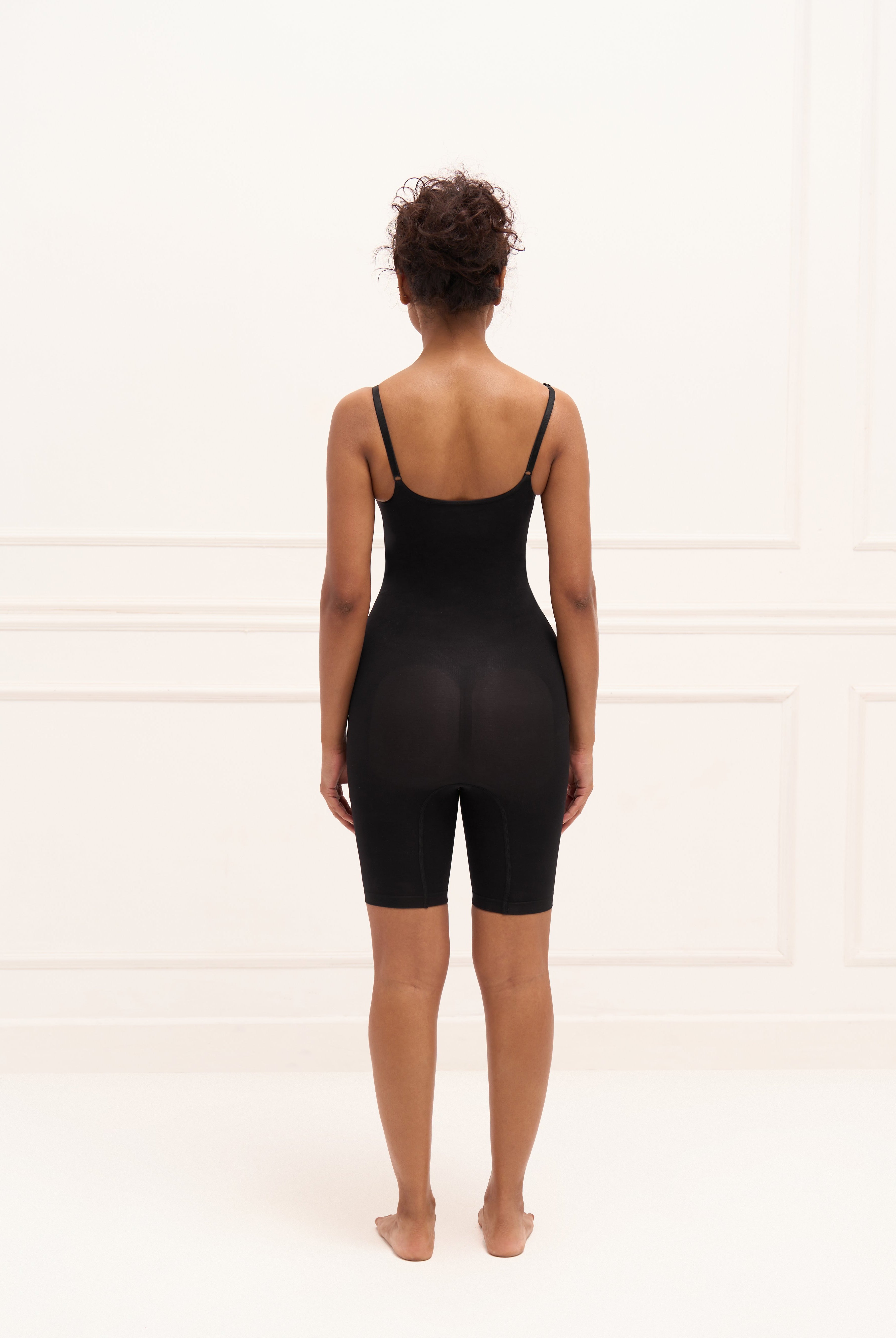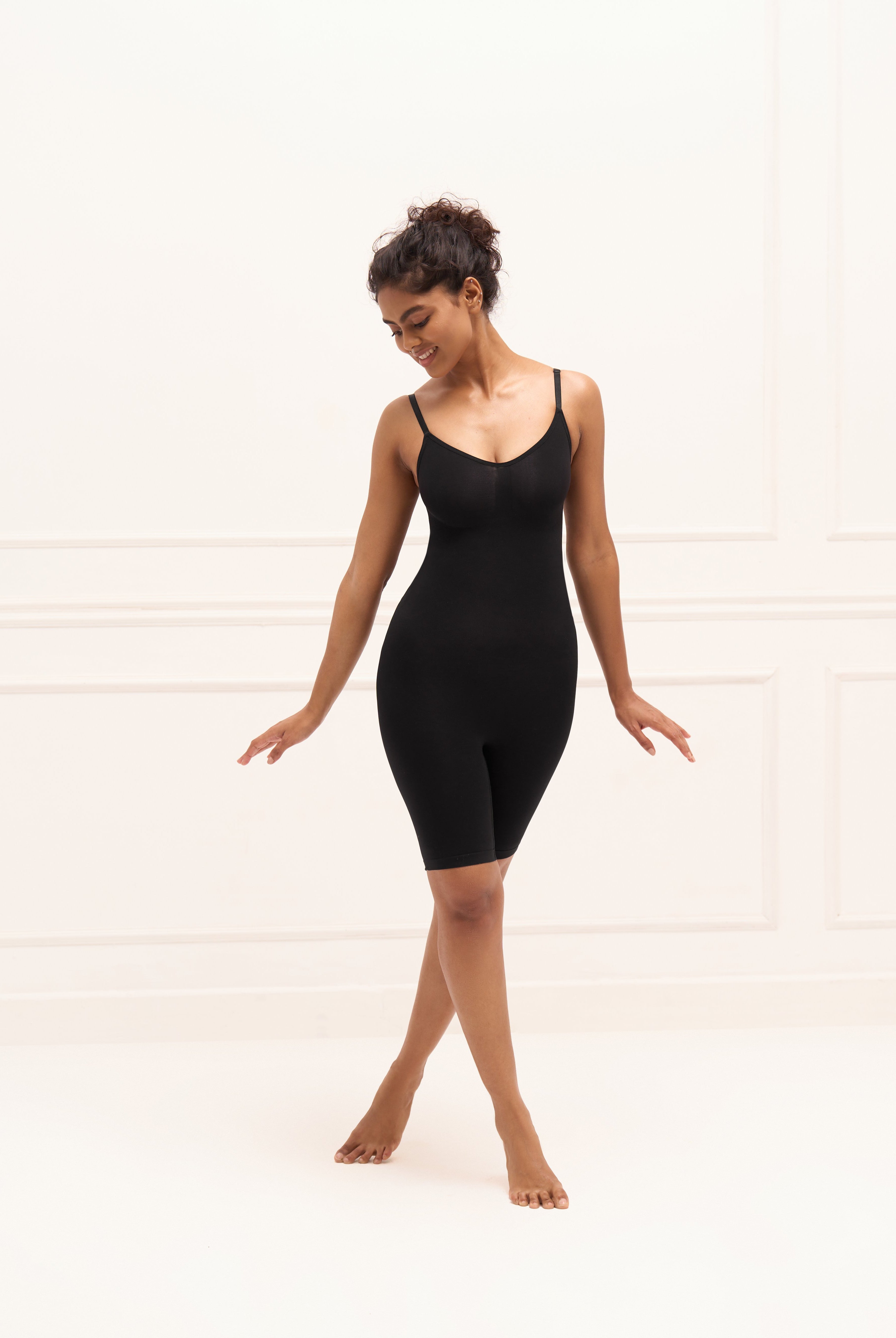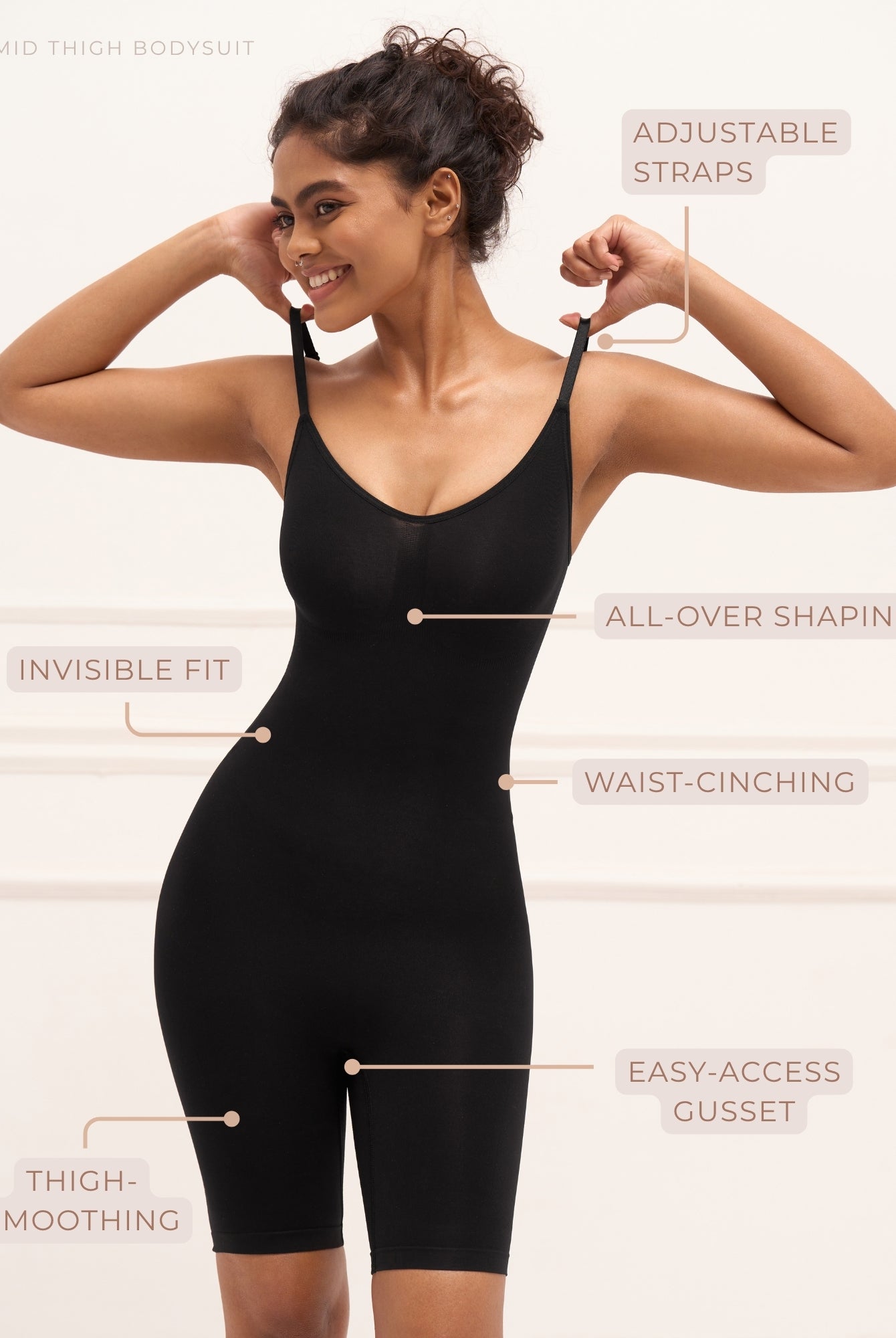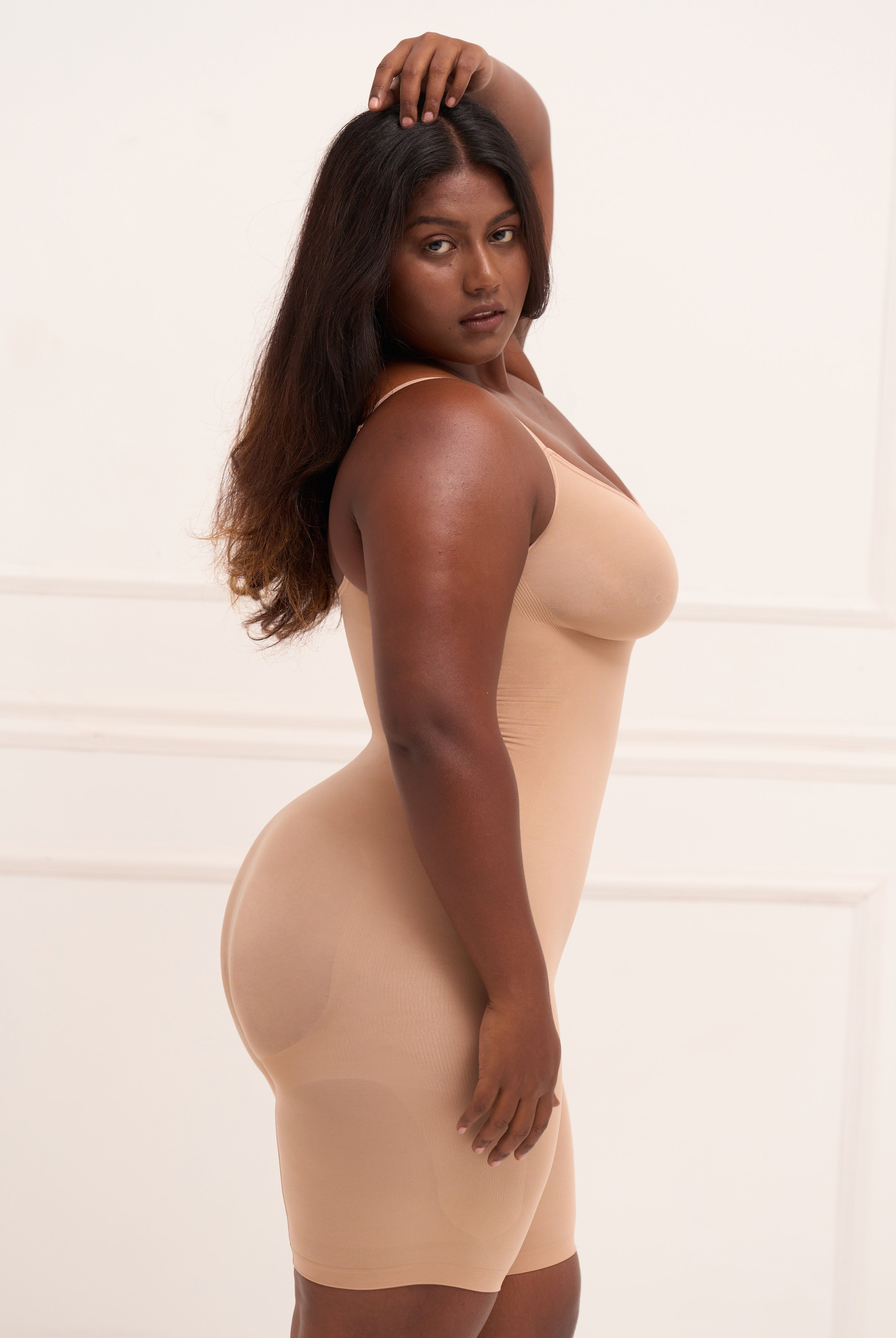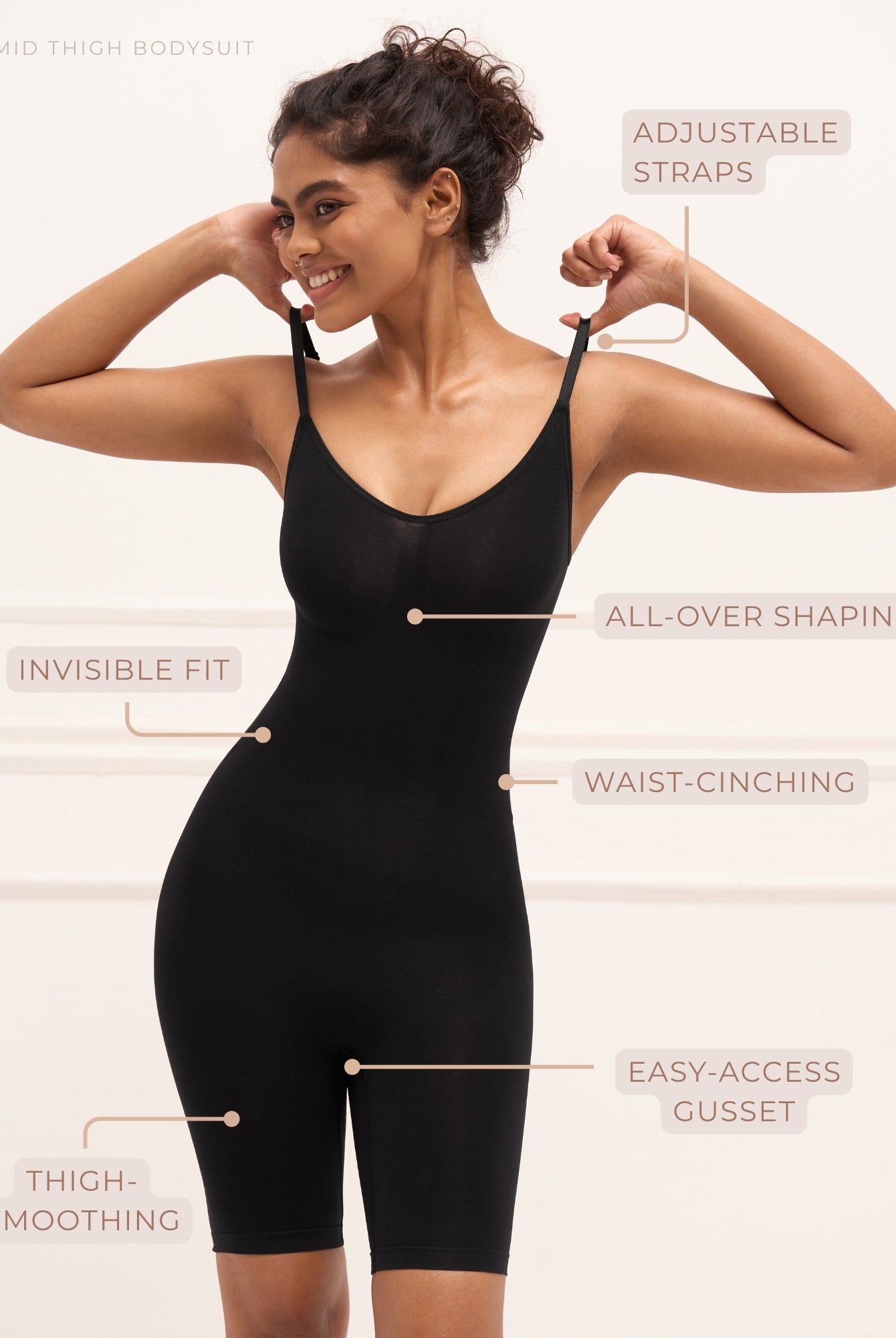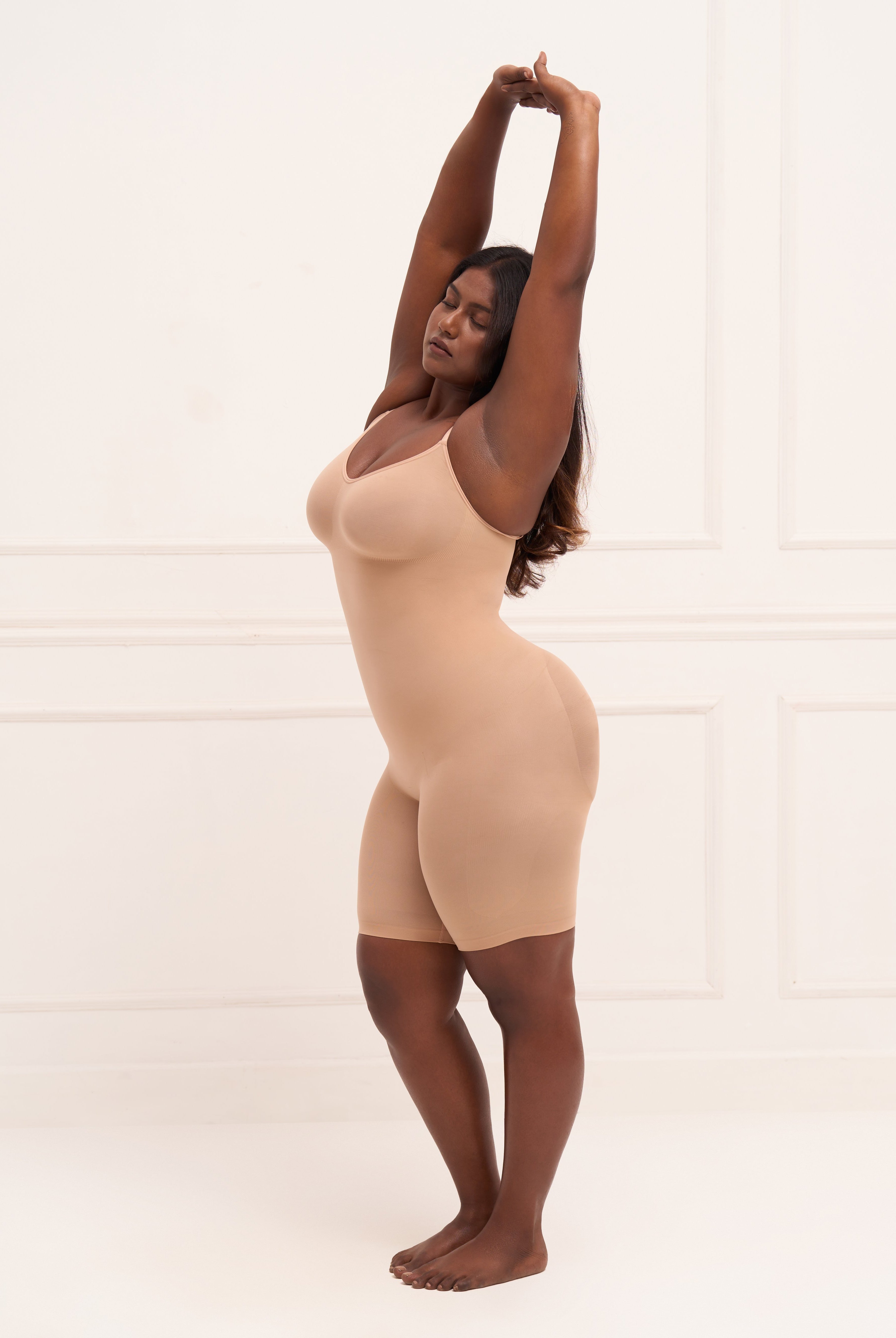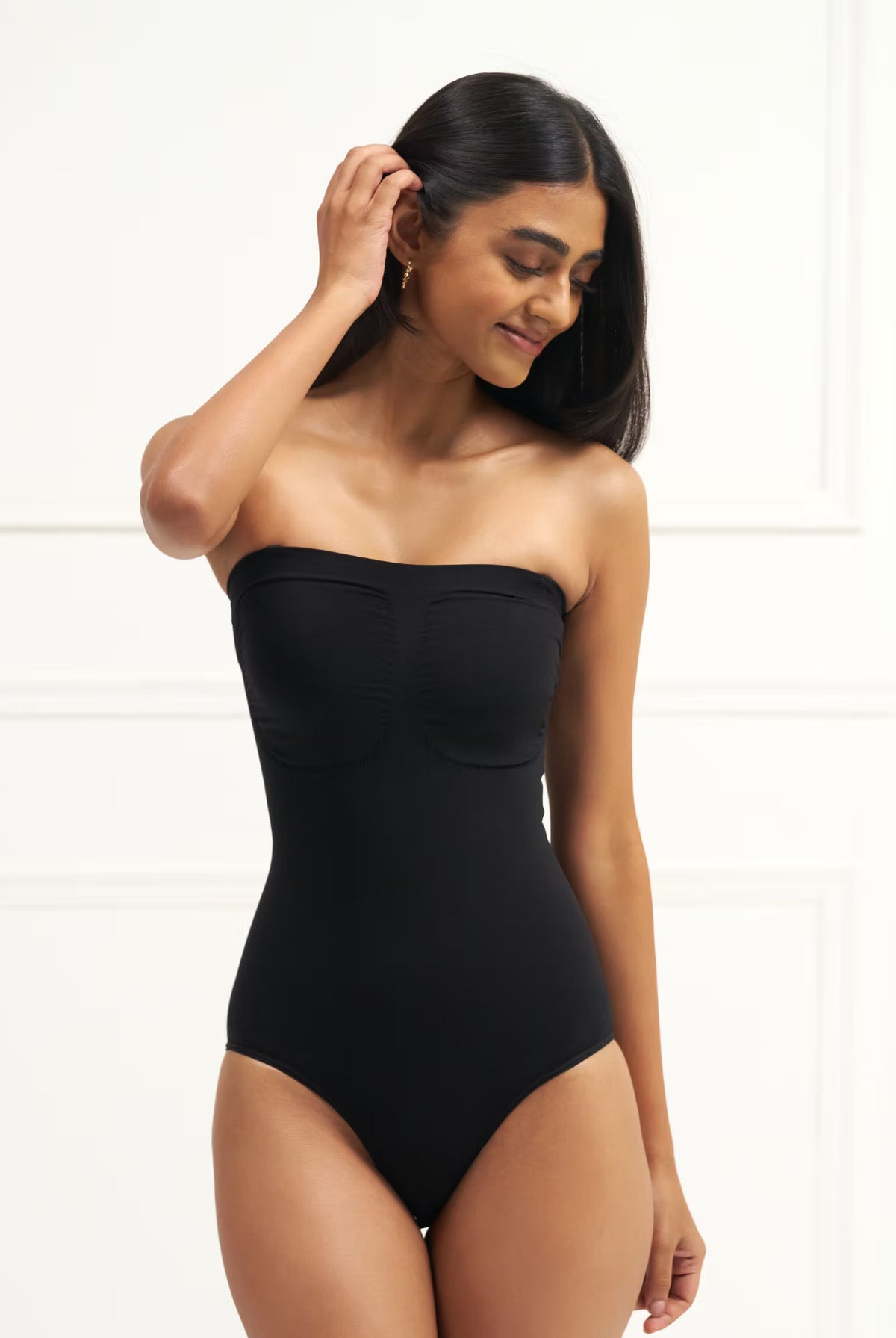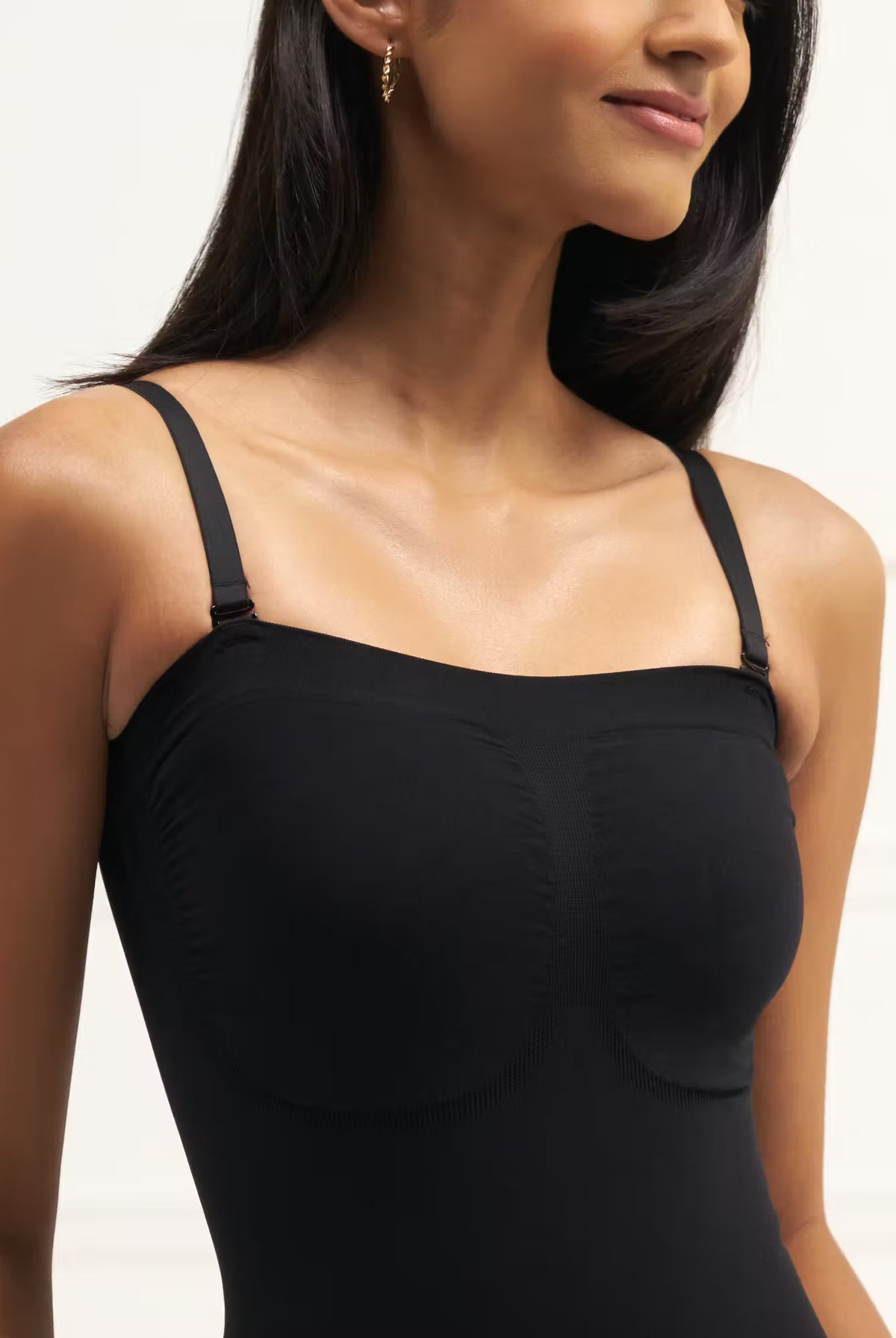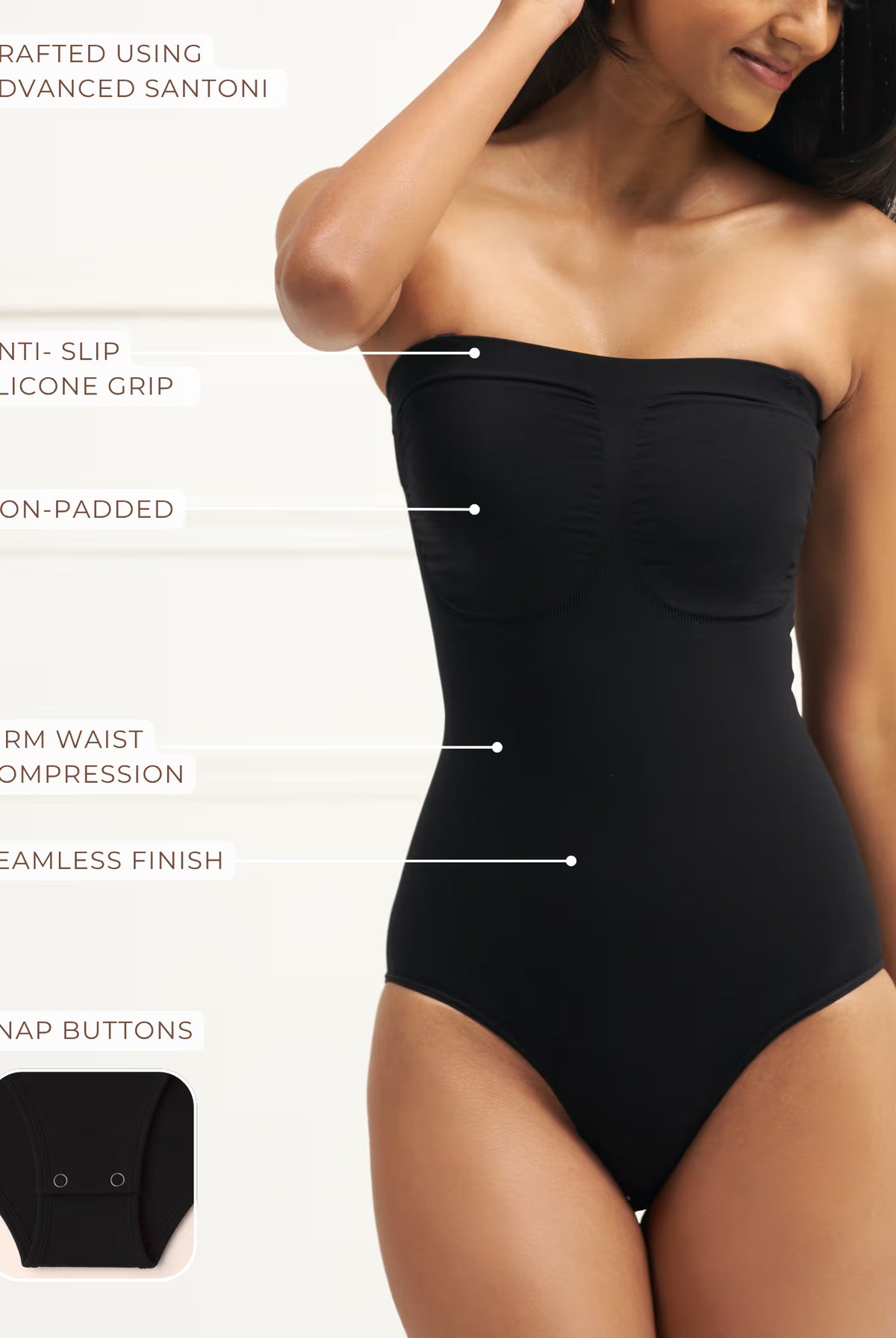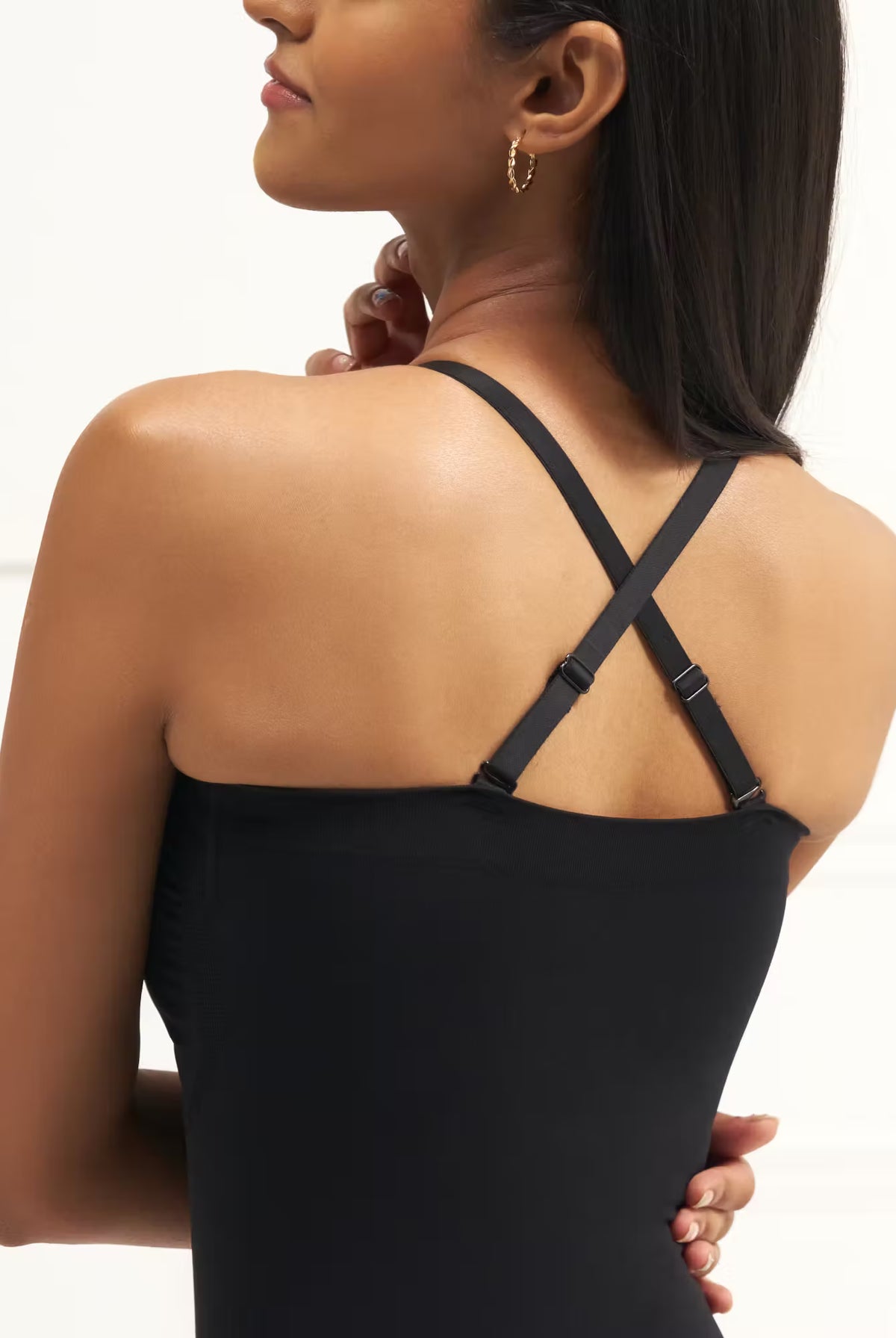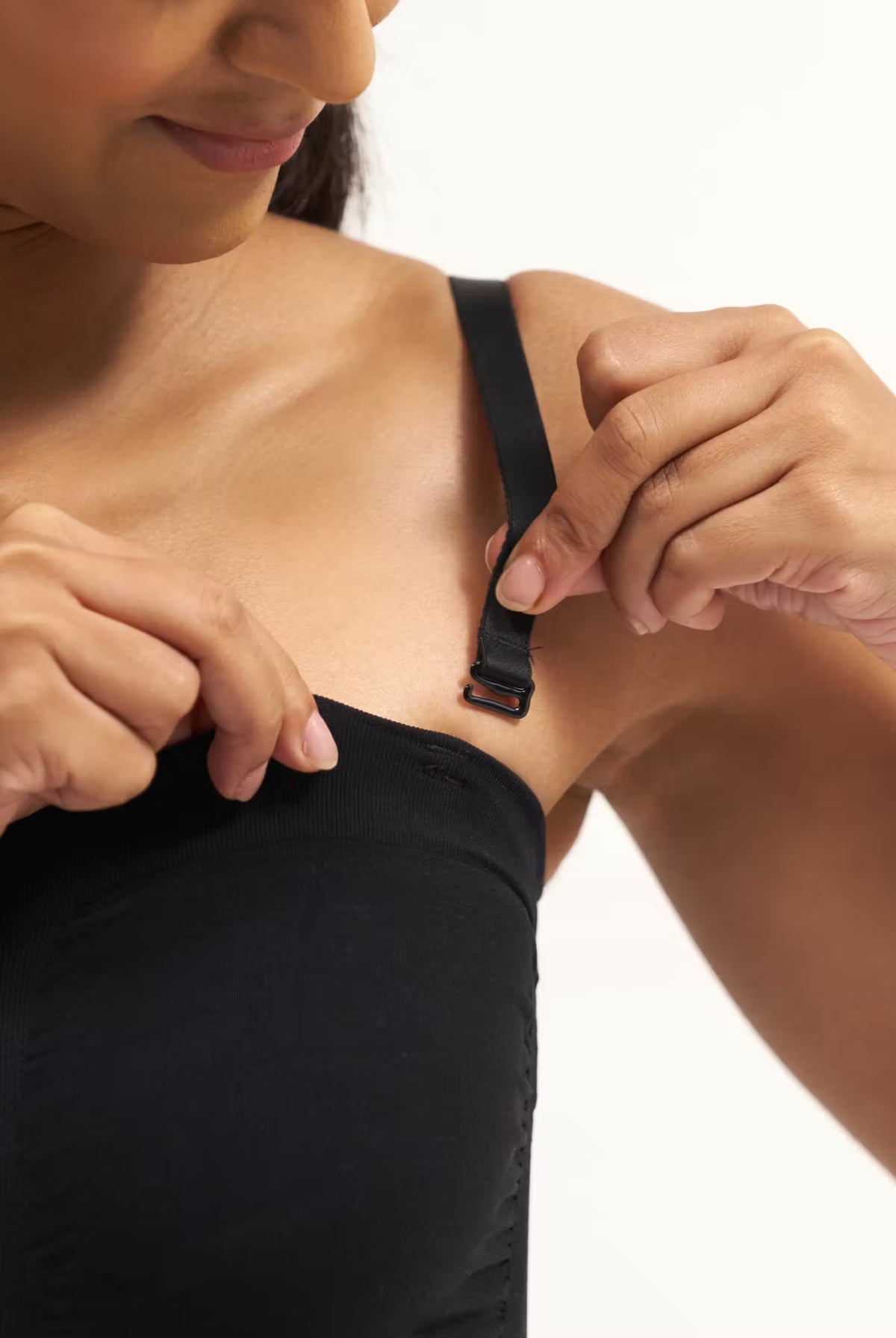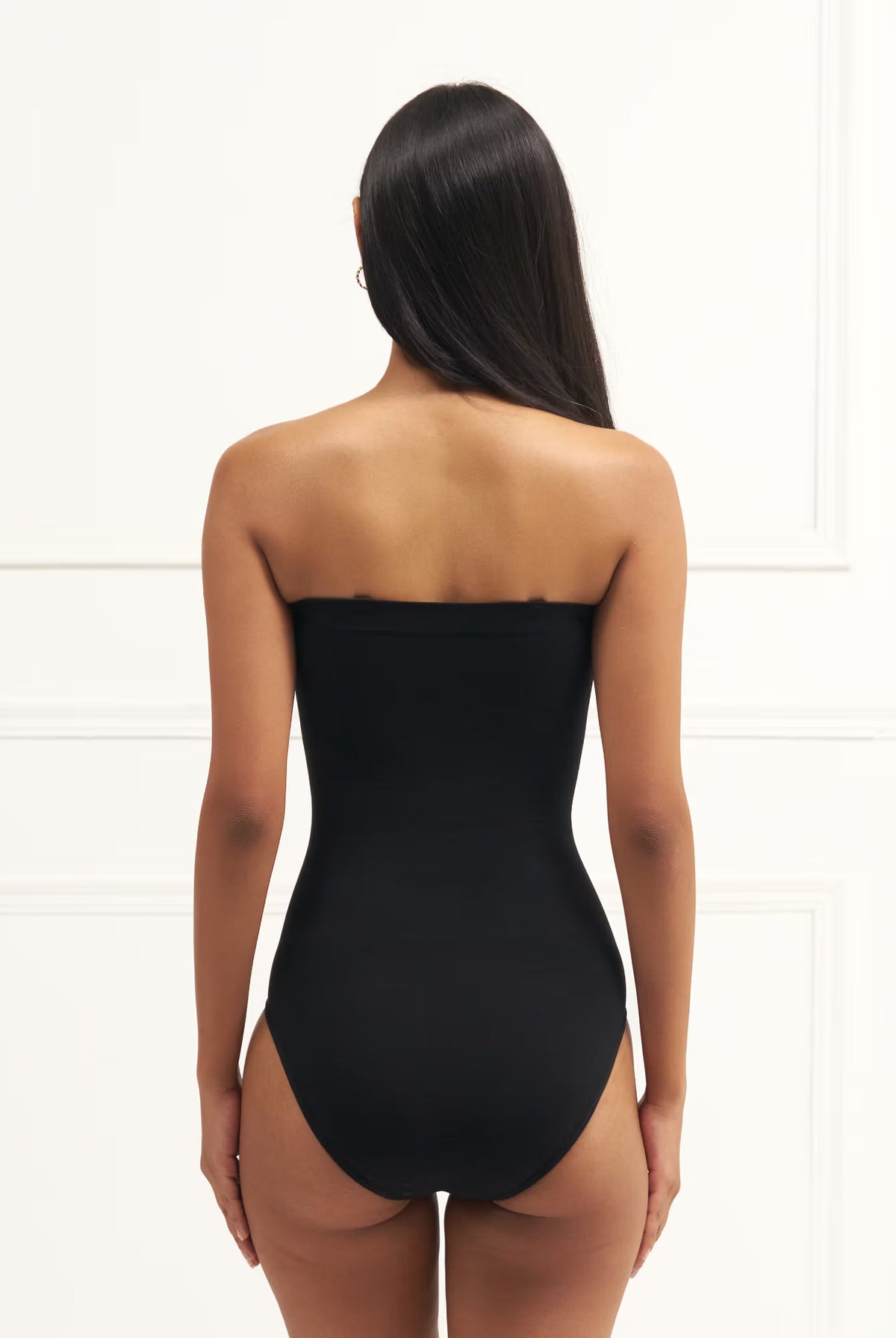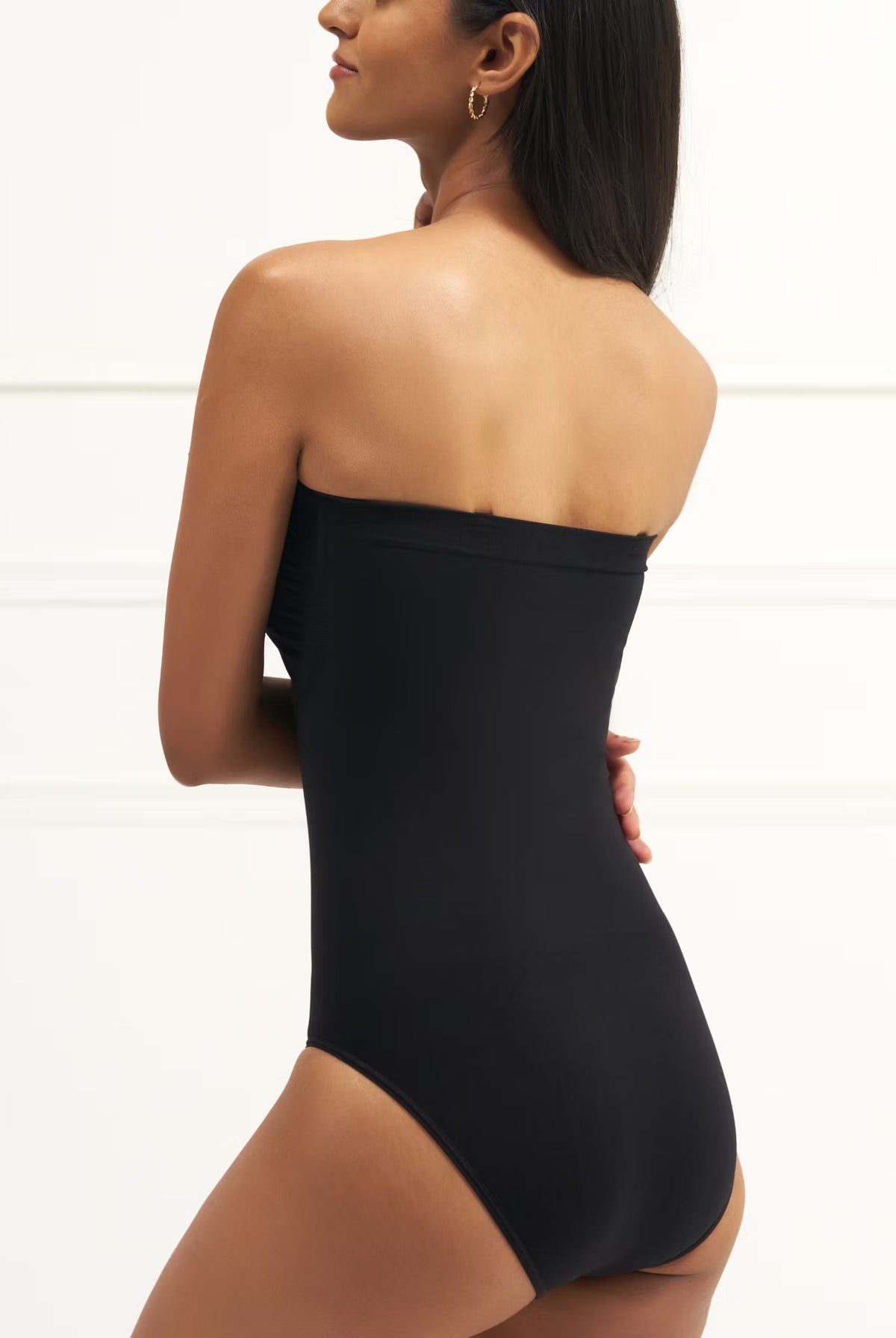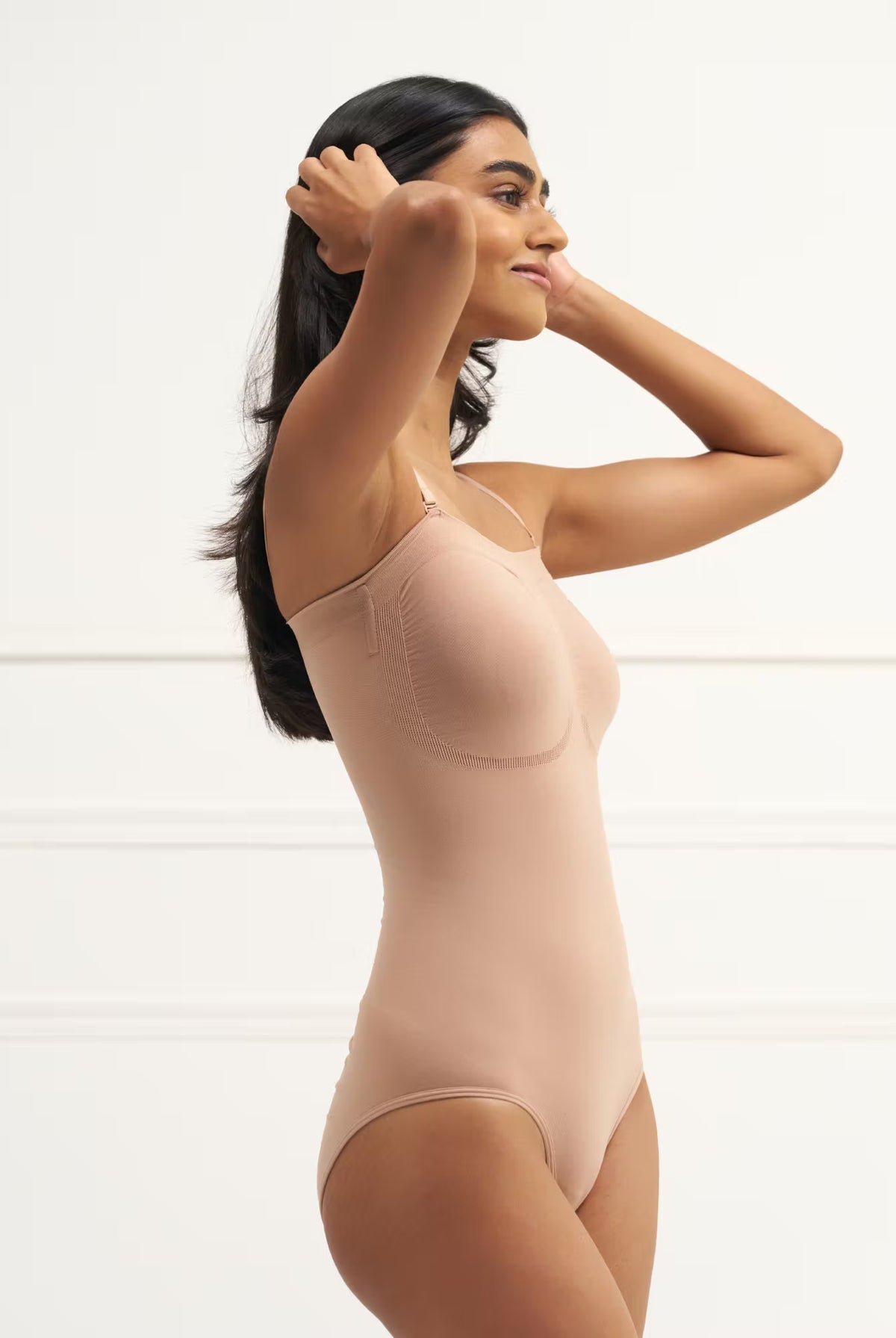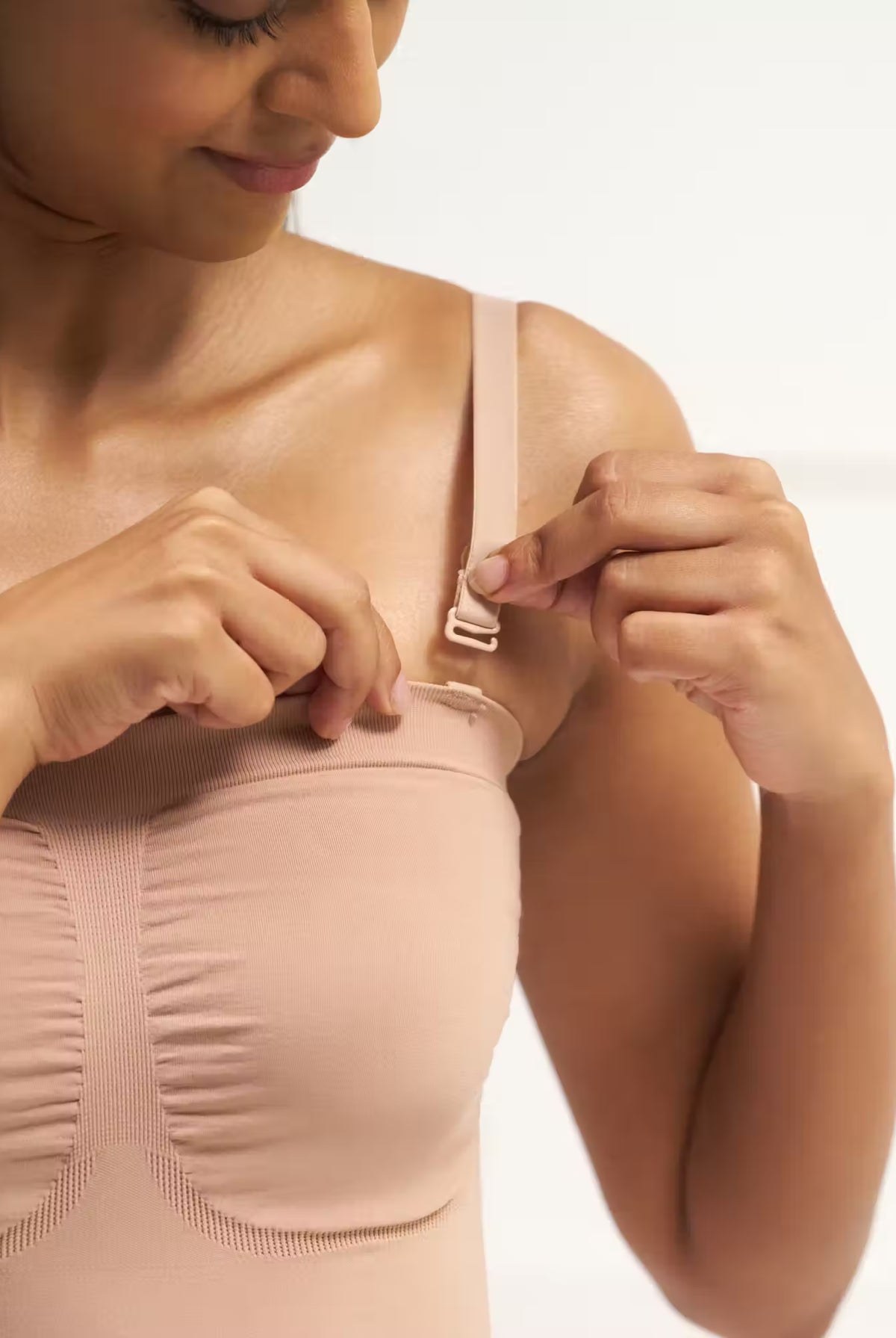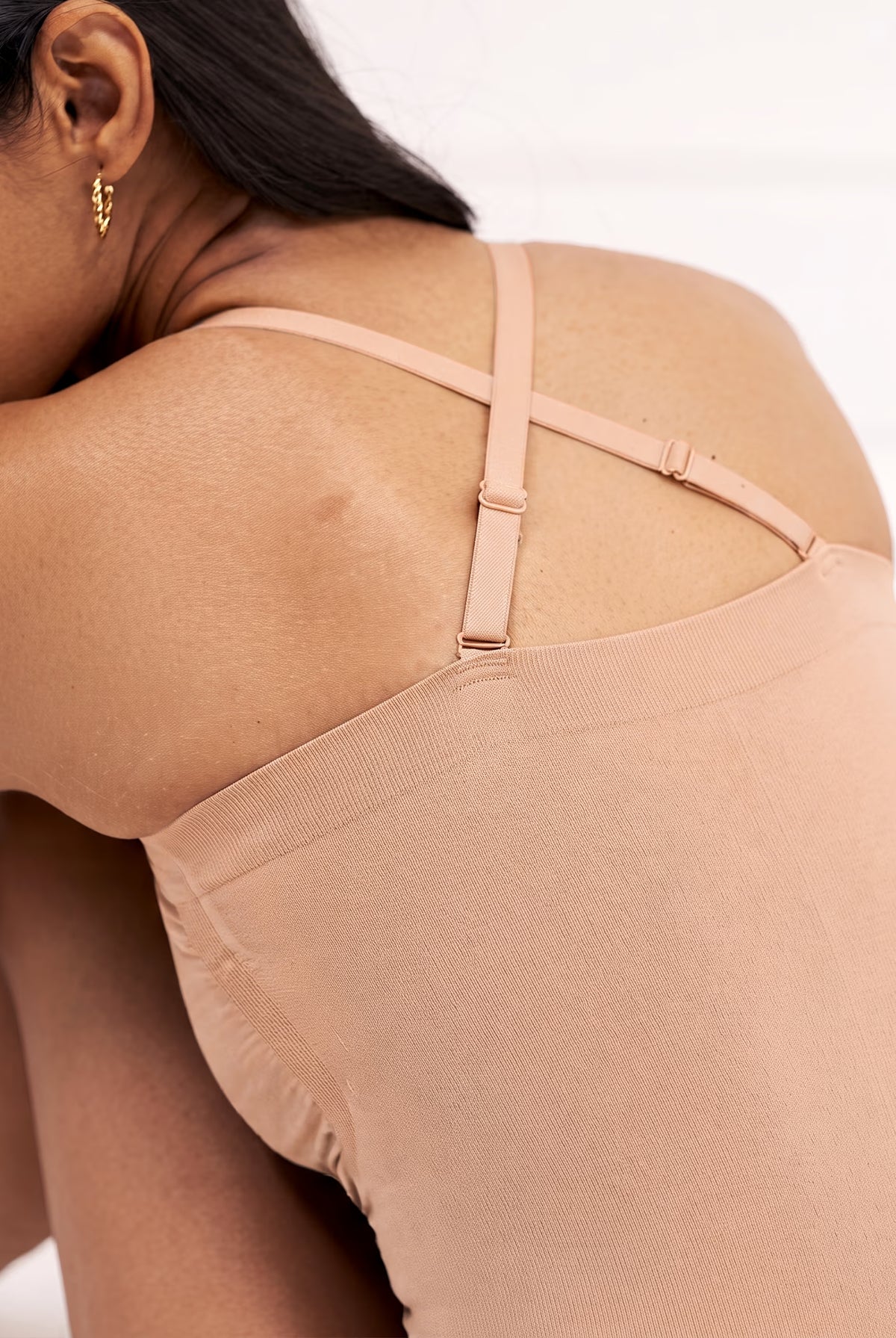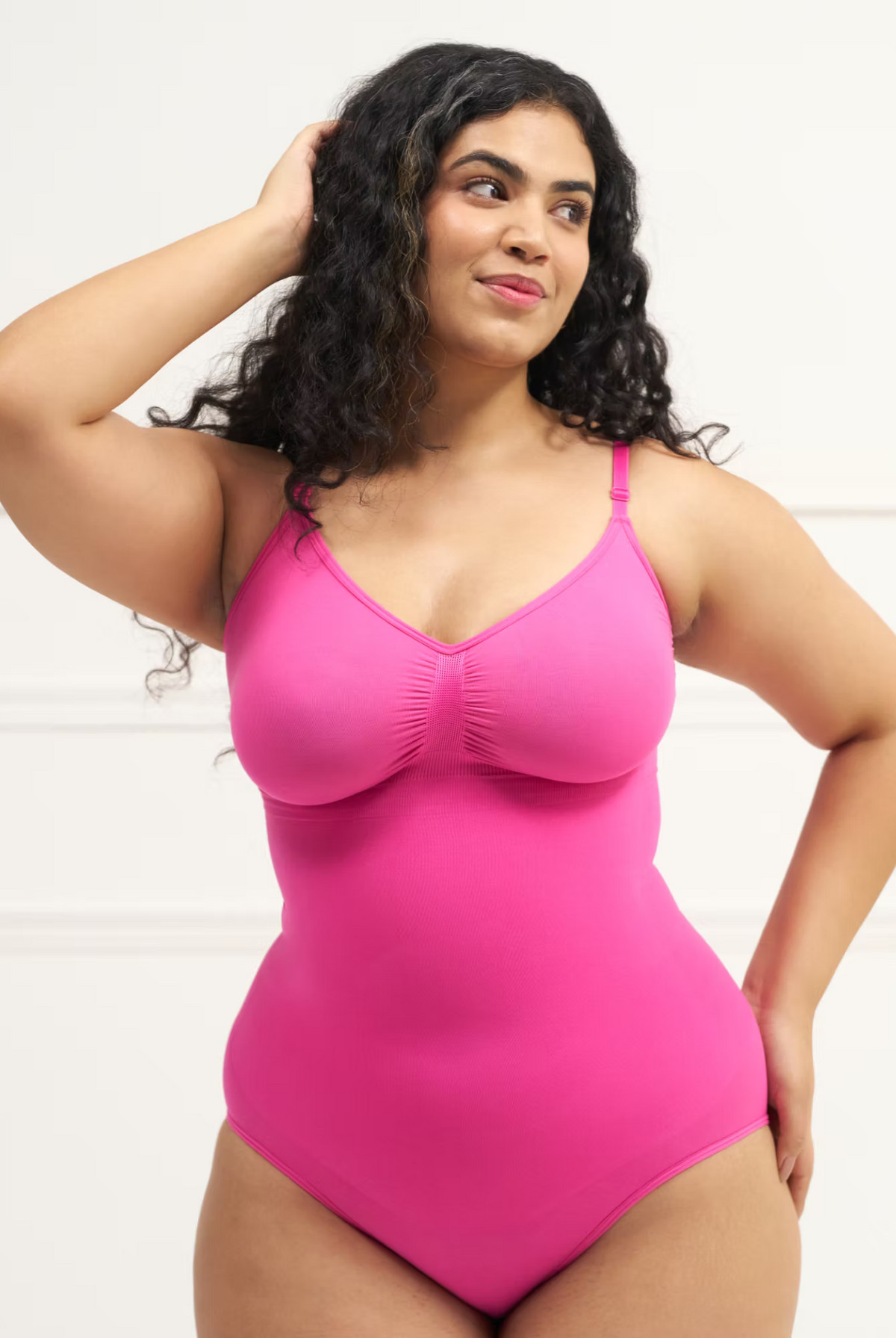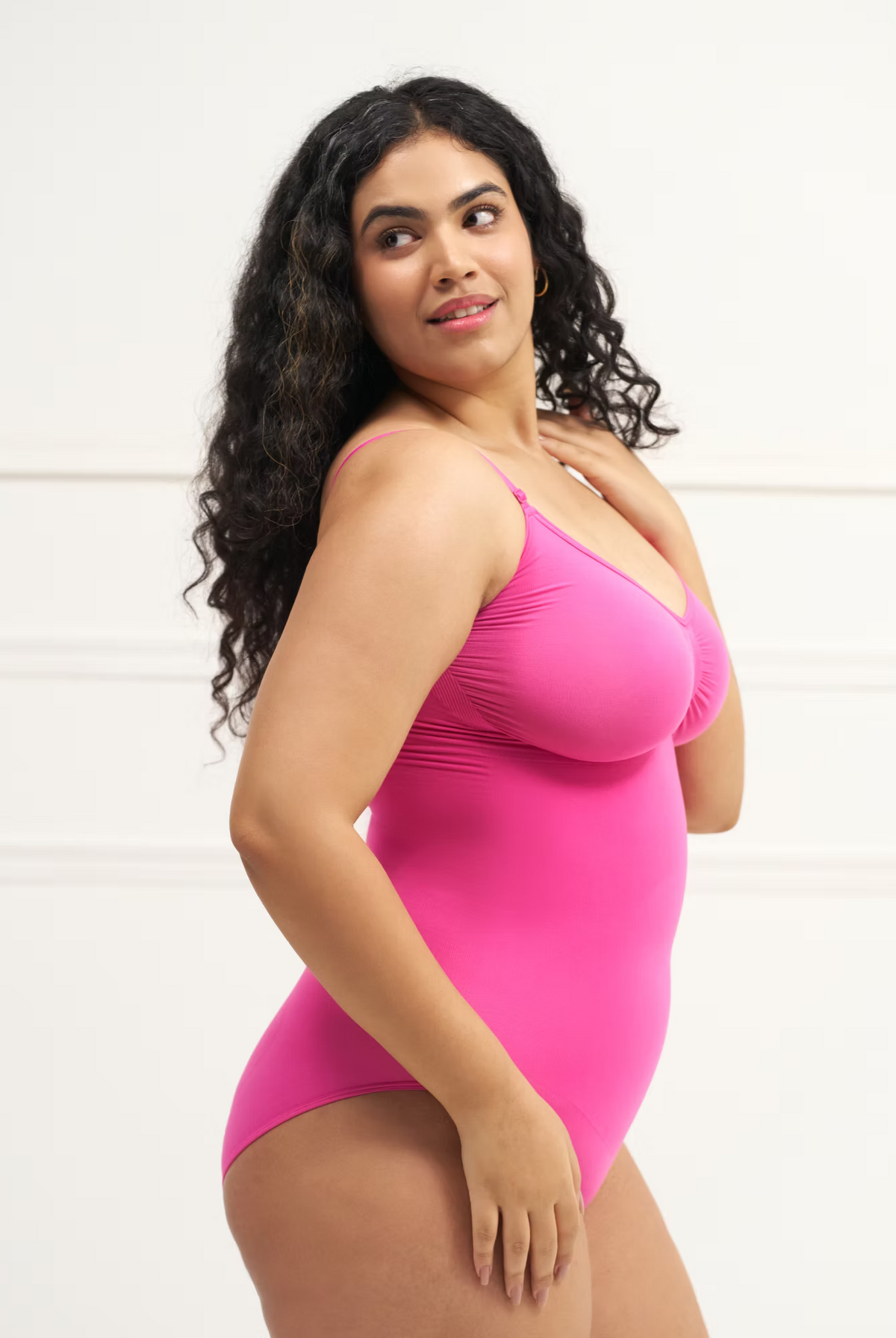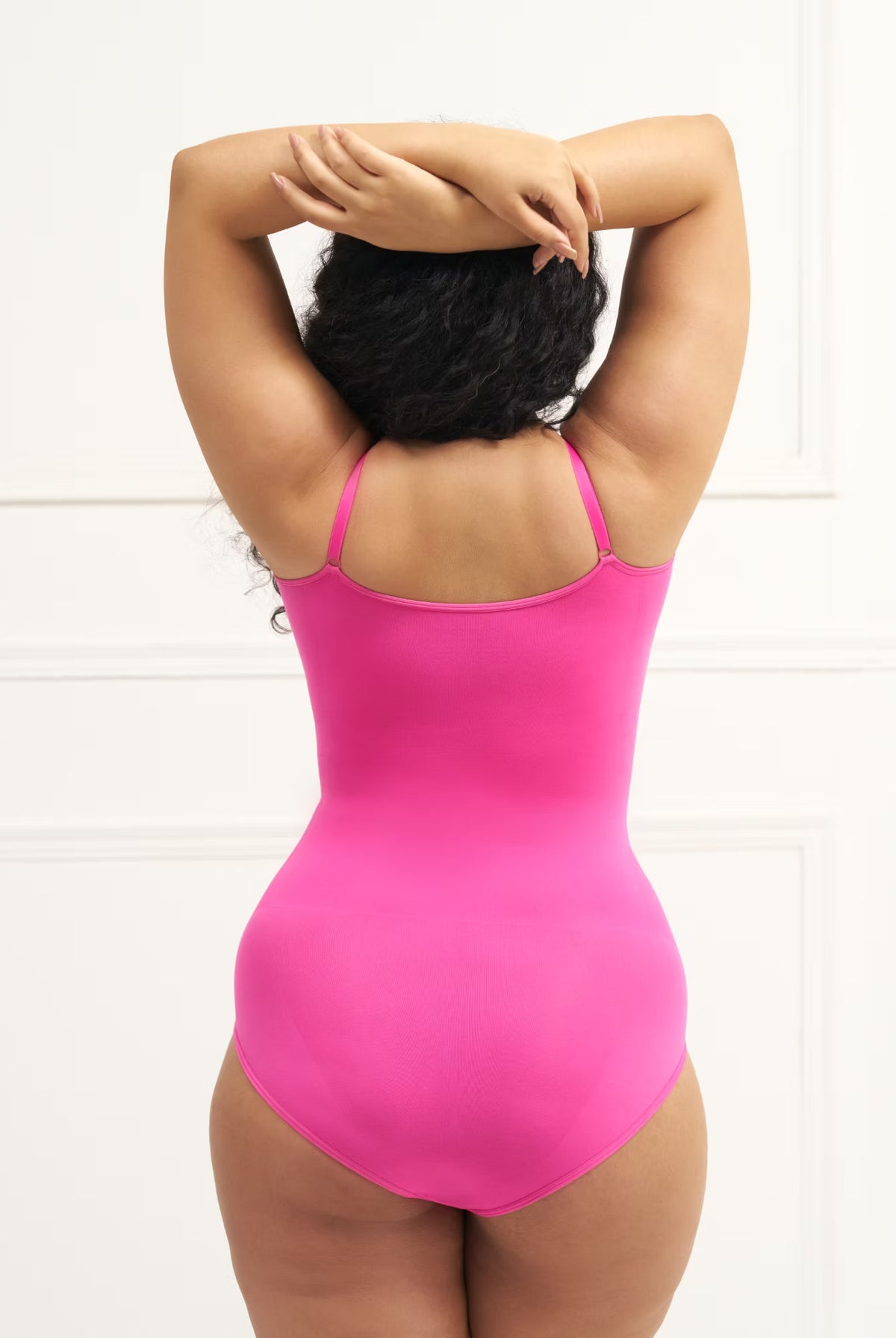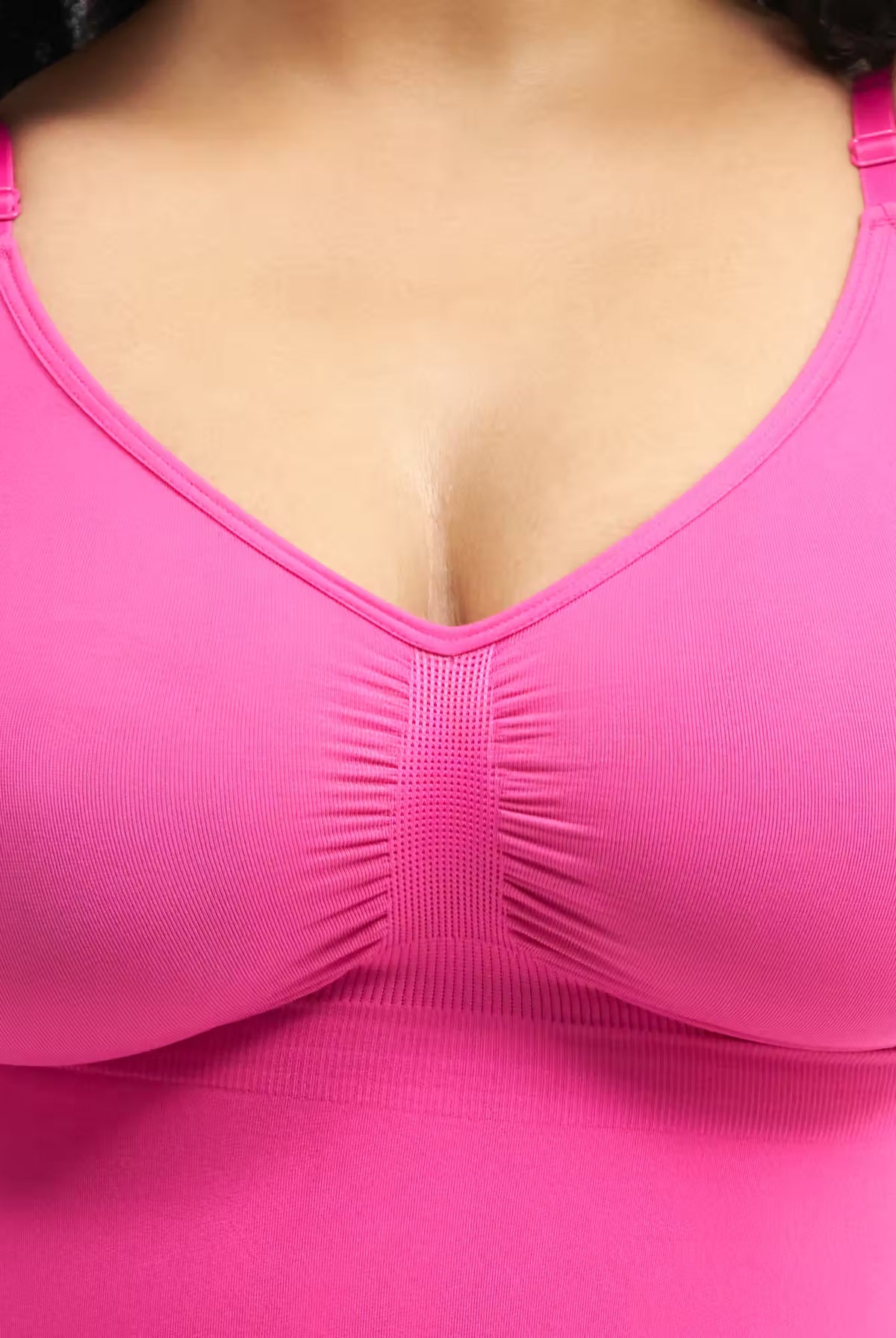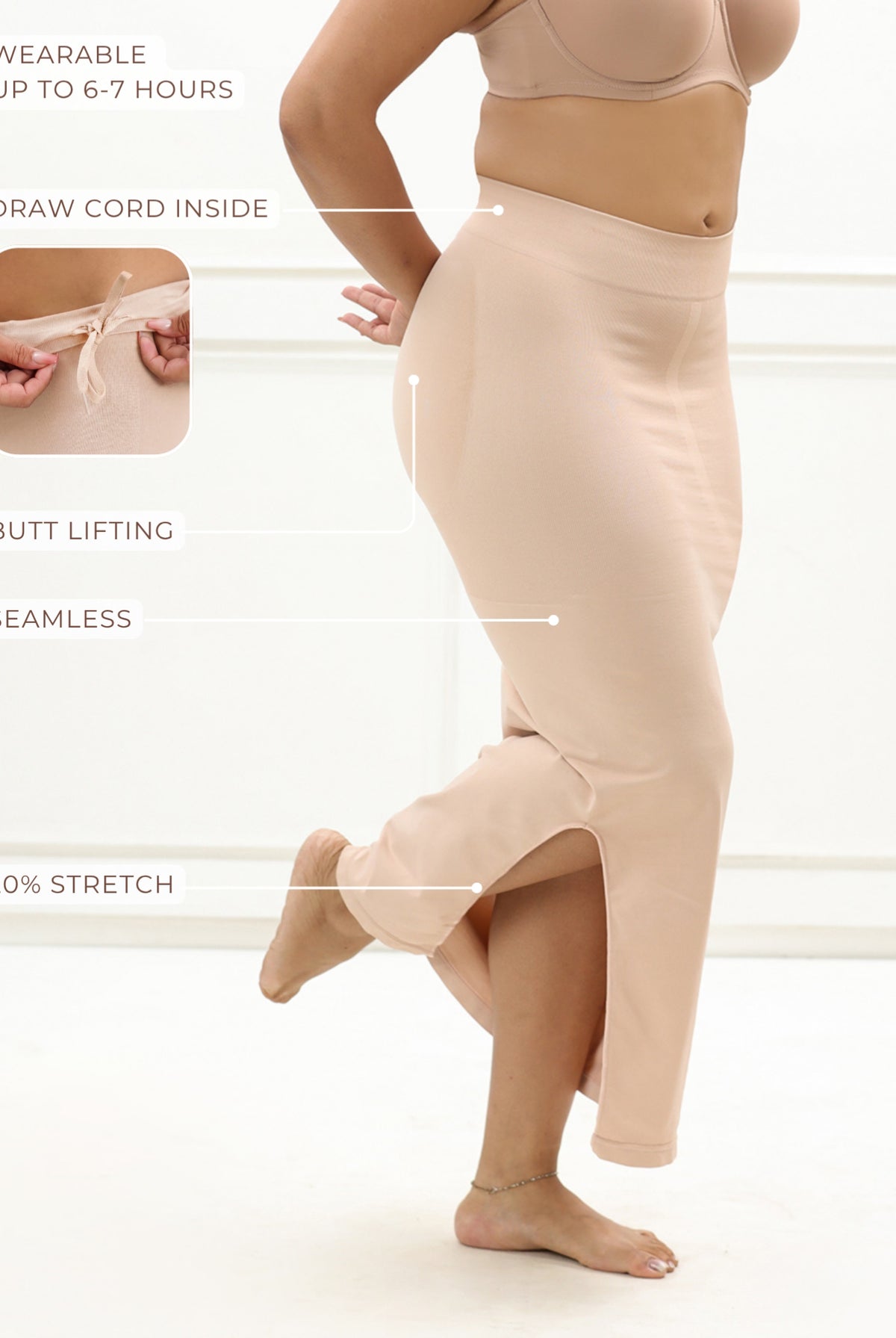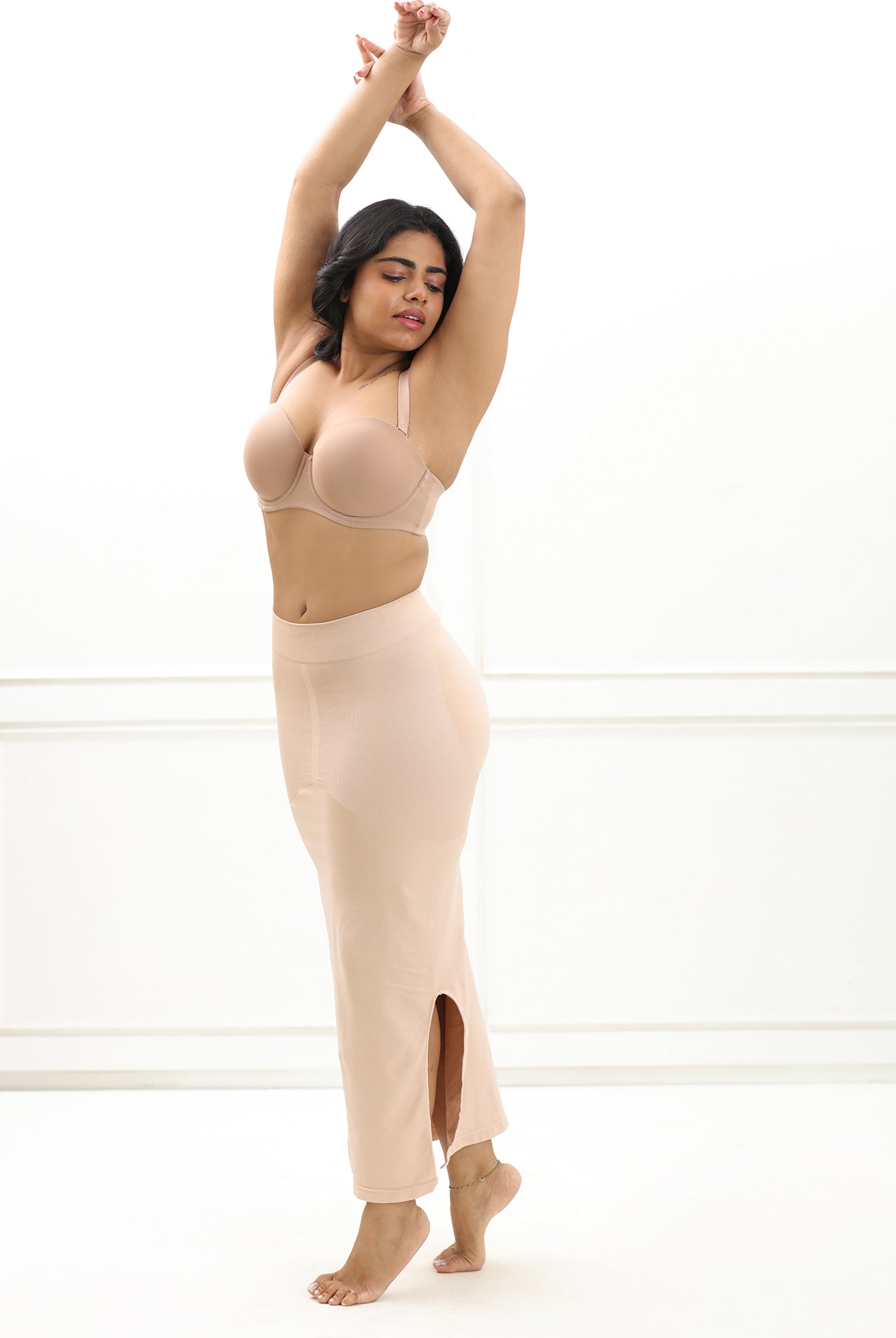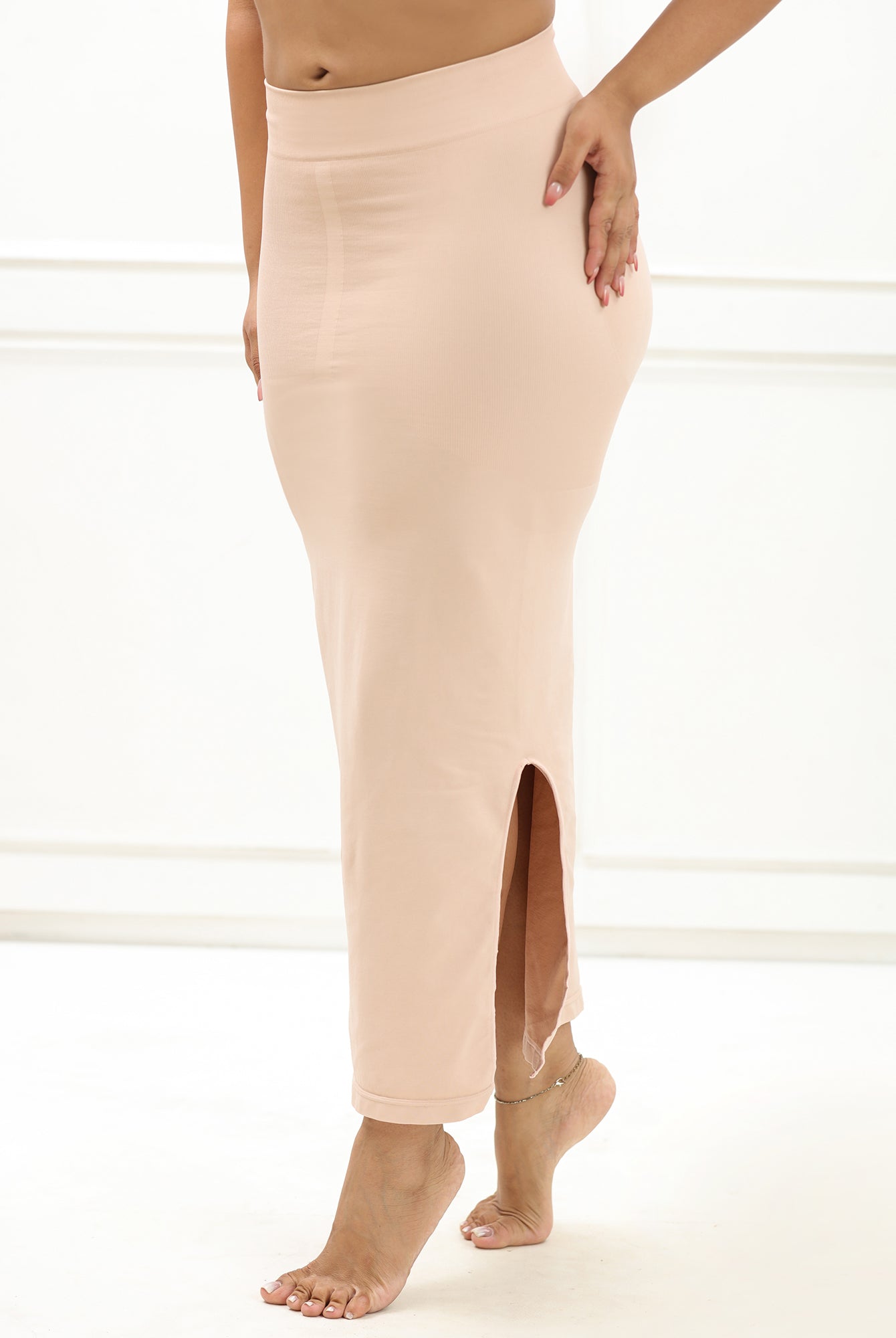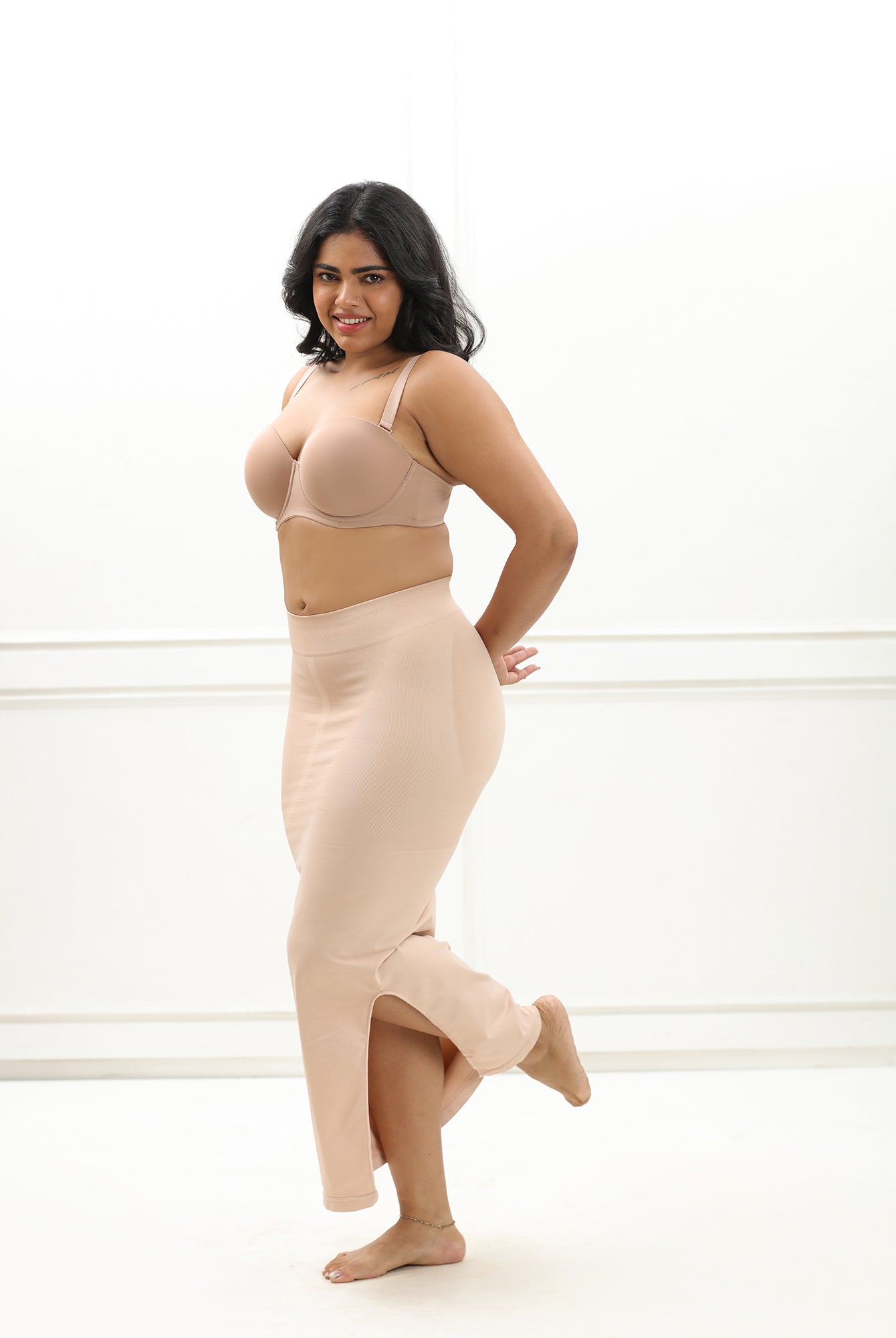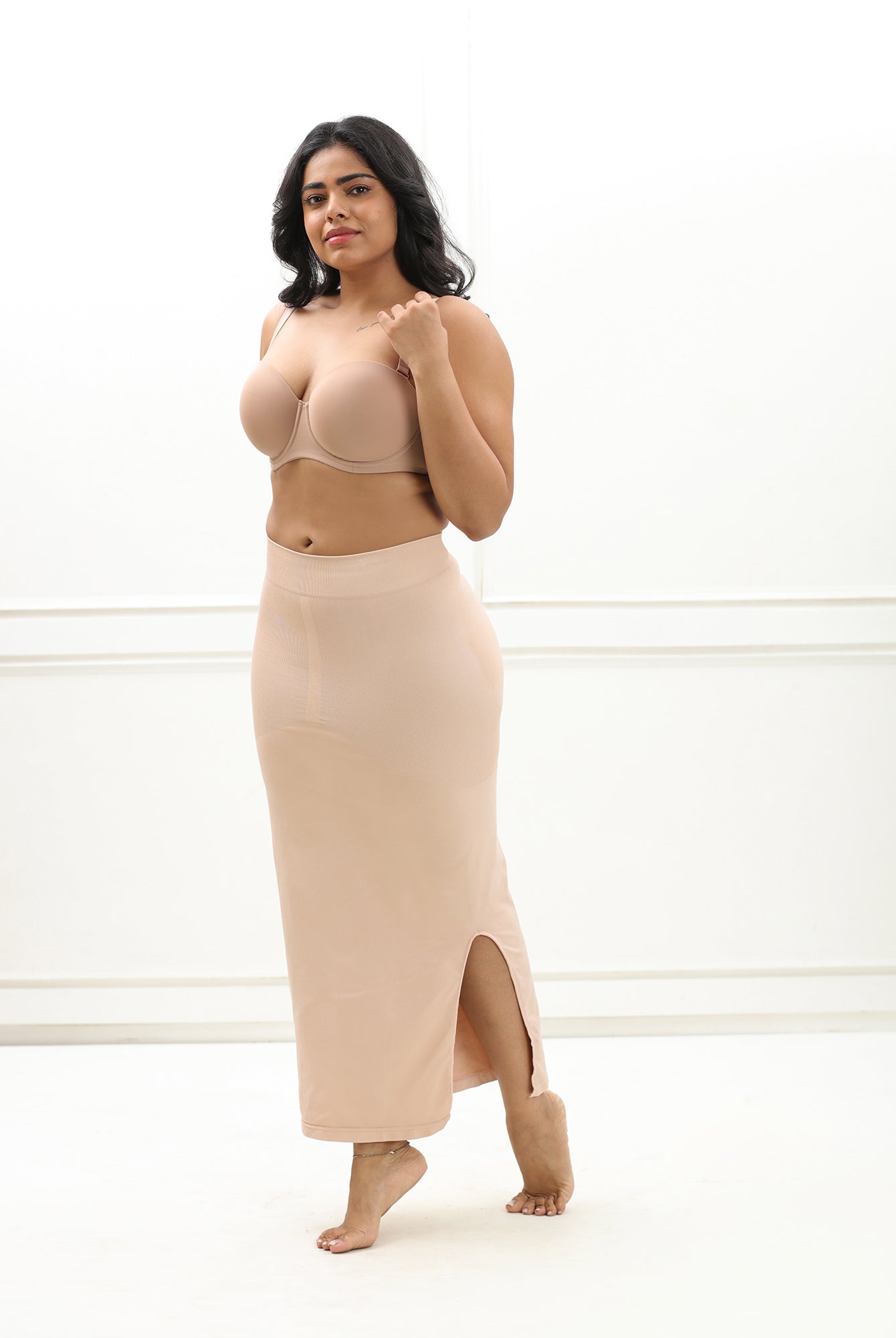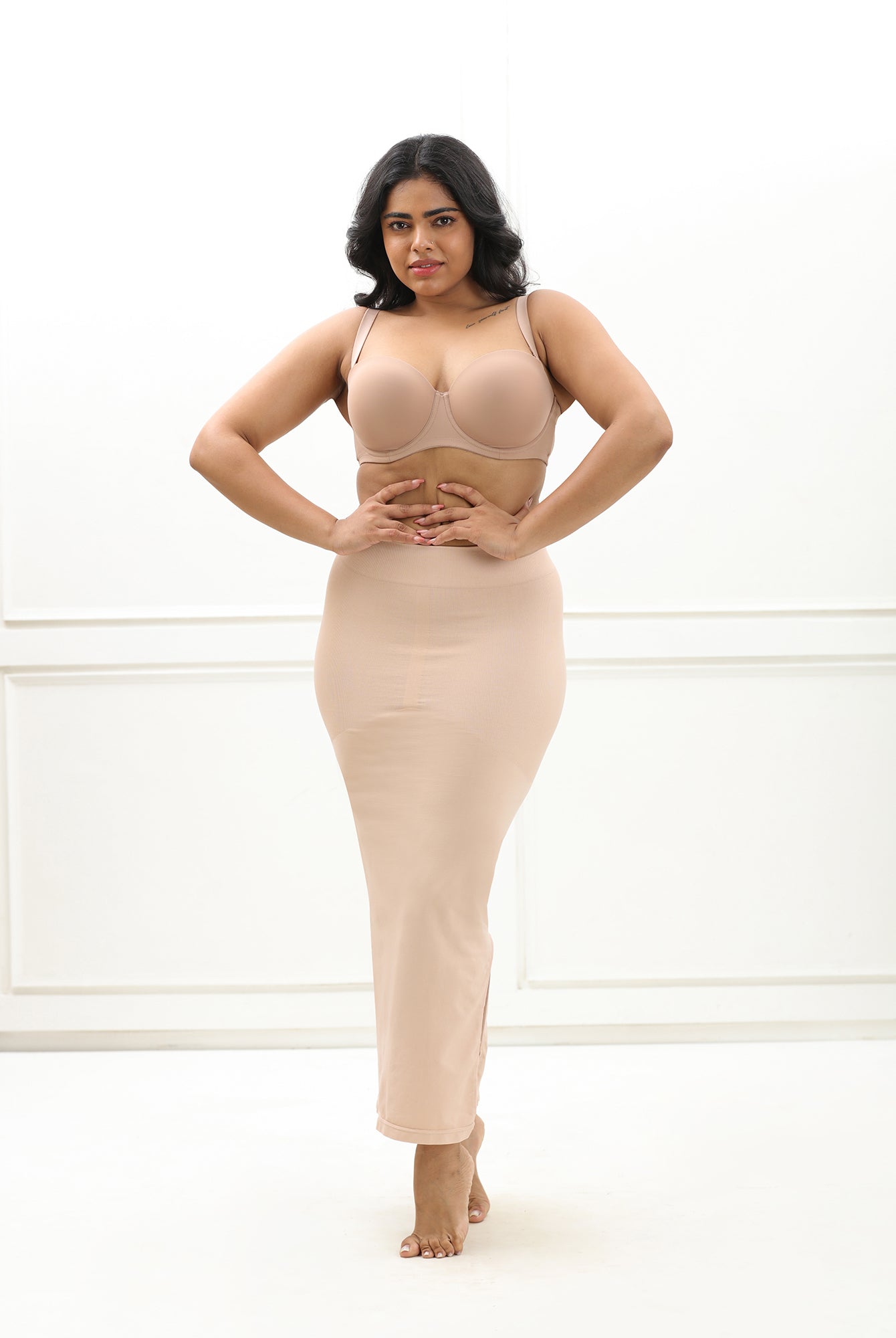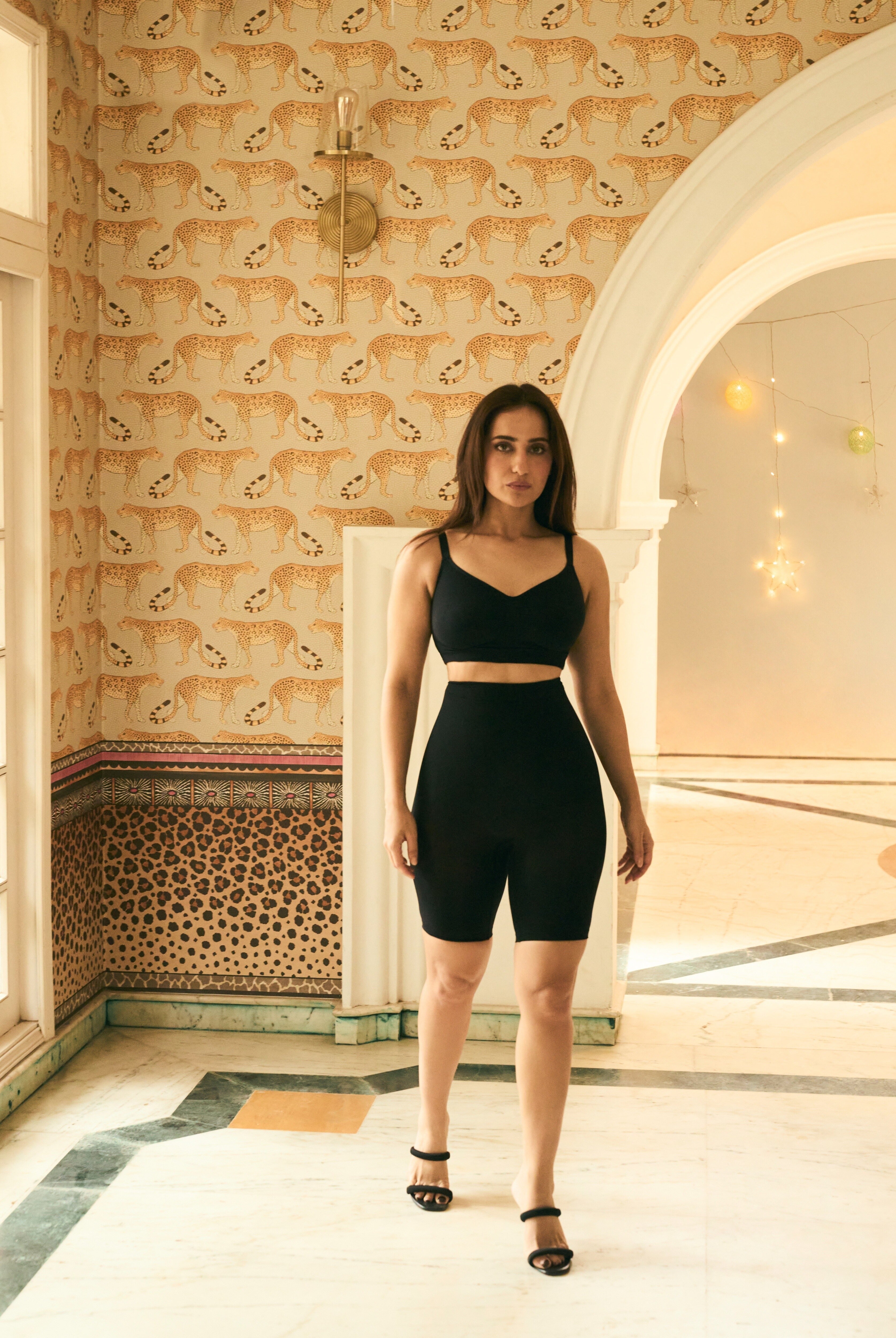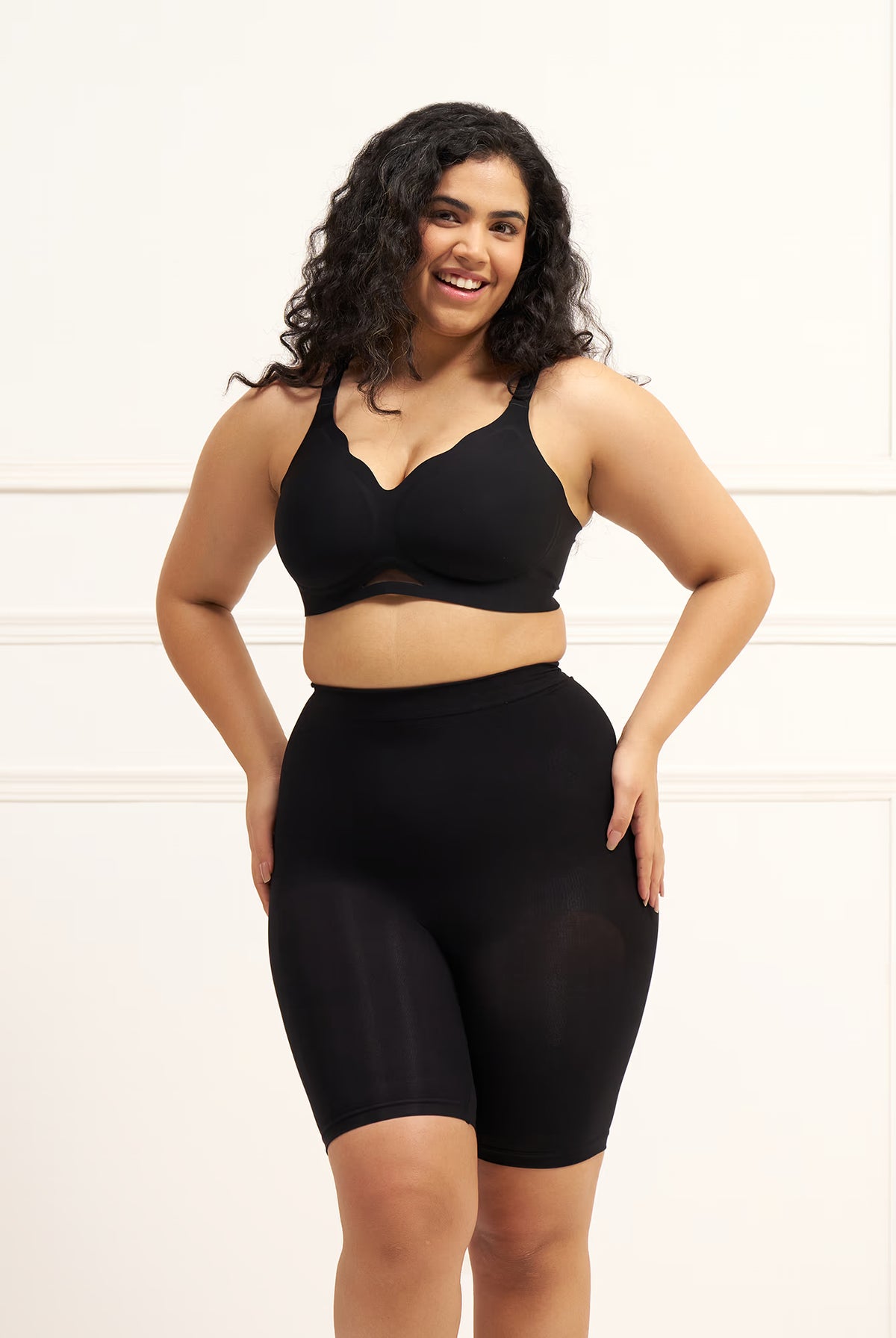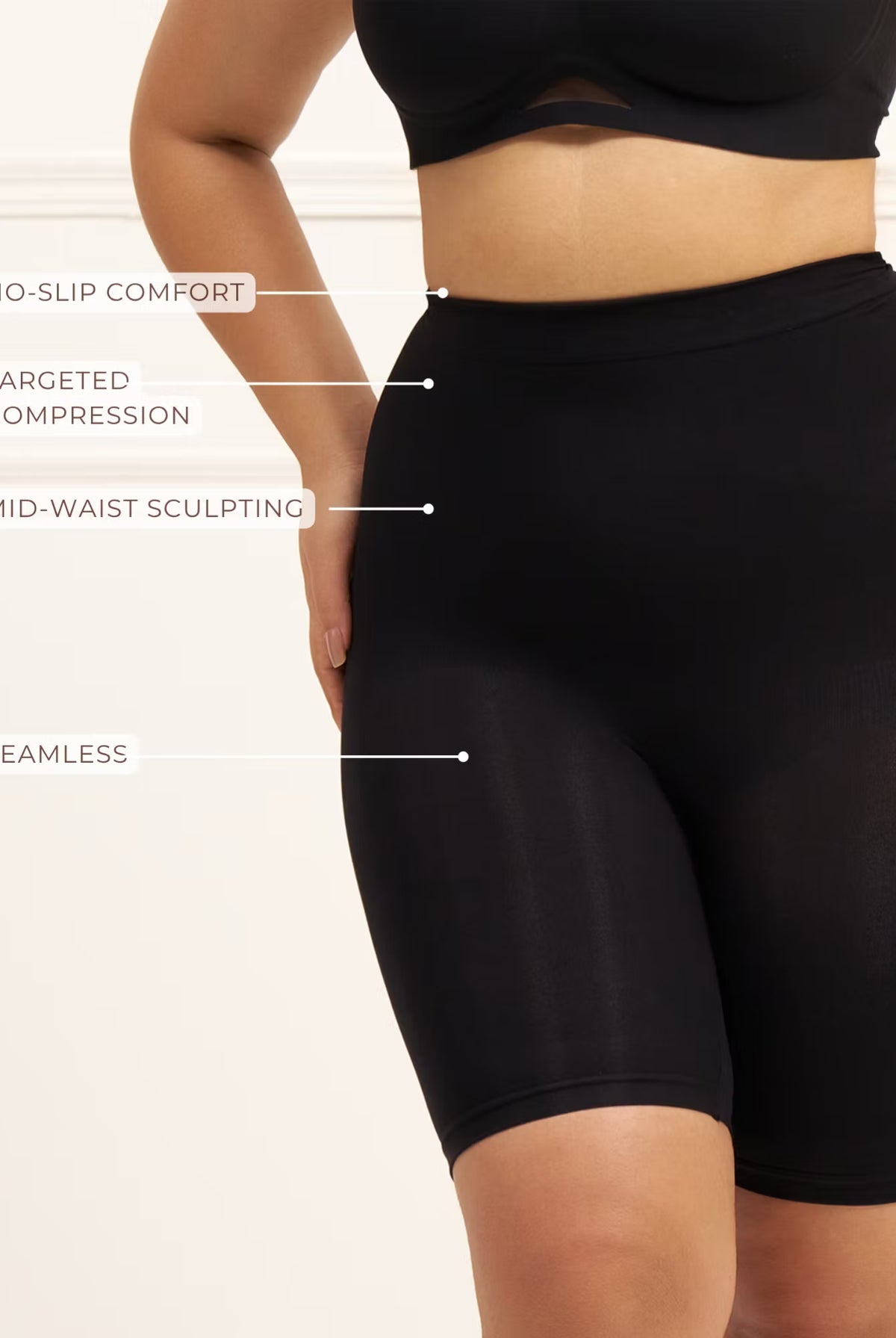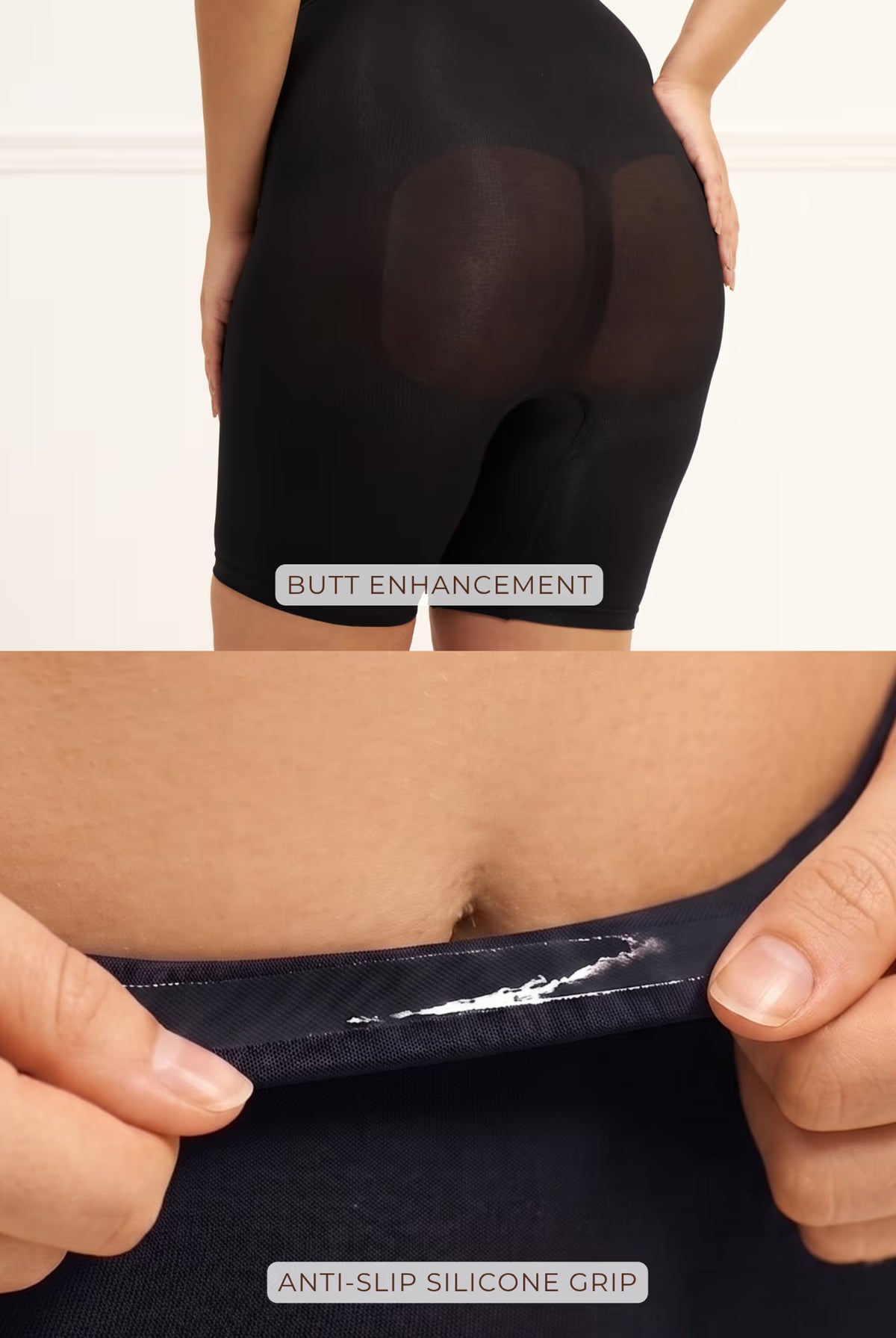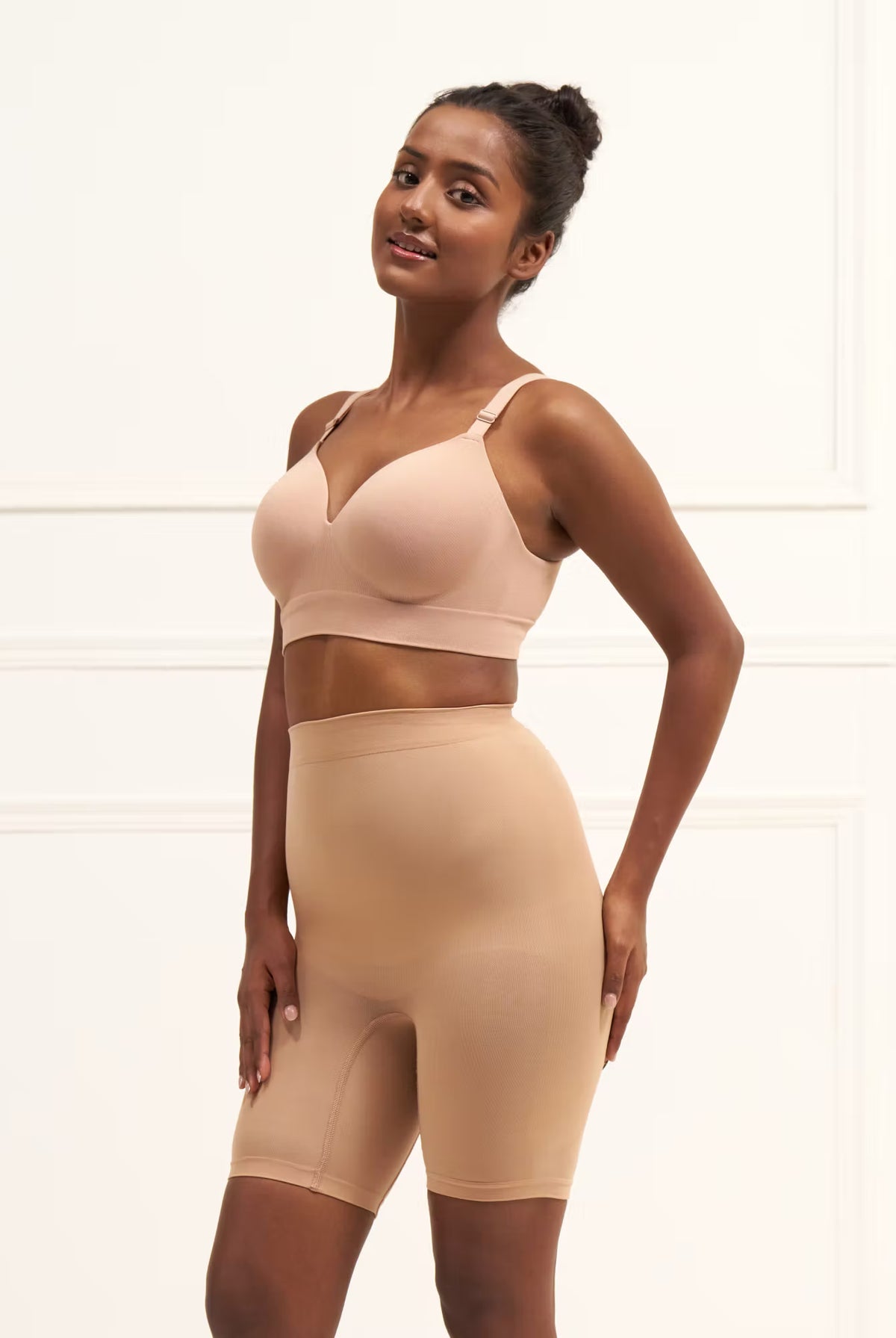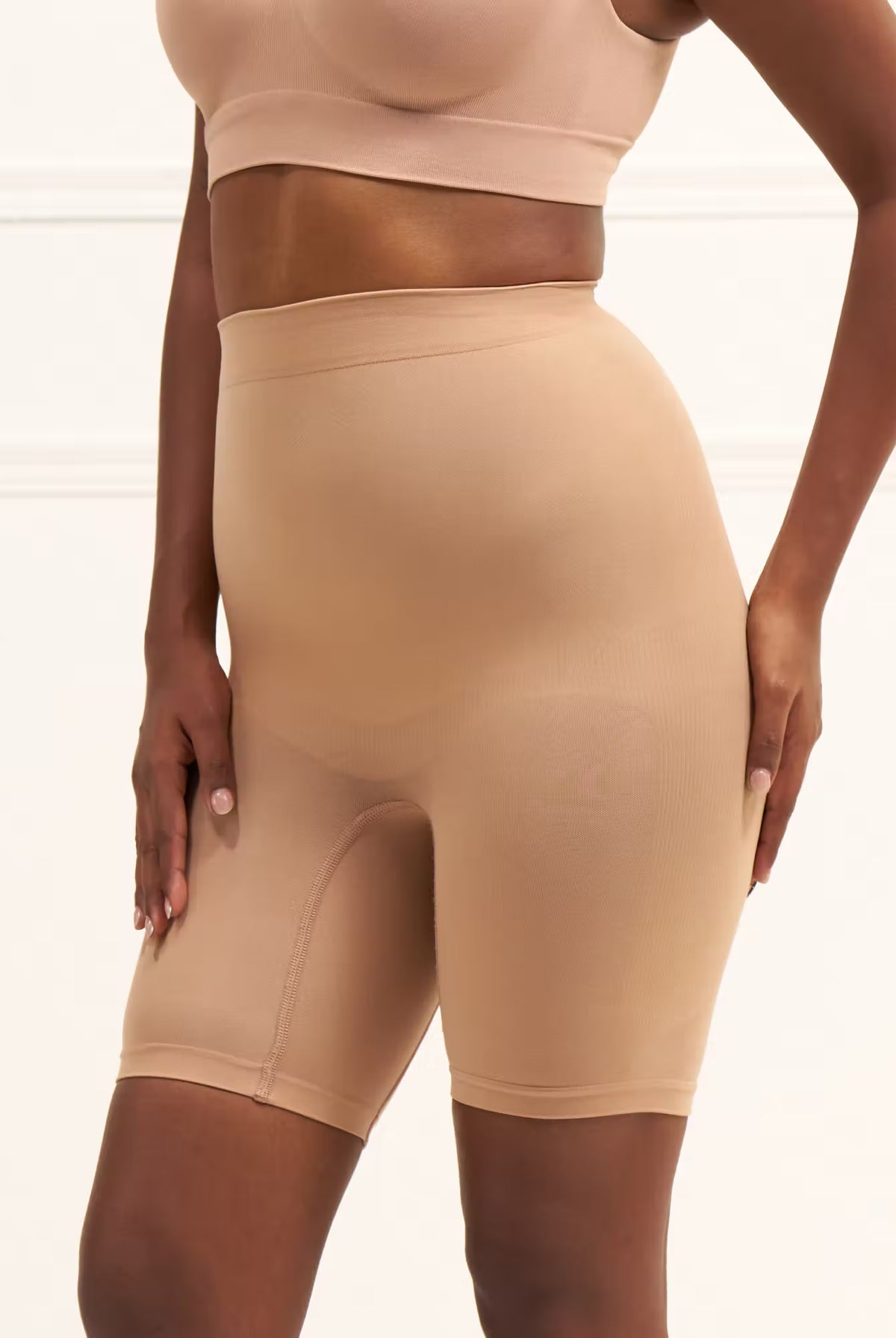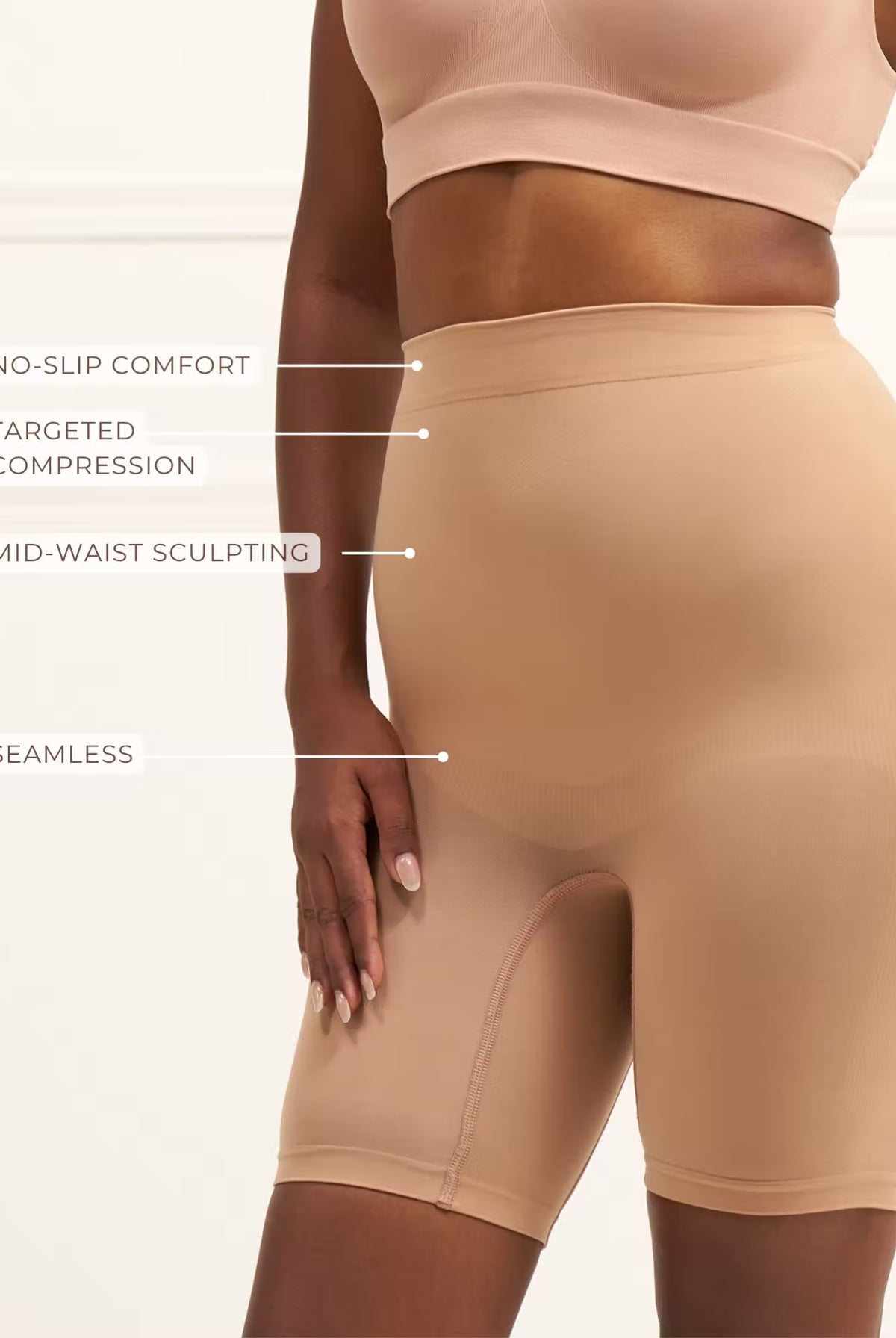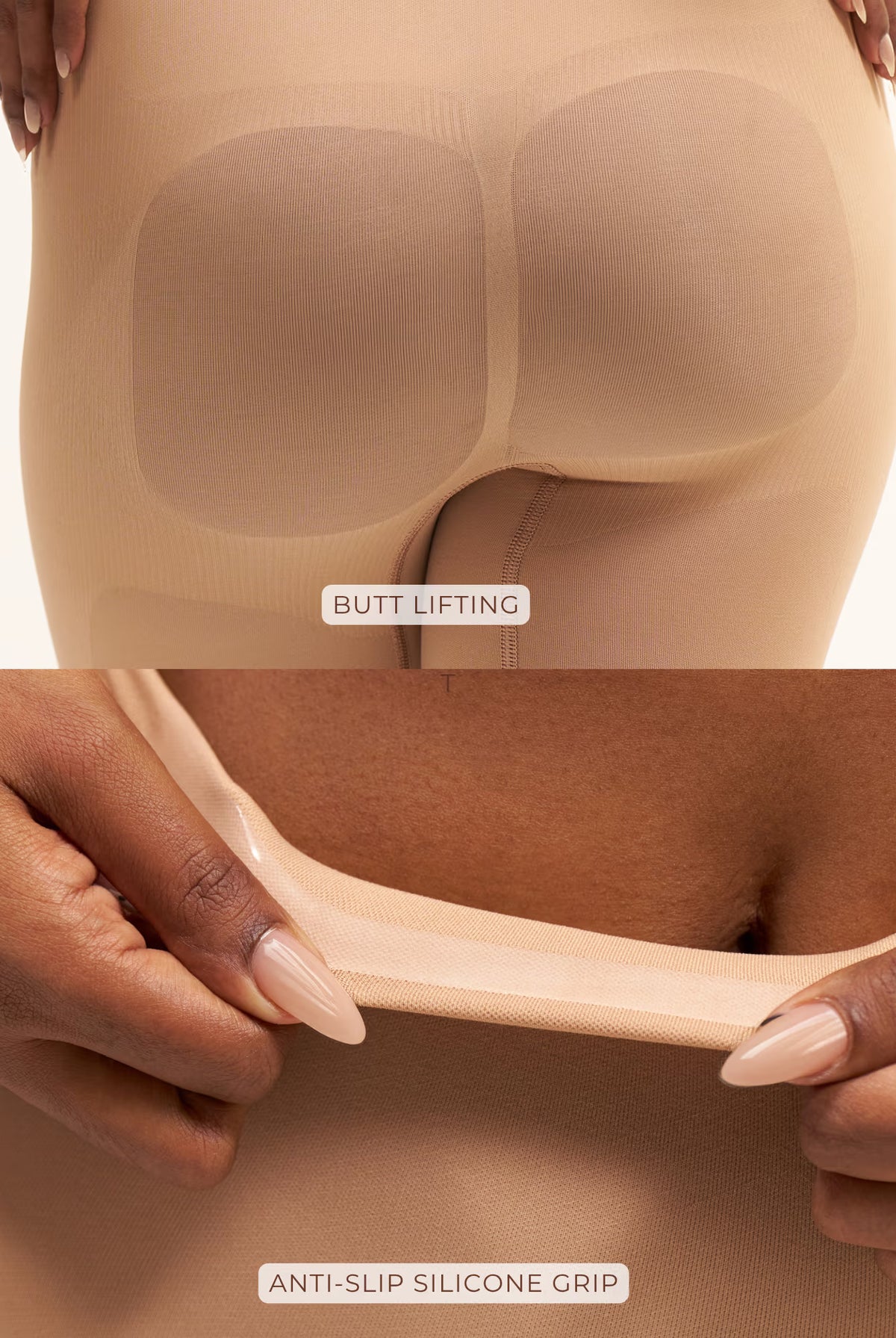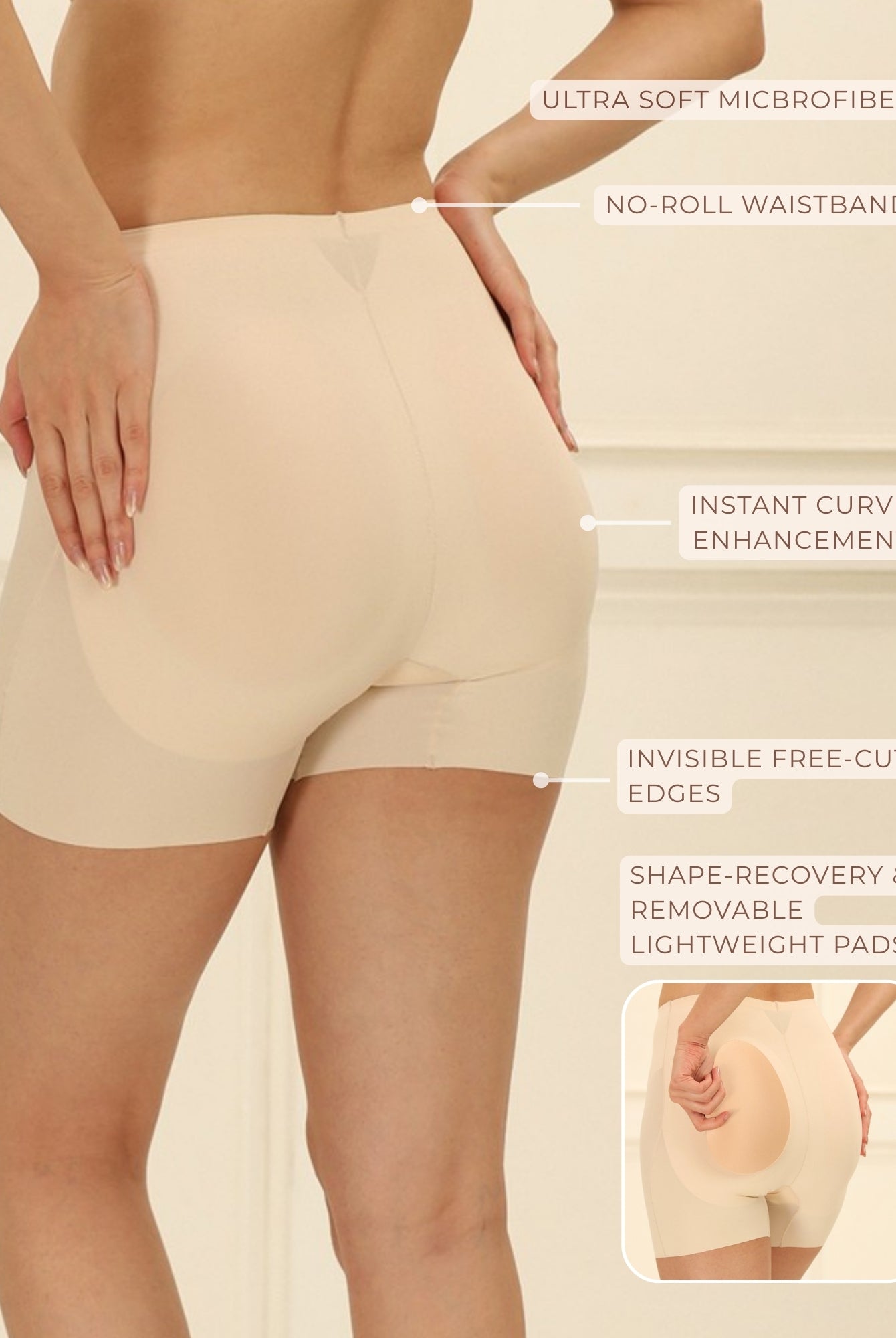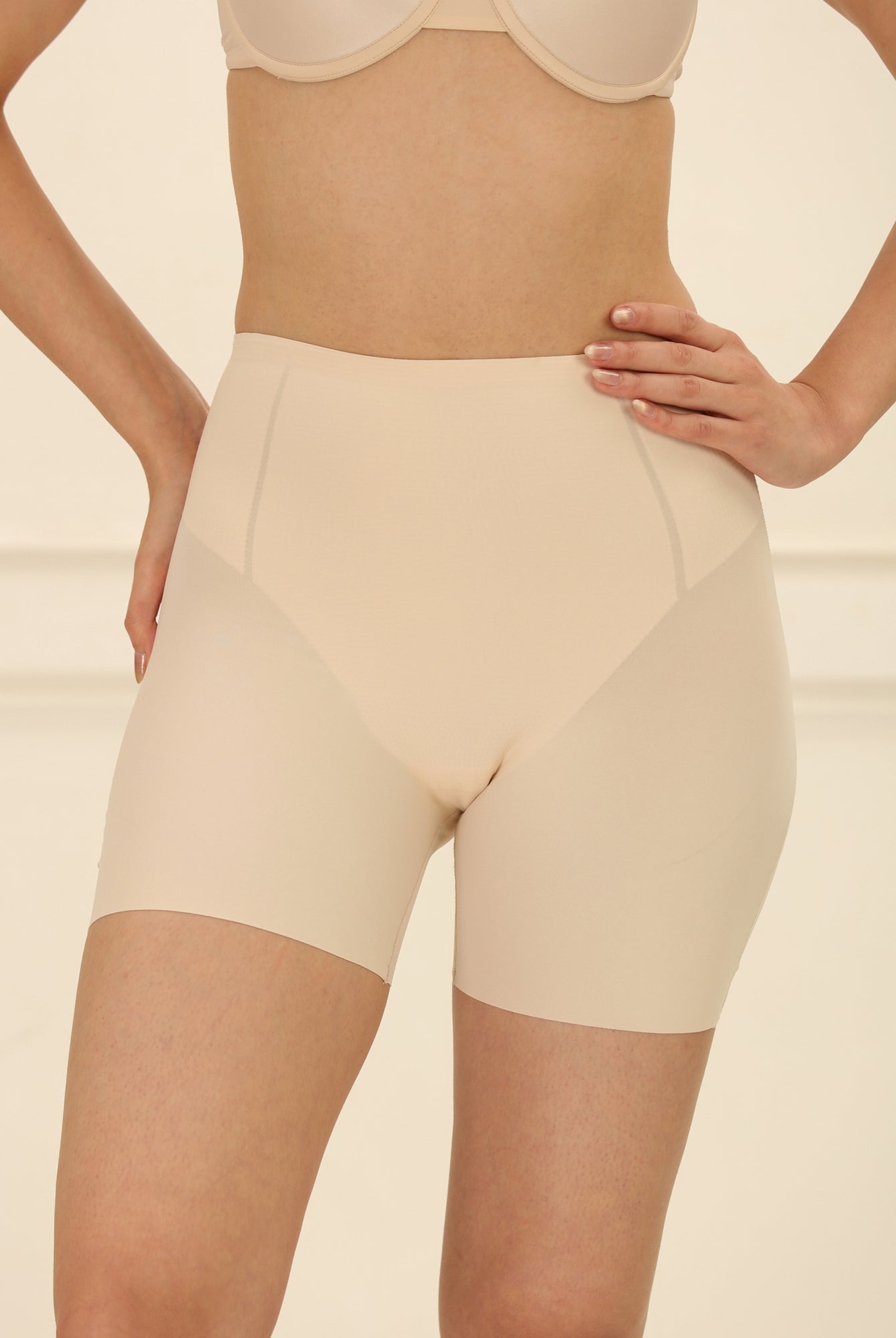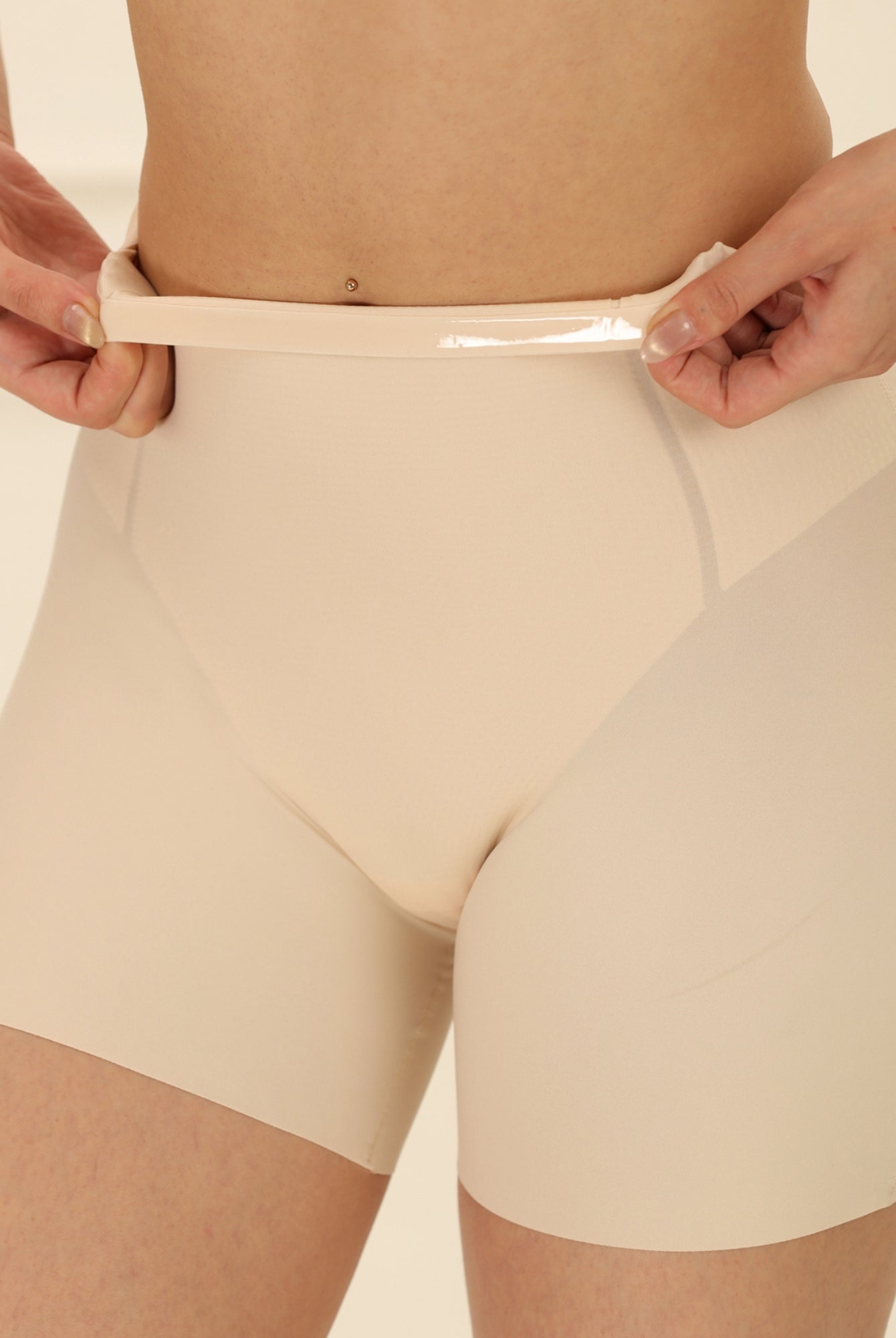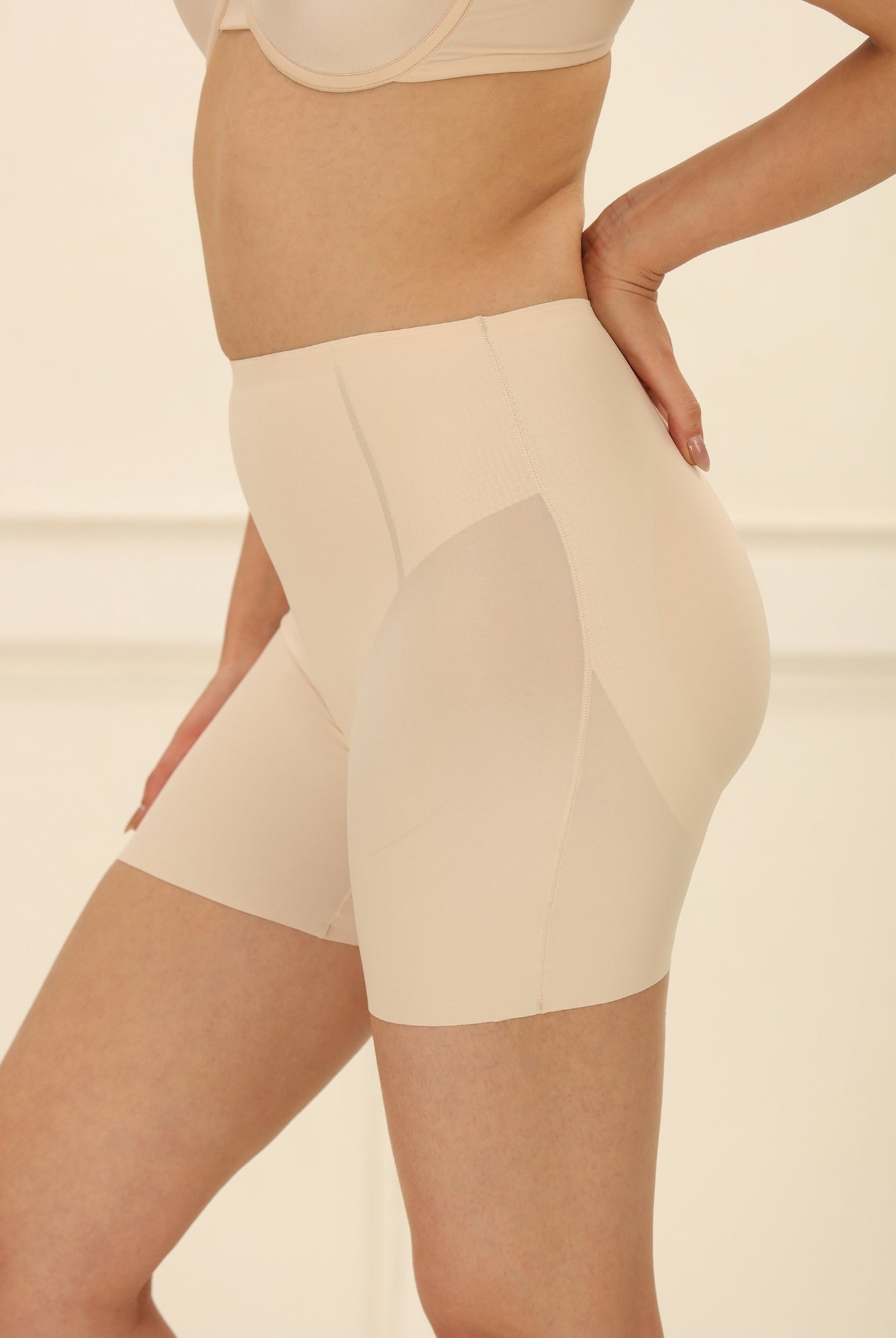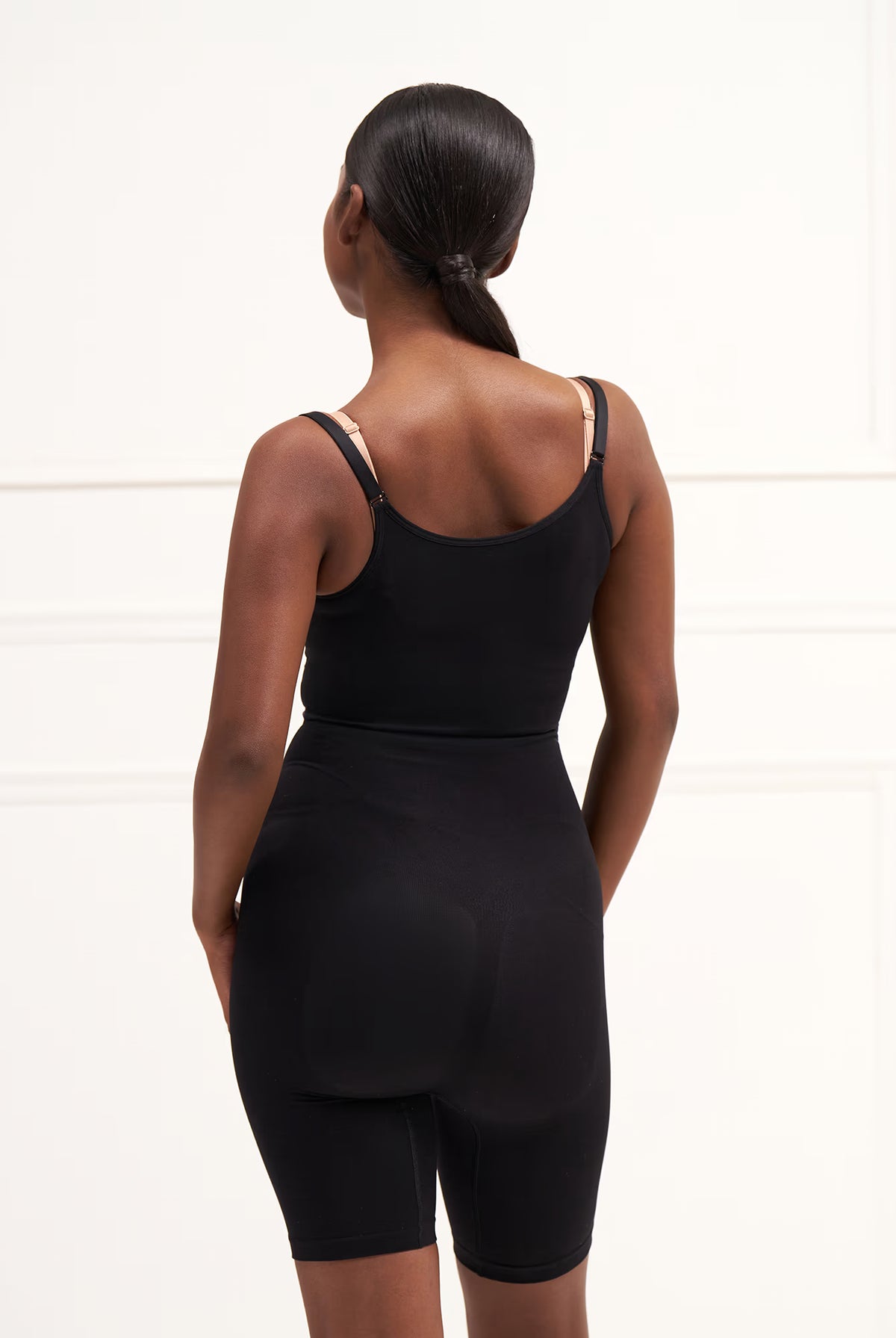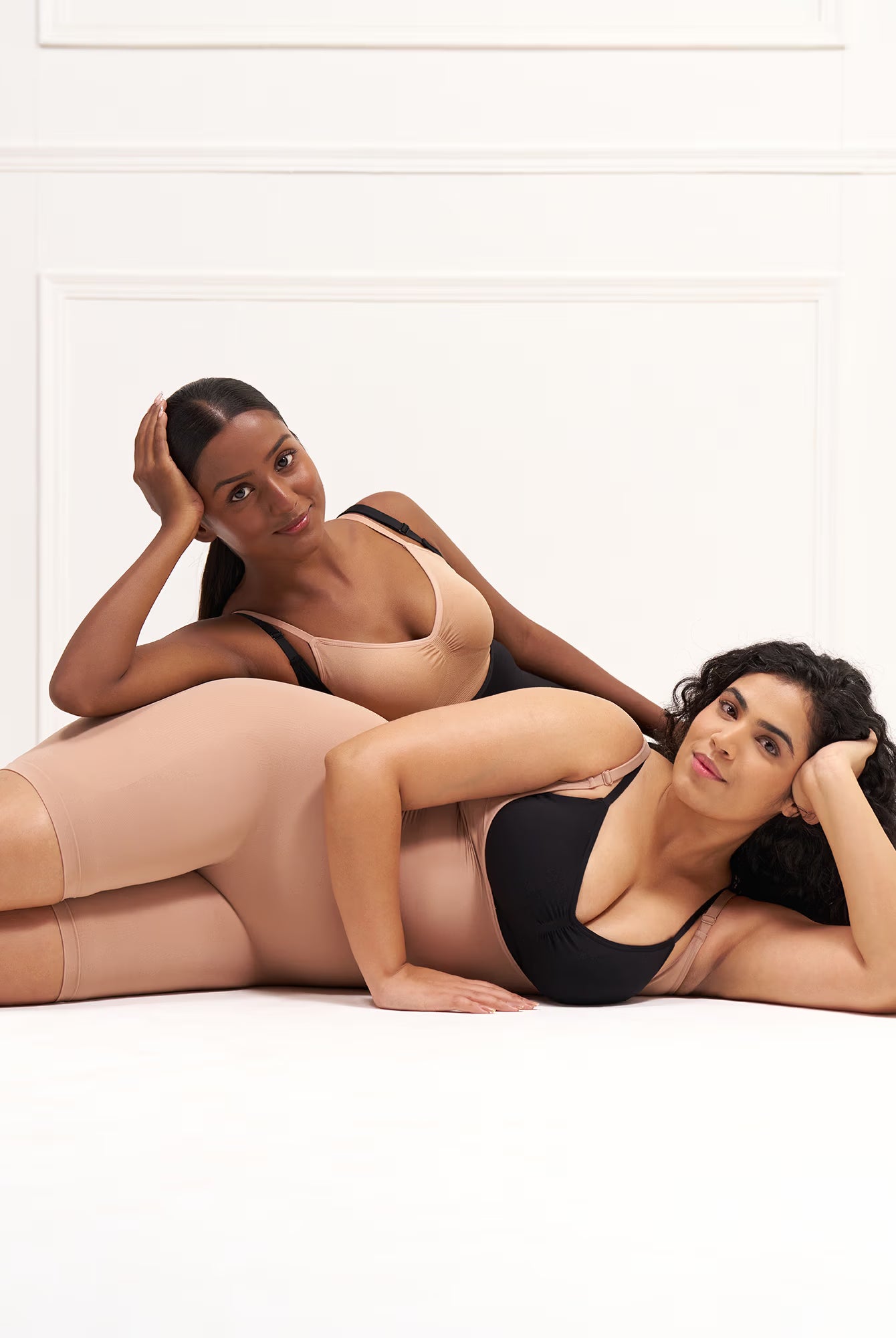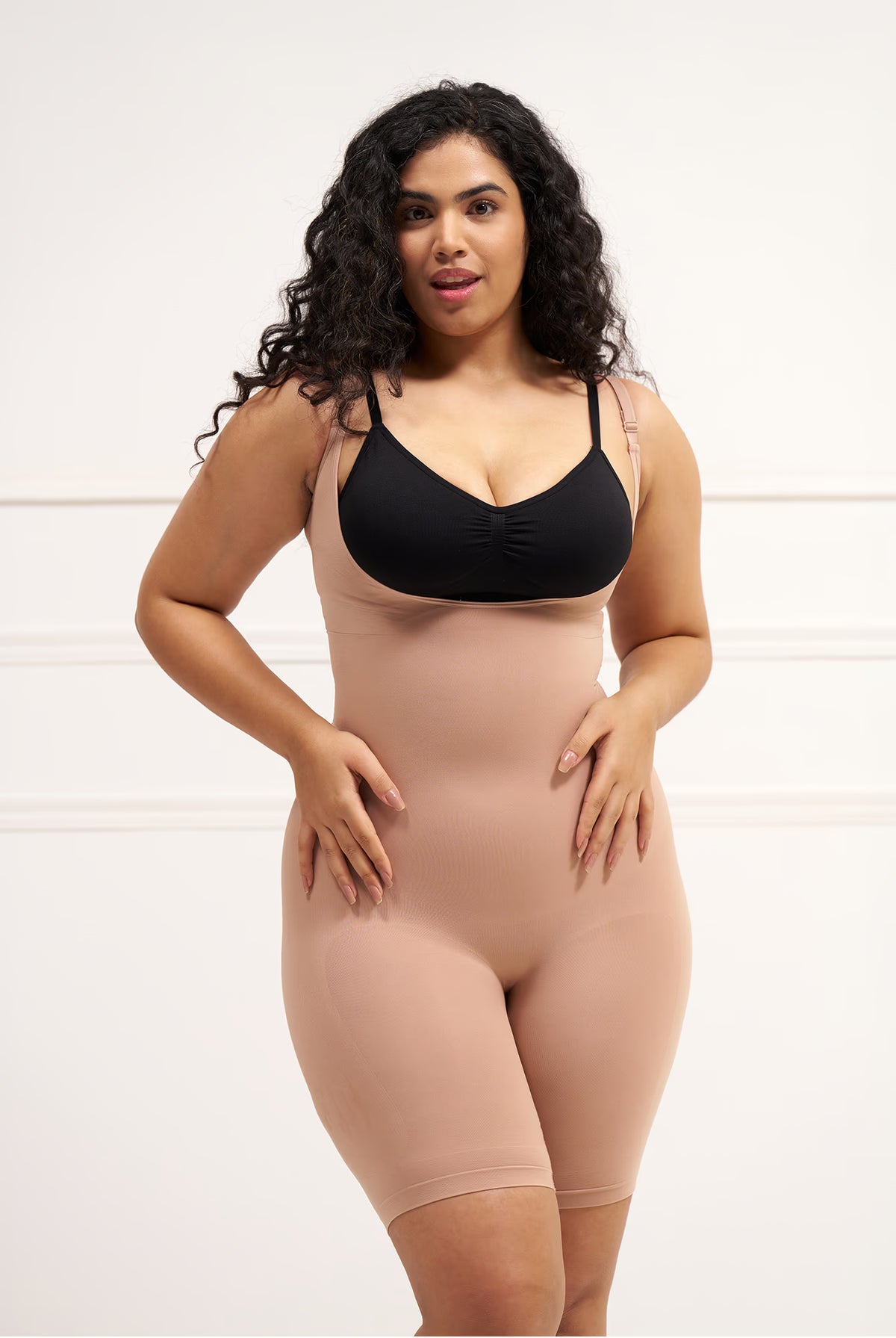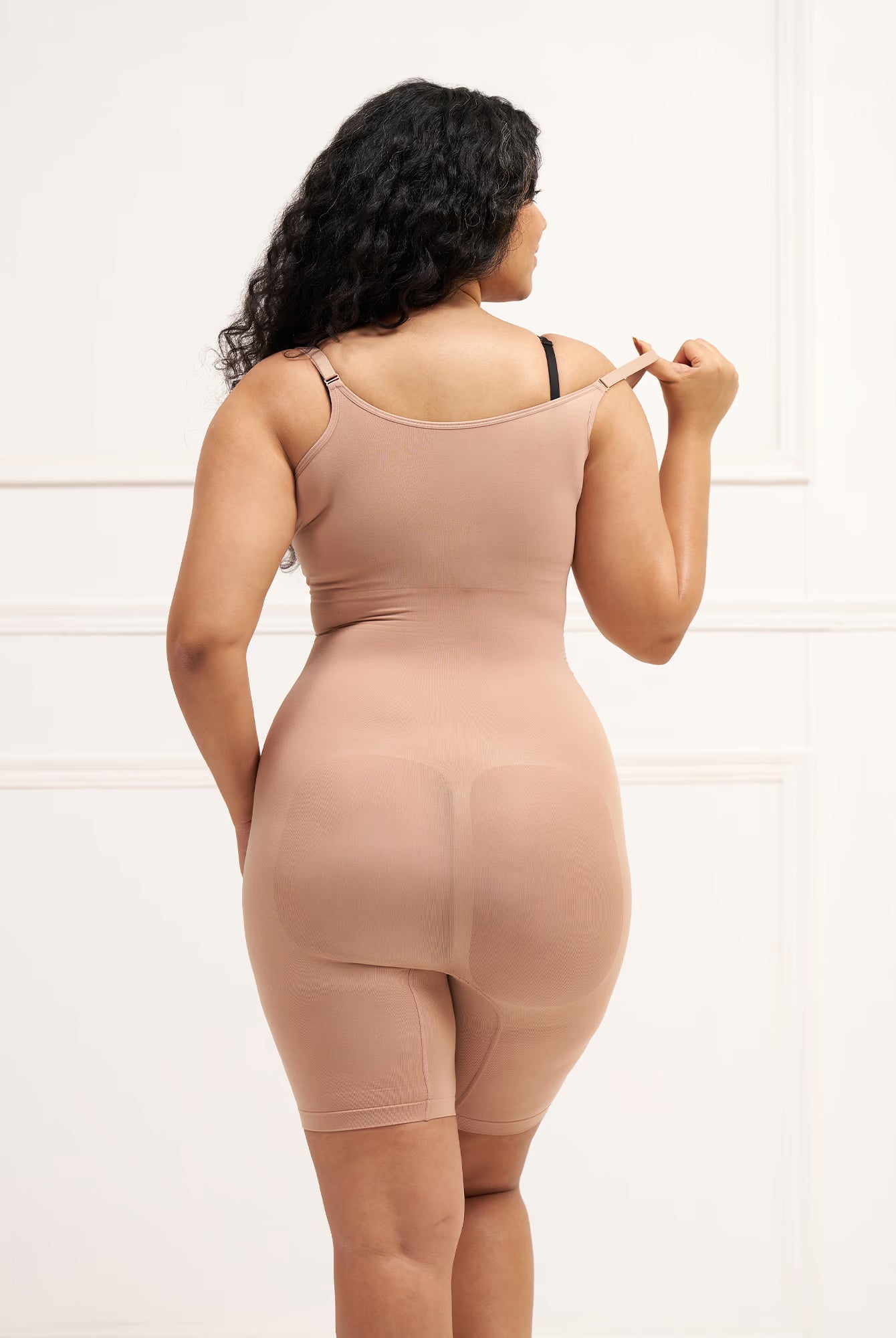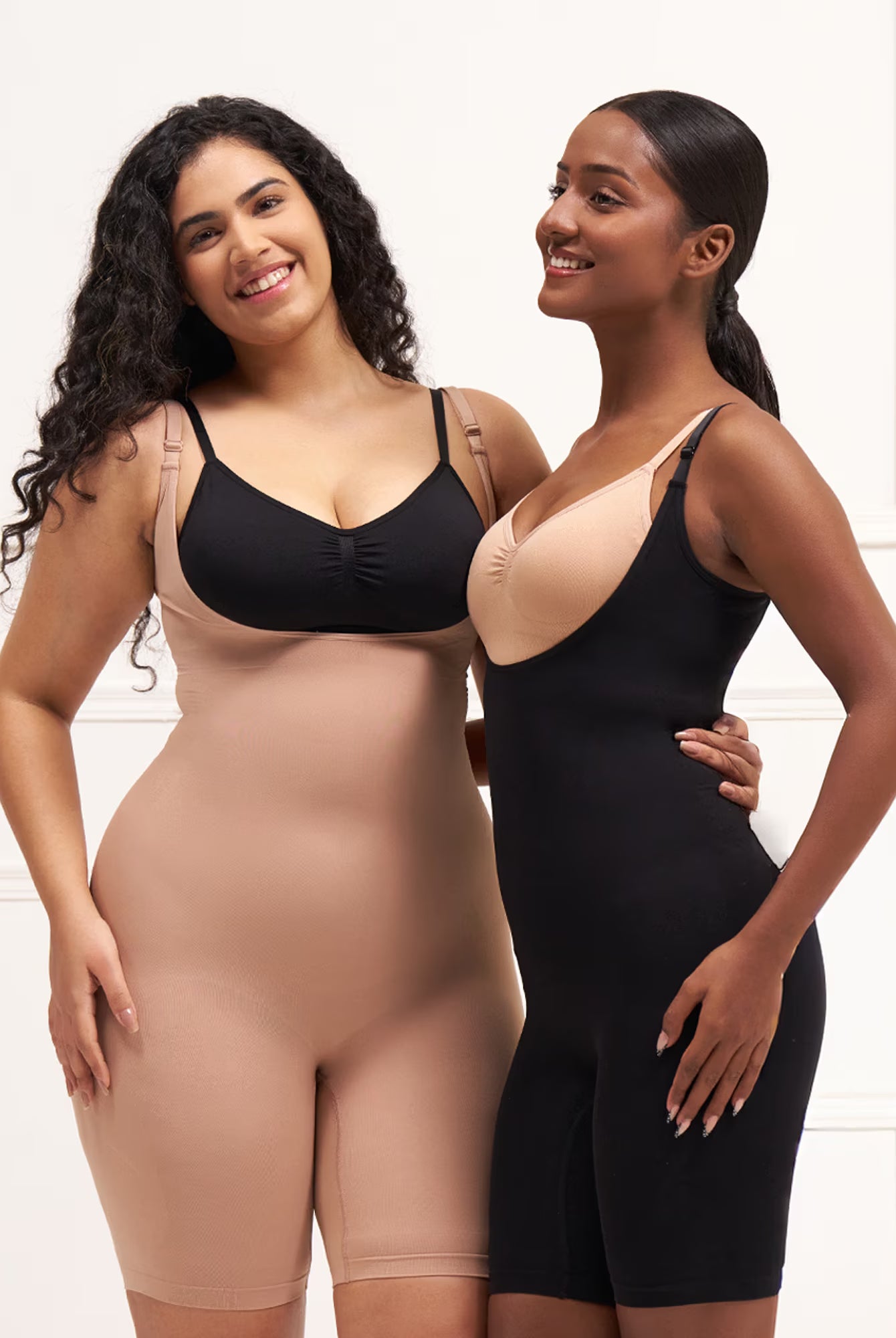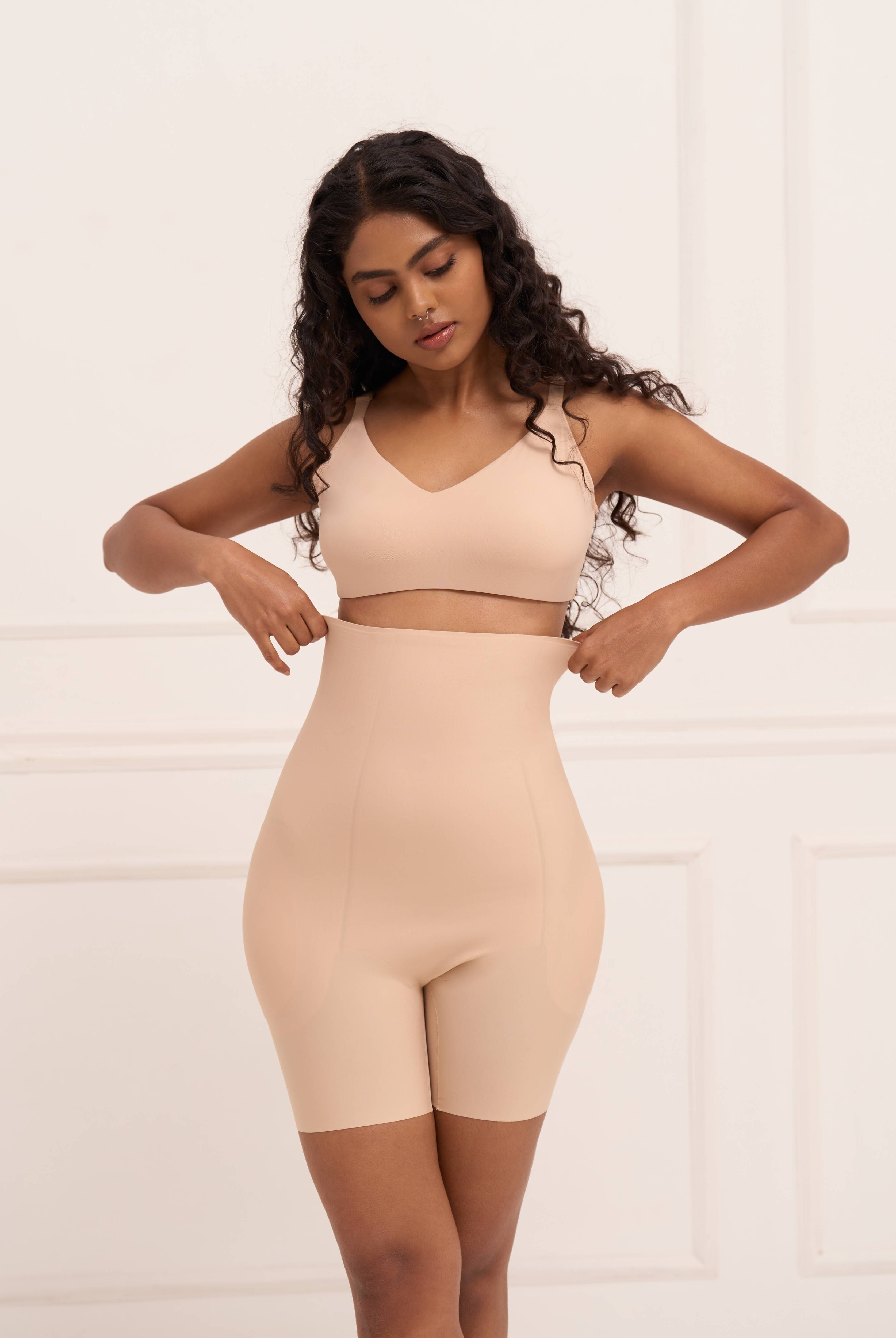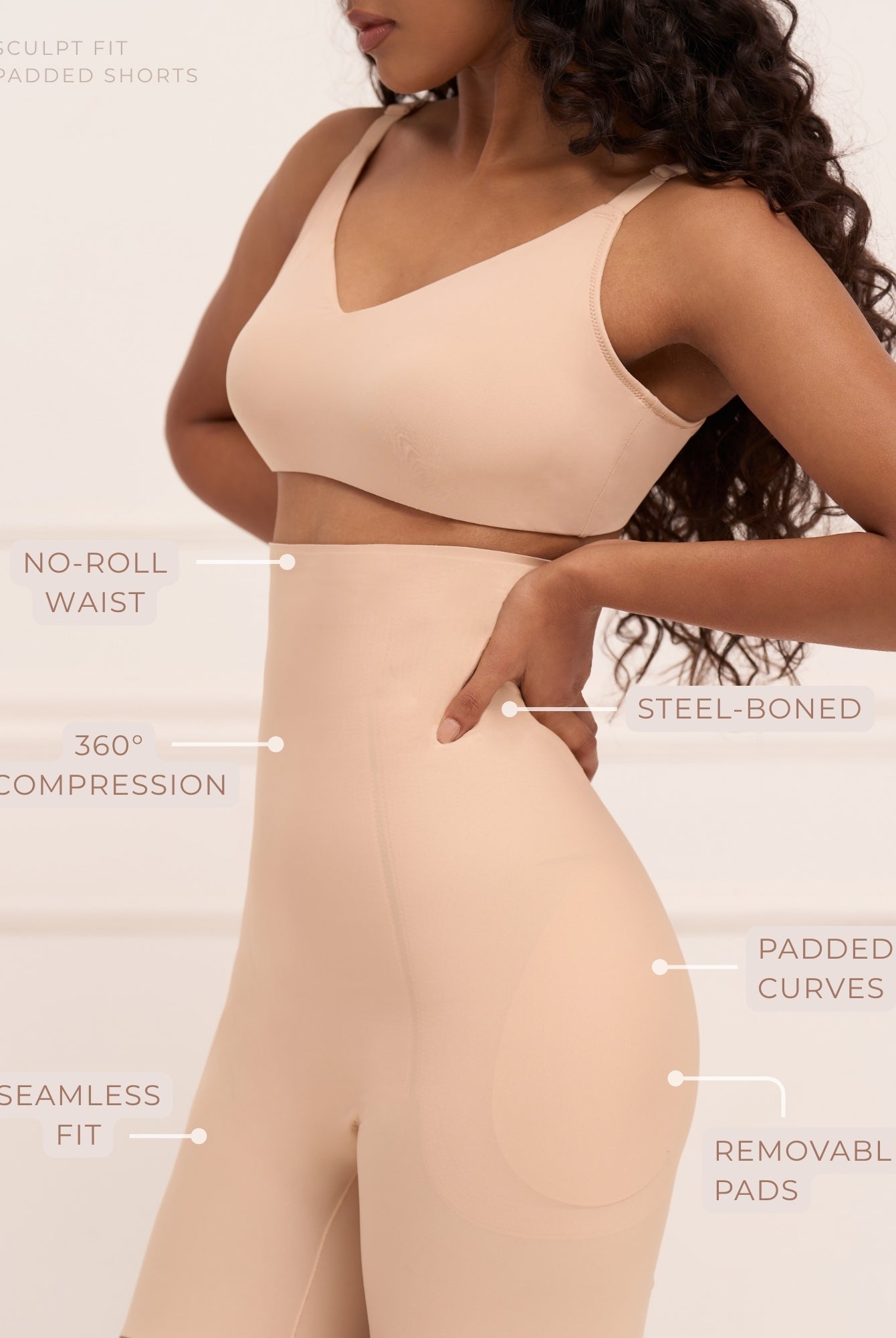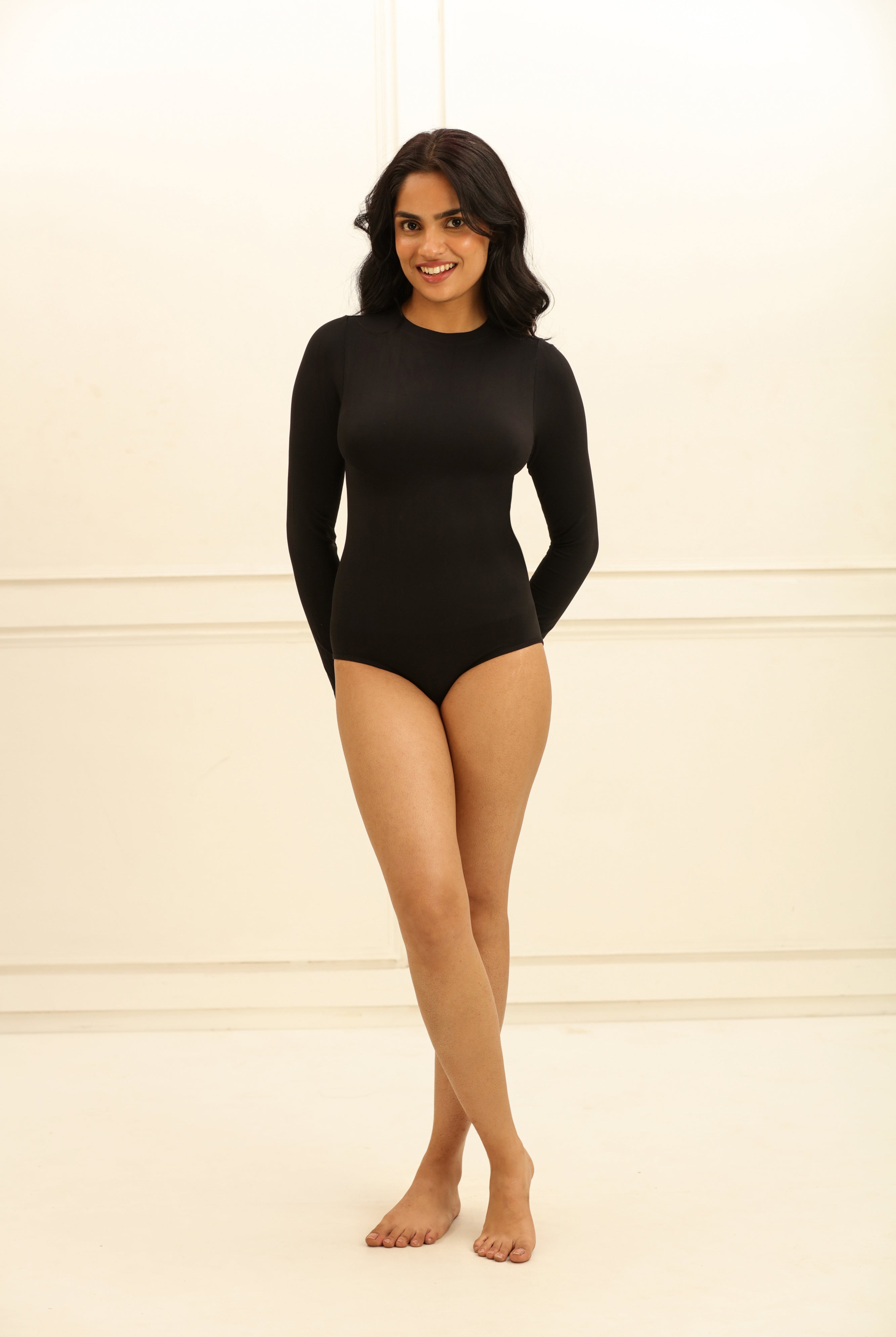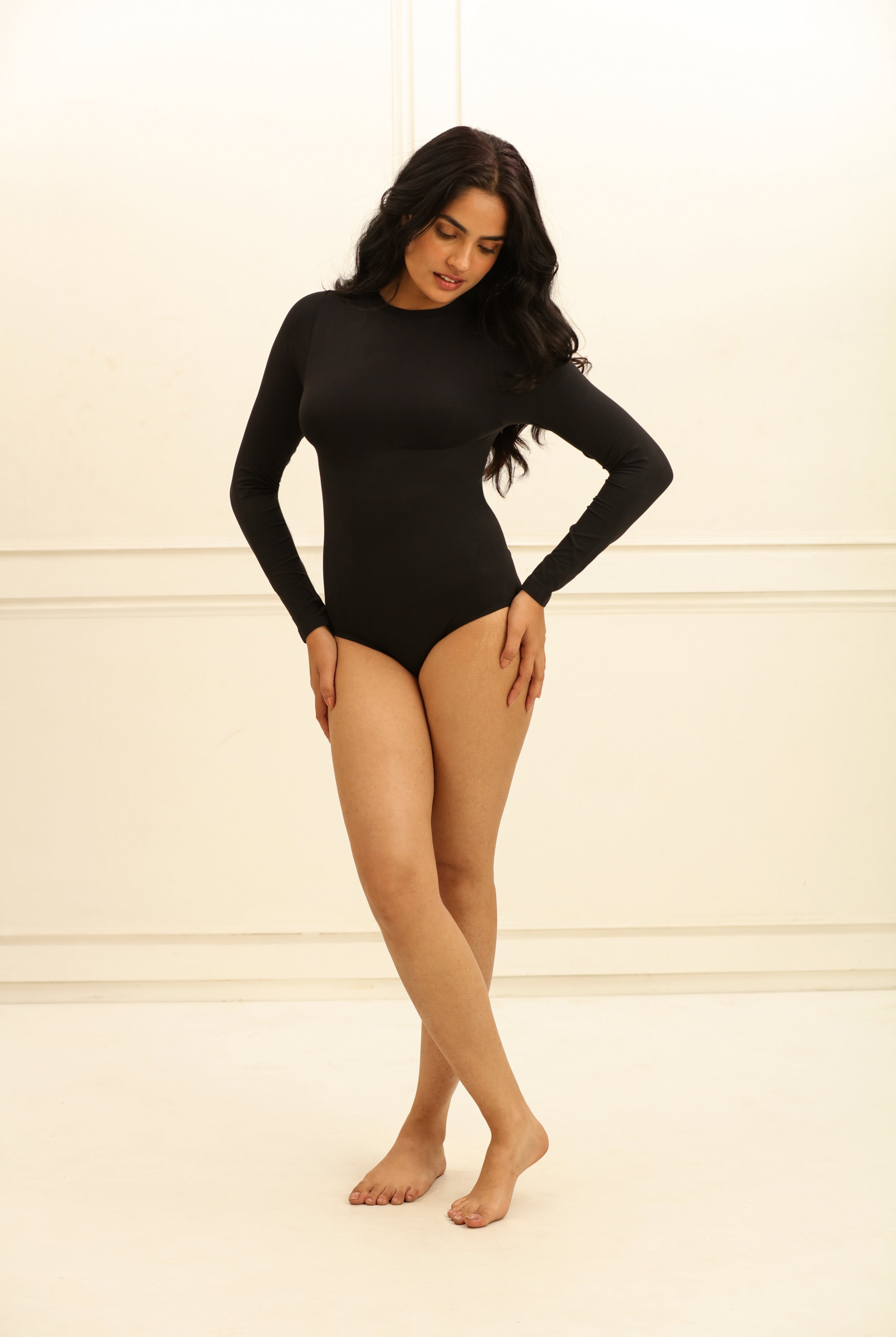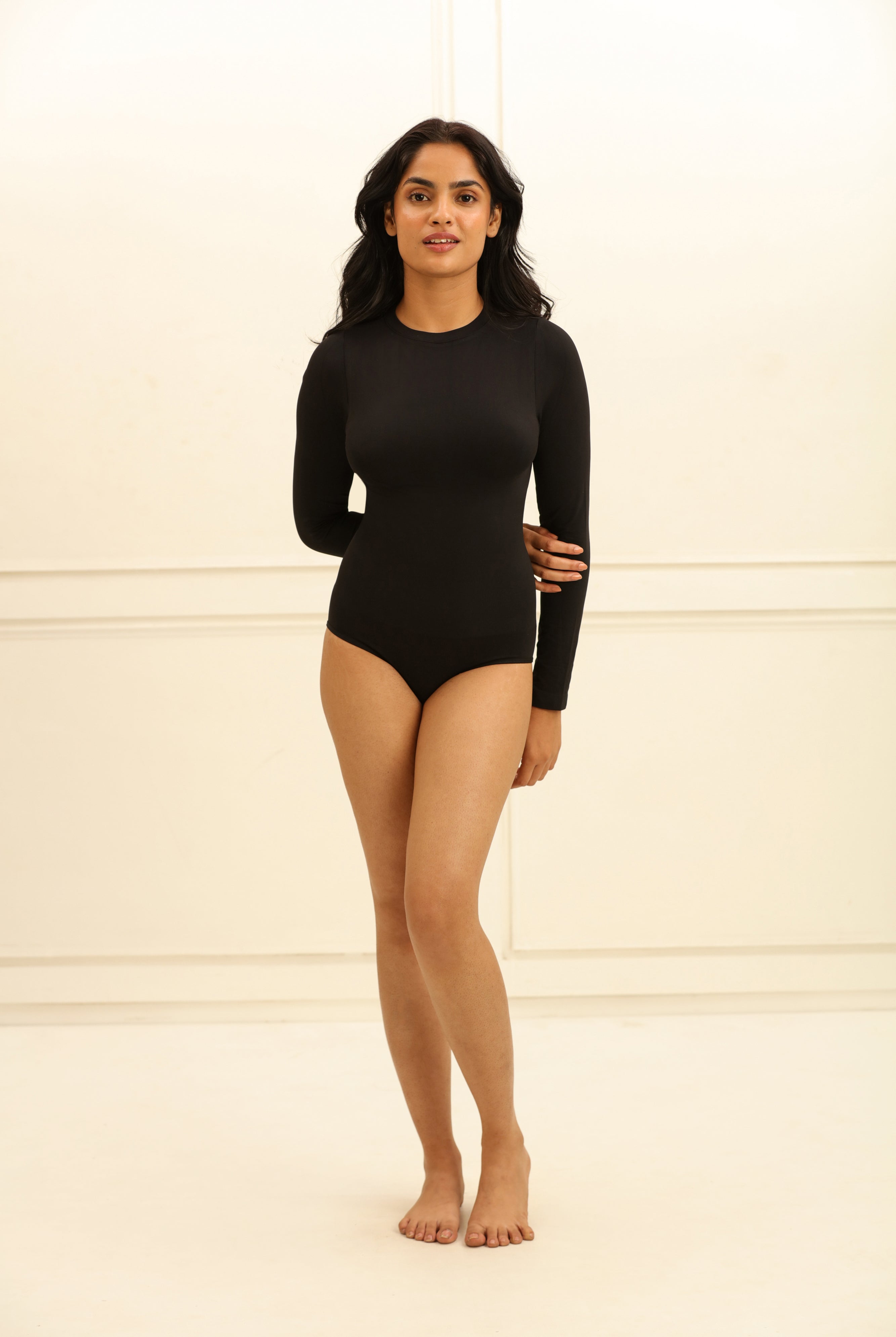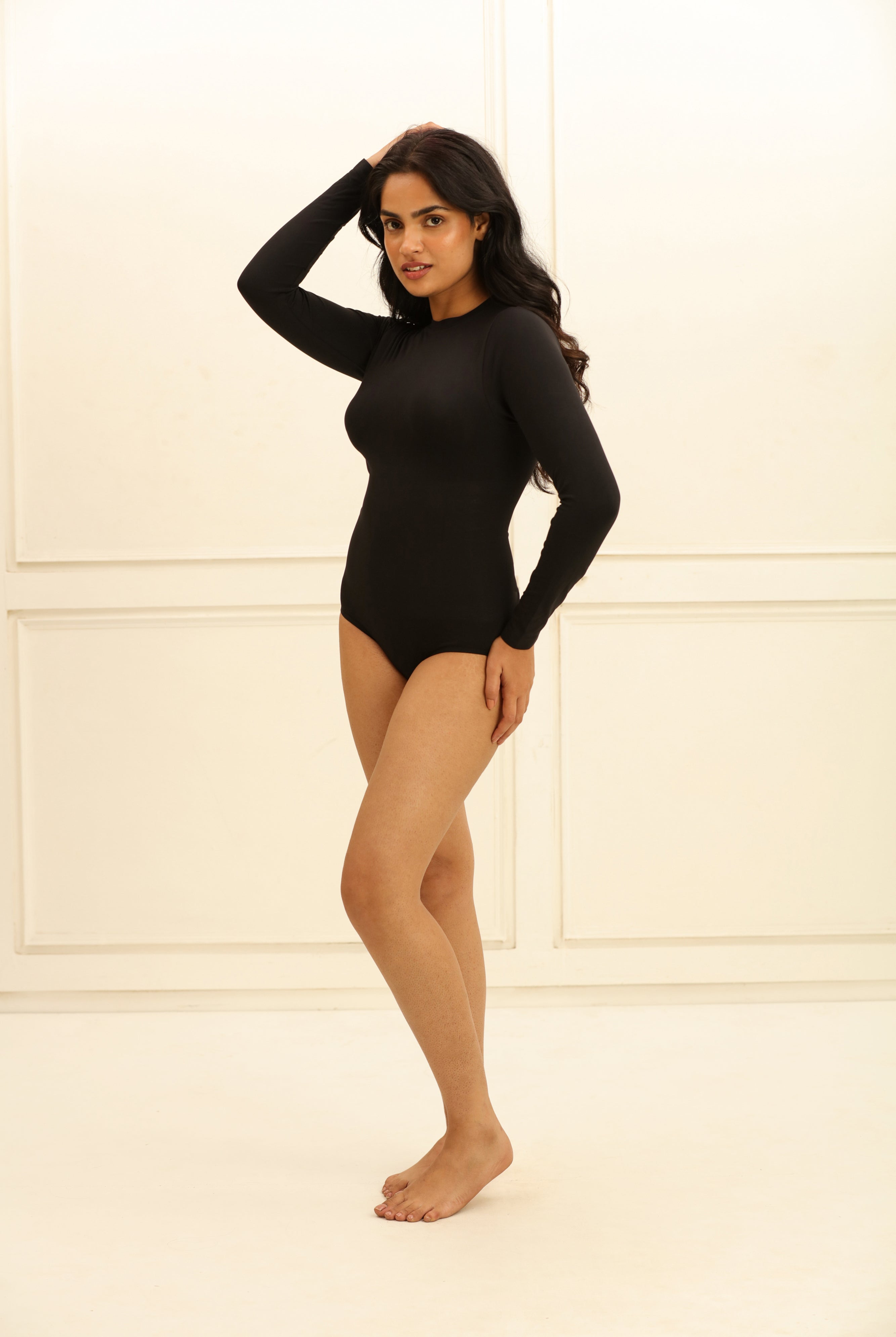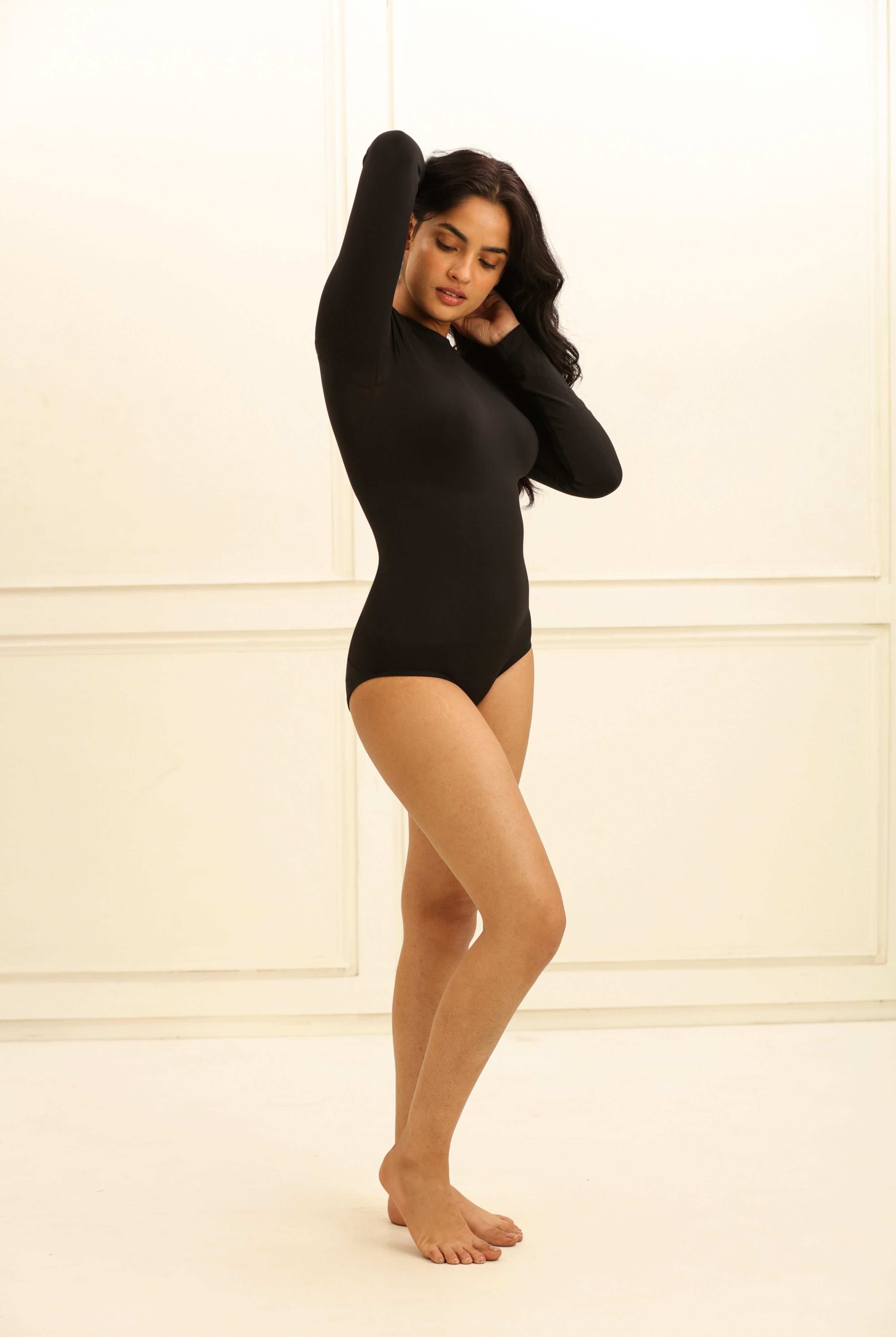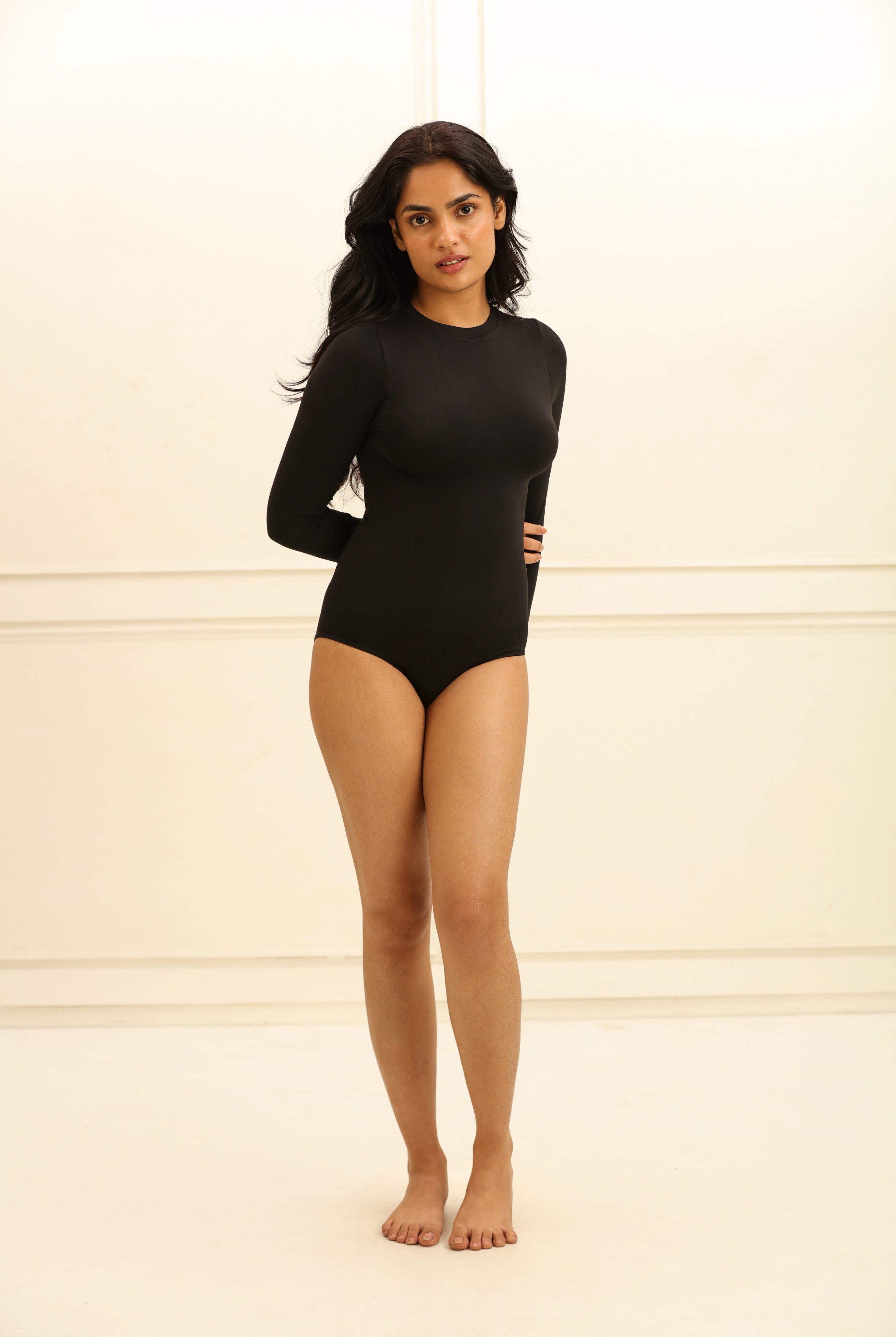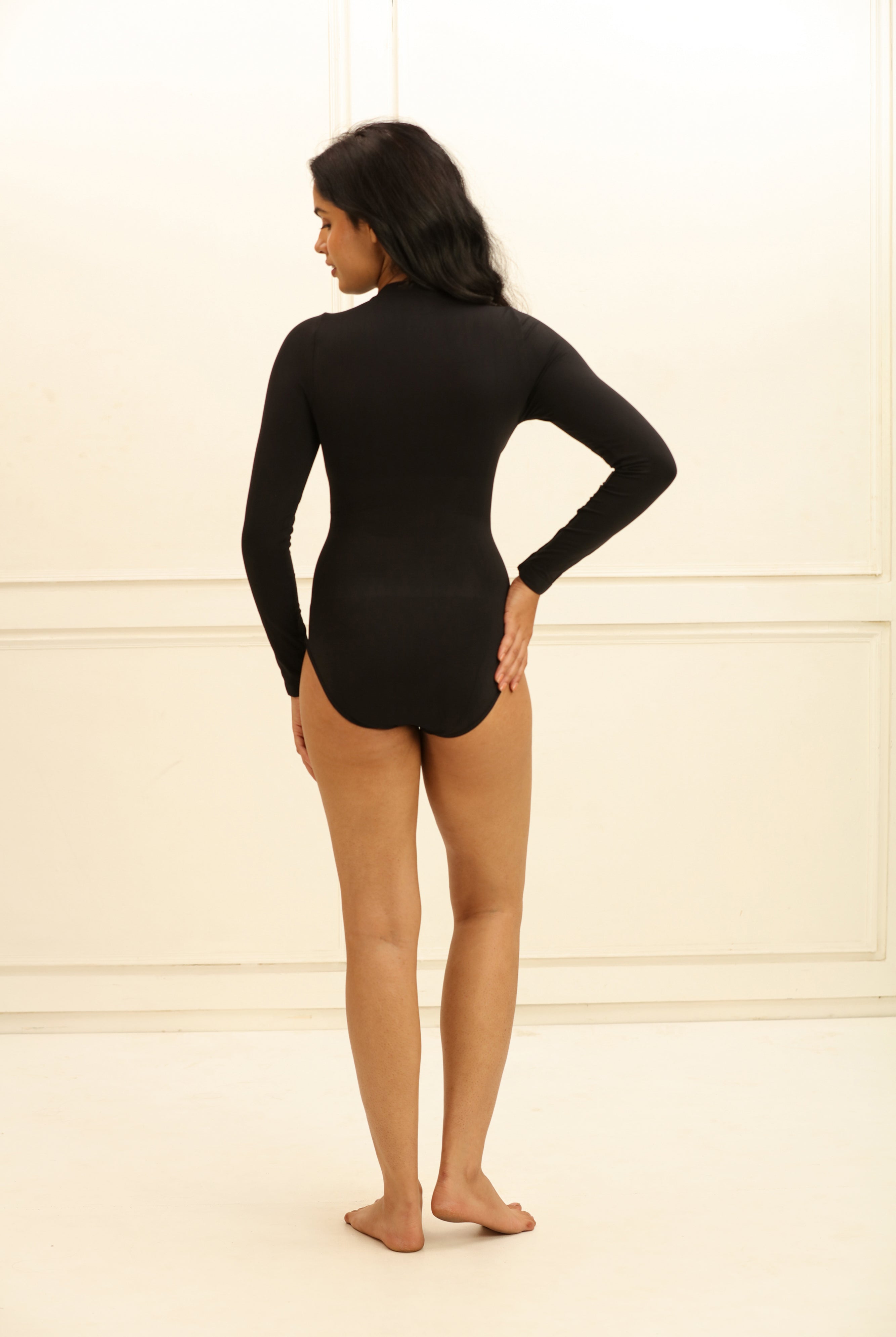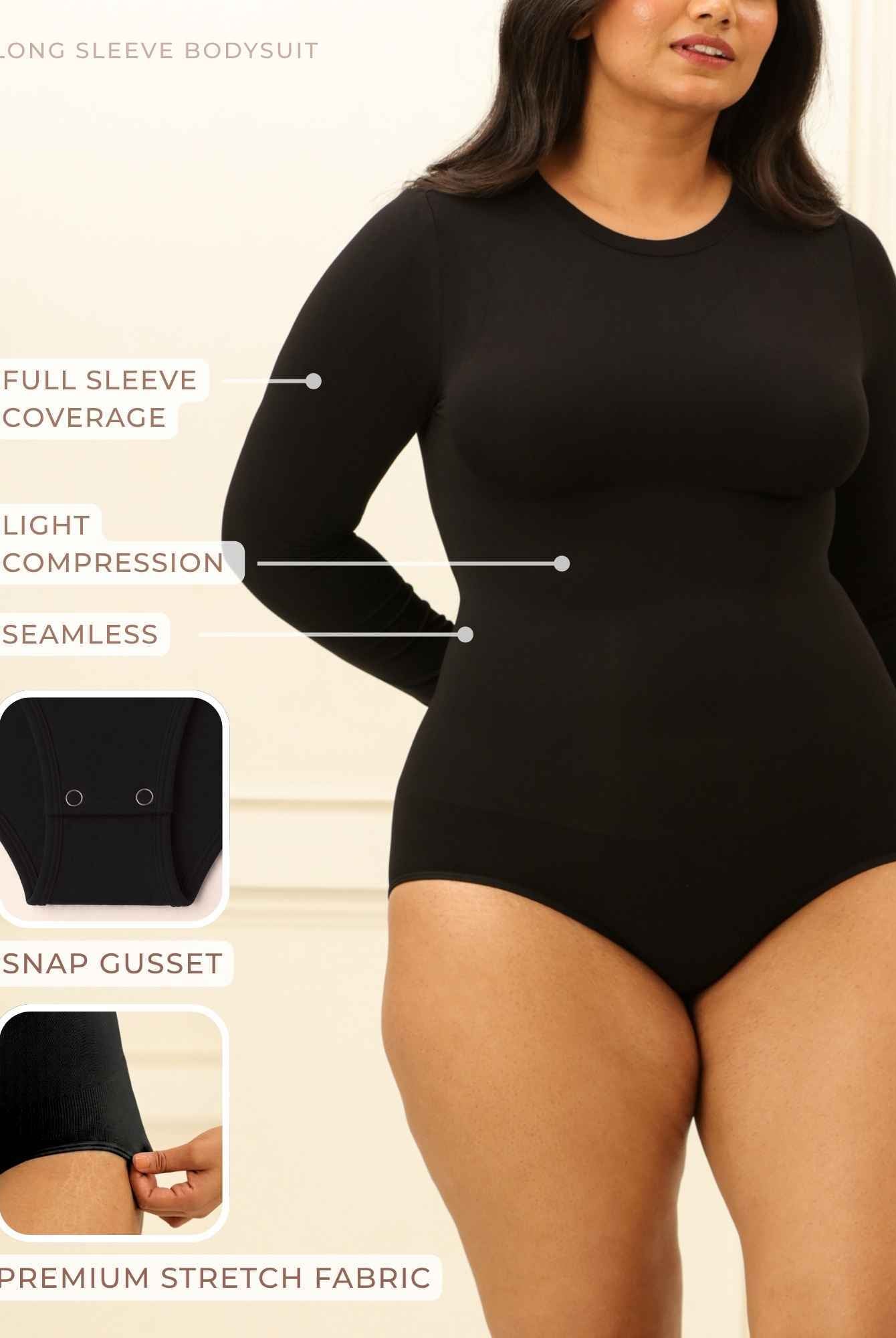








Have you ever looked at the inner tag of your sports bra or workout tights and immediately felt confused by all the tech-speak? You flip the tag hoping for a simple answer, only to read 80% Polyamide, 20% Elastane or 100% Polyester.
Does it really matter which synthetic fabric is hugging your body when you push through a heavy leg day?
The short answer: absolutely! Fabric choice can make or break your entire gym session. The right material keeps you cool, dry, and super cosy, while the wrong one leaves you feeling soggy, itchy, and totally low-energy.
If you are trying to decode the classic matchup of nylon vs polyester, you are in the right spot.
Nylon vs Polyester at a Glance
Before jumping into specific performance needs, let us introduce our two main players in the activewear game. Both materials are synthetic fibres engineered for durability, stretch retention, and athletic movement, but their vibe is completely different.
-
Nylon (often tagged as Polyamide): Famous for being extremely soft, buttery smooth, and remarkably strong. It gives you that ultra-luxurious hand-feel that glides effortlessly over your skin.
-
Polyester: The world champ of athletic synthetics. It is lightweight, hyper fast-drying, highly durable, and naturally holds its shape without stretching out or shrinking after wash day.
Knowing how each fabric performs under pressure helps you choose the perfect match for your workout intensity and everyday comfort vibes.
Performance Breakdown: Nylon vs Polyester for Activewear

When comparing nylon vs polyester for activewear, you have to look at how each fabric behaves under real workout conditions. Sweat management, flexibility, and skin feel matter most when you are in the zone.
Sweat Wicking and Quick-Drying Speed: Polyester is the main character when it comes to drying speed. Its fibres are naturally hydrophobic, which basically means they hate water. Instead of holding onto moisture, polyester pushes sweat to the fabric's outer layer, where it evaporates quickly.
Nylon holds a tiny bit more moisture than polyester, which means it takes slightly longer to dry out during high-sweat, intense cardio sessions.
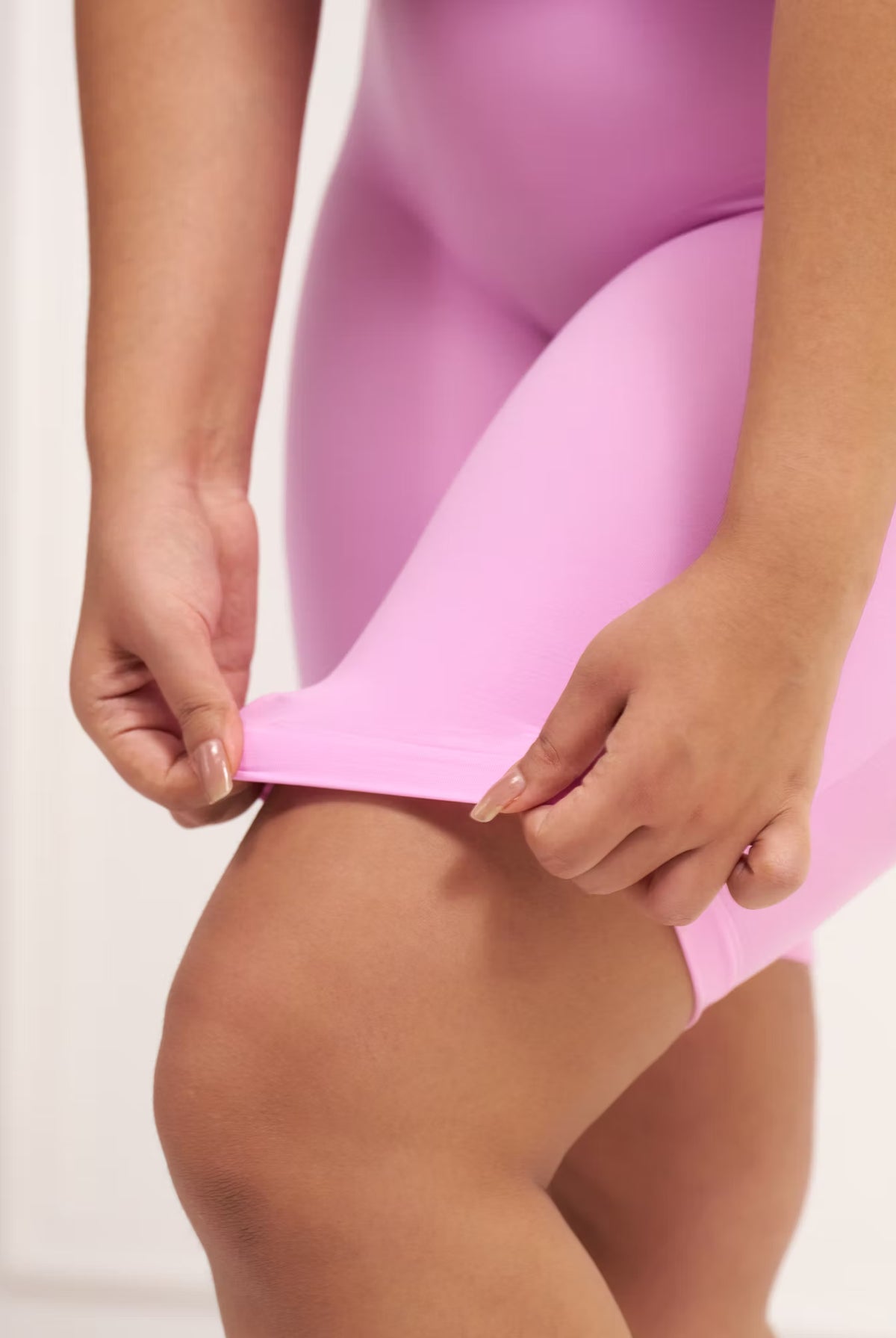
Softness and Skin Comfort: This is where nylon takes the crown without competition. Nylon fibres are smoother and much more flexible than polyester. If you hate scratchy materials and crave that cloud-like, buttery soft feel during your routines, nylon is unmatched. It minimises skin friction, making it a total lifesaver for sensitive skin.
Durability and Strength: Nylon is one of the toughest synthetic fibres. It resists tearing, friction, and scuffing like a total boss. Polyester is super durable too, but nylon holds up slightly better under heavy tension and repeated stretching.
Odor Retention: Polyester tends to hold onto body oils and sweat bacteria if you don't wash it properly, which can lead to that annoying gym stink over time. Nylon holds onto fewer odors, keeping your activewear feeling fresh for longer.
Matching Fabrics to Your Workout Style
Not sure which material fits your routine? Here is how to pick between nylon vs polyester based on how you move:
-
High-Flexibility & Low-Friction Workouts (Pilates, Yoga, Barre): Go for Nylon. You want that second-skin stretch, zero skin rubbing, and a soft matte finish that moves naturally with your body.
-
High-Sweat & Intense Endurance (HIIT, Outdoor Running, Cardio): Go for Polyester. You need maximum moisture evaporation, lightweight comfort, and a fabric that stays dry even when you are working up a serious sweat.
-
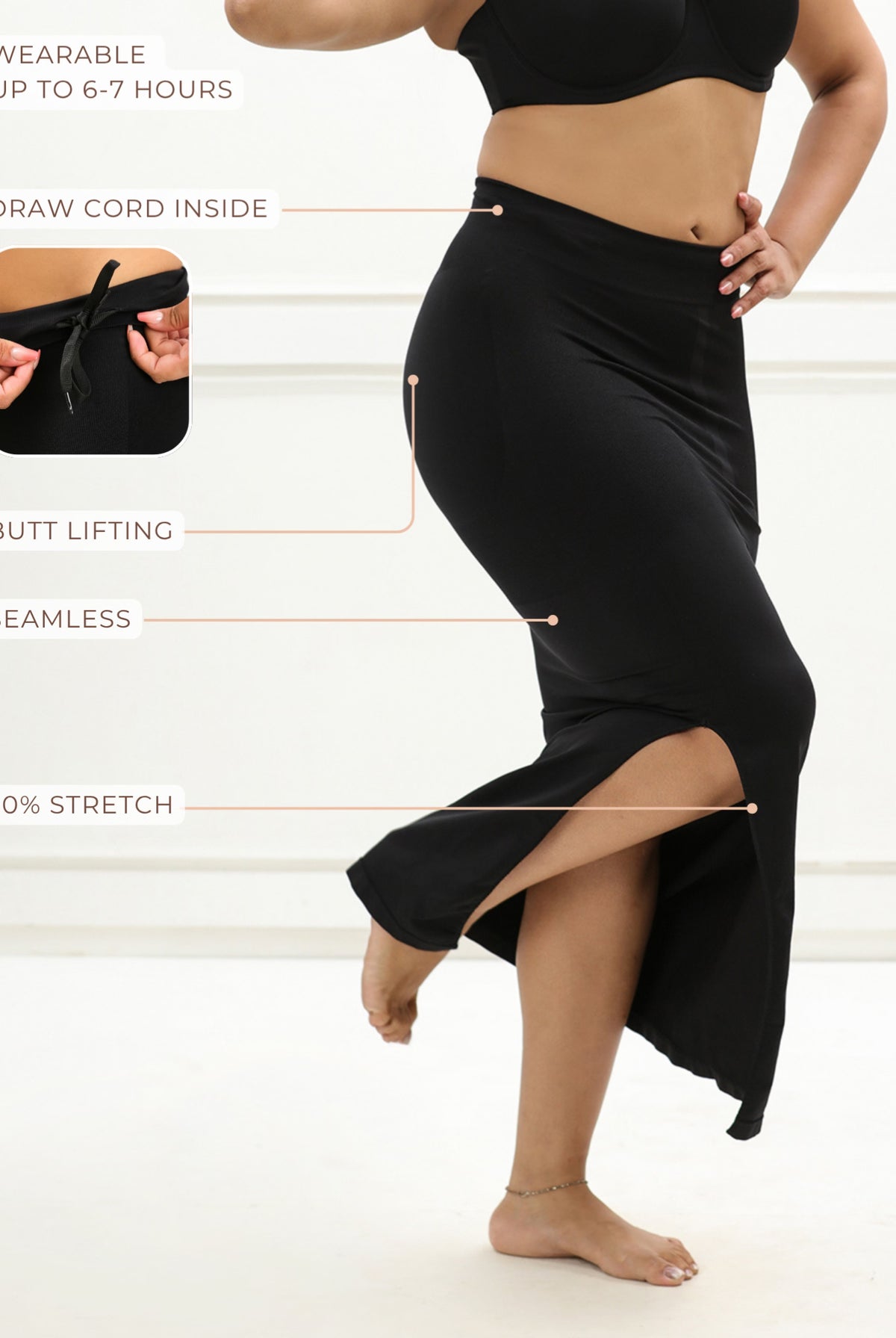
Everyday Activewear & Layering: Look for a Nylon-Spandex blend for all-day cozy support, or a Polyester blend if you want fast-drying, low-maintenance daily wear.
The Hidden Foundation: Innerwear

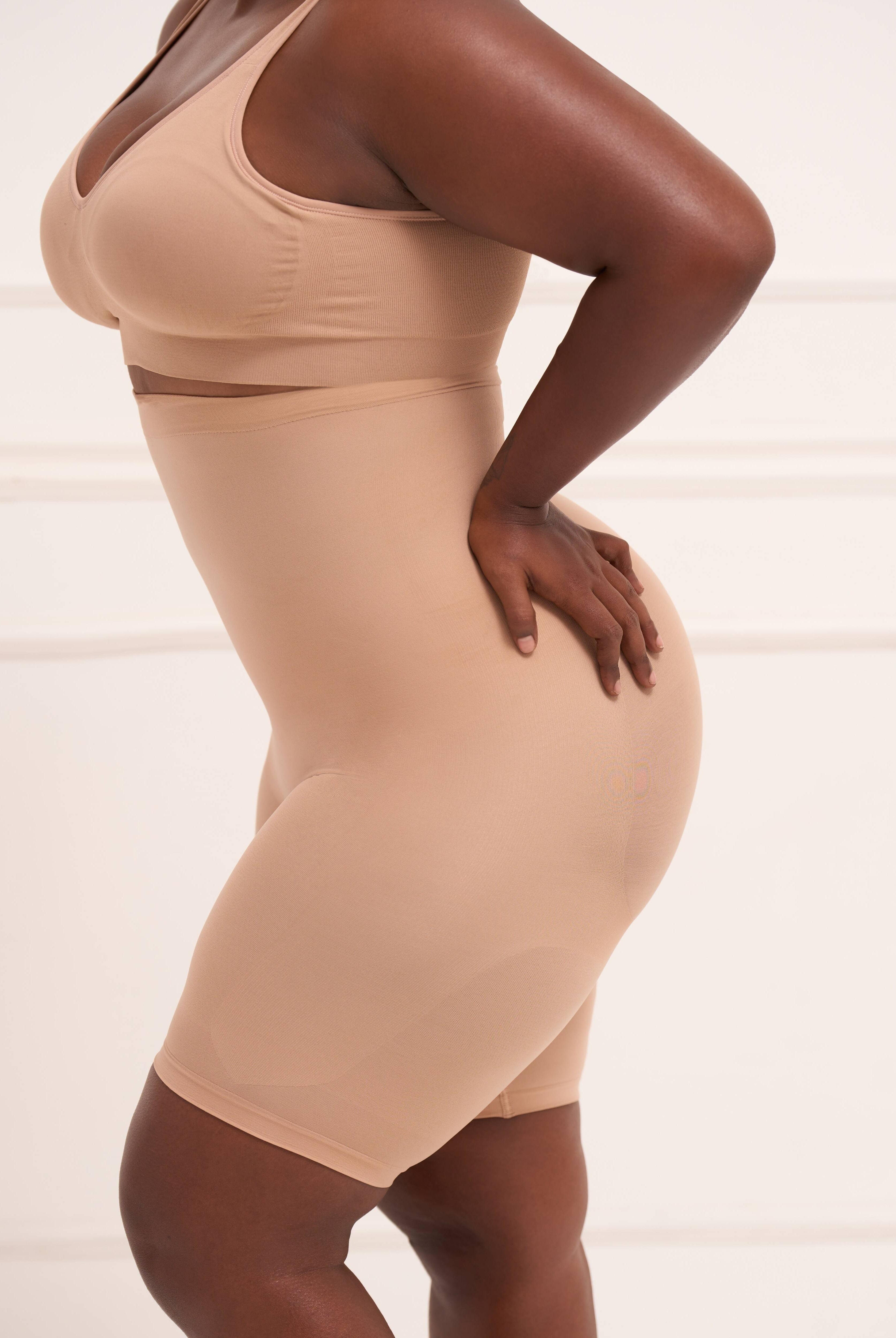
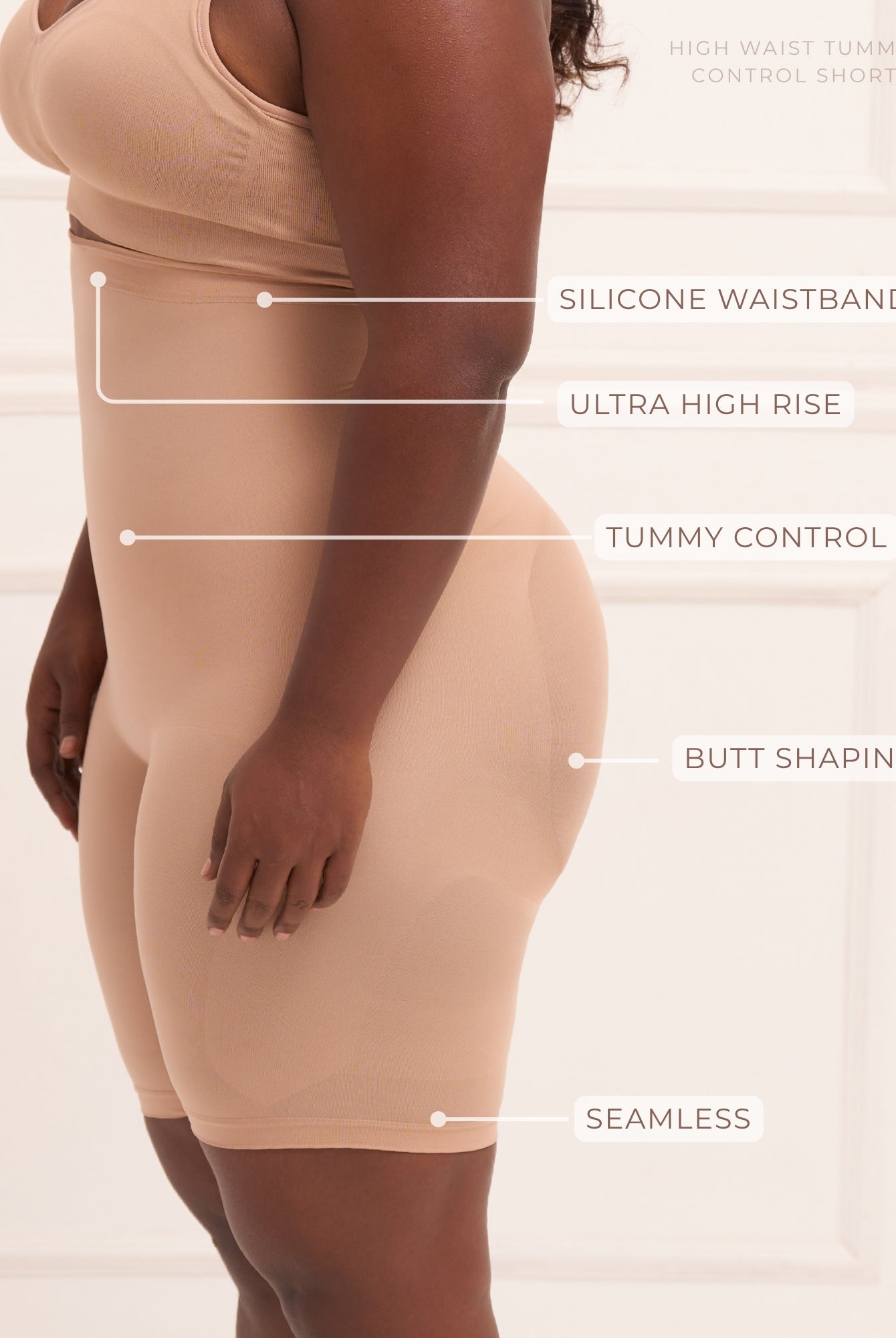
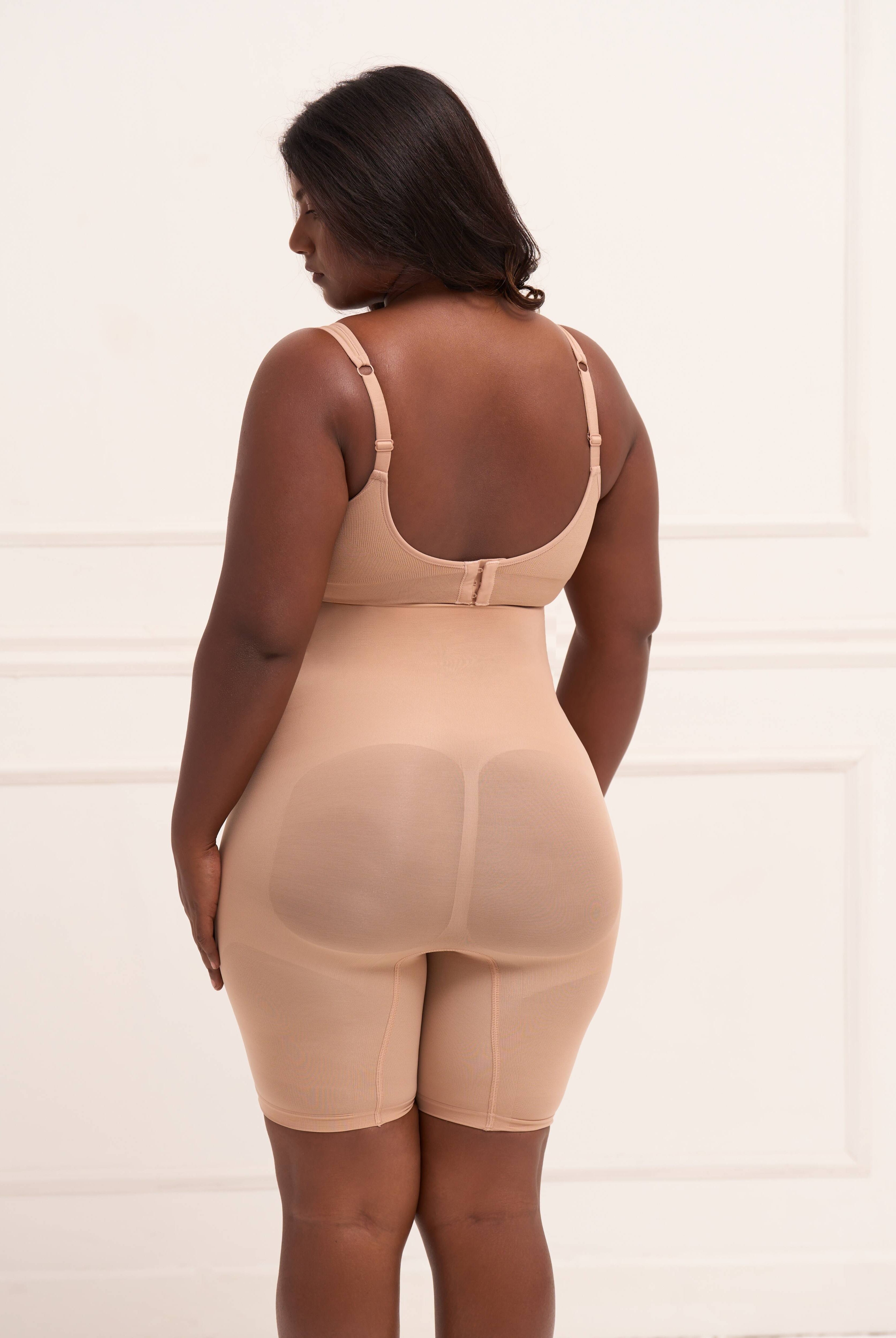
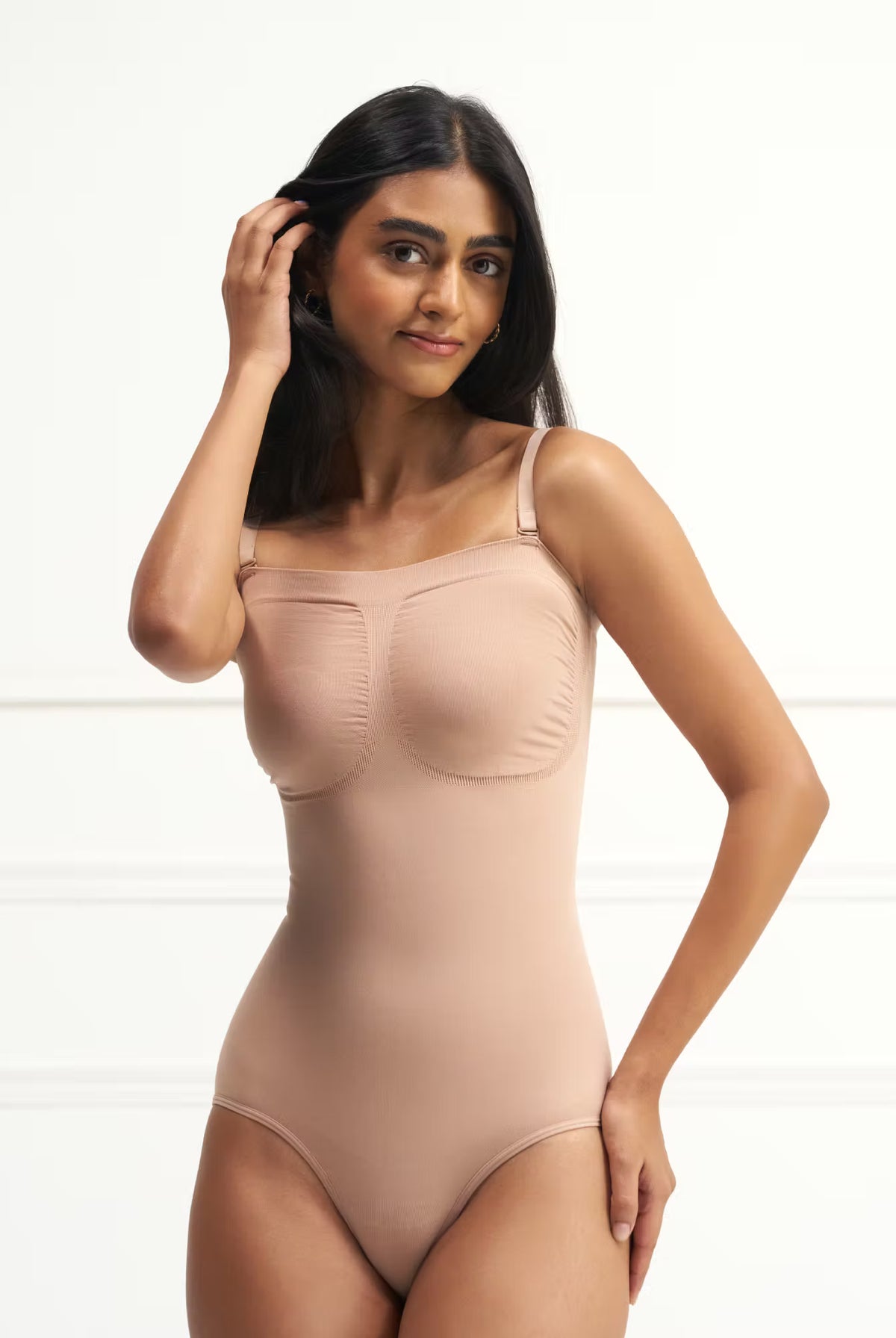
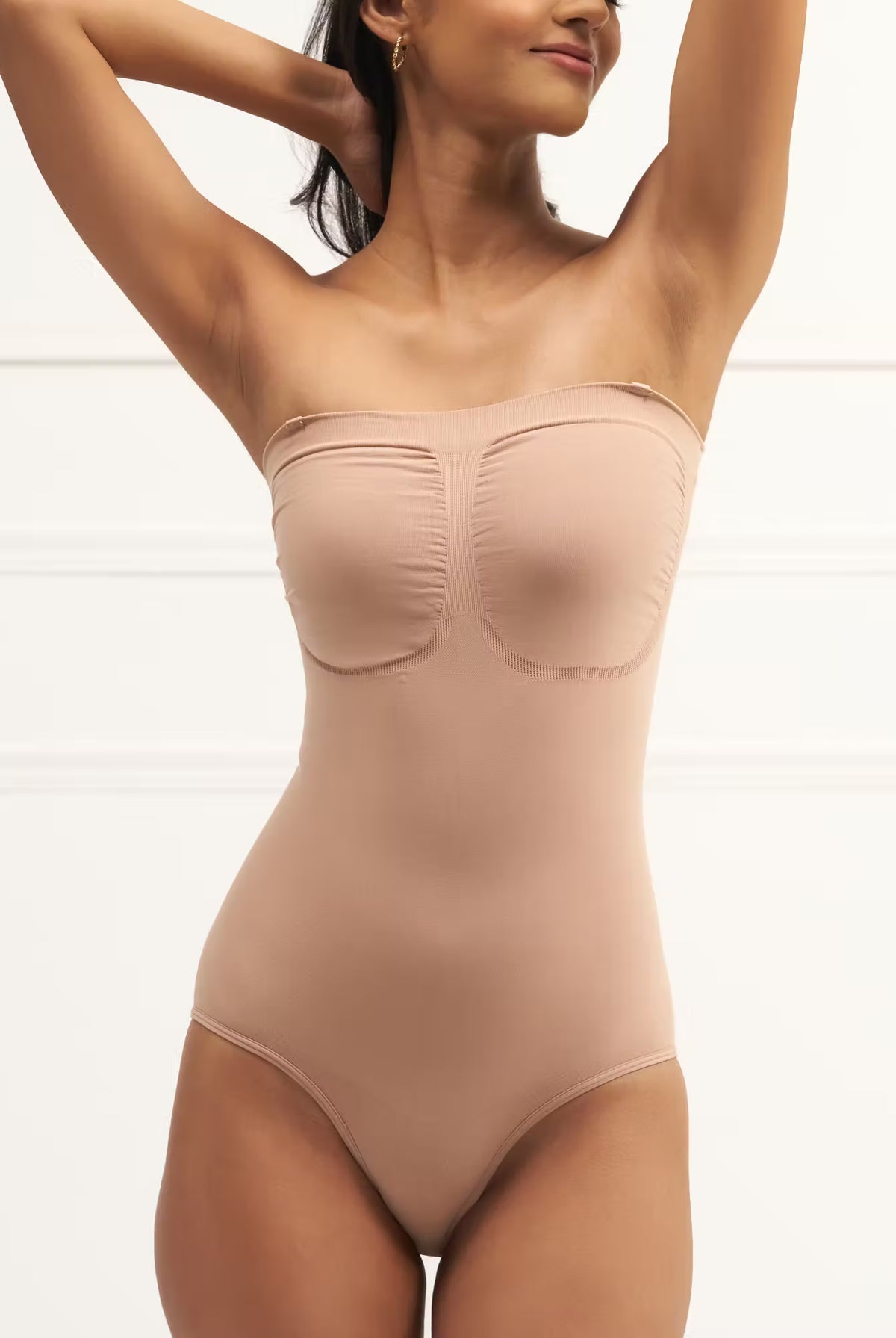
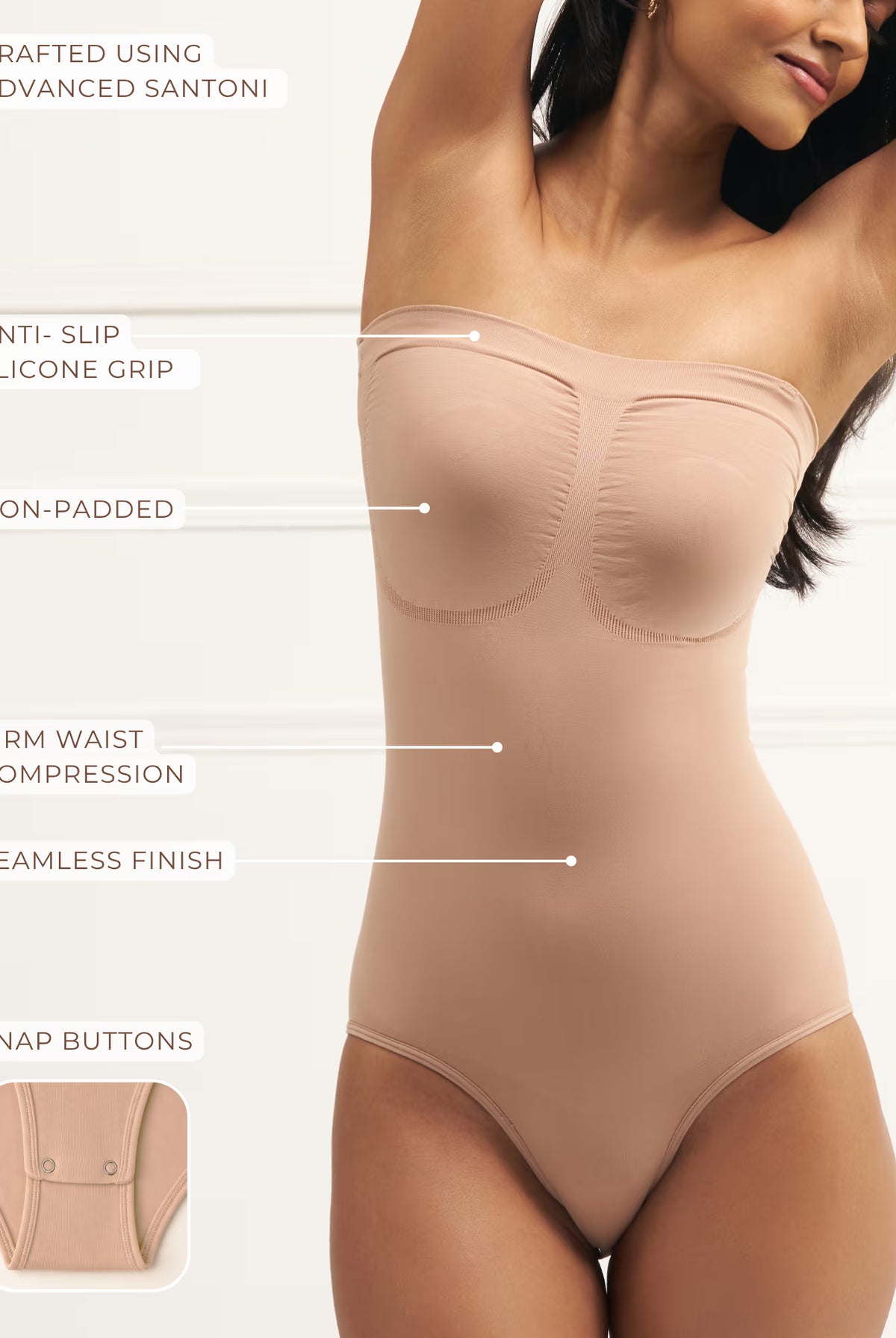
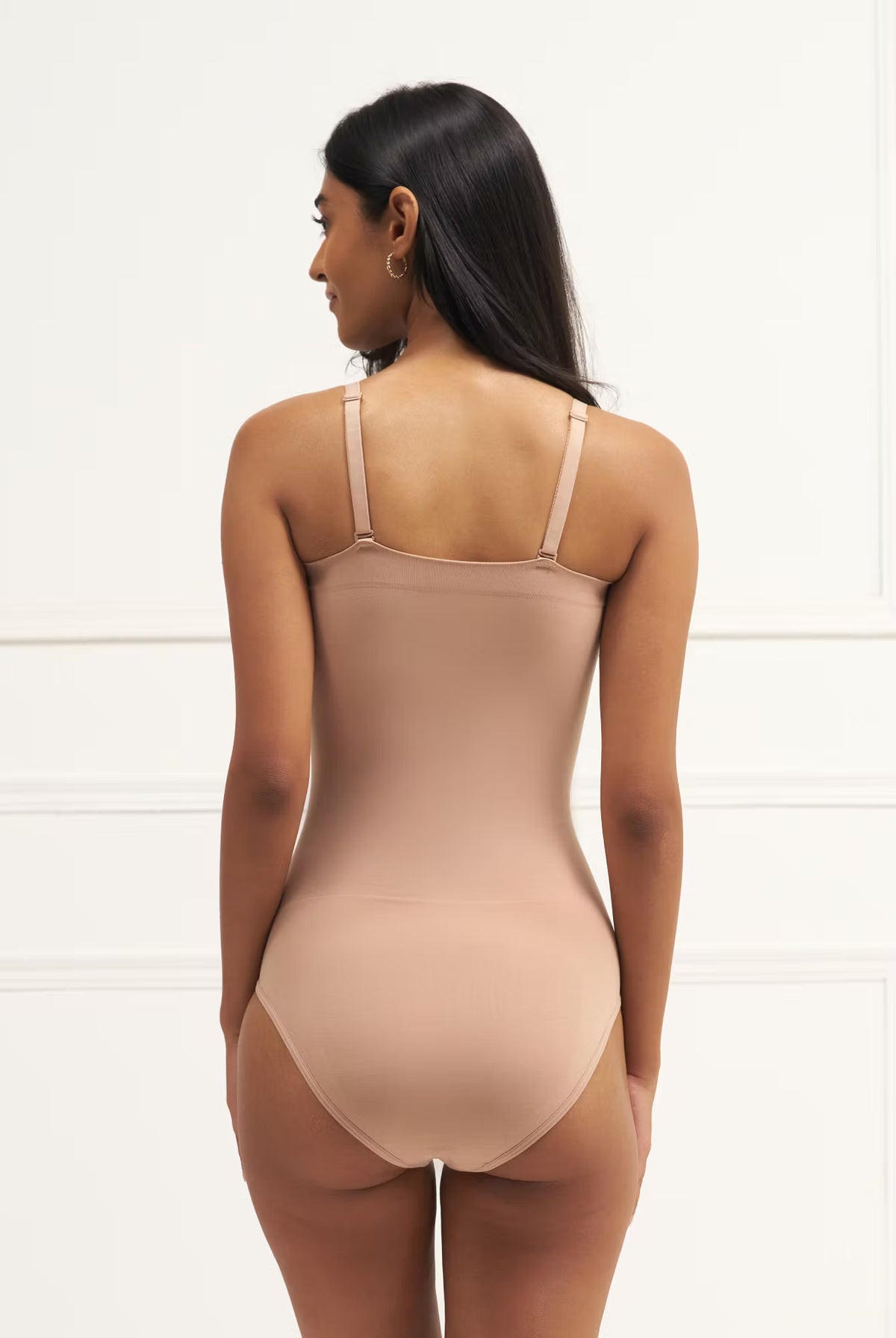
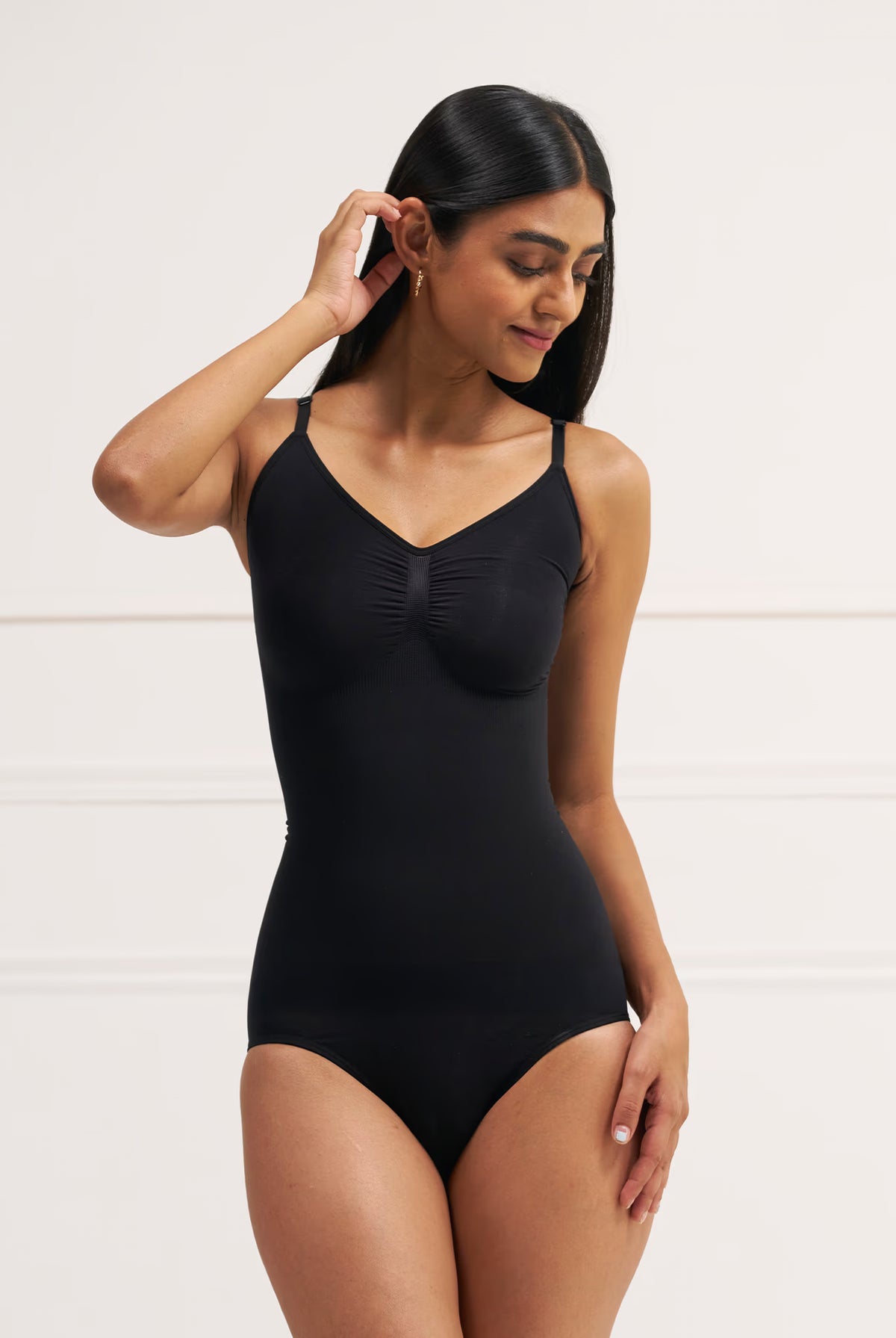
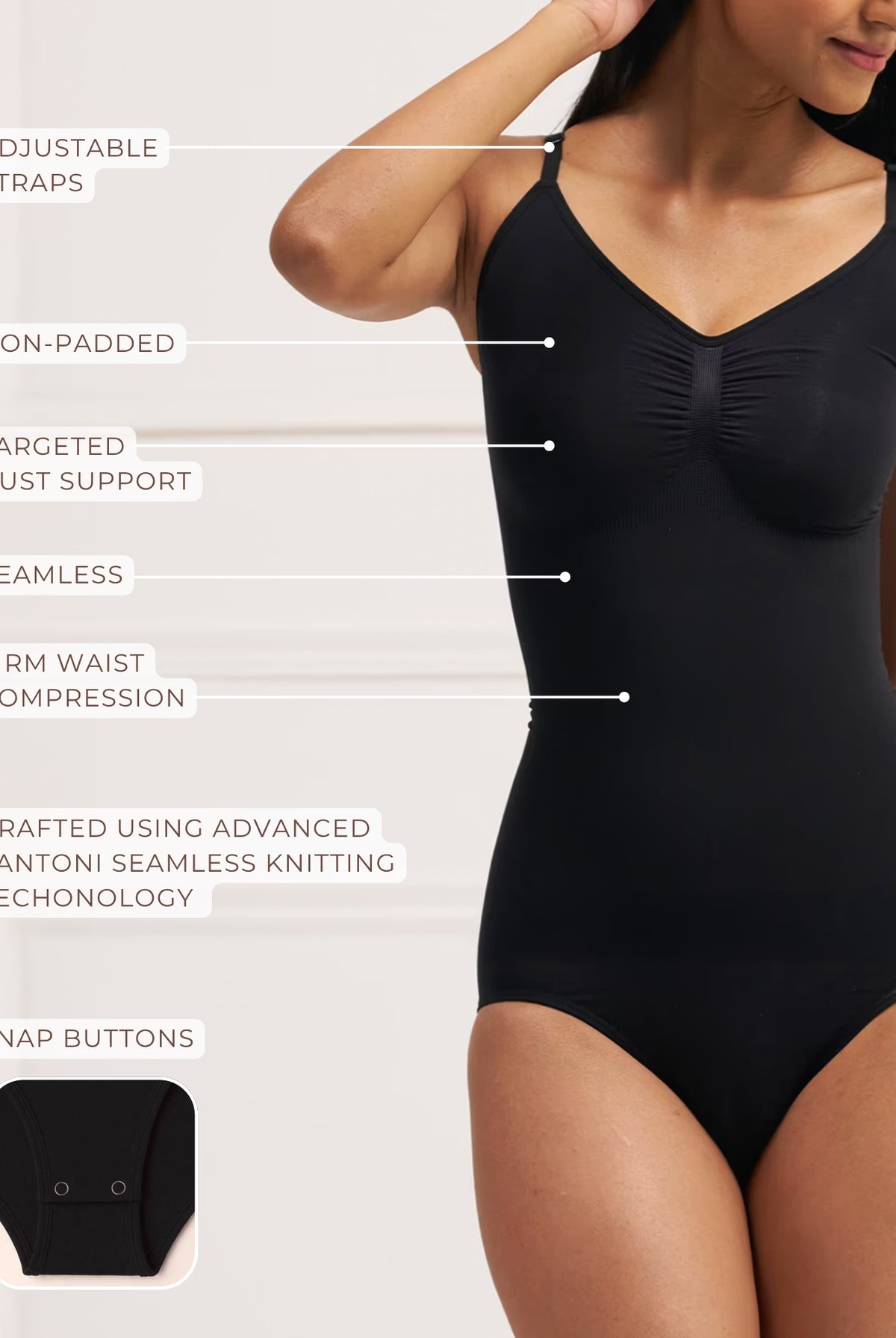
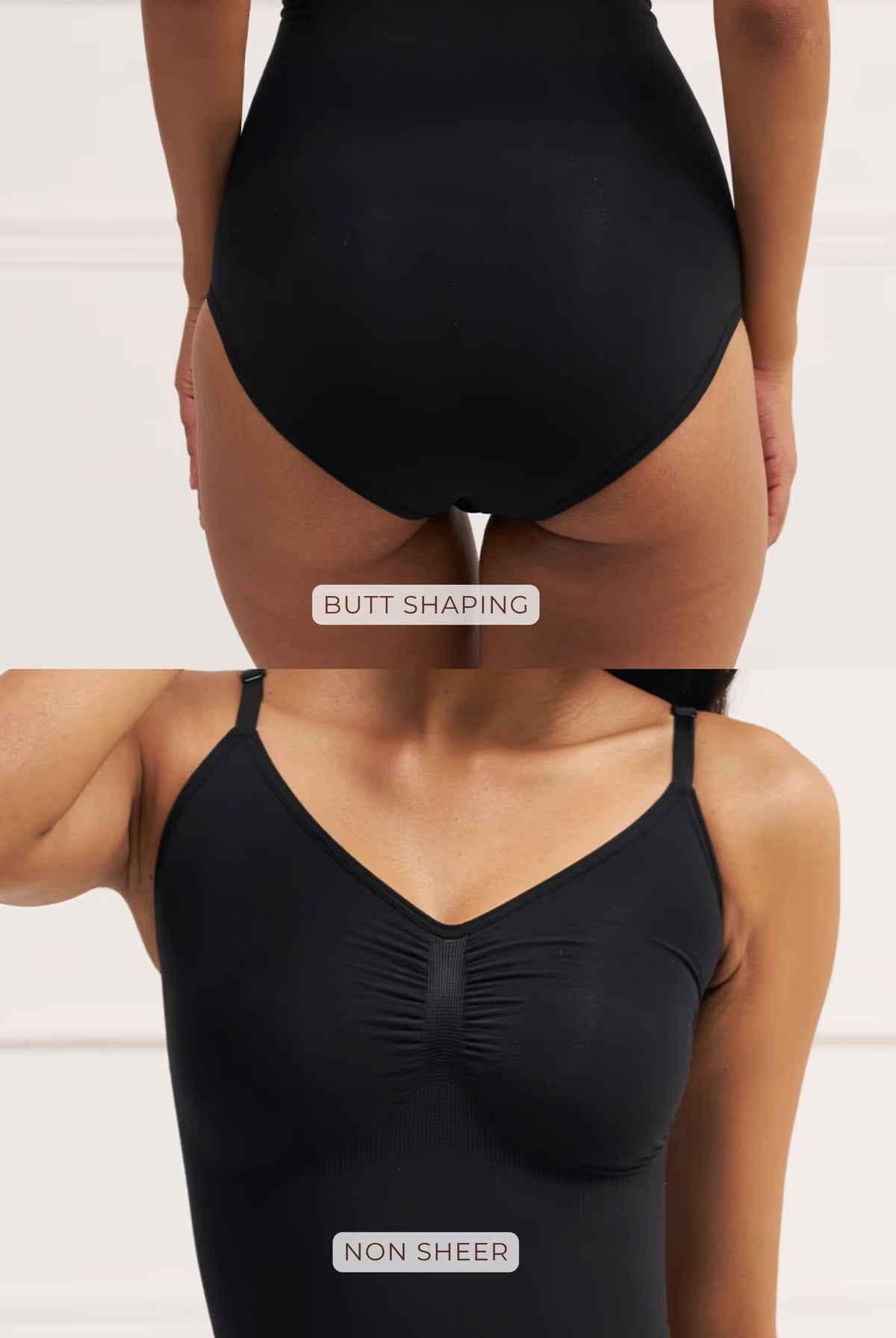
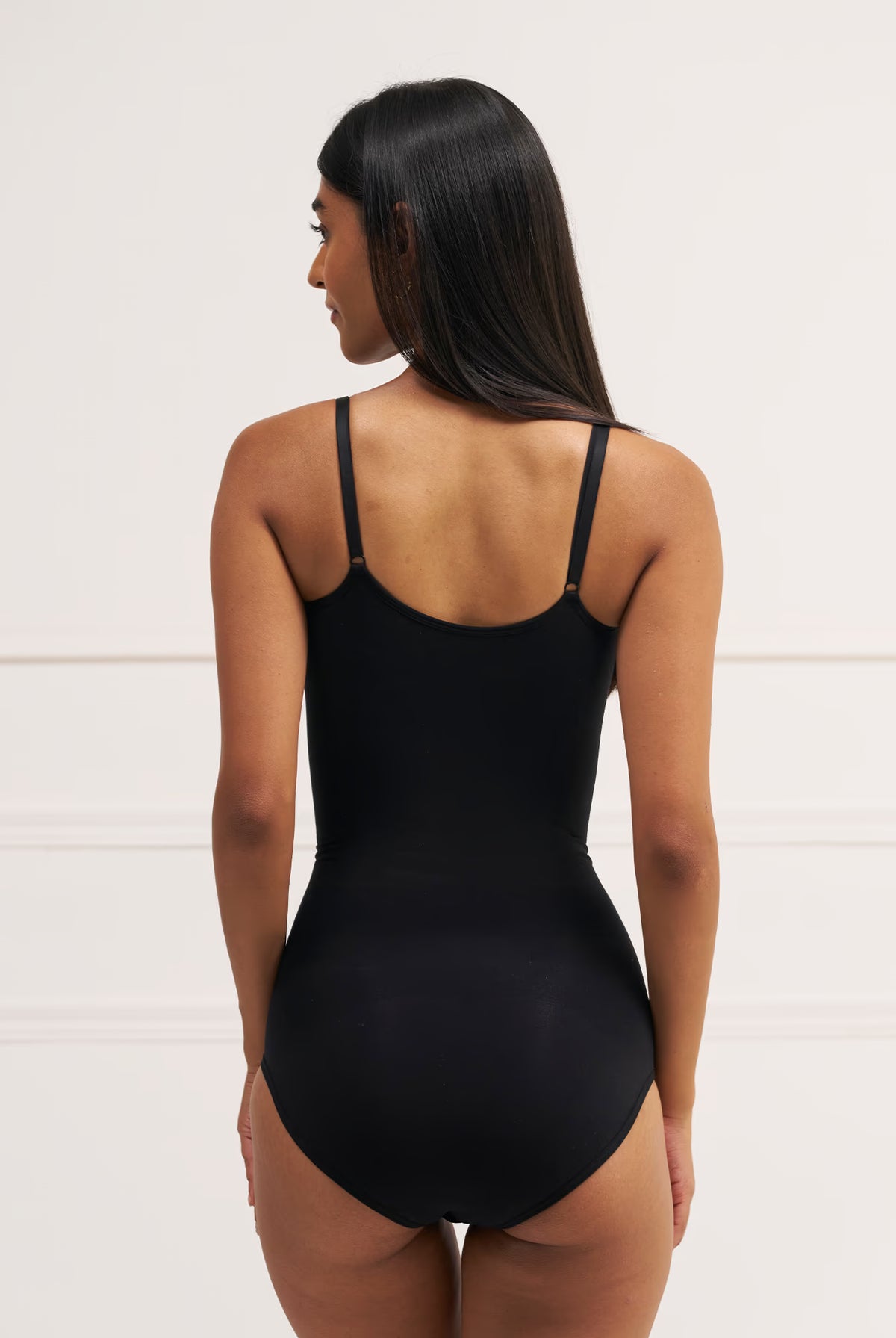
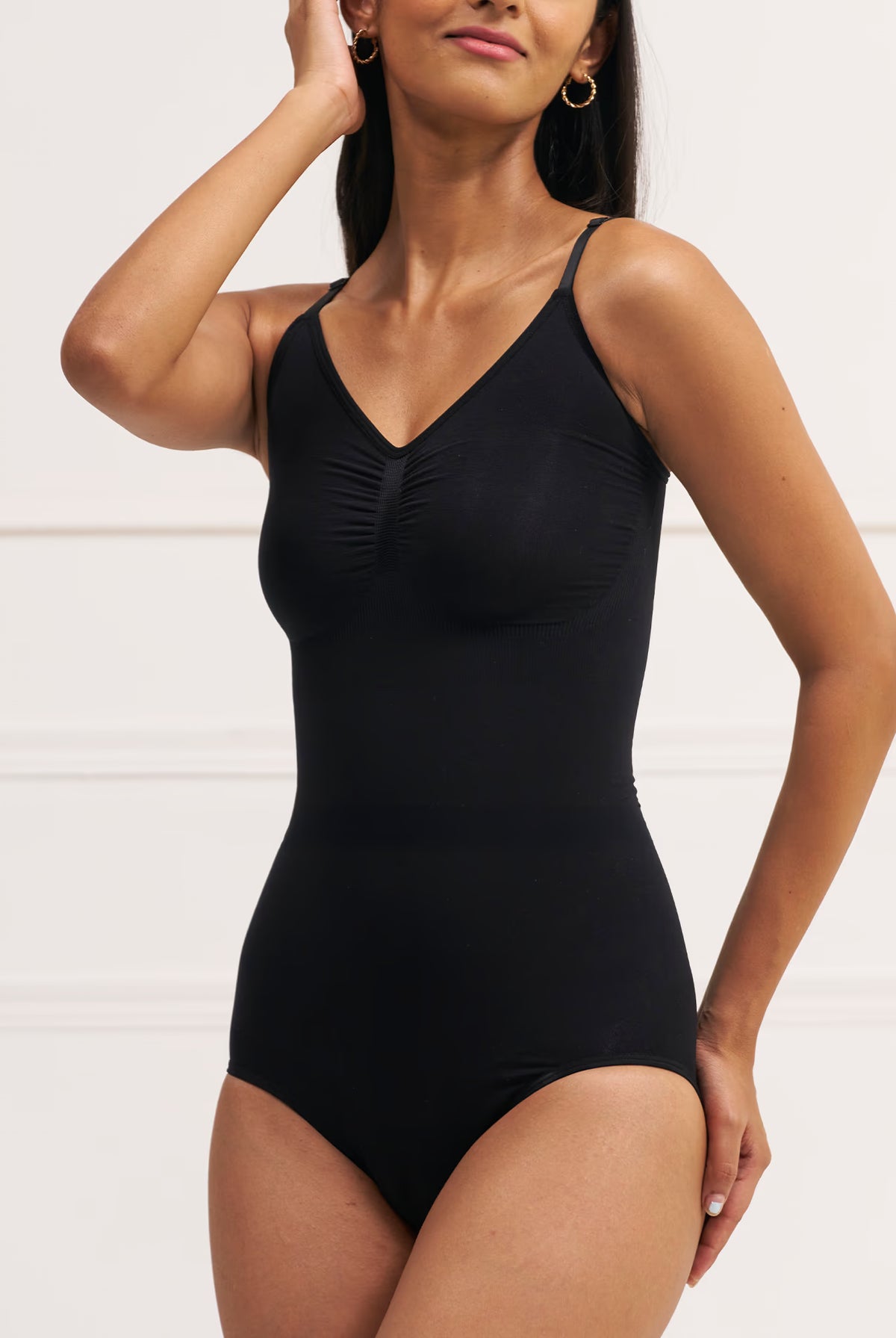
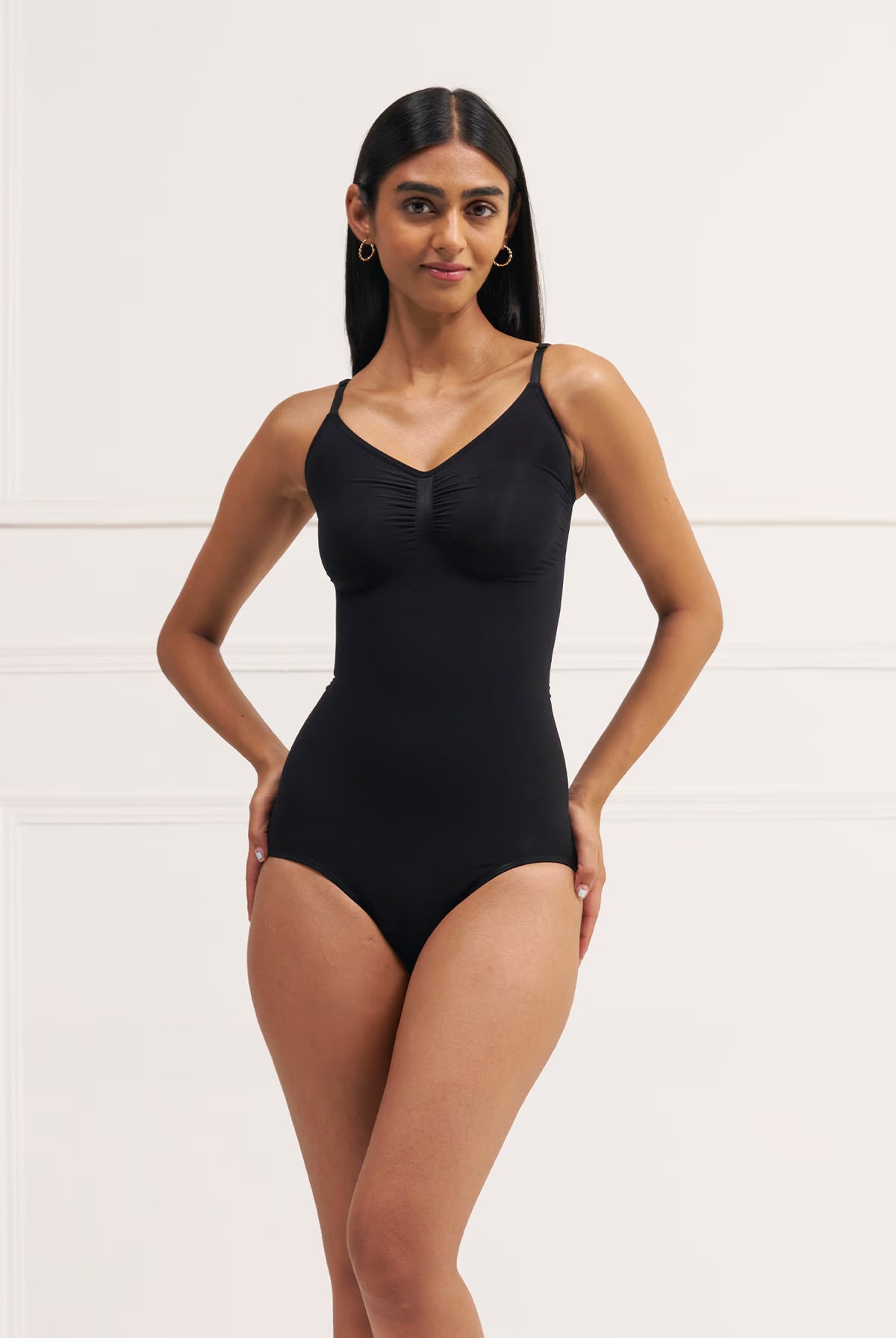
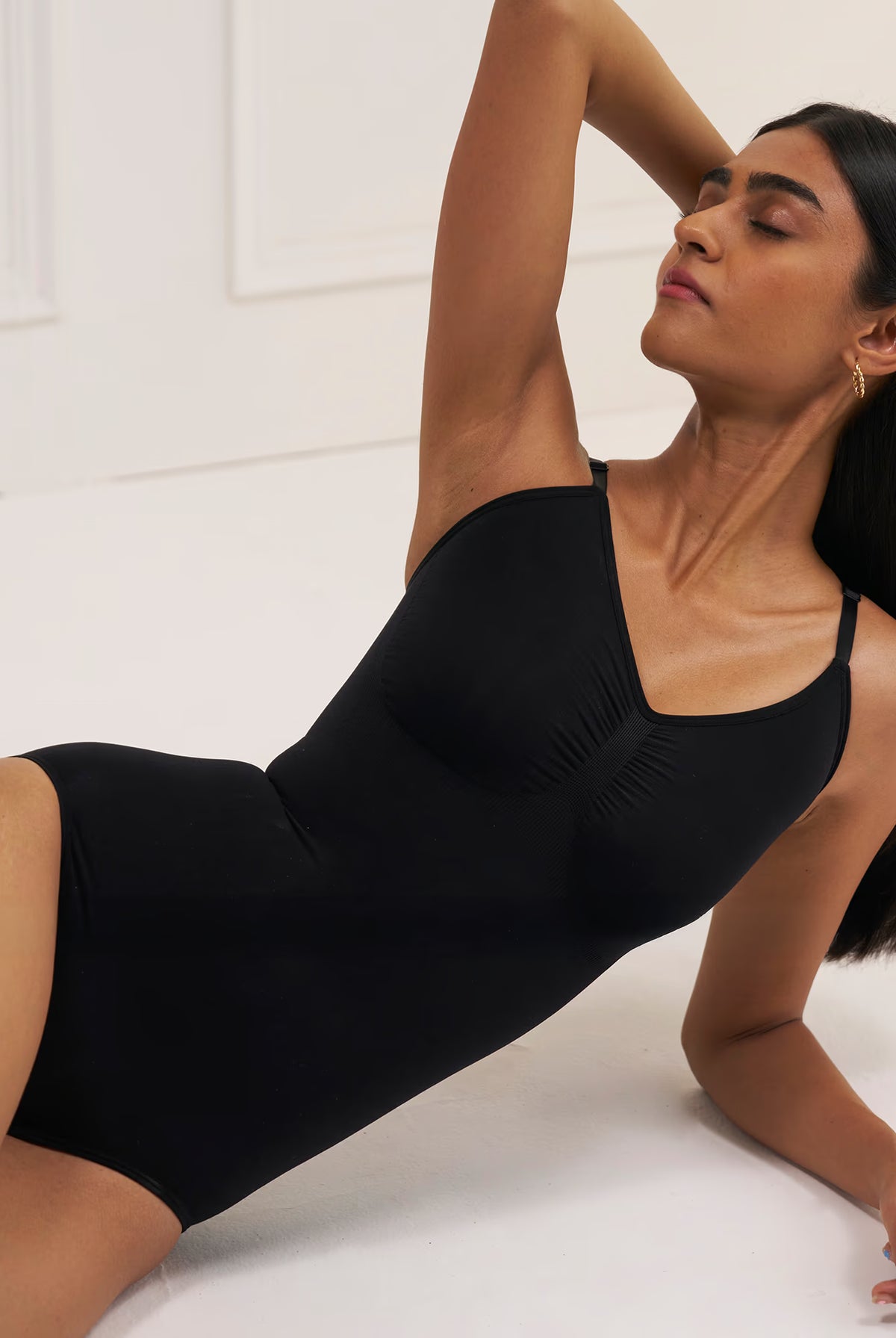
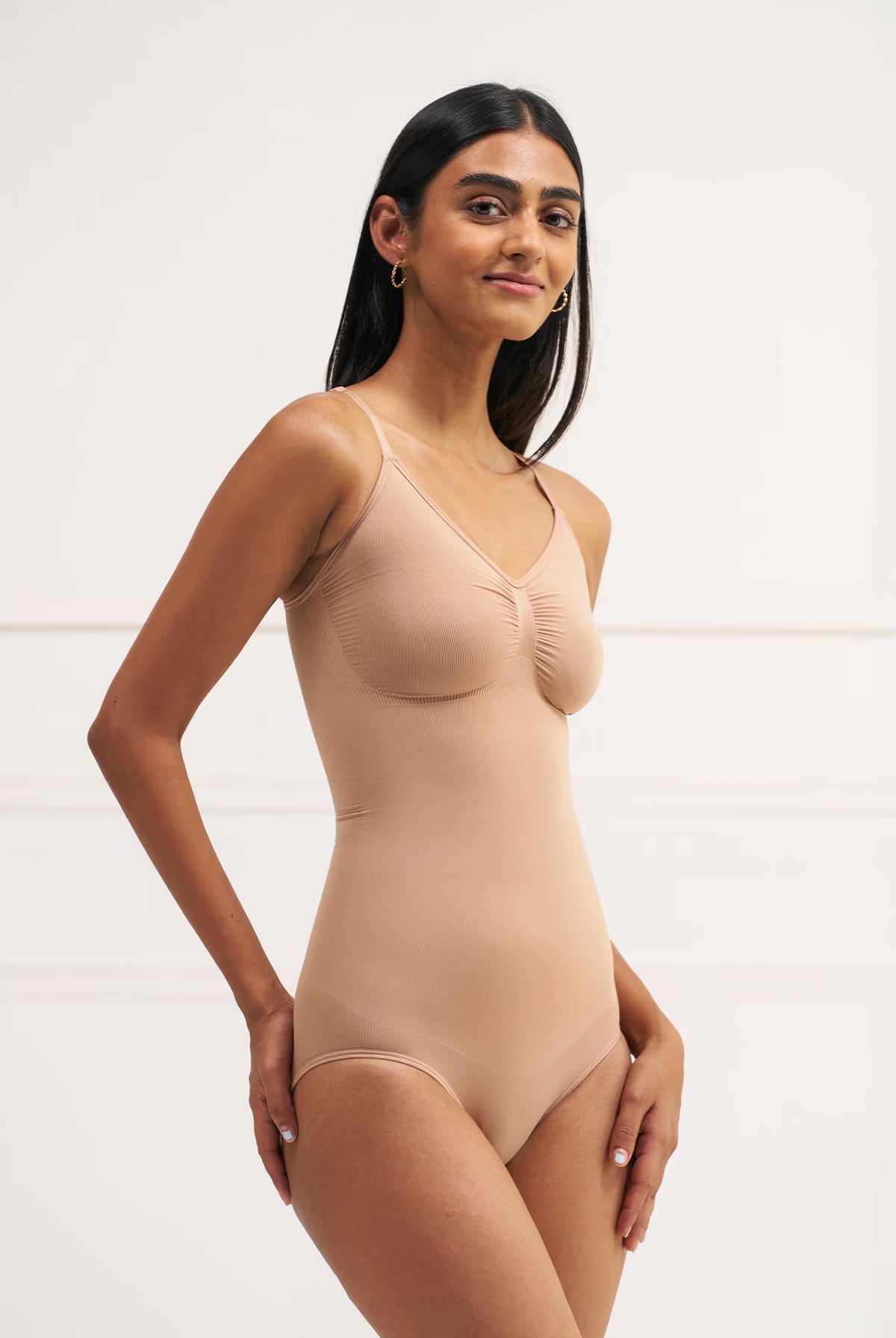
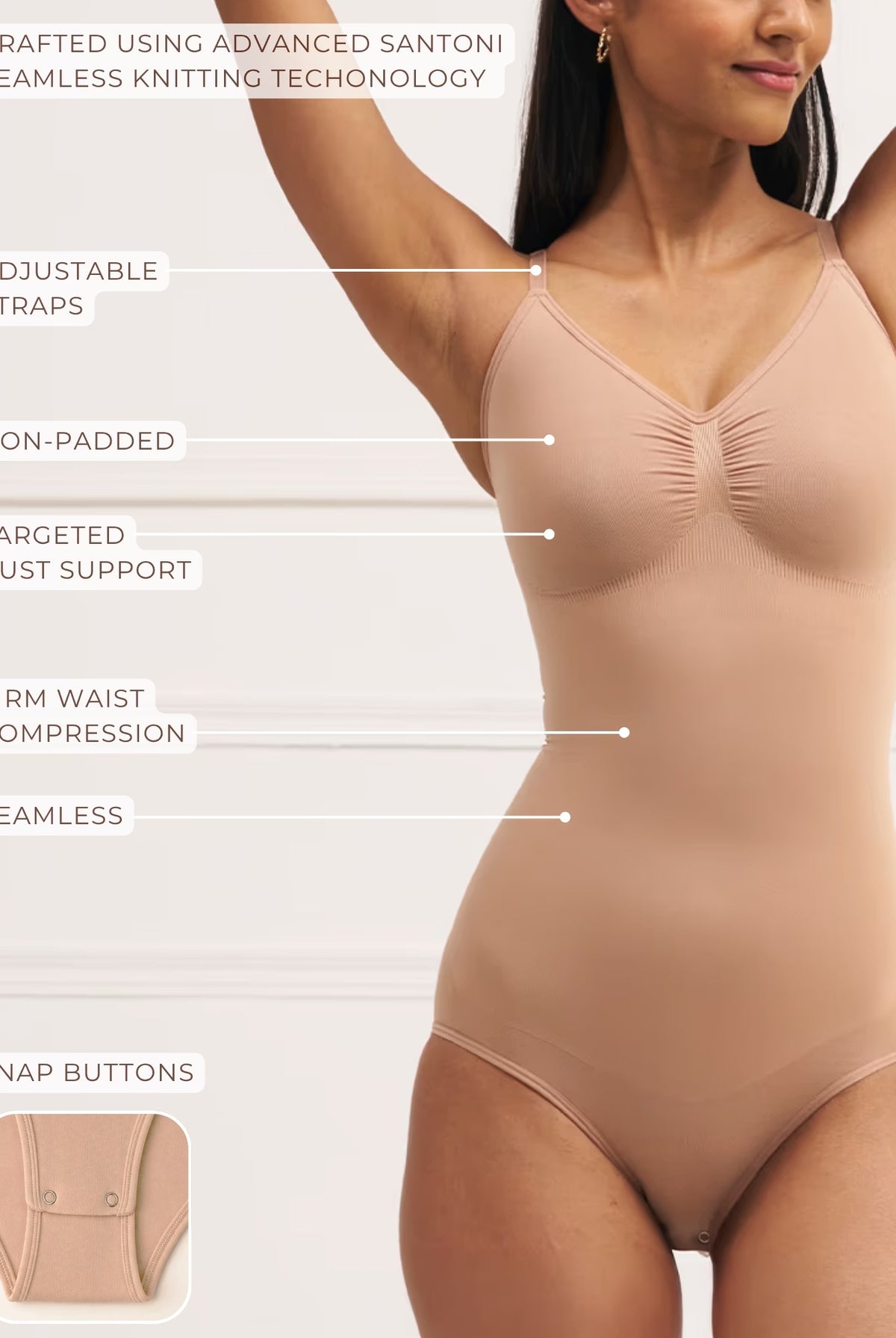
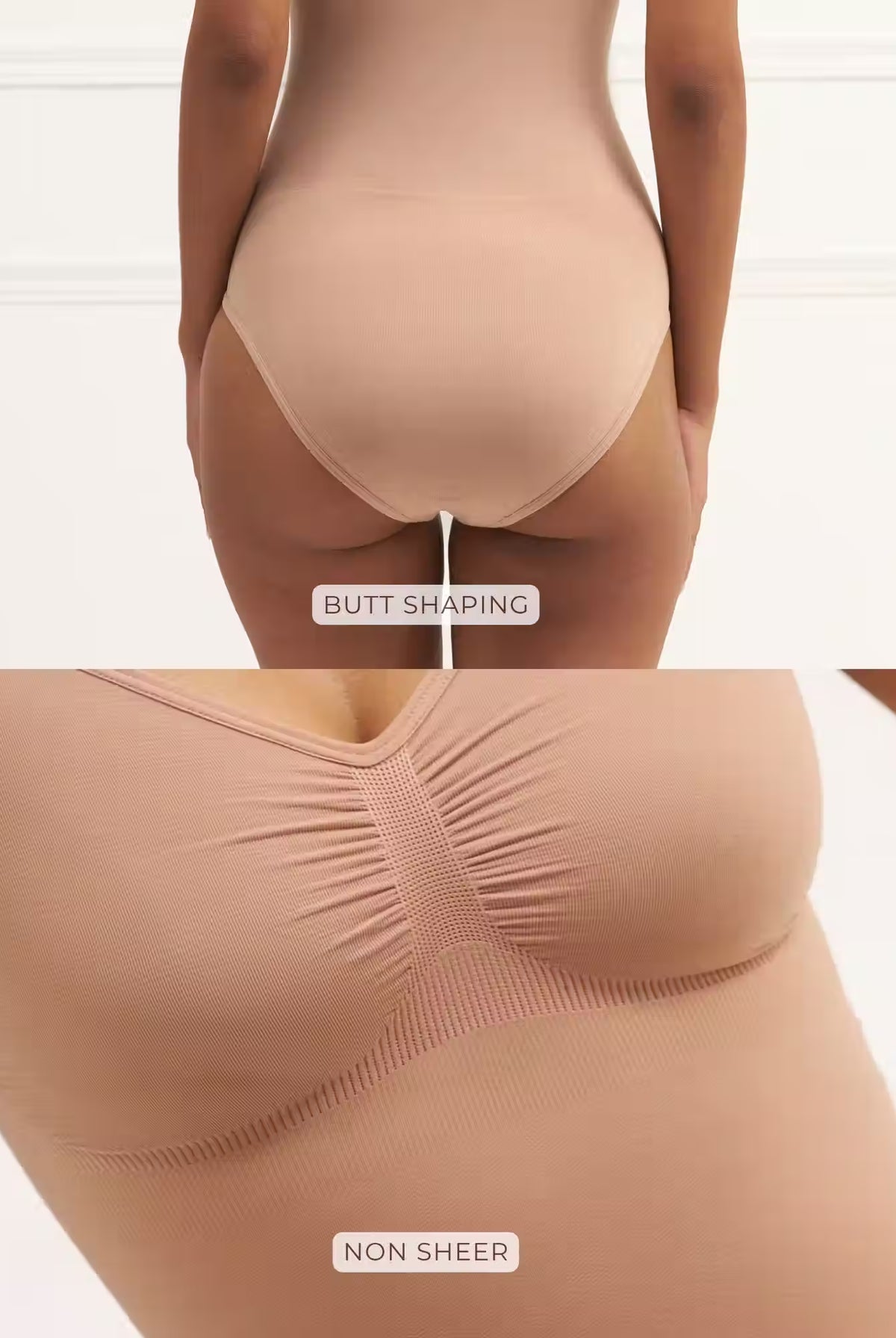
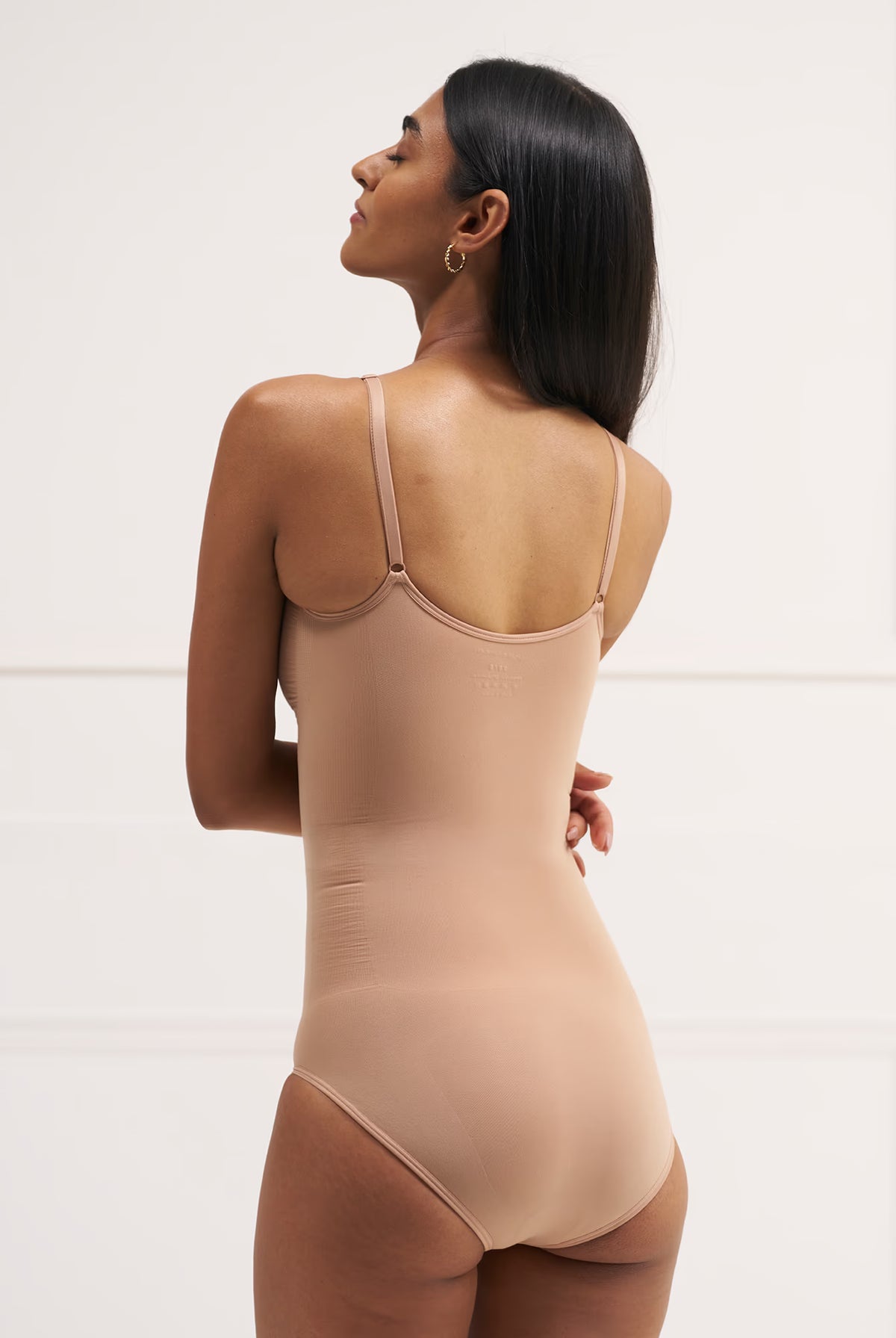
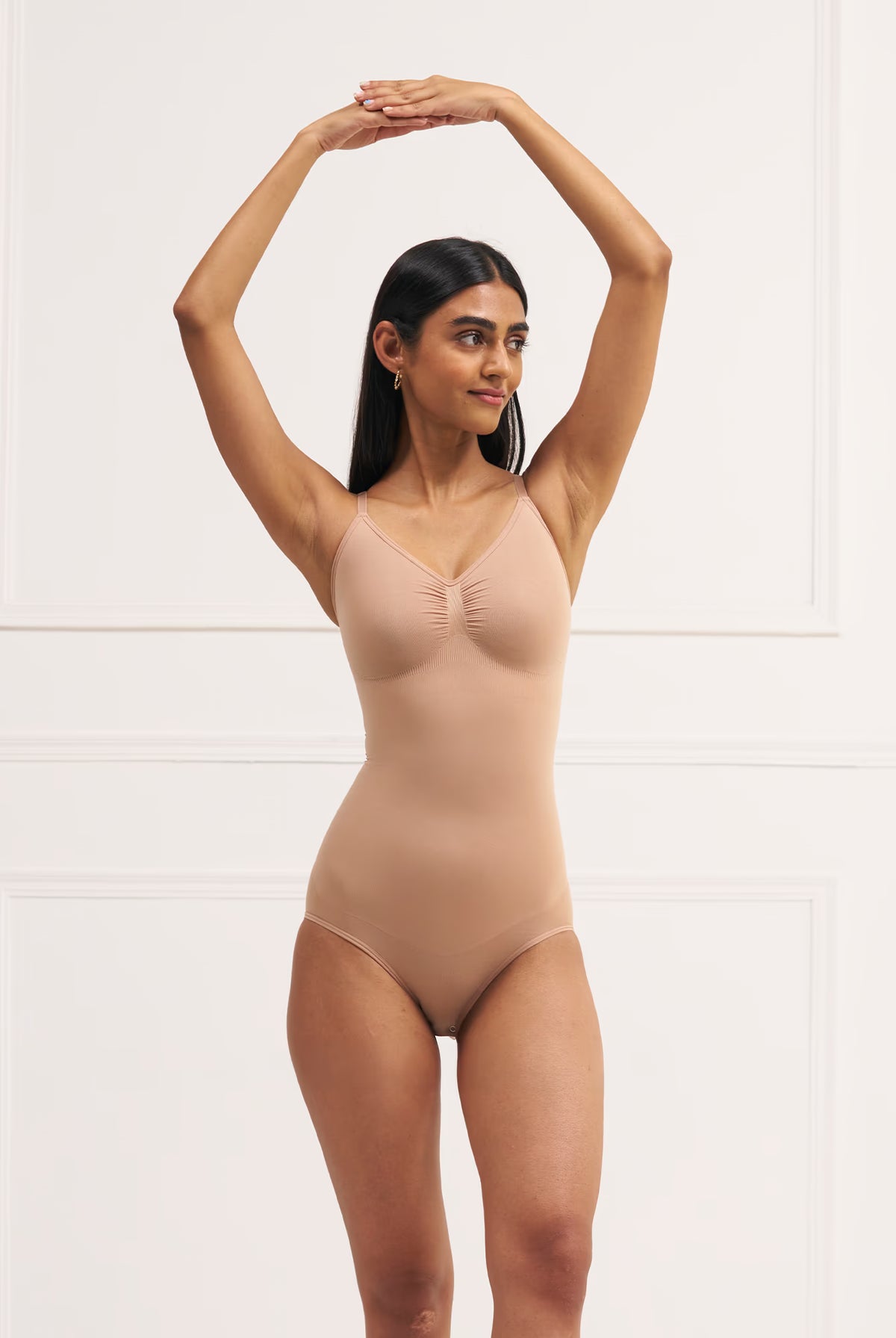
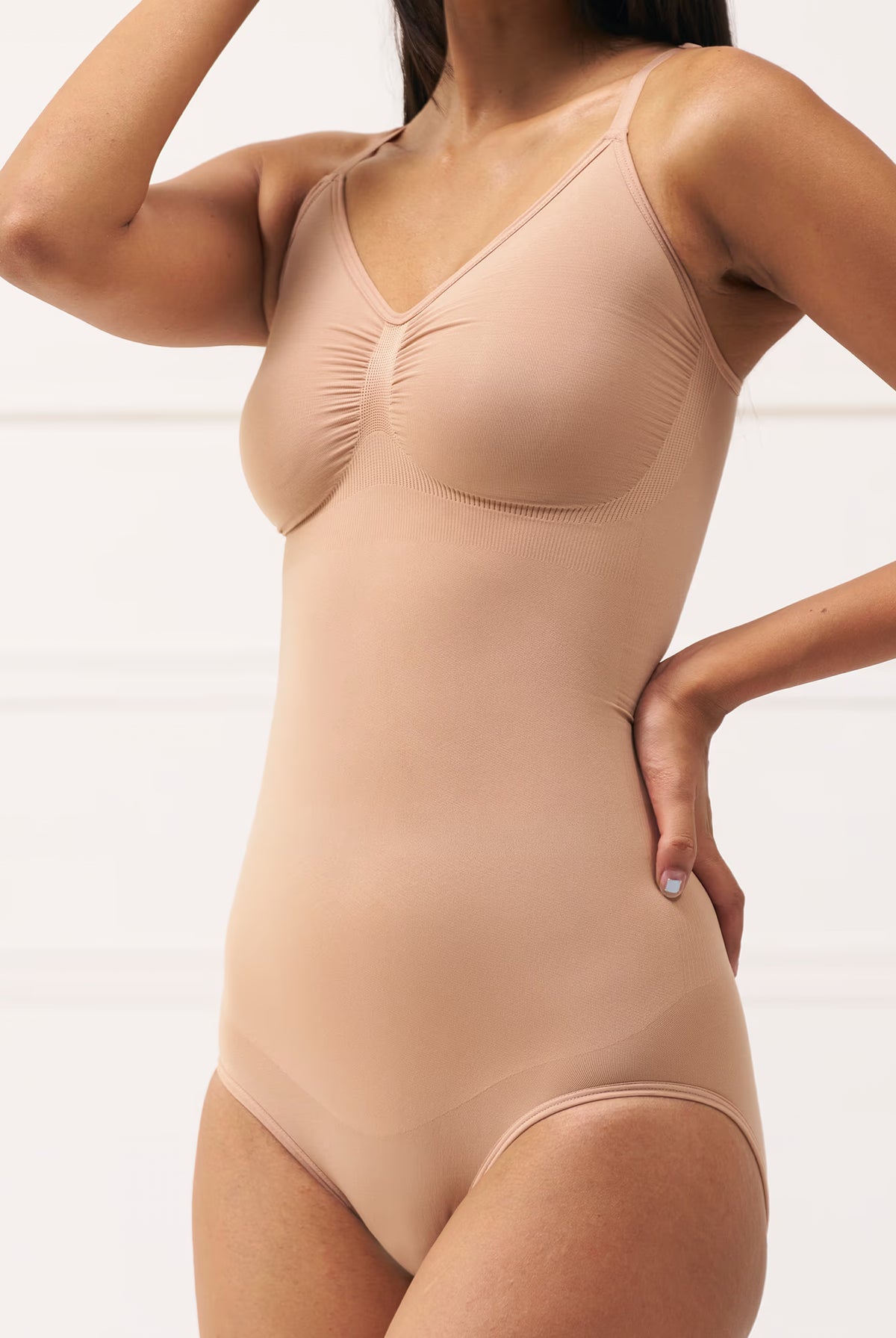
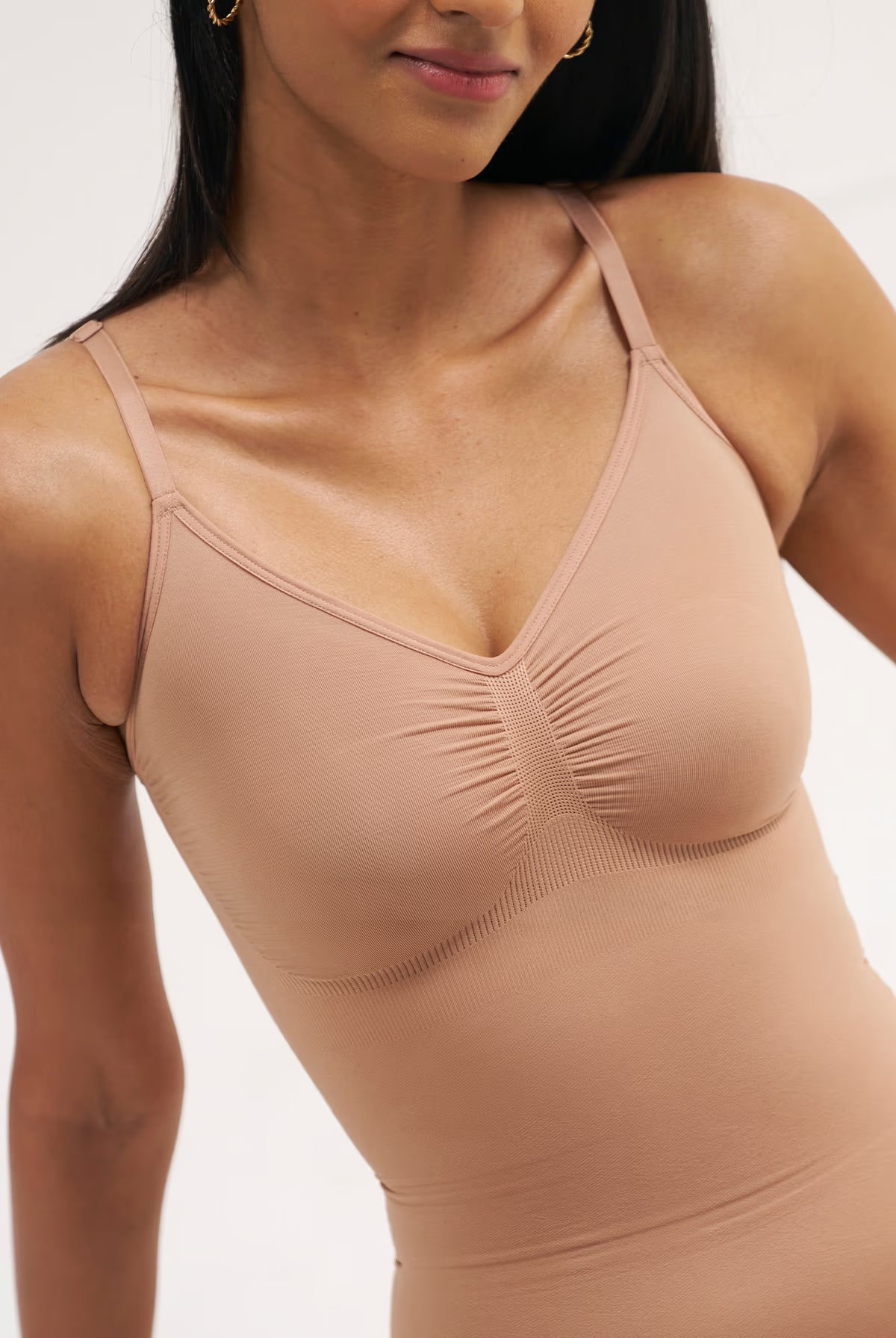
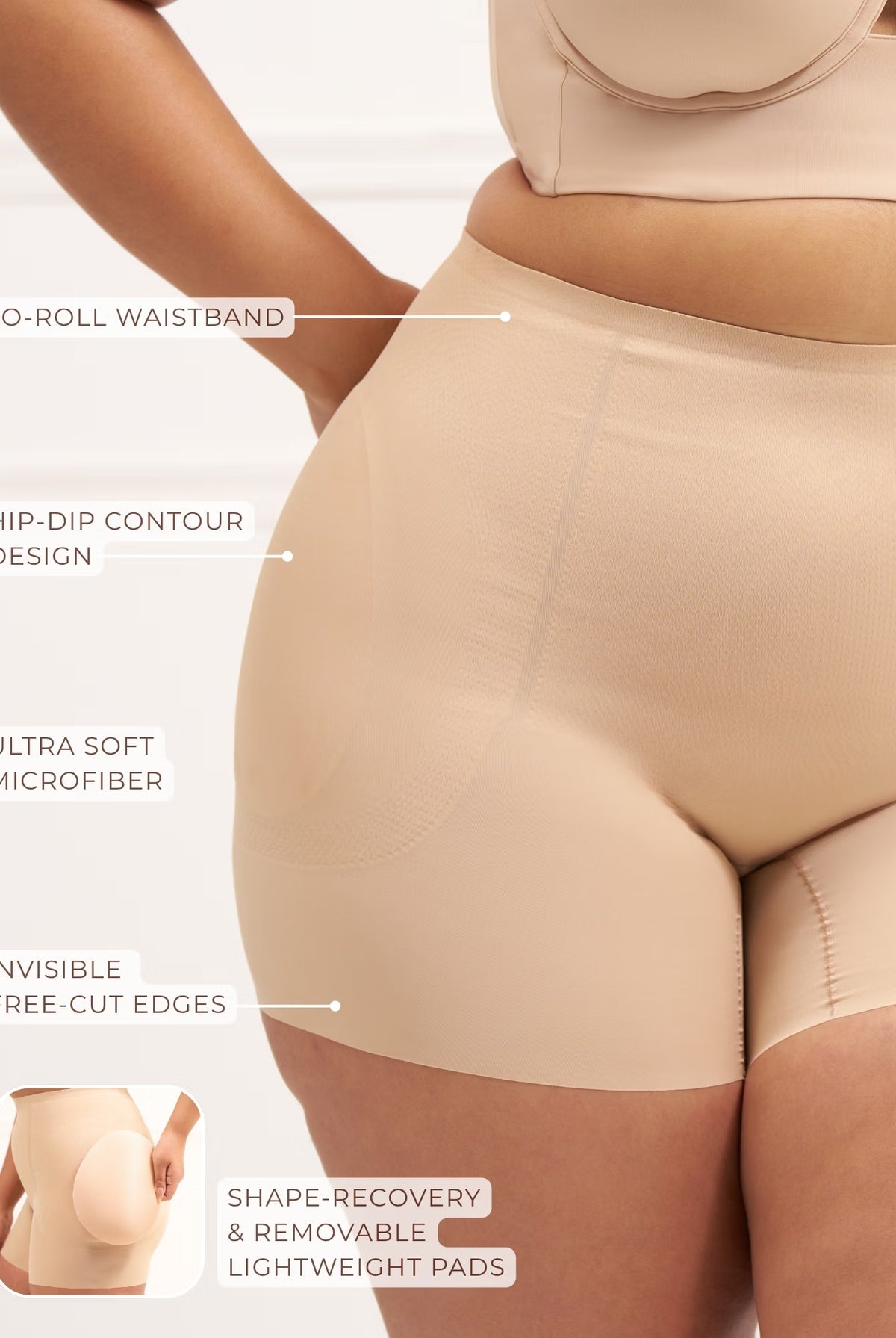
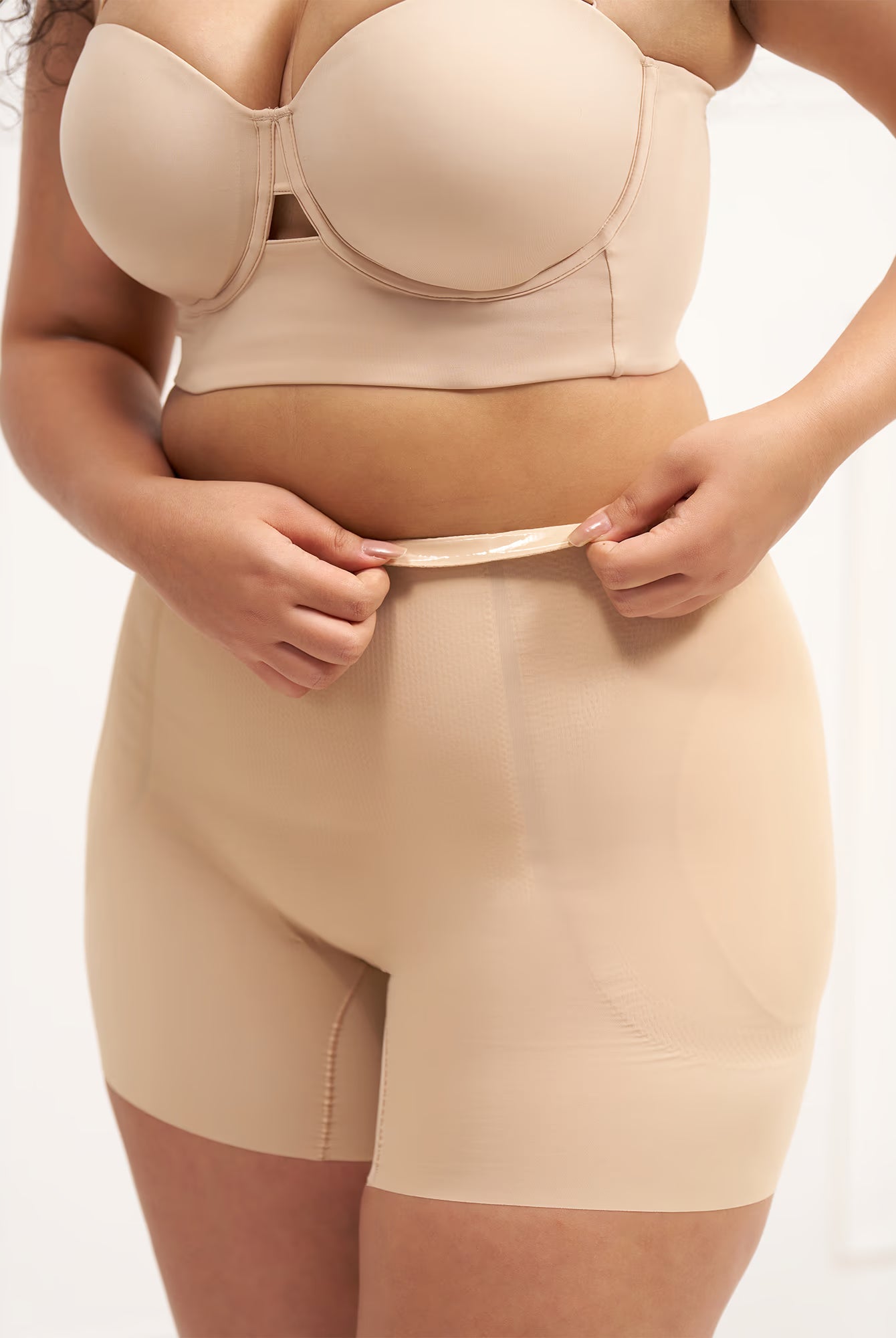
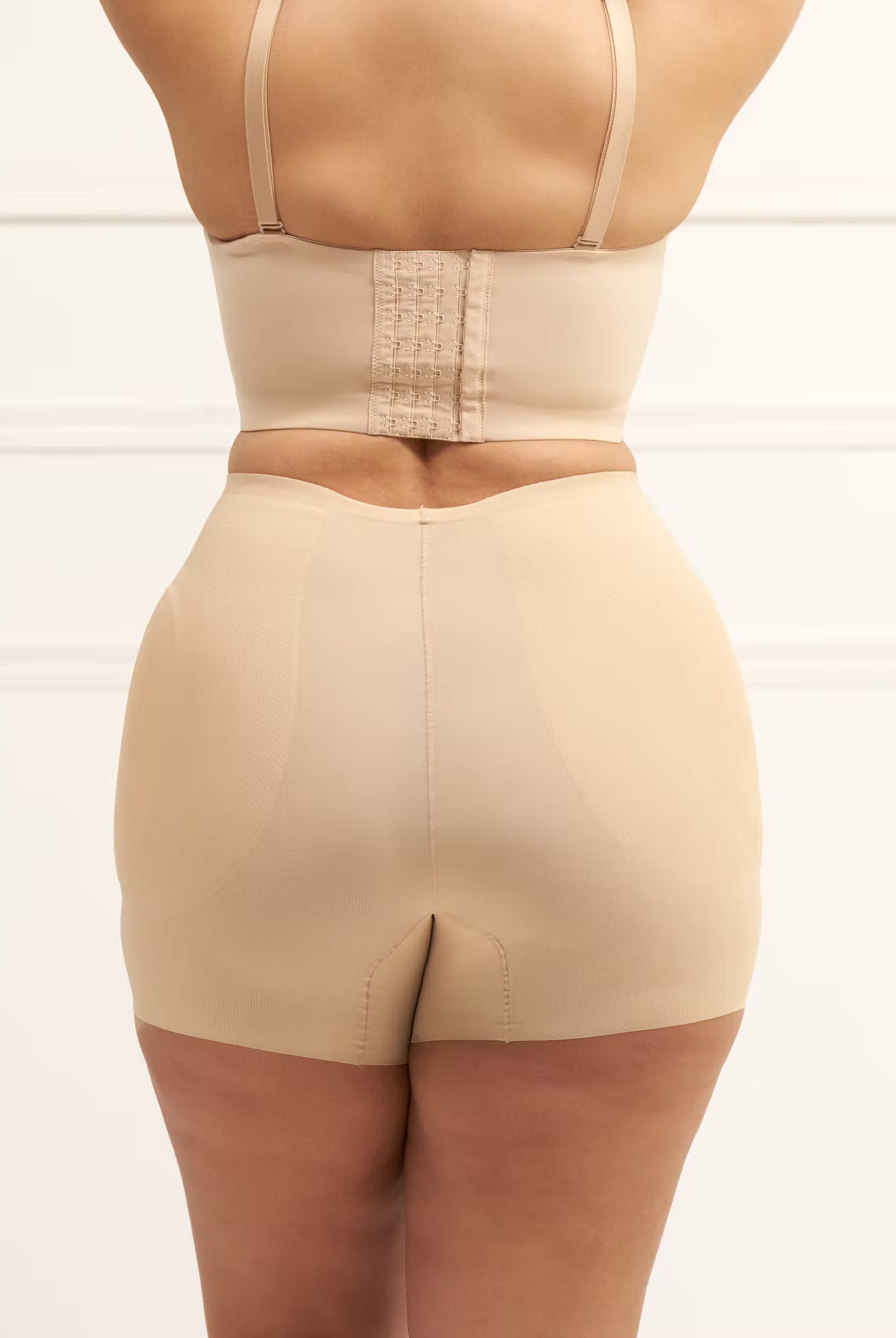
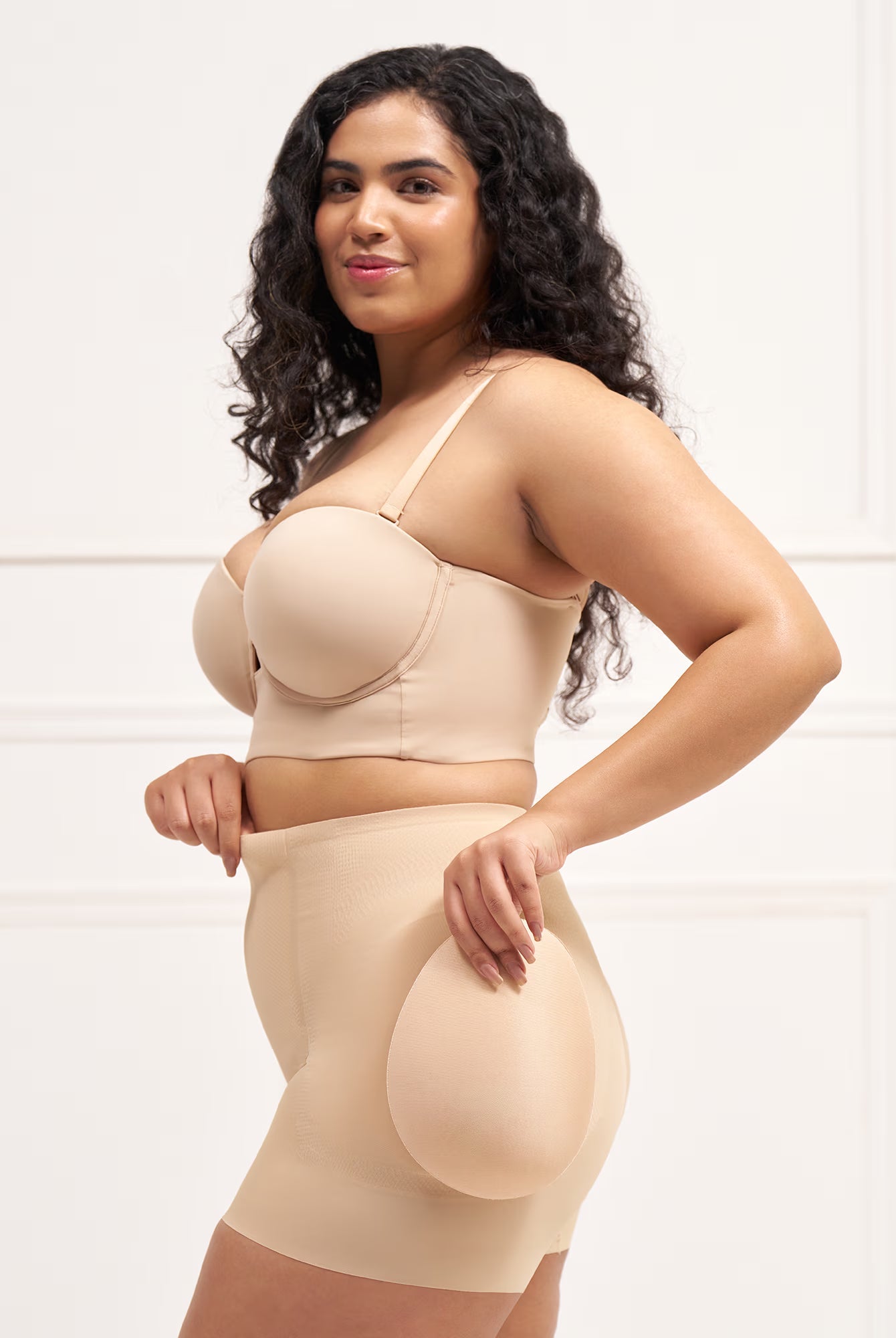
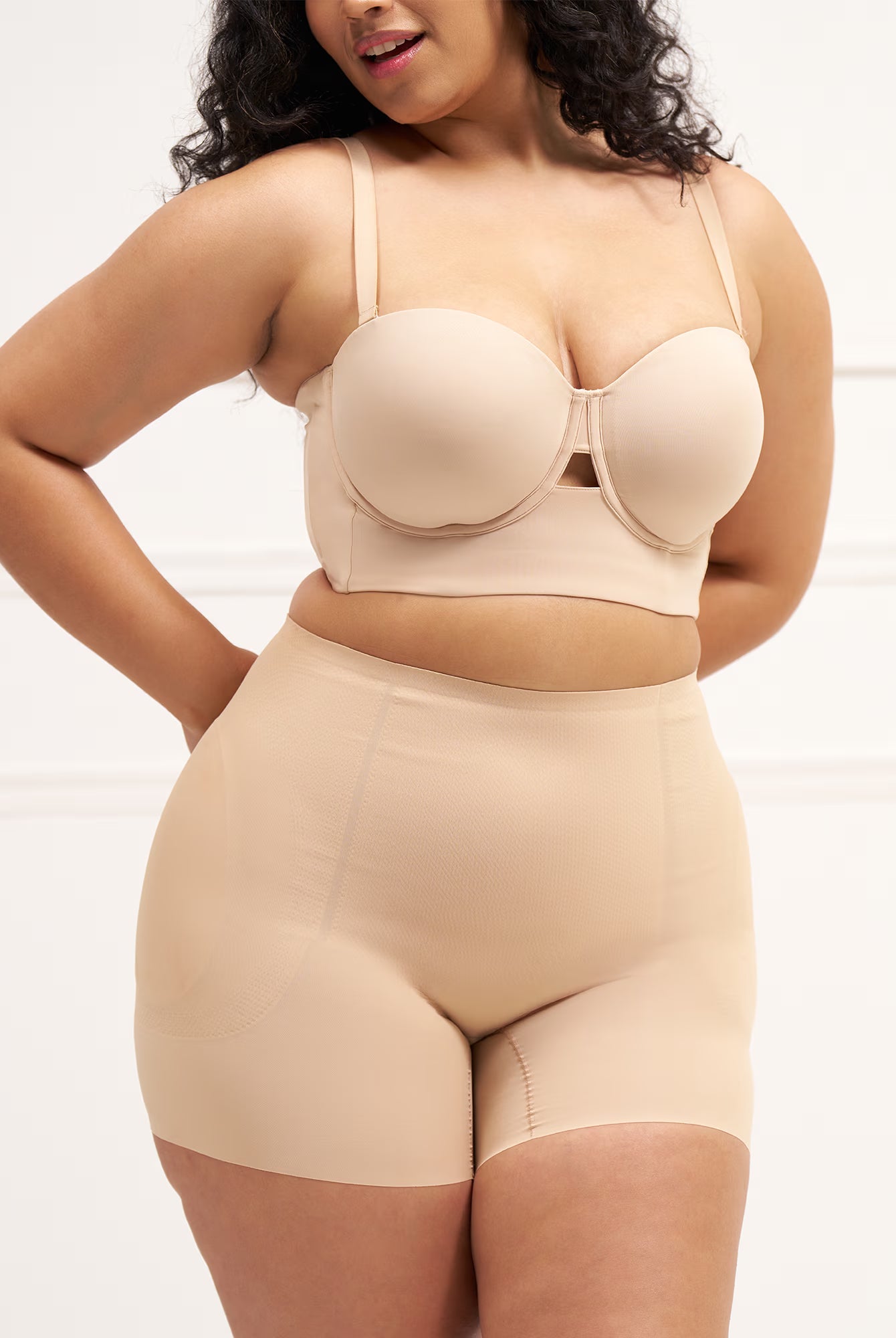
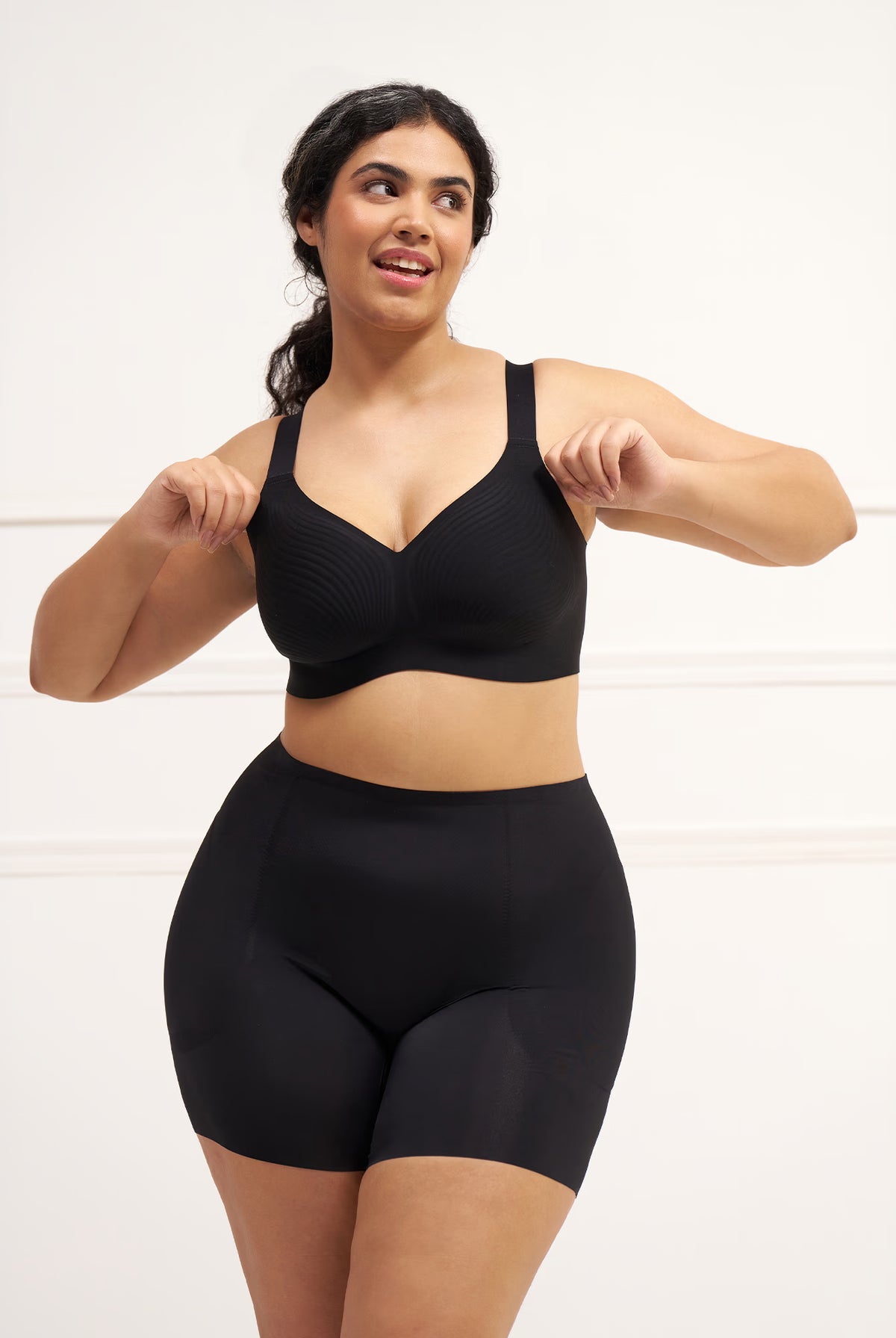
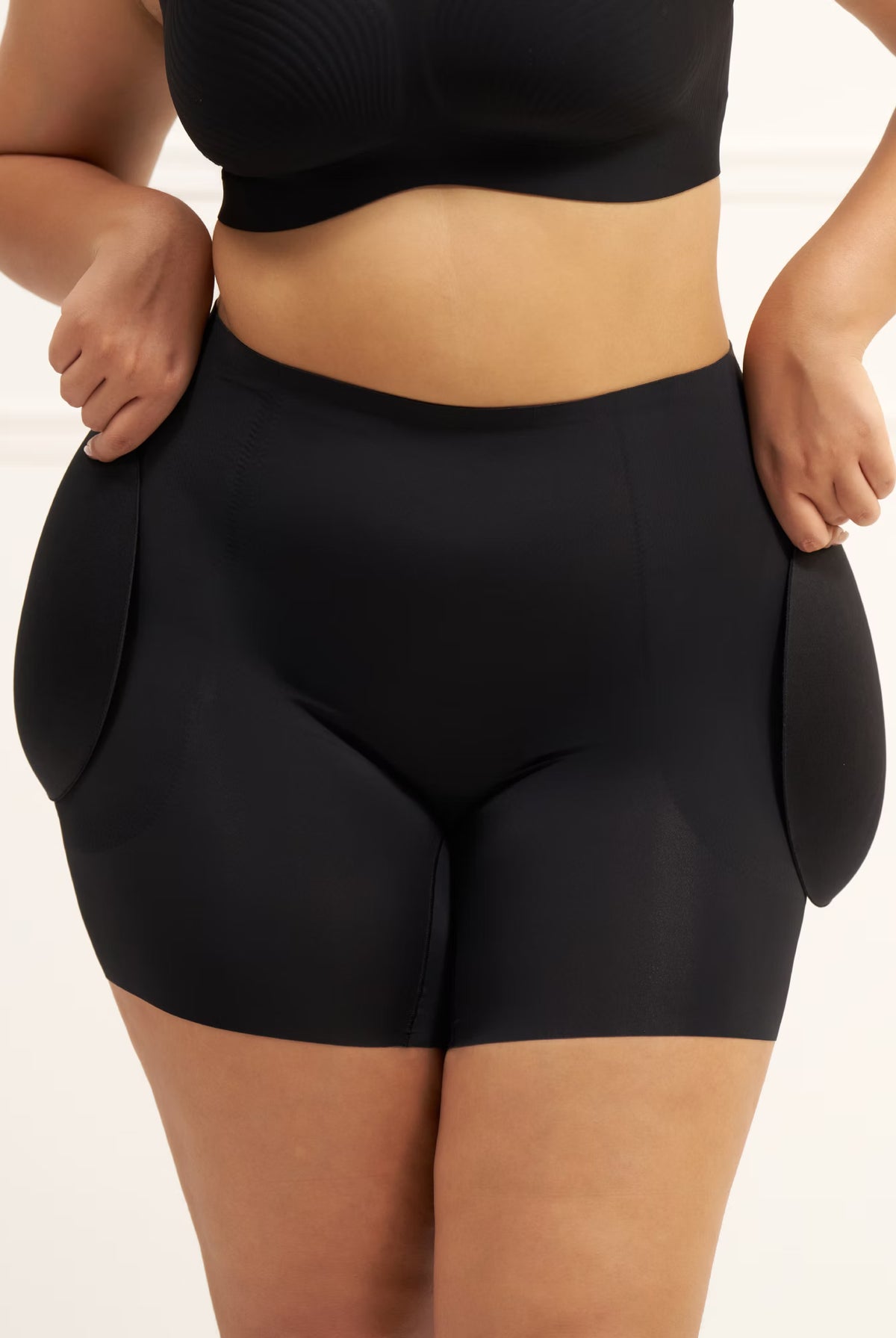
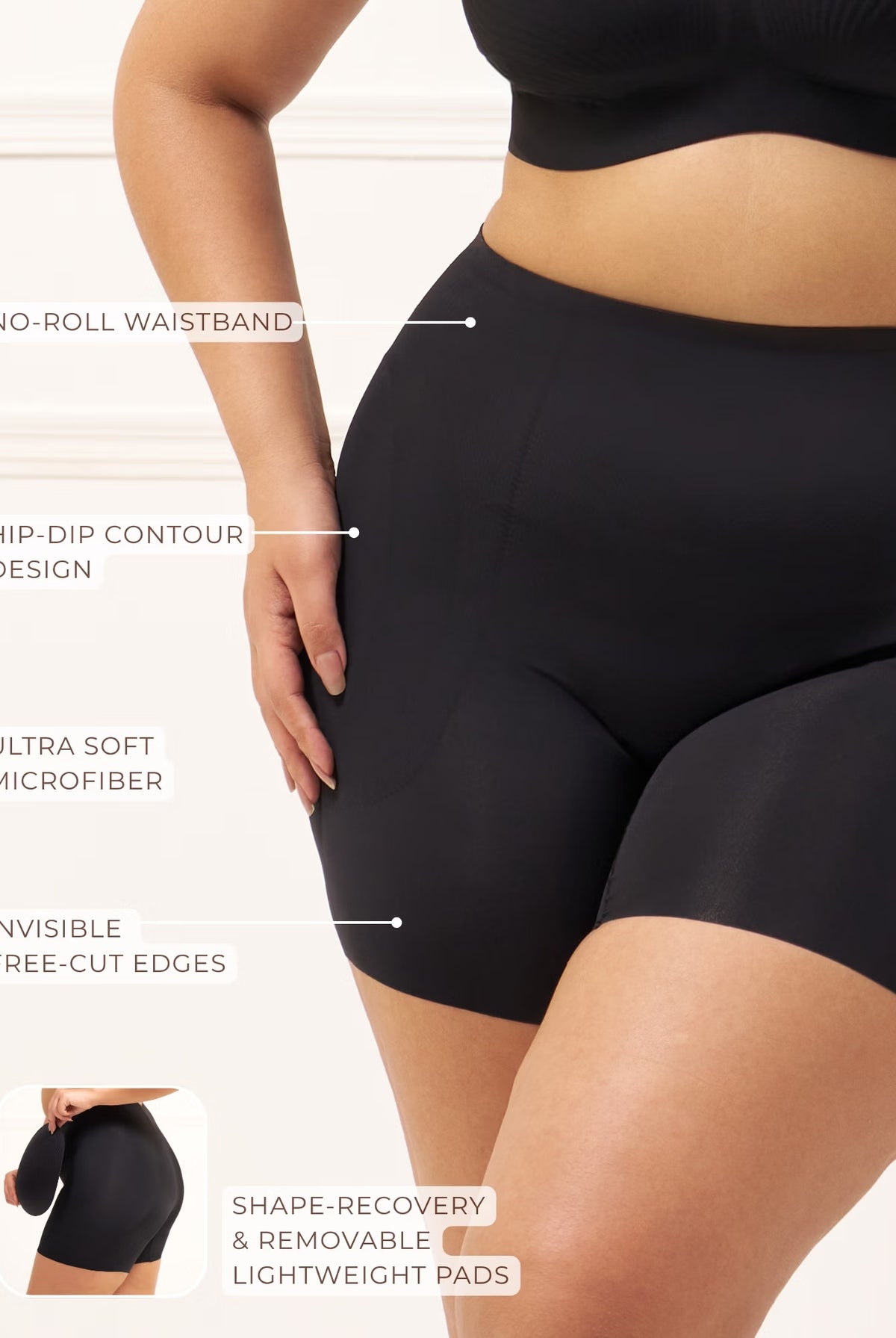
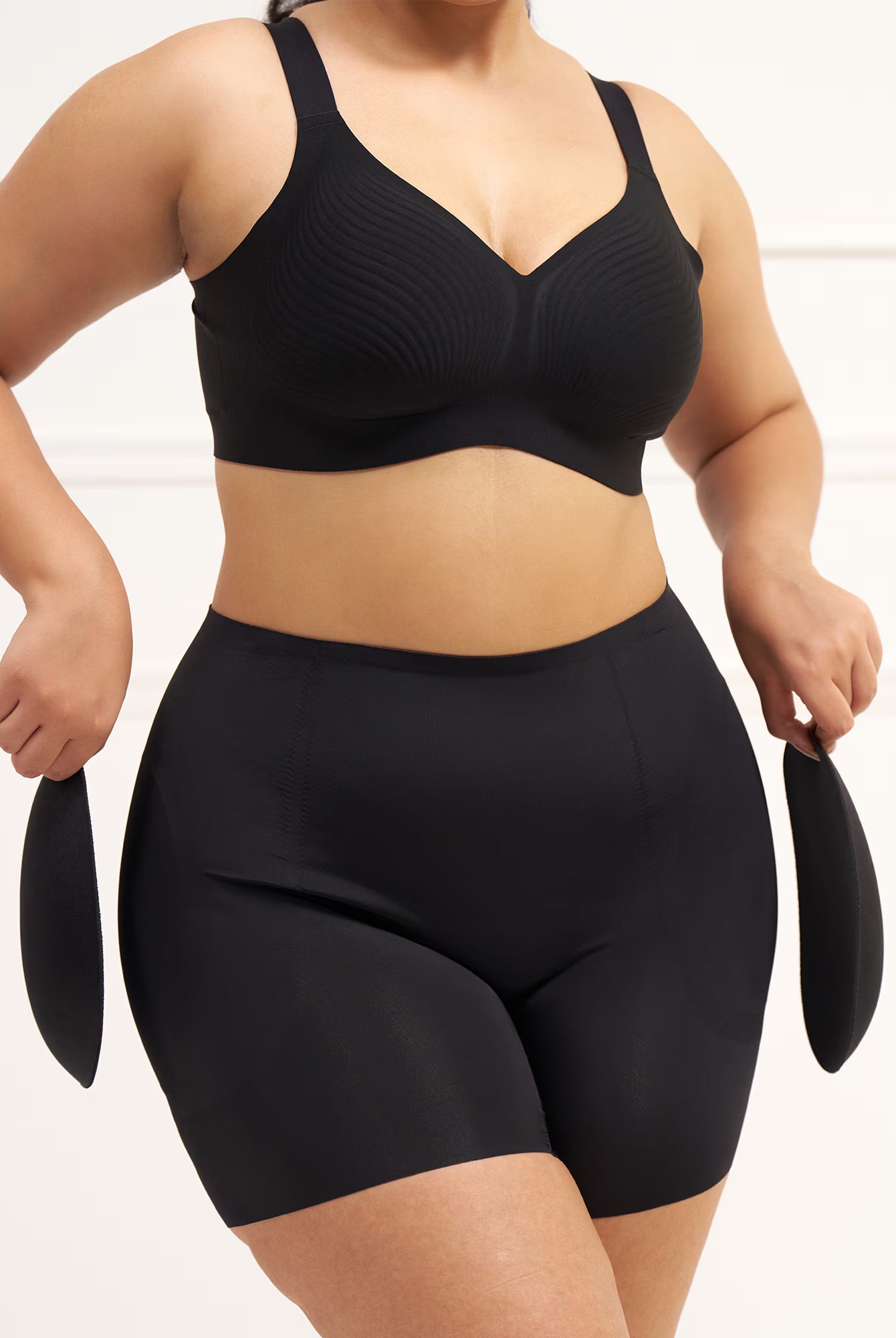
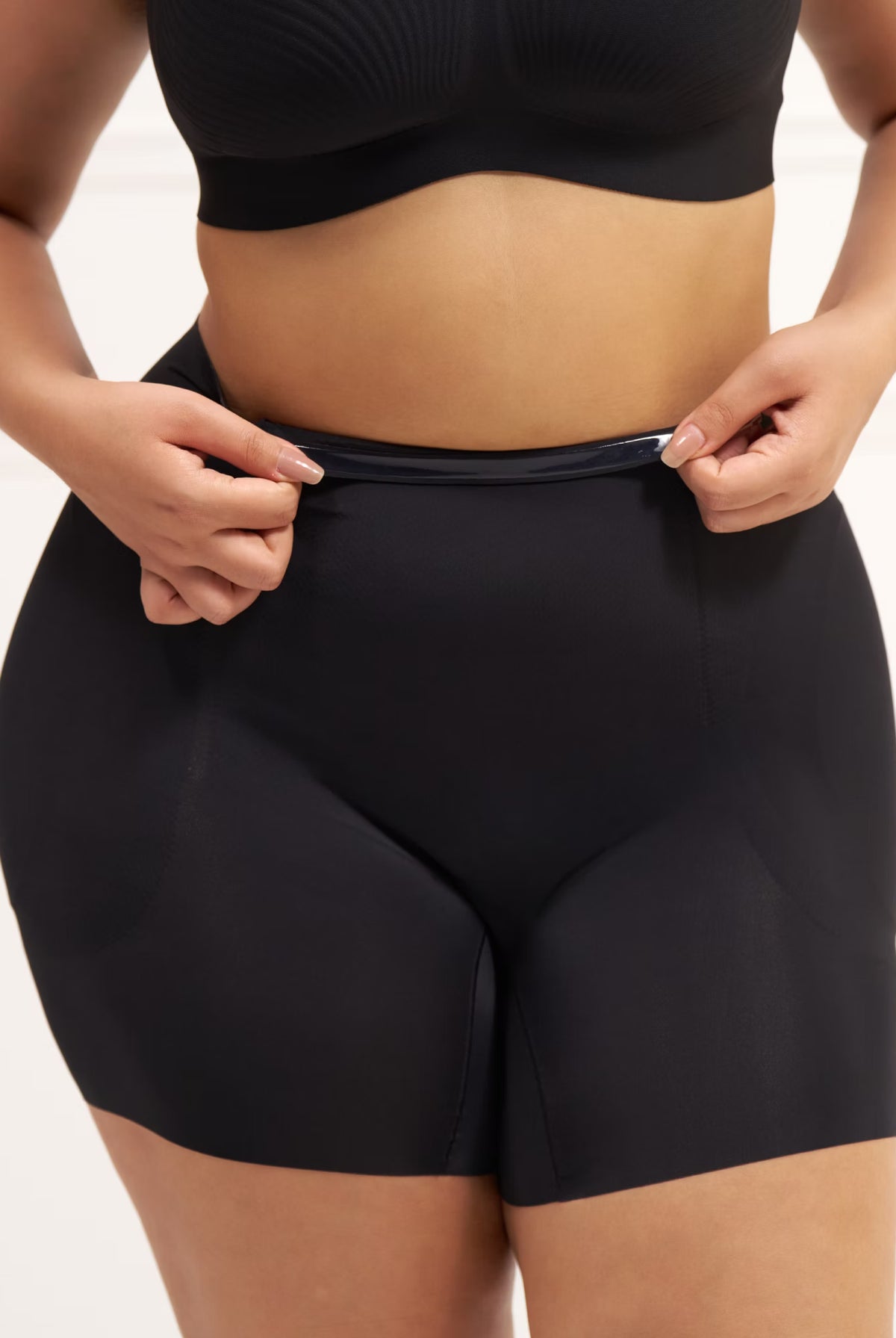
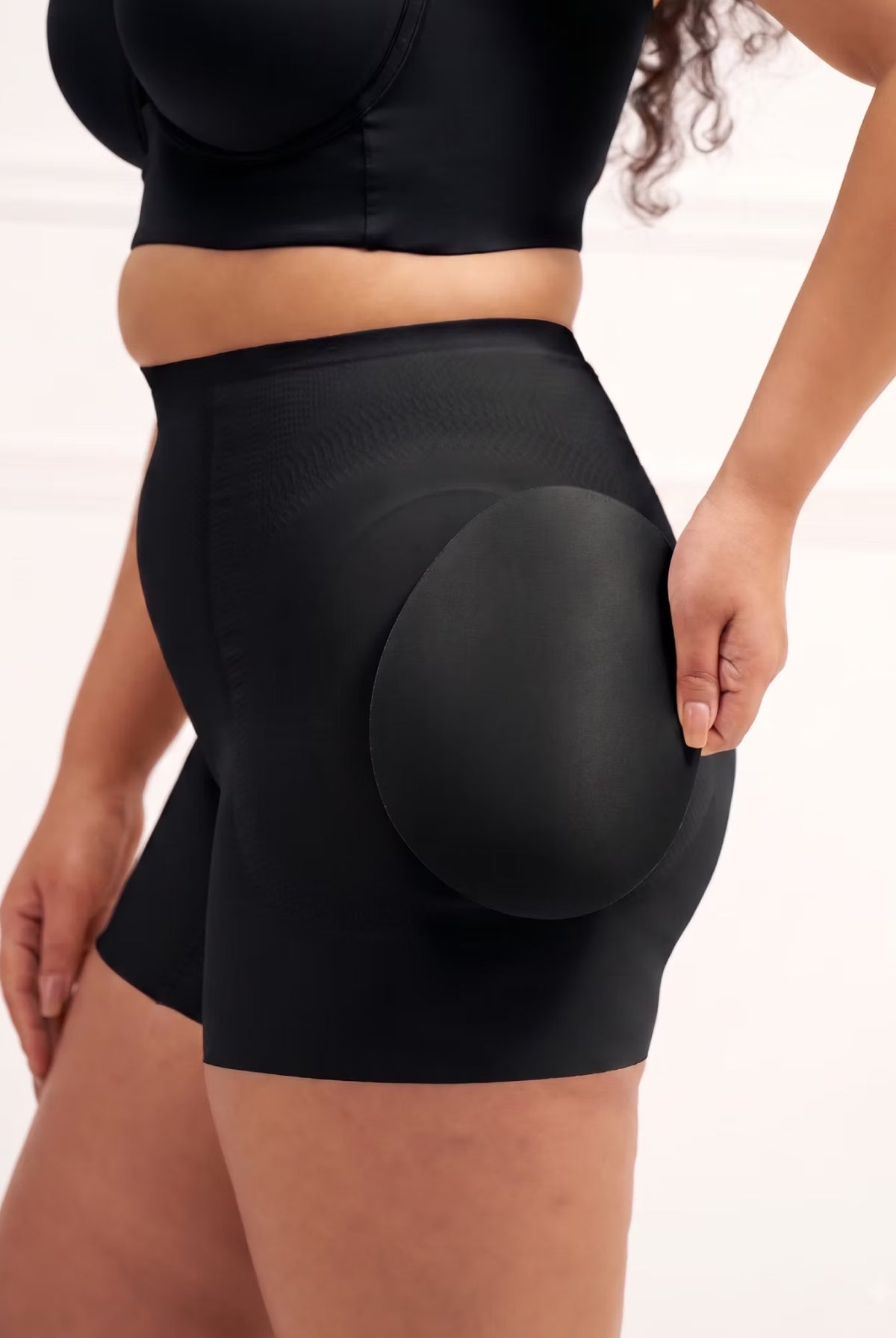
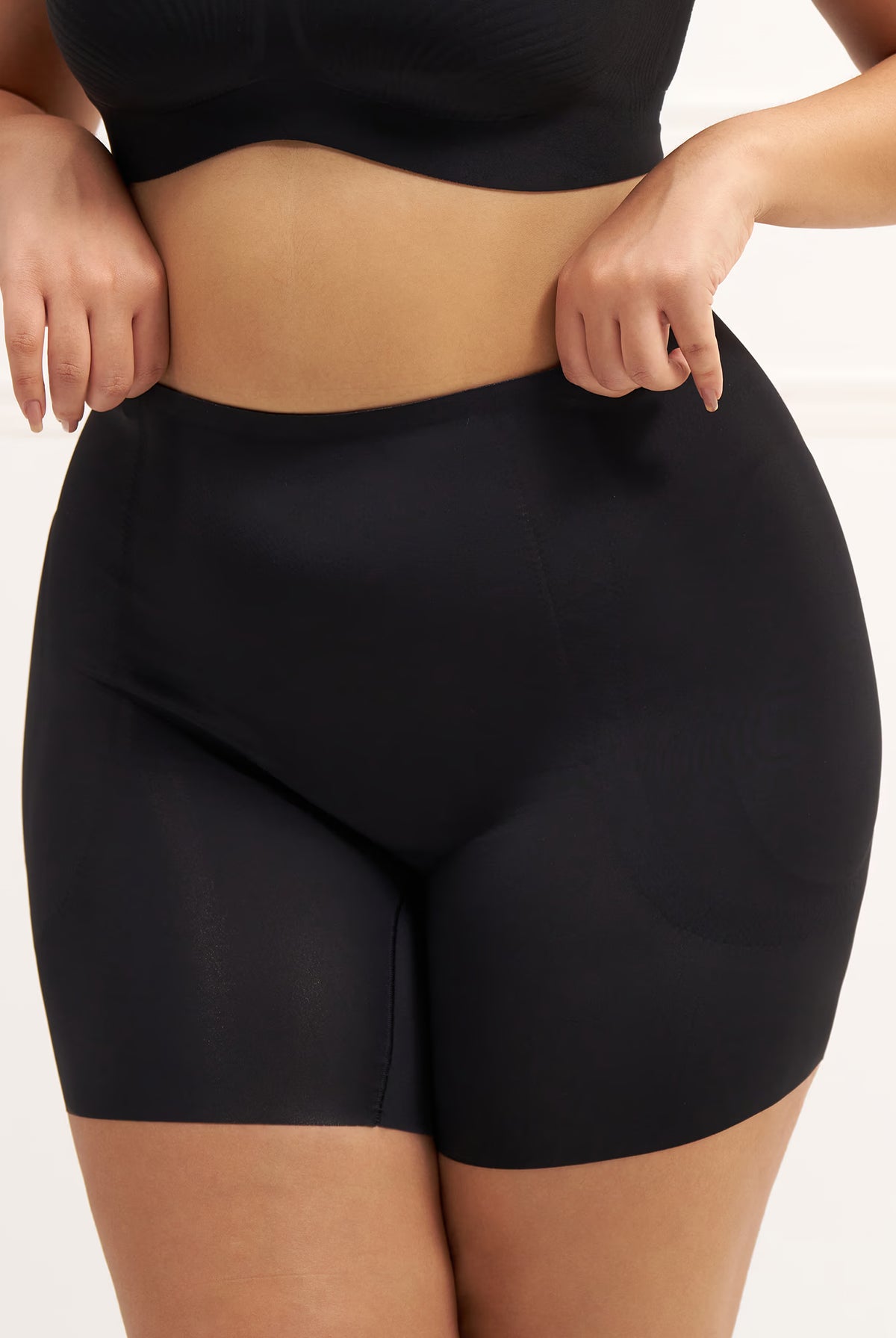
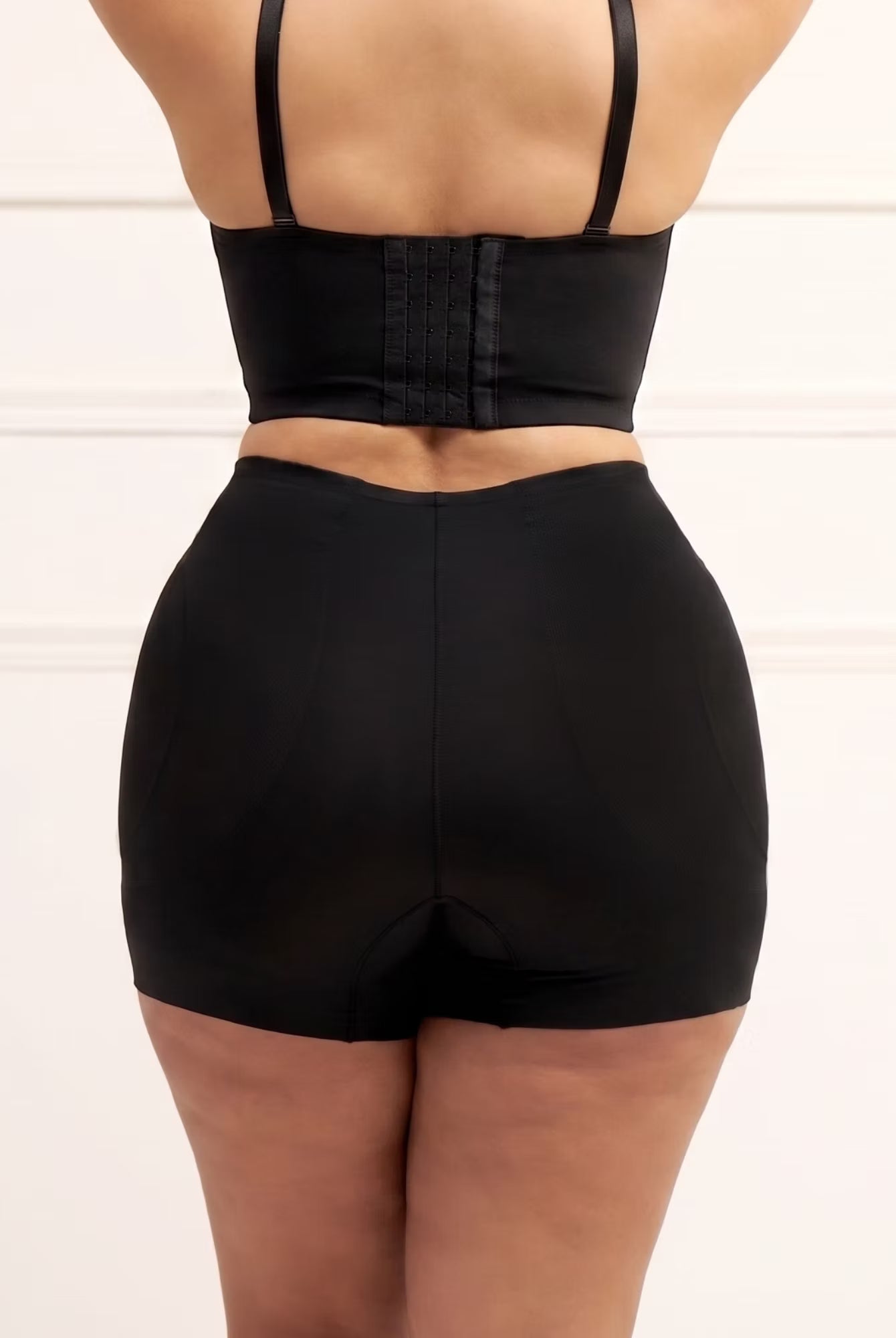
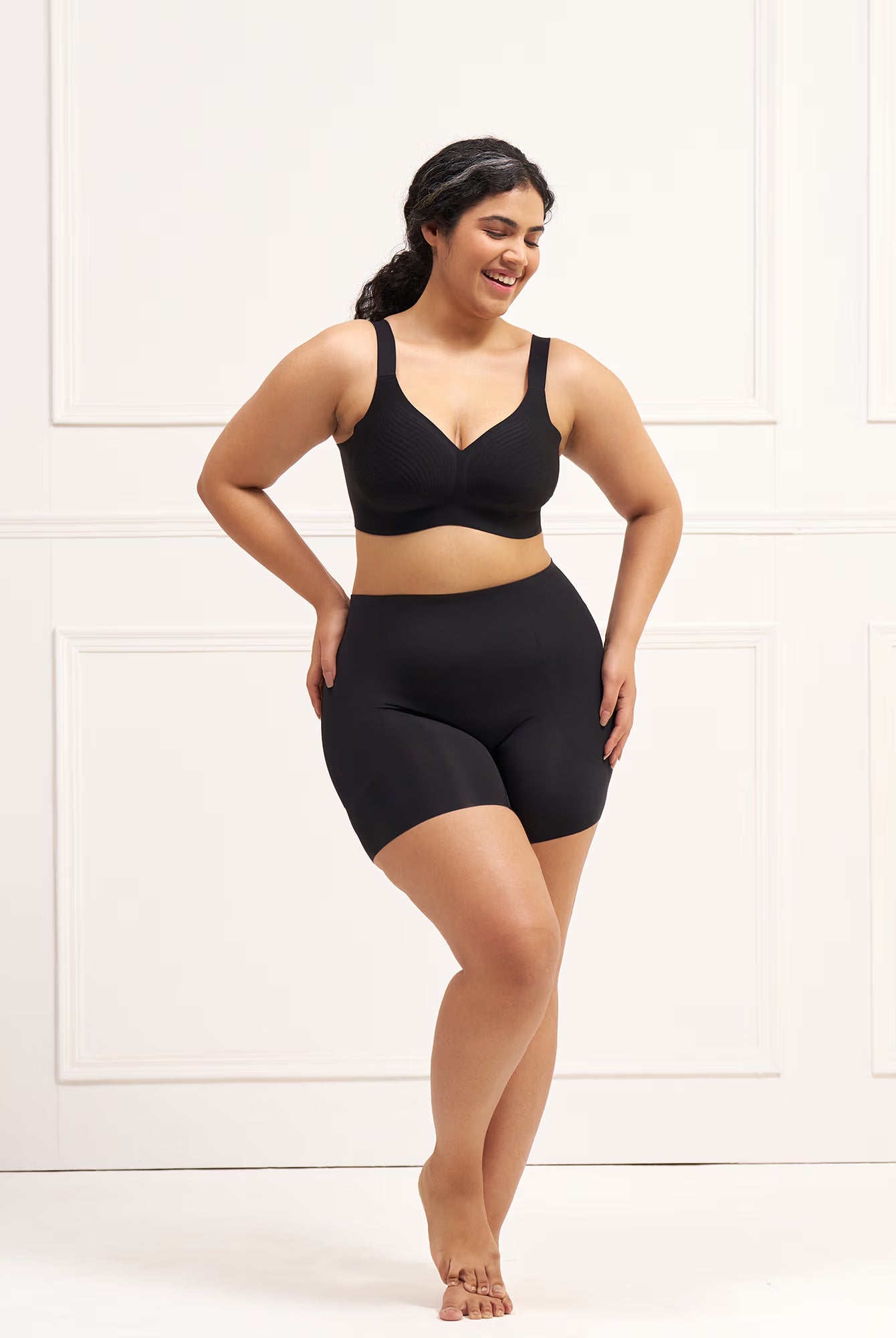
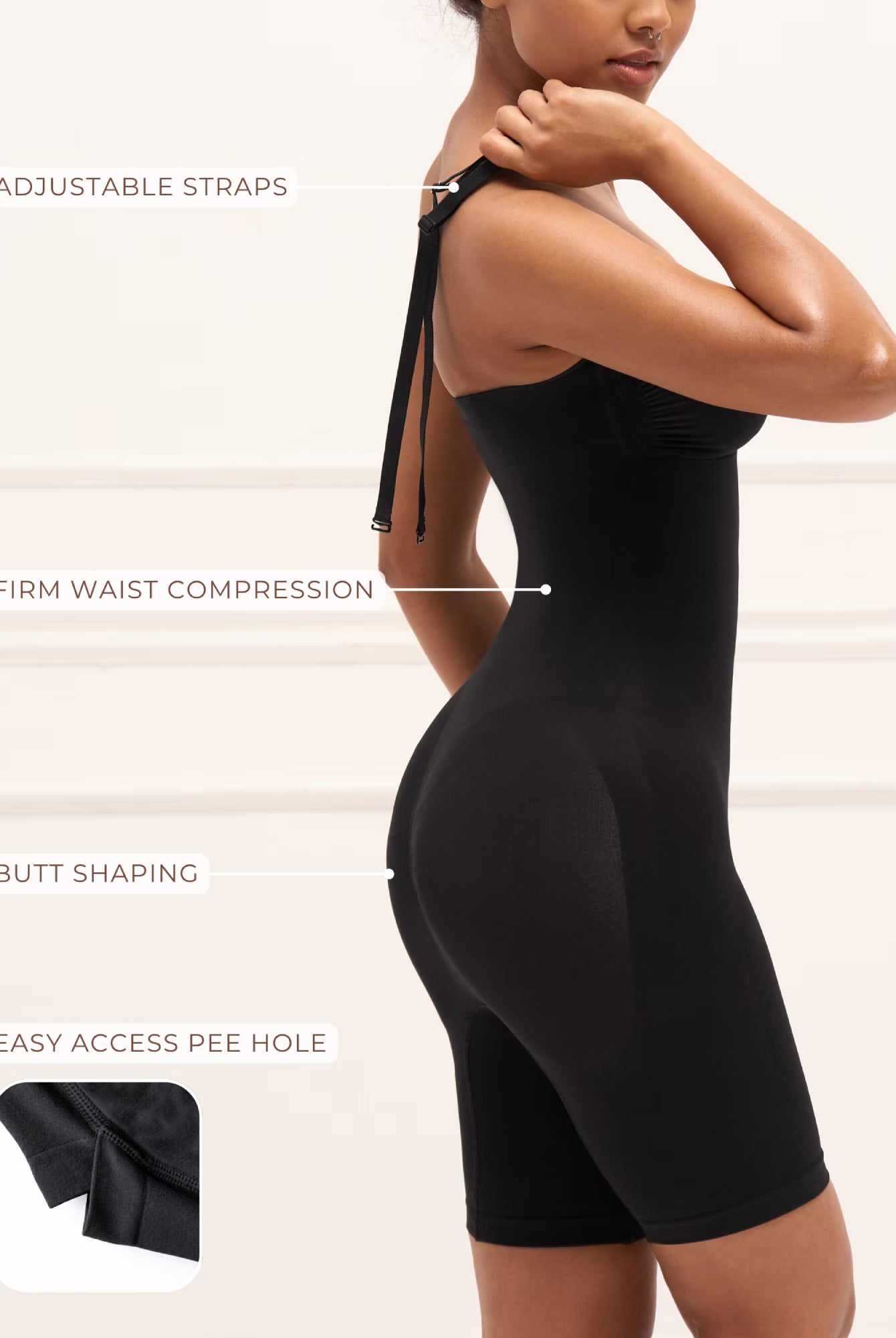
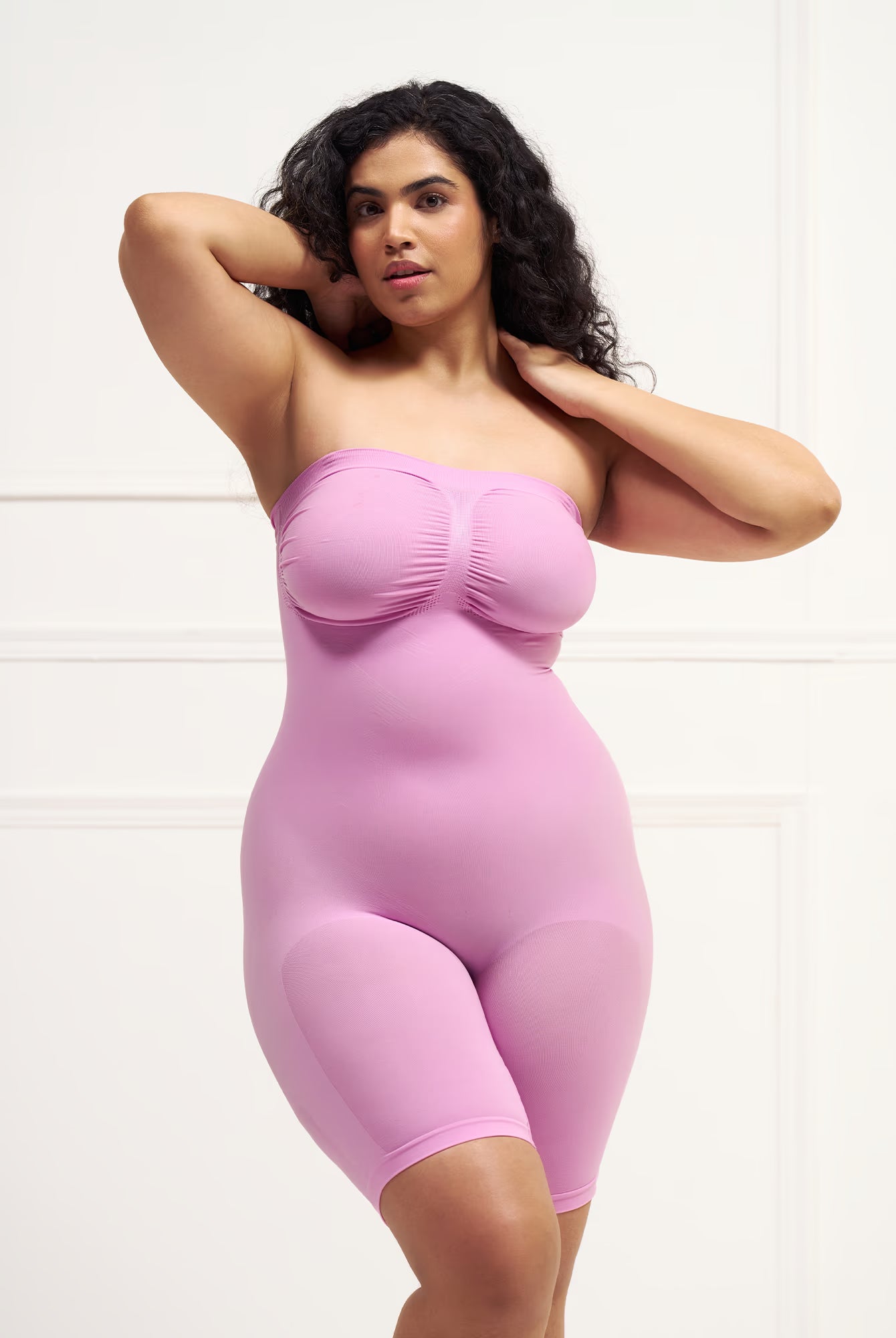
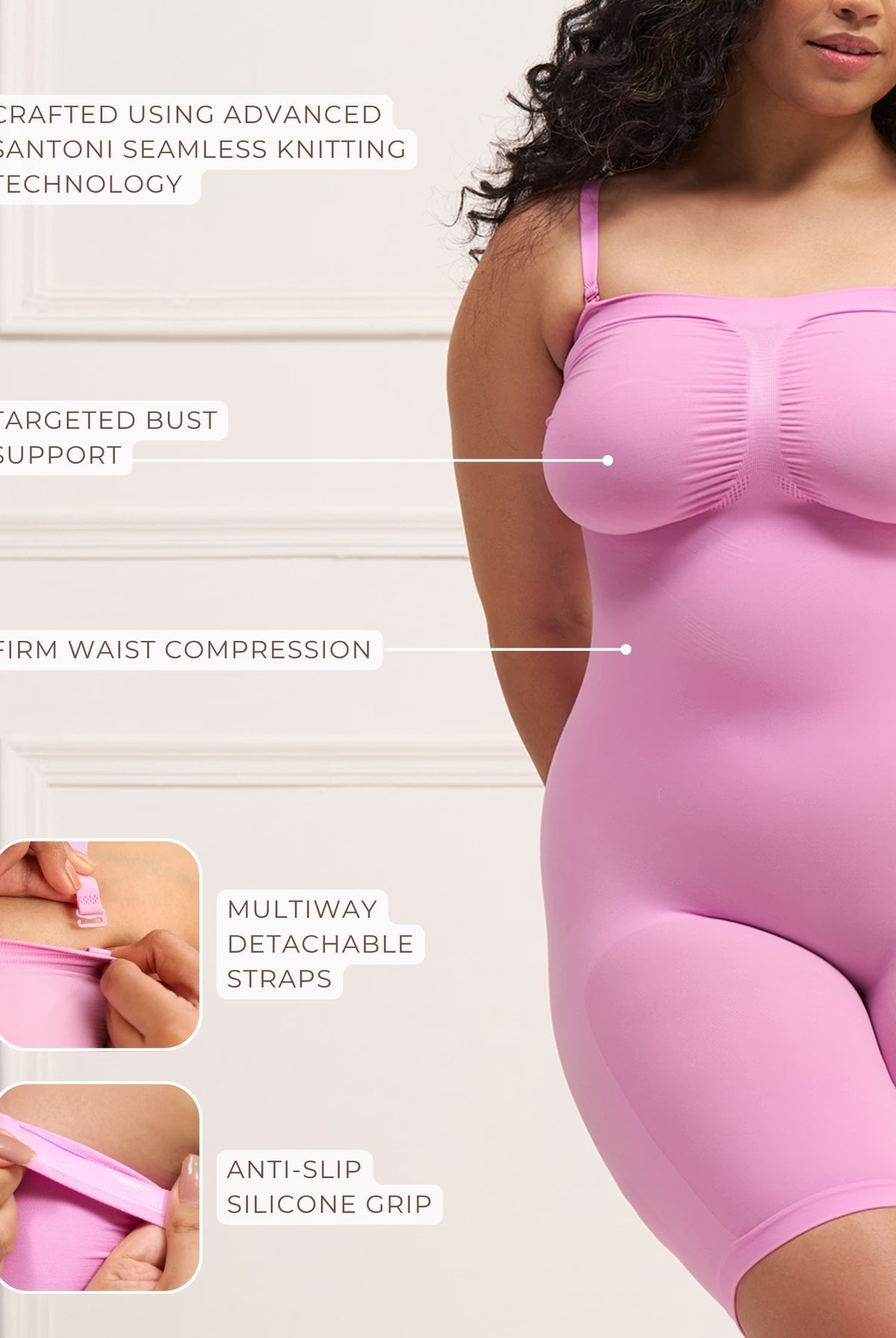
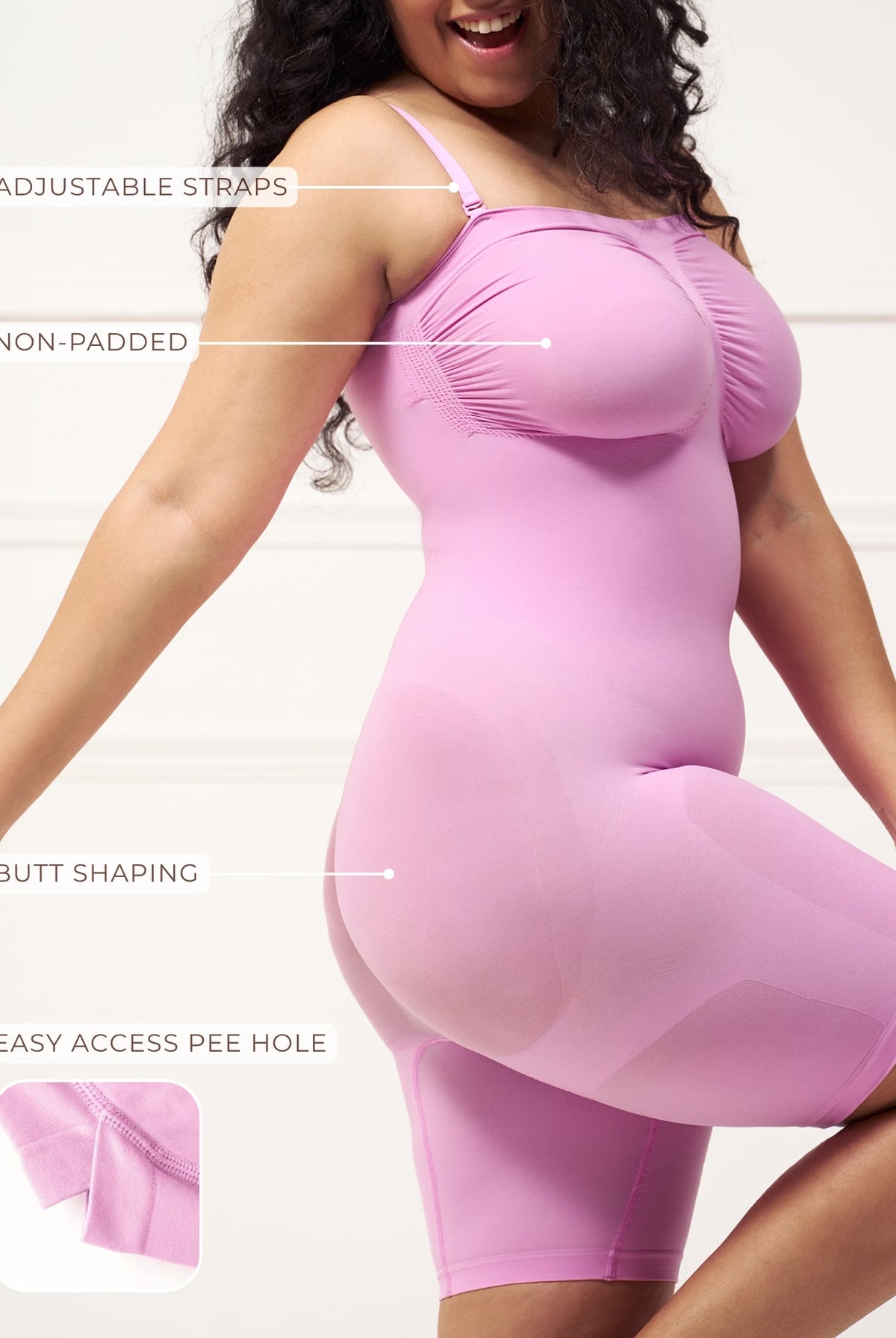
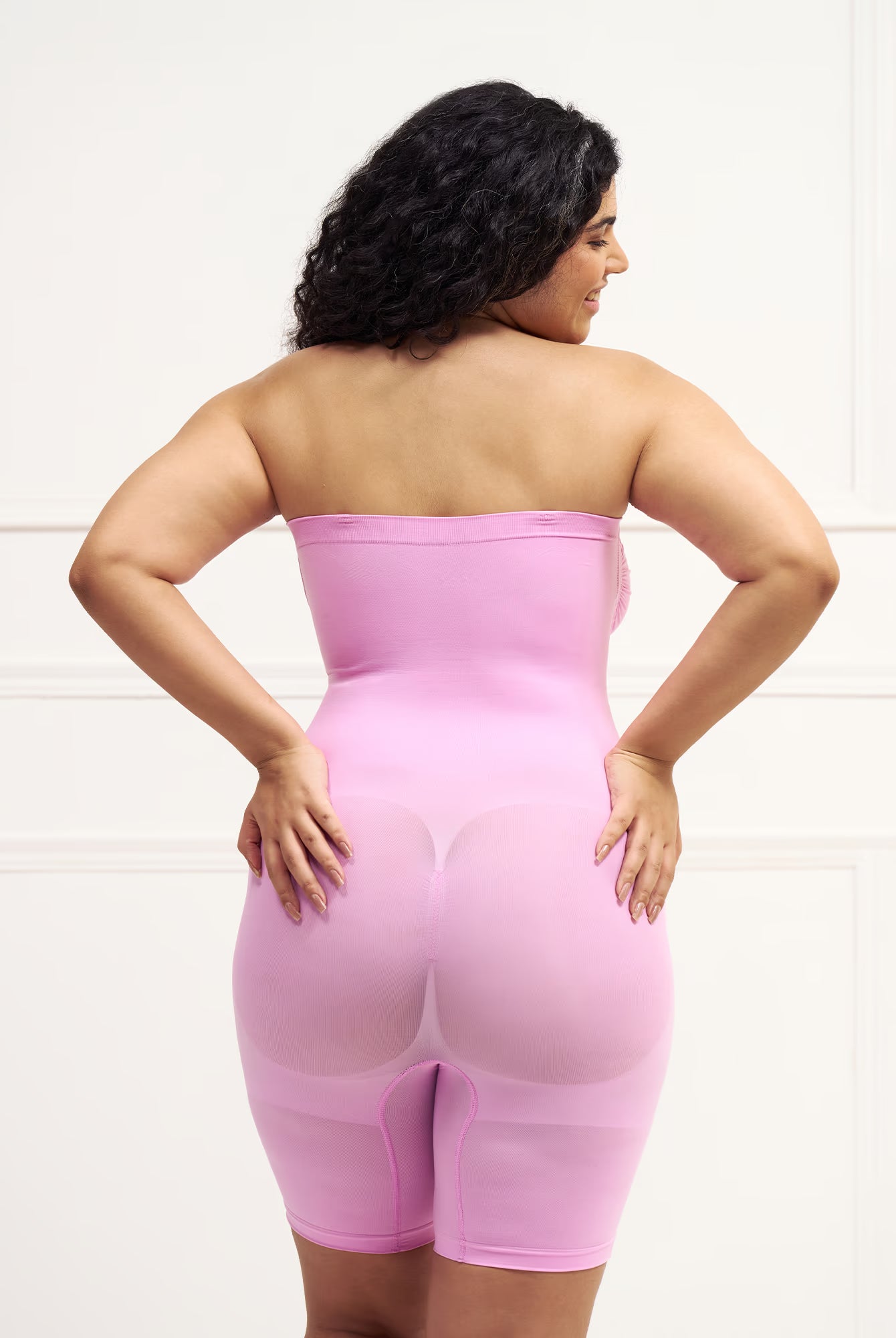
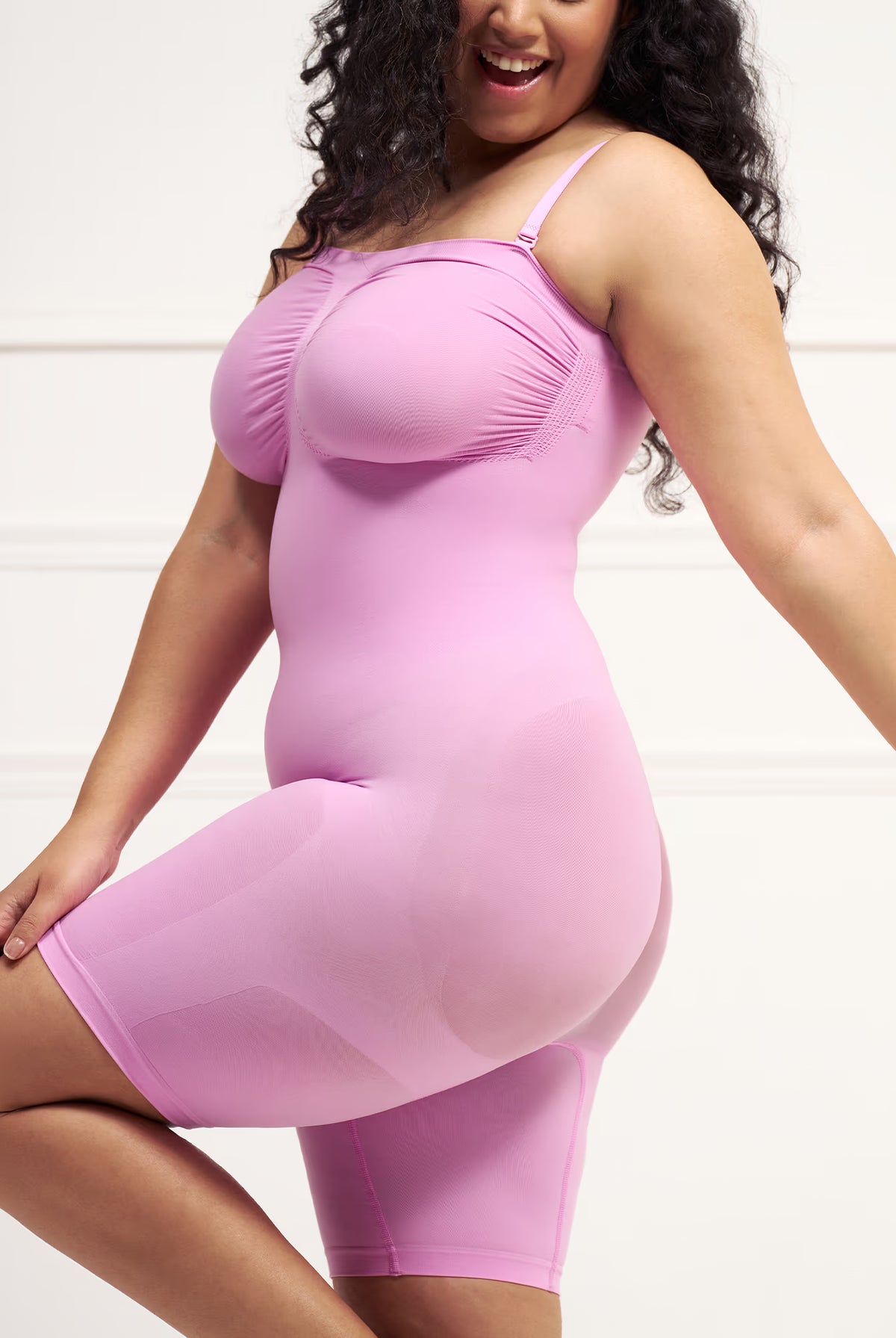
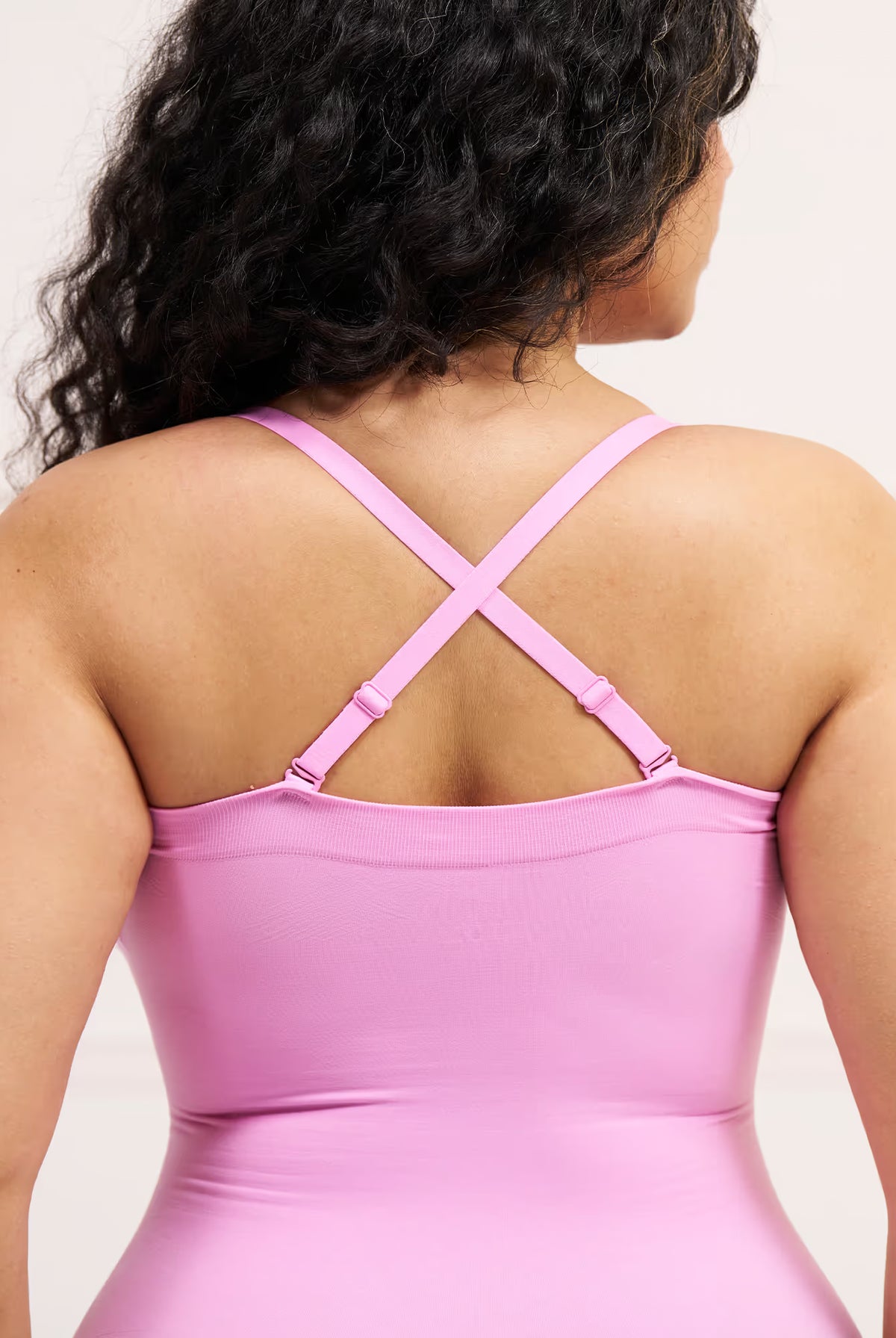
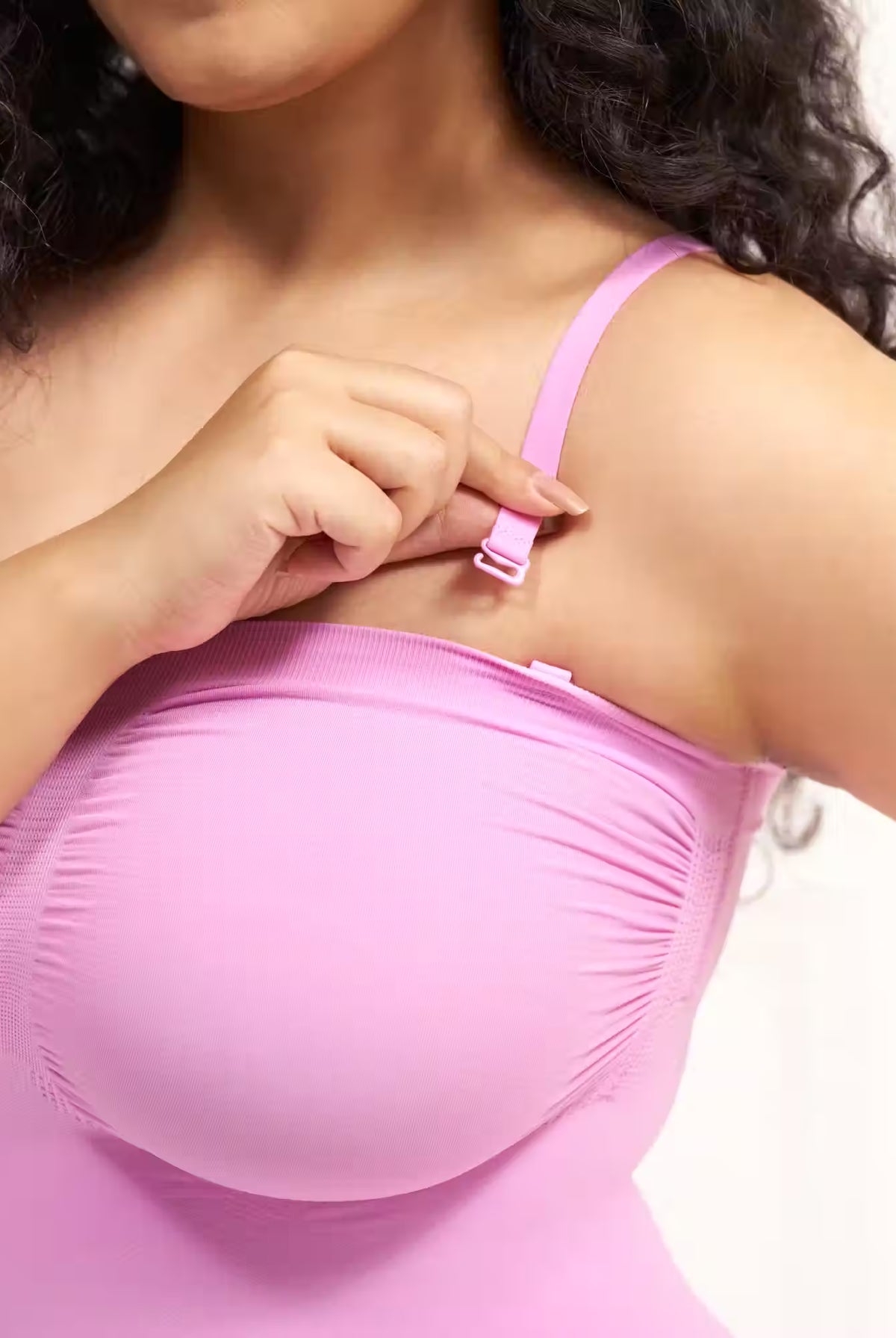
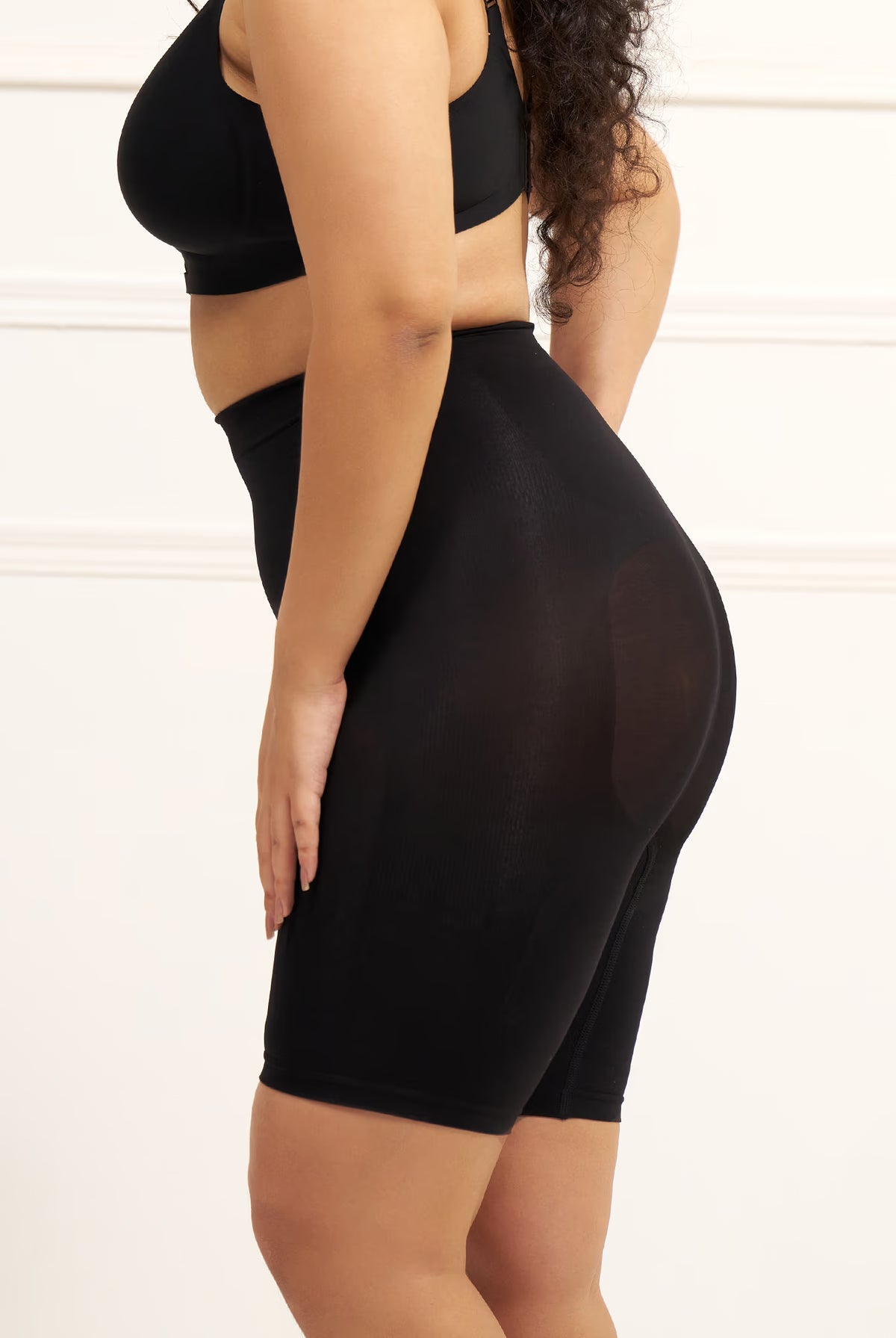
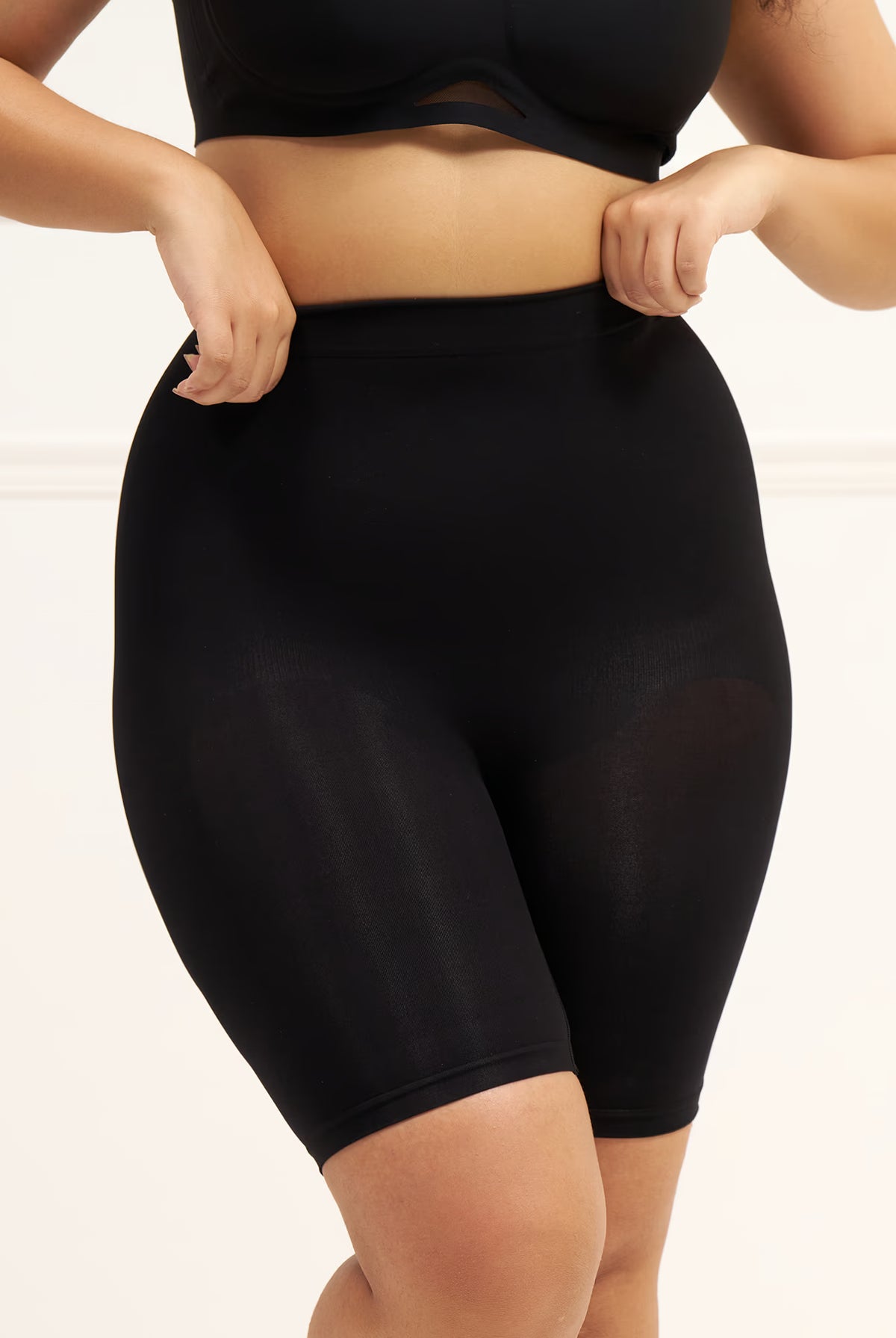
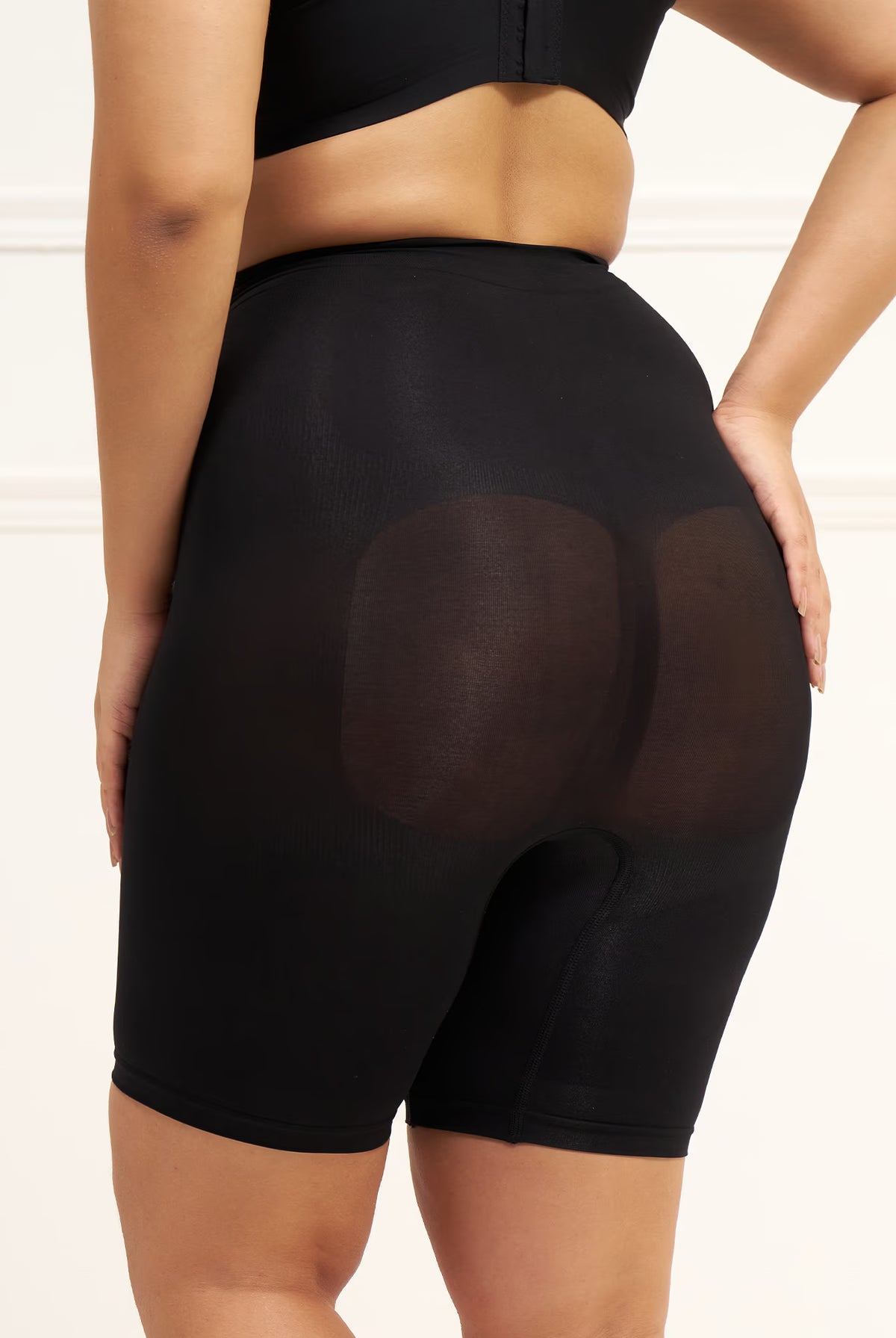
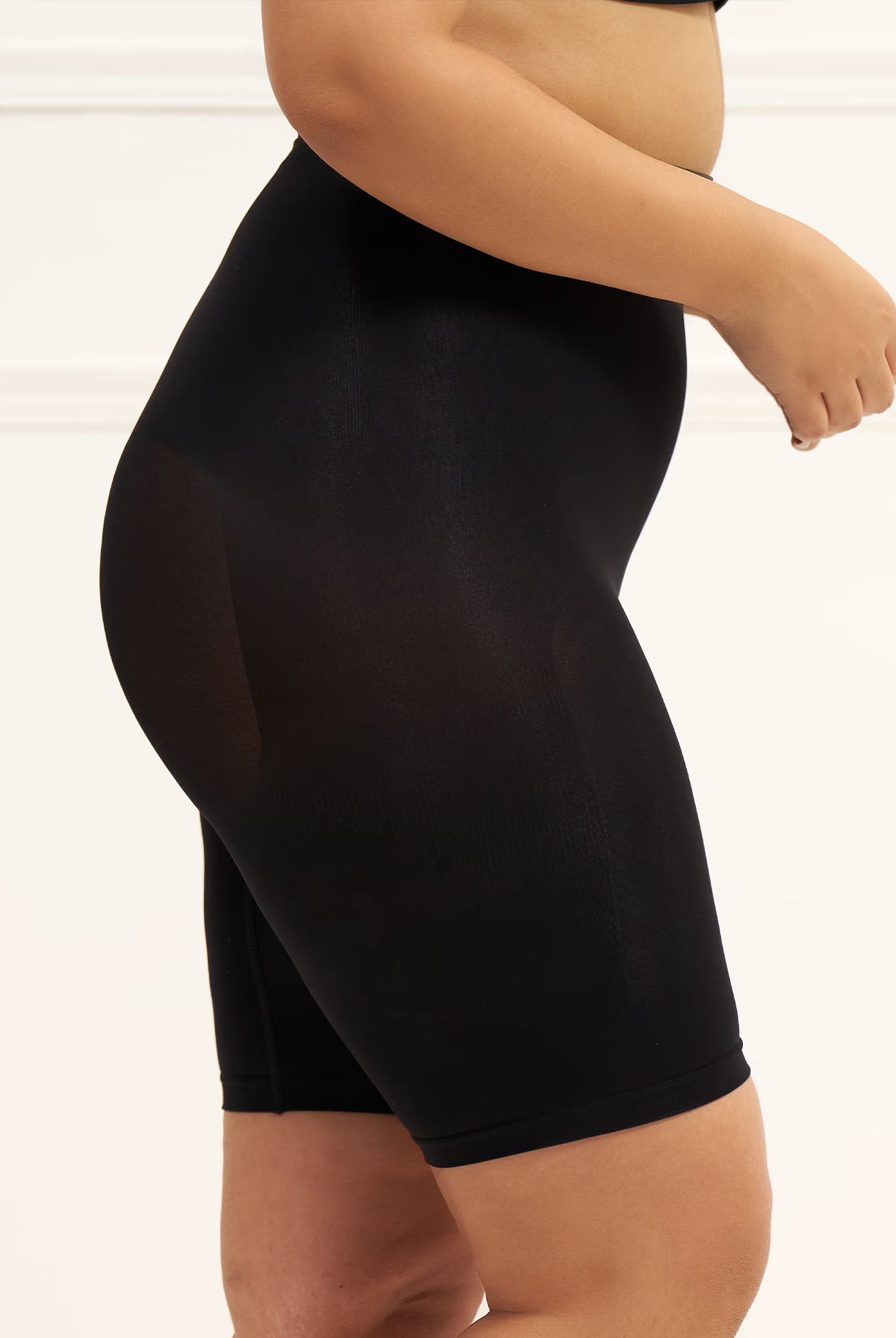
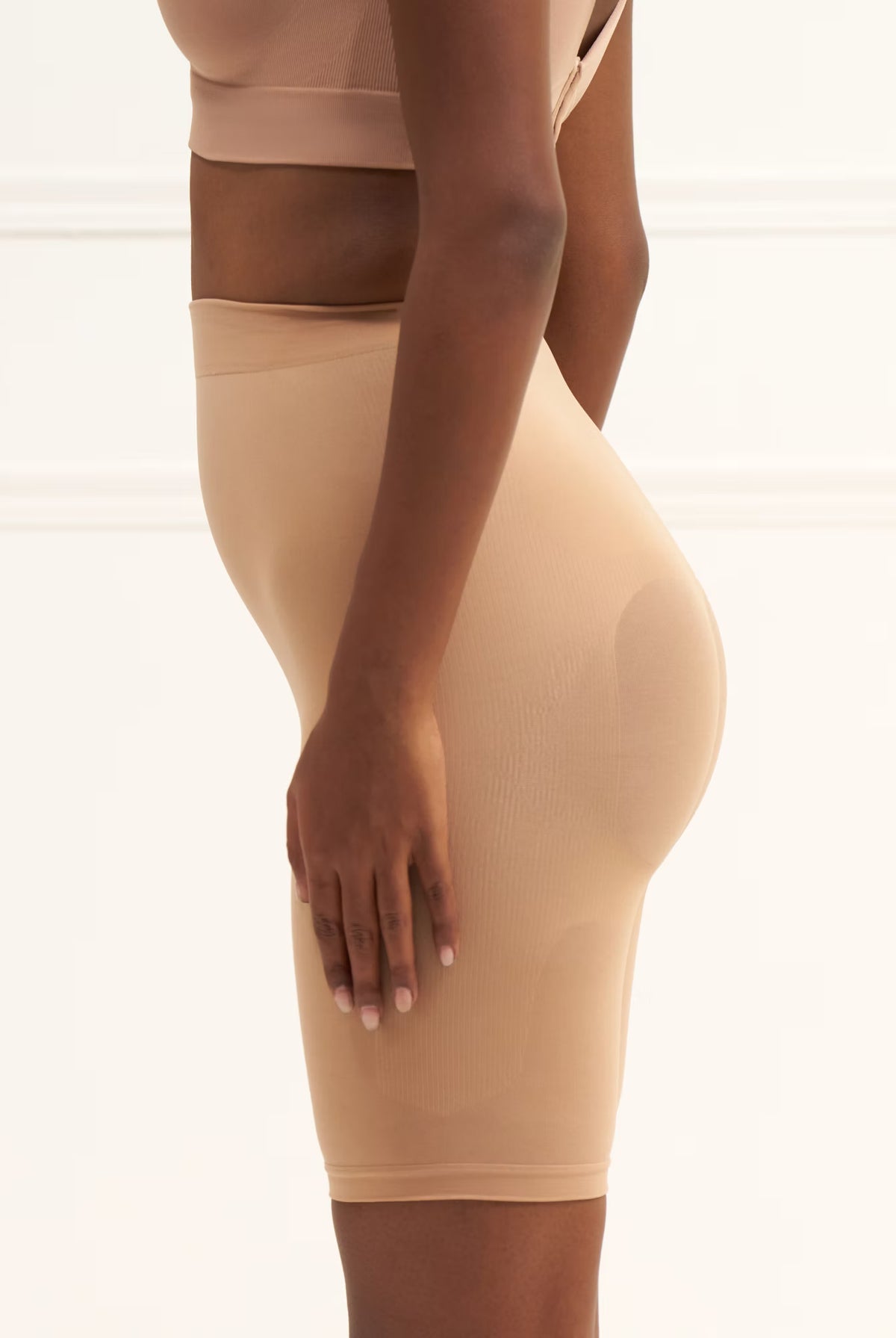
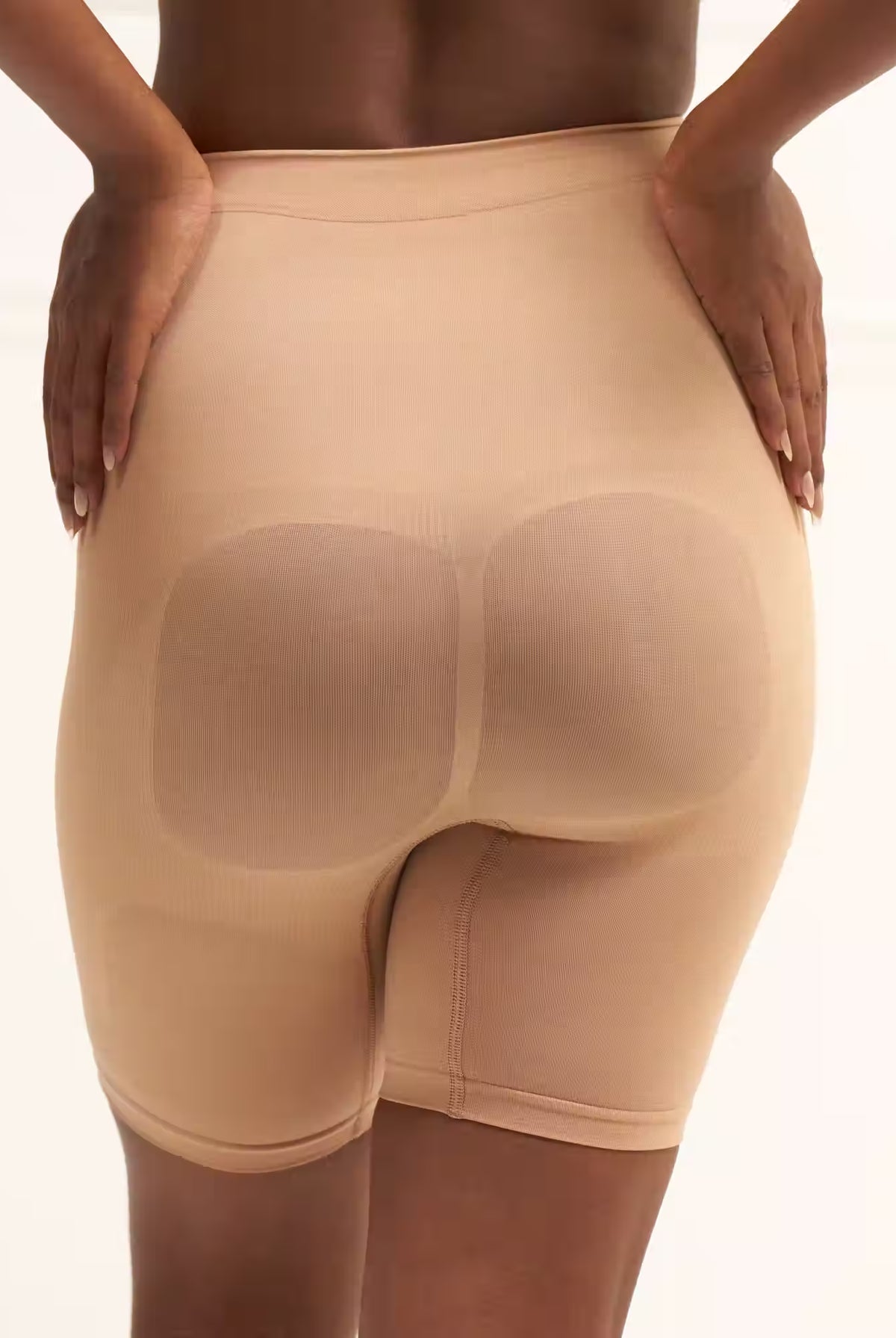
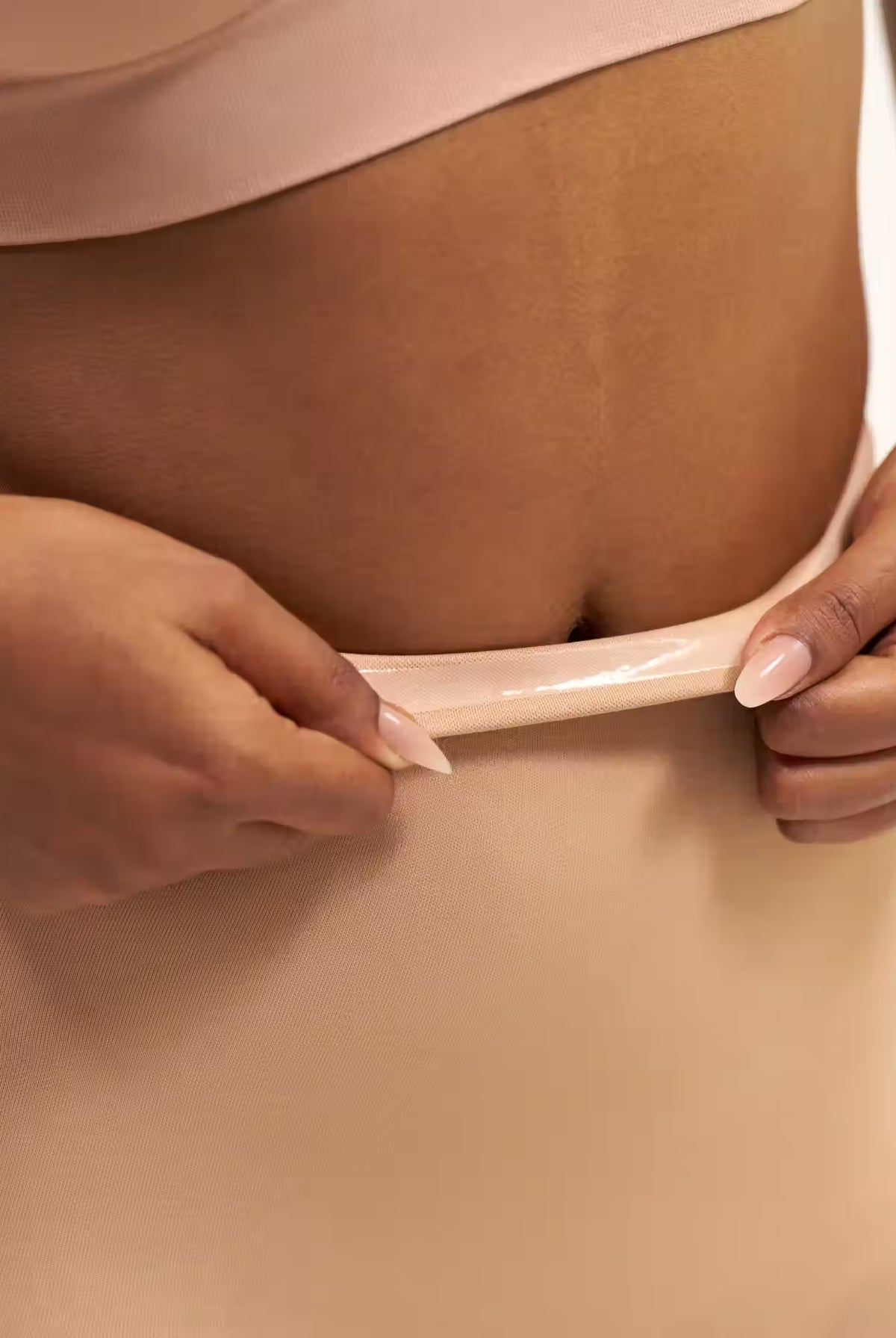
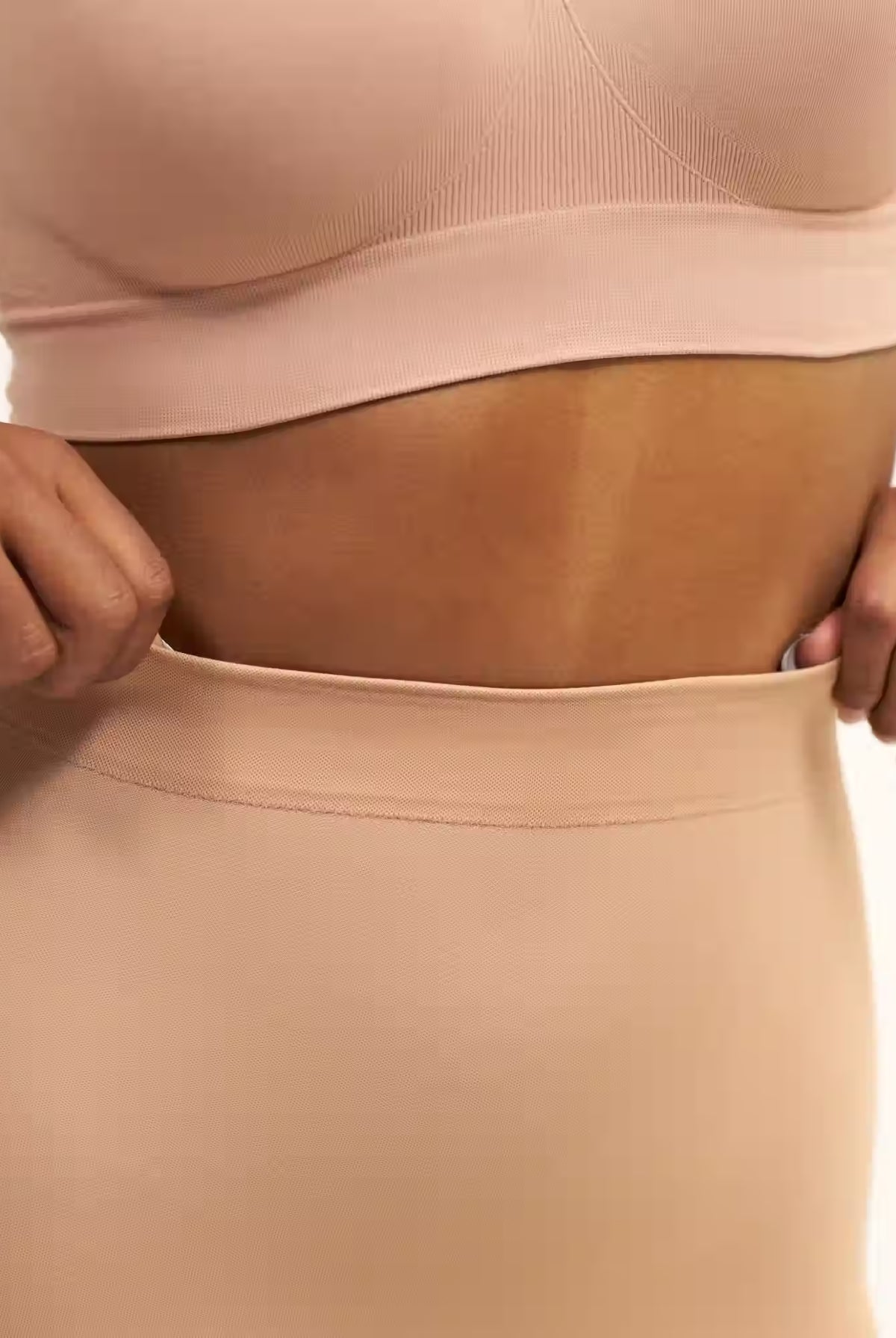
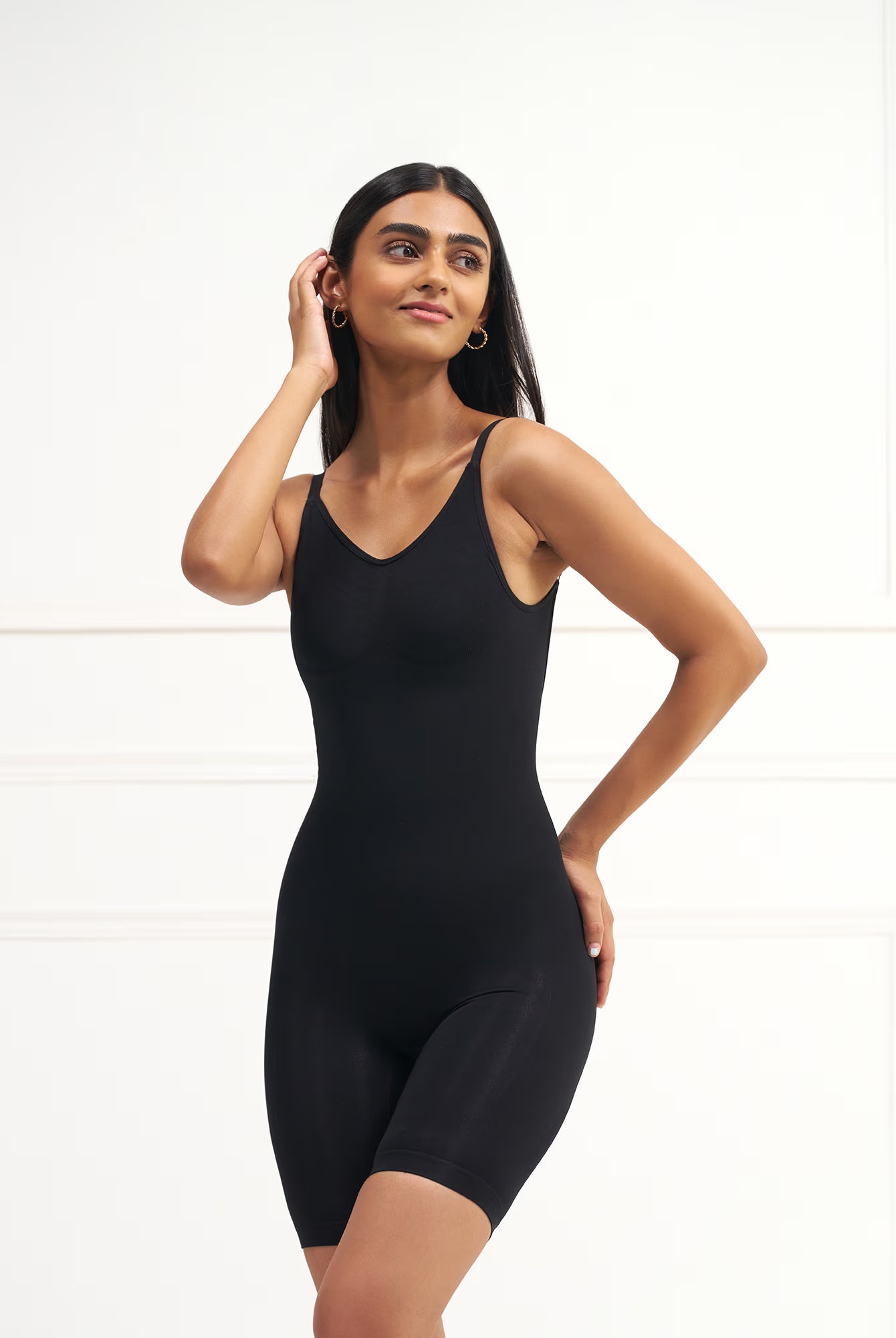
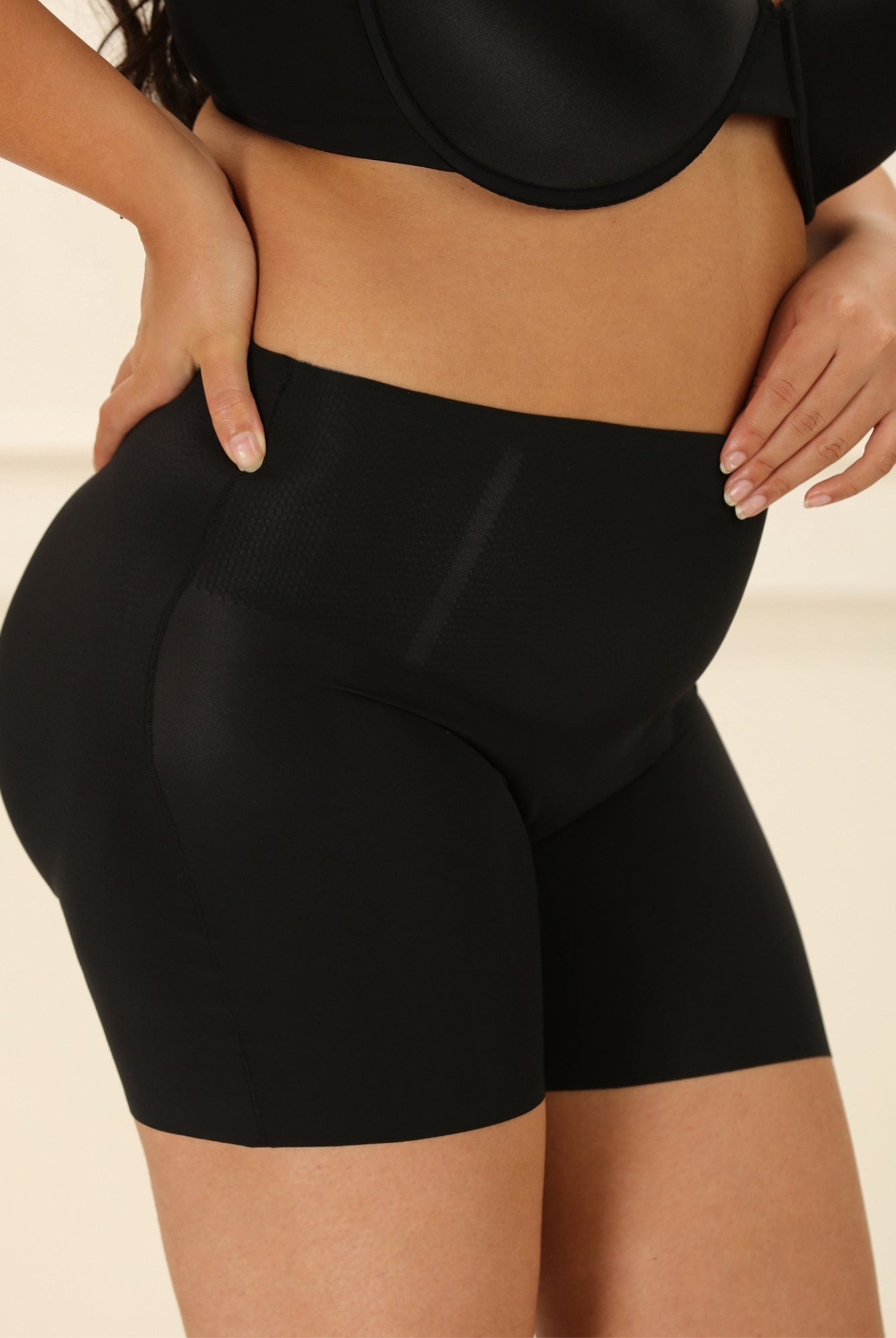
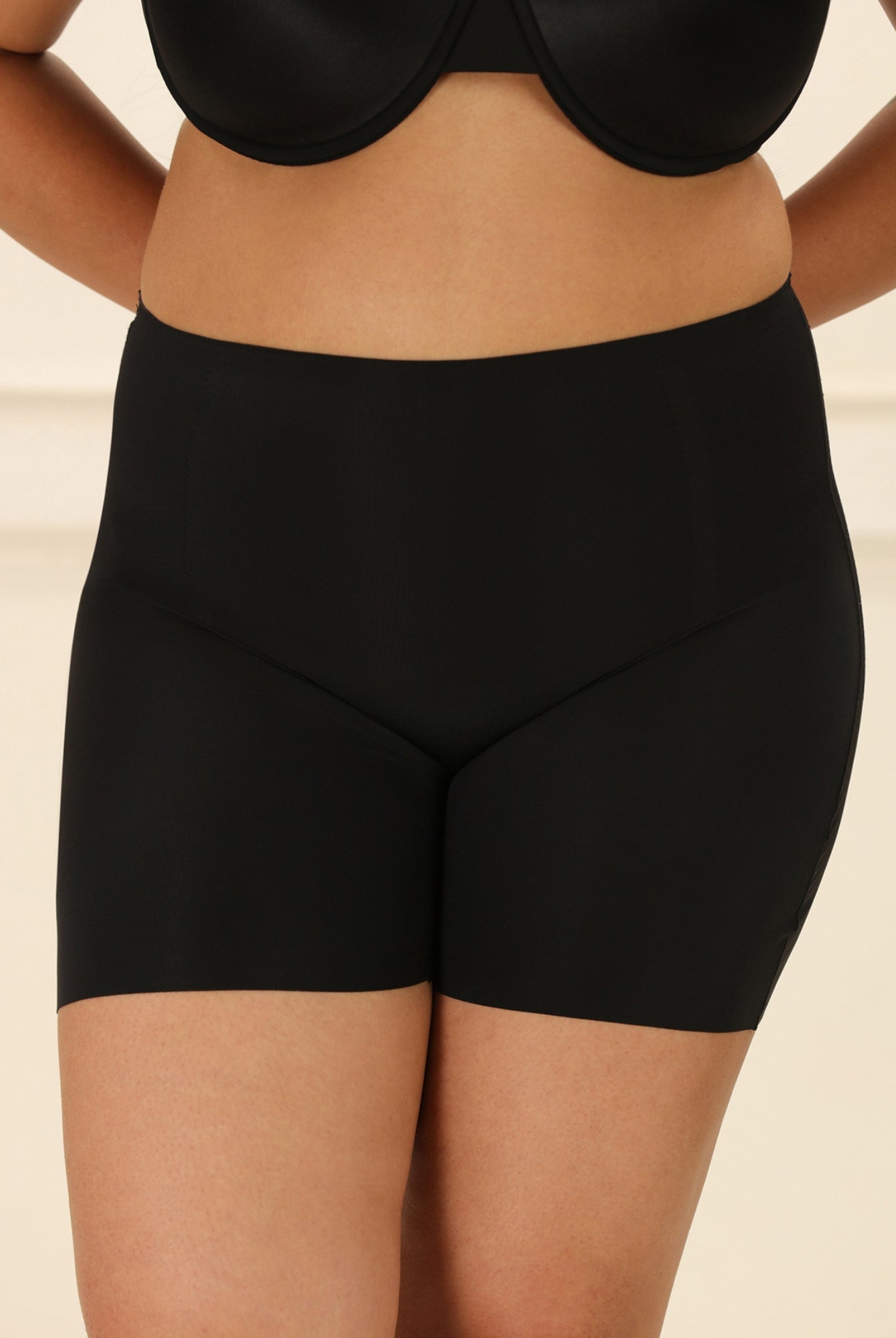
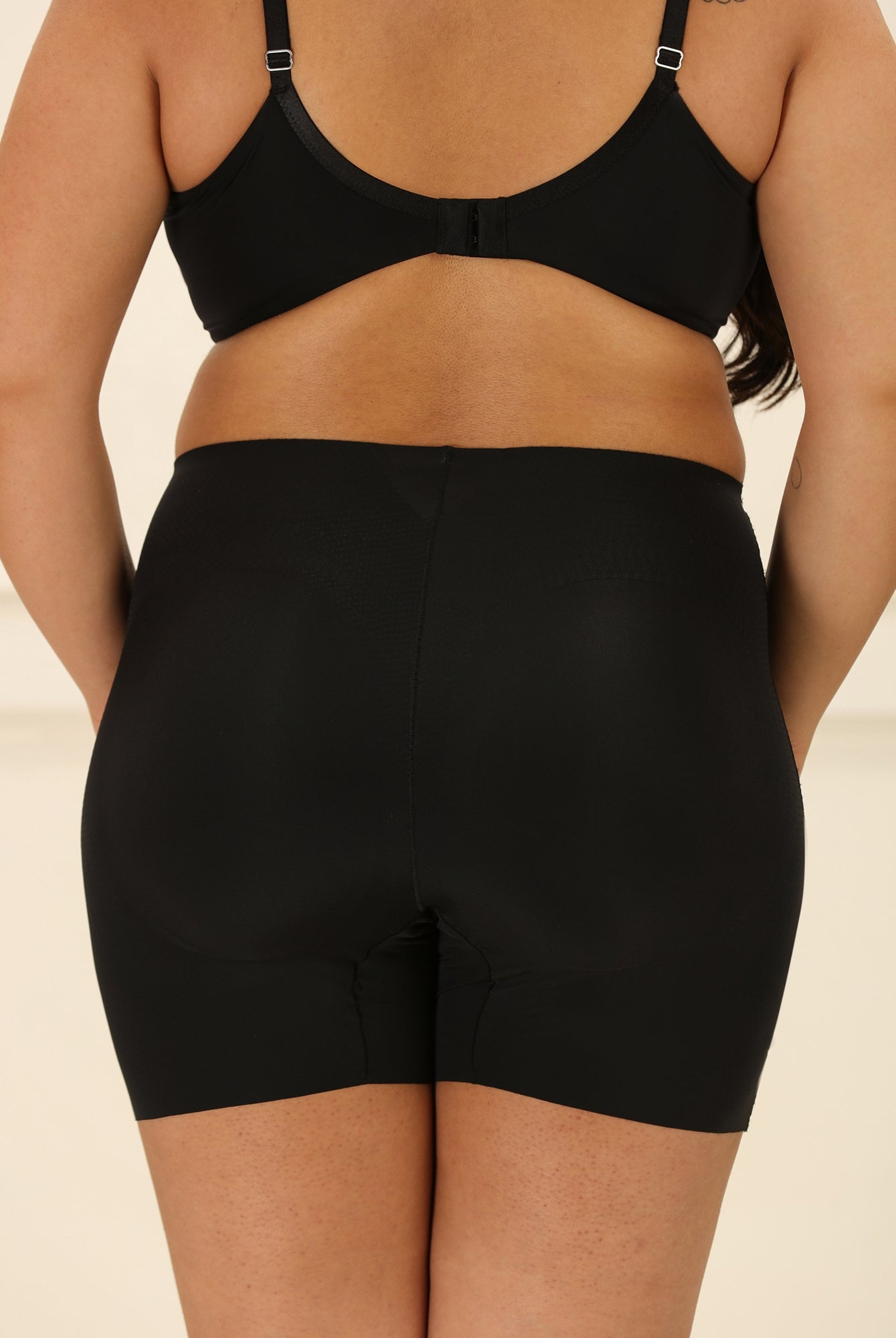
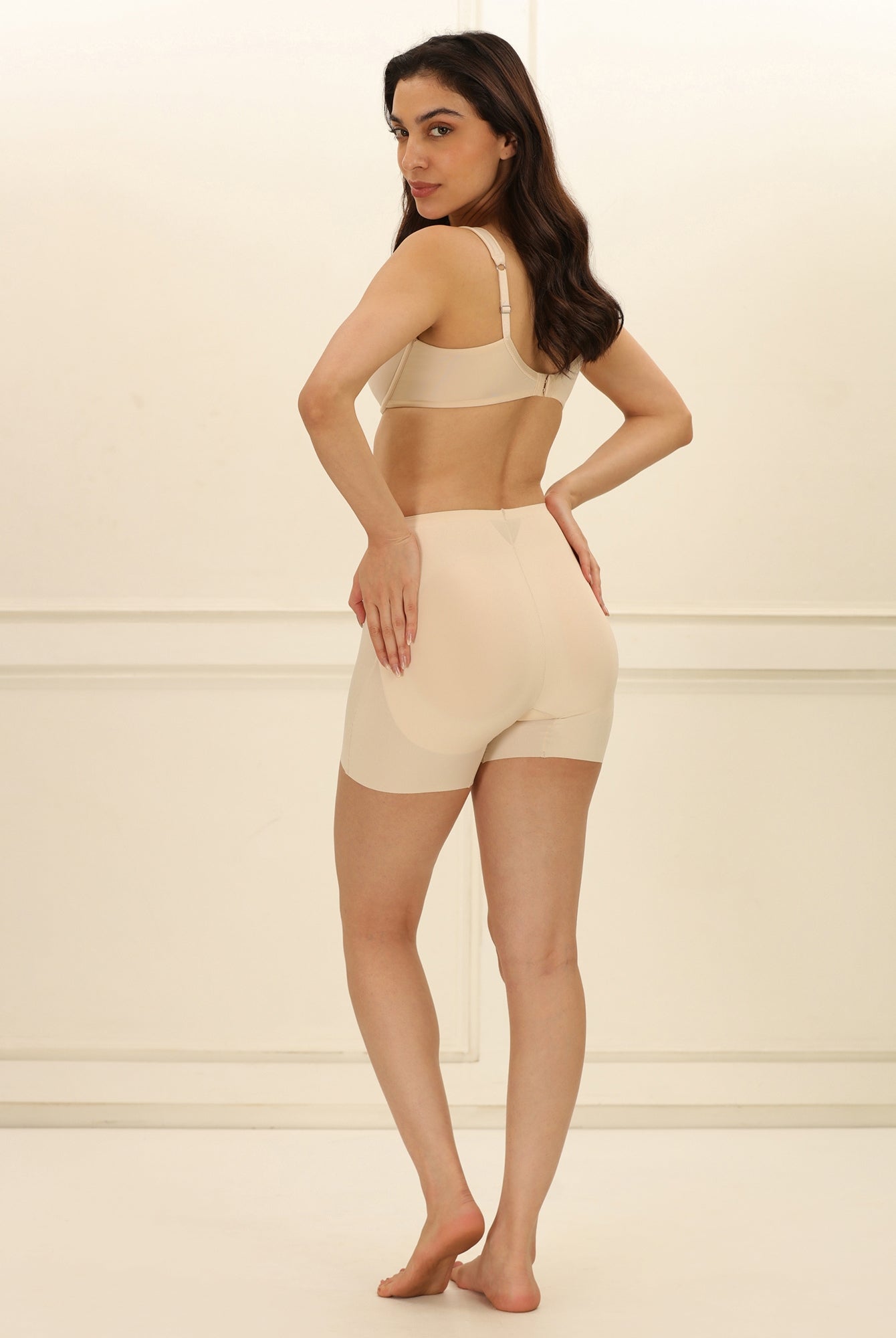
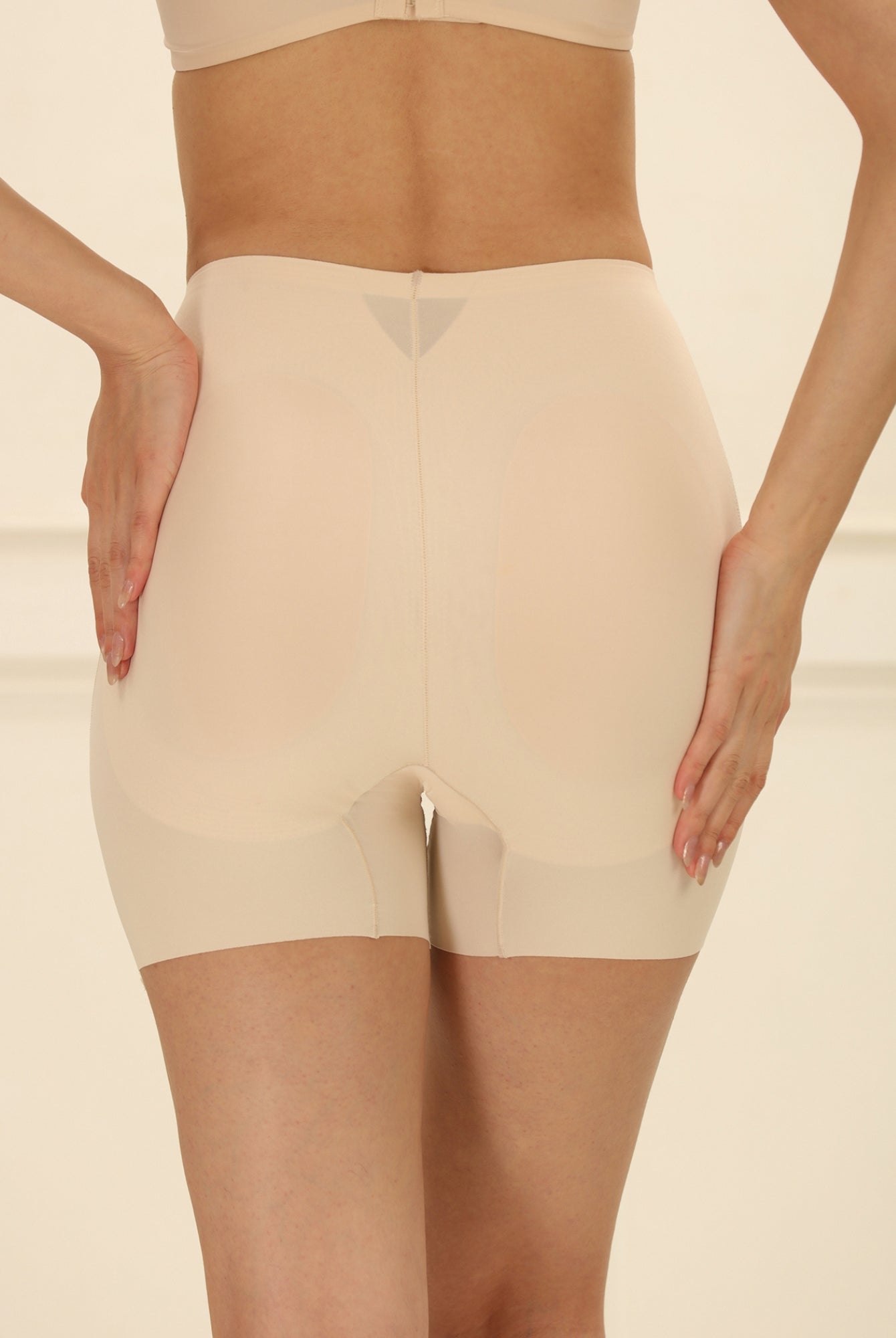
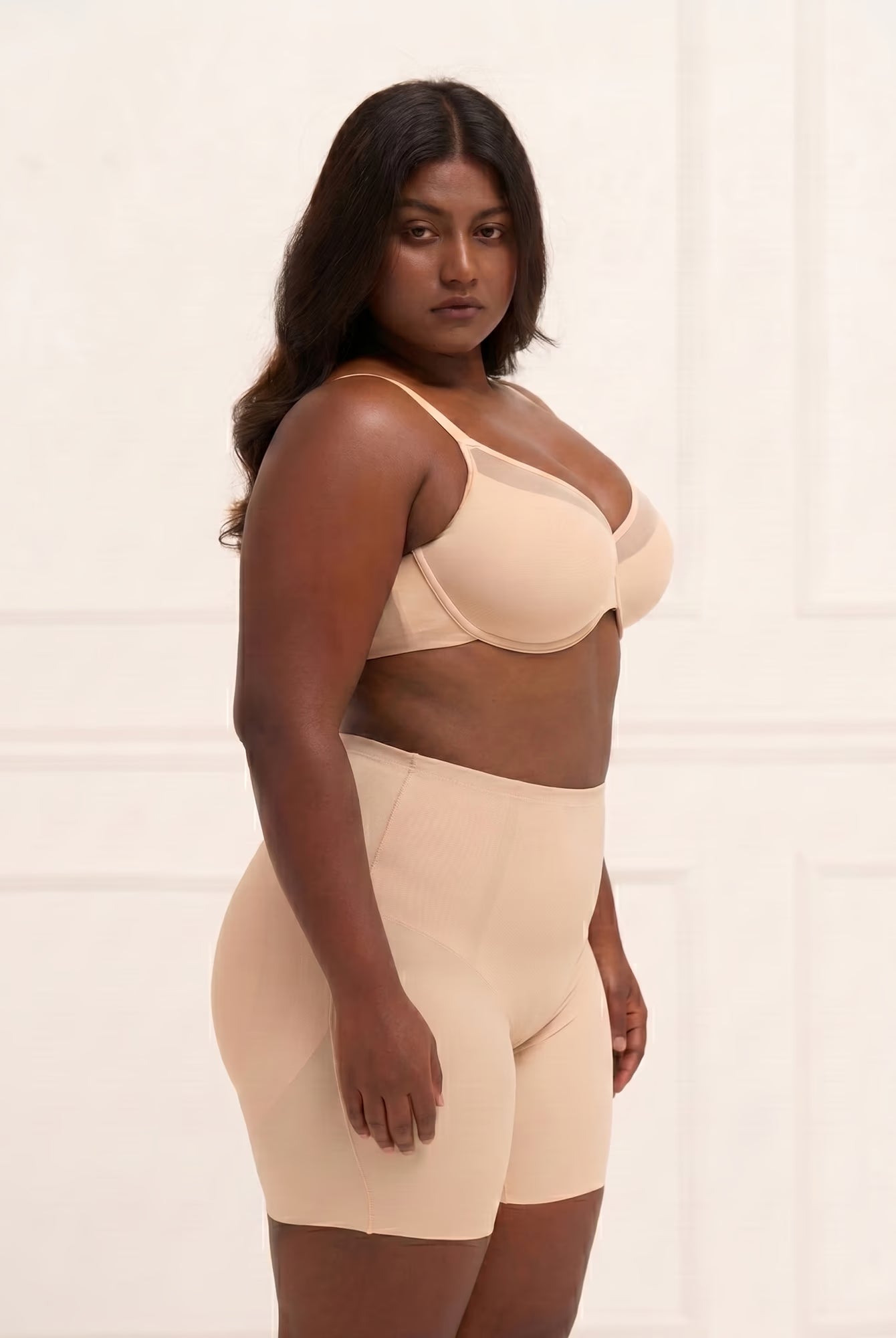
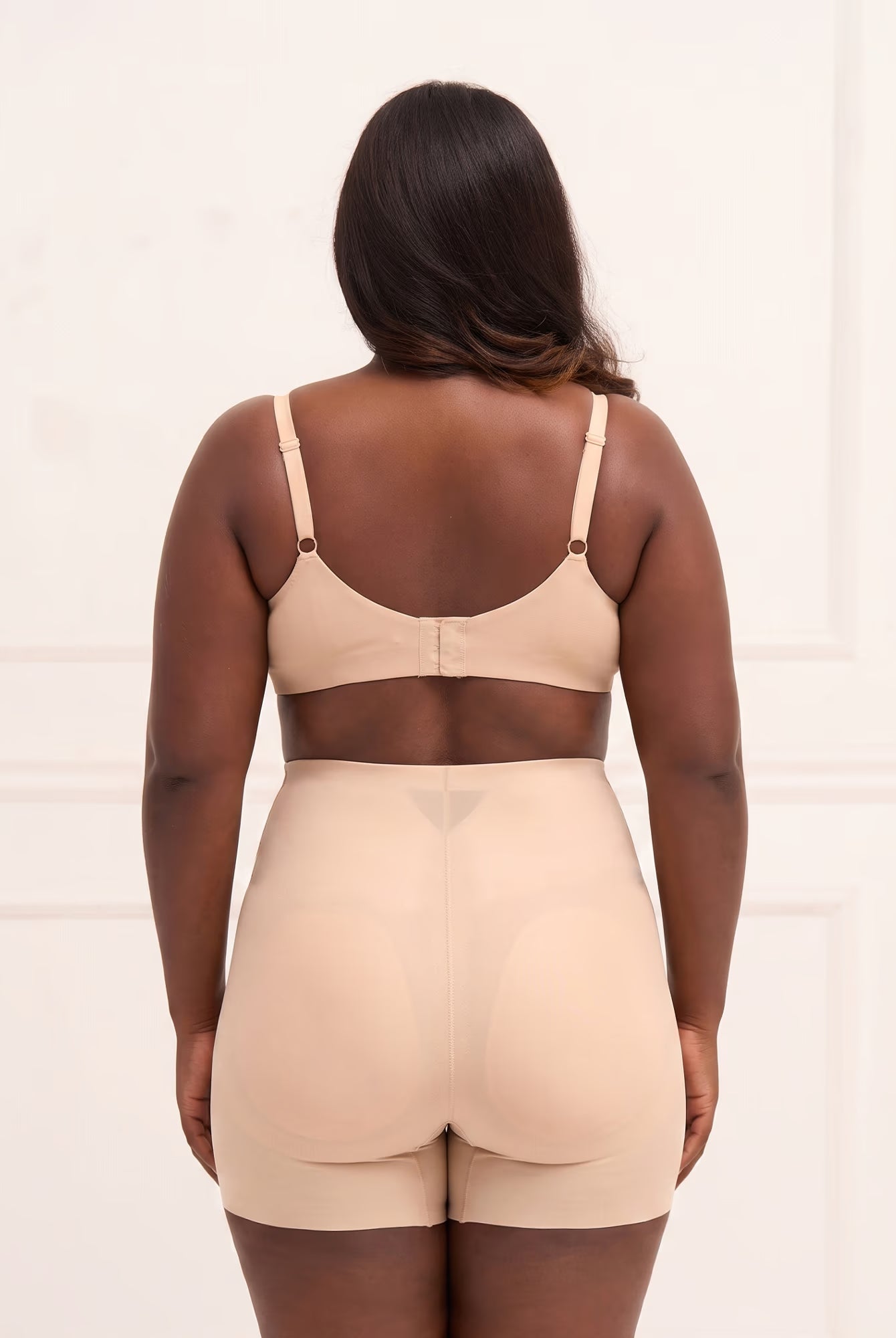
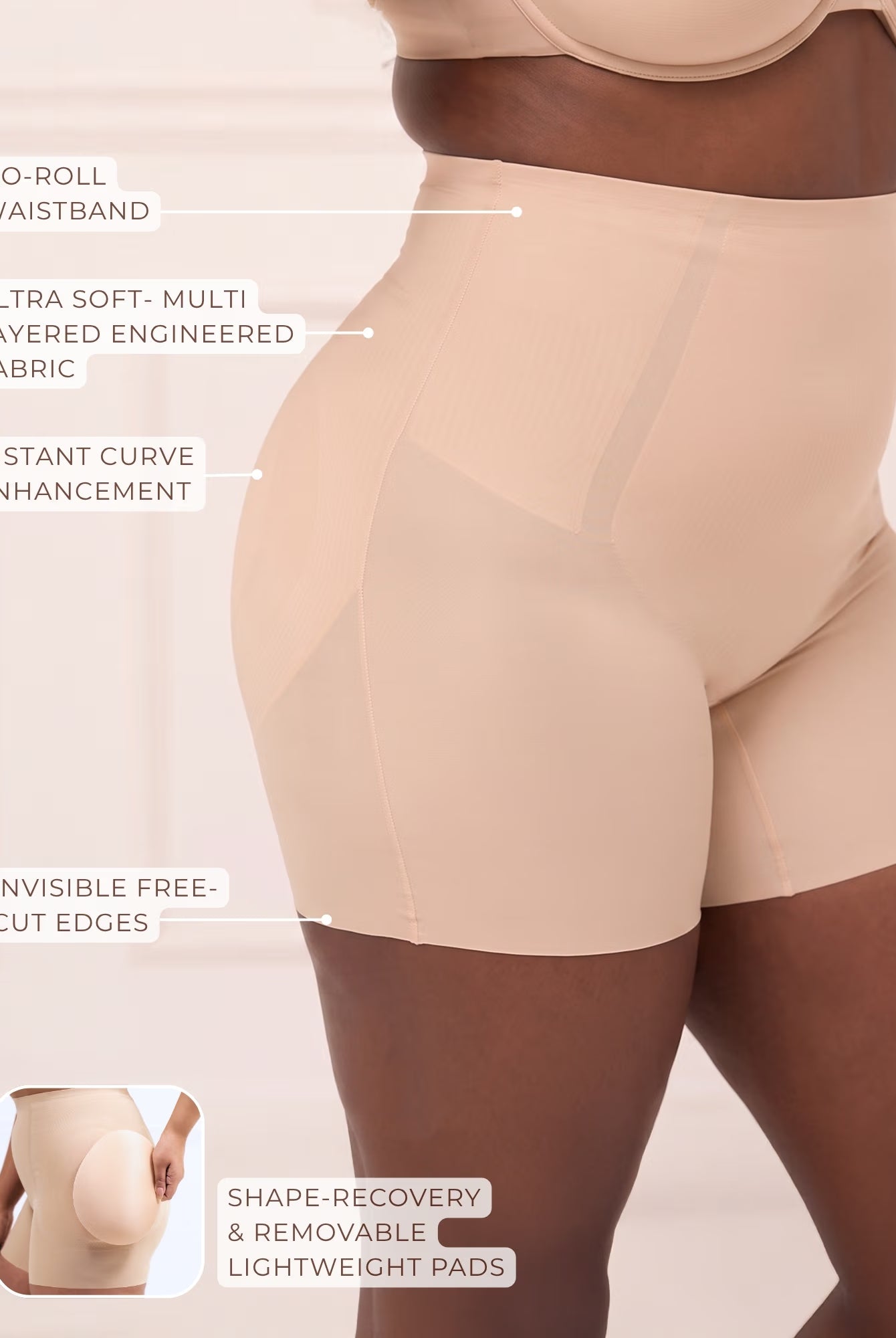
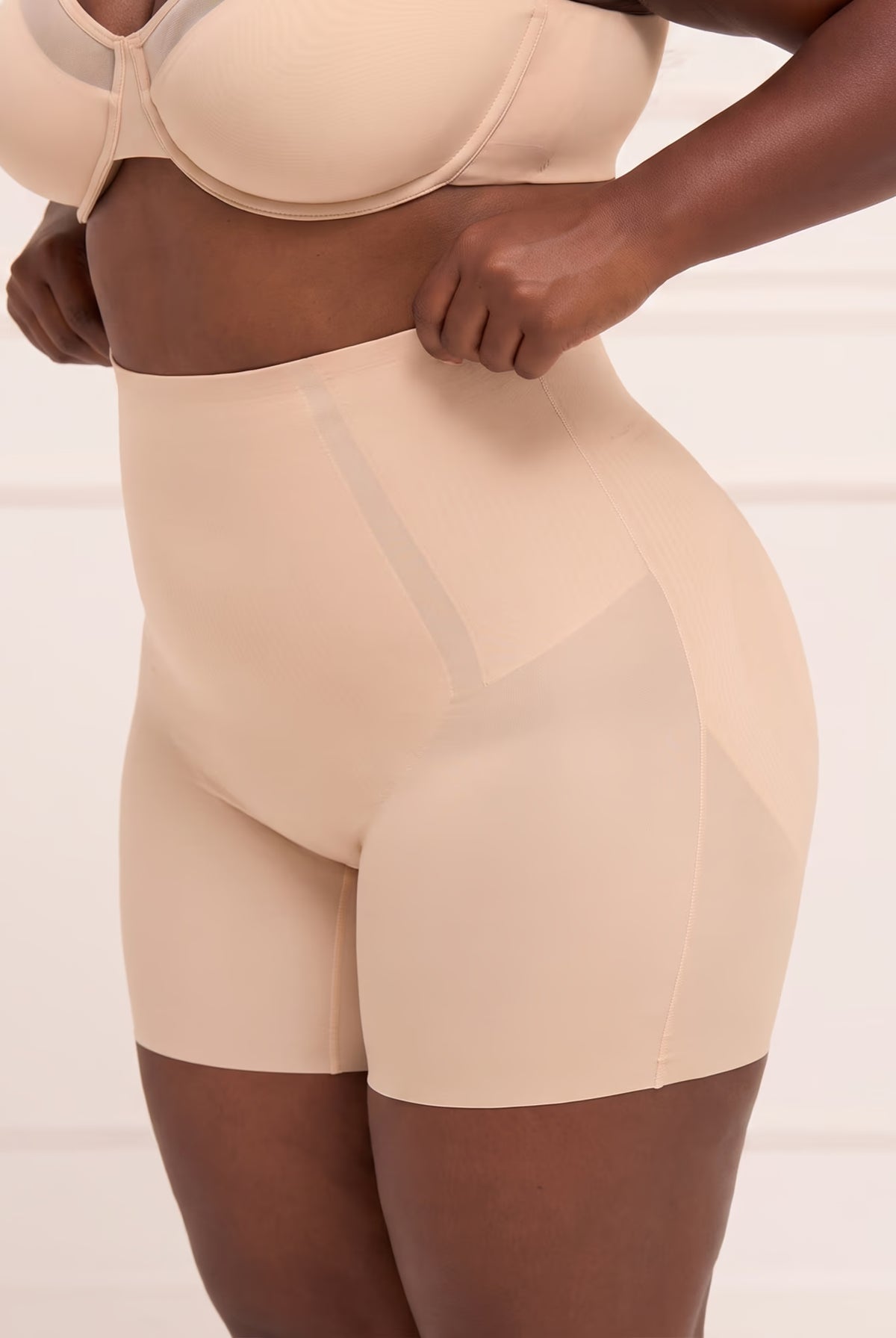
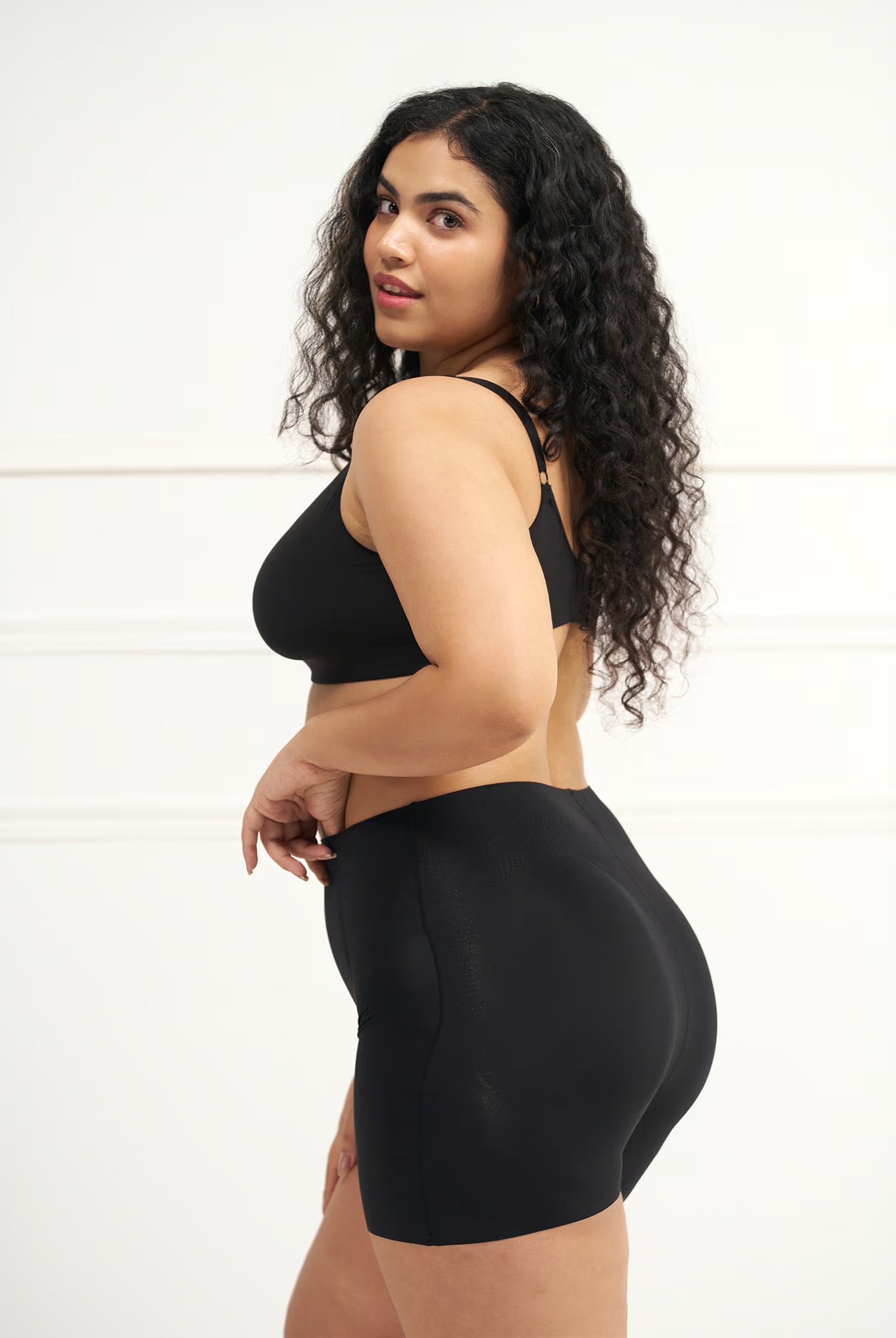
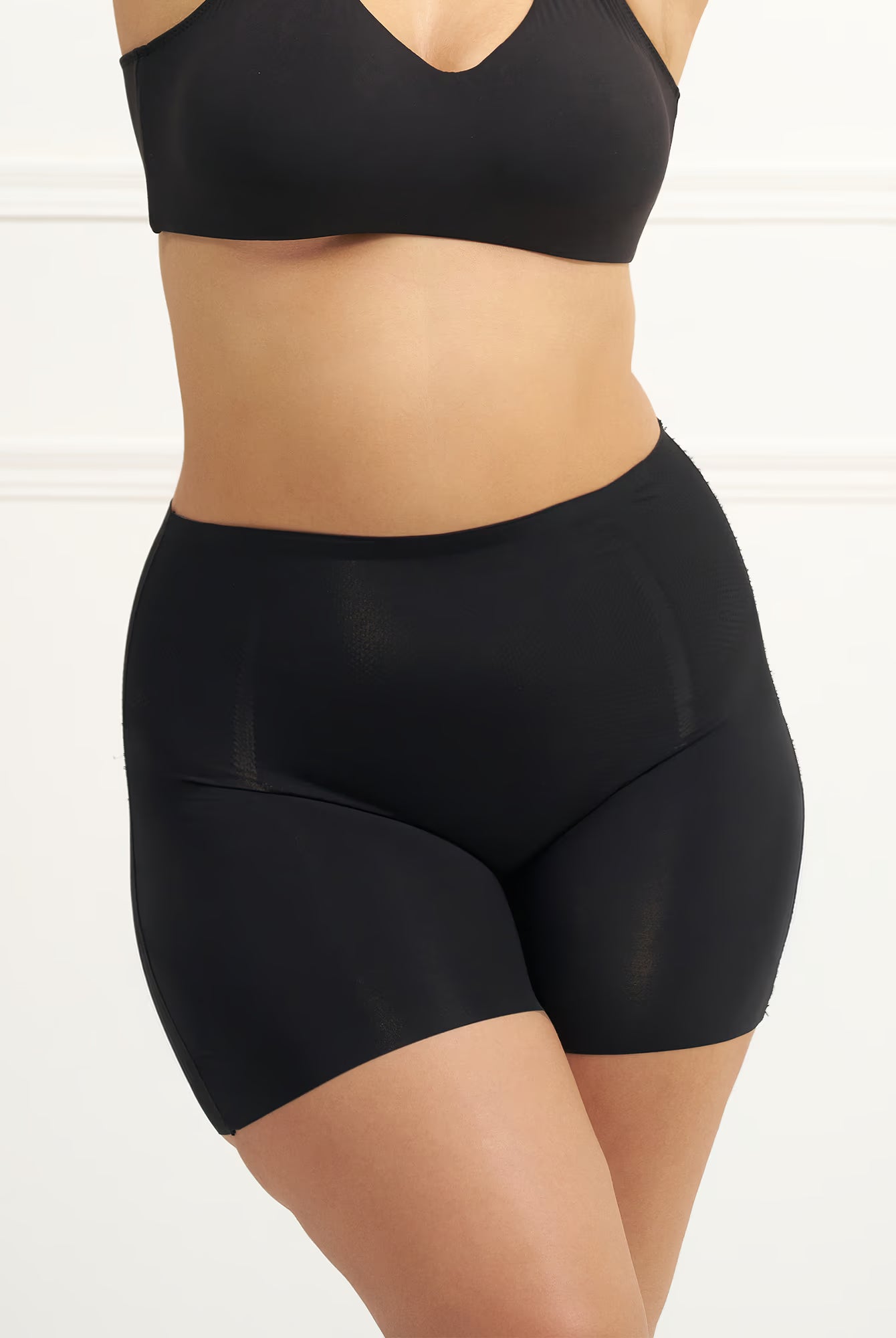
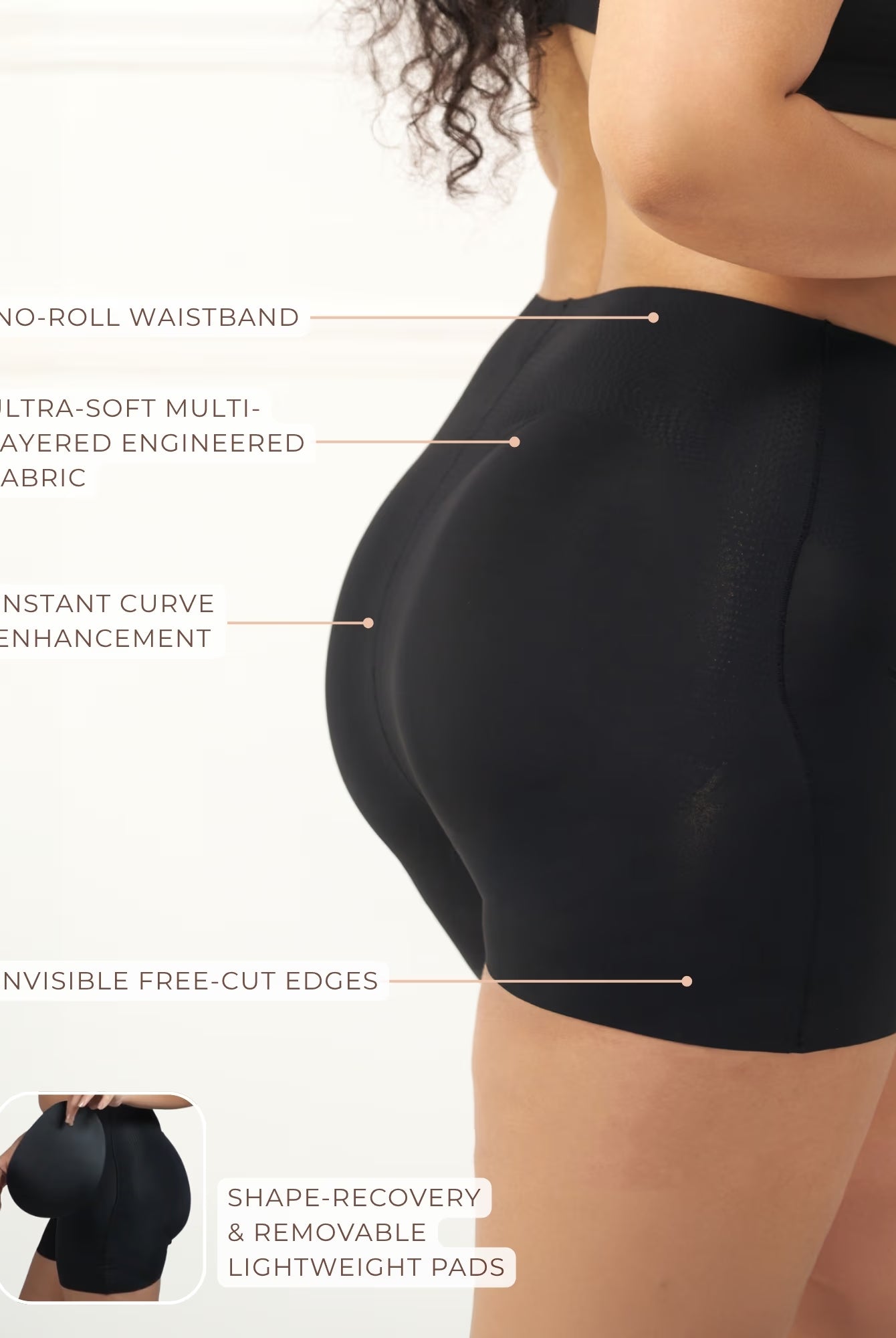
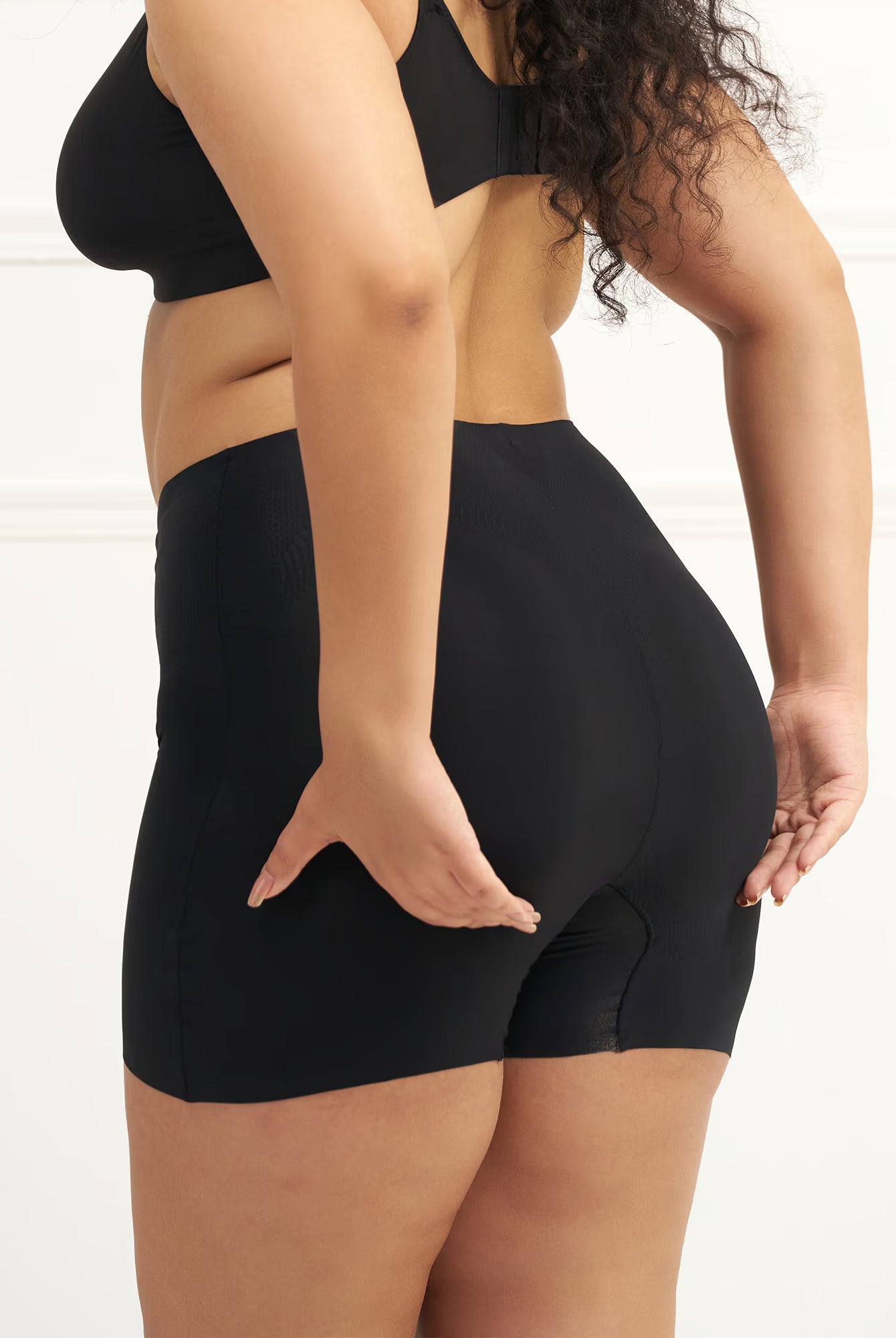
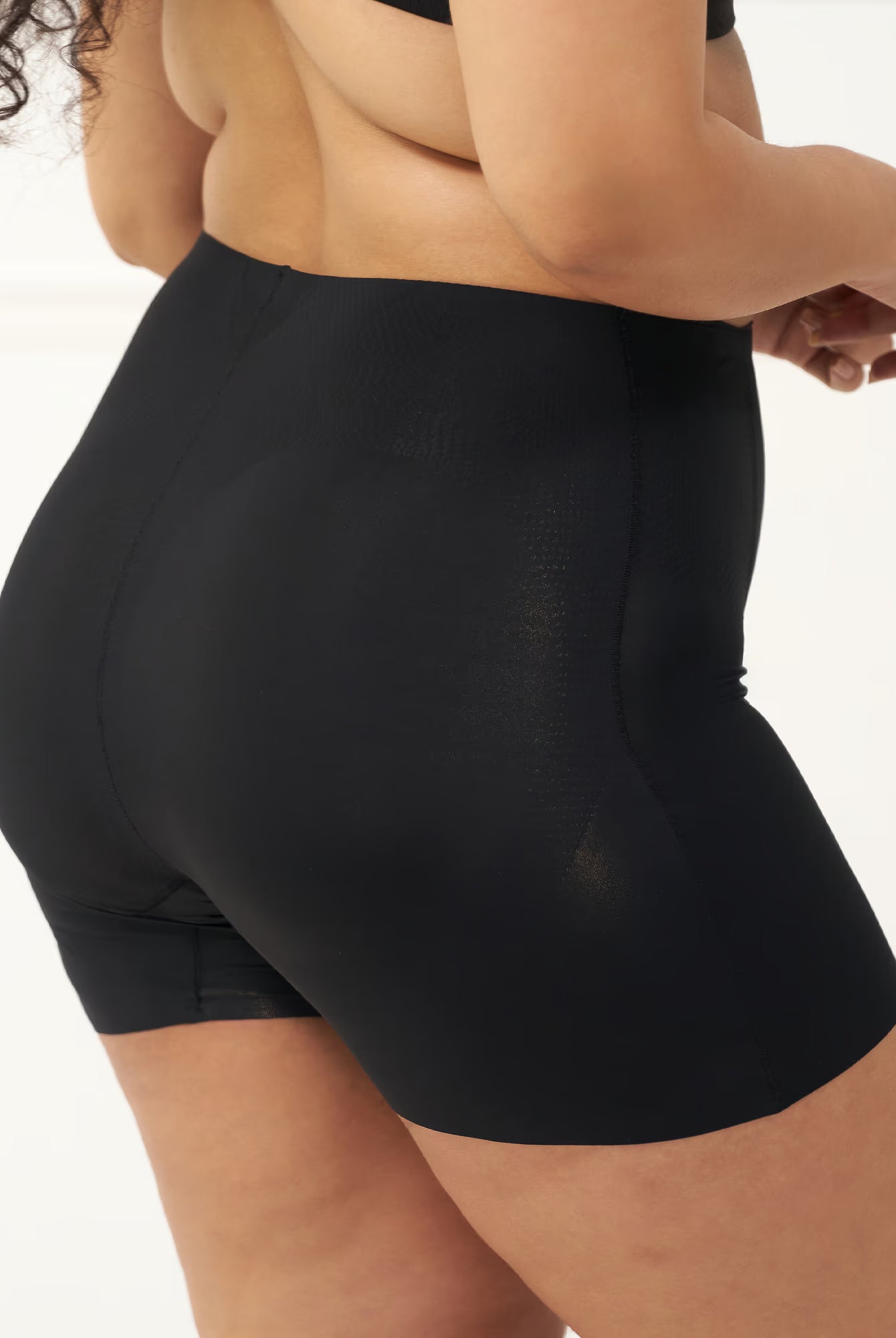
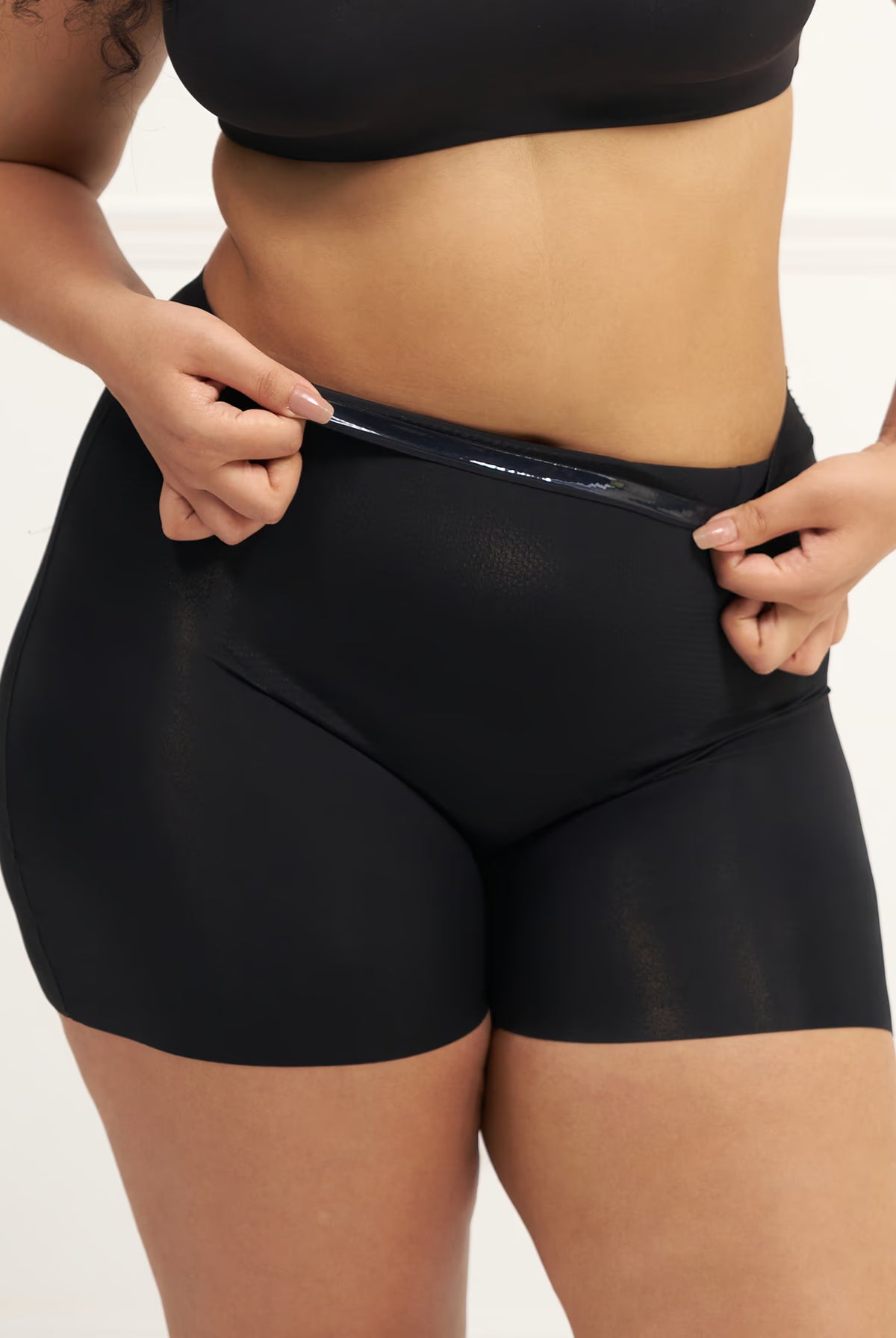
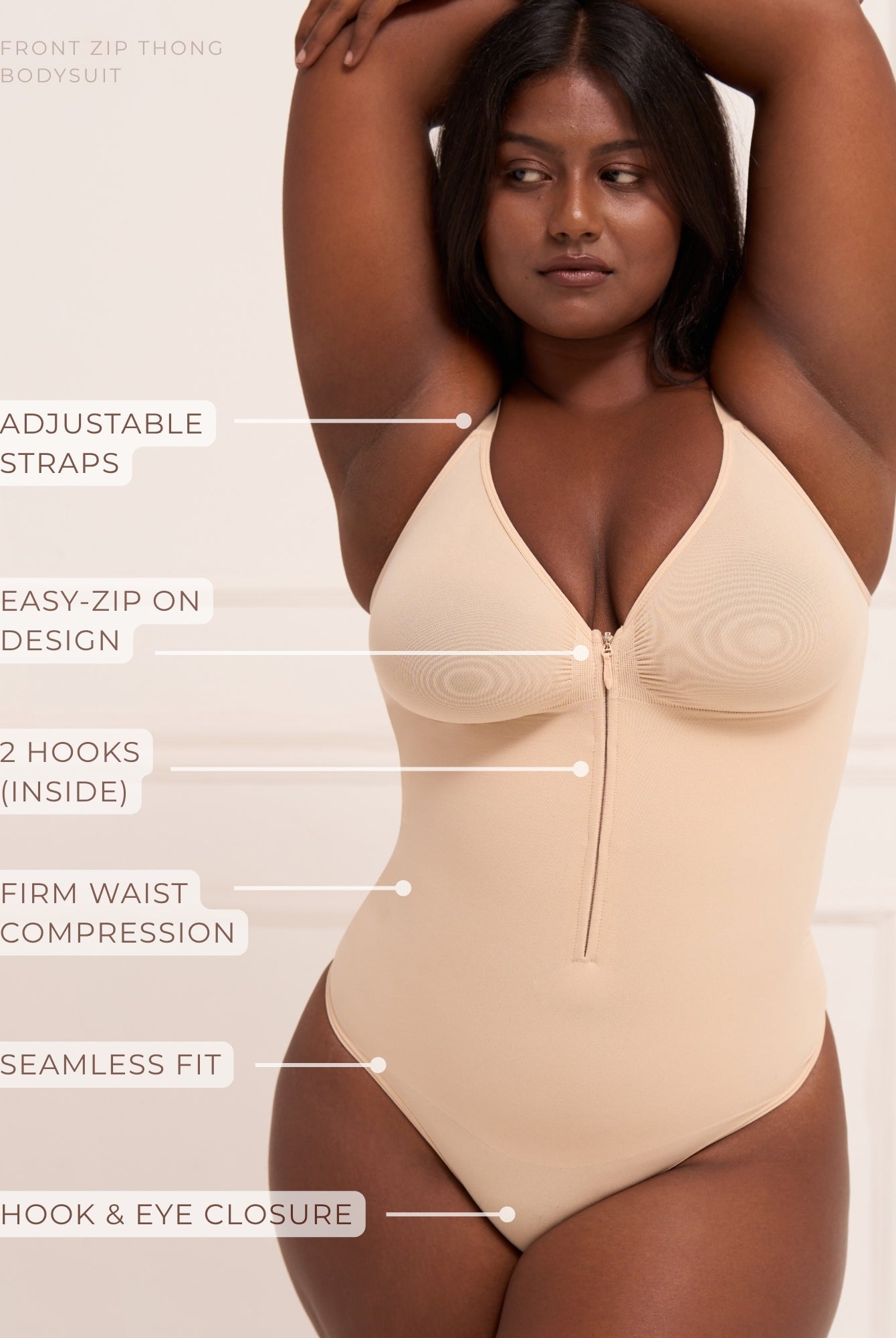
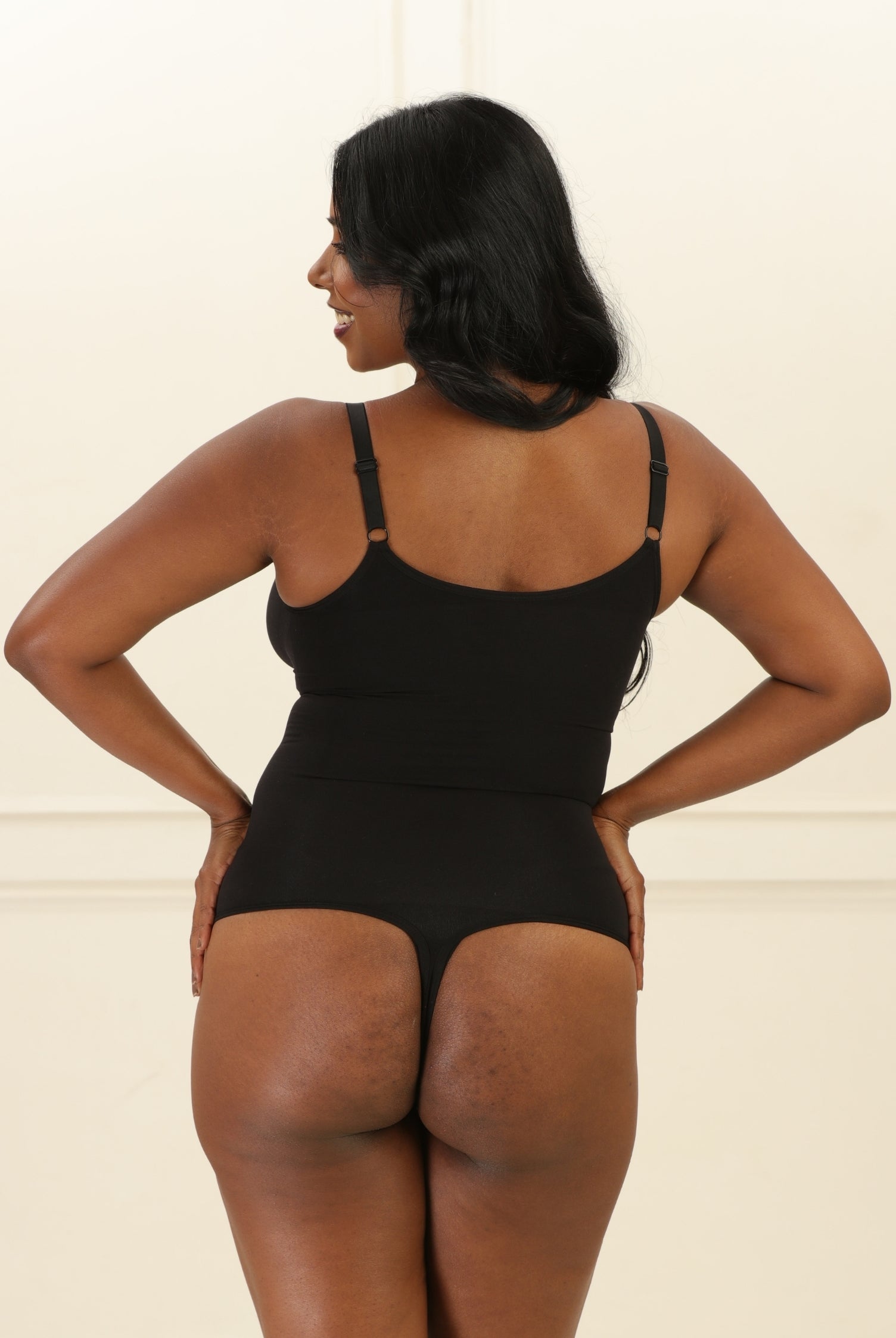
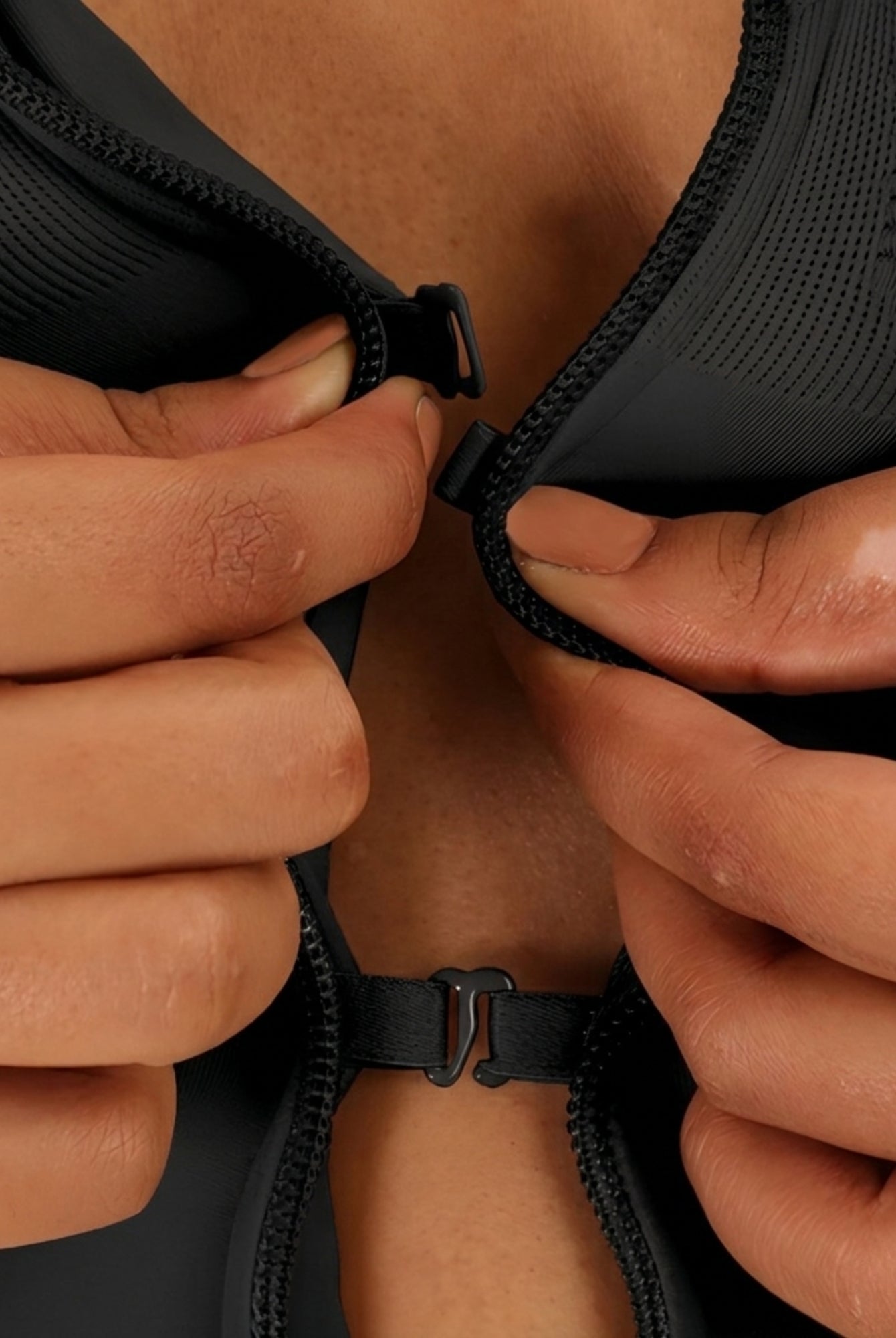
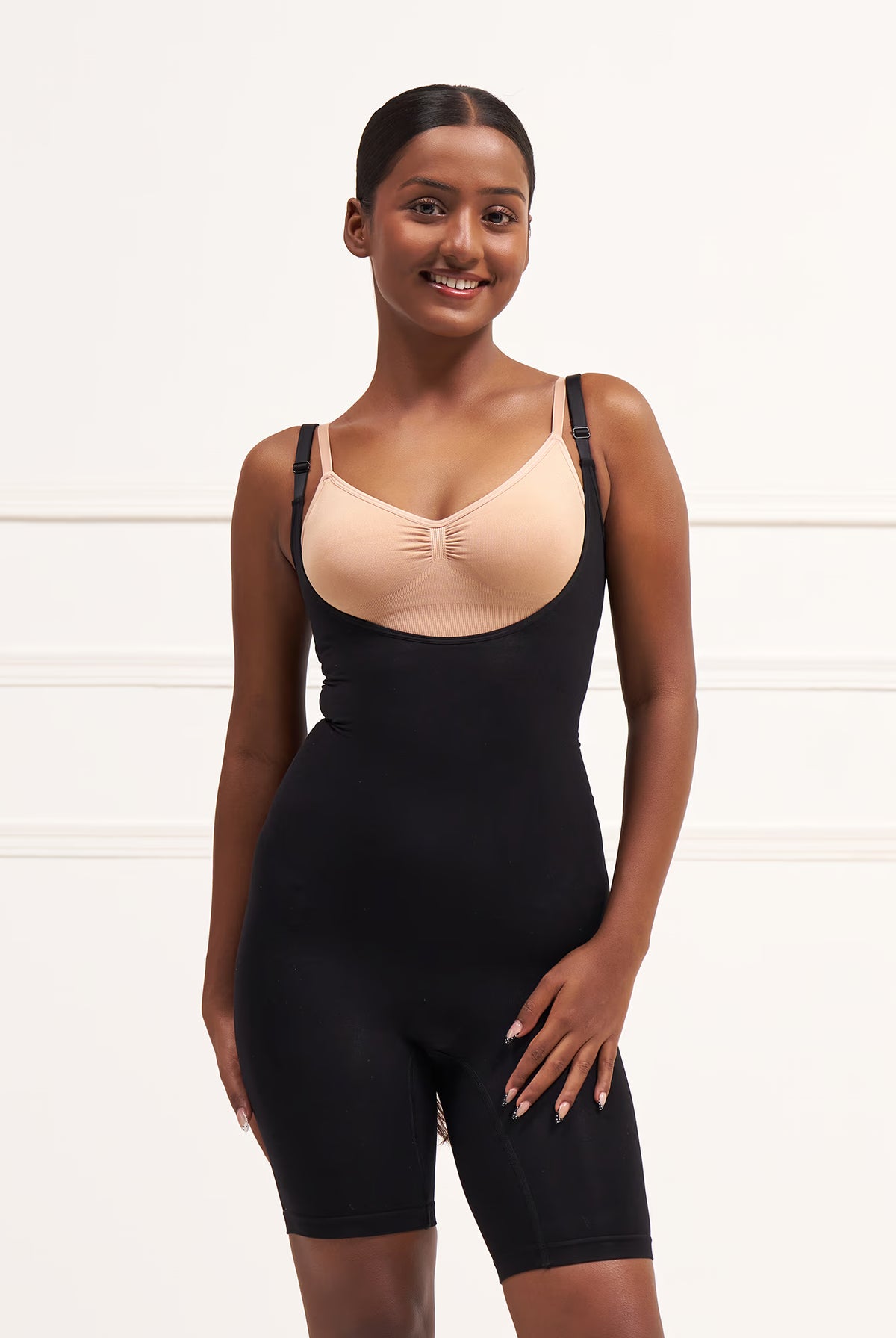
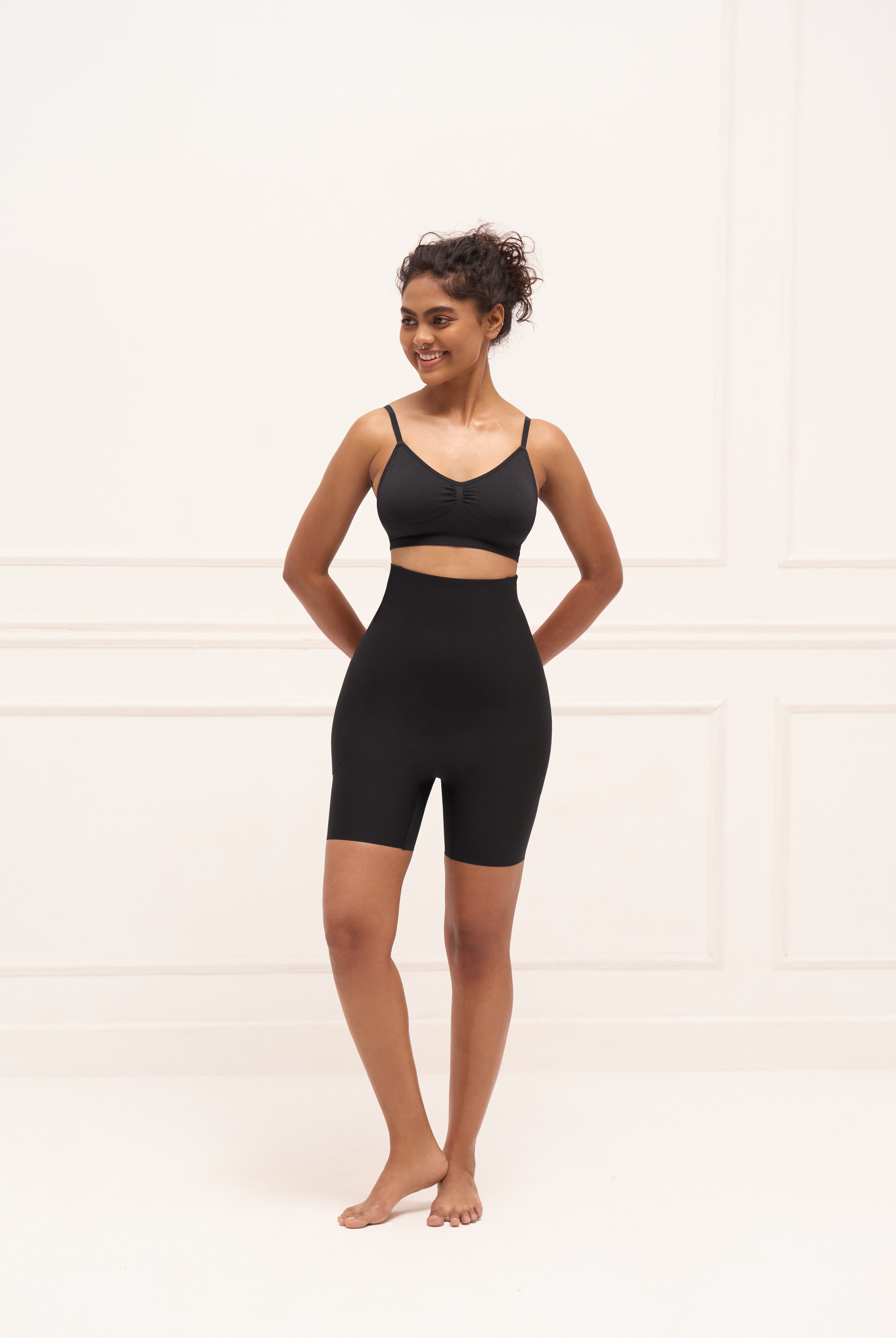
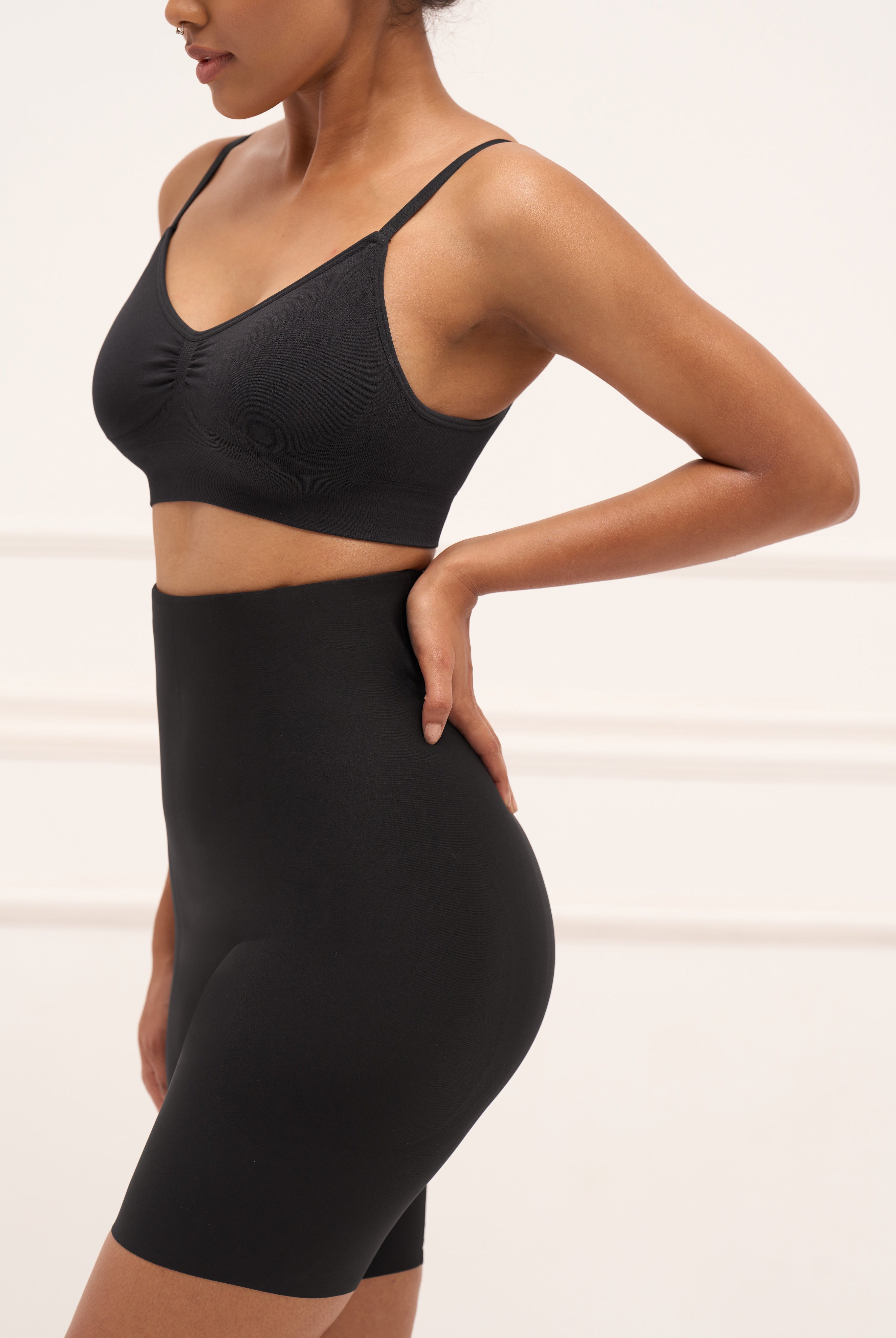
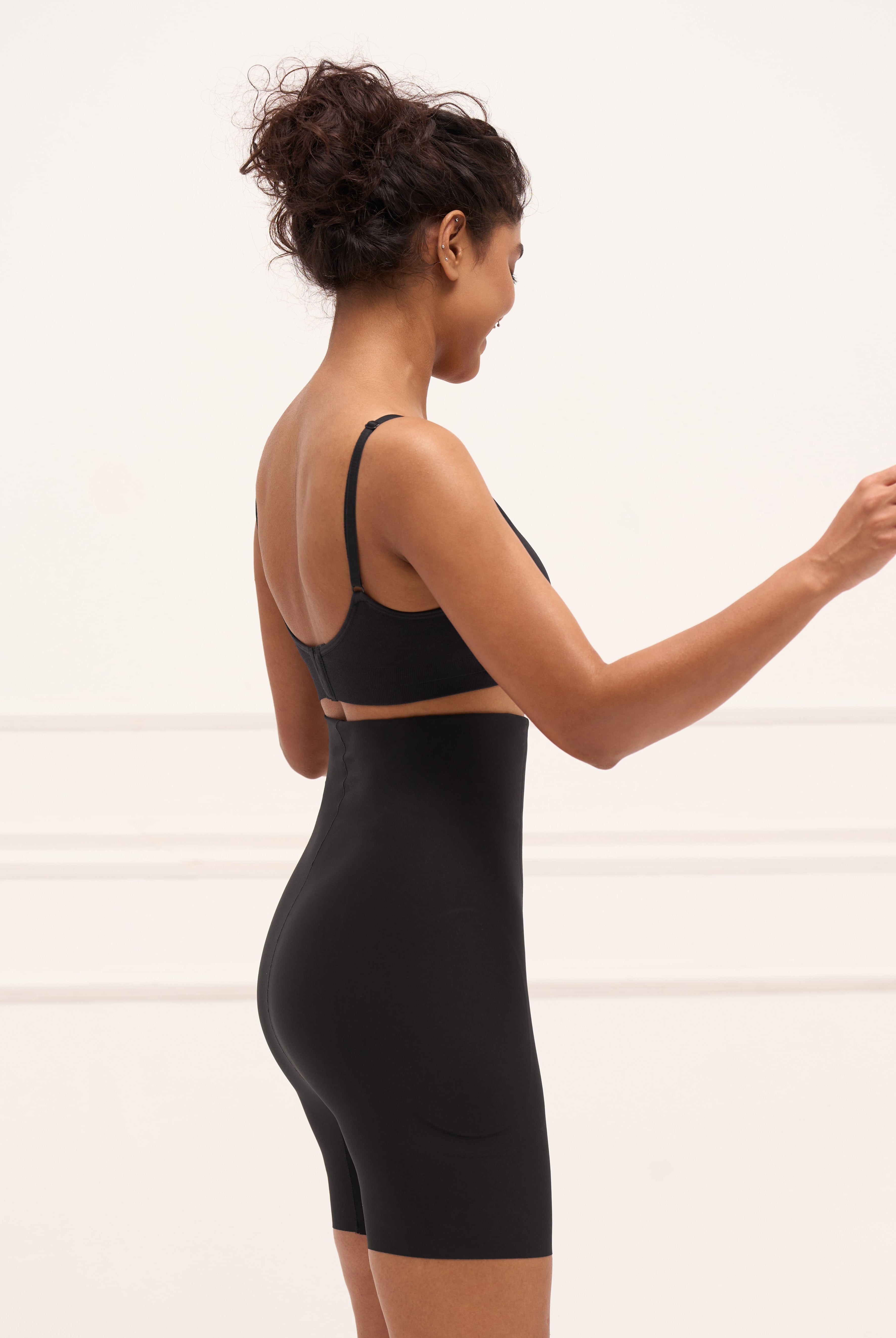
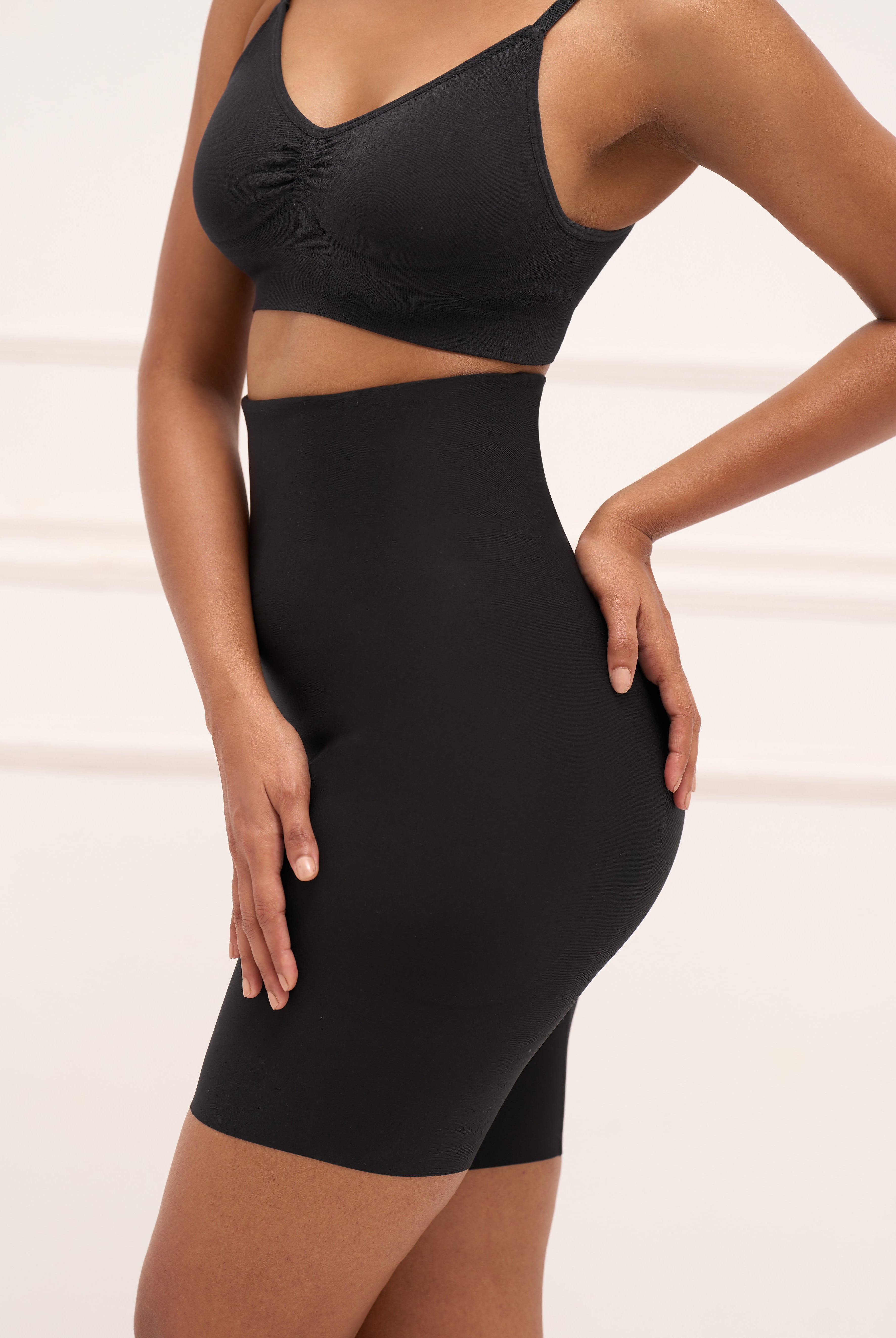
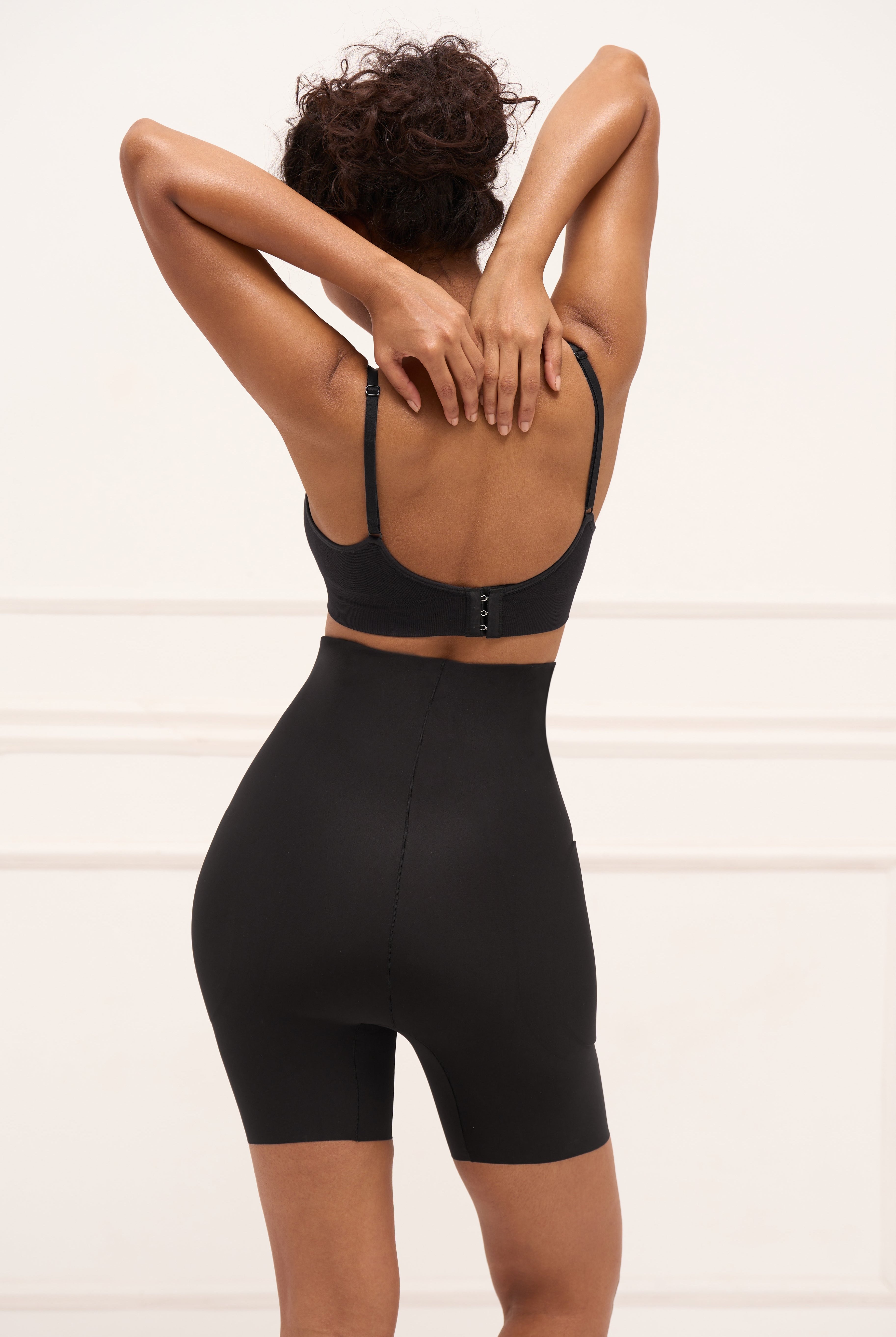
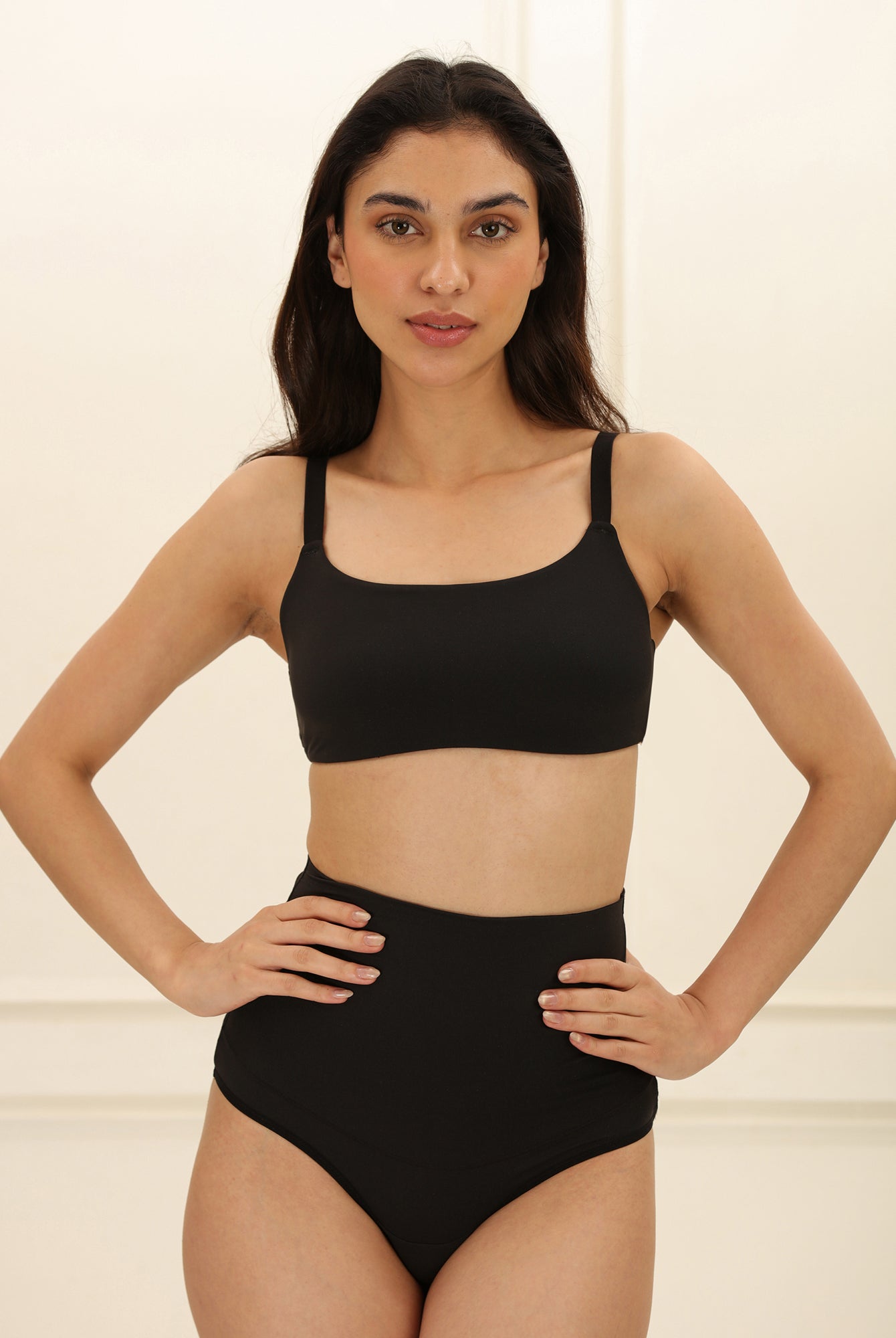
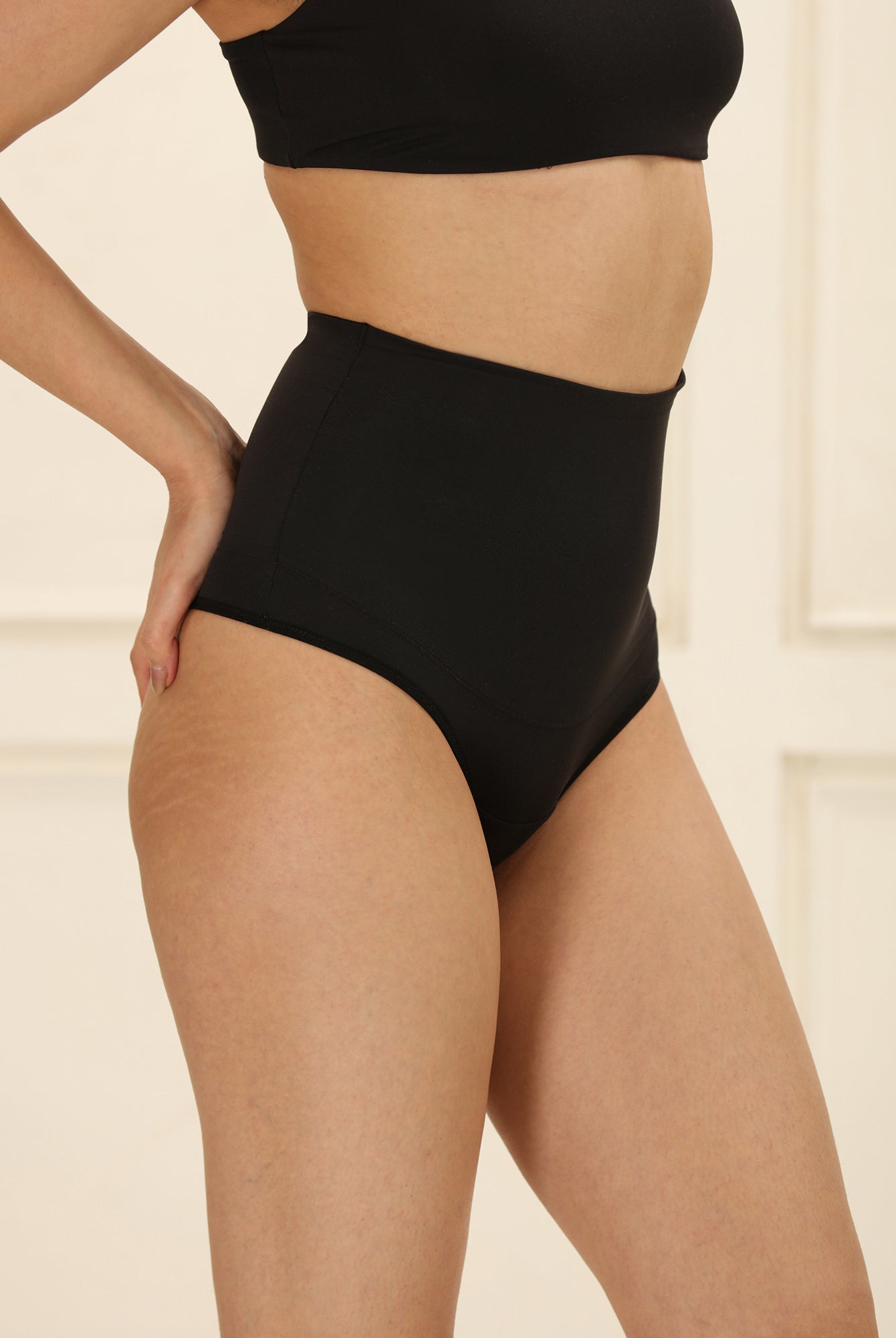
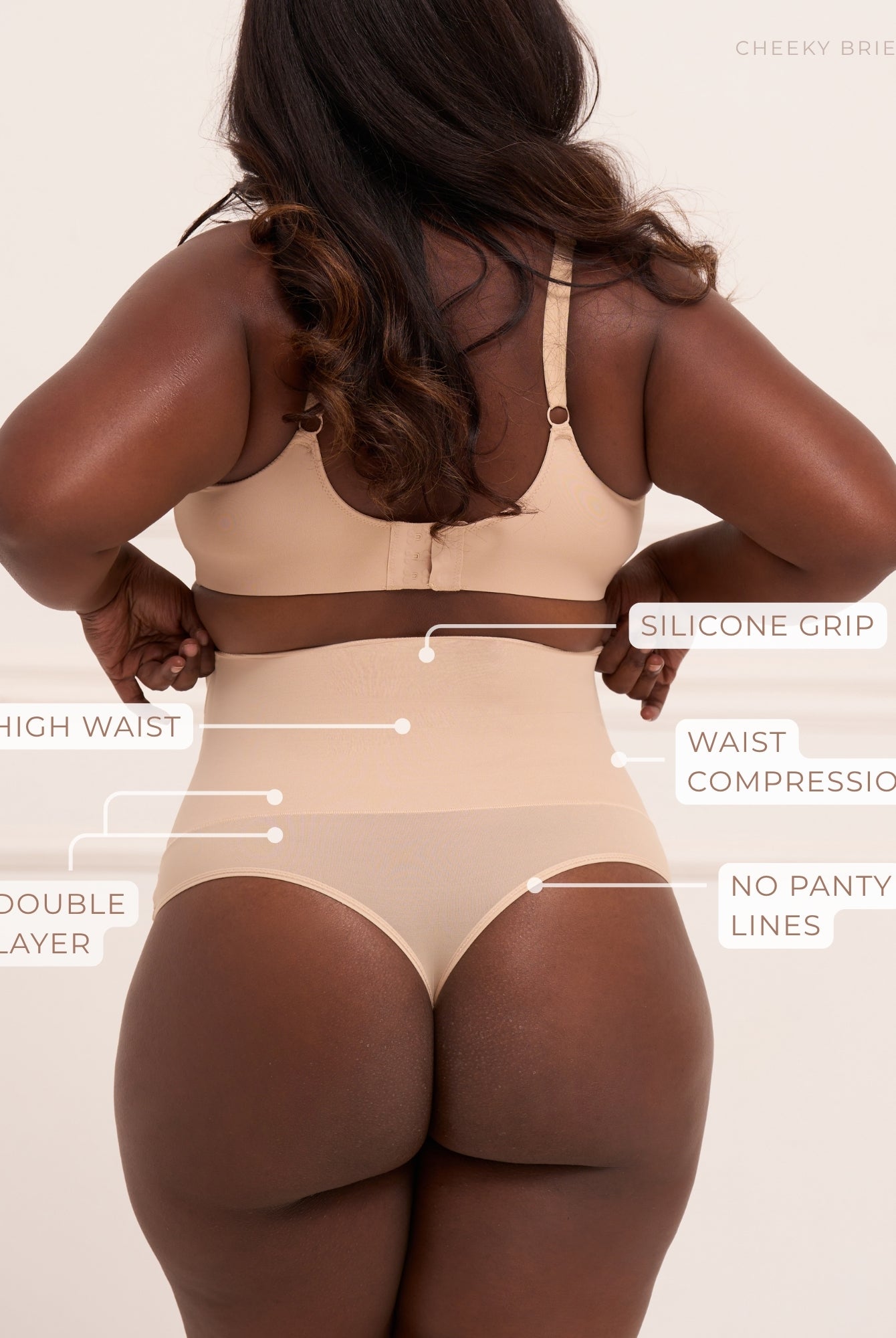
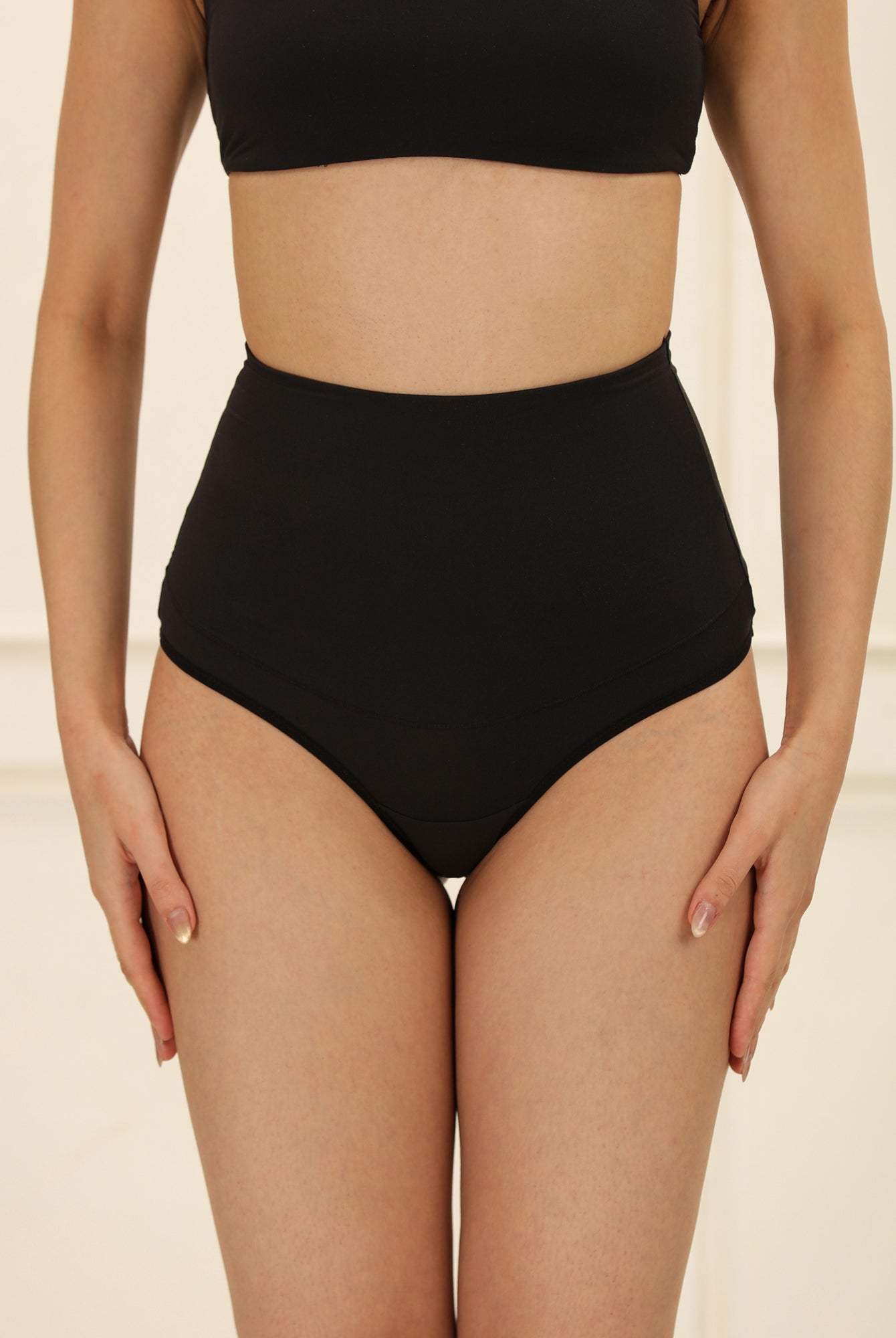
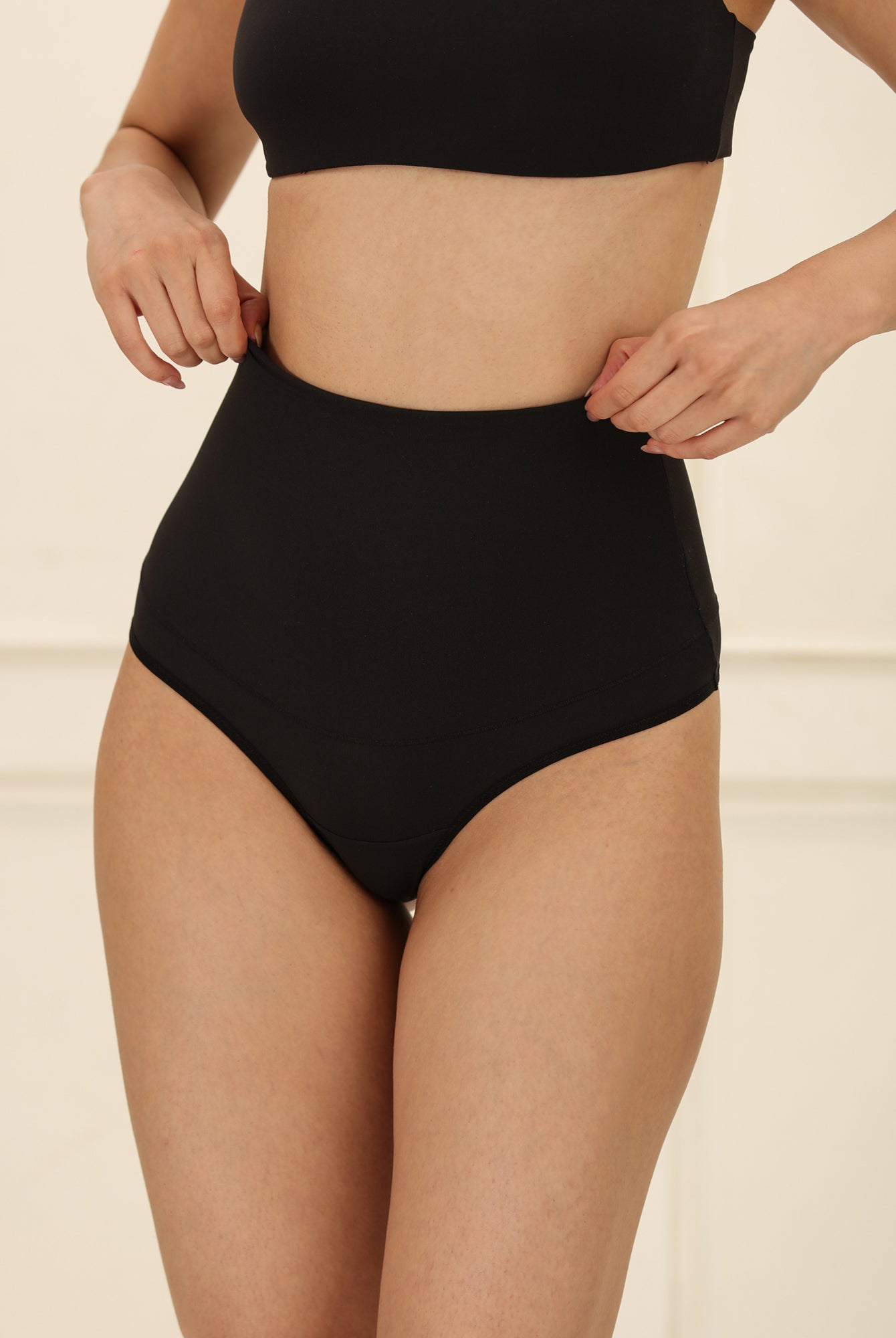
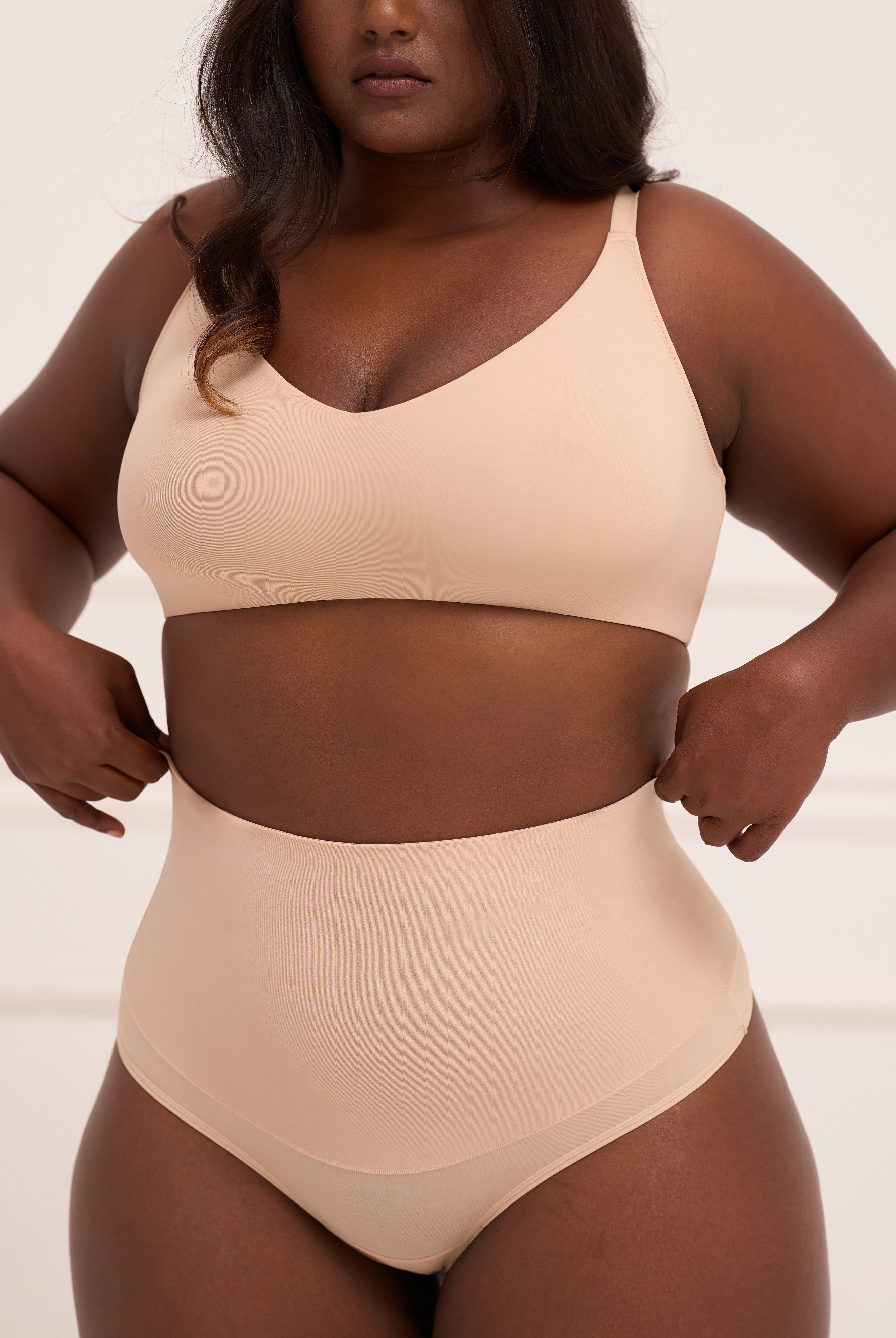
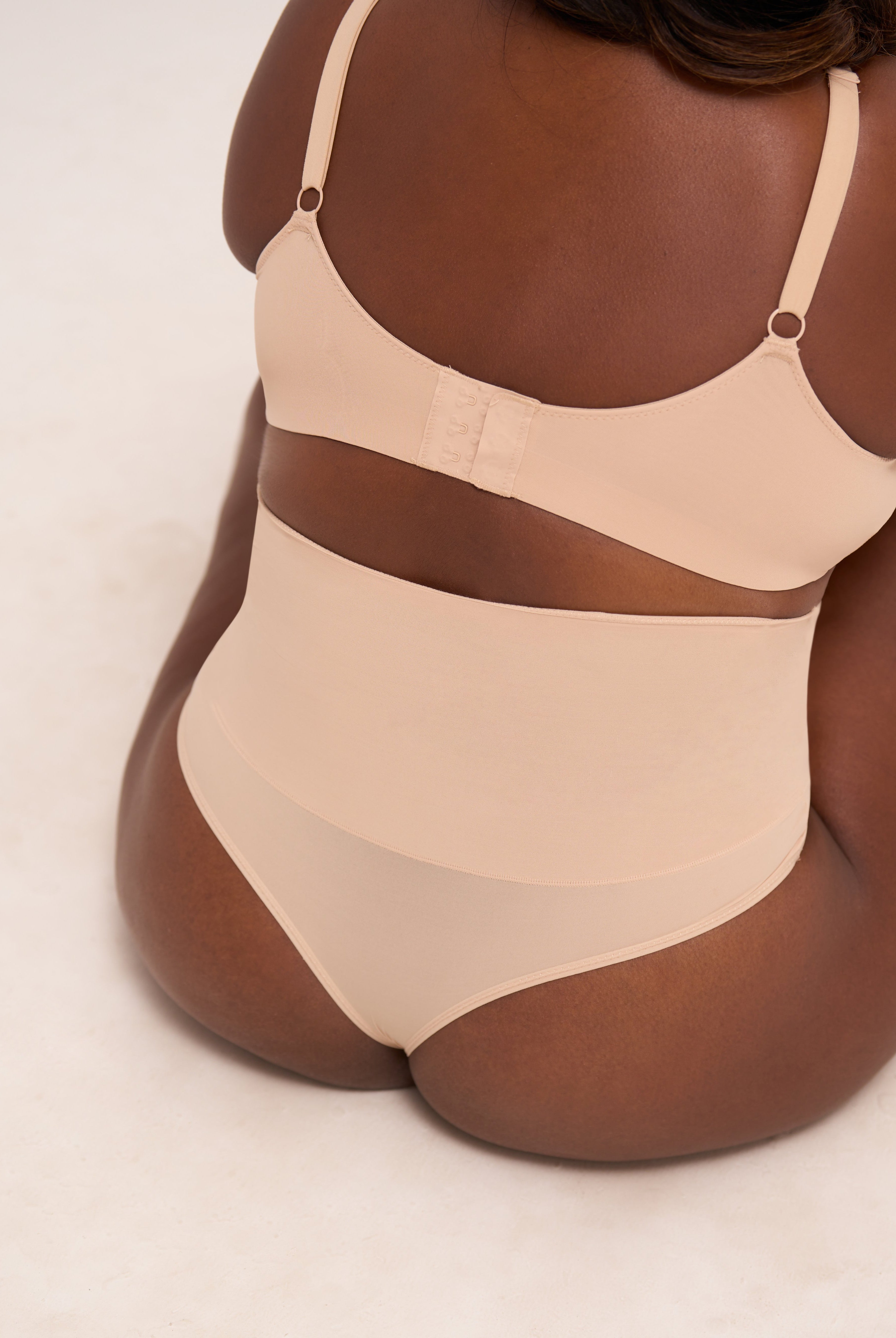
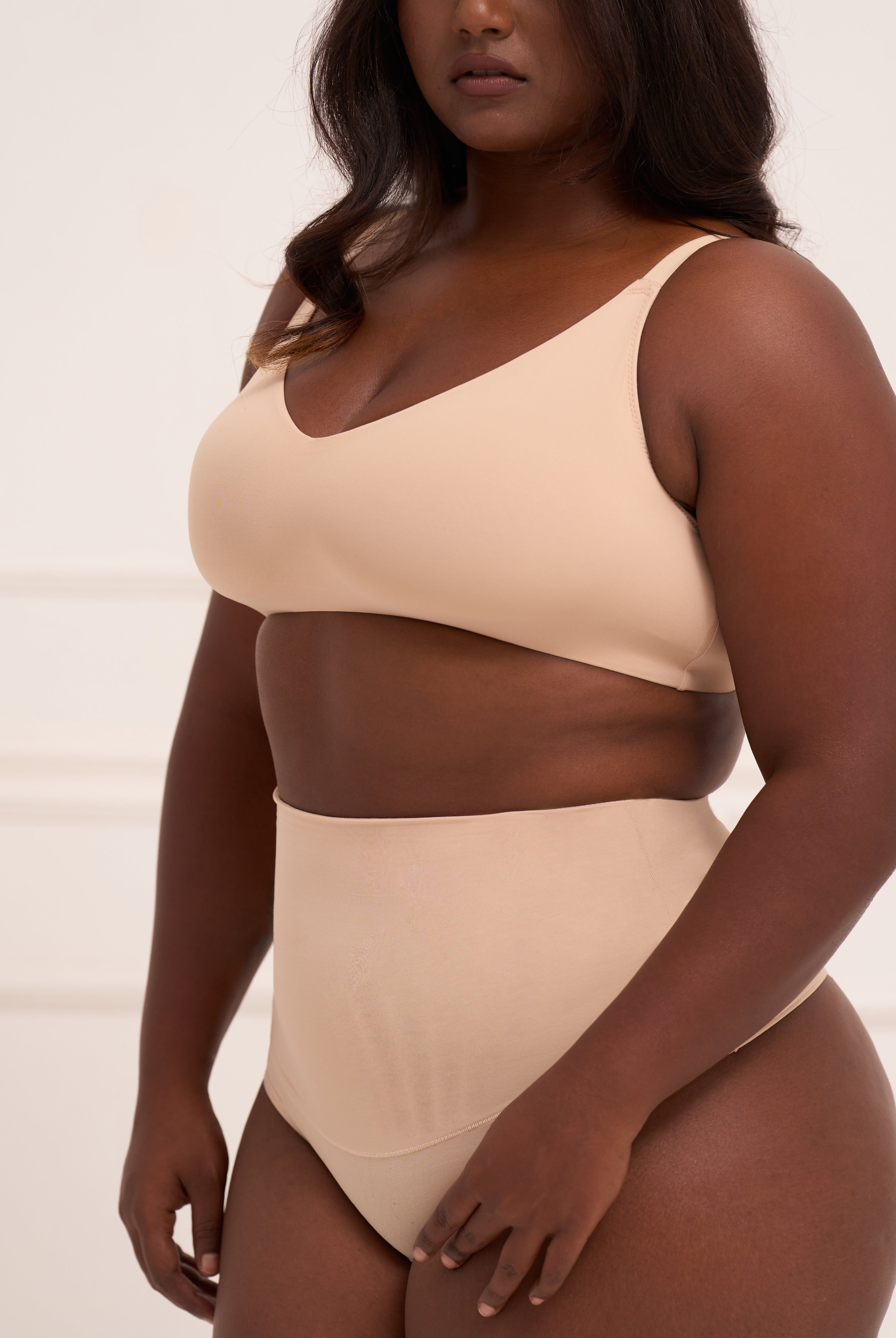
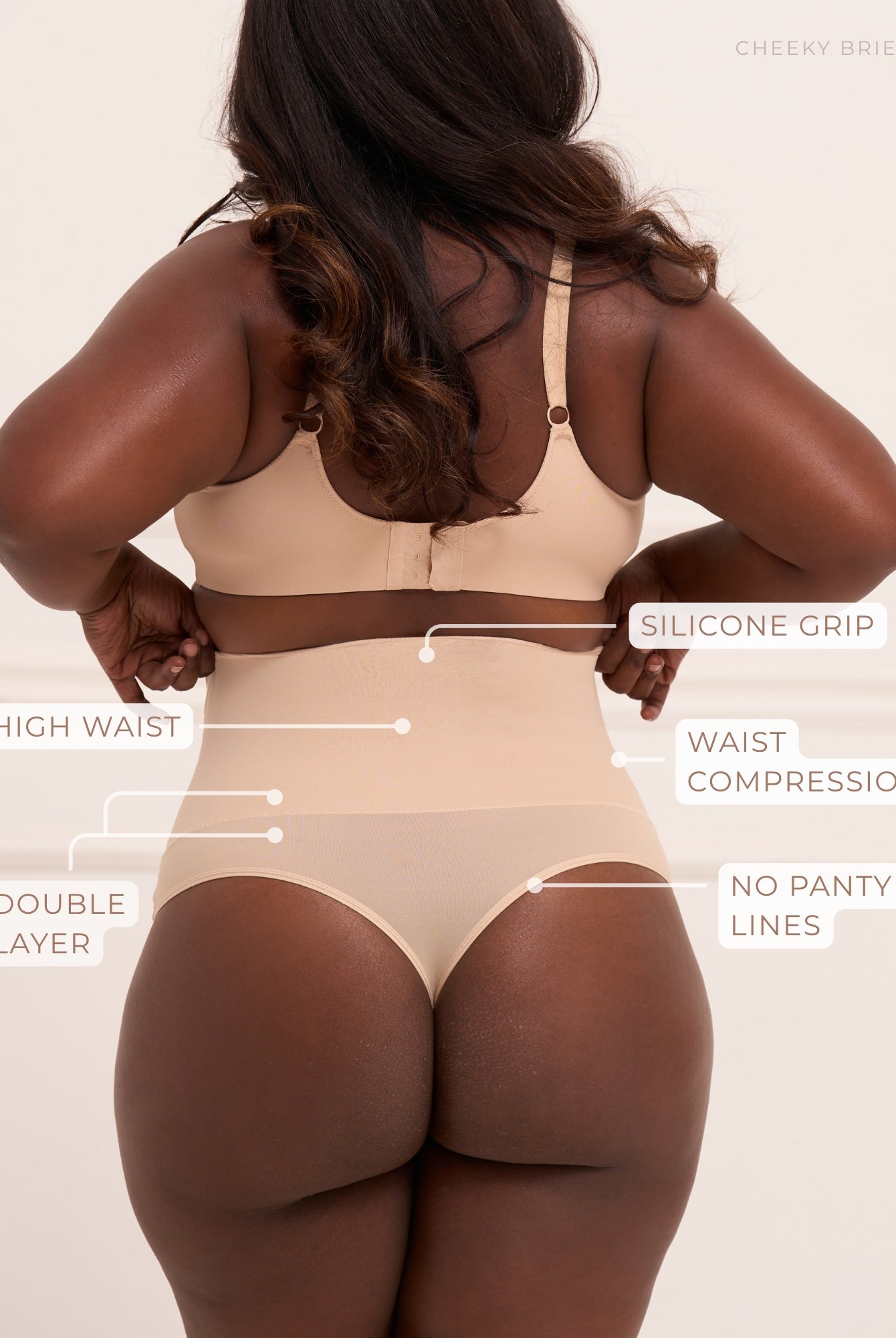
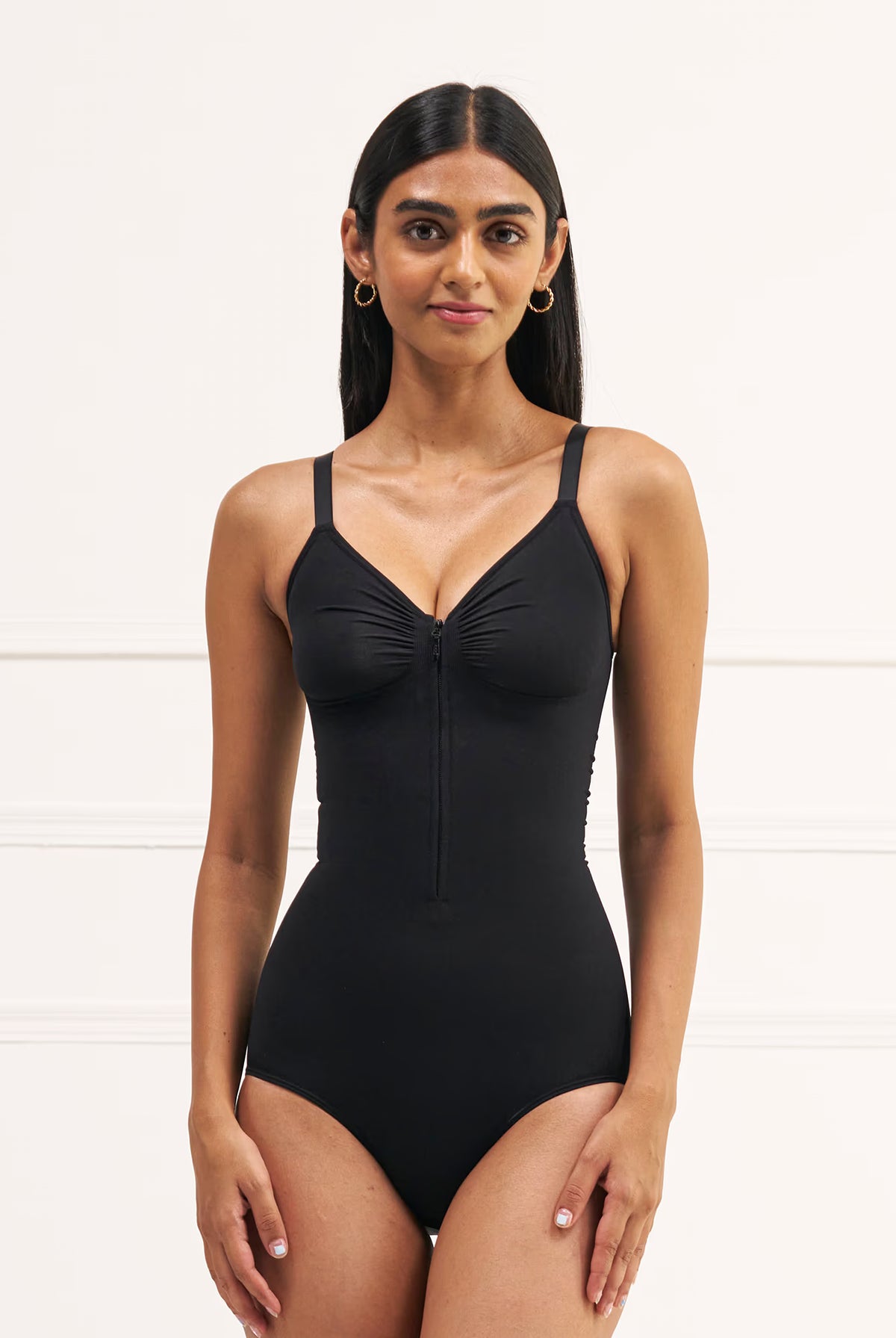
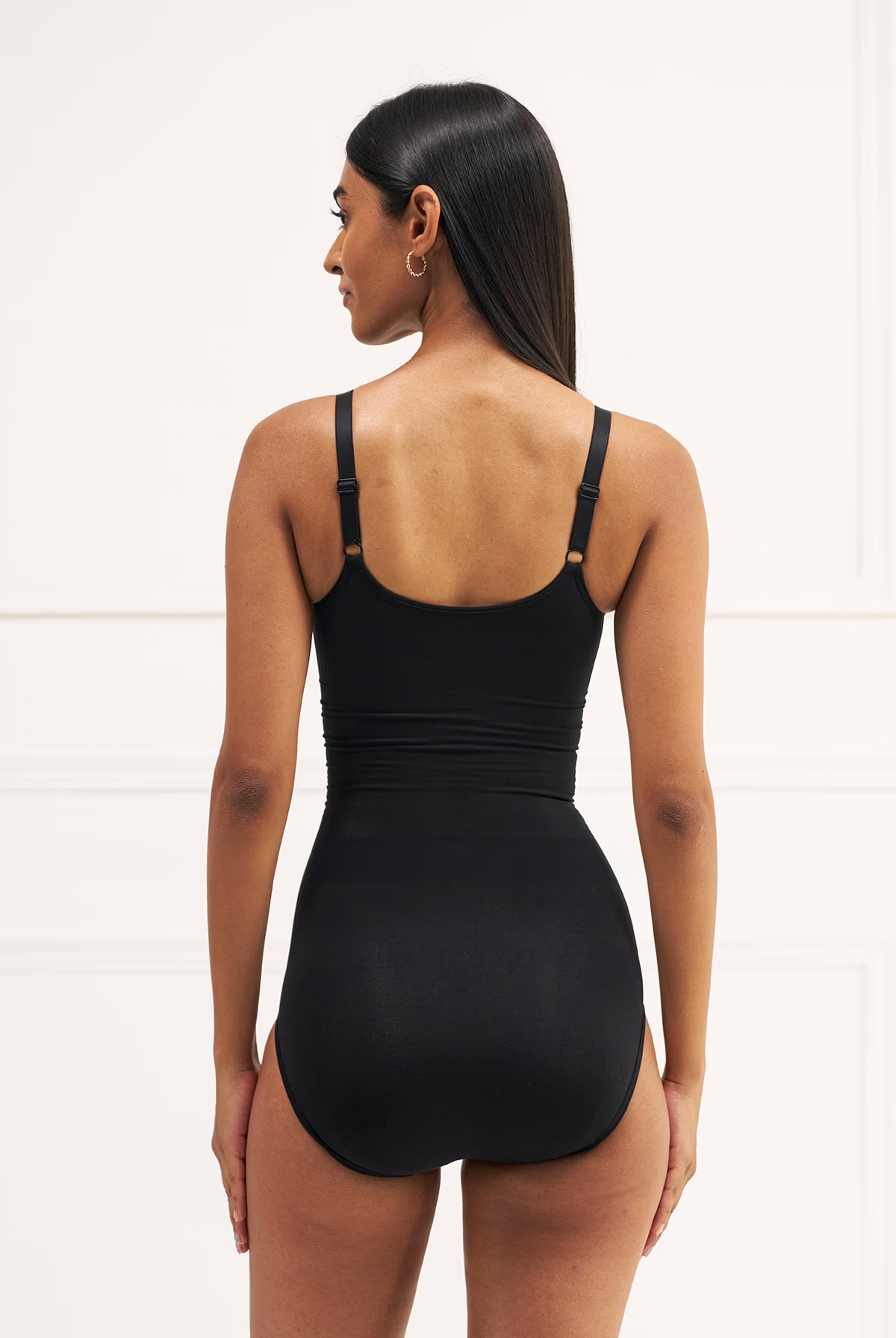
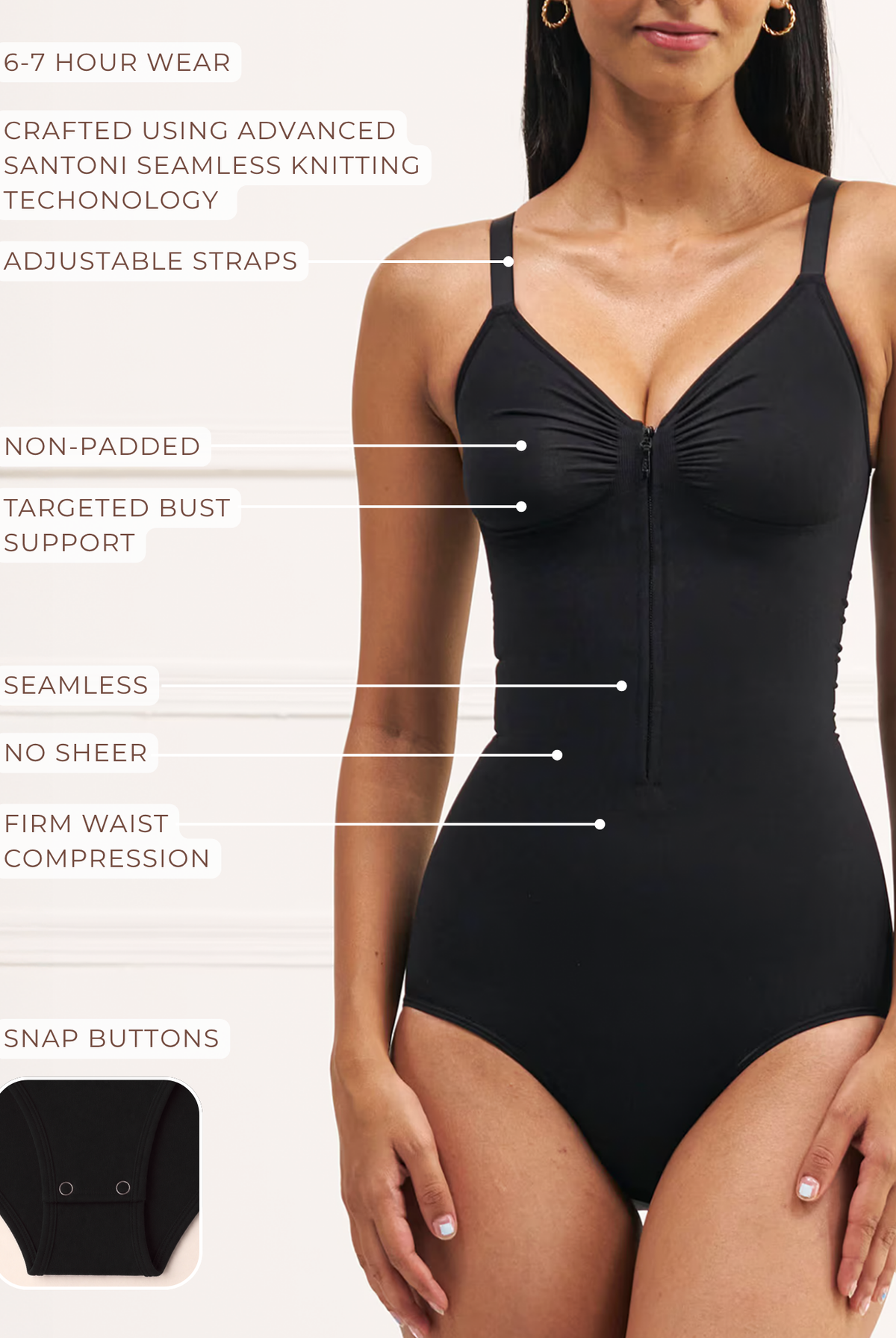
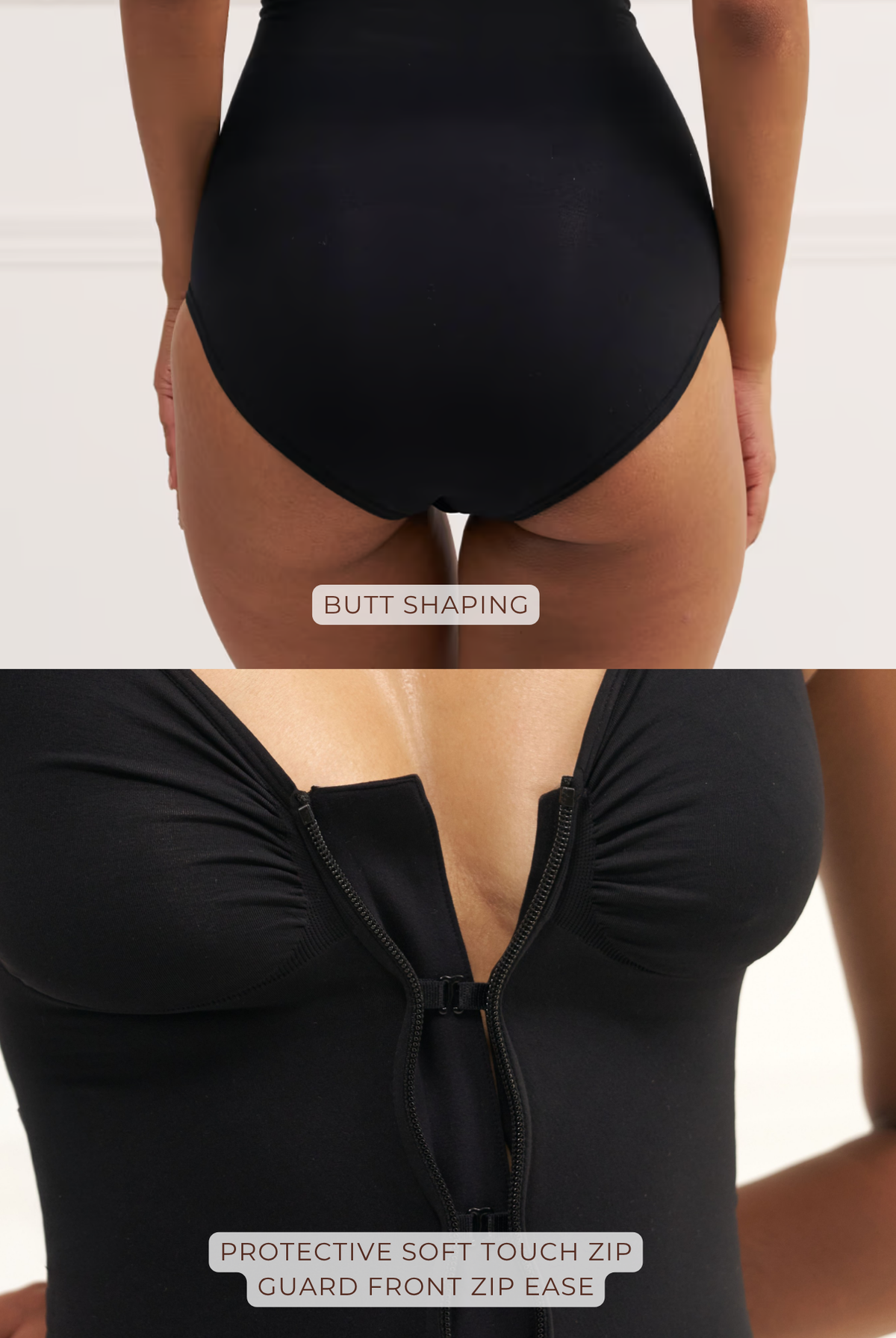
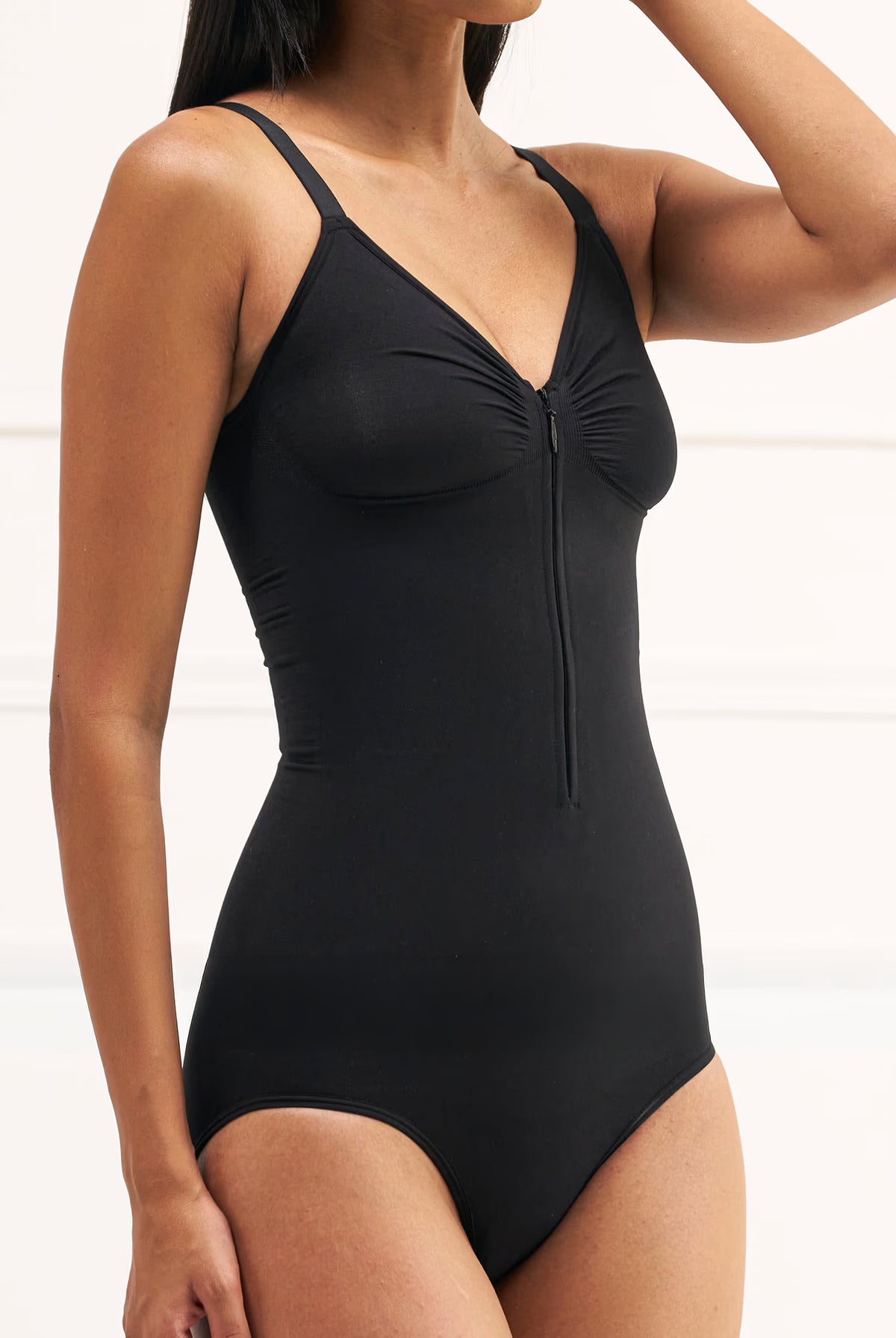
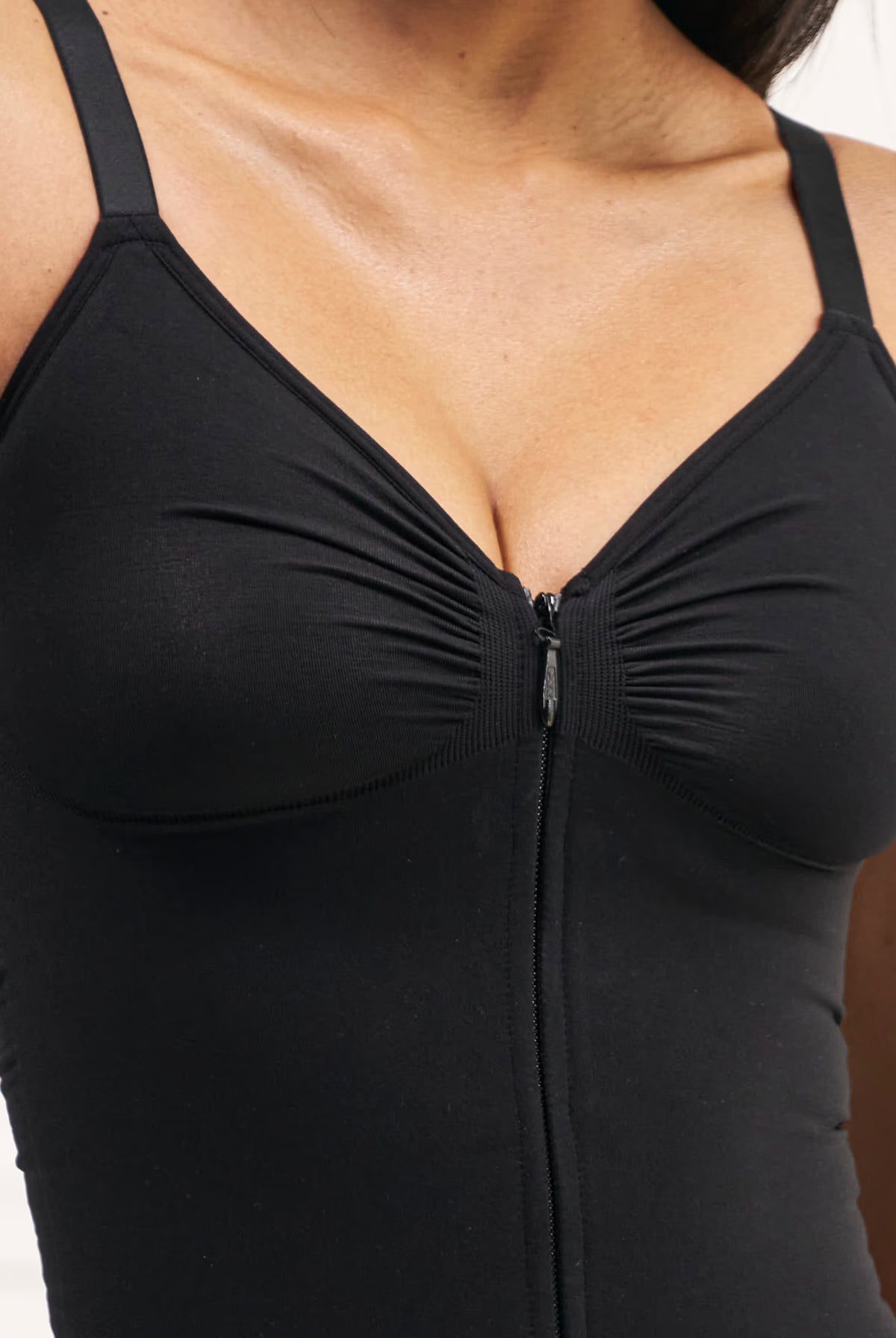
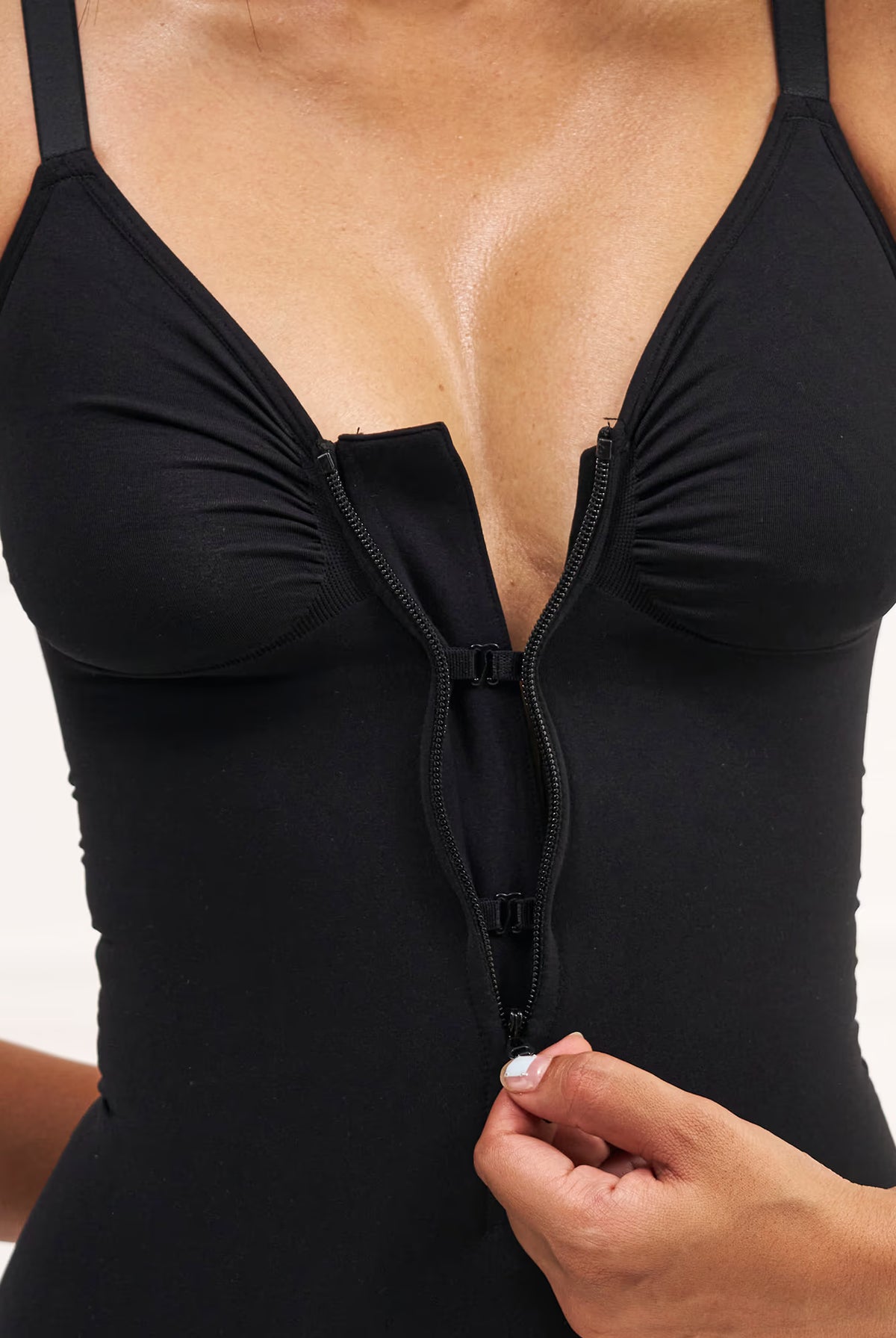
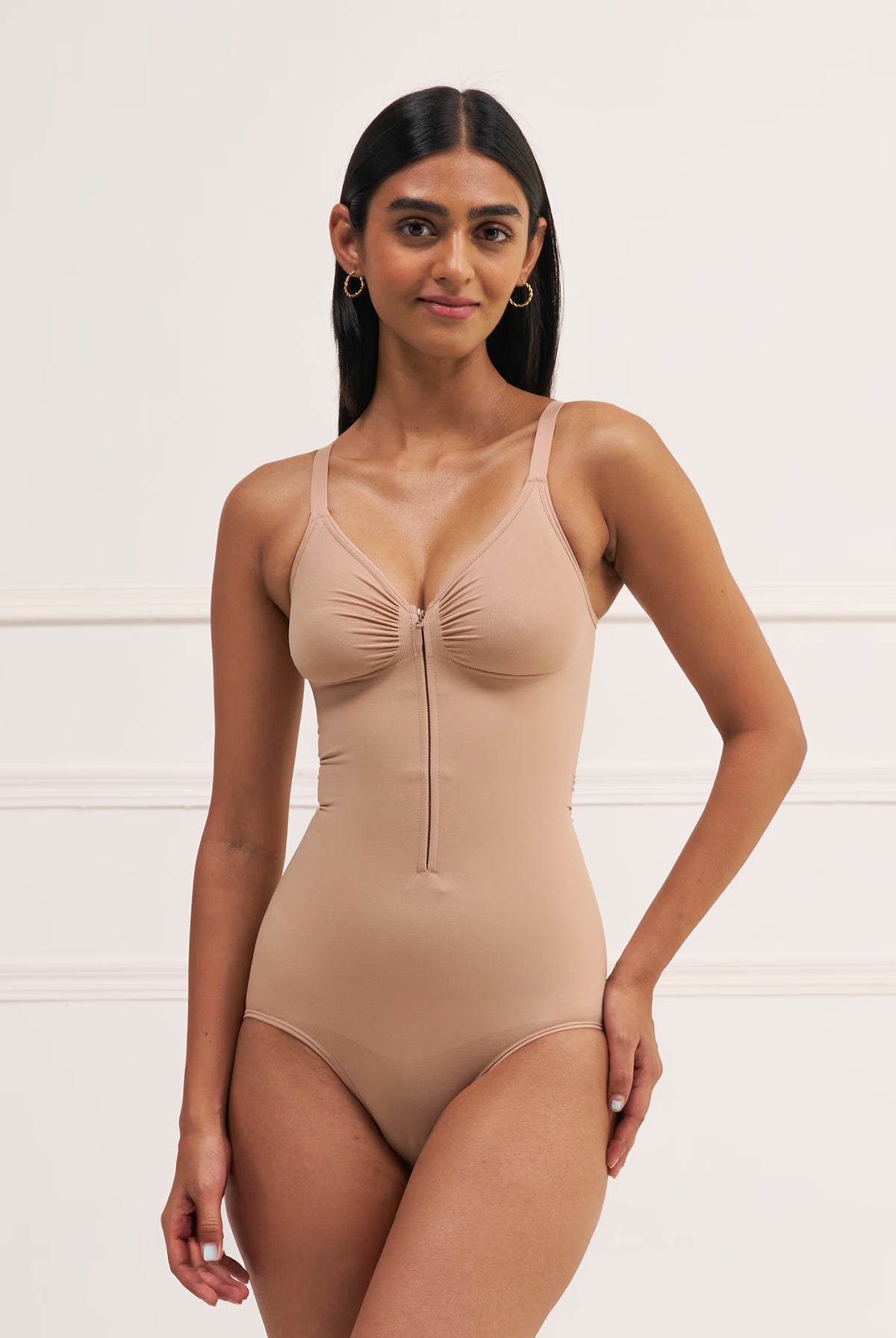
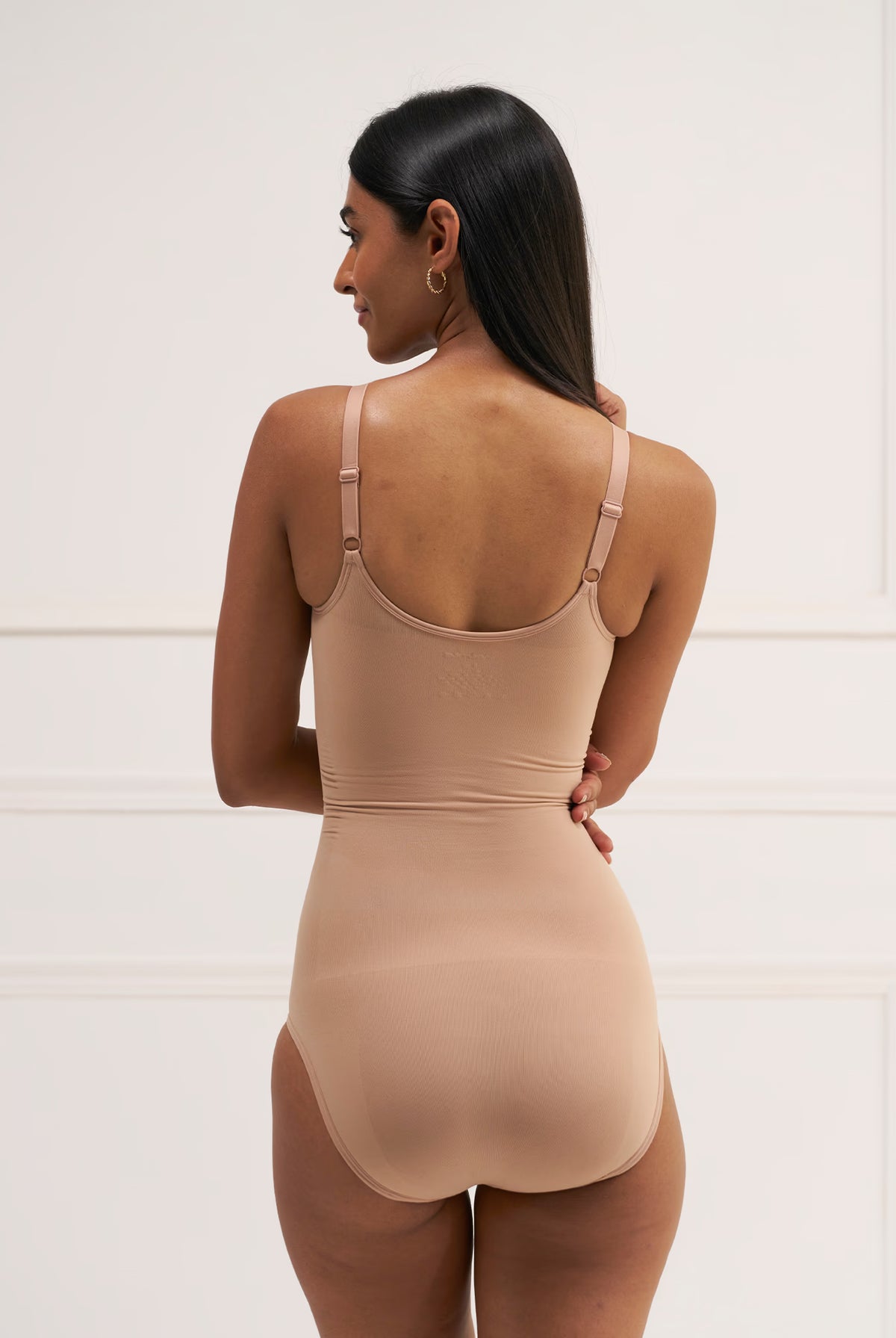
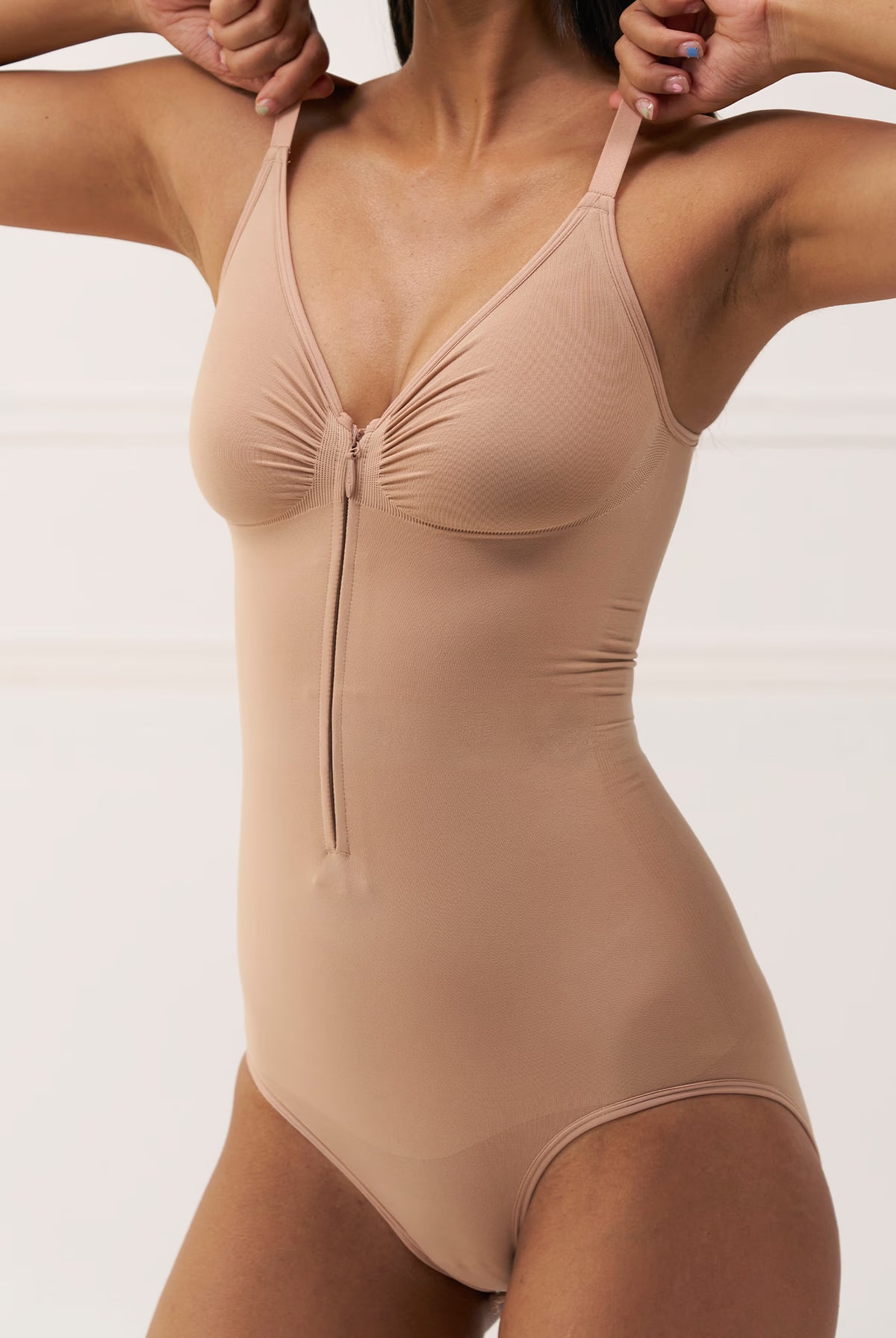
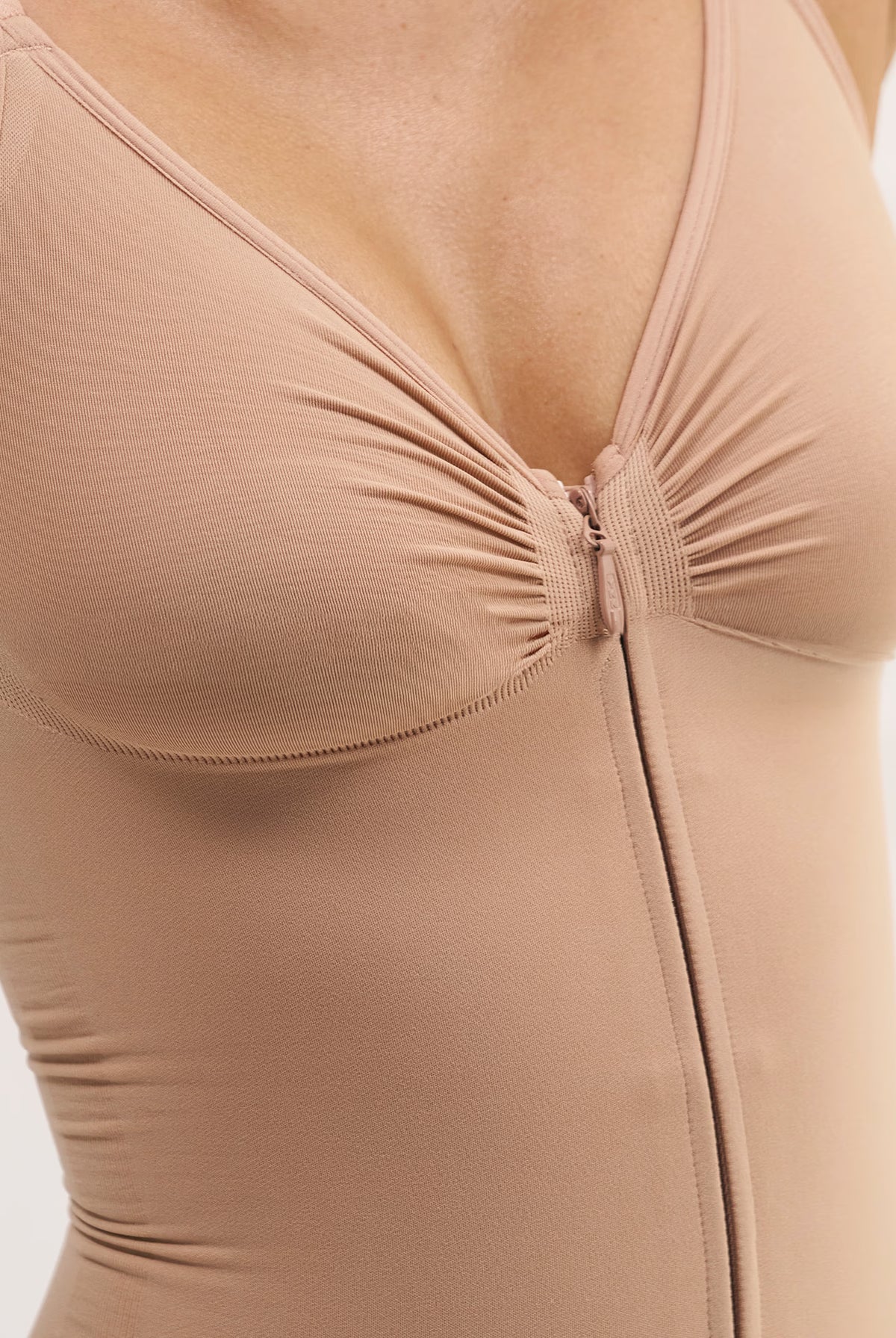
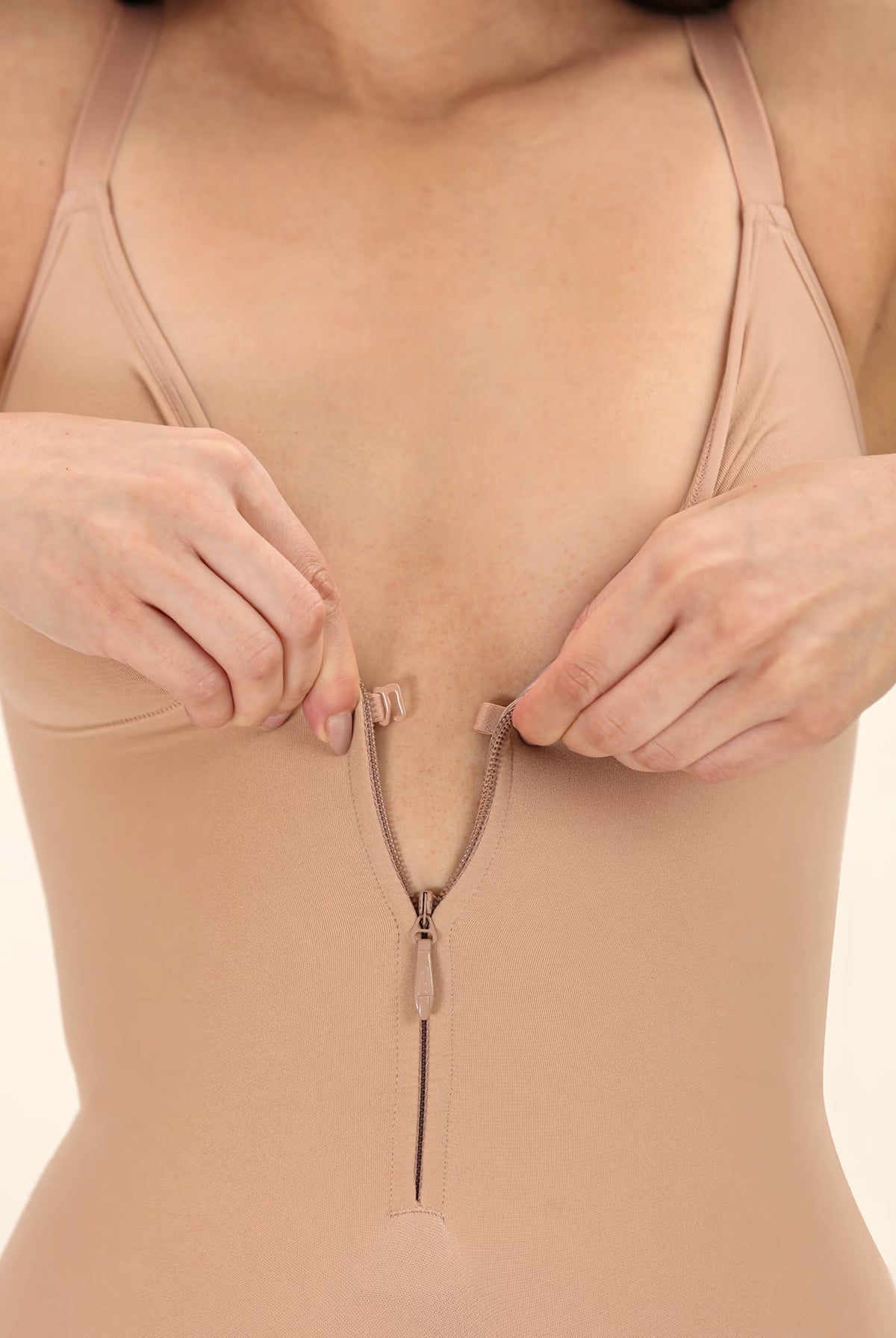
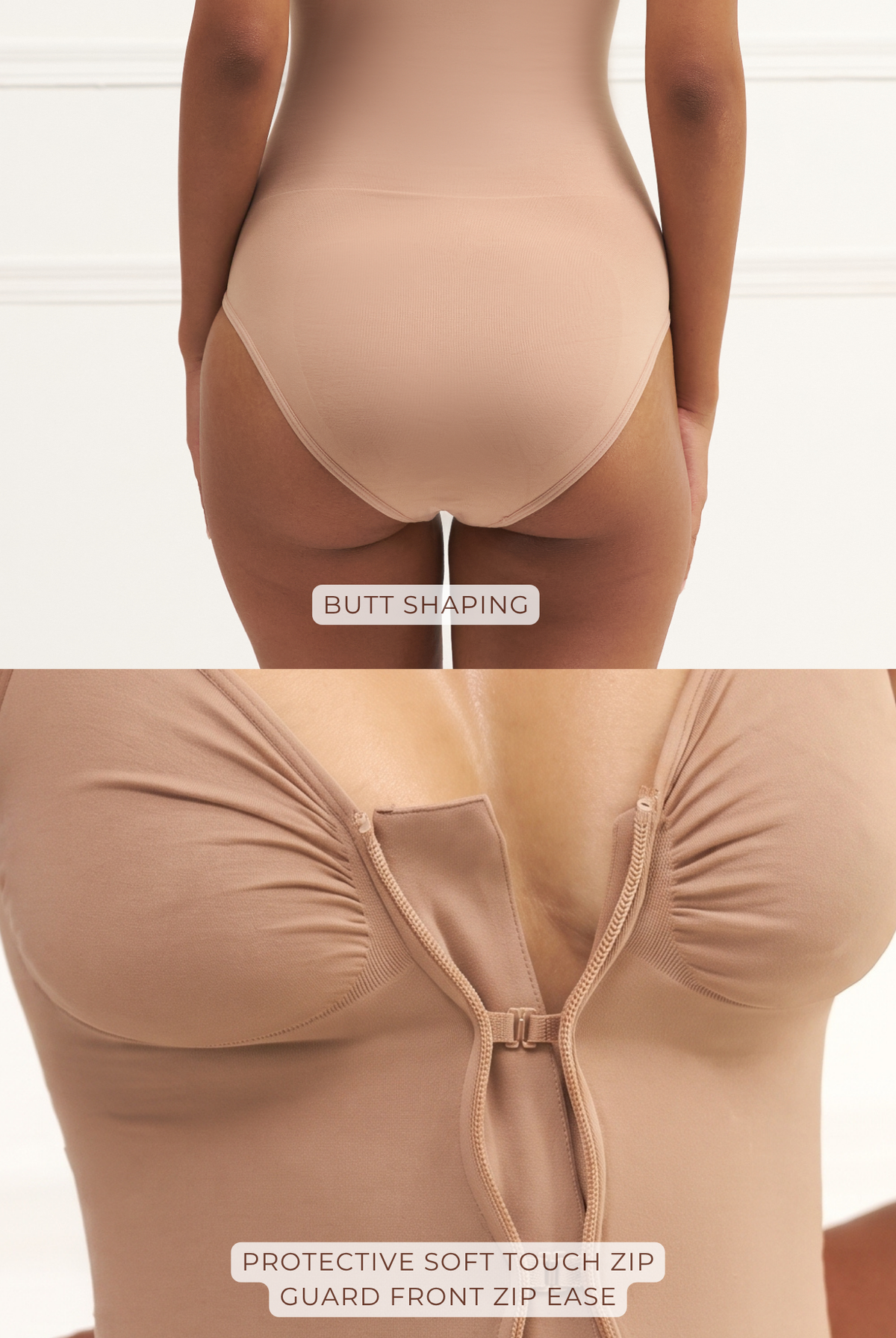
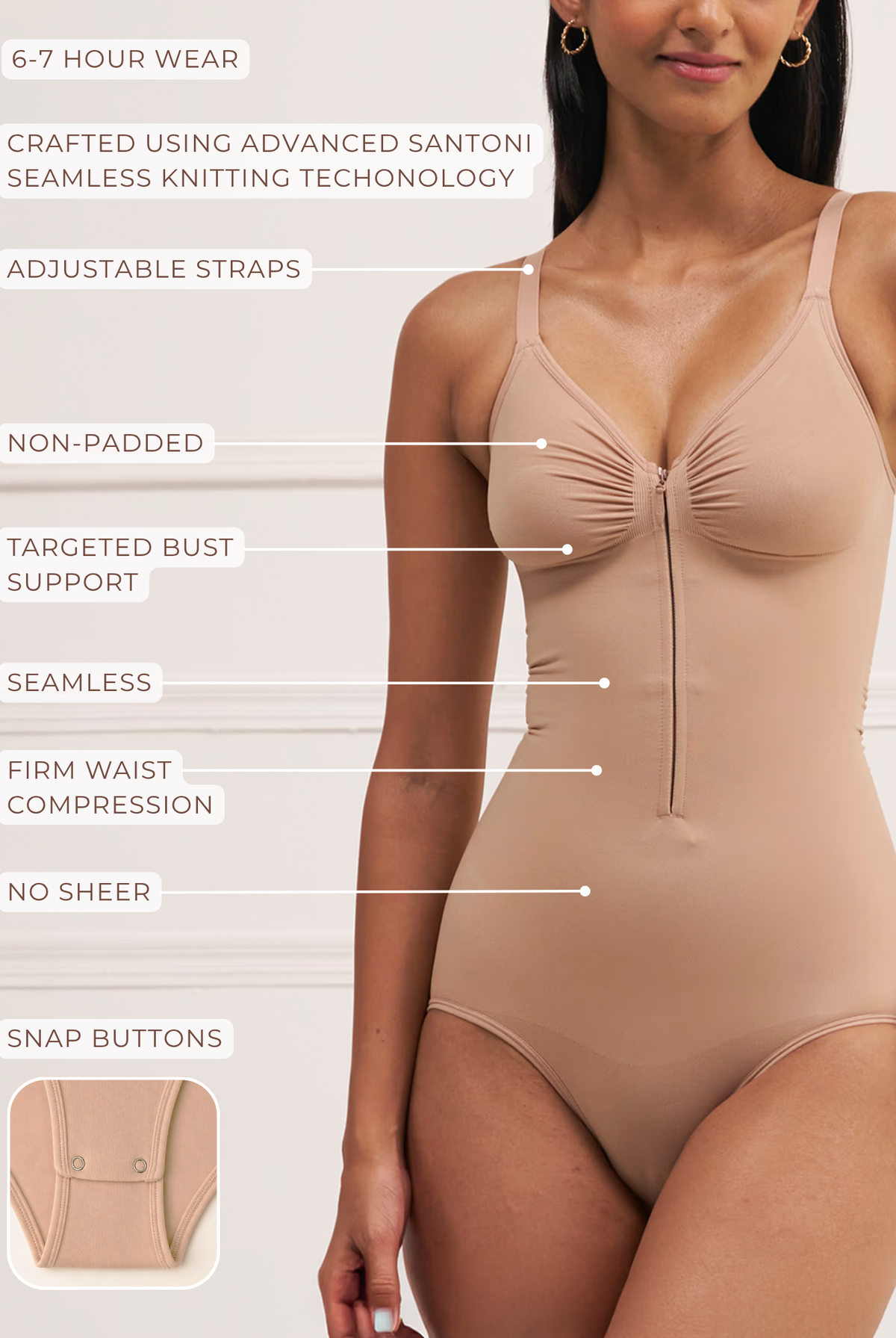
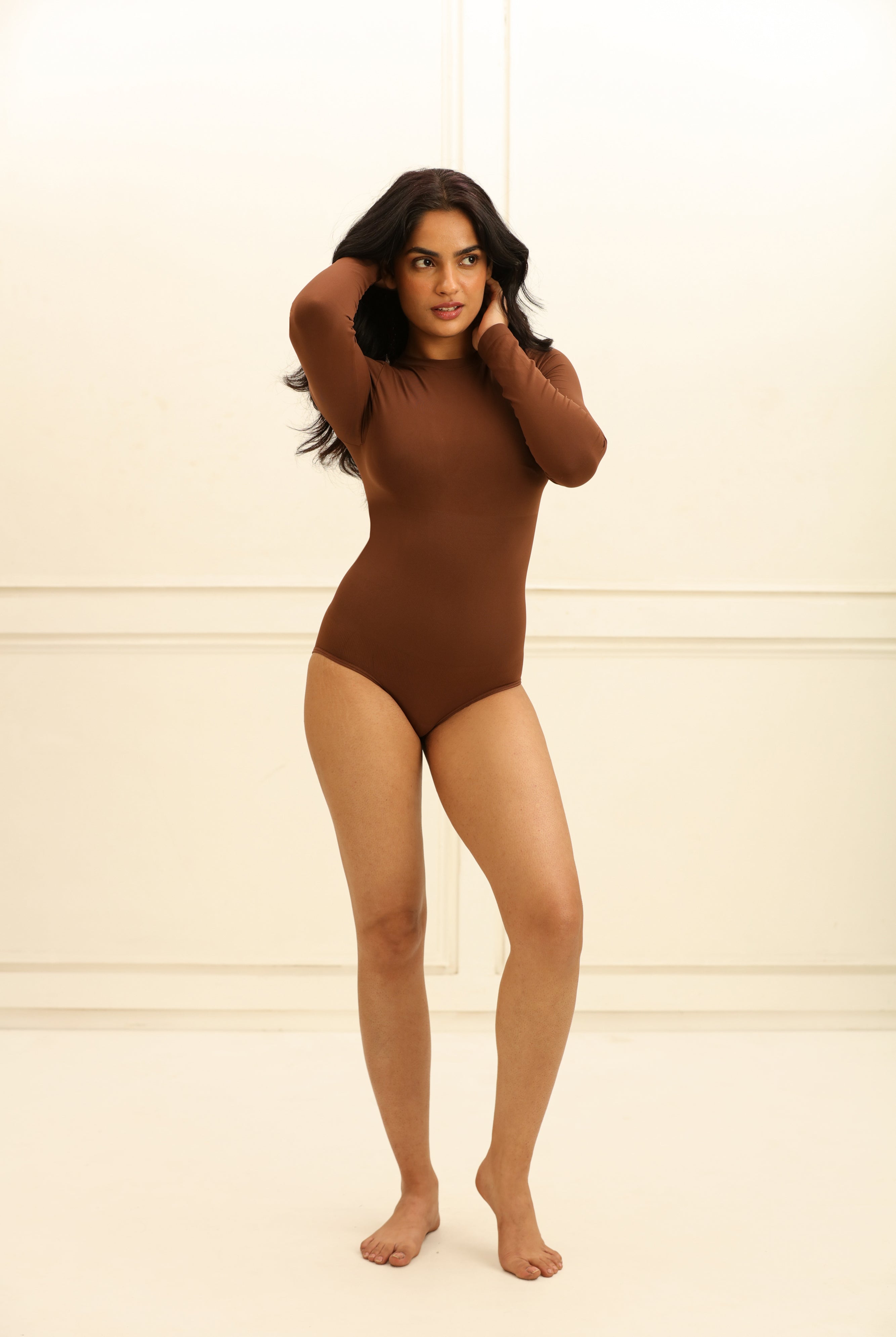
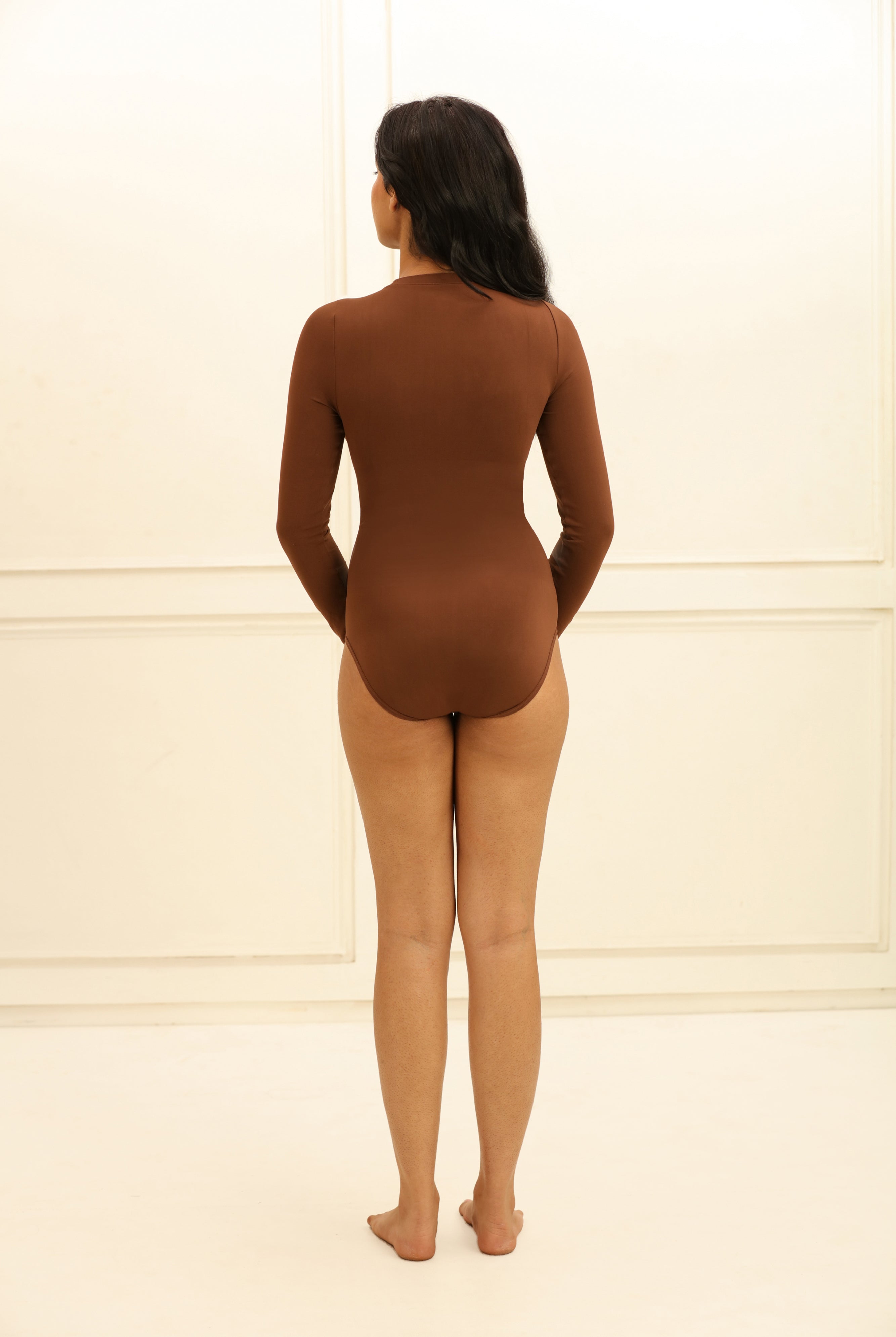
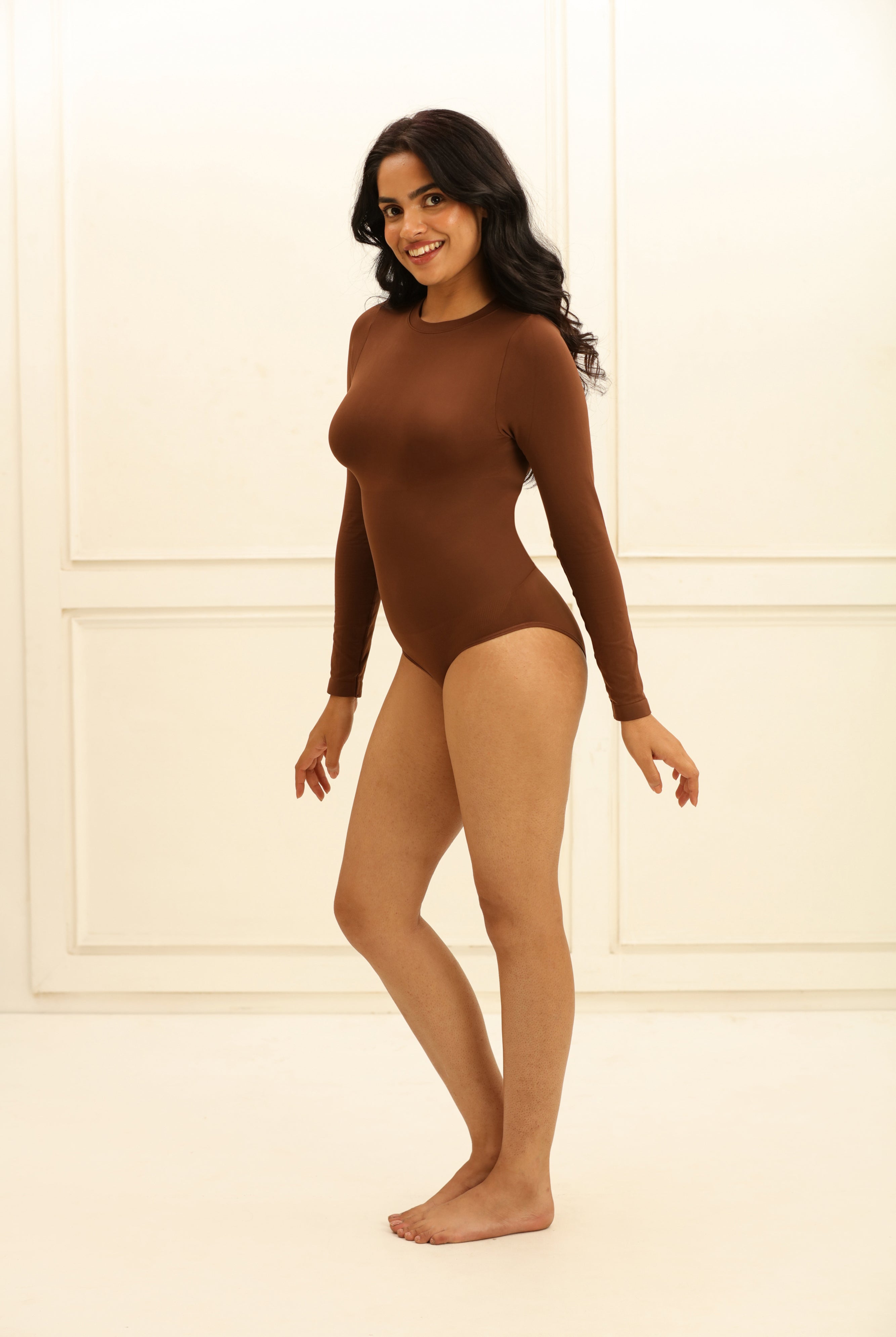
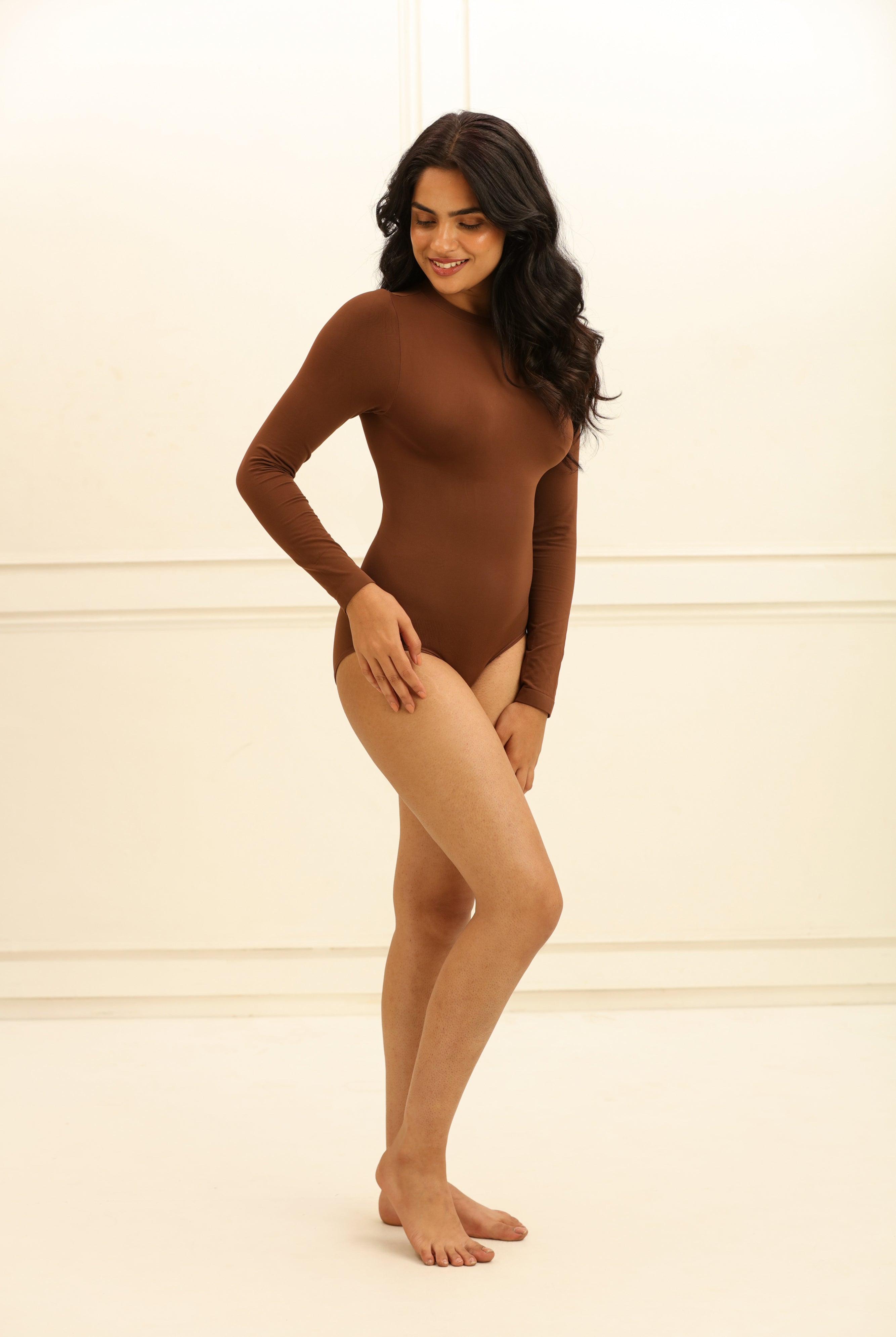
While outer activewear like leggings get all the hype, your base layer dictates your comfort level. Understanding how nylon vs polyester underwear women wear performs makes all the difference in avoiding damp sweat buildup, skin irritation, and painful chafing beneath your activewear.
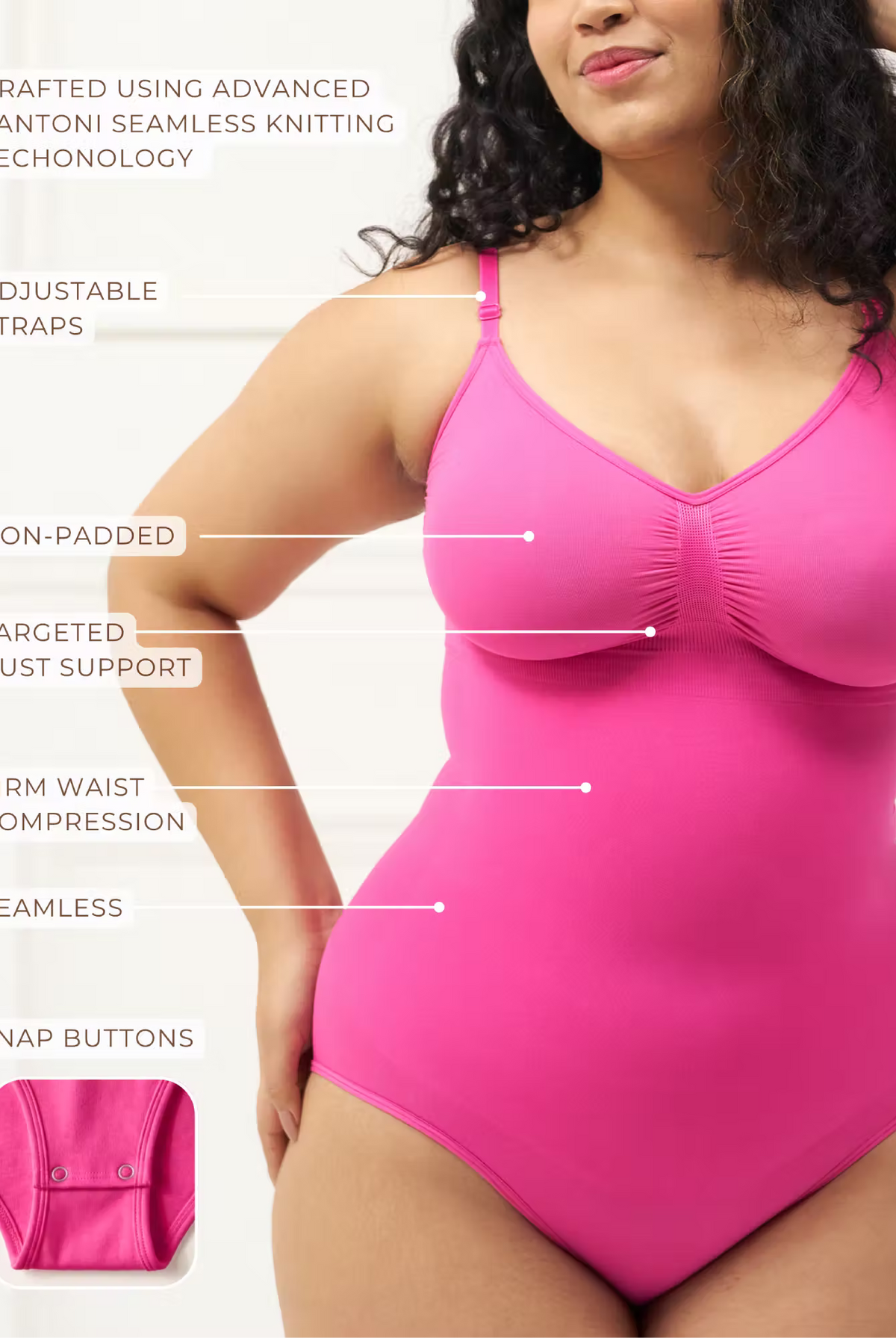
Since your sports bras, seamless briefs, and active panties sit directly against your most delicate skin, here is how both synthetic fabrics perform as active innerwear:
Nylon - Softness & Anti-Chafing Power
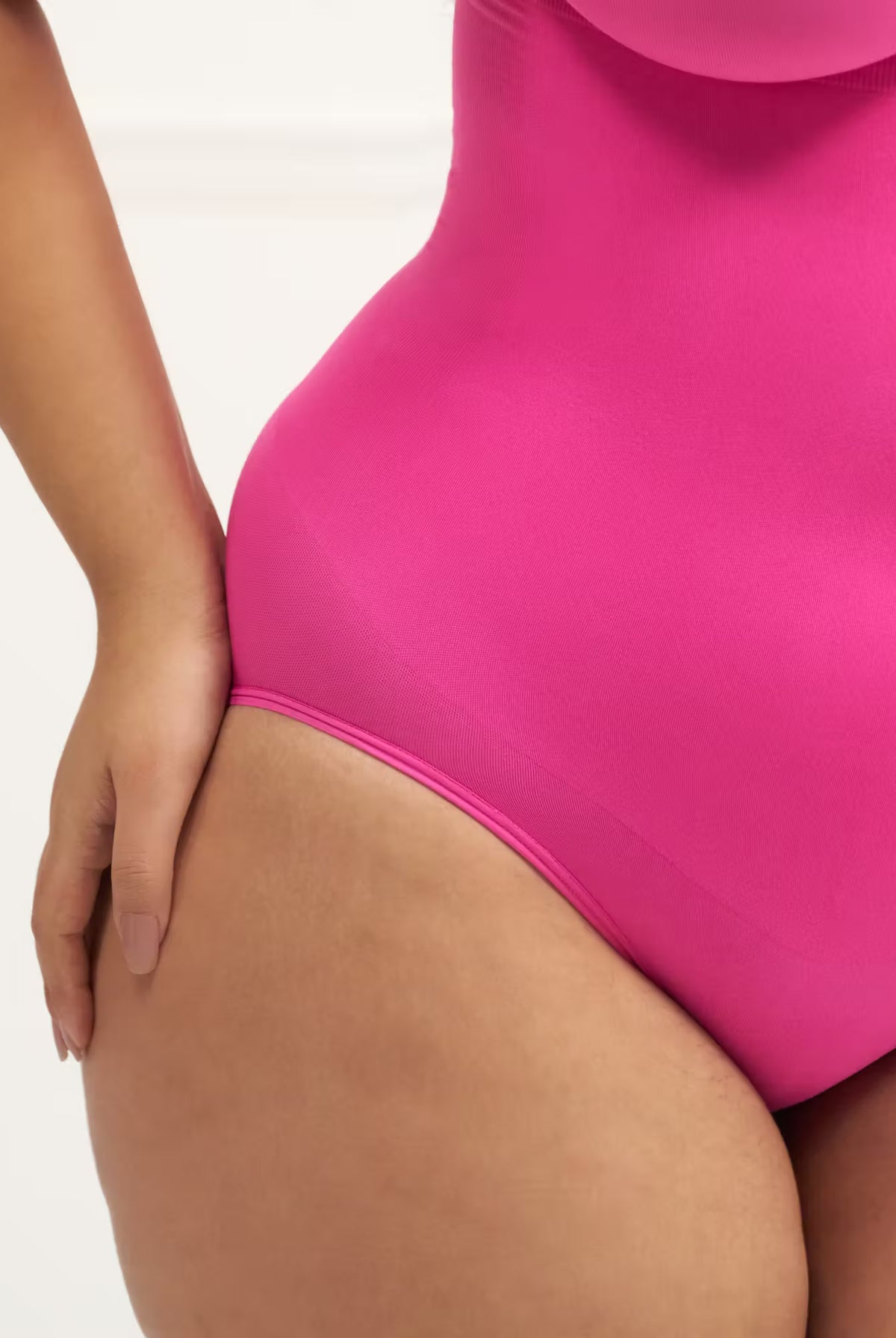
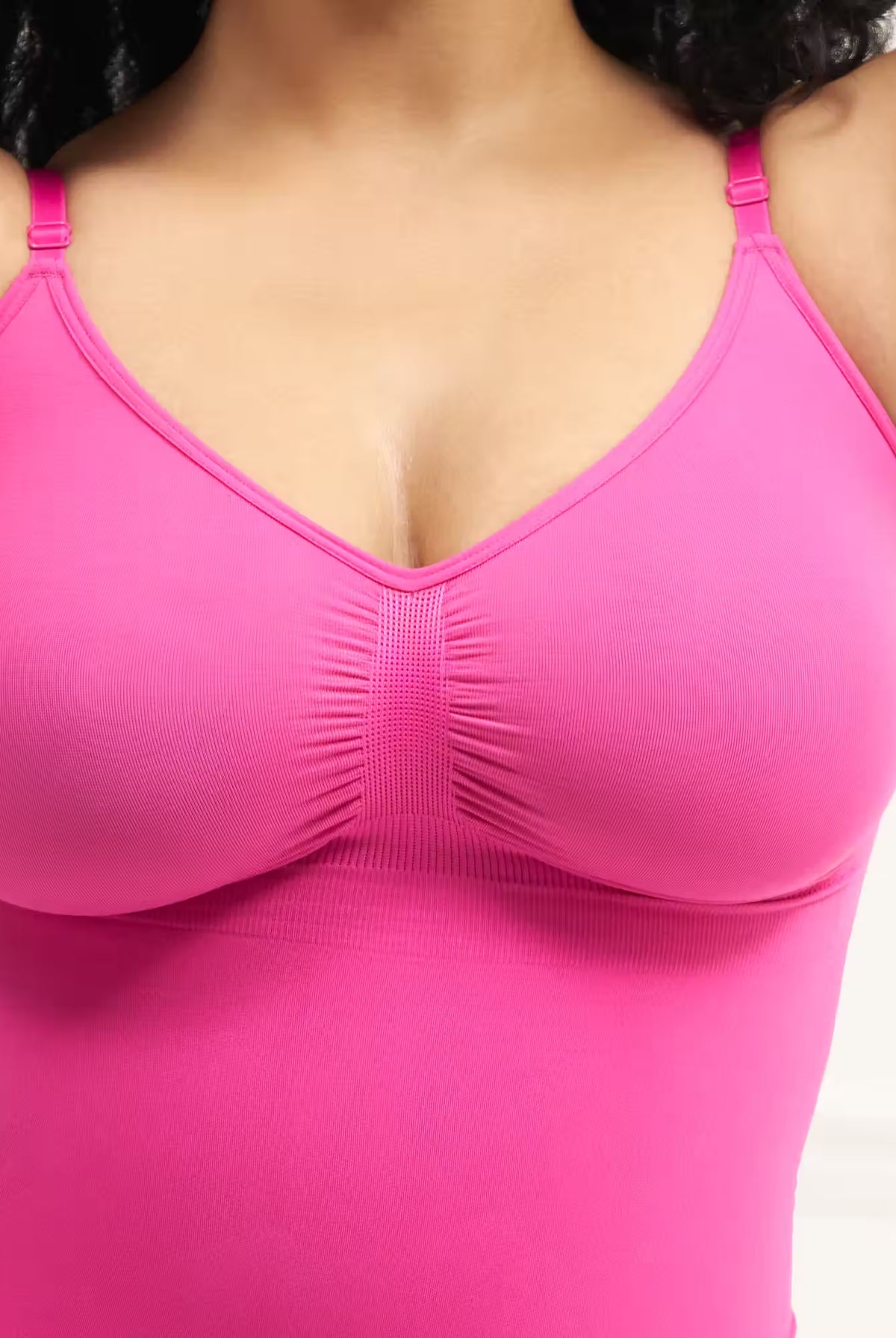
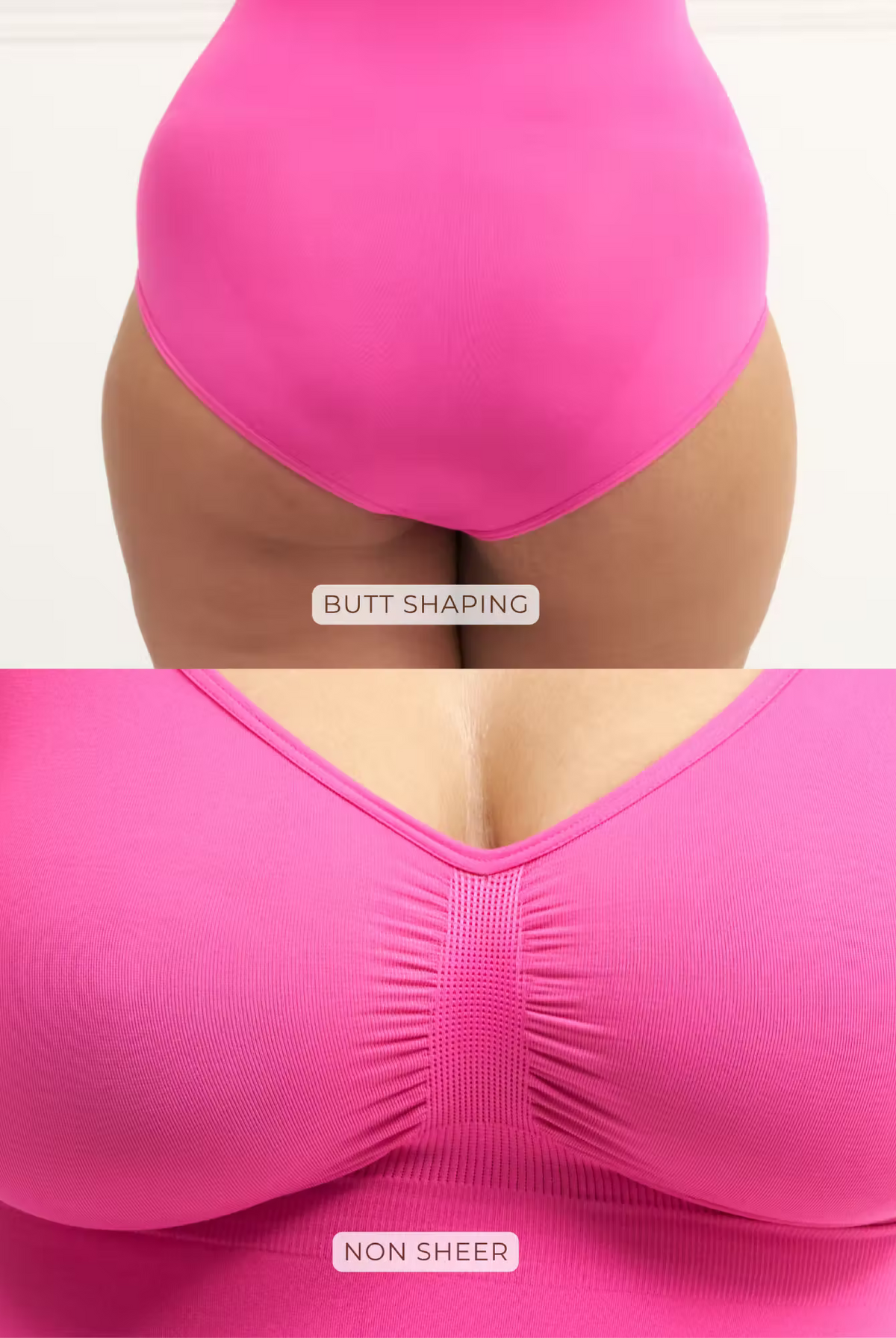
Nylon innerwear is hands down the best choice for stopping friction and red skin marks. Its silky smooth surface cuts down on skin rubbing during high-impact movement like running or jump rope. Nylon sports bras wrap smoothly around your ribs without digging in, offering maximum stretch so you can breathe easy.
Polyester - Moisture Control & Structure
Polyester innerwear shines when your biggest priority is staying completely dry during long sweat sessions. Polyester briefs wick moisture away instantly, preventing dampness and uncomfortable sweat traps. They also keep their shape perfectly even after dozens of machine washes.
Head-to-Head Comparison: Which Fabric Wins?

To make your next shopping haul super easy, here is how both synthetic fabrics stack up across all essential active parameters:
| Fabric Feature | Nylon (Polyamide) | Polyester |
|---|---|---|
| Touch & Hand-Feel | Buttery soft, silky, and ultra-smooth | Lightweight, slightly textured, and crisp |
| Moisture-Wicking Speed | Good moisture control | Exceptional moisture wicking and ultra-fast drying |
| Stretch & Shape Retention | Superior stretch with a body-hugging fit | Firm structure with excellent shape retention |
| Chafing Prevention | Ideal for sensitive skin and reduced friction | Good, but may feel firmer against the skin |
| Color & Print Retention | Rich, vibrant solid colors | Excellent for bold prints and fade resistance |
What Should You Buy?
When weighing nylon vs polyester for your active innerwear and workout gear, there is no single loser. It all comes down to what you prioritise most in your fitness routine.
If you want buttery softness, zero chafing, supreme stretch, and a smooth curve-hugging fit, nylon is your ultimate winner. If your main focus is lightning-fast moisture wicking, lightweight durability, and budget-friendly endurance, polyester takes the top spot.
For the best experience, go for smart fabric blends! Combining nylon or polyester with spandex gives you the ultimate mix of support, fast drying, and all-day comfort.
FAQs
Which fabric is more breathable for workouts?
Polyester is more breathable for heavy sweating because its hydrophobic fibers refuse to hold onto water, allowing sweat to evaporate fast. Nylon is breathable and feels cooler initially, but it can retain a touch more moisture during heavy cardio.
Is nylon or polyester better for preventing chafing under sports bras?
Nylon is definitely superior for preventing chafing! Nylon fibers are noticeably smoother and softer than polyester fibers, creating far less friction against sensitive skin during repeated movement.
Does nylon activewear stretch out and lose shape faster than polyester?
Not at all! Quality nylon has amazing elastic memory, especially when blended with spandex. It snaps back into shape effortlessly after stretching. Polyester also holds its shape remarkably well and resists shrinking, making both options highly durable.
How should I wash my nylon and polyester innerwears to keep it soft?
Wash both fabrics in cold water on a gentle cycle using a mild liquid detergent. Avoid fabric softeners because they coat synthetic fibers and clog their moisture-wicking pores. Air-drying in the shade is recommended to preserve elastic bands and stretch.
Why do sports bras use a blend of nylon and polyester instead of 100% cotton?
Pure cotton absorbs sweat like a sponge and holds onto it, leading to heavy, soggy garments, skin irritation, and chafing during workouts. Synthetic fibers like nylon and polyester wick moisture away, dry rapidly, and provide necessary stretch and support that cotton simply cannot deliver.