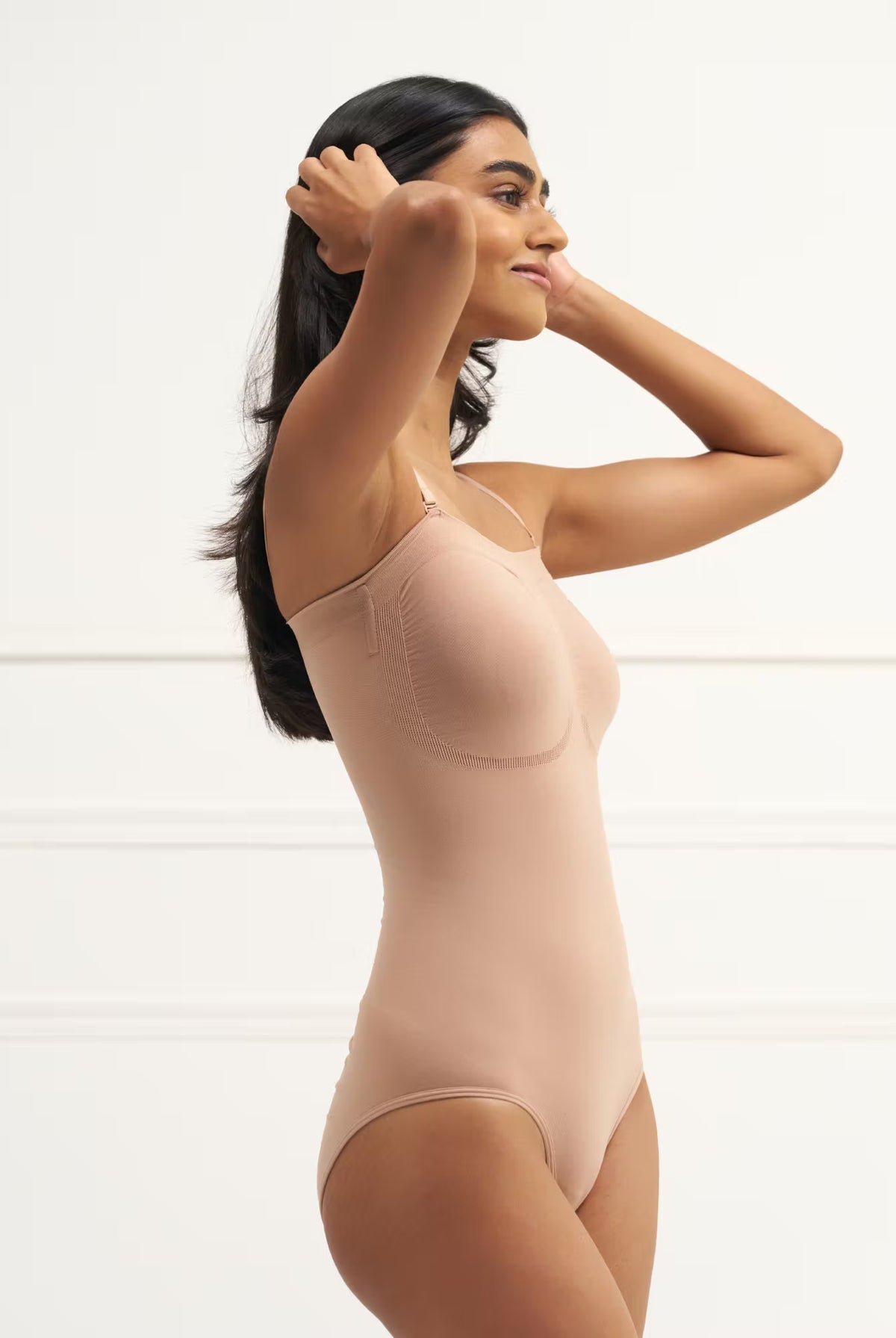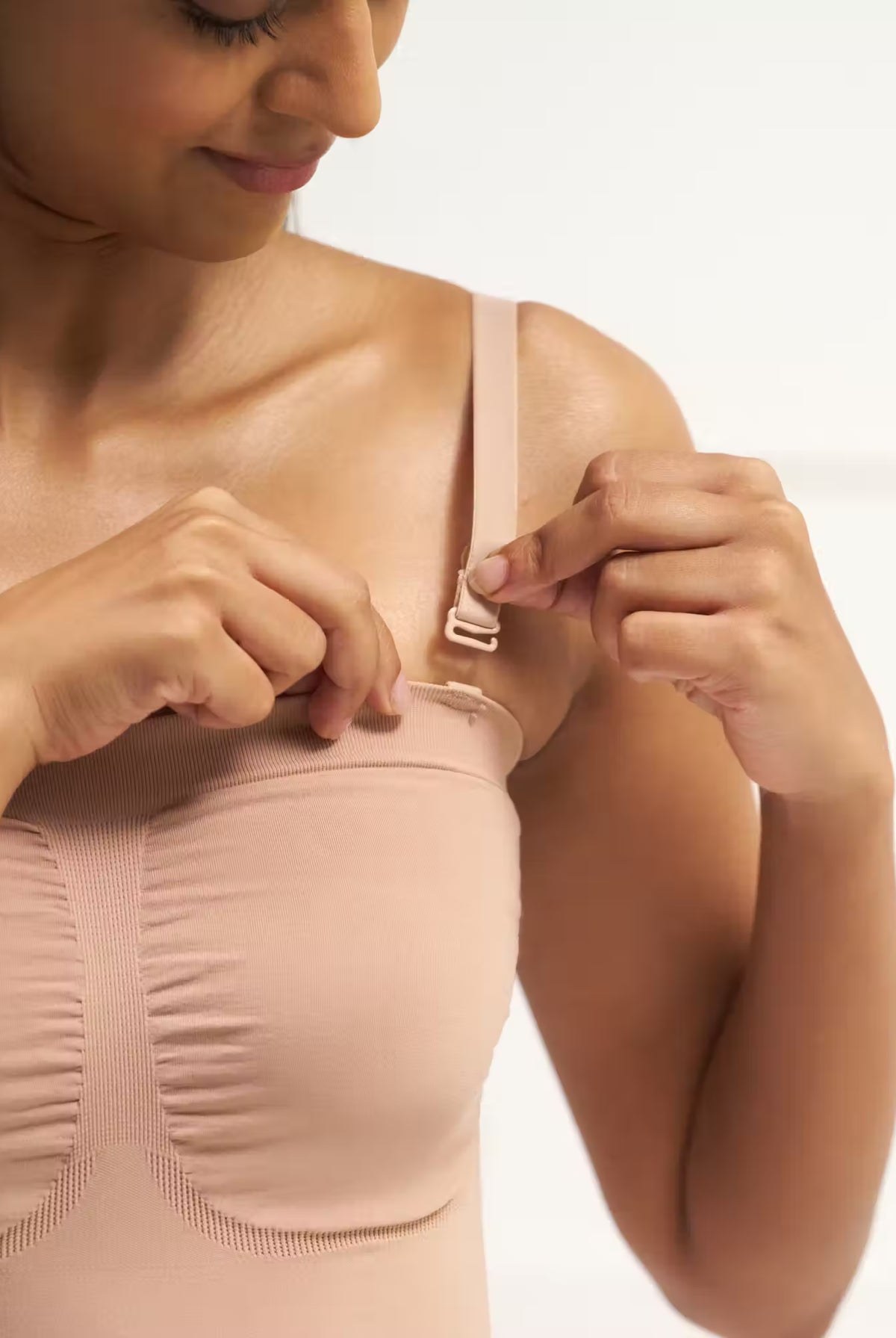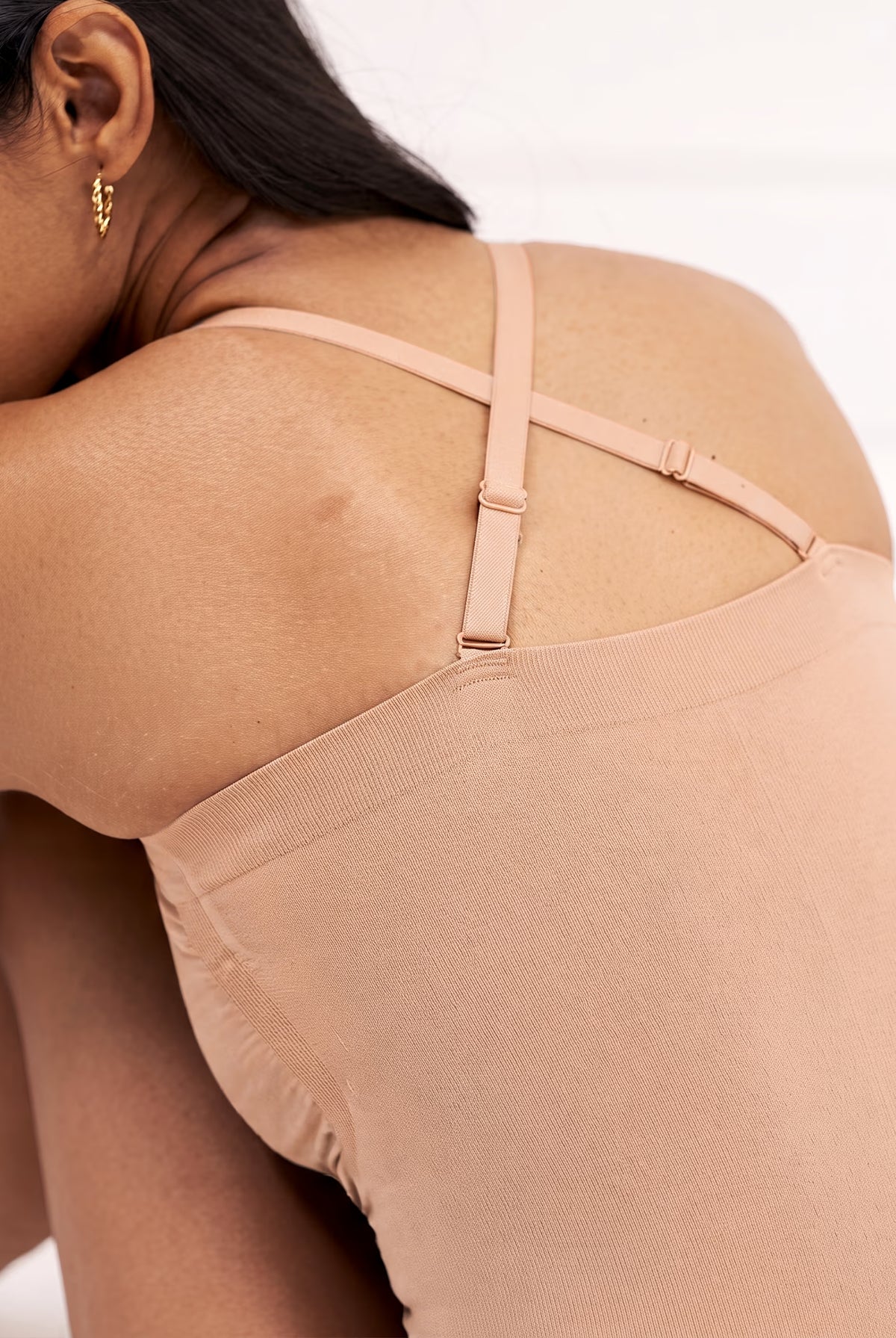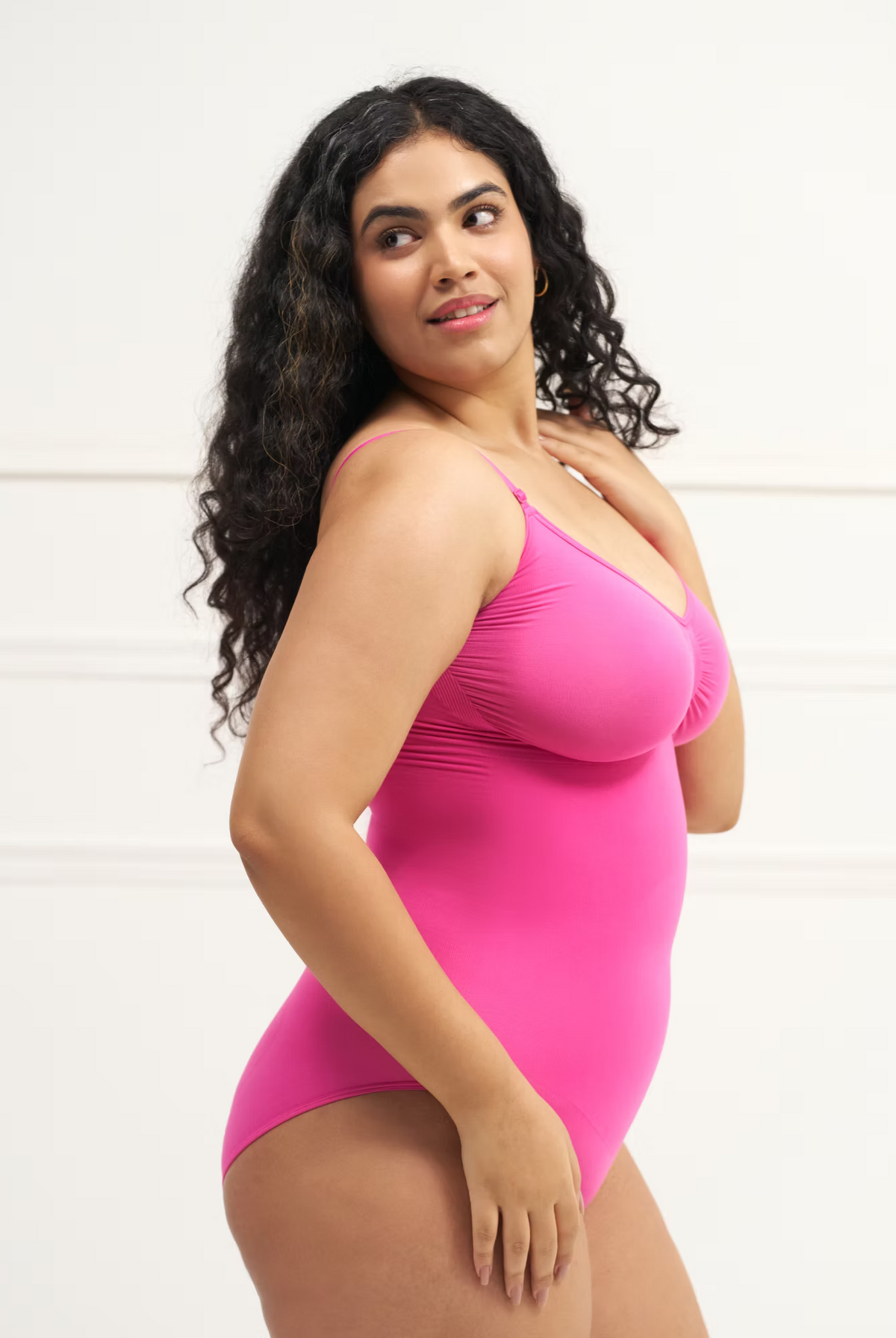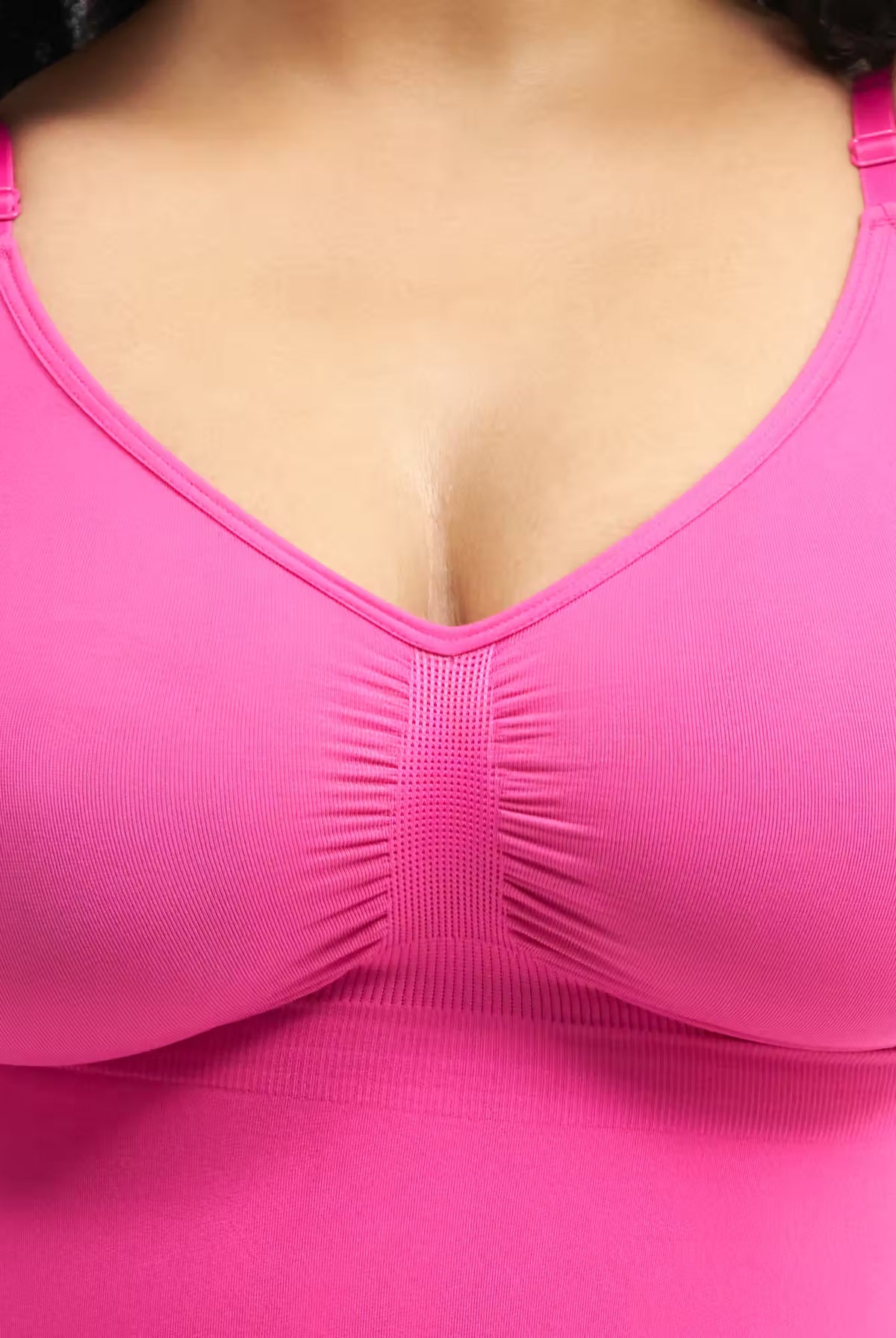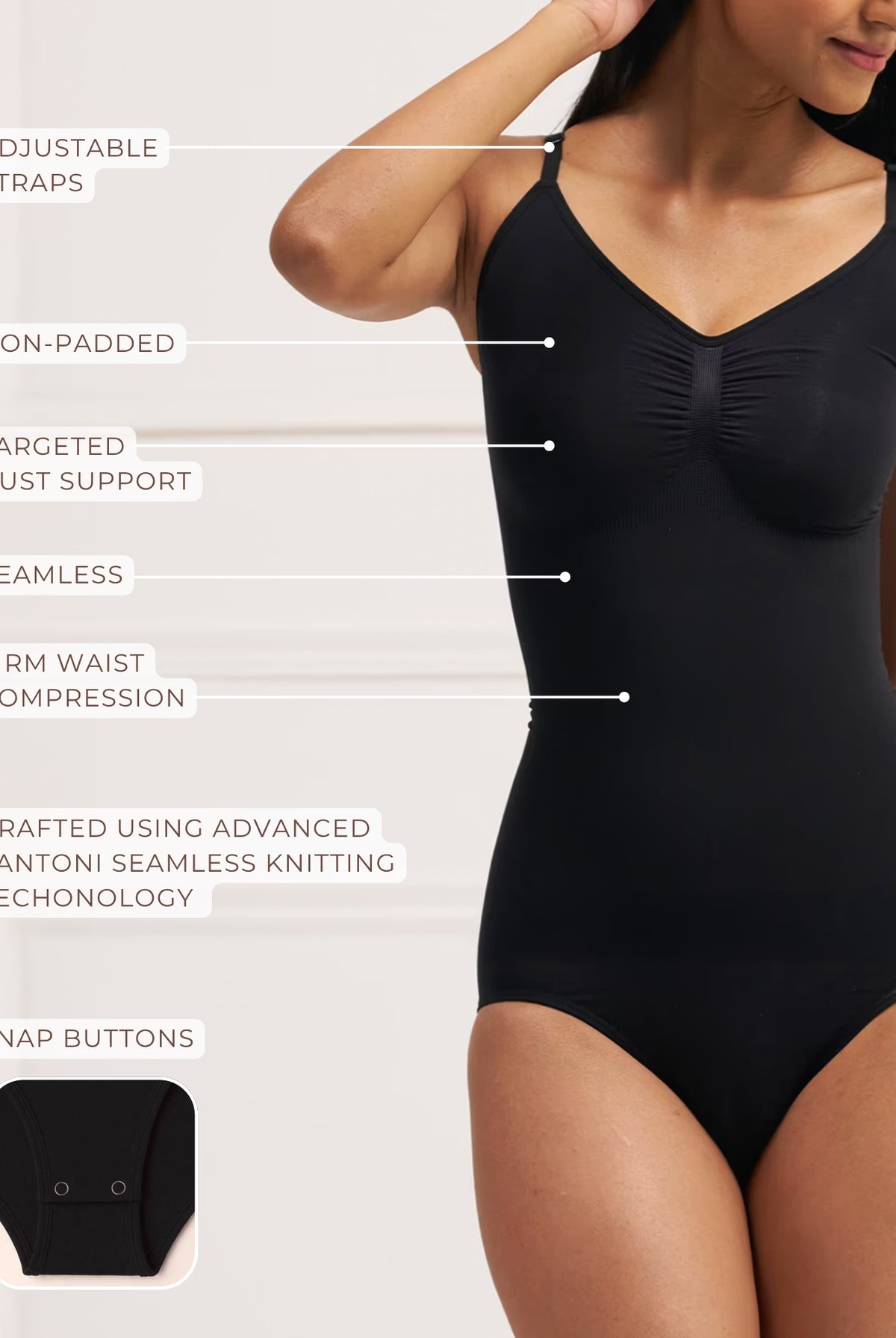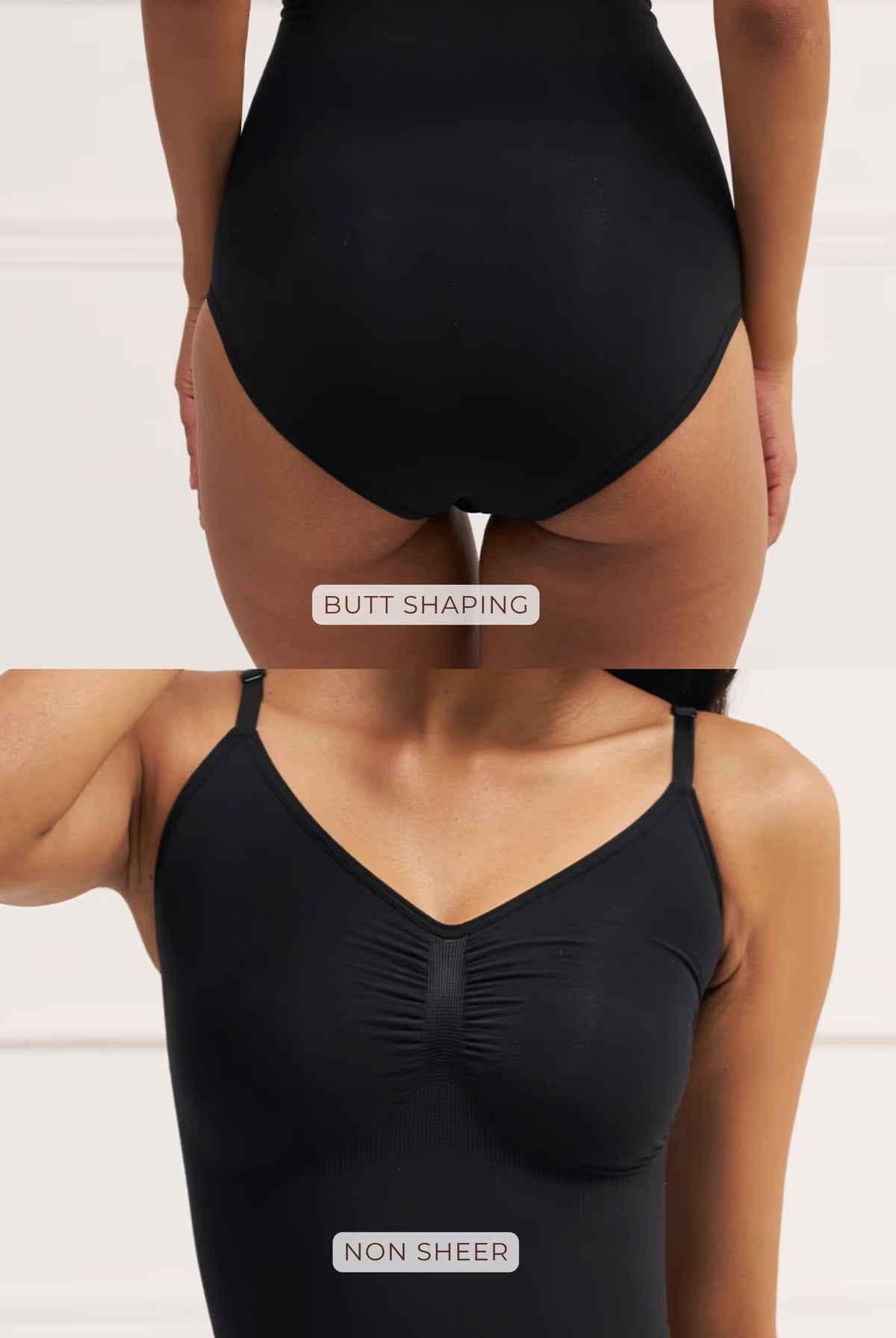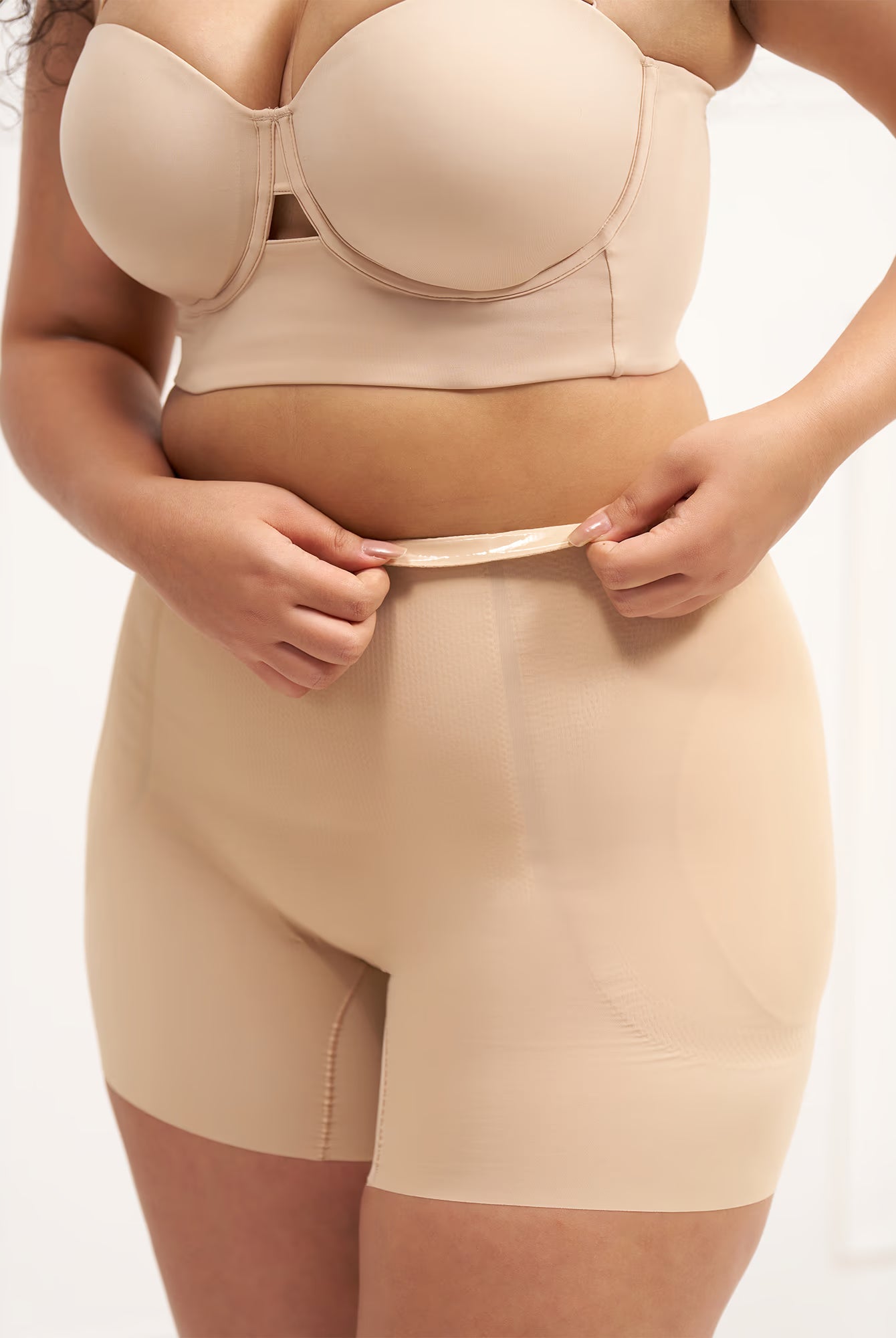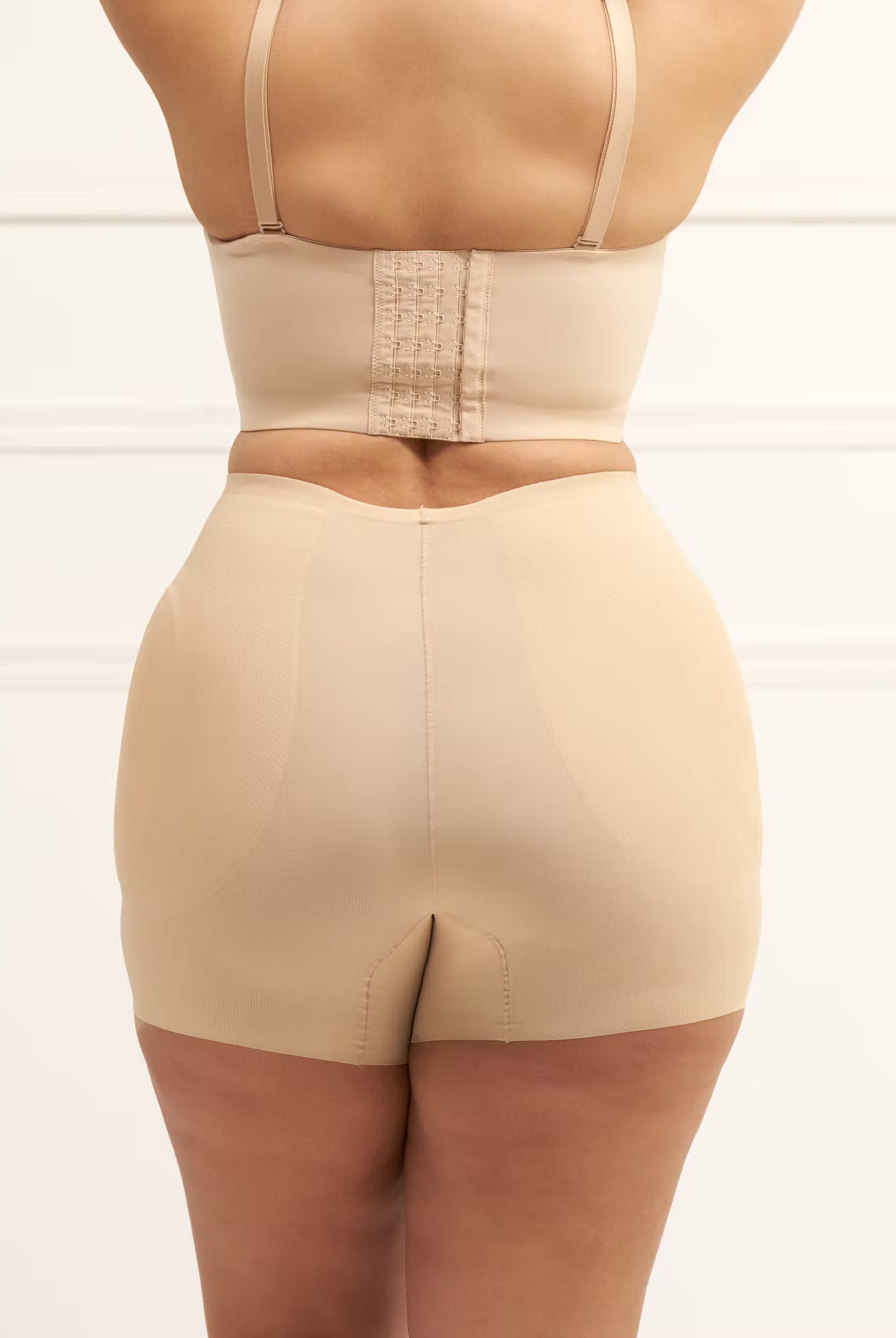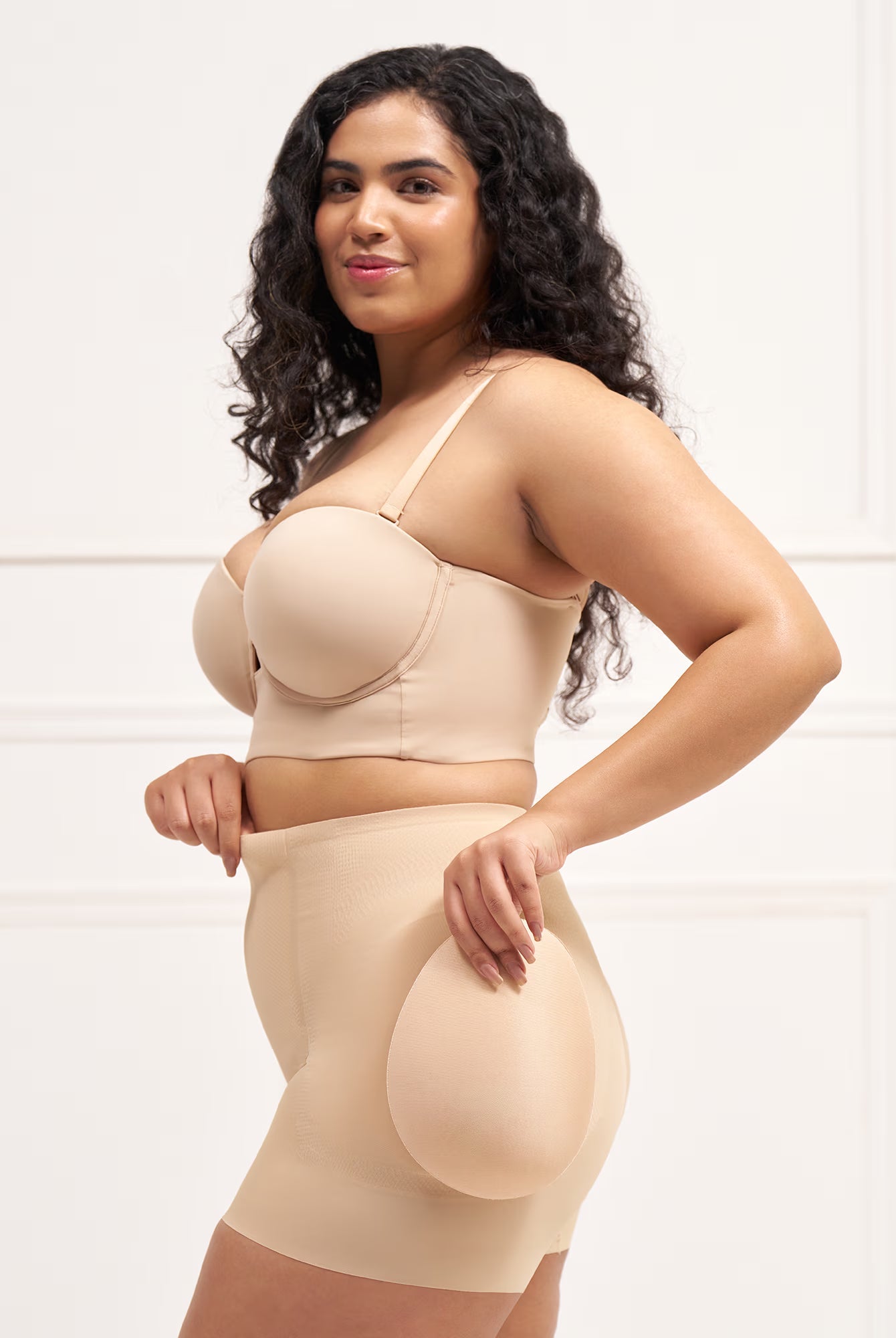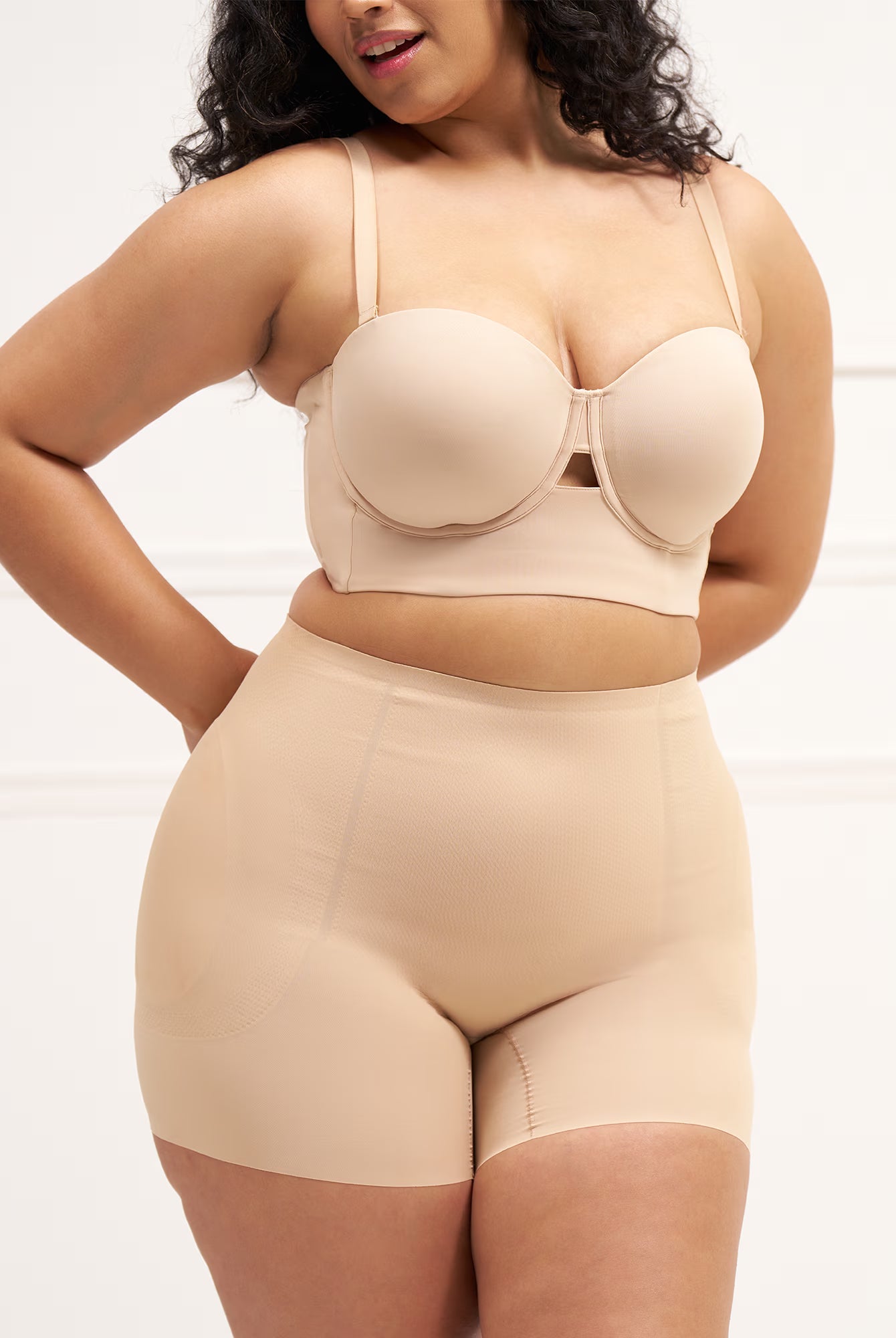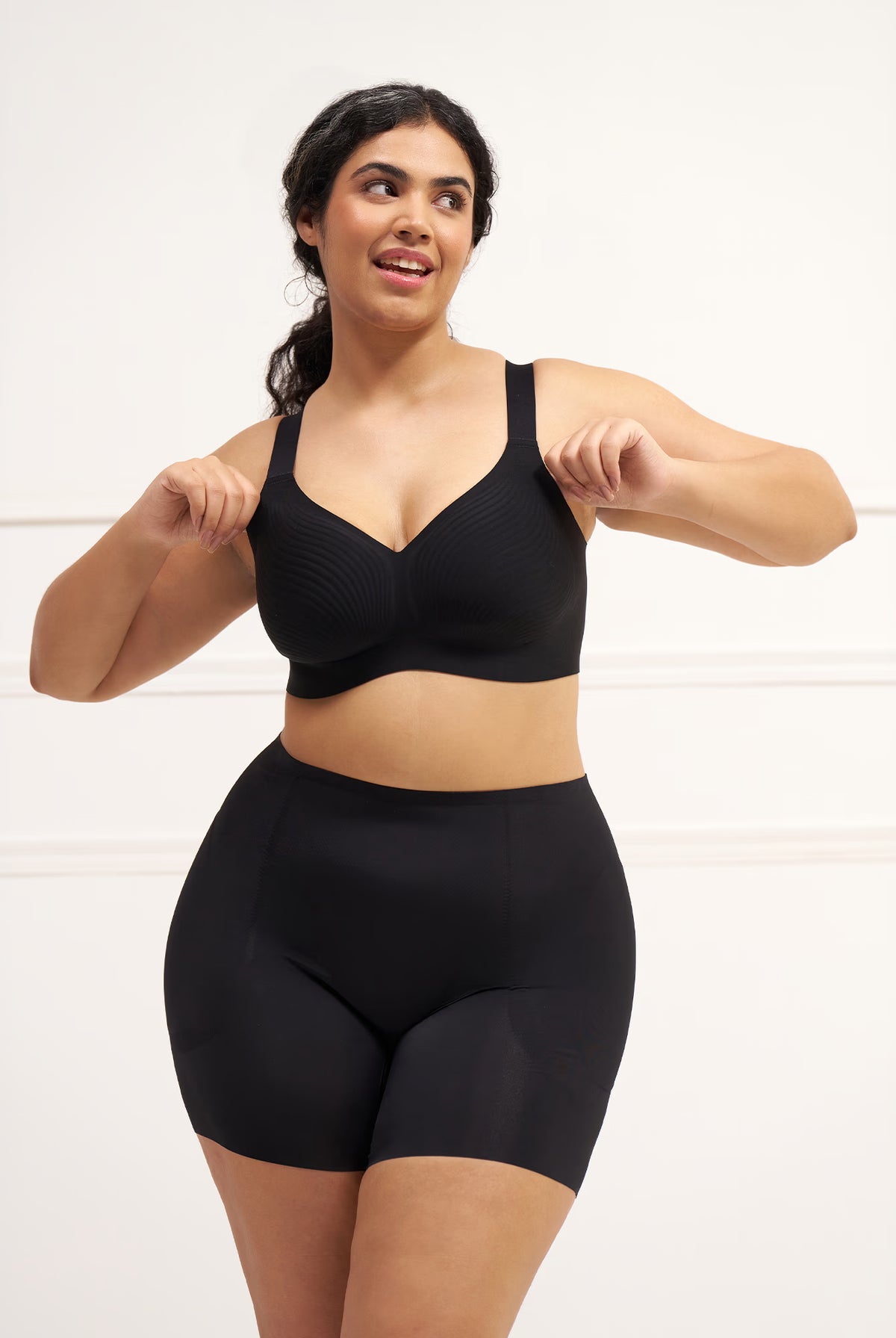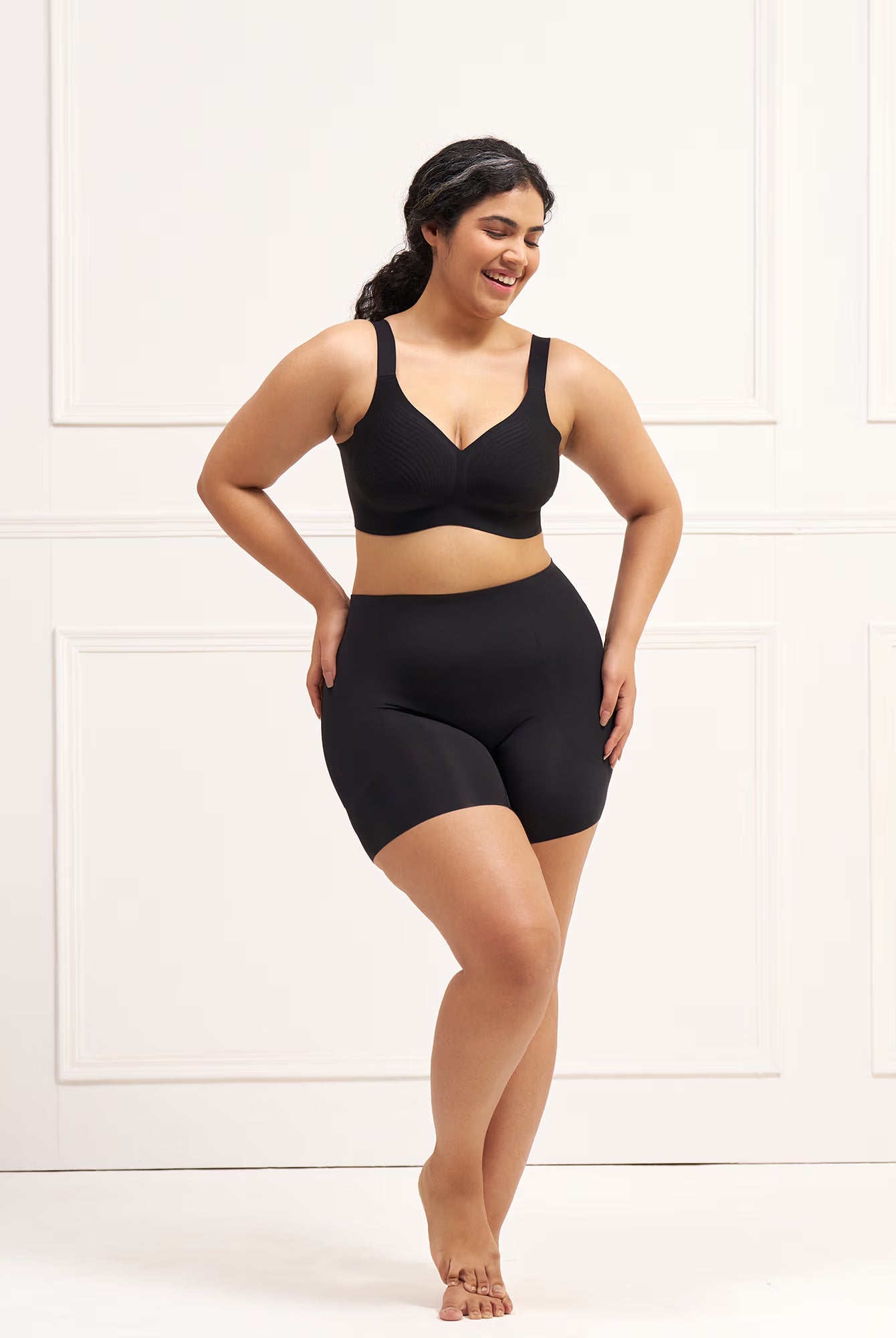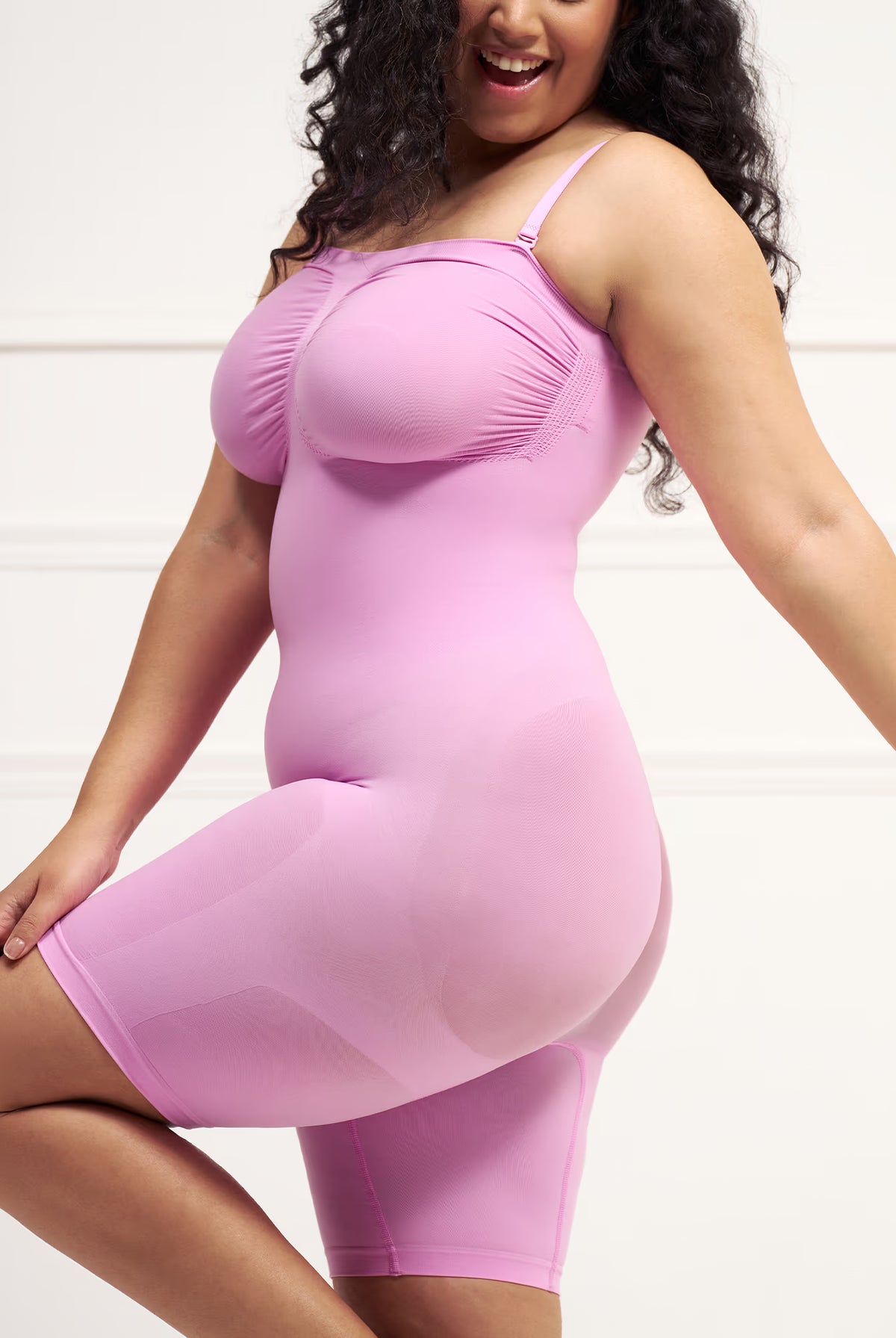








Is there anything worse than gearing up for a high-energy workout session, hitting your stride on the treadmill or jumping into a heavy set of burpees, only to be completely ruined by zero support? We have all been there. You are trying to smash a personal record, but half your brain is distracted because your chest is bouncing around like crazy. It is uncomfortable, super distracting, and low-key painful.
Here is the reality check: your regular everyday bra is not built to handle the intense physics of high-impact movement. Breast tissue contains no muscle; it is mostly supported by delicate skin and Cooper's ligaments. When you run, jump, or dance, your chest moves in a figure-eight pattern, which can cause stretching, sagging, and discomfort if not supported properly.
If you have been wondering how to choose sports bra styles that actually hold everything securely in place, you are in the right spot. Let us break down everything you need to know about impact levels, sizing hacks, and support styles so you can conquer every workout with absolute confidence.
Understanding Impact Levels: Low vs Medium vs High

Before buying activewear, you must match your bra choice to the intensity of your movement. Not every workout demands maximum compression, and wearing a super restrictive bra for a gentle activity is unnecessary. Here is how impact levels are categorised across different fitness activities:
-
Low-Impact Workouts (Gentle & Mindful Movement): Activities like yoga, Pilates, barre, stretching, and casual walking fall under low impact. Your body stays grounded most of the time, so breast movement is minimal. Low-impact sports bras focus on soft fabrics, light support, and total flexibility without tight compression.
-
Medium-Impact Workouts (Moderate Everyday Fitness): This includes strength training, spin classes, hiking, rowing, and steady cycling. These activities involve moderate motion. Medium-impact bras offer balanced support, often combining light compression with breathable stretch to keep you comfortable through reps and sets.
-
High-Impact Workouts (Maximum Bounce Control): Think running, HIIT, CrossFit, jump rope, aerobics, kickboxing, and sports like basketball or tennis. These activities cause rapid vertical and lateral movement. High-impact sports bras are specifically engineered with heavy-duty bounce control, reinforced straps, wide bands, and encapsulated cups to keep everything firmly locked down.
Encapsulation vs Compression: Which High-Impact Style Works Best?
When shopping for high-impact support, you will notice two main design methods for controlling bounce. Knowing the difference between them will save you a lot of trial and error while shopping:
-
Compression Sports Bras: These press your chest flat against your body to minimise movement. They usually come in a pullover style without individual cups. Compression bras are incredible for small to medium cup sizes (A to C), providing a snug, hugged feel during intense cardio.
-
Encapsulation Sports Bras: Instead of squishing everything down, encapsulation bras support each breast individually in separate cups, similar to an everyday bra. This design is exceptionally effective for larger cup sizes (D and DD+), preserving your natural shape while stopping movement from all angles.
-
Hybrid Sports Bras (The Ultimate Combo): Many premium high-impact bras combine both methods. They feature moulded inner cups for individual encapsulation plus an outer compression layer for maximum lockdown. If you have a fuller bust and love high-intensity running or HIIT, hybrid styles are the absolute gold standard.
Step-by-Step Fitting: How to Choose Sports Bra Size Correctly

Did you know that nearly 80% of women wear the wrong bra size without even realising it? With activewear, guessing your size or relying on generic S/M/L charts can lead to severe chafing or no support. Learning how to choose sports bra size accurately is the single most important step in your buying journey.
Grab a soft measuring tape and follow these easy steps to find your true fit:
| Measurement Step | How to Measure | What It Determines |
|---|---|---|
| 1. Underbust (Band Size) | Measure snugly around your ribcage, right under your bust. Keep the tape level and exhale naturally. Round to the nearest even number. | Your exact band size (e.g., 32, 34, 36). The band provides approximately 80% of your bra's total support. |
| 2. Overbust (Cup Size) | Wrap the measuring tape loosely around the fullest part of your bust without compressing the tissue. | Subtract your underbust measurement from your overbust measurement to determine your cup size: 1 inch = A, 2 inches = B, 3 inches = C, 4 inches = D, 5 inches = DD. |
Always check brand-specific size guides, especially when transitioning between numerical sizing (like 34D) and alpha sizing (like M or L). If you are looking for high-performance support built specifically for your body shape, explore our wide range in the latest sports bra collection.
The Anatomy of a High-Impact Sports Bra: Key Features to Check

When evaluating high-impact activewear, small construction details make a massive difference in real-world performance. Look out for these critical features before making a purchase:
-
Wide, Padded Shoulder Straps: Thin straps dig painfully into your shoulders during high-bounce activities. Wide, cushioned straps distribute weight evenly across your upper back and shoulders, preventing red marks and strain.
-
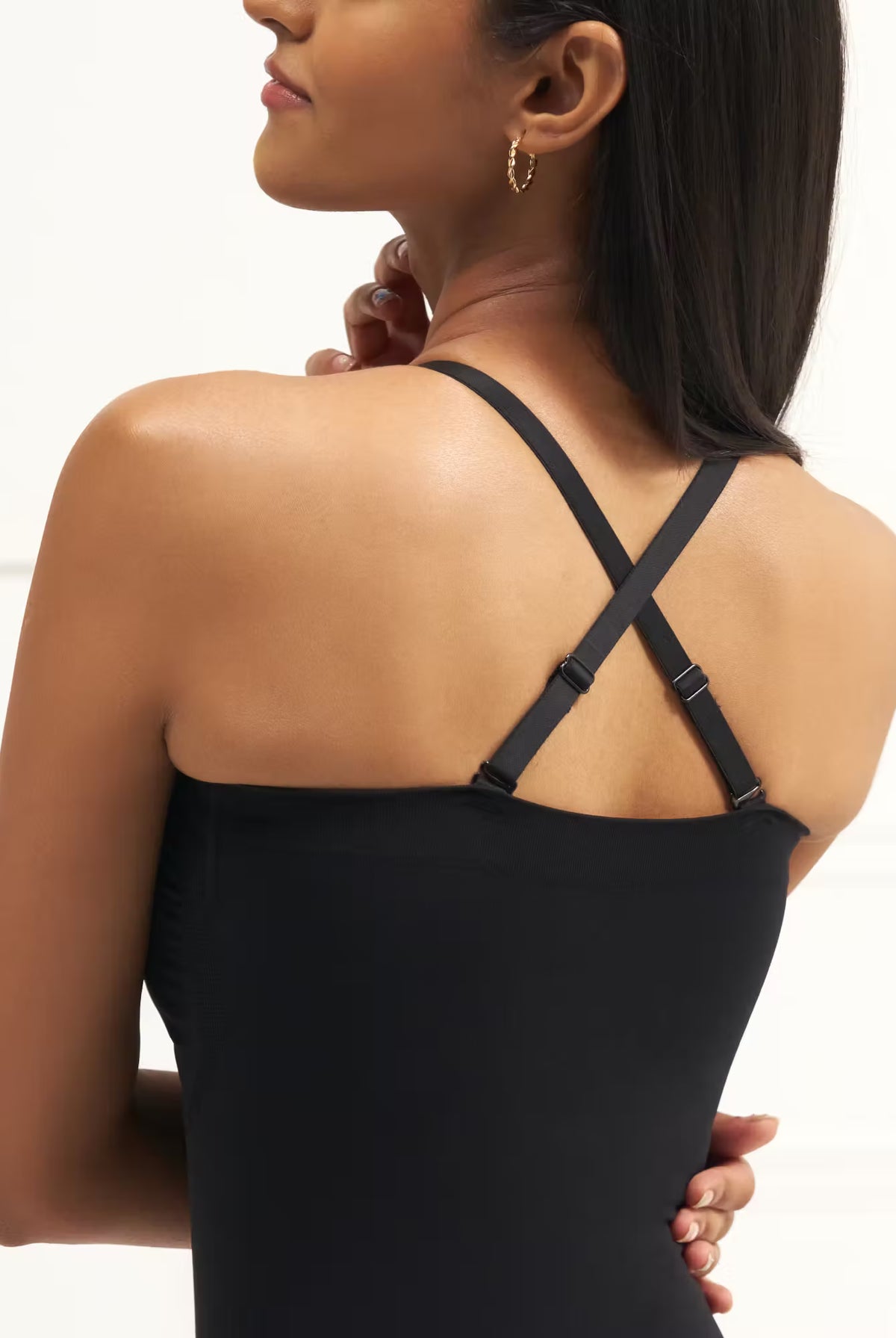
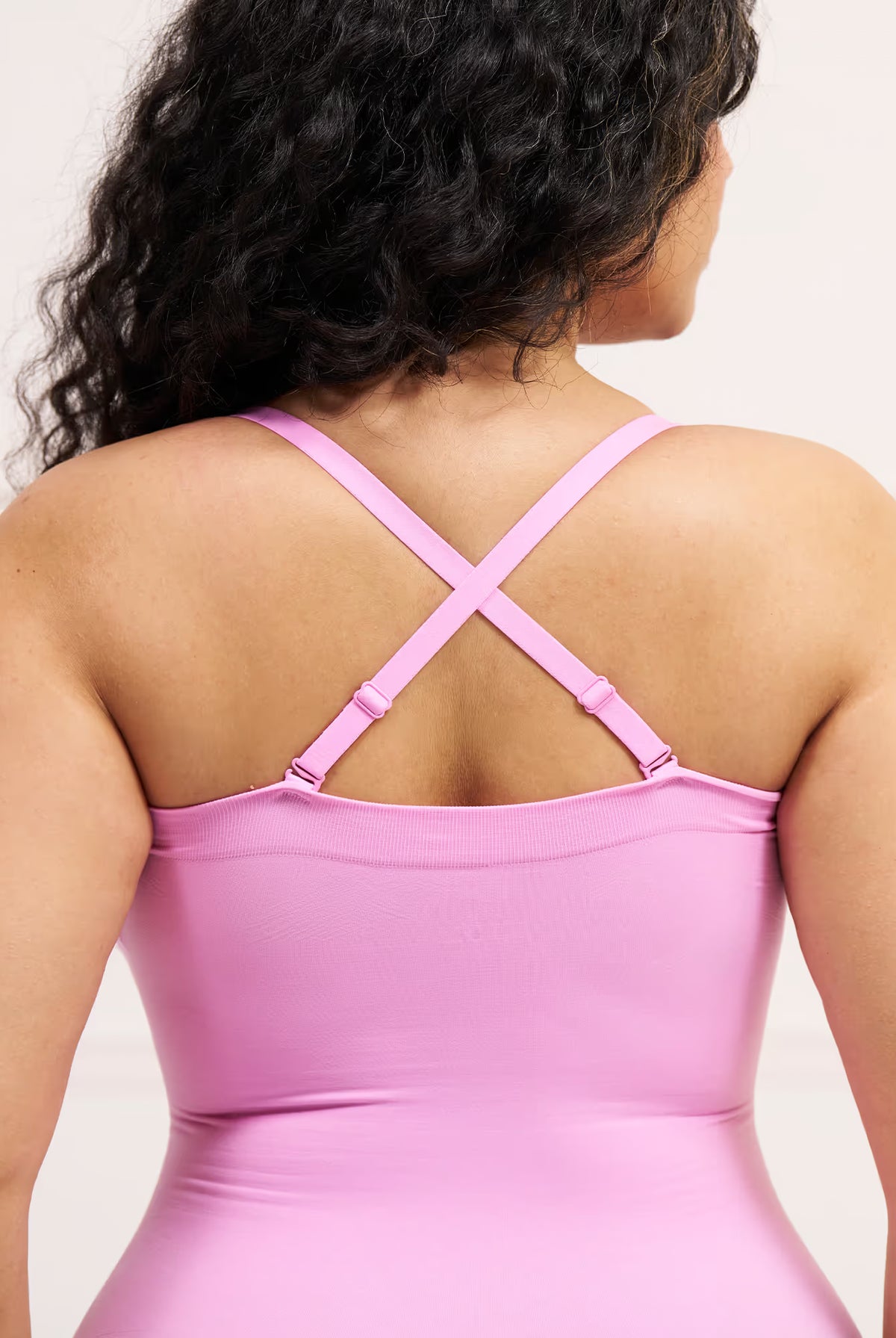
Racerback or Cross-Back Designs: Racerback and criss-cross configurations pull the bra closer to your body, offering superior support while freeing up your shoulder blades for full range of motion.
-
Thick, Snug Under-Band: The bottom band anchors your bra. It should sit flat against your ribcage without riding up when you lift your arms. A wide bottom elastic band prevents bounce far better than narrow bands.
-
Moisture-Wicking & Breathable Fabrics: Intense cardio means sweating. Opt for technical performance fabrics like nylon-spandex blends with sweat-wicking properties to stay dry and avoid painful friction or skin chafing under the bust.
-
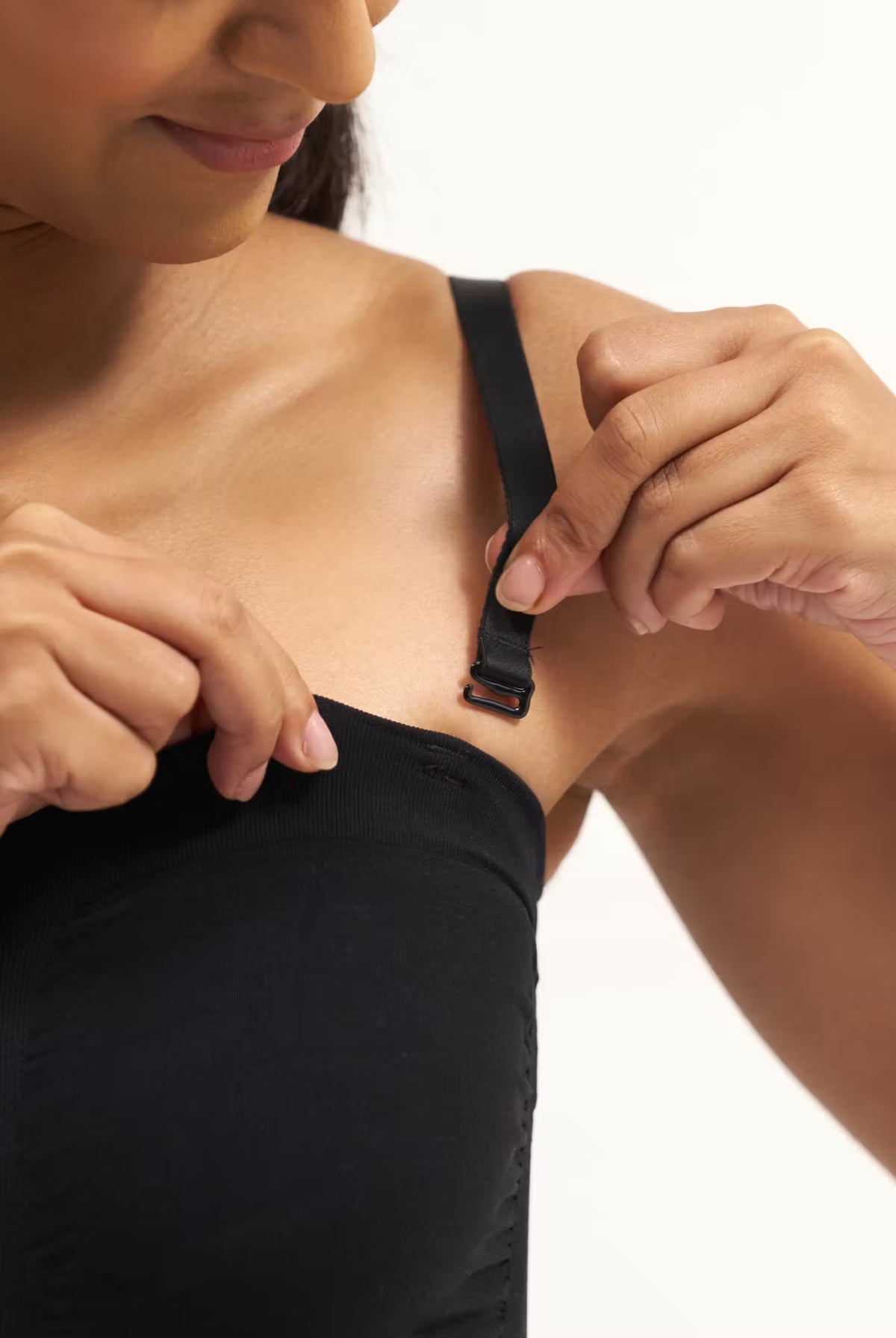
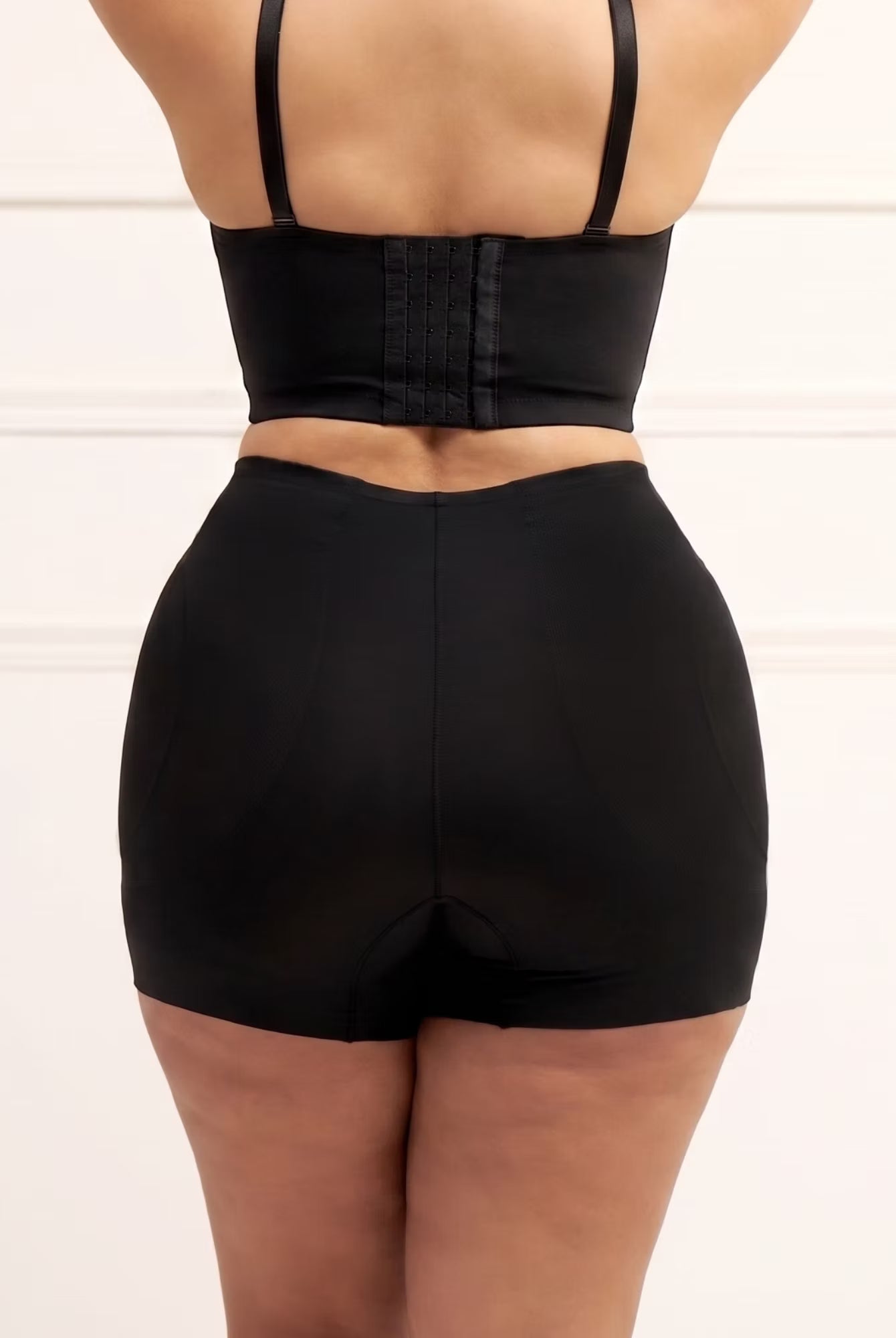
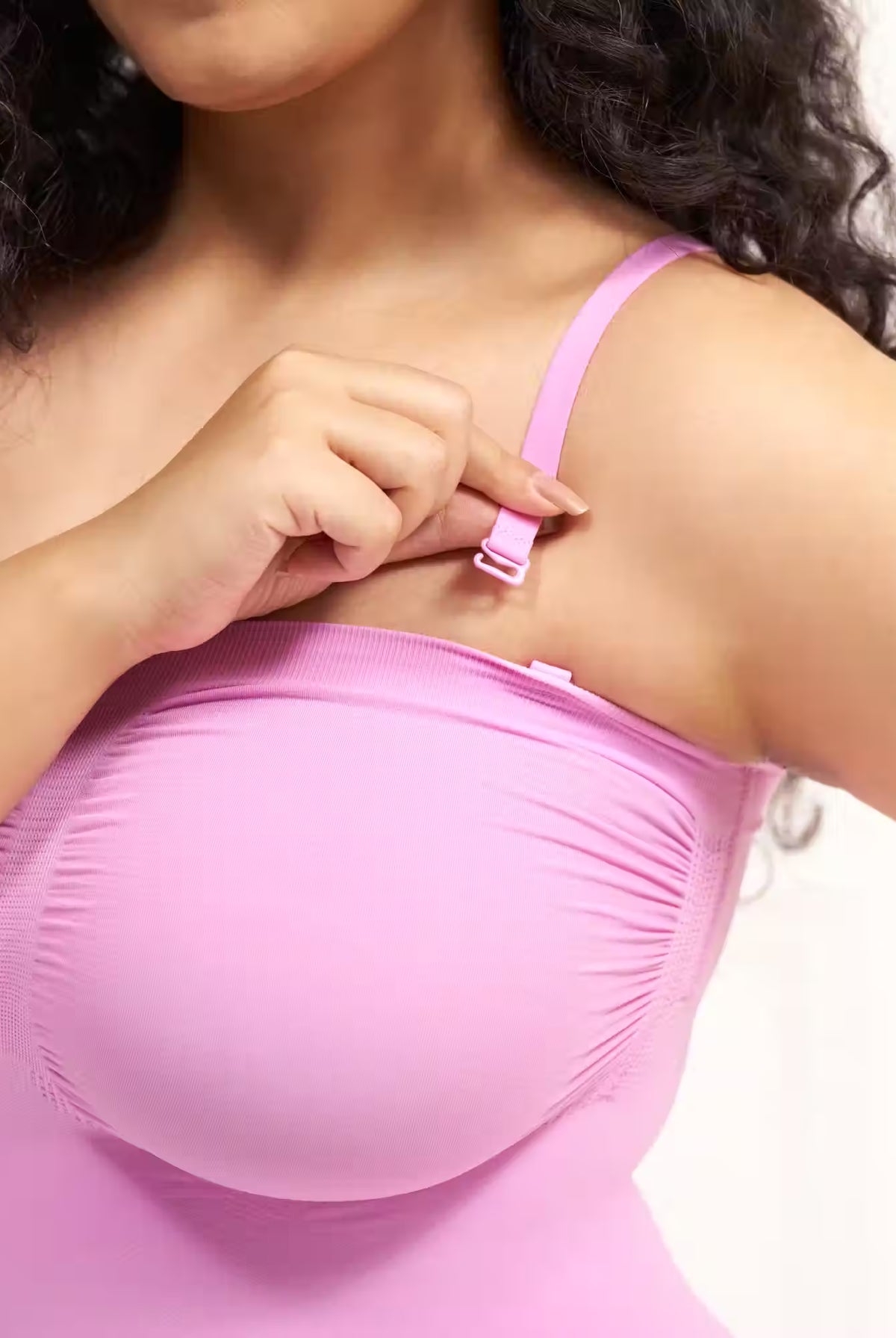
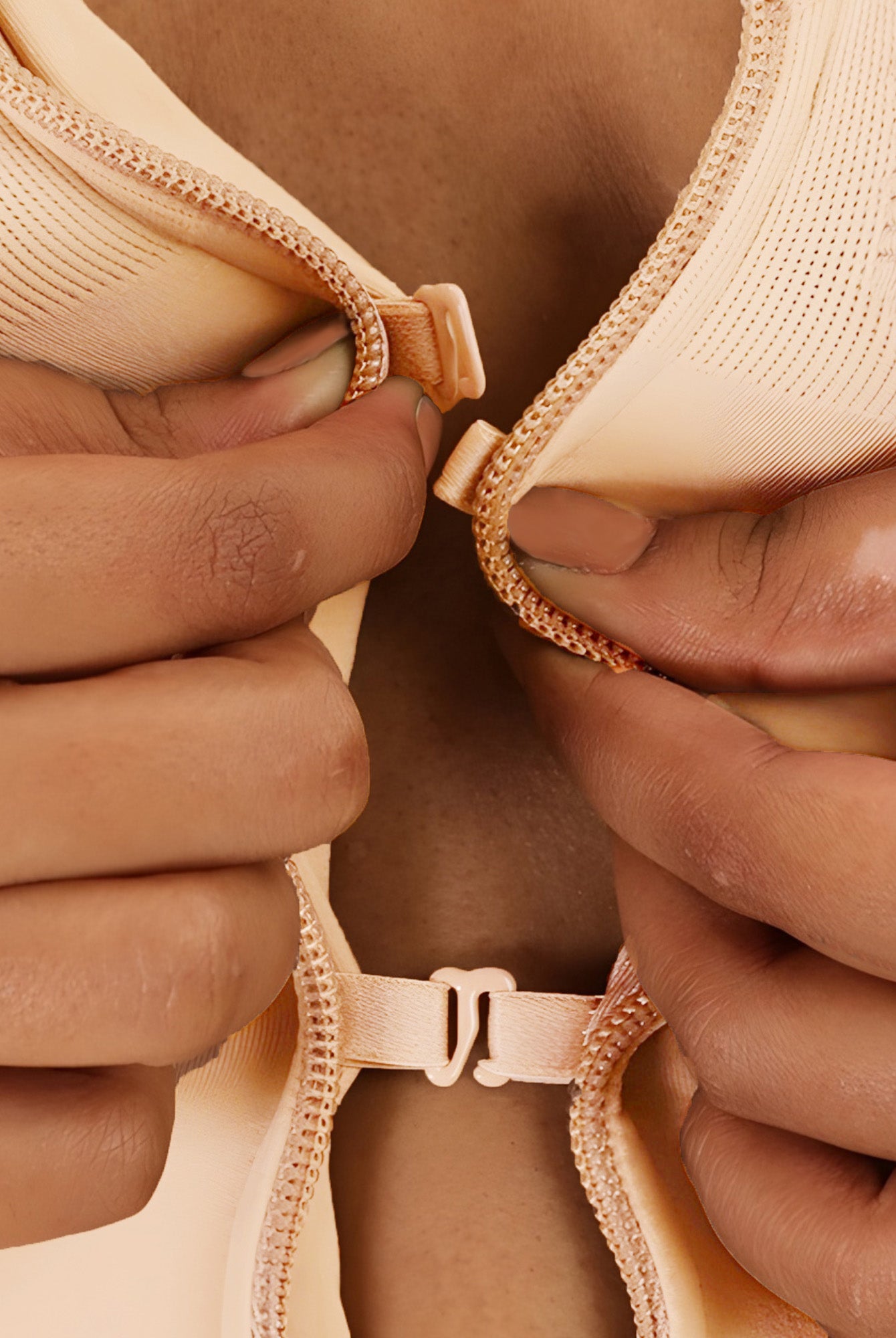
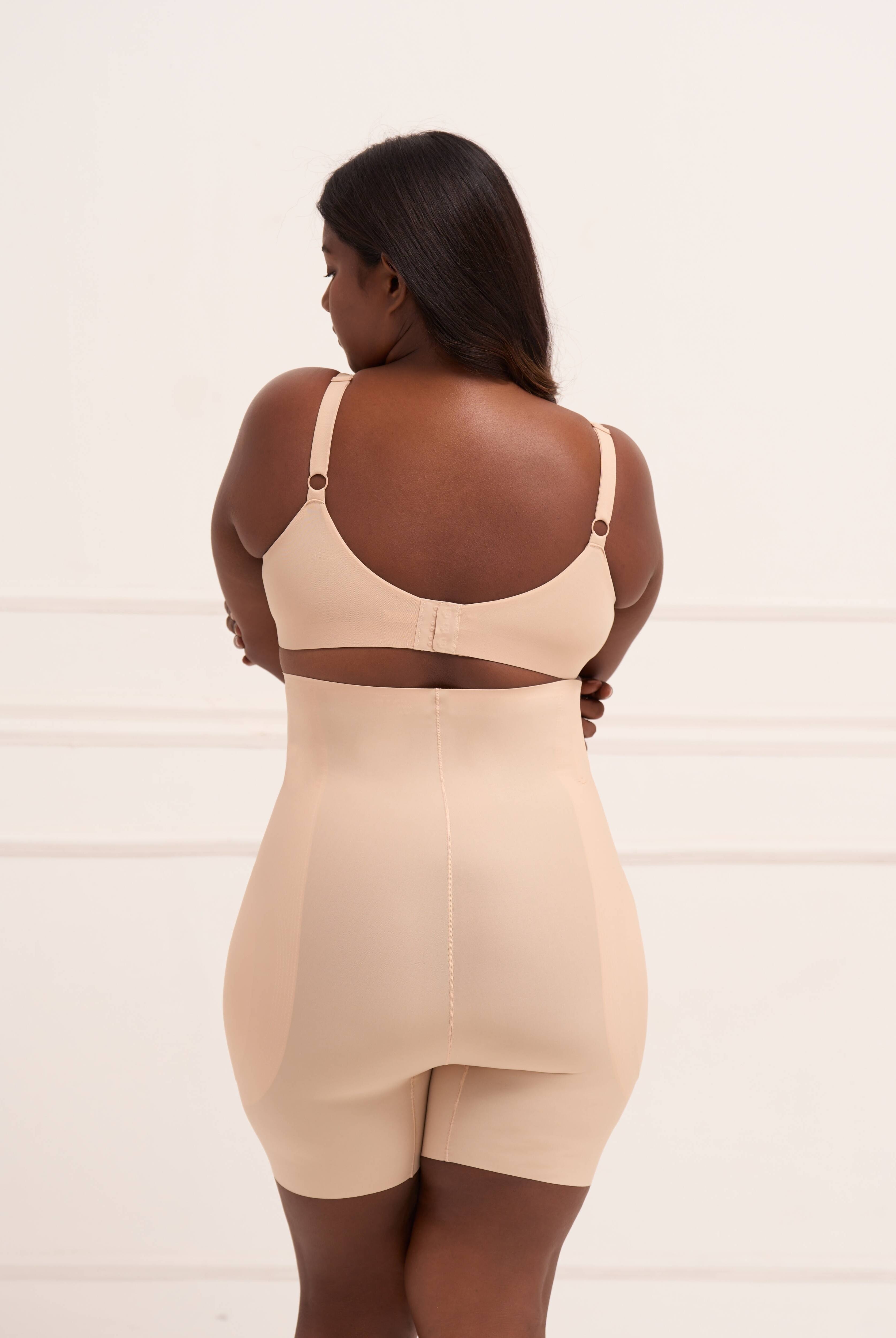
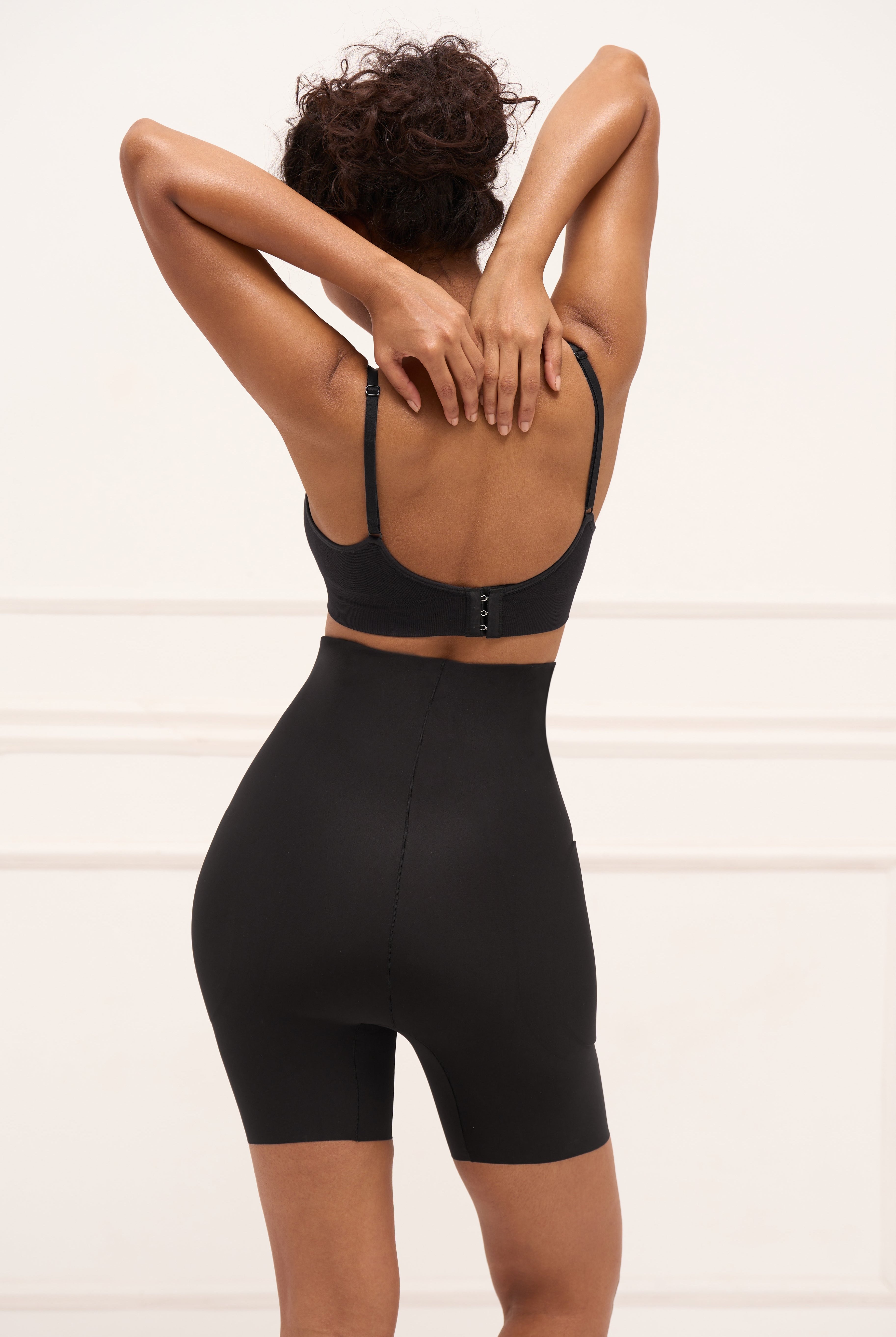
Hook-and-Eye Back Closures: Pulling a tight, sweaty high-impact bra over your head after an exhausting workout can feel like an unwanted wrestling match. Adjustable back clasps make putting on and taking off your bra effortless while letting you customise band tightness.
Quick Fit Check: How to Test Your Bra Before Working Out
Once your new sports bra arrives, do not just put it away in your drawer. Take two minutes to test its fit at home using these quick checks:
-
The Jump Test: Put on the bra, secure the straps, and do five jumping jacks or jump on the spot. If your chest bounces uncomfortably or spills out of the cups, you need more support or a smaller cup size.
-
The Arm Lift Test: Raise both arms high above your head. If the bottom band rides up onto your breast tissue, the band is too loose. Choose a smaller band size.
-
The Two-Finger Rule: Slip two fingers under the shoulder straps and under the bottom band. They should fit comfortably with slight tension. If you can fit three or four fingers easily, it is too big. If you cannot fit two fingers, it is too tight.
Final Verdict
Finding the ideal activewear is an absolute game-changer for your health and fitness routine. When your chest feels properly supported, you can sprint faster, jump higher, and focus completely on crushing your fitness goals without pain or distraction. Taking the time to understand your impact level and master how to choose sports bra size parameters ensures your body gets the care and protection it deserves every single day.
FAQs
How to choose sports bra styles for high-impact workouts if I am a DD cup or larger?
For larger cup sizes (DD and above), choose encapsulation or hybrid sports bras with individual moulded cups, wide padded straps, an underwire or sturdy bottom band, and adjustable back clasps. Avoid basic pullover compression bras as they can flatten your chest without stopping vertical bounce.
Can I wear a high-impact sports bra for low-impact activities like yoga?
You can, but it might feel overly restrictive. High-impact sports bras feature firm compression and structured bands engineered for intense bounce control. For flexible activities like yoga or stretching, lightweight, low-impact bras offer more freedom of movement and breathing comfort.
How often should I replace my high-impact sports bra?
A sports bra typically lasts between 6 to 12 months with regular weekly use. If the bottom band loses elasticity, straps start slipping, or bounce control noticeably decreases, it is time to replace it. Washing your bras in cold water on a delicate cycle and air-drying them helps extend the life of the elastic.
Why does my sports bra cause chafing under my bust during runs?
Chafing usually happens because a loose band rubs against your skin, or because moisture builds up in non-breathable fabric. Make sure the bottom band sits snug against your ribcage without sliding, and choose moisture-wicking technical fabrics to keep skin dry.
Should a high-impact sports bra feel tighter than my daily bra?
Yes! A high-impact sports bra should feel noticeably snugger and firmer than an everyday bra to ensure zero movement during intense cardio. However, it should never restrict your breathing, pinch, or leave deep, painful marks on your skin.