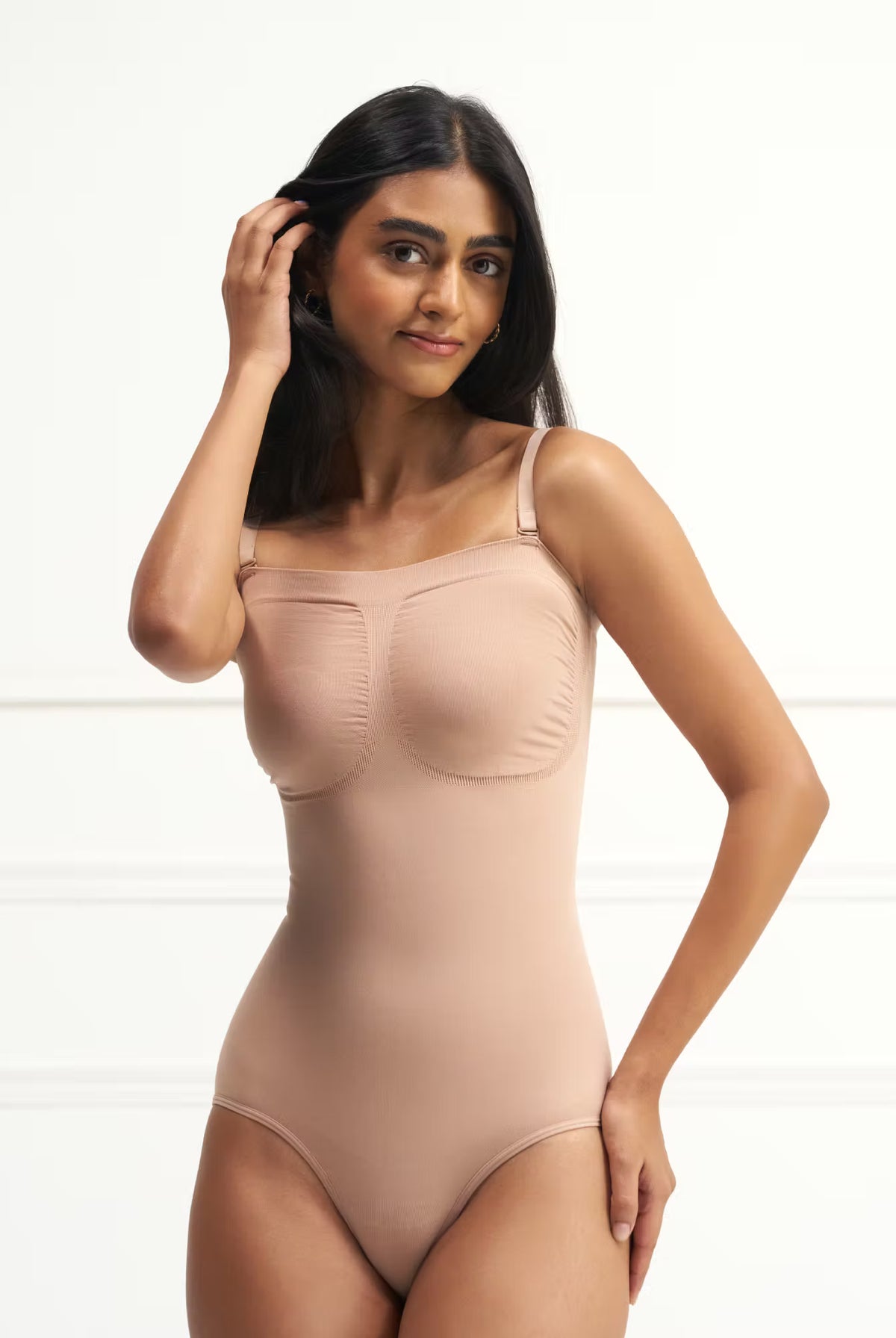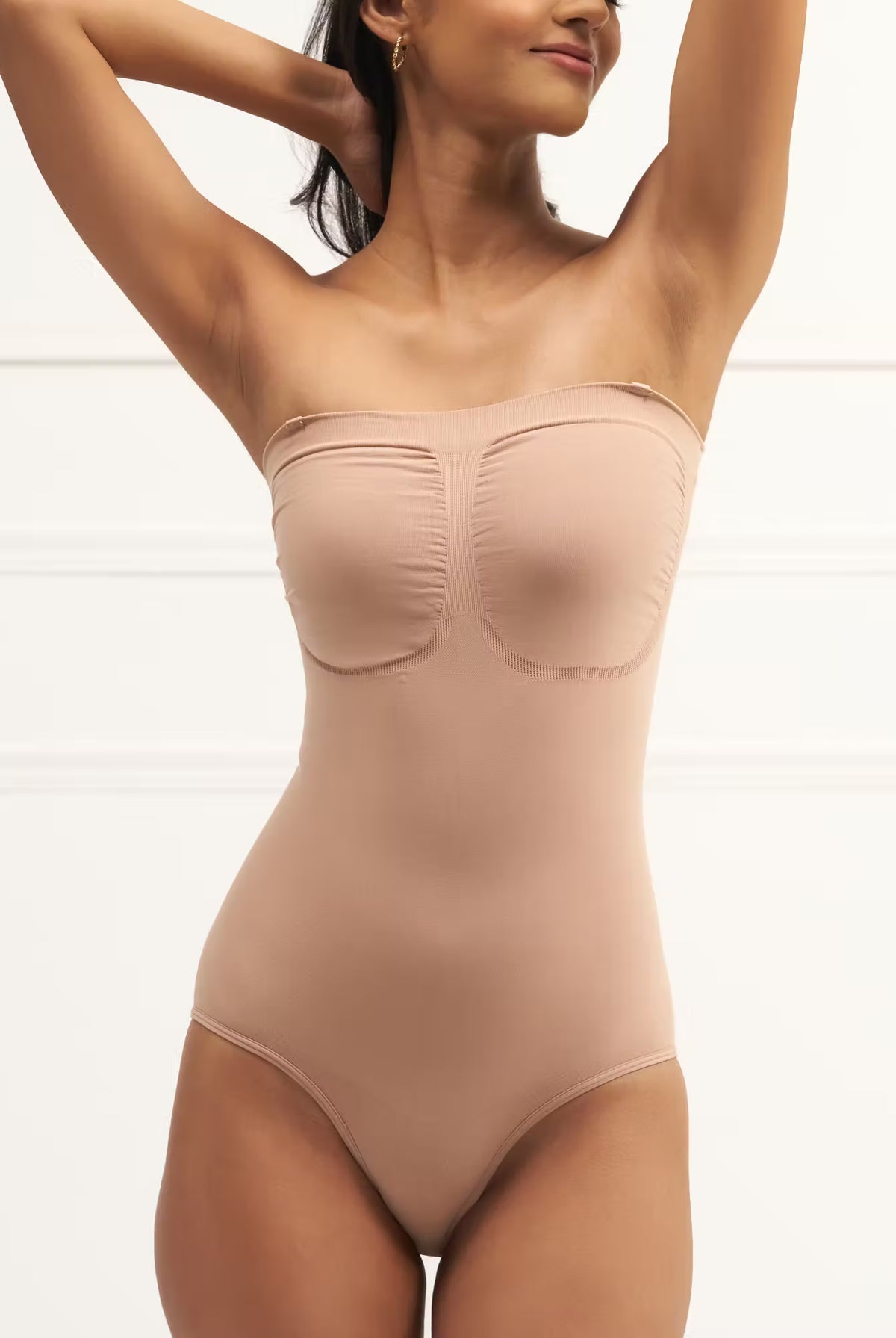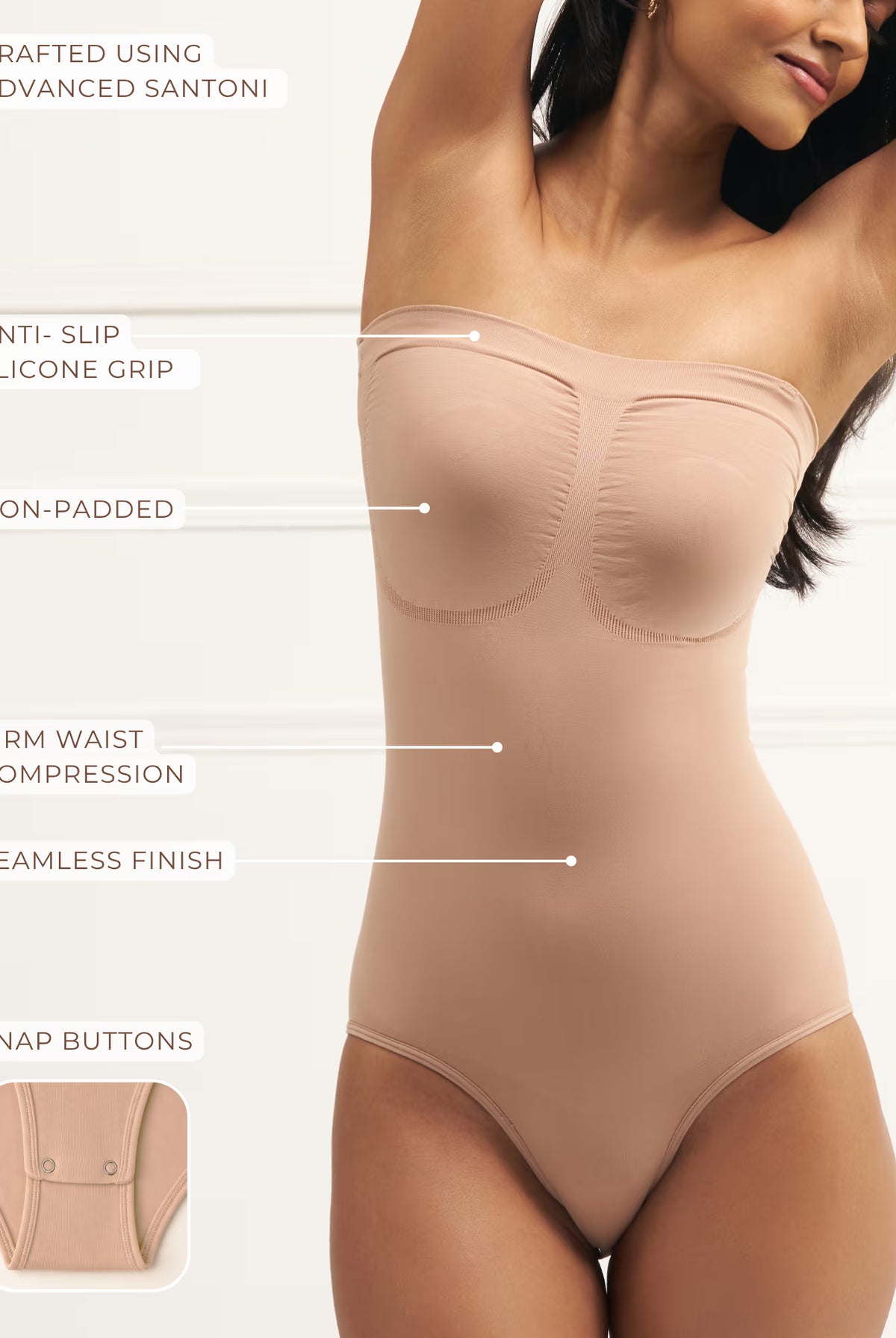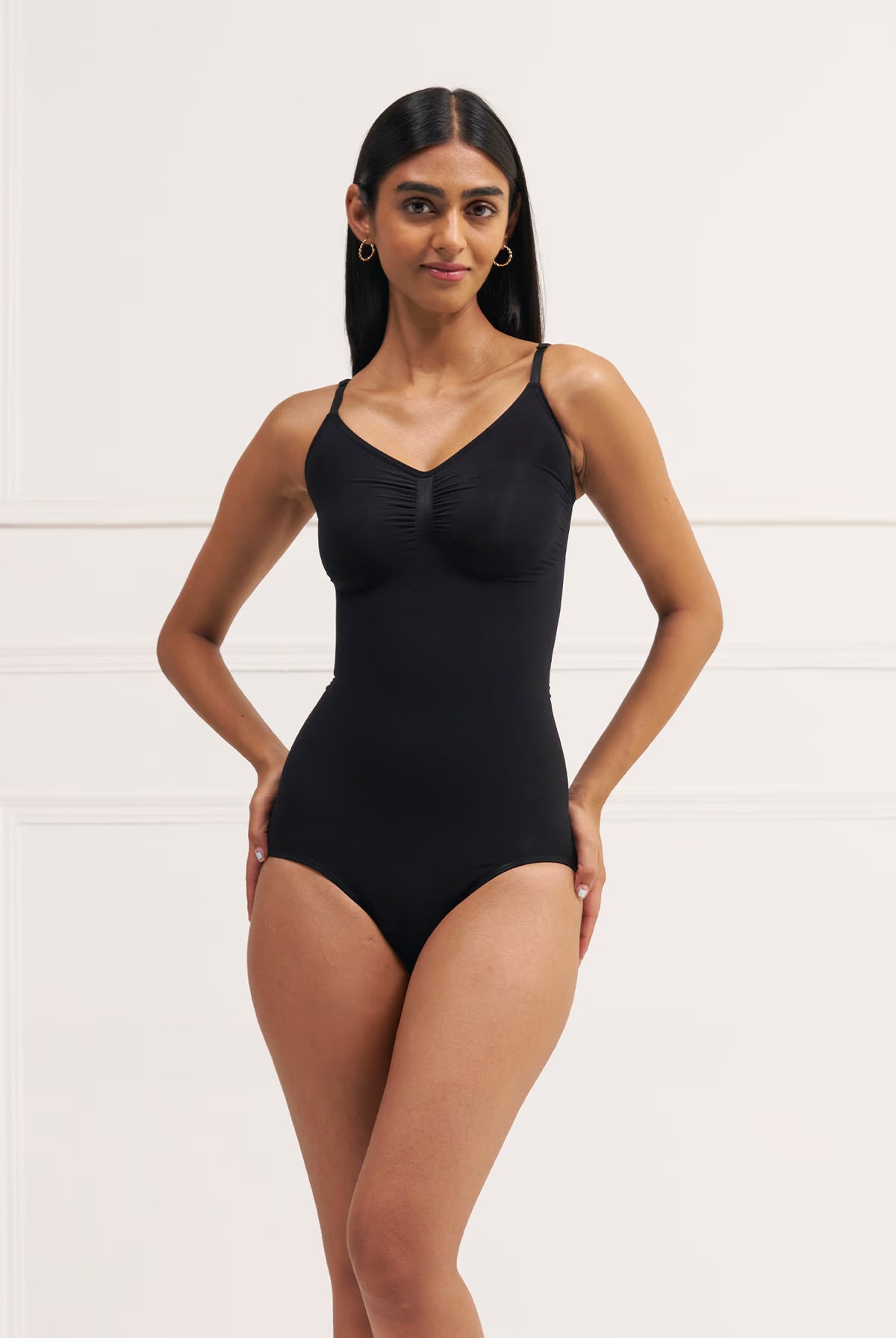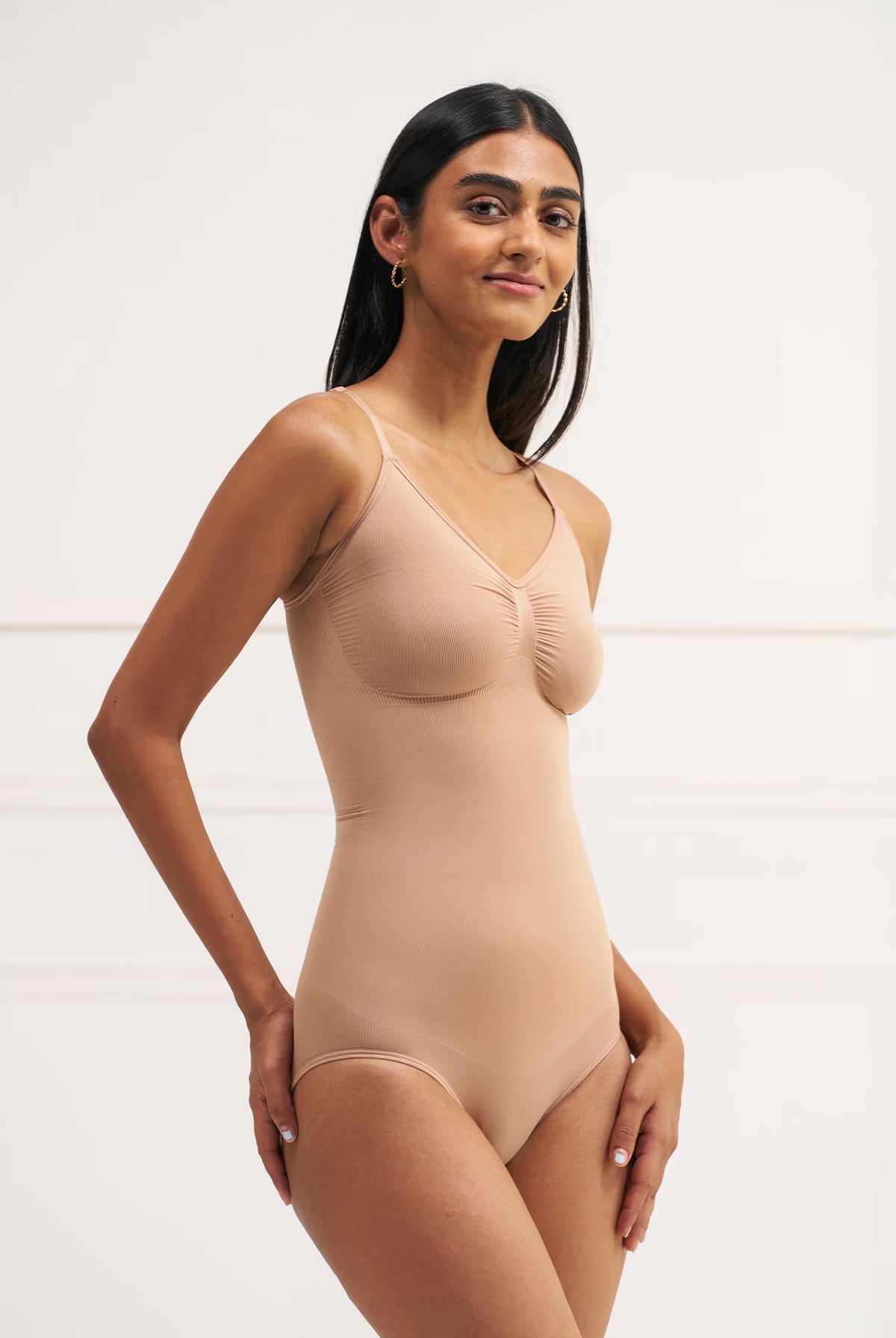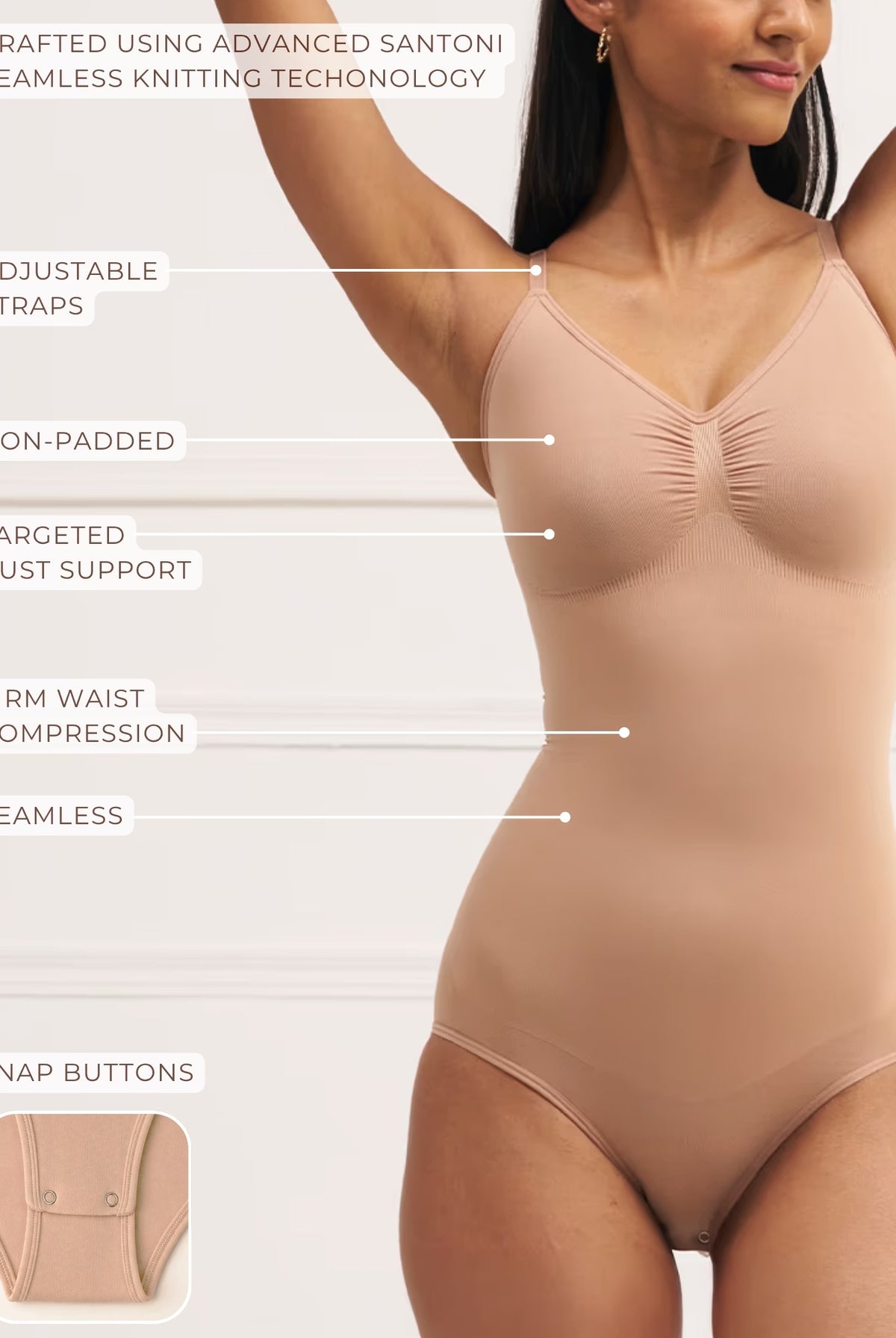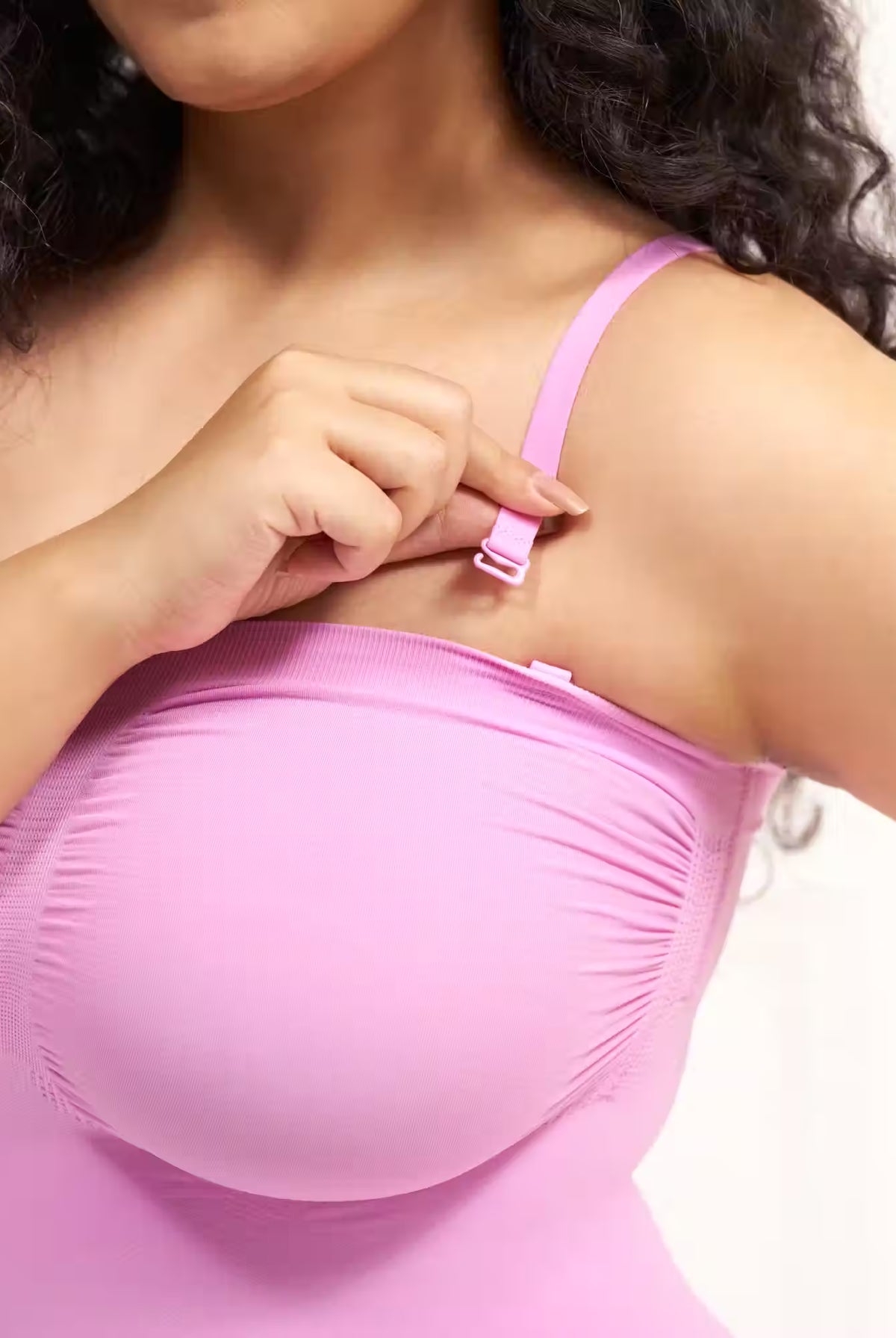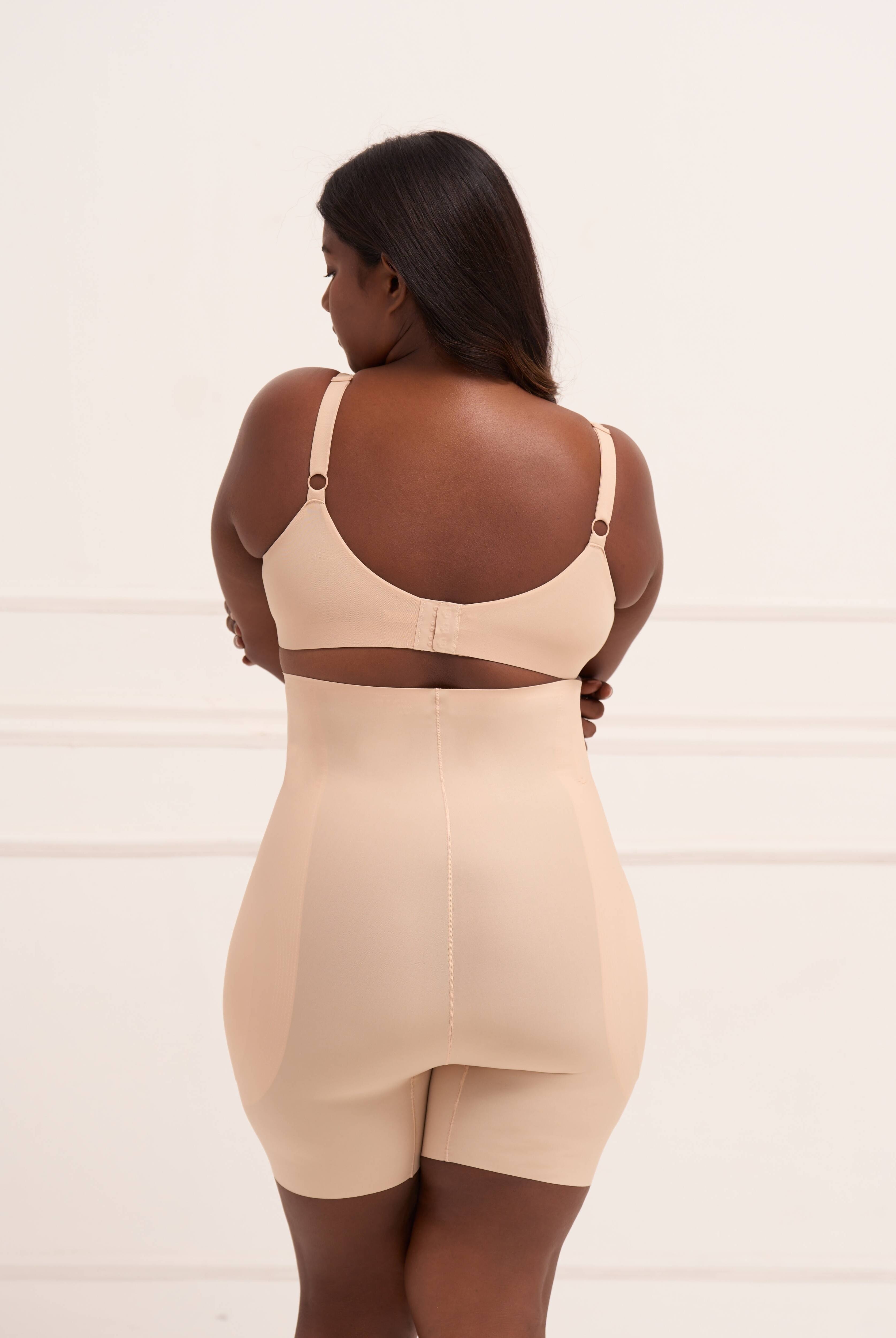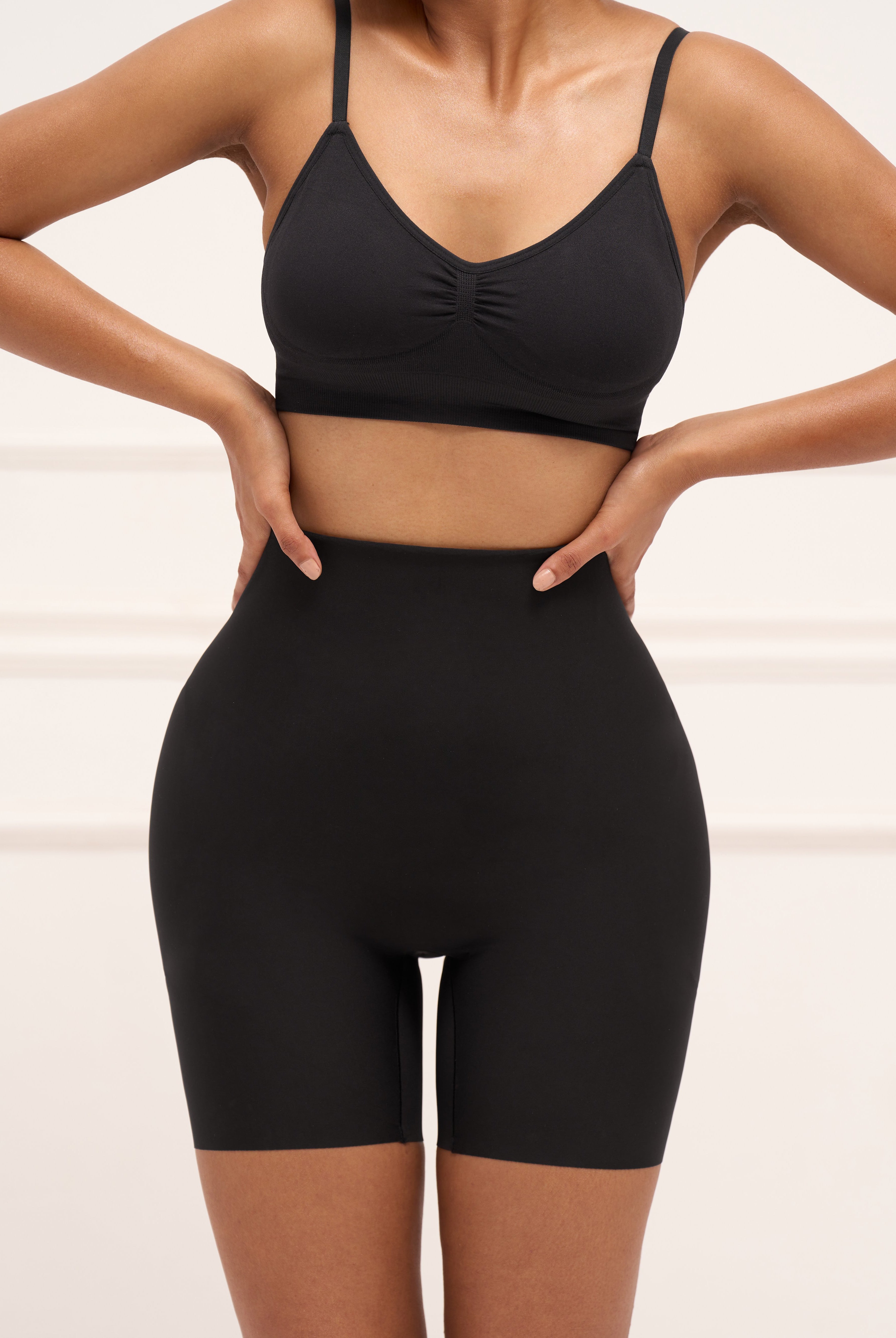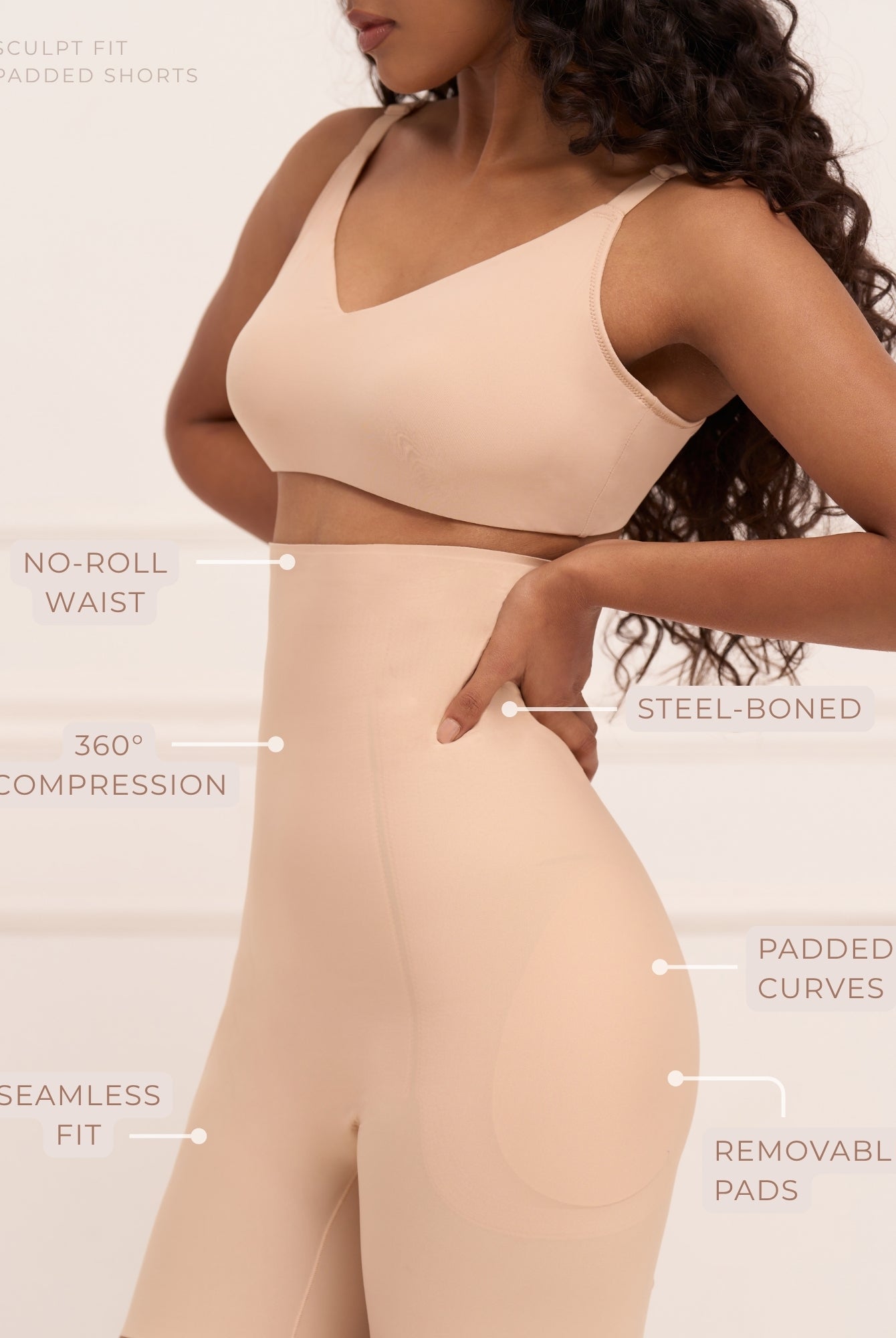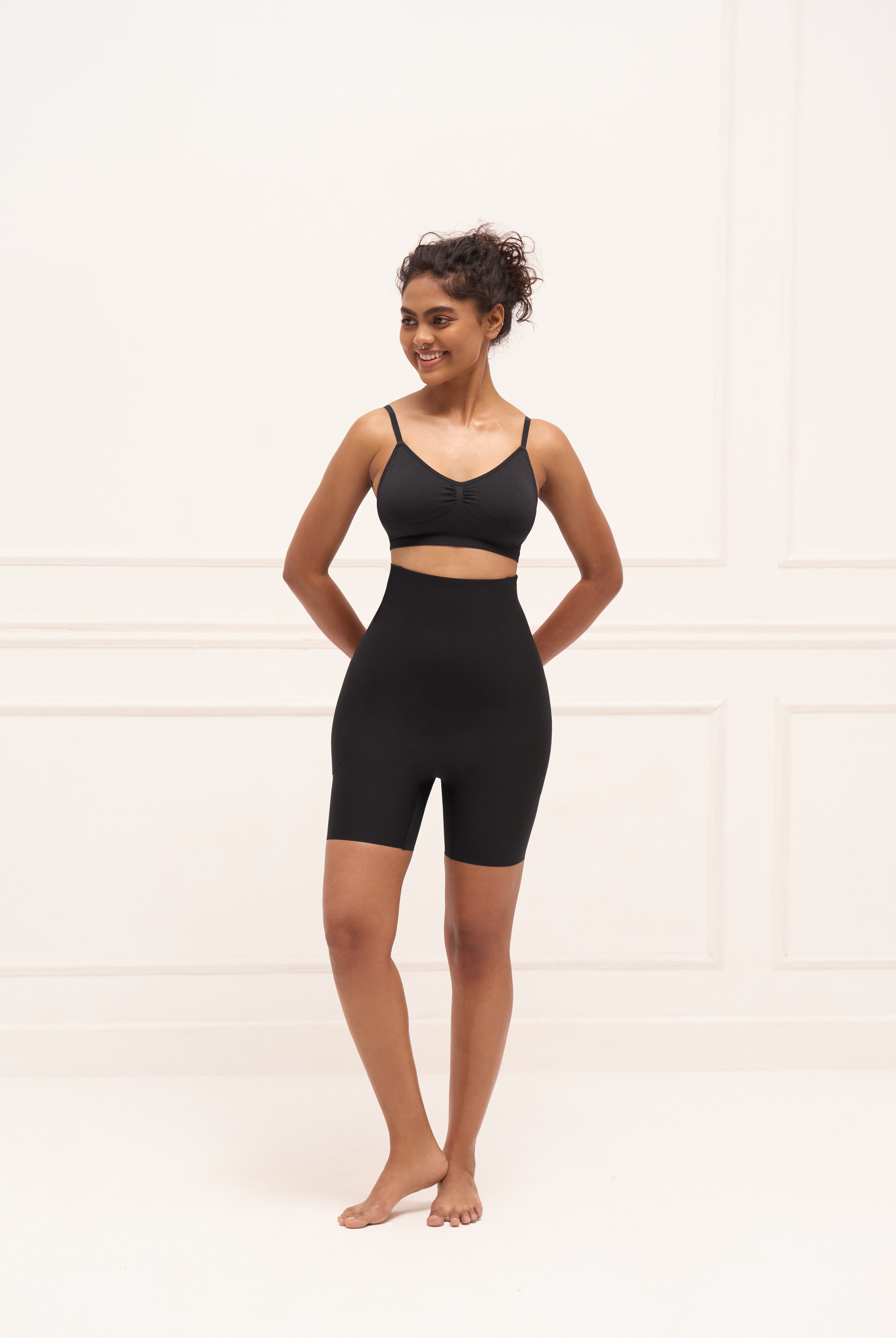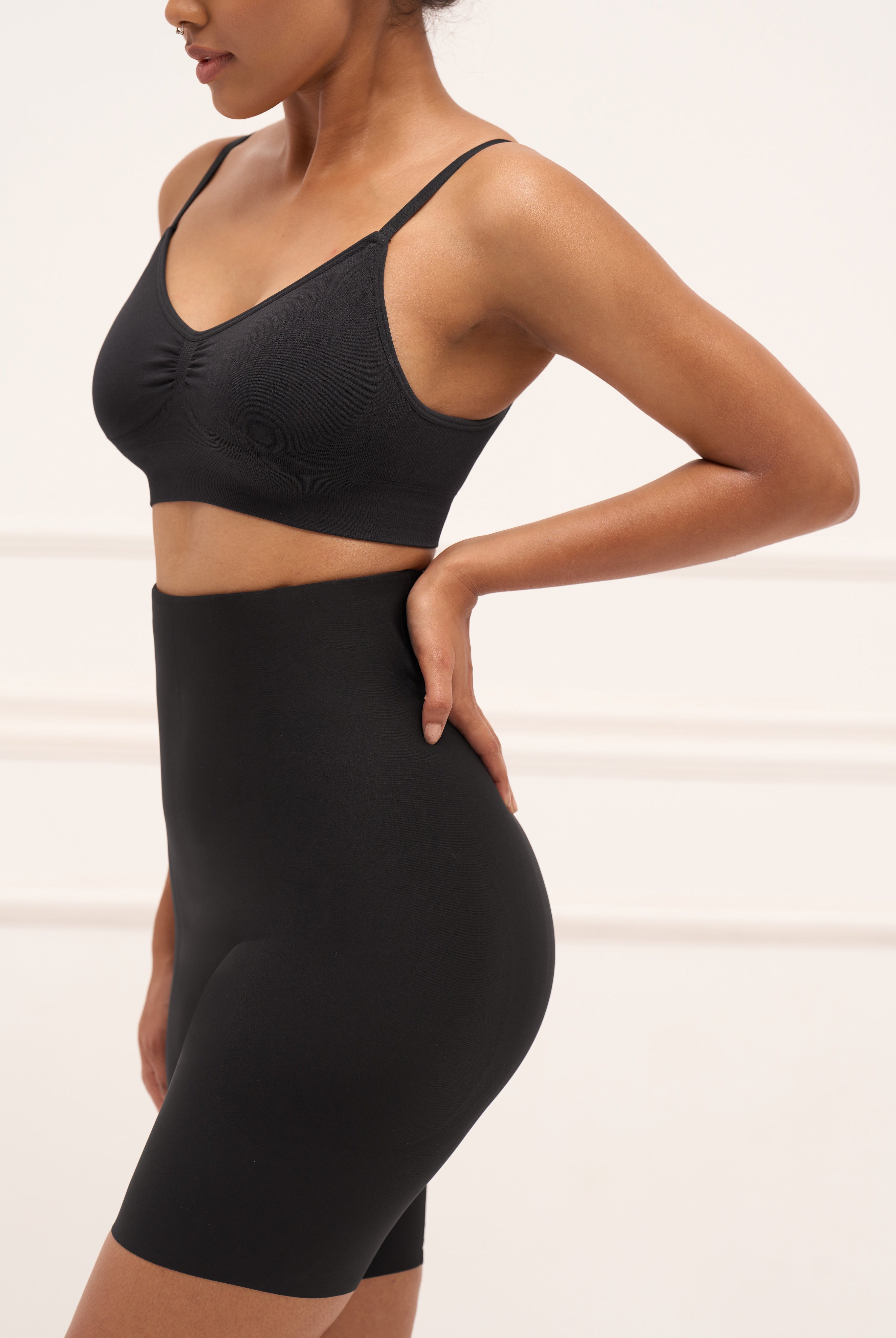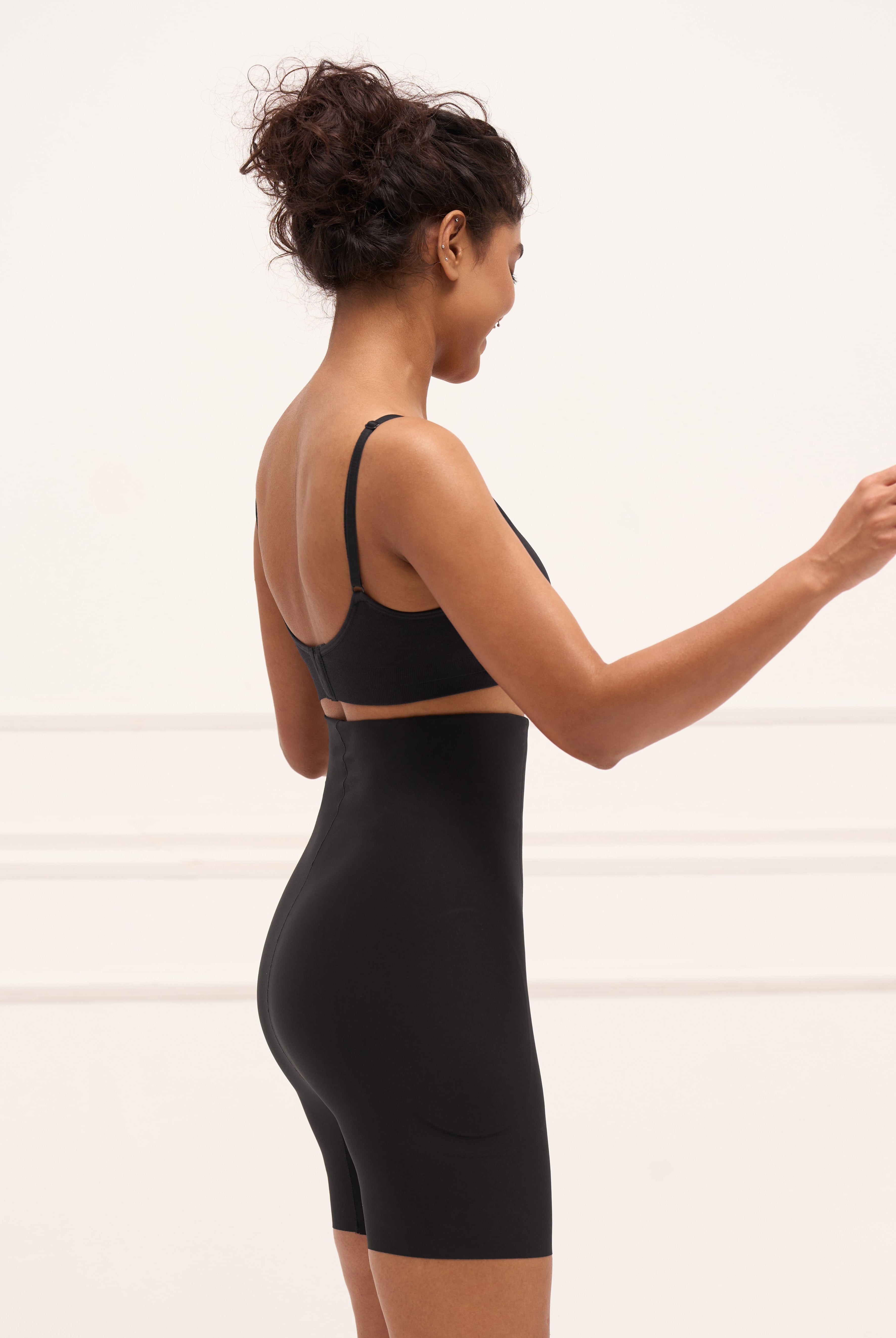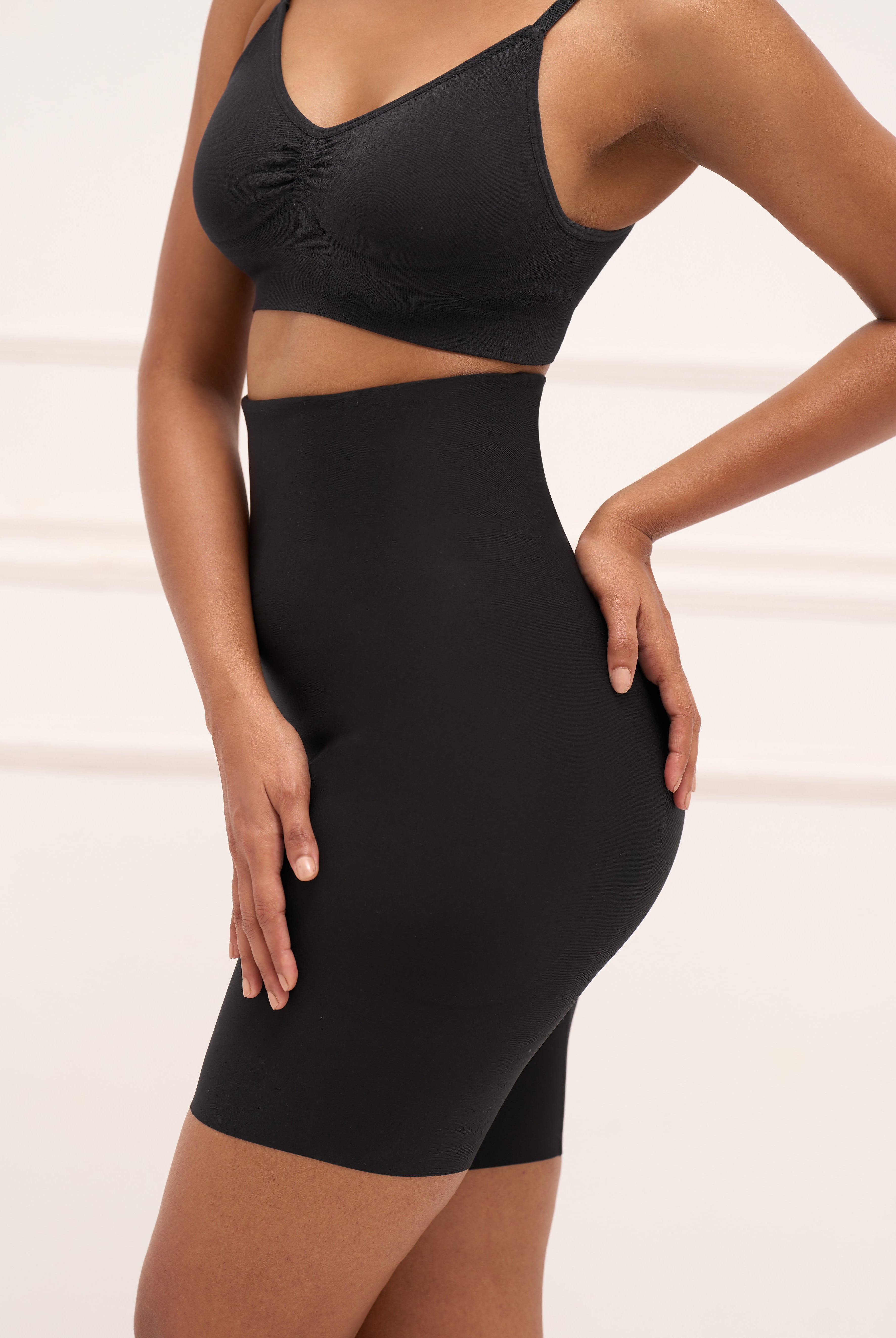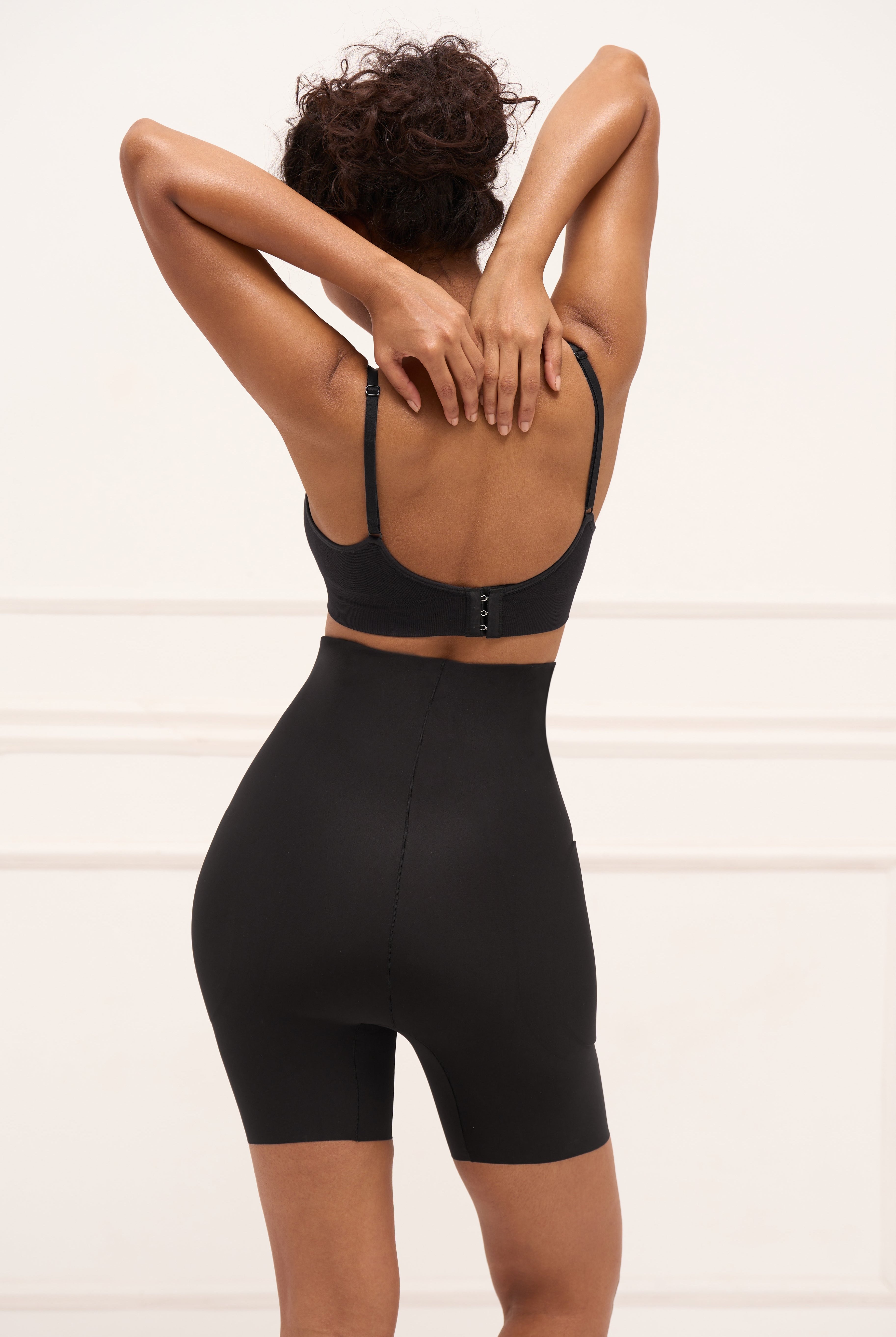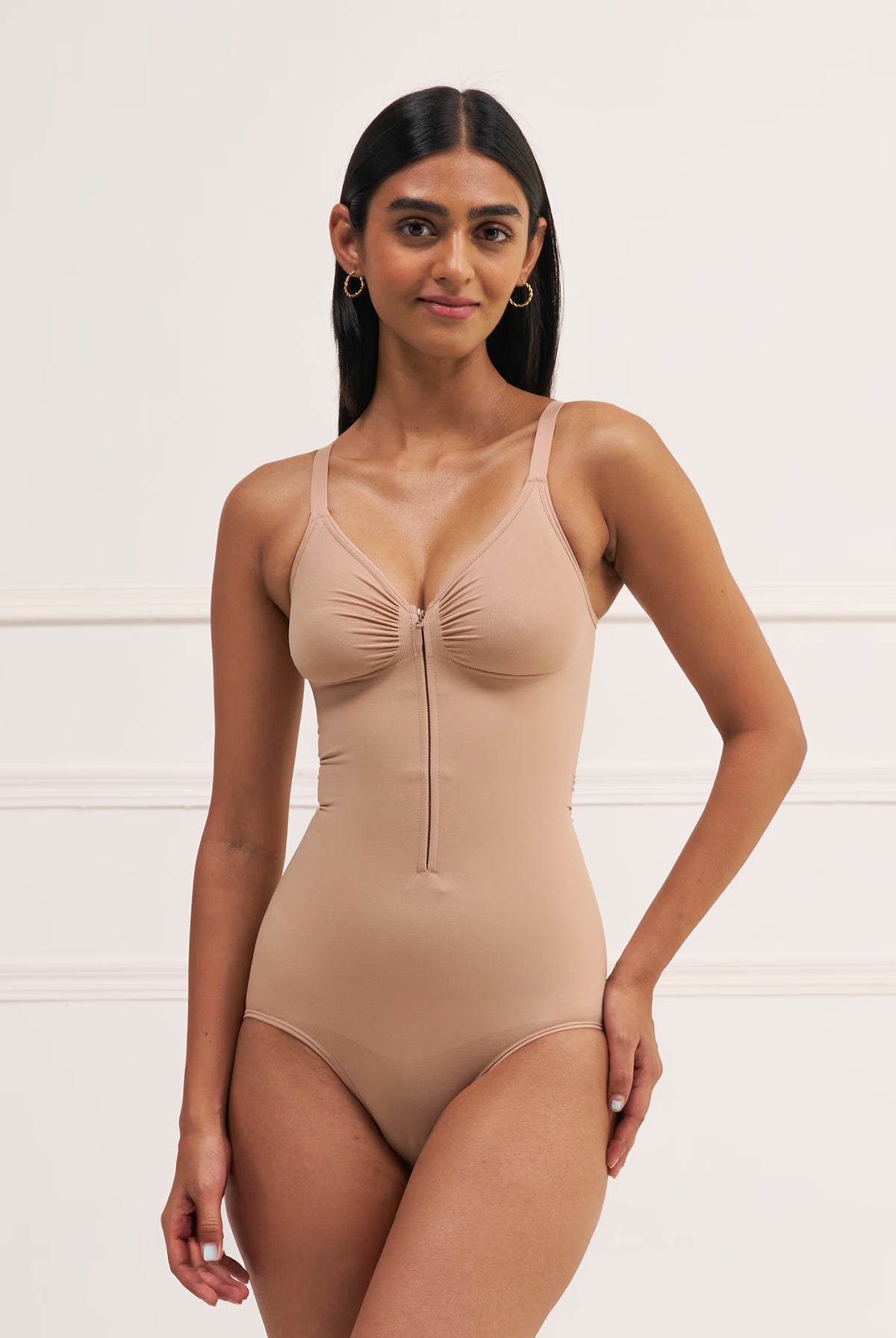







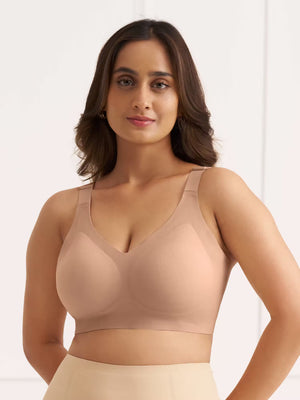

Working out without the right gear is an absolute nightmare. You are all set to smash your workout goals, but your traditional bra decides to give you a hard time.
That is exactly why finding the perfect fit is so important. And we swear, babe, bilkul risk nahi lene ka…
If you have ever wondered why everyone keeps talking about upgrading your gym wardrobe, you are in the right place.
Time to enter the world of activewear comfort, know about the sports bra's meaning, and clear up all your doubts once and for all.
What is a Sports Bra?

So, what is a sports bra anyway?
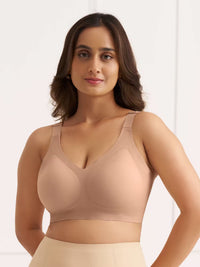
To break down the actual meaning, it is a specially designed bra meant to provide sturdy support to your breasts during physical activities.
Unlike your regular everyday lingerie, it reduces bounce and keeps everything securely locked in place so you can jump, run, or do yoga without any discomfort or awkwardness.
Why Do You Need a Sports Bra?

Honestly, wearing a normal bra to the gym is an extreme sport you do not want to try.
Your breasts are made of soft tissue and Cooper's ligaments, which can stretch out permanently if they don't get proper support during high-impact movements.
Once that stretching happens, it can lead to sagging, and nobody wants that early sag era, right?
Apart from the aesthetic side, not wearing a proper support bra can lead to serious upper back, neck, and shoulder pain.
Regular bras have thin straps that dig straight into your skin when you move fast, which is super annoying.
A good sports bra evenly distributes the weight and pressure, letting you focus fully on your fitness routine without constant painful reminders.
How Does a Sports Bra Work?

It works by using smart design techniques, such as encapsulation or compression, to restrict breast movement in all directions.
Instead of just lifting like normal bras, it minimises the vertical and horizontal bounce by hugging your chest firmly, giving you a smooth, pain-free movement experience during workouts.
What to Look for in a Sports Bra?

When you are out shopping, do not just pick the prettiest colour on the shelf.
Keep these essential tips in mind to get the best value for your money:
-
Go for Performance Fabrics:
Look for high-quality nylon or polyester blends that come with built-in moisture-wicking technology. Trust me, sweat-wicking material is a complete lifesaver because it pulls sweat away from your skin, saving you from that sticky, uncomfortable feeling and unexpected skin acne.
-
Check the Under-Band:
The under-band is the actual foundation of your support. It should feel snug and secure against your ribs but never too tight that it makes you feel suffocated.
-
Inspect the Straps:
Ensure the straps are wide and, if adjustable, adjustable. Wide straps are amazing because they help distribute weight perfectly across your shoulders without digging into your skin.
-
Look for Breathability:
If your workouts are super intense and you sweat a lot, always look for sports bras with breathable mesh panels to keep you cool. -
Watch Out for Seams:
Give the inside of the bra a quick check. Make sure the internal seams are completely flat so they don't cause painful rubbing or chafing during long running sessions.
Types of Sports Bra

There are three main types of sports bra you should know about, and each serves a totally different vibe:
-
Compression Bras:
These press your breasts flat against your chest wall to restrict movement. Usually a pullover style, they work best for smaller to medium cup sizes during low to medium intensity workouts.
-
Encapsulation Bras:
These feature separate individual cups to support each breast individually. They look more like traditional bras but are built extra tough, making them absolutely perfect for girls with fuller busts who need tailored support.
-
Hybrid Bras:
As the name suggests, these combine both compression and encapsulation features. They give you the absolute best of both worlds, offering maximum security and zero drama for high-intensity training.
How to Choose the Right Sports Bra?

Finding the right one depends entirely on your unique body shape and the type of exercise you love.
-
Never guess your size based on your casual t-shirt bra; always measure your underbust and fullest part of the chest before buying.
-
When you try it on, do a quick jump test right inside the trial room to see how much it bounces.
-
If it feels too tight or suffocating, try sizing up, but remember it should always feel a bit tighter than your standard daily wear bras.
Different Levels of Support Explained

Now you know ‘what is a sports bra’, time to understand the different levels of support!
Babe, thoda chill karo, this is not like a maths lecture!
Not all workouts are created equal, so activewear comes in three distinct support levels tailored for different exercises.
Matching your bra support level to your actual activity is the ultimate secret to staying fully comfortable all day long.
Low Support
These are super lightweight, stretchy, and perfect for low-impact activities like walking, yoga, pilates, or just lounging around at home.
They focus heavily on comfort rather than heavy-duty lock-in, giving you complete freedom to stretch easily.
Medium Support
Designed for moderate movement, these are your go-to options for cycling, brisk walking, power yoga, and weight training.
They provide a tighter fit to handle a moderate amount of bouncing without feeling overly restrictive or heavy.
High Support
This is the ultimate pick for intense workouts like running, HIIT, aerobics, mountain trekking, or dancing.
They give you maximum compression and absolute control so that nothing shifts around when you are moving at your absolute fastest.
Signs You're Wearing the Wrong Sports Bra

If you are constantly adjusting your outfit mid-workout, something is definitely wrong.
It's not enough to know the meaning of a sports bra if you don’t know the signs of wearing the wrong one.
So, note them down, because ye jaruri hai.
1. Excessive Breast Movement
If you are doing jumping jacks and notice your breasts are bouncing all over the place, your bra is definitely not doing its job. It means you need to switch to a higher support level or drop a band size immediately.
2. Shoulder Strap Discomfort
When straps dig deep into your skin and leave angry red marks, it means they are doing all the heavy lifting instead of the band. Your underband should actually provide 80% of the total support, not the straps.
3. Band Riding Up
If the back band of your bra keeps sliding up towards your shoulder blades when you lift your arms, it is way too loose. A perfect band always stays parallel to the ground, keeping everything stable.
4. Chafing Around the Bust
Noticing red rashes or painful friction cuts under your chest after a heavy workout? That means the bra is shifting too much against your skin, usually because the band size is too big for your ribcage.
5. Difficulty Breathing or Restricted Movement
While sports bras are meant to be snug, they should never suffocate you. If you genuinely struggle to take deep breaths or if the fabric pinches your skin painfully, it is definitely time to go up a size.
Conclusion
Ek high-quality sports bra mein invest karna = the ultimate act of self-care for your fitness journey.
It keeps you pain-free, completely confident, and fully focused on crushing your personal health goals.
So, now you know what a sports bra is; stop adjusting that old stretched-out bra, go find your perfect fit, and hit the gym with absolute confidence.
Your body will seriously thank you later!
FAQs
Who should wear a sports bra?
Anyone who exercises, runs, or does any physical activity needs a sports bra. Whether you have a small or large bust, it protects your tissues from pain and damage.
How to care for your sports bra?
Always wash your sports bra in cold water on a gentle cycle, preferably in a mesh bag. Hang it up to air dry to maintain its elasticity and fit.
What are the common sports bra mistakes to avoid?
Do not wear a stretched-out bra or buy a size based on regular lingerie. Avoid high-impact workouts in low-support bras, and never put them in the dryer.
Are padded sports bras better than non-padded sports bras?
It depends entirely on your preference. Padded bras offer extra coverage, shape, and modesty, while non-padded versions feel more breathable, lightweight, and dry much faster after intense workouts.
Can a sports bra help reduce breast pain during exercise?
Yes, absolutely. By minimising both vertical and horizontal bounce, a good sports bra reduces strain on your Cooper's ligaments, effectively eliminating soreness and discomfort while you move.