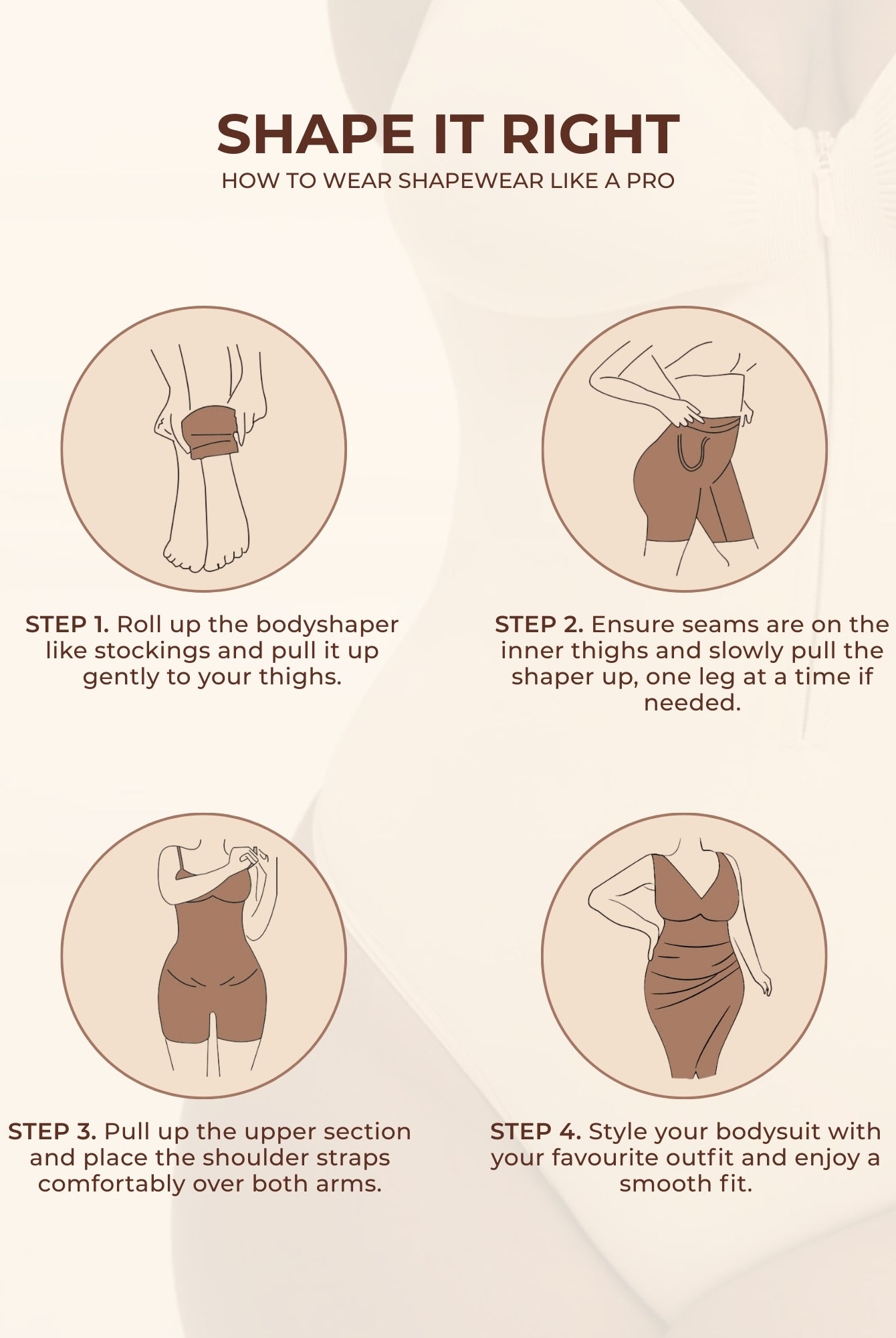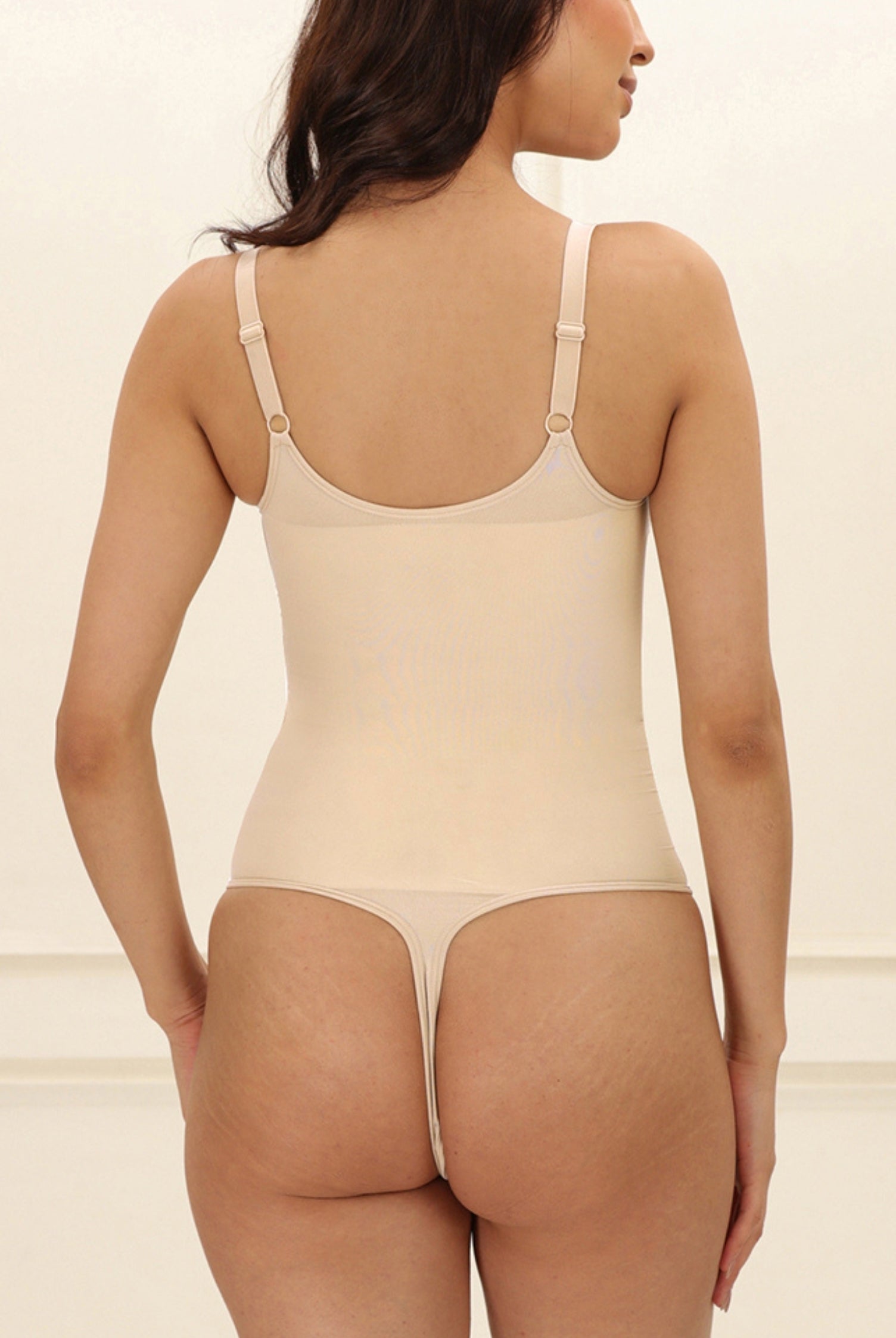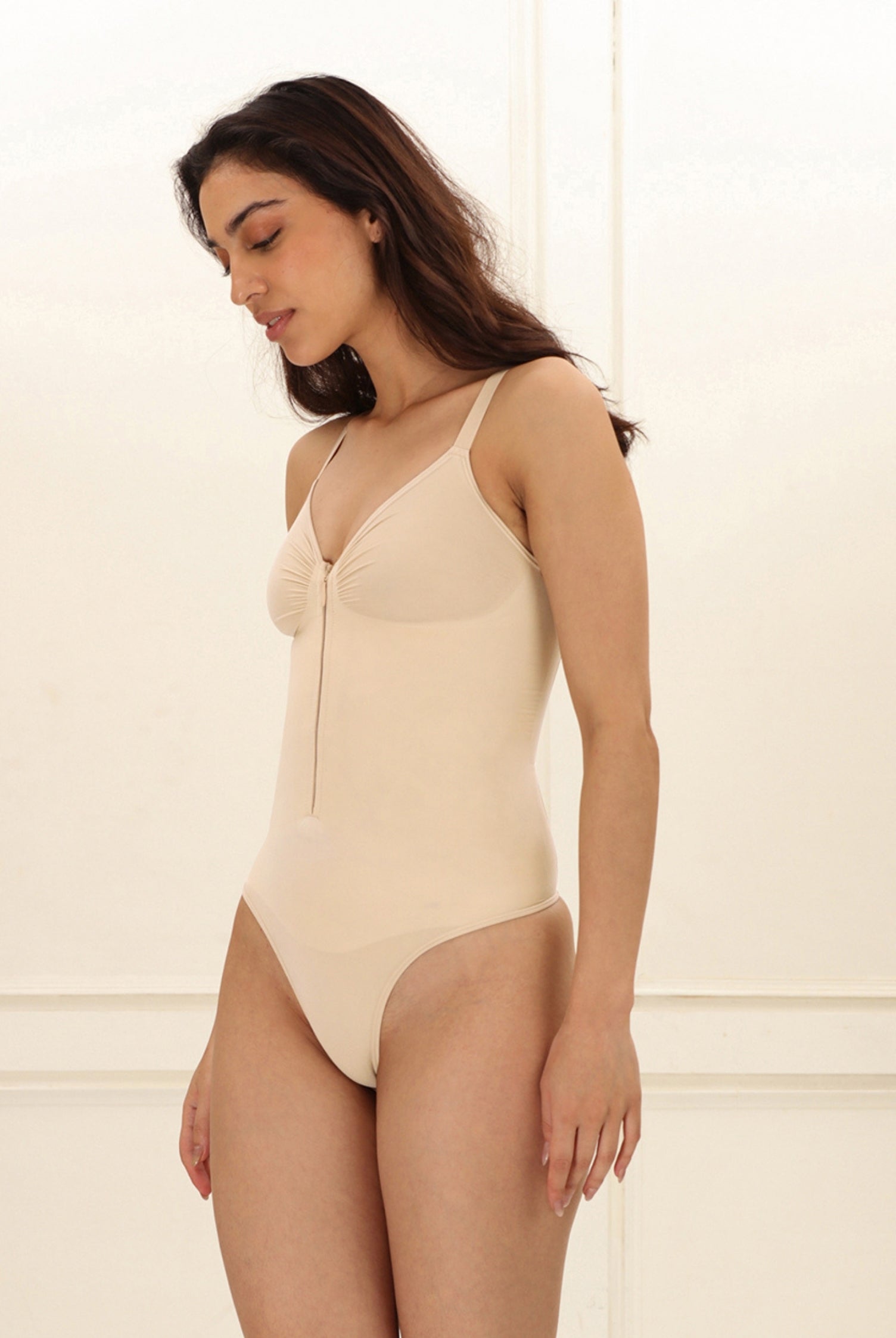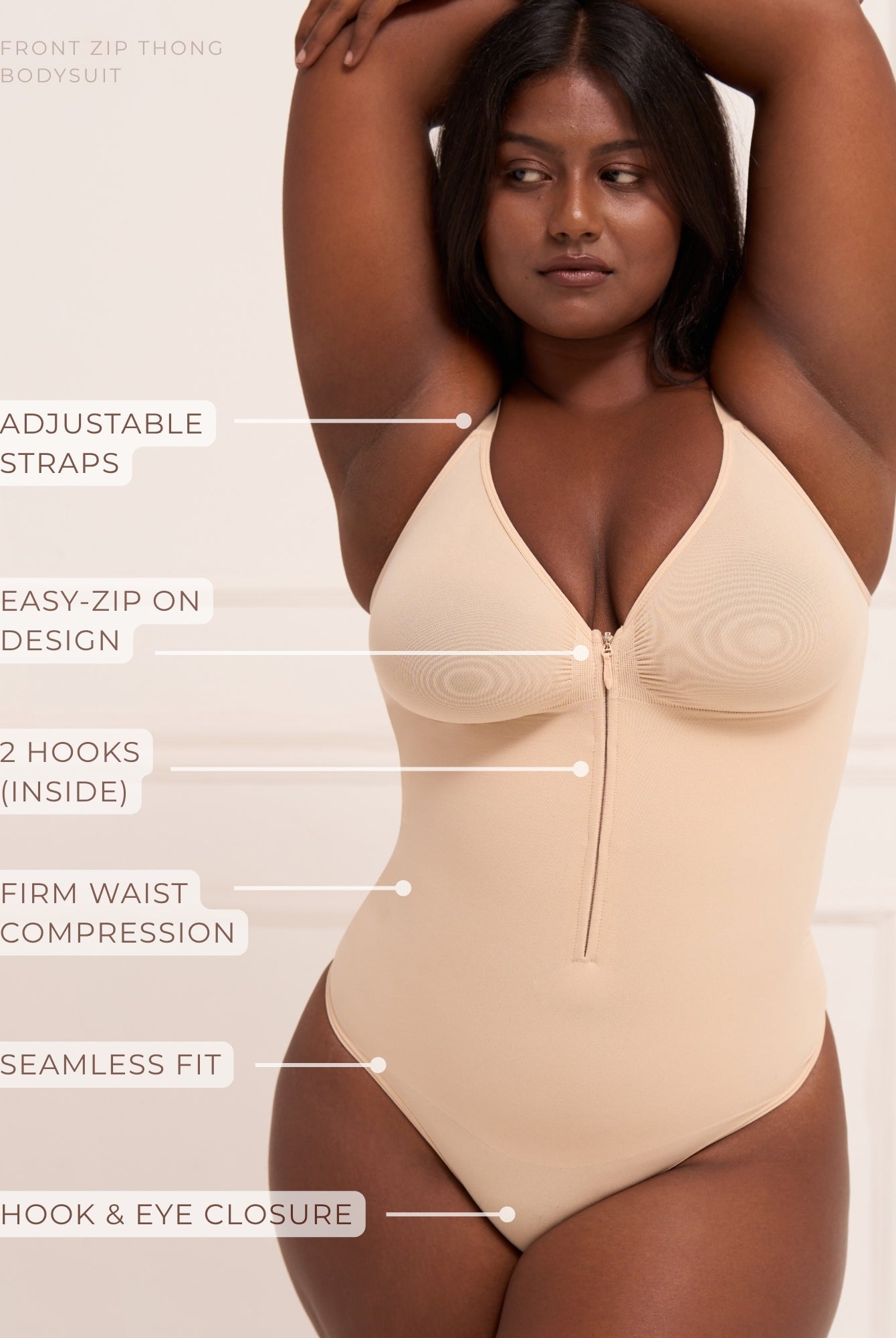







Key takeaways:
-
Shapewear smooths and supports - it doesn’t change your body, just how clothes sit on it.
-
Types of shapewear range from shaping panties to bodysuits, saree slips, and waist bands.
-
The right fit is snug but never painful. If it restricts breathing, it’s too tight.
-
Breathable fabrics and the right compression level make shapewear comfortable for longer wear.
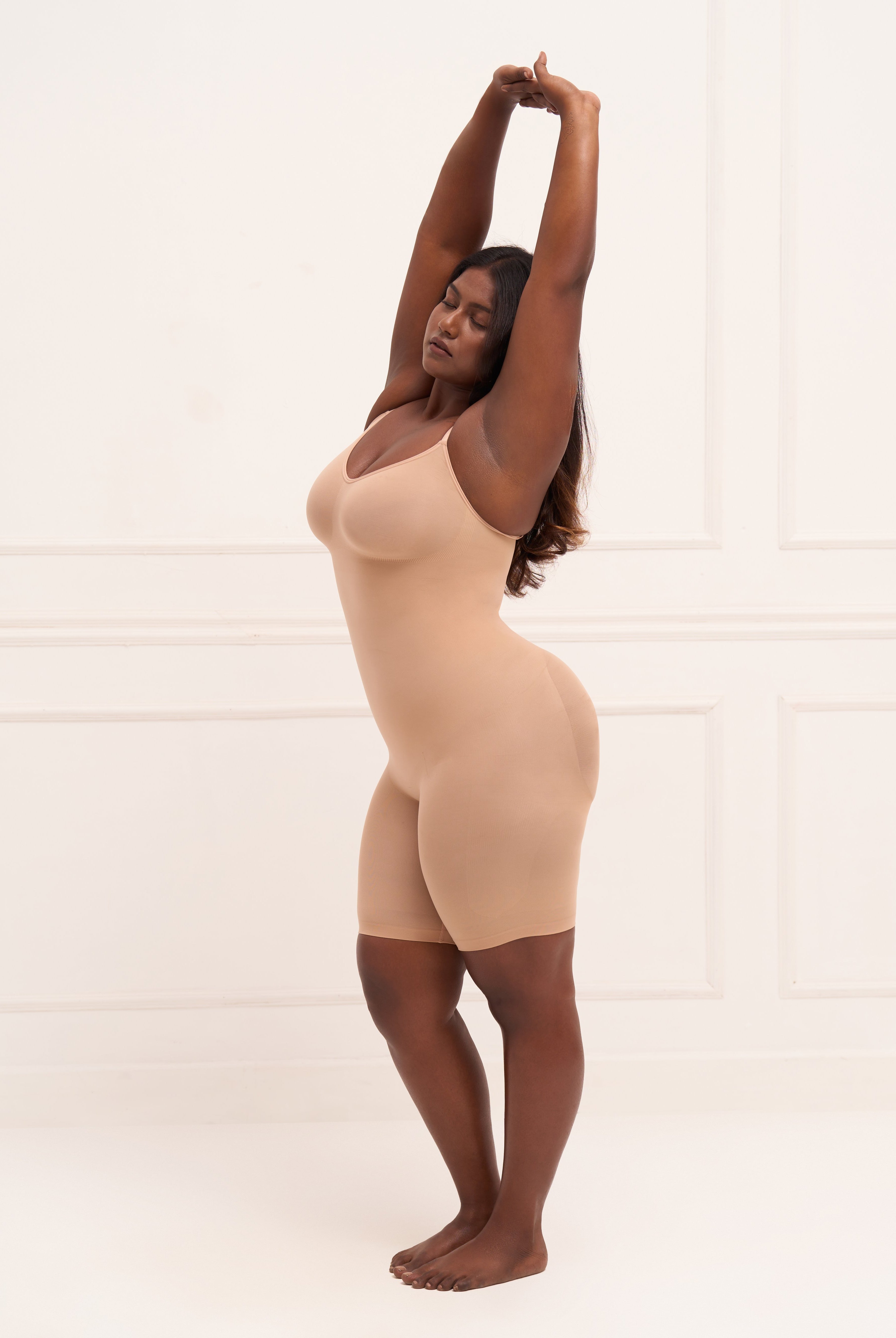
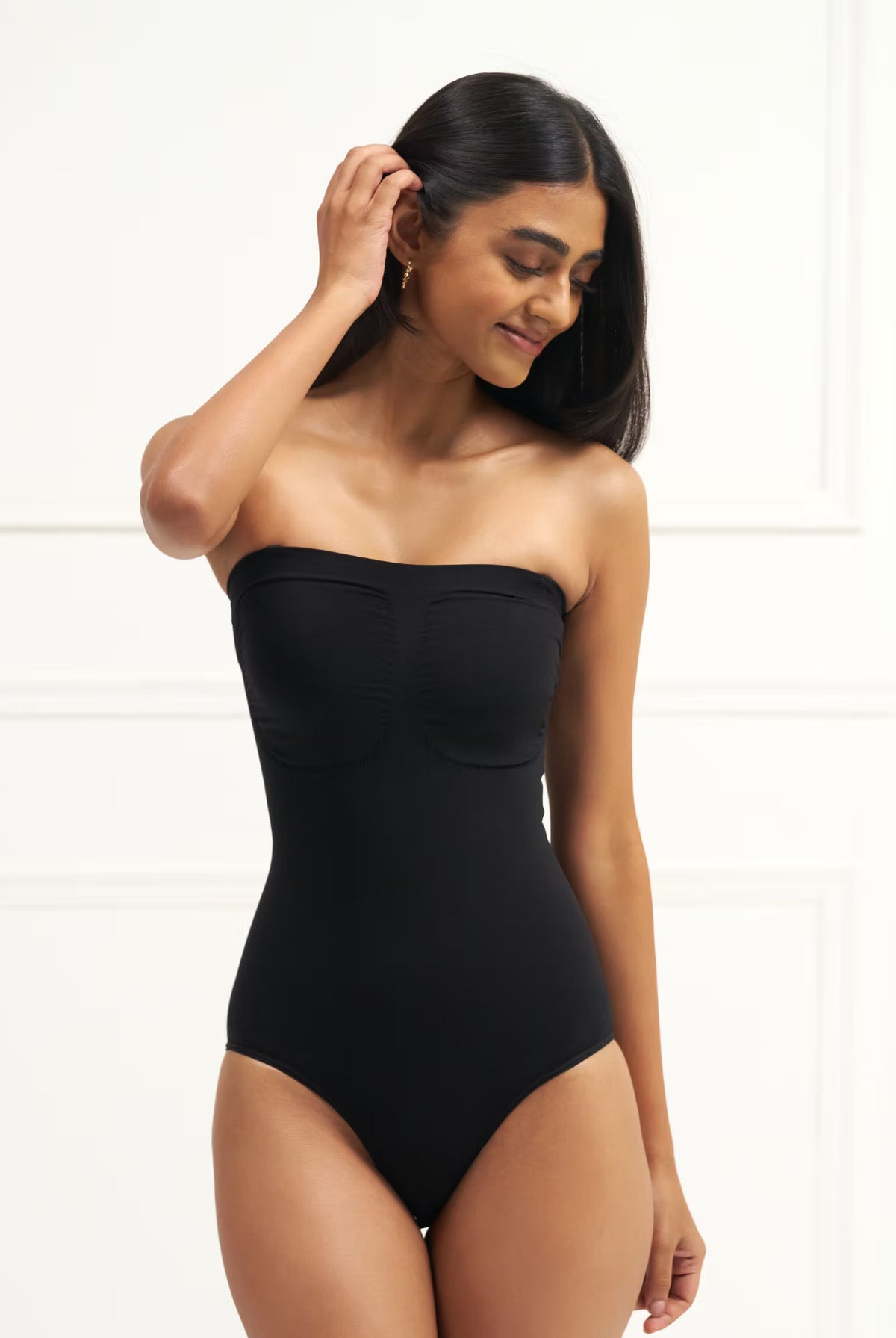
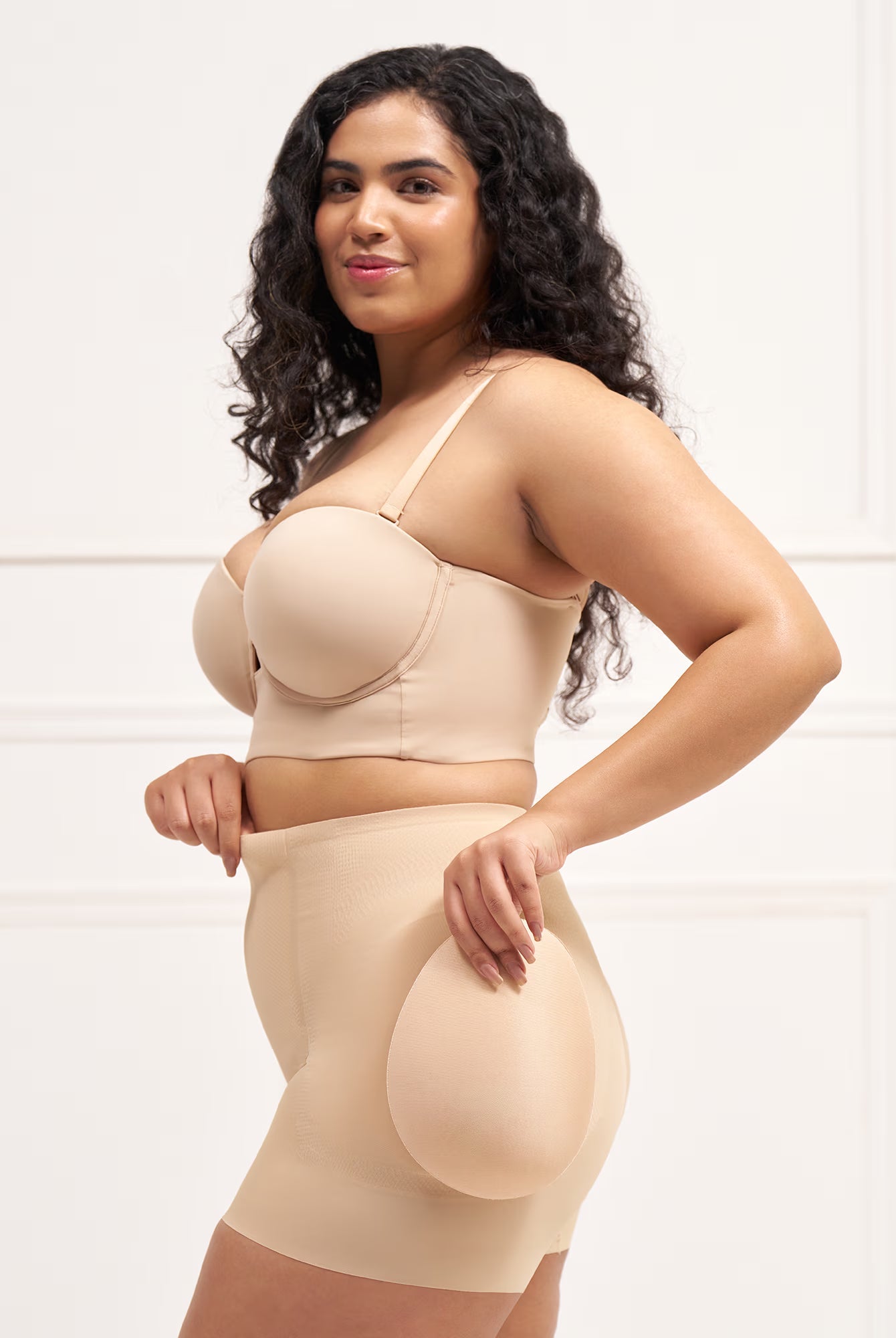
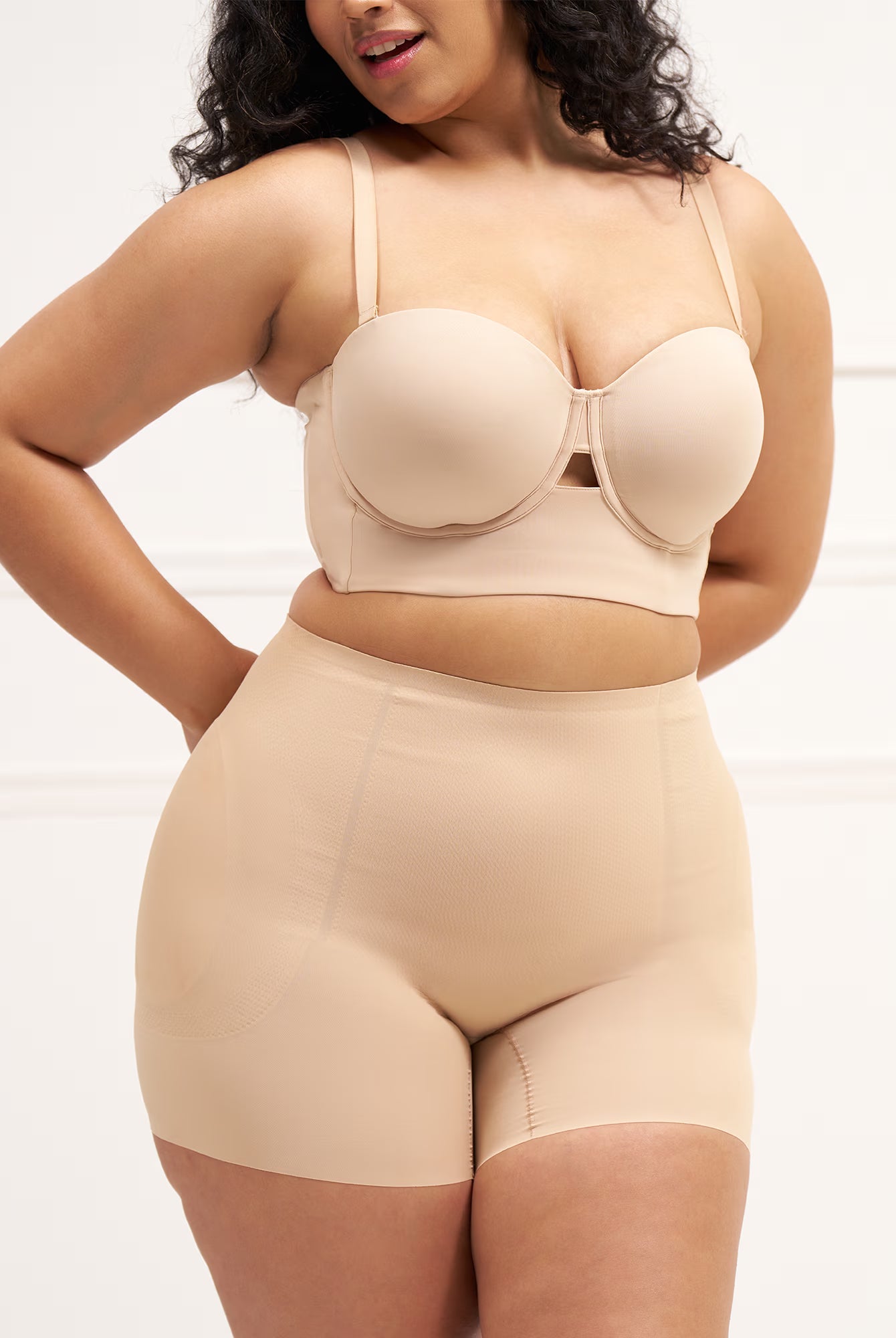
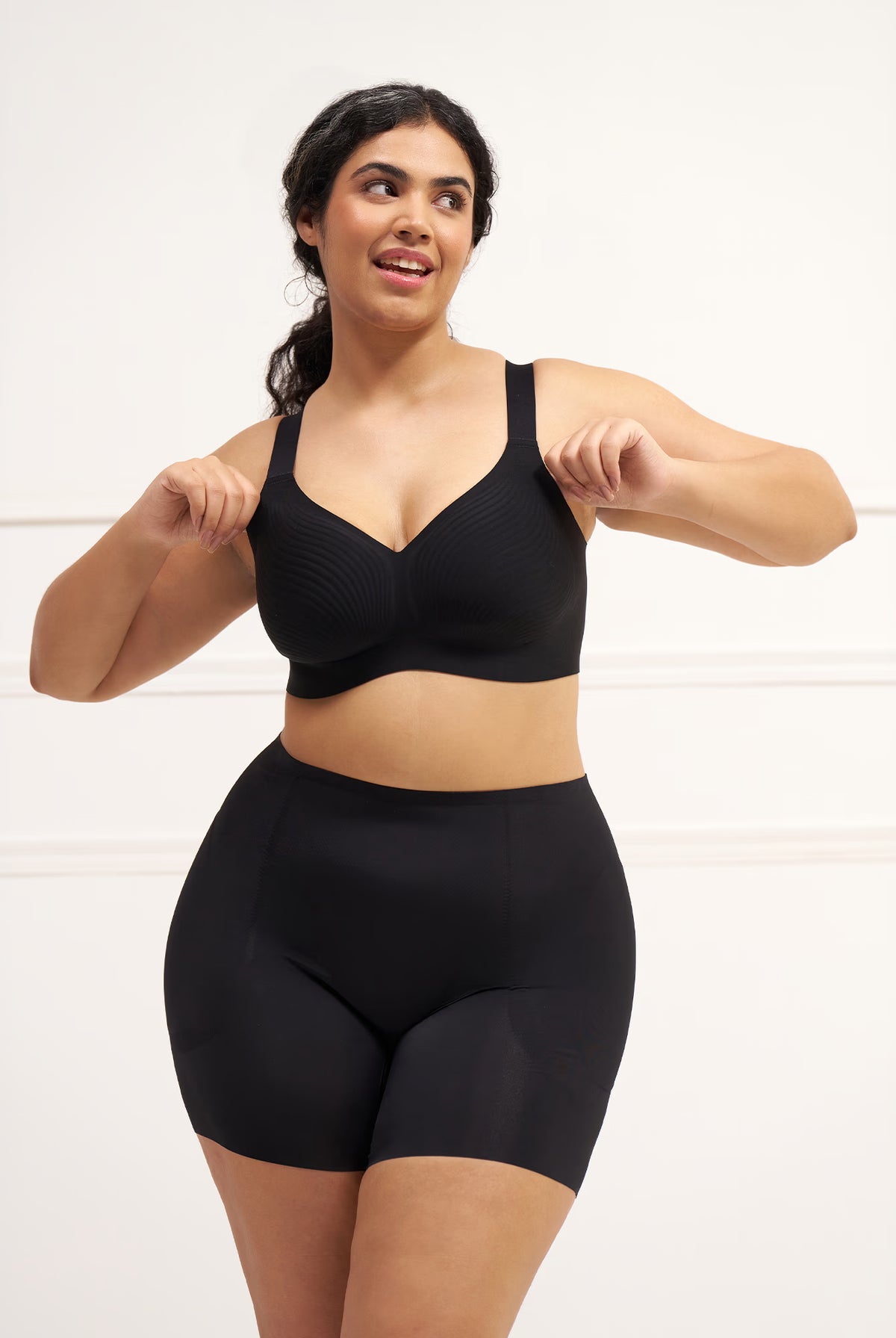
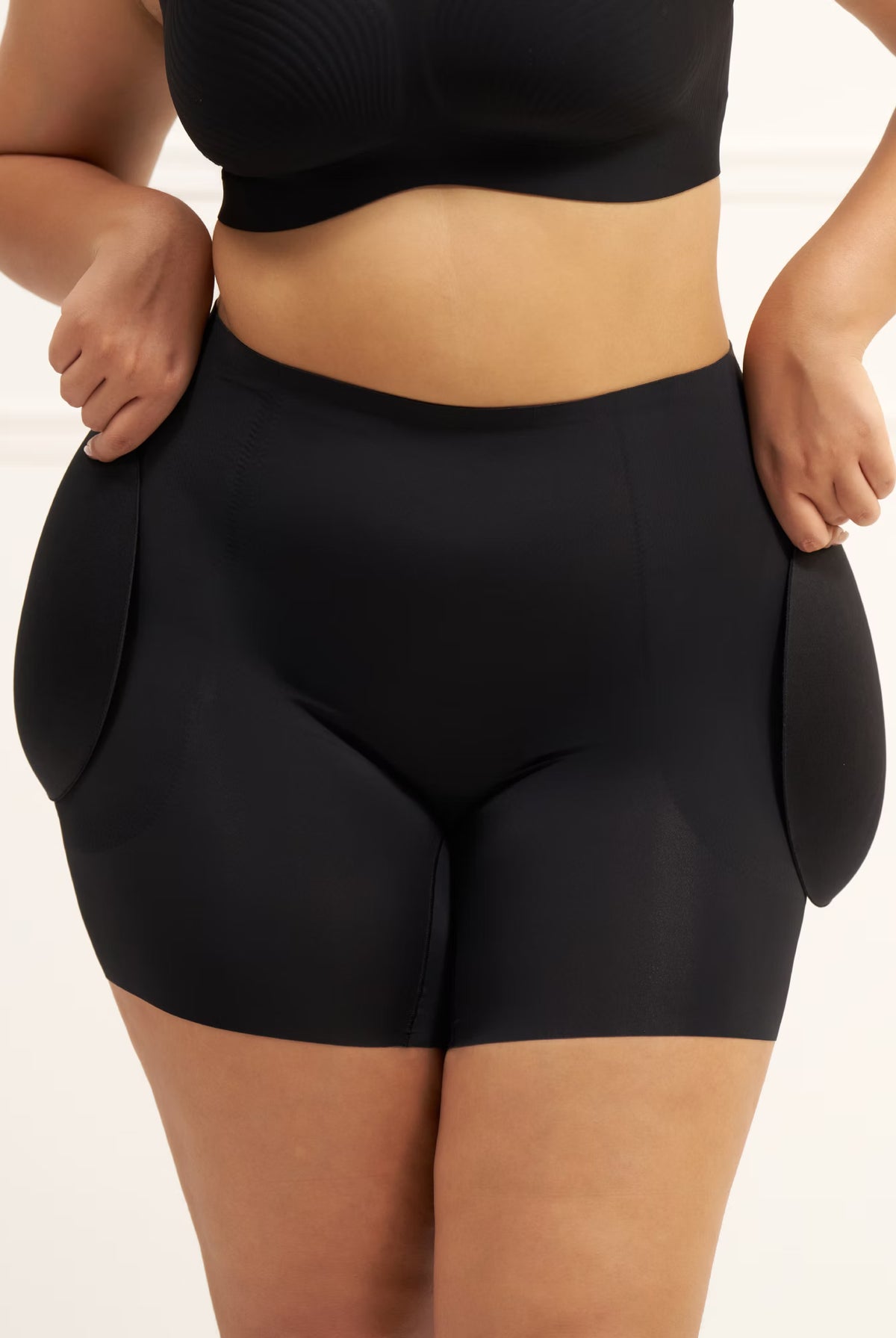
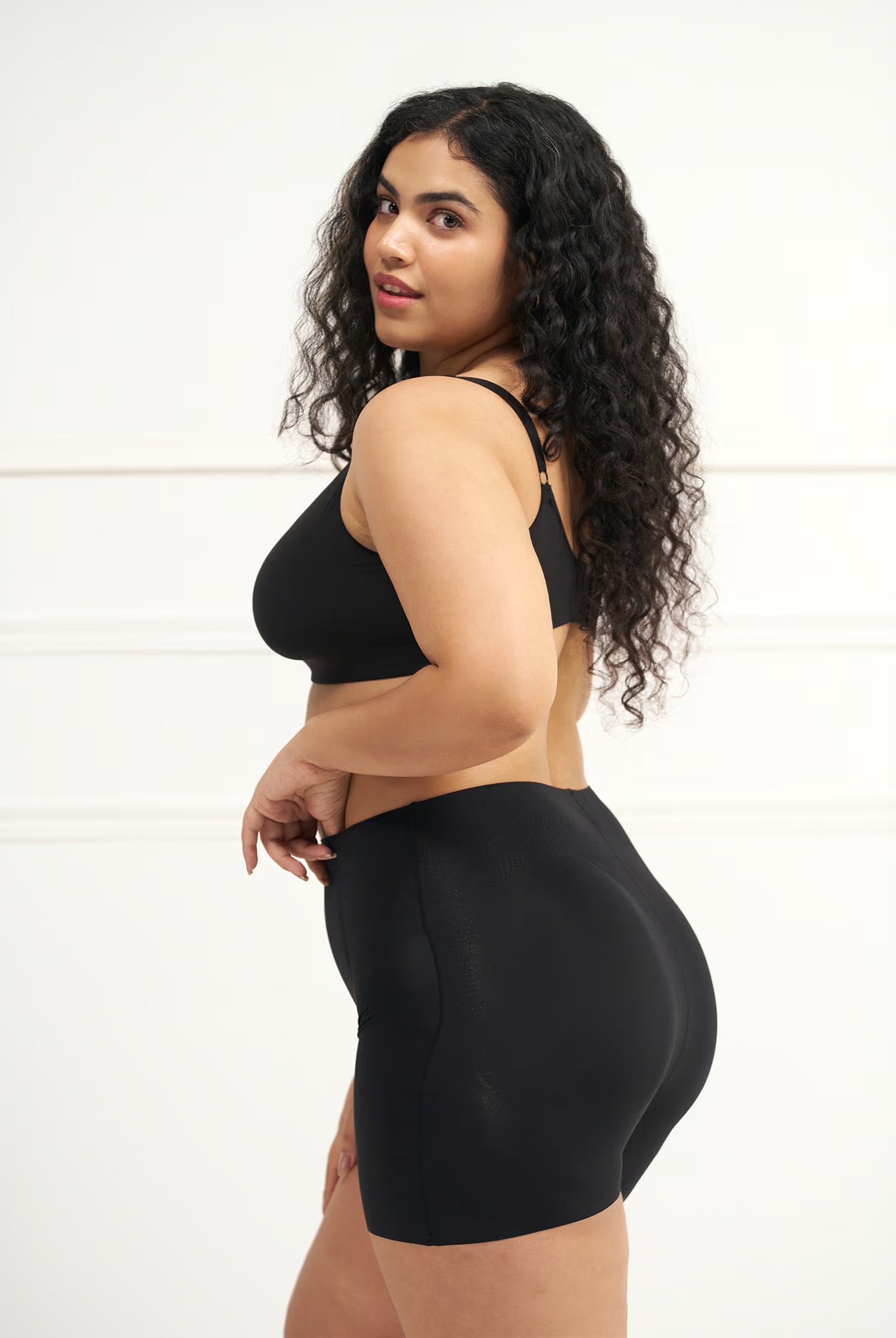
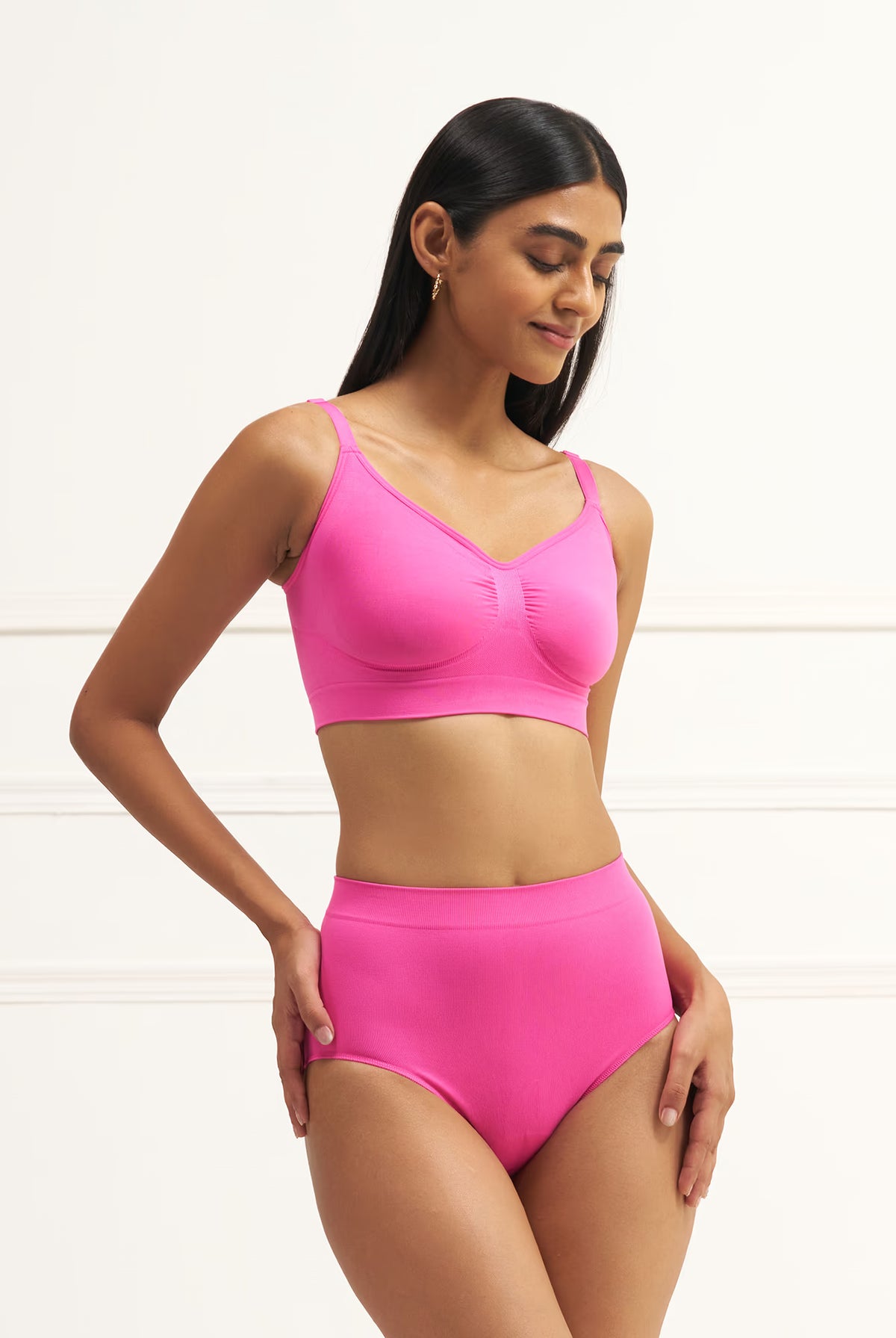
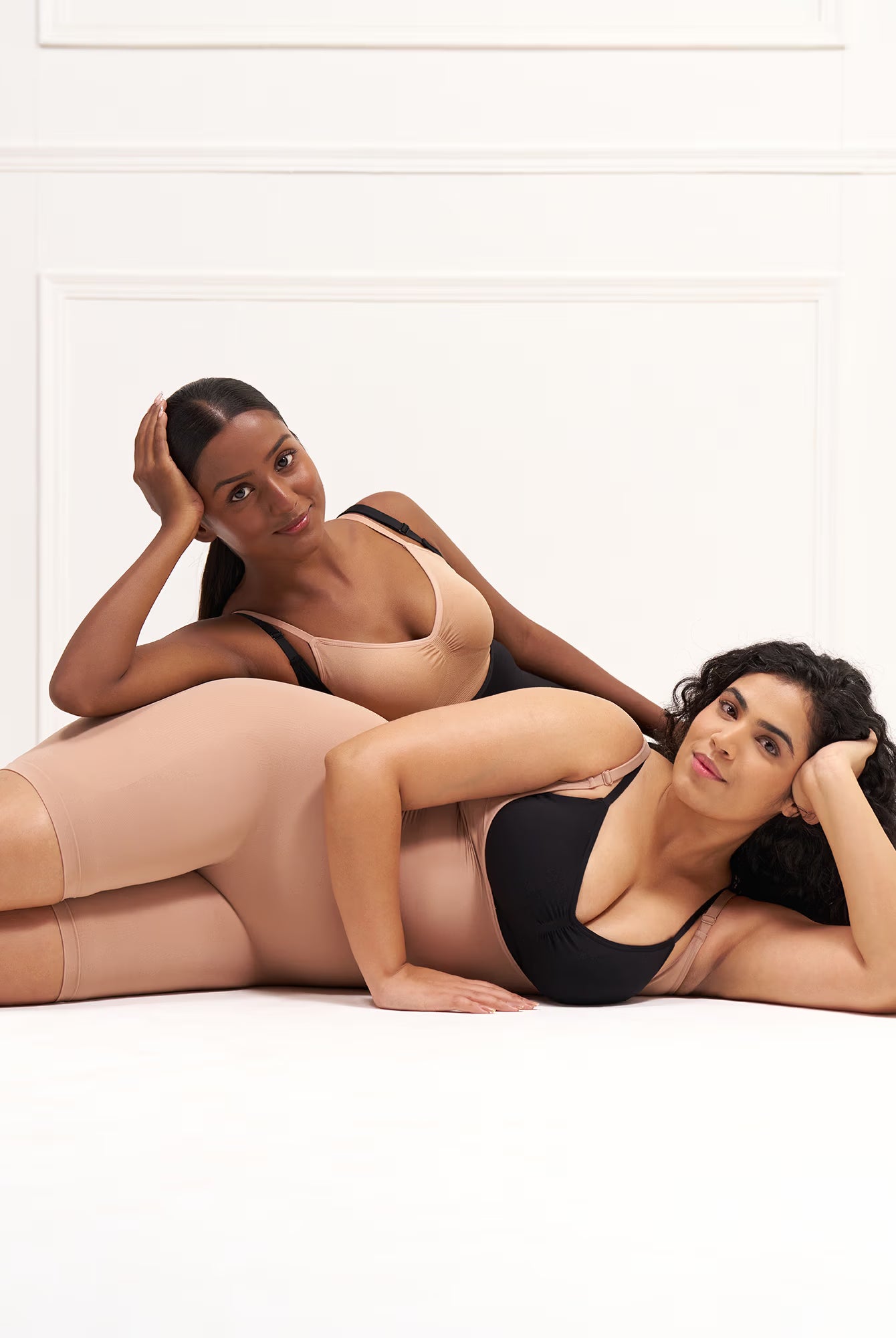
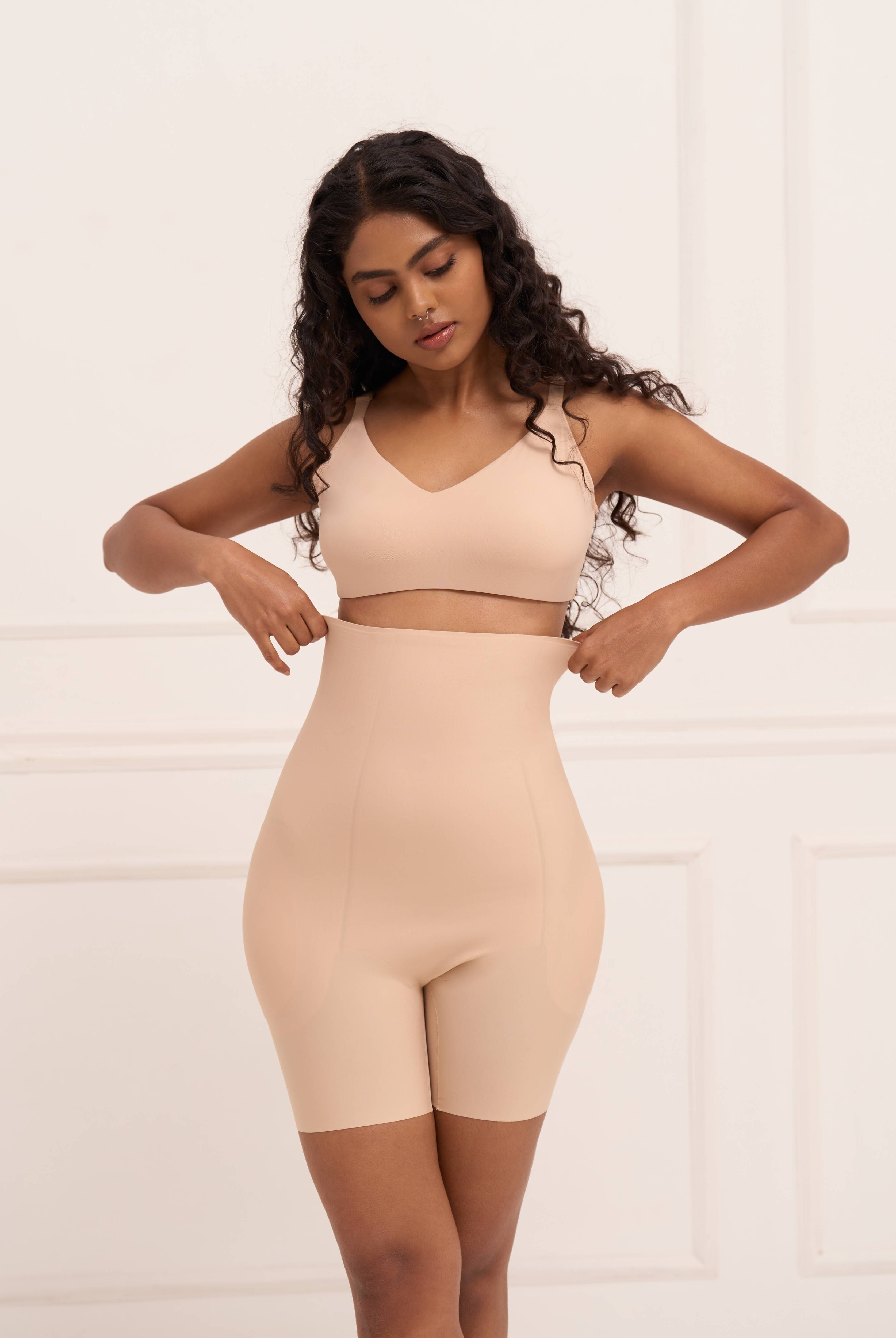
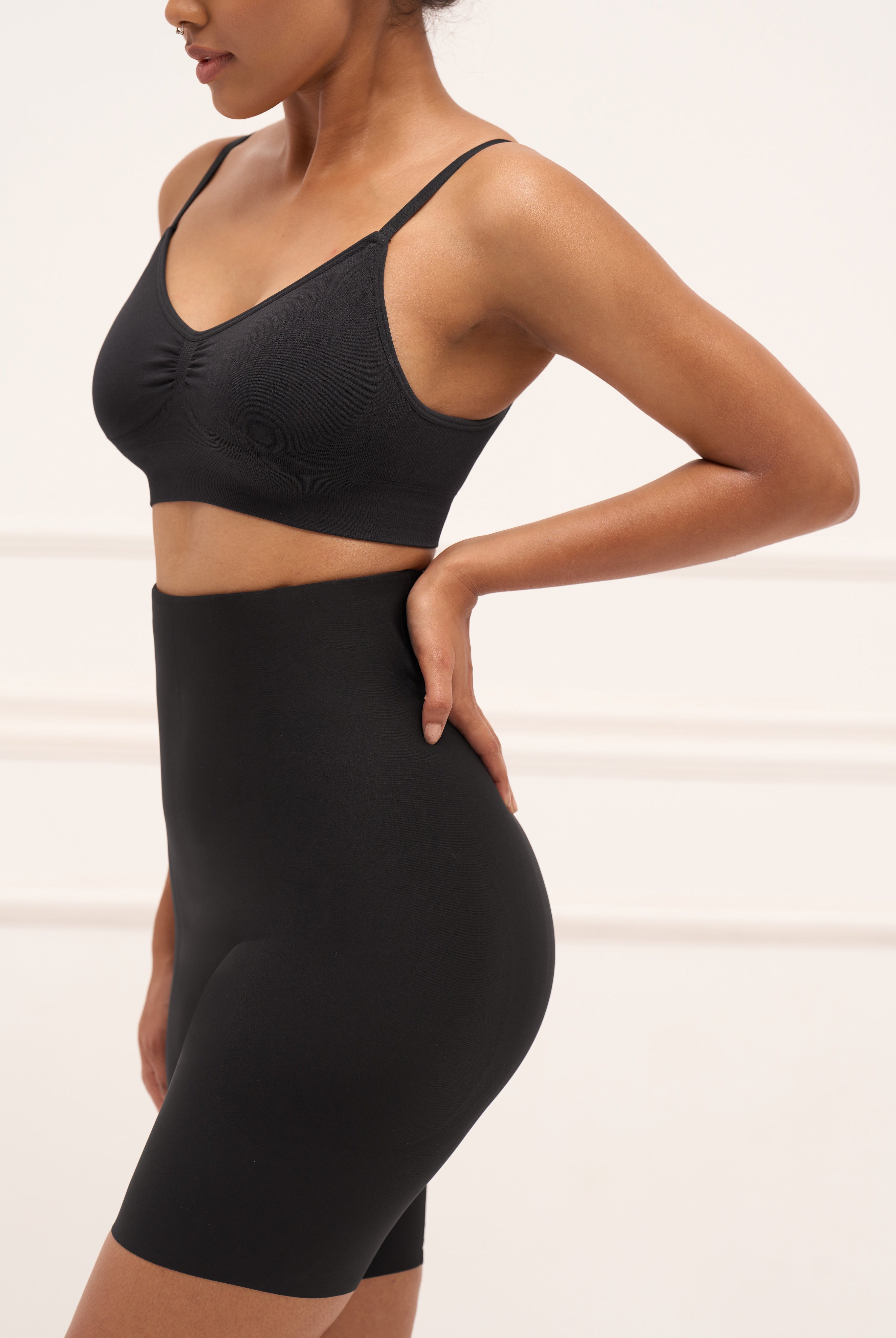
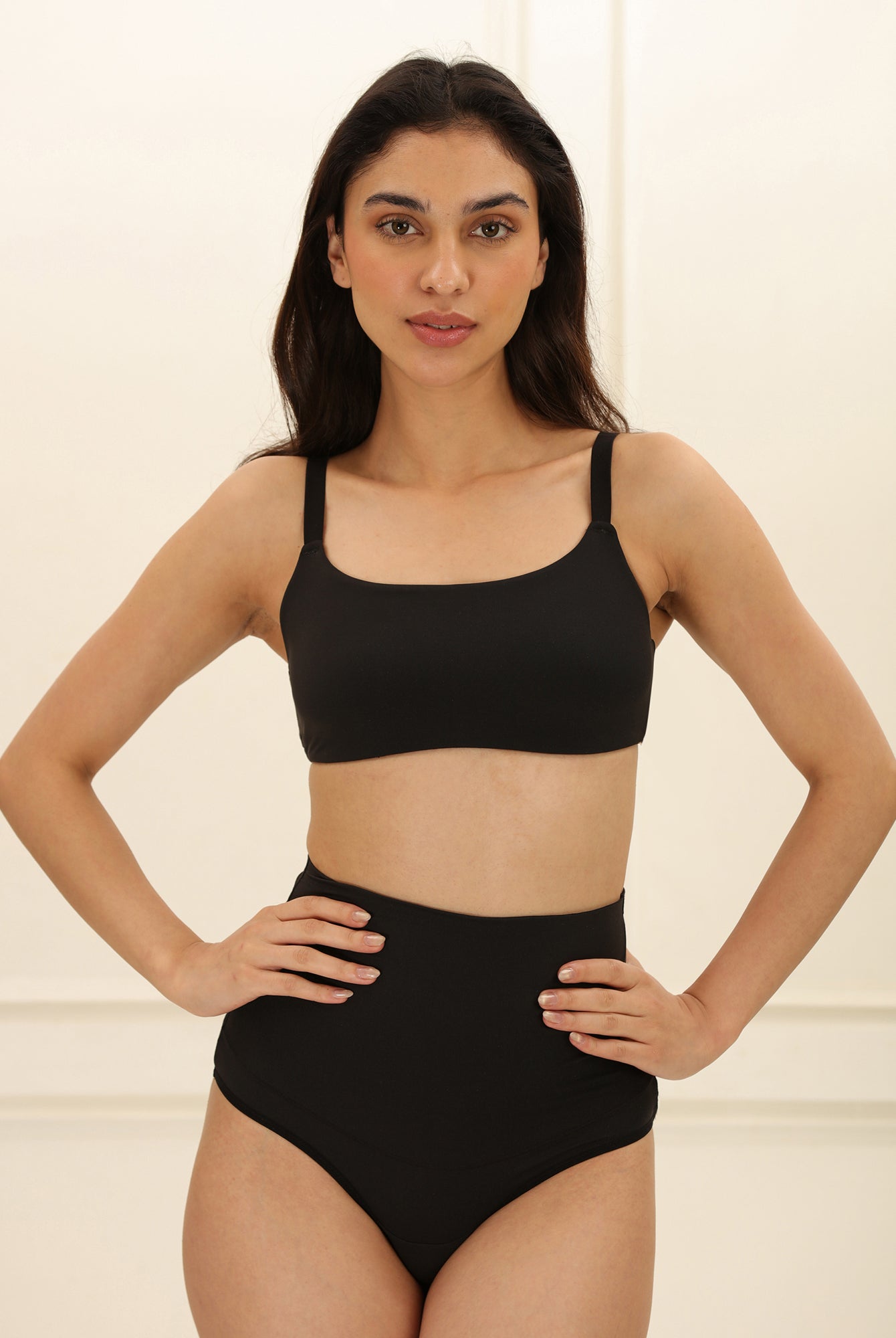
Wondering what is a shapewear and whether it belongs in your wardrobe? Shapewear is a category of close-fitting innerwear designed to provide comfortable compression that naturally smooths your silhouette while staying seamless under clothing.. It comes in styles from light-compression briefs to full bodysuits.
Introduction
Ever put on an outfit you absolutely love, only to spend the rest of the day adjusting it? Maybe your dress clings in places you didn't expect, your saree drape shifts as you walk, or your trousers bunch around the waist after sitting for a while.
More often than not, the issue isn't your body. Clothes simply sit better when they have a smooth, stable base underneath.
That's where shapewear comes in. Shapewear isn't about changing your body or squeezing you into a smaller size. It's designed to smooth, support, and help your clothes drape the way they're meant to. Whether you're dressing for work, a wedding, or just everyday comfort, the right shapewear can make your outfit feel more secure without making you feel restricted.
Once you understand what shapewear is and how different styles work, choosing one becomes much less confusing. Instead of buying something based on trends, you can pick the style that genuinely suits your body, your wardrobe, and the way you like to dress.
What Shapewear Really Means?
For many people, the word shapewear still brings to mind stiff, uncomfortable garments that are difficult to sit or breathe in. That's understandable because older styles often focused on squeezing the body into a particular shape rather than making the wearer comfortable.
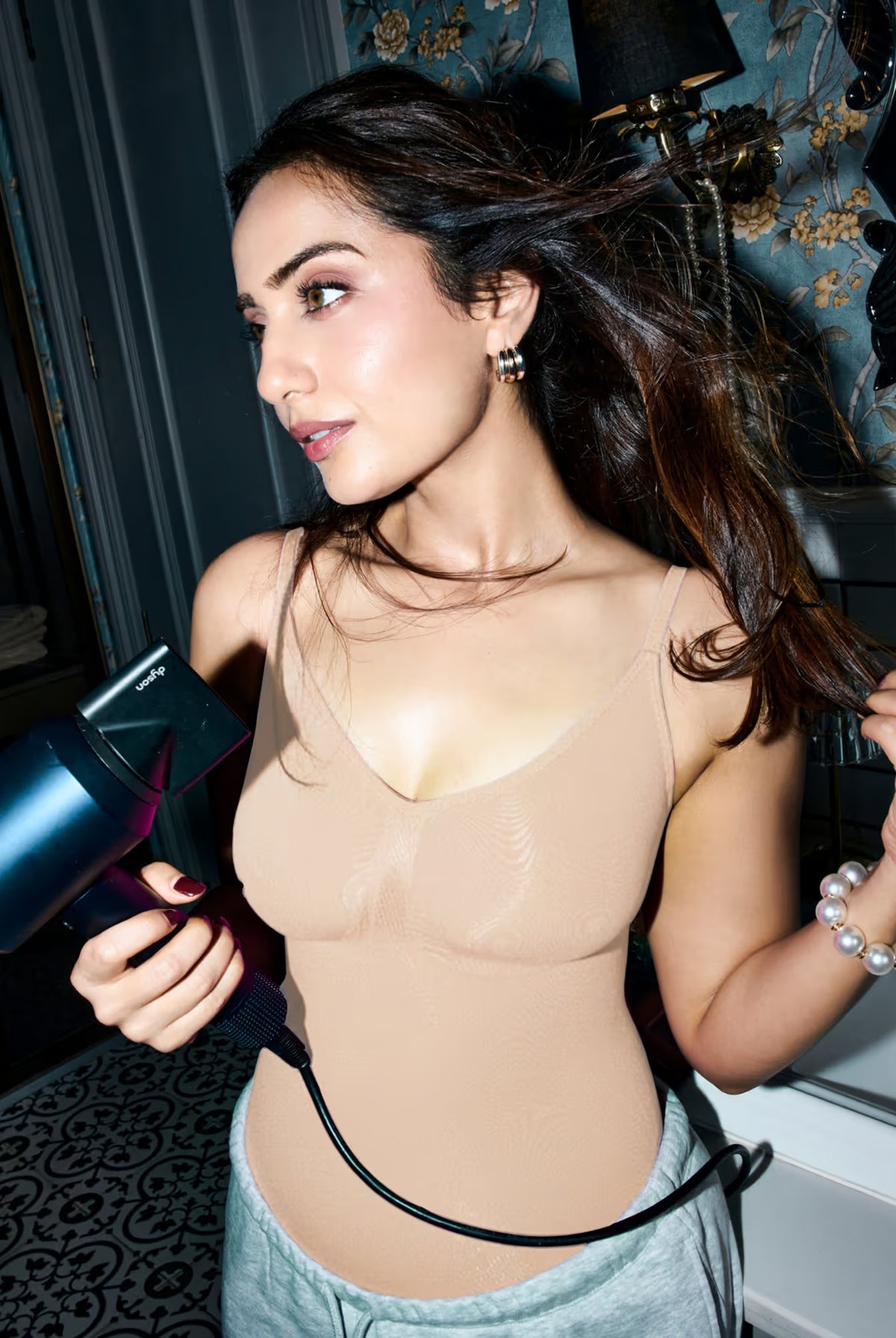
Modern shapewear works very differently. Instead of trying to change your body, it works with your natural shape by creating a smoother surface underneath your clothes. The result is clothing that sits more evenly, moves with you, and feels easier to wear throughout the day.
Simply put, shapewear is a layer worn underneath your outfit. Think of it as the foundation beneath your clothes. Just as a well-fitted lining helps a garment drape better, shapewear gives your outfit a more even base without changing who you are.
How Does Shapewear Work?
If shapewear isn't changing your body, what exactly is it doing? The answer lies in two simple principles, compression and contouring. Together, they help create a smoother surface under clothing without forcing your body into a different shape.
Meaning of Compression and Contouring
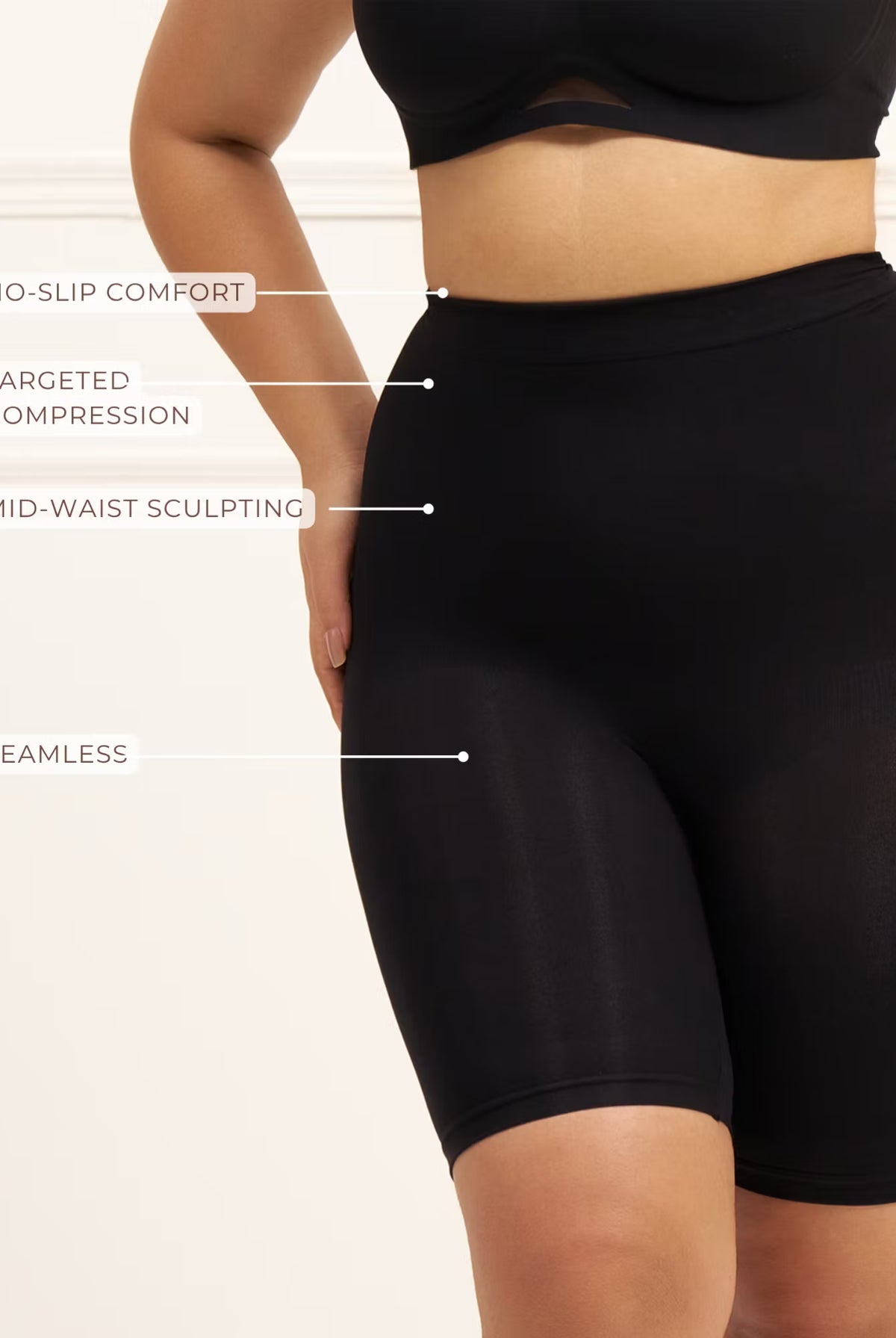
Compression is the gentle pressure created by the fabric as it sits against your body. Instead of squeezing tightly, good shapewear distributes this pressure evenly to minimise the movement of soft tissue. This creates a smoother silhouette under clothing without making you feel restricted. The level of compression varies depending on the garment, with everyday styles offering a lighter hold than occasion wear.
Contouring works differently. Rather than applying the same pressure everywhere, the garment is designed to support specific areas of the body based on its cut and panel construction. Some sections provide a firmer hold, while others remain more flexible to allow natural movement. This balanced approach helps clothes fall more evenly while still feeling comfortable during daily wear.
Smoothing vs reshaping? Where Does Underneat Stand
This is where many people get confused. Shapewear is often described as something that "reshapes" the body, but reshaping and smoothing aren't the same thing. Understanding that difference can completely change what you expect from the garment.
Reshaping suggests permanently altering or forcing the body into a different silhouette. Smoothing, on the other hand, simply helps everything sit more evenly beneath your clothes. It gently supports soft tissue, reduces bunching, and creates a more consistent base for fabrics to drape naturally. Your body doesn't change, only the way your outfit sits on it.
At Underneat, the focus has always been on smoothing rather than correction. Every shapewear style is designed to support your natural shape instead of working against it. The goal is simple: help you feel comfortable in your clothes, reduce constant outfit adjustments, and make getting dressed feel effortless rather than restrictive.
Types of Shapewear by Coverage Area
Different styles of shapewear cover different areas. Here’s a breakdown of the main types of shapewear by what each one is designed for.
-
Shaping panties and briefs

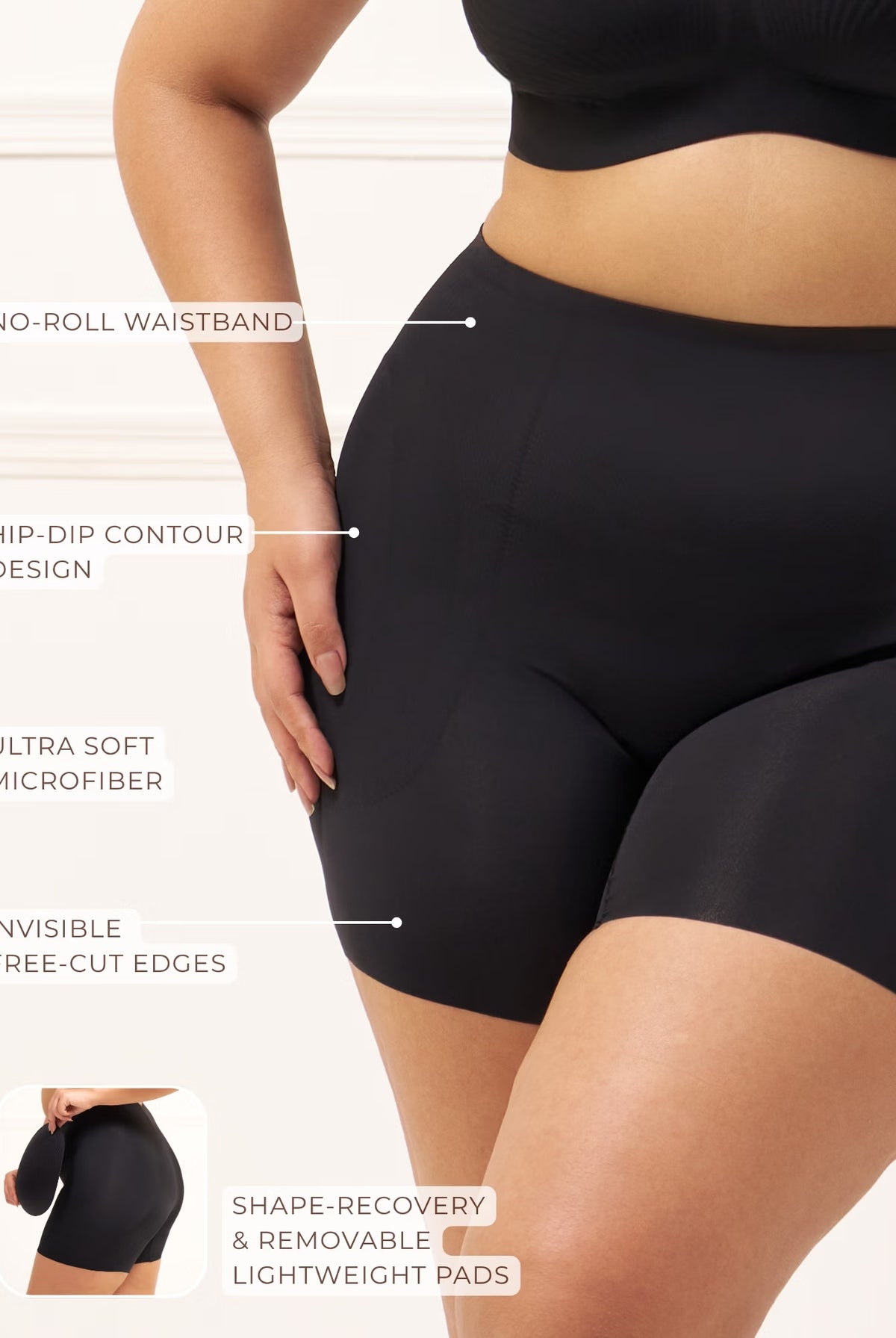
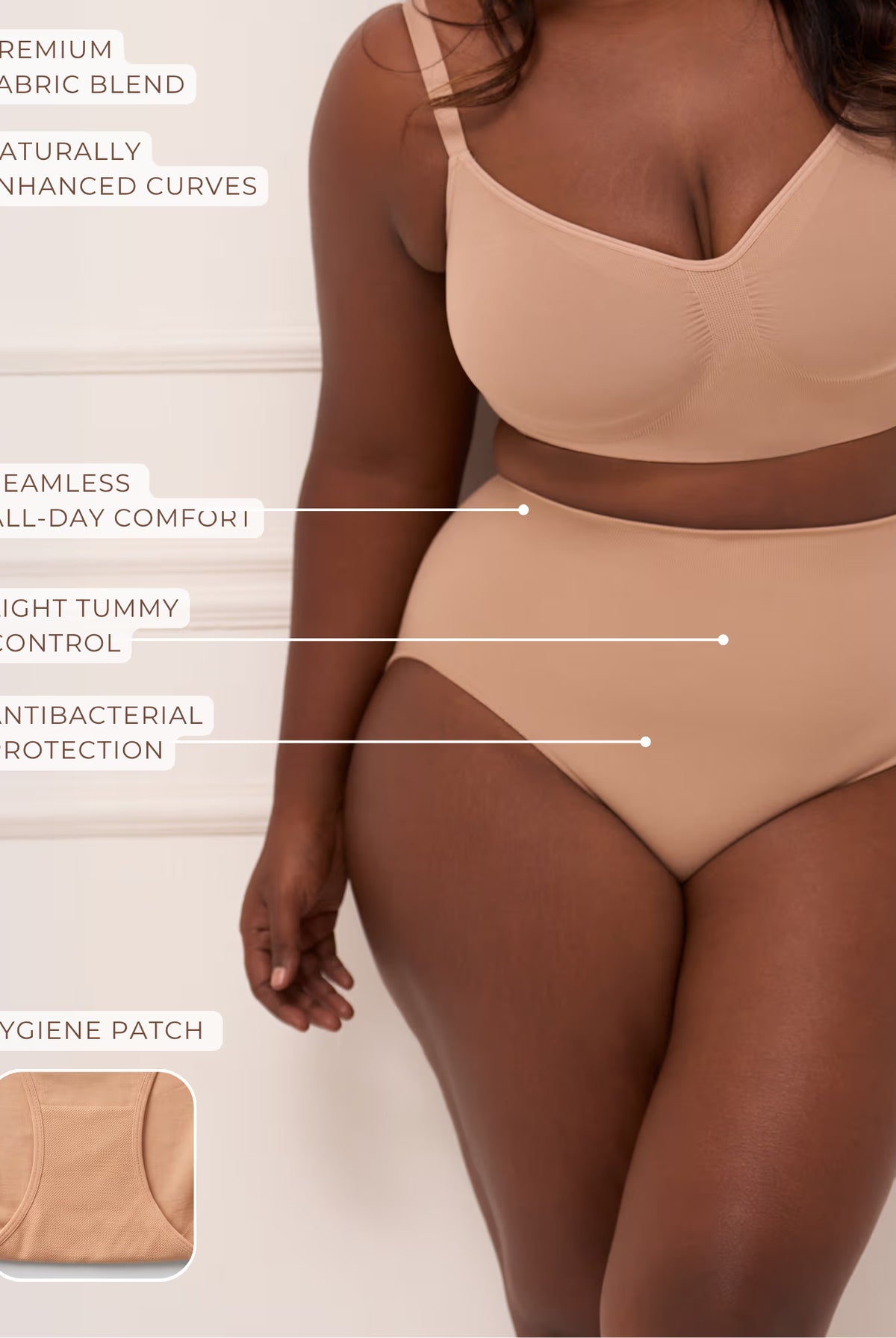
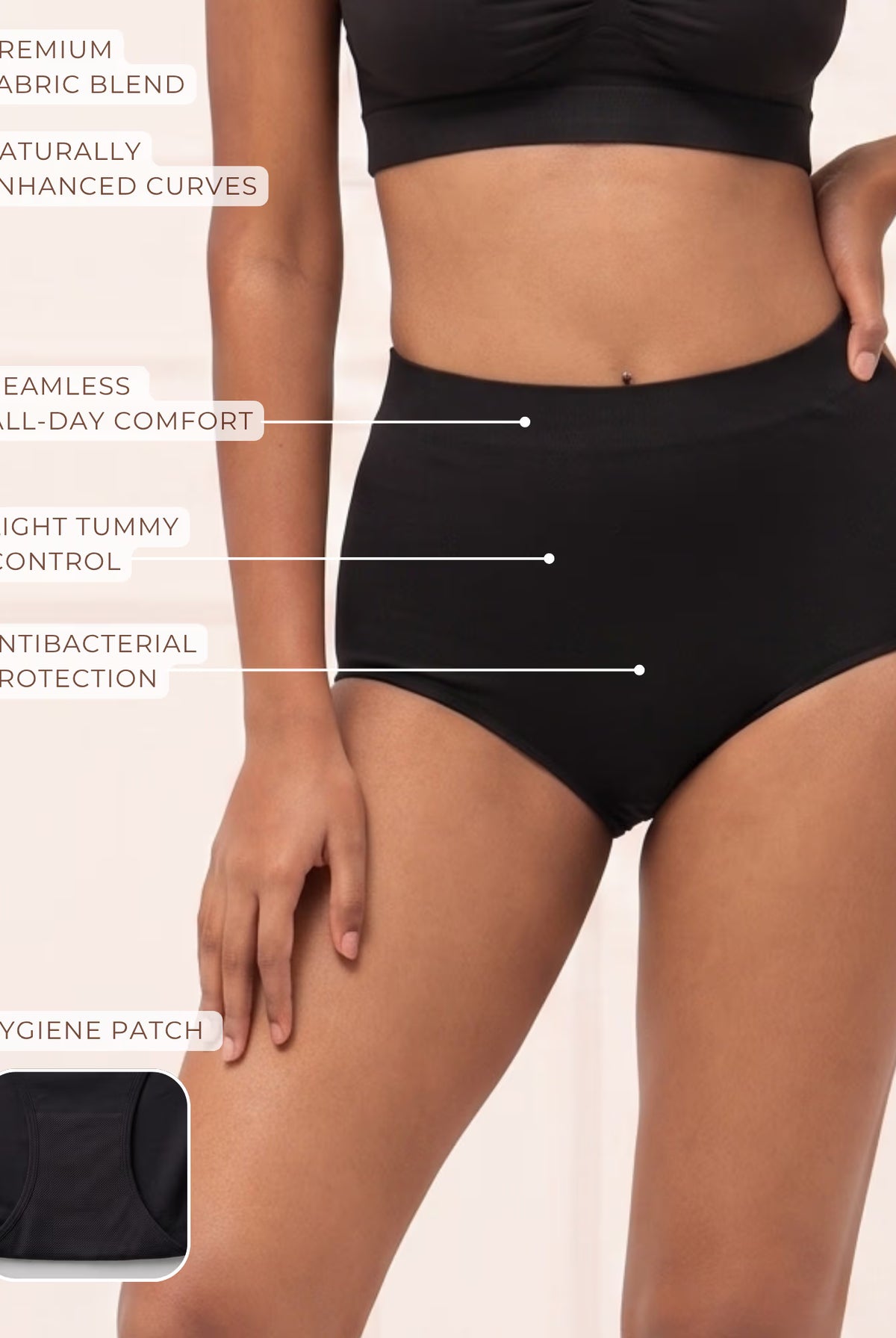
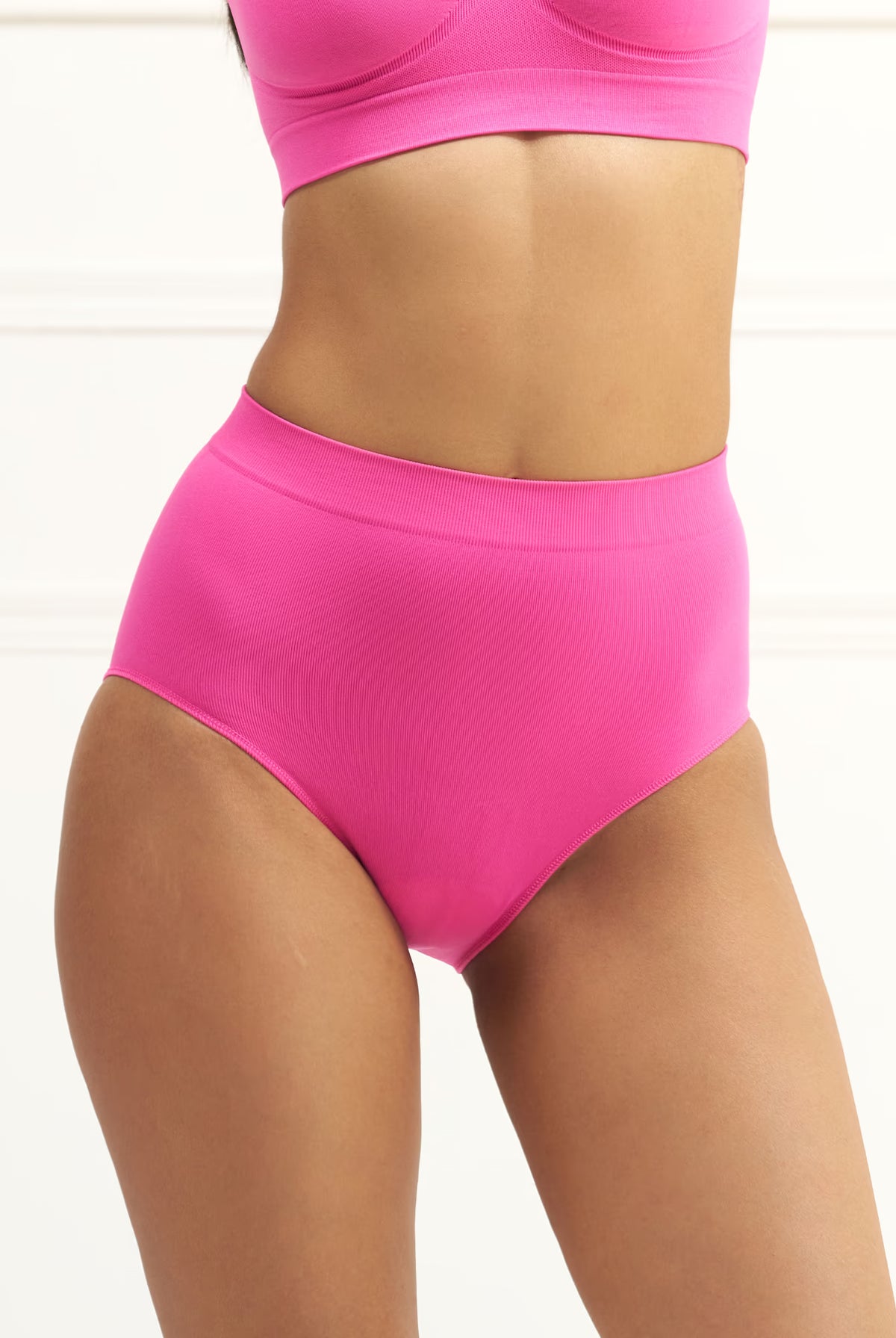
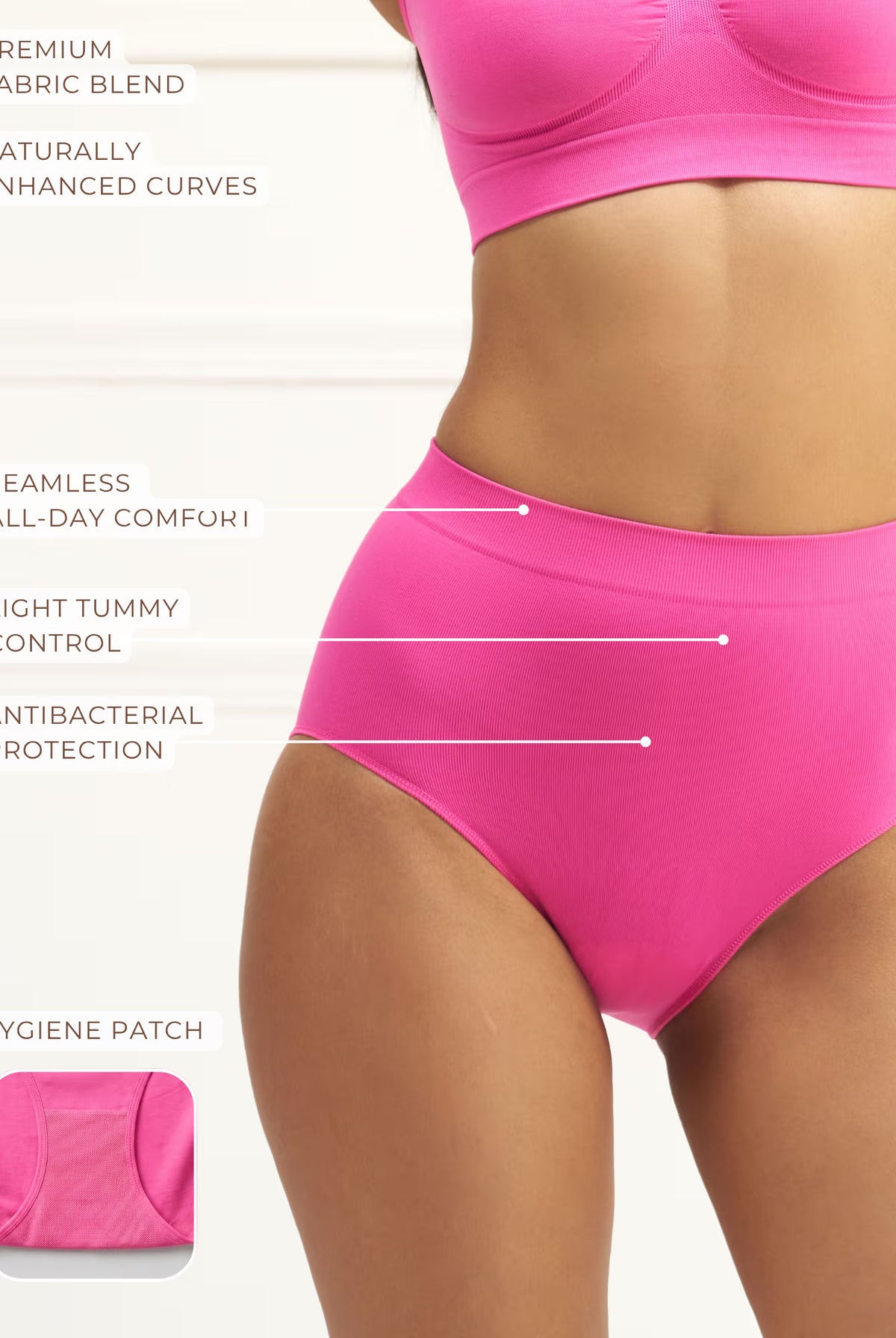
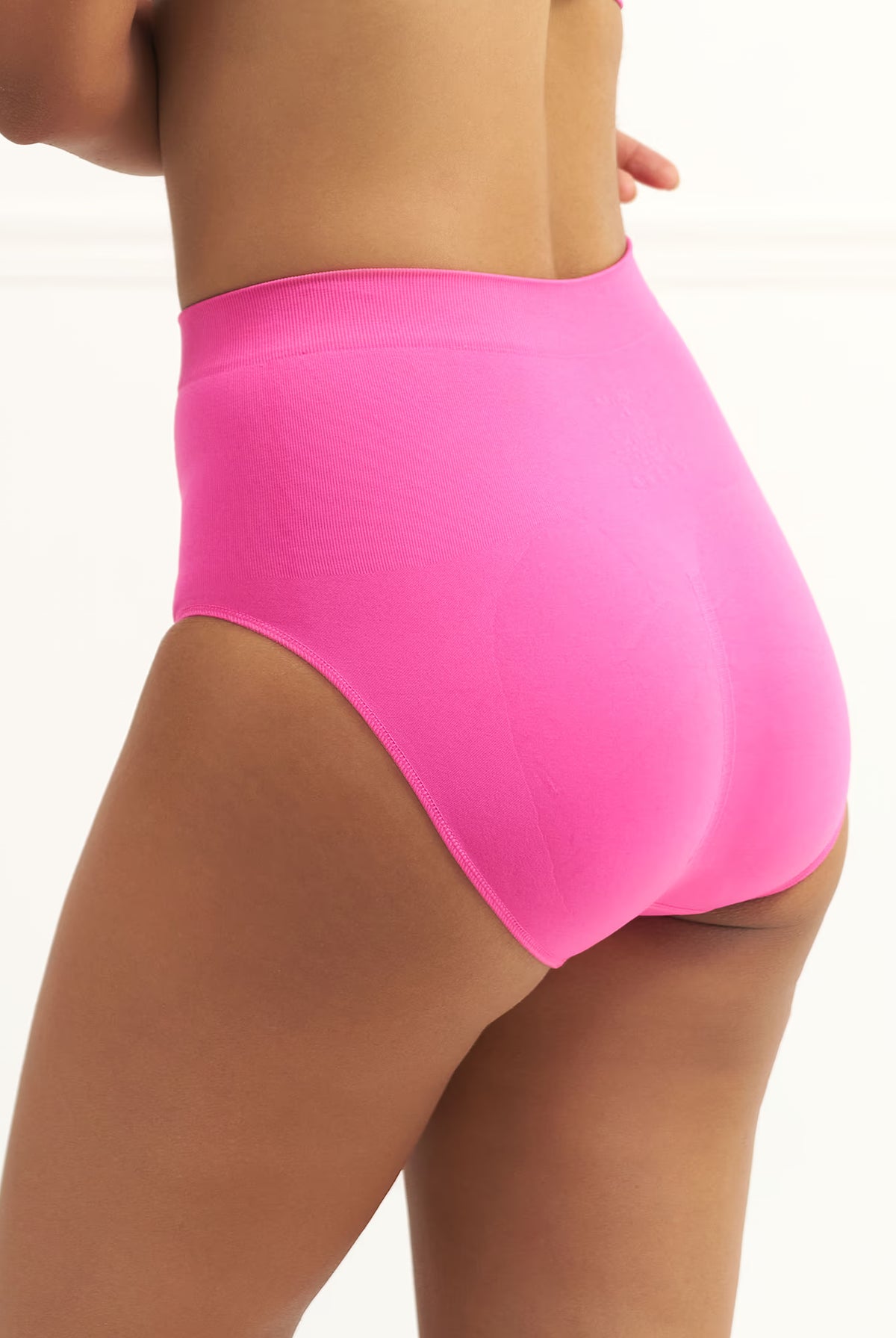
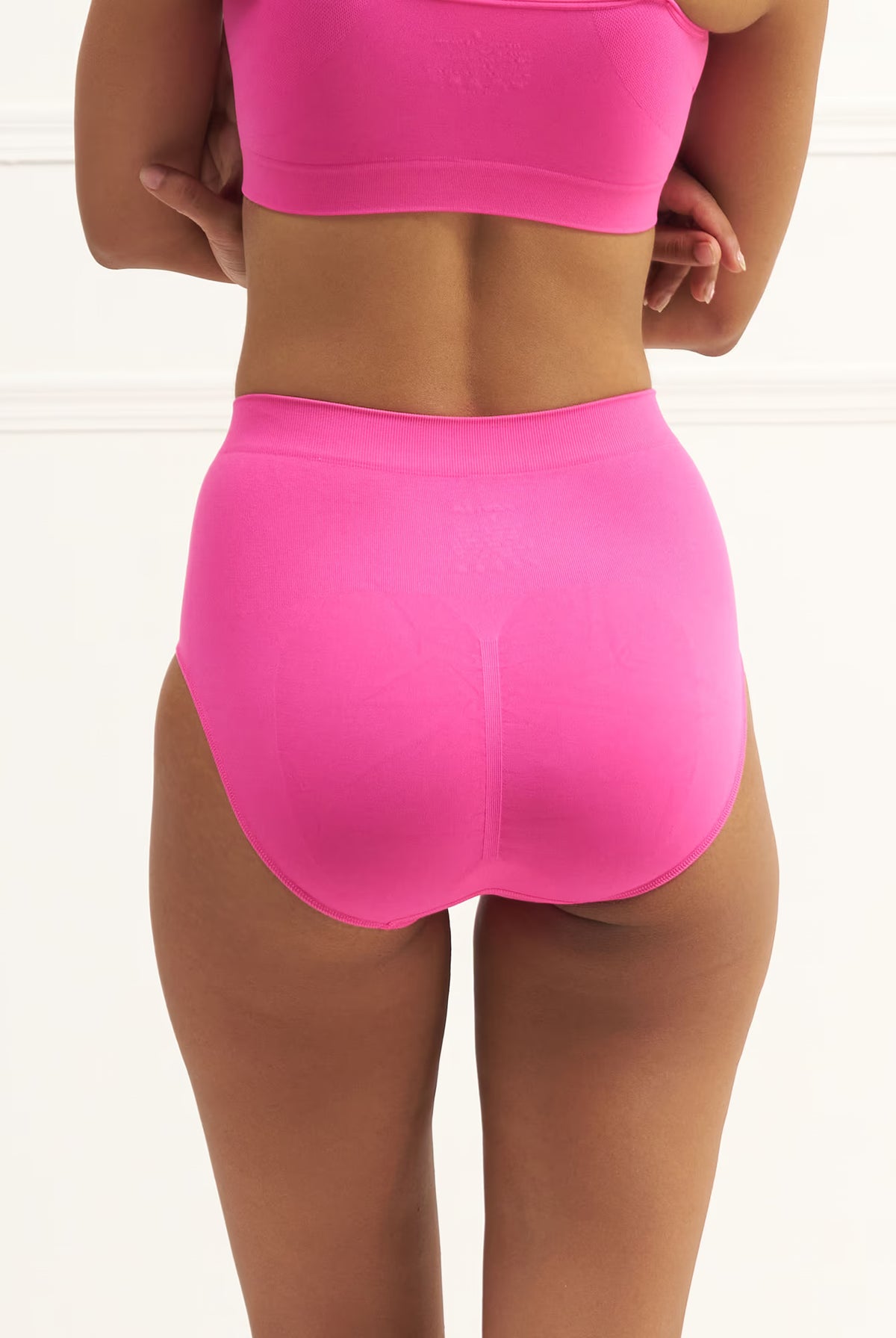
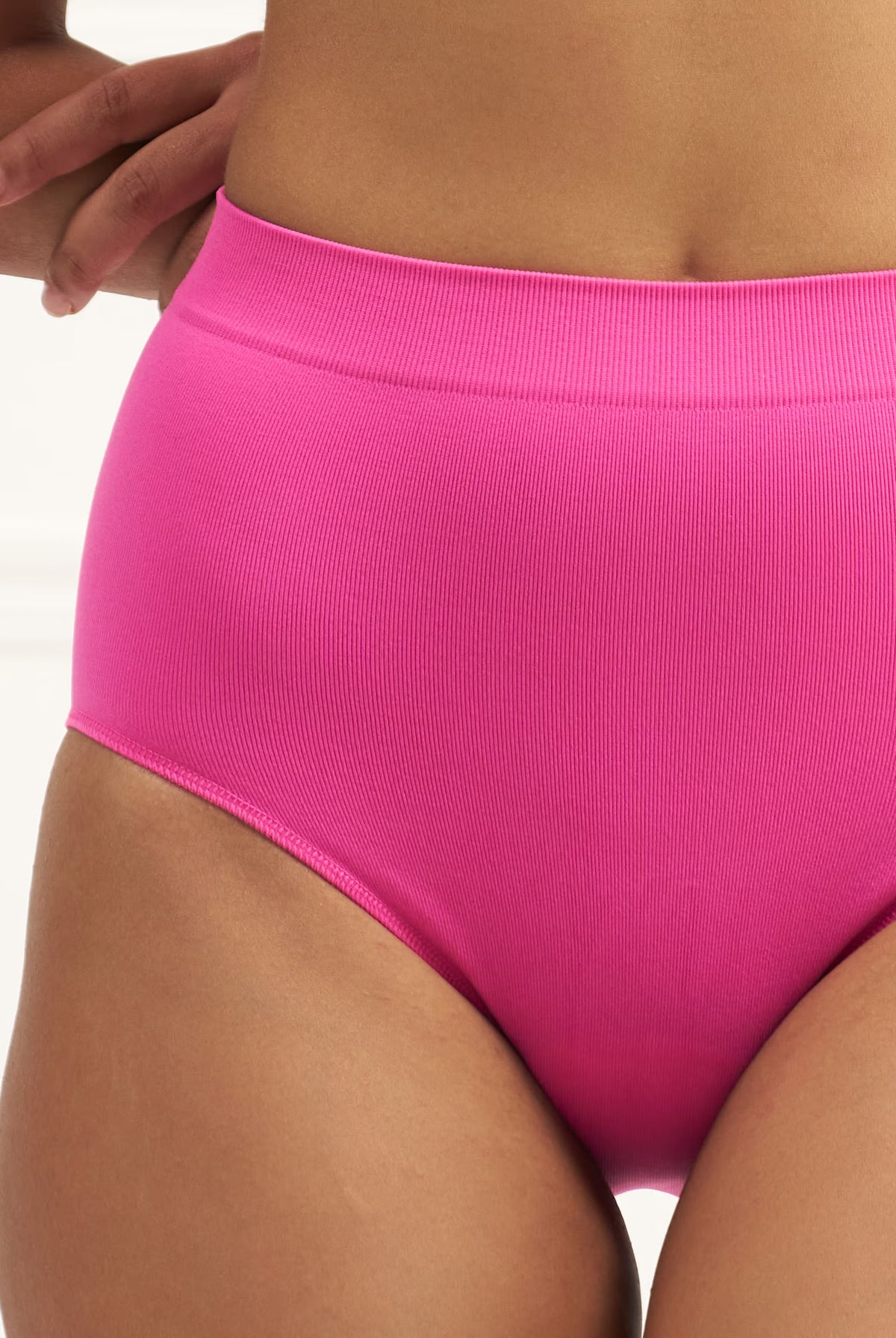
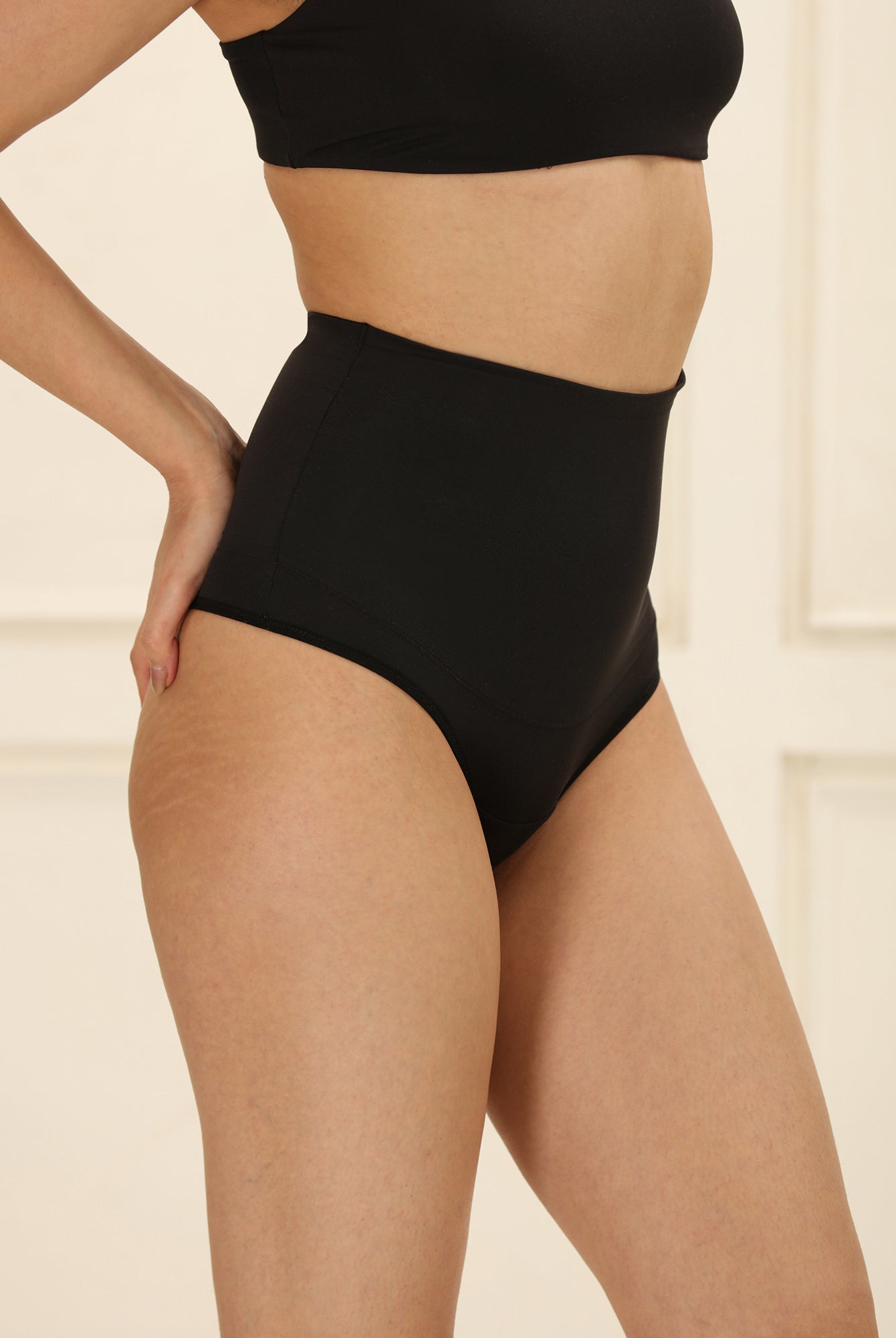
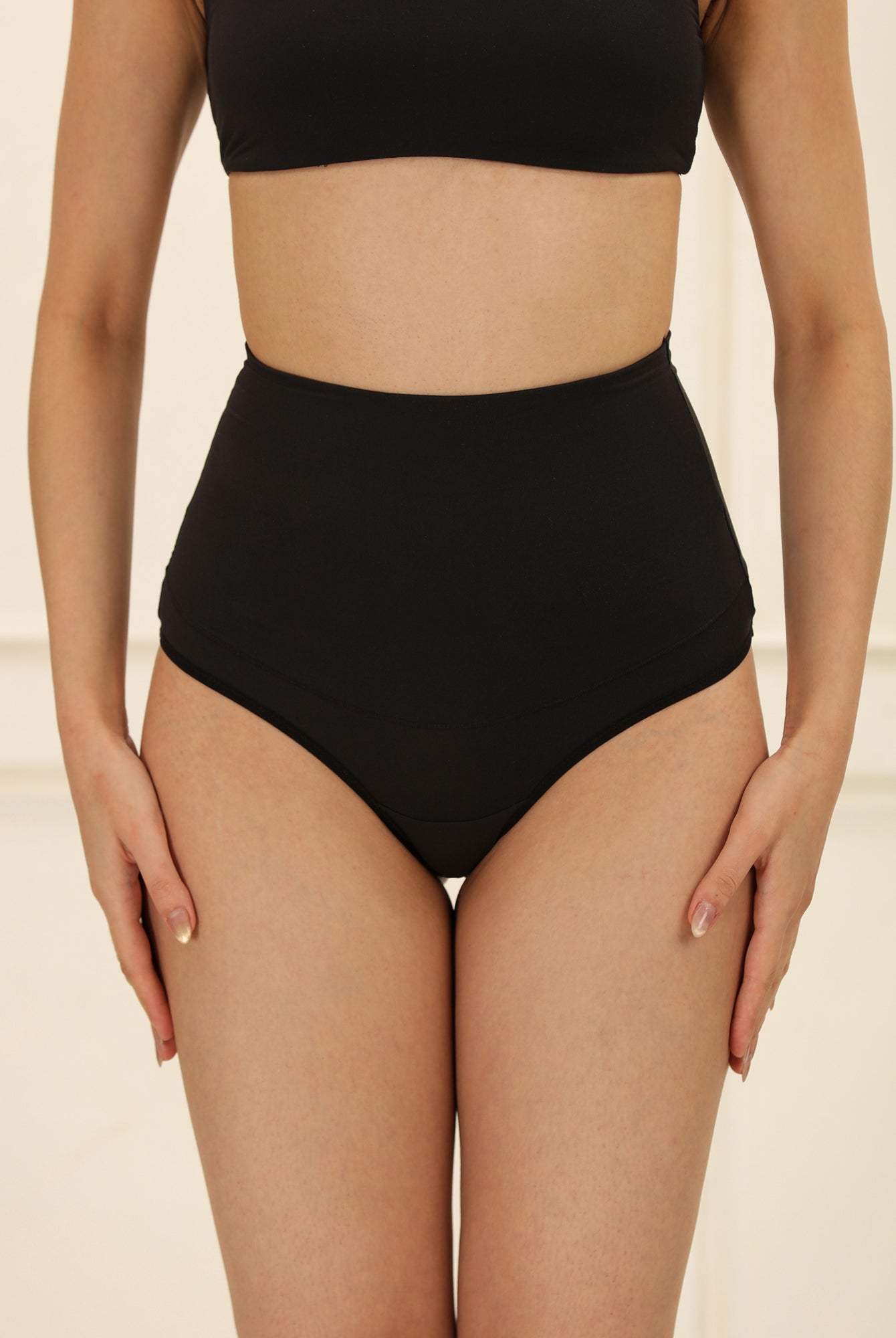
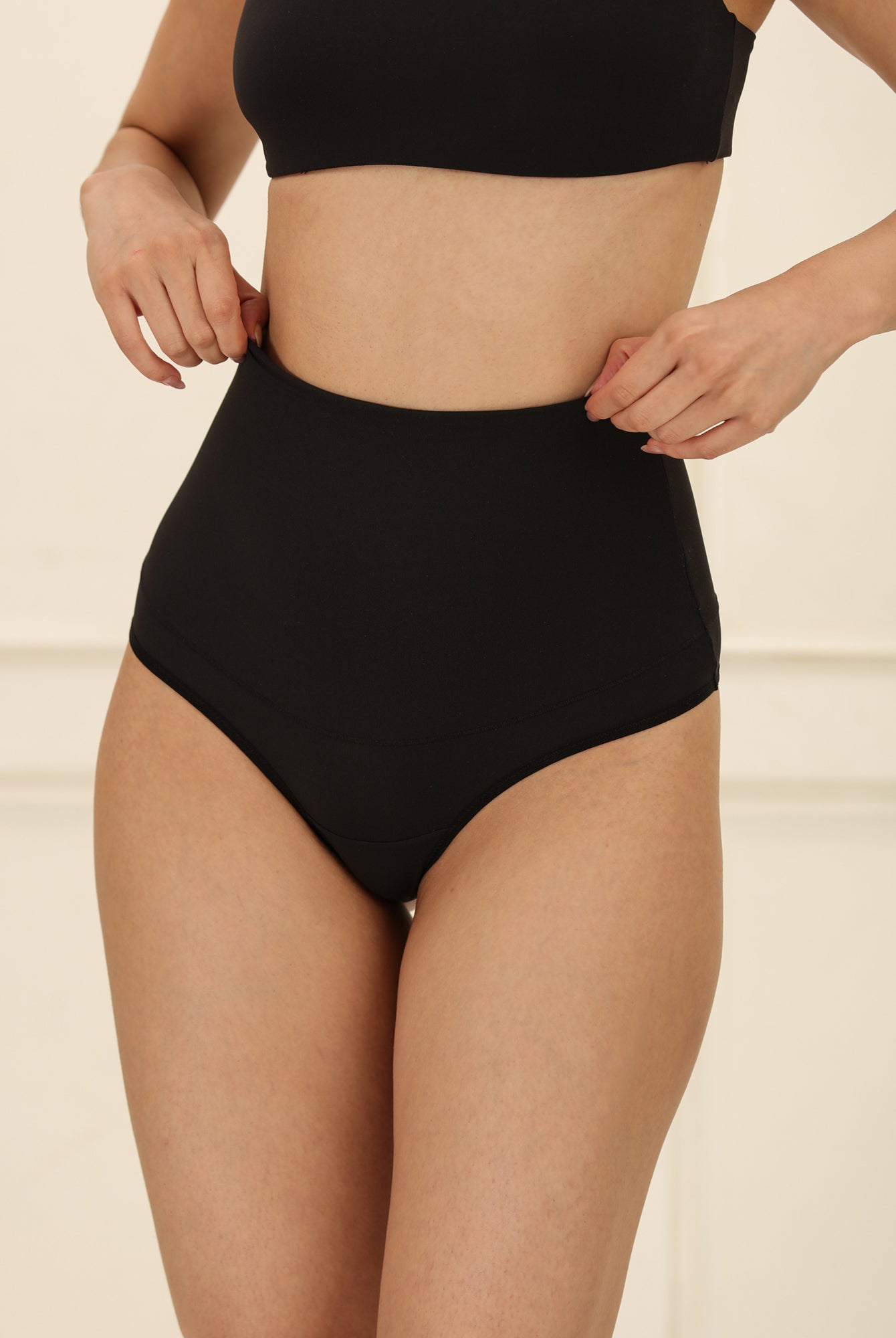
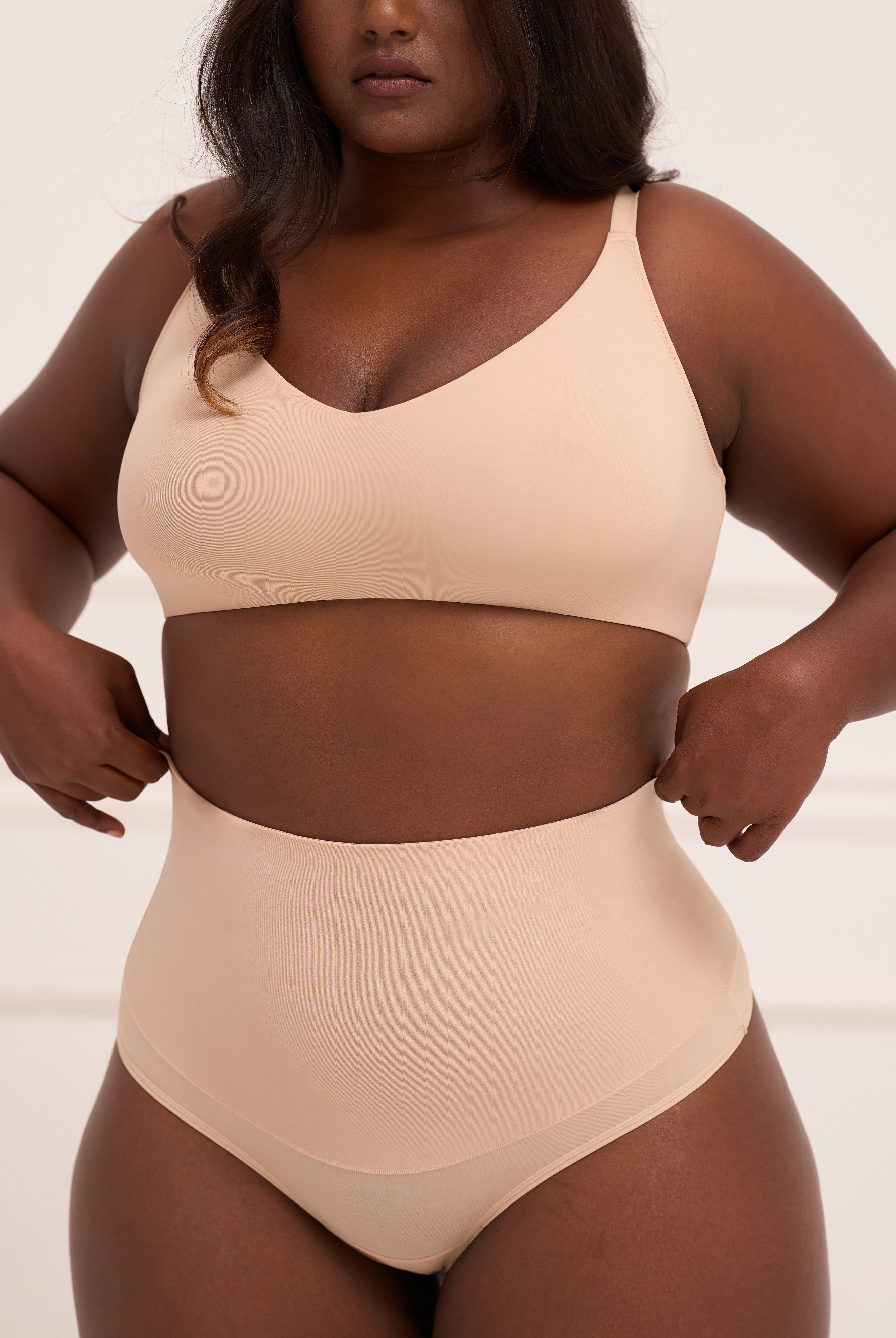
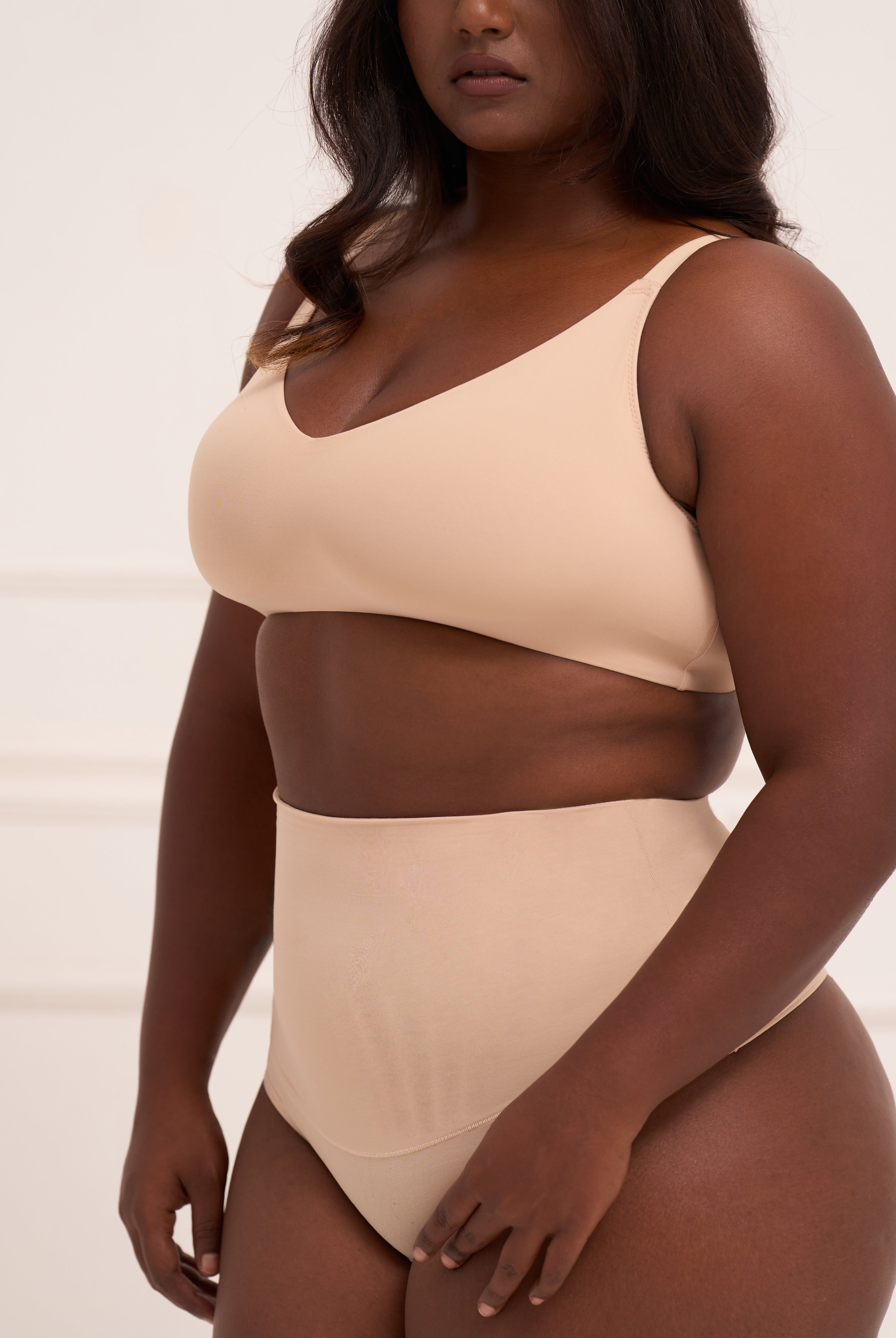
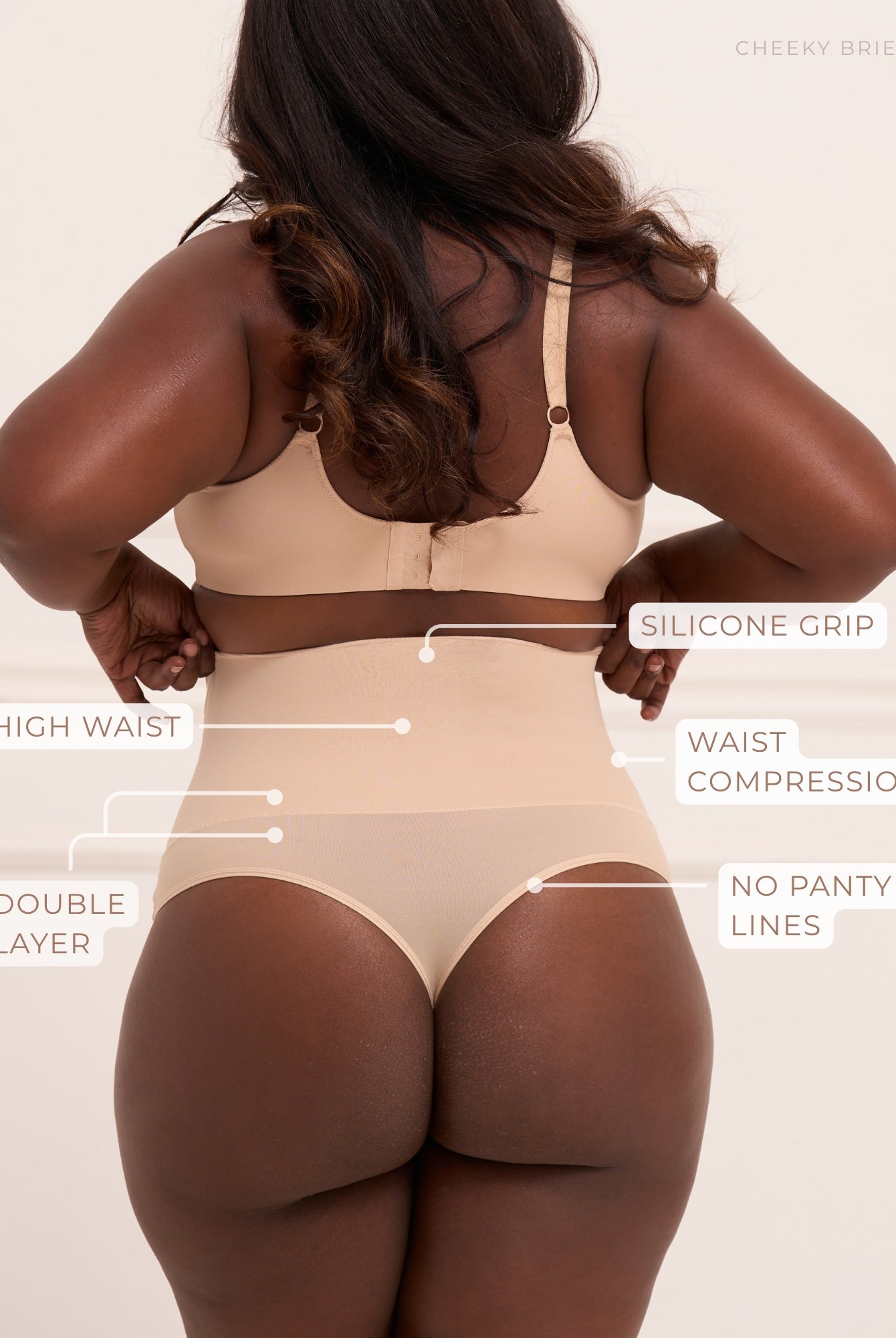
Shaping panties and control briefs cover the hips, lower abdomen, and backside. They’re the most widely worn style for daily use. Light compression versions work well under sarees, salwar kameez, and trousers. Higher compression versions suit structured occasion wear where you need a more consistent hold through the day.
-
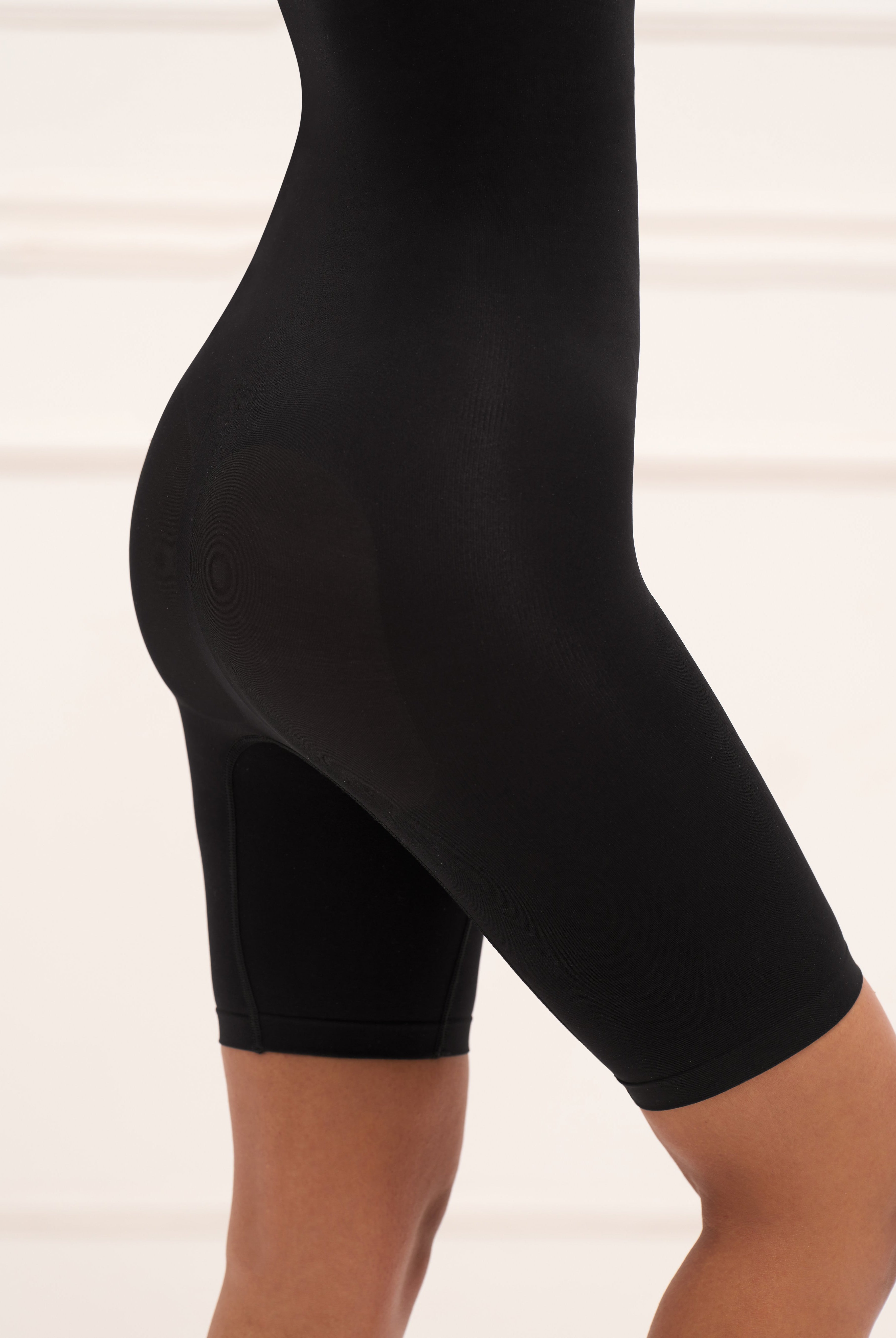
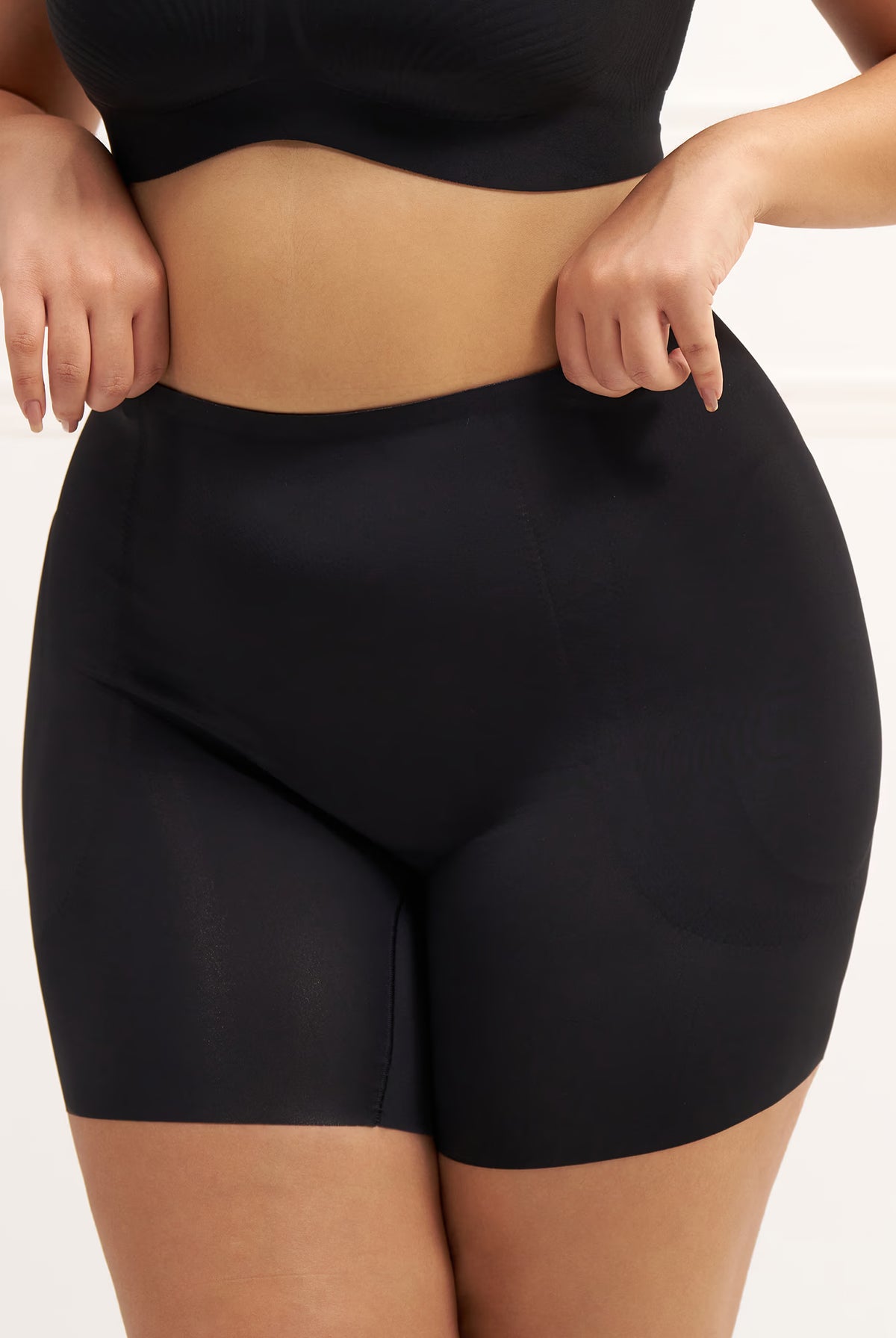
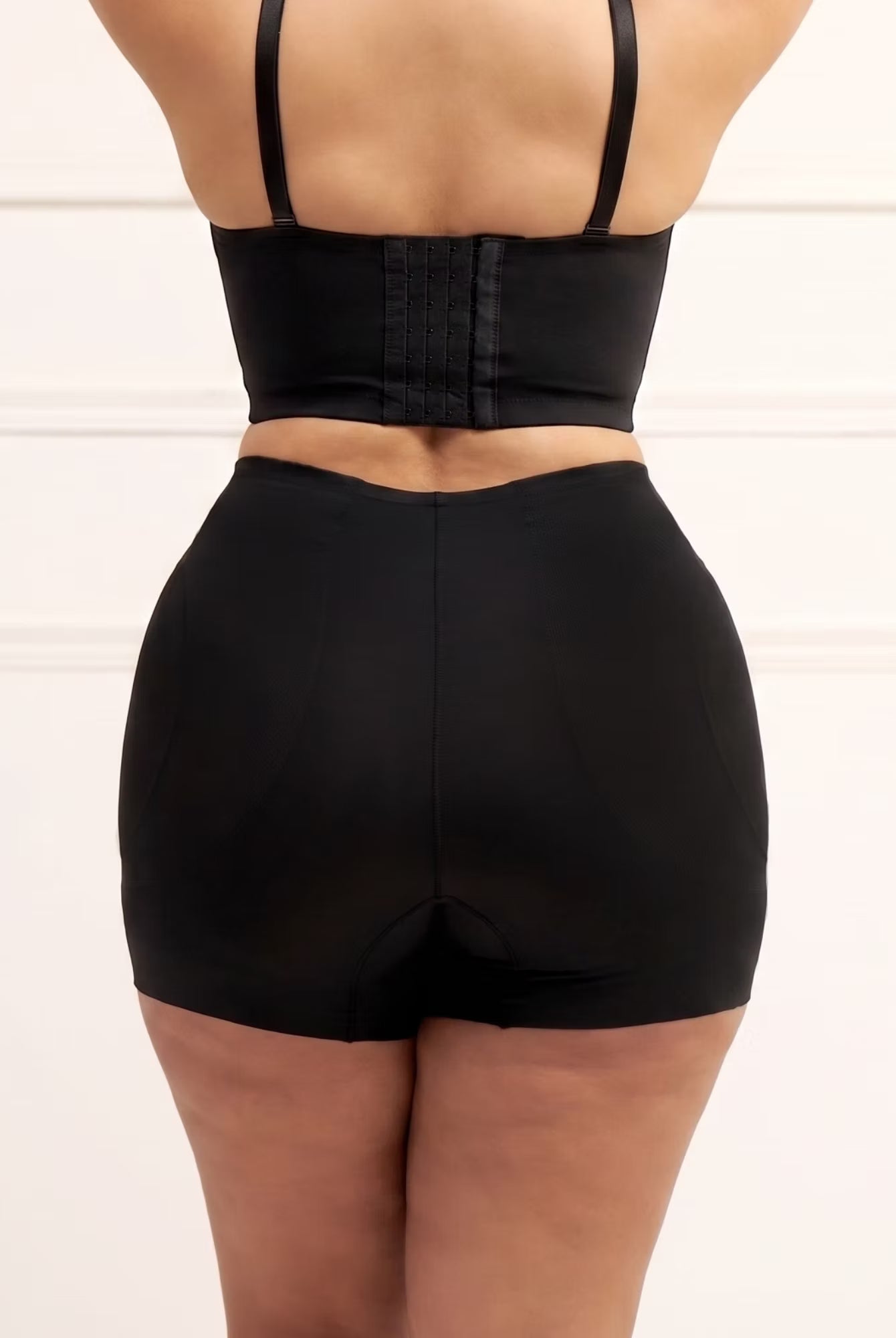
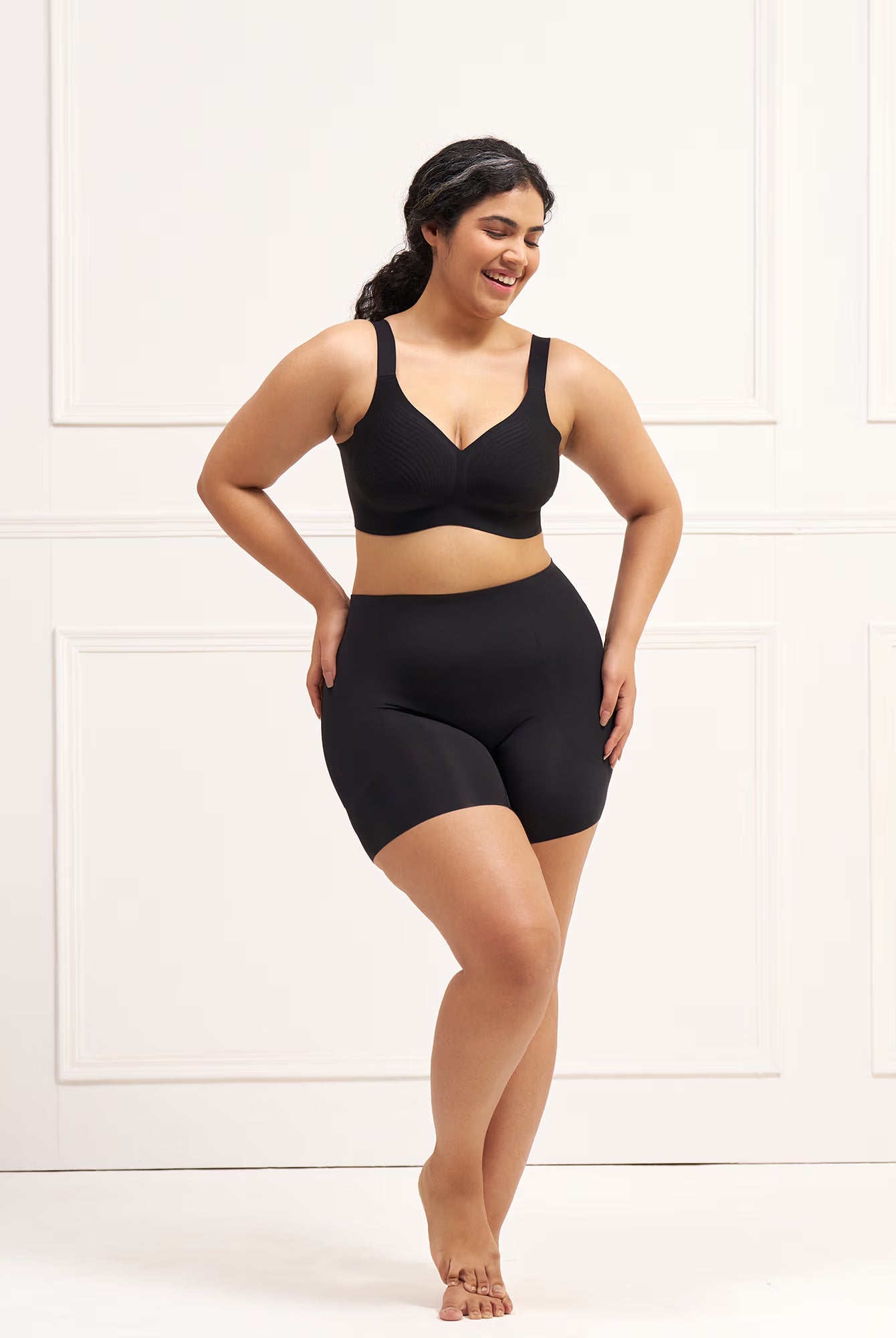
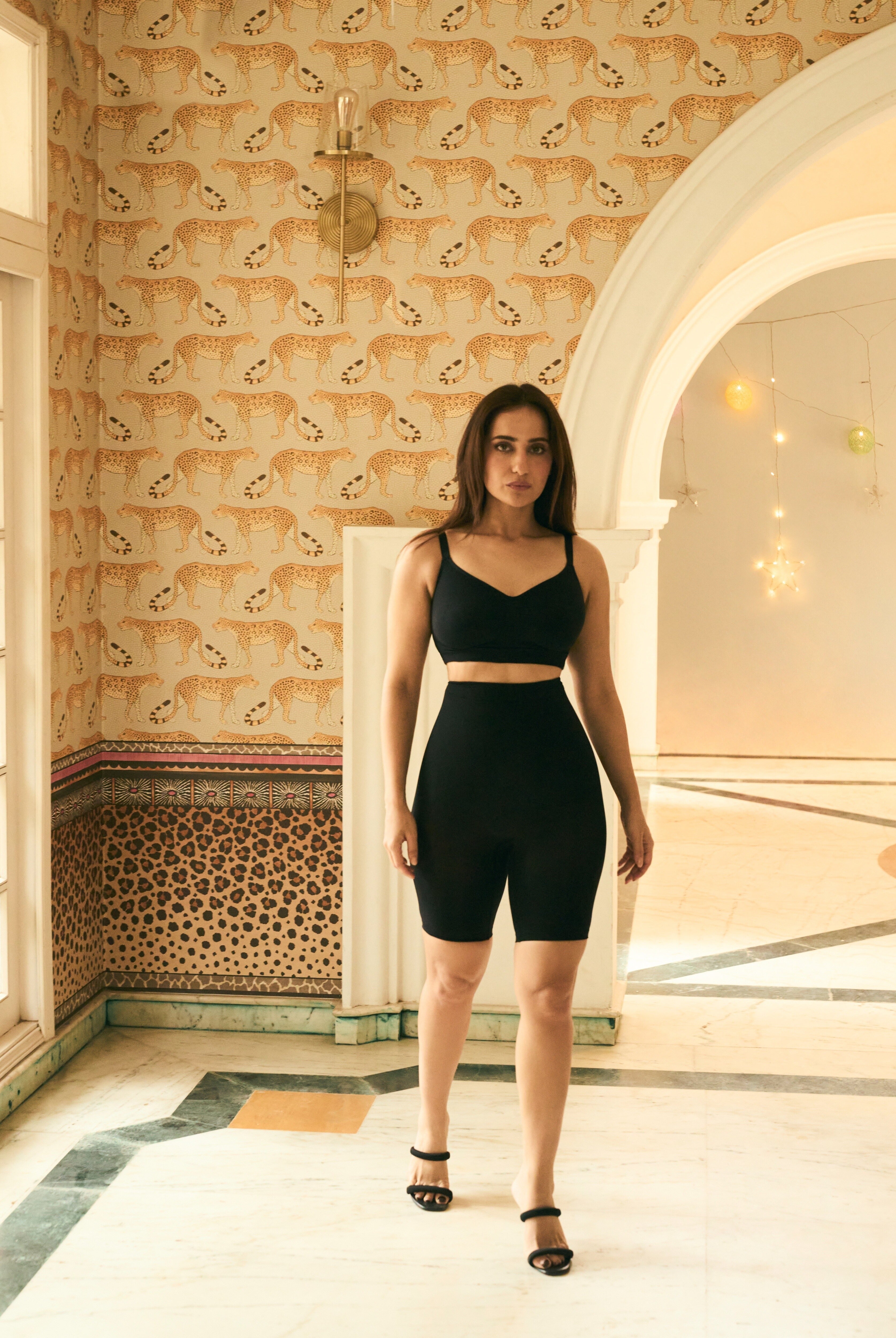
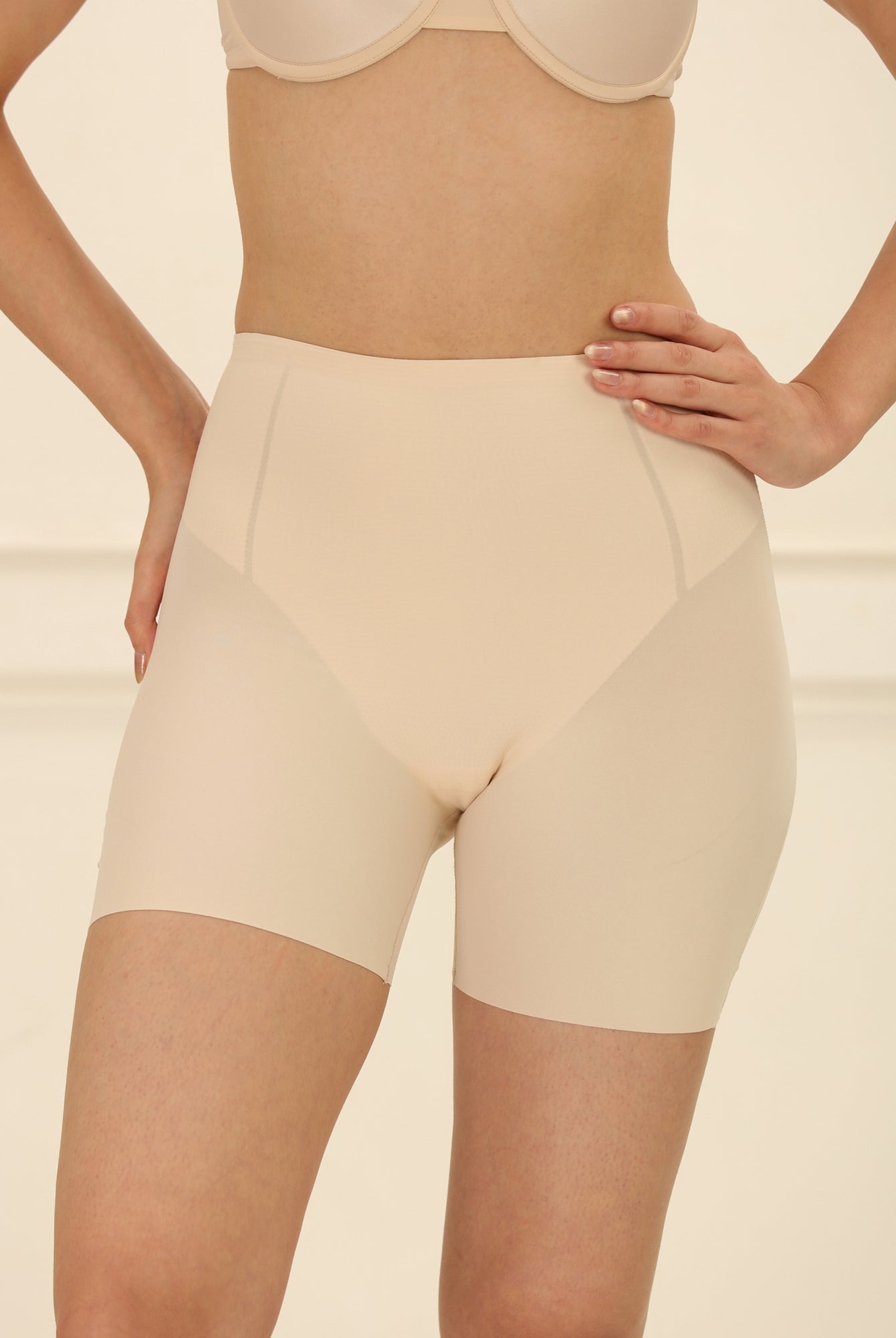
Shaper shorts

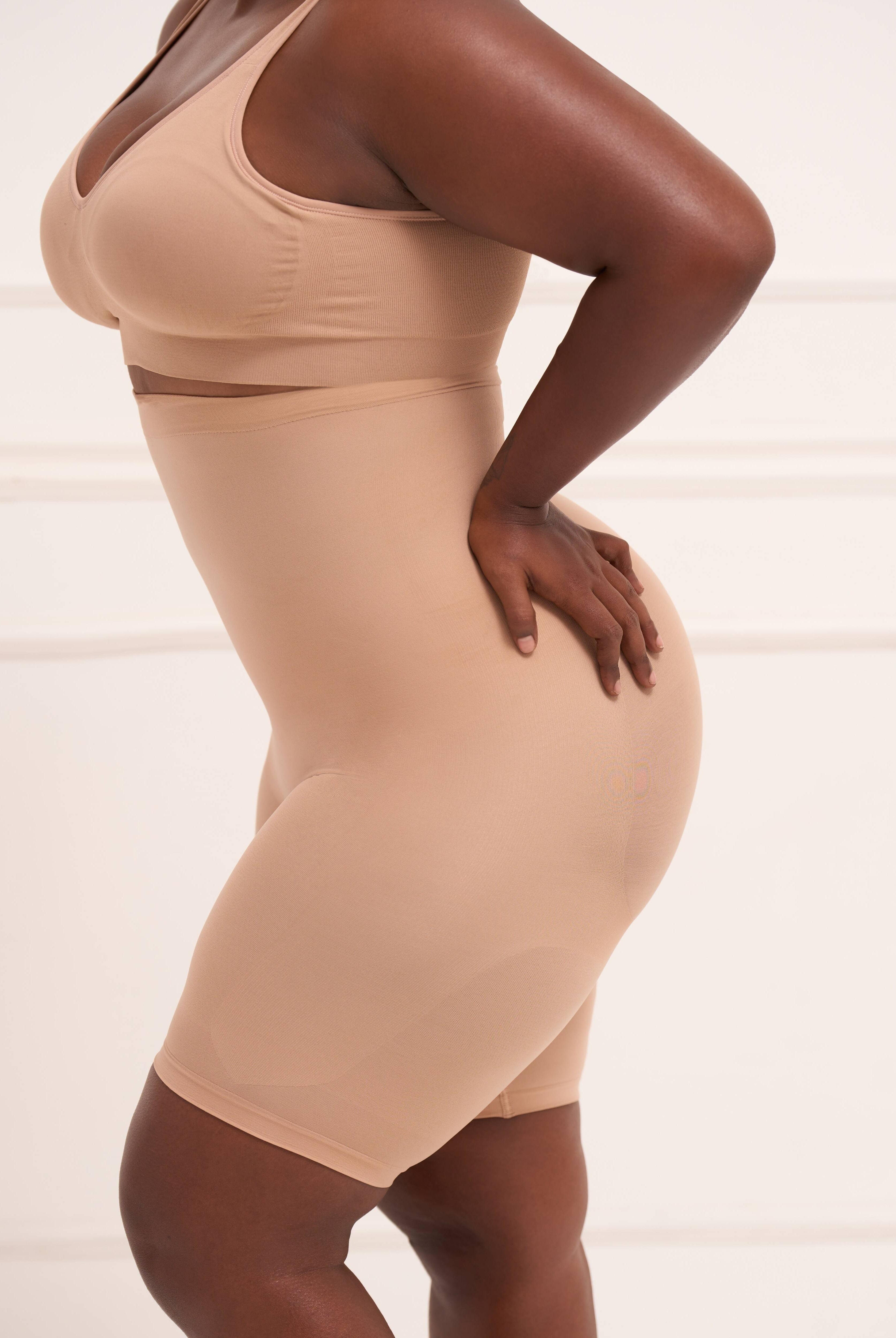
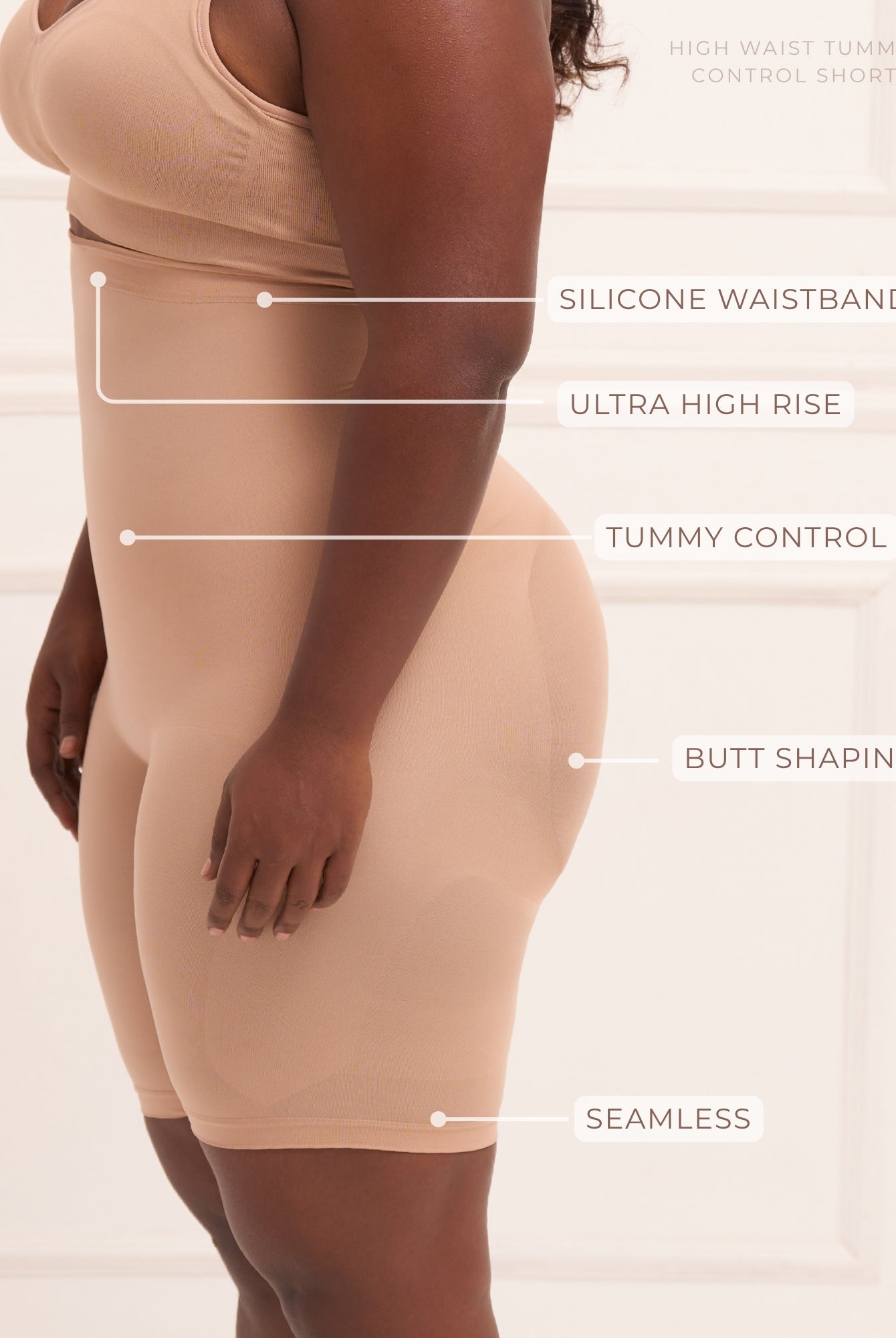
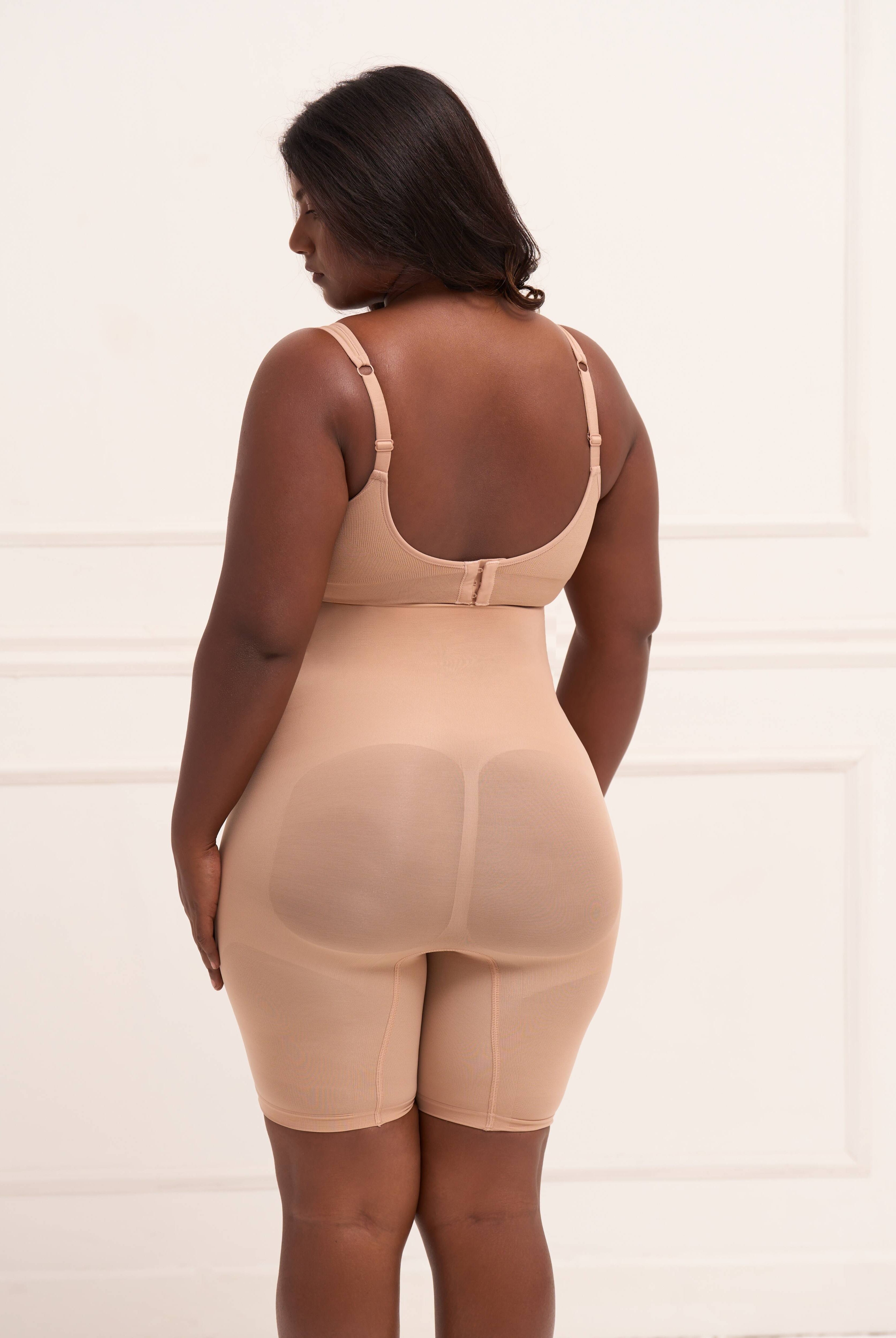
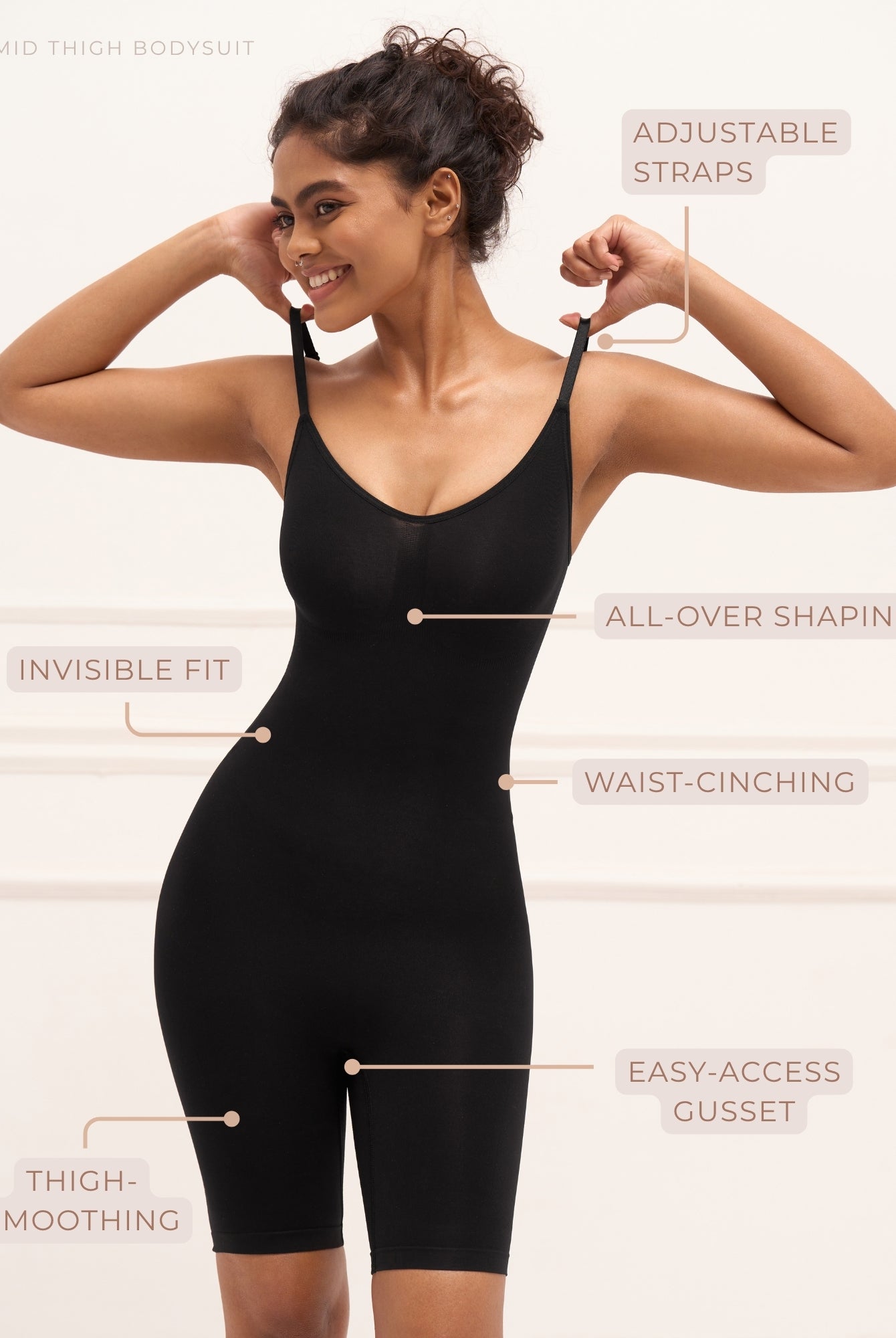
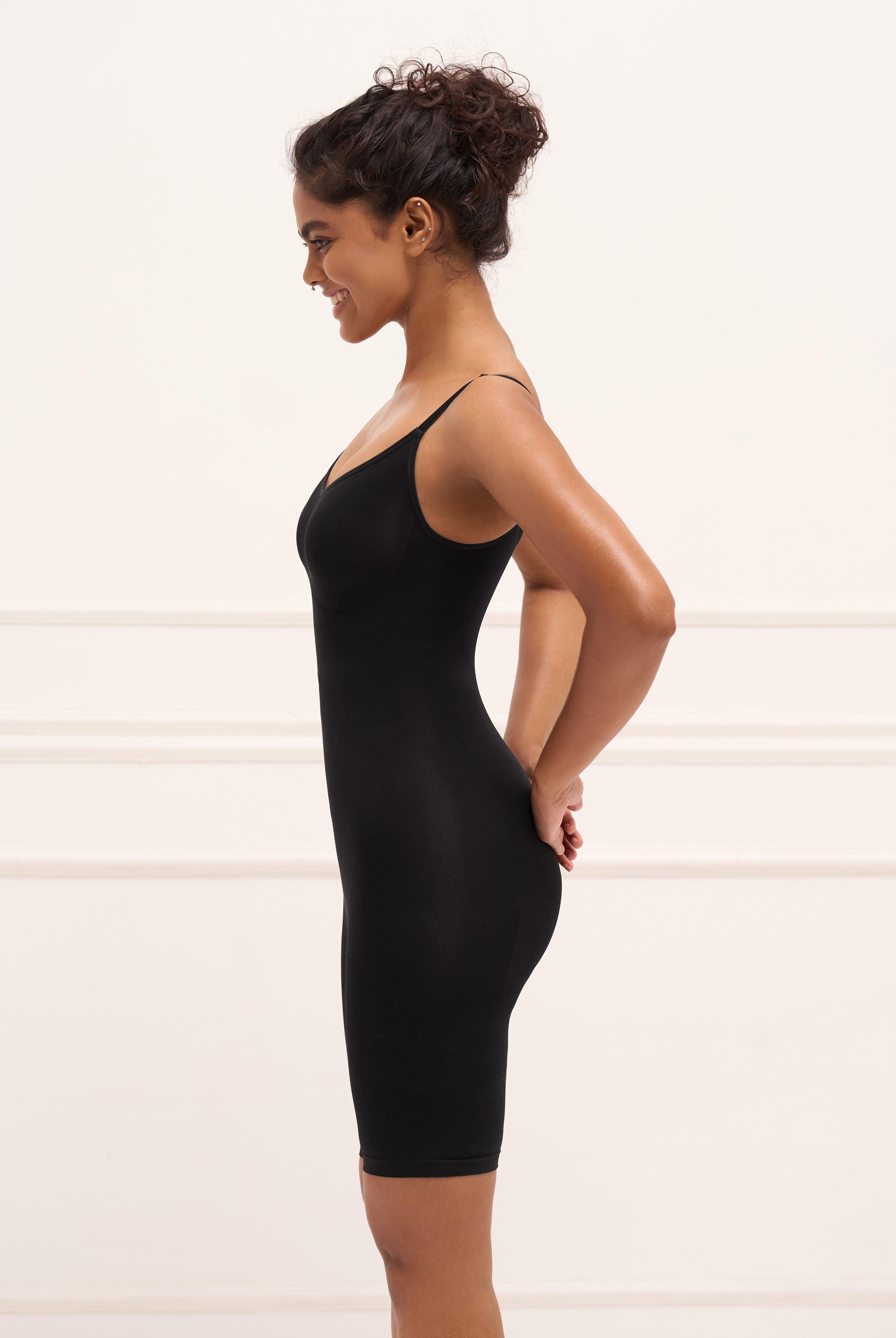
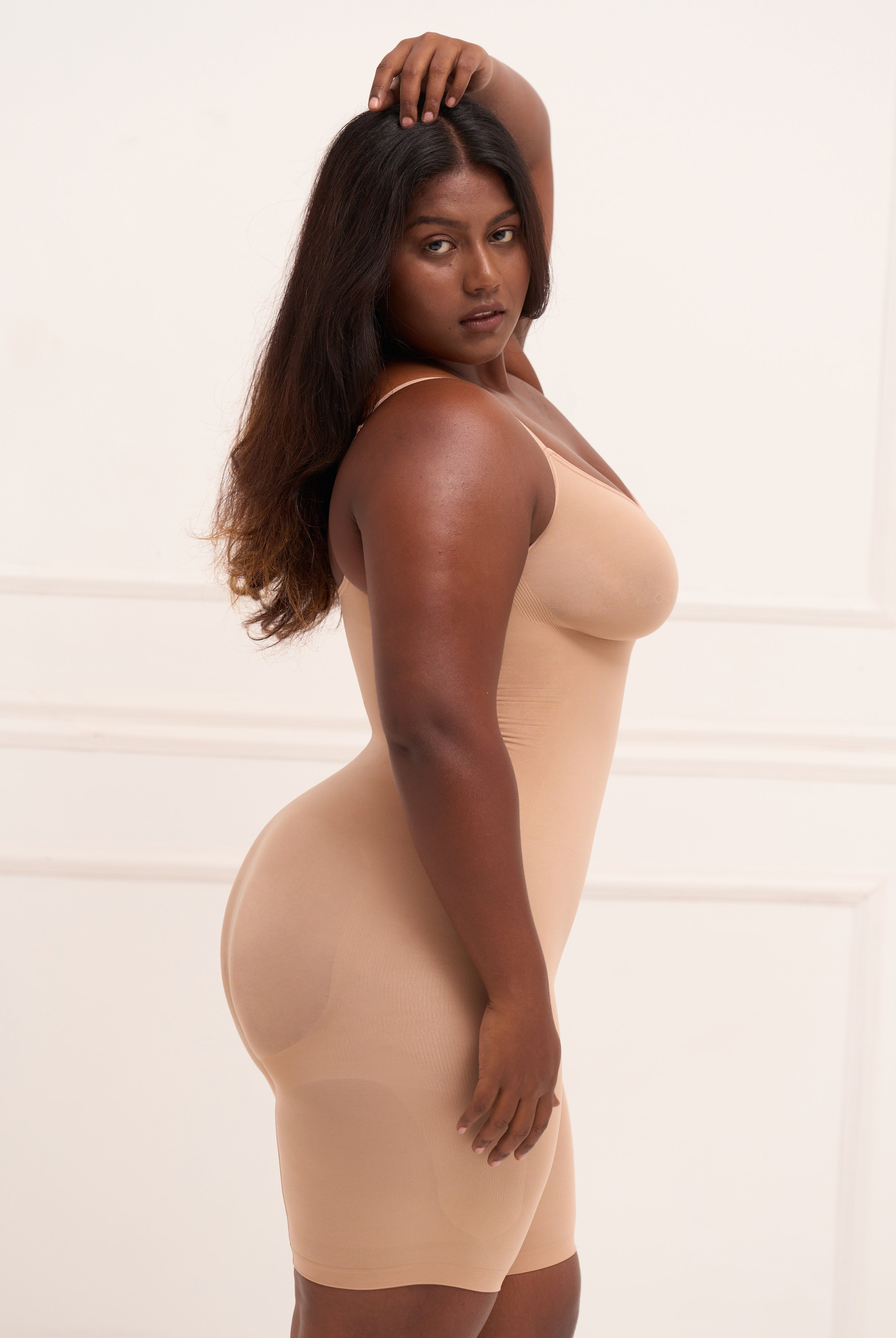
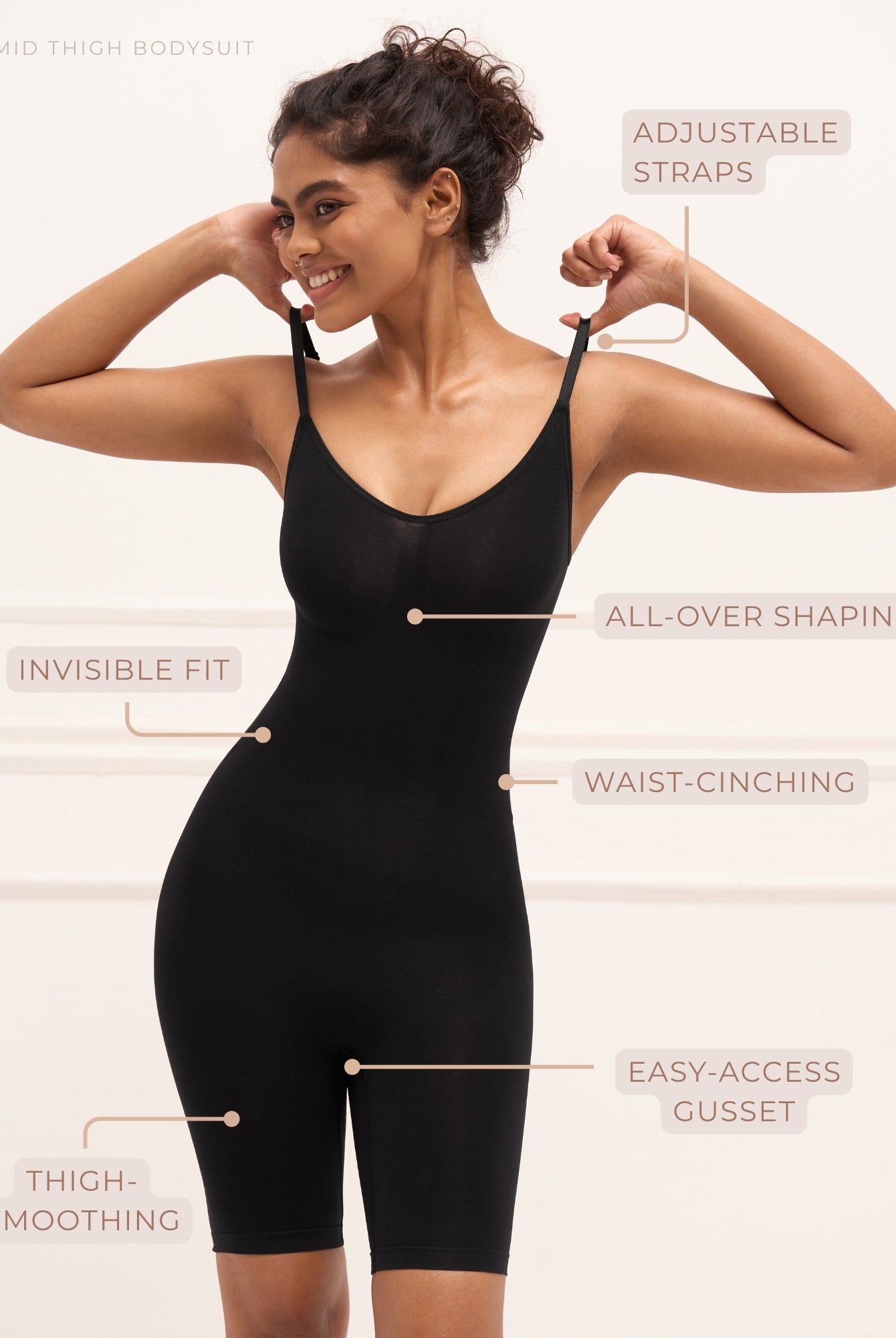
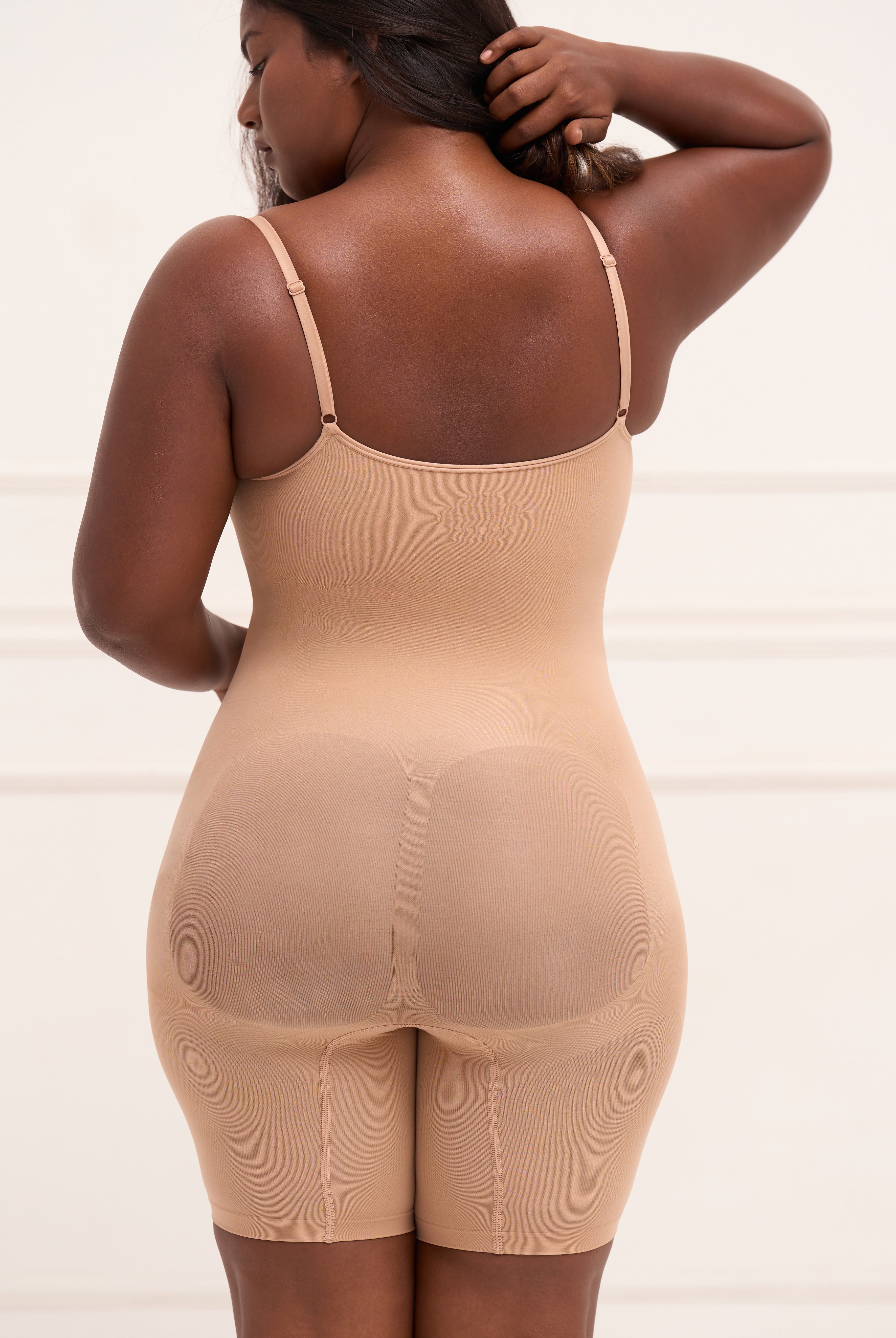
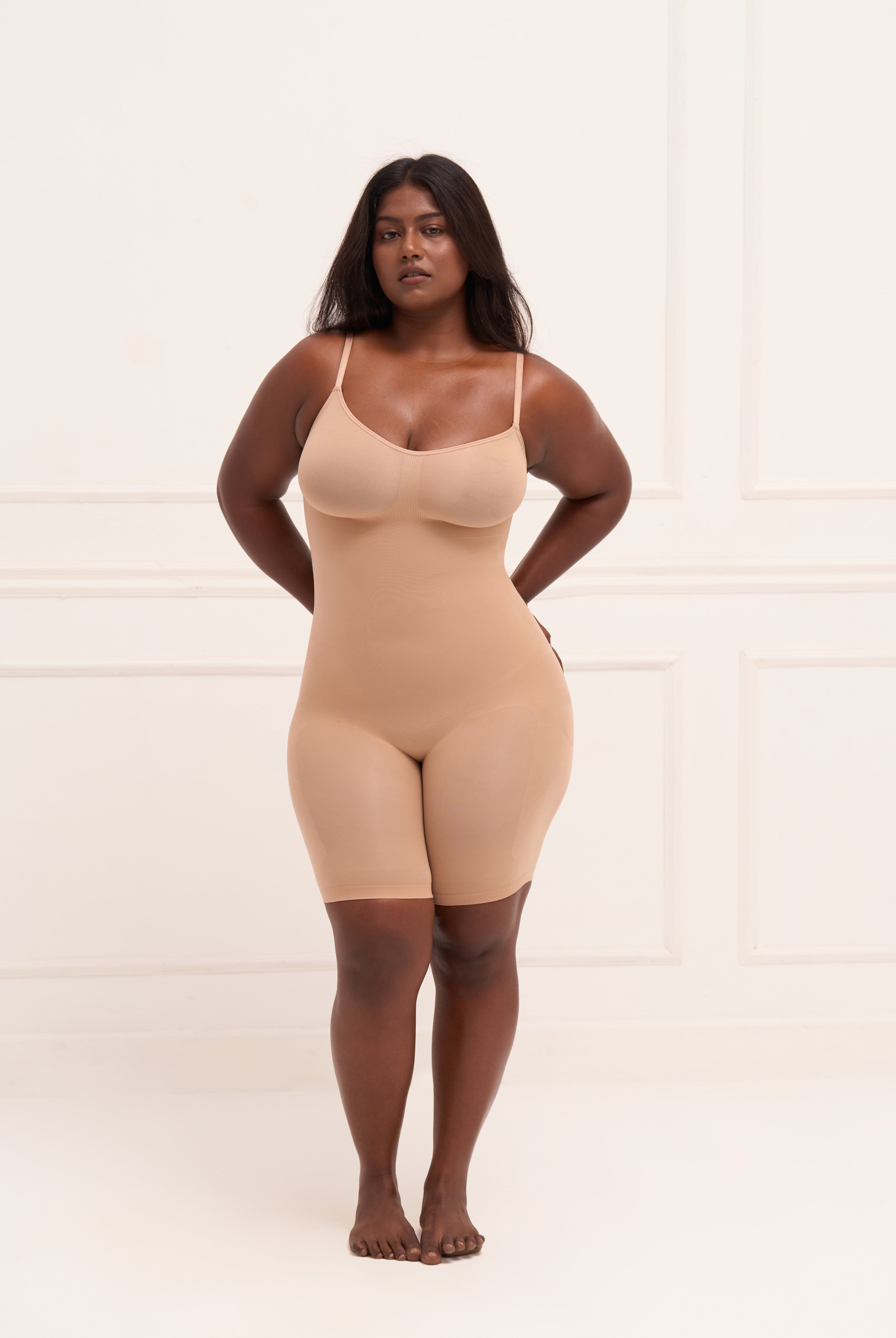
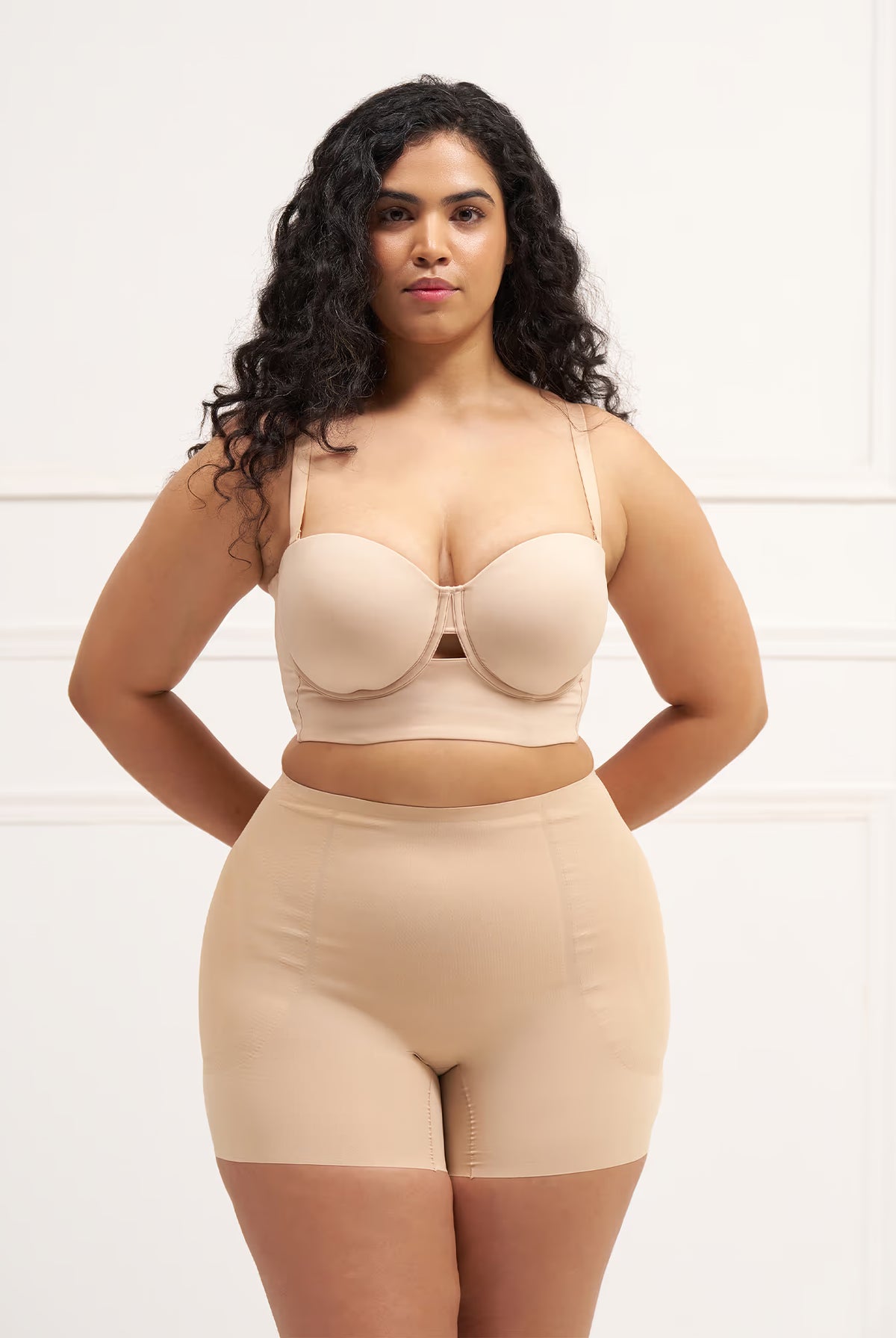
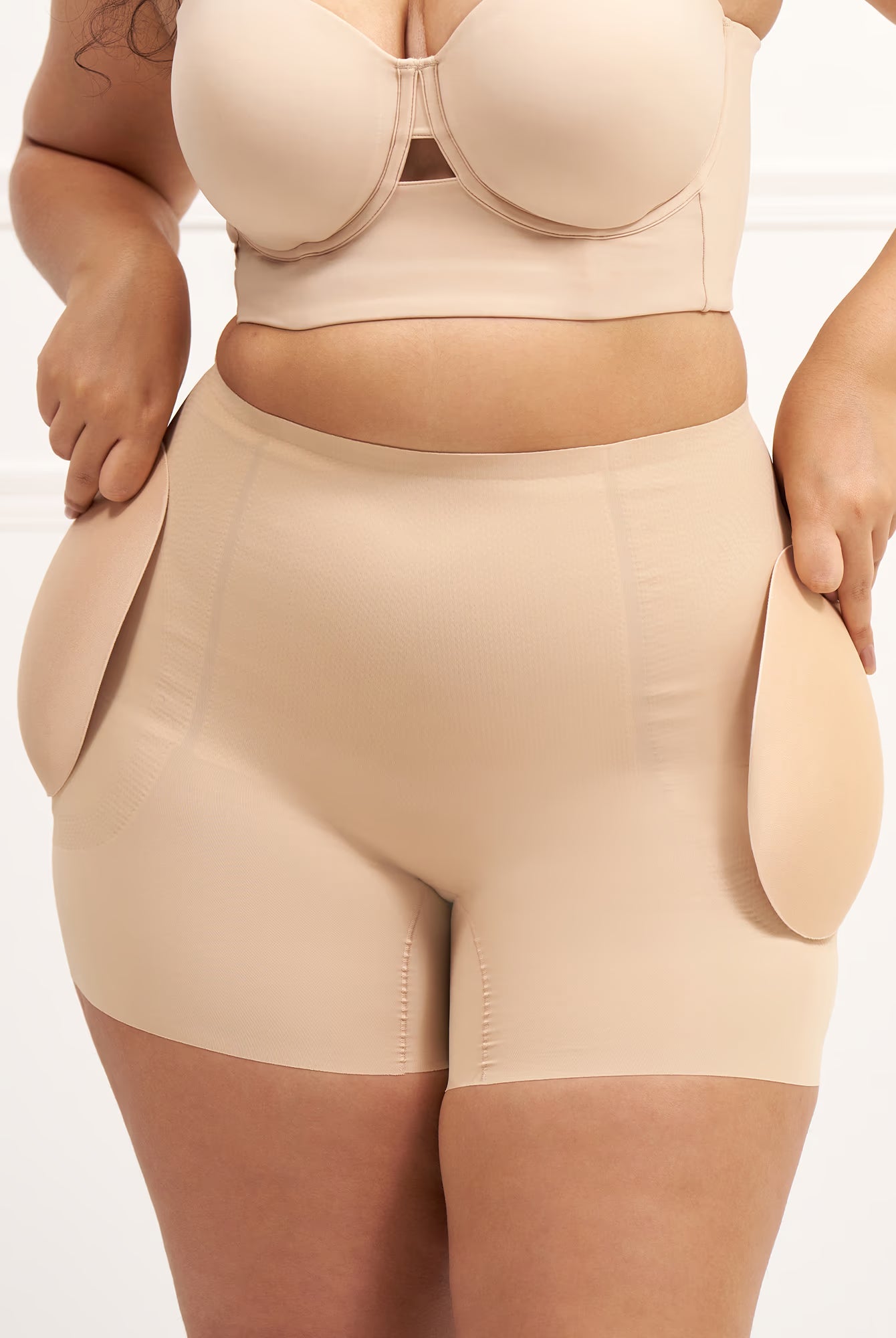
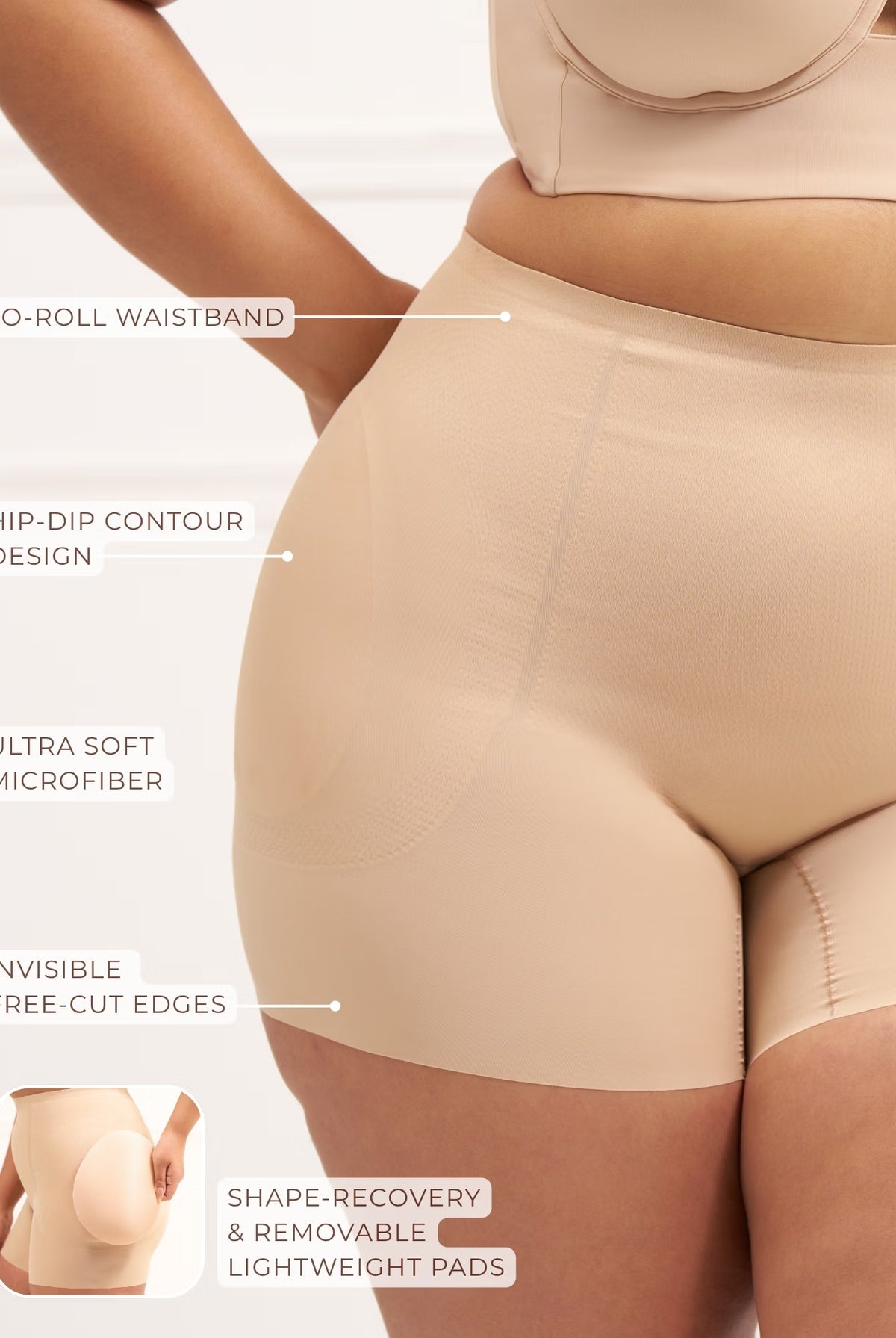
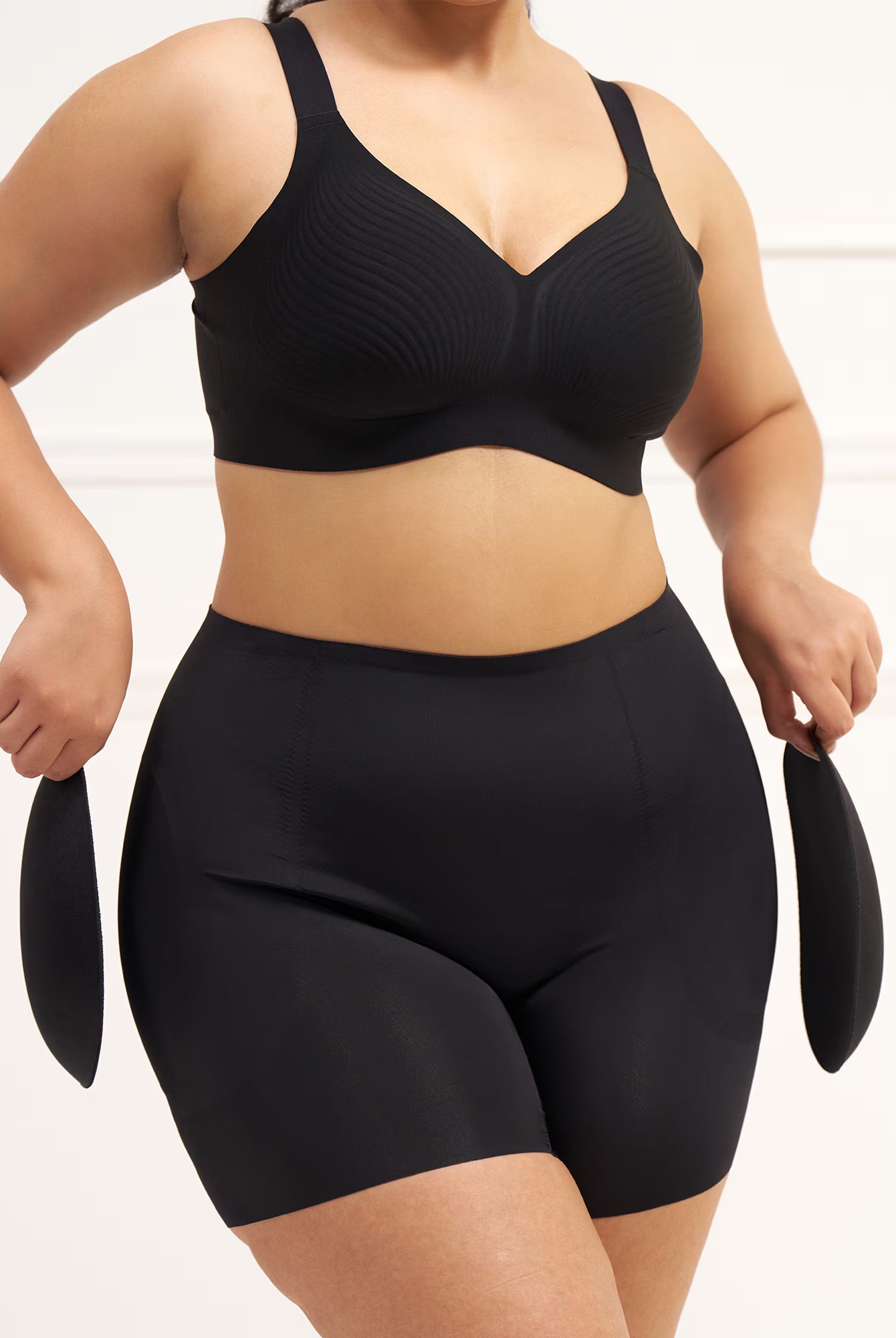
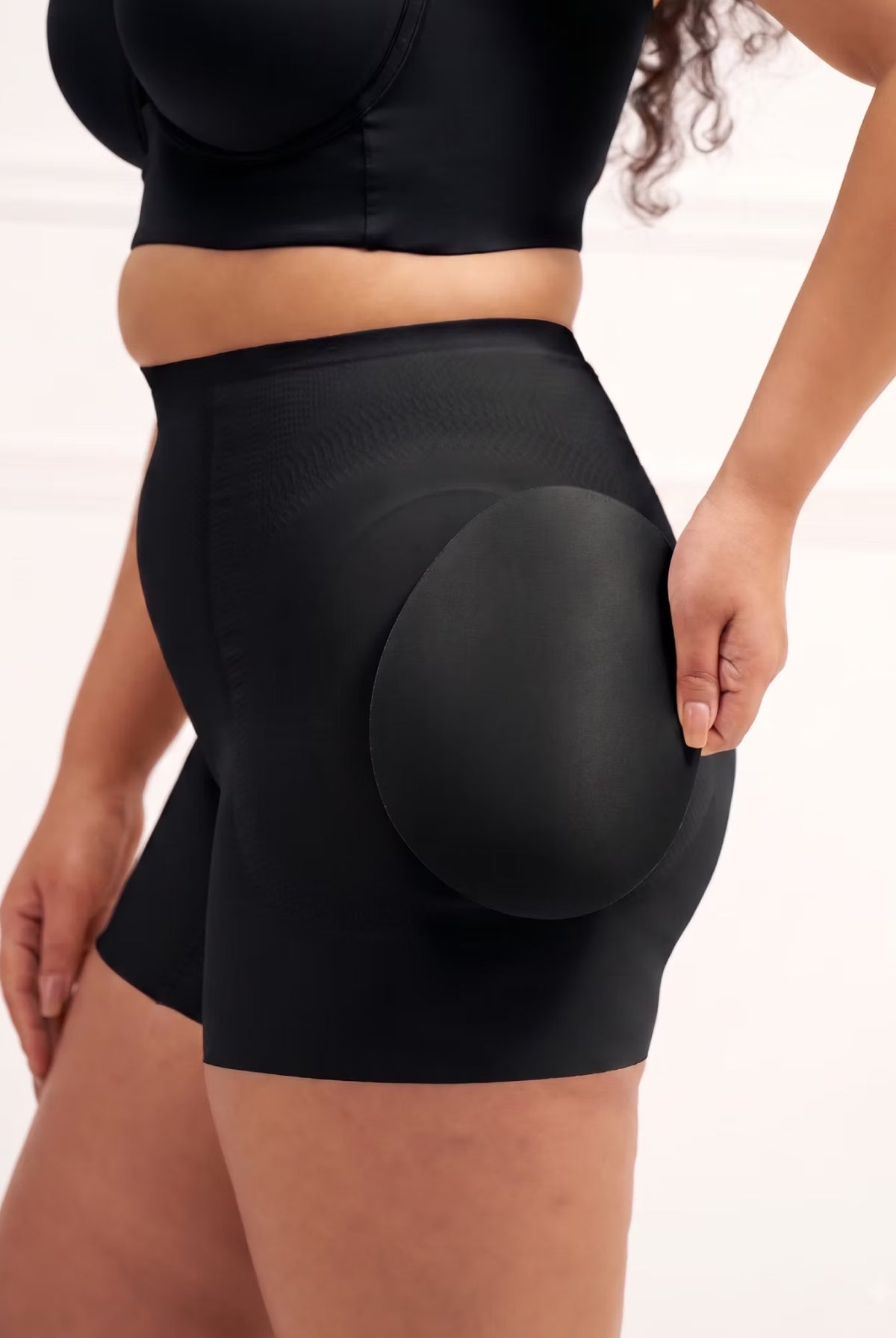
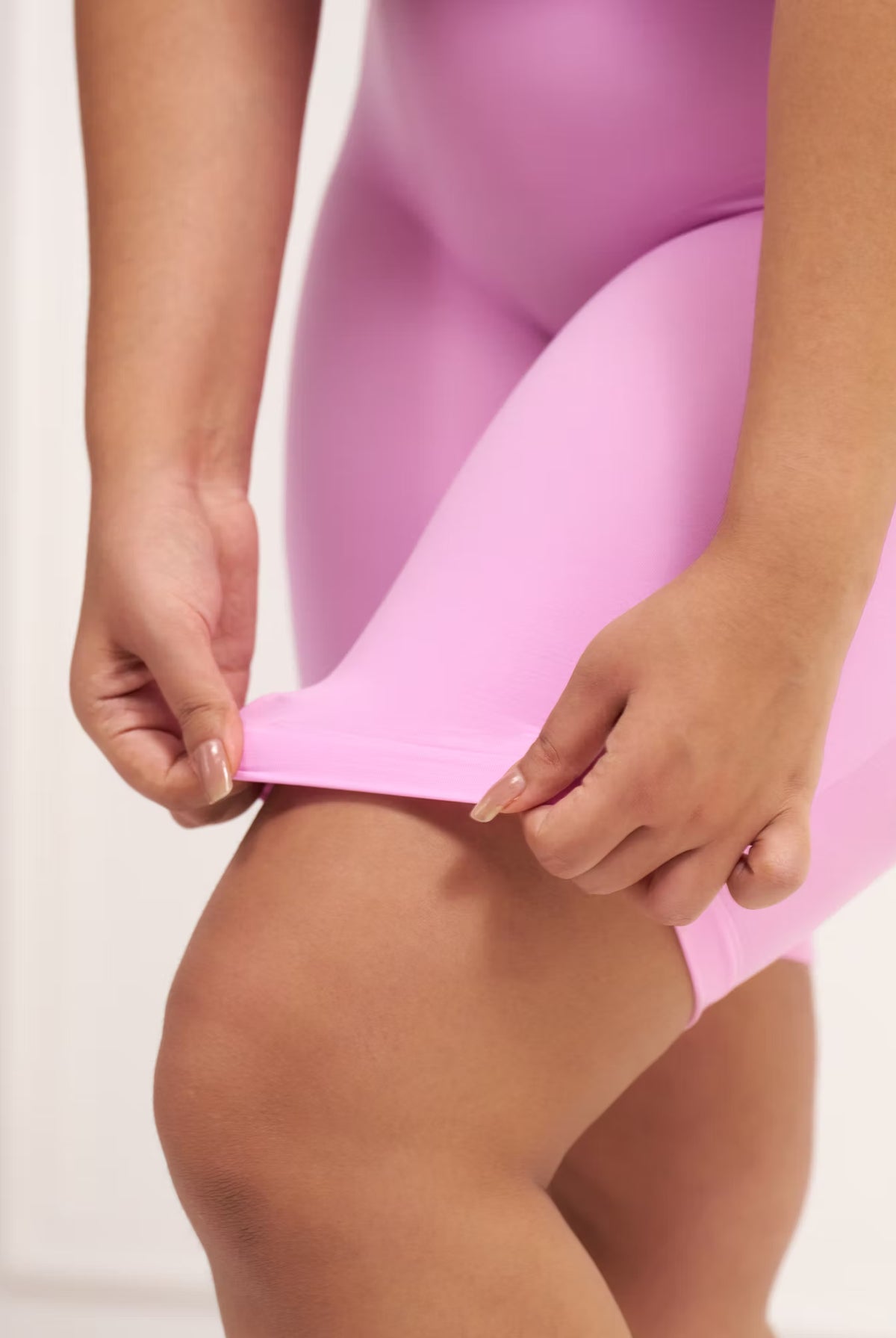
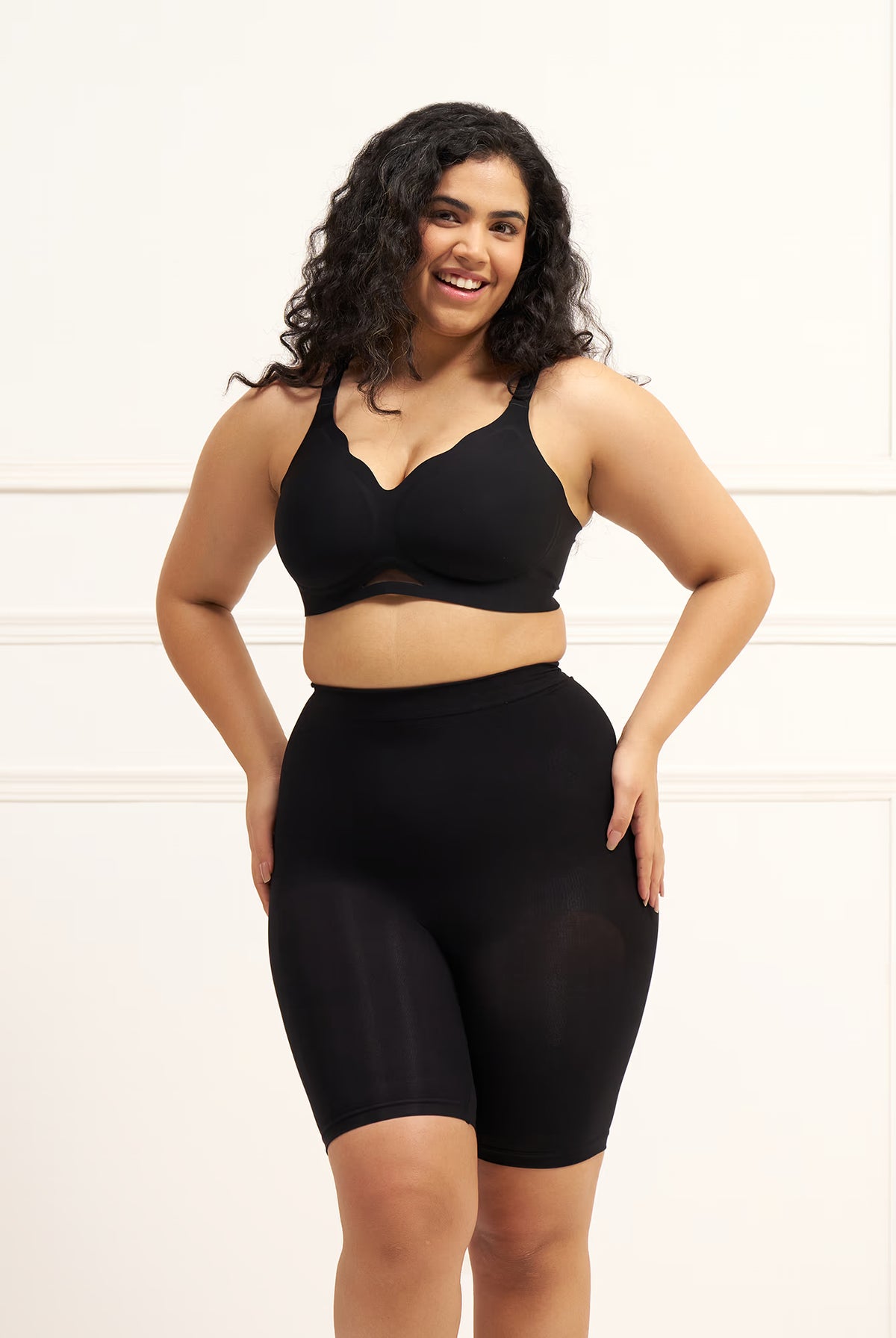
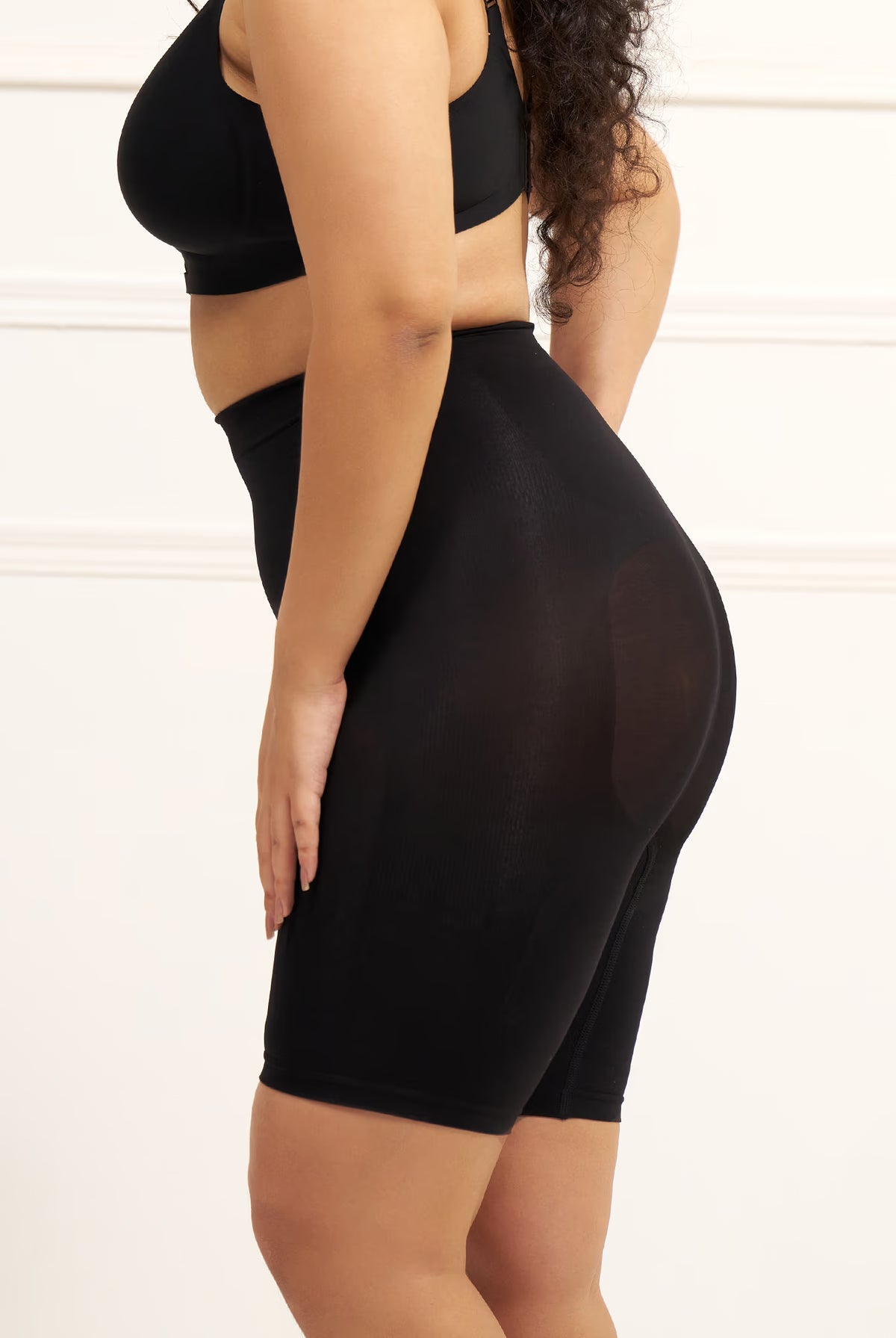
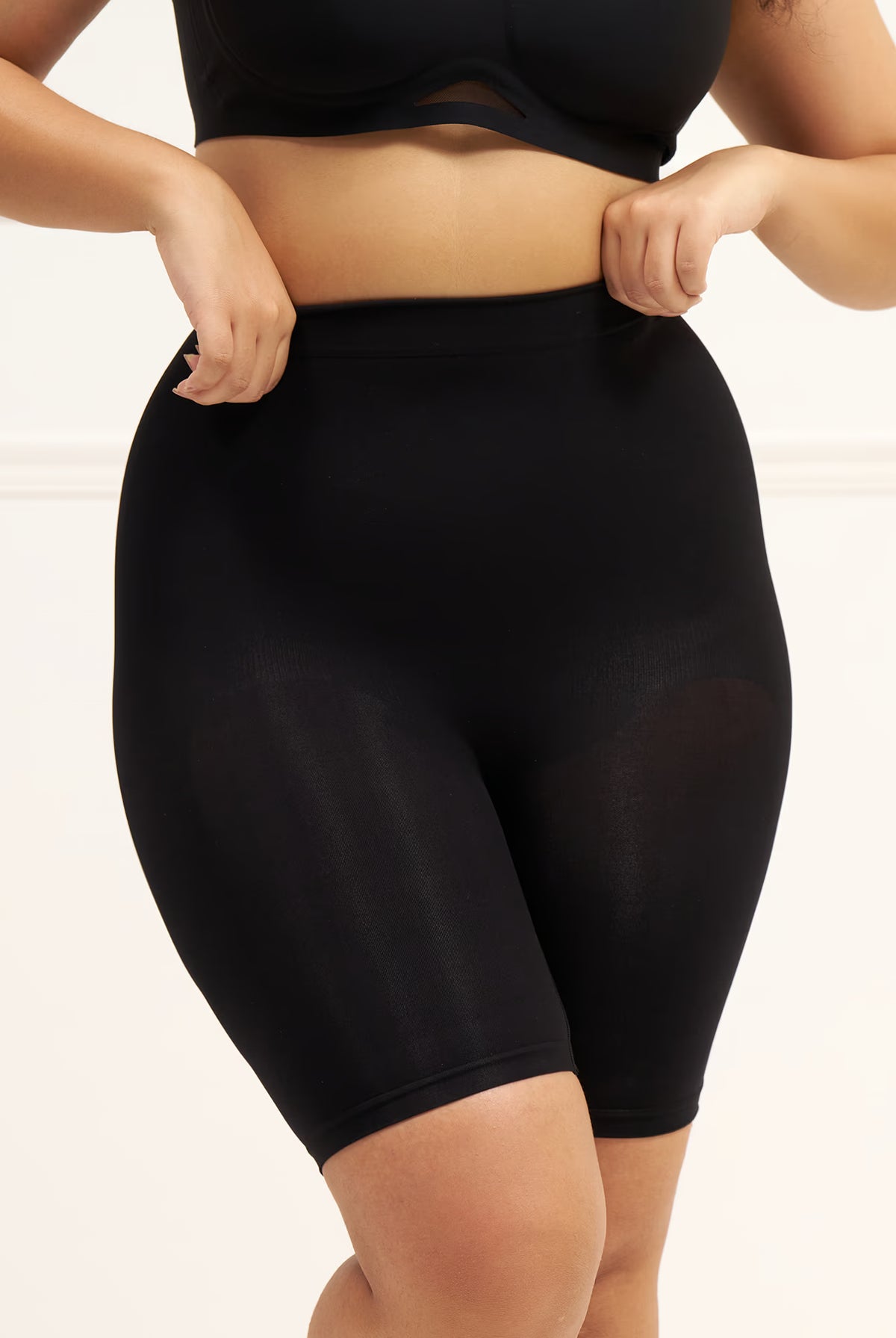
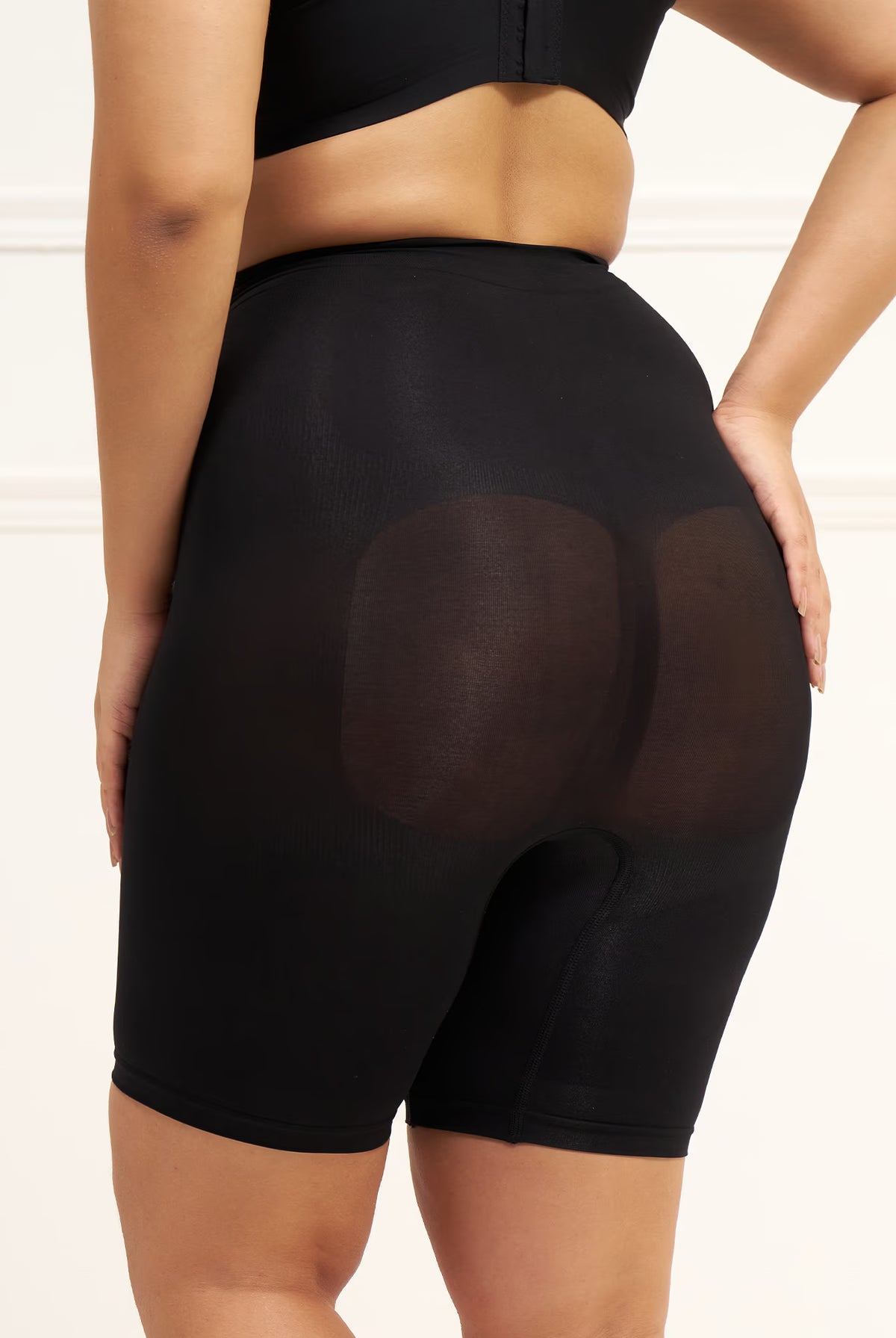
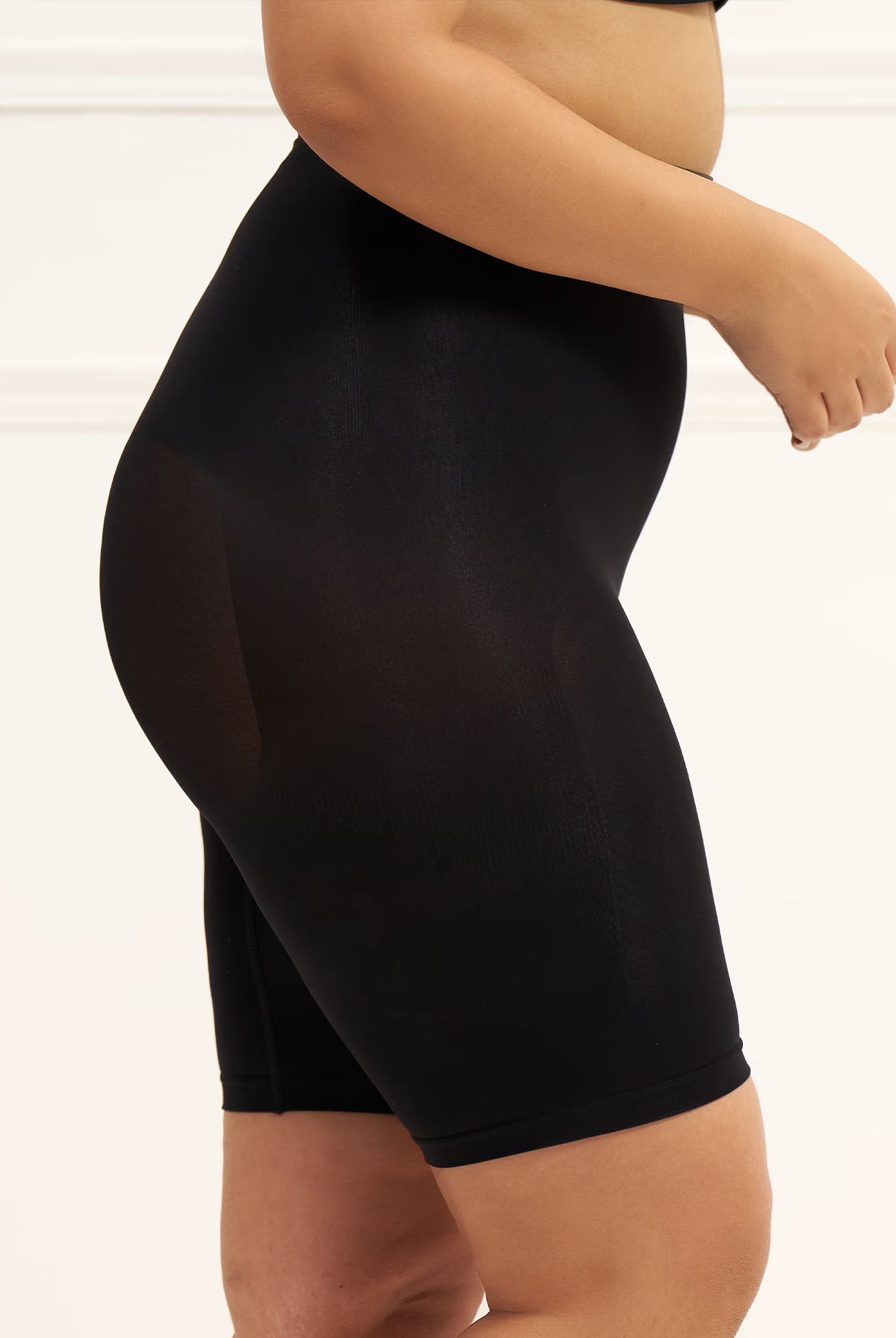
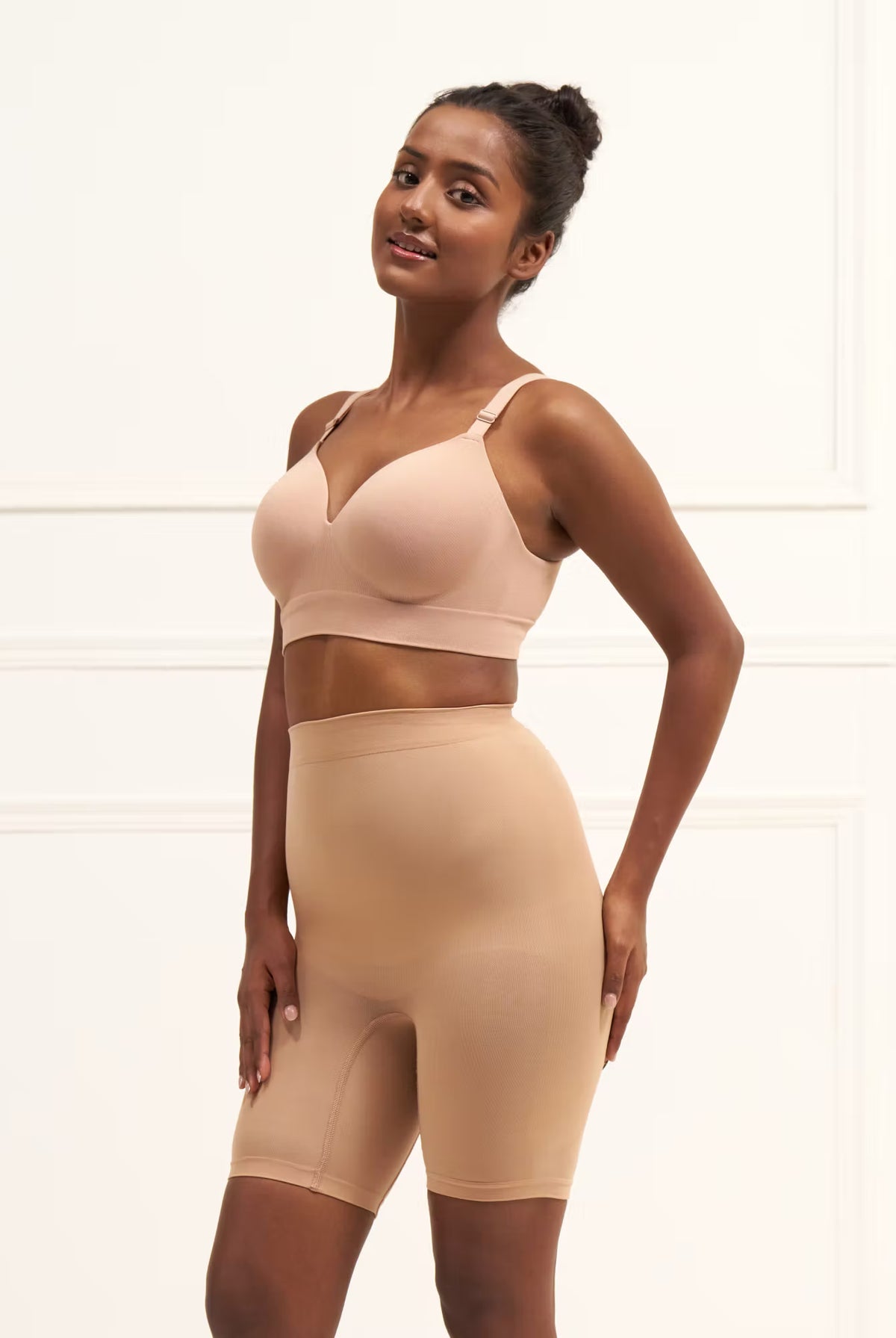
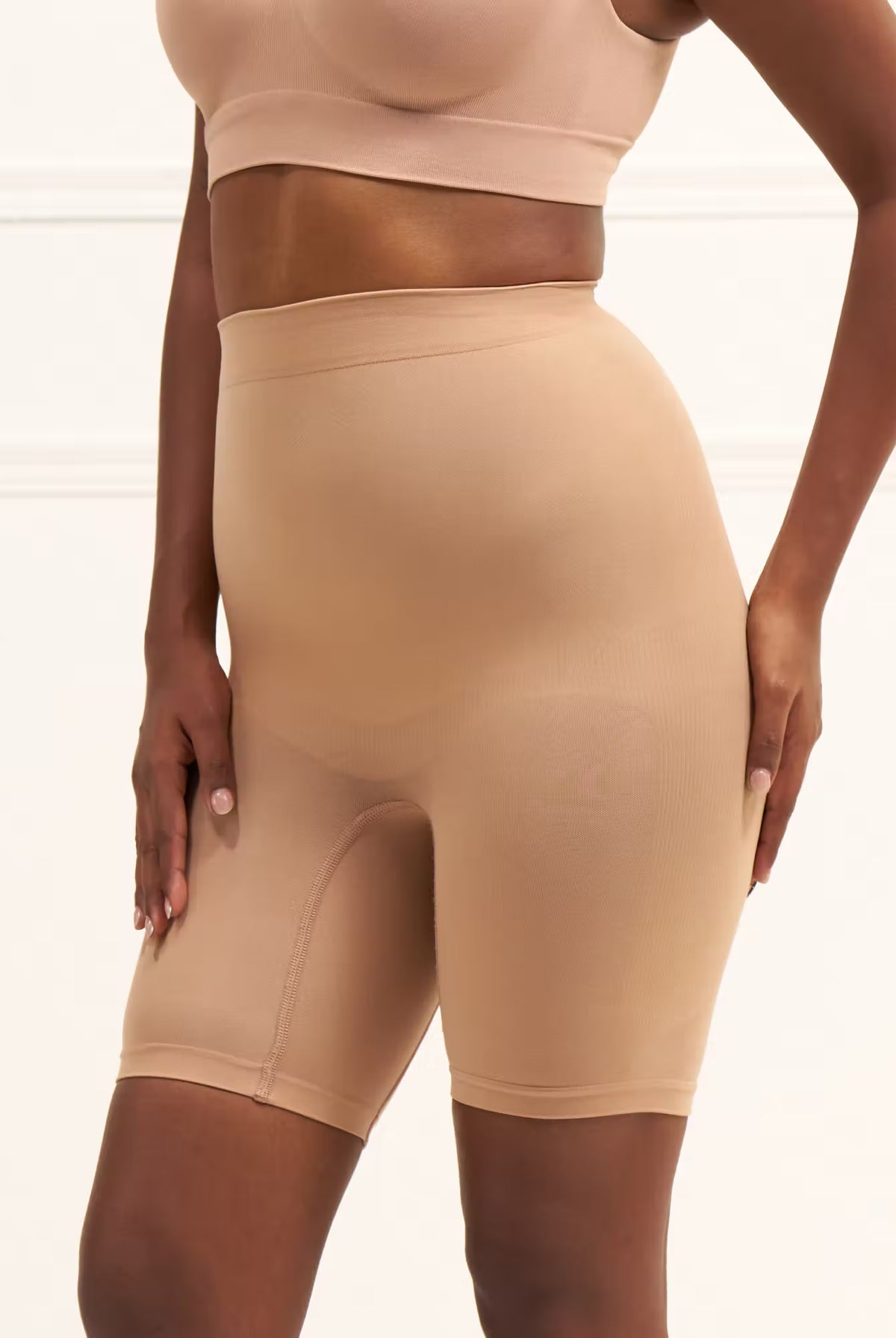
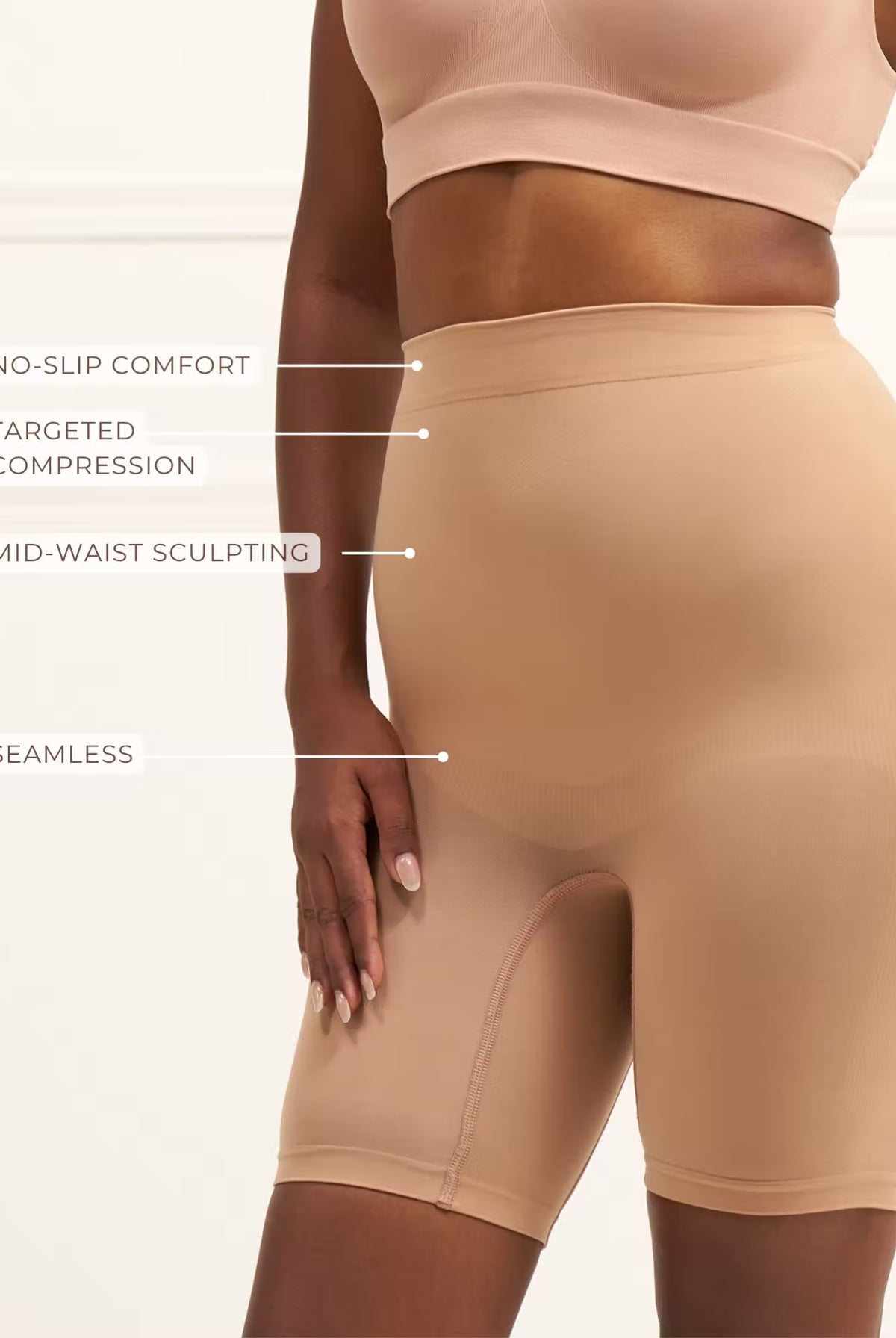
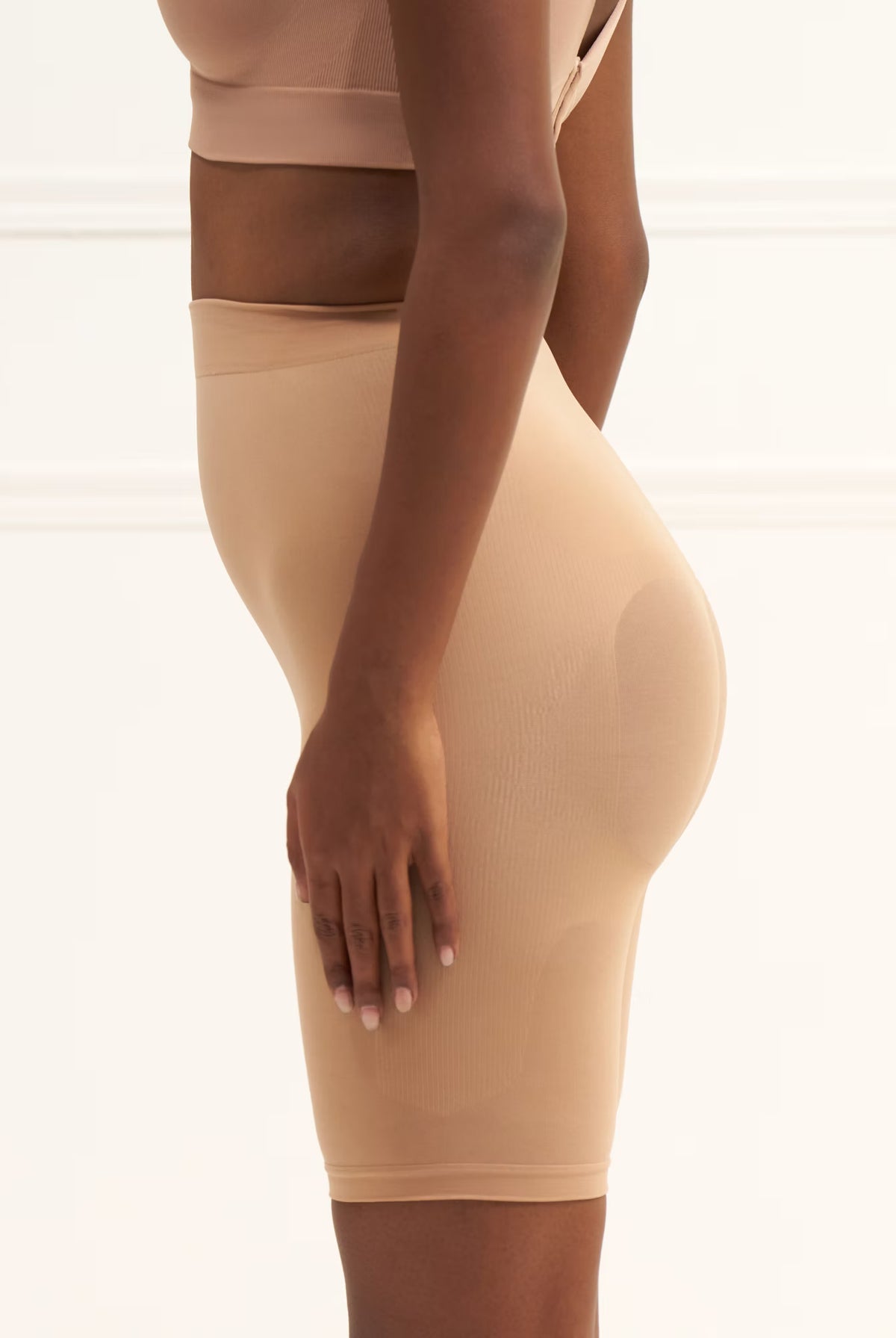
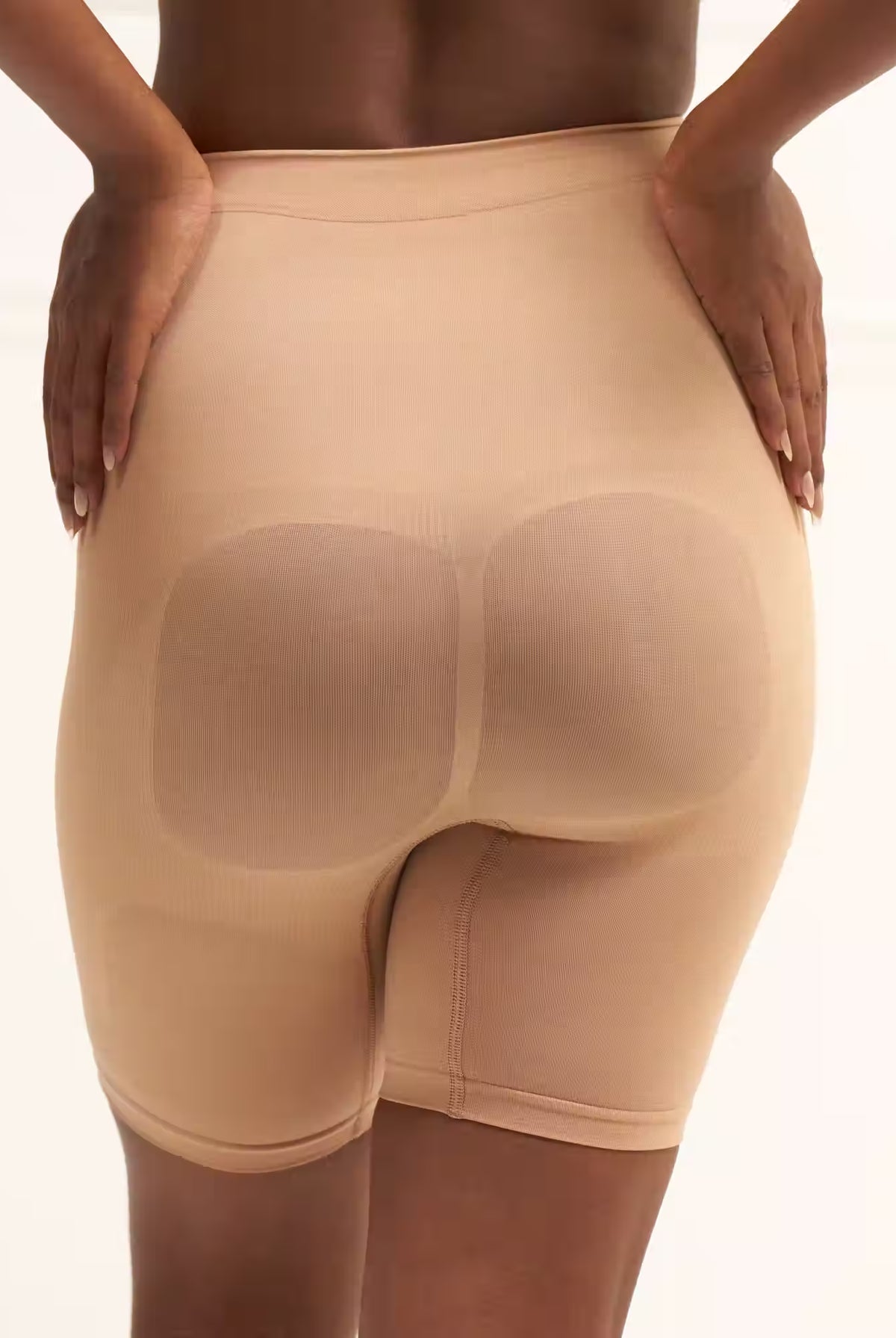
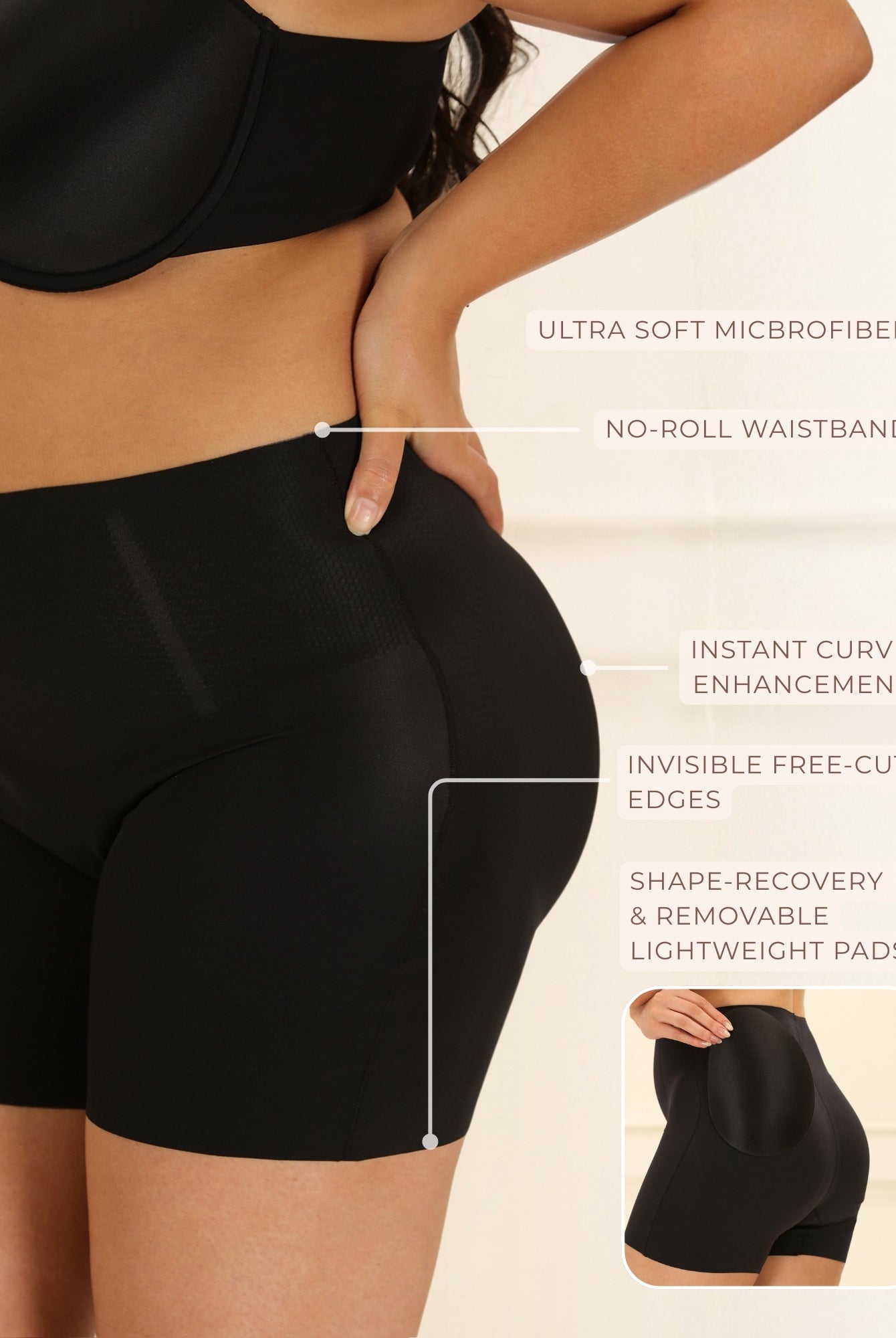
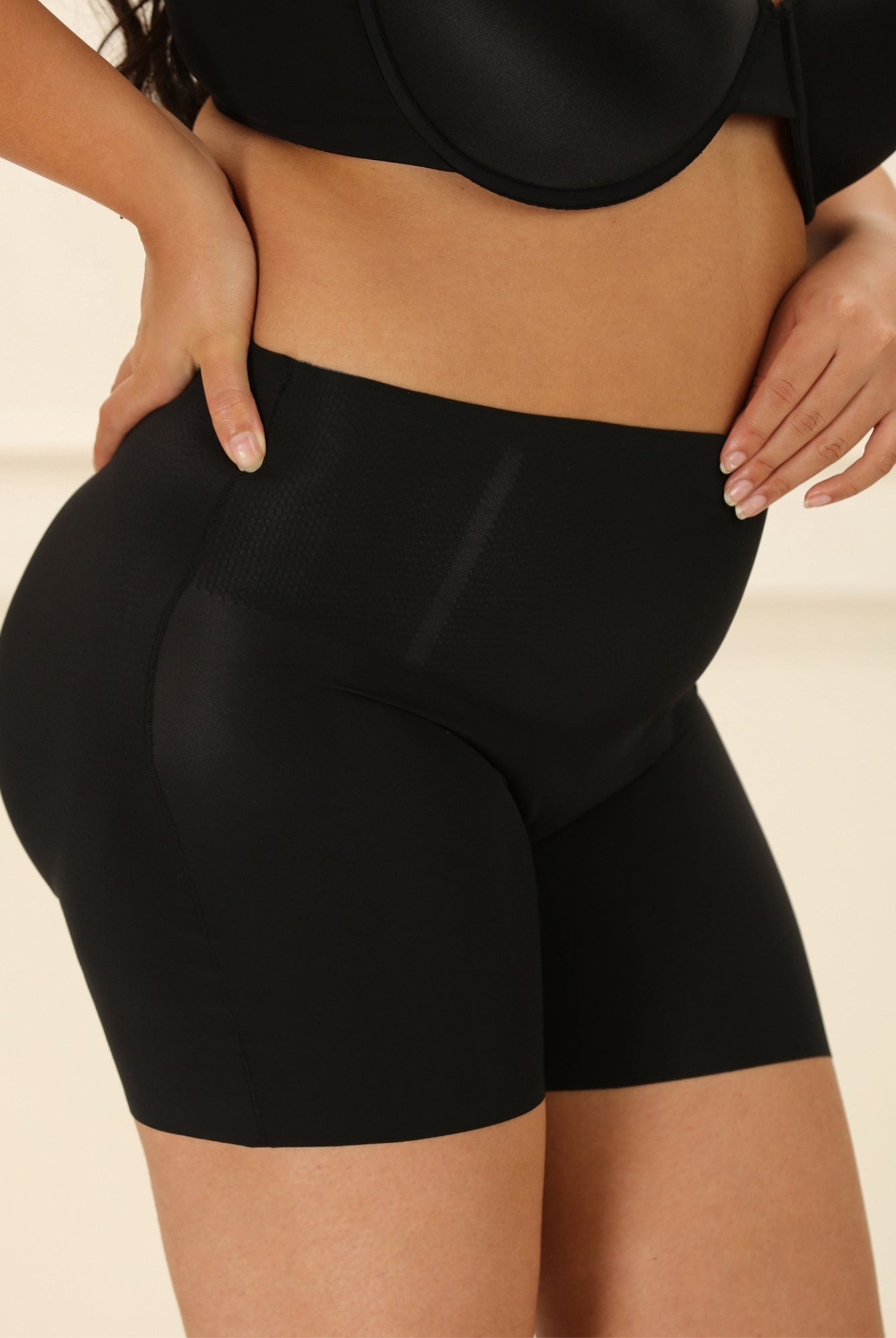
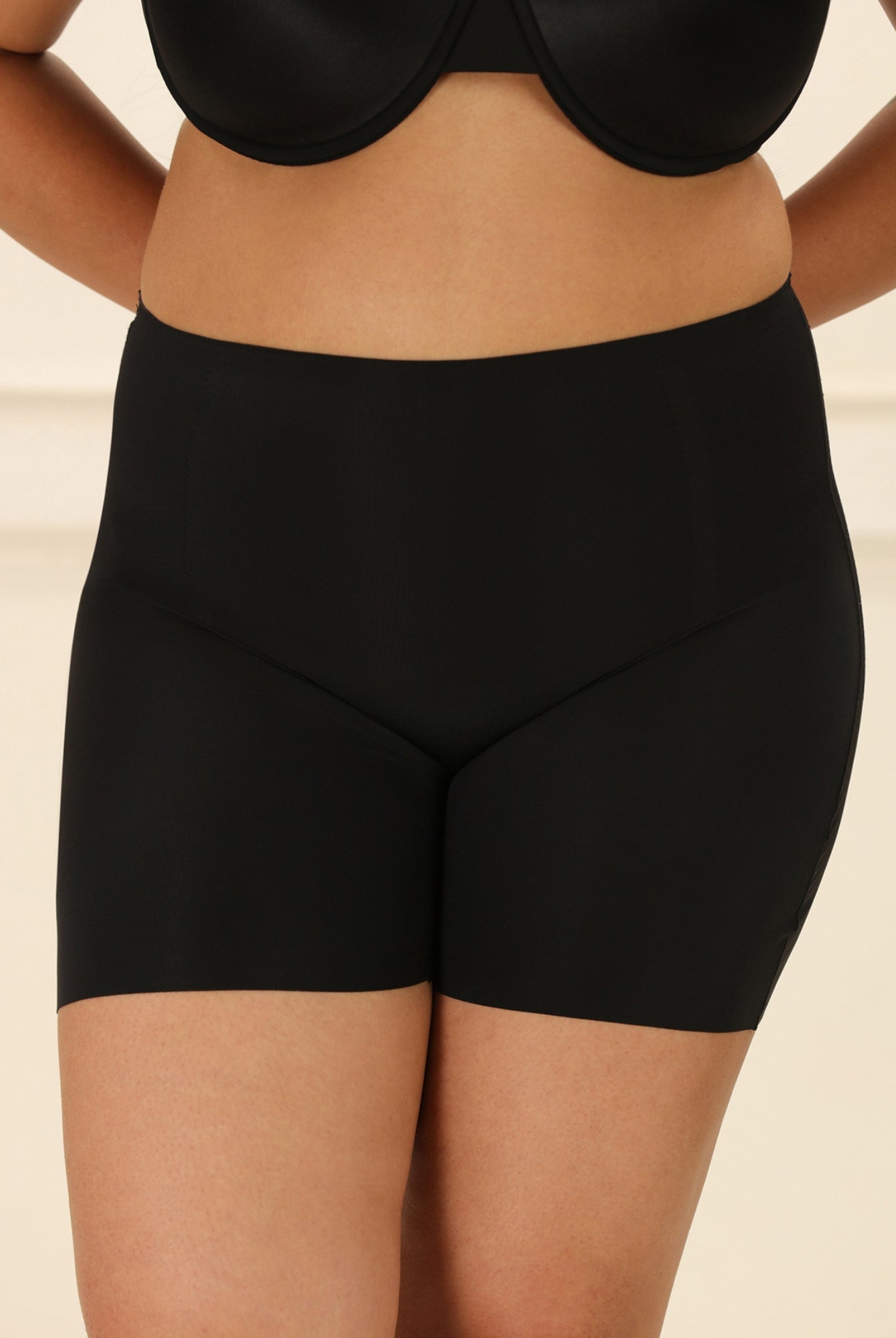
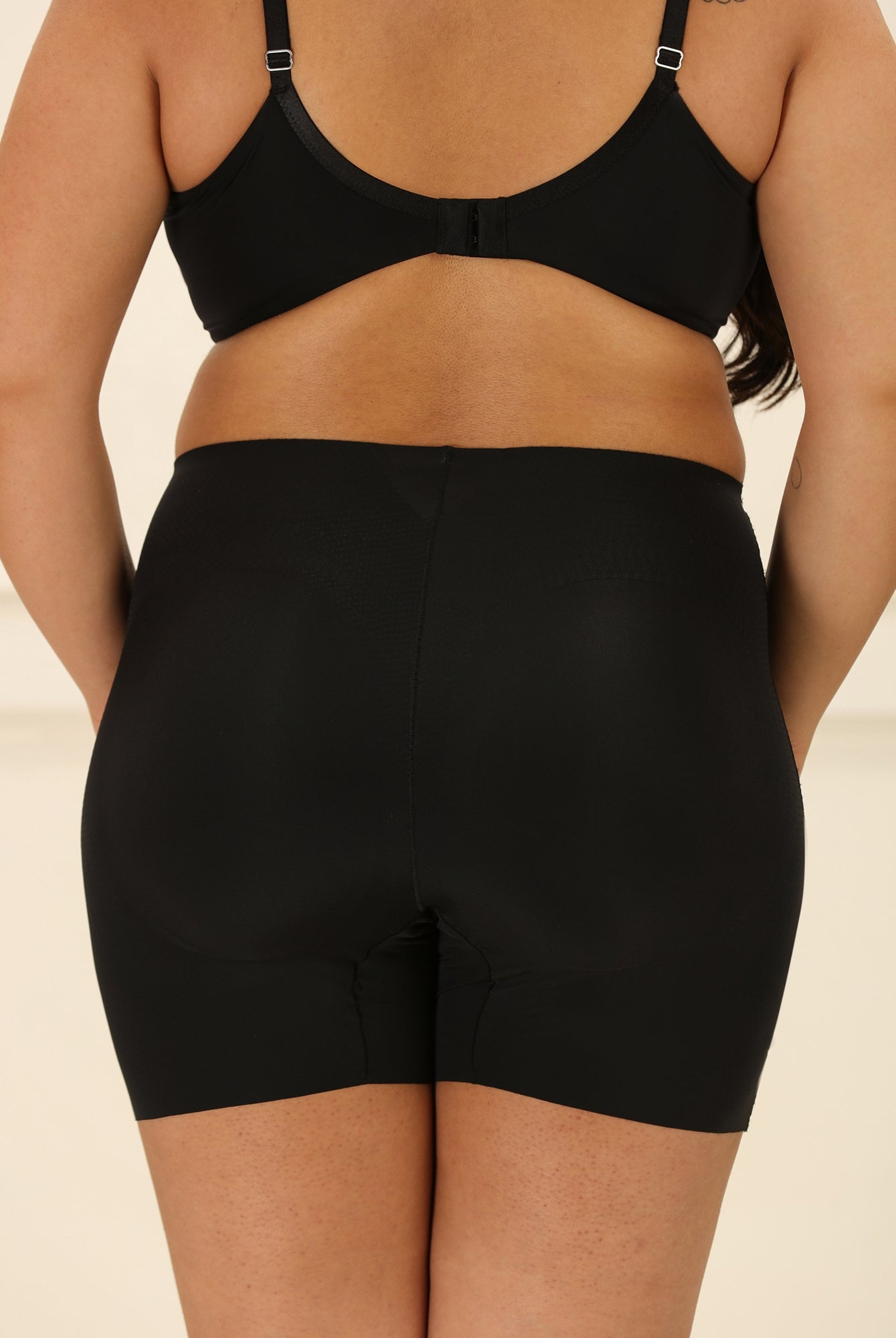
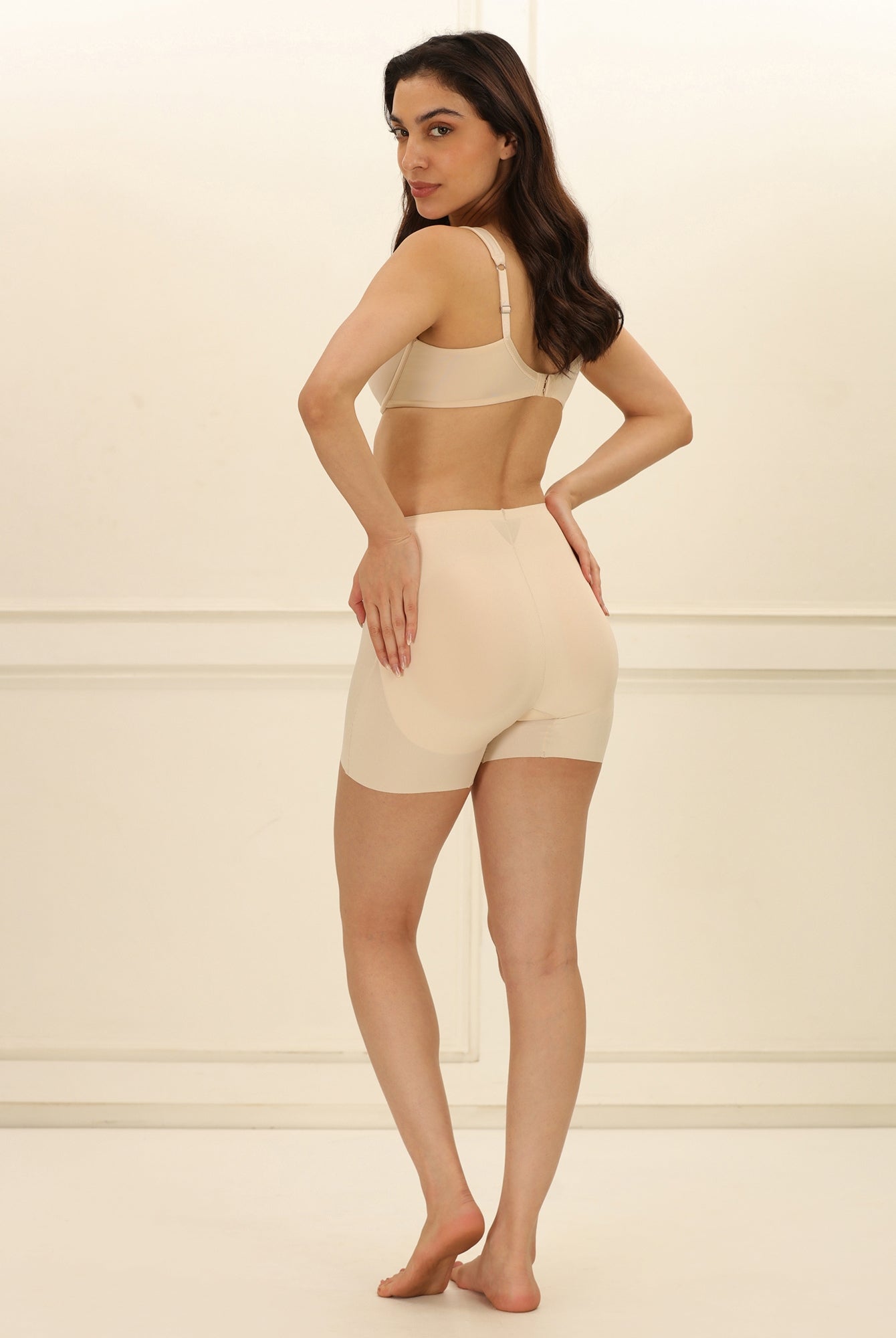
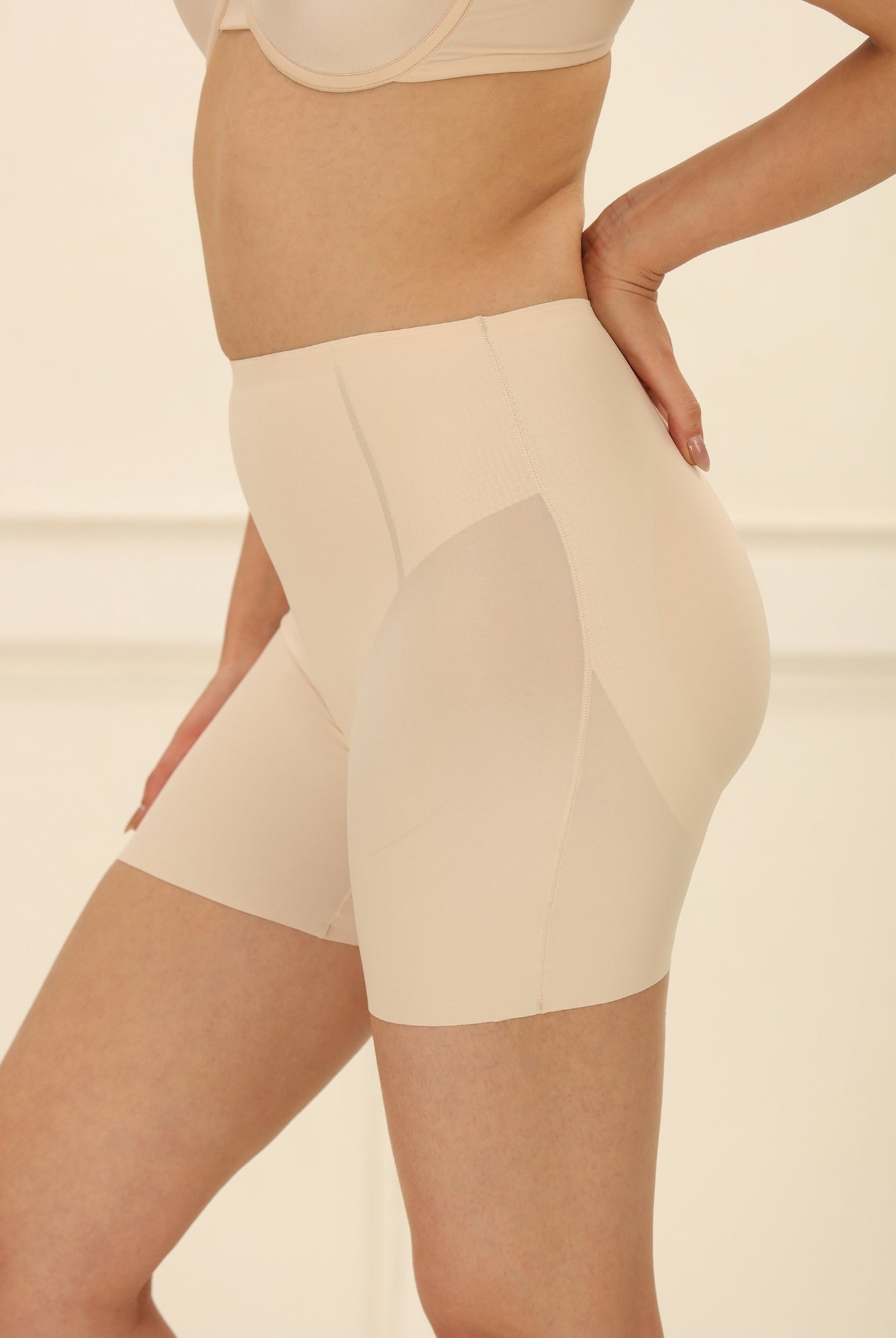
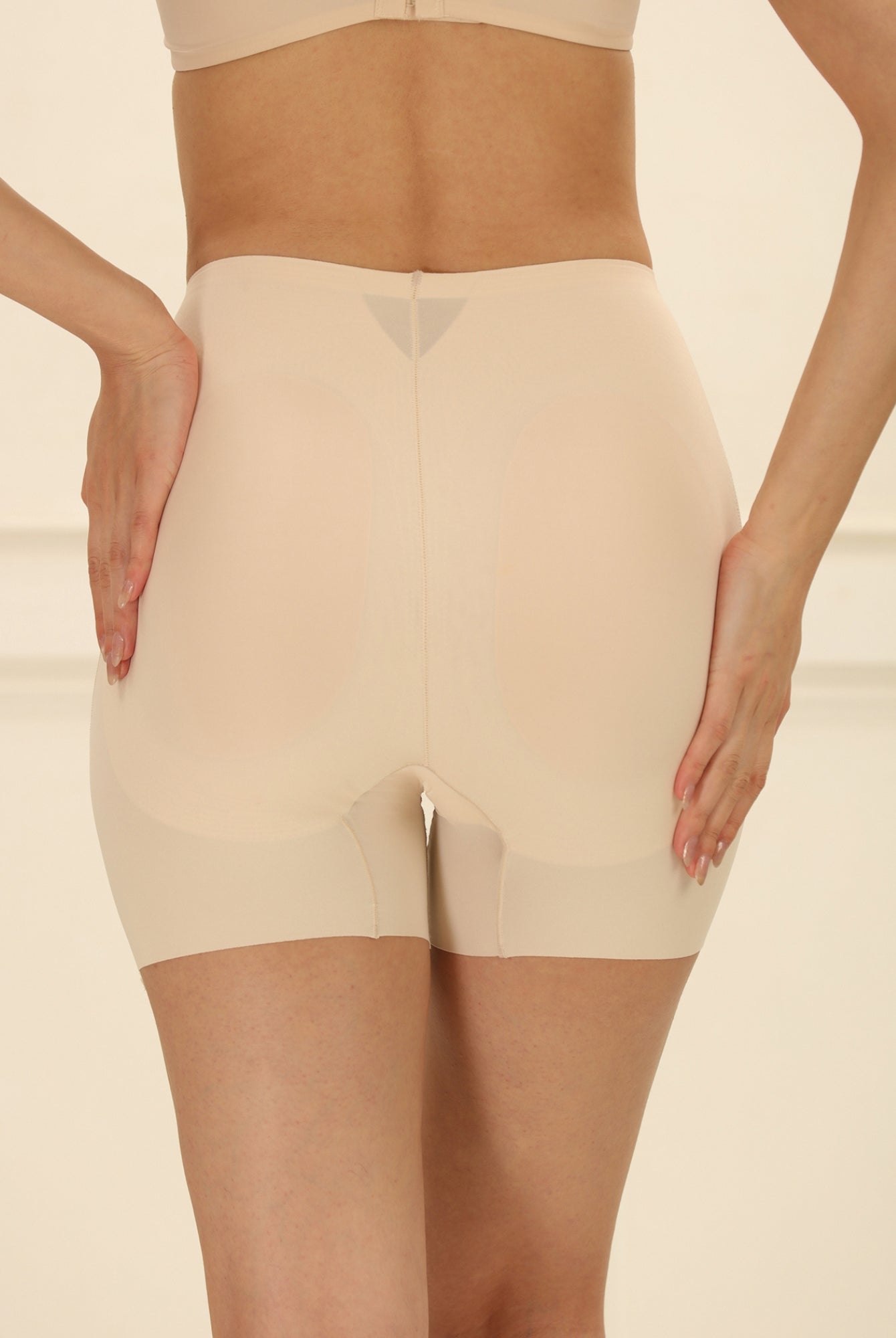
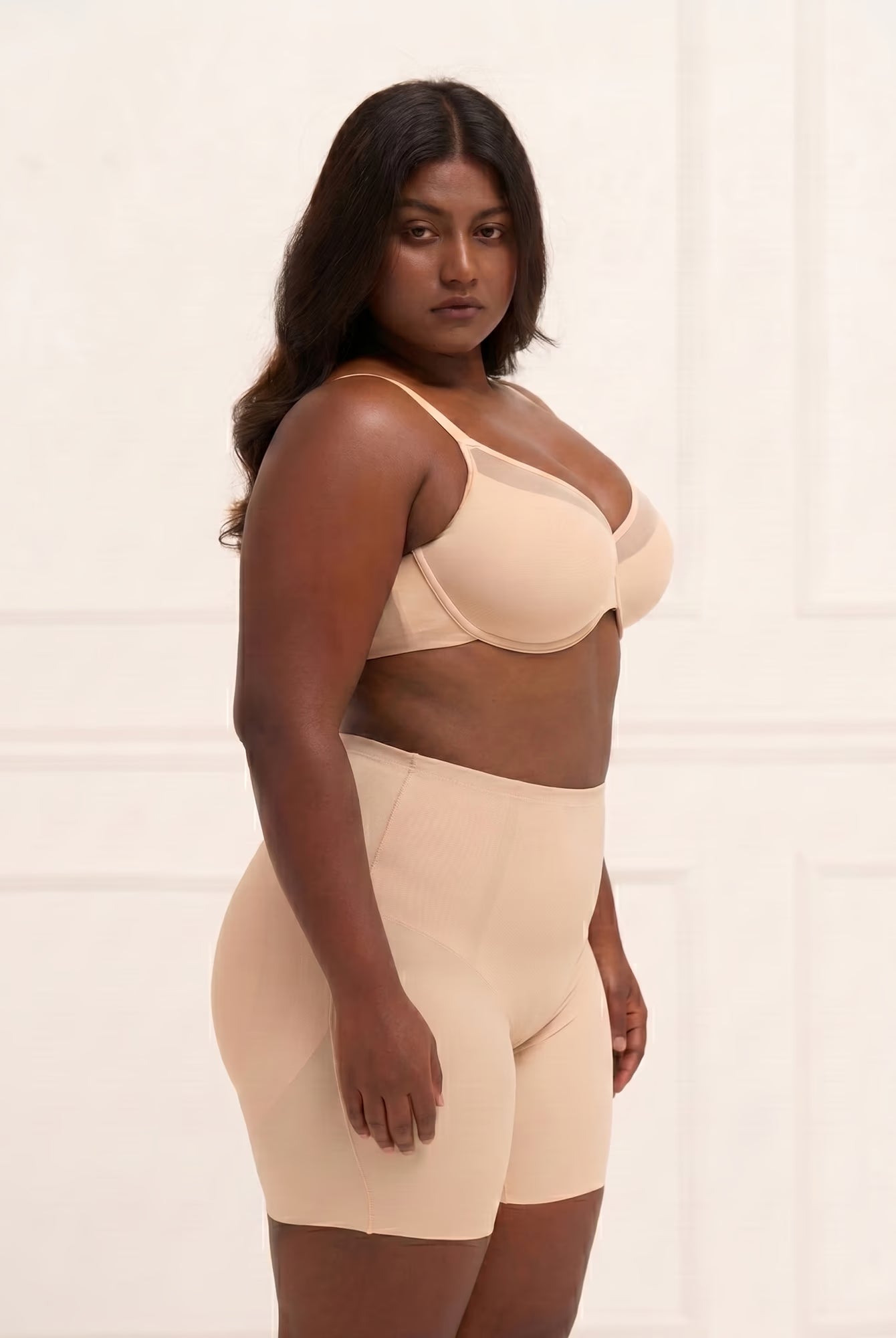
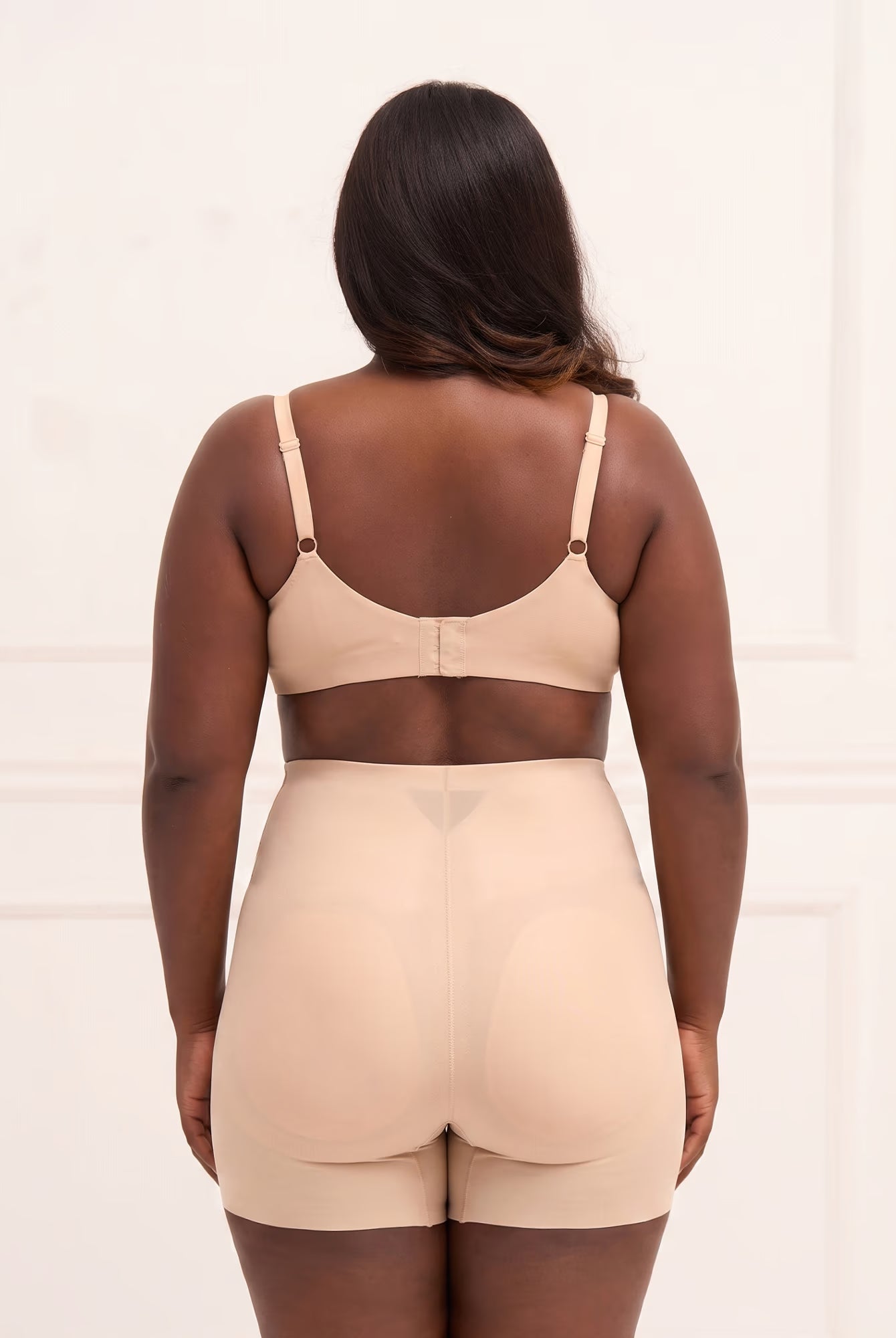
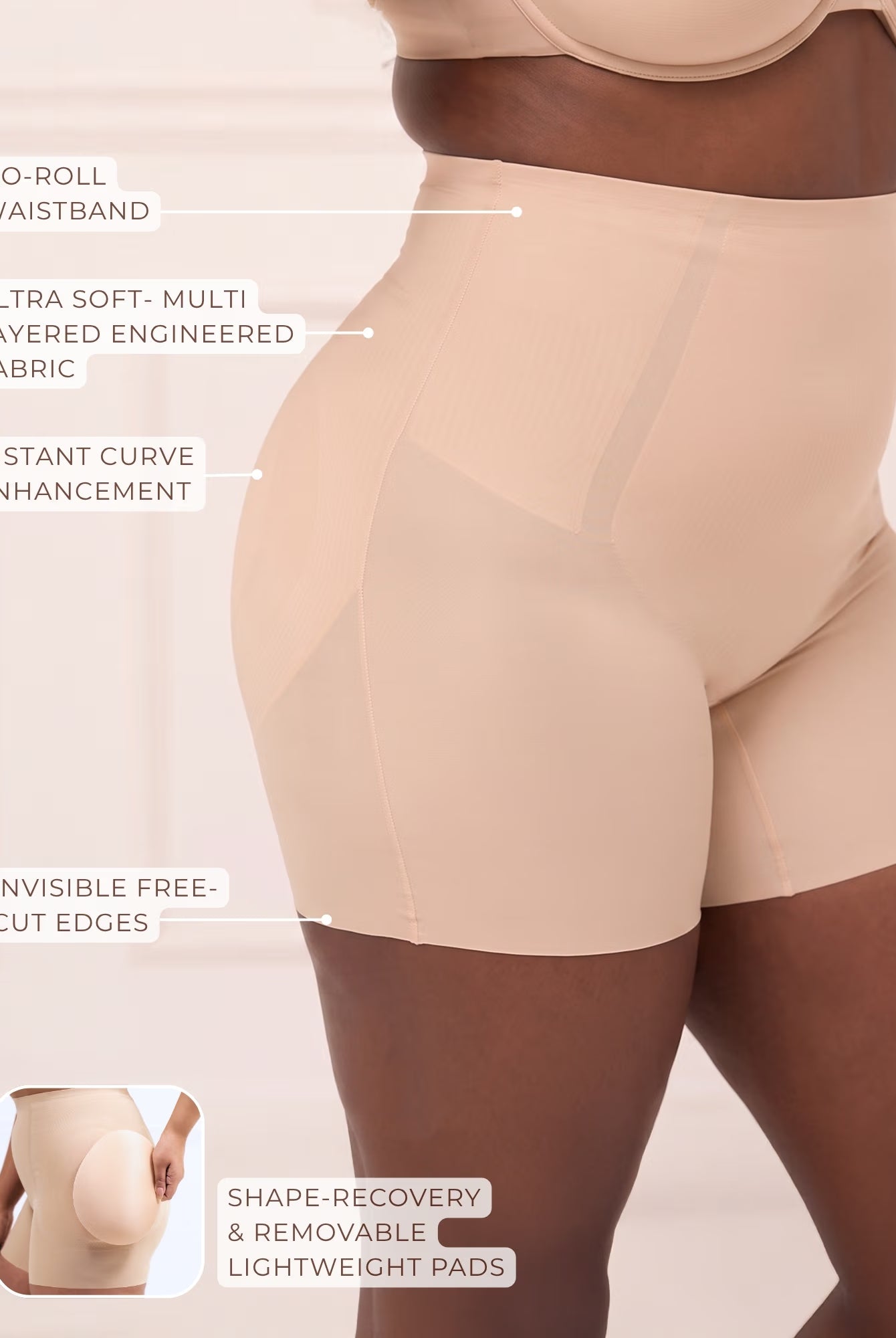
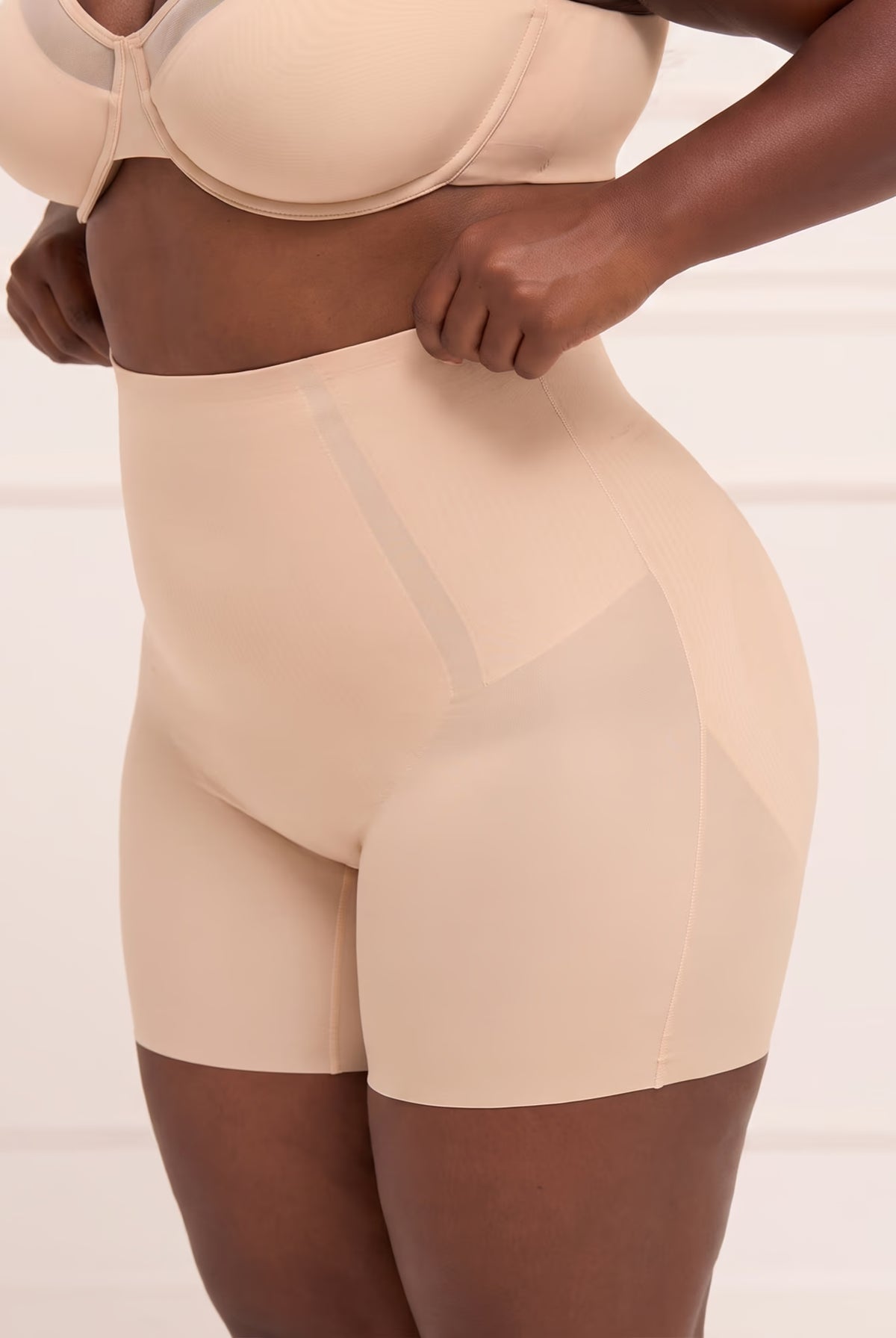
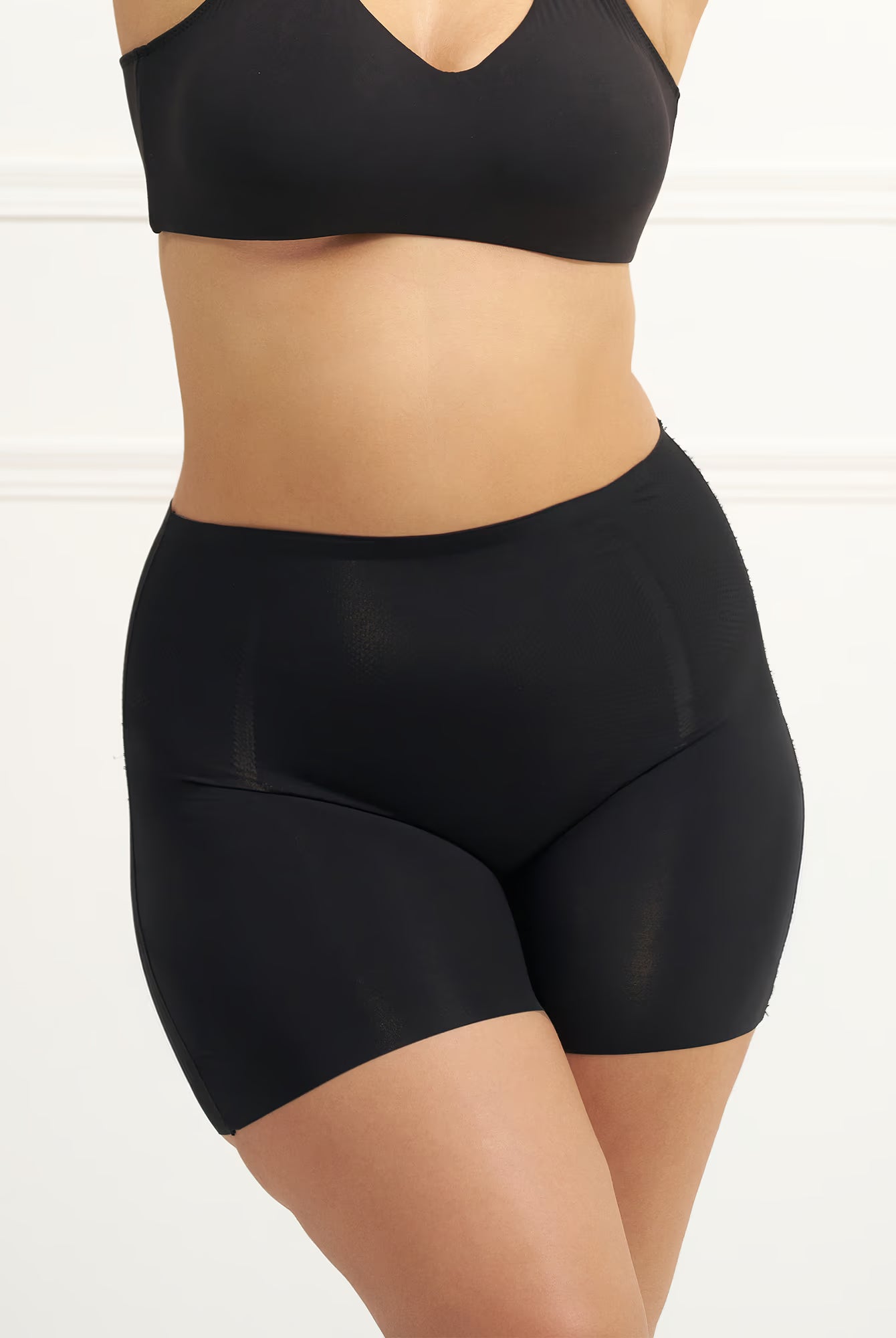
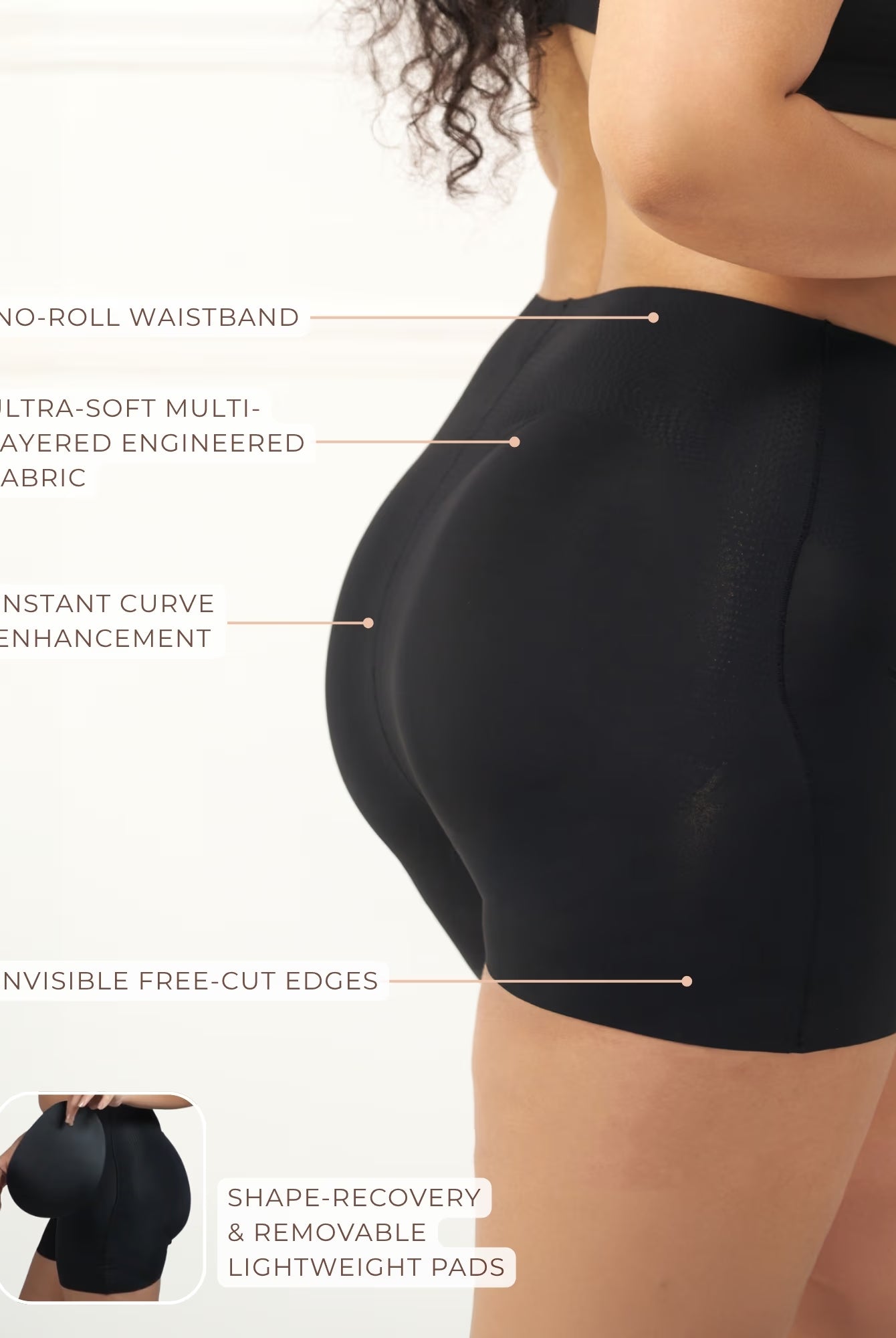
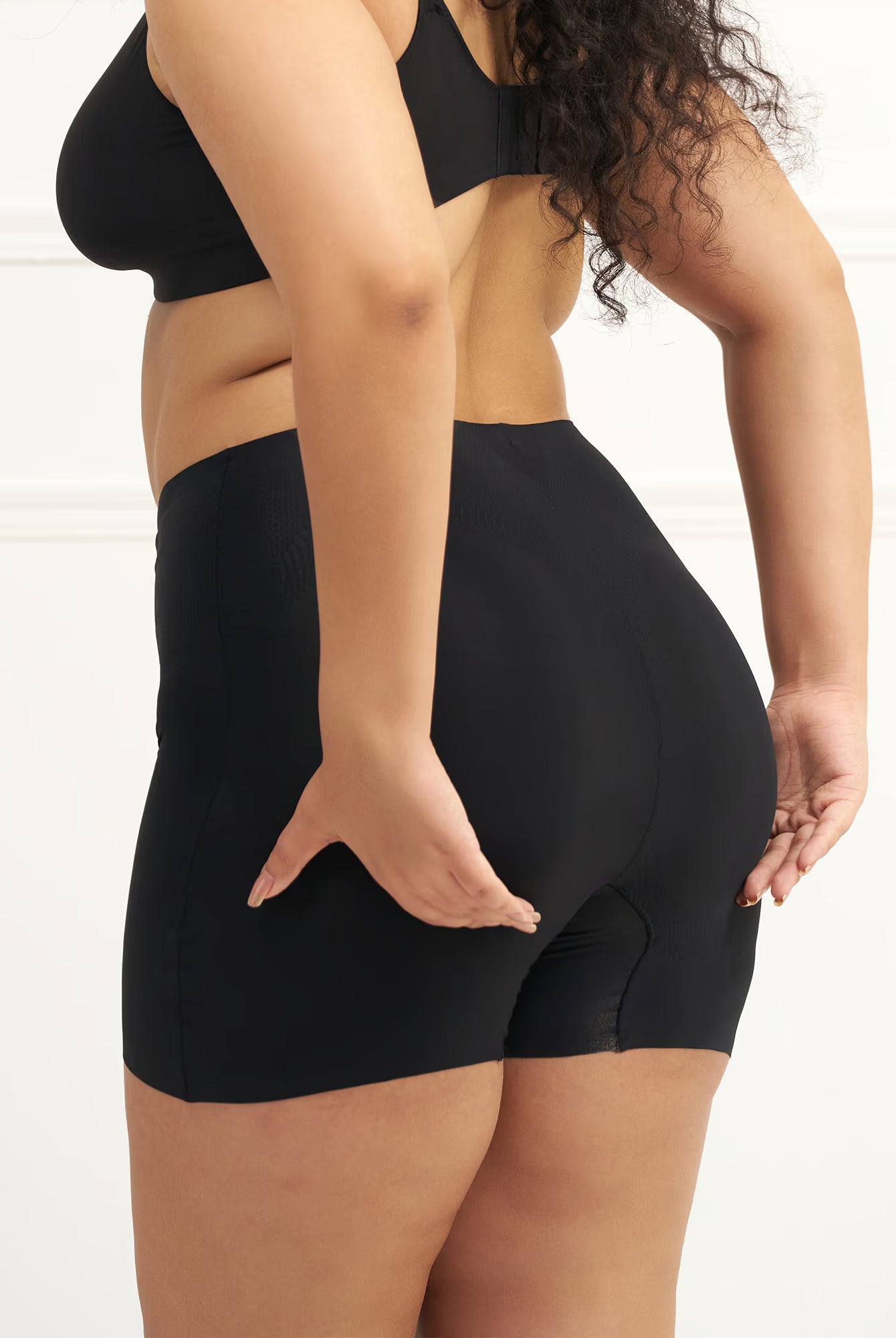
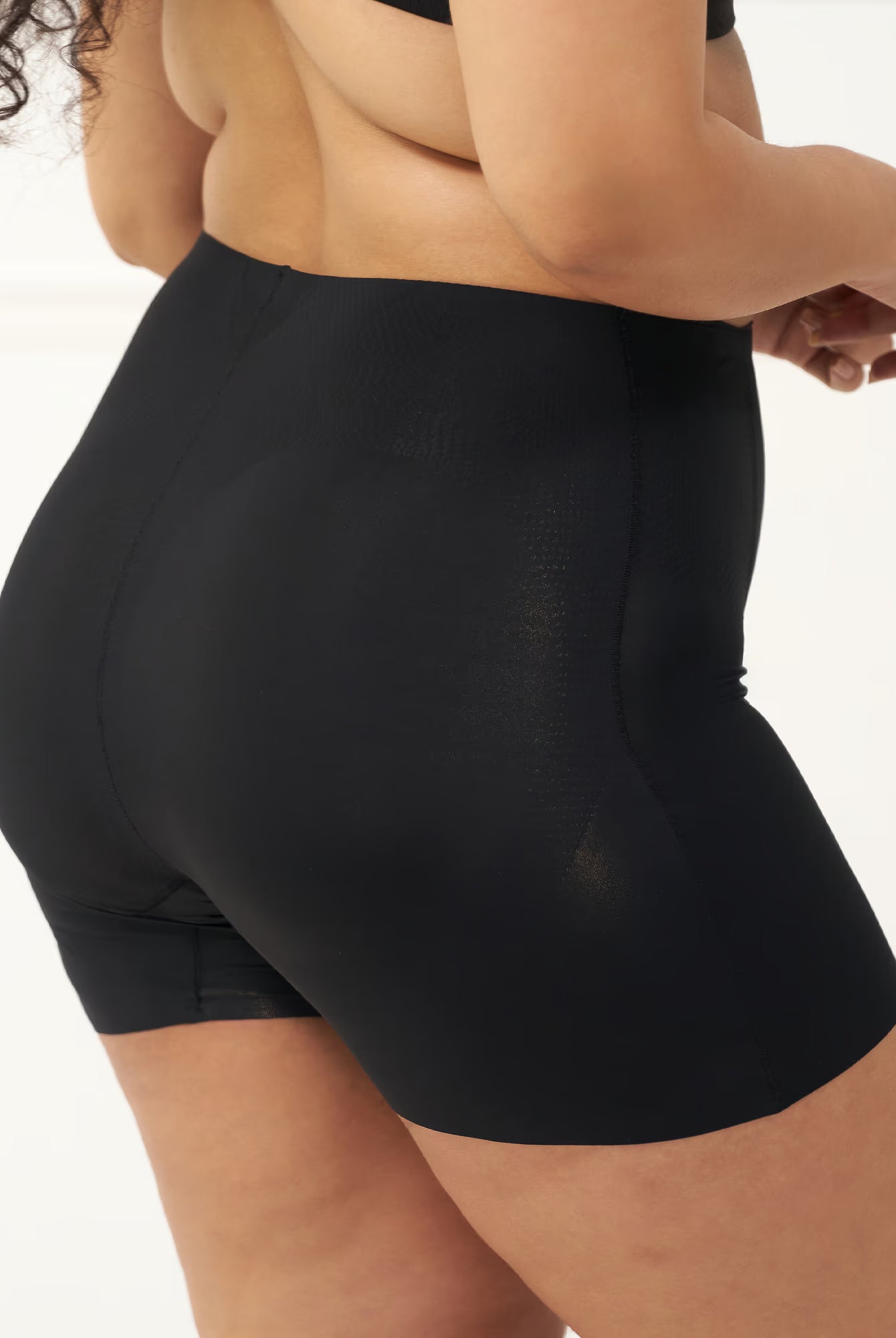
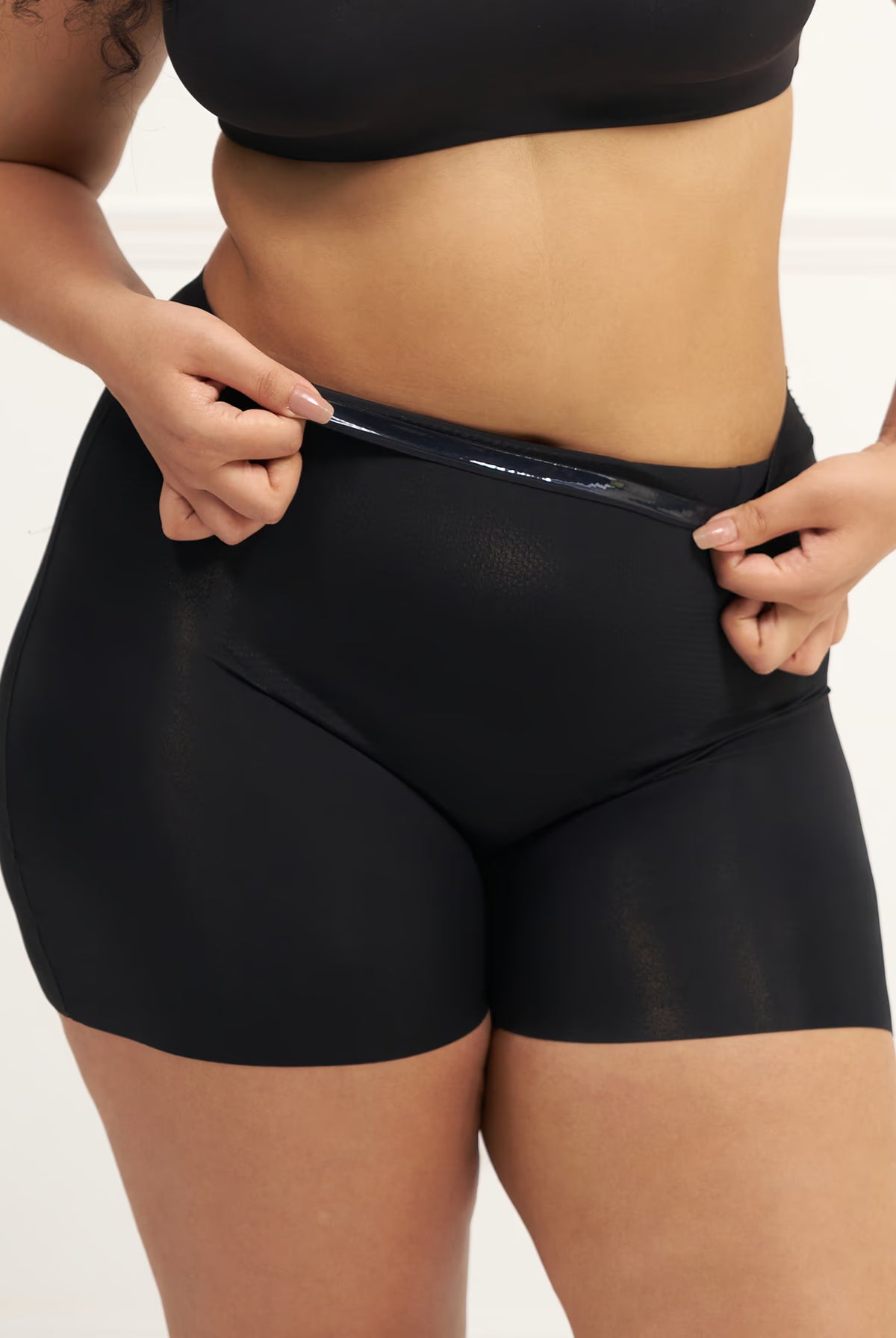
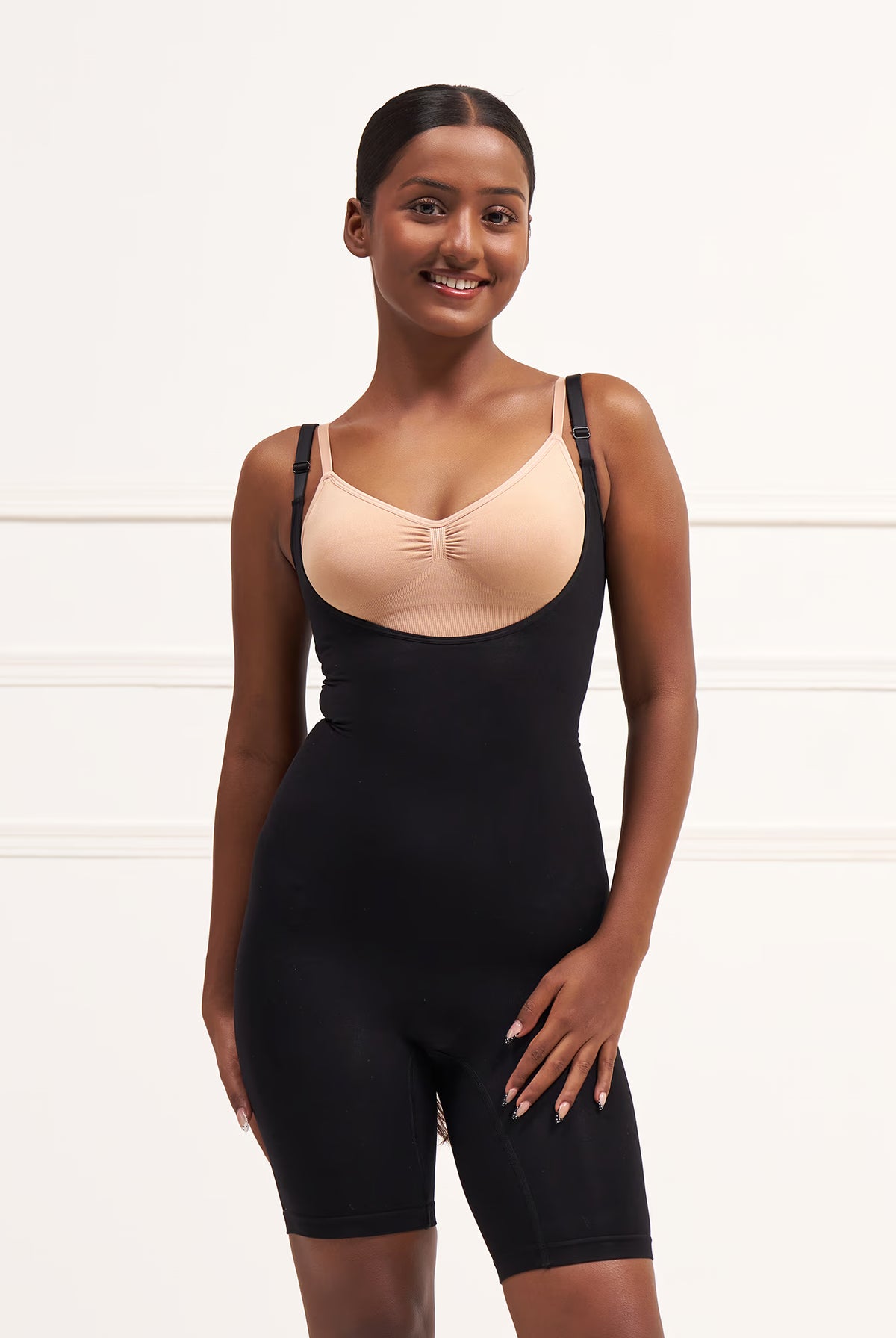
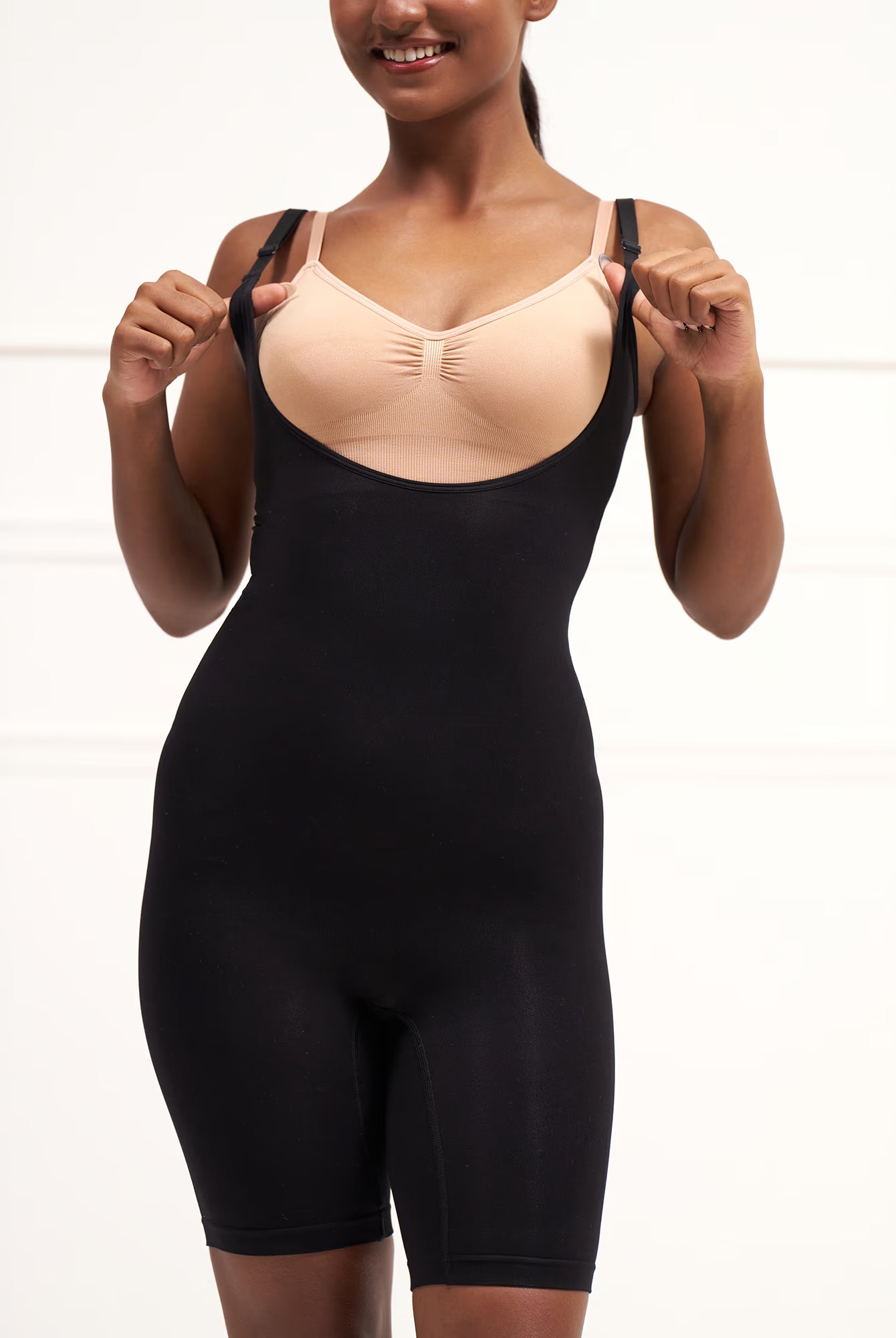
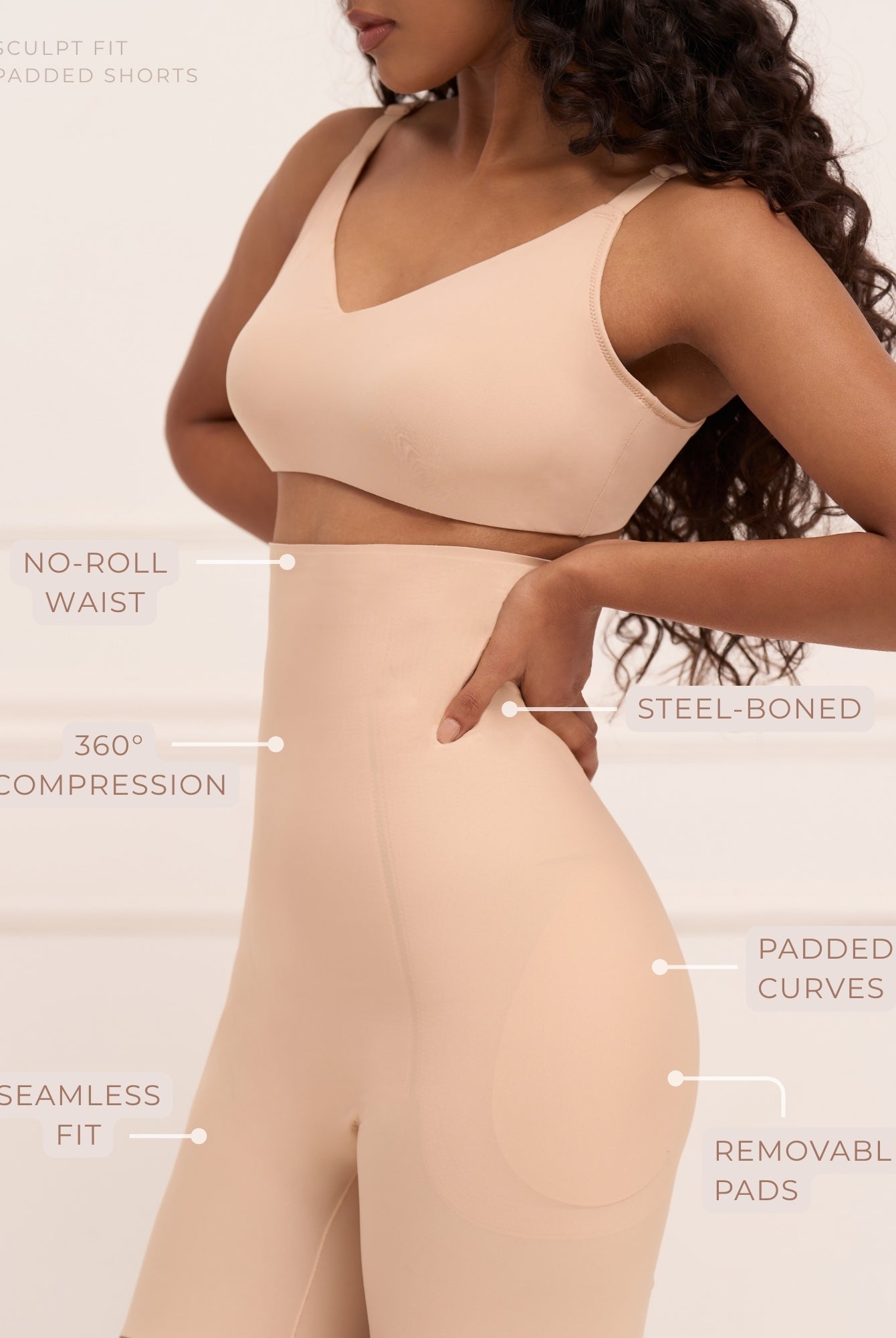
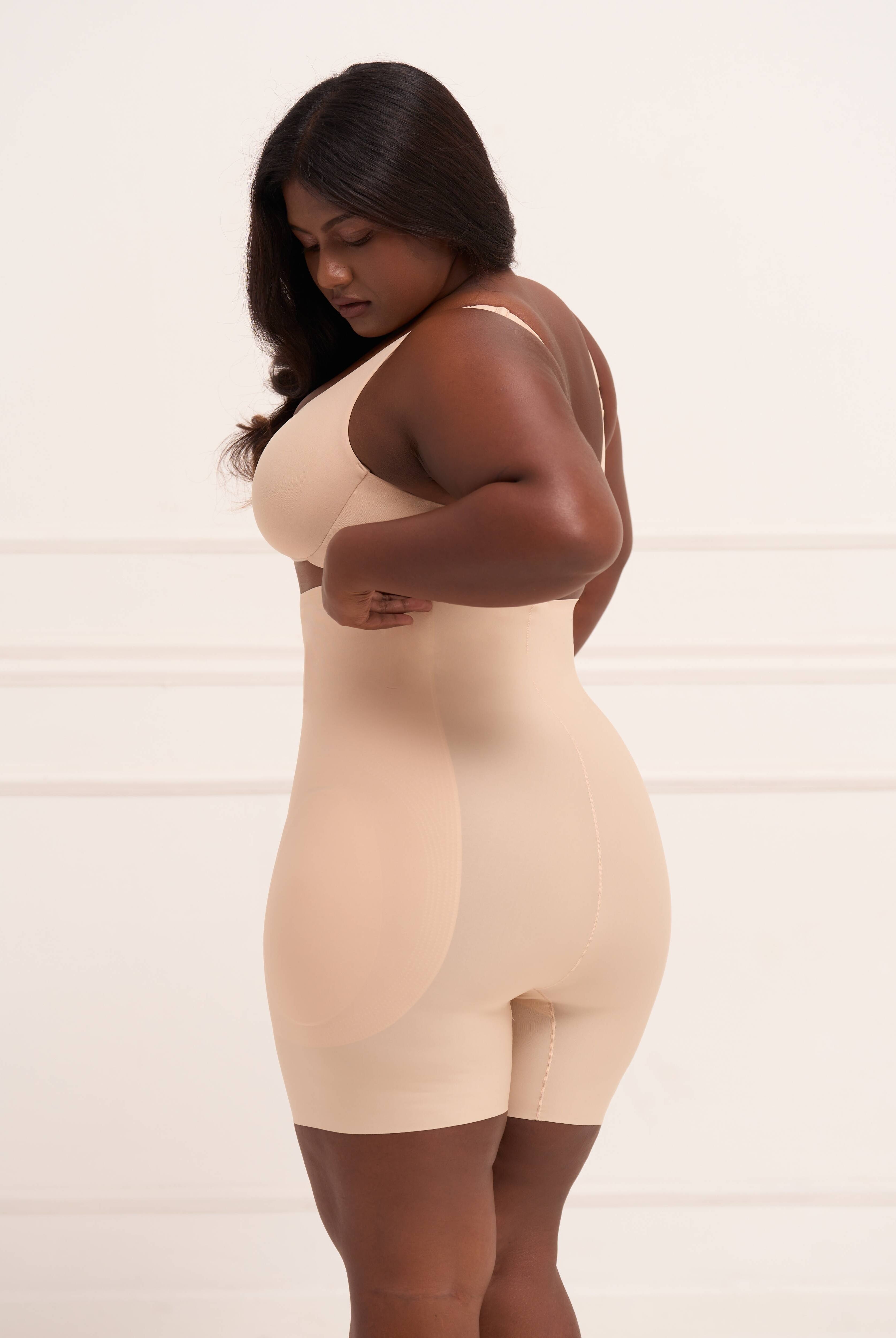
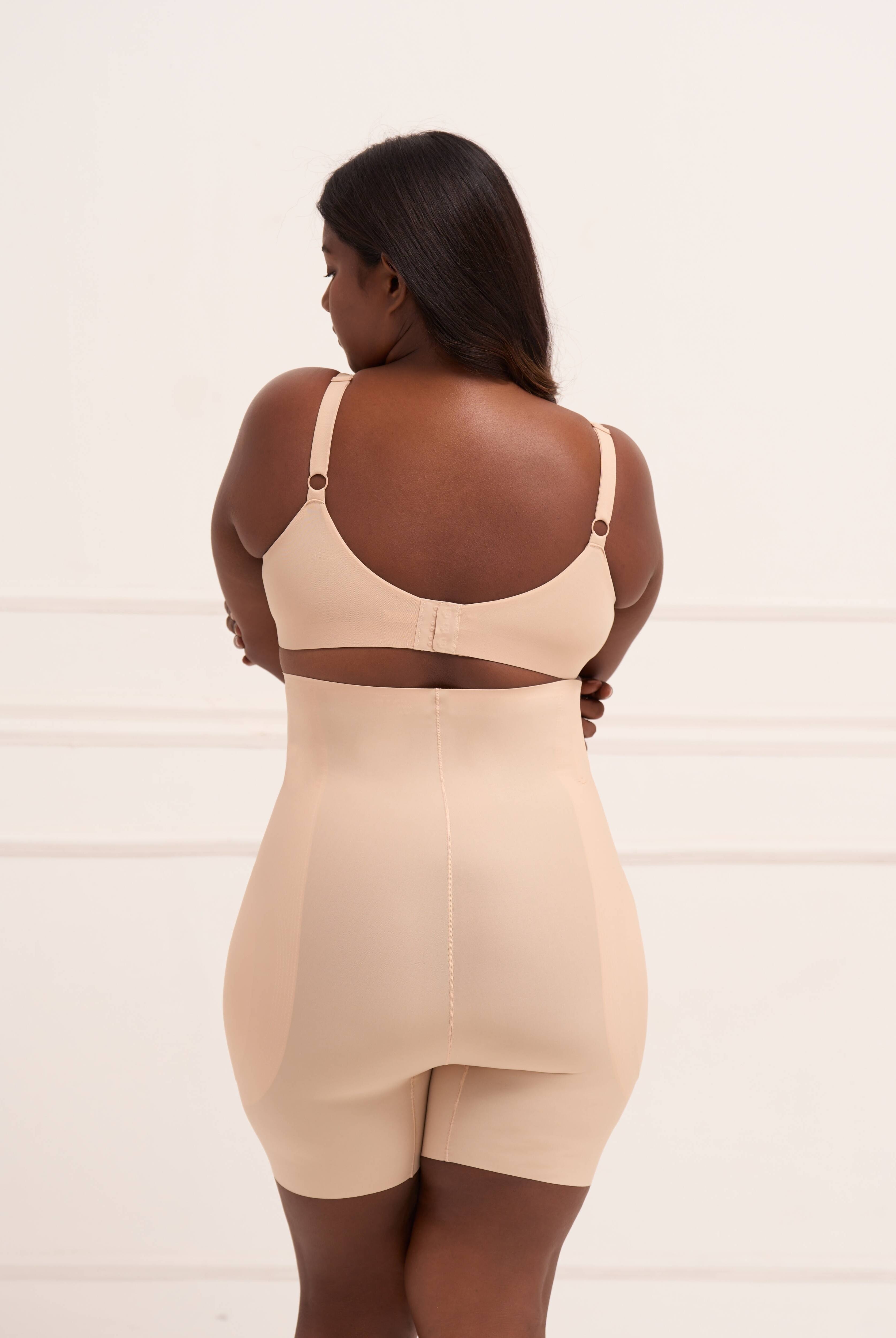
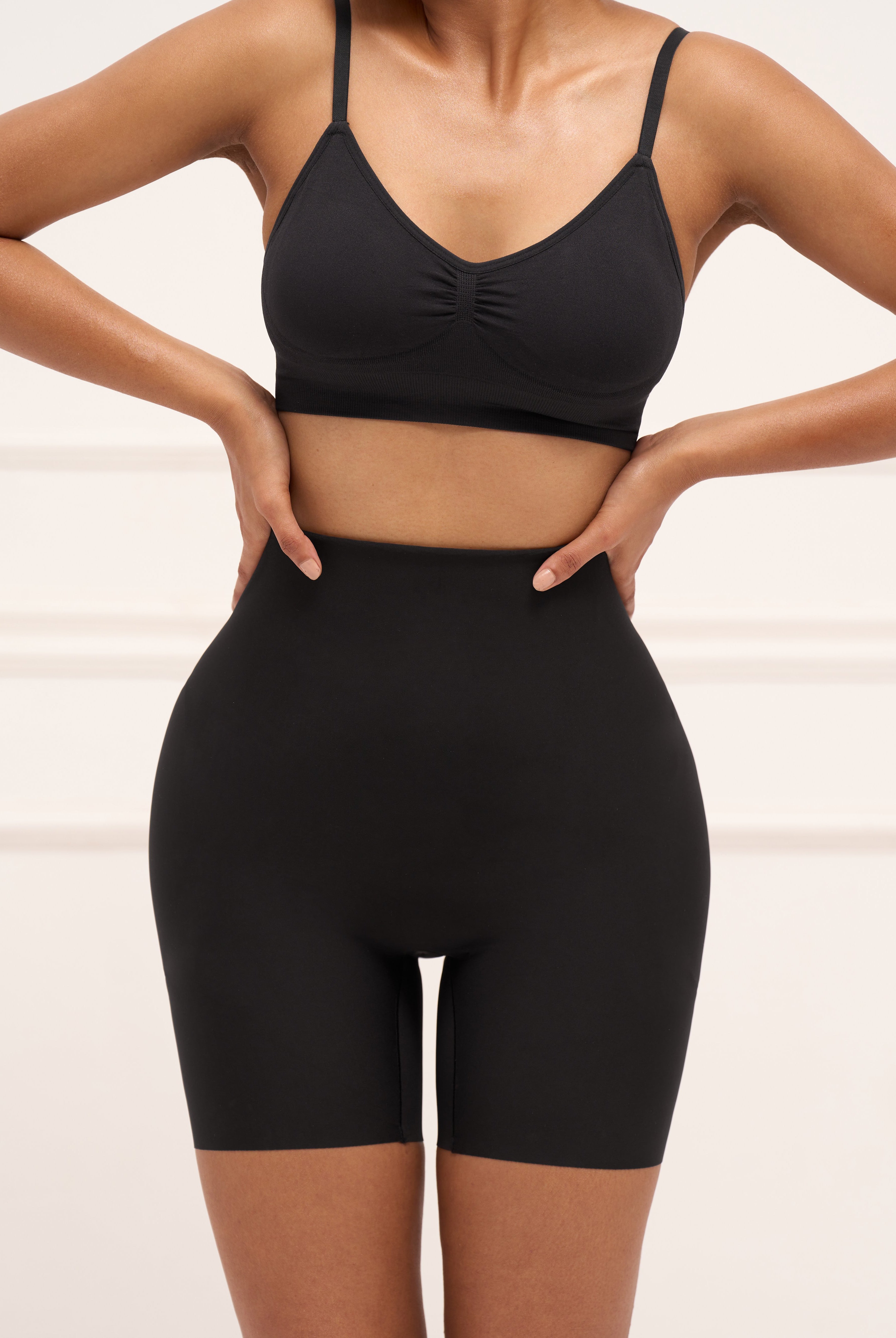
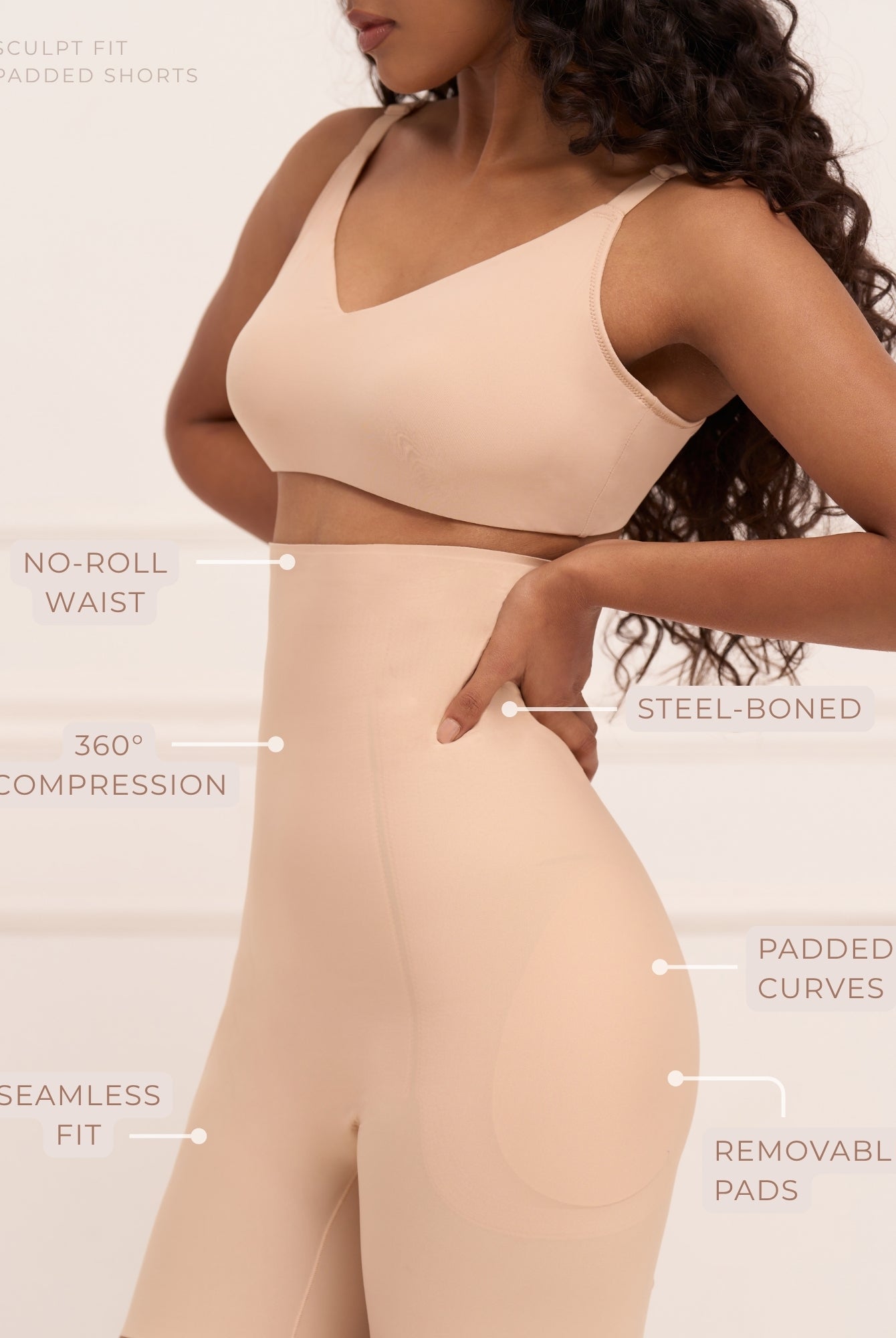
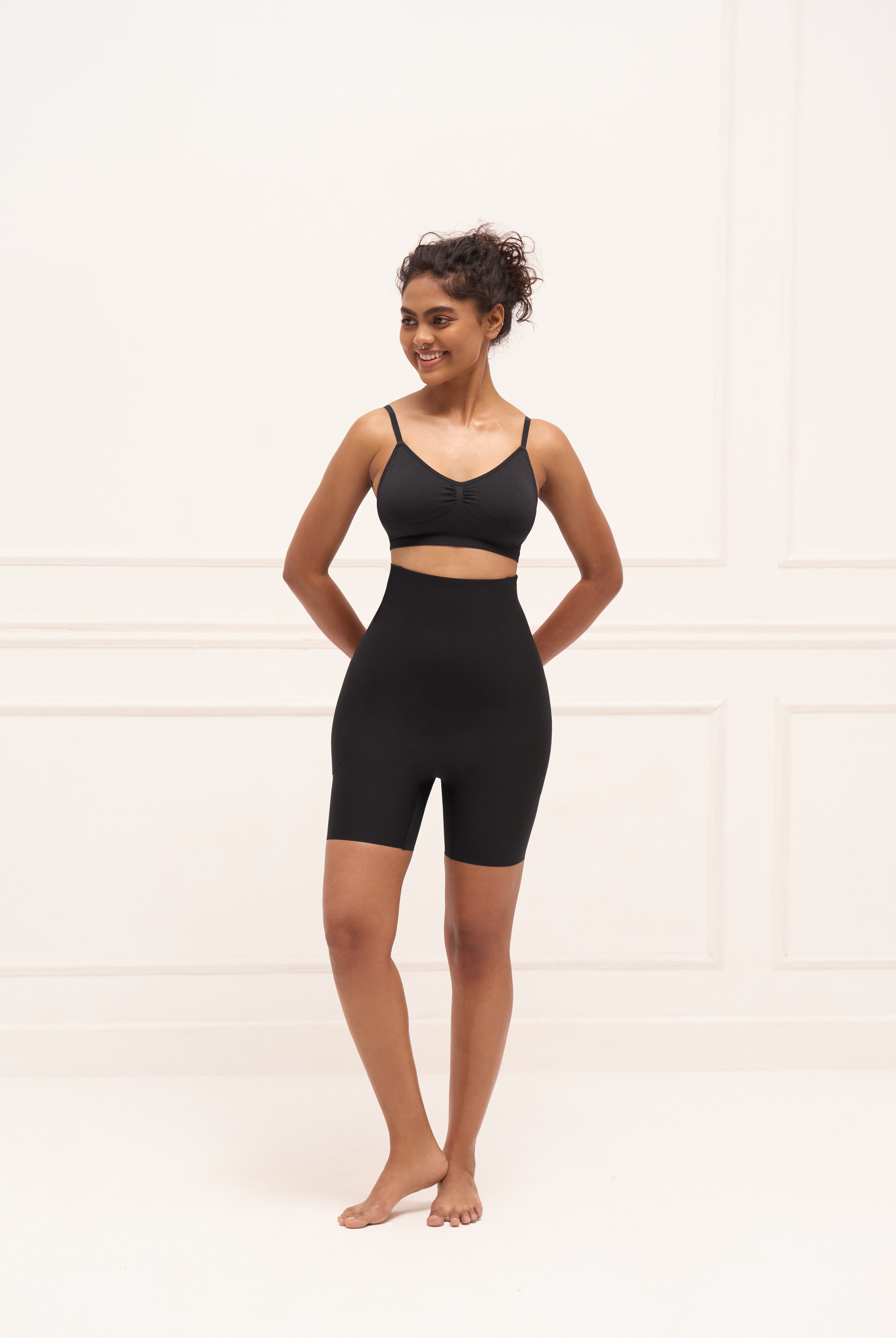
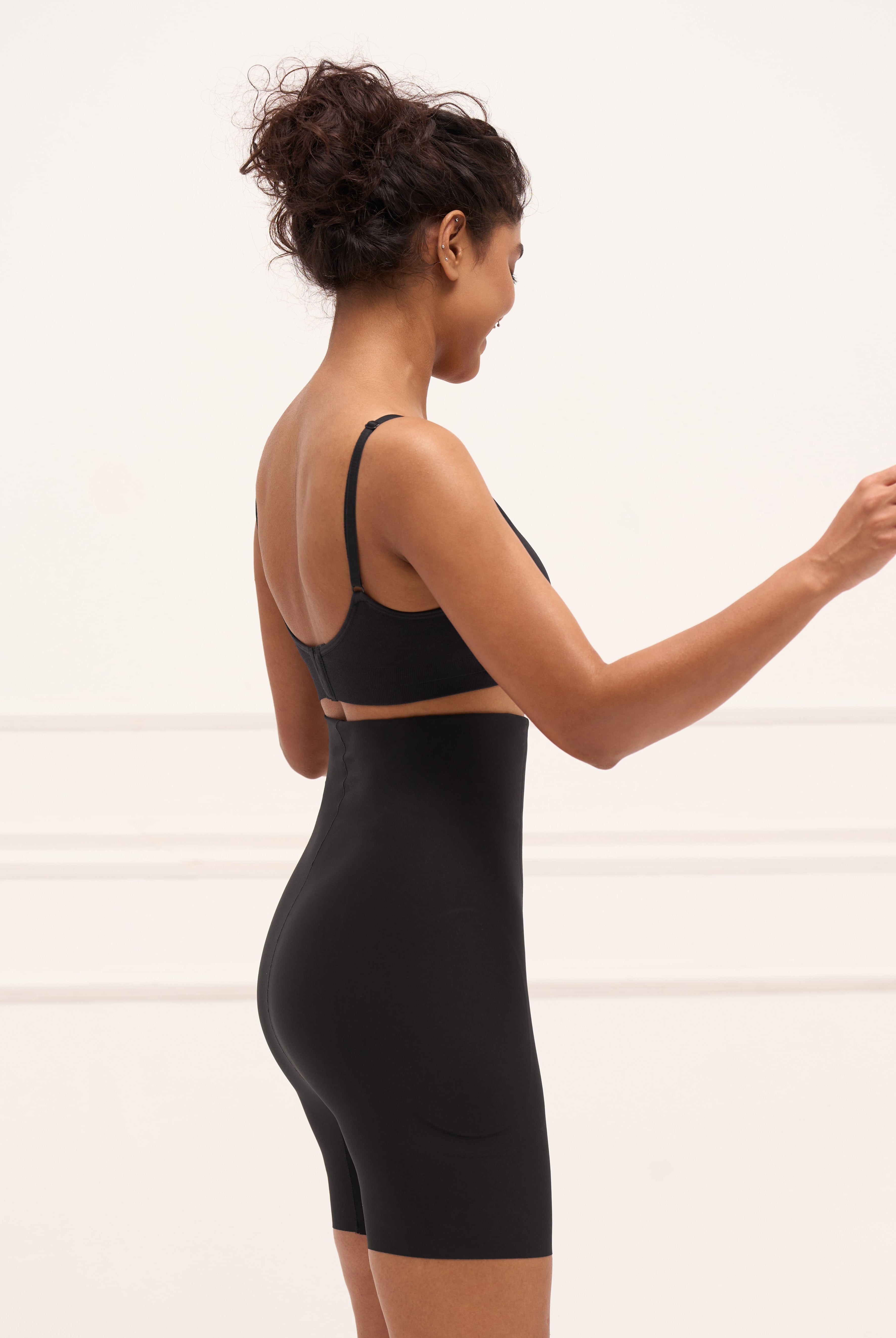
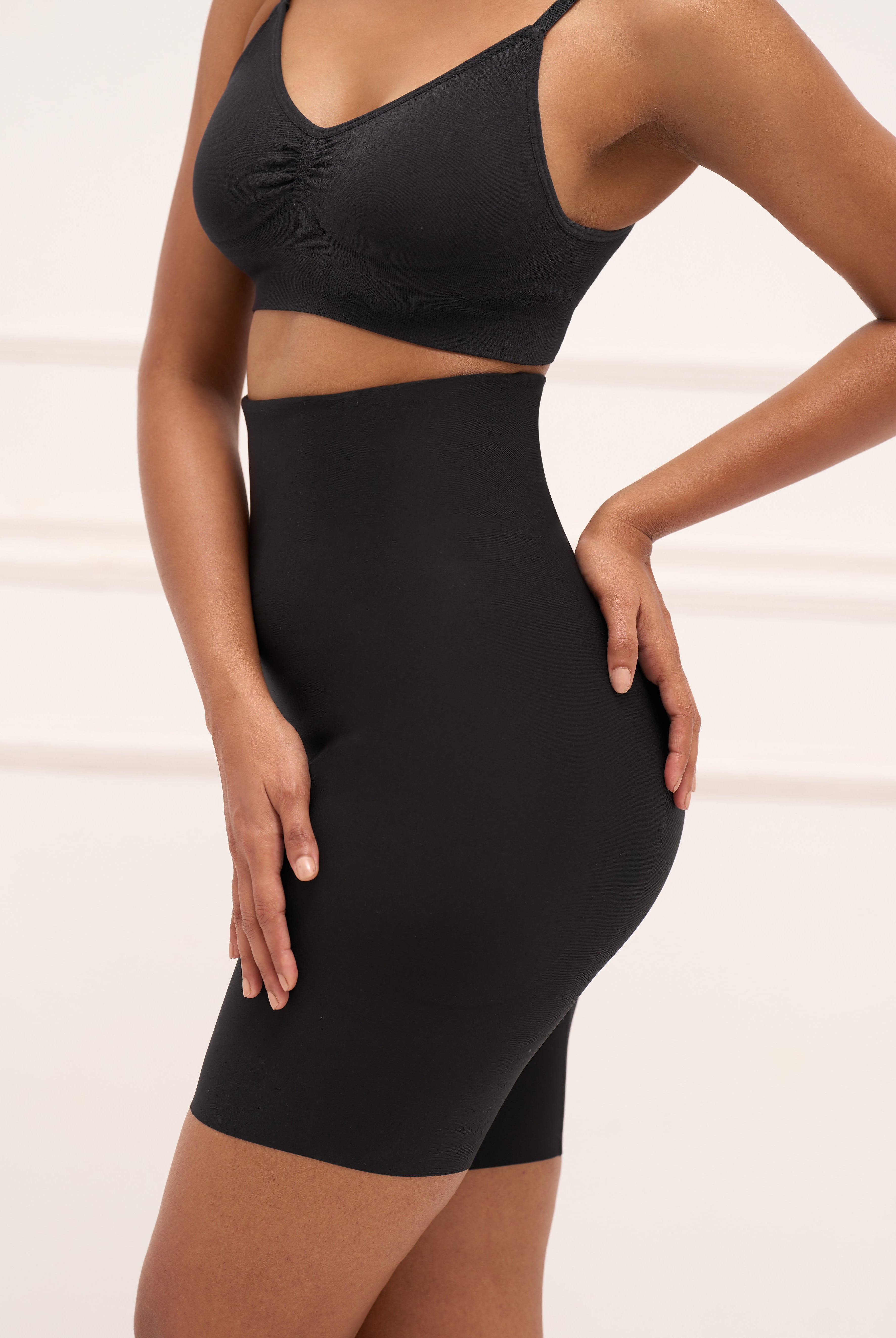
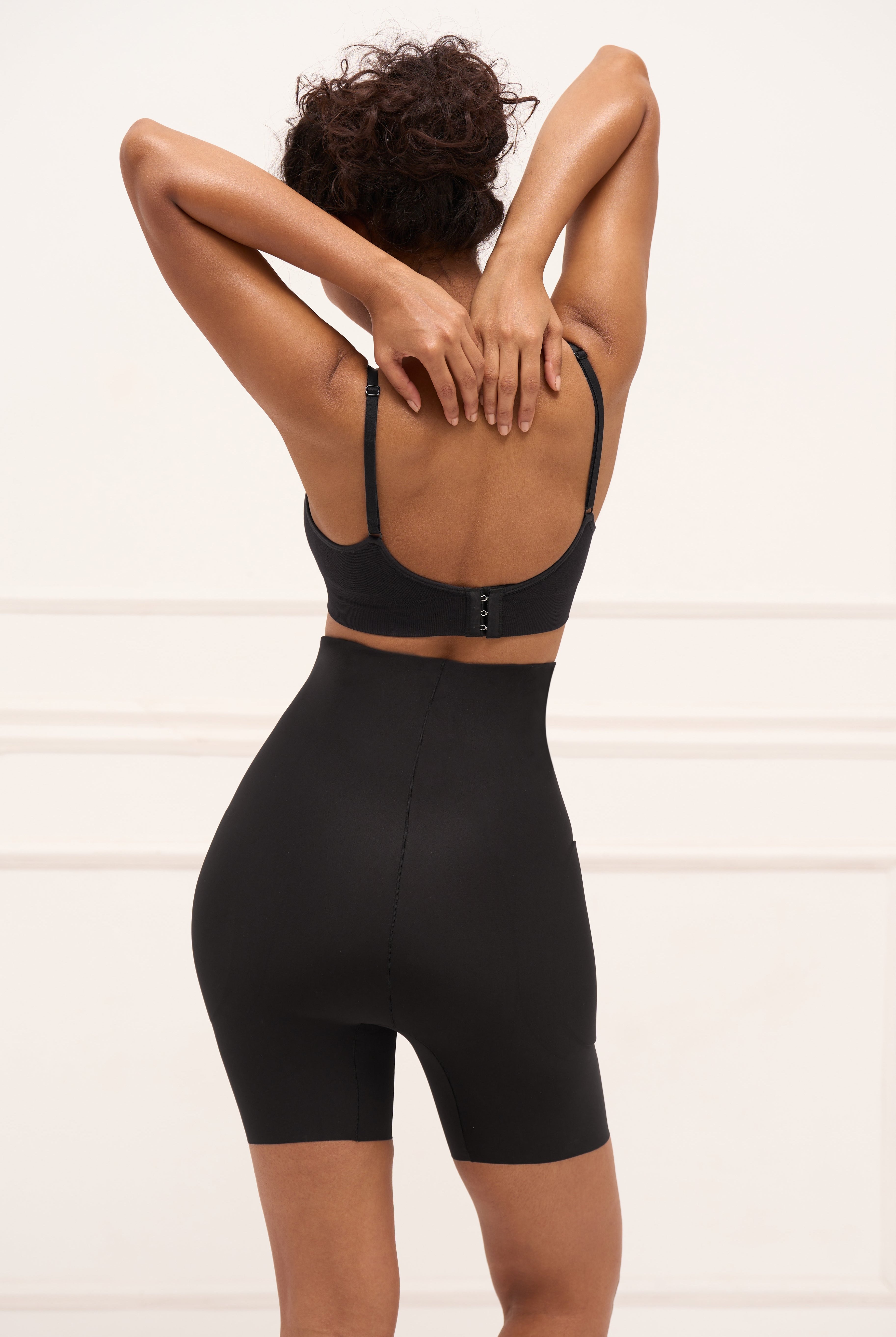
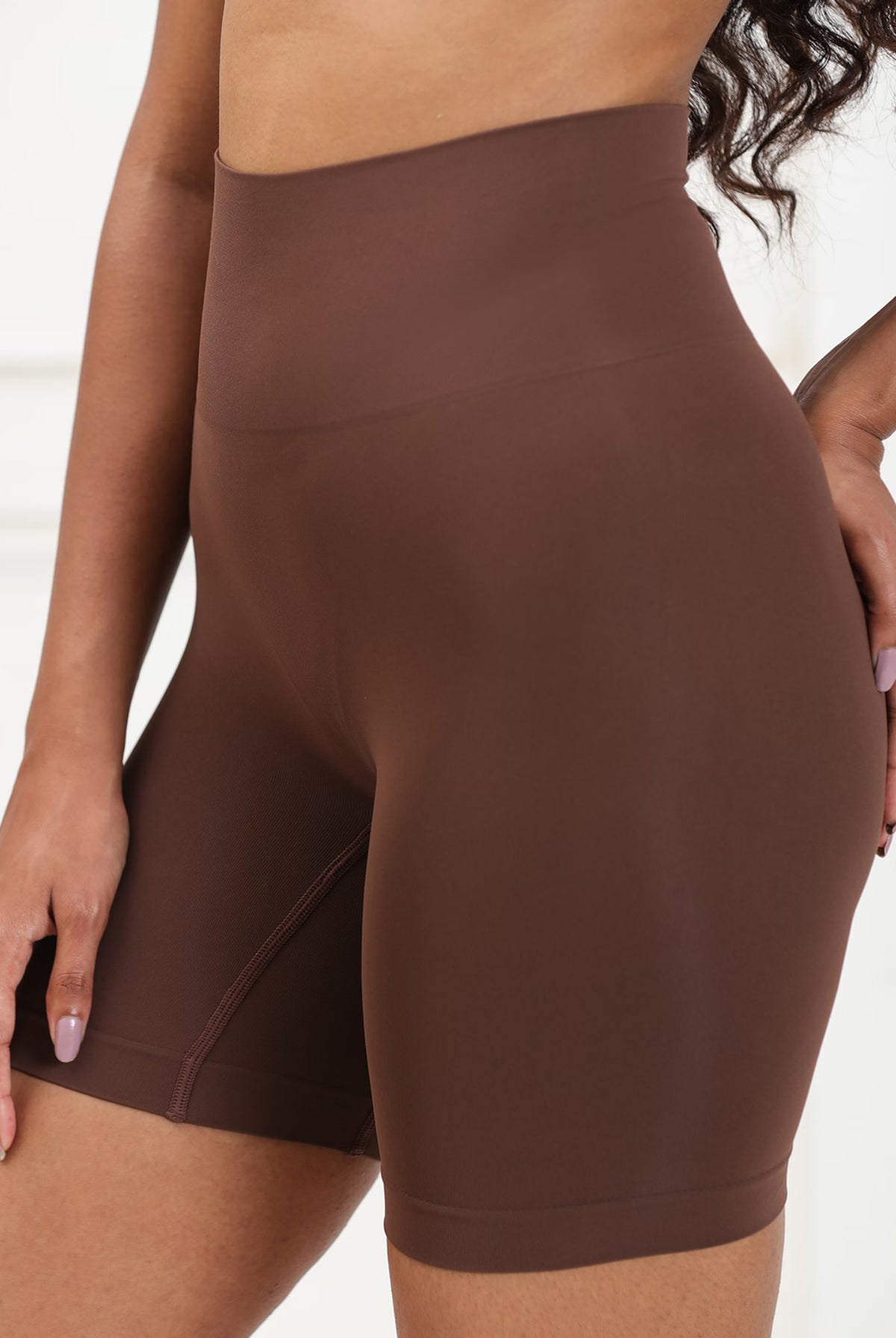
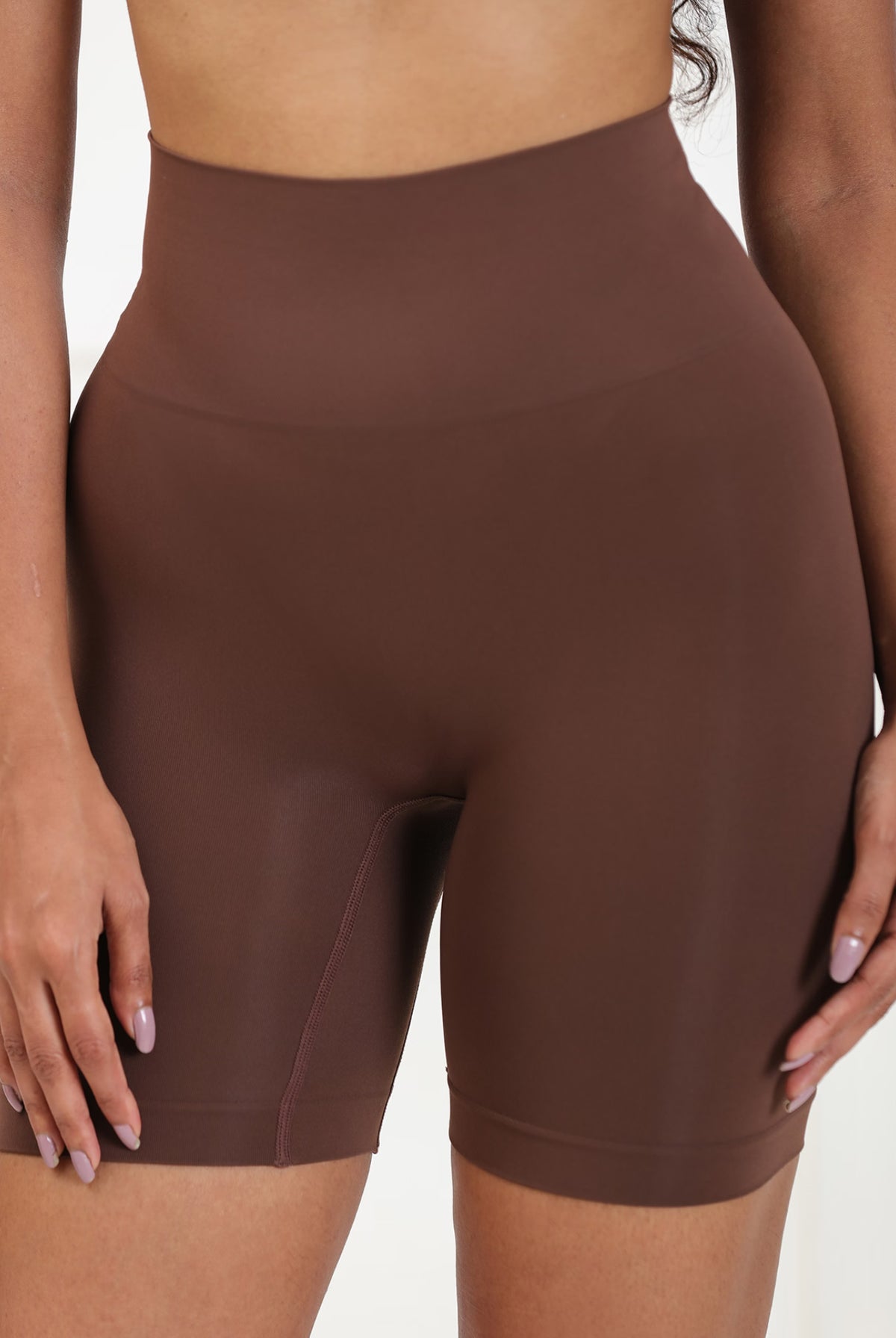
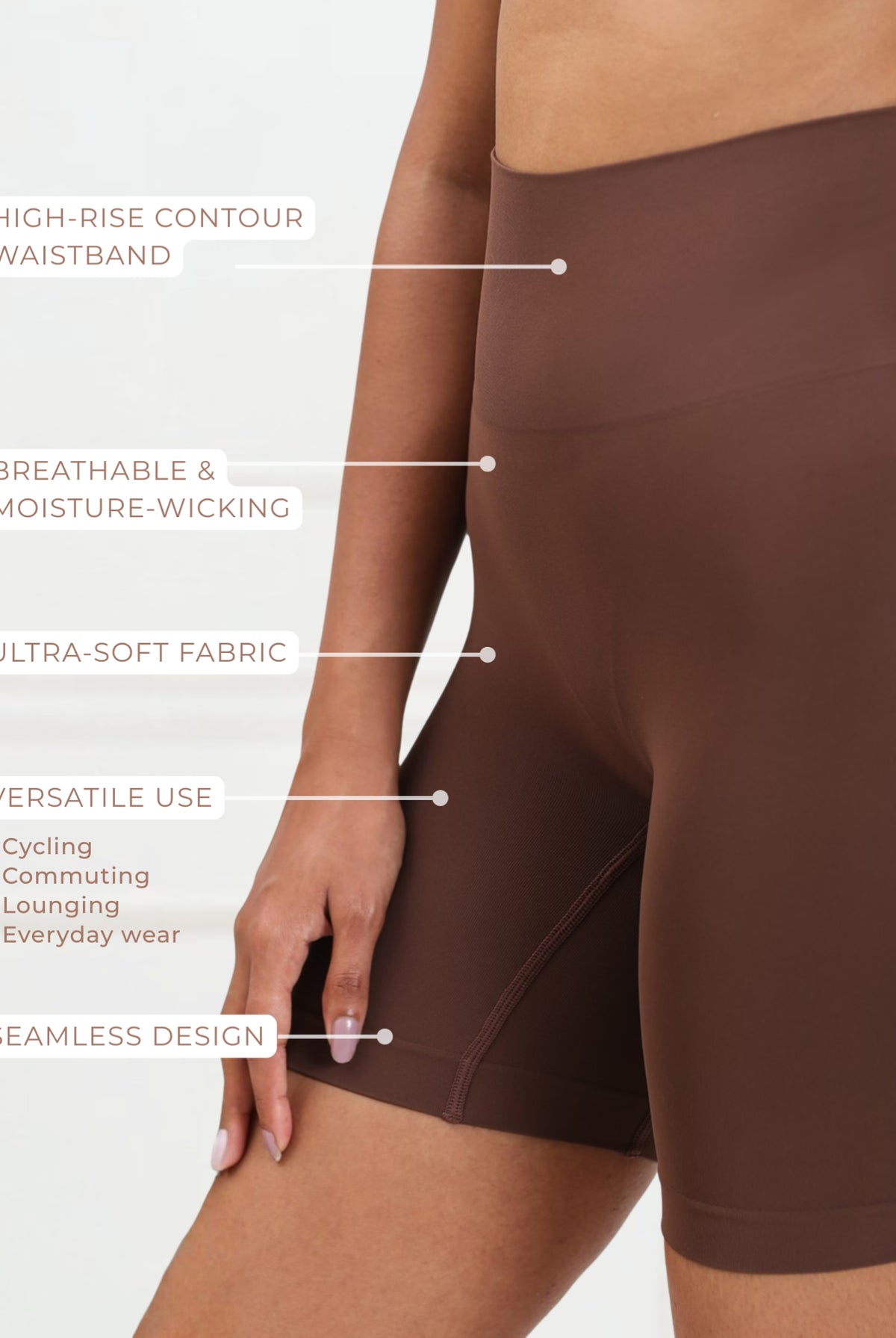
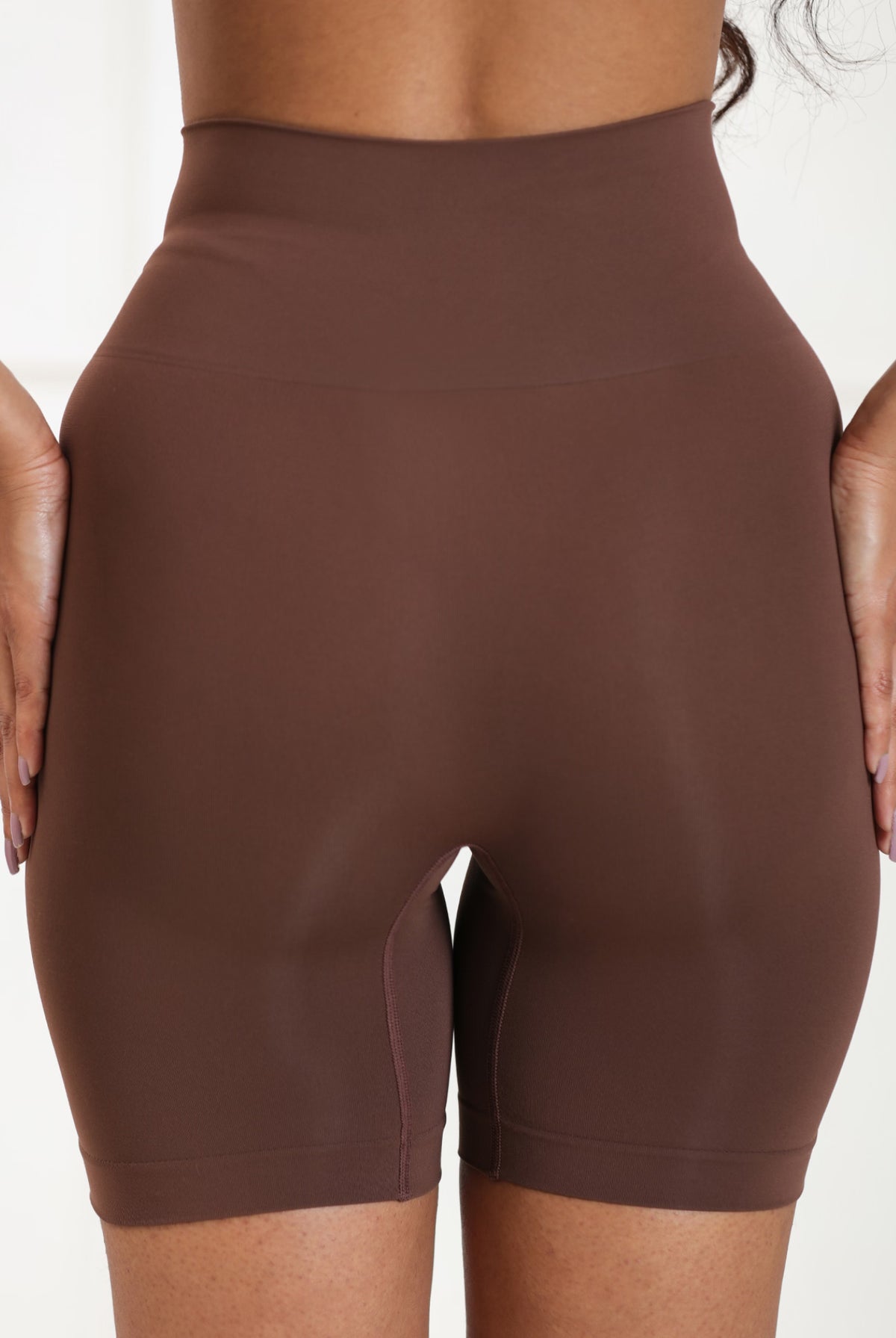
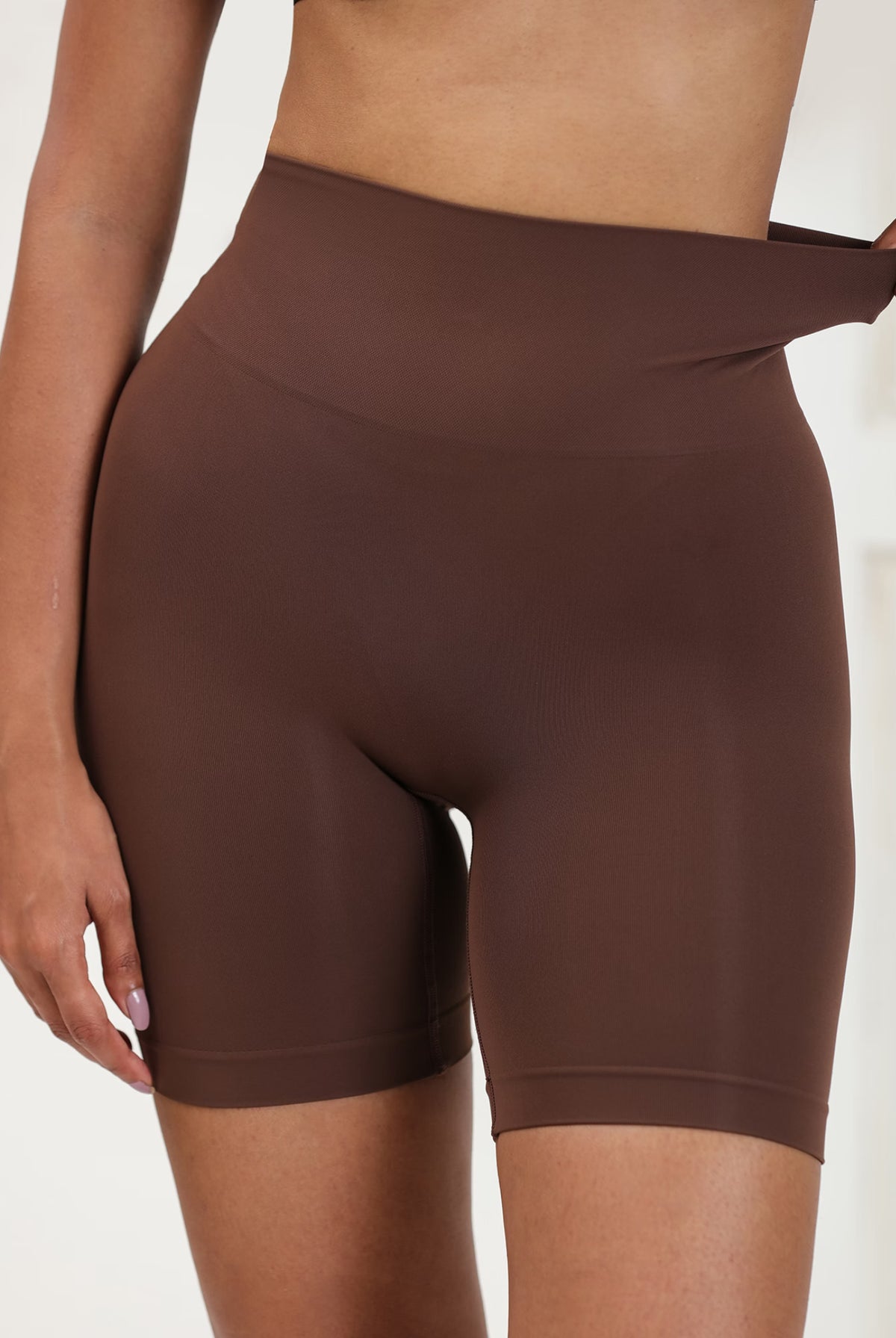
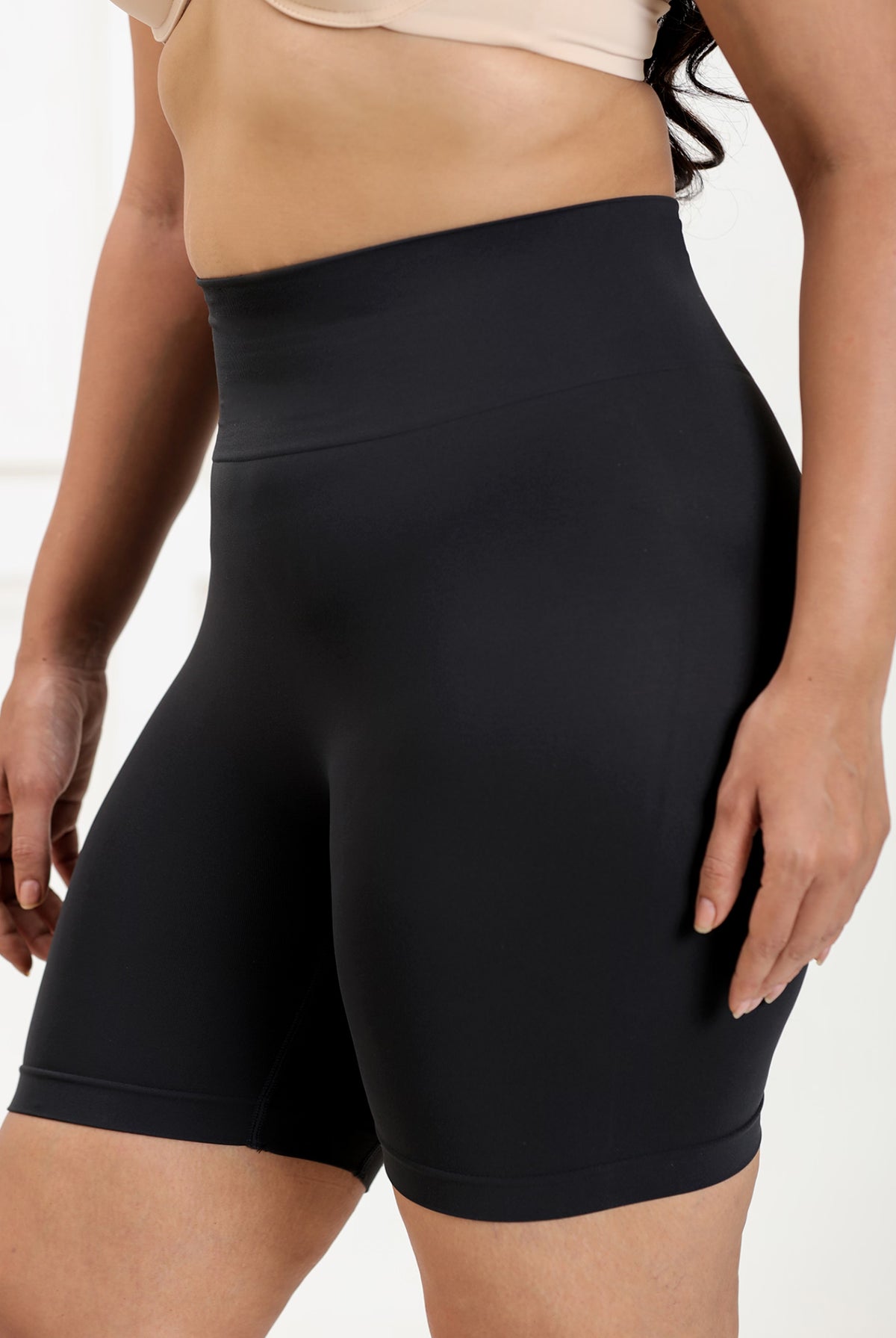
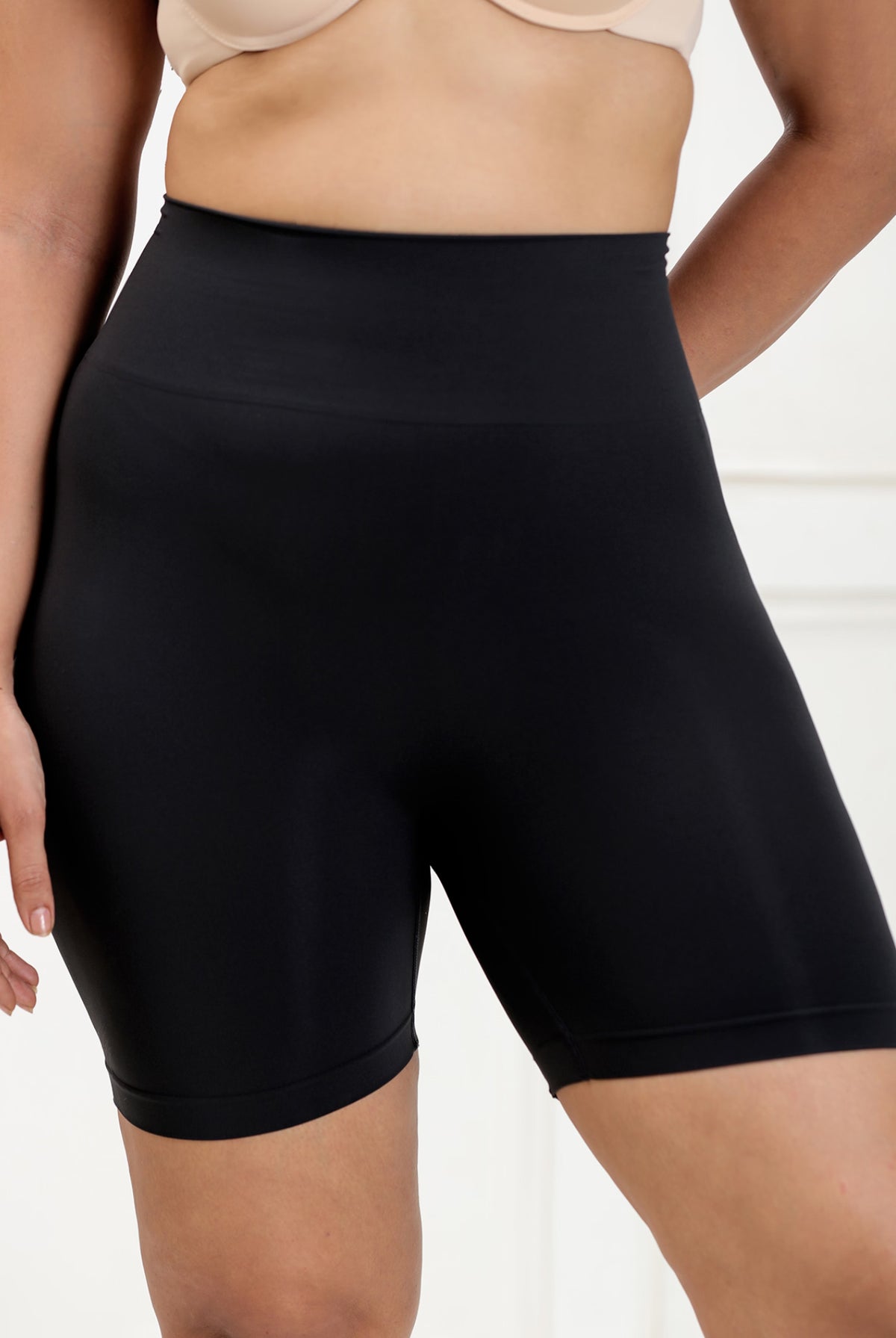
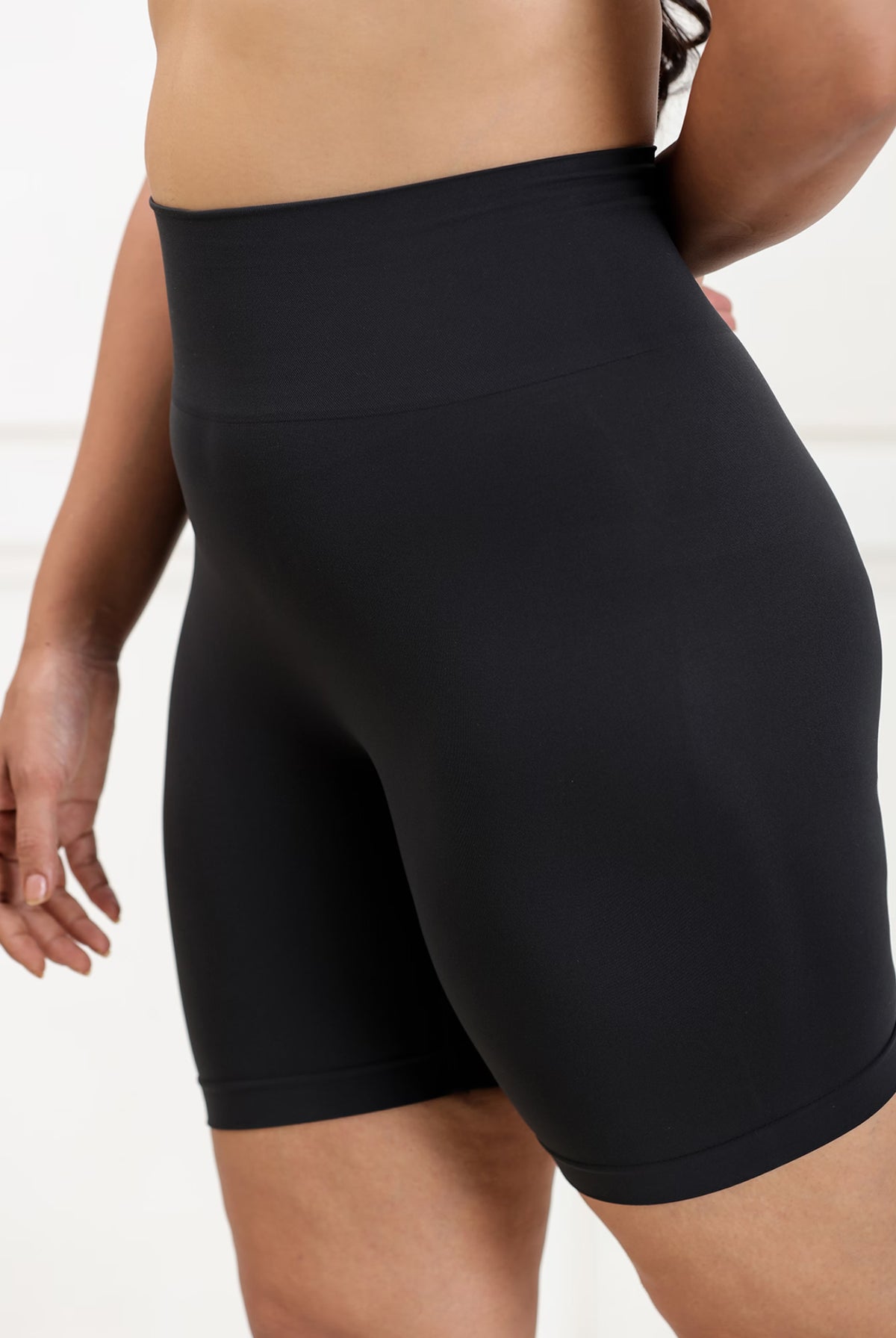
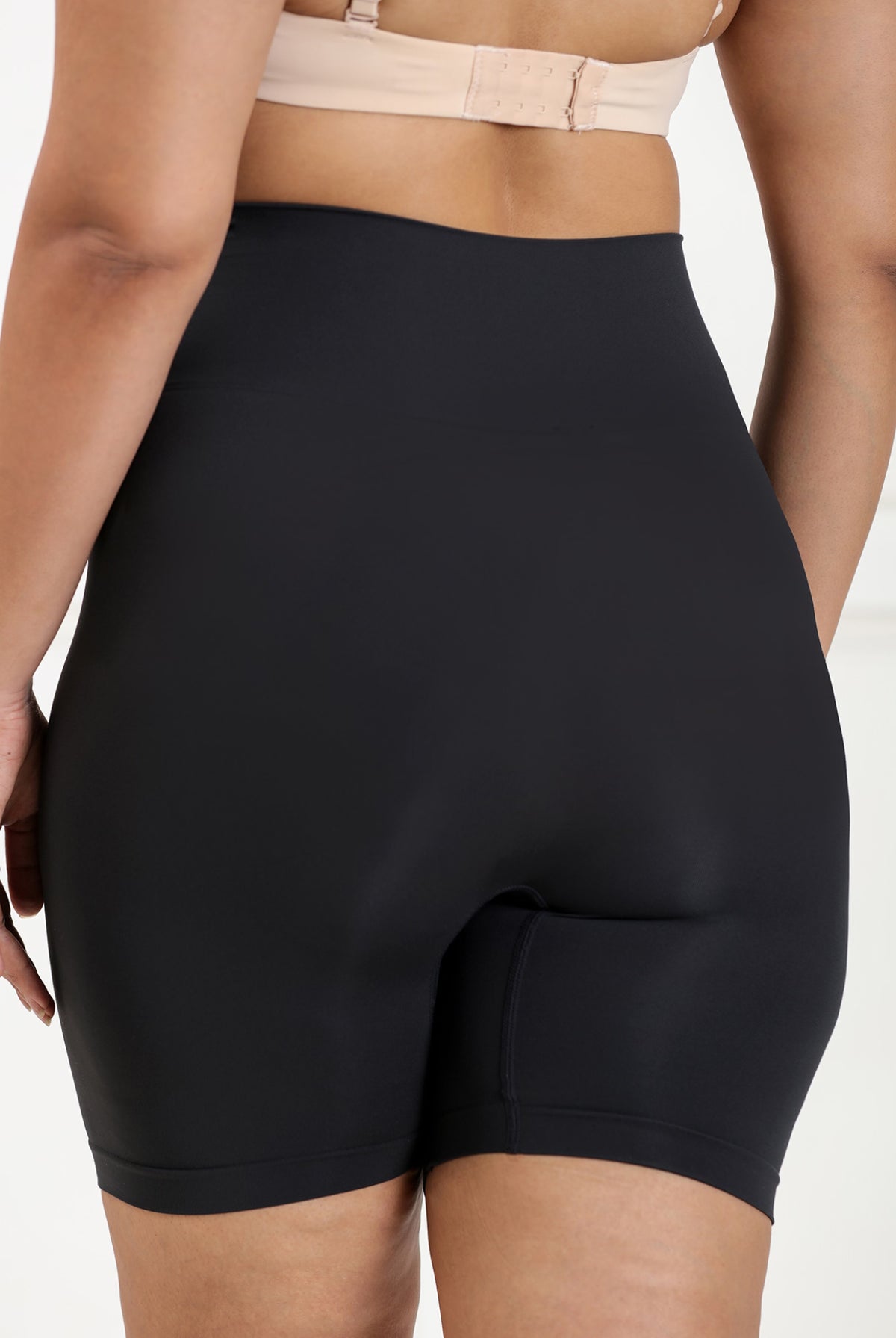
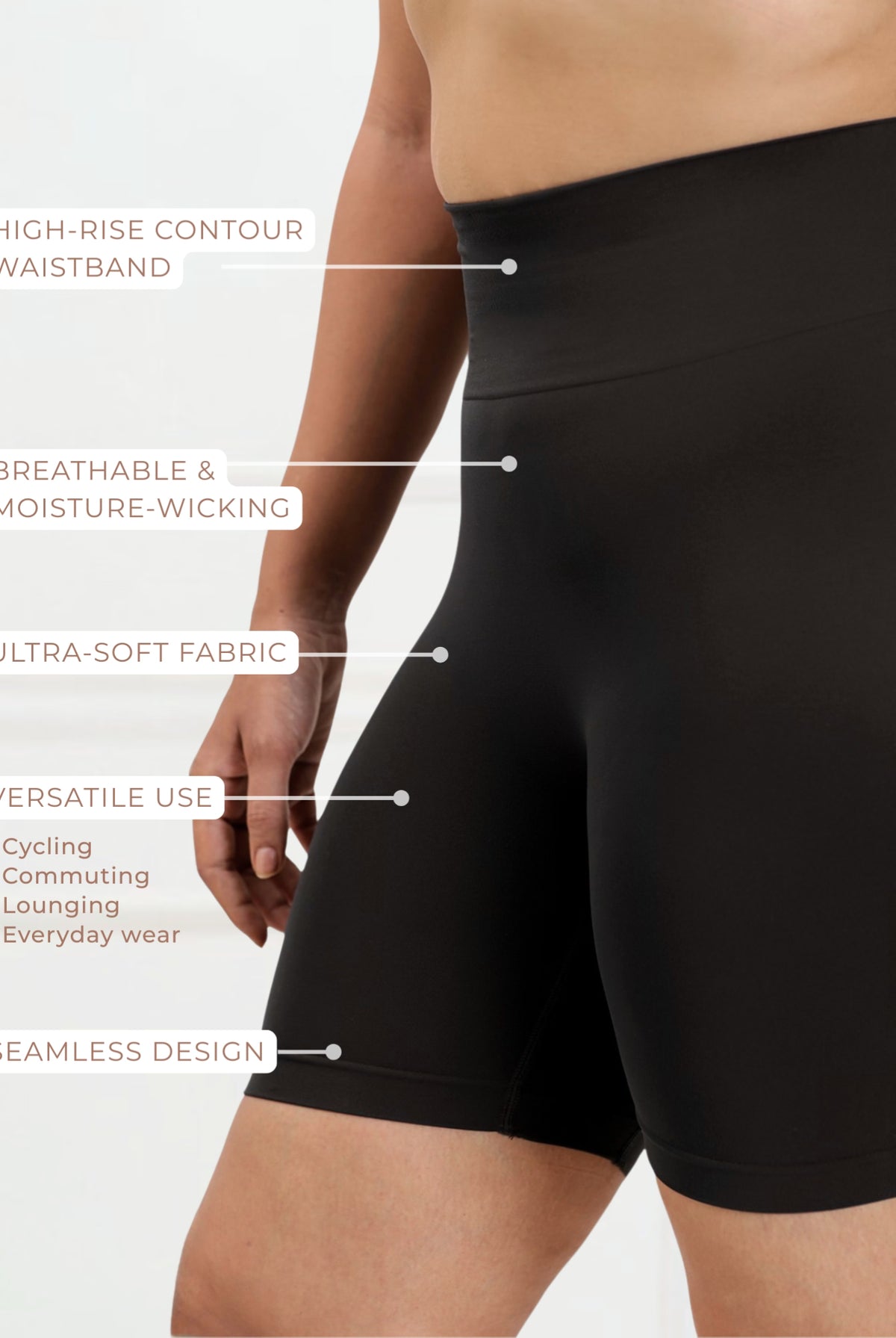
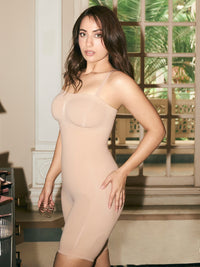
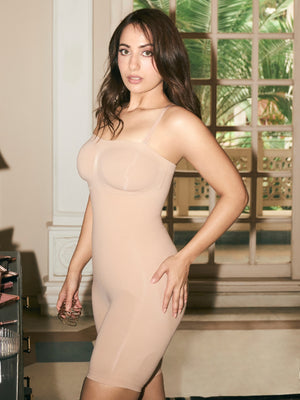
Shaper shorts extend coverage from the waist to mid-thigh. They prevent thigh friction and give a consistent, smooth look under dresses, skirts, and kurtas. For women who wear fitted clothing regularly, shaper shorts are one of the most practical everyday shapewear styles to own.
-
Waist and tummy shapers

Waist bands and tummy shapers focus compression on the midsection. They sit around the waist and stomach and help fitted blouses, saree blouses, and structured tops sit more smoothly across the front. Most are designed to be invisible under clothing and comfortable enough for a few hours of wear.
-
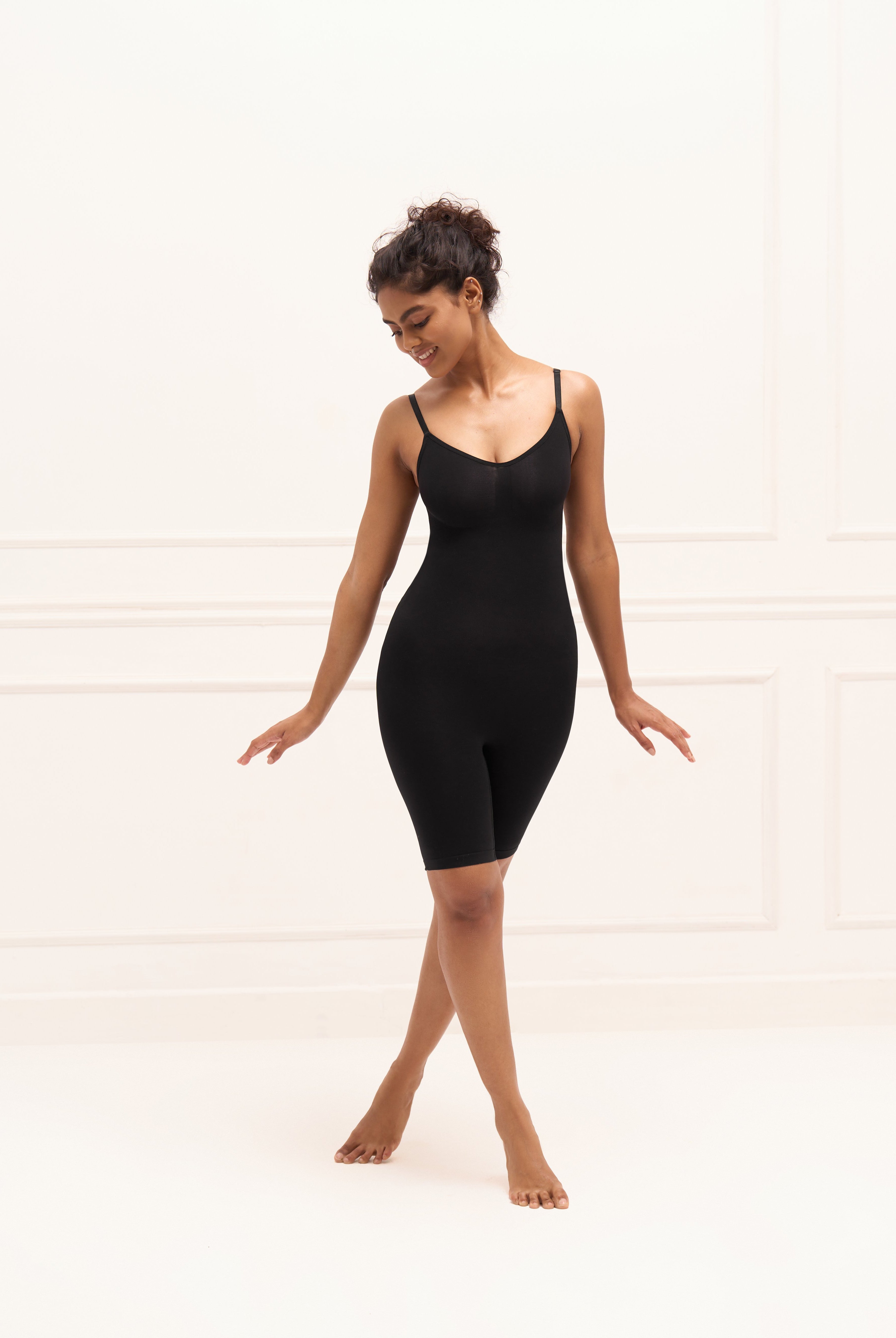
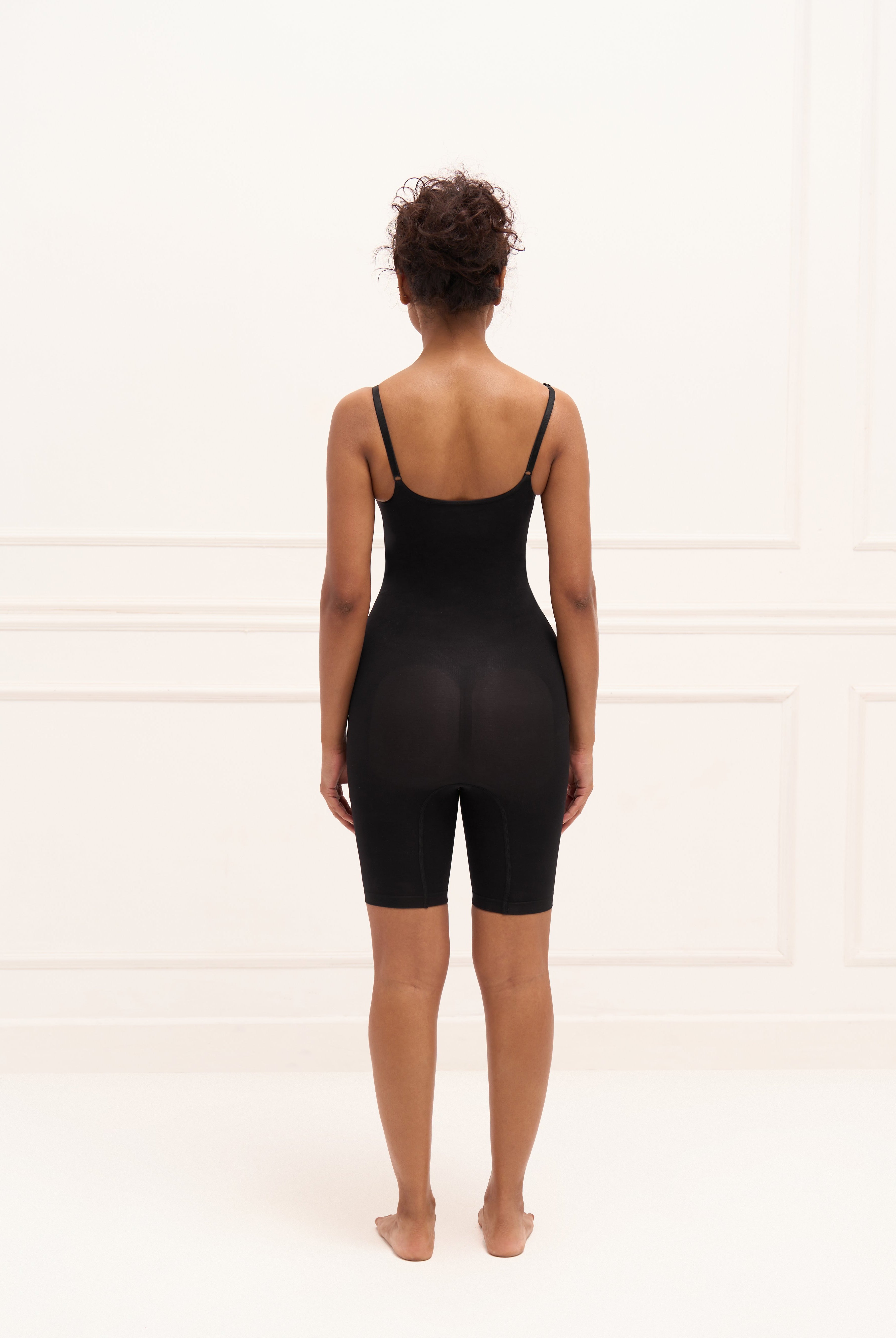
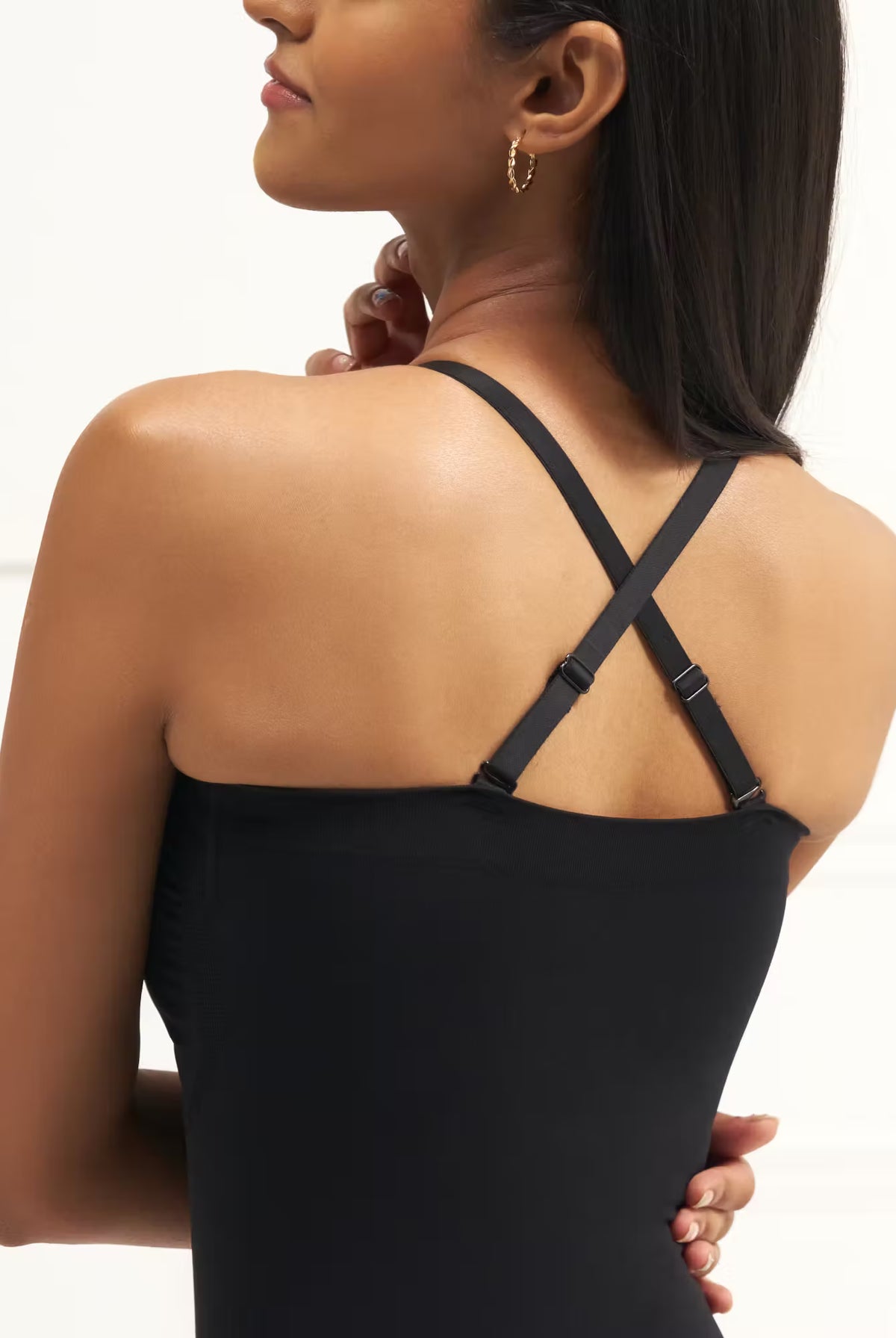
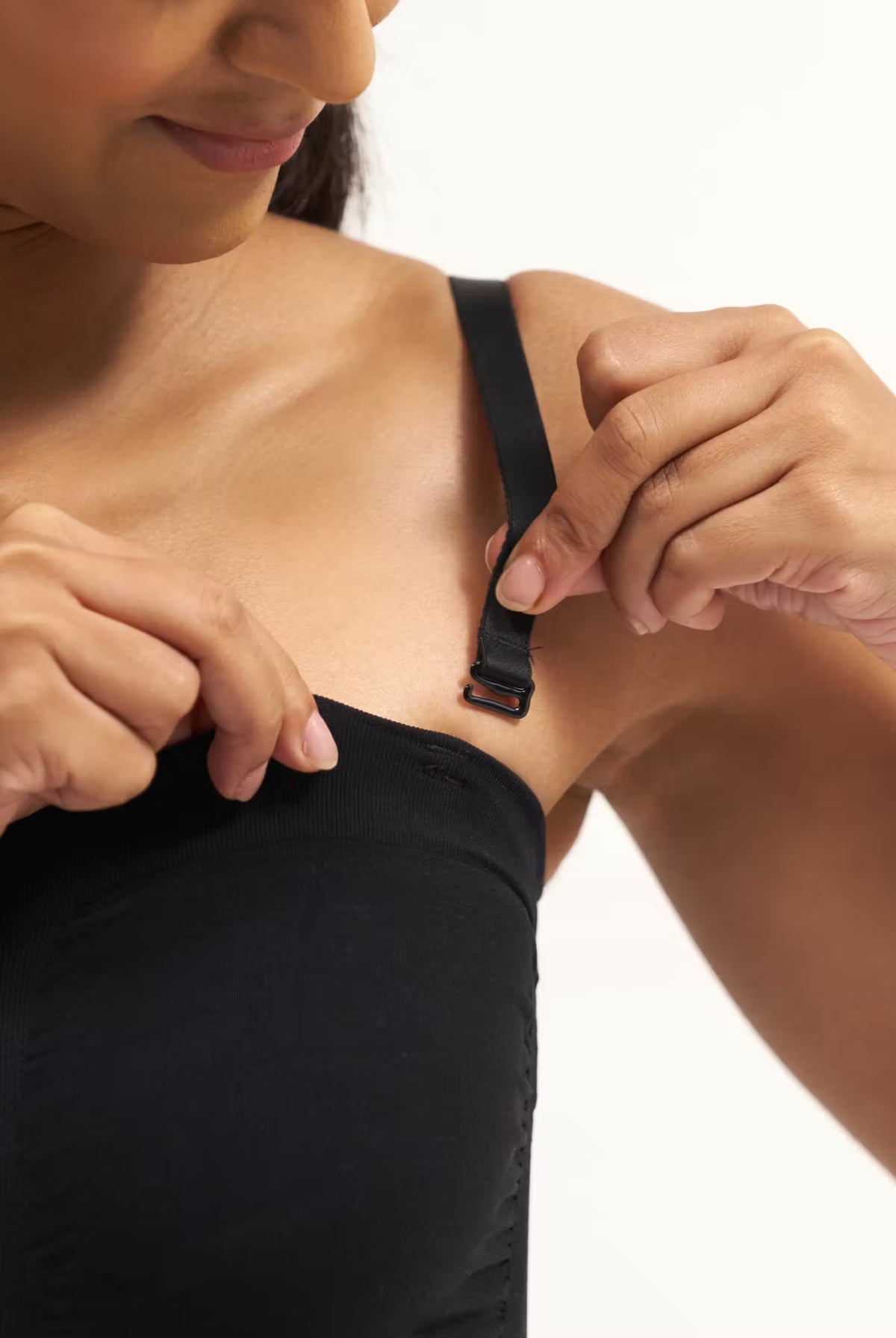
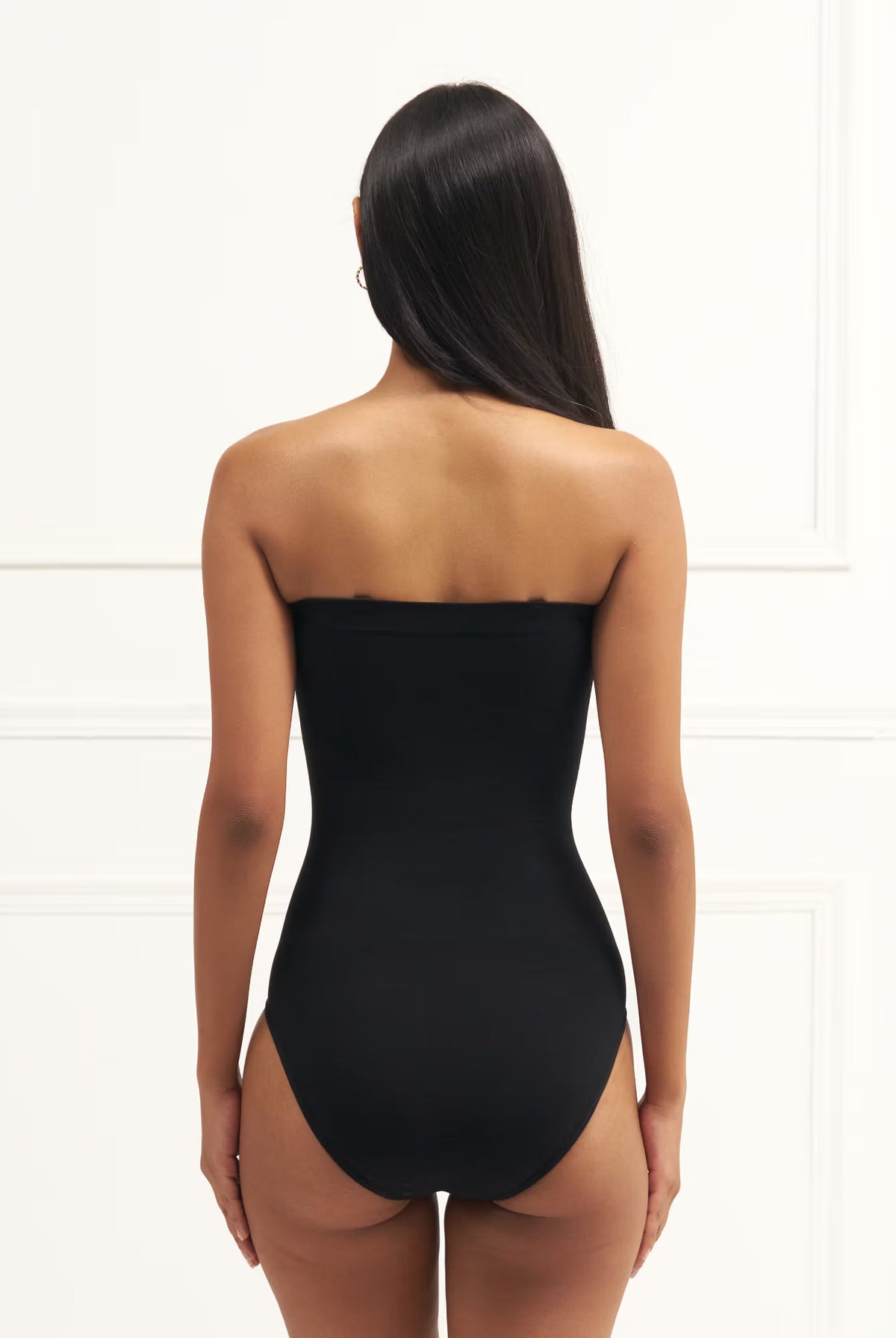
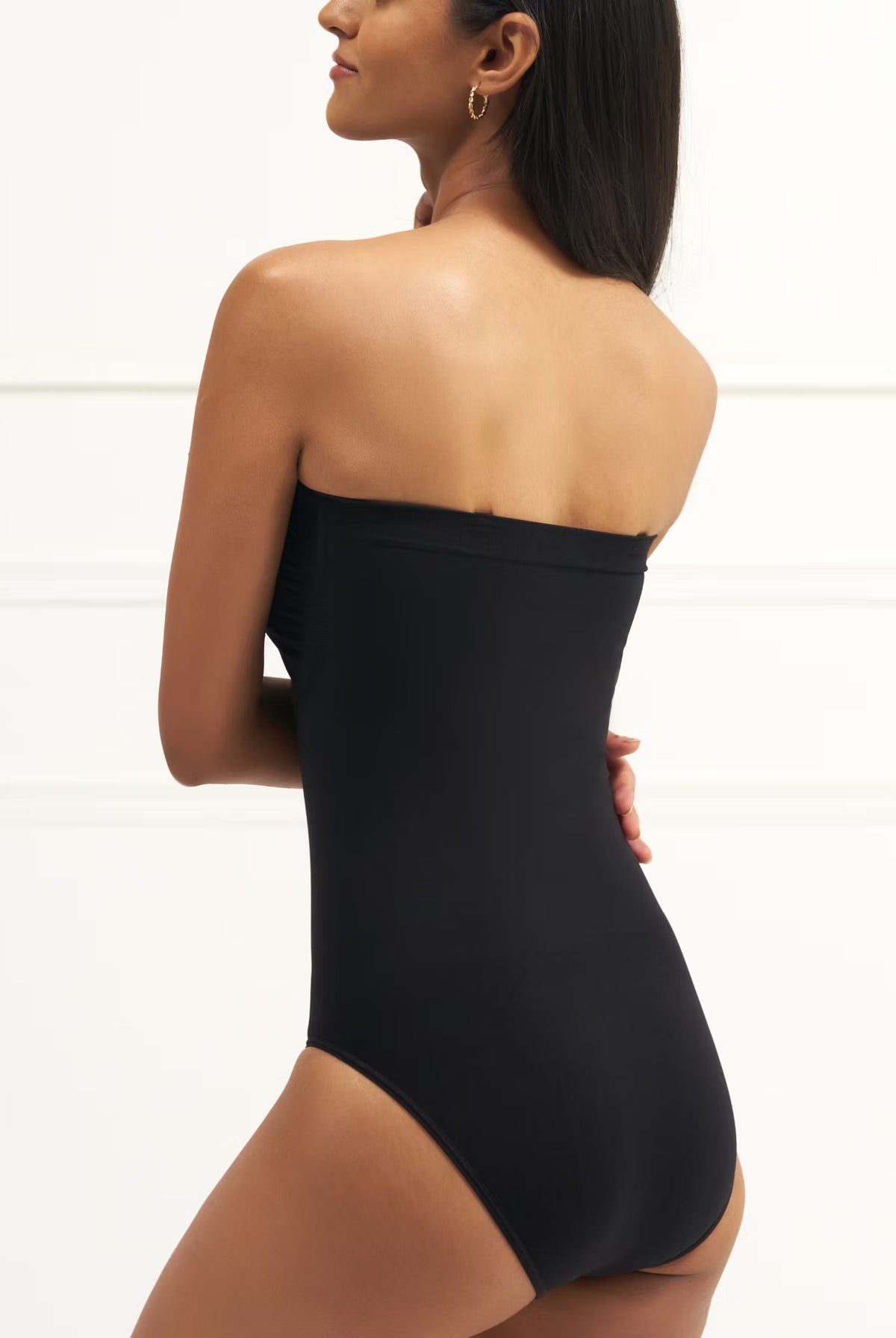
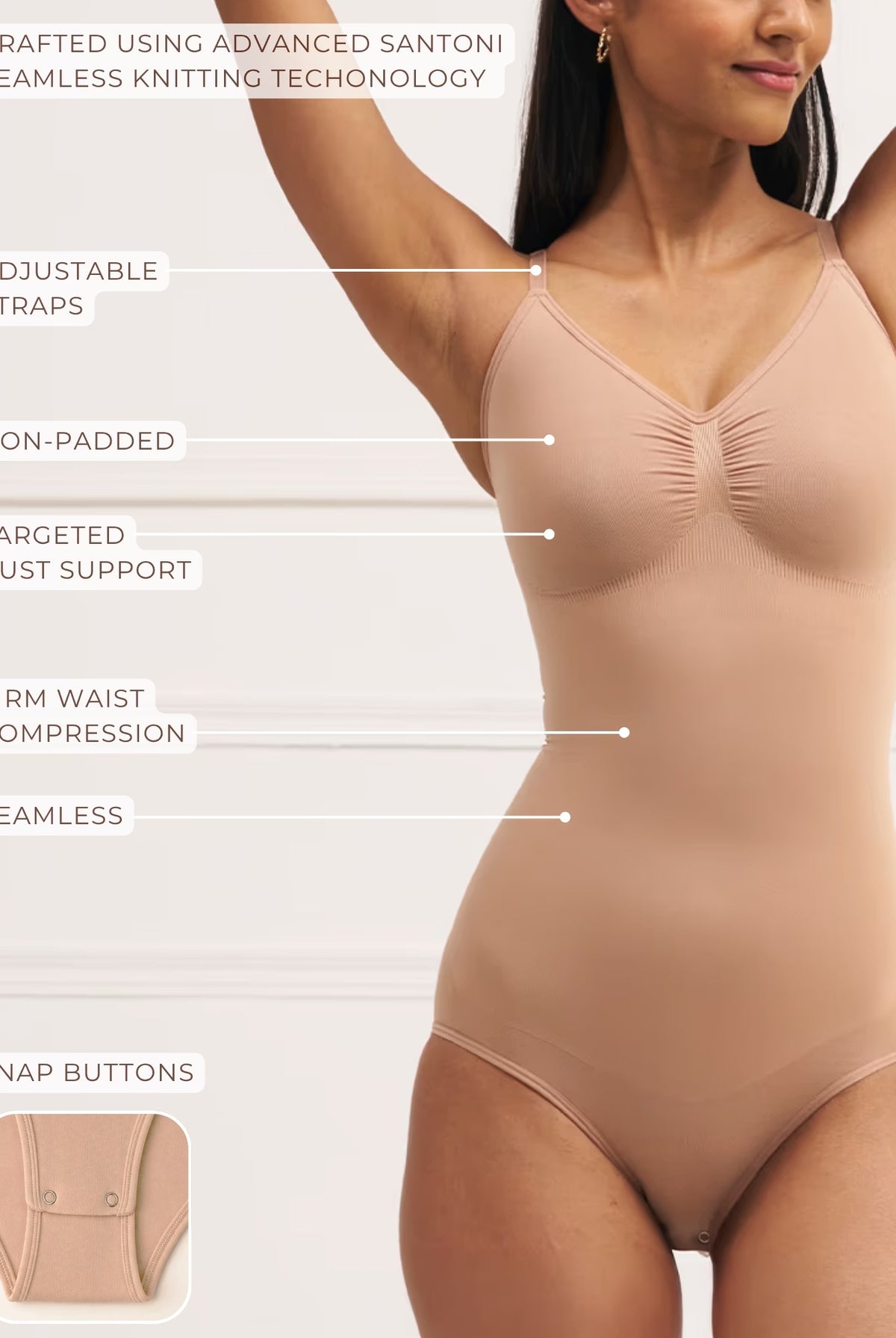
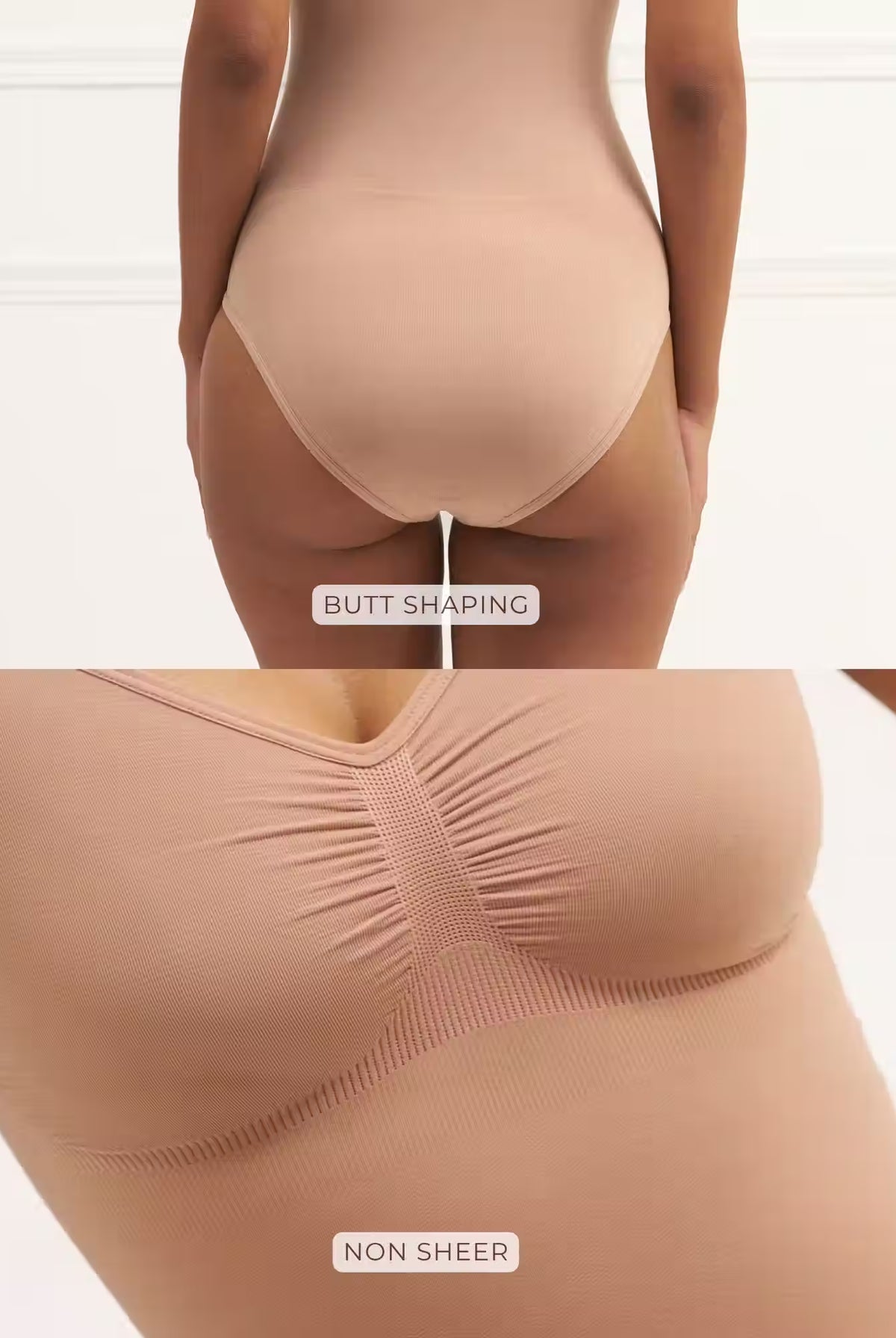
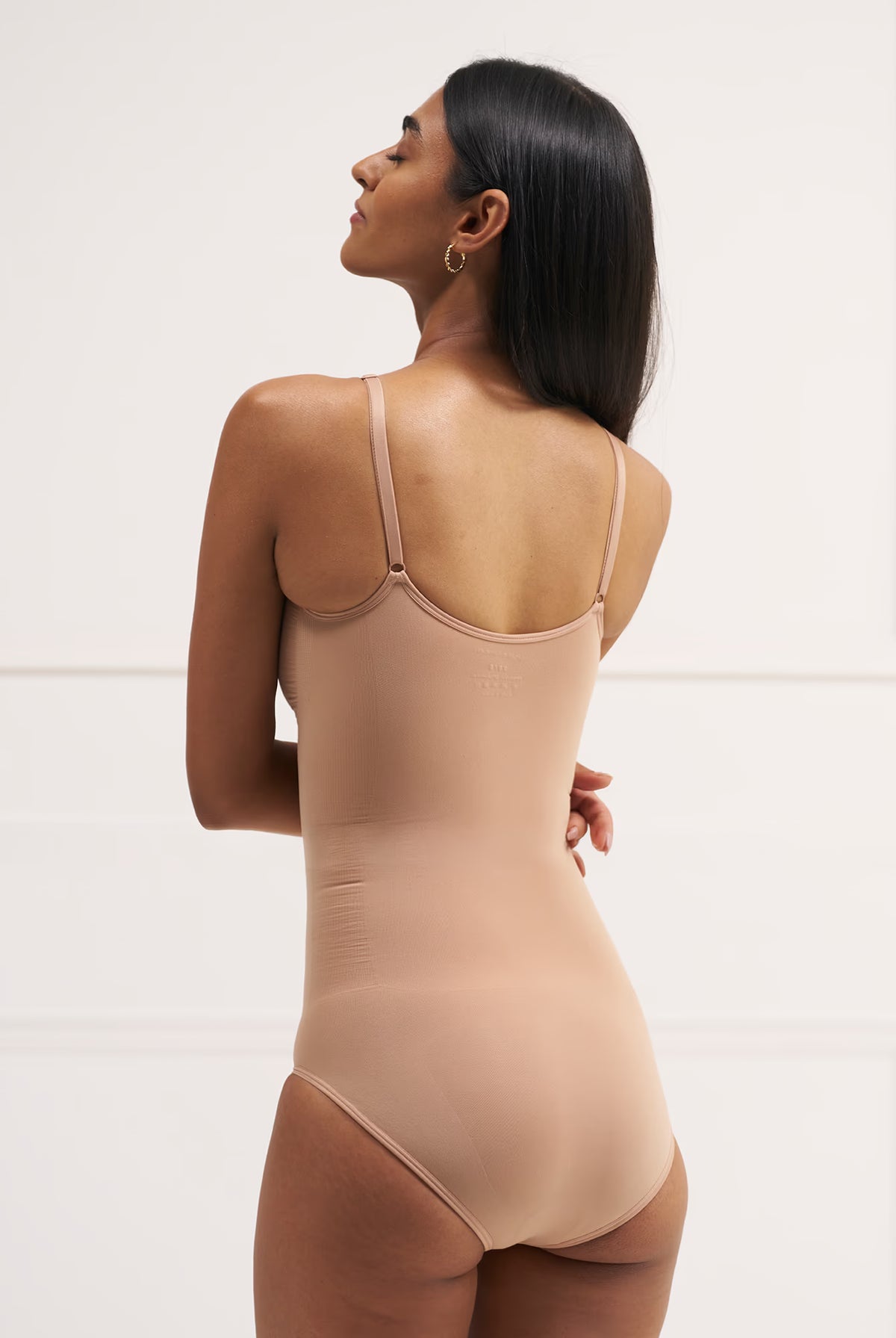
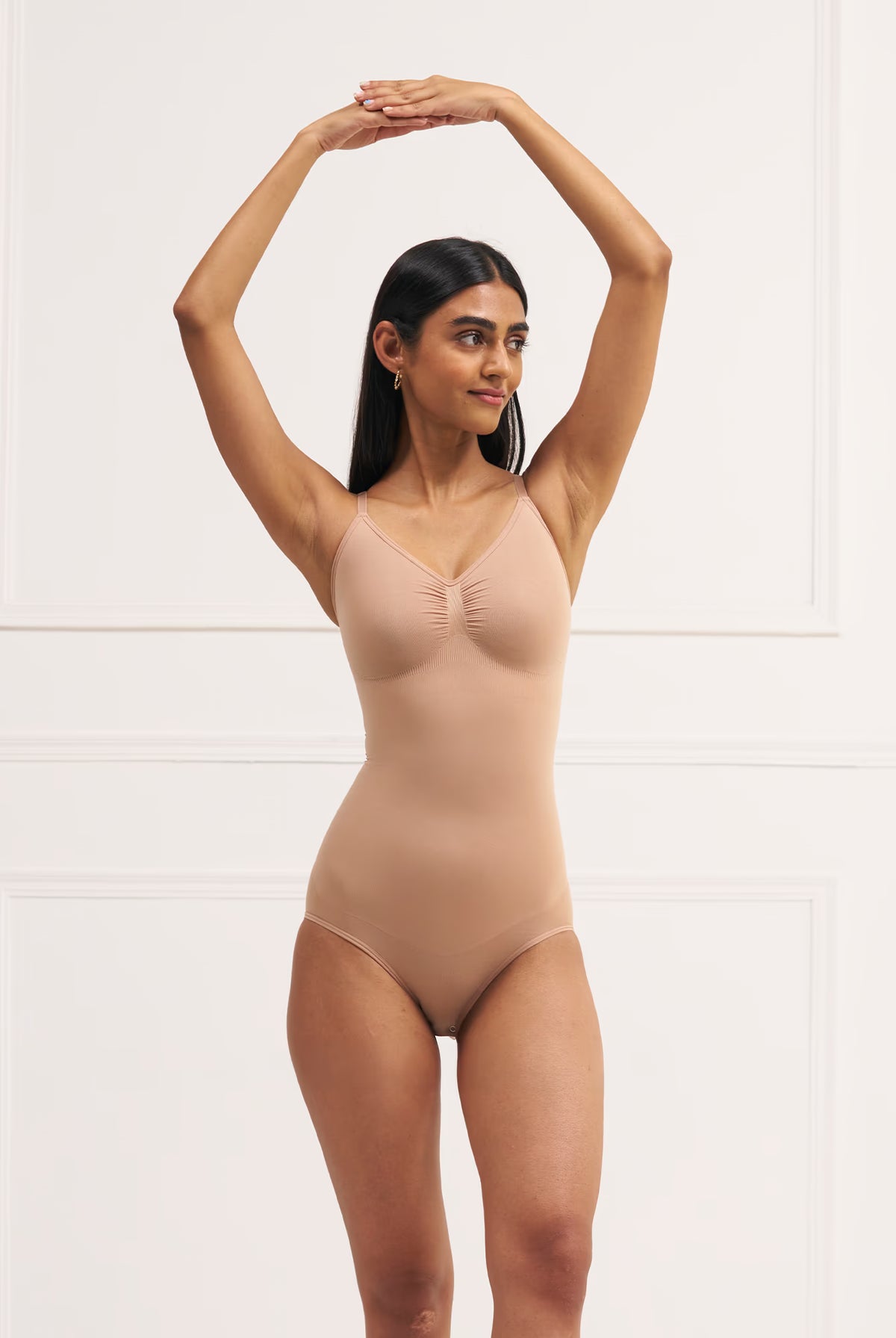
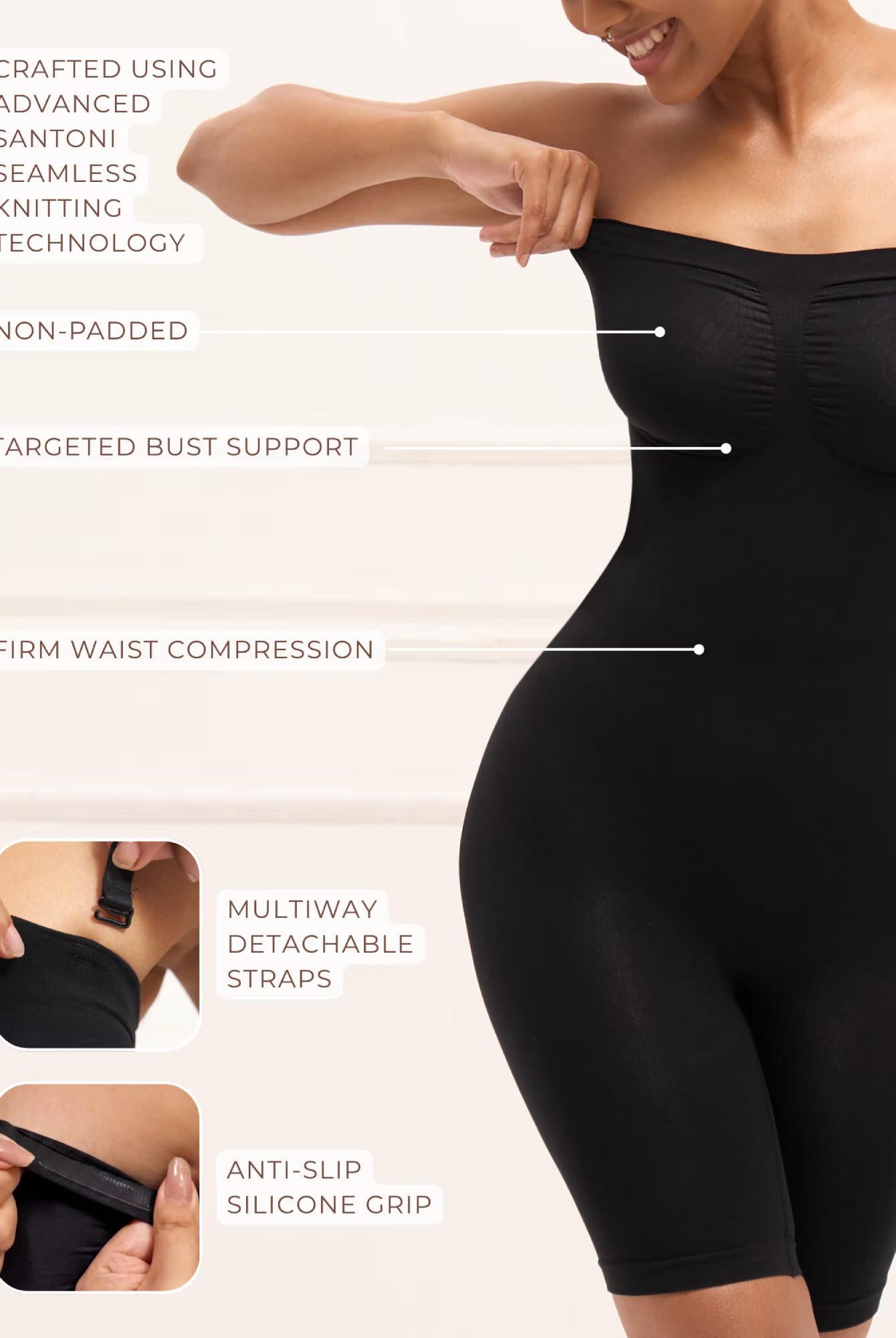
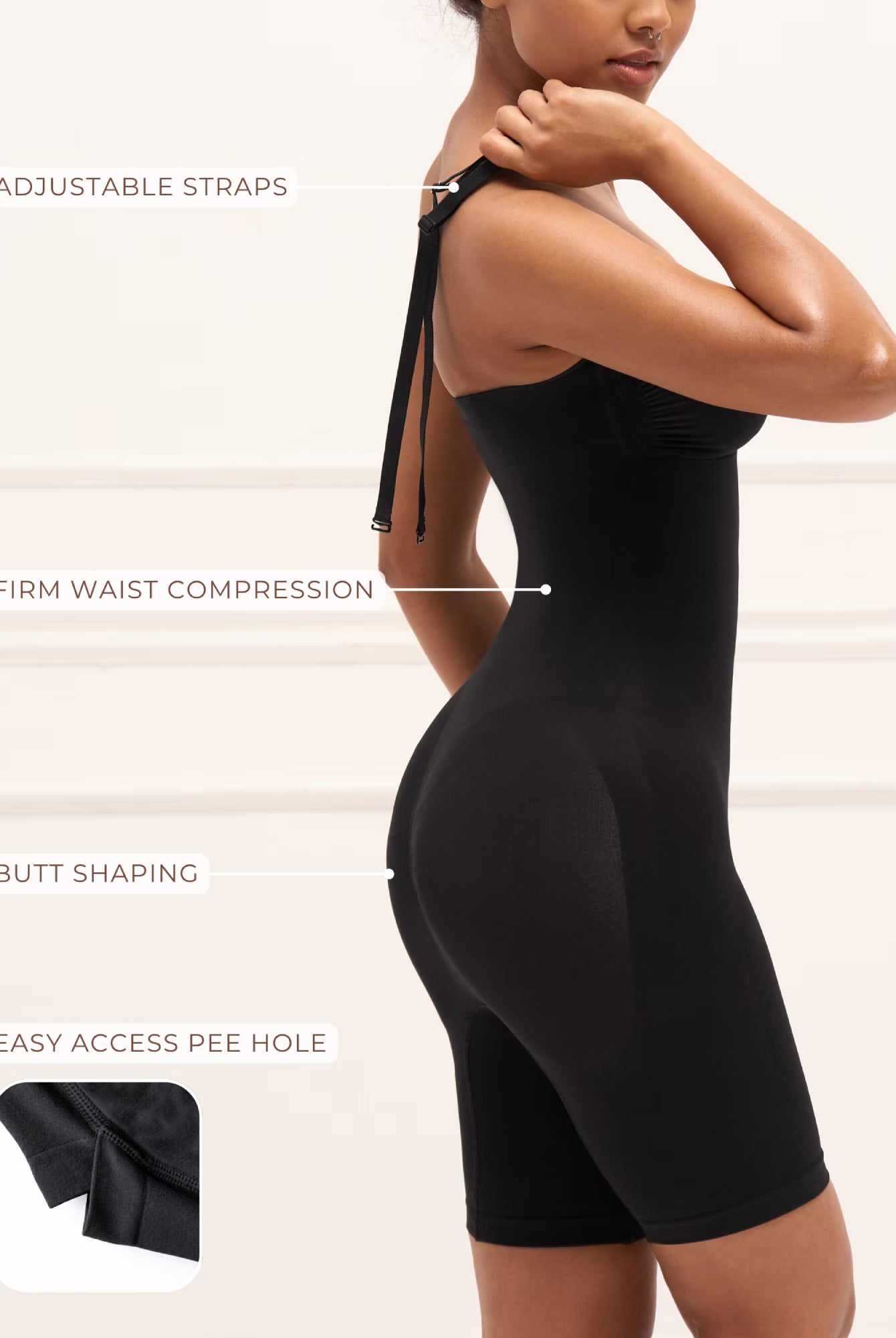
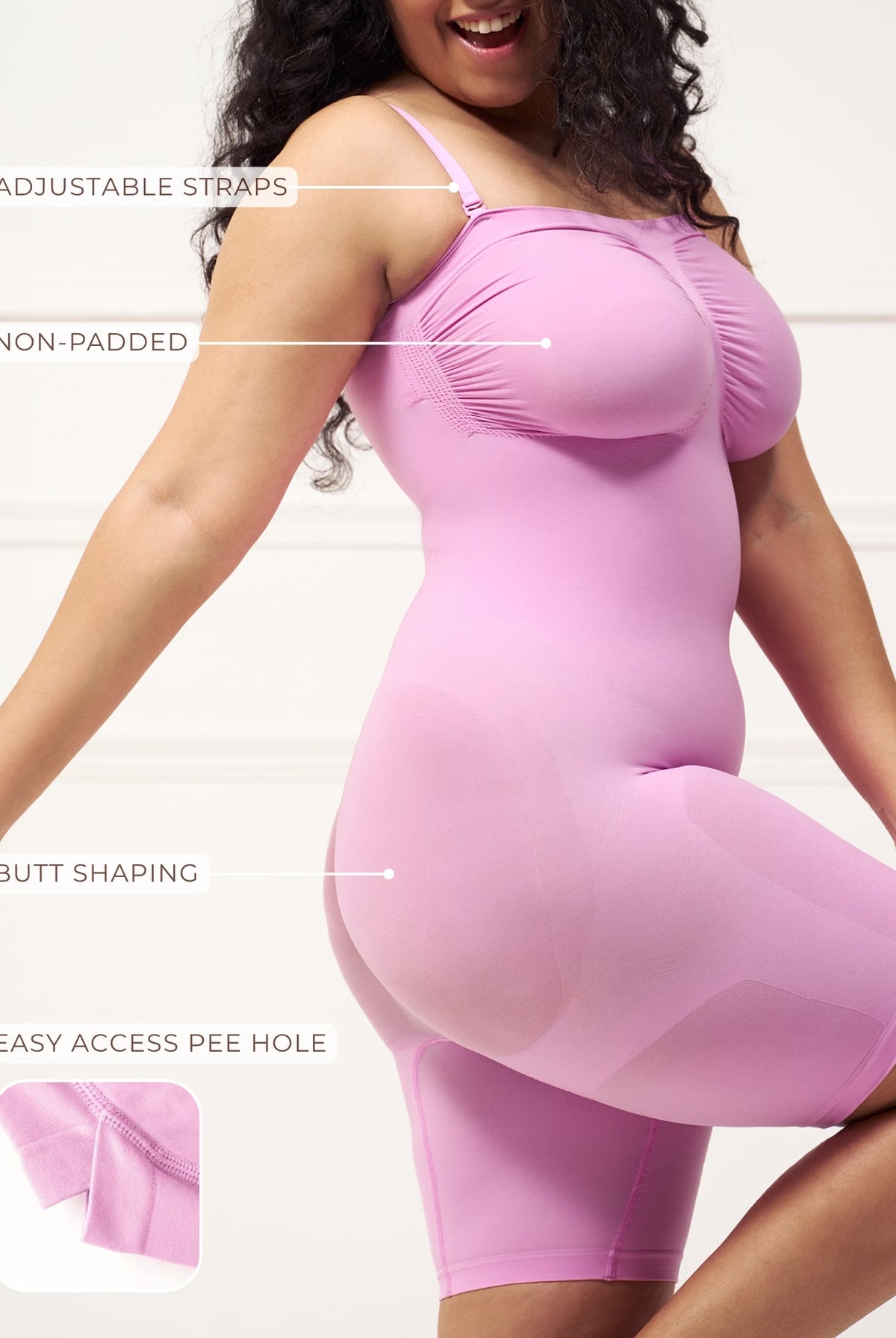
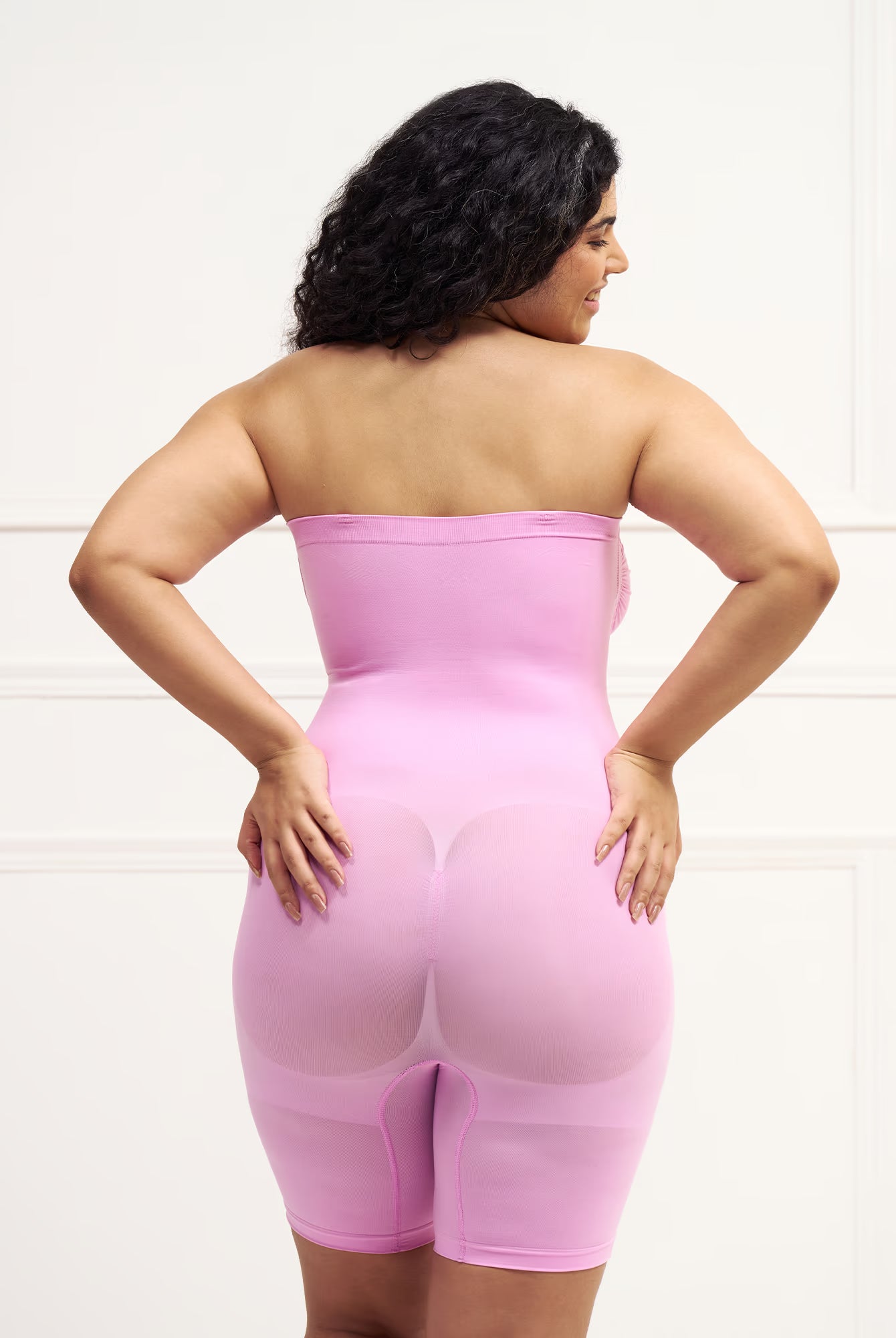
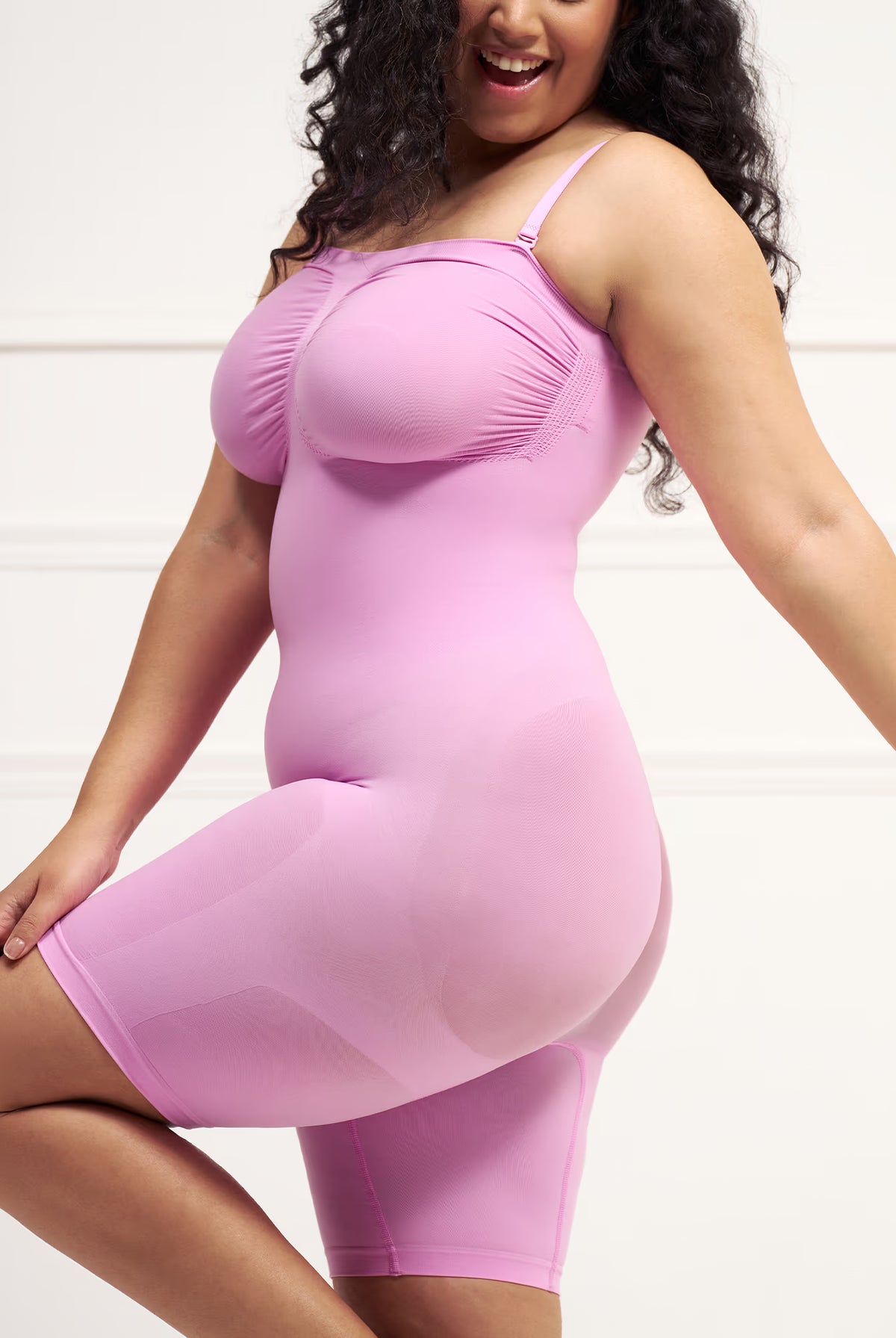
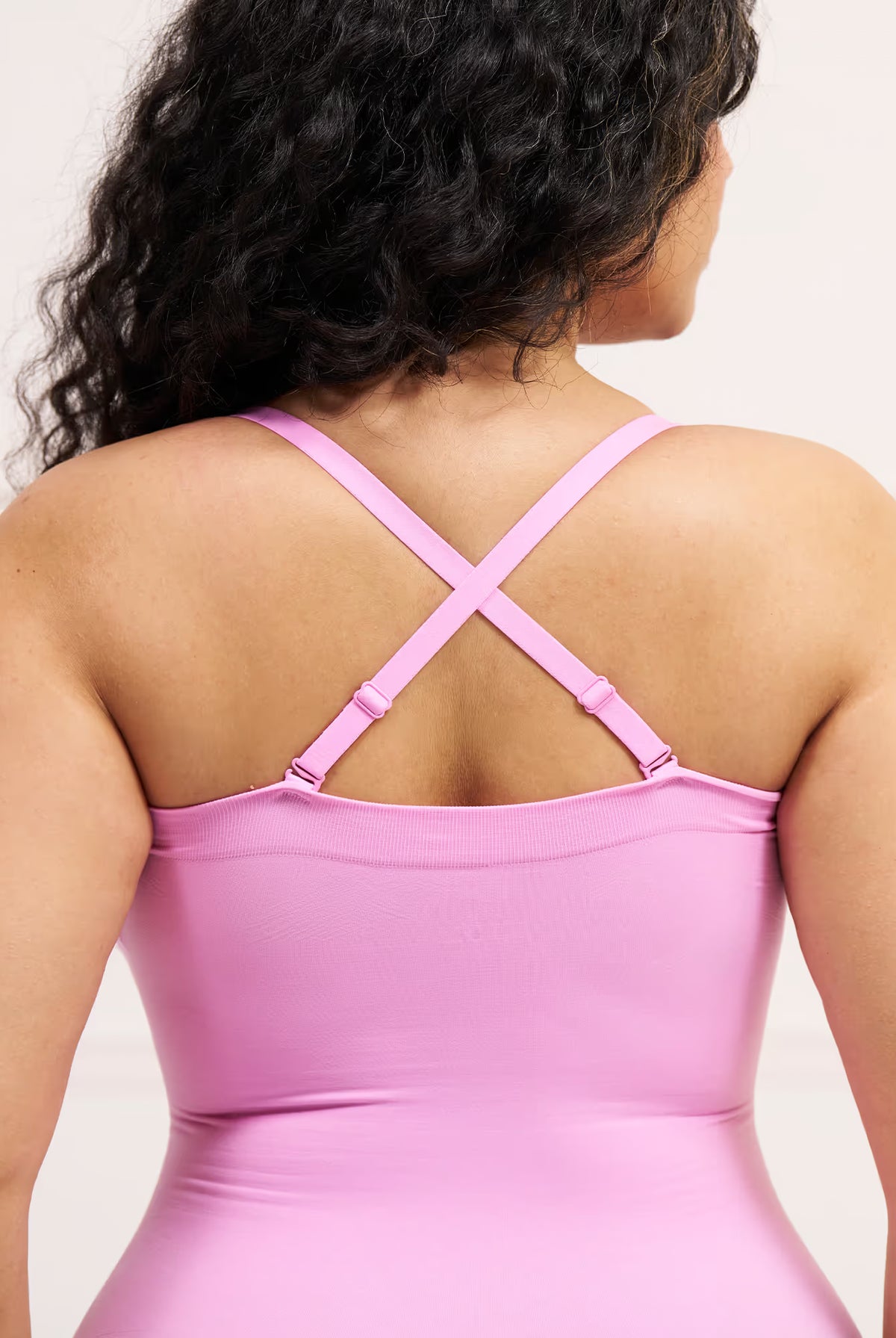
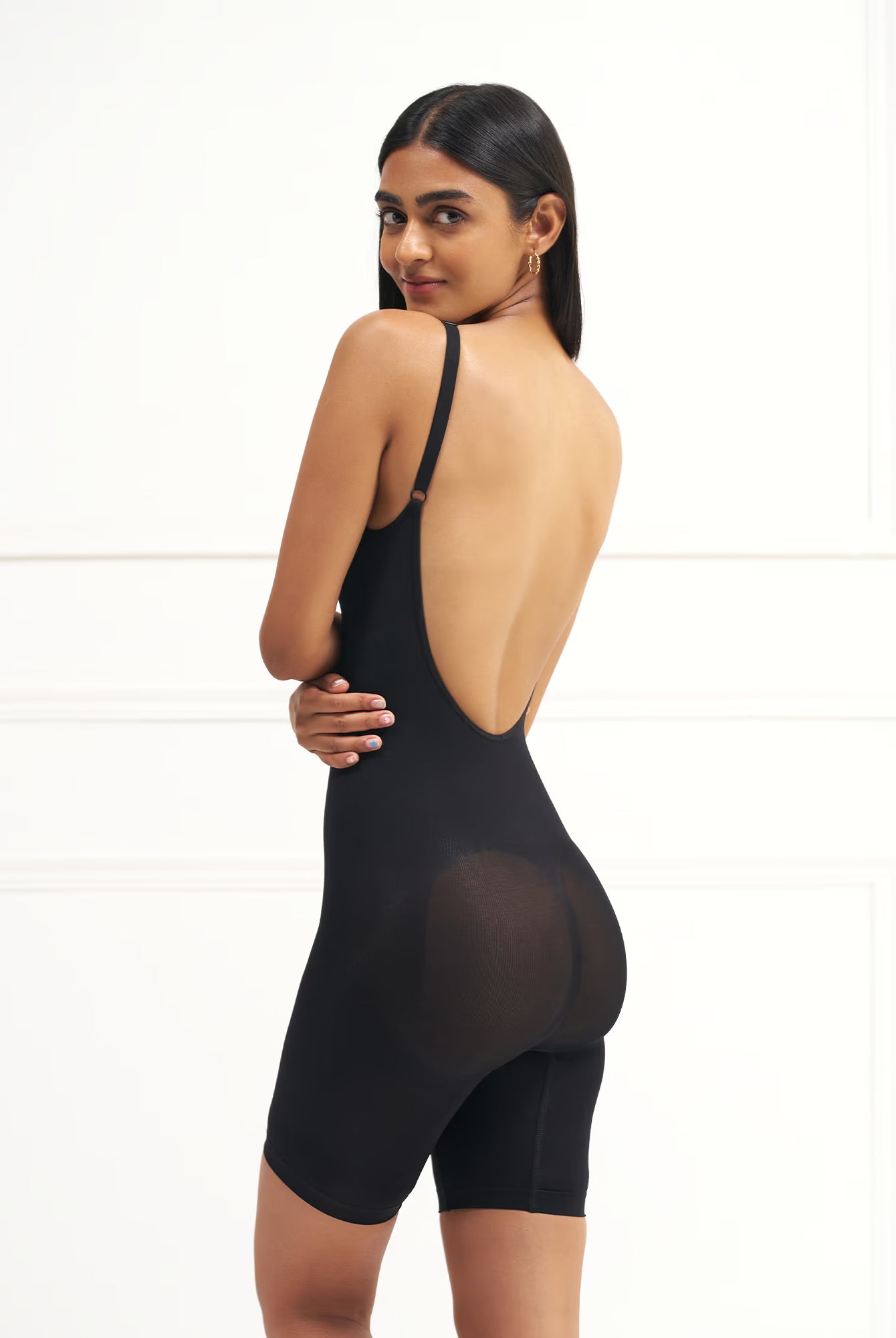
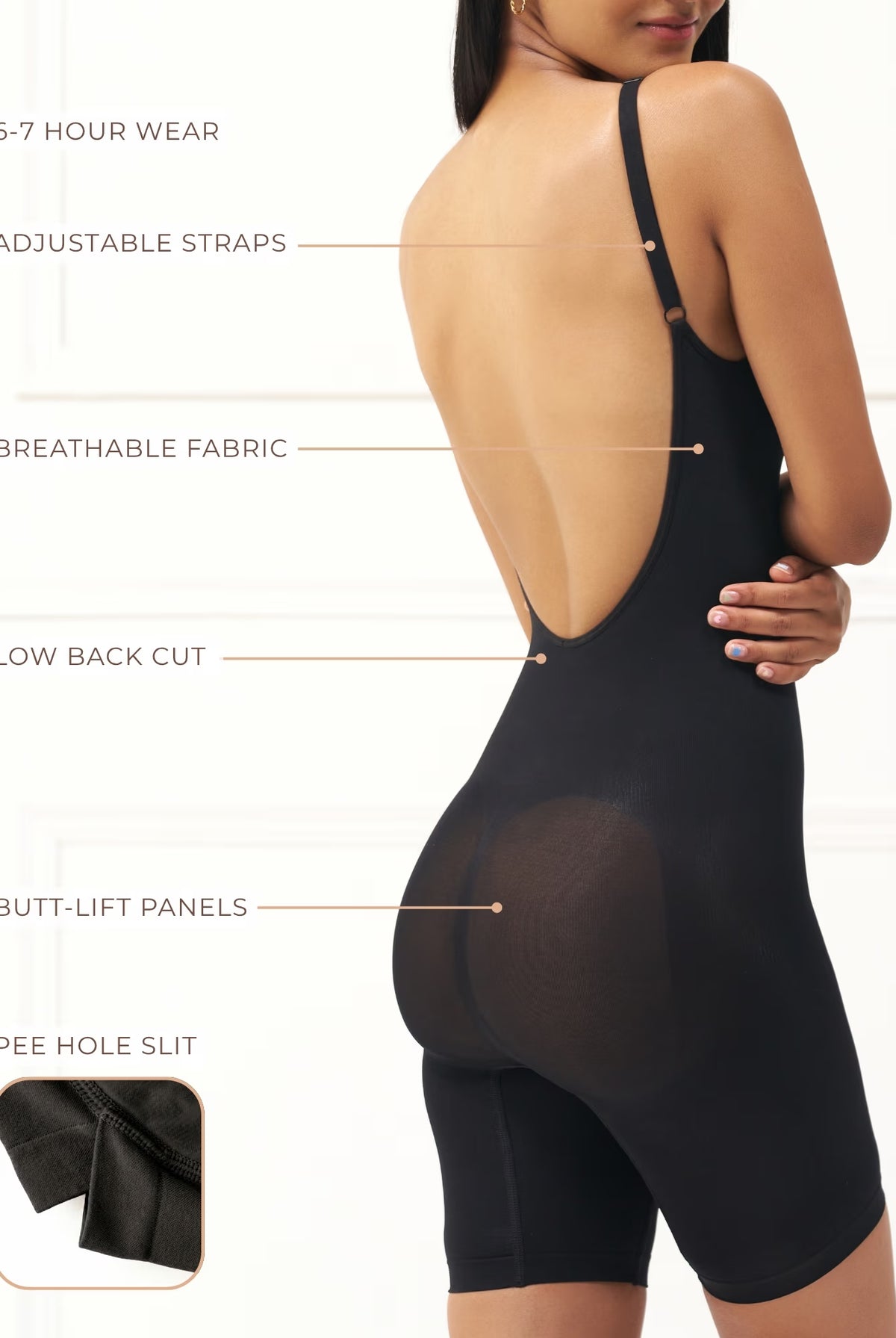
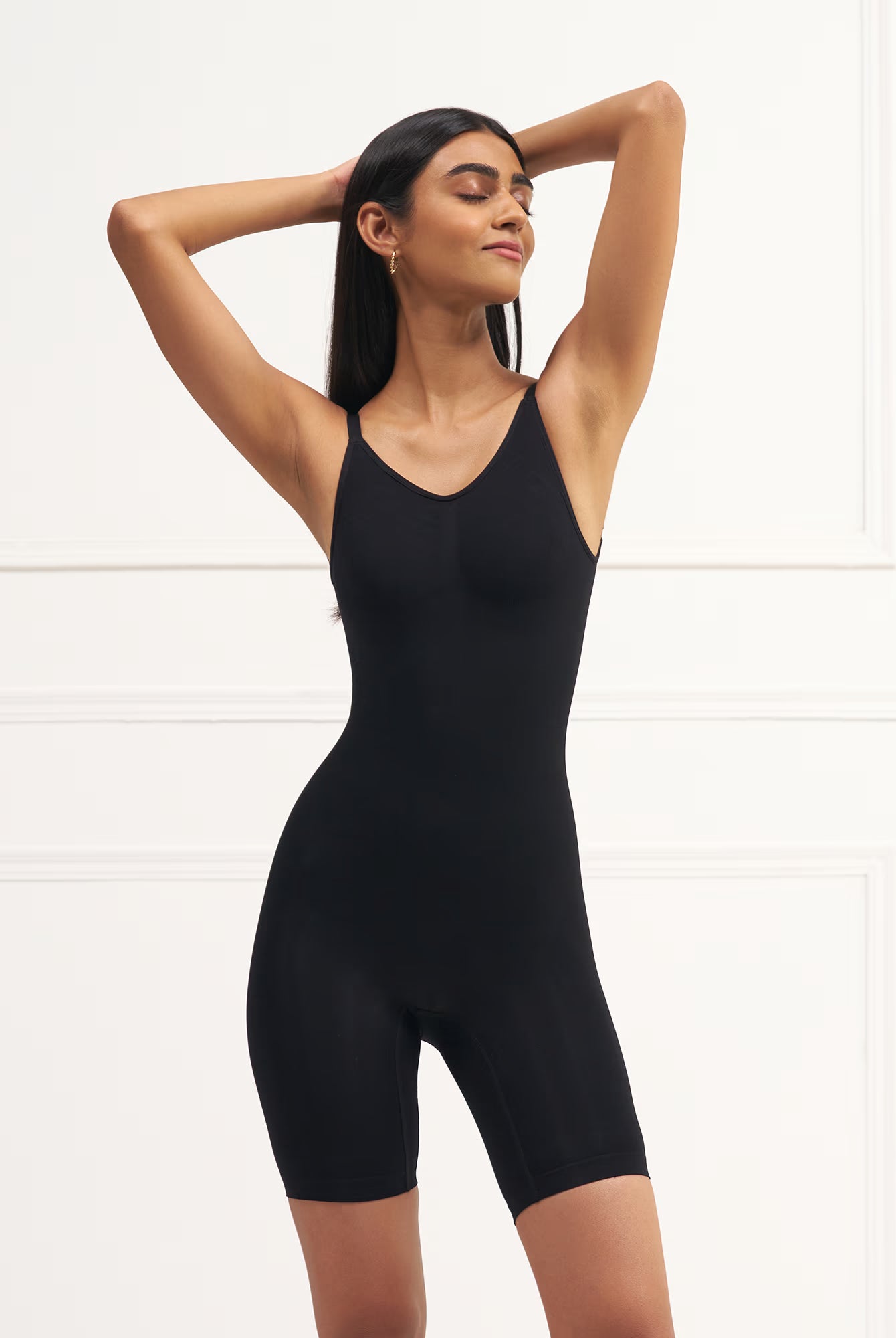
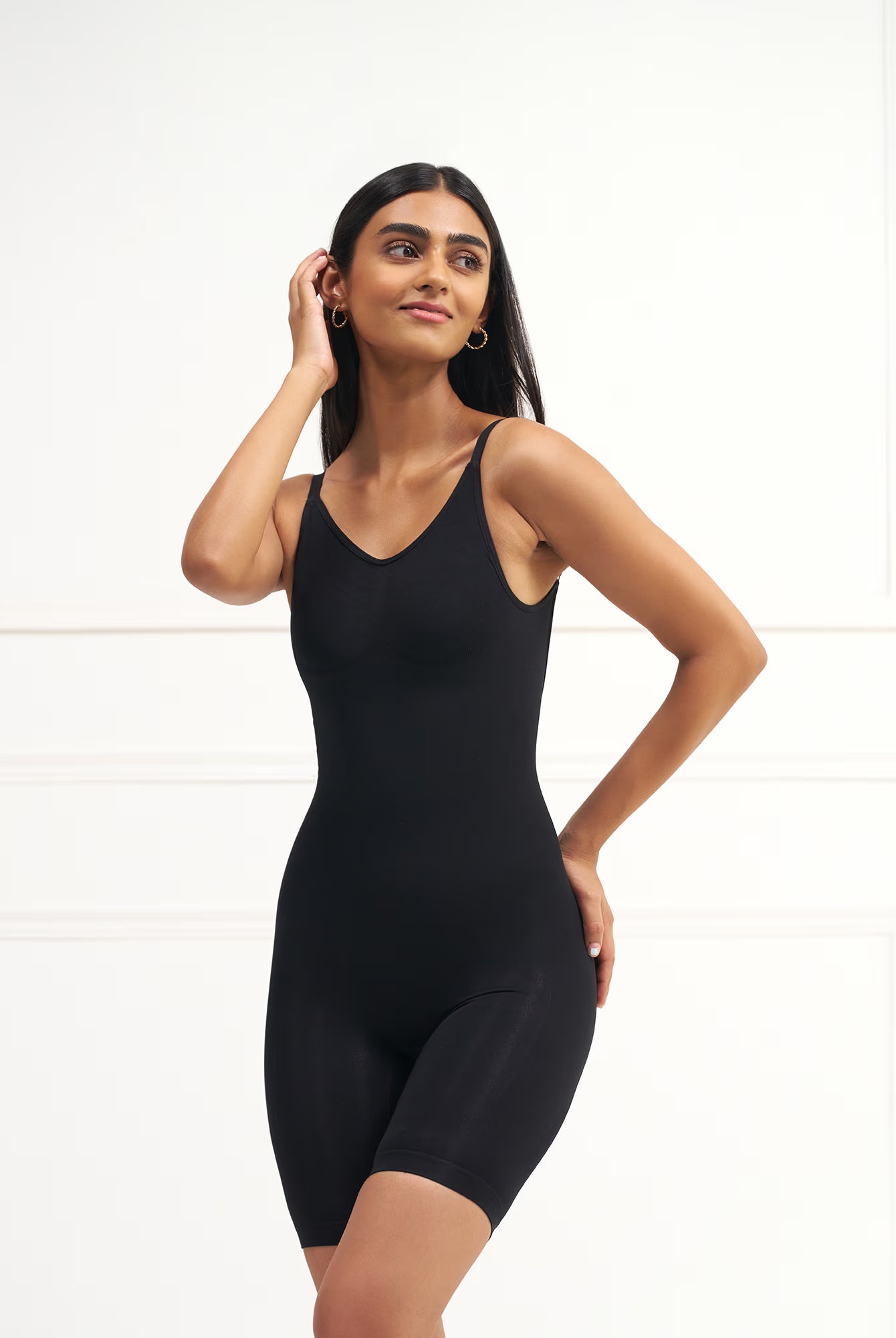
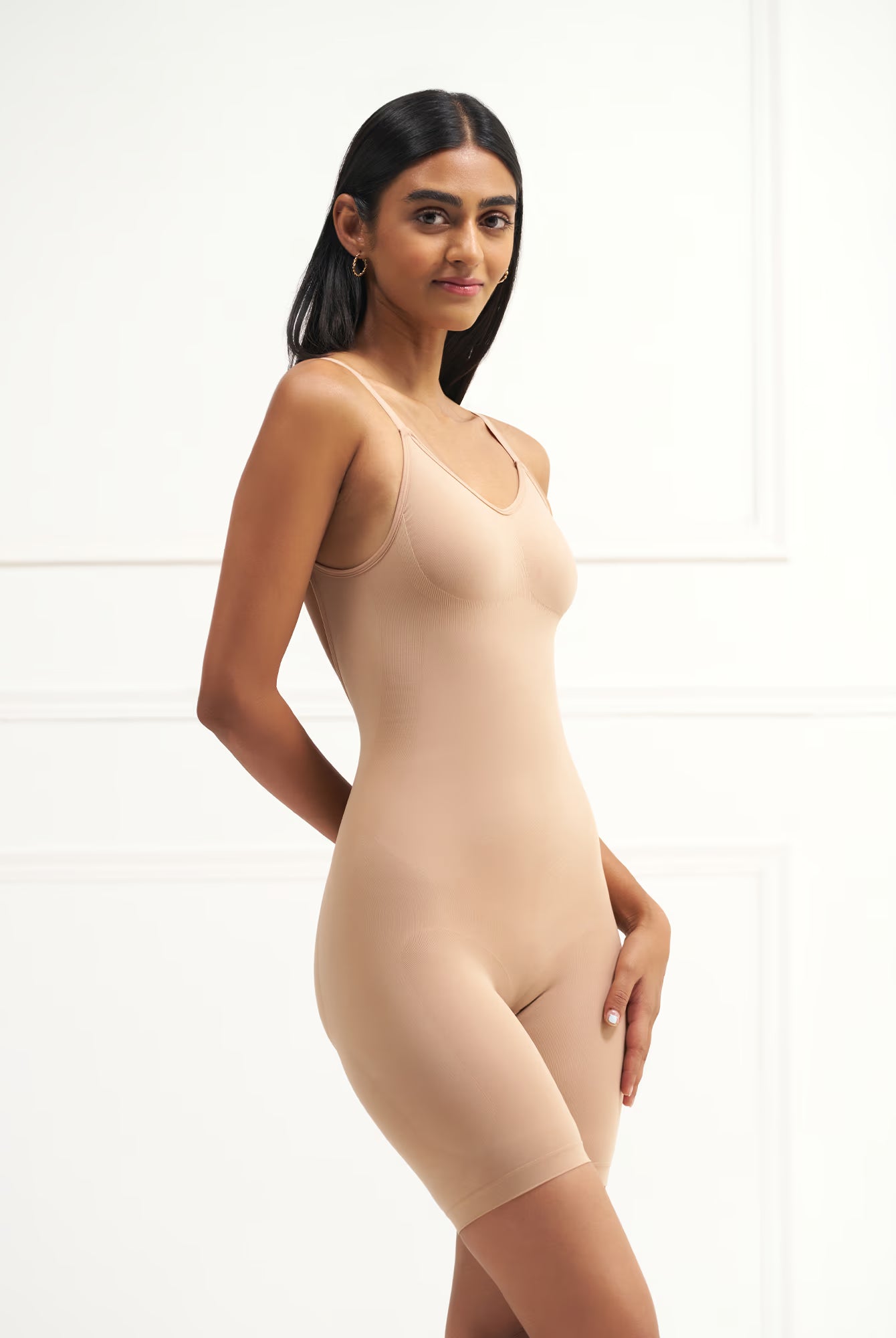
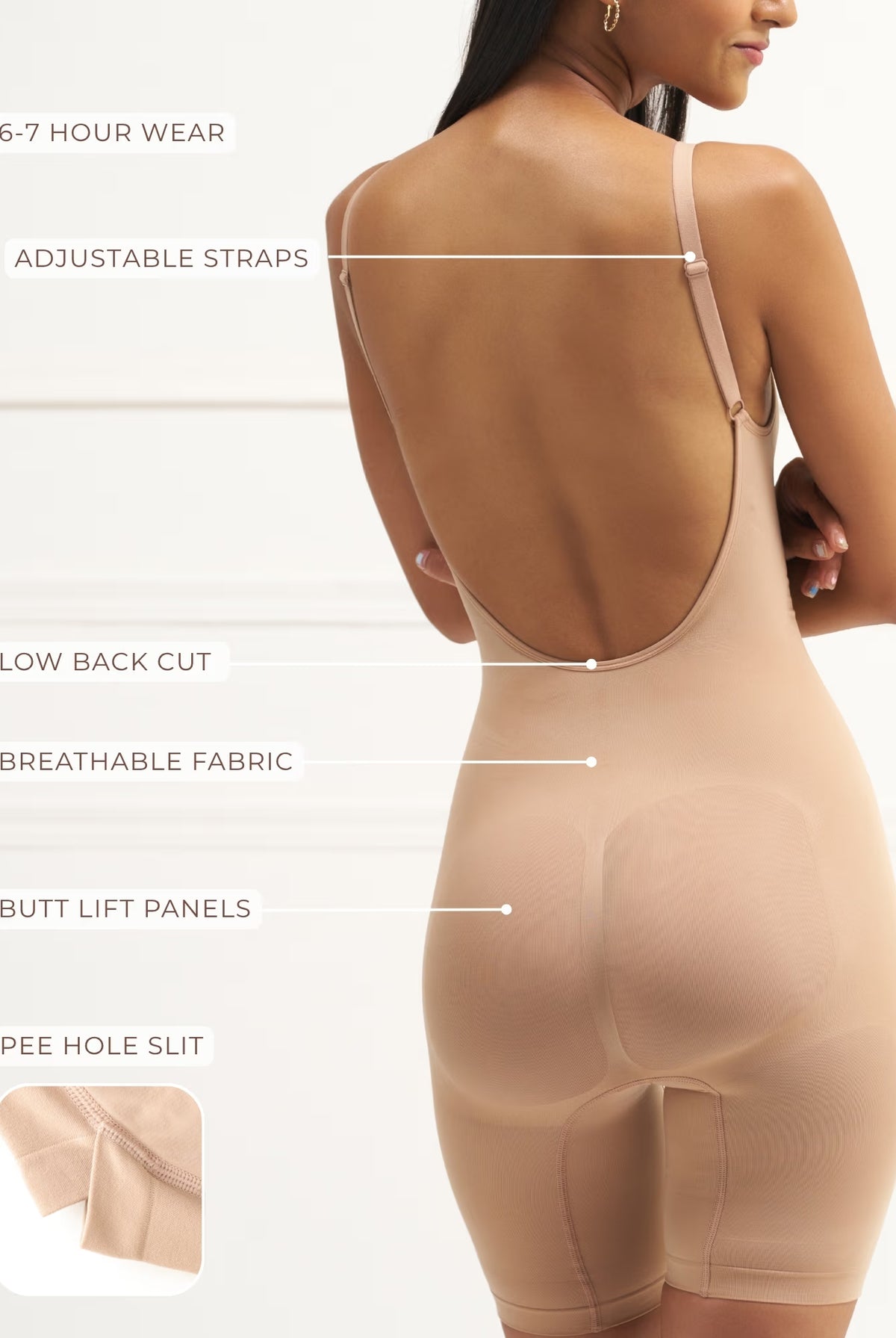
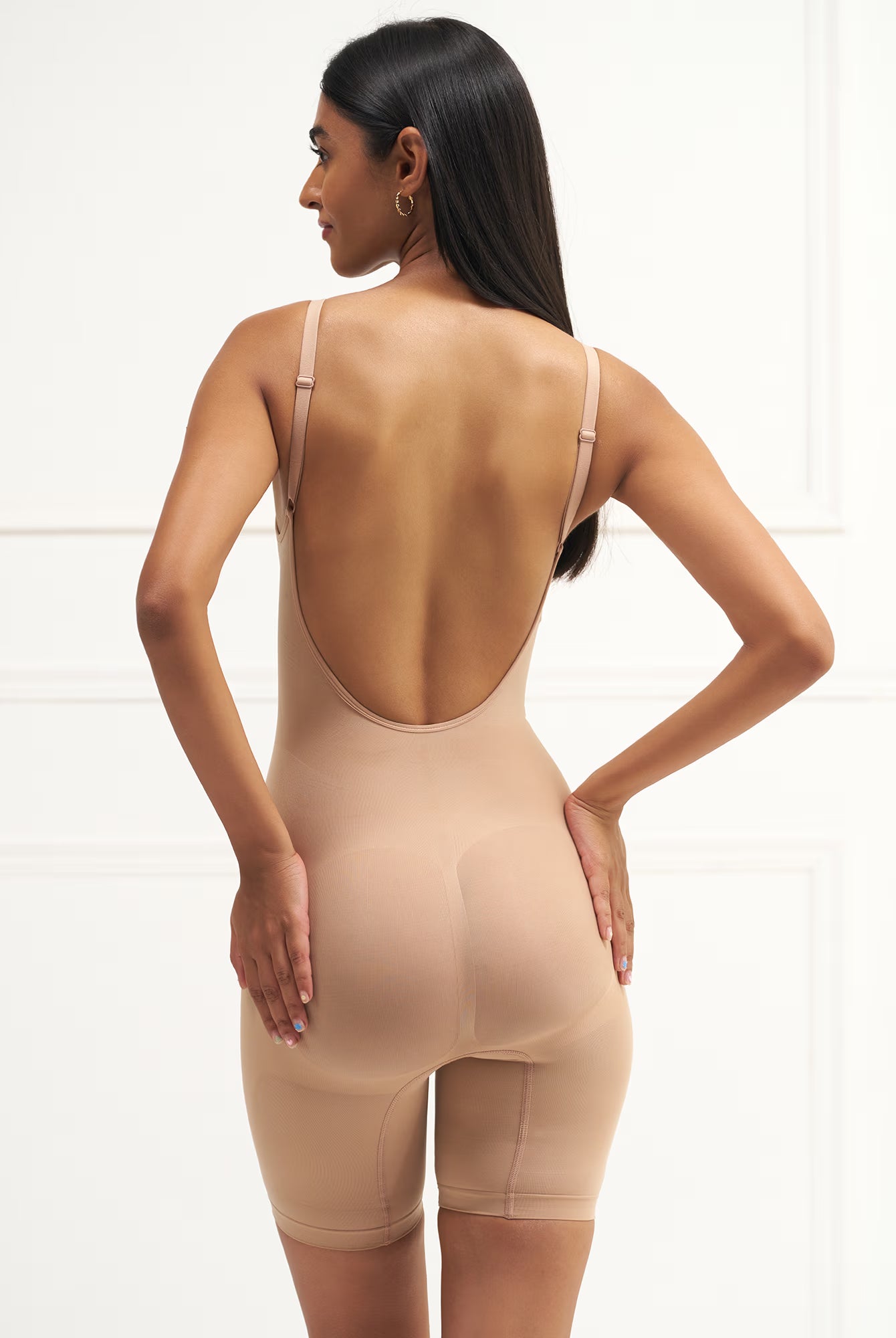
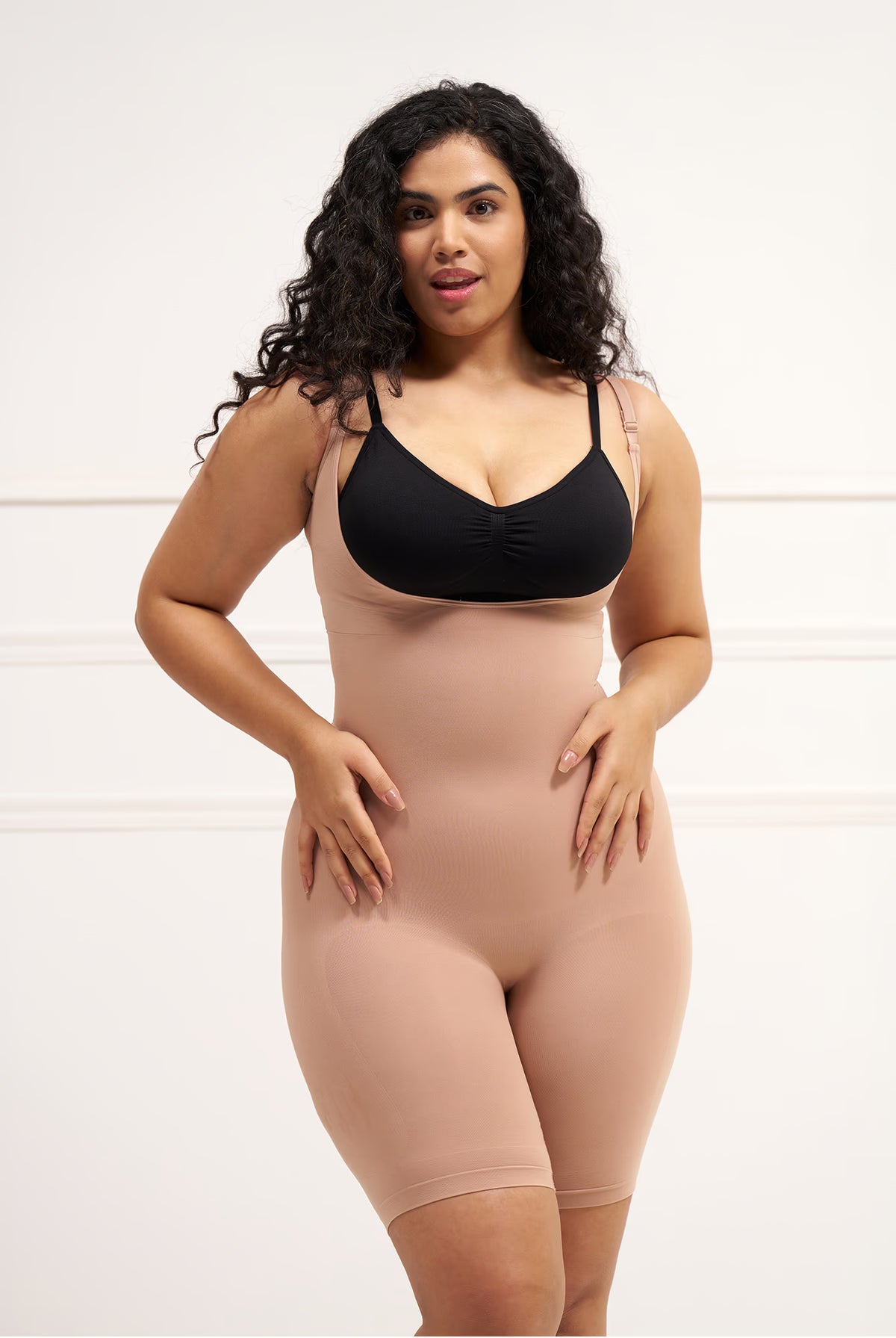
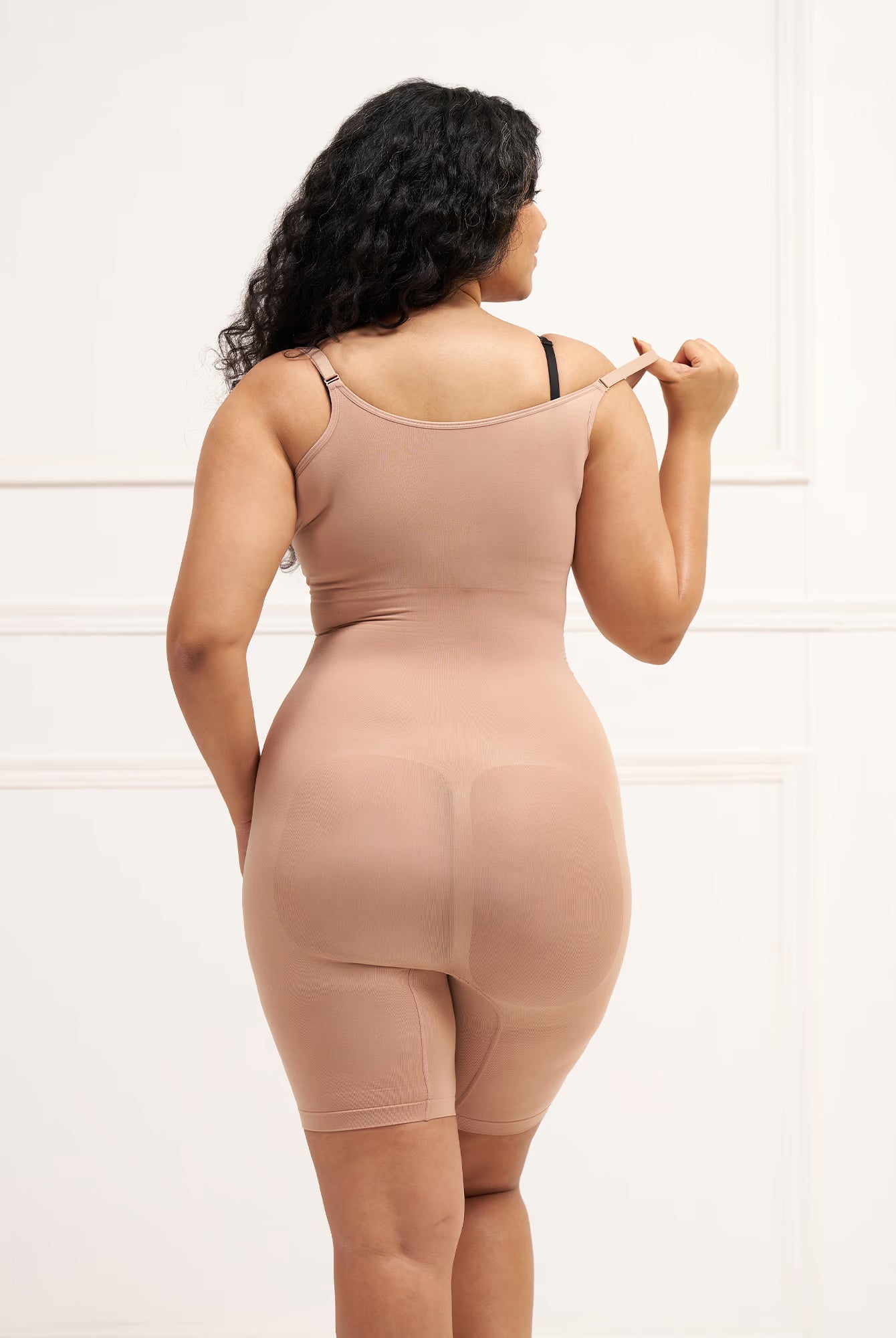
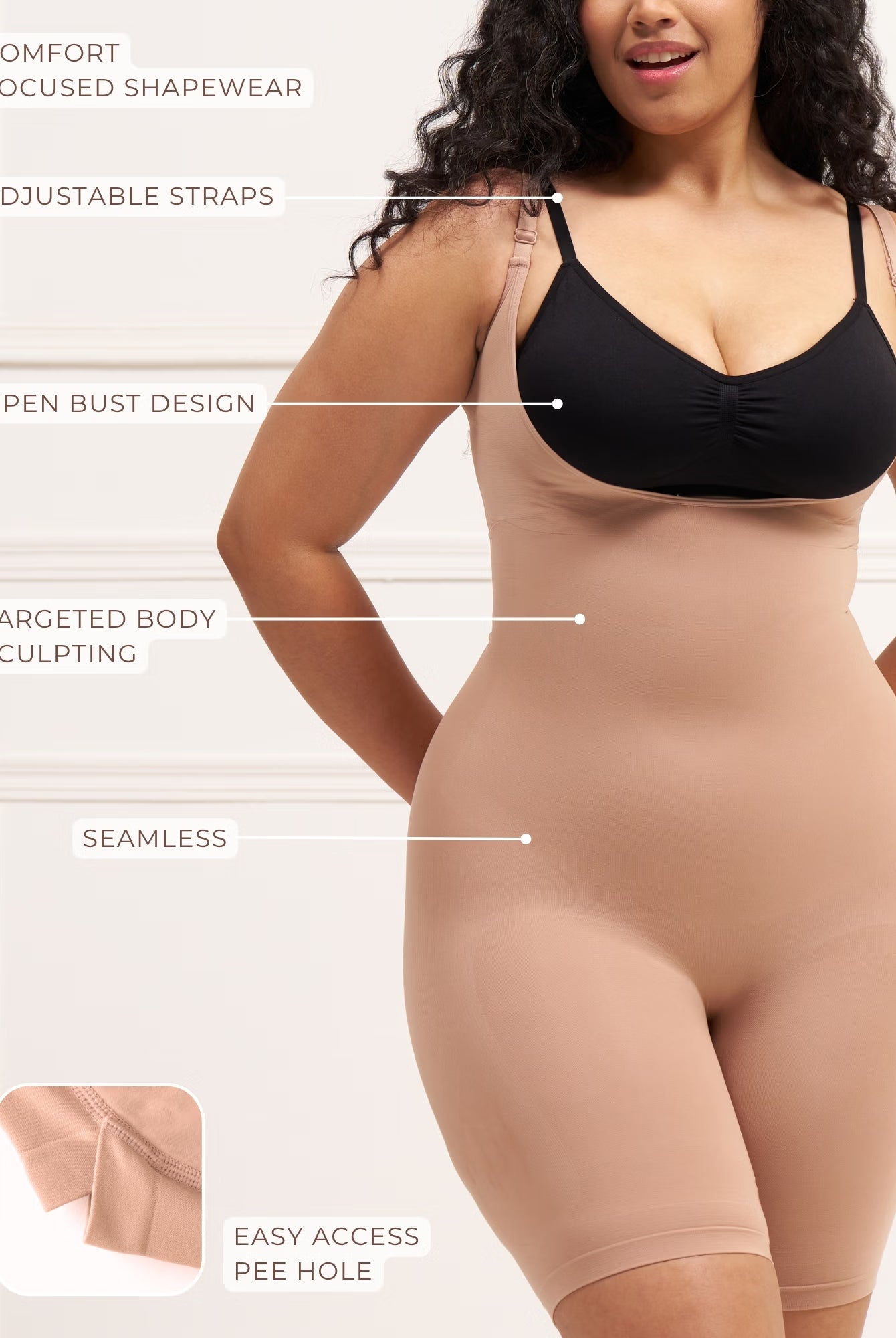
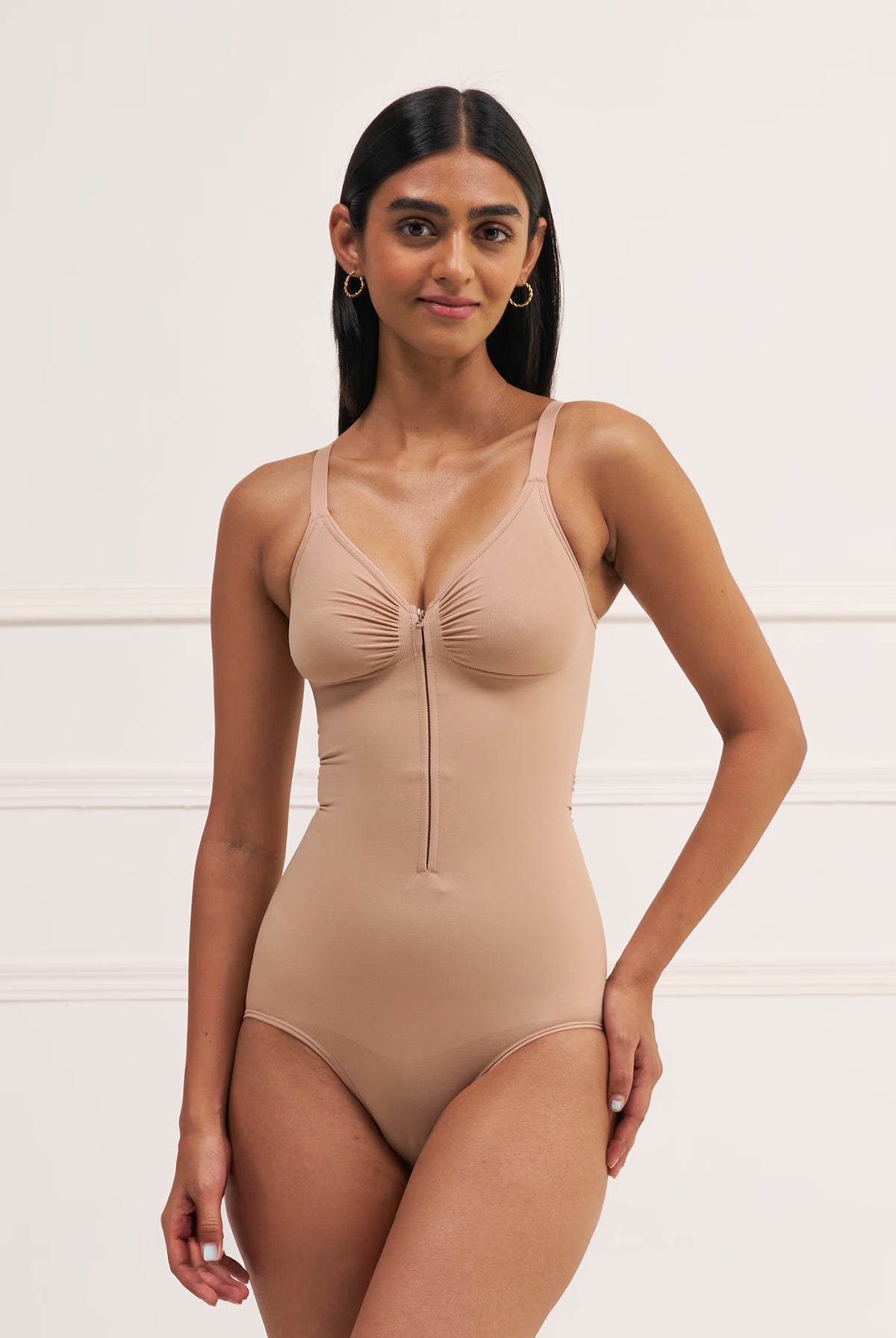
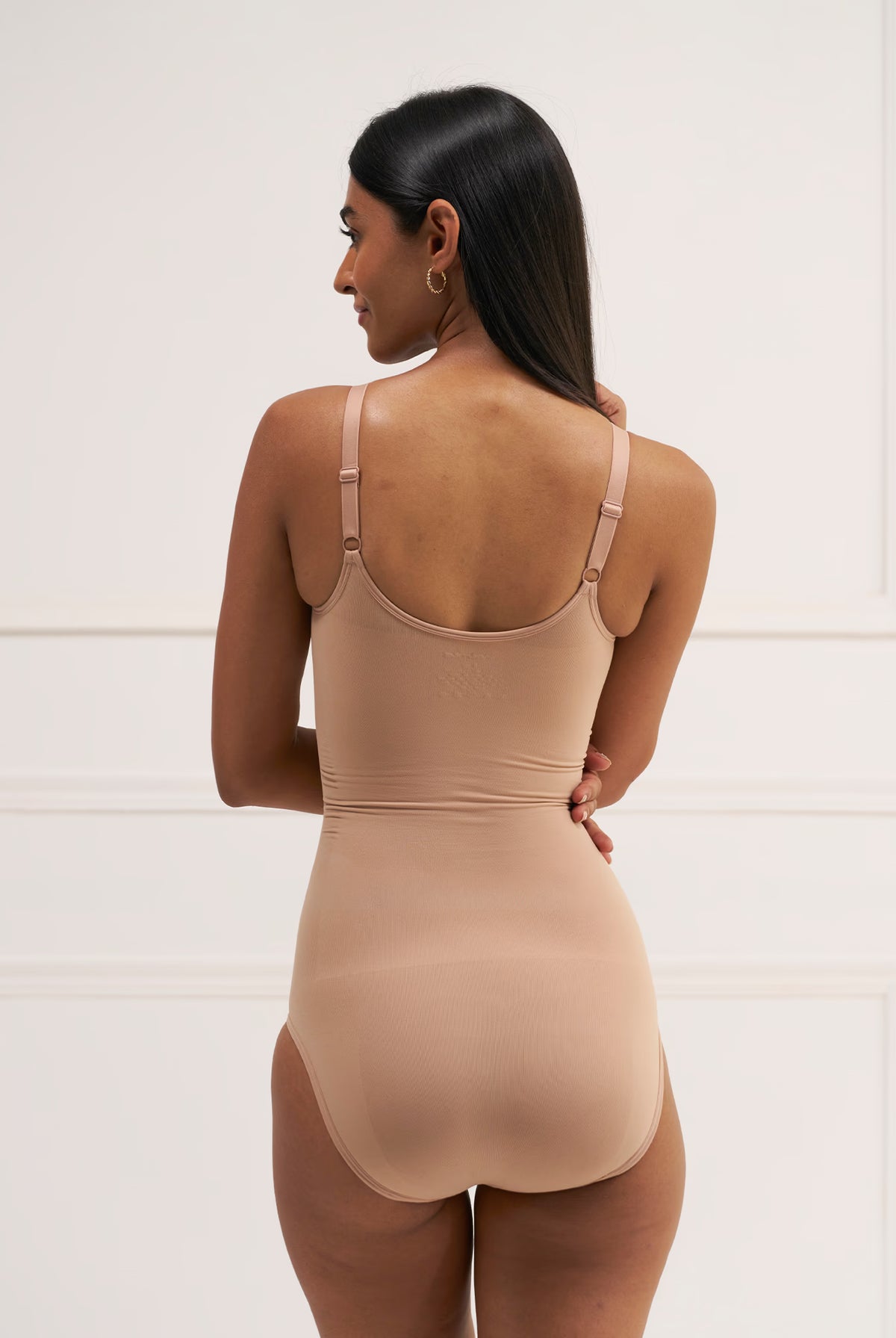
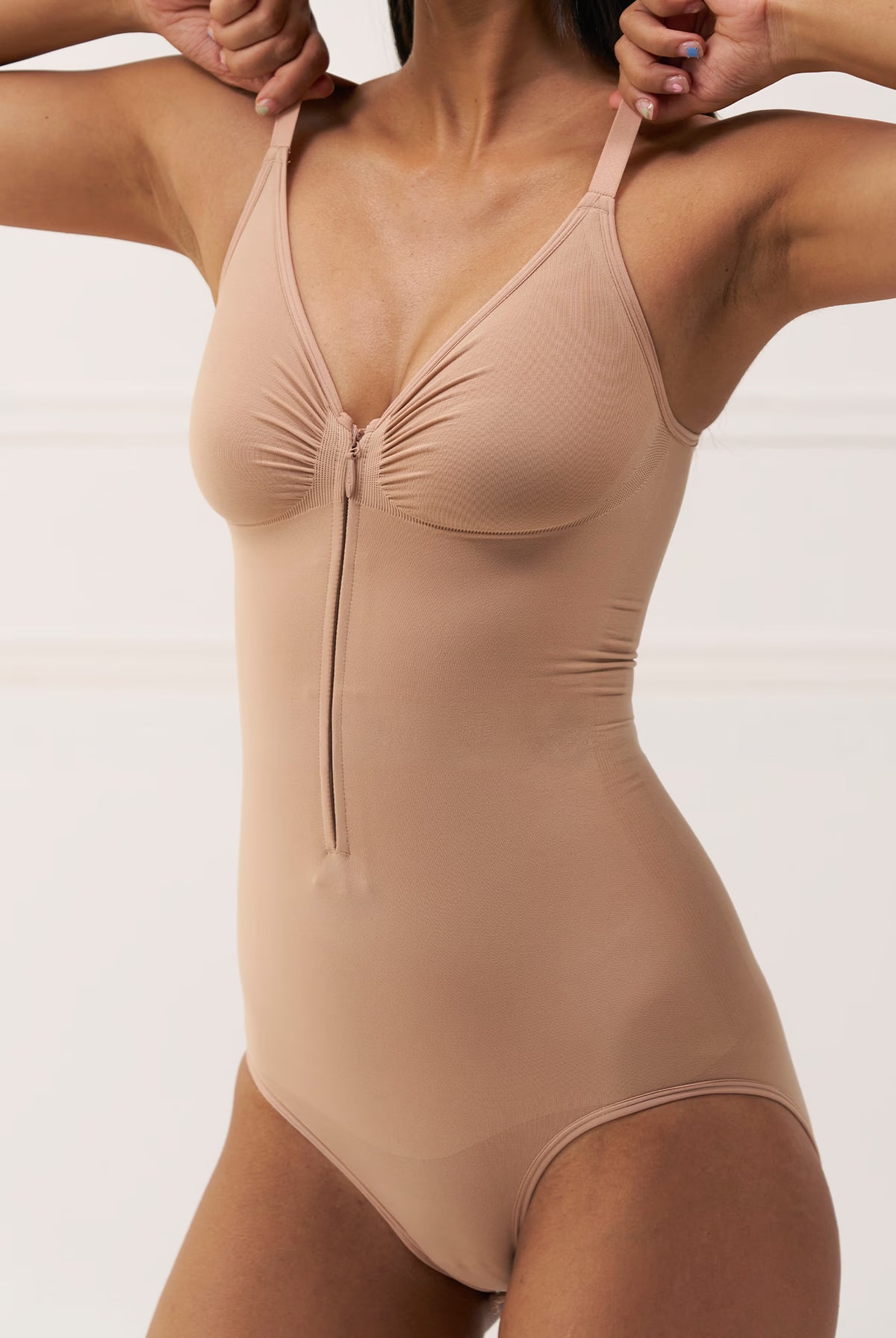
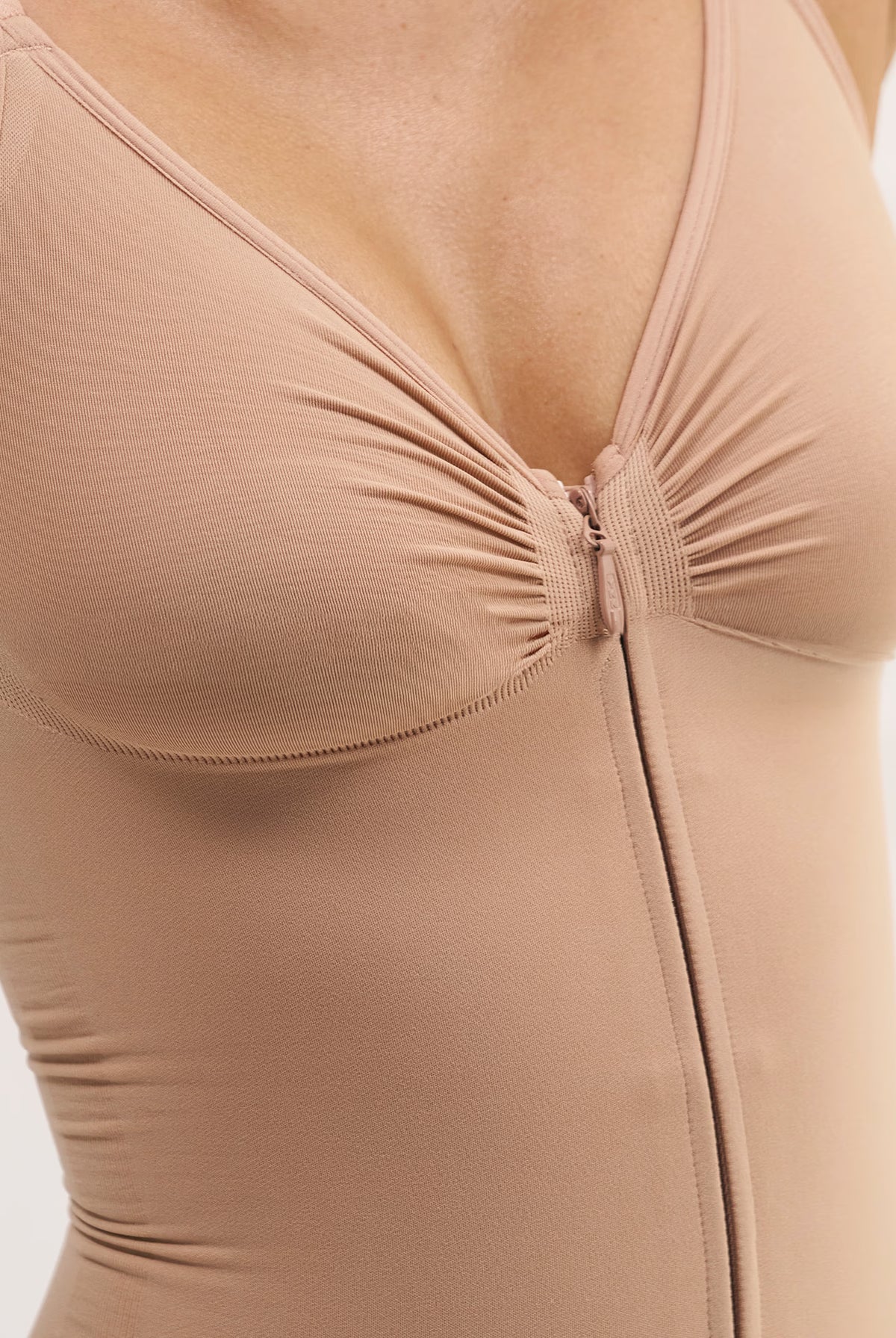
Bodysuits and body briefers

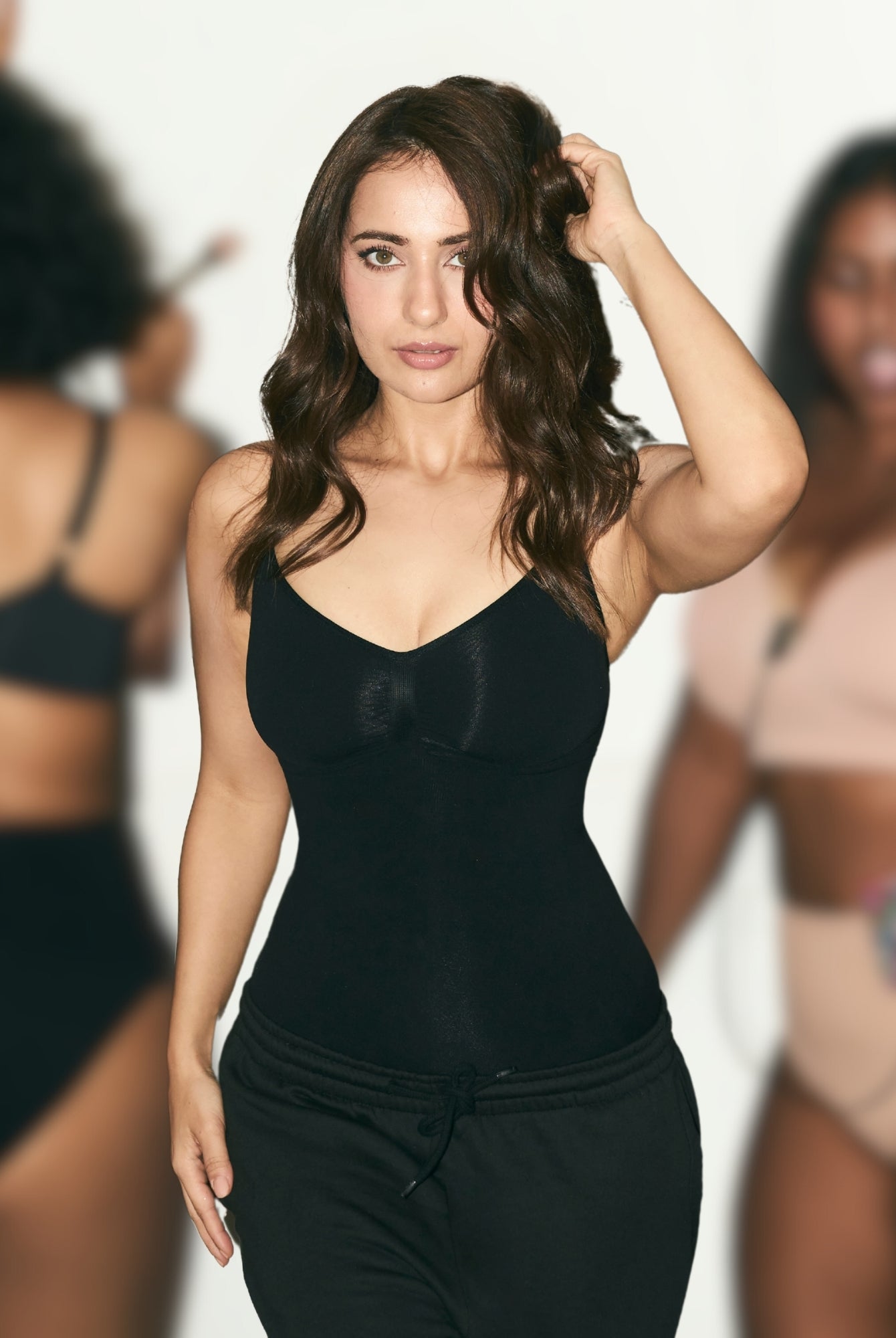
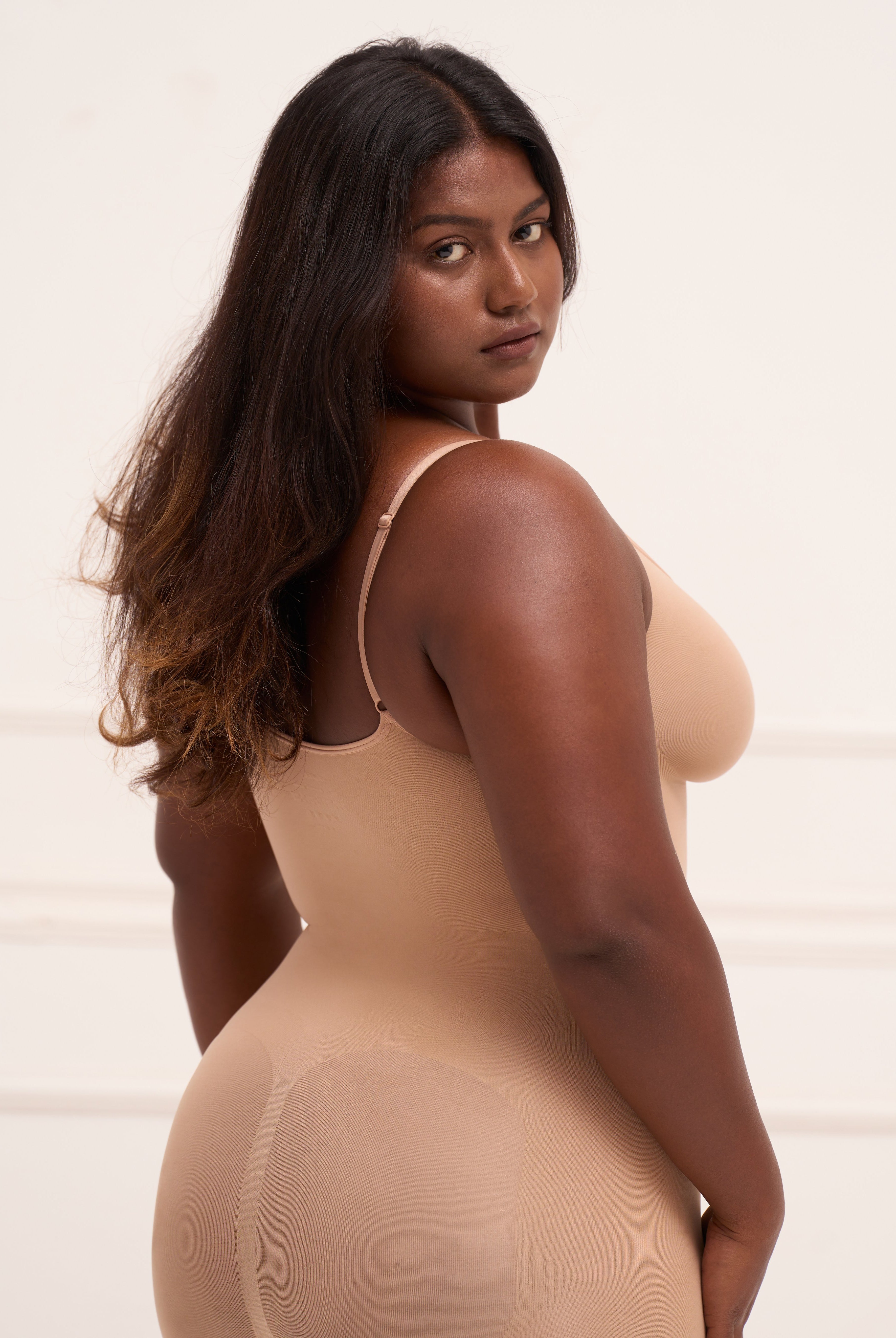
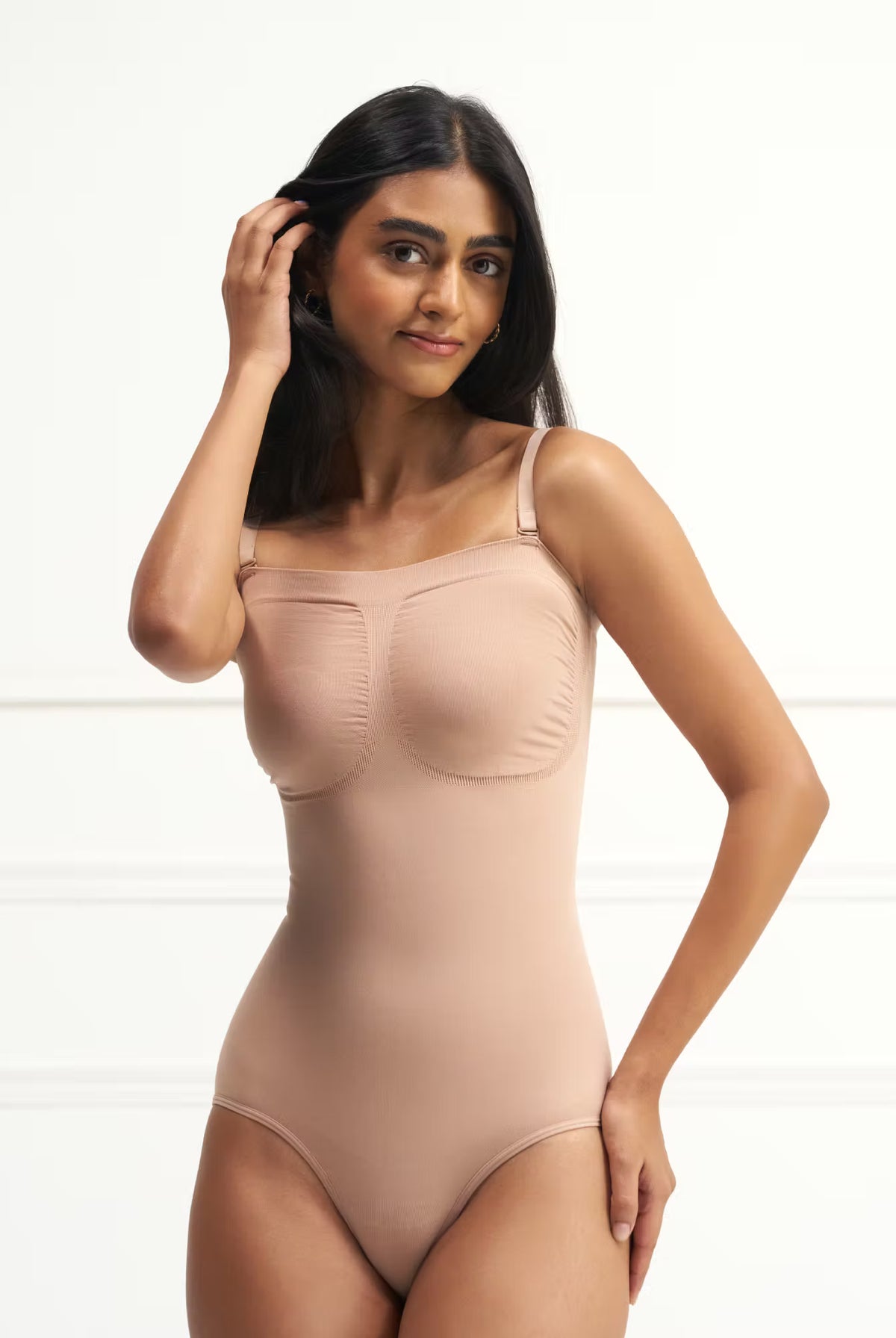
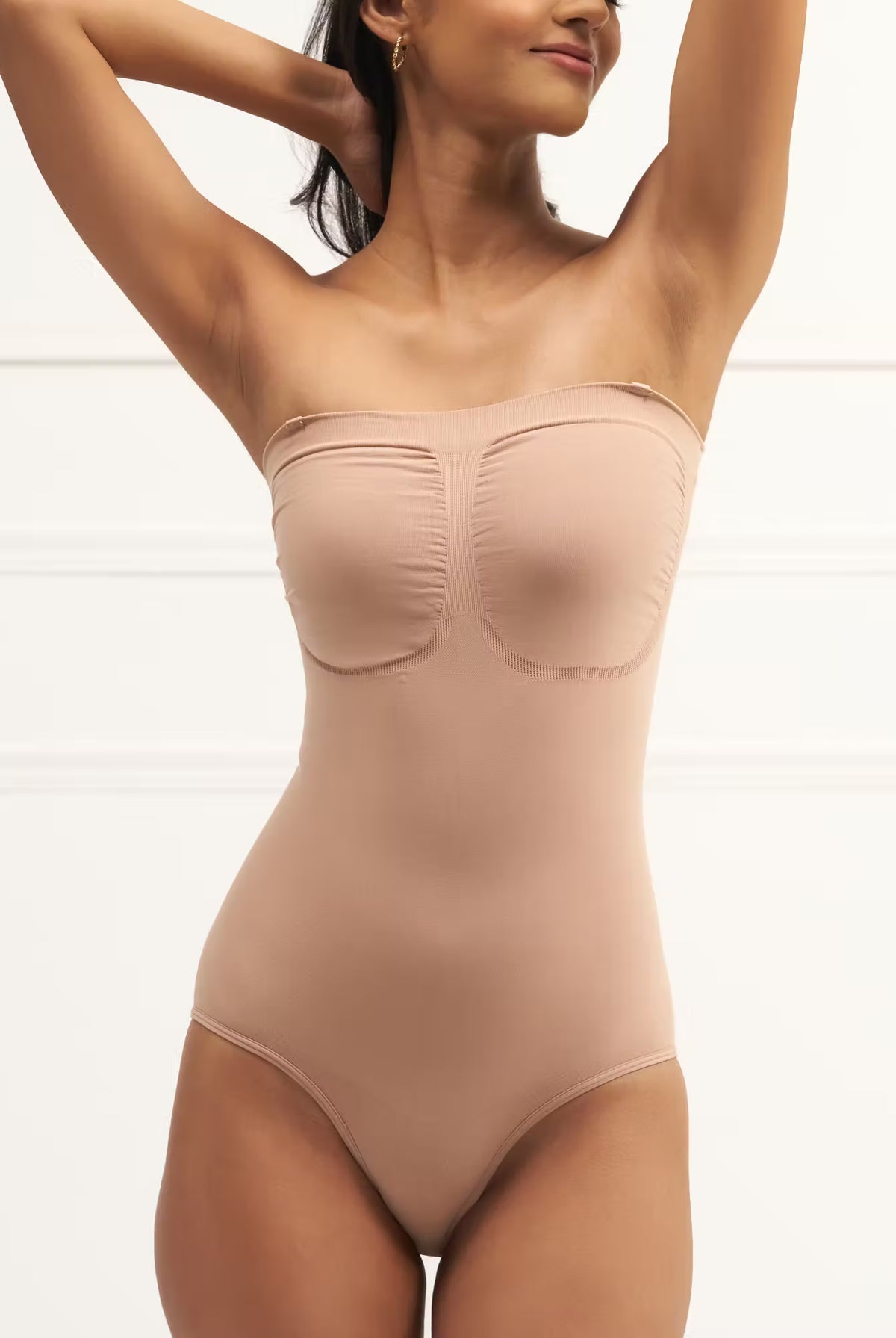
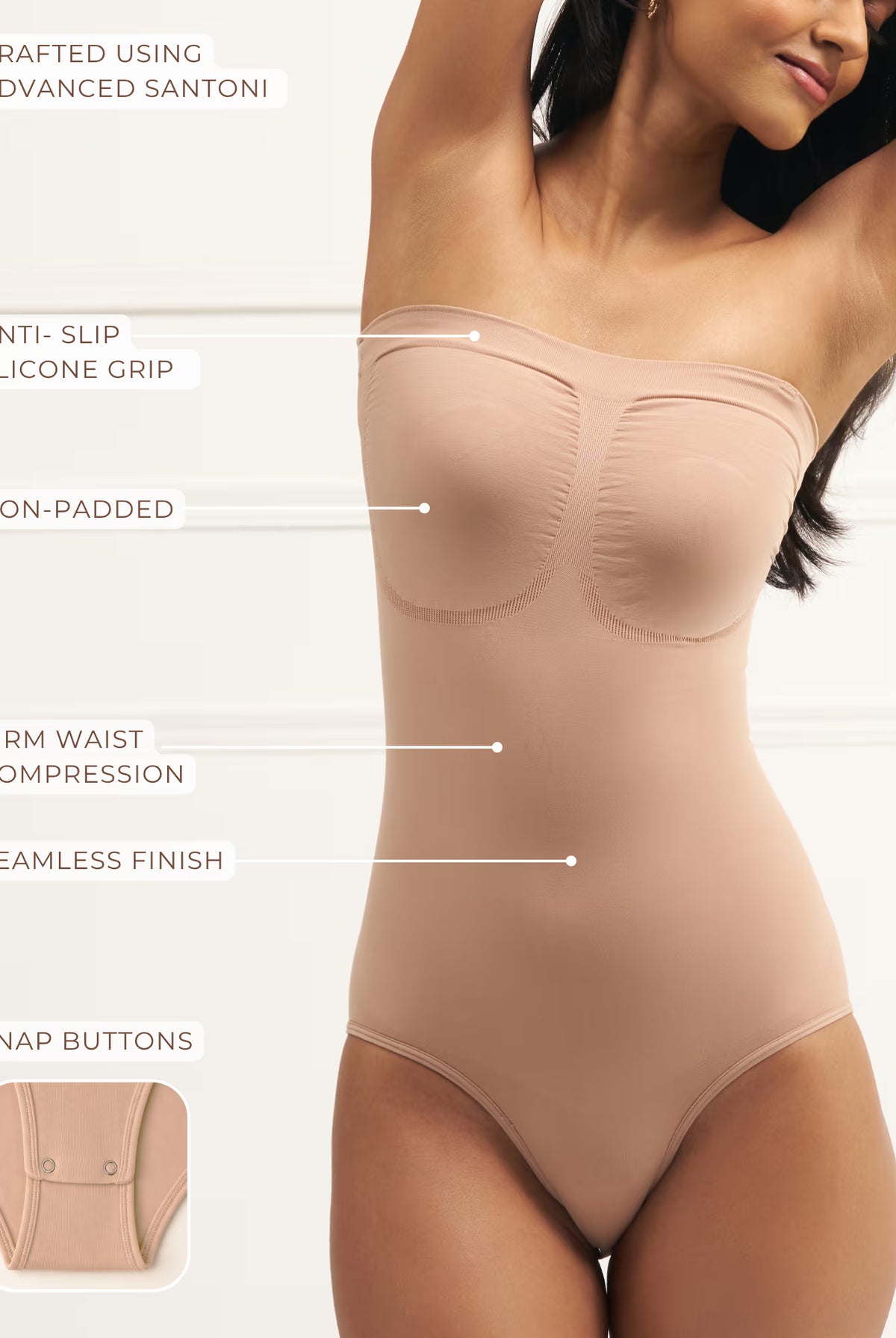
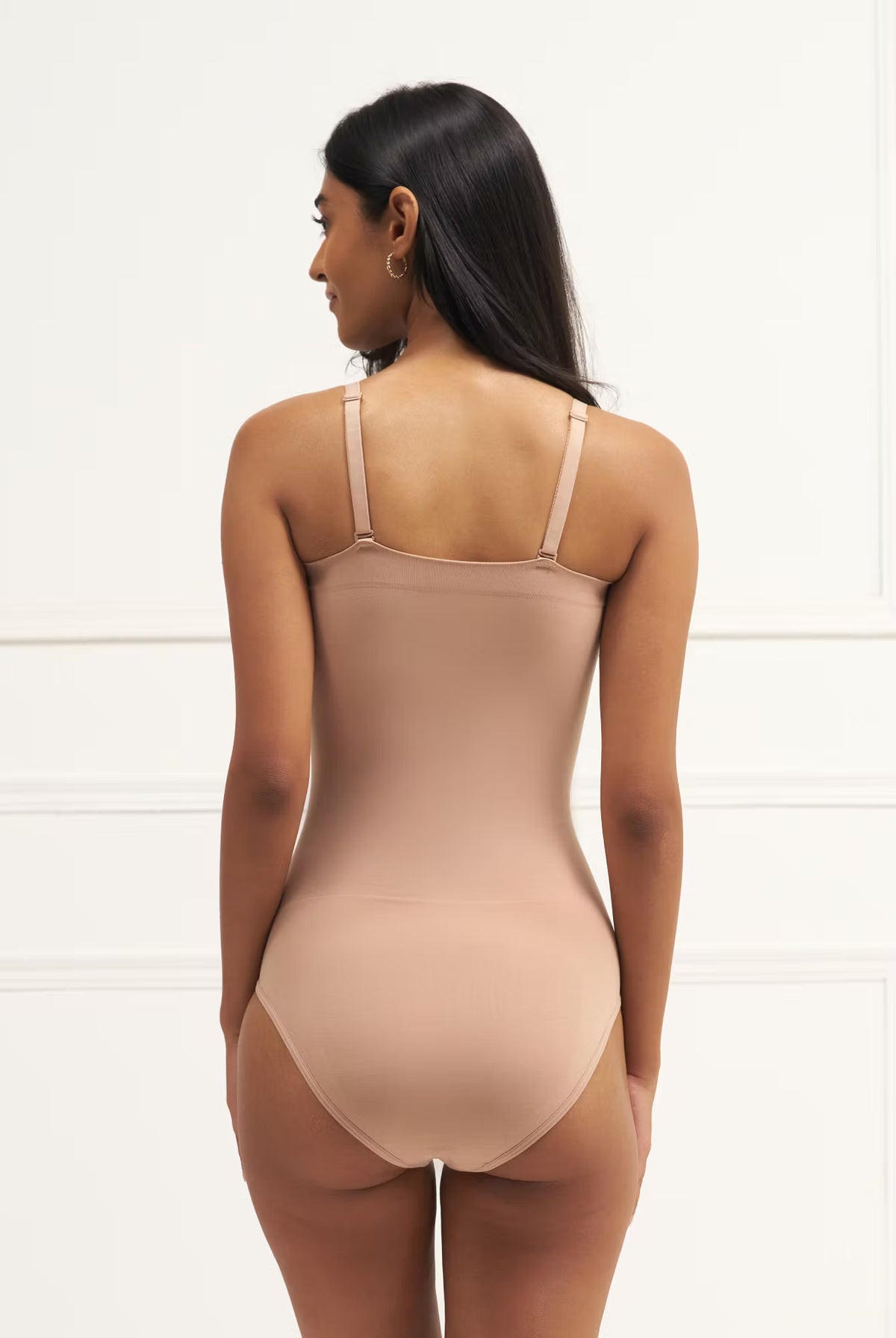
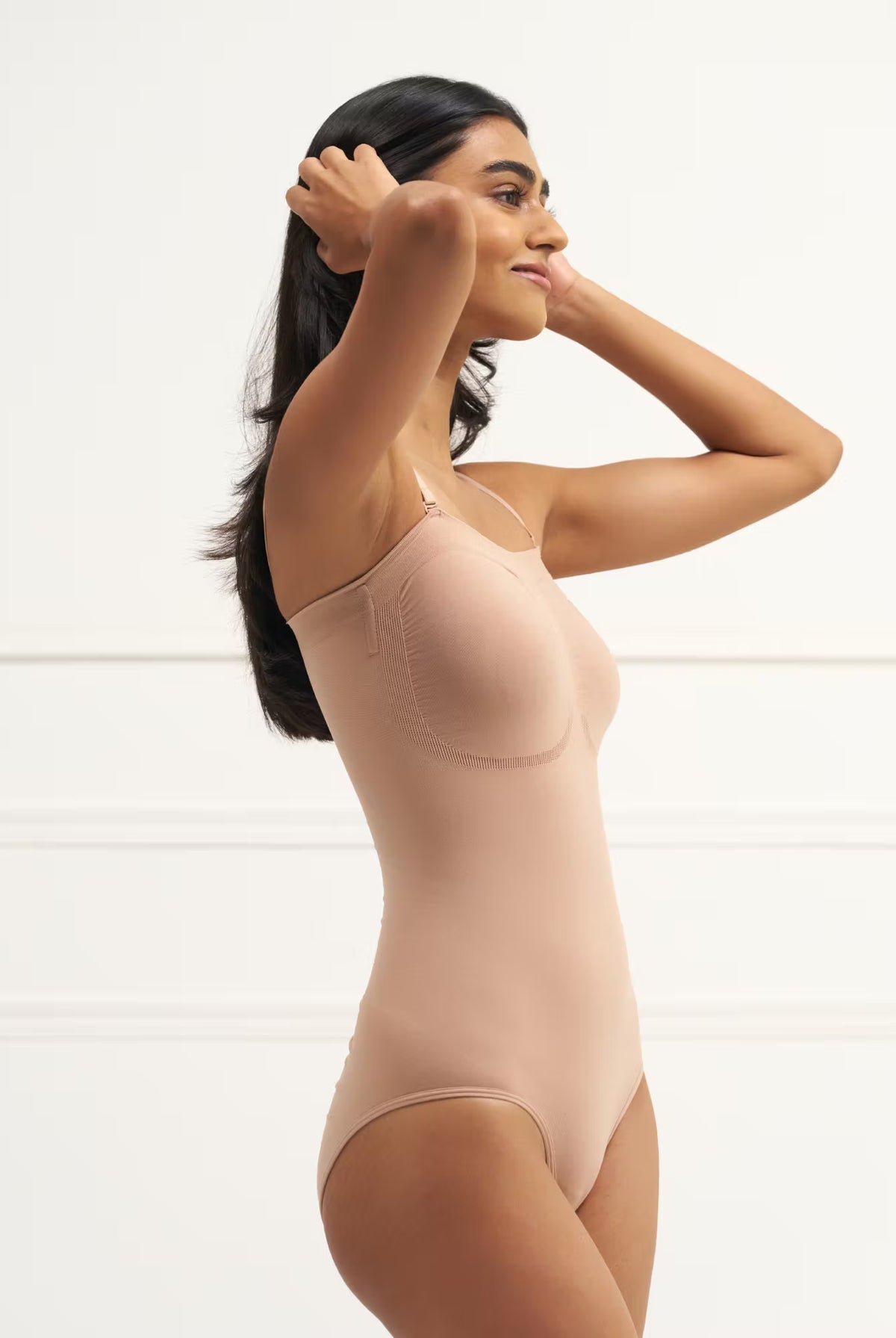
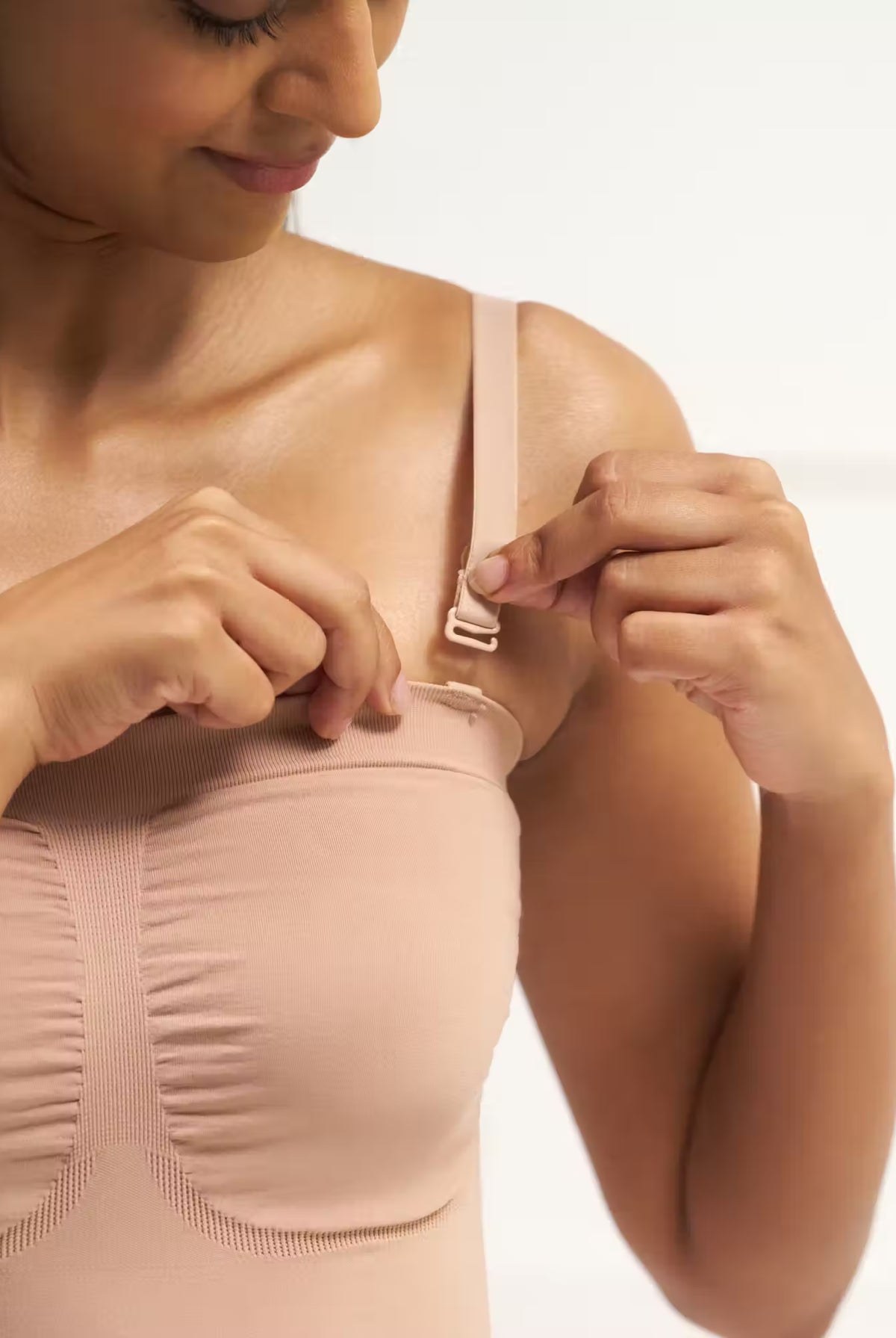
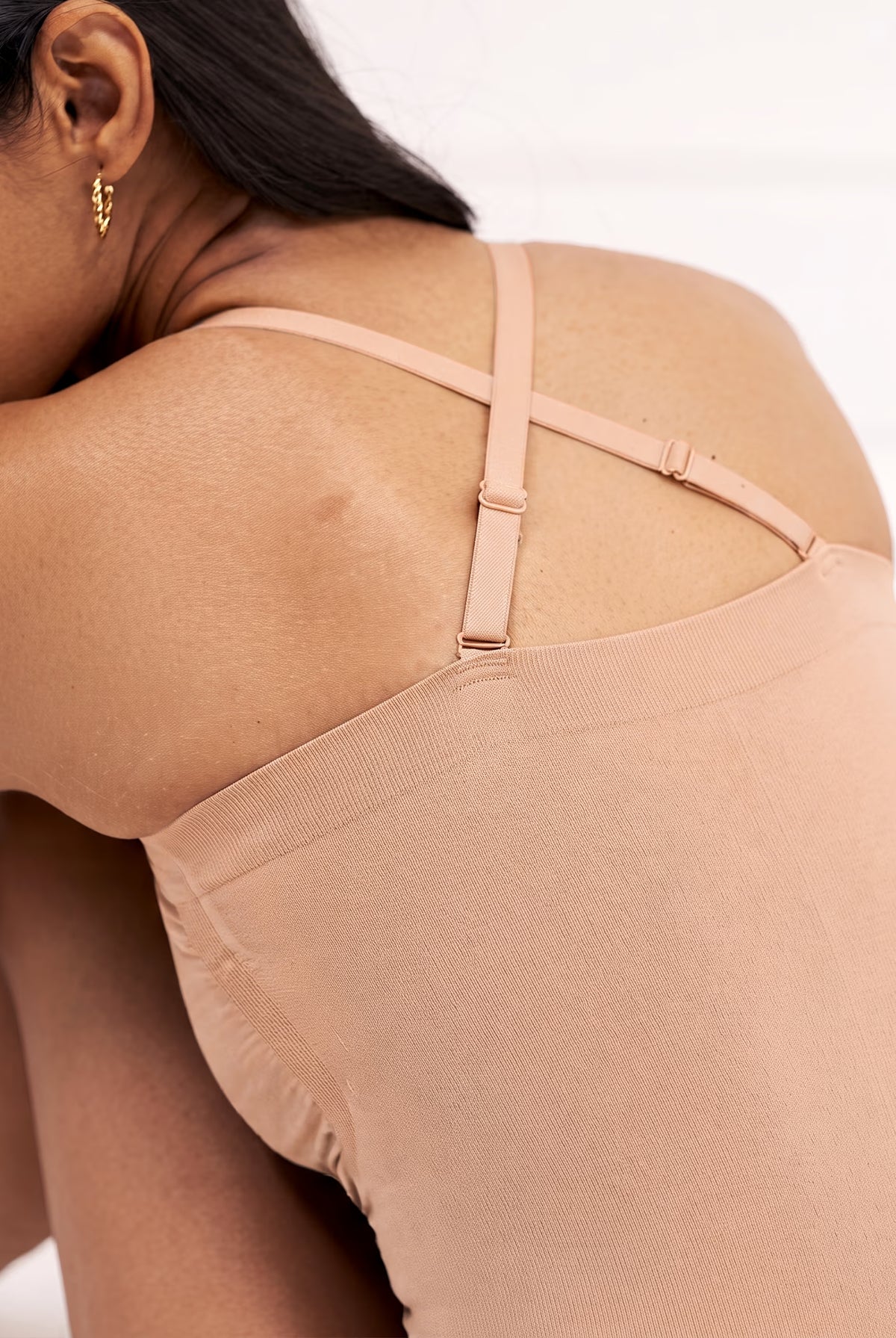
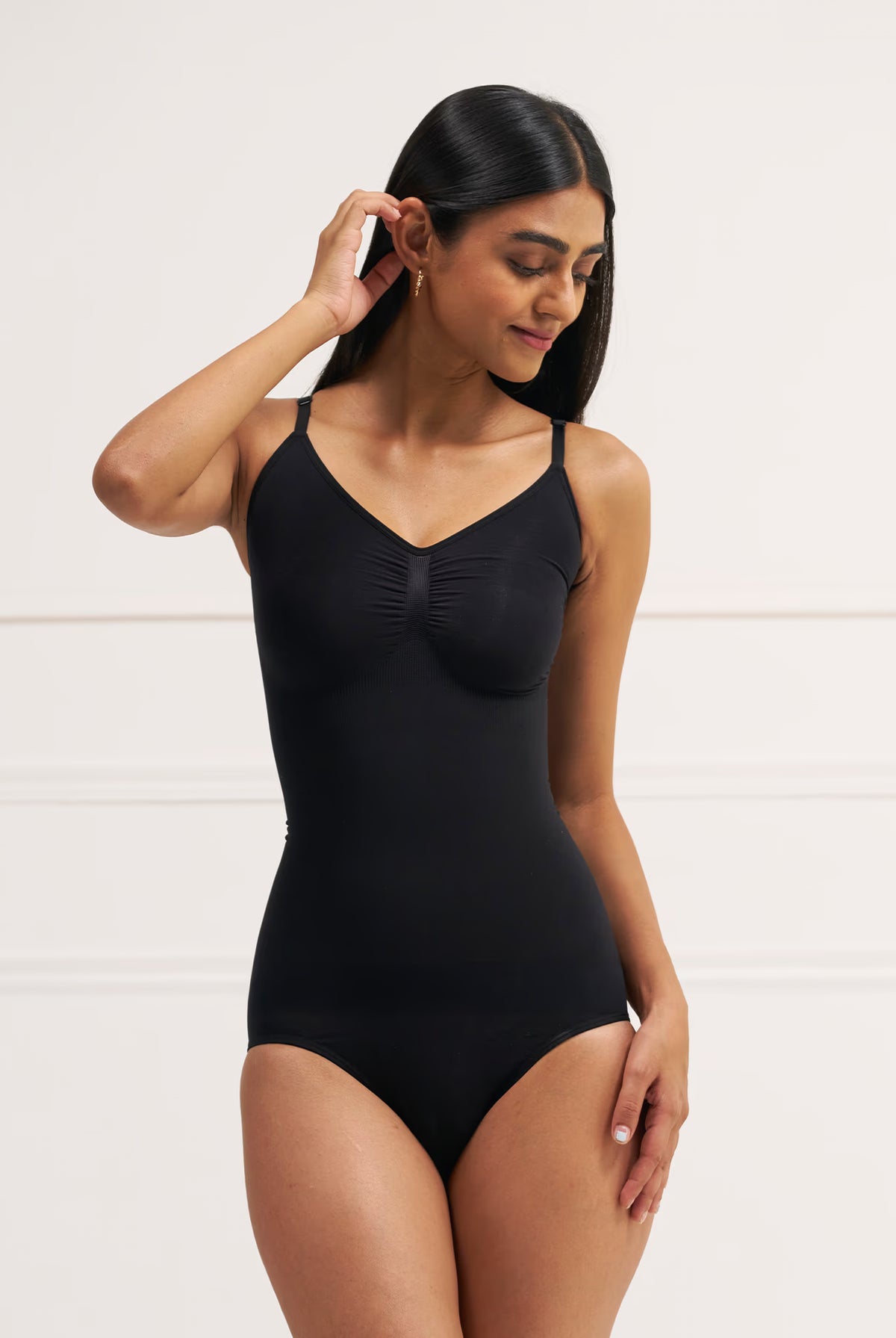
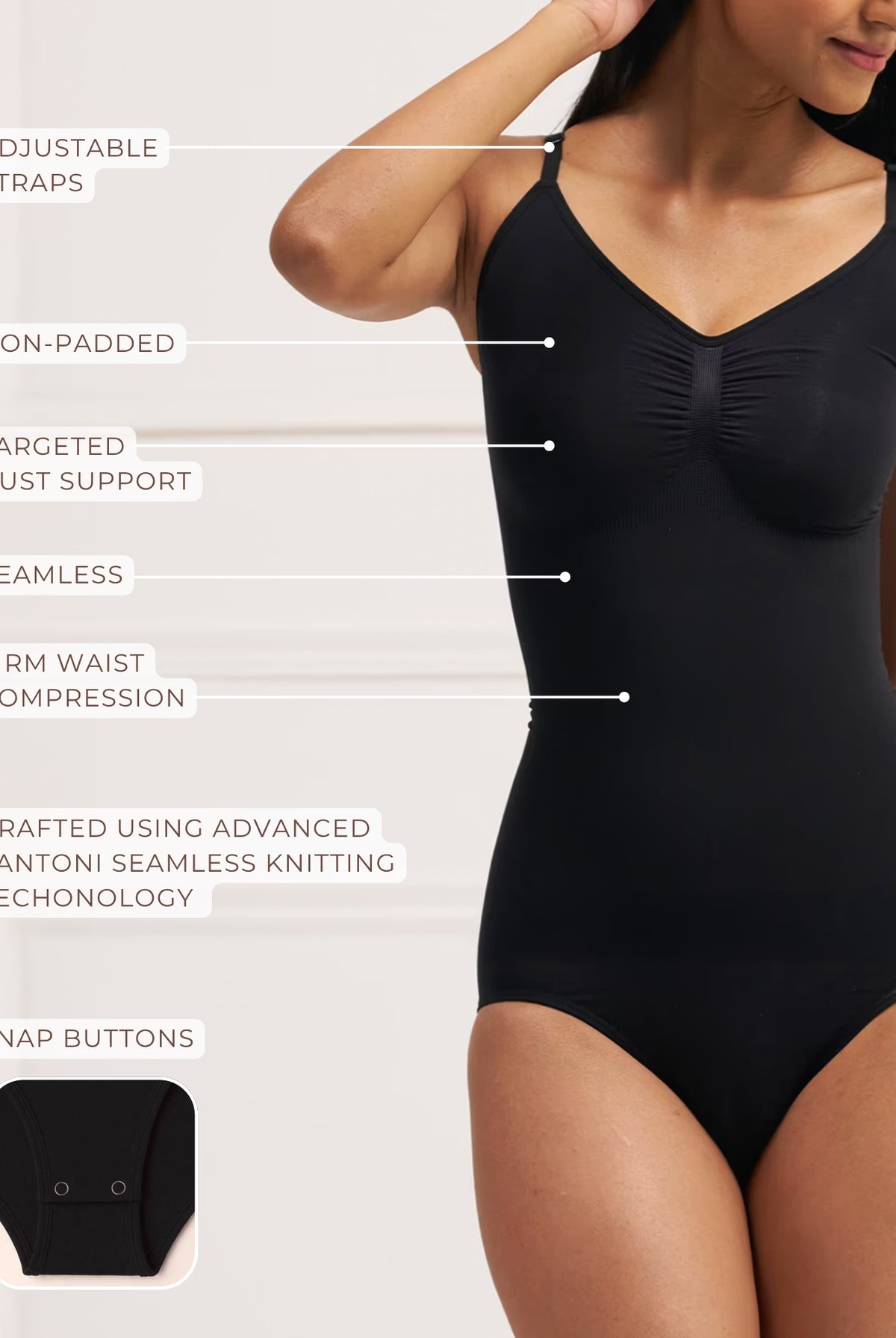
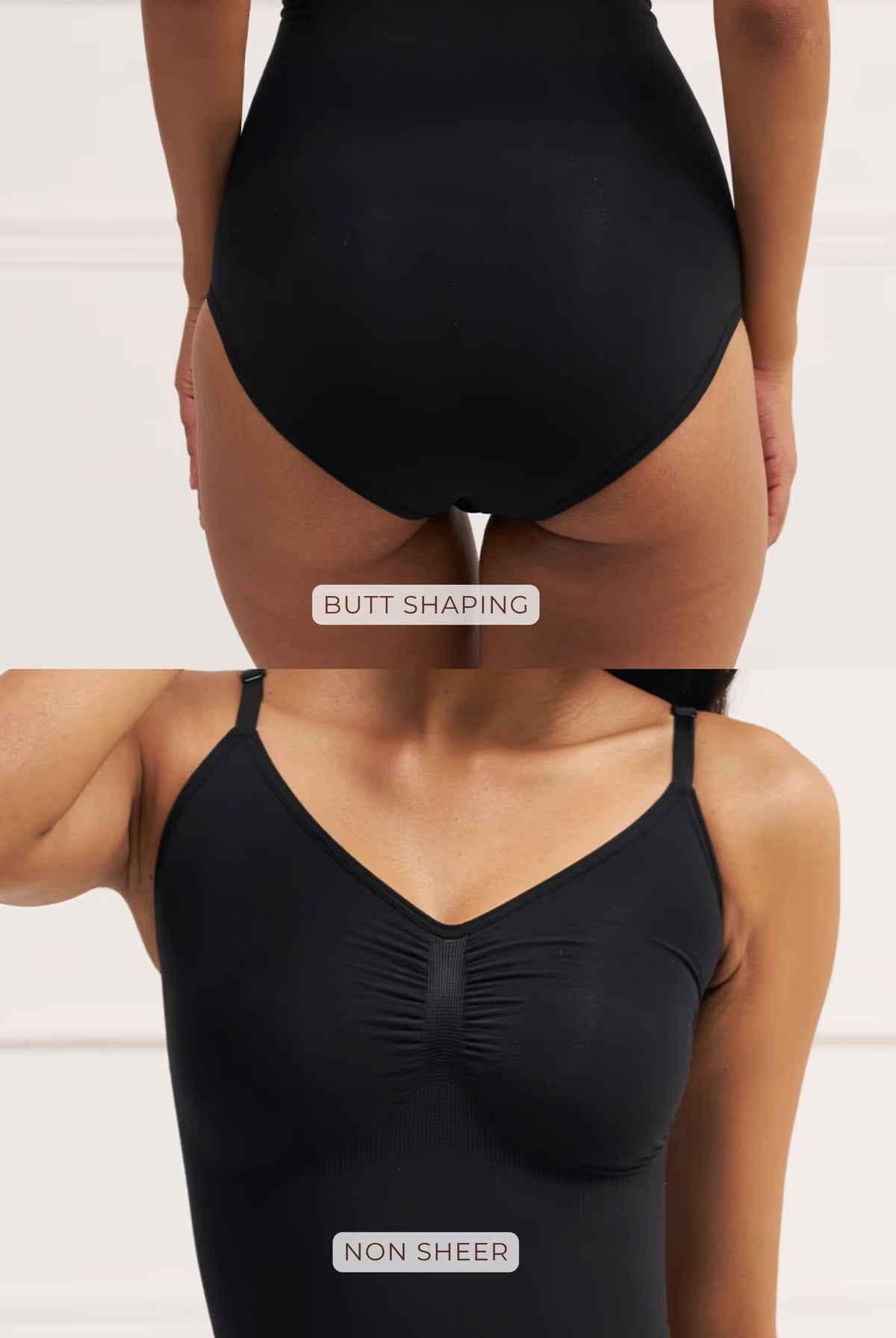
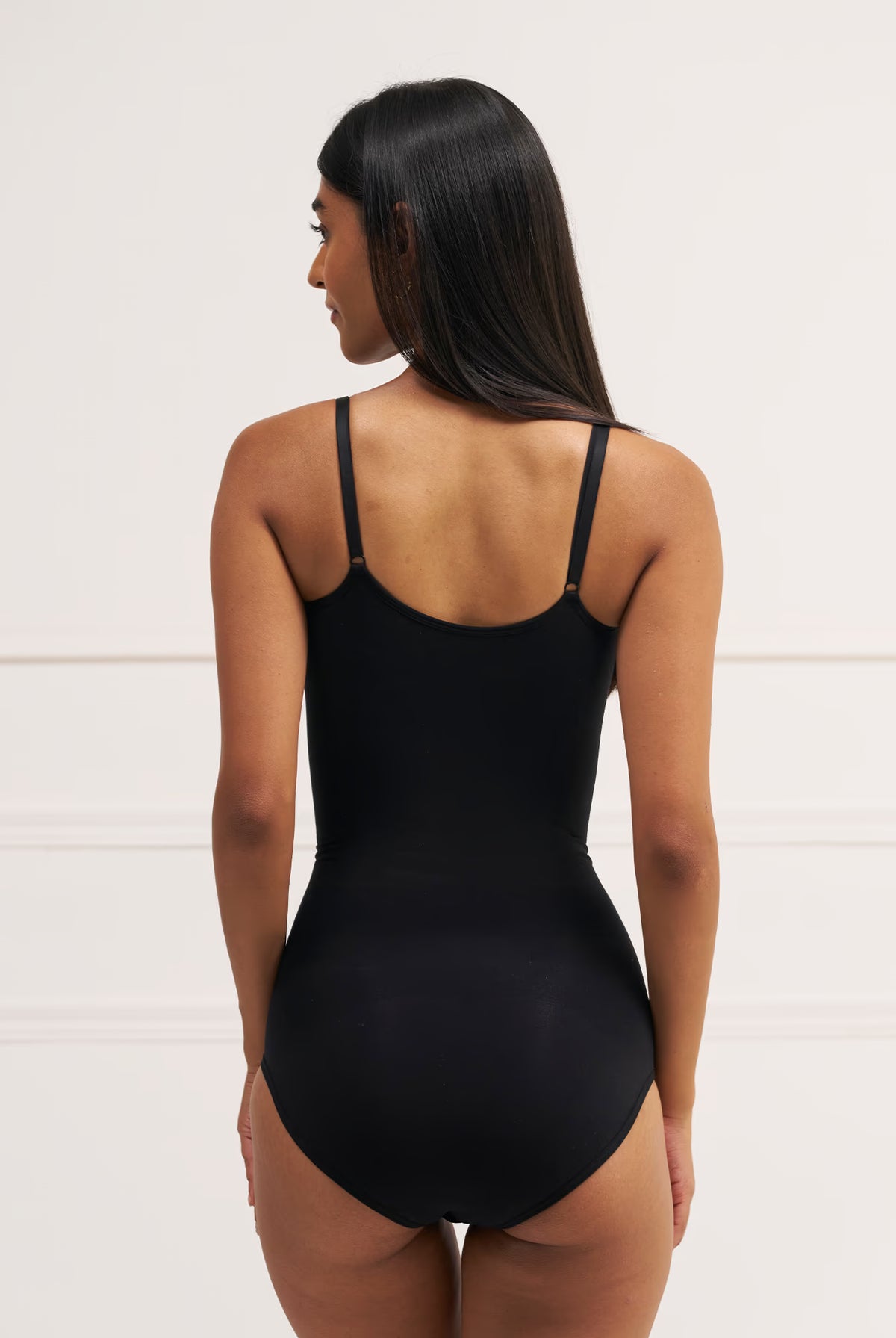
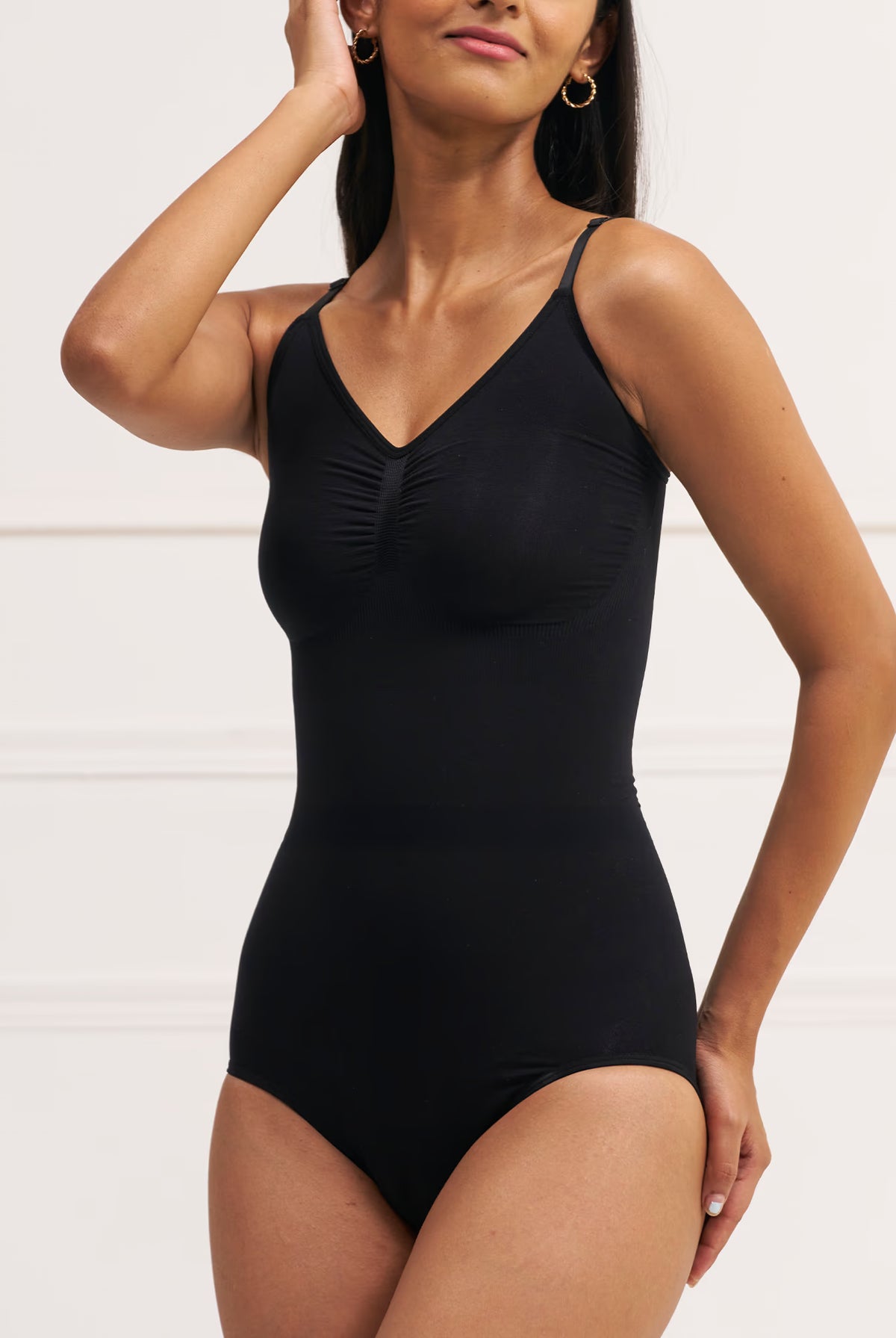
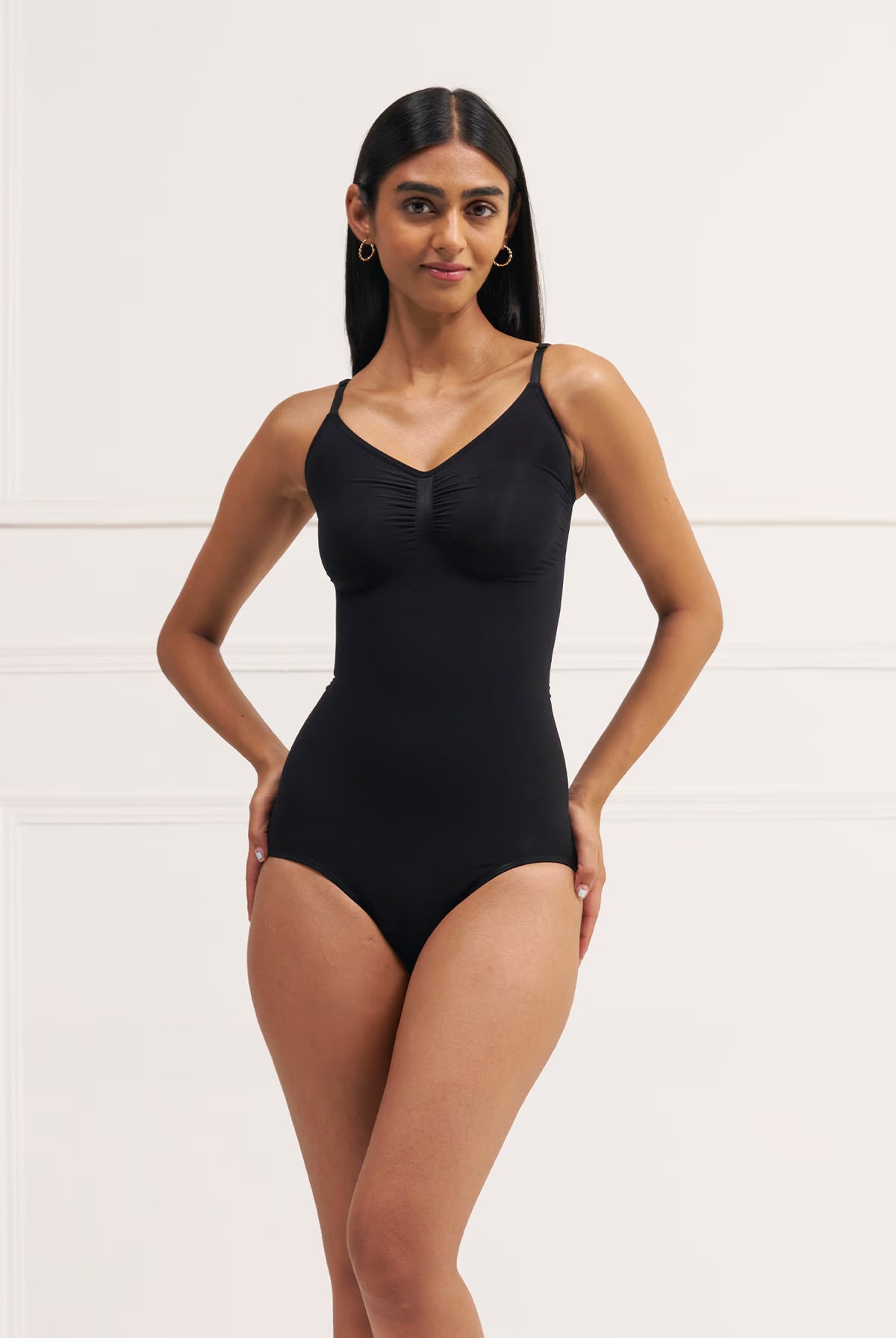
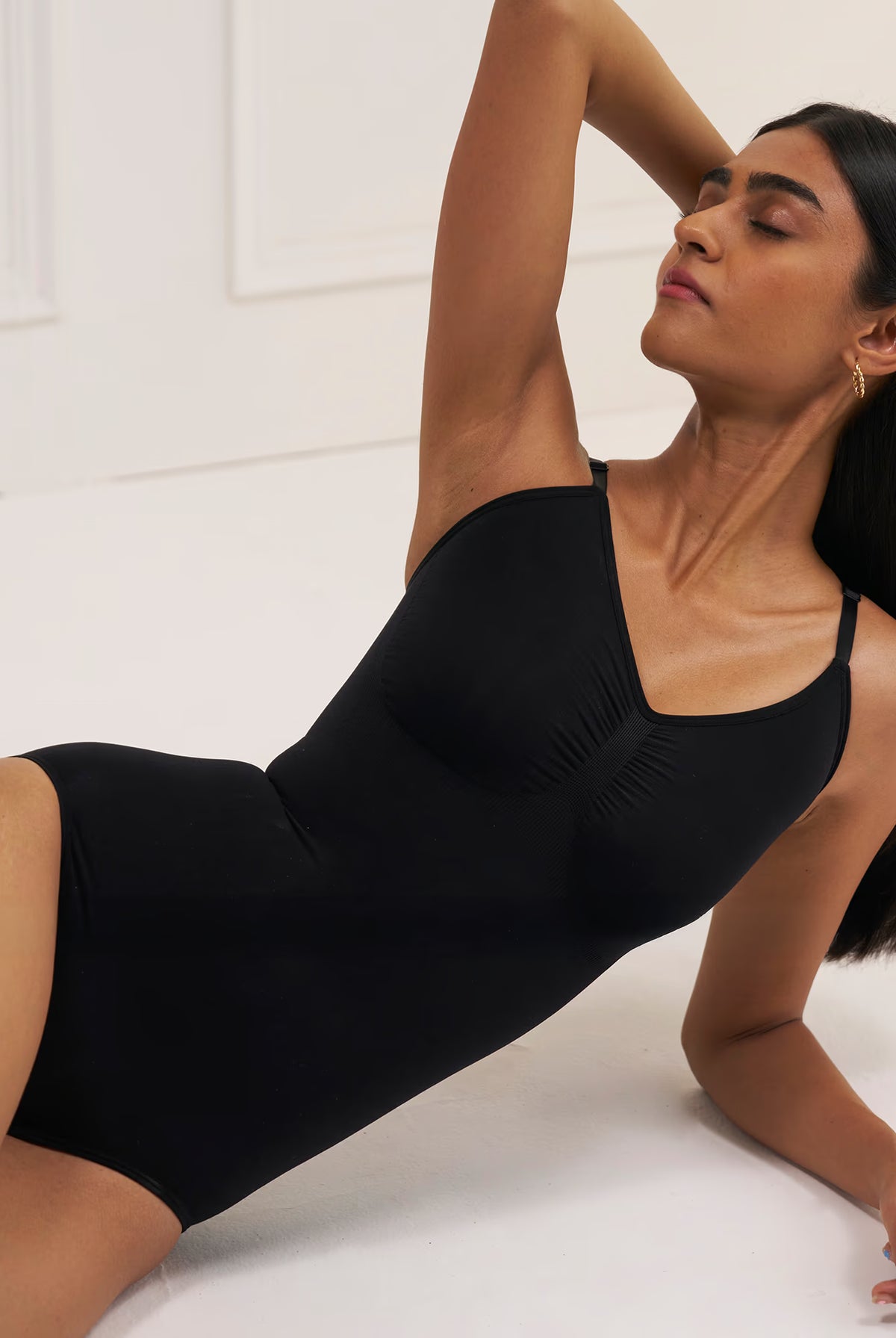
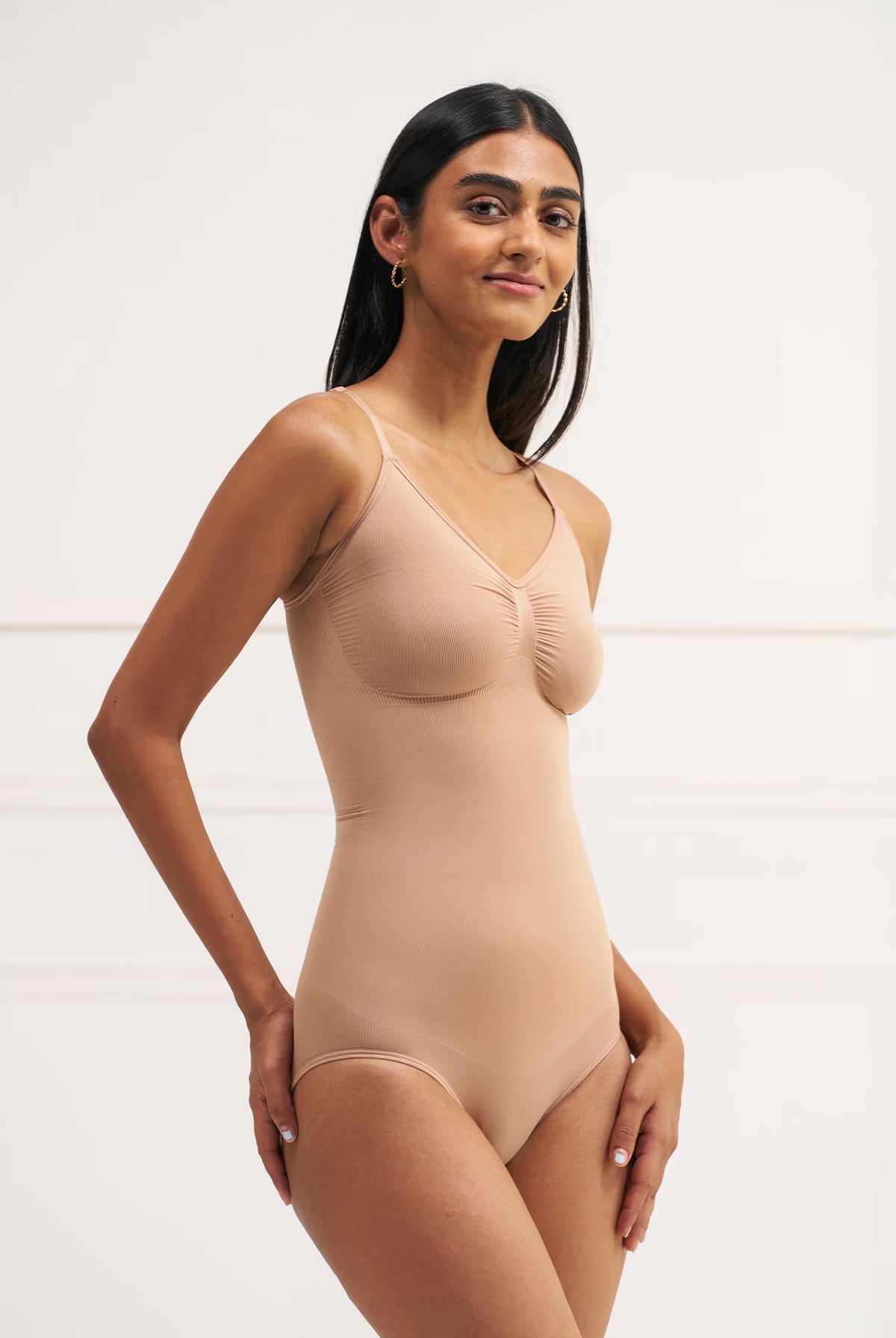
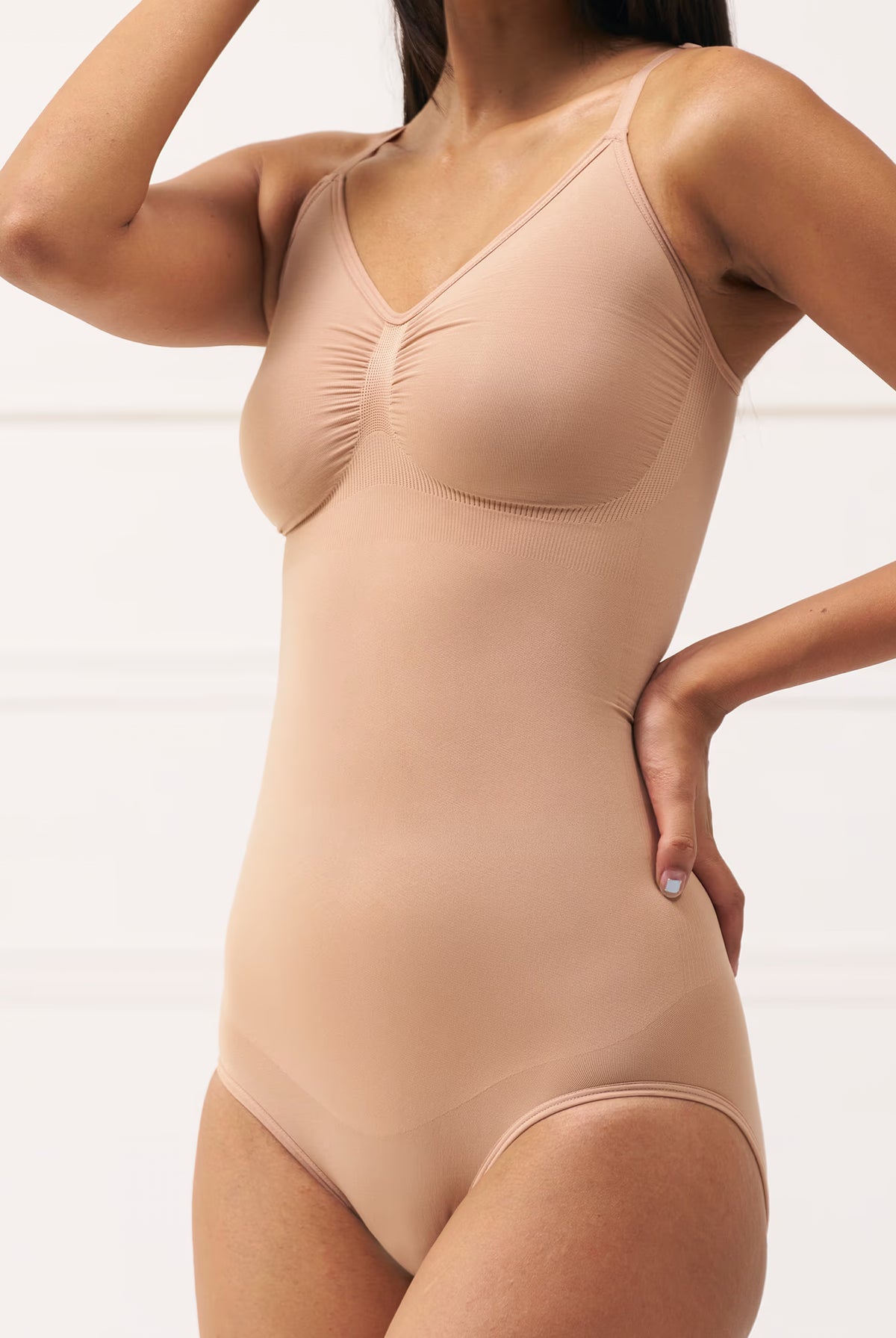
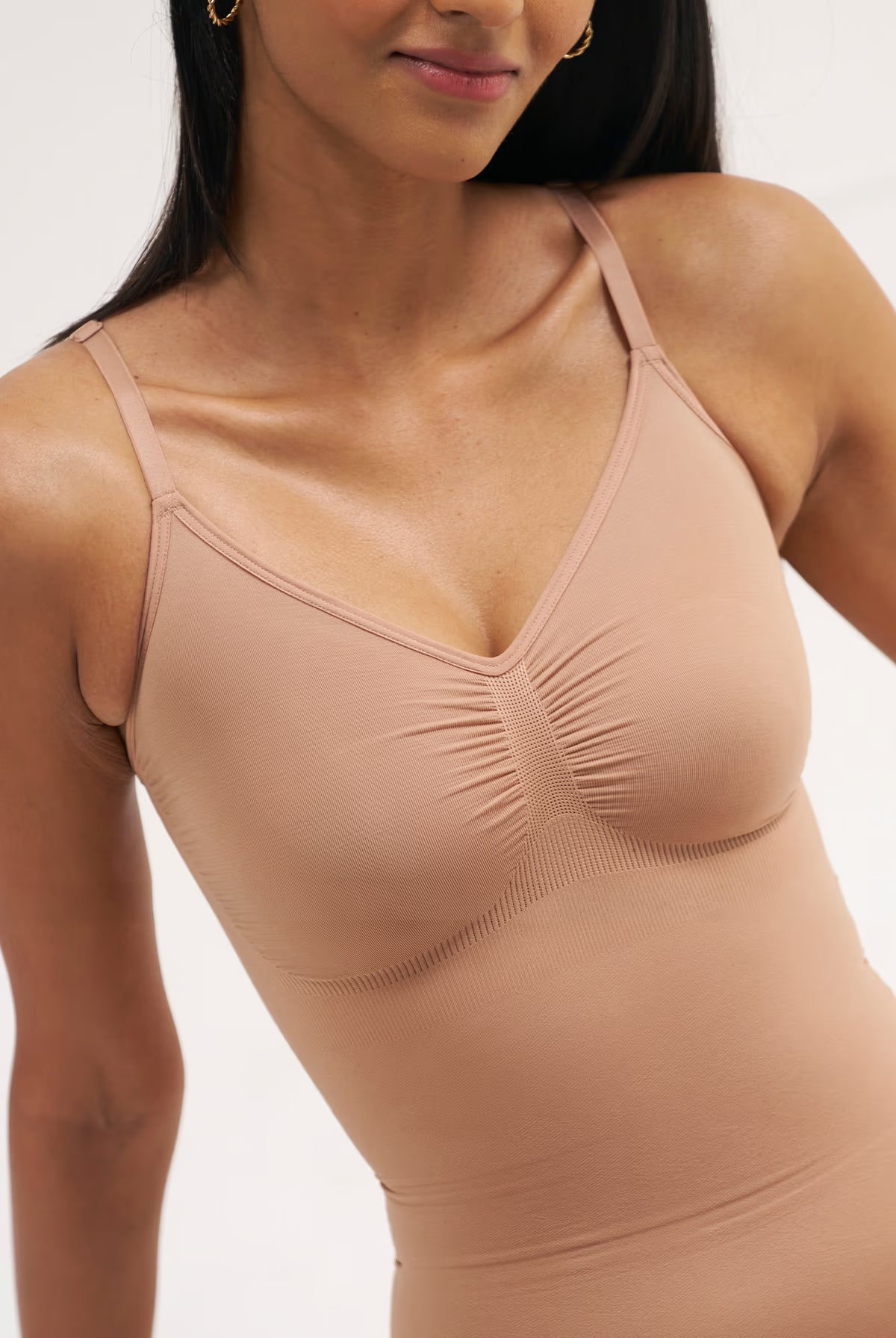
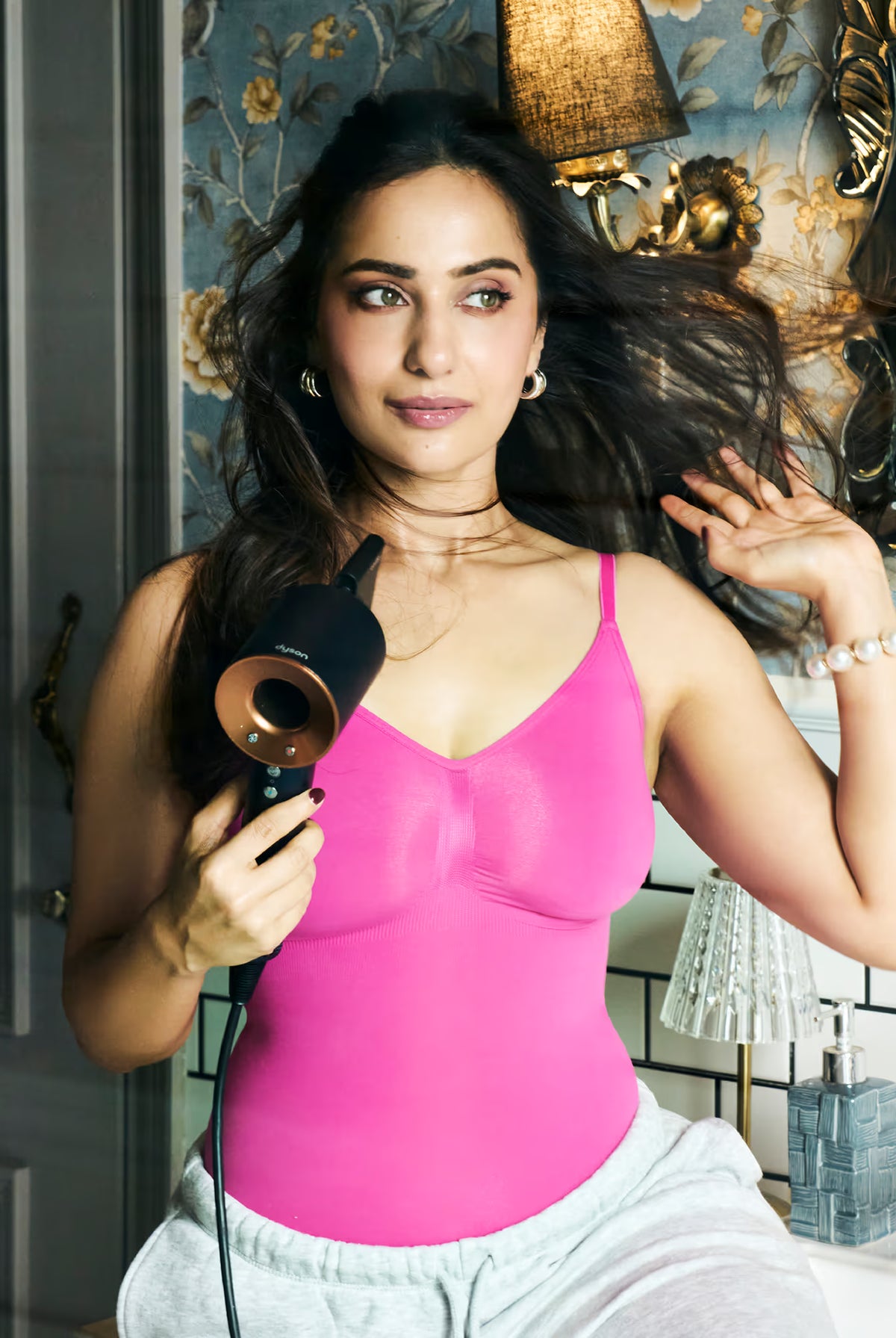
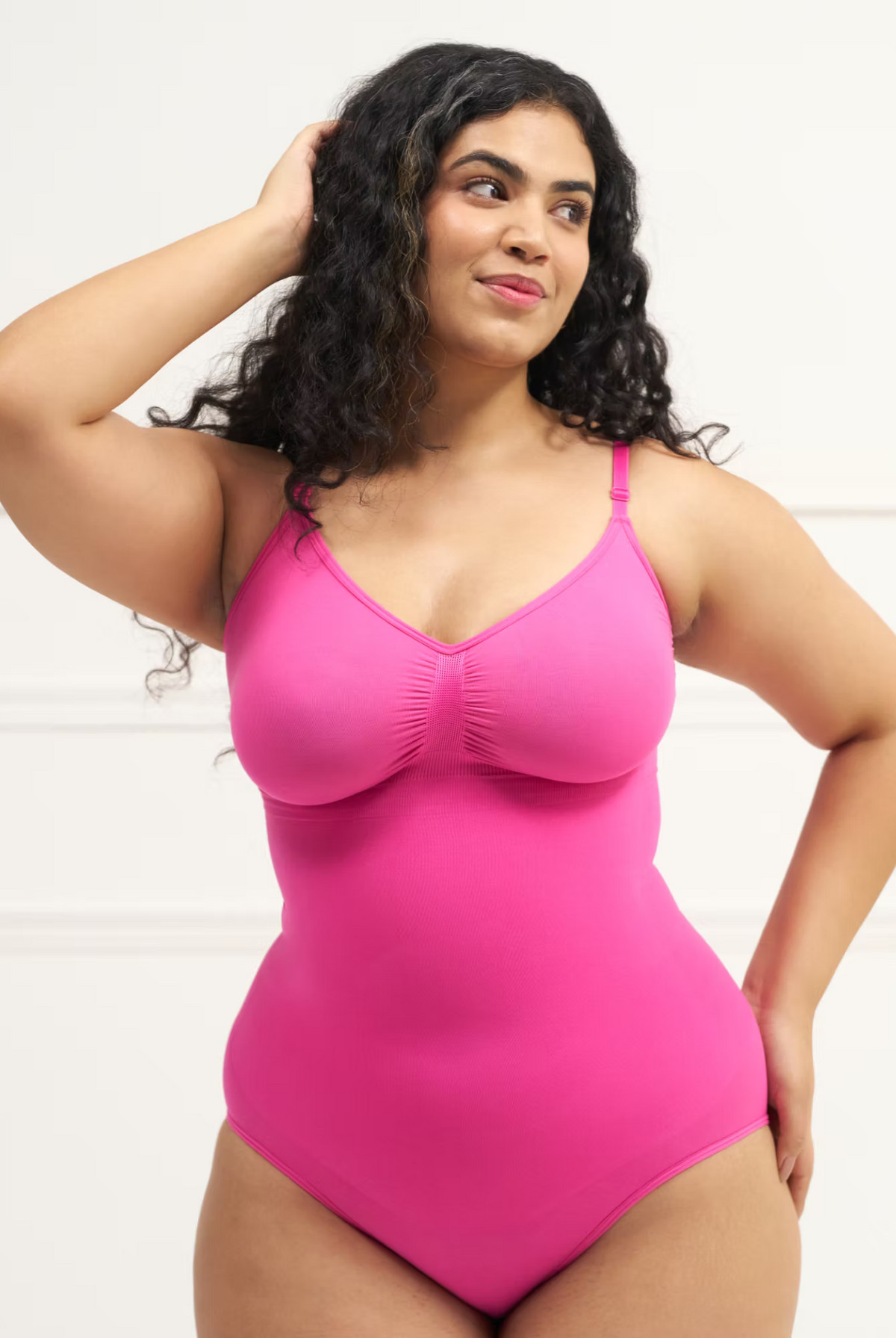
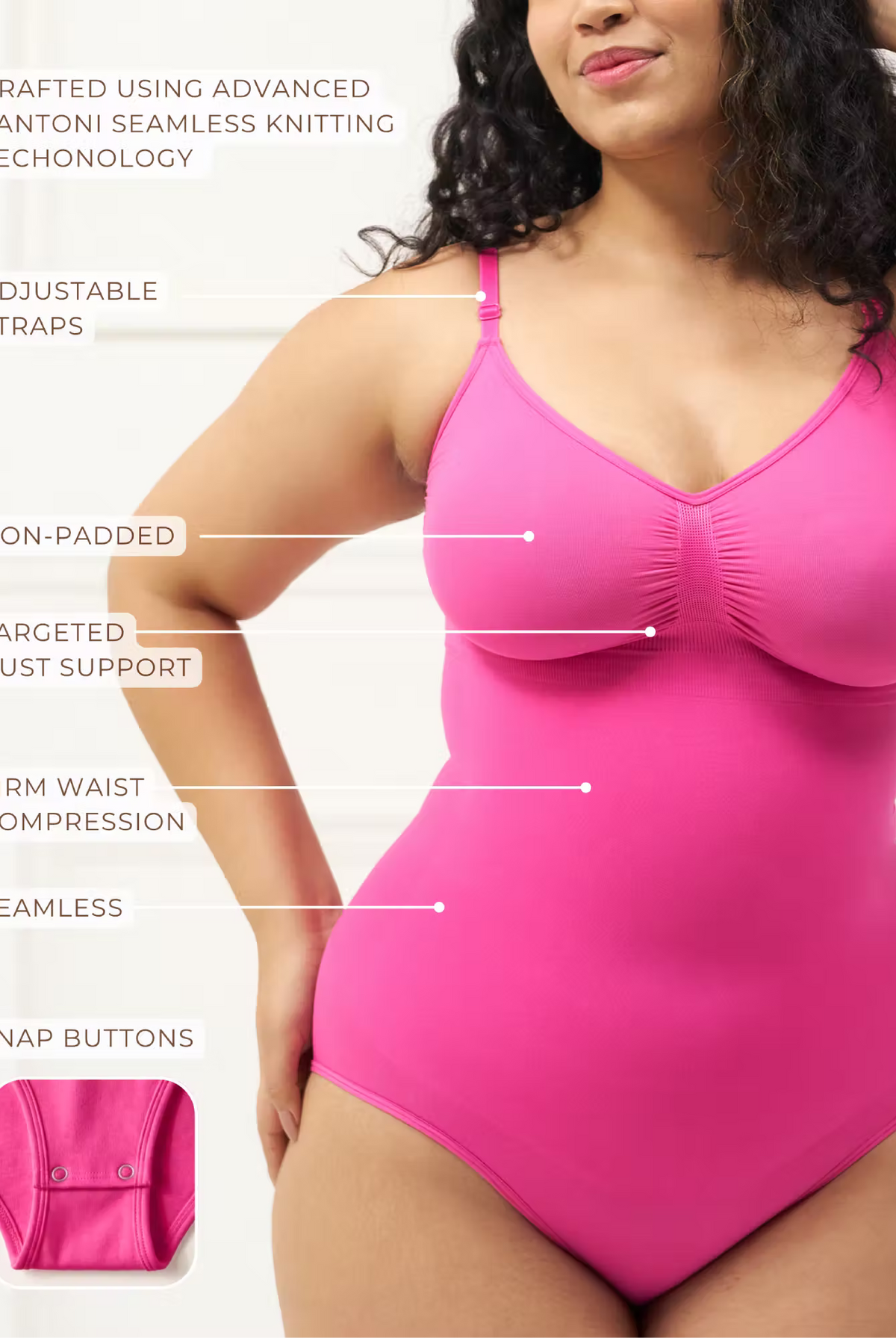
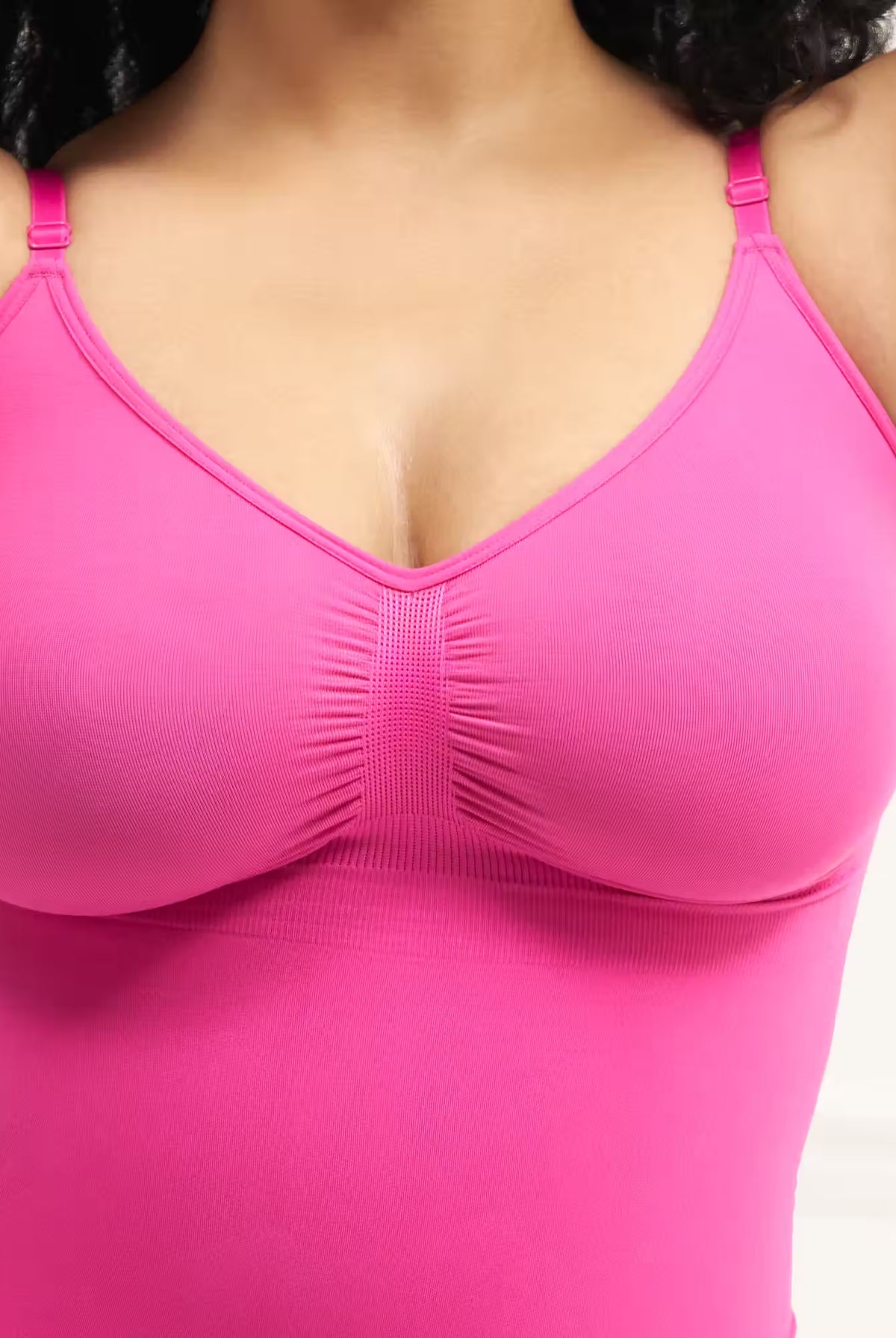
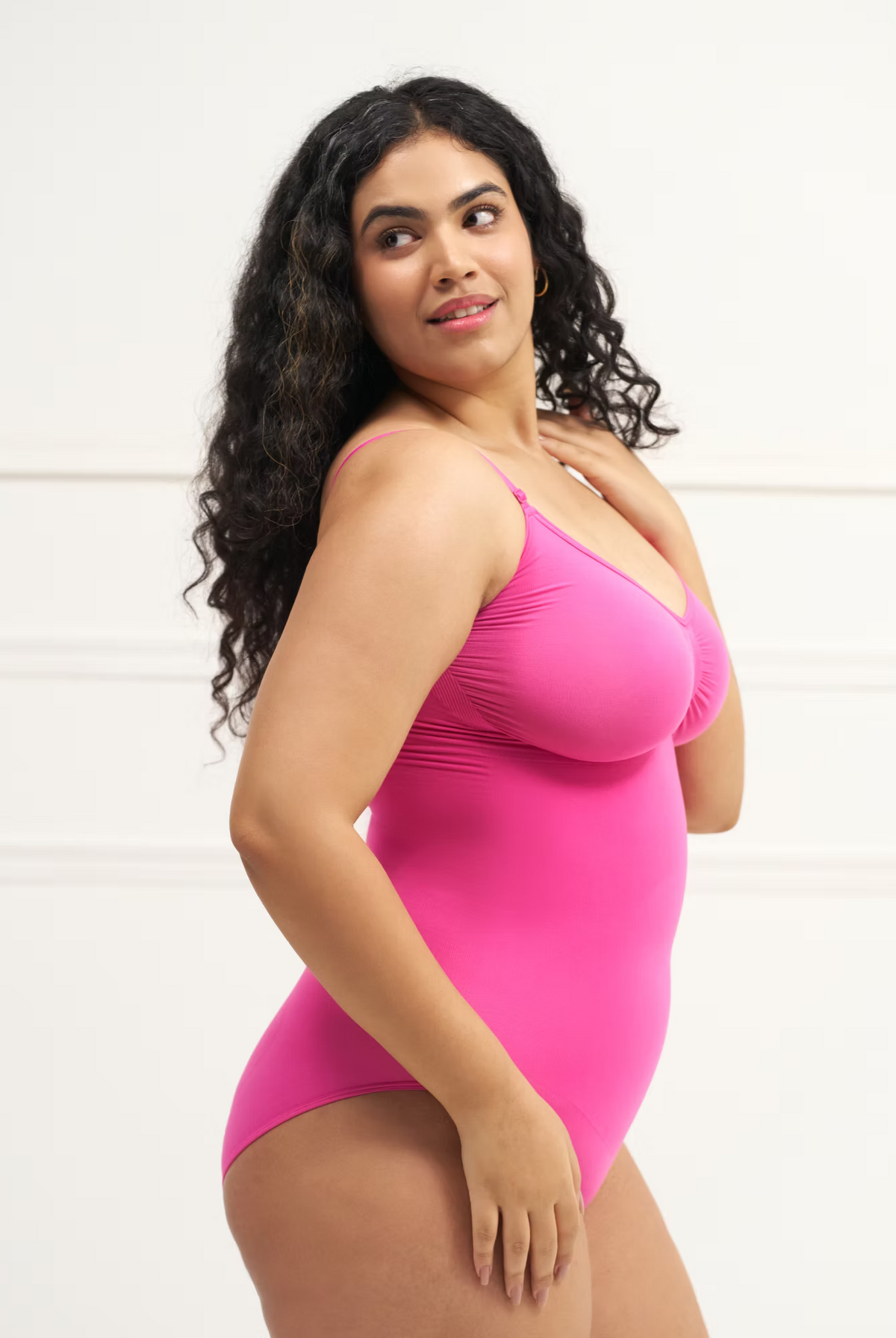
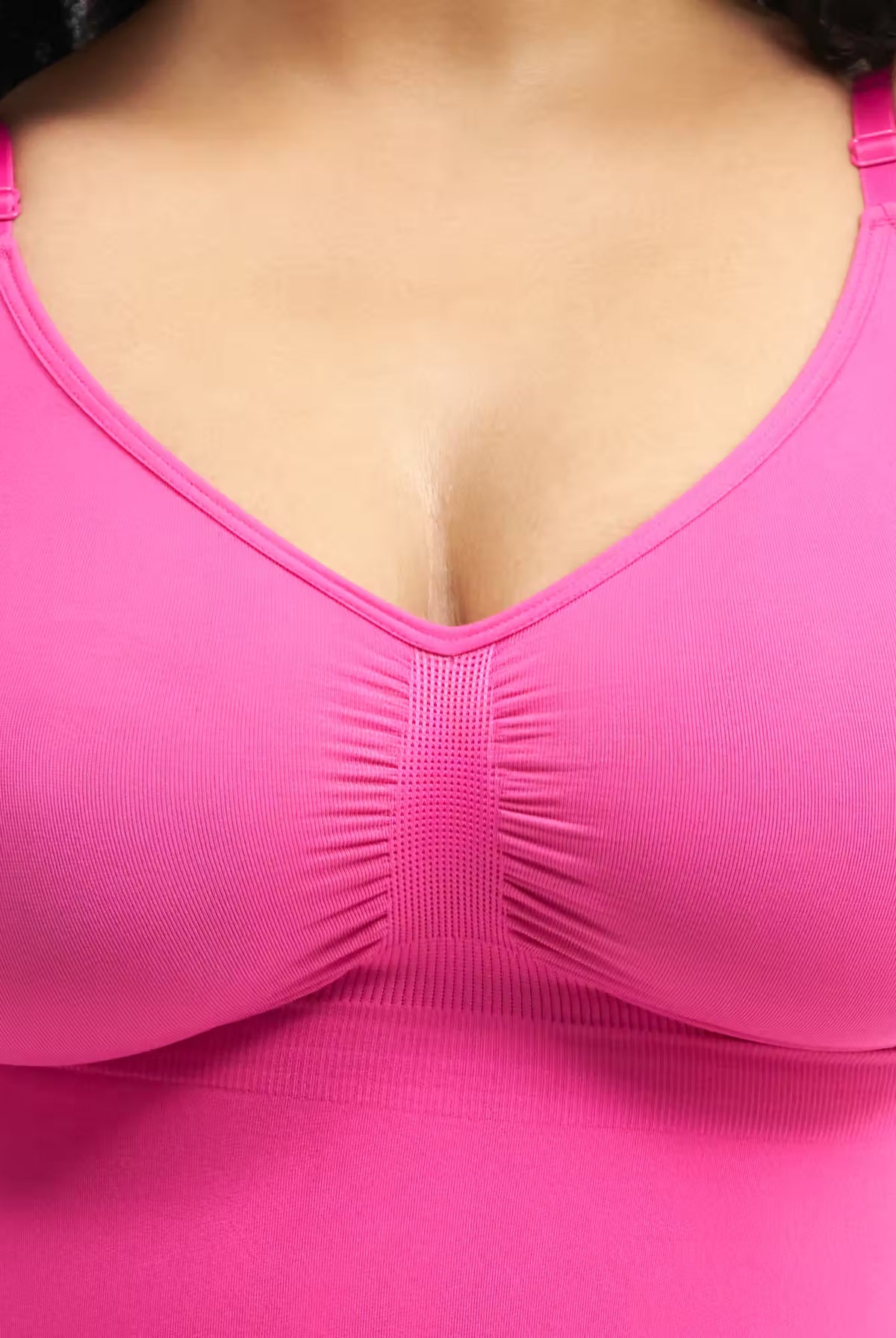
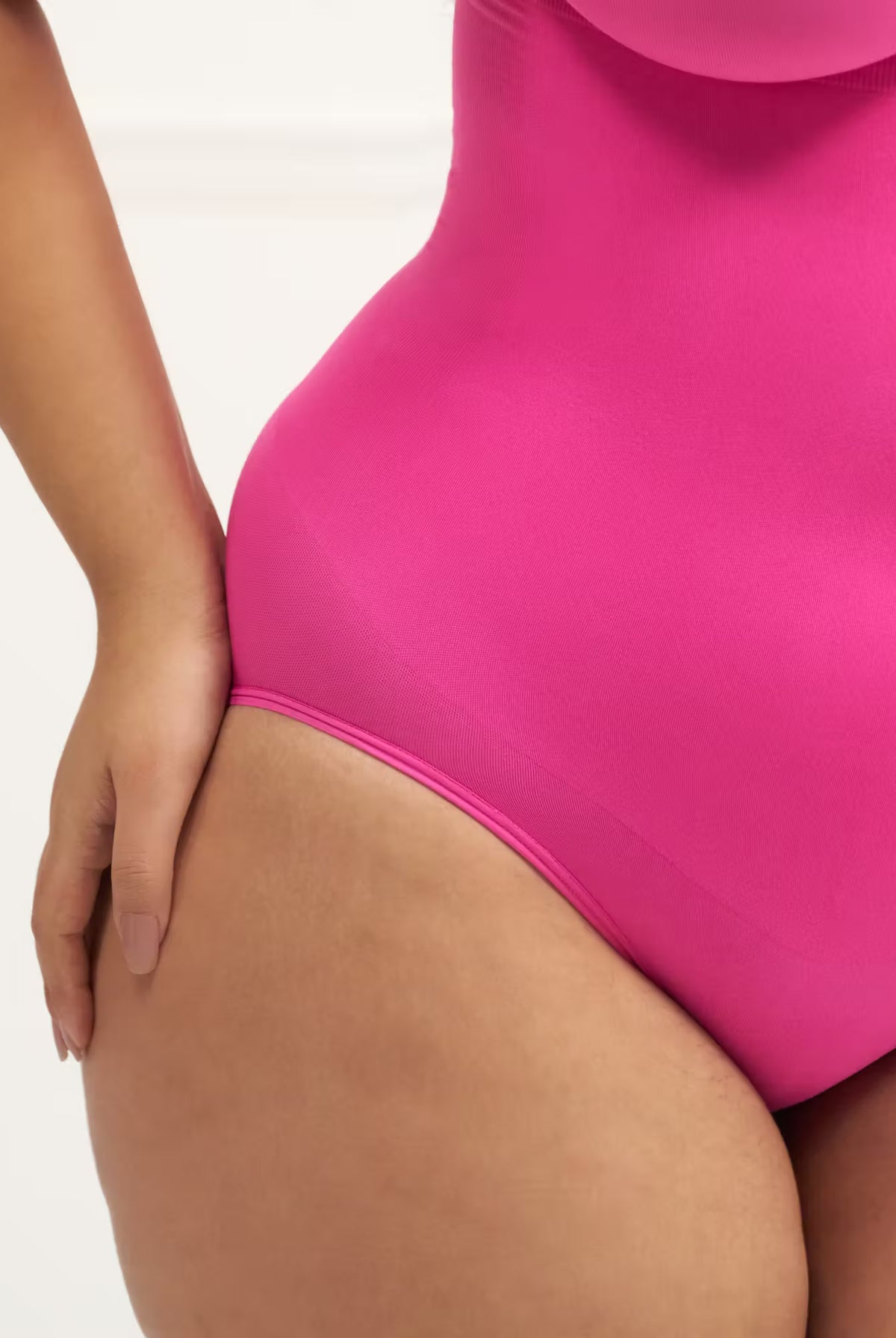
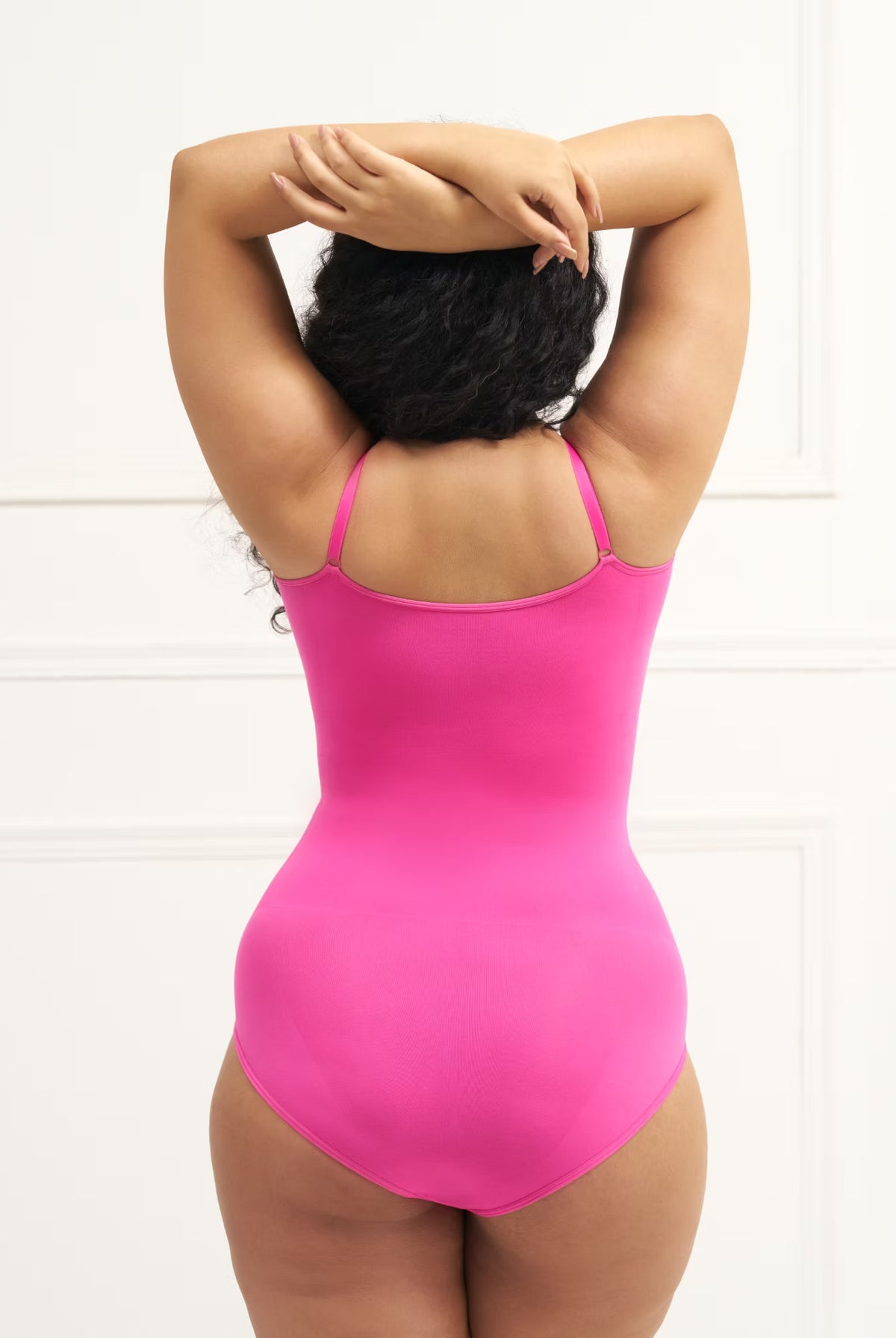
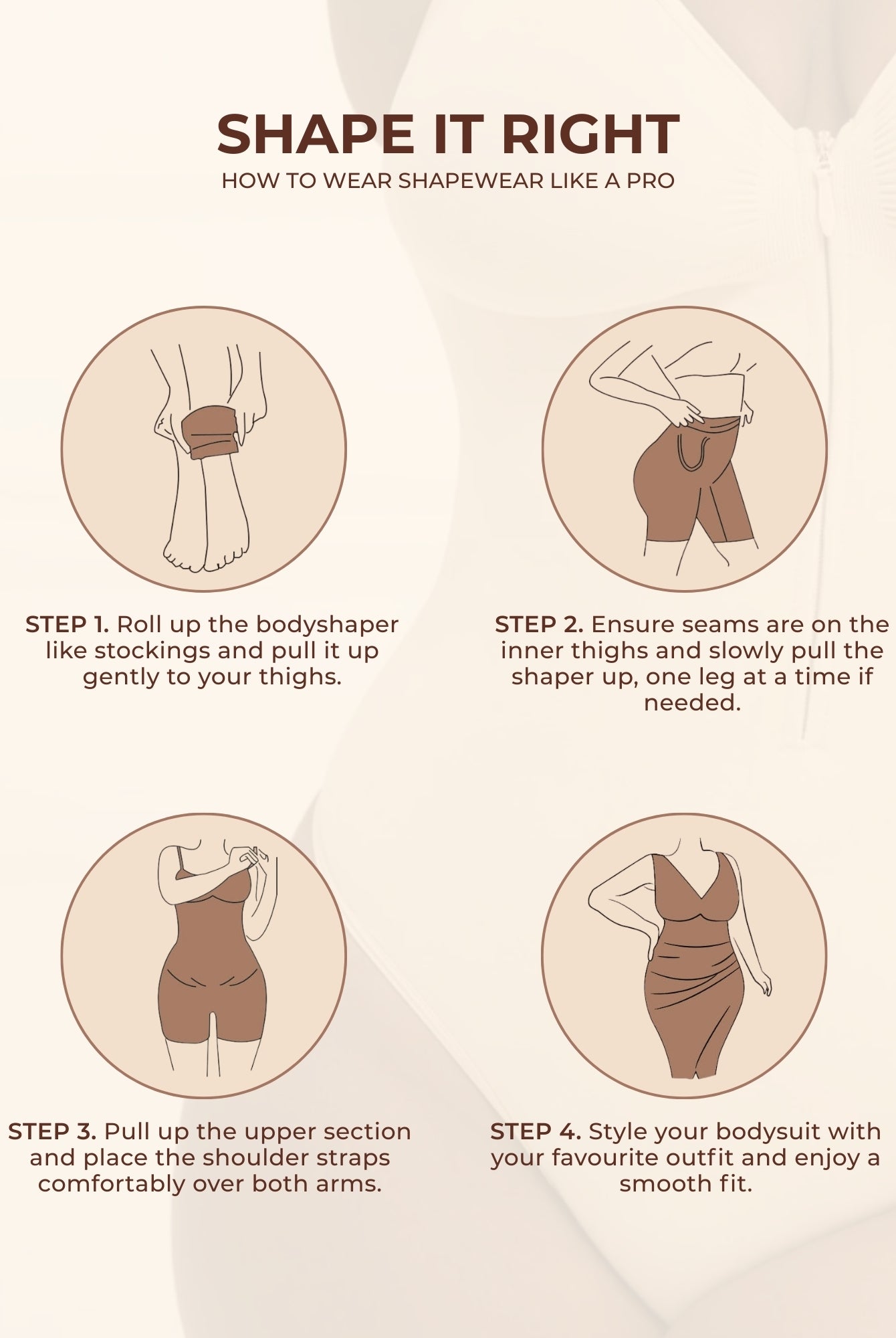
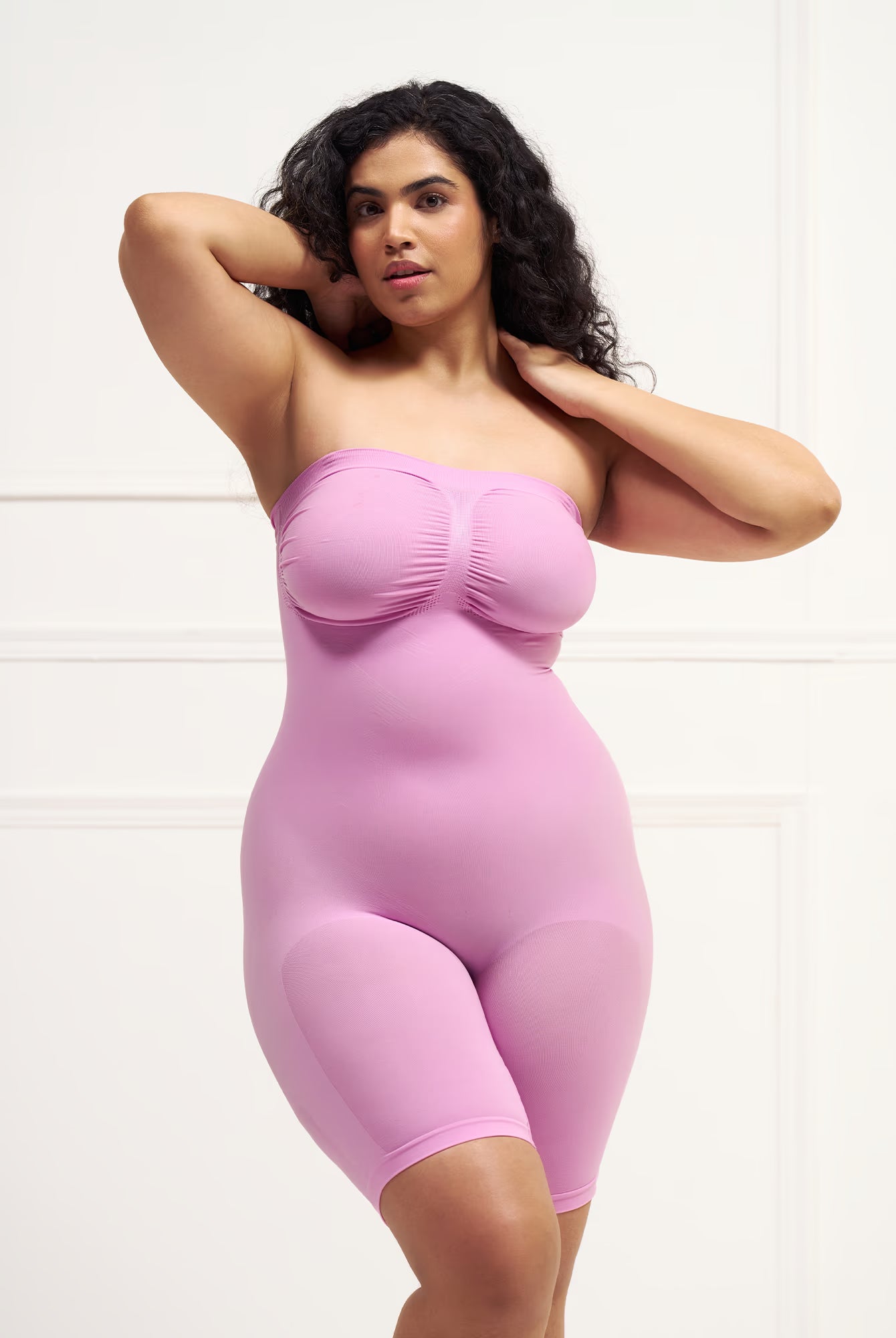
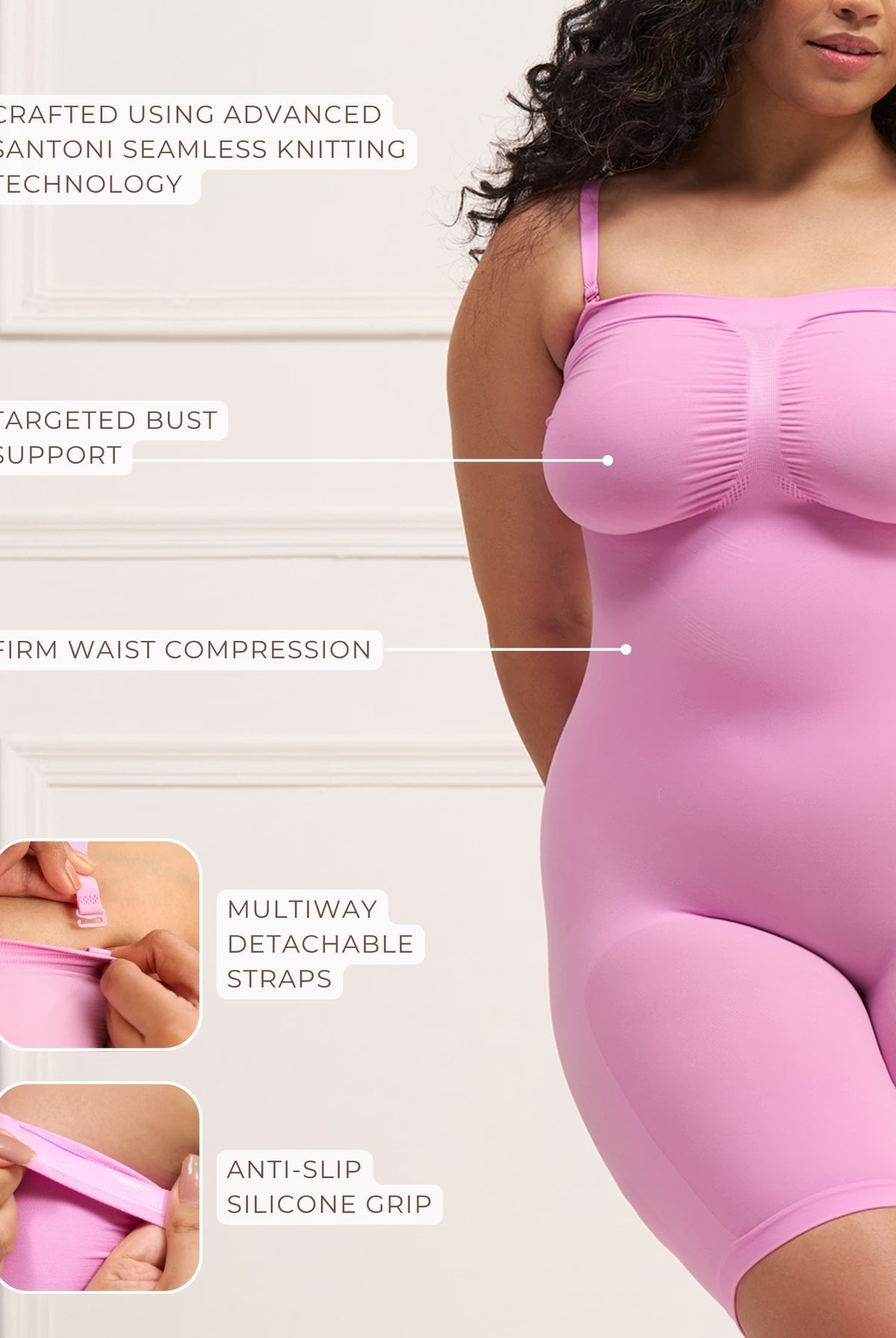
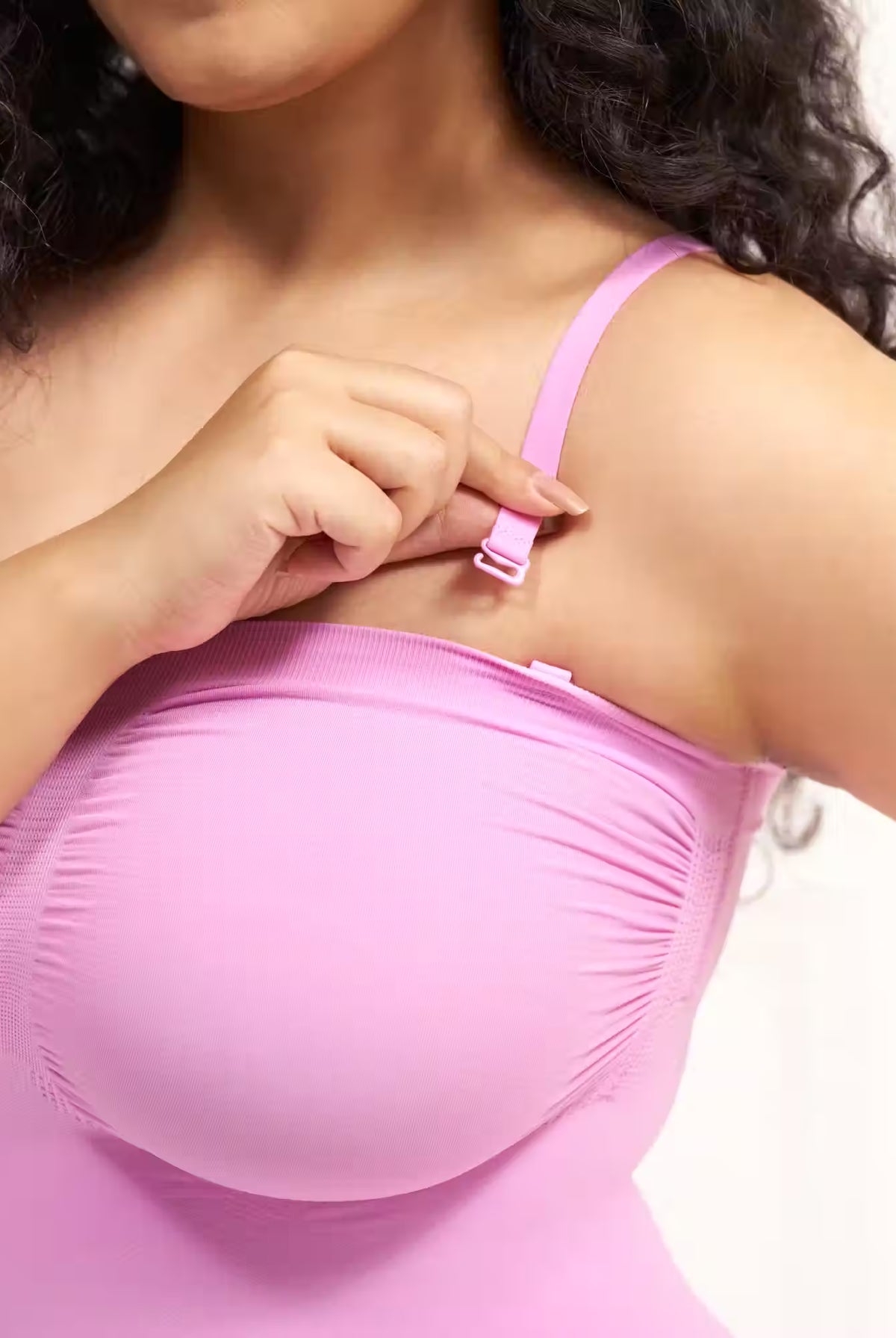
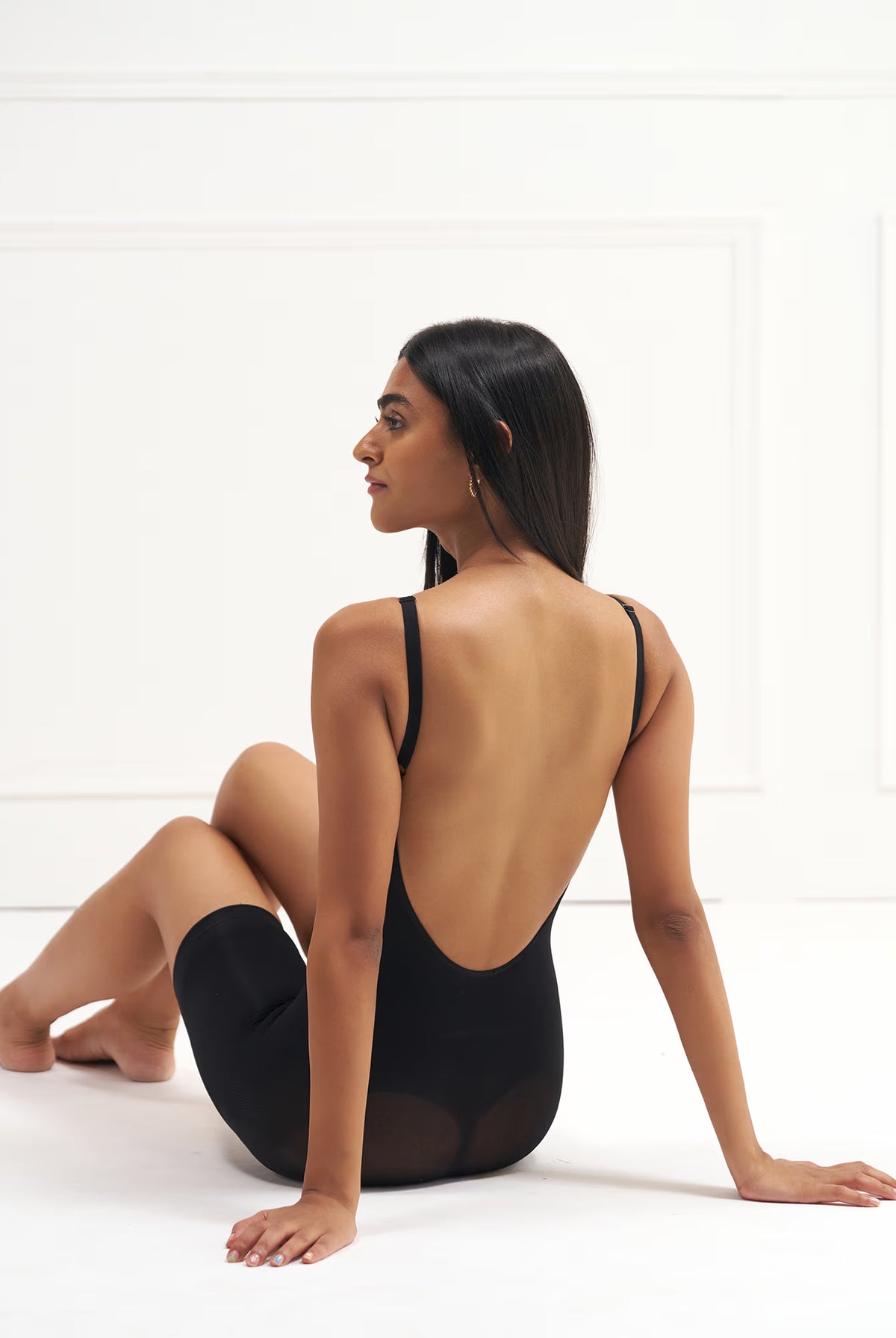
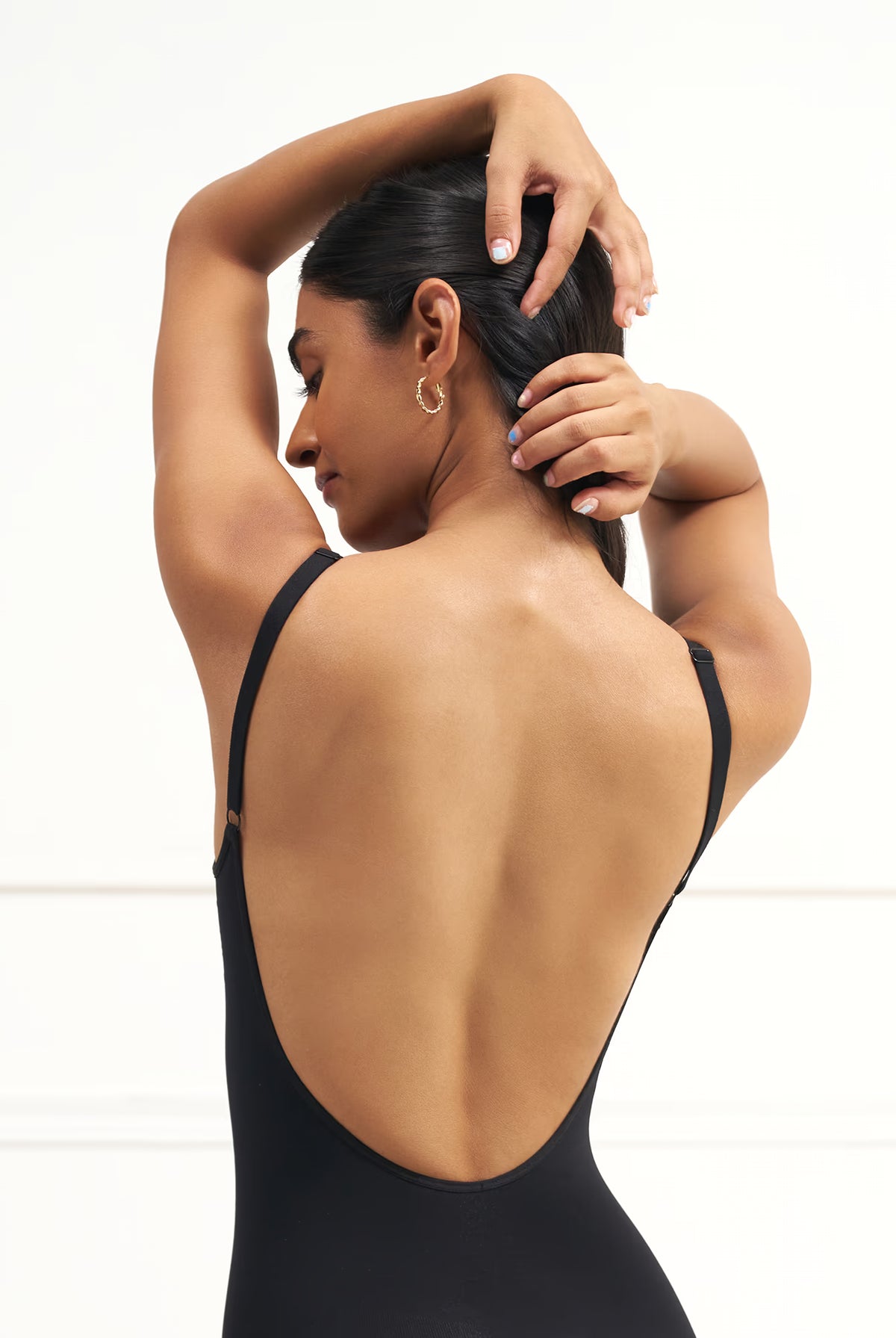
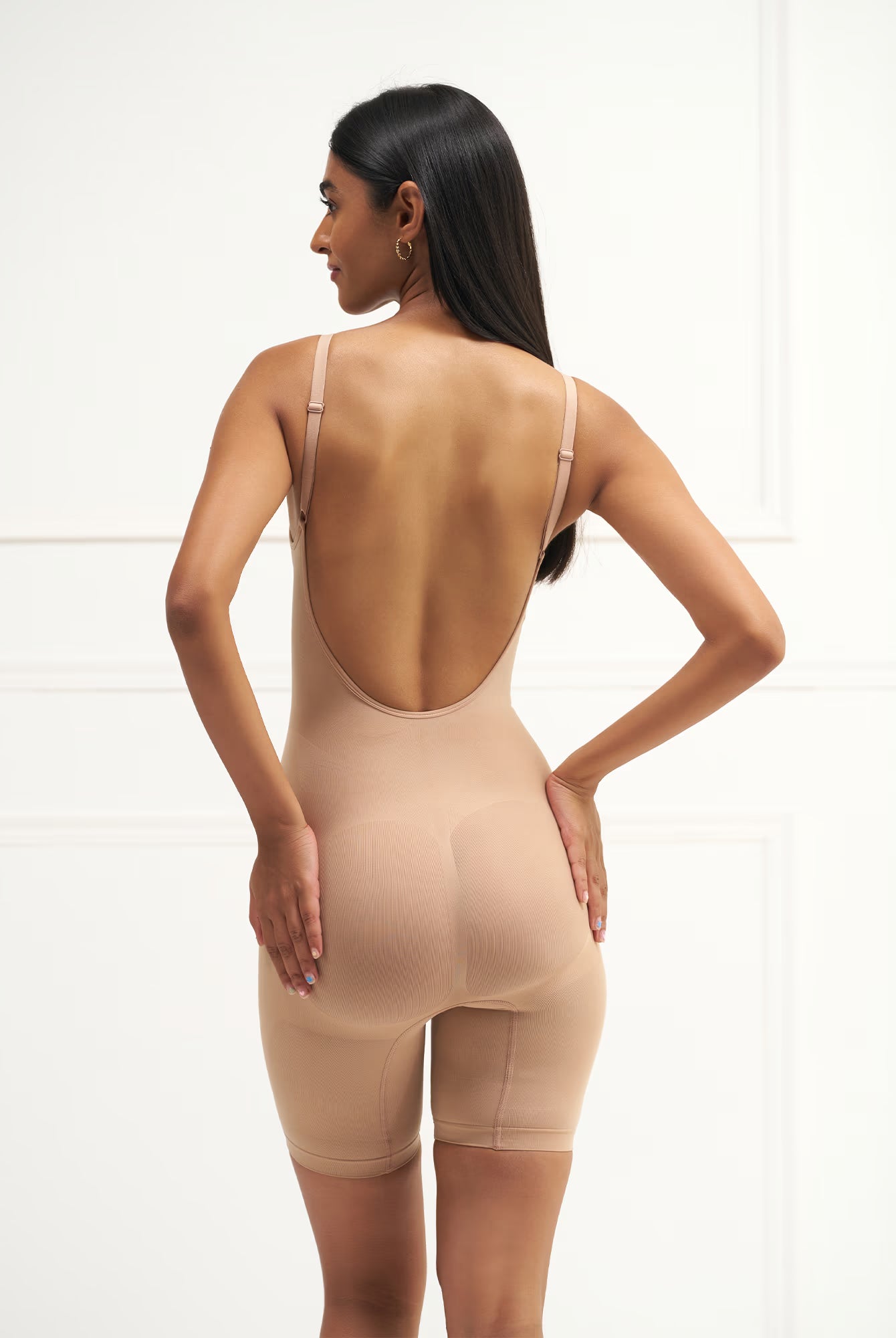
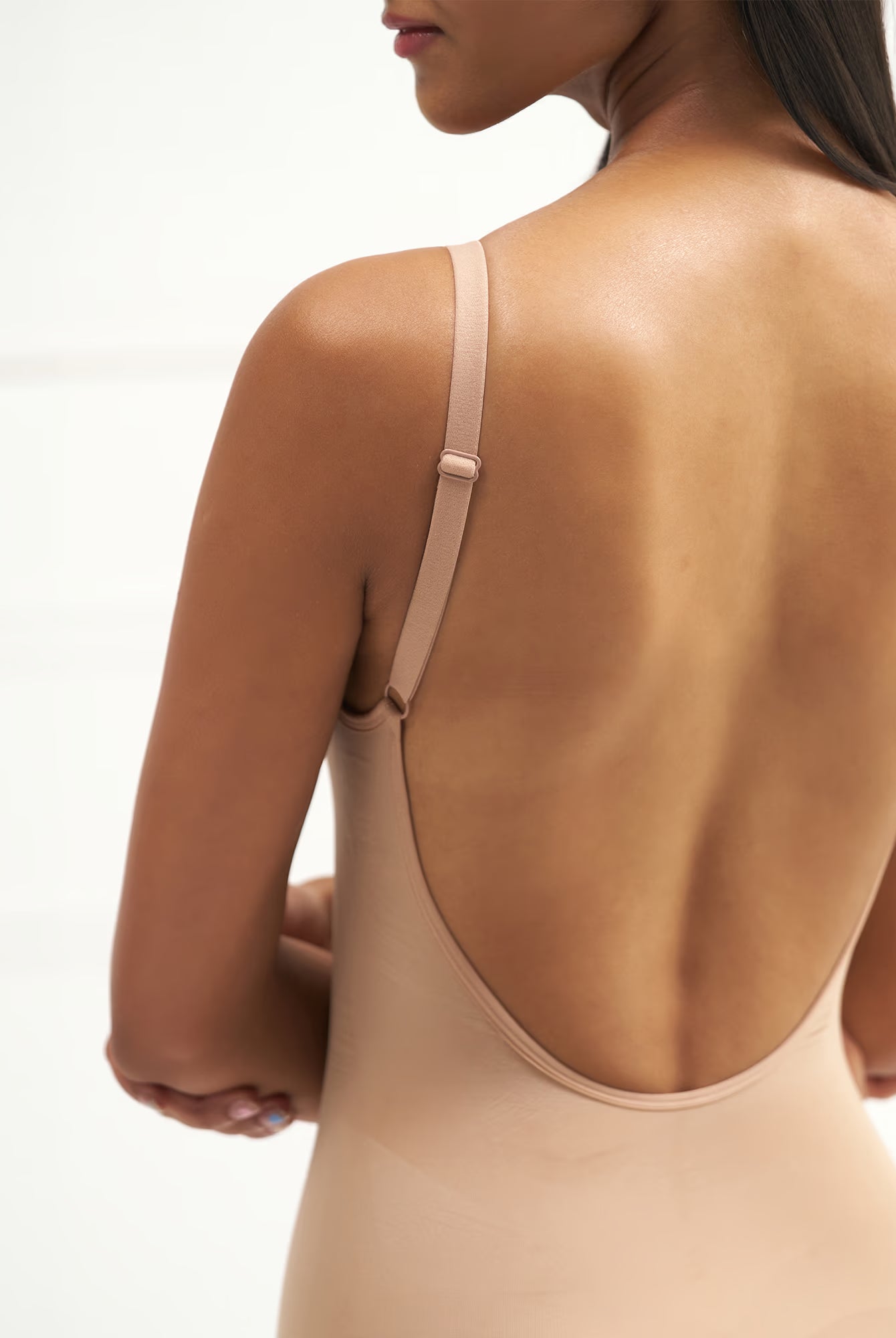
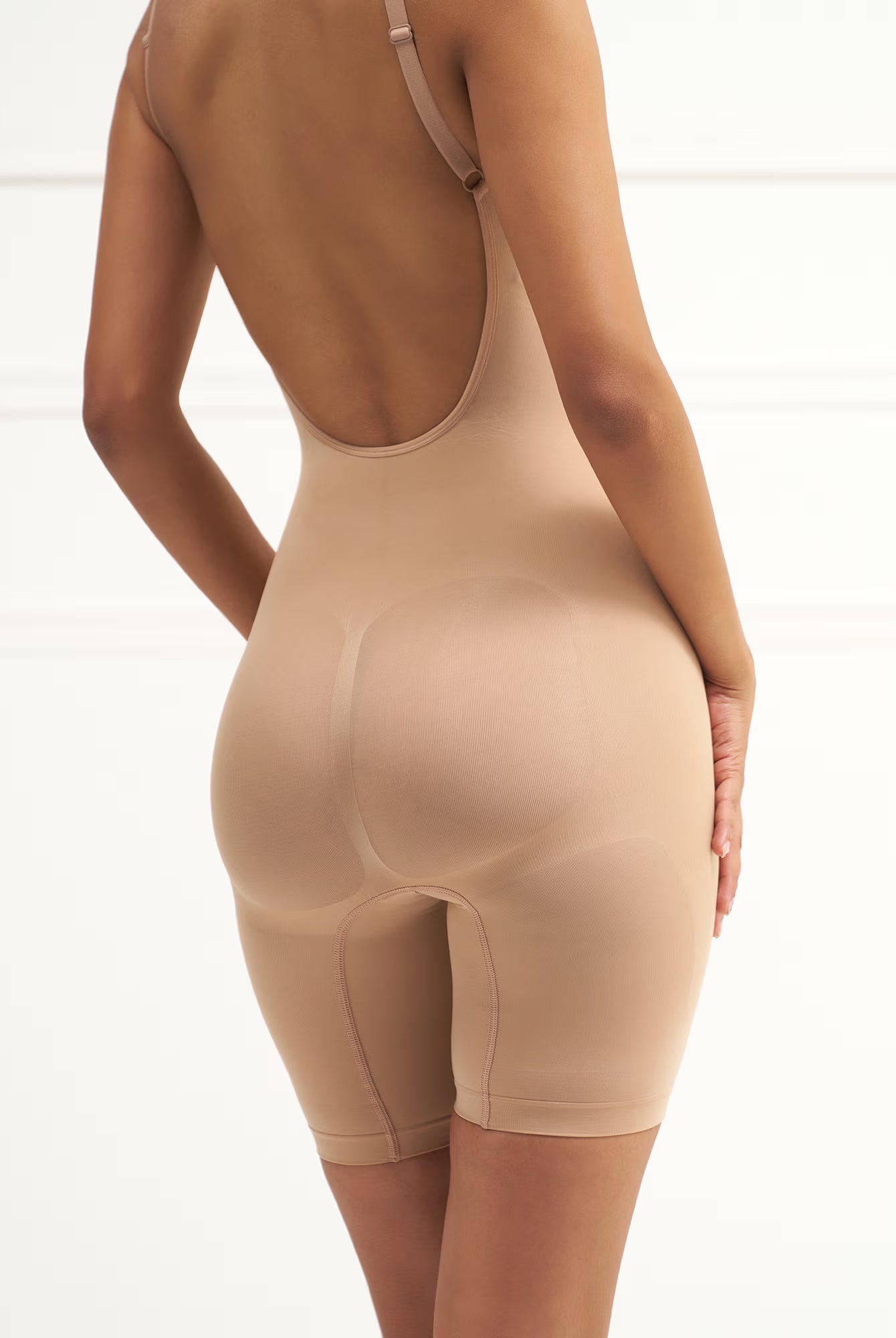
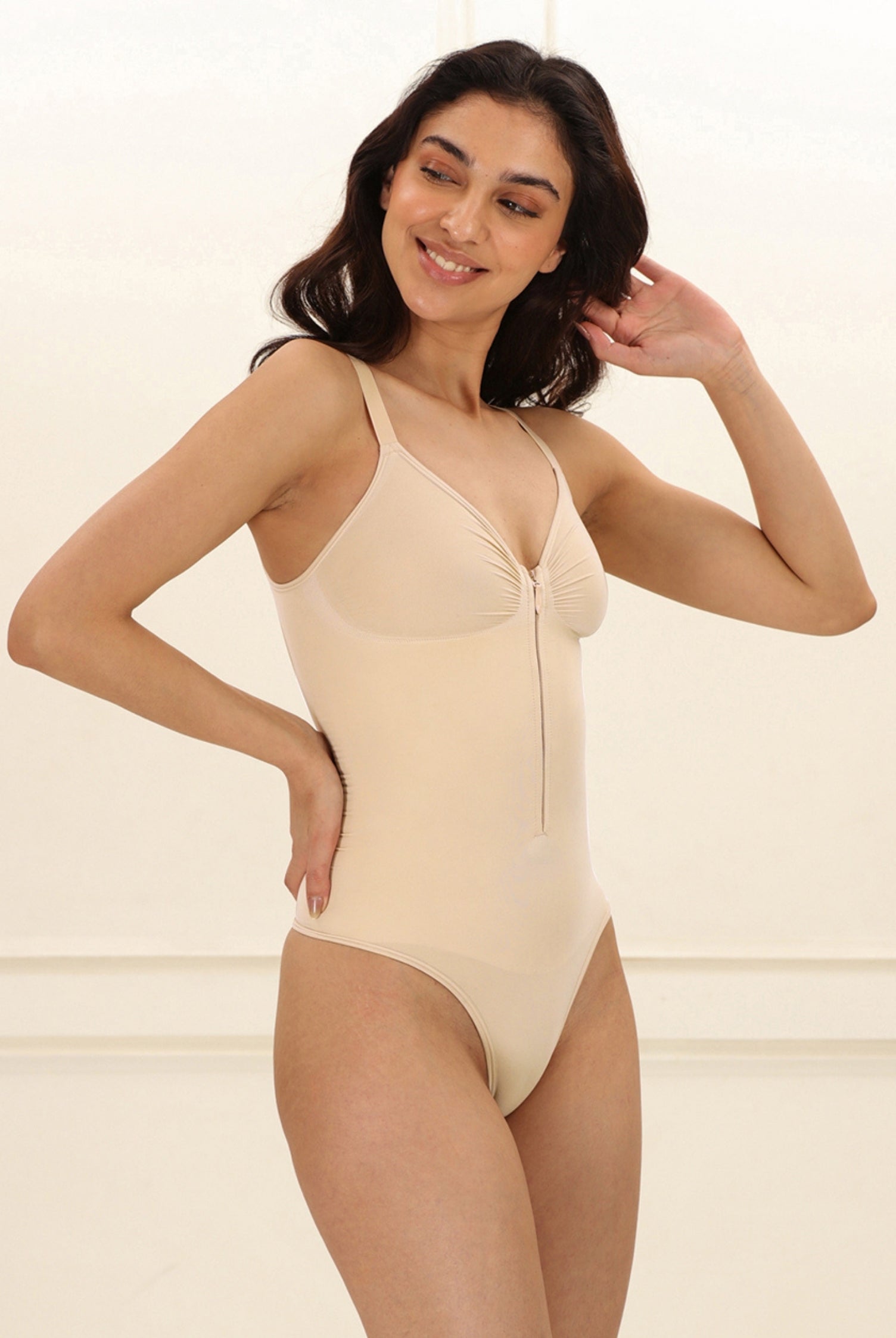
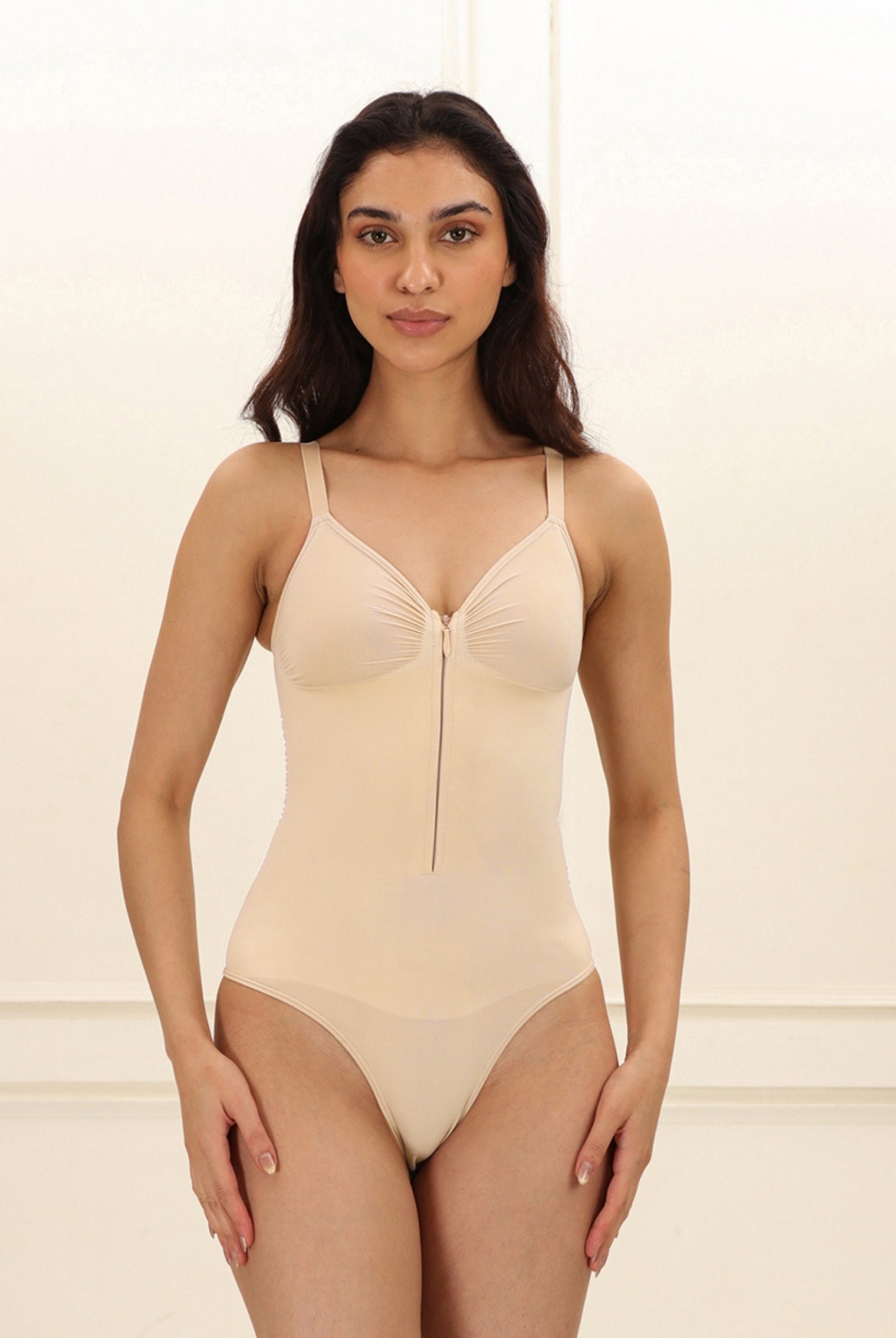
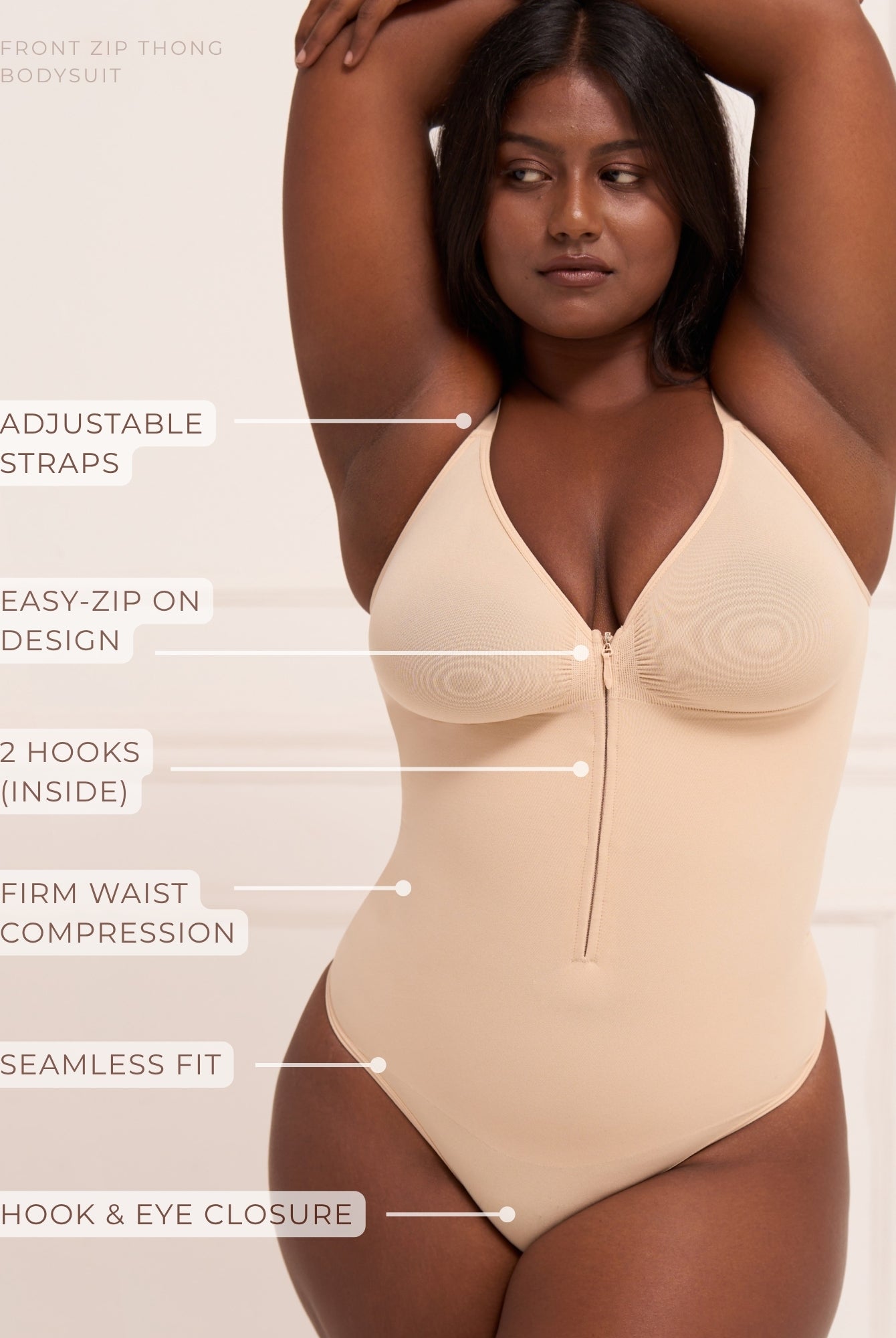
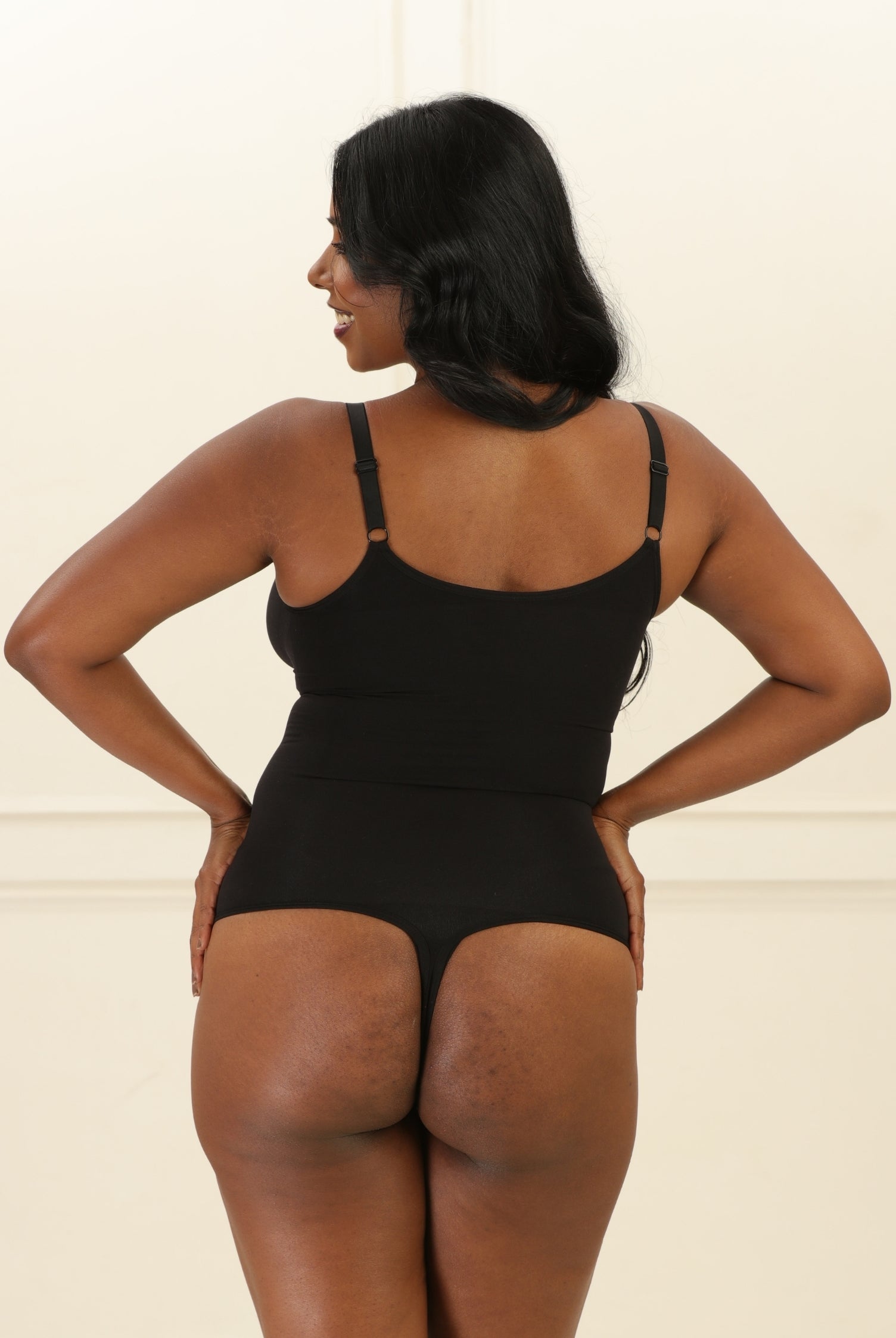
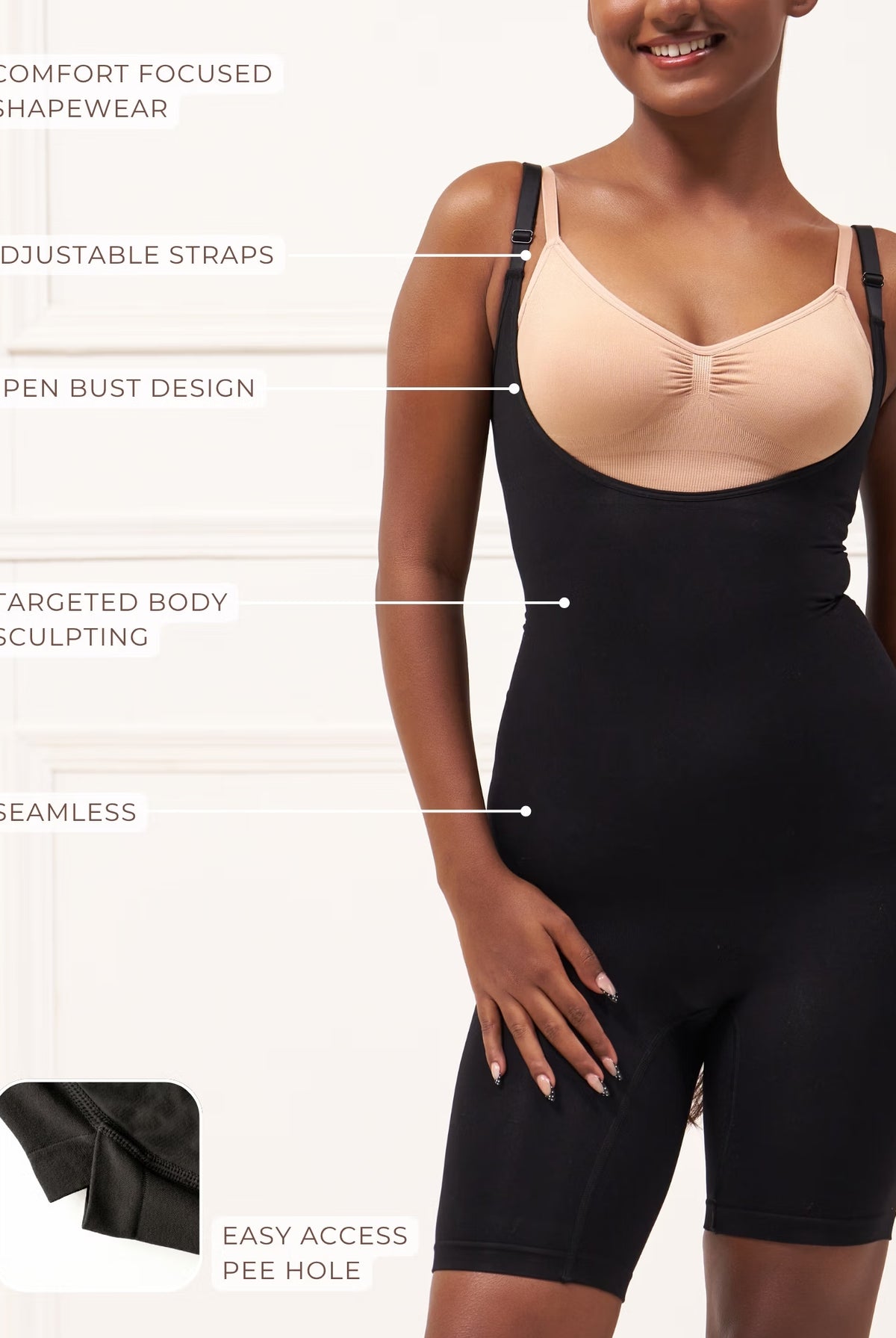
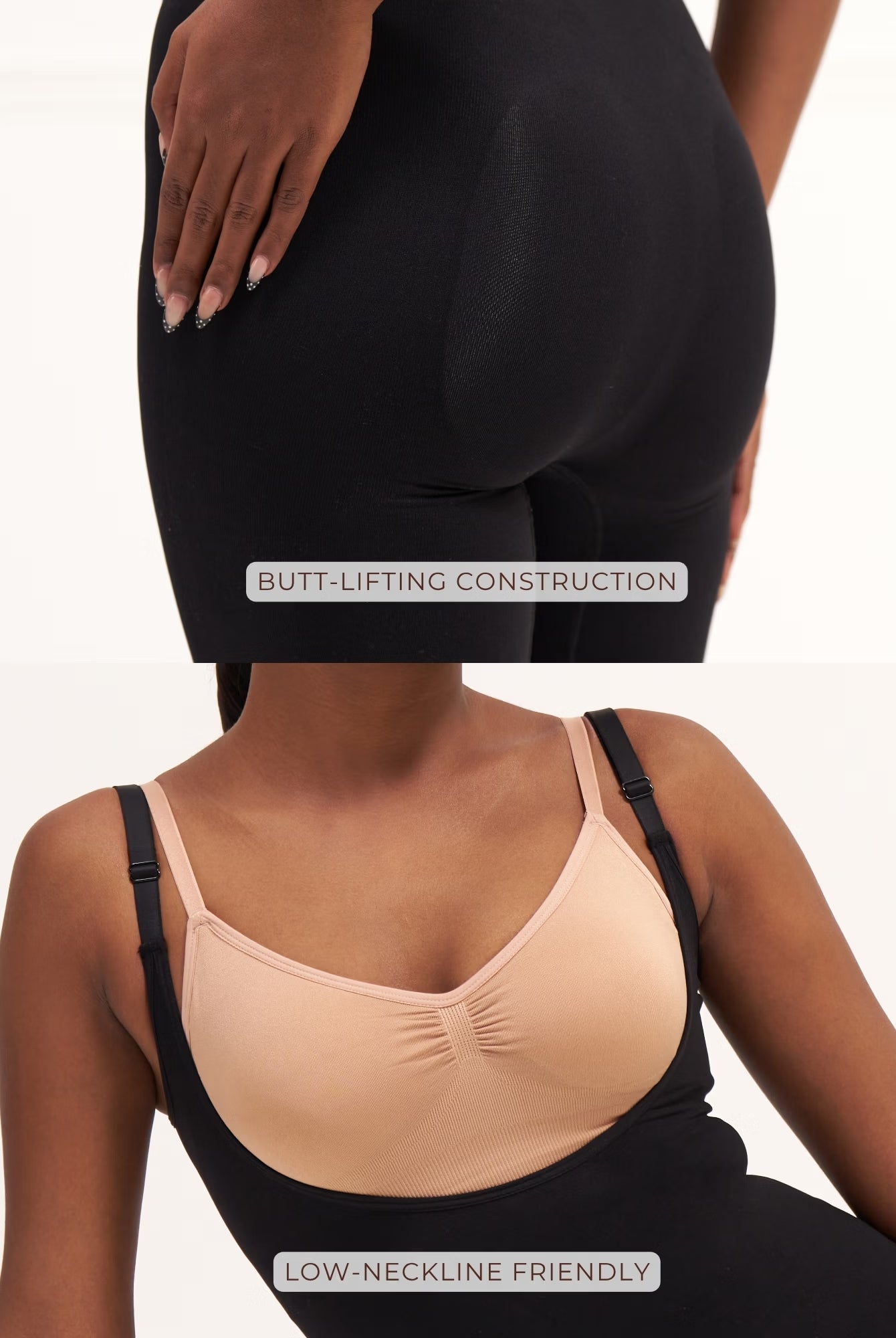
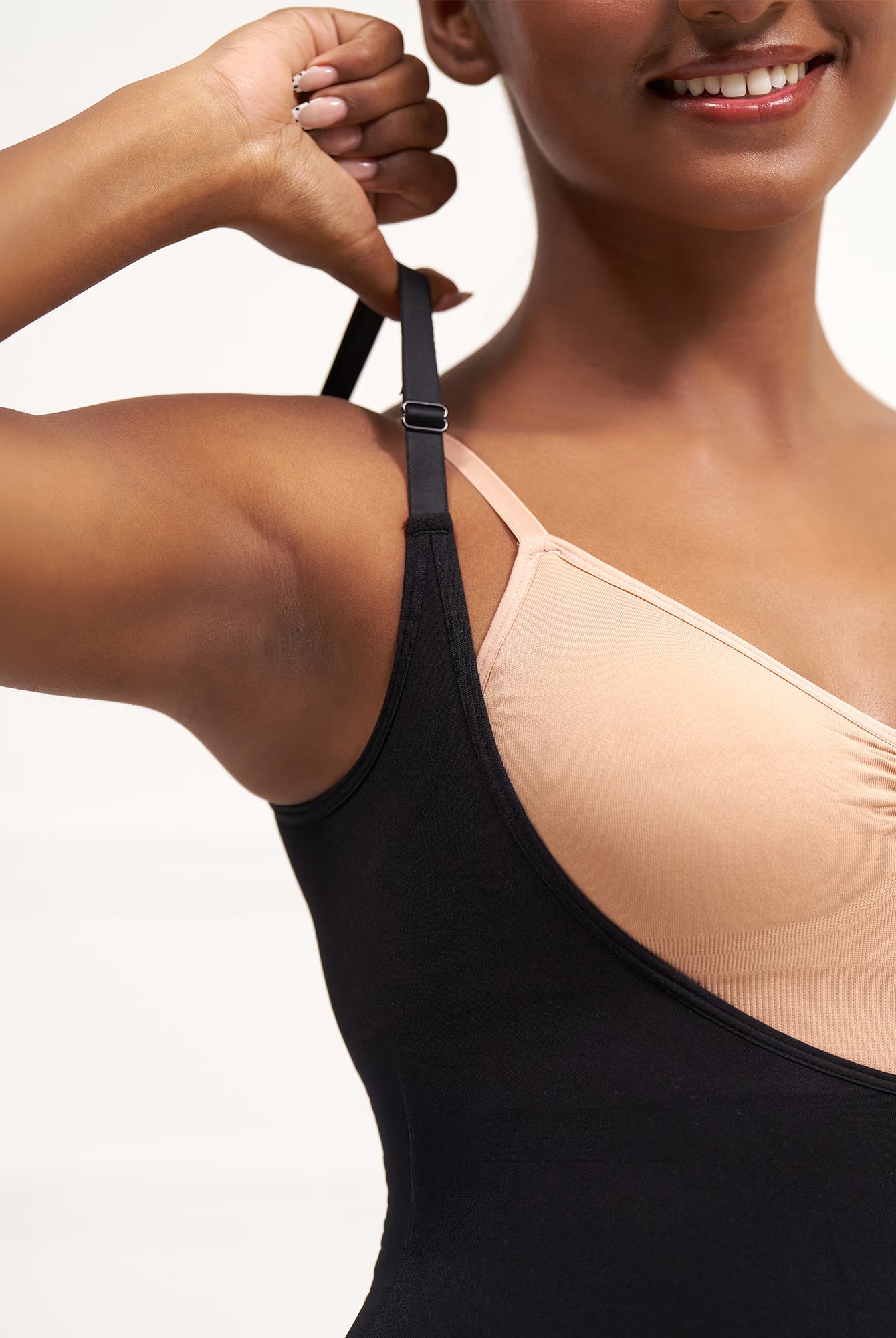
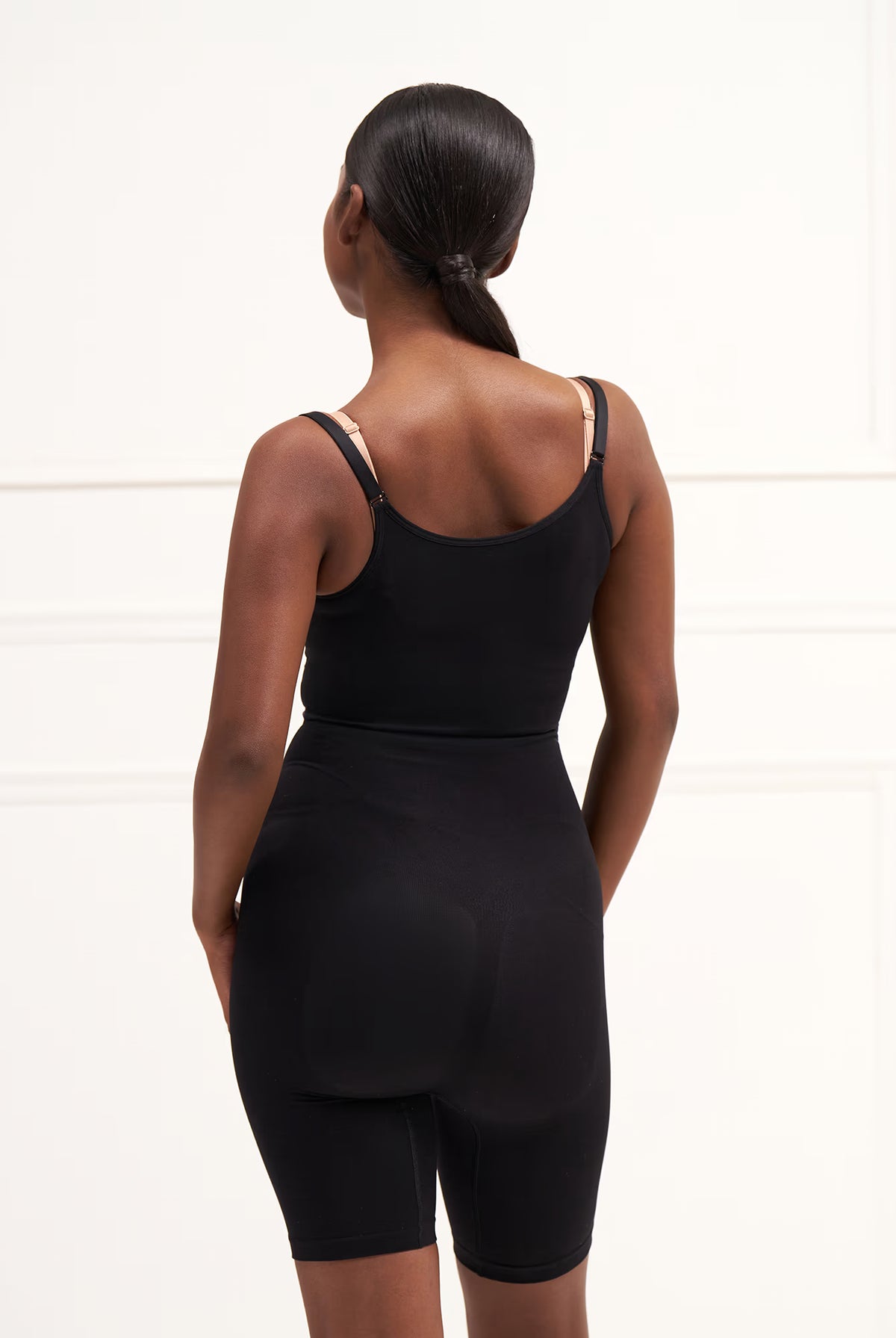
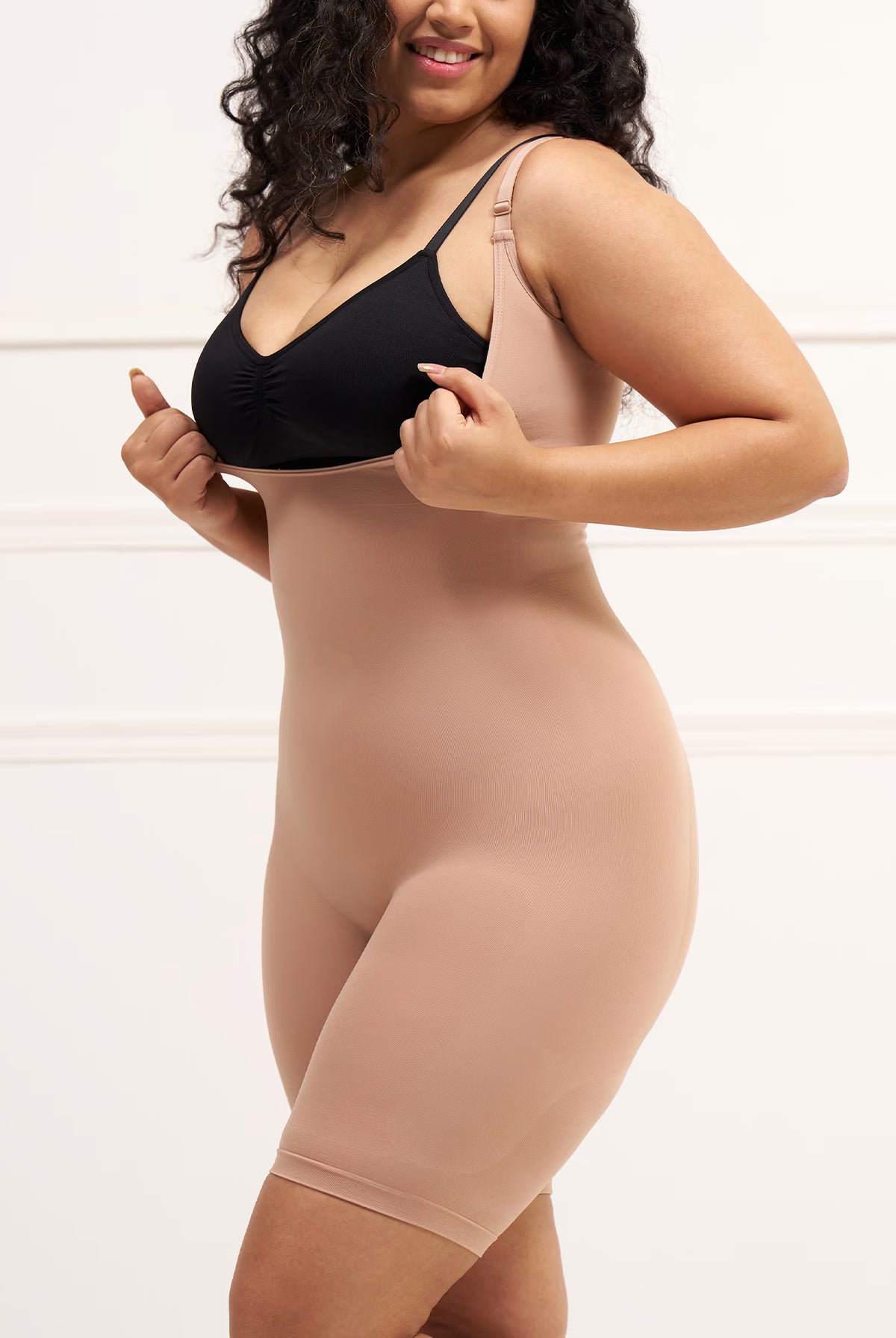
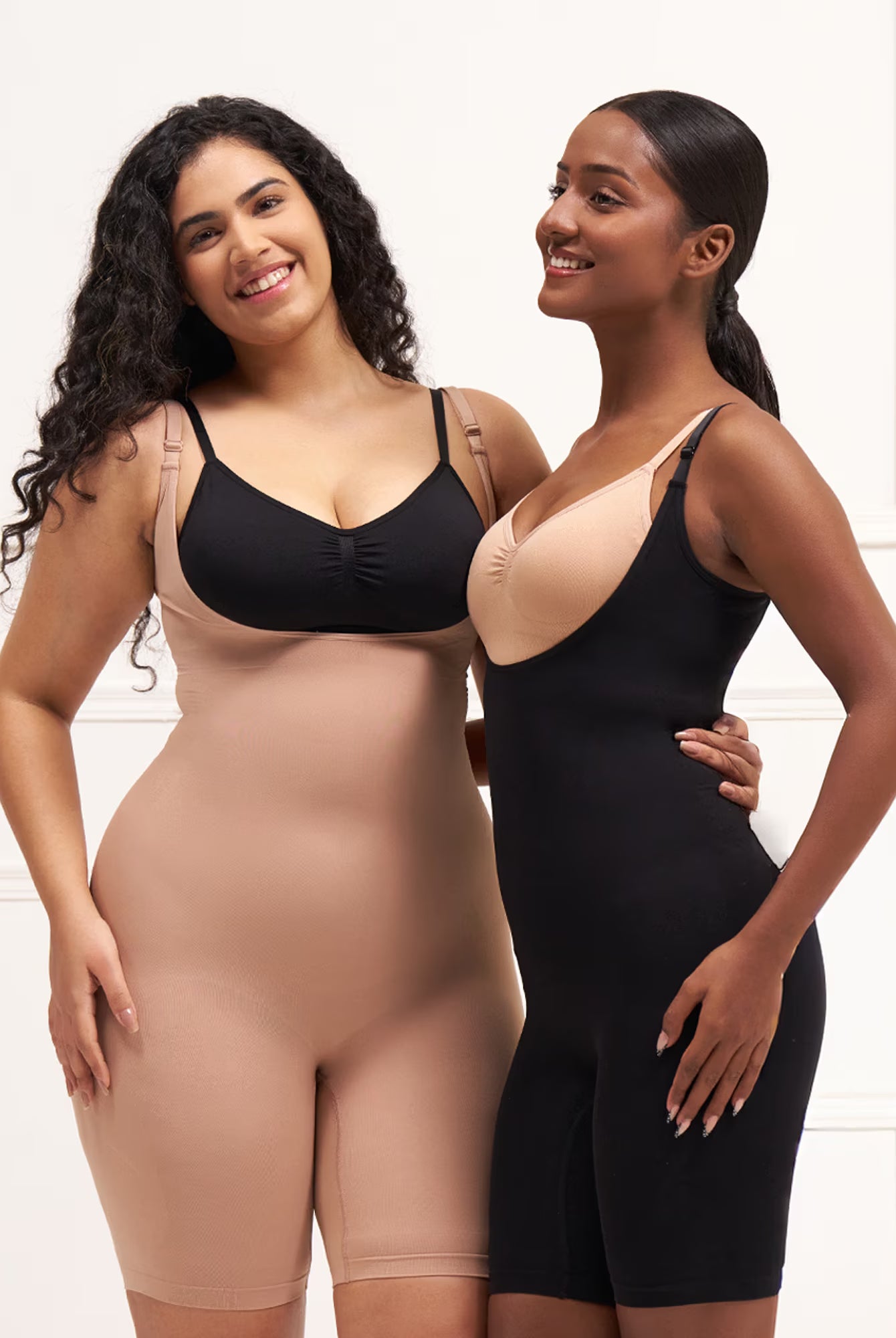
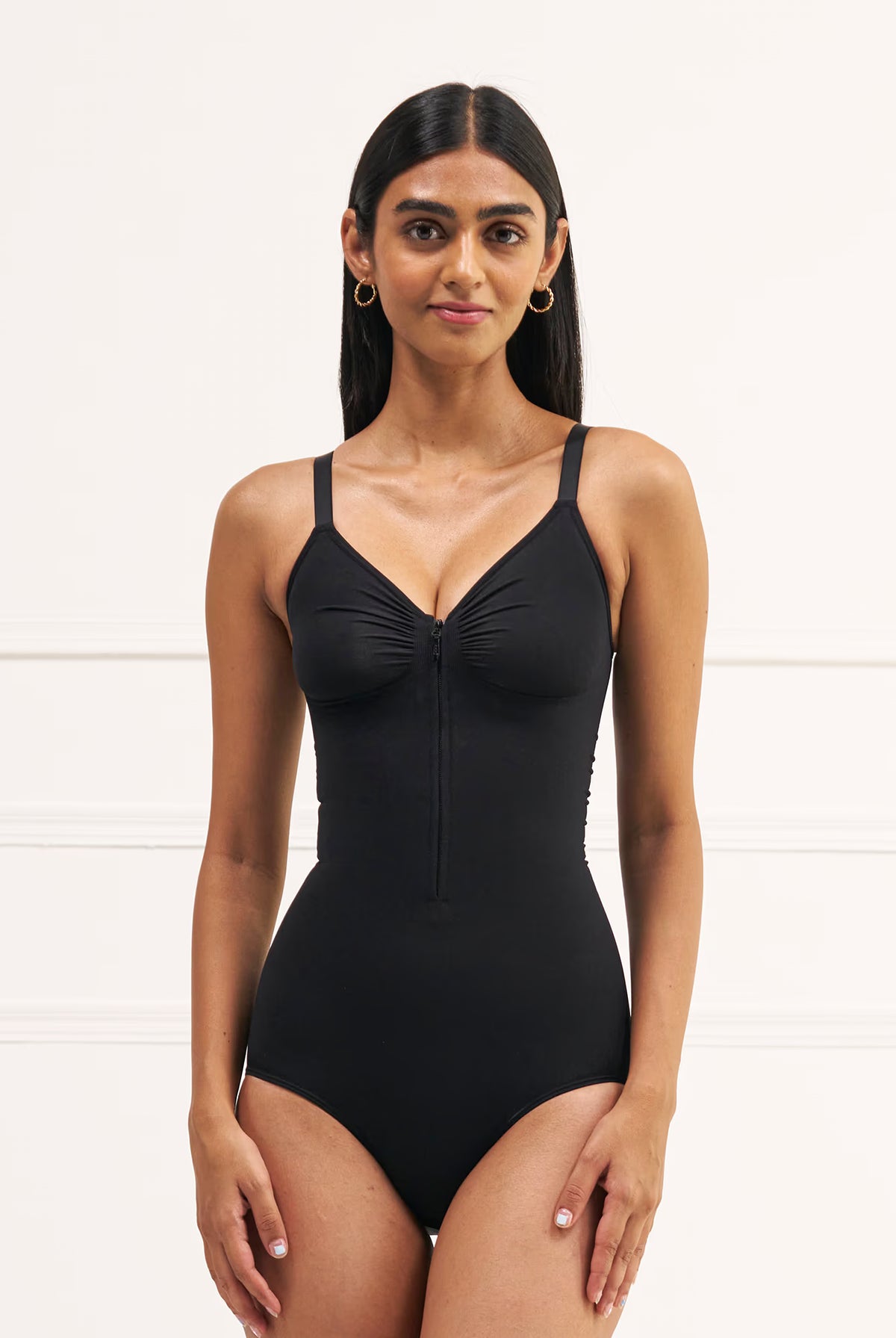
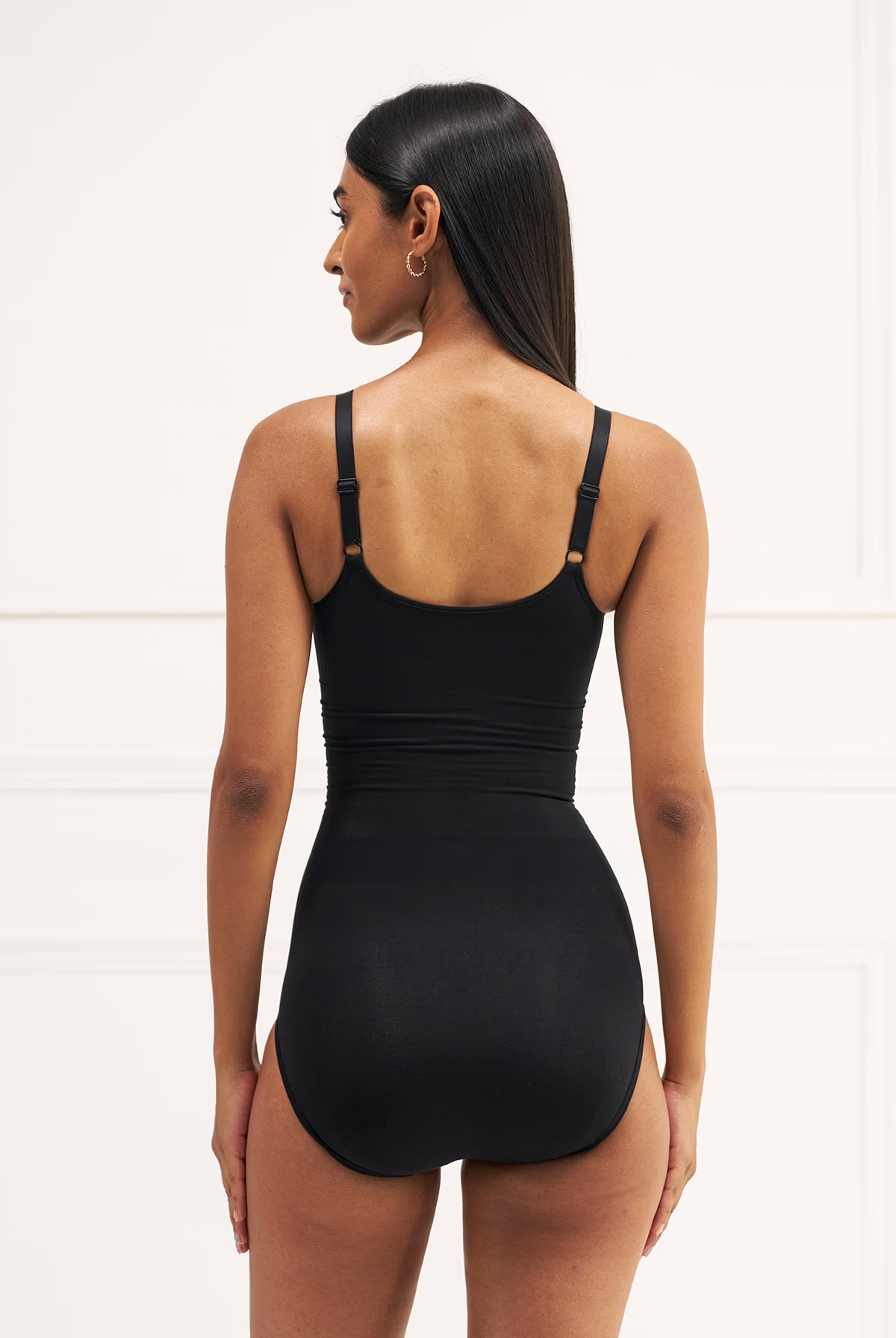
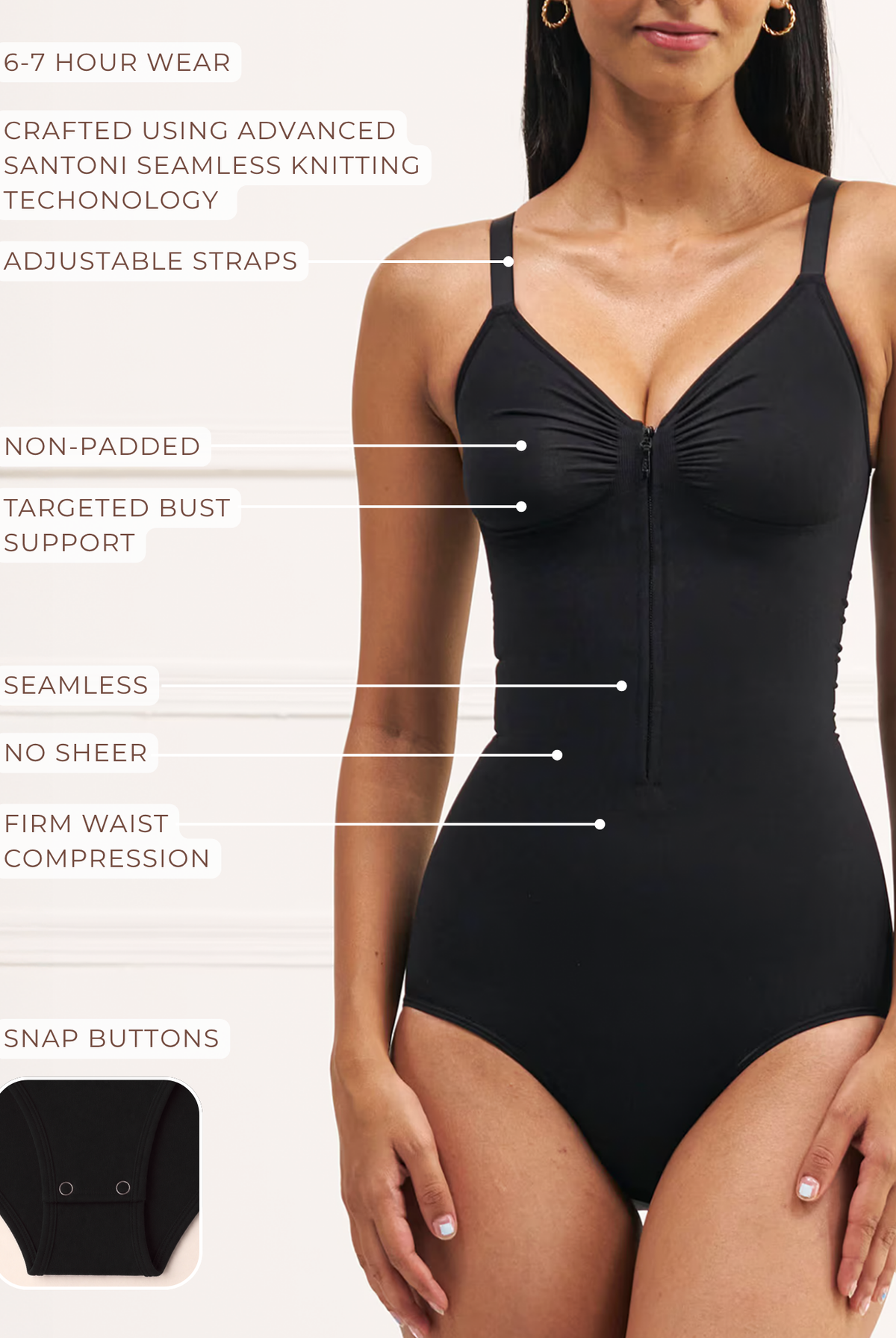
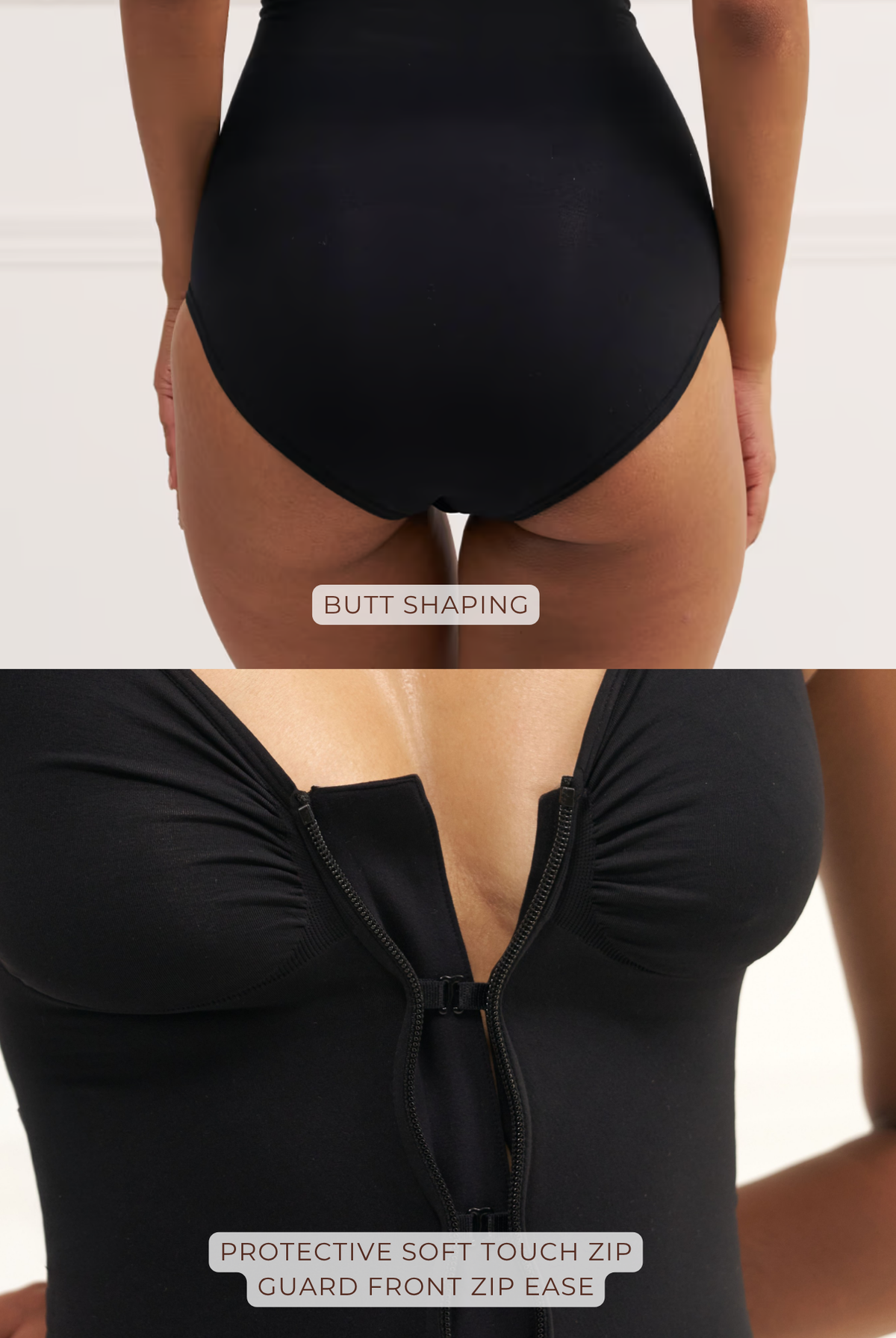
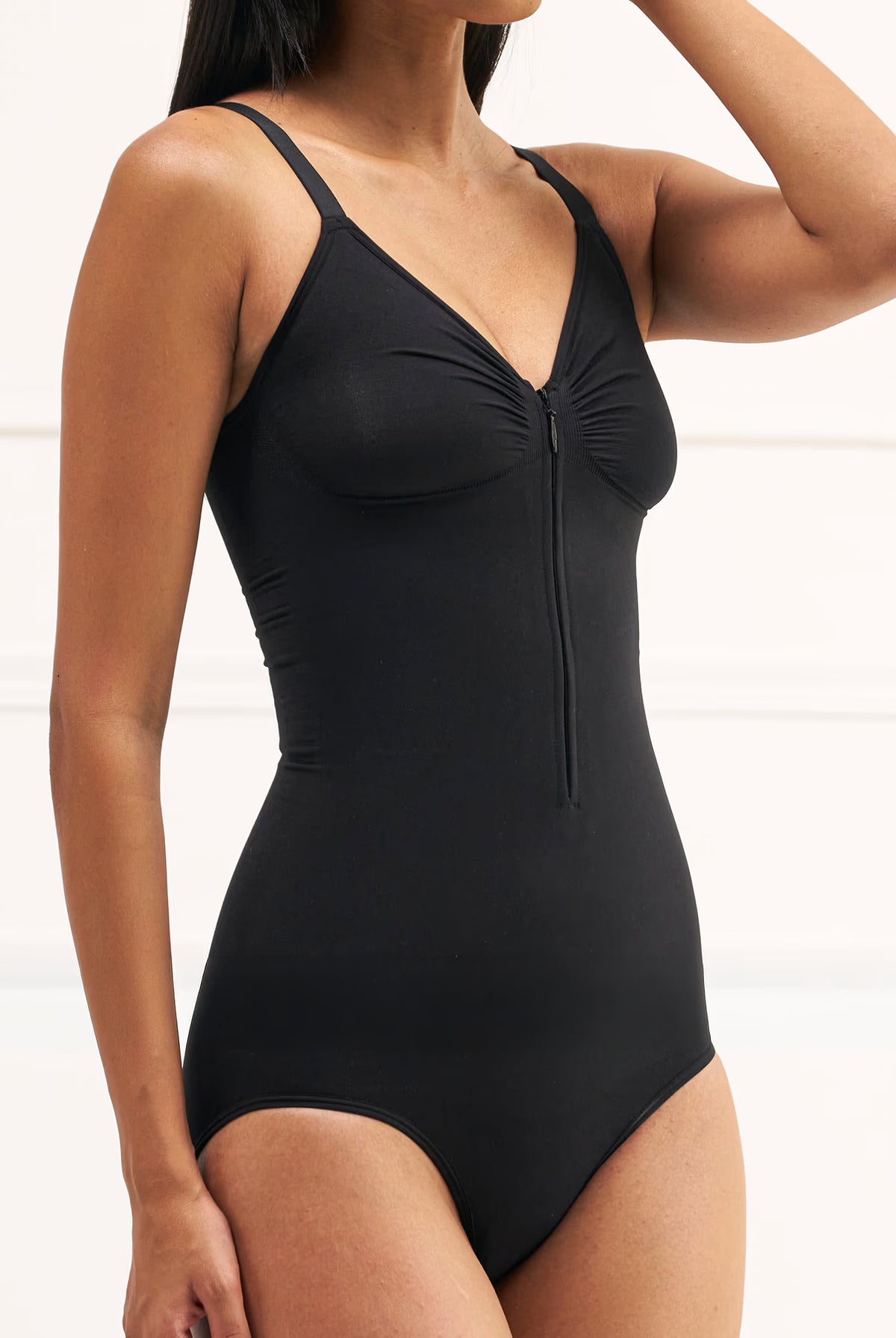
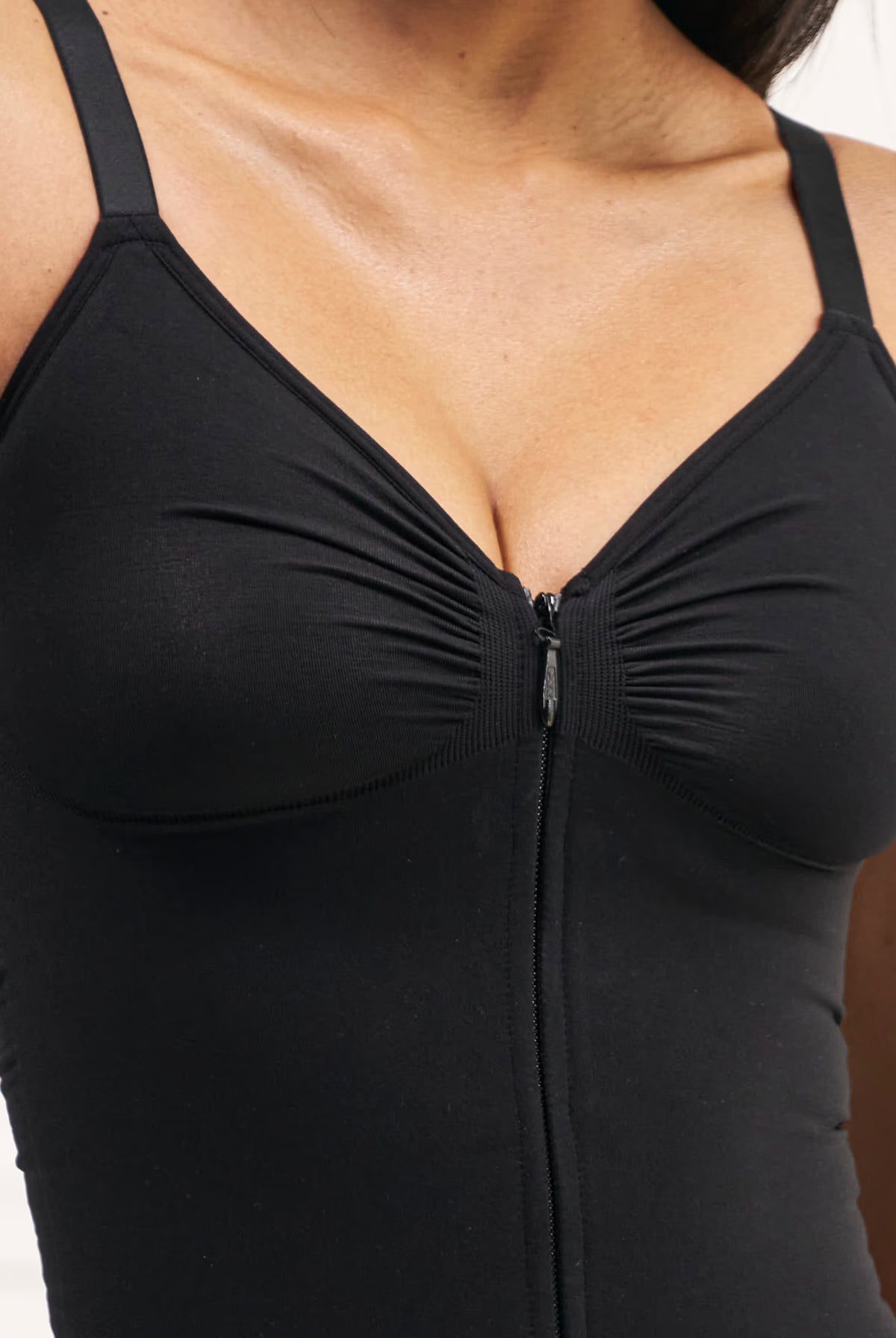
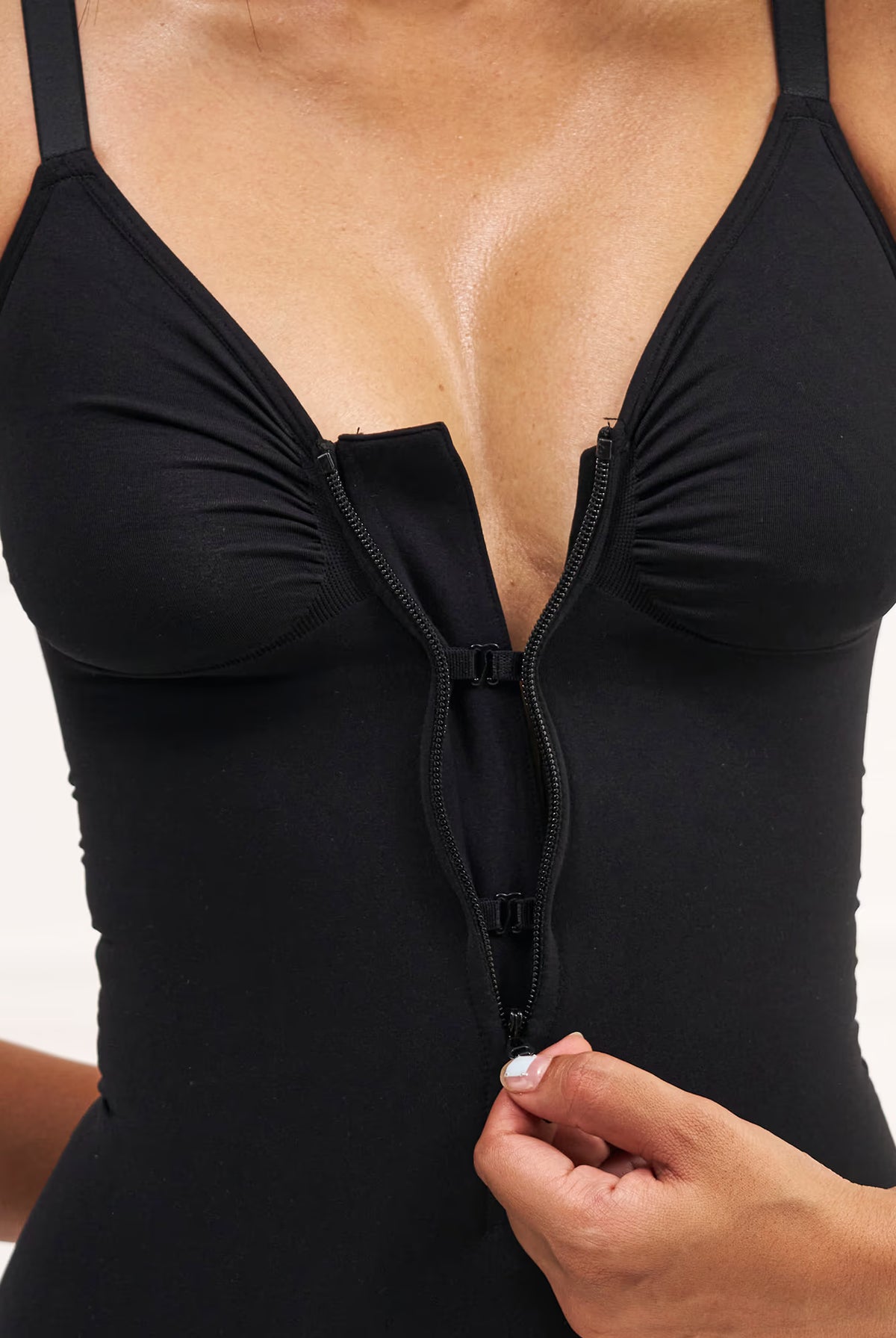
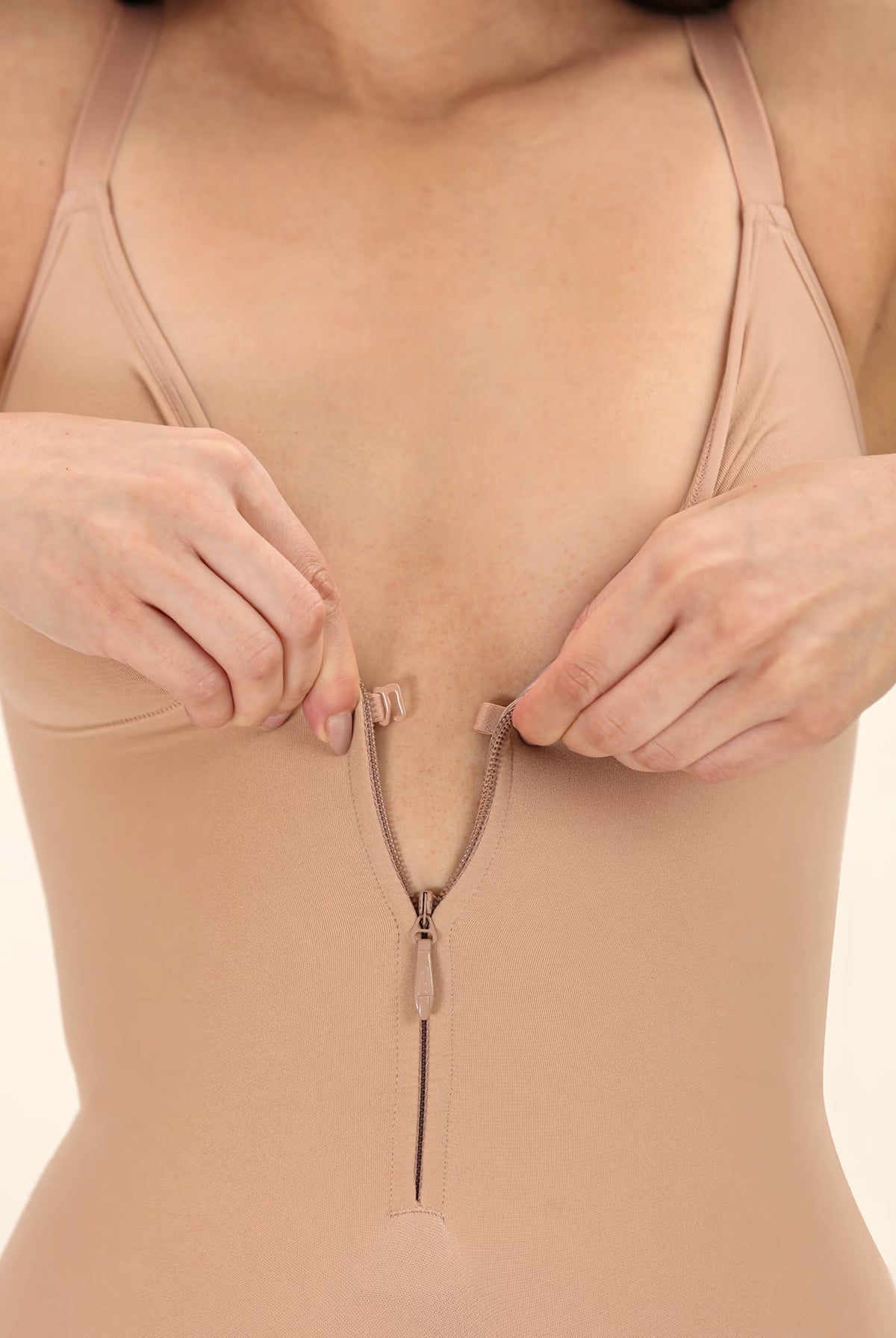
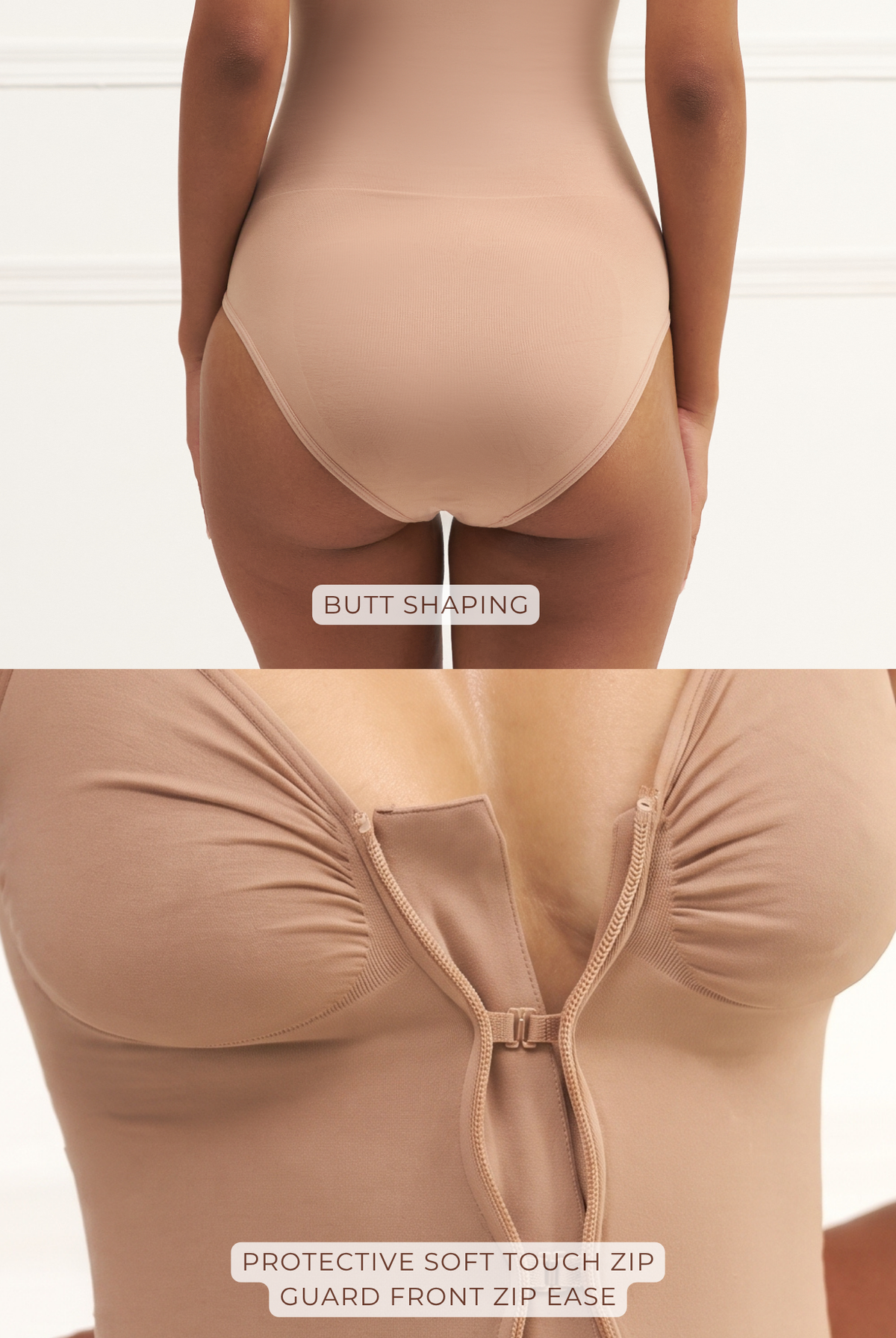
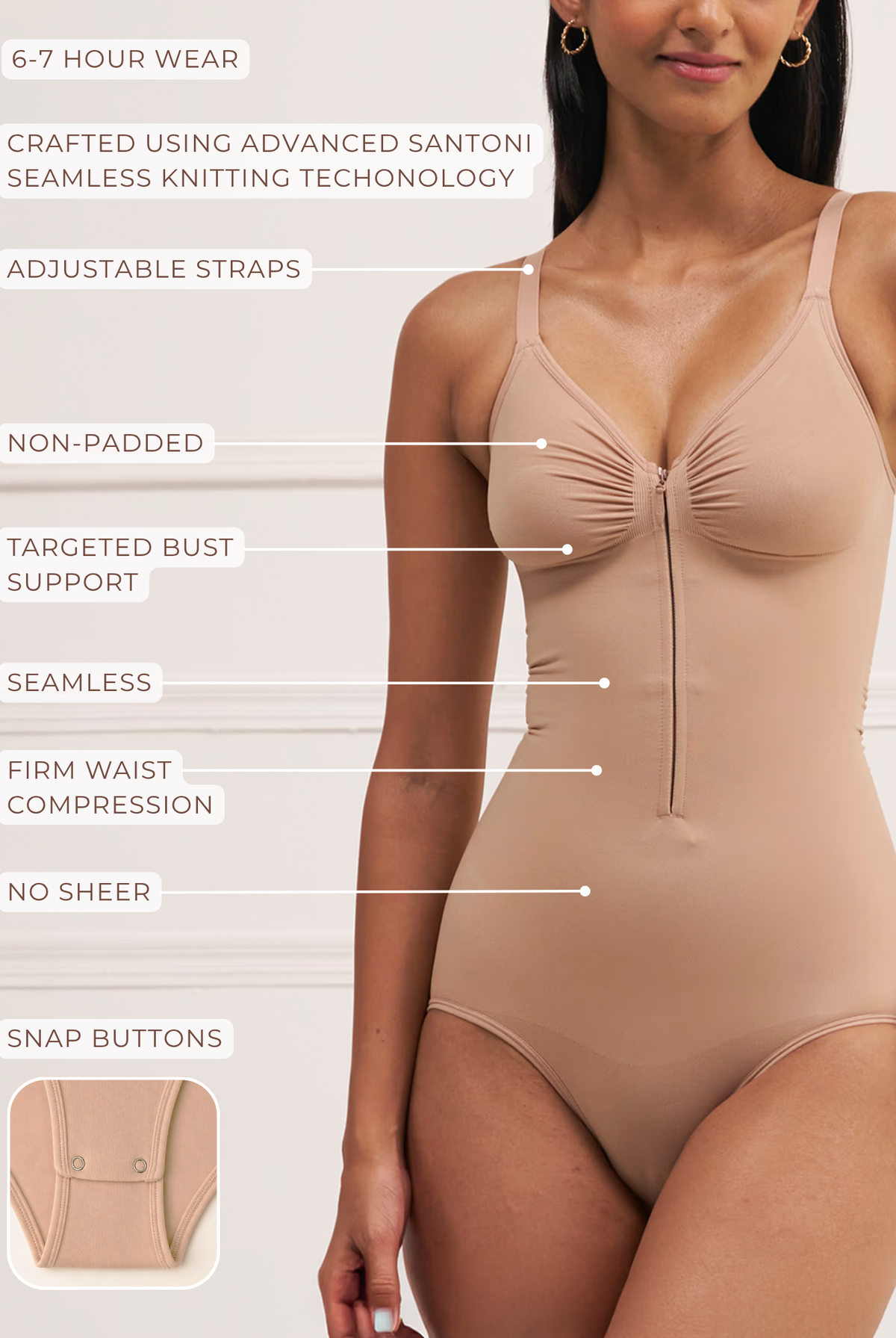
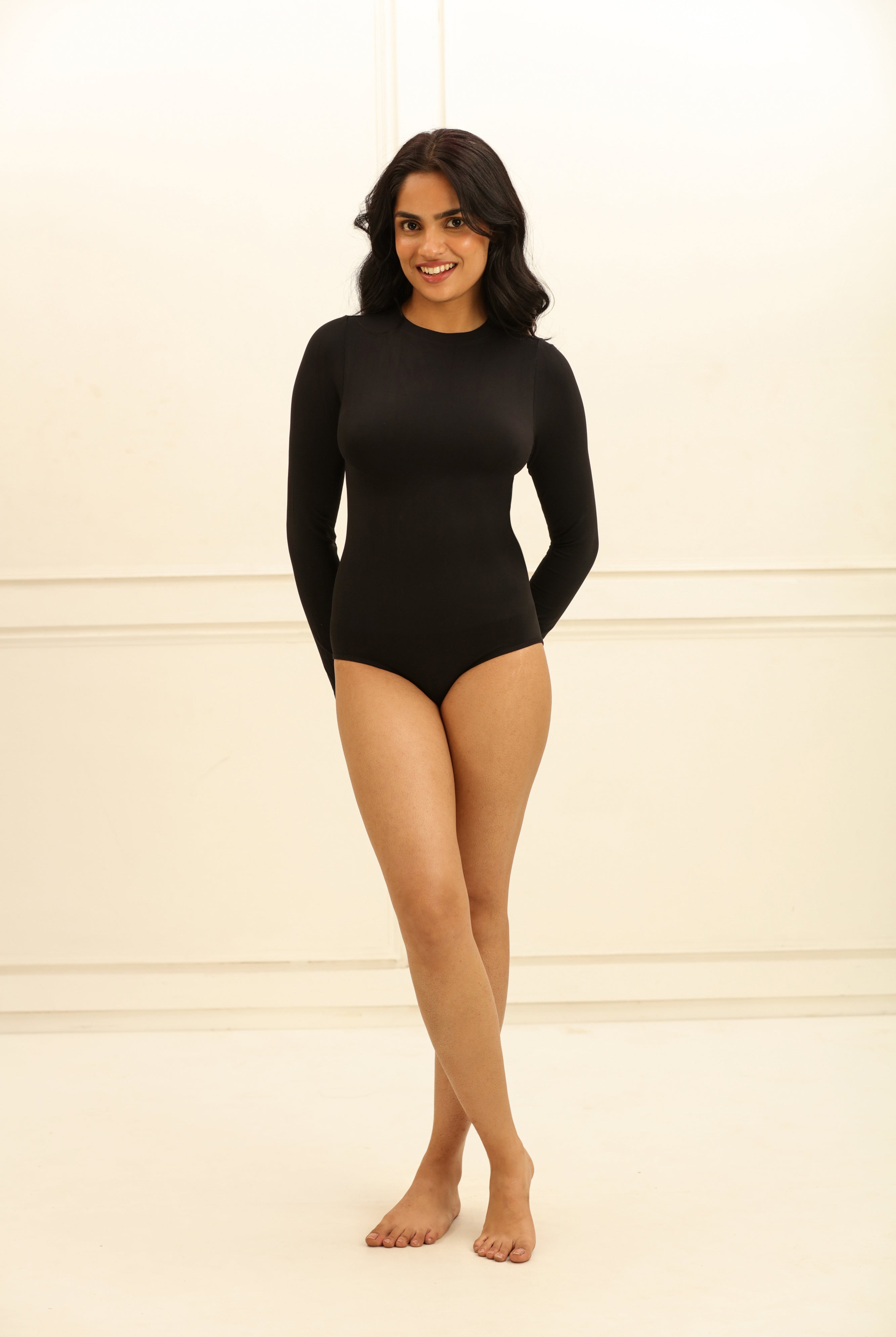
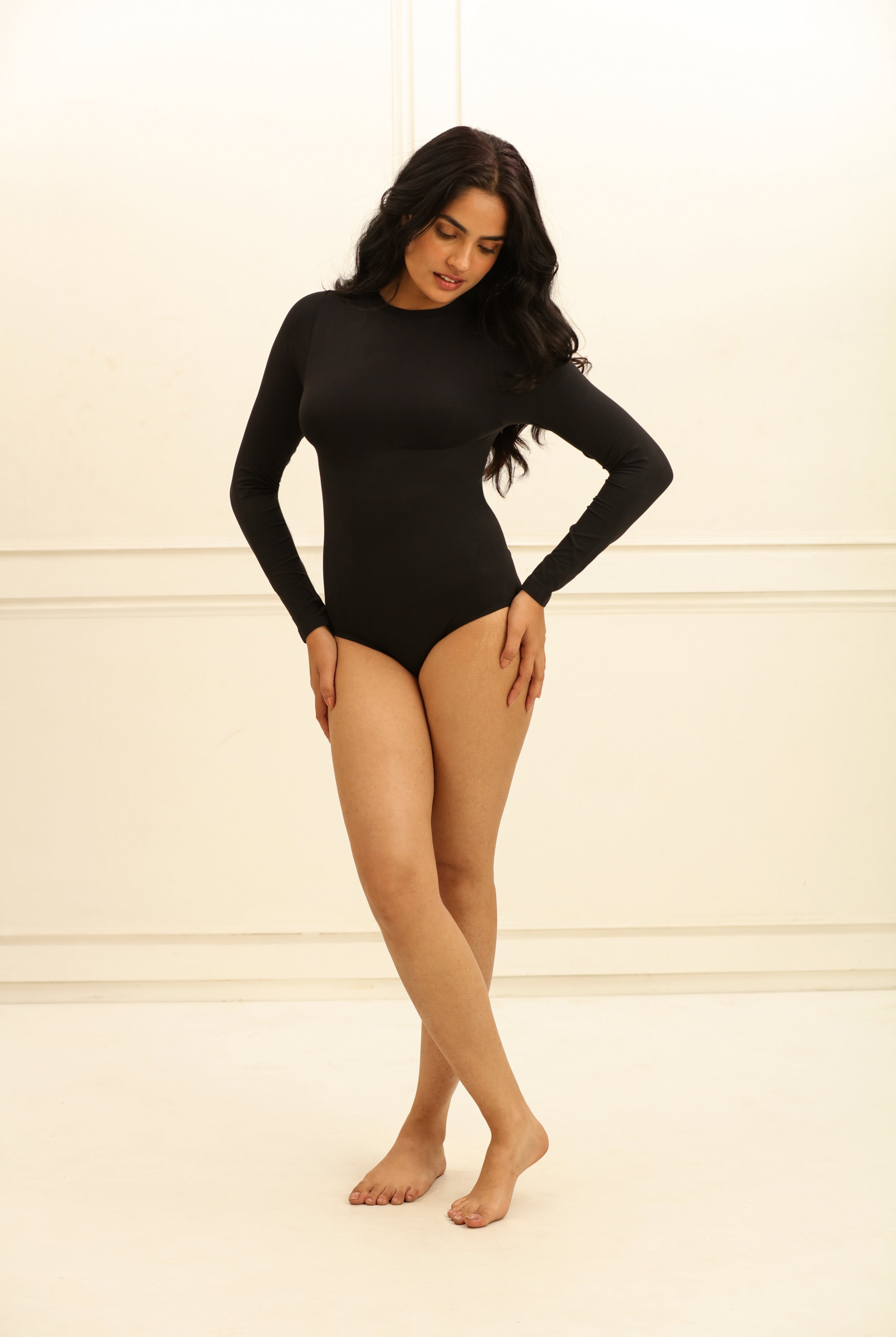
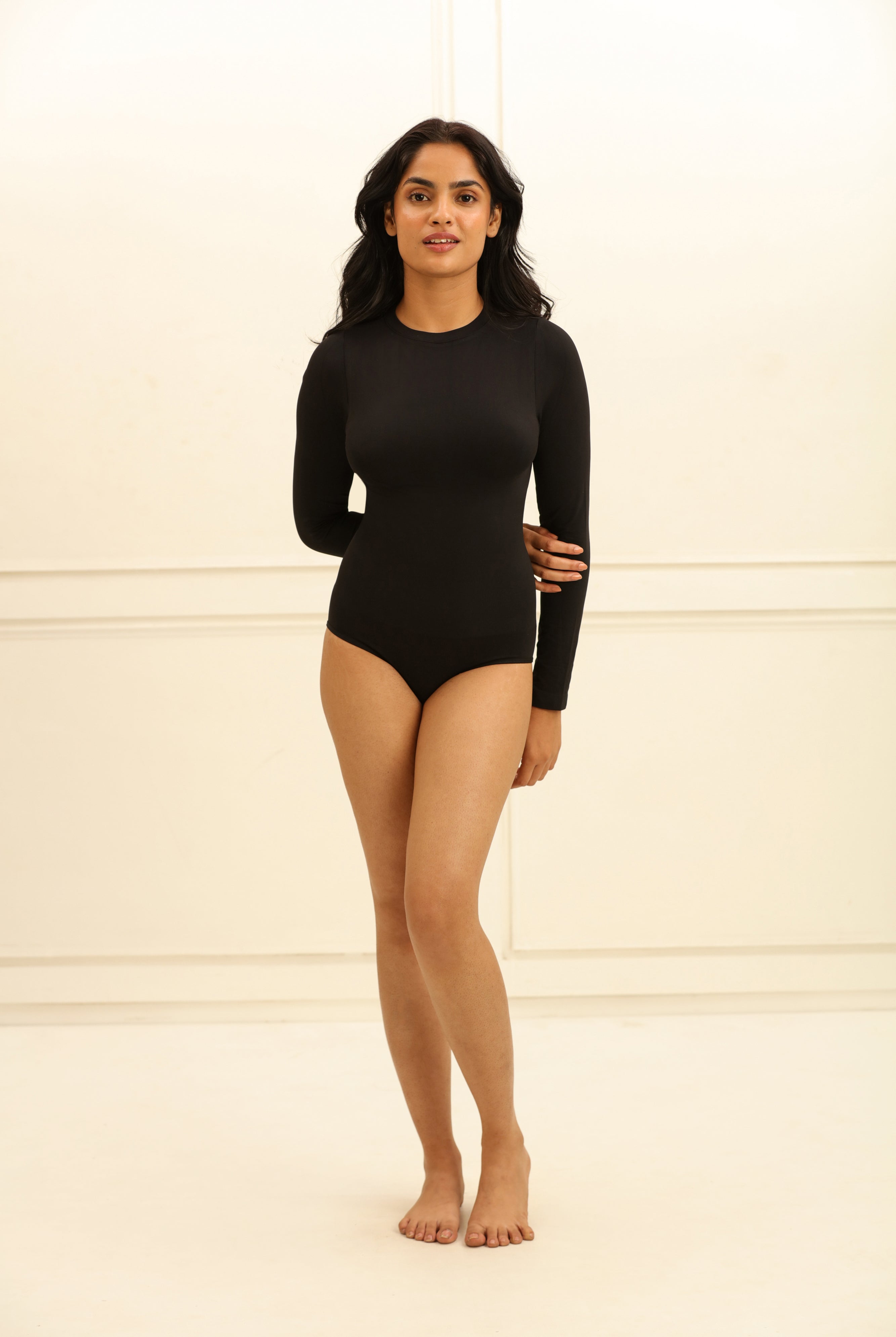
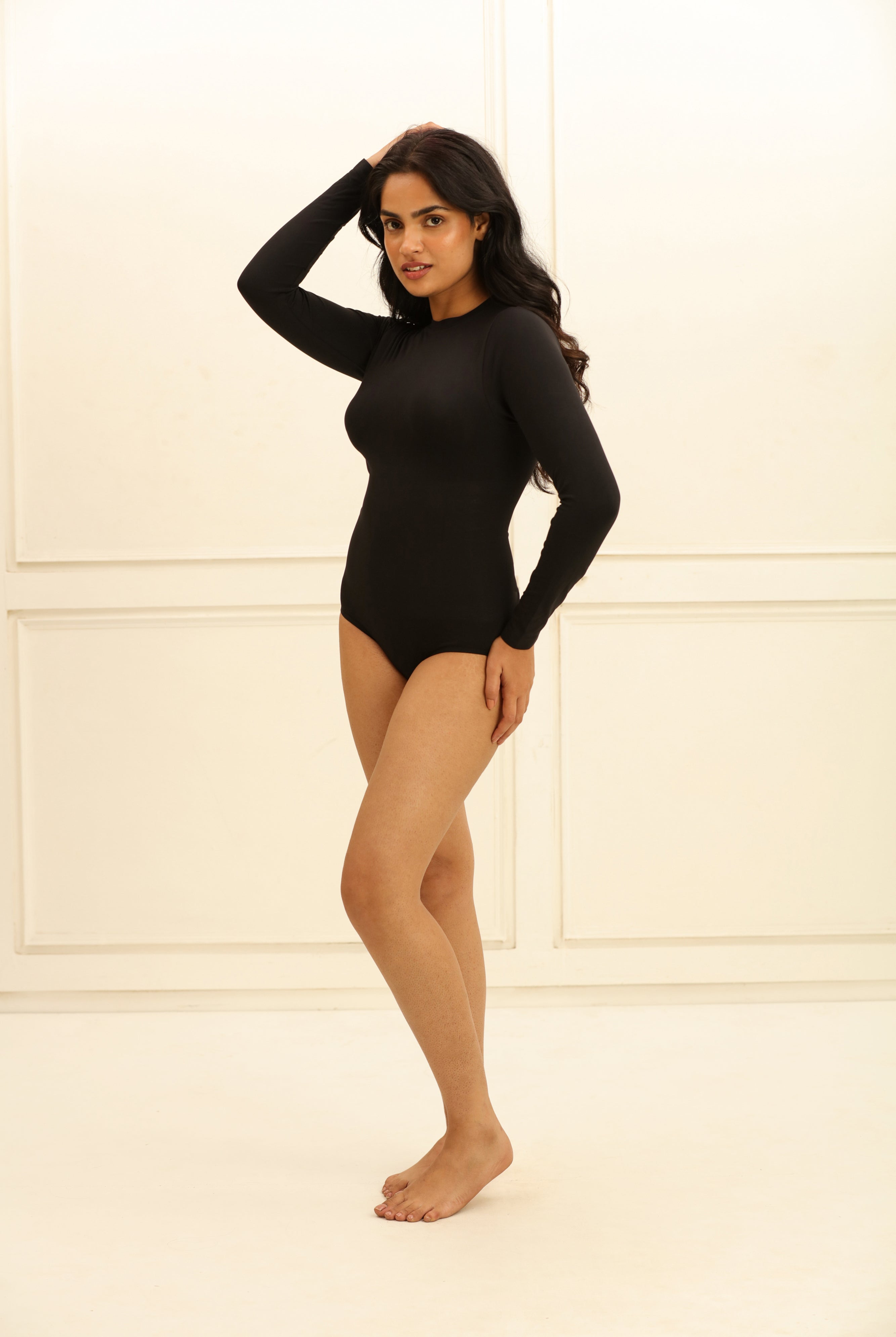
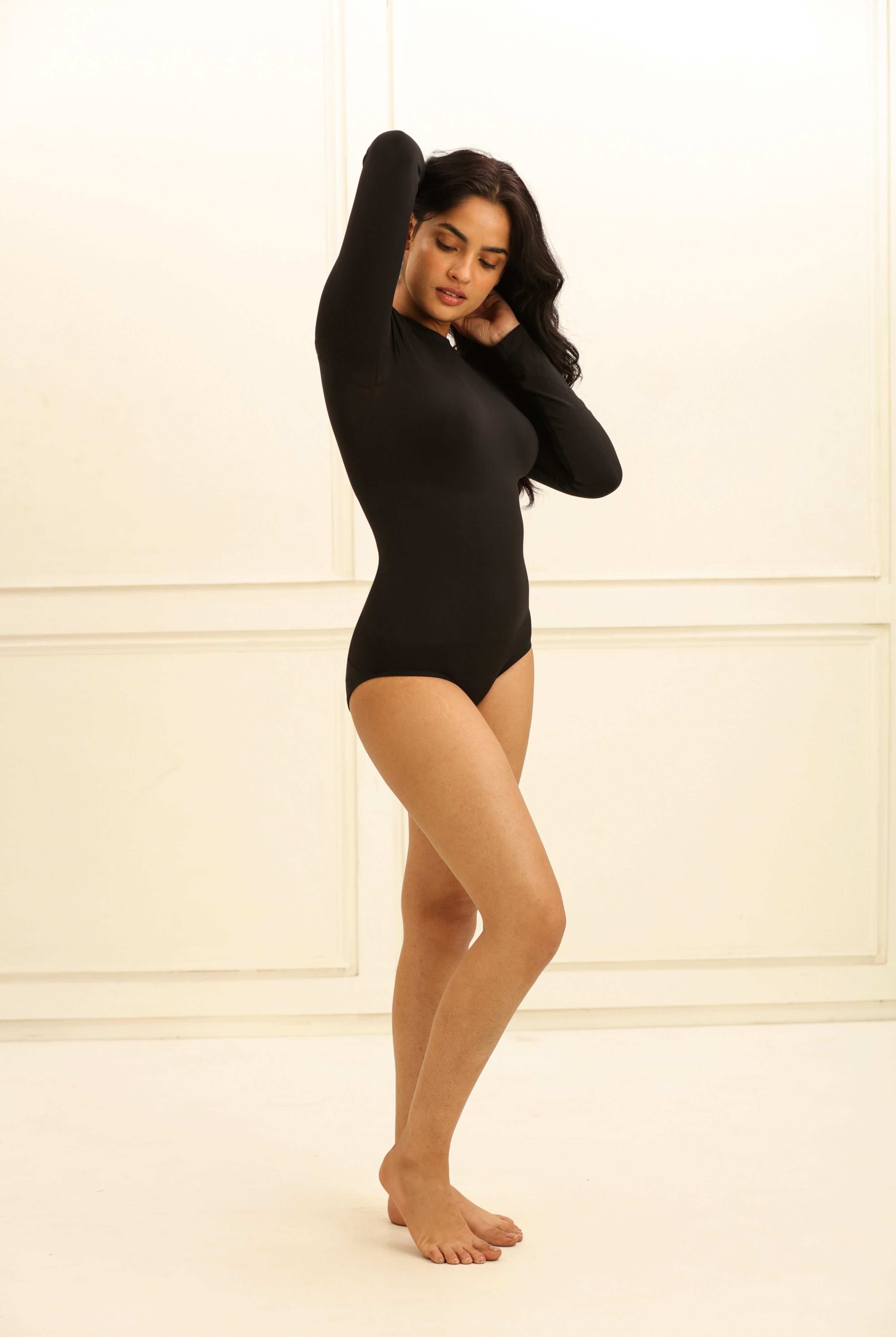
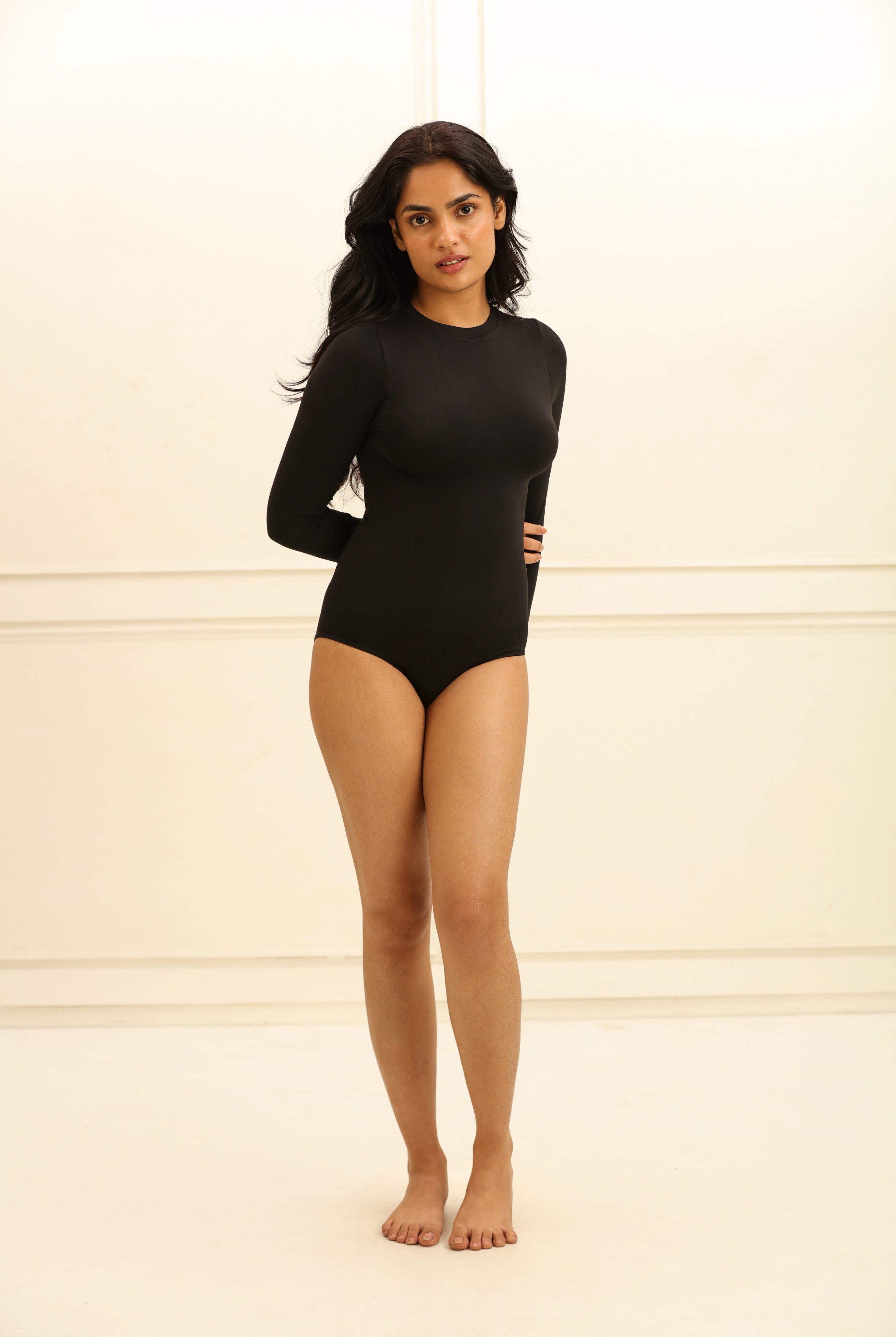
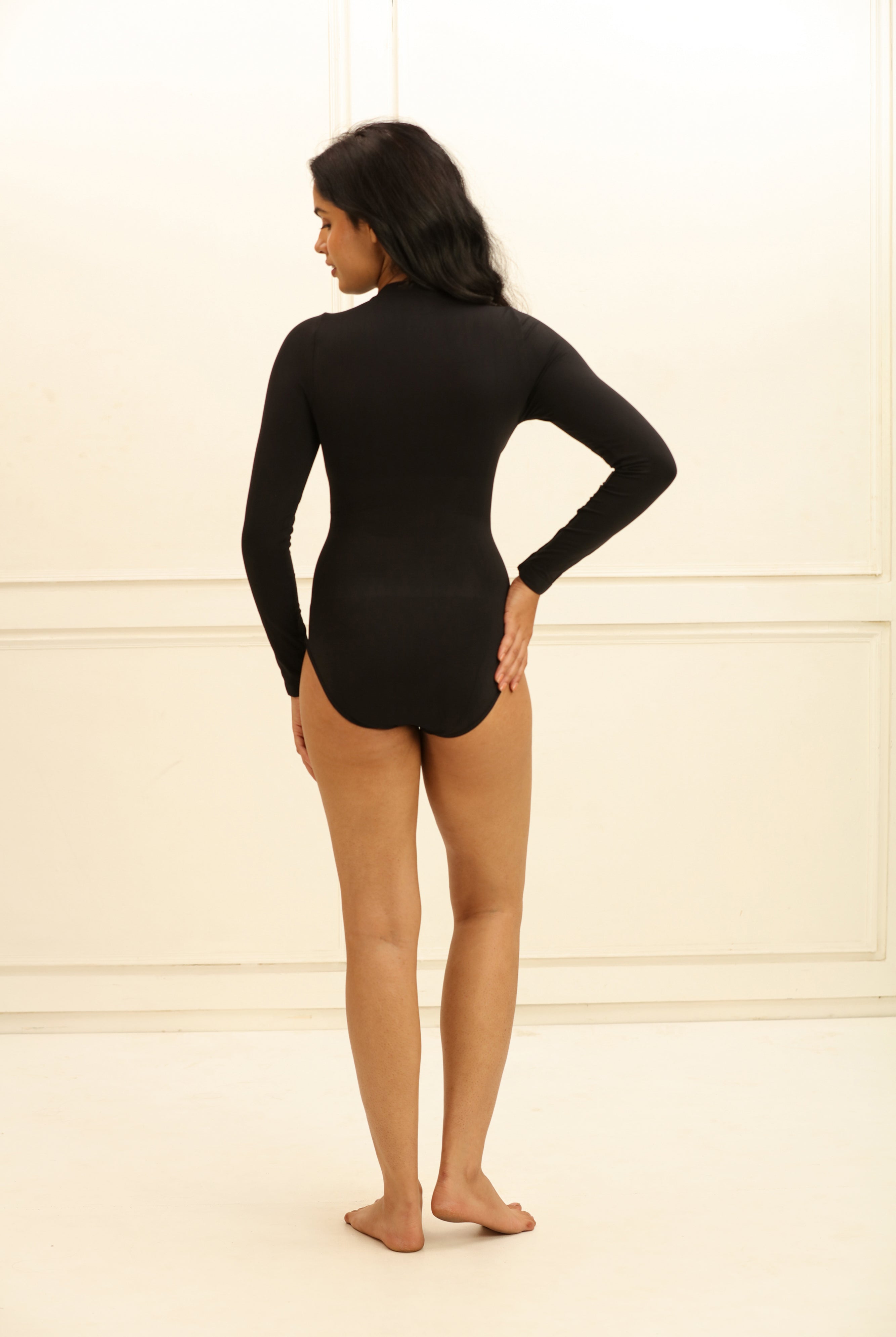
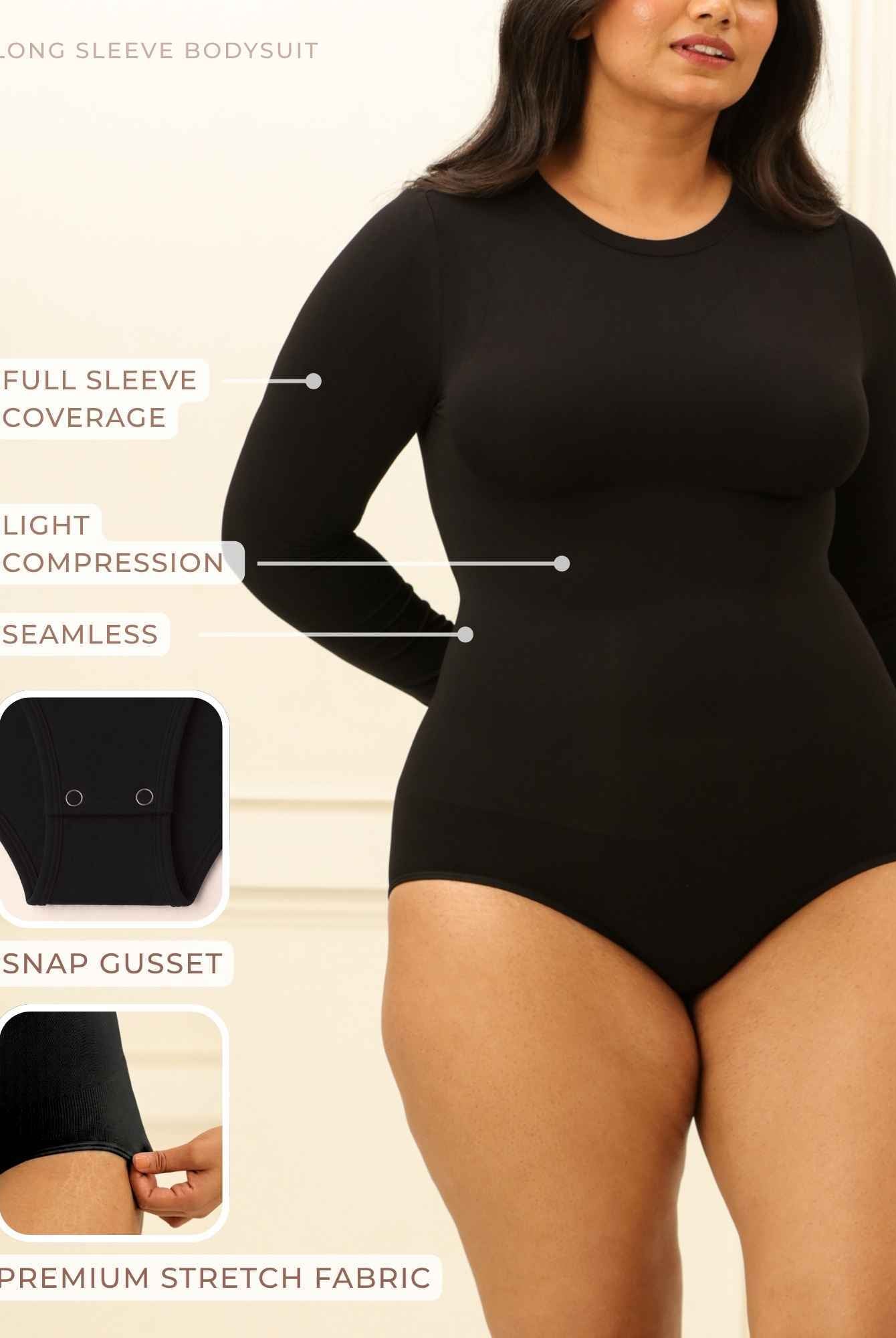
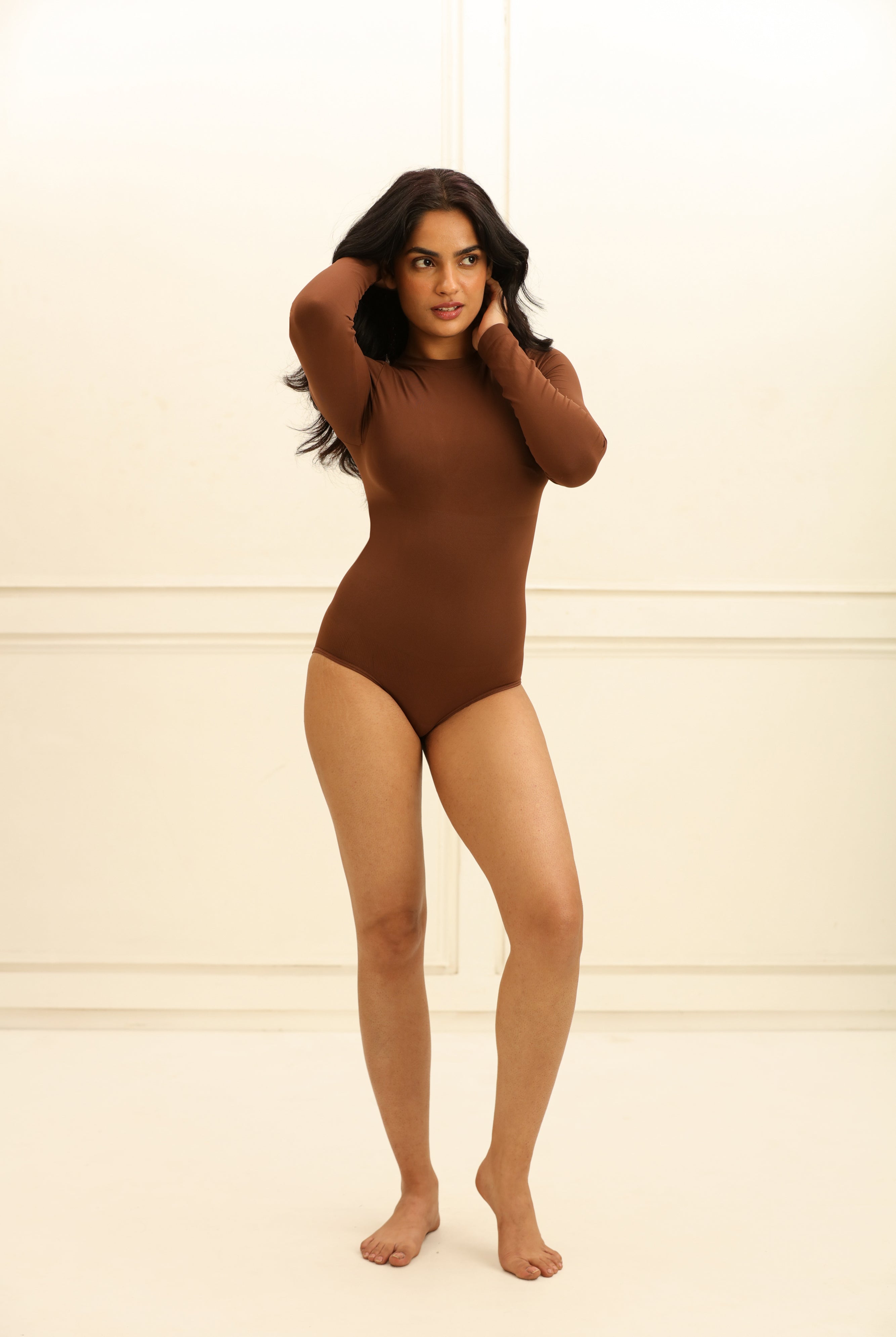
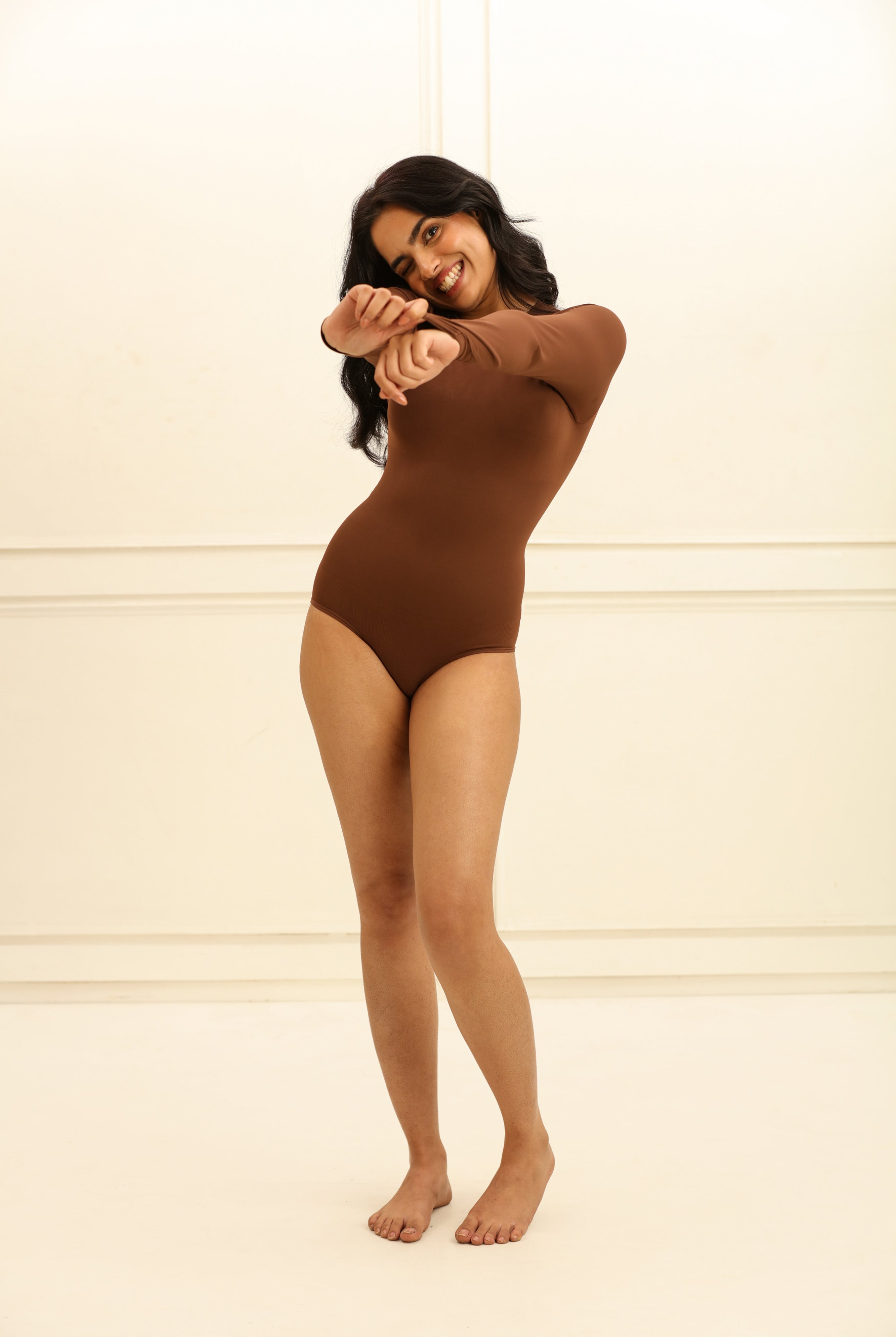
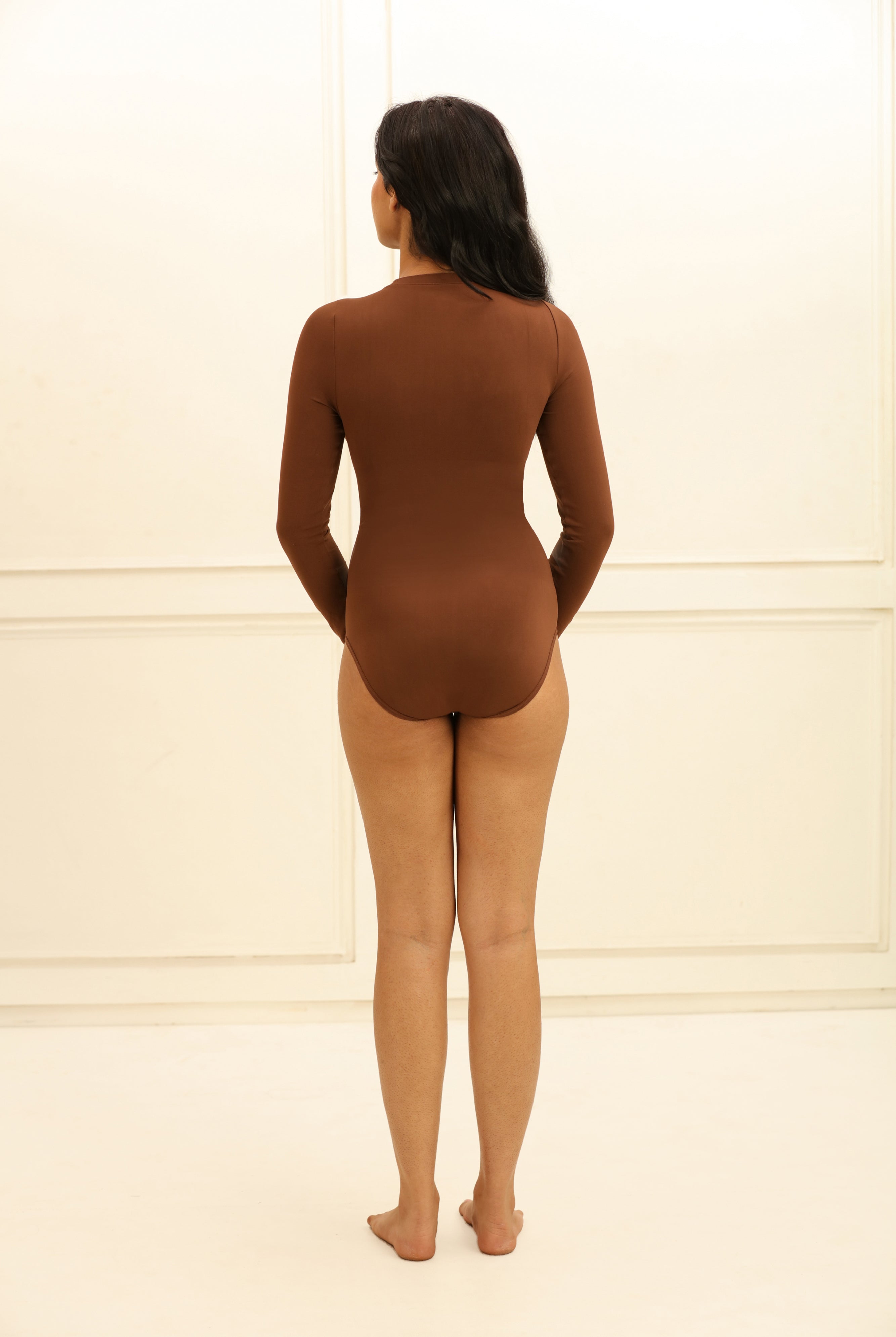
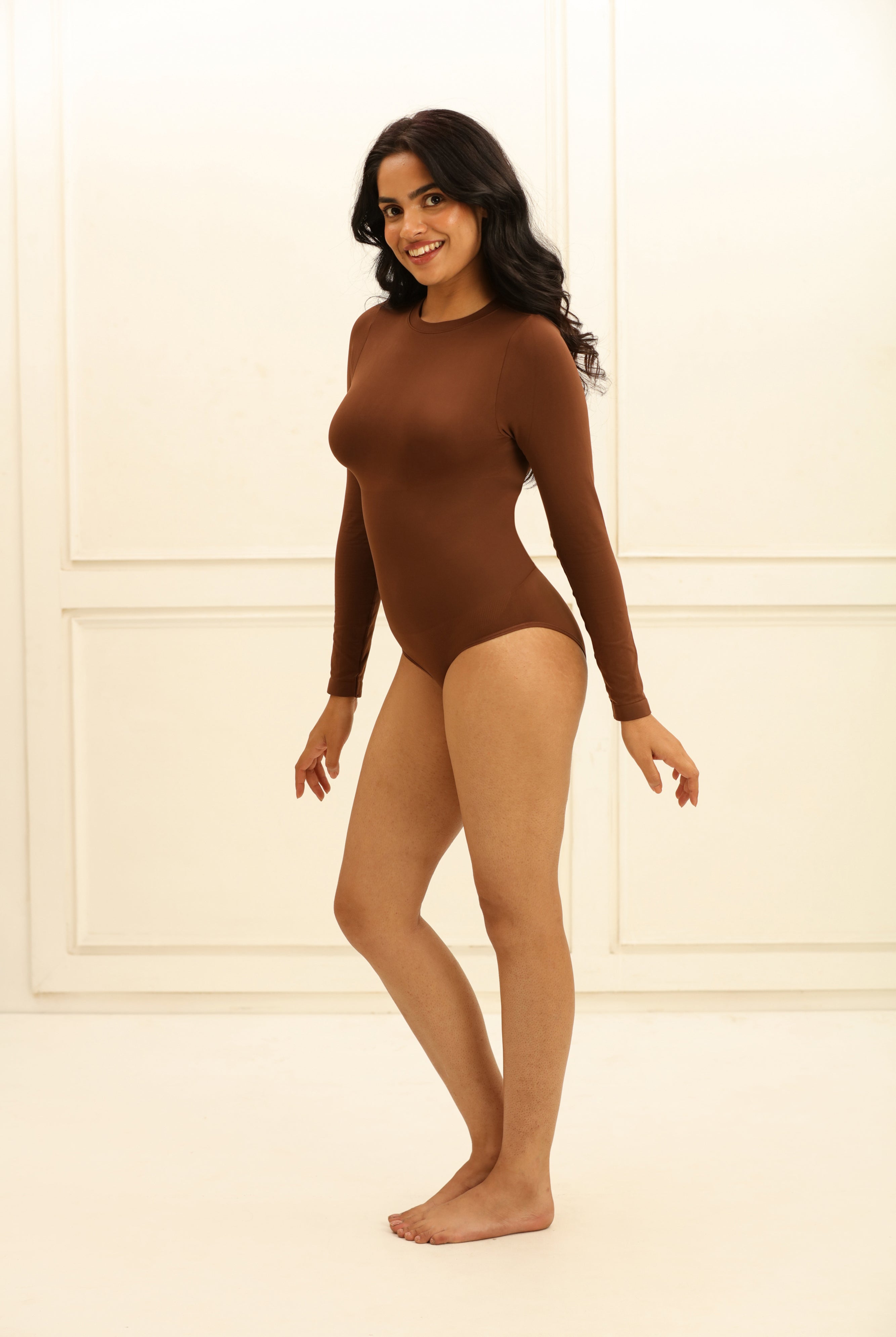
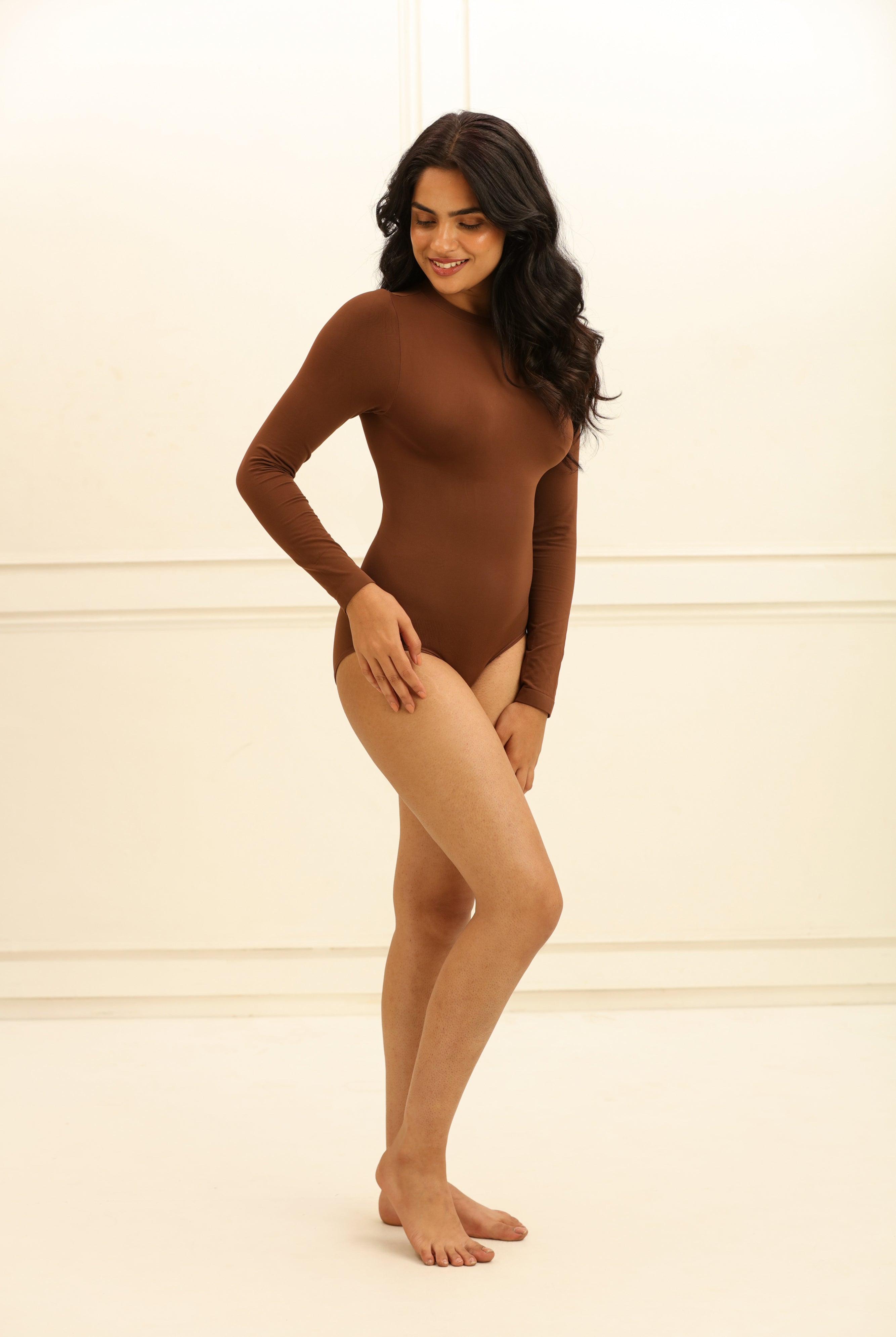
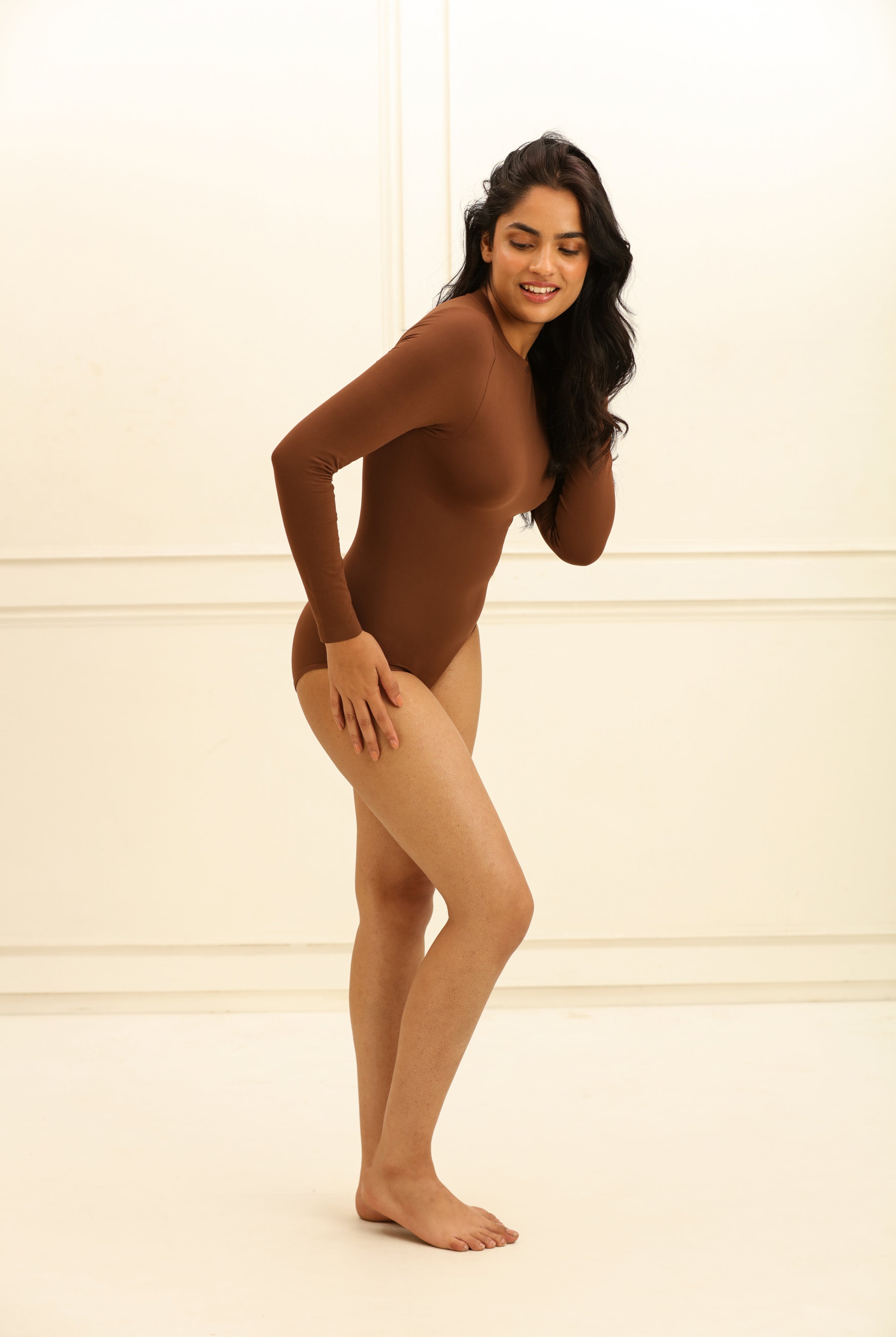
A bodysuit or body briefer covers the torso from bust to hips in one piece. It gives an even, consistent silhouette across the full length of the body. Good for occasion wear, formal outfits, and any look where you want a clean, unbroken line from chest to hip.
-
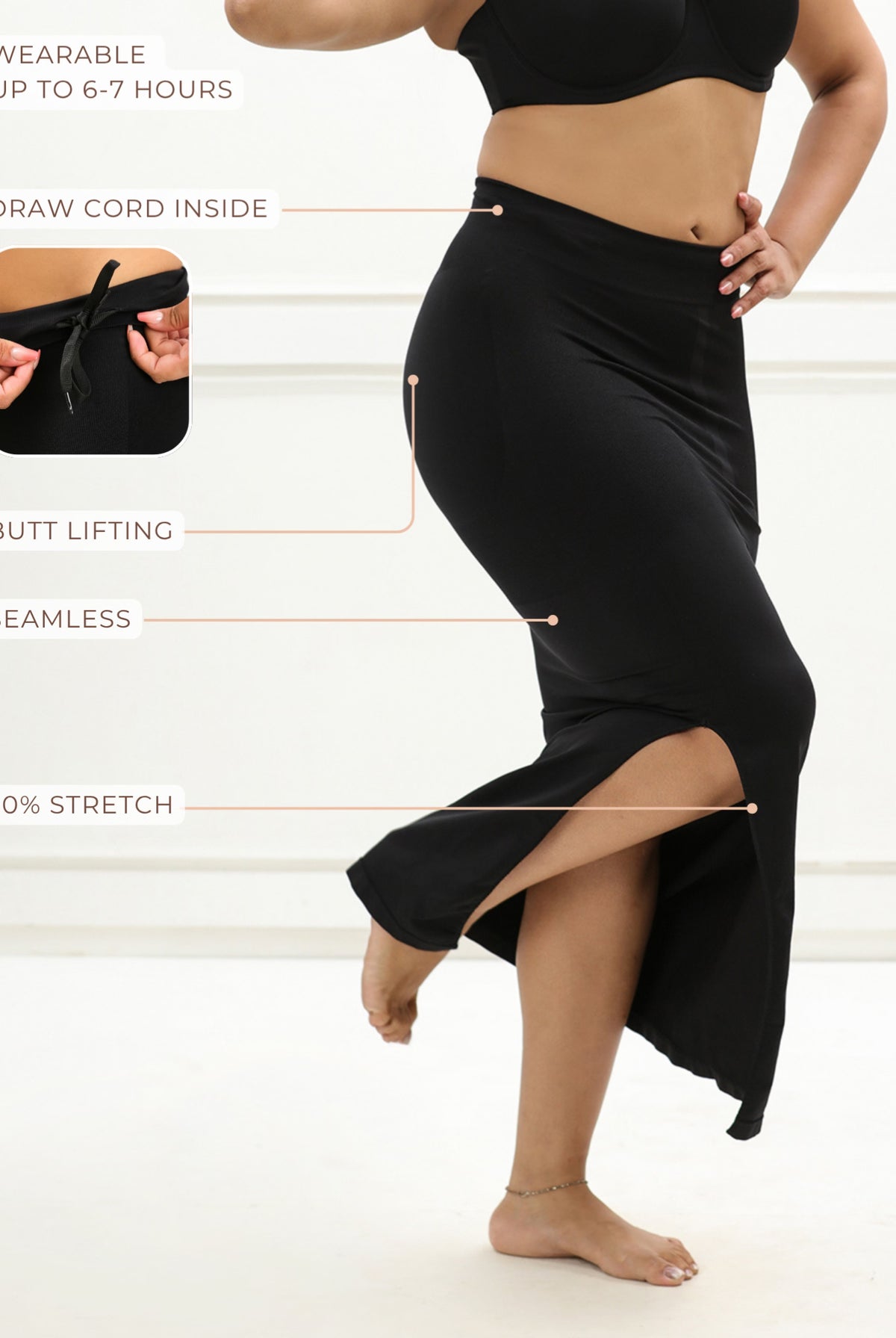
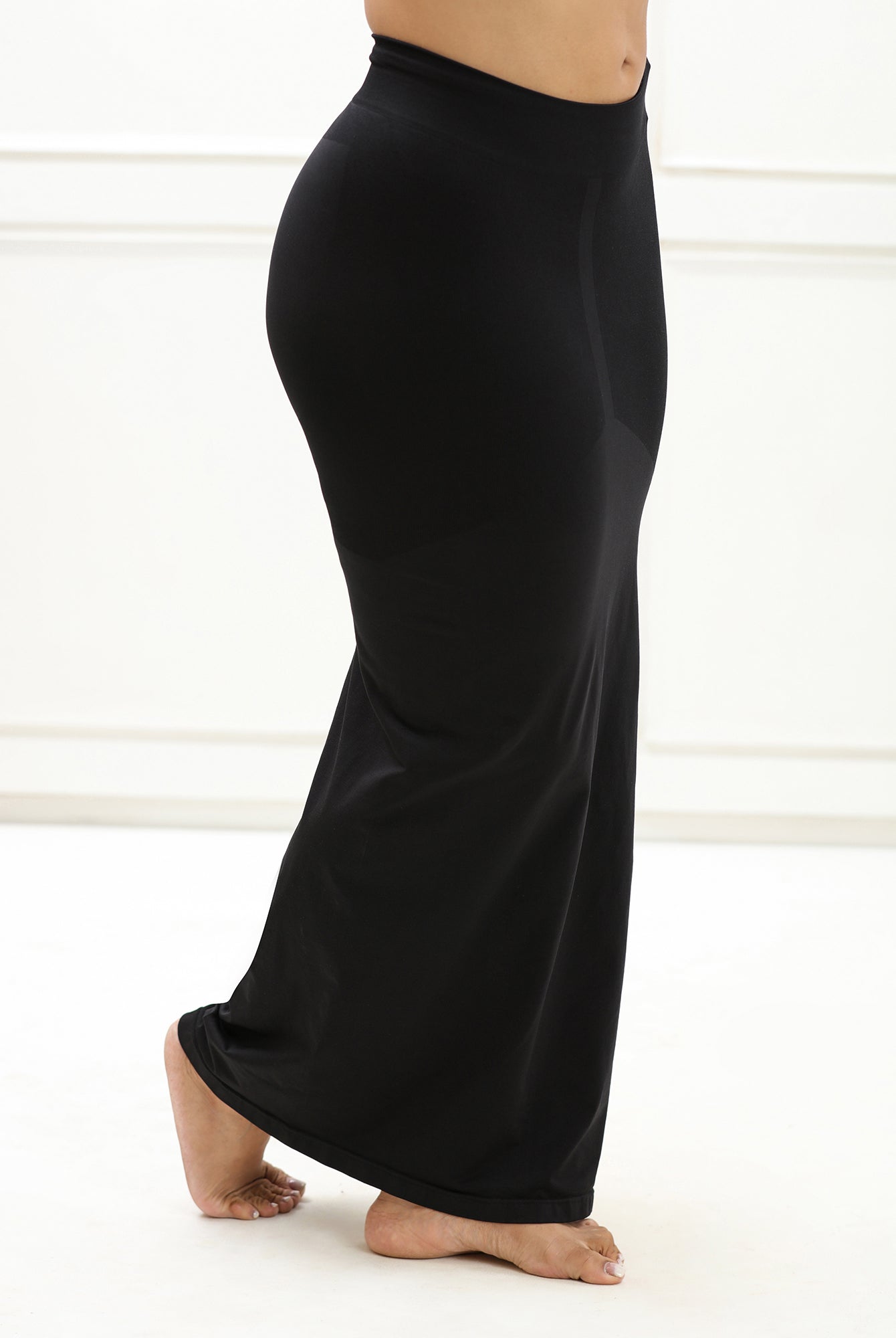
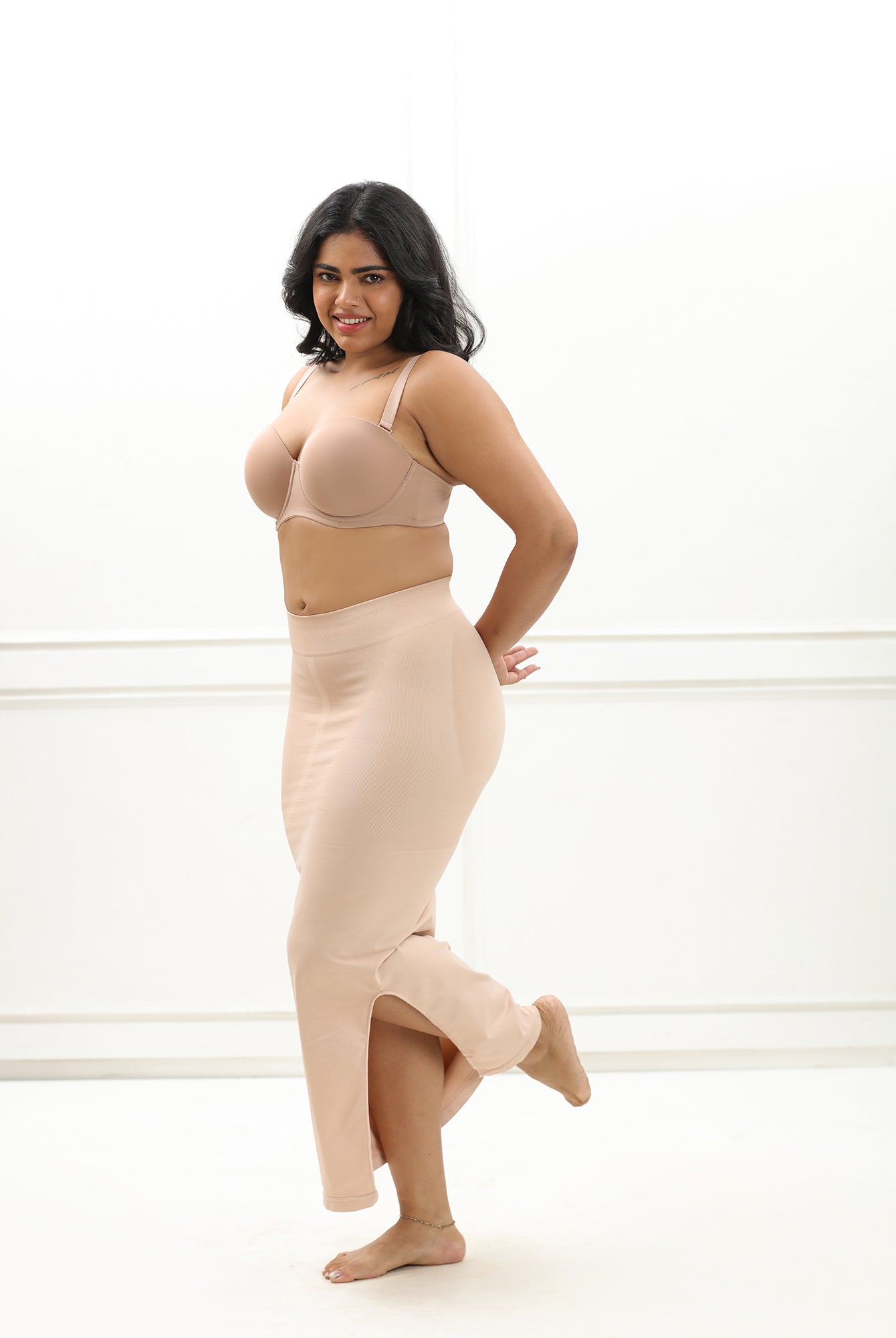
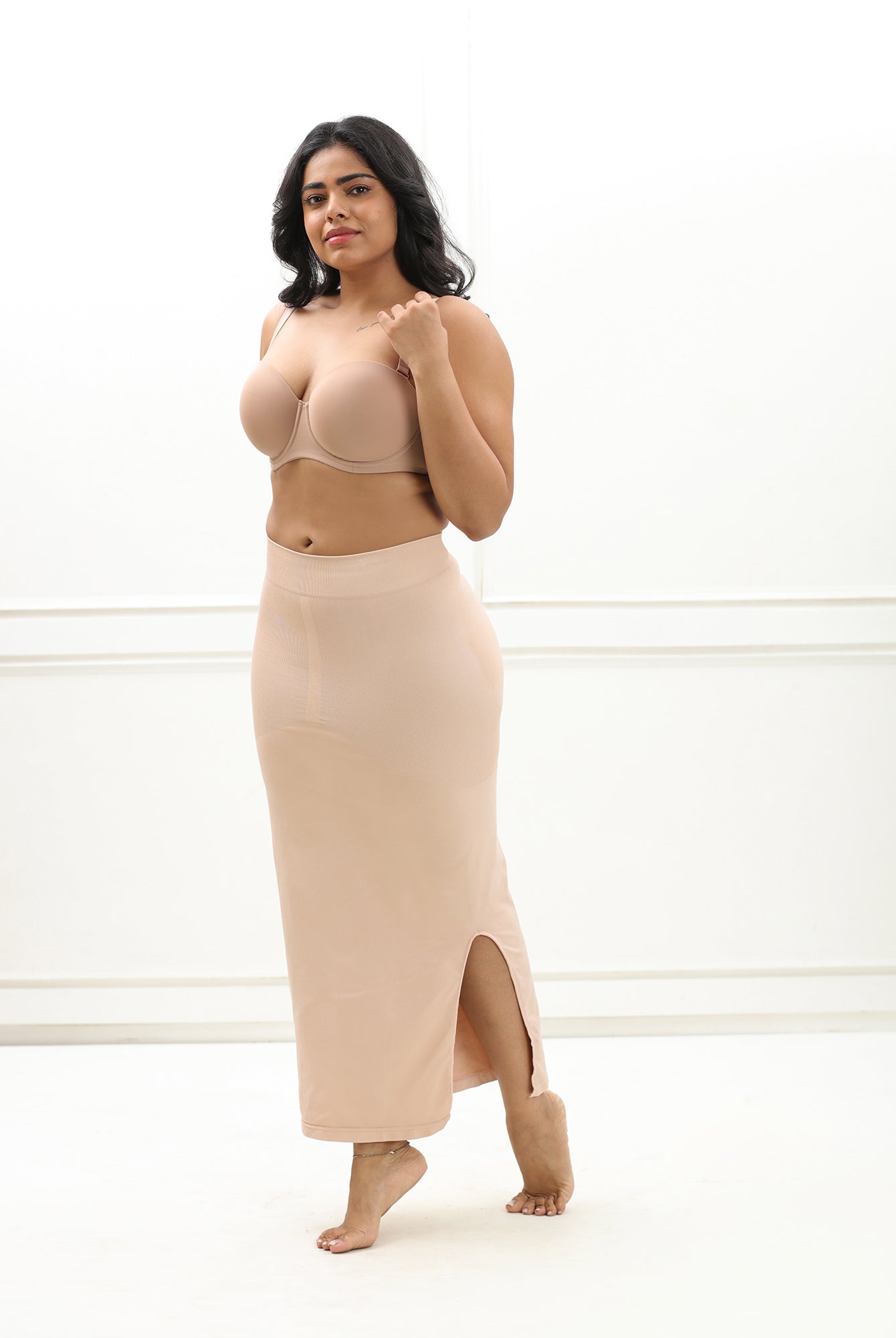
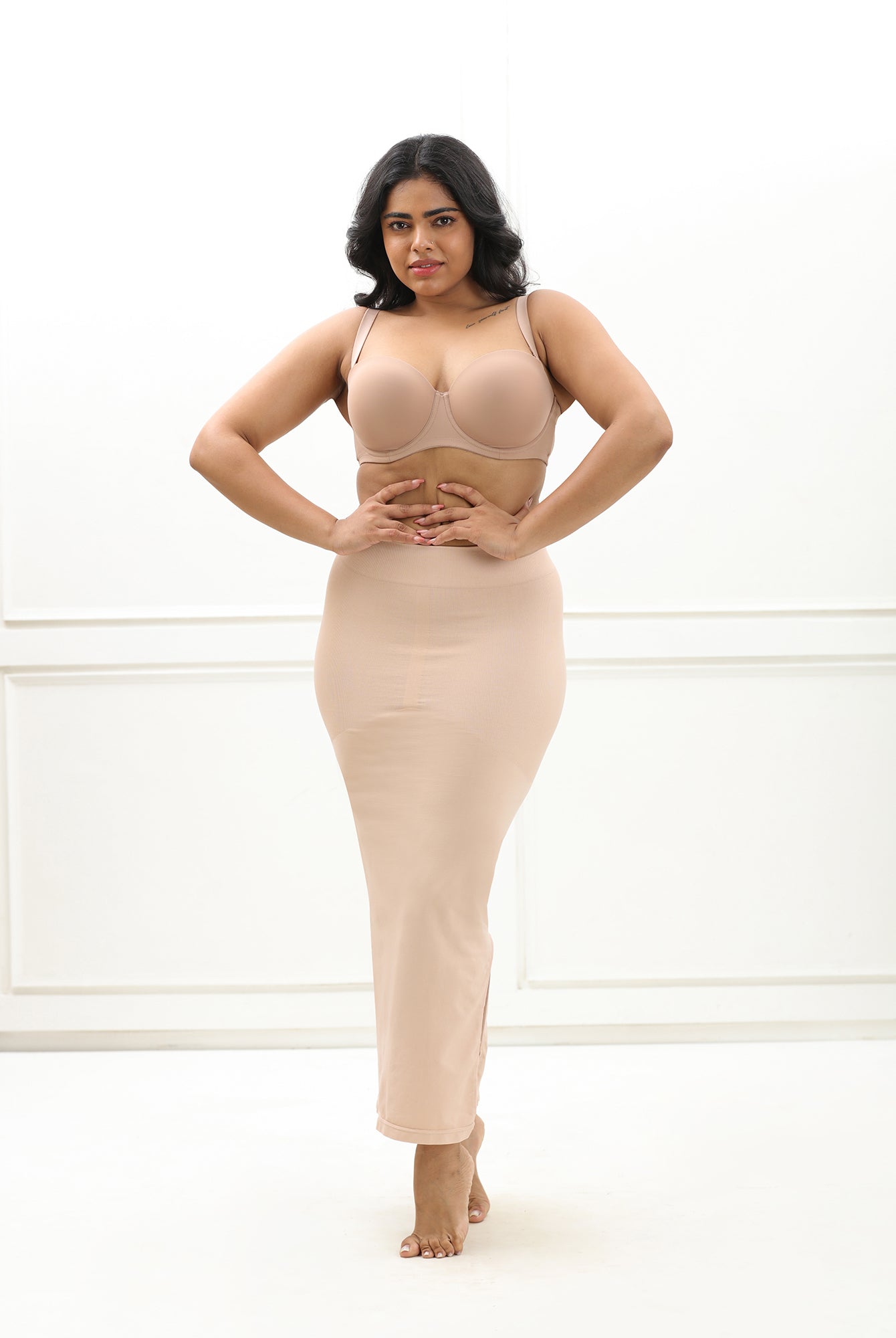
Slips, Saree shapewear and dress shapewear

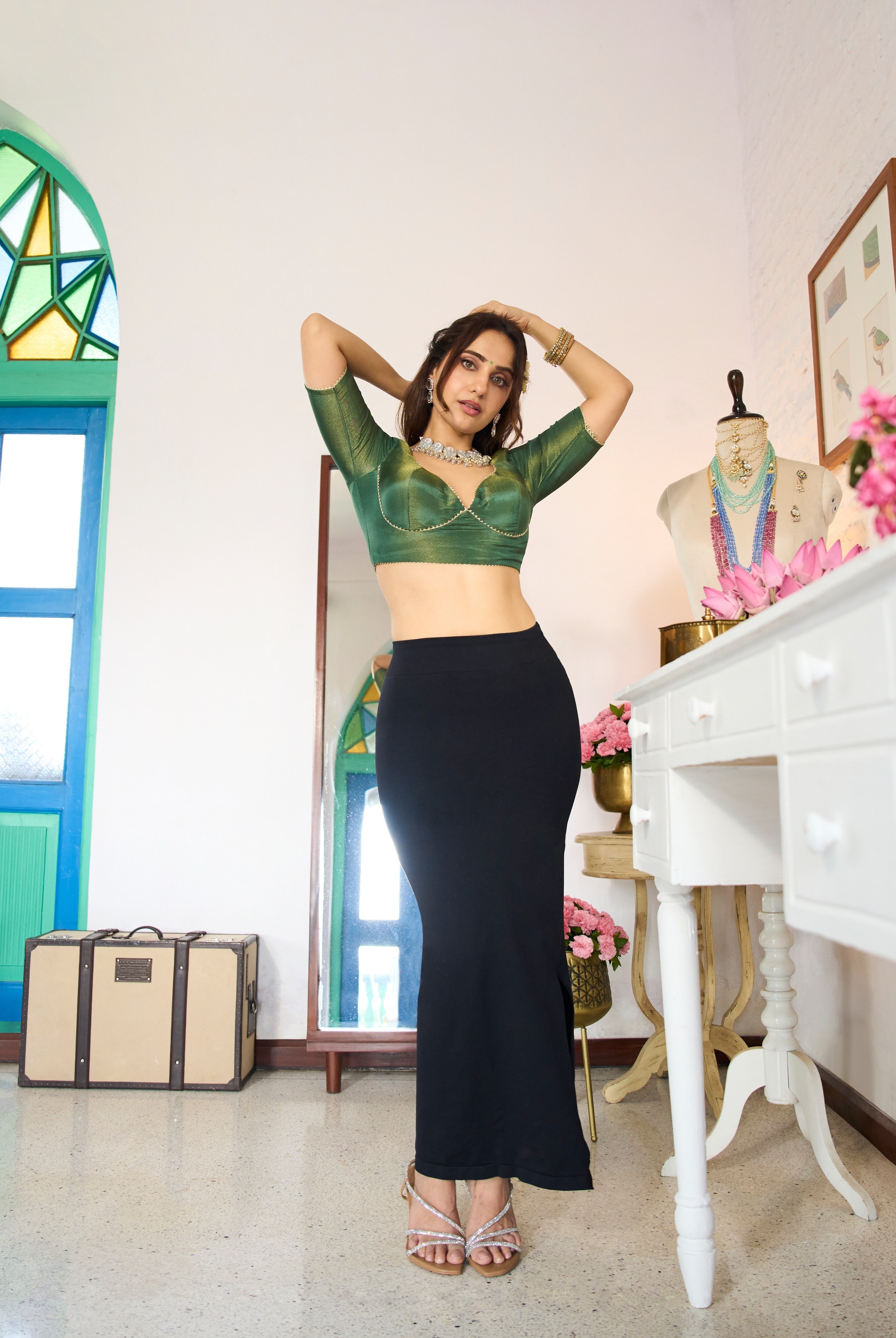
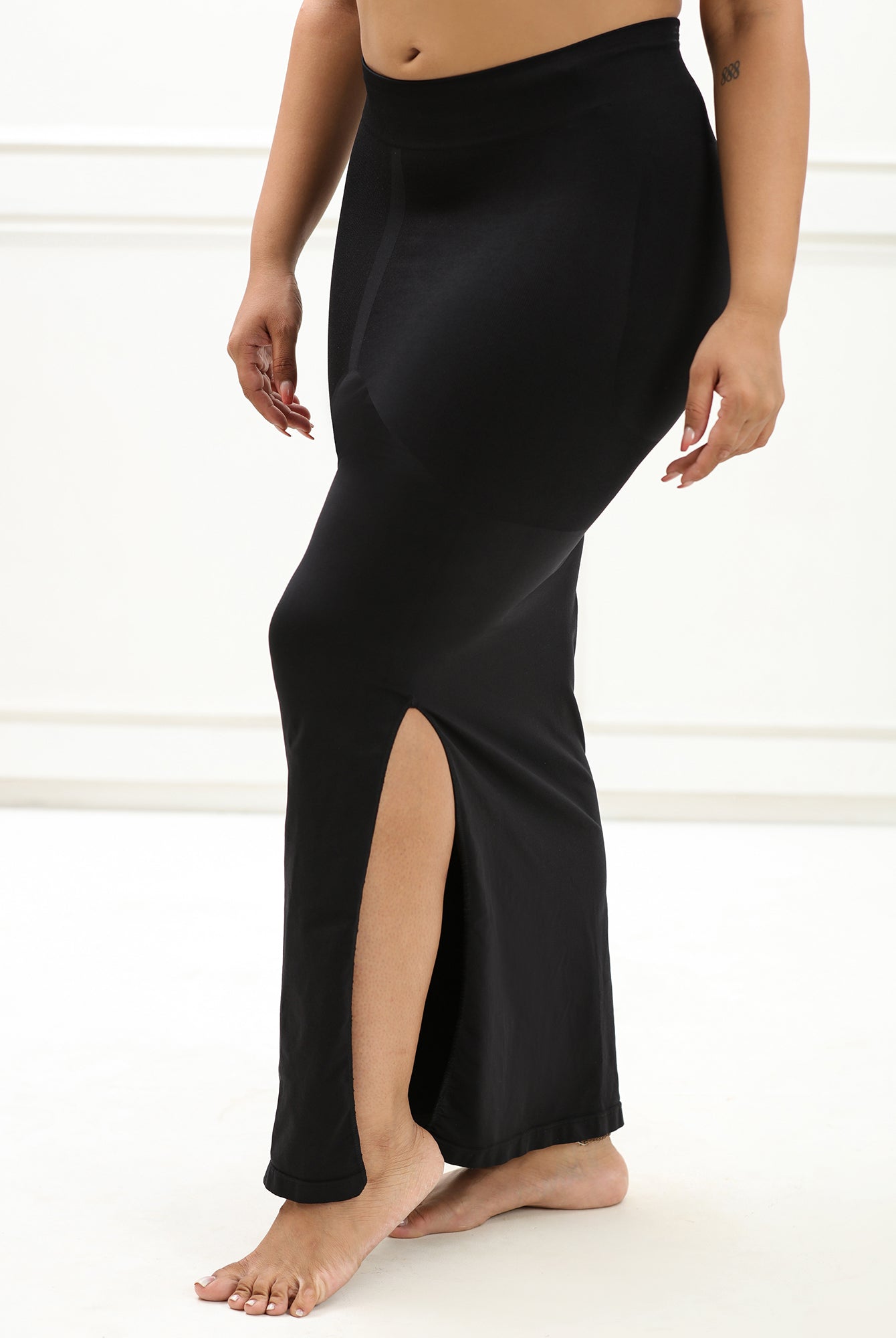
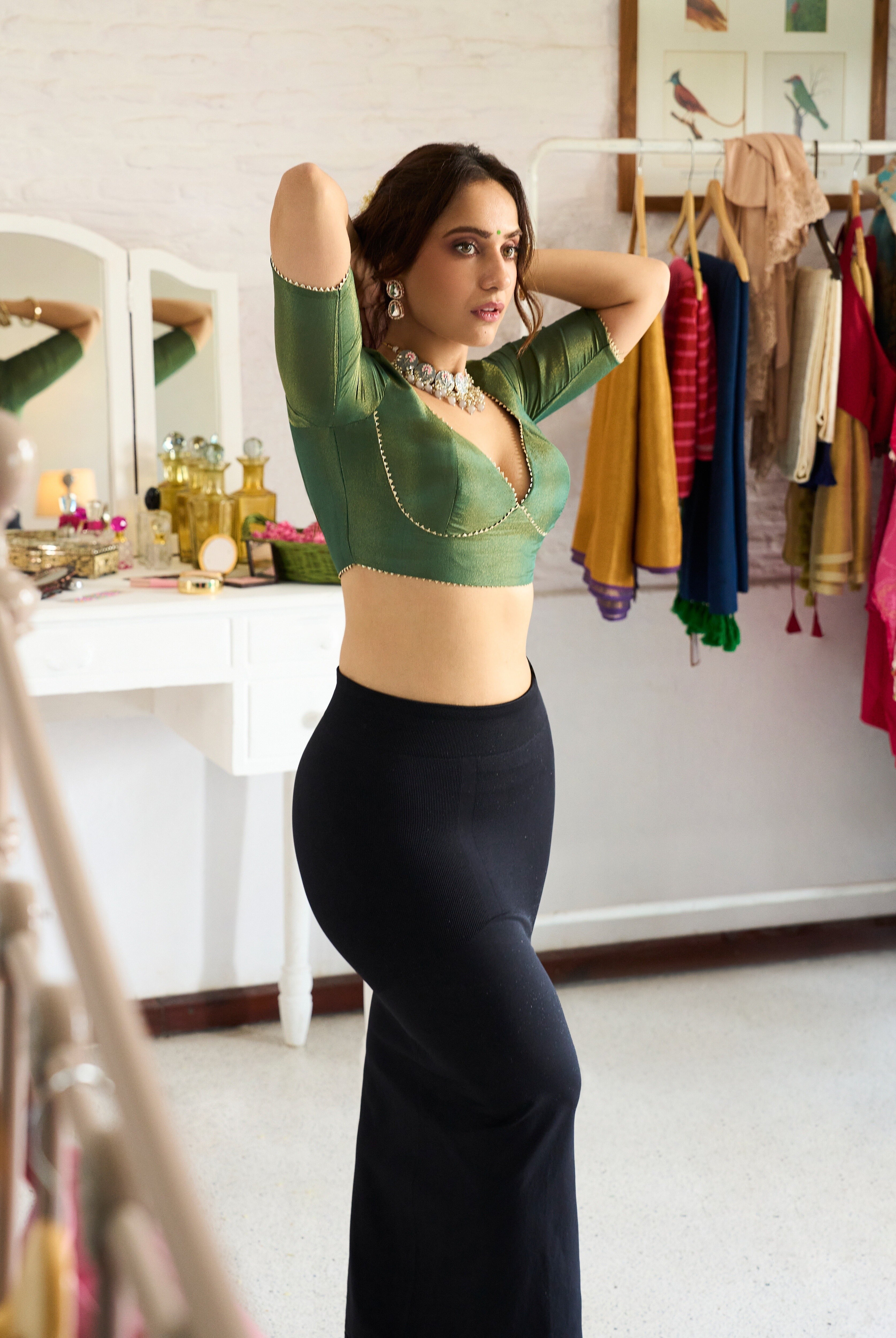
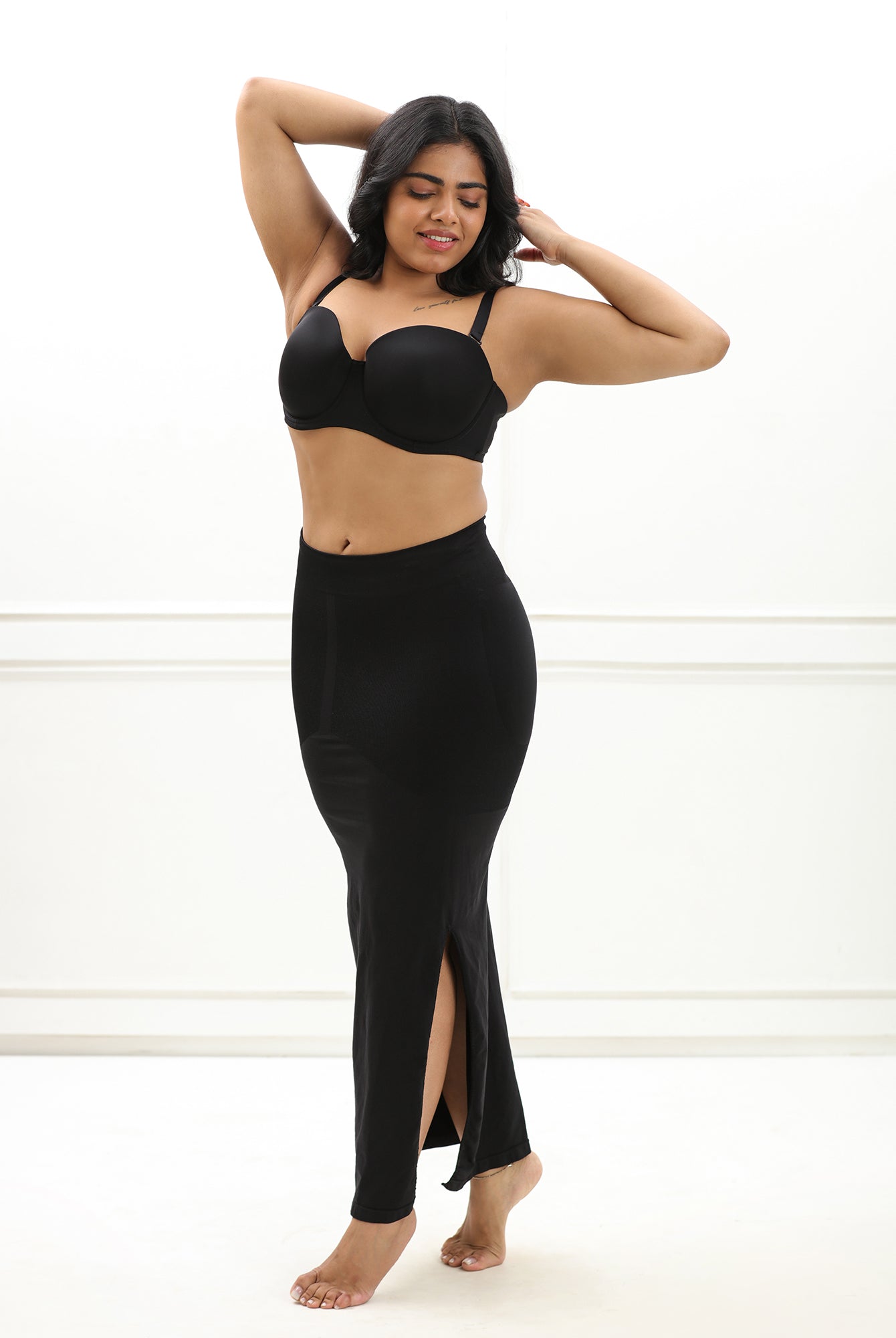
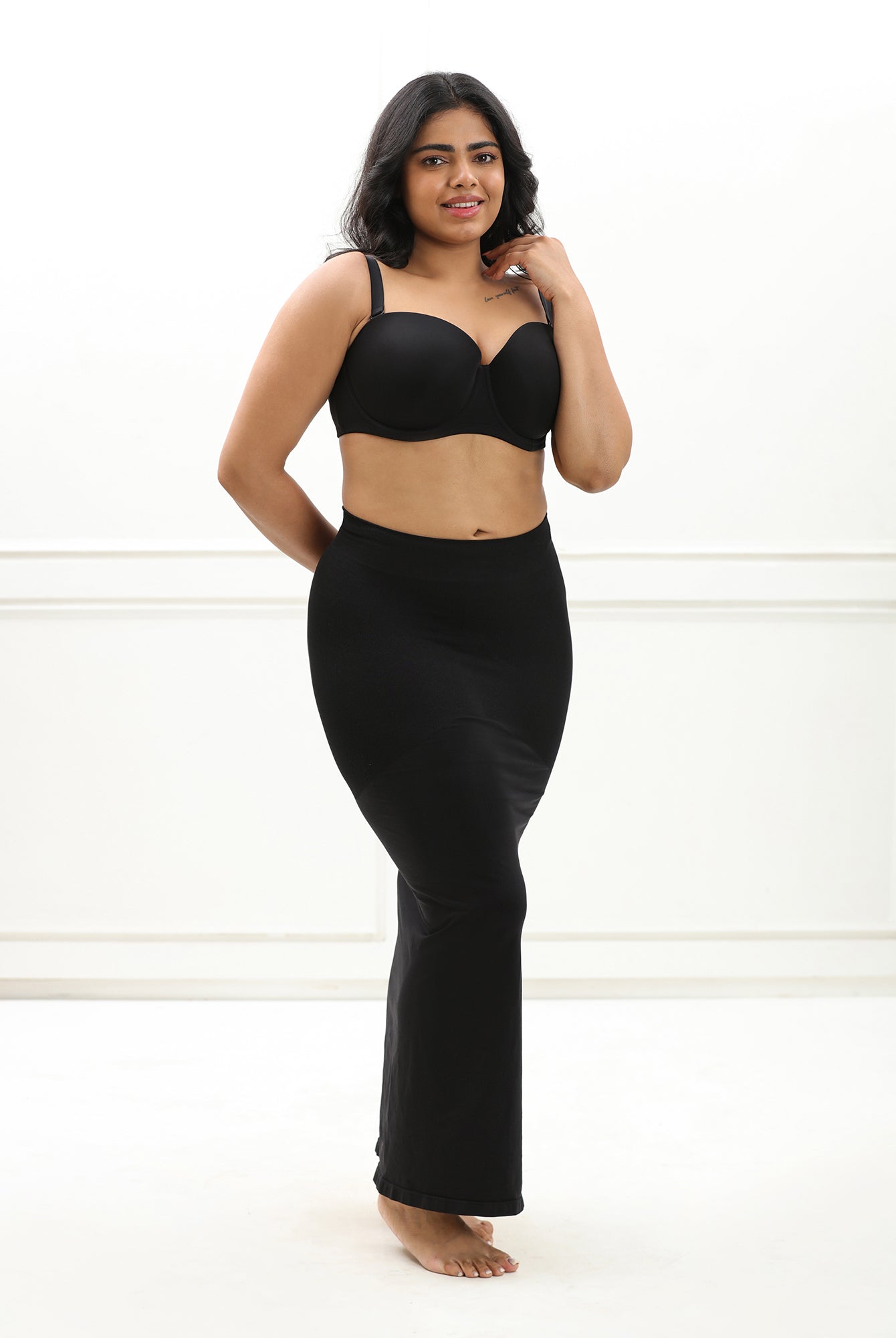
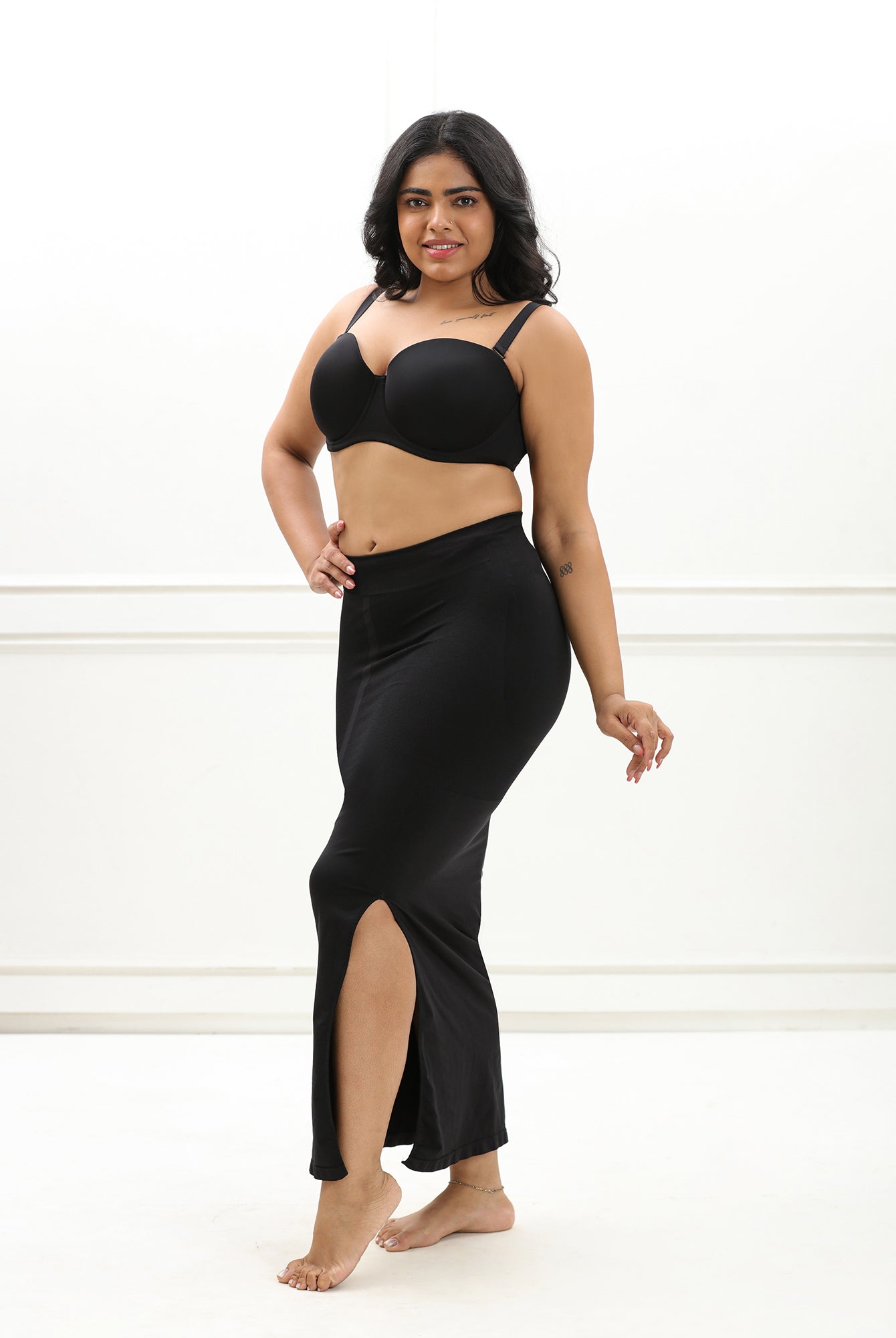
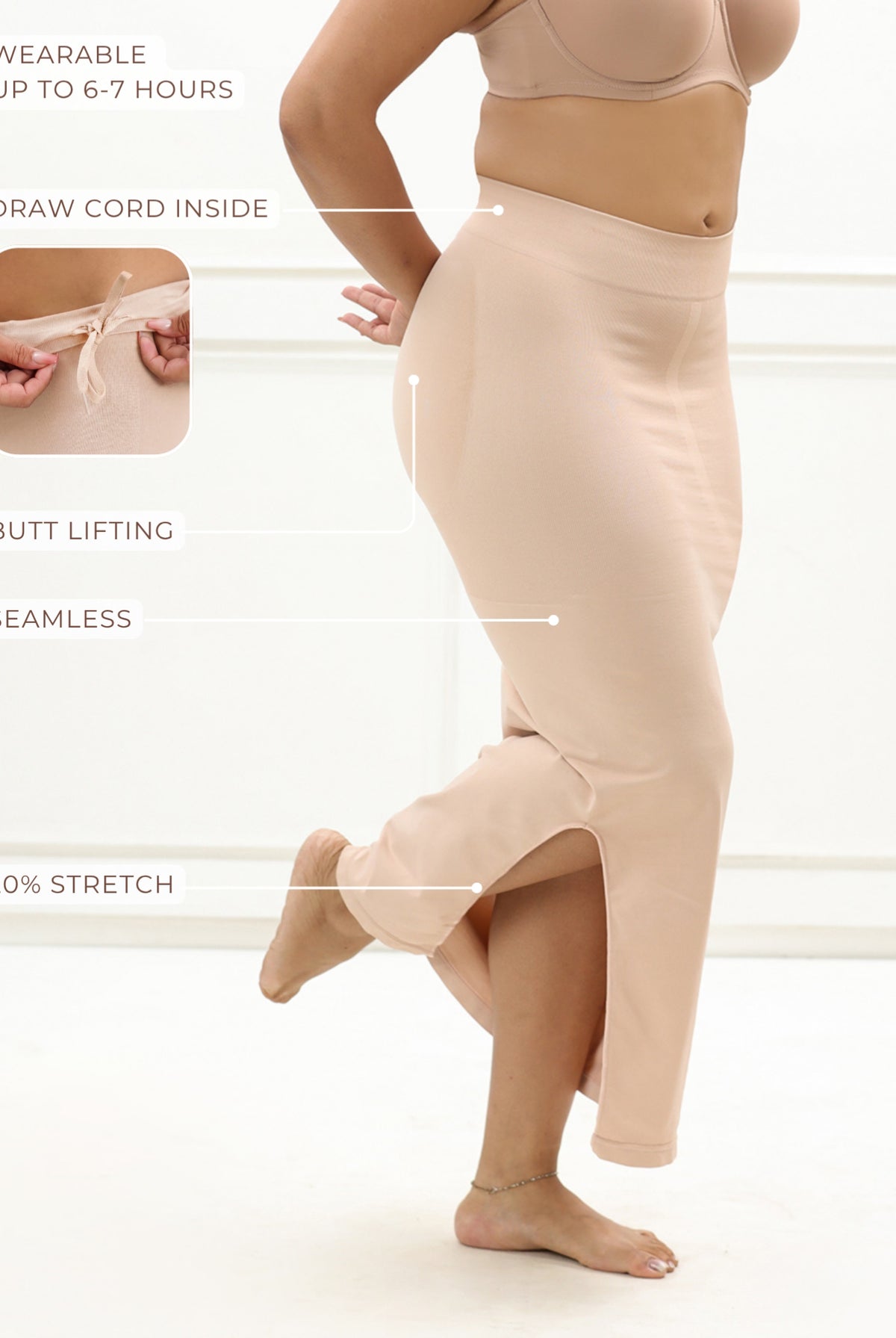
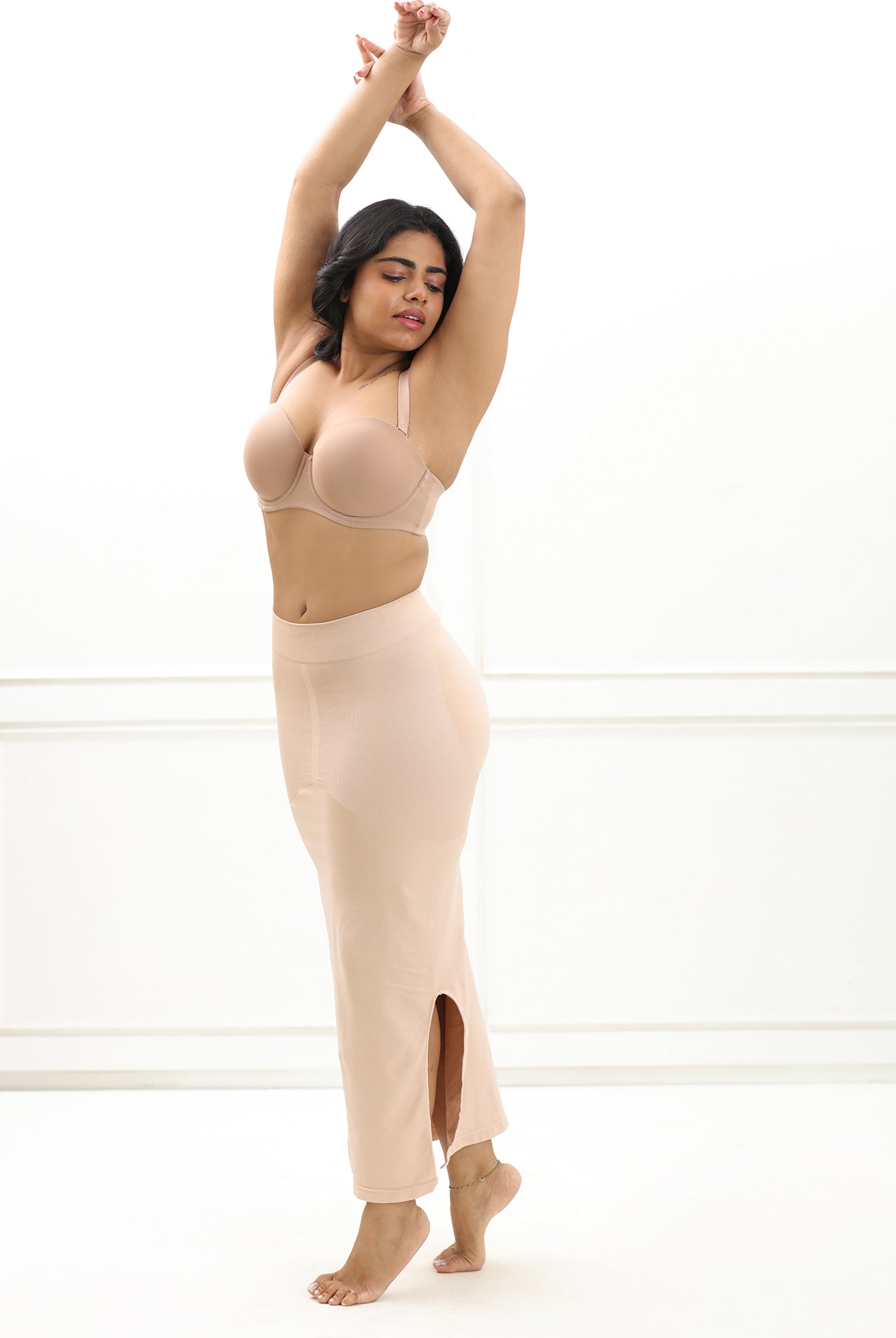
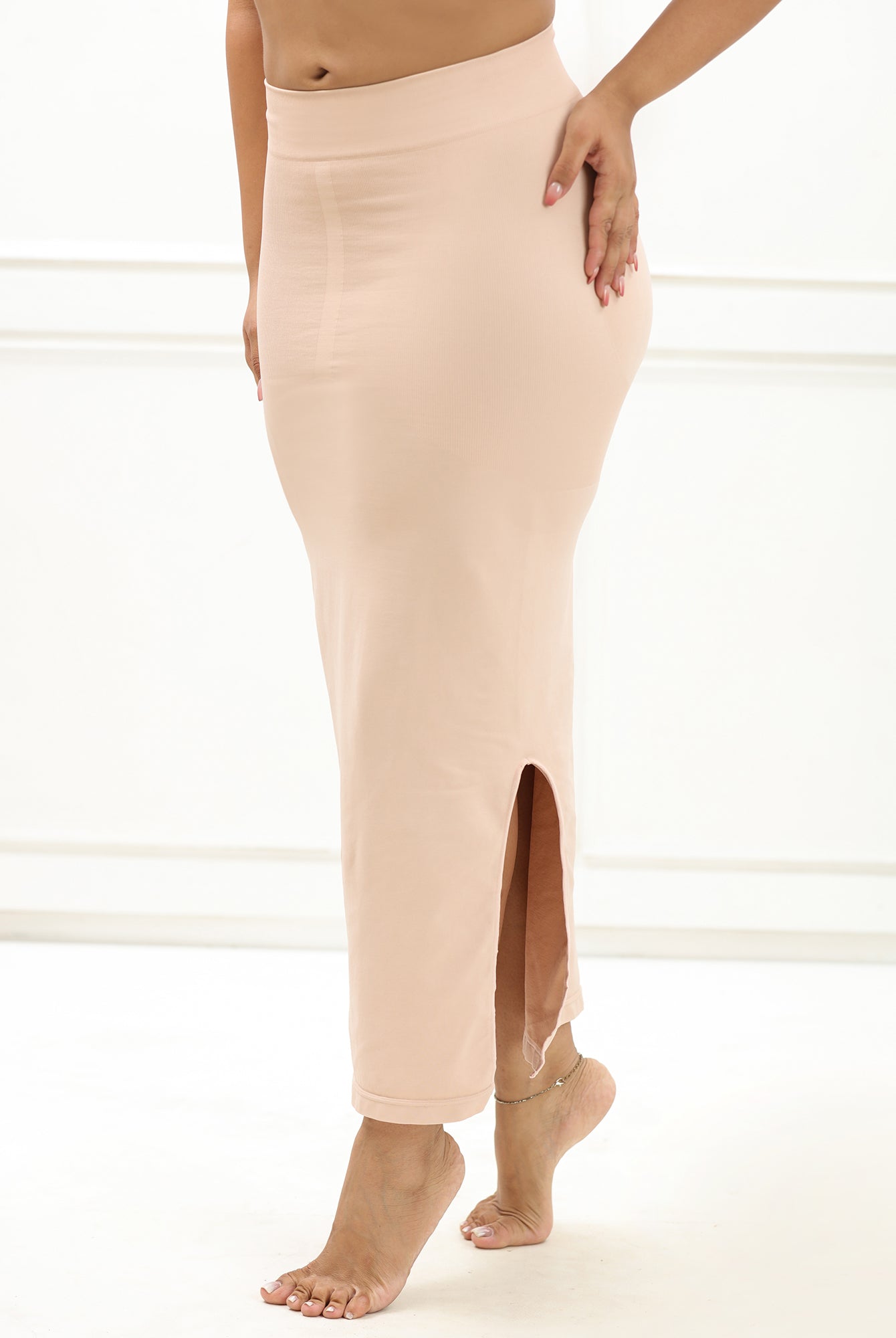
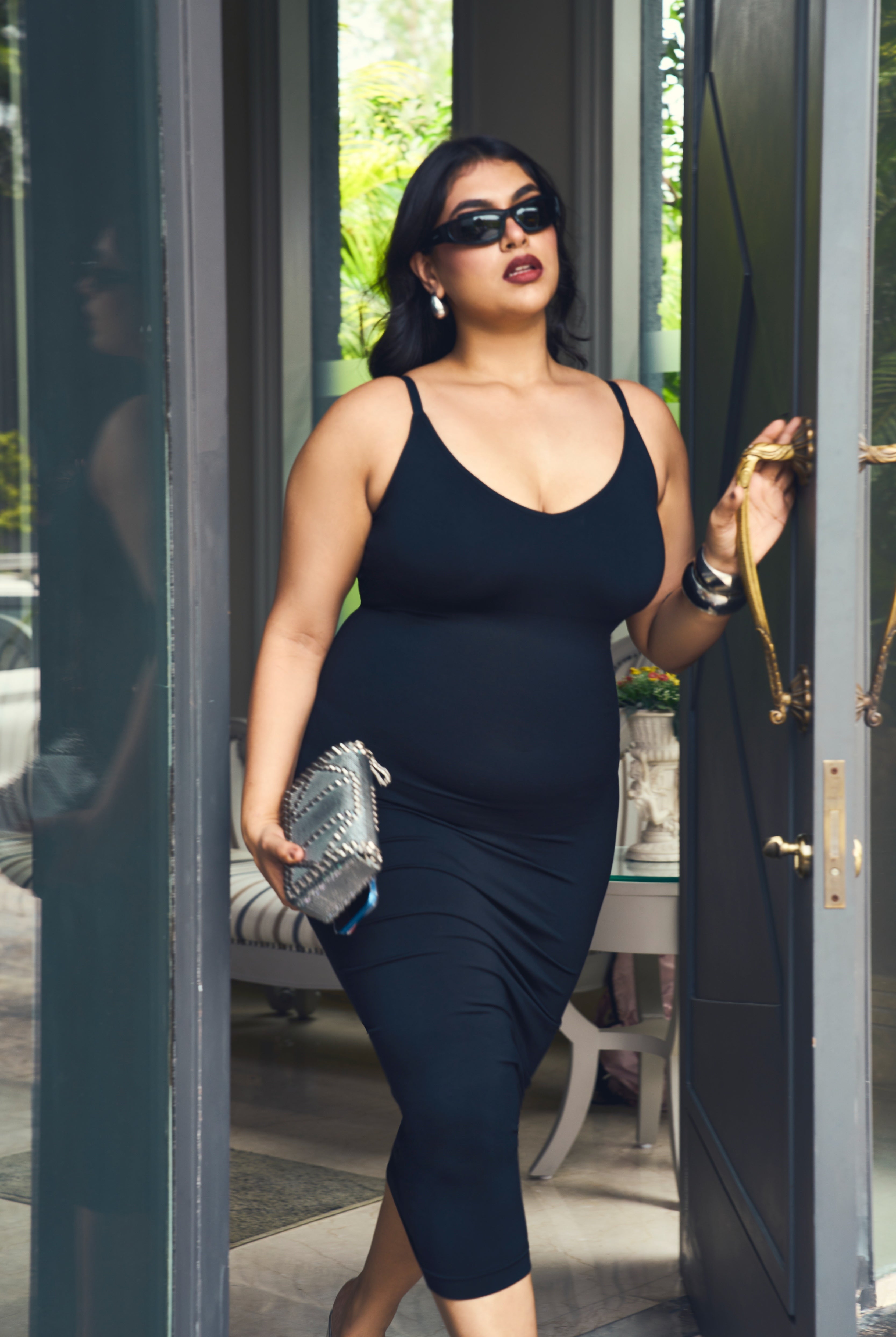
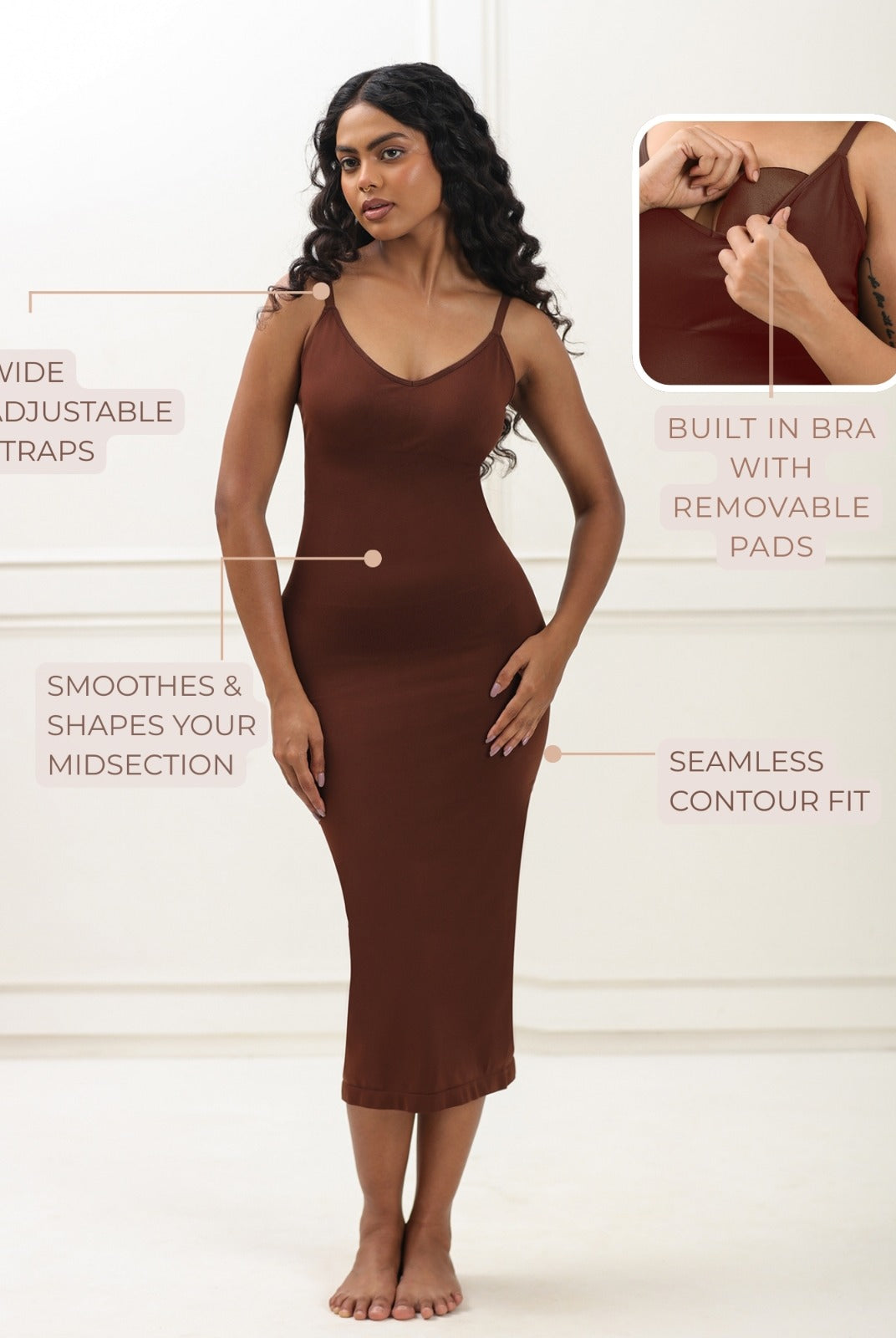
Saree shapewear, slips, and dress shapers sit underneath the outfit rather than directly against the skin. They prevent the drape of the fabric from shifting and keep the outfit falling evenly. Particularly useful under sarees, where the weight and movement of the fabric can cause the drape to shift throughout the day.
How to Choose the Right Shapewear?

Choosing well depends on four things. Get these right, and the shapewear works quietly through the day.
-
Match it to your outfit
The outfit should always be your starting point. Different garments need different levels of coverage, and choosing shapewear that matches your clothing helps create the smoothest result.
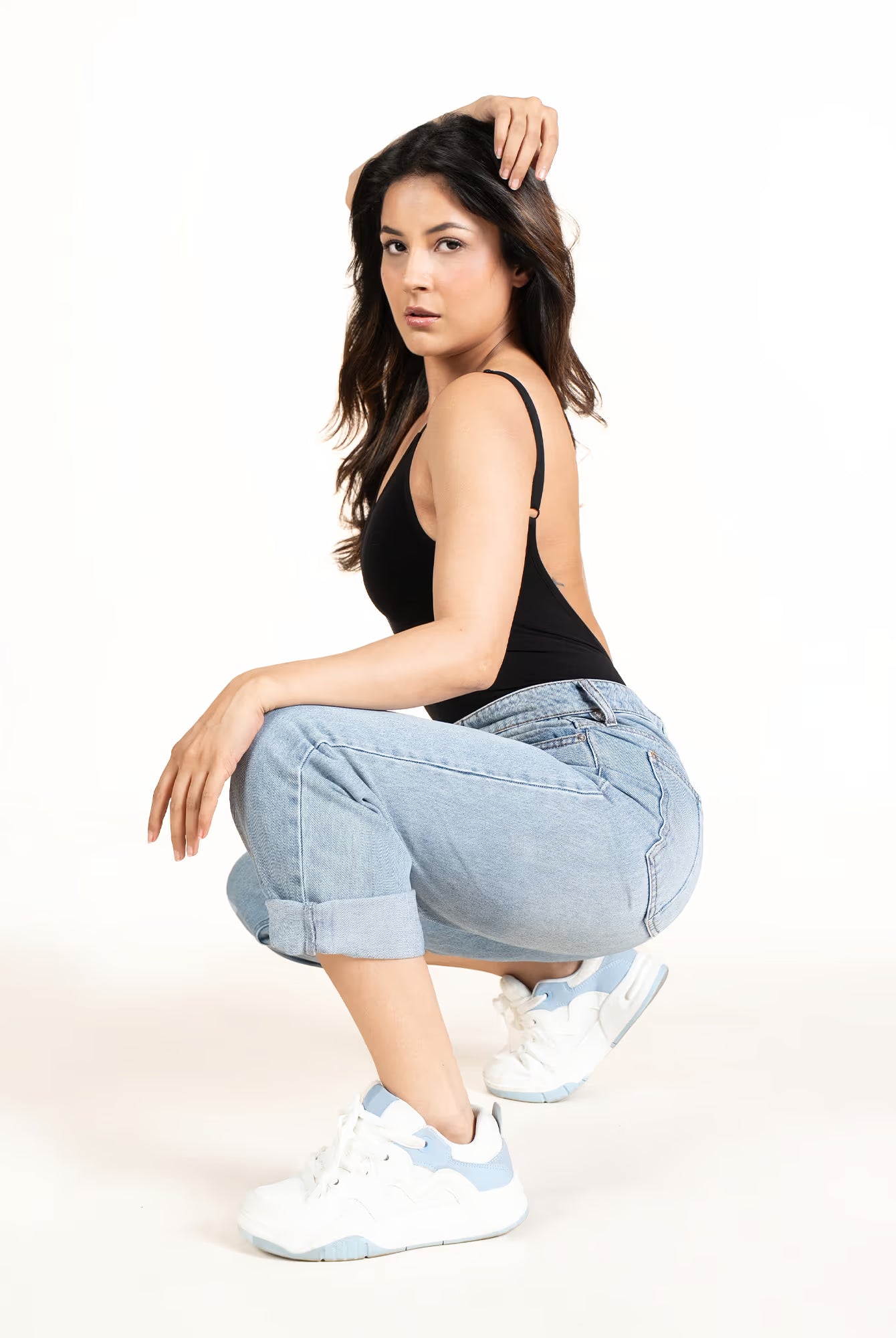
For example, shaping briefs work well under trousers and jeans, while shaper shorts provide better coverage beneath dresses and skirts. Saree shapewear is specifically designed to support the way a saree drapes. Thinking about your outfit first makes it much easier to narrow down the right style.
-
Match it to your target area
Think about where you want the most coverage and compression. Tummy and waist? A waistband or high-waisted brief. Full torso? A bodysuit. Thighs? Shaper shorts. Matching the shapewear’s coverage zone to your outfit’s demands is the most important fit decision you’ll make.
-
Pick the right size
It can be tempting to buy a size smaller, assuming tighter means better shaping. In reality, the opposite usually happens. Oversized compression causes the fabric to roll, dig into the skin, and feel uncomfortable within a short time.
Shapewear is designed to provide compression in your regular size. Choosing the correct fit allows the fabric to work as intended while keeping you comfortable throughout the day.
-
Fabric
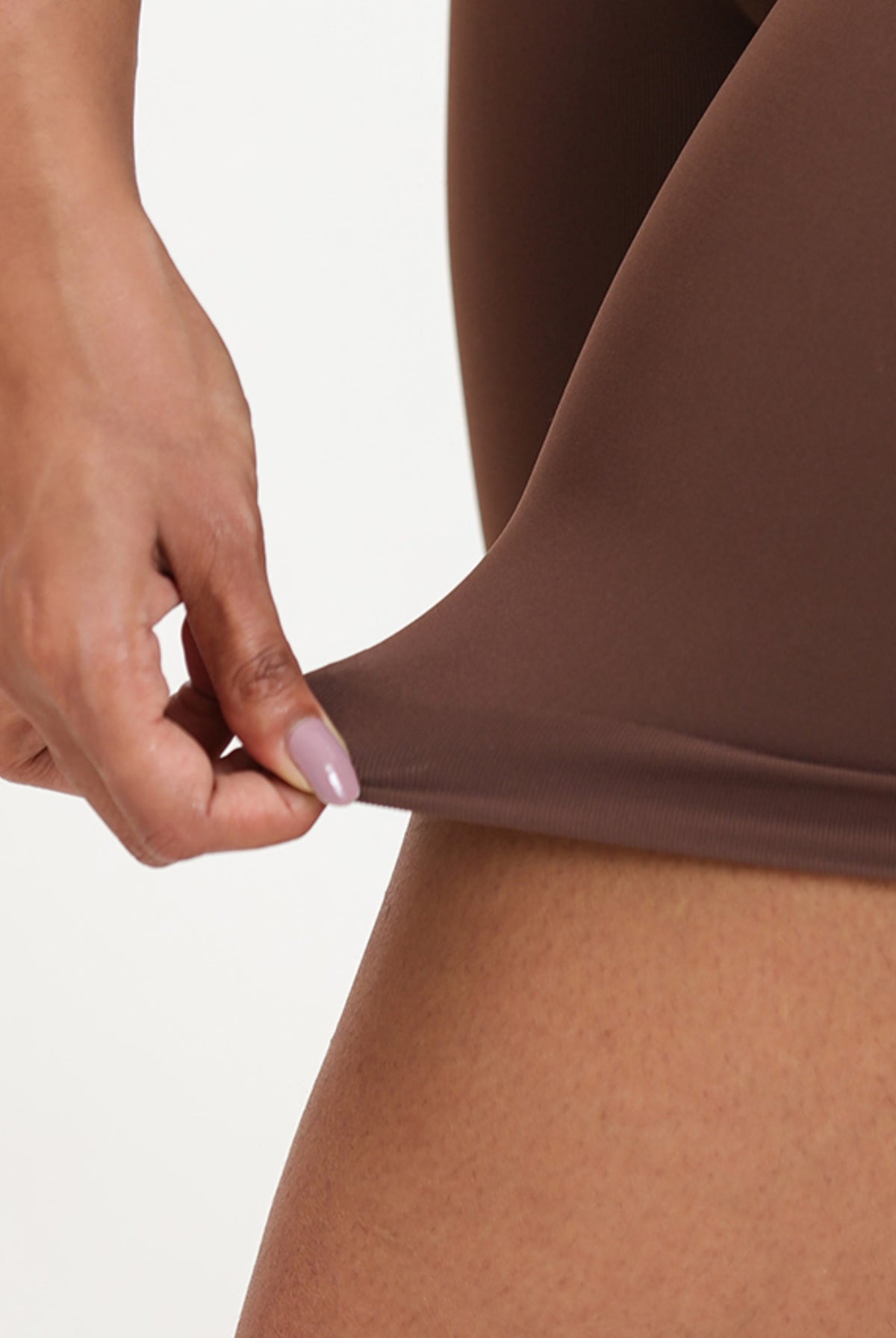
Fabric plays a much bigger role in comfort than many people realise. Since shapewear sits close to the skin for long periods, breathable materials like nylon-spandex blends or cotton-rich fabrics help reduce heat and moisture build-up, especially in India's climate. A softer, stretchable, and breathable fabric also allows you to move naturally instead of feeling restricted.
-
Seams
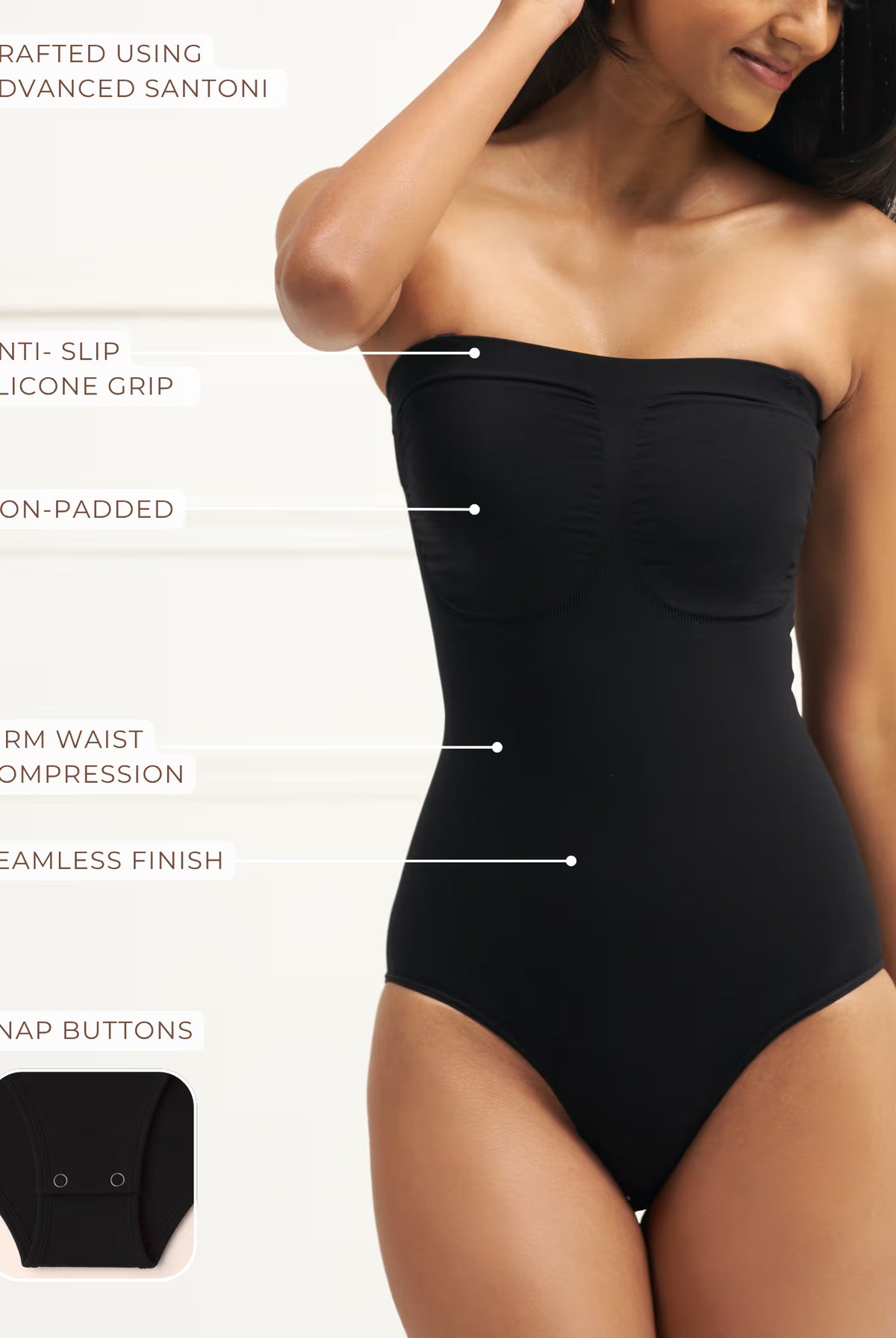
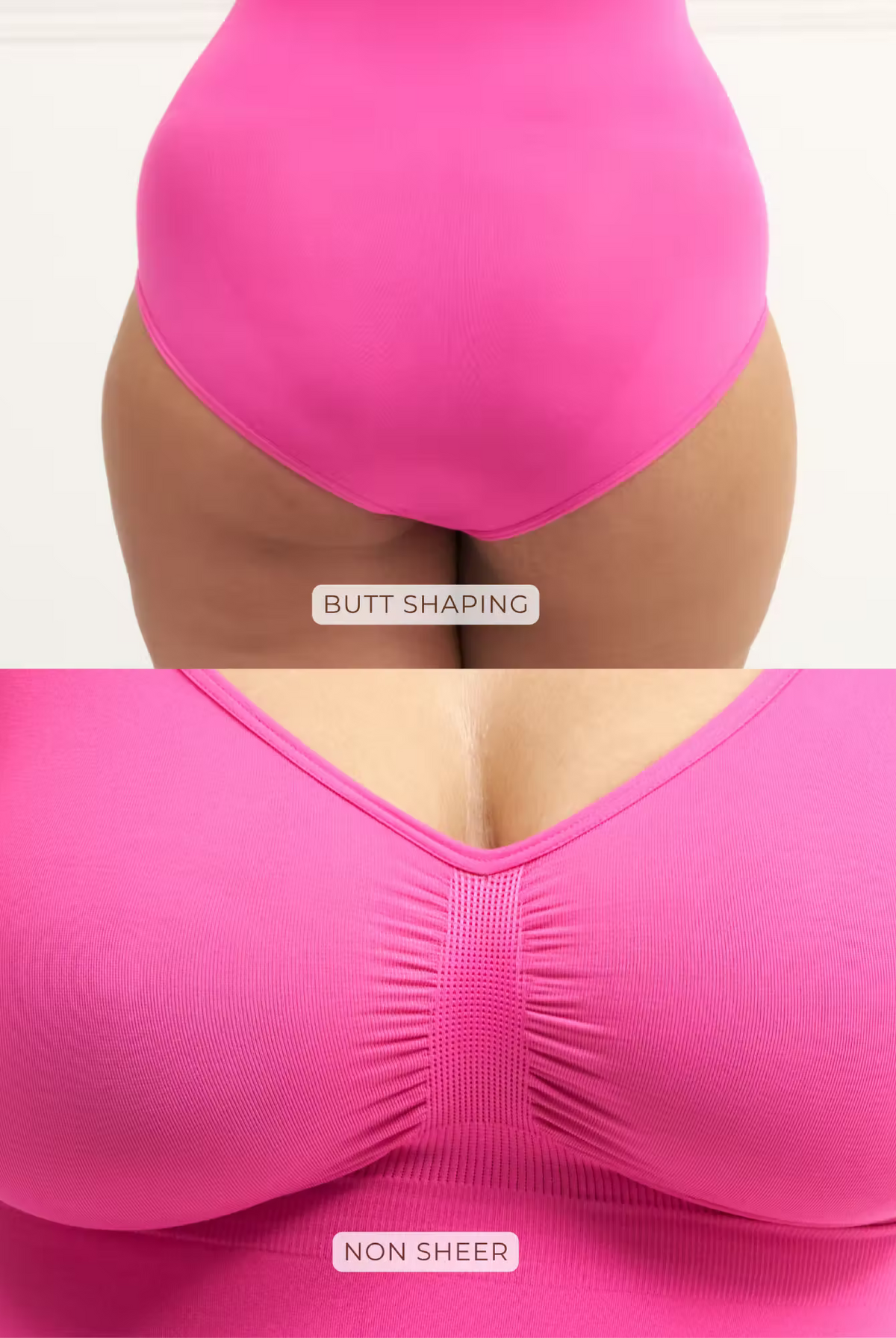
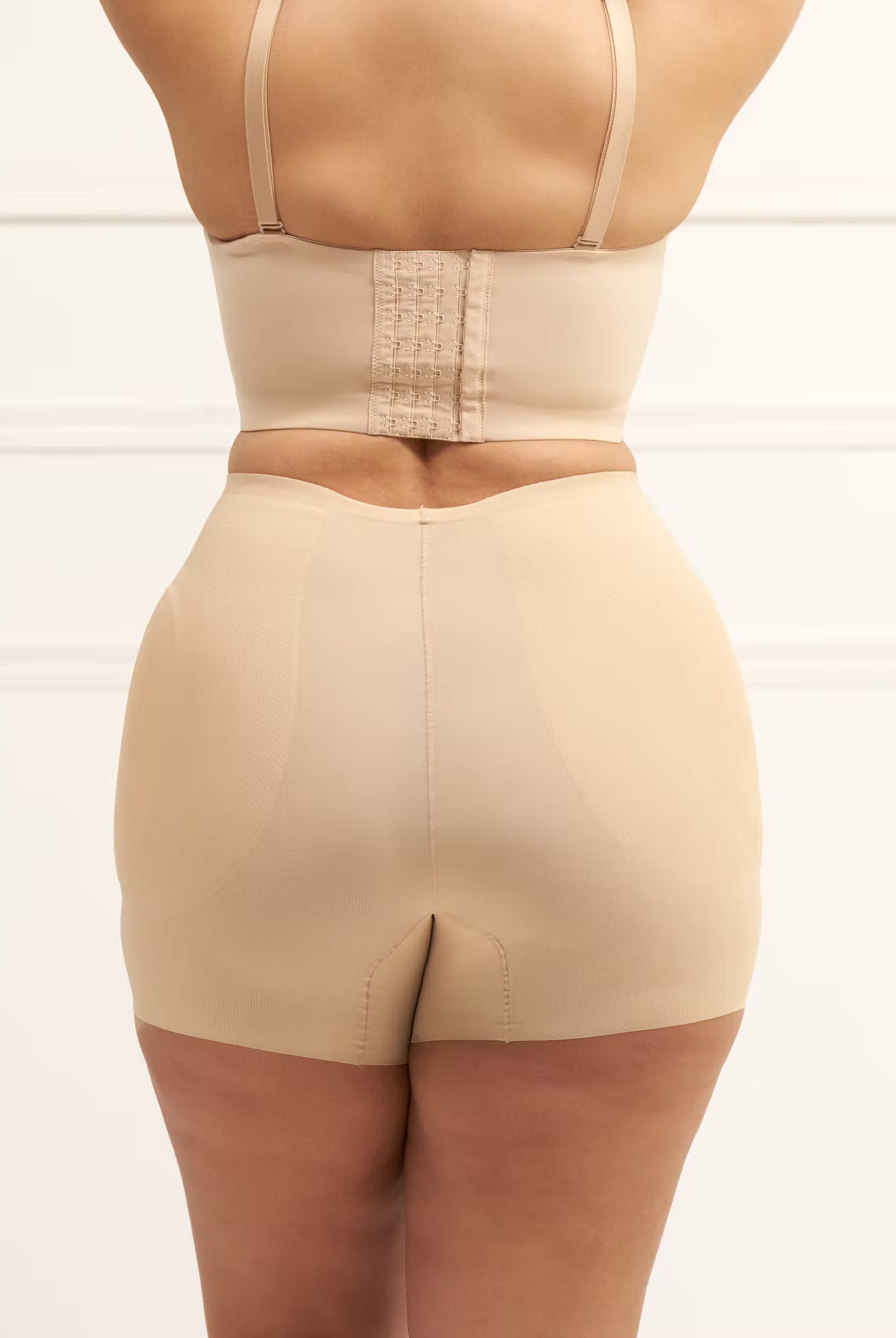
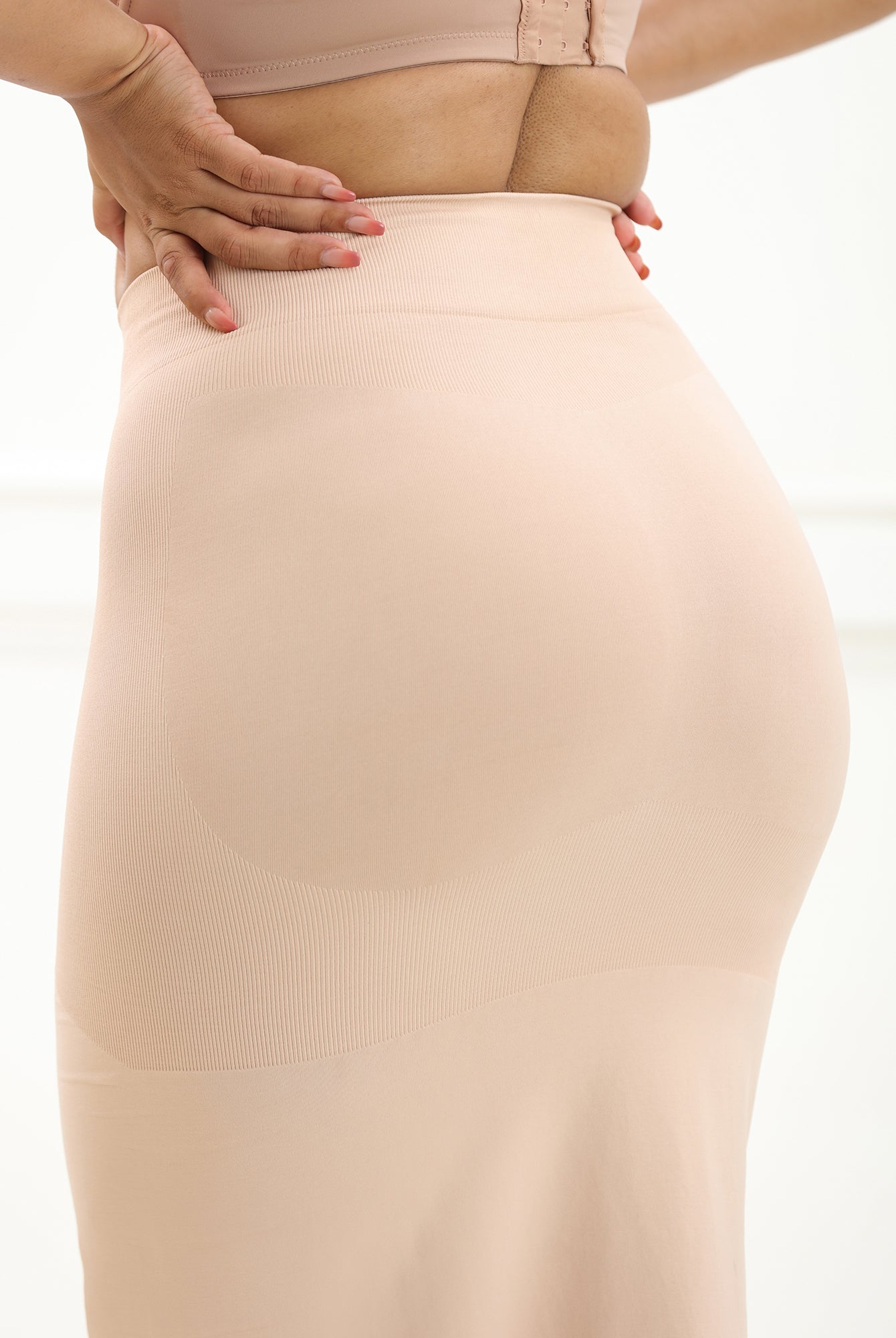
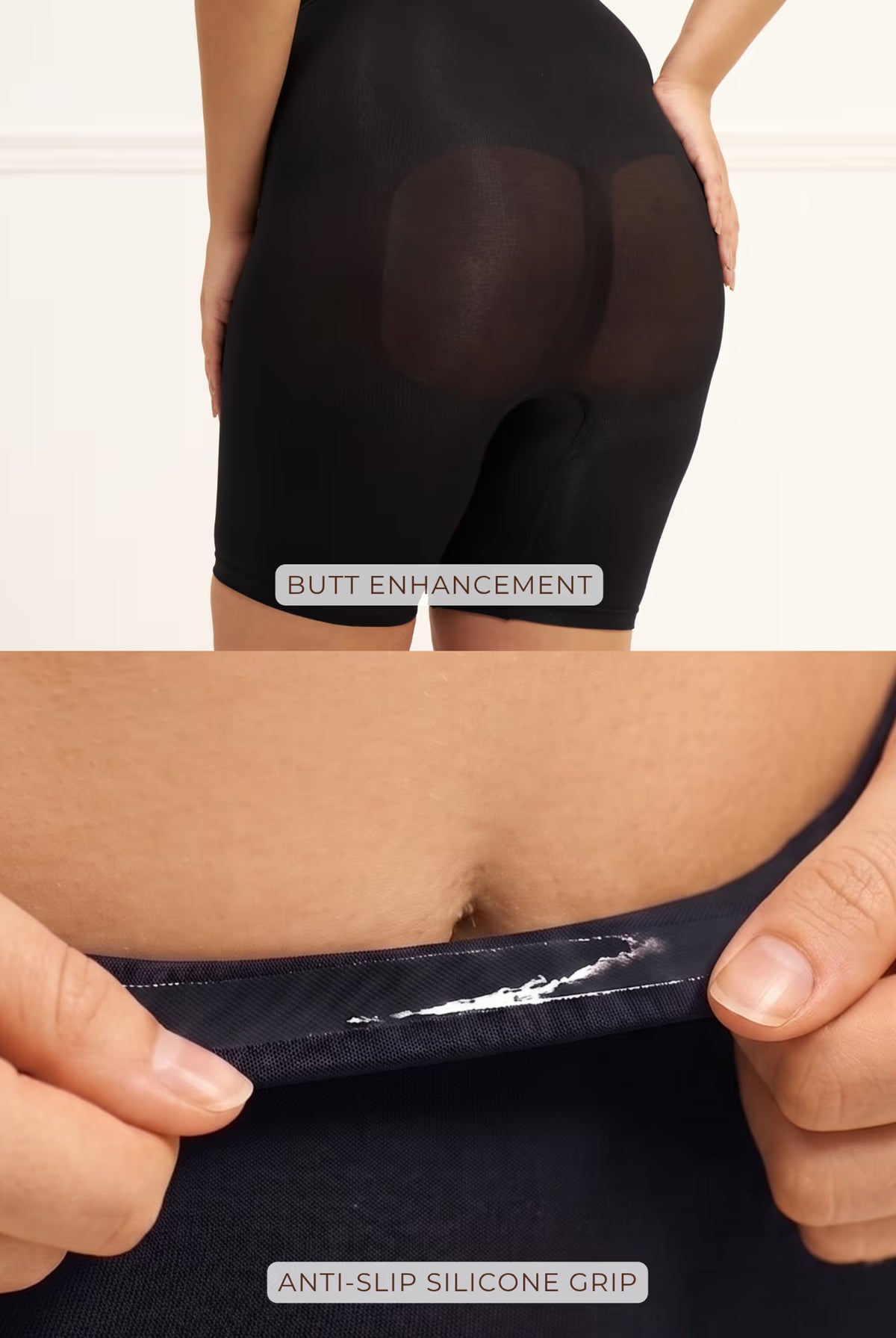
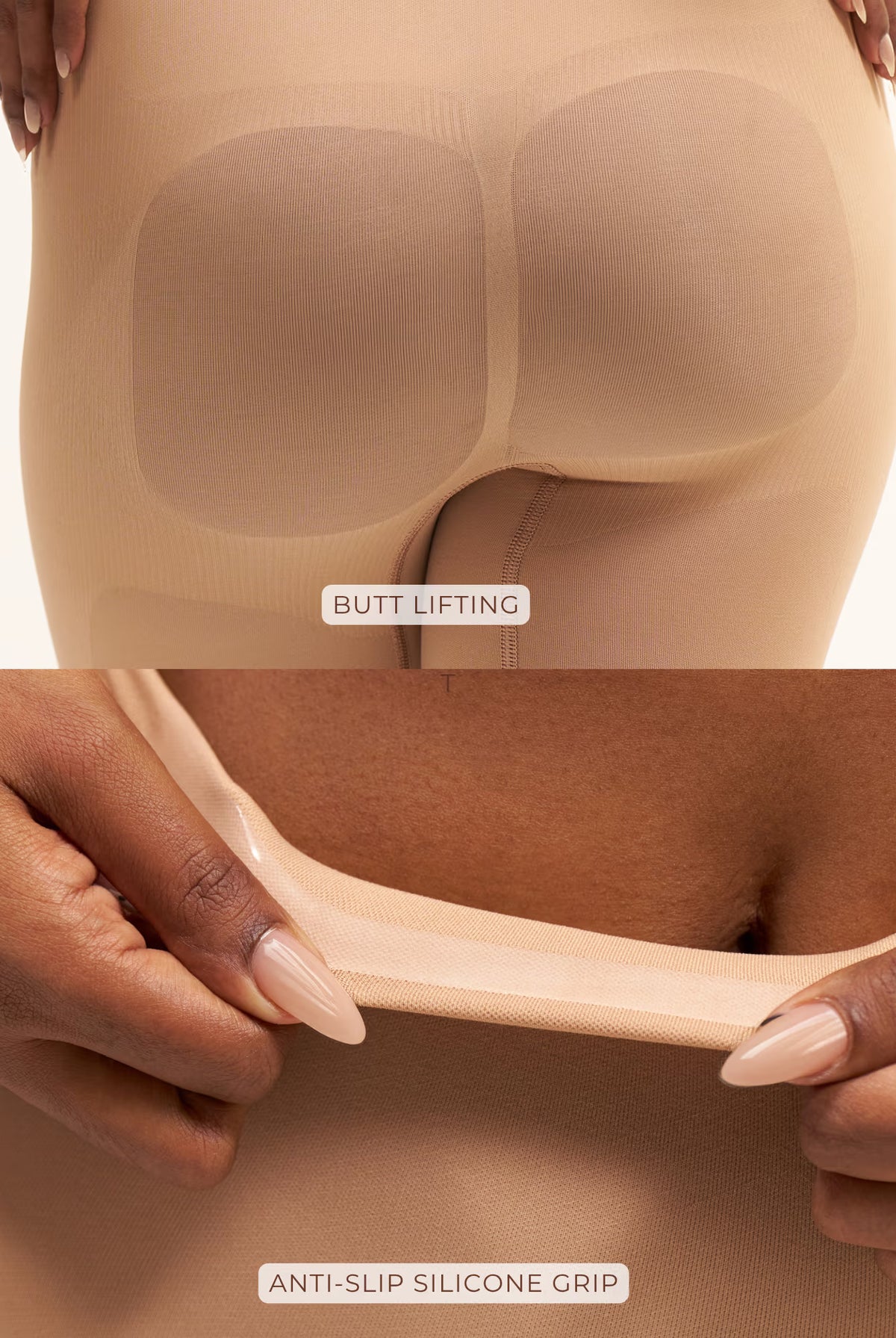
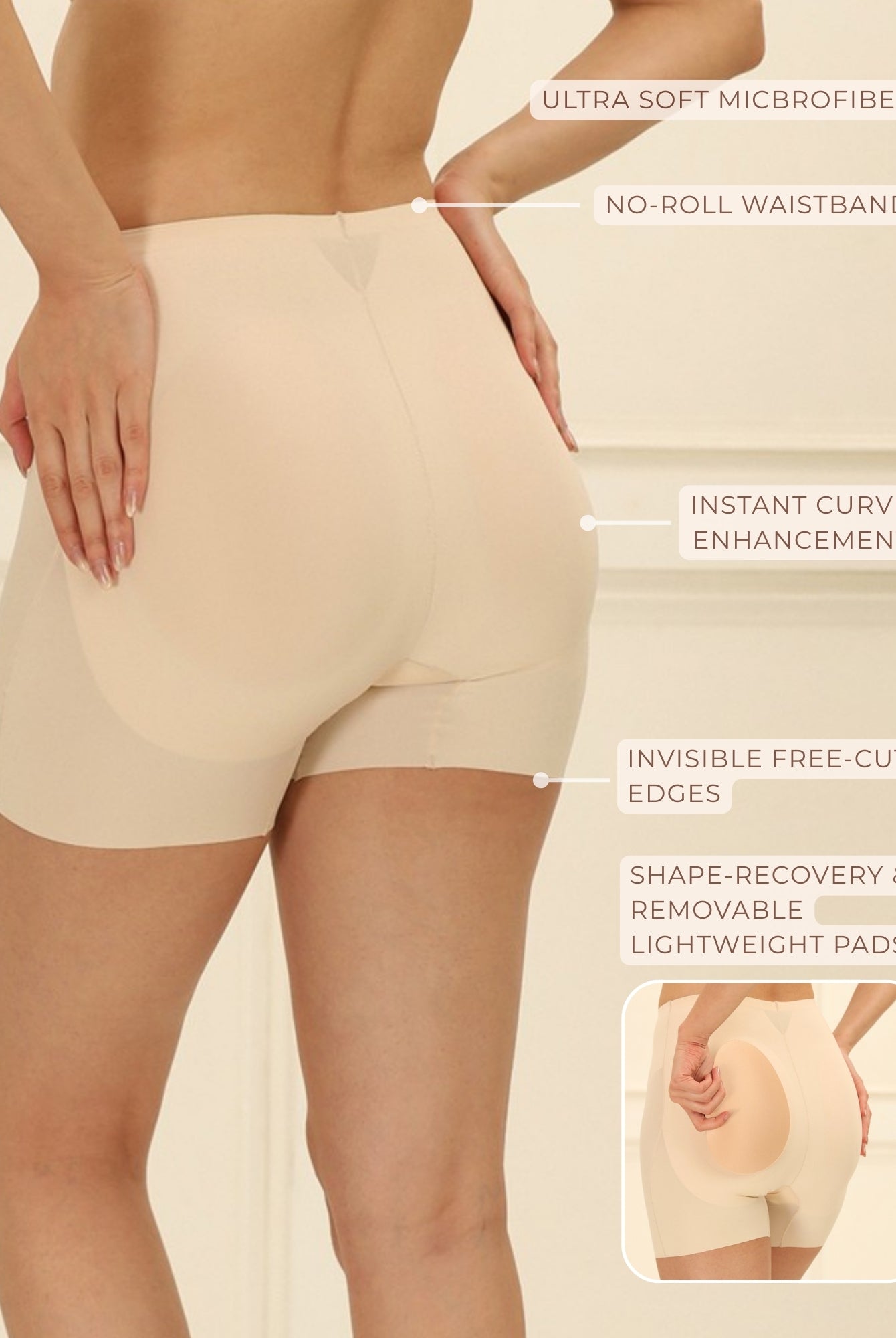
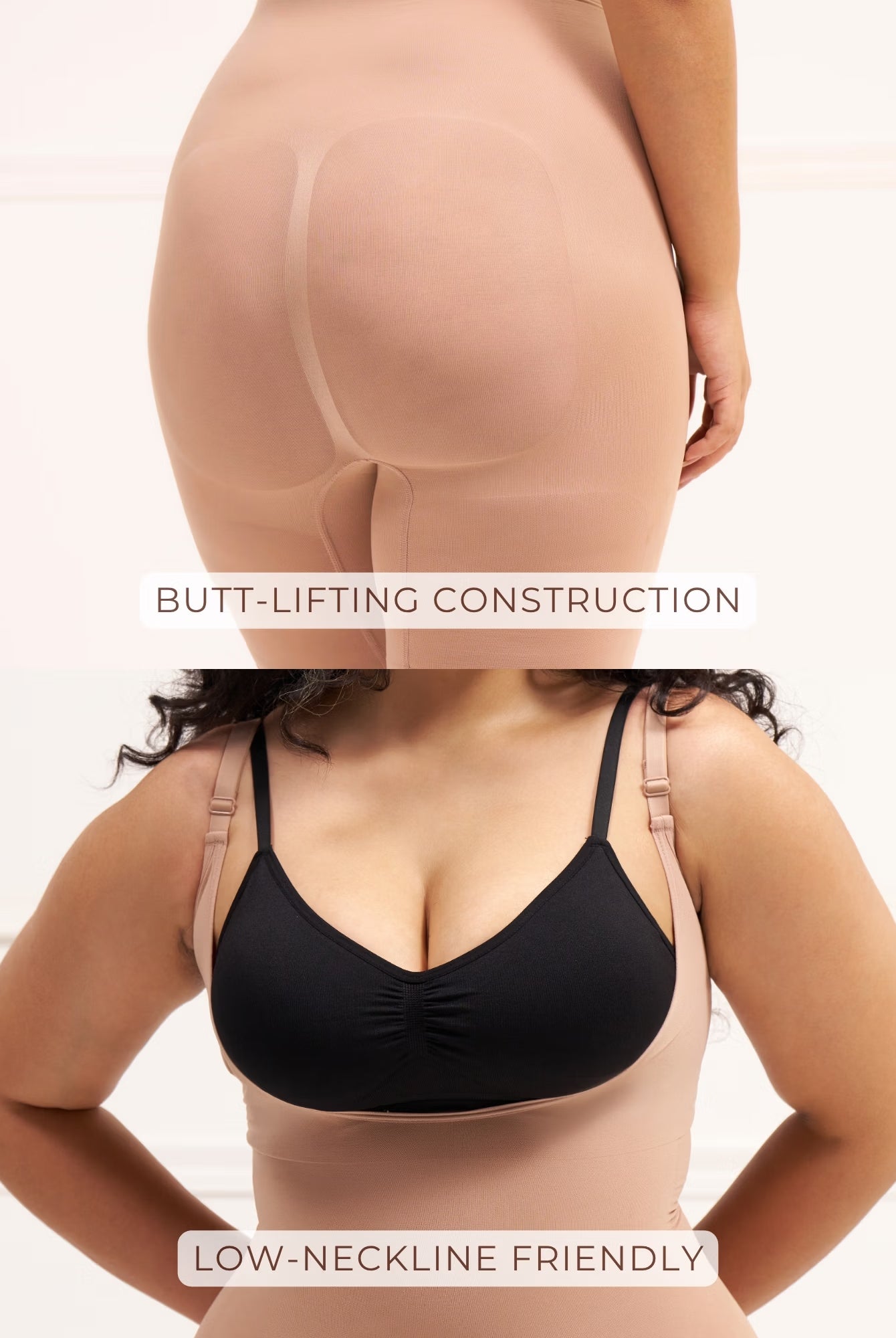
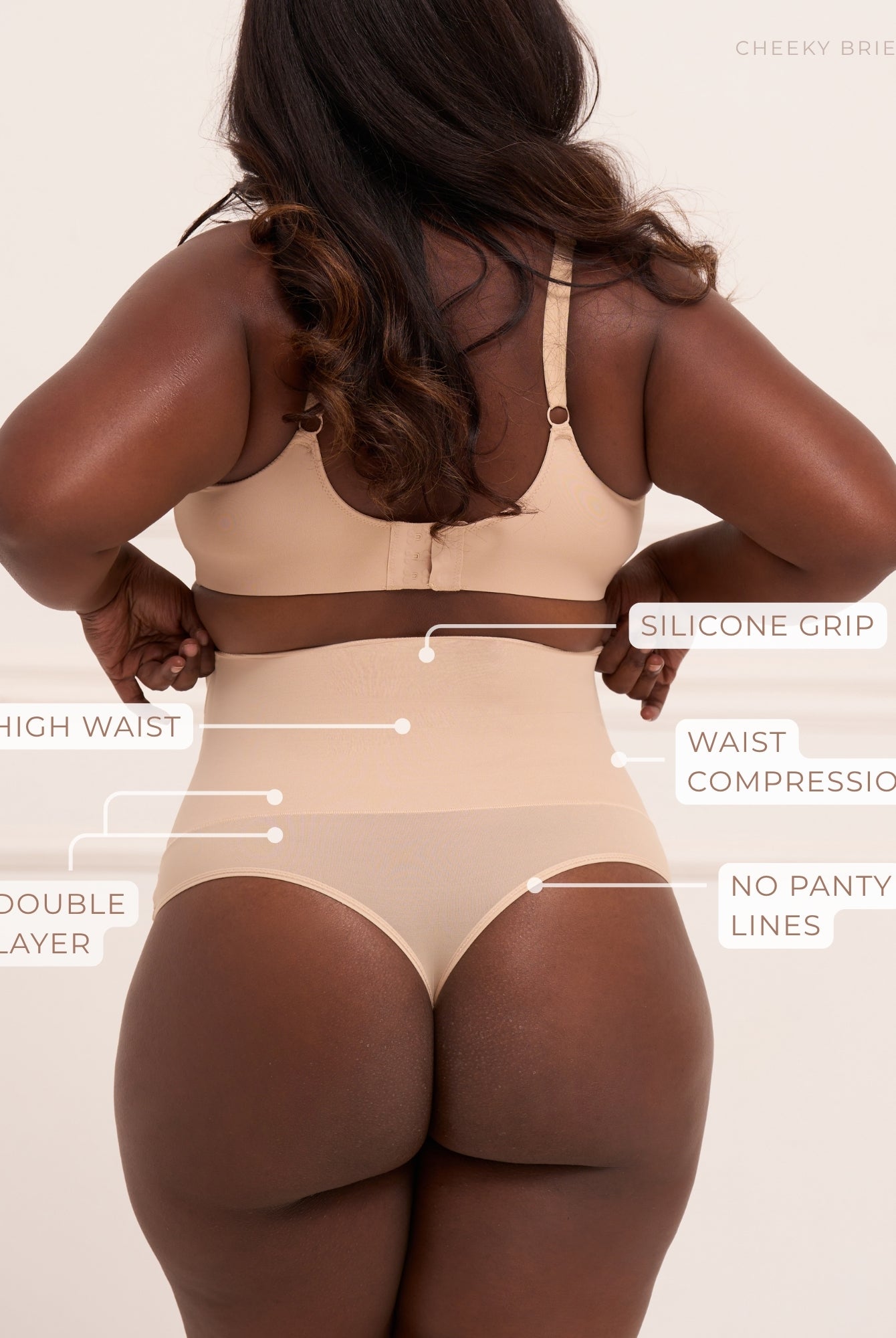
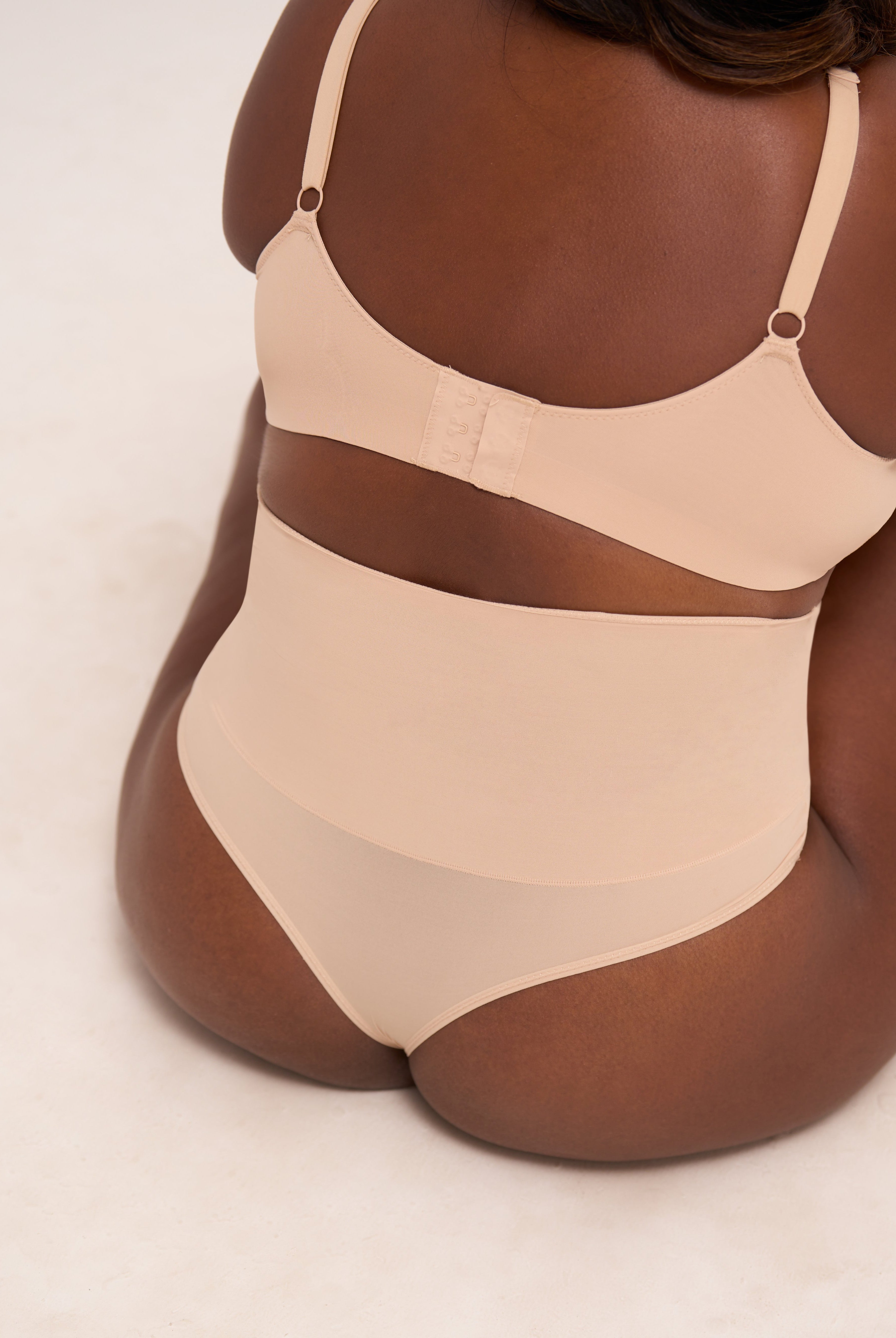
The way a garment is stitched matters just as much as the fabric itself. Flat or seamless construction helps prevent visible lines beneath fitted clothing while reducing rubbing against the skin. This small detail makes a noticeable difference when wearing lighter fabrics or body-hugging outfits.
-
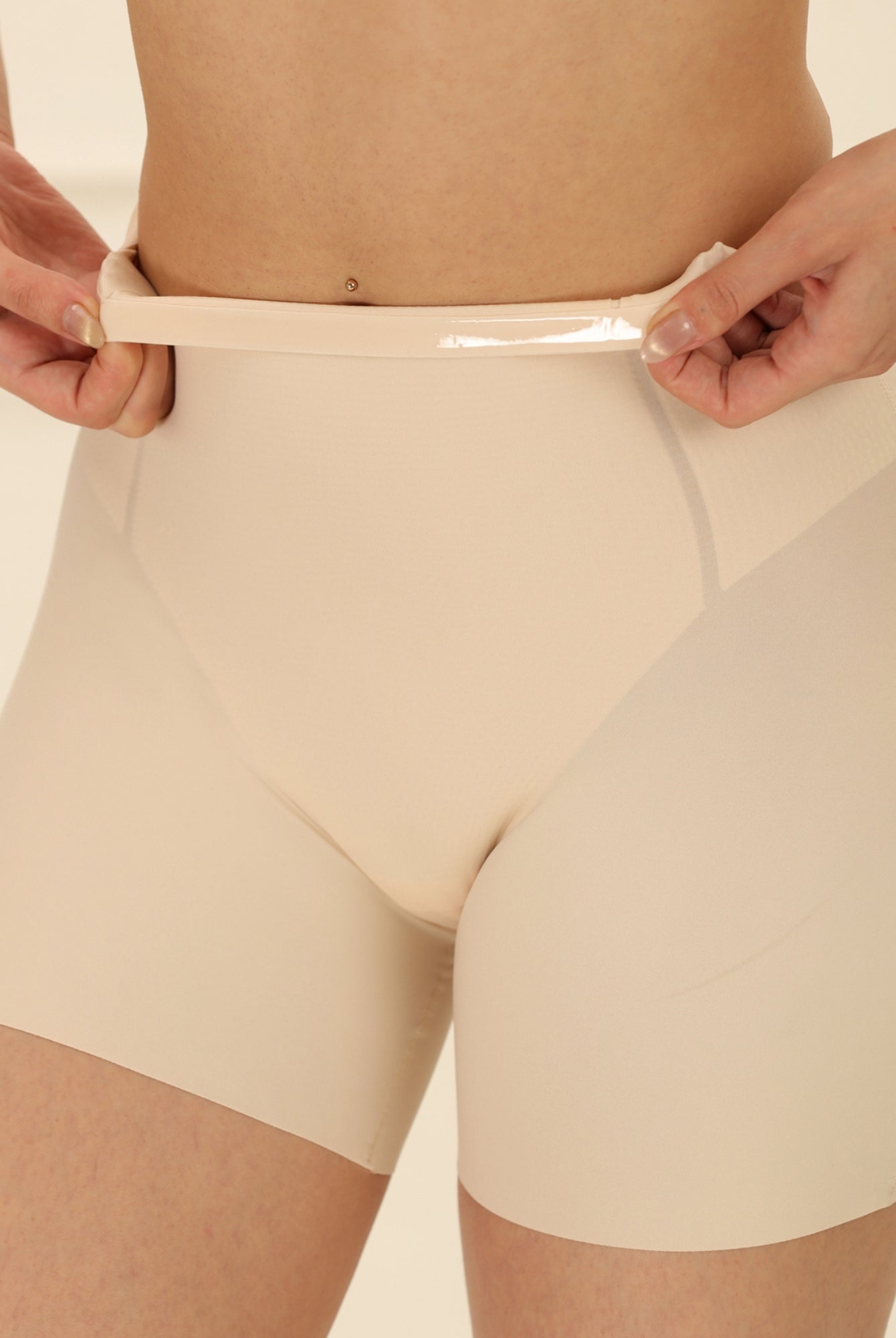
Waistband
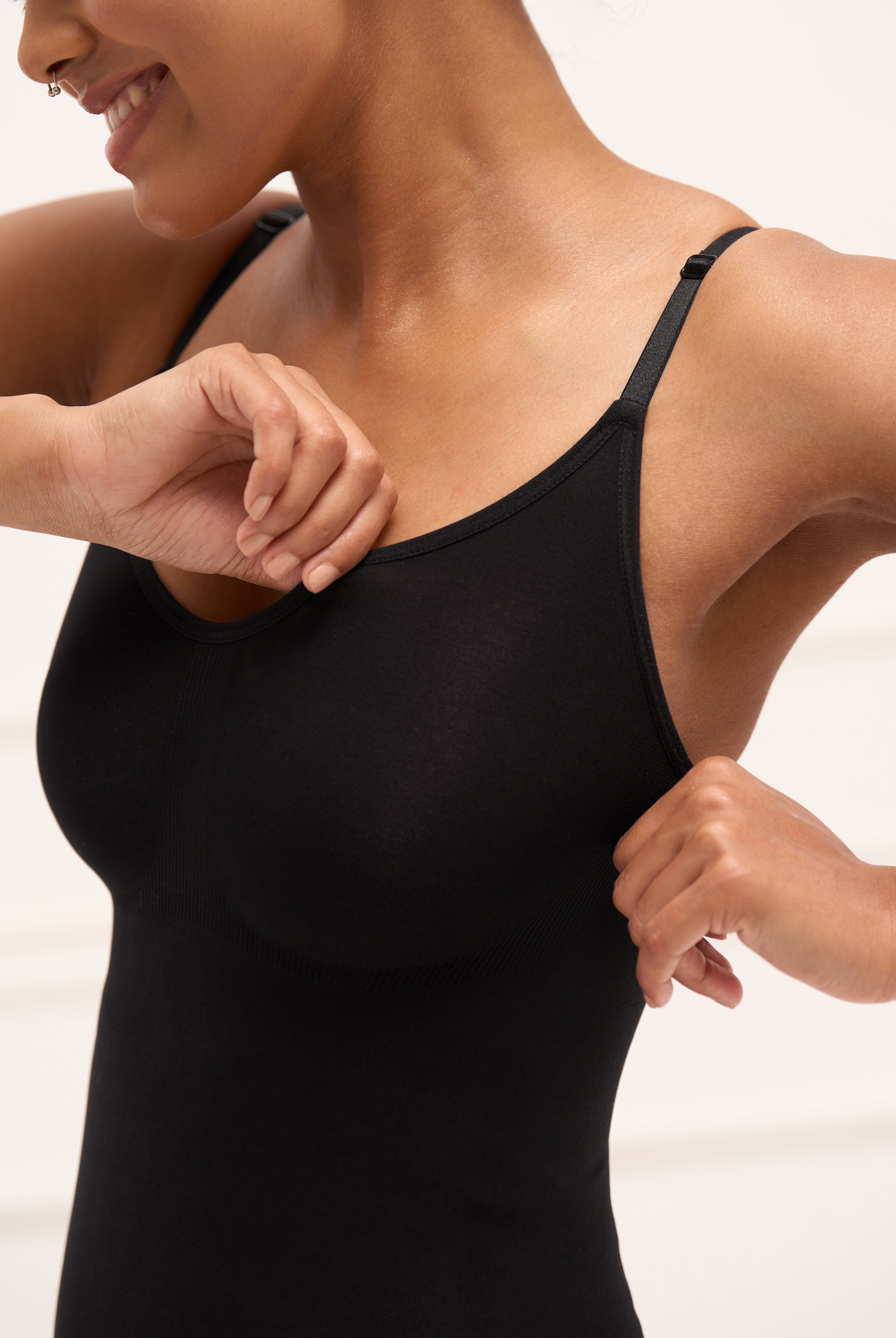
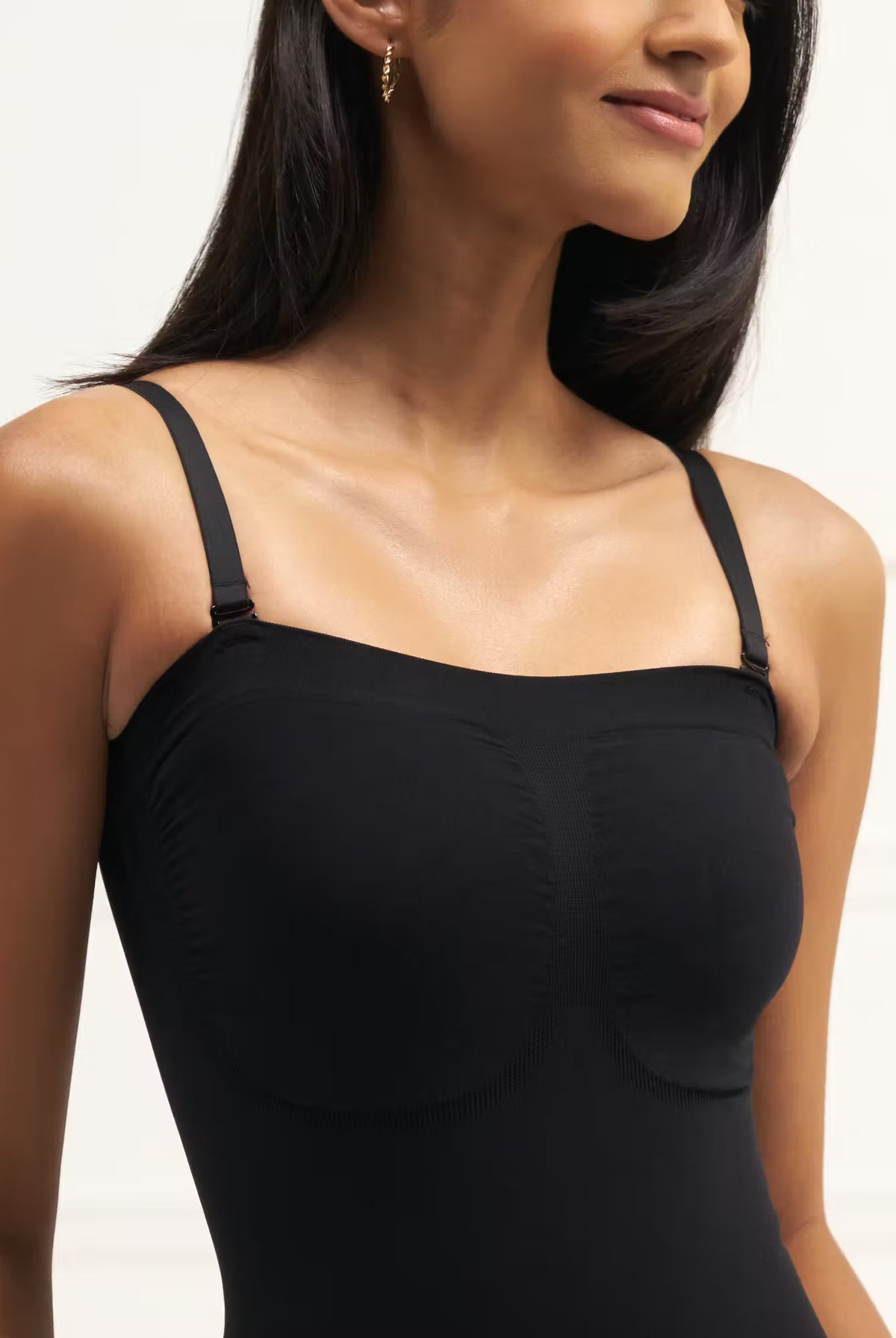
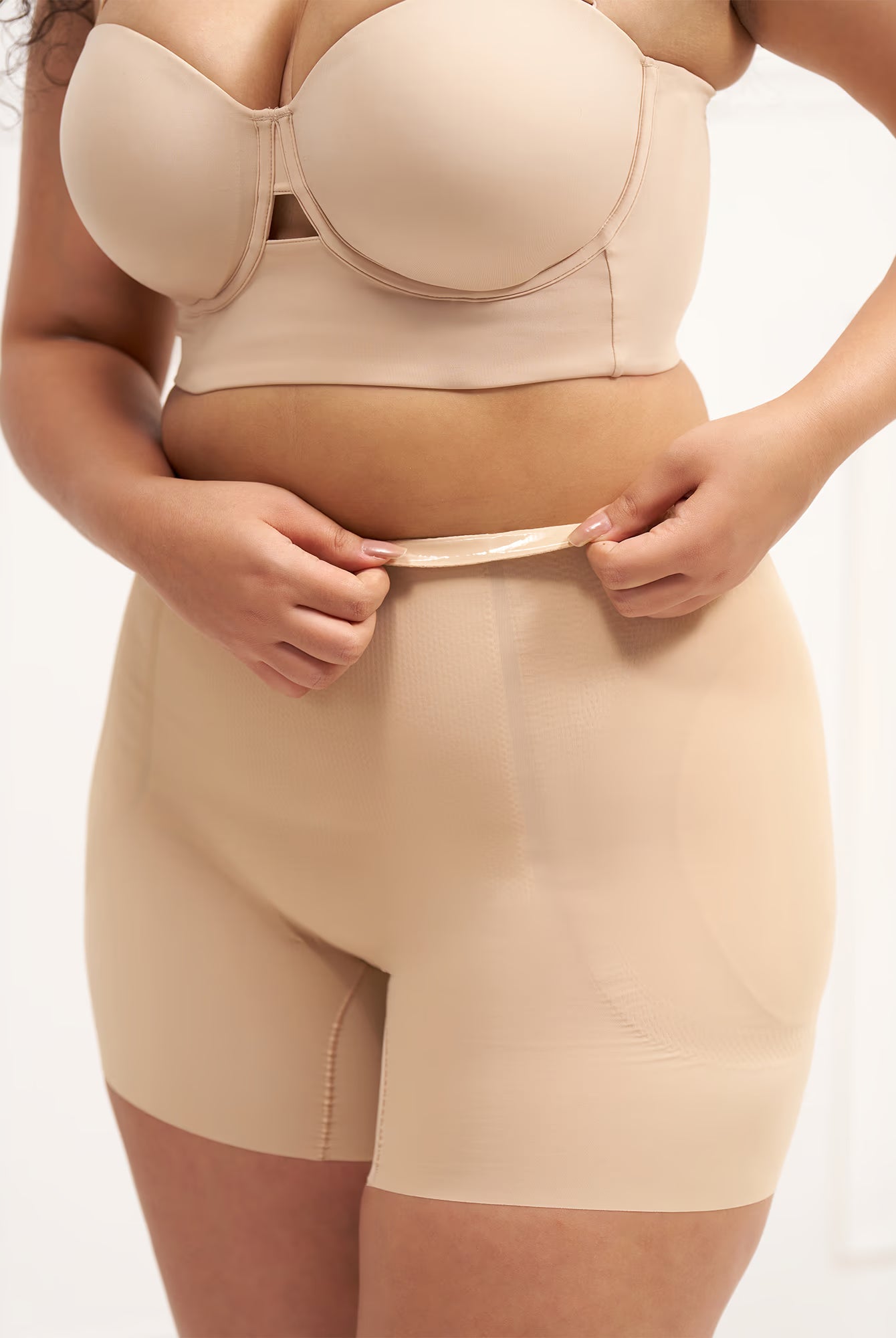
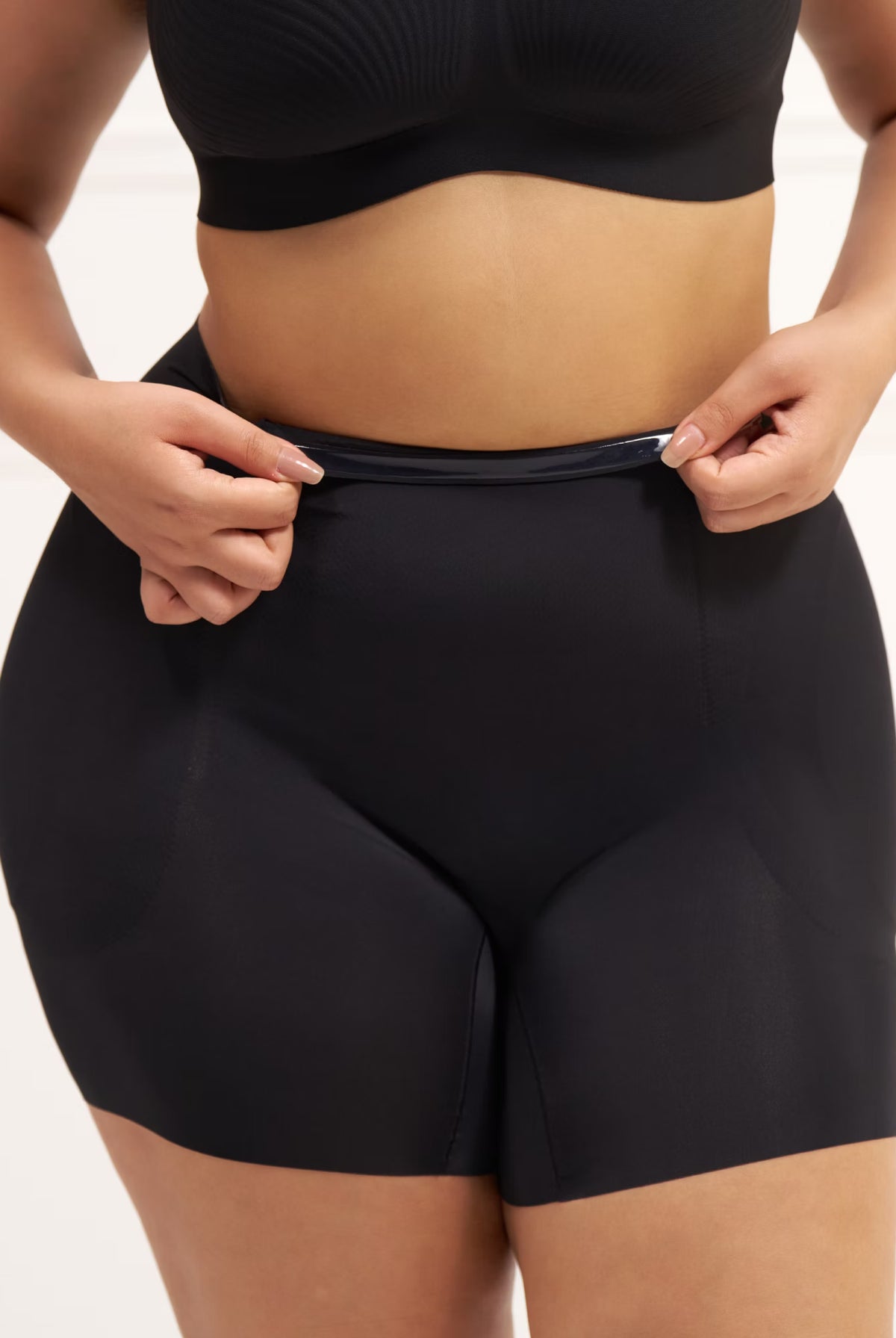
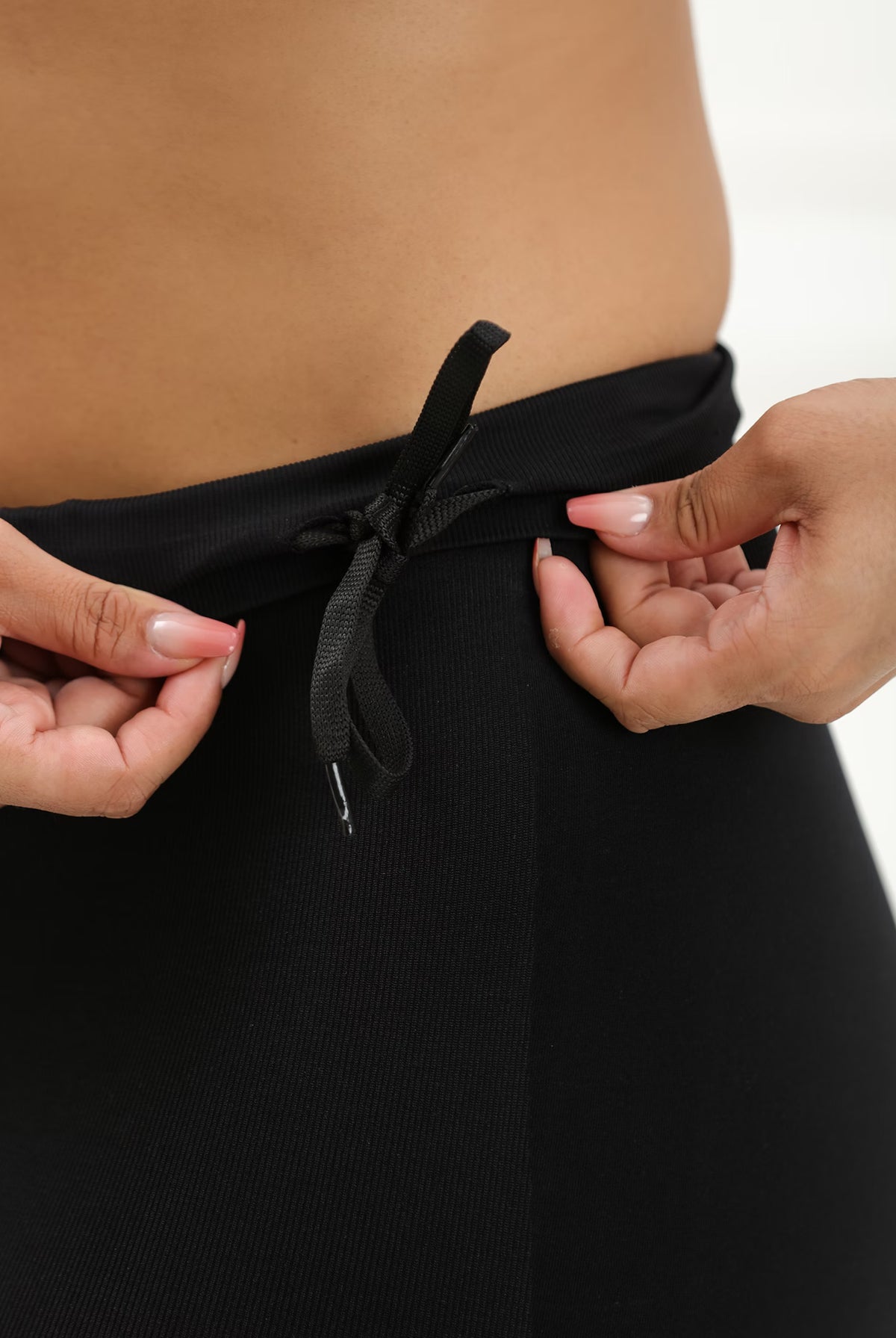
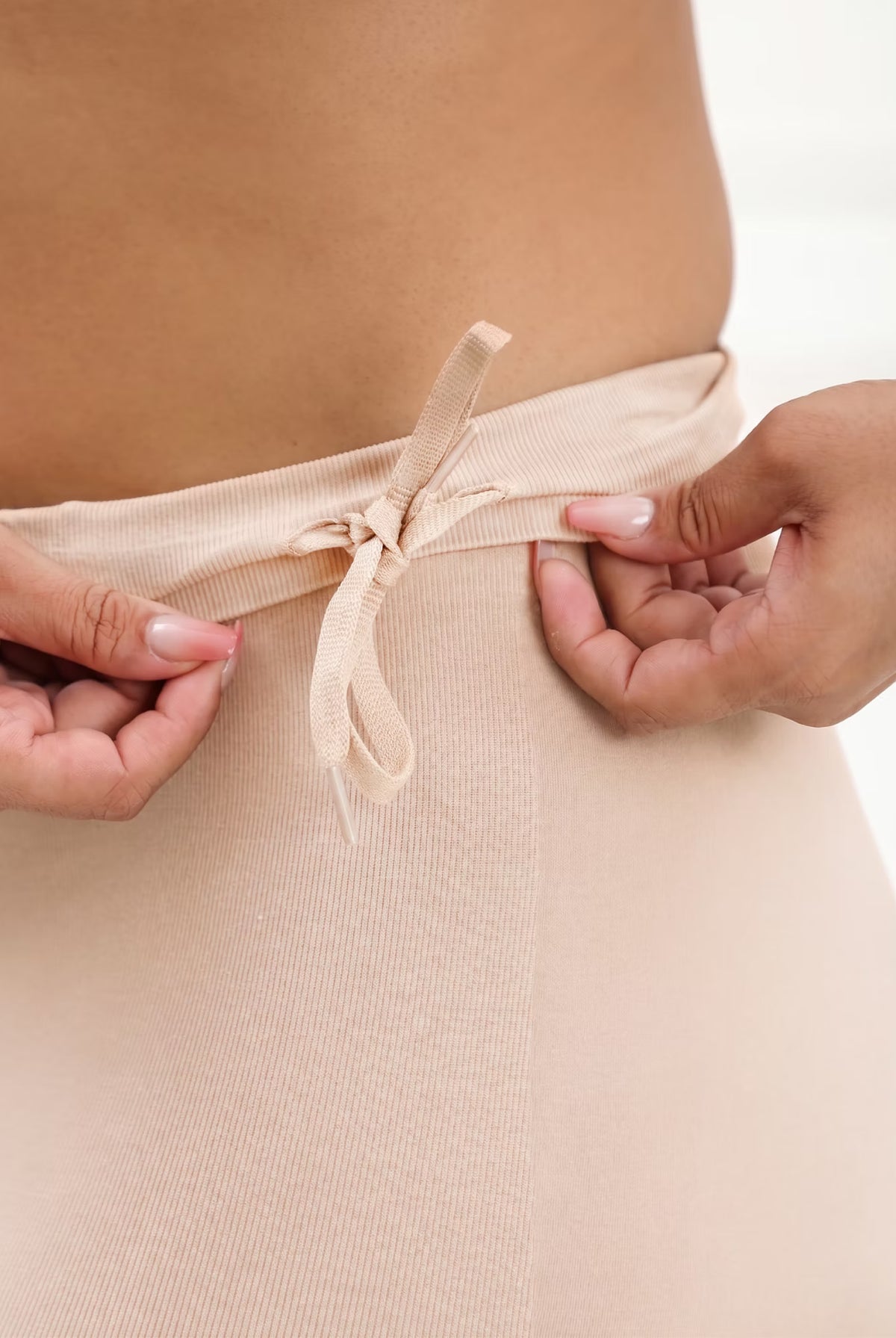
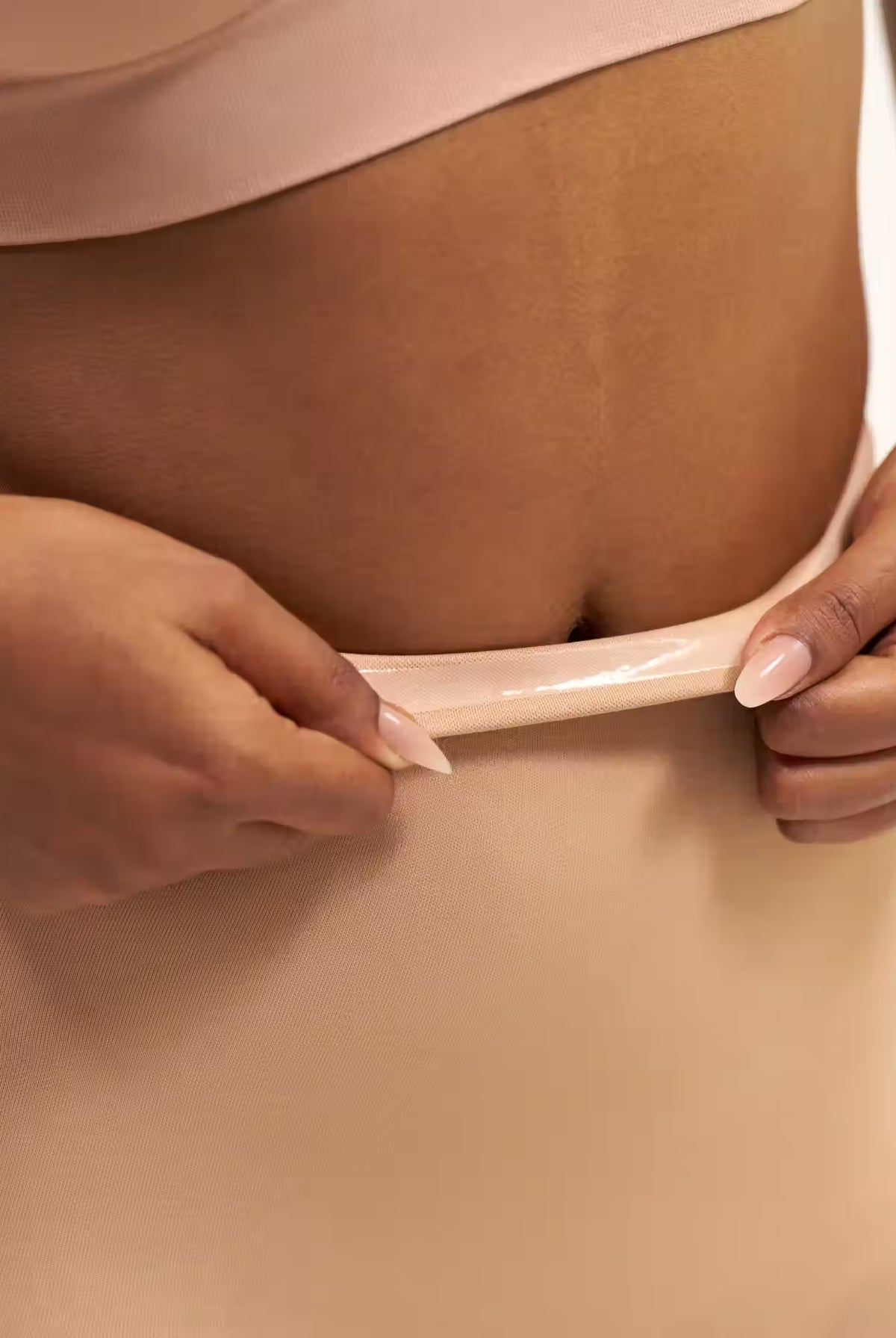
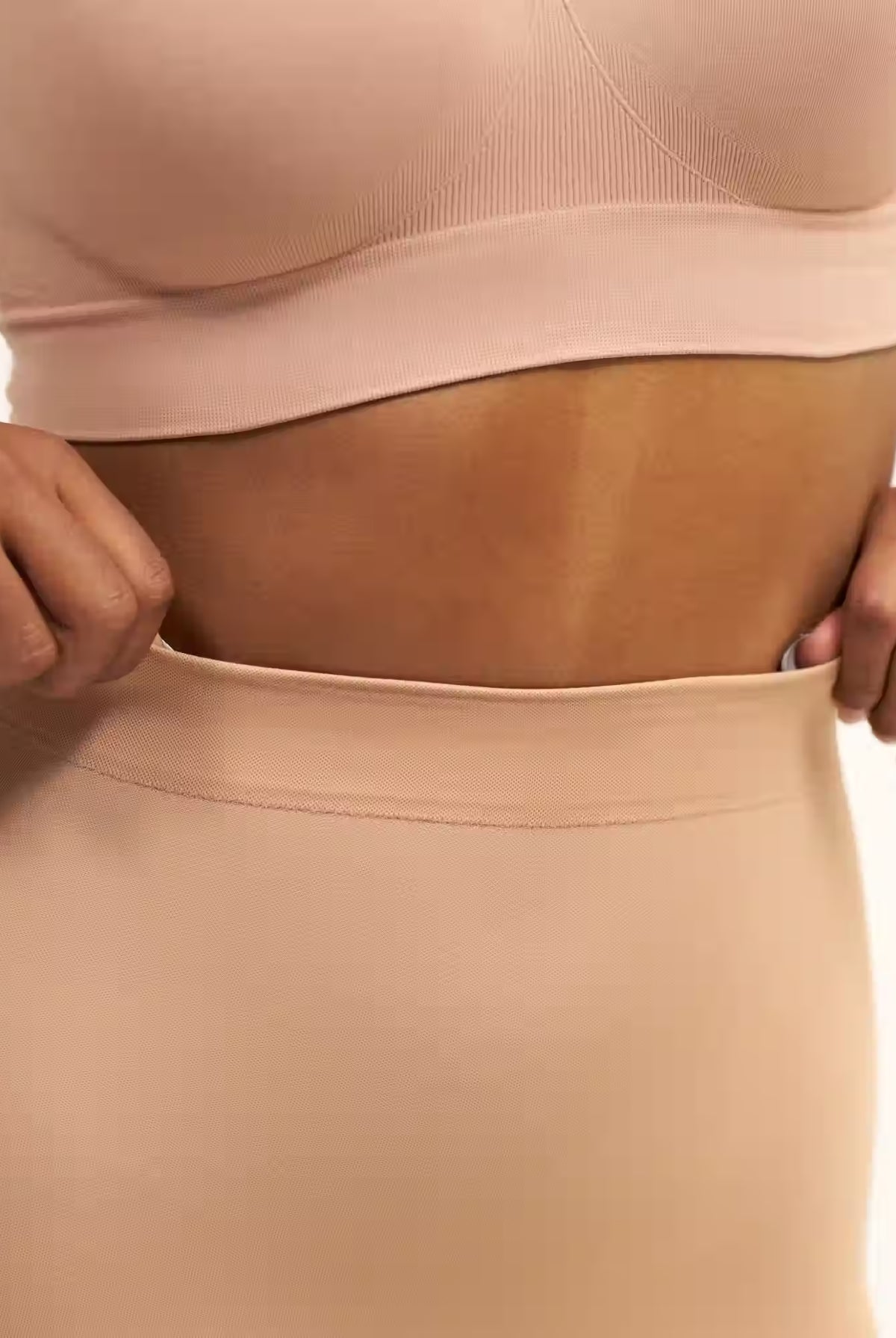
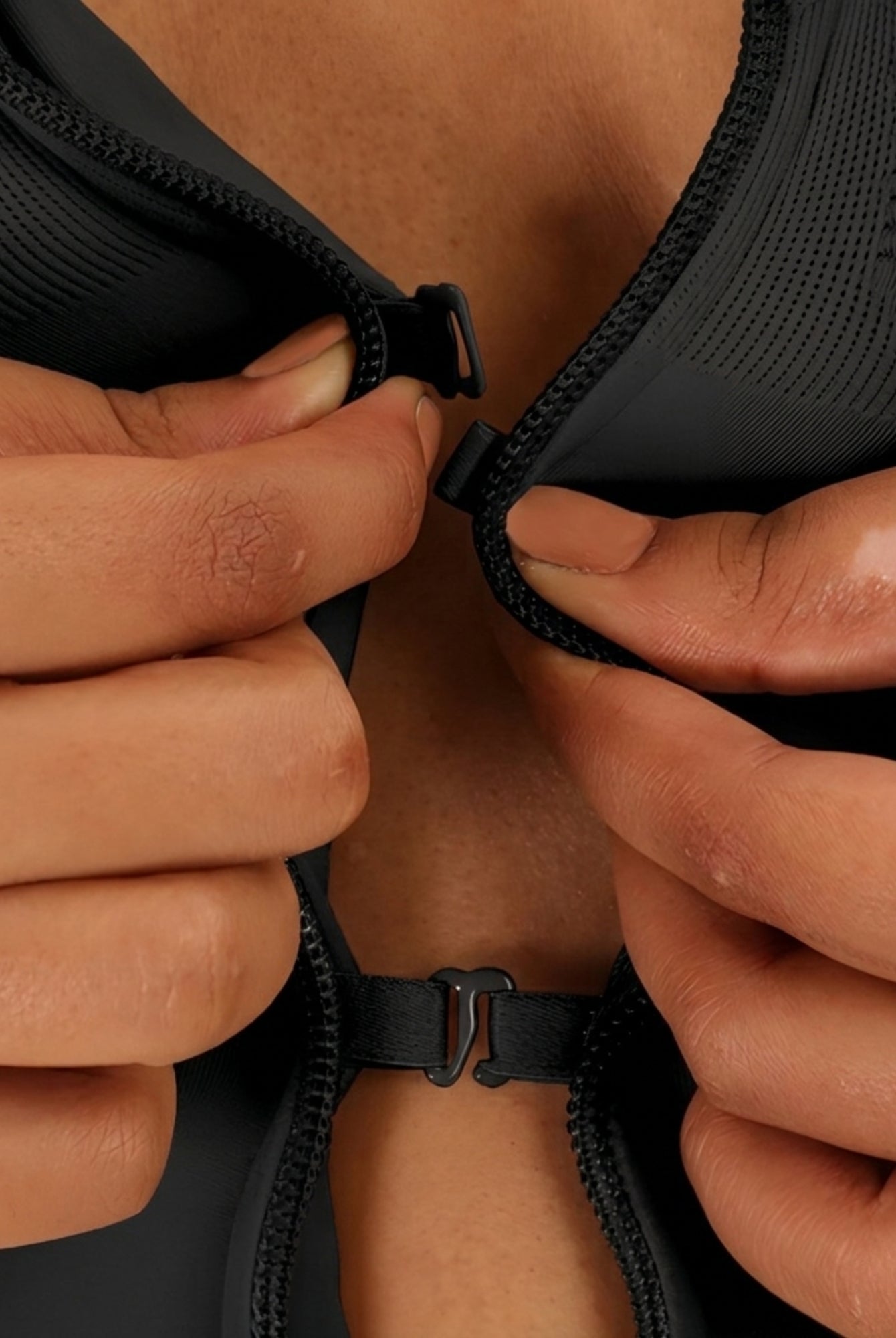
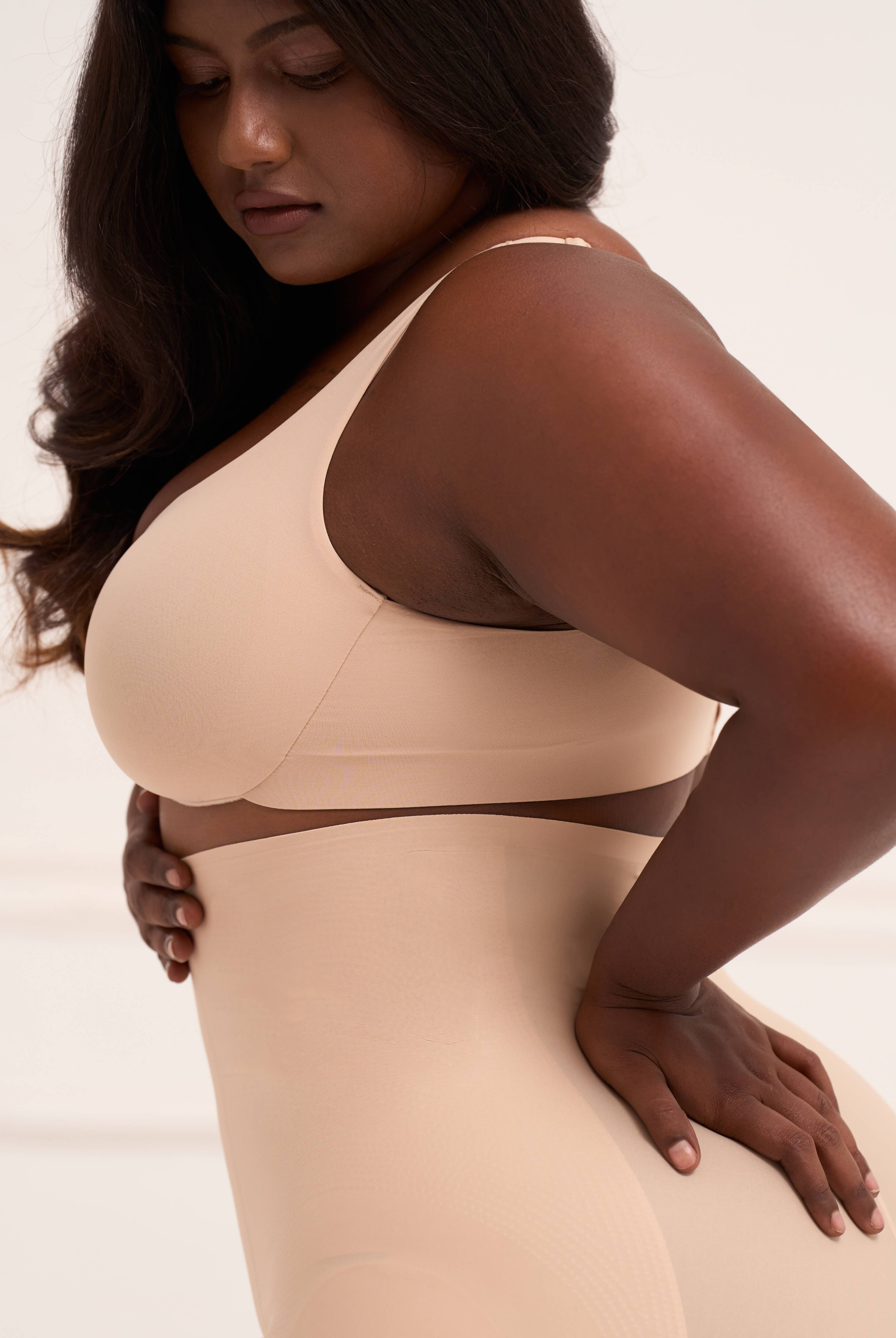
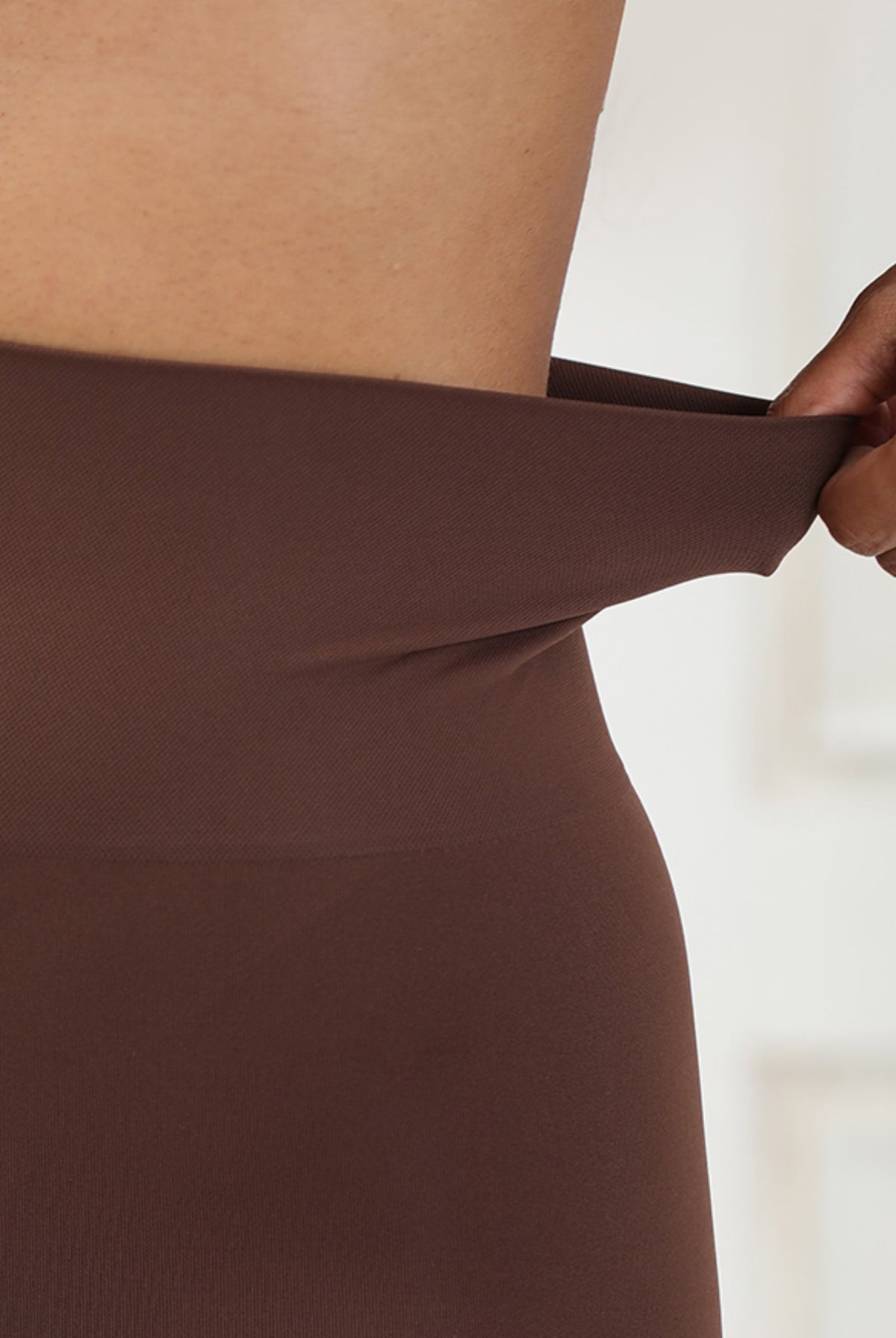
A well-designed waistband keeps shapewear securely in place without digging into your waist or rolling down every time you sit. Features like anti-roll construction help the garment stay where it's meant to, so you're not constantly adjusting it throughout the day.
Benefits of Shapewear
The right shapewear does several things at once. These benefits explain what is a shapewear actually for.
-
Clothes sit and drape better: The consistent surface beneath the outfit means fabric falls more evenly and stays in place through movement.
-
Reduces thigh friction: Shaper shorts prevent chafing between the thighs, which is particularly useful in warmer months.
-
A smooth base under fitted clothing: Fitted tops, saree blouses, and formal wear look cleaner over shapewear than directly over bare skin.
-
Less visible underwear lines: Flat-waist and minimal-seam designs don’t show through thinner fabrics.
-
More confident movement: When you’re not adjusting clothing mid-day, you move and feel more at ease.
-
Keeps the outfit in place: Saree shapewear and slips prevent the drape from shifting, reducing the need to re-drape throughout a long day.
Common Shapewear Mistakes
Three mistakes account for most of the discomfort people blame on shapewear. All three are easy to fix.
Buying a size too small
Going a size down in shapewear doesn’t give better results. It gives more discomfort. Shapewear in the wrong size rolls at the waist and digs into the thighs. It becomes impossible to ignore after the first hour. Choose your actual size. The compression is built into the fabric, not the size reduction.
Wearing the wrong style for the outfit
A shaper brief under a dress exposes the leg opening when you move. Shaper shorts under trousers add unnecessary bulk. Getting the style right for the outfit matters as much as getting the size right. Match the coverage zone to the outfit before buying.
Choosing compression that is too strong
High compression isn’t always better. If the shapewear restricts breathing, digs into the skin, or makes sitting uncomfortable, the compression level is too high. Light to medium compression is more comfortable for daily or extended wear and does the job without feeling constricted.
Conclusion
If you've been curious about shapewear but weren't sure whether it's really for you, here's something worth remembering: you don't have to wear it every day, and you certainly don't have to wear it because you think you should.
Shapewear is simply another wardrobe essential, much like choosing the right bra or the right pair of shoes for an outfit. Some days you'll reach for it because you want your saree to drape beautifully, your dress to sit a little smoother, or your trousers to feel more comfortable. Other days, you won't need it at all, and that's perfectly okay.
Understanding what is a shapewear right for your body makes the decision much easier. Start with one style that matches an outfit you wear often. Wear it around the house, see how it feels, and notice how your clothes sit over it. As you become familiar with the coverage and support that suits your needs, choosing shapewear becomes much more intuitive.
And when comfort is the priority, you're far more likely to actually wear it. That's the philosophy behind Underneat's shapewear collection—thoughtfully designed to feel light, breathable, and supportive, so you can focus on enjoying your day instead of adjusting your outfit.
FAQs
Is shapewear bad for you?
Well-fitted shapewear in light to medium compression is not harmful for most people. Issues arise when shapewear is too tight, worn too long, or chosen in the wrong size.
Does shapewear reduce belly fat?
No. Shapewear smooths the appearance of the midsection under clothing temporarily. It doesn’t “fix” your body, change body composition, or provide any lasting physical change. It’s a layer, not a treatment.
Can you wear shapewear every day?
Light compression shapewear in breathable fabrics can be worn daily by many women. High compression or non-breathable styles aren’t ideal for extended everyday wear. Listen to your body and take breaks when needed.
Can you wear underwear under shapewear?
This depends on the style. Shapewear briefs and shorts are designed to replace regular underwear. Bodysuits and waistbands are worn over regular underwear. Check the intended use for the specific style you’re buying.
Can shapewear help clothes fit better?
Yes. A smooth, consistent base layer means clothes drape more evenly, fitted tops sit flat, and fabrics don’t bunch or pull across the body during movement.
How do you wash and care for shapewear?
Hand wash in cool water and reshape while damp. Avoid the tumble dryer as heat degrades the elastic fibres. Store flat or rolled rather than folded to maintain the fabric’s stretch and recovery.