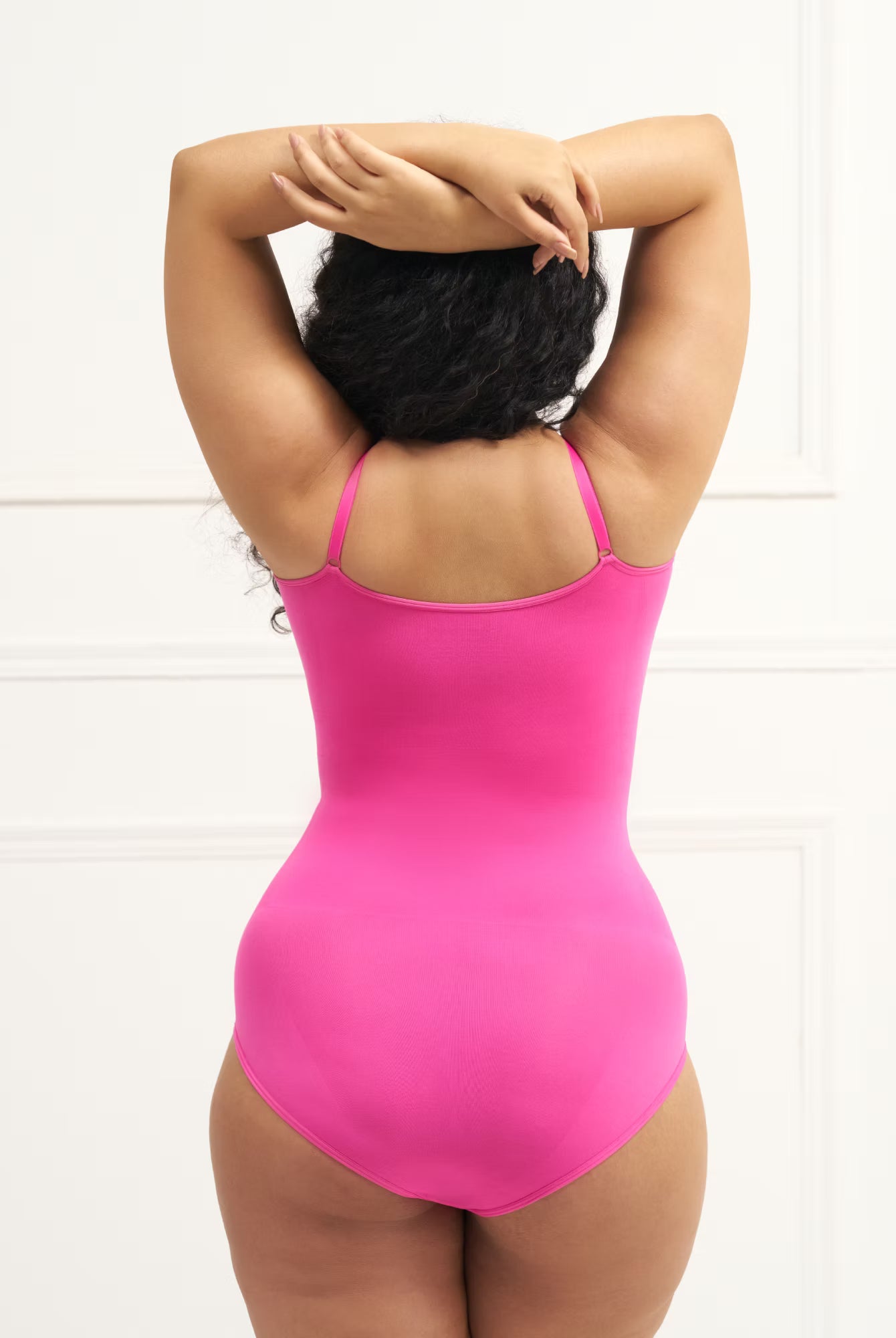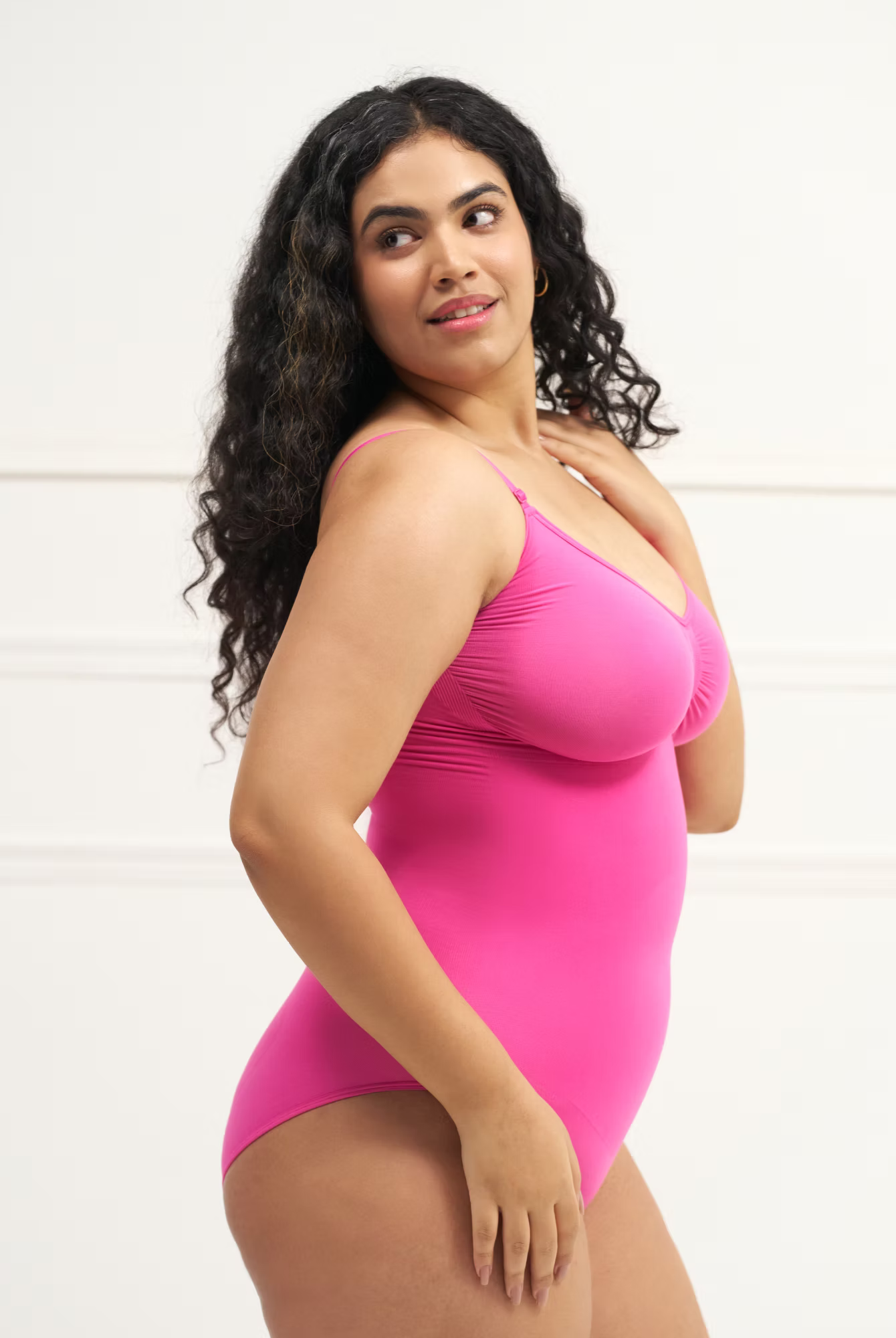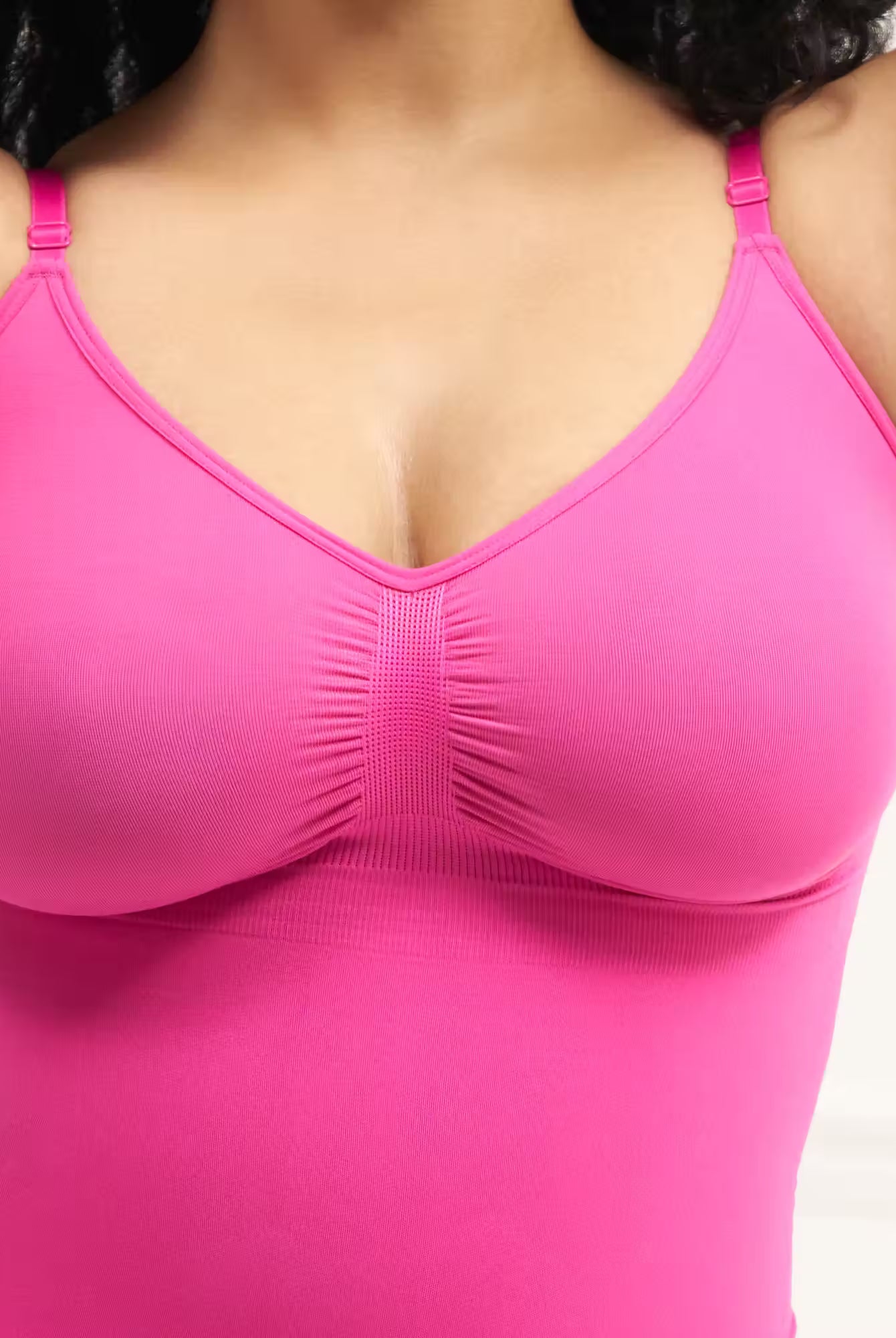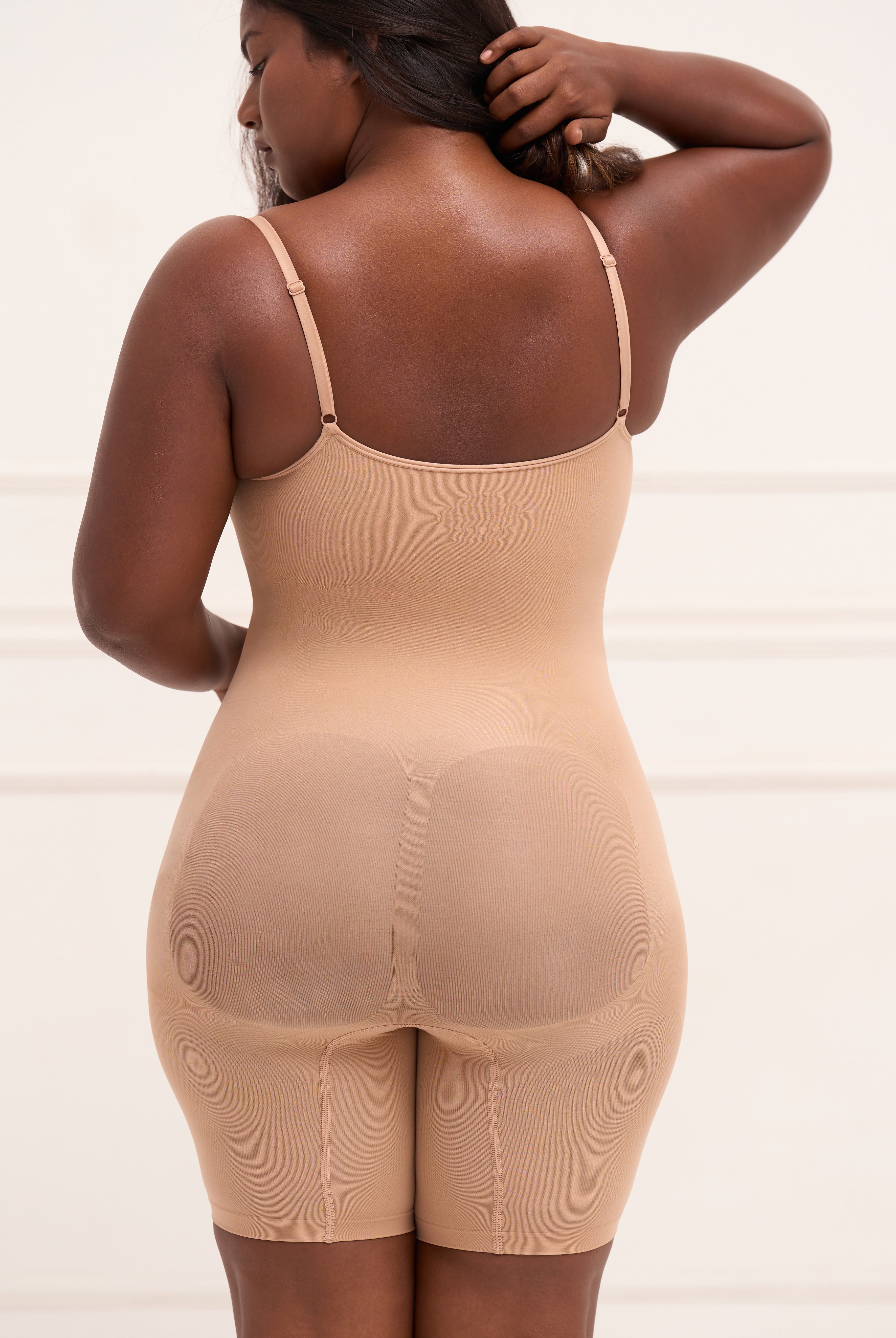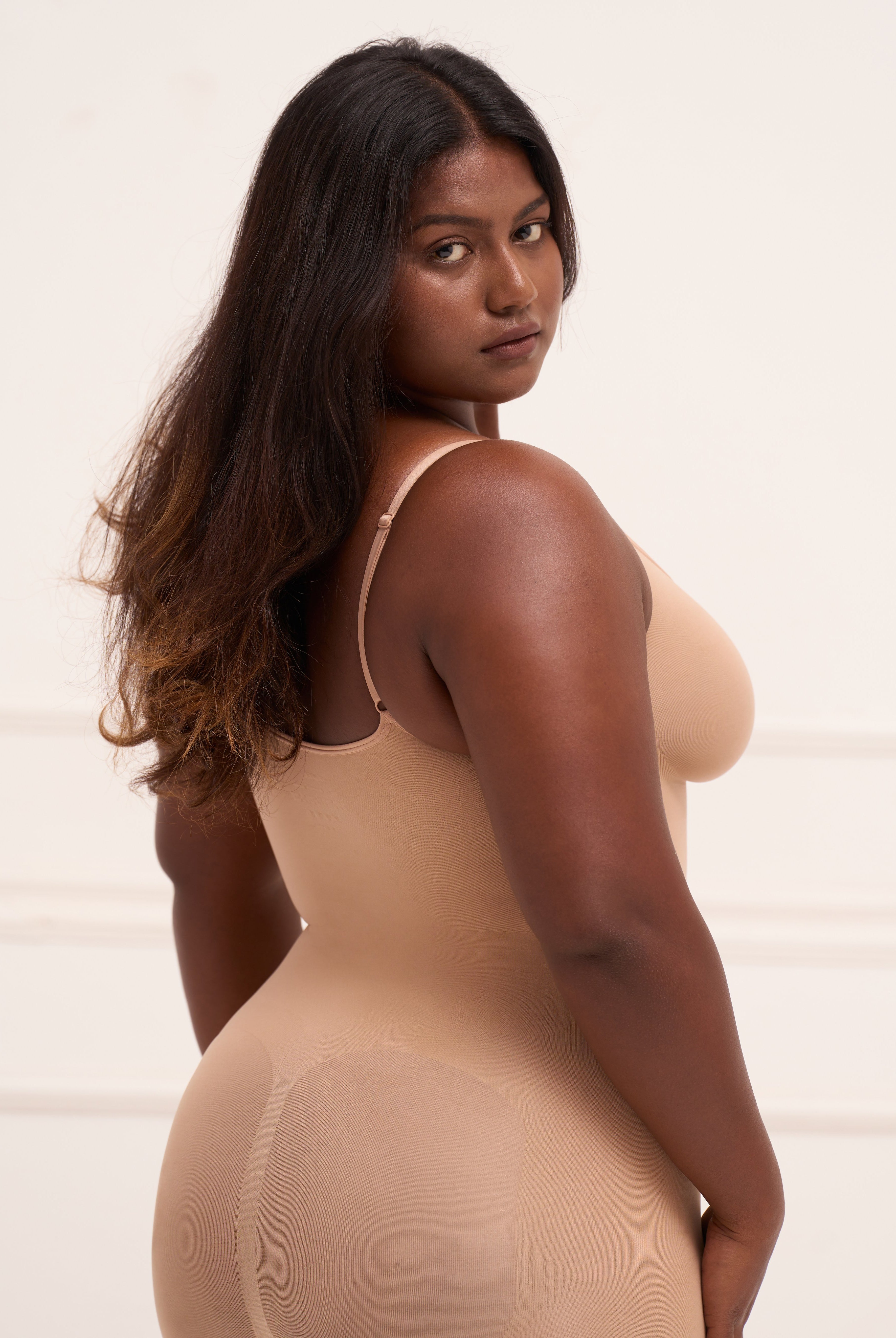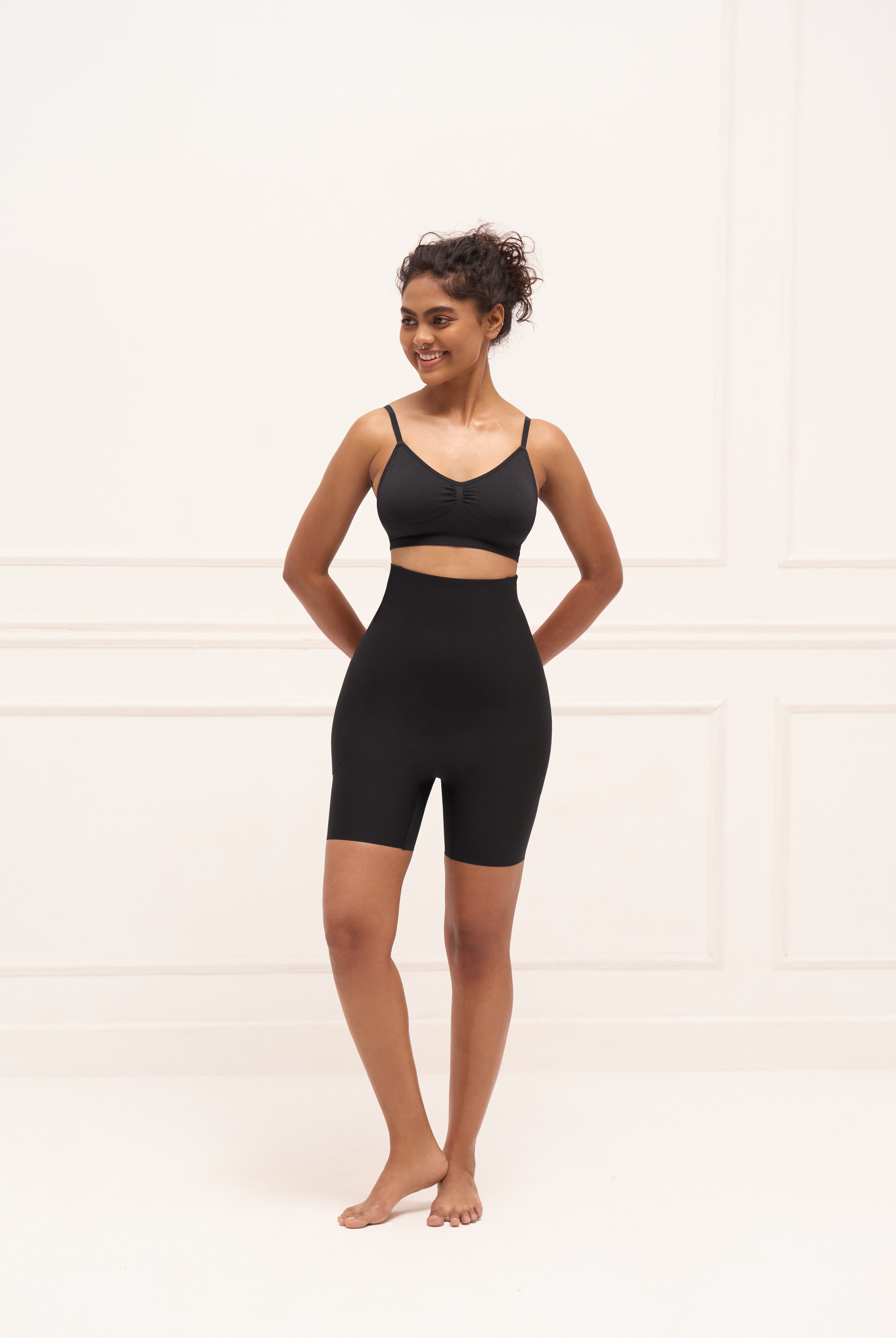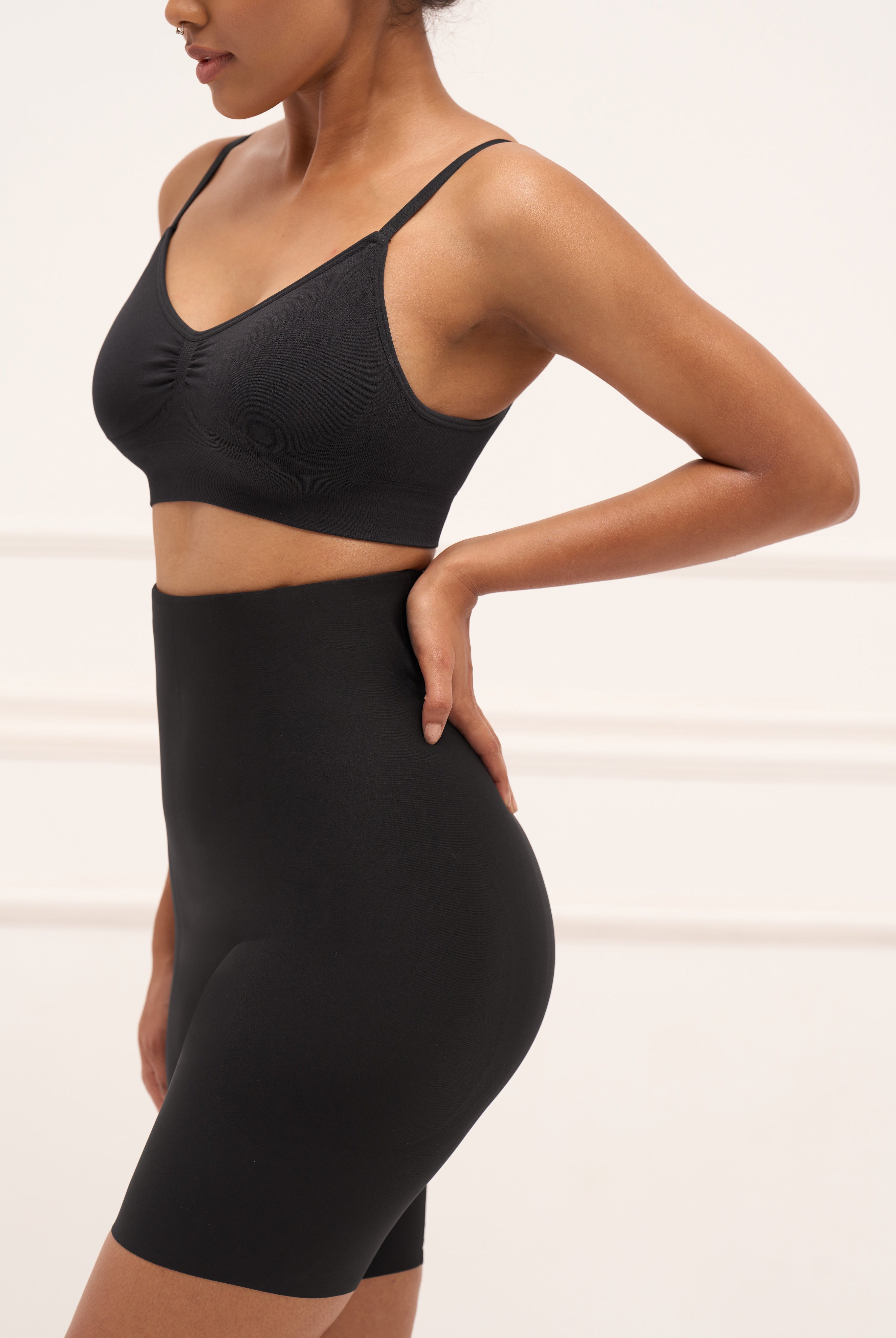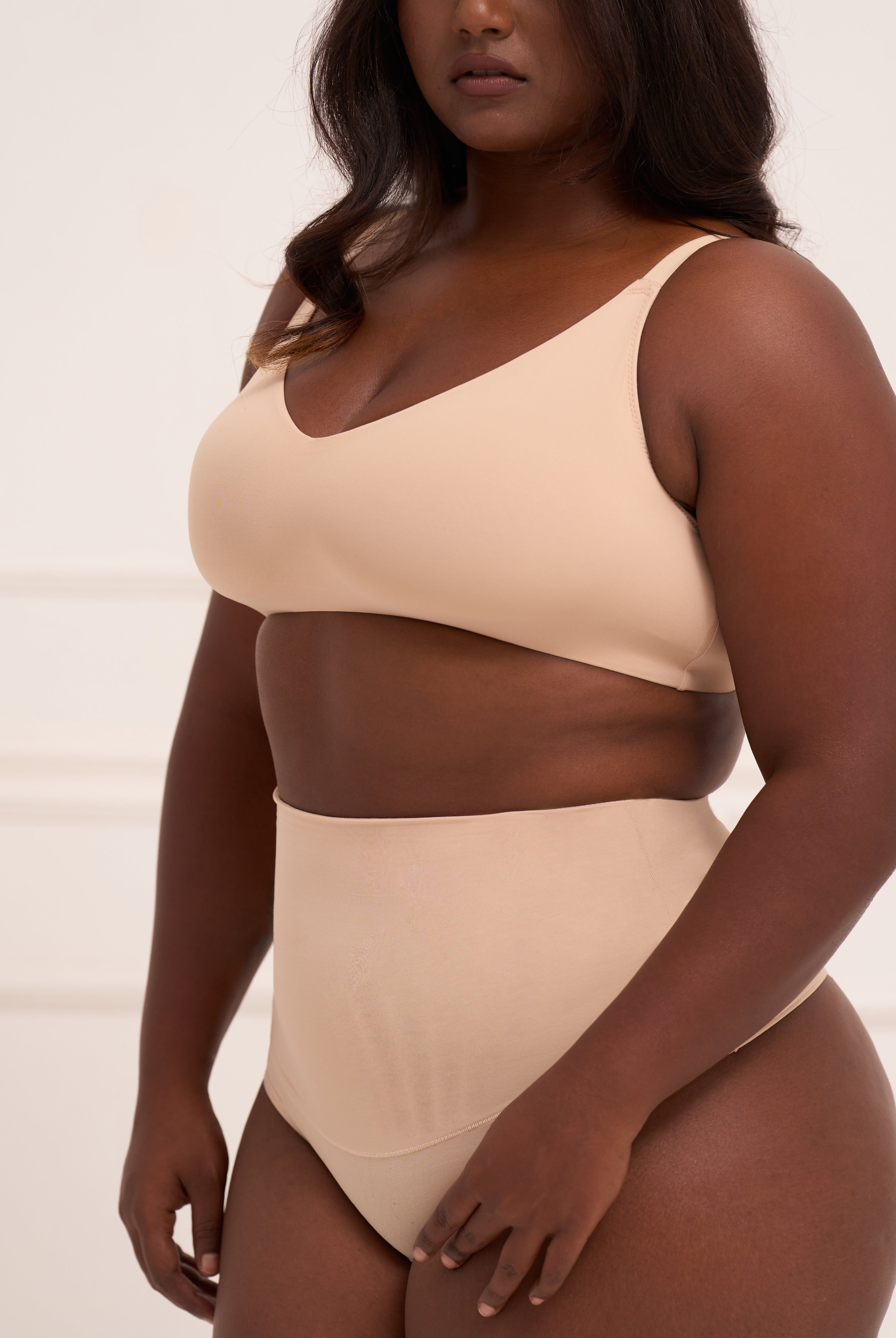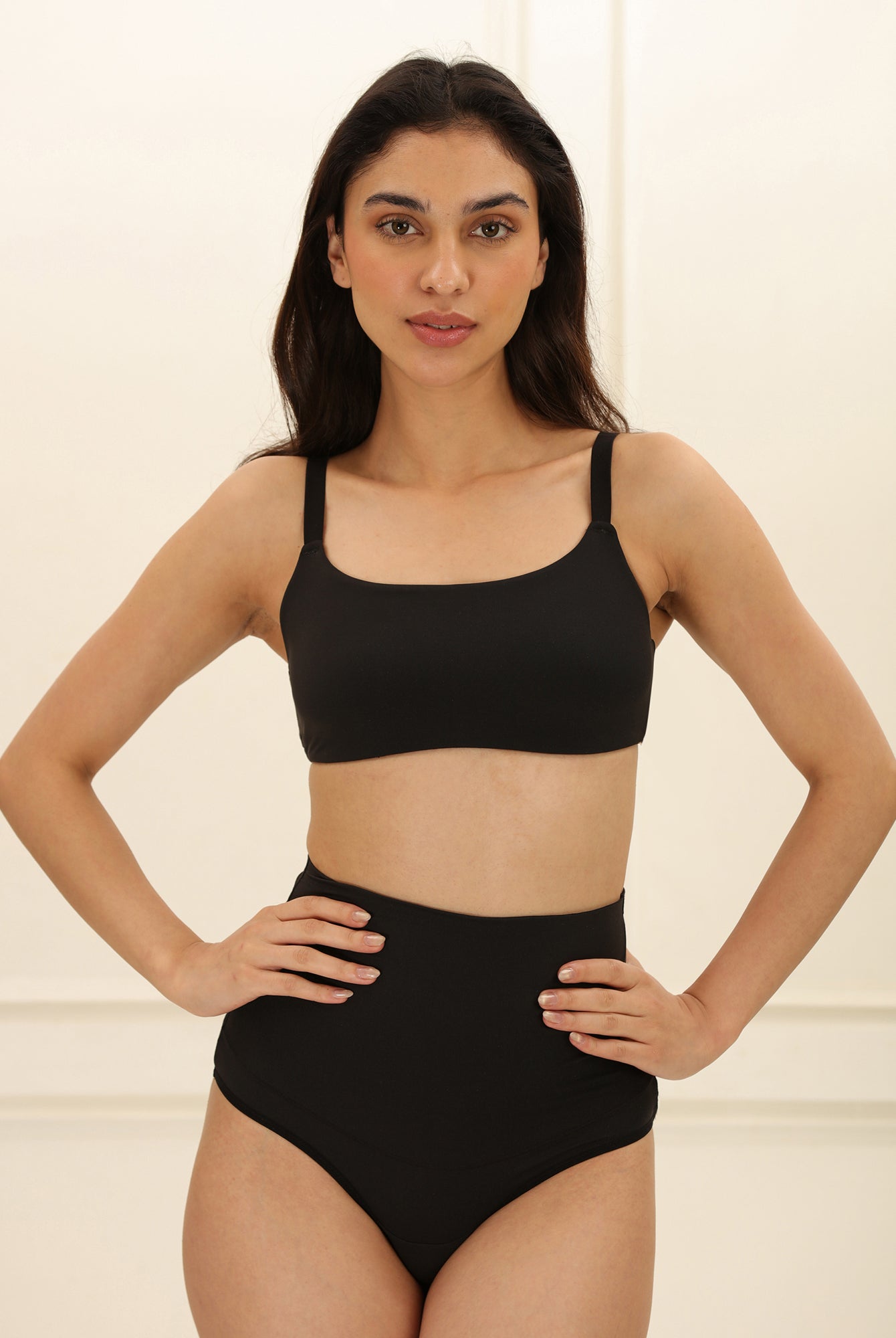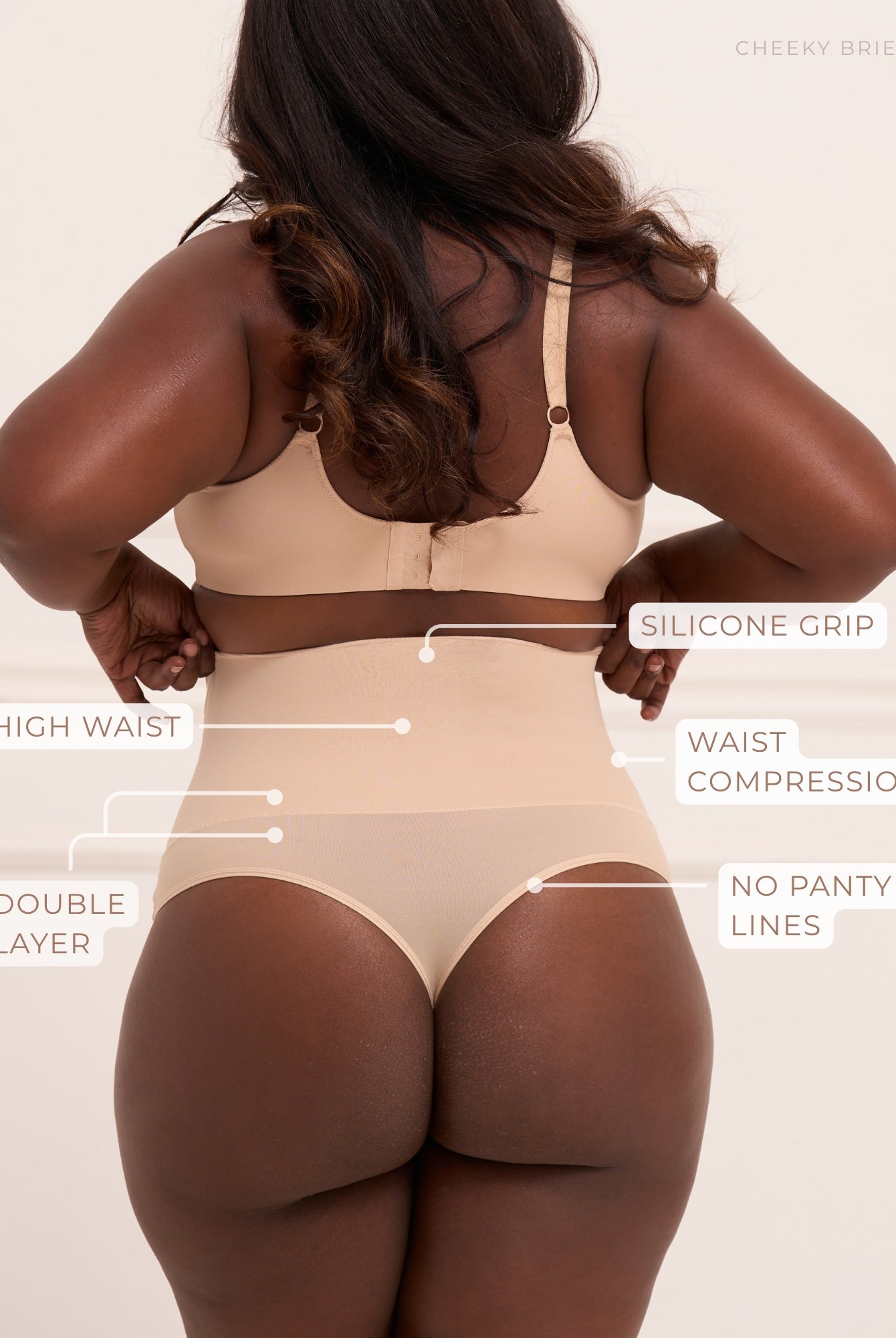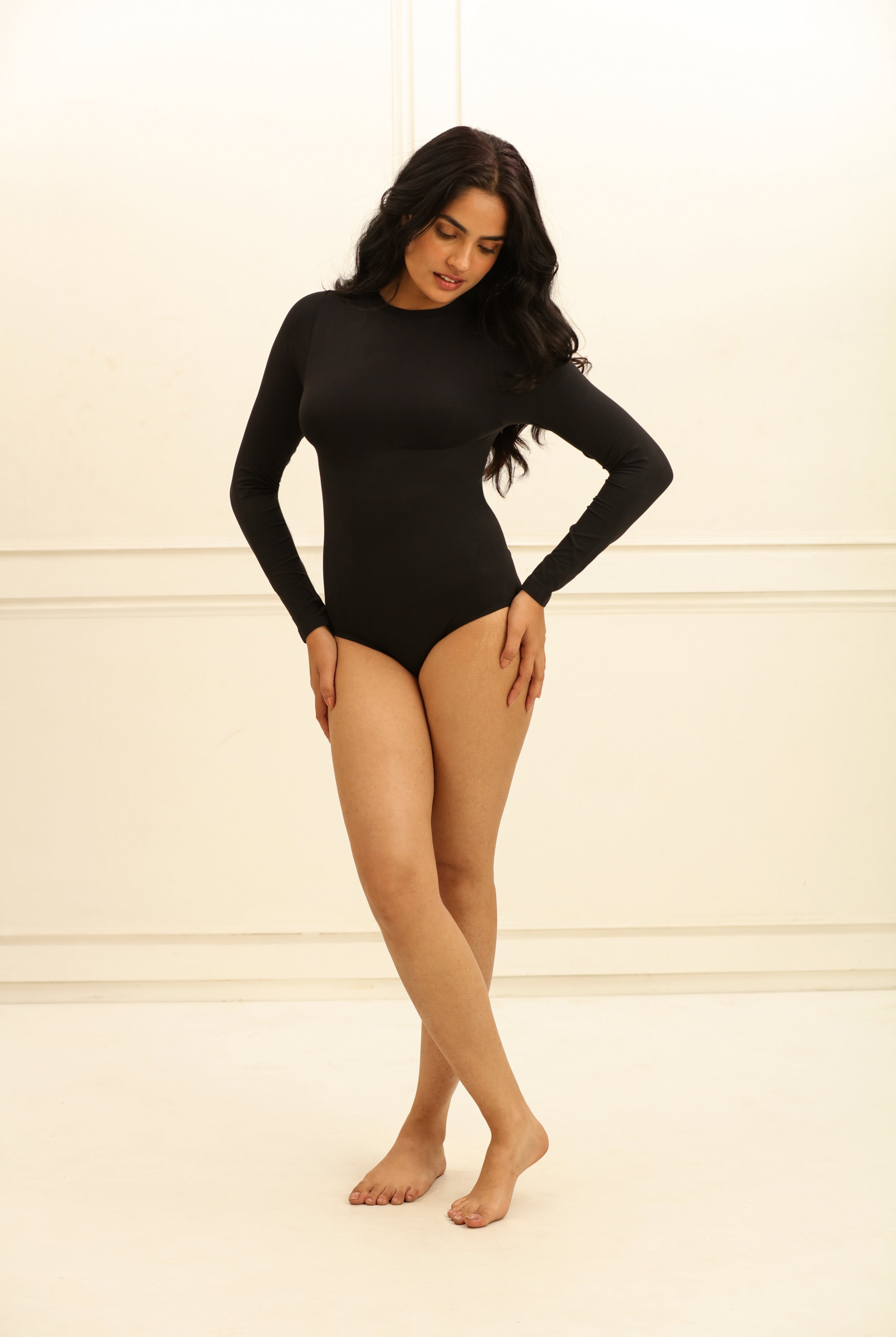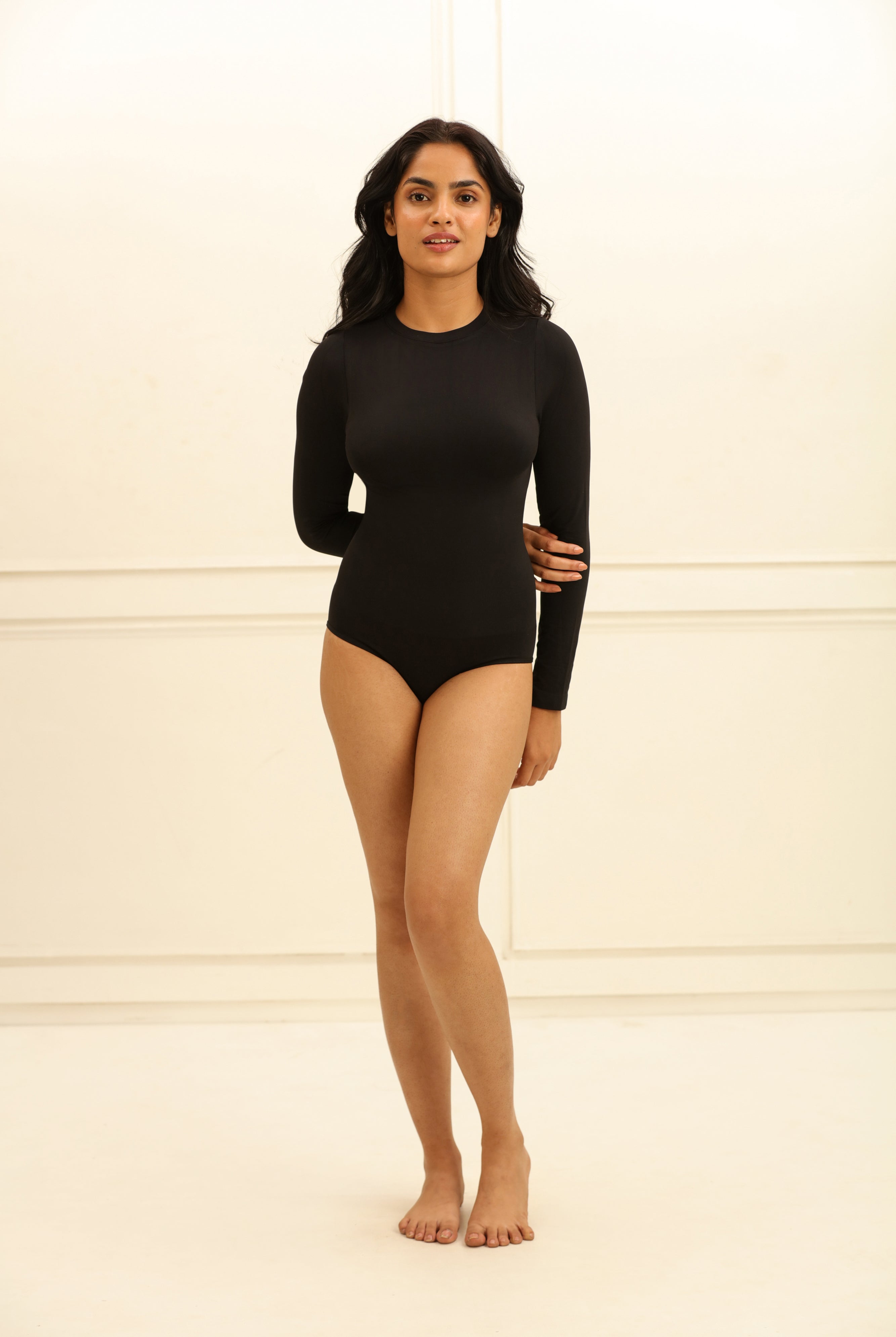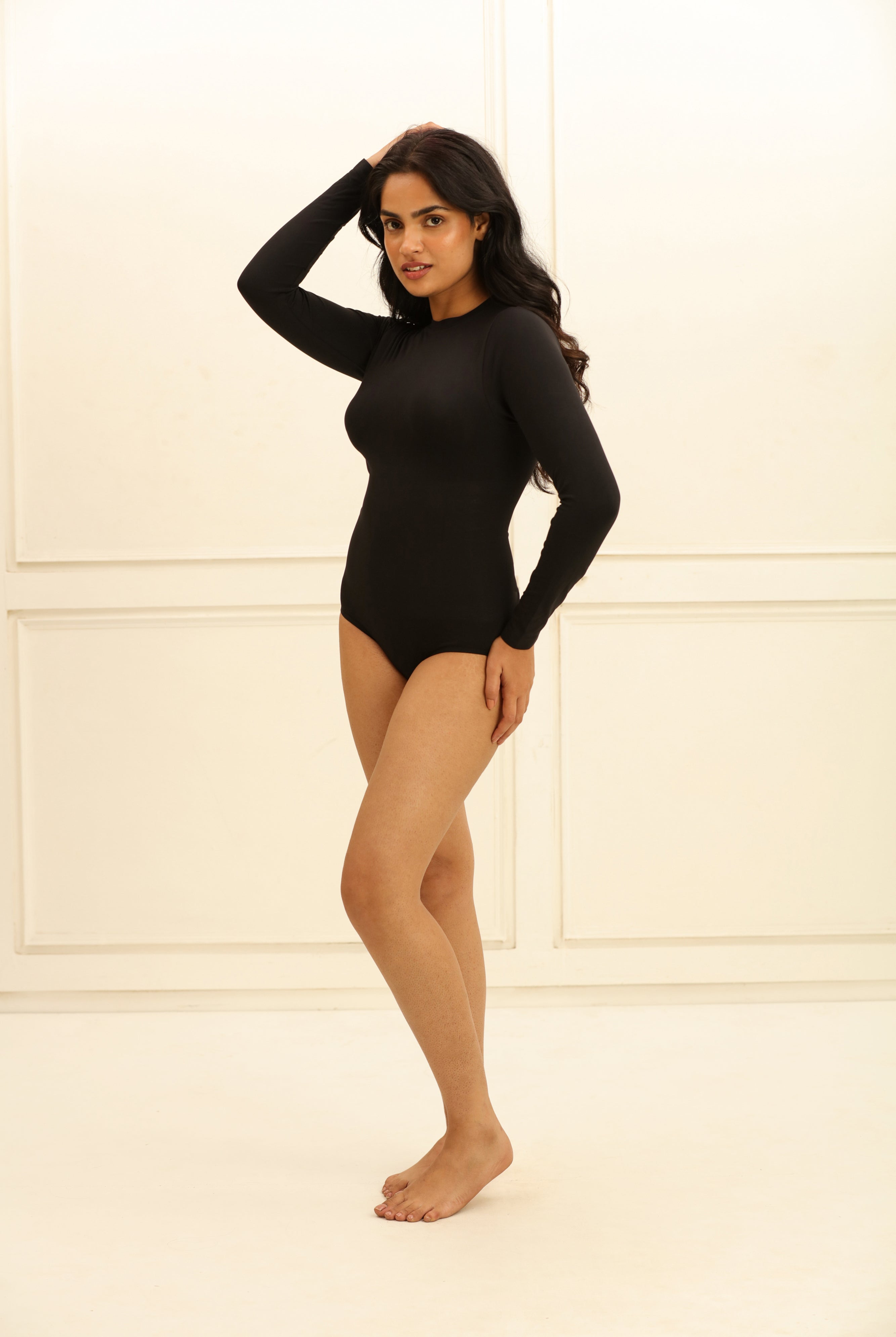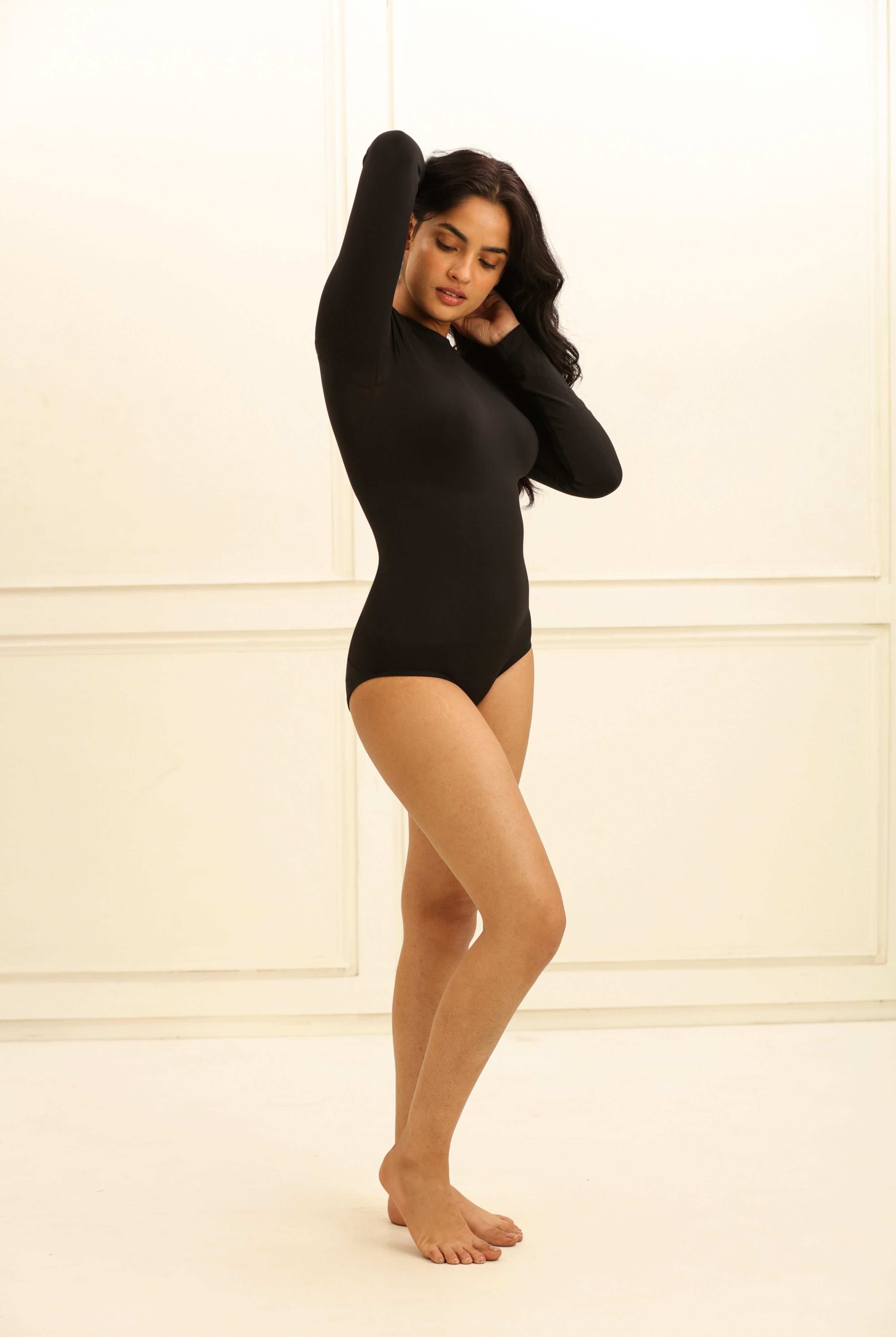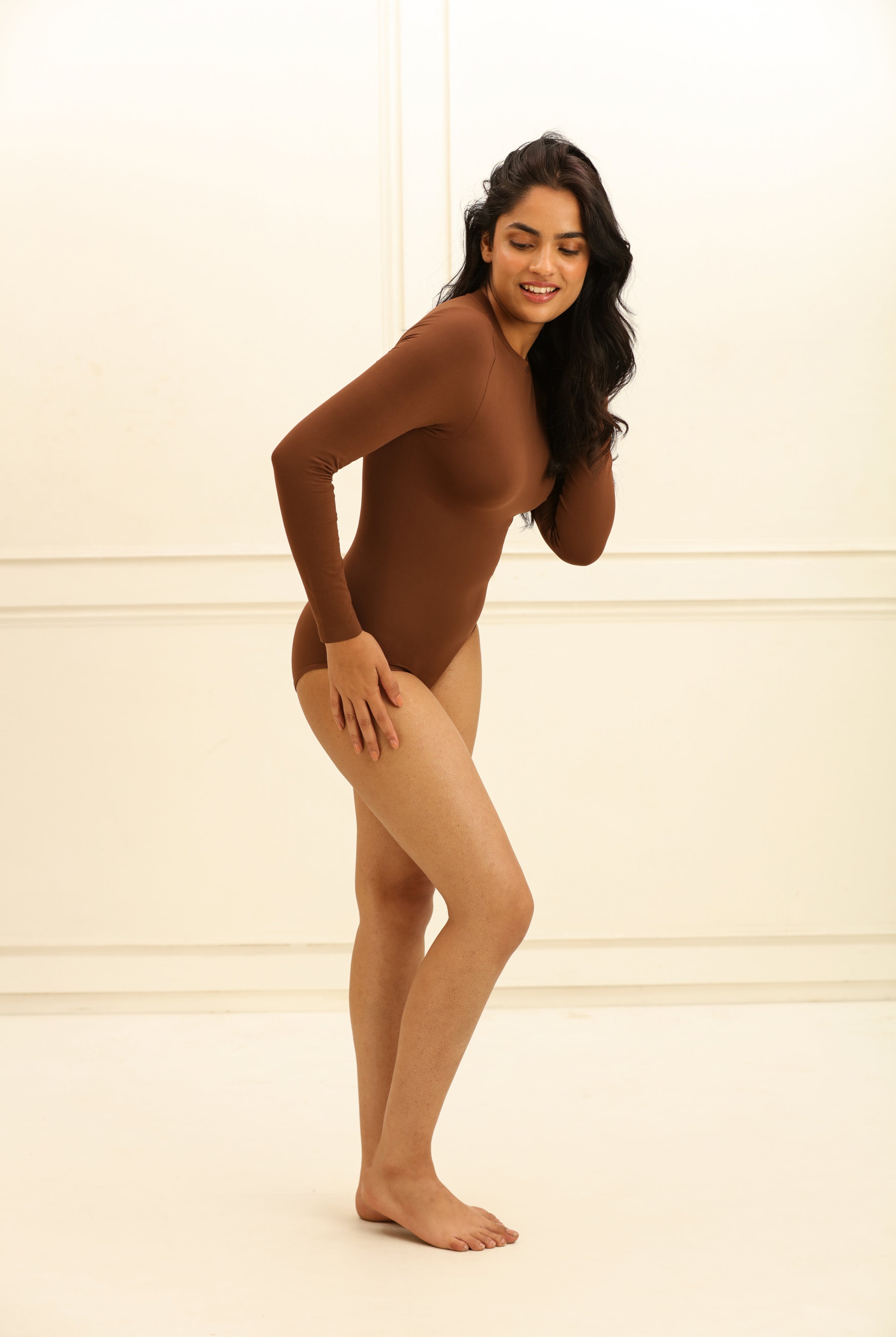







You've probably been buying the same bra size for years without giving it much thought. After all, if it fits once, it should still fit now... right?
Well, not always.
Most of us assume that once we know our bra size, bas ho gaya! But here's the thing: our bodies don't stay the same forever. Weight changes, hormones, pregnancy, workouts, or even age can change your bust measurements without you even realising it. So if your favourite bra suddenly feels too tight, the straps keep slipping, or your cups don't sit right anymore, it's probably your body telling you it's time for a quick re-measure.
And let's clear up another common confusion. Have you ever wondered, "What exactly is bust size?" Or thought, "Is my bust size the same as my bra size?" Trust us, you're not the only one asking these questions. They're actually two different things, and knowing the difference can completely change how your bras fit and how your clothes look on you.
In this guide, we'll keep things super simple. We'll explain what bust size is, the meaning of bust in the body, why knowing your measurements actually matters, and how you can measure your bust correctly at home, all in just a few minutes. Ready? Let's figure it out together.
What is Bust Size?
Before learning how to measure it, it's important to understand what bust size is and why it matters.
The bust refers to the fullest part of a woman's chest, where the breasts project the most. When people ask about the bust meaning or bust meaning in the body, they're referring to this specific area of the upper body. Your bust size is the circumference measured around this fullest part using a measuring tape.
While the terms are often used interchangeably, bust size and bra size are not the same. Your bust measurement is only one part of determining your bra size. The other important measurement is your band size, which is taken around your ribcage just below the breasts. Together, these measurements help determine both your band number and cup size.
Think of your bust measurement as the foundation for finding bras that fit comfortably and support your natural shape.
Why Should You Know Your Bust Size?
Knowing your bust size isn't only about buying bras. It influences how your clothes fit, how comfortable you feel throughout the day, and even your posture. Understanding your measurements allows you to make better shopping decisions and avoid unnecessary discomfort.
Helps You Find the Right Bra Fit

A well-fitting bra starts with accurate measurements. If your bust size is incorrect, you may end up wearing cups that are either too small or too large. Cups that are too small can create spillage and pressure, while oversized cups may gape and fail to provide proper support.
When your bra matches your bust and band measurements, it distributes weight evenly, stays in place, and provides the support your body needs throughout the day.
Makes Online Bra Shopping Easier

Shopping online offers endless choices, but it also removes the convenience of trying products before buying them. Knowing your bust measurement makes it easier to compare size charts across brands and select the closest fit with confidence.
Instead of relying on guesswork or choosing the size you've always worn, you can use your actual measurements to make informed decisions and reduce the chances of returns or exchanges.
Improves Comfort and Support

Comfort isn't only determined by soft fabrics or seamless designs. It starts with wearing the right size.
A properly fitted bra reduces shoulder strain, prevents bands from riding up, minimises digging straps, and helps distribute breast weight evenly. Whether you're at work, travelling, or relaxing at home, the correct fit allows you to move comfortably without constantly adjusting your bra.
Helps Clothes Fit Better

The way your clothes fit often depends on your innerwear. Dresses, shirts, blouses, and fitted tops are designed around body proportions, including the bust area.
Knowing your bust size helps you choose garments that sit naturally across your chest without pulling, stretching, or creating awkward gaps between buttons. It also helps you understand whether alterations are needed when shopping for tailored outfits.
Things You'll Need Before Measuring Your Bust Size
Measuring your bust at home is simple, but using the right tools helps improve accuracy.
You'll need:
-
A flexible measuring tape
-
A mirror to check that the tape stays level
-
A non-padded or lightly lined bra, or measure without a bra if preferred
-
A notebook or your phone to note down the measurements
Before you begin, stand upright with relaxed shoulders and breathe normally. Pulling the tape too tightly or holding your breath can affect the measurement and lead to an incorrect bra size.
How to Measure Your Bust Size?
Taking accurate measurements only takes a few minutes. Follow each step carefully to ensure reliable results.
Measure Your Bust

Wrap the measuring tape around the fullest part of your bust. The tape should pass across your nipples and remain parallel to the floor all the way around your body. Keep the tape snug against your body without pressing into your skin. It should lie flat without twisting or slipping. Take the measurement while standing naturally and note the number in inches or centimetres.
Measure Your Band

Next, measure directly underneath your bust where your bra band usually sits. The measuring tape should fit firmly around your ribcage while remaining level from front to back. Since the band provides most of a bra's support, this measurement is just as important as your bust measurement. Write down this measurement separately.
Calculate Your Cup Size

Your cup size is calculated by comparing your bust measurement with your band measurement. The difference between these two measurements determines your cup size. For example:
| Difference Between Bust & Band | Cup Size |
|---|---|
| 1 inch | A |
| 2 inches | B |
| 3 inches | C |
| 4 inches | D |
| 5 inches | DD |
Keep in mind that sizing may vary slightly between lingerie brands, so it's always helpful to compare your measurements with the brand's size guide before making a purchase.
Bust Measurement Chart
The following chart provides a general reference for determining your bra size.
| Band Size | Bust Measurement | Suggested Bra Size |
|---|---|---|
| 30 | 31–32 inches | 30A–30B |
| 32 | 33–34 inches | 32A–32B |
| 34 | 35–37 inches | 34B–34C |
| 36 | 37–39 inches | 36B–36C |
| 38 | 39–41 inches | 38C–38D |
| 40 | 41–43 inches | 40C–40D |
Always treat this chart as a starting point. Different bra styles, fabrics, and designs can fit differently, so trying the recommended size or checking the brand's size chart is the best approach.
Conclusion
See? Measuring your bust size isn't as confusing as it sounds. Once you know your measurements, so many things just start making sense: why one bra feels amazing while another keeps digging in, or why that cute top never sits quite the way you expected.
One last thing: don't think of your bust size as a "one-time measurement." Our bodies change all the time, and that's completely normal. So if your bras suddenly feel too tight, too loose, or just not as comfortable as they used to be, take a few minutes to measure yourself again. Your perfect fit today might be different from what it was a year ago.
And when you do know your size, bra shopping becomes so much less stressful. Instead of guessing, you can choose styles that actually support you, feel comfortable, and fit the way they're meant to. That's exactly what you'll find at Underneat: everyday bras designed to fit real bodies, so you can spend less time adjusting your bra and more time just feeling comfortable in it.
FAQs
How is bust size different from bra size?
Your bust size is the measurement around the fullest part of your chest. Bra size combines both your bust measurement and your band measurement to determine the correct band number and cup size.
Should I wear a bra while measuring my bust size?
A non-padded or lightly lined bra usually provides the most accurate measurement because it reflects your natural shape without adding extra volume. Avoid heavily padded or push-up bras while measuring.
Where should I place the measuring tape when measuring my bust?
The tape should wrap around the fullest part of your bust, passing over the nipples and staying parallel to the floor. Make sure it sits flat without twisting or digging into your skin.
How often should I measure my bust size?
It's recommended to measure every six months or whenever you experience body changes such as weight gain, weight loss, pregnancy, breastfeeding, or hormonal changes that may affect your measurements.
Does weight gain or weight loss affect bust size?
Yes. Changes in body weight can affect both your bust and band measurements. If your bras suddenly feel tighter, looser, or less supportive, it's a good idea to measure yourself again before purchasing new bras.