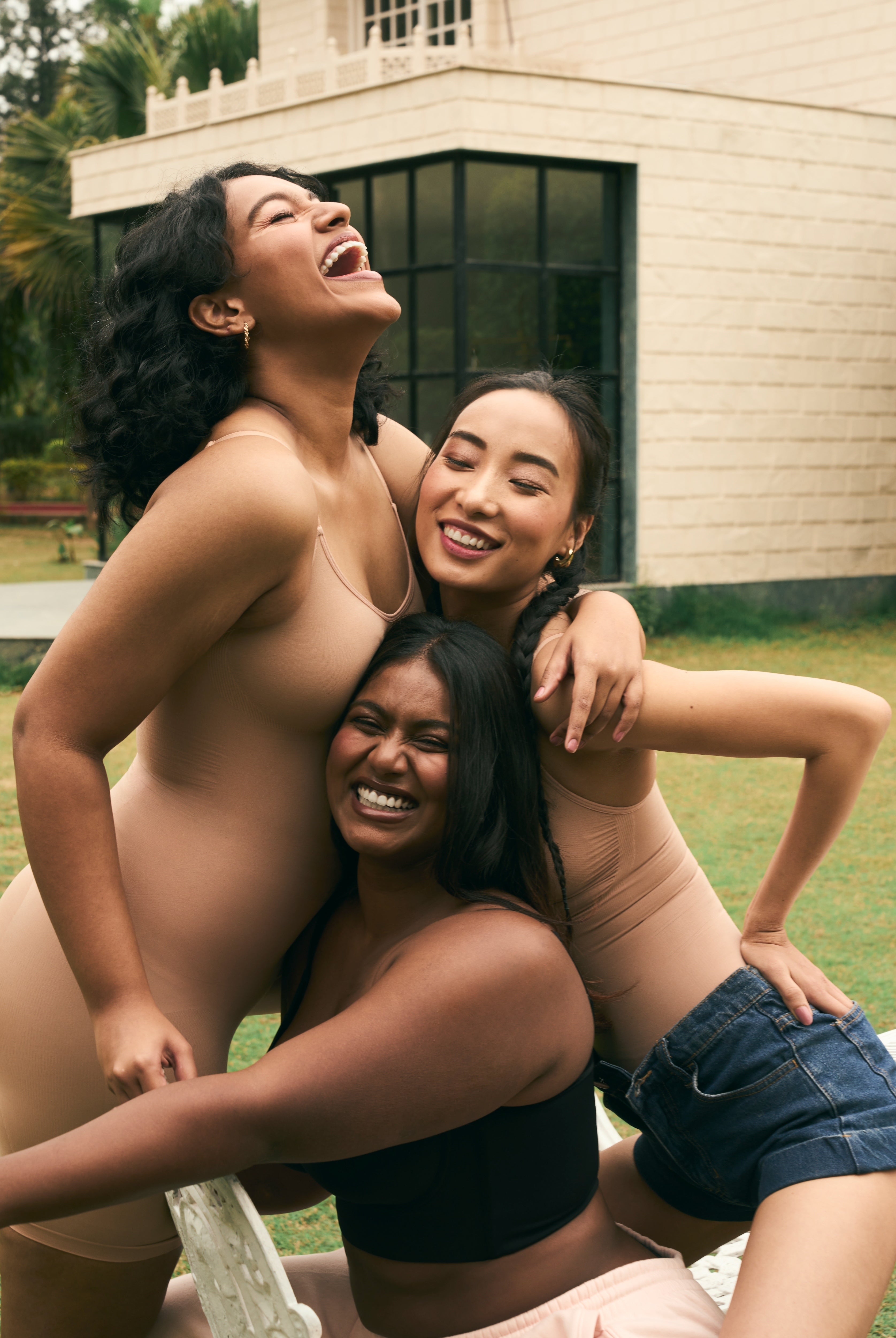







Most women have worn something that looked great in theory but felt completely wrong by lunchtime. A strap that wouldn't stay put. A bra that felt restrictive after a few hours. Underwear that needed constant adjusting. The list goes on.
The truth is, lingerie for women shouldn't be something you have to put up with. And one thing we've noticed time and again is that finding comfortable, supportive pieces becomes much easier when you understand the different types of lingerie available and what they're actually designed for.
This guide breaks it all down in a simple, practical way.
No complicated terminology, no overwhelming options. Just a clearer understanding of what works for different outfits, needs, and body types, so getting dressed feels a little easier every day.
Understanding Different Types of Lingerie
Here's what nobody explains the first time bra shopping happens: lingerie isn't one thing, it's a whole ecosystem.
There's a piece meant for gym days, for a wedding function, and for days spent simply relaxing at home. What we've been hearing from women across most wardrobes is the same pattern: several of the same bra, and very little else.
Getting familiar with the types of women’s lingerie and the different styles of lingerie actually available makes it easier to dress for the day at hand, rather than defaulting to the same thing every time.
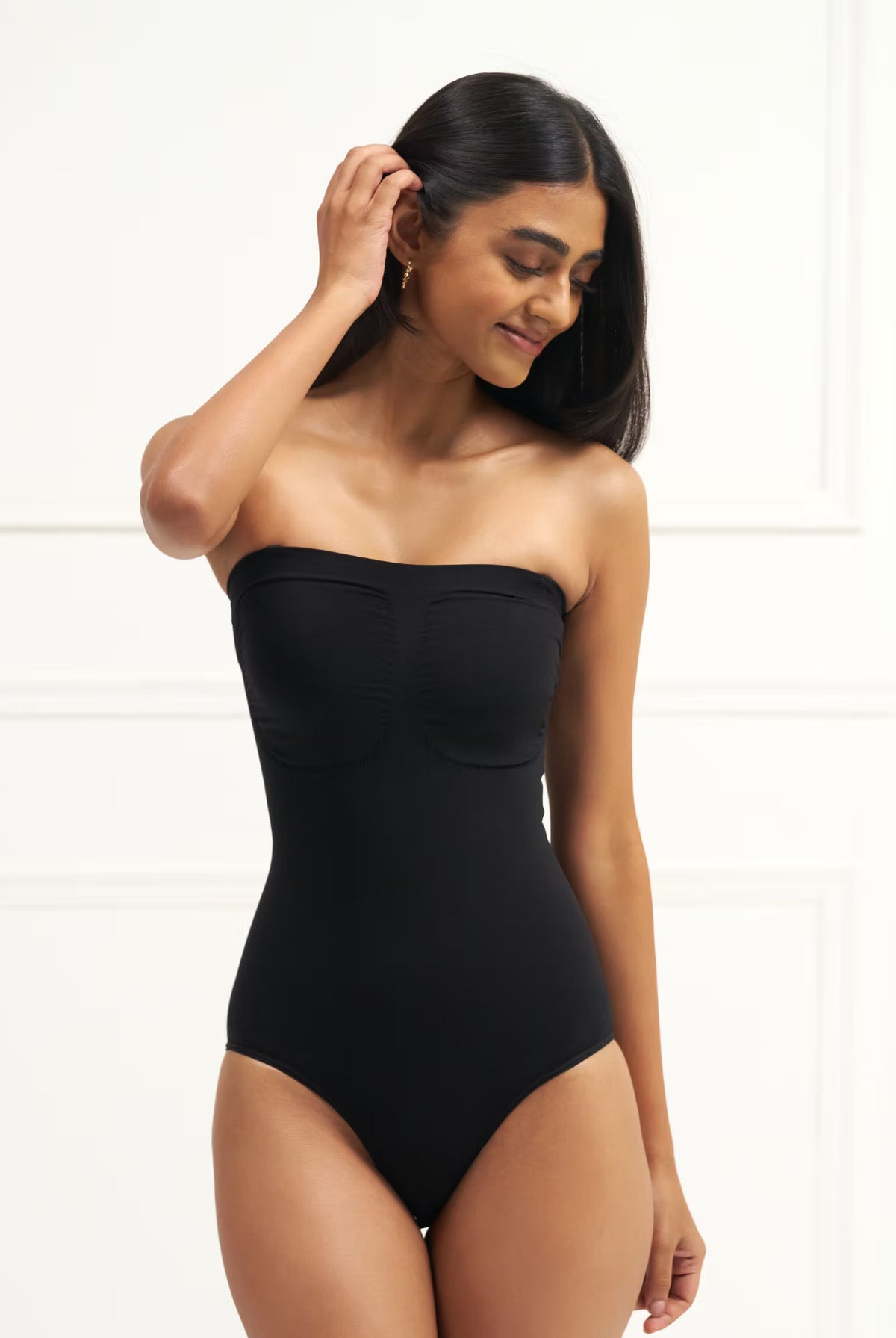
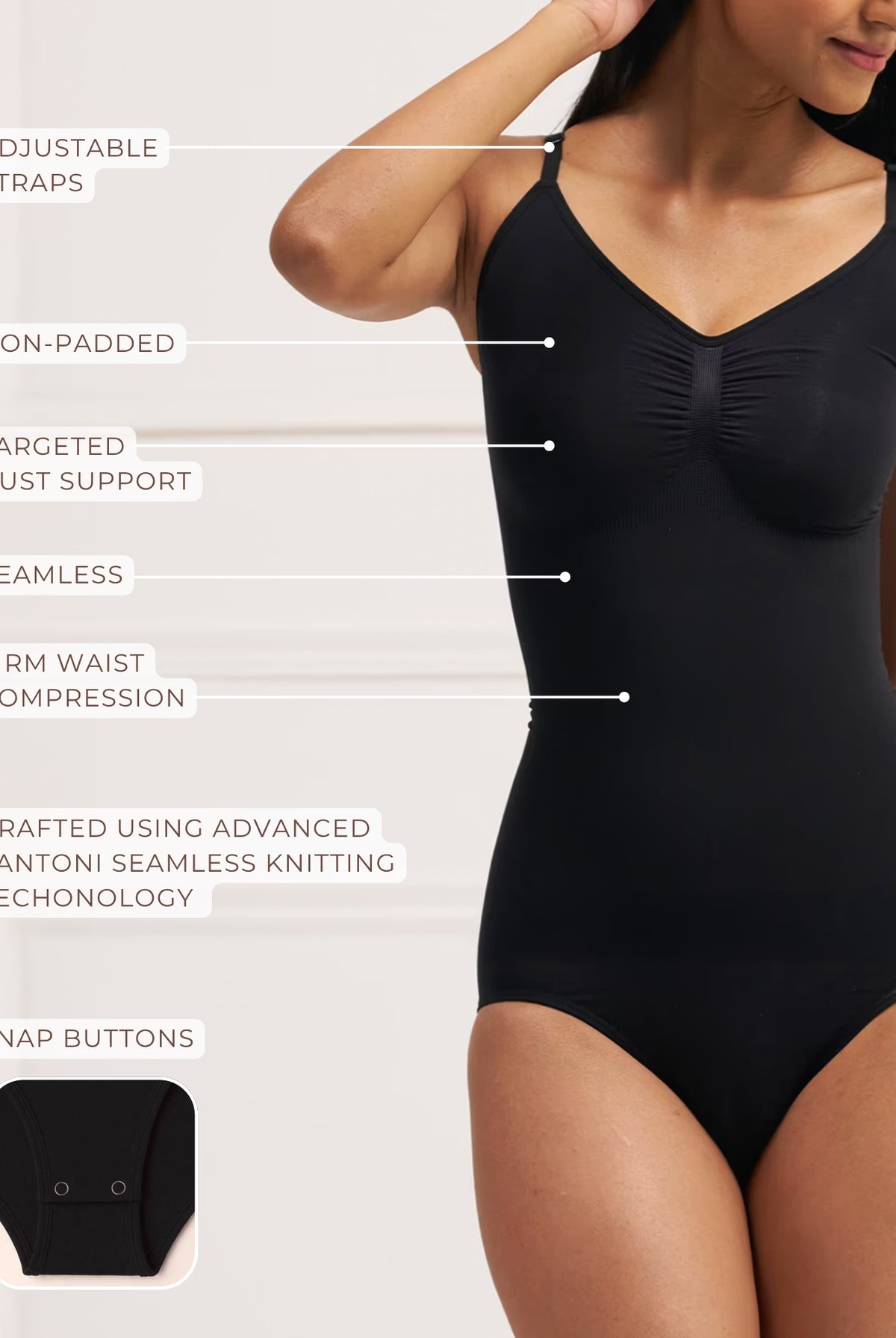
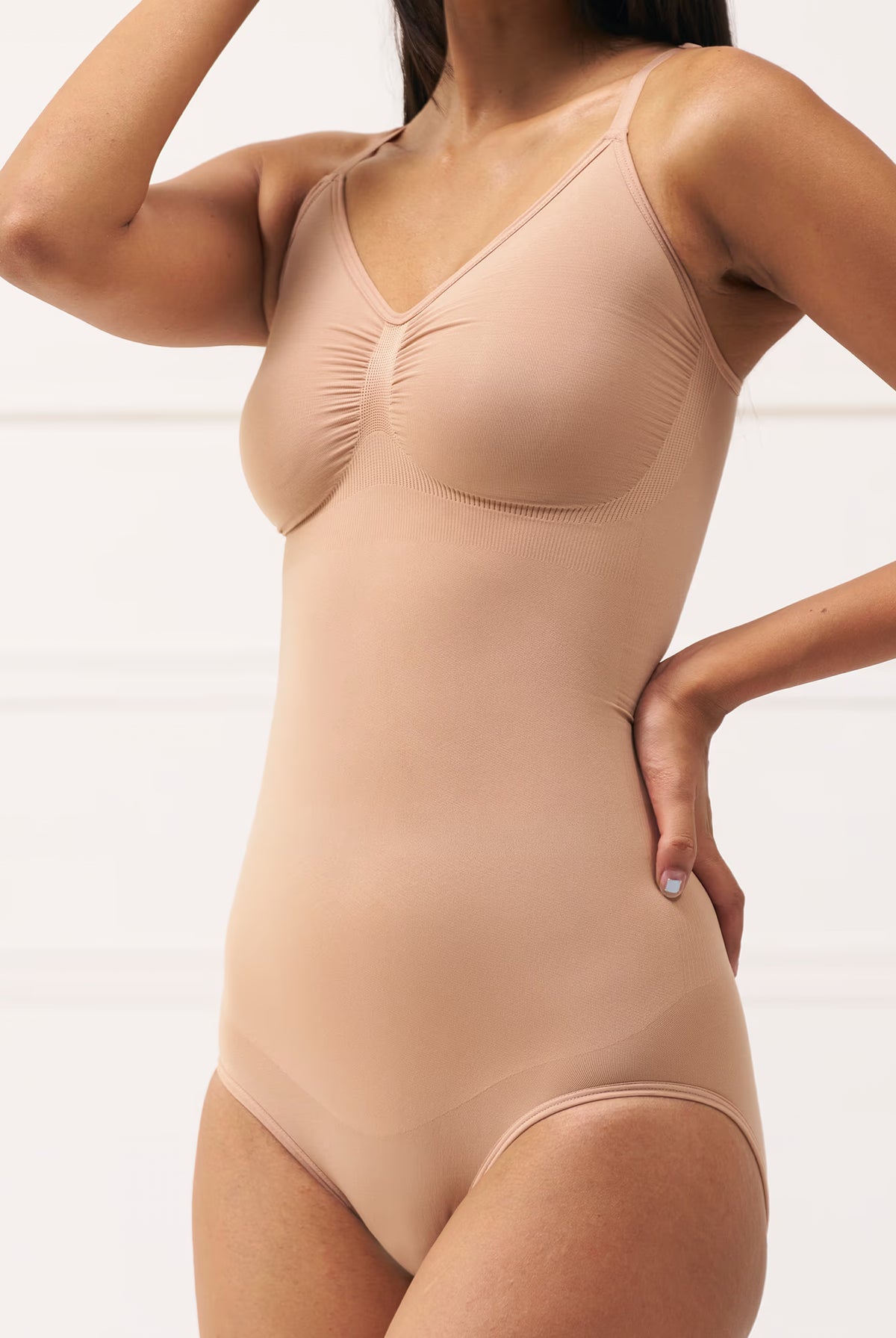
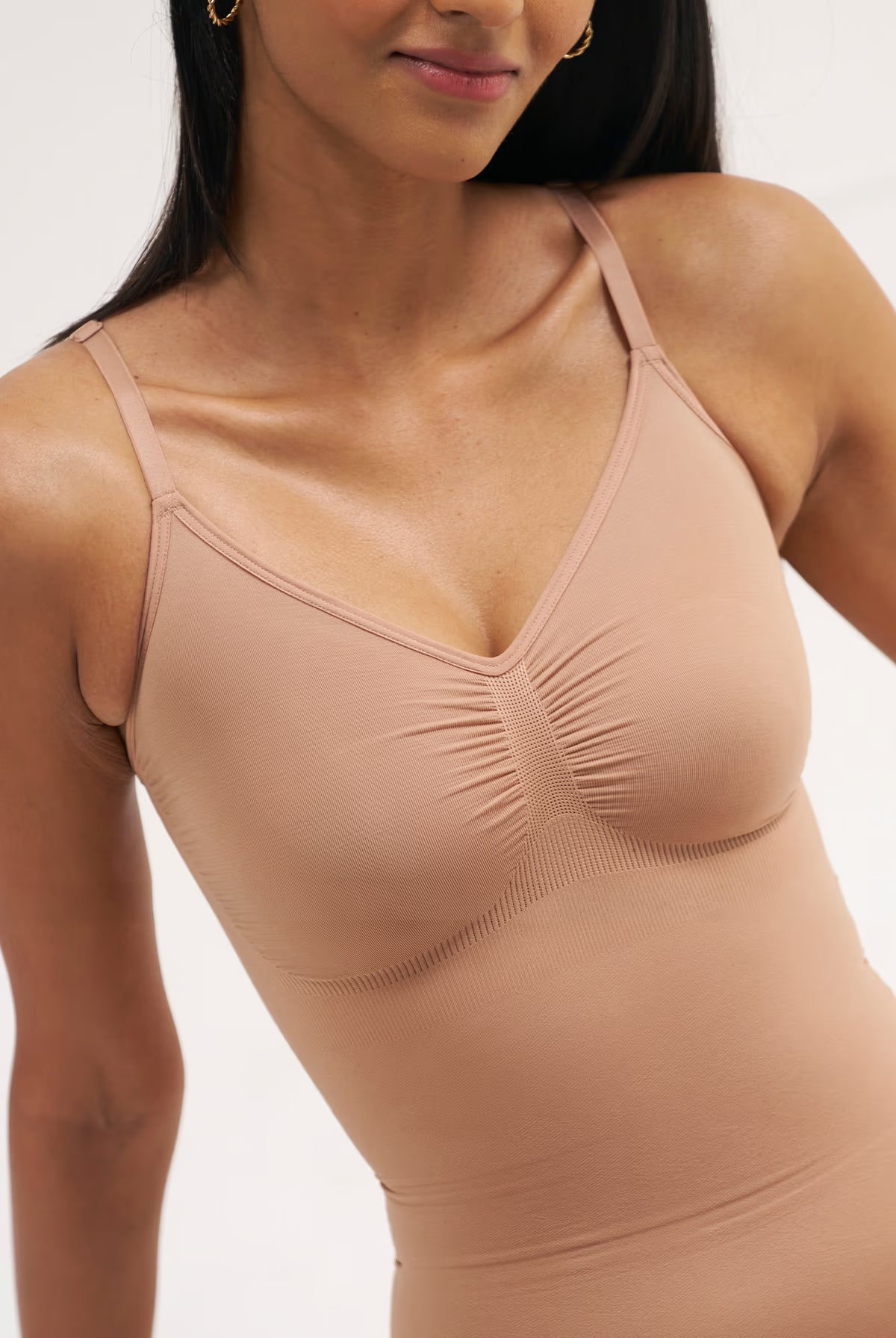
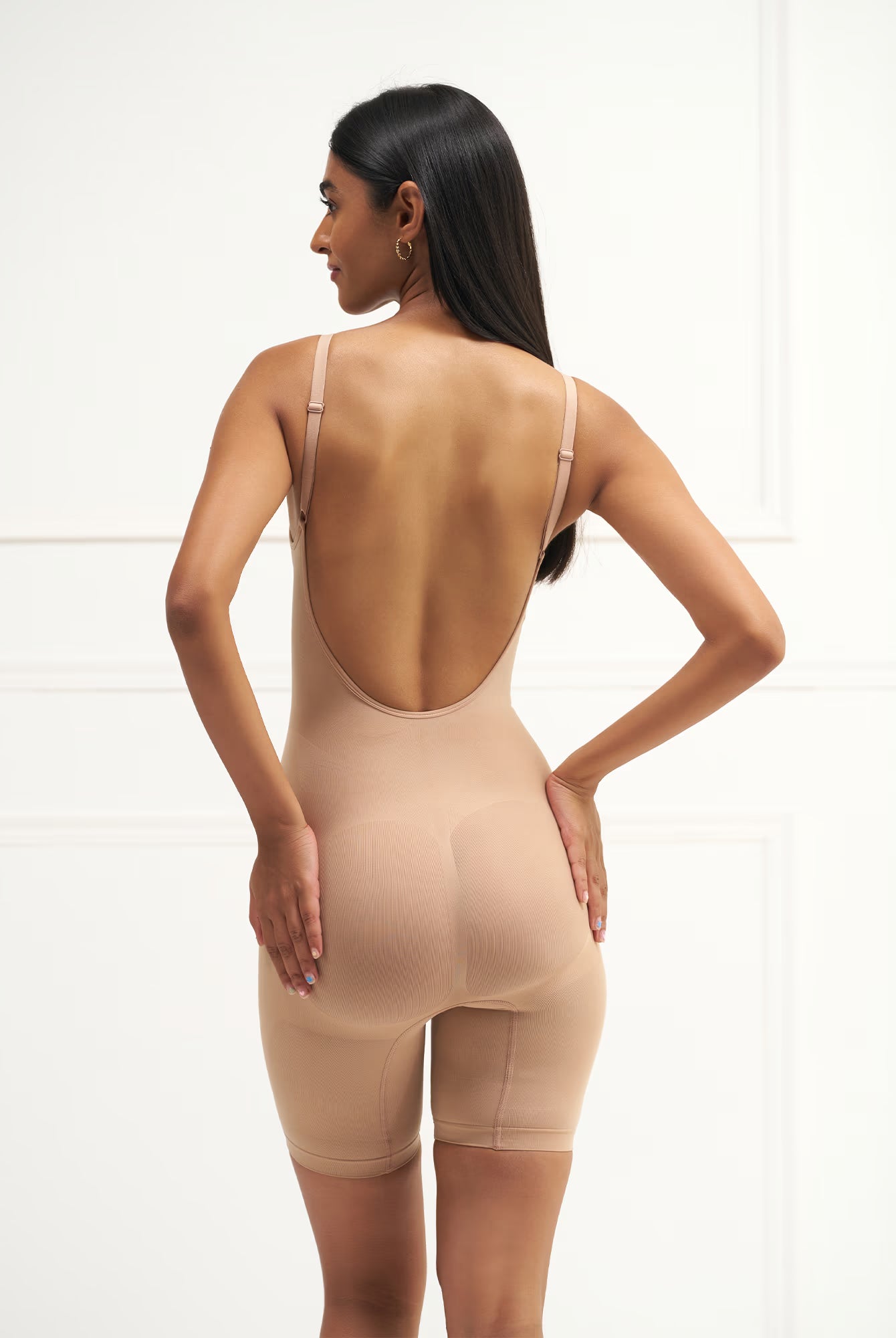
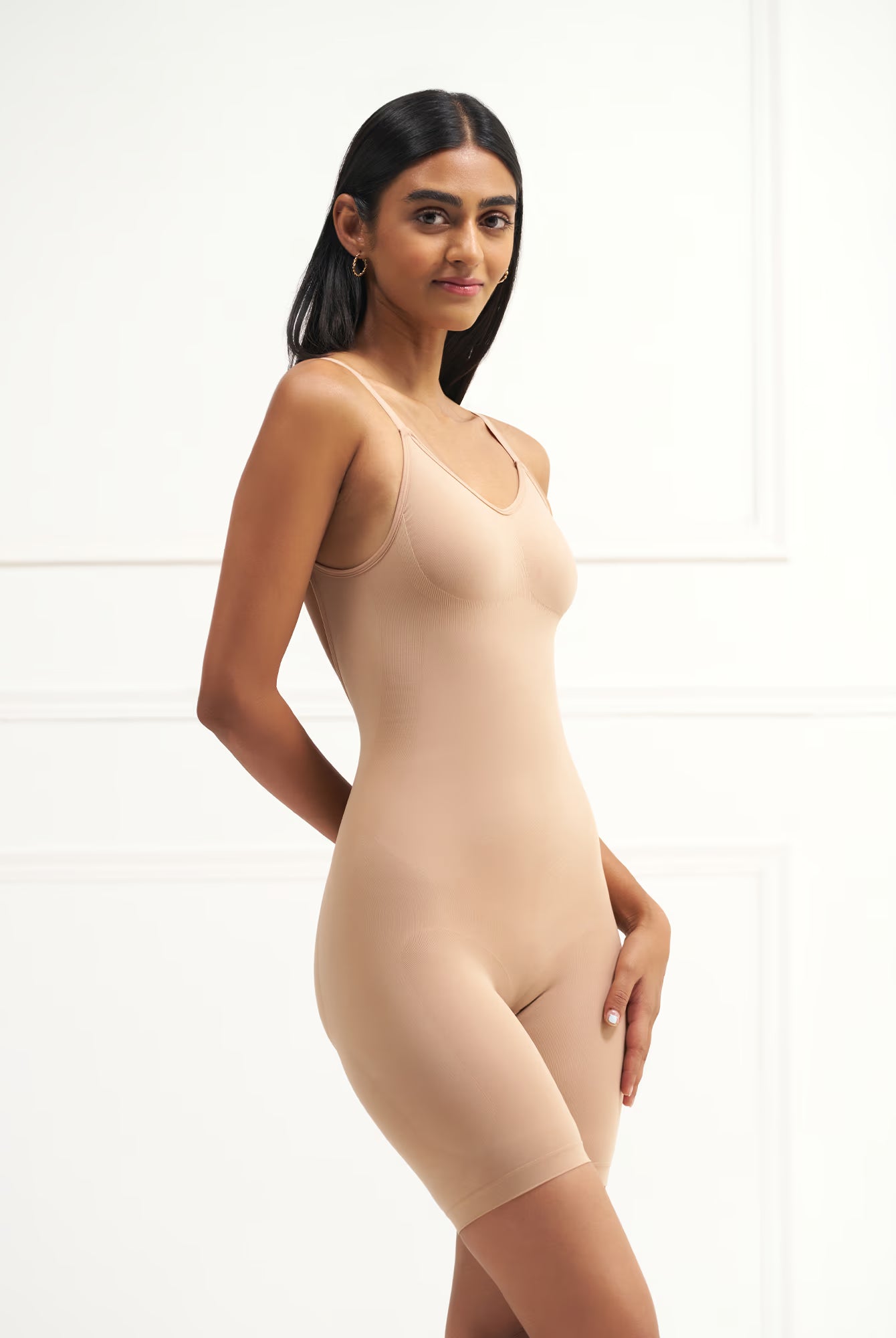
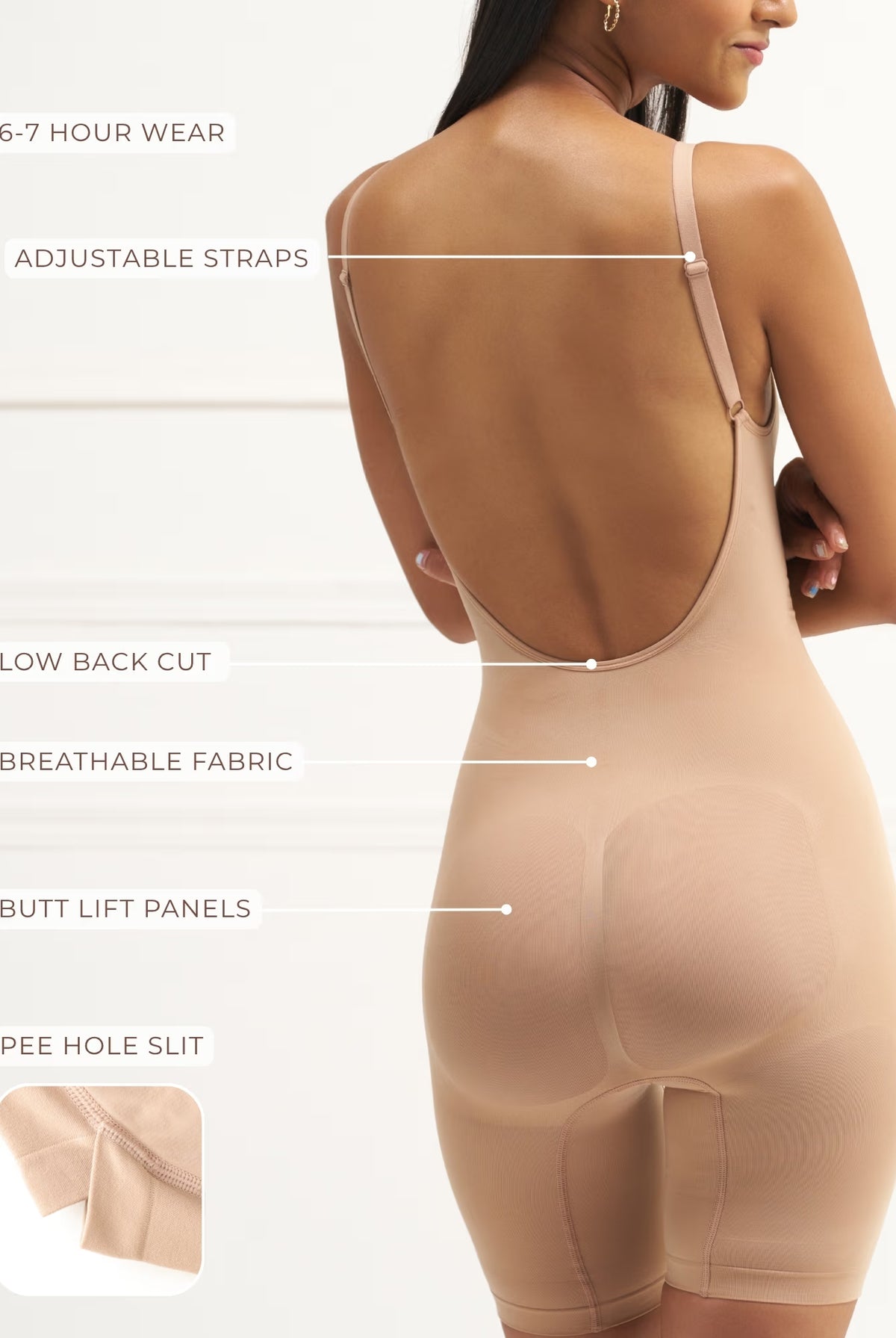
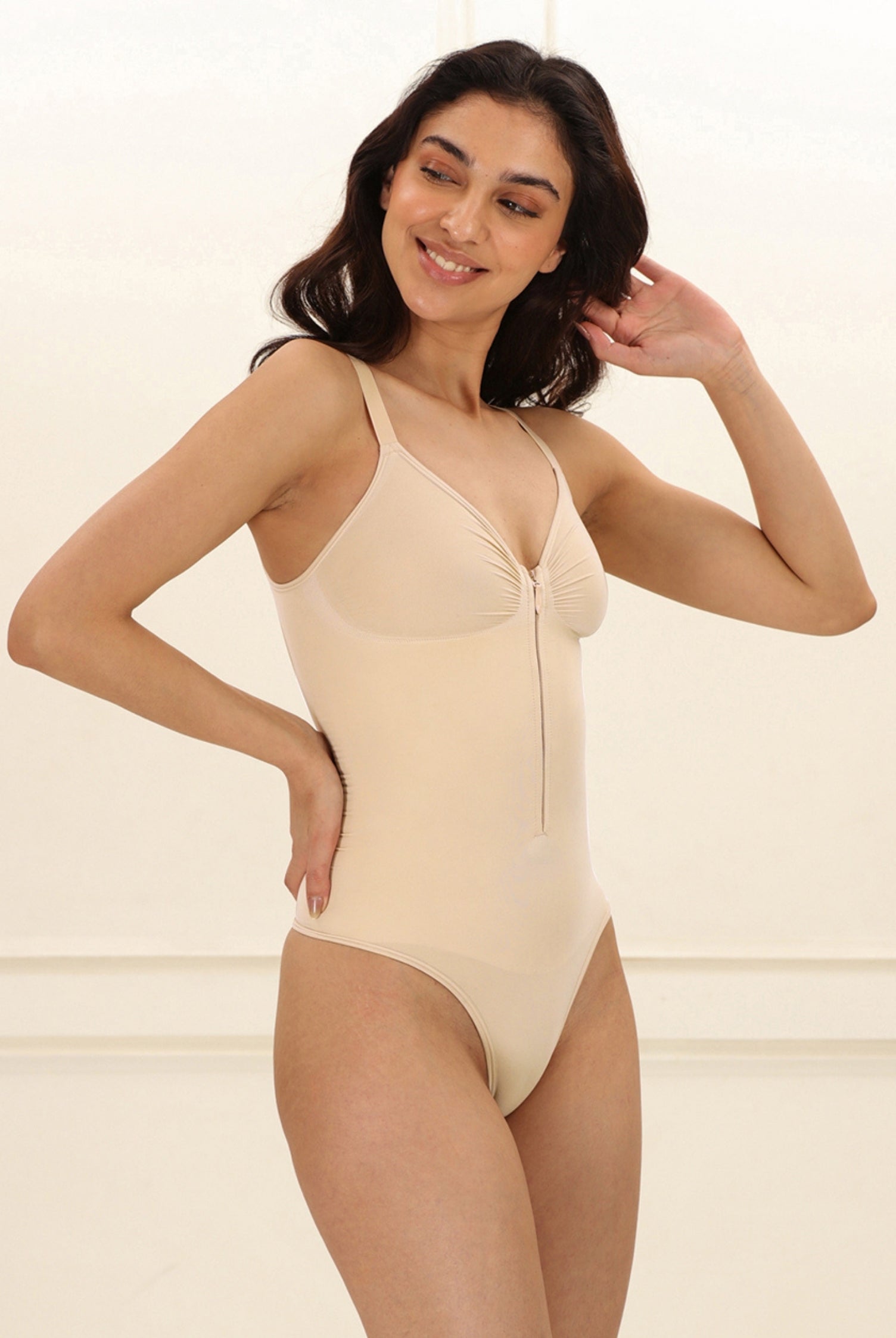
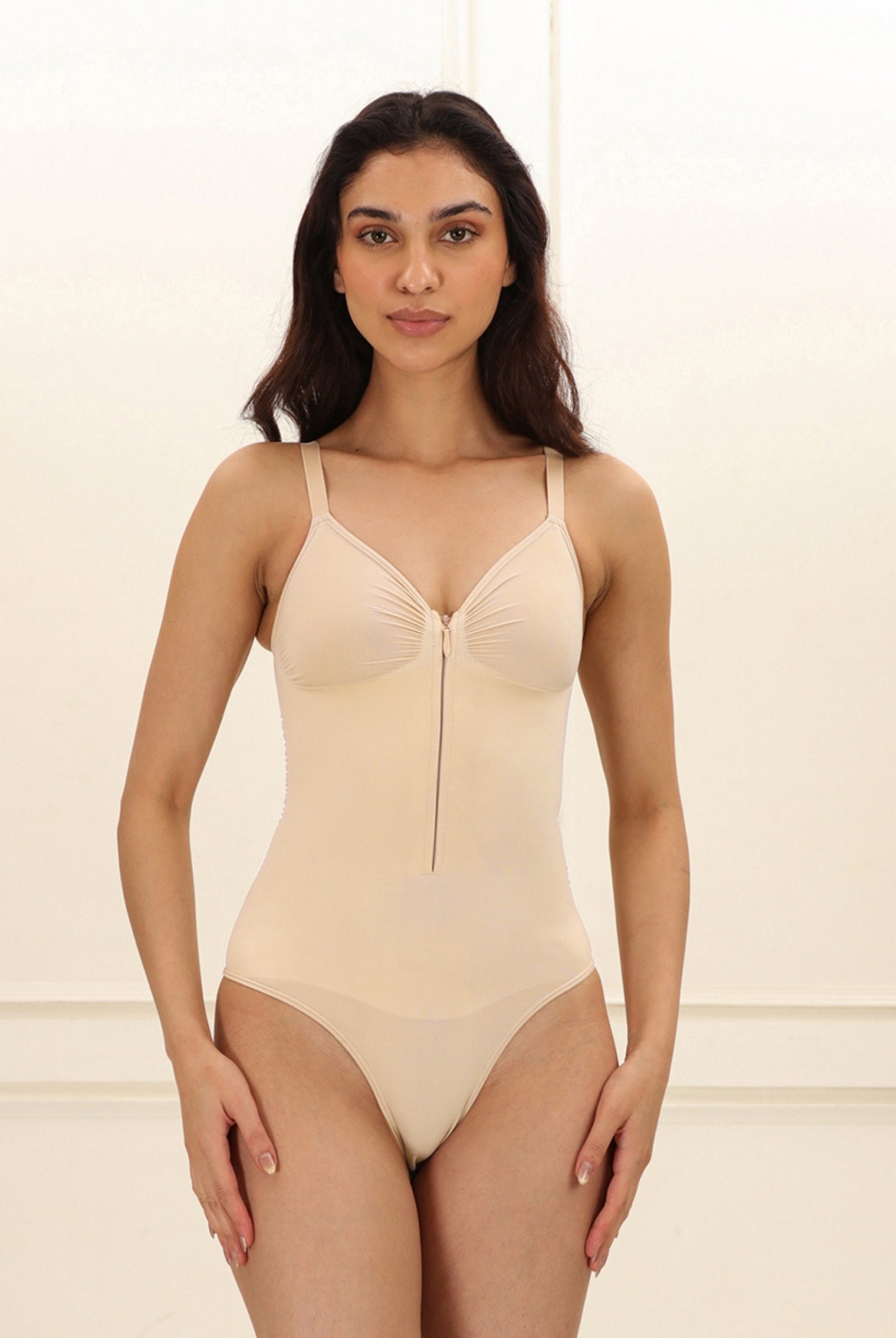
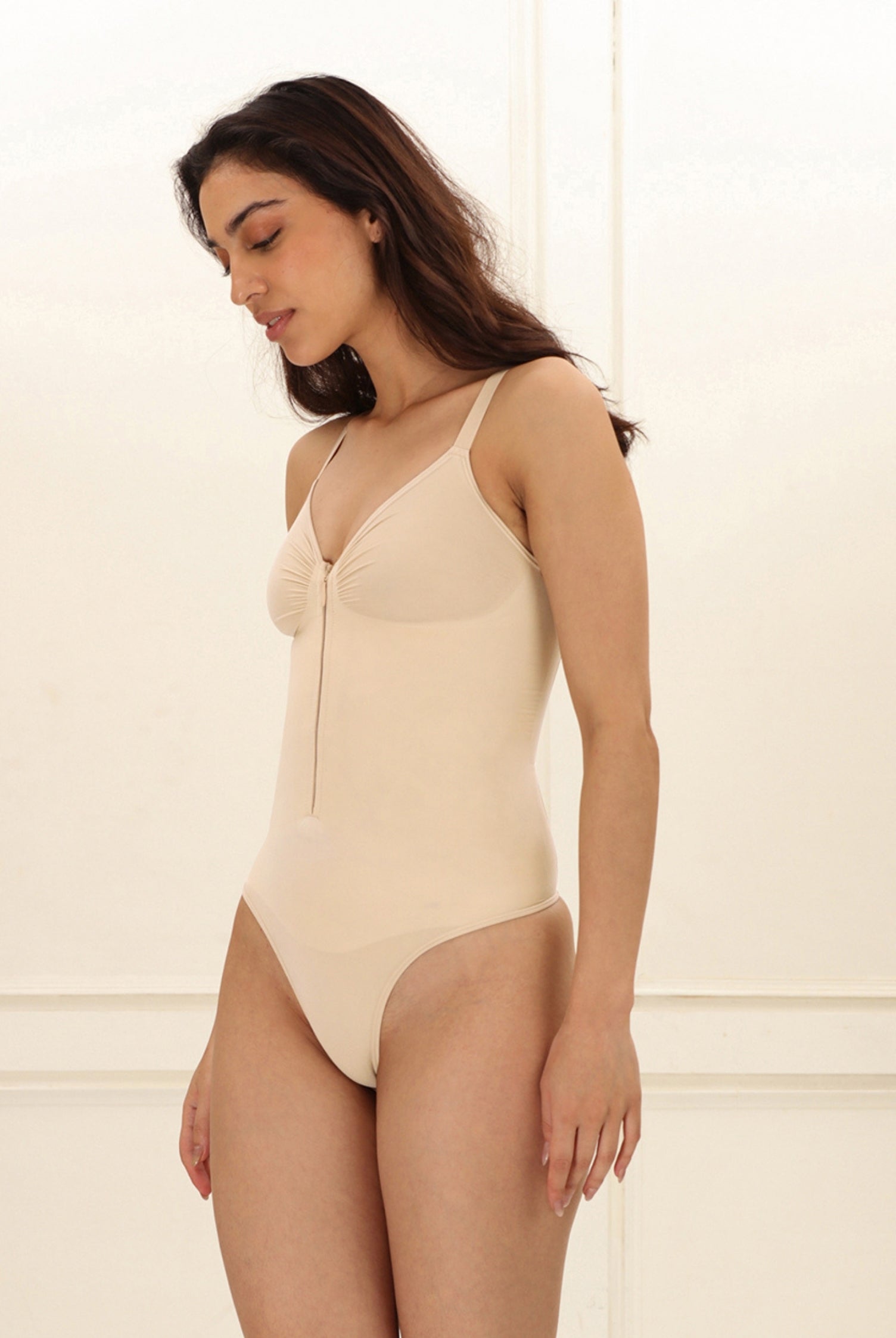
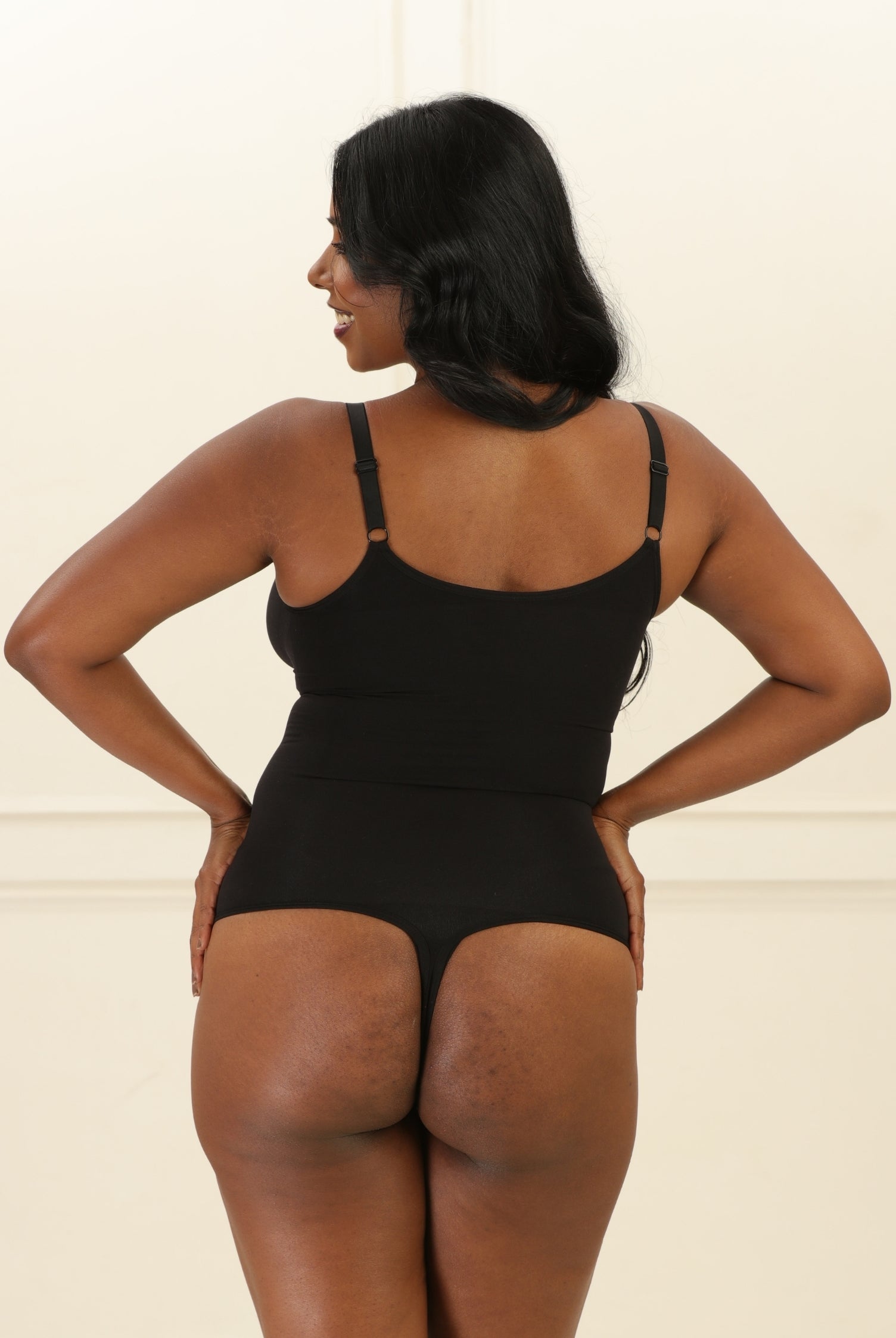
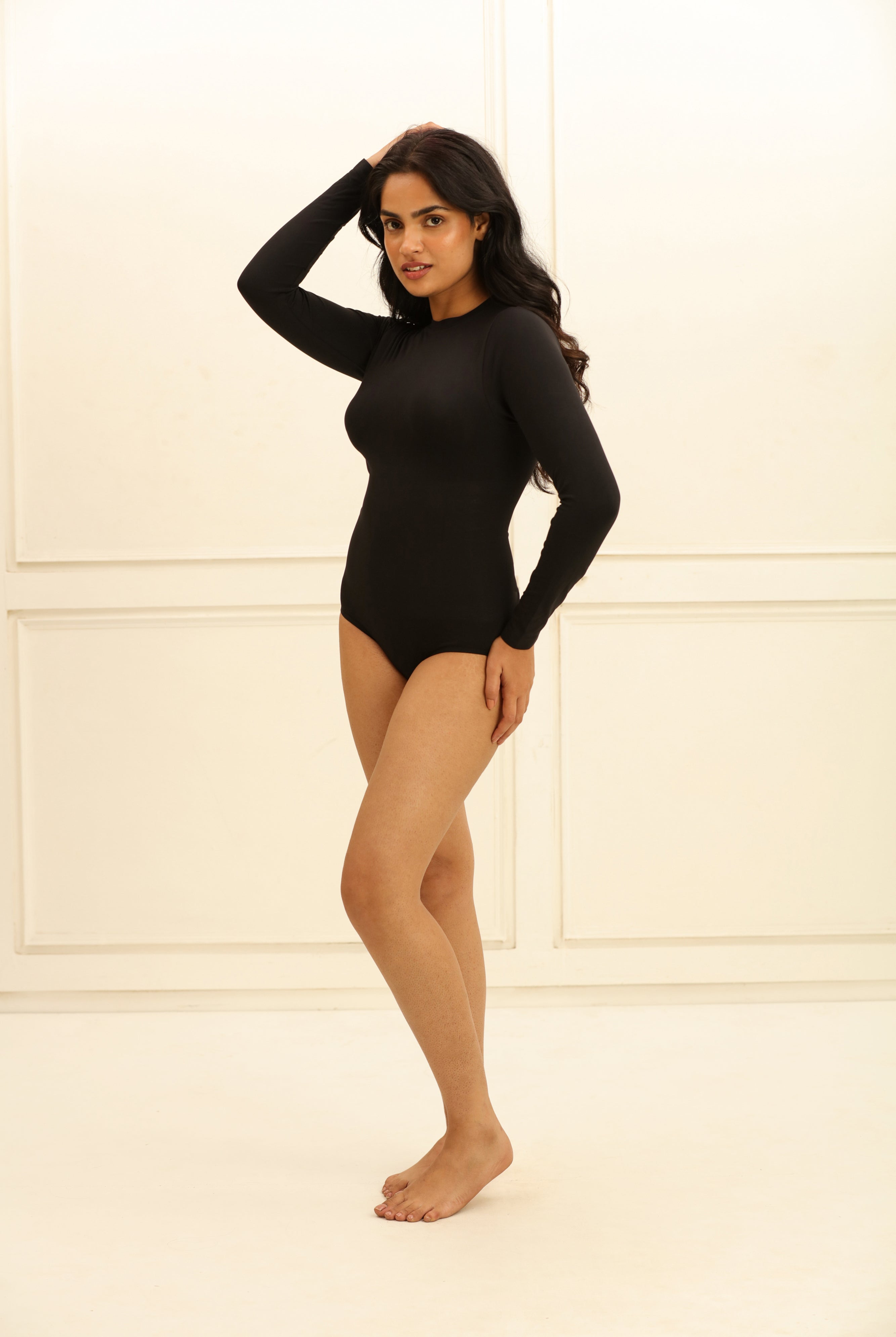
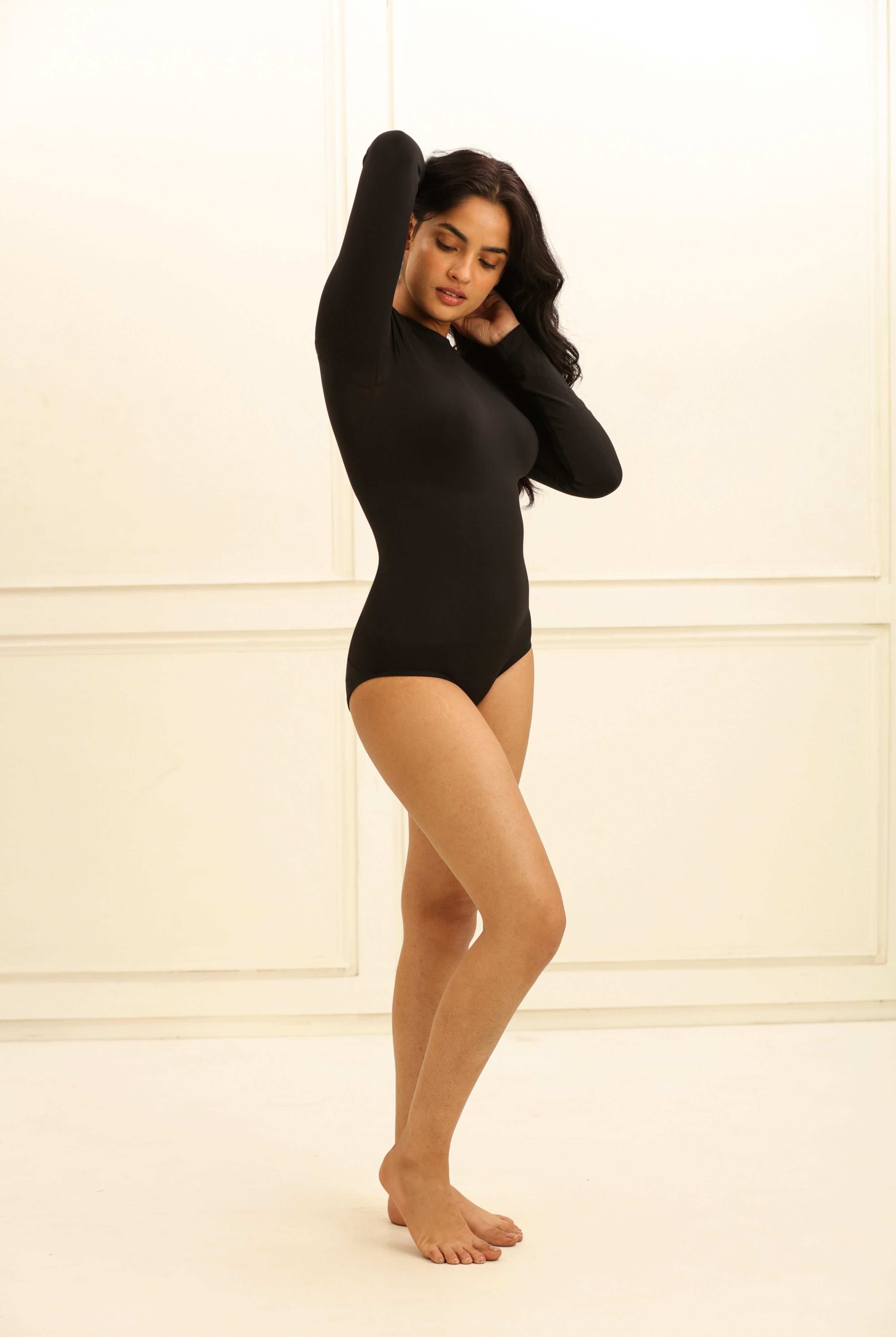
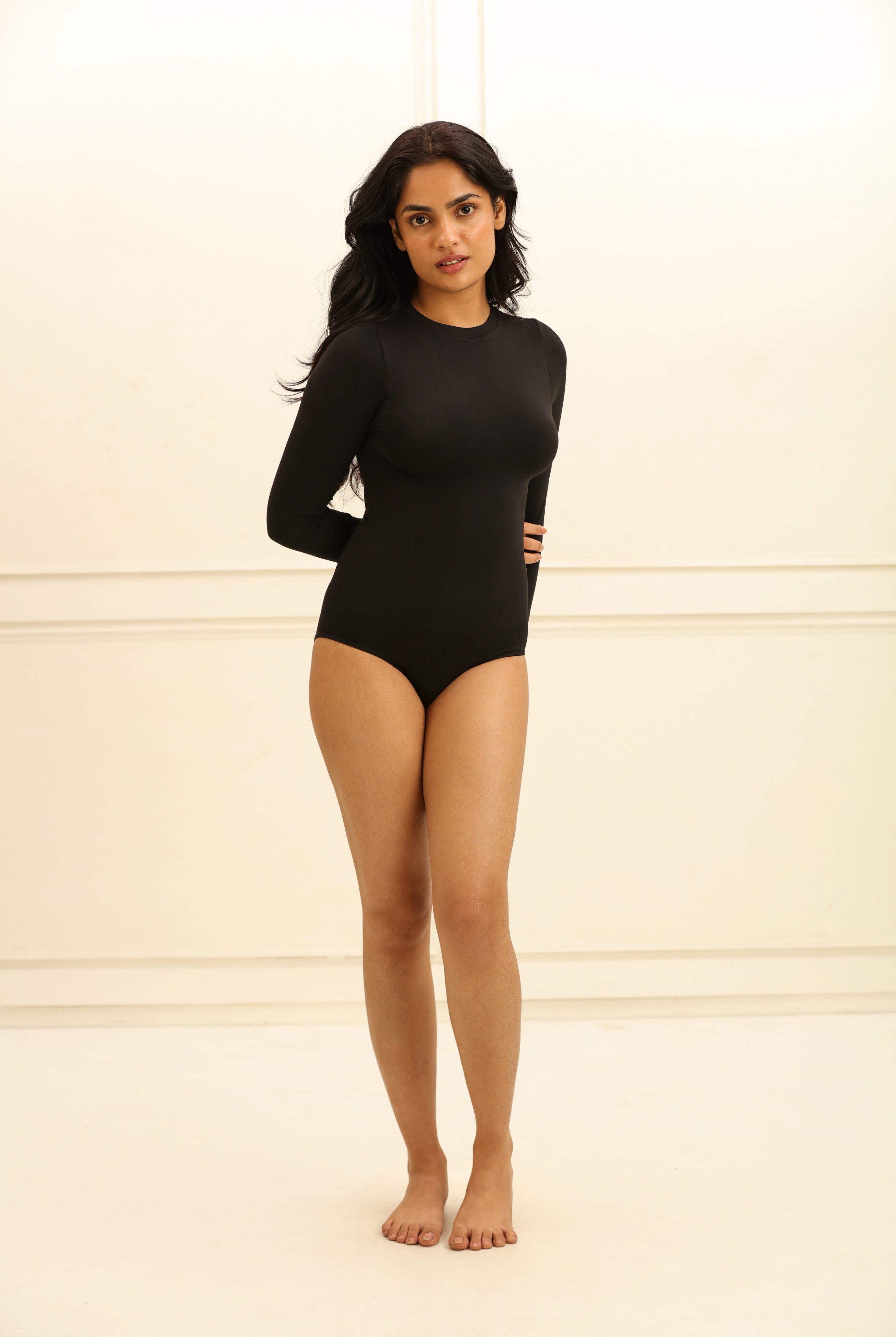
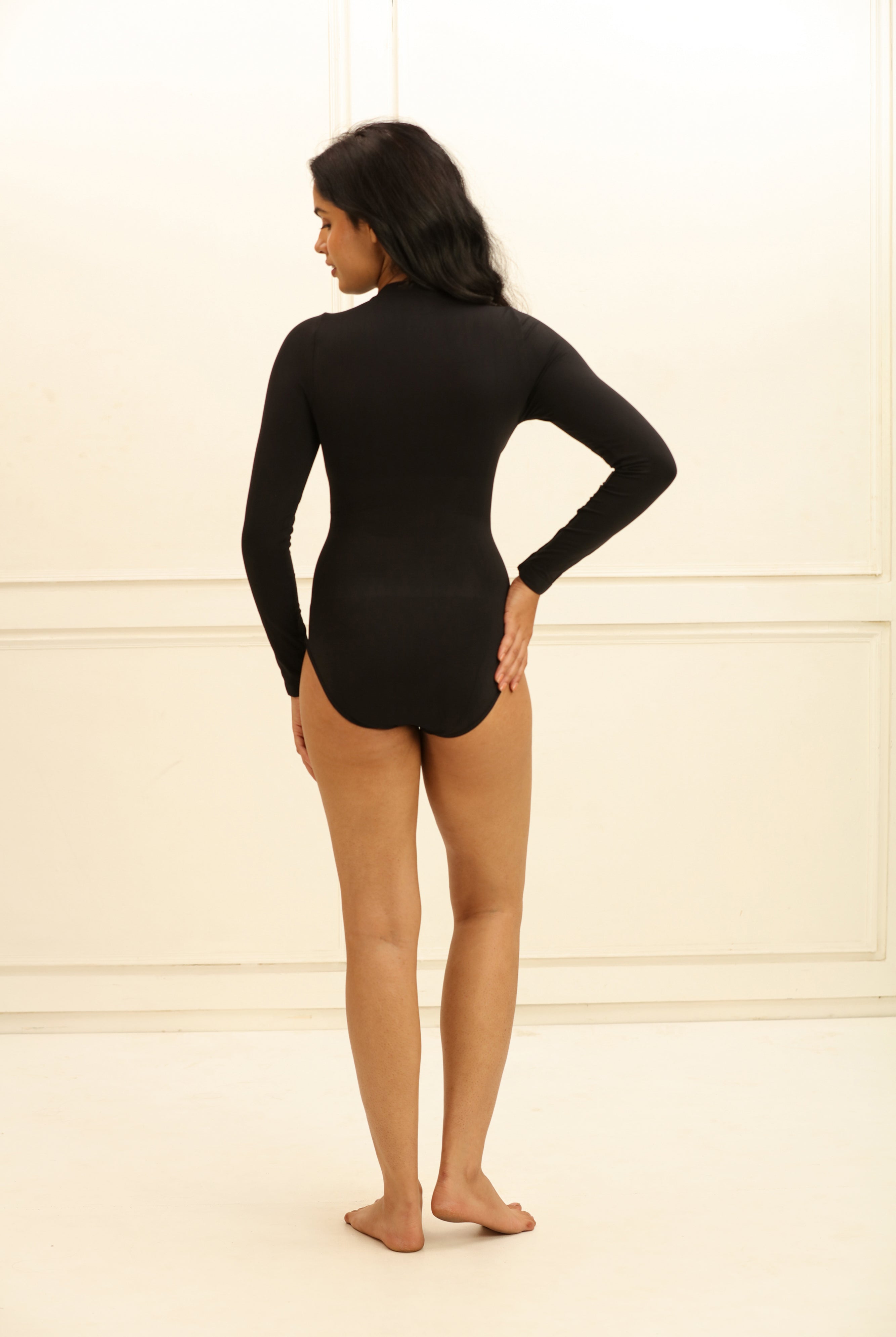
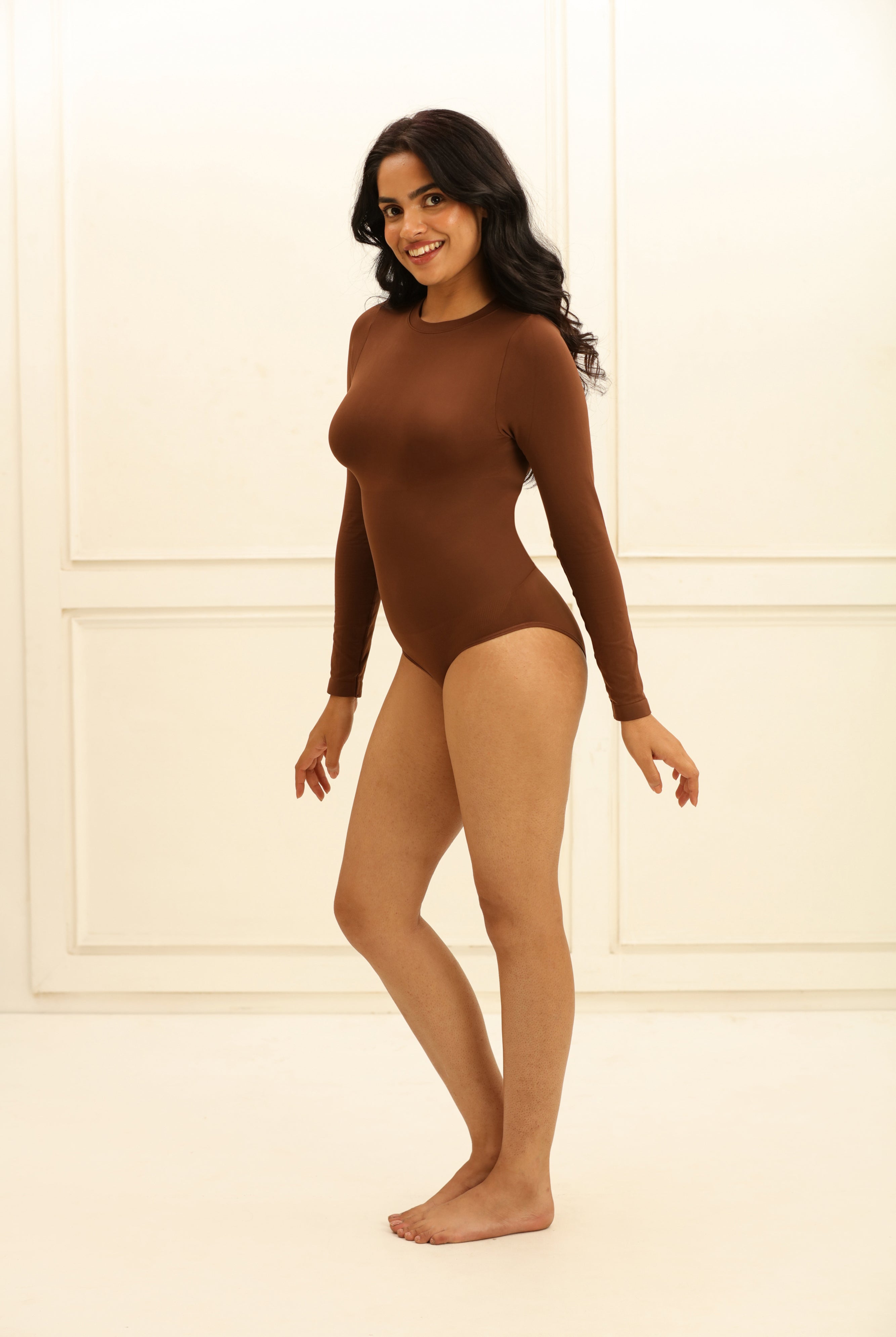
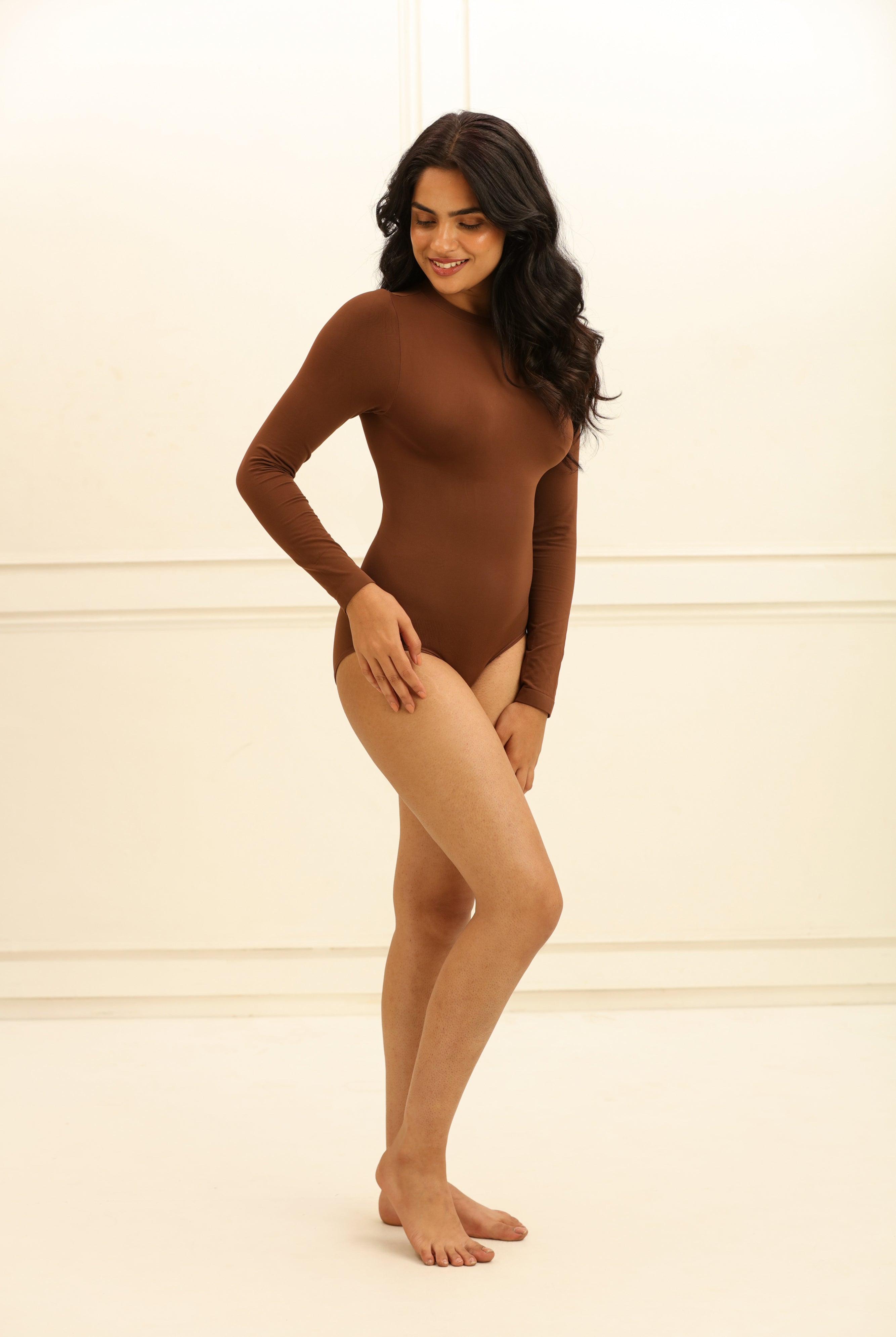
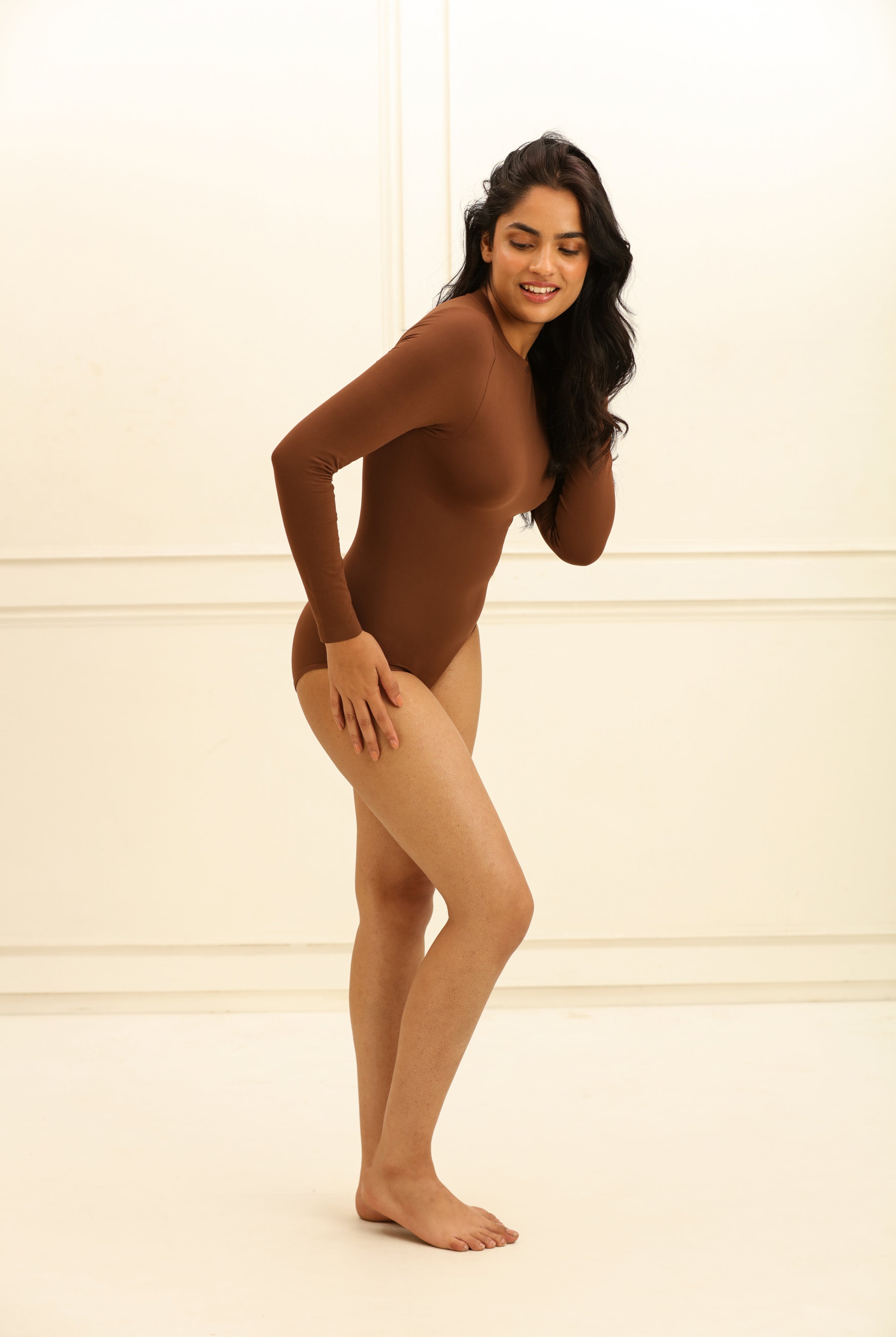
1. Bodysuit

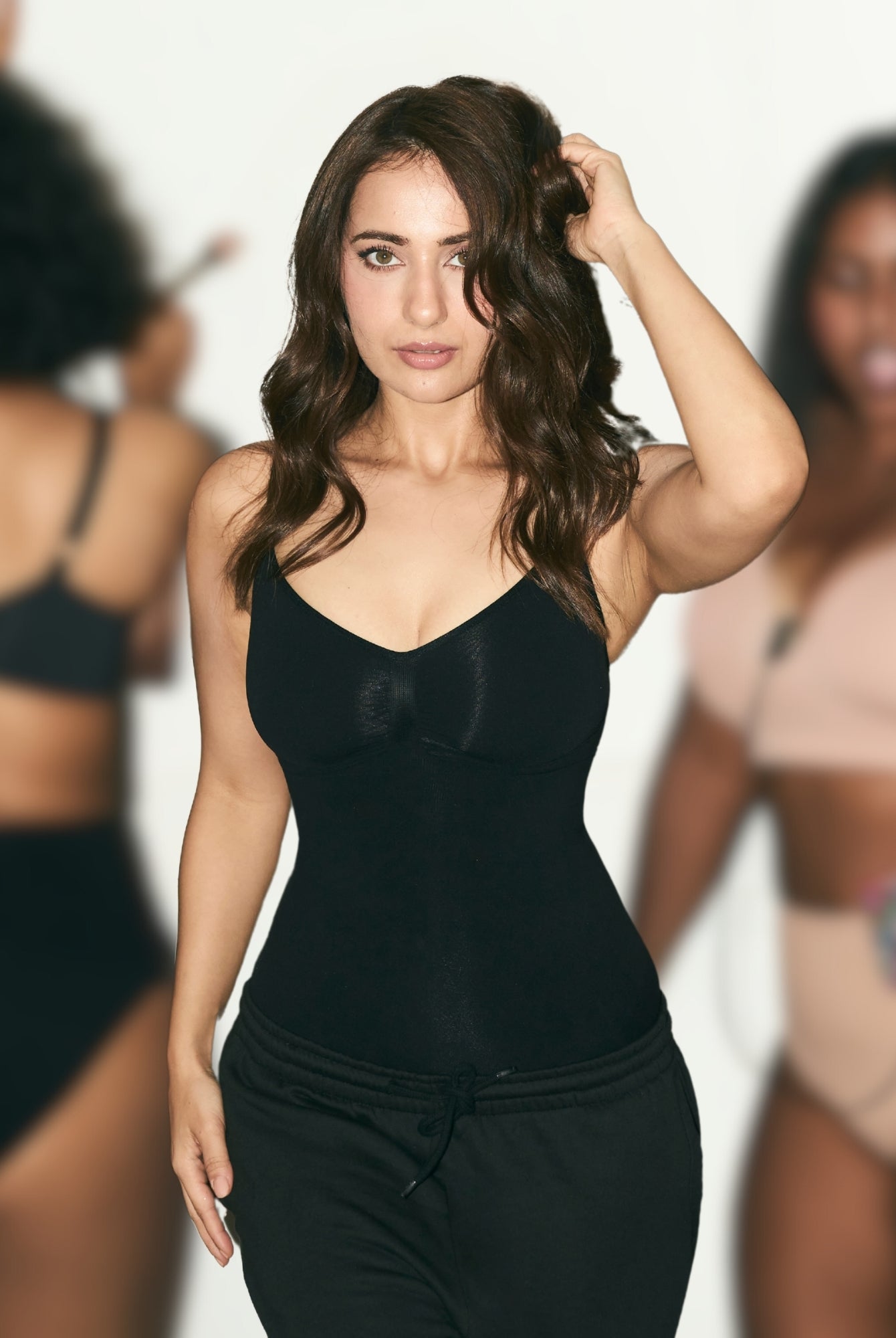
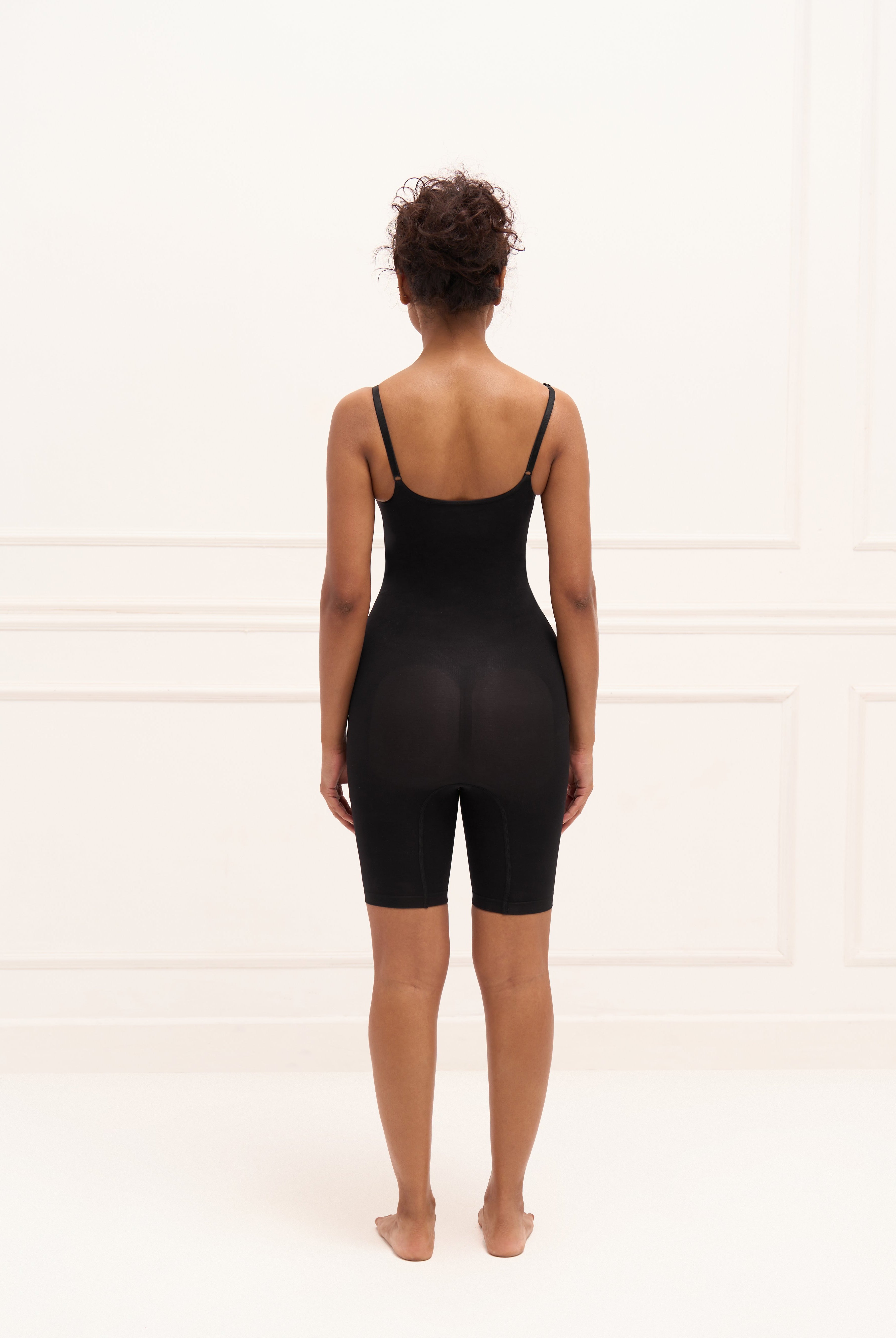
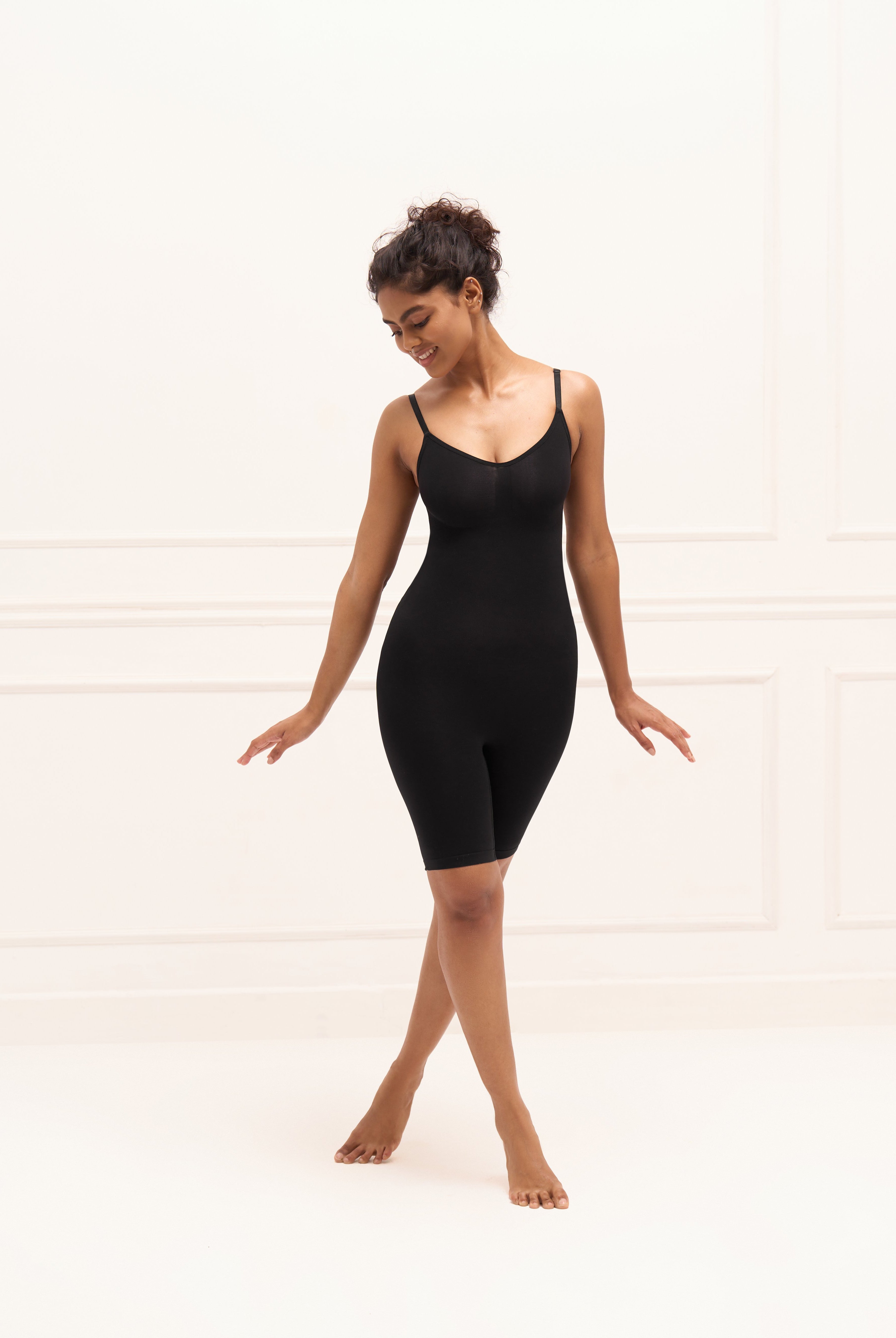
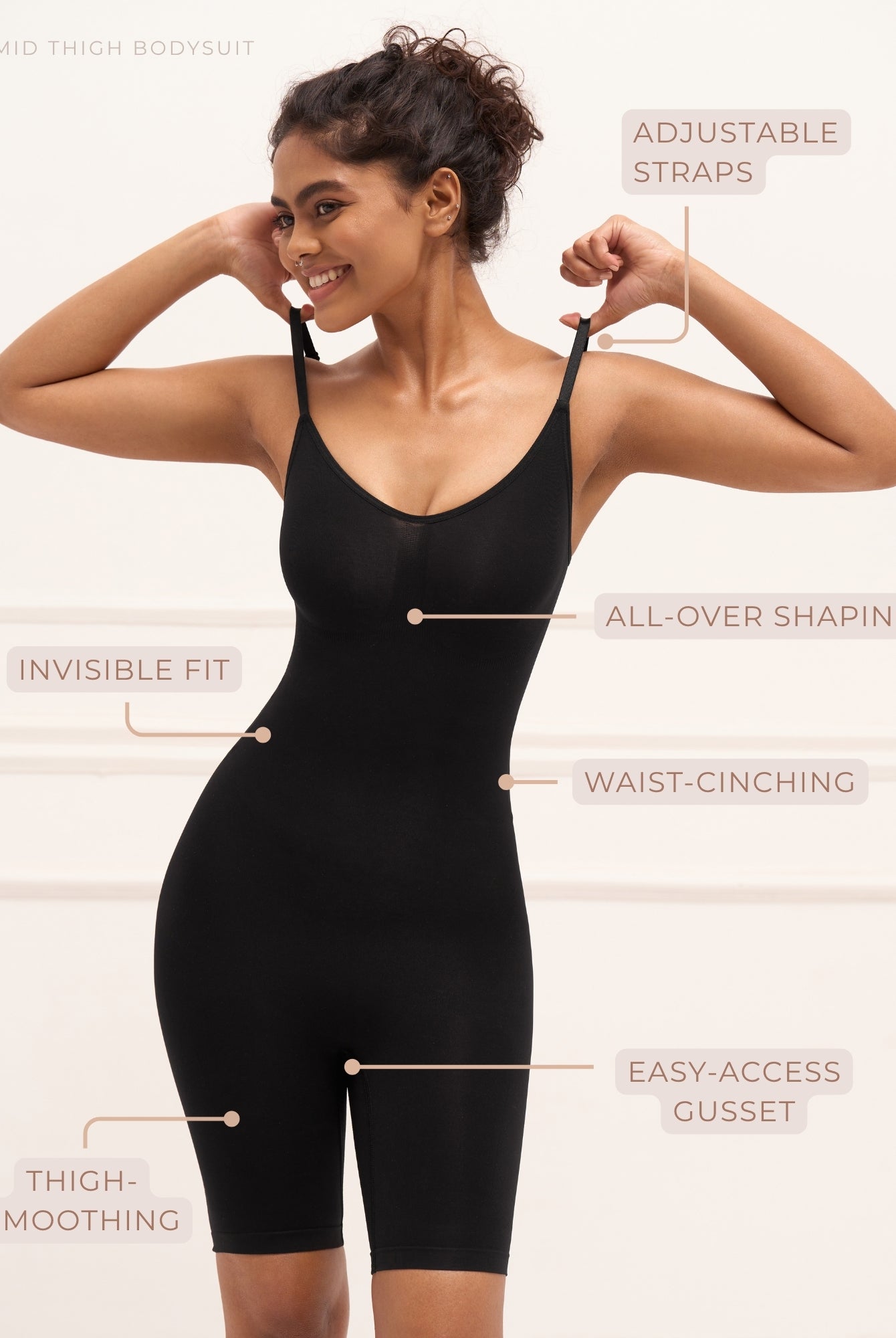
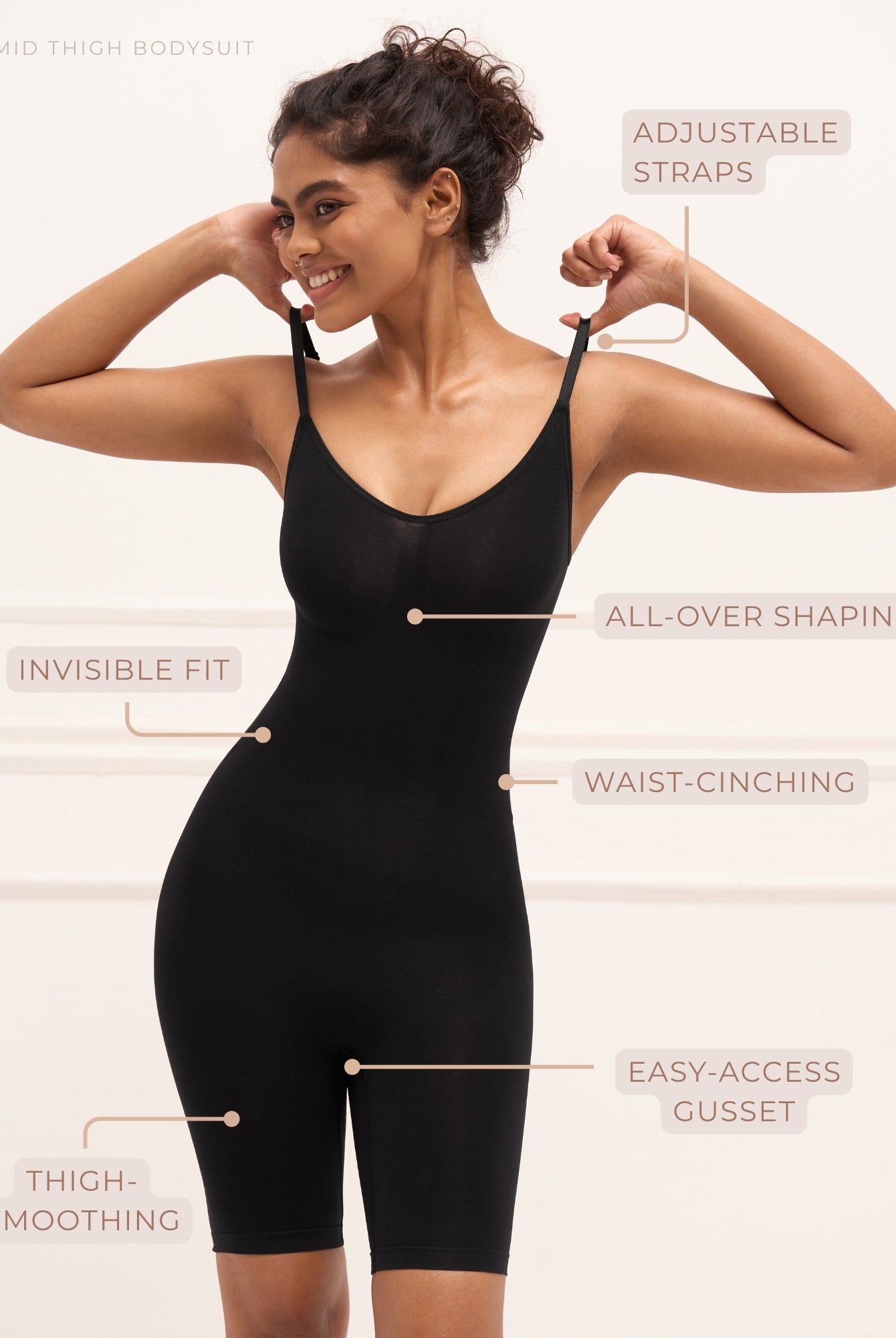
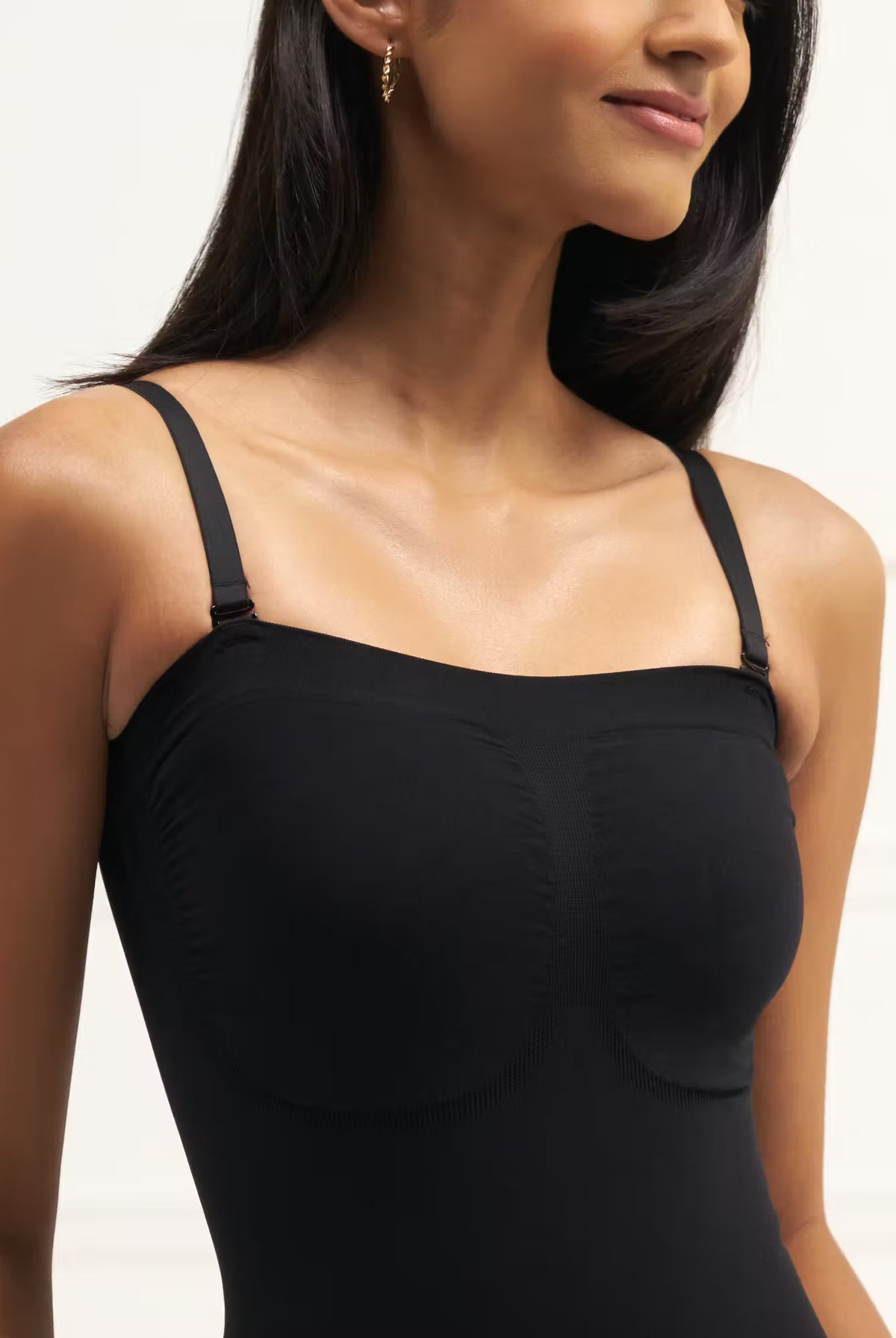
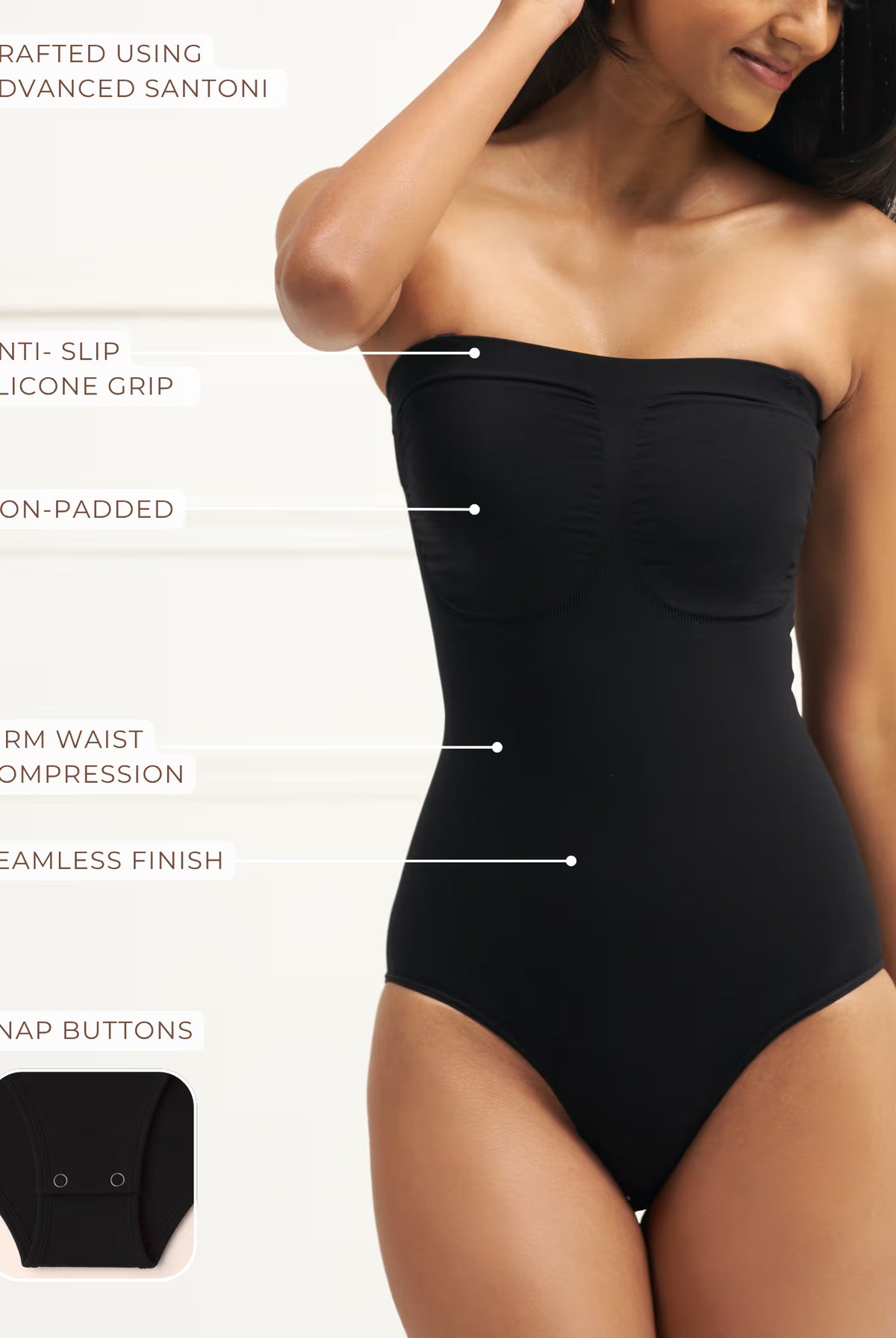
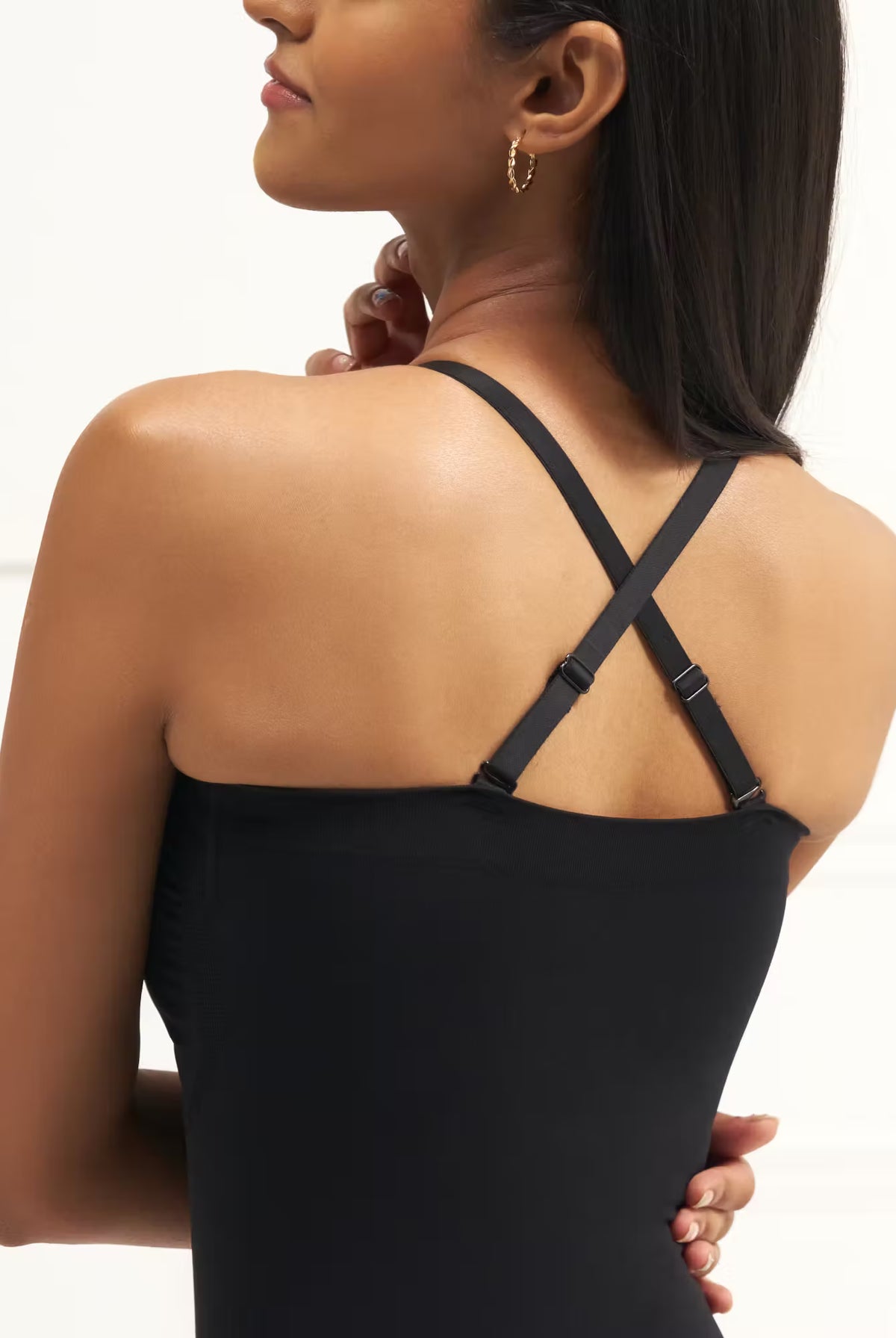
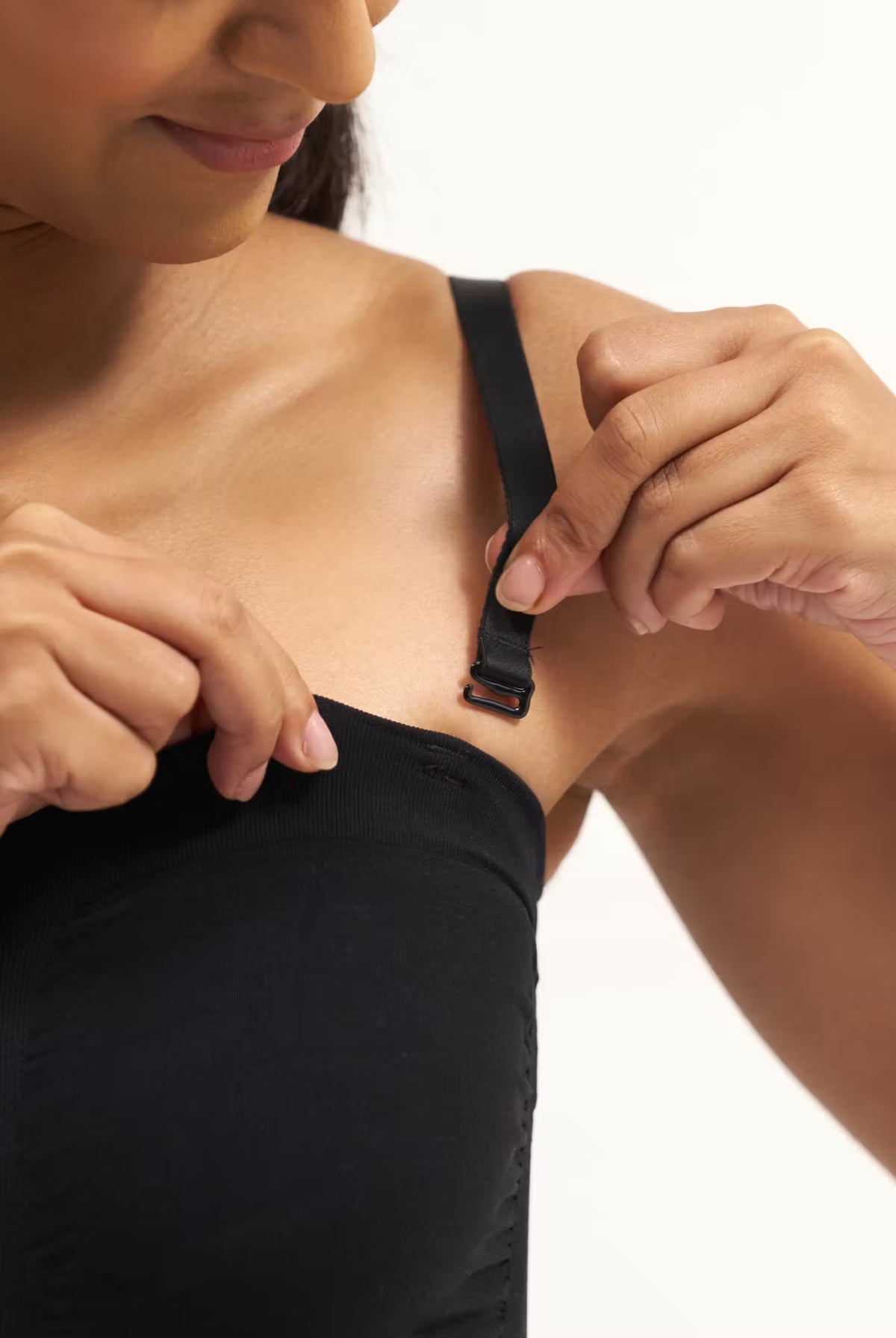
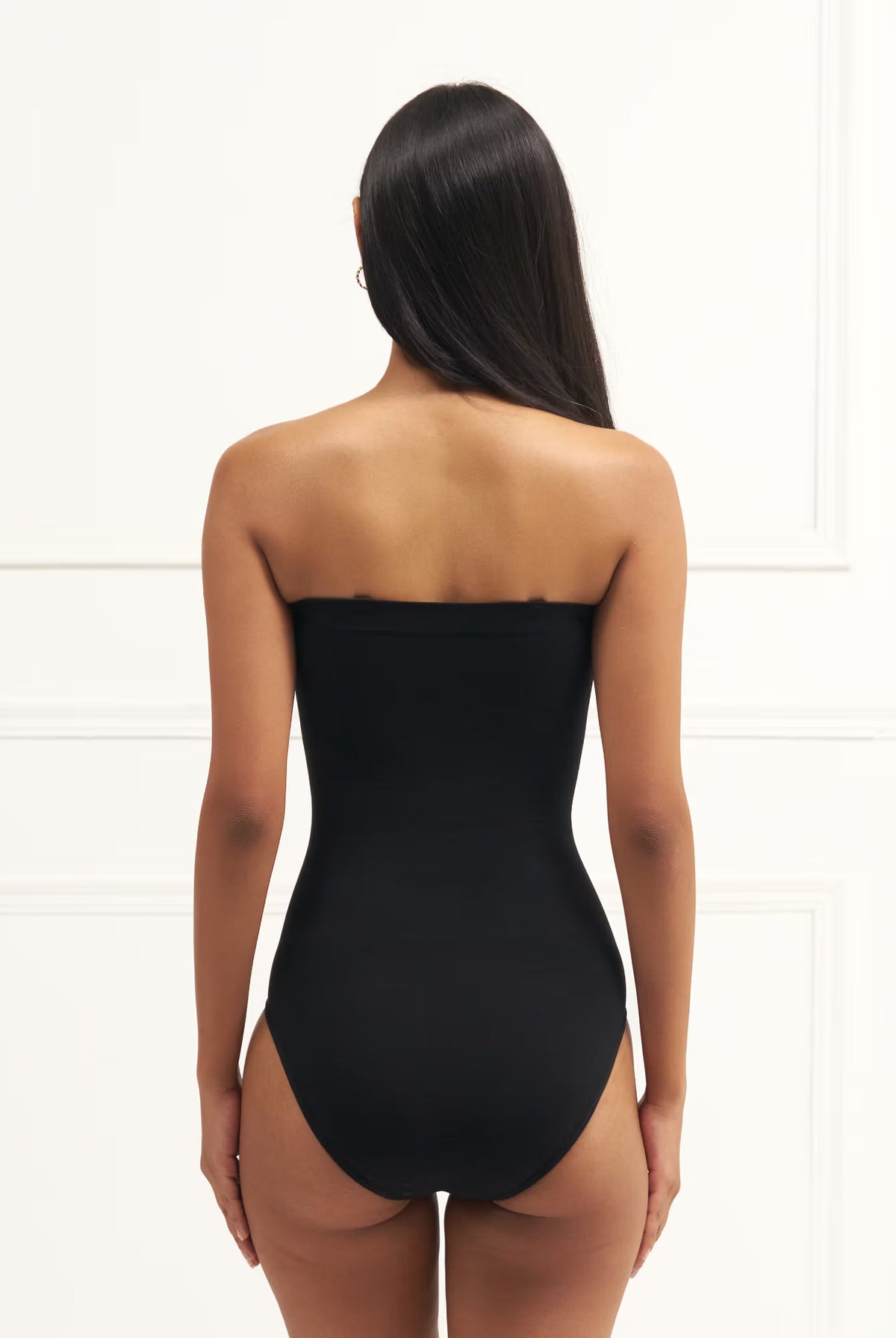
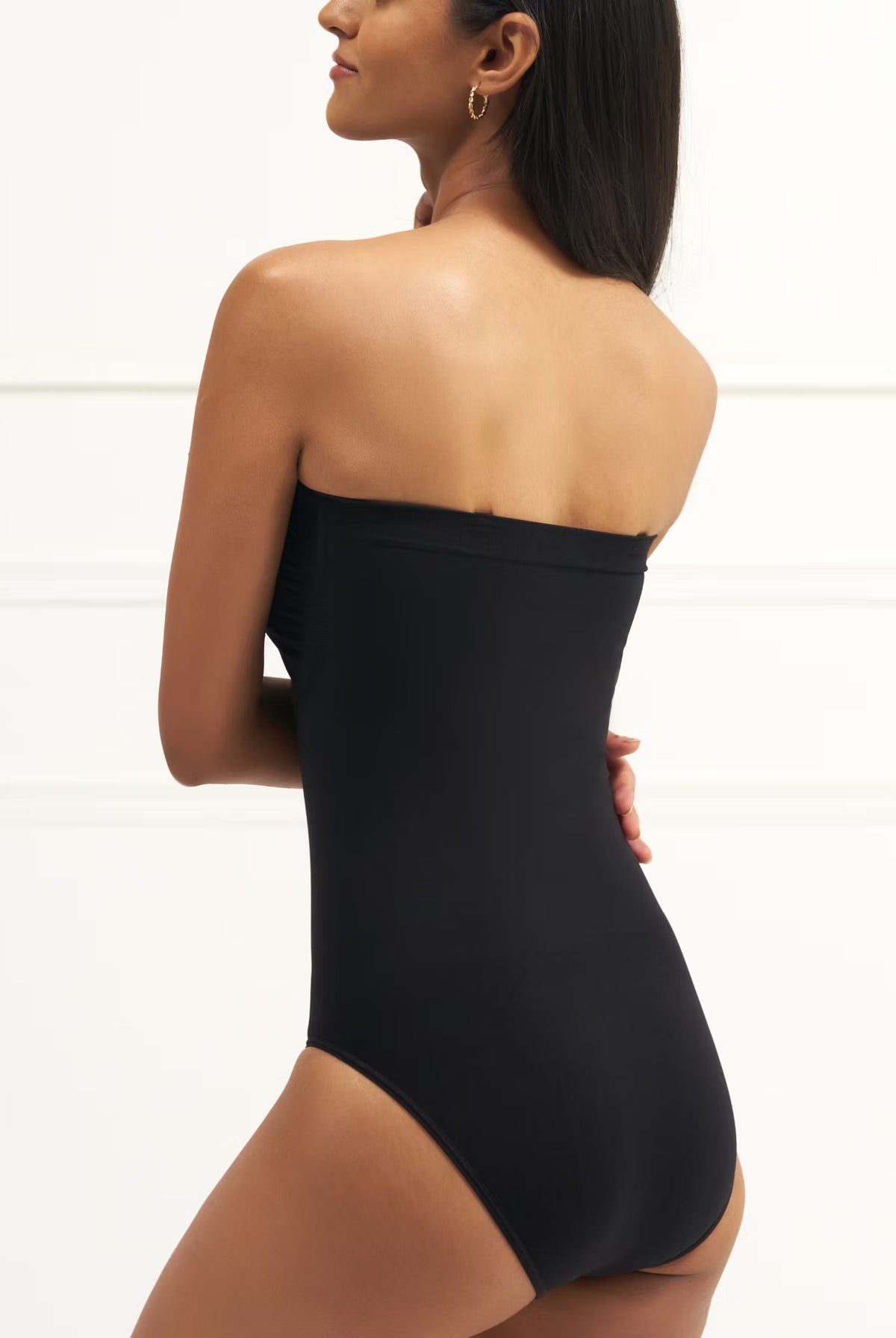
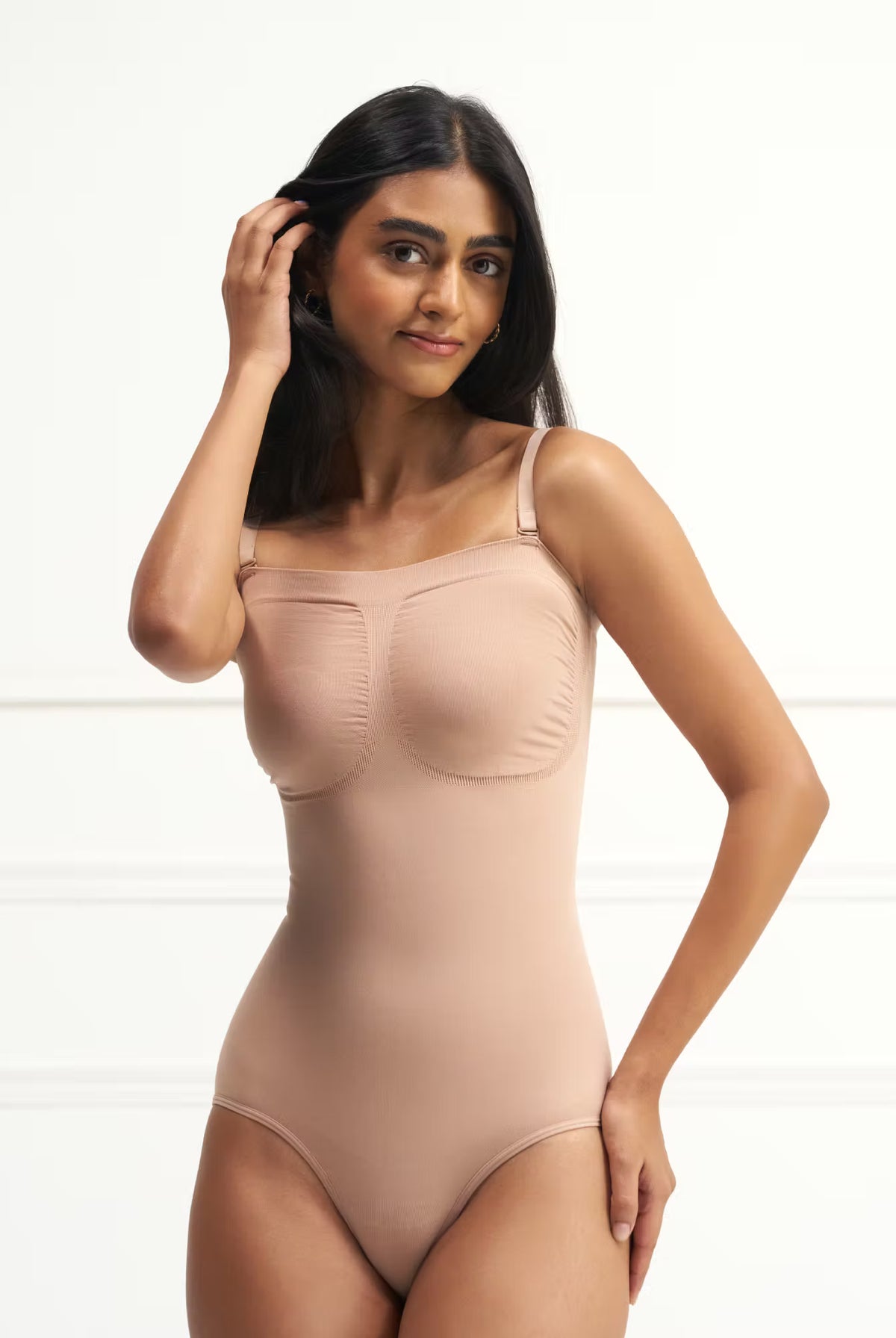
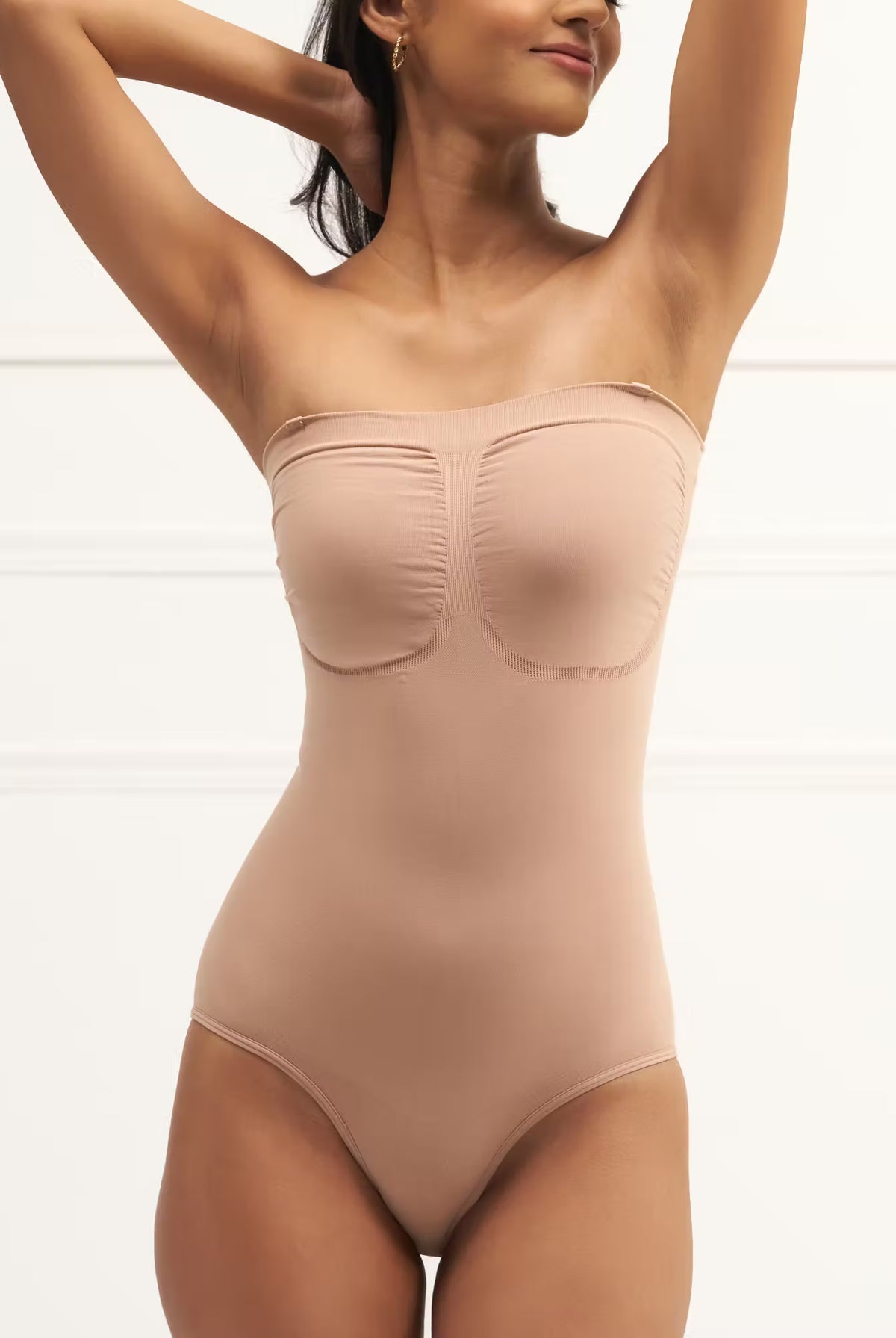
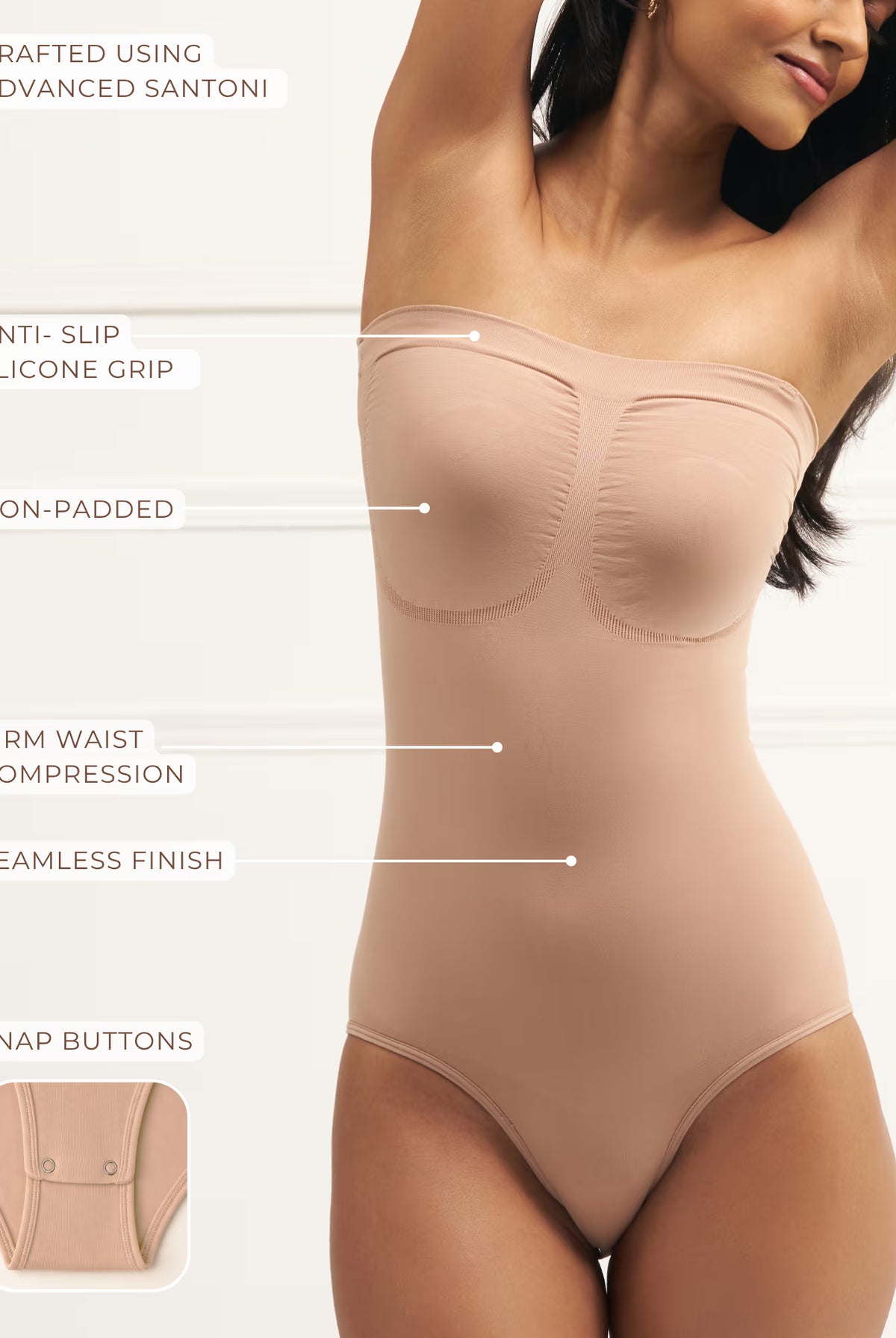
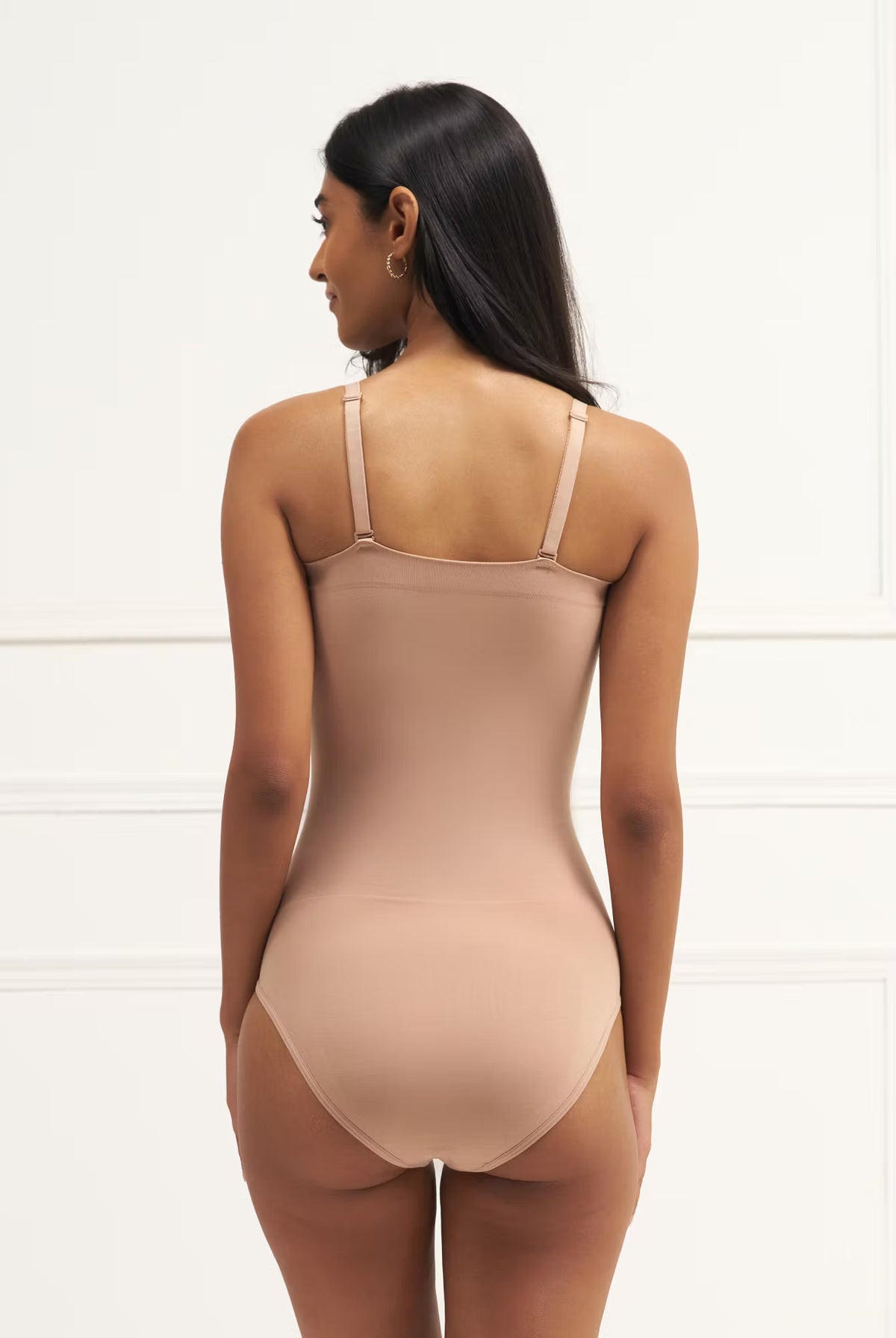
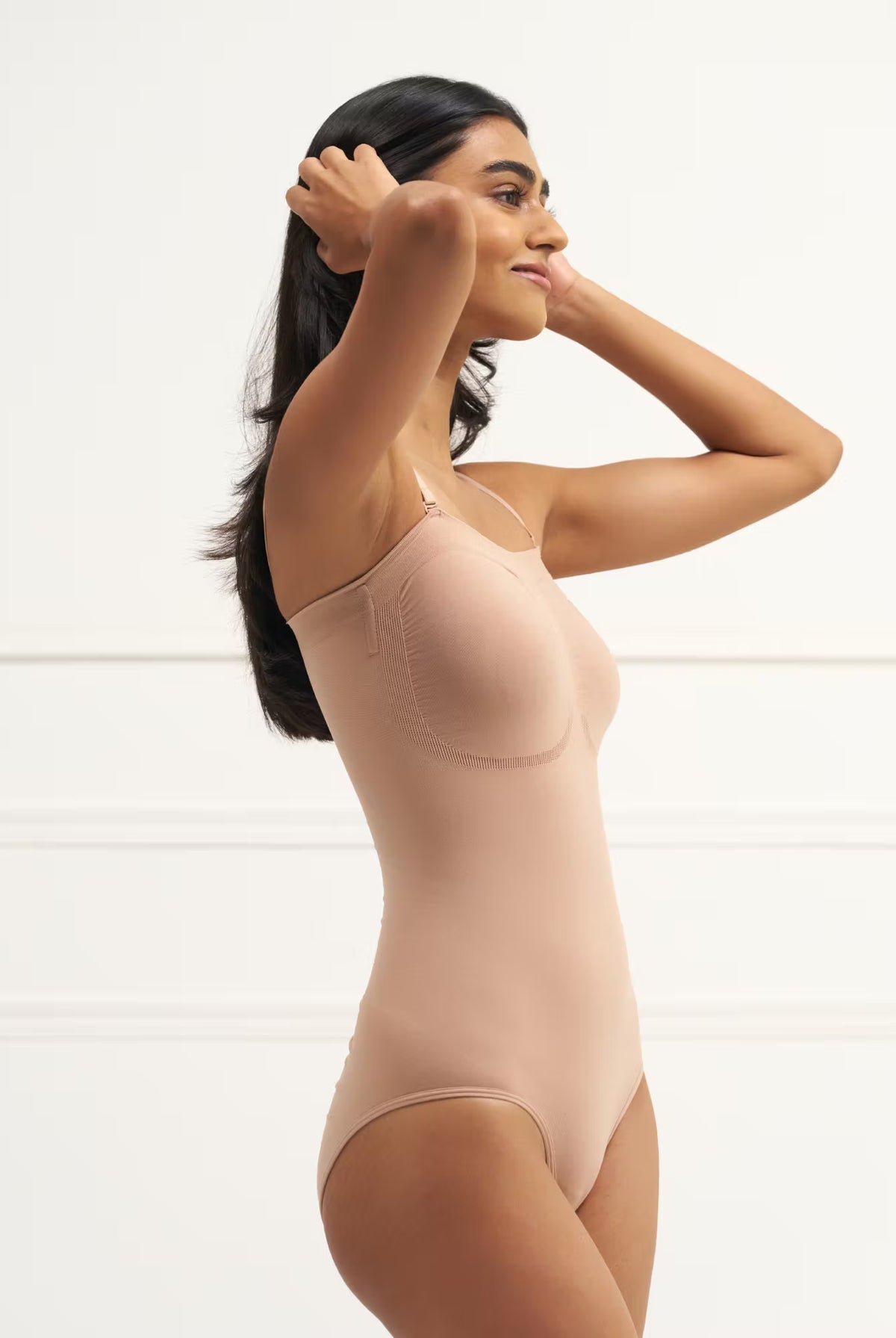
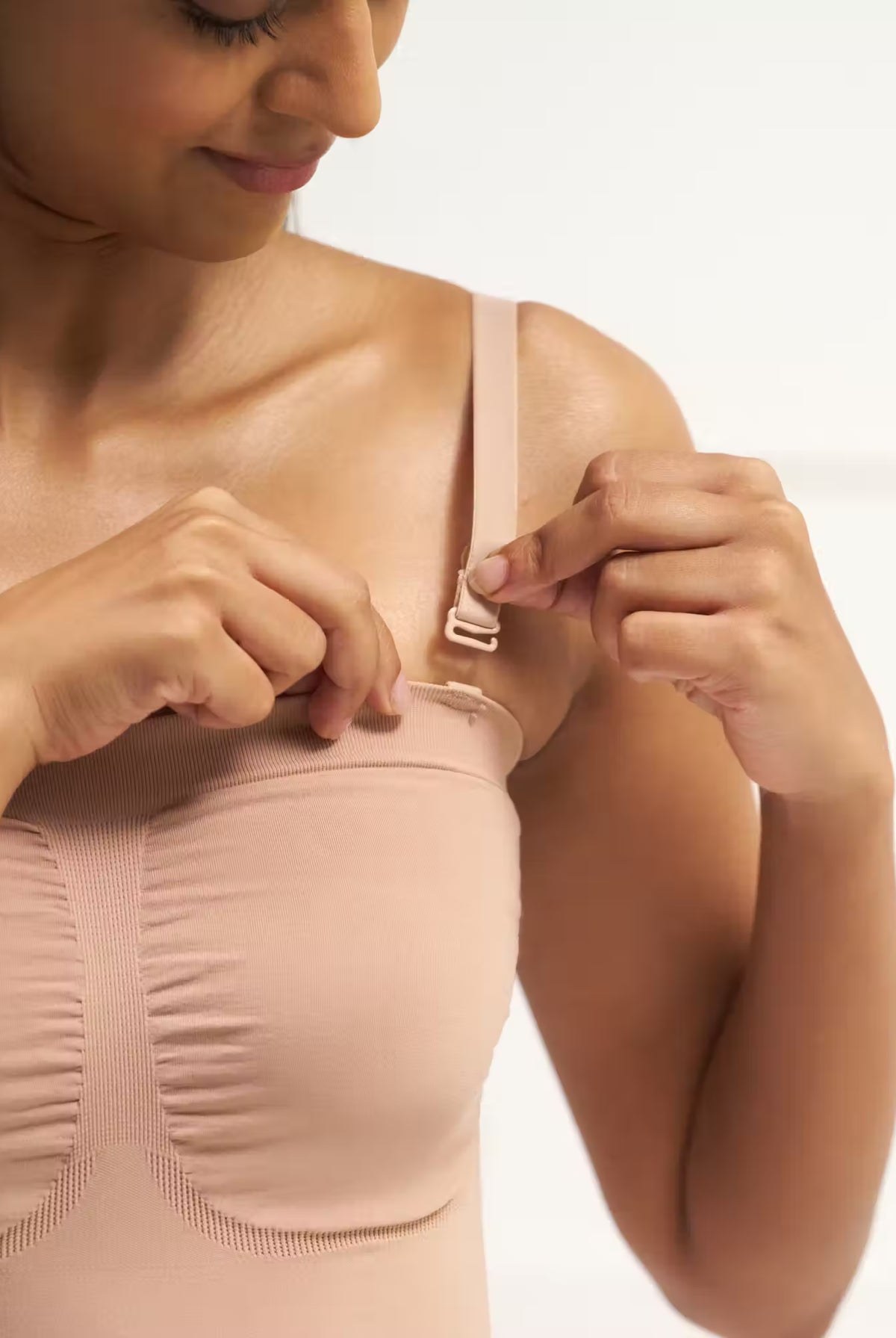
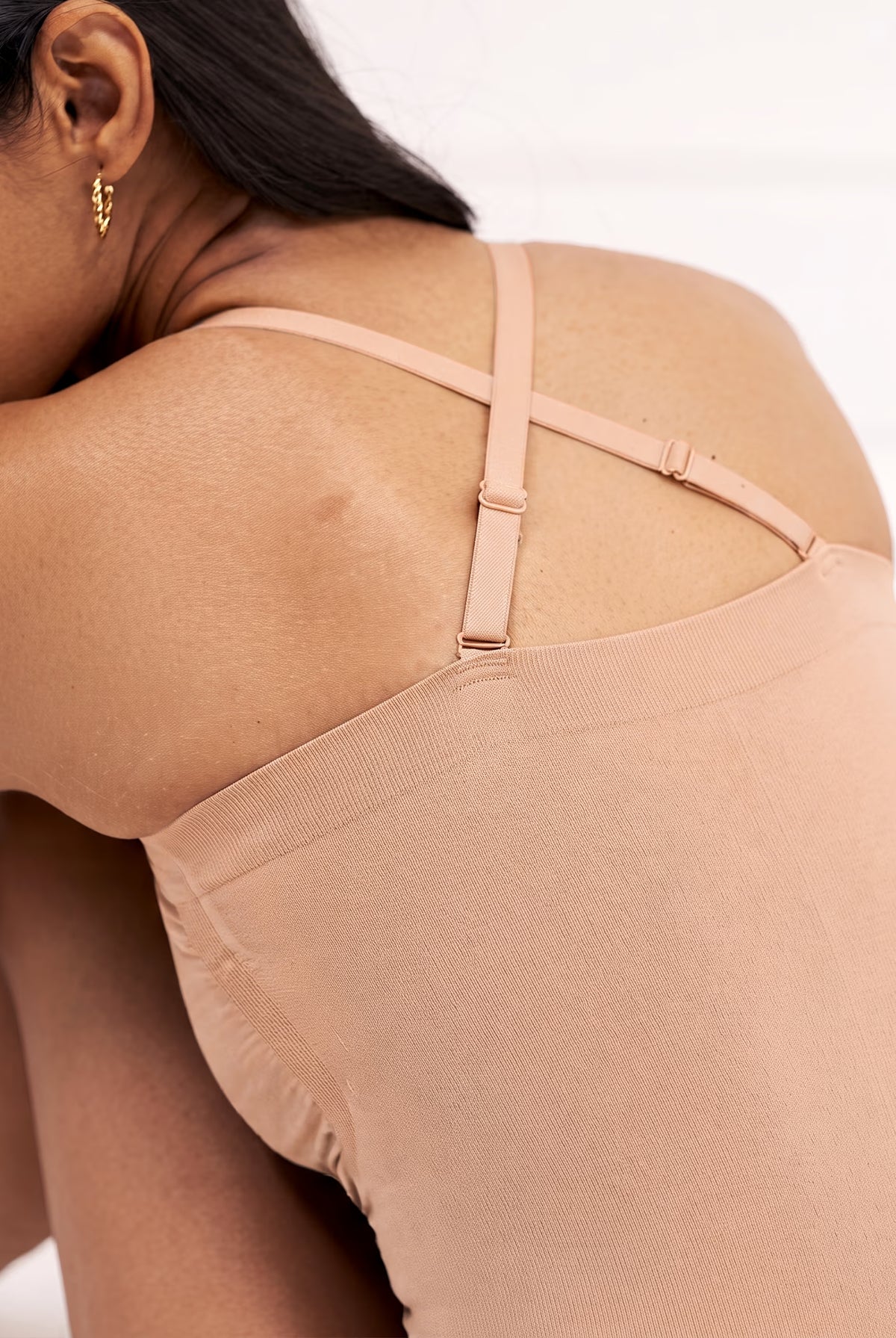
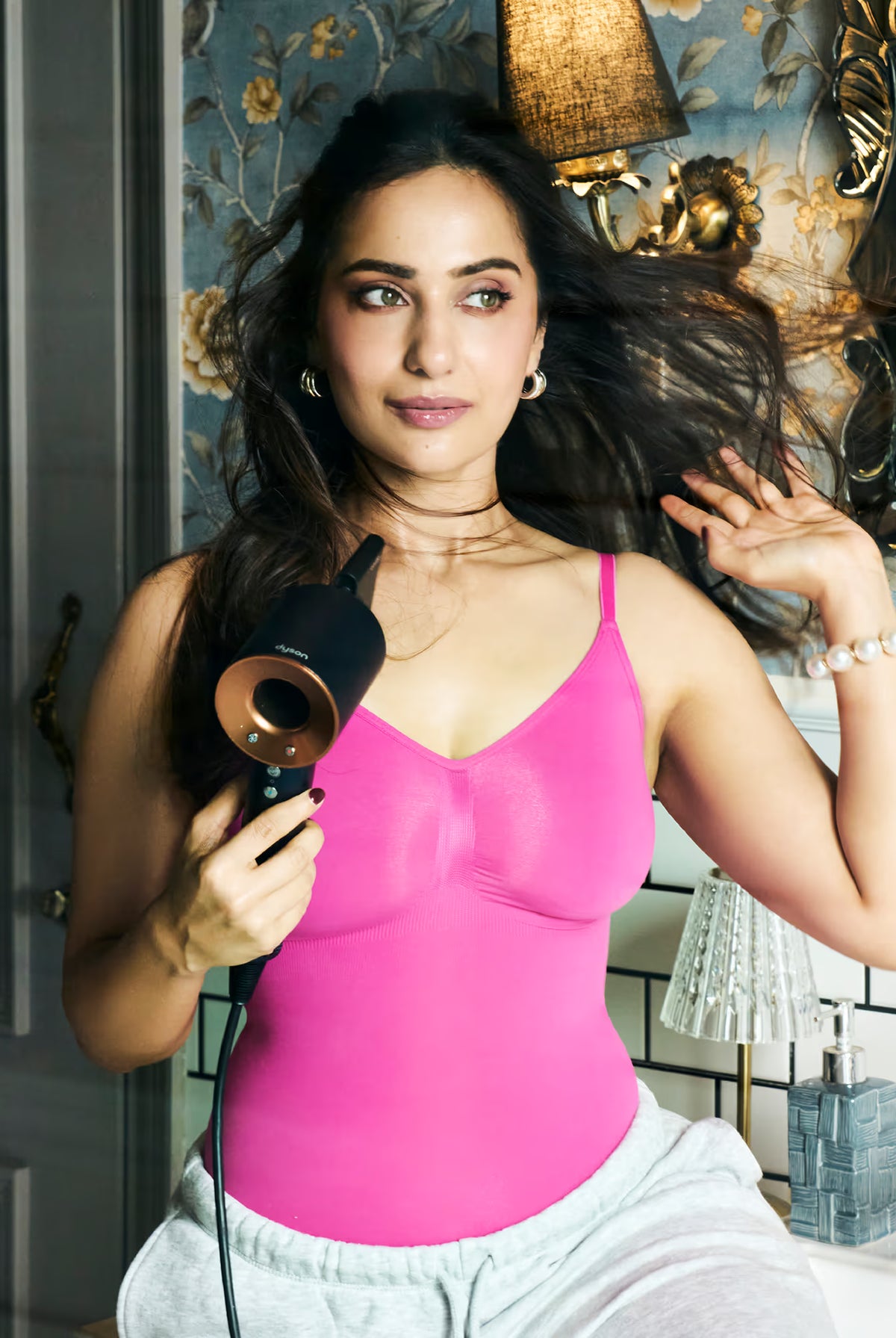
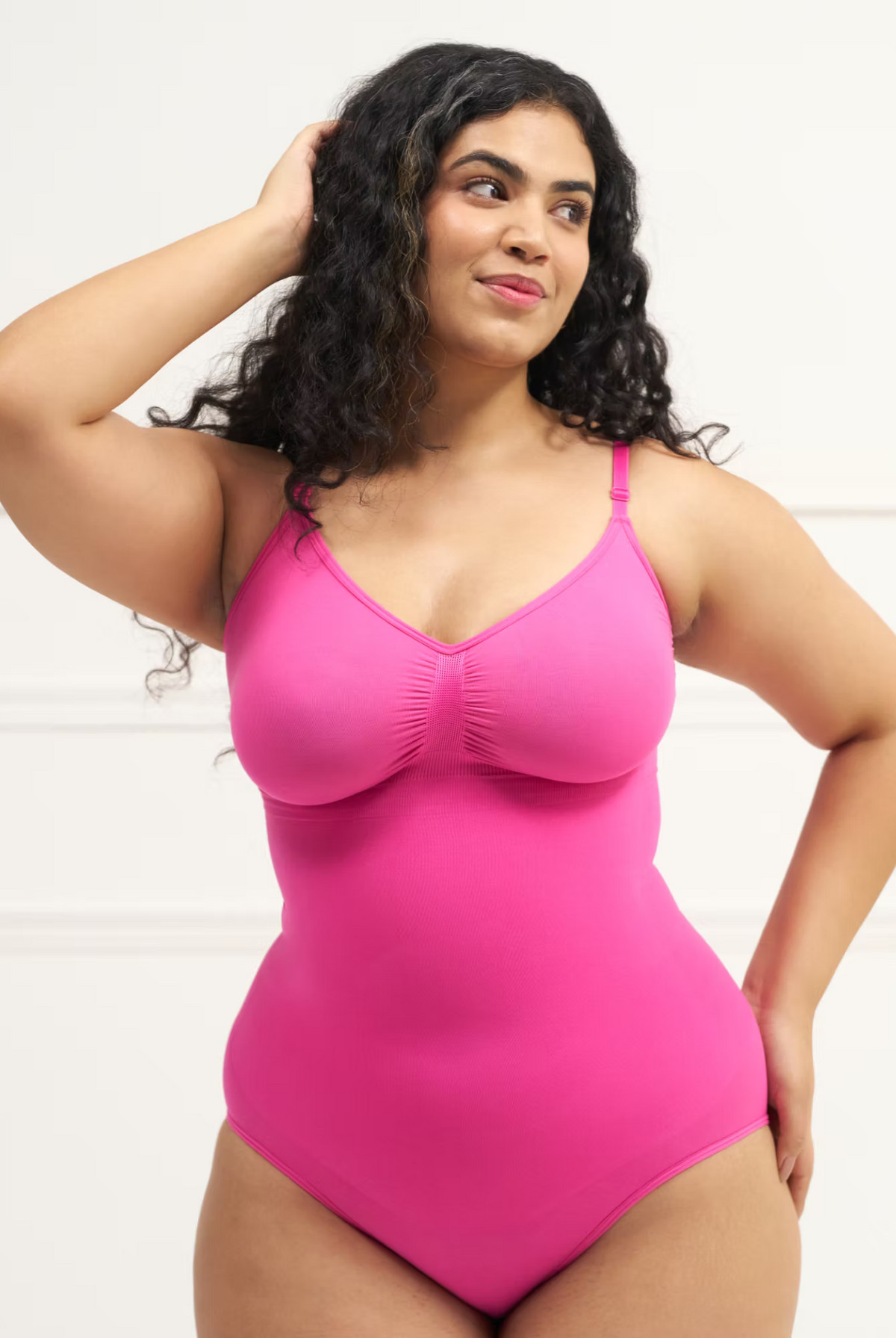
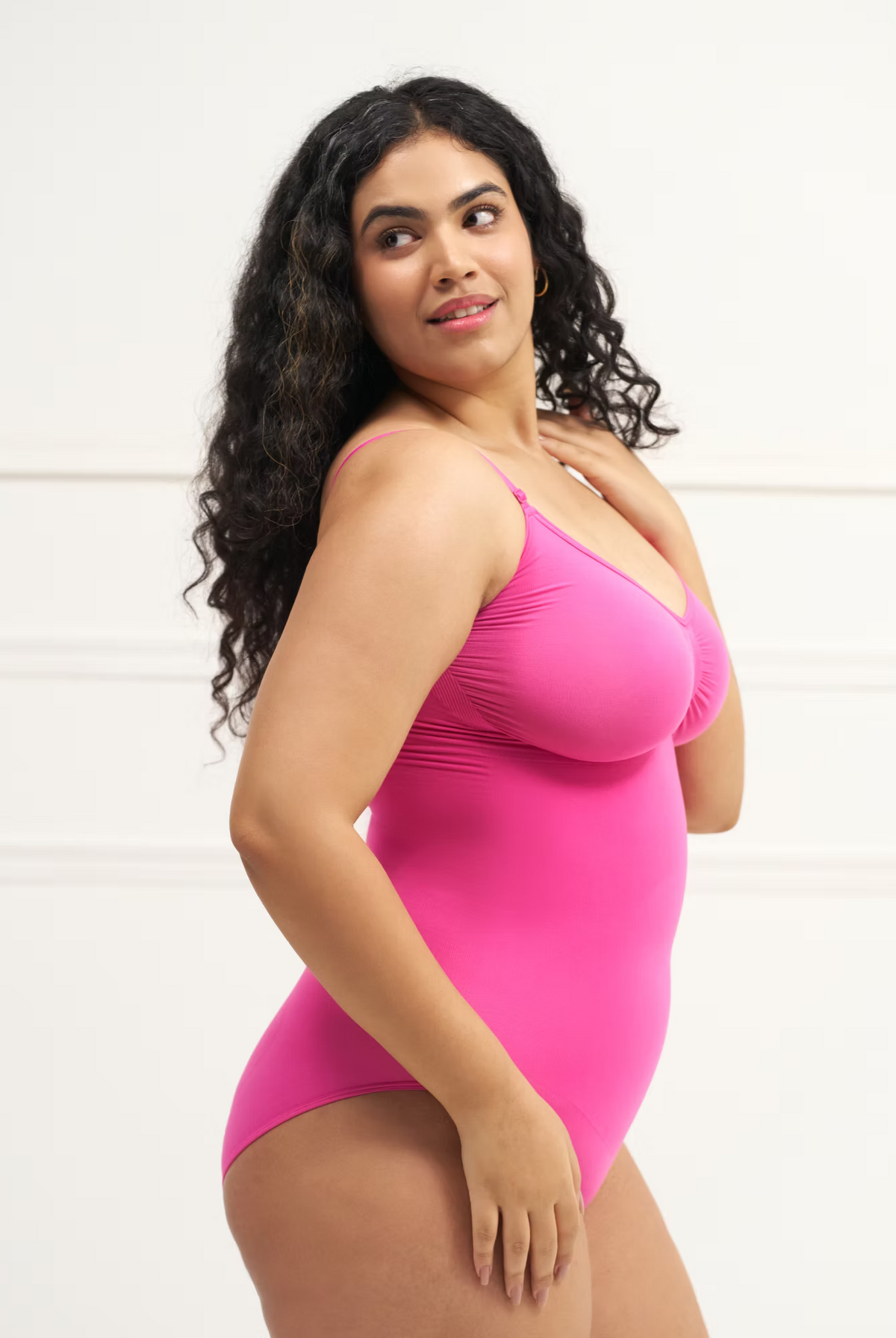
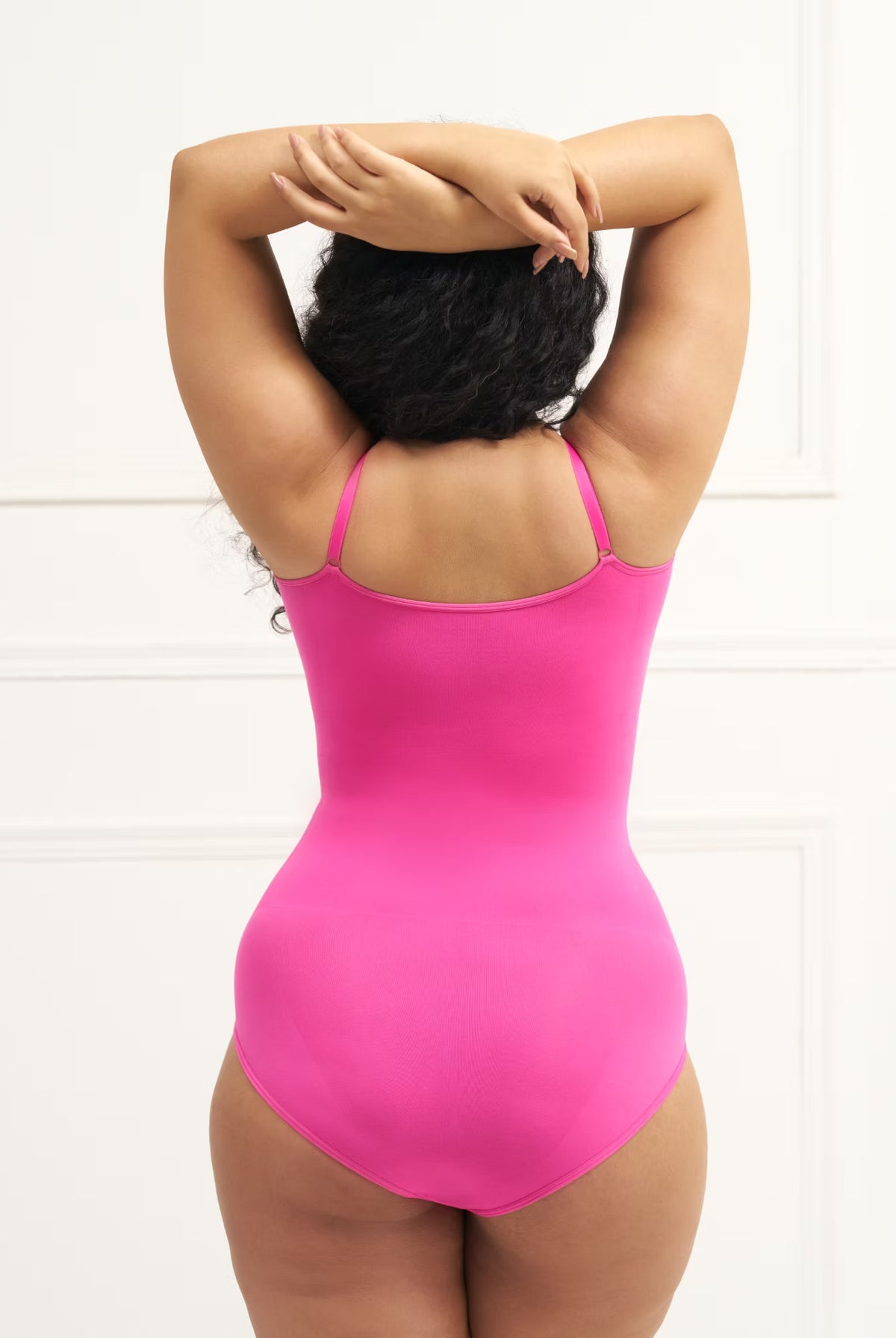
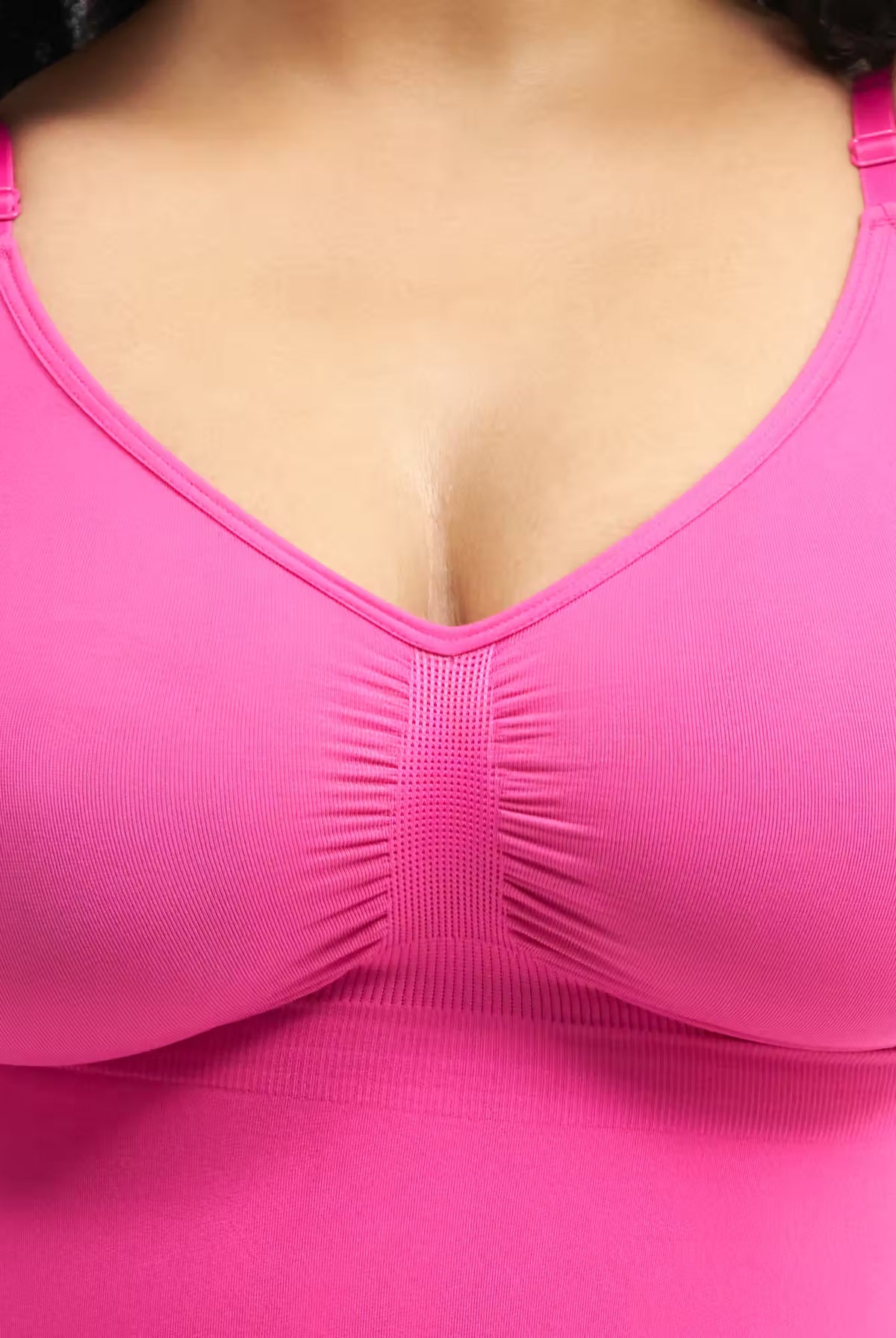
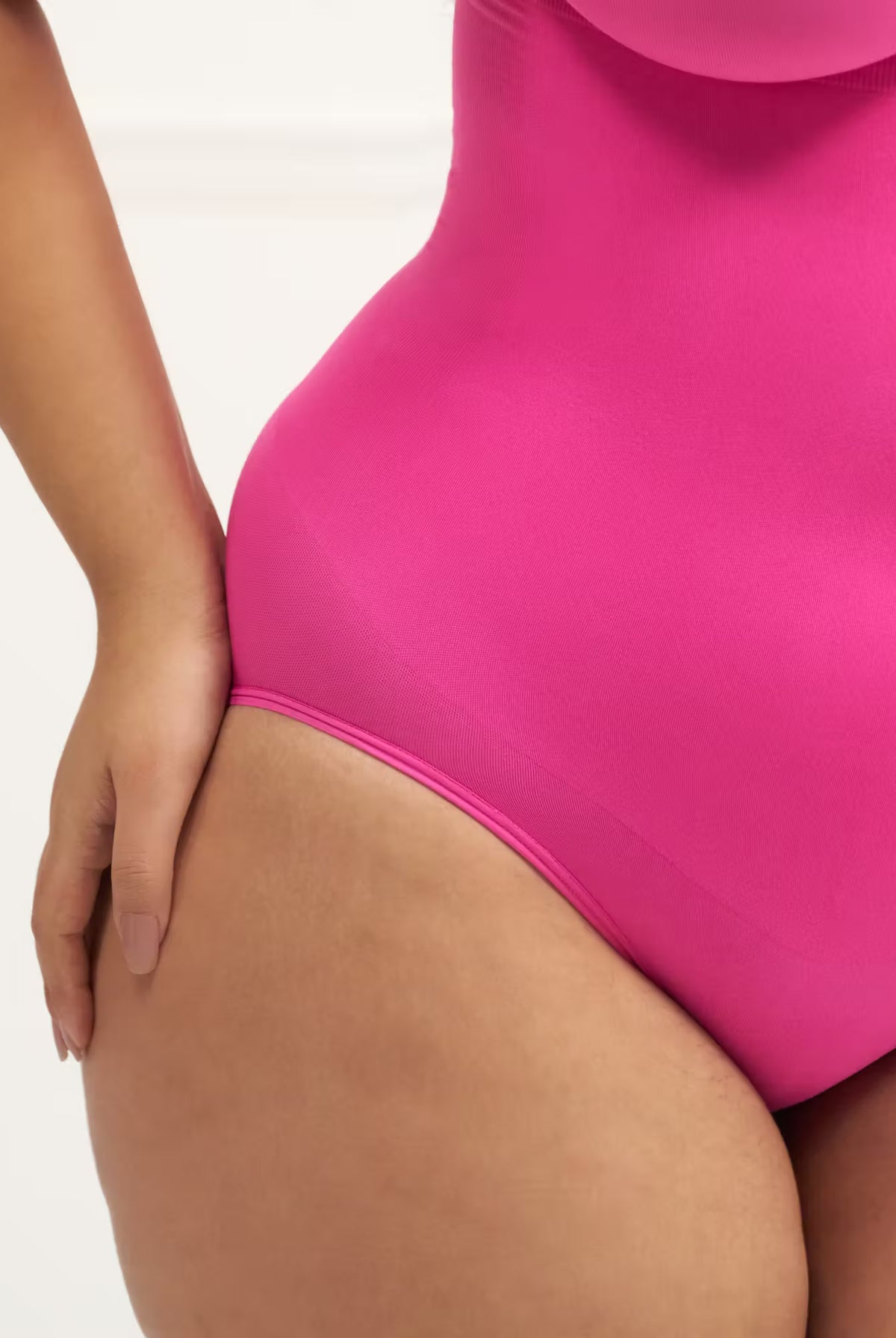
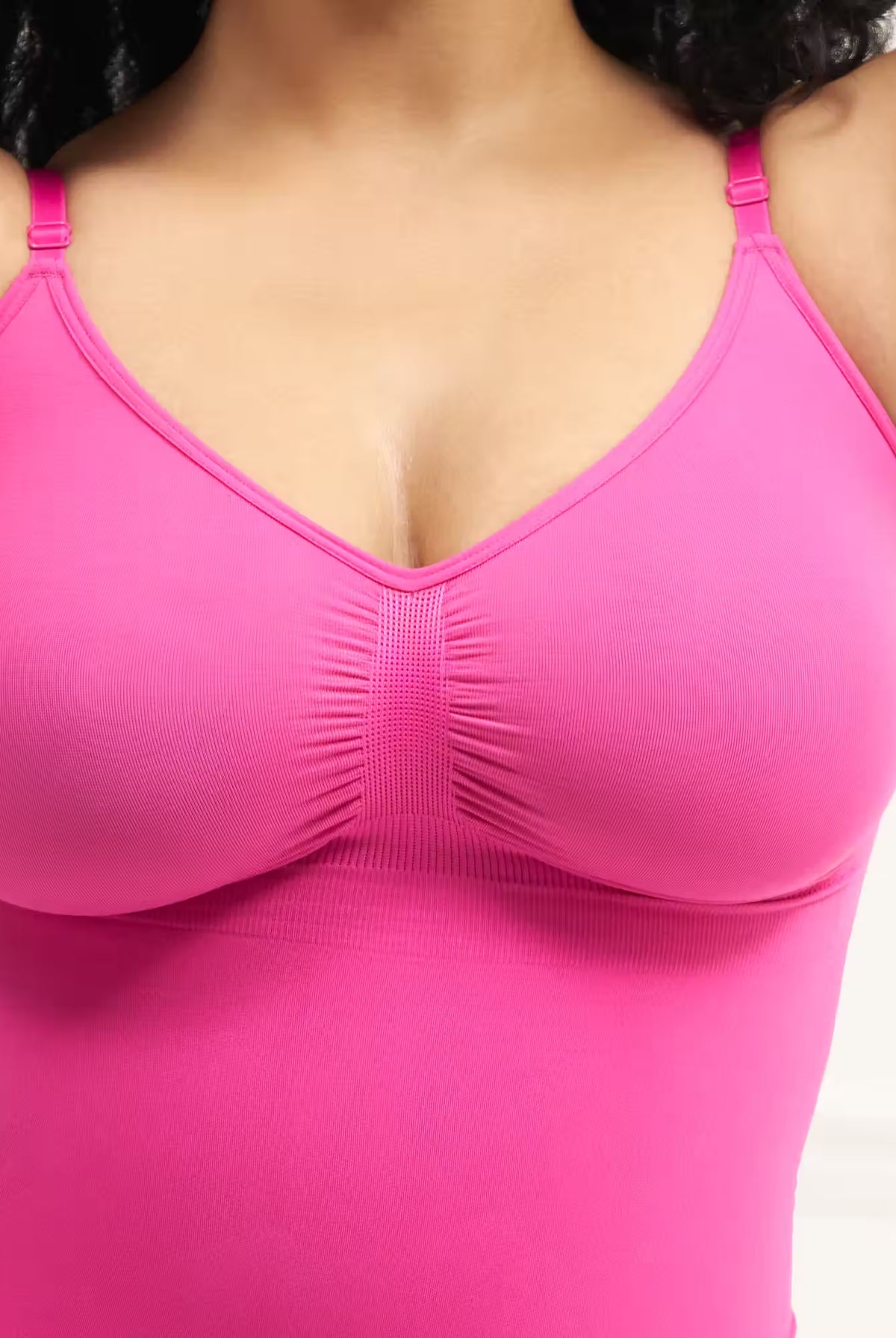
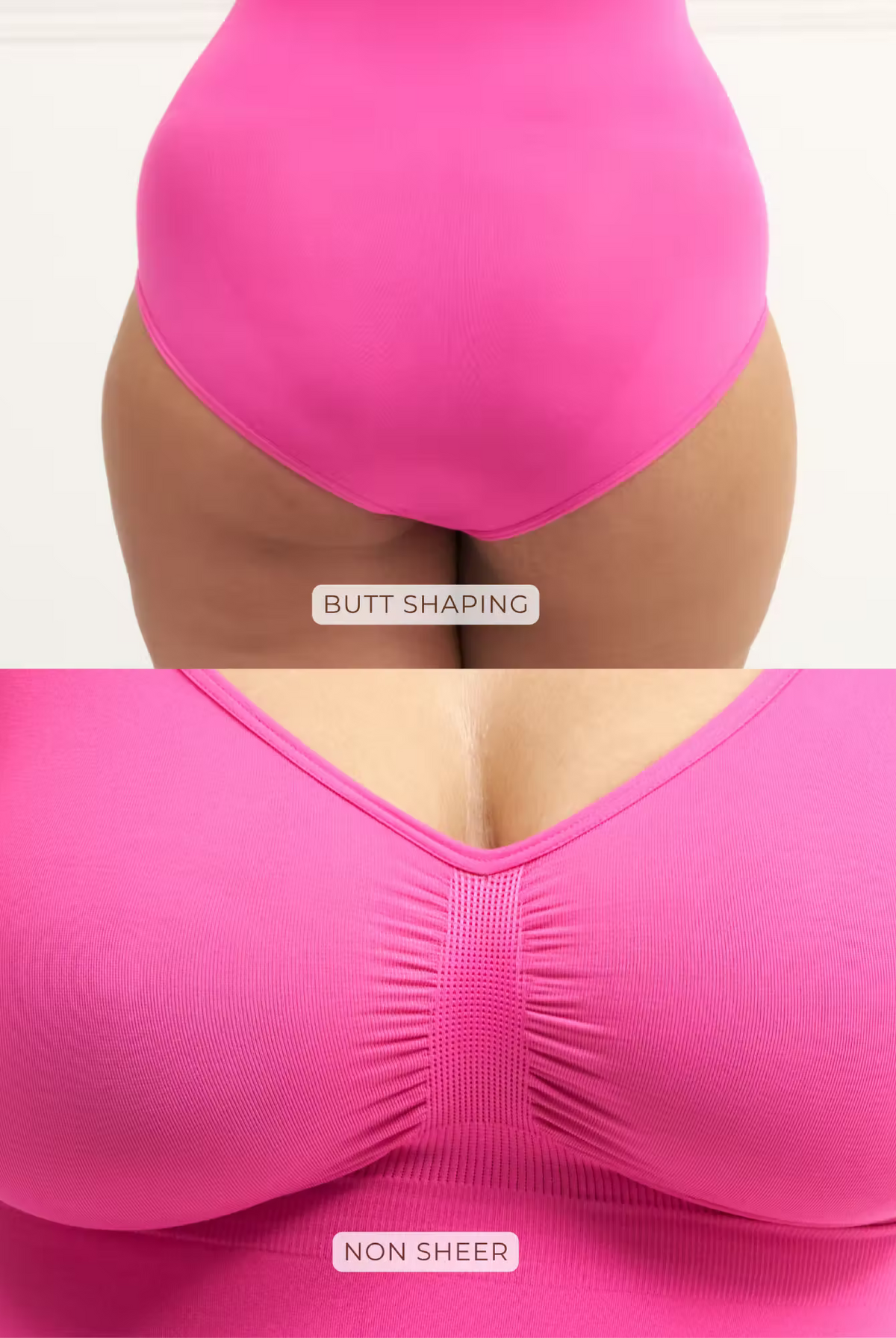
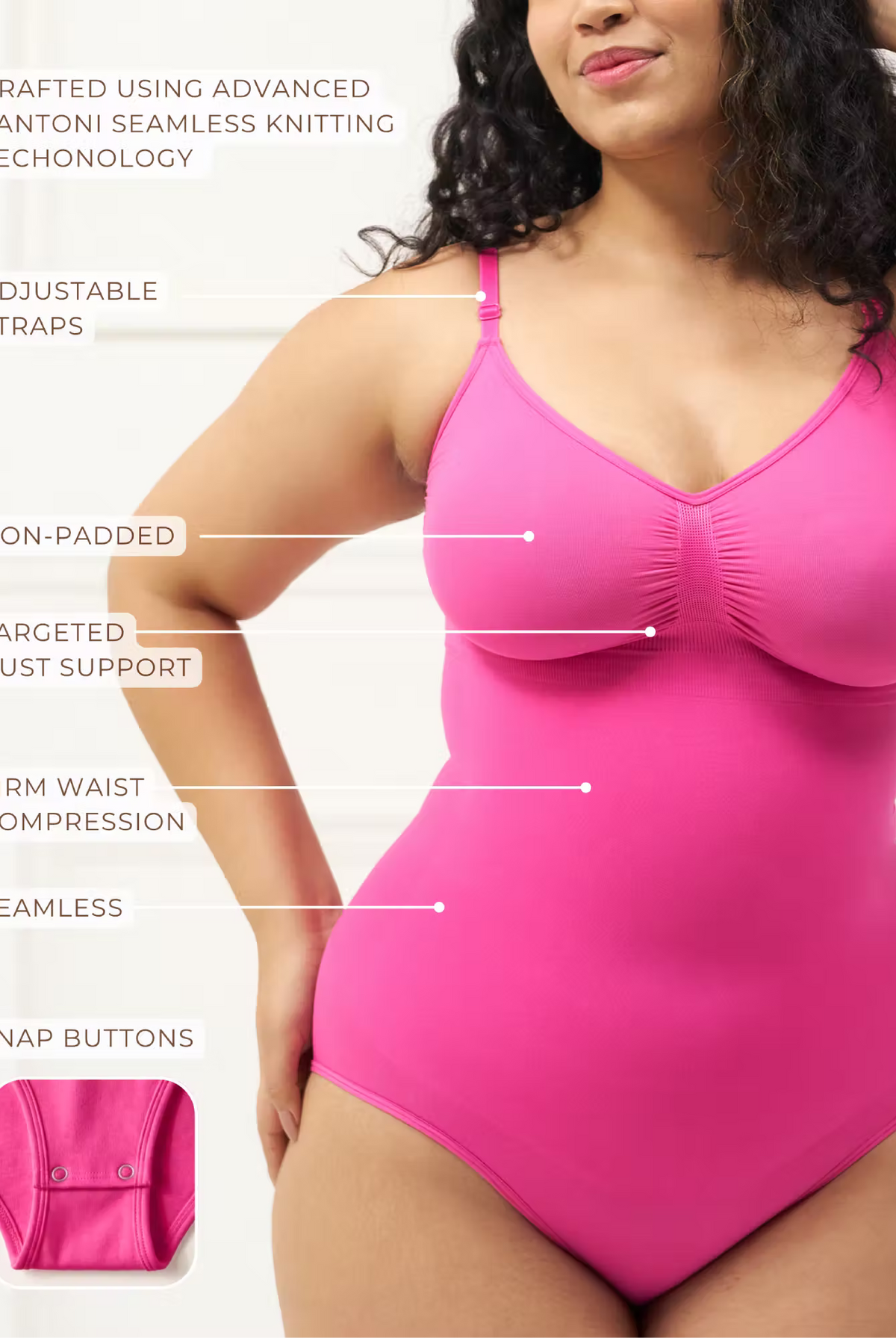
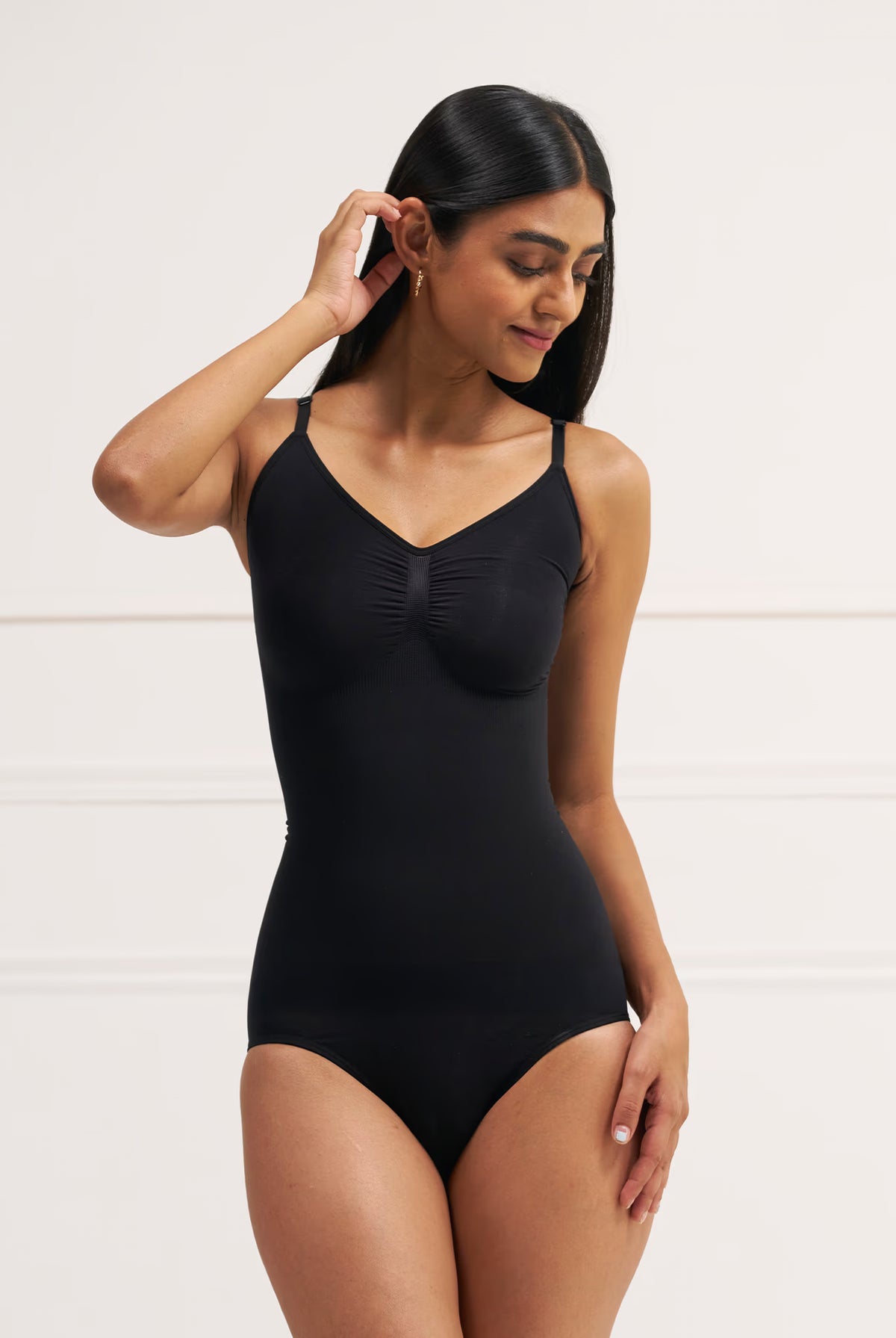
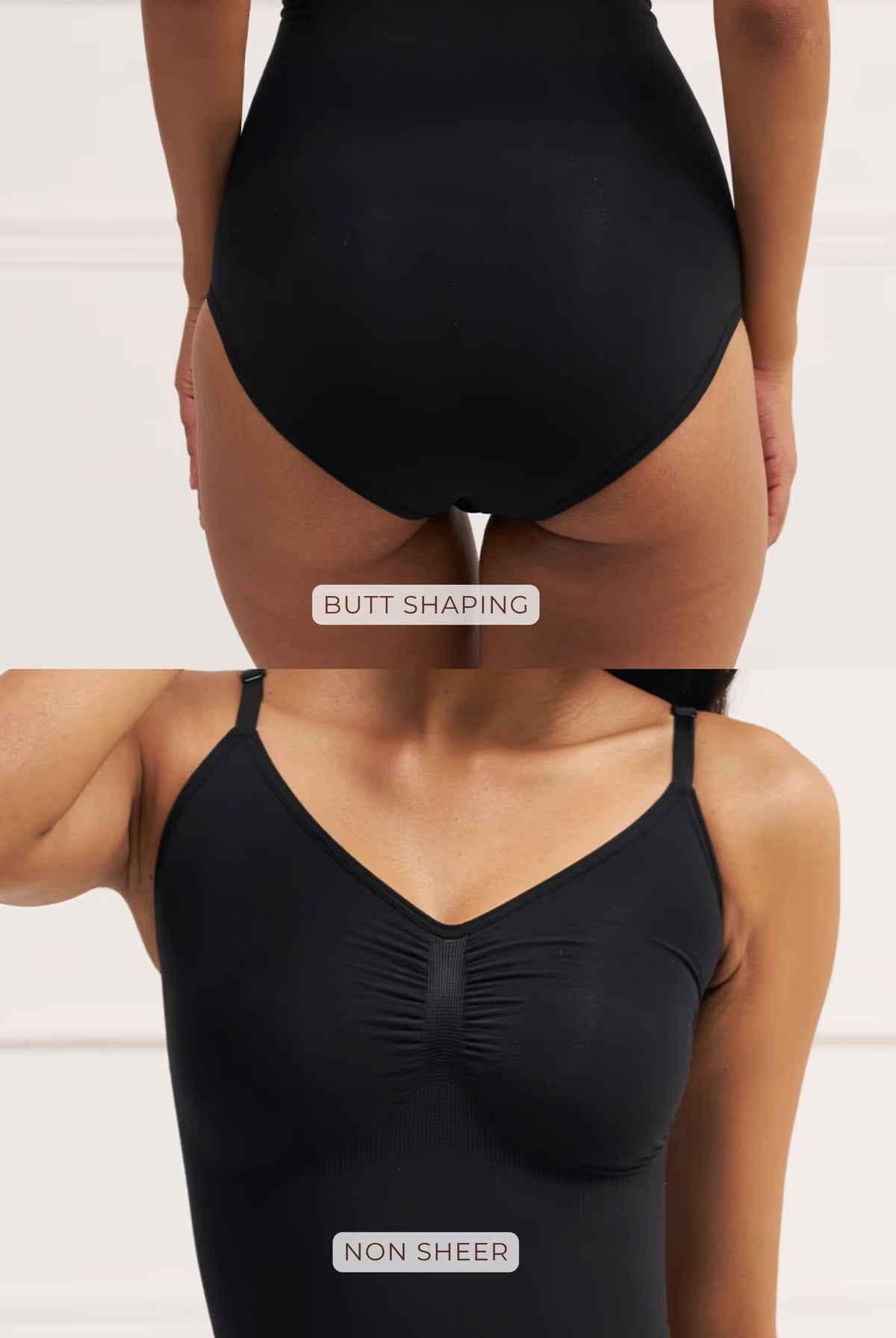
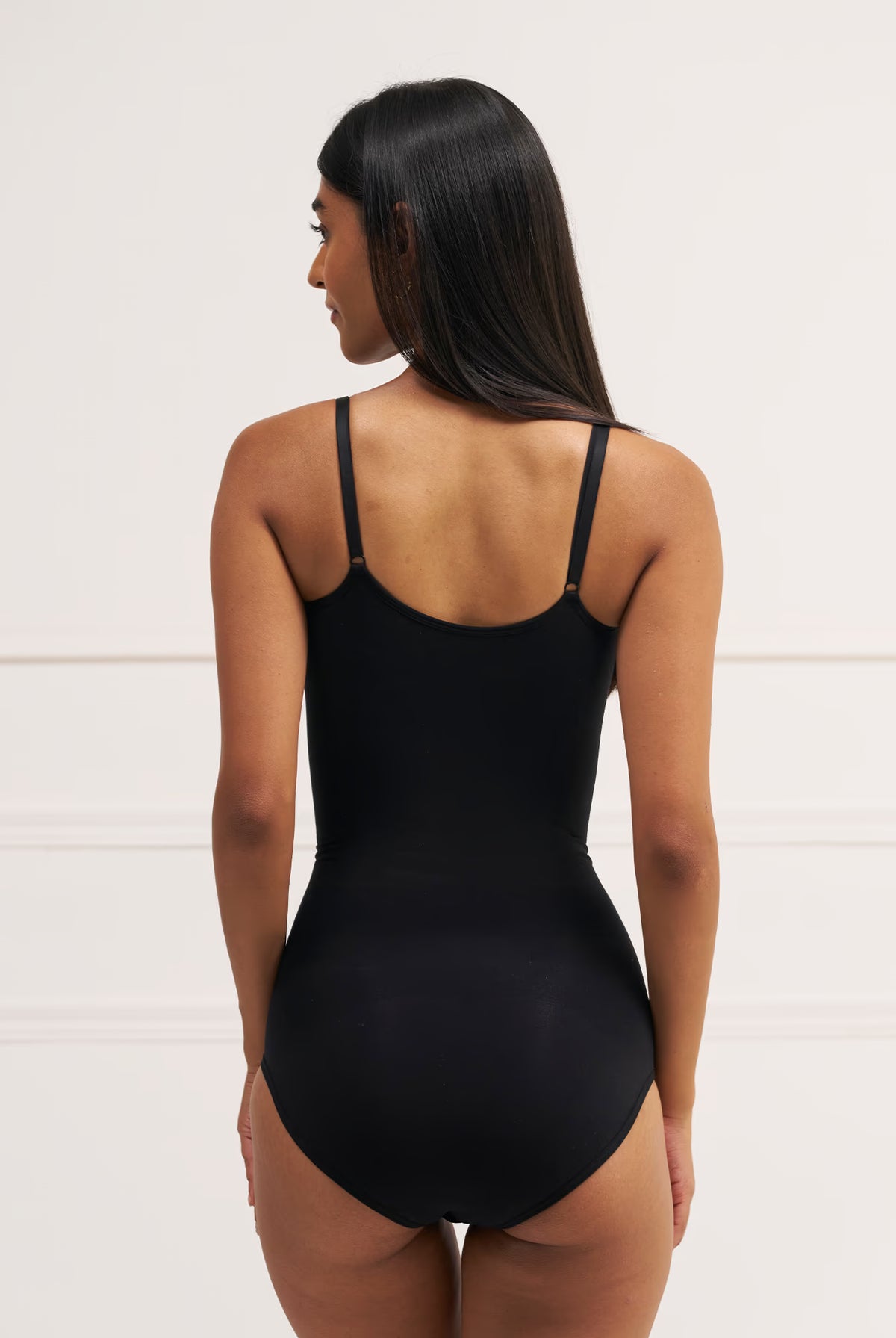
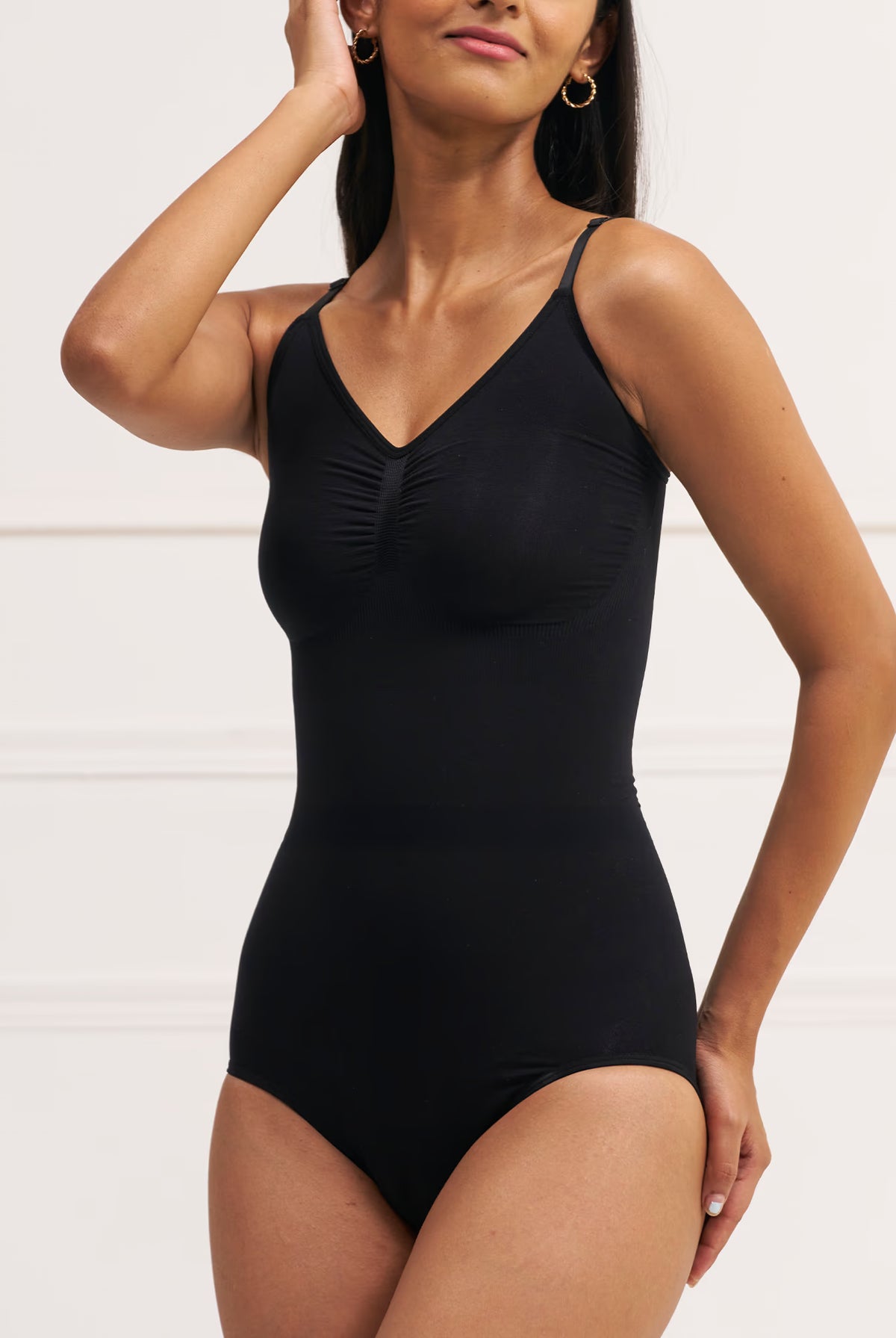
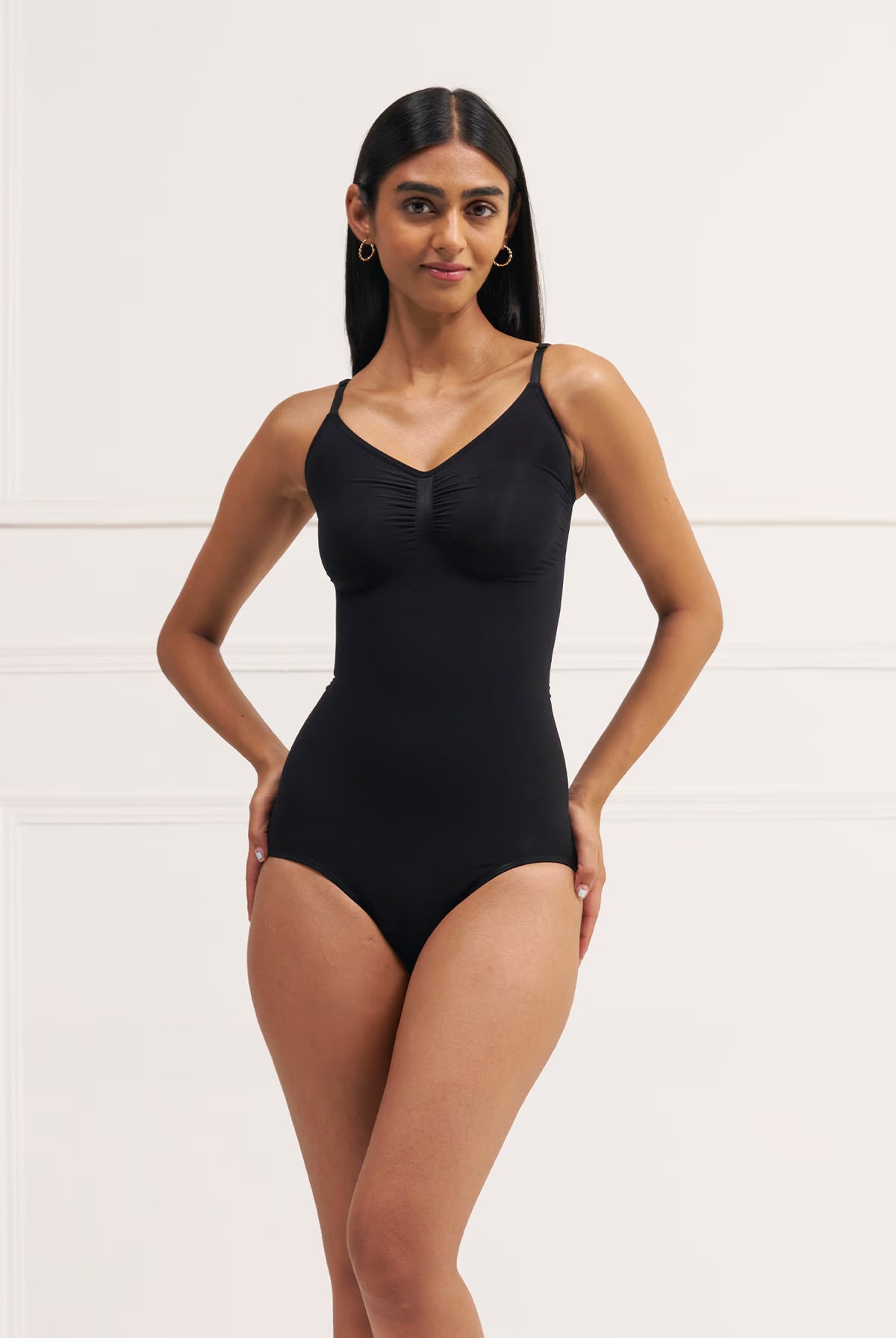
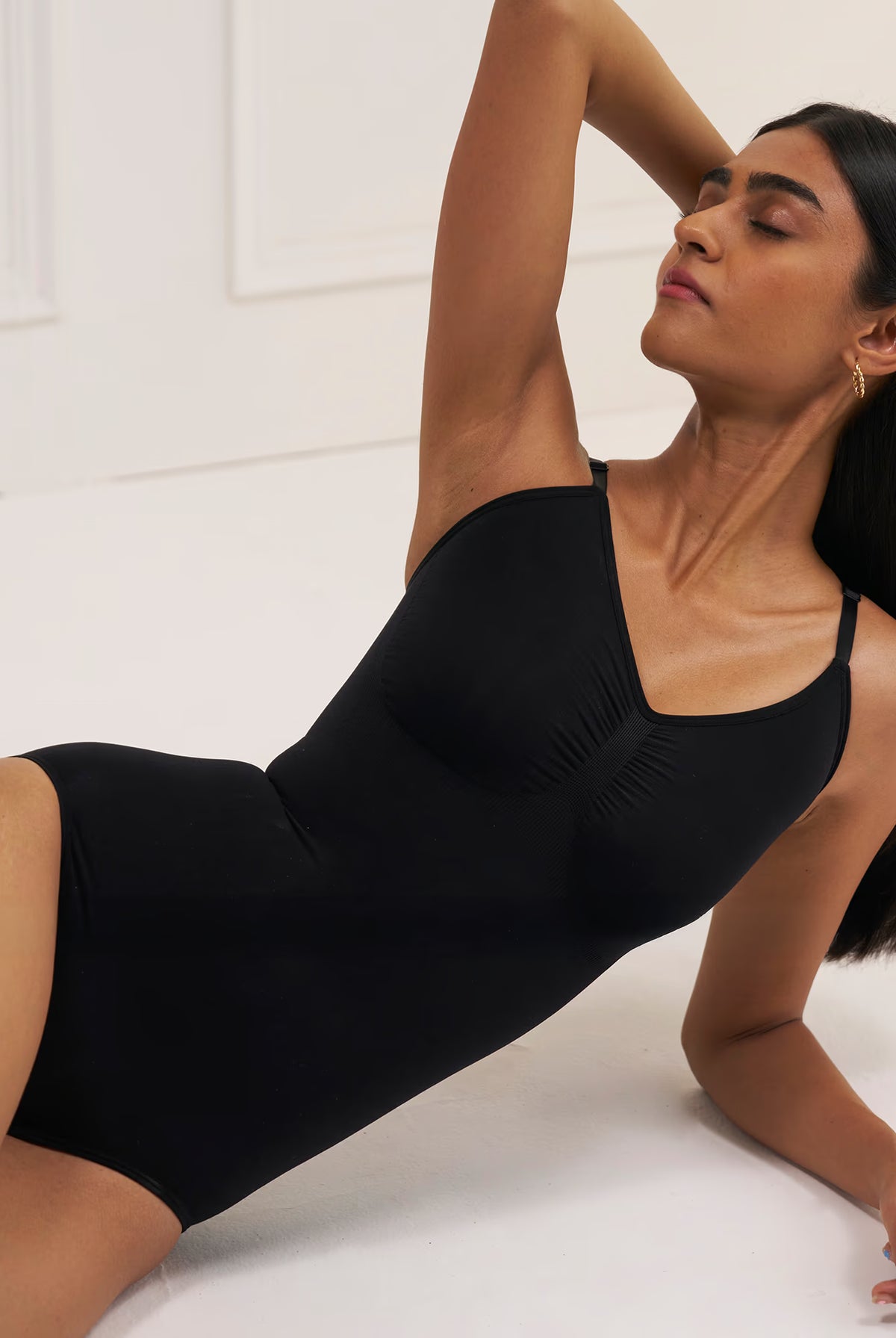
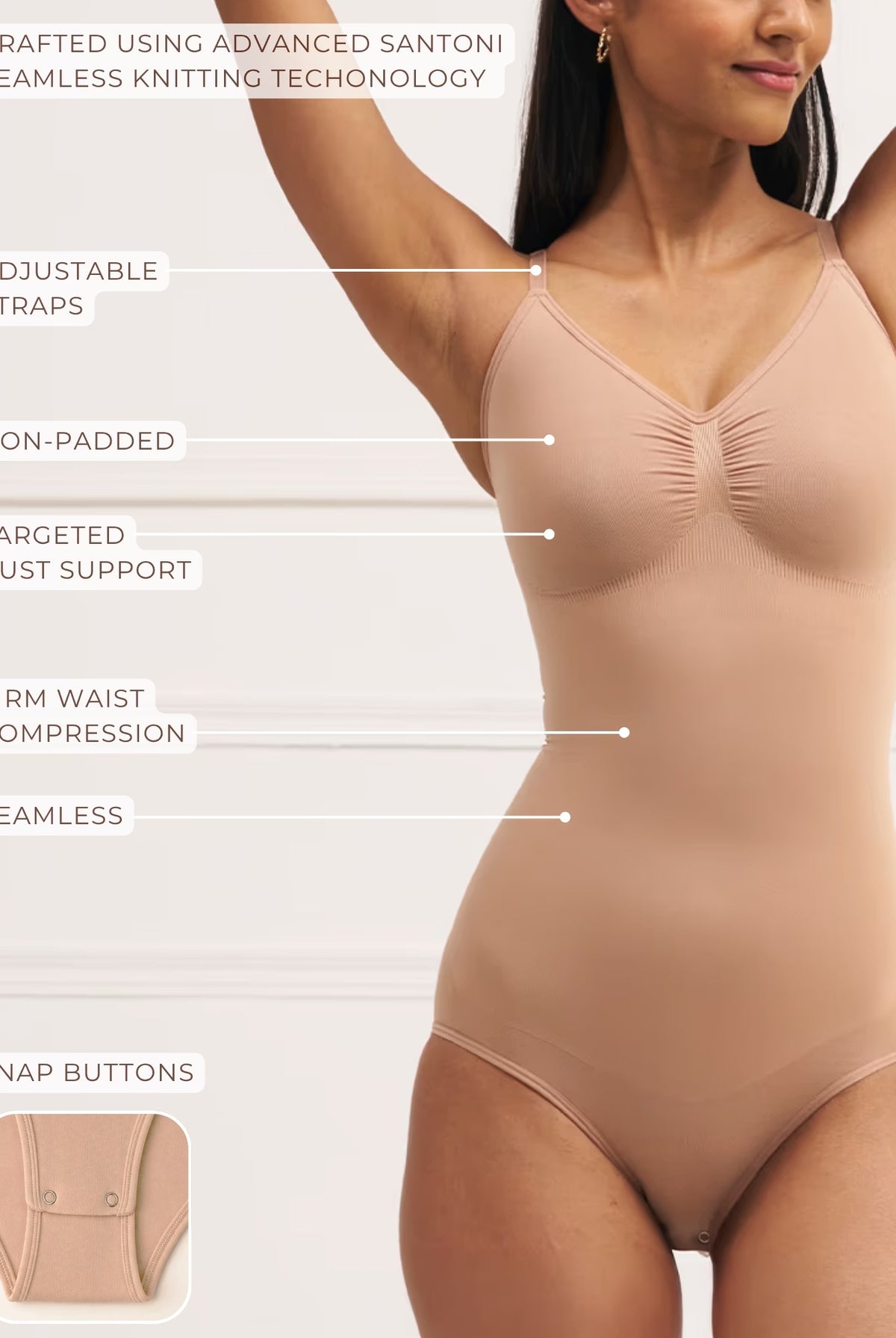
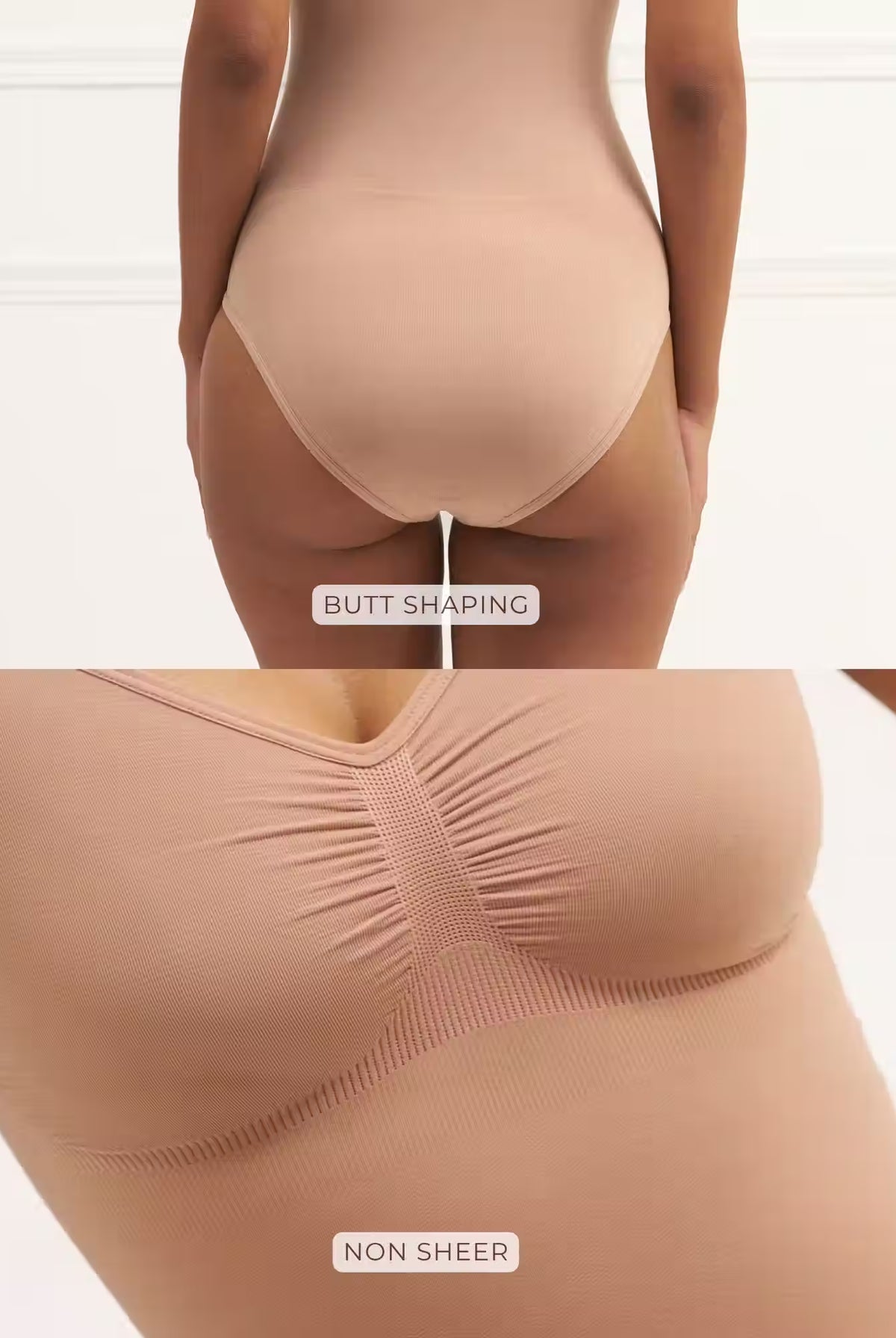
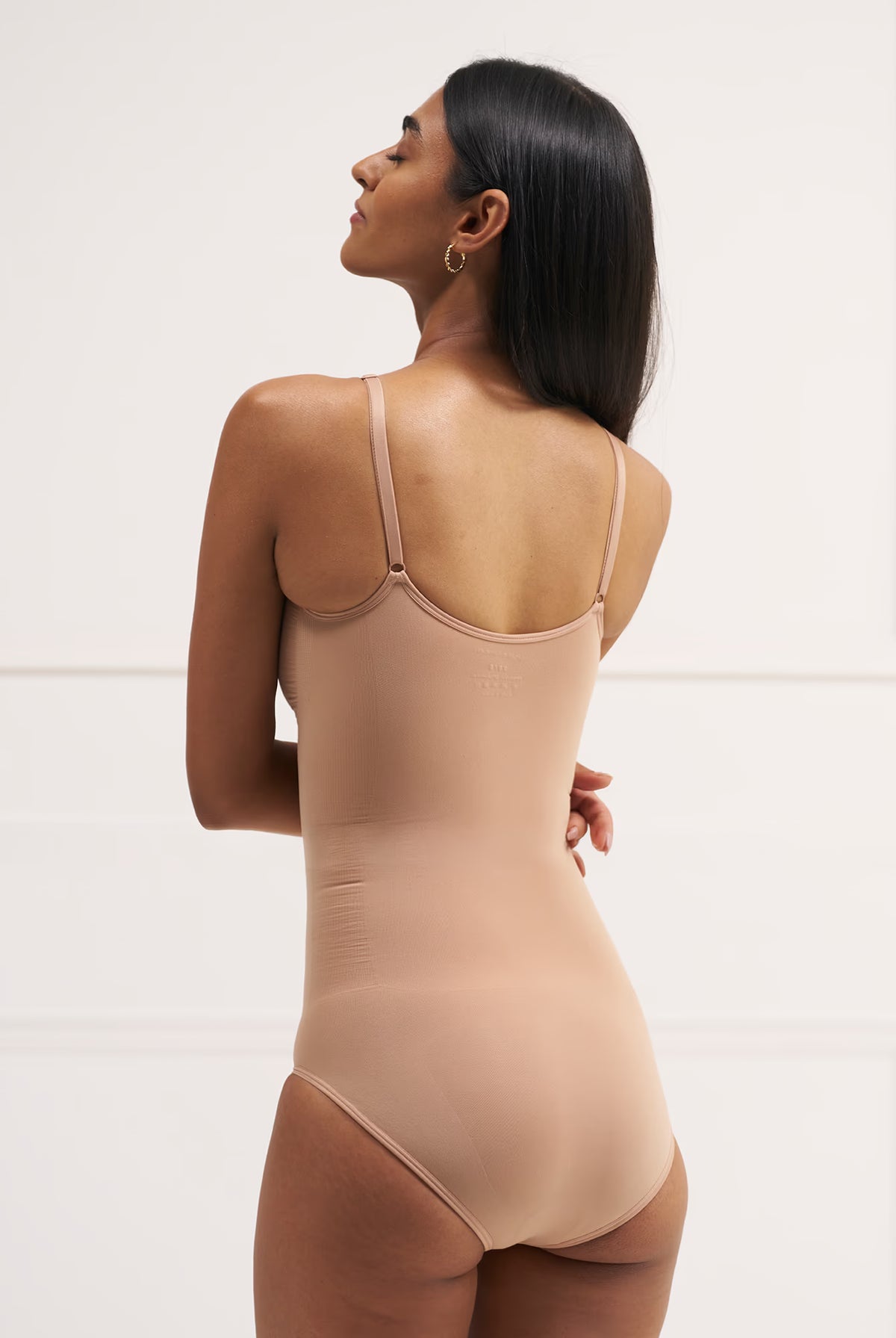
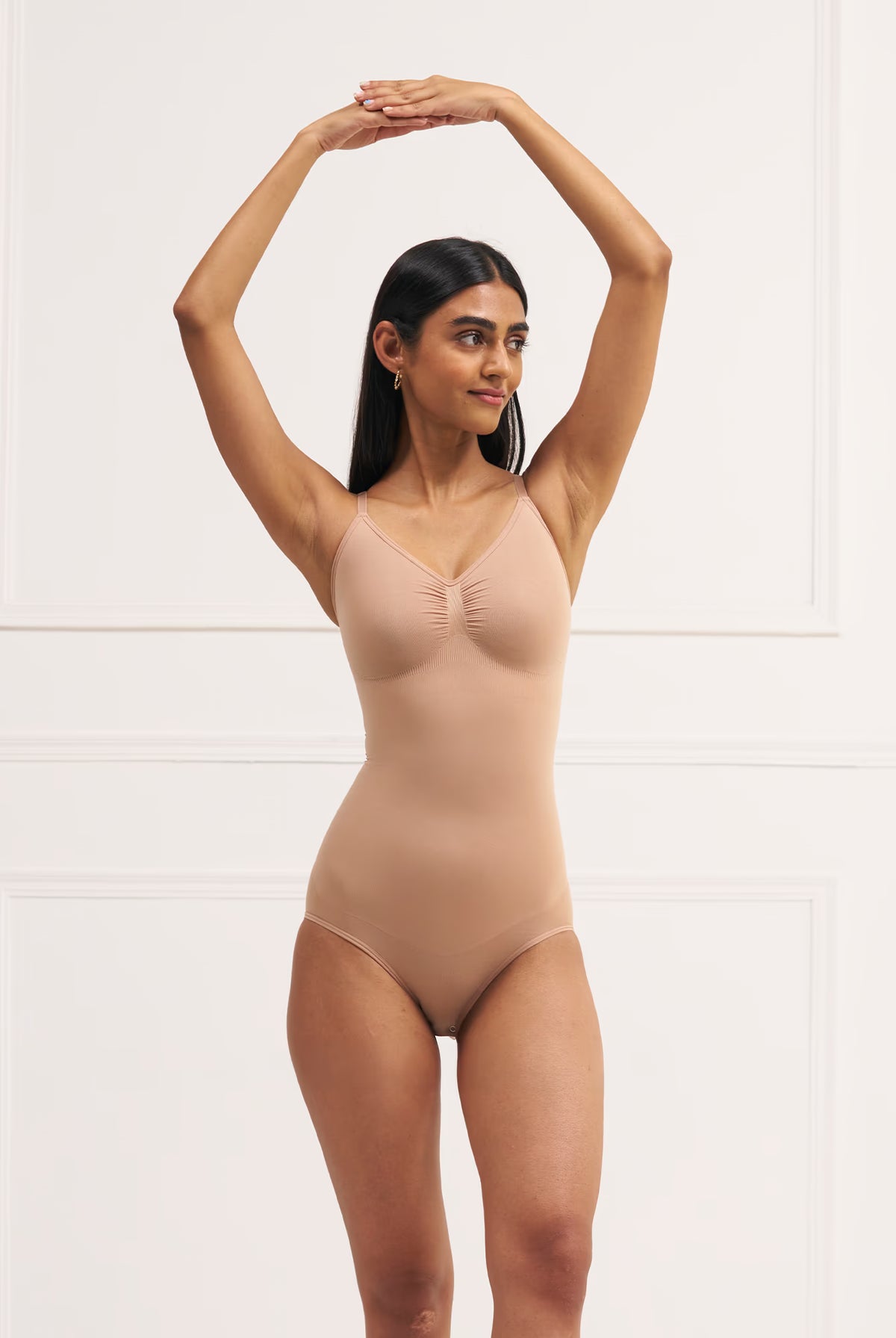
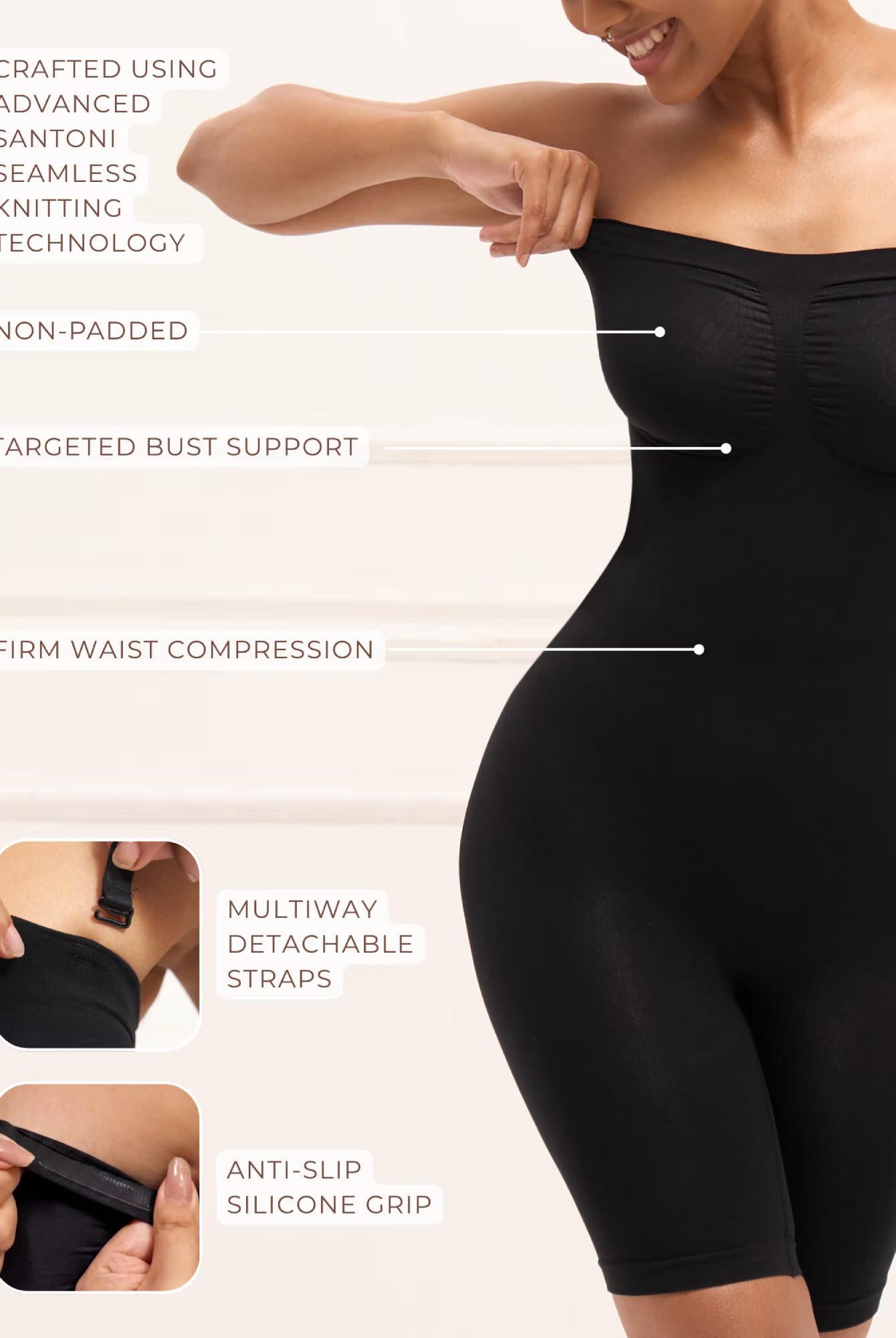
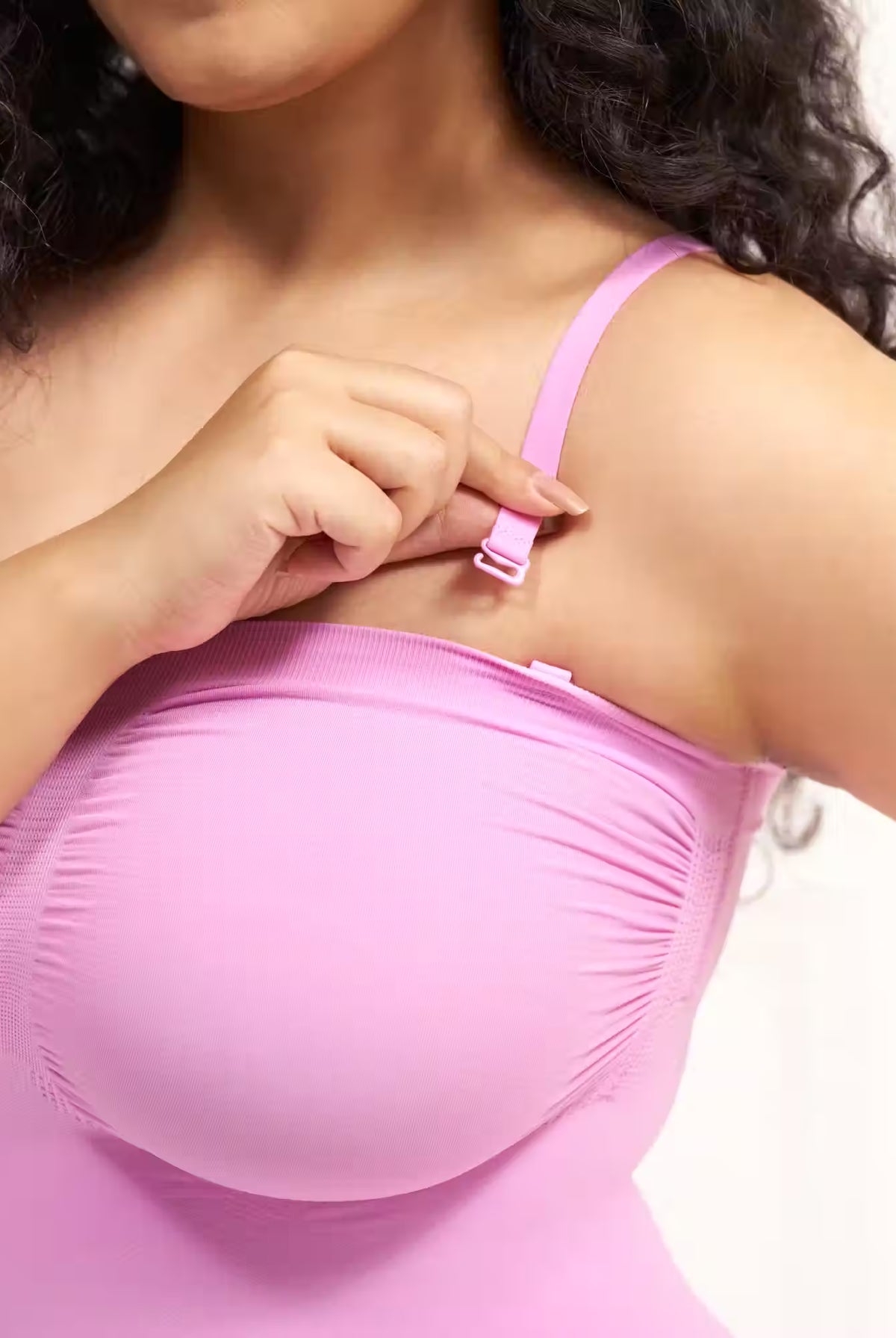
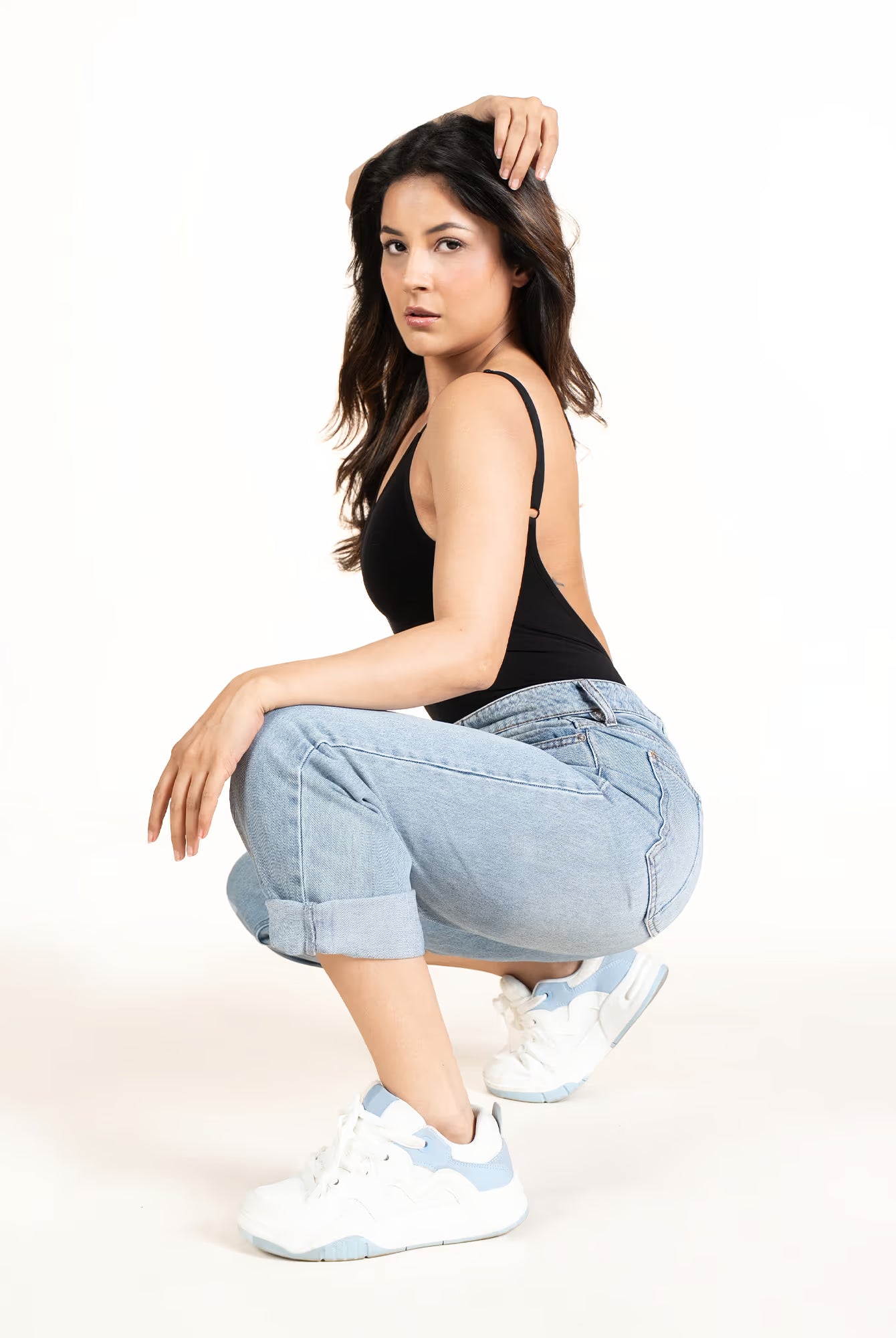
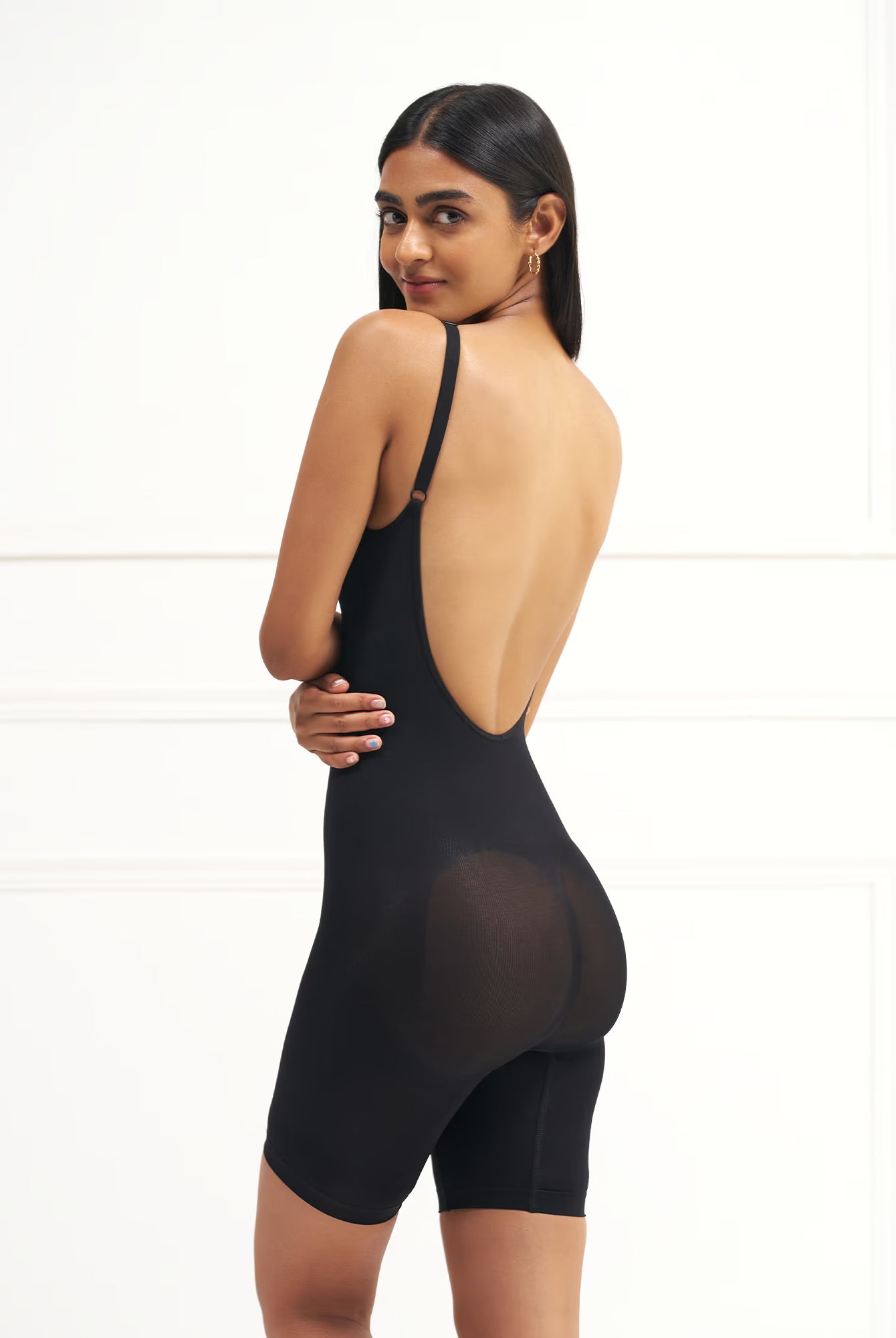
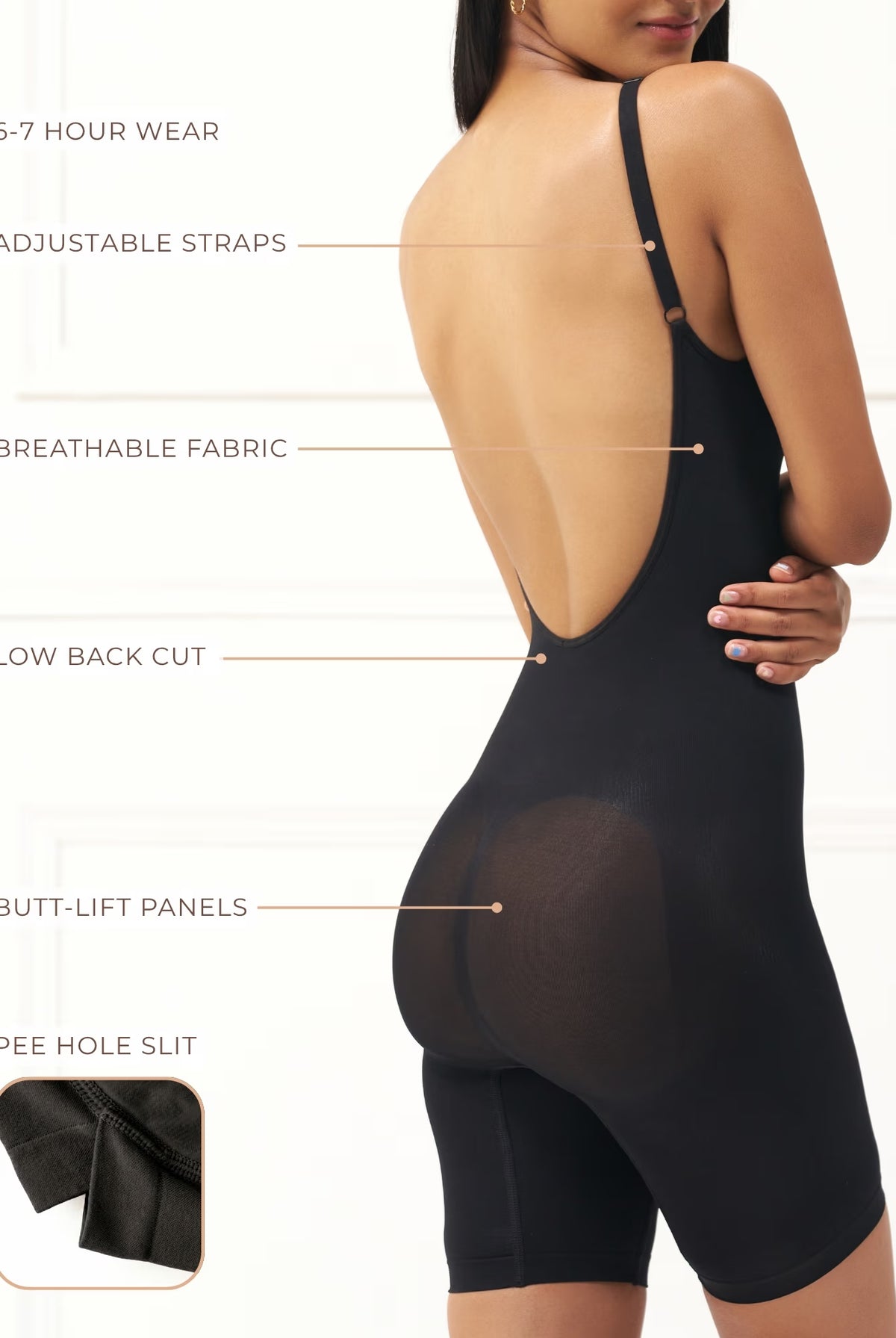
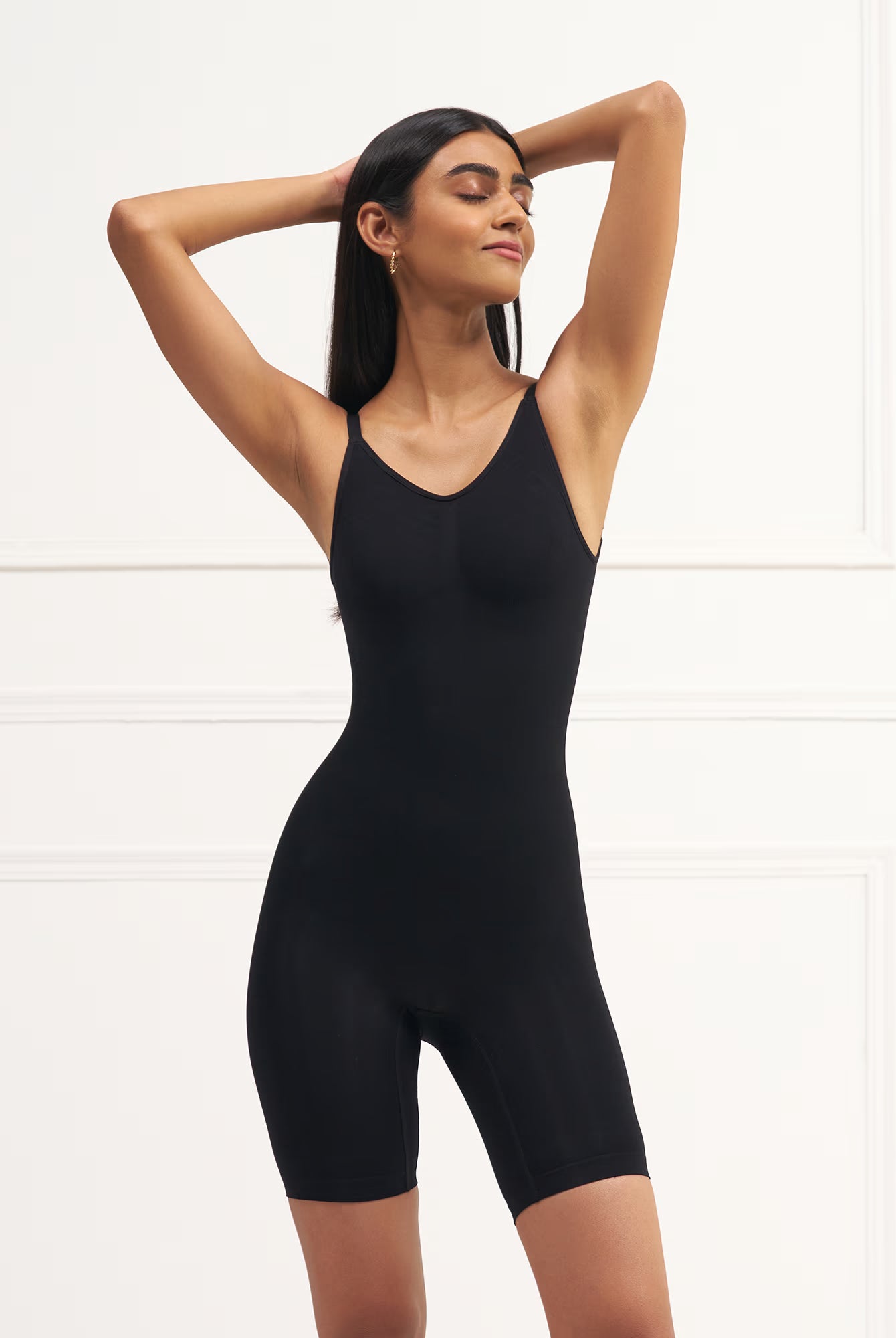
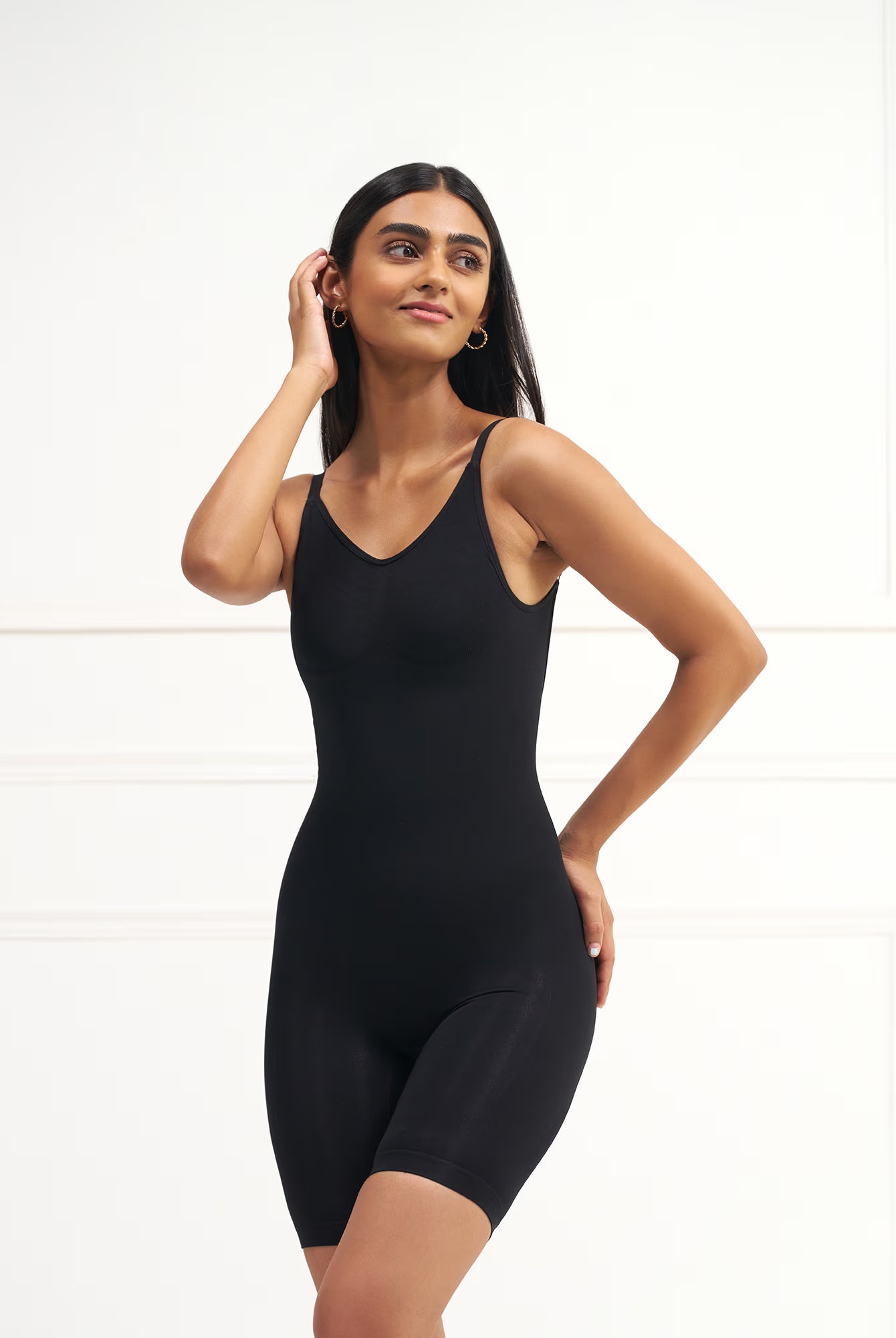
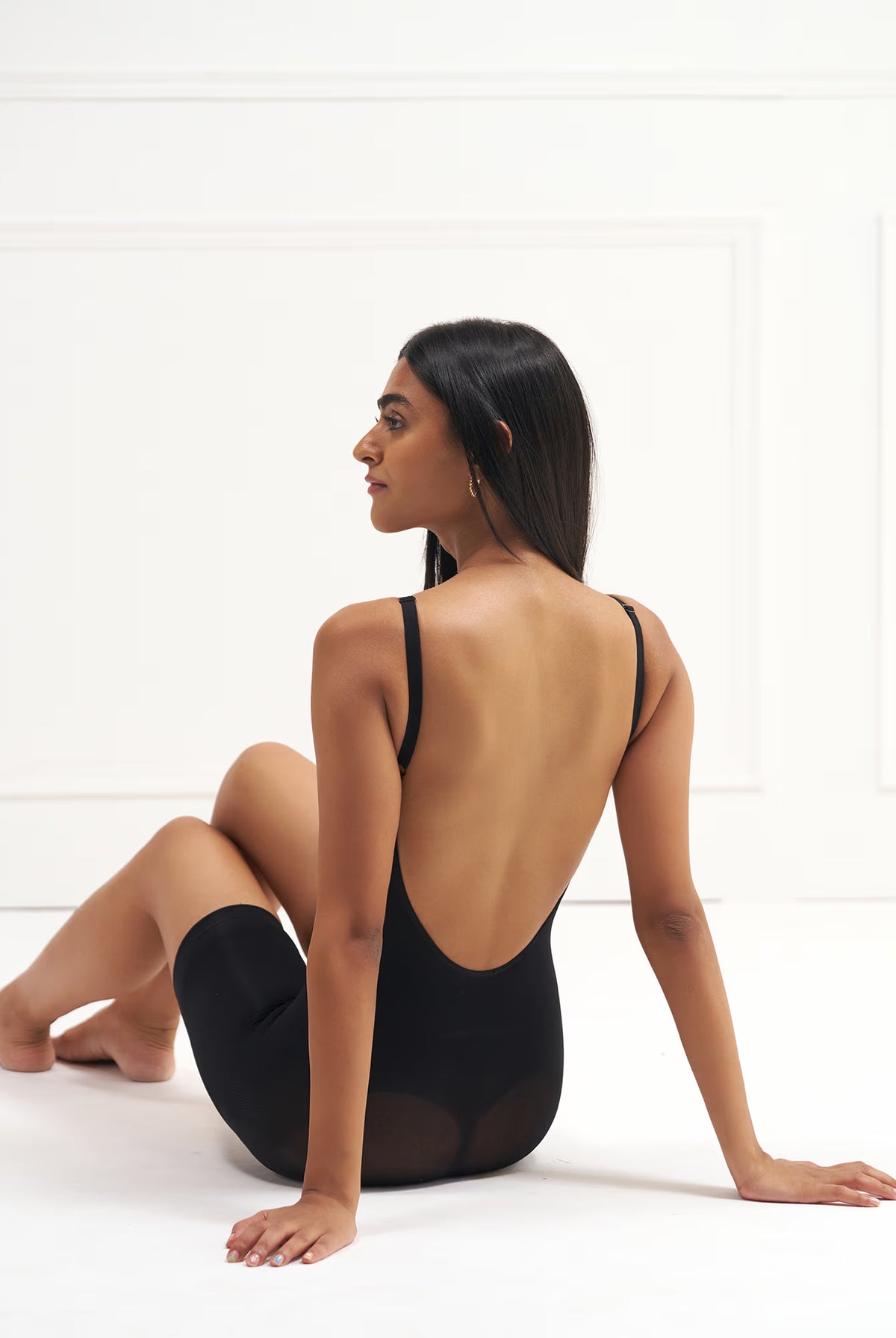
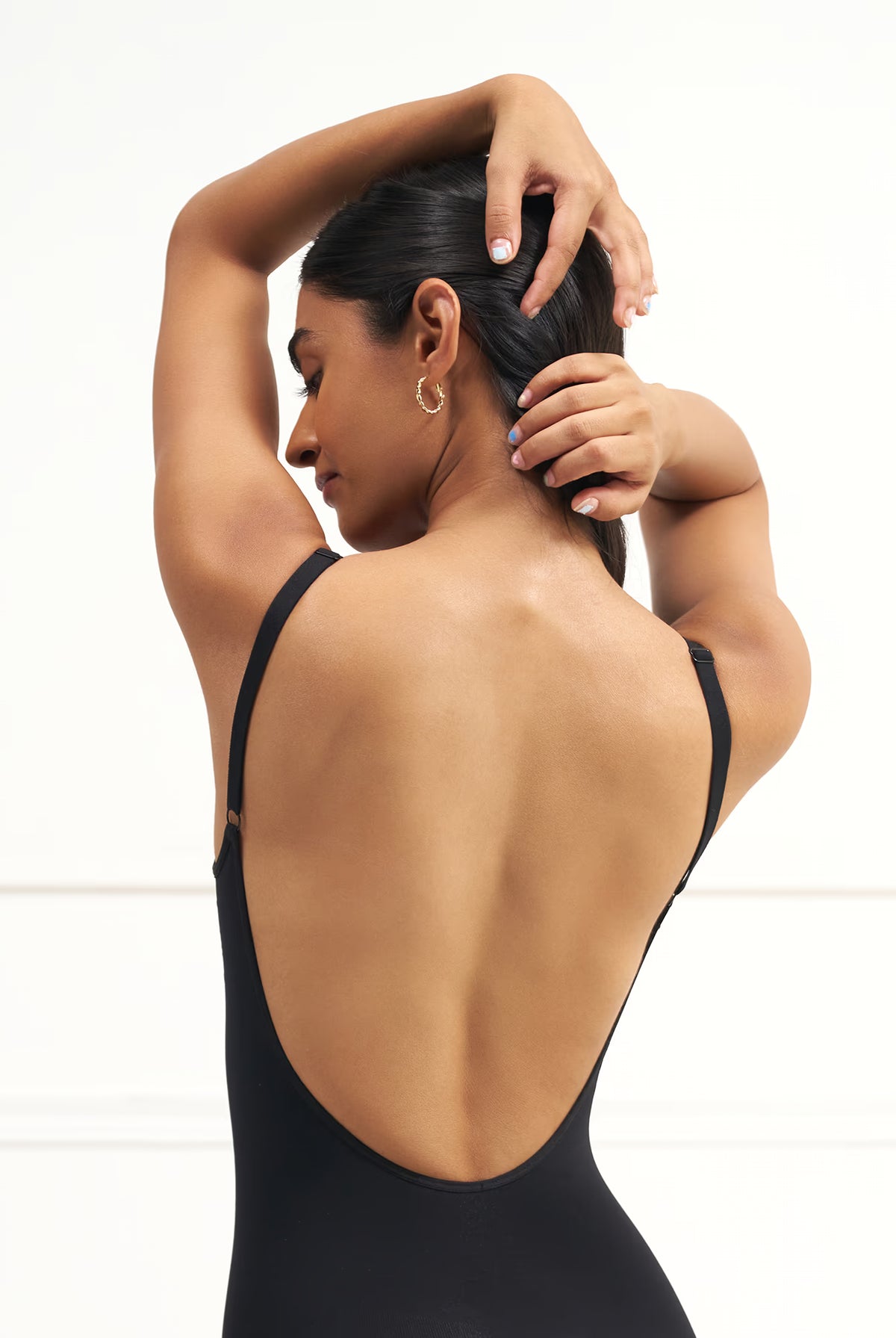
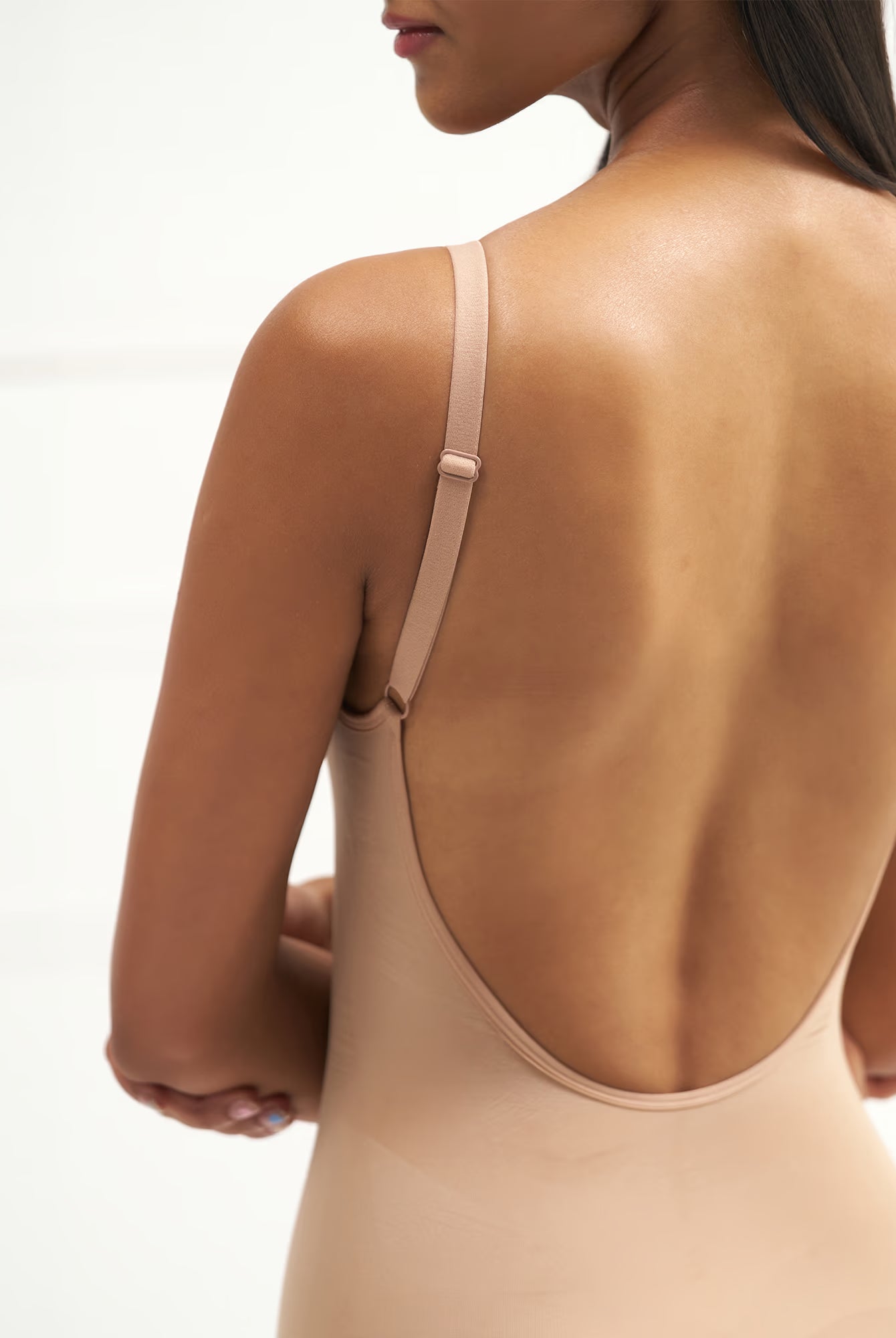
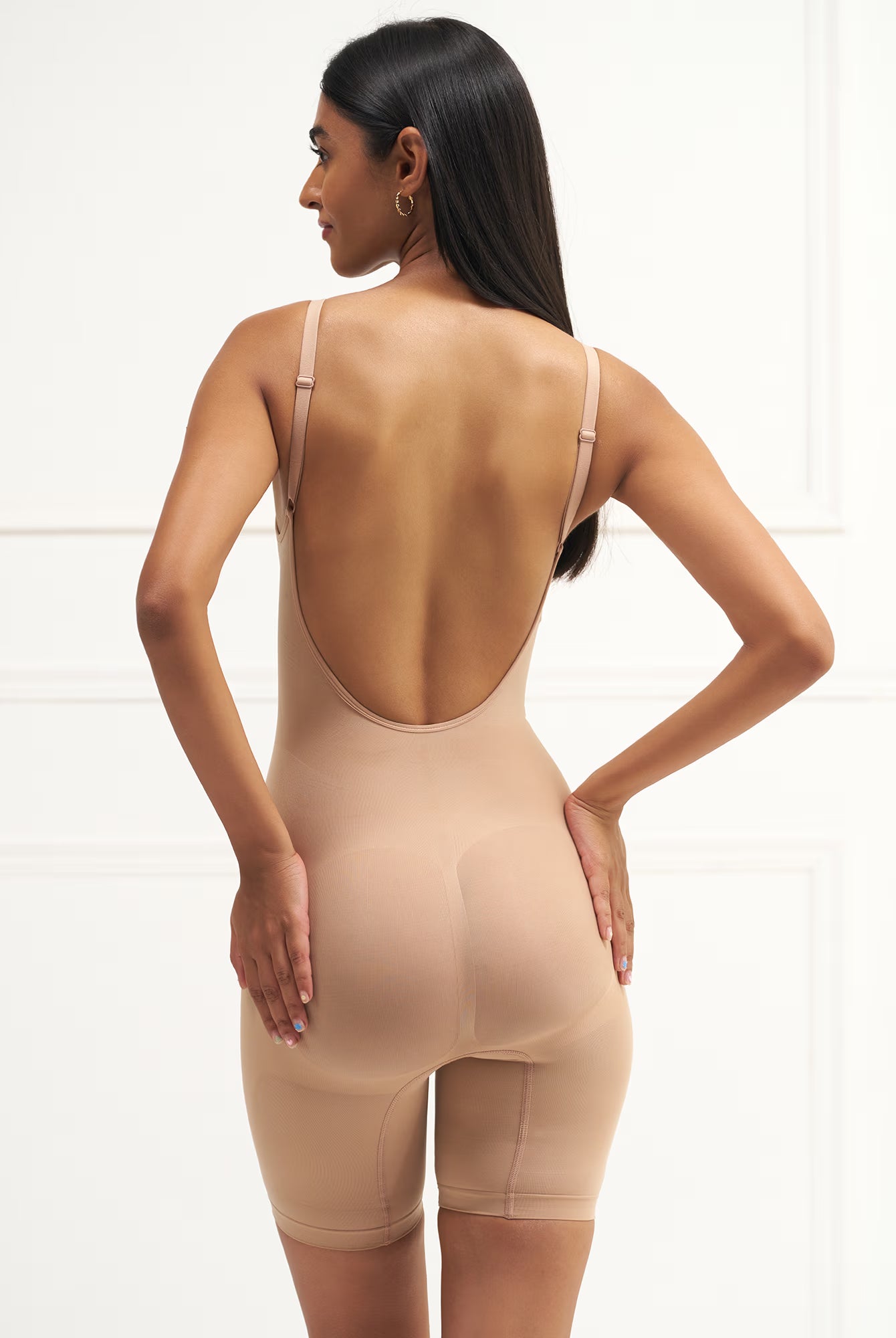
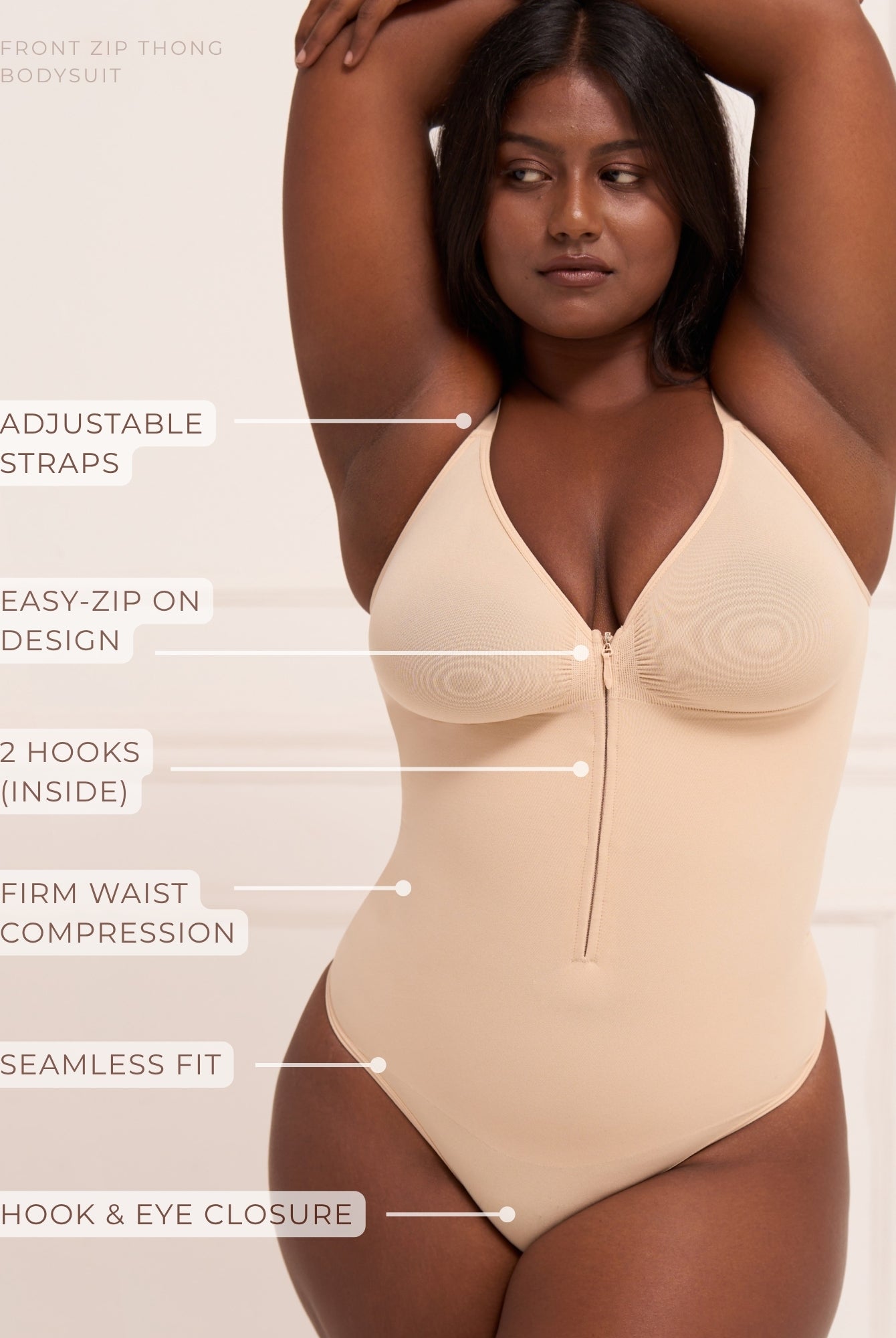
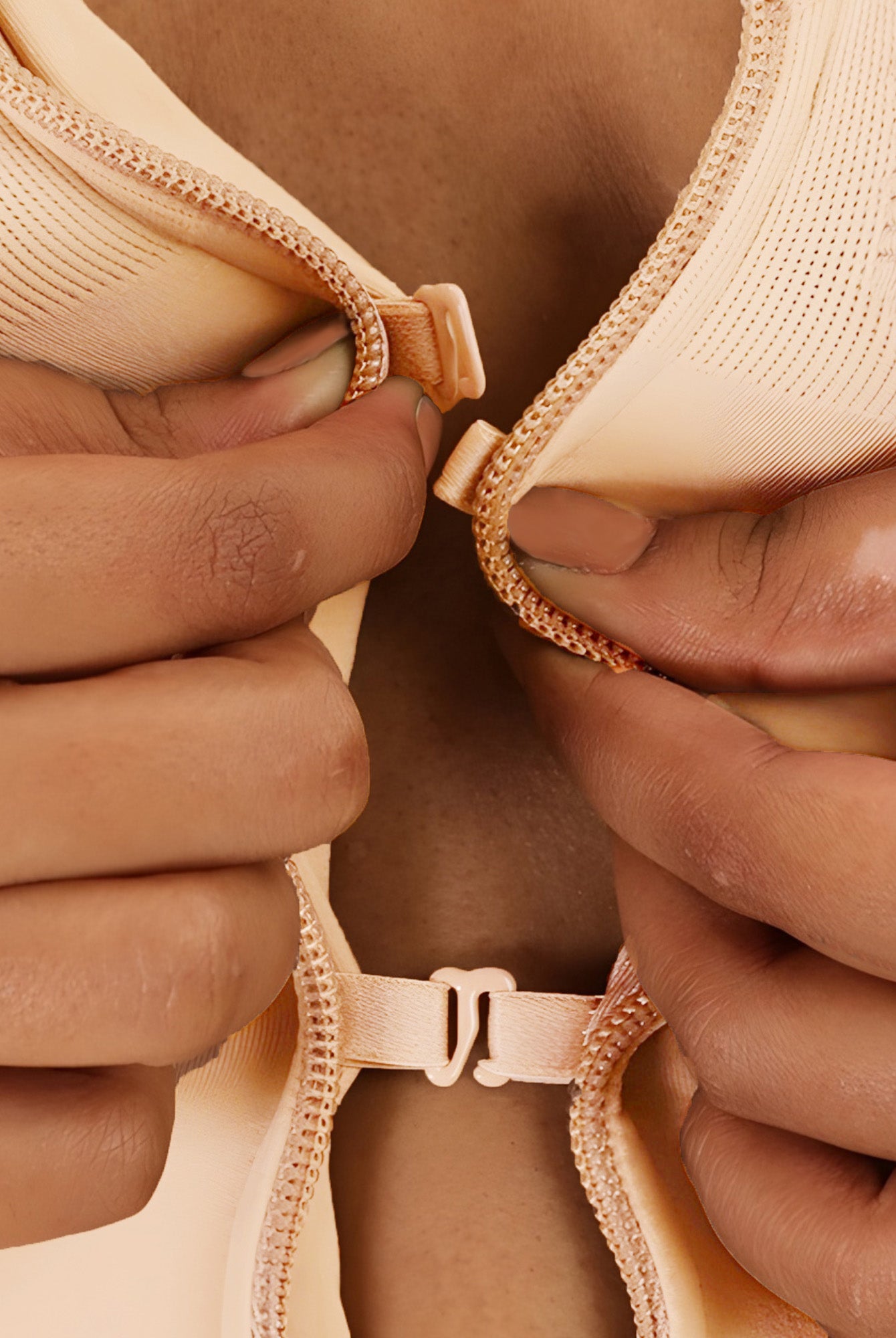
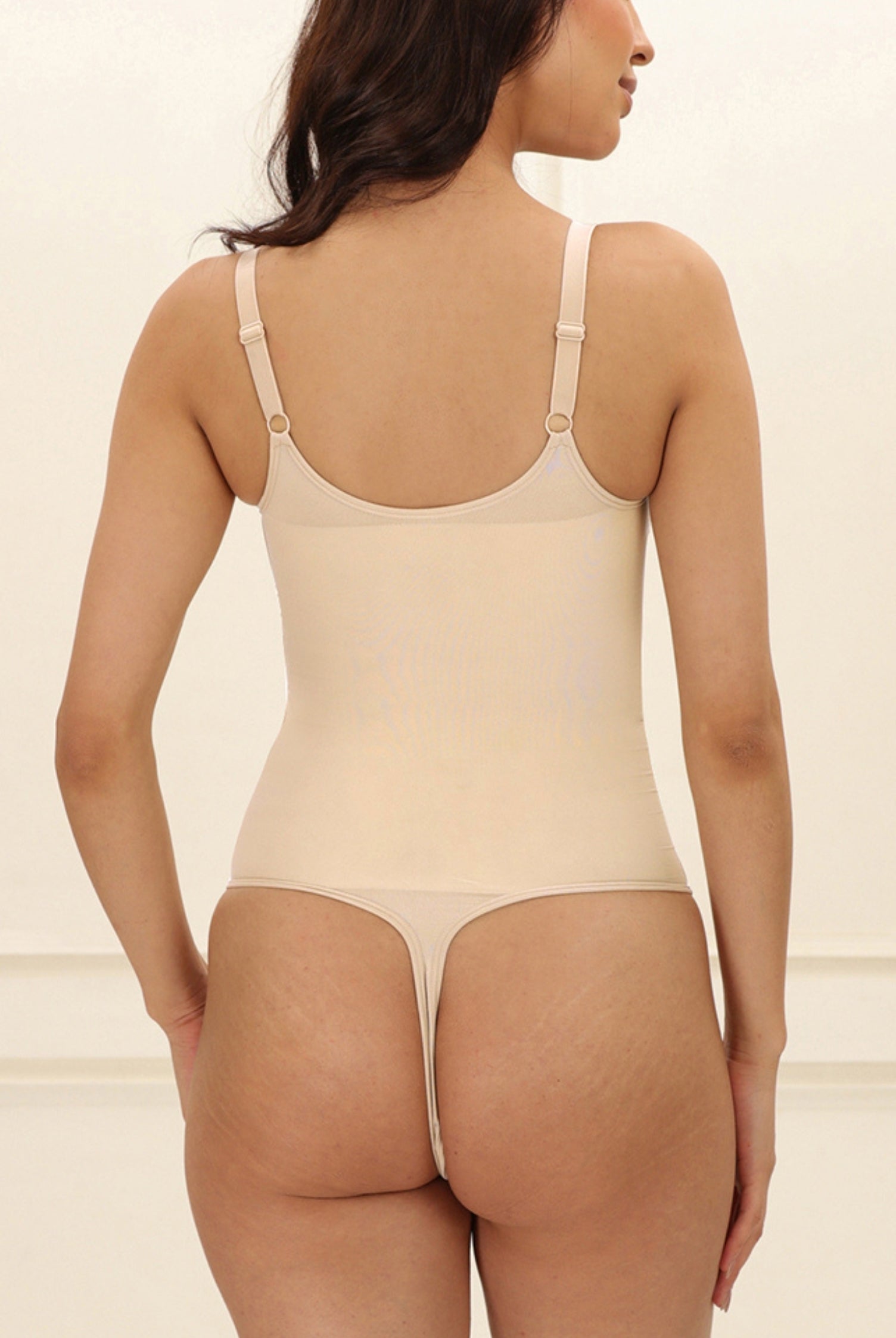
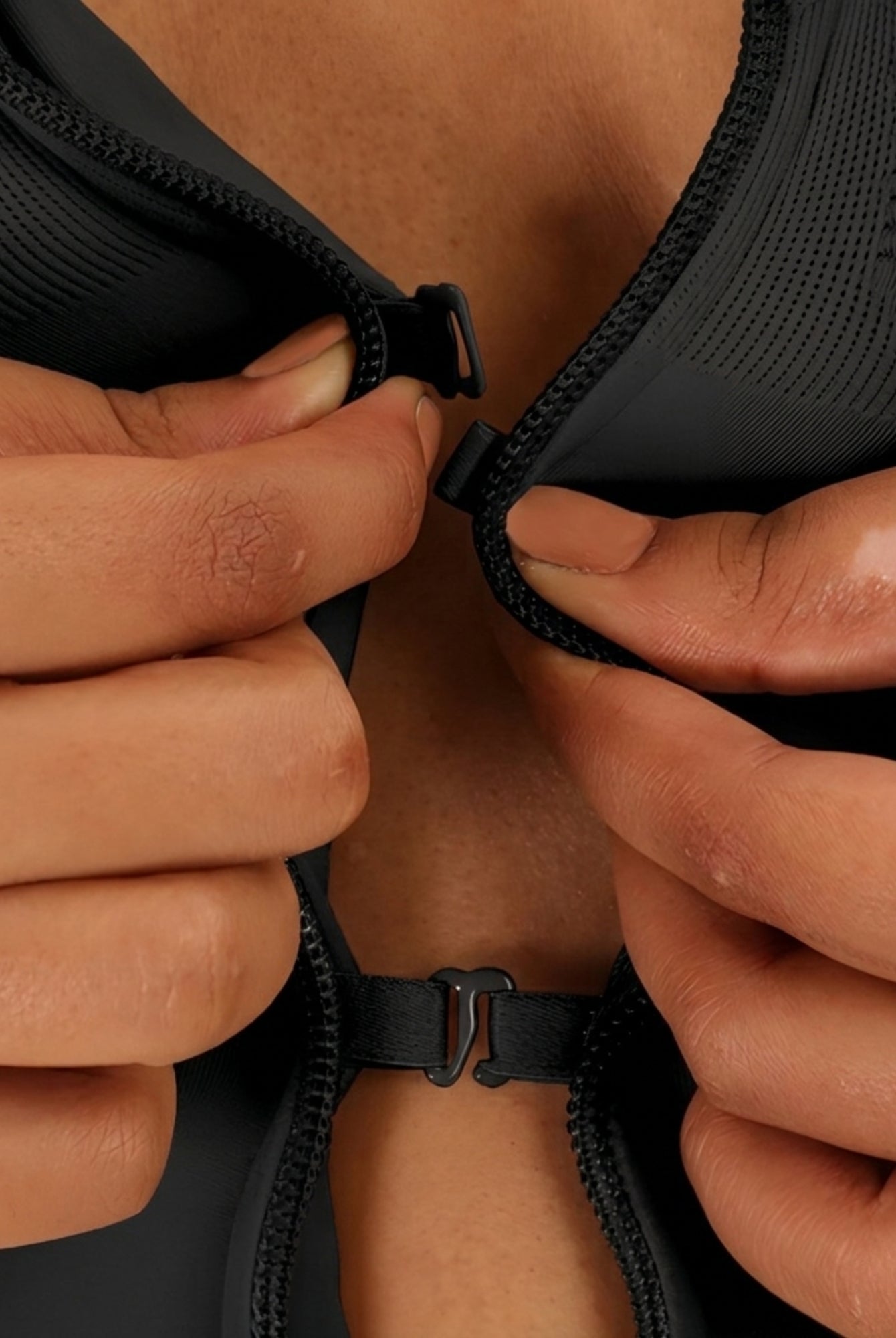
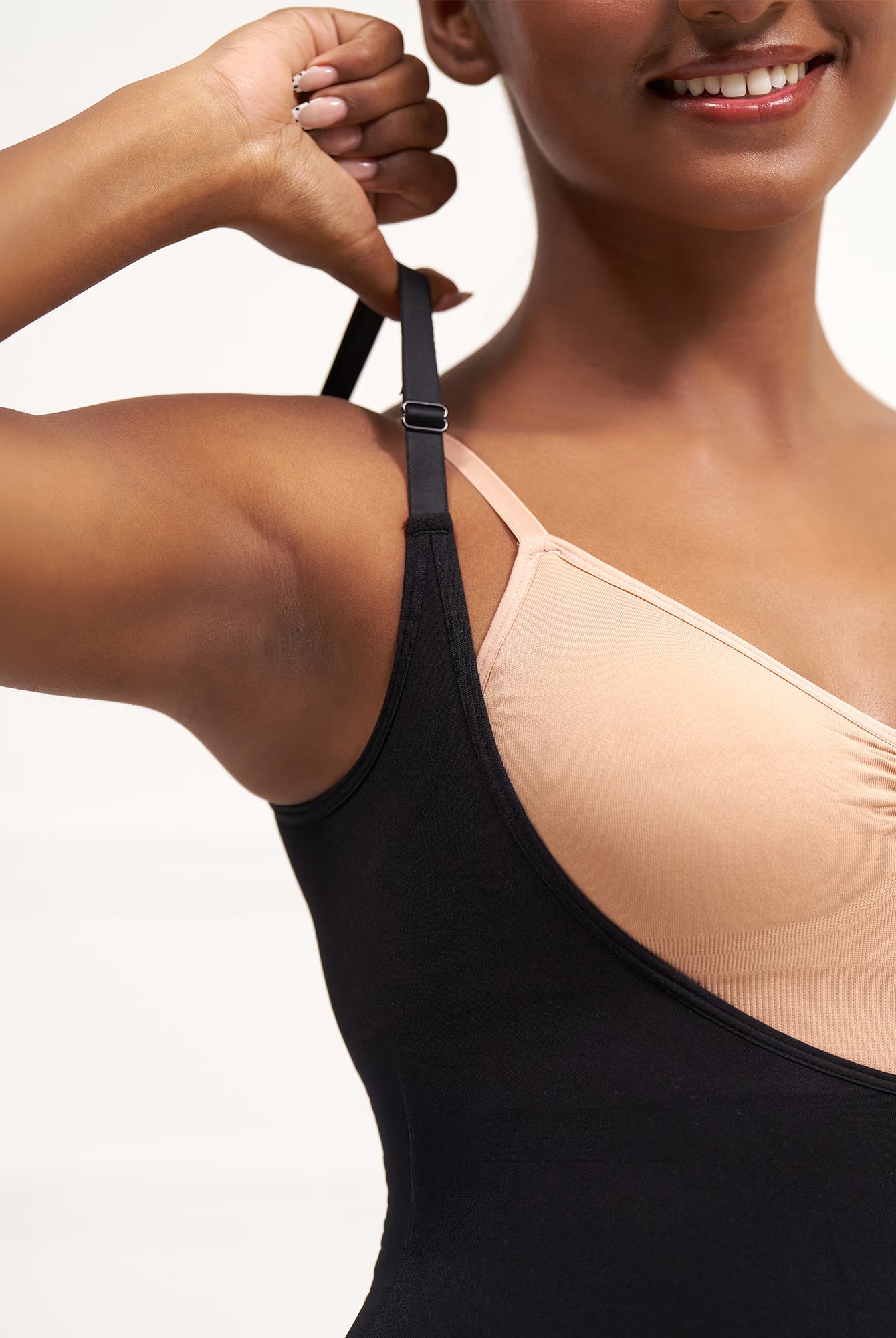
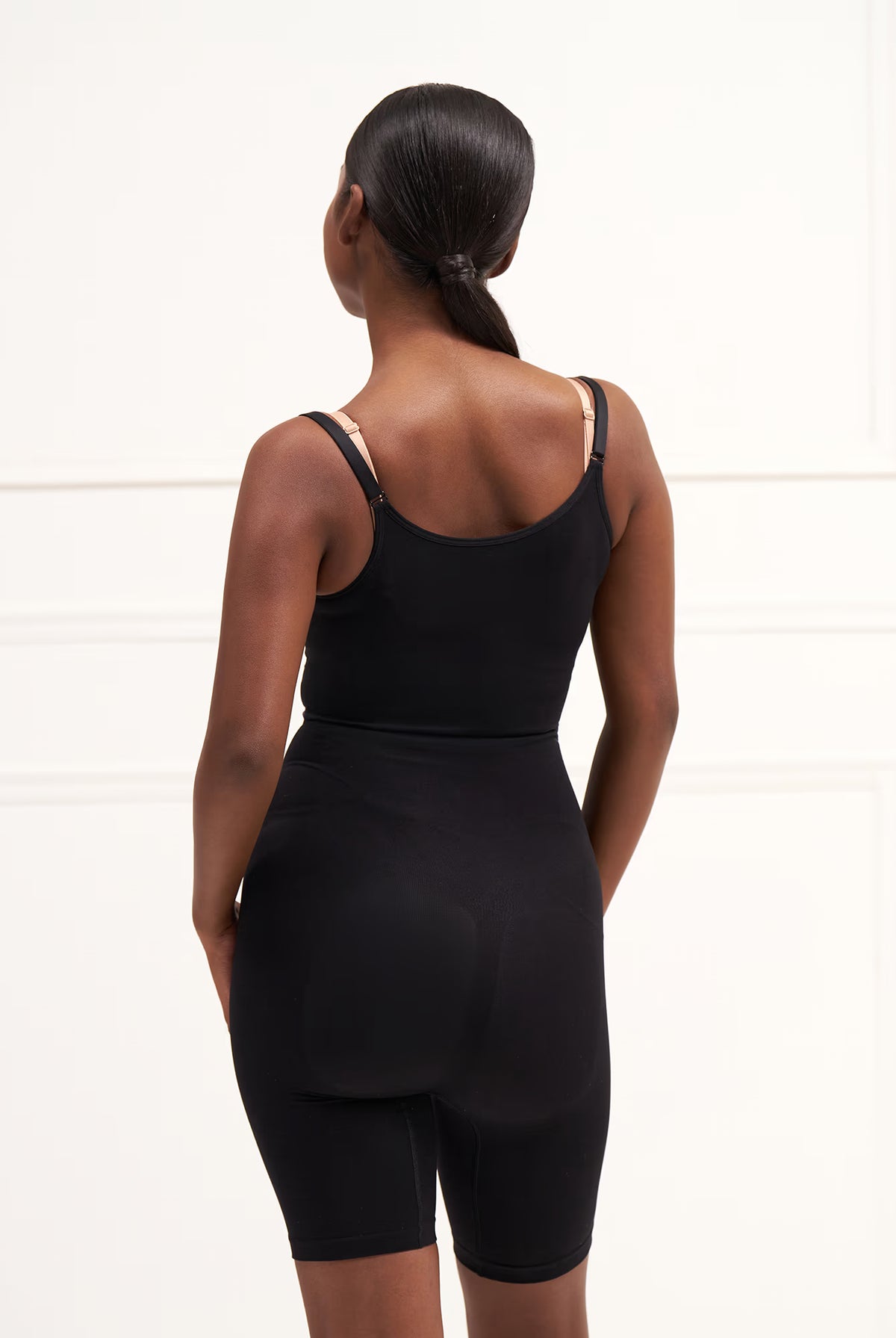
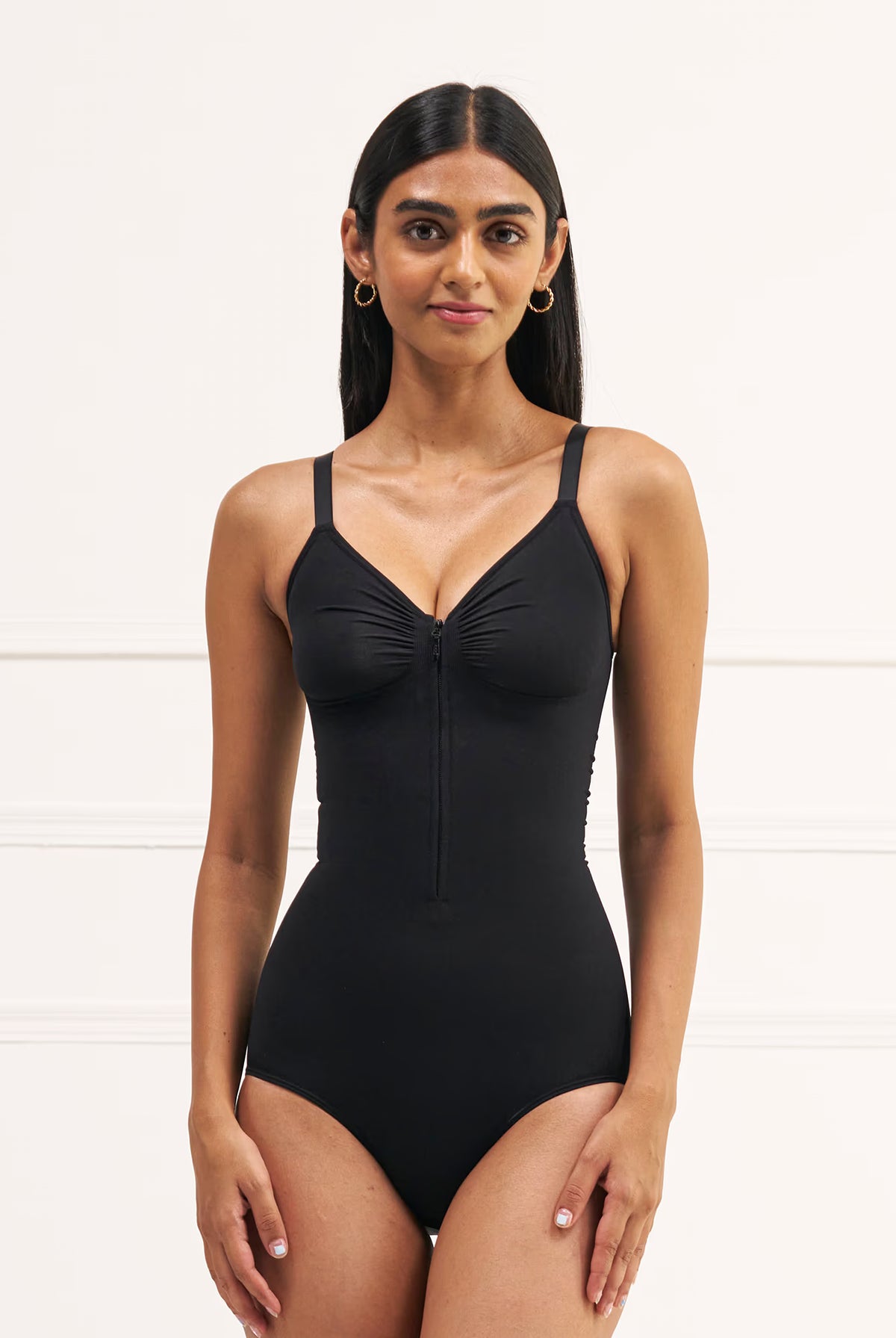
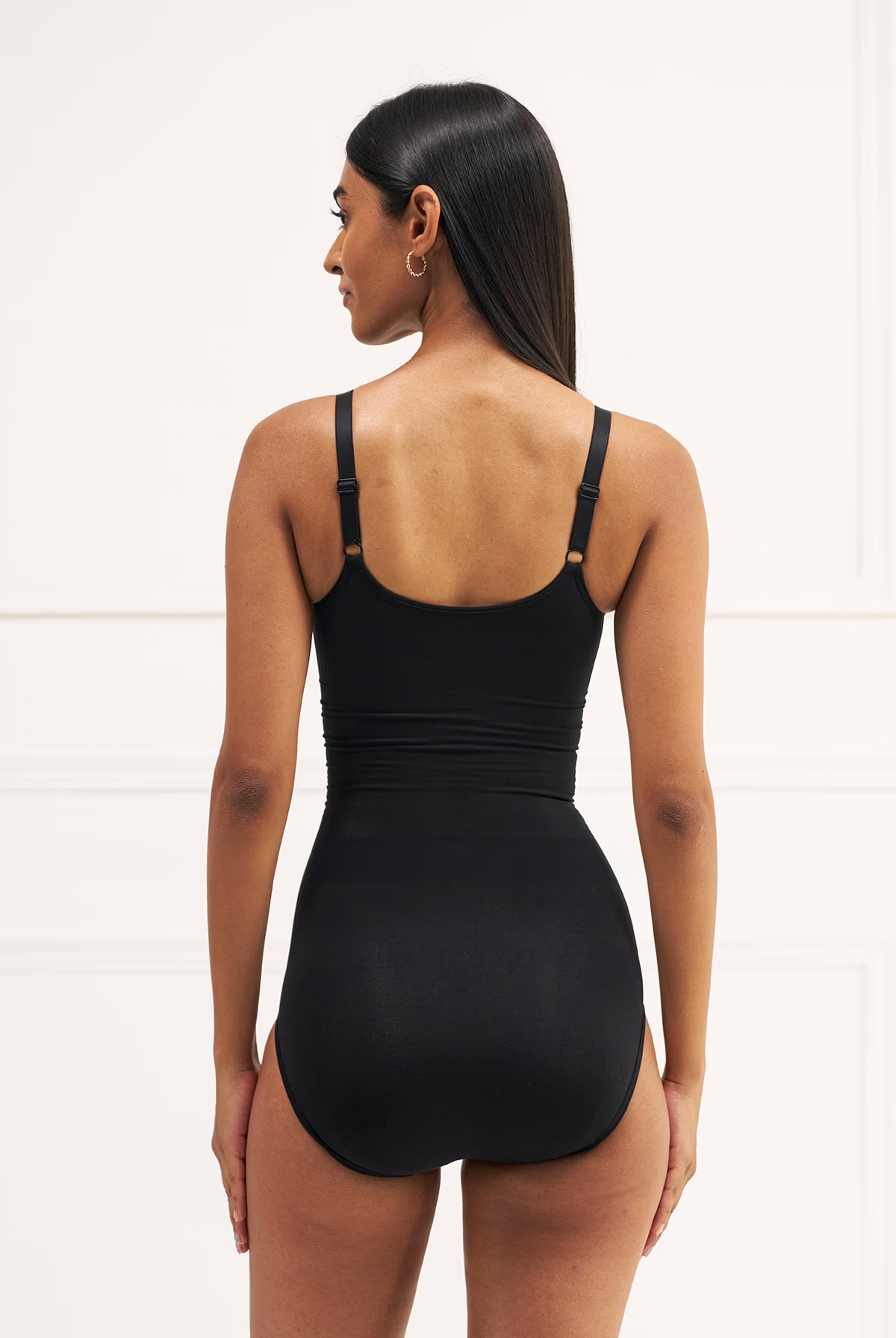
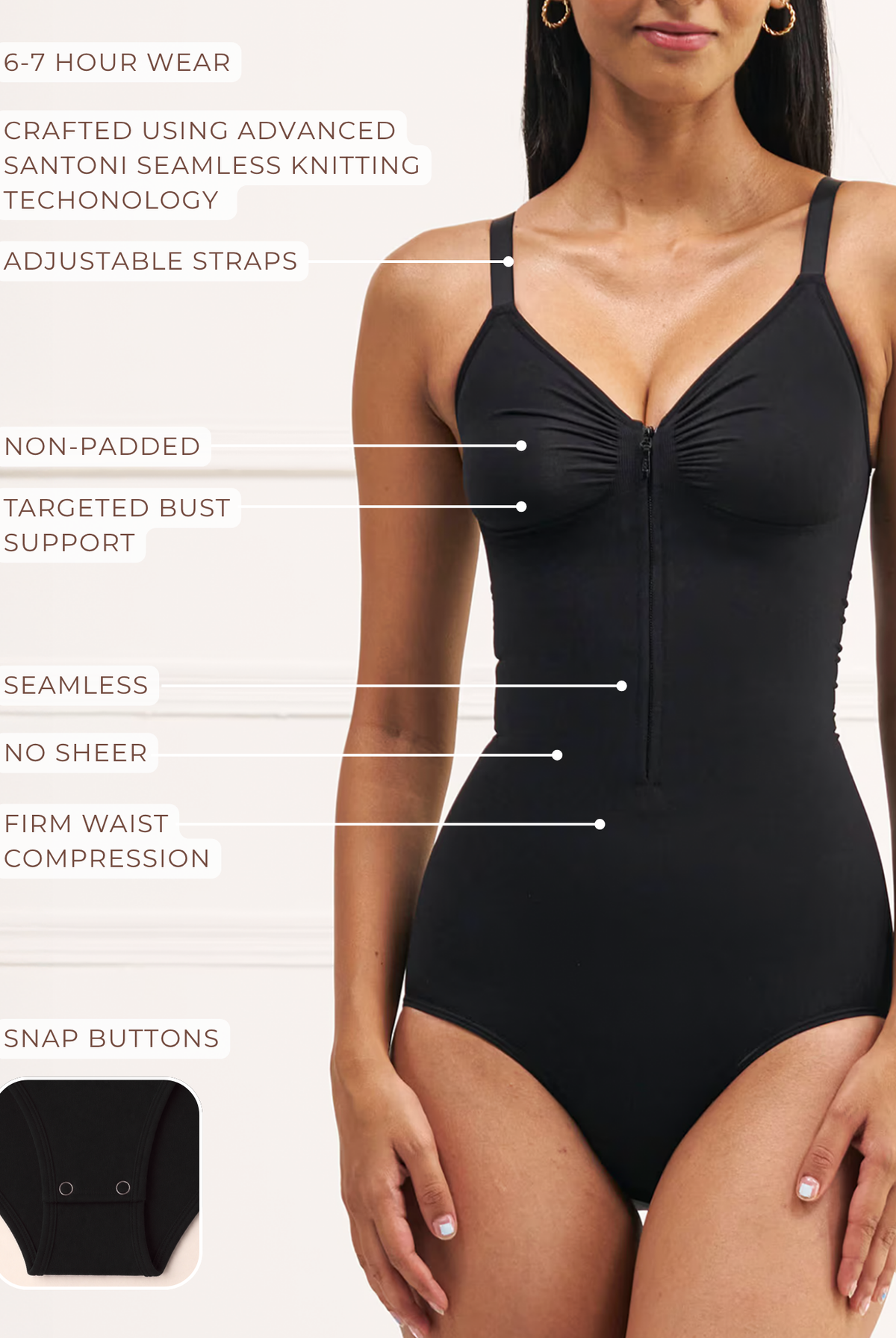
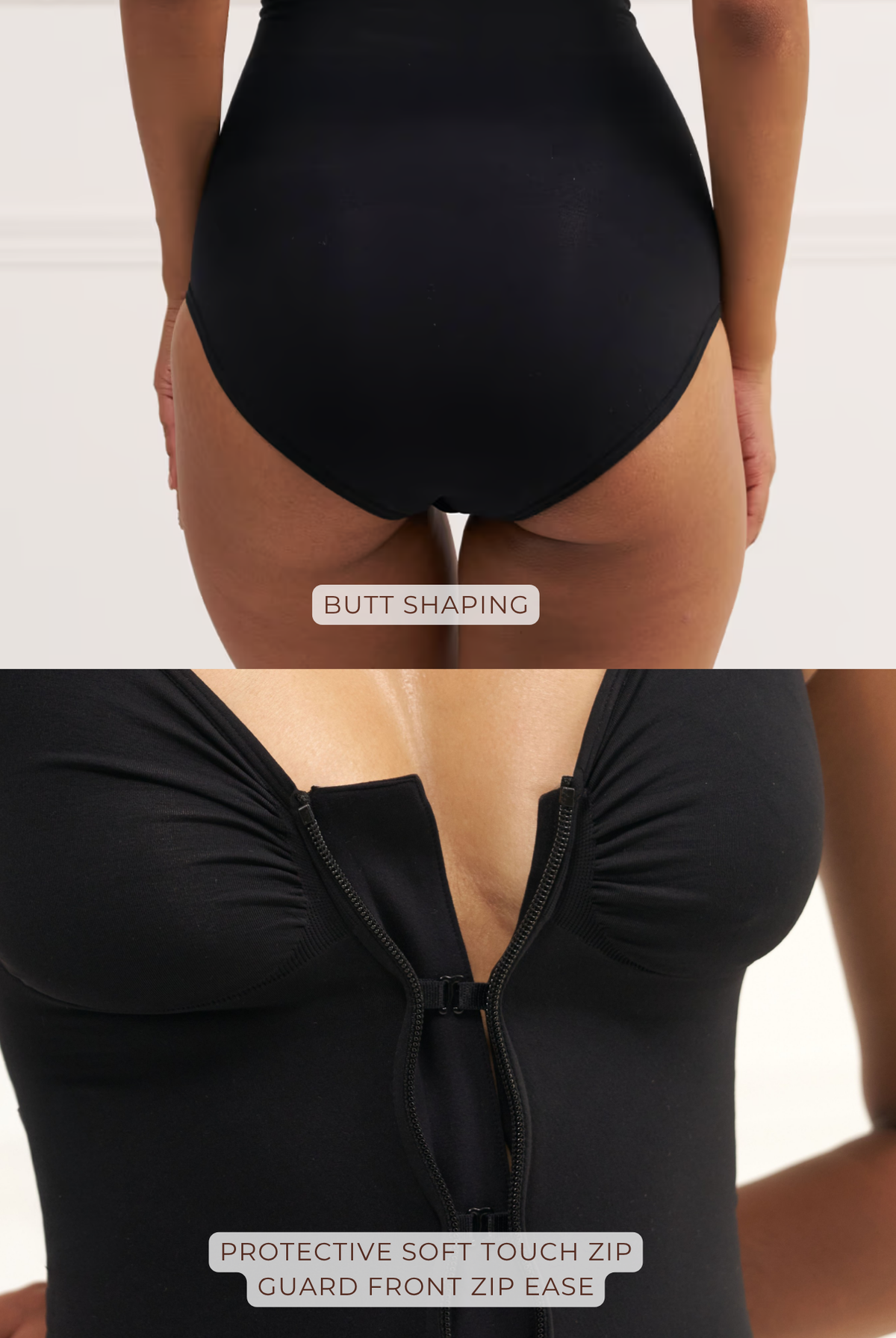
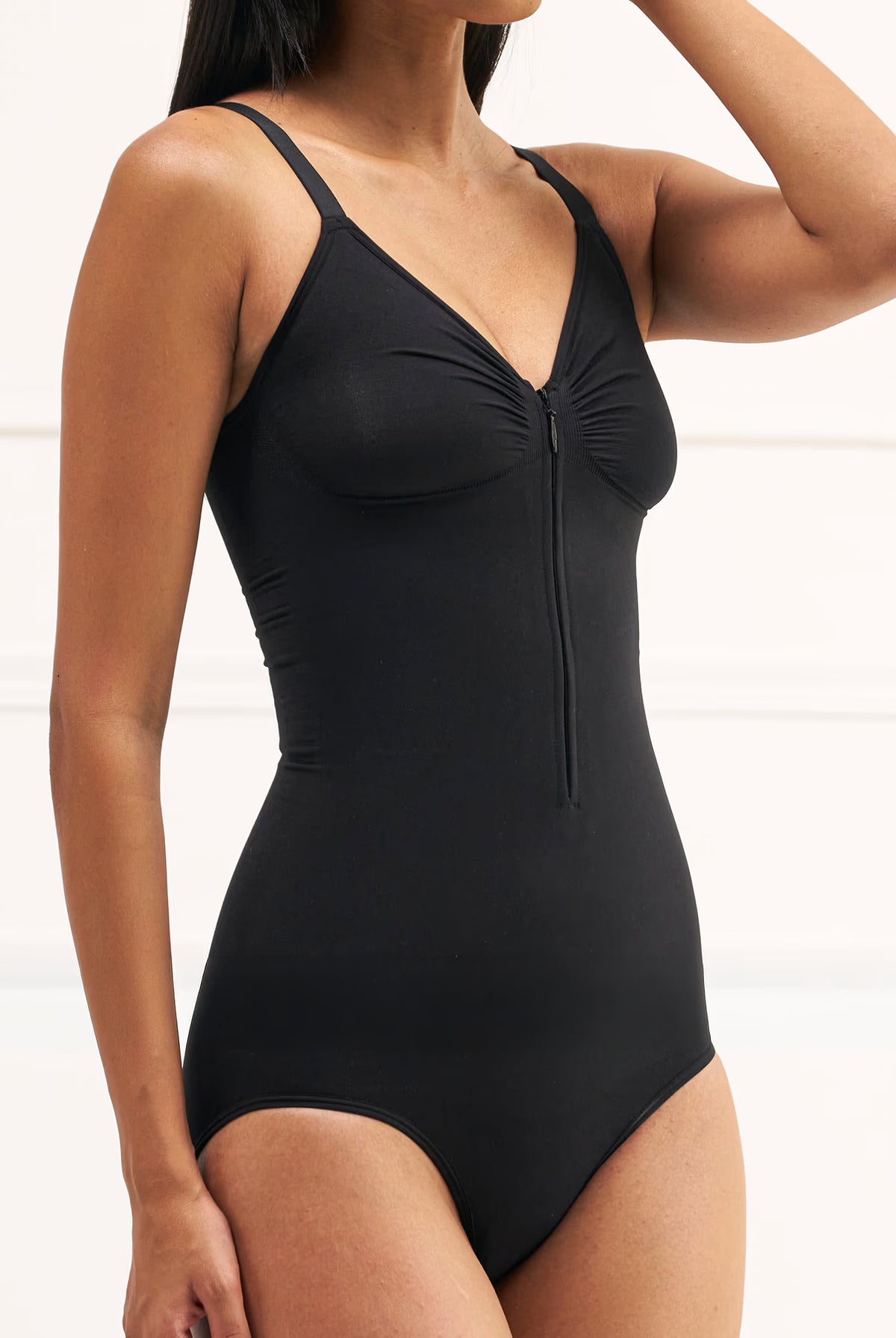
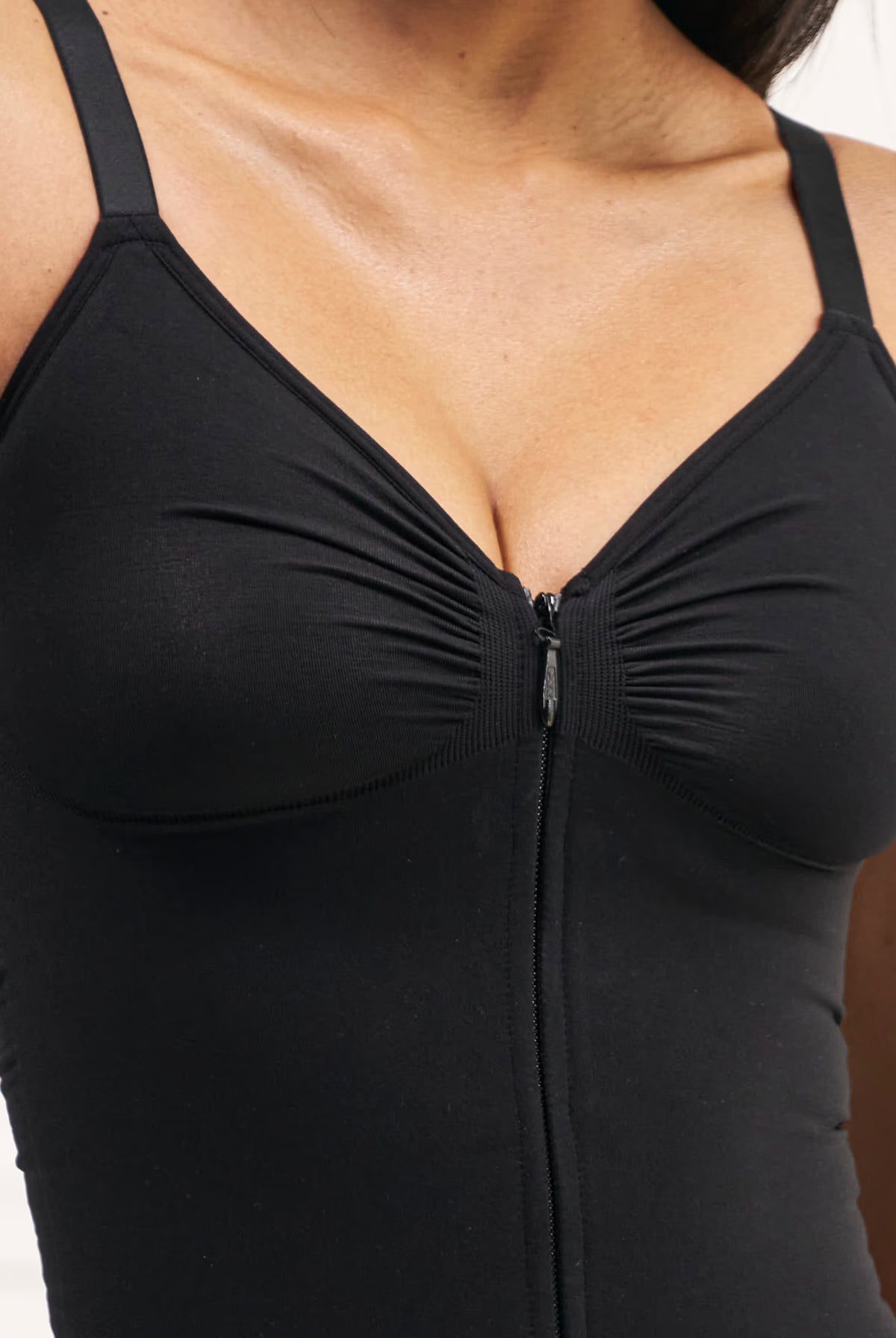
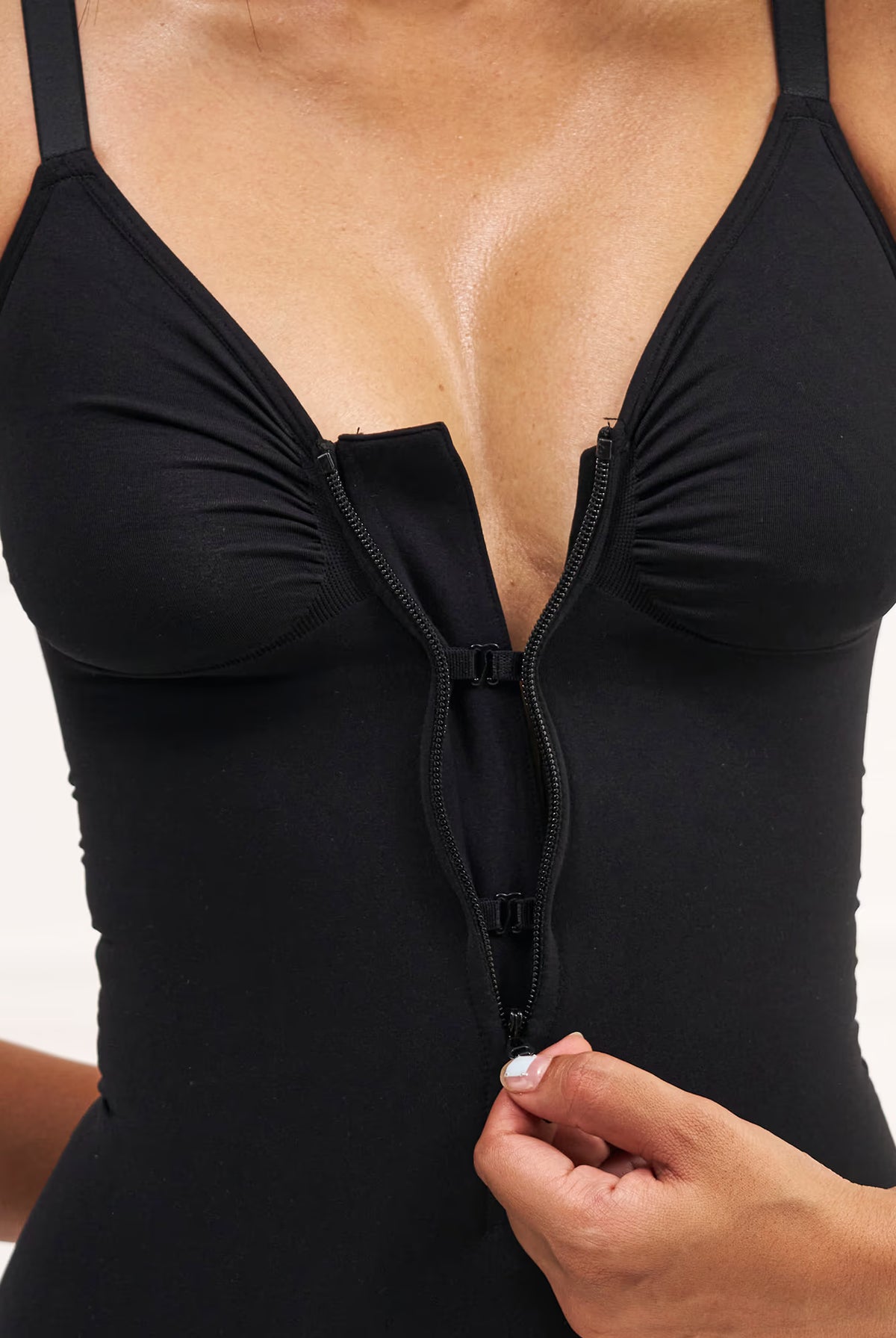
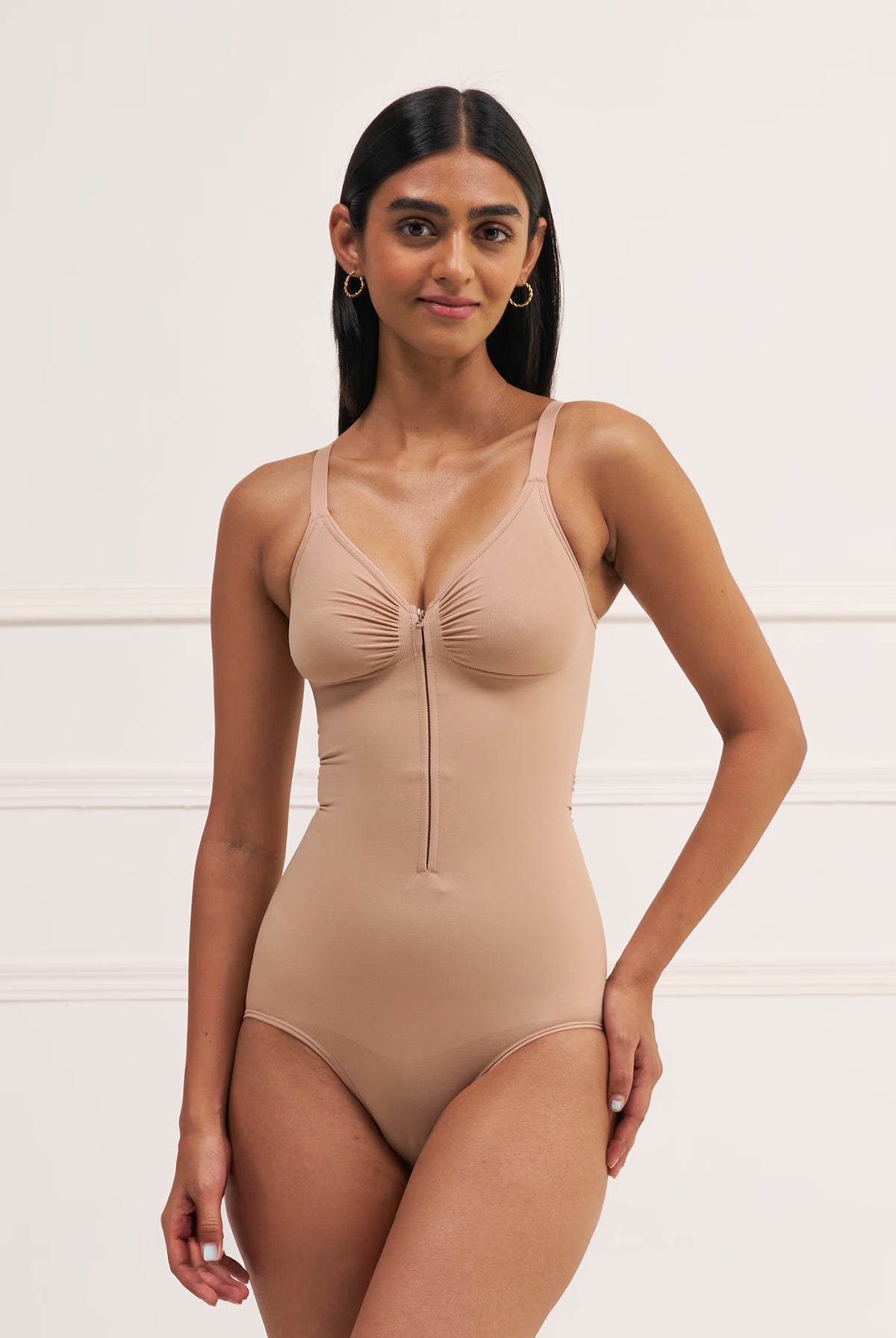
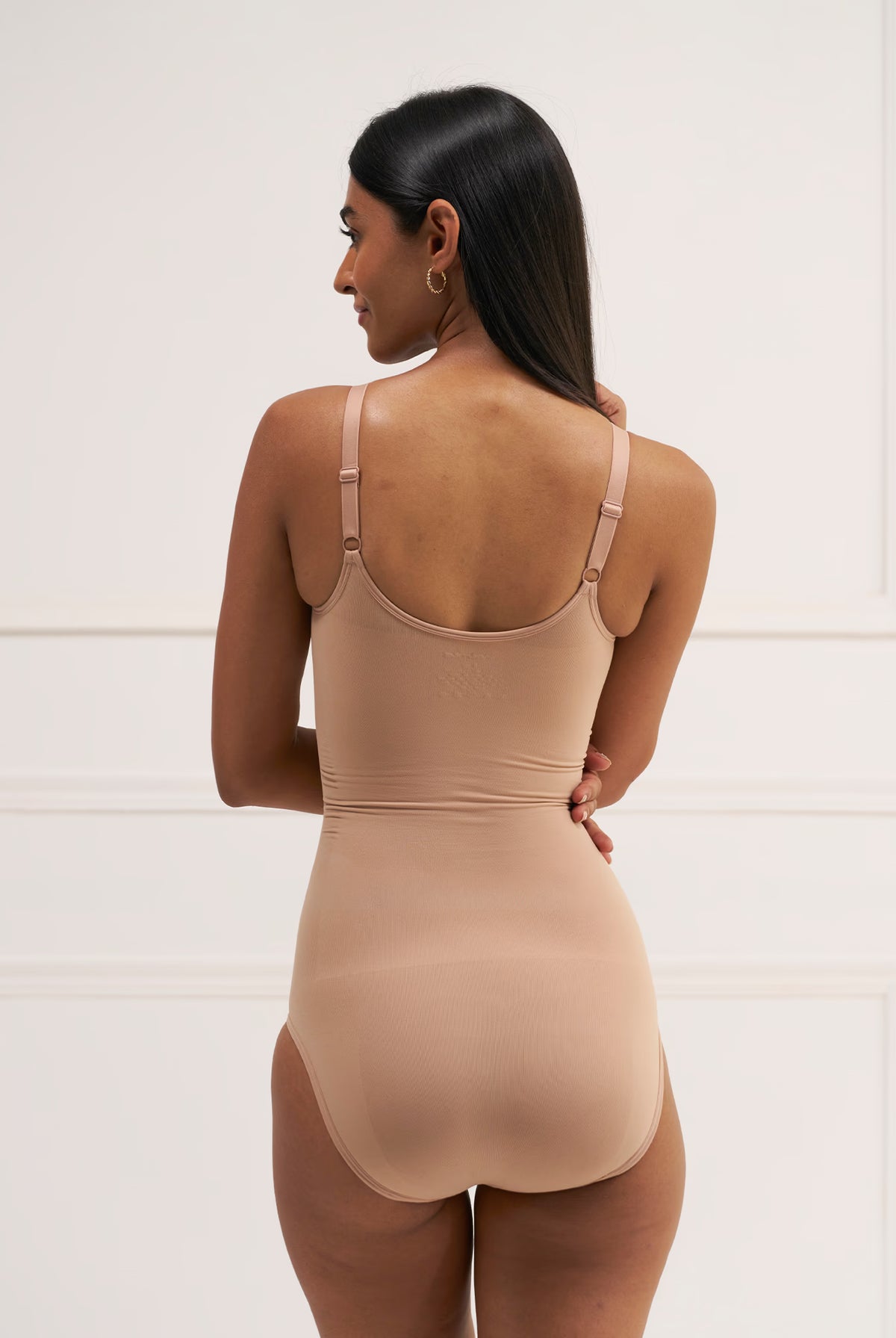
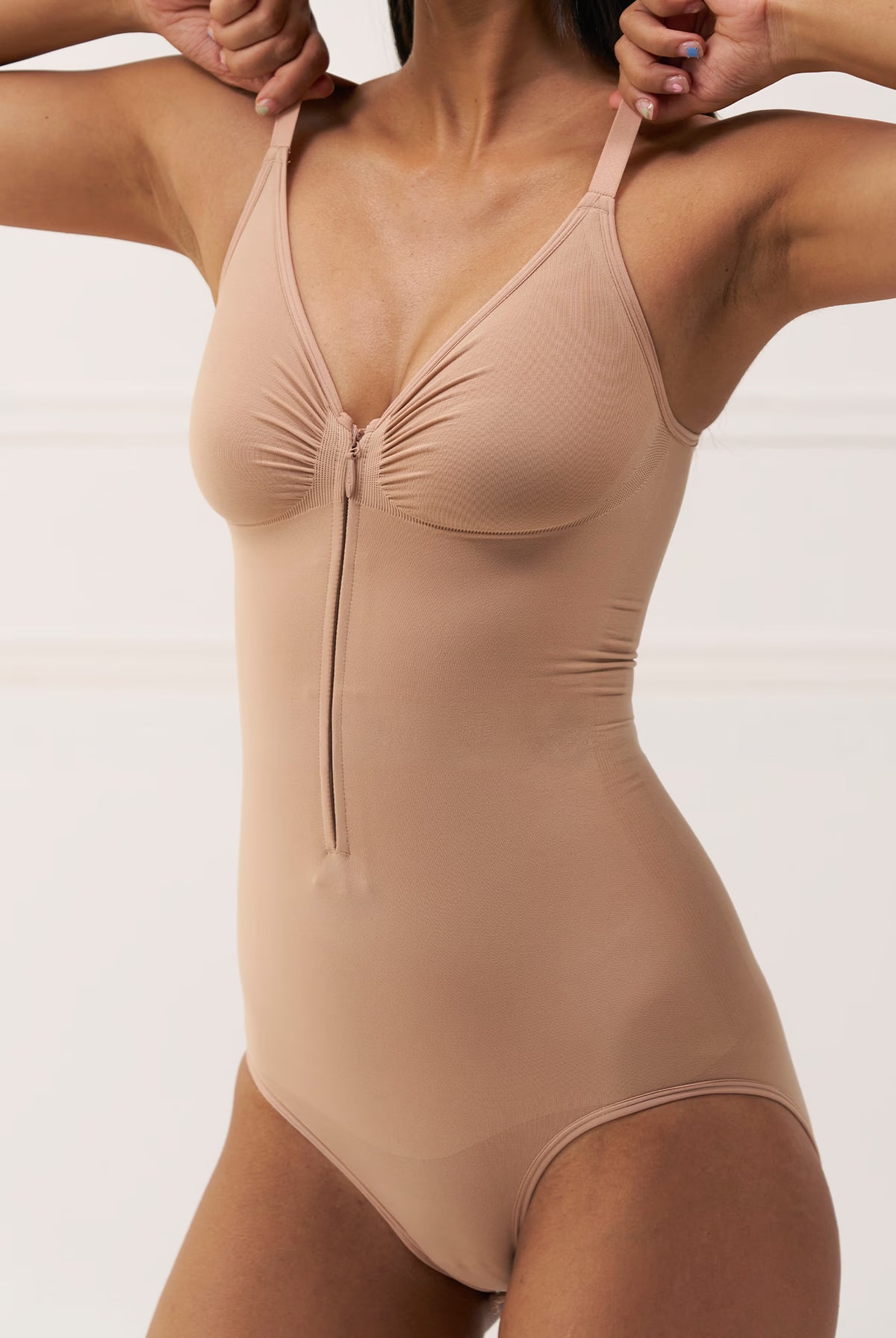
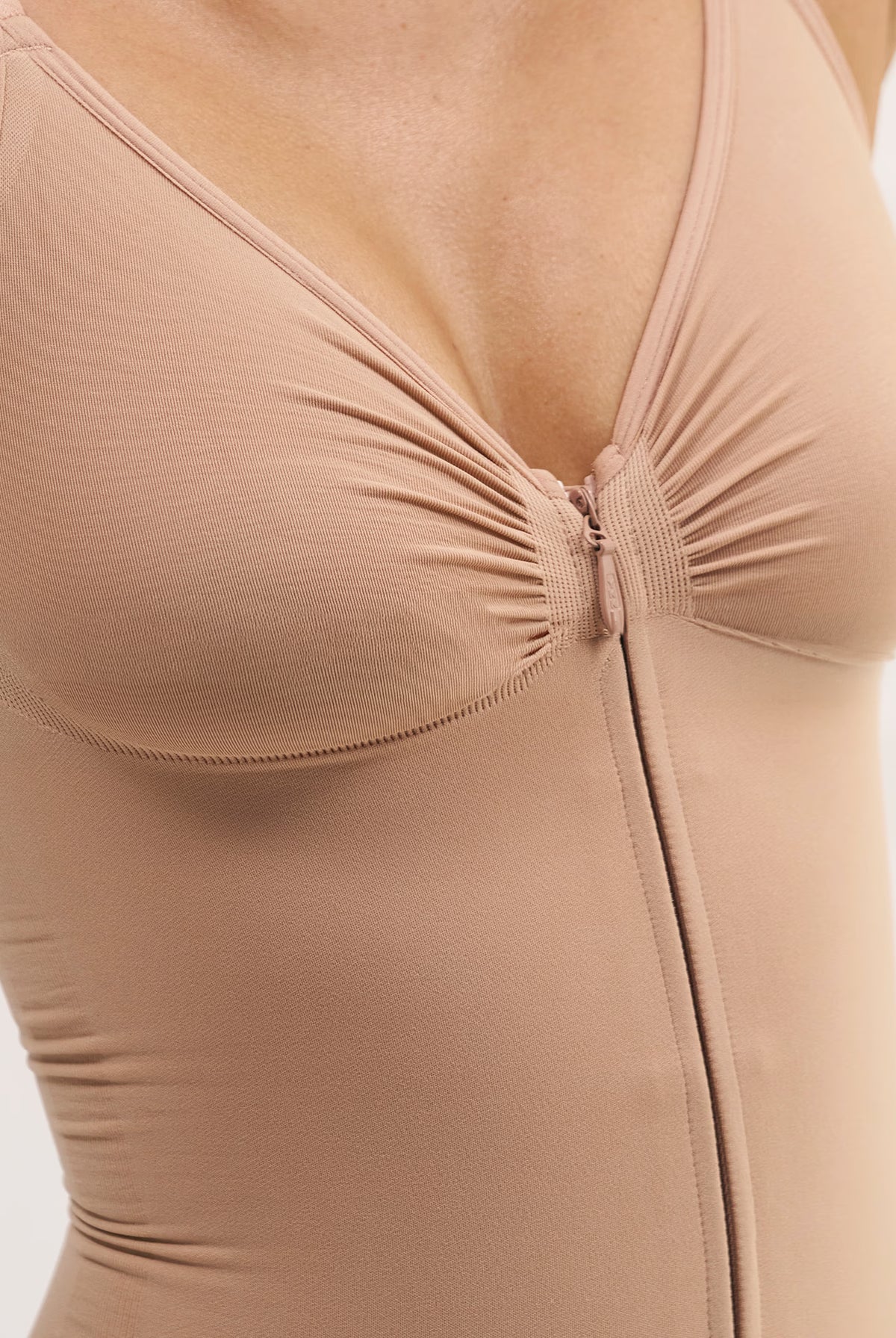
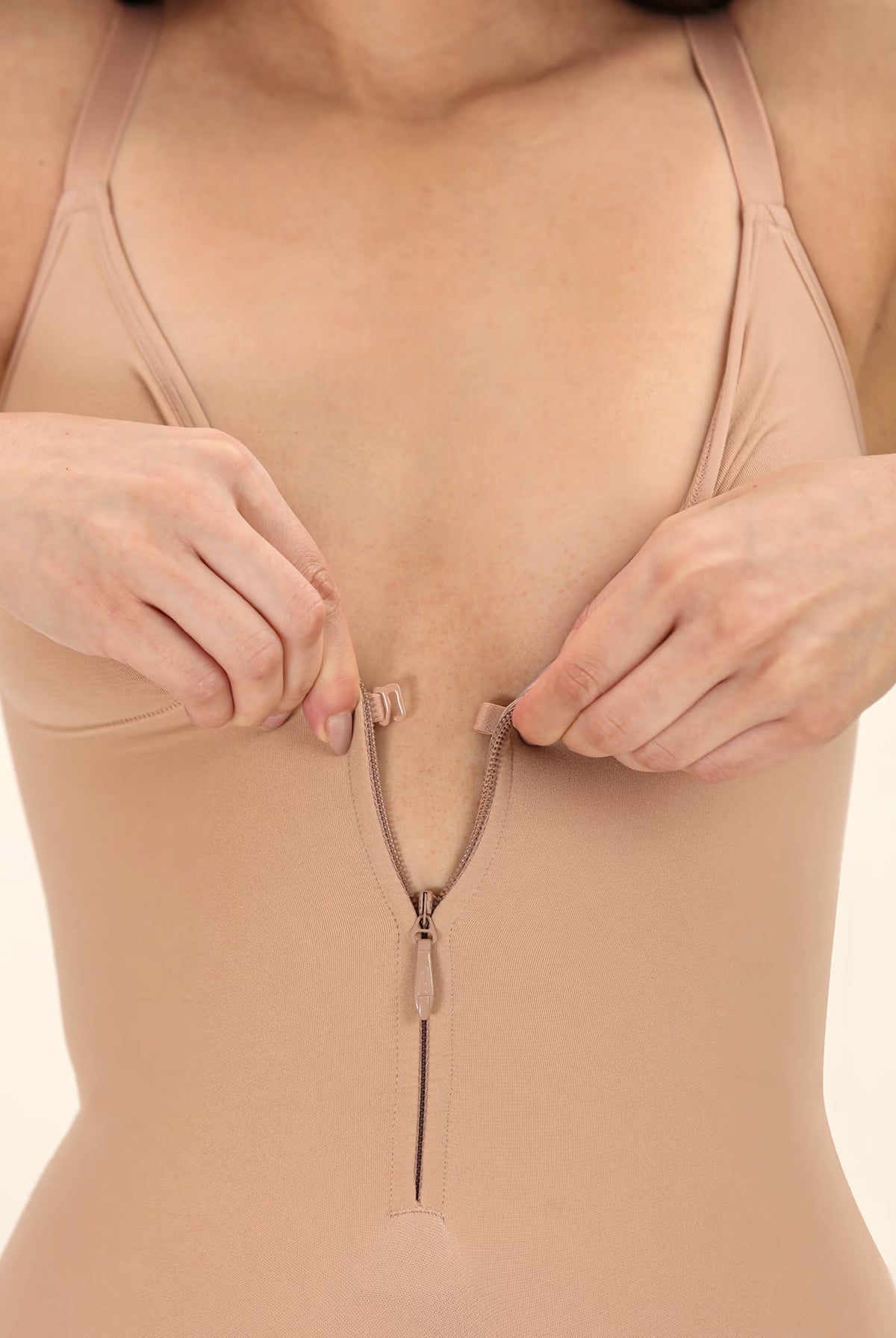
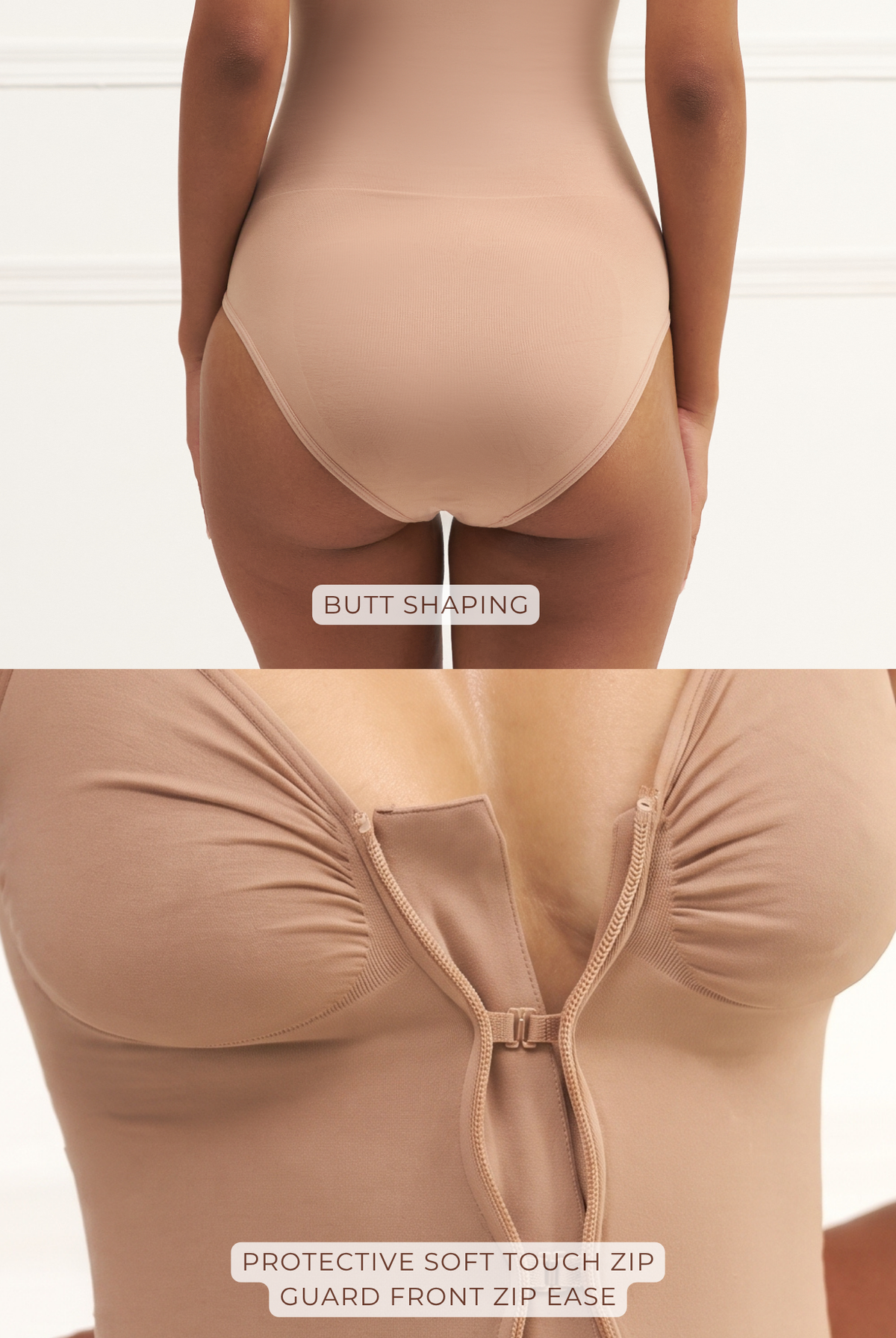
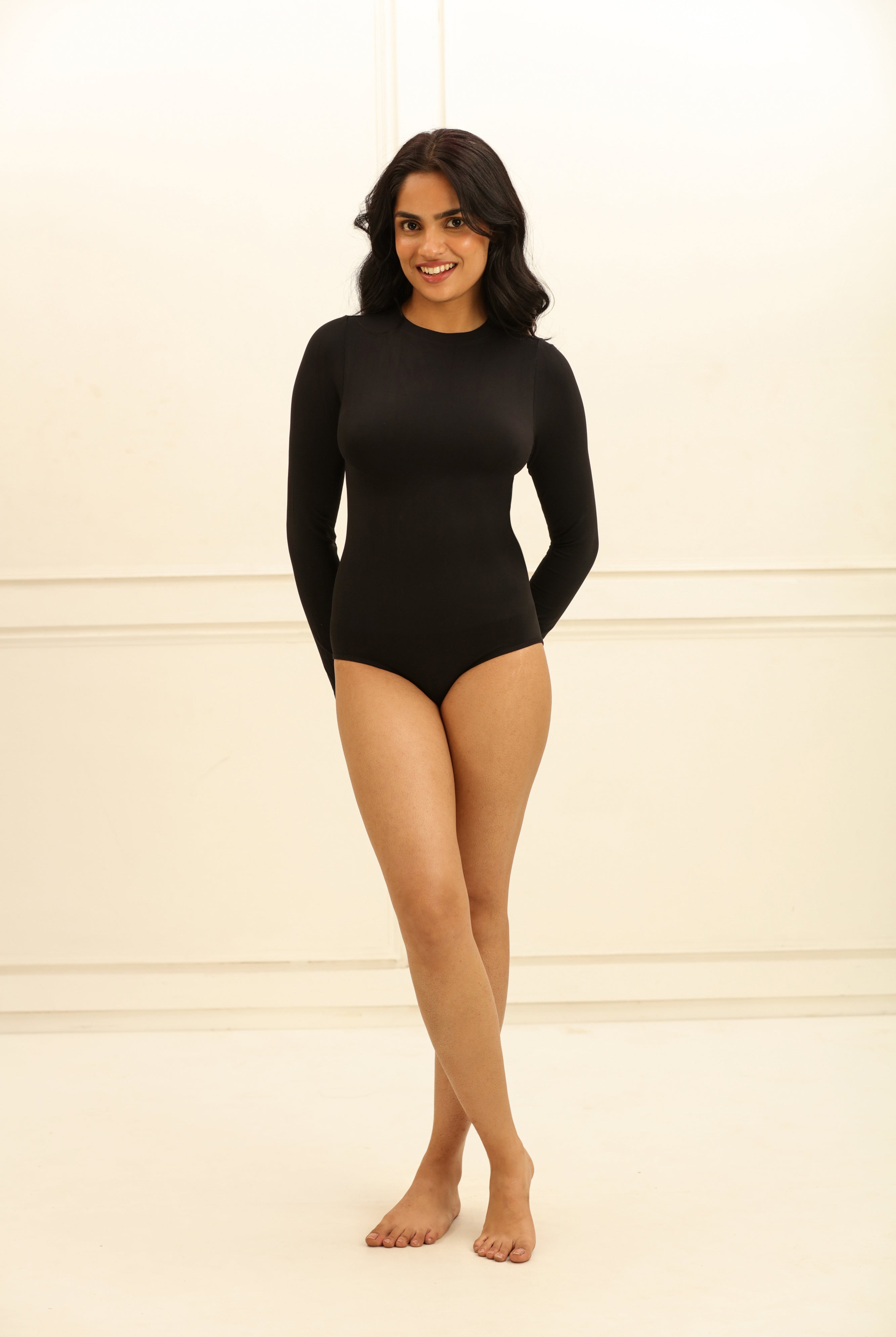
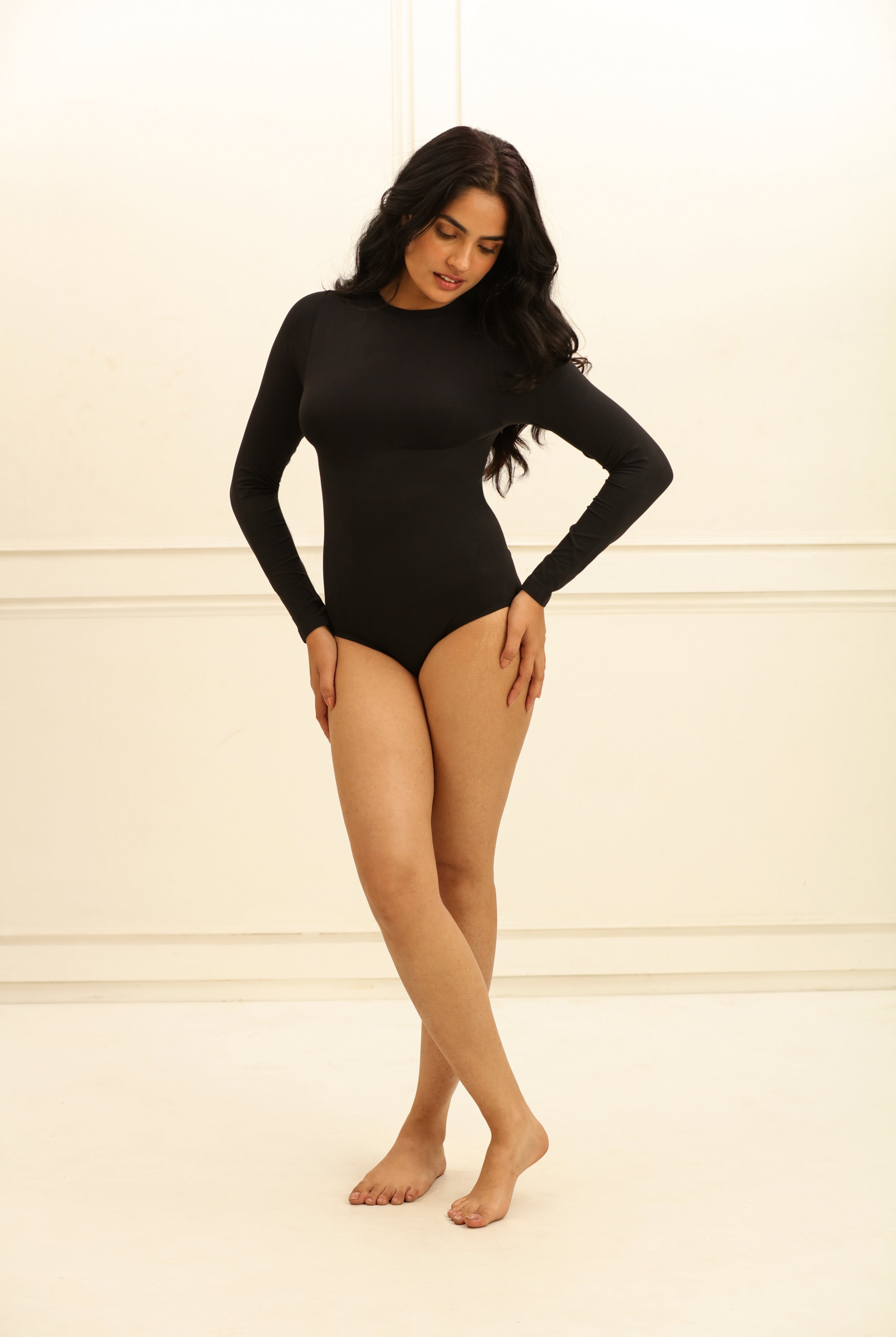
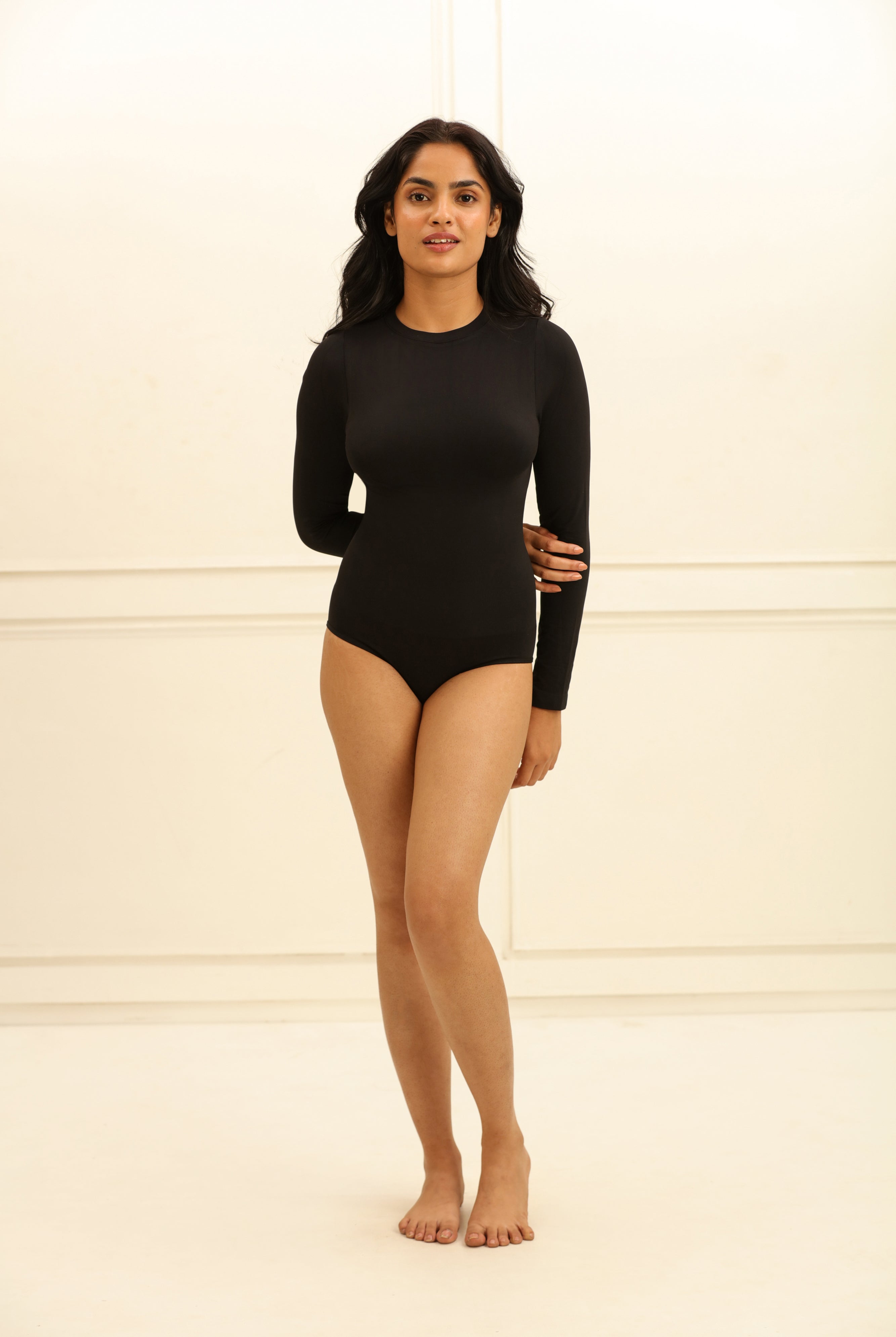
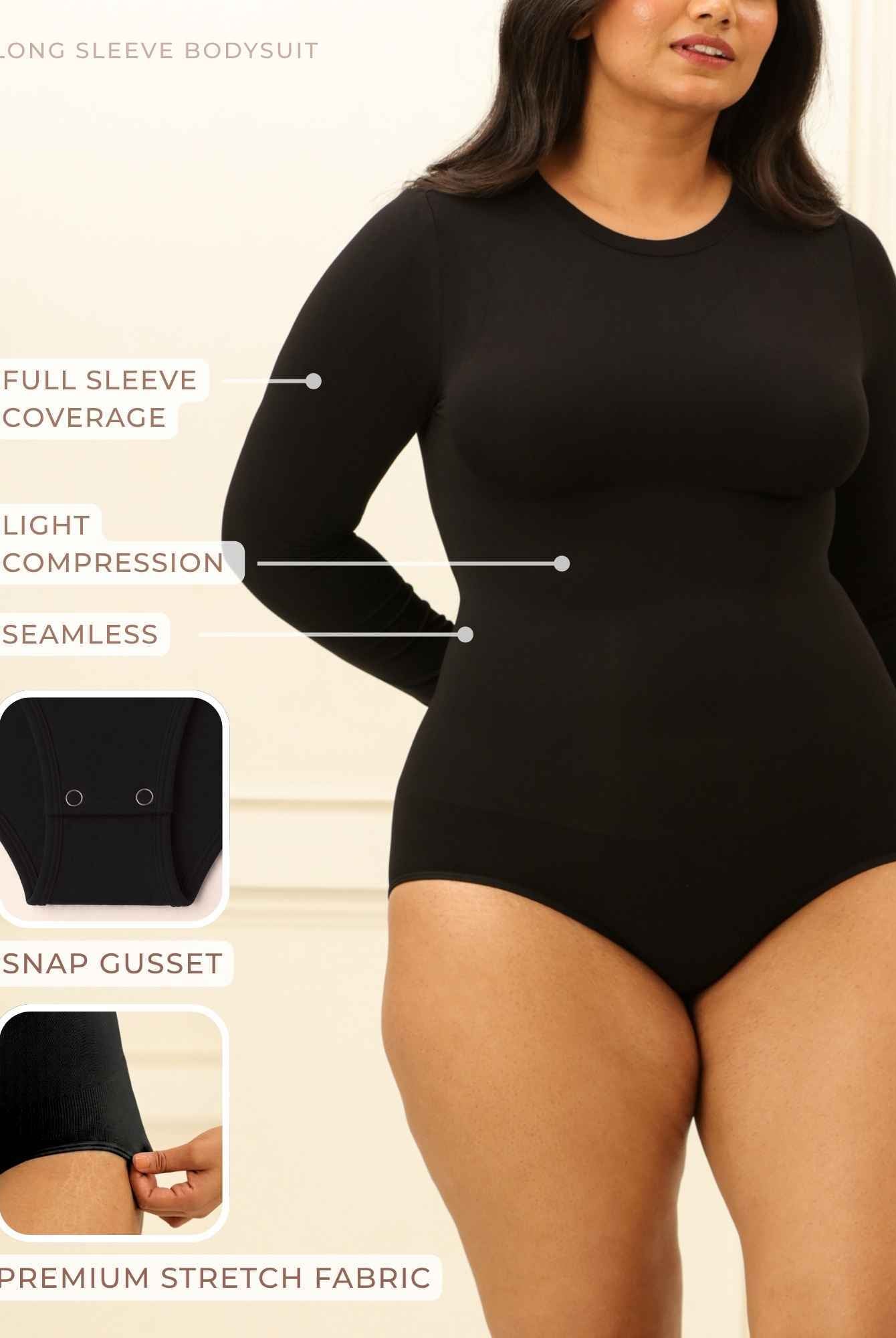
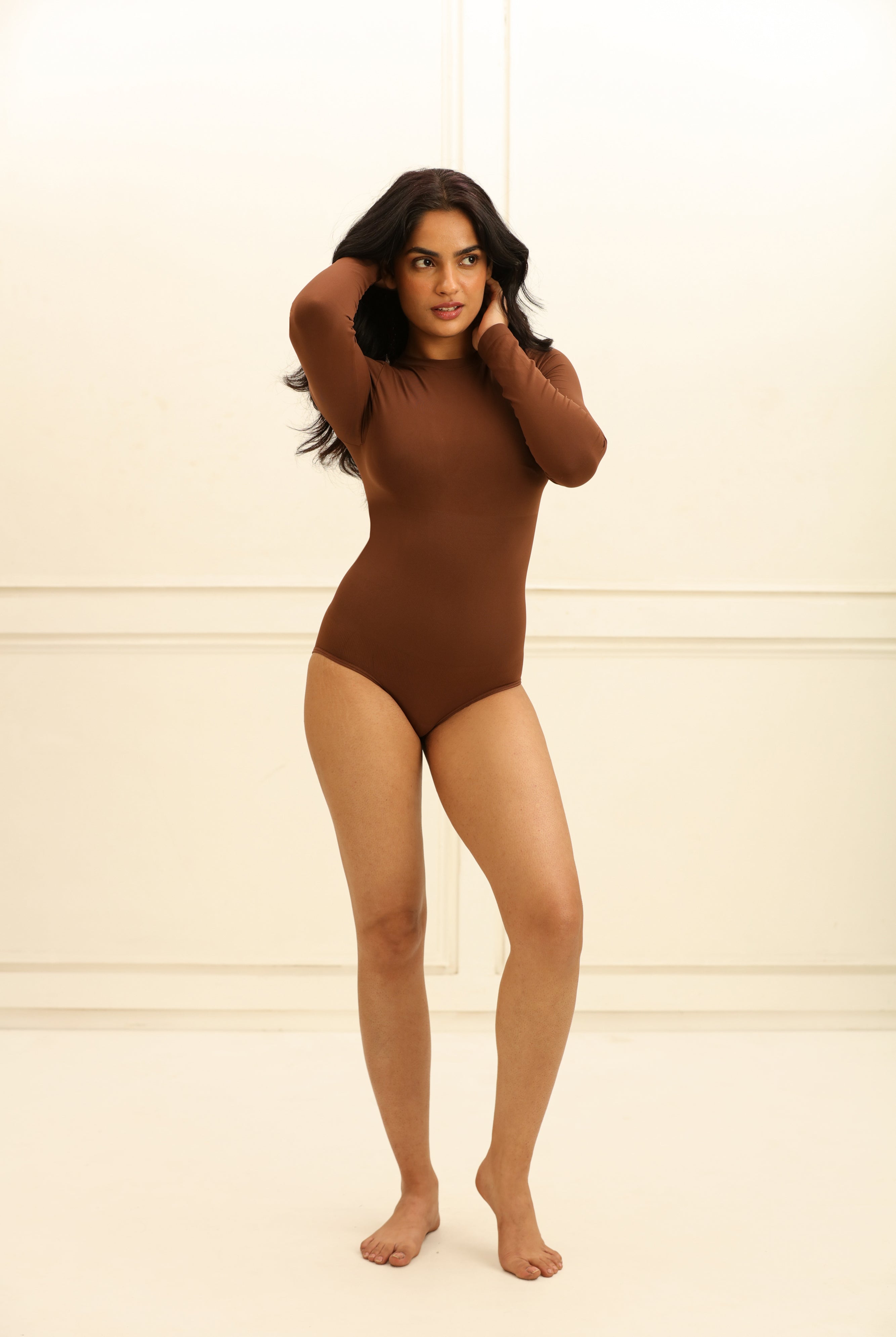
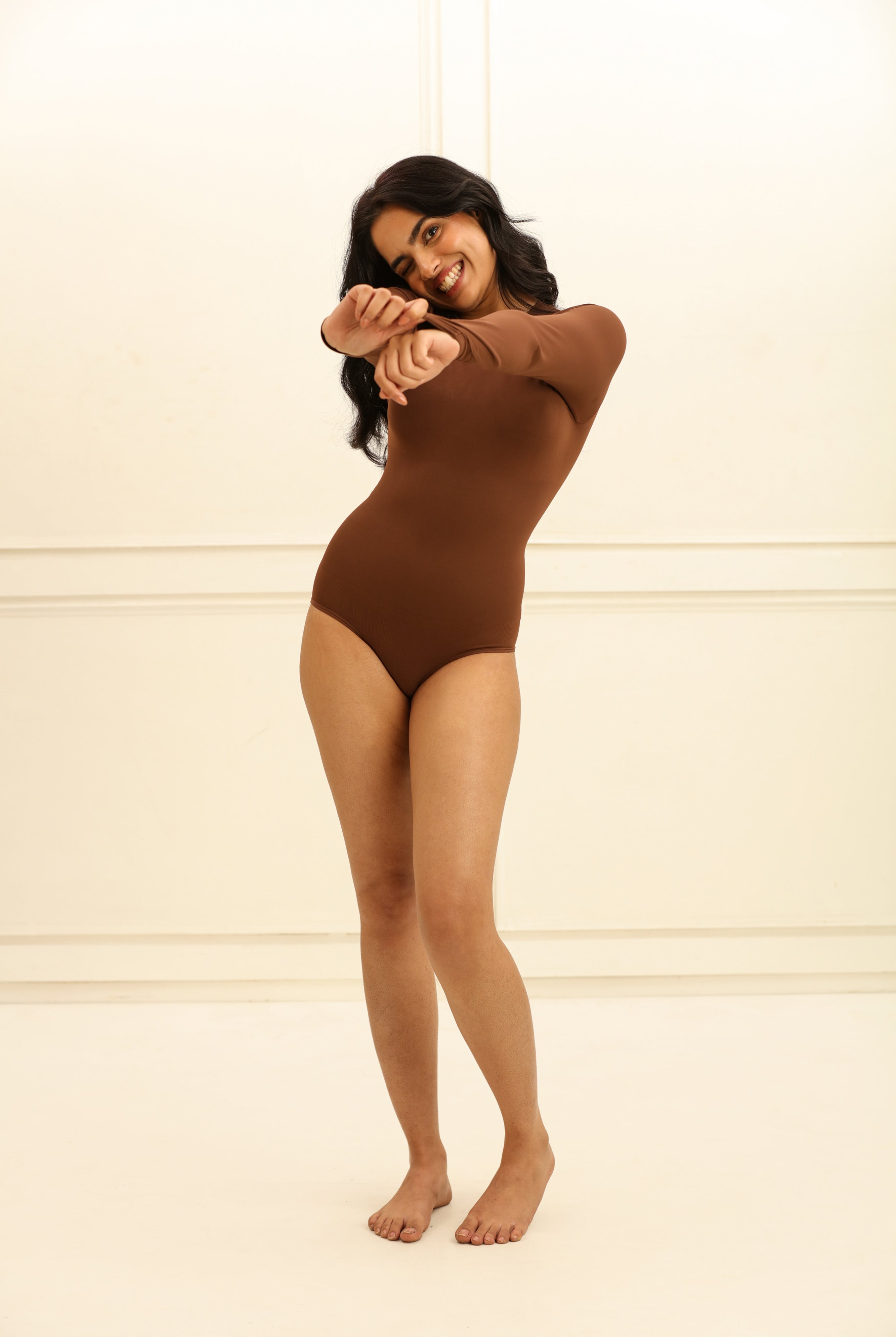
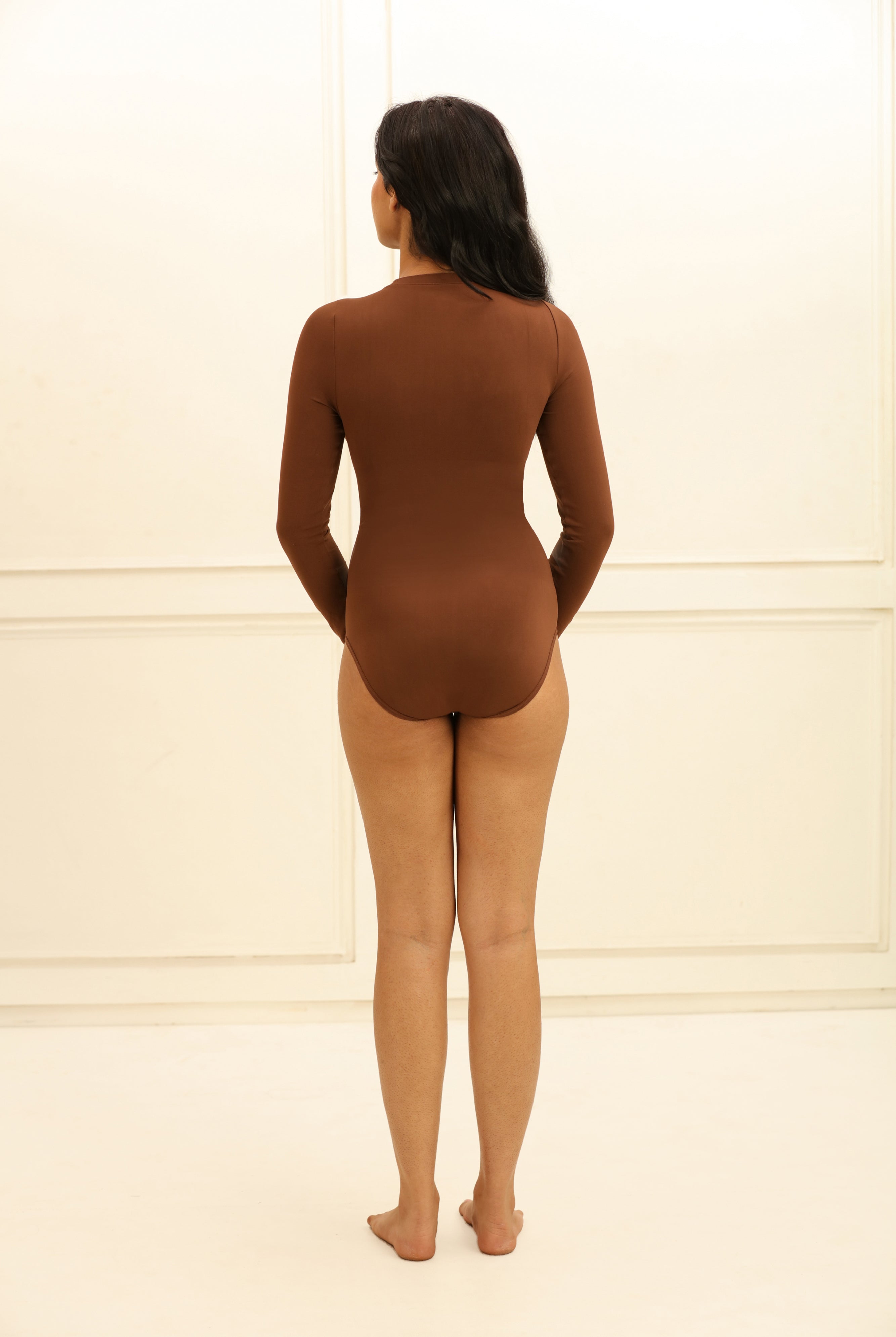
The bodysuit tackles several everyday frustrations in one go: visible lines, fabric bunching up, waistbands peeking through, and the constant need for adjustments. By combining a top and underwear into a single seamless piece, it creates a smoother silhouette under fitted clothing with far less effort.
Many women reach for a bodysuit on days when they want a clean silhouette without the layering. It works effortlessly under blazers, skirts, or trousers, and comes in various necklines, sleeve lengths, and fabrics.
2. Bra

A bra sits underneath almost every outfit, doing a lot of work. And when the fit isn't right, you'll know within minutes. We know because we've been listening to women talk about it day in and day out.
A bra comes in countless styles, underwired, padded, non-padded, t-shirt, and more, so there's usually a fit for every need and body type. The right bra changes how clothes sit and how comfortable the day feels overall. Getting the correct size matters just as much as the style, since an ill-fitting bra can affect both comfort and appearance.
Having said that, finding what works for you is often a process, not a one-time decision. It may take a couple of tries to figure out which styles, features, and levels of support feel best on your body, and that's perfectly normal. That's what we're here for—to help you find the one that feels right.
3. Bralette

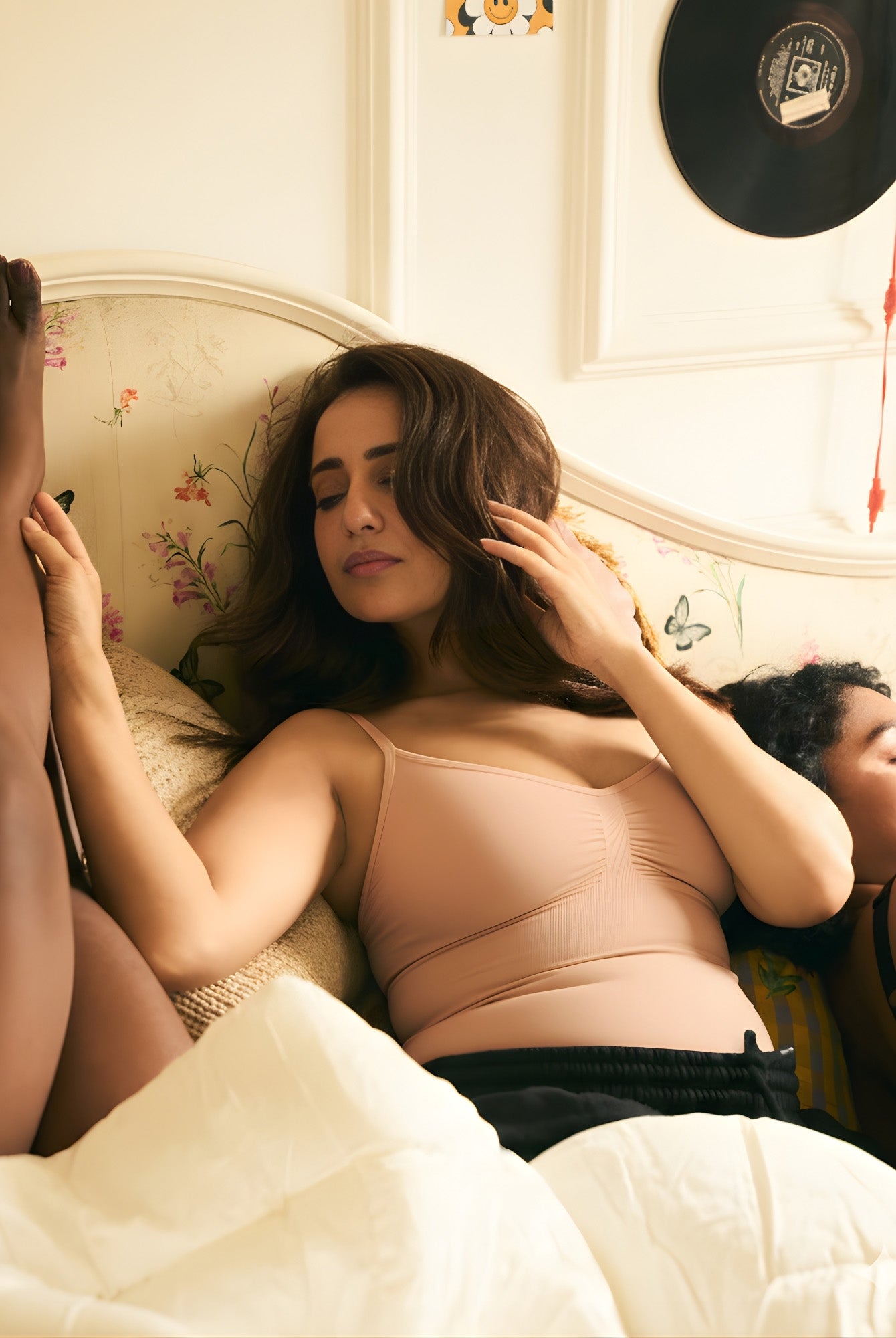
Not every bra needs to be built like a piece of engineering. A bralette takes a softer, more relaxed approach, relying on comfortable fabrics and lighter construction instead of heavy structure.
It is ideal for lounging, layering, or lighter, low-maintenance days. It's one of the favorites for smaller busts or anyone who prefers minimal shaping, and it doubles easily as a going-out top when styled right.
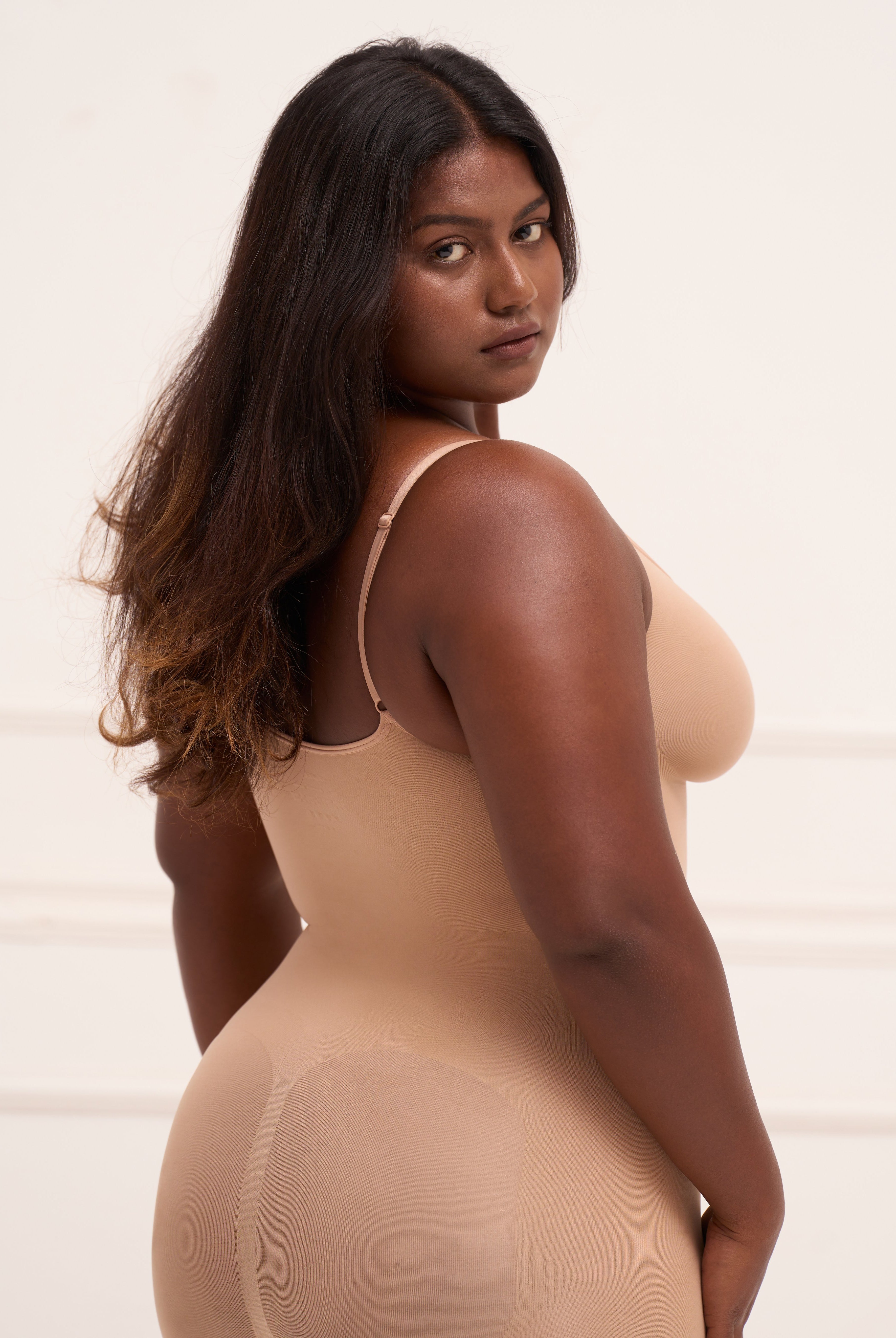
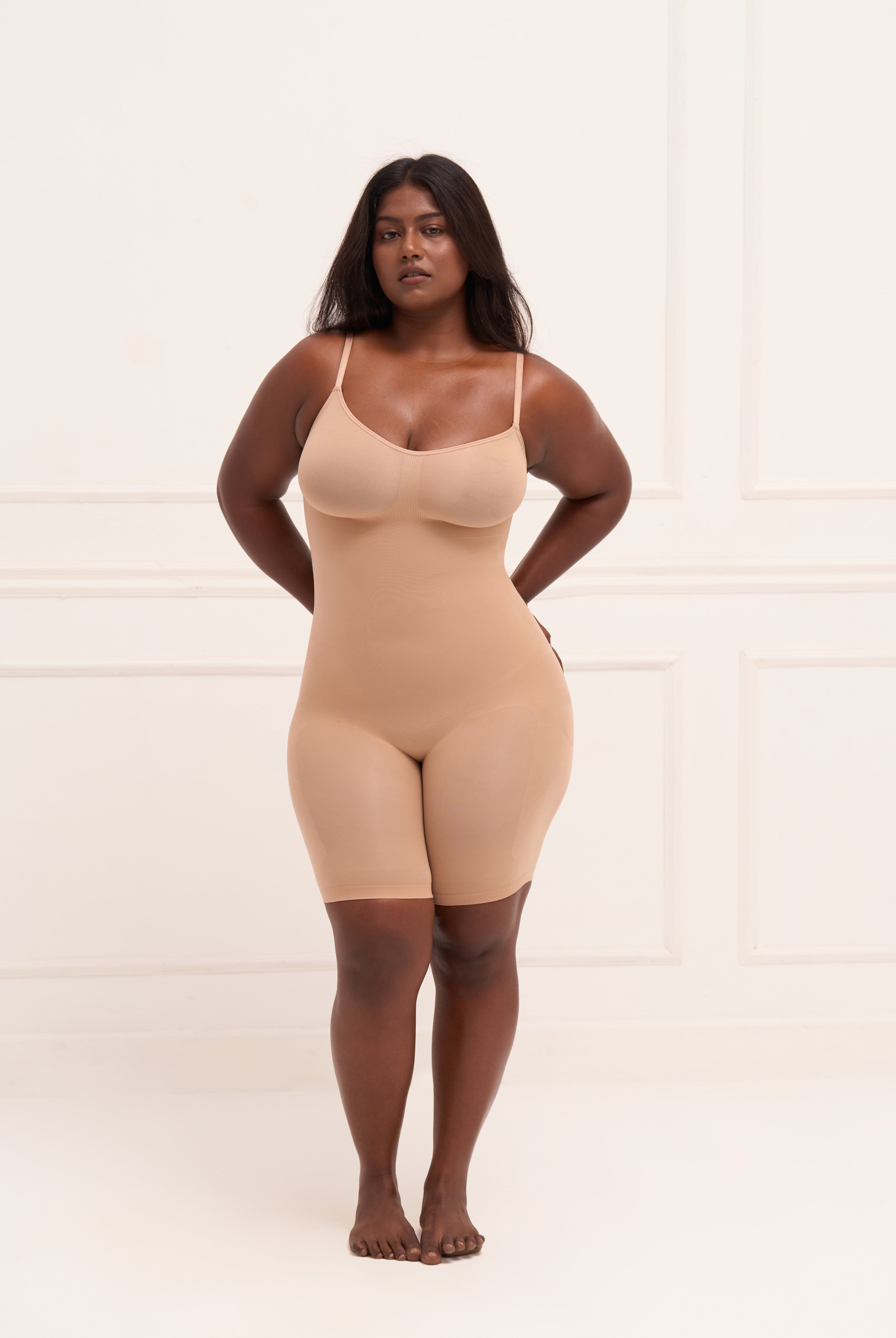
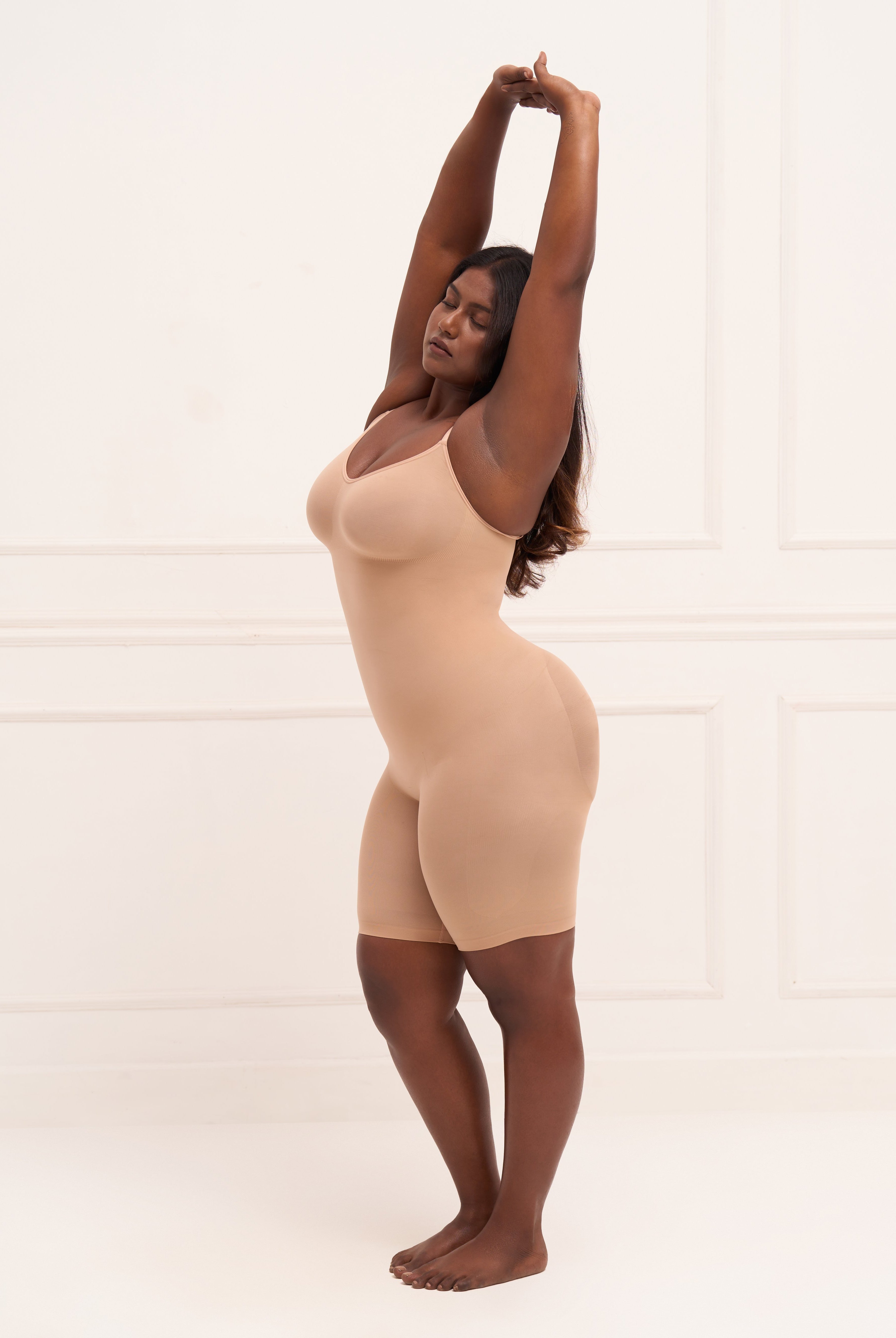
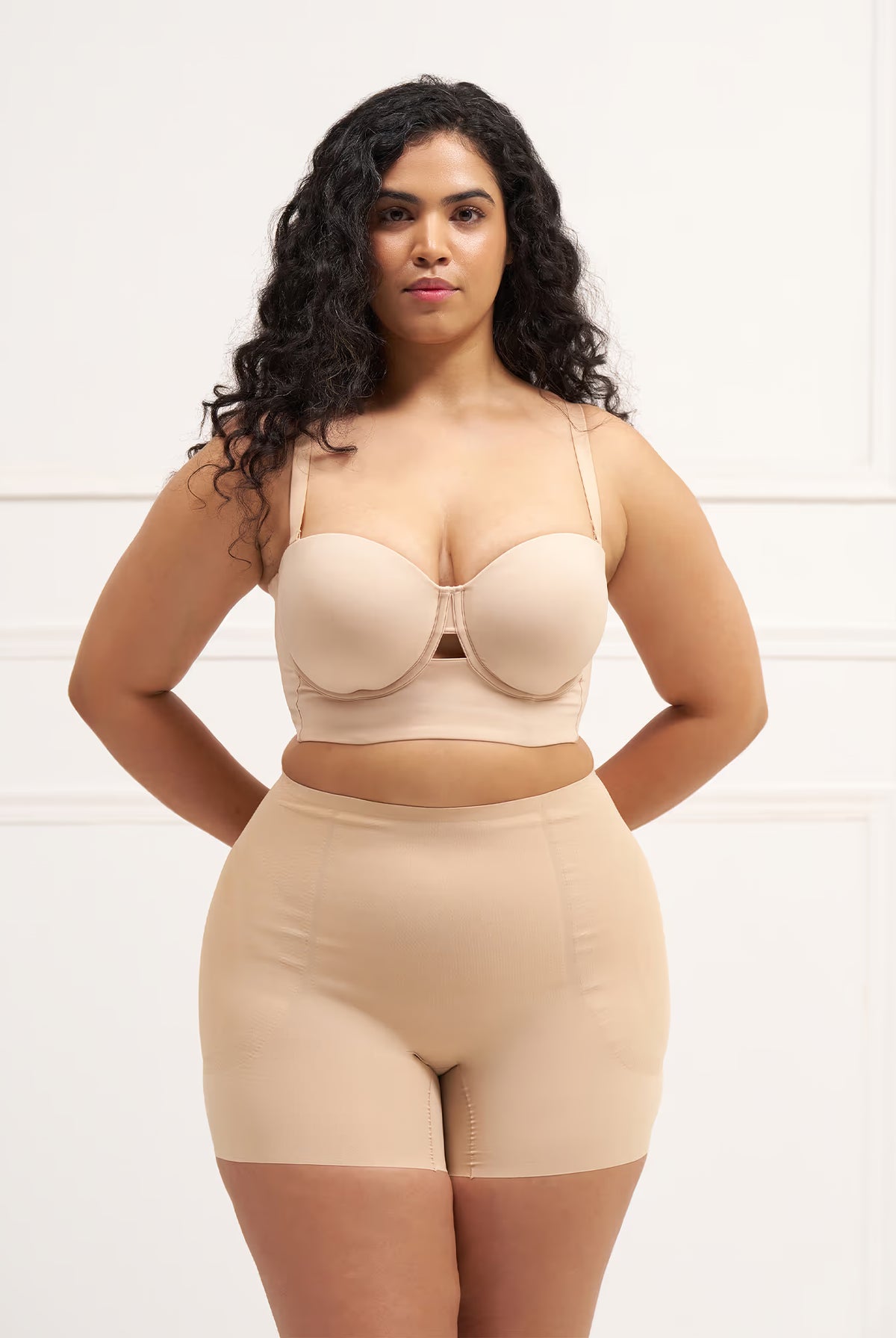
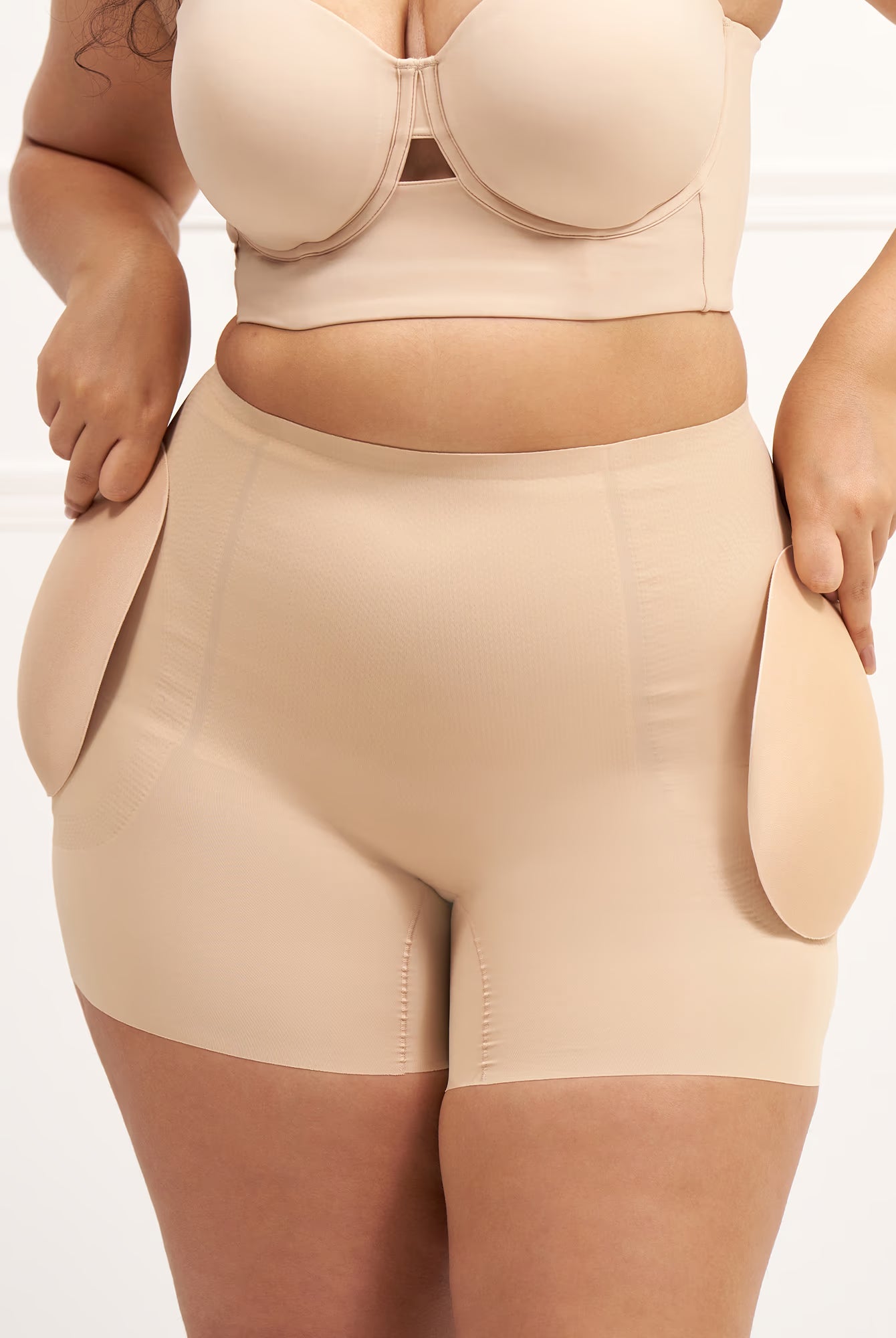
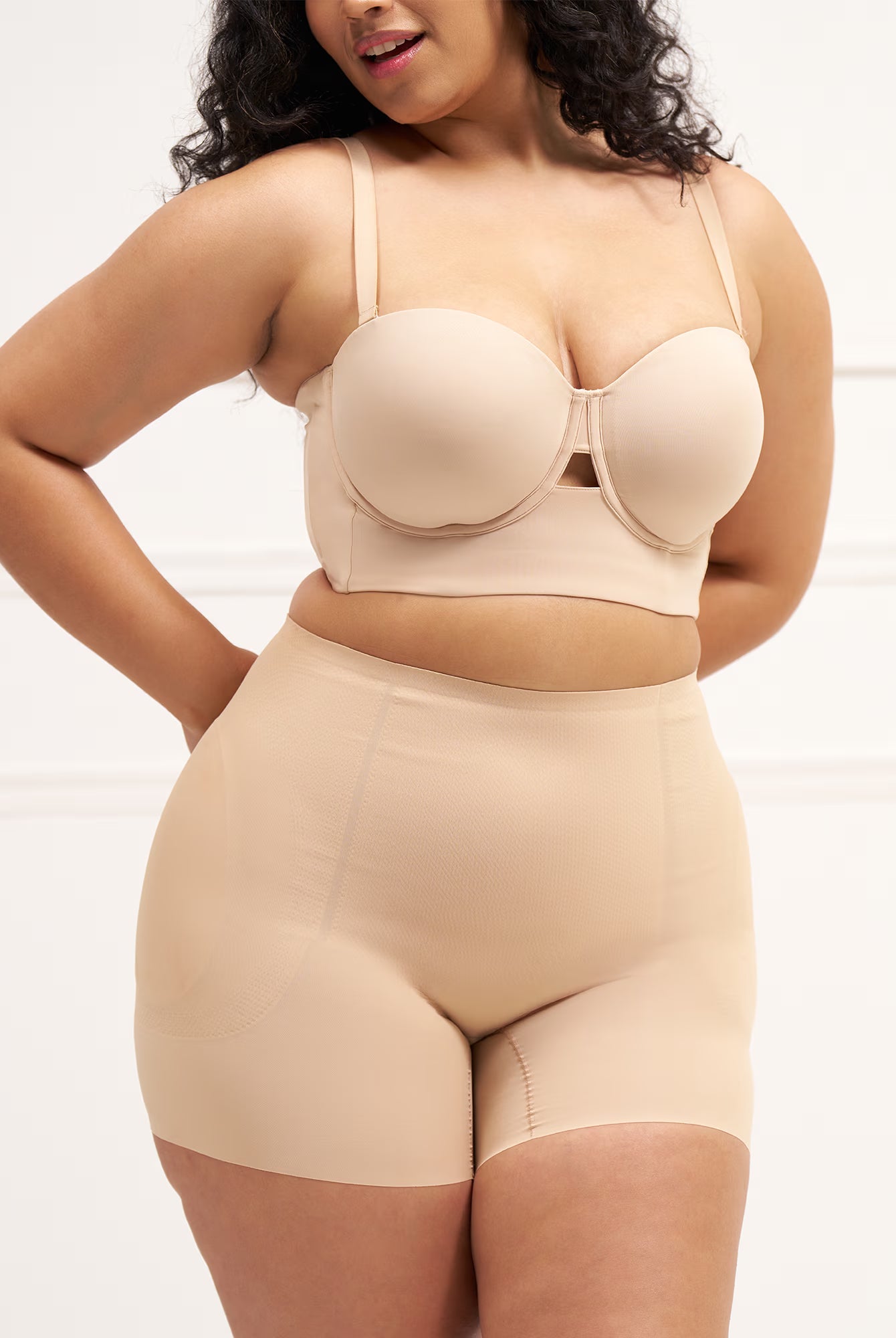
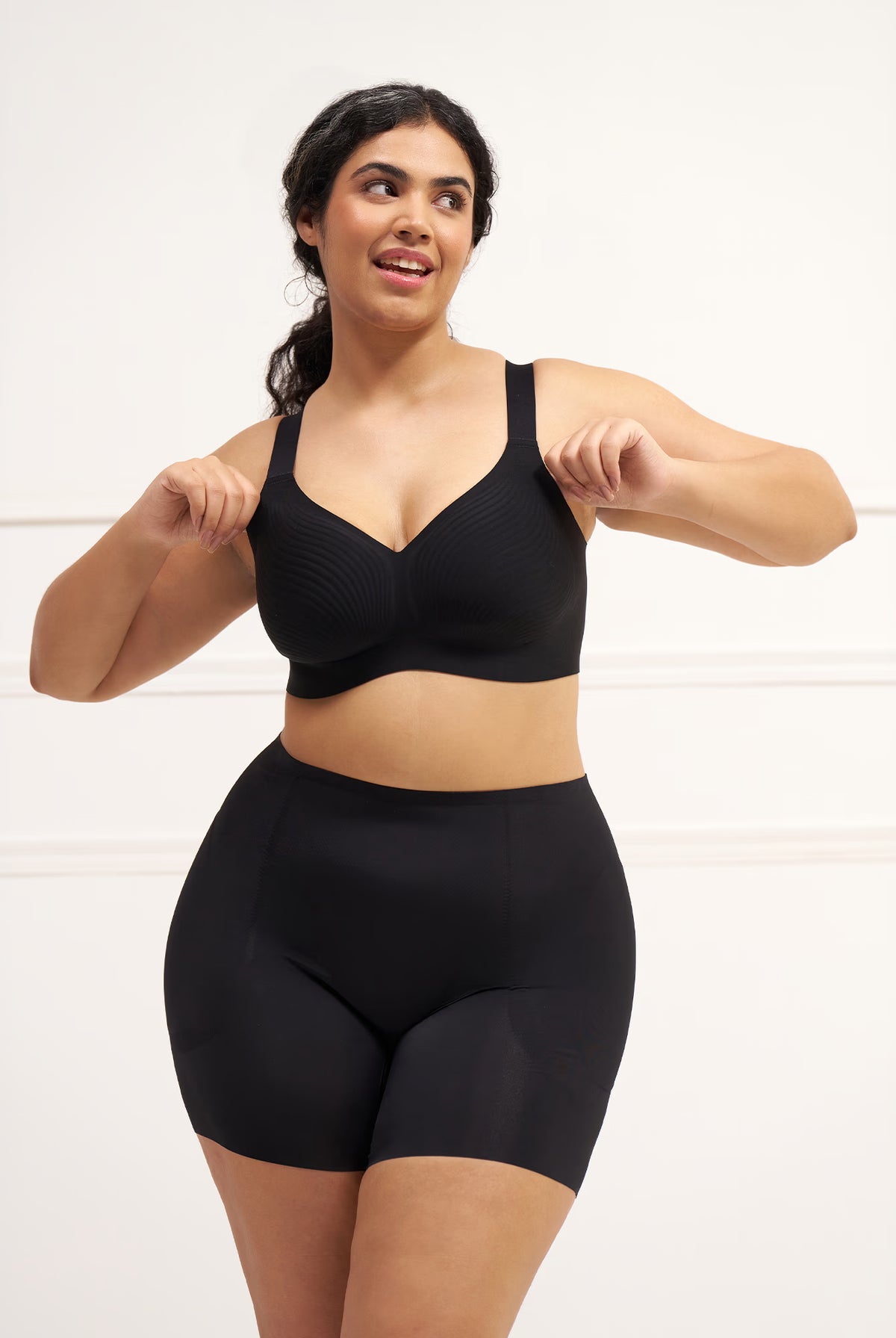
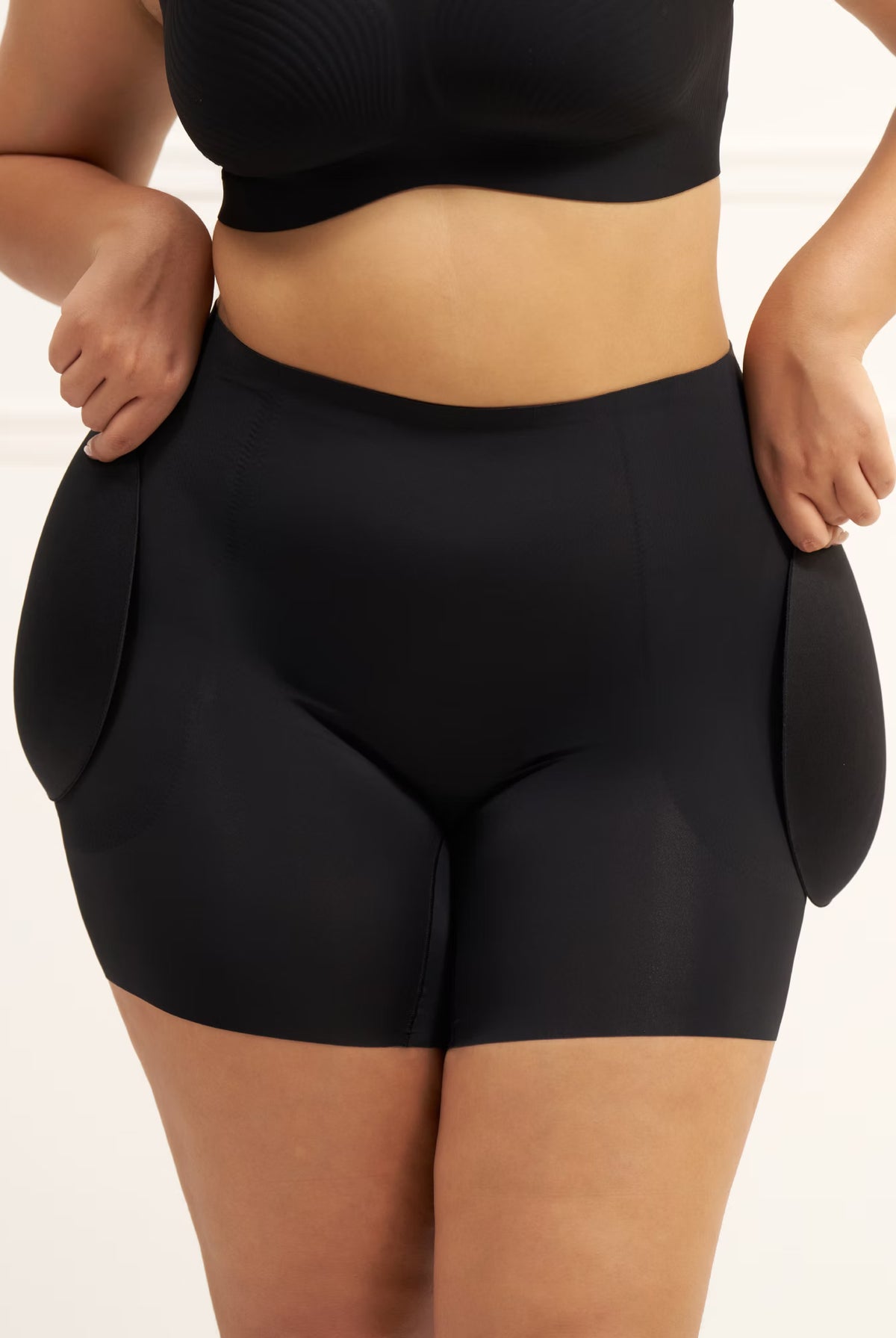
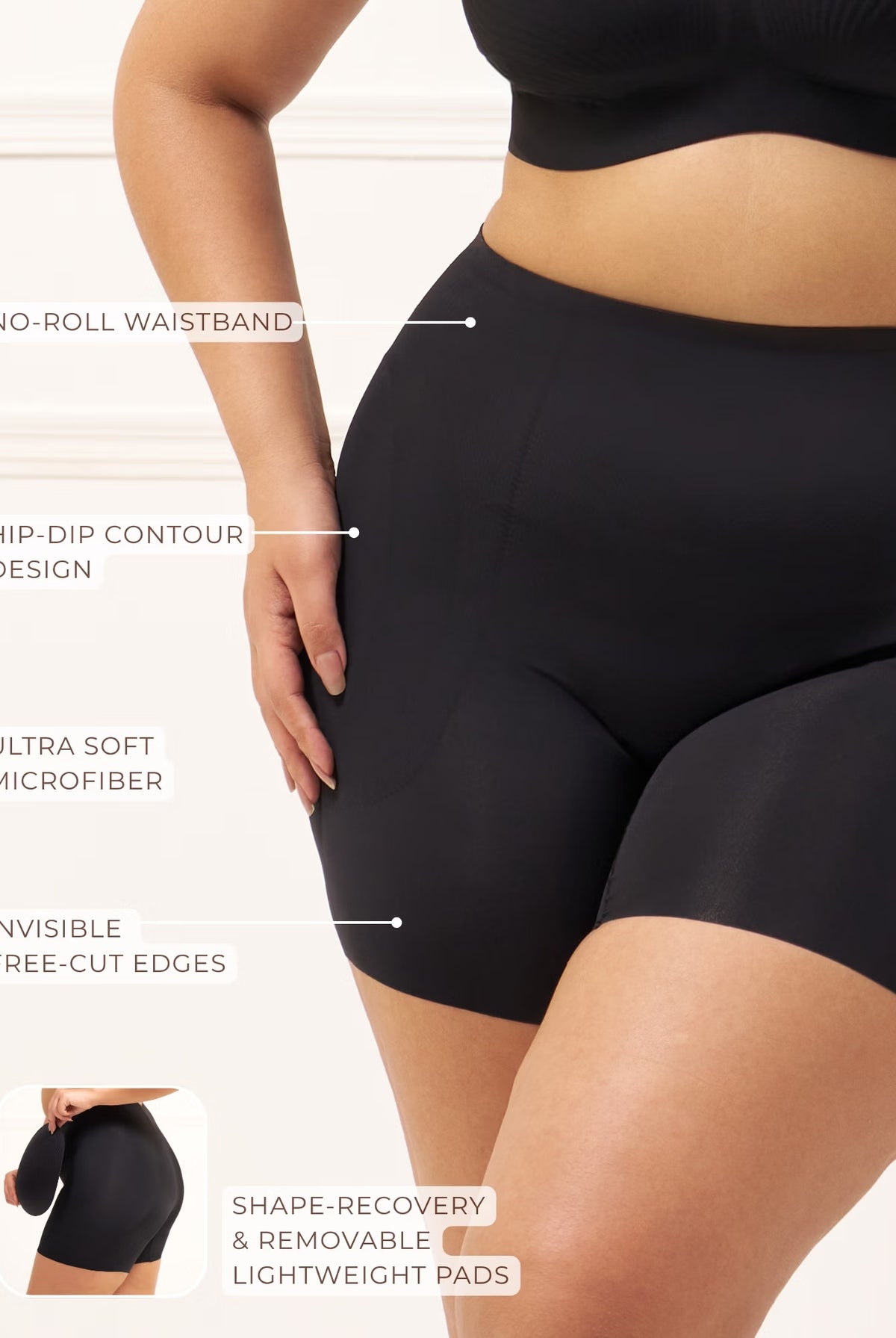
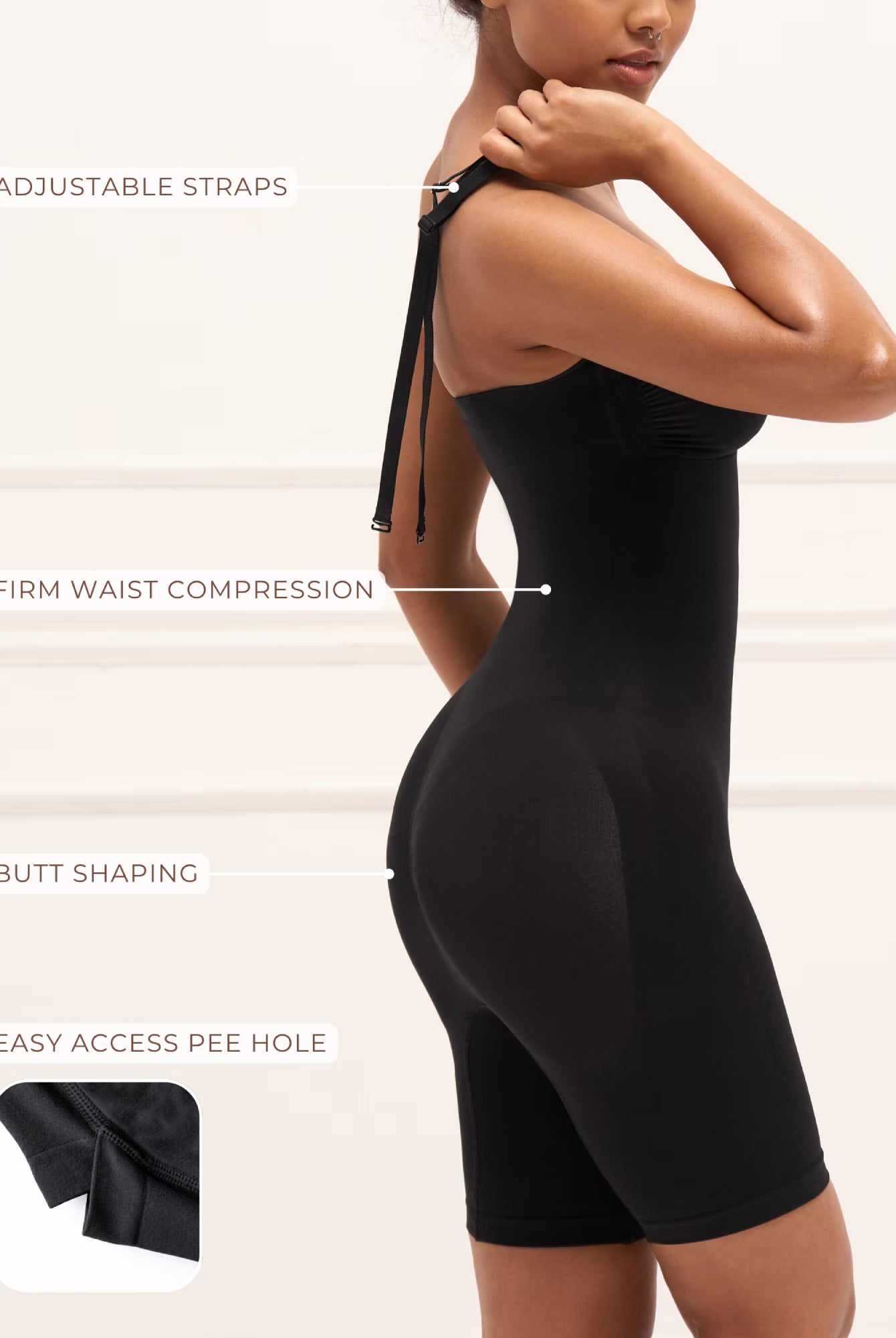
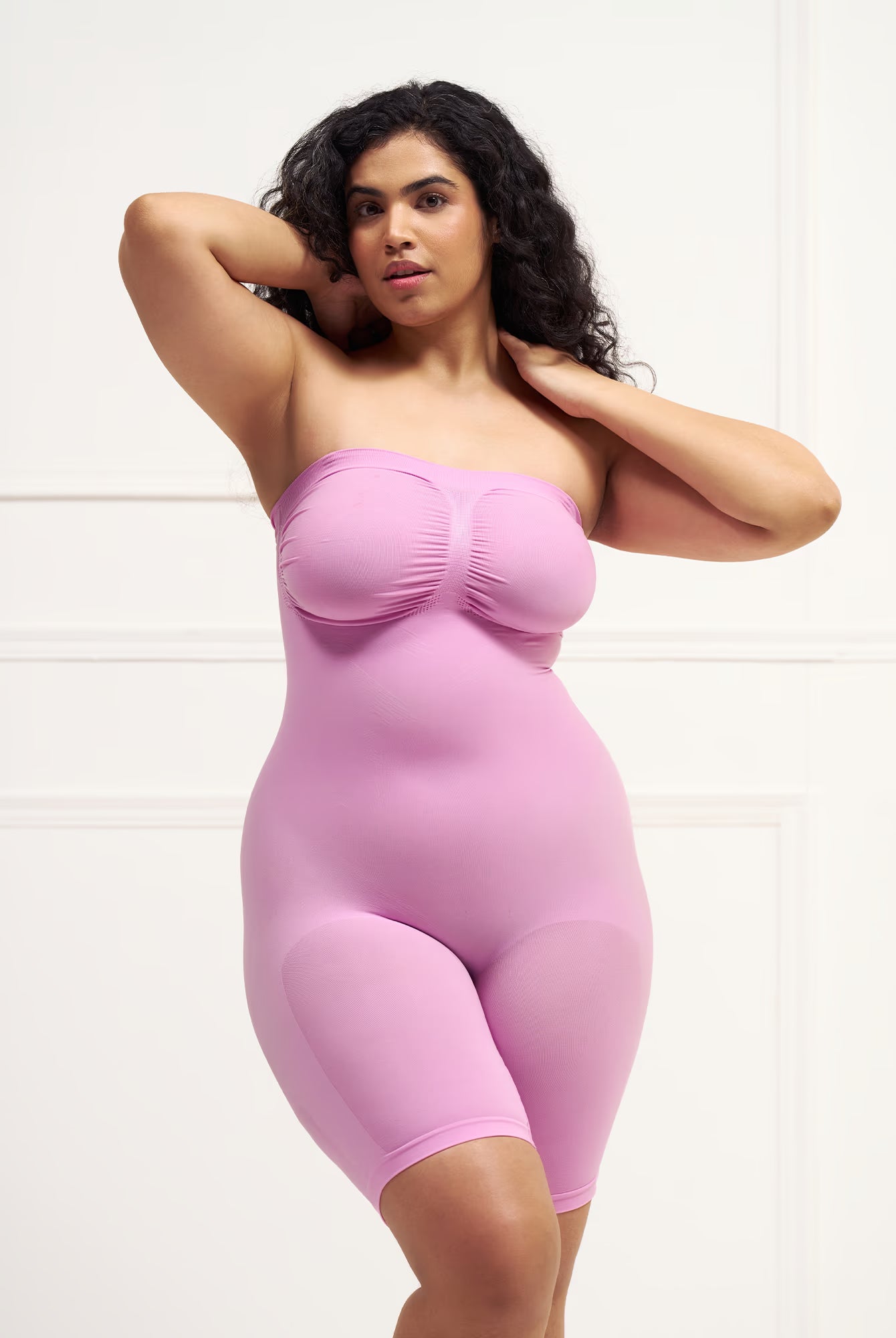
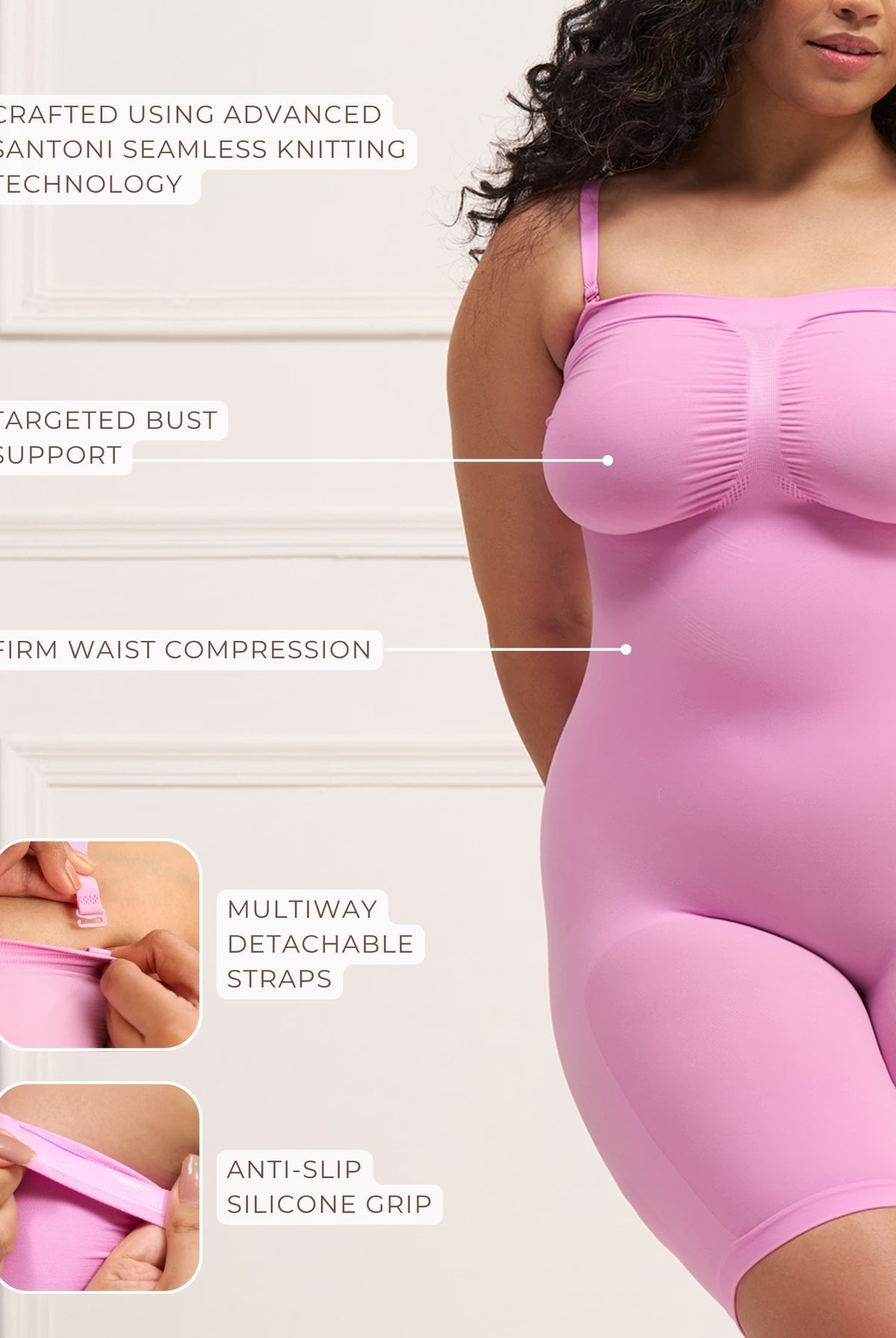
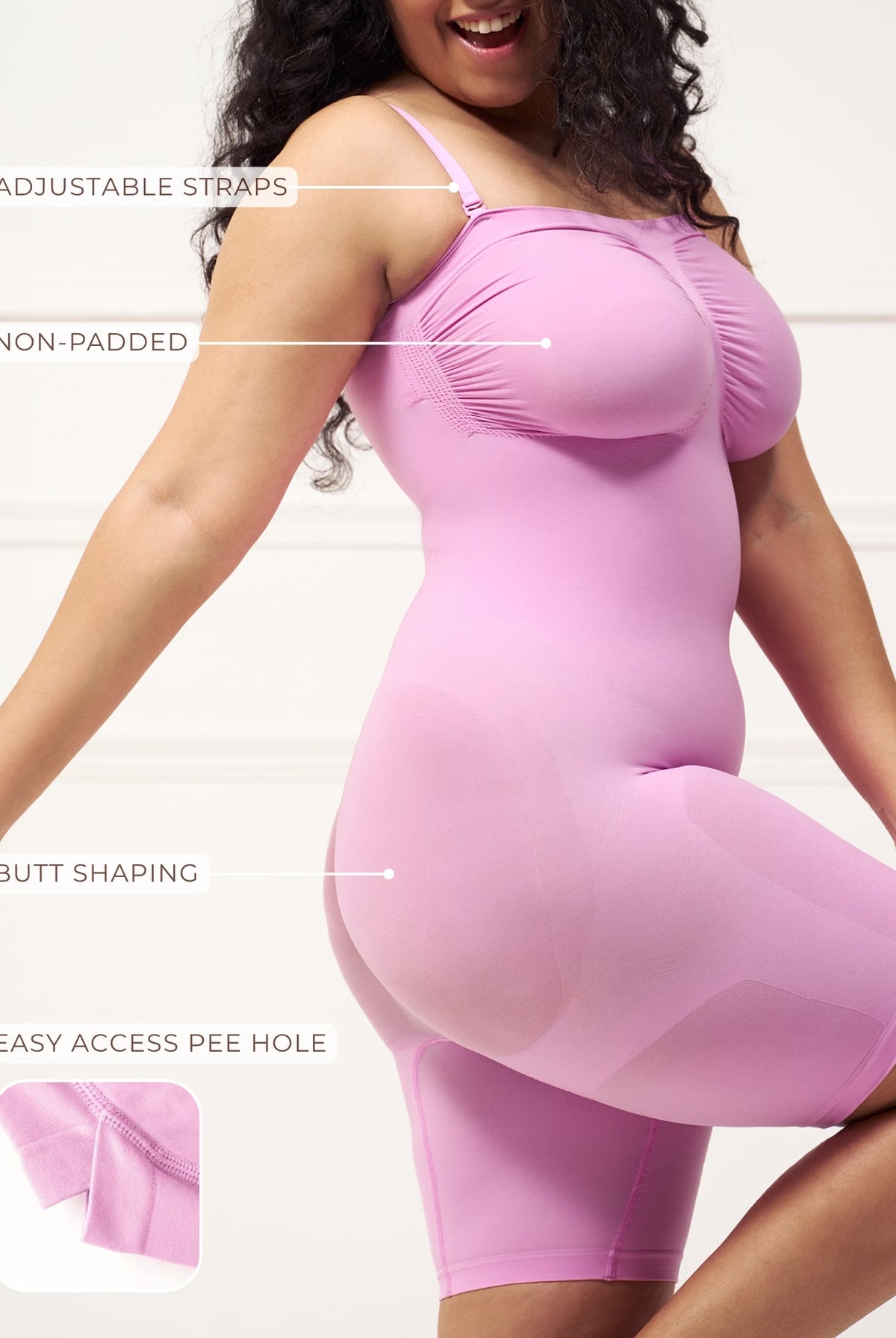
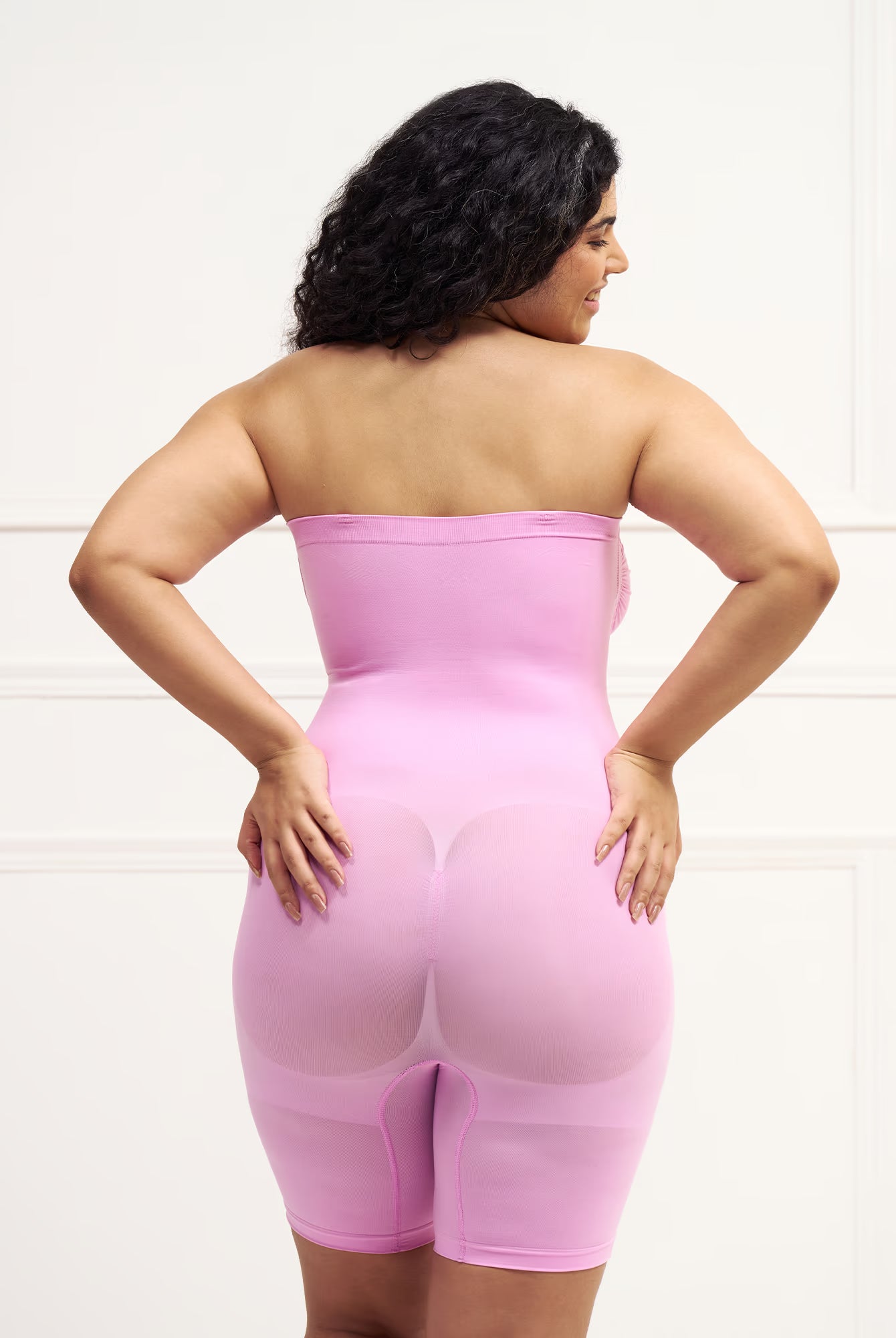
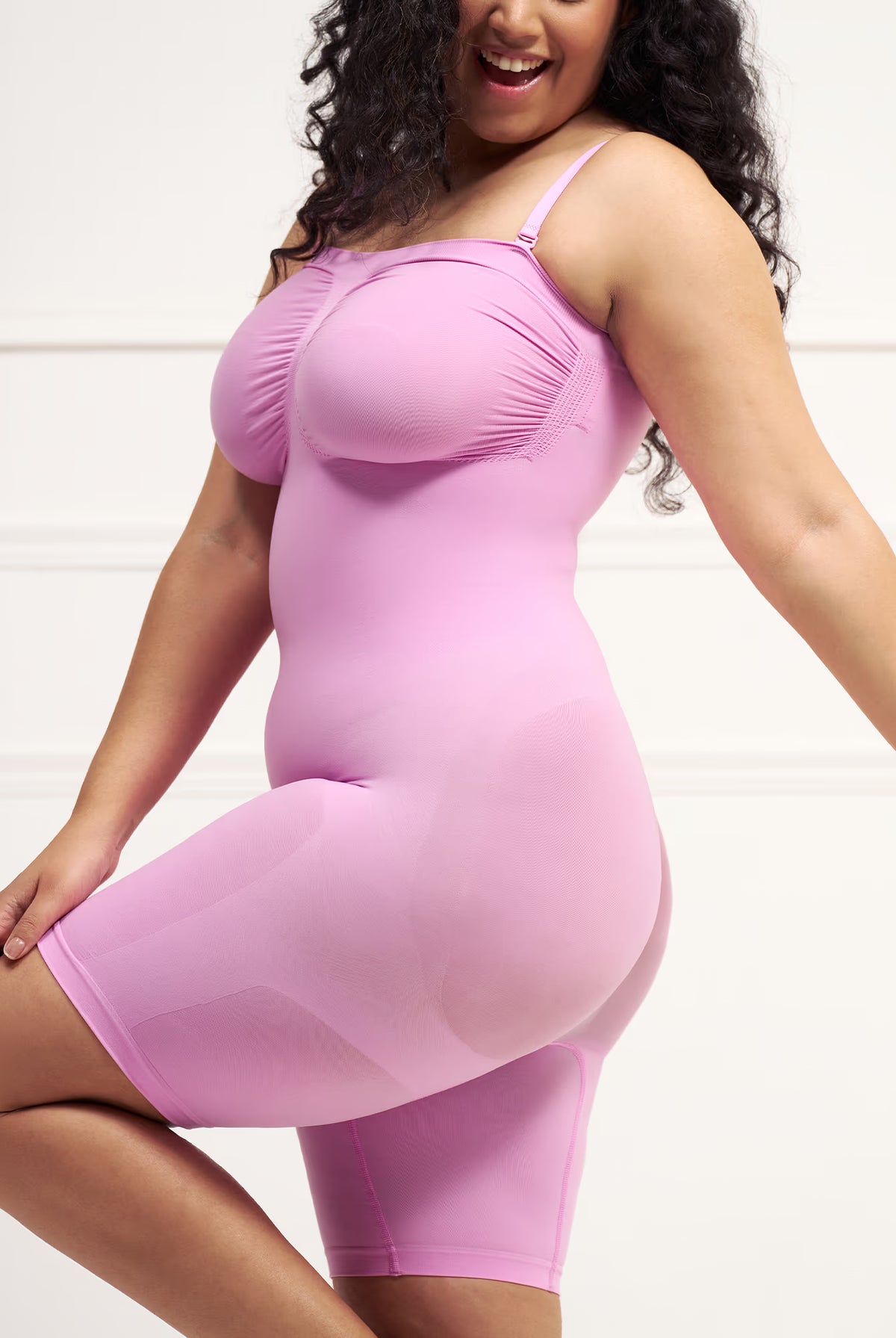
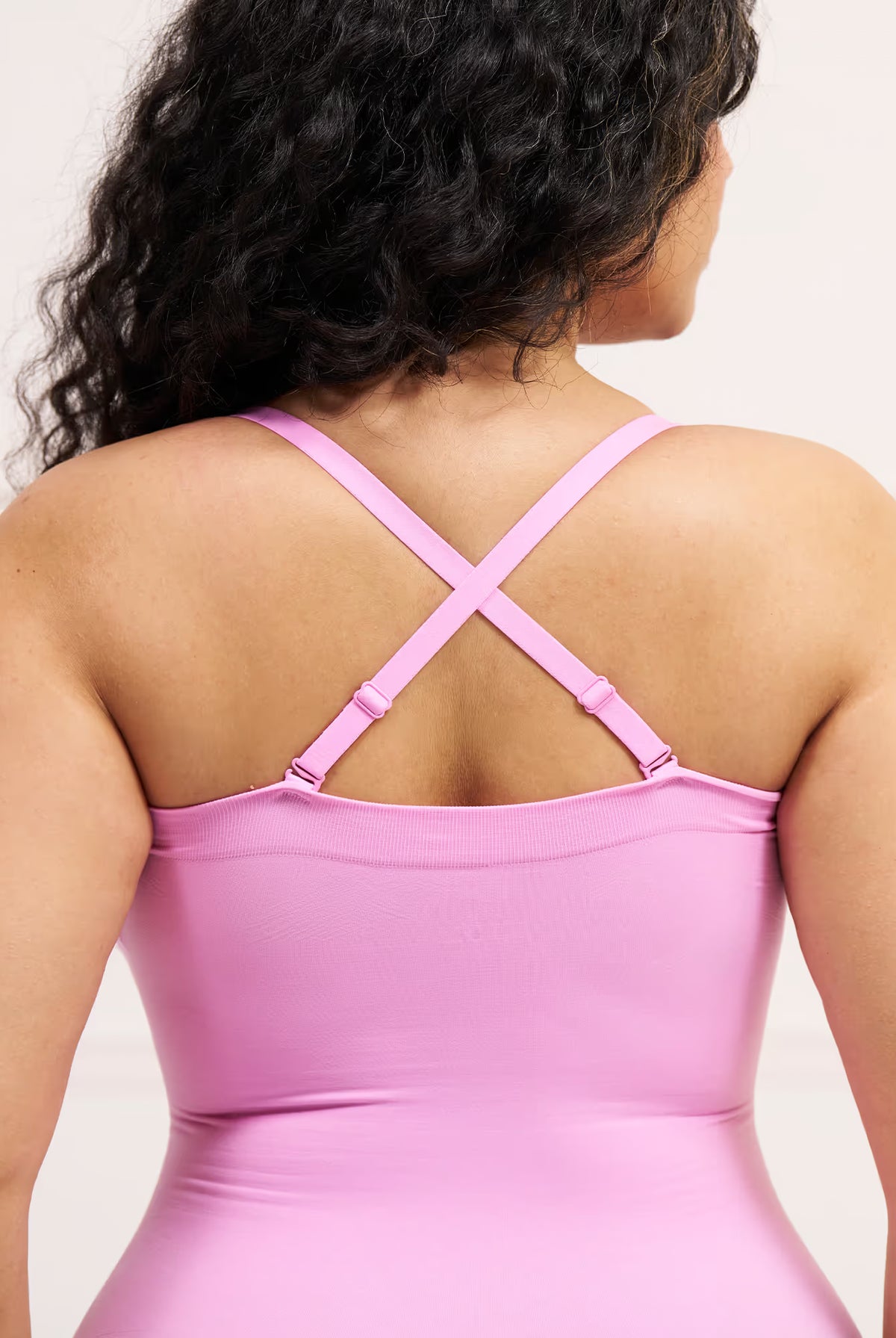
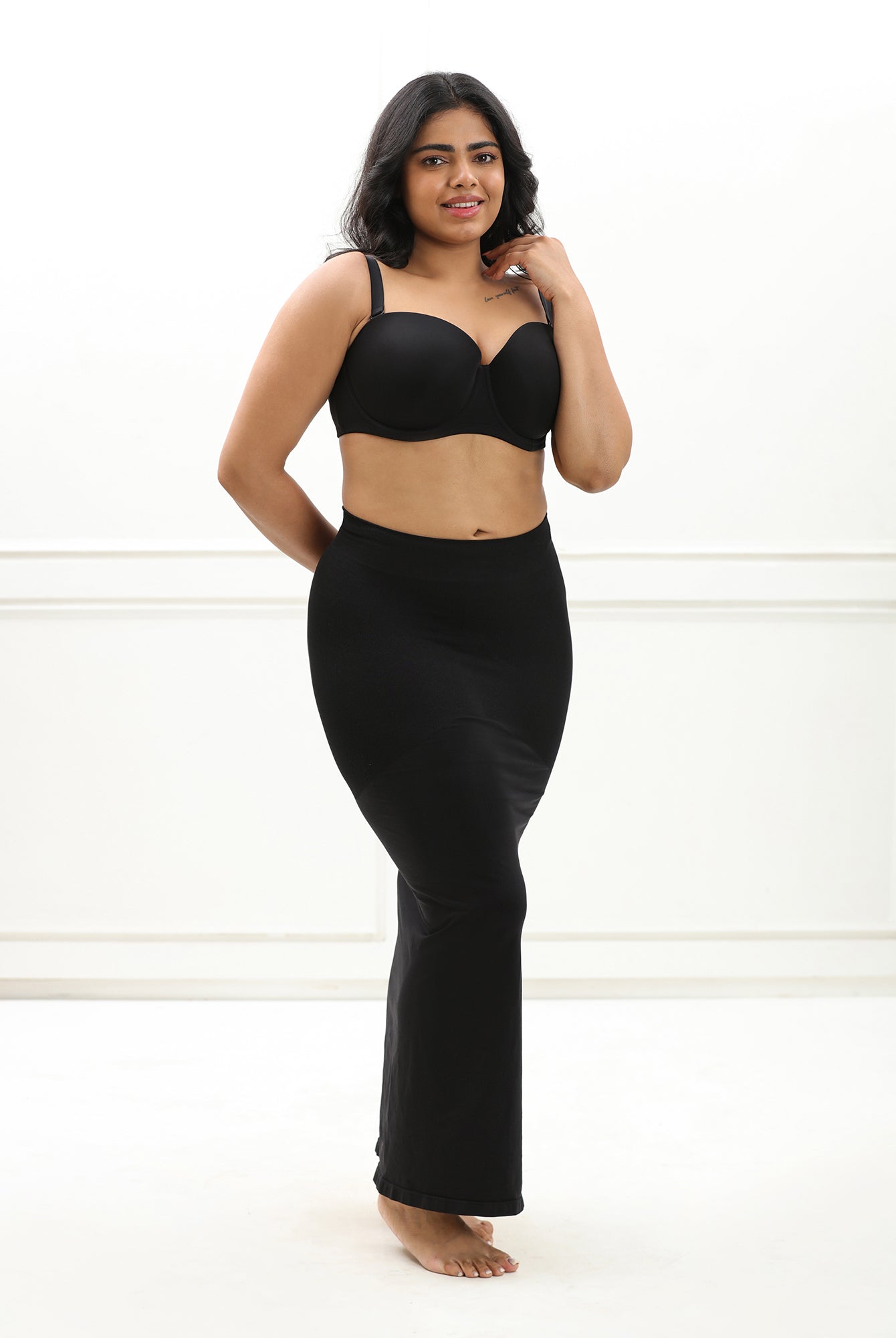
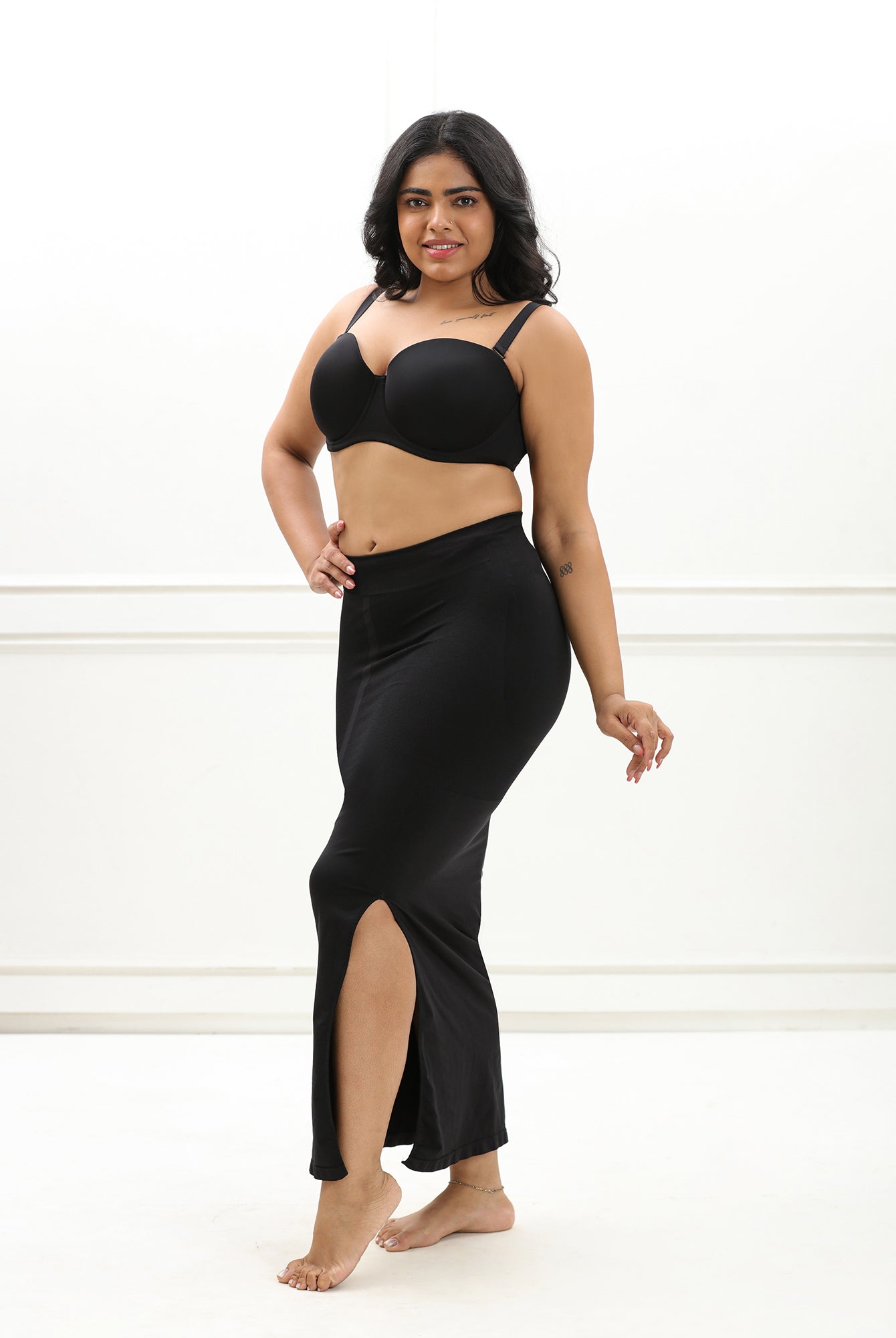
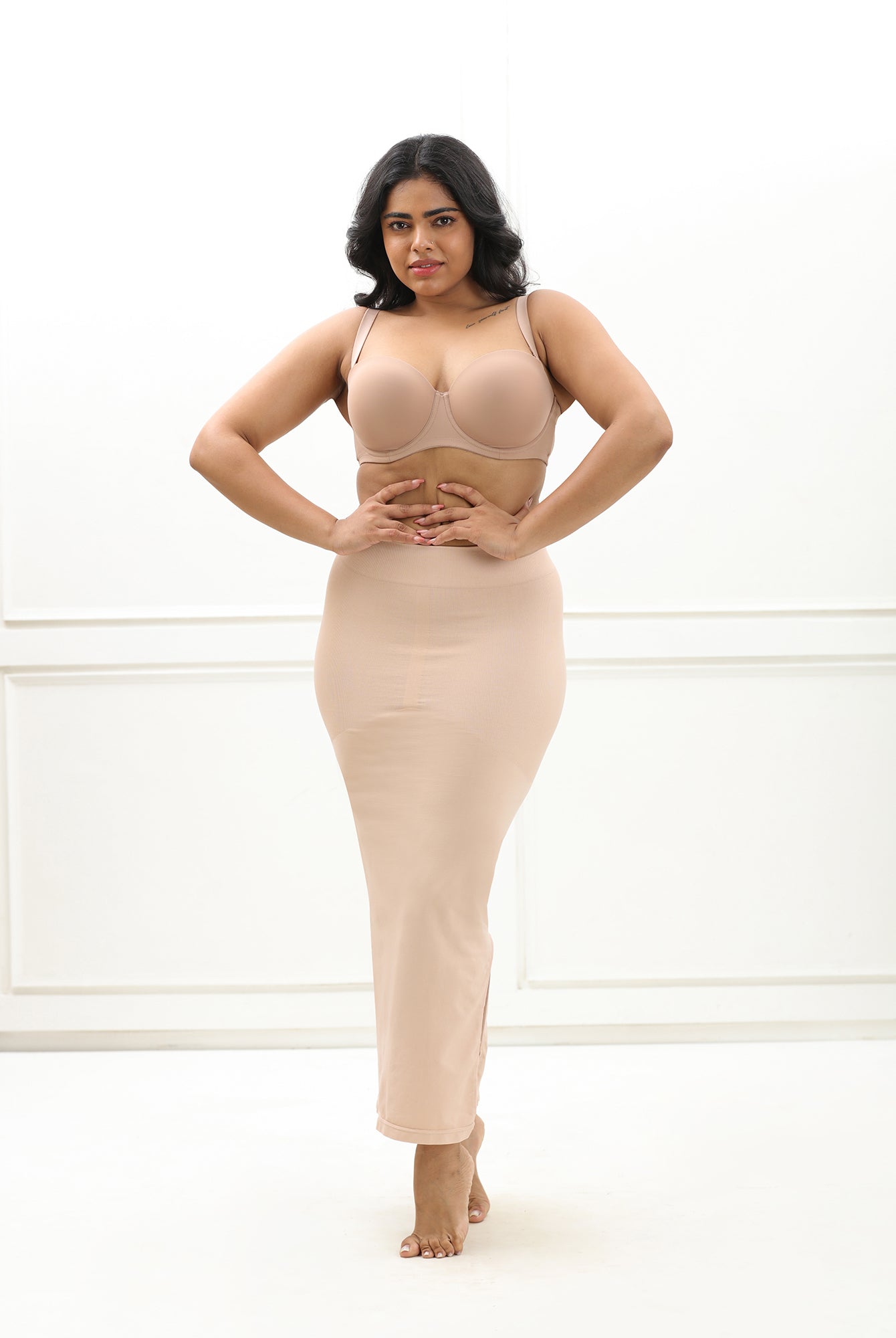
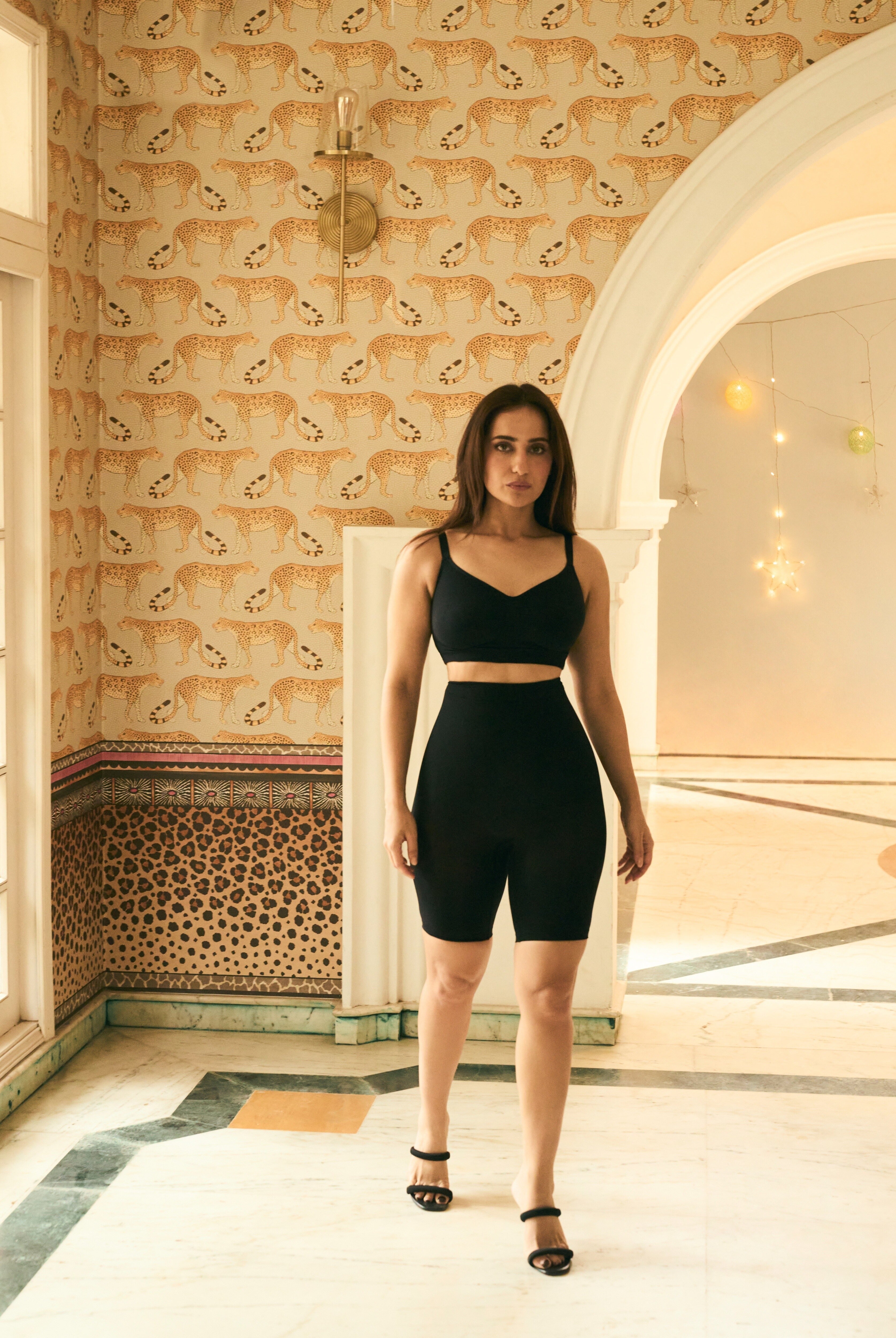
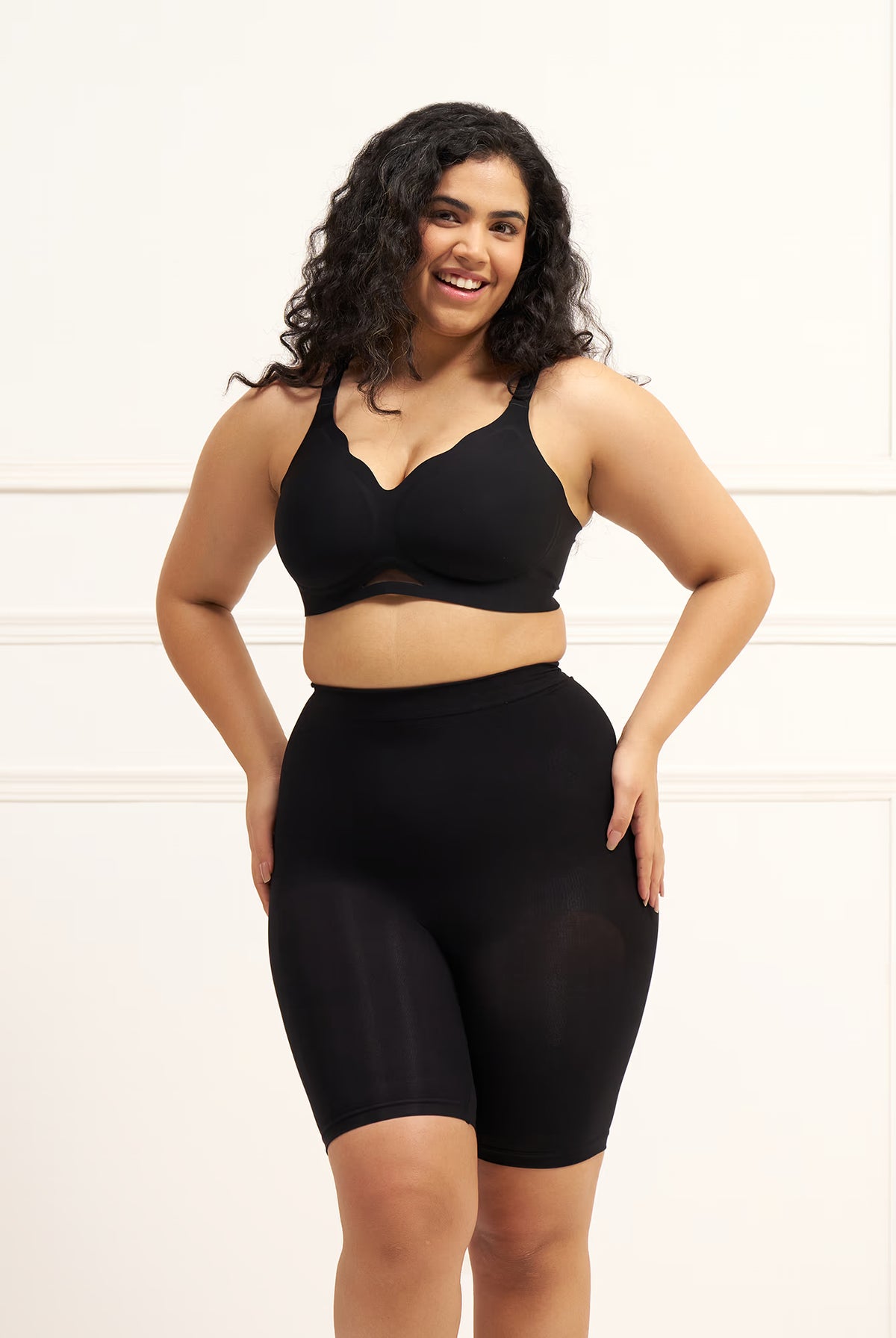
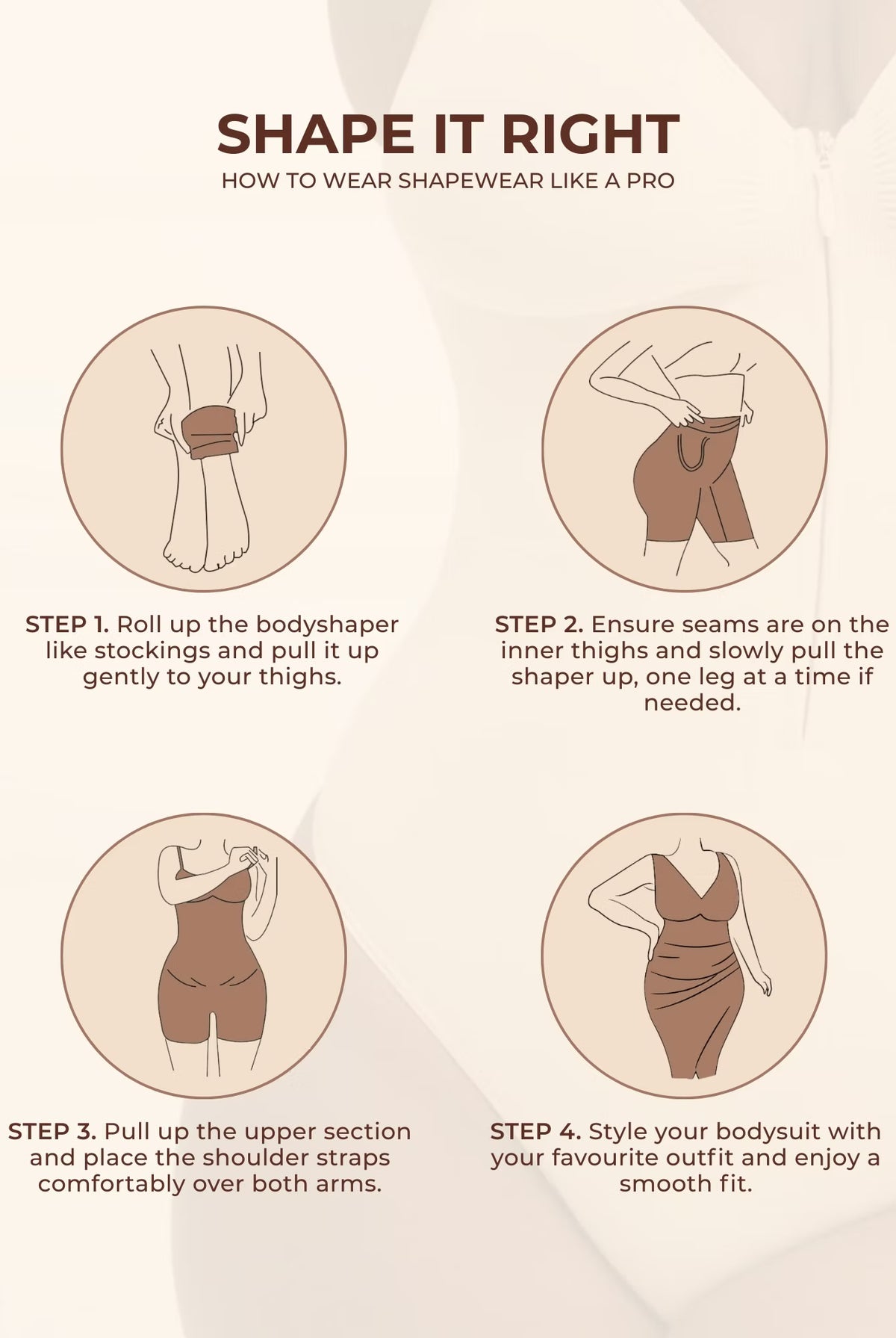
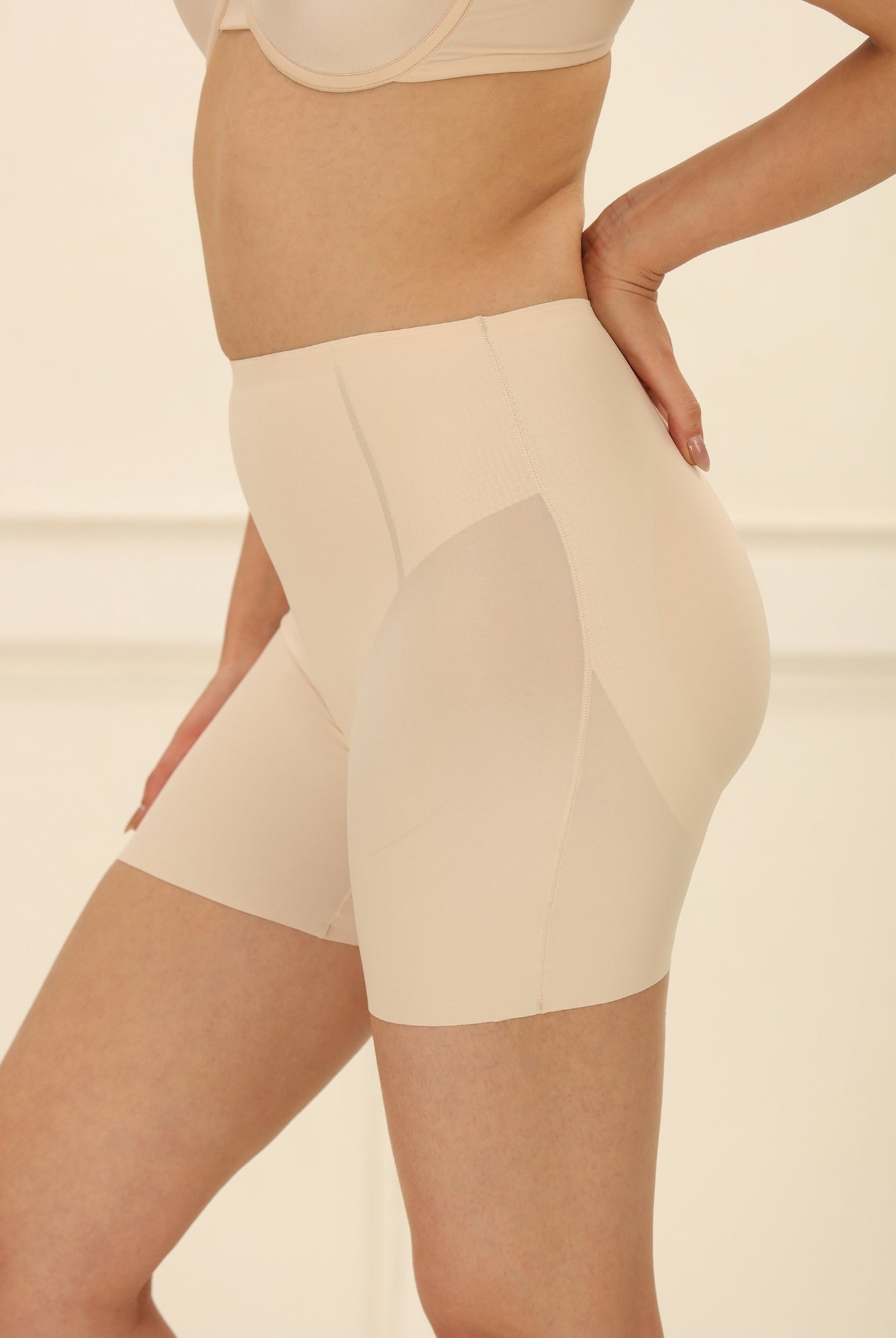
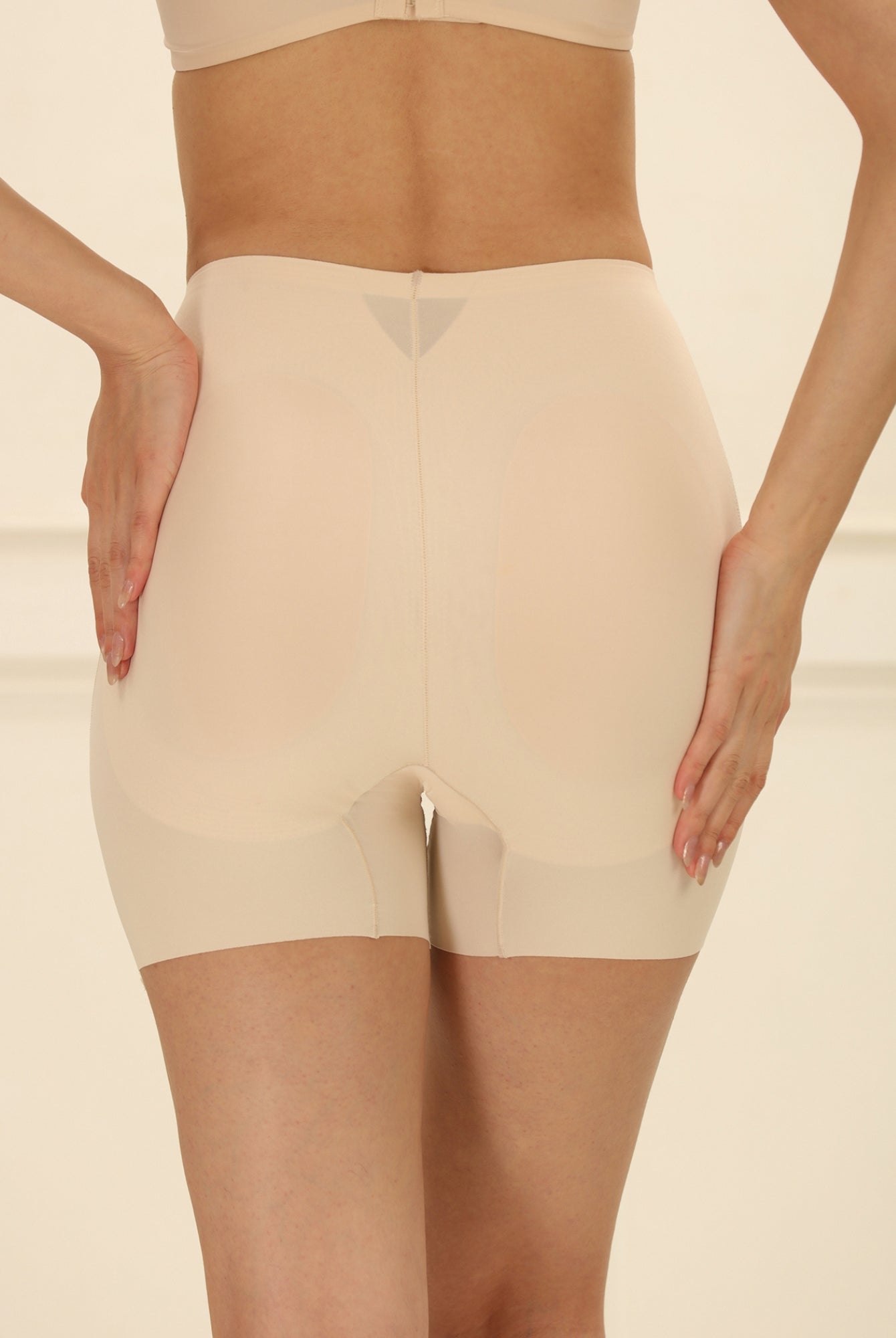
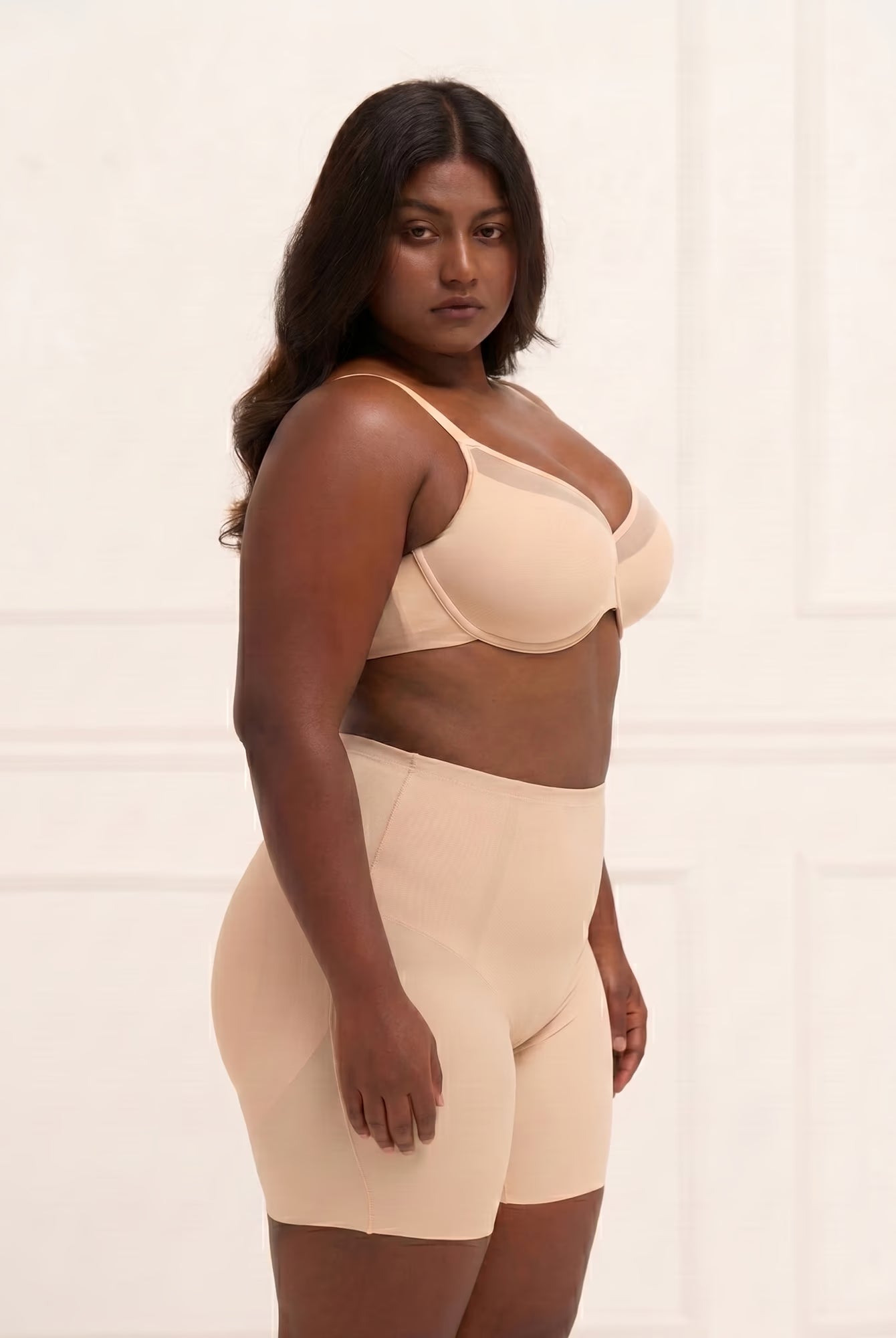
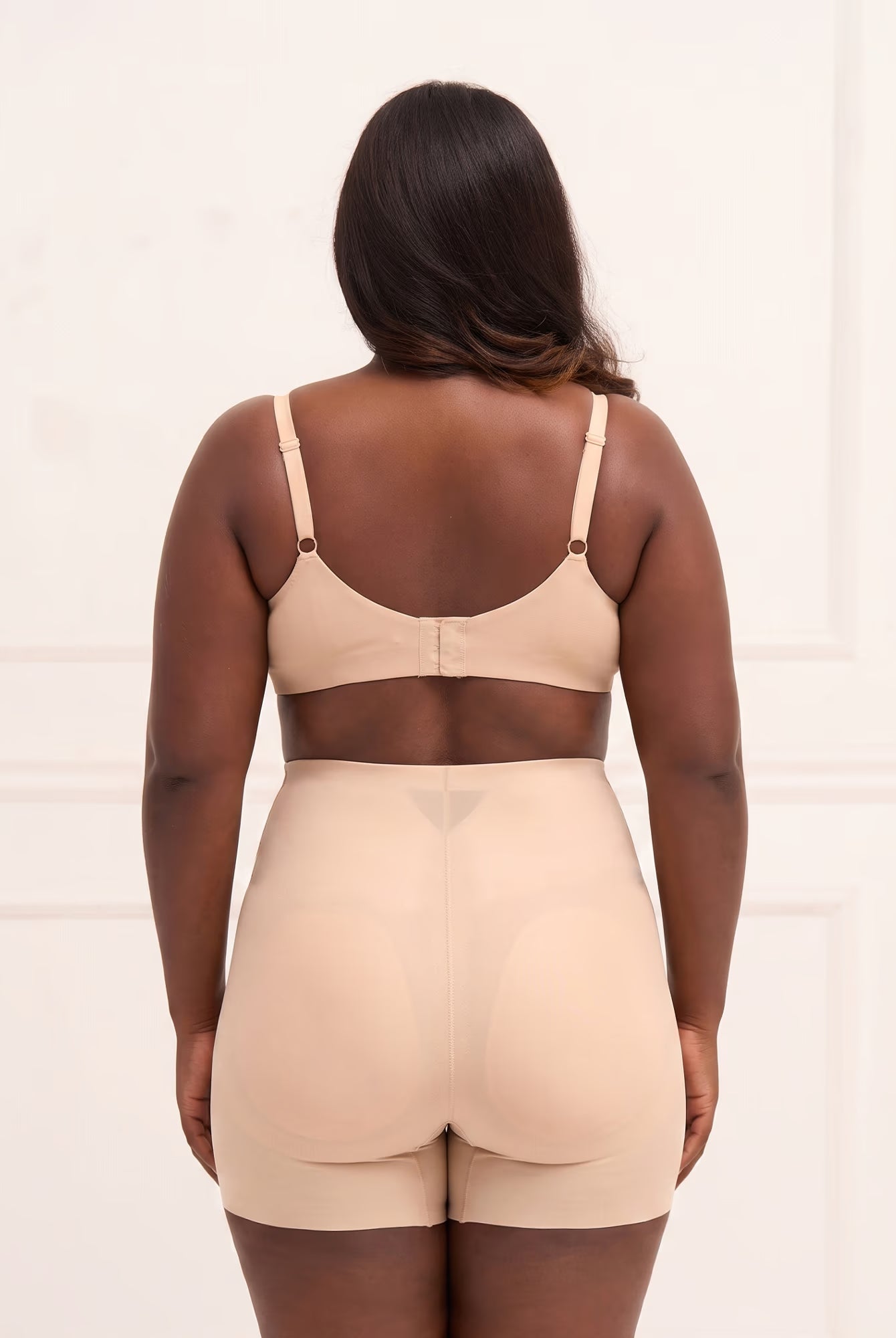
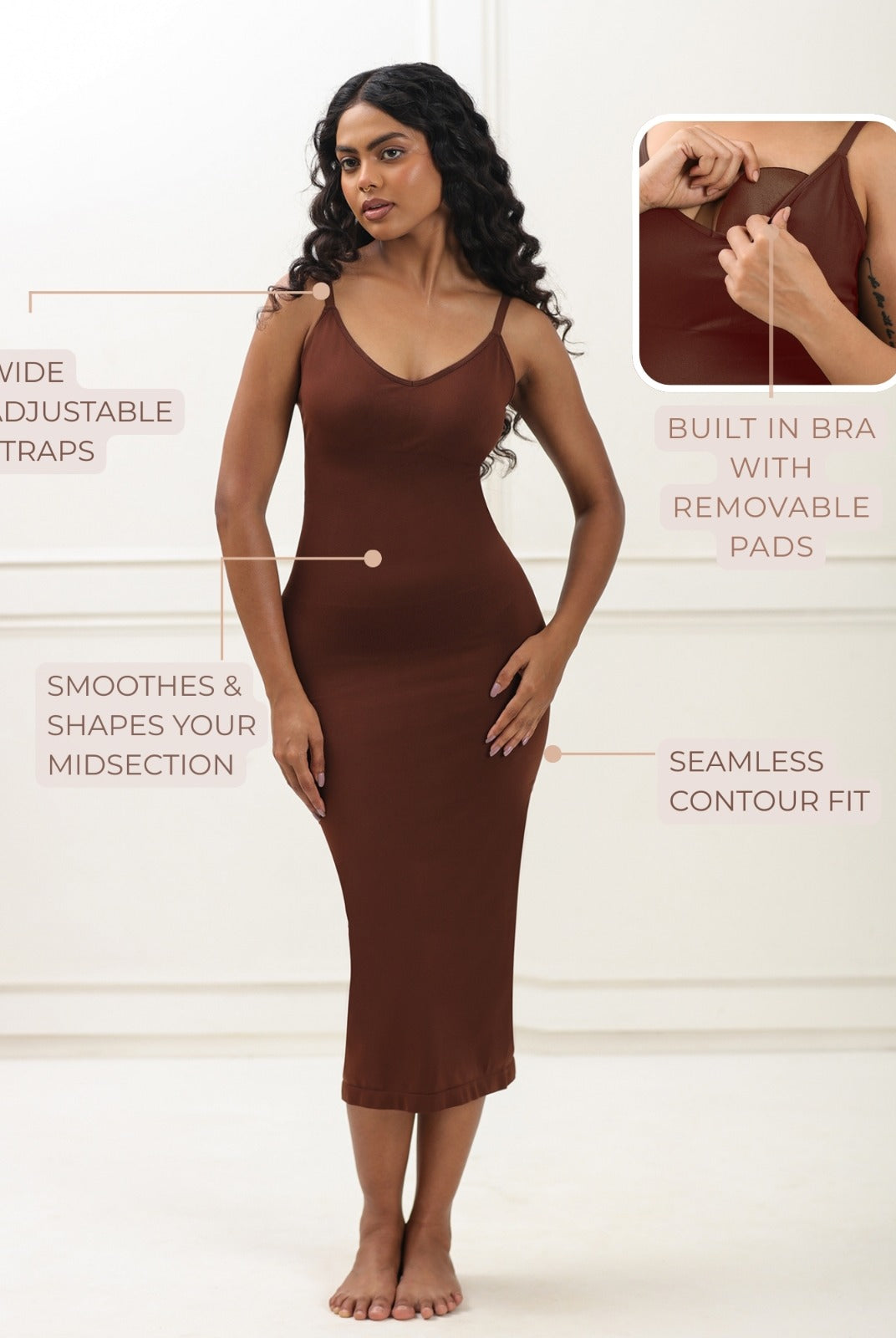
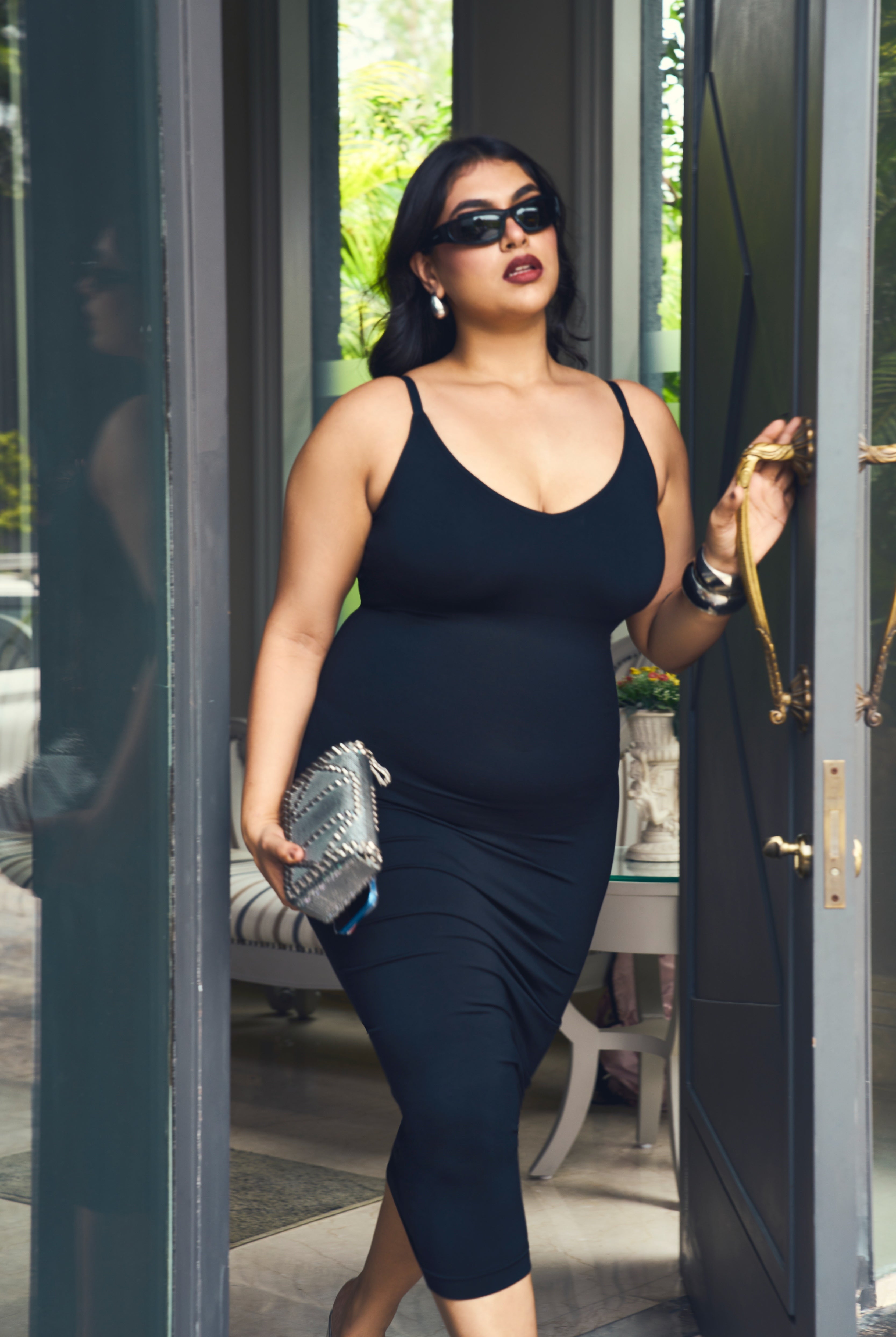
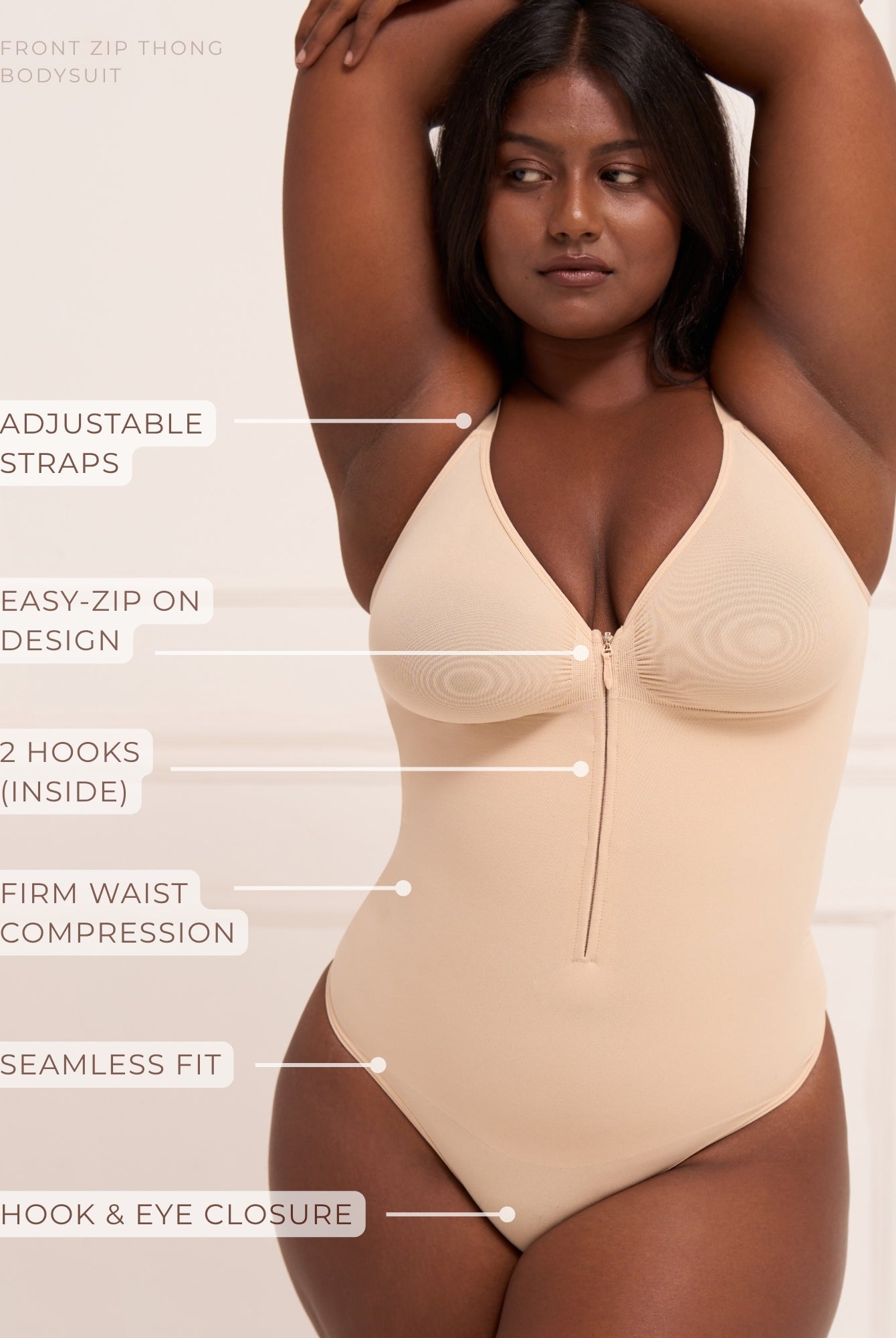
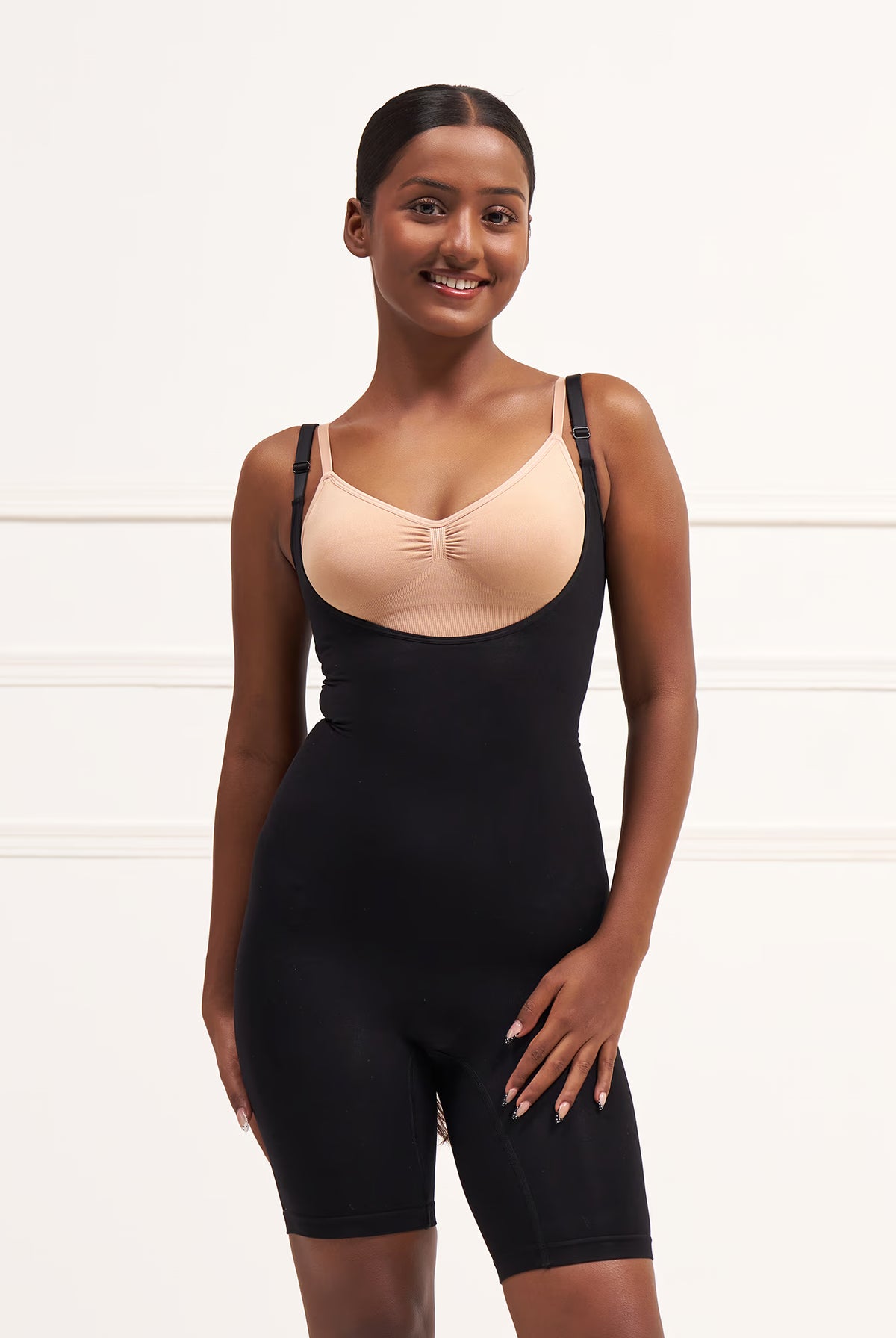
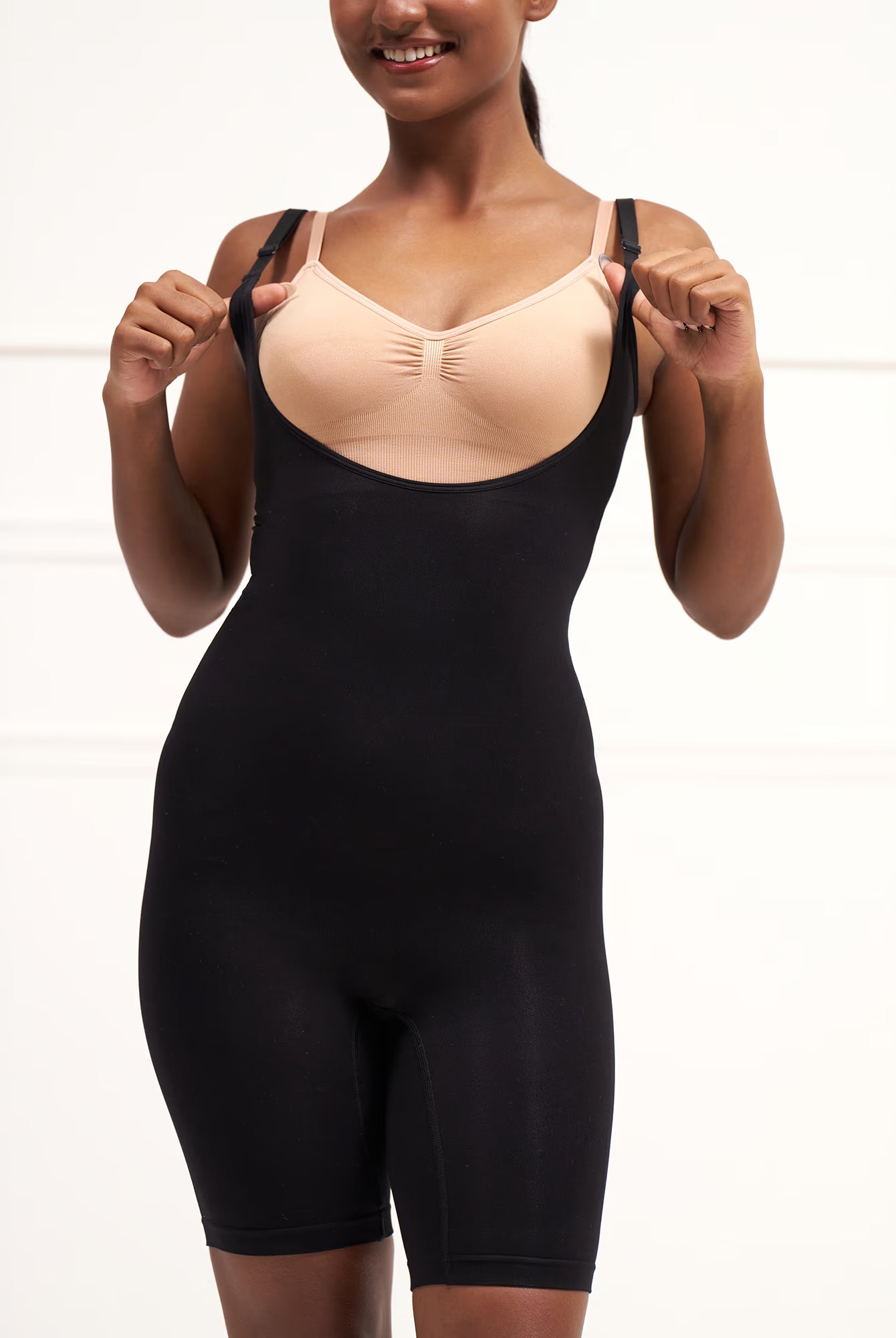
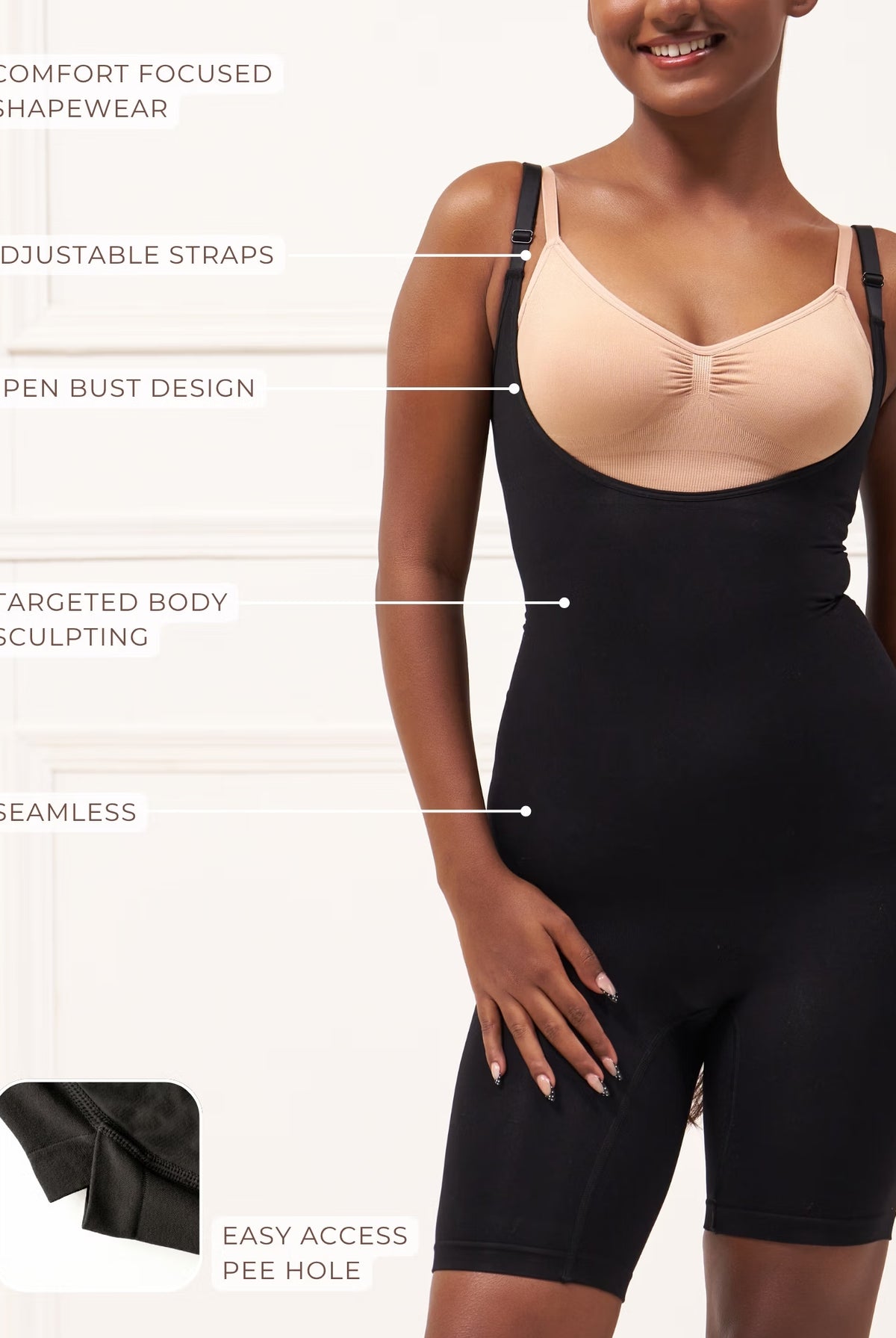
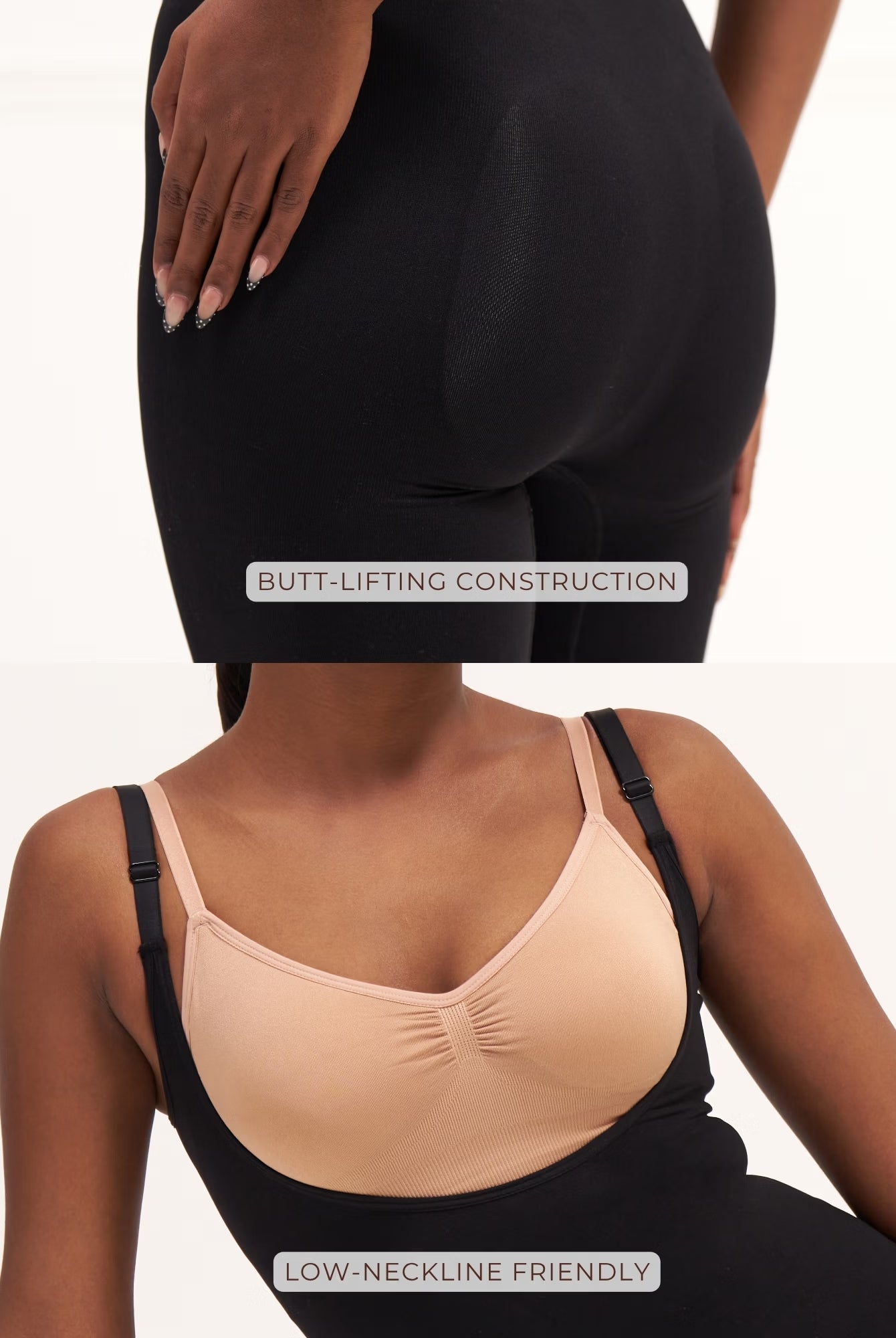
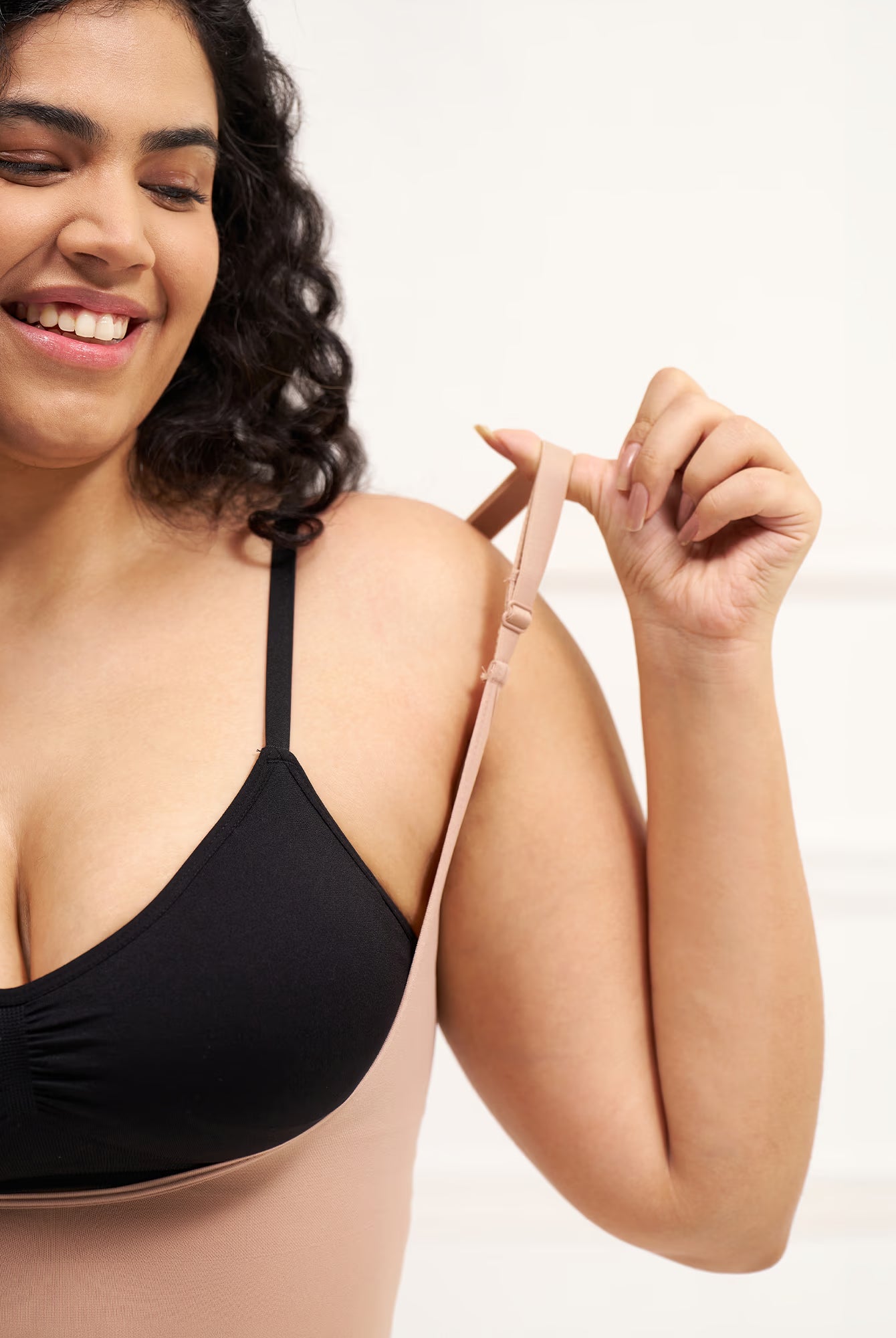
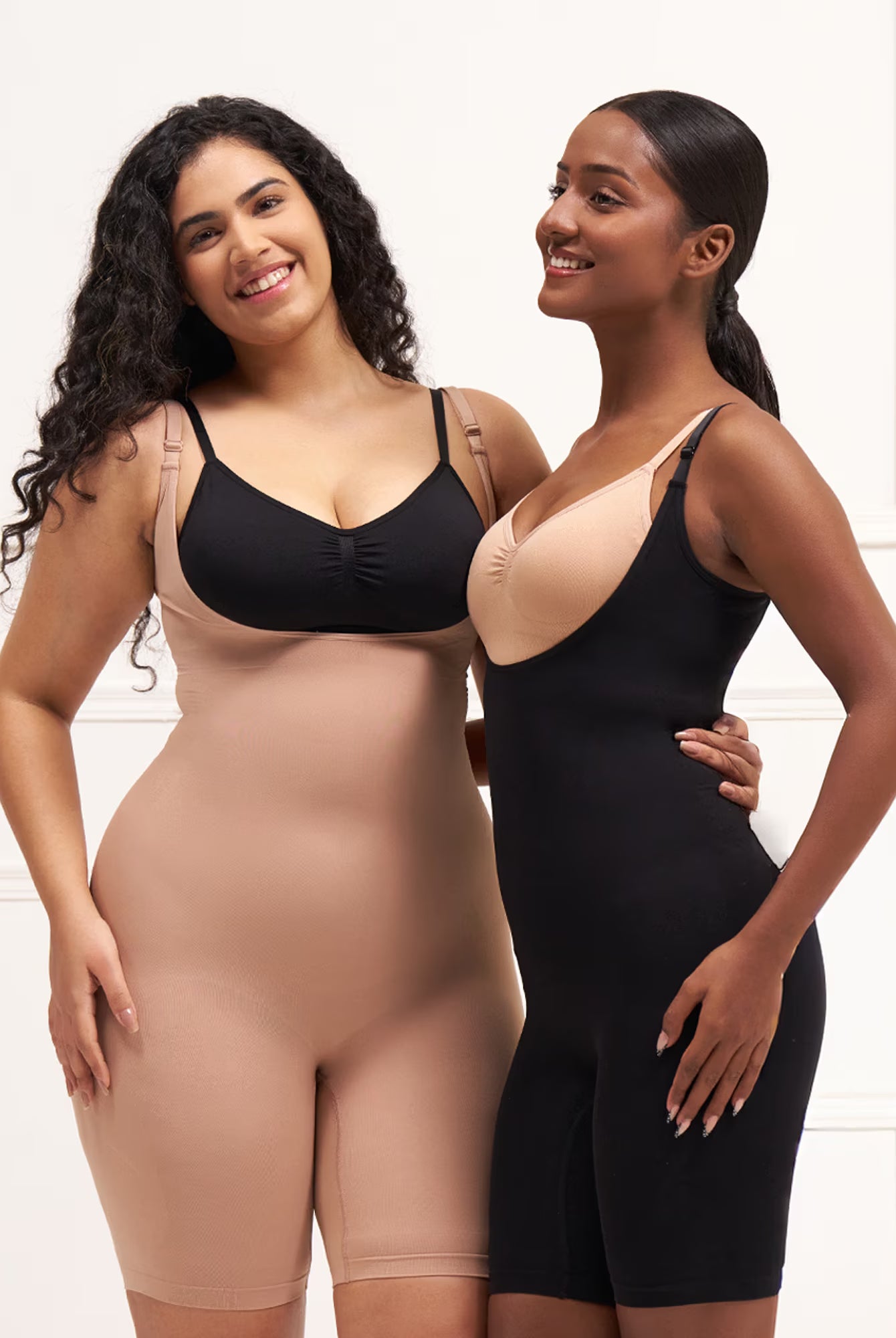
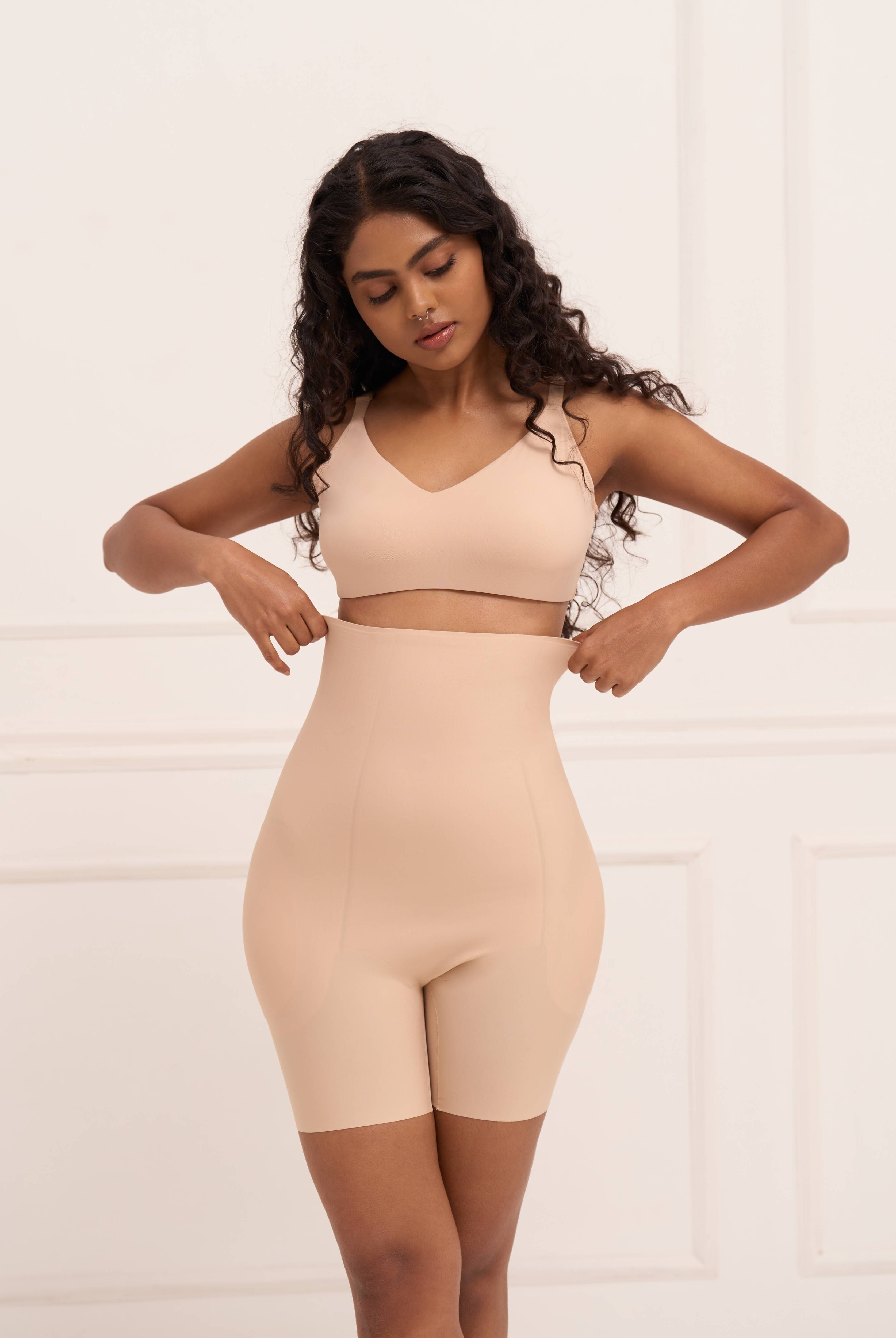
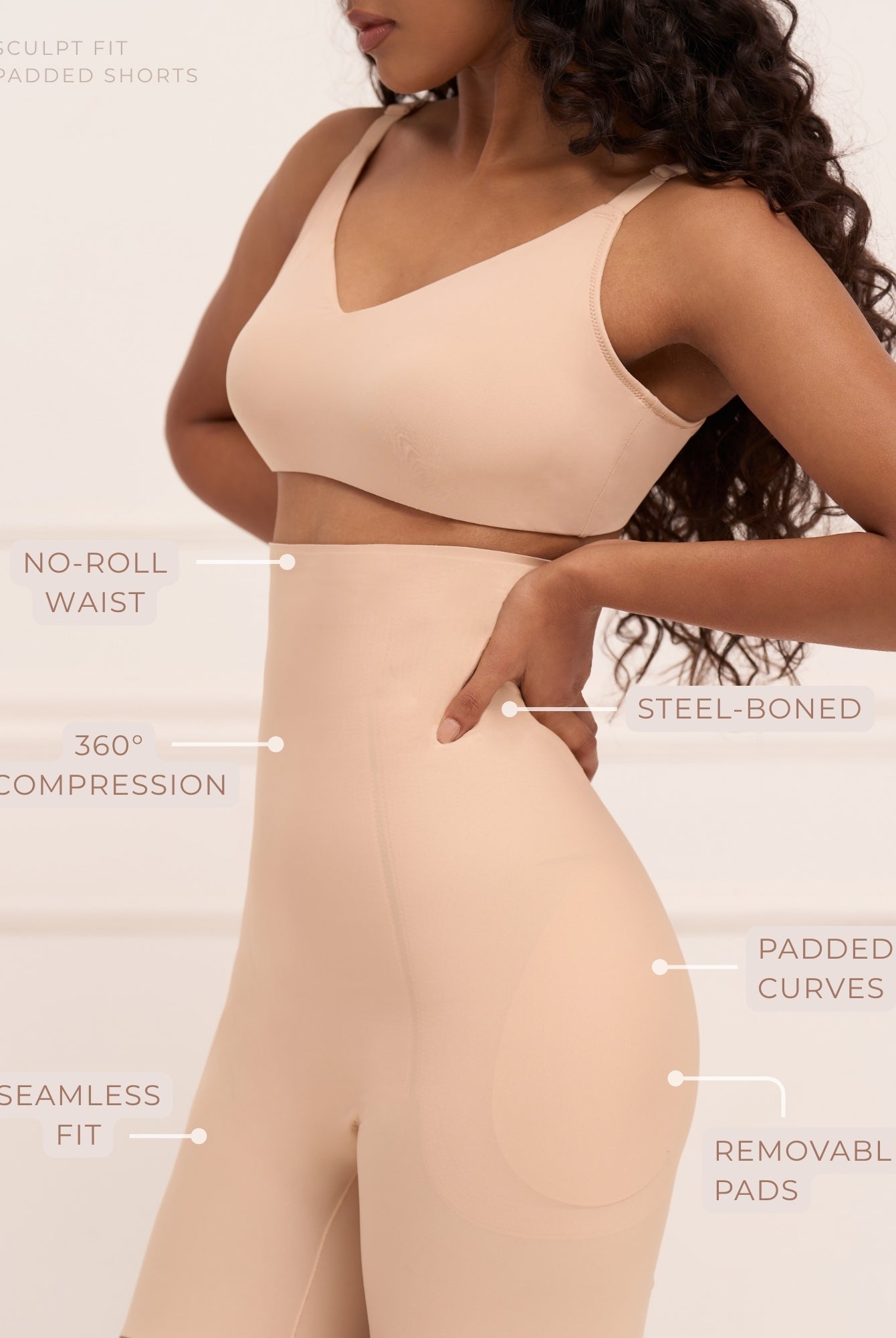
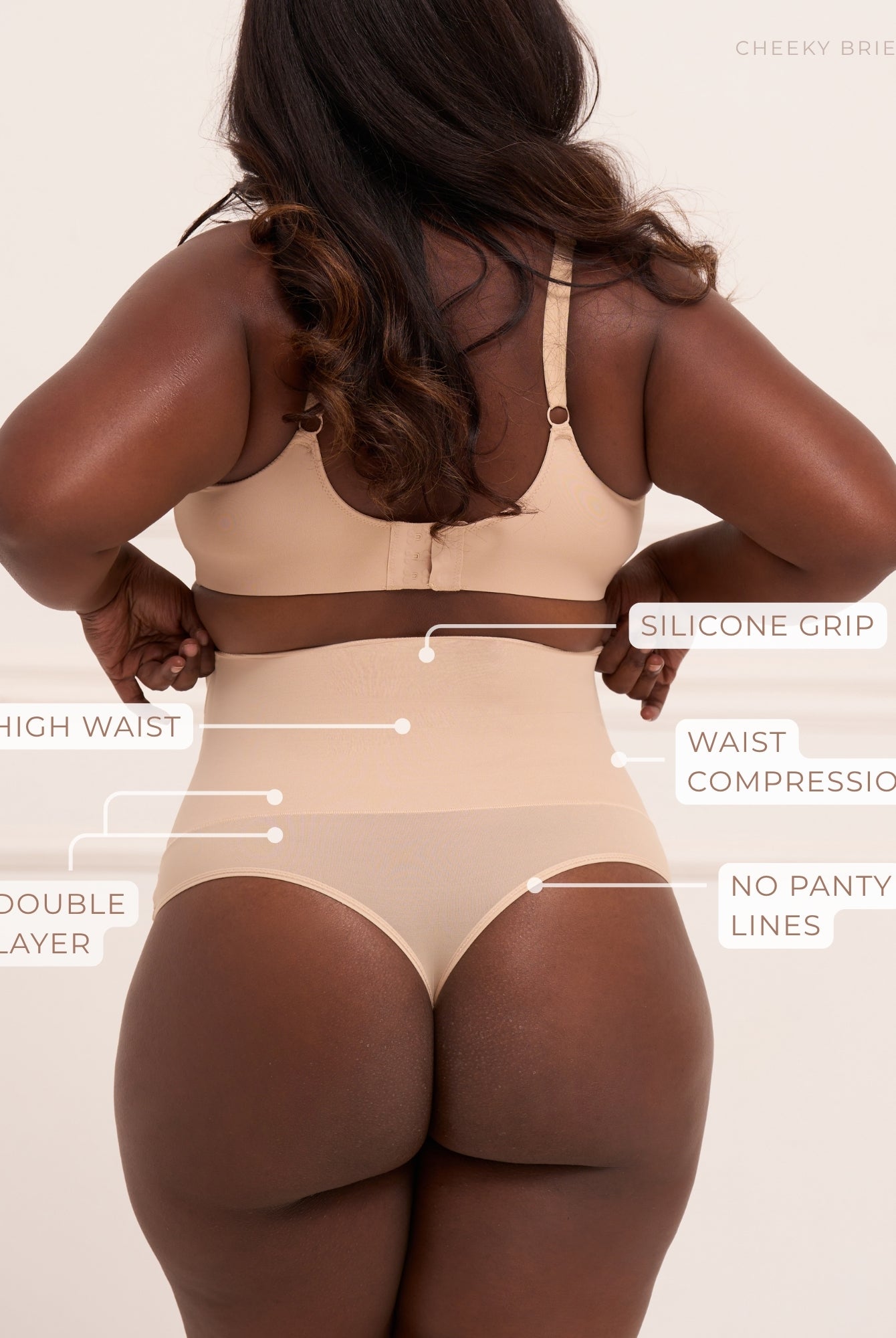
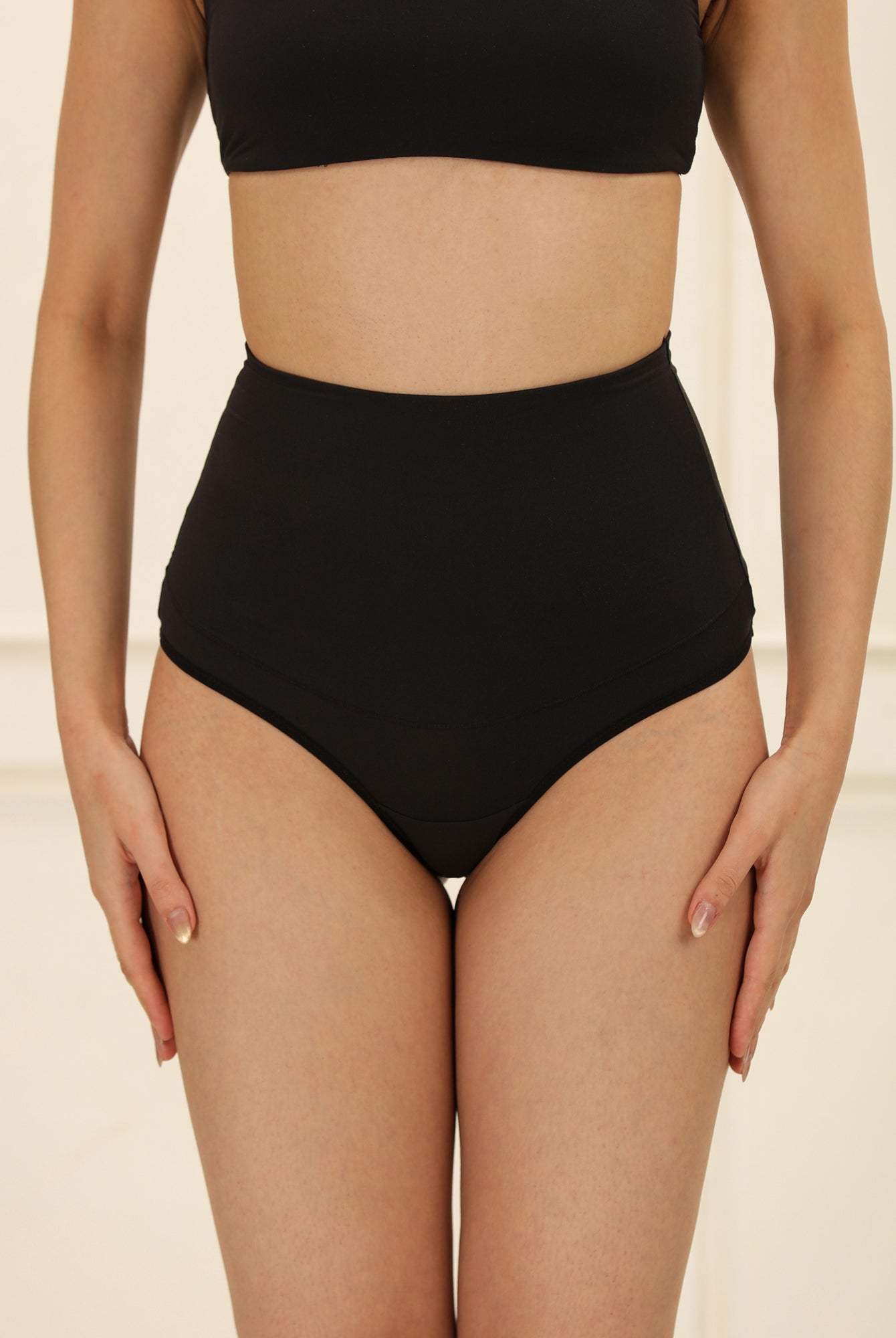
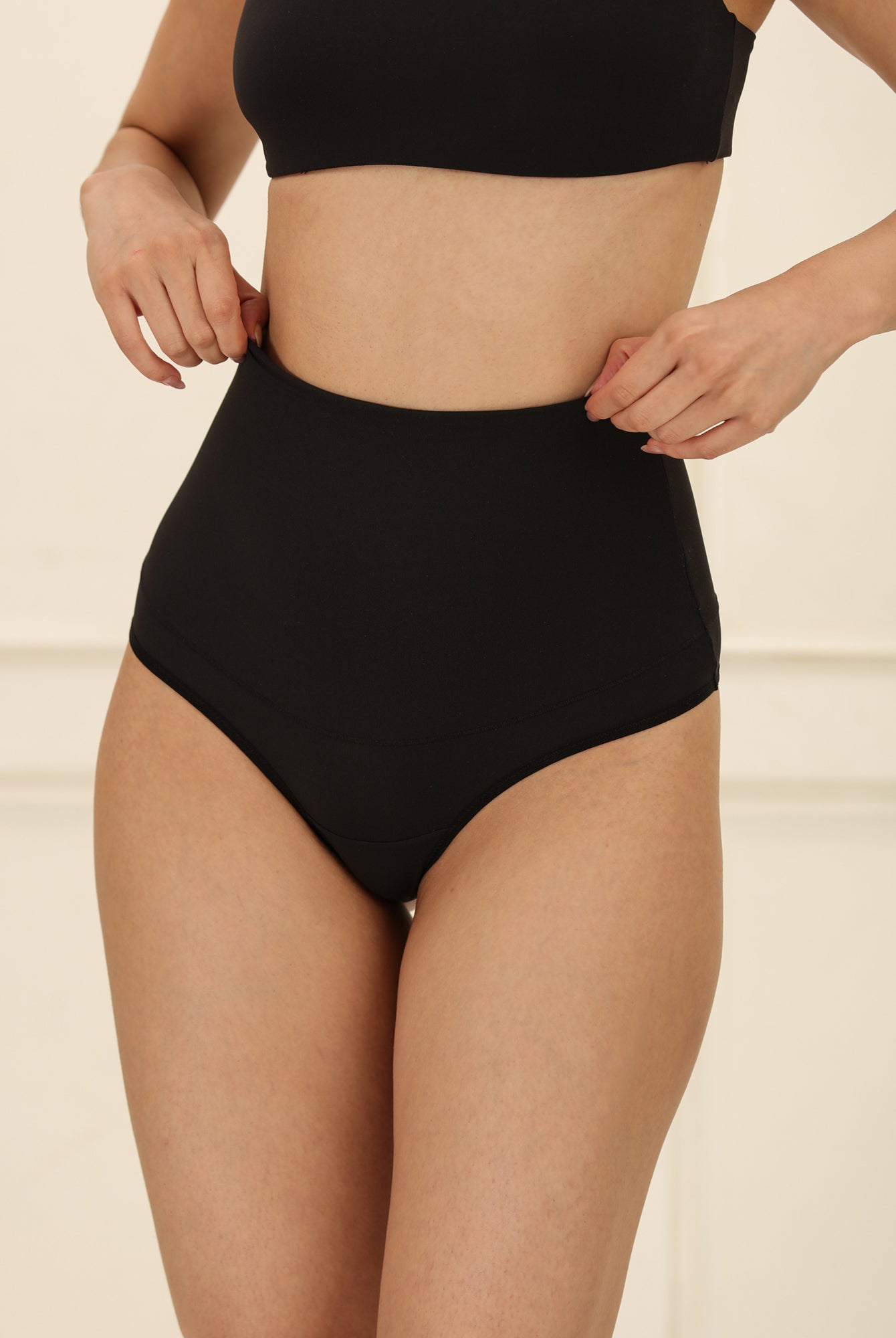
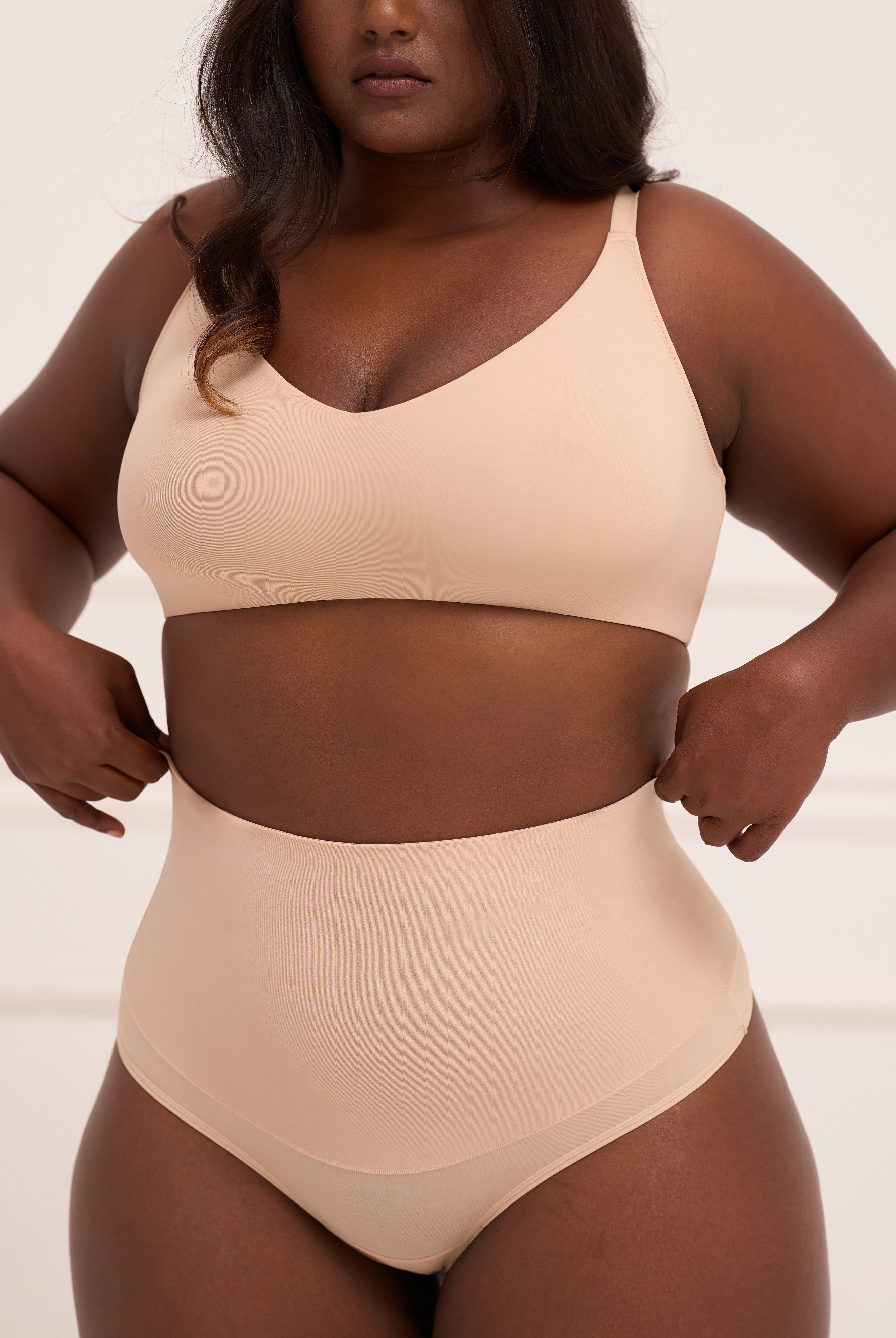
4. Shapewear

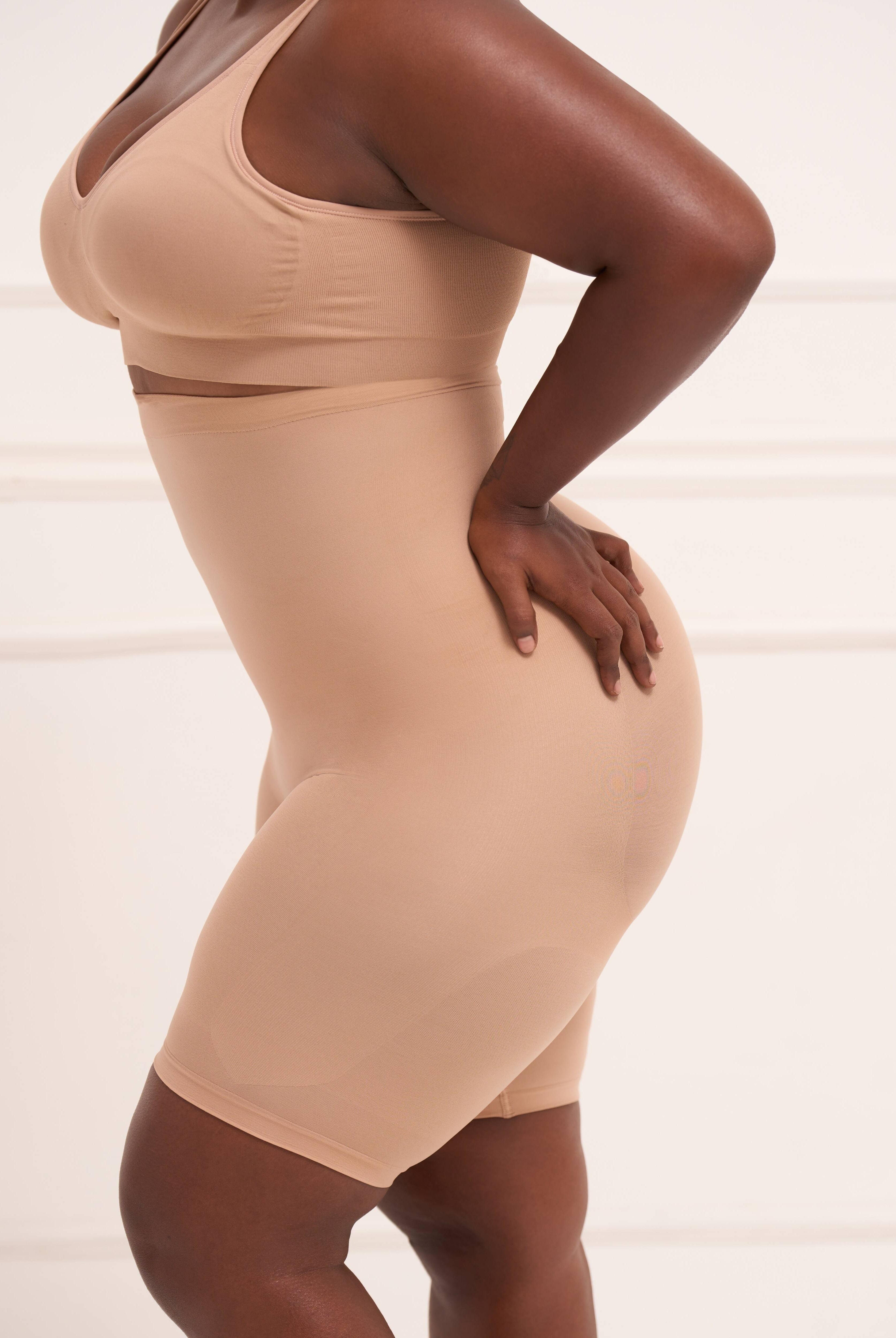
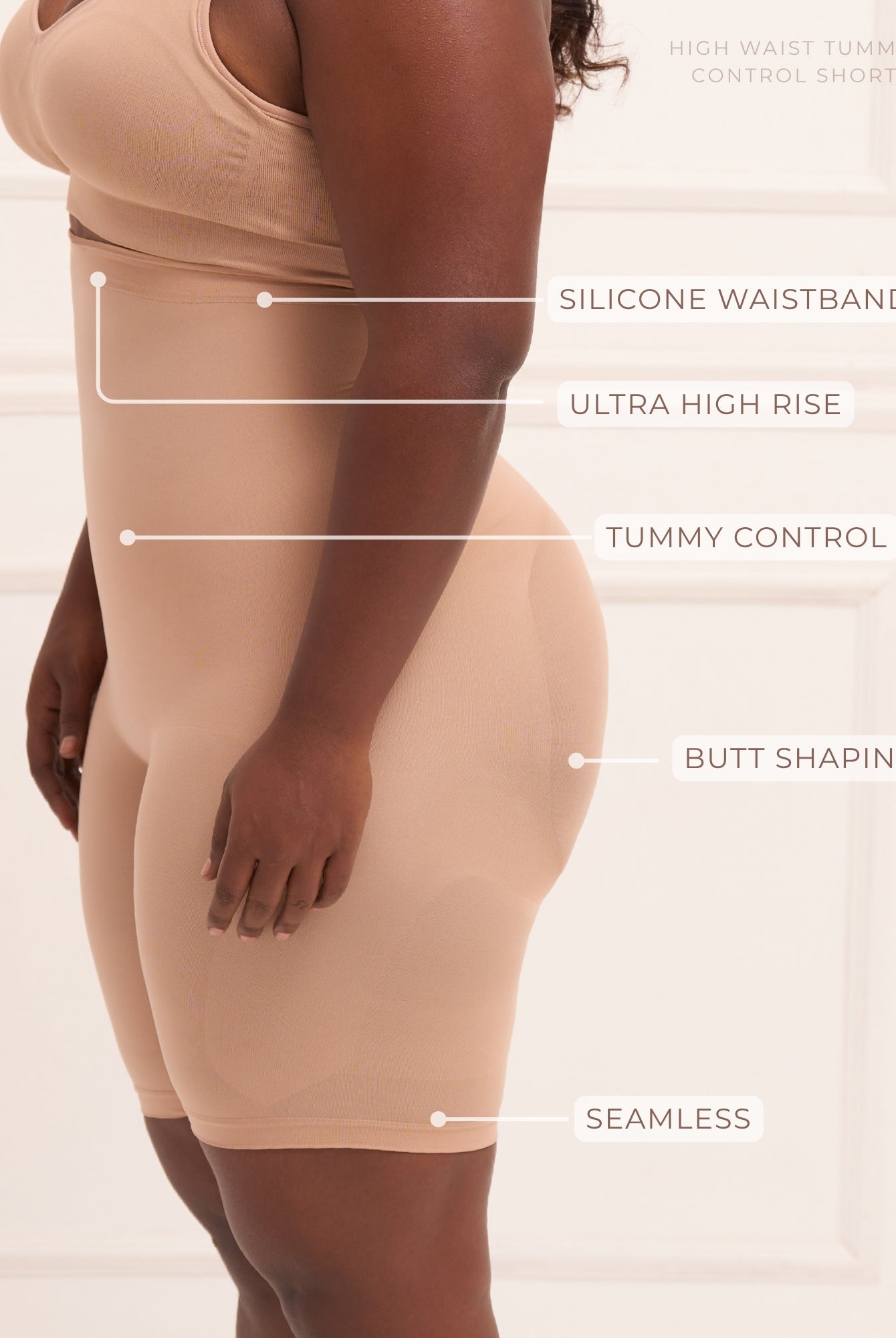
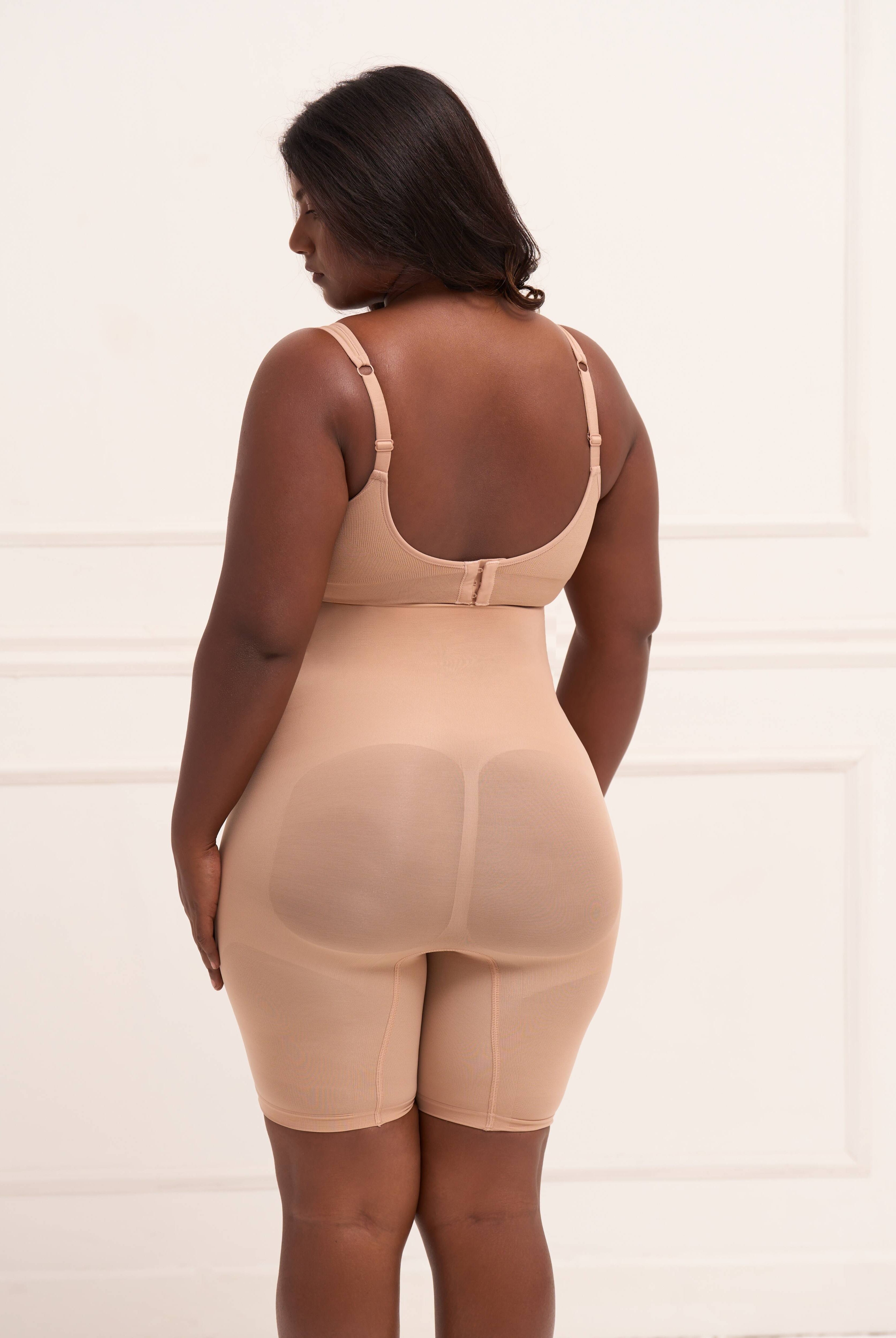
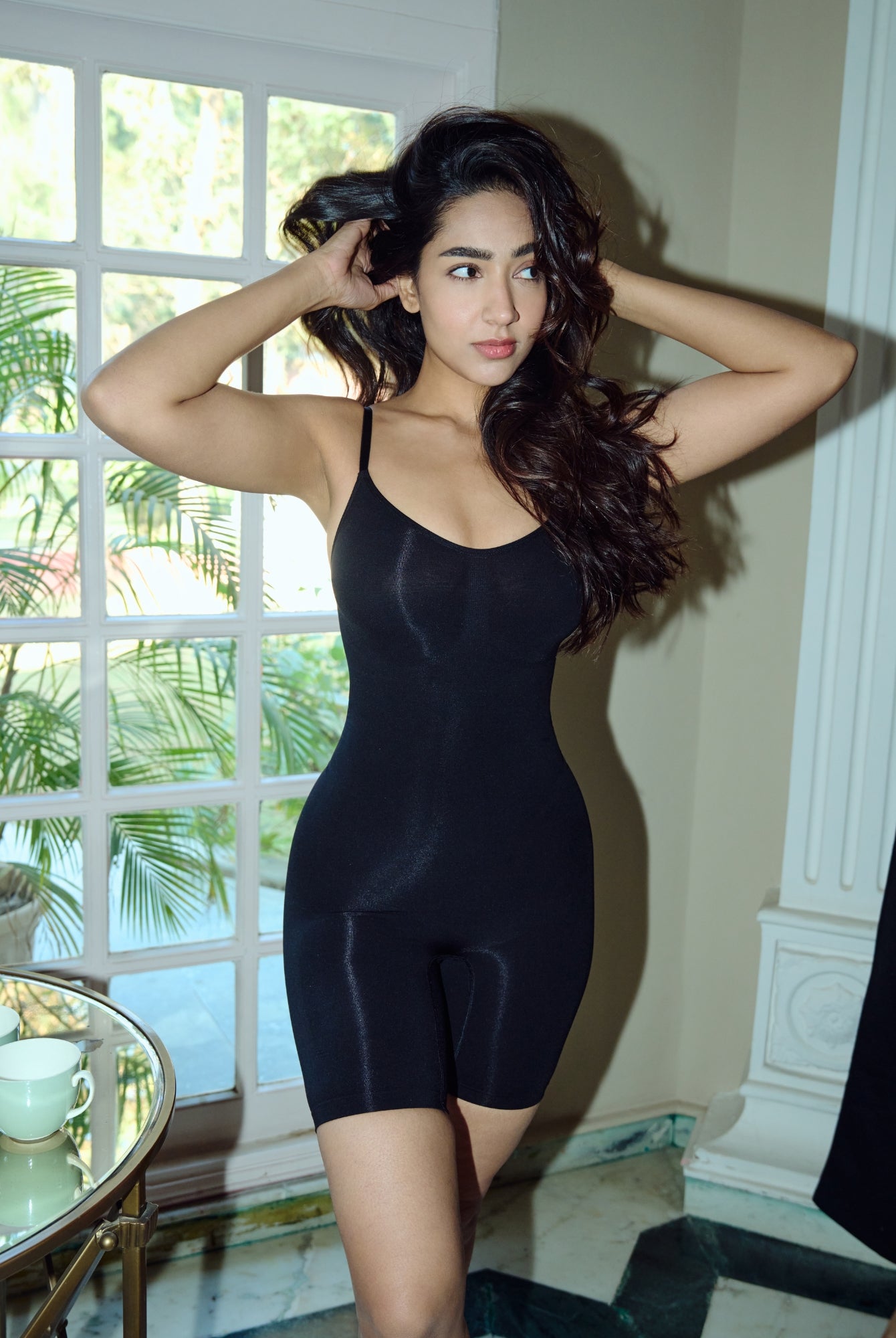
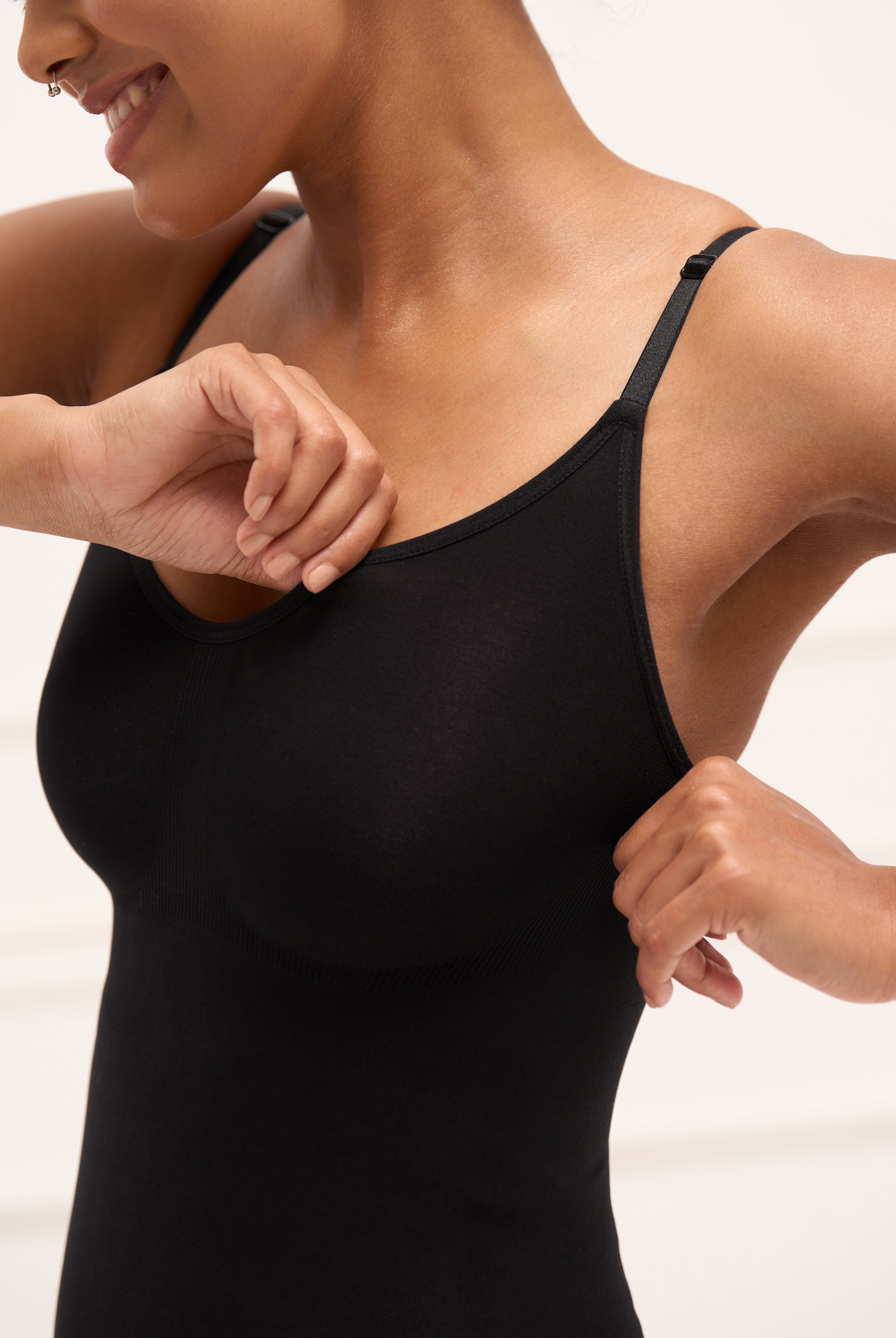
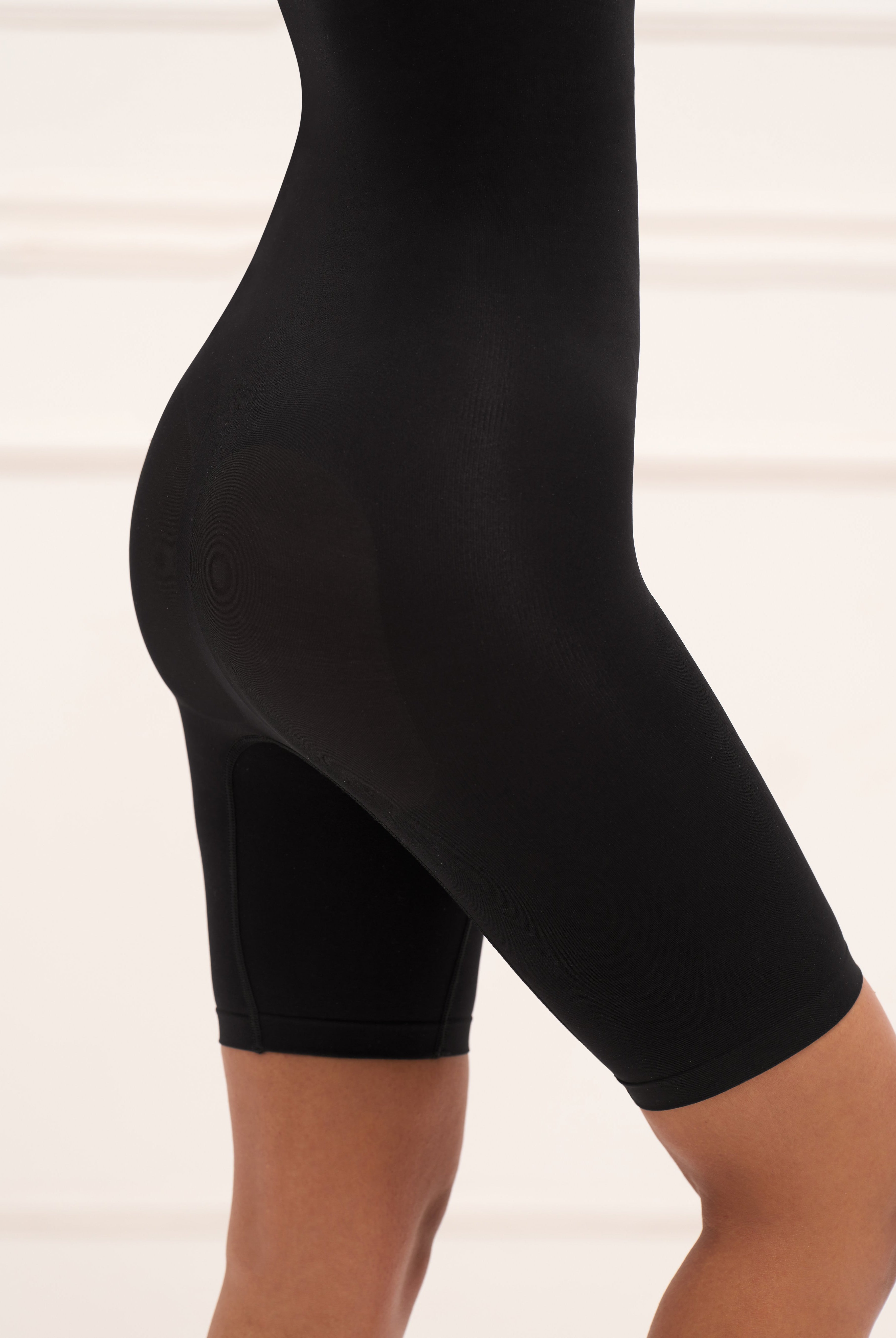
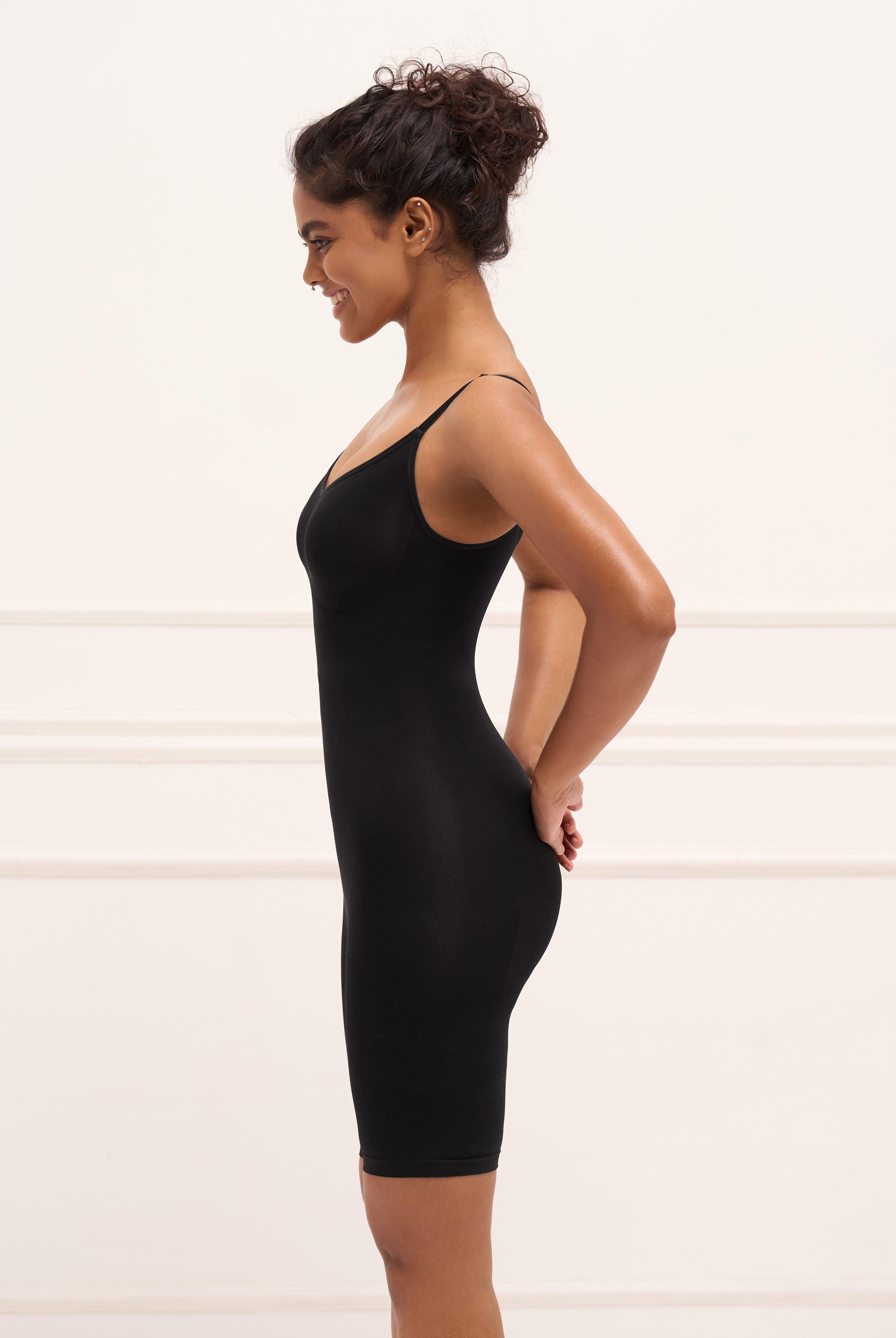
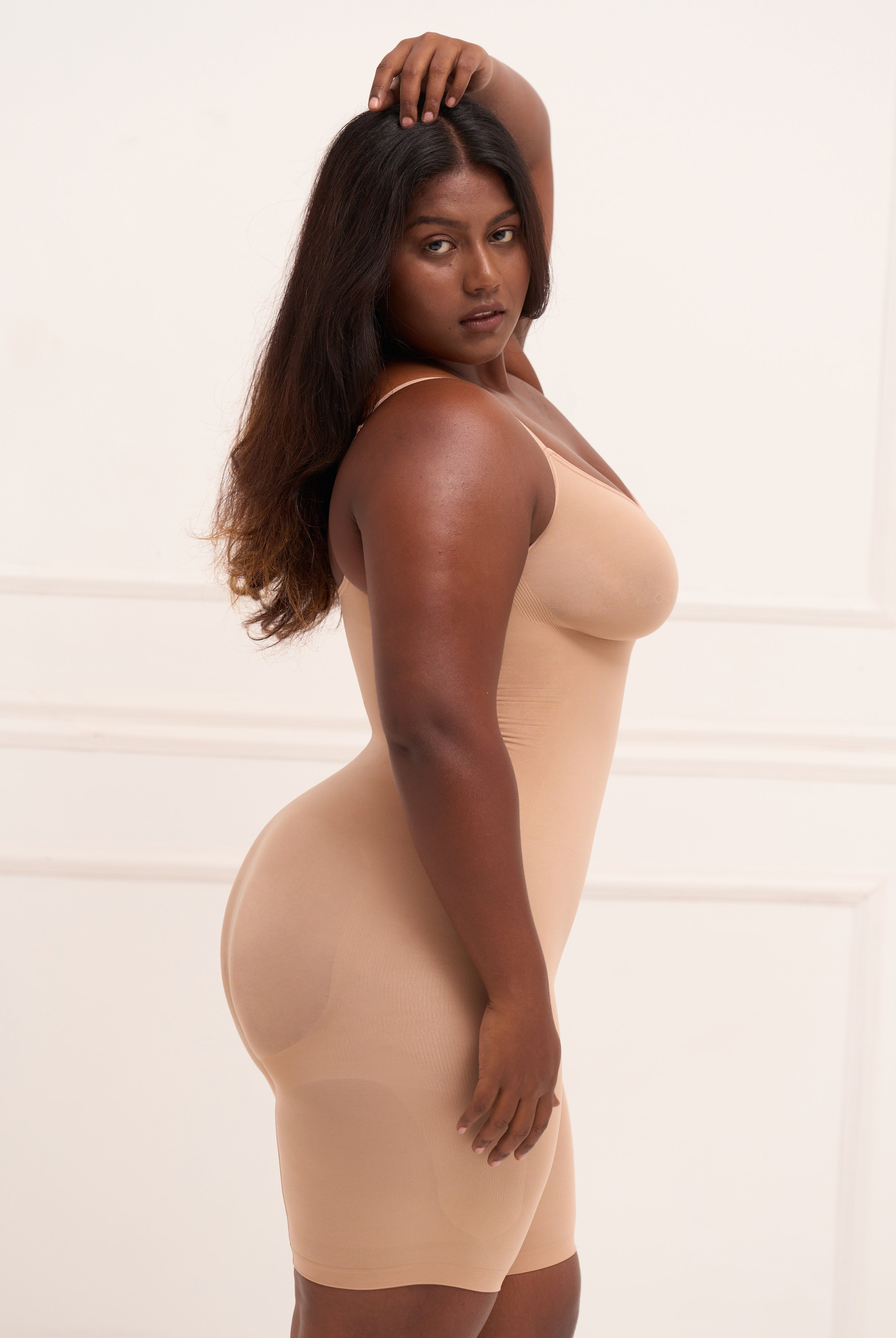
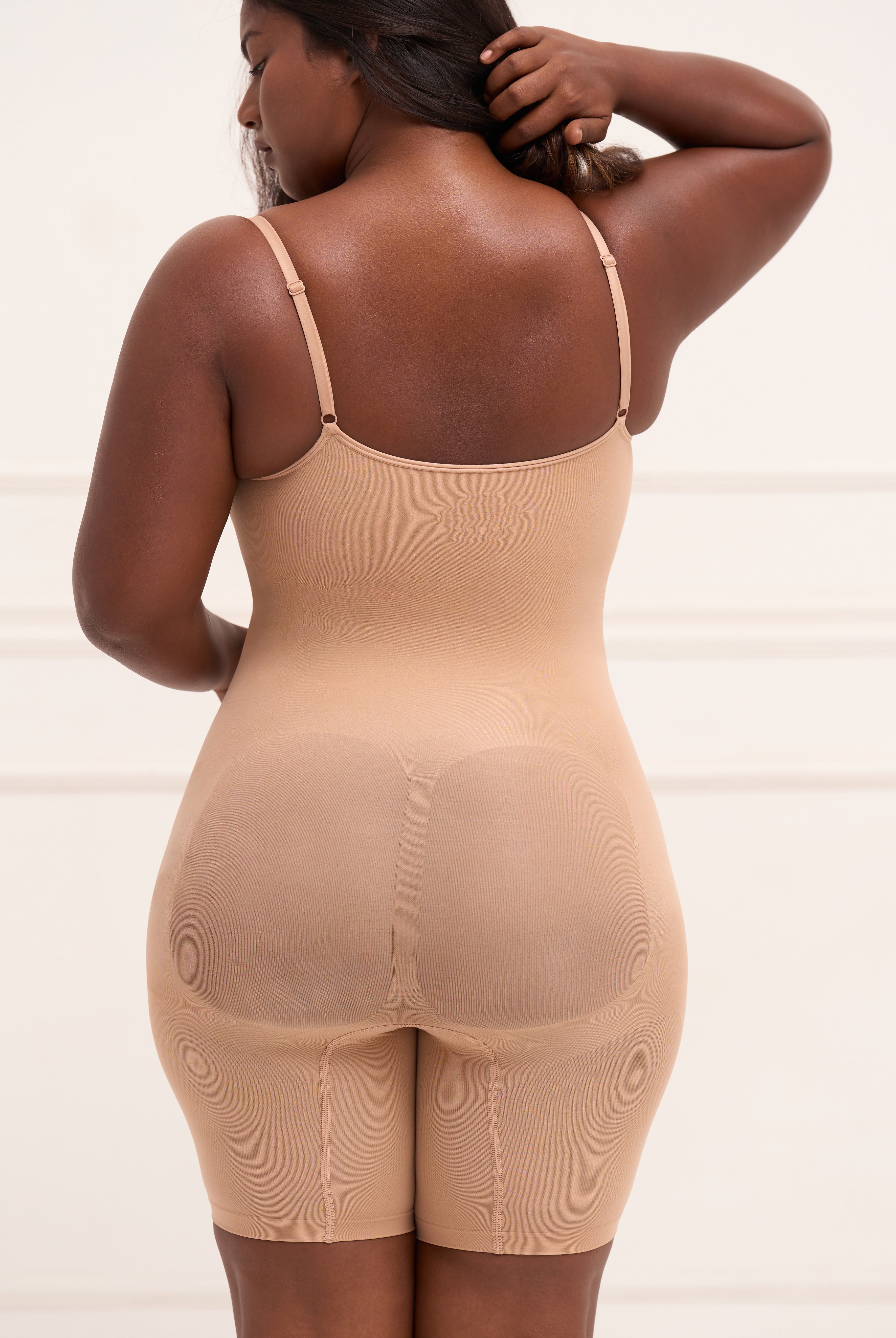
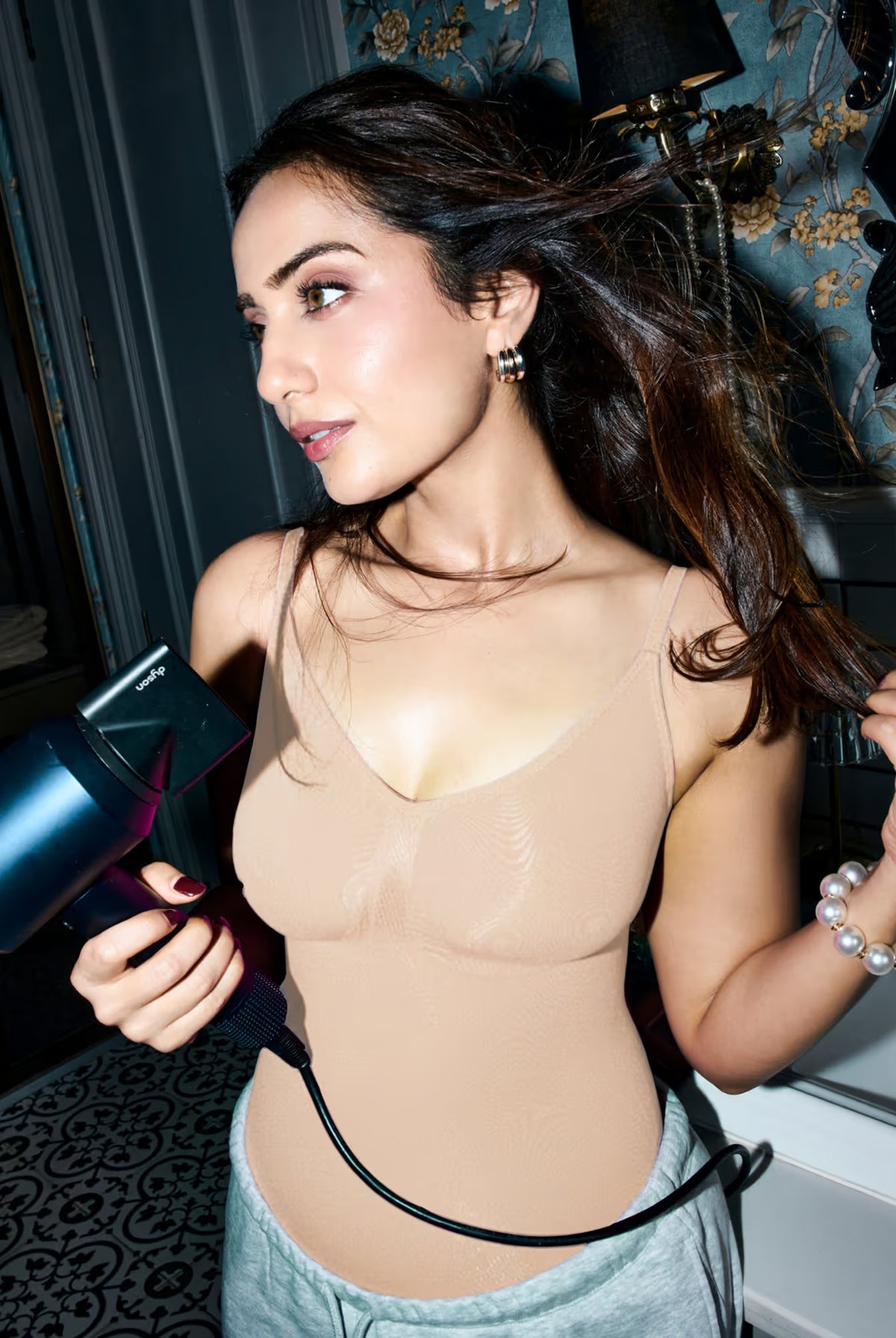
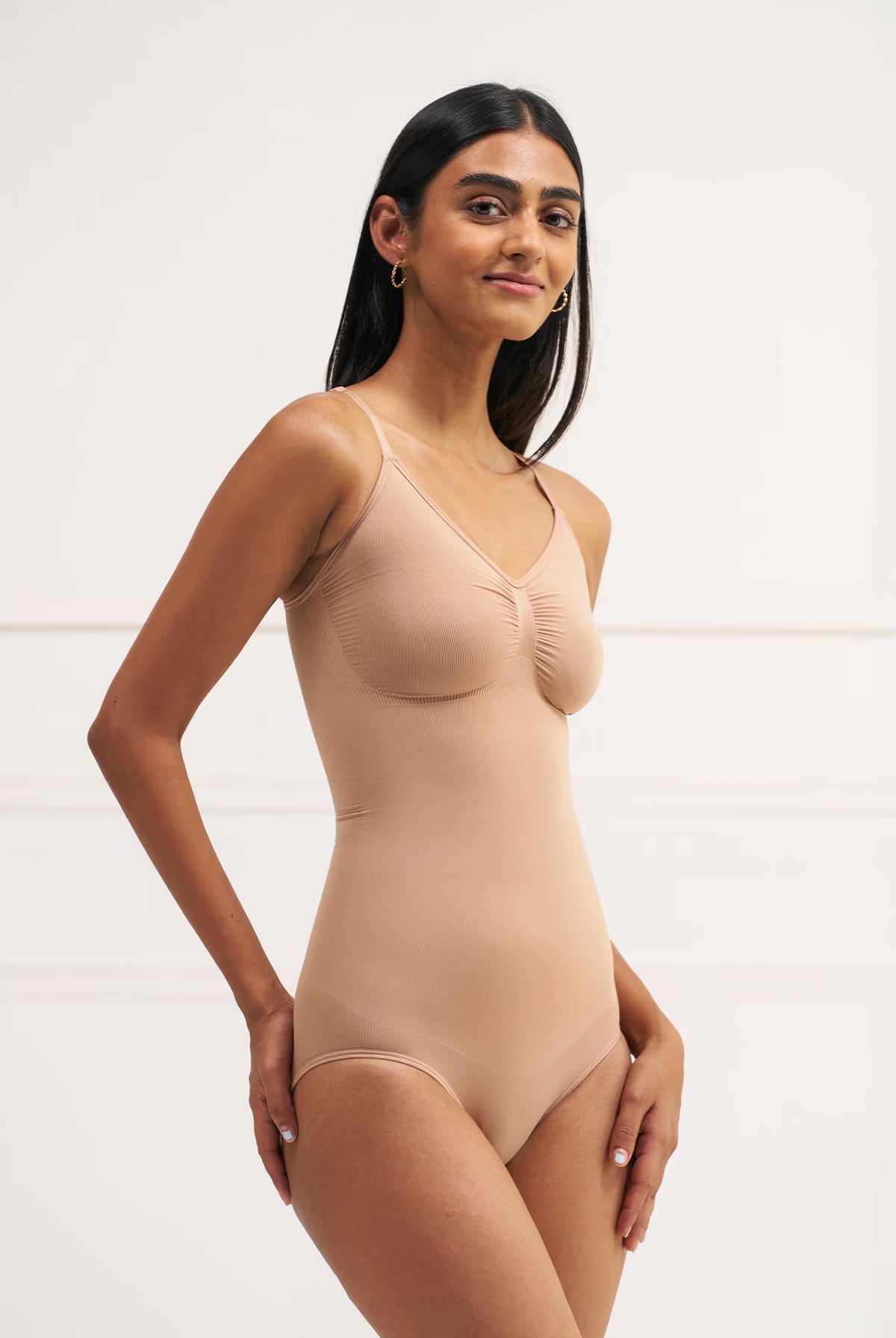
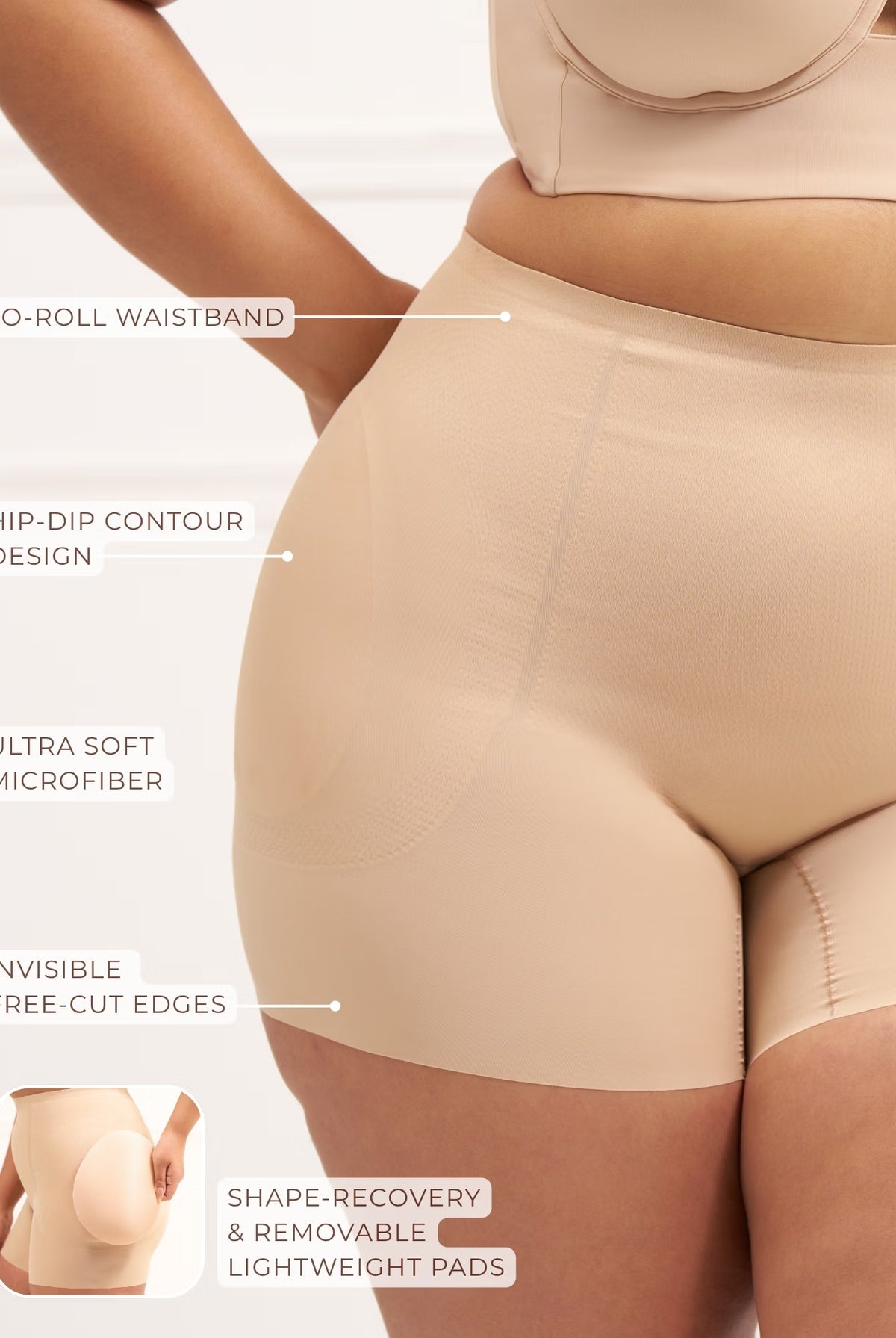
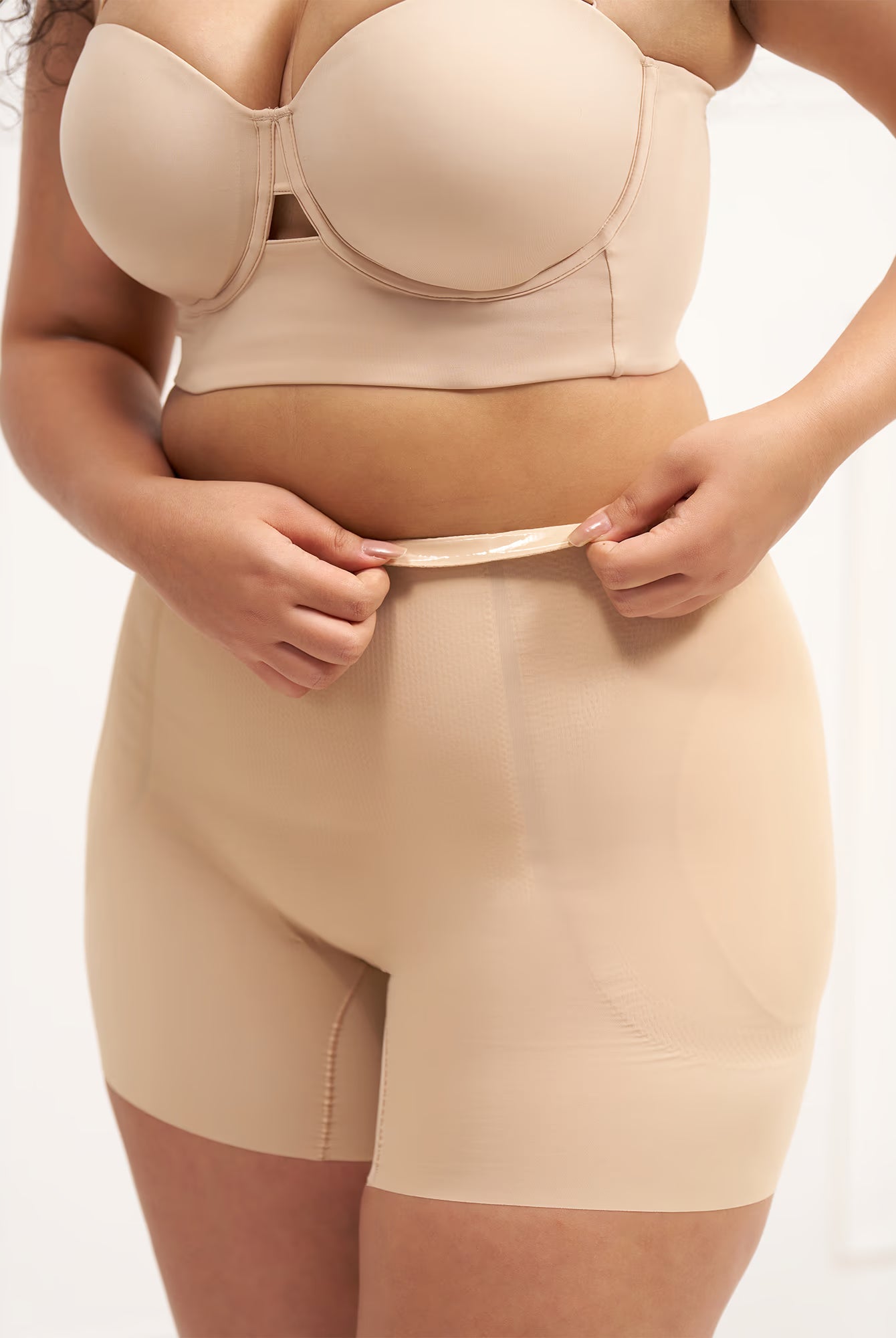
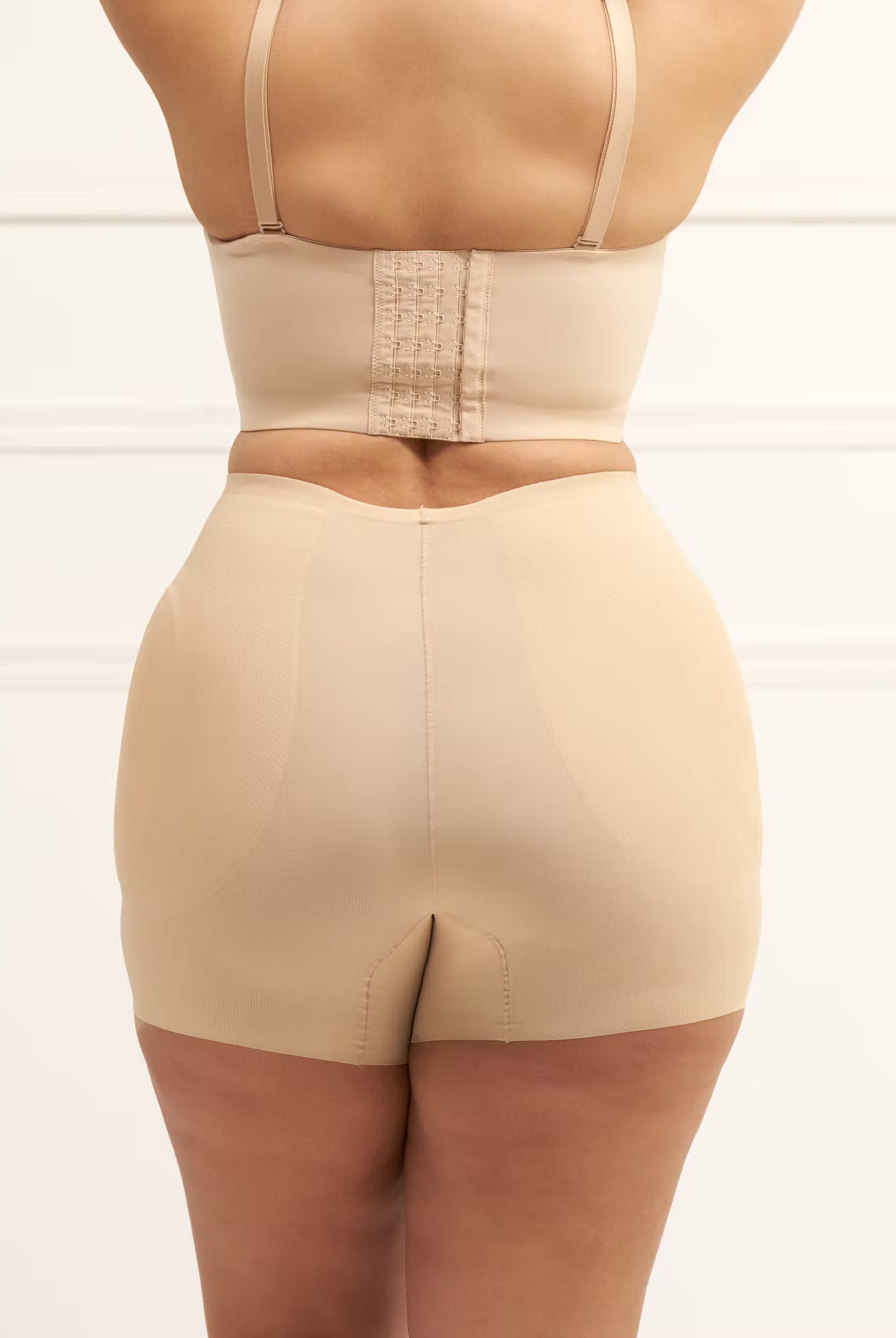
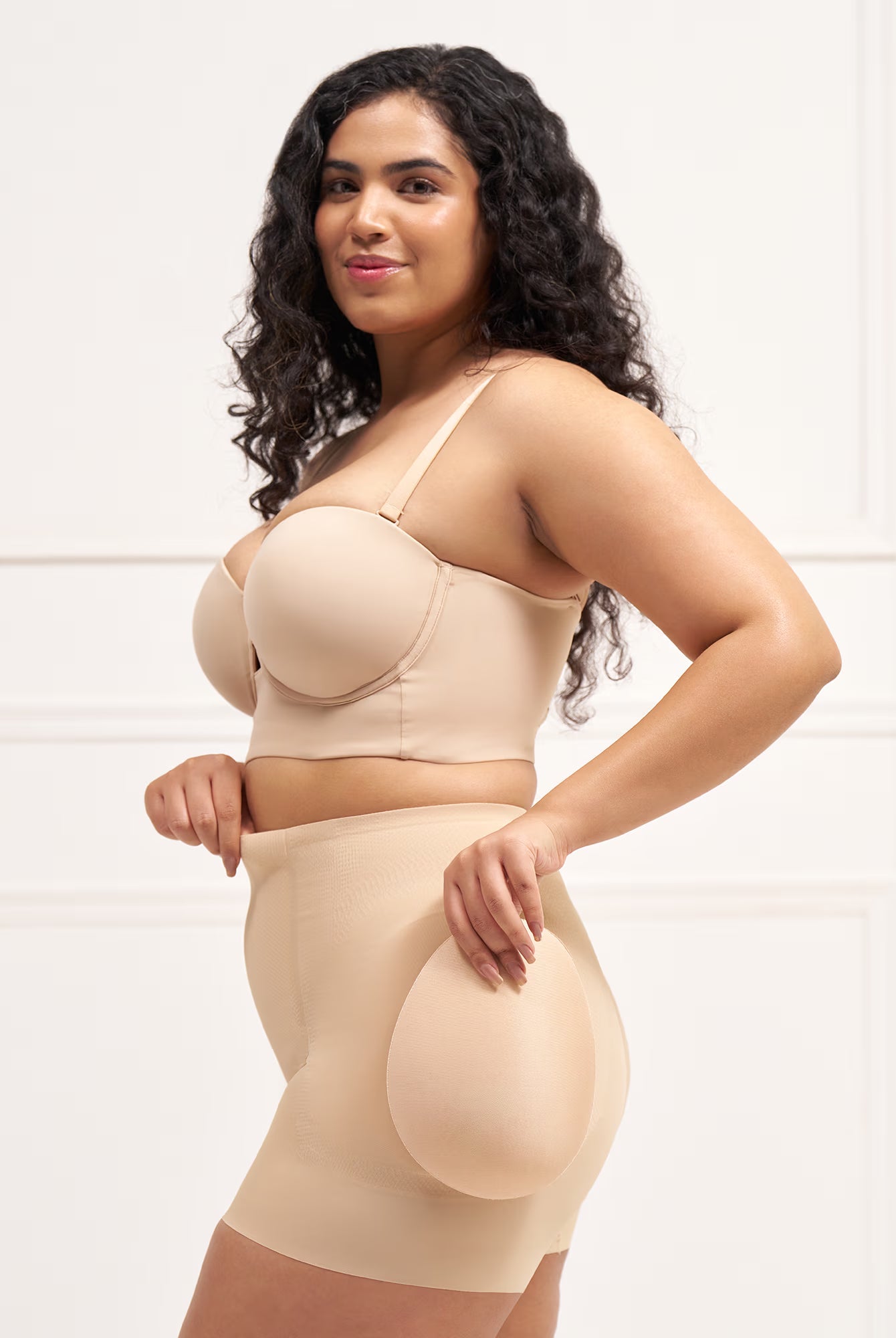
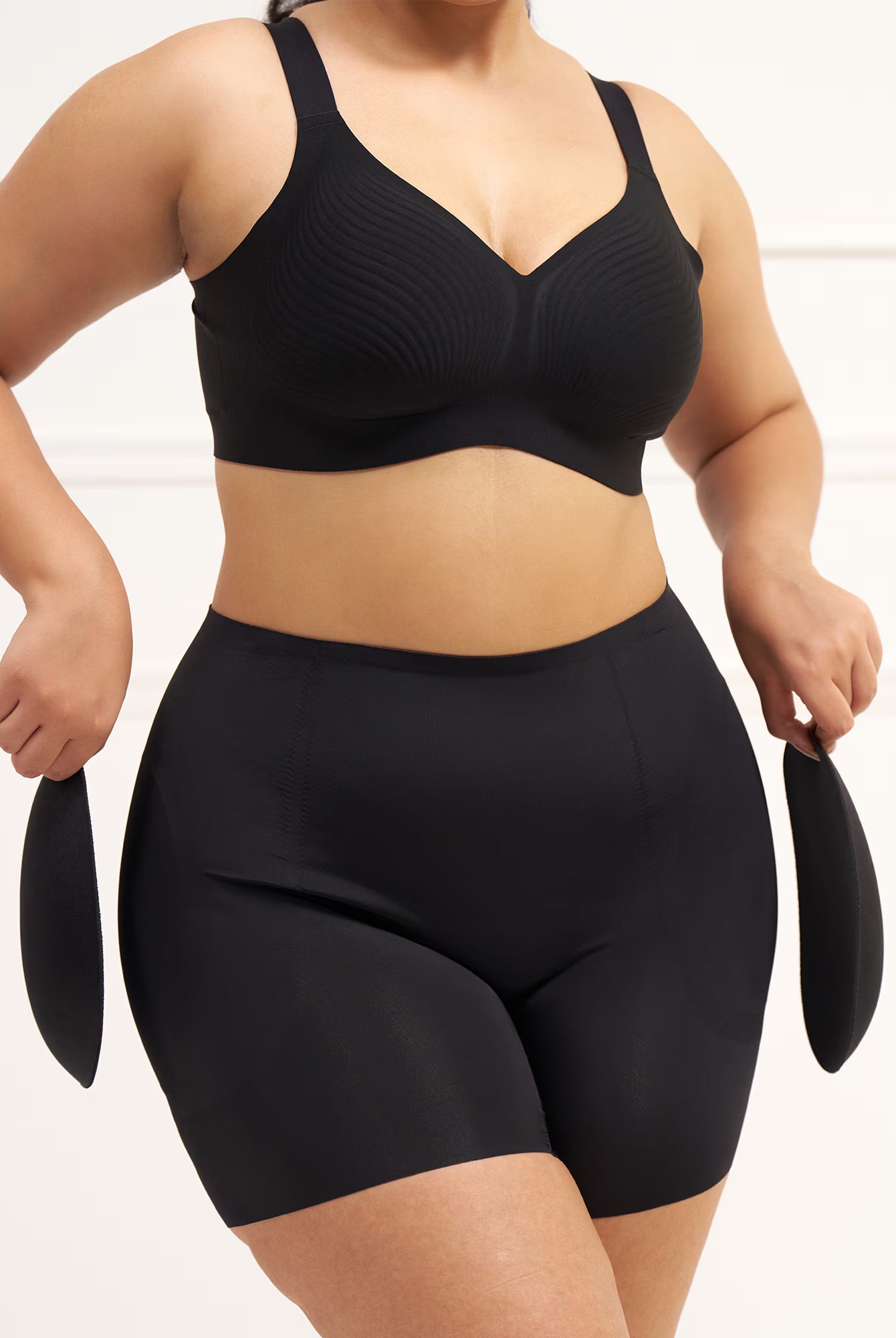
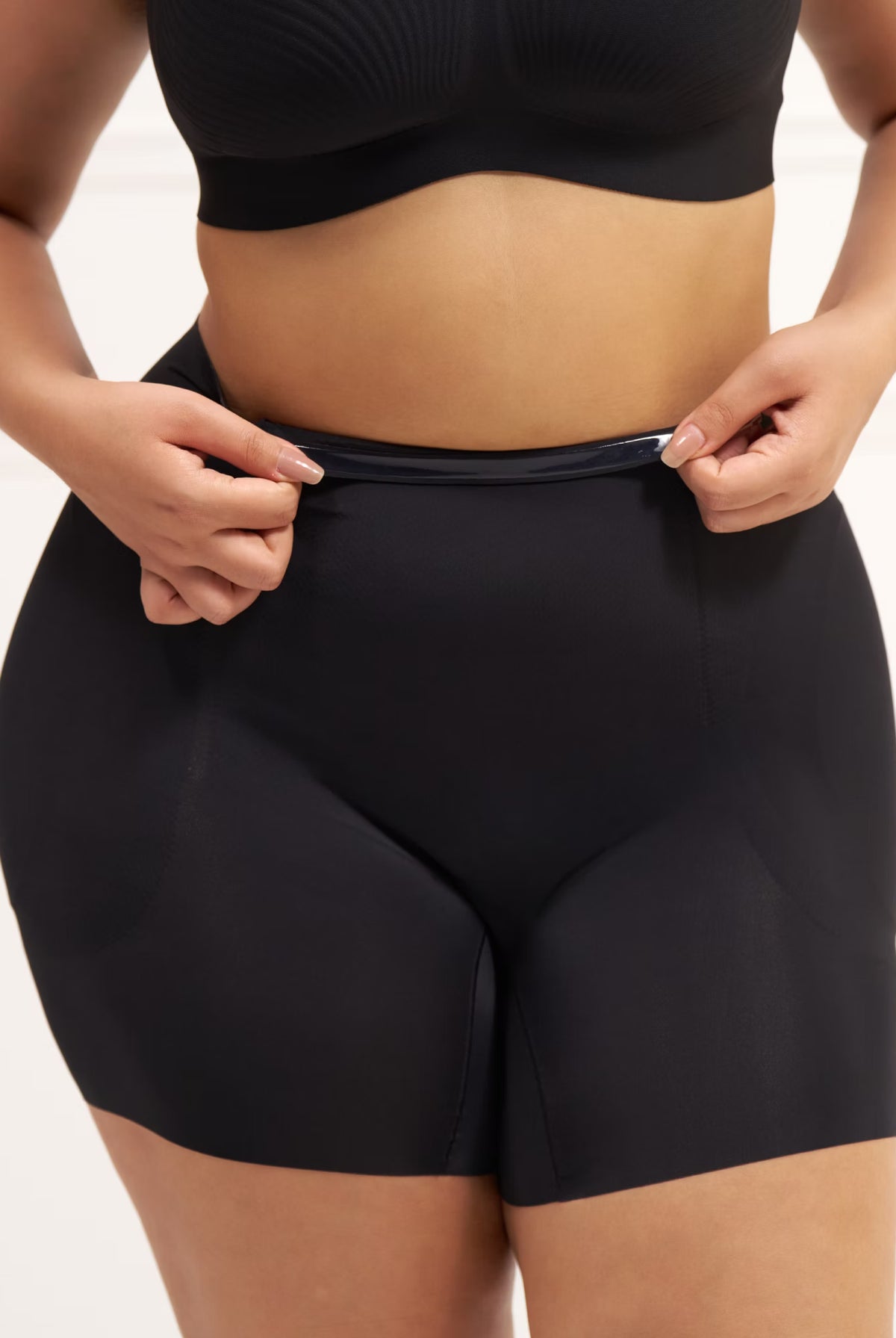
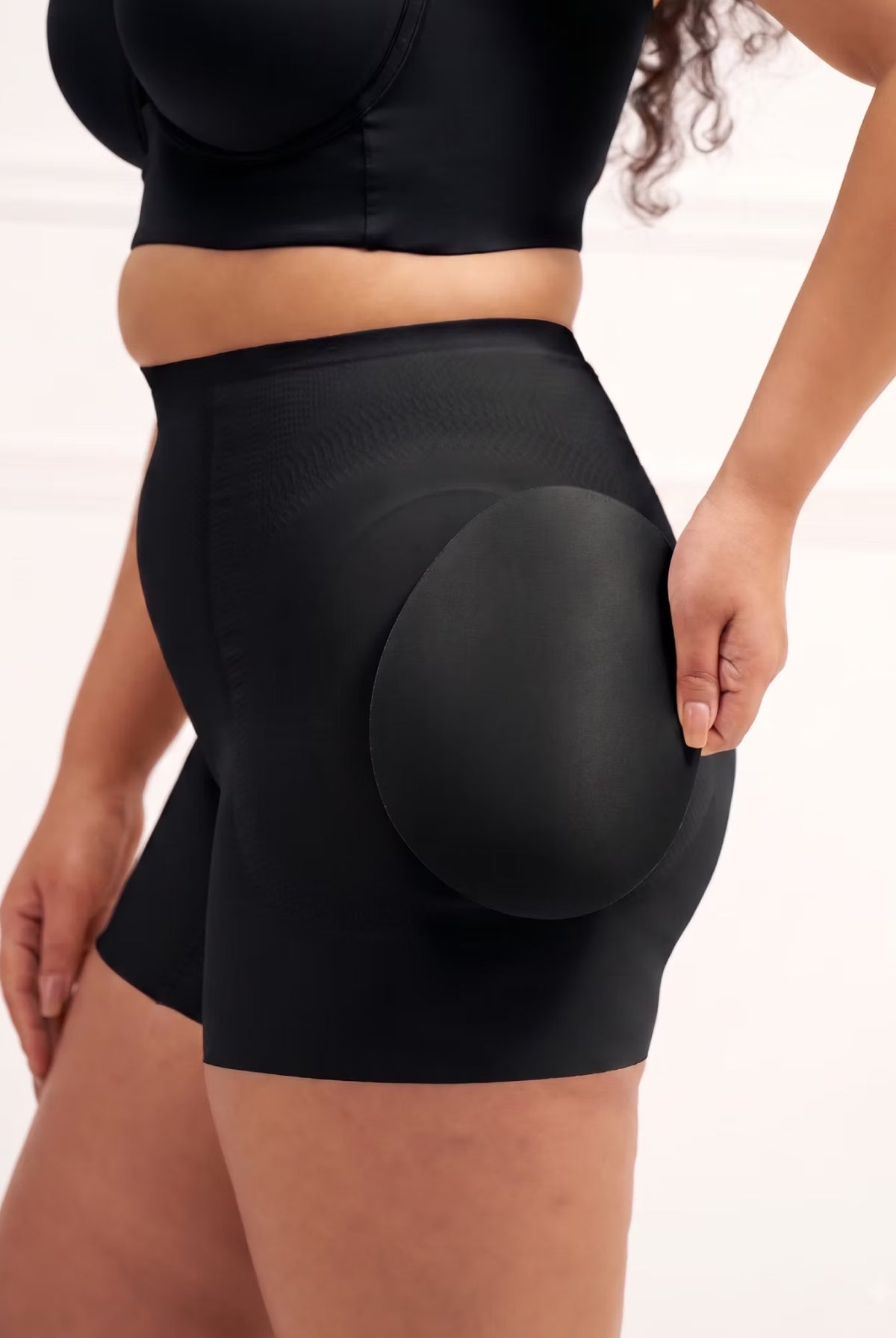
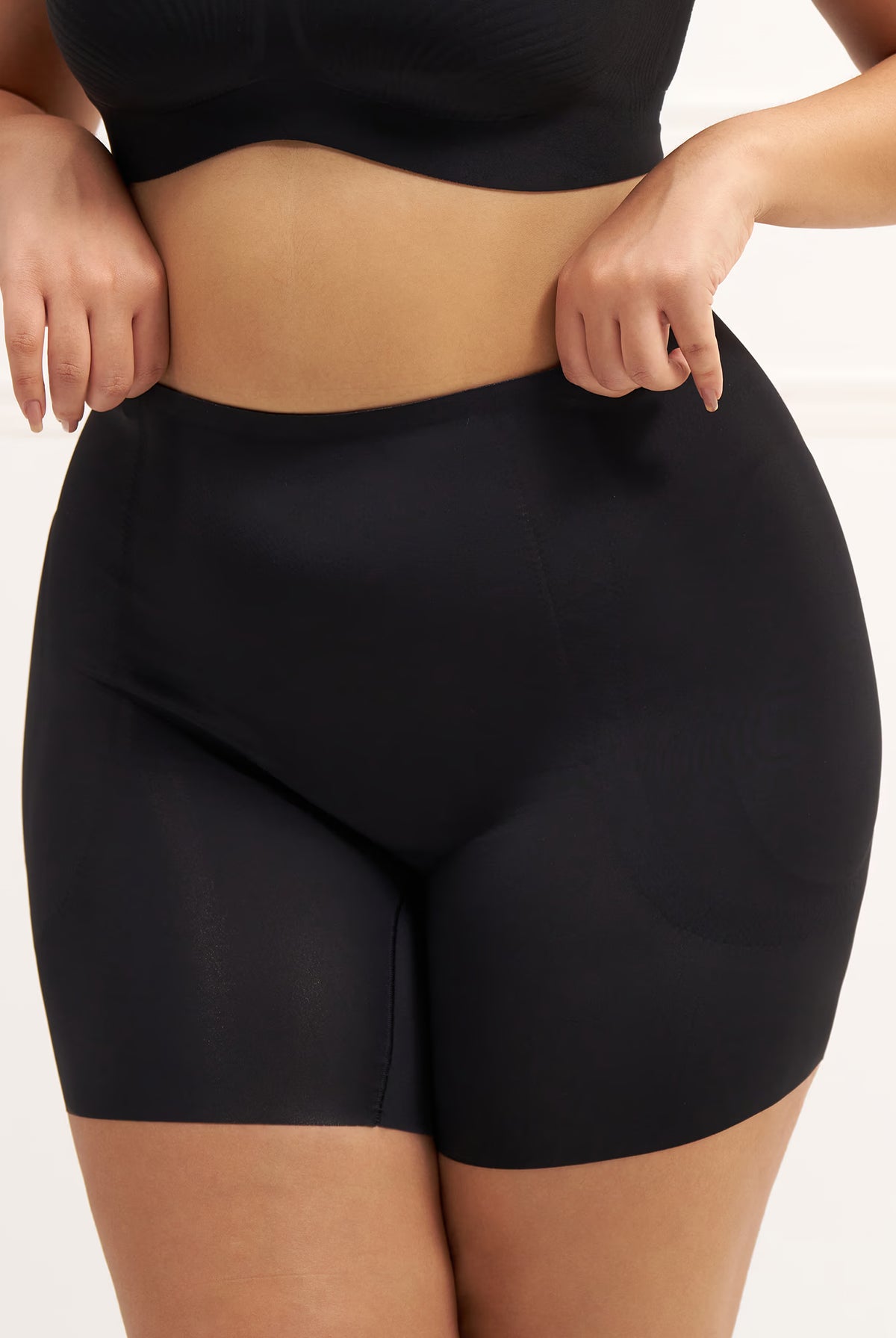
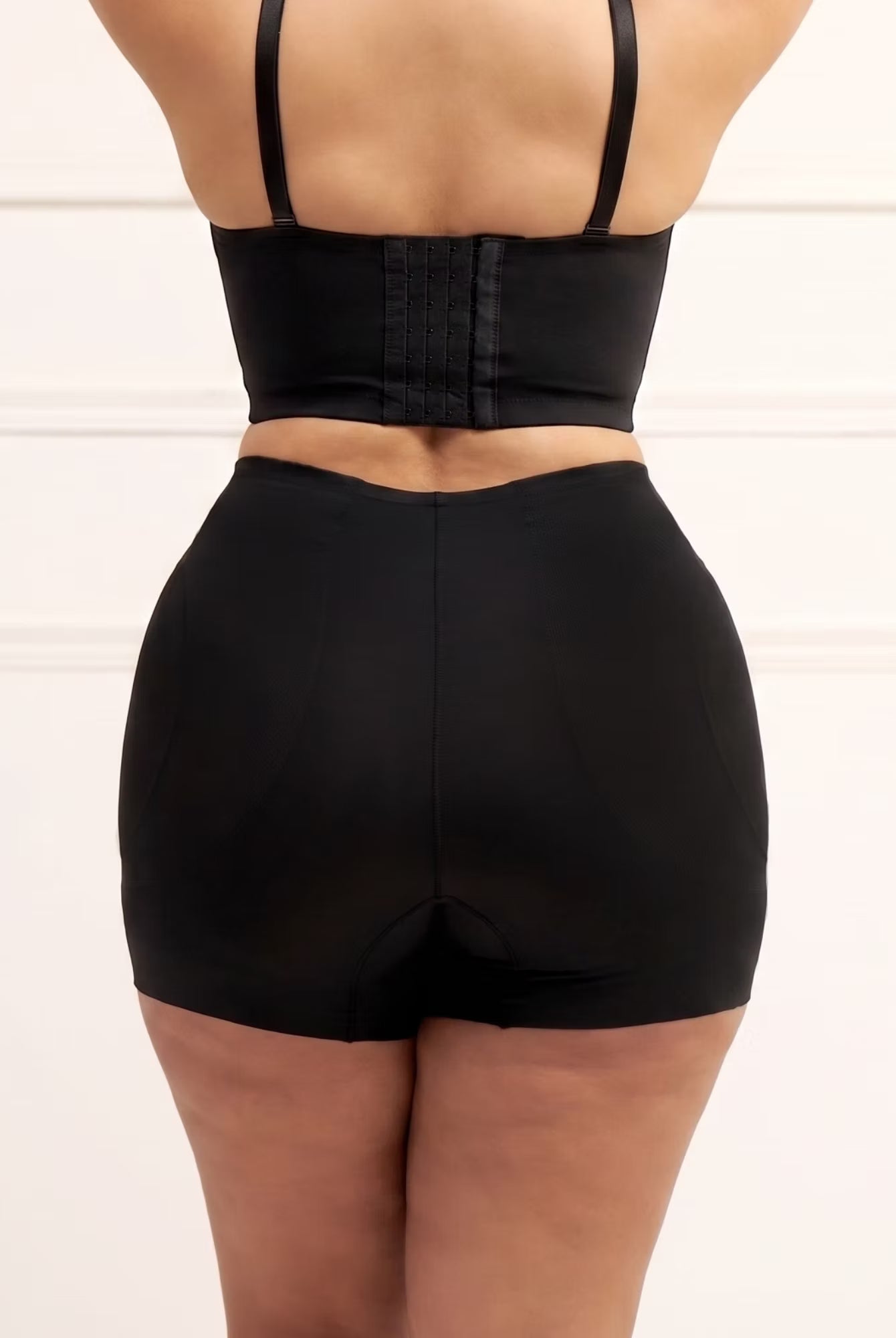
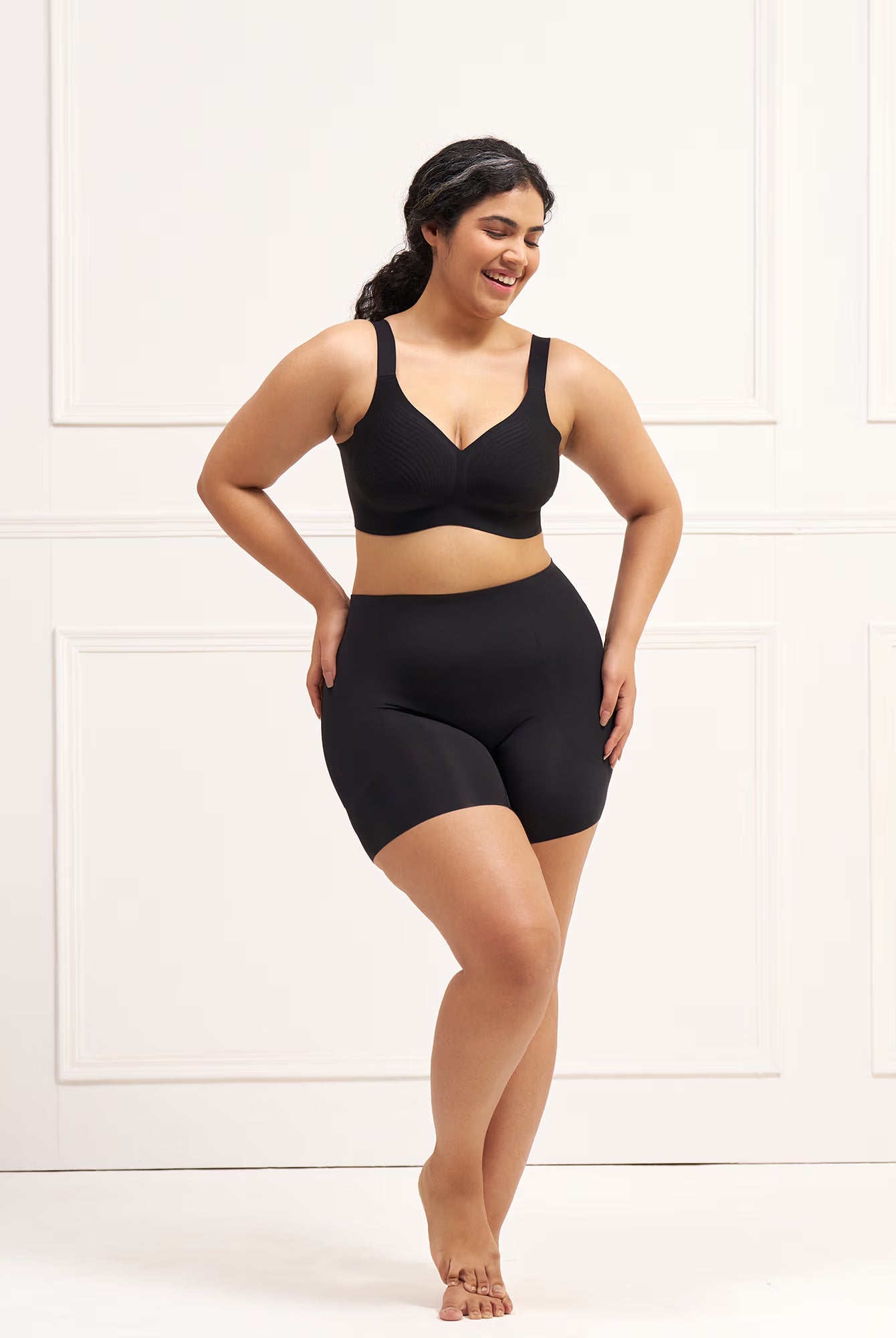
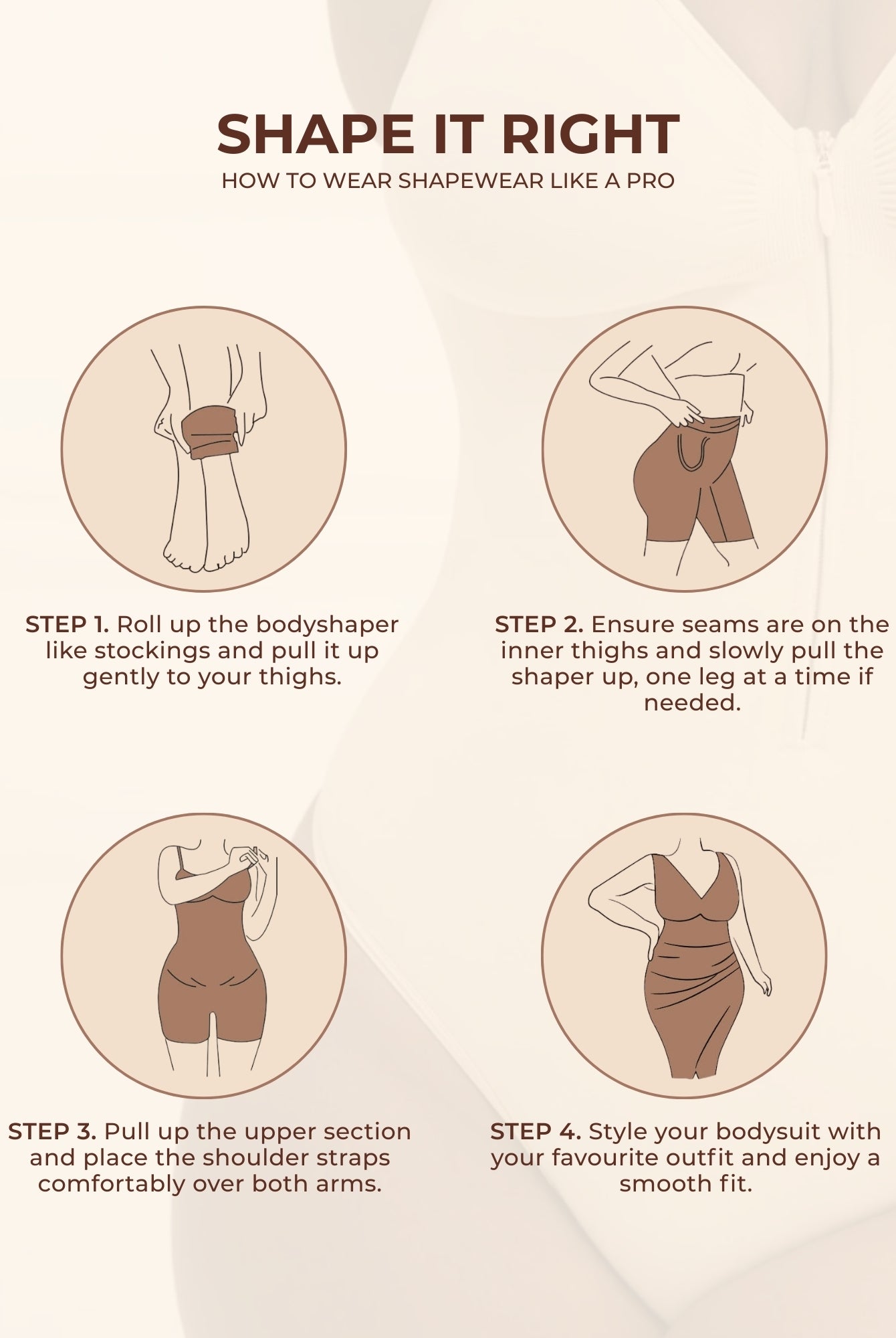
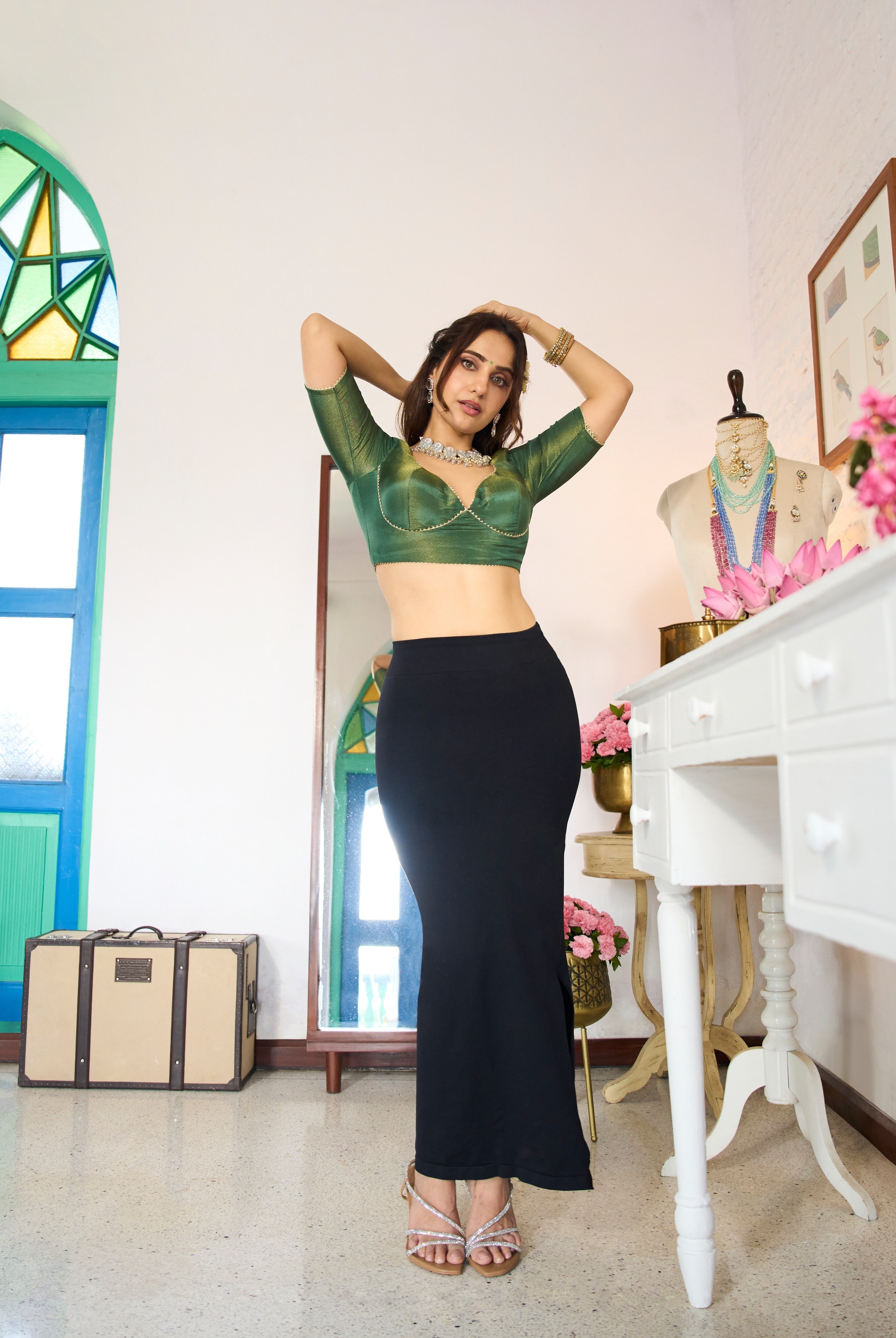
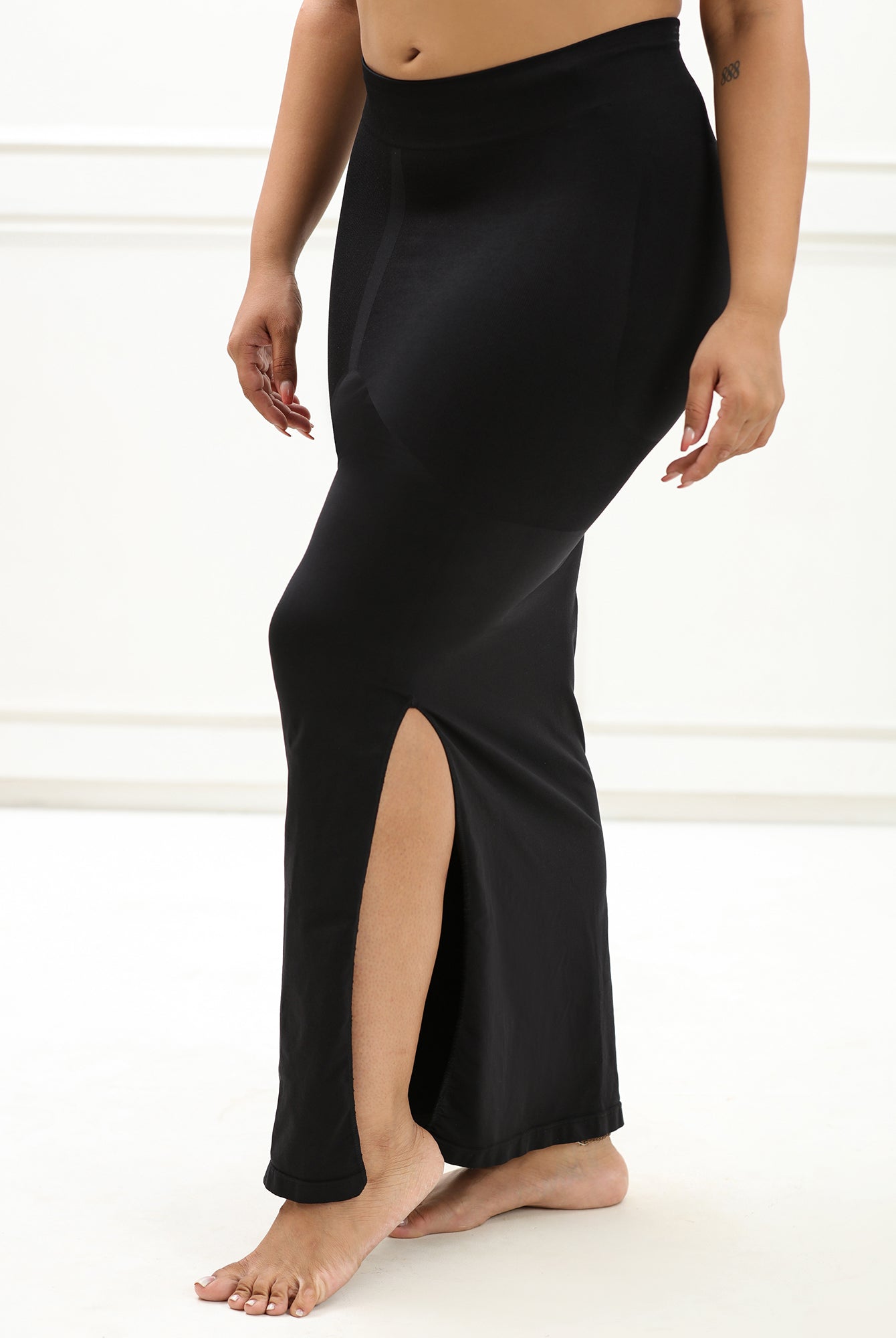
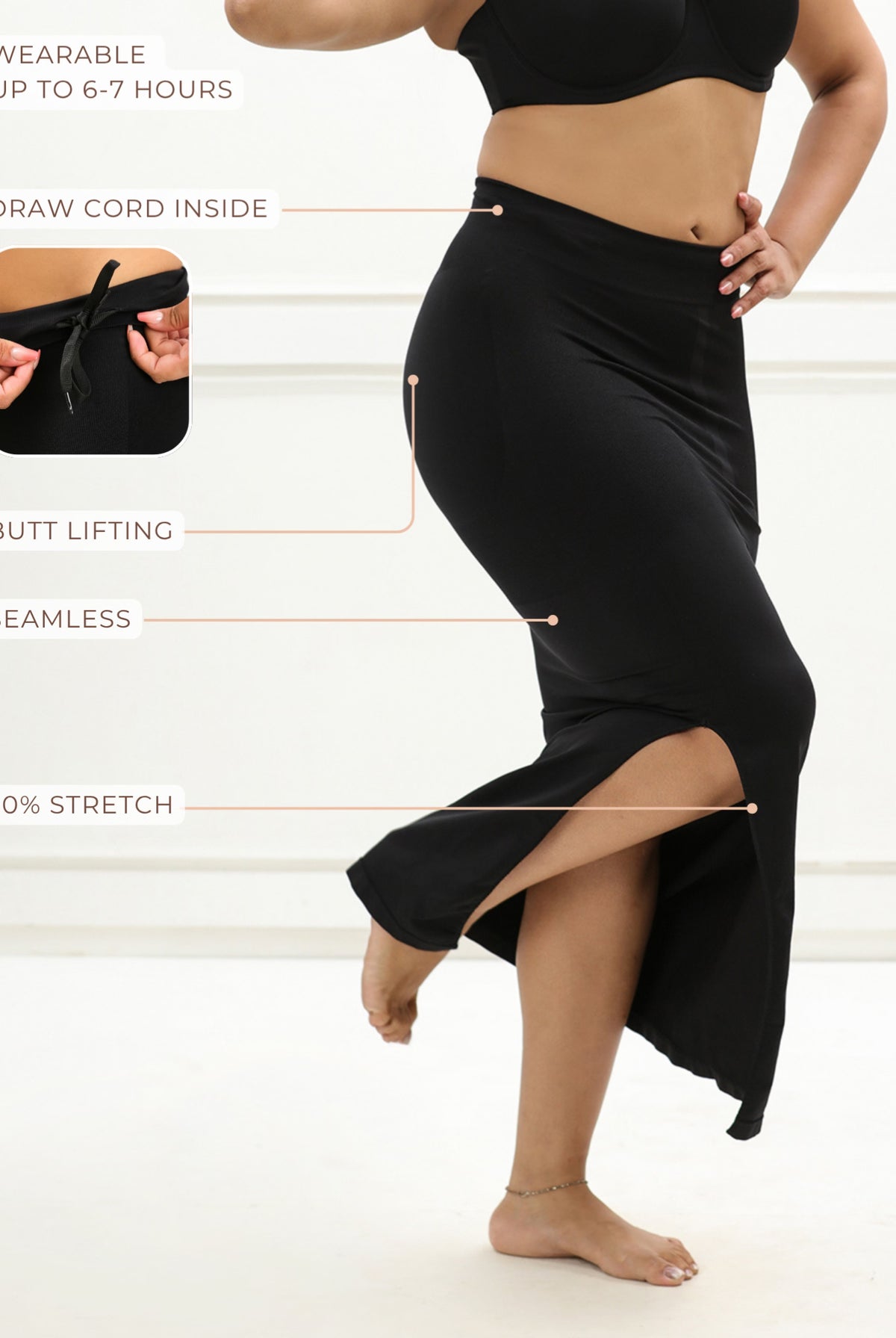
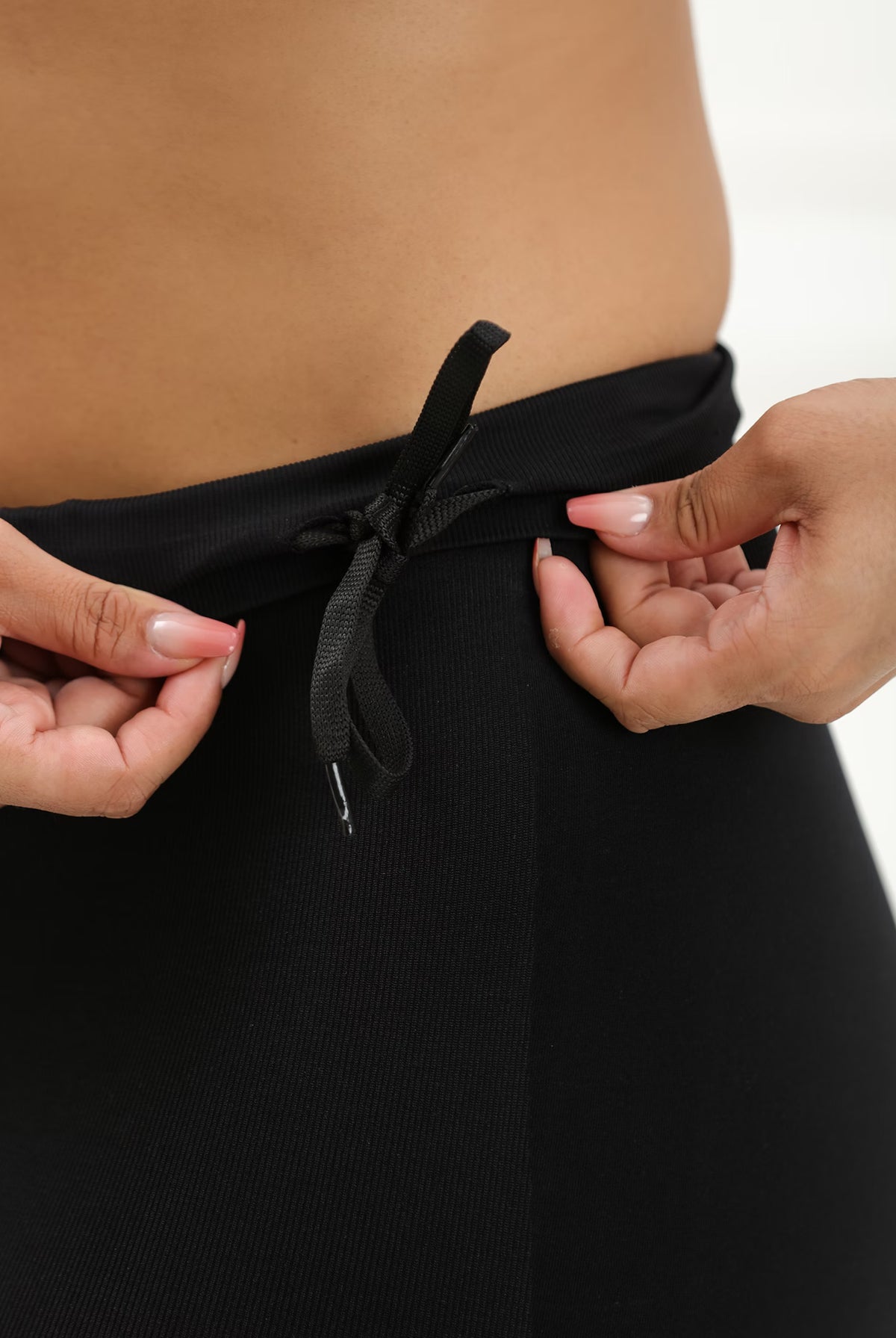
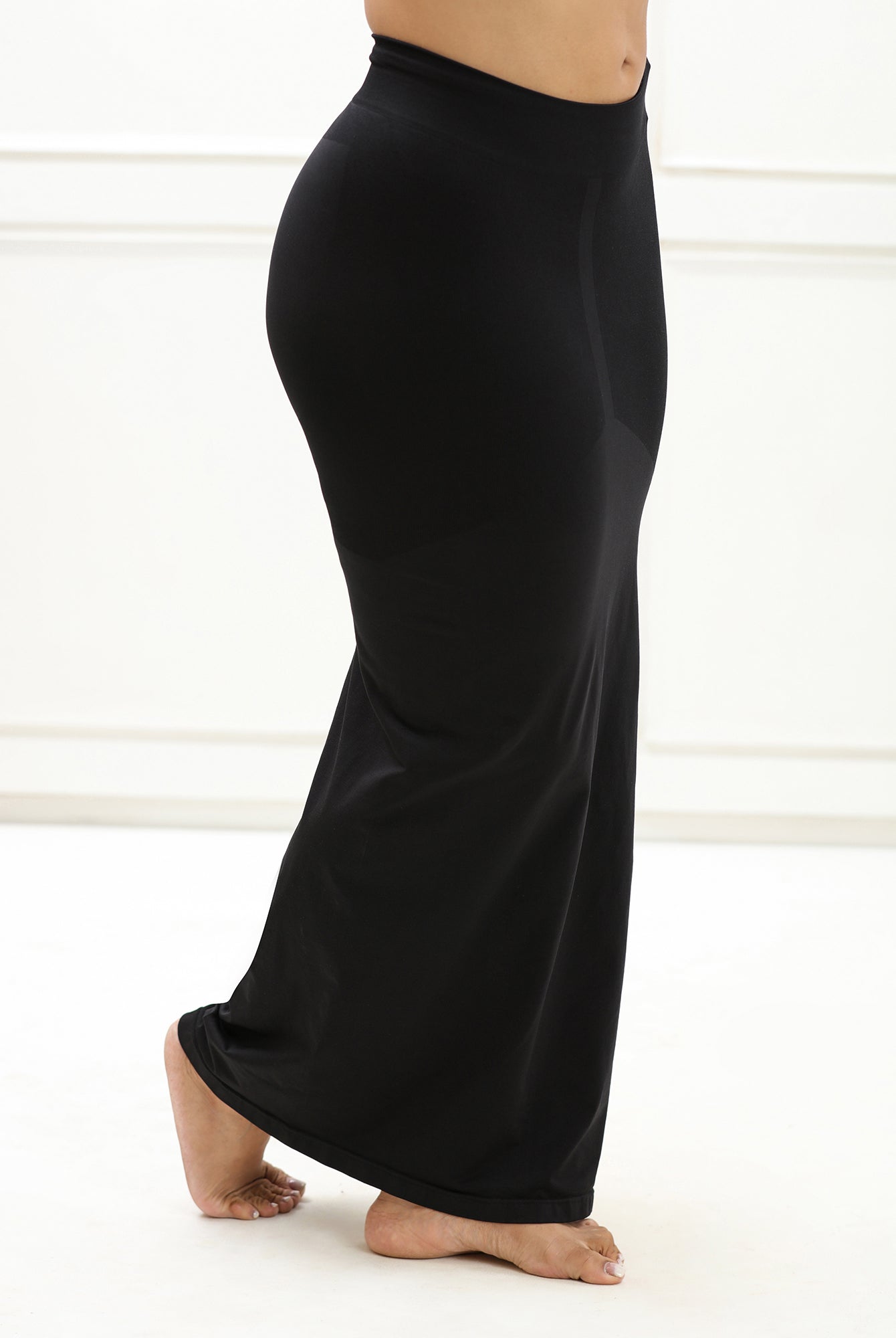
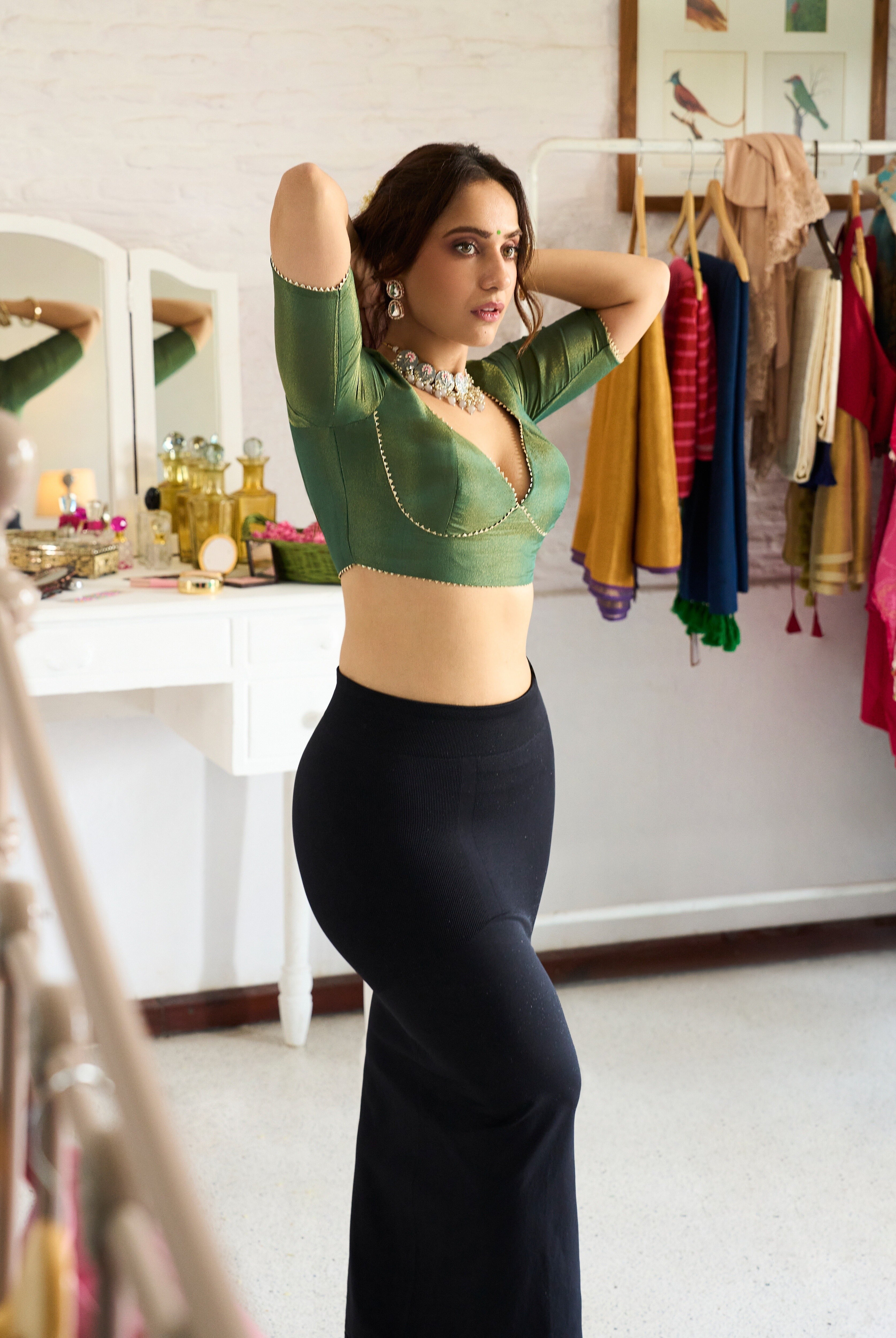
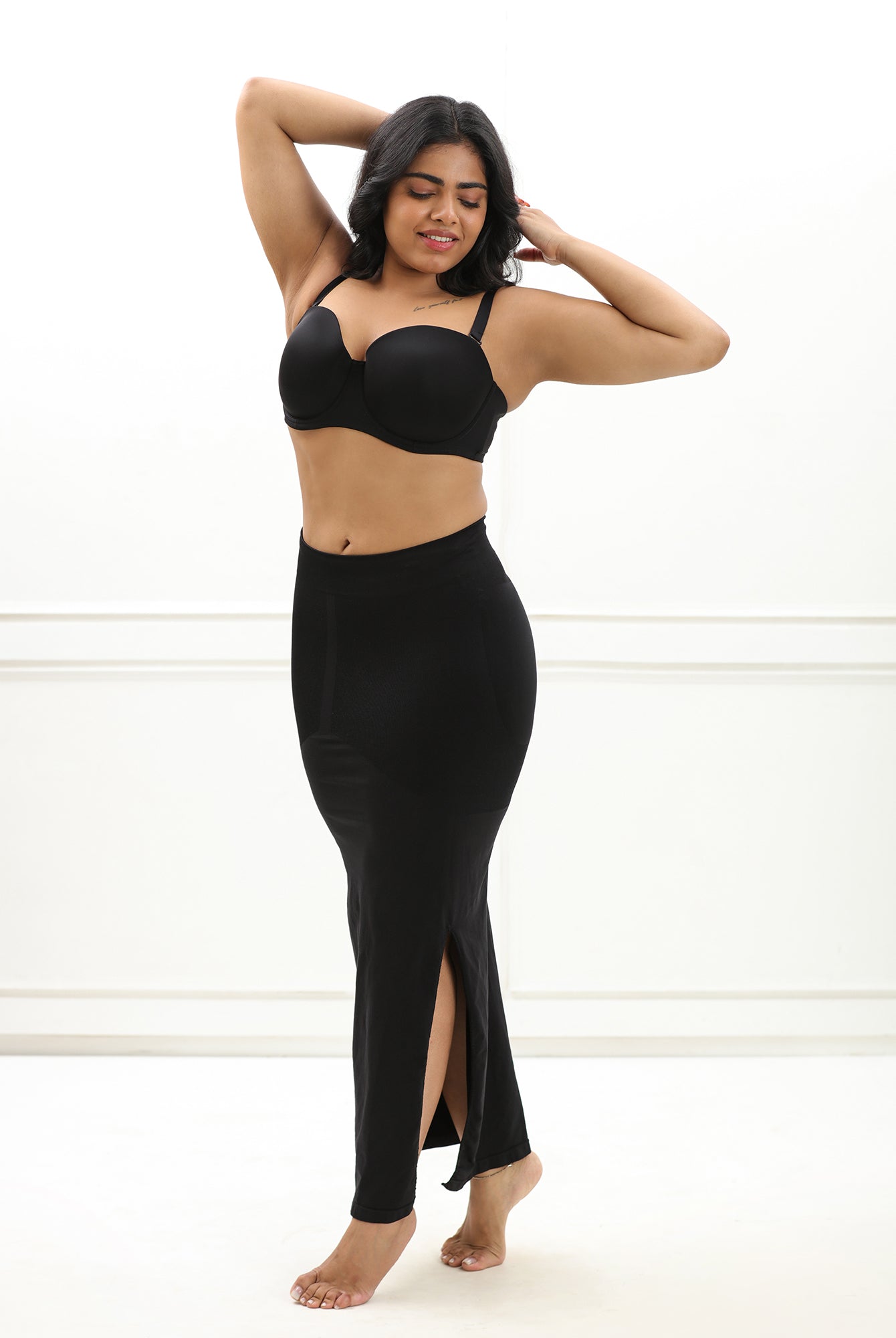
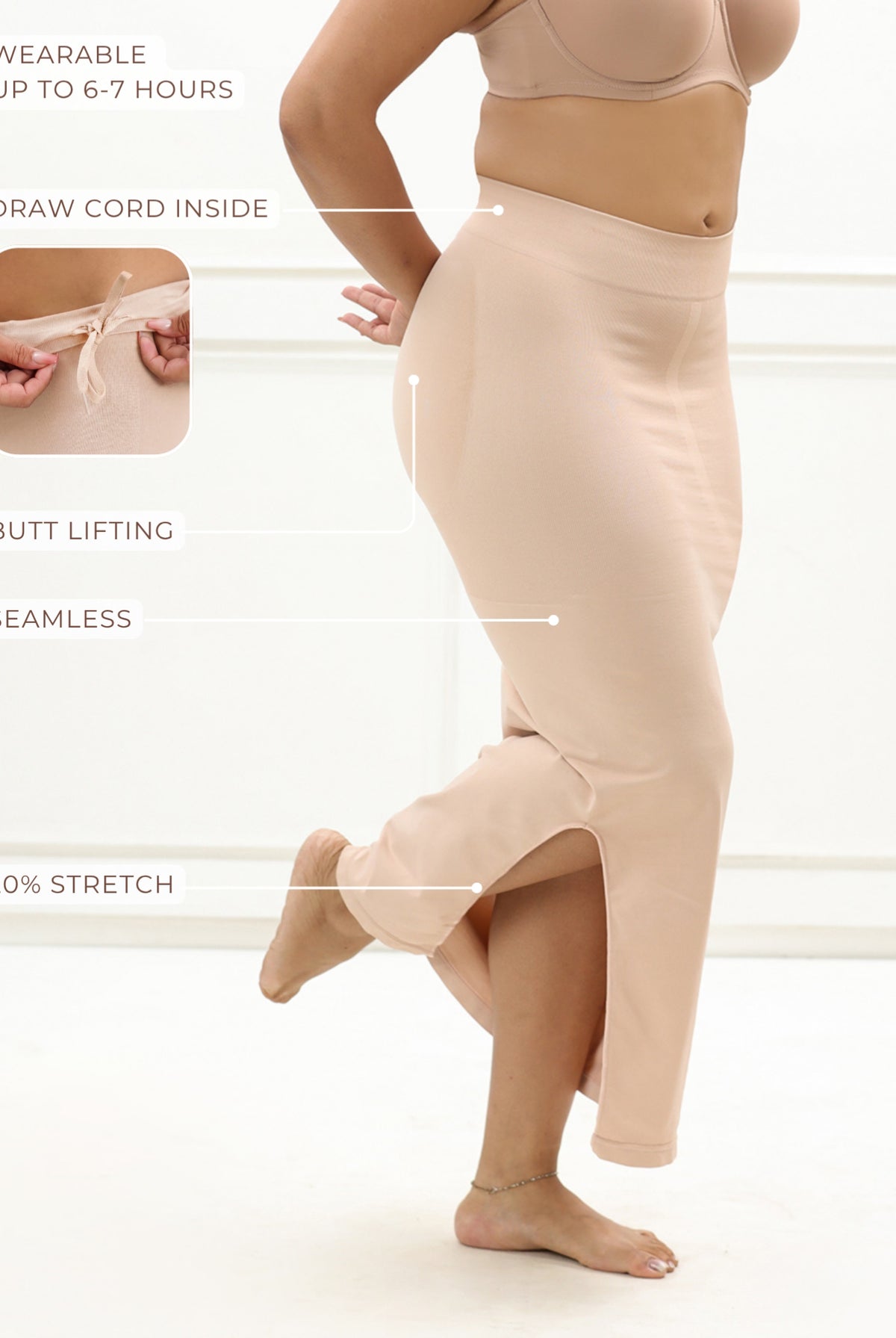
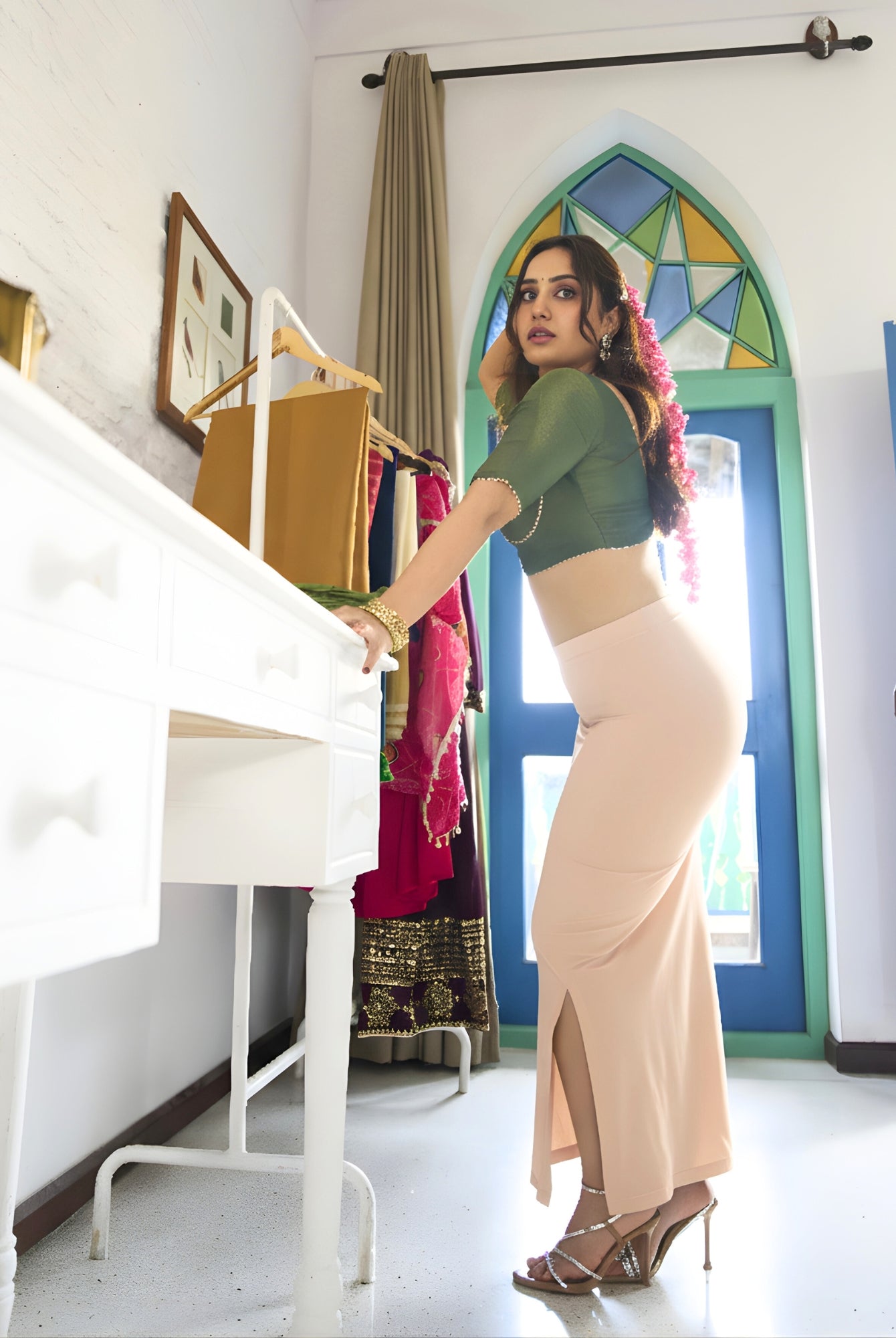
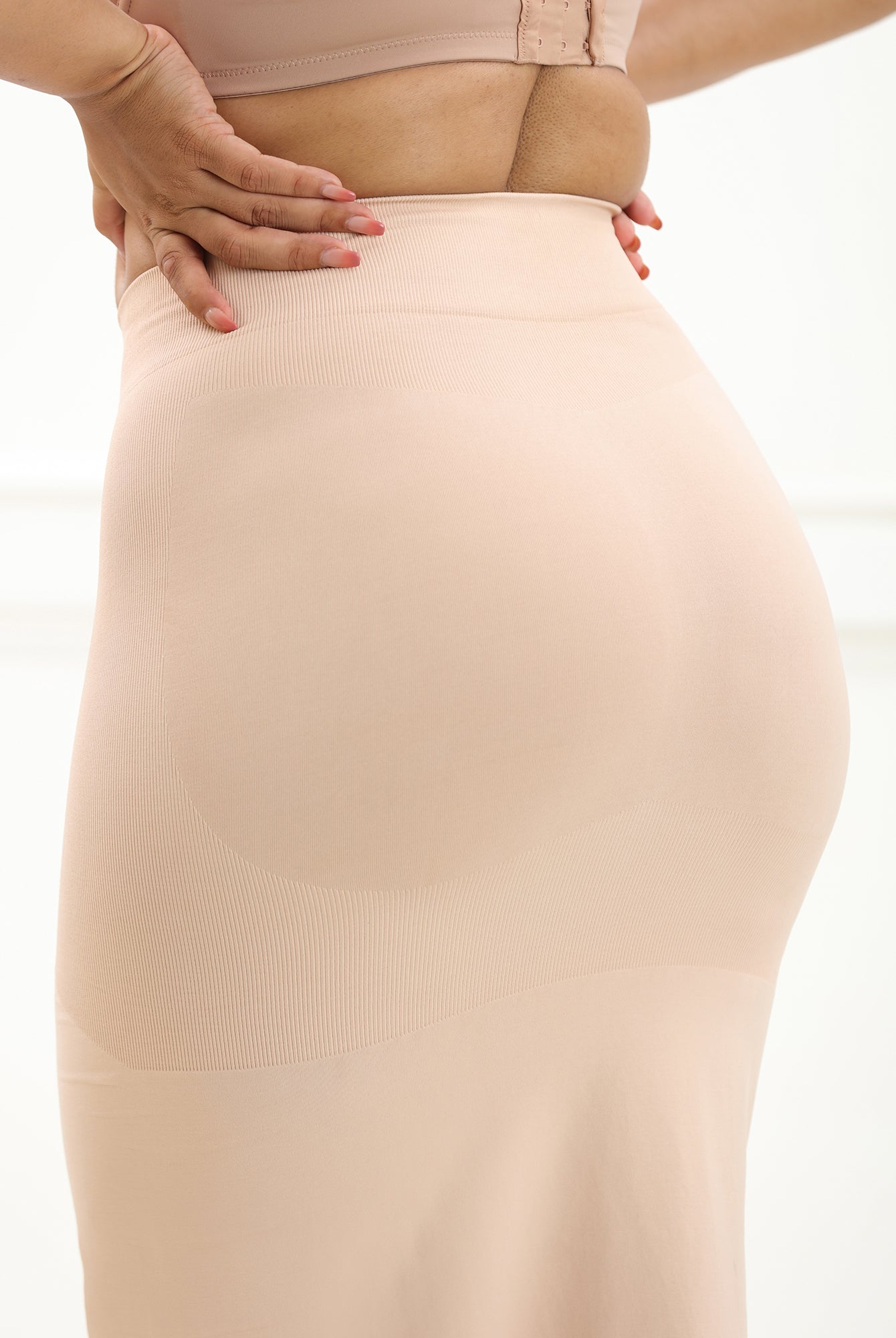
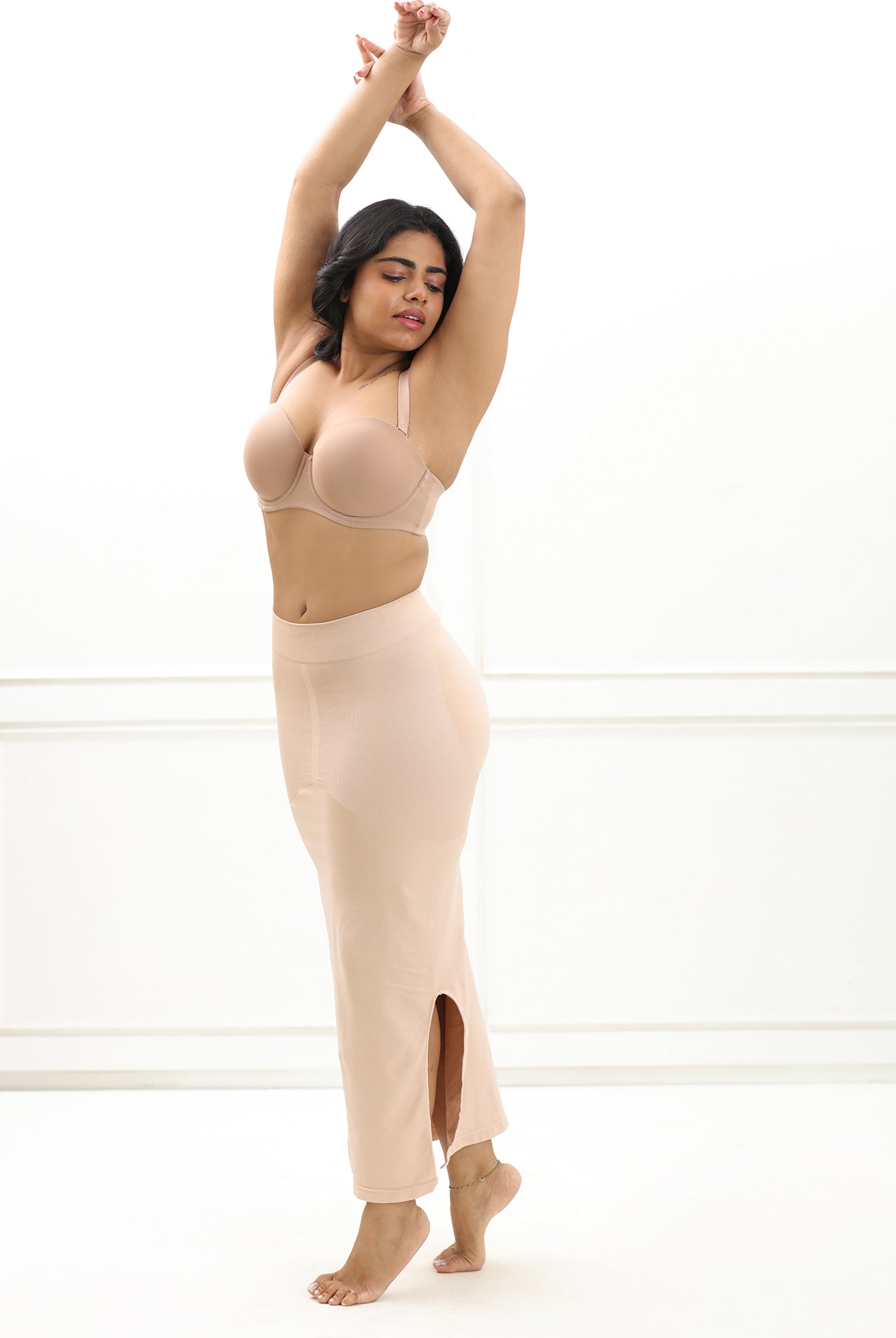
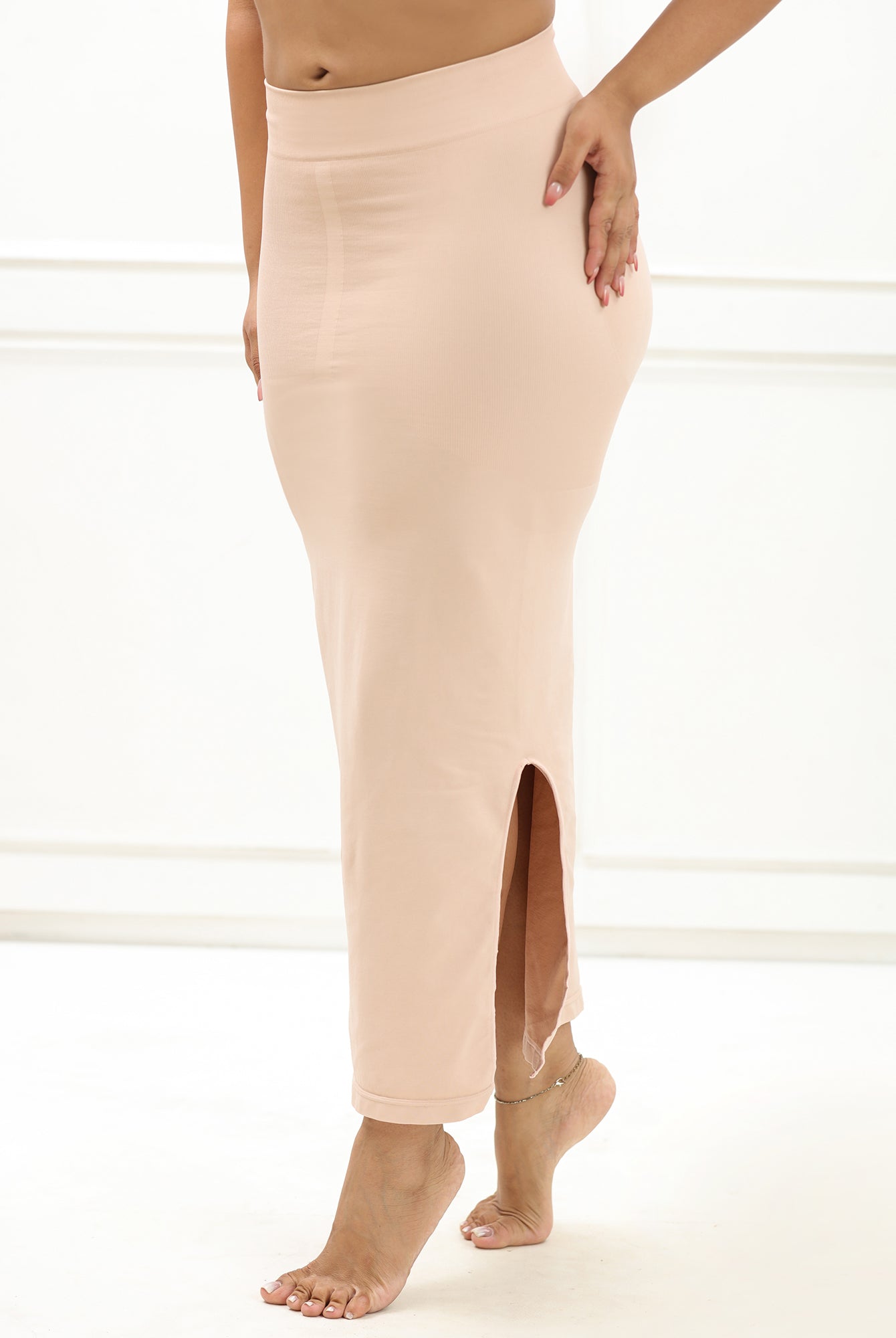
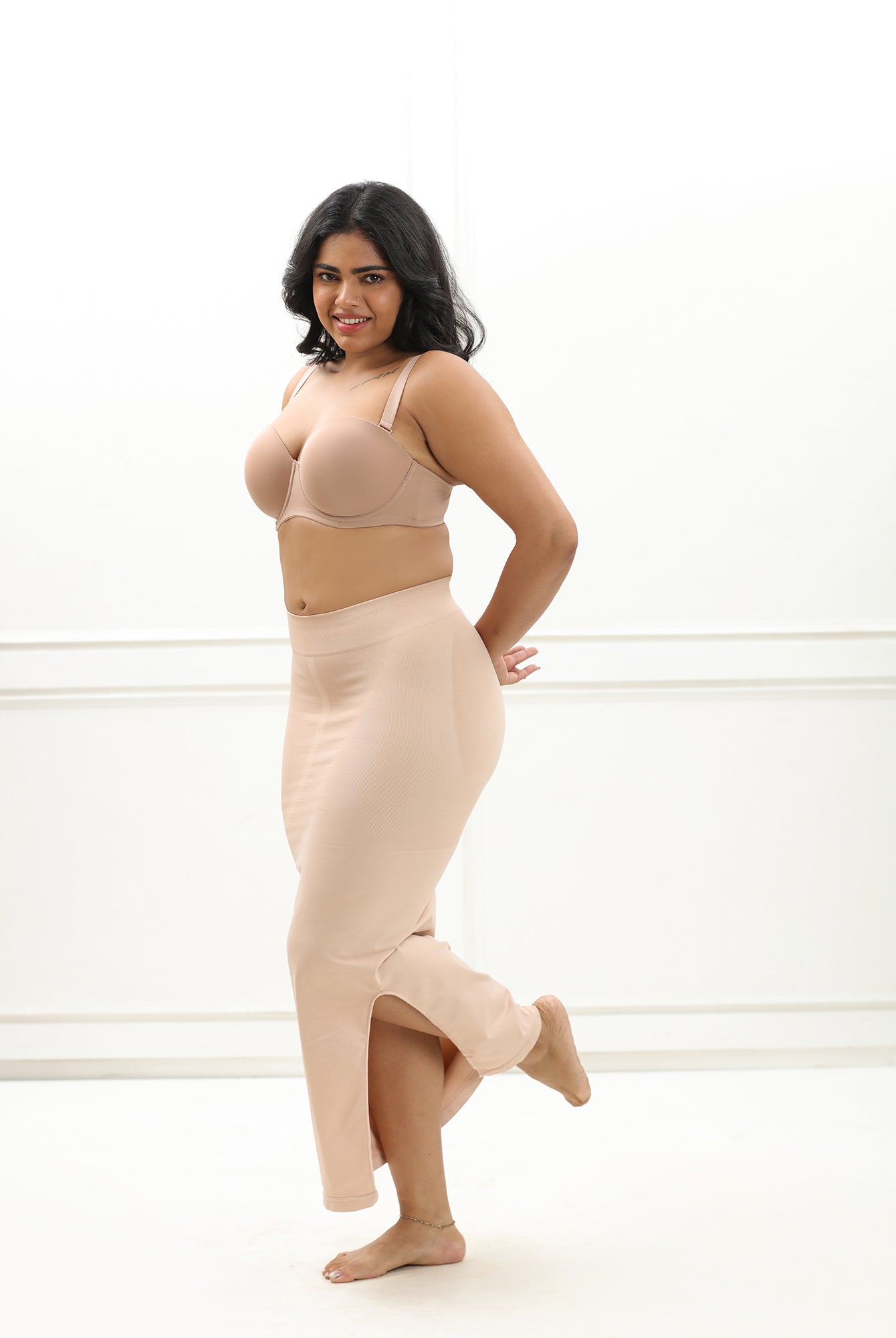
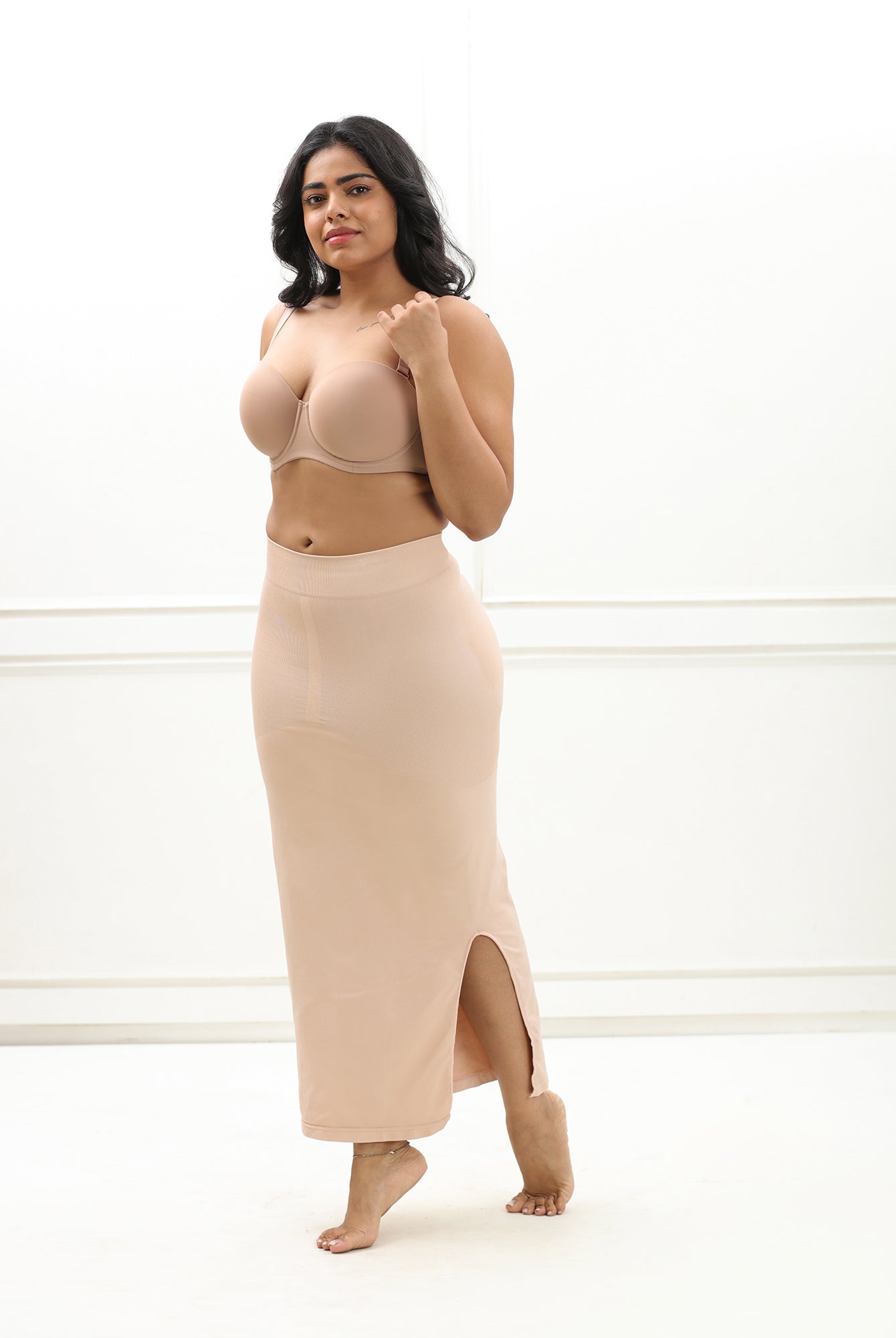
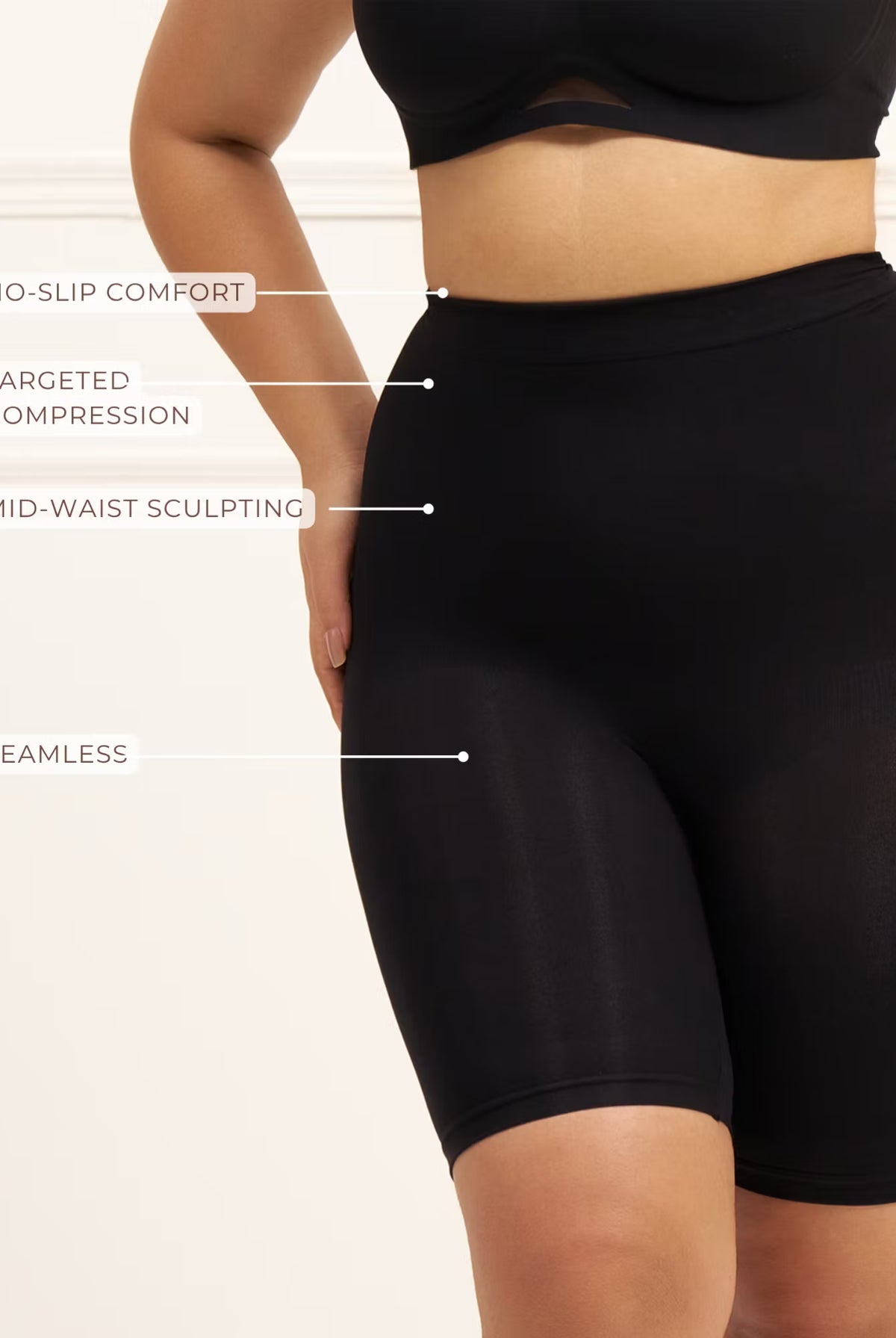
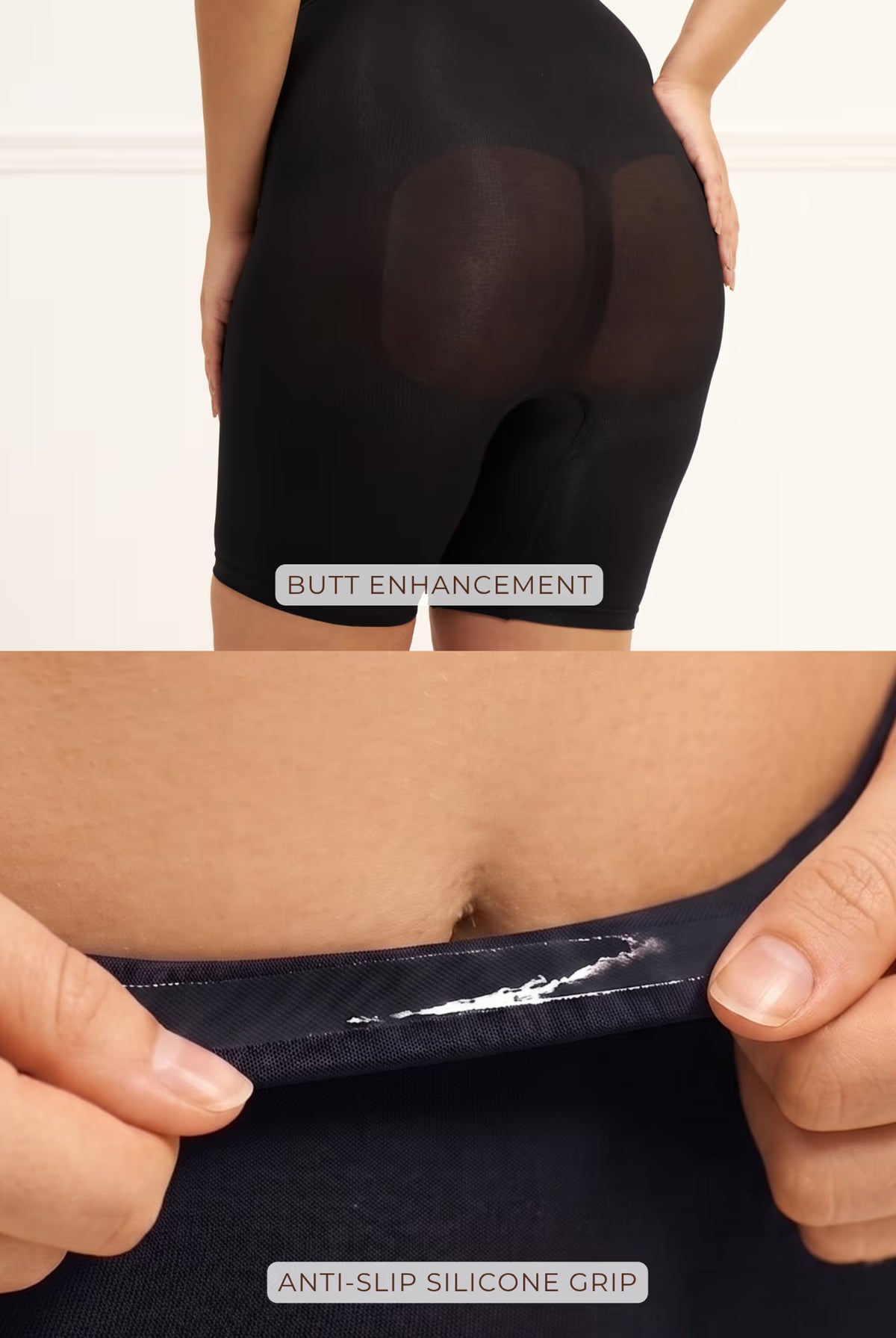
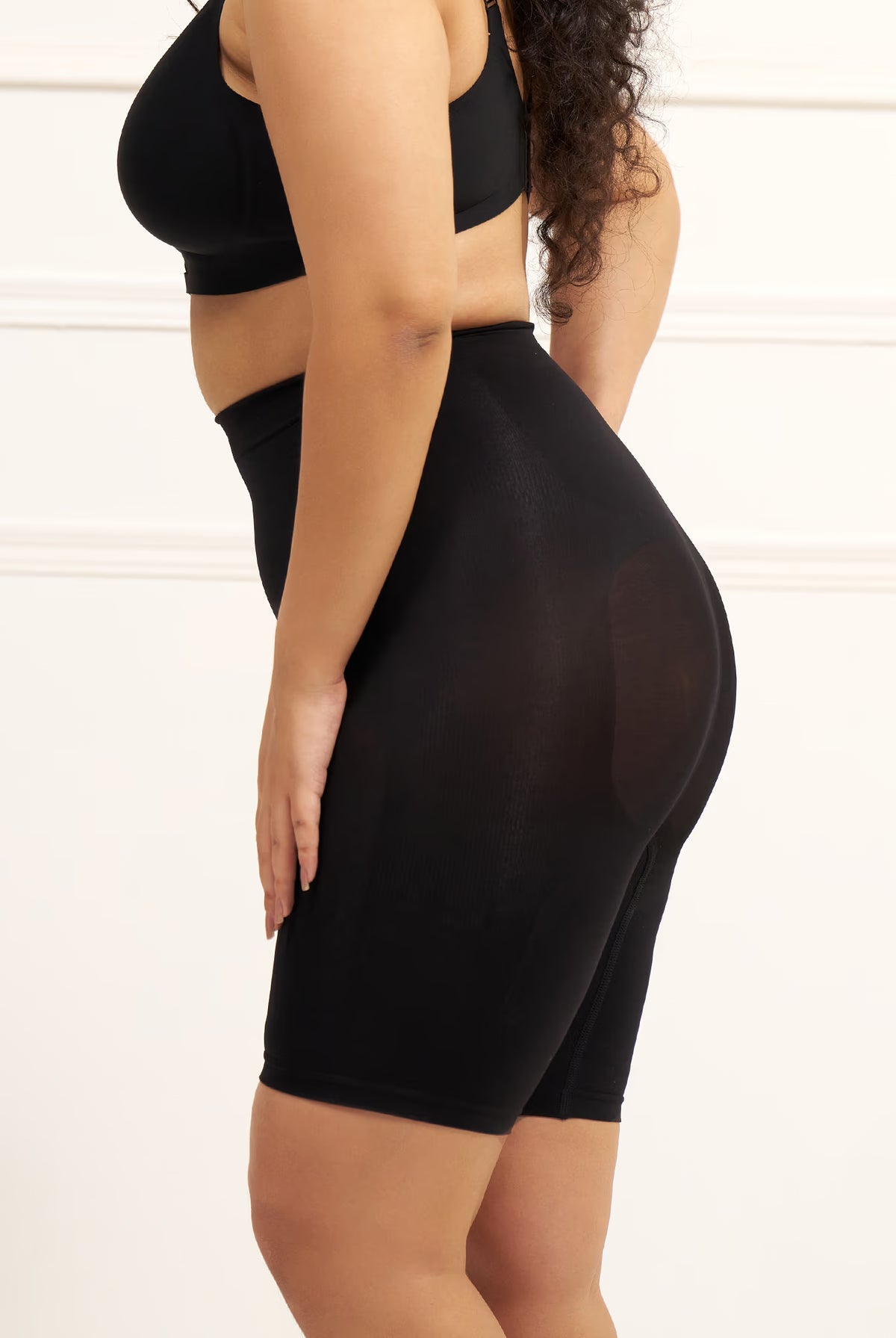
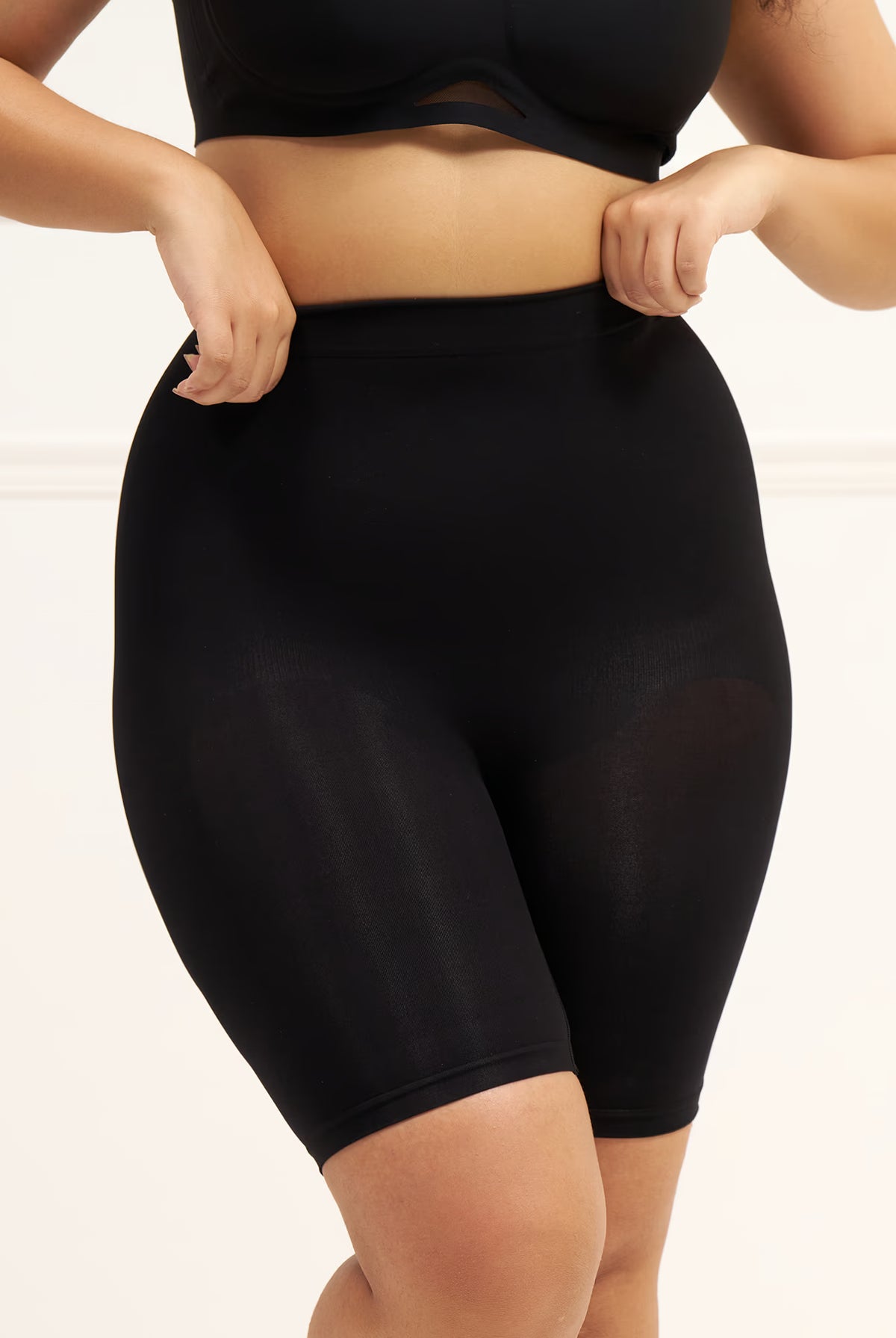
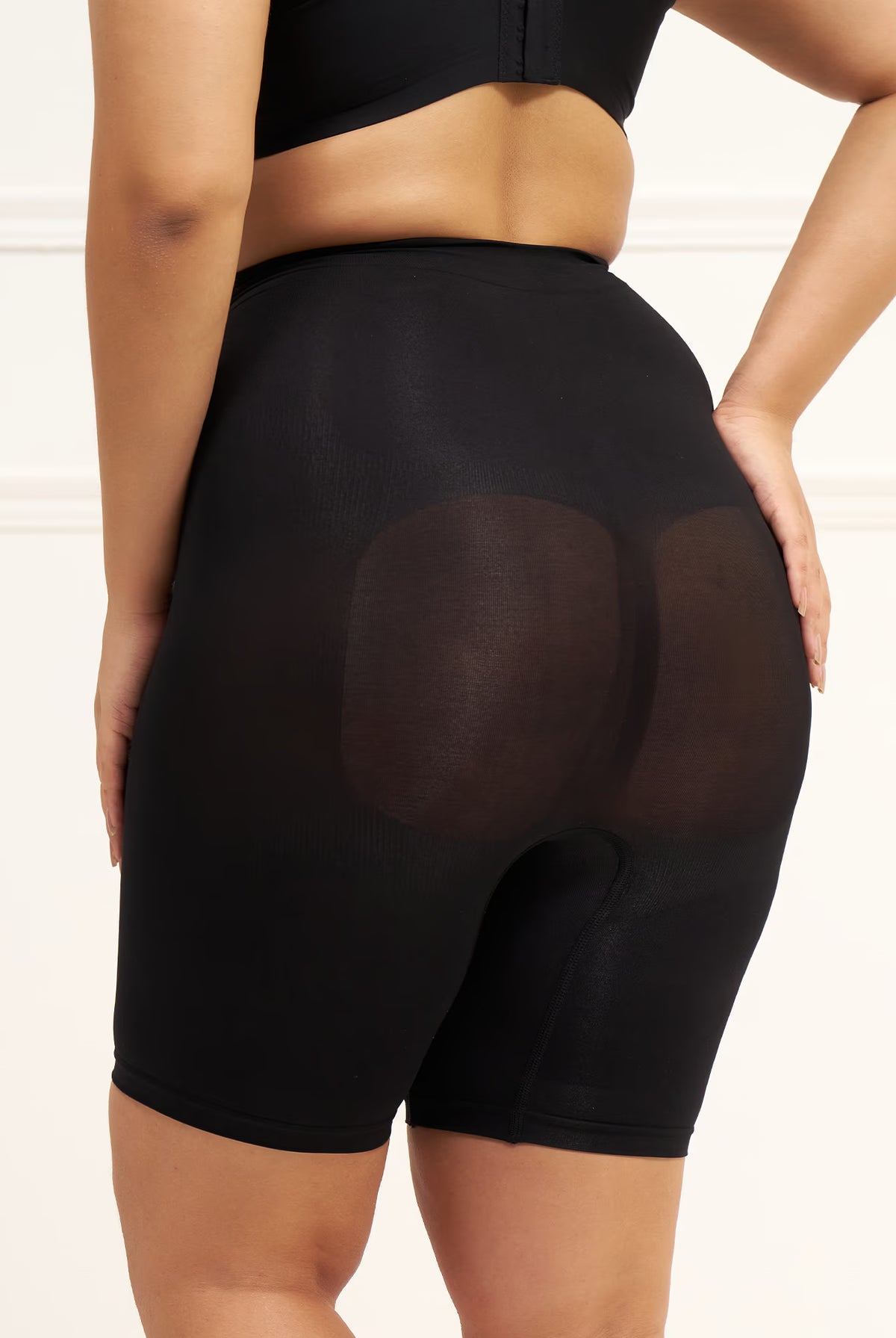
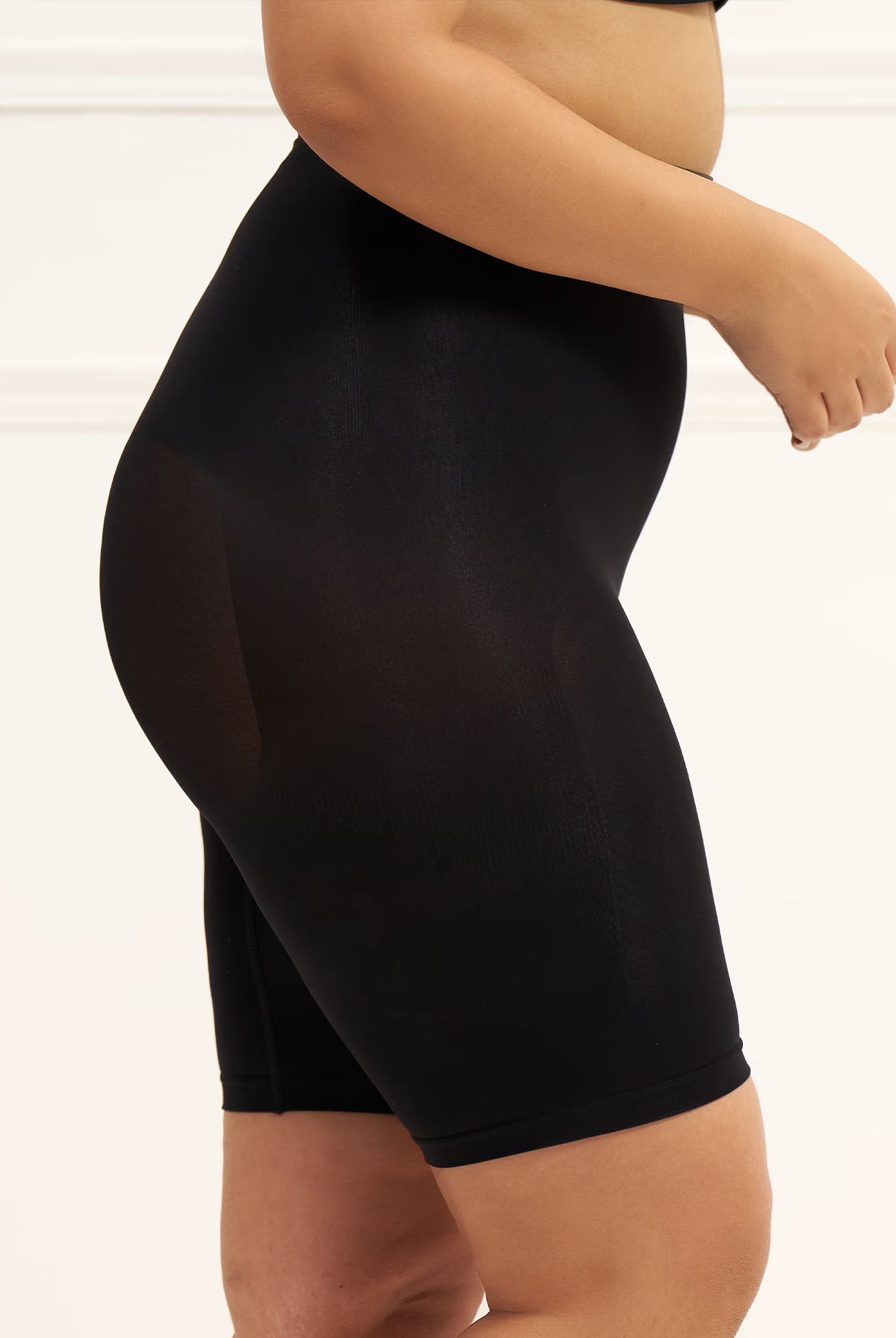
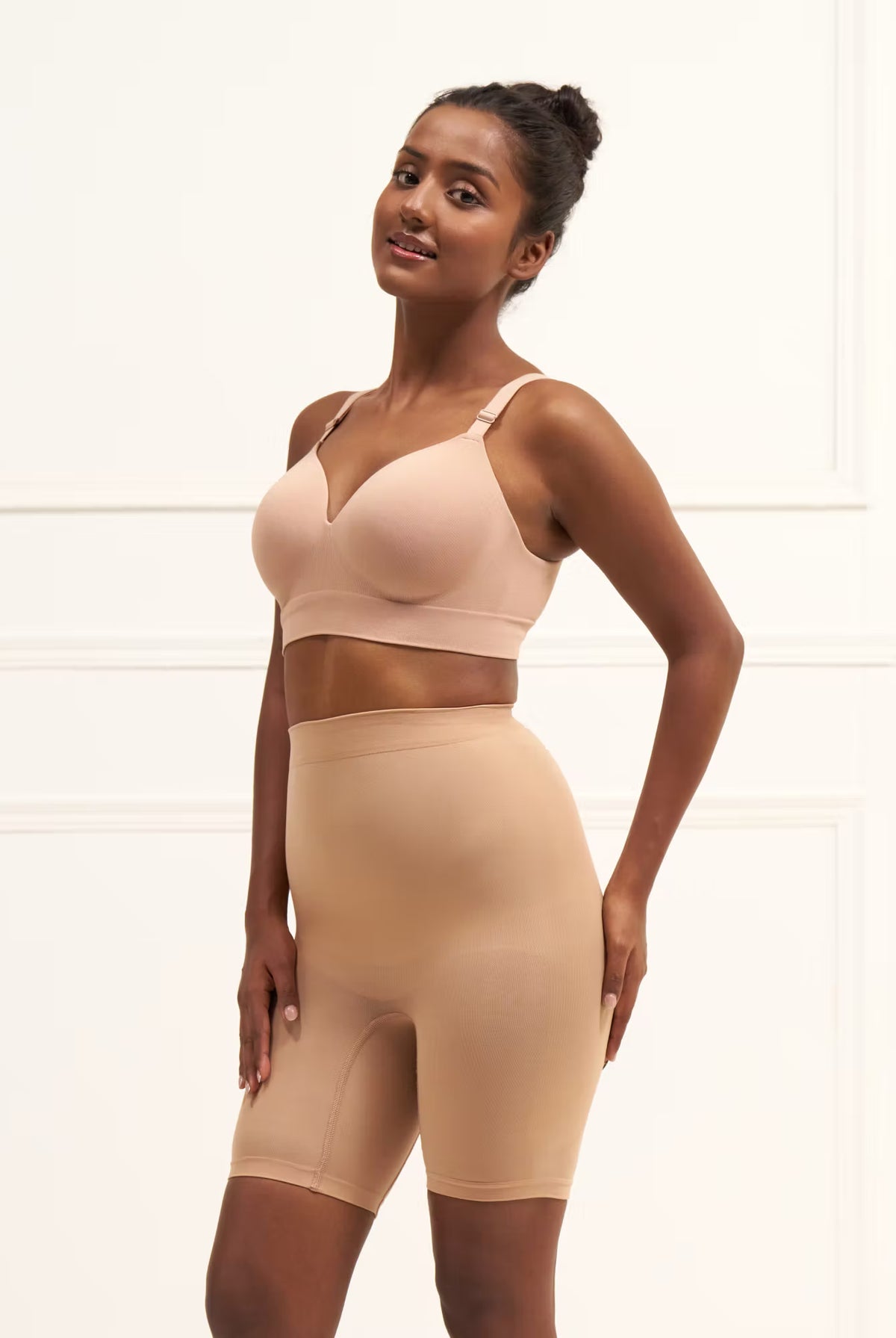
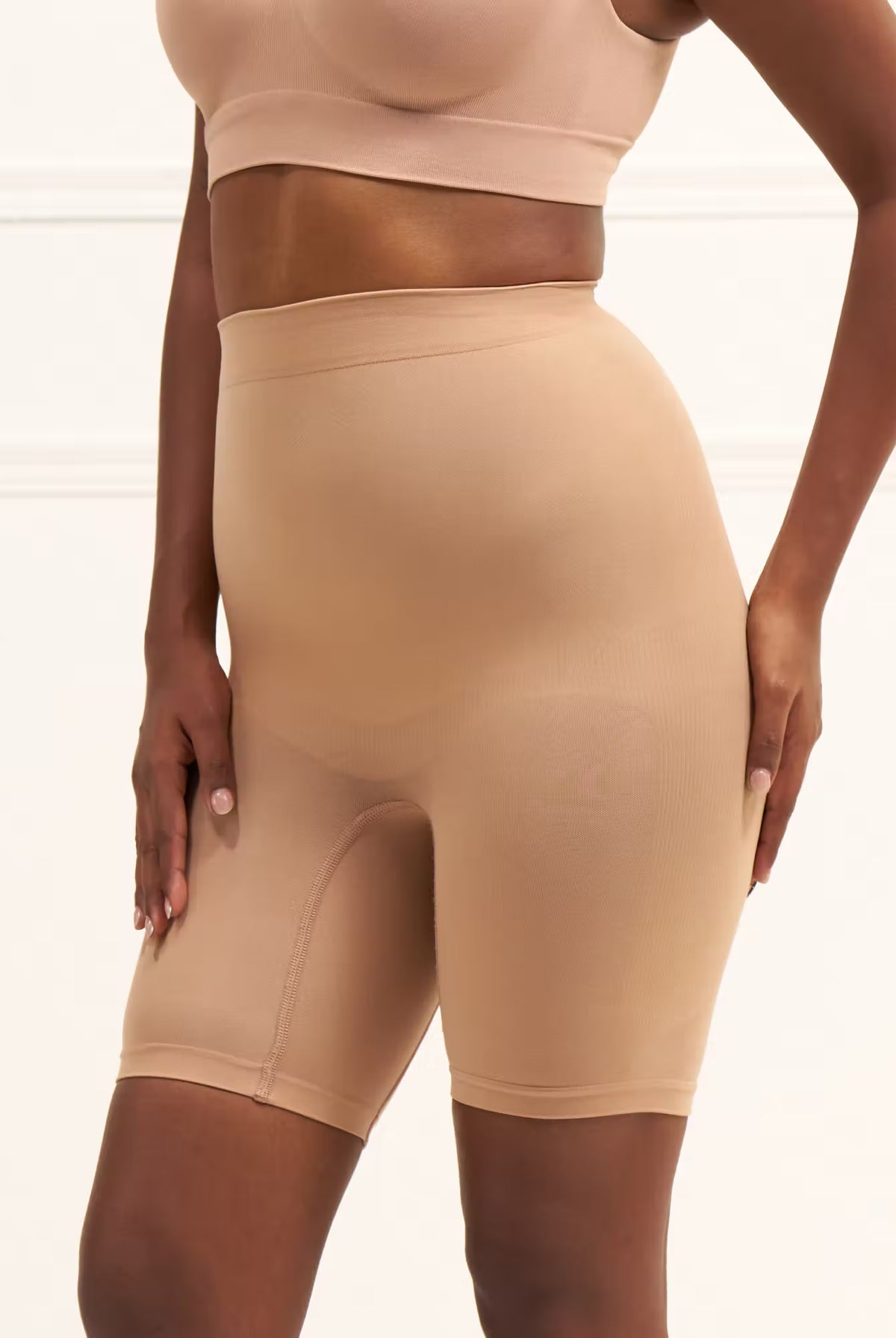
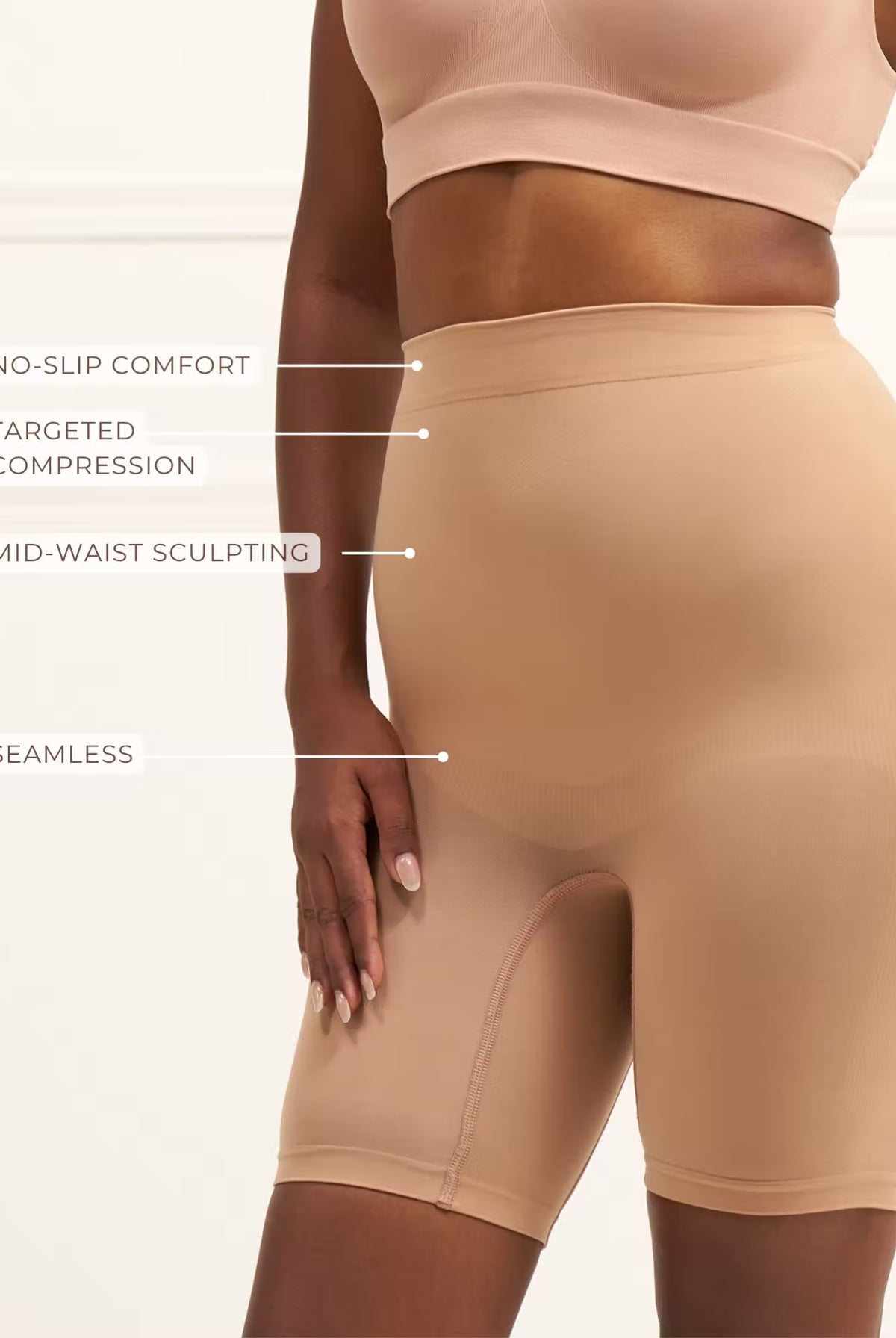
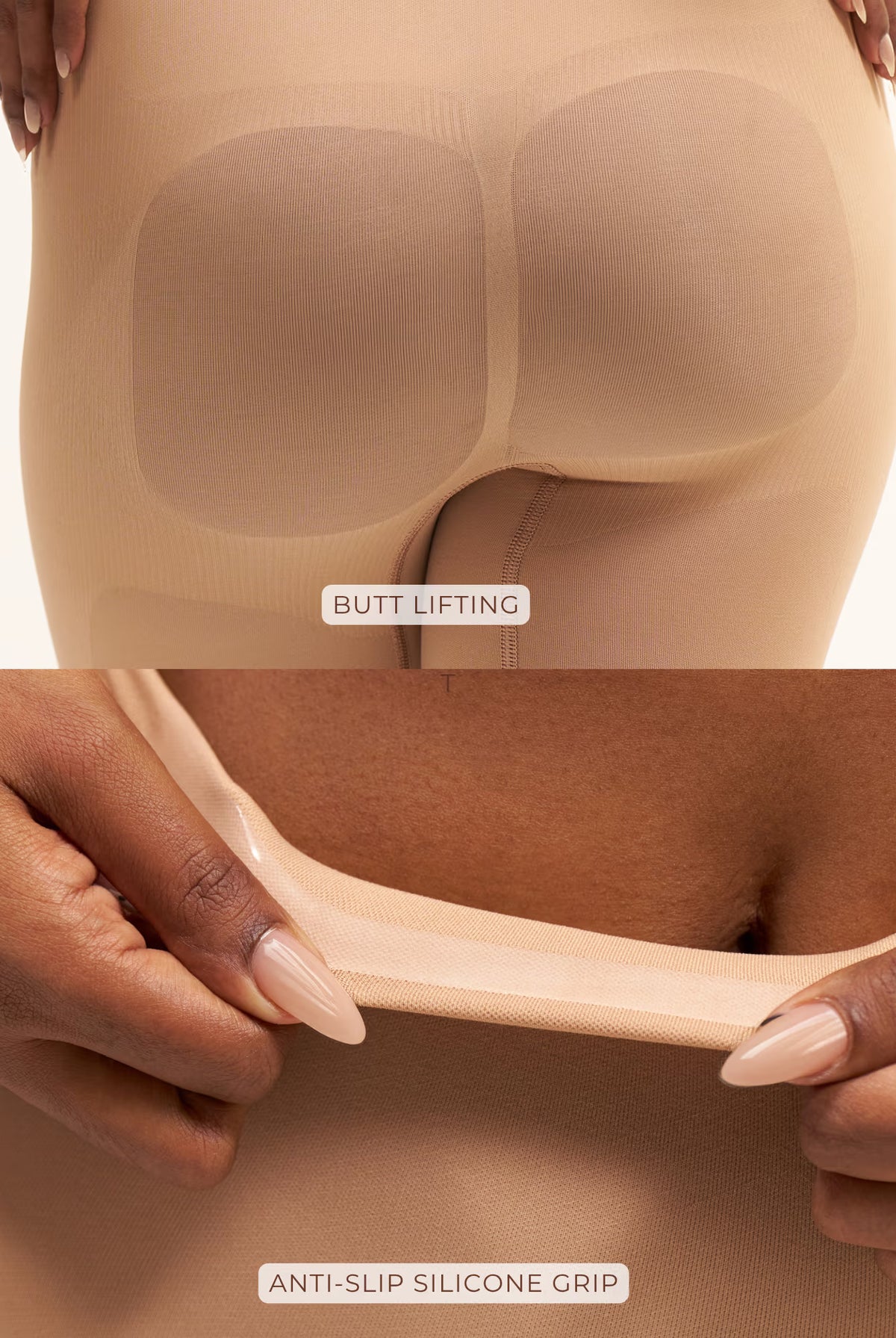
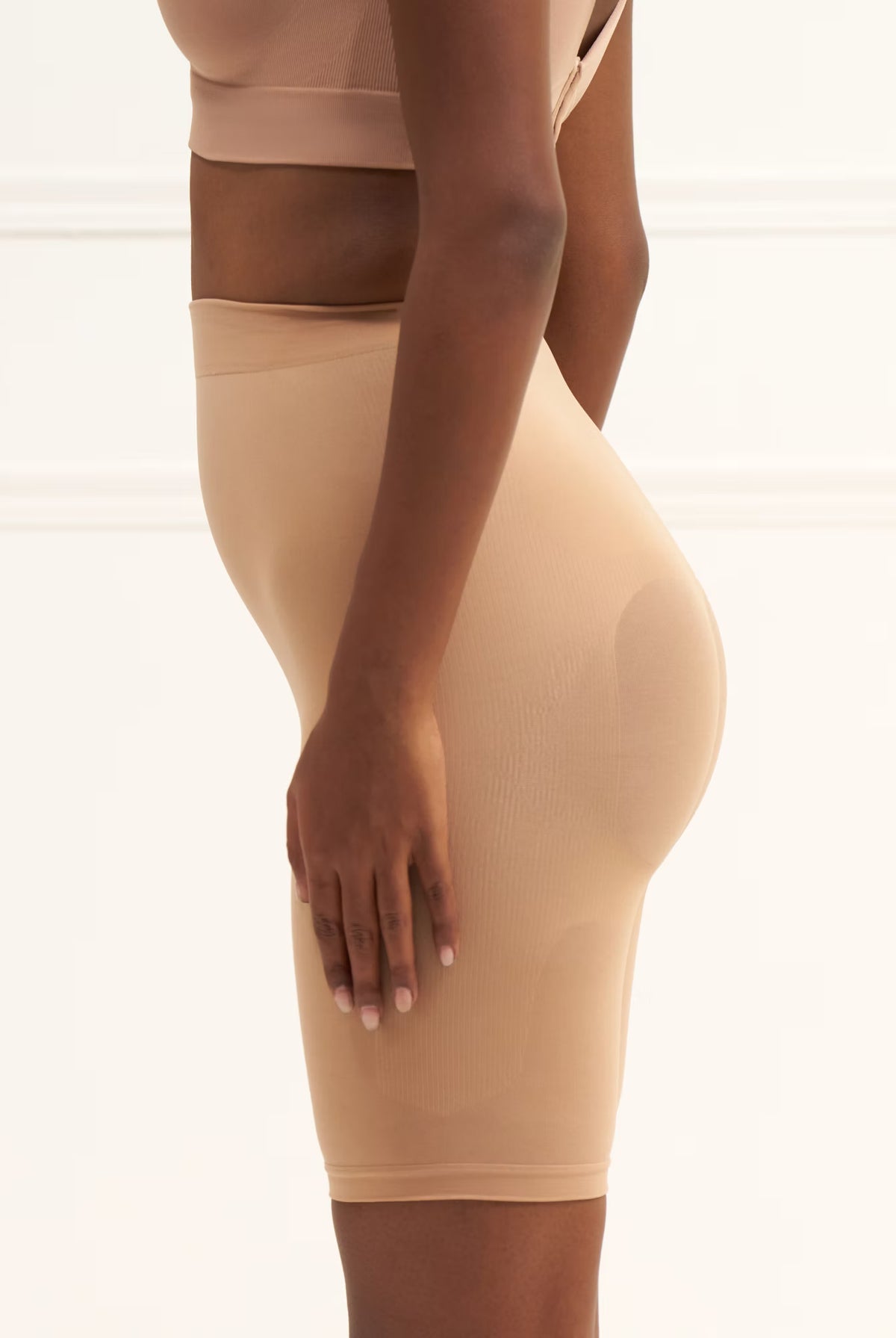
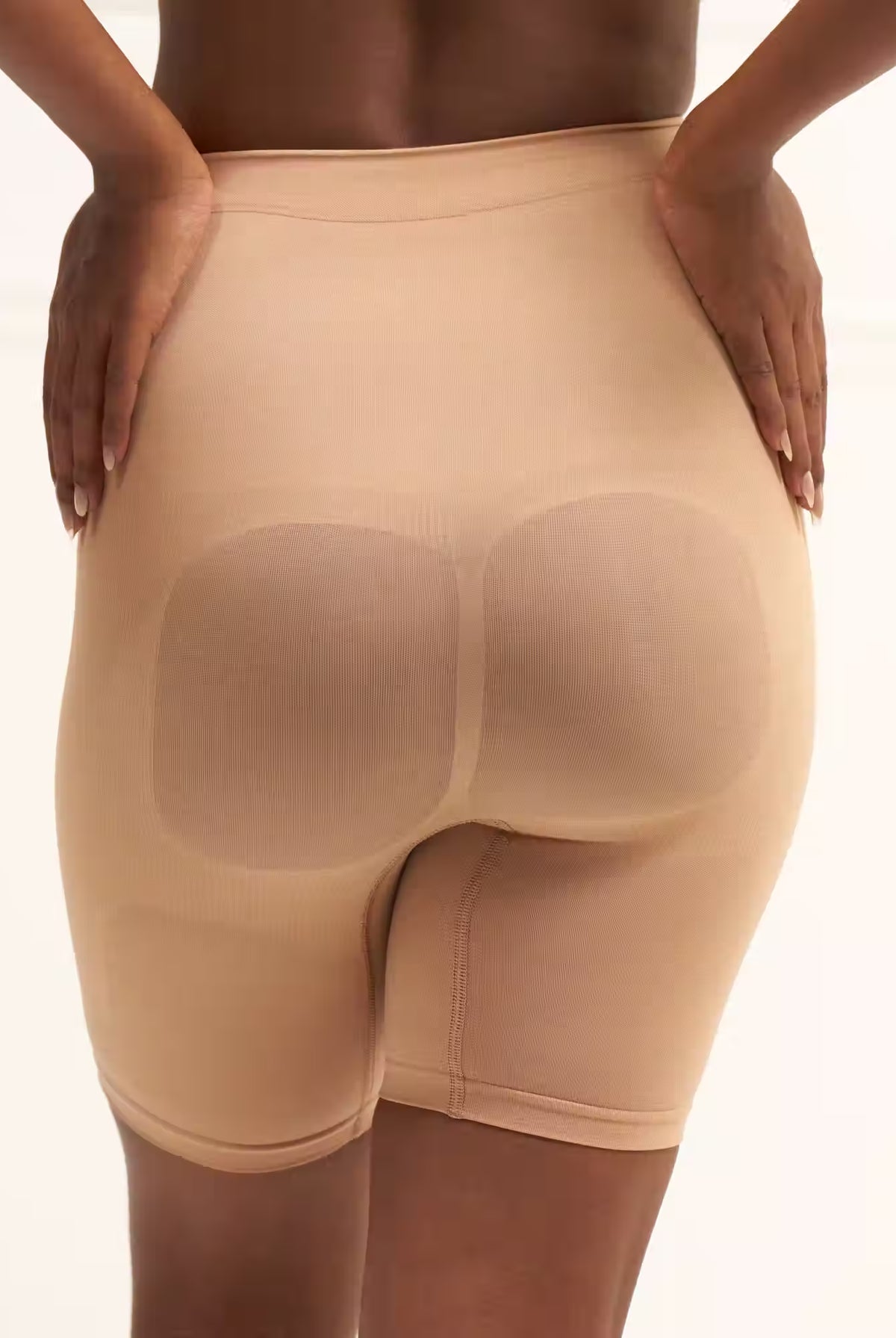
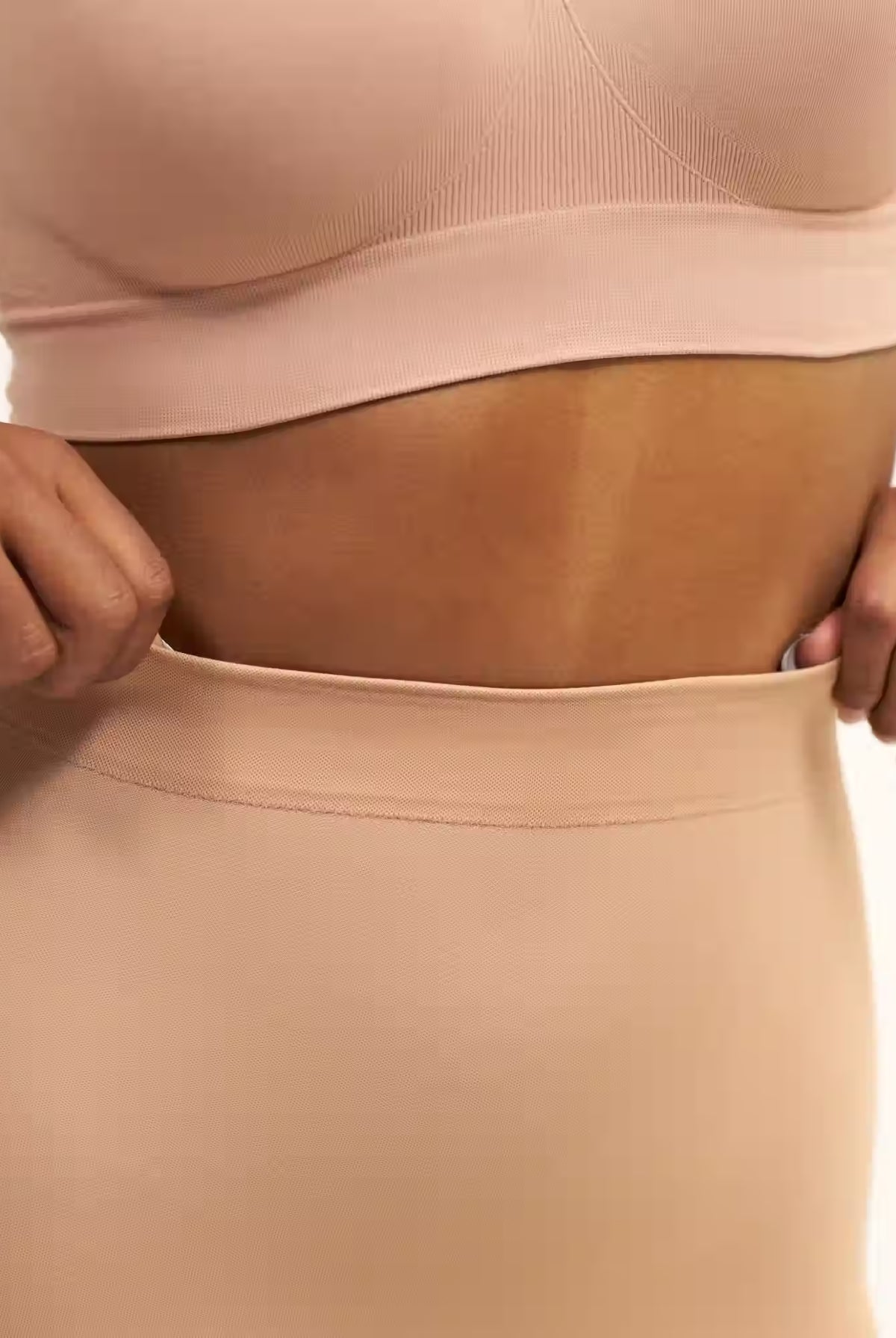
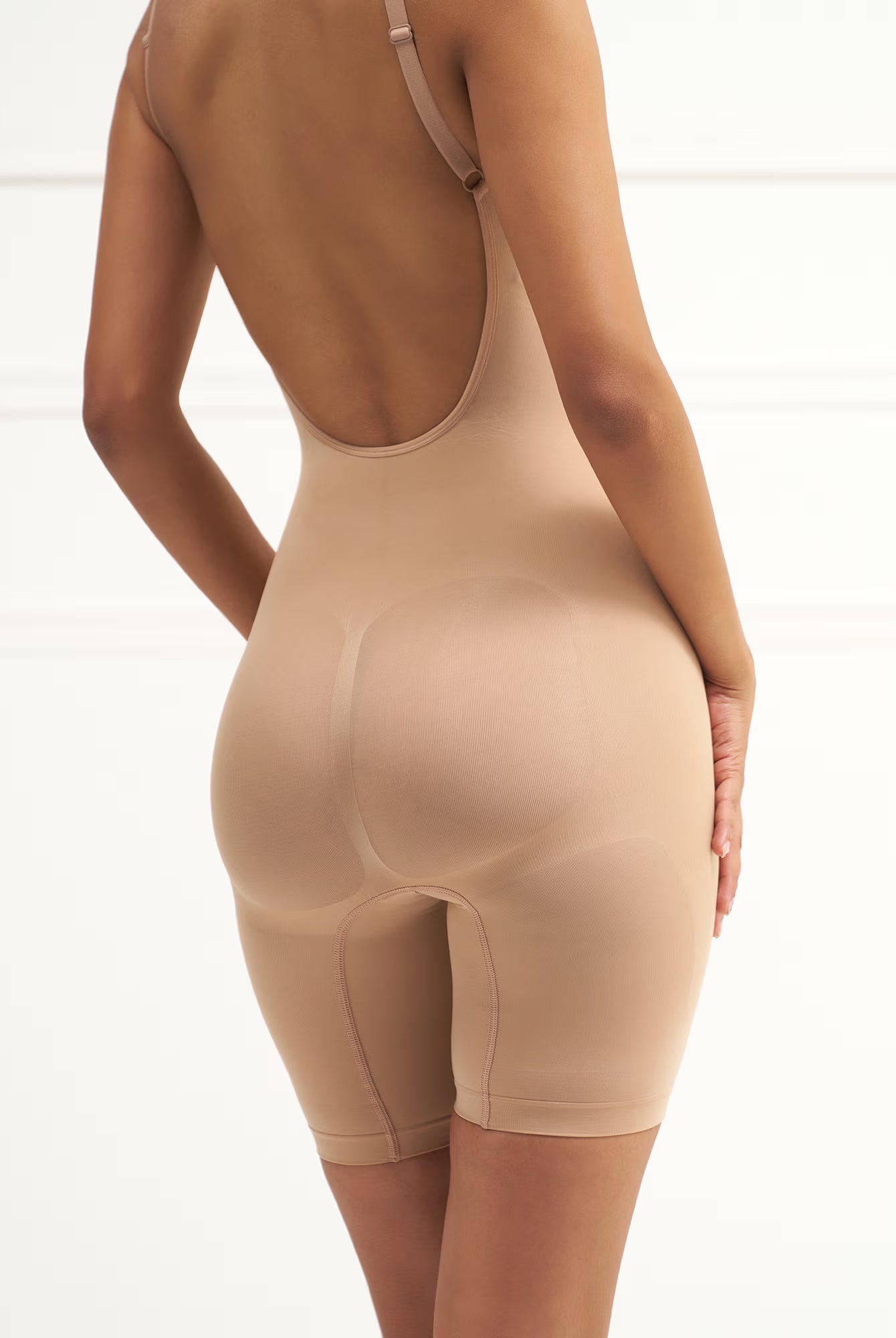
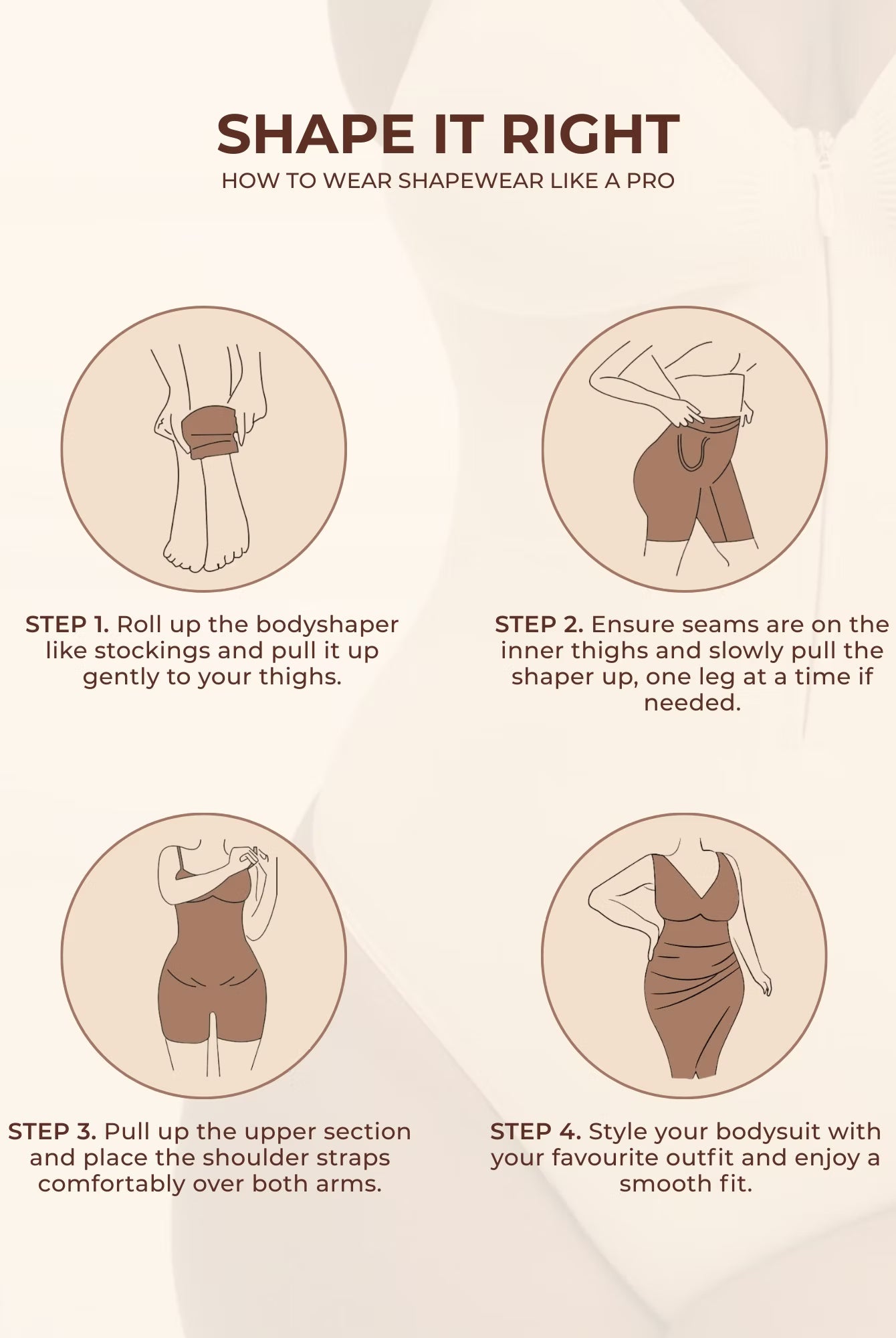
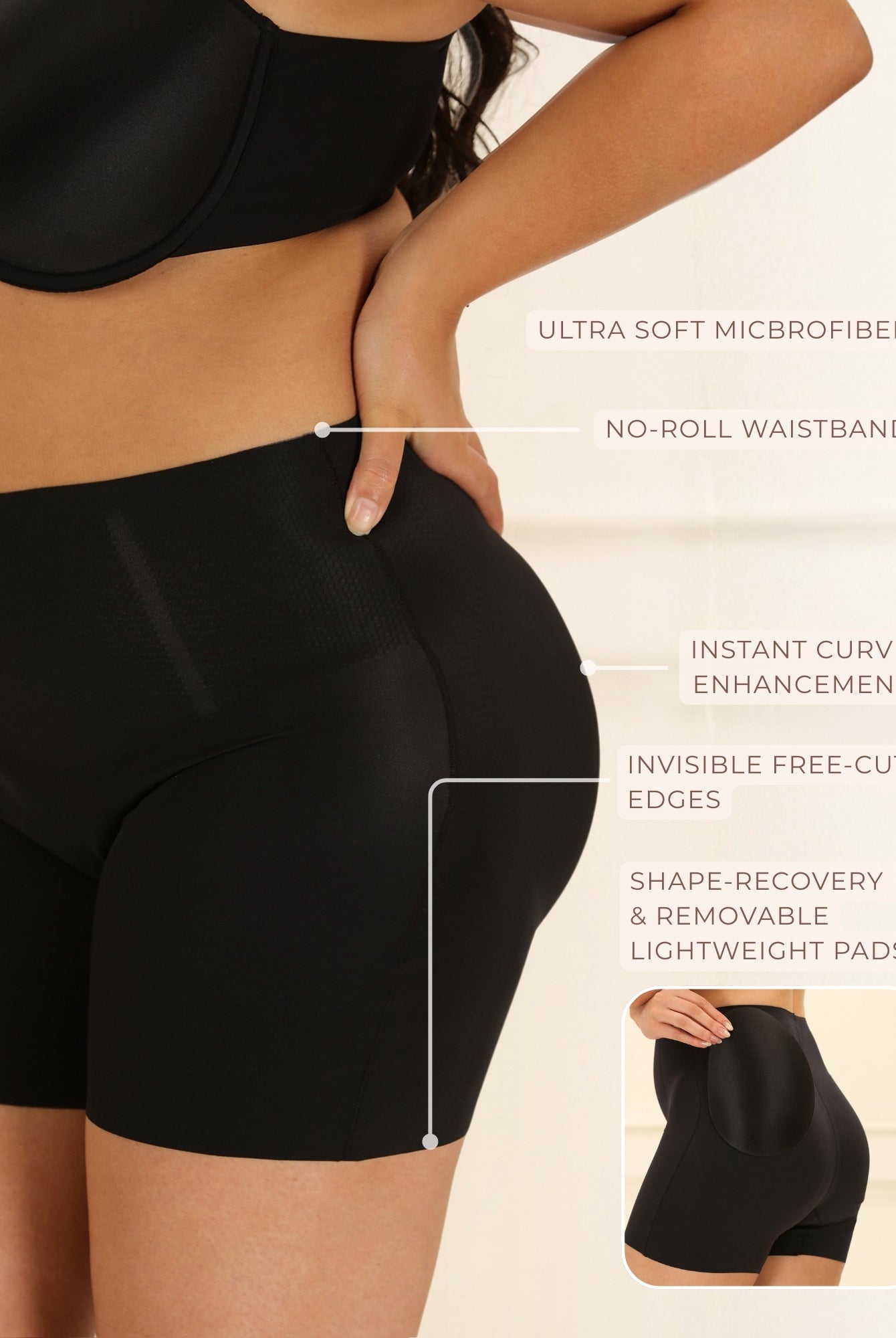
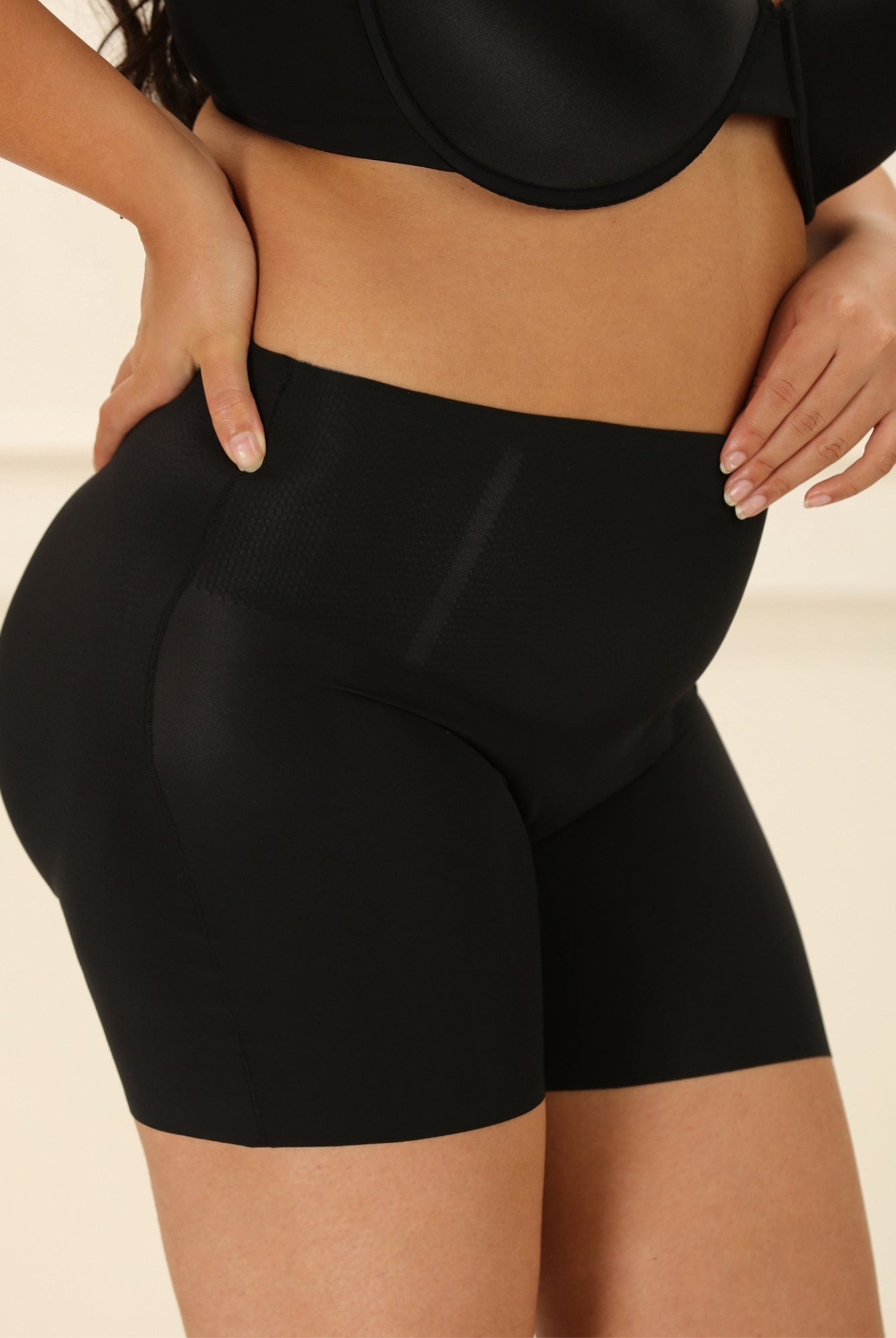
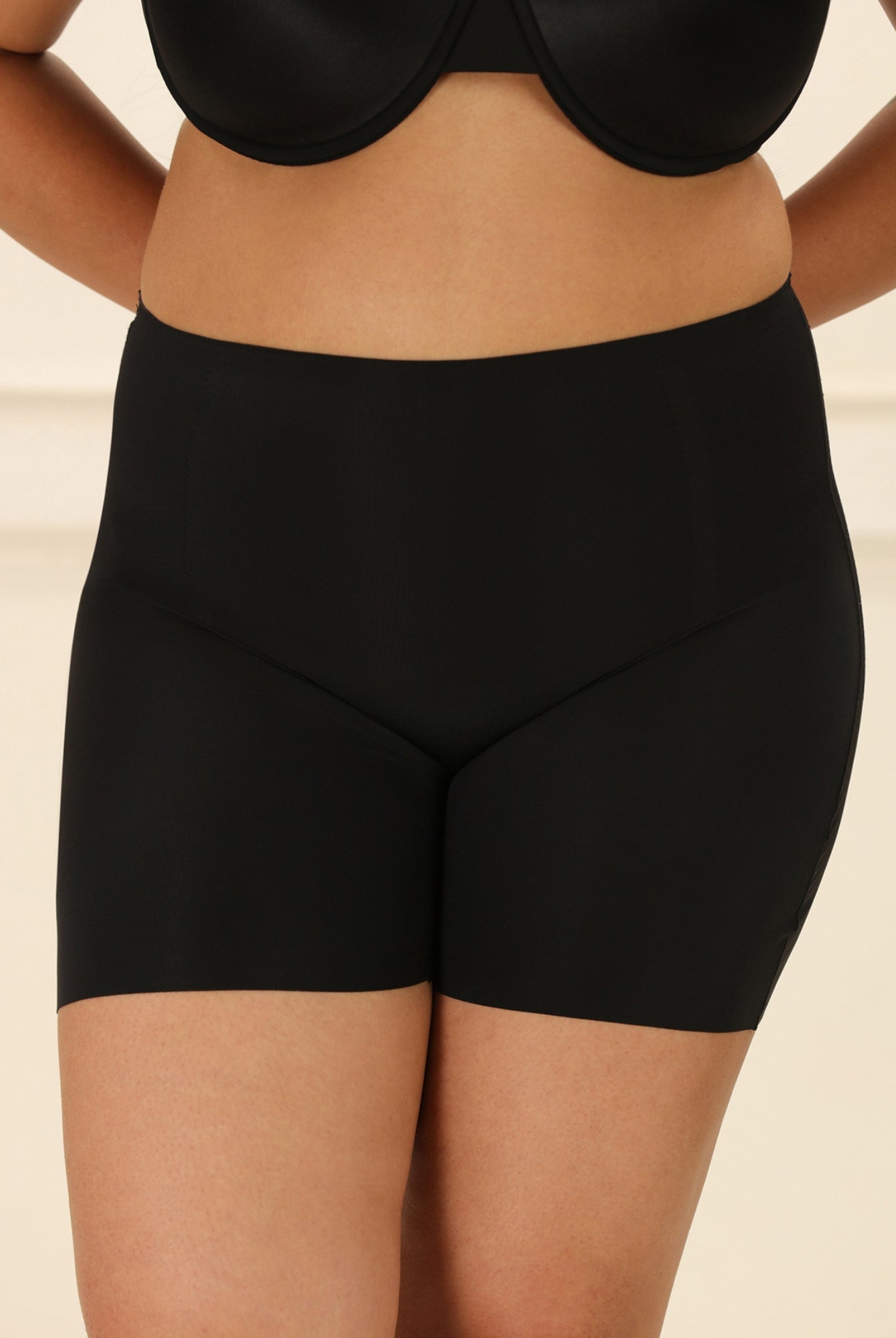
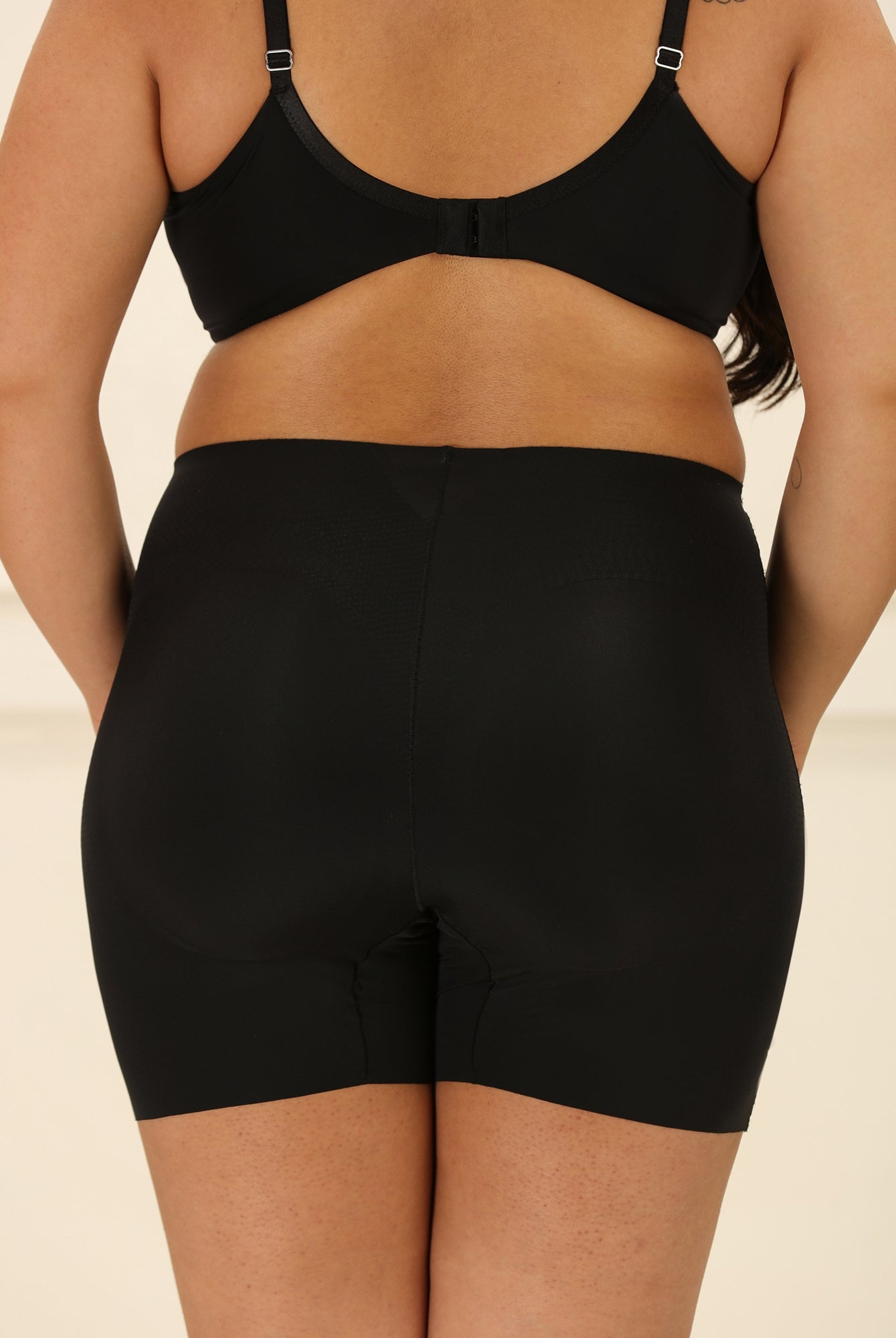
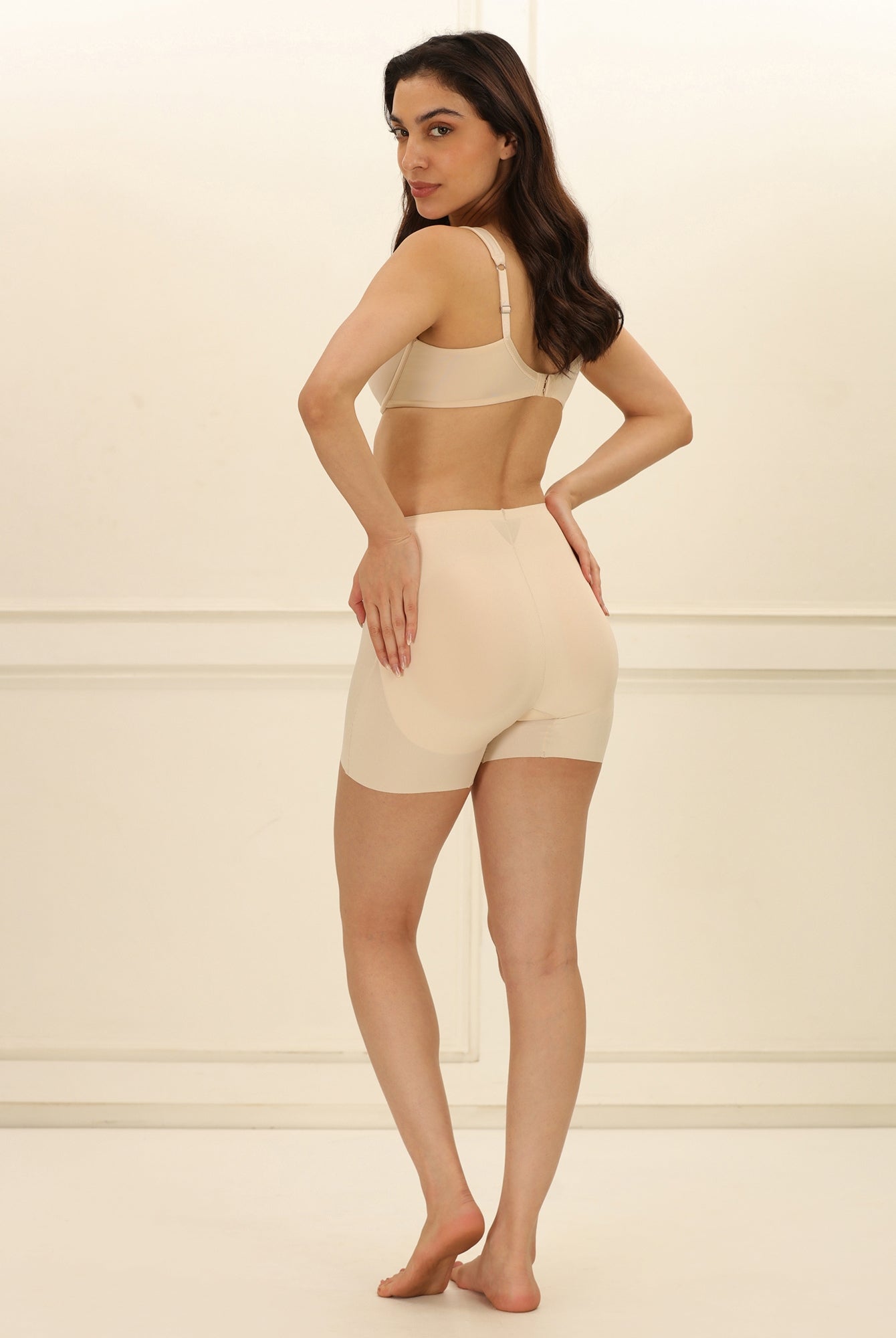
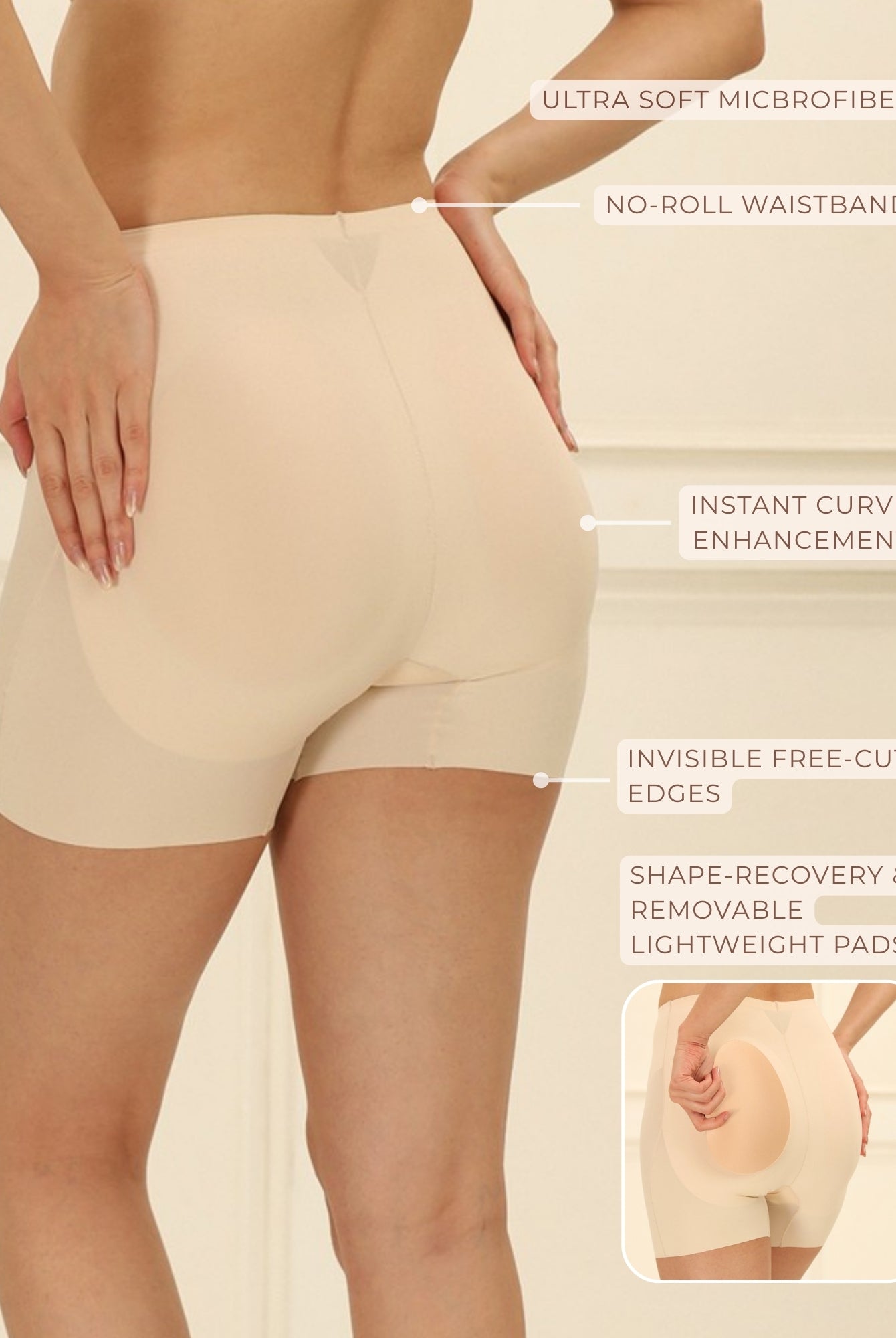
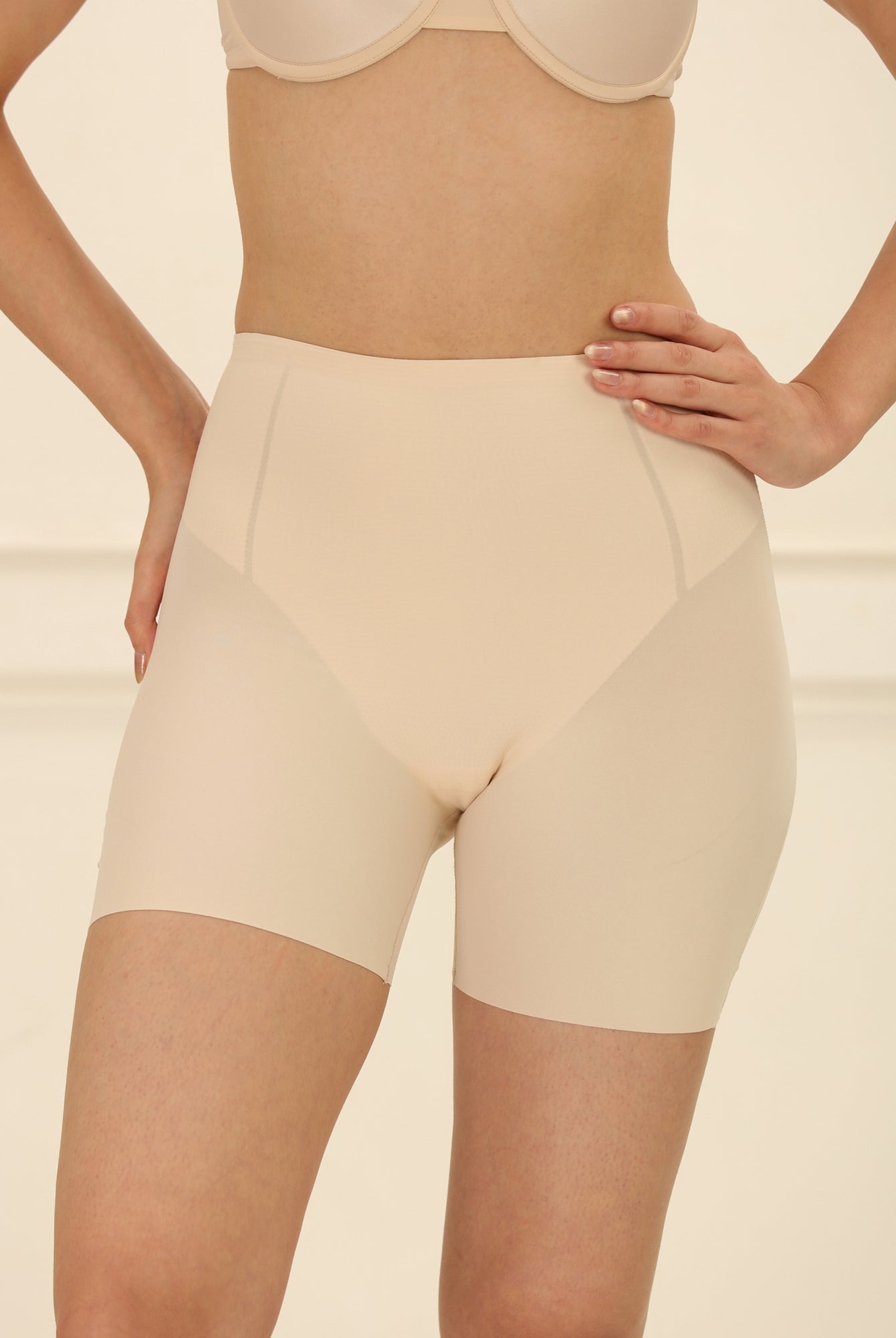
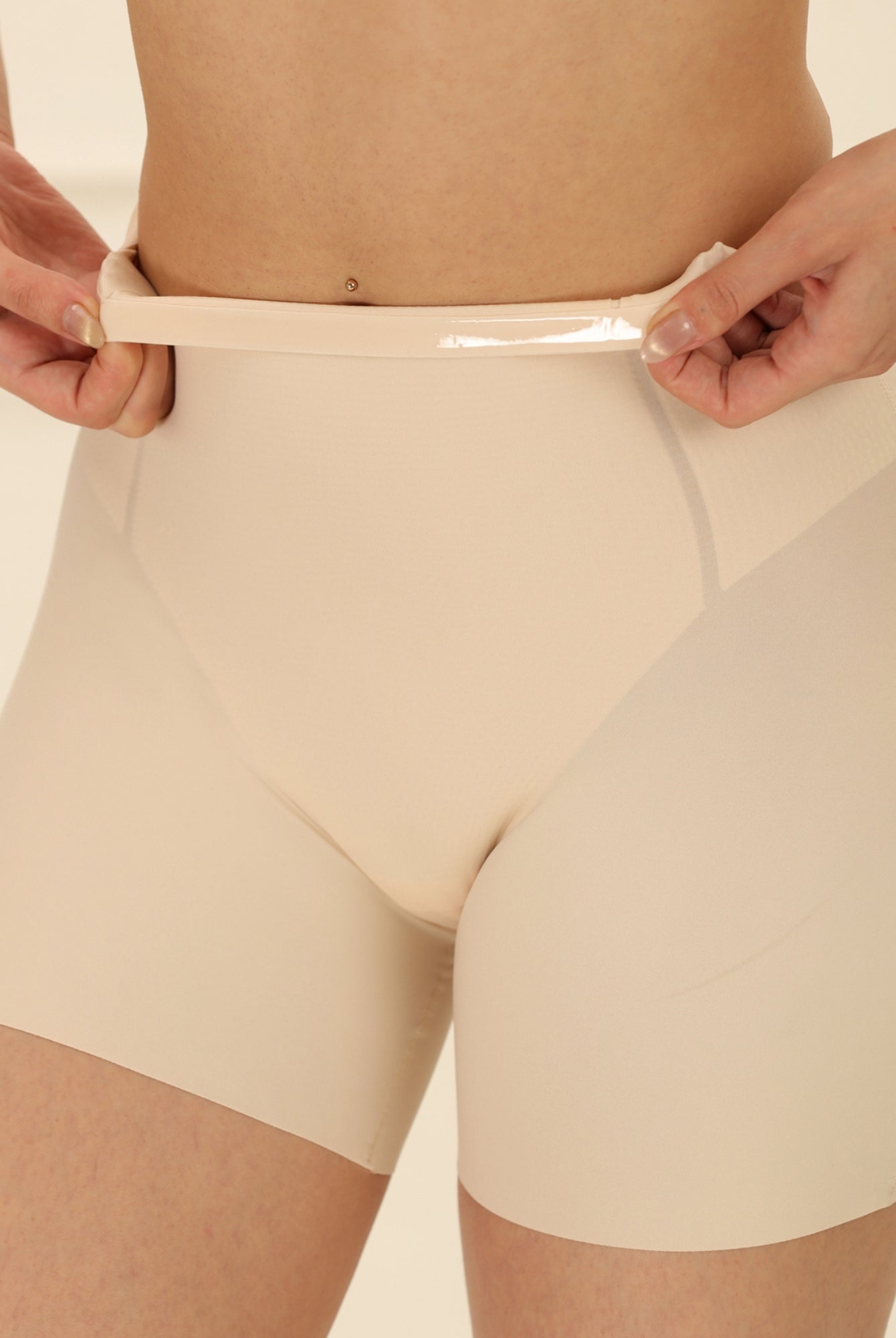
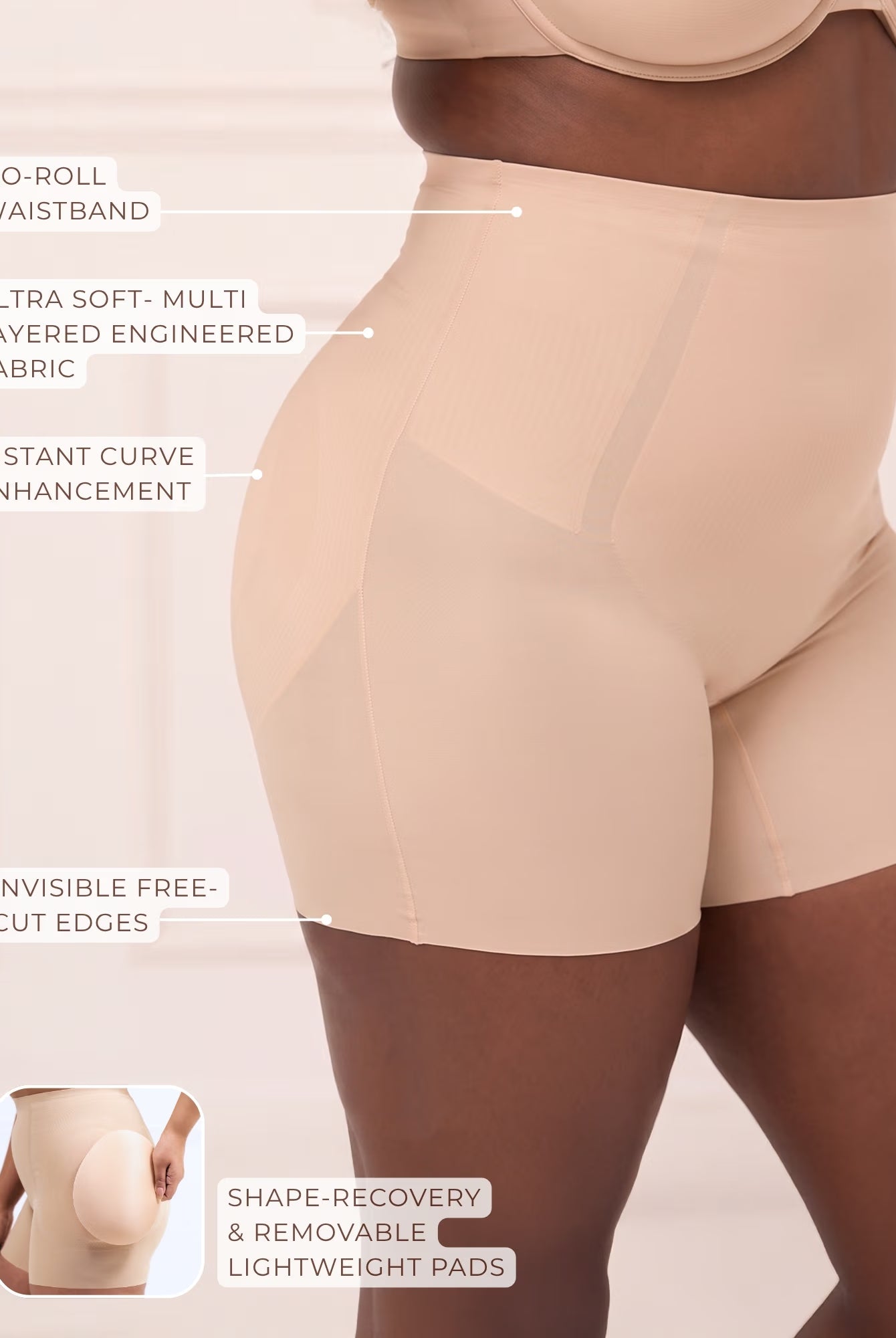
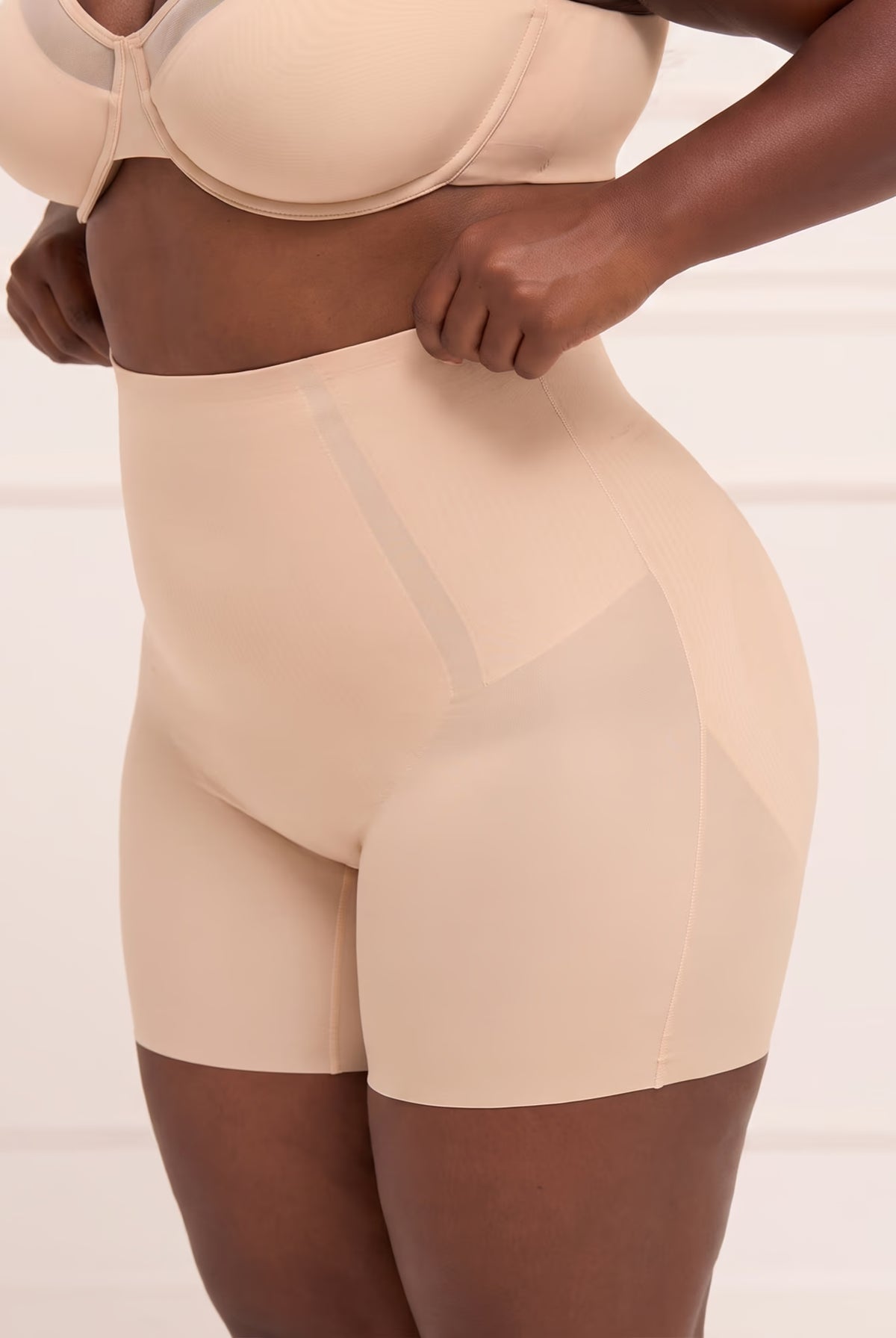
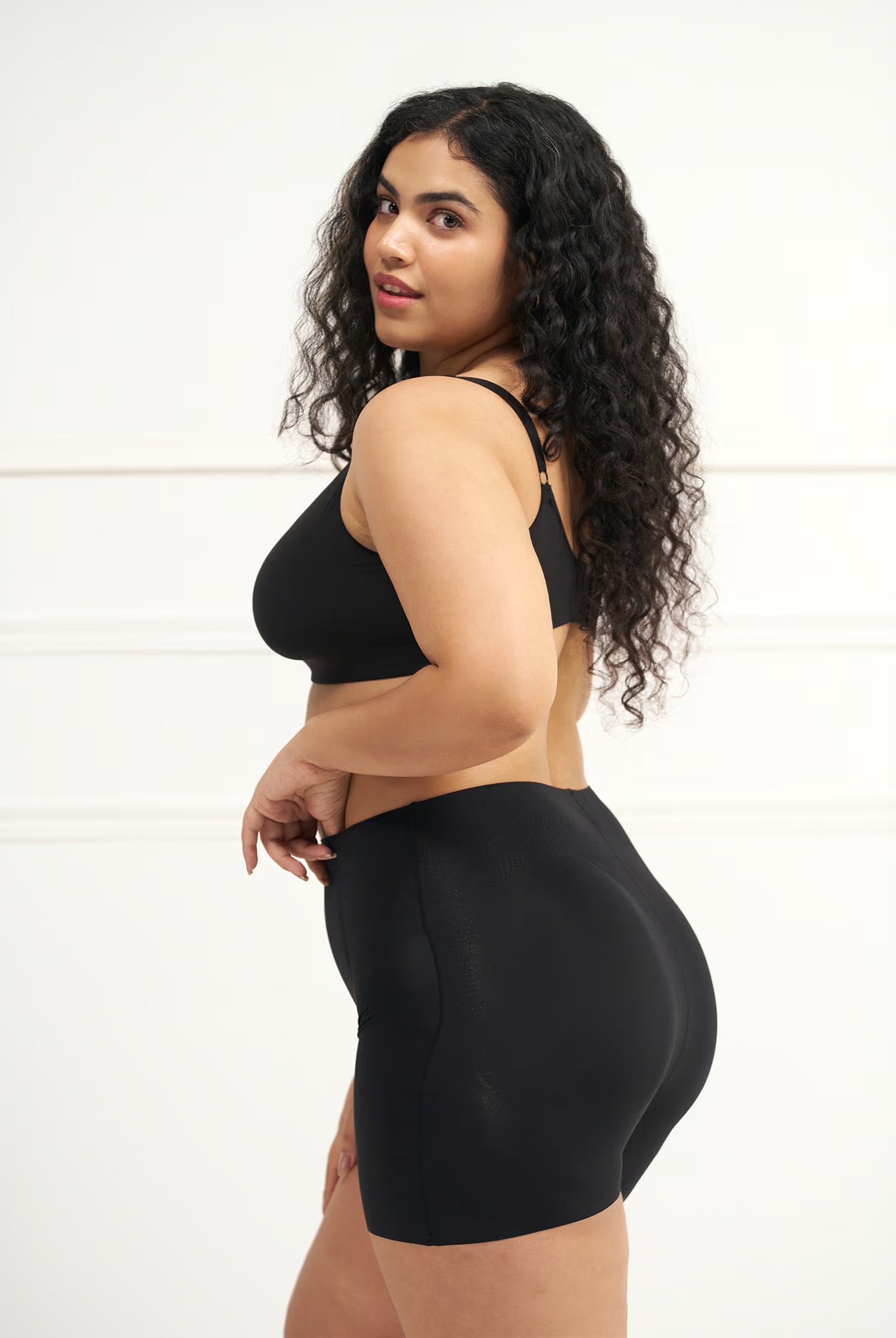
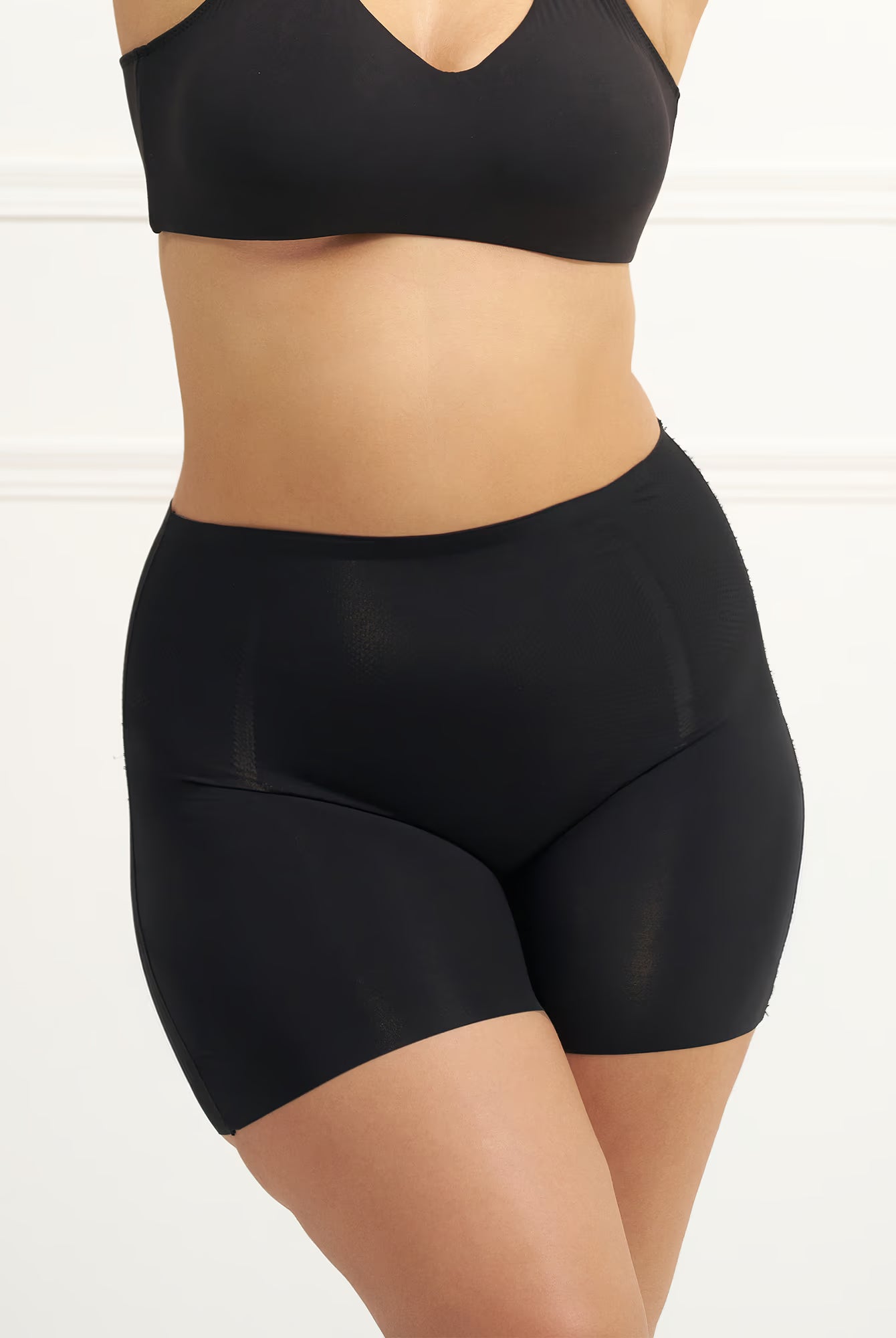
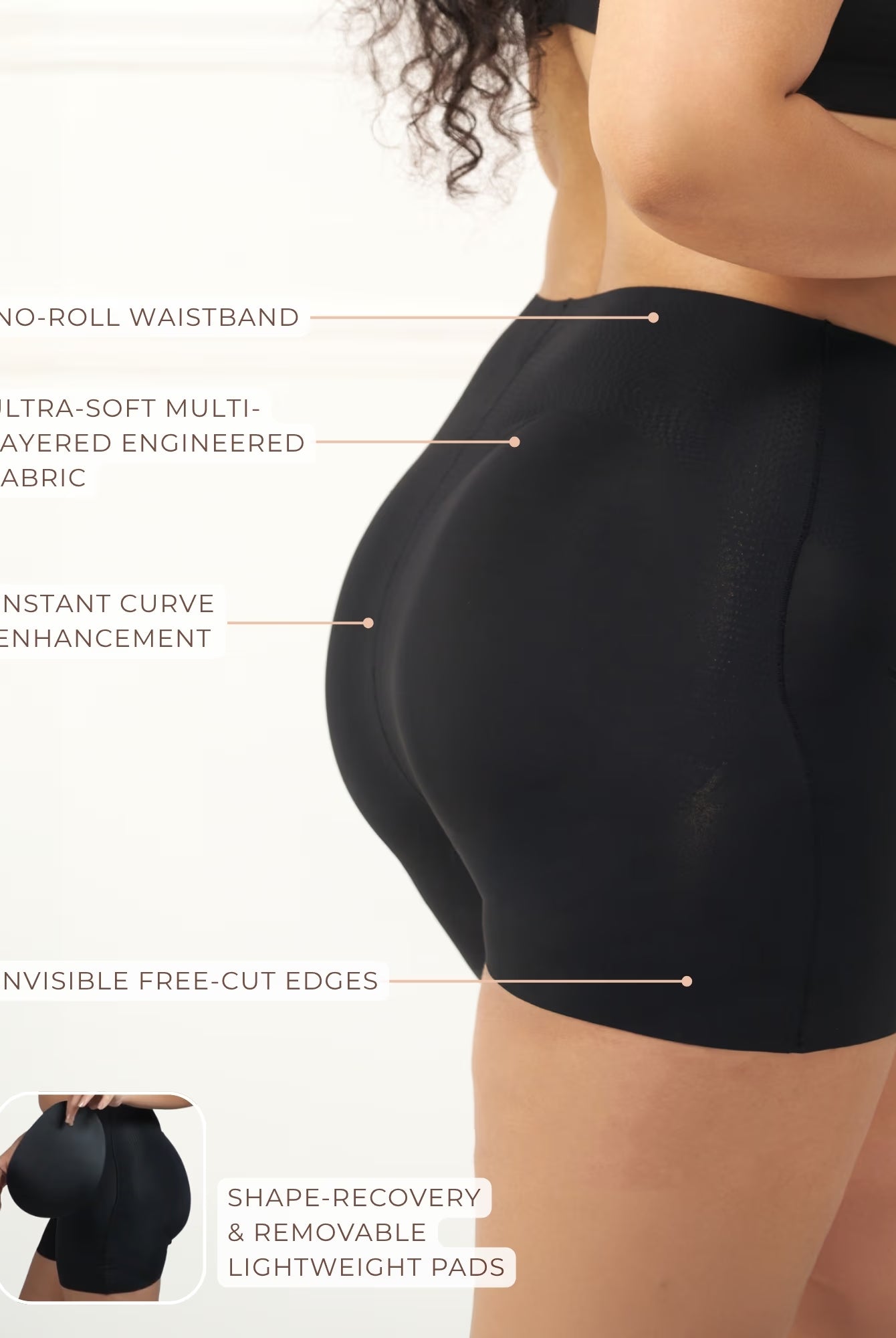
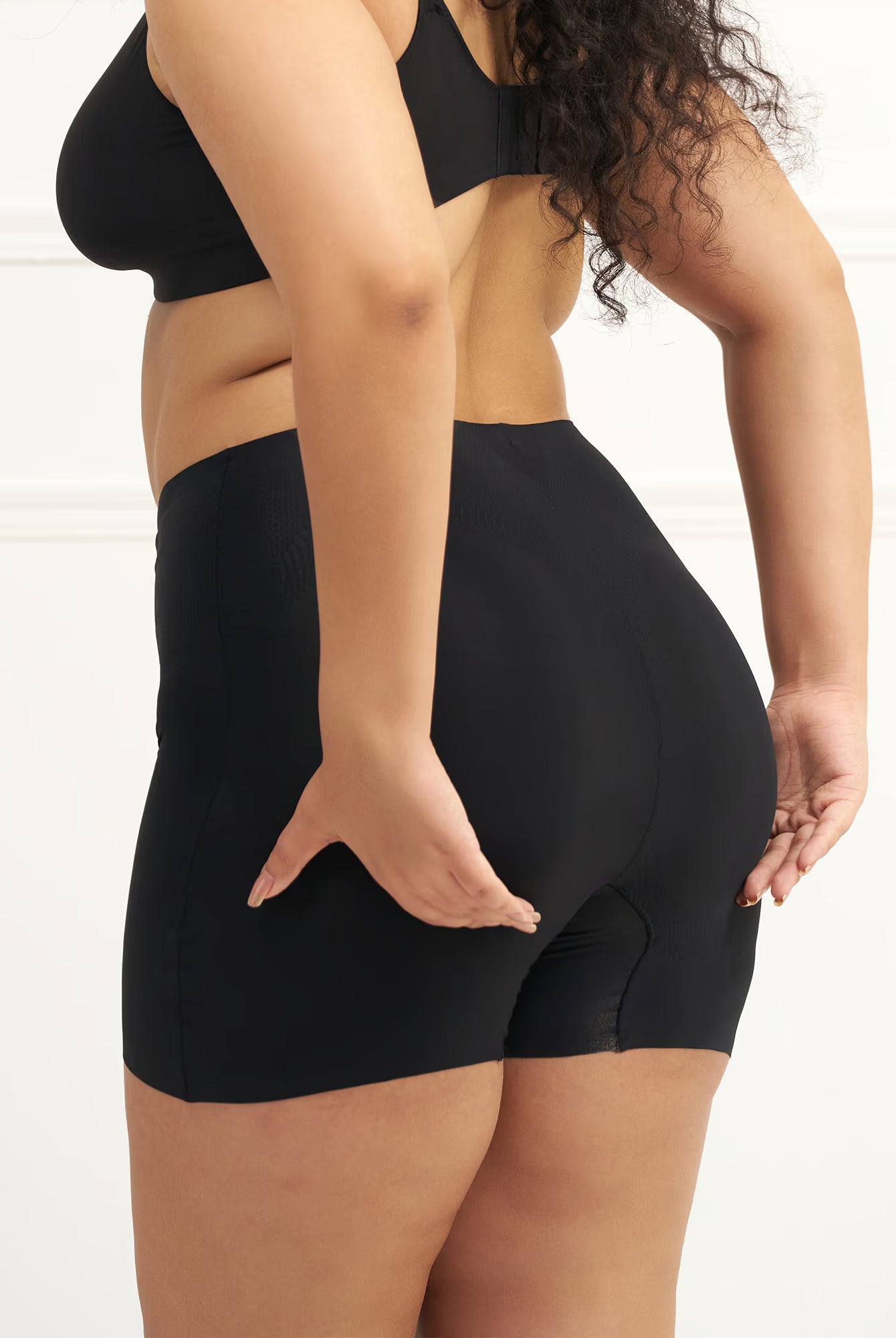
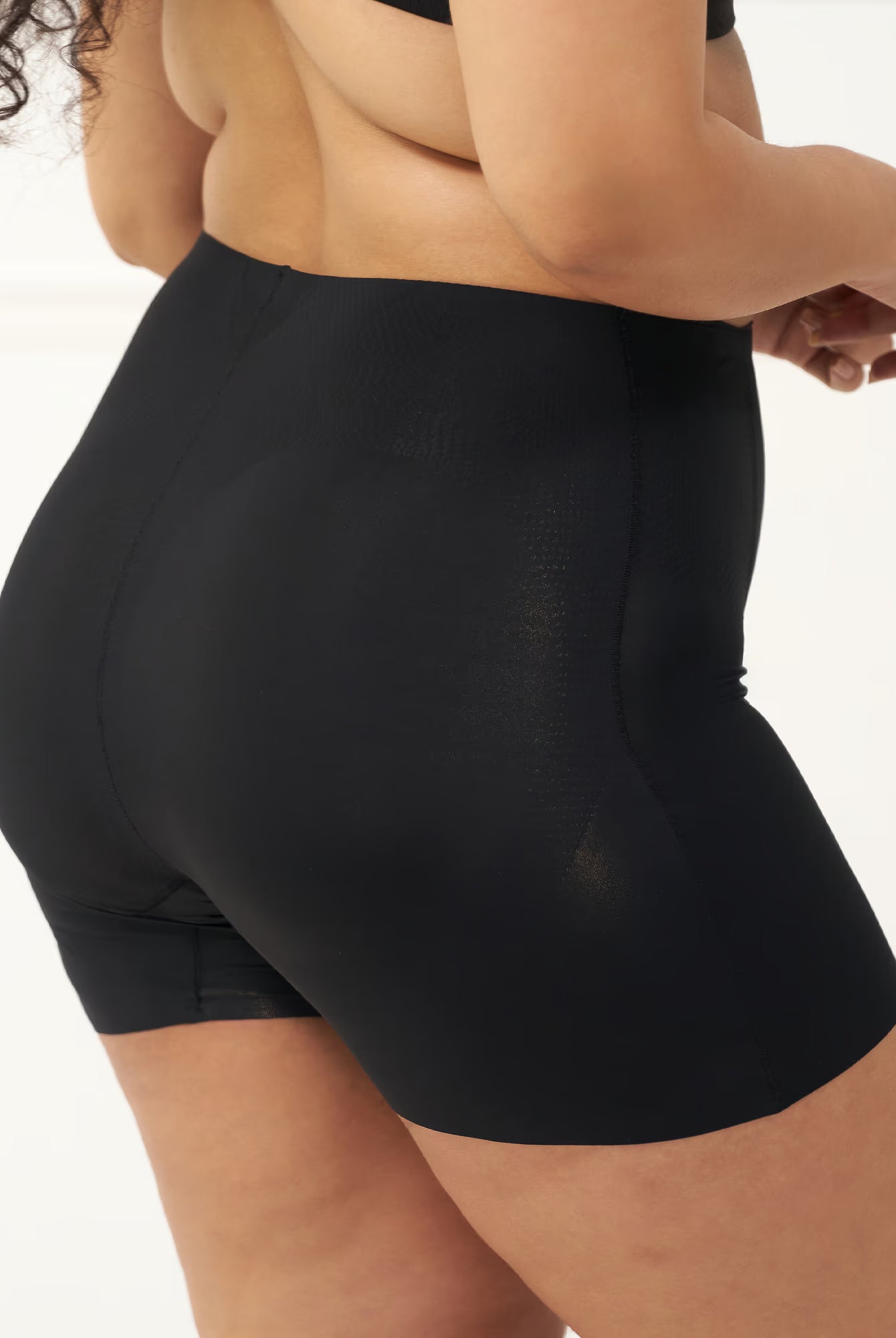
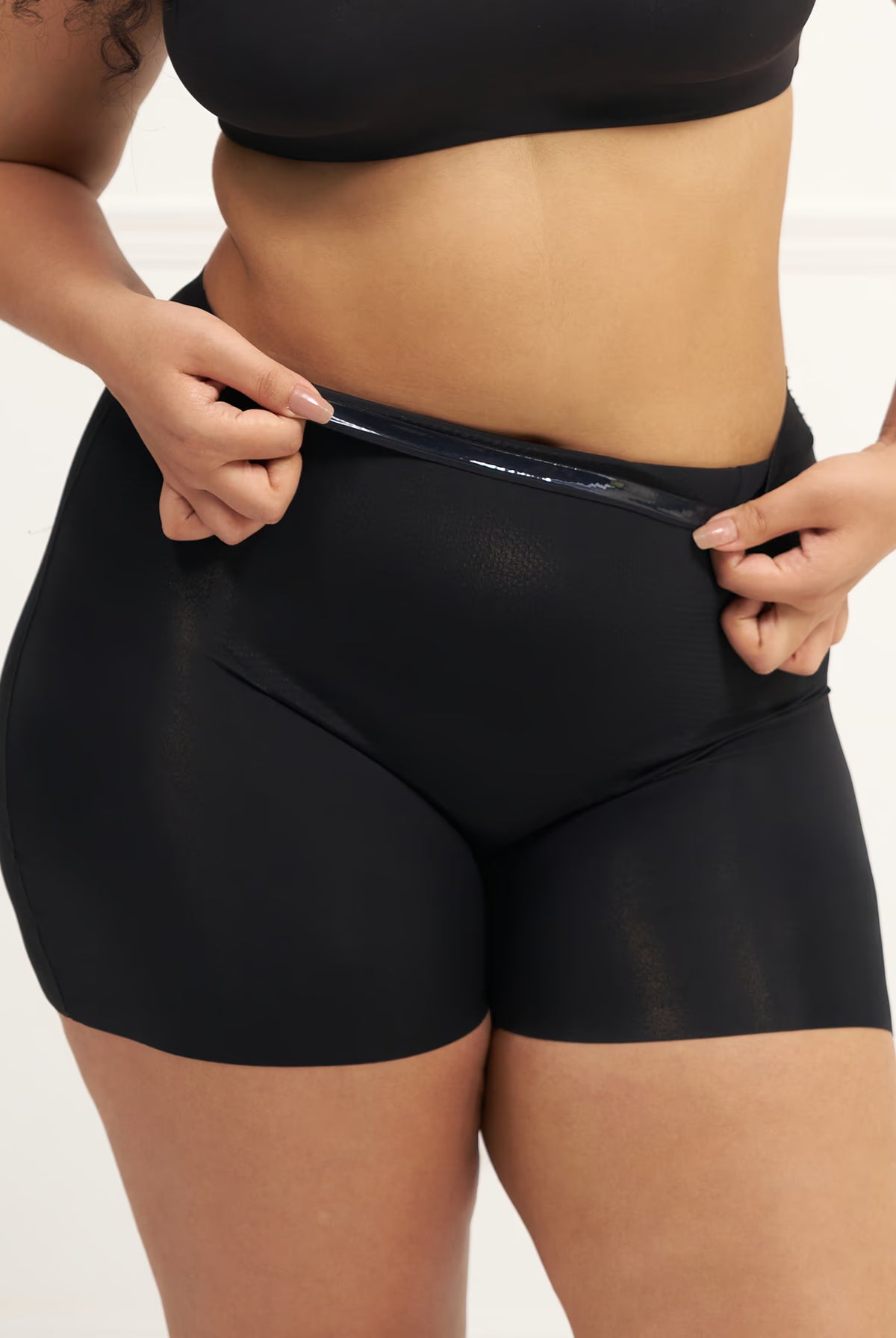
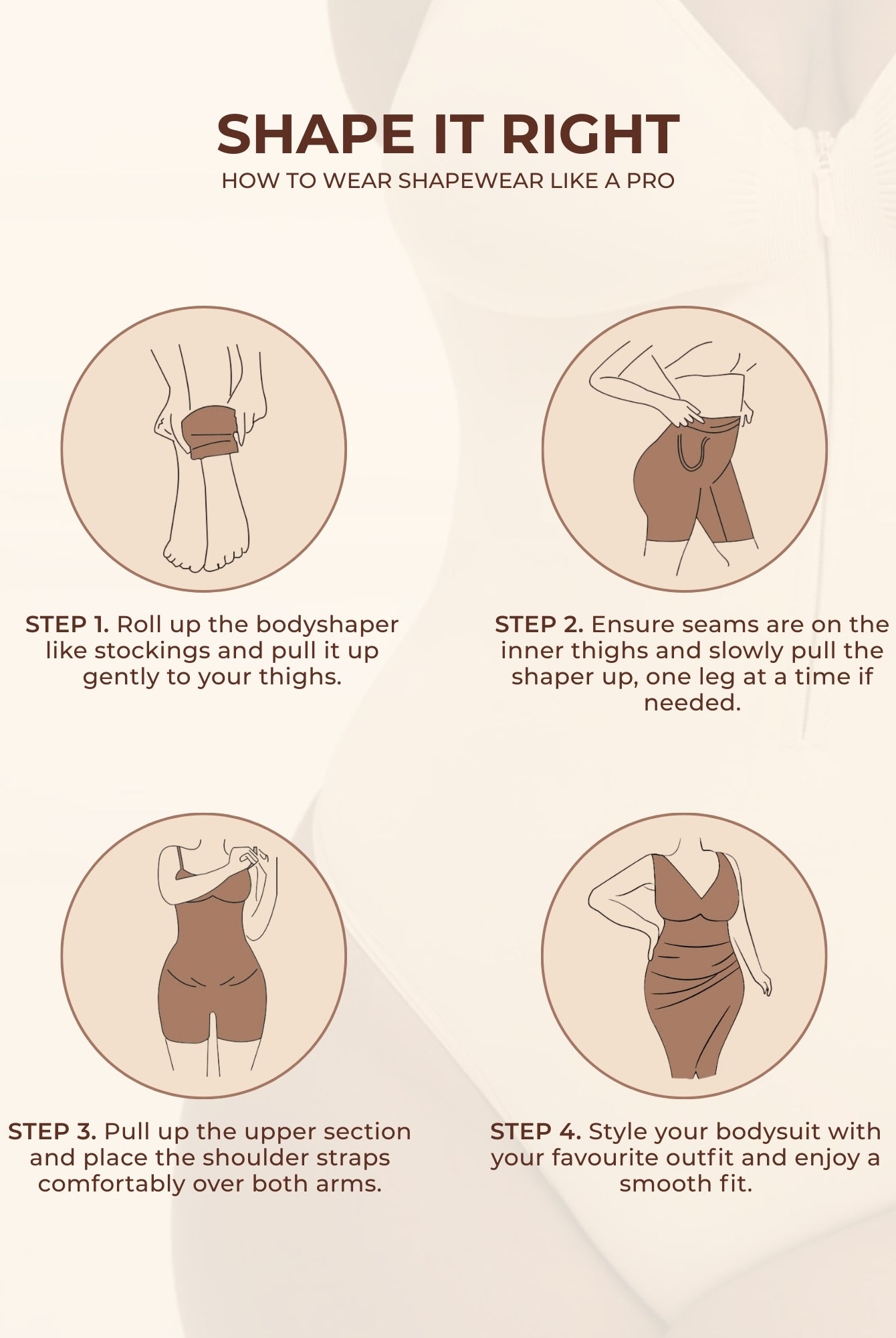
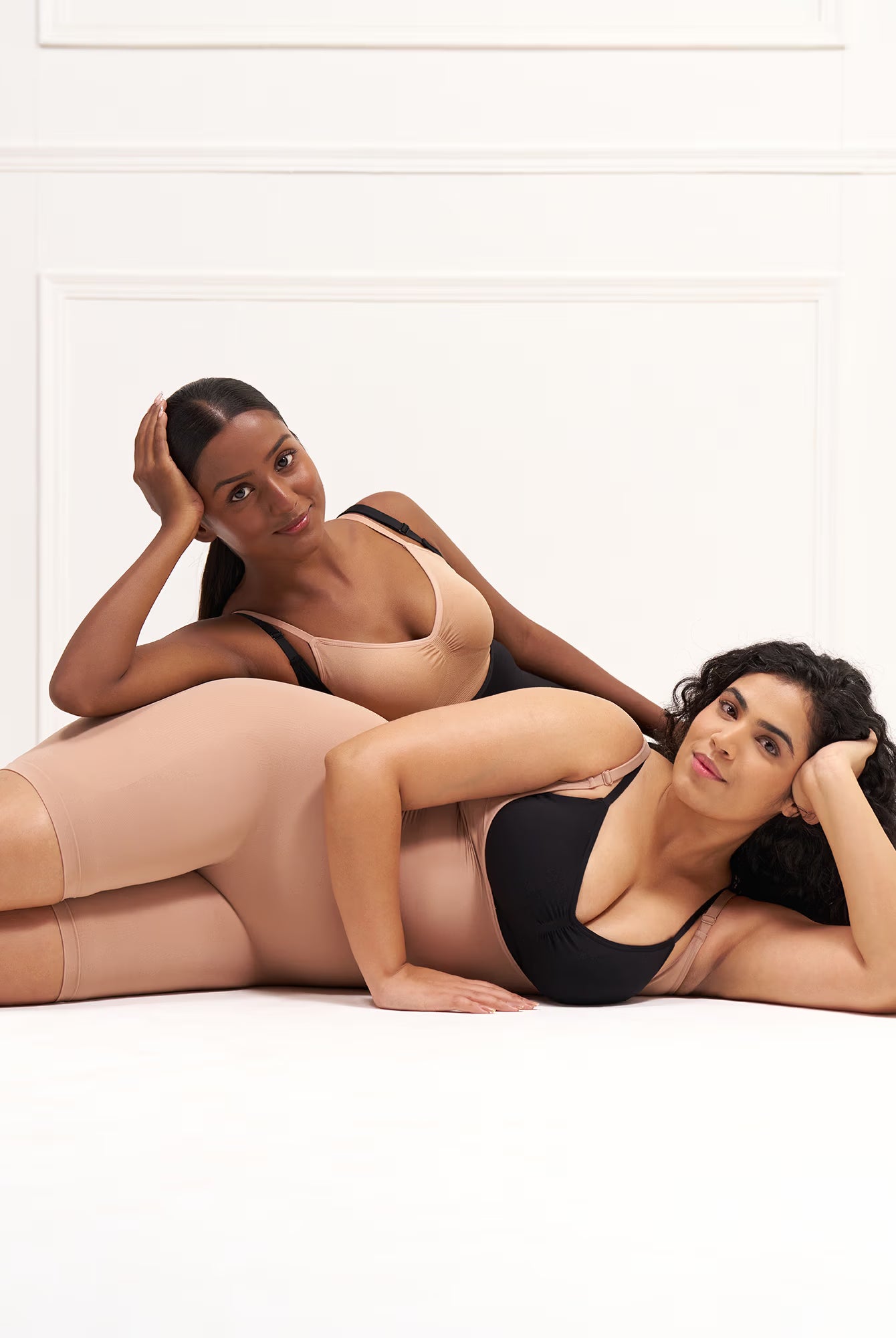
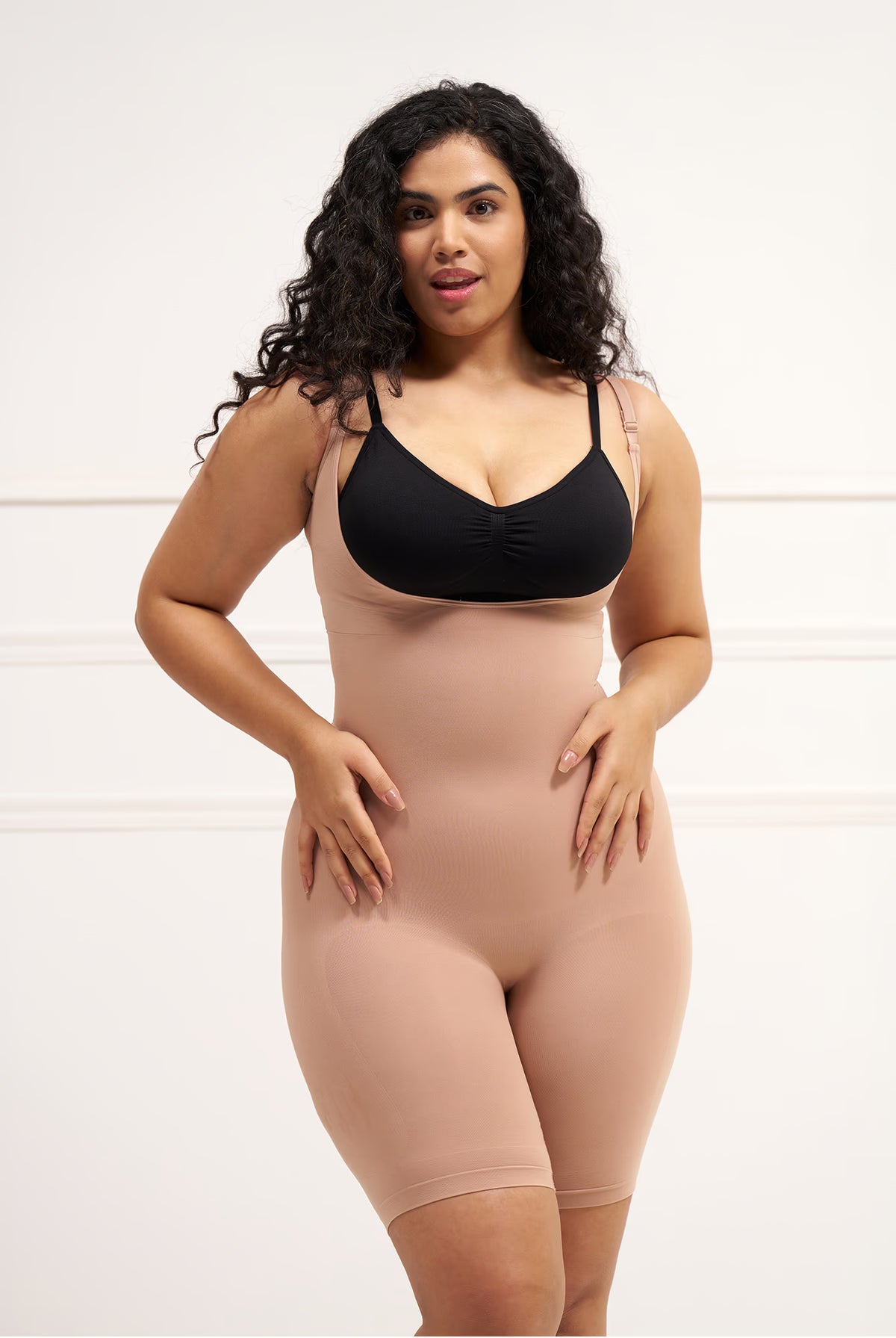
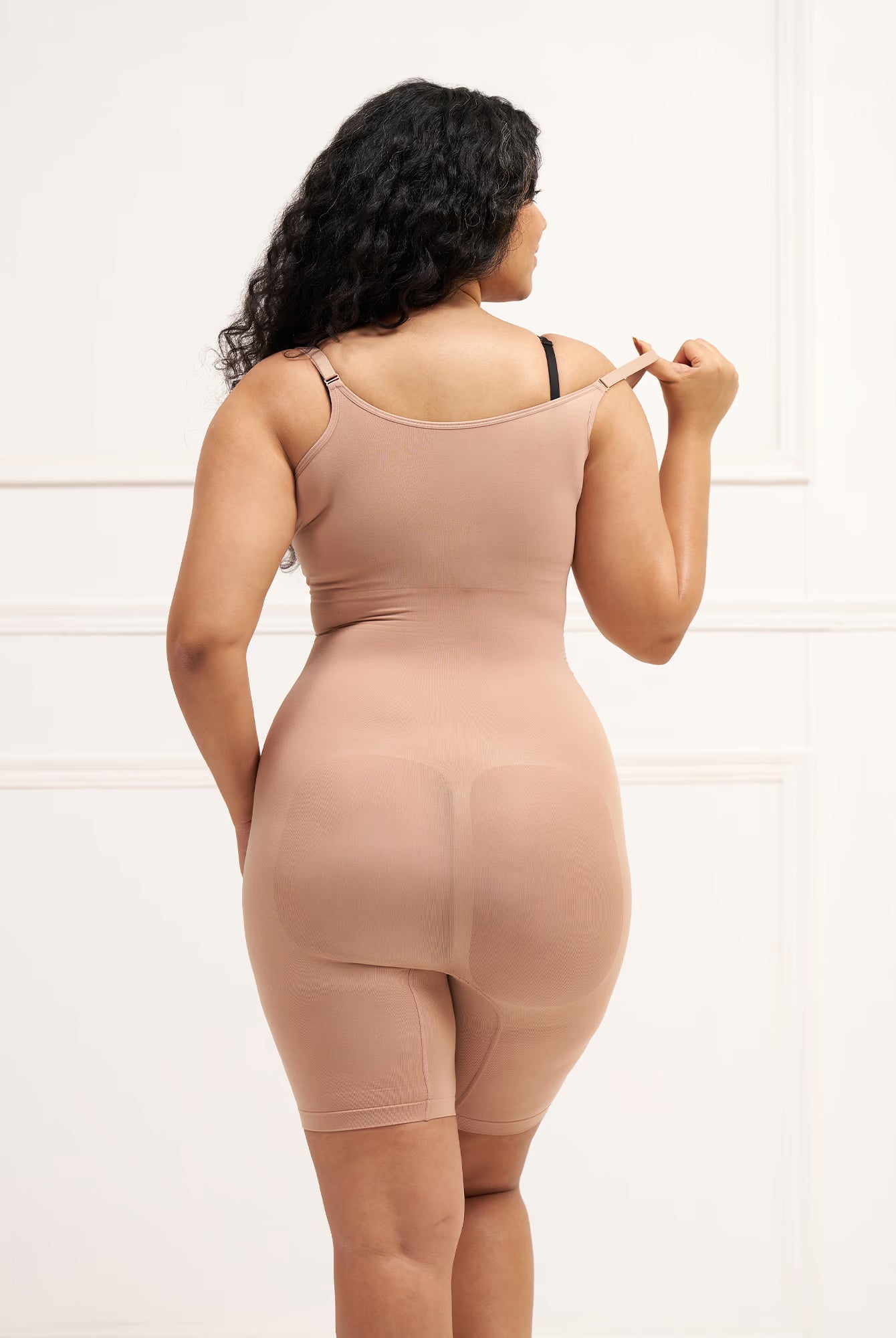
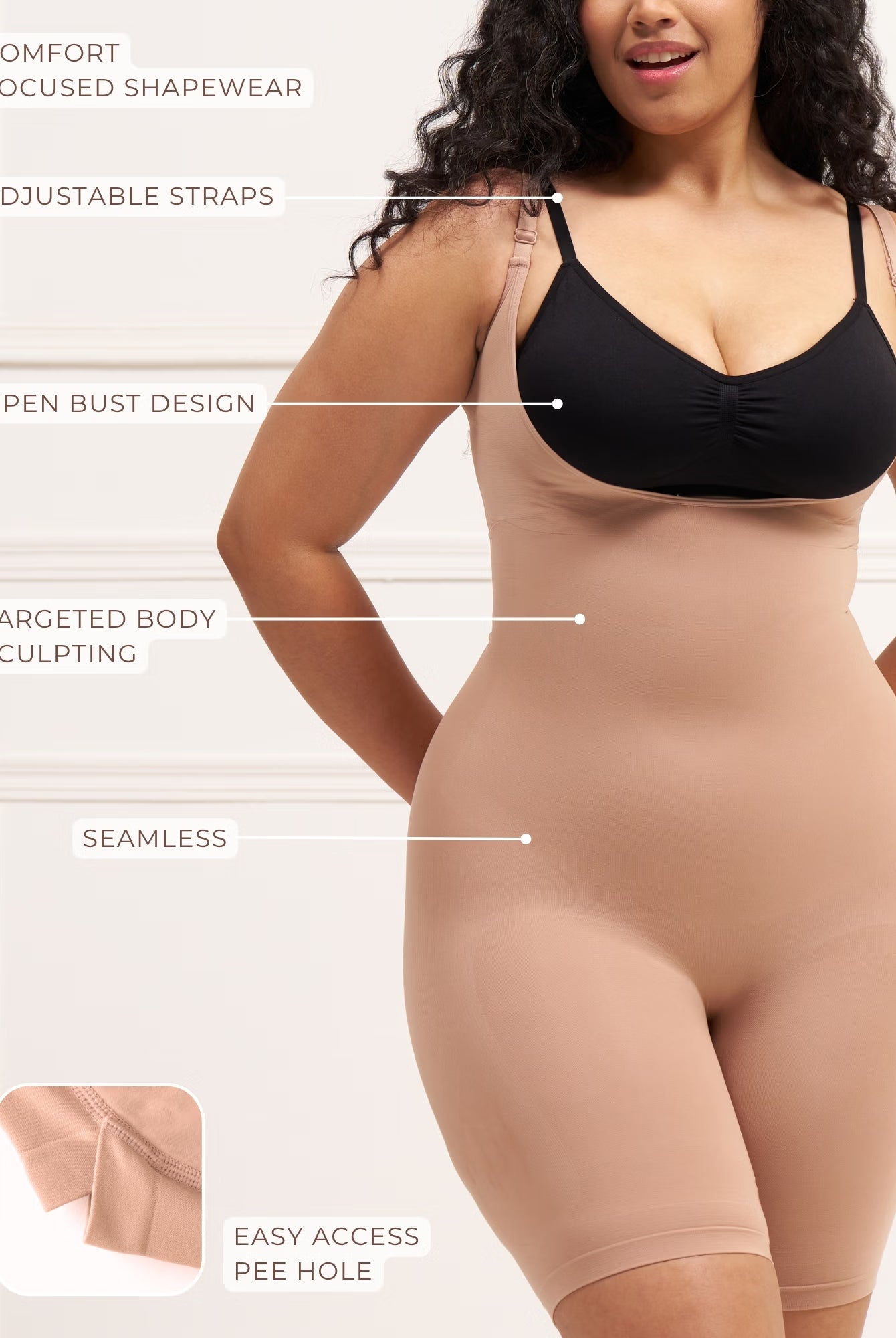
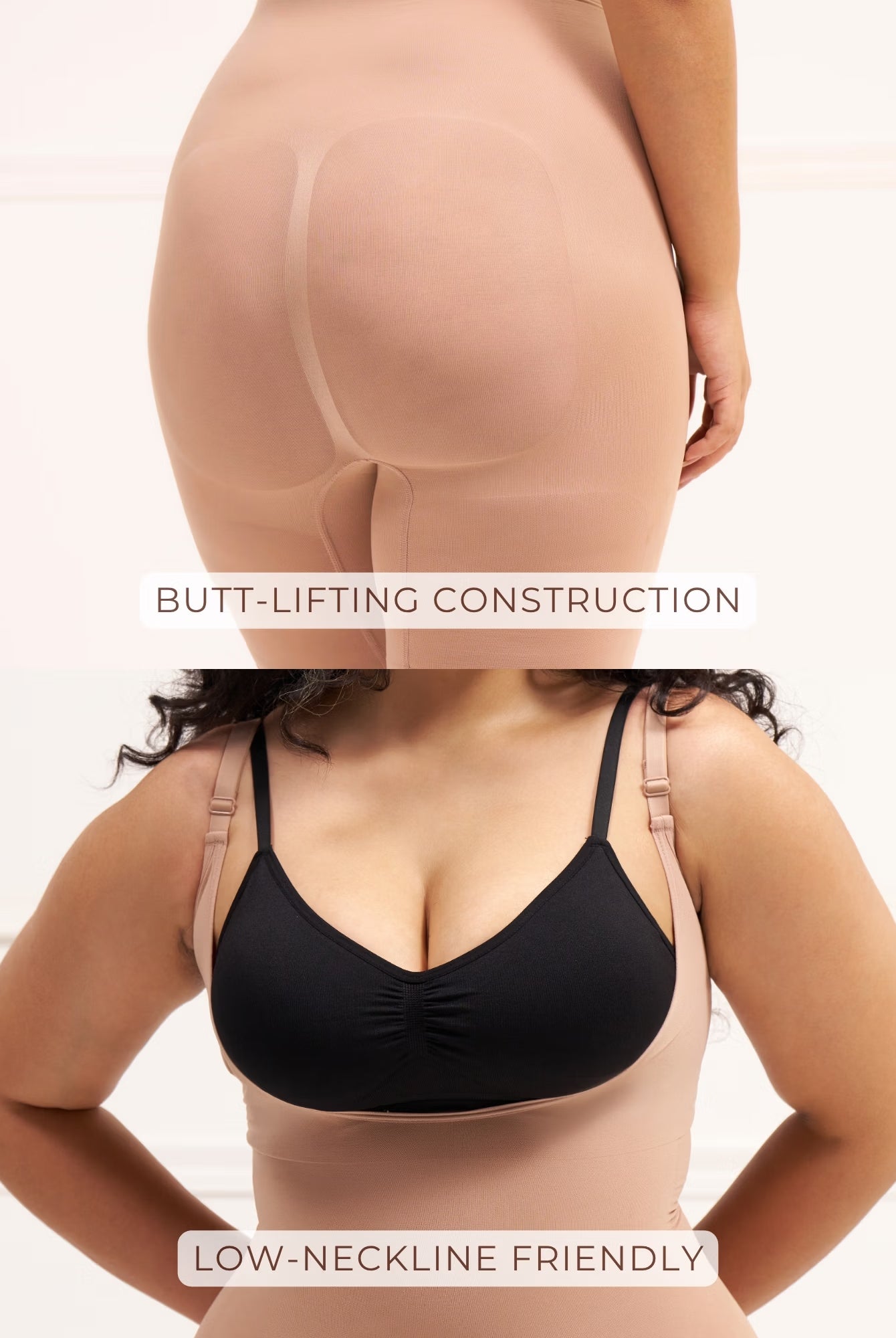
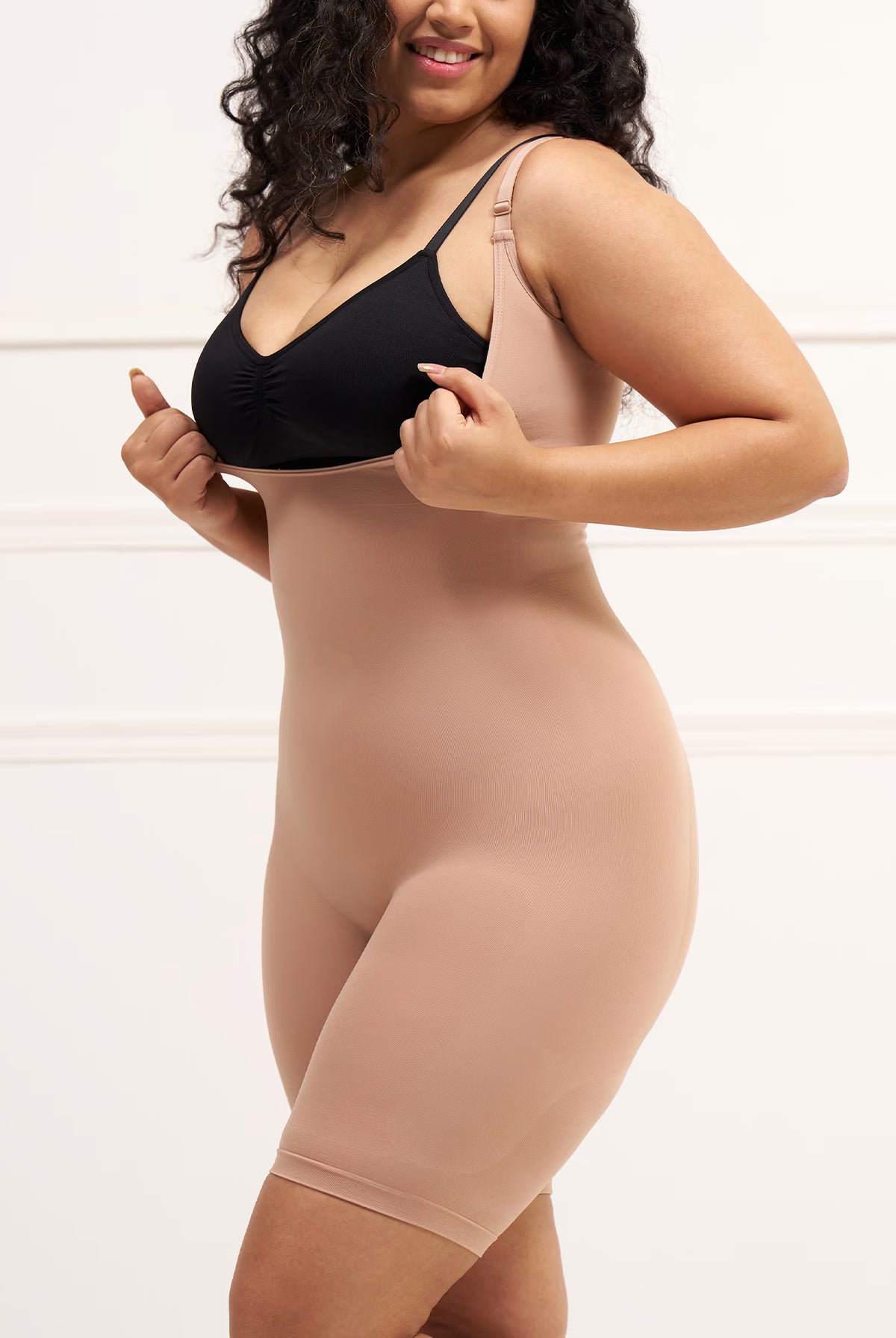
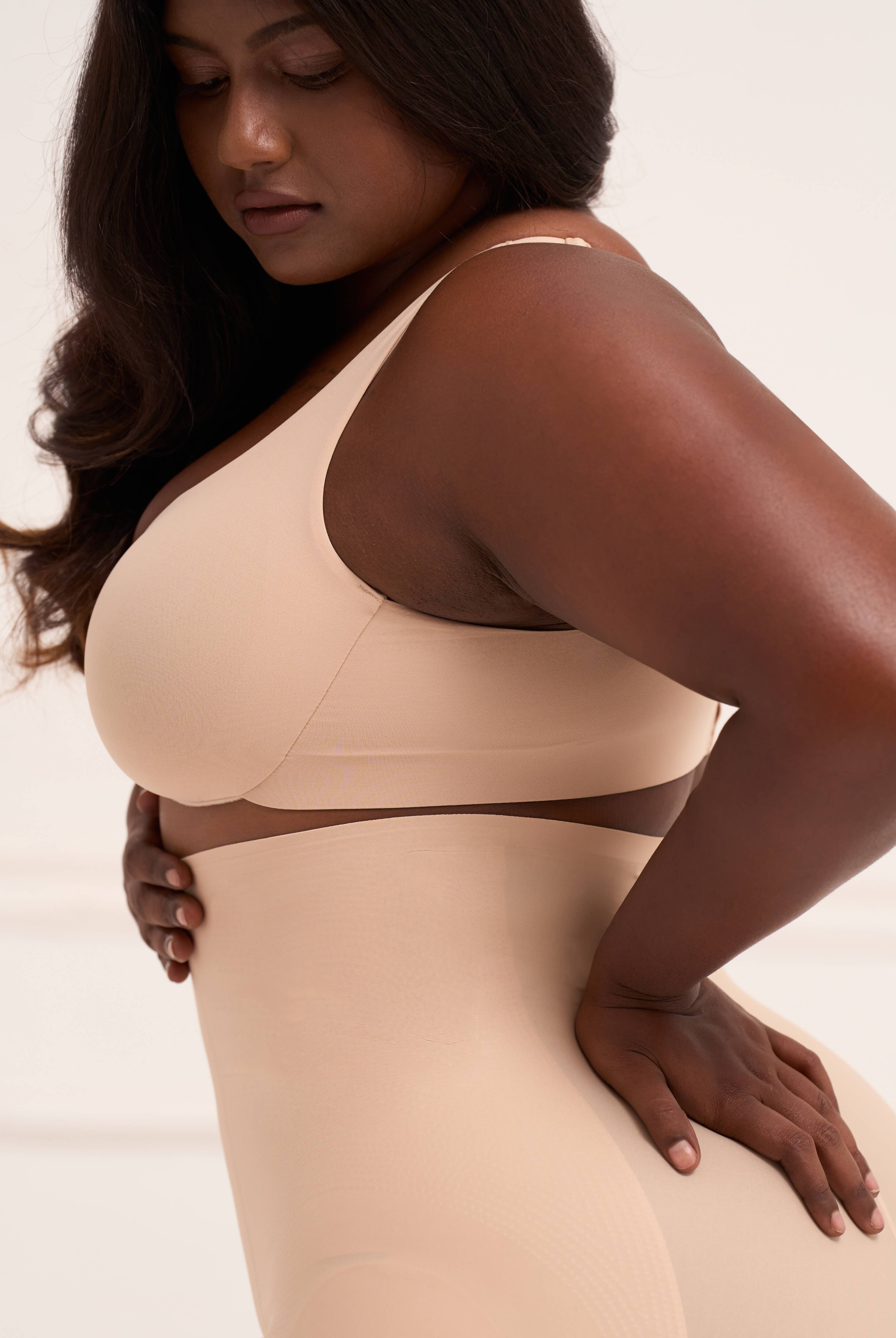
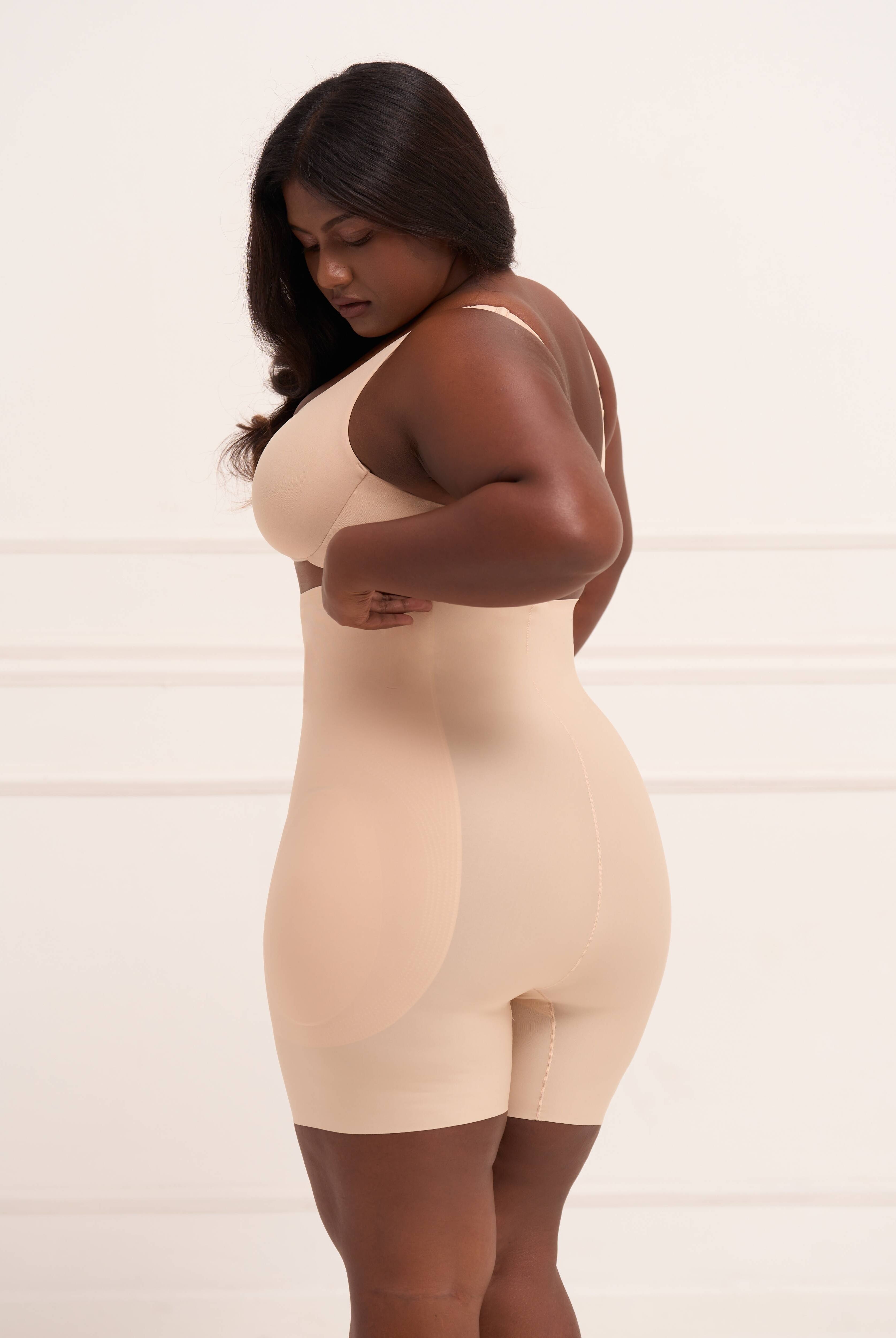
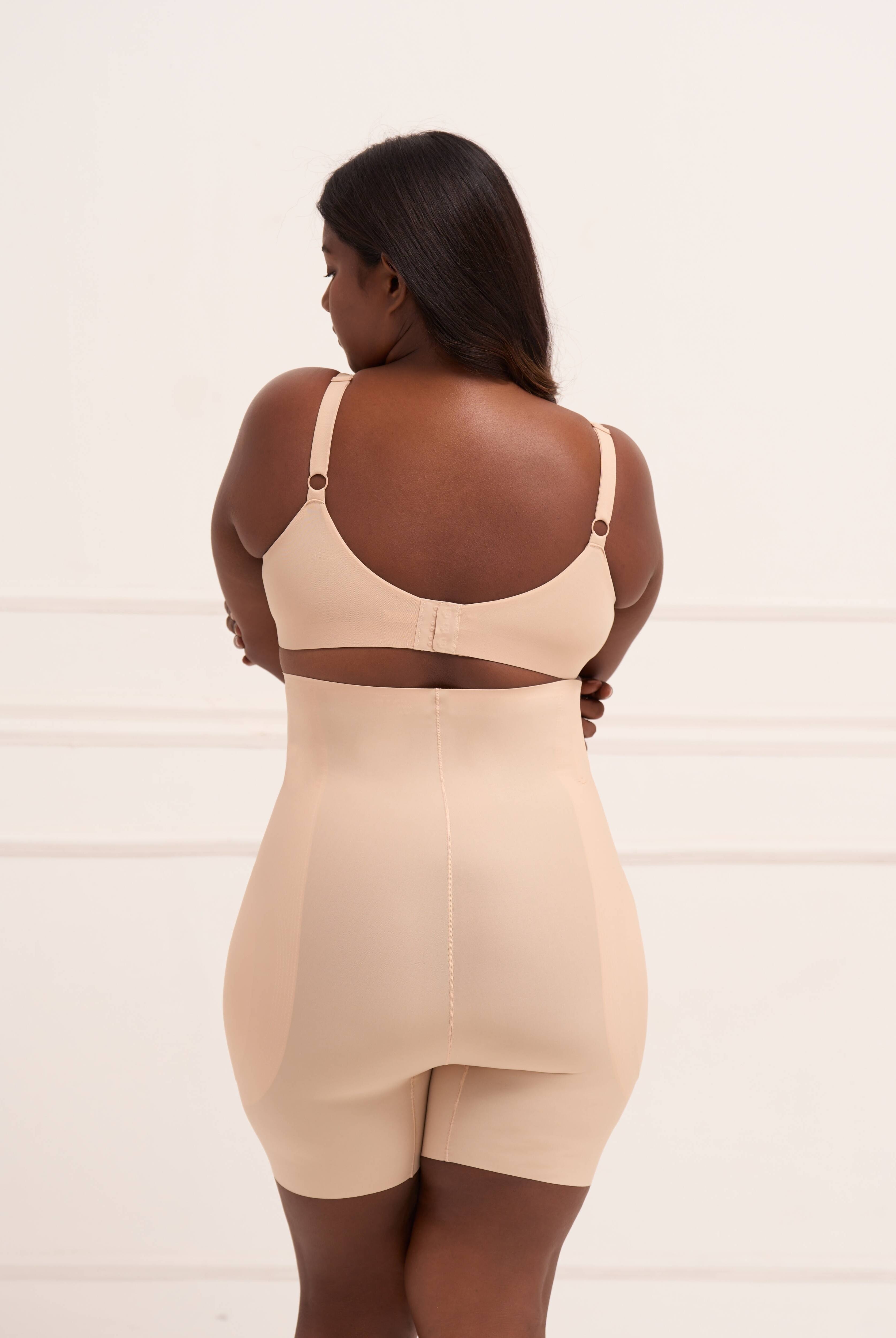
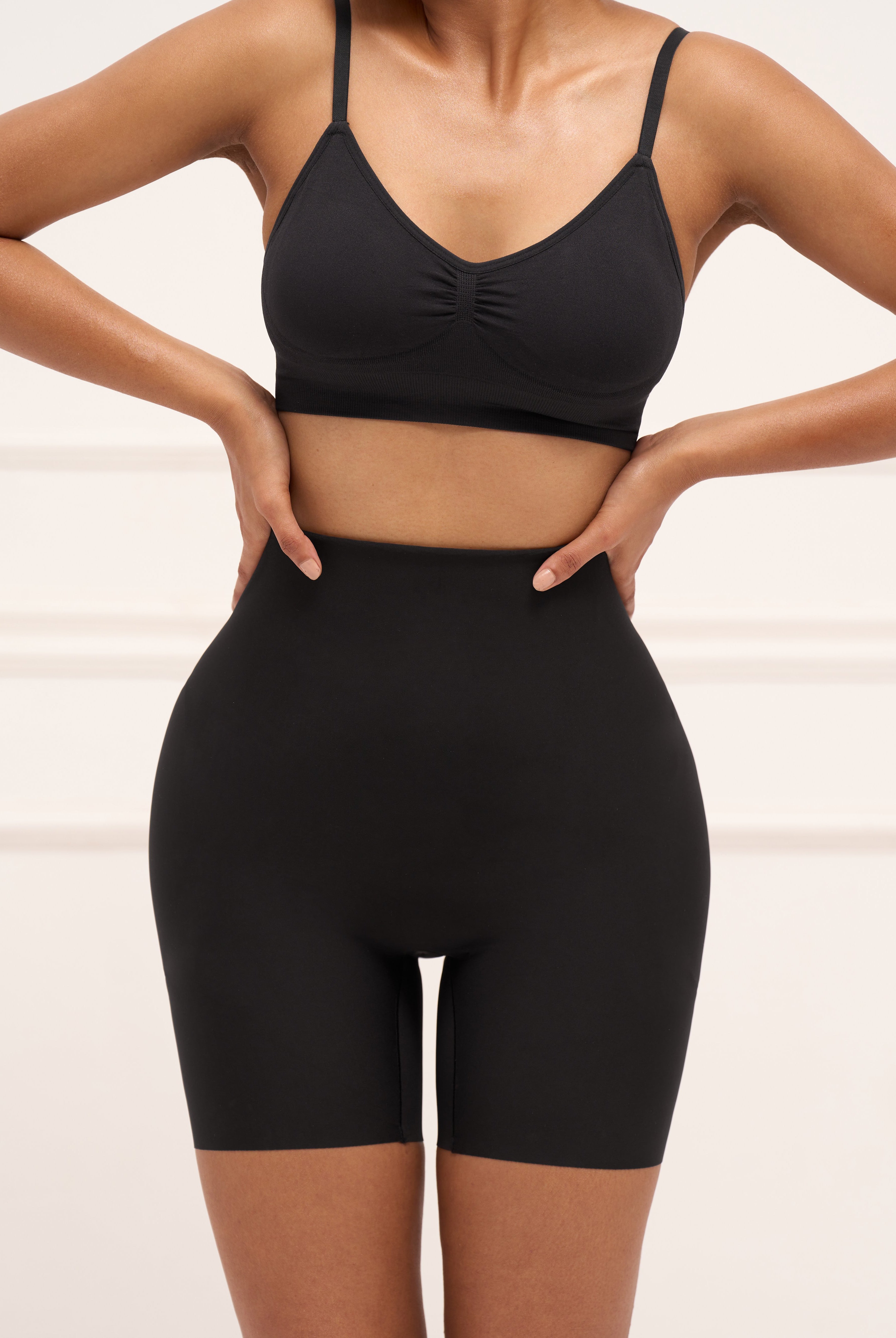
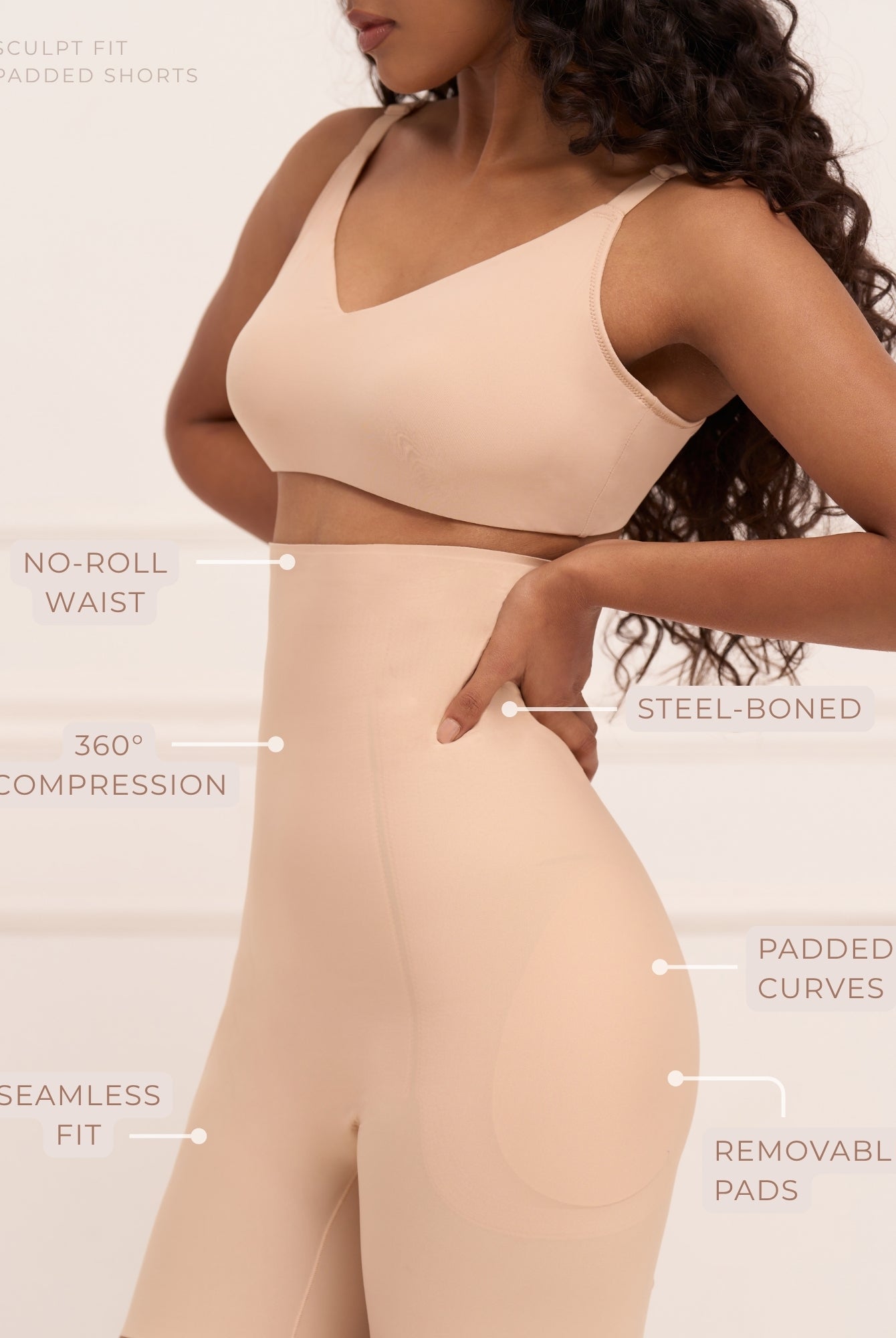
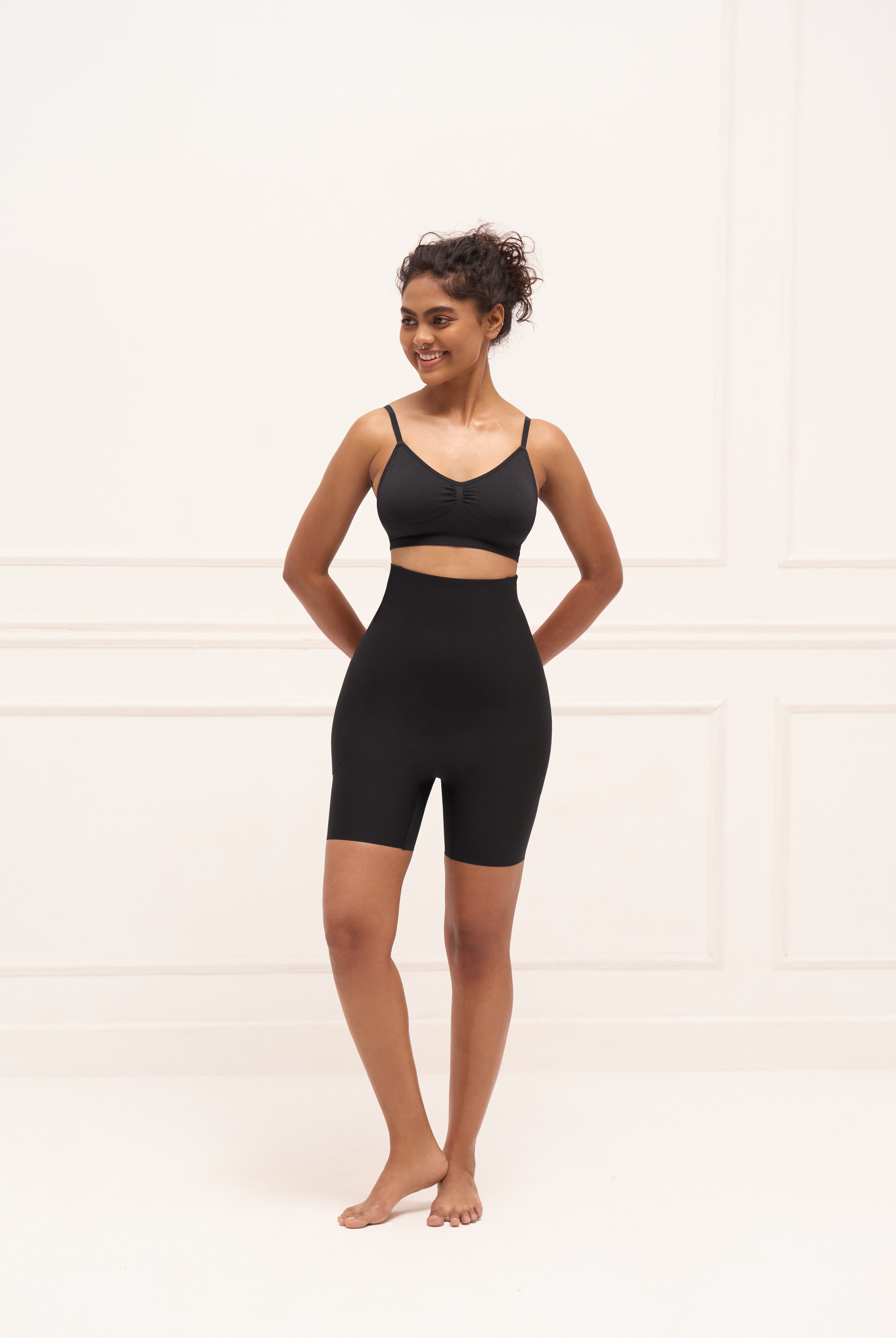
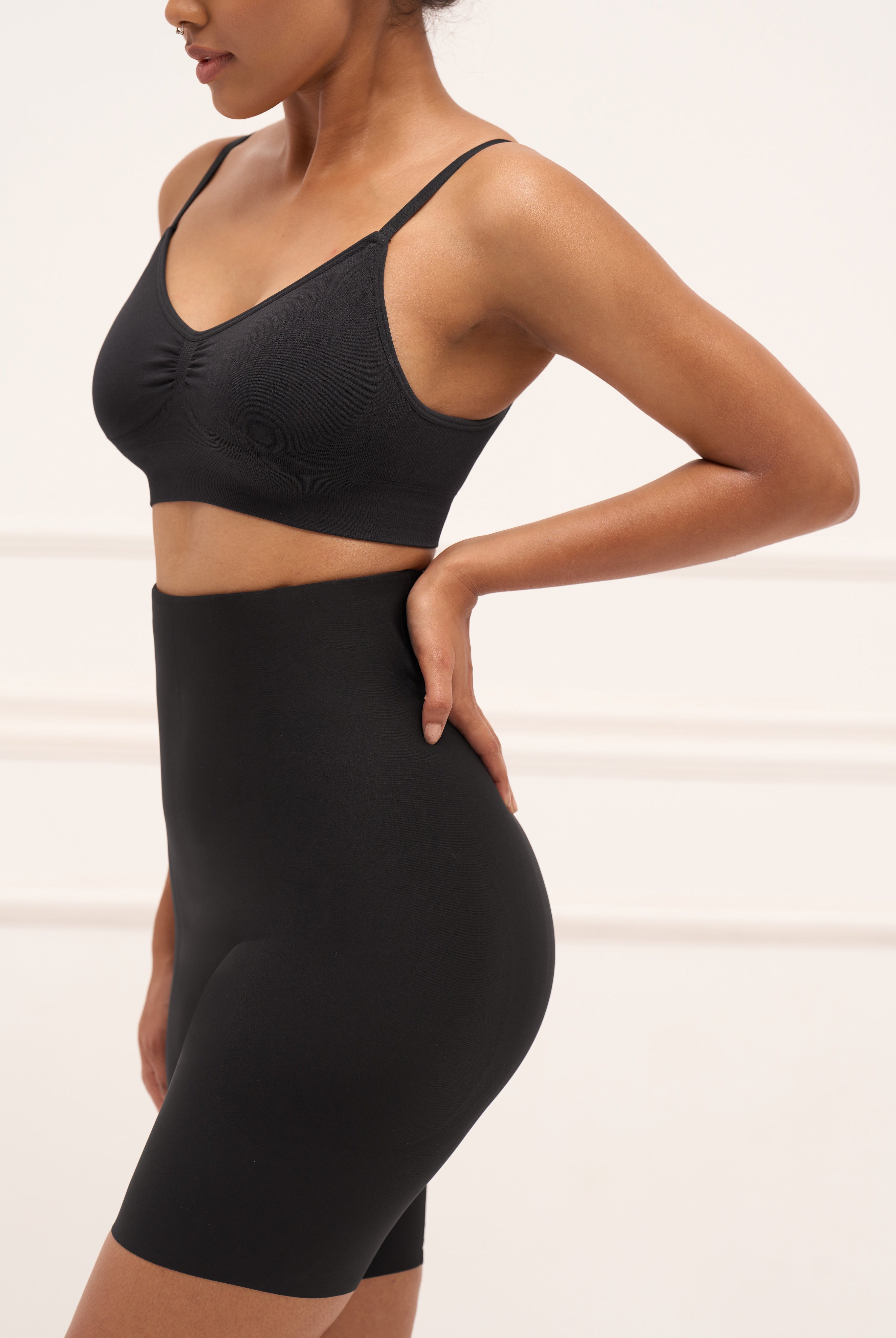
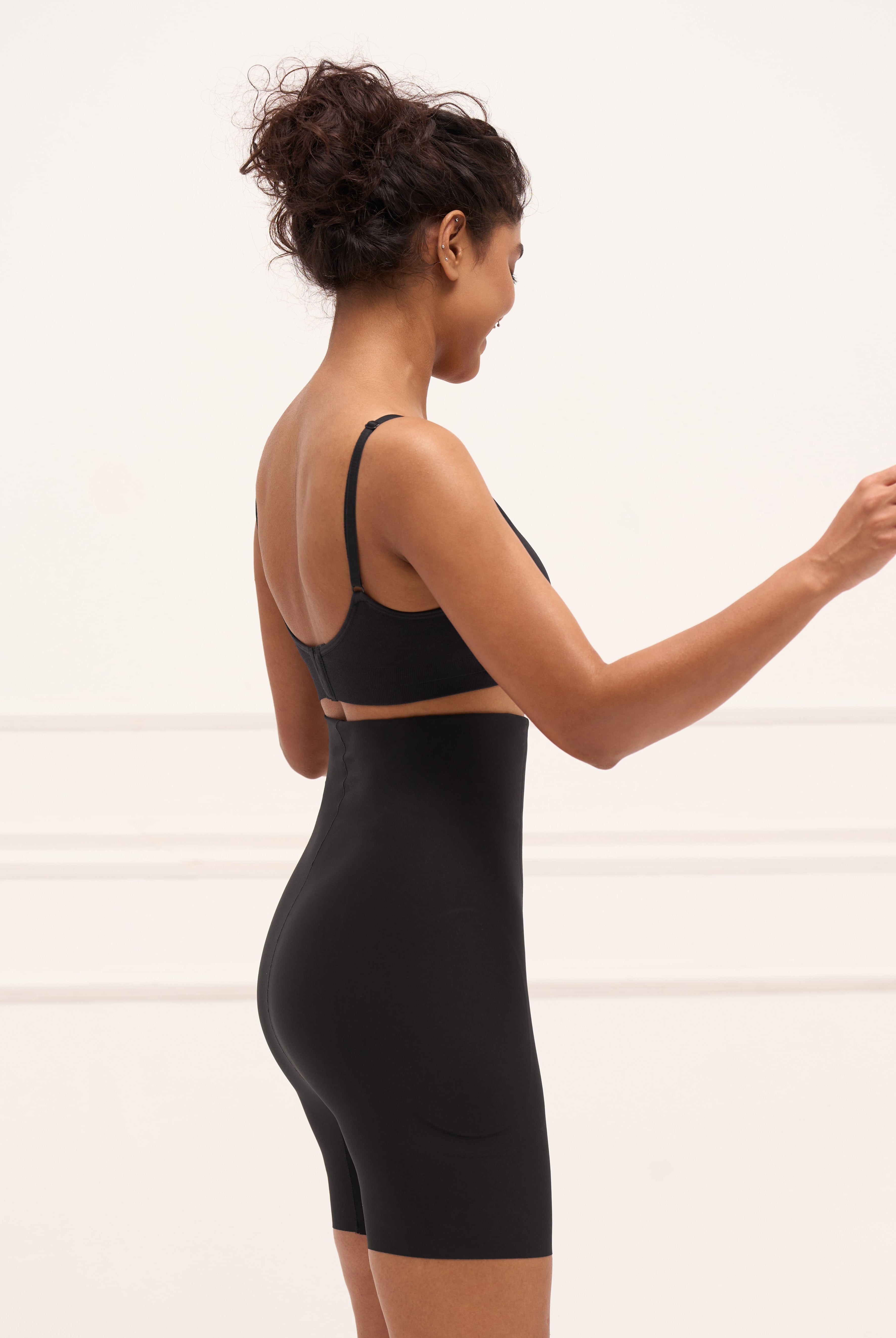
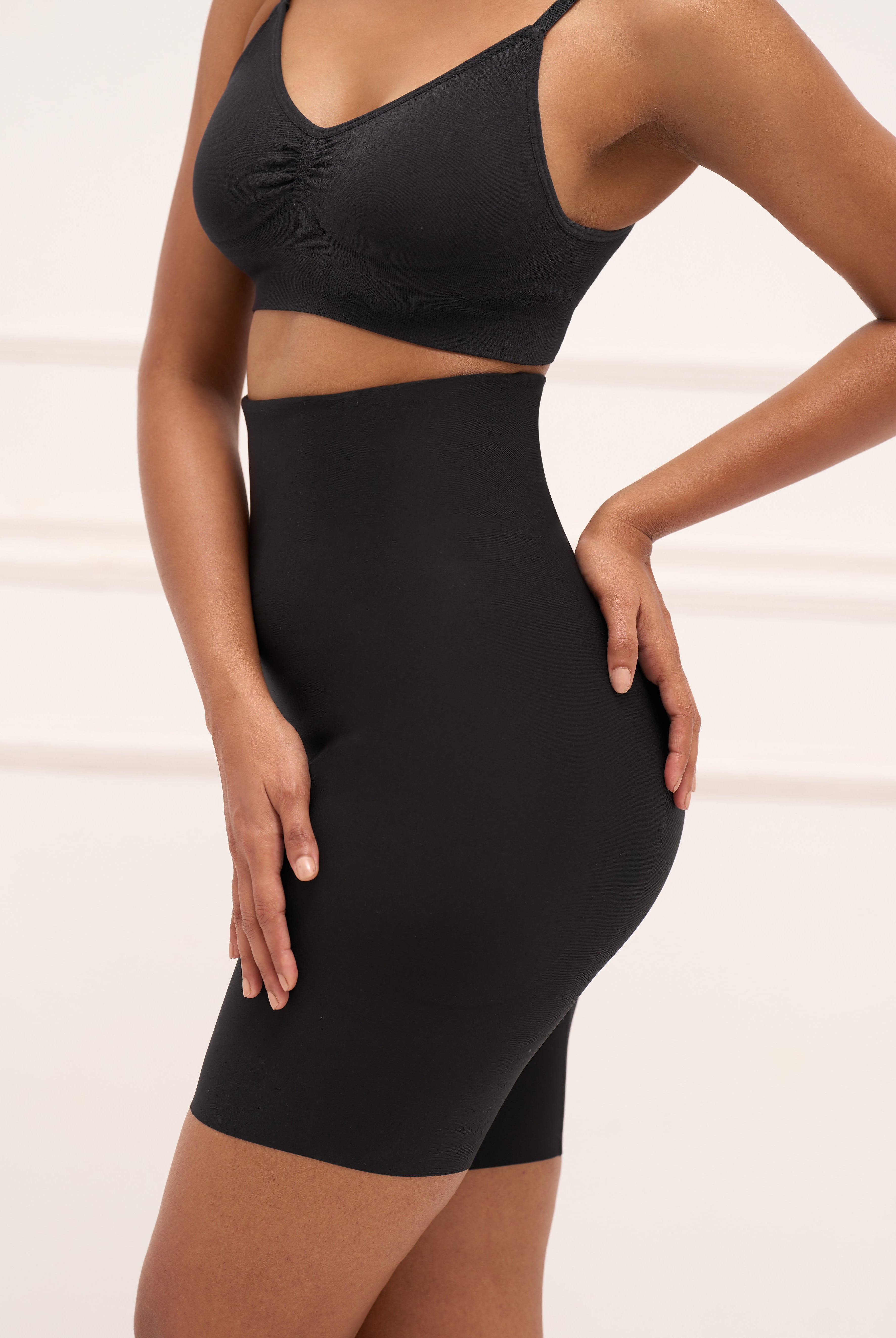
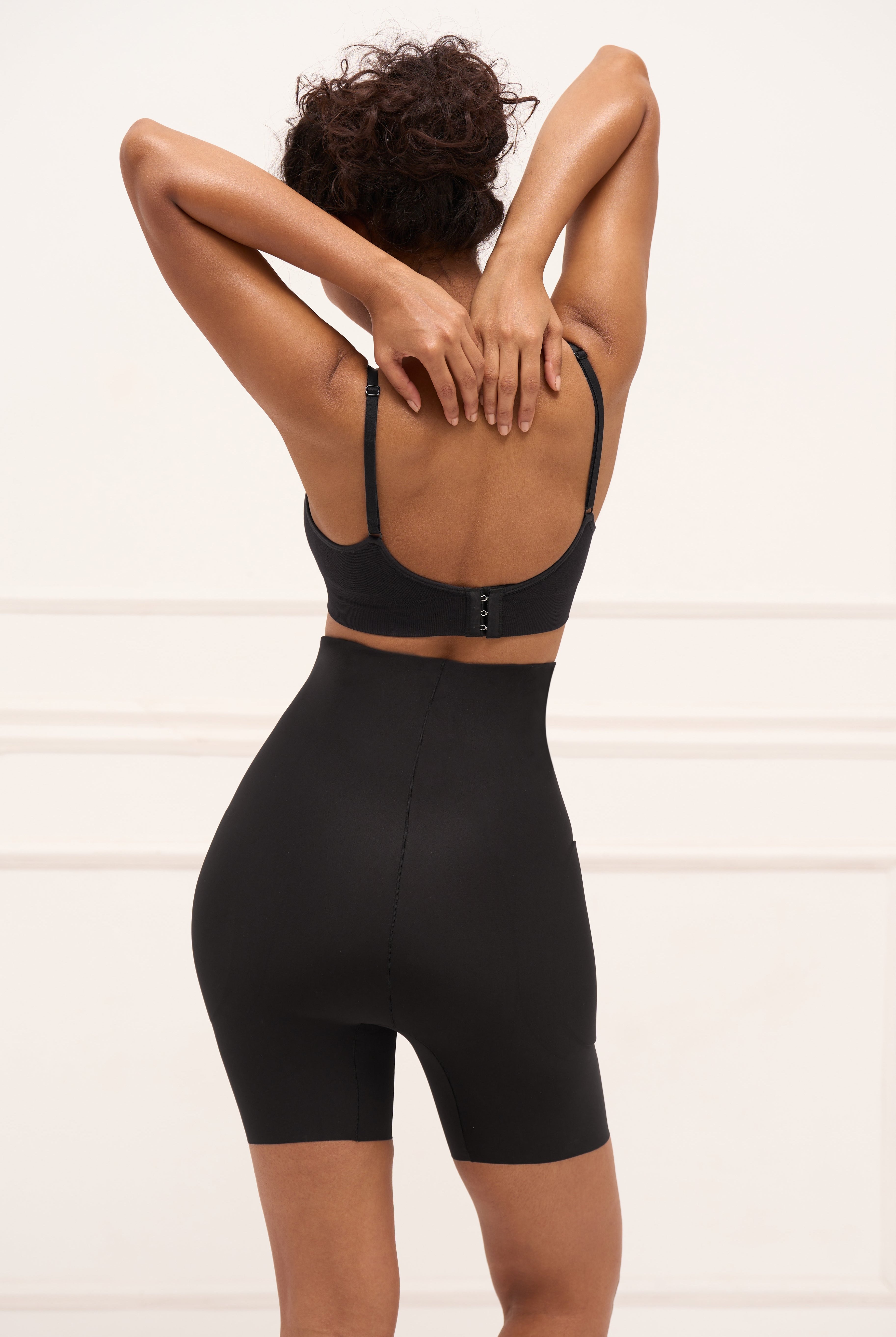
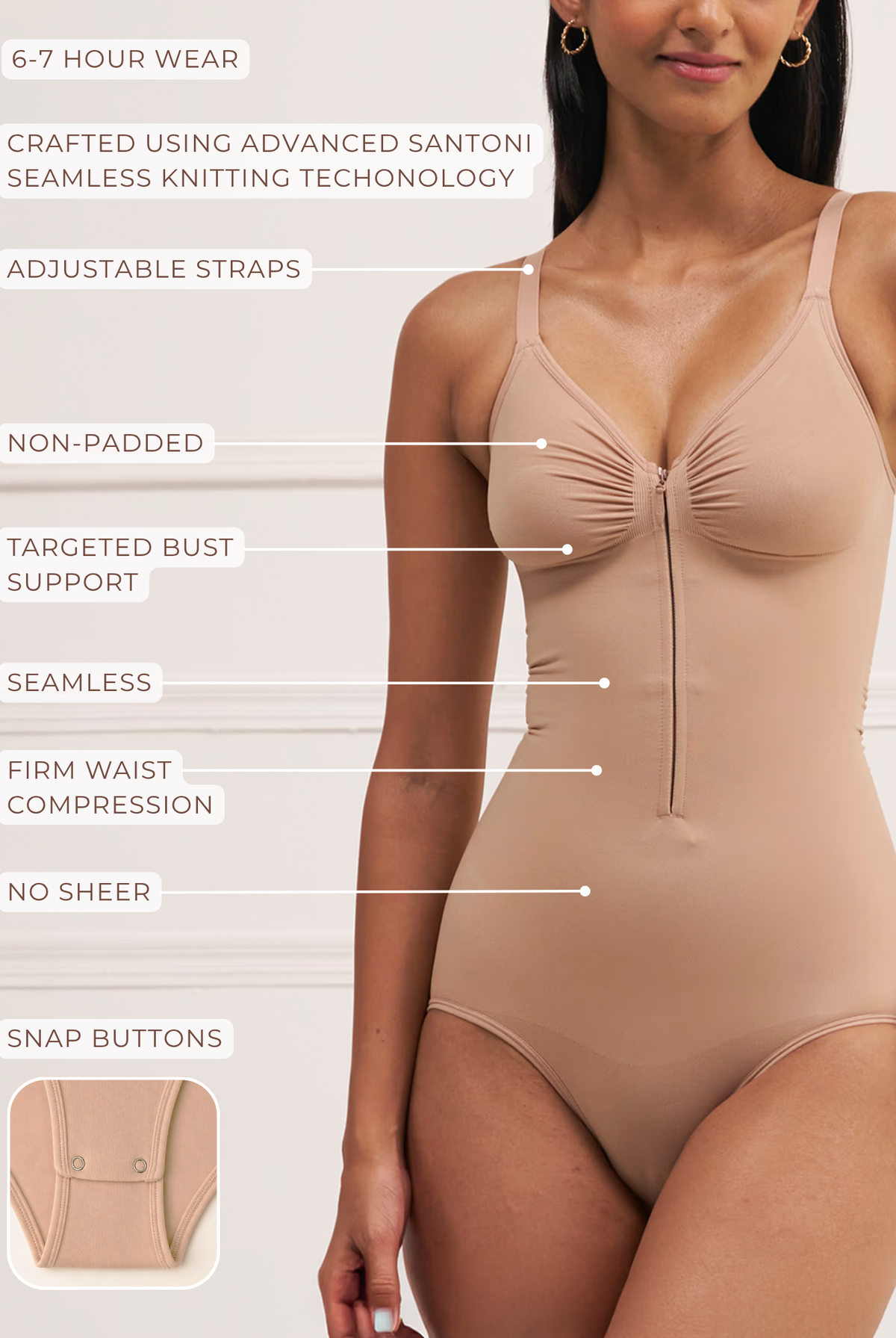
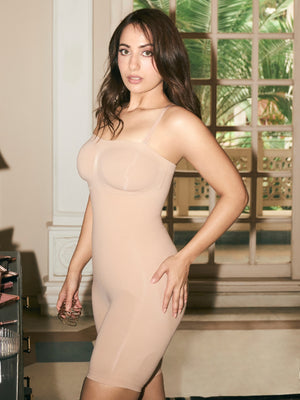
Shapewear is designed to smooth and streamline your silhouette under clothing. Many people think it's some kind of solution to "fix" their body, but let us burst that bubble for you: it's not.
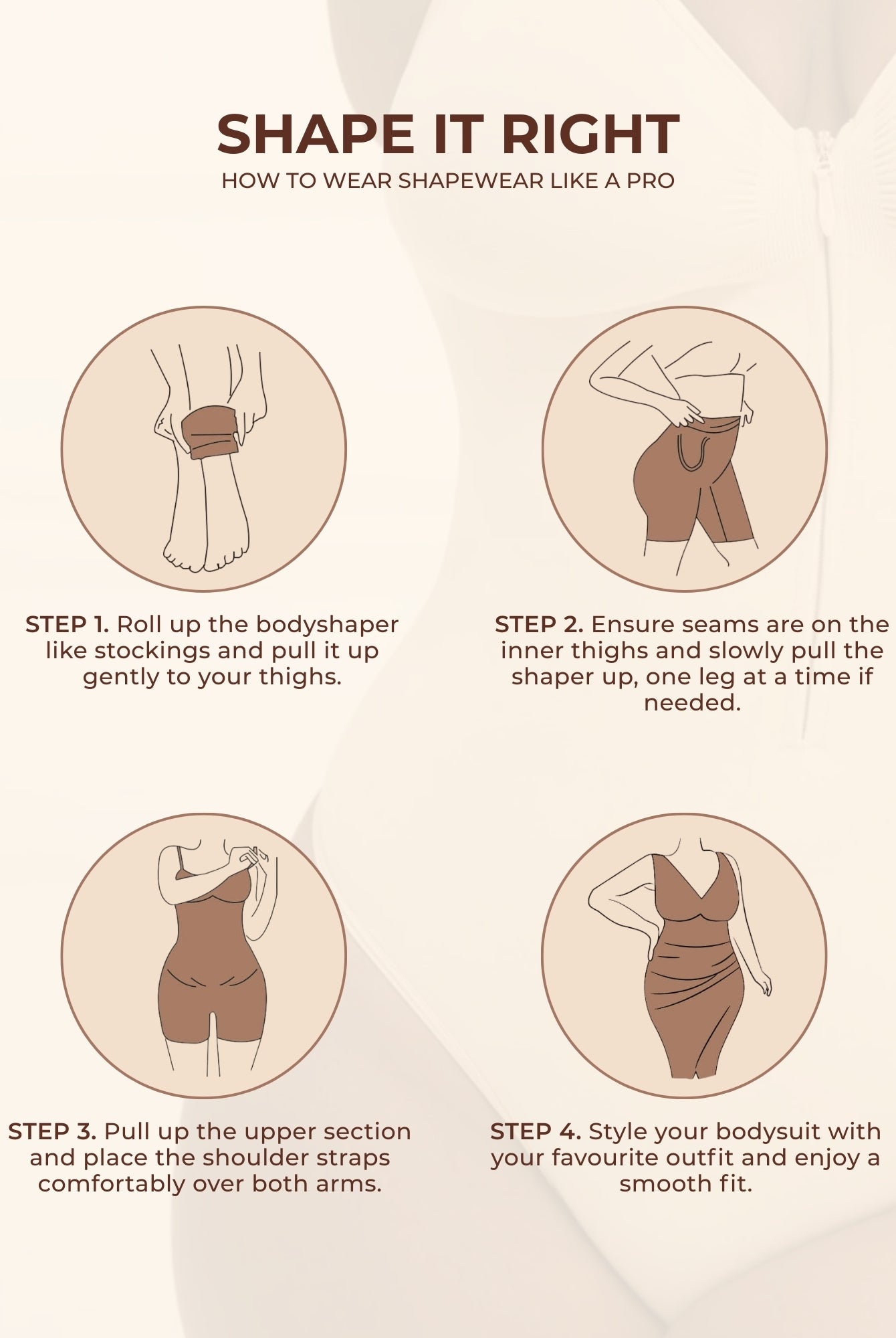
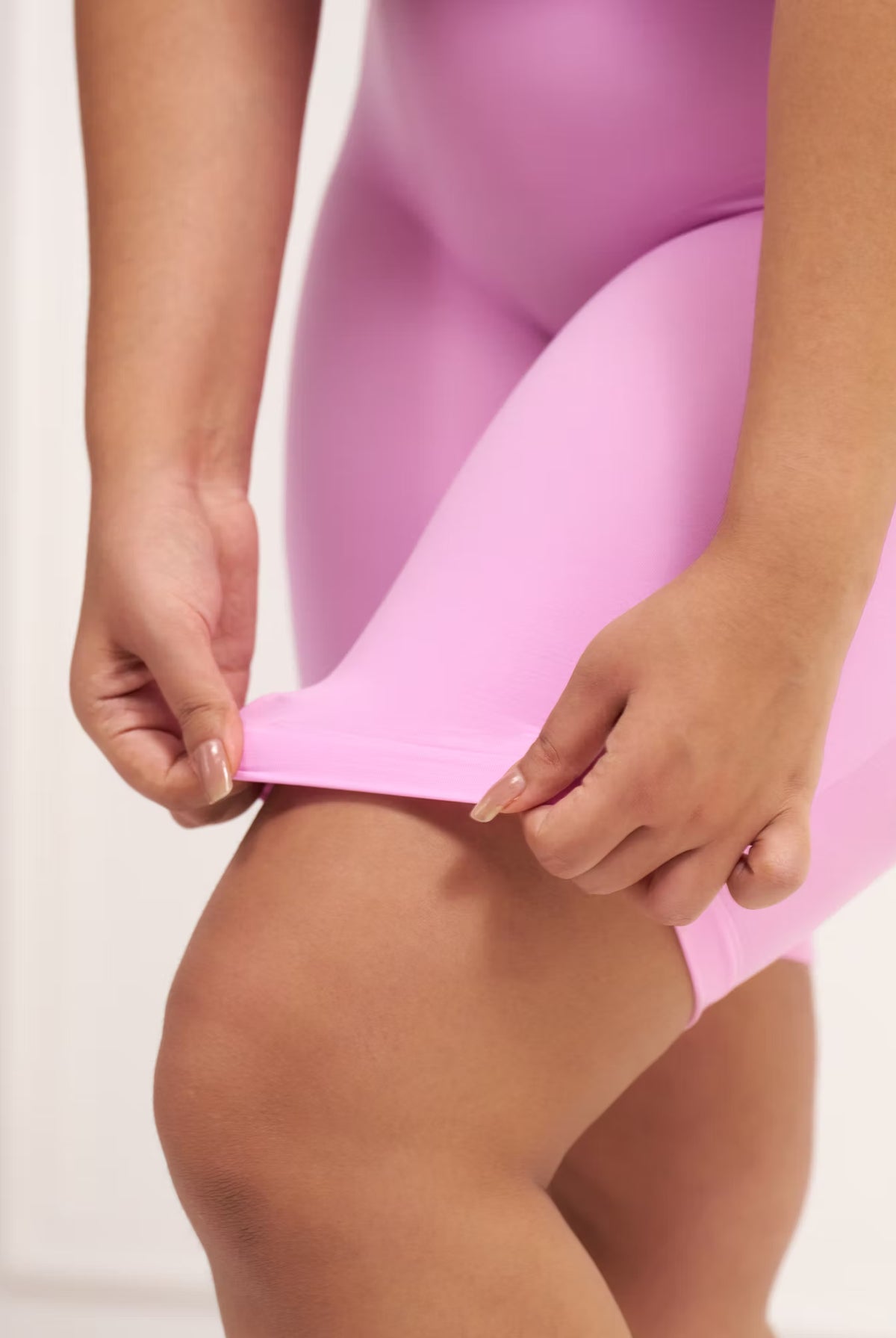
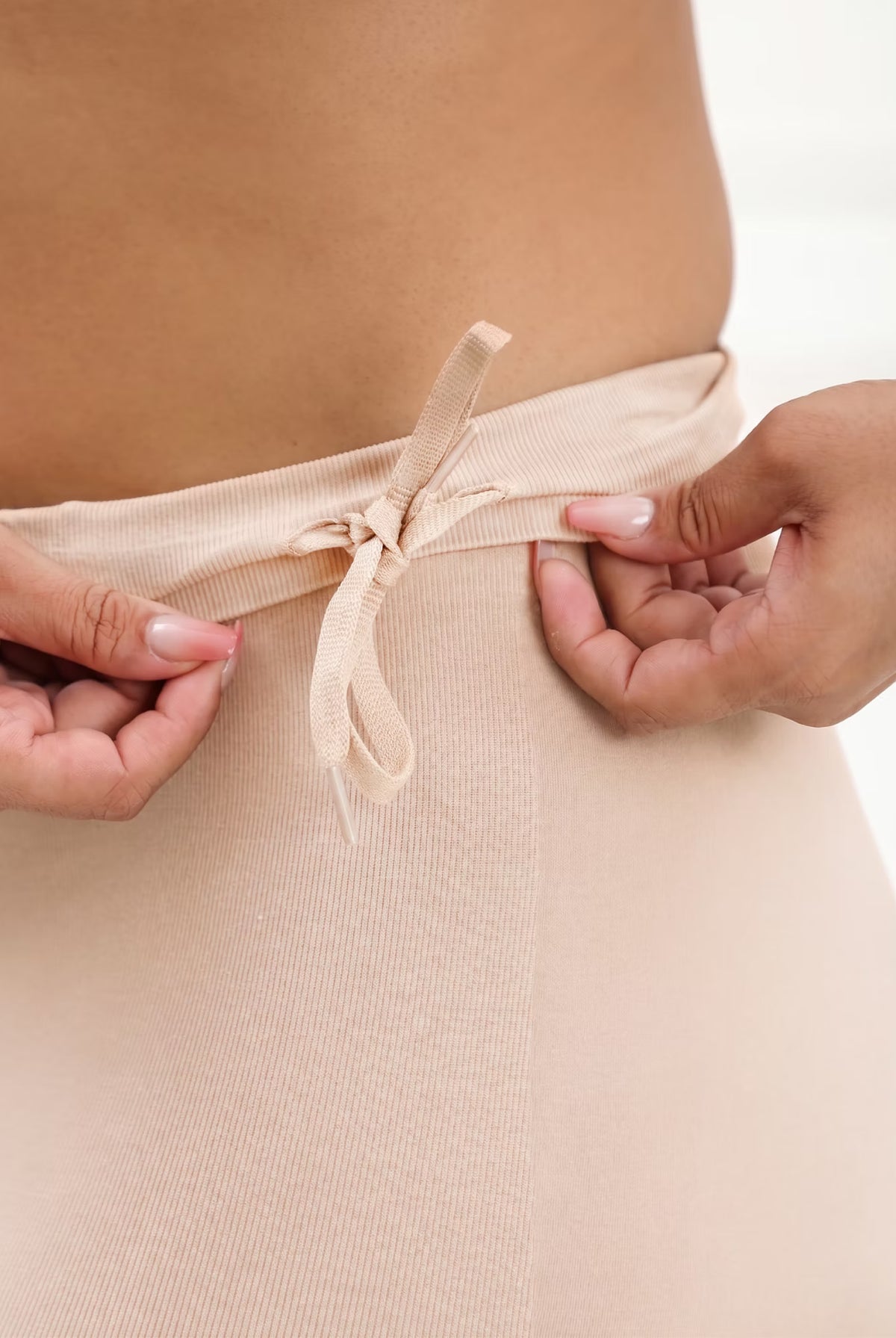
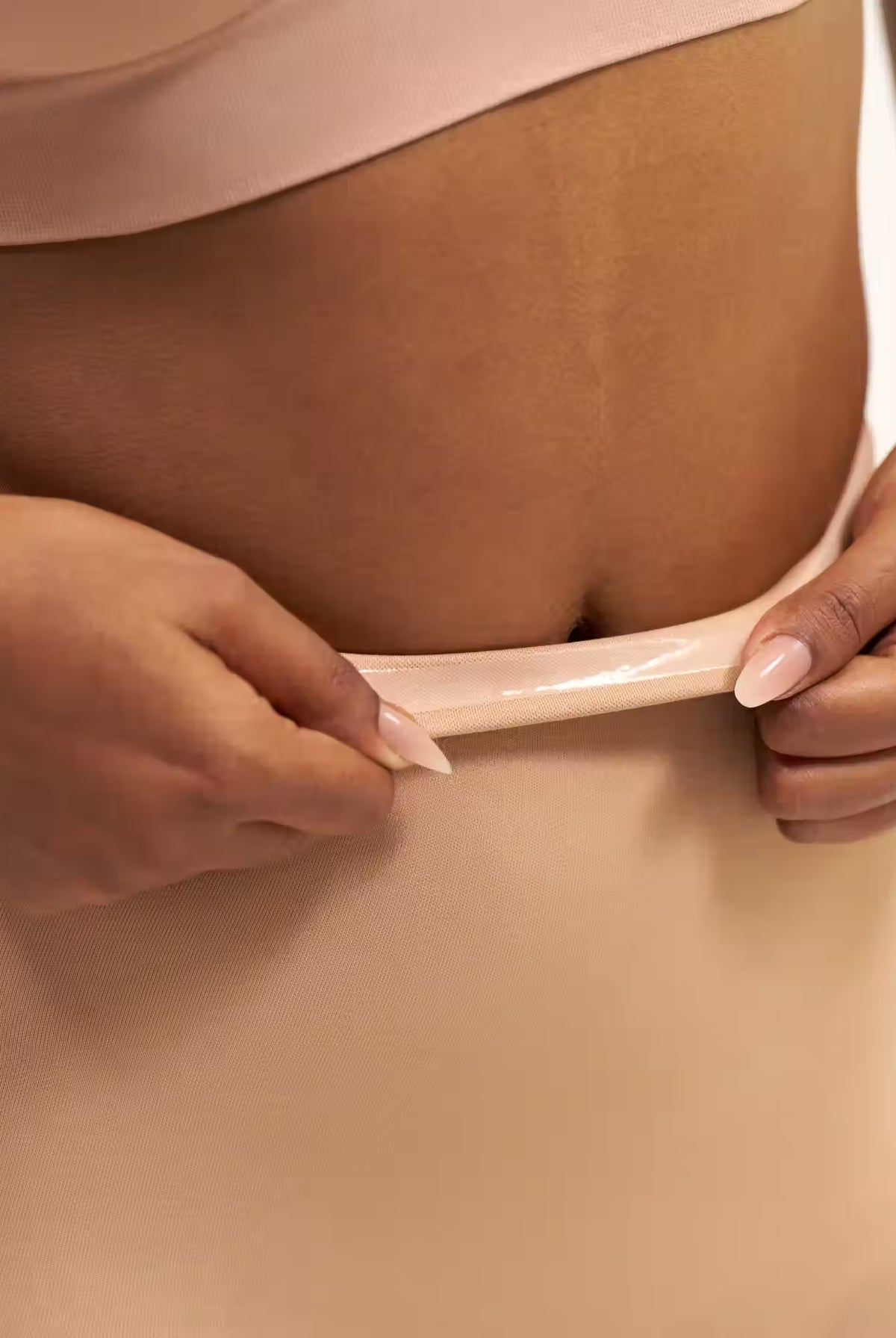
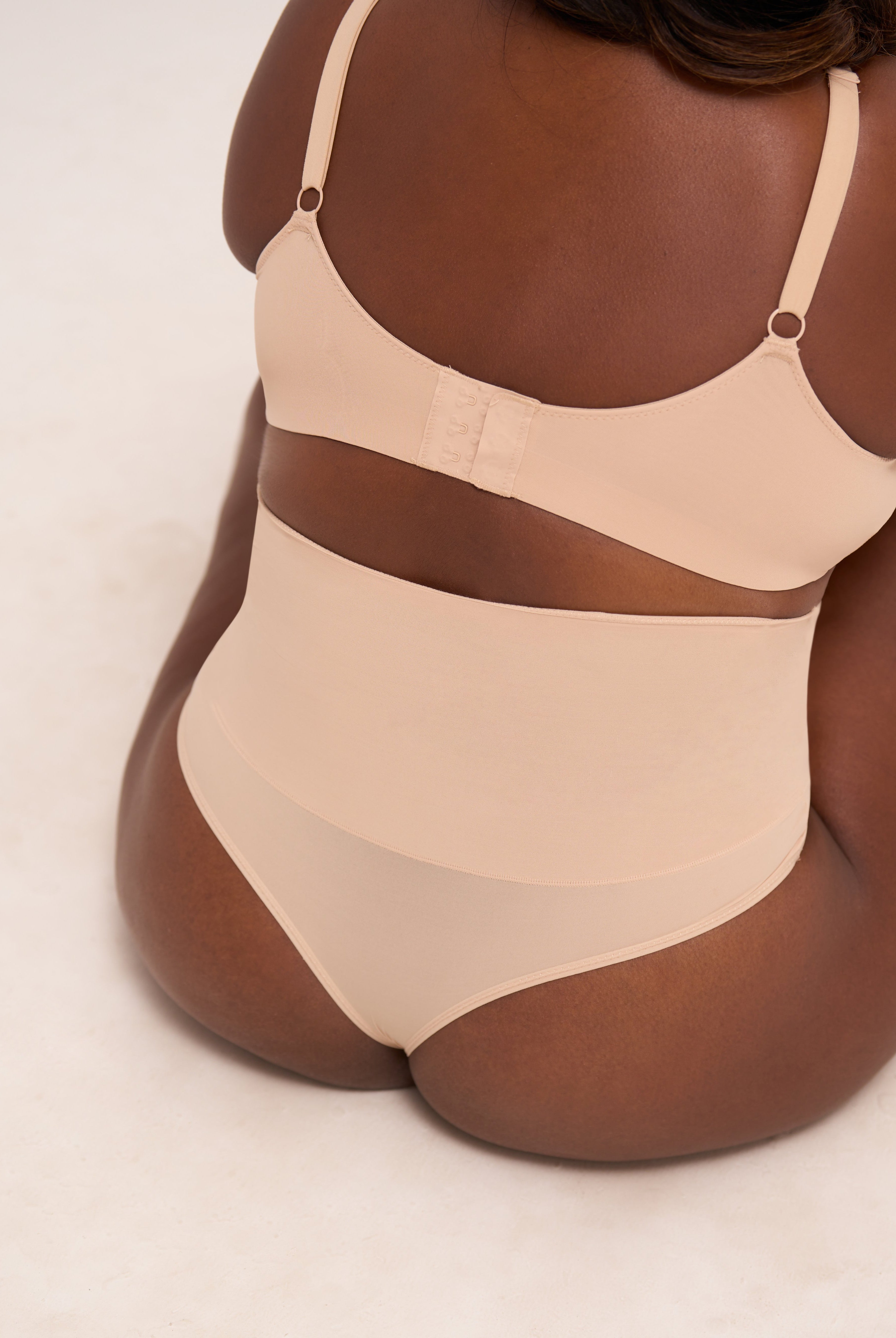
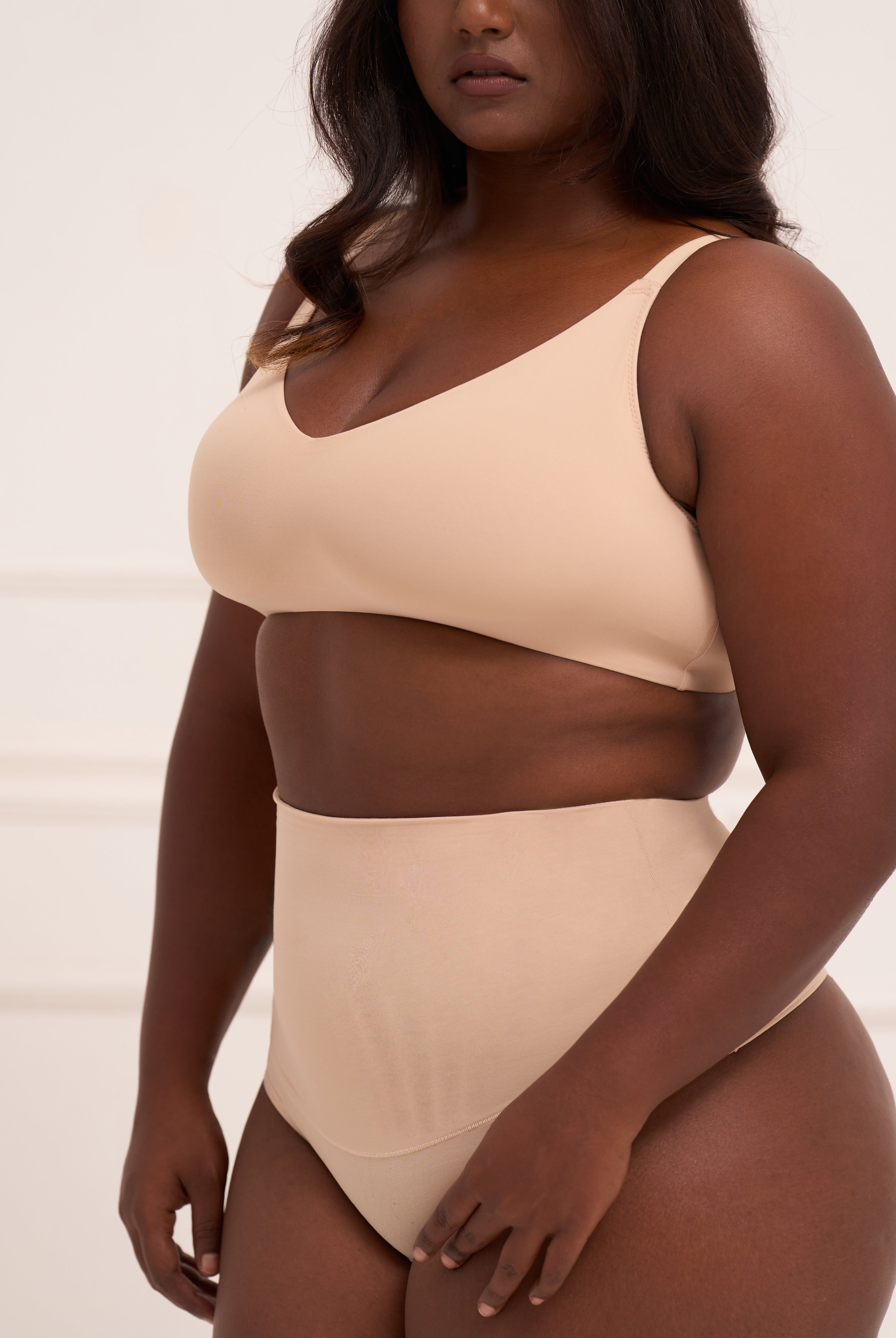
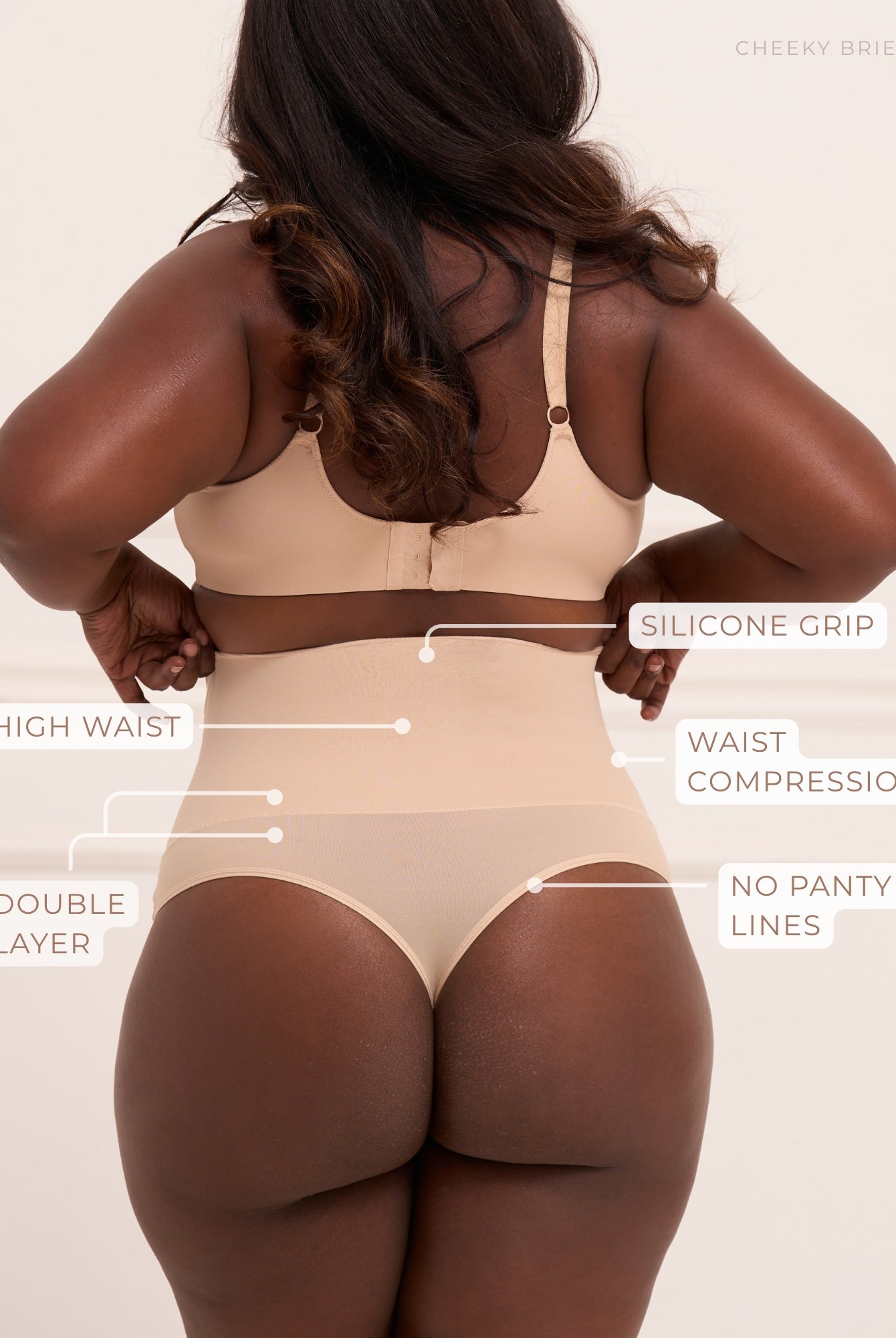
Shapewear uses stretchy, compressive fabrics around the waist, hips, or thighs to create a smoother look under clothing. Many women keep a piece on hand for occasions when they want an outfit to sit just right. Choosing a size that feels snug rather than restrictive tends to work best; sizing down is never the solution. In fact, shapewear that's too tight often becomes uncomfortable within an hour or two.
5. Camisole

A camisole is a silent essential in the lingerie drawer.
You probably already own one but may not know what it's called, that's something we've heard from a lot of women. It's that lightweight, sleeveless top with thin straps that works just as well under a sheer shirt as it does on its own at home.
It's a simple, versatile piece that doubles as loungewear or a base layer under a blazer, kurta, or cardigan. Many camisoles are made from soft, breathable fabrics, making them comfortable for long hours of wear. Some even come with a built-in shelf bra, which comes in handy on days when all you need is something easy and fuss-free.
6. Underwear

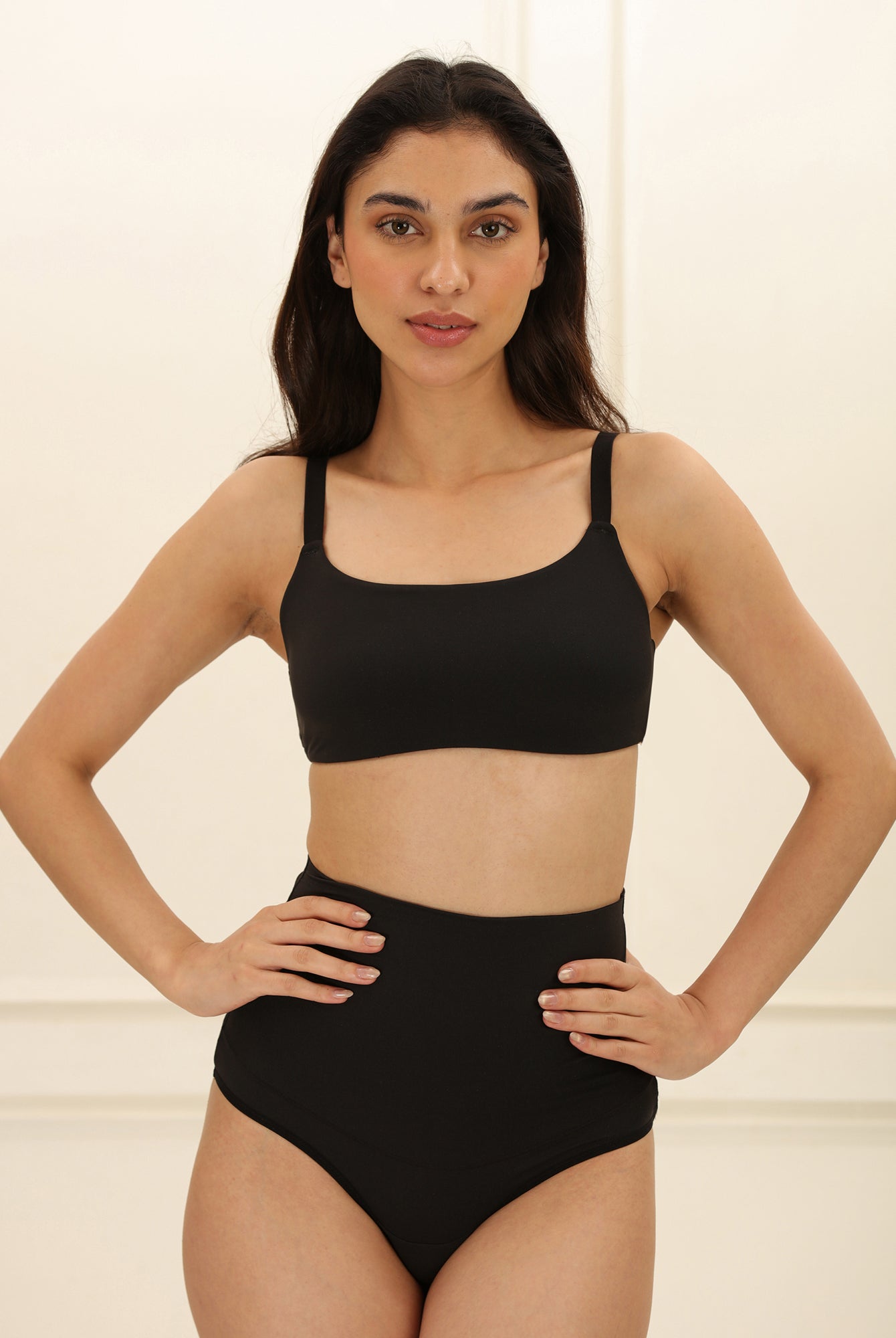
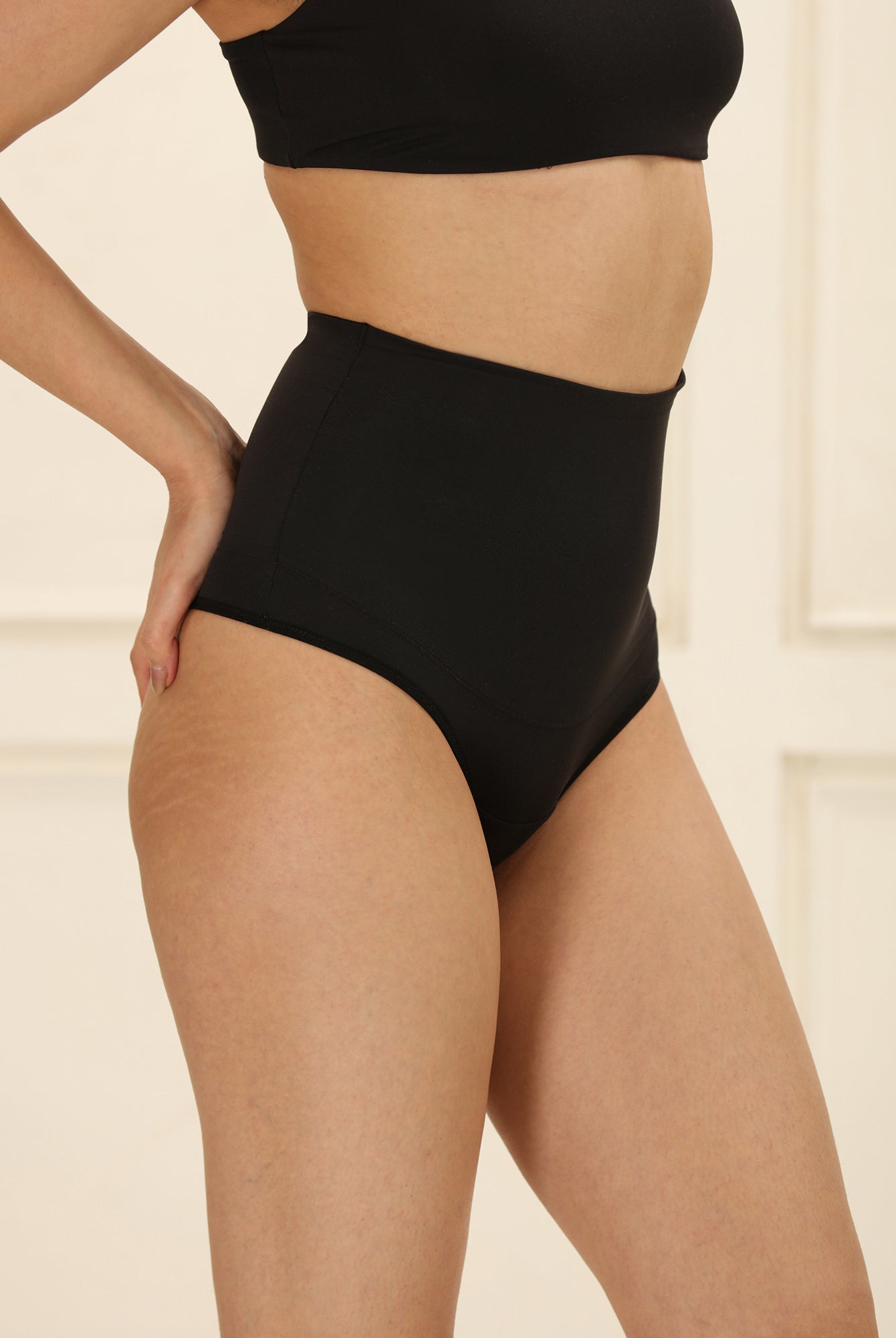
Underwear is the quiet essential every lingerie collection is actually built around. It doesn't get talked about much, but it shapes how comfortable the whole day feels. It comes in numerous cuts, briefs, bikinis, hipsters, thongs, and boyshorts, each offering a different level of coverage.
Fabric matters here too; breathable fabrics are generally the better choice as comfort should be the greatest priority. Comfortable, well-fitted underwear can make more of a difference to the day than people give it credit for.
7. Hipster

The hipster sits comfortably between a thong and a full-coverage brief, not too minimal, not too much, just right for most days. It sits low on the waist with a wider fit along the hips, offering coverage without feeling restrictive, which is exactly why it works well for everyday wear.
Hipsters typically come in soft, stretchable fabrics that move well with the body. It's a practical pick for anyone who wants comfort without sacrificing a clean, no-show look under clothing.
8. Corset

Corsets have a long and complicated history. While they were once associated with shaping the body to fit changing beauty standards, today's corset has taken on a very different role. More often, it's worn as a fashion piece, styled over dresses, shirts, and tops rather than hidden underneath them.
It's a structured garment that shapes the waist and torso, often featuring boning or lacing that creates definition and support. Some corsets are built purely for comfort and light shaping, while others bring firmer structure for special occasions. For anyone trying one for the first time, a softer, less rigid style is usually the more comfortable place to start.
9. Robe

The robe is one of those pieces that feels like a small luxury once it's part of the routine. It's a loose, easy layer for the in-between moments, like right after a shower while getting ready, or at the end of the day before changing into nightwear, and it works just as well for simply relaxing at home.
Usually made from soft fabrics like cotton, silk, or satin, robes come in various lengths, from short to floor-length, so there's one for every routine. Many women keep one on hand for mornings, getting ready, or unwinding at the end of a long day.
Conclusion
At the end of the day, there's no single "correct" lingerie drawer. What we've been hearing from women is that the ones who feel most at ease in what they wear are simply the ones who've taken the time to figure out what actually suits them, rather than settling for whatever's convenient.
Some days call for the reliable bra and cotton underwear combo, other days call for the comfort of a robe. From everyday basics to specialty pieces like bodysuits and shapewear, there's no single "right" combination, only what actually works for the body and the day. Understanding these different types of lingerie is simply what makes getting dressed a little easier.
FAQs
What is the difference between lingerie and a bra?
A bra is one specific type of lingerie, designed mainly for bust support. Lingerie is the broader category that includes bras along with underwear, bodysuits, shapewear, camisoles, and other intimate wear styles worn for comfort or special occasions.
Which lingerie fabric feels best for everyday wear?
Cotton is generally considered the most comfortable fabric for daily wear, thanks to its breathability and softness against the skin. Blends with a touch of elastane also work well, offering stretch and shape without compromising on comfort.
Can shapewear be considered lingerie?
Shapewear is often grouped under lingerie since it's worn as an intimate layer beneath clothing. While its main purpose is smoothing and shaping rather than support like a bra, it still plays a functional role in how an outfit looks and feels.
How many lingerie pieces should a basic wardrobe have?
A basic lingerie wardrobe usually includes a few everyday bras, a couple of bralettes, several pairs of comfortable underwear, and one shapewear piece for when it’s needed. From there, pieces like camisoles or robes can be added based on personal preference.