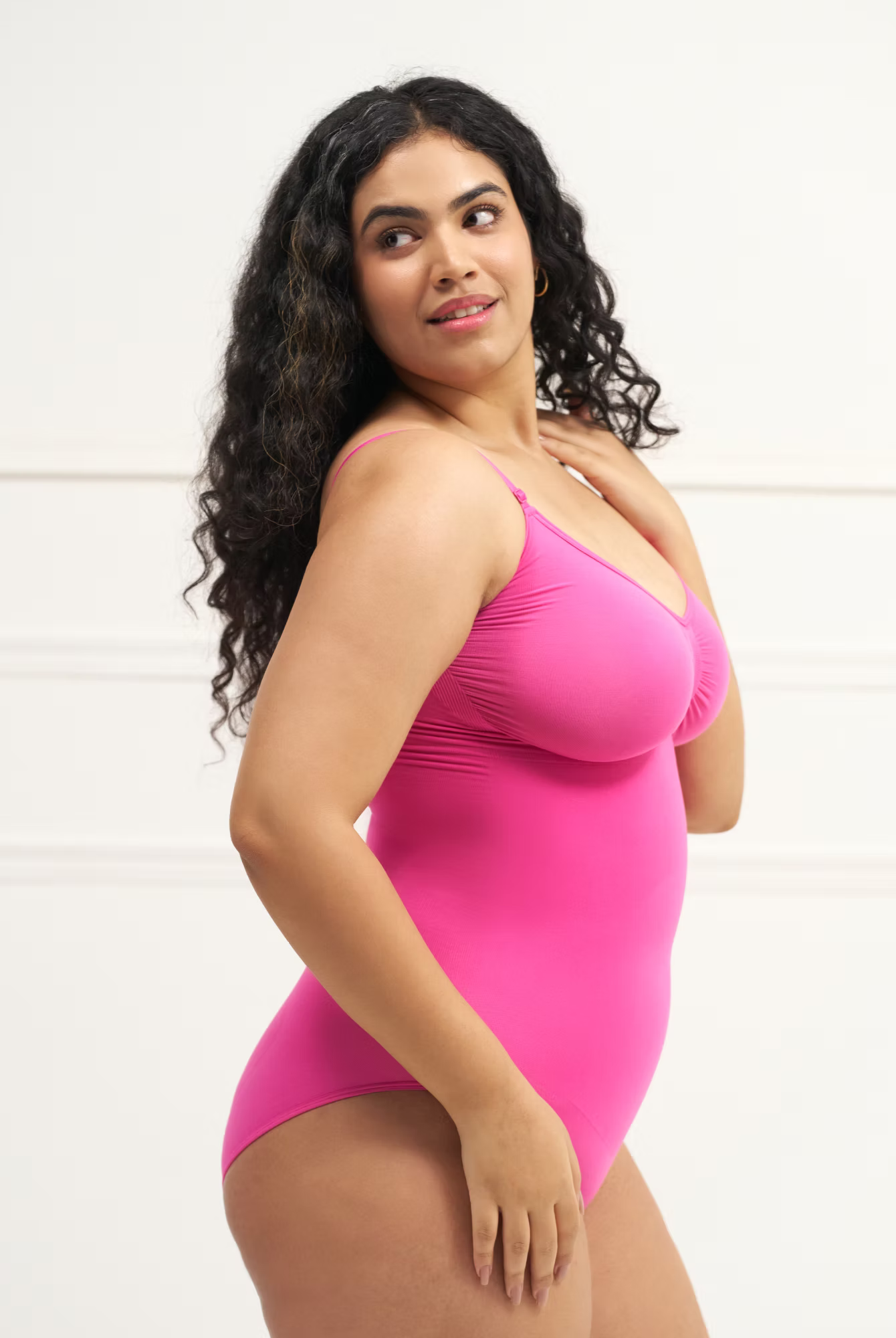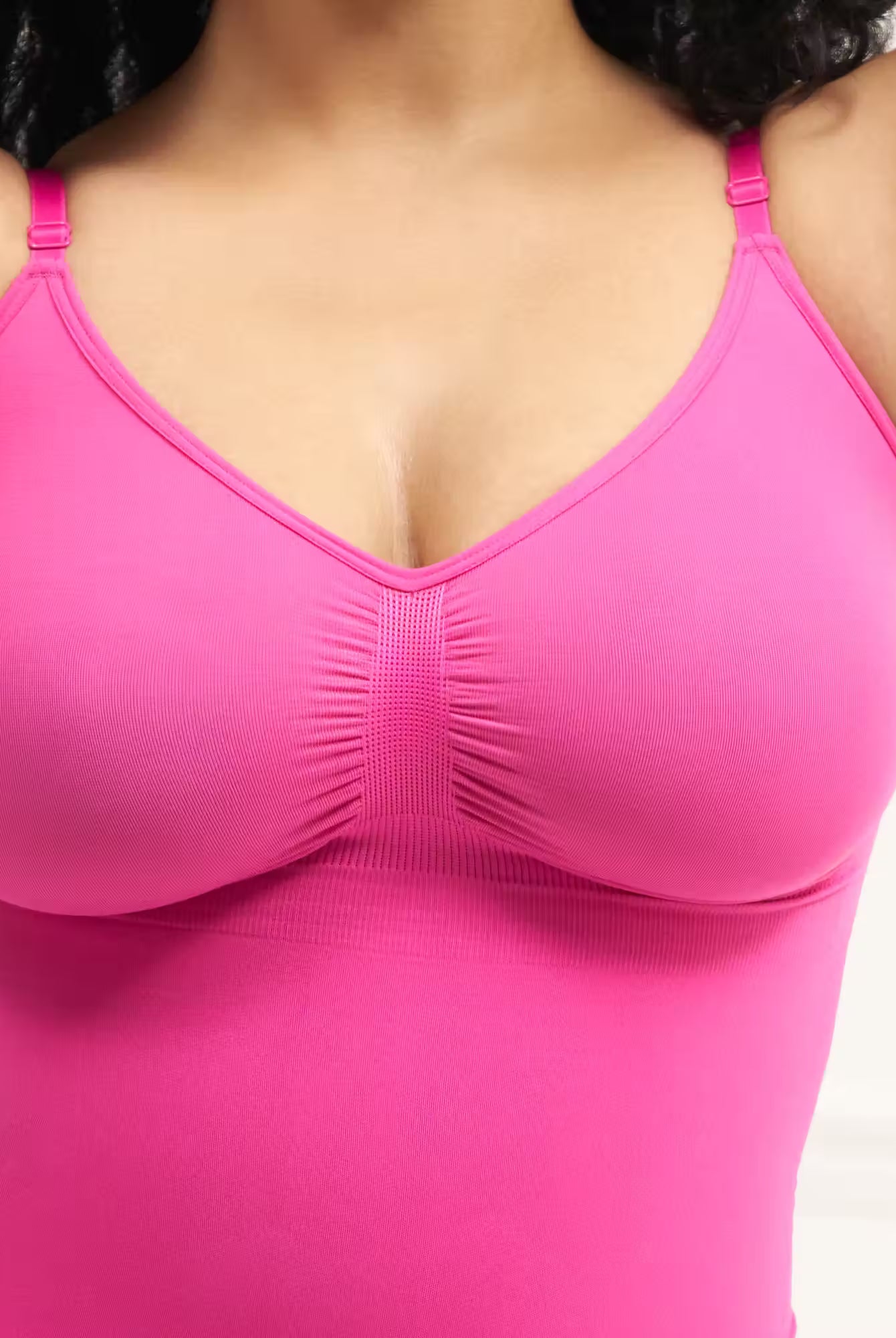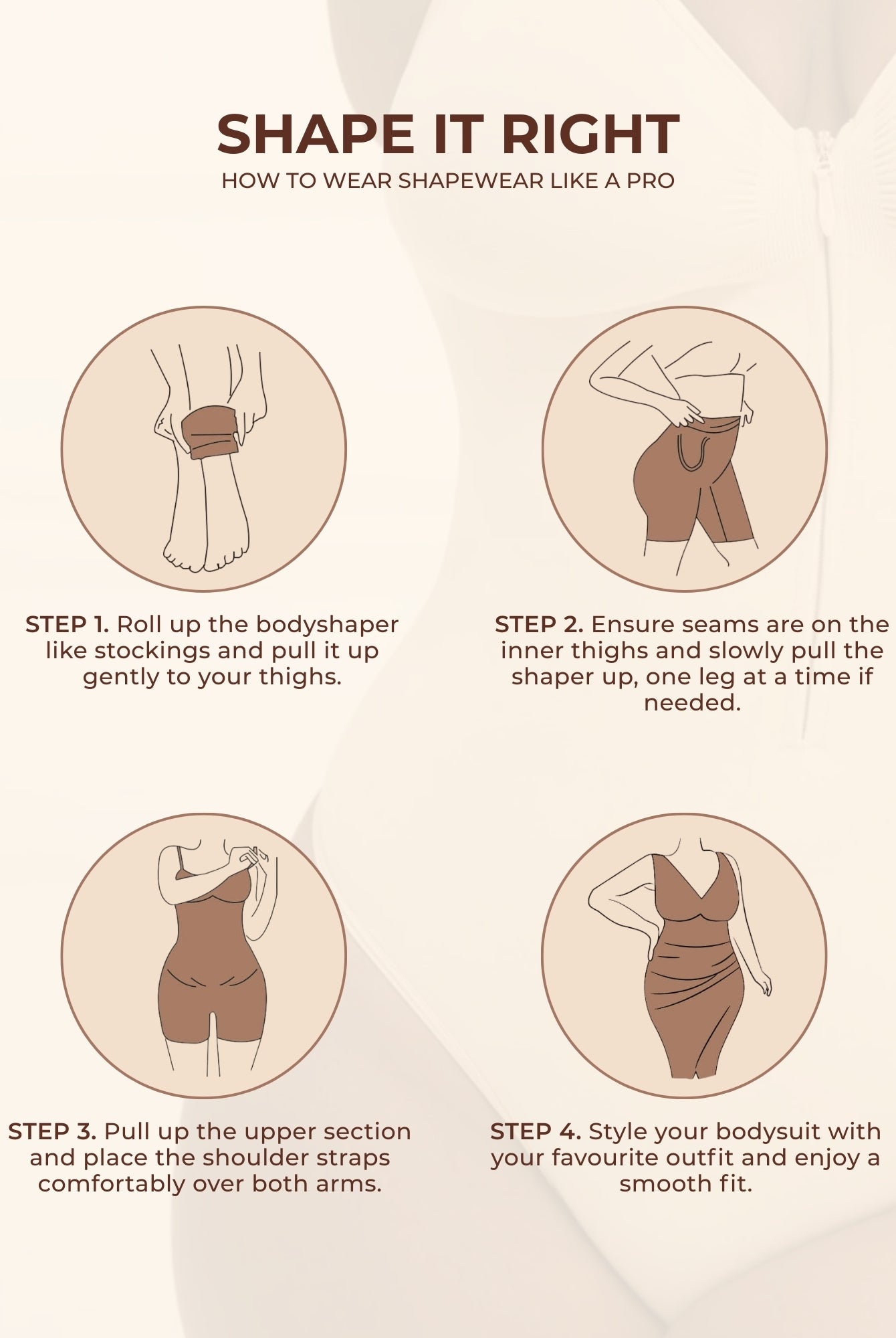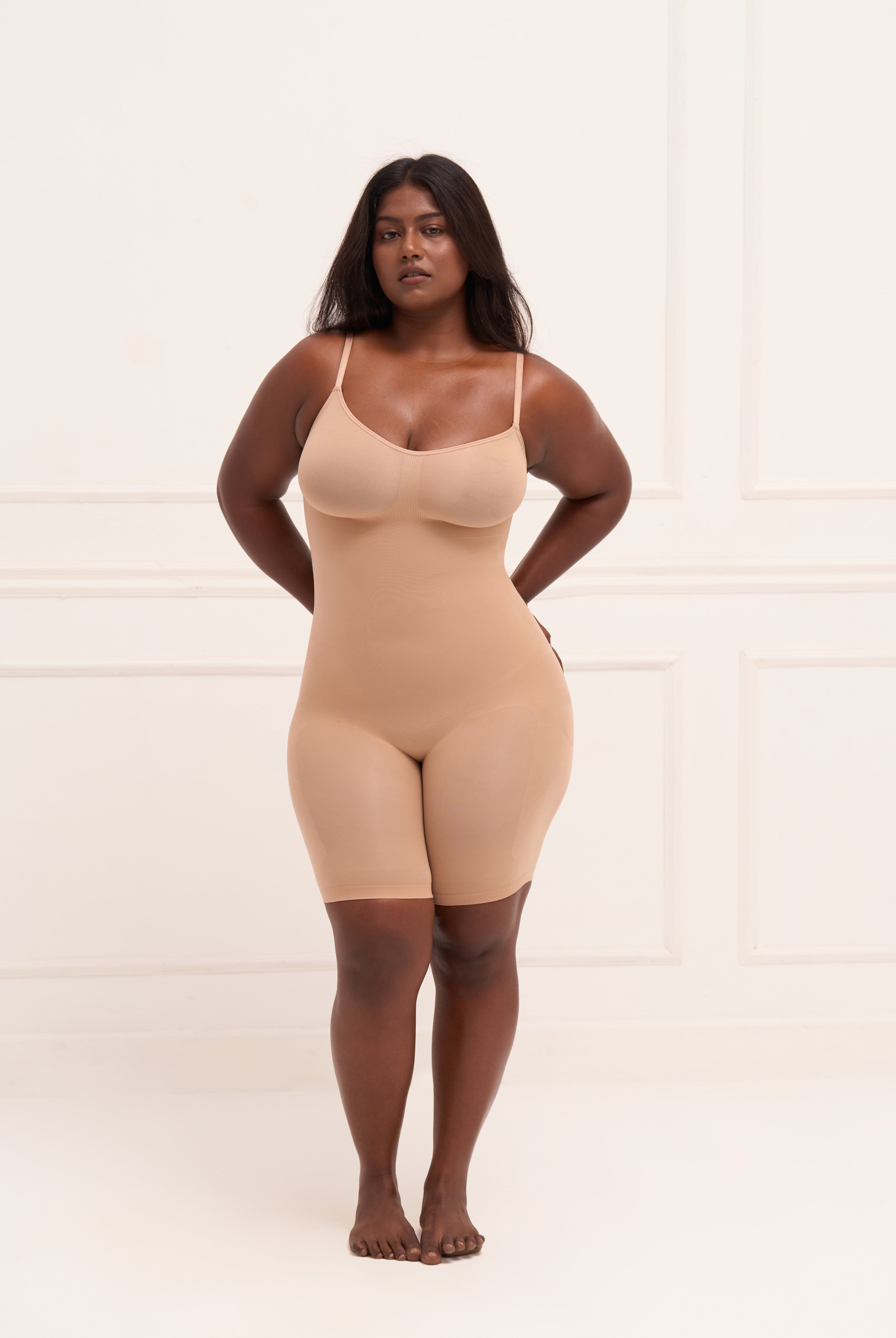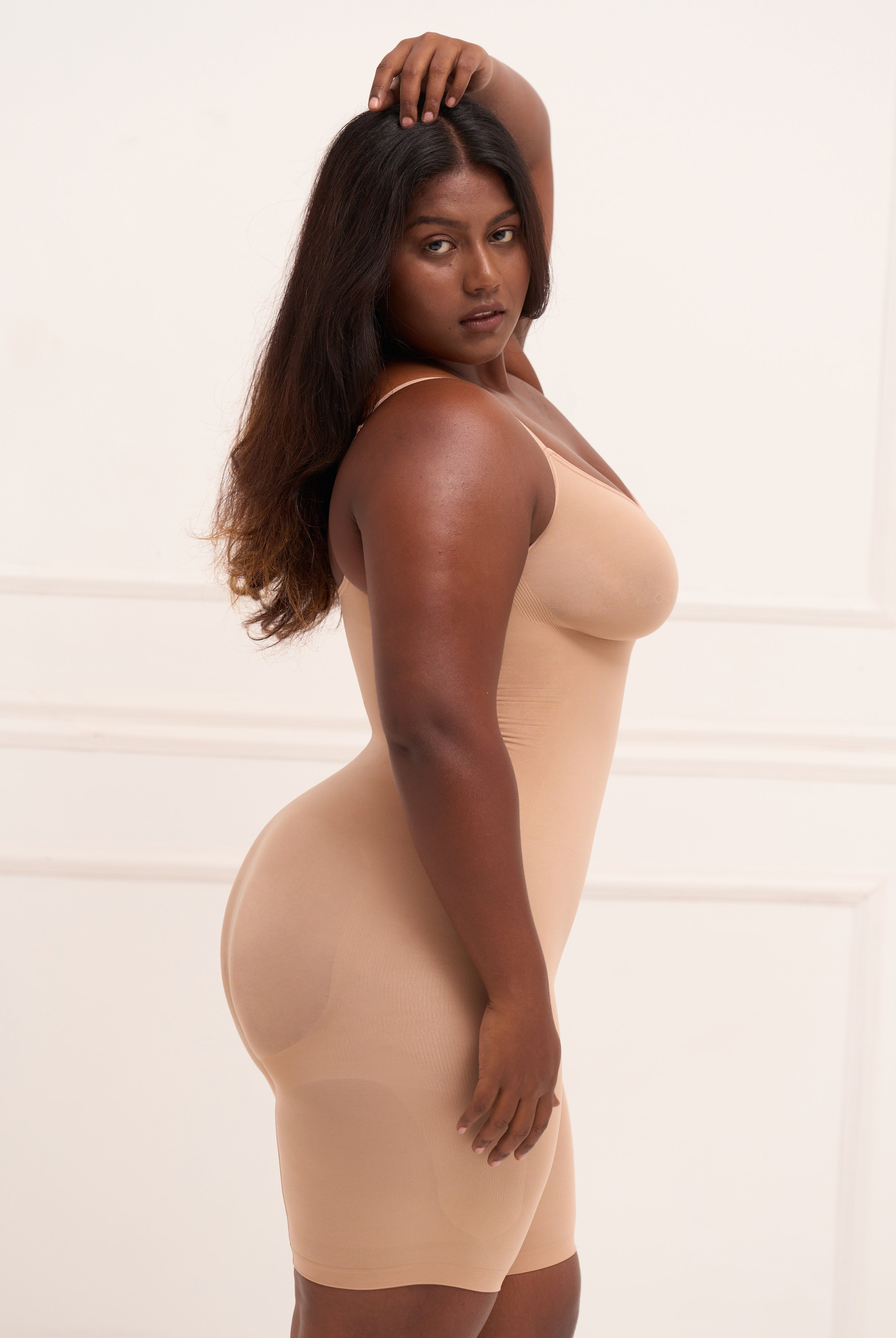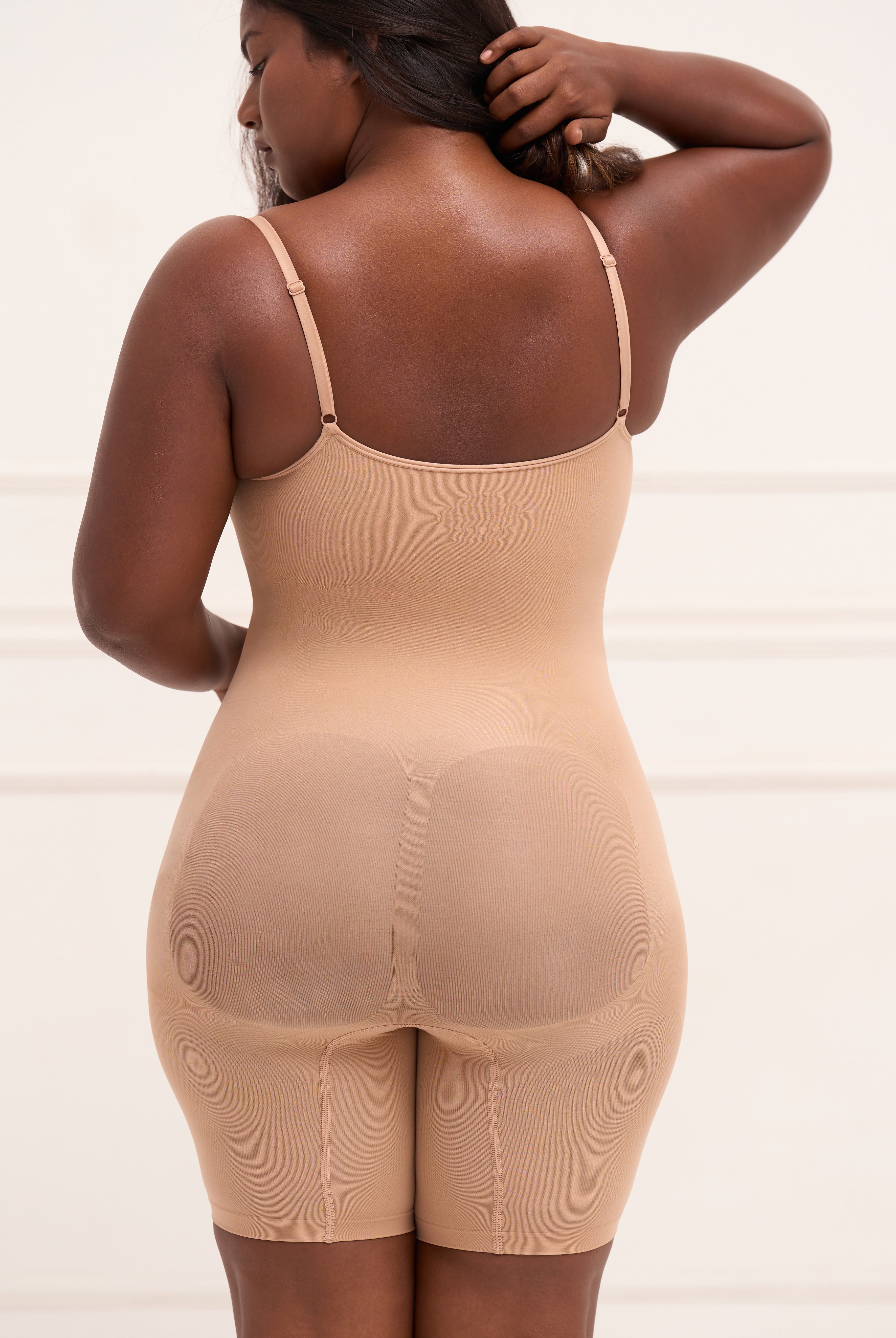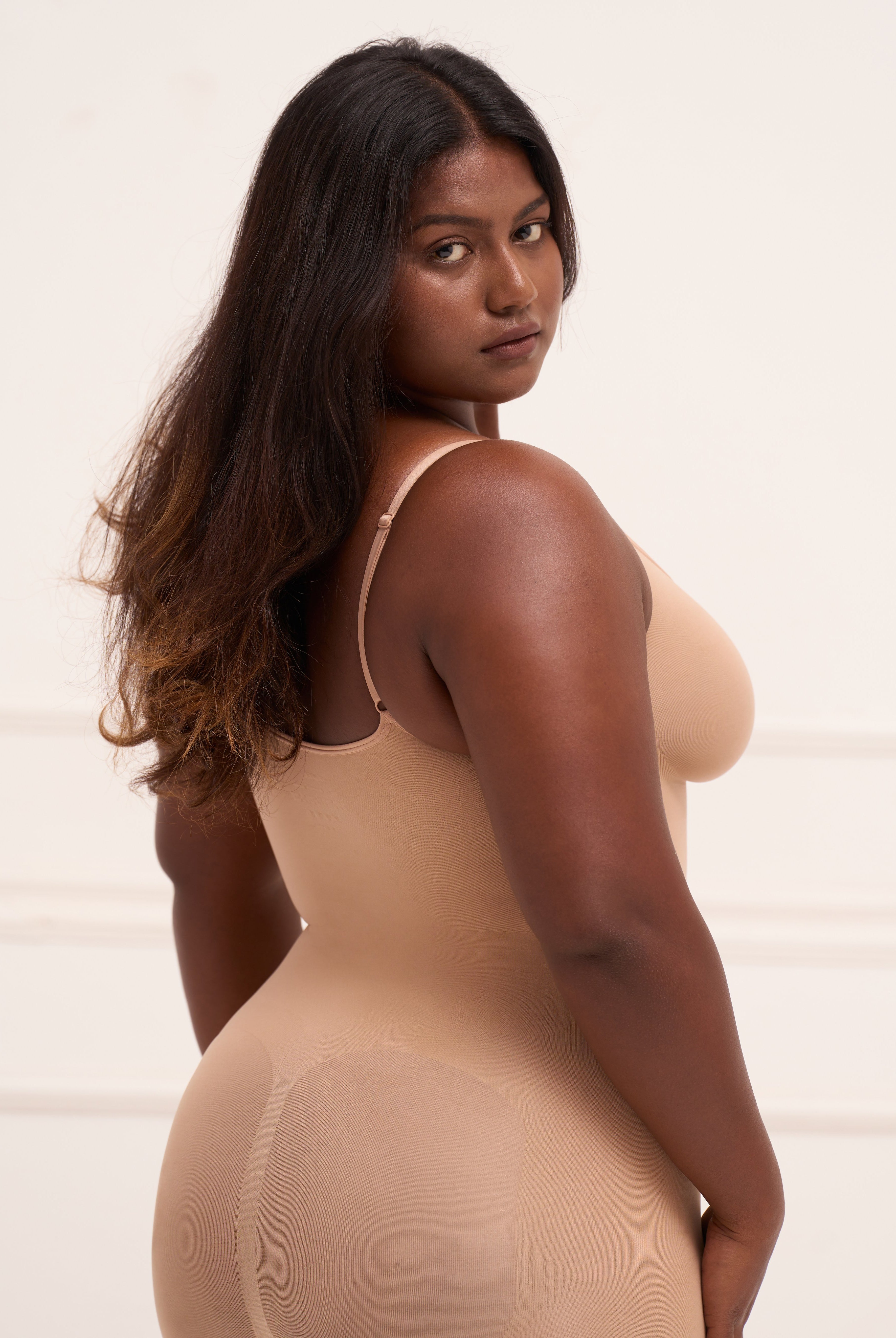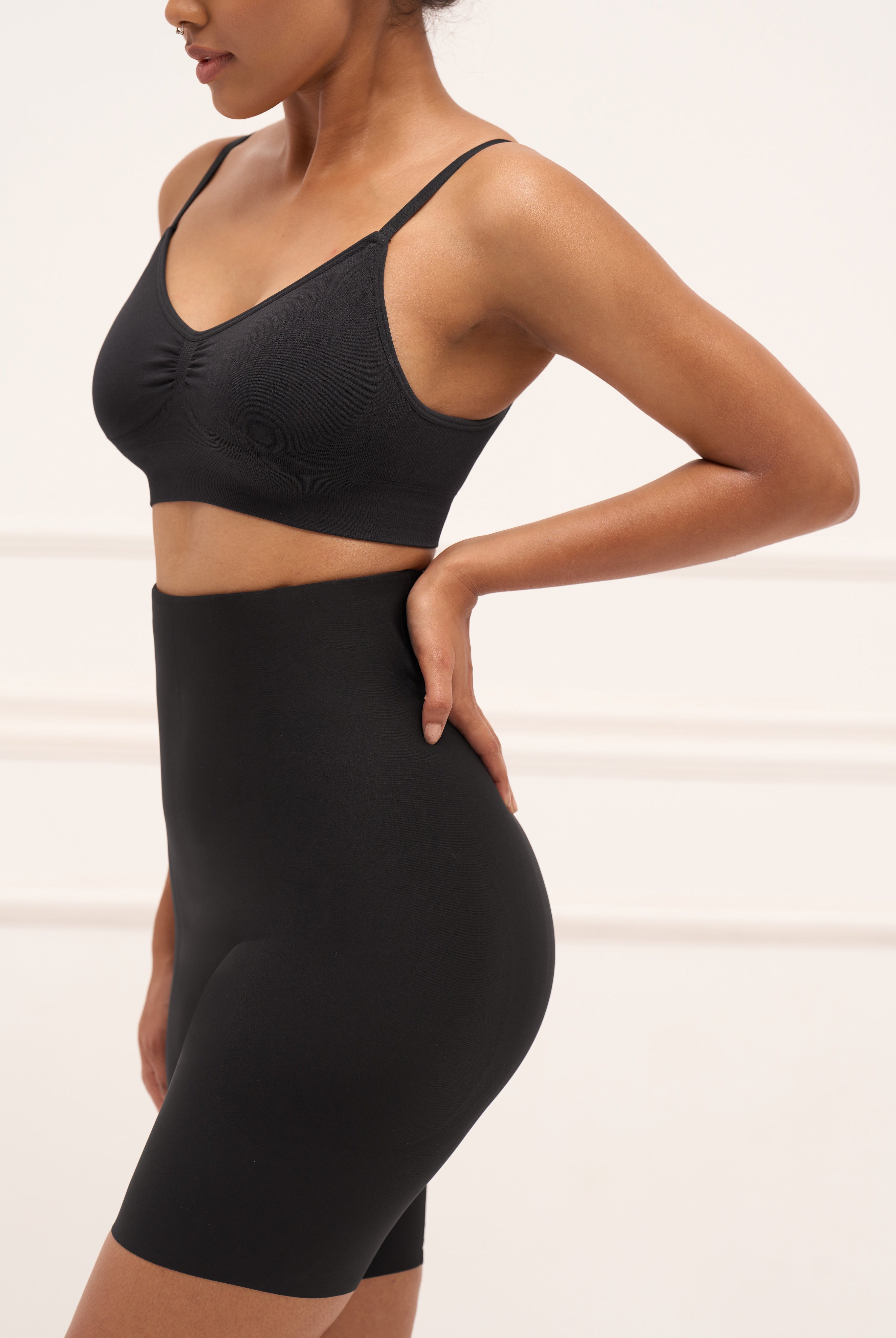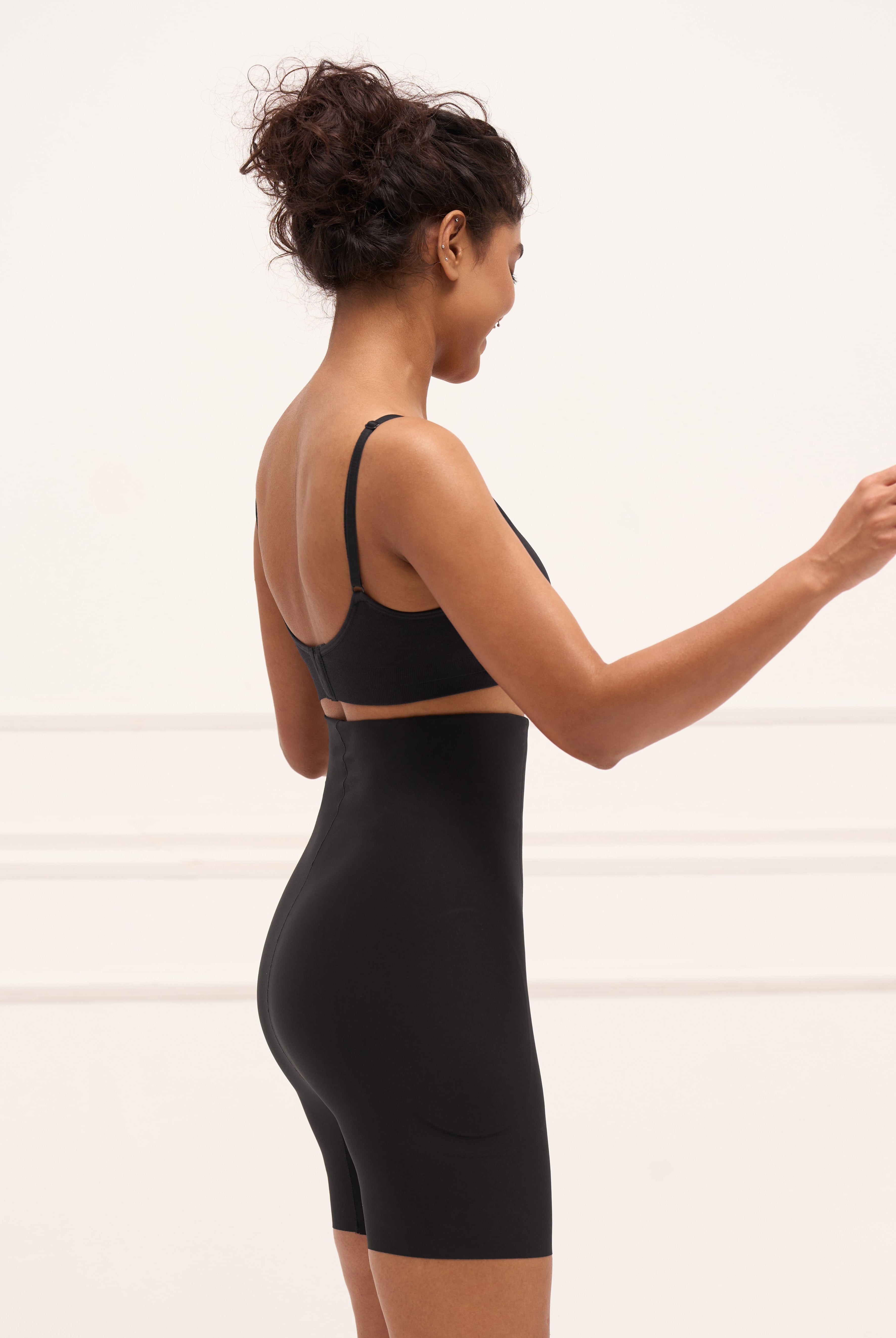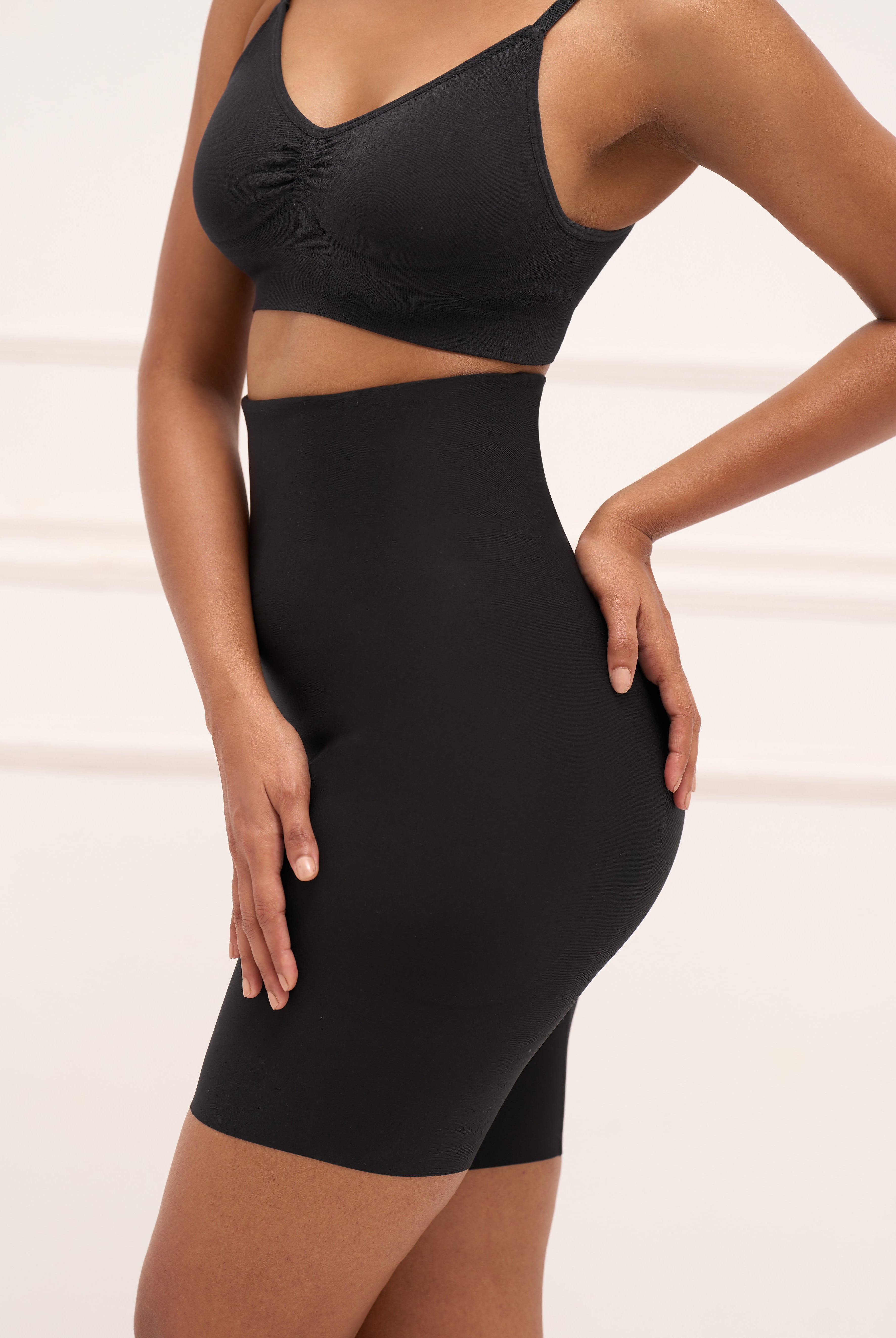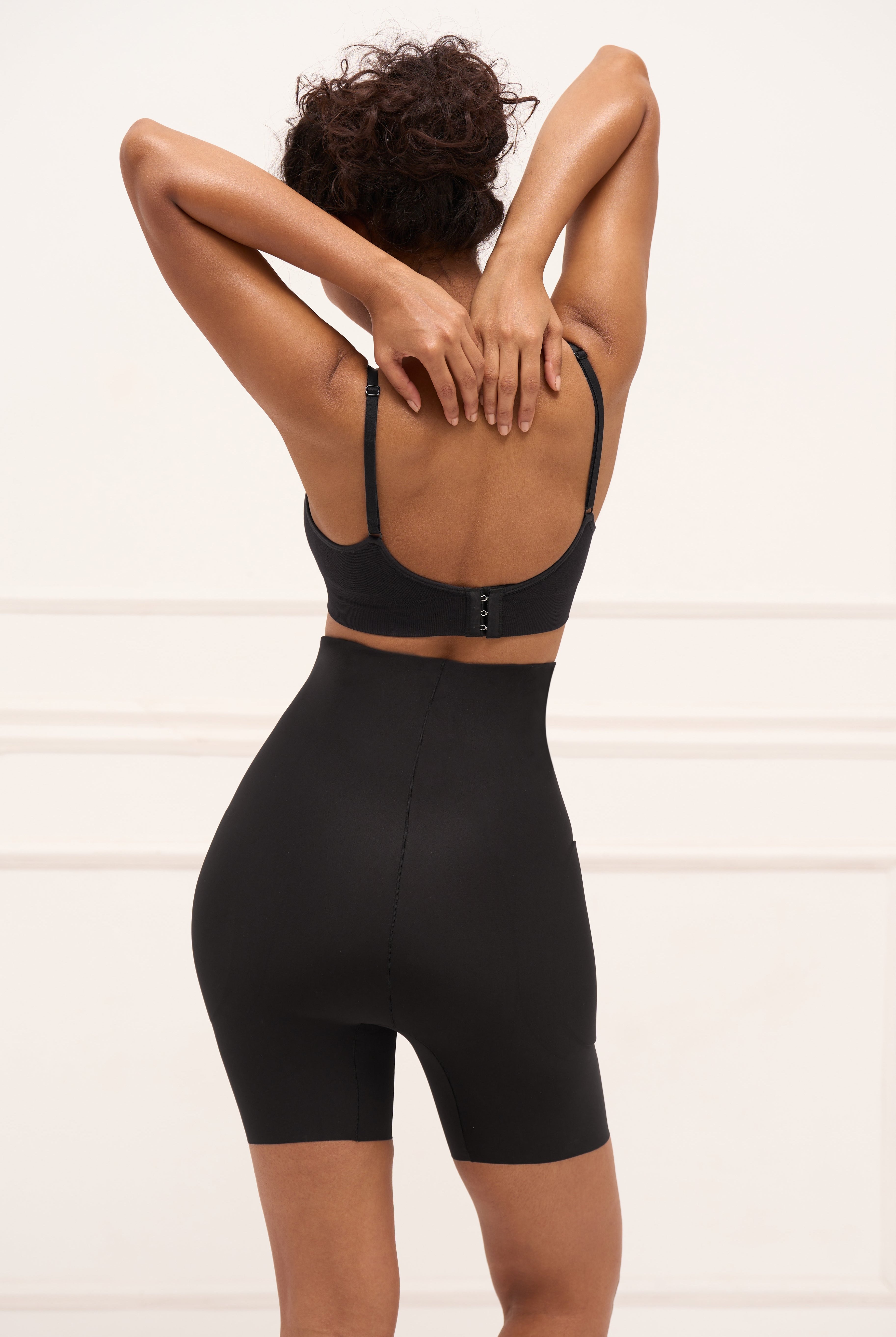









We have all been there: coming home after a long day, unhooking that tight strap, and taking that massive sigh of relief. It feels like taking off a tiny pair of handcuffs for your torso. But honestly, why are we putting ourselves through this daily struggle?
Finding the right bra for women can feel like solving a complex math problem, which leads many of us to wear sizes that are way too small. You might think a snug fit gives better lift, but constantly squeezing yourself into a tight cup or band comes at a real cost. Let us break down the actual tight bra side effects and why your body is practically begging for an upgrade.
How to Know if Your Bra is Tight?

Before we dive into the major disadvantages of wearing a tight bra, let us do a quick fit check. If you notice any of these signs, your current innerwear is definitely fighting you:
-
Deep red indentations: Deep red lines or grooves left on your shoulders, ribs, or under the bust after taking it off.
-
The dreaded "spillover": Breast tissue overflowing from the top or sides of the cups (aka the double-boob effect).
-
Riding up the back: Band sliding up your back, which usually means you are over-tightening the straps to compensate.
-
Trapped breathing: Feeling like you cannot take a full, deep breath until you unhook the back.
-
Underwire digging in: Metal wires poking into your chest centre or poking the side tissue.
Side Effects of Wearing a Tight Bra

If you ignore those warning signs, your body will let you know in uncomfortable ways. Here are the most common side effects of wearing a tight bra you should watch out for.
Skin irritation, chafing, or rashes
Constant friction from a band that digs into your skin creates friction zone zero. Add a little sweat to the mix, and you get severe redness, painful chafing, and annoying under-breast rashes. Over time, that continuous pressure can even lead to skin hyperpigmentation.
Neck, shoulder, and upper back pain
When your band is too tight or doesn't support you properly, your shoulder straps take on all the weight. They dig deep into your trapezius muscles, causing persistent tension, stiff necks, and upper back pain. It ruins your posture completely.
Breast tissue compression and discomfort
Constantly squishing your chest into tiny cups causes localised soreness and deep-tissue discomfort. Restricting natural movement all day keeps the area tender, sensitive, and uncomfortable.
Lower Confidence
Let us keep it real: when your clothes feel uncomfortable, your whole vibe drops. Constantly adjusting your straps in public, pulling at your band, or worrying about visible lumps and bumps under your outfit can ruin your mood and knock your confidence flat.
Numbness or tingling in the arms, shoulders, or hands
A super tight strap can compress the nerves and blood vessels passing around your shoulders and collarbone area. This can trigger a pins-and-needles sensation, numbness, or tingling that shoots down your arms and into your fingers.
How Should the Right Bra Fit Feel?

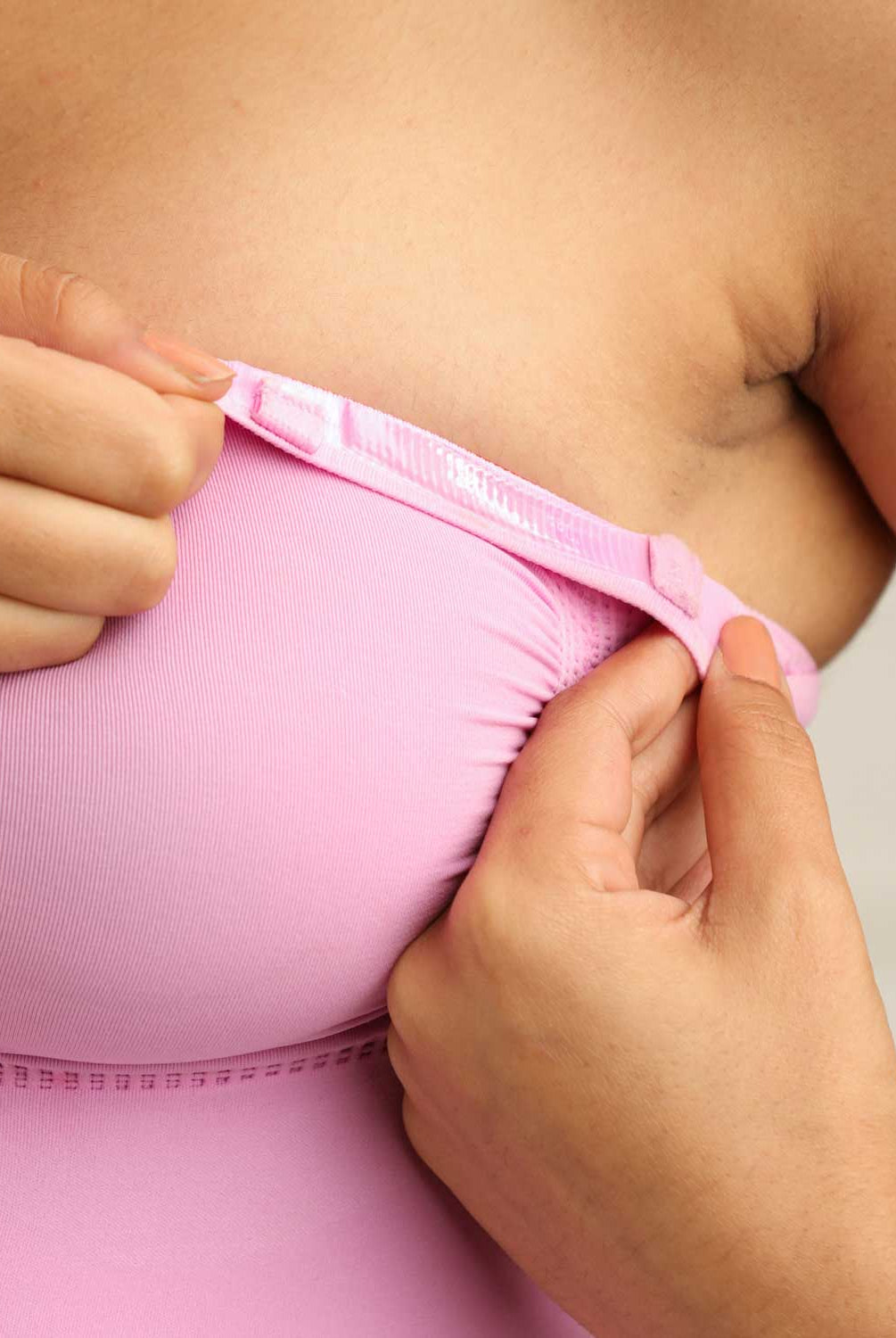
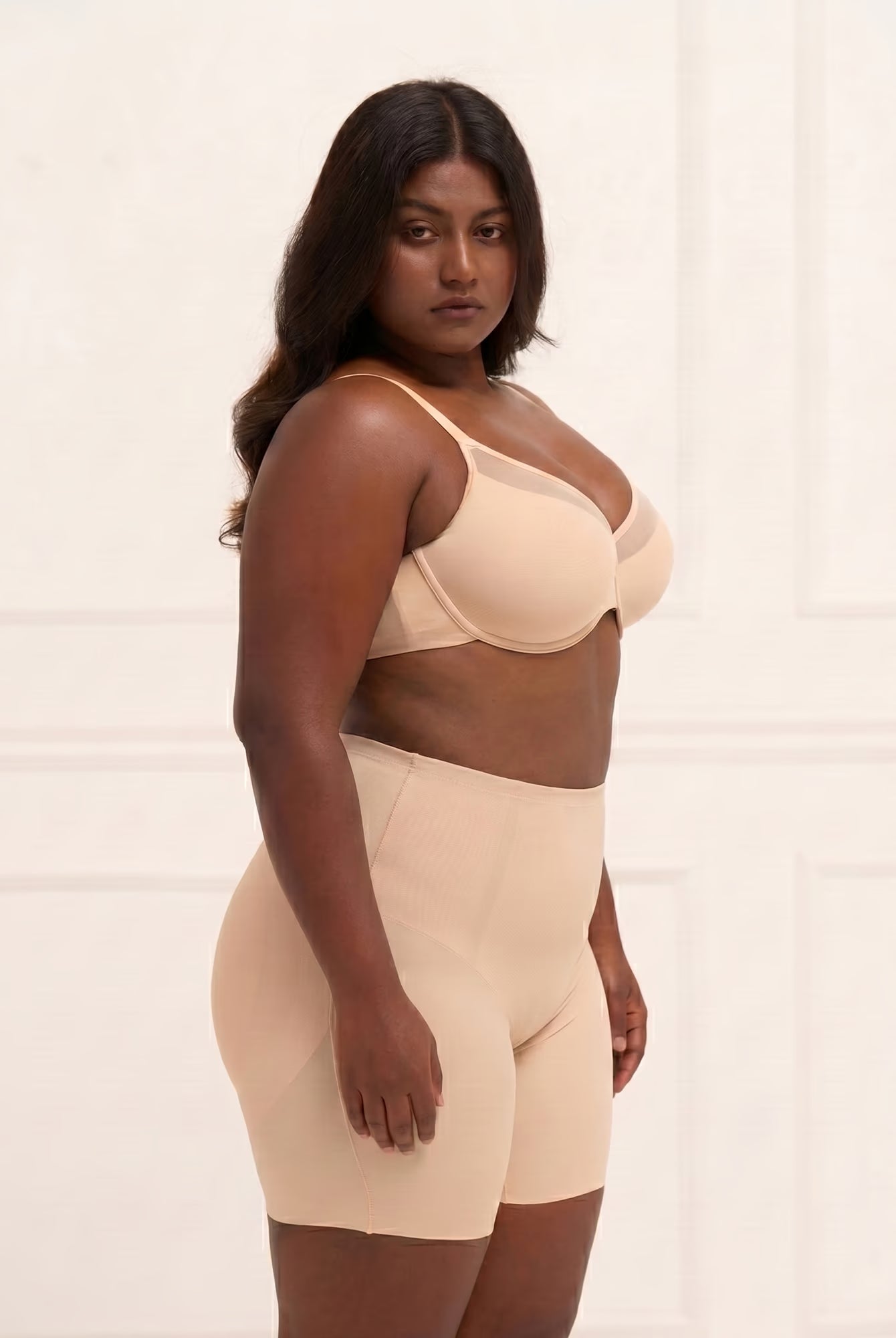
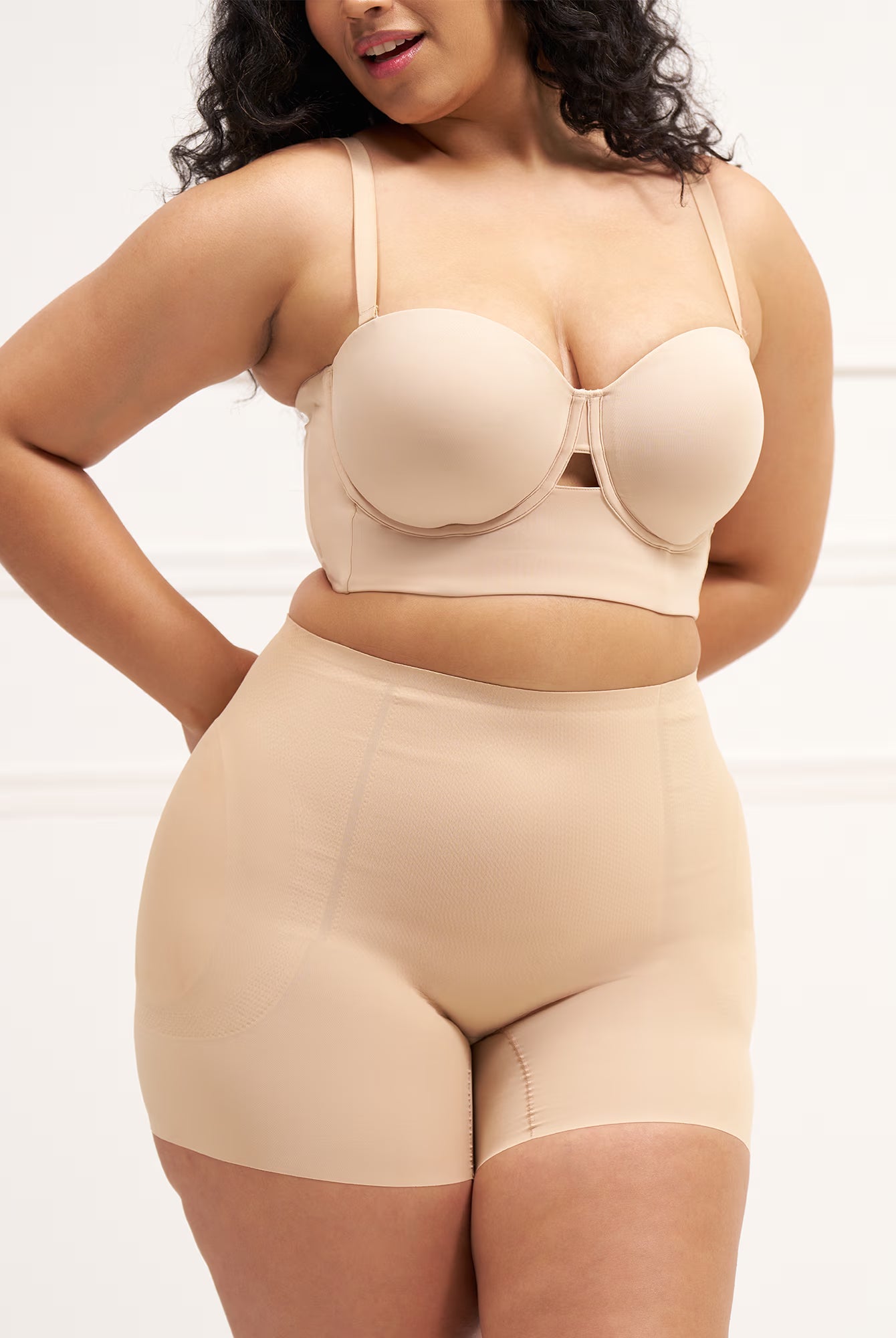
A well-fitting bra should offer support without feeling restrictive. The band should sit level across your back and be firm enough to stay in place, with just two fingers fitting comfortably underneath. Your cups should smoothly encase all breast tissue, with no gaping or overflow. Most importantly, your shoulder straps should rest gently on your skin to keep things in place, letting the band do about 80% of the support work. You should almost forget you are wearing it.
Move Away From Tight Bras

At Underneat, we design innerwear and lingerie for women that moves with your body, not against it. Here is how we help you deal with every tight bra problem:
-
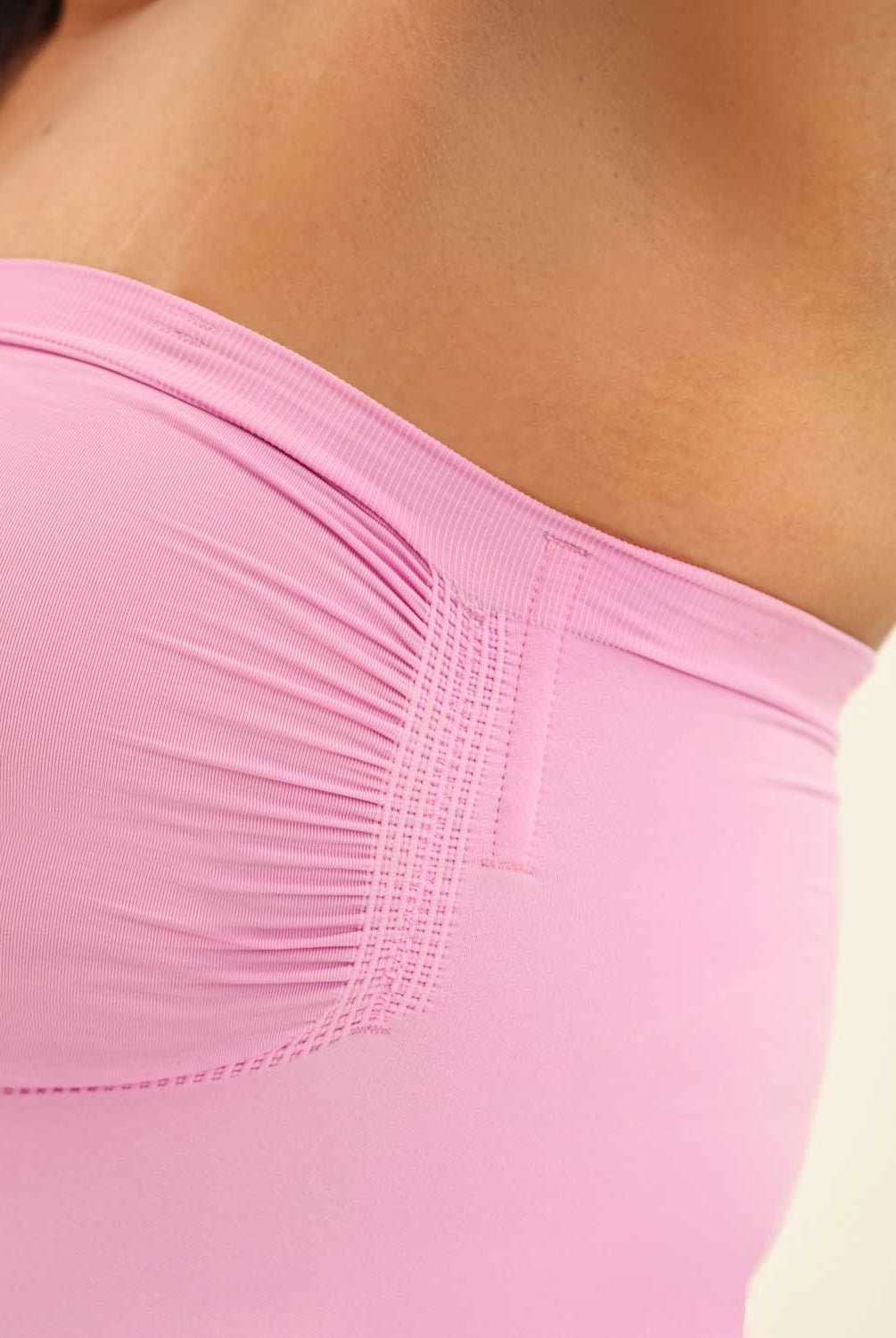
When the band leaves marks: Switch to smooth, stitch-free edges and flexible bands. Try our Everyday Comfort Jelly Bra or Everyday Support Jelly Bra for a weightless, dig-free fit with no red lines.
-
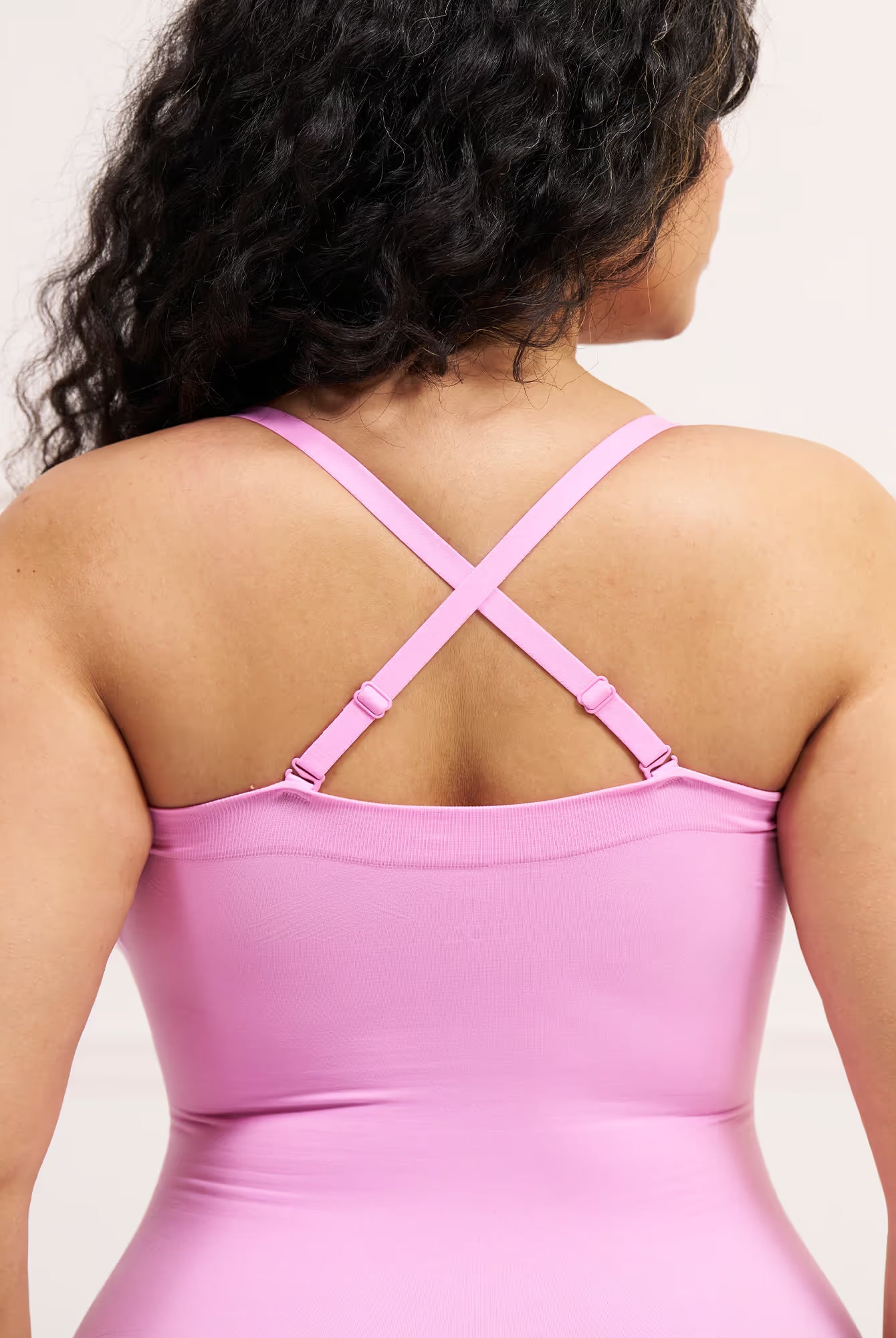
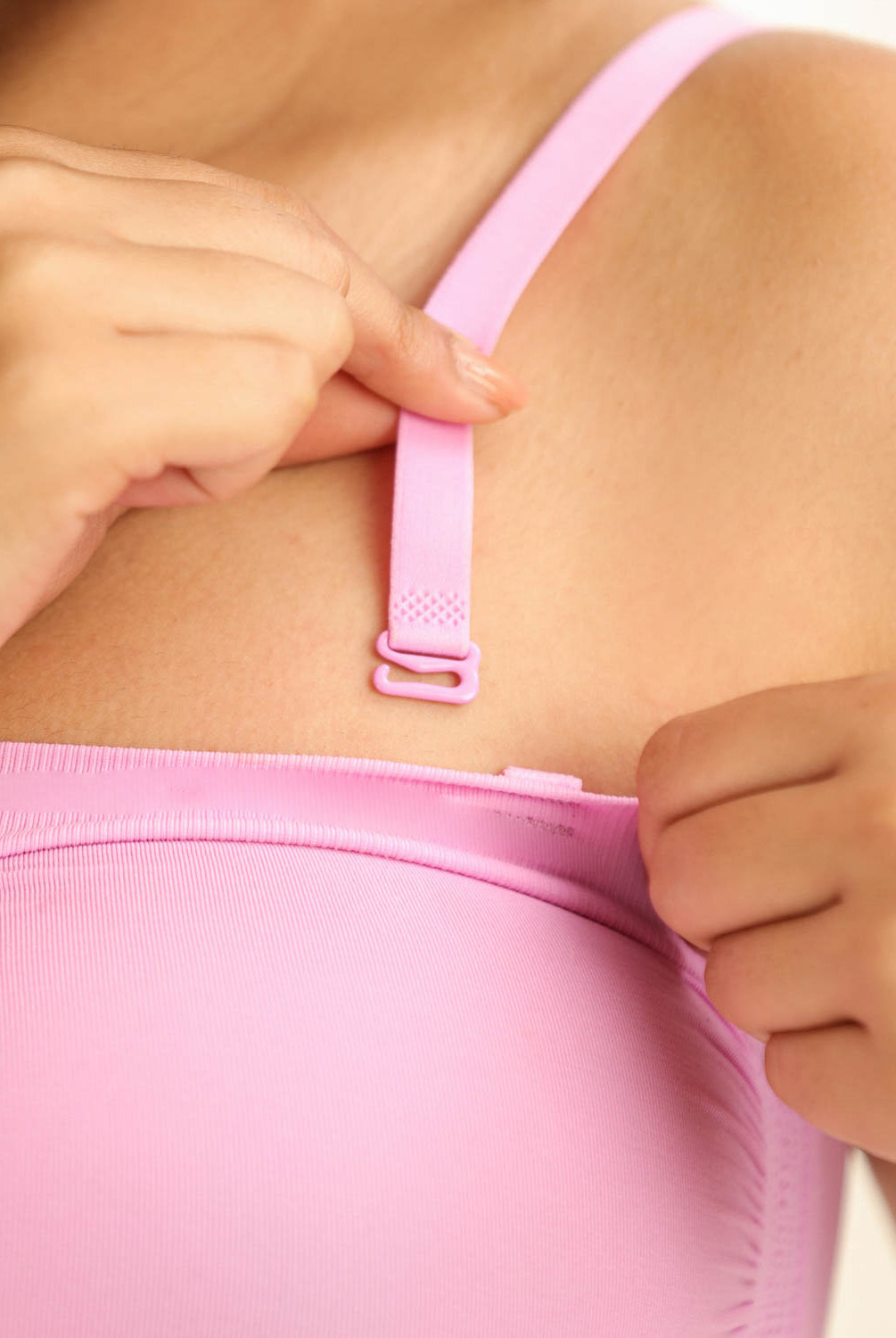
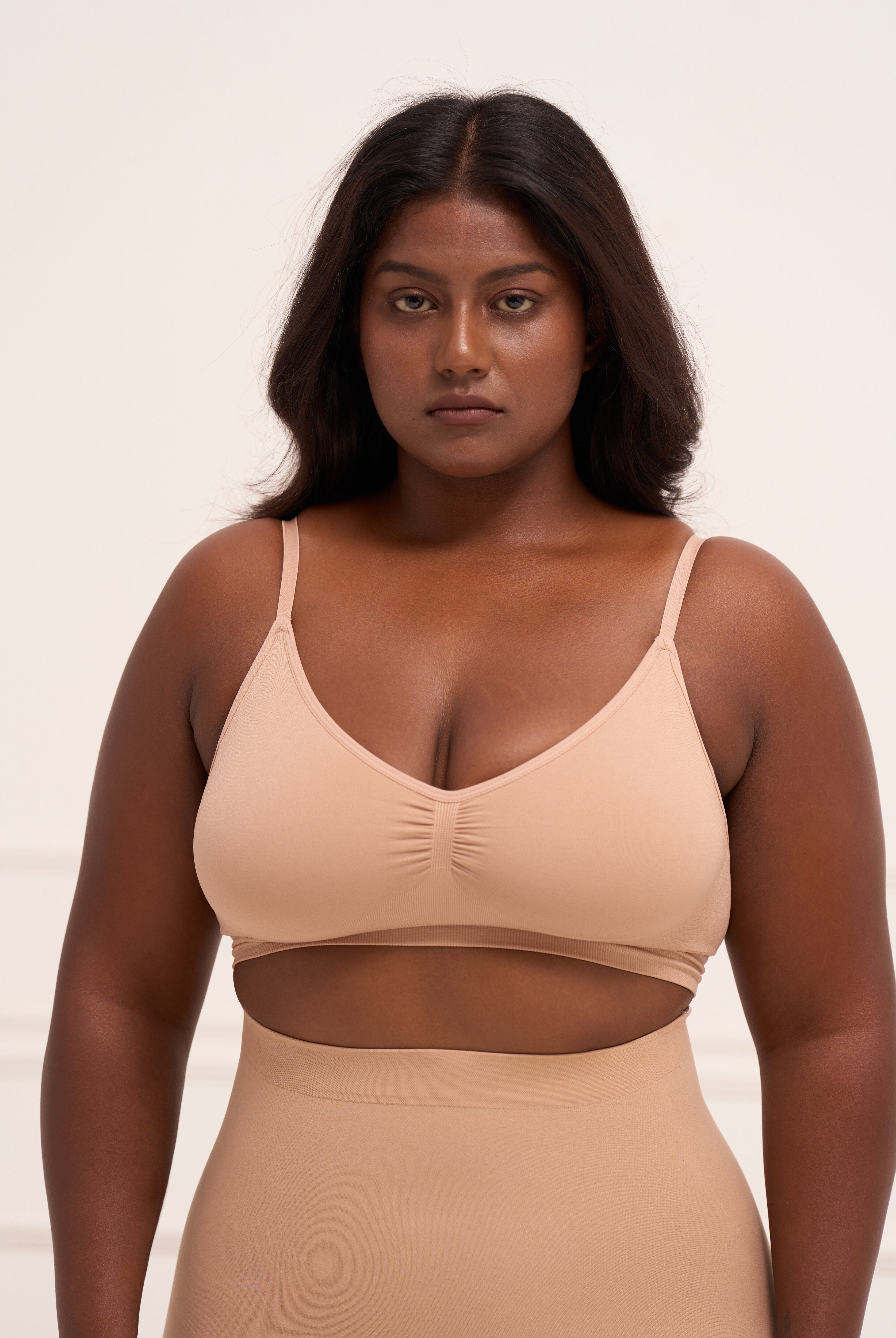
When the straps dig into your shoulders: Try styles that distribute weight evenly across your back and chest. Our Everyday Scoop Bralette gives full-coverage, wire-free support so your shoulders don't have to carry the entire strain.
-
When cups feel too tight or squishy: Upgrade to targeted support built specifically for your shape. Try our Minimizer Bra for heavy bust, a non-padded full-coverage option that prevents spillage while giving you a clean, comfortable silhouette.
-
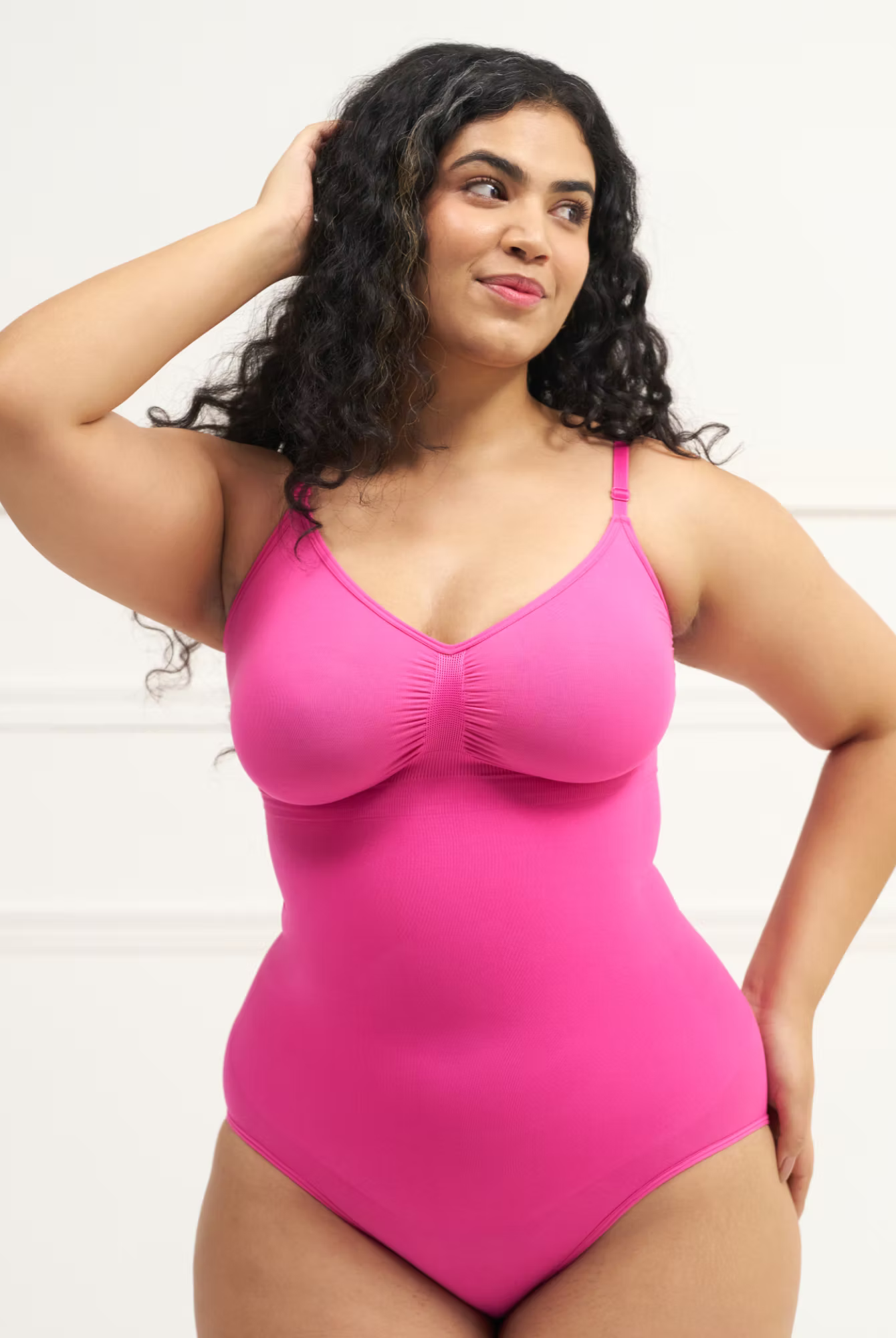
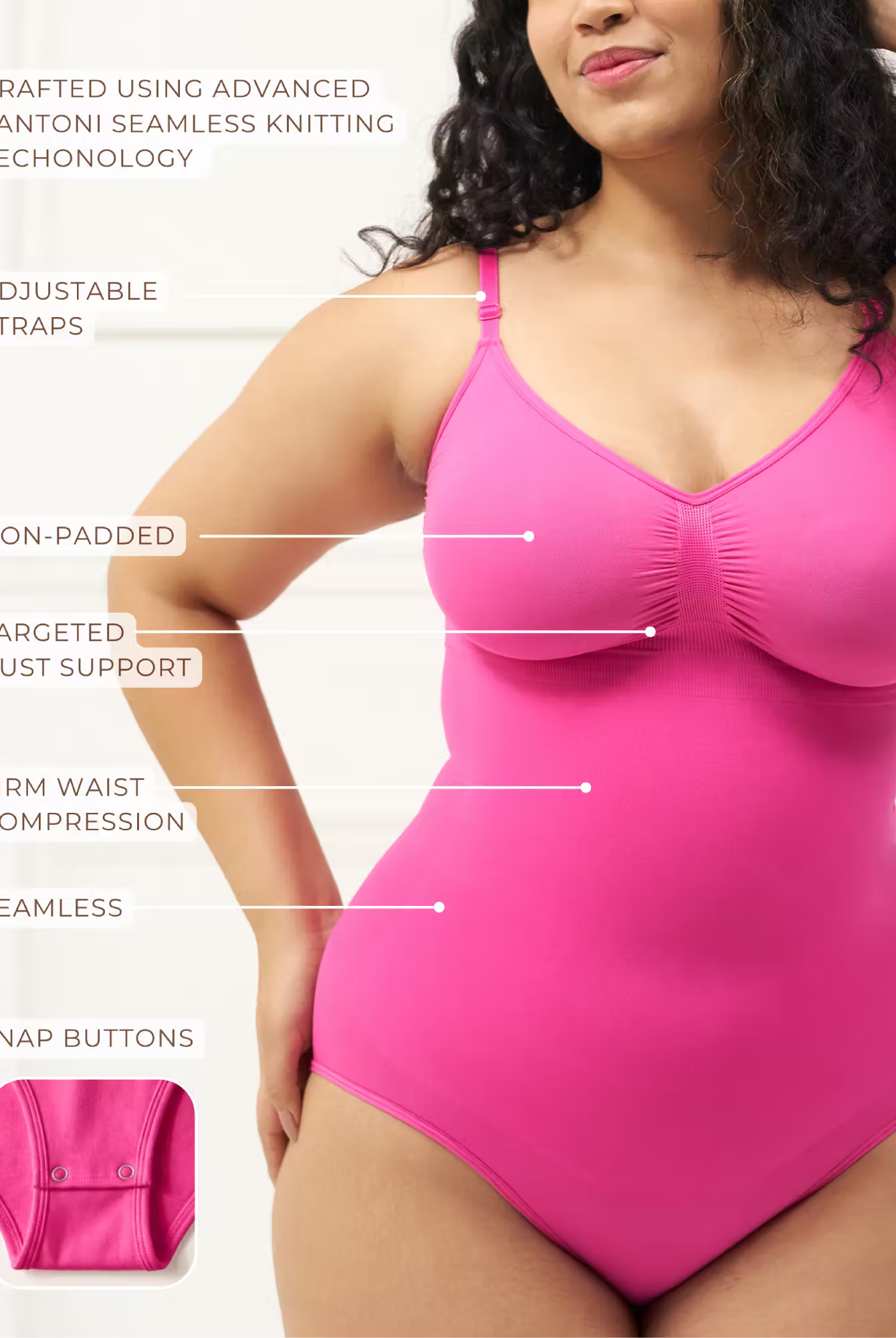
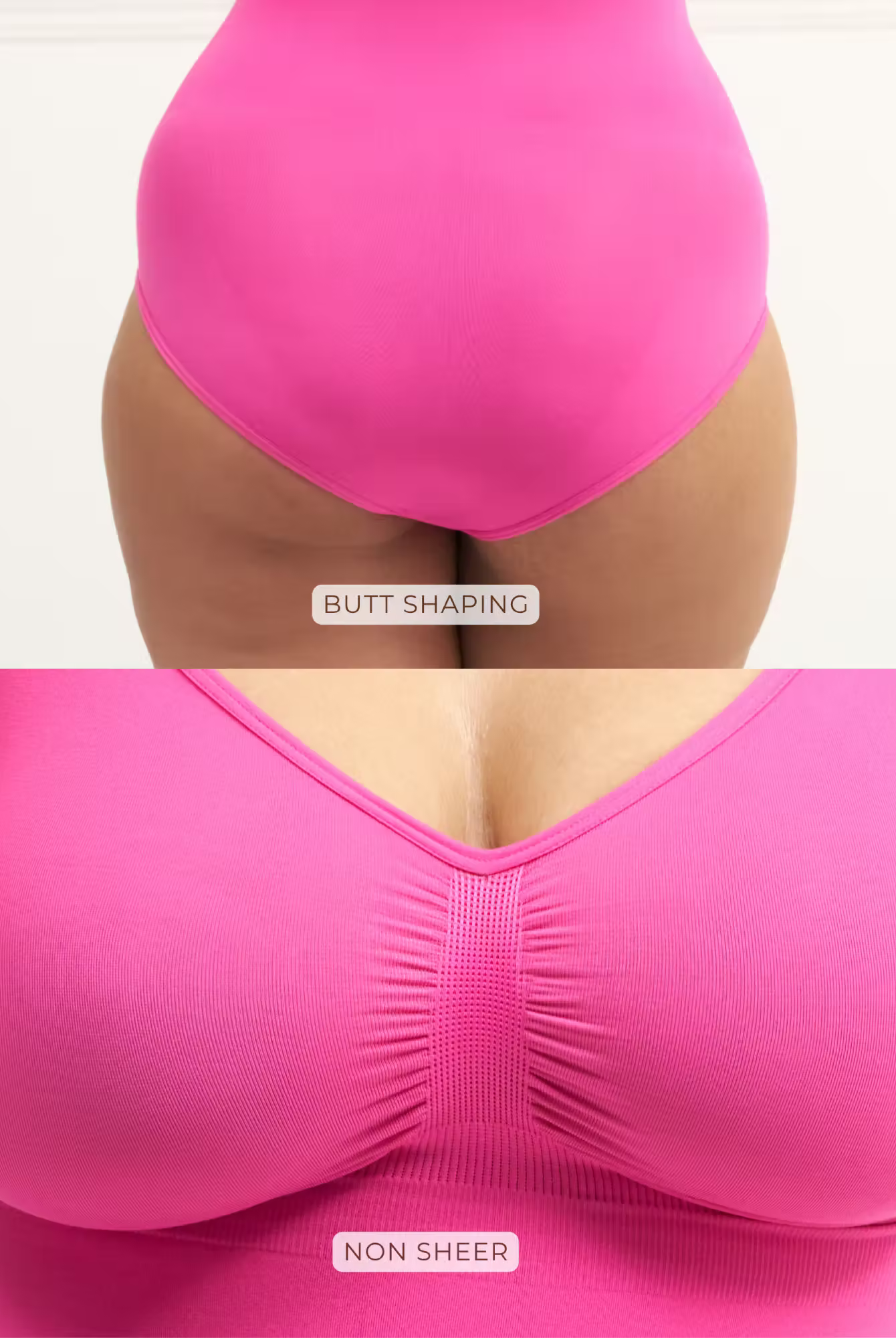
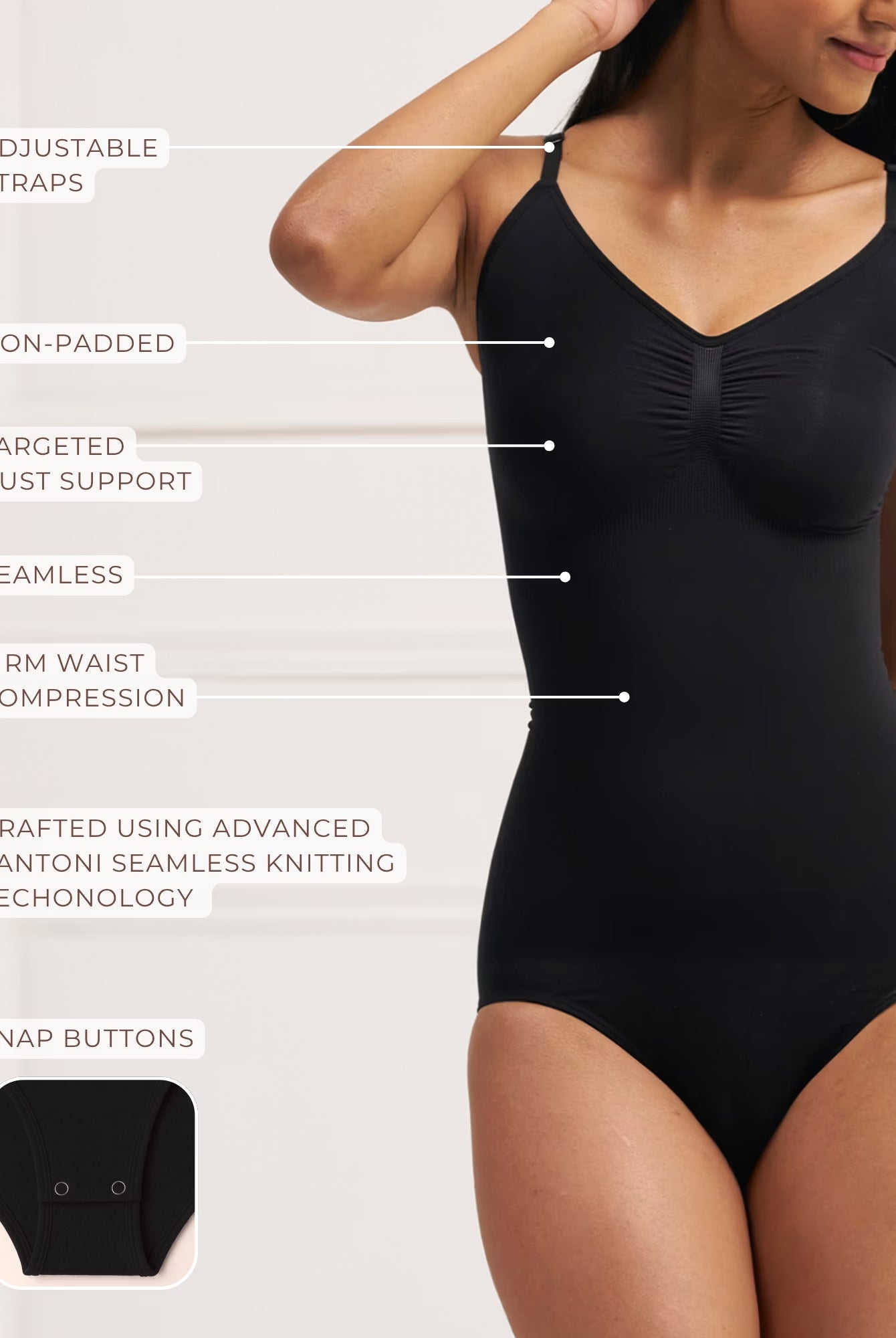
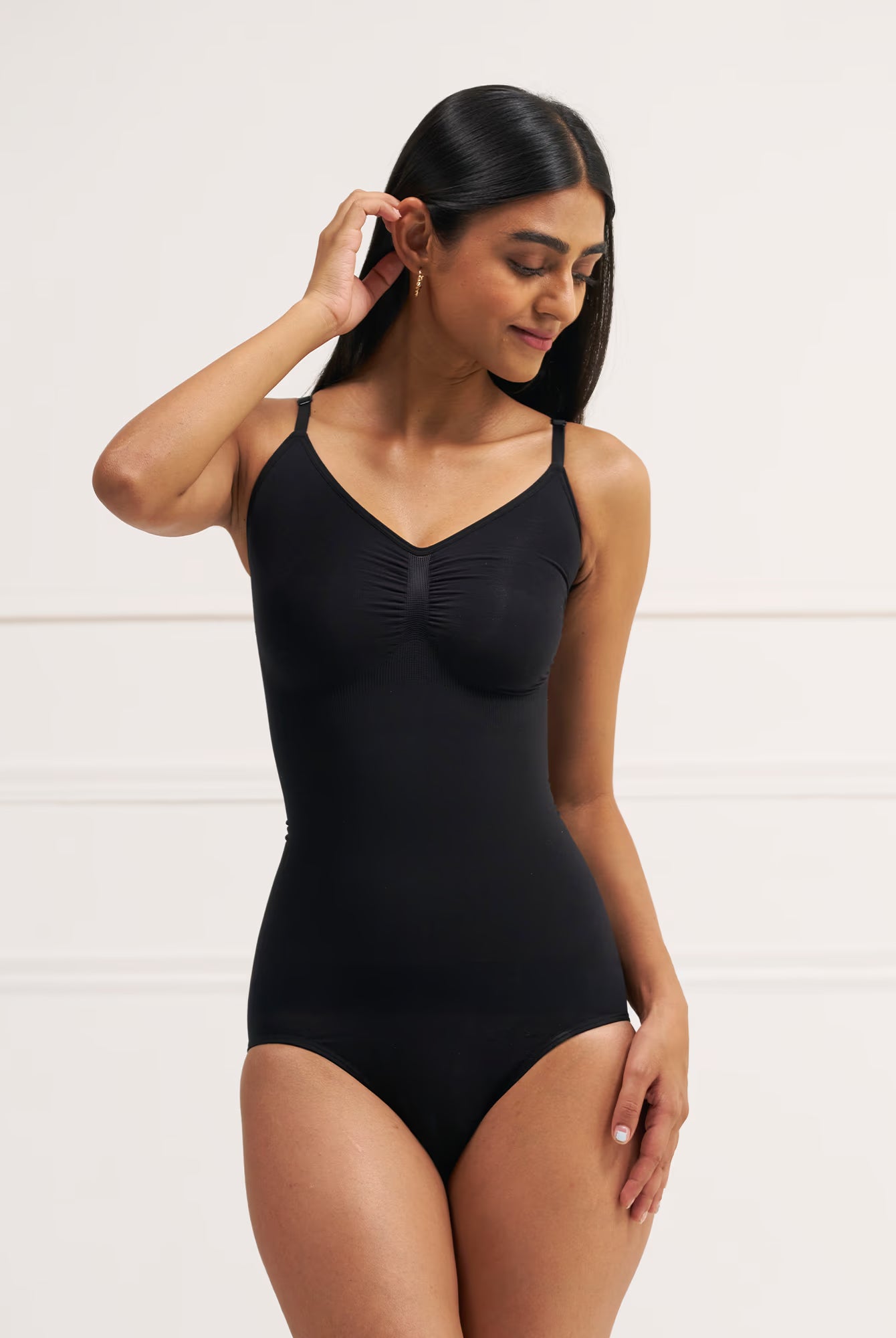
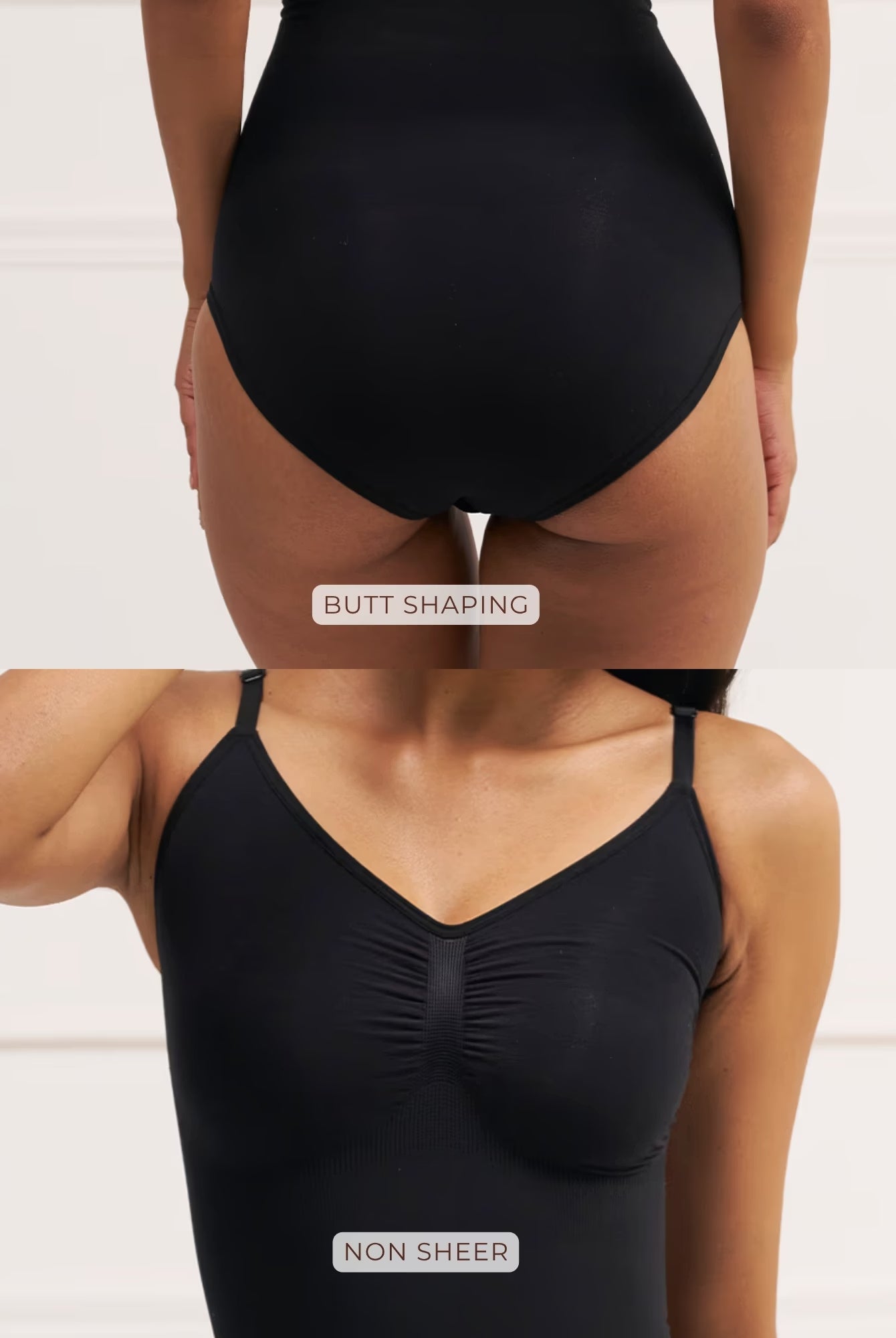
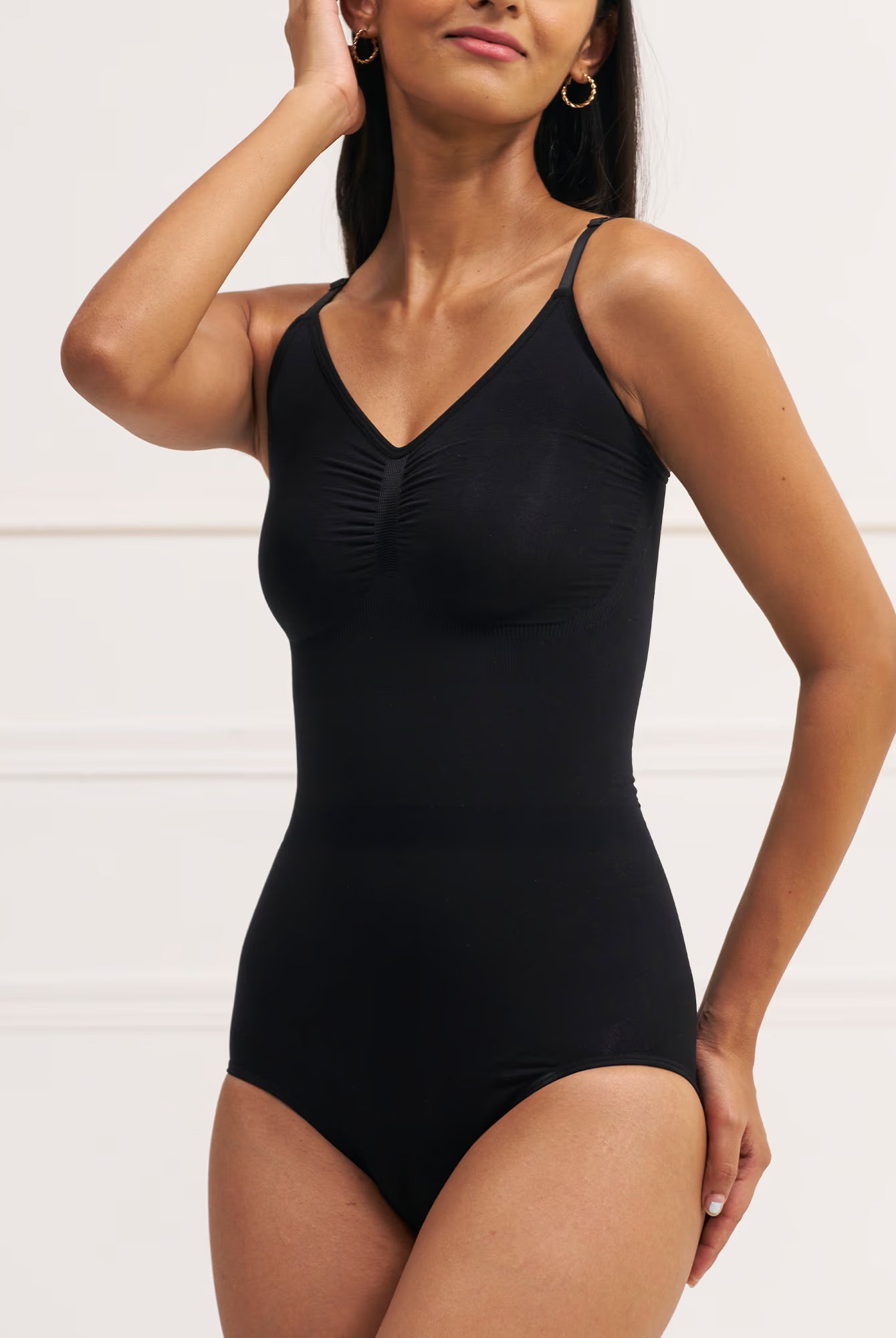
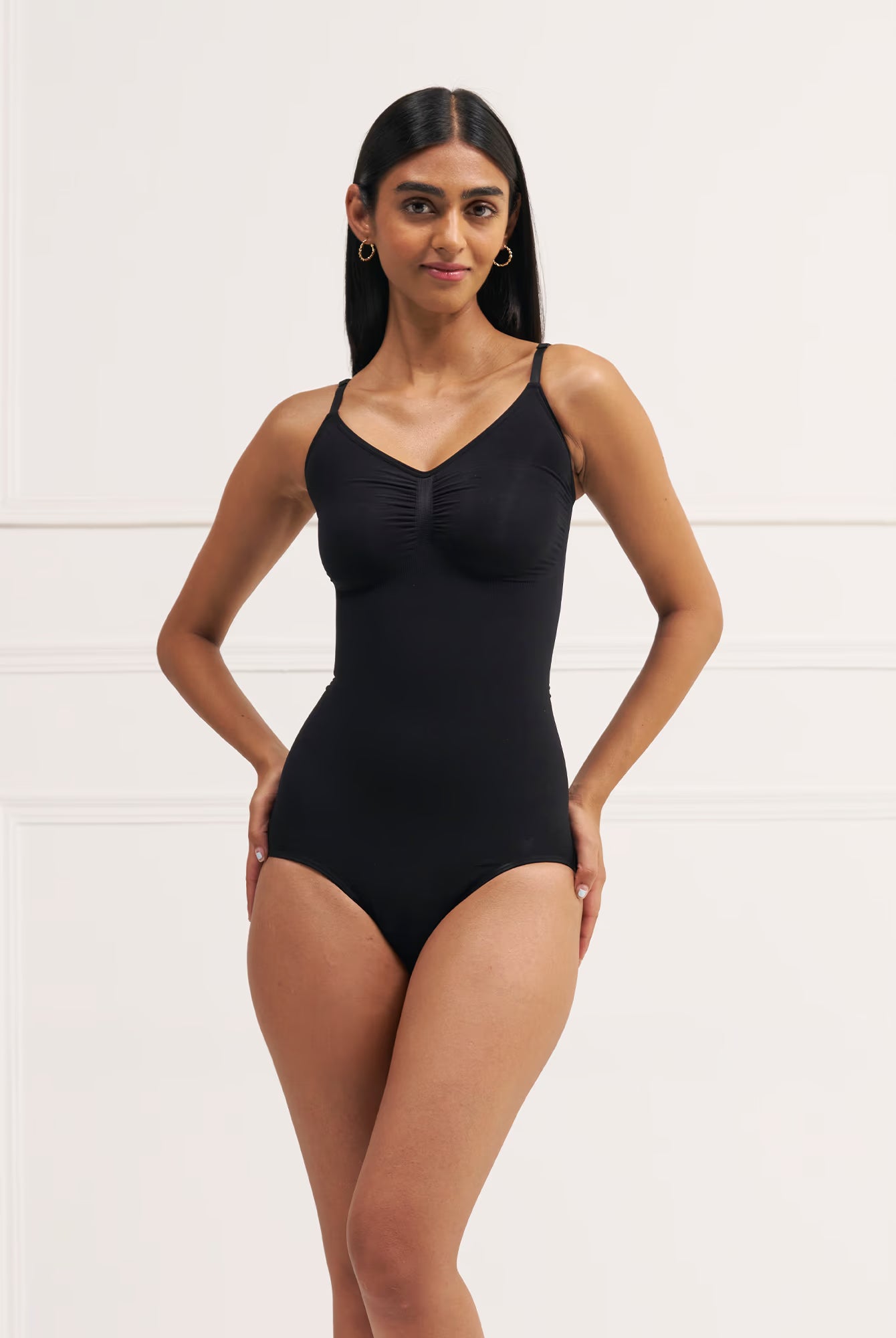
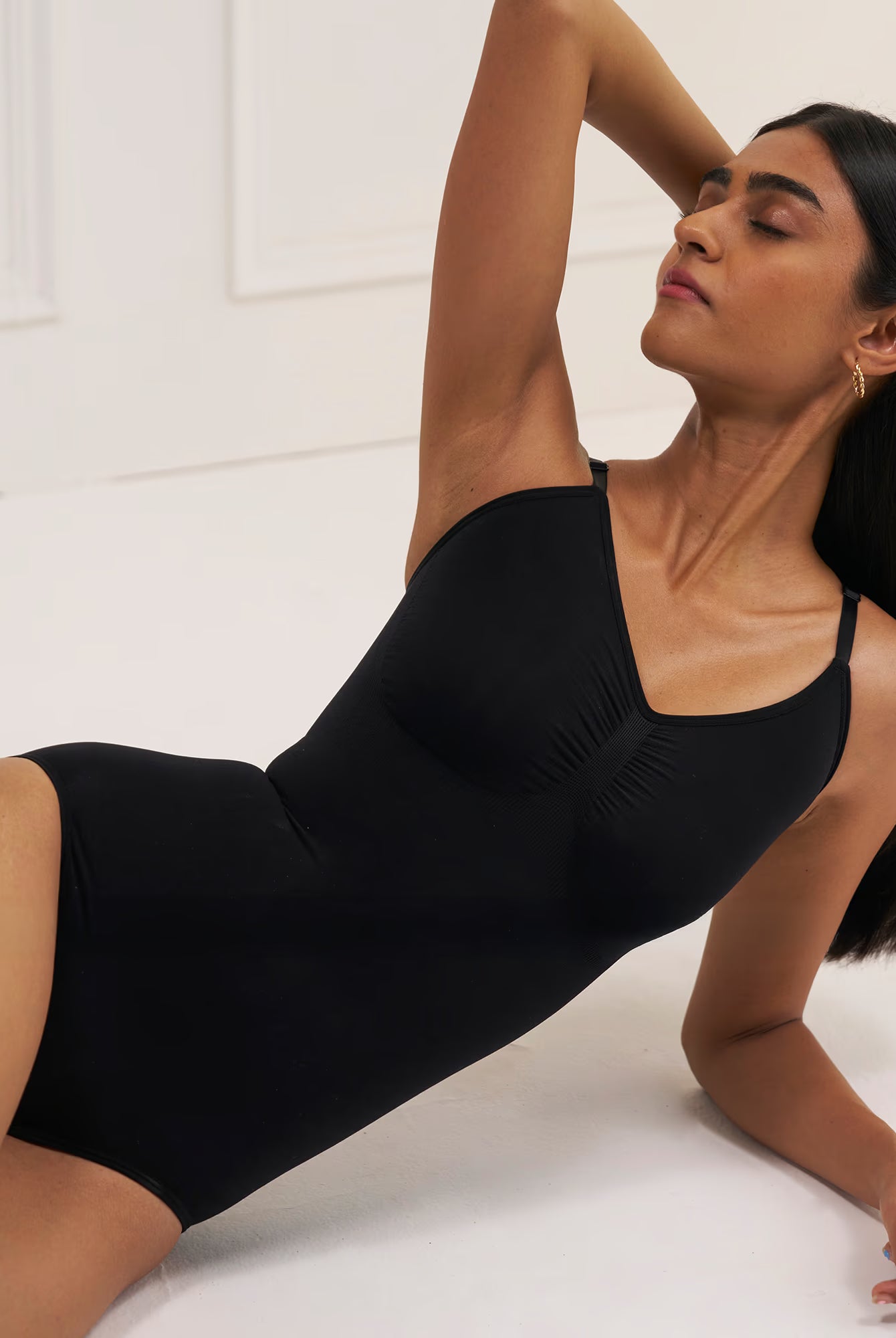
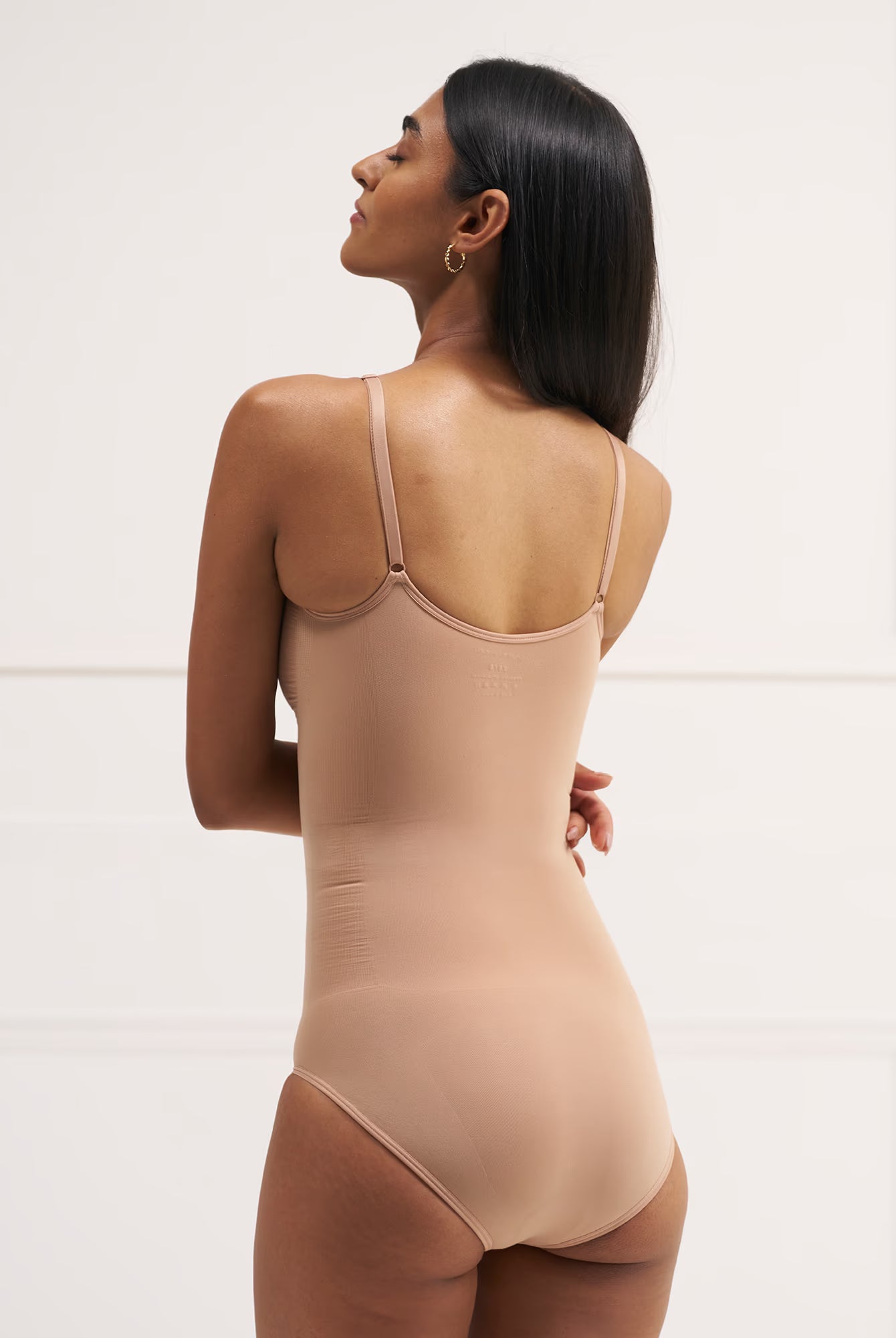
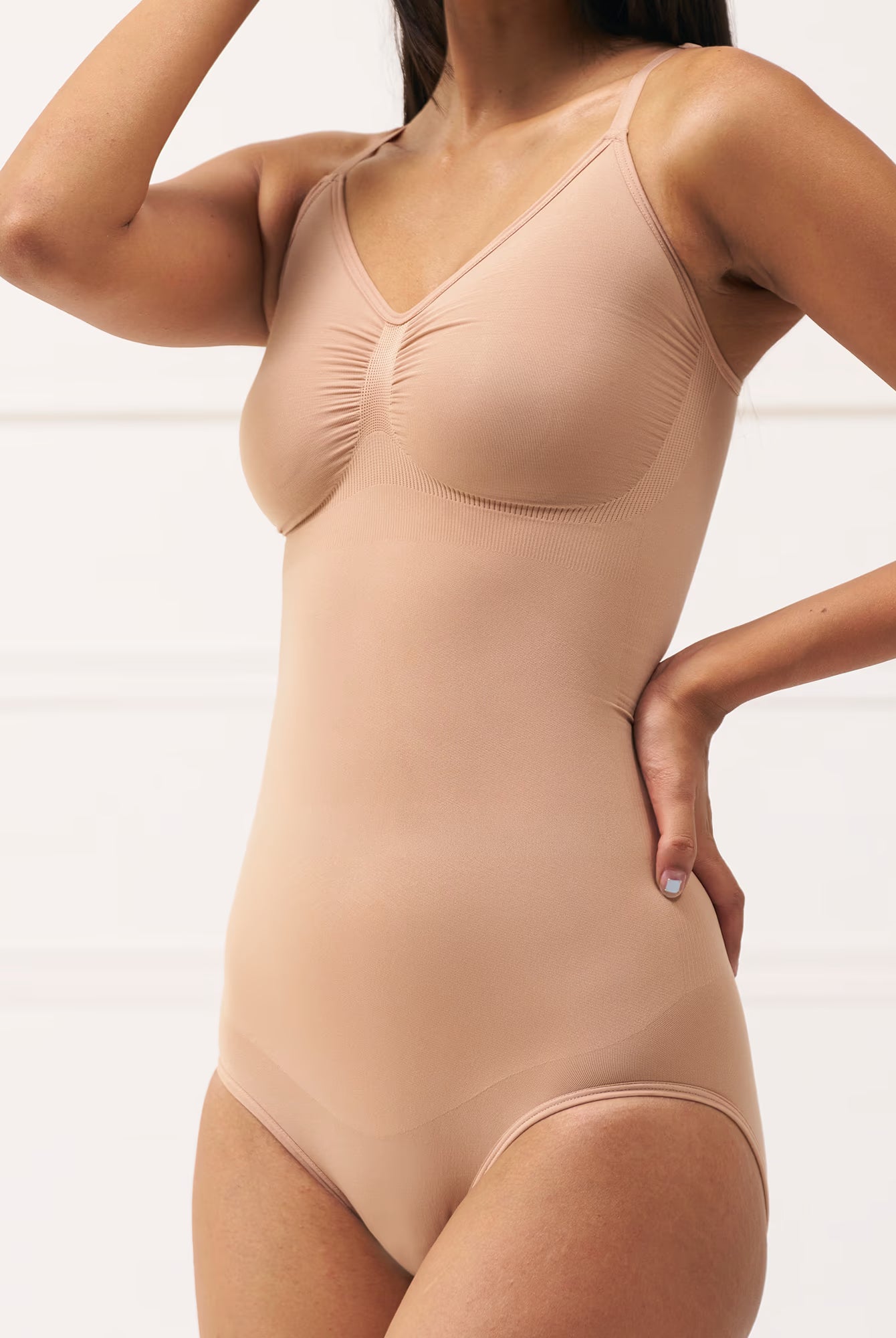
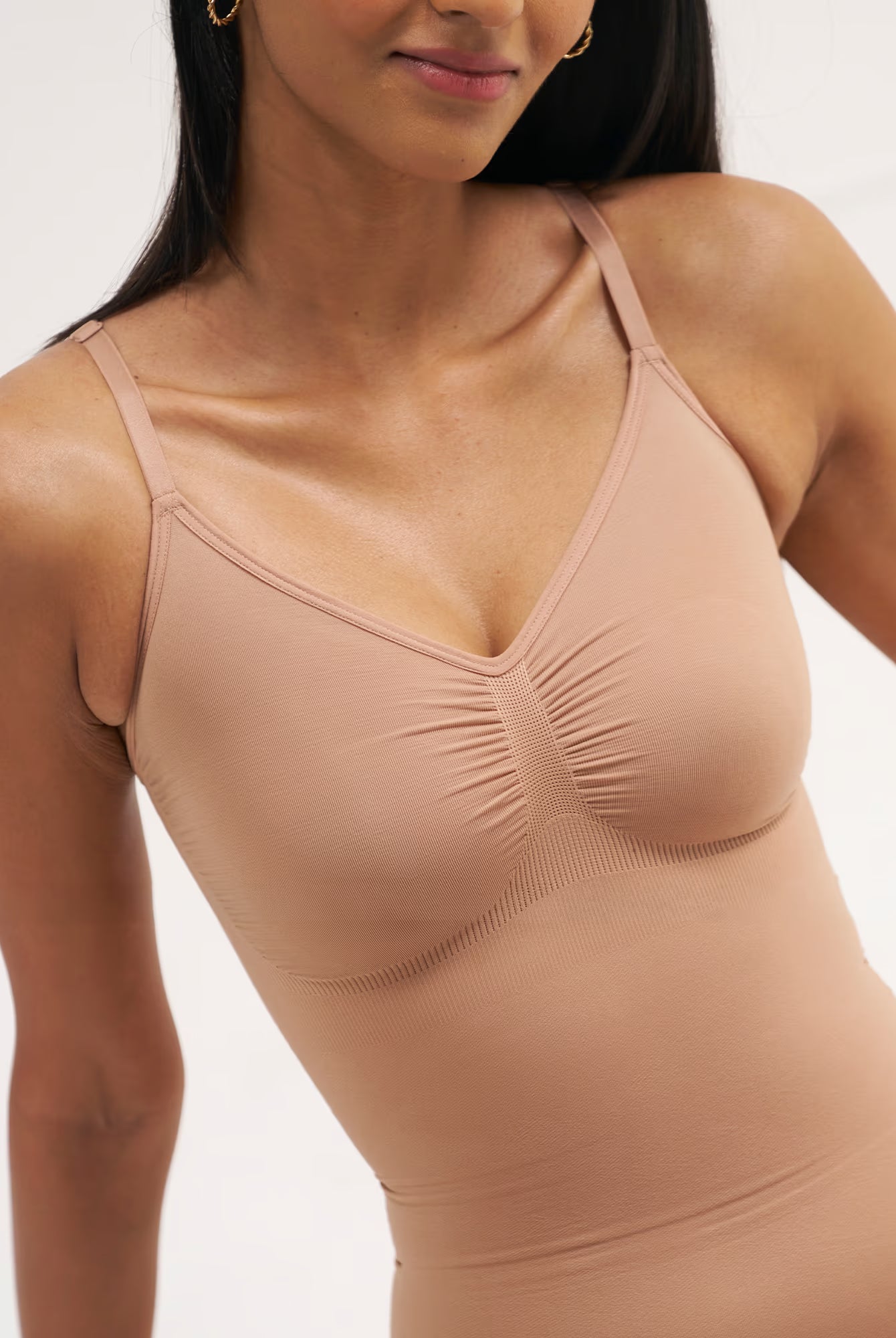
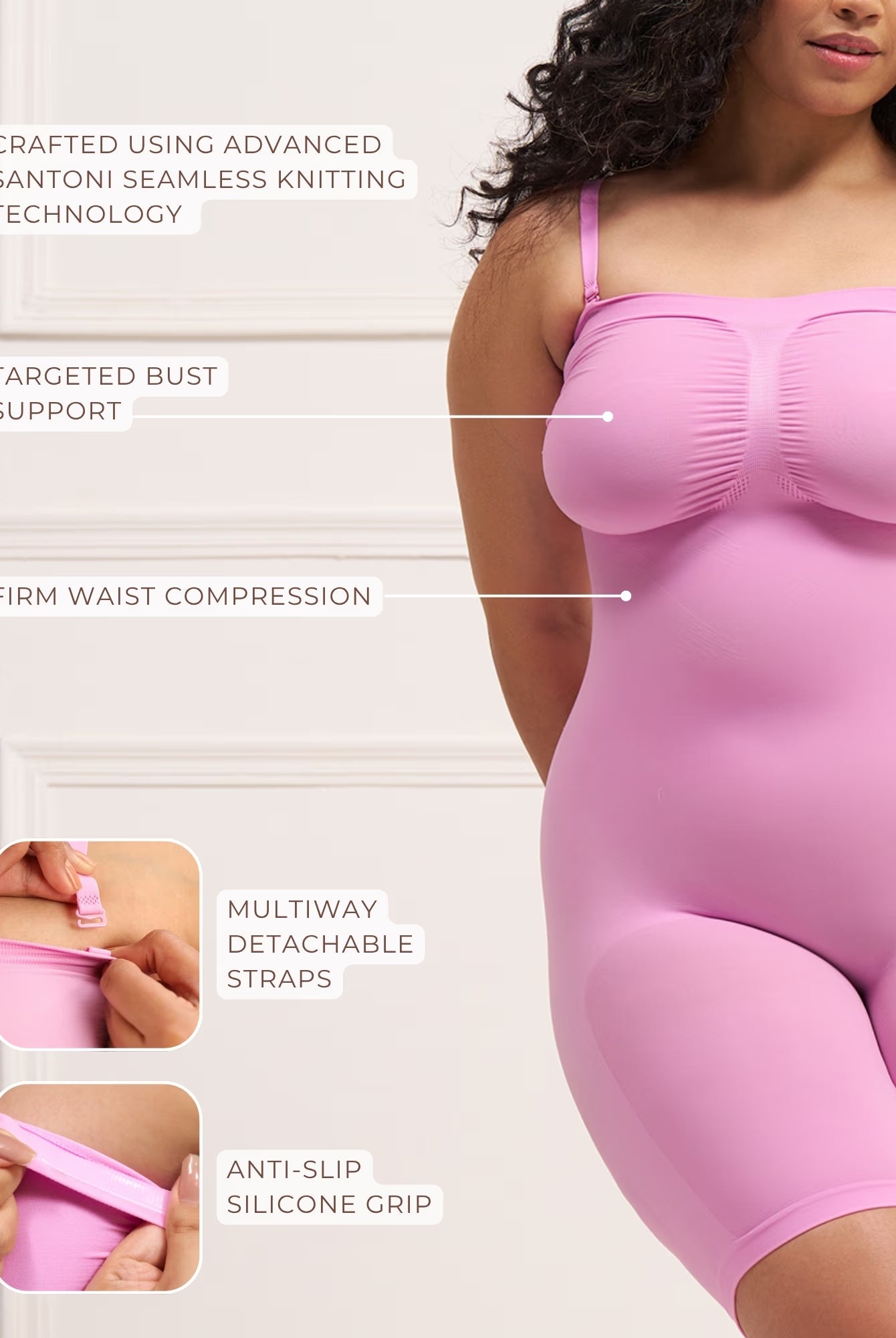
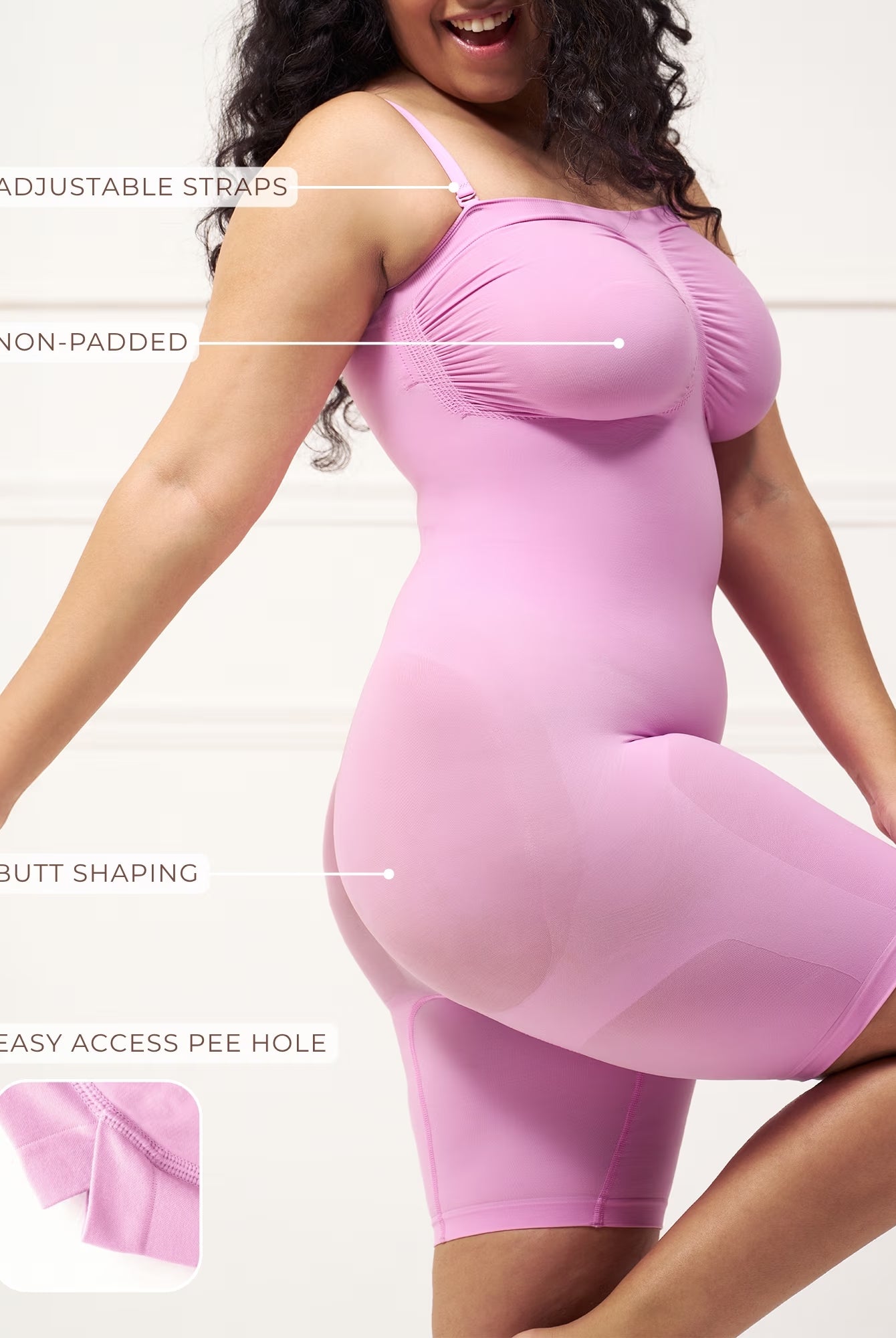
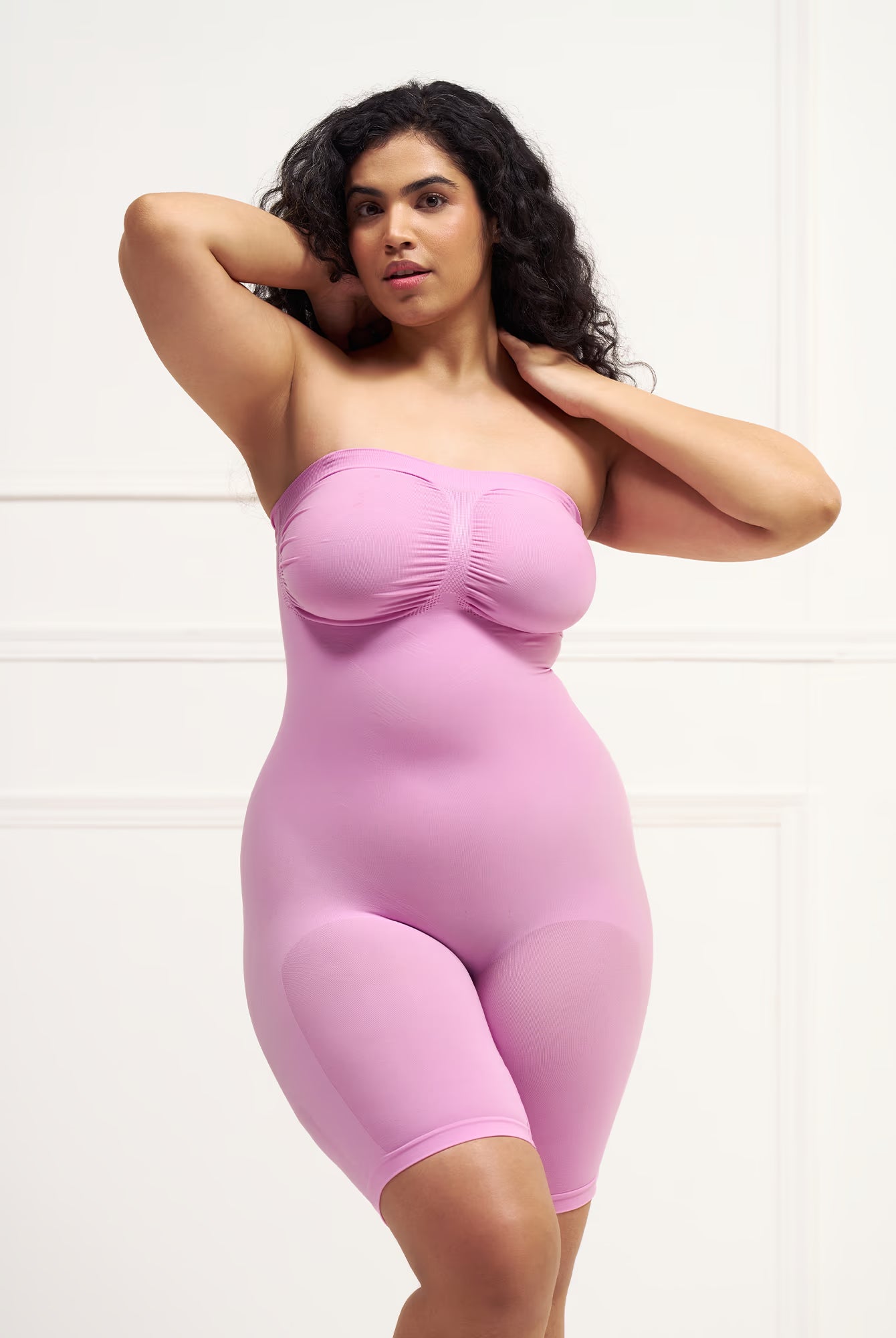
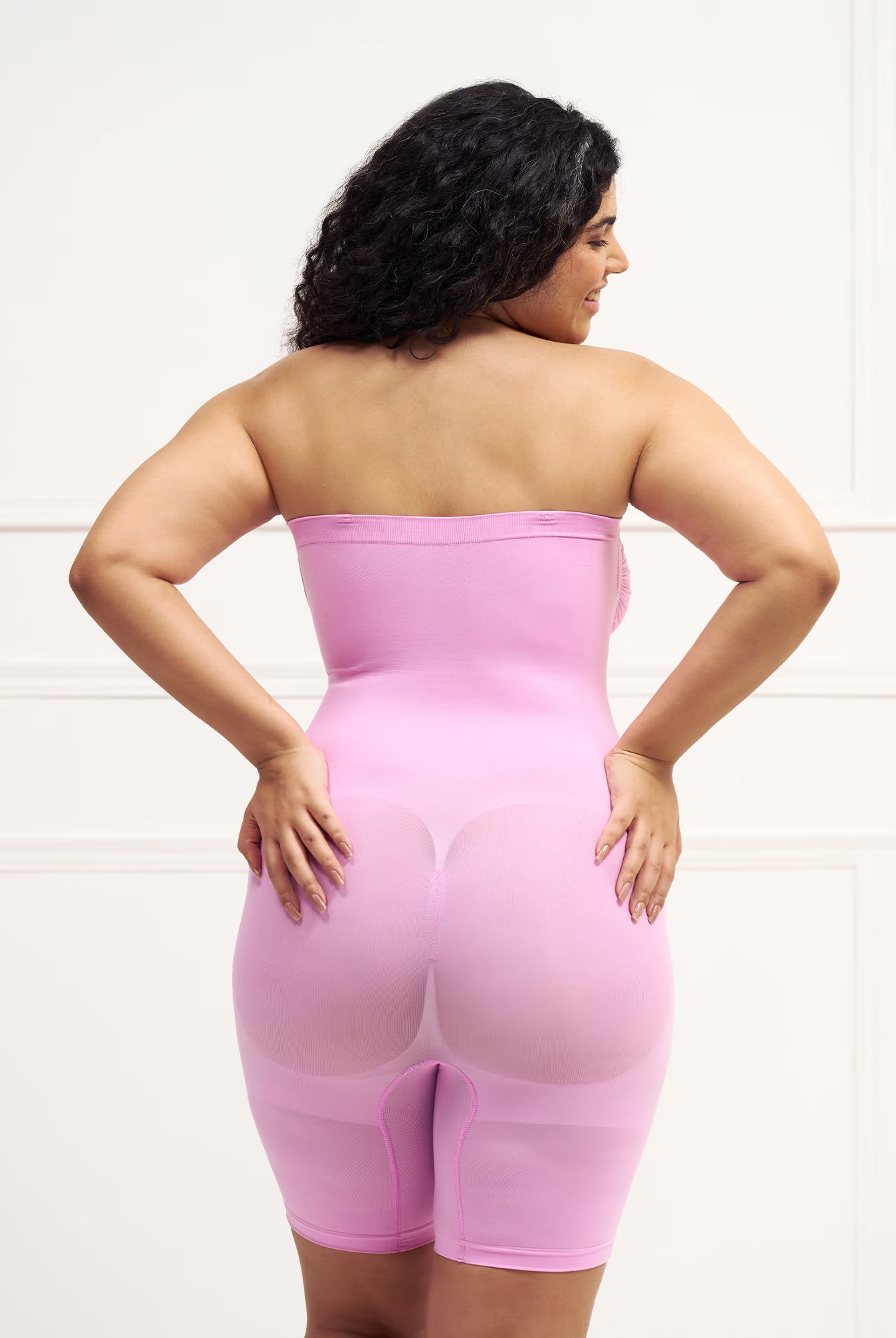
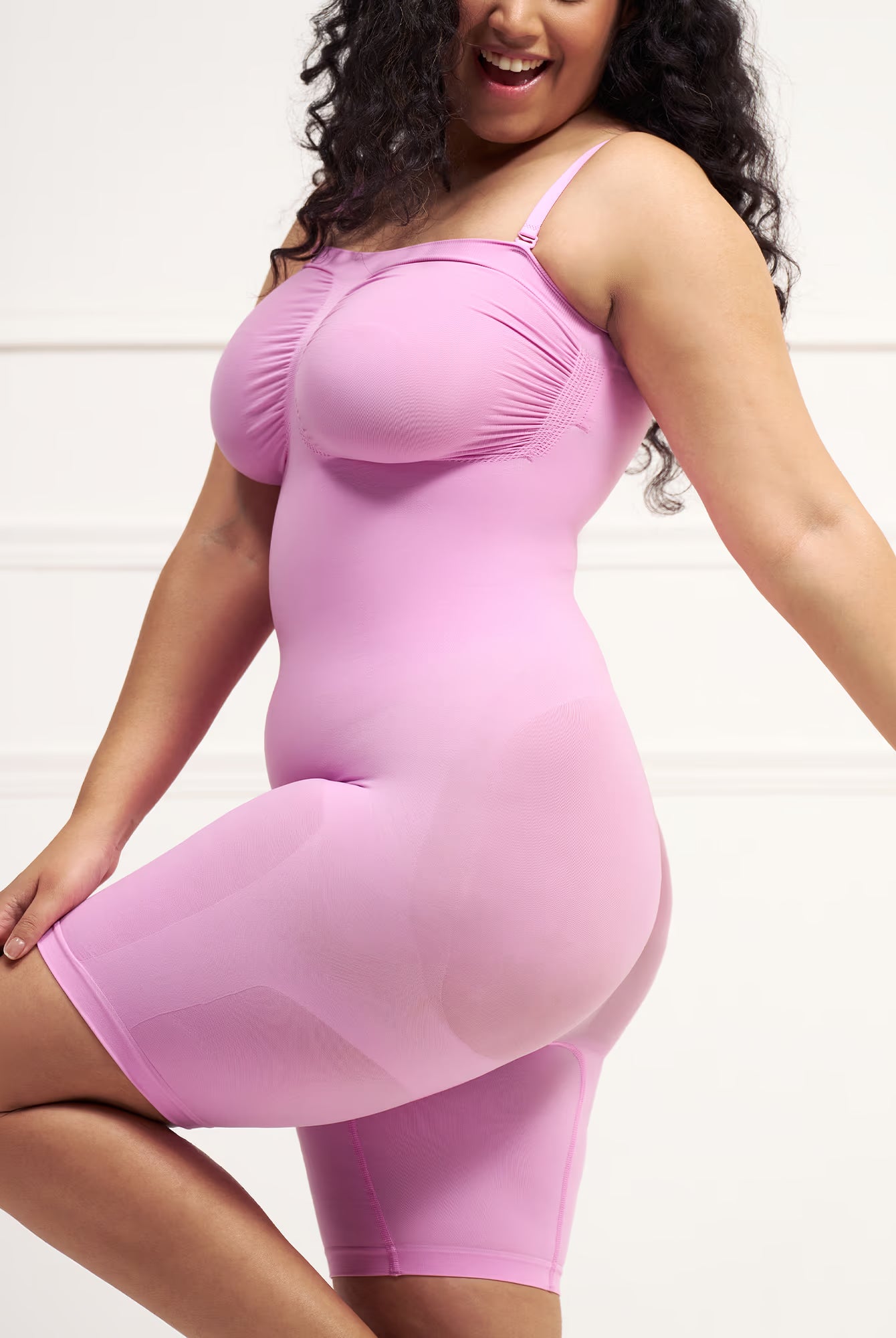
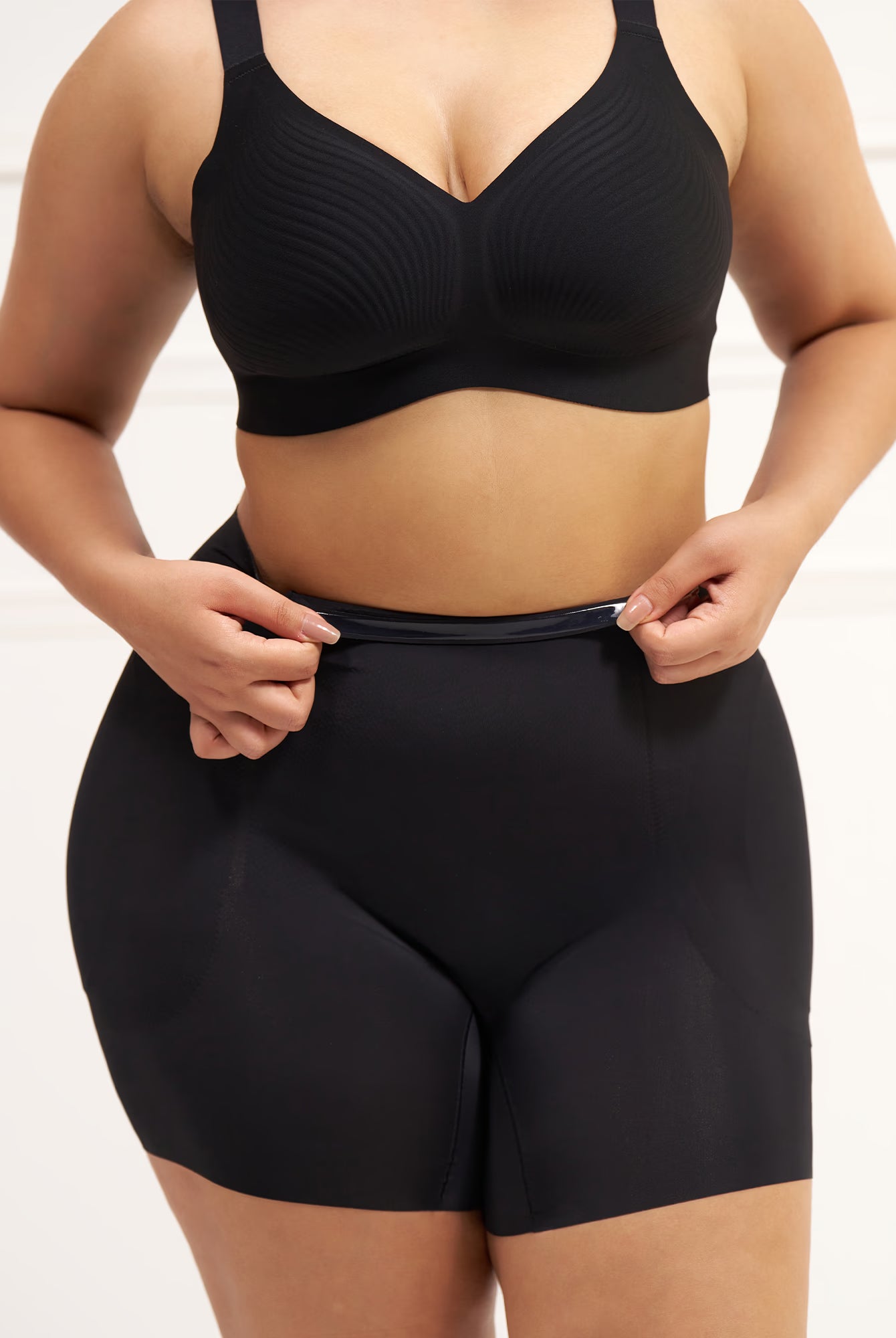
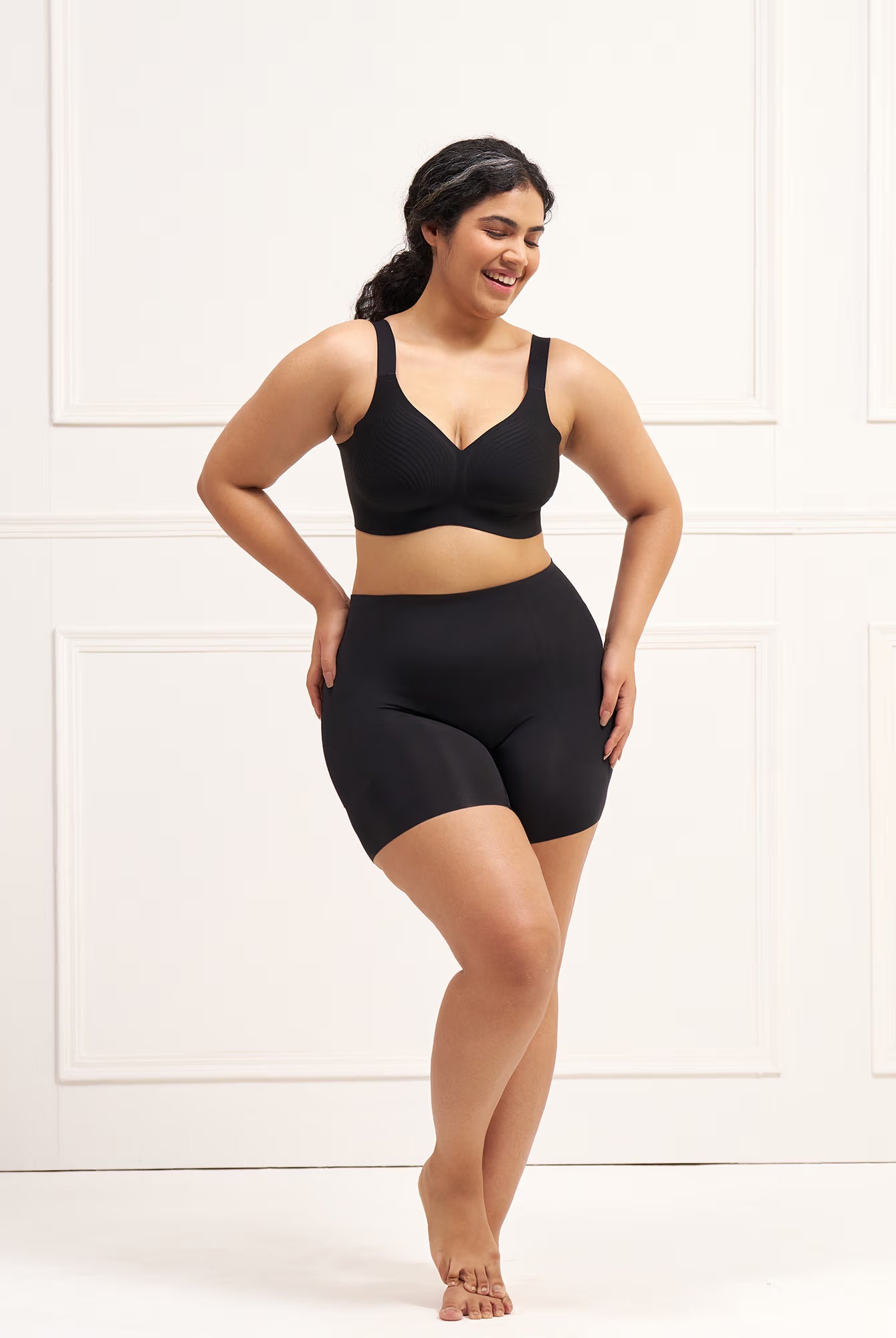
When you want effortless everyday shaping without the pinch: Reach for our Wireless Shaping Bra, a seamless non-padded T-shirt bra that gives gentle lift and zero pinching for all-day wear.
Conclusion
Life is way too short to spend it trapped in an uncomfortable bra. The side effects of wearing tight bra setups go way beyond temporary discomfort, affecting your skin health, posture, and daily confidence. Give your body the comfort it actually deserves by ditching the squeeze, getting measured properly, and choosing pieces that work with your body instead of fighting against it.
FAQs
Can wearing a tight bra cause health issues?
Yes, short-term issues like skin chafing, rash buildup, and muscle pain can turn into chronic back tension, nerve compression, and severe skin irritation if you wear undersized bras constantly.
How often should you replace a tight or uncomfortable bra?
Generally, you should evaluate your collection every 6 to 9 months. Elastane breaks down over time, and body sizes naturally change. If a bra feels tight or uncomfortable despite adjusting the hooks, it is time to replace it.
Can wearing the wrong bra size cause long-term discomfort?
Absolutely. Wearing an incorrect size over months or years can lead to persistent back strain, skin discoloration around the band area, and chronic shoulder fatigue.
Which Type of Bra Can Help Prevent Tightness?
Seamless bras, wire-free t-shirt styles, and broad-band bralettes made with high elastane blends prevent localized pressure points and adapt much better to your daily body movements.
Can a tight bra leave marks on the skin?
Yes. Deep red indentations or grooves after taking off your bra are the most direct sign that the band or straps are too small and putting excess pressure on your skin.