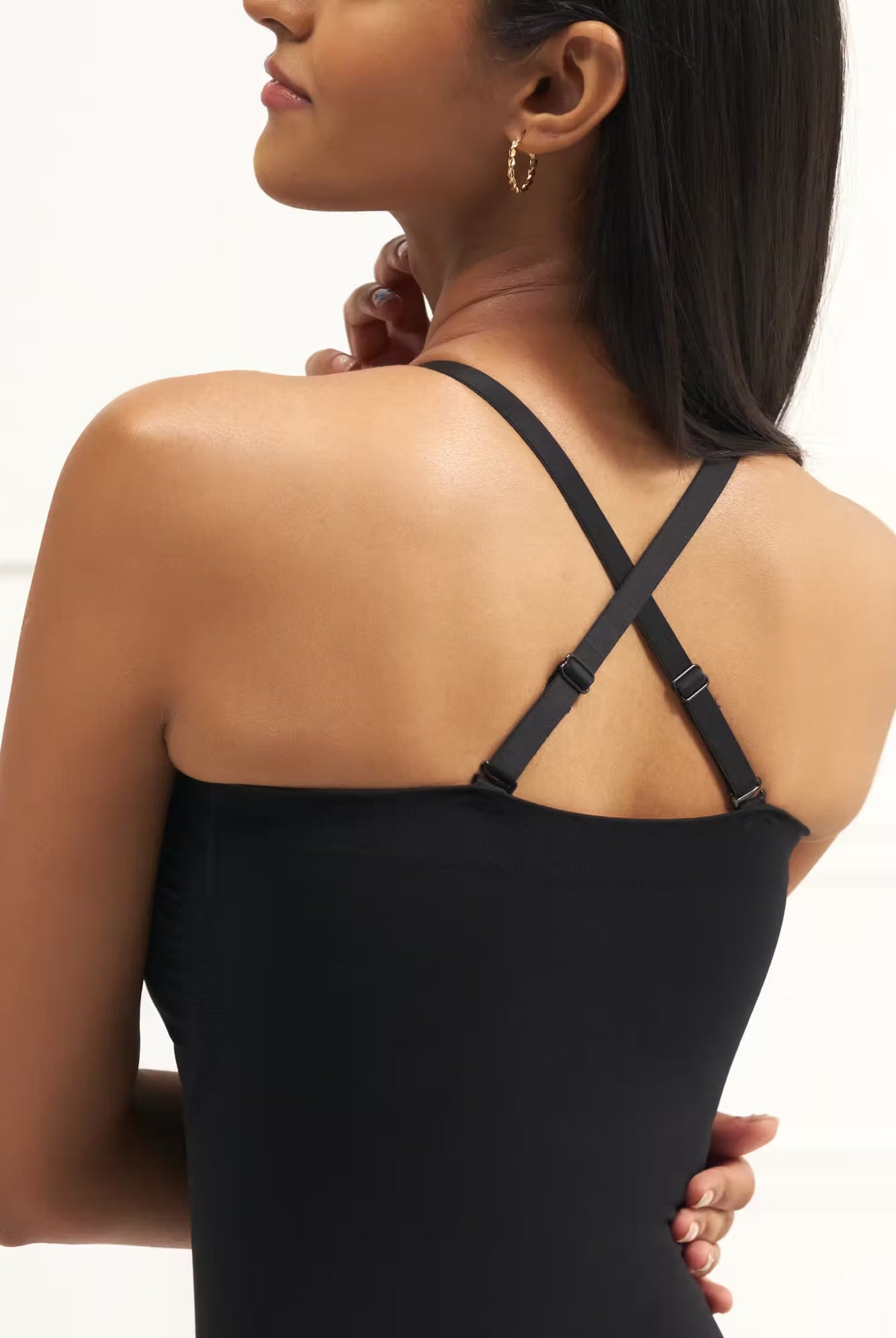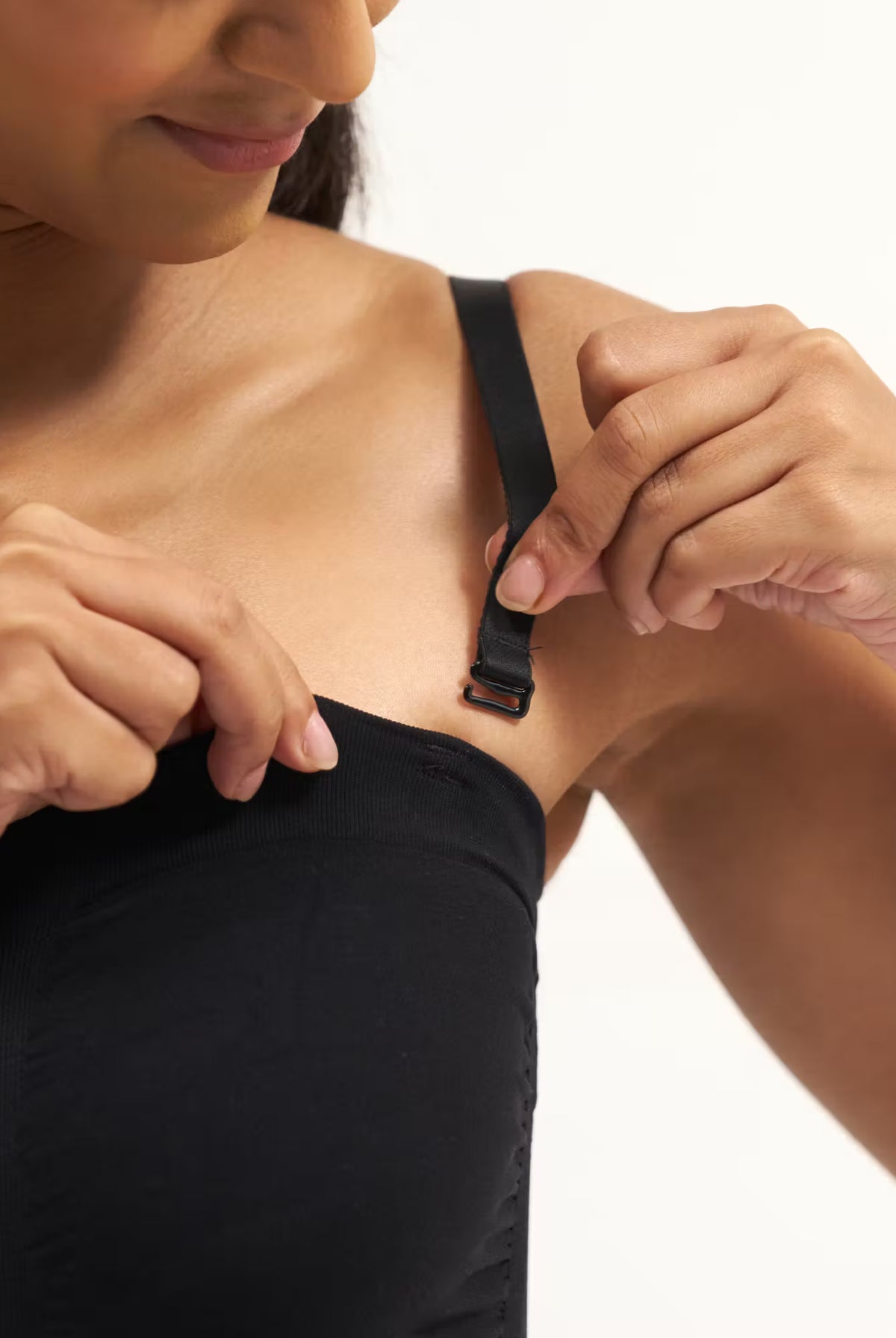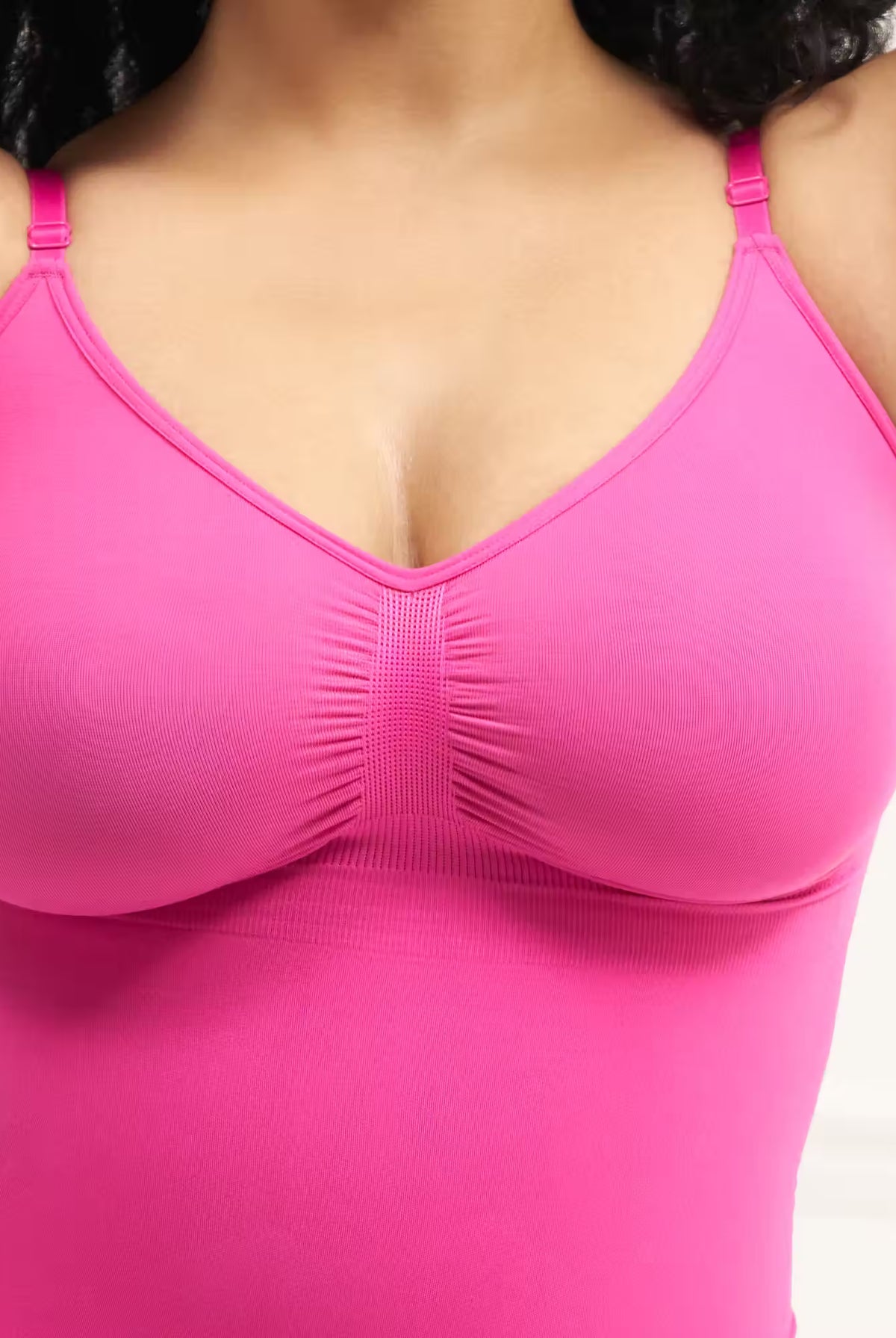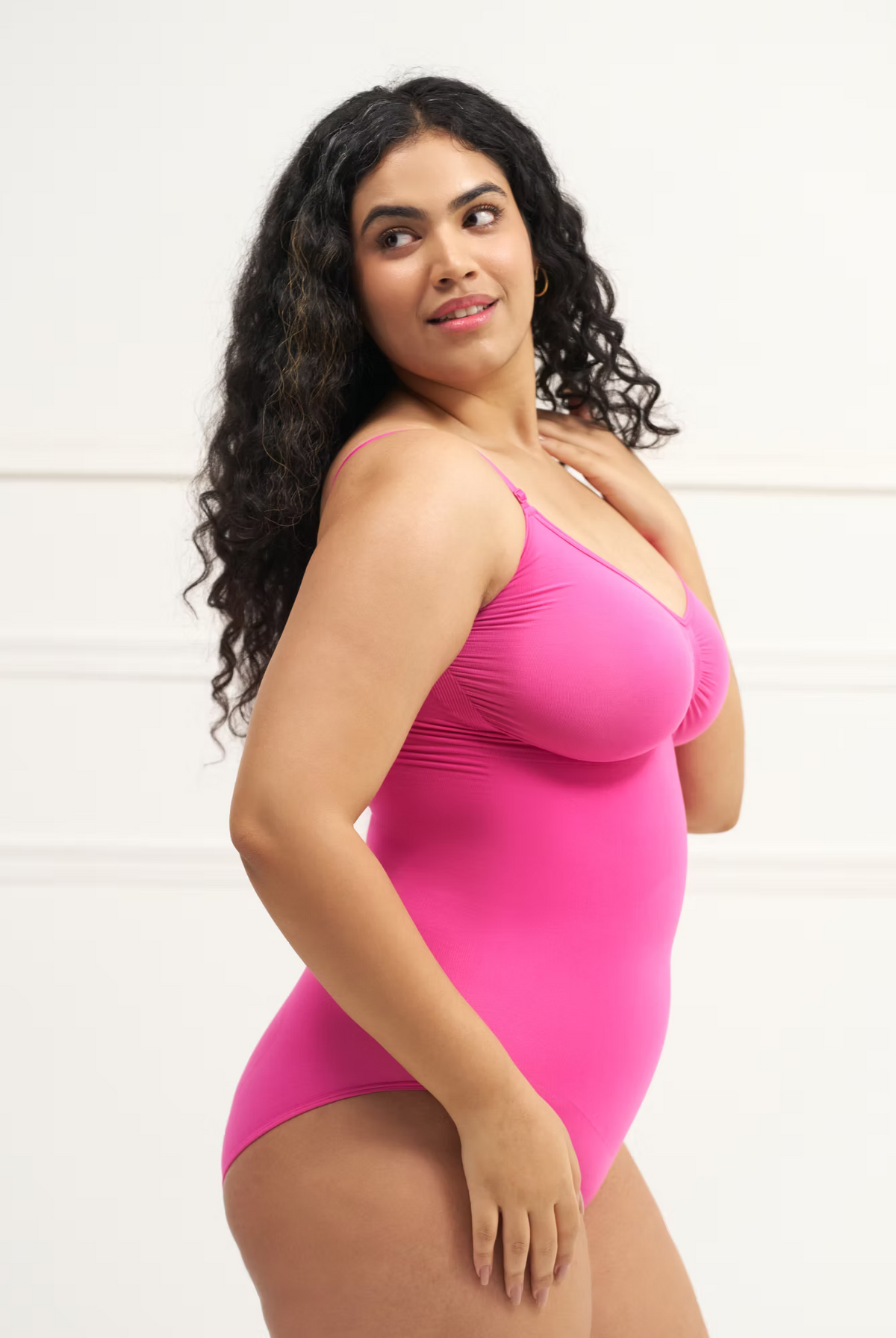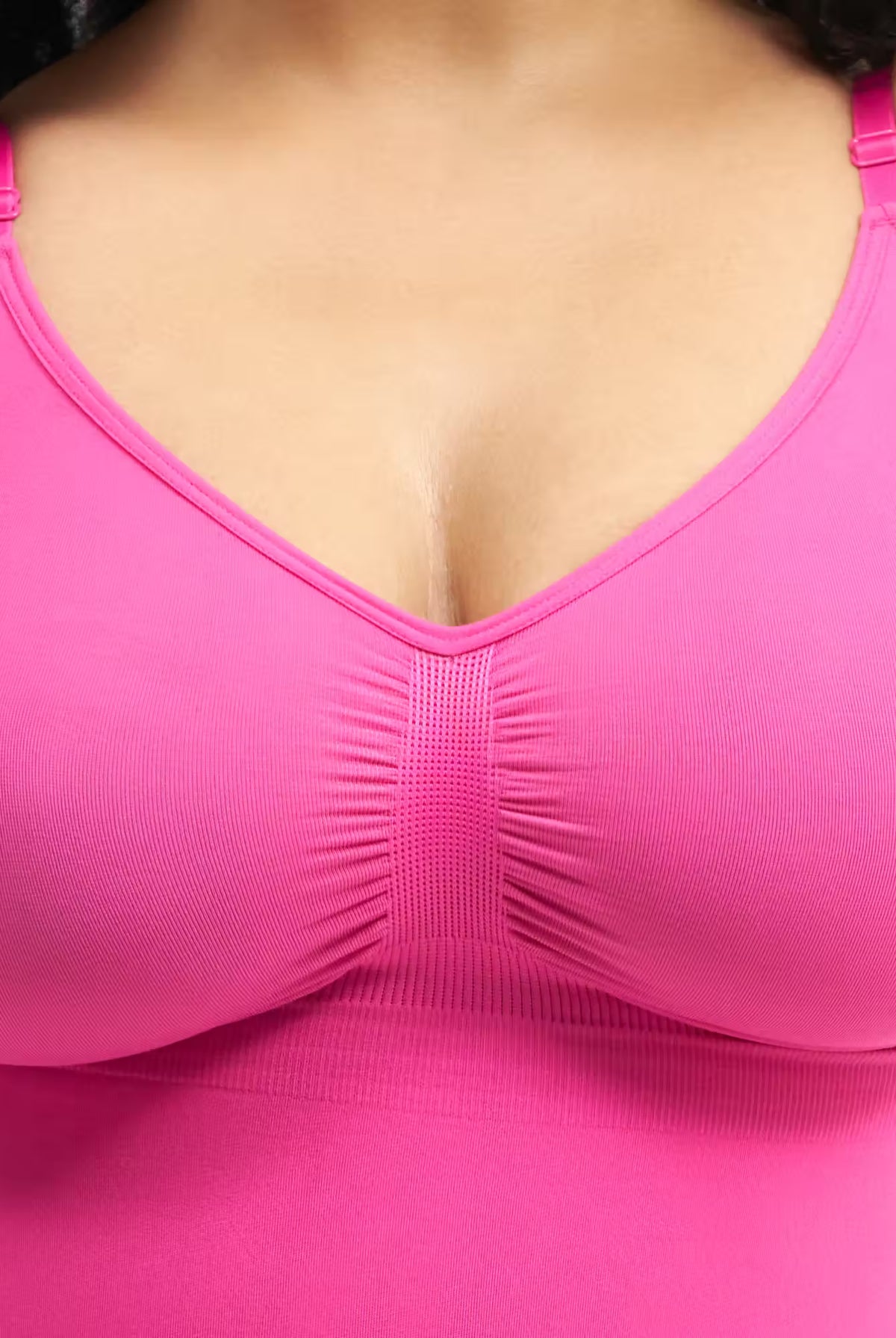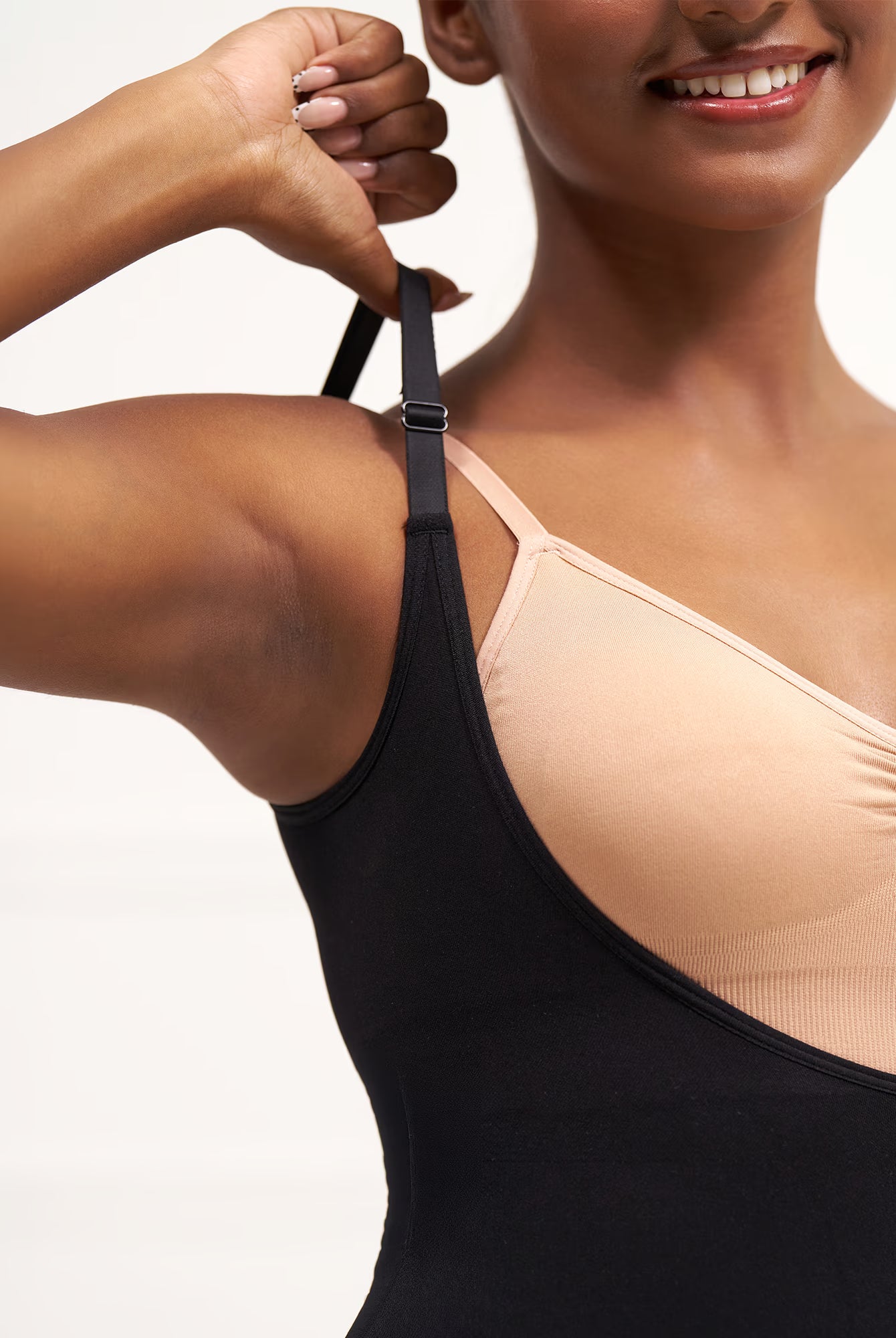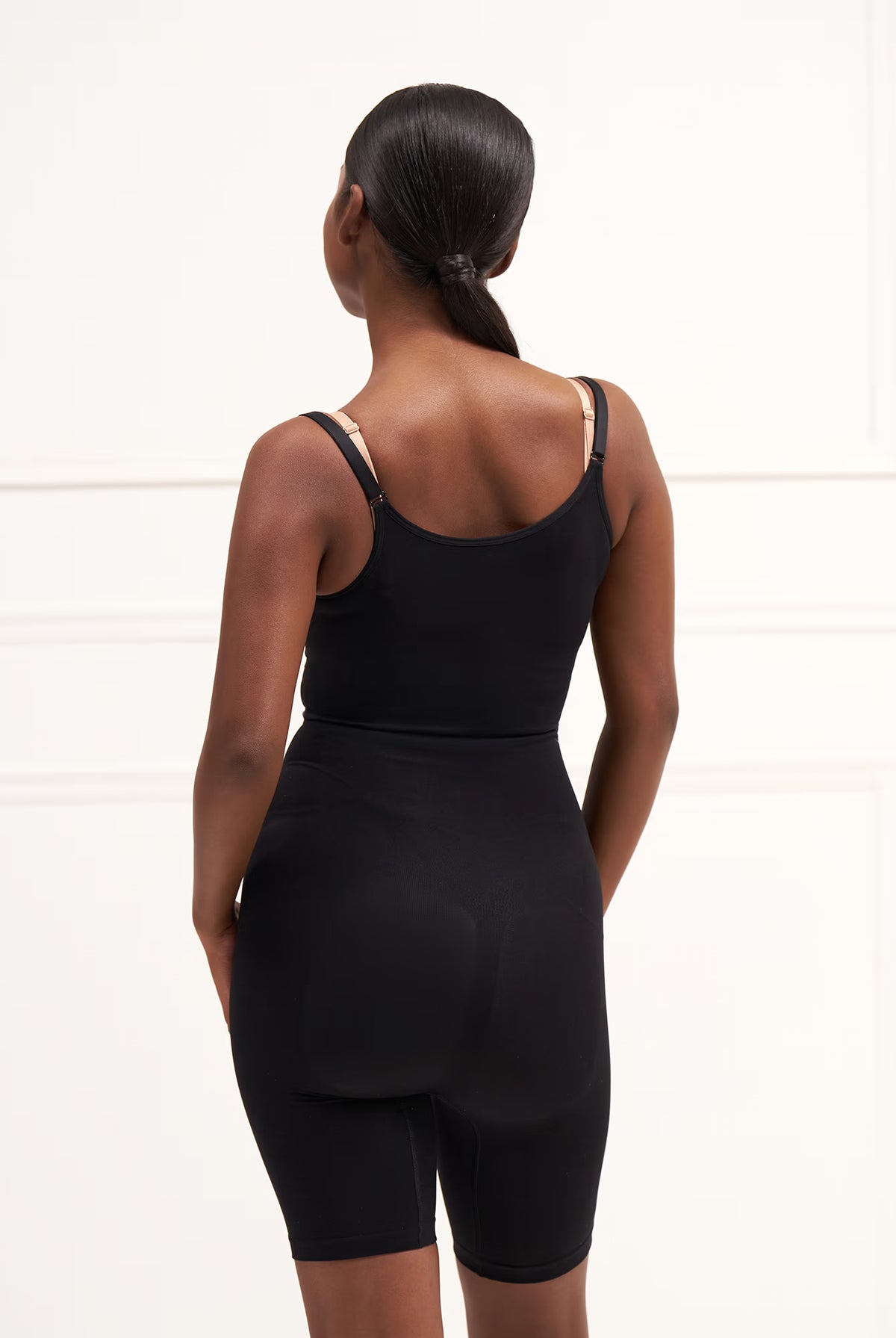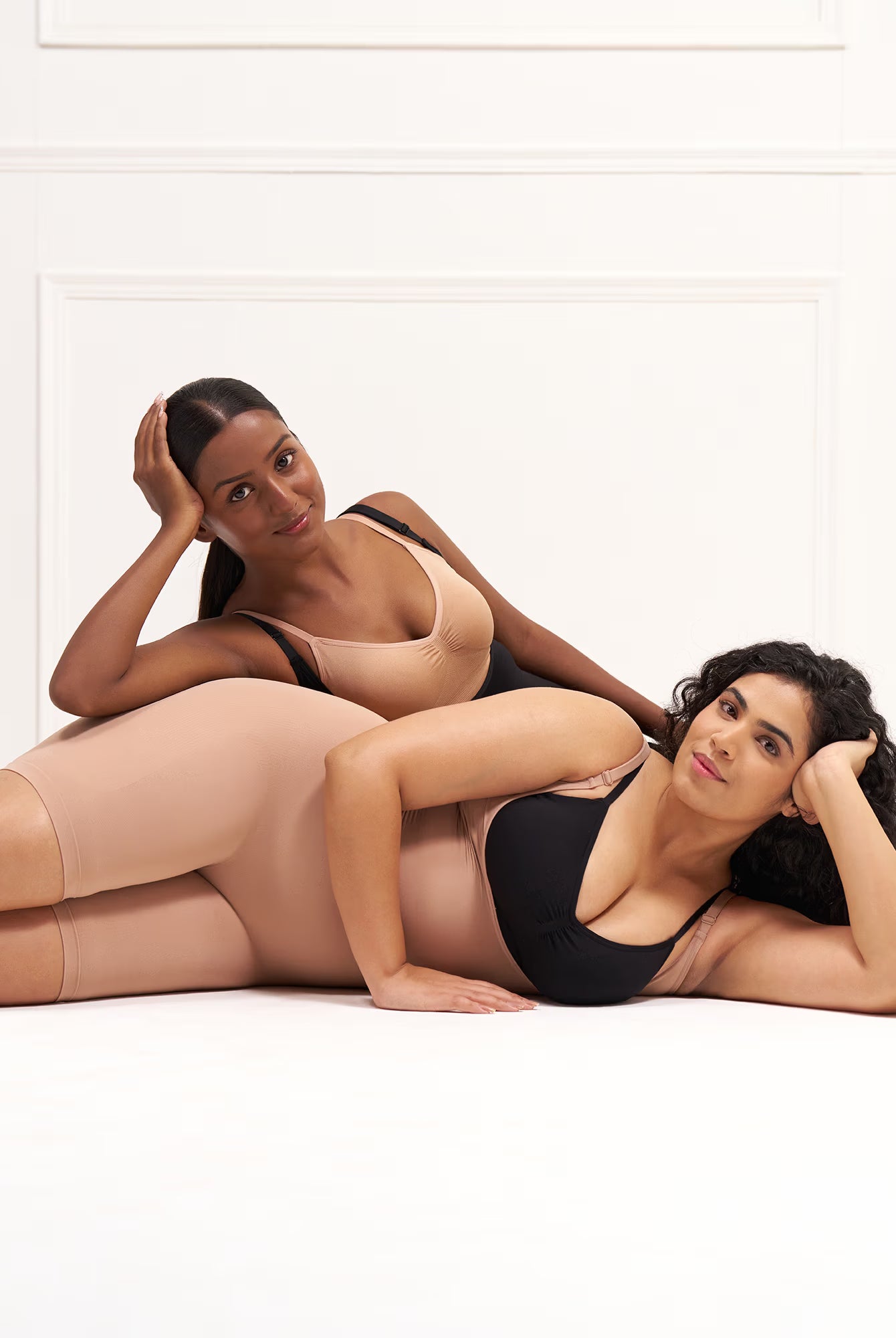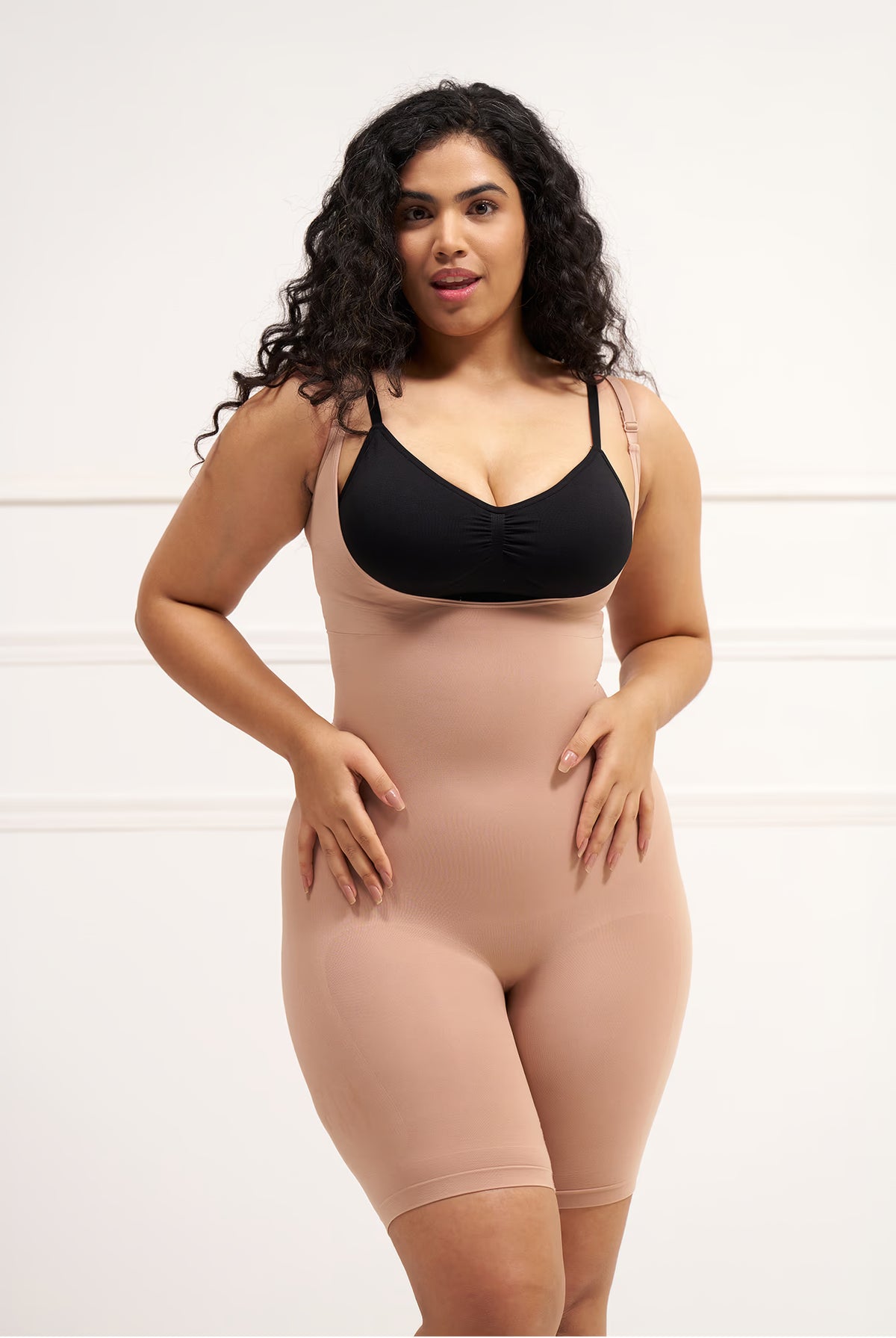






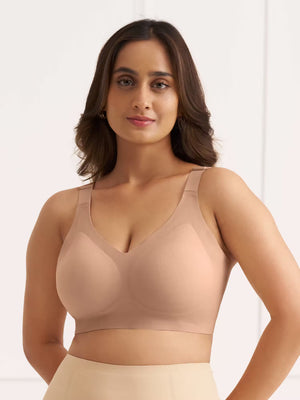

Pregnancy comes with plenty of surprises, and suddenly outgrowing your favourite clothes is one of them.
As your body changes, your jeans start feeling snug, your go-to top fits differently around your bust, and that bra you've worn for months without a second thought? The band feels tighter, the cups seem too small, and you're adjusting your straps every few hours. And somehow, getting dressed has become a whole new task!
Your body is changing. Your bra needs to catch up. This is where the maternity bra vs normal bra question comes in. A regular bra isn't automatically the wrong choice during pregnancy, but a maternity bra is designed around some of the changes your breasts and rib cage can go through during this time.
Let's start with what actually makes a maternity bra different.
What is a Maternity Bra?

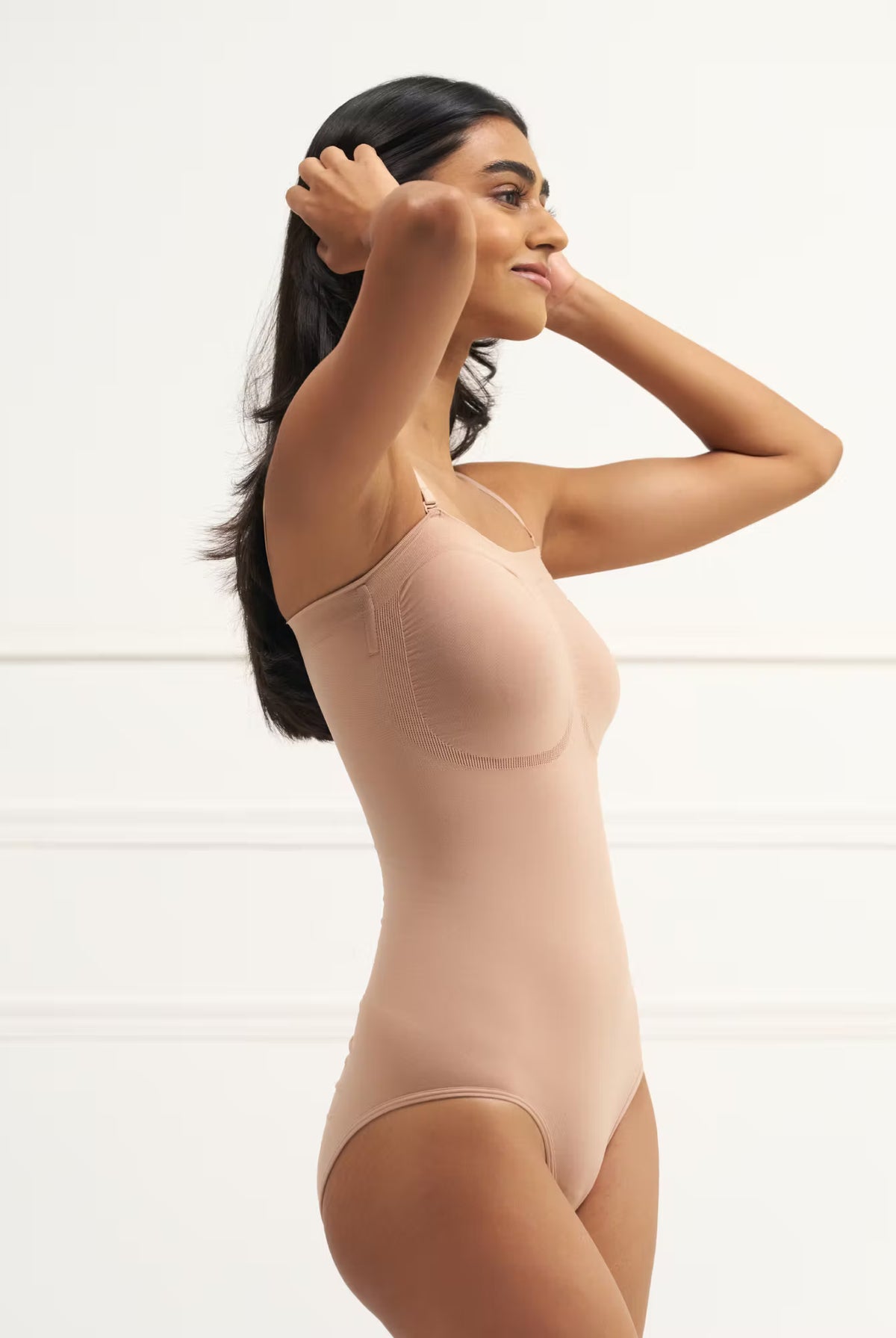
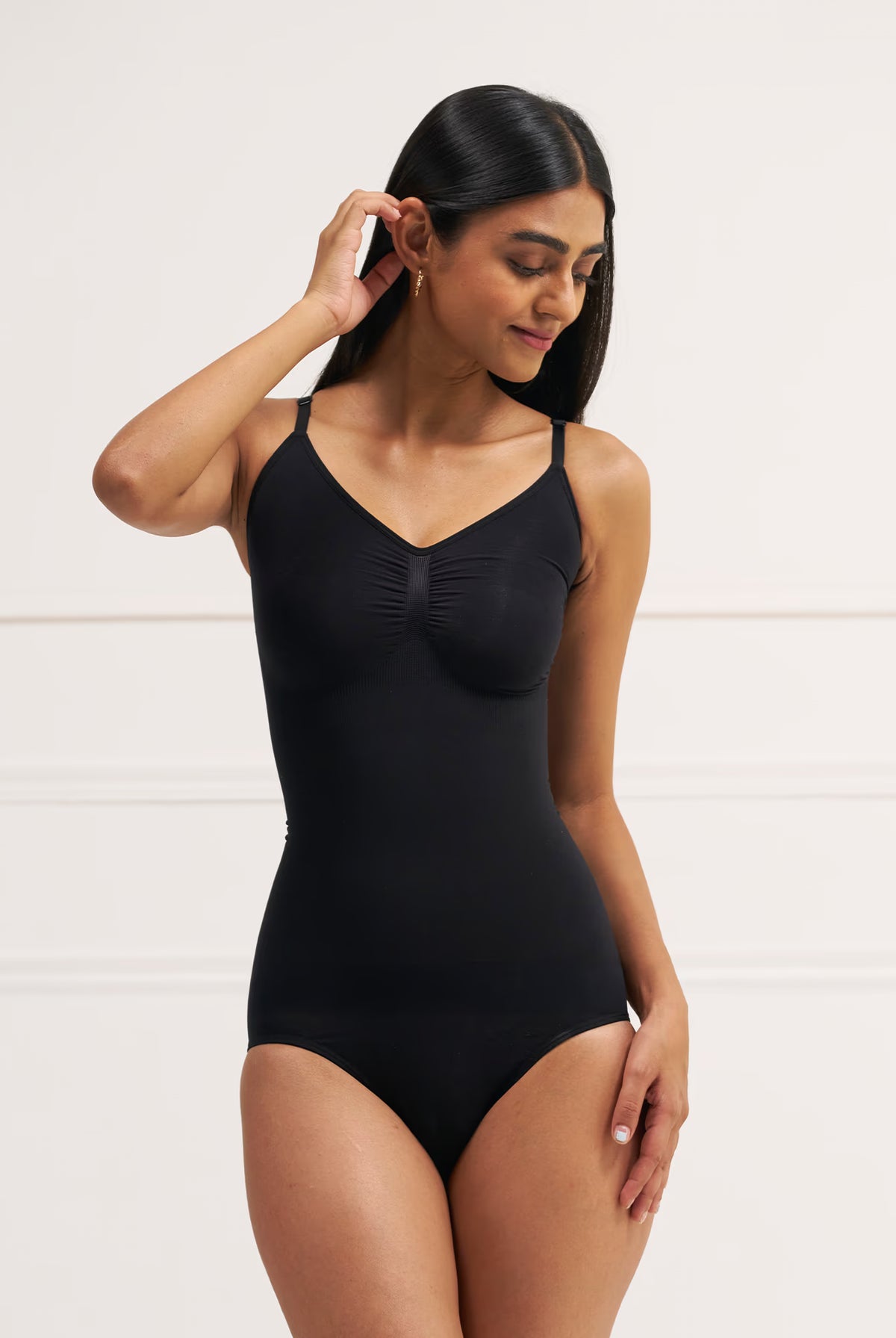
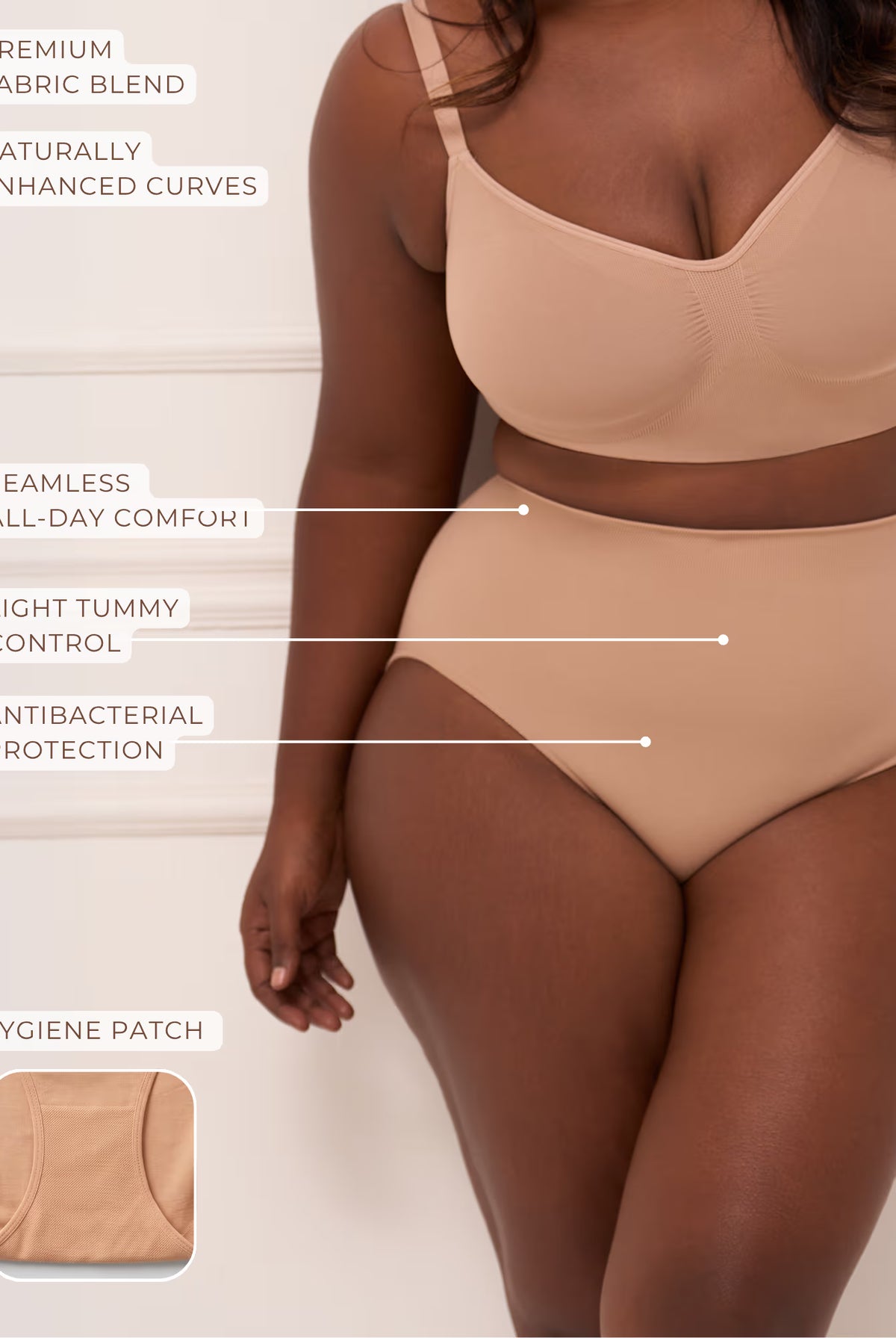
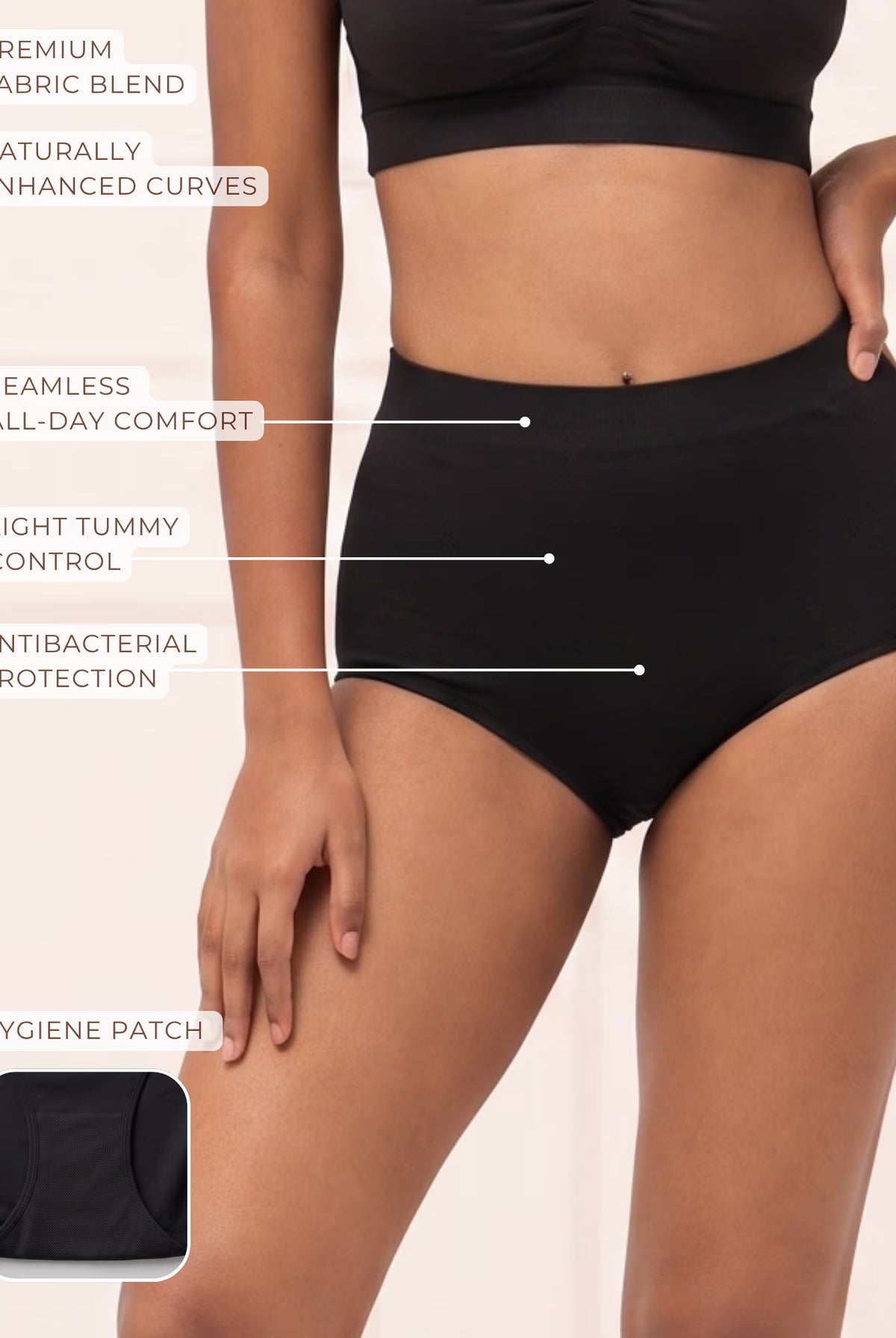
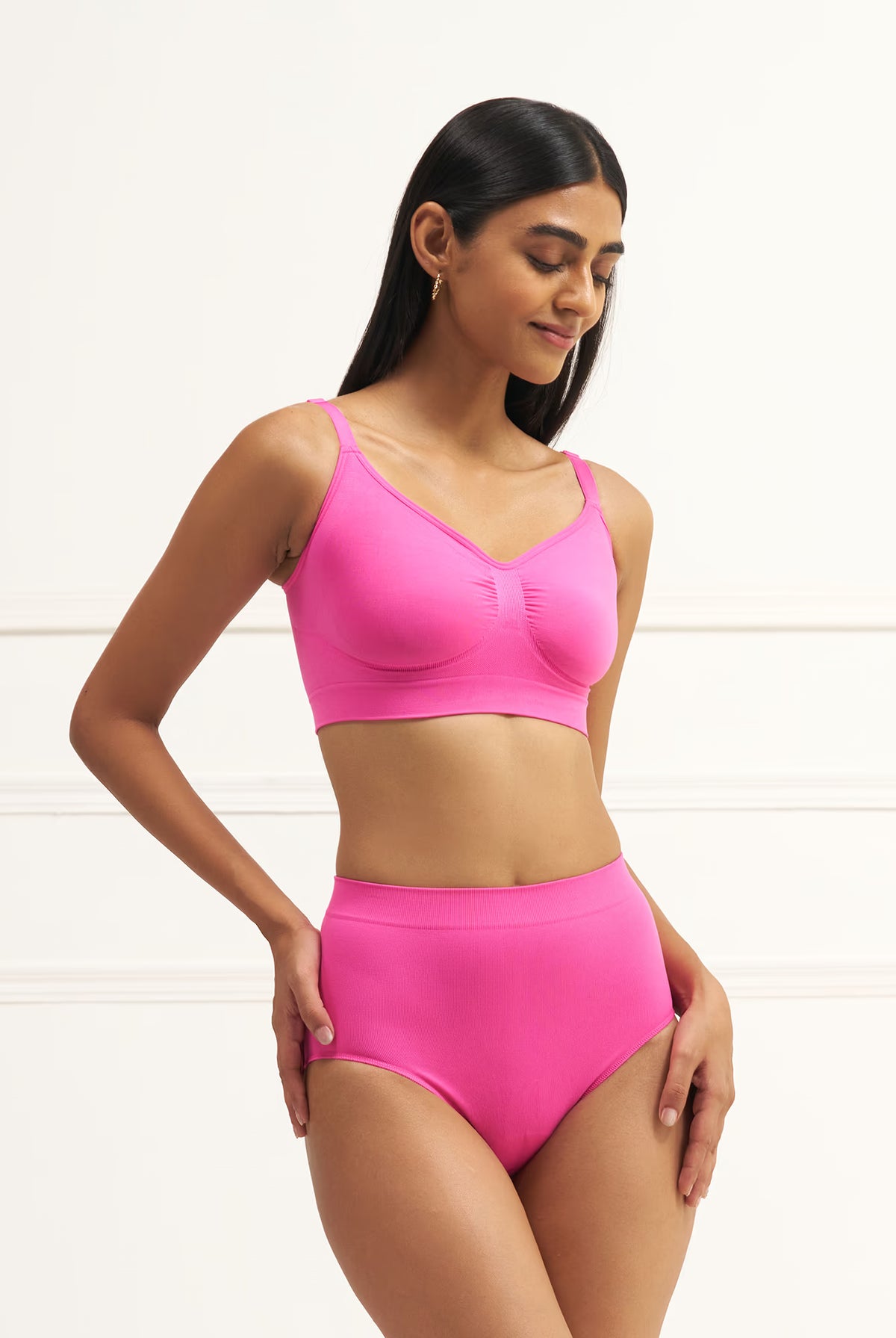
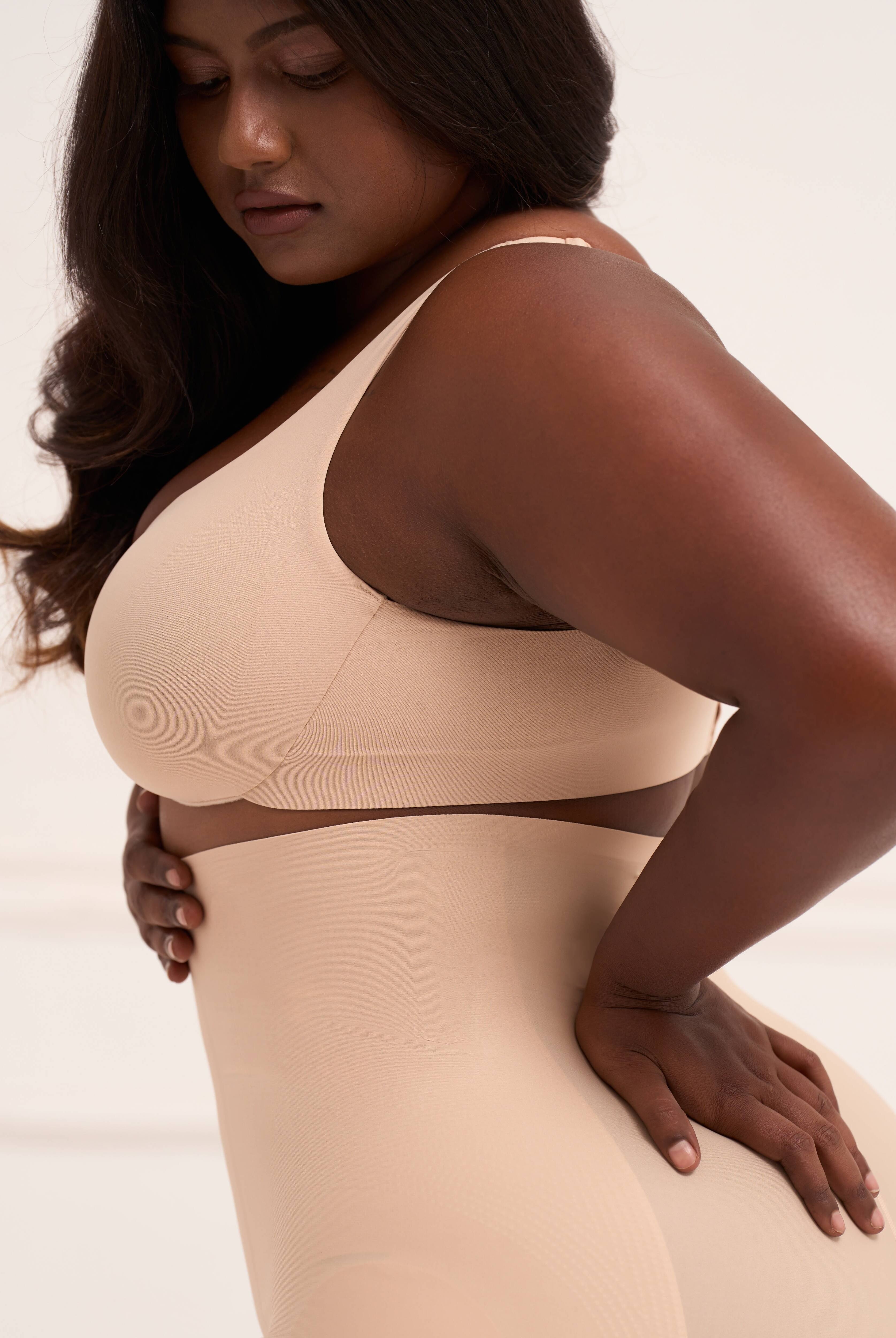
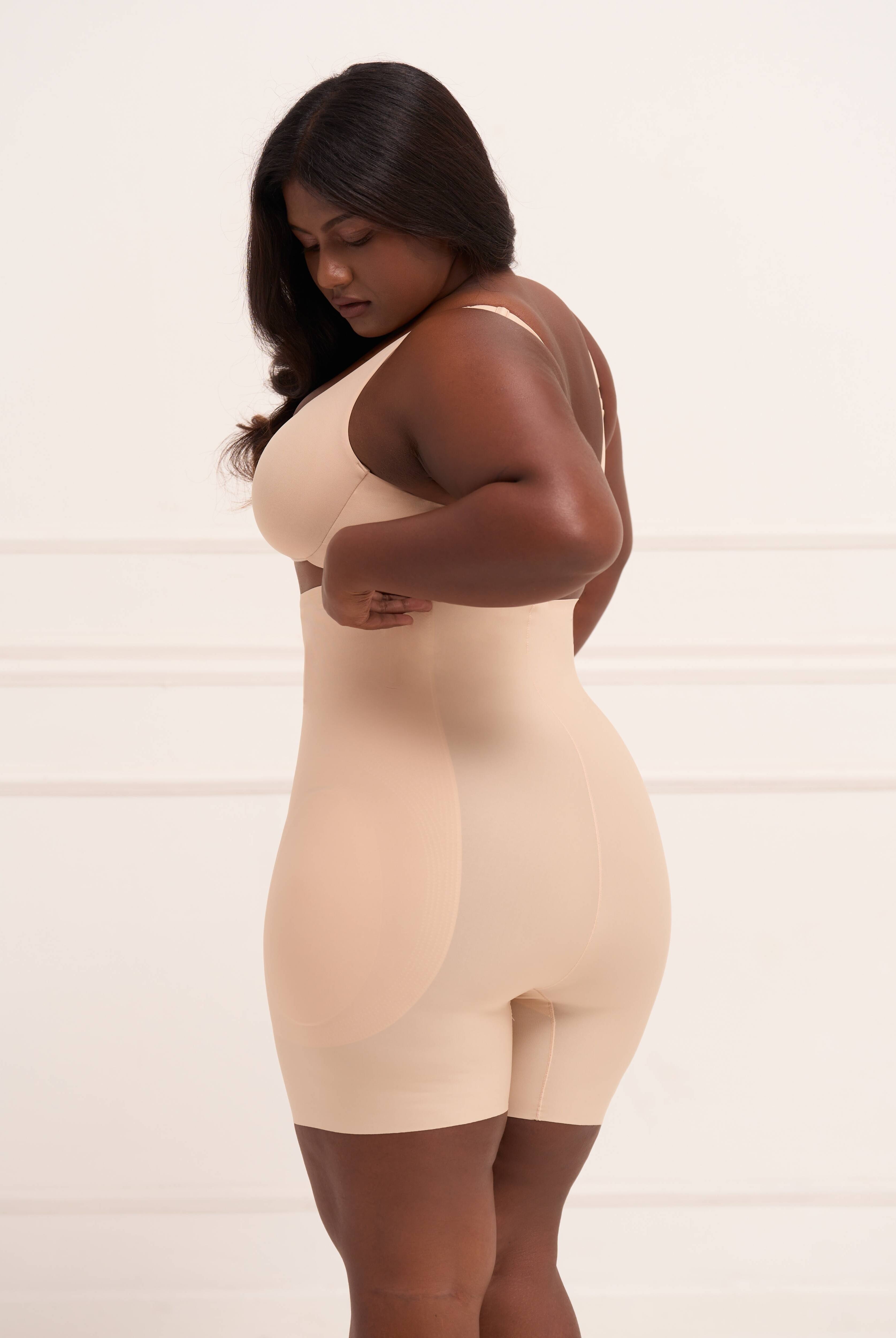
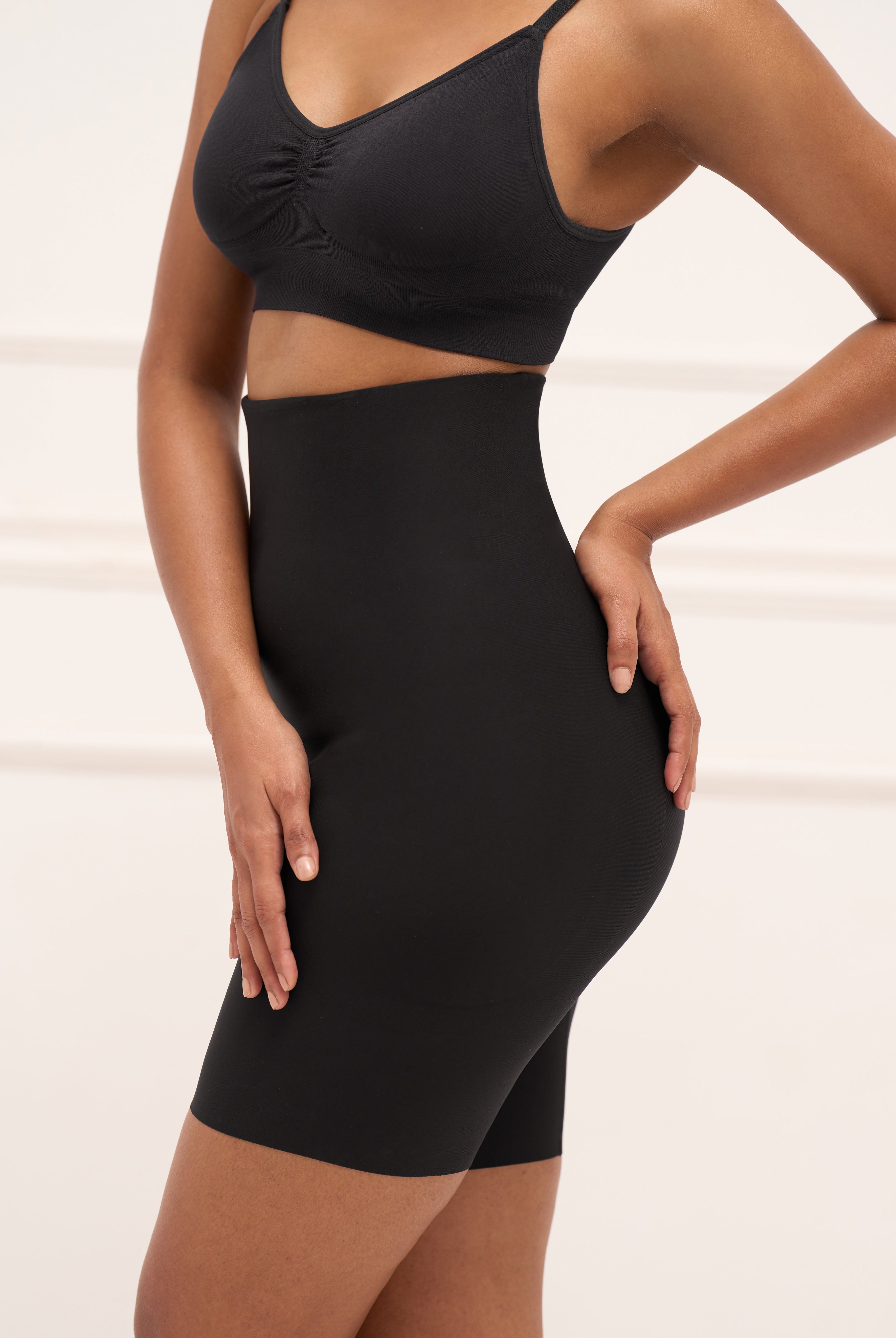
A maternity bra is designed to accommodate changing breast size, increased sensitivity and the need for more flexibility during pregnancy. The idea isn't complicated. You need a bra that can give you support without feeling like you're being squeezed into yesterday's size.
Maternity bras generally focus more on comfort, coverage and adjustability. Some are also designed with nursing access, which means you can continue using them after your baby arrives. And that last part can be surprisingly useful. One less thing to replace when you're already buying approximately a thousand things for a baby.
Now that we know what makes a maternity bra different, let's look at the features that actually make that difference.
Features of a Maternity Bra
The best maternity bras are built around flexibility rather than simply making the bra bigger.
-
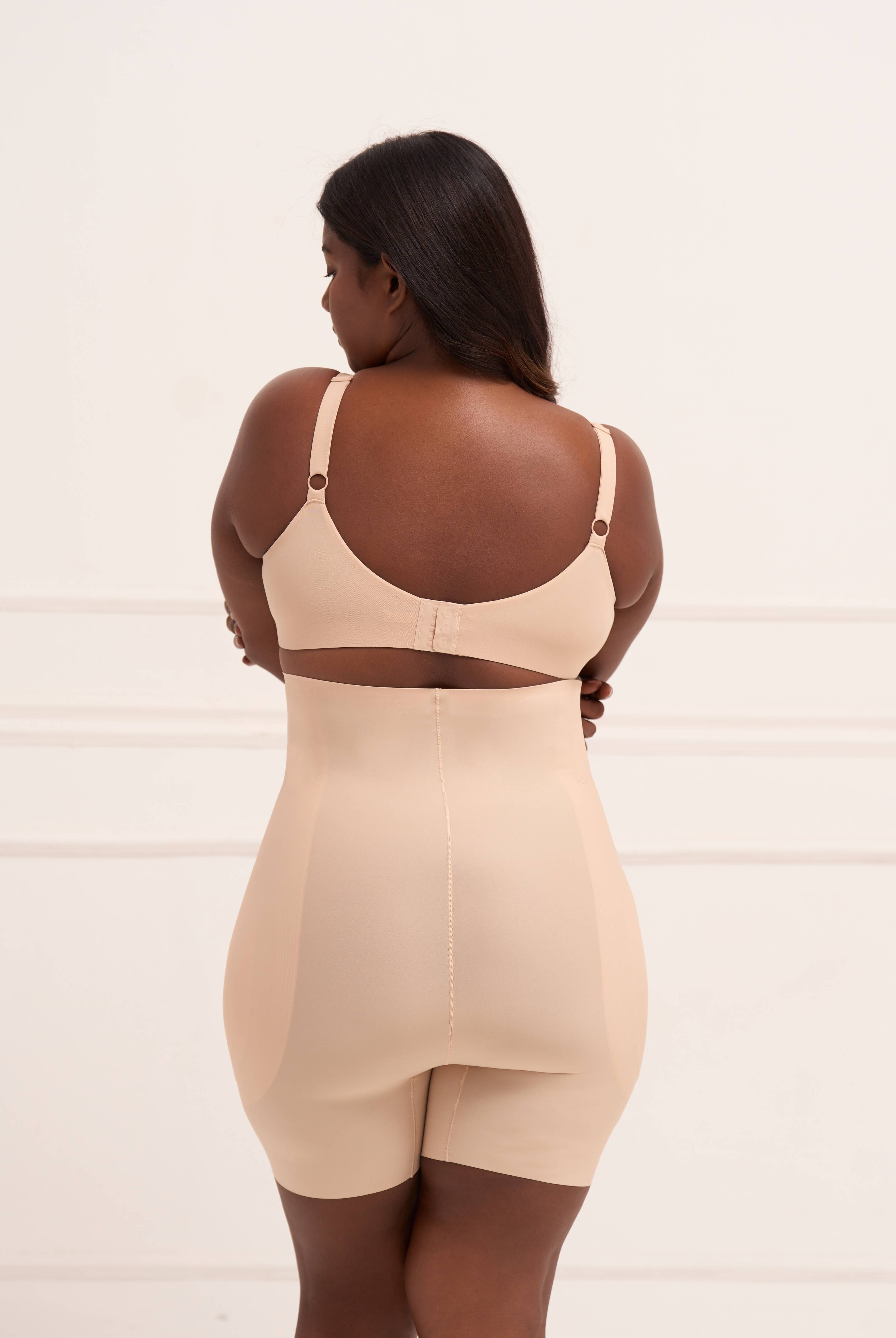
Stretchable fabric: Allows the bra to accommodate changes in breast size and shape.
-
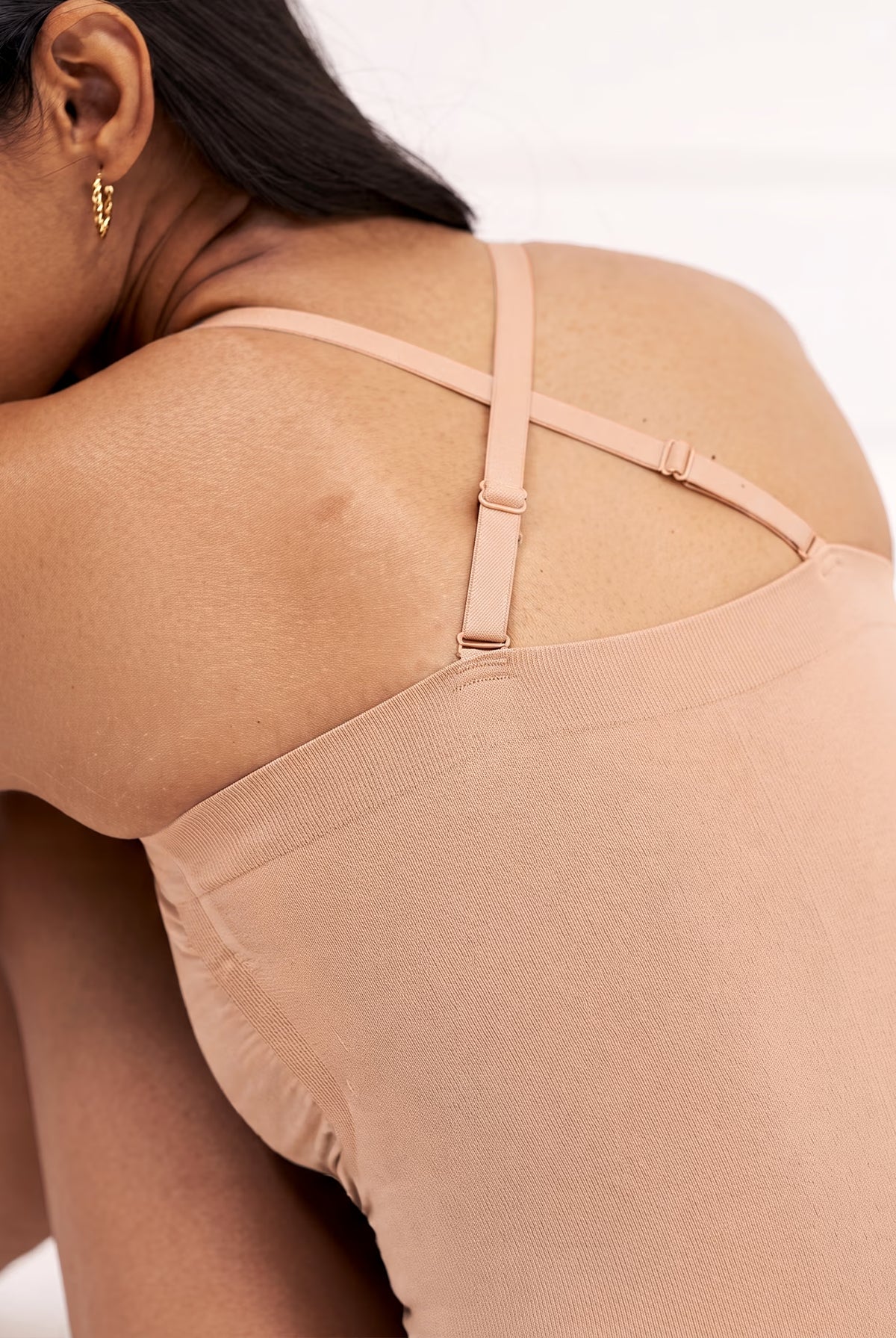
Wider straps: Help distribute the weight more comfortably across the shoulders.
-
Supportive bands: Provide stability without feeling unnecessarily restrictive.
-
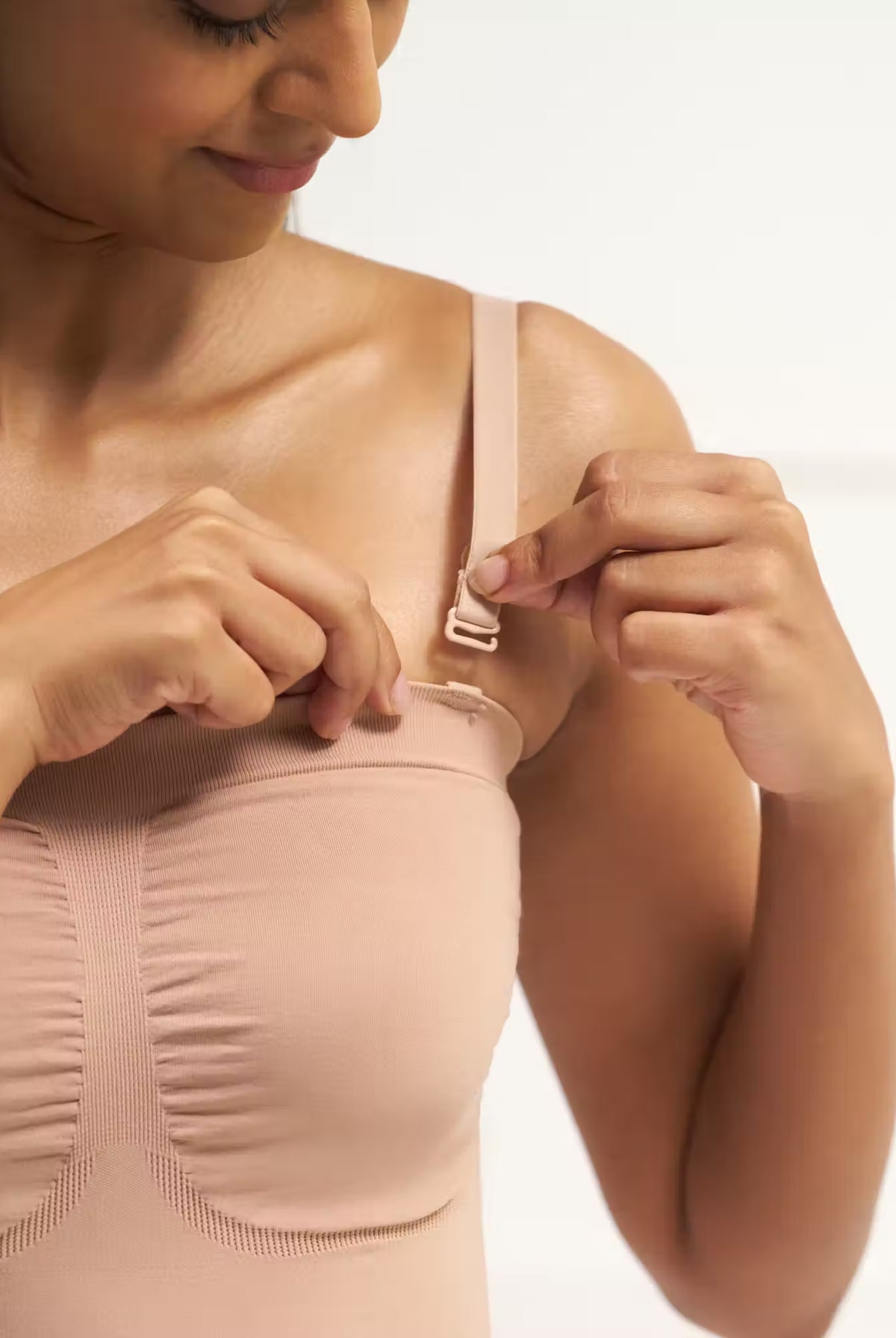
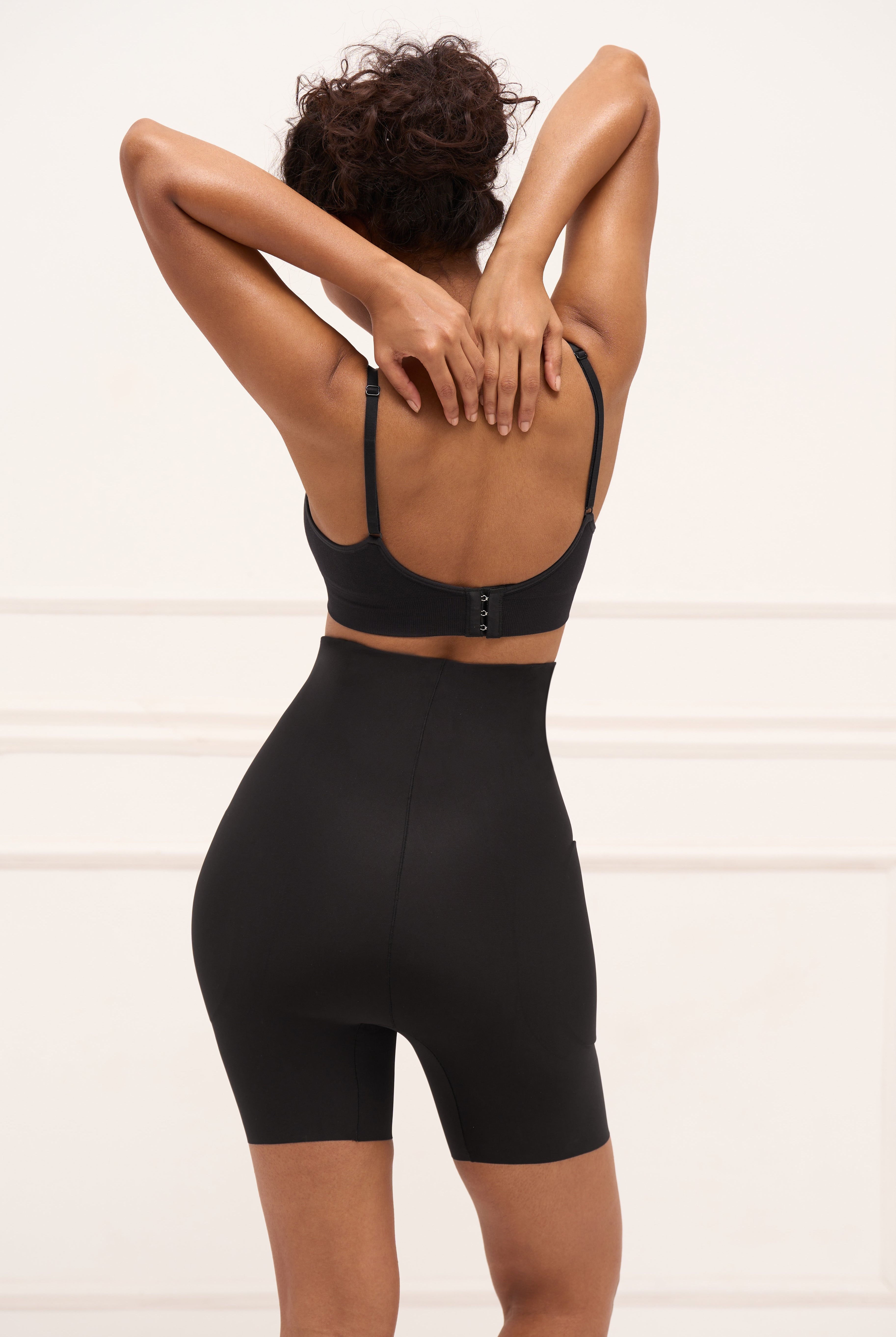
Multiple hook-and-eye settings: Give you room to adjust the fit as your body changes.
-
Fuller coverage: Helps keep changing breast tissue comfortably contained.
-
Soft construction: Useful when your breasts feel more sensitive than usual.
-
Nursing access: Some maternity styles have clips or drop-down cups for easier breastfeeding later.
The important thing is that these features work together. A stretchy cup alone doesn't make a bra a good maternity bra if the band is constantly riding up.
And that brings us to the bra most of us already have sitting in the drawer: the normal bra.
What is a Normal Bra?

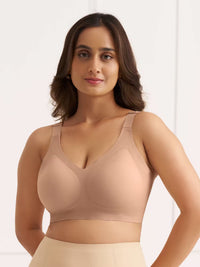
A normal bra is your everyday bra, designed for relatively stable breast size and shape. It comes in practically every style you can think of: T-shirt bras, padded bras, wired bras, non-wired bras, push-up bras, full-coverage styles and more.
There's nothing inherently wrong with wearing one during pregnancy. The problem usually starts when your body changes but your bra doesn't.
That old 34B you've been wearing for years doesn't get a special exemption just because you've had it forever. So, what does a regular bra typically offer?
Features of a Normal Bra
Regular bras are generally designed around everyday support, shape and style.
-
Different cup shapes: From full coverage to demi and other styles.
-
Wired and non-wired options: You can choose based on your preferred level of structure.
-
Different levels of padding: From completely non-padded to more structured cups.
-
Standard adjustability: Usually includes adjustable straps and a few hook-and-eye settings.
-
Variety of fabrics: Cotton, microfiber, lace and blended fabrics are common.
-
Style-focused designs: Plenty of options for different outfits, necklines and preferences.
They're great when your size is fairly stable, and the bra fits properly.
Here's where the difference between a maternity bra and a normal bra becomes much easier to understand.
Differences Between Maternity Bras and Regular Bras?
The biggest difference isn't that one is “better” than the other. It's what each one is designed to handle.
| What matters | Maternity Bra | Normal Bra |
|---|---|---|
| Primary purpose | Comfort and support through body changes | Everyday support, shape and style |
| Fit | Designed with changing measurements in mind | Usually designed for a more stable size |
| Fabric | Often softer and more flexible | Varies by style and construction |
| Adjustability | Usually offers more room for adjustment | Standard strap and band adjustment |
| Coverage | Often fuller for changing breast size | Varies from light to full coverage |
| Support | Built around comfort and changing weight | Depends on the bra style and fit |
| Underwire | Often wireless or designed with softer construction | Available in both wired and non-wired styles |
| Nursing access | Available in many maternity/nursing styles | Usually not included |
| Best suited for | Pregnancy and the transition into nursing | Everyday wear when size is relatively stable |
So, do you need a maternity bra from day one Not necessarily. Let's talk about when making the switch actually starts making sense.
When Do You Really Need a Maternity Bra?
You don't need to switch to a maternity bra just because you're pregnant. Your body gets to decide when your current bra has stopped working for you.
Maybe your band suddenly feels tight. Maybe the cups are spilling over. Maybe your breasts feel tender, and the usual underwire has gone from “barely noticeable” to “why is this attacking me?” Those are useful signs to pay attention to.
You may also notice that your bra feels uncomfortable even though you're technically wearing the same size you've always worn. That's because pregnancy can change breast size and rib-cage measurements. A bra that fit perfectly a few months ago may simply not fit the same way now.
Once comfort and fit start becoming a daily struggle, it's worth looking at maternity options. And when you do, don't just pick the first soft-looking bra you find. Here's what actually matters.
How to Choose the Right Maternity Bra
Think of maternity bra shopping less like buying another piece of lingerie and more like finding something that needs to keep up with you for several months.
Get Fitted
Your usual bra size is a useful starting point, not a permanent measurement. Your breast and rib-cage measurements can change during pregnancy, so check your measurements again before buying. The goal is a bra that fits you now while giving you some room to adjust as your body changes.
Comfort
If you put the bra on and immediately start thinking about taking it off, that's information. Look for soft, breathable materials and straps that don't dig into your shoulders. The band should feel secure without leaving you desperate to unhook it by lunchtime.
Adjustability
This one matters more than it sounds. Look for adjustable straps and multiple hook-and-eye settings. They give you some flexibility as your body changes instead of forcing you to buy another bra every time the fit shifts. A little room to adjust can go a long way.
Nursing Access
If you're already well into your pregnancy, consider whether you want a maternity bra that can also work as a nursing bra. Drop-down cups or easy-access clasps can make breastfeeding much simpler later. Because when you're holding a baby, wrestling with complicated lingerie is probably not going to be high on your list of priorities.
Now, if your regular bra still fits comfortably, here's how to make sure it remains a good choice.
How to Choose the Right Regular Bra?
Pregnancy doesn't mean every regular bra suddenly becomes off-limits. If your current bra feels comfortable and provides proper support, you can continue wearing it. Just don't ignore the signs when your body starts asking for a different fit.
Correct Bra Size
Start with your measurements rather than automatically buying the size you've worn for years. A bra should sit comfortably against your body without the cups spilling over or leaving noticeable gaps. If your size has changed, change the bra with it.
Right Band Fit
The band should sit level around your body and feel secure without digging in. If it keeps riding up your back, it may not be giving you the support you need. And if you're constantly loosening the band because it feels too tight, that's another sign that it's time to reassess the fit.
Right Cup Fit
Your breasts should sit comfortably inside the cups. Spillage over the top or sides usually means the cups aren't providing enough room. Gapping can mean the cup shape or size isn't working for you. Neither is something you need to simply tolerate.
Right Fabric
As your breasts become more sensitive, the fabric touching your skin matters more. Soft, breathable materials can make a noticeable difference, particularly if you're wearing the bra for long hours. You don't need the fanciest fabric in the lingerie drawer. You need one that feels good against your skin and works for your day.
Conclusion
The maternity bra vs normal bra choice isn't about suddenly replacing your entire lingerie drawer the moment pregnancy begins. It's about paying attention to what your body is telling you. If your regular bra still fits comfortably, supports you and doesn't leave you adjusting it throughout the day, you may not need to change immediately.
But when the band starts feeling tight, the cups stop fitting, your breasts become more sensitive, or you simply can't get comfortable, that's your cue to look for something designed with those changes in mind. A good maternity bra gives you room to change without making comfort an afterthought. And really, during pregnancy, when your body is already doing enough, your bra should make your day easier, not give you one more thing to think about.
FAQs
Can you wear a normal bra during pregnancy?
Yes, you can wear a normal bra during pregnancy as long as it fits properly and feels comfortable. As your breast size and rib-cage measurements change, however, your usual bra may start feeling tight or restrictive. That's when switching to a more flexible maternity style can make sense.
Are maternity bras more comfortable than regular bras?
They can be, particularly when your breasts are changing or feeling more sensitive during pregnancy. Maternity bras generally focus on flexible fabrics, supportive bands, adjustability and comfort. But fit still matters. A poorly fitted maternity bra won't automatically feel better than a well-fitted regular bra.
How does a maternity bra support changing breast size?
Maternity bras typically use features such as stretchable fabric, fuller cups, wider bands and multiple adjustment settings. These allow the bra to accommodate some changes in breast size and shape rather than fitting around one fixed measurement.
What features should you look for in a maternity bra?
Look for a comfortable band, adjustable straps, flexible fabric, adequate cup coverage and enough room for changing measurements. If you're close to your due date, nursing access can also be useful. It allows the bra to transition more easily from pregnancy into breastfeeding.
Is an underwire bra safe to wear during pregnancy?
There isn't a blanket rule that an underwire bra is unsafe during pregnancy. What matters is how it fits and feels. If the wire is digging into your skin, pressing on breast tissue or becoming uncomfortable as your body changes, switch to a better-fitting style or consider a non-wired maternity bra. If you have specific concerns about your pregnancy or breast health, speak with your doctor or maternity care provider.