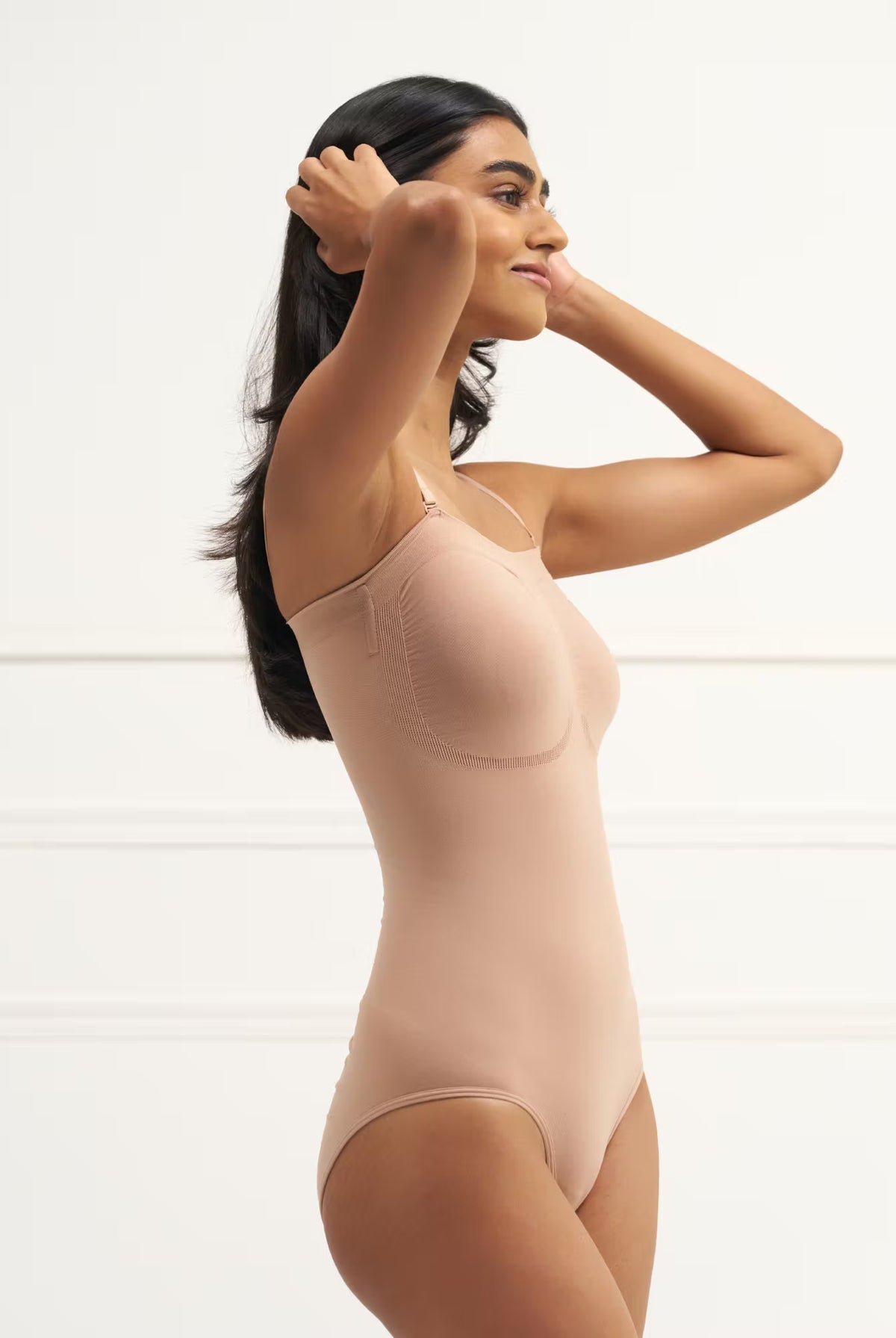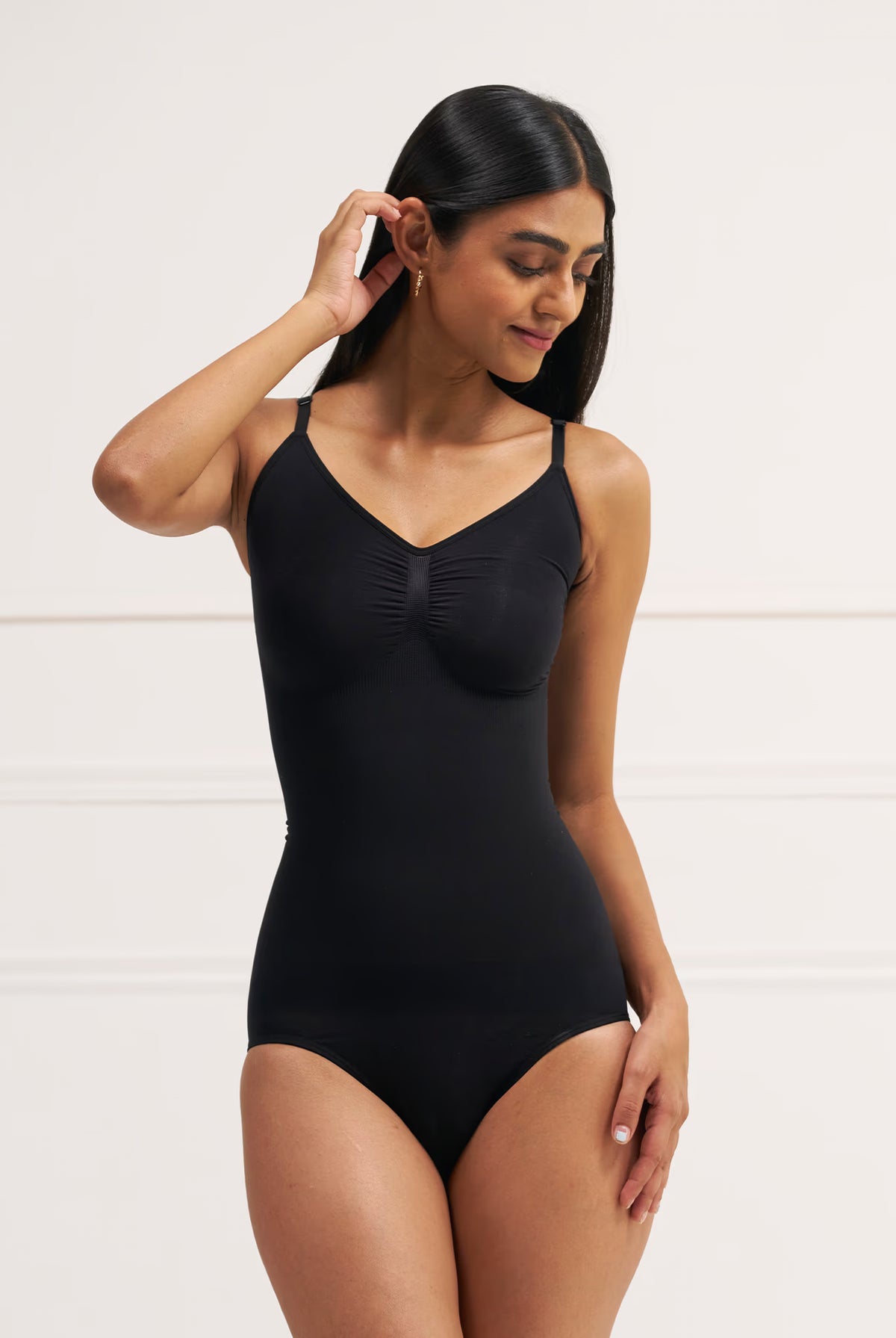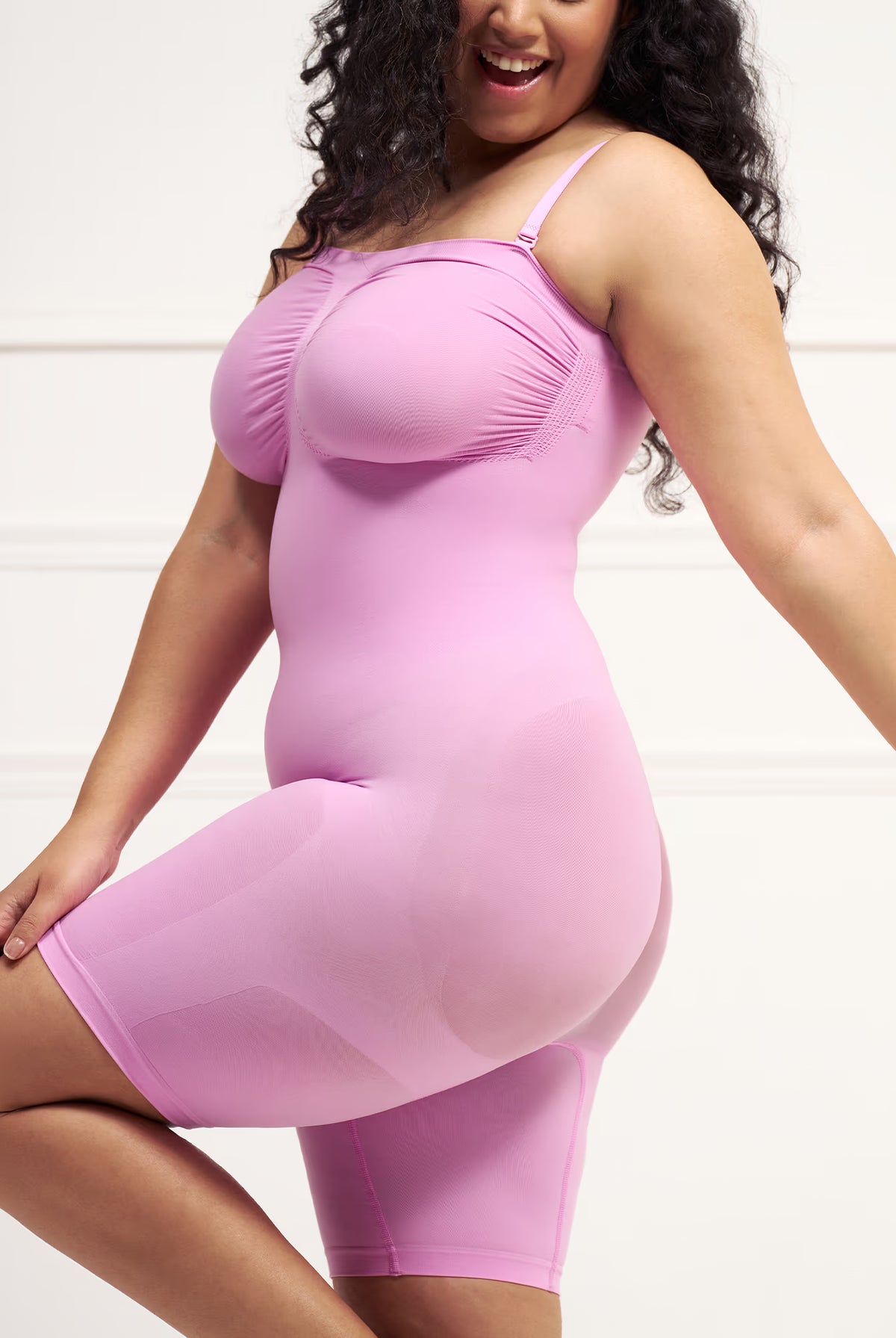








Key takeaways:
-
Encapsulation support gives better control than compression alone for a heavy bust.
-
The band carries most of the weight. Get band size right before cup size.
-
Match impact level to your workout: light for yoga, high-impact for running or HIIT.
-
Replace every 6–12 months or when the band loses its elasticity.
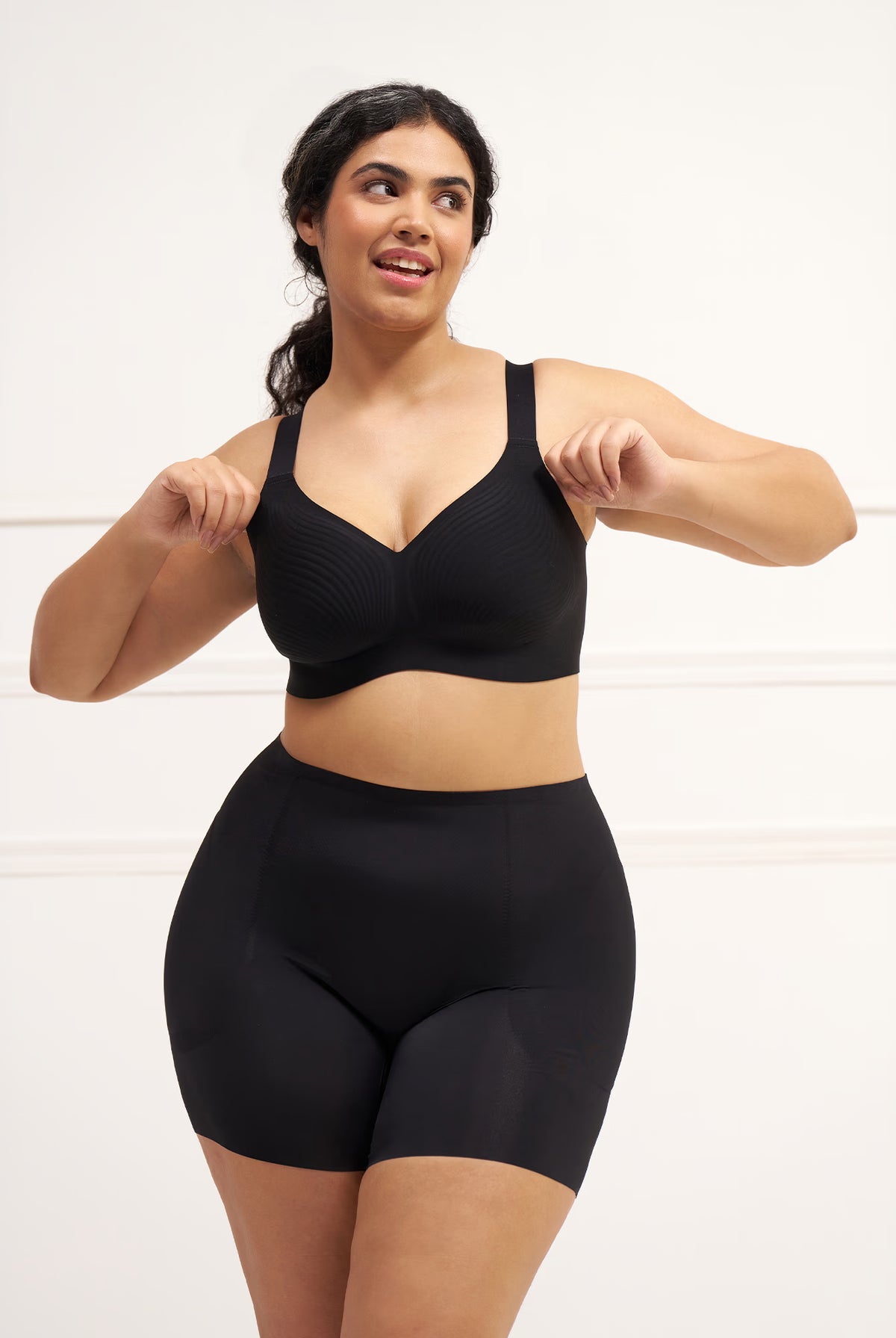
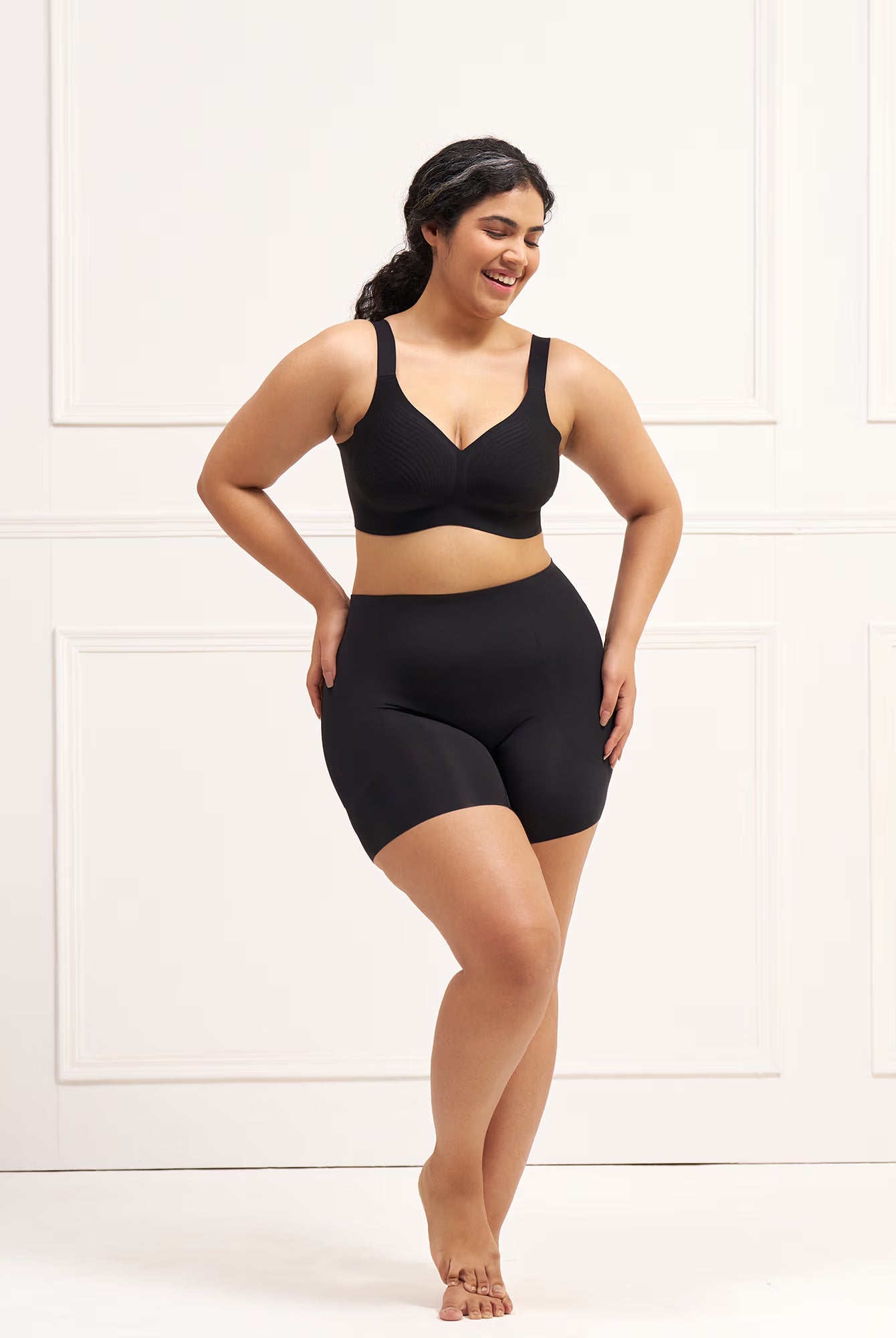
A good sports bra for heavy breasts provides encapsulation support, wide adjustable straps, and a firm-fitting band that stays in place. The right fit controls bounce, reduces shoulder strain, and keeps you comfortable through every workout.
Introduction
If you've ever had to hold your chest while running for a bus, skipped certain workouts because they feel uncomfortable, or spent half your gym session adjusting your bra, you're not imagining things. A heavier bust needs a different kind of support, and not every sports bra is built to provide it. That's why shopping for one can feel so frustrating. One bra feels too tight. Another lets everything move around. A third digs into your shoulders before you've even finished warming up.
The good news? Once you know what actually creates support, not just what brands claim, you'll find choosing the right sports bra becomes much simpler. And when the fit is right, you stop thinking about your bra altogether and start focusing on your workout.
What Heavy-Bust Support Really Means
A lot of us grow up thinking a supportive bra should feel tight. If it compresses everything down enough, it must be doing its job, right? Not quite.
Good support isn't about making your chest feel restricted. It's about reducing unnecessary movement while still letting you breathe, stretch and move comfortably. When a sports bra supports your breasts properly, your shoulders don't carry all the weight, your back doesn't feel as tired, and your workout feels noticeably easier.
Compression vs encapsulation support
This is one of those terms you'll come across while shopping, and it's worth understanding because it changes how a sports bra feels.
Compression sports bras work by holding both breasts firmly against the chest. They're simple, lightweight and often work well for smaller busts or lower-impact activities.
Encapsulation bras take a different approach. Each breast sits inside its own shaped cup, so movement is controlled individually instead of being flattened together. If you have a fuller bust, this usually feels far more comfortable because the support comes from proper structure rather than pressure alone.
Why bounce control matters
Breast movement isn't just distracting; it can become genuinely uncomfortable after a while. That's why many women instinctively avoid exercises that involve jumping altogether.
Every time your breasts move without enough support, the surrounding tissue experiences repeated strain. While a sports bra can't stop movement completely, it can reduce it significantly. Less bounce means less discomfort during workout and less stress on the supporting tissue over time.
When regular bras stop working
A standard everyday bra isn’t built for physical activity. The cups shift, the straps dig in, and the band lifts away from the body during movement. This is exactly where a dedicated sports bra makes a real difference.
How to Choose a Sports Bra for Heavy Breasts

For a heavier bust, the usual fit advice doesn’t always apply. There are a few specific things worth checking. Here’s what actually makes the difference.
Band fit before cup fit
Most people focus on cup size first, but the band actually does most of the work. Think of it as the foundation of the bra. If the band is too loose, your shoulders end up carrying far more weight than they should. That's usually why straps dig in, even when the cups seem fine. The band should sit straight across your back and feel snug without making it difficult to breathe. If it keeps riding upwards, it's probably too loose.
Strap width and adjustability
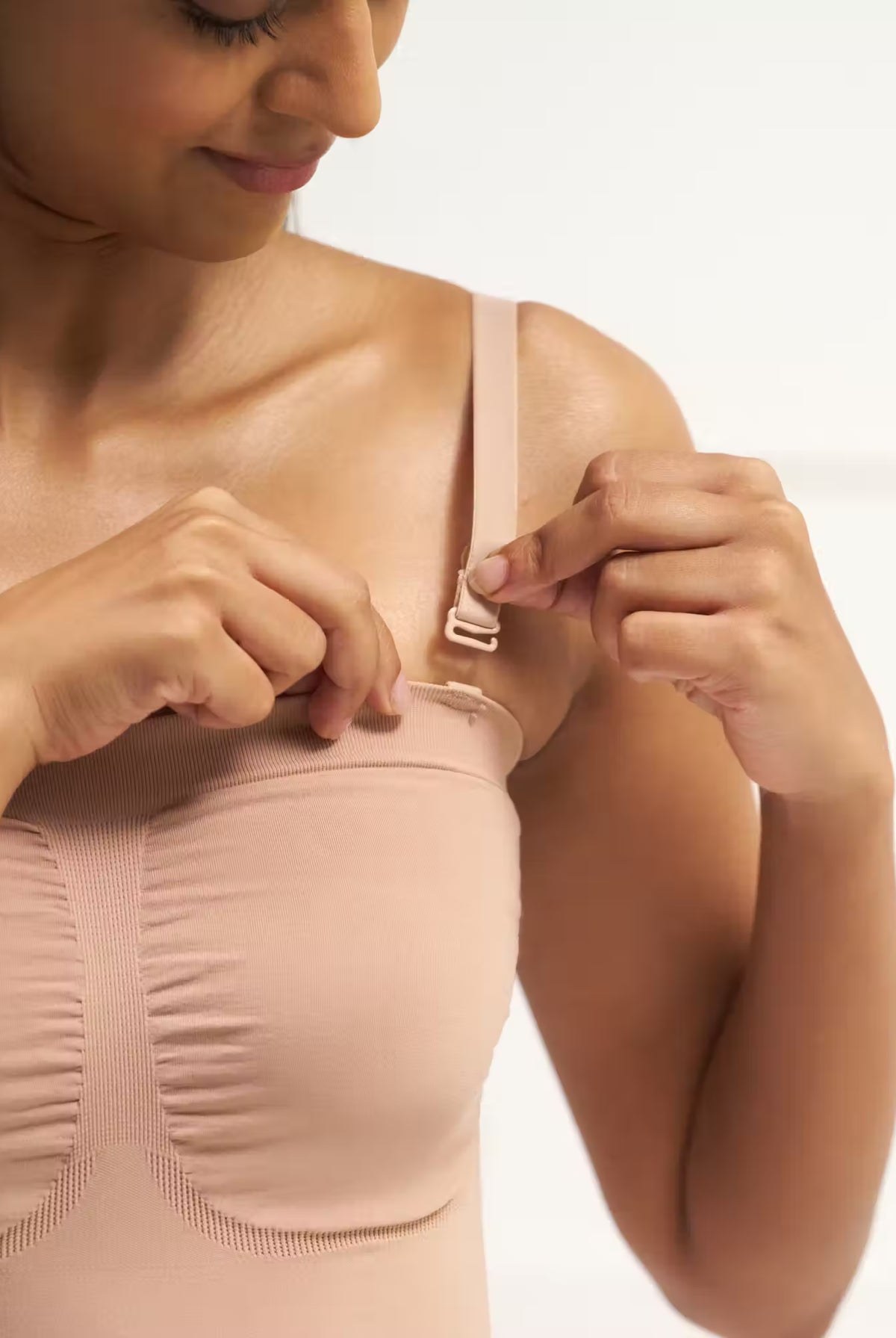
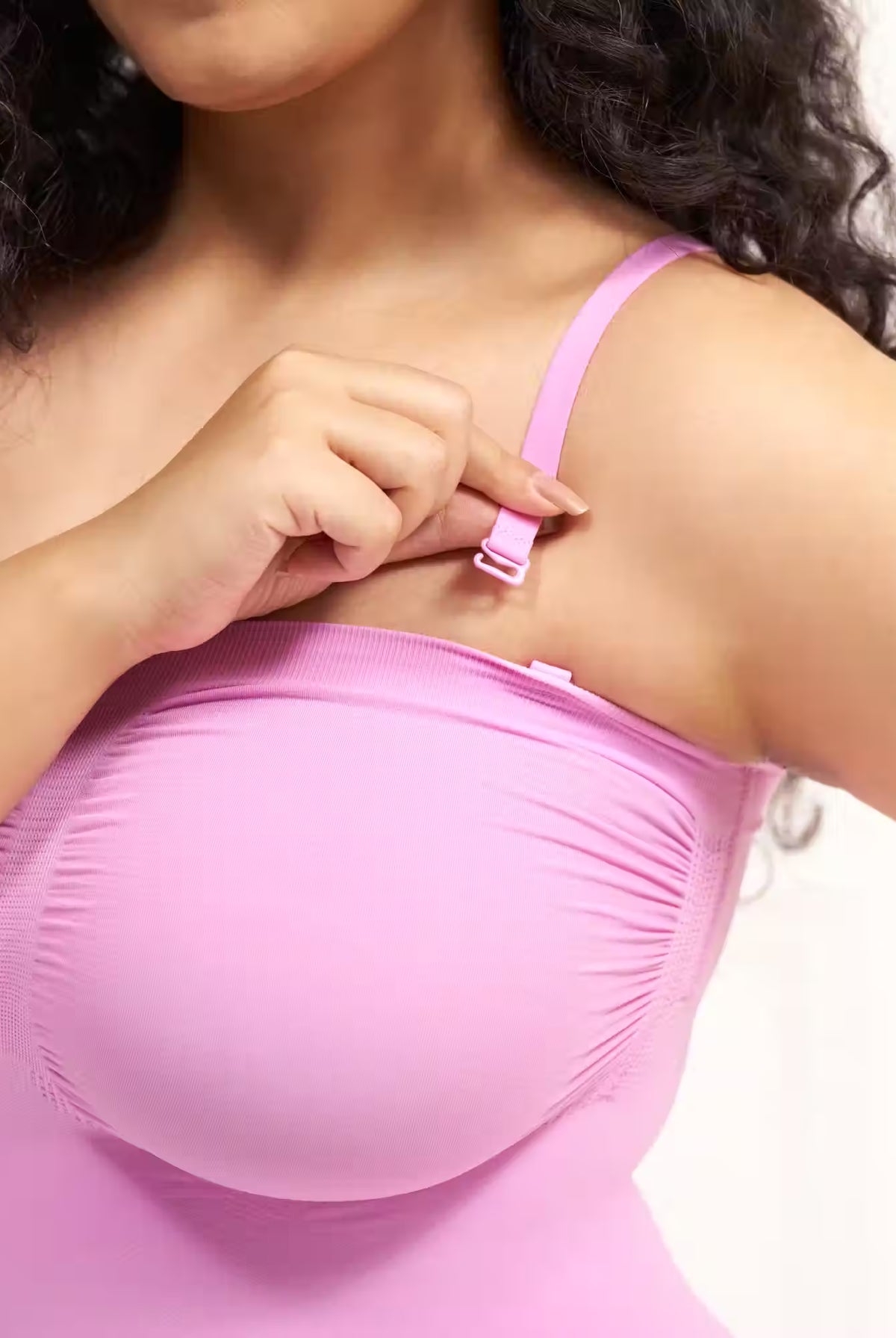
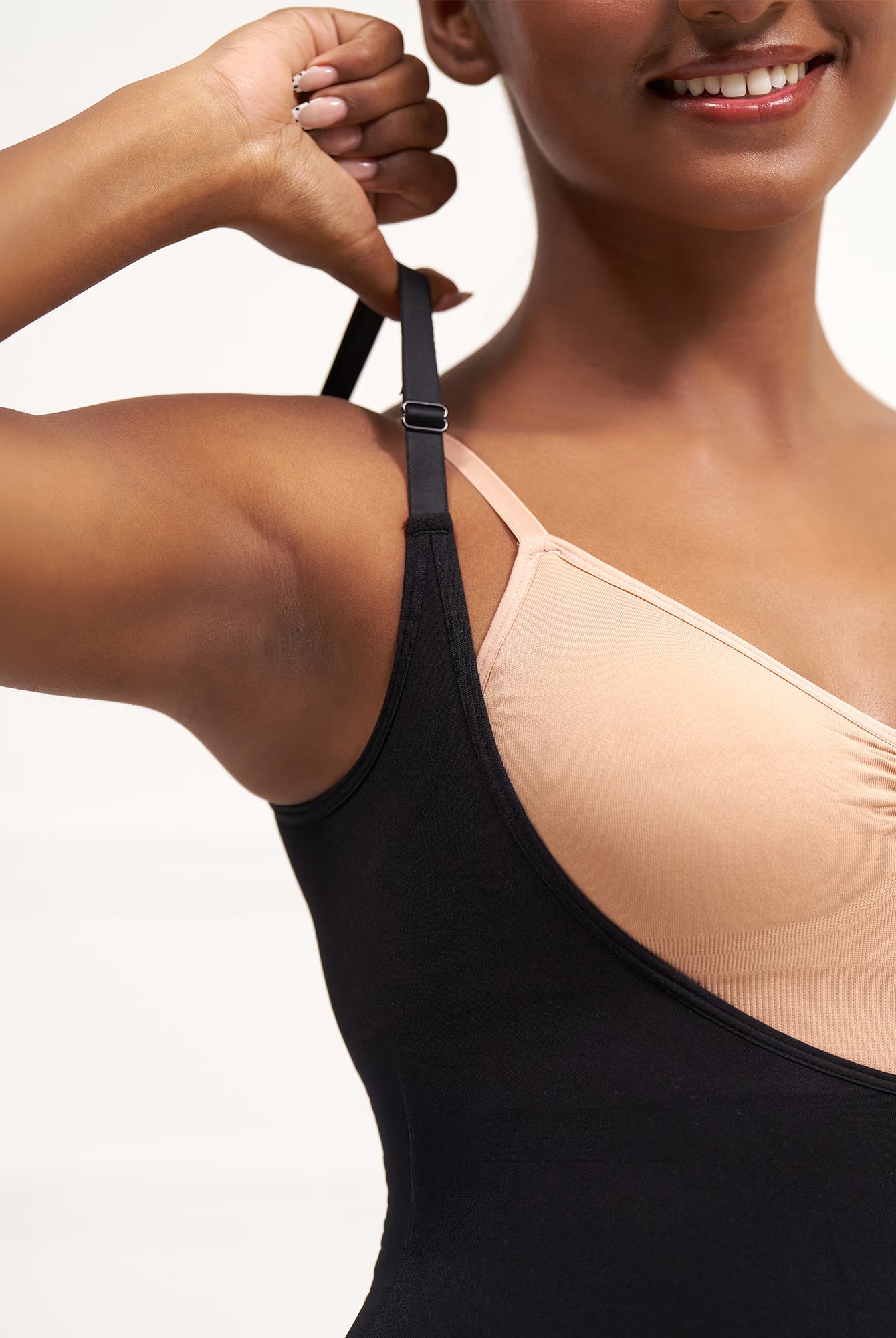
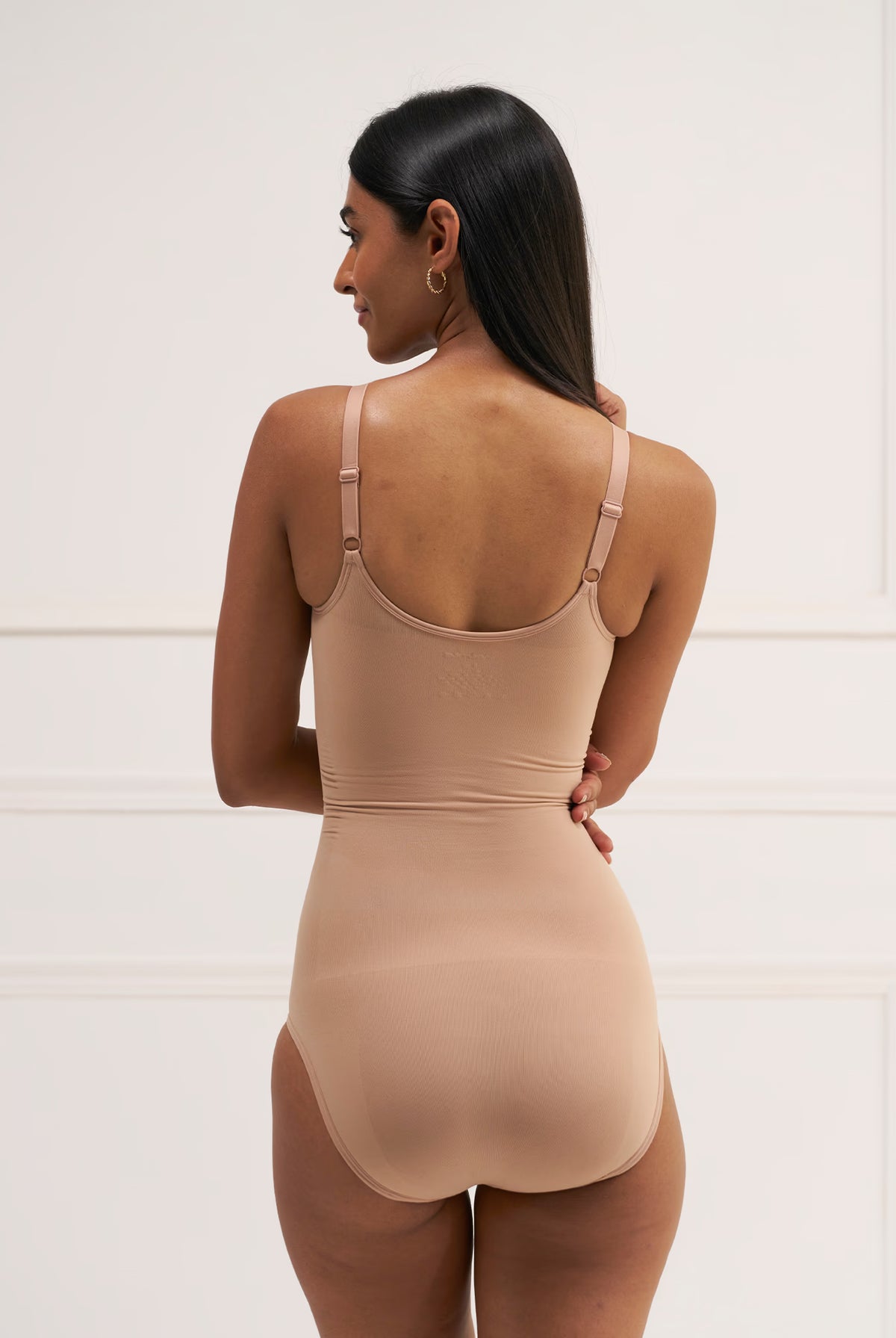
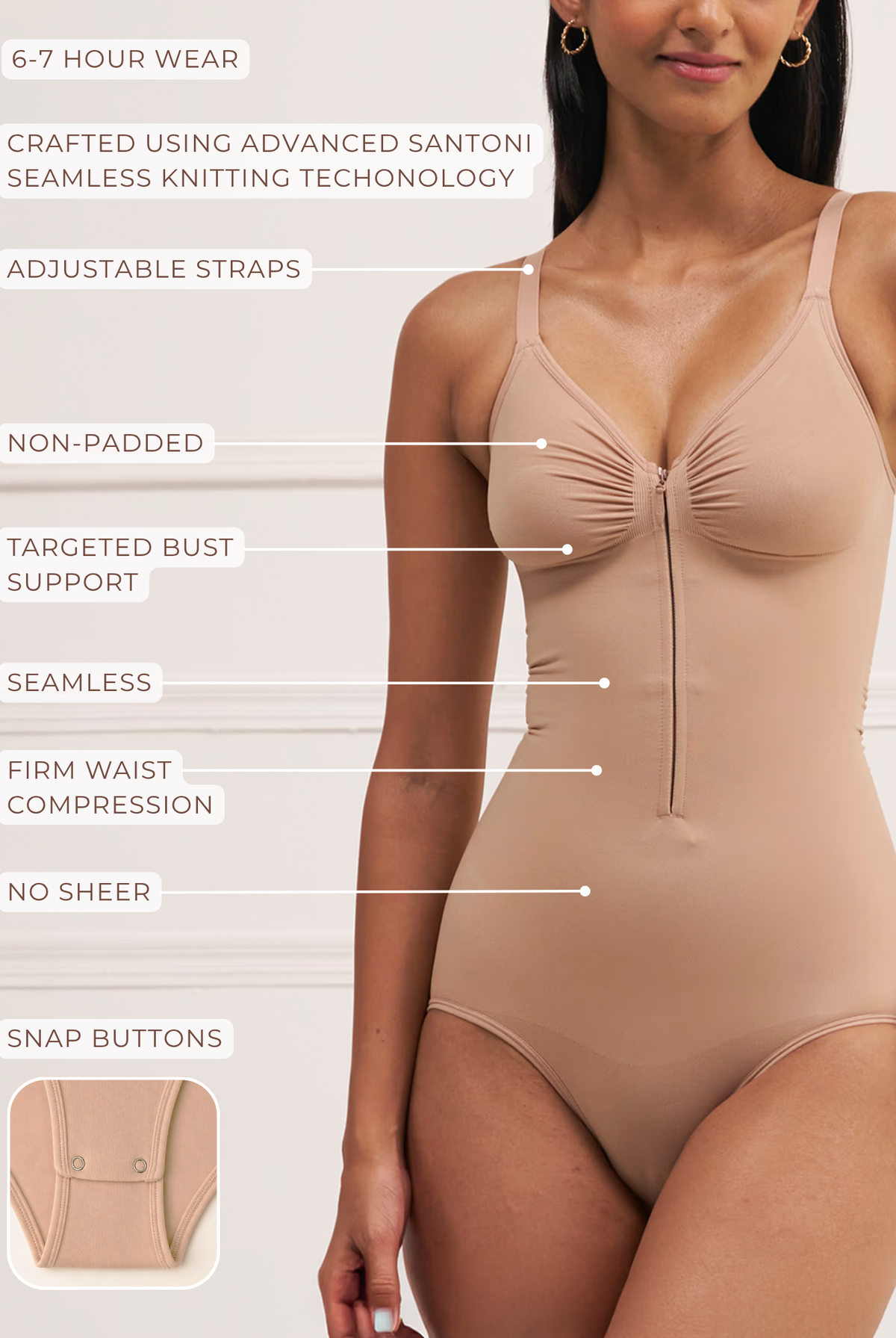
Shoulder straps shouldn't be doing all the heavy lifting. Their job is to fine-tune the fit, not carry the entire weight of your bust. Wider straps spread pressure across a larger area, so they're much less likely to leave sore shoulders after your workout.
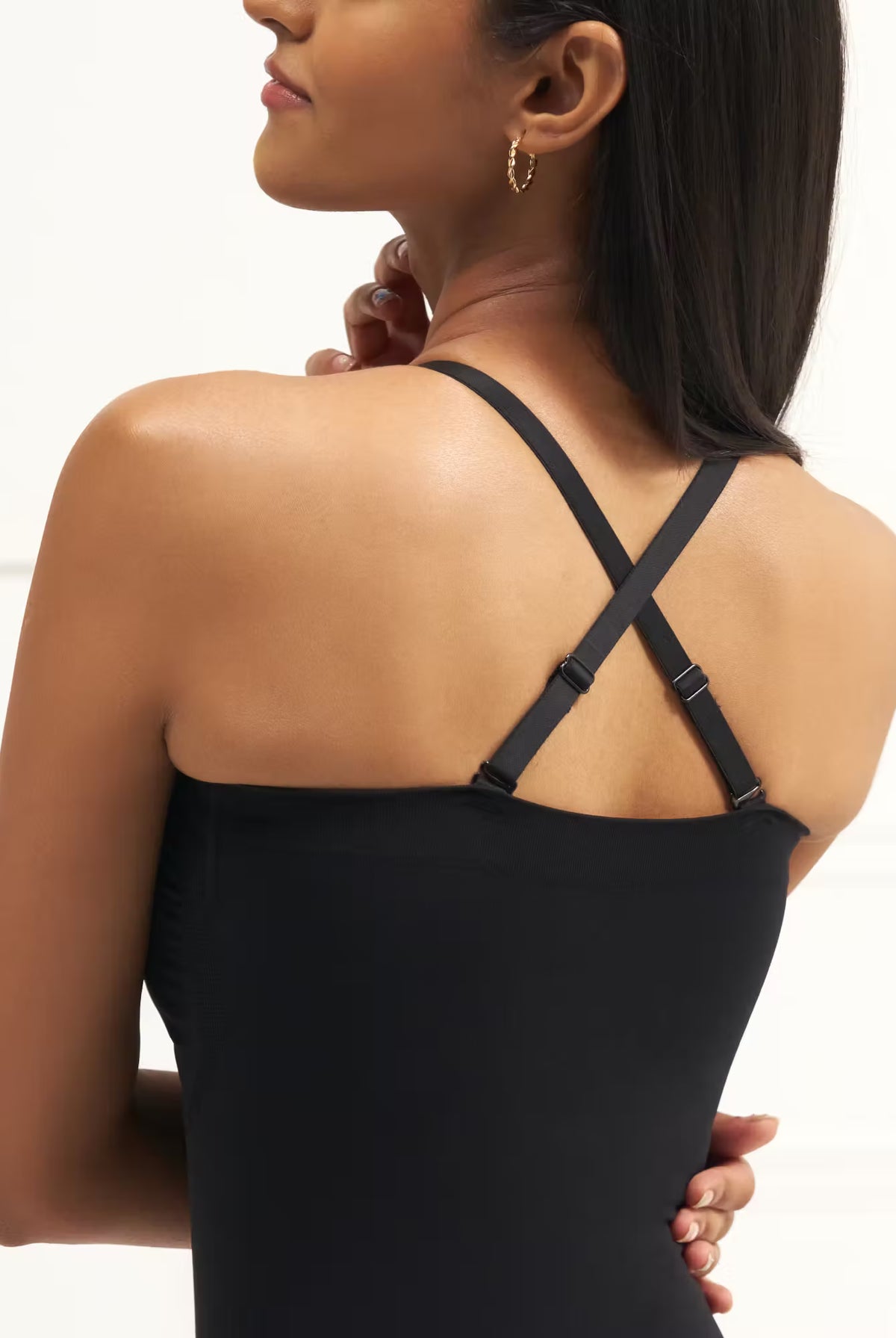
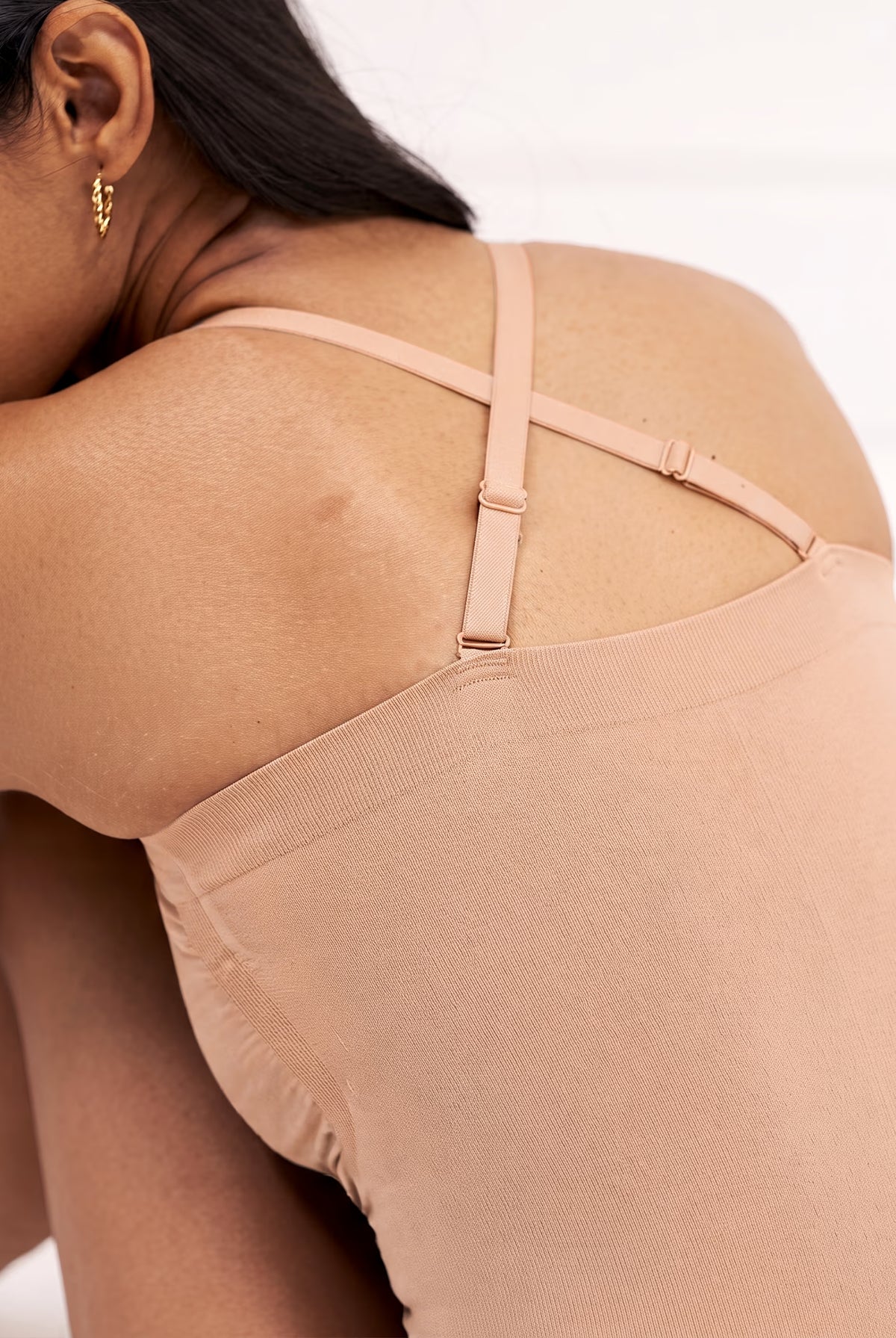
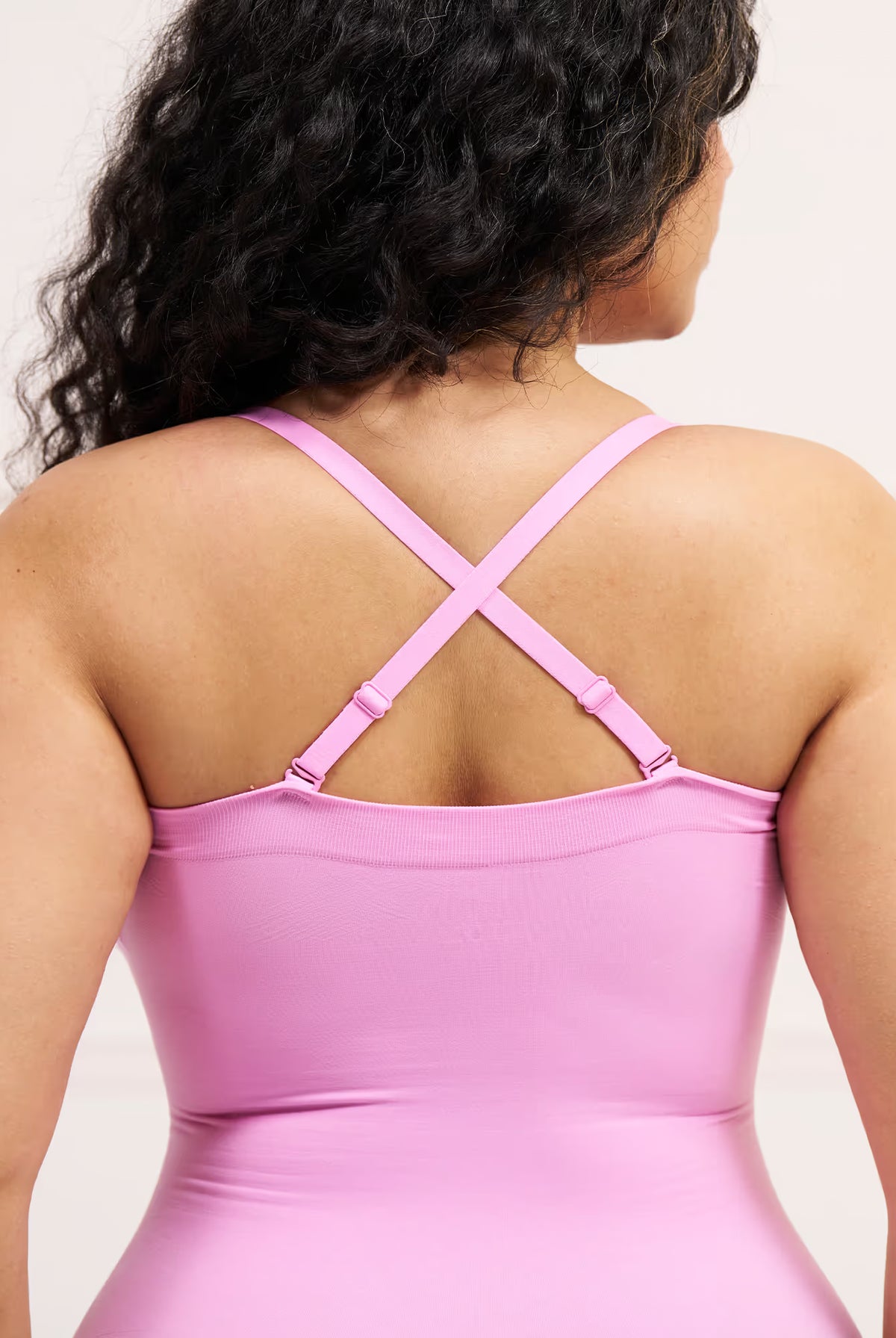
Adjustable straps let you personalise the amount of lift you need. If standard straps tend to slip, a racerback or cross-back design can keep everything more secure without constantly needing readjustment.
Coverage, side support and neckline
Full coverage cups do exactly what they promise, they keep your breasts comfortably contained, especially during high-impact movement. That means less shifting every time you jump, run or change direction.
Side support panels are just as important. They help guide breast tissue forward instead of allowing it to spread towards the underarms. The result is a more secure fit that stays consistent throughout your workout.
Neckline shape matters too. Scoop and sweetheart necklines usually provide better coverage for fuller busts. Plunge styles may look great under certain outfits, but they often sacrifice some of that side support during exercise.
Closures, zippers and back hooks
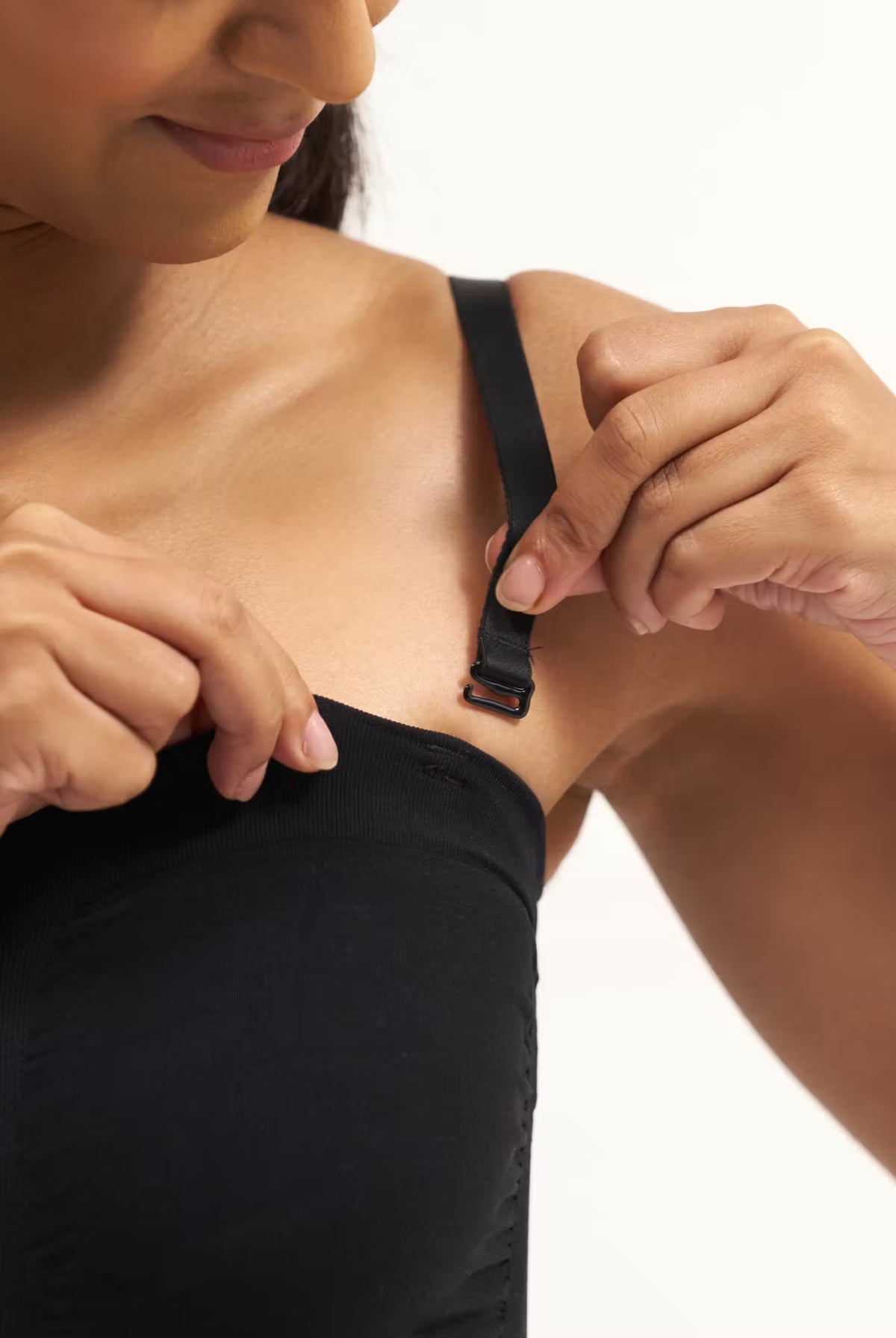
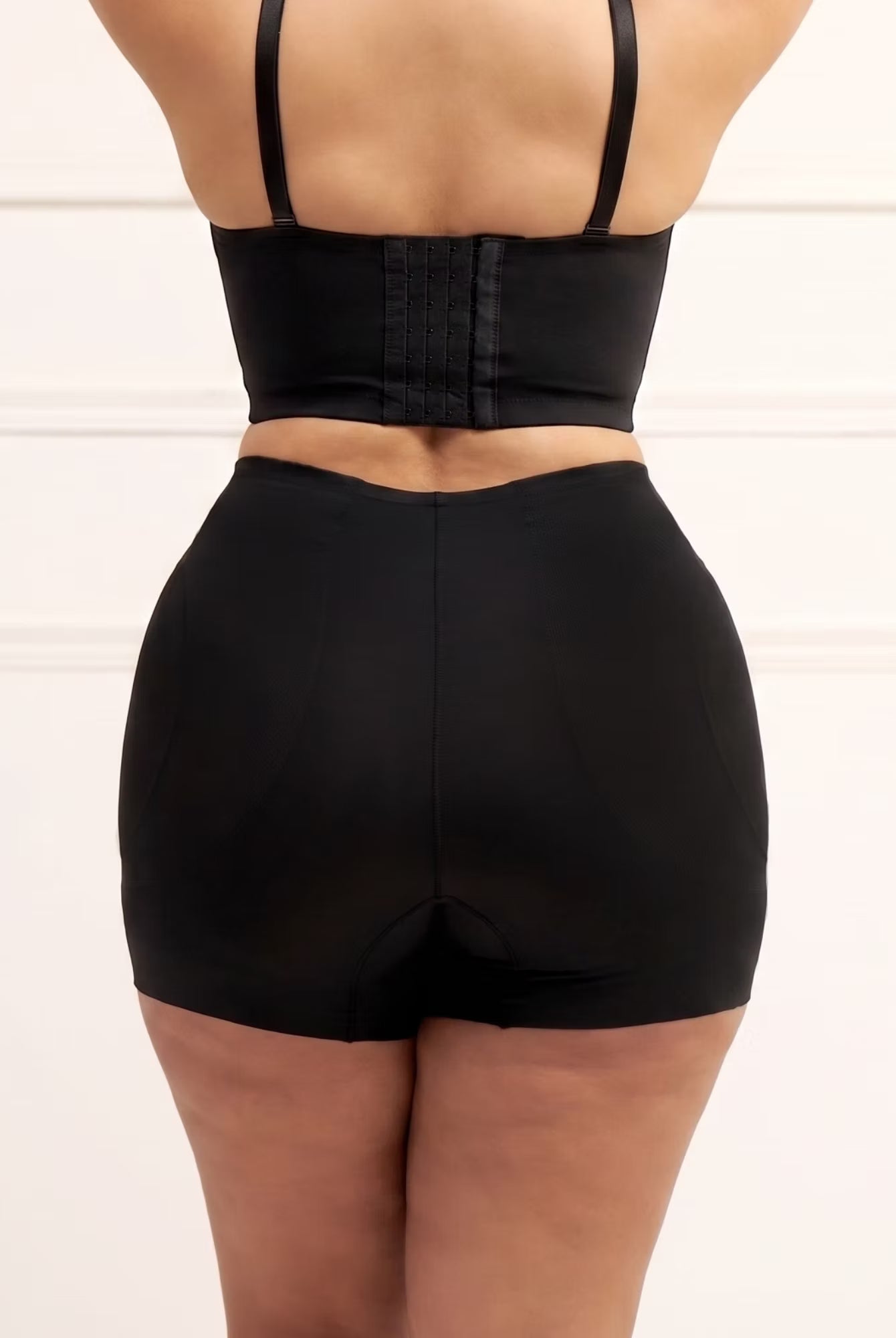
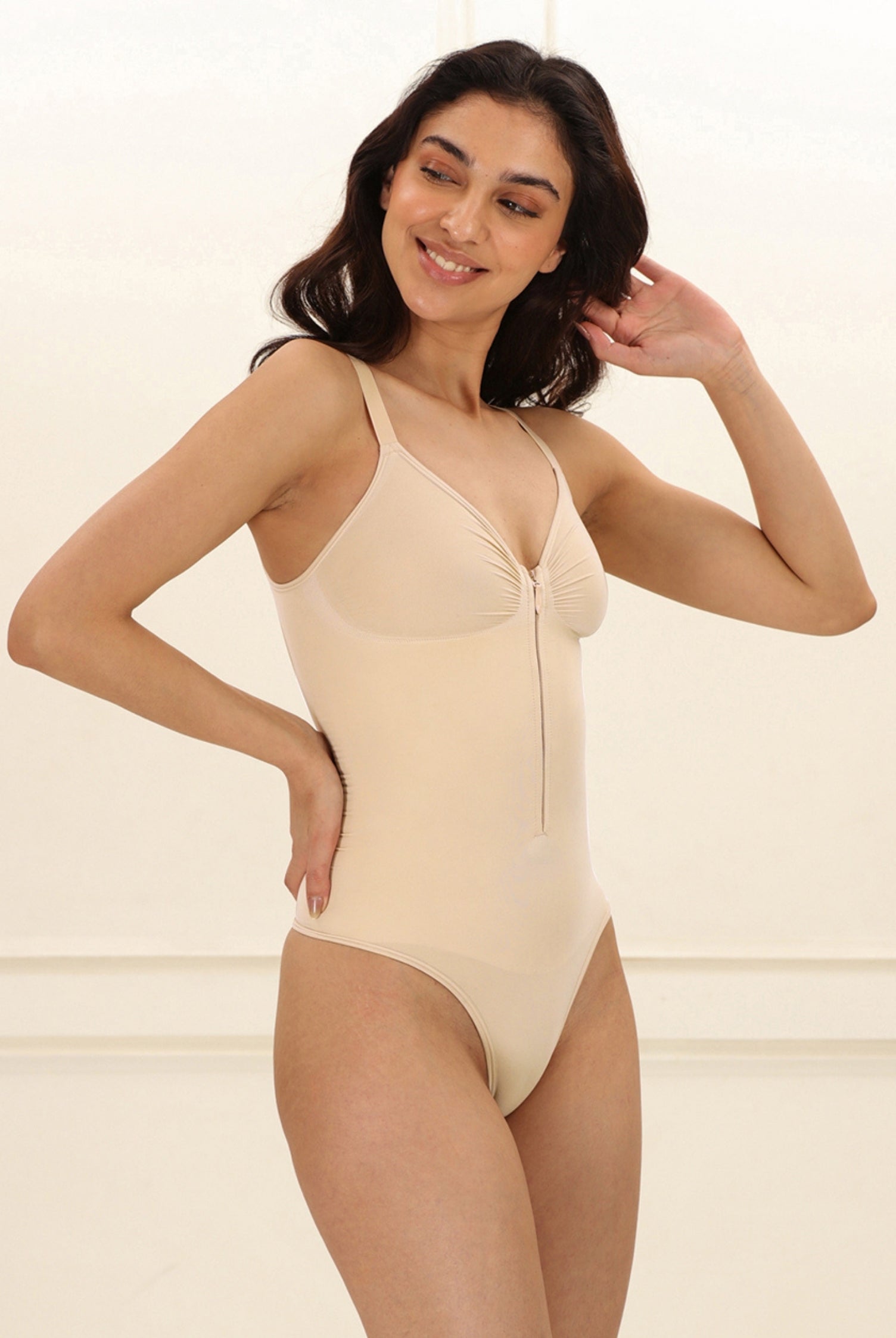
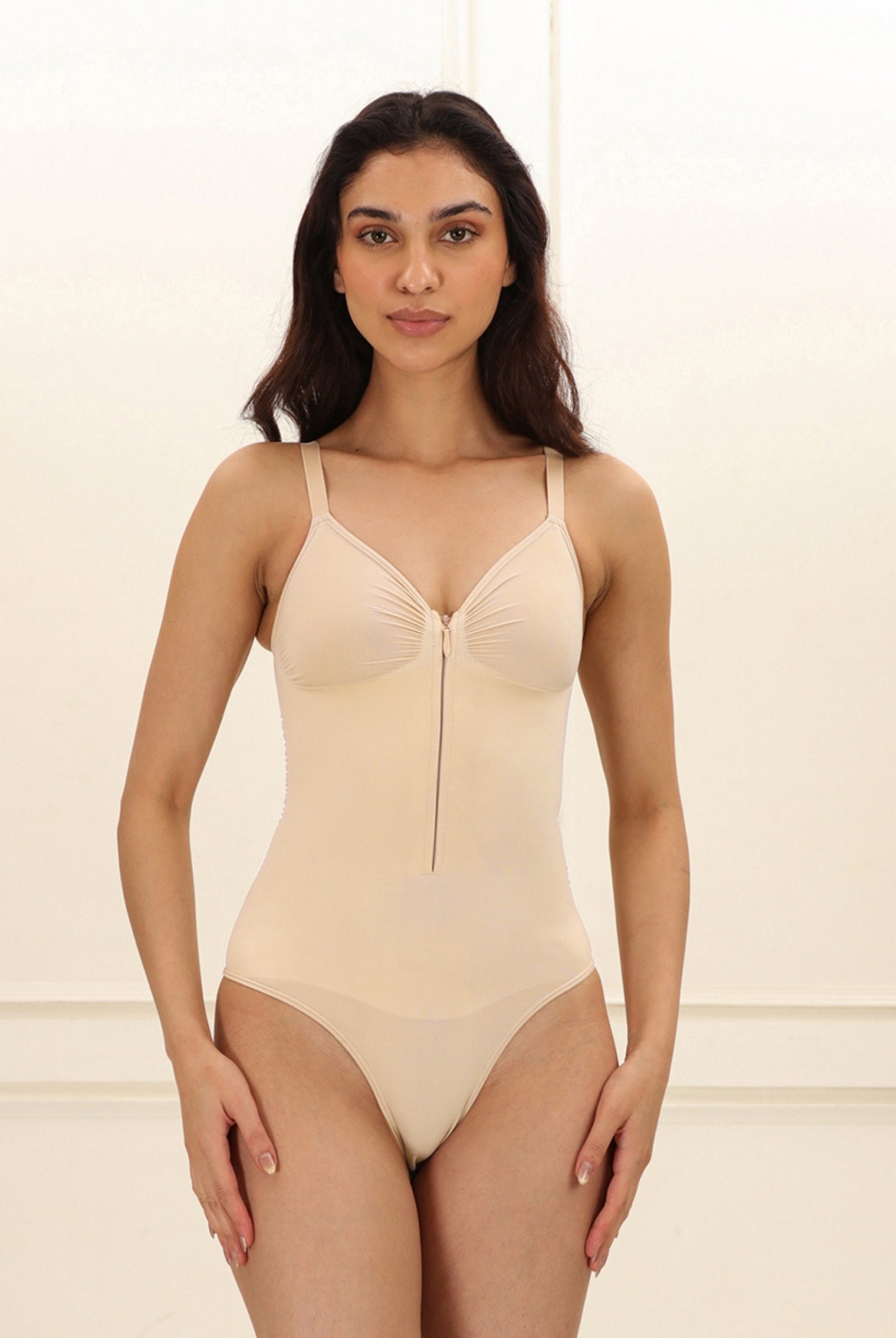
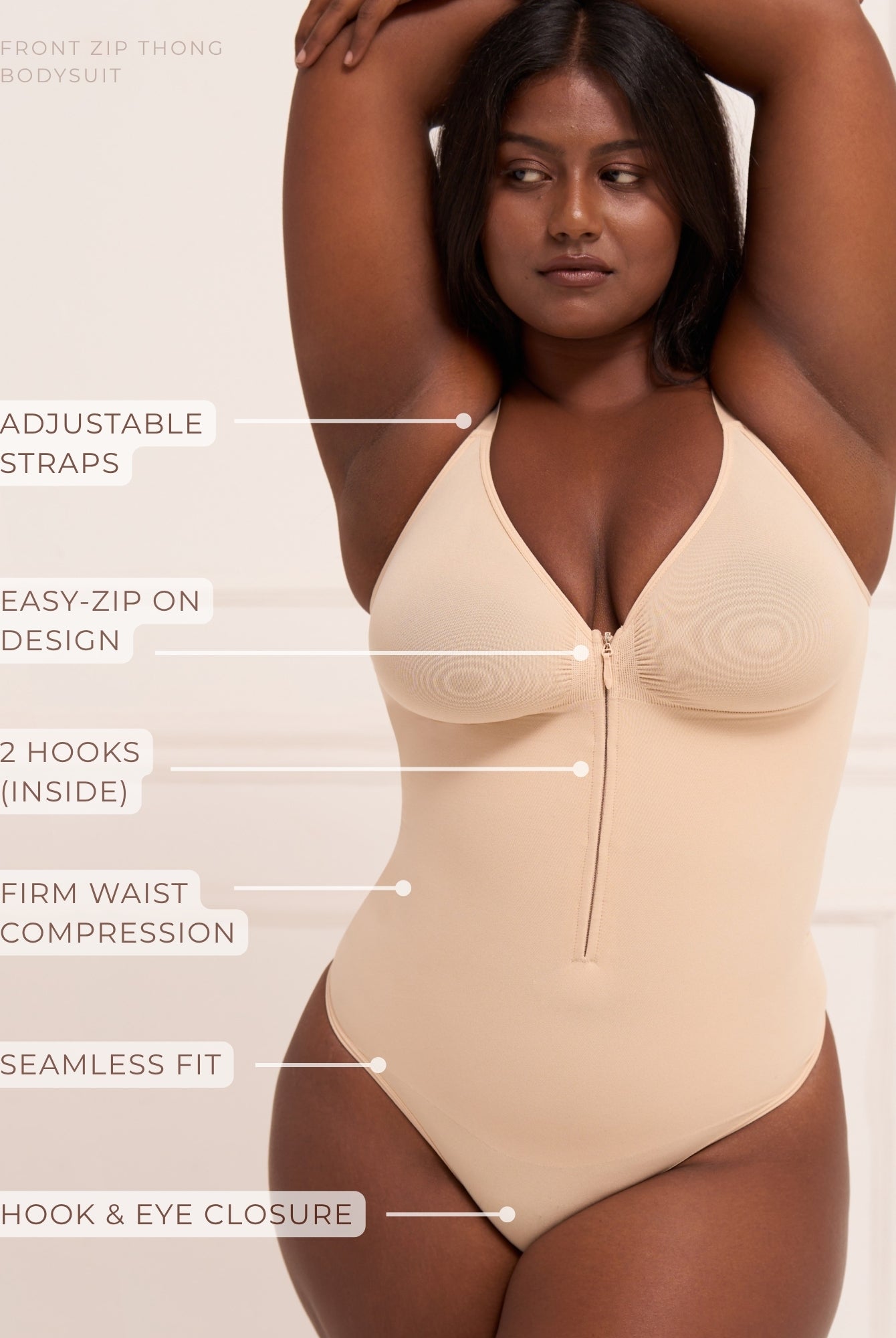
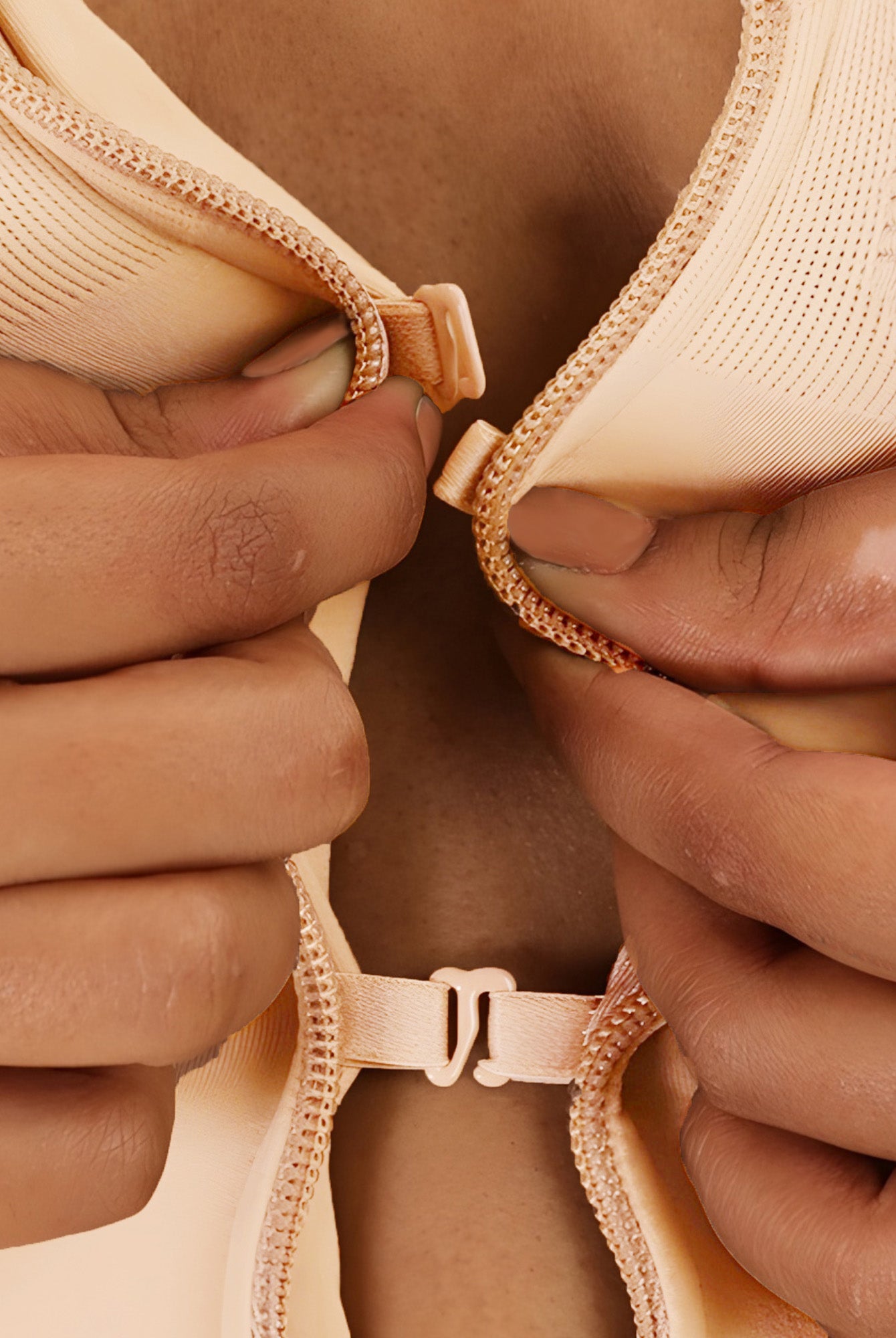
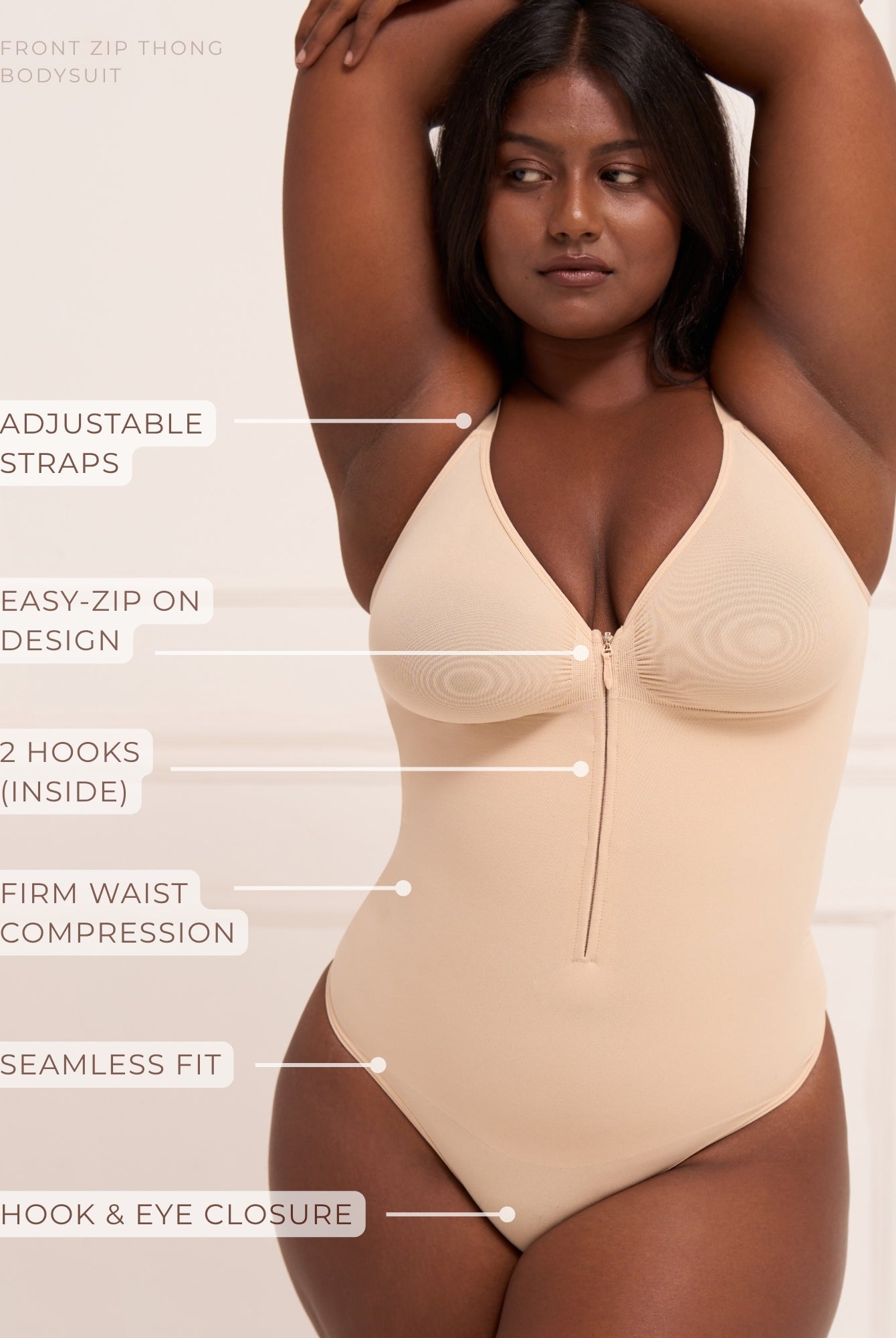
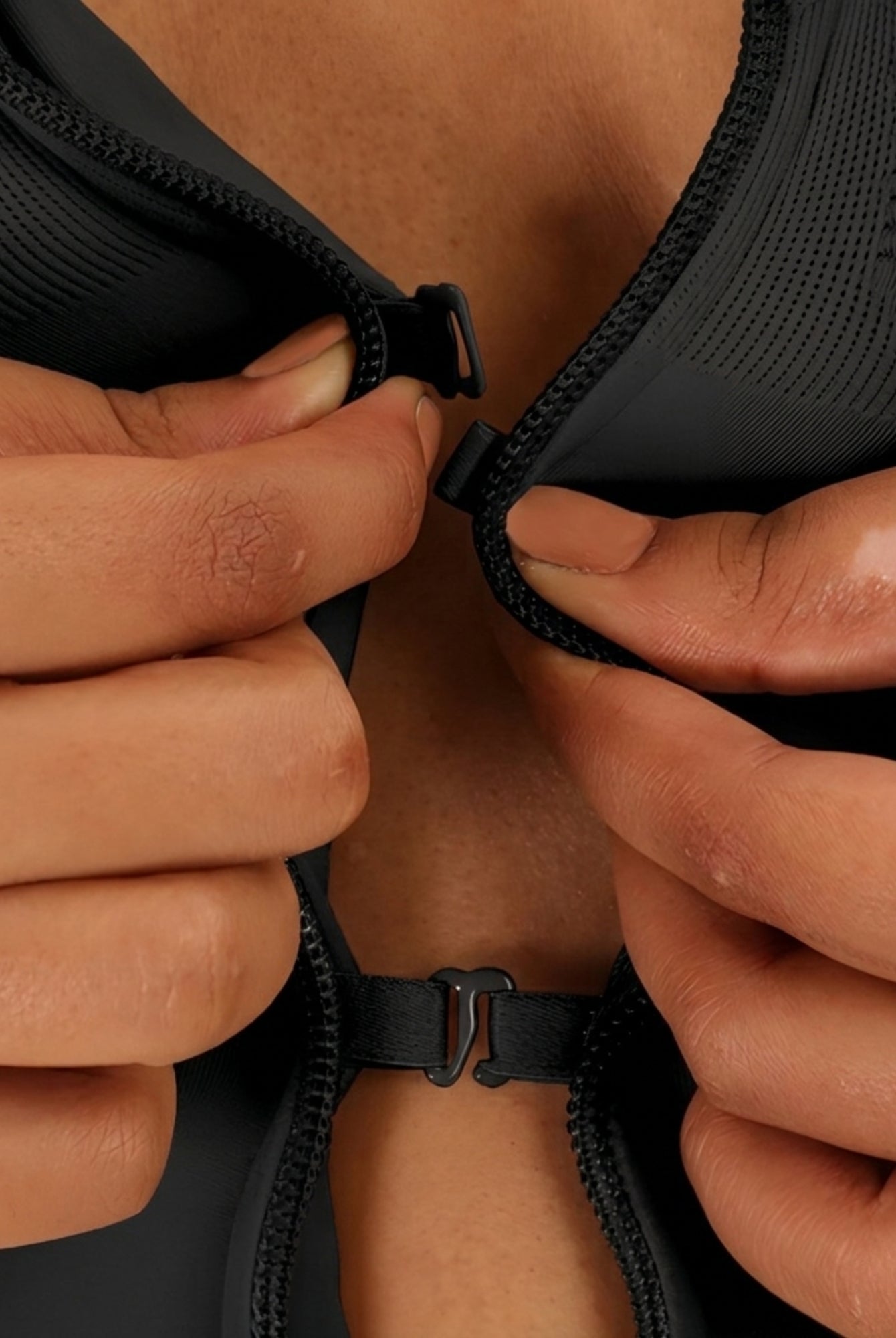
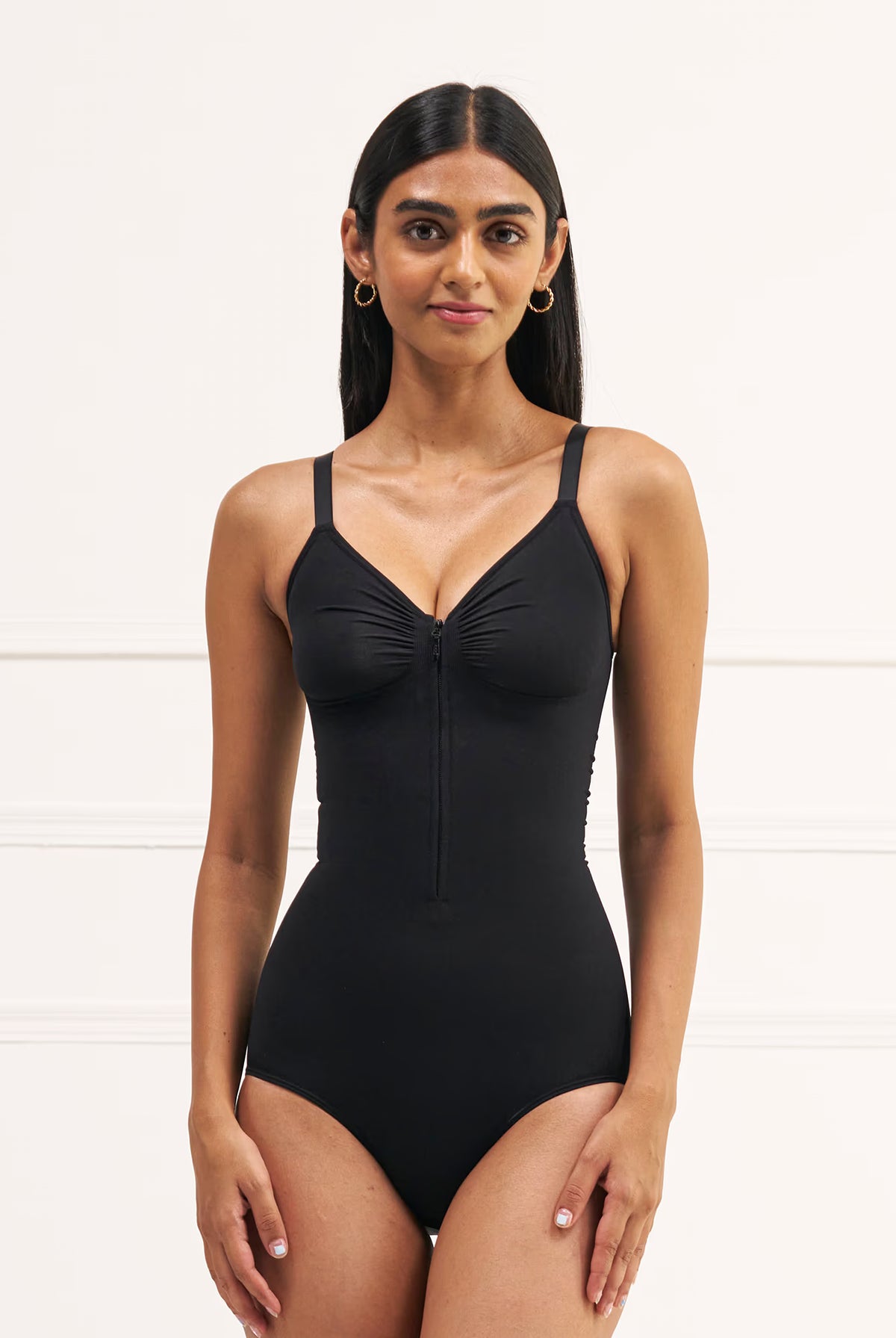
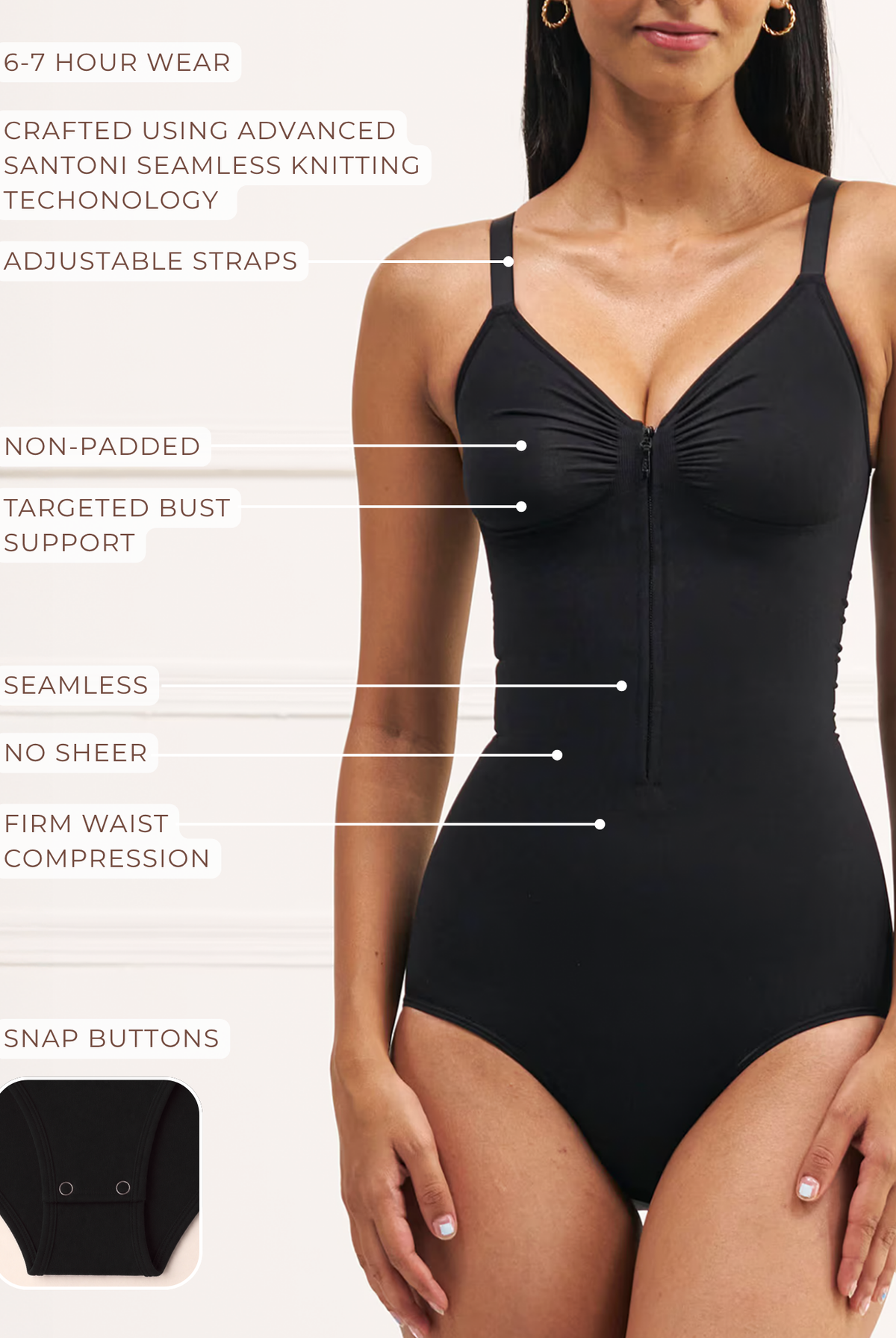
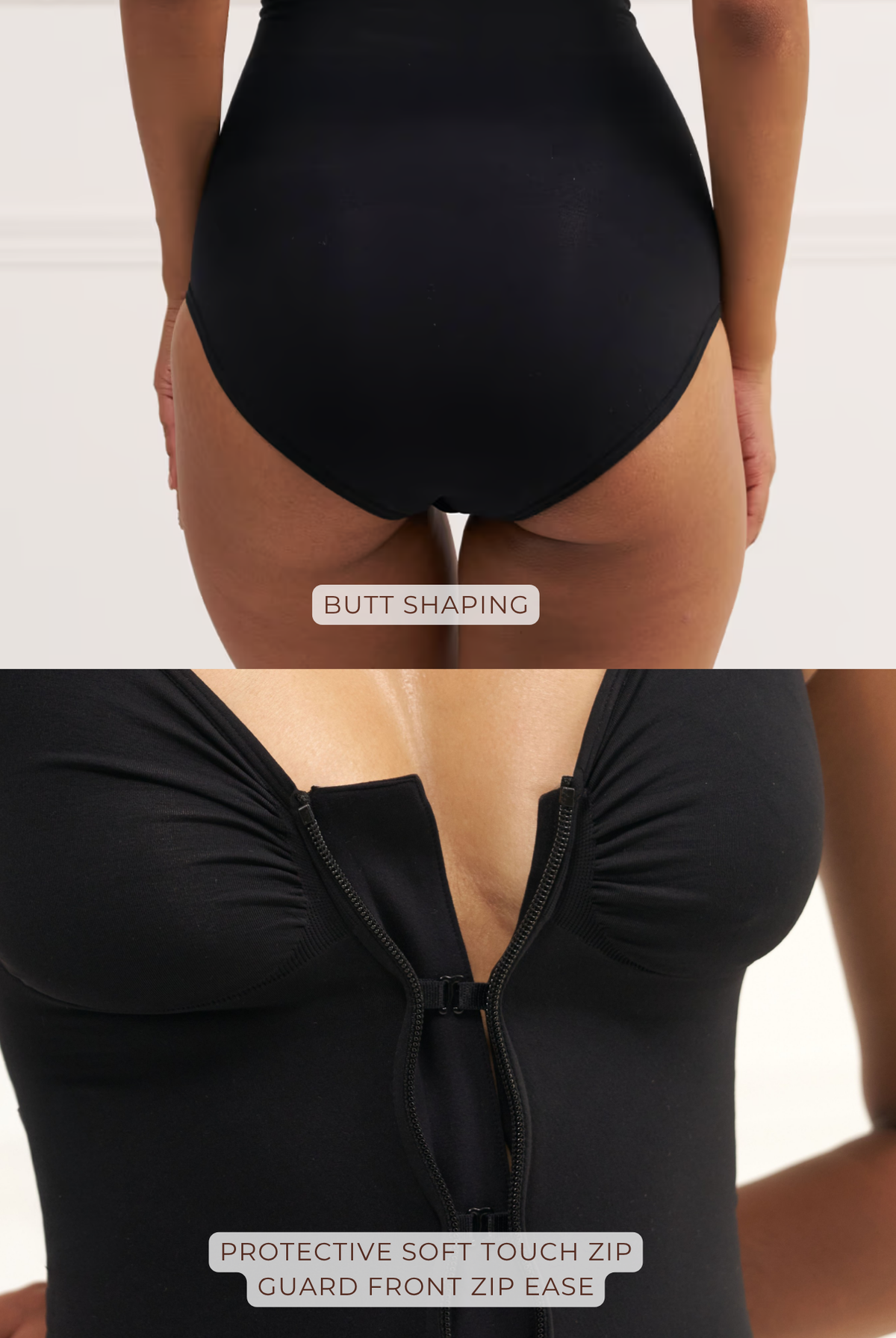
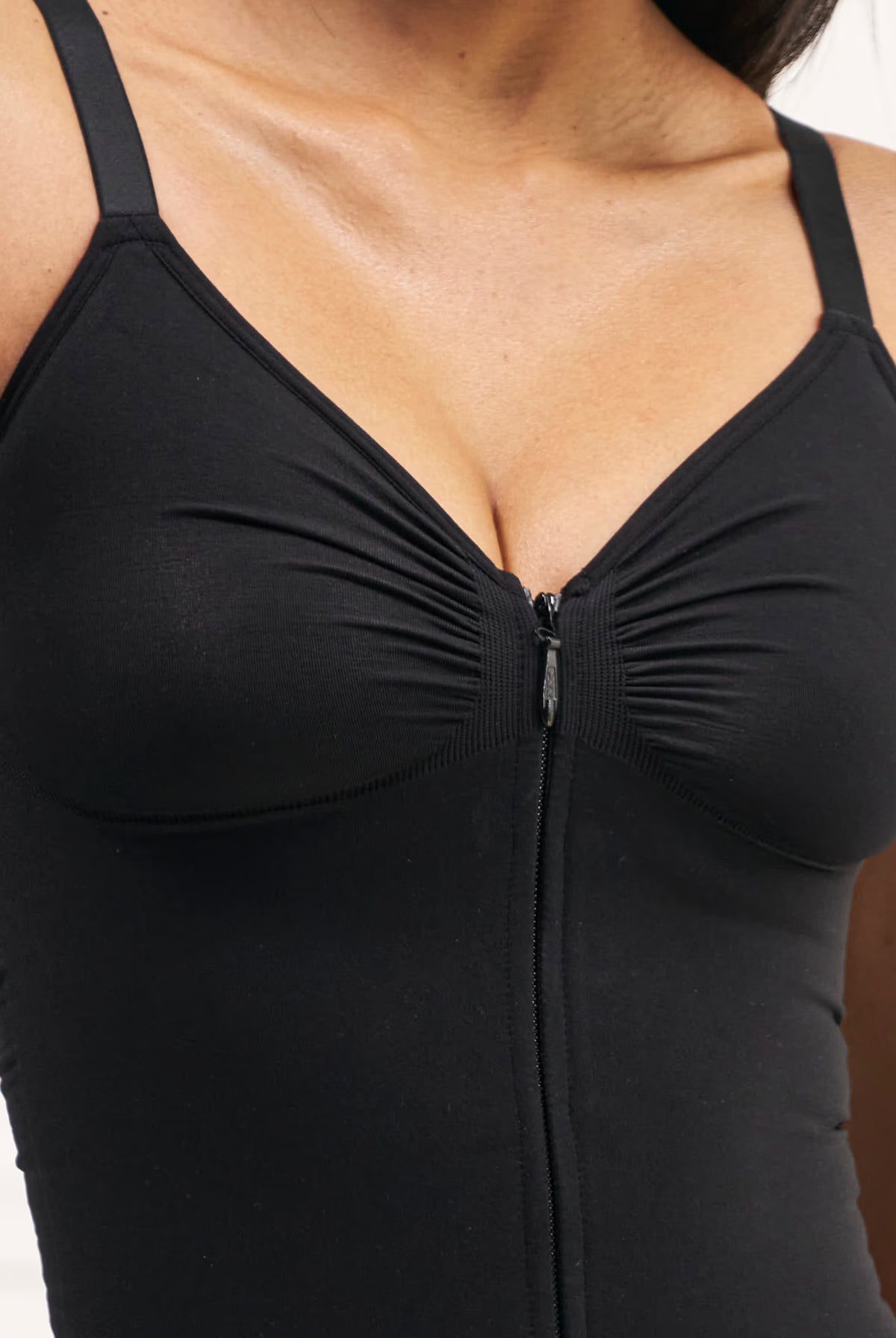
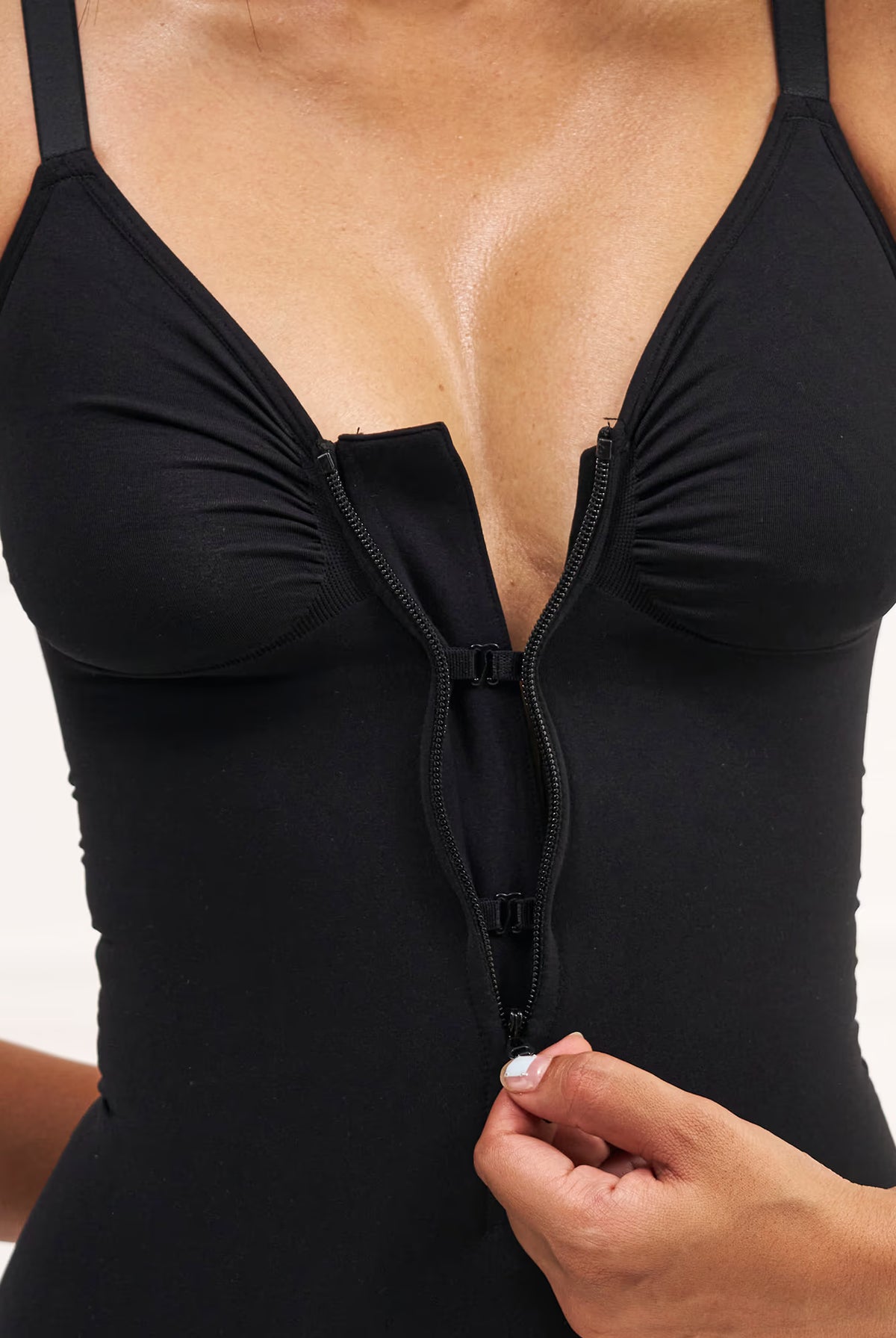
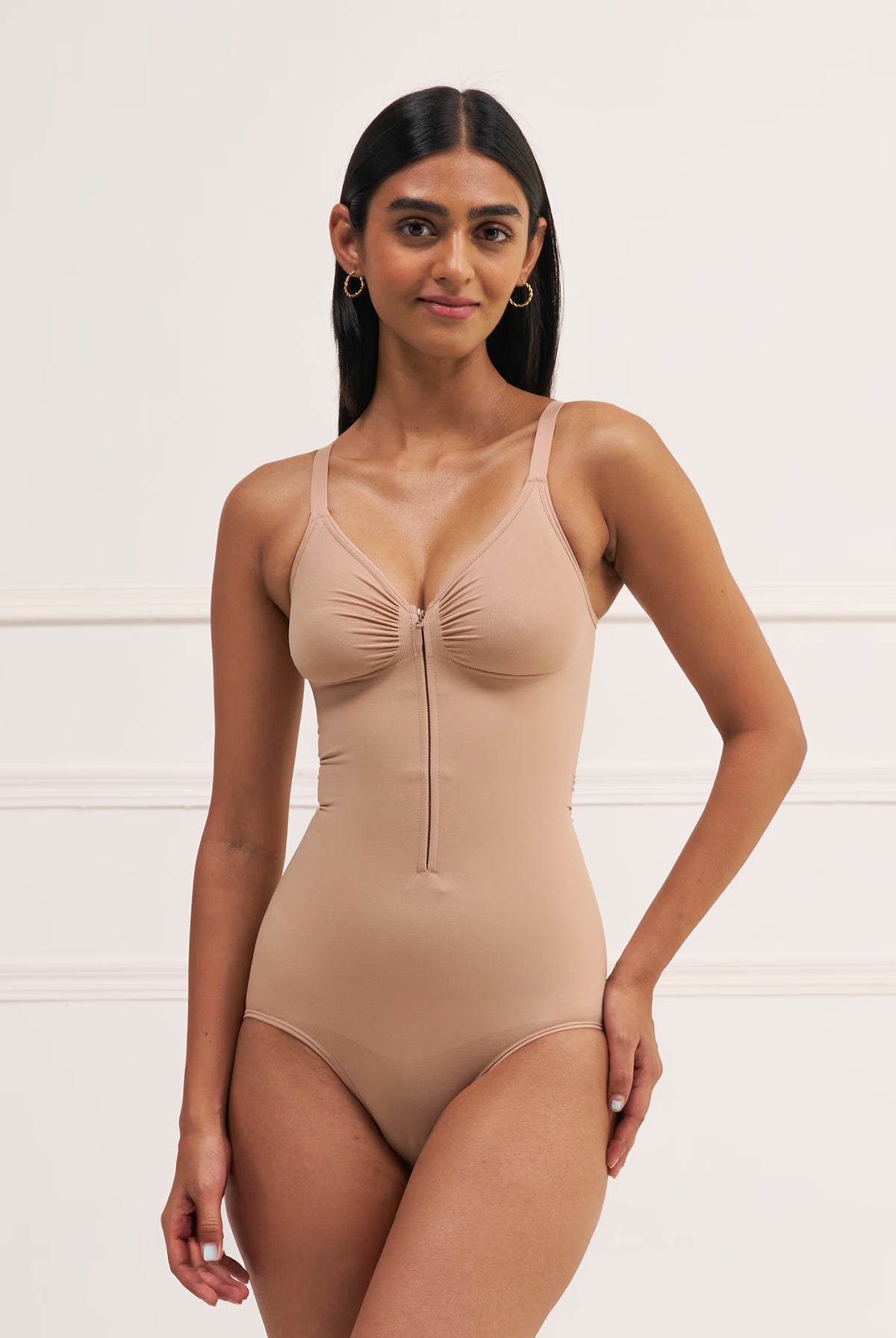
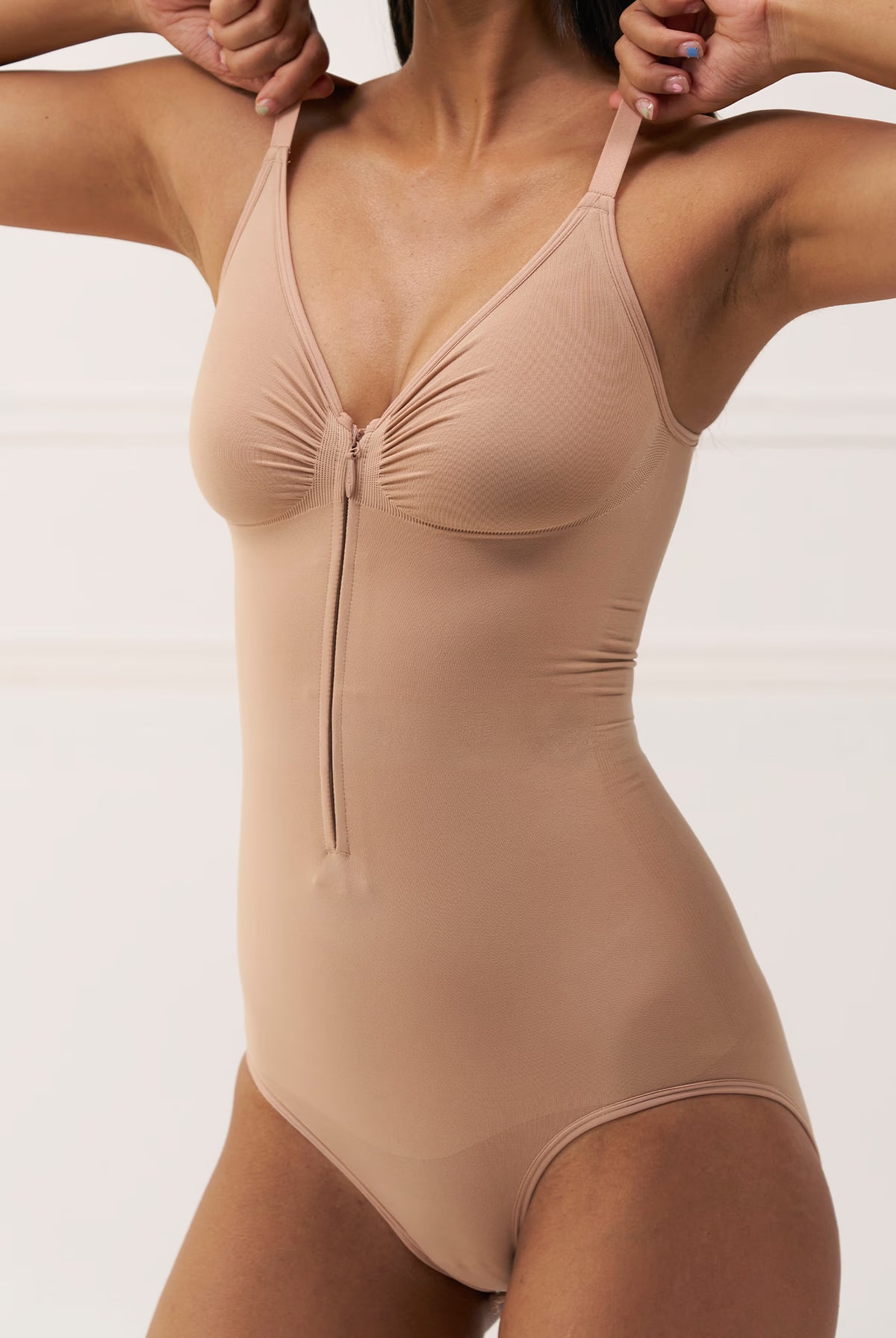
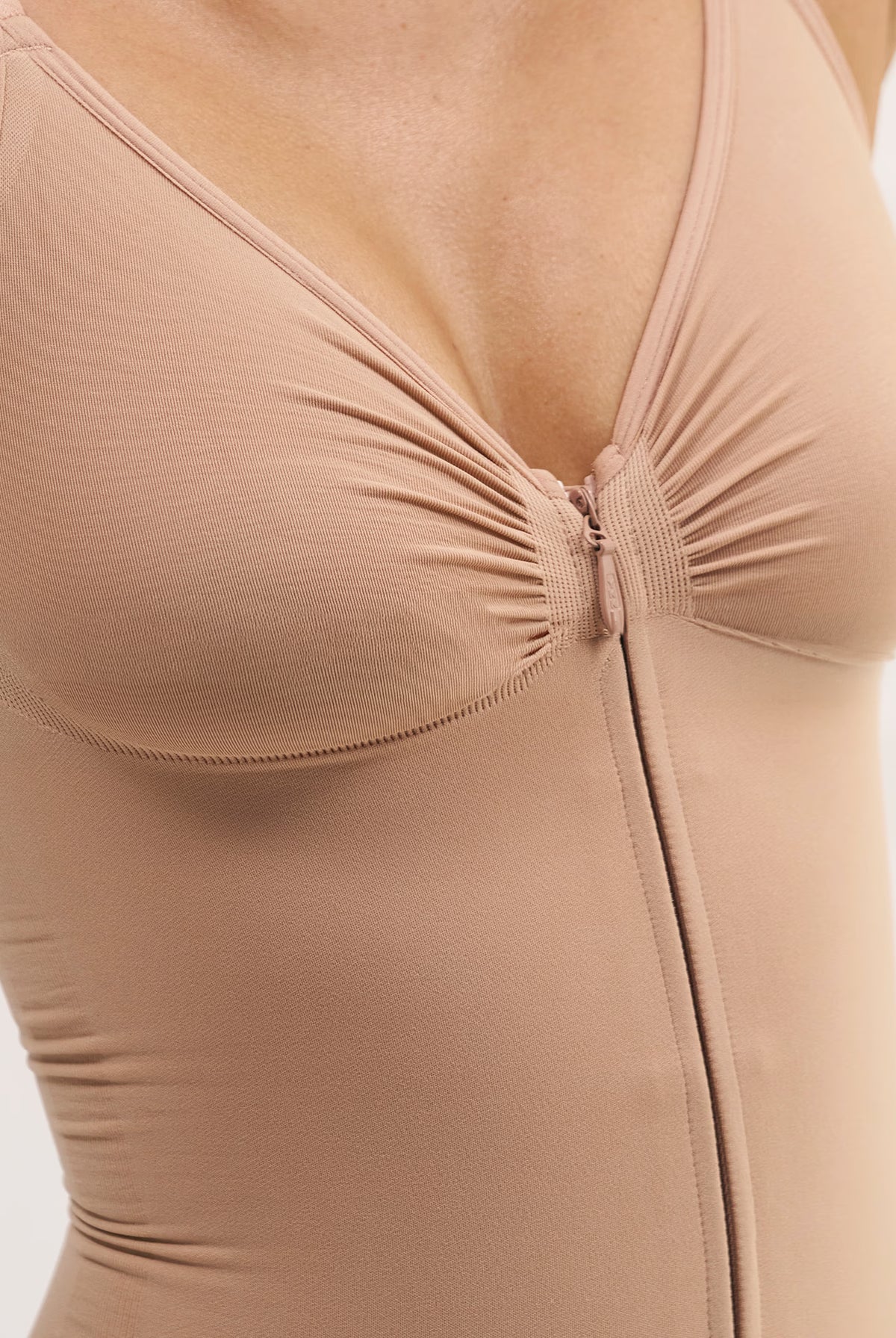
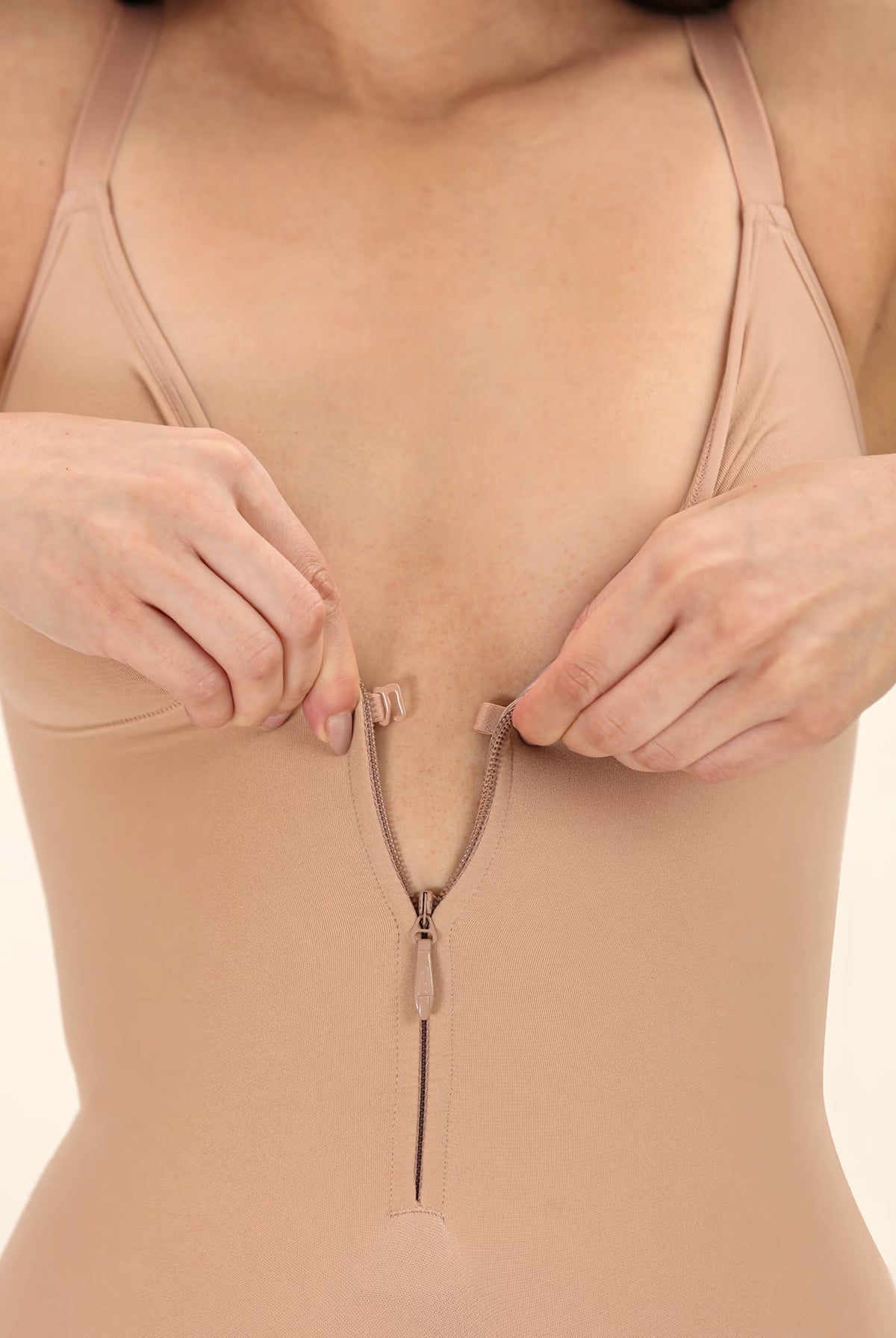
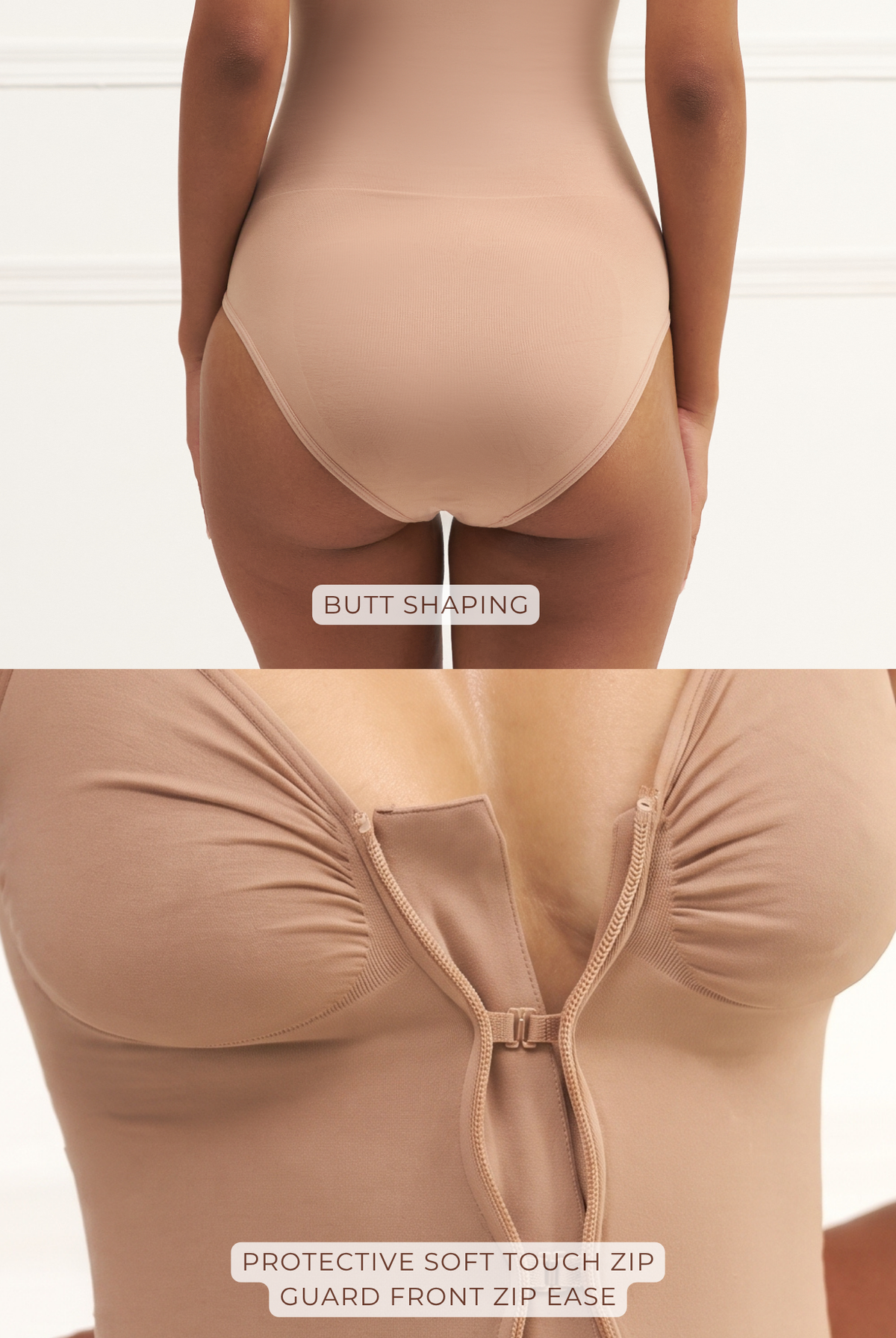
If you've ever wrestled your way out of a sweaty sports bra after a workout, you'll understand why closures matter. Front zips make changing much easier, especially after high-impact sessions. Hook-and-eye closures at the back give you more flexibility because you can tighten the band slightly as the elastic naturally relaxes over time. Neither option is automatically better. The right choice is simply the one that stays comfortable without digging into your skin while you move.
Sports Bra for Big Busts Fit Checklist

Finding the right sports bra for big busts takes a bit of trial and error. But once you know the signs of a poor fit, you can avoid the most common mistakes.
Run through this checklist before deciding if a bra works for you. A bra that fits well should feel snug but comfortable, with no digging, pinching, or shifting.
Signs the band is too loose
The band rides up at the back during the movement. You feel the bra shifting around your torso. The back of the bra sits noticeably higher than the front. These are clear signs you need to go down a band size.
Signs the cups are too small
Breast tissue spills over the top or sides of the cup. The underwire (if present) sits on breast tissue rather than flat against the chest. The cups crease or don’t lie flat. Any of these means you need a larger cup size.
Signs the bra is too restrictive
You struggle to take a full breath during your workout. Red marks appear on your skin after wearing it. You feel pinched at the underwire or along the sides. A sports bra should support movement, not restrict it.
Choose a Sports Bra According to Workout Type
Not all workouts put the same demands on your bra. Match your support level to your activity for the best comfort and control.
|
Workout |
Impact level |
Recommended support |
|
Yoga / Pilates |
Low |
Light compression or soft cup |
|
Walking / Cycling |
Low–Medium |
Moderate compression, wide straps |
|
Aerobic / Dance |
Medium |
Encapsulation with adjustable straps |
|
Running |
High |
Encapsulation + compression, underwire optional |
|
HIIT / CrossFit |
High |
Maximum encapsulation, zip or hook closure |
Features of Wearing the Right Sports Bra for Heavy Breasts
Wearing the right sports bra for heavy breasts changes how you feel through every workout. Here’s what you’ll notice once the fit is correct.
-
Reduced bounce and strain
You'll notice this first. Instead of constantly adjusting your bra or holding your chest during certain movements, everything feels more stable. That means less pressure on your shoulders, neck and upper back by the end of your workout.
-
Better posture
When your bust is properly supported, your body doesn't need to compensate as much. Many women naturally stand taller and move more comfortably because they're no longer trying to balance extra weight through their shoulders.
-
Less chafing
A bra that stays where it's supposed to won't rub against your skin with every step. Smooth fabrics and a secure band reduce the friction that often causes irritation around the underarms and underband.
-
Easier breathing
Support shouldn't come at the cost of comfort. The right sports bra feels secure, but it shouldn't leave you counting the minutes until you can take it off. You should still be able to breathe deeply and move freely throughout your workout.
-
More confidence
Perhaps the biggest difference is mental. When you're not worrying about bounce, adjusting straps or checking your outfit every few minutes, you're free to focus on what you actually came to do.
Conclusion
Finding the best sports bra for heavy breasts isn't about choosing the thickest straps or the tightest fit. It's about understanding what your body actually needs.
A supportive band, well-shaped cups and the right level of support for your workout can completely change how exercise feels. You move with more confidence, experience less discomfort and spend far less time thinking about your bra. Everybody is different, and that's exactly why finding the right fit matters more than following a standard size on the label. Once you find a sports bra that genuinely supports you, you'll wonder how you ever worked out without it.
Explore Underneat's thoughtfully designed sports bras and supportive essentials to find a fit that feels comfortable from your first stretch to your final cooldown.
FAQs
Is a sports bra better than a regular bra for heavy breasts?
Yes. A sports bra for heavy breasts is designed specifically for movement and offers far more bounce control and structural support than an everyday bra.
Should heavy breasts always use high-impact support?
Not always. Match the impact level to the activity. Yoga and walking need light to moderate support. Running or HIIT genuinely requires high-impact encapsulation to stay comfortable.
Are underwired sports bras better for a large bust?
An underwire can add shape and support for a fuller bust, but only when the wire sits flat against the chest wall rather than on breast tissue. The wrong fit is more uncomfortable than no wire at all.
Can a sports bra help prevent sagging?
A well-fitted sports bra reduces strain on breast ligaments during exercise. It won’t reverse existing changes, but it does hold tissue properly during movement.
How tight should a sports bra feel at first wear?
Firm, but comfortable. You should be able to fit two fingers under the band. It should feel snug during movement without digging in, leaving red marks, or making breathing harder.
How often should you replace a sports bra?
Every 6–12 months, depending on wear frequency. When the band stretches easily and no longer sits firmly, it’s time for a new one. Straps that no longer hold their position are another clear sign.