




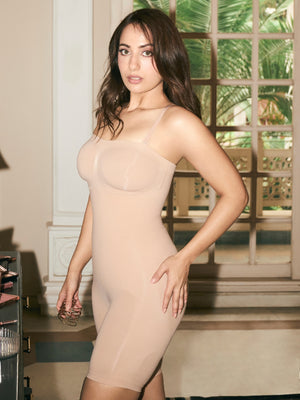

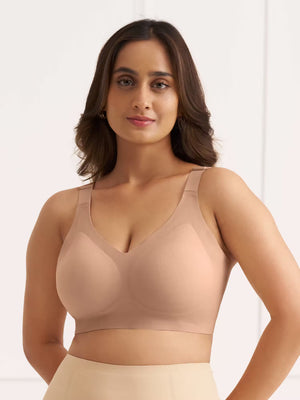

Finding the right bra size can feel like solving a complex math puzzle, especially when you go beyond the standard A, B, and C cups. If you have recently measured yourself or been sized at a store and heard the term E cup bra, you might be wondering what it actually means. Is it huge? Is it hard to find? Does it mean your back will hurt forever?
Relax, sab chill hai!
Finding out you need an E cup bra size is actually a total game changer for your comfort, posture, and overall outfit fit. Many women spend years wearing the wrong bra size without realising that a larger cup with a properly fitted band can offer incredible support and lift.
In this comprehensive guide, we'll break down everything you need to know about what an E cup bra is, how it works, how to measure yourself, and how to pick the best styles for your everyday wardrobe.
How Is It Measured?

To understand ‘what is an E cup bra’, you first need to understand how bra sizing works in general. A bra size consists of two main parts: the band size (the number, like 32, 34, 36) and the cup size (the letter, like C, D, DD, E).
The band size measures the ribcage right under your bust. The cup size, on the other hand, represents the difference between your bust measurement (the fullest part of your chest) and your band measurement.
Here is how the math breaks down:
-
1 inch difference = A cup
-
2 inches difference = B cup
-
3 inches difference = C cup
-
4 inches difference = D cup
-
5 inches difference = DD cup
-
6 inches difference = E cup (in standard UK sizing)
So, if your underbust measures 32 inches and your fullest bust measures 38 inches, the difference is 6 inches. That makes your ideal size a 32E!
Keep in mind that sizing standards can vary slightly by region. In UK sizing, an E cup comes right after DD. In US sizing, an E cup is often equivalent to a DDD cup. Always check the brand's size chart to avoid any sizing confusion.
Sister Sizes of E Cup Bras

Have you ever tried on a bra in your usual size and felt like the band was too tight, but the cup fit perfectly? This is where the magic of "sister sizes" comes in.
Sister sizes are alternate bra sizes where the cup volume stays the same, but the band size changes. When you go up in a band size, you must go down in a cup size to keep the same cup volume, and vice versa.
If you wear an E cup bra, here is how your sister sizes work:
-
If a 34E feels too tight around your ribcage, you can try a 36DD. The cup volume stays the same, but the band gives you more room to breathe.
-
If a 34E feels too loose in the band, you can size down to a 32F. This keeps the same volume while giving you a snugger, more supportive band.
Understanding your sister sizes gives you flexibility when shopping across brands, since fabrics and band elastics can vary in stretch.
Let's Understand E-Cup Sizes from 30E to 44E

A common myth is that an E cup looks the same on everyone. In reality, cup size depends on band size. An E cup on a 30 band carries much less total volume than an E cup on a 44 band.
Let's look at how the E cup bra size scales across different band sizes:
-
30E & 32E: These sizes belong to women with petite or narrow ribcages but fuller bust volume. The frame is smaller, so look for narrow underwires and straps that don't slip off narrow shoulders.
-
34E & 36E: These are among the most common E cup sizes. They offer a balanced proportion between ribcage circumference and bust volume. Standard supportive styles with medium-to-wide straps work wonderfully here.
-
38E & 40E: For mid-to-plus-size frames, these sizes require bras with stronger back wings, thicker side boning, and wide padded shoulder straps to ensure comfortable weight distribution throughout the day.
-
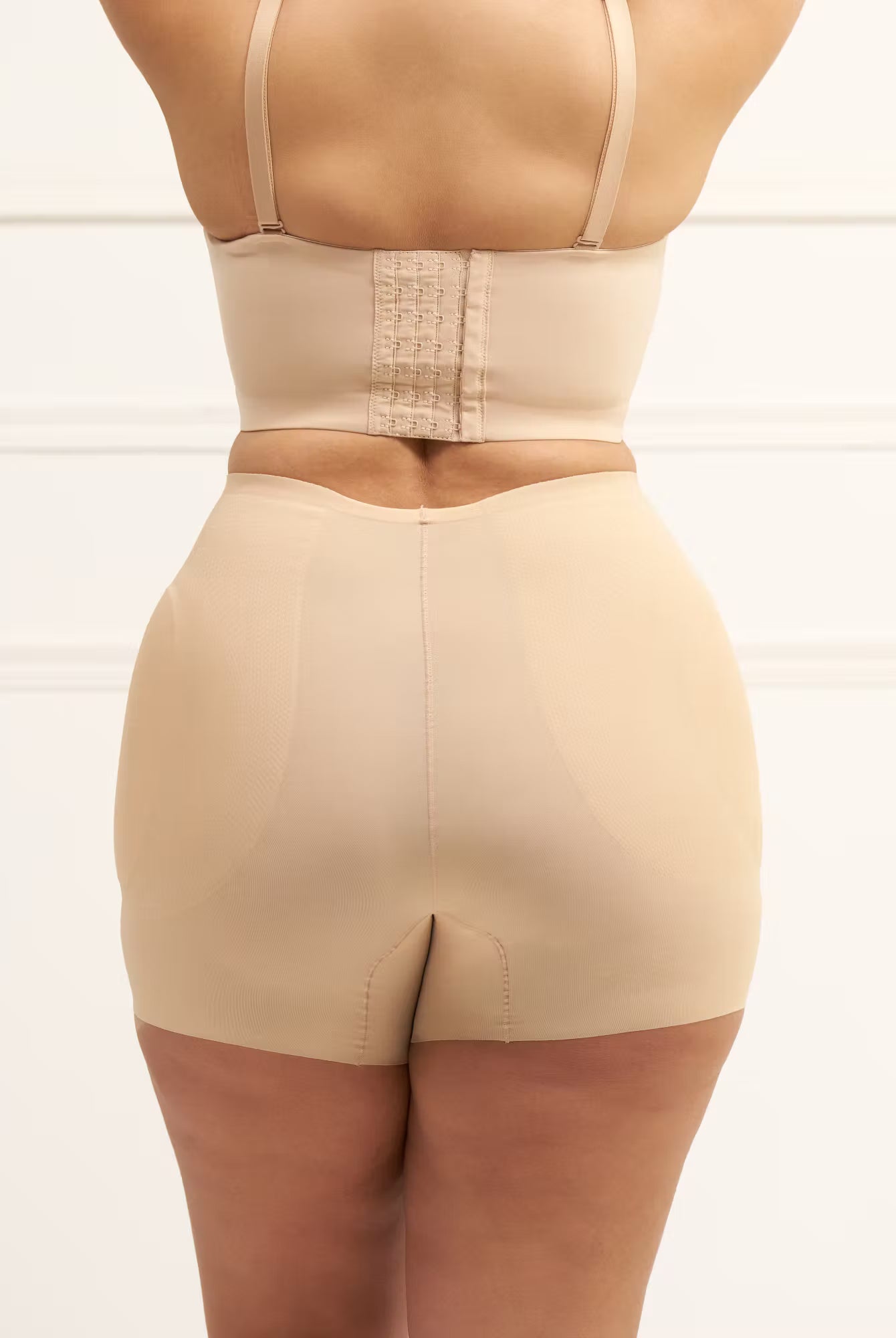
42E & 44E: Designed for plush, full-figured shapes, these sizes prioritise ultimate support, wide bands with 3 to 4 hook-and-eye closures, and high-coverage cups that prevent spillage.
No matter where you land on the spectrum from 30E to 44E, celebrating your true size means giving your body the structure and comfort it deserves!
Common Problems Of E Cup Bra Sizes

Wearing an E cup bra can sometimes bring a few extra challenges if you are not wearing the right style or fit. Here are some of the most common issues women face and how to fix them:
-
Shoulder Strap Dig-In: Many women think shoulder straps are supposed to hold up the weight of the bust. In reality, 80% of the support should come from the band! If your straps dig in and leave red marks, your band is likely too loose.
-
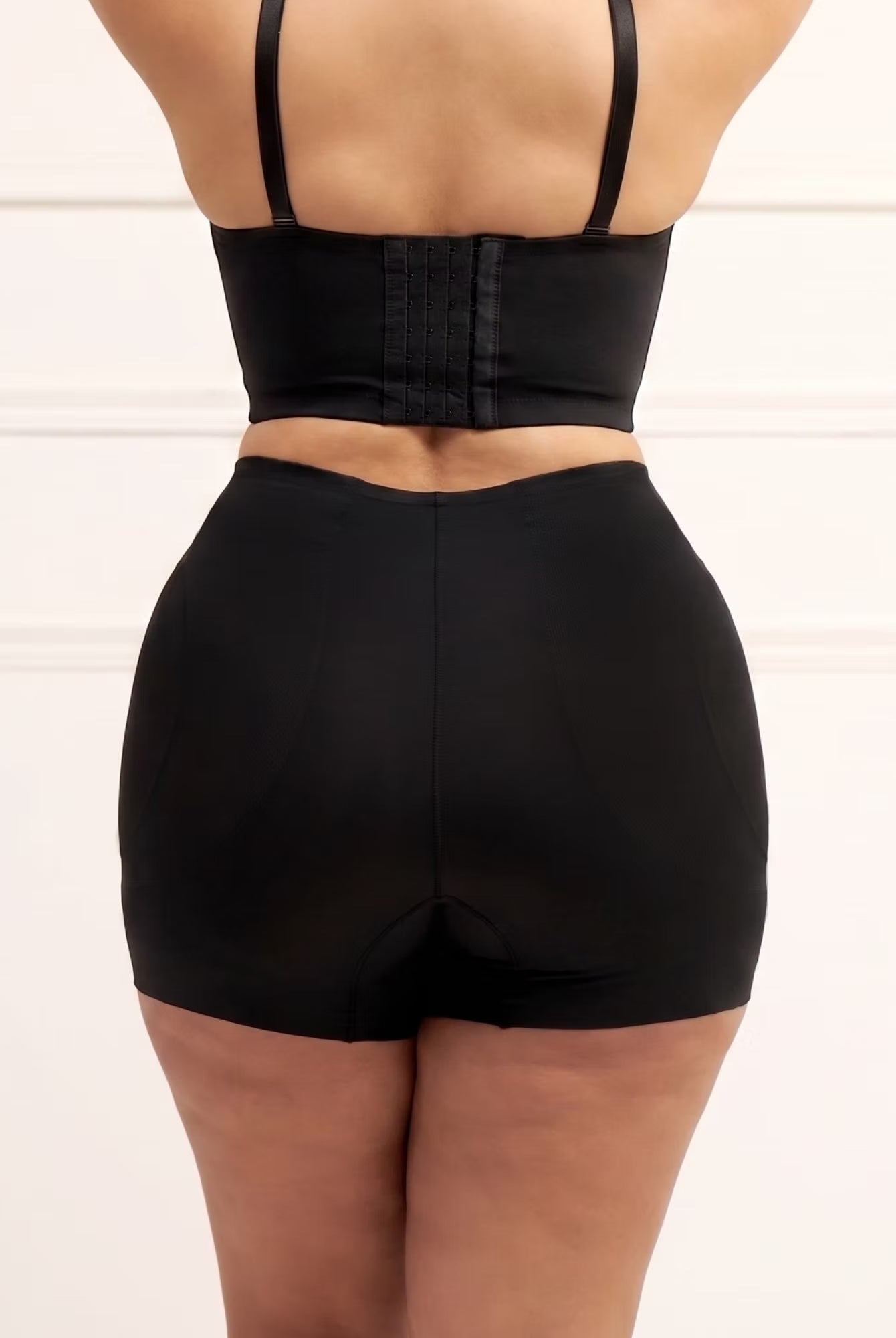
Side Spillage or Quad-Boob: If your tissue overflows out of the top or sides of the cups, your cup size is too small. Upgrading to a proper E or F cup will give you a smooth silhouette.
-
Underwire Poking: Underwires should sit flat against your ribcage without poking into breast tissue or your armpits. If it pokes, the cup is either too small, or the wire shape doesn't match your root shape.
-
Band Riding Up: If your bra band arches up your back, it is too big. A properly fitting band sits completely parallel to the floor.
Explore Different Bra Styles in E Cup Size

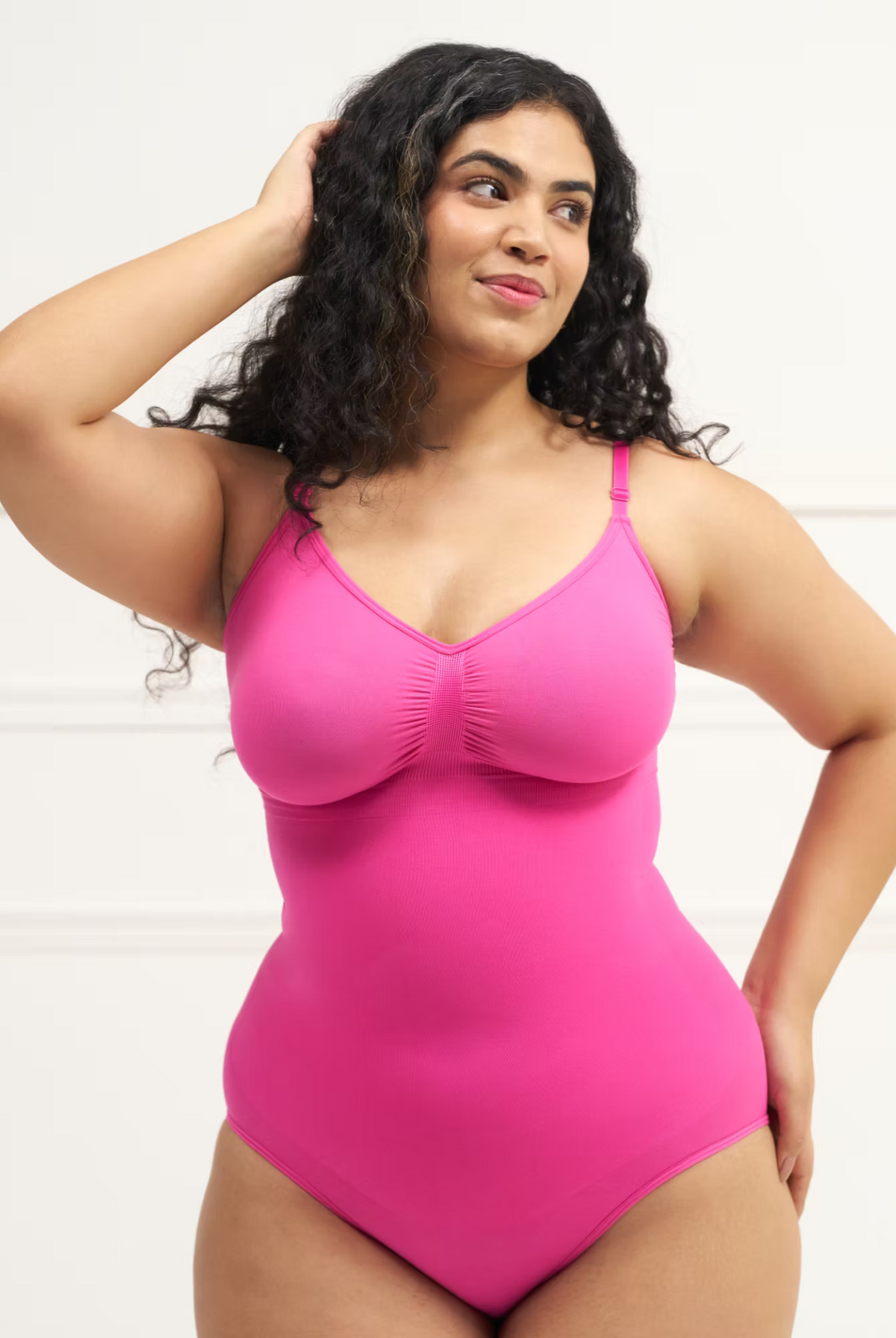
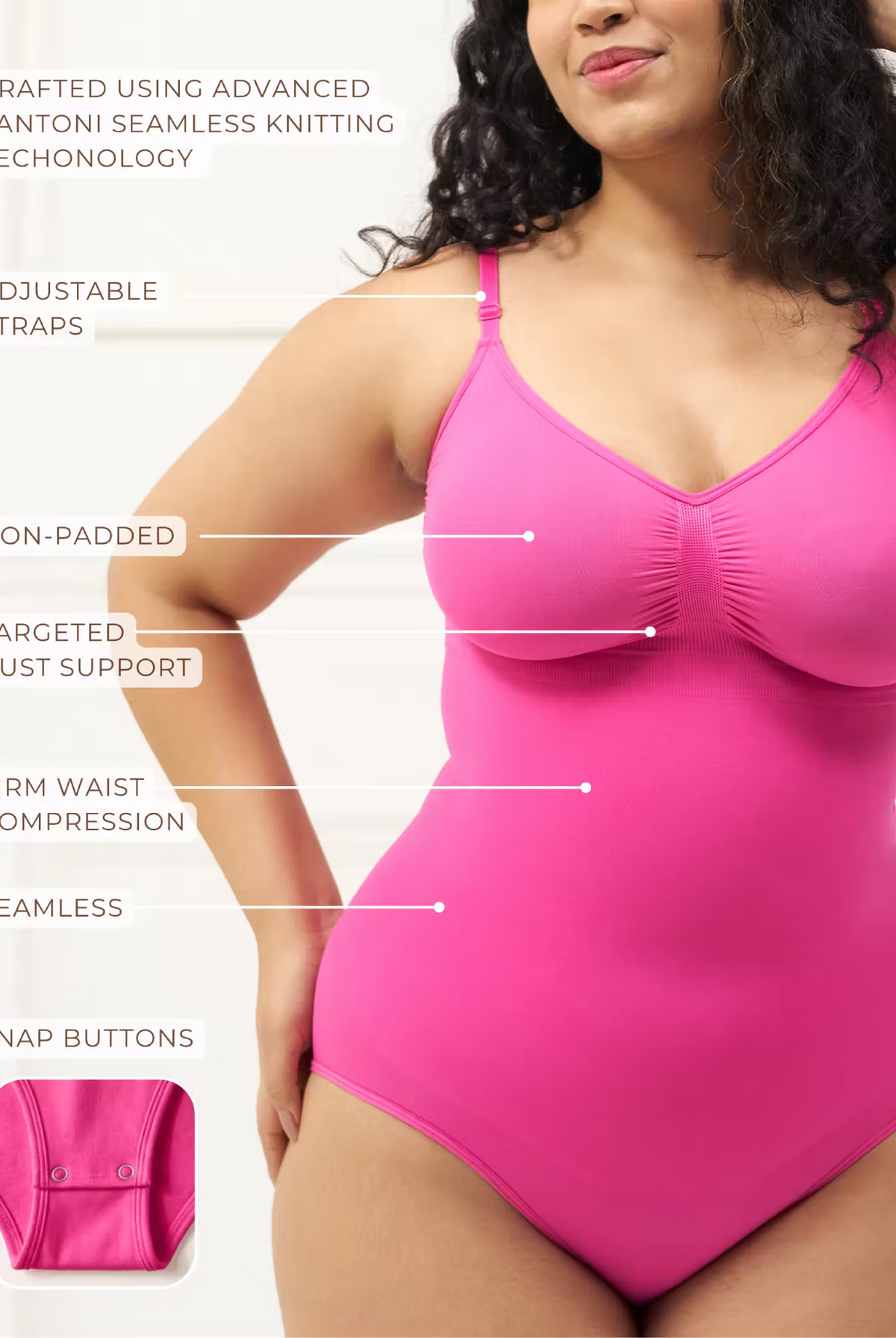
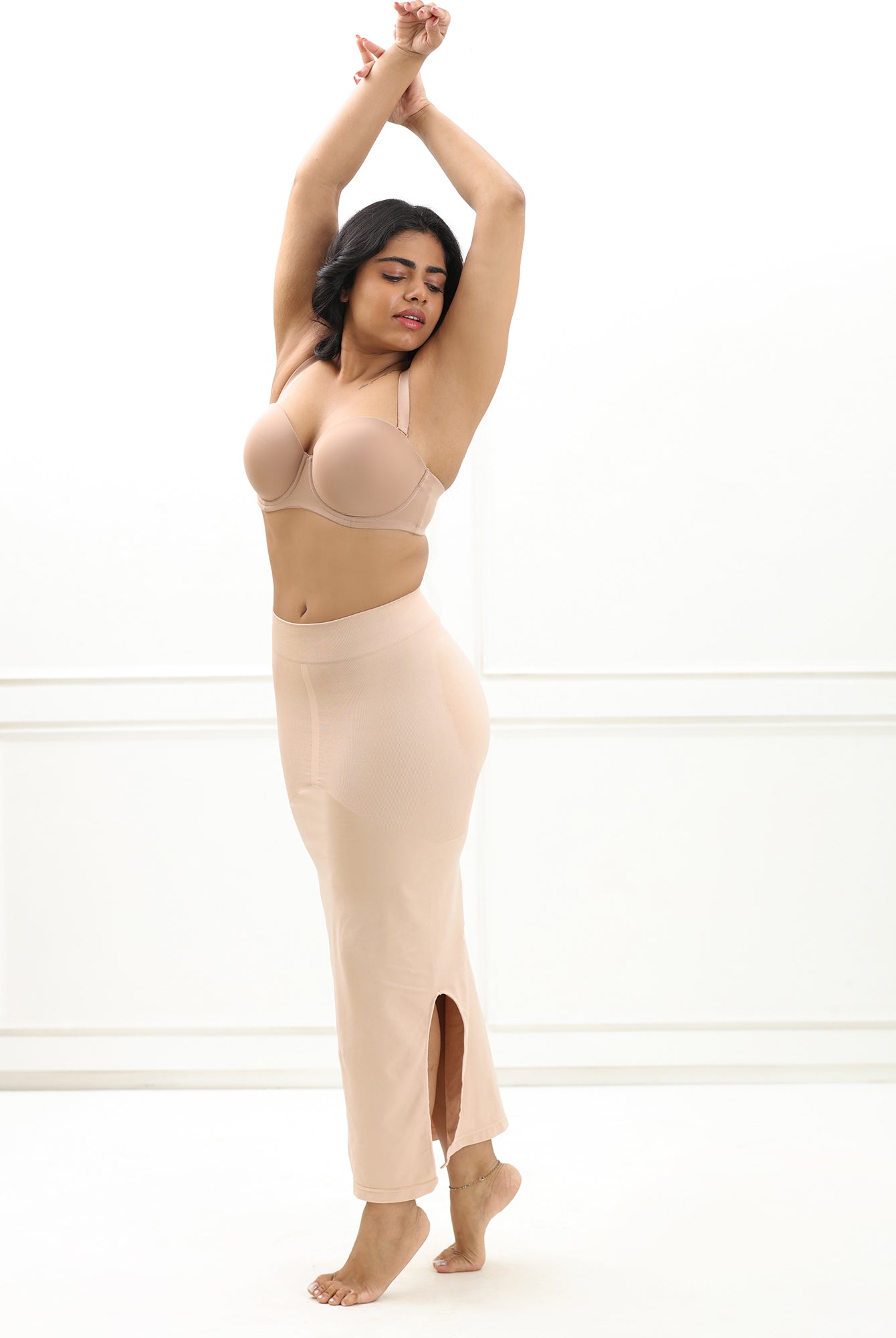
Gone are the days when larger cup sizes only came in plain, boring, or full-coverage designs that looked like orthopedics. Today, stylish and functional lingerie for women comes in a wide variety of gorgeous, trend-forward options for E cups.
Everyday Bras
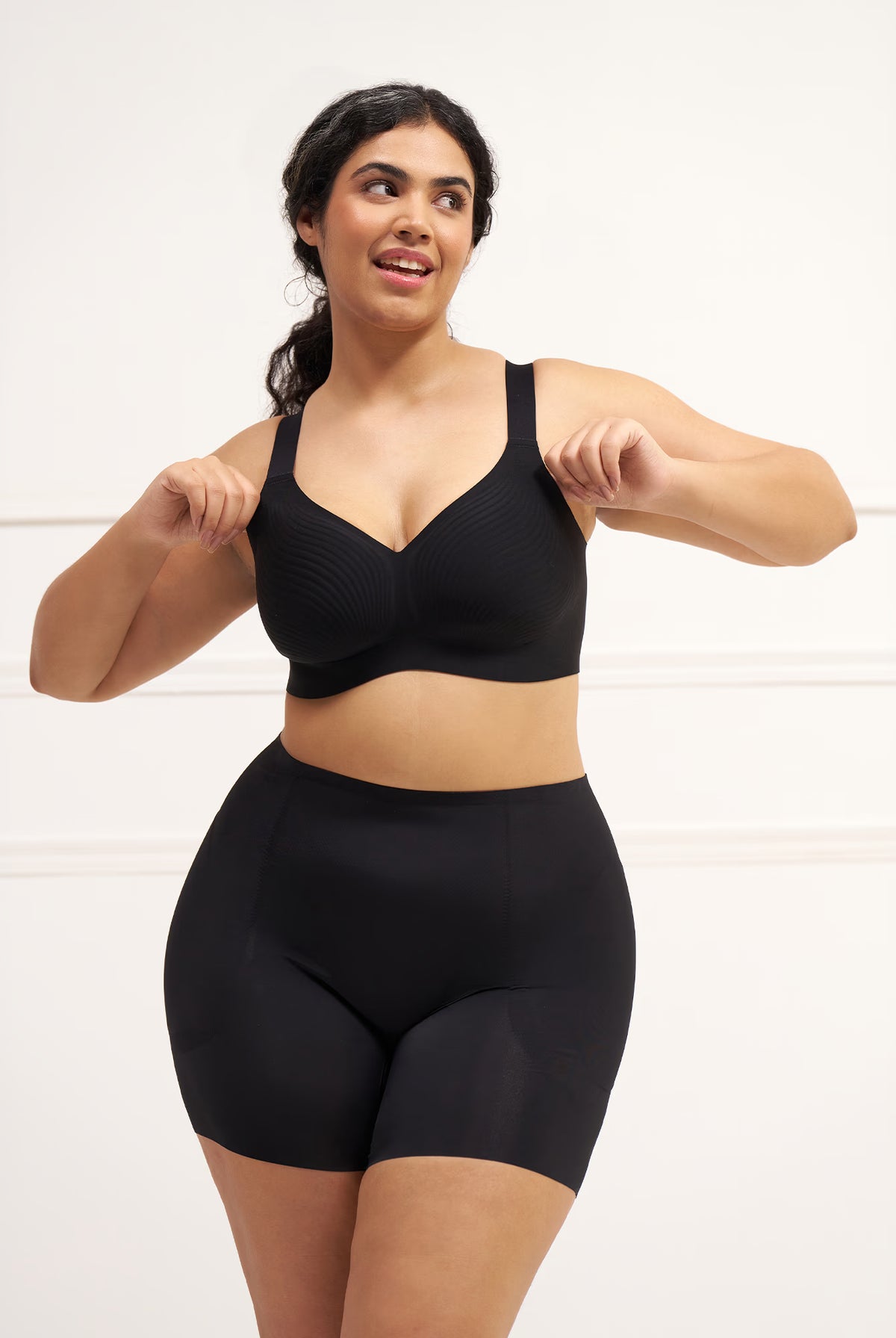
Everyday bras are built for long hours, maximum comfort, and seamless wear under workwear or casual outfits. They usually feature sturdy underwires, soft brushed fabrics, non-slip wide straps, and full or 3/4th coverage to keep everything securely in place without constant adjusting.
Fashion Bras
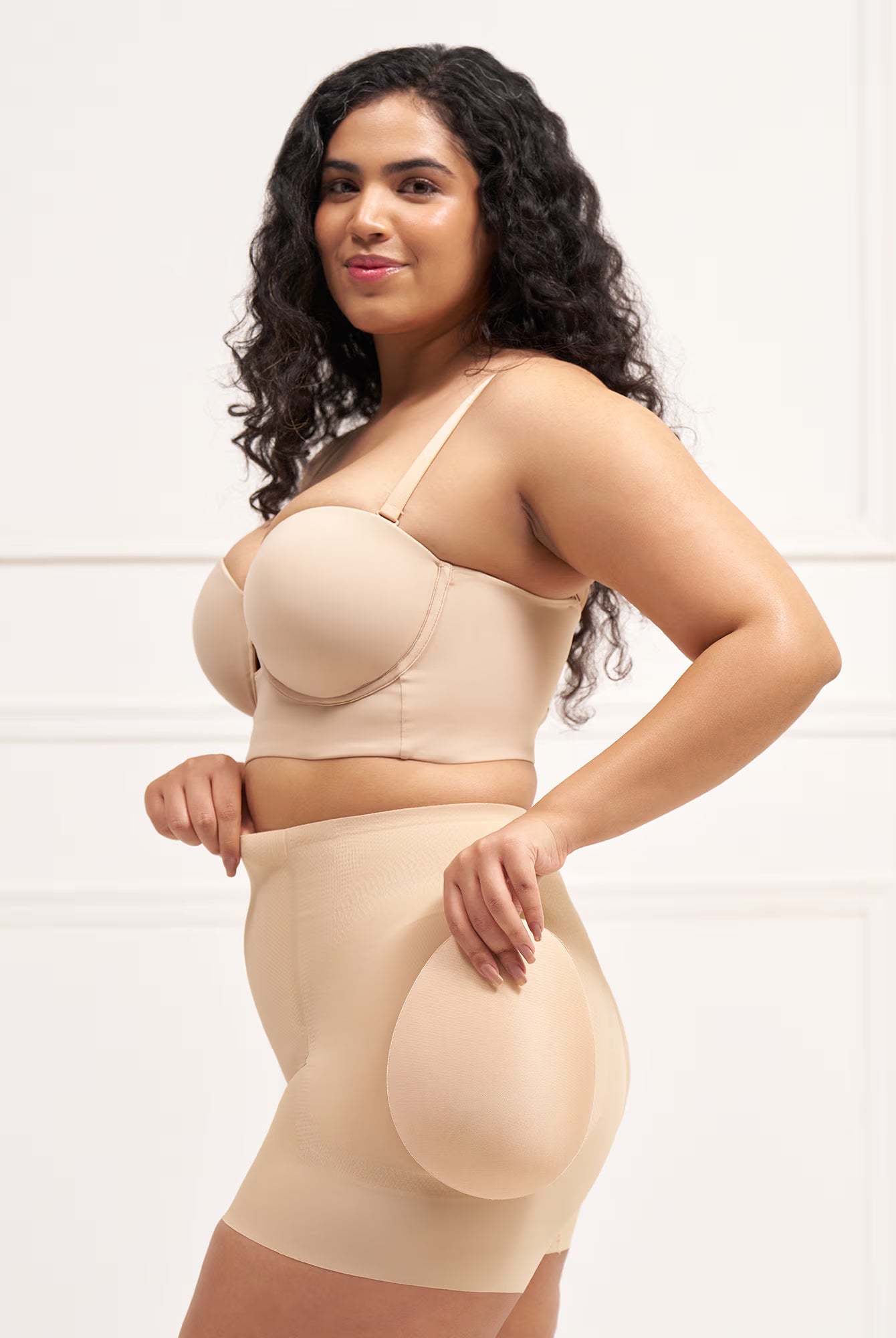
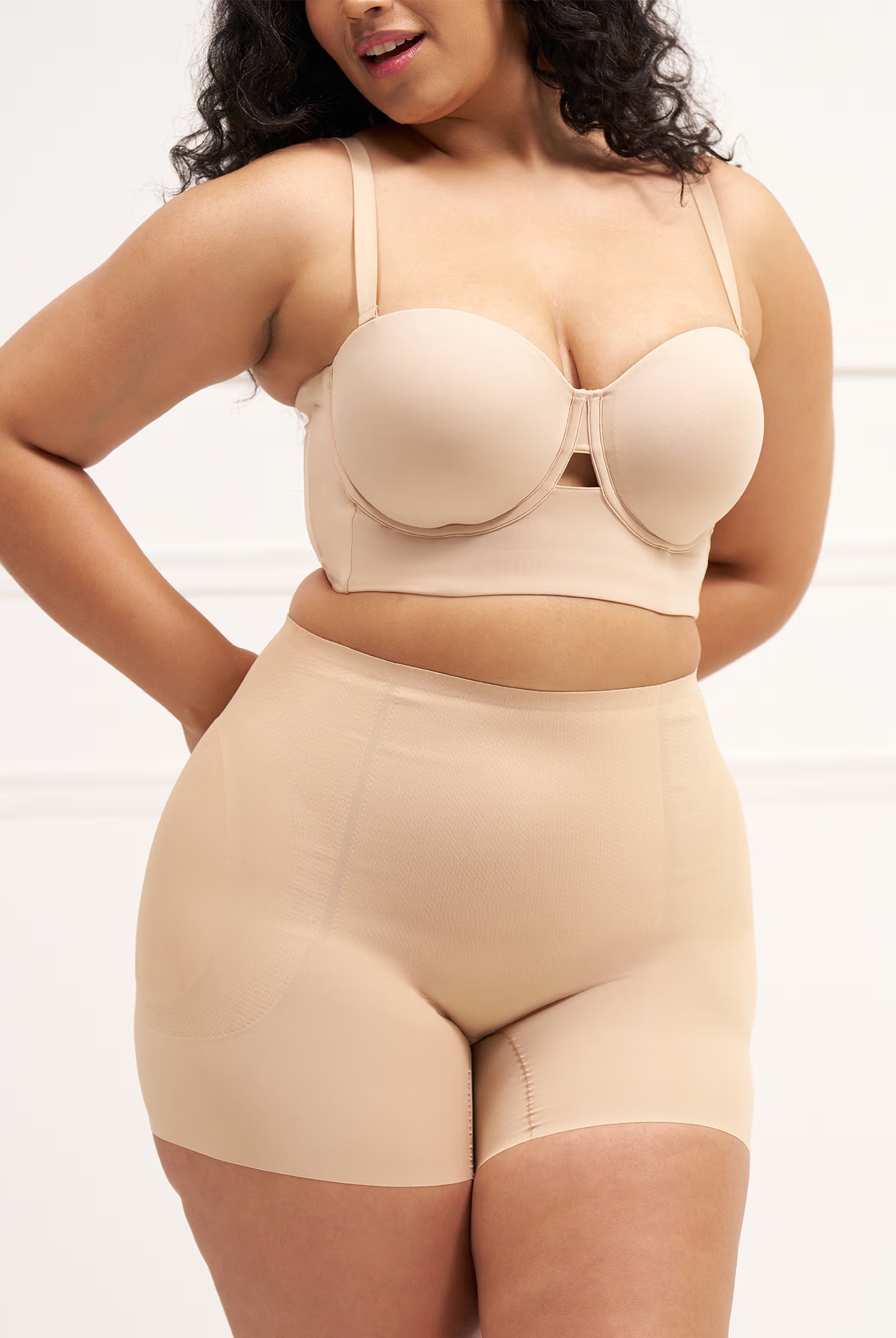
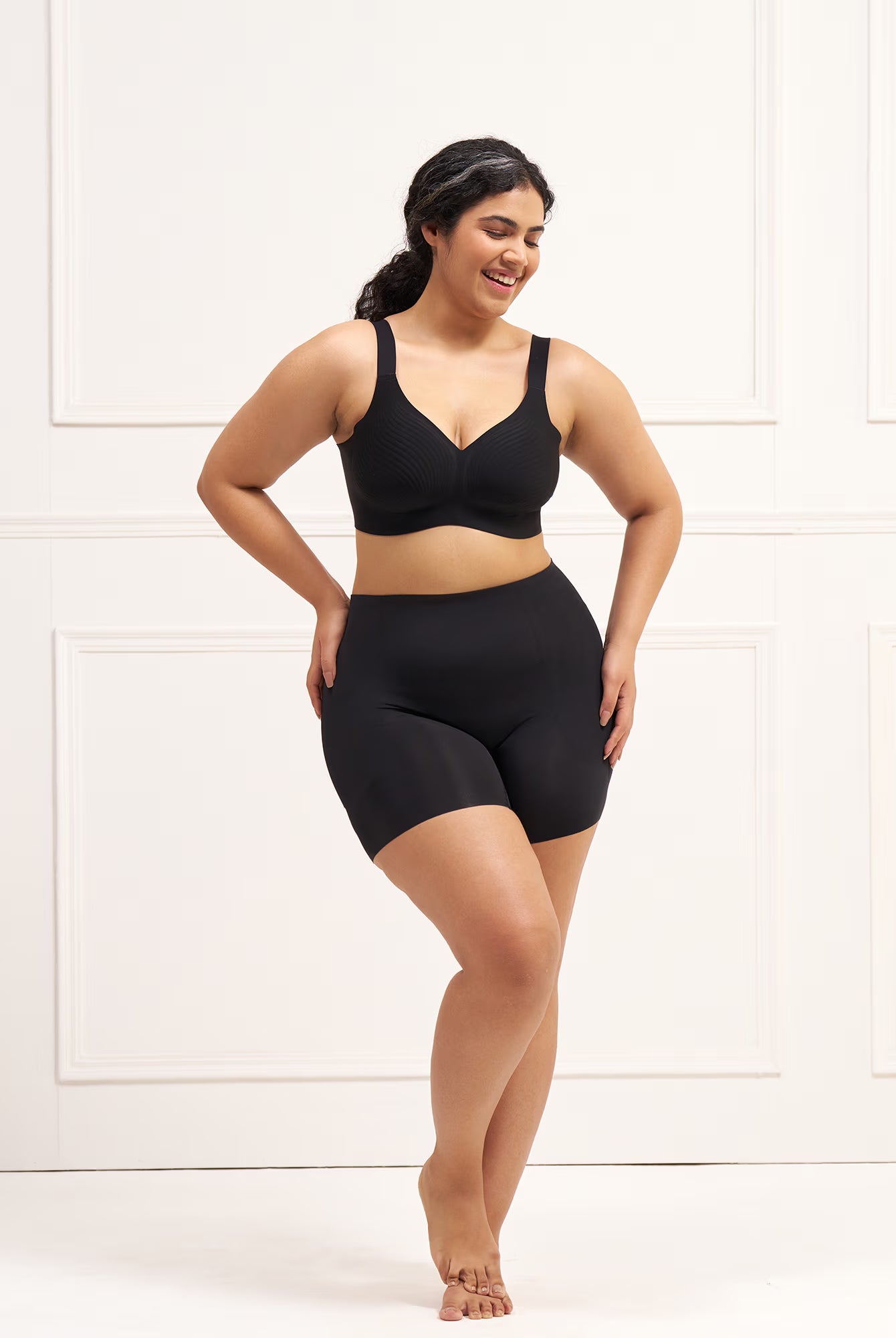
Who says full busts cannot wear pretty sheer lace, plunge necklines, or strappy details? Modern fashion bras for E cups are engineered with reinforced side panels, inner slings, and strong stretch lace. They give you all the aesthetic vibes, sheer elegance, and dramatic necklines without sacrificing an ounce of lift.
Minimizer Bras
If you love wearing button-down shirts or fitted dresses but hate the gaps between buttons, a minimizer bra is your best friend. Minimizer bras redistribute breast tissue slightly toward the sides and chest wall, visually reducing the projection of your bust by up to an inch or two while maintaining your natural shape.
T-shirt Bras
A seamless T-shirt bra is an absolute wardrobe essential. Crafted with smooth molded foam or spacer fabric cups, it creates a clean, rounded, invisible look under thin cotton tees, bodycon dresses, and knitted tops. It prevents nipple show-through and gives you an instantly polished look.
Conclusion
Understanding your body and embracing an E cup bra is a huge step toward ultimate daily comfort and glowing confidence. Wearing the right size eliminates back strain, improves posture, and transforms how your clothes fit and drape over your body.
Never settle for tight straps, awkward spillage, or uncomfortable bands just because shopping for larger sizes used to feel tricky. Take your measurements, try different cup shapes, explore modern collection lineups, and enjoy the amazing feeling of a bra that fits like a glove!
FAQs
Is an E cup considered a large cup size?
An E cup represents a 6-inch difference between your band and bust measurements. While it is on the fuller side of the spectrum, it is very common! On smaller band sizes (like 30E or 32E), it often looks quite moderate, whereas on larger bands (like 40E or 42E), it looks more generous and voluptuous.
What is the difference between a D cup and an E cup?
The main difference is bust projection and cup volume. A D cup accounts for a 4-inch difference between bust and band, while an E cup accounts for a 6-inch difference (with DD sitting right in between at 5 inches). An E cup holds significantly more breast tissue volume than a D cup on the same band size.
How should an E cup bra fit?
A perfectly fitting E cup bra should have a firm band that sits level across your back. The centre gore (the fabric piece between the cups) should rest flat against your sternum without floating. Your breast tissue should fill the cups smoothly without spilling over the top or wrinkling in the fabric.
Is a full coverage bra suitable for an E cup?
Yes, full coverage bras are exceptionally suitable for E cups! They offer maximum support, prevent top-cup spillage, and distribute weight evenly across the chest. They are ideal for daily wear, active days, and structured outerwear.
What should you consider when choosing an E cup bra?
When buying an E cup bra, look for wide, padded shoulder straps to reduce pressure, a sturdy band with at least 3 hook-and-eye closures, supportive side wings, and durable underwires. Always consider the fabric, seam placement, and necklines of the outfits you plan to wear with it!