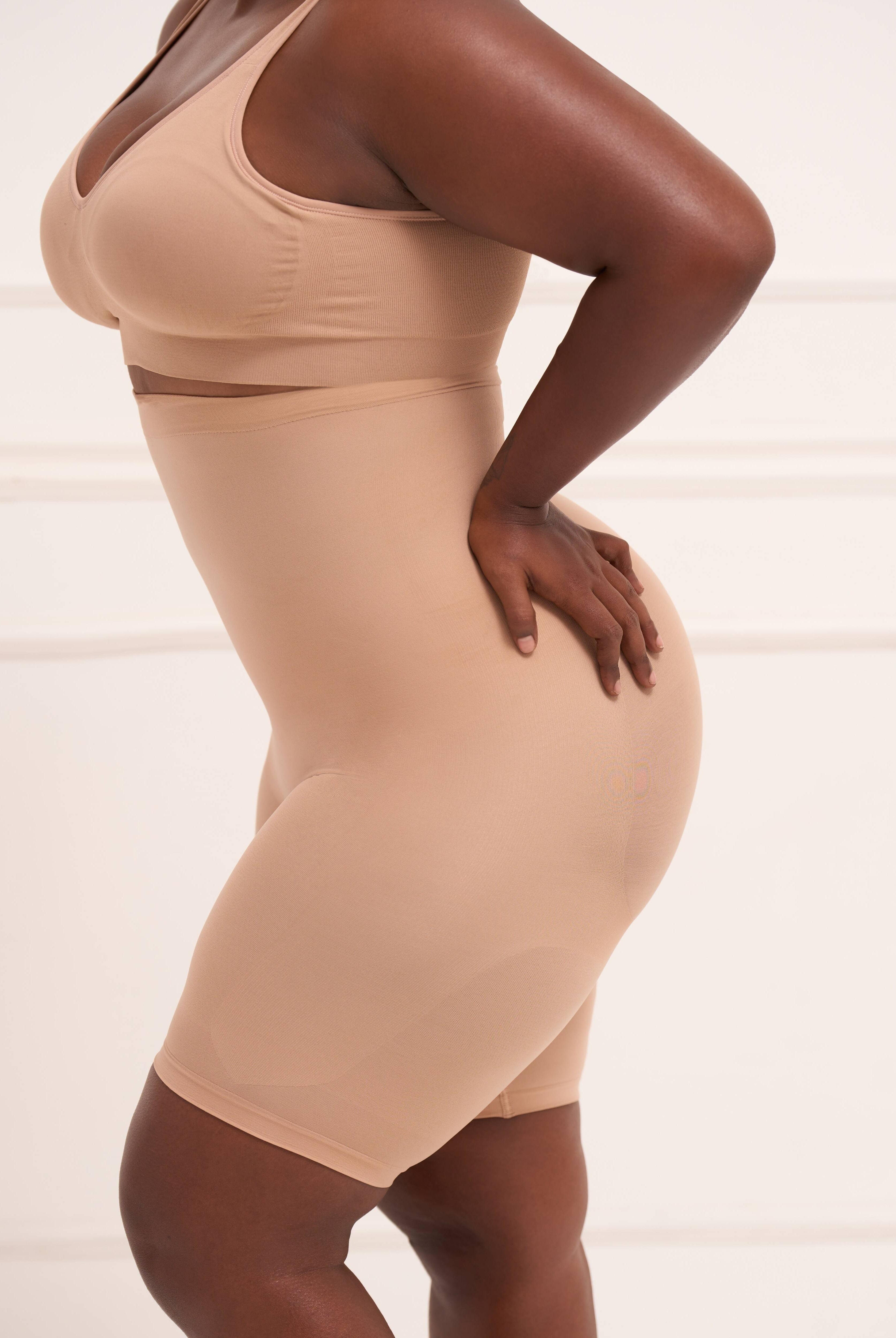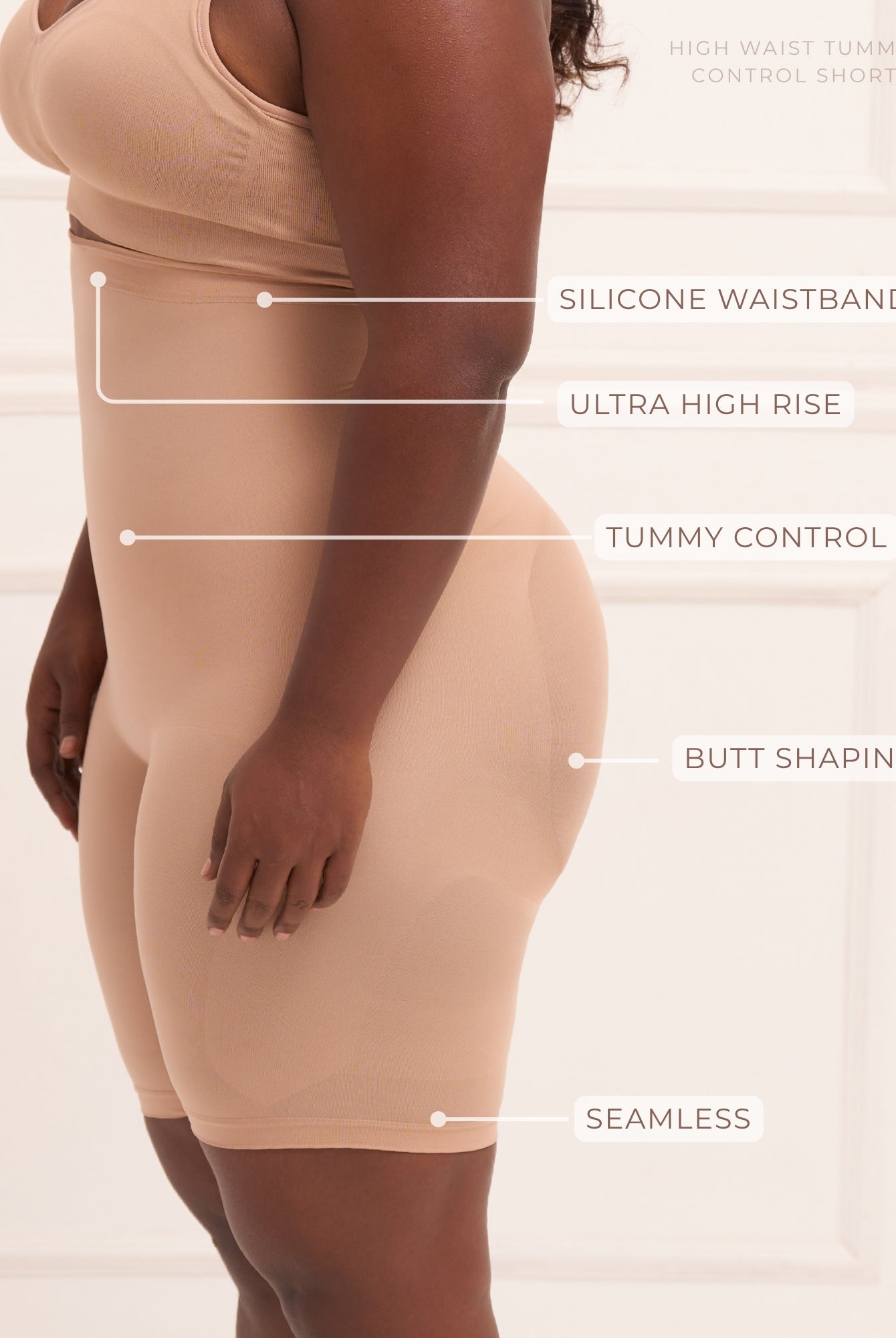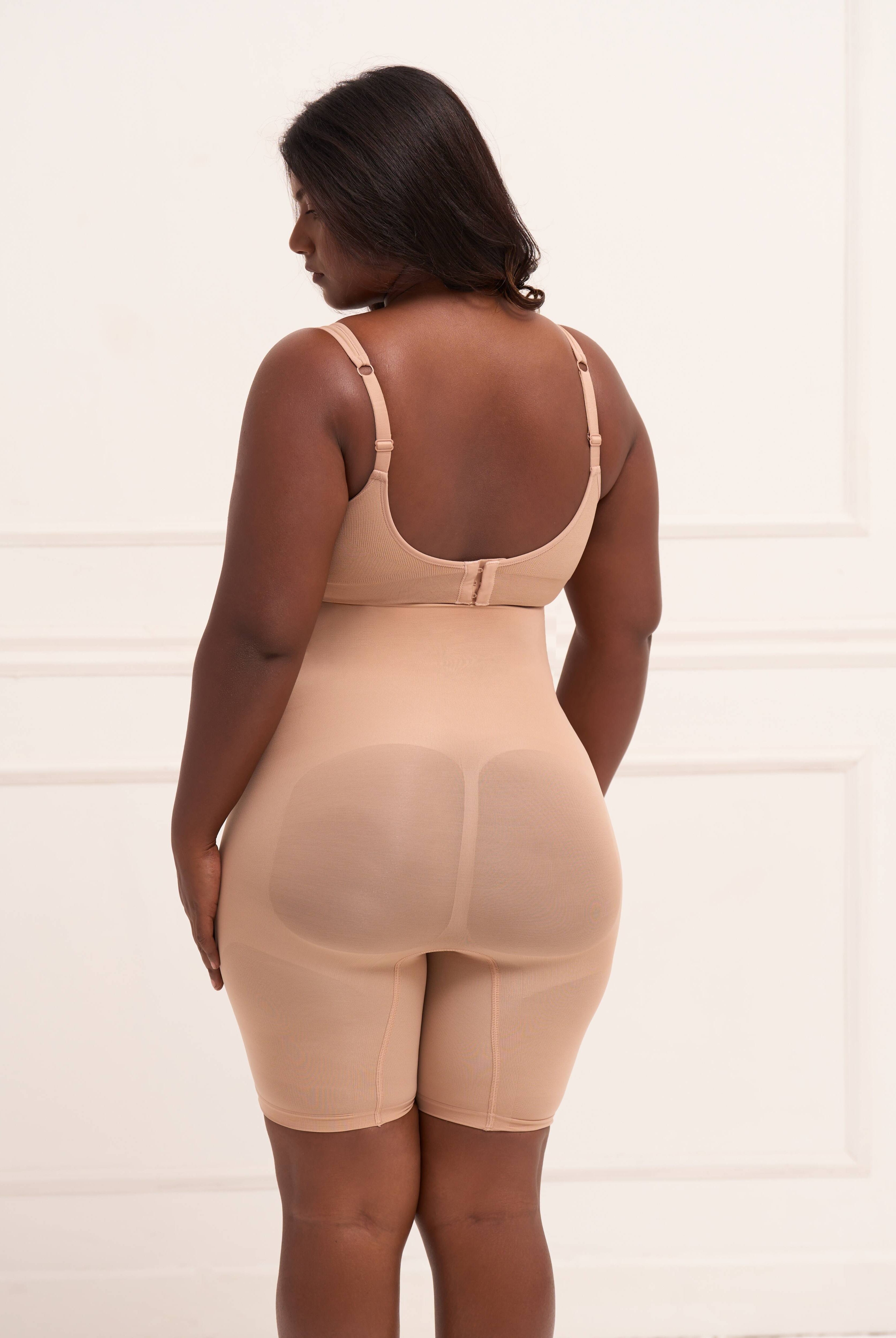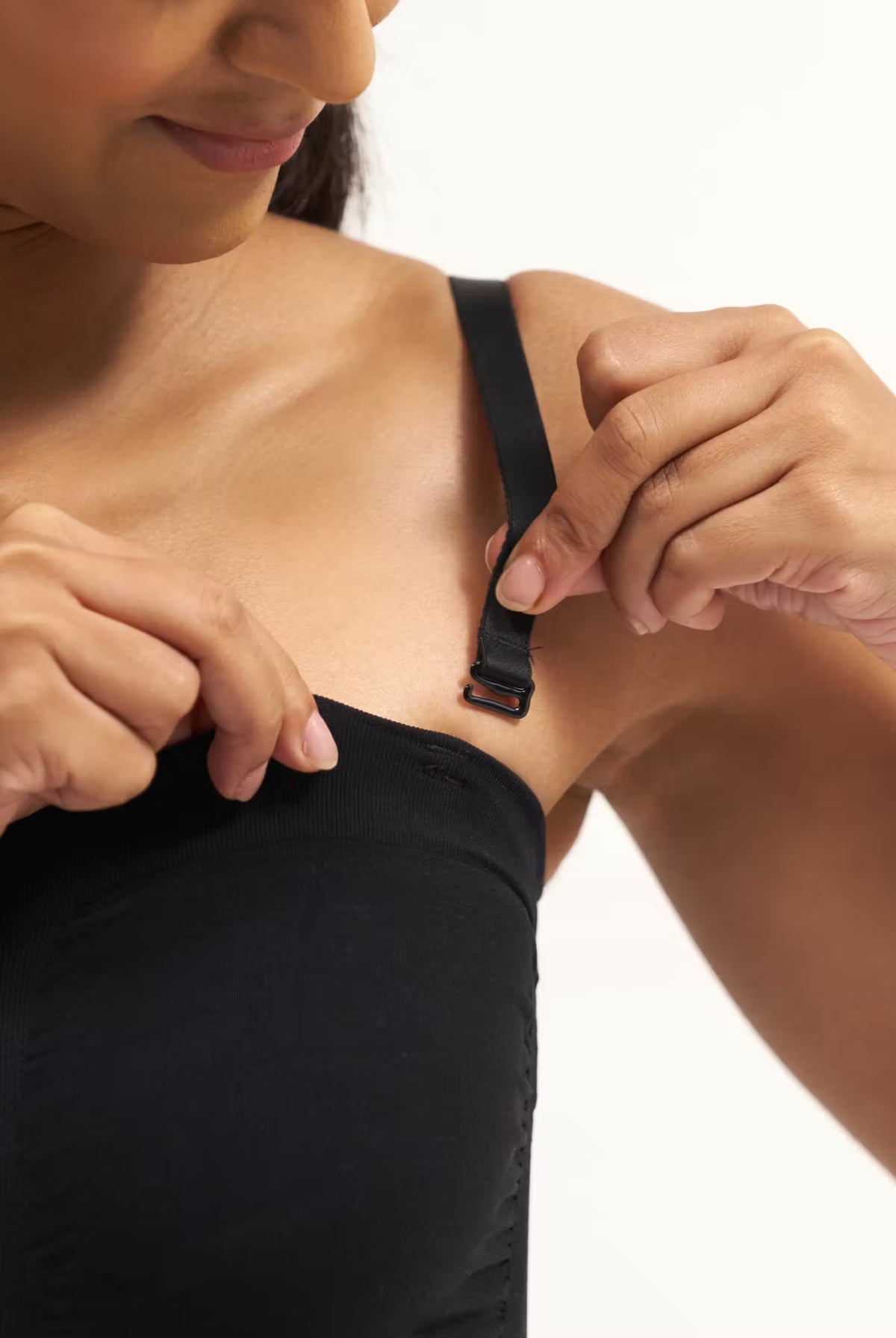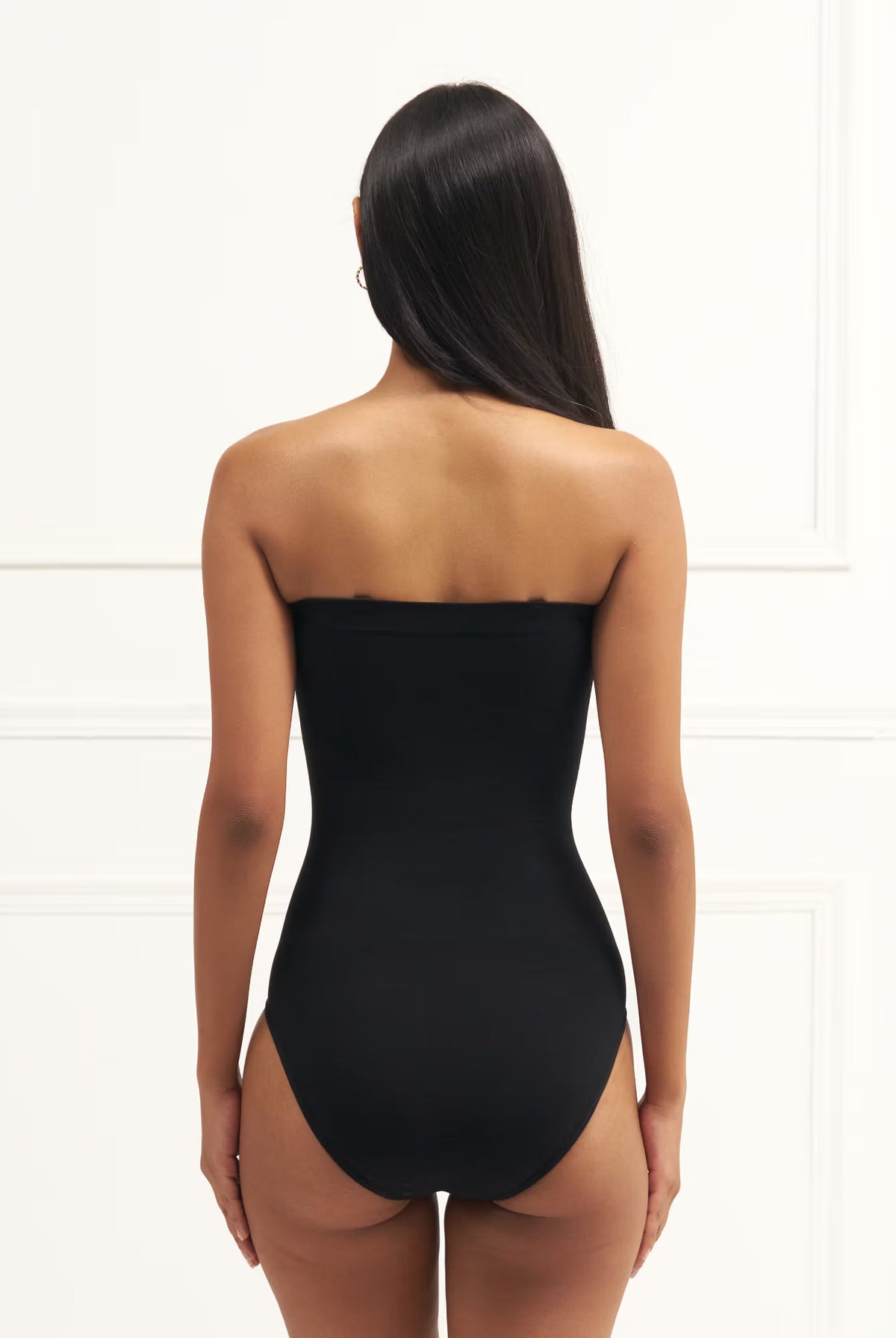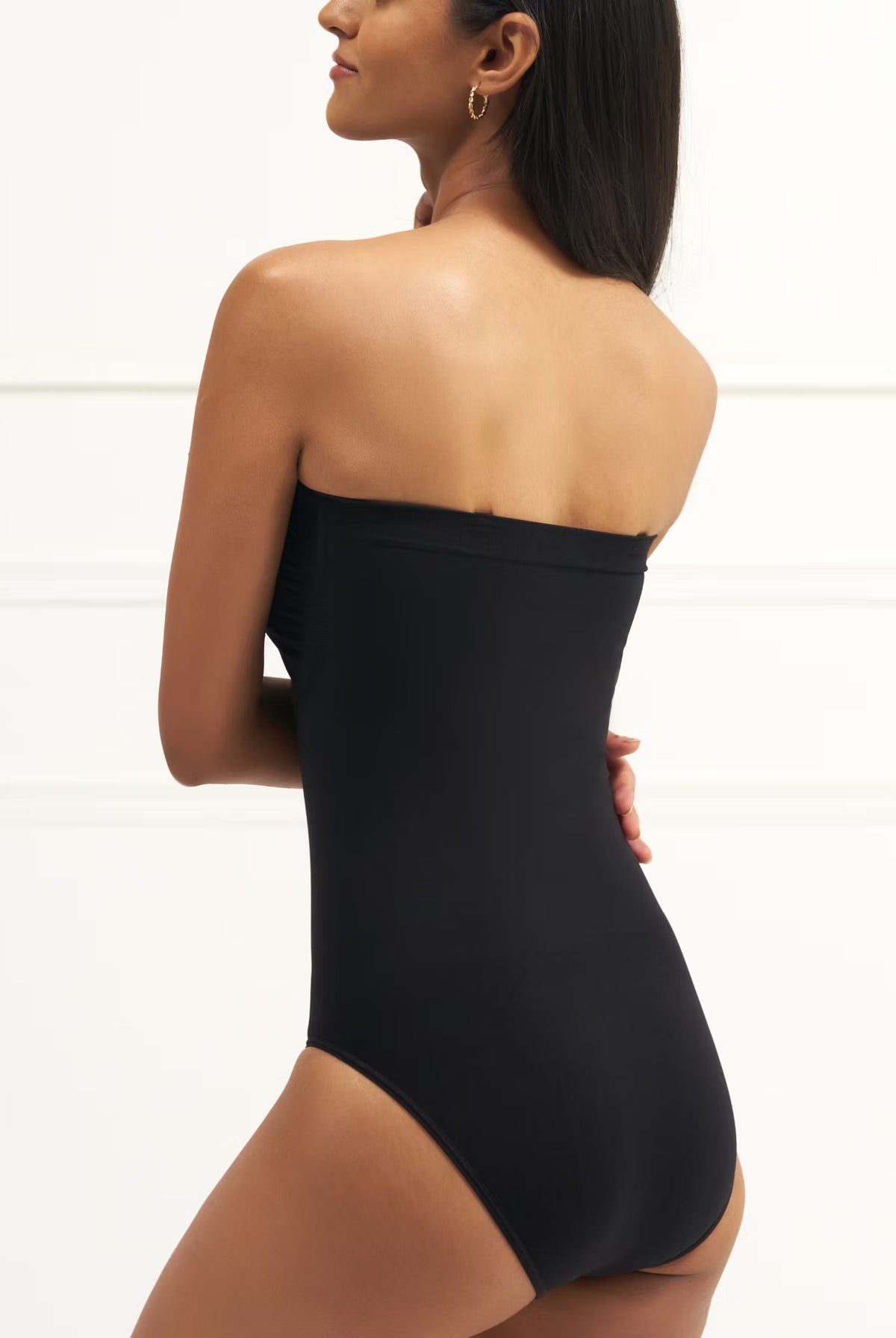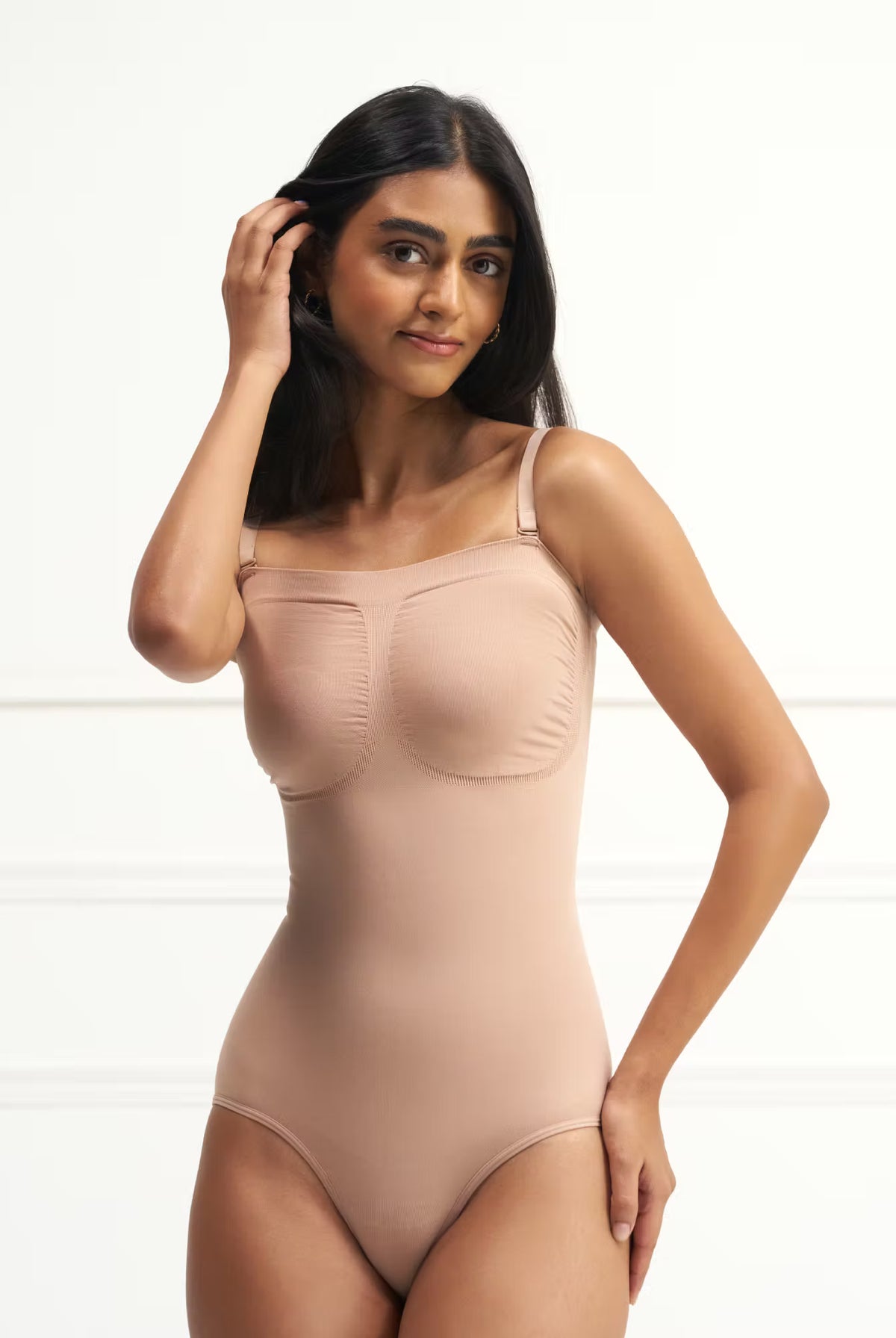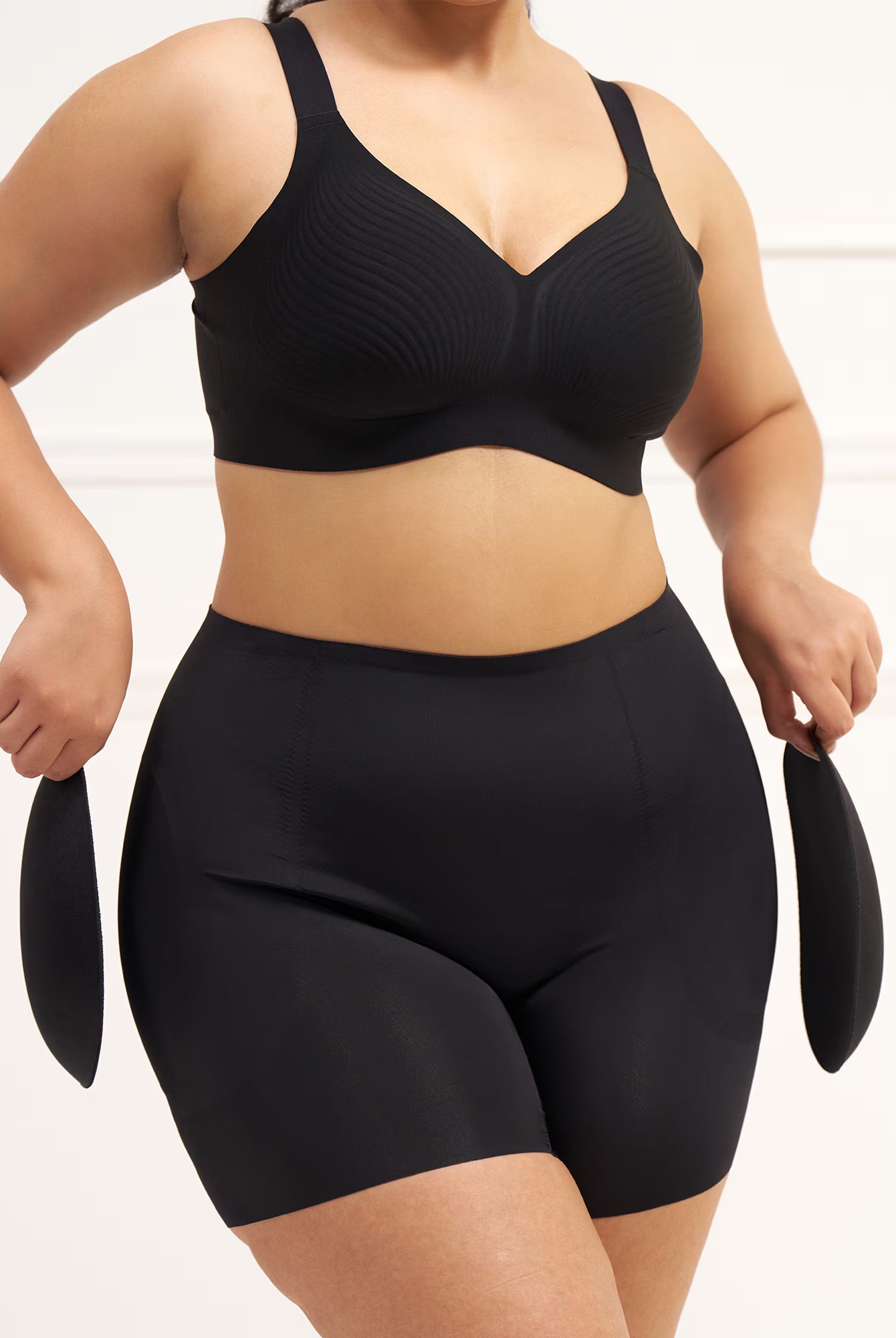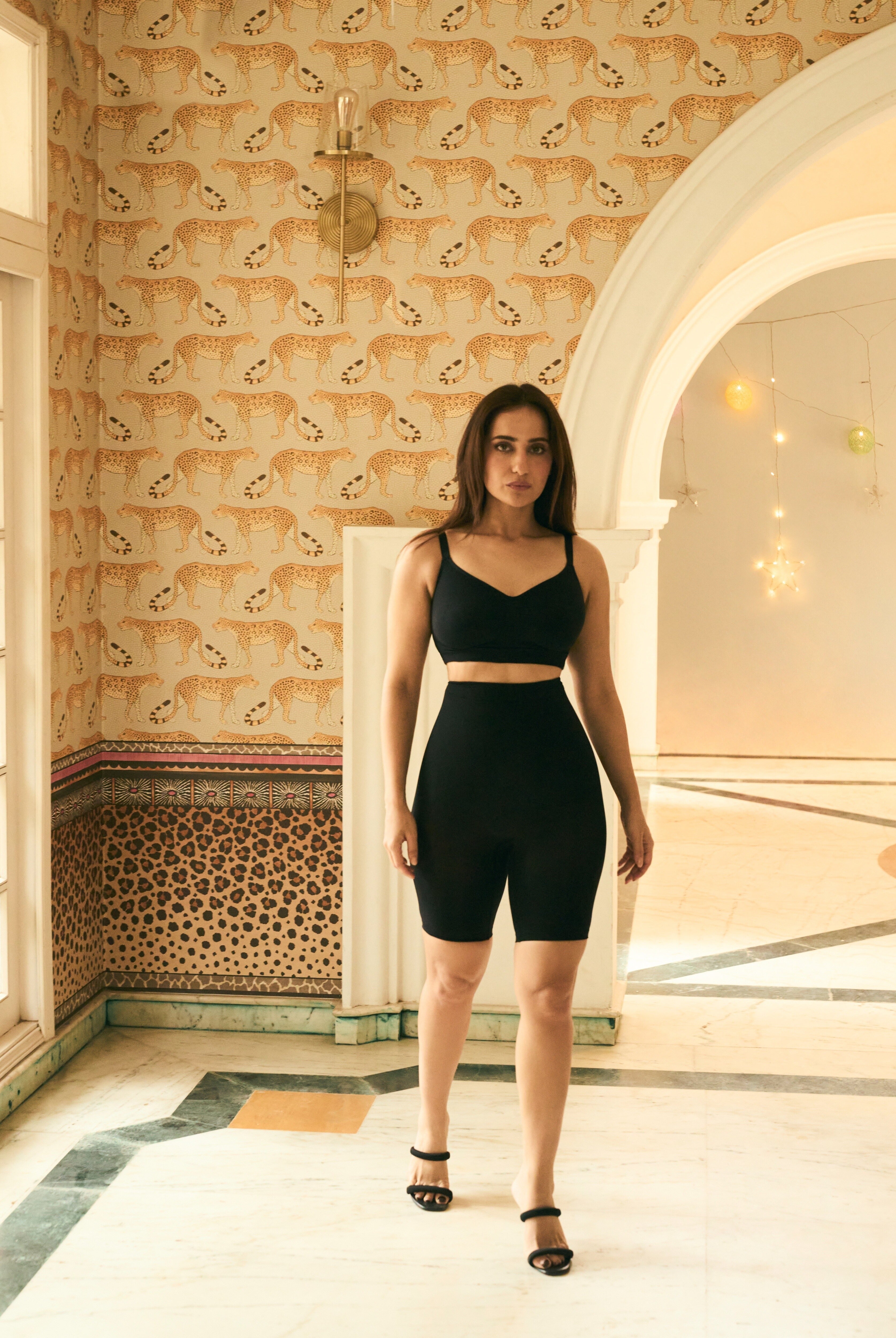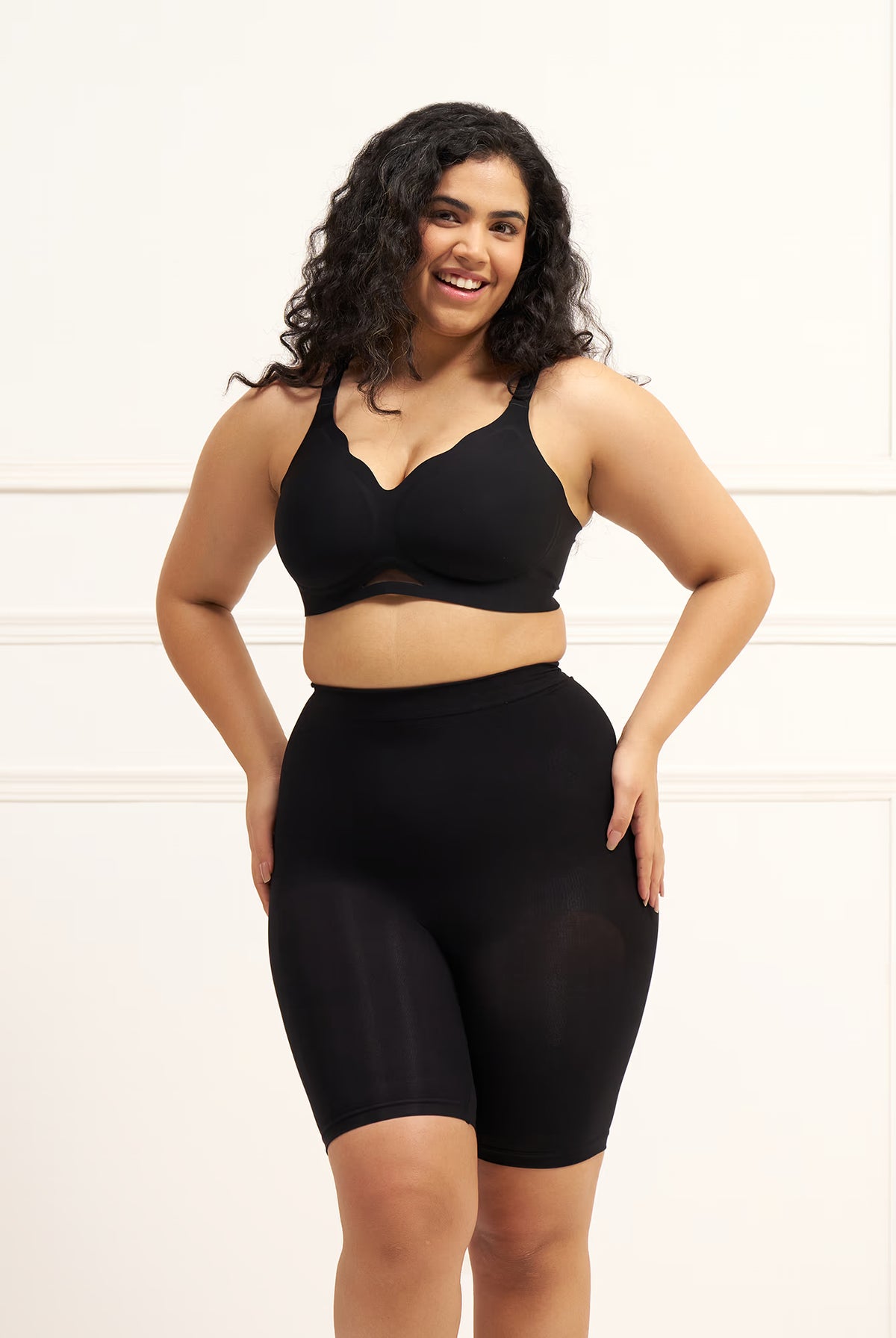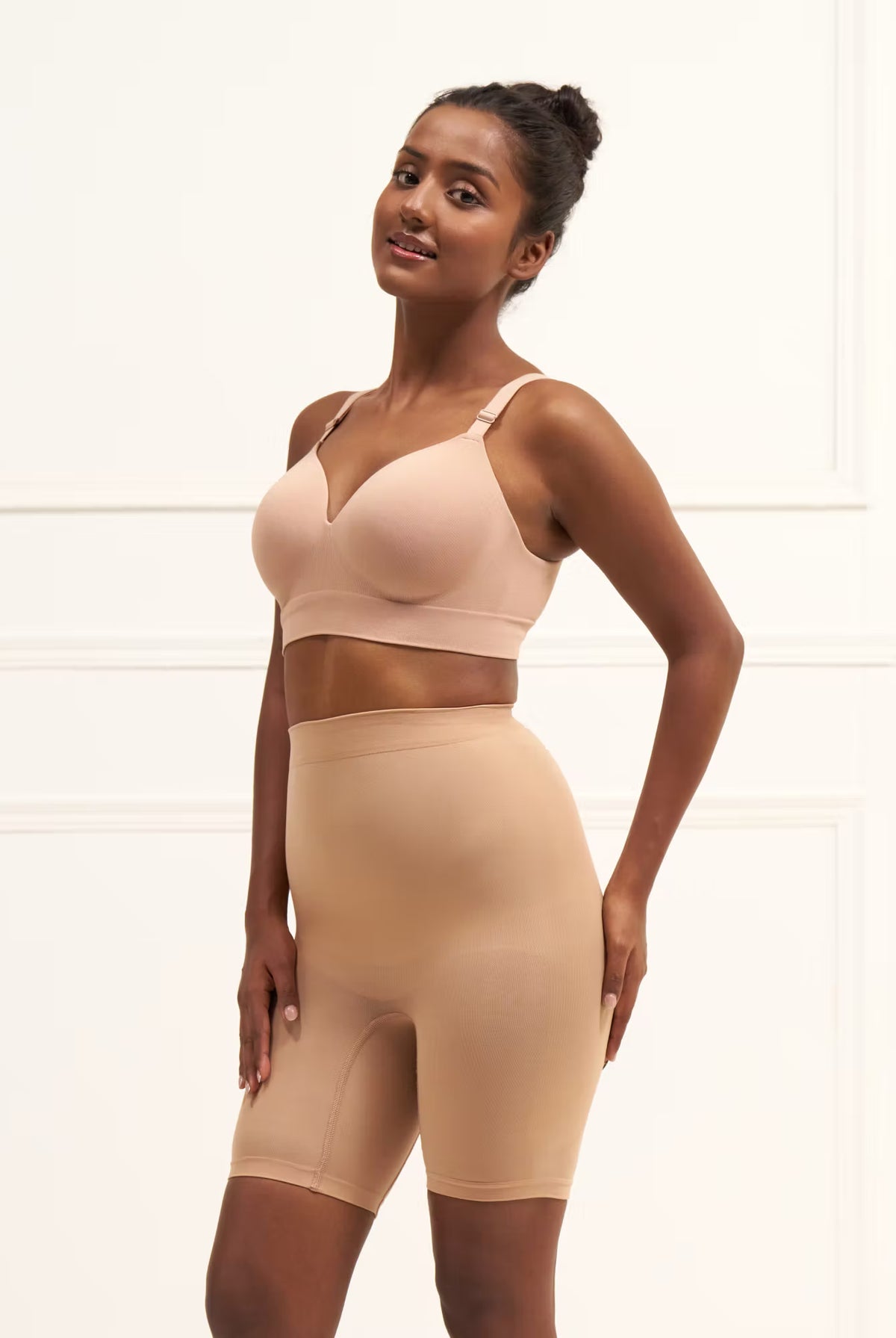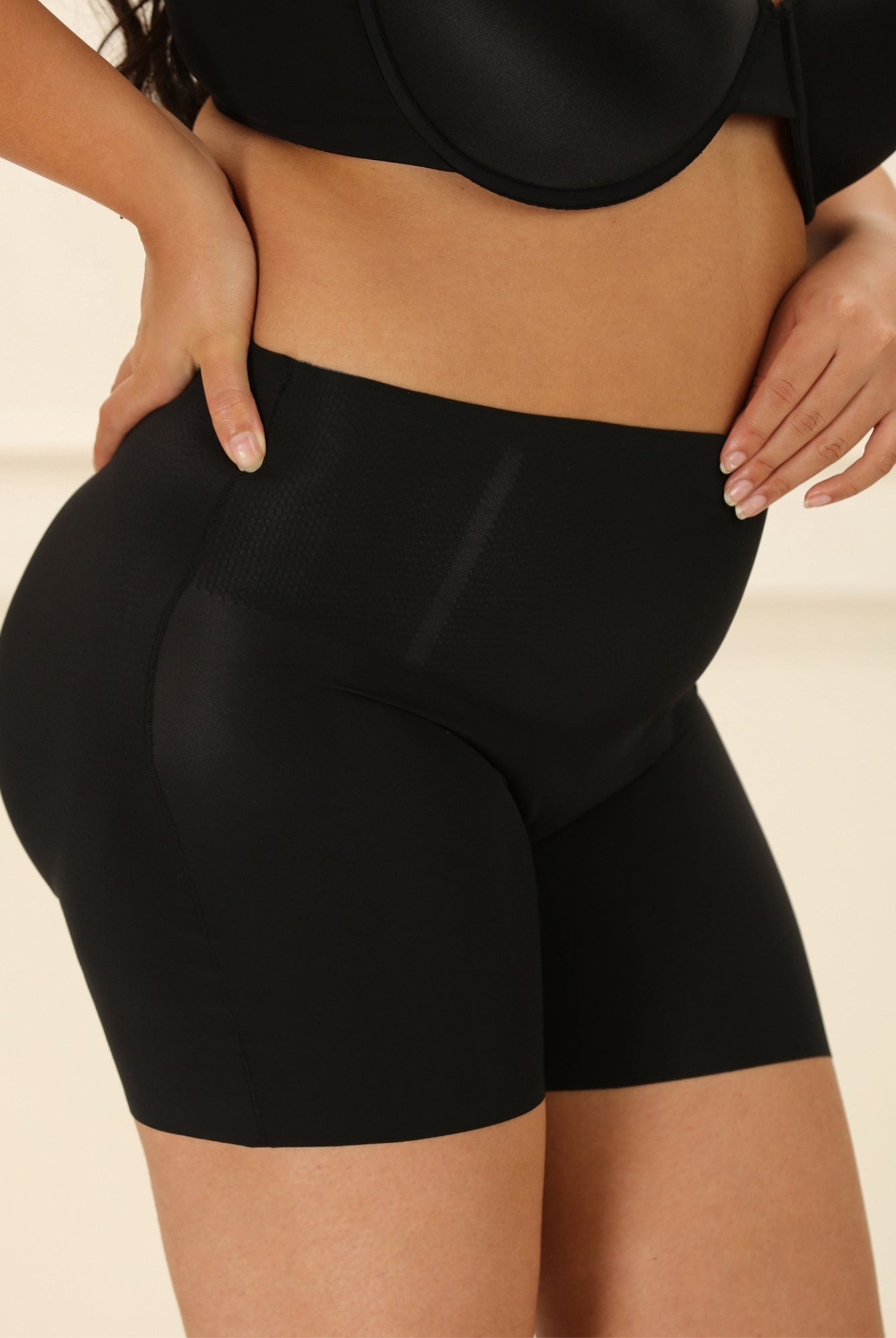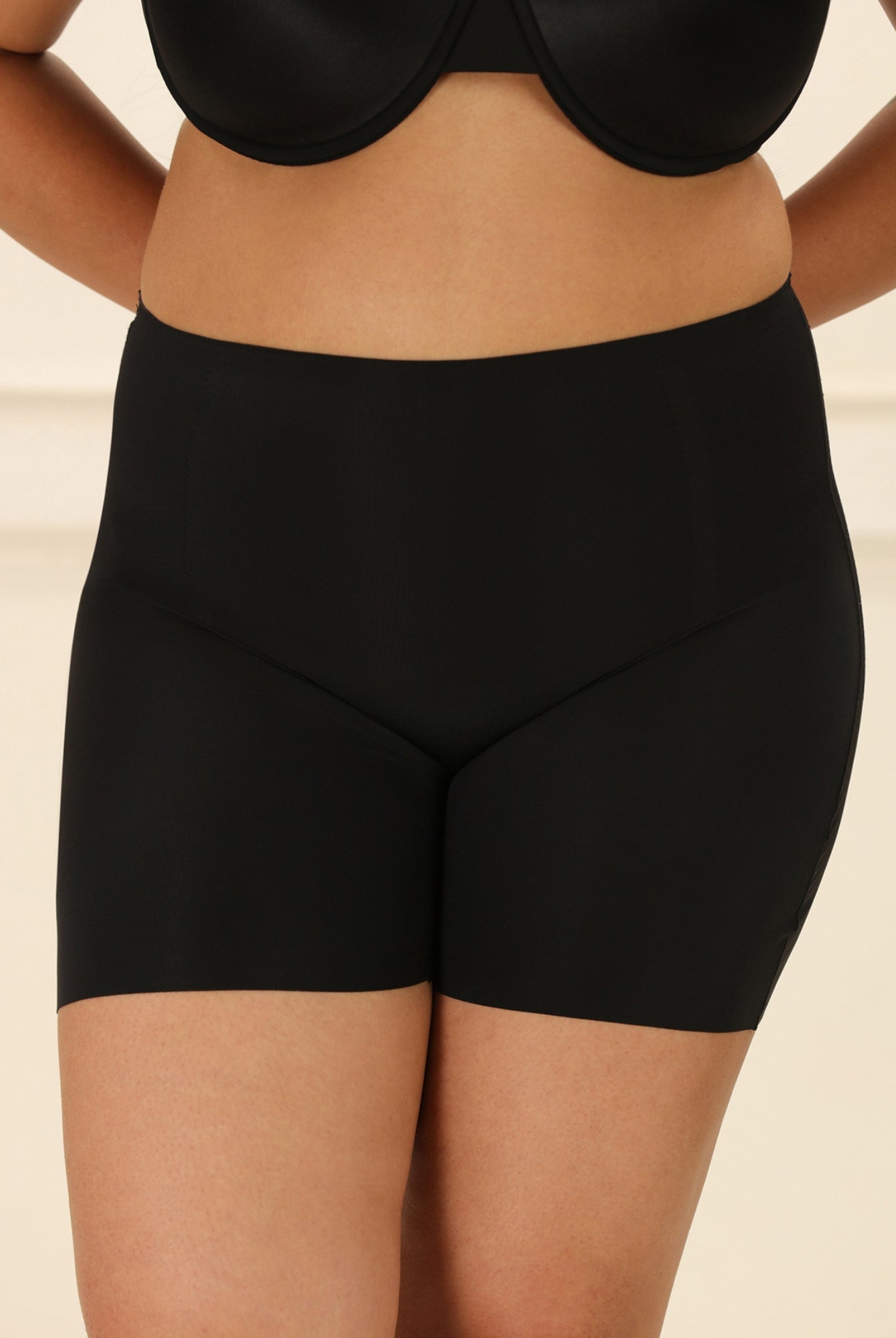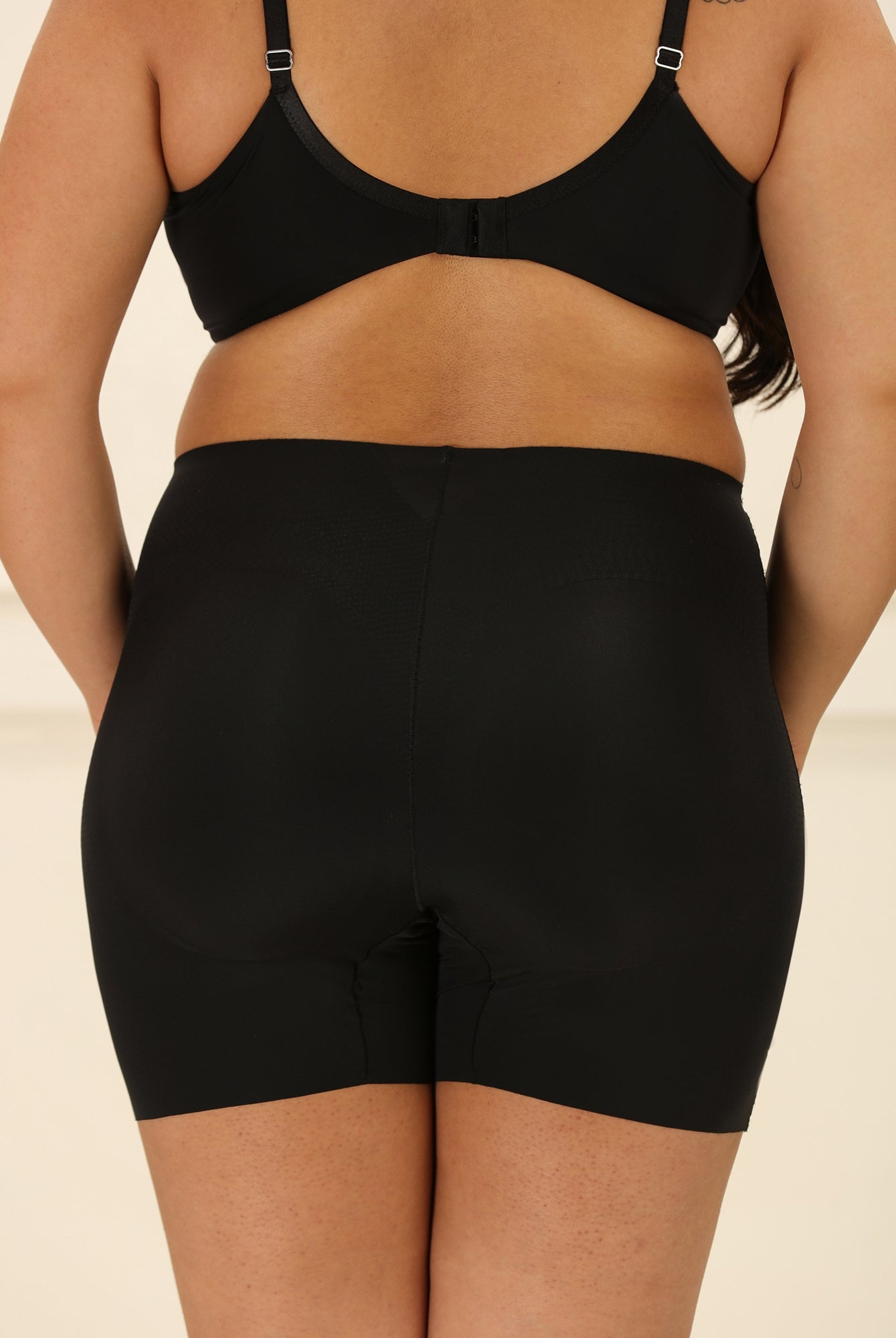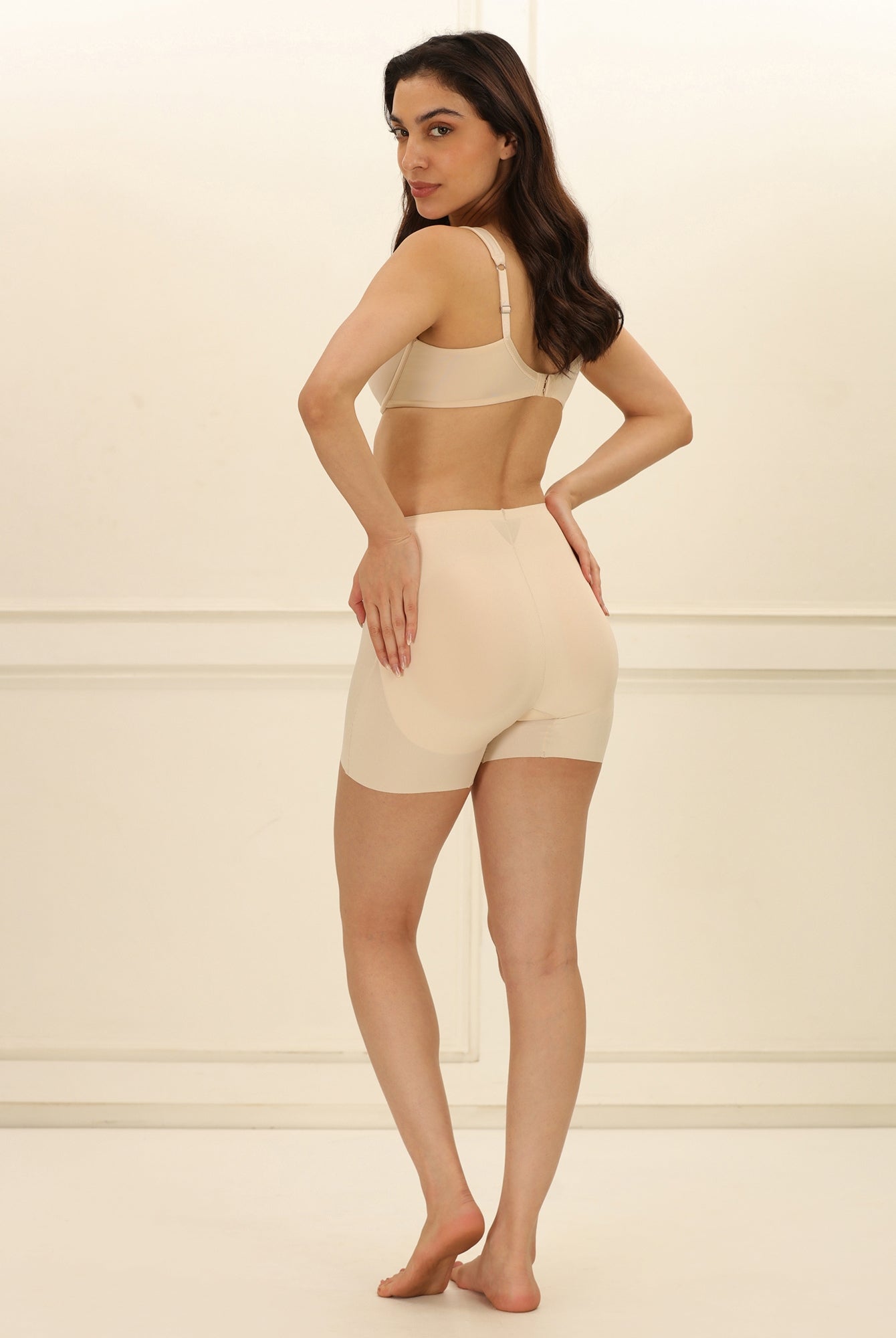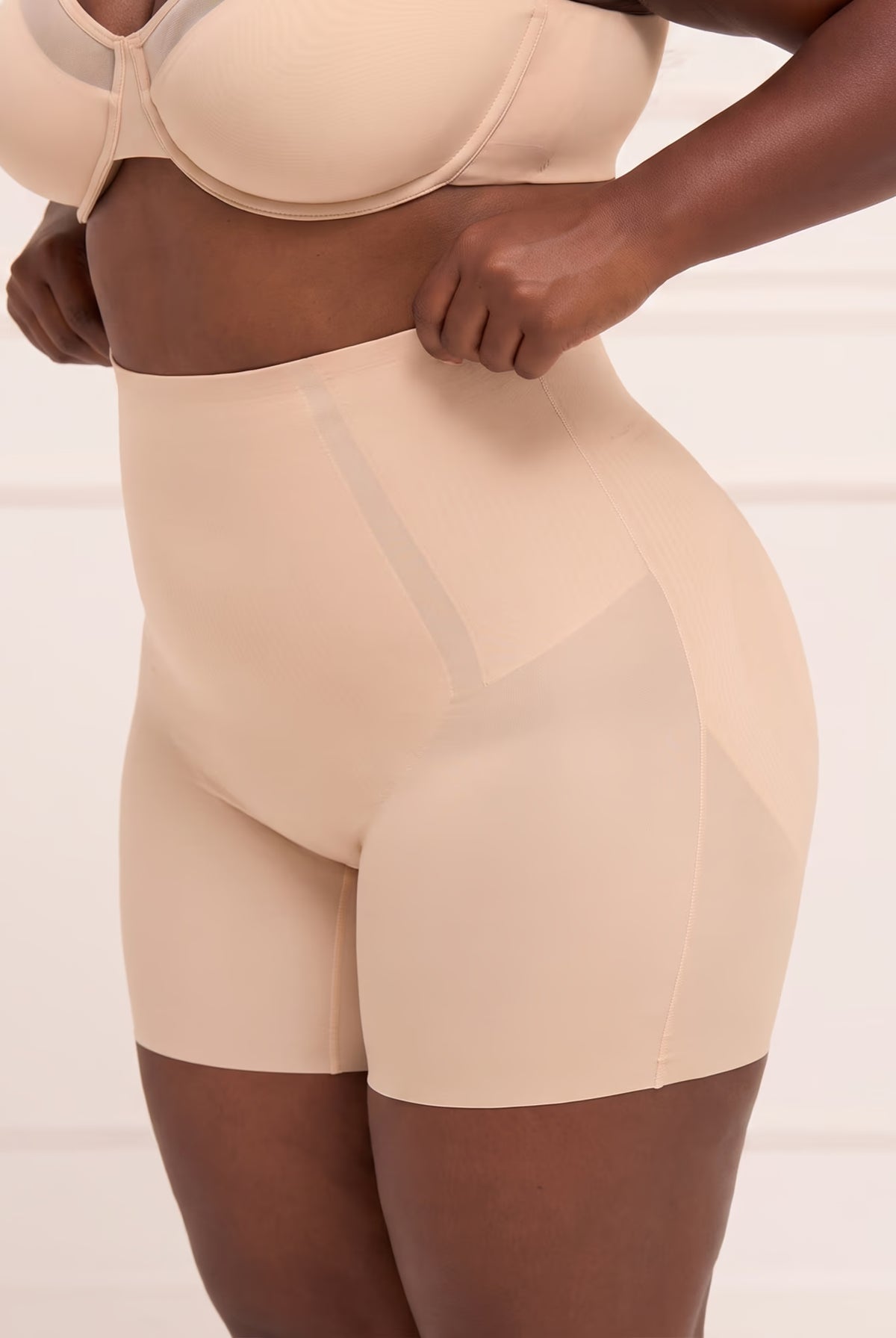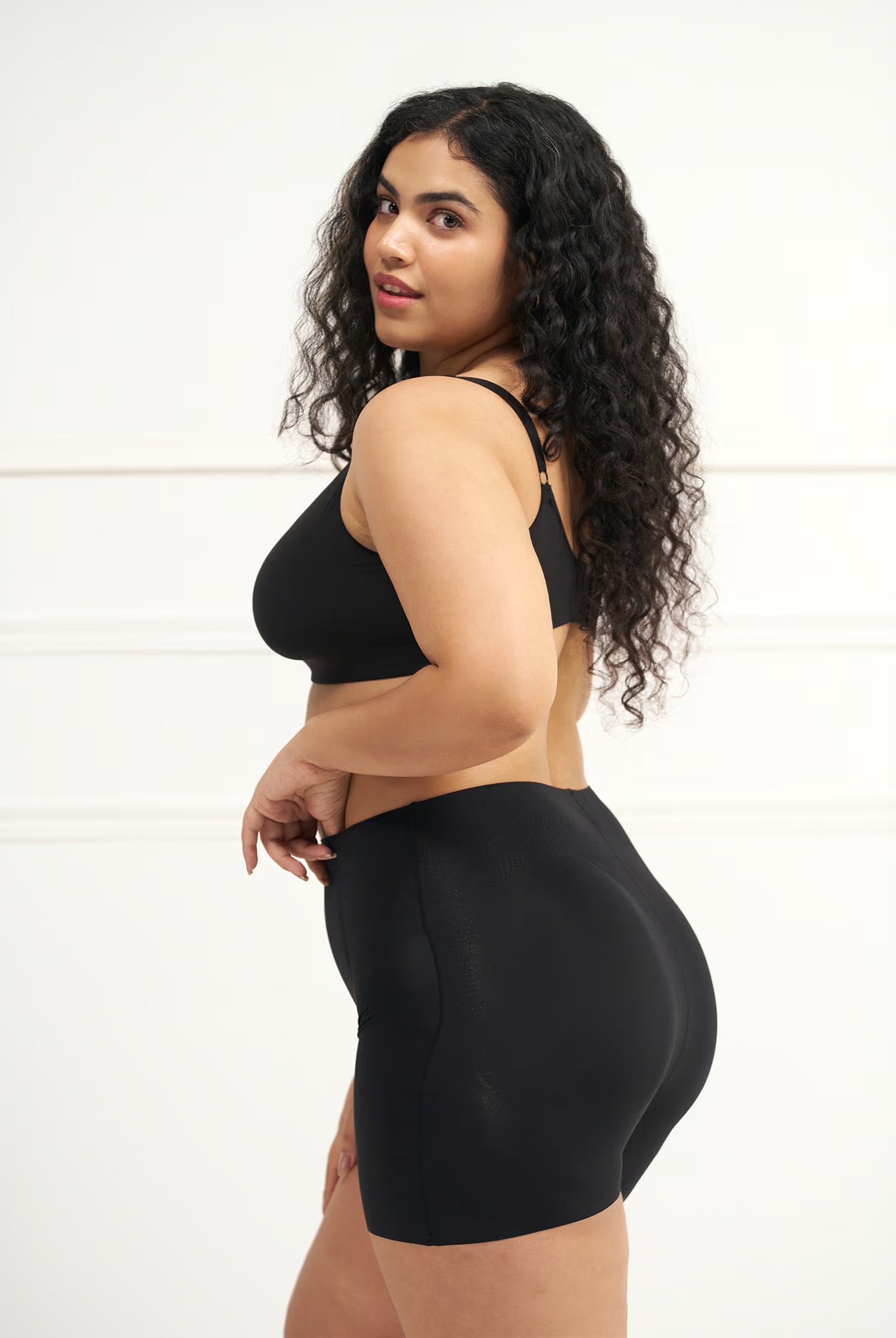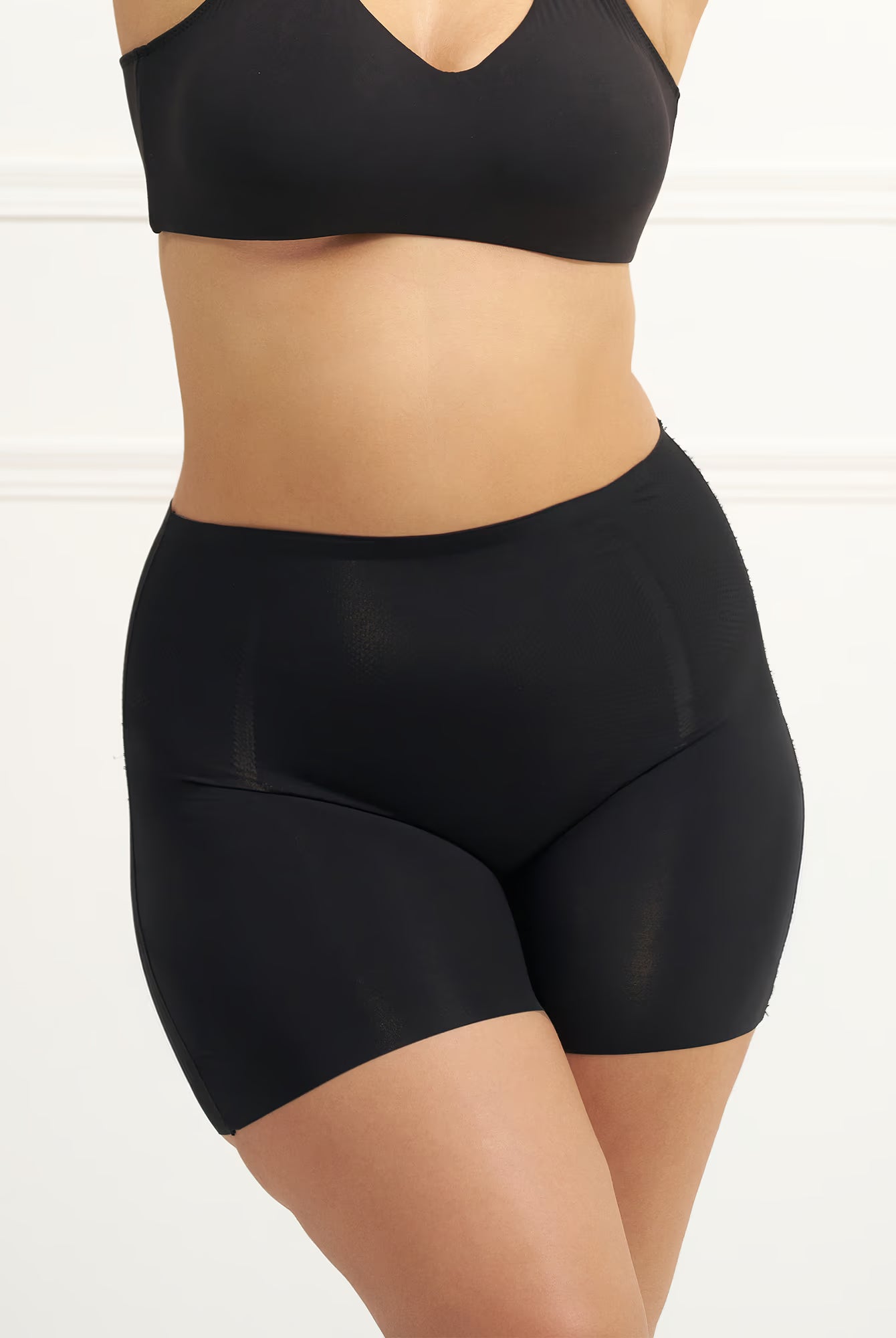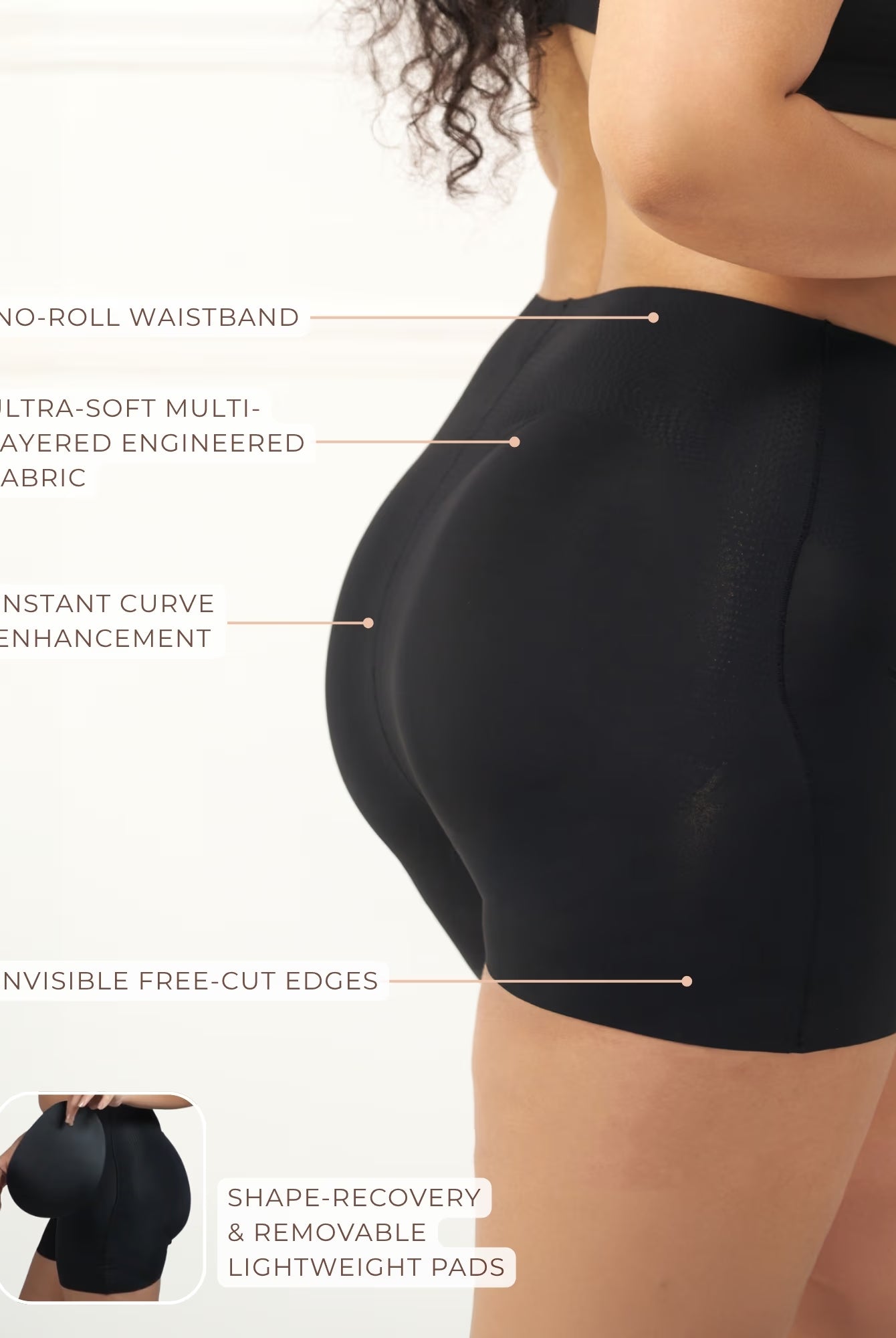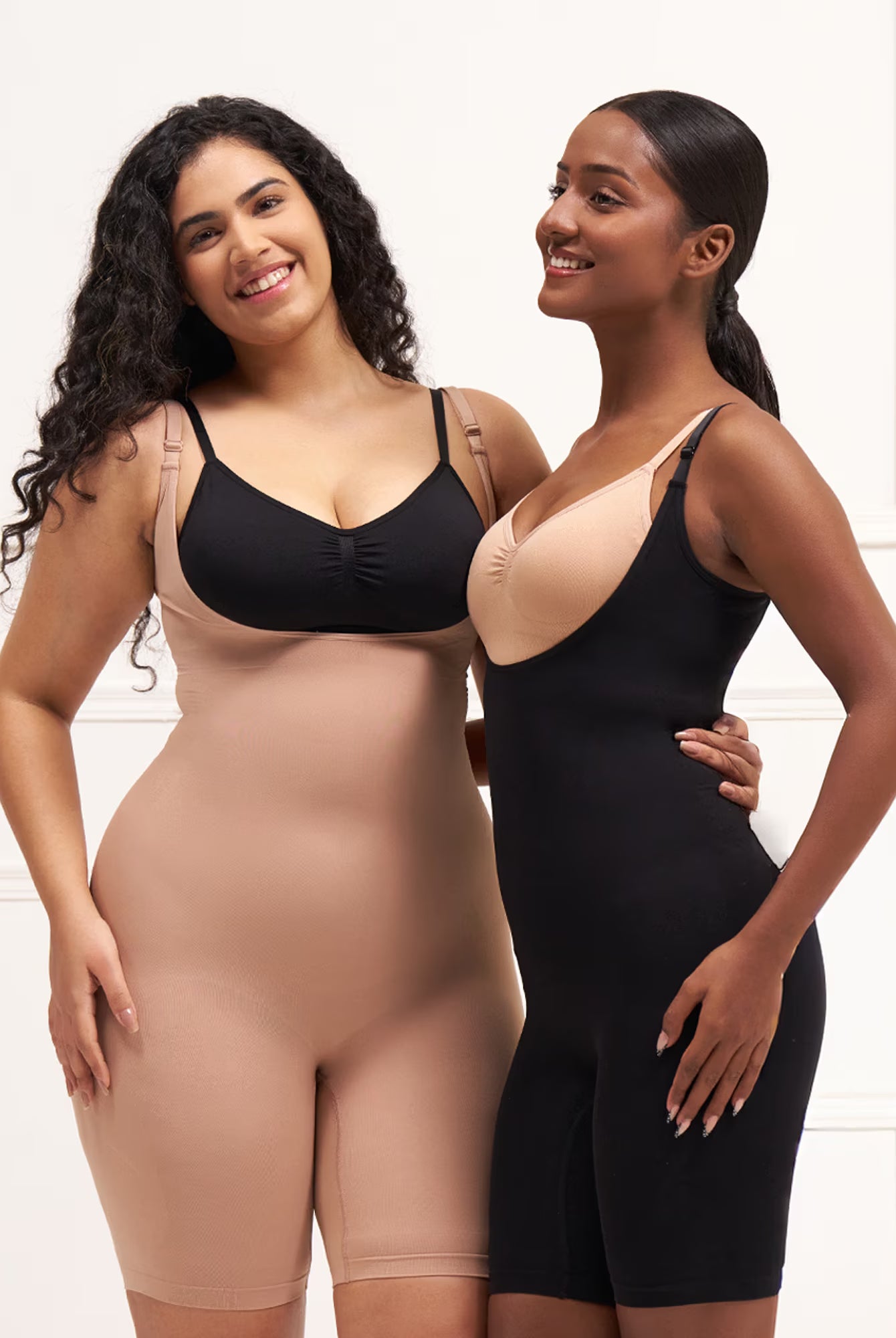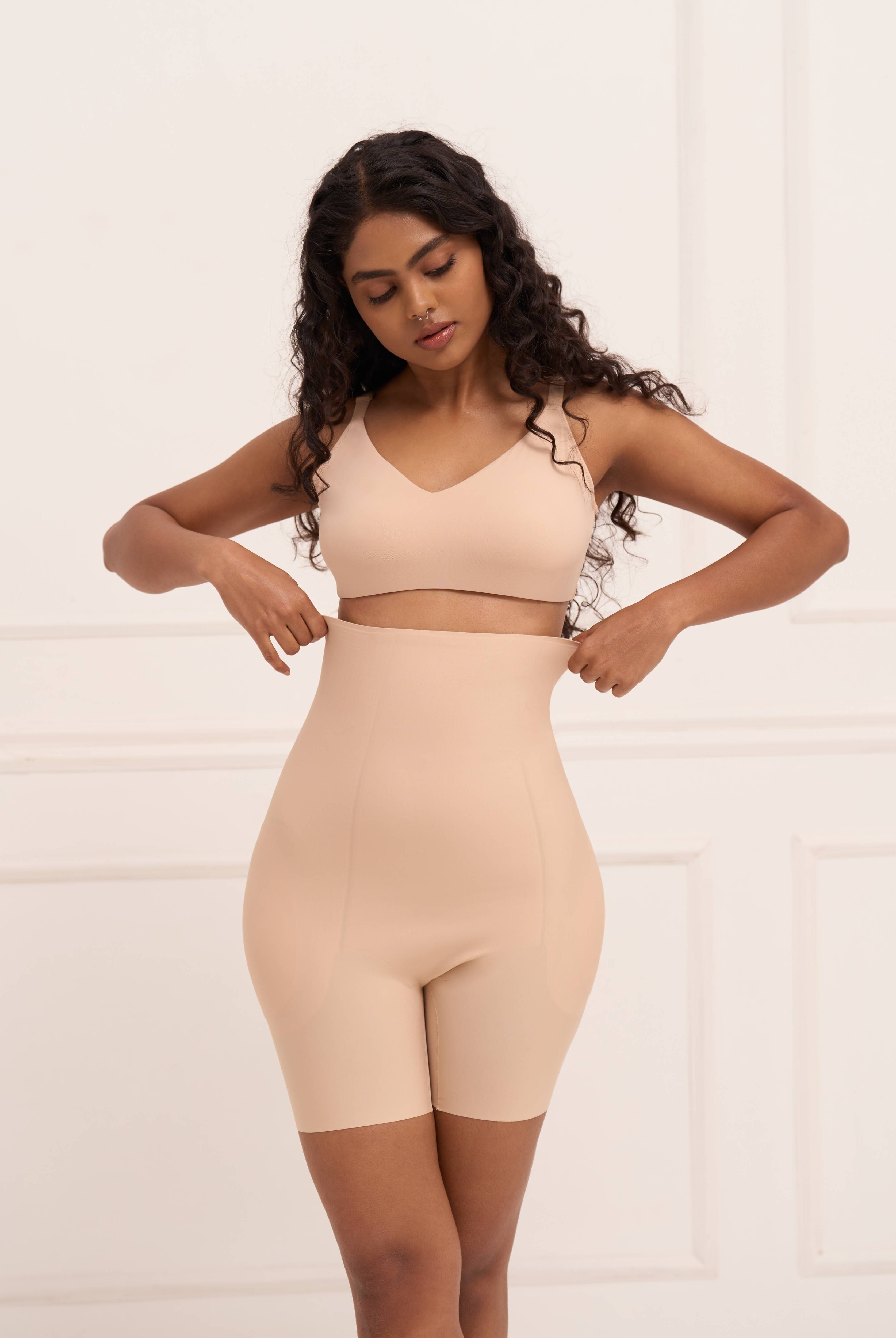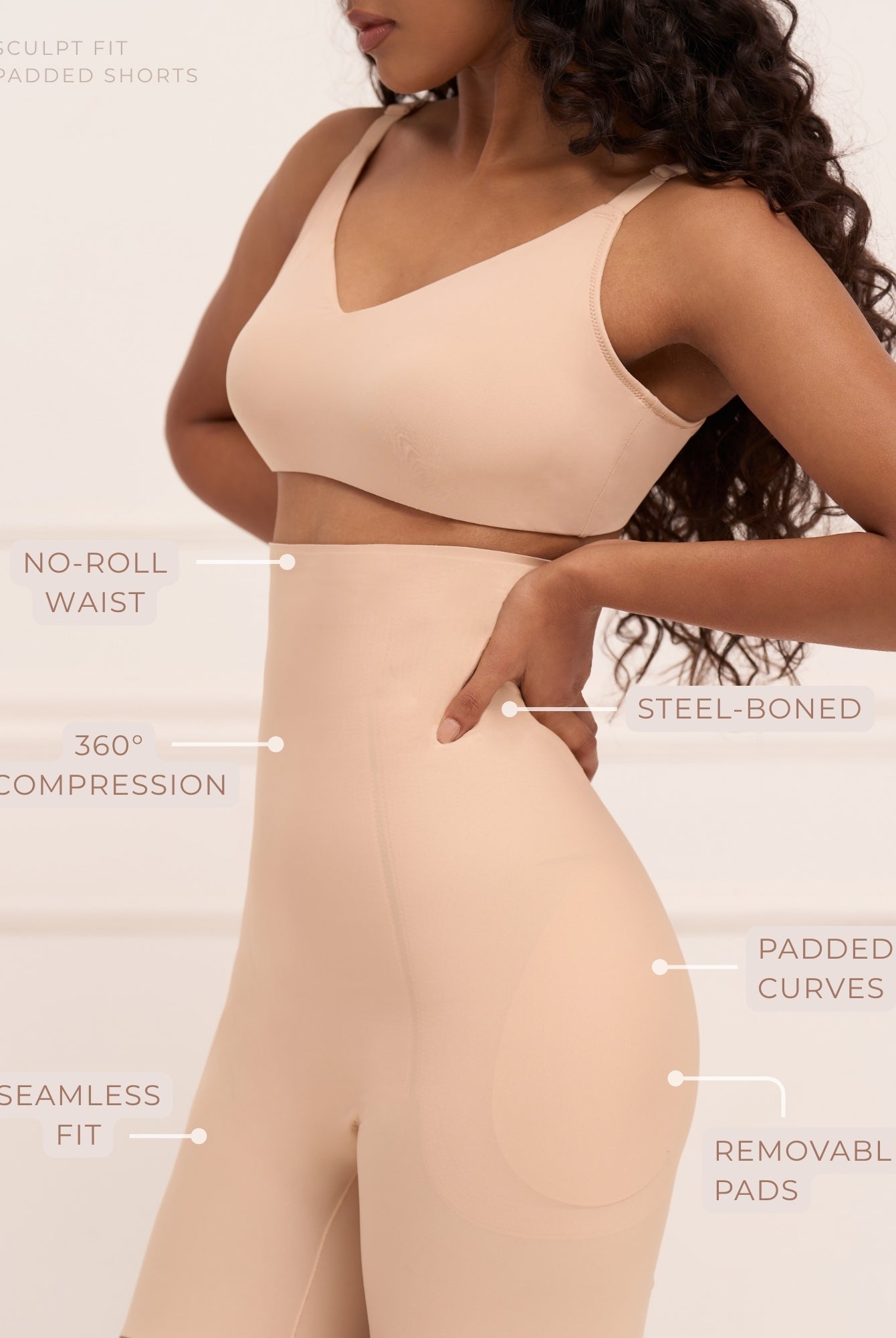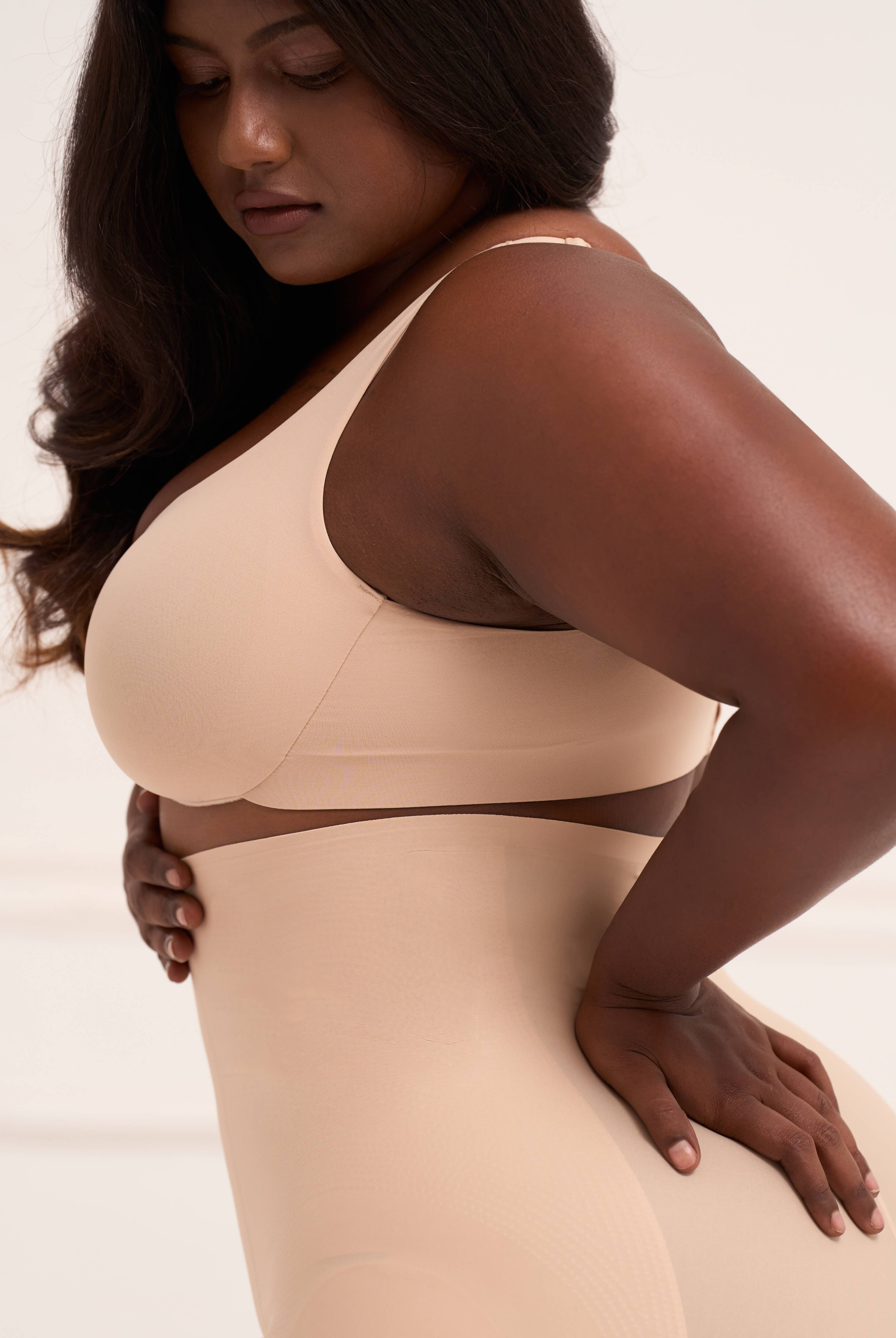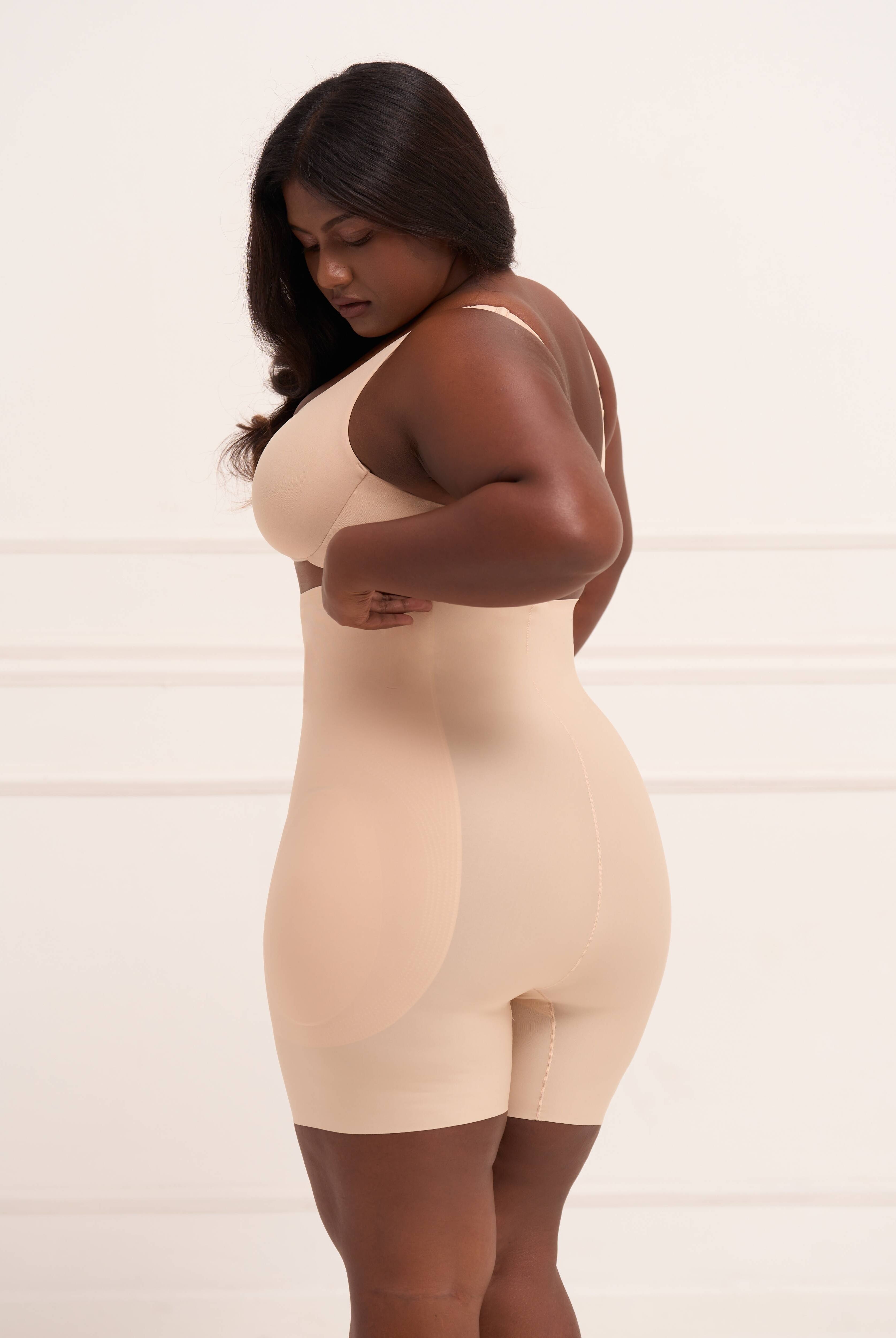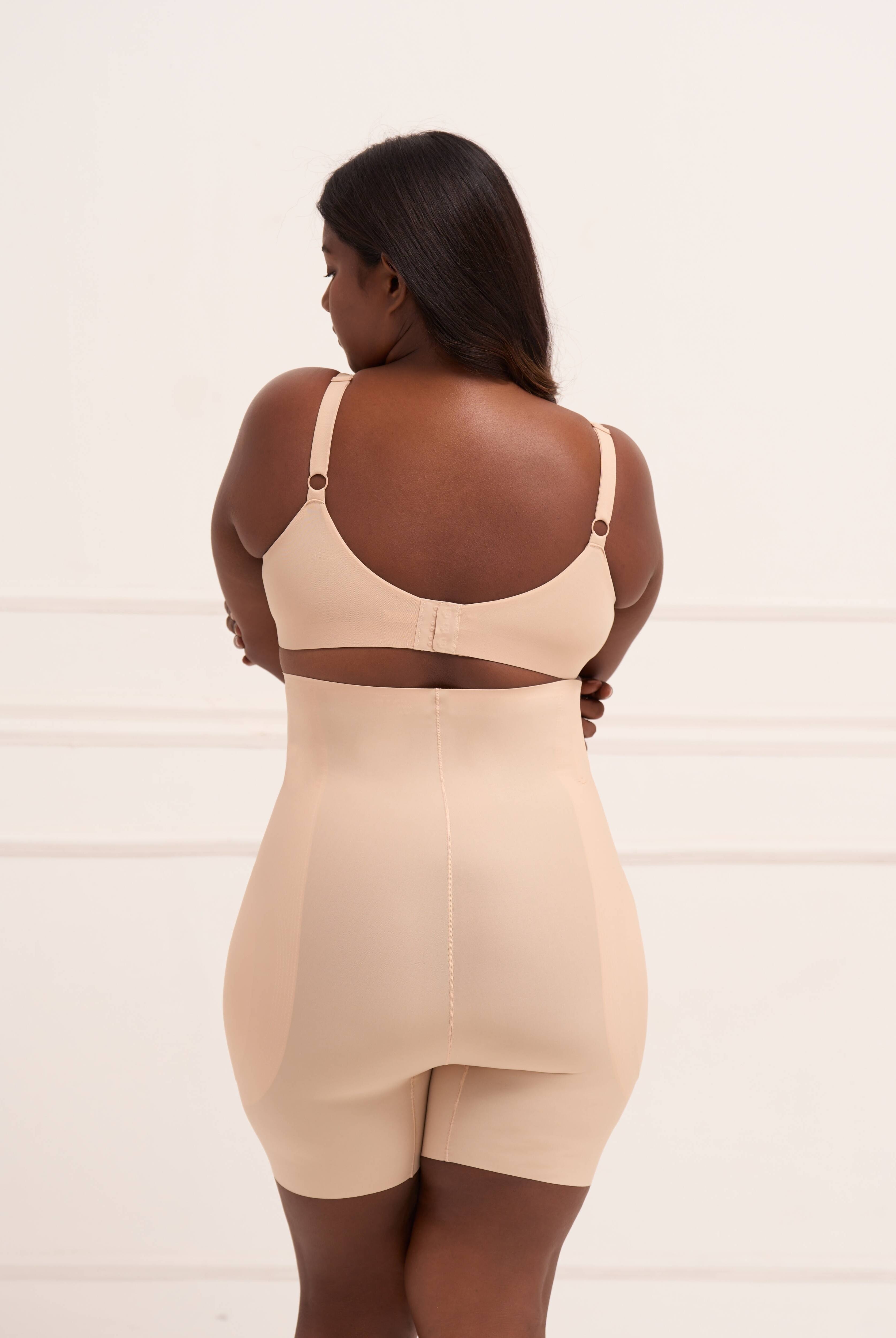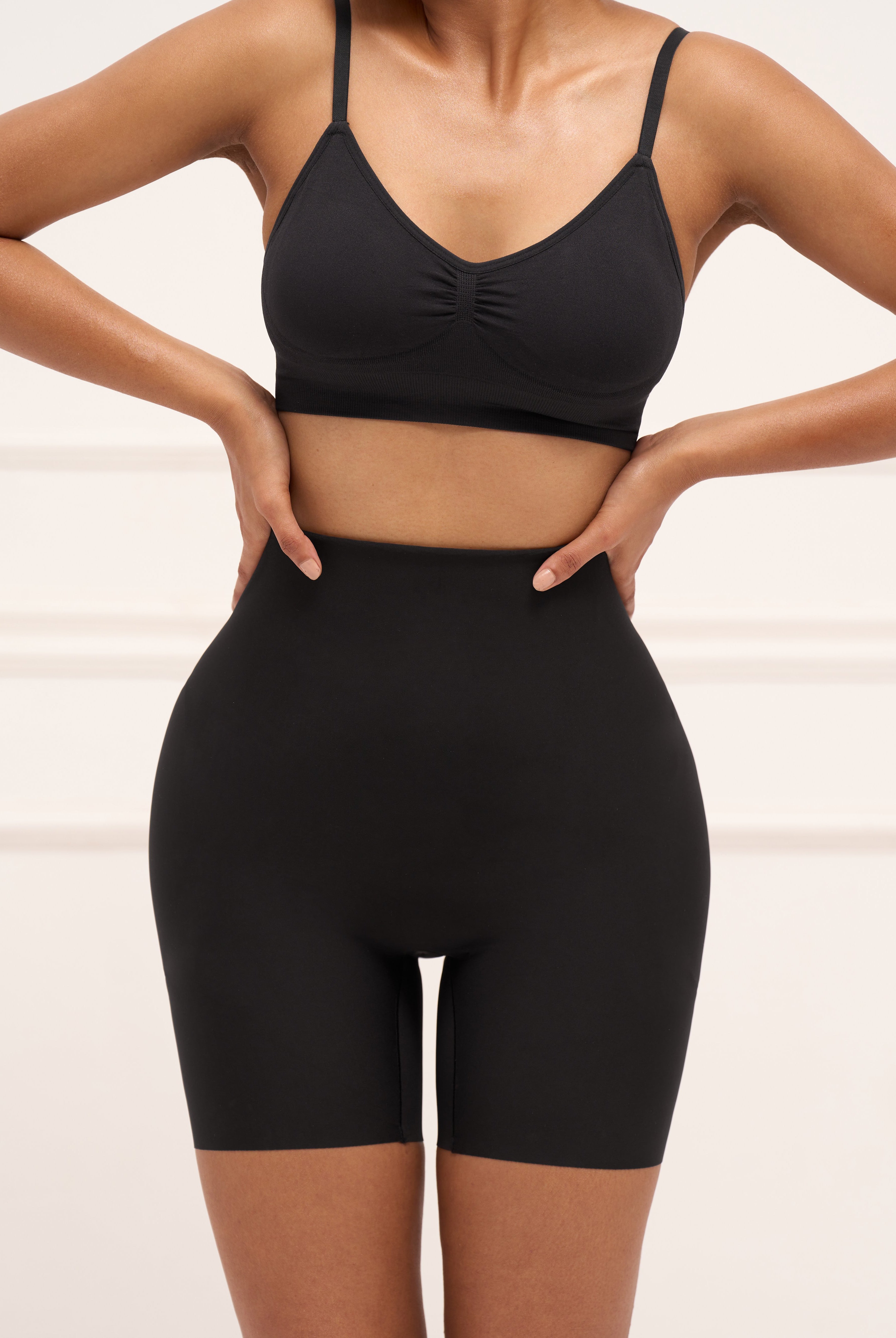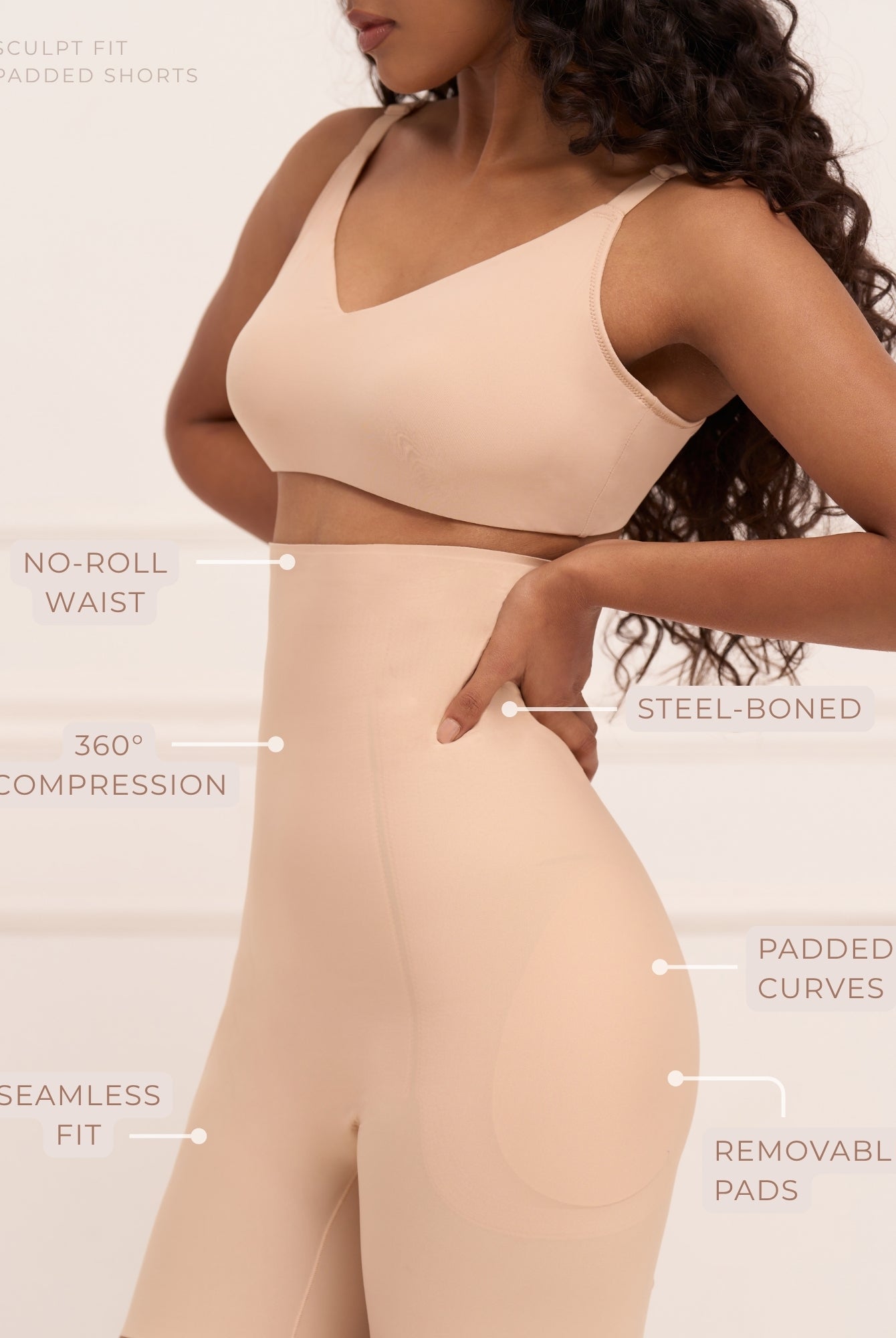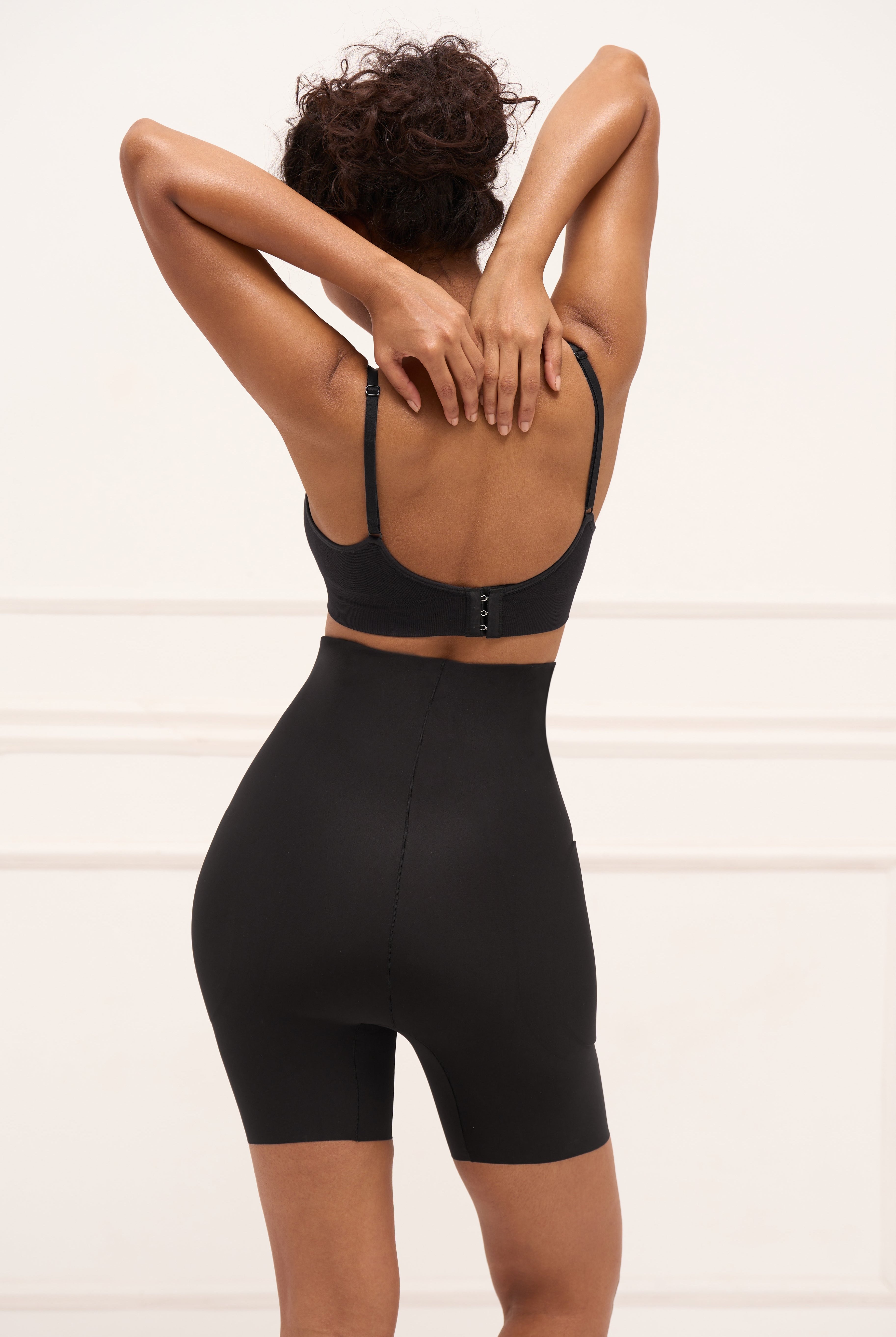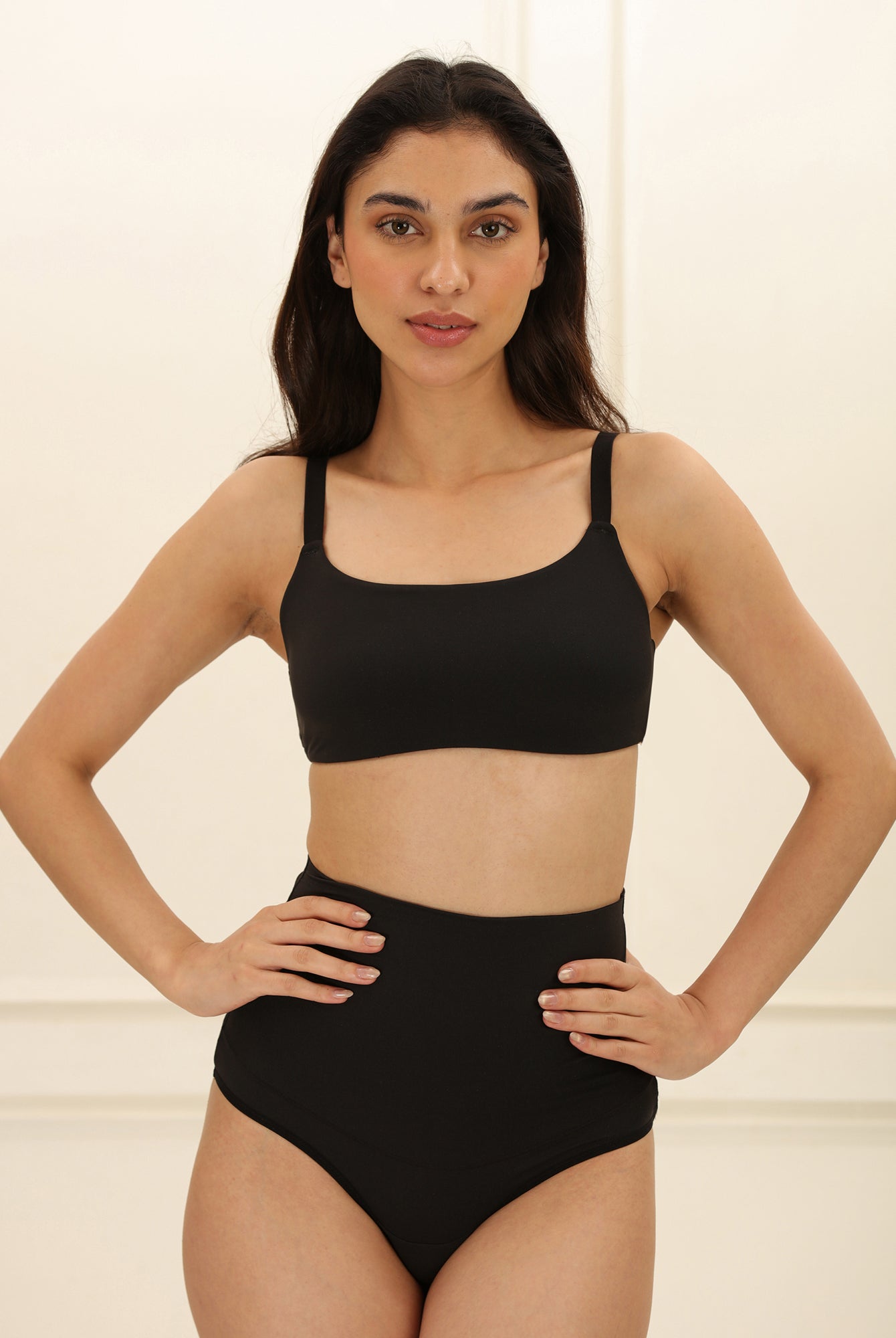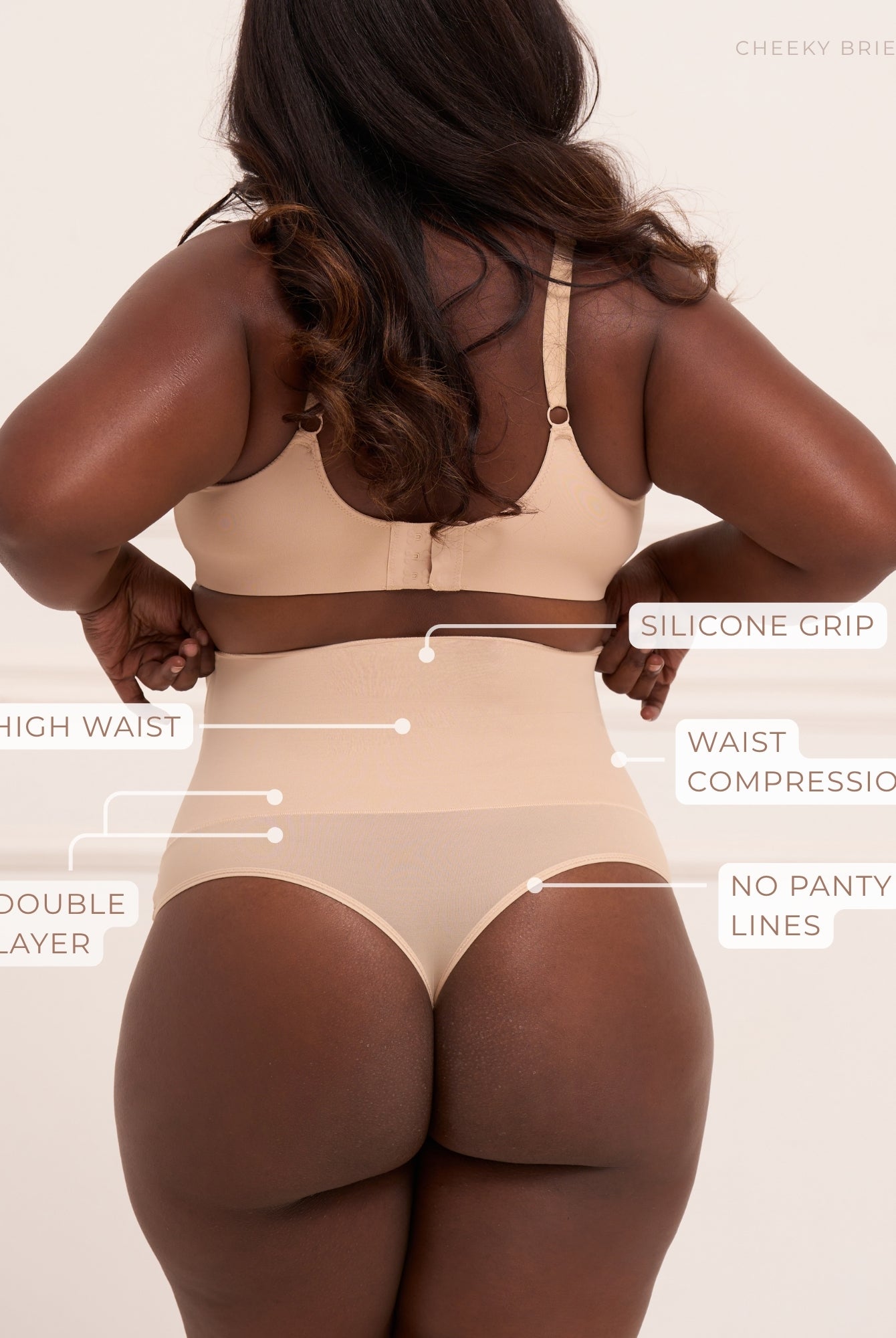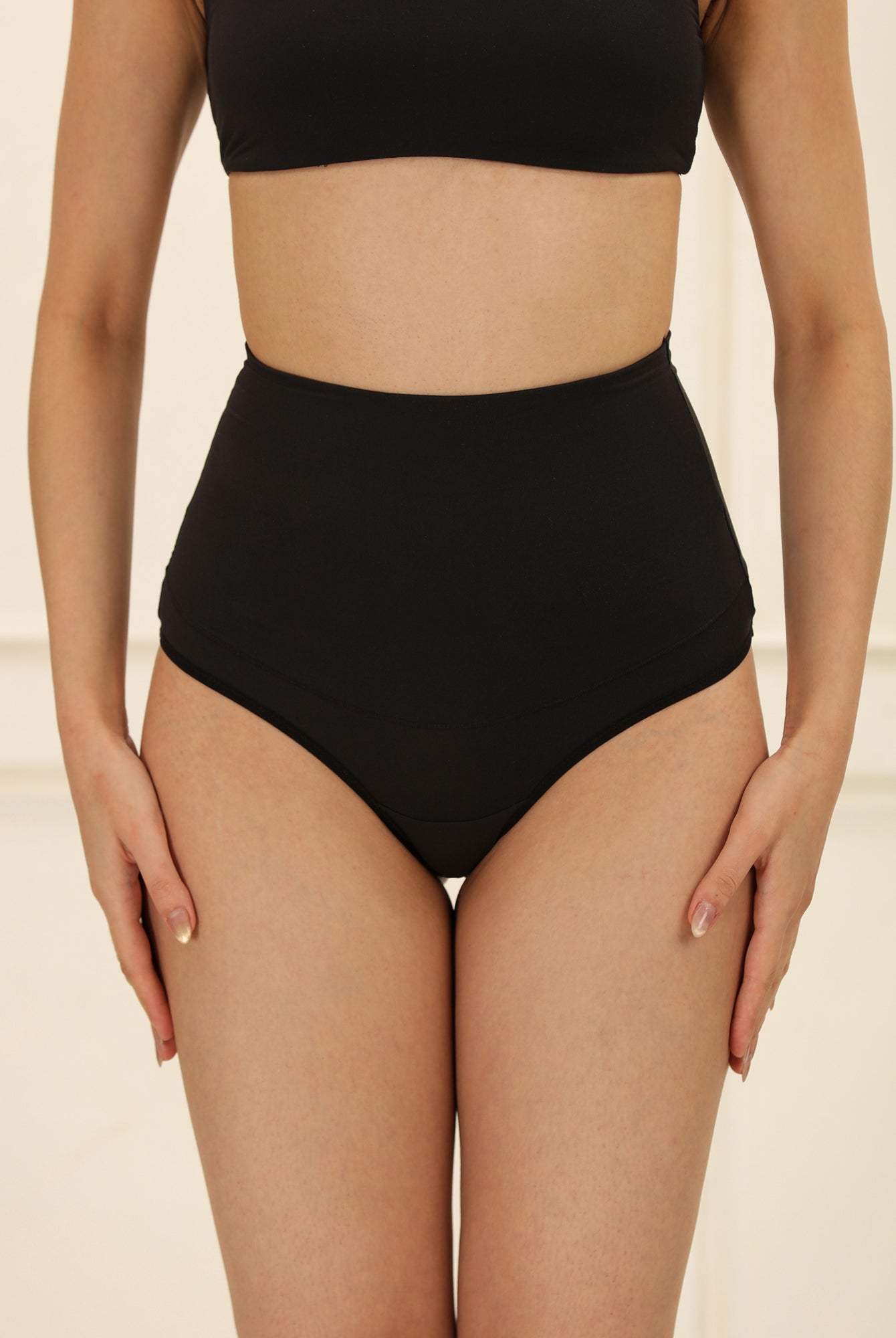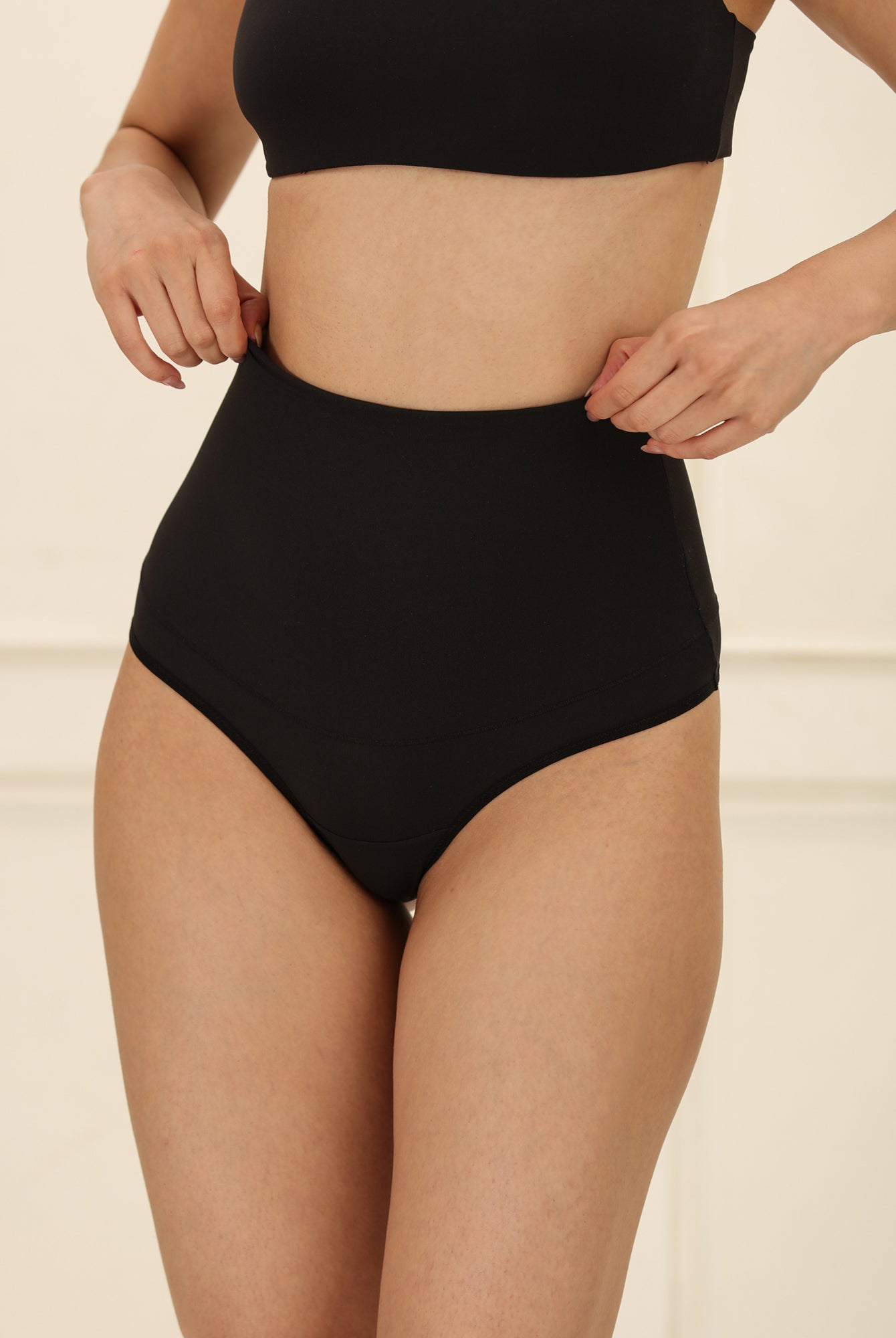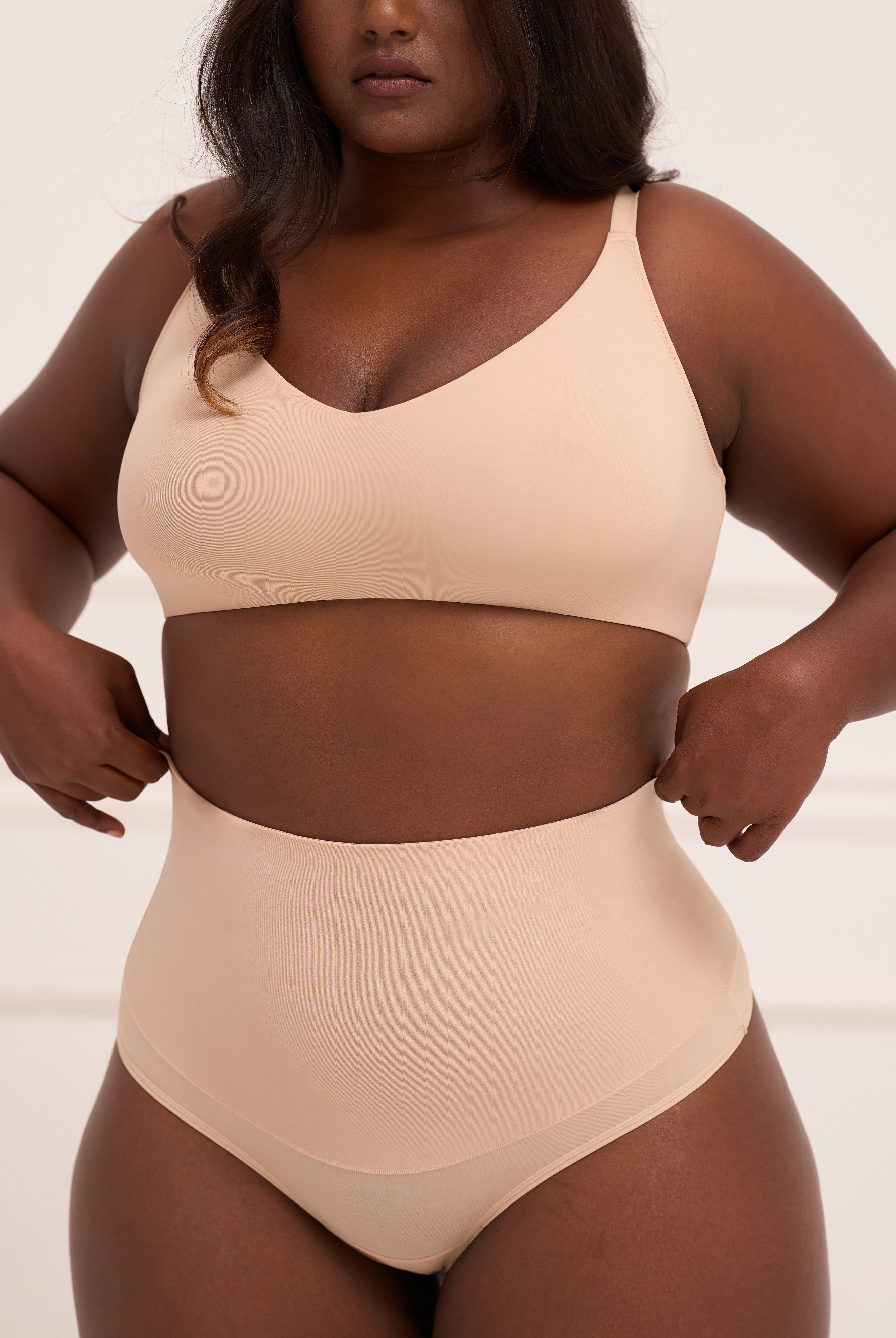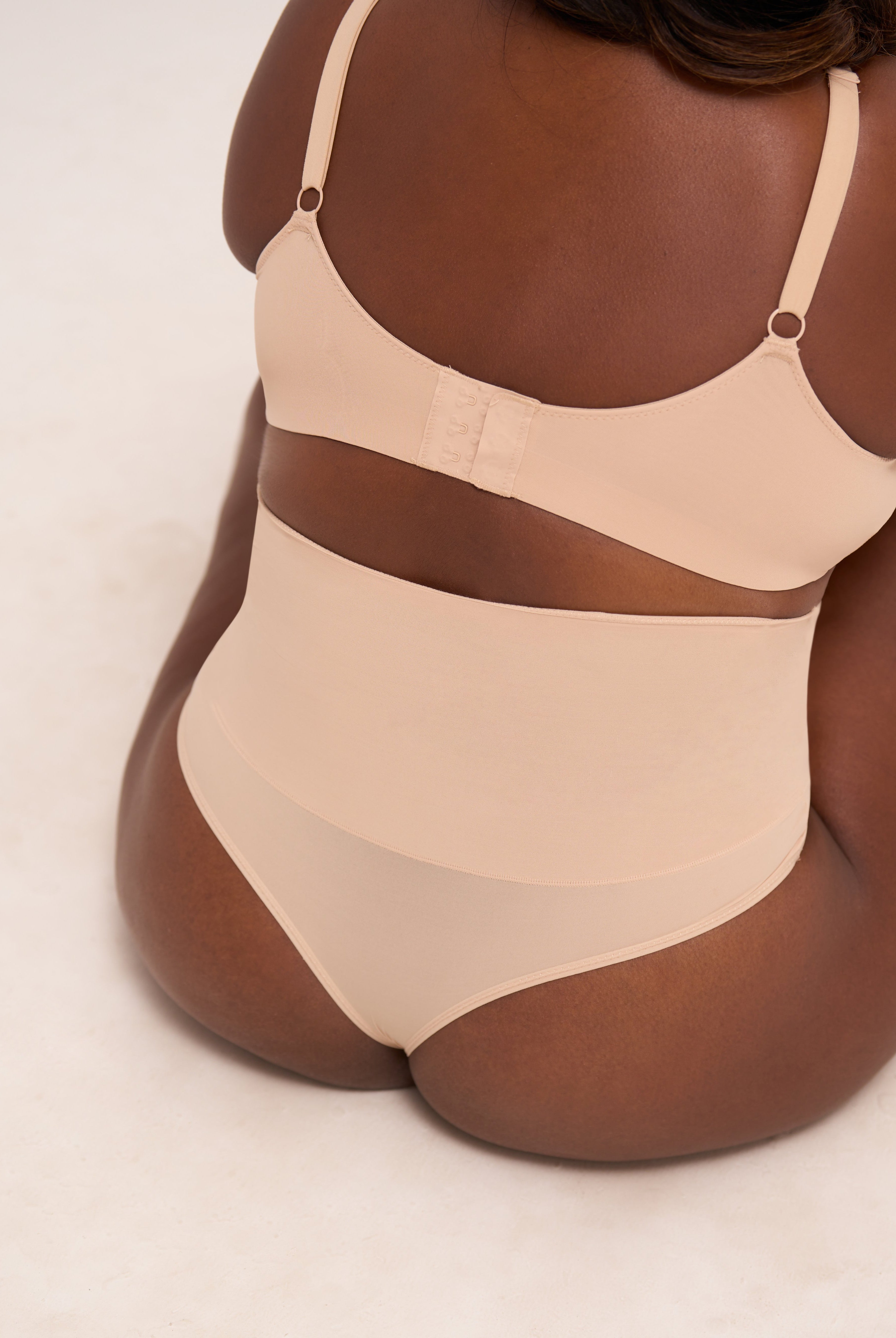





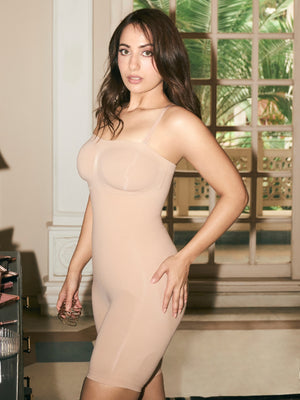

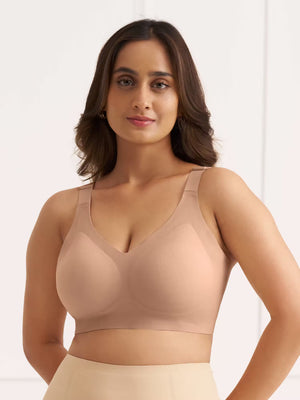

If you have ever stared into your drawer and wondered whether to go for the structured support of a classic bra or the soft comfort of a bralette, you are not alone. It is the ultimate morning dilemma.
Choosing between a bralette vs bra usually comes down to three things: what you are wearing, where you are going, and how much "heavy lifting" you need from your lingerie.
Let’s break down the differences so you can pick the best option for your day.
What Exactly Is a Bralette?

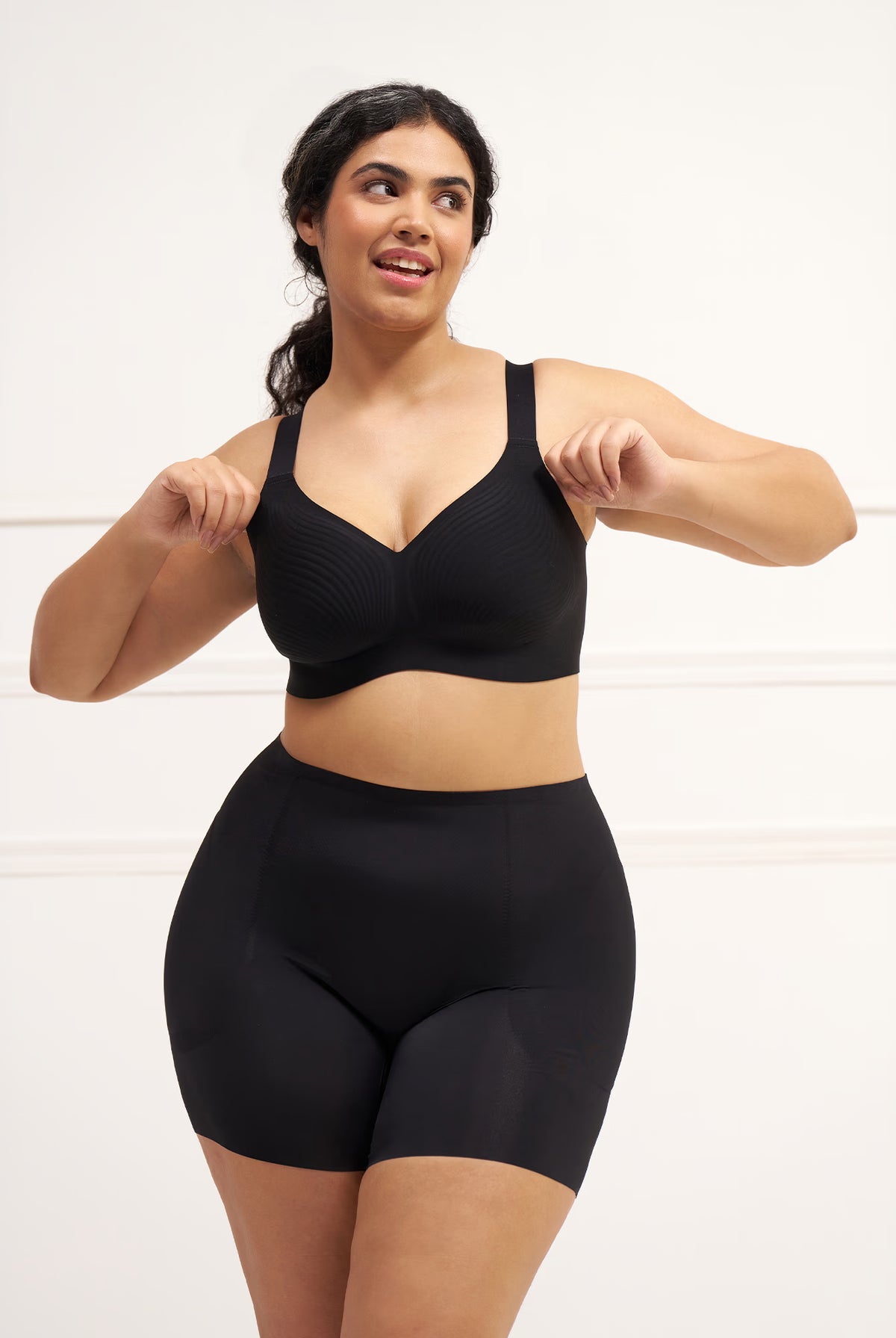
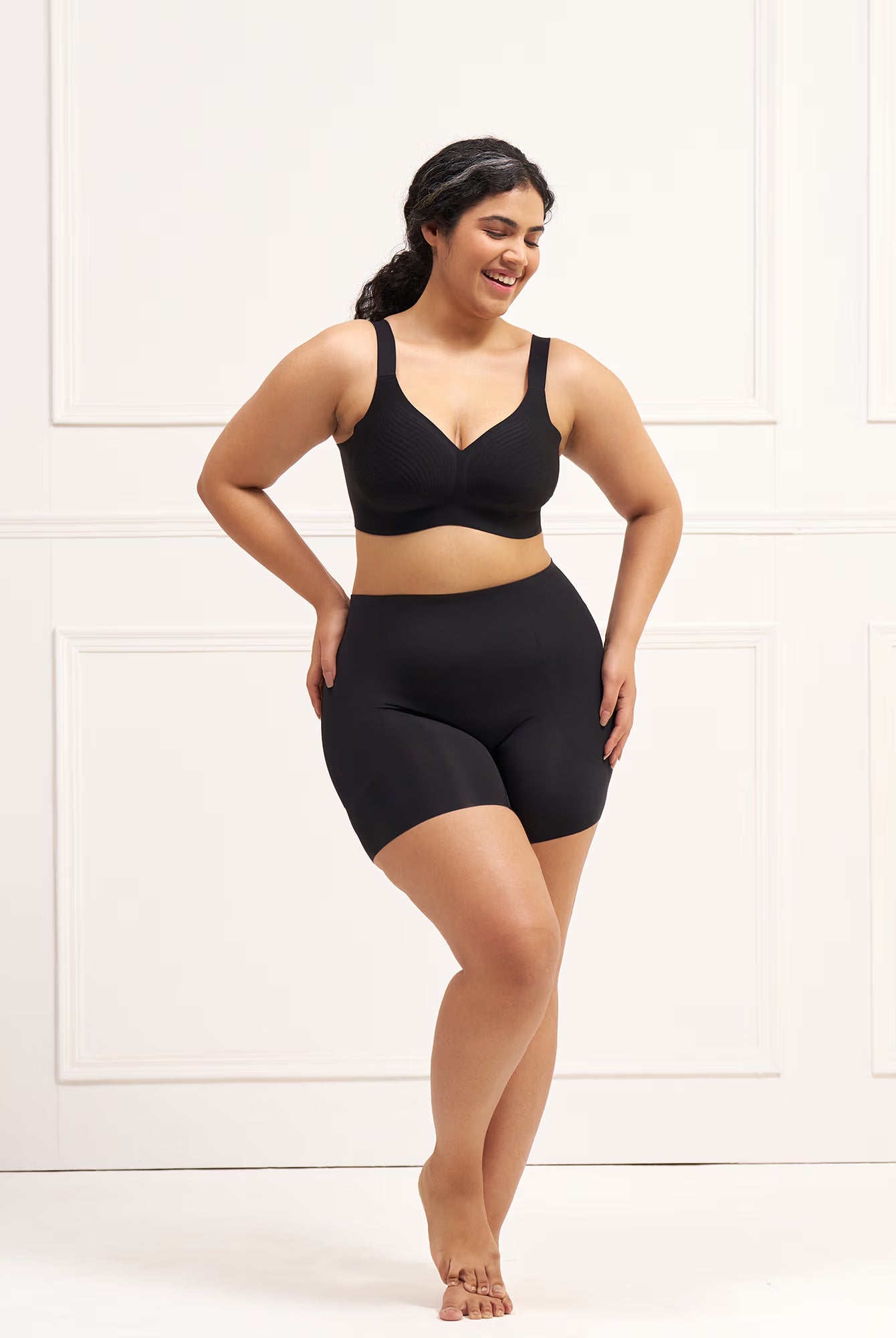
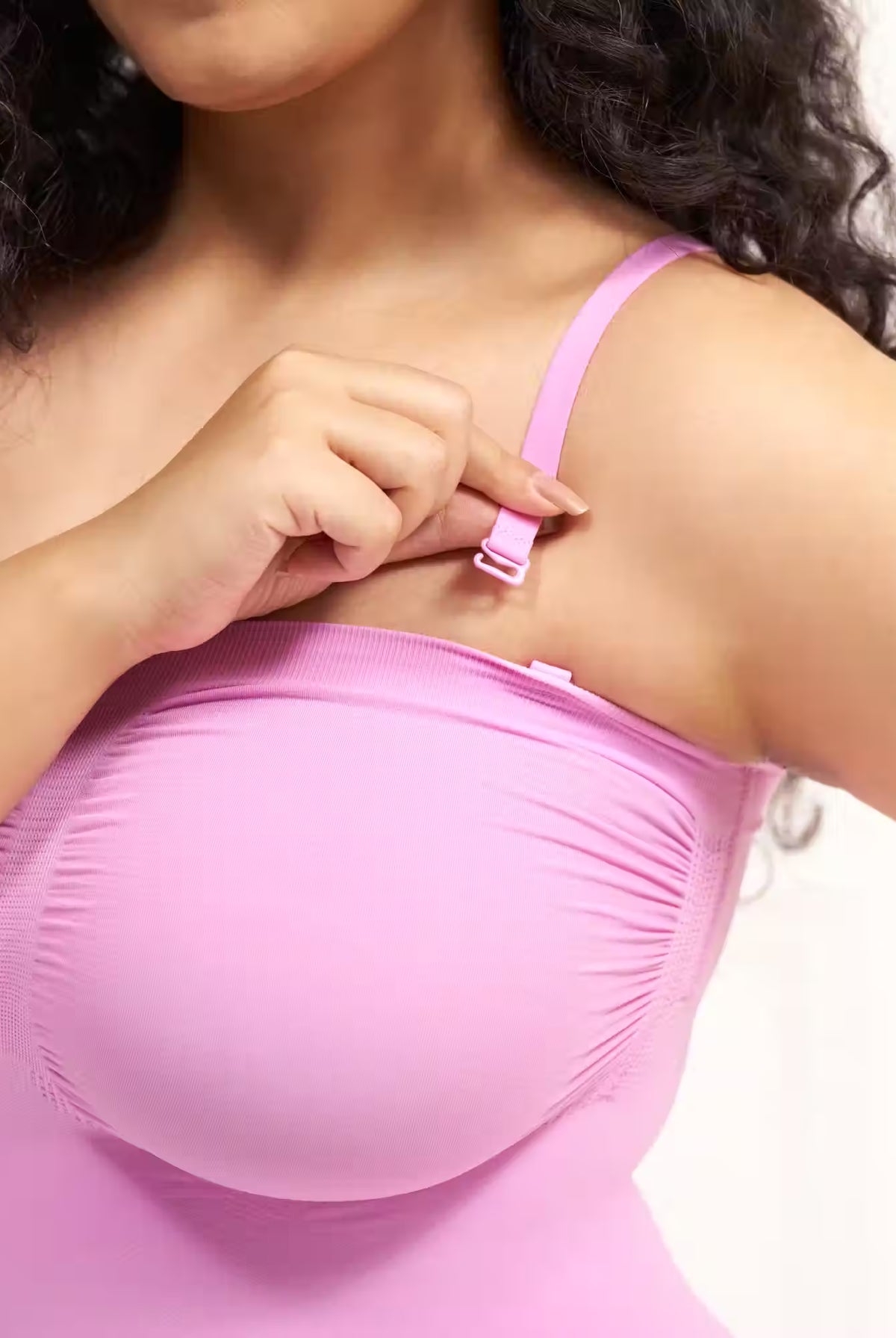
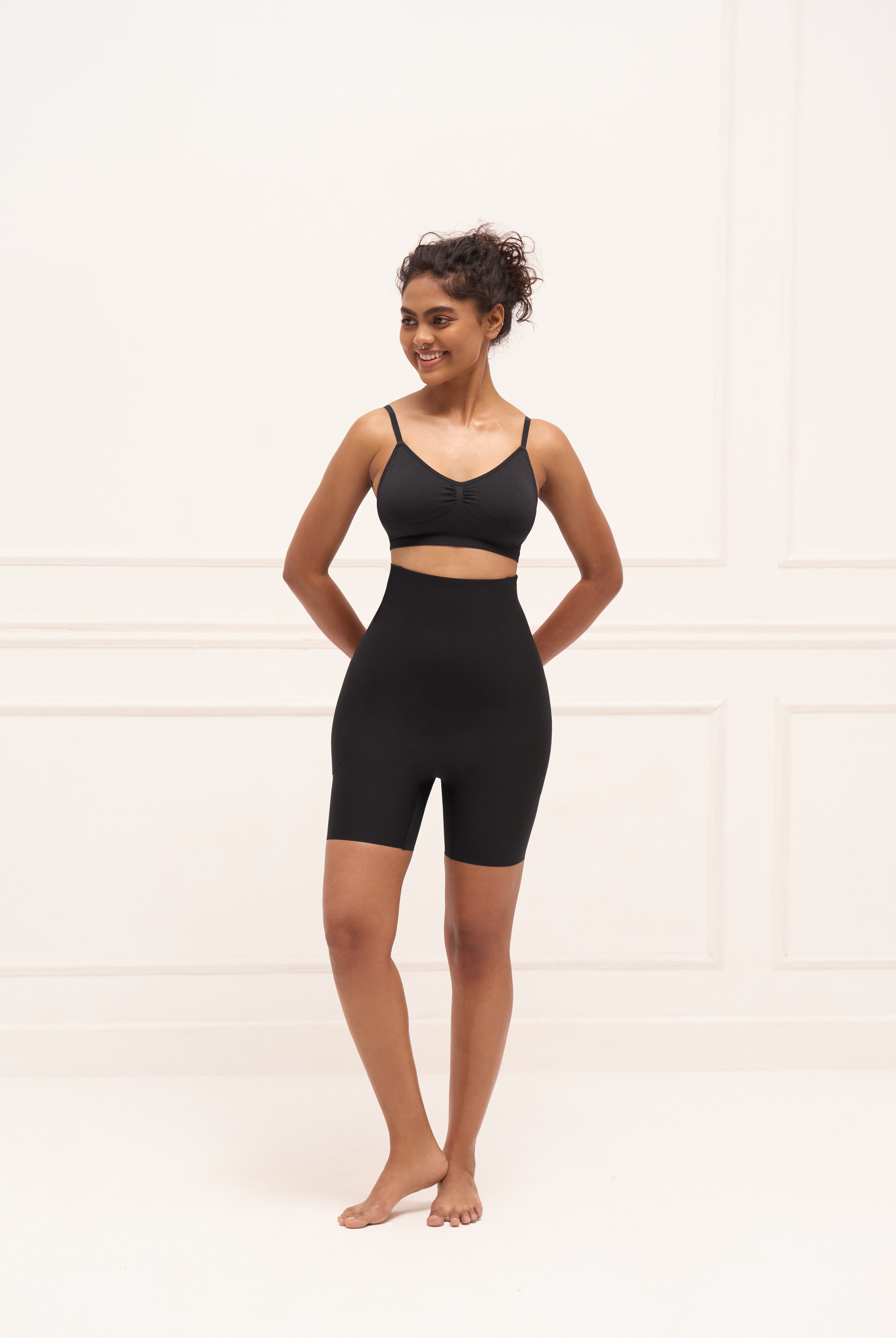
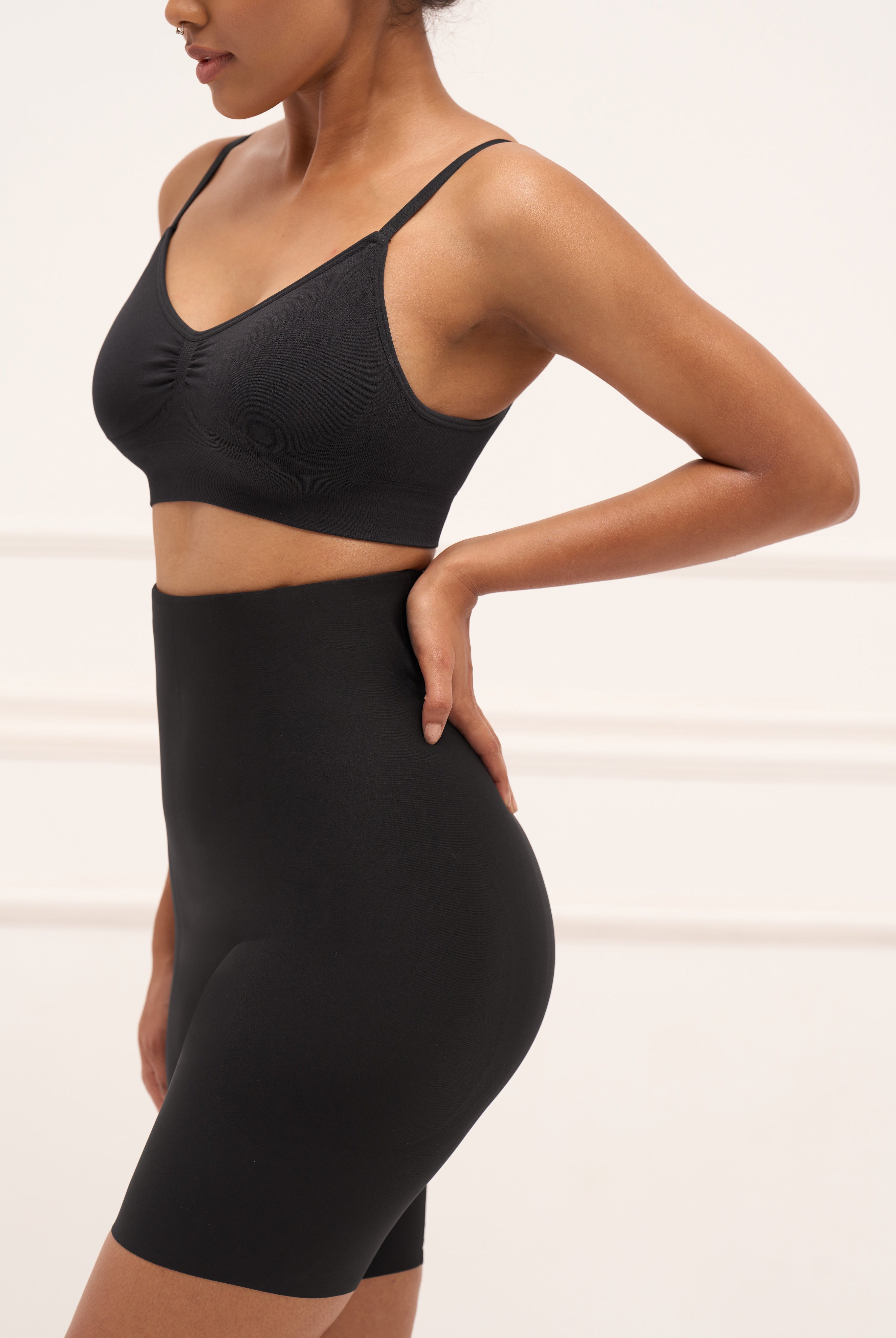
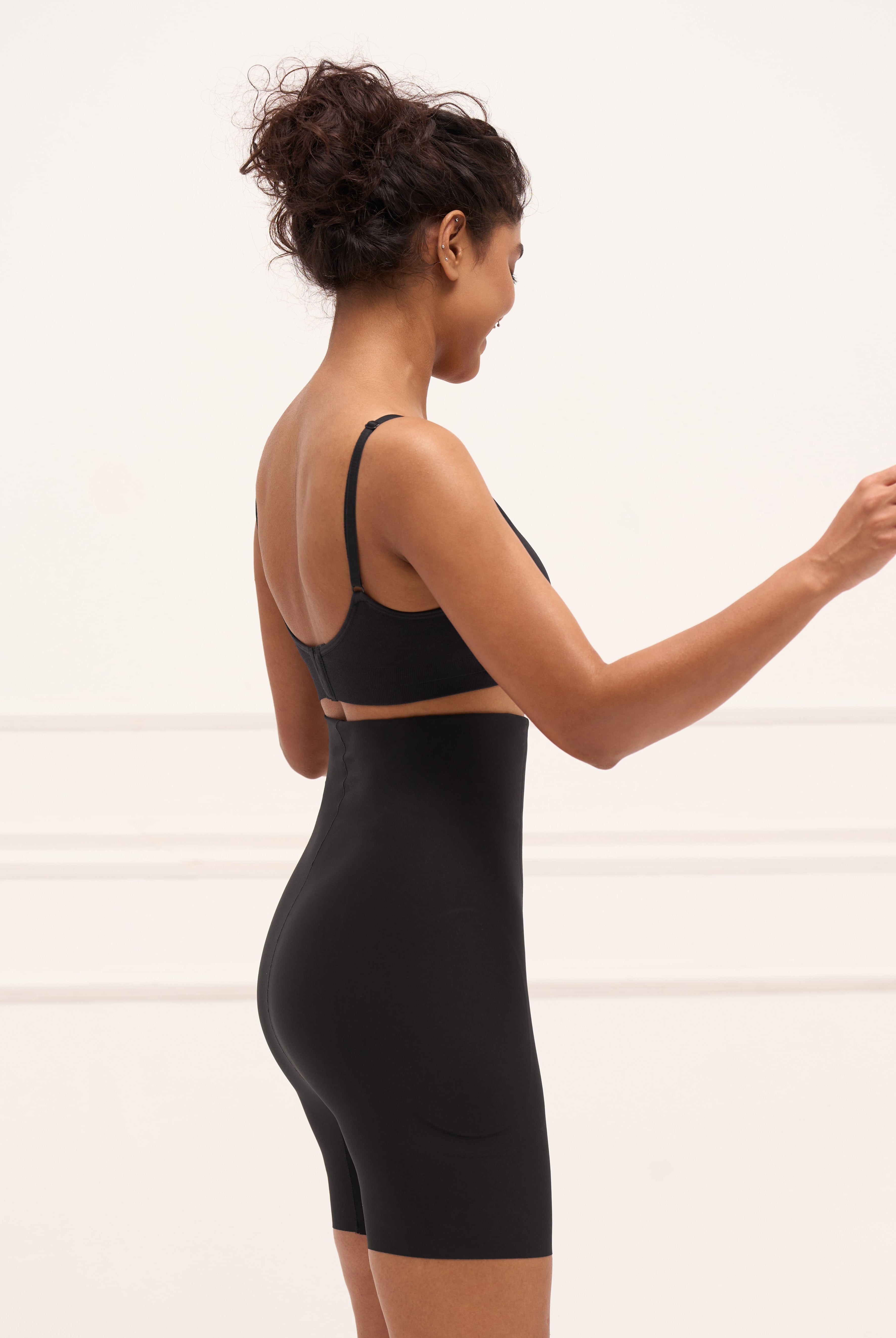
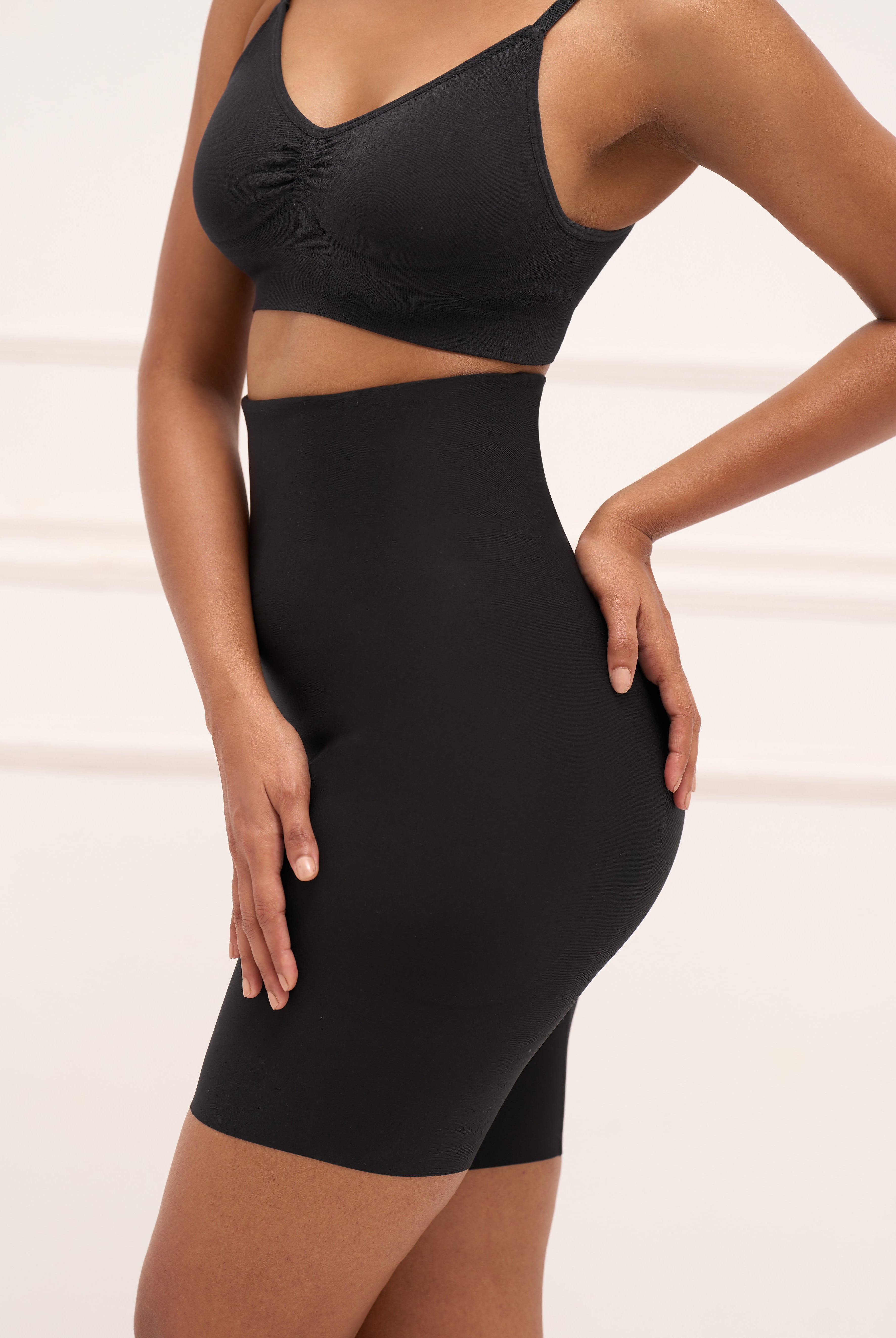
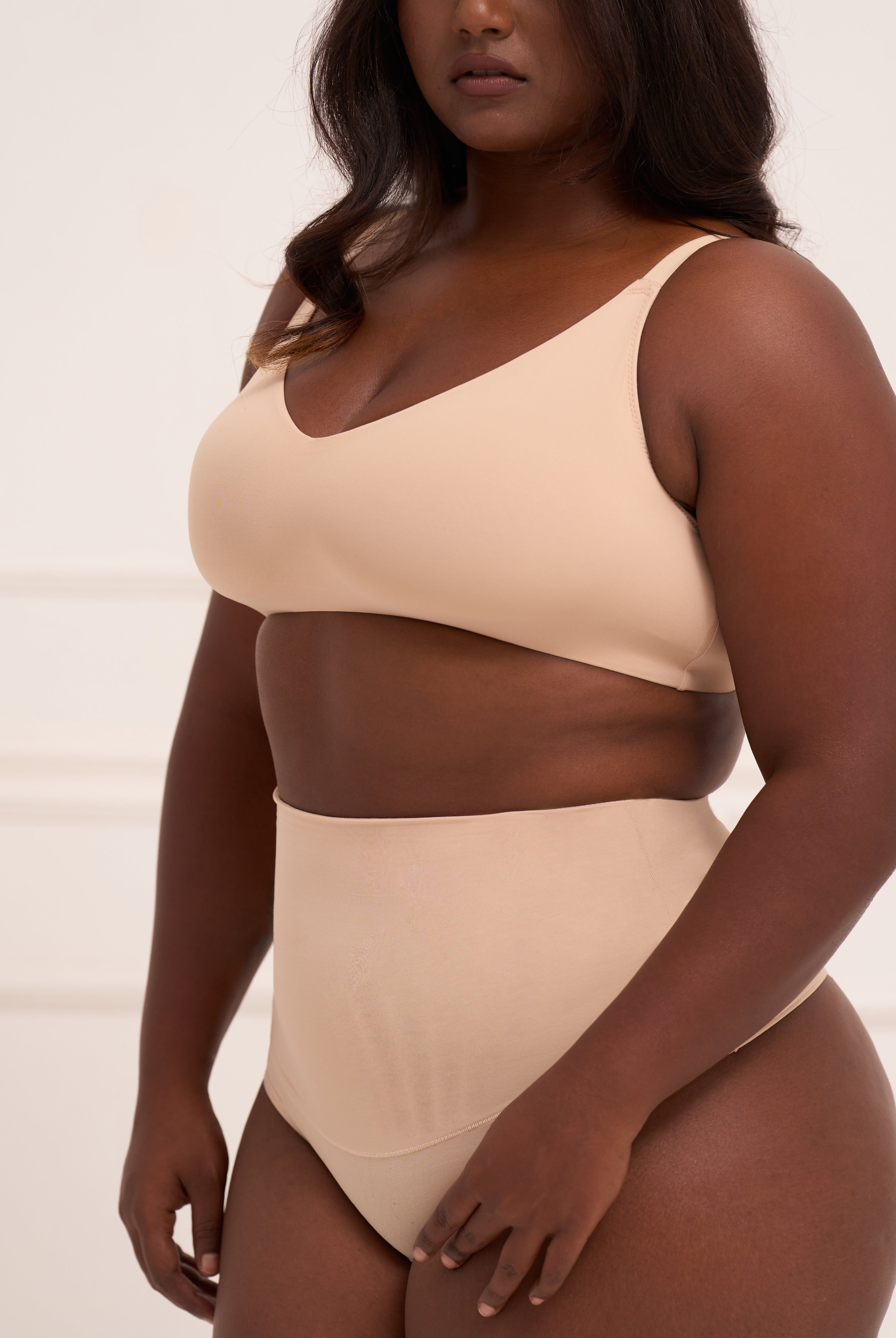
Think of a bralette as the chill, younger cousin of the traditional bra. These are usually unlined, wire-free, and designed for comfort. They often look like a hybrid between a crop top and a delicate lace piece.
-
No Underwire: You won't find any metal poking your ribs here.
-
Minimal Padding: Most have very thin lining or no padding at all.
-
Style-Forward: They often feature beautiful lace, strappy backs, or fun patterns meant to be seen under a loose shirt.
What Makes a Bra a "Bra"?

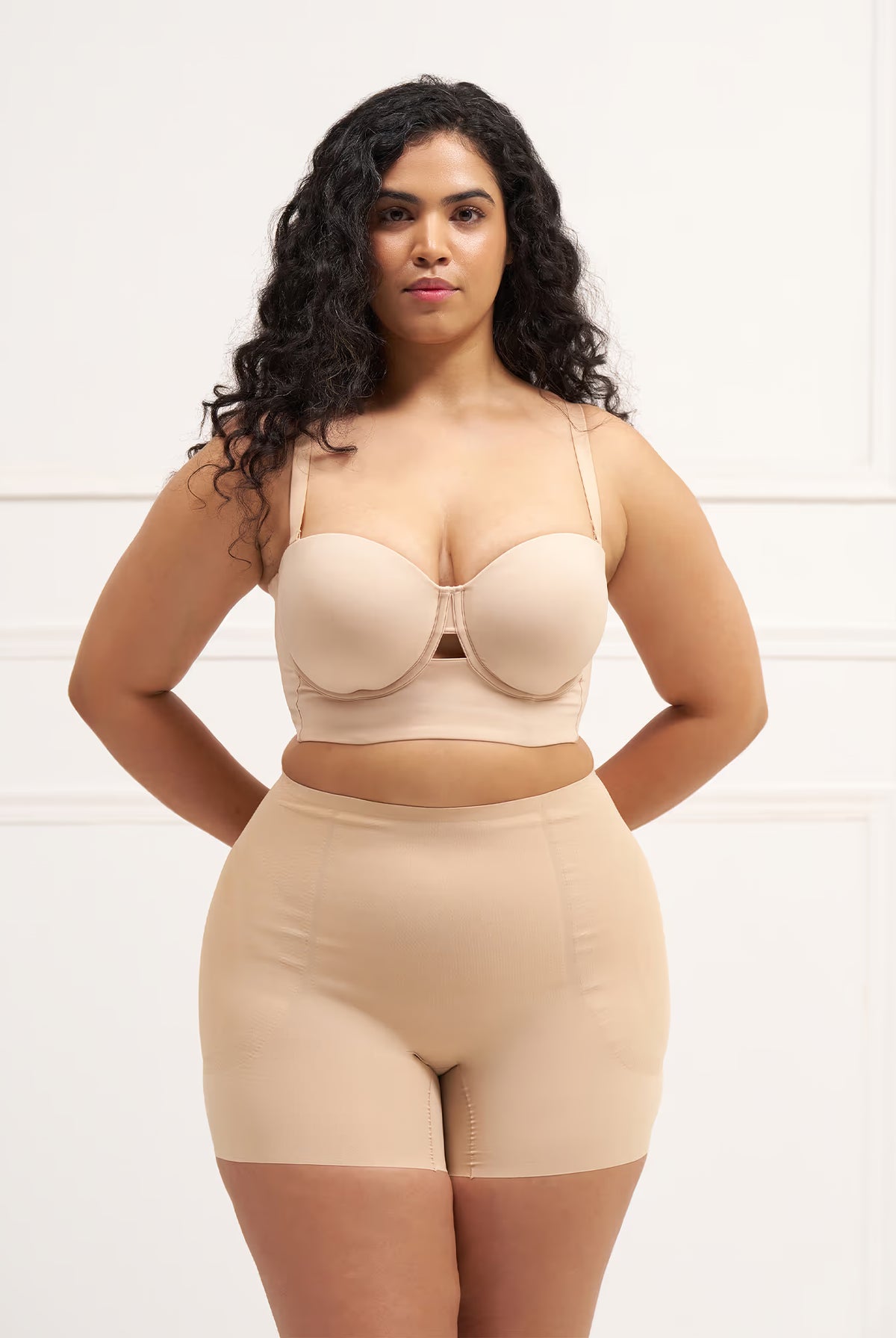
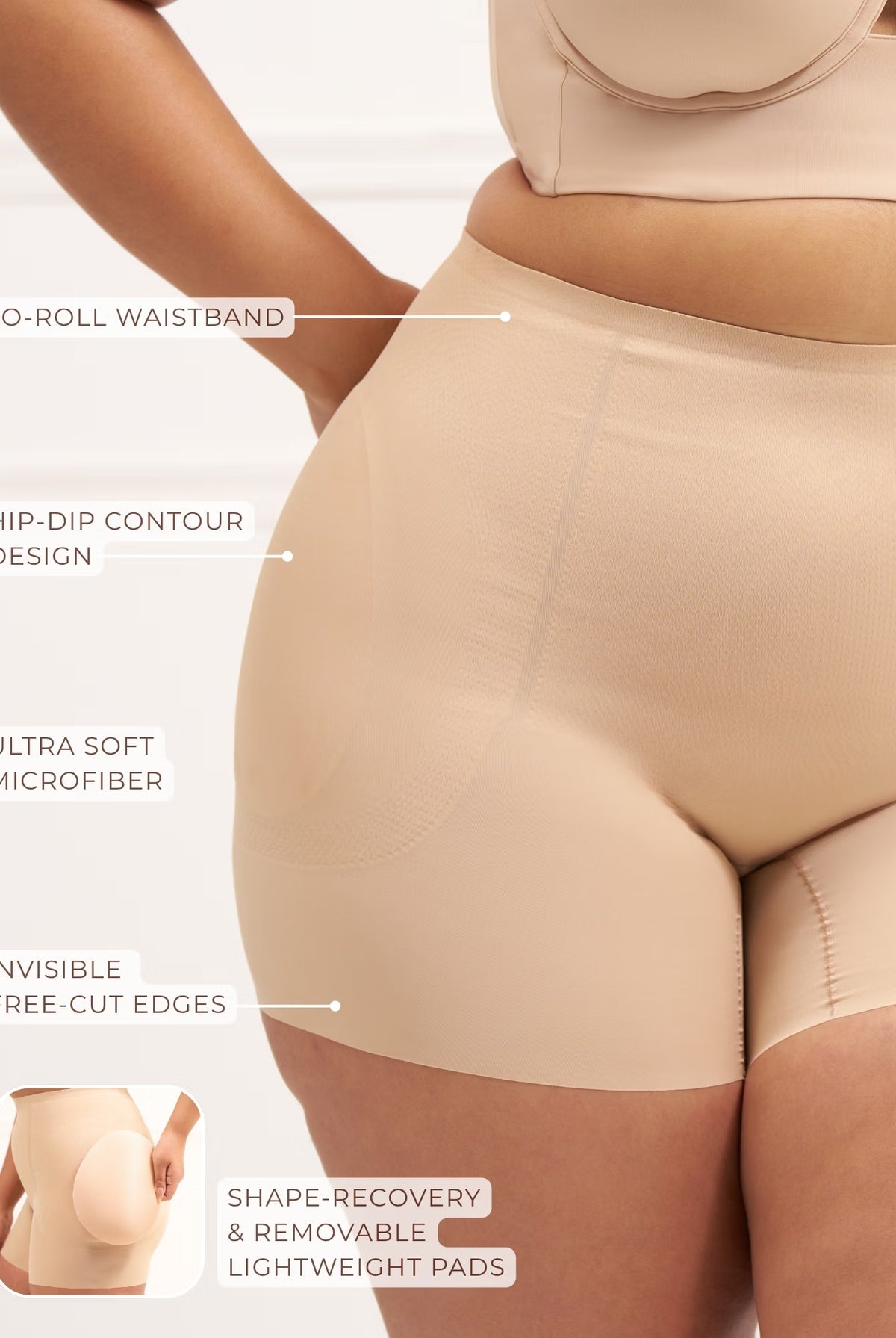
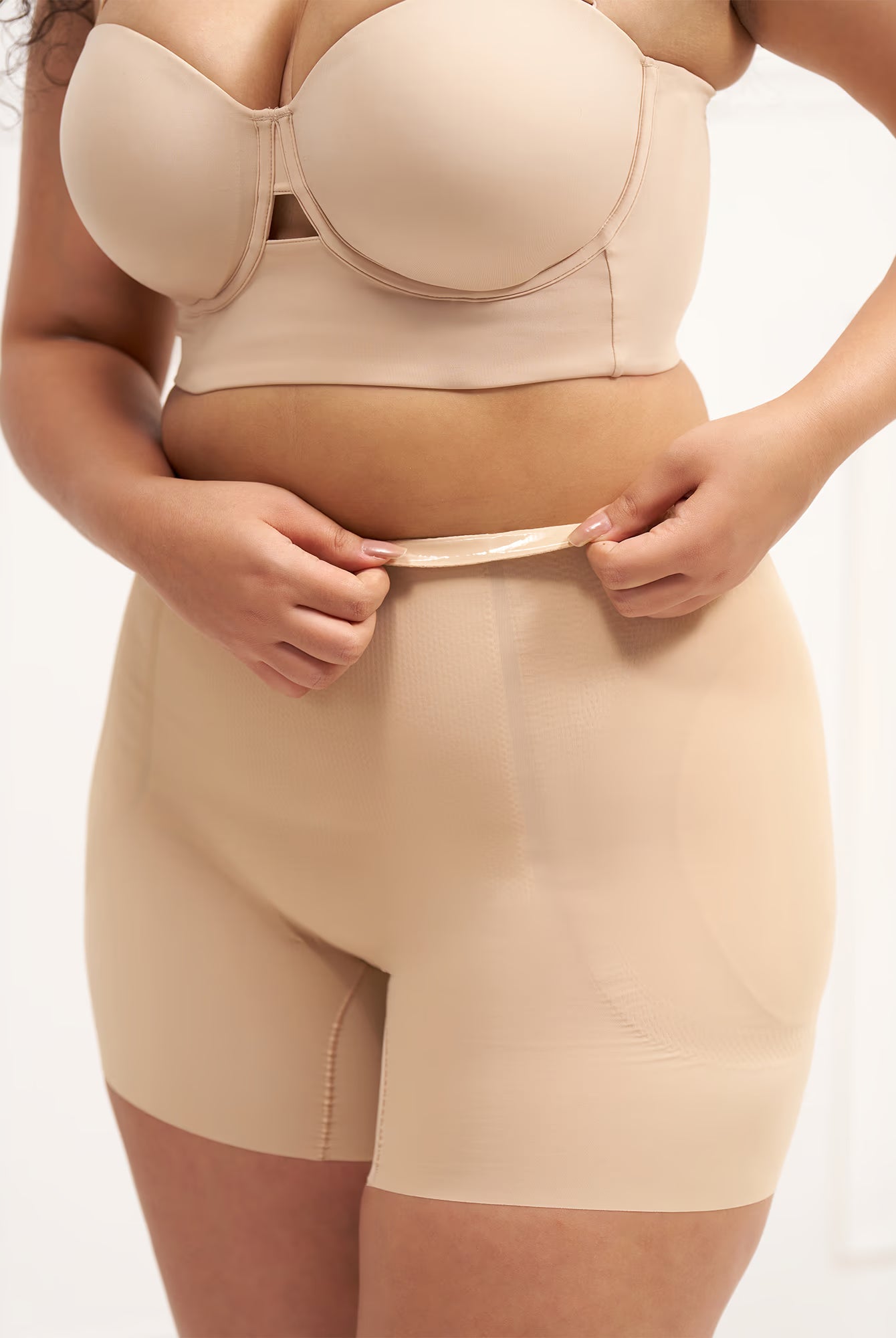
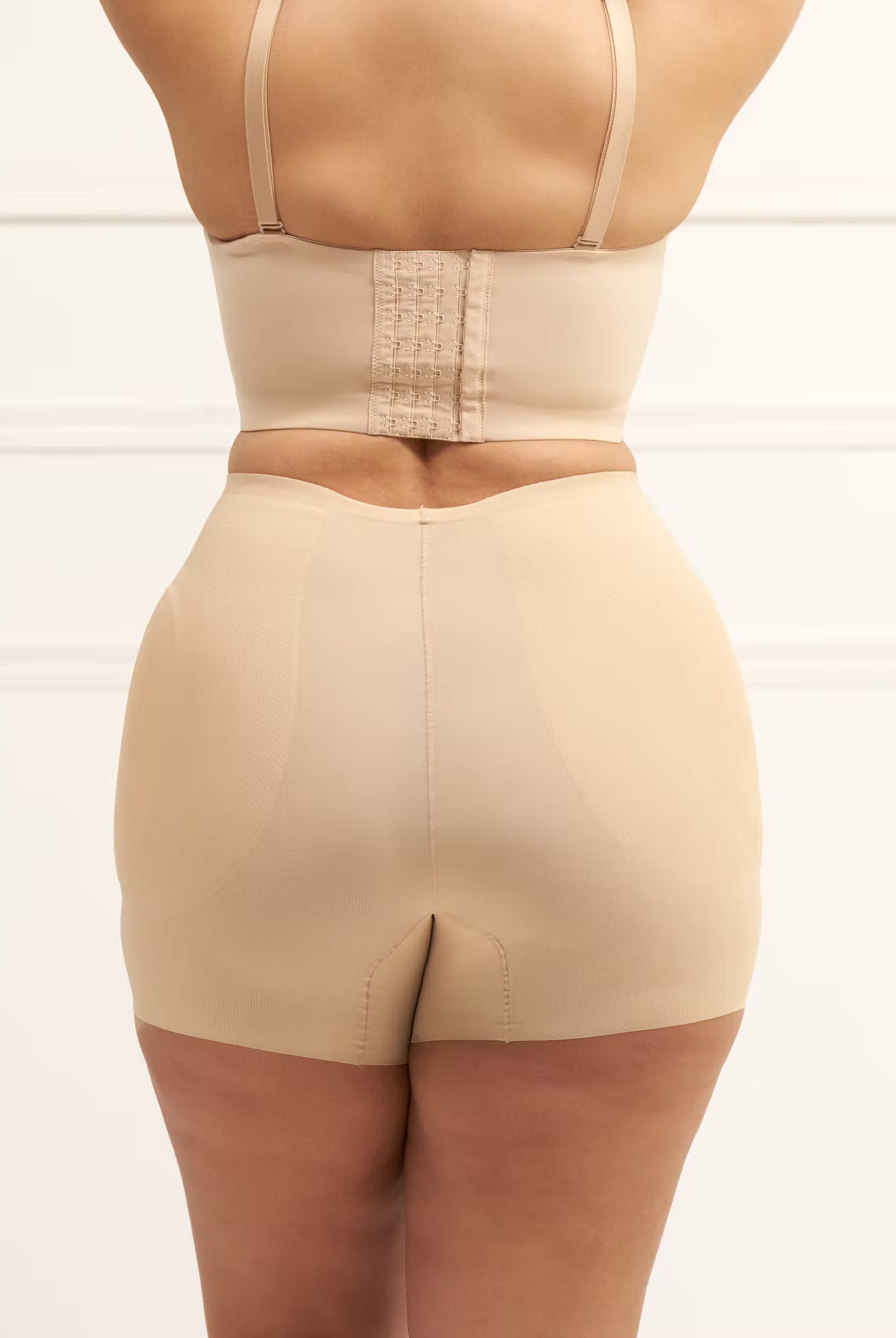
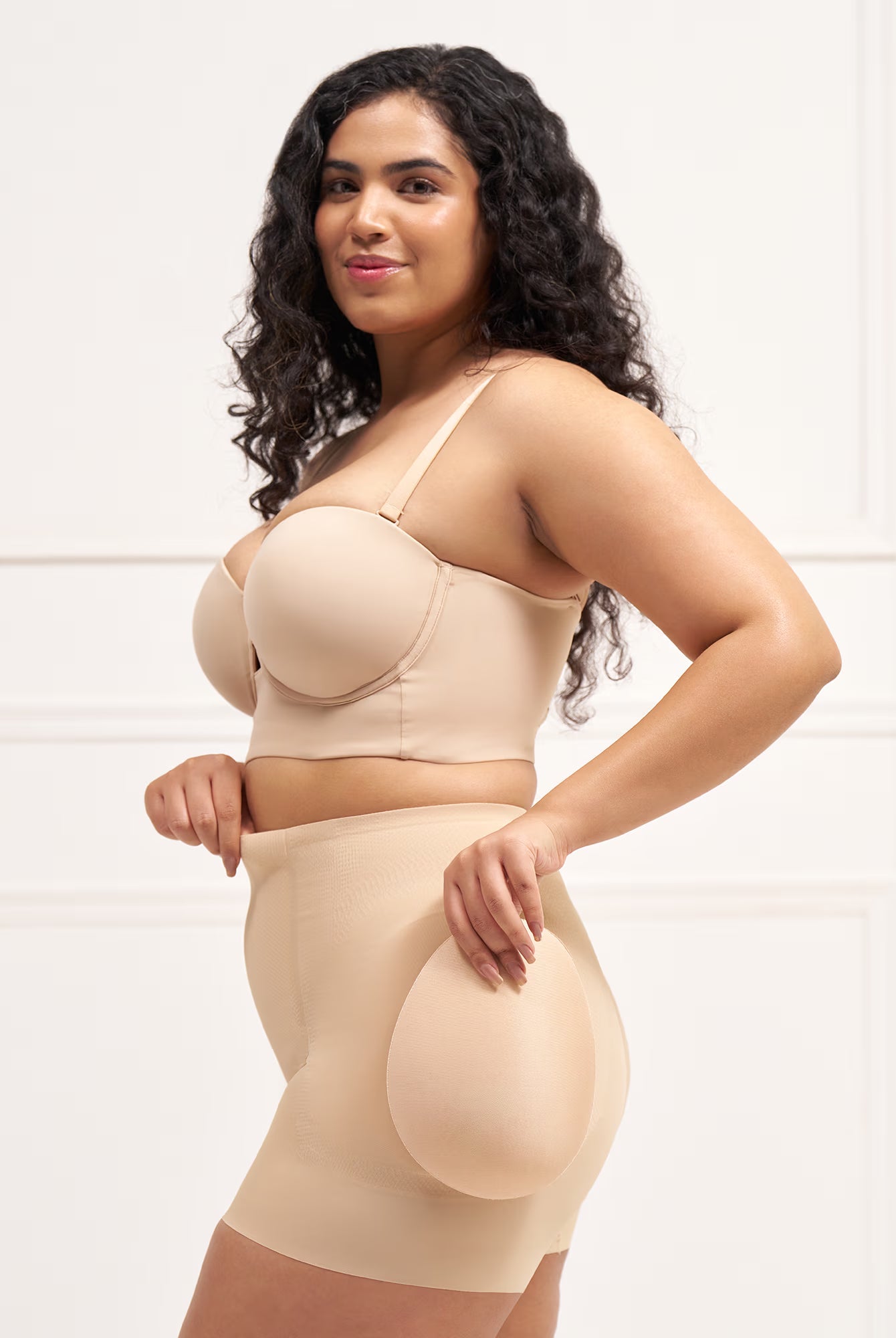
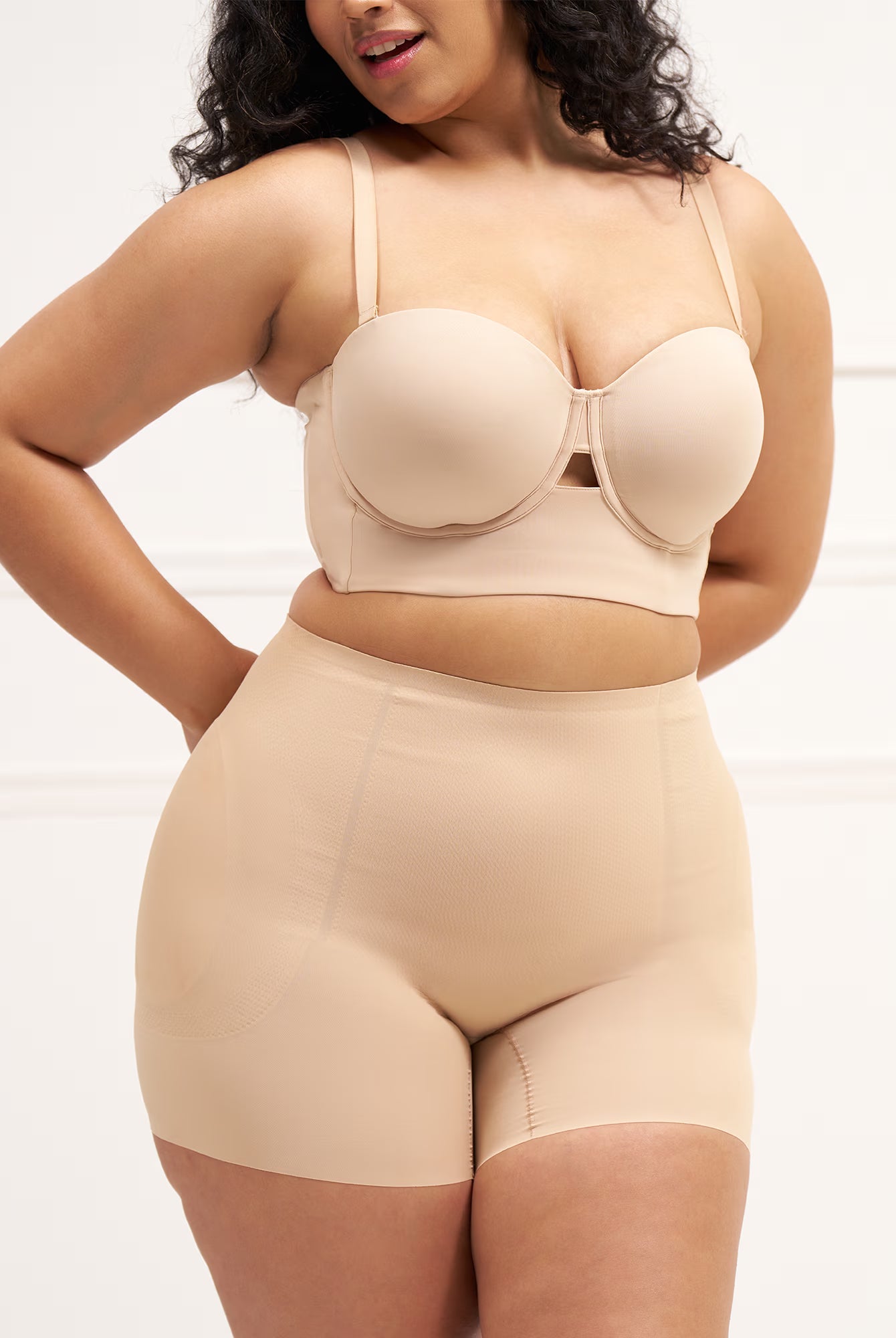
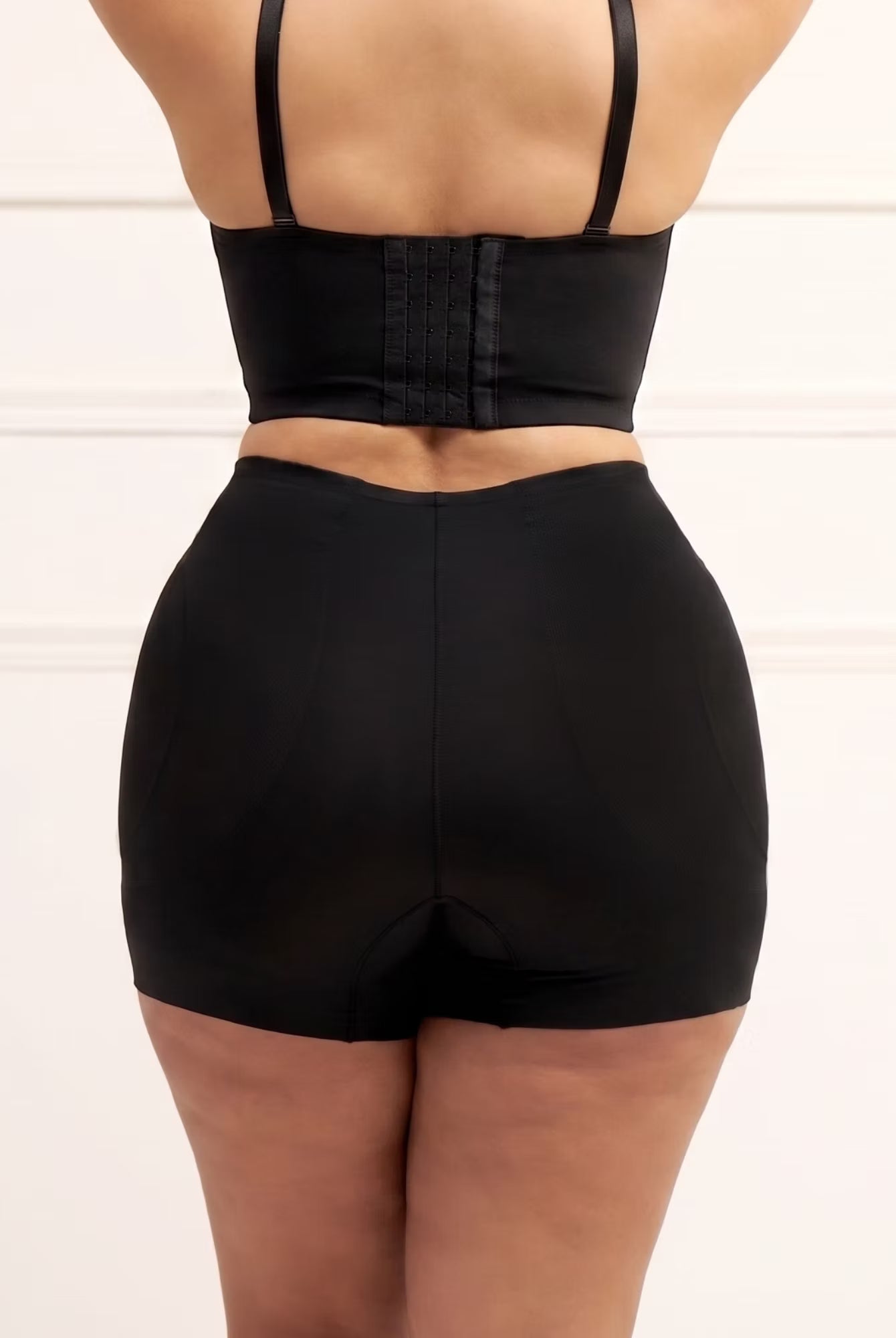
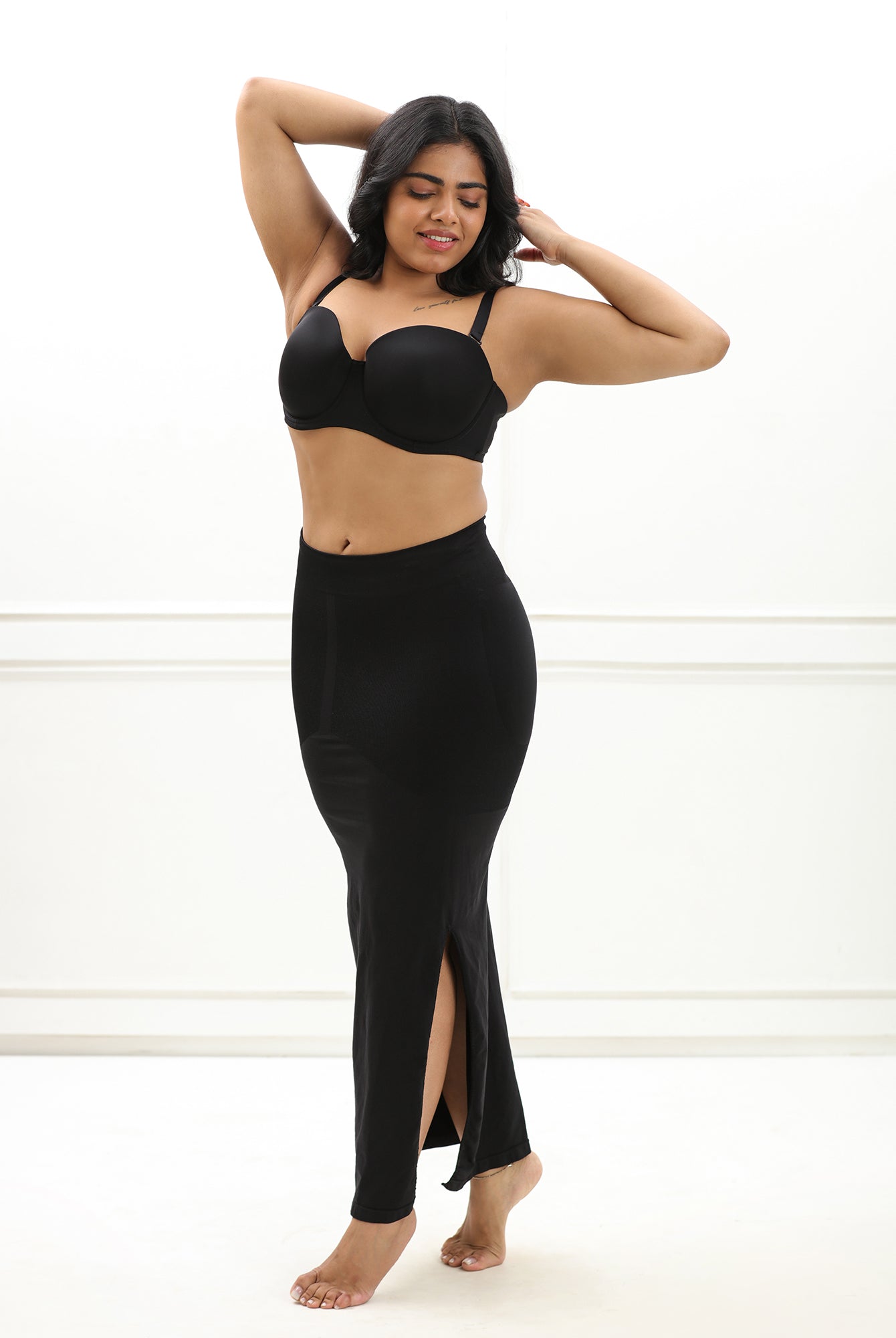
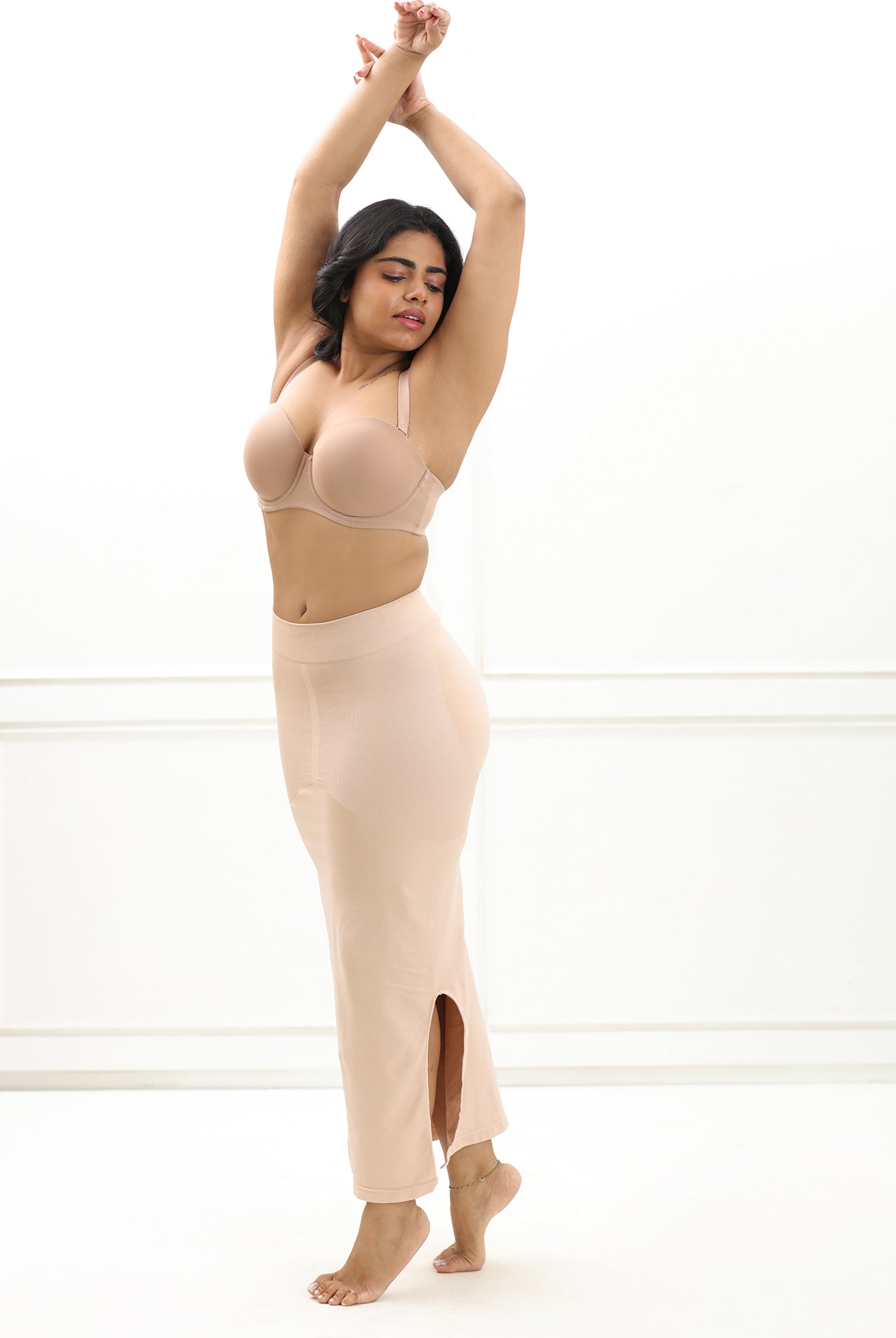
When we talk about a traditional bra, we are usually referring to a garment designed with structure in mind. Whether it is a push-up, a T-shirt bra, or a balconette, these are the workhorses of women's lingerie.
-
Structure and Support: Most use underwires and molded cups to lift and shape.
-
Specific Sizing: While bralettes often come in S/M/L, bras use a precise band-and-cup system.
-
Versatility: They are designed to disappear under tight clothing or provide a specific silhouette.
What Is the Difference between a Bra and a Bralette?
|
Feature |
Bralette |
Traditional Bra |
|
Comfort Level |
High (like a second skin) |
Moderate (varies by fit) |
|
Support |
Light to Medium |
Firm to Maximum |
|
Sizing |
Alpha (S, M, L) |
Numerical (34B, 36D, etc.) |
|
Wiring |
Wire-free |
Usually underwired |
|
Best For |
Lounging, low-cut tops |
Work, formal wear, high activity |
|
Durability |
Lasts longer (less hardware) |
Faster wear (wires can poke out) |
|
Aesthetics |
Visible lace and trendy straps |
Minimalist and "invisible" |
|
Adjustment |
Usually fixed straps |
Highly adjustable straps and hooks |
|
Shaping |
Enhances natural shape |
Lifts, separates, and contours |
|
Price Point |
Generally more affordable |
Often, a bigger investment |
Which One Should You Wear?
Here is a quick guide to help you decide when to wear a bralette and when to go for a bra:
Choose a Bralette if:
-
You are working from home. If your biggest task is a Zoom call, why suffer through a wire?
-
You have a smaller bust. Bralettes provide just enough coverage without the bulk.
-
Your outfit is part of the look. If you are wearing a sheer blouse or an oversized sweater with a falling shoulder, a lace bralette adds a stylish layer.
Choose a Bra if:
-
You need maximum lift. If you have a larger bust, a traditional bra offers the structural support that helps save your back and shoulders.
-
You are wearing a fitted T-shirt. A smooth, molded bra prevents lines and gives you a seamless look.
-
You are heading to a formal event. Most gowns and professional attire look best with the specific shaping that only a structured bra provides.
When it's bralette vs bra, you do not have to pick a side forever. Most people find that a healthy mix of both is the secret to a functional wardrobe. Use the bra for the "heavy lifting" moments and keep a few bralettes for those days when you just want to feel free.
FAQs
Are bralettes good for large busts?
Bralettes can work for large busts if they have wide bands, reinforced cups, underwire, and adjustable straps, providing proper support and coverage for comfort.
Which one is more comfortable – a bra or a bralette?
Bralettes win for comfort. They offer a wire-free, soft feel and flexible fit that makes them perfect for all-day wear.
Is it ok to wear a bralette every day?
Yes, wearing a bralette every day is perfectly fine. They provide enough light support for daily activities while ensuring maximum comfort.
How do the materials, support, and overall fit compare between bralettes and bras?
A bralette is soft and stretchy, usually with no underwire. A regular bra has molded cups, wires, and a firmer band that hold the shape in place. Bralettes give light to medium support, while bras cover everything from barely-there to seriously structured. Pick based on your outfit and how much support you need that day.