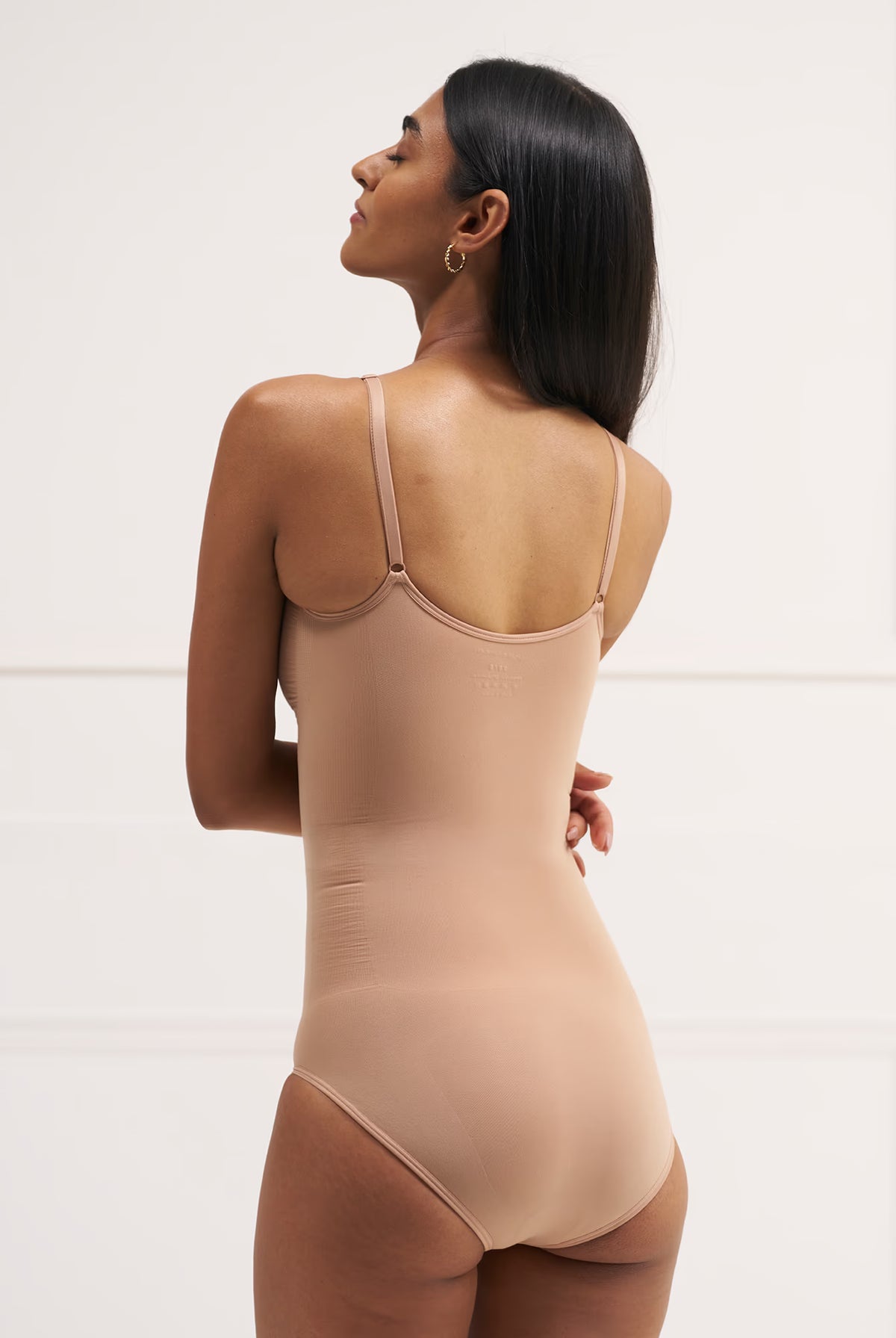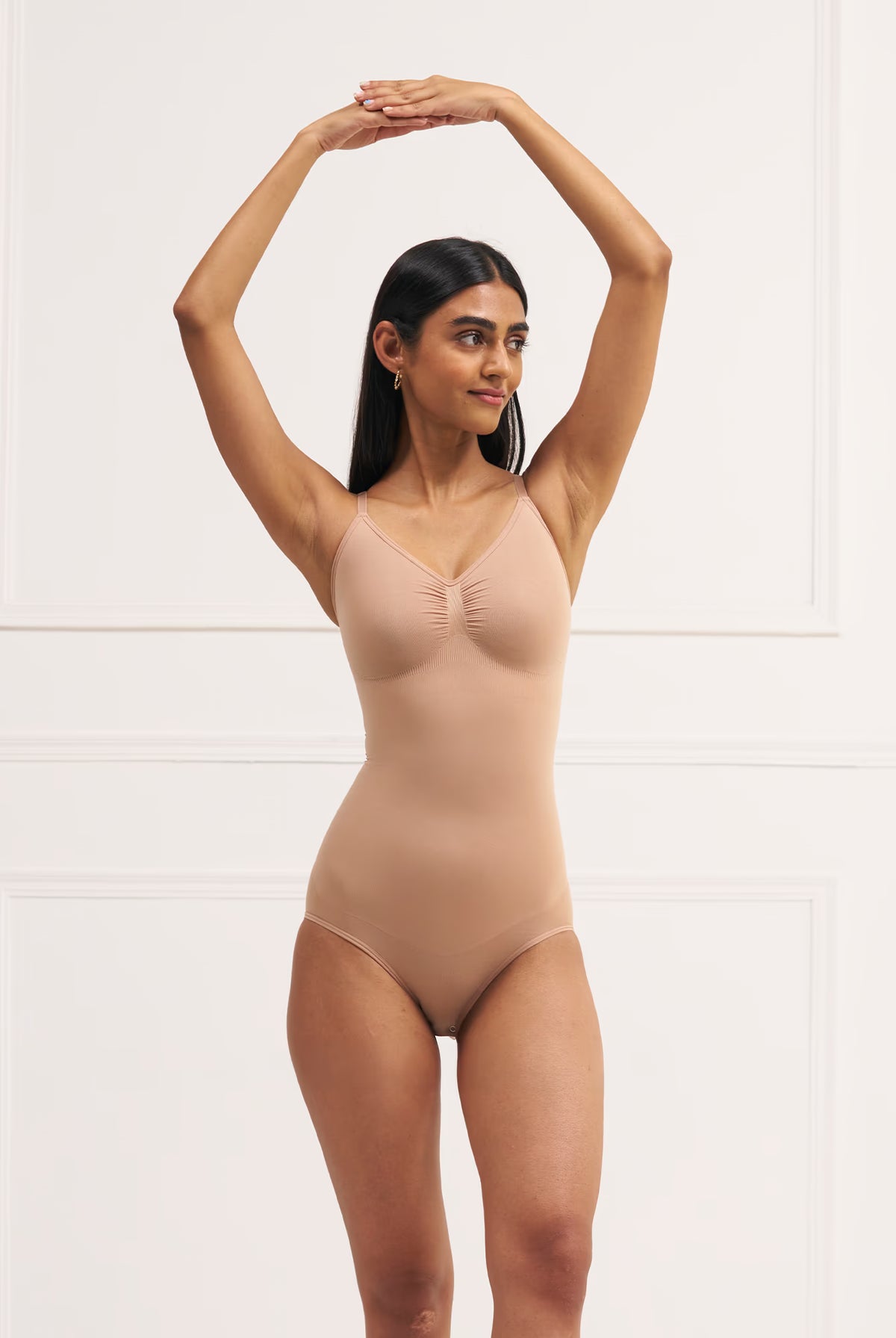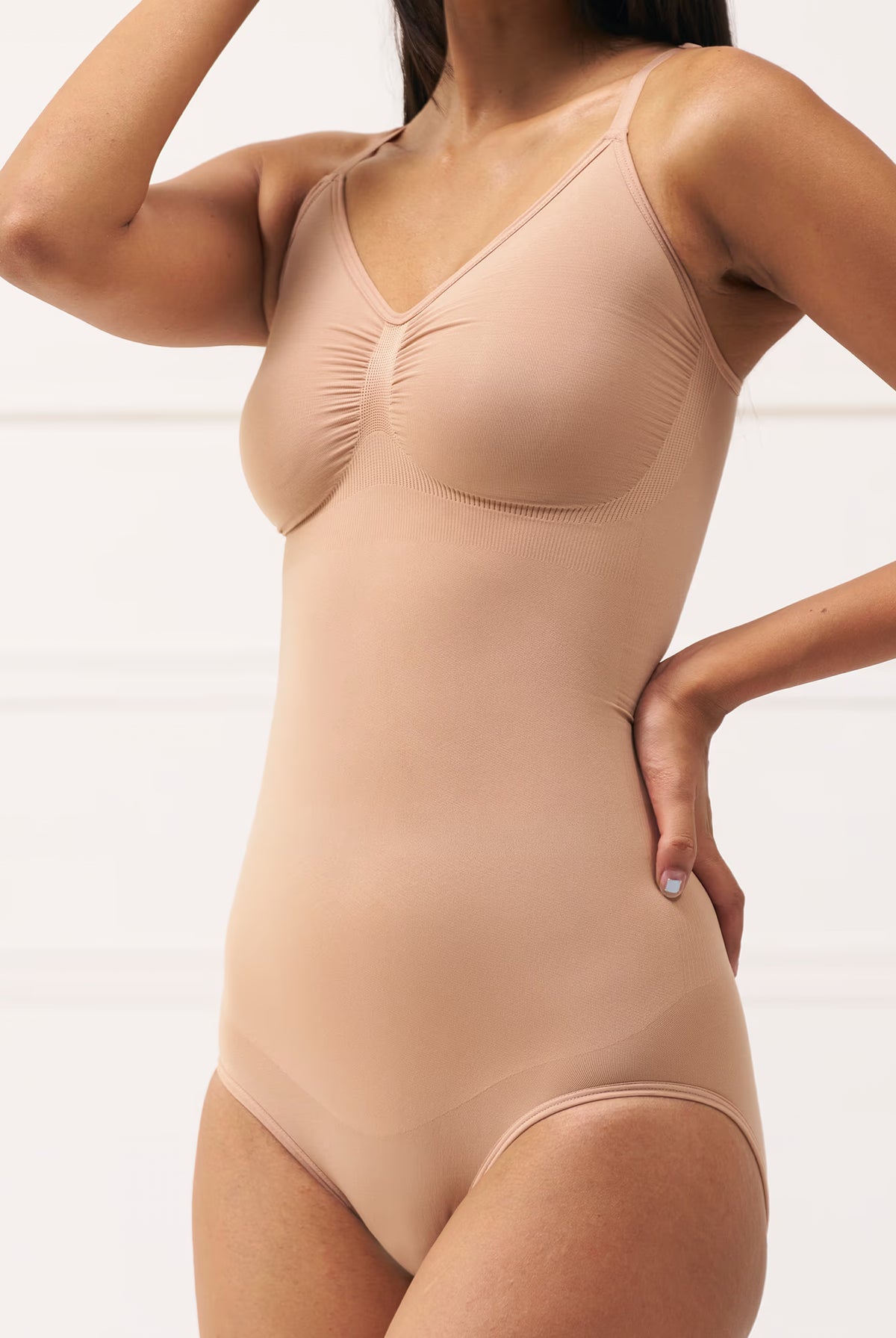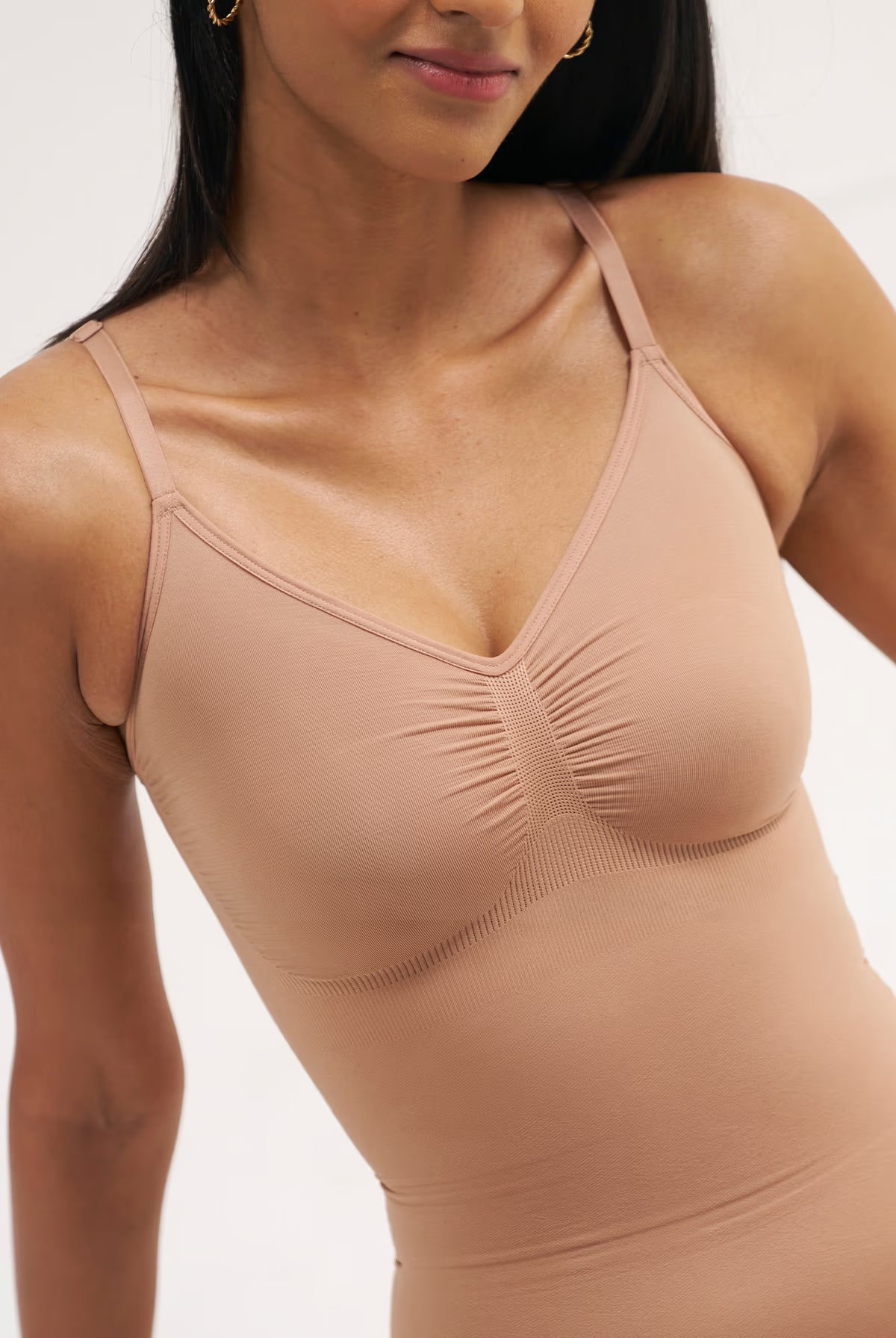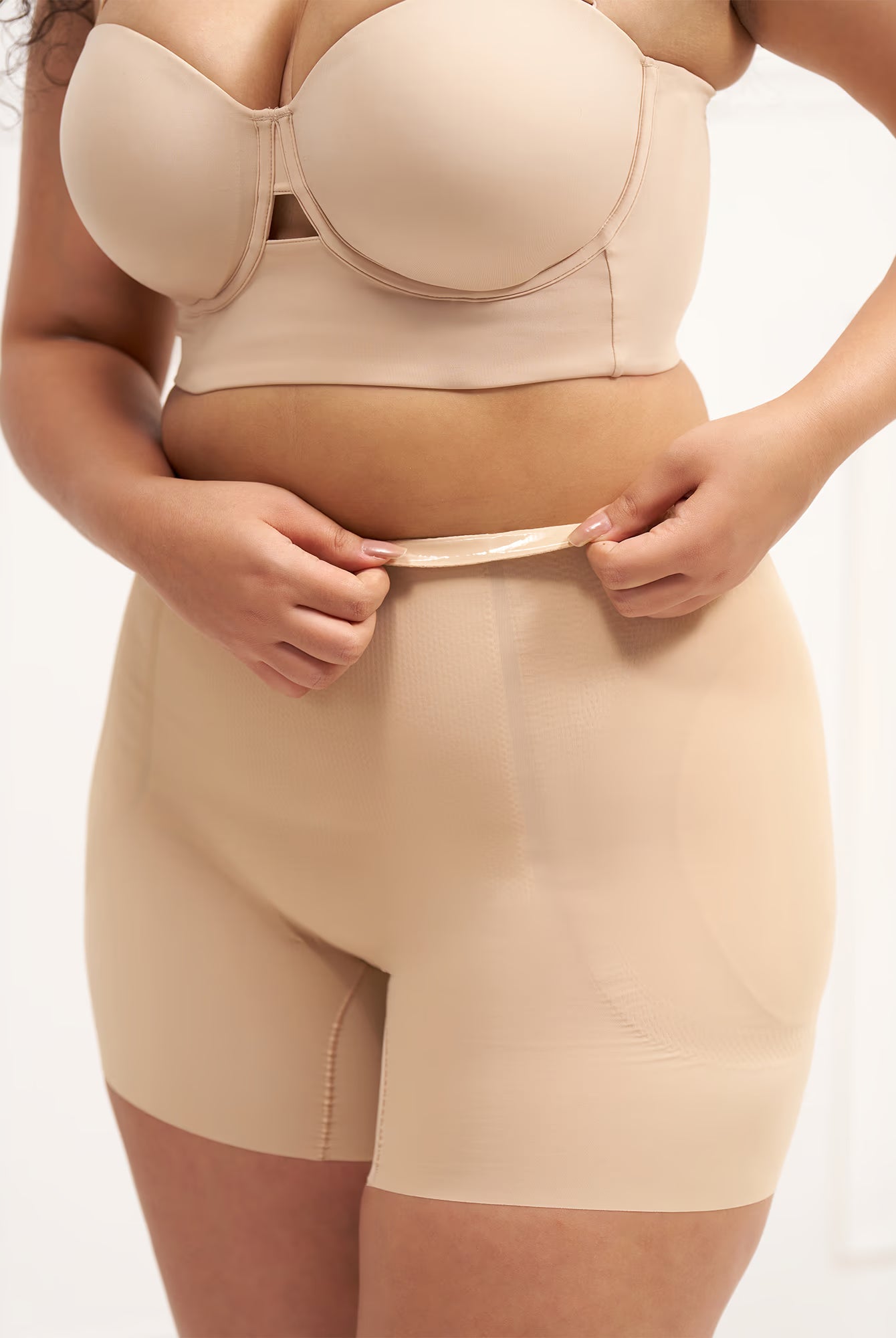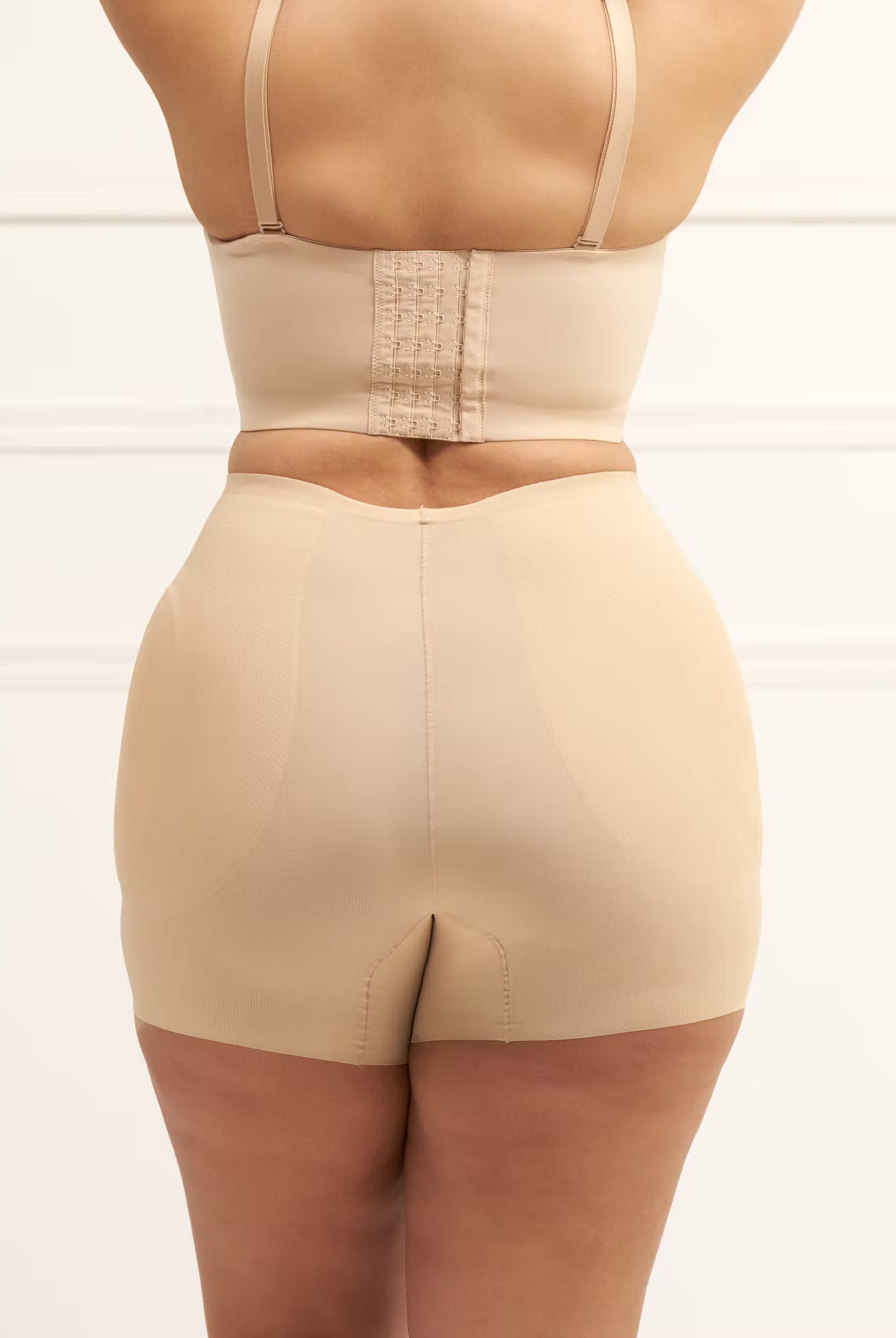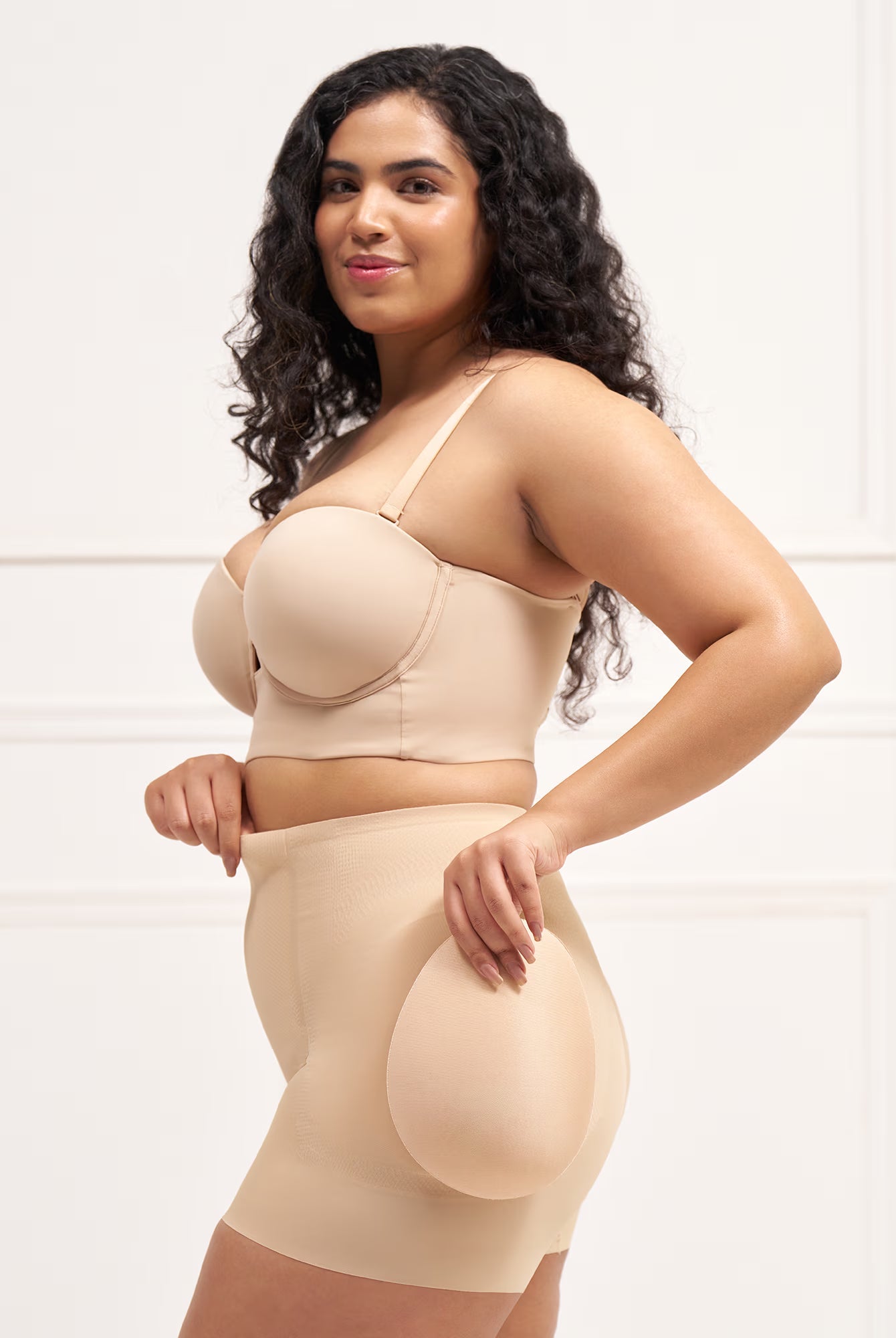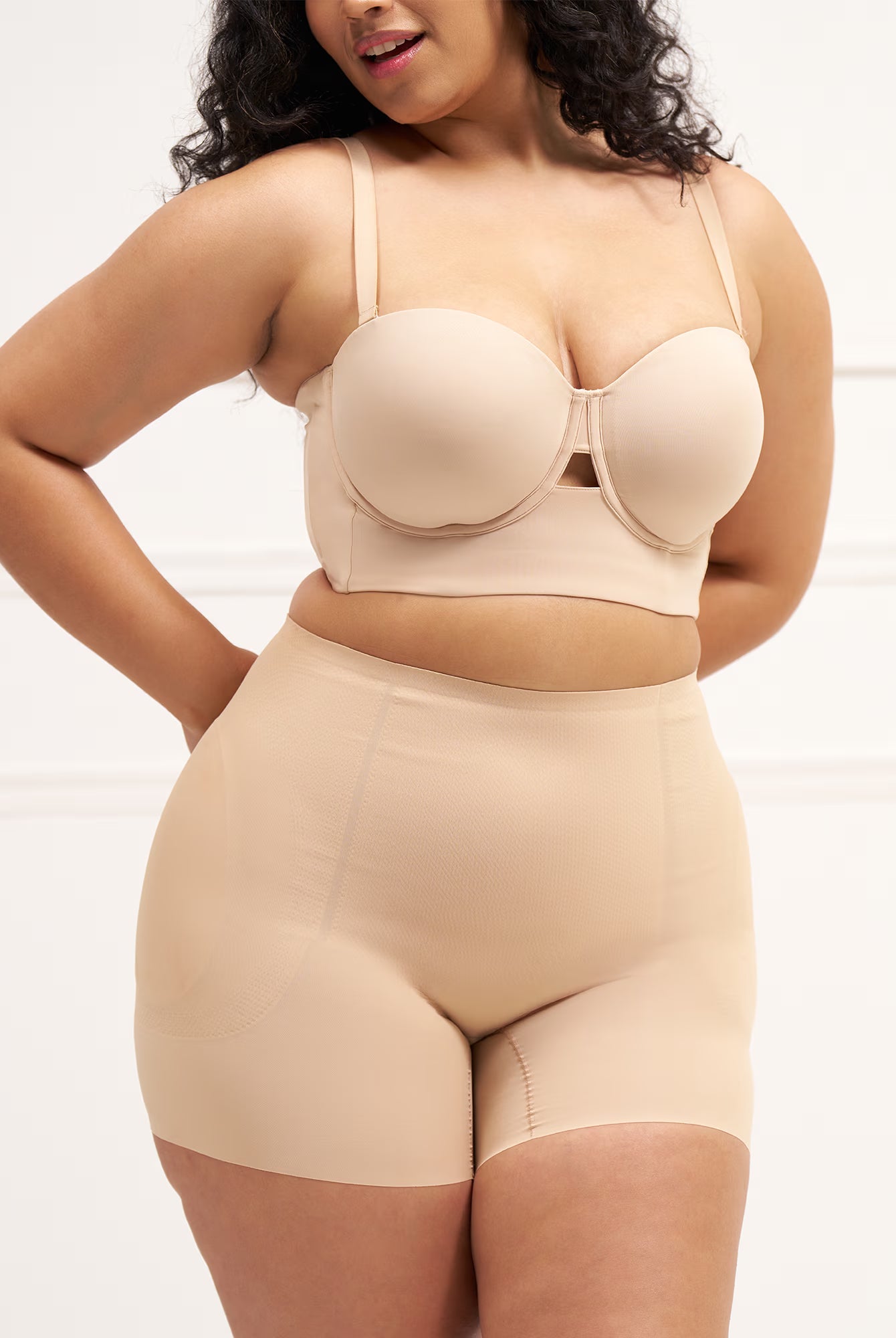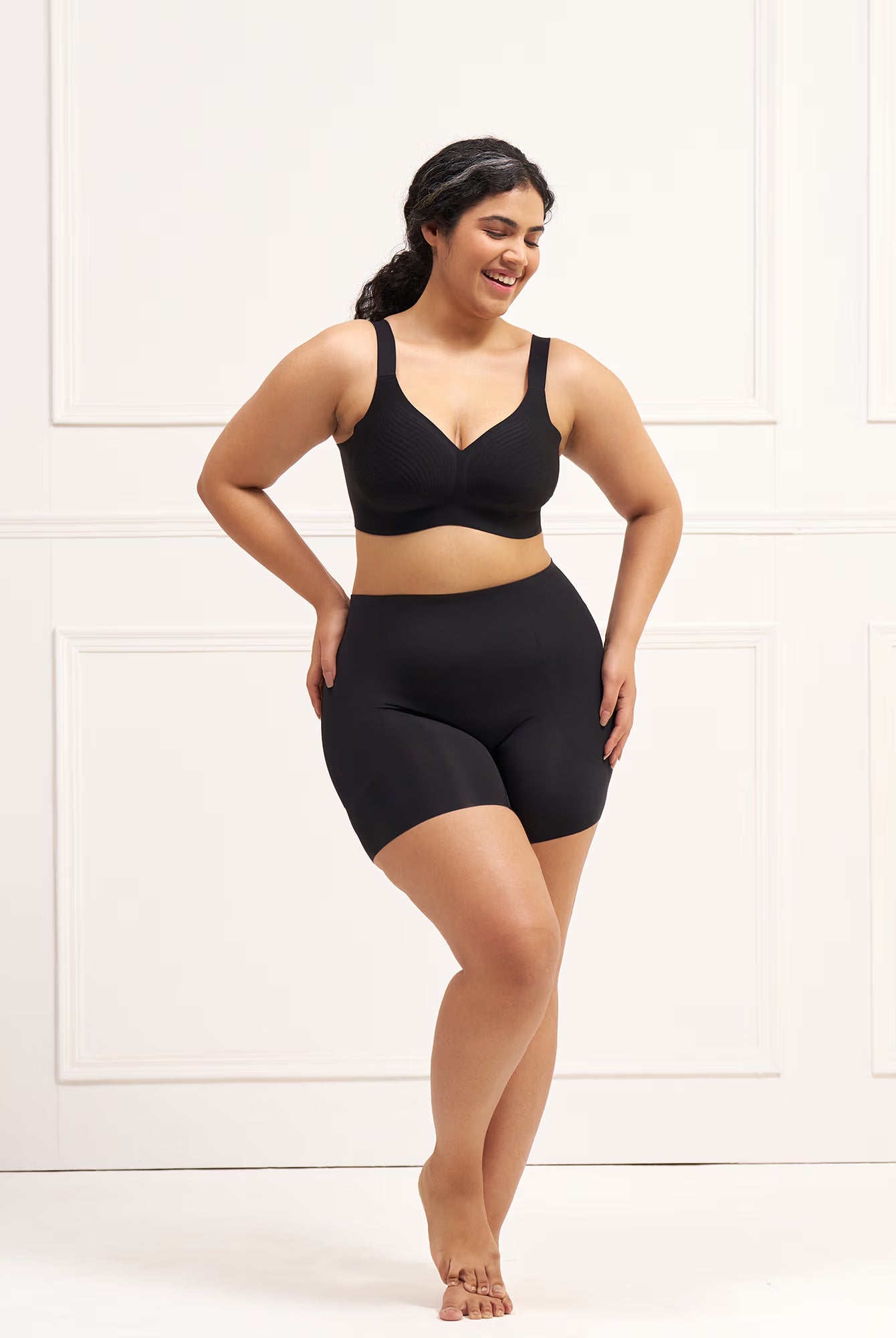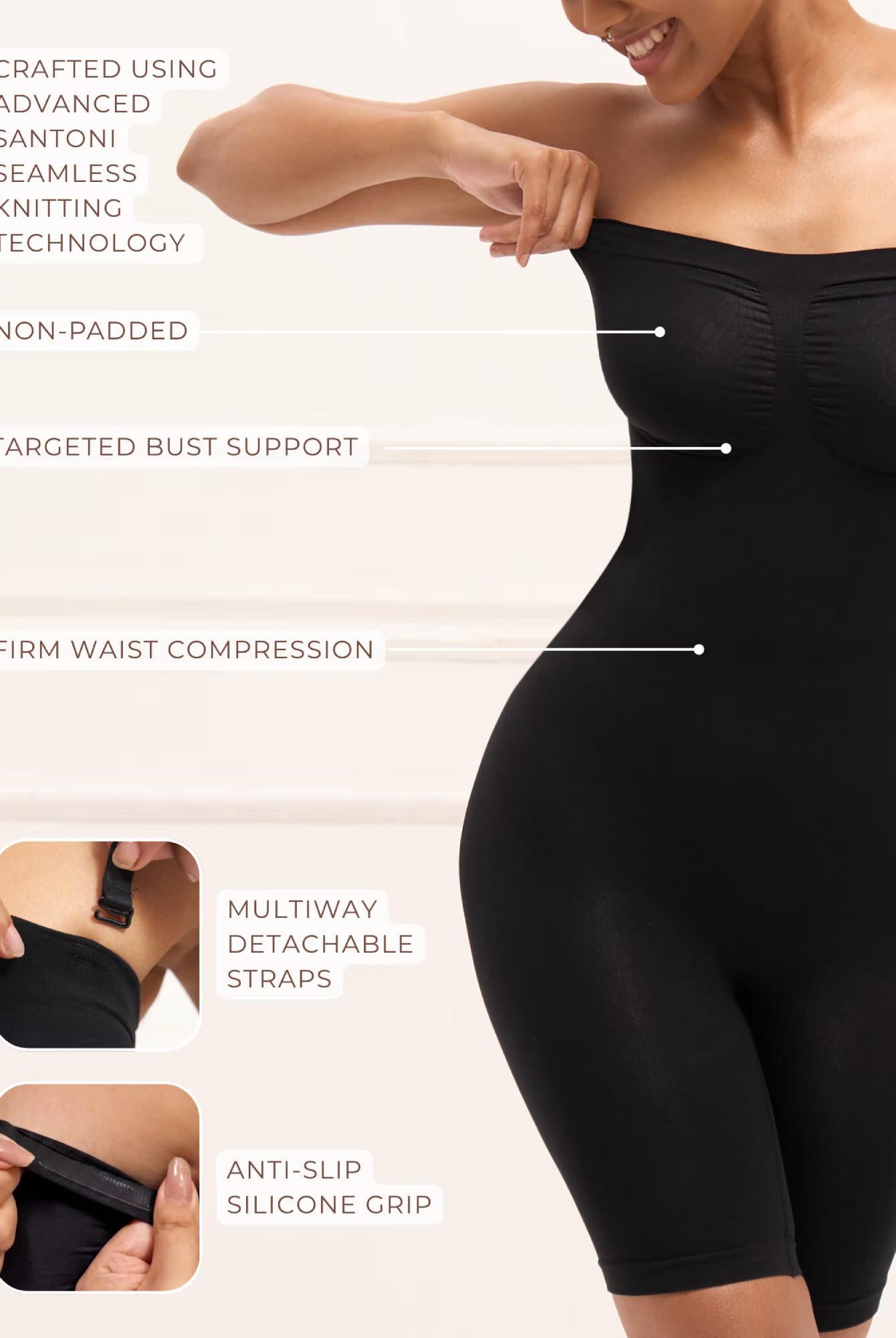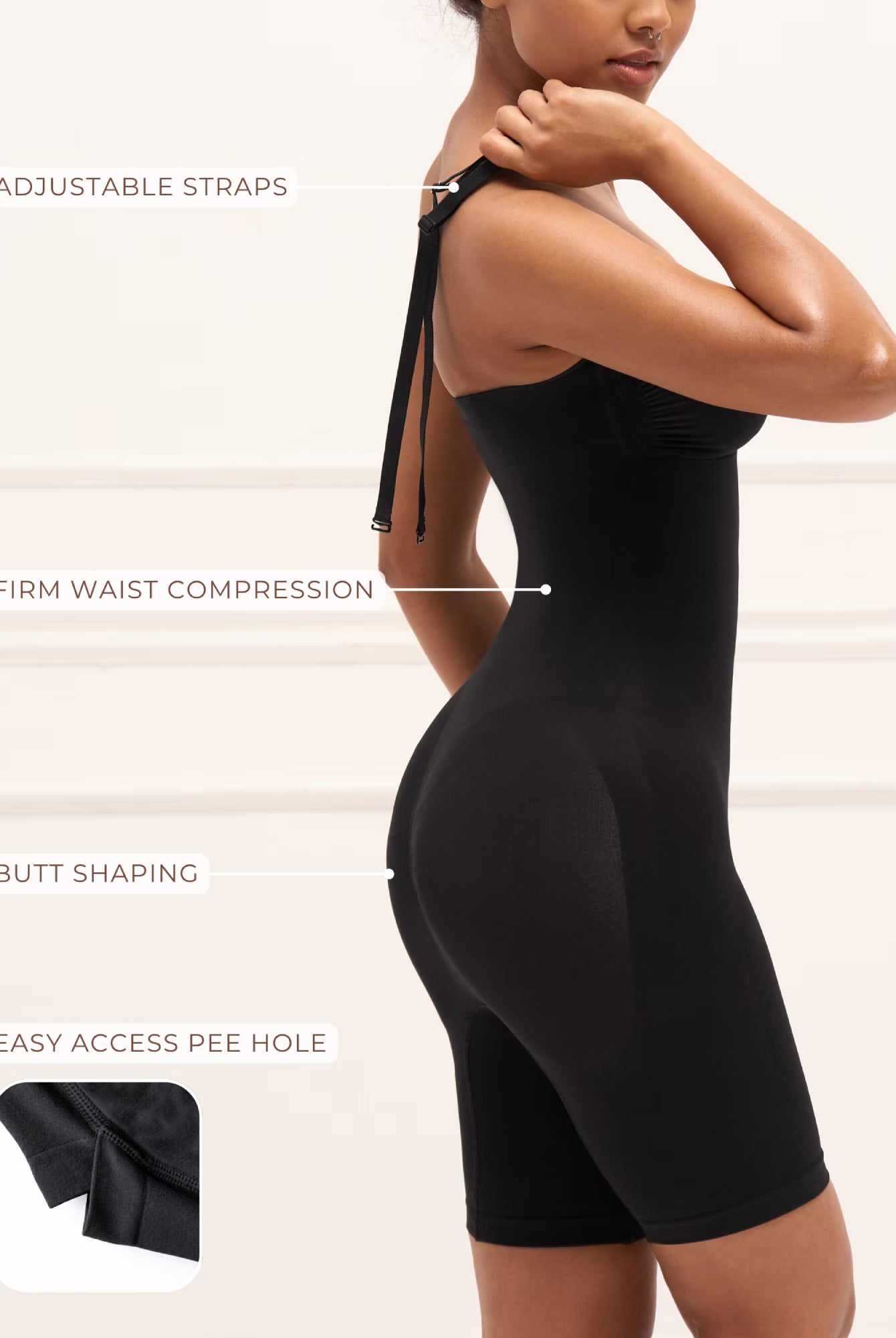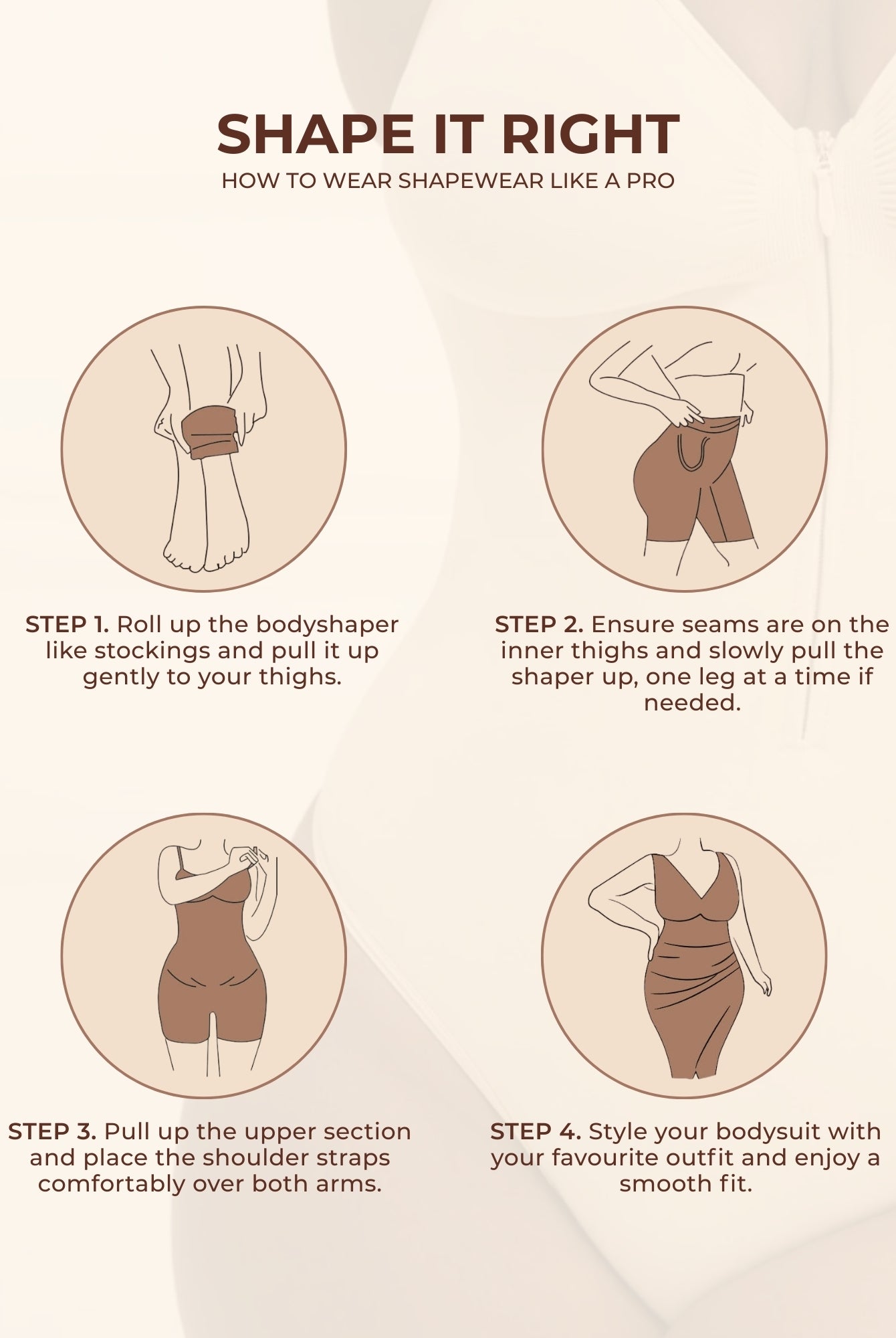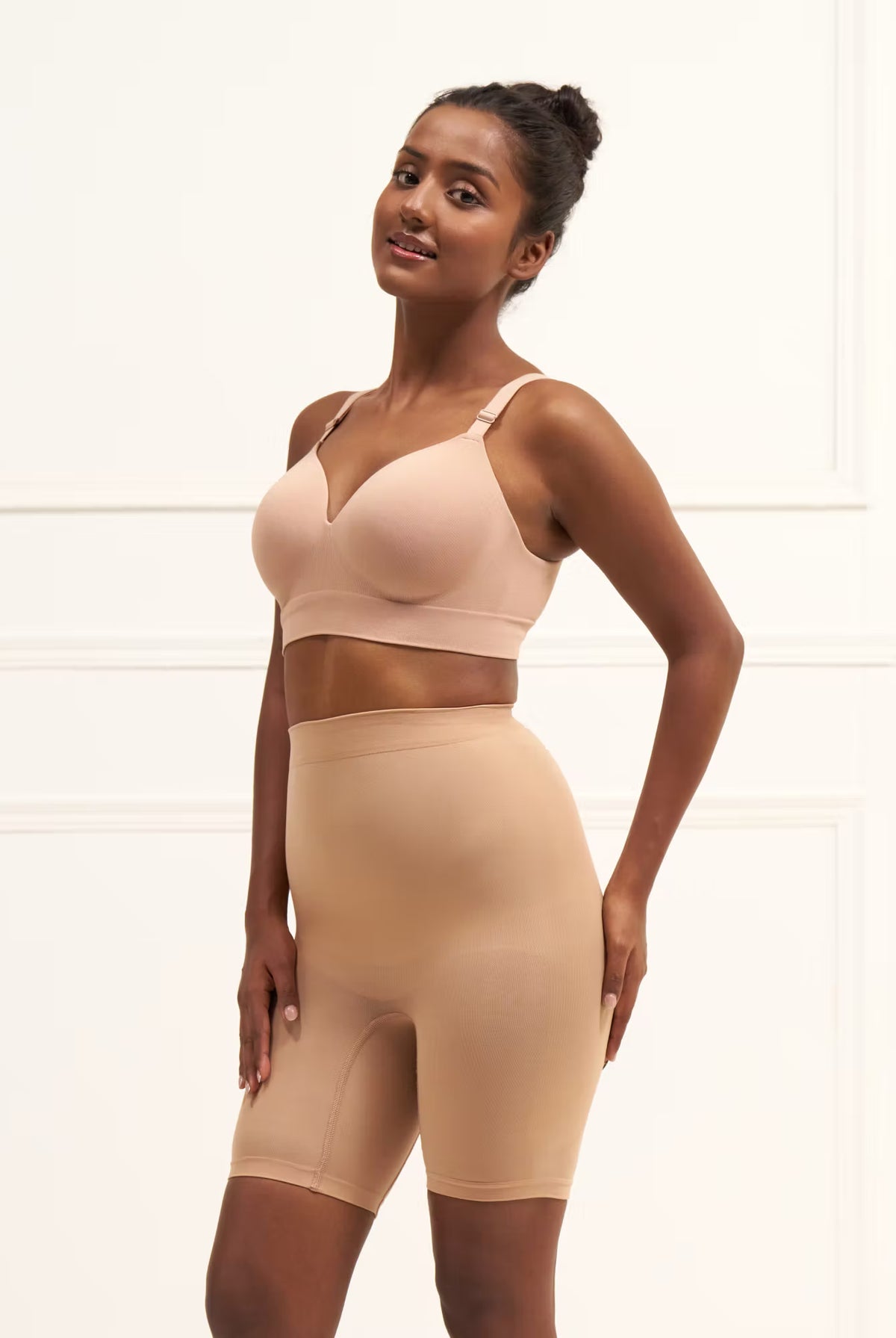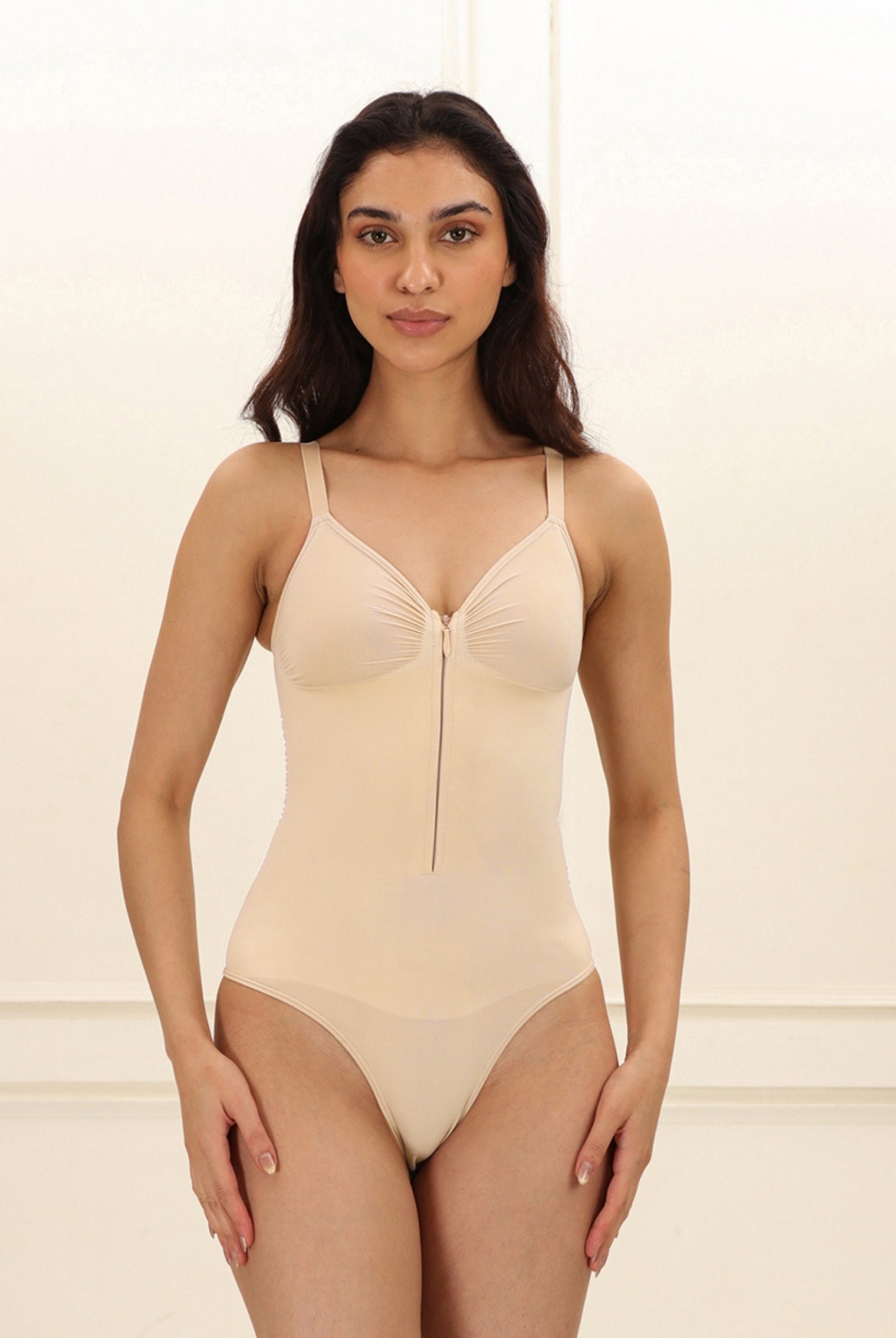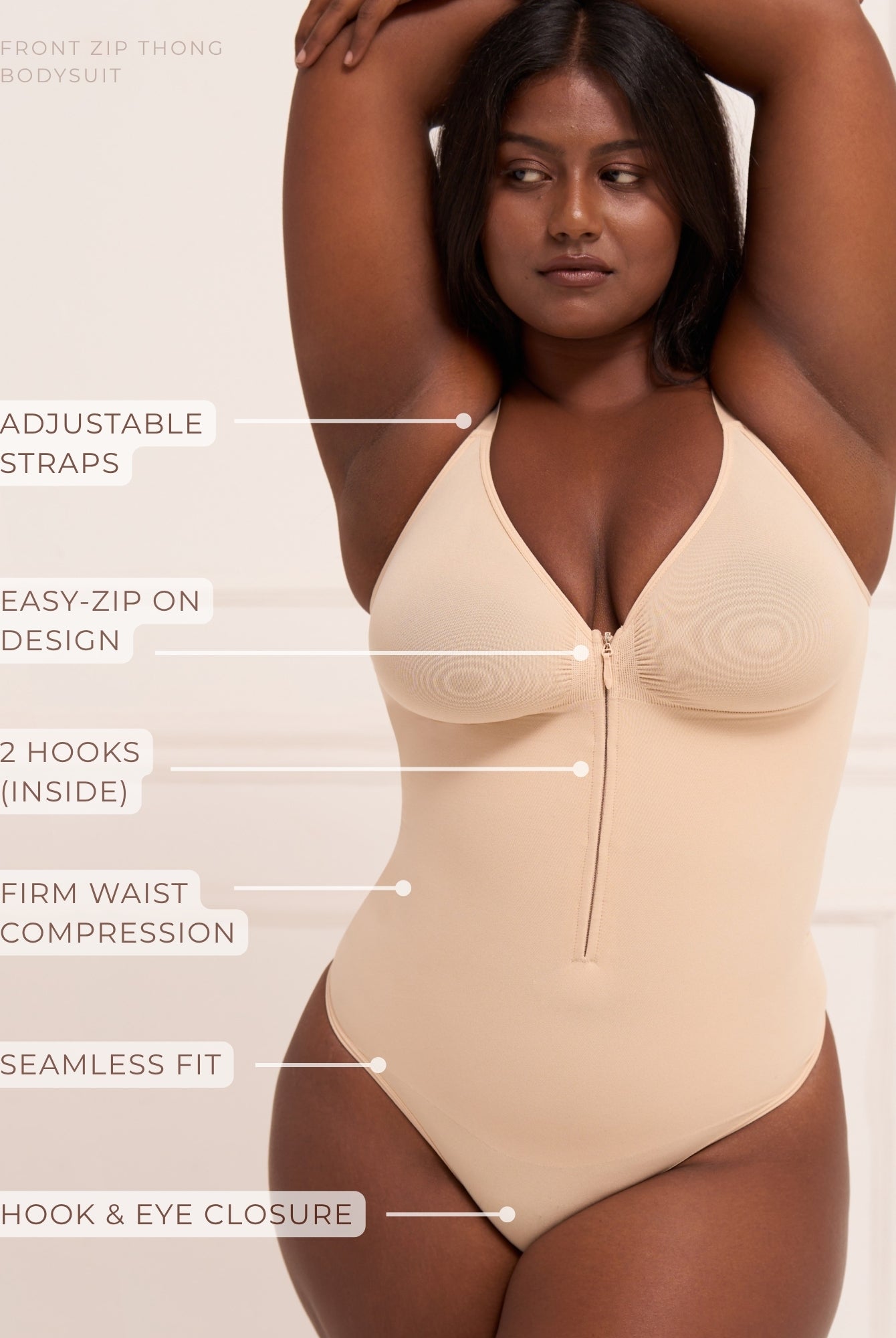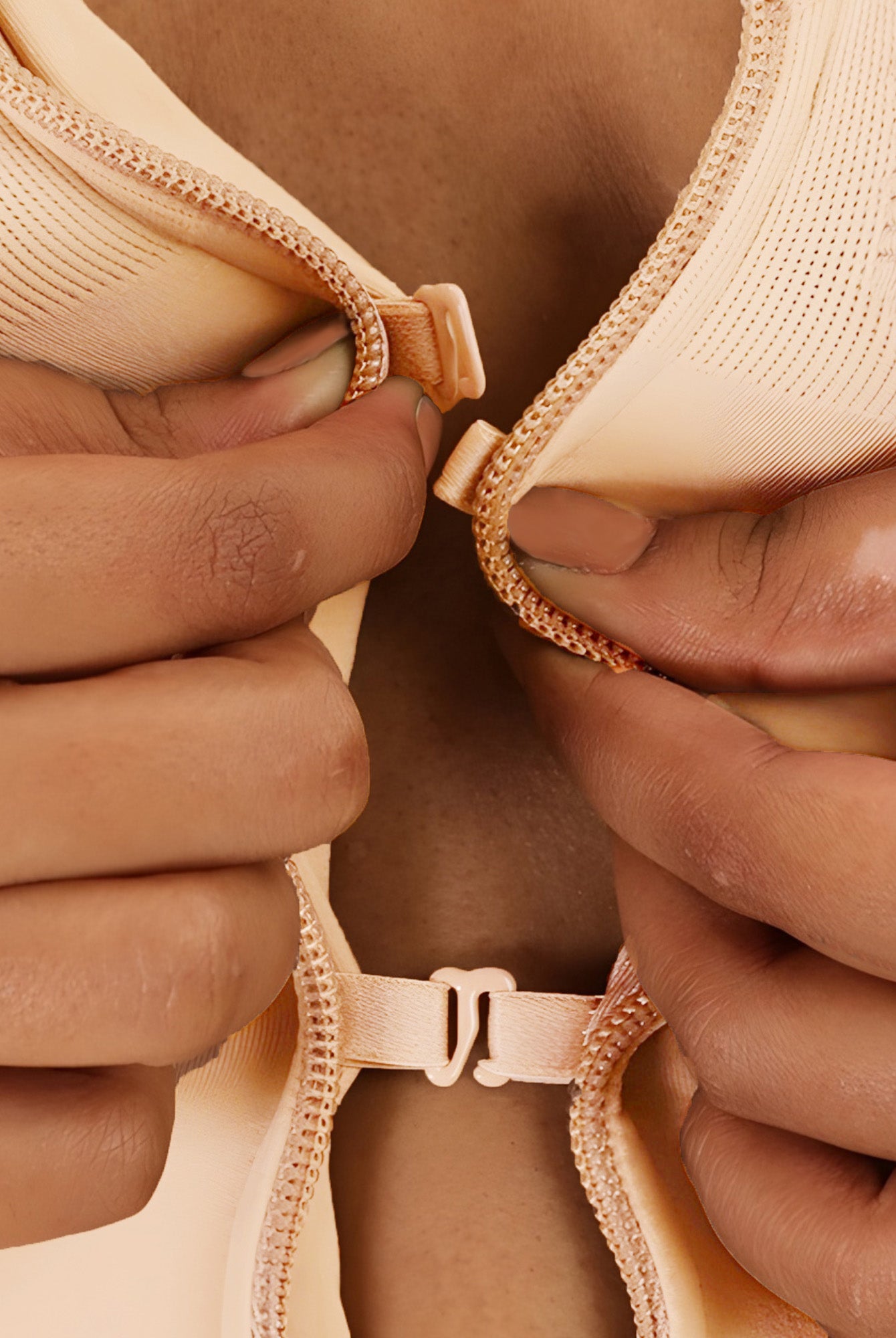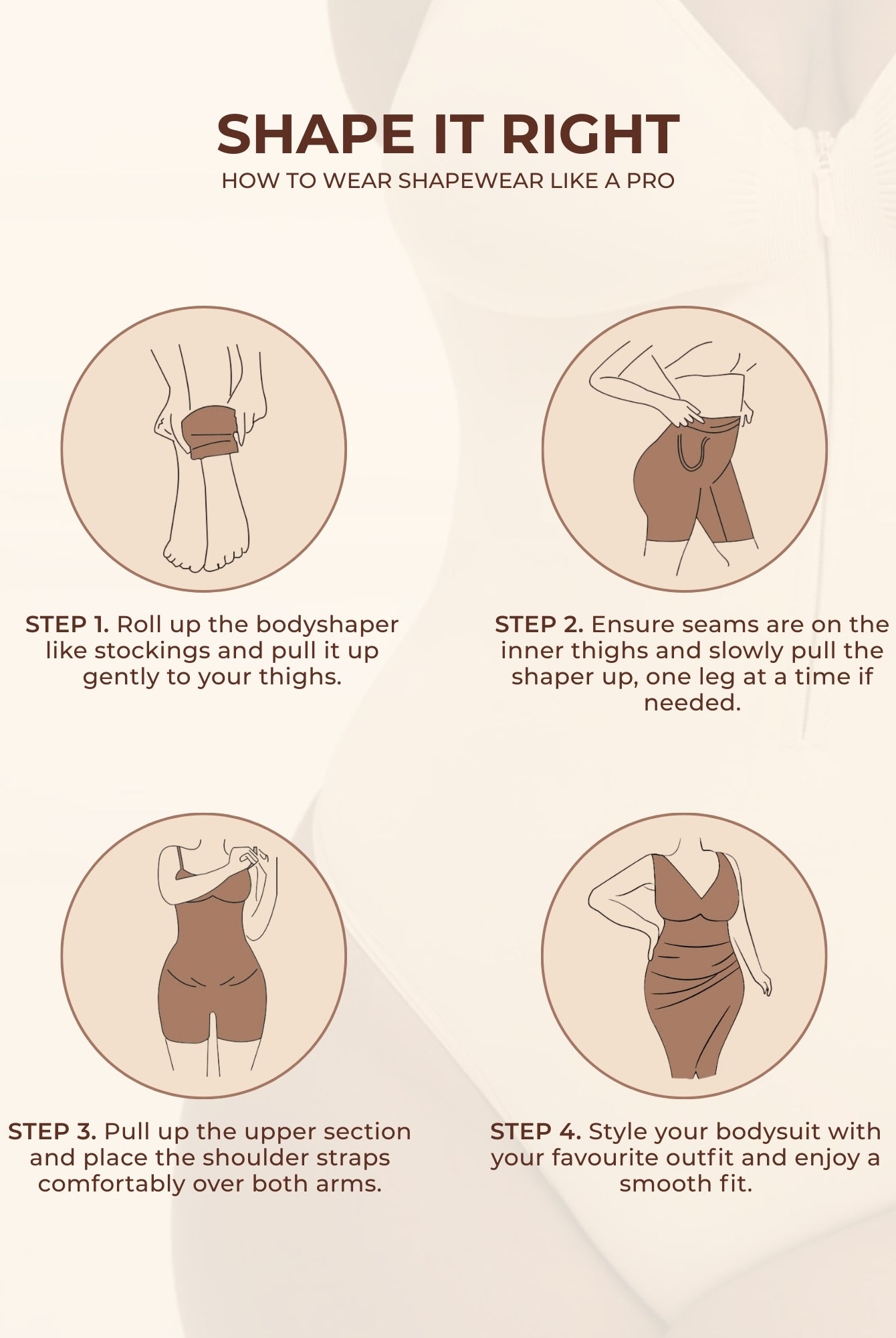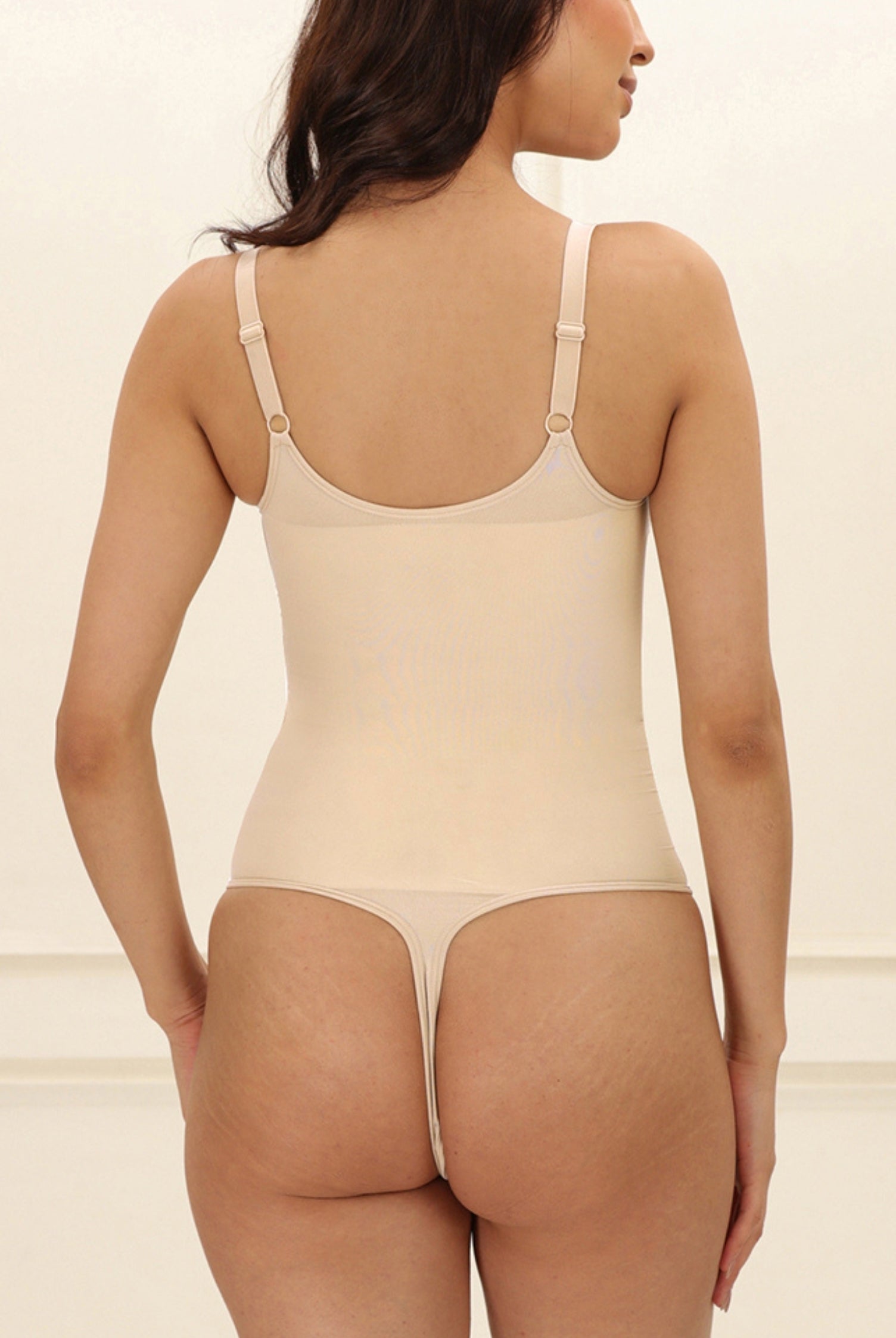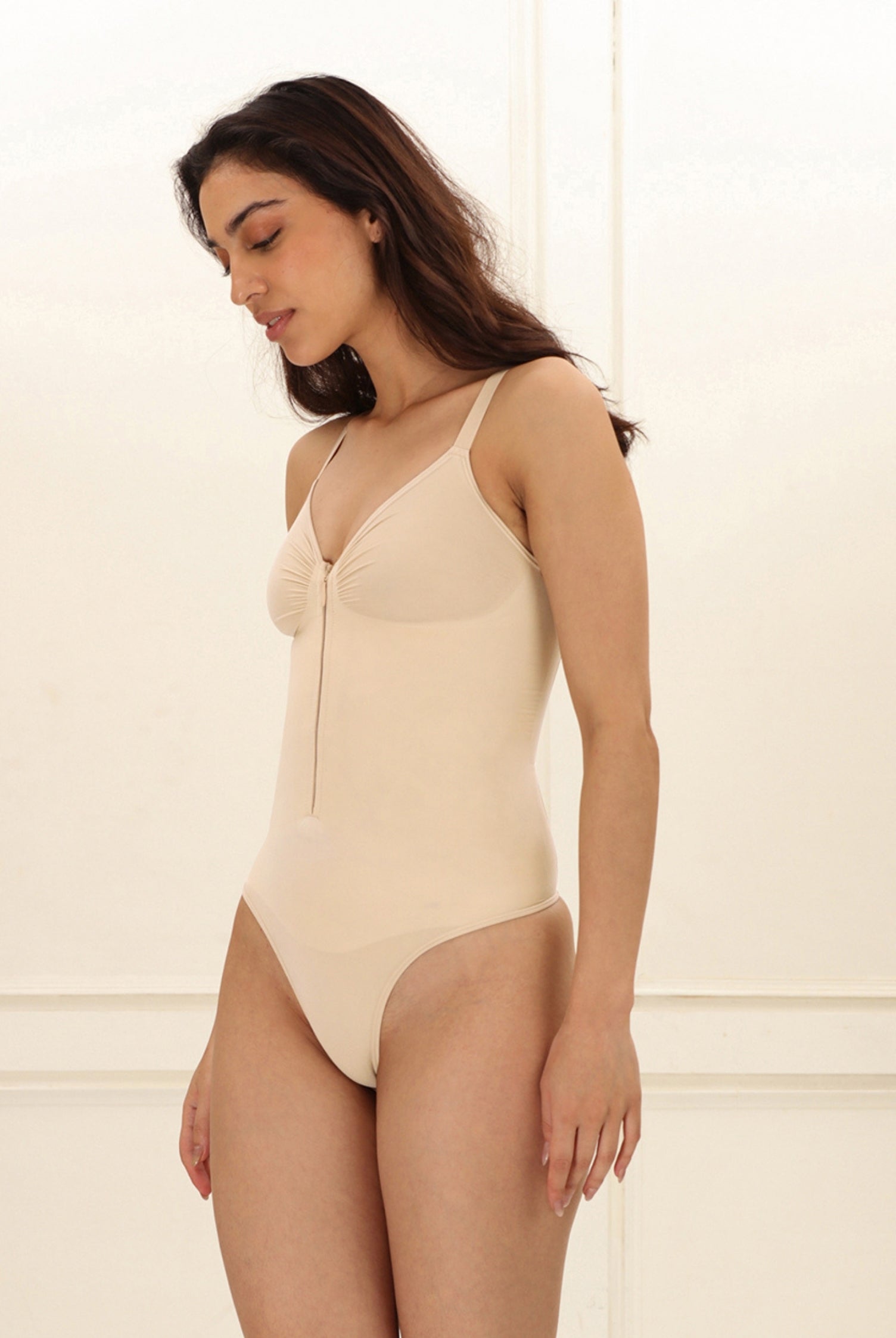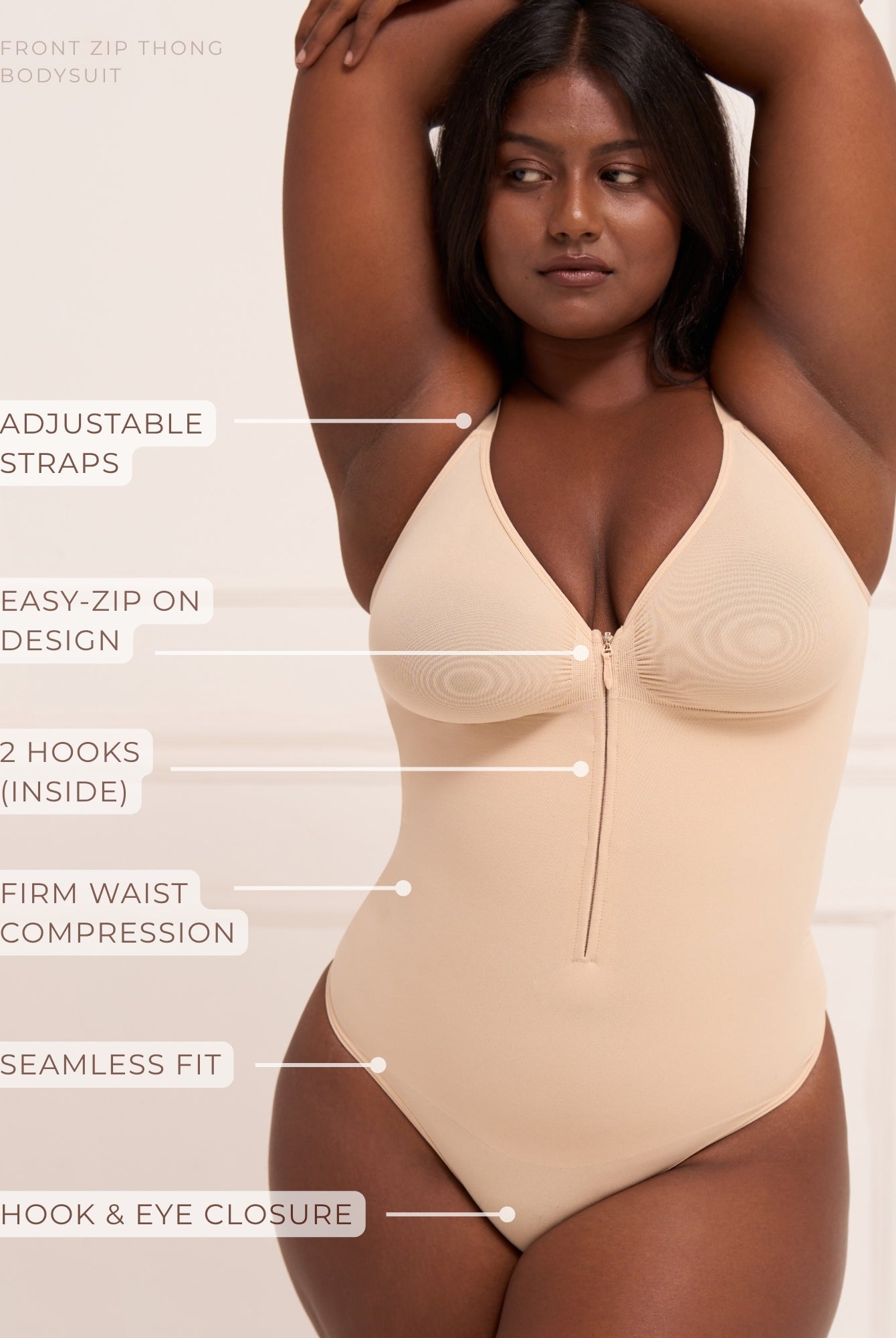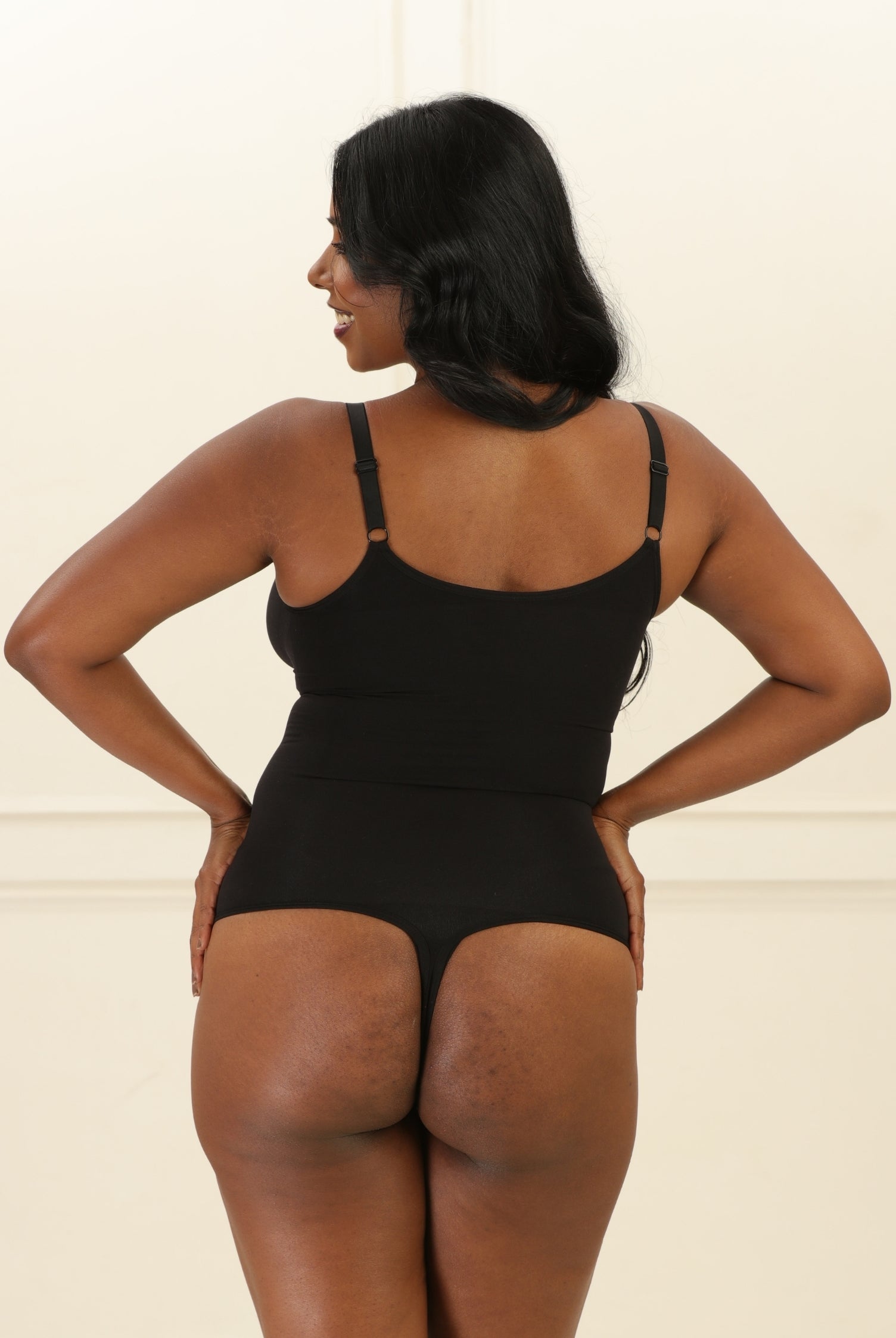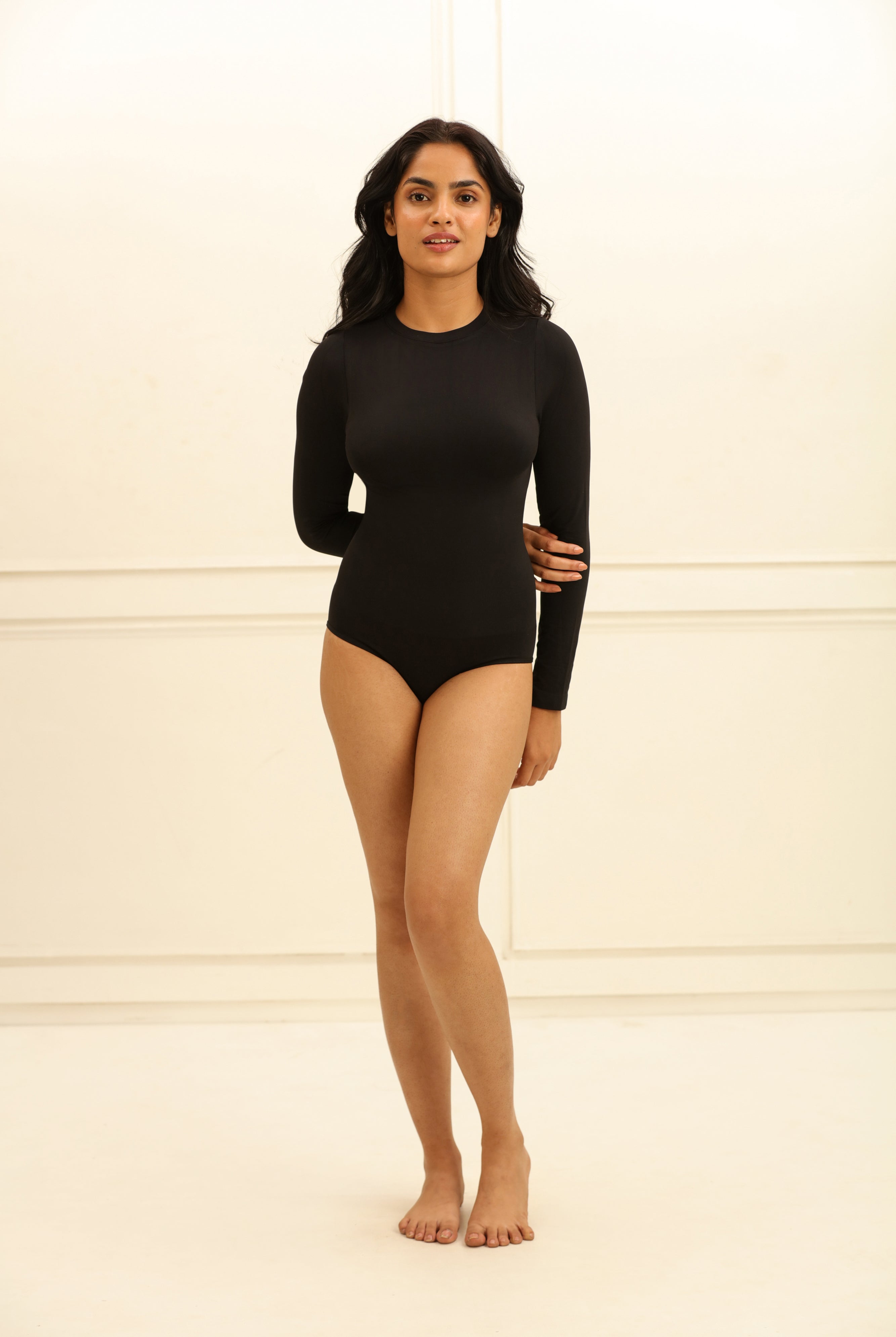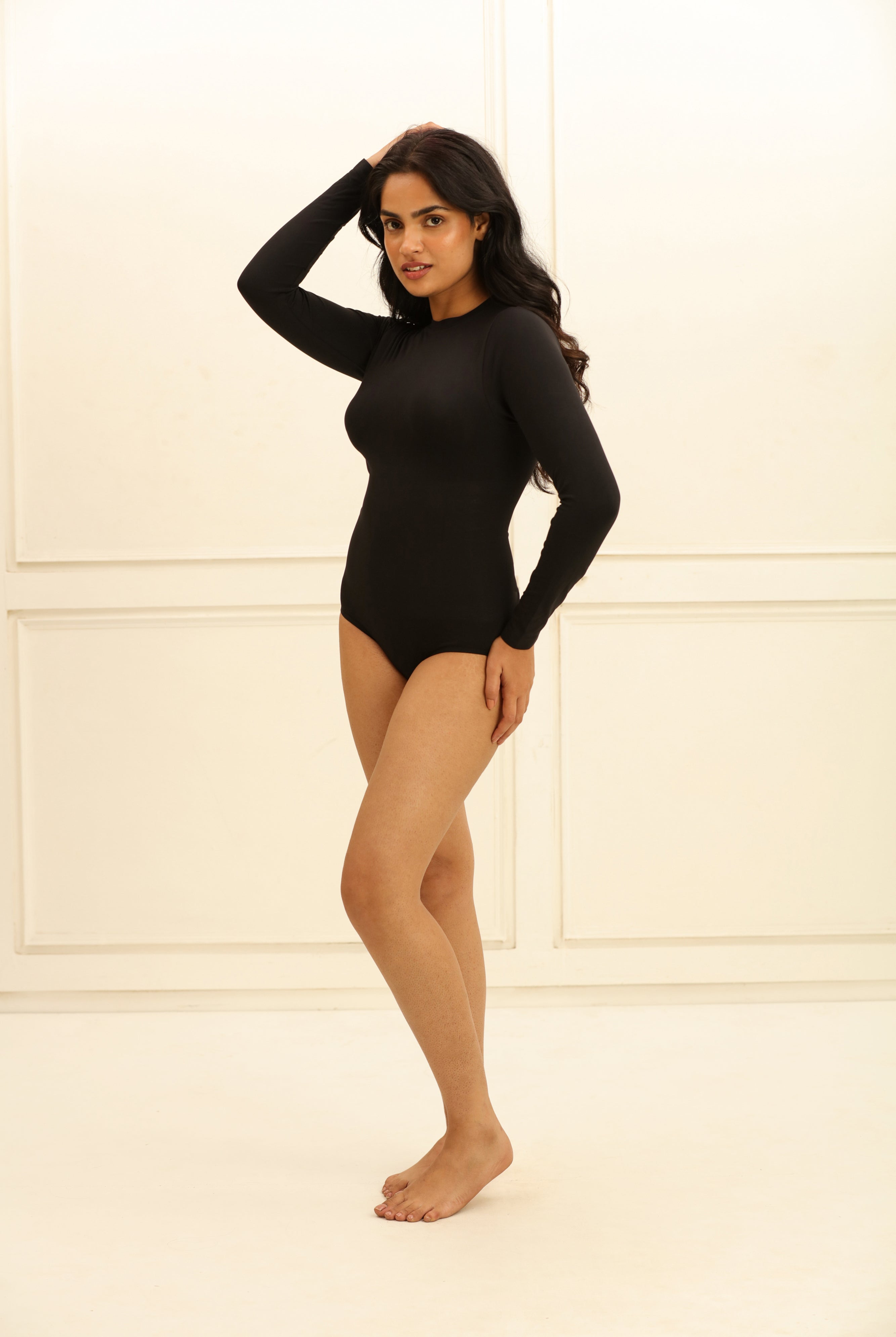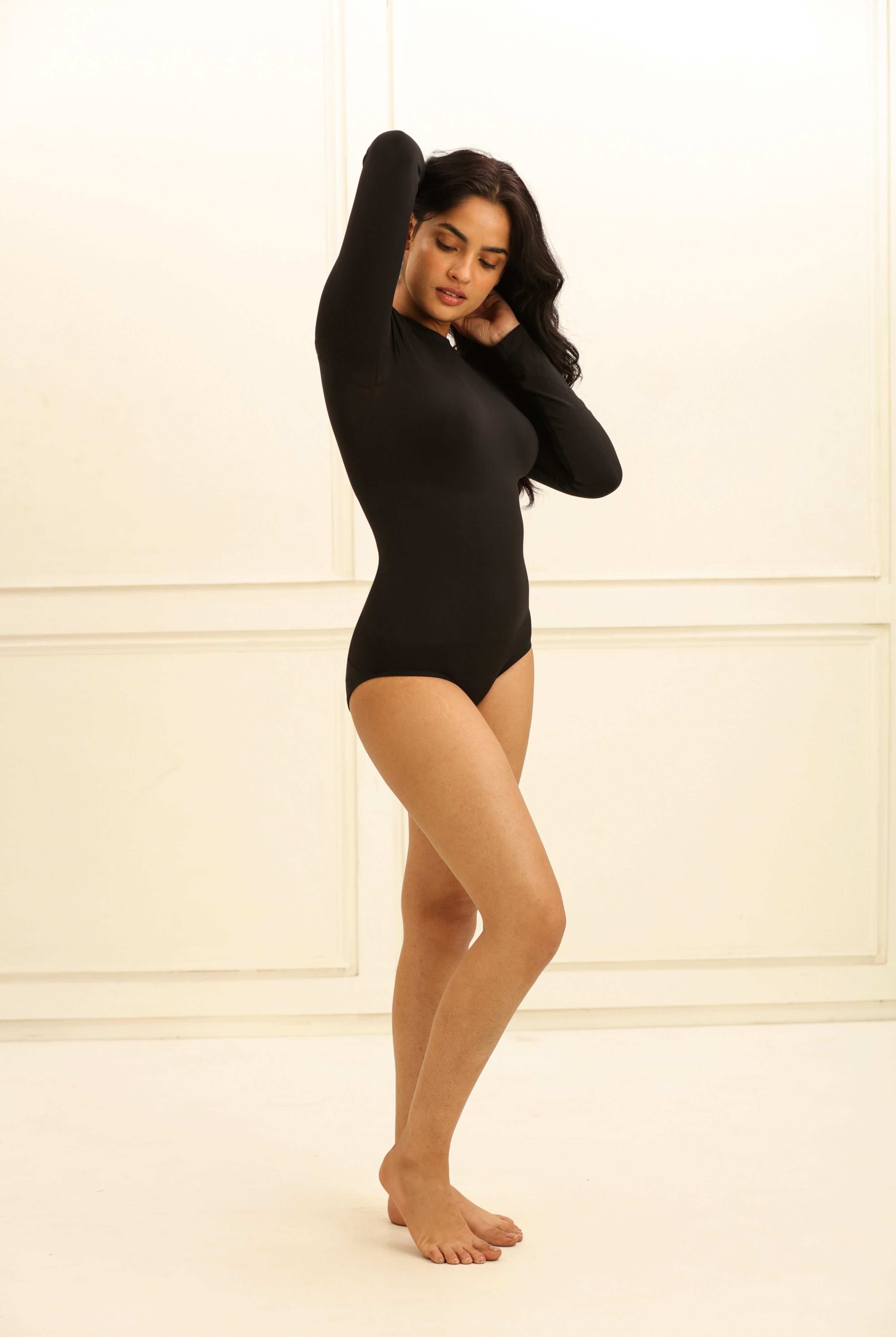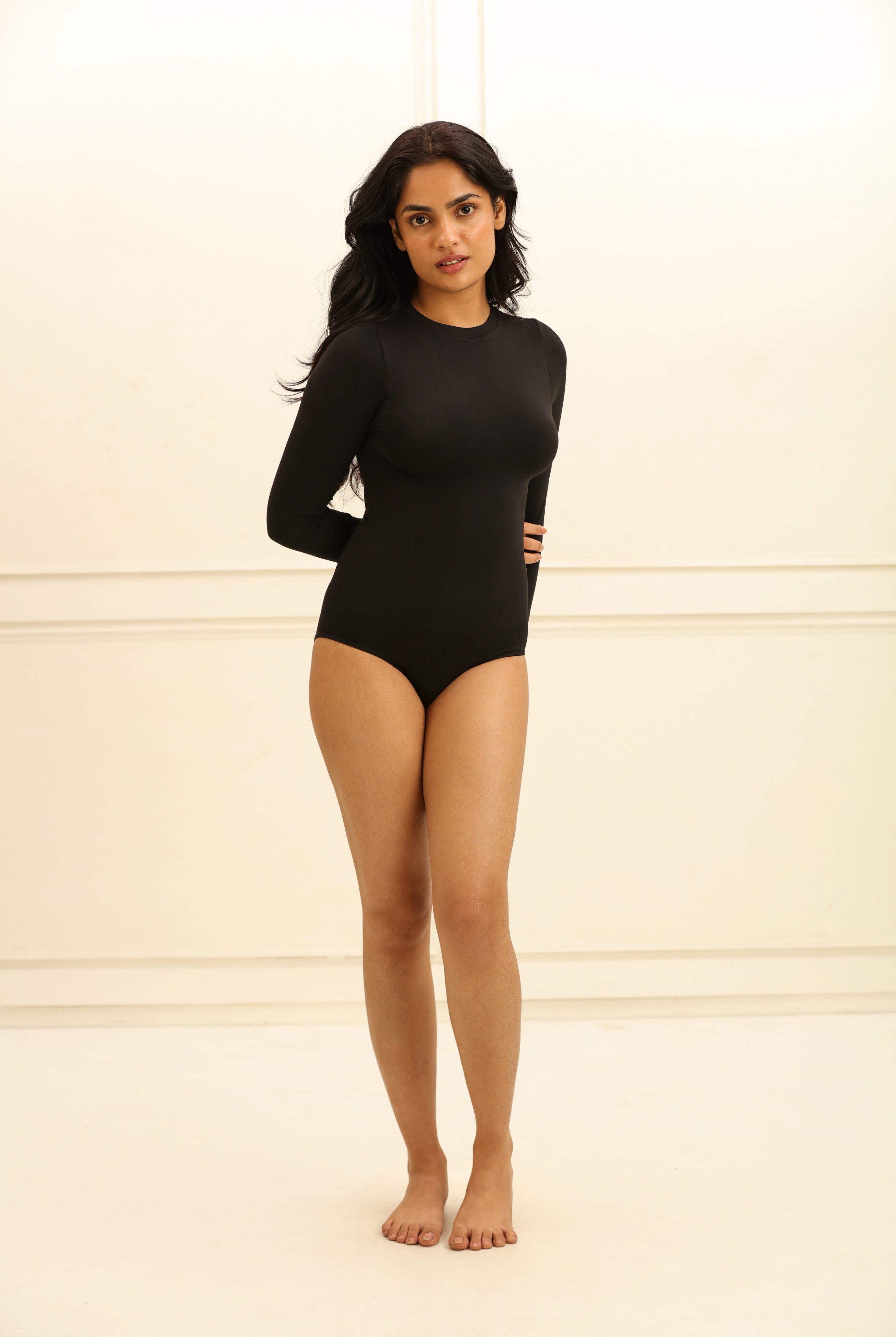







A surprising amount of bra-size knowledge gets passed around almost like family advice.
An older sister recommends a size. A store assistant suggests another. A friend swears by hers. Somewhere along the way, a number and a letter get assigned, and many women stick with them for years without thinking twice.
Which is understandable. Bra sizing can feel like one of those things you're supposed to have figured out already. But the reality is that bodies change, brands vary, and fit is often much more personal than a single size label can capture.
Here's something worth knowing before the bra-shopping spiral begins: breasts are never in one standard shape, and neither should the bras women choose for them.
Two women can wear the same size and still need very different fits because breast shape can vary just as much as size. And once that becomes part of the conversation, finding the best bra for breast shape starts to make a lot more sense.
This guide breaks down the best bras for different shapes, so you know what details to look for when you're shopping for a bra online at 11 pm and telling yourself you're only going to browse for five minutes.
How to Choose the Right Bra for Your Breast Type
Before breast shape starts sounding like another thing you're supposed to have figured out, here's the reassuring bit: there isn't one "right" shape. Breast shapes naturally vary, and none of them needs fixing or correcting. Think of it as a little bit of everyday geometry, because apparently even bras have their own mathematics.
Here are some common breast shapes and the bra styles that may work well with each.
Slender

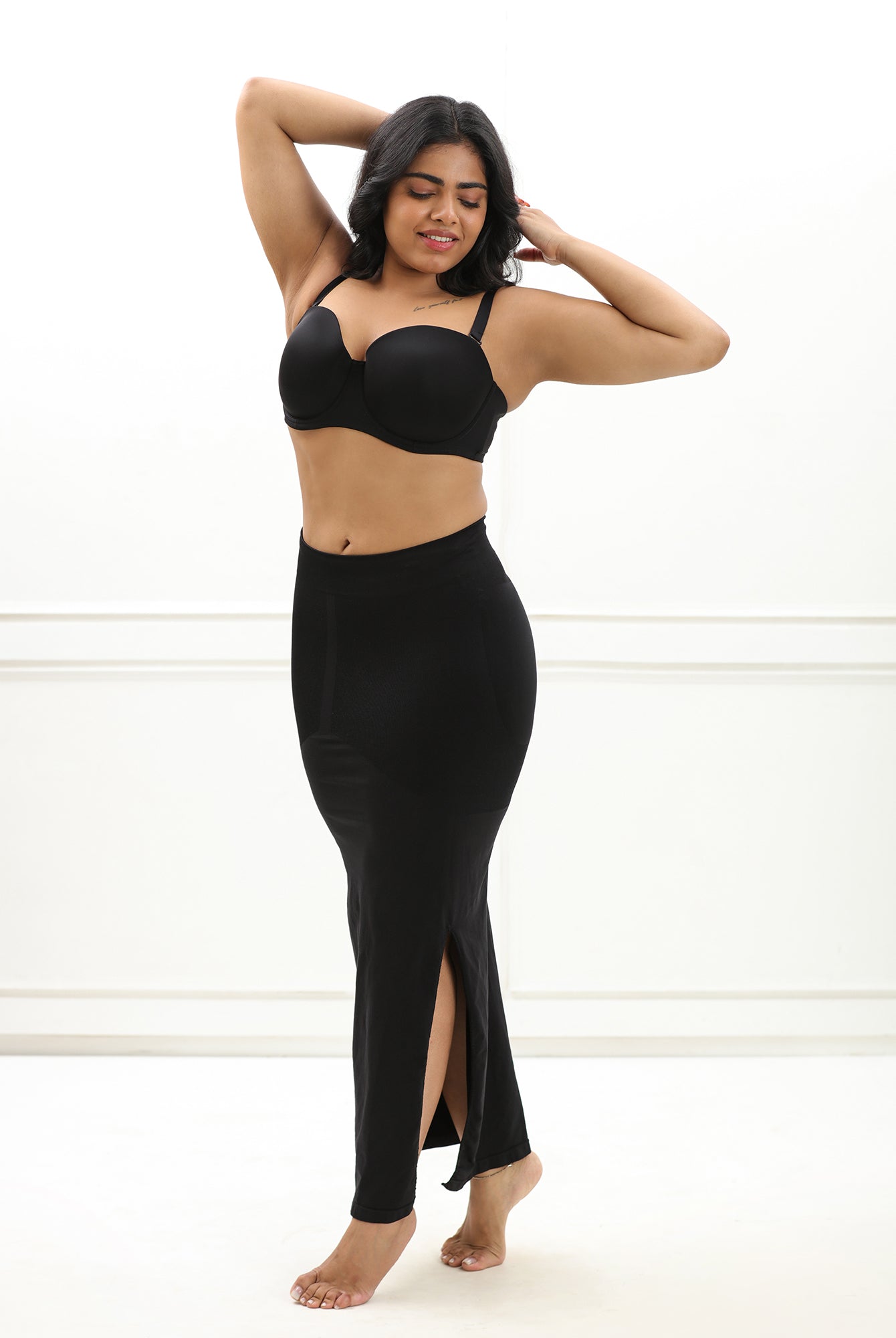
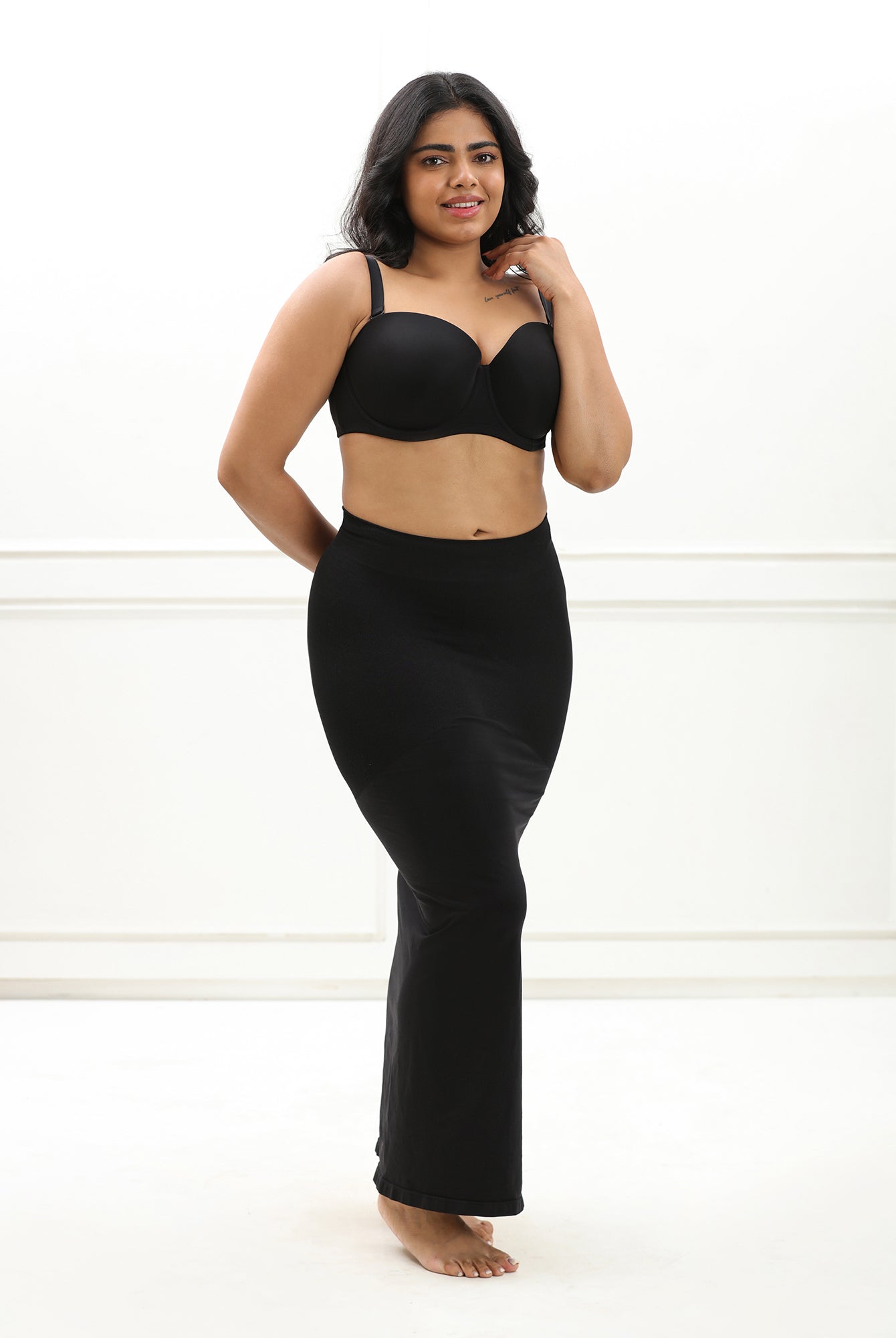
A gentler curve towards the top, with more of the natural fullness sitting towards the lower part of the breast. If this is you, padded or lightly push-up bras are your best friends; they add shape without screaming about it. Balconette styles can also be a comfortable option, with a shape that offers support while complementing the natural shape of the breasts.
Asymmetric

A little difference in size from one side to the other is completely normal. Bodies aren't designed to be perfectly symmetrical, no matter what carefully posed pictures online might suggest. The fix isn't finding a "perfect match" bra (it doesn't exist); it's going for moulded cups or styles with removable padding, so you can even things out on your terms, not the bra's.
Athletic
 A broader shape with more natural fullness towards the lower part and a gentler curve towards the top. Soft, wireless bras or well-structured sports bras can be comfortable options here, offering support while working with the natural shape of the breasts rather than trying to alter it.
Pendulous

Softer tissue, less firm projection, more length than width. This shape genuinely benefits from full coverage bras with wide, well-padded straps and solid underwire support; look for structure over style, at least for everyday wear.
Bell

Narrower up top, noticeably fuller towards the bottom, like the shape suggests. Underwire styles with good lower-cup support, such as balconette or demi styles, can be a great option here, offering a secure and comfortable fit while supporting the natural shape of the breasts.
East West

Breasts where the nipples naturally point slightly outward are completely normal and quite common. Plunge bras or styles with a supportive centre gore can be comfortable options, depending on the fit and the kind of shape or coverage you prefer.
Side Set Breasts

Breasts that sit a little further apart are simply one of the many natural breast shapes. Depending on the fit you're looking for, push-up styles or bras with a narrower centre panel can offer support and bring the cups closer together, creating a more centred fit under clothing.
Round

A fairly even distribution of fullness across the top and bottom of the breasts. Many bra styles can work well with this shape, including balconettes, bralettes, and plunge styles, so there's plenty of room to choose based on the support, coverage, and feel you prefer.
How Does Finding the Right Bra for Your Breast Shape Help?
Here's what changes once you actually know your shape: everything fits like it was made for you, because, well, you finally bought it for you. No more straps leaving indents by lunchtime. No more constantly tugging at the band. No more buying three bras in one trip hoping one of them "works out."
You stop guessing and start shopping with intent, which is genuinely life-changing. It also means your clothes sit better. A well-shaped bra does half the work your outfit was silently begging for.
Conclusion
Your breast shape isn't a flaw to fix; it's just information, and once you have it, bra shopping stops being trial-and-error and starts being a strategy.
FAQs
What type of bra is best for my breast shape?
It depends entirely on your shape. Balconette and push-up styles suit slender shapes well, full coverage works best for pendulous shapes, and plunge bras with a strong centre gore help with east-west or side-set shapes. The sections above break this down shape by shape.
How do I determine my breast shape?
Stand in front of a mirror without a bra on and look at fullness, direction, and spacing. Where's the volume concentrated: top, bottom, or even? Do the breasts point forward, outward, or sit wide apart? That's really all it takes to get a rough read on your shape.
Which bra works well for relaxed or sagging breasts?
Full coverage bras with wide straps and solid underwire support tend to work best; they offer structure and lift without being uncomfortable. Look for styles specifically designed for pendulous shapes rather than generic everyday bras.
Which cup size is bigger, B, C or D?
Cup sizes increase alphabetically, so D is bigger than C, which is bigger than B. But cup size alone doesn't tell the whole story; it's relative to your band size too, which is why two people with a "C cup" can look completely different.
Are balconette bras suitable for all breast shapes?
Mostly, yes, balconette bras are one of the more versatile styles out there and work well for slender, round, and bell shapes especially. That said, they're not always the best pick for pendulous or very full-at-the-bottom shapes, where more structured support helps more.