







Adhesive vs Non-Adhesive Nipple Cover: The Sensitive Skin Survival Guide (Because You Girls Deserve Better)
Here’s something worth knowing: sheer or light-colored clothing can be tricky. You need coverage, but a full bra just doesn’t work with the outfit. That’s usually when people reach for nipple covers.

So you would do what any sensible person would do: you’ll buy these cute little adhesive nipple cover from a random store at the mall. They looked fine. They were cheap. They stuck on easily. Problem solved, right?
WRONG.
Fast forward to hour 3 of the wedding. You’re dancing, having the time of your life, when you start feeling this... burning sensation. Not like "ouch, you touched something hot" burning, but this slow, creeping irritation that’s getting progressively worse. You excuse yourself to the bathroom, lock the stall, and peek under my dress to see what’s happening.
And boom, girlie, your skin is ANGRY. Red, inflamed, and these covers were STUCK. Like, really stuck. You tried to peel one off gently and ow ow OW. I’m standing there in this beach club bathroom, half-panicking, trying to figure out how to remove these things without causing more damage, while the DJ is playing "Levitating" outside and everyone’s probably wondering where you went.
That’s when I learned: not all nipple covers for women are created equal. Especially when you have sensitive skin. And ESPECIALLY when you don’t know the difference between adhesive and non-adhesive options.
Why This Even Matters (And Why Nobody Talks About It)
Here’s the thing about nipple covers for women: they’ve become this essential accessory that nobody really teaches you about. We all just... figure it out through trial and error. And if you have sensitive skin? That "error" part can be genuinely painful.
Your nipple area has some of the most delicate skin on your body. It’s thin, it’s sensitive, and it reacts to EVERYTHING: fabrics, temperatures, adhesives, you name it. So when you’re slapping something sticky or grippy onto that area for hours at a time? Your skin has opinions. Strong ones.
Let’s Start With the Grippy Ones (Non-Adhesive, My Personal Saviours)
We all know the beach mishap, and that’s when one does their share of research and realises, Nipple covers Non-Adhesive work differently than regular ones; they use medical-grade silicone that grips your skin using your own body heat instead of any adhesive. You just place them on, press gently for a few seconds, and the warmth creates this suction effect that holds them in place. No glue, no chemicals, no irritation.
For sensitive skin, this is huge because there’s zero risk of that reaction you get from adhesives. And when you take them off? They just peel away gently. No tugging, no pain, no drama. The removal is honestly just as important as how they feel when they’re on.
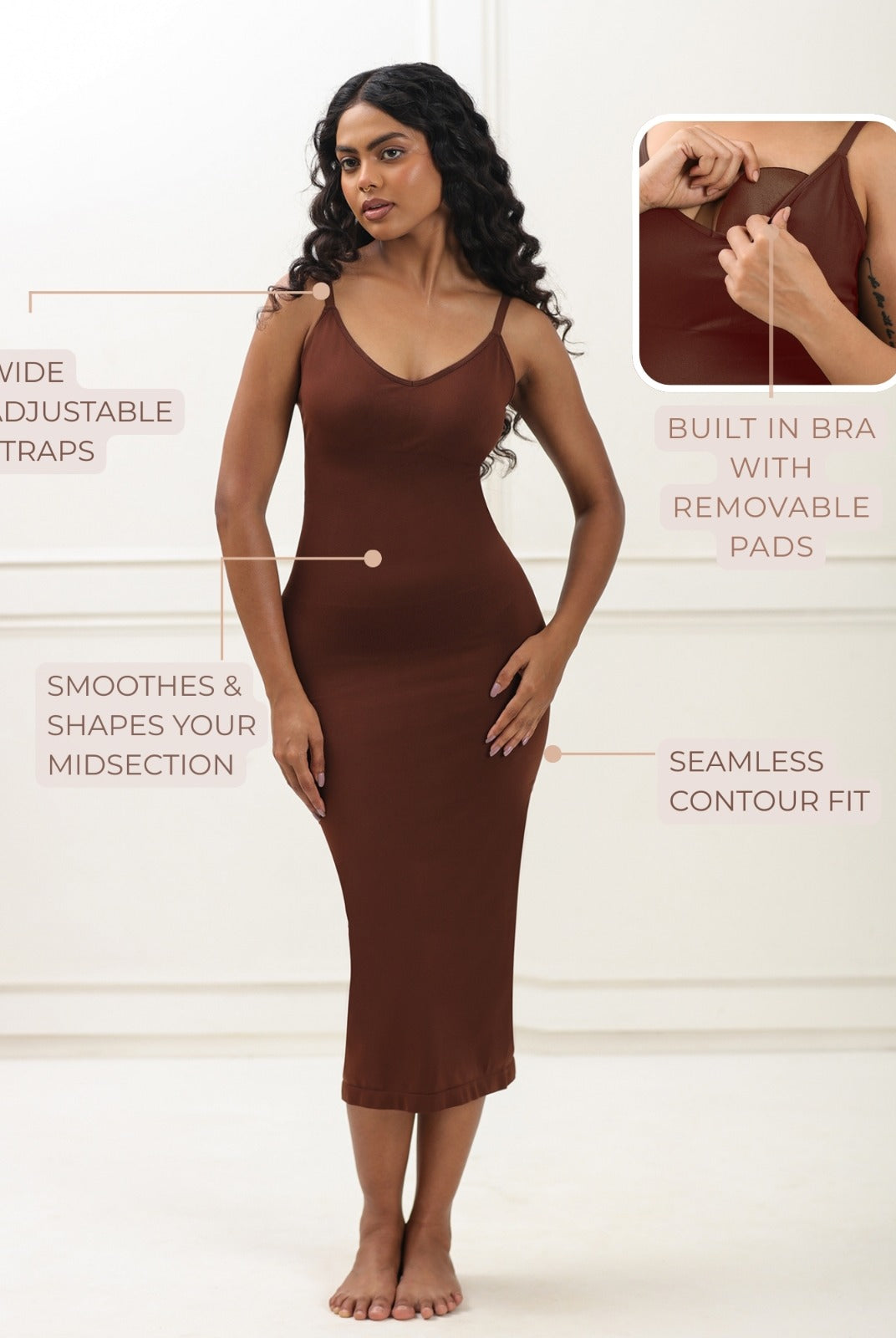
These work best under anything fitted, tight tanks, bodycon dresses, fitted kurtas, sports bras. Basically, any situation in which your clothing will hold them in place naturally. They’re so comfortable you’ll genuinely forget you’re wearing them.
The only thing to keep in mind: they need a bit of pressure to stay put. So if you’re wearing something super loose and flowy with nothing holding them down, they might shift around. For fitted outfits, though? Non-adhesive nipple covers are the move.
Now Let’s Talk About the Sticky Situation (Adhesive Covers)

Not all adhesive options are the same. The cheap ones you find randomly can have harsh adhesive and poor quality, but well-designed adhesive nipple cover options from good brands use medical-grade adhesive, the same kind used in medical bandages, which is actually meant for skin contact. They stick securely and stay put through dancing, sweating, or wearing loose clothing.
The trade-off is that even high-quality adhesive nipple covers for women carry more risk if you have reactive skin. If you can’t wear Band-Aids without getting a rash, these might not work for you, regardless of quality.
| Non-Adhesive (Grippy Girls) | Adhesive (Sticky Girls) | |
|---|---|---|
| How they hold on | Body-heat grip, press for a few seconds, and they suction-hug your skin | Medical-grade glue: sticks directly and does NOT let go |
| Sensitive skin energy | Zero glue, zero chemicals, zero drama | Skin-safe, but still adhesive, reactive skin might side-eye it |
| Removal experience | Peel off gently, no pain, no trauma | Needs oil + patience, or it’s a villain arc |
| Outfit compatibility | Thrives under fitted tops, bodycons, sports bras, kurtas | Wins with loose, flowy, oversized, unstructured outfits |
| Wear time & sweat test | Comfortable for long hours, but needs outfit pressure | Sweat-proof, humidity-proof, but max 6–8 hours |
Which One Is Actually Safer?
If we’re being completely honest about sensitive skin, Nipple covers Non Adhesive are almost always the safer choice. Like, if I had to rank them on a "least likely to make your skin angry" scale, non-adhesive wins by a mile.
Here’s why: sensitive skin is basically skin that overreacts to stuff. Adhesives are chemicals. Even medical-grade ones. And chemicals touching delicate skin for hours? That’s a recipe for potential reactions, no matter how careful you are.
The Removal Crisis (And How to Not Have One)

Can we talk about the removal situation? Because this is where a lot of people traumatise themselves, and I want to save you from that.
For nipple covers, non-adhesive:
This is easy mode. Gently peel from the edge. They should come off smoothly with zero drama. If they’re being stubborn, you’ve probably been wearing them too long, and your body heat has created a REALLY good seal. Just be patient and peel slowly.
For adhesive covers:
THIS IS WHERE PEOPLE MESS UP. If you just try to rip them off? Pain. Potentially taking skin with them. Not cute.
Here’s the hack that changed my life: baby oil. Or coconut oil. Or even olive oil if that’s what you have. Put a little bit around the edges of the cover and let it sit for 30 seconds. The oil breaks down the adhesive, and suddenly they slide right off. No pain, no struggle, no tears.
I cannot stress this enough: if they feel stuck, DO NOT RIP. Oil is your friend. Take the extra minute. Your skin will be so much happier.
Tina and Anjali protectors: Hygiene time
Your Tina and Anjali protectors need to be washed after every use.
I know you’re tired. I know washing tiny silicone circles seems annoying. But bacteria build up on these SO fast, and that bacteria is what causes random breakouts and rashes in that area. It’s not always the adhesive or the material; sometimes it’s just dirty covers.
After each use, wash them with mild, fragrance-free soap. Just regular hand soap works. Rinse thoroughly, let them air dry completely, and when you’re applying them? Make sure your skin is 100% dry.
The Outfit-Specific Game Plan

Let me give you some real scenarios because that’s actually helpful:
Fitted gym tank top or sports bra:
Non-adhesive all the way. They’ll stay put perfectly, you can work out comfortably, and your skin can breathe.
Flowy maxi dress for a summer wedding:
Adhesive is your friend here. Nothing to hold non-adhesive ones in place, and you need security.
Tight bodycon dress for a night out:
Non-adhesive works perfectly. The dress holds everything in place, and you’ll be comfortable all evening.
Sheer oversized shirt for a casual day:
Adhesive makes sense. The shirt is too loose to keep the non-adhesive ones positioned properly.
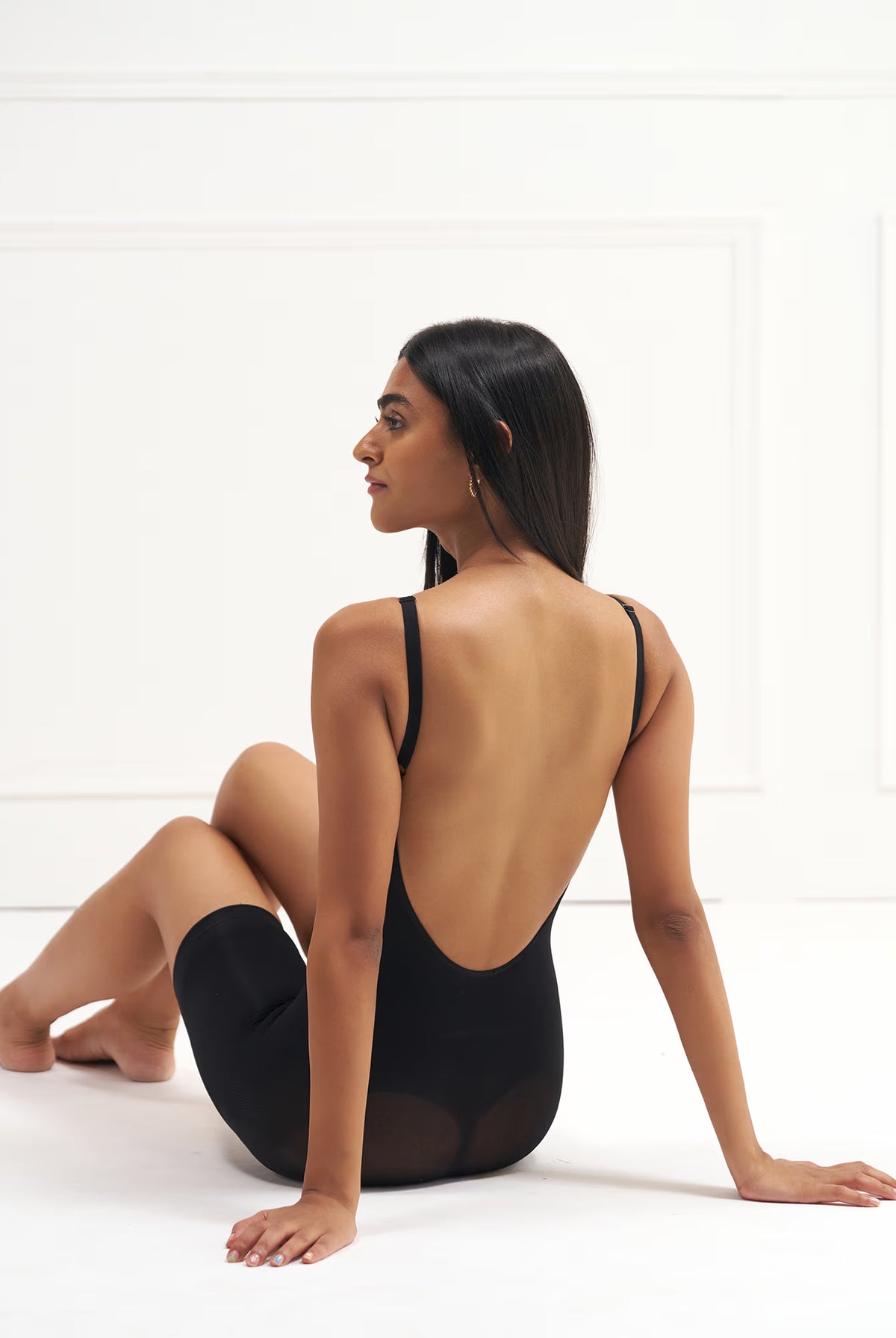
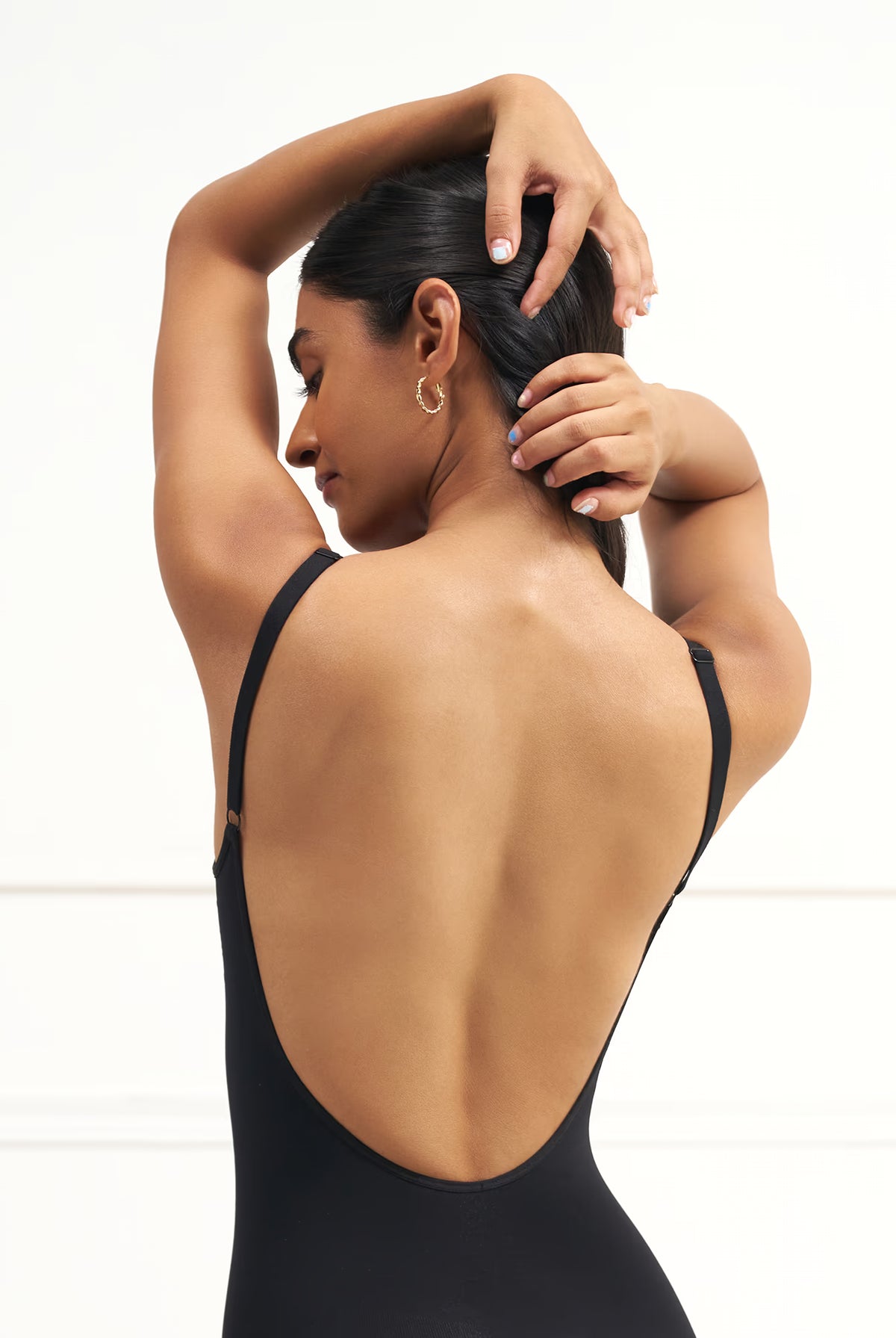
Backless top with no support:
This is actually where nipple covers for women in general become essential. I’d go non-adhesive if the front is fitted, adhesive if it’s loose.
See the pattern? It’s really about what your clothing situation is doing to help (or not help) keep them in place.
What to Do If Your Skin Reacts Anyway?

Sometimes your skin reacts even when you’ve done everything right. You picked quality Nipple covers Non Adhesive, prepped your skin properly, and removed them gently, but you still got irritation. It happens. Everyone’s skin is different.
First: don’t panic. Remove the covers immediately (gently!), wash the area with cool water and mild soap, and give your skin a break.
If there’s redness or irritation, a cool compress can help. Some people swear by aloe vera gel (make sure it’s pure, not the bright blue stuff with alcohol). If it’s really bothering you, a thin layer of cortisone cream can calm inflammation.
If the irritation lasts more than a few days, or if you see any blistering or serious reaction? Time to call a dermatologist. Don’t mess around with prolonged skin issues, especially in sensitive areas.
And honestly? If you’re someone who consistently reacts to nipple covers non adhesive, even when you’re being careful, maybe they’re just not for you. And that’s okay! There are other solutions, bralettes, stick-on bras, even just strategic outfit choices that don’t require coverage. You don’t HAVE to use covers if they don’t work for your body.
FAQs
Why do nipple covers irritate some people?
Because nipple skin is extremely delicate and reacts quickly to adhesives, heat, and trapped sweat.
Are all nipple covers the same?
No, adhesive and non-adhesive covers work very differently and affect skin differently.
What makes non-adhesive nipple covers safer for sensitive skin?
They use body heat and silicone grip instead of glue, so there are no chemicals involved.
How do non-adhesive nipple covers stay in place?
Your body heat creates a suction-like grip when you press them on.
When do non-adhesive nipple covers work best?
Underfitted clothing like bodycon dresses, gym tops, kurtas, or tight tanks.